Blog

  • Enzymes Market 2026 Outlook: Market Size, CAGR And Key Growth Opportunities

    Enzymes Market 2026 Outlook: Market Size, CAGR And Key Growth Opportunities

    Backed by market attractiveness analysis, total addressable market sizing, company benchmarking matrices, interactive Excel dashboards, wider supply chain intelligence, emerging startup coverage, and detailed product-level insights, The Business Research Company’s 2026 market reports are designed to offer research that is more actionable and strategically valuable than ever.

    Enzymes Market Set To Climb From $17.28 Billion In 2026 To $28.7 Billion By 2030

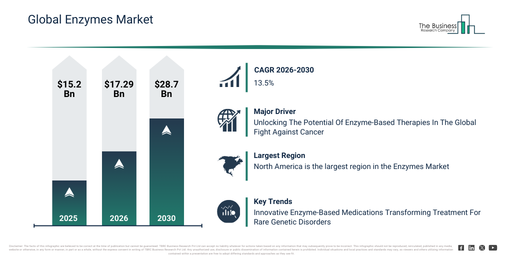
    The enzymes market has experienced substantial expansion in recent years. It will grow from $15.2 billion in 2025 to $17.29 billion in 2026 at a compound annual growth rate (CAGR) of 13.7%. Historically, this growth is linked to factors such as an increasing need for therapeutic enzymes, advancements in microbial fermentation technology, enhanced biotechnology research, the implementation of enzyme-based diagnostic tools, and the enlargement of pharmaceutical production.

    The enzymes market is projected for swift expansion in the coming years, reaching $28.7 billion in 2030 with a compound annual growth rate (CAGR) of 13.5%. This projected growth during the forecast period stems from factors such as the rise of personalized medicine, progress in protein engineering, increased demand for industrial enzymes in the food and beverage sectors, a greater emphasis on sustainable enzyme manufacturing, and the expansion of developing markets in the Asia-Pacific region. Key trends anticipated for this period encompass enzyme engineering and protein design, the broadening of industrial enzyme applications, personalized enzyme therapy, advancements in microbial enzymes, and the development of eco-friendly and sustainable enzyme production methods.

    Get A Free Sample Report With In-Depth Market Insights:

    https://thebusinessresearchcompany.com/sample_request?id=64981146&type=smp&name=Enzymes%20Market%20Report%202026&utm_source=Blogs&utm_medium=Paid&utm_campaign=Oct_PR

    Enzymes Market Growth Momentum: What Factors Are Shaping Demand?

    The escalating incidence of cancer, which necessitates drug-metabolizing enzymes (DMEs) for effective chemotherapy, is projected to propel the expansion of the enzyme market in the coming years. The activation of enzymes within the human body plays a vital role in eliminating cancer cells and breaking down tumors. Therefore, the expression and proper functioning of drug-metabolizing enzymes (DMEs) in the tumor tissues and metabolic organs of cancer patients are indispensable, providing crucial support for patients who exhibit low reaction to anticancer drugs and poor response to chemotherapy. For instance, in September 2025, according to the American Cancer Society, a US-based professional organization, an estimated 313,780 new cases of prostate cancer are anticipated in the United States in 2025. The risk of developing prostate cancer also increases sharply with age, escalating from 0.2% in men under 50 to 6.5% in those aged 70–79. Consequently, the rising prevalence of cancer conditions amenable to treatment with therapeutic enzymes is expected to fuel the enzyme market growth.

    Enzymes Market Segmentation: How Does The Market Break Down By Category?

    The enzymes market covered in this report is segmented –

    1) By Product Type: Asparaginase, Lipase, Protease, Nattokinase, Chitinase, Serratiopeptidase, Collagenase, Ligase, Other Products

    2) By Application: Leukemia, Stomach Disorders, Antitumor, Skin Ulcers, Gaucher Disease, Fabry Disease, Other Applications

    3) By End User: Drug Manufacturers, Hospitals, Private Clinics, Research Laboratories

    Subsegments:

    1) By Asparaginase: L-asparaginase, Erwinia Asparaginase, Pegylated Asparaginase

    2) By Lipase: Gastric Lipase, Pancreatic Lipase, Fungal Lipase, Bacterial Lipase

    3) By Protease: Serine Proteases, Cysteine Proteases, Aspartic Proteases, Metalloproteases

    4) By Nattokinase: Nattokinase Powder, Nattokinase Capsules

    5) By Chitinase: Plant Chitinase, Microbial Chitinase

    6) By Serratiopeptidase: Serratiopeptidase Tablets, Serratiopeptidase Capsules

    7) By Collagenase: Type I Collagenase, Type II Collagenase, Type III Collagenase

    8) By Ligase: DNA Ligase, RNA Ligase

    9) By Other Products: Amylase, Cellulase, Beta-Glucanase

    Enzymes Market Trends Redefining Industry Growth

    Key players in the enzyme market are actively developing innovative products, such as Lamzede, to enhance patient care. Lamzede (velmanase alfa) is a medication specifically designed for the treatment of alpha-mannosidosis, a rare genetic condition resulting from deficient activity of the lysosomal alpha-galactosidase-A enzyme. For instance, in May 2023, Chiesi Global Rare Diseases, a US-based pharmaceutical manufacturing company, secured FDA approval for Lamzede (velmanase alfa) for managing non-neurological symptoms in patients with mild-to-moderate alpha-mannosidosis. This drug, Lamzede, is a recombinant form of human alpha-mannosidase, engineered in mammalian Chinese hamster ovary (CHO) cells through recombinant DNA technology. It holds the distinction of being the first enzyme replacement therapy approved in the U.S. for addressing the non-central nervous system manifestations of alpha-mannosidosis.

    Enzymes Market Competitive Overview And Top Companies

    Major companies operating in the enzymes market are Novozymes A/S, DuPont Industrial Biosciences, BASF SE, Koninklijke DSM N.V., Chr. Hansen Holding A/S, Roche Holding AG, Advanced Enzyme Technologies Ltd., AB Enzymes GmbH, Codexis Inc., Dyadic International Inc., Amano Enzyme Inc., Adisseo France SAS, Biocatalysts Ltd., Amano Enzyme Inc., Enzyme Development Corporation, Creative Enzymes, Hayashibara Co. Ltd., Thermo Fisher Scientific Inc., Associated British Foods Plc, Lonza Group AG, Novus International Inc., Epygen Biotech, DSM Nutritional Products AG, Soufflet Biotechnologies SAS, Beijing Leili Marine Bioindustry Inc., Jiangsu Boli Bioproducts Co. Ltd.

    View The Full Enzymes Market Report:

    https://thebusinessresearchcompany.com/report/Enzyme-global-market-report?utm_source=Blogs&utm_medium=Paid&utm_campaign=Oct_PR

    Enzymes Market Leading Geography: Which Region Contributes The Most Revenue?

    North America was the largest region in the enzymes market in 2025. The regions covered in the enzymes market report are Asia-Pacific, South East Asia, Western Europe, Eastern Europe, North America, South America, Middle East, Africa.

    Reach Out To Our Team:

    The Business Research Company: https://www.thebusinessresearchcompany.com/

    Americas: +1 310-496-7795

    Asia: +44 7882 955267 & +91 8897263534

    Europe: +44 7882 955267

    Email us at: marketing@tbrc.info

    Follow us on:

    LinkedIn: https://in.linkedin.com/company/the-business-research-company

    YouTube: https://www.youtube.com/channel/UC24_fI0rV8cR5DxlCpgmyFQ

    Global Market Model: https://www.thebusinessresearchcompany.com/global-market-model
  • Lab Supplies Market Growth Potential: What The Latest Forecast Reveals

    Lab Supplies Market Growth Potential: What The Latest Forecast Reveals

    Built to provide research that’s more actionable and strategically valuable, The Business Research Company’s 2026 market reports include market attractiveness analysis, total addressable market sizing, company benchmarking matrices, interactive Excel dashboards, broader supply chain intelligence, emerging startup tracking, and in-depth product insights.

    Lab Supplies Market Revenue Outlook: What CAGR Lies Ahead Through 2030?

    The lab supplies market has experienced robust expansion in recent years. The market is projected to expand from $40.3 billion in 2025 to $43.94 billion in 2026, exhibiting a compound annual growth rate (CAGR) of 9.0%. Historically, this expansion has been linked to several factors, including the increased scope of scientific research endeavors, the development of the pharmaceutical and biotechnology sectors, a rise in academic research funding, more extensive application of laboratory testing, and the accessibility of standardized laboratory equipment.

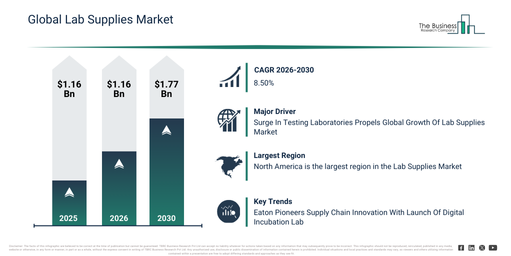
    The lab supplies market is anticipated to experience substantial growth in the upcoming years, with its size projected to reach $60.9 billion in 2030, exhibiting a compound annual growth rate (CAGR) of 8.5%. This expansion during the forecast period is primarily driven by escalating investments in life sciences research, an increasing demand for sophisticated diagnostic testing, the proliferation of automated laboratories, a heightened emphasis on contamination control, and the growing adoption of sustainable lab consumables. Furthermore, significant trends expected over this period include a rising demand for high-quality laboratory consumables, the increased uptake of automated laboratory equipment, a greater focus on laboratory safety and compliance, the broadening use of disposable and single-use lab supplies, and enhanced integration of digital laboratory systems.

    Get A Free Sample Report With In-Depth Market Insights:

    https://thebusinessresearchcompany.com/sample_request?id=94876857&type=smp&name=Lab%20Supplies%20Market%20Report%202026&utm_source=Blogs&utm_medium=Paid&utm_campaign=Oct_PR

    Lab Supplies Market Expansion Drivers: What’s Shaping Future Growth?

    The growing number of testing laboratories worldwide is projected to fuel the expansion of the lab supplies market moving forward. A testing laboratory functions as a location where diagnostic examinations or research activities are carried out. These facilities depend on lab supplies for performing reactions and containing various chemicals. The expanding count of testing laboratories naturally leads to increased consumption of lab supplies, consequently boosting the lab supplies market. For instance, in April 2023, information from the International Laboratory Accreditation Cooperation, an Australia-based international organization for accreditation bodies, revealed that from September 2022 to April 2023, ILAC Full Members had accredited over 85,000 to 88,000 laboratories, 13,000 to 13,900 inspection bodies, 600 to 604 proficiency testing providers (PTP), and 250 to 260 reference material producers (RMP) across 154 organizations in 129 economies globally. Hence, the increasing prevalence of testing laboratories across the globe is significantly contributing to the growth of the lab supplies market.

    Lab Supplies Market Segment Analysis: What Are The Core Market Categories?

    The lab supplies market covered in this report is segmented –

    1) By Product: Equipment, Disposables

    2) By Application: Biochemistry, Endocrinology, Microbiology, Genetic Testing, Other Applications

    3) By End Users: Academic Institutes, Clinical And Diagnostic Laboratories, Pharmaceutical And Biotechnology Companies, Other End Users

    Subsegments:

    1) By Equipment: Laboratory Instruments, Analytical Equipment, Safety Equipment, Storage Equipment

    2) By Disposables: Glassware, Plasticware, Consumables, Biohazard Bags And Containers

    Lab Supplies Market Strategic Trends: What Defines The Next Growth Phase?

    Leading companies in the market are introducing new and creative technologies to maintain their standing. Advanced technologies in the lab supplies market significantly improve efficiency, accuracy, and overall capabilities, driving advancements in research, diagnostics, and experimentation. For example, in June 2023, Eaton Corporation, an Ireland-based multinational power management company, launched its inaugural Supply Chain Digital Incubation Lab in Pune, India. This lab is a crucial part of Eaton’s digital transformation and innovation efforts, aiming to foster innovation within the supply chain. It functions as both a physical and virtual laboratory where ideas and technologies related to supply chain management are assessed, evaluated, and tested, with the potential for commercialization. This initiative demonstrates Eaton’s commitment to integrating digitalization and Industry 4.0 technologies into its operations, while also enhancing its internal productivity and the customer experience.

    Lab Supplies Market Top Companies Driving Competitive Growth

    Major companies operating in the lab supplies market are Thermo Fisher Scientific Inc., Danaher Corporation, Agilent Technologies Inc., PerkinElmer Inc., Avantor, VWR International, MilliporeSigma, Bio-Rad Laboratories Inc., Bruker Corporation, Eppendorf AG, Cole-Parmer, Sartorius AG, Waters Corporation, Shimadzu Corporation, Corning Inc., BrandTech Scientific Inc., Qiagen N.V., Mettler Toledo, Lab Pro Inc., Fujifilm Holdings Corporation

    View The Full Lab Supplies Market Report:

    https://thebusinessresearchcompany.com/report/lab-supplies-global-market-report?utm_source=Blogs&utm_medium=Paid&utm_campaign=Oct_PR

    Lab Supplies Market Global Footprint: Which Region Leads The Market?

    North America was the largest region in the lab supplies market in 2025. The regions covered in the lab supplies market report are Asia-Pacific, South East Asia, Western Europe, Eastern Europe, North America, South America, Middle East, Africa.

    Reach Out To Our Team:

    The Business Research Company: https://www.thebusinessresearchcompany.com/

    Americas: +1 310-496-7795

    Asia: +44 7882 955267 & +91 8897263534

    Europe: +44 7882 955267

    Email us at: marketing@tbrc.info

    Follow us on:

    LinkedIn: https://in.linkedin.com/company/the-business-research-company

    YouTube: https://www.youtube.com/channel/UC24_fI0rV8cR5DxlCpgmyFQ

    Global Market Model: https://www.thebusinessresearchcompany.com/global-market-model
  • Enzyme Replacement Therapy Market Size Growth: From $13.42 Billion In 2026 To $19.28 Billion By 2030

    Enzyme Replacement Therapy Market Size Growth: From $13.42 Billion In 2026 To $19.28 Billion By 2030

    Featuring market attractiveness scoring, total addressable market sizing, company benchmarking matrices, interactive Excel dashboards, deeper supply chain intelligence, emerging startup tracking, and granular product-level insights, The Business Research Company’s 2026 market reports are built to deliver research that is both more actionable and more strategically valuable.

    Enzyme Replacement Therapy Market Forecast: Value Set To Climb From $13.42 Billion To $19.28 Billion

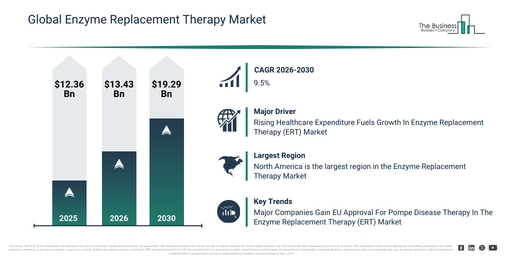
    The enzyme replacement therapy market has experienced robust expansion in recent years. Its value is anticipated to rise from $12.36 billion in 2025 to $13.43 billion in 2026, reflecting a compound annual growth rate (CAGR) of 8.6%. This past growth can be ascribed to factors such as the increasing incidence of lysosomal storage disorders, developments in recombinant DNA technology, heightened awareness regarding rare diseases, improved hospital infrastructure, and government efforts supporting treatments for rare conditions.

    The enzyme replacement therapy market is projected to experience robust expansion over the coming years. This market is anticipated to reach $19.29 billion by 2030, exhibiting a compound annual growth rate (CAGR) of 9.5%. Factors contributing to this growth during the forecast period include the broadening scope of precision medicine, the creation of innovative enzyme formulations, a rise in the use of home infusion therapies, the incorporation of digital health solutions, and an increase in partnerships between biotechnology firms and research institutions. Key trends anticipated for the forecast period encompass individualized enzyme replacement therapies, the enlargement of programs for treating rare diseases, the advancement of extended-release enzyme formulations, the utilization of less invasive administration methods, and the incorporation of real-world data for optimizing therapeutic approaches.

    Get A Free Sample Report With In-Depth Market Insights:

    https://thebusinessresearchcompany.com/sample_request?id=10512&type=smp&name=Enzyme%20Replacement%20Therapy%20Market%20Report%202026&utm_source=Blogs&utm_medium=Paid&utm_campaign=Oct_PR

    Enzyme Replacement Therapy Market Expansion Drivers: What’s Shaping Future Growth?

    The growth of the enzyme replacement therapy (ERT) market is expected to be propelled by increasing healthcare expenditure. This expenditure refers to the total amount of money allocated to , related goods, and activities within a specific healthcare system or economy over a defined period. Healthcare expenditure is essential for enzyme replacement therapy (ERT) primarily due to the specialized and often costly nature of these treatments, specifically for research and development and clinical trials and testing. For instance, in June 2025, the US-based federal agency, Centers for Medicare & Medicaid Services (CMS), indicated that National Health Expenditure (NHE) saw a 7.5% increase to $4.9 trillion in 2023, amounting to $14,570 per person, and constituting 17.6% of Gross Domestic Product (GDP). Hospital expenditures climbed 10.4% to $1,519.7 billion in 2023, which was a faster expansion compared to the 3.2% growth in 2022. Therefore, the rising healthcare expenditures are a key factor driving the expansion of the enzyme replacement therapy (ERT) market.

    Enzyme Replacement Therapy Market Segment Trends And Revenue Contributors

    The enzyme replacement therapy market covered in this report is segmented –

    1) By Enzyme Type: Agalsidase Alfa, Agalsidase Beta, Galsulfase, Other Enzyme Types

    2) By Route Of Administration: Oral, Parenteral

    3) By Application: Gaucher Disease, Pompe Disease, Fabry Disease, Other Applications

    4) By End-Users: Hospitals, Infusion Centers, Other End-Users

    Enzyme Replacement Therapy Market Strategic Trends: What Defines The Next Growth Phase?

    Leading companies in the enzyme replacement therapy (ERT) market are prioritizing innovative treatment products and seeking approval for Pompe disease therapies to address the significant unmet medical needs of patients with late-onset Pompe disease. Illustratively, a treatment for Pompe disease available in the European Union, which comprises Pombiliti (cipaglucosidase alfa) and Opfolda (miglustat), serves as an enzyme replacement therapy for adults with late-onset Pompe disease. As a specific example, in June 2023, Amicus Therapeutics, a US-based biotechnology company, announced the approval and launch of a novel Pompe disease therapy in the European Union. This initiative was undertaken to meet the unmet medical need for patients with late-onset Pompe disease, bolstered by clinical data, and driven by potential market opportunities and regulatory support. This therapy, consisting of Pombiliti (cipaglucosidase alfa) and Opfolda (miglustat), functions as an enzyme replacement therapy for adults with late-onset Pompe disease.

    Enzyme Replacement Therapy Market Competitive Landscape: Which Companies Lead The Industry?

    Major companies operating in the enzyme replacement therapy market are Biomarin Pharmaceutical Inc., Leadiant Biosciences Inc., Pfizer Inc., Sanofi S.A., AbbVie Inc., Alexion Pharmaceuticals Inc., Recordati Rare Diseases Inc., JCR Pharmaceuticals Co. Ltd., Horizon Pharma Public Limited Company, Protalix Biotherapeutics Ltd., Amicus Therapeutics Inc., AstraZeneca plc, Novartis AG, Roche Holding AG, GlaxoSmithKline plc, Merck & Co. Inc., Eli Lilly and Company, Bristol-Myers Squibb Company, Retrophin Inc., Abeona Therapeutics Inc., Orchard Therapeutics plc, Ultragenyx Pharmaceutical Inc.

    View The Full Enzyme Replacement Therapy Market Report:

    https://thebusinessresearchcompany.com/report/enzyme-replacement-therapy-global-market-report?utm_source=Blogs&utm_medium=Paid&utm_campaign=Oct_PR

    Enzyme Replacement Therapy Market Regional Outlook: Where Is Opportunity Concentrated?

    North America was the largest region in the enzyme replacement therapy market in 2025. Asia-Pacific is expected to be the fastest-growing region in the global enzyme replacement therapy market report during the forecast period. The regions covered in the enzyme replacement therapy market report are Asia-Pacific, South East Asia, Western Europe, Eastern Europe, North America, South America, Middle East, Africa.

    Reach Out To Our Team:

    The Business Research Company: https://www.thebusinessresearchcompany.com/

    Americas: +1 310-496-7795

    Asia: +44 7882 955267 & +91 8897263534

    Europe: +44 7882 955267

    Email us at: marketing@tbrc.info

    Follow us on:

    LinkedIn: https://in.linkedin.com/company/the-business-research-company

    YouTube: https://www.youtube.com/channel/UC24_fI0rV8cR5DxlCpgmyFQ

    Global Market Model: https://www.thebusinessresearchcompany.com/global-market-model
  • Lab On Chip Market Growth Outlook: Why Analysts Expect Continued Expansion

    Lab On Chip Market Growth Outlook: Why Analysts Expect Continued Expansion

    Backed by market attractiveness analysis, total addressable market sizing, company benchmarking matrices, interactive Excel dashboards, wider supply chain intelligence, emerging startup coverage, and detailed product-level insights, The Business Research Company’s 2026 market reports are designed to offer research that is more actionable and strategically valuable than ever.

    Lab On Chip Market Growth Analysis: How Will Revenue Trend Over The Forecast Period?

    The lab on chip market has experienced substantial expansion in recent years. It is anticipated to increase from $8.85 billion in 2025 to $10.02 billion in 2026, demonstrating a compound annual growth rate (CAGR) of 13.2%. The historical growth of this market can be attributed to advancements in microfluidics technology, a rise in diagnostic testing demand, increasing research funding, the necessity for quicker clinical results, and the broadening of biotechnology research.

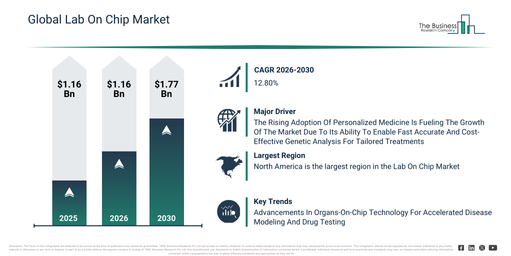
    The lab on chip market is projected to experience substantial growth in the coming years. It is anticipated to reach a size of $16.25 billion by 2030, exhibiting a compound annual growth rate (CAGR) of 12.8%. This expansion over the forecast period is primarily attributed to the rise of decentralized healthcare testing, increased adoption in resource-limited environments, integration with digital health platforms, the broadening of personalized diagnostics, and a greater application in drug discovery. Significant trends for this period include the miniaturization of diagnostic devices, the expansion of point-of-care testing, the integration of multiple lab functions onto a single chip, the increased utilization of microfluidics, and a growing demand for rapid diagnostics.

    Get A Free Sample Report With In-Depth Market Insights:

    https://thebusinessresearchcompany.com/sample_request?id=36592211&type=smp&name=Lab%20On%20Chip%20Market%20Report%202026&utm_source=Blogs&utm_medium=Paid&utm_campaign=Oct_PR

    Lab On Chip Market Development Factors: What’s Supporting Demand?

    The lab on chip market is anticipated to expand due to the increasing integration of personalized medicine. This healthcare approach customizes prevention and treatment specifically to an individual’s distinct genetic profile, environmental factors, and lifestyle choices. Its expansion is fueled by advancements in genetic testing, which enable treatments to align with an individual’s genetic composition, thereby boosting efficacy and minimizing adverse reactions. Lab-on-chip devices provide rapid and precise examination of a patient’s genetic and molecular data, facilitating personalized therapies while concurrently cutting down on the time and expenses associated with traditional laboratory techniques. For instance, in February 2024, data from the US-based non-profit Personalized Medicine Coalition indicated that the Food and Drug Administration (FDA) sanctioned 16 personalized therapies in 2023 for rare diseases, an increase from the six such treatments cleared in 2022. Consequently, the growing acceptance of personalized medicine is acting as a primary catalyst for the growth of the lab on chip market.

    Lab On Chip Market Segment Breakdown: Which Categories Lead On Revenue?

    The lab on chip market covered in this report is segmented –

    1) By Product And Service: Reagents And Consumables, Instruments, Software And Services

    2) By Technology: Microfluidics-Based Technology, Micro-Electro-Mechanical Systems (MEMS), Nanolithography, Three-Dimensional (3D) Printing Technology

    3) By Material: Polymers, Glass, Silicon, Paper

    4) By Application: Genomics, Proteomics, Point Of Care Diagnostics, Drug Discovery, Other Applications

    5) By End-User: Biotechnology And Pharmaceuticals Companies, Hospitals, Diagnostics Centers, Academic And Research Institutes, Other End-Users

    Subsegments:

    1) By Reagents And Consumables: Enzymes And Buffers, Deoxyribonucleic Acid (DNA) Or Ribonucleic Acid (RNA) Extraction Kits, Microfluidic Cartridges, Microplates And Pipette Tips, Stains And Dyes

    2) By Instruments: Microfluidic Analyzers, Lab-On-A-Chip Readers, Fluid Handling Systems, Imaging And Detection Systems, Automation And Robotics Platforms

    3) By Software And Services: Data Analysis Software, Lab Management Software, Simulation And Modeling Software, Custom Development Services, Maintenance And Support Services

    Lab On Chip Market Transformation Trends: What Innovations Are Driving Change?

    Leading companies in the lab on chip market are prioritizing the creation of advanced technological solutions, specifically organ-on-chip technology-based instruments, to expedite disease modeling and bolster personalized medicine applications. Organs-on-chip technology-based instruments are microfluidic devices that replicate human organ structure and function, facilitating accurate simulation of biological processes and enabling precise drug testing and disease modeling outside the body. As an illustration, in September 2023, NETRI, a France-based provider of neuro-organs-on-chip technologies, unveiled organs-on-chip kits designed to achieve faster and more predictive preclinical testing by integrating organs-on-chips into healthcare research protocols. These kits support cells from various species, enabling cross-species in vitro studies with predictive clinical insights, thus speeding up drug candidate development and decreasing reliance on animal models. This introduction signifies a crucial advancement toward the broad adoption of transformative organs-on-chip technology in medical research.

    Lab On Chip Market Leading Players And Competitive Positioning

    Major companies operating in the lab on chip market are F. Hoffmann-La Roche Ltd., Merck KGaA, Thermo Fisher Scientific Inc., Danaher Corporation, Agilent Technologies Inc., Illumina Inc., Revvity Inc., Bio-Rad Laboratories Inc., QIAGEN N.V., Tecan Group Ltd, QuantuMDx Group Ltd., InSphero, Micronit B.V., MesoBioTech, Mimetas, Achira Labs Pvt. Ltd., Elvesys, Beonchip, Lab Chip Technologies, Sphere Bio.

    View The Full Lab On Chip Market Report:

    https://thebusinessresearchcompany.com/report/lab-on-chip-global-market-report?utm_source=Blogs&utm_medium=Paid&utm_campaign=Oct_PR

    Lab On Chip Market Regional Split: Which Areas Are Fueling Growth?

    North America was the largest region in the lab on chip market in 2025. Asia-Pacific is expected to be the fastest-growing region in the forecast period. The regions covered in the lab on chip market report are Asia-Pacific, South East Asia, Western Europe, Eastern Europe, North America, South America, Middle East, Africa.

    Reach Out To Our Team:

    The Business Research Company: https://www.thebusinessresearchcompany.com/

    Americas: +1 310-496-7795

    Asia: +44 7882 955267 & +91 8897263534

    Europe: +44 7882 955267

    Email us at: marketing@tbrc.info

    Follow us on:

    LinkedIn: https://in.linkedin.com/company/the-business-research-company

    YouTube: https://www.youtube.com/channel/UC24_fI0rV8cR5DxlCpgmyFQ

    Global Market Model: https://www.thebusinessresearchcompany.com/global-market-model
  • Lab Consumables Market Forecast Insights: The Road To $19.1 Billion By 2030

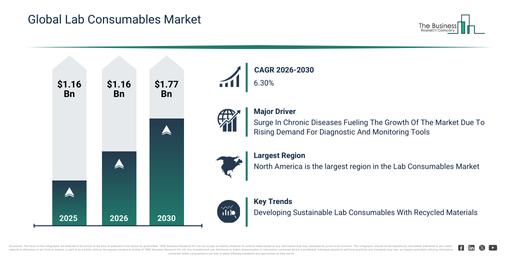
    Lab Consumables Market Forecast Insights: The Road To $19.1 Billion By 2030

    Featuring market attractiveness scoring, total addressable market sizing, company benchmarking matrices, interactive Excel dashboards, deeper supply chain intelligence, emerging startup tracking, and granular product-level insights, The Business Research Company’s 2026 market reports are built to deliver research that is both more actionable and more strategically valuable.

    Lab Consumables Market Forecast: What Value Will The Market Reach By 2030?

    The lab consumables market has experienced substantial expansion in recent years. Its value is expected to rise from $14.01 billion in 2025 to $14.94 billion in 2026, exhibiting a compound annual growth rate (CAGR) of 6.6%. In previous periods, this growth was primarily due to factors including the limited availability of standardized lab consumables, a reliance on manual laboratory procedures, increasing academic and clinical research activities, the growing adoption of molecular biology techniques, and an escalating demand for basic lab disposables.

    The lab consumables market size is anticipated to experience significant expansion over the coming years. It is projected to reach $19.1 billion by 2030, demonstrating a compound annual growth rate (CAGR) of 6.3%. This expansion during the forecast period can be attributed to several factors, including advancements in automation-compatible consumables, the increasing prevalence of life sciences and industrial research, a rising demand for specialized reagents and kits, the broadening scope of environmental and forensic testing, and the adoption of sophisticated imaging and analysis technologies. Furthermore, significant trends expected within this timeframe involve a growing demand for disposable and semi-disposable lab consumables, a stronger focus on automation-compatible laboratory products, an increased application of high-precision reagents and kits, the broadening use of cell imaging and analysis consumables, and an intensified commitment to safety, sterility, and waste management practices.

    Get A Free Sample Report With In-Depth Market Insights:

    https://thebusinessresearchcompany.com/sample_request?id=73561337&type=smp&name=Lab%20Consumables%20Market%20Report%202026&utm_source=Blogs&utm_medium=Paid&utm_campaign=Oct_PR

    Lab Consumables Market Industry Drivers: What’s Behind The Revenue Growth?

    The increasing occurrence of chronic diseases is anticipated to spur the growth of the lab consumables market in the forthcoming period. Chronic diseases are defined as long-term health conditions that persist, often for six months or more, and typically necessitate ongoing medical management. This surge in chronic disease prevalence is attributable to aging populations and lifestyle factors such as inadequate diet, physical inactivity, and elevated stress levels. Lab consumables aid in the management of chronic diseases by enabling precise diagnostic testing, continuous monitoring, and timely adjustments to treatment plans through reliable sample collection and analysis. For instance, in June 2024, the National Health Service, a UK-based government department, reported that 3,615,330 individuals registered with a general practitioner (GP) were diagnosed with non-diabetic hyperglycemia or pre-diabetes (a condition with elevated blood sugar levels, not high enough to be classified as diabetes) in 2023, which signifies an 18% increase from 3,065,825 cases in 2022. Hence, the escalating prevalence of chronic diseases represents a significant impetus for the adoption of the lab consumables market.

    Lab Consumables Market Segmentation: How Does The Market Break Down By Category?

    The lab consumables market covered in this report is segmented –

    1) By Consumable: Reagents And Kits, Cell Imaging Consumables, General Lab Supplies

    2) By Product Type: Pipettes And Tips, Containers And Vials, Microplates, Filtration Products, Centrifuge Tubes And Accessories, Cryogenic Storage, Lab Gloves, Lab Disposables, Lab Labels And Markers

    3) By Application: Clinical Diagnostics, Industrial manufacturing, Life Science Research, Environmental Testing, Forensic Analysis, Materials Analysis

    4) By End-User: Academic And Research Institutes, Clinical Laboratories, Government And Forensic Laboratories, Other End-Users

    Subsegments:

    1) By Reagents And Kits: PCR Reagents, Immunoassay Kits, Molecular Biology Kits, Enzymes And Buffers, Cell Culture Reagents, DNA Or RNA Extraction Kits, Protein Assay Kits, Staining Reagents

    2) By Cell Imaging Consumables: Microscope Slides And Coverslips, Imaging Plates And Dishes, Fluorescent Dyes And Probes, Cell Staining Reagents, Imaging Chambers, Culture Flasks And Plates For Imaging, Imaging Buffers And Mounting Media

    3) By General Lab Supplies: Pipettes And Tips, Microcentrifuge Tubes, Petri Dishes, Lab Gloves, Disposable Lab Wares, Cryogenic Vials, Filter Papers And Membranes, Storage Containers And Racks

    #Lab Consumables Market Growth Trends: What’s Shaping The Future Outlook?

    Major companies within the lab consumables market are increasingly focused on developing sustainable laboratory products made from recycled materials. These sustainable lab consumables are laboratory items engineered to minimize their environmental footprint by utilizing recycled, reusable, or biodegradable substances and employing eco-friendly manufacturing processes. This approach helps companies meet stricter regulatory requirements and satisfy the growing demand from research institutions and healthcare providers for greener alternatives. For instance, in 2024, Eppendorf, a Germany-based life science company that produces and sells lab consumables, began incorporating ‘Post Consumer Recyclate’ (PCR) polypropylene. This material is sourced from industrial surplus originating from contact lens production, thus ensuring the high purity and sterility essential for laboratory use. This change aids in conserving fossil fuel resources and is anticipated to cut CO2 emissions by over 166 tons annually, without compromising the quality, sterility, or stability of the pipette tips. This initiative is an integral part of Eppendorf’s overarching sustainability strategy, which combines biobased raw materials and recyclates to create environmentally friendly lab consumables, while consistently upholding the stringent standards of life science research.

    Lab Consumables Market Competitive Overview And Top Companies

    Major companies operating in the lab consumables market are Thermo Fisher Scientific Inc, Merck KGaA, Corning Incorporated, Avantor Performance Materials B V, Eppendorf AG, Sarstedt AG & Co KG, Greiner Bio One International GmbH, Bio Rad Laboratories Inc, Beckman Coulter Inc, Sartorius AG, Agilent Technologies Inc, Danaher Corporation, Hamilton Company, Tecan Group Ltd, J SCIENCE LAB Co Ltd, A and T Corporation, VWR International LLC, BrandTech Scientific Inc, DWK Life Sciences GmbH, Cole Parmer Instrument Company LLC, HiMedia Laboratories Pvt Ltd

    View The Full Lab Consumables Market Report:

    https://thebusinessresearchcompany.com/report/lab-consumables-global-market-report?utm_source=Blogs&utm_medium=Paid&utm_campaign=Oct_PR

    Lab Consumables Market Top Region: Where Does Most Revenue Come From?

    North America was the largest region in the lab consumables market in 2025. Asia-Pacific is expected to be the fastest-growing region in the forecast period. The regions covered in the lab consumables market report are Asia-Pacific, South East Asia, Western Europe, Eastern Europe, North America, South America, Middle East, Africa.

    Reach Out To Our Team:

    The Business Research Company: https://www.thebusinessresearchcompany.com/

    Americas: +1 310-496-7795

    Asia: +44 7882 955267 & +91 8897263534

    Europe: +44 7882 955267

    Email us at: marketing@tbrc.info

    Follow us on:

    LinkedIn: https://in.linkedin.com/company/the-business-research-company

    YouTube: https://www.youtube.com/channel/UC24_fI0rV8cR5DxlCpgmyFQ

    Global Market Model: https://www.thebusinessresearchcompany.com/global-market-model

  • Enzyme Inhibitor Market Analysis 2026: Market Size, Growth Trends And Industry Outlook

    Enzyme Inhibitor Market Analysis 2026: Market Size, Growth Trends And Industry Outlook

    Built to provide research that’s more actionable and strategically valuable, The Business Research Company’s 2026 market reports include market attractiveness analysis, total addressable market sizing, company benchmarking matrices, interactive Excel dashboards, broader supply chain intelligence, emerging startup tracking, and in-depth product insights.

    Enzyme Inhibitor Market Revenue Growth On Track For A 4.4% CAGR Through 2030

    The enzyme inhibitor market size has experienced steady growth in recent years. It is forecast to rise from $187.4 billion in 2025 to $195.12 billion in 2026, at a compound annual growth rate (CAGR) of 4.1%. This expansion in the past can be attributed to several factors including the increasing prevalence of chronic diseases, a growth in pharmaceutical R&D spending, robust demand for ppIs and statins, a rising aging population, and the broadening availability of generic enzyme inhibitor drugs.

    The enzyme inhibitor market size is projected to experience consistent expansion over the upcoming years. It will grow to $232.06 billion in 2030 at a compound annual growth rate (CAGR) of 4.4%. This anticipated expansion during the forecast period is driven by progress in precision medicine, a surge in oncology drug development pipelines, increasing investments within the biotechnology sector, a growing need for tailored treatments, and broader applications in non-pharmaceutical fields. Key developments expected during this period include a greater uptake of targeted enzyme inhibitor treatments, wider application of enzyme inhibitors for managing chronic diseases, enhanced research and development efforts toward more selective and safer inhibitors, an increase in the utilization of enzyme inhibitors beyond therapeutic uses, and a move towards combination drug strategies.

    Get A Free Sample Report With In-Depth Market Insights:

    https://thebusinessresearchcompany.com/sample_request?id=43144344&type=smp&name=Enzyme%20Inhibitor%20Market%20Report%202026&utm_source=Blogs&utm_medium=Paid&utm_campaign=Oct_PR

    Enzyme Inhibitor Market Development Factors: What’s Supporting Demand?

    The rising demand for personalized medicine is anticipated to boost the expansion of the enzyme inhibitor market in the coming years. Personalized medicine, also known as precision medicine, represents a healthcare and treatment framework that considers an individual’s distinct genetic makeup, environment, and lifestyle. The increasing adoption of personalized medicine is propelled by developments in targeted therapies, precision diagnostics, and drug discovery, where enzyme inhibitors are essential as they can be customized for specific patients or disease subtypes. For instance, in February 2024, according to the Personalised Medicine Coalition, a US-based hospital and health care organization, in 2023, the FDA approved 16 new personalized treatments for rare disease patients, a rise from 6 in 2022. As a result, the growing need for personalized medicine is fueling the growth of the enzyme inhibitor market.

    Enzyme Inhibitor Market Segment Analysis Spotlighting Growth Areas

    The enzyme inhibitor market covered in this report is segmented –

    1) By Type: Proton Pump Inhibitors (PPIs), Protease Inhibitors, Reverse Transcriptase Inhibitors, Aromatase Inhibitors, Kinase Inhibitors, Neuraminidase Inhibitors, Statins, Other Types

    2) By Disease Indication: Chronic Obstructive Pulmonary Disorders, Cardiovascular Disease, Gastrointestinal Disorders, Arthritis, Inflammatory Diseases, Other Disease Indications

    3) By Application: Chemotherapy, Antibiotics, Pesticides, Cardiovascular Treatments, Other Applications

    4) By End User: Pharmaceutical, Biotechnology, Food And Beverage, Other End Users

    Subsegments:

    1) By Proton Pump Inhibitors (PPIs): Omeprazole, Esomeprazole, Lansoprazole, Pantoprazole, Rabeprazole

    2) By Protease Inhibitors: Ritonavir, Lopinavir, Atazanavir, Saquinavir, Darunavir

    3) By Reverse Transcriptase Inhibitors: NRTIs (Nucleoside Reverse Transcriptase Inhibitors), NNRTIs (Non-Nucleoside Reverse Transcriptase Inhibitors)

    4) By Aromatase Inhibitors: Anastrozole, Letrozole, Exemestane

    5) By Kinase Inhibitors: BCR-ABL Inhibitors, EGFR Inhibitors, ALK Inhibitors, MEK Inhibitors

    6) By Neuraminidase Inhibitors: Oseltamivir, Zanamivir, Peramivir

    7) By Statins: Atorvastatin, Simvastatin, Rosuvastatin, Lovastatin

    8) By Other Types: Antifolates, Phosphodiesterase Inhibitors, Cyclooxygenase Inhibitors

    Enzyme Inhibitor Market Transformation Trends: What Innovations Are Driving Change?

    Major companies in the enzyme inhibitor market are concentrating on developing innovative therapies, such as selective kinase inhibitors, to enhance therapeutic options and patient results across various medical conditions. Jaypirca (pirtobrutinib), a highly selective, non-covalent Bruton’s tyrosine kinase (BTK) inhibitor, received FDA approval for adult patients suffering from relapsed or refractory mantle cell lymphoma after at least two prior systemic therapies. For instance, in January 2023, Loxo Oncology at Lilly, the oncology division of US-based pharmaceutical company Eli Lilly and Company, introduced Jaypirca tablets. This medication stands as the first and sole non-covalent (reversible) Bruton’s tyrosine kinase (BTK) inhibitor to be approved by the Food and Drug Administration, a US-based health organization. This approval marks a considerable stride for mantle cell lymphoma patients who face restricted treatment avenues following progression on existing therapies, as Jaypirca offers a new method to target the BTK pathway, which could lead to better outcomes for this patient group.

    Enzyme Inhibitor Market Leading Companies: Who Holds The Strongest Market Presence?

    Major companies operating in the enzyme inhibitor market are Abbott Laboratories, Amgen Inc., AstraZeneca plc, Bayer AG, F. Hoffmann-La Roche AG, Pfizer Inc., Takeda Pharmaceutical Company, Merck and Co. Inc., Eli Lilly and Company, Bristol-Myers Squibb Company, Cipla USA Inc., AbbVie Inc., Teva Pharmaceutical Industries Ltd., Janssen Pharmaceuticals, Acellera Ltd., BioSolveIT GmbH, Cresset BioMolecular Discovery Ltd., Dotmatics Limited, Inte:Ligand GmbH, LeadIT, Chemical Computing Group Inc.

    View The Full Enzyme Inhibitor Market Report:

    https://thebusinessresearchcompany.com/report/enzyme-inhibitor-global-market-report?utm_source=Blogs&utm_medium=Paid&utm_campaign=Oct_PR

    Enzyme Inhibitor Market Geographic Landscape: Which Region Leads Industry Growth?

    North America was the largest region in the enzyme inhibitor market in 2025. Asia-Pacific is expected to be the fastest-growing region in the forecast period. The regions covered in the enzyme inhibitor market report are Asia-Pacific, South East Asia, Western Europe, Eastern Europe, North America, South America, Middle East, Africa.

    Reach Out To Our Team:

    The Business Research Company: https://www.thebusinessresearchcompany.com/

    Americas: +1 310-496-7795

    Asia: +44 7882 955267 & +91 8897263534

    Europe: +44 7882 955267

    Email us at: marketing@tbrc.info

    Follow us on:

    LinkedIn: https://in.linkedin.com/company/the-business-research-company

    YouTube: https://www.youtube.com/channel/UC24_fI0rV8cR5DxlCpgmyFQ

    Global Market Model: https://www.thebusinessresearchcompany.com/global-market-model
  • Knee-Assist Exosuit Market Explained: What Is Fueling Growth To $4.33 Billion By 2030?

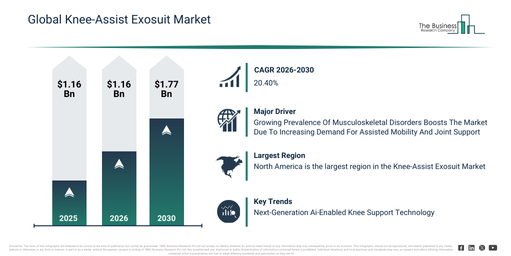
    Knee-Assist Exosuit Market Explained: What Is Fueling Growth To $4.33 Billion By 2030?

    Built to provide research that’s more actionable and strategically valuable, The Business Research Company’s 2026 market reports include market attractiveness analysis, total addressable market sizing, company benchmarking matrices, interactive Excel dashboards, broader supply chain intelligence, emerging startup tracking, and in-depth product insights.

    Knee-Assist Exosuit Market Size Outlook: How Quickly Will Revenue Expand Through 2030?

    The knee-assist exosuit market has witnessed substantial expansion in recent years. Its size is expected to rise from $1.7 billion in 2025 to $2.06 billion in 2026, achieving a compound annual growth rate (CAGR) of 20.7%. The historical surge in this market can be ascribed to a rising orthopedic patient demographic, advancements in robotics technology, greater adoption by rehabilitation centers, government financial support for mobility aids, and continued investigation into human biomechanics.

    The knee-assist exosuit market is anticipated to experience substantial growth in the upcoming years. It is projected to expand to $4.33 billion by 2030, achieving a compound annual growth rate (CAGR) of 20.4%. This expansion during the forecast period is driven by increasing demand in industrial exosuits, integration with AI & IoT, a rise in military applications, advanced lightweight materials, and the proliferation of home rehabilitation devices. Notable trends in the forecast period include the adoption of wearable robotics, automation in rehabilitation, support for industrial workers, mobility enhancement devices, and military & defense exosuits.

    Get A Free Sample Report With In-Depth Market Insights:

    https://thebusinessresearchcompany.com/sample_request?id=55941067&type=smp&name=Knee-Assist%20Exosuit%20Market%20Report%202026&utm_source=Blogs&utm_medium=Paid&utm_campaign=Oct_PR

    Knee-Assist Exosuit Market Growth Factors: What’s Supporting Expansion?

    The escalating frequency of musculoskeletal disorders is anticipated to propel the expansion of the knee-assist exosuit market in the future. Musculoskeletal disorders (MSDs) are medical conditions that detrimentally affect muscles, bones, joints, or connective tissues, leading to discomfort and limitations in physical movement. The increase in musculoskeletal disorders is a consequence of sedentary lifestyles, which cause muscle and joint weakening, and heightened strain due to inactivity. Knee-assist exosuits provide assistance for musculoskeletal disorders by reducing strain on the knee joint, supporting motion, and aiding rehabilitation to enhance mobility and ease pain. For instance, in January 2024, GOV.UK, a UK-based government agency, reported that in 2023, 18.4% of individuals aged 16 and over reported having a long-term musculoskeletal (MSK) condition, marking an increase from 17.6% in 2022. Therefore, the increasing incidence of musculoskeletal disorders is stimulating the growth of the knee-assist exosuit market.

    Knee-Assist Exosuit Market Segment Trends And Revenue Contributors

    The knee-assist exosuit market covered in this report is segmented –

    1) By Product Type: Soft Exosuits, Rigid Exosuits, Hybrid Exosuits

    2) By Mobility Type: Active, Passive

    3) By Distribution Channel: Direct Sales, Specialty Stores, Others Distribution channel

    4) By End-User: Hospitals And Rehabilitation Centers, Homecare, Other End Users

    Subsegments:

    1) By Soft Exosuits: Cable Driven Systems, Pneumatic Actuated Systems, Elastic Band Assist Systems

    2) By Rigid Exosuits: Powered Motorized Joint Systems, Passive Spring-Loaded Frame Systems

    3) By Hybrid Exosuits: Soft-Rigid Combination Exosuits, Pneumatic-Rigid Hybrid Exosuits, Electro-Mechanical Hybrid Exosuits

    Knee-Assist Exosuit Market Industry Trends: What’s Reshaping Demand?

    Companies operating within the knee-assist exosuit market are concentrating on developing sophisticated solutions, such as lightweight AI-powered knee exoskeletons, to improve mobility, lessen joint strain, and aid in rehabilitation for individuals with musculoskeletal disorders. A lightweight AI-powered knee exoskeleton is defined as a wearable robotic device designed to assist and enhance knee movement, employing artificial intelligence to adapt to the user’s gait and deliver personalized support while remaining light and comfortable for prolonged use. For example, in July 2025, Dnsys, a South Korea-based exoskeleton company, unveiled the Dnsys Z1, a wearable knee-assist device crafted to support mobility and reduce joint strain. It provides a 50% boost in leg strength and decreases knee joint pressure by up to twice the user’s body weight, making movement feel up to 44 lbs lighter. The device utilizes AI-powered adaptive assistance with millisecond response to offer natural, personalized support for walking, climbing, and other activities. Weighing only 1.5 lbs per leg, it is lightweight, weather-resistant, and extends endurance for outdoor adventures and daily mobility needs.

    Knee-Assist Exosuit Market Competitive Landscape: Which Companies Lead The Industry?

    Major companies operating in the knee-assist exosuit market are Ottobock GmbH, Ekso Bionics Holdings Inc., ReWalk Robotics Ltd., Fourier Intelligence Co. Ltd., B-Temia Inc., ABLE Human Motion S.L., Roam Robotics Inc., CYBERDYNE Inc., MyoSwiss AG, DIH Medical AG, Gogoa Mobility Robots S.L., Human in Motion Robotics, REEV SAS, Weston Robot Ltd., Hypershell Inc., Dnsys.ai, Lockheed Martin Corporation, Lifeward Ltd., Rex Bionics Ltd., Trexo Robotics Inc., Tyromotion GmbH, Bionik Laboratories Corp.

    View The Full Knee-Assist Exosuit Market Report:

    https://thebusinessresearchcompany.com/report/knee-assist-exosuit-global-market-report?utm_source=Blogs&utm_medium=Paid&utm_campaign=Oct_PR

    Knee-Assist Exosuit Market Regional Breakdown: Where Is Demand Concentrated?

    North America was the largest region in the knee-assist exosuit market in 2025. Asia-Pacific is expected to be the fastest-growing region in the forecast period. The regions covered in the knee-assist exosuit market report are Asia-Pacific, South East Asia, Western Europe, Eastern Europe, North America, South America, Middle East, Africa.

    Reach Out To Our Team:

    The Business Research Company: https://www.thebusinessresearchcompany.com/

    Americas: +1 310-496-7795

    Asia: +44 7882 955267 & +91 8897263534

    Europe: +44 7882 955267

    Email us at: marketing@tbrc.info

    Follow us on:

    LinkedIn: https://in.linkedin.com/company/the-business-research-company

    YouTube: https://www.youtube.com/channel/UC24_fI0rV8cR5DxlCpgmyFQ

    Global Market Model: https://www.thebusinessresearchcompany.com/global-market-model
  • Knee Implants Market Forecast To Reach $16.67 Billion By 2030: Key Trends Explained

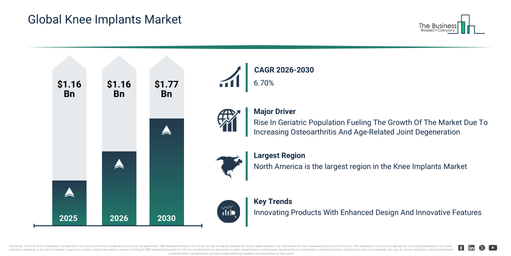
    Knee Implants Market Forecast To Reach $16.67 Billion By 2030: Key Trends Explained

    Backed by market attractiveness analysis, total addressable market sizing, company benchmarking matrices, interactive Excel dashboards, wider supply chain intelligence, emerging startup coverage, and detailed product-level insights, The Business Research Company’s 2026 market reports are designed to offer research that is more actionable and strategically valuable than ever.

    Knee Implants Market Size, Value And Growth Trajectory Through 2030

    The knee implants market size has experienced significant expansion in recent years. It is anticipated to expand from $12.09 billion in 2025 to $12.85 billion in 2026, achieving a compound annual growth rate (CAGR) of 6.3%. The market’s growth during previous periods can be linked to the increasing occurrence of osteoarthritis, a growing elderly demographic, an uptick in orthopedic surgical procedures, the provision of sophisticated implant materials, and the development of more orthopedic specialty centers.

    The knee implants market is anticipated to show significant expansion over the next few years. Its valuation is projected to reach $16.67 billion by 2030, demonstrating a compound annual growth rate (CAGR) of 6.7%. This expansion during the forecast period is primarily fueled by increasing demand for revision knee replacement procedures, the growing adoption of robotic and computer-assisted surgery, the broadening scope of outpatient orthopedic surgeries, continuous technological advancements in implant design, and an intensifying focus on quicker patient recovery and mobility. Prominent trends for the coming period include the increasing uptake of patient-specific knee implants, a rise in the use of robotic-assisted knee replacement surgery, a growing requirement for durable and long-lasting implant materials, the expansion of minimally invasive knee procedures, and an enhanced emphasis on post-surgical mobility outcomes.

    Get A Free Sample Report With In-Depth Market Insights:

    https://thebusinessresearchcompany.com/sample_request?id=17787136&type=smp&name=Knee%20Implants%20Market%20Report%202026&utm_source=Blogs&utm_medium=Paid&utm_campaign=Oct_PR

    Knee Implants Market Demand Drivers: What’s Powering Industry Growth?

    The increasing number of elderly individuals is anticipated to propel the expansion of the knee implant market in the coming years. This demographic component, known as the geriatric population, is composed of older adults, typically those who are 65 years of age and older. Aging significantly contributes to the demand for knee implants due to the higher incidence of osteoarthritis and age-related degenerative changes in knee joints. For instance, in January 2024, according to the Population Reference Bureau, a US-based nonprofit organization that collects and supplies statistics, the number of Americans ages 65 and older is projected to rise from 58 million in 2022 to 82 million by 2050, indicating a 47% increase. Therefore, the growing geriatric population is a key factor driving the knee implant market.

    Knee Implants Market Segment Analysis Spotlighting Growth Areas

    The knee implants market covered in this report is segmented –

    1) By Product: Total Knee Replacement, Partial Knee Replacement, Revision Knee Replacement

    2) By Material: Stainless Steel, Cobalt-Chromium Alloys, Titanium Alloys, Polyethylene, Ceramics, Other Materials

    3) By Fixation Type: Cemented, Cementless, Hybrid

    4) By End User: Hospitals And Orthopedic Clinics, Ambulatory Surgical Centers, Other End Users

    Subsegments:

    1) By Total Knee Replacement: Fixed-Bearing Implants, Mobile-Bearing Implants, Gender-Specific Implants

    2) By Partial Knee Replacement: Medial Unicompartmental Knee Replacement, Lateral Unicompartmental Knee Replacement, Patellofemoral Replacement

    3) By Revision Knee Replacement: Revision Of Total Knee Replacement, Revision Of Partial Knee Replacement, Augmented Revision Implants

    Knee Implants Market Innovation Trends: What Developments Are Reshaping The Industry?

    Leading companies in the knee implant market are concentrating on innovative offerings to more effectively satisfy the demands of their current customers. Mako Total Knee 2.0 is a knee replacement structure that combines Stryker’s advanced robotic technology with the clinically proven Triathlon Total Knee System. For example, in March 2023, Stryker Corporation, a medical technology company based in the US, unveiled Mako Total Knee 2.0. This system features a distinct aesthetic design, a customizable operational flow, and other key attributes, including a novel electronic tensioner that permits physicians to gauge knee stability intraoperatively during a total knee arthroplasty (TKA) without requiring supplementary instruments. Integrating its three core components—3D CT-based planning, AccuStop haptic technology, and astute data analytics—Mako Total Knee 2.0 expands upon the achievements of Mako SmartRobotics, which has consistently shown improved patient outcomes in total knee, total hip, and partial knee surgeries when contrasted with manual surgical methods.

    Knee Implants Market Competitive Landscape: Who Leads The Industry?

    Major companies operating in the knee implants market are Johnson & Johnson Services Inc., Zimmer Biomet, Stryker Corporation, Smith+Nephew PLC, Aesculap Inc., Exactech Inc., MicroPort Scientific Corp., Conformis Inc., Corin Group, Medacta International, B. Braun SE, Enovis Corp., Medtronic plc, LimaCorporate S.p.A., Waldemar Link GmbH & Co KG, Engage Surgical LLC, Wright Medical Group Inc., Biomet Inc., Kyocera Medical Technologies Inc., DJO Global, CORENTEC Co. Ltd.

    View The Full Knee Implants Market Report:

    https://thebusinessresearchcompany.com/report/knee-implants-global-market-report?utm_source=Blogs&utm_medium=Paid&utm_campaign=Oct_PR

    Knee Implants Market Geographic Landscape: Which Region Dominates Industry Growth?

    North America was the largest region in the knee implant market in 2025. Asia-Pacific is expected to be the fastest-growing region in the global knee implants market report during the forecast period. The regions covered in the knee implants market report are Asia-Pacific, South East Asia, Western Europe, Eastern Europe, North America, South America, Middle East, Africa.

    Reach Out To Our Team:

    The Business Research Company: https://www.thebusinessresearchcompany.com/

    Americas: +1 310-496-7795

    Asia: +44 7882 955267 & +91 8897263534

    Europe: +44 7882 955267

    Email us at: marketing@tbrc.info

    Follow us on:

    LinkedIn: https://in.linkedin.com/company/the-business-research-company

    YouTube: https://www.youtube.com/channel/UC24_fI0rV8cR5DxlCpgmyFQ

    Global Market Model: https://www.thebusinessresearchcompany.com/global-market-model
  • Environmental Biotechnology Market Forecast To 2030: Starting From $34.68 Billion In 2026

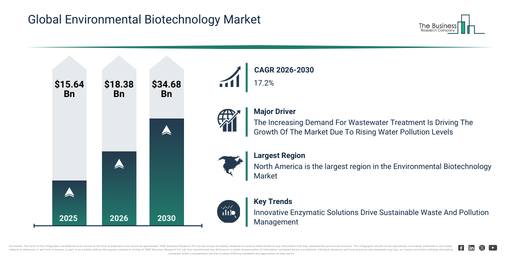
    Environmental Biotechnology Market Forecast To 2030: Starting From $34.68 Billion In 2026

    Backed by market attractiveness analysis, total addressable market sizing, company benchmarking matrices, interactive Excel dashboards, wider supply chain intelligence, emerging startup coverage, and detailed product-level insights, The Business Research Company’s 2026 market reports are designed to offer research that is more actionable and strategically valuable than ever.

    Environmental Biotechnology Market Value Growth And Long-Term Outlook

    The environmental biotechnology sector has experienced swift expansion recently. Forecasts indicate its valuation will ascend from $15.64 billion in 2025 to $18.38 billion in 2026, exhibiting a compound annual growth rate (CAGR) of 17.5%. Historically, this growth was influenced by factors such as a developing understanding of environmental biotechnology solutions, a predominant reliance on traditional chemical treatments, the increasing production of industrial wastewater, the absence of robust regulatory guidelines for microbial applications, and the gradual integration into agricultural practices and waste management processes.

    The environmental biotechnology market is projected to experience substantial growth in the upcoming years, expanding to $34.68 billion in 2030, at a compound annual growth rate (CAGR) of 17.2%. This projected increase is attributed to advancements in microbial consortia and enzyme formulations, heightened government incentives for sustainable practices, an increase in environmental regulations for treating wastewater and soil, the broadening of industrial and agricultural bioremediation applications, and rising investment in genetically engineered microorganisms. Prominent trends throughout this period include the increased adoption of microbial blends for waste treatment, a growing reliance on enzymes for pollution control, the expansion of nutrient-based bioremediation solutions, more widespread applications in soil and water bioremediation, and a focused effort on genetically engineered microorganisms for environmental problem-solving.

    Get A Free Sample Report With In-Depth Market Insights:

    https://thebusinessresearchcompany.com/sample_request?id=33903847&type=smp&name=Environmental%20Biotechnology%20Market%20Report%202026&utm_source=Blogs&utm_medium=Paid&utm_campaign=Oct_PR

    Environmental Biotechnology Market Industry Drivers: What’s Behind The Revenue Growth?

    The growing necessity for wastewater processing is set to boost the environmental biotechnology market’s expansion moving forward. Wastewater treatment refers to the procedure for eliminating harmful substances, pollutants, and contaminants from water that has been used, making it safe for either environmental release or repurposing. This increased demand for wastewater treatment primarily arises from escalating water pollution levels that endanger public health, natural ecosystems, and the availability of clean water. Environmental biotechnology enhances wastewater treatment by employing biological processes and organisms to efficiently break down pollutants, lessen toxic waste, and promote the discharge of cleaner water. For instance, in 2025, according to the report published by the American Society of Civil Engineers, a US-based professional organization, in 2024, the estimated annual investment gap for water infrastructure, including drinking water, wastewater, and stormwater, was $99 billion, an increase from the $81 billion. Therefore, the increasing demand for wastewater treatment is driving the growth of the environmental biotechnology market.

    Environmental Biotechnology Market Segment Performance And Emerging Opportunities

    The environmental biotechnology market covered in this report is segmented –

    1) By Product: Microbial Blends, Nutrients, Enzymes, Microbes

    2) By Technology: Cell-Based Assays, Nanobiotechnology, Fermentation, Deoxyribonucleic Acid (DNA) Sequencing, Polymerase Chain Reaction Technology, Other Technologies

    3) By Application: Wastewater Treatment, Bioremediation, Other Applications

    4) By End User: Agriculture, Water Treatment, Energy, Waste Management, Food And Beverage, Pharmaceuticals

    Subsegments:

    1) By Microbial Blends: Bioaugmentation Blends, Bioremediation Microbial Consortia, Waste Decomposition Microbial Mixes, Odor Control Microbial Formulations

    2) By Nutrients: Nitrogen Supplements, Phosphorus Additives, Trace Mineral Blends, Carbon Source Additives

    3) By Enzymes: Waste Degrading Enzymes, Oil And Grease-Degrading Enzymes, Sludge Reduction Enzymes, Odor Control Enzymes

    4) By Microbes: Bacteria, Fungi, Algae, Genetically Engineered Microorganisms

    #Environmental Biotechnology Market Growth Trends: What’s Shaping The Future Outlook?

    Major companies in the environmental biotechnology market are concentrating on developing novel solutions, such as enzyme-based biocatalysts, to improve the efficiency and sustainability of pollution control and waste treatment processes. These enzyme-based biocatalysts are biological molecules that accelerate chemical reactions, facilitating faster and more effective processes in environmental applications like waste degradation and pollutant removal. For example, in November 2024, Novonesis A/S, a Denmark-based biotechnology company, introduced Eversa Advance, an enzymatic biosolution designed to enhance the efficiency and sustainability of biodiesel feedstock processing, particularly for materials containing up to 20% free fatty acids. This groundbreaking solution enables biodiesel producers to process waste-based feedstocks without needing acid esterification, thereby cutting pretreatment operating costs by up to 45% and simultaneously reducing equipment wear and downtime. By boosting feedstock flexibility, this solution aids in increasing plant profitability and fostering more sustainable biodiesel production.

    Environmental Biotechnology Market Key Players: Which Companies Lead Industry Competition?

    Major companies operating in the environmental biotechnology market are BASF SE, Dow Chemical Company, Evonik Industries AG, Ecolab Inc., DuPont de Nemours Inc., Suez SA, Novonesis A/S, Ginkgo Bioworks Holdings Inc., Praj Industries Limited, Genomatica Inc., LanzaTech Global Inc., Biorem Inc., Green Biologics Ltd., Veolia Environnement S.A.

    View The Full Environmental Biotechnology Market Report:

    https://thebusinessresearchcompany.com/report/environmental-biotechnology-global-market-report?utm_source=Blogs&utm_medium=Paid&utm_campaign=Oct_PR

    Environmental Biotechnology Market Largest Region: Which Geography Holds The Biggest Share?

    North America was the largest region in the environmental biotechnology market in 2025. The regions covered in the environmental biotechnology market report are Asia-Pacific, South East Asia, Western Europe, Eastern Europe, North America, South America, Middle East, Africa.

    Reach Out To Our Team:

    The Business Research Company: https://www.thebusinessresearchcompany.com/

    Americas: +1 310-496-7795

    Asia: +44 7882 955267 & +91 8897263534

    Europe: +44 7882 955267

    Email us at: marketing@tbrc.info

    Follow us on:

    LinkedIn: https://in.linkedin.com/company/the-business-research-company

    YouTube: https://www.youtube.com/channel/UC24_fI0rV8cR5DxlCpgmyFQ

    Global Market Model: https://www.thebusinessresearchcompany.com/global-market-model
  • Kids Cartoon Bandage Market Analysis: Understanding The Drivers Behind 8.3% CAGR Through 2030 Growth

    Kids Cartoon Bandage Market Analysis: Understanding The Drivers Behind 8.3% CAGR Through 2030 Growth

    Featuring market attractiveness scoring, total addressable market sizing, company benchmarking matrices, interactive Excel dashboards, deeper supply chain intelligence, emerging startup tracking, and granular product-level insights, The Business Research Company’s 2026 market reports are built to deliver research that is both more actionable and more strategically valuable.

    Kids Cartoon Bandage Market CAGR Outlook And Future Development

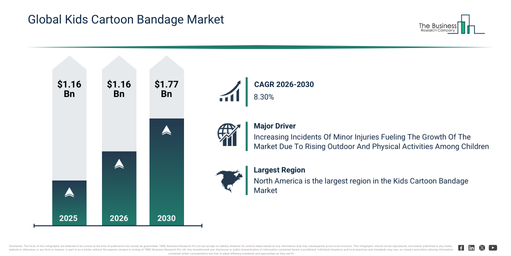
    The market size for kids cartoon bandages has experienced robust expansion over recent years. This market is projected to expand from $1.16 billion in 2025 to $1.26 billion in 2026, registering a compound annual growth rate (CAGR) of 8.6%. Factors contributing to this historical growth include an increase in pediatric minor injuries, heightened awareness surrounding child safety, the proliferation of retail first aid products, greater parental expenditure on child care, and the rise of licensed cartoon merchandising.

    The market for kids’ cartoon bandages is anticipated to experience substantial expansion over the upcoming years. By 2030, this market is projected to reach $1.73 billion, demonstrating a compound annual growth rate (CAGR) of 8.3%. Factors contributing to this growth during the forecast period include the rise in preventive homecare solutions, a growing need for pain-free wound treatment, the spread of e-commerce for healthcare products, advancements in adhesive technology, and heightened awareness regarding pediatric healthcare. Key trends during this period are the development of child-friendly first aid items, an increasing preference for cartoon-inspired medical supplies, greater emphasis on wound care specifically for children, the introduction of more decorative and enjoyable bandage patterns, and a leaning towards latex-free and skin-safe materials.

    Get A Free Sample Report With In-Depth Market Insights:

    https://thebusinessresearchcompany.com/sample_request?id=88033352&type=smp&name=Kids%20Cartoon%20Bandage%20Market%20Report%202026&utm_source=Blogs&utm_medium=Paid&utm_campaign=Oct_PR

    Kids Cartoon Bandage Market Growth Drivers: What’s Behind The Acceleration?

    A rise in minor injuries affecting children is projected to boost the kids cartoon bandage market. These small-scale, non-life-threatening physical harms, including cuts, bruises, sprains, or superficial wounds, typically need only basic first aid or minor medical attention. The frequency of such injuries among children is climbing as increased participation in outdoor and physical activities leads to greater exposure to cuts, bruises, and scrapes. Kids cartoon bandages prove effective for children’s cuts, scrapes, and bruises by providing protective, colorful designs. They also mitigate anxiety and discomfort, making first aid more appealing and enhancing compliance with wound care. For example, the UK’s Ministry of Justice reported in October 2023 that instances of self-harm among children and young people totaled 87 in 3 months, April to June 2023, which is an increase from 79 during the same timeframe in the preceding year. Consequently, the growing occurrence of minor injuries in children is a key factor propelling the kids cartoon bandage market.

    Kids Cartoon Bandage Market Driver: Increasing Healthcare Expenditure Fueling The Growth Of The Market Due To Greater Access To Quality First-Aid Products For Children

    Kids Cartoon Bandage Market Segment Performance And Emerging Opportunities

    The kids cartoon bandage market covered in this report is segmented –

    1) By Product Type: Adhesive Bandages, Hydrocolloid Bandages, Fabric Bandages, Waterproof Bandages, Other Product Types

    2) By Material: Plastic, Fabric, Latex-Free, Other Materials

    3) By Distribution Channel: Online Stores, Supermarkets Or Hypermarkets, Pharmacies Or Drug Stores, Specialty Stores, Other Distribution Channels

    4) By Application: Wound Care, First Aid, Surgical, Other Applications

    5) By End-User: Hospitals, Clinics, Homecare, Other End-Users

    Subsegments:

    1) By Adhesive Bandages: Strip Bandages, Spot Bandages, Fingertip Bandages, Knuckle Bandages, Shaped Character Bandages

    2) By Hydrocolloid Bandages: Blister Care Bandages, Wound Healing Bandages, Scar Reduction Bandages, Waterproof Healing Bandages

    3) By Fabric Bandages: Elastic Fabric Bandages, Cotton Fabric Bandages, Knitted Fabric Bandages, Heavy Duty Fabric Bandages

    4) By Waterproof Bandages: Transparent Waterproof Bandages, Flexible Waterproof Bandages, Extra Strong Waterproof Bandages, Breathable Waterproof Bandages

    5) By Other Product Types: Antibacterial Bandages, Glow In The Dark Bandages, Reusable Bandages, Decorative Bandages

    Kids Cartoon Bandage Market Company Landscape And Competitive Strategy

    Major companies operating in the kids cartoon bandage market are Johnson & Johnson, 3M Company, Beiersdorf AG, Smith & Nephew plc, Paul Hartmann AG, B Braun Melsungen AG, ConvaTec Group plc, Nitto Denko Corporation, Nichiban Co Ltd, Urgo Medical, Winner Medical Co Ltd, Dynarex Corporation, Derma Sciences Inc, ASO Medical, Yunnan Baiyao, Zhende Medical, Advantice Health, Mölnlycke Health Care AB, Coloplast A S, Detectaplast NV

    View The Full Kids Cartoon Bandage Market Report:

    https://thebusinessresearchcompany.com/report/kids-cartoon-bandage-global-market-report?utm_source=Blogs&utm_medium=Paid&utm_campaign=Oct_PR

    Kids Cartoon Bandage Market Largest Region: Which Geography Holds The Highest Market Share?

    North America was the largest region in the personalized genomics market in 2025. Asia-Pacific is expected to be the fastest-growing region in the forecast period. The regions covered in the kids cartoon bandage market report are Asia-Pacific, South East Asia, Western Europe, Eastern Europe, North America, South America, Middle East, Africa.

    Reach Out To Our Team:

    The Business Research Company: https://www.thebusinessresearchcompany.com/

    Americas: +1 310-496-7795

    Asia: +44 7882 955267 & +91 8897263534

    Europe: +44 7882 955267

    Email us at: marketing@tbrc.info

    Follow us on:

    LinkedIn: https://in.linkedin.com/company/the-business-research-company

    YouTube: https://www.youtube.com/channel/UC24_fI0rV8cR5DxlCpgmyFQ

    Global Market Model: https://www.thebusinessresearchcompany.com/global-market-model