Blog

  • Cosmetic Lasers Market 2026 Outlook: Market Size, CAGR And Key Growth Opportunities

    Cosmetic Lasers Market 2026 Outlook: Market Size, CAGR And Key Growth Opportunities

    Featuring market attractiveness scoring, total addressable market sizing, company benchmarking matrices, interactive Excel dashboards, deeper supply chain intelligence, emerging startup tracking, and granular product-level insights, The Business Research Company’s 2026 market reports are built to deliver research that is both more actionable and more strategically valuable.

    Cosmetic Lasers Market CAGR Outlook And Future Development

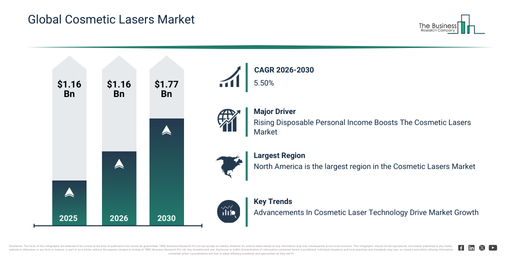
    The cosmetic lasers market has demonstrated robust growth in recent years. It is projected to expand from $1.7 billion in 2025 to $1.8 billion in 2026, achieving a compound annual growth rate (CAGR) of 5.7%. Historically, this market expansion can be ascribed to a heightened awareness of aesthetic treatments, the increasing number of dermatology and cosmetic clinics, higher disposable income among urban residents, a growing incidence of skin conditions, and technological advancements in laser systems.

    The cosmetic lasers market is projected to experience substantial expansion over the coming years. Its valuation is anticipated to reach $2.22 billion by 2030, demonstrating a compound annual growth rate (CAGR) of 5.5%. This growth throughout the forecast period is primarily driven by factors such as a growing inclination towards minimally invasive cosmetic interventions, an escalating need for customized aesthetic solutions, the expansion of medical tourism, increased integration of sophisticated laser technologies, and greater capital expenditure in aesthetic healthcare infrastructure. Key developments expected during this period involve a rise in the use of multi-platform laser systems, an increasing preference for non-invasive aesthetic treatments, the expanding application of AI for treatment calibration, the proliferation of at-home and portable laser devices, and a heightened emphasis on controls for precision and safety.

    Get A Free Sample Report With In-Depth Market Insights:

    https://thebusinessresearchcompany.com/sample_request?id=93664574&type=smp&name=Cosmetic%20Lasers%20Market%20Report%202026&utm_source=Blogs&utm_medium=Paid&utm_campaign=Oct_PR

    Cosmetic Lasers Market Development Factors: What’s Supporting Demand?

    The increasing disposable personal income significantly contributes to the expansion of the cosmetic lasers market. This income represents the funds an individual has available for expenditure after taxes. The growth in disposable personal income implies that potential consumers are more inclined to consider investing in body aesthetics and beauty consciousness, which will further propel the cosmetic lasers market’s development. For instance, in October 2025, the Bureau of Economic Analysis, a US-based government agency, reported that the disposable personal income in the United States was $21,847 billion for May 2024, rising to $22,799 billion by May 2025. Therefore, the upward trend in disposable personal income is projected to drive the cosmetic lasers market growth.

    Cosmetic Lasers Market Segment Analysis: What Are The Core Market Categories?

    The cosmetic lasers market covered in this report is segmented –

    1) By Type: Standalone Lasers, Multiplatform Lasers

    2) By Laser: YAG Laser, Carbon Dioxide Laser, Erbium, Intense Pulsed Light (IPL), Radiofrequency, Other Lasers

    3) By Application: Hair Removal, Skin Resurfacing, Vascular Lesions, Scar and Acne Removal, Body Contouring, Other Applications

    4) By End User: Hospitals, Skin Care Clinics, Cosmetic Surgical Centres

    Subsegments:

    1) By Standalone Lasers: CO2 Lasers, Erbium Lasers, Diode Lasers, Nd Lasers

    2) By Multiplatform Lasers: Combination Laser Systems, Modular Laser Systems, Hybrid Laser Devices

    Cosmetic Lasers Market Transformation Trends: What Innovations Are Driving Change?

    Leading firms in the cosmetic laser sector are concentrating on creating sophisticated offerings, including laser and light-based multi-application systems, to solidify their market presence. Such a platform is an adaptable system engineered to provide a range of aesthetic and dermatological therapies, leveraging cutting-edge laser and light technologies for superior efficacy and patient results. Illustratively, in April 2024, Cutera, Inc., an American supplier of aesthetic and dermatological solutions, introduced xeo+, a novel multi-application platform employing laser and light technology, underpinned by a legacy of performance and innovation. The xeo+ boasts updated features and newly re-engineered handpieces, facilitating quicker treatment sessions, enhanced user-friendliness, and a better overall patient experience. This latest platform merges adaptability with advanced technical capabilities to address the changing demands of active clinics; we anticipate xeo+ will surpass client expectations and define a new benchmark for quality within the sector.

    Cosmetic Lasers Market Leading Companies And Competitive Benchmarking

    Major companies operating in the cosmetic lasers market are Cynosure Inc., Lumenis, Candela Medical, Solta Medical International Inc., Cutera Inc., El.En. SpA, Alma Lasers Ltd., Sciton Inc., Lynton Lasers Ltd., Aerolase, Strata Skin Sciences, Viora, Bausch Health, MicroAire Surgical, Fotona LLC, Galderma Laboratories LP, Syneron Medical Inc., Arak Medical Equipment Company, Jeisys, ASP medica

    View The Full Cosmetic Lasers Market Report:

    https://thebusinessresearchcompany.com/report/cosmetic-lasers-global-market-report?utm_source=Blogs&utm_medium=Paid&utm_campaign=Oct_PR

    Cosmetic Lasers Market Top Region By Revenue And Market Share

    North America was the largest region in the cosmetic lasers market in 2025. Asia-Pacific was the second largest market in the cosmetic lasers market. The regions covered in the cosmetic lasers market report are Asia-Pacific, South East Asia, Western Europe, Eastern Europe, North America, South America, Middle East, Africa.

    Reach Out To Our Team:

    The Business Research Company: https://www.thebusinessresearchcompany.com/

    Americas: +1 310-496-7795

    Asia: +44 7882 955267 & +91 8897263534

    Europe: +44 7882 955267

    Email us at: marketing@tbrc.info

    Follow us on:

    LinkedIn: https://in.linkedin.com/company/the-business-research-company

    YouTube: https://www.youtube.com/channel/UC24_fI0rV8cR5DxlCpgmyFQ

    Global Market Model: https://www.thebusinessresearchcompany.com/global-market-model
  • Cosmetic Implants Market Size Growth: From $13.27 Billion In 2026 To $17.56 Billion By 2030

    Cosmetic Implants Market Size Growth: From $13.27 Billion In 2026 To $17.56 Billion By 2030

    Built to provide research that’s more actionable and strategically valuable, The Business Research Company’s 2026 market reports include market attractiveness analysis, total addressable market sizing, company benchmarking matrices, interactive Excel dashboards, broader supply chain intelligence, emerging startup tracking, and in-depth product insights.

    Cosmetic Implants Market Set To Climb From $13.27 Billion In 2026 To $17.56 Billion By 2030

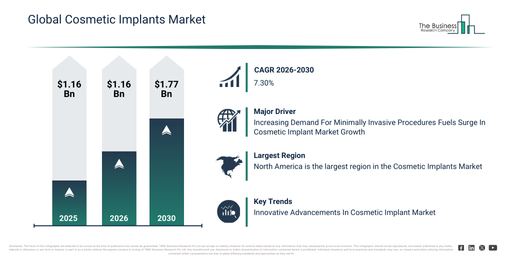
    The market size for cosmetic implants has demonstrated robust expansion over recent years. It is projected to increase from $12.36 billion in 2025 to $13.27 billion in 2026, exhibiting a compound annual growth rate (CAGR) of 7.4%. This historical growth can be attributed to several factors, including an increase in cosmetic surgery procedures, wider acceptance of aesthetic enhancements, progress in implant material science, the broadening scope of dental implant applications, and the availability of certified cosmetic surgeons.

    The cosmetic implants market is projected to experience substantial expansion in the coming years. This market is anticipated to reach a valuation of $17.56 billion by 2030, demonstrating a compound annual growth rate (CAGR) of 7.3%. Factors contributing to this growth during the forecast period include a heightened demand for customized cosmetic options, an increased emphasis on facial aesthetics and reconstructive procedures, the broadening scope of medical tourism for cosmetic interventions, advancements in bioengineered implant innovations, and a rise in regulatory endorsements for sophisticated implant materials. Key trends shaping the market during this period involve a heightened preference for advanced aesthetic augmentation, a growing uptake of biocompatible implant substances, the widespread application of tailored cosmetic implants, the expansion of less invasive cosmetic surgical techniques, and a stronger emphasis on ensuring long-term implant security.

    Get A Free Sample Report With In-Depth Market Insights:

    https://thebusinessresearchcompany.com/sample_request?id=62584178&type=smp&name=Cosmetic%20Implants%20Market%20Report%202026&utm_source=Blogs&utm_medium=Paid&utm_campaign=Oct_PR

    Cosmetic Implants Market Industry Drivers: What’s Behind The Revenue Growth?

    The growing preference for minimally invasive procedures is anticipated to fuel the expansion of the cosmetic implants market in the future. These procedures involve medical interventions carried out via tiny incisions or openings, leading to reduced patient trauma and quicker recuperation. The rising need for minimally invasive surgical methods stems from their capacity to provide quicker recovery periods, diminished complication risks, less discomfort, and smaller scarring, making them more attractive to individuals desiring faster and safer treatment alternatives. Cosmetic implants improve minimally invasive procedures by incorporating sophisticated, biocompatible substances that facilitate smaller cuts and more accurate positioning. They simplify surgical processes by enabling faster healing and fewer issues, thus enhancing patient comfort and overall operational effectiveness. For example, in June 2024, data from the American Society of Plastic Surgeons, a US-based non-profit organization, indicated that minimally invasive procedures increased by 7% in 2023, surpassing the growth of conventional surgical procedures by 2%. Consequently, the heightened demand for minimally invasive procedures is propelling the growth of the cosmetic implants market.

    Cosmetic Implants Market Segment Breakdown: Which Categories Lead On Revenue?

    The cosmetic implants market covered in this report is segmented –

    1) By Raw Material: Polymer, Ceramic, Metal, Biological

    2) By Application: Dental Implants, Breast Implants, Facial Implants, Other Applications

    3) By End User: Hospitals, Ambulatory Surgical Centers, Specialty Clinics, Other End Users

    Subsegments:

    1) By Polymer: Silicone-Based Implants, Polyurethane-Based Implants, Polymethylmethacrylate (PMMA) Implants

    2) By Ceramic: Alumina Ceramic Implants, Zirconia Ceramic Implants

    3) By Metal: Titanium Implants, Stainless Steel Implants, Cobalt-chromium Implants

    4) By Biological: Collagen Implants, Hyaluronic Acid Implants, Growth Factor-Based Implants

    #Cosmetic Implants Market Growth Trends: What’s Shaping The Future Outlook?

    Major companies within the cosmetic implant market are actively developing innovative products, such as breast tissue dynamic gel, to cater to broader customer bases, boost sales, and increase revenue. This breast tissue dynamic gel is a colorless gel used for breast augmentation, formulated from a blend of hyaluronic acid and water, which is injected into the breast to enhance its size or fullness. For instance, in July 2024, GC Aesthetics (GCA), a France-based leading designer, manufacturer, and distributor of breast implants and medical devices for the global aesthetics industry, introduced Luna XT and PERLE in Hainan, China. The Luna XT delivers ‘industry-leading’ support for women undergoing both immediate and delayed breast reconstruction surgery, characterized by its unique microtextured surface, highly cohesive silicone gel, and a high-performance shell. Concurrently, PERLE provides an innovative solution that integrates a revolutionary BioQ-Surface and Emunomic Breast Tissue Dynamic Gel, thereby improving patient safety and aesthetic outcomes.

    Cosmetic Implants Market Industry Leaders And Competitive Landscape

    Major companies operating in the cosmetic implants market are Johnson & Johnson Services Inc., Allergan Inc., Zimmer Biomet Holdings Inc., Dentsply Sirona Inc., Institut Straumann AG, KLS Martin Group, Sientra Inc., Mentor Worldwide LLC, GC Aesthetics plc, Nobel Biocare Holding AG, Megagen Implant Co. Ltd., Groupe Sebbin SAS, Polytech Health & Aesthetics GmbH, Silimed, Spectrum Designs Medical, Alpha Aesthetics Implants, Nagor, Implantech Associations Inc., Surgiform Technology Ltd., Aesthetic And Reconstructive Technologies (AART) Inc.

    View The Full Cosmetic Implants Market Report:

    https://thebusinessresearchcompany.com/report/cosmetic-implants-global-market-report?utm_source=Blogs&utm_medium=Paid&utm_campaign=Oct_PR

    Cosmetic Implants Market Regional Analysis And Top Geography

    North America was the largest region in the cosmetic implants market in 2025. Asia-Pacific is expected to be the fastest-growing region in the forecast period. The regions covered in the cosmetic implants market report are Asia-Pacific, South East Asia, Western Europe, Eastern Europe, North America, South America, Middle East, Africa.

    Reach Out To Our Team:

    The Business Research Company: https://www.thebusinessresearchcompany.com/

    Americas: +1 310-496-7795

    Asia: +44 7882 955267 & +91 8897263534

    Europe: +44 7882 955267

    Email us at: marketing@tbrc.info

    Follow us on:

    LinkedIn: https://in.linkedin.com/company/the-business-research-company

    YouTube: https://www.youtube.com/channel/UC24_fI0rV8cR5DxlCpgmyFQ

    Global Market Model: https://www.thebusinessresearchcompany.com/global-market-model
  • Cortical Haptic Virtual Reality Glove Market Analysis 2026: Market Size, Growth Trends And Industry Outlook

    Cortical Haptic Virtual Reality Glove Market Analysis 2026: Market Size, Growth Trends And Industry Outlook

    Backed by market attractiveness analysis, total addressable market sizing, company benchmarking matrices, interactive Excel dashboards, wider supply chain intelligence, emerging startup coverage, and detailed product-level insights, The Business Research Company’s 2026 market reports are designed to offer research that is more actionable and strategically valuable than ever.

    Cortical Haptic Virtual Reality Glove Market Forecast: Value Set To Climb From $2.23 Billion To $4.79 Billion

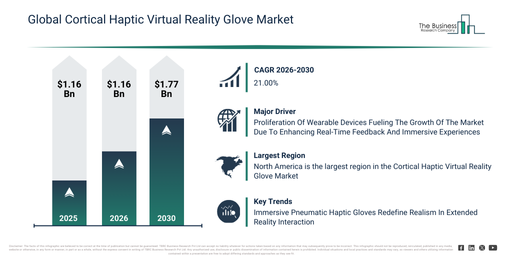
    The cortical haptic virtual reality glove market has seen substantial growth in recent years. It will grow from $1.84 billion in 2025 to $2.23 billion in 2026 at a compound annual growth rate (CAGR) of 21.3%. The expansion observed in the past can be linked to factors such as the rising embrace of VR gaming and entertainment, the initial progress in haptic glove technologies, the growth of industrial simulation and training, investments channelled into rehabilitation and healthcare applications, and breakthroughs in sensor and exoskeleton technologies.

    The market for cortical haptic virtual reality gloves is projected to experience rapid expansion in the coming years. This market is anticipated to reach a valuation of $4.79 billion by 2030, exhibiting a compound annual growth rate (CAGR) of 21.0%. Factors driving this growth during the forecast period include the incorporation of AI for adaptable haptic feedback, an increase in its use within industrial and engineering training, the development of immersive educational platforms, the emergence of wireless and soft robotic glove technologies, and a rising need for lifelike remote and metaverse interactions. Key trends foreseen for the same period encompass neural-interface supported tactile feedback, sophisticated force and vibrotactile feedback mechanisms, advancements in wireless haptic gloves, their incorporation into rehabilitation and healthcare sectors, and enhanced high-fidelity gaming and simulation experiences.

    Get A Free Sample Report With In-Depth Market Insights:

    https://thebusinessresearchcompany.com/sample_request?id=76445925&type=smp&name=Cortical%20Haptic%20Virtual%20Reality%20Glove%20Market%20Report%202026&utm_source=Blogs&utm_medium=Paid&utm_campaign=Oct_PR

    Cortical Haptic Virtual Reality Glove Market Growth Factors: What’s Supporting Expansion?

    The increasing prevalence of wearable devices is anticipated to drive the expansion of the cortical haptic virtual reality glove market. Wearable devices are electronic gadgets designed to be worn on the body, frequently used for monitoring health, fitness, or offering smart functionalities. The heightened consumer awareness regarding health is leading to an increased demand for these devices, as individuals increasingly aim to track and improve their physical condition, monitor vital signs, and manage their overall wellness. Wearable technologies improve cortical haptic virtual reality (VR) gloves by delivering accurate, immediate feedback, making them suitable for deep virtual experiences and training scenarios. They boost interaction precision by replicating genuine sensations of touch, pressure, and texture, thereby elevating user involvement and the efficacy of VR settings. For instance, in April 2025, according to the Parliamentary Office of Science and Technology, a UK-based parliamentary research and advisory body, between 2023 and 2024, the National Institute for Health and Care Research (NIHR) and UK Research and Innovation (UKRI) invested £11.5 million ($15.52 million) in 10 research projects focused on developing wearable technologies to support greater independence for people living with frailty or long-term physical disabilities. Consequently, the widespread adoption of wearable devices is fueling the growth of the cortical haptic virtual reality glove market.

    Cortical Haptic Virtual Reality Glove Market Segmentation: How Does The Market Break Down By Category?

    The cortical haptic virtual reality glove market covered in this report is segmented –

    1) By Product Type: Wired Gloves, Wireless Gloves

    2) By Technology: Force Feedback, Vibrotactile Feedback, Electroactive Polymer Or Soft Actuators

    3) By Distribution Channel: Online, Offline

    4) By Application: Gaming And Entertainment, Healthcare And Rehabilitation, Industrial And Training

    5) By End-User: Consumer, Enterprise Or Commercial, Research And Education

    Subsegments:

    1) By Wired Gloves: Exoskeleton Gloves, Rigid Frame Gloves, Cable-Driven Gloves

    2) By Wireless Gloves: Soft Robotic Gloves, Finger Tracking Gloves, Wearable Sensor Gloves

    Cortical Haptic Virtual Reality Glove Market Industry Trends: What’s Reshaping Demand?

    Leading firms within the cortical haptic virtual reality glove market are prioritizing the creation of cutting-edge innovations, specifically pneumatic haptic gloves, to elevate realism and user involvement in immersive settings. This type of wearable interface utilizes air-pressure-based mechanisms to provide accurate tactile sensations, thereby facilitating more intuitive interaction with digital information. As an illustration, in January 2024, Microtube Technologies, a Singapore-based provider of immersive haptic hardware, introduced its HEXR Glove. The device offers high-fidelity tactile feedback via pneumatic actuation, all while operating wirelessly and without the need for external pumps or cumbersome accessories, which significantly improves comfort and ease of transport. It is compatible with major virtual, augmented, and extended-reality headsets, making it suitable for use in various fields including healthcare, education, entertainment, and training.

    Cortical Haptic Virtual Reality Glove Market Key Participants And Competitive Landscape

    Major companies operating in the cortical haptic virtual reality glove market are HaptX Inc, Manus VR, SenseGlove, CyberGlove Systems, VRgluv, Dexta Robotics, BeBop Sensors, Contact CI, NeuroDigital Technologies, Noitom Ltd, Teslasuit, Meta Platforms Inc, Apple Inc, Sony Interactive Entertainment, Razer Inc, bHaptics, Virtuix, Quantanx, Ultraleap, Straythink, ExoGeniX, GestureTek, Tactai, VRGluv, AxonVR

    View The Full Cortical Haptic Virtual Reality Glove Market Report:

    https://thebusinessresearchcompany.com/report/cortical-haptic-virtual-reality-glove-global-market-report?utm_source=Blogs&utm_medium=Paid&utm_campaign=Oct_PR

    Cortical Haptic Virtual Reality Glove Market Geographic Analysis: Where Is Demand Rising Fastest?

    North America was the largest region in the cortical haptic virtual reality glove market in 2025. Asia-Pacific is expected to be the fastest-growing region in the forecast period. The regions covered in the cortical haptic virtual reality glove market report are Asia-Pacific, South East Asia, Western Europe, Eastern Europe, North America, South America, Middle East, Africa.

    Reach Out To Our Team:

    The Business Research Company: https://www.thebusinessresearchcompany.com/

    Americas: +1 310-496-7795

    Asia: +44 7882 955267 & +91 8897263534

    Europe: +44 7882 955267

    Email us at: marketing@tbrc.info

    Follow us on:

    LinkedIn: https://in.linkedin.com/company/the-business-research-company

    YouTube: https://www.youtube.com/channel/UC24_fI0rV8cR5DxlCpgmyFQ

    Global Market Model: https://www.thebusinessresearchcompany.com/global-market-model
  • Coronary Stents Market Forecast To 2030: Starting From $17.76 Billion In 2026

    Coronary Stents Market Forecast To 2030: Starting From $17.76 Billion In 2026

    Featuring market attractiveness scoring, total addressable market sizing, company benchmarking matrices, interactive Excel dashboards, deeper supply chain intelligence, emerging startup tracking, and granular product-level insights, The Business Research Company’s 2026 market reports are built to deliver research that is both more actionable and more strategically valuable.

    Coronary Stents Market Revenue Growth On Track For A 8.3% CAGR Through 2030

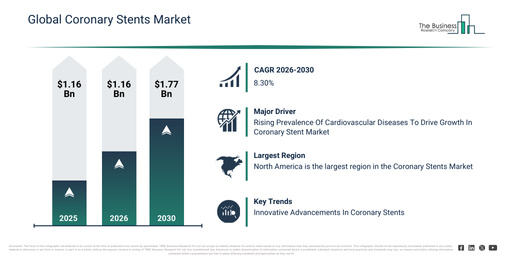
    The coronary stents market size has demonstrated robust growth in recent years. It is projected to expand from $11.9 billion in 2025 to $12.9 billion in 2026, achieving a compound annual growth rate (CAGR) of 8.3%. This historical expansion can be attributed to the rising prevalence of coronary artery disease, an increasing number of percutaneous coronary intervention procedures, advancements in stent coating technologies, the expansion of interventional cardiology services, and improved clinical outcomes of coronary stenting.

    The coronary stents market is forecast to achieve significant growth in the coming years, with its size expected to reach $17.76 billion in 2030, exhibiting a compound annual growth rate (CAGR) of 8.3%. This expansion during the projection period can be attributed to a number of factors, including an aging population facing higher cardiovascular risks, increasing demand for cardiac treatments that are minimally invasive, the growing adoption of next-generation stent technologies, a rising focus on the long-term healing of vessels and patient outcomes, and expanding access to cardiac care in emerging markets. Key trends foreseen in this forecast period involve the rising adoption of drug-eluting and dual therapy stents, an increasing preference for minimally invasive coronary interventions, a growing emphasis on reducing the risks of restenosis and thrombosis, an expansion in the usage of bioresorbable and biodegradable stents, and an increasing demand for advanced stent materials and designs.

    Get A Free Sample Report With In-Depth Market Insights:

    https://thebusinessresearchcompany.com/sample_request?id=55316426&type=smp&name=Coronary%20Stents%20Market%20Report%202026&utm_source=Blogs&utm_medium=Paid&utm_campaign=Oct_PR

    Coronary Stents Market Demand Drivers: What’s Powering Industry Growth?

    The increasing occurrence of cardiovascular diseases (CVDs) is projected to boost the expansion of the coronary stent market. CVDs encompass various heart and blood vessel disorders, such as coronary artery disease, heart failure, stroke, and hypertension. The rise in these diseases is linked to an aging global population and a higher incidence of risk factors like obesity, diabetes, inactive lifestyles, inadequate nutrition, and stress. Coronary stents are crucial in managing cardiovascular conditions by opening constricted or obstructed coronary arteries, thereby enhancing cardiac blood flow and lowering heart attack risks. For example, data from October 2024 by the Centers for Disease Control and Prevention, a US-based government agency, revealed that in 2023, cardiovascular disease was responsible for 919,032 fatalities, representing about one in every three deaths. Consequently, the growing incidence of cardiovascular diseases (CVDs) is fueling the expansion of the coronary stent market.

    Coronary Stents Market Segment Trends And Revenue Contributors

    The coronary stents market covered in this report is segmented –

    1) By Product Type: Dual Therapy Stents, Radioactive Stents, Thrombectomy Stents, Covered Stents, Bioresorbable Stents, Biodegradable Stents, Hybrid Stents, Drug-Eluting Stents, Bare Metal Stents

    2) By Technology: Laser Cutting, 3D-Printed Stents, Microfabrication, Nanotechnology-Based Stents, Electropolishing, Others Technologies

    3) By Raw Material: Cobalt-Chromium, Stainless Steel, Platinum–Chromium, Nickel–Titanium, Polymer

    4) By Deployment: Self-Expandable Stents, Balloon-Expandable Stents

    5) By End Uses: Hospitals And Ambulatory Surgical Centers, Specialty Clinics, Other End Uses

    Subsegments:

    1) By Dual Therapy Stents: Sirolimus-Eluting Dual Therapy Stents, Paclitaxel-Eluting Dual Therapy Stents, Everolimus-Eluting Dual Therapy Stents

    2) By Radioactive Stents: Beta Radiation Stents, Gamma Radiation Stents, Other Radiation Stents

    3) By Thrombectomy Stents: Manual Thrombectomy Stents, Mechanical Thrombectomy Stents, Hydrodynamic Thrombectomy Stents

    4) By Covered Stents: PTFE-Covered Stents, ePTFE-Covered Stents, Polyurethane-Covered Stents, Other Covered Stents

    5) By Bioresorbable Stents: Polymer-Based Bioresorbable Stents, Metal-Based Bioresorbable Stents, Ceramic-Based Bioresorbable Stents

    6) By Biodegradable Stents: Polymeric Biodegradable Stents, Magnesium-Based Biodegradable Stents, Other Biodegradable Stents

    7) By Hybrid Stents: Hybrid Drug-Eluting Stents, Hybrid Biodegradable Or Metal Stents, Other Hybrid Stents

    8) By Drug-Eluting Stents: Sirolimus-Eluting Stents, Paclitaxel-Eluting Stents, Everolimus-Eluting Stents, Zotarolimus-Eluting Stents, Other Drug-Eluting Stents

    9) By Bare Metal Stents: Stainless Steel Bare Metal Stents, Cobalt Chromium Bare Metal Stents, Other Bare Metal Stents

    Coronary Stents Market Innovation Trends: What Developments Are Reshaping The Industry?

    Companies active in the coronary stent market are developing innovative products, such as drug-eluting stents, to lessen the requirement for repeat procedures compared to bare-metal stents. Drug-eluting stents are specialized coronary devices coated with medication, designed to prevent the re-narrowing of arteries by gradually releasing drugs over time. For instance, in May 2024, Abbott, a US-based healthcare company, launched the XIENCE Sierra Everolimus (drug) Eluting Coronary Stent System in India. The XIENCE Sierra stent is distinguished by its enhanced design, a new delivery system, and unique size options, specifically engineered to manage challenging cases. It retains the specialized coating that reduces the risk of artery re-blockage, consistent with other XIENCE stents. This stent benefits from an exceptional safety record, substantiated by over 120 clinical trials involving more than 120,000 patients.

    Coronary Stents Market Top Companies Driving Competitive Growth

    Major companies operating in the coronary stents market are Abbott Laboratories, Medtronic plc, Boston Scientific Corporation, Terumo Corporation, BIOTRONIK SE & Co KG, B Braun Melsungen AG, Biosensors International Group Ltd, MicroPort Scientific Corporation, Lepu Medical Technology Beijing Co Ltd, Meril Life Sciences Pvt Ltd, Stentys SA, Alvimedica, Vascular Concepts, Balton Medical, Cardionovum, HEXACATH, Elixir Medical Corporation, Translumina GmbH, Relisys Medical Devices Ltd, REVA Medical Inc, Sahajanand Medical Technologies Pvt Ltd, Endocor GmbH, Eurocor Tech, Medinol, Q3 Medical Devices, S3V Vascular Technologies, InSitu Technologies, Minvasys

    View The Full Coronary Stents Market Report:

    https://thebusinessresearchcompany.com/report/coronary-stents-global-market-report?utm_source=Blogs&utm_medium=Paid&utm_campaign=Oct_PR

    Coronary Stents Market Global Footprint: Which Region Leads The Market?

    North America was the largest region in the coronary stents market in 2025. Asia-Pacific is expected to be the fastest-growing region in the forecast period. The regions covered in the coronary stents market report are Asia-Pacific, South East Asia, Western Europe, Eastern Europe, North America, South America, Middle East, Africa.

    Reach Out To Our Team:

    The Business Research Company: https://www.thebusinessresearchcompany.com/

    Americas: +1 310-496-7795

    Asia: +44 7882 955267 & +91 8897263534

    Europe: +44 7882 955267

    Email us at: marketing@tbrc.info

    Follow us on:

    LinkedIn: https://in.linkedin.com/company/the-business-research-company

    YouTube: https://www.youtube.com/channel/UC24_fI0rV8cR5DxlCpgmyFQ

    Global Market Model: https://www.thebusinessresearchcompany.com/global-market-model
  • Coronary Atherectomy Devices Market Size In 2026 And Beyond: Understanding Future Growth Potential

    Coronary Atherectomy Devices Market Size In 2026 And Beyond: Understanding Future Growth Potential

    Built to provide research that’s more actionable and strategically valuable, The Business Research Company’s 2026 market reports include market attractiveness analysis, total addressable market sizing, company benchmarking matrices, interactive Excel dashboards, broader supply chain intelligence, emerging startup tracking, and in-depth product insights.

    Coronary Atherectomy Devices Market Value Growth And Long-Term Outlook

    The coronary atherectomy devices market size has rapidly expanded in recent years. It is expected to grow from $0.23 billion in 2025 to $0.26 billion in 2026, at a compound annual growth rate (CAGR) of 10.1%. The expansion observed in the historic period is attributable to the increasing incidence of coronary artery disease, enhanced use of interventional cardiology procedures, the proliferation of catheterization laboratories, a growing aging population, and the clinical endorsement of atherectomy techniques.

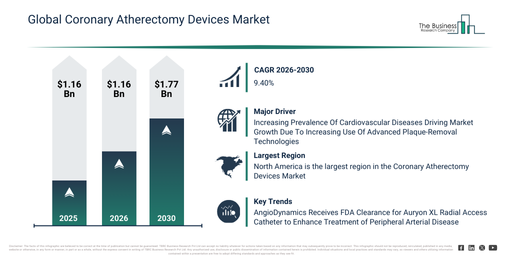
    The market for coronary atherectomy devices is anticipated to experience substantial expansion in the coming years. It is projected to reach $0.37 billion by 2030, demonstrating a compound annual growth rate (CAGR) of 9.4%. This growth during the forecast period can be attributed to several factors, including the increasing need for intricate coronary procedures, the growing acceptance of image-guided cardiovascular operations, increased capital allocation for cardiac care infrastructure, innovations in device accuracy, and the broader application of minimally invasive treatment approaches. Key trends anticipated for the forecast period encompass a greater utilization of sophisticated rotational atherectomy devices, an uptick in the adoption of less invasive coronary procedures, an intensified focus on treating calcified lesions, the broader deployment of precision-controlled atherectomy systems, and improved integration with interventions guided by imaging technology.

    Get A Free Sample Report With In-Depth Market Insights:

    https://thebusinessresearchcompany.com/sample_request?id=57800730&type=smp&name=Coronary%20Atherectomy%20Devices%20Market%20Report%202026&utm_source=Blogs&utm_medium=Paid&utm_campaign=Oct_PR

    Coronary Atherectomy Devices Market Growth Drivers: What’s Behind The Acceleration?

    The expanding occurrence of cardiovascular diseases (CVDs) is propelling the growth of the coronary atherectomy devices market moving forward. Cardiovascular diseases encompass a range of conditions affecting the heart and blood vessels, frequently stemming from plaque accumulation, restricted blood flow, and progressive arterial narrowing. The increasing burden of cardiovascular diseases is attributable to the rising prevalence of modifiable risk factors such as hypertension, obesity, diabetes, unhealthy diets, physical inactivity, and tobacco use. This growing disease prevalence supports coronary atherectomy devices by heightening the demand for minimally invasive tools capable of effectively removing calcified or complex plaque, restoring optimal blood flow, and enhancing procedural success rates in percutaneous coronary interventions (PCI). For instance, in October 2024, according to the Centers for Disease Control and Prevention, a US-based public health institute, in 2023, about 1 out of every 6 deaths from cardiovascular diseases was among adults younger than 65 years old, and a total of 919,032 people died from cardiovascular disease, representing 1 in every 3 deaths. Consequently, the increasing prevalence of cardiovascular diseases is driving the growth of the global coronary atherectomy devices market.

    Coronary Atherectomy Devices Market Segment Analysis Spotlighting Growth Areas

    The coronary atherectomy devices market covered in this report is segmented –

    1) By Product: Directional Atherectomy Devices, Orbital Atherectomy Devices, Photo-Ablative Atherectomy Devices, Rotational Atherectomy Devices, Other Products

    2) By Application: Peripheral Vascular, Cardiovascular, Coronary Artery Disease

    3) By End User: Hospitals And Surgical Centers, Ambulatory Care Centers, Cardiac Specialty Centers

    Subsegments:

    1) By Directional Atherectomy Devices: Traditional Directional Atherectomy Devices, Advanced Directional Atherectomy Devices

    2) By Orbital Atherectomy Devices: Single-Wire Orbital Atherectomy Devices, Multi-Wire Orbital Atherectomy Devices

    3) By Photo-Ablative Atherectomy Devices: Laser-Based Photo-Ablative Devices, Other Photo-Ablative Atherectomy Devices

    4) By Rotational Atherectomy Devices: Manual Rotational Atherectomy Devices, Motorized Rotational Atherectomy Devices

    5) By Other Products: Combination Atherectomy Devices, Custom Atherectomy Solutions, Other Coronary Atherectomy Devices

    Coronary Atherectomy Devices Market Trends: What’s Defining The Industry’s Next Phase?

    Major companies in the coronary atherectomy equipment market are prioritizing innovative solutions, including radial access catheters, to improve patient outcomes by enabling safer and less invasive procedures for treating coronary artery disease. Radial Access Catheters are specialized medical devices utilized in interventional cardiology to access the coronary arteries through the radial artery in the wrist, rather than the traditional femoral artery in the groin. For instance, in January 2024, AngioDynamics, a US-based provider of products and solutions for healthcare professionals, announced the FDA 510(k) clearance for its Auryon XL Radial Access Catheter, which is designed to address peripheral arterial disease (PAD). This 225-cm catheter is compatible with the Auryon Atherectomy System, comes in two diameter options (0.9 mm and 1.5 mm), and employs advanced laser technology for the efficient treatment of arterial occlusions. Notably, radial access significantly reduces major bleeding risks compared to traditional femoral access and facilitates bilateral disease treatment in a single session, promoting faster recovery.

    Coronary Atherectomy Devices Market Leading Players And Competitive Positioning

    Major companies operating in the coronary atherectomy devices market are Boston Scientific Corporation, Cardiovascular Systems Inc., The Spectranetics Corporation, Medtronic Inc., Avinger Inc., Biotronik SE & Co. KG, Arterial Remodeling Technologies, Straub Medical AG, RA Medical Systems Inc., Shockwave Medical Inc., Terumo Corporation, Abbott Laboratories Inc., Asahi Intecc Co. Ltd., Baylis Medical Company Inc., Cook Medical LLC, Cordis Corporation, Infraredx Inc., Intact Vascular Inc., TriReme Medical LLC, Volcano Corporation

    View The Full Coronary Atherectomy Devices Market Report:

    https://thebusinessresearchcompany.com/report/coronary-atherectomy-devices-global-market-report?utm_source=Blogs&utm_medium=Paid&utm_campaign=Oct_PR

    Coronary Atherectomy Devices Market Regional Split: Which Areas Are Fueling Growth?

    North America was the largest region in the coronary atherectomy devices market in 2025. Western Europe was the second-largest region in the global coronary atherectomy devices market share. Africa, was the smallest region in the coronary atherectomy devices industry. The regions covered in the coronary atherectomy devices market report are Asia-Pacific, South East Asia, Western Europe, Eastern Europe, North America, South America, Middle East, Africa.

    Reach Out To Our Team:

    The Business Research Company: https://www.thebusinessresearchcompany.com/

    Americas: +1 310-496-7795

    Asia: +44 7882 955267 & +91 8897263534

    Europe: +44 7882 955267

    Email us at: marketing@tbrc.info

    Follow us on:

    LinkedIn: https://in.linkedin.com/company/the-business-research-company

    YouTube: https://www.youtube.com/channel/UC24_fI0rV8cR5DxlCpgmyFQ

    Global Market Model: https://www.thebusinessresearchcompany.com/global-market-model
  • Coronary Angiography Devices Market Reaches $13.83 Billion In 2026: Key Developments Shaping Expansion

    Coronary Angiography Devices Market Reaches $13.83 Billion In 2026: Key Developments Shaping Expansion

    Backed by market attractiveness analysis, total addressable market sizing, company benchmarking matrices, interactive Excel dashboards, wider supply chain intelligence, emerging startup coverage, and detailed product-level insights, The Business Research Company’s 2026 market reports are designed to offer research that is more actionable and strategically valuable than ever.

    Coronary Angiography Devices Market Poised To Hit $13.83 Billion By 2030 With A 6.6% CAGR

    The coronary angiography devices market has experienced robust expansion in recent years. It will grow from $10.03 billion in 2025 to $10.7 billion in 2026 at a compound annual growth rate (CAGR) of 6.7%. The market’s historical expansion is largely due to factors including the escalating incidence of coronary artery disease, a greater volume of cardiac catheterization procedures, advancements in hospital cardiac care infrastructure, the wider integration of x-ray based angiography systems, and enhanced recognition of heart disease at early stages.

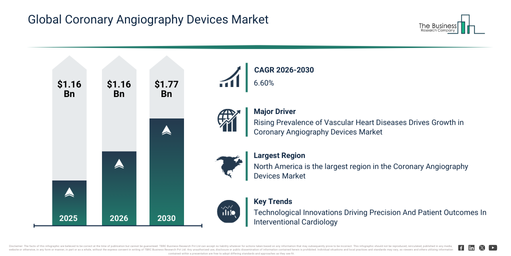
    The coronary angiography devices market is projected to experience substantial expansion in the coming years. Its valuation is set to reach $13.83 billion in 2030, exhibiting a compound annual growth rate (CAGR) of 6.6%. This anticipated growth during the forecast period stems from factors such as an aging demographic prone to elevated cardiovascular risks, a heightened need for prompt and precise coronary diagnostics, the proliferation of interventional cardiology facilities, the increasing embrace of image-guided cardiac interventions, and a growing emphasis on preventive cardiology measures. Key developments expected over this period encompass a surge in the adoption of minimally invasive methods for coronary diagnosis, wider implementation of sophisticated imaging technologies in cardiac assessment, a greater need for highly accurate coronary visualization, an expanding application of angiography for detecting early-stage cardiac conditions, and an increasing convergence of diagnostic and therapeutic angiography processes.

    Get A Free Sample Report With In-Depth Market Insights:

    https://thebusinessresearchcompany.com/sample_request?id=51307658&type=smp&name=Coronary%20Angiography%20Devices%20Market%20Report%202026&utm_source=Blogs&utm_medium=Paid&utm_campaign=Oct_PR

    Coronary Angiography Devices Market Growth Factors Behind Sustained Expansion

    The expanding occurrence of vascular heart diseases is anticipated to drive the growth of the coronary angiography devices market moving forward. These conditions include disorders that impact the blood vessels providing blood to the heart or those situated within the heart itself. Their heightened prevalence is attributed to evolving lifestyle habits, including diet and physical activity, an aging demographic, and the growing incidence of ailments like diabetes and hypertension. Coronary angiography devices are instrumental in diagnosing and assessing vascular heart diseases by generating detailed images of the coronary arteries, thereby allowing for the accurate identification of blockages, constrictions, and other anomalies that inform treatment choices. For instance, in October 2024, data from the Centers for Disease Control and Prevention, which is a US-based, government agency, indicated that in 2023, cardiovascular disease was responsible for 919,032 lives, making up approximately one in every three deaths. Thus, the expanding prevalence of vascular heart diseases acts as a significant impetus for the coronary angiography devices market.

    Coronary Angiography Devices Market Segment Performance And Emerging Opportunities

    The coronary angiography devices market covered in this report is segmented –

    1) By Product Type: Angiography Systems, Angiography Catheters, Angiography Contrast Media, Vascular Closure Devices (VCDs), Angiography Balloons, Angiography Guidewires, Angiography Accessories

    2) By Technology: X-Ray Angiography, Computed Tomography Angiography (CTA), Magnetic Resonance Angiography, Other Technologies

    3) By Indication: Coronary Artery Disease, Valvular Heart Disease, Congenital Heart Disease, Congestive Heart Failure, Other Indications

    4) By Application: Diagnostics, Therapeutics

    5) By End-User: Hospital And Clinics, Diagnostic And Imaging Centers, Research Institutes

    Subsegments:

    1) By Angiography Systems: X-Ray Angiography Systems, 3D Or 4D Angiography Systems, Digital Subtraction Angiography (DSA) Systems

    2) By Angiography Catheters: Diagnostic Catheters, Therapeutic Catheters, Over-The-Wire (OTW) Catheters, Rapid Exchange (RX) Catheters

    3) By Angiography Contrast Media: Iodinated Contrast Media, Non-Iodinated Contrast Media

    4) By Vascular Closure Devices (VCDs): Mechanical VCDs, Passive Hemostasis VCDs, Active Hemostasis VCDs

    5) By Angiography Balloons: High-Pressure Balloons, Low-Pressure Balloons, Drug-Eluting Balloons

    6) By Angiography Guidewires: Standard Guidewires, Supportive Guidewires, Steerable Guidewires

    7) By Angiography Accessories: Introducer Sheaths, Inflation Devices, Syringes And Needles, Guidewire Support Systems

    Coronary Angiography Devices Market Industry Trends Fueling Future Revenue Growth

    Leading companies active in the coronary angiography devices market are concentrating on developing technological enhancements, such as next-generation drug-eluting stents, to improve procedural exactness, patient outcomes, and enduring cardiovascular health management. Next-generation drug-eluting stents are sophisticated tools engineered with better scaffolding, advanced drug coatings, and superior deliverability to decrease restenosis and promote optimal arterial healing. For example, in May 2024, Abbott Laboratories, a US-based medical devices company, unveiled its XIENCE Sierra stent in India. This stent offers cardiologists enhanced flexibility, accurate placement, and improved safety, aiming to broaden treatment possibilities and raise the standard of care in coronary artery disease management. By integrating innovative design and clinical insights, this launch supports better procedural effectiveness and patient-centric results in interventional cardiology, while also reinforcing Abbott’s commitment to innovation and advancing cardiovascular health across the globe.

    Coronary Angiography Devices Market Competitive Overview And Top Companies

    Major companies operating in the coronary angiography devices market are Cardinal Health Inc., Johnson & Johnson Services Inc., Abbott Laboratories, Medtronic plc, Siemens Healthineers AG, Koninklijke Philips N.V., GE HealthCare Technologies Inc., Boston Scientific Corporation, B. Braun Holding GmbH & Co. KG, Terumo Corporation, Nipro Corporation, Shimadzu Corporation, Cook Group Incorporated, ICU Medical Inc., Biotronik SE Co. KG, Merit Medical Systems Inc., Cordis Corporation, Guerbet N.V., AngioDynamics Inc., Canon Medical Systems Corporation, Acist Medical Systems, Medinol Ltd., Alvimedica

    View The Full Coronary Angiography Devices Market Report:

    https://thebusinessresearchcompany.com/report/coronary-angiography-devices-global-market-report?utm_source=Blogs&utm_medium=Paid&utm_campaign=Oct_PR

    Coronary Angiography Devices Market Top Region: Where Does Most Revenue Come From?

    North America was the largest region in the coronary angiography devices market in 2025. Asia-Pacific is expected to be the fastest-growing region in the forecast period. The regions covered in the coronary angiography devices market report are Asia-Pacific, South East Asia, Western Europe, Eastern Europe, North America, South America, Middle East, Africa.

    Reach Out To Our Team:

    The Business Research Company: https://www.thebusinessresearchcompany.com/

    Americas: +1 310-496-7795

    Asia: +44 7882 955267 & +91 8897263534

    Europe: +44 7882 955267

    Email us at: marketing@tbrc.info

    Follow us on:

    LinkedIn: https://in.linkedin.com/company/the-business-research-company

    YouTube: https://www.youtube.com/channel/UC24_fI0rV8cR5DxlCpgmyFQ

    Global Market Model: https://www.thebusinessresearchcompany.com/global-market-model
  • Corneal Topography Systems Market Growth Outlook For 2026: Drivers, Trends And Future Opportunities

    Corneal Topography Systems Market Growth Outlook For 2026: Drivers, Trends And Future Opportunities

    Featuring market attractiveness scoring, total addressable market sizing, company benchmarking matrices, interactive Excel dashboards, deeper supply chain intelligence, emerging startup tracking, and granular product-level insights, The Business Research Company’s 2026 market reports are built to deliver research that is both more actionable and more strategically valuable.

    Corneal Topography Systems Market Size And Revenue Outlook Through 2030

    The corneal topography systems market size has experienced significant expansion in recent years. This market is set to increase from $1.17 billion in 2025 to $1.27 billion in 2026, exhibiting a compound annual growth rate (CAGR) of 8.2%. The historical growth trajectory can be attributed to factors such as an increase in refractive surgeries, a rising prevalence of vision disorders, the adoption of ophthalmic diagnostics, the expansion of eye care clinics, and technological advances in optical imaging.

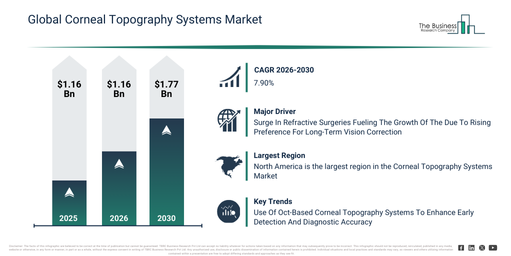
    The corneal topography systems market size is anticipated to experience robust expansion in the upcoming years. It is forecast to grow to $1.72 billion in 2030, exhibiting a compound annual growth rate (CAGR) of 7.9%. This projected growth during the forecast period is driven by factors such as AI-assisted corneal analysis, the escalating demand for personalized vision correction, an increase in cataract surgeries, the expansion of outpatient ophthalmology, and the emergence of digital eye health platforms. Prominent trends for this period include high resolution corneal mapping, advancements in early keratoconus detection, refined refractive surgery planning, integrated anterior segment imaging, and non-invasive corneal diagnostics.

    Get A Free Sample Report With In-Depth Market Insights:

    https://thebusinessresearchcompany.com/sample_request?id=38351801&type=smp&name=Corneal%20Topography%20Systems%20Market%20Report%202026&utm_source=Blogs&utm_medium=Paid&utm_campaign=Oct_PR

    Corneal Topography Systems Market Demand Drivers Opening New Revenue Streams

    The escalating demand for refractive surgeries is anticipated to foster the growth of the corneal topography systems market in the coming period. These medical procedures involve reshaping the cornea to rectify vision issues such as near-sightedness, farsightedness, and astigmatism. The increase in refractive surgeries is a result of a growing wish for lasting independence from glasses and contact lenses, encouraging more individuals to select permanent vision correction. Corneal topography systems aid refractive surgeries by offering intricate maps of the cornea’s form and curvature, which allows surgeons to devise accurate, safe, and personalized vision-correction procedures. For instance, in March 2023, Massachusetts Eye and Ear, a US-based healthcare company, reported that 87.8% of eyes for myopic patients undergoing LASIK achieved outcomes within ±0.5 diopters of the target refraction, an improvement from previously lower rates. Thus, the rising demand for refractive surgeries is propelling the growth of the corneal topography systems market.

    Corneal Topography Systems Market Segment Landscape And Growth Outlook

    The corneal topography systems market covered in this report is segmented –

    1) By Product Type: Placido Disc Systems, Scheimpflug Systems, Scanning Slit Systems, Combined Systems

    2) By Application: Refractive Surgery Evaluation, Cataract Surgery Evaluation, Contact Lens Fitting, Keratoconus Diagnosis, Other Applications

    3) By End-User: Hospitals, Ophthalmic Clinics, Ambulatory Surgical Centers, Other End-Users

    Subsegments:

    1) By Placido Disc Systems: Corneal Topographers, Videokeratoscopes

    2) By Scheimpflug Systems: Corneal Tomographers, Anterior Segment Analysers

    3) By Scanning Slit Systems: Slit Scanners, Corneal Profilers, Topography Analysers

    4) By Combined Systems: Placido Schei Pflug Hybrids, Slit Placido Hybrids, Multi Modal Analysers

    Corneal Topography Systems Market Trends Powering Strategic Industry Growth

    Leading companies within the corneal topography systems market are increasingly focusing on integrating their solutions with electronic health records, specifically including OCT-based topography, to significantly enhance diagnostic precision, enable simultaneous assessment of both the anterior and posterior corneal surfaces, and improve the early detection of corneal disorders such as keratoconus and ectasia. OCT-based topography is defined as a corneal imaging technique that utilizes Optical Coherence Tomography (OCT) to capture high-resolution, cross-sectional images of the cornea, subsequently generating three-dimensional elevation maps of both its anterior (front) and posterior (back) surfaces. As an example, in March 2023, Haag-Streit AG, a Swiss-based medical technology company, launched a new Corneal Ectasia Display for the Eyestar 900, which is a swept-source-based precision OCT analyzer. This new display features OCT-based topography, providing elevation data for both the anterior and posterior corneal surfaces, alongside pachymetry maps, Belin ABCD grading, and various other diagnostic parameters to aid specialists in detecting early signs of keratoconus and ectatic changes. Furthermore, it incorporates 12 mm Class A topography, 18 mm OCT imaging of the anterior chamber, and a fully automated workflow, thereby enabling comprehensive corneal and anterior segment analysis within a single measuring procedure.

    Corneal Topography Systems Market Competitive Landscape: Which Companies Lead The Industry?

    Major companies operating in the corneal topography systems market are Carl Zeiss Meditec AG, Topcon Corporation, Tomey Corporation, OCULUS Optikgeräte GmbH, NIDEK Co. Ltd., SCHWIND eye-tech-solutions GmbH, Medmont International Pty Ltd, Visionix Ltd., Costruzione Strumenti Oftalmici S.r.l., EyeSys Vision Inc., Cassini Technologies Inc., Ziemer Ophthalmic Systems AG, Heidelberg Engineering GmbH, Optopol Technology S.A., MediWorks Co. Ltd., Reichert Technologies Inc., Rexxam Co. Ltd., CSO Italia, Sirius Vision, Appasamy Associates

    View The Full Corneal Topography Systems Market Report:

    https://thebusinessresearchcompany.com/report/global-corneal-topography-systems-market-report?utm_source=Blogs&utm_medium=Paid&utm_campaign=Oct_PR

    Corneal Topography Systems Market Regional Breakdown: Where Is Demand Concentrated?

    North America was the largest region in the corneal topography systems market in 2025. Asia-Pacific is expected to be the fastest-growing region in the forecast period. The regions covered in the corneal topography systems market report are Asia-Pacific, South East Asia, Western Europe, Eastern Europe, North America, South America, Middle East, Africa.

    Reach Out To Our Team:

    The Business Research Company: https://www.thebusinessresearchcompany.com/

    Americas: +1 310-496-7795

    Asia: +44 7882 955267 & +91 8897263534

    Europe: +44 7882 955267

    Email us at: marketing@tbrc.info

    Follow us on:

    LinkedIn: https://in.linkedin.com/company/the-business-research-company

    YouTube: https://www.youtube.com/channel/UC24_fI0rV8cR5DxlCpgmyFQ

    Global Market Model: https://www.thebusinessresearchcompany.com/global-market-model
  • Corneal Implants Market Size Forecast From 2026 To 2030: Key Industry Trends

    Corneal Implants Market Size Forecast From 2026 To 2030: Key Industry Trends

    Built to provide research that’s more actionable and strategically valuable, The Business Research Company’s 2026 market reports include market attractiveness analysis, total addressable market sizing, company benchmarking matrices, interactive Excel dashboards, broader supply chain intelligence, emerging startup tracking, and in-depth product insights.

    Corneal Implants Market Growth From $1.51 Billion In 2026 To $2.01 Billion By 2030 At A CAGR Of 7.4%

    The corneal implants market size has seen substantial growth recently. It is anticipated to expand from $1.42 billion in 2025 to $1.51 billion in 2026, progressing at a compound annual growth rate (CAGR) of 7.0%. The past growth in this market can be linked to the increasing occurrence of corneal disorders, the broadening of ophthalmic surgical capabilities, the availability of donor corneas, a growing understanding of vision correction choices, and advancements in surgical instrumentation.

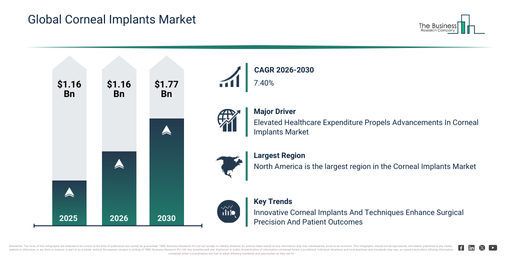
    The corneal implants market size is projected to experience robust expansion over the coming years. It is anticipated to reach $2.01 billion in 2030, with a compound annual growth rate (CAGR) of 7.4%. This growth during the forecast period is primarily driven by heightened investments in regenerative ophthalmology, a surging demand for vision restoration procedures, the proliferation of advanced eye care facilities, increased acceptance of bioengineered implants, and an intensified emphasis on the long-term durability of implants. Key trends expected within this timeframe encompass a greater uptake of artificial corneal implants, the escalating application of advanced keratoplasty techniques, a heightened concentration on biocompatible implant materials, the establishment of more specialized ophthalmic surgical centers, and improved precision in corneal transplant procedures.

    Get A Free Sample Report With In-Depth Market Insights:

    https://thebusinessresearchcompany.com/sample_request?id=16655949&type=smp&name=Corneal%20Implants%20Market%20Report%202026&utm_source=Blogs&utm_medium=Paid&utm_campaign=Oct_PR

    Corneal Implants Market Growth Backed By Core Demand Fundamentals

    The escalating healthcare expenditure is anticipated to fuel the expansion of the corneal implants market going forward. Healthcare expenditure is defined as the total amount of resources, encompassing financial assets, dedicated to healthcare goods and services within a specified period in a particular geographical area. Elevated healthcare spending enables the adoption of advanced technologies and surgical techniques within ophthalmology, including corneal implants. For instance, in May 2024, according to Office of National Statistics, a UK-based government agency, total healthcare expenditure increased by 5.6% in nominal terms between 2022 and 2023, a significant rise compared with growth of 0.9% in 2022. Therefore, the upward trend in healthcare expenditure is driving the growth of the corneal implant market.

    Corneal Implants Market Breakdown By Product Type And Application

    The corneal implants market covered in this report is segmented –

    1) By Implant Type: Artificial Corneal Implant, Human Corneal Implant

    2) By Procedure Type: Endothelial Keratoplasty, Penetrating Keratoplasty, Other Procedure Types

    3) By Application: Keratoconus, Fuchs Dystrophy, Infectious Keratitis, Corneal Ulcers, Other Applications

    4) By End-User: Hospitals, Ophthalmic Center, Other End-Users

    Subsegments:

    1) By Artificial Corneal Implant: Keratoprosthesis, Artificial Cornea

    2) By Human Corneal Implant: Donor Cornea, Preserved Cornea

    Corneal Implants Market Growth Trends Reshaping The Competitive Landscape

    Leading entities within the corneal implants market are concentrating on creating cutting-edge corneal contouring remedies to improve vision and address diverse corneal conditions. These advanced corneal contouring solutions encompass sophisticated surgical methods and instruments specifically crafted to reshape the cornea, thereby enhancing visual acuity and managing refractive anomalies or ocular surface pathologies. For example, in June 2024, CorneaGen, an American medical device firm dedicated to eradicating corneal blindness, introduced Corneal Tissue Addition for Keratoplasty (CTAK). This represents an inventive and highly efficacious method for corneal contouring in individuals with keratoconus. CTAK employs a unique approach involving the addition of donor corneal tissue to the patient’s existing cornea, rather than full replacement. The objective of this procedure is to reinstate the cornea’s natural shape, thus boosting optical clarity.

    Corneal Implants Market Competitive Landscape: Who Leads The Industry?

    Major companies operating in the corneal implants market are Alcon Inc., Bausch & Lomb Incorporated, Johnson & Johnson Vision, ZEISS Group, AJL Ophthalmic SA, CorNeat Vision Ltd., EyeYon Medical Ltd., Precise Bio Inc., CorneaGen, Cornea Biosciences LLC, Linkocare Life Sciences AB, MediPhacos, Coroneo Pty Ltd., KeraMed Inc., DIOPTEX Co. Ltd., HumanOptics AG, Morcher GmbH, Moria SA, DORC International BV, Aurolab (Aravind Eye Care System)

    View The Full Corneal Implants Market Report:

    https://thebusinessresearchcompany.com/report/corneal-implants-global-market-report?utm_source=Blogs&utm_medium=Paid&utm_campaign=Oct_PR

    Corneal Implants Market Geographic Landscape: Which Region Dominates Industry Growth?

    North America was the largest region in the cornea implants market in 2025. Asia Pacific is expected to be the fastest-growing region in the global cornea implants market during the forecast period. The regions covered in the corneal implants market report are Asia-Pacific, South East Asia, Western Europe, Eastern Europe, North America, South America, Middle East, Africa.

    Reach Out To Our Team:

    The Business Research Company: https://www.thebusinessresearchcompany.com/

    Americas: +1 310-496-7795

    Asia: +44 7882 955267 & +91 8897263534

    Europe: +44 7882 955267

    Email us at: marketing@tbrc.info

    Follow us on:

    LinkedIn: https://in.linkedin.com/company/the-business-research-company

    YouTube: https://www.youtube.com/channel/UC24_fI0rV8cR5DxlCpgmyFQ

    Global Market Model: https://www.thebusinessresearchcompany.com/global-market-model
  • Contrast Media Injectors Market 2026: Market Size, Growth Drivers And Emerging Opportunities

    Contrast Media Injectors Market 2026: Market Size, Growth Drivers And Emerging Opportunities

    Backed by market attractiveness analysis, total addressable market sizing, company benchmarking matrices, interactive Excel dashboards, wider supply chain intelligence, emerging startup coverage, and detailed product-level insights, The Business Research Company’s 2026 market reports are designed to offer research that is more actionable and strategically valuable than ever.

    Contrast Media Injectors Market Expansion Outlook: What Revenue Opportunities Are Ahead?

    The contrast media injectors market size has demonstrated significant expansion in recent years. This market is expected to increase from $1.77 billion in 2025 to $1.92 billion in 2026, exhibiting a compound annual growth rate (CAGR) of 8.6%. The historical surge in growth can be attributed to several factors, including an increase in diagnostic imaging procedures, the expansion of radiology departments, the growing utilization of contrast-enhanced imaging, the adoption of automated injection systems, and a rising demand for accuracy in procedures.

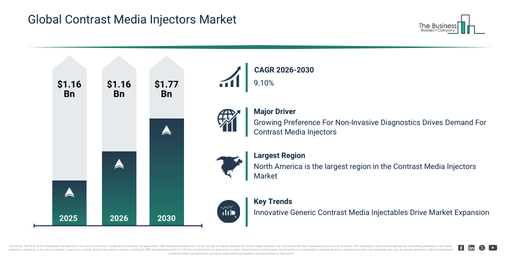
    The contrast media injectors market is anticipated to experience substantial growth in the upcoming years. It is projected to expand to $2.73 billion by 2030, demonstrating a compound annual growth rate (CAGR) of 9.1%. This projected growth during the forecast period is driven by factors such as increasing investments in advanced imaging infrastructure, a rise in the adoption of minimally invasive diagnostics, the expansion of outpatient imaging centers, a growing emphasis on workflow automation, and the enhanced integration of injector systems with imaging software. Prominent trends for the forecast period include the increasing uptake of dual-head injector systems, a rising demand for syringeless injector technologies, the growing integration of smart dose management software, the development of MRI-compatible injector systems, and a heightened focus on patient safety and accuracy.

    Get A Free Sample Report With In-Depth Market Insights:

    https://thebusinessresearchcompany.com/sample_request?id=27054162&type=smp&name=Contrast%20Media%20Injectors%20Market%20Report%202026&utm_source=Blogs&utm_medium=Paid&utm_campaign=Oct_PR

    Contrast Media Injectors Market Growth Catalysts And Demand Drivers

    The escalating need for non-invasive diagnostic methods is anticipated to propel the growth of the contrast media injectors market moving forward. Non-invasive diagnostic procedures are defined as medical evaluations or treatments that do not involve physical entry into the body through a natural or artificial opening, nor do they require breaking the skin. Contrast media injectors are vital in these non-invasive diagnostic procedures, particularly for techniques such as computed tomography (CT) scans and magnetic resonance imaging (MRI). For example, in November 2024, the National Health Service, a UK-based public-health service under government administration, indicated that in 2023-24, a total of 11.4 million tests potentially used to diagnose or rule out cancer were performed. This represented a 2.8% increase from the 11.1 million tests conducted in 2022-23. Over the same timeframe, Chest X-ray referrals grew by 1.4%, while the volumes for pelvic ultrasound and kidney ultrasound increased by 5.1% and 1.3%, respectively. Consequently, the rising demand for non-invasive diagnostic procedures is fueling the expansion of the contrast media injectors market.

    Contrast Media Injectors Market Segment Analysis And Revenue Potential

    The contrast media injectors market covered in this report is segmented –

    1) By Product: Consumables, Injector Systems, Accessories

    2) By Application: Radiology, Interventional Cardiology, Interventional Radiology

    3) By End-user: Hospitals, Diagnostics Centers, Ambulatory Surgery Centers

    Subsegments:

    1) By Consumables: Syringes, Tubing, Other Consumables

    2) By Injector Systems: CT Injectors, MRI Injectors, Angiography Injectors

    3) By Accessories: Injector Heads, Software

    Contrast Media Injectors Market Trends Shaping Long-Term Demand

    Companies active in the contrast media injector market are concentrating on developing novel products, such as generic contrast media injectables, to achieve a competitive advantage and expand their clientele. Generic contrast media injectables are pharmaceutical formulations containing contrast agents, used in medical imaging procedures like computed tomography (CT) scans and magnetic resonance imaging (MRI) to enhance the visualization of specific tissues and blood vessels. As an illustration, in August 2023, Fresenius Kabi, a Germany-based pharmaceutical enterprise, launched two new drugs in the United States. The first is Gadobutrol Injection, a gadolinium-based contrast agent intended for use in MRIs, which is the latest inclusion in Fresenius Kabi’s growing radiology portfolio offering hospitals a variety of economical contrast agents. The second product is Plerixafor Injection, a hematopoietic stem cell mobilizer, serving as the newest addition to the company’s broad collection of generic injectable oncology medicines.

    Contrast Media Injectors Market Company Landscape And Competitive Strategy

    Major companies operating in the contrast media injectors market are Bracco Group, Bayer AG, Guerbet Group, GE HealthCare Technologies Inc., Siemens Healthineers AG, Koninklijke Philips N.V., Canon Medical Systems Corporation, Nemoto Kyorindo Co. Ltd., Ulrich GmbH & Co. KG, ACIST Medical Systems Inc., Imaxeon Pty Ltd., Medtron AG, Apollo RT Co. Ltd., Shenzhen Anke High-tech Co. Ltd., Mindray Medical International Limited, Sino Medical-Device Technology Co. Ltd., Weigao Group, Shenzhen Kenid Medical Devices Co. Ltd., Sanrad Medical Systems, Allengers Medical Systems Limited, Mediso Medical Imaging Systems Ltd.

    View The Full Contrast Media Injectors Market Report:

    https://thebusinessresearchcompany.com/report/contrast-media-injectors-global-market-report?utm_source=Blogs&utm_medium=Paid&utm_campaign=Oct_PR

    Contrast Media Injectors Market Largest Region: Which Geography Holds The Highest Market Share?

    North America was the largest region in the contrast media injectors market in 2025. Asia-Pacific is expected to be the fastest-growing region in the global contrast media injectors market report during the forecast period. The regions covered in the contrast media injectors market report are Asia-Pacific, South East Asia, Western Europe, Eastern Europe, North America, South America, Middle East, Africa.

    Reach Out To Our Team:

    The Business Research Company: https://www.thebusinessresearchcompany.com/

    Americas: +1 310-496-7795

    Asia: +44 7882 955267 & +91 8897263534

    Europe: +44 7882 955267

    Email us at: marketing@tbrc.info

    Follow us on:

    LinkedIn: https://in.linkedin.com/company/the-business-research-company

    YouTube: https://www.youtube.com/channel/UC24_fI0rV8cR5DxlCpgmyFQ

    Global Market Model: https://www.thebusinessresearchcompany.com/global-market-model
  • Contrast Injection Lines Market Set To Expand From $5.45 Billion In 2026: Growth Outlook Through 2030

    Contrast Injection Lines Market Set To Expand From $5.45 Billion In 2026: Growth Outlook Through 2030

    Featuring market attractiveness scoring, total addressable market sizing, company benchmarking matrices, interactive Excel dashboards, deeper supply chain intelligence, emerging startup tracking, and granular product-level insights, The Business Research Company’s 2026 market reports are built to deliver research that is both more actionable and more strategically valuable.

    Contrast Injection Lines Market Growth Potential: How Will Market Size Shift Through 2030?

    The market for contrast injection lines has demonstrated strong growth in recent years. It is anticipated to expand from $3.93 billion in 2025 to $4.2 billion in 2026, achieving a compound annual growth rate (CAGR) of 7.0%. The expansion observed historically can be linked to factors like the increasing adoption of advanced imaging techniques, a rise in the prevalence of cardiovascular diseases, the development of non-ionic contrast agents, the broadening of hospital and diagnostic infrastructure, and improved safety standards in medical devices.

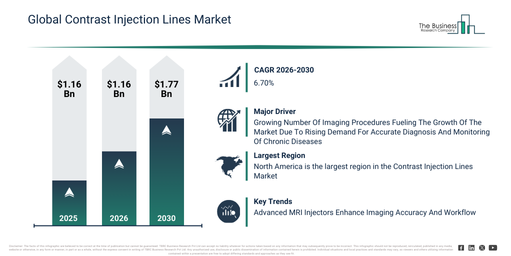
    The contrast injection lines market is set to experience substantial growth in the upcoming years, with projections indicating it will reach $5.45 billion by 2030, exhibiting a compound annual growth rate (CAGR) of 6.7%. This expansion is primarily driven by several factors, including the increasing demand for minimally invasive imaging procedures, the integration of AI-assisted imaging, the expansion of outpatient diagnostic centers, the growing aging population requiring imaging, and the development of intelligent and connected contrast delivery systems. Prominent trends for this period encompass high-precision flow control, enhanced patient safety measures, innovations in disposable versus reusable lines, deeper integration with imaging systems, and automated management of contrast delivery.

    Get A Free Sample Report With In-Depth Market Insights:

    https://thebusinessresearchcompany.com/sample_request?id=11239848&type=smp&name=Contrast%20Injection%20Lines%20Market%20Report%202026&utm_source=Blogs&utm_medium=Paid&utm_campaign=Oct_PR

    Contrast Injection Lines Market Opportunity Drivers: What’s Unlocking New Revenue Potential?

    The contrast injection lines market is anticipated to expand as a result of the increasing volume of imaging procedures. These medical techniques are employed to create visual representations of the body’s interior, aiding in the diagnosis, monitoring, or treatment of health conditions. The surge in imaging procedures is driven by the rising occurrence of chronic diseases, necessitating accurate and continuous internal monitoring for effective diagnosis and therapy. Contrast injection lines are instrumental in imaging procedures by ensuring precise and controlled delivery of contrast agents, which enhances the visibility of tissues, blood vessels, and abnormalities. This contributes to improved diagnostic accuracy and workflow efficiency, minimizing manual handling and guaranteeing safer, contamination-free administration during scans. For instance, in May 2023, according to the National Health Service, a UK-based government department, the number of brain magnetic resonance imaging (MRI) activities referred by general practitioners increased from 8,695 in January 2022 to 8,745 in January 2023. Consequently, the growing number of imaging procedures is a significant factor propelling the growth of the contrast injection lines market.

    Contrast Injection Lines Market Segmentation And Category Overview

    The contrast injection lines market covered in this report is segmented –

    1) By Type: High Pressure Contrast Injection Line, Low Pressure Contrast Injection Line

    2) By Application: Magnetic Resonance Imaging Examination, X-Ray Examination, Computed Tomography (CT) Examination, Angiography, Other Applications

    3) By End-User: Hospitals, Diagnostic Imaging Centers, Specialty Clinics, Research Institutions

    Subsegments:

    1) By High Pressure Contrast Injection: Angiographic High Pressure Lines, Disposable High Pressure Lines, Dual Chamber High Pressure Lines

    2) By Low Pressure Contrast Injection Line: Manual Injection Lines, Reusable Low Pressure Lines, Syringe Based Low Pressure Lines

    Contrast Injection Lines Market Innovation Trends Shaping Future Development

    Leading companies in the contrast injection lines market are prioritizing the development of technologically advanced products, such as magnetic resonance imaging contrast media injectors, to improve imaging accuracy and streamline workflow efficiency in diagnostic procedures. A magnetic resonance imaging contrast media injector is defined as a specialized medical device engineered to automatically and precisely deliver contrast agents into a patient’s bloodstream during magnetic resonance imaging (MRI) procedures, thereby enhancing the visibility of tissues, blood vessels, and abnormalities in the scanned images. For instance, in May 2025, Bracco Diagnostics Inc., a US-based radiology company, launched its Max 3 syringeless injector system to boost efficiency and safety in contrast media delivery during imaging procedures. This system enhances magnetic resonance imaging procedures by enabling direct injection from contrast media vials without syringes, thereby speeding patient changeover and reducing waste. It operates wirelessly within the magnetic resonance imaging (MRI) room in magnetic fields up to 50 mT, providing flexible positioning and safer, contamination-protected connections through its Easy-Click Cassette and SafeConnect technology. This system also contributes to improved workflow efficiency, patient safety, and environmental sustainability in MRI contrast administration.

    Contrast Injection Lines Market Key Players Shaping Industry Direction

    Major companies operating in the contrast injection lines market are Bayer AG, GE Healthcare Technologies Inc., Bracco Imaging S.p.A., Merit Medical Systems Inc., Guerbet Group, B. Braun SE, ACIST Medical Systems Inc., ulrich medical, Sino Medical-Device Technology Co. Ltd., VIVID Imaging Pvt. Ltd., Medex, Hemant Surgical Industries Limited, Medtron AG, Argon Medical Devices Inc., Apollo RT, George Philips Medical Engineering Pvt. Ltd., Nemoto Kyorindo Co. Ltd., Sequoia Healthcare Limited, Shenzhen Anke High-Tech Co. Ltd., Shenzhen Kenid Medical Devices Co. Ltd., Shenzhen Basda Medical Apparatus Co. Ltd.

    View The Full Contrast Injection Lines Market Report:

    https://thebusinessresearchcompany.com/report/contrast-injection-lines-global-market-report?utm_source=Blogs&utm_medium=Paid&utm_campaign=Oct_PR

    Contrast Injection Lines Market Regional Analysis: Which Region Leads By Revenue?

    North America was the largest region in the contrast injection lines market in 2025. Asia-Pacific is expected to be the fastest-growing region in the forecast period. The regions covered in the contrast injection lines market report are Asia-Pacific, South East Asia, Western Europe, Eastern Europe, North America, South America, Middle East, Africa.

    Reach Out To Our Team:

    The Business Research Company: https://www.thebusinessresearchcompany.com/

    Americas: +1 310-496-7795

    Asia: +44 7882 955267 & +91 8897263534

    Europe: +44 7882 955267

    Email us at: marketing@tbrc.info

    Follow us on:

    LinkedIn: https://in.linkedin.com/company/the-business-research-company

    YouTube: https://www.youtube.com/channel/UC24_fI0rV8cR5DxlCpgmyFQ

    Global Market Model: https://www.thebusinessresearchcompany.com/global-market-model