
Blog

  • Iodine Deficiency Drug Market Outlook 2026–2030: Growth Trends, Market Dynamics And Emerging Opportunities

    Iodine Deficiency Drug Market Outlook 2026–2030: Growth Trends, Market Dynamics And Emerging Opportunities

    Backed by market attractiveness analysis, total addressable market sizing, company benchmarking matrices, interactive Excel dashboards, wider supply chain intelligence, emerging startup coverage, and detailed product-level insights, The Business Research Company’s 2026 market reports are designed to offer research that is more actionable and strategically valuable than ever.

    Iodine Deficiency Drug Market CAGR Outlook And Future Development

    The iodine deficiency drug market has experienced robust expansion in recent years. It is projected to grow from $194.28 billion in 2025 to $213.5 billion in 2026, demonstrating a compound annual growth rate (CAGR) of 9.9%. Historically, this market growth can be attributed to widespread iodine deficiency in developing regions, limited access to iodized salt programs, an increasing prevalence of thyroid disorders, low awareness of micronutrient nutrition, and inadequate public health screening systems.

    The iodine deficiency drug market size is projected to experience substantial growth in the upcoming years. It is anticipated to reach $314.08 billion by 2030, exhibiting a compound annual growth rate (CAGR) of 10.1%. Factors contributing to this growth during the forecast period include the expansion of national iodine supplementation programs, the increasing embrace of preventive healthcare nutrition strategies, the progress in precision nutrition and personalized medicine, enhanced digital health monitoring for dietary deficiencies, and developments in biofortified food programs. Key trends expected in this period encompass AI-enabled systems for thyroid disorder diagnostics and monitoring, the integration of digital health into iodine deficiency screening programs, cloud-based platforms for nutritional deficiency surveillance, intelligent public health supply chain tracking for micronutrient distribution, and optimization of iodine supplementation therapy through precision medicine.

    Get A Free Sample Report With In-Depth Market Insights:

    https://thebusinessresearchcompany.com/sample_request?id=67876820&type=smp&name=Iodine%20Deficiency%20Drug%20Market%20Report%202026&utm_source=Blogs&utm_medium=Paid&utm_campaign=Oct_PR

    Iodine Deficiency Drug Market Growth Backed By Core Demand Fundamentals

    The iodine deficiency drug market is anticipated to expand due to the escalating problem of insufficient iodine intake. This condition arises when dietary iodine consumption falls short of the daily amounts needed for proper thyroid function and metabolic control. A primary factor contributing to this widespread deficiency is changing eating habits, specifically a significant reduction in the intake of essential iodine-rich foods like dairy products, iodized salt, and bread, leading to a continuous decrease in iodine levels throughout the population. The escalating occurrence of inadequate iodine intake drives the need for iodine-deficiency drugs, which are crucial for correcting hormonal imbalances and averting related health issues such as goiter, hypothyroidism, and hindered neurodevelopment. For example, the Iodine Global Network, a Canada-based non-profit, non-government organization, reported in April 2025 that the count of nations experiencing insufficient iodine intake rose to 23 in 2025, an increase from 19 in 2022. Consequently, the rising instances of insufficient iodine intake are fueling the expansion of the iodine deficiency drug market.

    Iodine Deficiency Drug Market Segment Performance And Emerging Opportunities

    The iodine deficiency drug market covered in this report is segmented –

    1) By Drug Type: Iodine Supplements, Potassium Iodide, Other Drug Types

    2) By Formulation: Tablets, Liquid Solutions, Injectables

    3) By Route Of Administration: Oral, Intravenous, Other Routes Of Administration

    4) By Distribution Channel: Hospital Pharmacy, Retail Pharmacy, Online Pharmacy

    5) By End Users: Hospitals, Sleep Clinics, Homecare Settings, Other End Users

    Subsegments:

    1) By Iodine Supplements: Oral Iodine Tablets, Liquid Iodine Solutions, Iodine Capsules, Iodine Syrup Formulations, Sustained Release Iodine Supplements

    2) By Potassium Iodide: Potassium Iodide Tablets, Potassium Iodide Oral Solutions, Potassium Iodide Emergency Prophylaxis Formulations, Potassium Iodide Drops, Potassium Iodide Pediatric Formulations

    3) By Other Drug Types: Iodine Fortified Multivitamin Preparations, Combination Thyroid Hormone And Iodine Drugs, Iodine Enriched Nutritional Supplements, Topical Iodine Deficiency Treatment Preparations, Iodine Based Injectable Preparations

    Iodine Deficiency Drug Market Growth Trends Reshaping The Competitive Landscape

    Within the iodine deficiency drug market, major companies, government entities, and public health organizations are increasingly focusing on the supply of iodine-based medications to enhance thyroid protection and prevent related disorders. Initiatives for distributing iodine-based drugs aim to ensure timely access to essential medications, improve emergency preparedness, and safeguard vulnerable populations from thyroid-related health risks. For instance, in September 2025, the Delaware Emergency Management Agency (DEMA), a U. S.-based government office, announced the provision of potassium iodide tablets to residents in Townsend, U. S., as part of a public safety program designed to protect the thyroid gland during a nuclear emergency. This initiative underscores the growing emphasis on proactive distribution strategies and public awareness to mitigate iodine deficiency and radiation-related health risks.

    Iodine Deficiency Drug Market Leading Companies And Competitive Benchmarking

    Major companies operating in the iodine deficiency drug market are Pfizer Inc., Bayer AG, Sanofi S. A., Abbott Laboratories, Sun Pharmaceutical Industries Limited, Macleods Pharmaceuticals Limited, Amway Corp., Cadila Healthcare Ltd., Alembic Pharmaceuticals Limited, NOW Health Group Inc., Eris Lifesciences Limited, Emcure Pharmaceuticals Limited, Jarrow Formulas Inc., Life Extension Foundation Buyers Club Inc., Nature’s Way Products LLC, Pure Encapsulations LLC, Calibre Chemicals Pvt Ltd, Biotics Research Corporation, Thorne HealthTech Inc., Eskay Iodine Pvt Ltd, Samrat Pharmachem Limited

    View The Full Iodine Deficiency Drug Market Report:

    https://thebusinessresearchcompany.com/report/iodine-deficiency-drug-market-report?utm_source=Blogs&utm_medium=Paid&utm_campaign=Oct_PR

    Iodine Deficiency Drug Market Largest Region By Revenue And Market Share

    North America was the largest region in the iodine deficiency drug market in 2025. Asia-Pacific is expected to be the fastest-growing region in the forecast period. The regions covered in the iodine deficiency drug market report are Asia-Pacific, South East Asia, Western Europe, Eastern Europe, North America, South America, Middle East and Africa.

    Reach Out To Our Team:

    The Business Research Company: https://www.thebusinessresearchcompany.com/

    Americas: +1 310-496-7795

    Asia: +44 7882 955267 & +91 8897263534

    Europe: +44 7882 955267

    Email us at: marketing@tbrc.info

    Follow us on:

    LinkedIn: https://in.linkedin.com/company/the-business-research-company

    YouTube: https://www.youtube.com/channel/UC24_fI0rV8cR5DxlCpgmyFQ

    Global Market Model: https://www.thebusinessresearchcompany.com/global-market-model
  • Intravascular Microaxial LVAD Devices Market Growth Outlook From $0.53 Billion In 2026 To $1.02 Billion By 2030

    Intravascular Microaxial LVAD Devices Market Growth Outlook From $0.53 Billion In 2026 To $1.02 Billion By 2030

    Featuring market attractiveness scoring, total addressable market sizing, company benchmarking matrices, interactive Excel dashboards, deeper supply chain intelligence, emerging startup tracking, and granular product-level insights, The Business Research Company’s 2026 market reports are built to deliver research that is both more actionable and more strategically valuable.

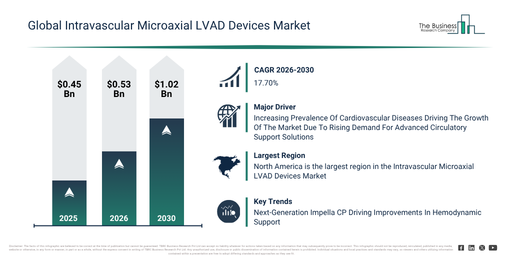
    Intravascular Microaxial LVAD Devices Market Set To Climb From $0.53 Billion In 2026 To $1.02 Billion By 2030

    The intravascular microaxial LVAD devices market size has experienced rapid growth in recent years. It is forecast to increase from $0.45 billion in 2025 to $0.53 billion in 2026, achieving a compound annual growth rate (CAGR) of 17.5%. Historically, this growth can be ascribed to the increasing prevalence of advanced heart failure, the limited availability of donor hearts for transplantation, the rising adoption of temporary mechanical circulatory support, the expanding use of percutaneous coronary intervention procedures, and the enhancement of cardiac catheterization laboratory infrastructure.

    The intravascular microaxial LVAD devices market size is projected to experience substantial expansion in the coming years, reaching $1.02 billion by 2030, exhibiting a compound annual growth rate (CAGR) of 17.7%. This anticipated rise during the forecast period is driven by factors such as the increasing need for minimally invasive cardiac support solutions, an aging population with a higher incidence of cardiovascular ailments, progress in short-term ventricular assist technologies, a burgeoning clinical inclination towards bridge-to-recovery treatments, and the global proliferation of specialized cardiac care facilities. Key developments defining the forecast period encompass the uptake of minimally invasive percutaneous ventricular support, breakthroughs in hemocompatible blood pump materials, the miniaturization of ultra-compact axial flow pumps, improvements in optimizing extended duration mechanical circulatory support, and the integration of catheter-based cardiac intervention into workflows.

    Get A Free Sample Report With In-Depth Market Insights:

    https://thebusinessresearchcompany.com/sample_request?id=41871603&type=smp&name=Intravascular%20Microaxial%20LVAD%20Devices%20Market%20Report%202026&utm_source=Blogs&utm_medium=Paid&utm_campaign=Oct_PR

    Intravascular Microaxial LVAD Devices Market Growth Catalysts And Demand Drivers

    The expanding occurrence of cardiovascular diseases is anticipated to boost the growth of the intravascular microaxial LVAD devices market in the future. These conditions, which involve disorders of the heart and blood vessels such like coronary artery disease, heart failure, stroke, and hypertension, compromise cardiovascular function and necessitate continuous clinical oversight. The increase in cardiovascular diseases is primarily fueled by aging populations and a rising incidence of risk factors within developed economies. Intravascular microaxial LVAD devices facilitate this trend by offering sophisticated circulatory support that stabilizes hemodynamics and guides patients toward recovery, transplant, or long-term support for severe heart failure cases. For example, in January 2024, the American Heart Association, a US-based non-profit organization, reported that the age-adjusted death rate from cardiovascular disease rose to 233. 3 per 100,000 in 2024, an increase of 4. 0% from 224. 4 per 100,000 in 2023. Consequently, the growing prevalence of cardiovascular diseases is a key driver for the expansion of the intravascular microaxial LVAD devices market. Increasing healthcare expenditure is projected to boost the expansion of the intravascular microaxial LVAD devices market moving forward. Healthcare expenditure signifies the overall financial resources allocated to health services, encompassing hospital care, medical devices, physician services, and preventive care, all aimed at enhancing health outcomes. This rise in spending is influenced by elements such as the increasing incidence of cardiovascular diseases and progress in medical technologies that demand greater investment. Intravascular microaxial LVAD devices offer temporary mechanical circulatory support for individuals with severe cardiac issues, improving cardiac output and stabilizing hemodynamics during critical procedures or acute heart failure episodes. Elevated healthcare spending facilitates broader availability of advanced cardiac care technologies, encourages hospitals to adopt new devices, and improves the affordability of vital treatments for patients. For instance, in May 2024, the Office for National Statistics, a UK-based government department, reported that total healthcare expenditure saw a substantial increase of 5. 6% in nominal terms from 2022 to 2023, representing a significant acceleration from the 0. 9% growth registered in 2022. Consequently, the upward trend in healthcare expenditure is a primary driver for the growth of the intravascular microaxial LVAD devices market.

    Intravascular Microaxial LVAD Devices Market Segment Landscape And Growth Outlook

    The intravascular microaxial lvad devices market covered in this report is segmented –

    1) By Product Type: Low Flow Devices Less Than 3 Liters Per Minute, Mid Flow Devices 3 To 4 Liters Per Minute, High Flow Devices Greater Than Or Equal To 4 Liters Per Minute

    2) By Duration Of Support: Ultra Short Term Less Than 24 Hours, Short Term 1 To 3 Days, Prolonged More Than 3 Days Up To 14 Days

    3) By Patient Type: Adult, Pediatric

    4) By Application: Bridge To Transplant, Bridge To Recovery, Destination Therapy, High Risk Percutaneous Coronary Intervention

    5) By End User: Tertiary Care Hospitals, Specialized Heart And Vascular Centers, Academic And Research Hospitals

    Subsegments:

    1) By Low Flow Devices Less Than 3 Liters Per Minute: Percutaneous Left Ventricular Assist Devices, Miniaturized Flow Left Ventricular Assist Devices, Hemocompatible Low Flow Devices, Temporary Support Left Ventricular Assist Devices, Wearable Low Flow Circulatory Support Devices

    2) By Mid Flow Devices 3 To 4 Liters Per Minute: Percutaneous Mid Flow Left Ventricular Assist Devices, Intermediate Flow Circulatory Support Devices, Compact Mid Flow Heart Pump Devices, Hemocompatible Mid Flow Left Ventricular Assist Devices, Transcatheter Mid Flow Ventricular Support Devices

    3) By High Flow Devices Greater Than Or Equal To 4 Liters Per Minute: Surgical High Flow Left Ventricular Assist Devices, Long Term High Flow Circulatory Support Devices, High Capacity Hemocompatible Left Ventricular Assist Devices, Wearable High Flow Heart Pump Devices, Transcatheter High Flow Ventricular Assist Devices

    Intravascular Microaxial LVAD Devices Market Trends Shaping Long-Term Demand

    Leading companies in the intravascular microaxial LVAD devices market are focusing on advancing precise cardiac support technologies, such as the ninth-generation Impella CP intravascular microaxial flow pump. This focus aims to boost hemodynamic assistance, improve patient survival, enable minimally invasive high-risk cardiac interventions, and optimize real-time monitoring of cardiac performance. The ninth-generation Impella CP intravascular microaxial flow pump is an advanced catheter-based mechanical circulatory support device engineered to provide superior left ventricular unloading and enhanced hemodynamic support through a miniaturized, highly efficient axial flow pump inserted percutaneously into the heart. For instance, in October 2025, Johnson & Johnson MedTech, a US-based medical technology company, showcased the newest Impella CP and long-term survival data during the Transcatheter Cardiovascular Therapeutics (TCT) 2025 conference. This latest Impella CP features optimized pump functionality for improved hemodynamic support, design enhancements that simplify use for clinicians, and upgraded evidence demonstrating better long-term survival outcomes. These innovations align with updated clinical guidelines that recommend Impella for cardiogenic shock and high-risk percutaneous procedures, thus expanding its applicability. While cost and training necessities remain factors to consider, these device advancements significantly strengthen acute cardiac support capabilities.

    Intravascular Microaxial LVAD Devices Market Industry Leaders And Competitive Landscape

    Major companies operating in the intravascular microaxial lvad devices market are Johnson & Johnson, Abbott Laboratories, Medtronic Plc, Supira Medical Inc., Magenta Medical Ltd., Jarvik Heart Inc., Windmill Cardiovascular Systems Inc., PulseCath B. V.

    View The Full Intravascular Microaxial LVAD Devices Market Report:

    https://thebusinessresearchcompany.com/report/intravascular-microaxial-lvad-devices-market-report?utm_source=Blogs&utm_medium=Paid&utm_campaign=Oct_PR

    Intravascular Microaxial LVAD Devices Market Regional Analysis And Leading Geography

    North America was the largest region in the intravascular microaxial LVAD devices market in 2025. Asia-Pacific is expected to be the fastest-growing region in the forecast period. The regions covered in the intravascular microaxial LVAD devices market report are Asia-Pacific, South East Asia, Western Europe, Eastern Europe, North America, South America, Middle East and Africa.

    Reach Out To Our Team:

    The Business Research Company: https://www.thebusinessresearchcompany.com/

    Americas: +1 310-496-7795

    Asia: +44 7882 955267 & +91 8897263534

    Europe: +44 7882 955267

    Email us at: marketing@tbrc.info

    Follow us on:

    LinkedIn: https://in.linkedin.com/company/the-business-research-company

    YouTube: https://www.youtube.com/channel/UC24_fI0rV8cR5DxlCpgmyFQ

    Global Market Model: https://www.thebusinessresearchcompany.com/global-market-model
  • Intra-Uterine Contraceptive Devices Market Forecast To Reach $4.78 Billion By 2030: Key Growth Drivers And Industry Trends

    Intra-Uterine Contraceptive Devices Market Forecast To Reach $4.78 Billion By 2030: Key Growth Drivers And Industry Trends

    Built to provide research that’s more actionable and strategically valuable, The Business Research Company’s 2026 market reports include market attractiveness analysis, total addressable market sizing, company benchmarking matrices, interactive Excel dashboards, broader supply chain intelligence, emerging startup tracking, and in-depth product insights.

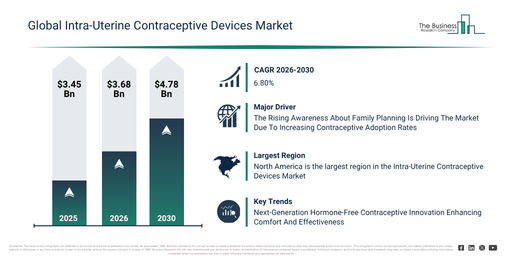
    Intra-Uterine Contraceptive Devices Market Forecast: Value Set To Climb From $3.68 Billion To $4.78 Billion

    The intra-uterine contraceptive devices market has experienced substantial growth in recent years. It is forecast to expand from $3. 45 billion in 2025 to $3. 68 billion in 2026, exhibiting a compound annual growth rate (CAGR) of 6. 5%. This historical development can be ascribed to increased public knowledge of family planning and the adoption of contraception, government-backed programs for population control and reproductive health, enhanced access to gynecology clinics and maternal healthcare services, improvements in healthcare infrastructure within developing regions, and an increasing preference for long-acting reversible contraceptive methods.

    The intra-uterine contraceptive devices market is projected to experience robust expansion over the coming years, reaching $4.78 billion by 2030, demonstrating a compound annual growth rate (CAGR) of 6.8%. This anticipated growth is driven by several factors, including a rising preference for minimally invasive and user-independent contraceptive methods, the proliferation of women-focused healthcare awareness initiatives, the increasing use of advanced hormonal and bioactive intrauterine systems, a global emphasis on lowering unintended pregnancy rates, and ongoing advancements in biocompatible and drug-eluting device technologies. Key trends expected during this period involve robotic assistance for intrauterine device insertions, automation in contraceptive manufacturing powered by Industry 4.0, IoT-enabled smart tracking and inventory management for medical devices, blockchain systems ensuring traceability in the contraceptive supply chain, and mobile reproductive healthcare outreach services facilitated by electric mobility.

    Get A Free Sample Report With In-Depth Market Insights:

    https://thebusinessresearchcompany.com/sample_request?id=12763659&type=smp&name=Intra-Uterine%20Contraceptive%20Devices%20Market%20Report%202026&utm_source=Blogs&utm_medium=Paid&utm_campaign=Oct_PR

    Intra-Uterine Contraceptive Devices Market Opportunity Drivers: What’s Unlocking New Revenue Potential?

    Increased understanding of family planning is anticipated to boost the expansion of the intra-uterine contraceptive devices market in the future. This awareness refers to individuals’ and couples’ comprehension and insight regarding managing the quantity and timing of their offspring via contraceptive approaches. The growth in family planning awareness stems from widespread public health education initiatives advocating for reproductive well-being and educated decisions on contraception. Intrauterine contraceptive devices enhance family planning efforts by providing durable, dependable, and reversible birth control, which aids in effective pregnancy scheduling and spacing between births. For example, data from July 2025, in a report by the World Health Organization (WHO), a Switzerland-based United Nations (UN) organization, indicated that around 874 million women globally used modern contraceptive methods in 2025. Additionally, an estimated 70 million more women are projected to access family planning services by 2030, showcasing ongoing growth in reproductive healthcare access and usage. Consequently, the increased understanding of family planning is fueling the expansion of the intra-uterine contraceptive device market.

    Intra-Uterine Contraceptive Devices Market Breakdown By Product Type And Application

    The intra-uterine contraceptive devices market covered in this report is segmented –

    1) By Product Type: Copper Intrauterine Devices, Hormonal Intrauterine Devices, Bioactive Intrauterine Devices

    2) By Age Group: Fifteen To Twenty Four Years, Twenty Five To Thirty Four Years, Thirty Five To Forty Four Years, Above Forty Four Years

    3) By Distribution Channel: Direct Sales, Online Retail, Wholesale

    4) By Application: Contraception, Treatment Of Menorrhagia, Endometrial Protection

    5) By End User: Hospitals, Gynecology Clinics, Community Healthcare, Other End Users

    Subsegments:

    1) By Copper Intrauterine Devices: Copper T Shaped Devices, Copper Multiload Devices, Copper Frameless Devices

    2) By Hormonal Intrauterine Devices: Levonorgestrel Releasing Devices, Low Dose Hormonal Devices, High Dose Hormonal Devices

    3) By Bioactive Intrauterine Devices: Silver Ion Releasing Devices, Gold Ion Coated Devices, Drug Eluting Bioactive Devices

    Intra-Uterine Contraceptive Devices Market Innovation Trends Shaping Future Development

    Leading companies operating within the intra-uterine contraceptive devices market are focusing on developing innovative products, such as hormone-free intrauterine systems, to enhance patient comfort and expand non-hormonal contraceptive choices. A hormone-free intrauterine system is a long-acting contraceptive device placed in the uterus that prevents pregnancy using non-hormonal materials, typically copper, to create a spermicidal intrauterine environment. For instance, in February 2025, Sebela Pharmaceuticals Inc., a US-based pharmaceutical company specializing in gastroenterology and women’s health, announced U. S. Food and Drug Administration approval of MIUDELLA. The product utilizes a flexible nitinol frame with a lower copper dose while maintaining high contraceptive effectiveness, supported by a preloaded delivery system designed for ease of insertion. Its introduction is significant as it represents the first hormone-free intrauterine device approval in over four decades in the United States, highlighting renewed innovation in non-hormonal contraceptive technologies.

    Intra-Uterine Contraceptive Devices Market Key Participants And Competitive Landscape

    Major companies operating in the intra-uterine contraceptive devices market are AbbVie Inc., Bayer AG, Meril Life Sciences Pvt. Ltd., CooperSurgical Inc., Sebela Pharmaceuticals Inc., DKT International Inc., HRA Pharma Inc., Pregna International Limited, Egemen International, Zhejiang Daji Medical Instruments Co. Ltd., Medicines360, SMB Corporation of India, HLL Lifecare Limited, Injeflex Ind And Com Ltda, Gynocare Services Pvt Ltd., Aetos Pharma Pvt Ltd., Eurogine S. L., Mona Lisa N. V., Ocon Medical Ltd., Prosan International B. V.

    View The Full Intra-Uterine Contraceptive Devices Market Report:

    https://thebusinessresearchcompany.com/report/intra-uterine-contraceptive-devices-market-report?utm_source=Blogs&utm_medium=Paid&utm_campaign=Oct_PR

    Intra-Uterine Contraceptive Devices Market Geographic Analysis: Where Is Demand Accelerating Fastest?

    North America was the largest region in the intra-uterine contraceptive devices market in 2025. Asia-Pacific is expected to be the fastest-growing region in the forecast period. The regions covered in the intra-uterine contraceptive devices market report are Asia-Pacific, South East Asia, Western Europe, Eastern Europe, North America, South America, Middle East and Africa.

    Reach Out To Our Team:

    The Business Research Company: https://www.thebusinessresearchcompany.com/

    Americas: +1 310-496-7795

    Asia: +44 7882 955267 & +91 8897263534

    Europe: +44 7882 955267

    Email us at: marketing@tbrc.info

    Follow us on:

    LinkedIn: https://in.linkedin.com/company/the-business-research-company

    YouTube: https://www.youtube.com/channel/UC24_fI0rV8cR5DxlCpgmyFQ

    Global Market Model: https://www.thebusinessresearchcompany.com/global-market-model
  • Intracranial Hematoma Drug Market Research 2026: Market Size, Trends, Segments And Growth Forecast

    Intracranial Hematoma Drug Market Research 2026: Market Size, Trends, Segments And Growth Forecast

    Backed by market attractiveness analysis, total addressable market sizing, company benchmarking matrices, interactive Excel dashboards, wider supply chain intelligence, emerging startup coverage, and detailed product-level insights, The Business Research Company’s 2026 market reports are designed to offer research that is more actionable and strategically valuable than ever.

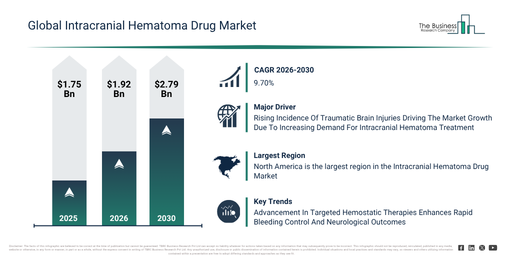
    Intracranial Hematoma Drug Market Revenue Growth On Track For A 9.7% CAGR Through 2030

    The intracranial hematoma drug market has shown substantial growth over recent years. This market is projected to expand from $1.75 billion in 2025 to $1.92 billion in 2026, registering a compound annual growth rate (CAGR) of 9.5%. The historical growth can be attributed to the escalating occurrence of traumatic brain injuries, the restricted supply of sophisticated neurocritical care medications, an increase in hospitalizations for stroke and hemorrhage, greater uptake of osmotic therapy drugs, and the development of emergency care facilities.

    The intracranial hematoma drug market is projected to experience substantial expansion over the upcoming years. This market is set to reach $2.79 billion by 2030, exhibiting a compound annual growth rate (CAGR) of 9.7%. Key drivers for this growth include advancements in neuroprotective drug development, the integration of AI-based neurological monitoring systems, a rising demand for targeted intracranial pressure management therapies, the expansion of precision medicine for brain disorders, and increased investment in neurocritical care research. Significant trends anticipated during this period encompass AI-driven neurocritical care decision support systems, precision drug delivery systems designed for intracranial pressure management, the integration of real-time brain imaging analytics into emergency care, smart ICU monitoring solutions for neurotrauma patients, and cloud-based platforms for neurological patient data management.

    Get A Free Sample Report With In-Depth Market Insights:

    https://thebusinessresearchcompany.com/sample_request?id=62707085&type=smp&name=Intracranial%20Hematoma%20Drug%20Market%20Report%202026&utm_source=Blogs&utm_medium=Paid&utm_campaign=Oct_PR

    Intracranial Hematoma Drug Market Growth Momentum: What Factors Are Shaping Demand?

    An anticipated increase in the occurrence of traumatic brain injuries is set to boost the expansion of the intracranial hematoma drug market. These injuries, known as TBIs, involve impaired brain function resulting from head trauma like a bump, blow, jolt, or a penetrating wound. The expanding prevalence of TBIs is predominantly fueled by an older demographic, given that elderly individuals are more prone to falls, thereby increasing severe head injuries necessitating medical treatment. With the increased frequency of traumatic brain injuries, there is a heightened demand for intracranial hematoma drug specifically for intracranial hematomas, as internal skull bleeding represents one of the gravest and most life-threatening outcomes of these injuries. As an illustration, the South Dakota Department of Health, a US government health body, reported in September 2025 that TBI-related fatalities within the state climbed from 241 in 2023 to 267 in 2024, indicating an 11% surge. Consequently, the escalating occurrence of traumatic brain injuries is a key factor propelling the expansion of the intracranial hematoma drug market.

    Intracranial Hematoma Drug Market Segment Analysis And Revenue Potential

    The intracranial hematoma drug market covered in this report is segmented –

    1) By Drug Class: Hemostatic Agents, Antihypertensive Agents, Osmotic Agents, Anticonvulsants, Antifibrinolytic Agents, Calcium Channel Blockers, Sedatives And Analgesics

    2) By Mechanism Of Action: Coagulation Enhancers, Blood Pressure Reduction Agents, Intracranial Pressure Reduction Agents, Neuroprotective Agents, Anti-Inflammatory And Edema Reduction Agents, Seizure Prevention Agents

    3) By Route Of Administration: Intravenous, Oral, Intramuscular, Intrathecal

    4) By Distribution Channel: Hospital Pharmacies, Retail Pharmacies, Online Pharmacies

    5) By End User: Hospitals, Sleep Clinics, Homecare Settings, Other End Users

    Subsegments:

    1) By Hemostatic Agents: Activated Factor Seven, Tranexamic Acid, Aminocaproic Acid, Fibrinogen Concentrate

    2) By Antihypertensive Agents: Beta Blockers, Angiotensin Converting Enzyme Inhibitors, Angiotensin Receptor Blockers, Diuretics, Vasodilators

    3) By Osmotic Agents: Mannitol, Hypertonic Saline, Glycerol, Urea

    4) By Anticonvulsants: Phenytoin, Levetiracetam, Valproic Acid, Carbamazepine

    5) By Antifibrinolytic Agents: Tranexamic Acid, Aminocaproic Acid, Aprotinine

    6) By Calcium Channel Blockers: Nimodipine, Nicardipine, Diltiazem, Verapamil

    7) By Sedatives And Analgesics: Propofol, Midazolam, Fentanyl, Morphine, Dexmedetomidine

    Intracranial Hematoma Drug Market Trends Redefining Industry Growth

    Leading companies in the intracranial hematoma drug market are concentrating on developing innovative treatments, such as ready-to-use injectables, to meet clinical needs, enhance patient survival rates, and facilitate quicker emergency interventions. Ready-to-use injectables are sterile, pre-formulated medications designed for immediate administration without the requirement for dilution or reconstitution. For instance, in April 2023, Alveron Pharma, a Netherlands-based developer of a unique coagulation platform technology, initiated a Phase 1 clinical trial for its novel drug candidate OKL-1111, intended for the treatment of intracranial hemorrhage. This drug is designed as a rapid, first-line therapy with a universal mode of action that does not necessitate identification of the specific anticoagulant, thereby significantly reducing treatment delays. It is being developed as a ready-to-use injectable solution, eliminating time-consuming preparation steps, and aims to swiftly reverse the effects of anticoagulants and platelet inhibitors to prevent hematoma expansion. Moreover, preclinical data indicate a low risk of thrombotic complications, allowing for faster administration and potential use even in emergency settings, such as ambulances, consequently improving overall patient outcomes.

    Intracranial Hematoma Drug Market Top Companies Driving Competitive Growth

    Major companies operating in the intracranial hematoma drug market are Johnson & Johnson Services Inc., Pfizer Inc., Bayer AG, AstraZeneca PLC, Boehringer Ingelheim International GmbH, Teva Pharmaceutical Industries Ltd., Baxter International Inc., Grifols S. A., Sun Pharmaceutical Industries Limited, Aurobindo Pharma Limited, Dr. Reddy’s Laboratories Limited, Octapharma AG, Amneal Pharmaceuticals Inc., Zydus Lifesciences Limited, CSL Behring LLC, Otsuka Pharmaceutical Co. Ltd., Alveron Pharma AB, Acticor Biotech SA, Aegis Lifesciences Private Limited, Acasti Pharma Inc.

    View The Full Intracranial Hematoma Drug Market Report:

    https://thebusinessresearchcompany.com/report/intracranial-hematoma-drug-market-report?utm_source=Blogs&utm_medium=Paid&utm_campaign=Oct_PR

    Intracranial Hematoma Drug Market Global Footprint: Which Region Leads The Industry?

    North America was the largest region in the intracranial hematoma drug market in 2025. Asia-Pacific is expected to be the fastest-growing region in the forecast period. The regions covered in the intracranial hematoma drug market report are Asia-Pacific, South East Asia, Western Europe, Eastern Europe, North America, South America, Middle East and Africa.

    Reach Out To Our Team:

    The Business Research Company: https://www.thebusinessresearchcompany.com/

    Americas: +1 310-496-7795

    Asia: +44 7882 955267 & +91 8897263534

    Europe: +44 7882 955267

    Email us at: marketing@tbrc.info

    Follow us on:

    LinkedIn: https://in.linkedin.com/company/the-business-research-company

    YouTube: https://www.youtube.com/channel/UC24_fI0rV8cR5DxlCpgmyFQ

    Global Market Model: https://www.thebusinessresearchcompany.com/global-market-model
  • Integrated Clinical Chemistry And Immunoassay Analyzer Market Growth Forecast Through 2030: Market Size And Trends In 2026

    Integrated Clinical Chemistry And Immunoassay Analyzer Market Growth Forecast Through 2030: Market Size And Trends In 2026

    Backed by market attractiveness analysis, total addressable market sizing, company benchmarking matrices, interactive Excel dashboards, wider supply chain intelligence, emerging startup coverage, and detailed product-level insights, The Business Research Company’s 2026 market reports are designed to offer research that is more actionable and strategically valuable than ever.

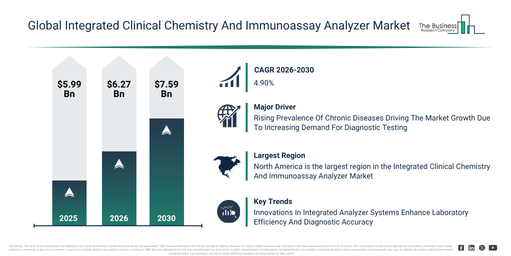
    Integrated Clinical Chemistry And Immunoassay Analyzer Market Size And Revenue Outlook Through 2030

    The market size for integrated clinical chemistry and immunoassay analyzers has experienced consistent growth in recent years. It is anticipated to expand from $5.99 billion in 2025 to $6.27 billion in 2026, achieving a compound annual growth rate (CAGR) of 4.7%. This historic growth can be attributed to several factors, including manual sample processing in clinical laboratories, fragmented diagnostic testing systems, lengthy turnaround times for laboratory results, limited automation in immunoassay and chemistry testing, and a high dependency on separate analyzers for different tests.

    The integrated clinical chemistry and immunoassay analyzer market size is anticipated to experience steady expansion over the next few years. It is projected to grow to $7.59 billion by 2030, demonstrating a compound annual growth rate (CAGR) of 4.9%. The increase in the forecast period can be attributed to the rising demand for high-throughput diagnostic testing systems, the expansion of automated laboratory infrastructure, the increasing adoption of multiplex integrated analyzers, advancements in precision diagnostics and early disease detection, and a growing demand for faster clinical decision-making support systems. Key trends in the forecast period involve fully automated high-throughput diagnostic workflow integration, the consolidation of multiplex testing into single analyzer platforms, optimization of reagent consumption in clinical laboratories, the development of cloud-based laboratory data management systems, and the expansion of integrated diagnostic systems for point-of-care applications.

    Get A Free Sample Report With In-Depth Market Insights:

    https://thebusinessresearchcompany.com/sample_request?id=36553575&type=smp&name=Integrated%20Clinical%20Chemistry%20And%20Immunoassay%20Analyzer%20Market%20Report%202026&utm_source=Blogs&utm_medium=Paid&utm_campaign=Oct_PR

    Integrated Clinical Chemistry And Immunoassay Analyzer Market Industry Drivers: What’s Behind The Revenue Growth?

    An escalating incidence of chronic diseases is anticipated to propel the growth of the integrated clinical chemistry and immunoassay analyzer market moving forward. These long-term health conditions progress slowly and demand continuous medical attention or restrict daily activities. The expanding impact of chronic diseases is largely influenced by aging populations, as older adults are considerably more susceptible to developing multiple chronic conditions simultaneously, thereby pressuring healthcare systems to enhance diagnostic capabilities. This escalating burden directly fuels the demand for integrated clinical chemistry and immunoassay analyzers, since these instruments are critical for routine blood-based testing, biomarker detection, and disease monitoring necessary for diagnosing and managing such conditions in clinical settings. For instance, in February 2024, the World Health Organization, a Switzerland-based intergovernmental organization, projected over 35 million new cancer cases by 2050, marking a 77% increase compared to the estimated 20 million cases in 2022. Thus, the increasing prevalence of chronic diseases is driving the expansion of the integrated clinical chemistry and immunoassay analyzer market.

    Integrated Clinical Chemistry And Immunoassay Analyzer Market Segment Landscape: Which Areas Lead Development?

    The integrated clinical chemistry and immunoassay analyzer market covered in this report is segmented –

    1) By Product Type: Clinical Chemistry Analyzer, Immunoassay Analyzer, Integrated Analyzer

    2) By Technology: Chemiluminescence Immunoassay (Clia), Enzyme-Linked Fluorescent Immunoassay (Elfa), Electrochemiluminescence Immunoassay (Eclia)

    3) By Deployment Mode: On-Premises Laboratory Deployment, Decentralized Or Point-Of-Care Deployment

    4) By Application Type: Therapeutic Drug Monitoring (Tdm), Endocrinology And Oncology (End), Cardiology Or Nephrology (Card)

    5) By End Use: Hospitals, Diagnostic Laboratories, Research Institutions, Mobile Laboratories

    Subsegments:

    1) By Clinical Chemistry Analyzer: Automated Chemistry Analyzer, Semi Automated Chemistry Analyzer, Point Of Care Chemistry Analyzer

    2) By Immunoassay Analyzer: Chemiluminescence Immunoassay Analyzer, Enzyme Linked Immunosorbent Assay Analyzer, Fluorescent Immunoassay Analyzer, Electrochemiluminescence Immunoassay Analyzer

    3) By Integrated Analyzer: Combined Chemistry And Immunoassay Analyzer, Multiparameter Diagnostic Analyzer, Compact Laboratory Integrated Analyzer

    #Integrated Clinical Chemistry And Immunoassay Analyzer Market Growth Trends: What’s Shaping The Future Outlook?

    Leading companies within the integrated clinical chemistry and immunoassay analyzer market are concentrating on developing advanced capabilities like flexibility, scalability, and data compatibility in their chemistry analyzers. This effort aims to enhance diagnostic precision and optimize laboratory processes. The inherent flexibility and scalability in these analyzers enable them to conduct a diverse array of tests and effectively manage varying sample volumes, while data commutability ensures consistent and comparable outcomes across disparate instruments, methodologies, and laboratory settings. For example, in July 2024, Beckman Coulter Diagnostics, a clinical diagnostics provider based in the US, unveiled the DxC 500i Clinical Analyzer. This integrated clinical chemistry and immunoassay analyzer was specifically engineered to address needs for flexibility, scalability, and data compatibility. The DxC 500i incorporates FlexMode operations for prioritizing urgent samples, dynamic sample handling for rapid throughput, intuitive user interfaces for simplified training, and leverages standardized reagents across its product range. These attributes facilitate commutable patient results, bolster operational efficiency, and offer strategic advantages in patient care and inventory management.

    Integrated Clinical Chemistry And Immunoassay Analyzer Market Competitive Landscape: Which Companies Lead The Industry?

    Major companies operating in the integrated clinical chemistry and immunoassay analyzer market are Roche Diagnostics International Ltd, Abbott Laboratories, Siemens Healthineers AG, Shenzhen Mindray Bio-Medical Electronics Co. Ltd., Sysmex Corporation, Beckman Coulter Inc., QuidelOrtho Corporation, Bio-Rad Laboratories Inc., HORIBA Medical SAS, DiaSorin S. p. A., Randox Laboratories Ltd., Autobio Diagnostics Co. Ltd., Fujirebio Holdings Inc., Agappe Diagnostics Ltd., Beijing Strong Biotechnologies Inc., Getein Biotech Inc., Transasia Bio-Medicals Ltd., EKF Diagnostics Holdings plc, BioSystems S. A., Hipro Biotech Co. Ltd., Snibe Co. Ltd., Shenzhen YHLO Biotech Co. Ltd., AeHealth Limited

    View The Full Integrated Clinical Chemistry And Immunoassay Analyzer Market Report:

    https://thebusinessresearchcompany.com/report/integrated-clinical-chemistry-and-immunoassay-analyzer-market-report?utm_source=Blogs&utm_medium=Paid&utm_campaign=Oct_PR

    Integrated Clinical Chemistry And Immunoassay Analyzer Market Regional Outlook: Where Is Opportunity Concentrated?

    North America was the largest region in the integrated clinical chemistry and immunoassay analyzer market in 2025. Asia-Pacific is expected to be the fastest-growing region in the forecast period. The regions covered in the integrated clinical chemistry and immunoassay analyzer market report are Asia-Pacific, South East Asia, Western Europe, Eastern Europe, North America, South America, Middle East and Africa.

    Reach Out To Our Team:

    The Business Research Company: https://www.thebusinessresearchcompany.com/

    Americas: +1 310-496-7795

    Asia: +44 7882 955267 & +91 8897263534

    Europe: +44 7882 955267

    Email us at: marketing@tbrc.info

    Follow us on:

    LinkedIn: https://in.linkedin.com/company/the-business-research-company

    YouTube: https://www.youtube.com/channel/UC24_fI0rV8cR5DxlCpgmyFQ

    Global Market Model: https://www.thebusinessresearchcompany.com/global-market-model
  • Inbound Medical Tourism Market Forecast To 2030: Starting From $165.73 Billion In 2026

    Inbound Medical Tourism Market Forecast To 2030: Starting From $165.73 Billion In 2026

    Featuring market attractiveness scoring, total addressable market sizing, company benchmarking matrices, interactive Excel dashboards, deeper supply chain intelligence, emerging startup tracking, and granular product-level insights, The Business Research Company’s 2026 market reports are built to deliver research that is both more actionable and more strategically valuable.

    Inbound Medical Tourism Market Size, Value And Growth Trajectory Through 2030

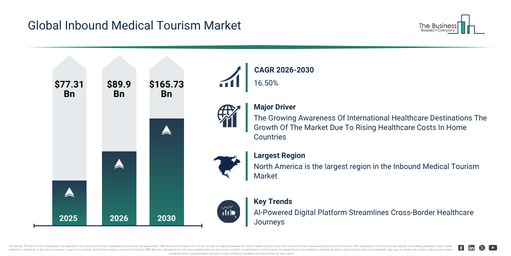
    The inbound medical tourism market has seen swift expansion in recent years. Its value is forecast to climb from $77. 31 billion in 2025 to $89. 9 billion in 2026, achieving a compound annual growth rate (CAGR) of 16. 3%. This historical growth can be linked to increasing healthcare expenses domestically, restricted availability of advanced medical procedures in patients’ native countries, extended waits for specialized treatments, improved global air travel connections, and the worldwide integration of healthcare services.

    The inbound medical tourism market is anticipated to undergo rapid expansion in the coming years, with its size projected to reach $165.73 billion by 2030, exhibiting a compound annual growth rate (CAGR) of 16.5%. This forecasted growth can be attributed to several factors, including an increasing demand for elective surgeries abroad, the development of structured medical tourism corridors, wider cross-border health insurance coverage, government support for medical visa relaxation policies, and a rising preference for value-based international healthcare packages. Prominent trends expected during this period involve simplified medical visa procedures and cross-border healthcare policies, an increase in international hospital accreditation and quality benchmarking systems, the growth of medical tourism facilitators and concierge healthcare services, bundled treatment pricing and cost transparency models for foreign patients, and stronger global healthcare insurance reimbursement partnerships.

    Get A Free Sample Report With In-Depth Market Insights:

    https://thebusinessresearchcompany.com/sample_request?id=83580719&type=smp&name=Inbound%20Medical%20Tourism%20Market%20Report%202026&utm_source=Blogs&utm_medium=Paid&utm_campaign=Oct_PR

    Inbound Medical Tourism Market Expansion Drivers: What’s Shaping Future Growth?

    The increasing recognition of international healthcare destinations is anticipated to drive the future growth of the inbound medical tourism market. These global medical hubs are countries or cities that attract patients from other nations by offering medical treatment, advanced healthcare services, and specialized procedures at competitive costs, often alongside high-quality care and accessible travel infrastructure. This heightened awareness of international healthcare destinations is primarily fueled by escalating healthcare expenses in patients’ home countries, which encourages them to seek more affordable treatment options abroad without compromising quality. The understanding of international healthcare destinations benefits inbound medical tourism by boosting patient confidence, fostering cross-border treatment choices, and directing the influx of international patients to preferred healthcare centers. For instance, in January 2025, a report from the National Center for Biotechnology Information (NCBI), a division of the US-based National Library of Medicine (NLM), indicated that the number of UK residents traveling abroad for medical treatment grew from approximately 348,000 in 2022 to around 431,000 in 2023, as more individuals pursued quicker or more economical healthcare alternatives overseas. Therefore, the expanding awareness of international healthcare destinations is propelling the growth of the inbound medical tourism market.

    Inbound Medical Tourism Market Segment Analysis And Revenue Potential

    The inbound medical tourism market covered in this report is segmented –

    1) By Component: Solutions, Services

    2) By Treatment Type: Cosmetic Surgery, Orthopedic Treatment, Cardiac Care, Fertility Treatment, Dental Treatment, Cancer Treatment, Wellness Procedures

    3) By Age Group: Below 18 Years, 18–40 Years, 41–60 Years, Above 60 Years

    4) By Booking Channel: Online Booking, Offline Booking

    5) By Application: Hospitals, Clinics, Ambulatory Care Centers, Pharmacies

    Subsegments:

    1) By Solutions: Patient Management Solutions, Medical Booking Platforms, Teleconsultation Solutions, Treatment Coordination Systems, Health Information Management Solutions, Travel And Accommodation Management Solutions, Billing And Payment Solutions

    2) By Services: Medical Consultation Services, Treatment Facilitation Services, Travel Assistance Services, Accommodation Arrangement Services, Interpreter And Language Services, Post Treatment Care Services, Patient Support Services

    Inbound Medical Tourism Market Strategic Trends: What Defines The Next Growth Phase?

    Leading companies in the inbound medical tourism market are concentrating on developing innovative platforms, such as digital patient facilitation platforms, to streamline cross-border healthcare journeys, enhance international patient matching, and improve end-to-end coordination between hospitals and medical travelers. These technology-driven systems manage and coordinate international patients’ medical travel by handling hospital selection, appointment scheduling, treatment planning, travel arrangements, and complete communication between patients and healthcare providers. For instance, in August 2024, HealthStay.io, a UAE-based healthcare technology company, partnered with Dubai Health Experience (DXH), an initiative under the Dubai Health Authority, to launch its AI-powered medical tourism platform. This platform is designed to automate the entire medical tourism process by using AI algorithms to connect international patients with accredited hospitals based on their medical requirements, budget, and preferences. It also offers integrated functionalities such as real-time appointment booking, digital management of medical records, coordination of travel and accommodation, and post-treatment follow-ups, delivering a seamless patient experience compared to traditional broker-based models.

    Inbound Medical Tourism Market Competitive Overview And Top Companies

    Major companies operating in the inbound medical tourism market are Manipal Hospitals, Mediclinic International, IHH Healthcare Berhad, Acibadem Healthcare Group, Bangkok Dusit Medical Services (BDMS), Apollo Hospitals Enterprise Limited, Fortis Healthcare Limited, KPJ Healthcare Berhad, Bumrungrad International Hospital, Max Healthcare Institute Limited, Narayana Health, Saudi German Health, Raffles Medical Group, Medanta – The Medicity, Samitivej Hospital, Memorial Healthcare Group, Mount Elizabeth Hospitals, Anadolu Medical Center, Clemenceau Medical Center, Vaidam Health

    View The Full Inbound Medical Tourism Market Report:

    https://thebusinessresearchcompany.com/report/inbound-medical-tourism-market-report?utm_source=Blogs&utm_medium=Paid&utm_campaign=Oct_PR

    Inbound Medical Tourism Market Top Region: Where Does Most Revenue Come From?

    North America was the largest region in the inbound medical tourism market in 2025. Asia-Pacific is expected to be the fastest-growing region in the forecast period. The regions covered in the inbound medical tourism market report are Asia-Pacific, South East Asia, Western Europe, Eastern Europe, North America, South America, Middle East and Africa.

    Reach Out To Our Team:

    The Business Research Company: https://www.thebusinessresearchcompany.com/

    Americas: +1 310-496-7795

    Asia: +44 7882 955267 & +91 8897263534

    Europe: +44 7882 955267

    Email us at: marketing@tbrc.info

    Follow us on:

    LinkedIn: https://in.linkedin.com/company/the-business-research-company

    YouTube: https://www.youtube.com/channel/UC24_fI0rV8cR5DxlCpgmyFQ

    Global Market Model: https://www.thebusinessresearchcompany.com/global-market-model
  • In Vitro Embryo Production For Cattle Market Size In 2026 And Beyond: Understanding Future Growth Potential

    In Vitro Embryo Production For Cattle Market Size In 2026 And Beyond: Understanding Future Growth Potential

    Built to provide research that’s more actionable and strategically valuable, The Business Research Company’s 2026 market reports include market attractiveness analysis, total addressable market sizing, company benchmarking matrices, interactive Excel dashboards, broader supply chain intelligence, emerging startup tracking, and in-depth product insights.

    In Vitro Embryo Production For Cattle Market CAGR Outlook And Future Development

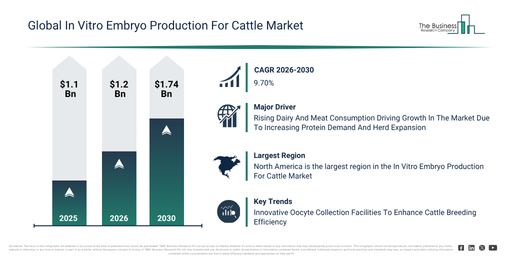
    The market size for in vitro embryo production for cattle has witnessed substantial growth in recent years. It is projected to expand from $1.1 billion in 2025 to $1.2 billion in 2026, demonstrating a compound annual growth rate (CAGR) of 9.5%. This growth in the past can be linked to factors such as the increasing need for high-productivity dairy and beef cattle breeds, a greater adoption of assisted reproductive technologies in livestock farming, rising awareness concerning genetic improvement in cattle breeding programs, the expansion of veterinary reproductive services infrastructure, and increased government support for initiatives aimed at enhancing livestock productivity.

    The market for in vitro embryo production in cattle is expected to show robust growth in the coming years. It is forecast to grow to $1.74 billion by 2030 at a compound annual growth rate (CAGR) of 9.7%. The expansion over the forecast period can be attributed to several factors, including a rising demand for cattle with high genetic merit in the dairy and meat sectors, increased adoption of precision breeding and reproductive biotechnology, the growing integration of AI and data analytics in managing livestock reproduction, the global expansion of commercial embryo transfer services, and an increased focus on food security and sustainable livestock production systems. Key trends in the forecast period involve the rising adoption of advanced embryo culture media and reagents for better in vitro fertilization results, an increasing use of automated oocyte collection and embryo handling systems within cattle breeding programs, the growing implementation of genetic screening and embryo selection technologies for high-yield livestock, the expansion of cryopreservation techniques for long-term embryo storage and transport, and a growing demand for precision breeding services to enhance the productivity of dairy and beef cattle.

    Get A Free Sample Report With In-Depth Market Insights:

    https://thebusinessresearchcompany.com/sample_request?id=64681004&type=smp&name=In%20Vitro%20Embryo%20Production%20For%20Cattle%20Market%20Report%202026&utm_source=Blogs&utm_medium=Paid&utm_campaign=Oct_PR

    In Vitro Embryo Production For Cattle Market Development Factors: What’s Supporting Demand?

    The in vitro embryo production for cattle market is anticipated to grow as a result of increasing dairy and meat consumption. This surge in dairy and meat intake stems from rising income levels, which enable households to afford more protein-rich and animal-based foods, often considered essential for both nutrition and social status. In vitro embryo production (IVP) for cattle facilitates this growth by enhancing cattle reproduction efficiency, allowing farmers to produce a greater number of high-quality calves more quickly. This ultimately leads to larger herds, increased milk yields, and a more abundant meat supply. For instance, in 2026, the World Population Review, a US-based independent organization, indicated that global meat consumption has consistently risen, reaching an estimated 453 million tons in 2025, representing a 1.5% increase from 2024. Therefore, the escalating consumption of dairy and meat is a primary driver for the in vitro embryo production for cattle market.

    In Vitro Embryo Production For Cattle Market Segmentation And Category Overview

    The in vitro embryo production for cattle market covered in this report is segmented –

    1) By Product Type: Media And Reagents, Equipment, Consumables, Services

    2) By Technique: In Vitro Fertilization, Somatic Cell Nuclear Transfer, Other Techniques

    3) By Cattle Type: Dairy Cattle, Beef Cattle

    4) By Application: Research, Breeding, Genetic Improvement, Other Application

    5) By End User: Research Institutes, Veterinary Hospitals And Clinics, Livestock Farms, Other End Users

    Subsegments:

    1) By Media And Reagents: Oocyte Collection Media, Oocyte Maturation Media, Fertilization Media, Embryo Culture Media, Embryo Holding And Transfer Media, Washing And Handling Solutions, Cryopreservation Media, Hormonal Stimulation Reagents, Enzymes And Supplements

    2) By Equipment: Oocyte Aspiration Systems, Ultrasound Guided Collection Devices, Laboratory Incubators, Microscopes And Imaging Systems, Embryo Handling Workstations, Temperature Controlled Transport Units, Centrifugation Equipment, Cryopreservation And Freezing Systems, Liquid Nitrogen Storage Tanks

    3) By Consumables: Culture Media, Hormones And Growth Factors, Cryopreservation Solutions, Laboratory Consumables

    4) By Services: Donor Animal Preparation Services, Oocyte Collection Services, In Vitro Fertilization Services, Embryo Culture Services, Embryo Grading And Selection Services, Embryo Freezing And Storage Services, Embryo Transfer Services, Genetic Evaluation And Screening Services, Breeding Program Management Services

    In Vitro Embryo Production For Cattle Market Transformation Trends: What Innovations Are Driving Change?

    Leading companies engaged in in vitro embryo production for the cattle market are focused on developing innovative solutions, such as ovum pick-up (OPU) centers, to boost oocyte collection efficiency, improve embryo yield, and accelerate genetic advancement in cattle. An ovum pick-up (OPU) center refers to a specialized facility where oocytes are gathered from donor cows using minimally invasive techniques, which are then used for in vitro fertilization and embryo creation to enhance cattle breeding effectiveness. For instance, in September 2025, Farmwest, an Australia-based leading provider of genetics and reproductive services for beef and dairy cattle, opened an advanced Vytelle ADVANCE IVF satellite facility just outside Bunbury. This new ovum pick-up (OPU) center is designed to quicken genetic improvement by allowing producers to multiply embryos from their highest performing animals without removing them from the herd. It utilizes hormone-free IVF, meaning producers can collect oocytes from pregnant cows and young animals without additional hormonal treatments, thereby reducing stress and workload.

    In Vitro Embryo Production For Cattle Market Competitive Landscape: Which Companies Lead The Industry?

    Major companies operating in the in vitro embryo production for cattle market are J. R. Simplot Company, Genus plc, Minitube of America Inc., Stroebech Media GmbH, BAIF Development Research Foundation, Semex Alliance, Select Sires Inc., Trans Ova Genetics, URUS Group, Vytelle LLC, IMV Technologies, VikingGenetics A/S, Art Lab Solutions Pvt. Ltd., IVF Bioscience Ltd., Tyndale Vets, Vet Repro Innovations Pvt. Ltd., Embryo Plus, Flying Cow Genetics, Accuvance India Pvt. Ltd., InvitroSul, GenOvations

    View The Full In Vitro Embryo Production For Cattle Market Report:

    https://thebusinessresearchcompany.com/report/in-vitro-embryo-production-for-cattle-market-report?utm_source=Blogs&utm_medium=Paid&utm_campaign=Oct_PR

    In Vitro Embryo Production For Cattle Market Regional Breakdown: Where Is Demand Concentrated?

    North America was the largest region in the in vitro embryo production for cattle market in 2025. Asia-Pacific is expected to be the fastest-growing region in the forecast period. The regions covered in the in vitro embryo production for cattle market report are Asia-Pacific, South East Asia, Western Europe, Eastern Europe, North America, South America, Middle East and Africa.

    Reach Out To Our Team:

    The Business Research Company: https://www.thebusinessresearchcompany.com/

    Americas: +1 310-496-7795

    Asia: +44 7882 955267 & +91 8897263534

    Europe: +44 7882 955267

    Email us at: marketing@tbrc.info

    Follow us on:

    LinkedIn: https://in.linkedin.com/company/the-business-research-company

    YouTube: https://www.youtube.com/channel/UC24_fI0rV8cR5DxlCpgmyFQ

    Global Market Model: https://www.thebusinessresearchcompany.com/global-market-model
  • Implant-Grade Polyether Ether Ketone (PEEK) Polymer Machining Services Market Reaches $0.73 Billion In 2026: Key Developments Shaping Expansion

    Implant-Grade Polyether Ether Ketone (PEEK) Polymer Machining Services Market Reaches $0.73 Billion In 2026: Key Developments Shaping Expansion

    Backed by market attractiveness analysis, total addressable market sizing, company benchmarking matrices, interactive Excel dashboards, wider supply chain intelligence, emerging startup coverage, and detailed product-level insights, The Business Research Company’s 2026 market reports are designed to offer research that is more actionable and strategically valuable than ever.

    Implant-Grade Polyether Ether Ketone (PEEK) Polymer Machining Services Market Set To Climb From $0.45 Billion In 2026 To $0.73 Billion By 2030

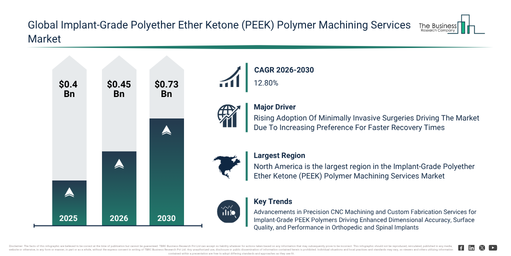
    The implant-grade polyether ether ketone (PEEK) polymer machining services market size has seen substantial growth in recent years. This market is projected to expand from $0.4 billion in 2025 to $0.45 billion in 2026, demonstrating a compound annual growth rate (CAGR) of 12.6%. The historical expansion can be attributed to factors such as the escalating demand for orthopedic and dental implant surgeries, the wider adoption of biocompatible high-performance polymers in healthcare, the development of medical device manufacturing capabilities, the increasing occurrence of musculoskeletal and spinal disorders, and the growing trend of medical device companies outsourcing precision machining services.

    The implant-grade polyether ether ketone (PEEK) polymer machining services market is anticipated to experience substantial expansion over the next few years. Its valuation is projected to reach $0.73 billion by 2030, exhibiting a compound annual growth rate (CAGR) of 12.8%. This expansion throughout the forecast period can be attributed to an increasing need for individualized and patient-specific implant solutions, the growing preference for minimally invasive surgical procedures, the deeper integration of automation within precision machining services, the development of healthcare infrastructure in emerging economies, and a greater focus on lightweight and robust implant materials for long-term effectiveness. Prominent trends for the forecast period include the escalating adoption of precision CNC machining for implant-grade PEEK components, a heightened demand for patient-specific customized orthopedic implant manufacturing, the increasing utilization of high-performance biomaterials machining for spinal and dental implants, the expansion of micro-machining and multi-axis machining techniques for medical-grade components, and the enhanced incorporation of advanced surface finishing methods for biocompatible implant production.

    Get A Free Sample Report With In-Depth Market Insights:

    https://thebusinessresearchcompany.com/sample_request?id=93299501&type=smp&name=Implant-Grade%20Polyether%20Ether%20Ketone%20%28PEEK%29%20Polymer%20Machining%20Services%20Market%20Report%202026&utm_source=Blogs&utm_medium=Paid&utm_campaign=Oct_PR

    Implant-Grade Polyether Ether Ketone (PEEK) Polymer Machining Services Market Industry Drivers: What’s Behind The Revenue Growth?

    The expanding adoption of minimally invasive surgeries is anticipated to drive the implant-grade PEEK polymer machining services market forward. These medical procedures involve small incisions, specialized instruments, and advanced imaging, resulting in reduced tissue damage and faster patient recovery times. The growing preference for minimally invasive procedures is due to benefits like quicker recuperation, fewer complications, and ongoing advancements in surgical technologies. Implant-grade PEEK (polyether ether ketone) is extensively utilized in applications such as spinal implants, orthopedic devices, and cranial components because of its biocompatibility, radiolucency, and mechanical strength. Precision machining services are crucial for producing these high-performance components with the exact accuracy needed for minimally invasive surgical techniques. As an illustration, in November 2024, the Private Healthcare Information Network (PHIN), a UK-based independent, government-mandated organization, reported that robot-assisted procedures in the UK climbed to 22,700 in 2024, marking a 45% increase compared to 2023. This exemplifies the broader growth in advanced minimally invasive surgical approaches. Therefore, the increasing volume of minimally invasive surgeries is a primary catalyst for the growth of the implant-grade PEEK polymer machining services market.

    Implant-Grade Polyether Ether Ketone (PEEK) Polymer Machining Services Market Segment Outlook: Which Categories Are Growing Fastest?

    The implant-grade polyether ether ketone (peek) polymer machining services market covered in this report is segmented –

    1) By Service Type: Computer Numerical Control Machining, Turning, Milling, Drilling, Other Types

    2) By Material Grade: Medical-Grade Polyether Ether Ketone, Reinforced Polyether Ether Ketone, Bio-Compatible Polyether Ether Ketone

    3) By Precision Level: Standard Precision, High Precision, Ultra Precision, Micro Machining

    4) By End-Use Application: Orthopedic Implants, Dental Implants, Spinal Implants, Cardiovascular Implants, Other Applications

    Subsegments:

    1) By Computer Numerical Control Machining: Multi Axis Machining, Precision Machining, Micro Machining, High Speed Machining

    2) By Turning: Precision Turning, Computer Numerical Control Turning, Swiss Type Turning, Hard Turning

    3) By Milling: Face Milling, End Milling, Slot Milling, Multi Axis Milling

    4) By Drilling: Deep Hole Drilling, Micro Drilling, High Precision Drilling, Computer Numerical Control Drilling

    5) By Other Types: Precision Machining, Surface Finishing, Custom Fabrication, Micro Machining, Prototyping Services, Assembly And Integration Services, Polishing Services, Drilling Services, Milling Services, Turning Services, Quality Inspection Services

    #Implant-Grade Polyether Ether Ketone (PEEK) Polymer Machining Services Market Growth Trends: What’s Shaping The Future Outlook?

    Leading companies within the implant-grade PEEK polymer machining services market are increasingly adopting advanced precision machining technologies, such as multi-axis CNC machining and micro-machining, to achieve the high accuracy, tight tolerances, and superior surface finishes essential for complex medical implants. These techniques allow for the creation of customized PEEK components featuring enhanced dimensional stability, improved biocompatibility, and optimized performance across orthopedic and spinal applications. For instance, in April 2024, Invibio Ltd, a UK-based biomaterial solutions company focused on high-performance implantable polymers for medical devices, expanded its medical manufacturing capabilities to provide end-to-end PEEK implant solutions, encompassing precision machining and finished component supply. The company leverages advanced CNC machining and quality control systems to manufacture implant-grade PEEK components with consistent mechanical properties and high surface integrity. These services aid medical device manufacturers in developing customized orthopedic and spinal implants, ensuring compliance with stringent regulatory standards and ultimately improving overall implant performance and longevity.

    Implant-Grade Polyether Ether Ketone (PEEK) Polymer Machining Services Market Competitive Landscape: Who Leads The Industry?

    Major companies operating in the implant-grade polyether ether ketone (peek) polymer machining services market are Saint-Gobain, Ensinger GmbH, EPTAM Precision, Peko Precision Products, ARCH Medical Solutions, The Gund Company, Cirtronics Corp., Tamshell Corporation, SRC Medical, BMP Medical, Hirsh Precision Products, WayKen Rapid Manufacturing, Senga Engineering, Genesis Medical Plastics, Upland Fab, Criterion Precision Machining, Reading Plastic Machining & Fabrication, Xilloc Medical, Pierhor-Gasser, Falcon CNC Machining, XTJ CNC

    View The Full Implant-Grade Polyether Ether Ketone (PEEK) Polymer Machining Services Market Report:

    https://thebusinessresearchcompany.com/report/implant-grade-polyether-ether-ketone-peek-polymer-machining-services-market-report?utm_source=Blogs&utm_medium=Paid&utm_campaign=Oct_PR

    Implant-Grade Polyether Ether Ketone (PEEK) Polymer Machining Services Market Geographic Landscape: Which Region Dominates Industry Growth?

    North America was the largest region in the implant-grade PEEK polymer machining services market in 2025. Asia-Pacific is expected to be the fastest-growing region in the forecast period. The regions covered in the implant-grade polyether ether ketone (PEEK) polymer machining services market report are Asia-Pacific, South East Asia, Western Europe, Eastern Europe, North America, South America, Middle East and Africa.

    Reach Out To Our Team:

    The Business Research Company: https://www.thebusinessresearchcompany.com/

    Americas: +1 310-496-7795

    Asia: +44 7882 955267 & +91 8897263534

    Europe: +44 7882 955267

    Email us at: marketing@tbrc.info

    Follow us on:

    LinkedIn: https://in.linkedin.com/company/the-business-research-company

    YouTube: https://www.youtube.com/channel/UC24_fI0rV8cR5DxlCpgmyFQ

    Global Market Model: https://www.thebusinessresearchcompany.com/global-market-model
  • Immunoassay Biomarker Test Menu Expansion Market Growth Outlook For 2026: Drivers, Trends And Future Opportunities

    Immunoassay Biomarker Test Menu Expansion Market Growth Outlook For 2026: Drivers, Trends And Future Opportunities

    Featuring market attractiveness scoring, total addressable market sizing, company benchmarking matrices, interactive Excel dashboards, deeper supply chain intelligence, emerging startup tracking, and granular product-level insights, The Business Research Company’s 2026 market reports are built to deliver research that is both more actionable and more strategically valuable.

    Immunoassay Biomarker Test Menu Expansion Market Forecast: Value Set To Climb From $0.6 Billion To $0.95 Billion

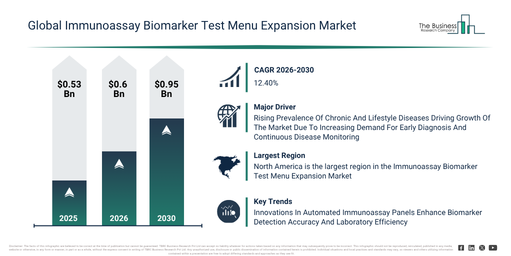
    The immunoassay biomarker test menu expansion market size has experienced substantial growth in recent years. It is anticipated to increase from $0.53 billion in 2025 to $0.6 billion in 2026, reflecting a compound annual growth rate (CAGR) of 12.2%. The historical expansion in this market can be linked to factors such as the rising incidence of chronic and infectious diseases, the greater adoption of immunoassay-based diagnostic technologies in clinical laboratories, the expansion of hospital diagnostic infrastructure and laboratory networks, increasing public awareness of early disease detection and preventive healthcare, and augmented government funding for diagnostic research and laboratory modernization.

    The market for immunoassay biomarker test menu expansion is anticipated to experience significant expansion over the coming years. This market is projected to grow to $0.95 billion by 2030 at a compound annual growth rate (CAGR) of 12.4%. Factors contributing to this growth during the forecast period include an escalating need for precision medicine and tailored biomarker profiling, greater incorporation of AI and automation into diagnostic laboratories, the widening scope of companion diagnostics within drug development pipelines, increased uptake of multiplex and high-throughput testing platforms, and an enhanced emphasis on early detection programs for cancer and chronic diseases. Key trends anticipated in this period encompass the broadening of multiplex immunoassay panels for detecting multiple disease biomarkers, continuous advancement of high-sensitivity chemiluminescent immunoassay platforms, a surge in the embrace of personalized medicine-guided biomarker testing solutions, the growing incorporation of automated laboratory immunoassay analyzers for high-throughput applications, and an elevated demand for expanding oncology and infectious disease biomarker assays.

    Get A Free Sample Report With In-Depth Market Insights:

    https://thebusinessresearchcompany.com/sample_request?id=89257278&type=smp&name=Immunoassay%20Biomarker%20Test%20Menu%20Expansion%20Market%20Report%202026&utm_source=Blogs&utm_medium=Paid&utm_campaign=Oct_PR

    Immunoassay Biomarker Test Menu Expansion Market Growth Factors: What’s Supporting Expansion?

    The anticipated expansion of the immunoassay biomarker test menu market is driven by the growing incidence of chronic and lifestyle diseases. These conditions encompass persistent health issues like heart disease, diabetes, obesity, and hypertension, necessitating continuous medical care. The rise in these diseases can be attributed to an aging populace and lifestyle elements such as inadequate nutrition and lack of exercise, collectively intensifying the burden of chronic health conditions. Expanding the immunoassay biomarker test menu facilitates enhanced disease detection, empowering laboratories to pinpoint a broader spectrum of disease-related biomarkers, thereby enhancing early diagnosis and ongoing monitoring. As an illustration, the US Centers for Disease Control and Prevention, a US-based government public health agency, reported in April 2025 that in 2023, 76.4% of American adults had at least one chronic condition, translating to over 194 million individuals needing consistent health condition oversight and care. Consequently, the escalating occurrence of chronic and lifestyle ailments is stimulating the expansion of the immunoassay biomarker test menu market.

    Immunoassay Biomarker Test Menu Expansion Market Segment Landscape: Which Areas Lead Development?

    The immunoassay biomarker test menu expansion market covered in this report is segmented –

    1) By Type: Enzyme-Linked Immunosorbent Assay Kits, Chemiluminescent Immunoassay Kits, Fluorescent Immunoassay Kits, Multiplex Immunoassay Panels, Rapid Diagnostic Test Kits, Biomarker-Specific Reagents, Calibration Standards, Quality Control Materials

    2) By Biomarker Type: Oncology Biomarkers, Cardiac Biomarkers, Endocrine And Hormonal Biomarkers, Infectious Disease Biomarkers, Autoimmune Disease Biomarkers, Neurological Biomarkers, Therapeutic Drug Monitoring Biomarkers

    3) By Grade: High-Performance Liquid Chromatography (HPLC) And Ultra-High-Performance Liquid Chromatography (UHPLC) Grade Reagents, Gas Chromatography (GC) Grade Reagents, Analytical Grade Reagents, Liquid Chromatography–Mass Spectrometry (LC-MS) Grade Reagents, Preparative Grade Reagents, Biotechnology Grade Reagents, Technical Grade Filtration Products

    4) By Application: Clinical Diagnostics, Companion Diagnostics, Personalized Medicine, Drug Discovery And Clinical Research

    5) By End-User: Pharmaceutical And Biotechnology Companies, Contract Research Organizations, Contract Manufacturing Organizations, Academic And Research Institutions, Clinical And Diagnostic Laboratories, Food And Beverage Testing Laboratories, Environmental Testing Laboratories, Government And Regulatory Agencies, Chemical And Industrial Manufacturing Companies

    Subsegments:

    1) By Enzyme-Linked Immunosorbent Assay Kits: Sandwich Assay Kits, Competitive Assay Kits, Indirect Assay Kits, Direct Assay Kits

    2) By Chemiluminescent Immunoassay Kits: Magnetic Particle-Based Kits, Solid Phase Kits, Microplate-Based Kits, Automated Analyzer Kits

    3) By Fluorescent Immunoassay Kits: Time-Resolved Fluorescence Kits, Lateral Flow Fluorescence Kits, Microbead-Based Kits, Multiplex Fluorescence Kits

    4) By Multiplex Immunoassay Panels: Cytokine Panels, Cardiac Marker Panels, Oncology Panels, Infectious Disease Panels

    5) By Rapid Diagnostic Test Kits: Lateral Flow Immunoassays, Colloidal Gold Test Kits, Microfluidic Rapid Kits, Paper-Based Diagnostic Kits

    6) By Biomarker-Specific Reagents: Antibodies, Antigens, Conjugates, Detection Reagents

    7) By Calibration Standards: Protein Standards, Peptide Standards, Whole Blood Controls, Serum Controls

    8) By Quality Control Materials: Positive Controls, Negative Controls, Internal Controls, External Controls

    Immunoassay Biomarker Test Menu Expansion Market Industry Trends: What’s Reshaping Demand?

    Leading companies operating within the immunoassay biomarker test menu expansion market are concentrating on developing advanced automated immunoassay panels, such as fully integrated immunoassay systems, which streamline sample handling and result reporting in a single automated workflow to minimize operator variability and boost laboratory throughput. Automated immunoassay panels are systems where immunoassay tests are conducted with minimal manual involvement, using robotics or automated analyzers that manage sample preparation, reagent mixing, incubation, detection, and result output, thereby enhancing consistency and accelerating turnaround times in clinical settings. For instance, in May 2024, bioMérieux, a France-based healthcare technology company, launched the VIDA TBI (GFAP, UCH-L1) test for its automated immunoassay platforms VIDAS 3 and VIDAS KUBE. This test features high sensitivity for traumatic brain injury biomarkers, is compatible with on-demand automated workflows 24/7, and offers rapid result turnaround, assisting in efficient clinical triage and reducing unnecessary imaging. The launch reinforces bioMérieux’s immunoassay test menu by expanding its neurological biomarker portfolio and addressing the growing demand for rapid diagnostic solutions in emergency care settings. Moreover, it supports improved clinical decision-making by enabling the timely and accurate detection of brain injury, enhancing patient management, and optimizing healthcare resource utilization.

    Immunoassay Biomarker Test Menu Expansion Market Company Landscape And Competitive Strategy

    Major companies operating in the immunoassay biomarker test menu expansion market are Tecan Trading AG, Euroimmun Medizinische Labordiagnostika AG, OPKO Health Inc., Autobio Diagnostics Co. Ltd., Promega Corporation, BioLegend Inc., Sekisui Diagnostics LLC, Boditech Med Inc., Dynex Technologies Inc., QuantuMDx Group Ltd., NanoEntek, J. Mitra & Co. Pvt. Ltd., Baebies, ALPCO Diagnostics, Micropoint Bioscience, Coris BioConcept, MiCo BioMed Inc., Kamiya Biomedical Company, Abionic SA, ANP Technologies Inc., Axis-Biosciences / Axela, Epitope Diagnostics Inc., MedMira Inc., Nanomix Inc.

    View The Full Immunoassay Biomarker Test Menu Expansion Market Report:

    https://thebusinessresearchcompany.com/report/immunoassay-biomarker-test-menu-expansion-market-report?utm_source=Blogs&utm_medium=Paid&utm_campaign=Oct_PR

    Immunoassay Biomarker Test Menu Expansion Market Largest Region: Which Geography Holds The Highest Market Share?

    North America was the largest region in the immunoassay biomarker test menu expansion market in 2025. Asia-Pacific is expected to be the fastest-growing region in the forecast period. The regions covered in the immunoassay biomarker test menu expansion market report are Asia-Pacific, South East Asia, Western Europe, Eastern Europe, North America, South America, Middle East and Africa.

    Reach Out To Our Team:

    The Business Research Company: https://www.thebusinessresearchcompany.com/

    Americas: +1 310-496-7795

    Asia: +44 7882 955267 & +91 8897263534

    Europe: +44 7882 955267

    Email us at: marketing@tbrc.info

    Follow us on:

    LinkedIn: https://in.linkedin.com/company/the-business-research-company

    YouTube: https://www.youtube.com/channel/UC24_fI0rV8cR5DxlCpgmyFQ

    Global Market Model: https://www.thebusinessresearchcompany.com/global-market-model
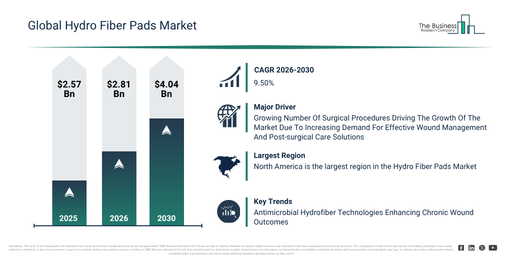
  • Hydro Fiber Pads Market Size And Growth In 2026: Key Factors Shaping Future Demand

    Hydro Fiber Pads Market Size And Growth In 2026: Key Factors Shaping Future Demand

    Built to provide research that’s more actionable and strategically valuable, The Business Research Company’s 2026 market reports include market attractiveness analysis, total addressable market sizing, company benchmarking matrices, interactive Excel dashboards, broader supply chain intelligence, emerging startup tracking, and in-depth product insights.

    Hydro Fiber Pads Market Size And Revenue Outlook Through 2030

    The hydro fiber pads market size has experienced robust growth in recent years. It is projected to expand from $2.57 billion in 2025 to $2.81 billion in 2026, at a compound annual growth rate (CAGR) of 9.3%. This historic period’s growth is attributable to an increase in broadband penetration and the expansion of fixed line connectivity, rising telecom infrastructure investments by governments and private operators, a growing demand for high-speed internet services in urban regions, the rapid evolution of mobile network generations from 3G to 4G, and the increasing deployment of fiber to the home and enterprise connectivity solutions.

    The hydro fiber pads market is projected to experience substantial growth in the upcoming years, with its size anticipated to reach $4.04 billion by 2030, demonstrating a compound annual growth rate (CAGR) of 9.5%. This expansion over the forecast period is primarily driven by the accelerating global rollouts of 5G and future 6G networks, a rising adoption of cloud-driven and software-defined networking architectures, the increasing demand for ultra-low latency connectivity essential for IoT and edge computing, the proliferation of smart cities and connected infrastructure projects, and growing investments in rural broadband and digital inclusion initiatives. Major trends influencing this period include the integration of smart access infrastructure with cloud-based network management systems, the increasing deployment of high-speed fiber optic access solutions for broadband expansion, a greater uptake of next-generation optical network equipment to support 5G readiness, a rising demand for energy-efficient and compact telecom access devices, and the broader expansion of software-defined networking in access infrastructure for enhanced scalability.

    Get A Free Sample Report With In-Depth Market Insights:

    https://thebusinessresearchcompany.com/sample_request?id=50138610&type=smp&name=Hydro%20Fiber%20Pads%20Market%20Report%202026&utm_source=Blogs&utm_medium=Paid&utm_campaign=Oct_PR

    Hydro Fiber Pads Market Demand Drivers Opening New Revenue Streams

    The increasing volume of surgical operations is anticipated to drive the expansion of the hydro fiber pads market moving ahead. Surgical procedures encompass medical interventions utilizing operative methods for diagnosing, treating, or managing diverse illnesses, injuries, and health conditions. The rise in surgical procedure frequency stems from the growing incidence of chronic illnesses, a globally aging demographic, and improved accessibility to advanced healthcare, collectively fueling a greater need for surgical interventions. Hydro fiber pads are vital in surgical and post-operative care, offering excellent management of wound exudate, sustaining an optimal moist healing setting, and diminishing infection risks, consequently enhancing patient recovery. For example, data from June 2024, released by the Aesthetic Society, a professional organization based in the US, indicated that the overall count of surgical procedures saw a 2. 9% year-over-year rise between 2022 and 2023. Consequently, the expanding volume of surgical procedures is fueling the growth of the hydro fiber pads market.

    Hydro Fiber Pads Market Segmentation: How Does The Market Break Down By Category?

    The hydro fiber pads market covered in this report is segmented –

    1) By Product Type: Silver Impregnated Hydro Fiber Pads, Antimicrobial Hydro Fiber Pads, High Absorbency Hydro Fiber Pads, Standard Hydro Fiber Pads

    2) By Distribution Channel: Hospital Pharmacies, Retail Pharmacies, Online Medical Stores, Medical Supply Distributors

    3) By Application: Chronic Wounds, Surgical Wounds, Burns, Traumatic Wounds, Pressure Ulcers

    4) By End User: Hospitals, Clinics, Home Healthcare Settings, Ambulatory Surgical Centers

    Subsegments:

    1) By Silver Impregnated Hydro Fiber Pads: Ionic Silver Hydro Fiber Pads, Nanocrystalline Silver Hydro Fiber Pads, Sustained Release Silver Hydro Fiber Pads, High Strength Silver Hydro Fiber Pads, Flexible Silver Hydro Fiber Pads

    2) By Antimicrobial Hydro Fiber Pads: Broad Spectrum Antimicrobial Hydro Fiber Pads, Chlorhexidine Treated Hydro Fiber Pads, Iodine Based Antimicrobial Hydro Fiber Pads, Polyhexamethylene Biguanide Hydro Fiber Pads, Herbal Antimicrobial Hydro Fiber Pads

    3) By High Absorbency Hydro Fiber Pads: Super Absorbent Core Hydro Fiber Pads, Multi Layer Absorbent Hydro Fiber Pads, High Exudate Management Hydro Fiber Pads, Rapid Fluid Lock Hydro Fiber Pads, Extra Thick Absorbent Hydro Fiber Pads

    4) By Standard Hydro Fiber Pads: Basic Wound Care Hydro Fiber Pads, Non Medicated Hydro Fiber Pads, General Purpose Hydro Fiber Pads, Single Layer Hydro Fiber Pads, Cost Effective Hydro Fiber Pads

    Hydro Fiber Pads Market Trends Powering Strategic Industry Growth

    Major companies in the hydro fiber pads market are dedicating efforts to clinical validation and the development of innovative advanced wound care products, specifically antimicrobial hydrofiber dressings. These initiatives aim to enhance healing outcomes, minimize infection risks, and improve patient recovery for those with chronic wounds. Antimicrobial hydrofiber dressings are sophisticated wound care solutions crafted from sodium carboxymethylcellulose fibers that form a gel upon contact with wound exudate, thereby sustaining a moist environment and incorporating antimicrobial agents like silver to manage infection. As an illustration, in May 2025, Convatec Group plc, a UK-based medical products and technologies company, disclosed the results of a multinational randomized controlled trial (RCT) evaluating its AQUACEL Ag+ Extra dressing for venous leg ulcers. The study, conducted across 20 sites in Germany, the United Kingdom, and Colombia, demonstrated that wounds treated with AQUACEL Ag+ Extra were 31% more likely to achieve complete healing at 12 weeks and 31% more likely to show a 40% reduction in wound area at 4 weeks, compared to standard-of-care dressings. Furthermore, 74. 8% of ulcers treated with AQUACEL Ag+ Extra healed completely at 12 weeks, contrasting with 55. 6% for standard care, underscoring the product’s superior clinical effectiveness.

    Hydro Fiber Pads Market Industry Leaders And Competitive Landscape

    Major companies operating in the hydro fiber pads market are Cardinal Health Inc., Medline Industries Inc., 3M Company, B. Braun Melsungen AG, Smith & Nephew plc, Coloplast A/S, Paul Hartmann AG, Convatec Group plc, Mölnlycke Health Care AB, Integra LifeSciences Corporation, Lohmann & Rauscher GmbH & Co. KG, DeRoyal Industries Inc., Advanced Medical Solutions Group plc, Winner Medical Co. Ltd., Huizhou Foryou Medical Devices Co. Ltd., BSN Medical GmbH, ACG Medical Supply, DATT Mediproducts Private Limited, Urgo Medical Ltd., Medilivescare Manufacturing Pvt. Ltd.

    View The Full Hydro Fiber Pads Market Report:

    https://thebusinessresearchcompany.com/report/hydro-fiber-pads-market-report?utm_source=Blogs&utm_medium=Paid&utm_campaign=Oct_PR

    Hydro Fiber Pads Market Regional Analysis And Leading Geography

    North America was the largest region in the hydro fiber pads market in 2025. Asia-Pacific is expected to be the fastest-growing region in the forecast period. The regions covered in the hydro fiber pads market report are Asia-Pacific, South East Asia, Western Europe, Eastern Europe, North America, South America, Middle East and Africa.

    Reach Out To Our Team:

    The Business Research Company: https://www.thebusinessresearchcompany.com/

    Americas: +1 310-496-7795

    Asia: +44 7882 955267 & +91 8897263534

    Europe: +44 7882 955267

    Email us at: marketing@tbrc.info

    Follow us on:

    LinkedIn: https://in.linkedin.com/company/the-business-research-company

    YouTube: https://www.youtube.com/channel/UC24_fI0rV8cR5DxlCpgmyFQ

    Global Market Model: https://www.thebusinessresearchcompany.com/global-market-model