Blog

  • Medical Instruments Disinfections Market Growth In 2026: Market Size, Key Drivers And Future Outlook

    Medical Instruments Disinfections Market Growth In 2026: Market Size, Key Drivers And Future Outlook

    Built to provide research that’s more actionable and strategically valuable, The Business Research Company’s 2026 market reports include market attractiveness analysis, total addressable market sizing, company benchmarking matrices, interactive Excel dashboards, broader supply chain intelligence, emerging startup tracking, and in-depth product insights.

    Medical Instruments Disinfections Market Revenue Outlook: What CAGR Lies Ahead Through 2030?

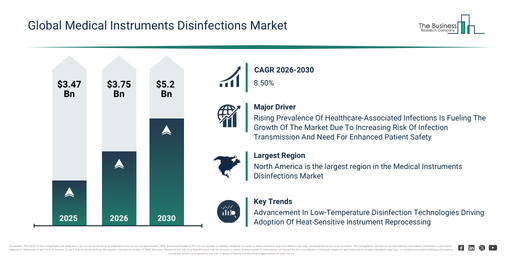
    The medical instruments disinfections market has seen significant expansion in recent years. This market is anticipated to increase from $3.47 billion in 2025 to $3.75 billion in 2026, at a compound annual growth rate (CAGR) of 8.3%. The historical growth of the market can be linked to a rise in healthcare-associated infection cases, ongoing expansion of hospital infrastructure, increased awareness of infection control protocols, an expansion in surgical and diagnostic procedures, and the implementation of stricter regulatory hygiene standards in healthcare settings.

    The medical instruments disinfections market is anticipated to experience substantial growth in the upcoming years, with its size projected to reach $5.2 billion by 2030, exhibiting a compound annual growth rate (CAGR) of 8.5%. This growth throughout the forecast period is propelled by factors such as the increasing adoption of automated sterilization systems, a heightened demand for sustainable disinfectant chemicals, the rise in outpatient and ambulatory surgical procedures, the incorporation of smart tracking within sterilization workflows, and the broader implementation of biotechnology-driven infection control solutions. Prominent trends foreseen for this period include the optimization of low-temperature enzymatic and chemical disinfection processes, the deployment of automated sterilization tracking and validation systems in healthcare facilities, the ongoing development of eco-friendly biodegradable medical disinfectant formulations, the integration of advanced surface-compatible antimicrobial coatings for instruments, and the emergence of rapid high-level disinfection technologies designed for reusable surgical instruments.

    Get A Free Sample Report With In-Depth Market Insights:

    https://thebusinessresearchcompany.com/sample_request?id=22072869&type=smp&name=Medical%20Instruments%20Disinfections%20Market%20Report%202026&utm_source=Blogs&utm_medium=Paid&utm_campaign=Oct_PR

    Medical Instruments Disinfections Market Growth Drivers: What’s Behind The Acceleration?

    The anticipated expansion of the medical instrument disinfection market is significantly driven by the rising occurrence of healthcare-associated infections. These infections are contracted by patients within healthcare environments during treatment, posing risks to patient safety and impacting clinical results. Factors contributing to this increase include greater hospital usage, an older patient demographic, and a growing number of patients with multiple health conditions. Disinfection of medical instruments aids healthcare systems by offering efficient solutions to lessen infection spread from these devices and guarantee enhanced patient safety. A notable example is from January 2024, when the Centers for Disease Control and Prevention, a US-based government agency, reported an approximate 4% increase in the standardized infection ratio (SIR) for surgical site infections (SSI) across all NHSN operative procedure categories combined compared to the prior year. Consequently, the escalating frequency of healthcare-associated infections acts as a key impetus for the expansion of the medical instrument disinfection market.

    Medical Instruments Disinfections Market Segment Performance And Emerging Opportunities

    The medical instruments disinfections market covered in this report is segmented –

    1) By Type Of Disinfectant: Alcohol-Based Disinfectants, Chlorine-Based Disinfectants, Phenolic Disinfectants, Quaternary Ammonium Compounds (Quats), Hydrogen Peroxide

    2) By Formulation Type: Ready-To-Use Formulations, Concentrated Formulations, Wipes, Sprays, High-Level Disinfectants

    3) By Distribution Channel: Direct Sales, Online Retail, Medical Supply Distributors, Pharmacies, Wholesale Suppliers

    4) By Application: Pre-Procedural Disinfection, Post-Procedural Disinfection, Surface Disinfection, Instrument Sterilization, Environmental Disinfection

    5) By End-User: Hospitals And Clinics, Biotechnology And Pharmaceutical Companies, Dental Practices, Ambulatory Surgical Centers, Research Laboratories

    Subsegments:

    1) By Alcohol-Based Disinfectants: Ethanol, Isopropanol, N-Propanol

    2) By Chlorine-Based Disinfectants: Sodium Hypochlorite, Calcium Hypochlorite, Chlorine Dioxide

    3) By Phenolic Disinfectants: Cresol, Orthophenylphenol, Hexachlorophene

    4) By Quaternary Ammonium Compounds: Benzalkonium Chloride, Cetyltrimethylammonium Bromide, Dodecylbenzyldimethylammonium Chloride

    5) By Hydrogen Peroxide: Stabilized Hydrogen Peroxide, Vaporized Hydrogen Peroxide, Hydrogen Peroxide Solutions

    Medical Instruments Disinfections Market Trends: What’s Defining The Industry’s Next Phase?

    Leading companies within the medical instruments disinfection market are prioritizing the development of advanced low-temperature sterilization technologies, such as vaporized hydrogen peroxide (VHP) systems. These innovations aim to enable effective reprocessing of heat-sensitive medical instruments while safeguarding material integrity and ensuring superior microbial elimination. Vaporized hydrogen peroxide (VHP) sterilization operates as a low-temperature technique that utilizes reactive hydrogen peroxide vapor to generate free radicals, which efficiently eradicate microorganisms on delicate medical devices without inflicting thermal damage. For instance, in December 2024, STERIS plc, an Ireland-based provider of products and services supporting patient care with a focus on infection prevention, secured clearance from the U. S. Food and Drug Administration for its V-PRO Low Temperature Sterilizers. These sterilizers are specifically designed for hospital-produced 3D-printed surgical guides and anatomical models. The system is compatible with Formlabs’ BioMed Amber and BioMed Clear resins, guarantees dimensional stability, and has been validated for use with over 43 materials, thereby facilitating the safe and efficient disinfection of heat-sensitive instruments.

    Medical Instruments Disinfections Market Competitive Overview And Top Companies

    Major companies operating in the medical instruments disinfections market are Medline Industries LP, Evonik Industries AG, Ecolab Inc., LANXESS AG, STERIS plc, Getinge AB, PAUL HARTMANN AG, Hu-Friedy Mfg. Co. LLC, Belimed AG, Schülke & Mayr GmbH, 3M Company, Advanced Sterilization Products Inc., Nanosonics Limited, GAMA Healthcare Ltd, Matachana Group S. A., SciCan Ltd., Microgen Bioproducts Ltd, Metrex Research LLC, Tuttnauer Ltd., BODE Chemie GmbH, Wassenburg Medical B. V., Whiteley Corporation Pty Ltd, MMM Group GmbH

    View The Full Medical Instruments Disinfections Market Report:

    https://thebusinessresearchcompany.com/report/medical-instruments-disinfections-market-report?utm_source=Blogs&utm_medium=Paid&utm_campaign=Oct_PR

    Medical Instruments Disinfections Market Leading Geography: Which Region Contributes The Most Revenue?

    North America was the largest region in the medical instruments disinfection market in 2025. Asia-Pacific is expected to be the fastest-growing region in the forecast period. The regions covered in the medical instruments disinfections market report are Asia-Pacific, South East Asia, Western Europe, Eastern Europe, North America, South America, Middle East and Africa.

    Reach Out To Our Team:

    The Business Research Company: https://www.thebusinessresearchcompany.com/

    Americas: +1 310-496-7795

    Asia: +44 7882 955267 & +91 8897263534

    Europe: +44 7882 955267

    Email us at: marketing@tbrc.info

    Follow us on:

    LinkedIn: https://in.linkedin.com/company/the-business-research-company

    YouTube: https://www.youtube.com/channel/UC24_fI0rV8cR5DxlCpgmyFQ

    Global Market Model: https://www.thebusinessresearchcompany.com/global-market-model
  • Mastitis Control Products Market Size Growth: From $2.12 Billion In 2026 To $2.65 Billion By 2030

    Mastitis Control Products Market Size Growth: From $2.12 Billion In 2026 To $2.65 Billion By 2030

    Built to provide research that’s more actionable and strategically valuable, The Business Research Company’s 2026 market reports include market attractiveness analysis, total addressable market sizing, company benchmarking matrices, interactive Excel dashboards, broader supply chain intelligence, emerging startup tracking, and in-depth product insights.

    Mastitis Control Products Market Size Outlook: How Quickly Will Revenue Expand Through 2030?

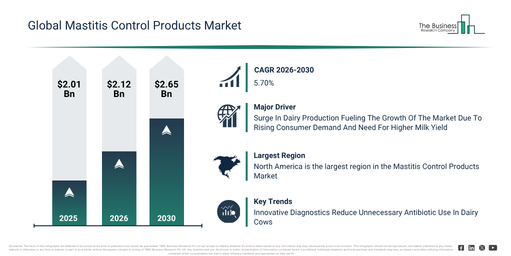
    The mastitis control products market has seen strong growth in recent years. It is projected to increase from $2.01 billion in 2025 to $2.12 billion in 2026, exhibiting a compound annual growth rate (CAGR) of 5.5%. The expansion witnessed in the past can be attributed to the rising prevalence of mastitis in dairy cattle populations, the increasing demand for high-quality milk production, the development of veterinary healthcare infrastructure, the expansion of commercial dairy farming operations, and the traditional reliance on antibiotics for infection control.

    The mastitis control products market is poised for significant expansion in the coming years, projected to reach $2.65 billion by 2030 at a compound annual growth rate (CAGR) of 5.7%. This anticipated growth during the forecast period is driven by a surging move towards antibiotic-free dairy production systems, the increasing adoption of rapid diagnostic and preventive care solutions, a rising demand for organic and residue-free milk products, the expansion of smart dairy farm monitoring technologies, and a heightened focus on animal welfare along with sustainable livestock management practices. Dominant trends expected during the forecast period involve data-driven mastitis early detection and monitoring systems, antibiotic-free and probiotic-based udder health management solutions, the development of sustainable and residue-free dairy hygiene products, automated milking hygiene and udder disinfection systems, and rapid on-farm diagnostic testing kits for mastitis detection.

    Get A Free Sample Report With In-Depth Market Insights:

    https://thebusinessresearchcompany.com/sample_request?id=27924458&type=smp&name=Mastitis%20Control%20Products%20Market%20Report%202026&utm_source=Blogs&utm_medium=Paid&utm_campaign=Oct_PR

    Mastitis Control Products Market Growth Backed By Core Demand Fundamentals

    The increasing demand for dairy production is anticipated to fuel the expansion of the mastitis control products market in the future. Dairy production involves creating milk and products derived from milk using domesticated animals such as cows, buffaloes, goats, and sheep. This surge in dairy production stems from a growing consumer appetite for milk and its derivatives, as expanding populations and shifting dietary habits drive up consumption. Mastitis control products support dairy production by preventing and treating infections in udders, leading to healthier cattle, increased milk output, and better milk quality. For example, in January 2026, data from the Bullvine, a Canadian online resource for dairy breeding experts, indicated that US milk production reached approximately 234.3 billion pounds, marking a 1.4% increase over 2025. Consequently, the rising demand for dairy production is projected to stimulate the growth of the mastitis control products market.

    Mastitis Control Products Market Segment Analysis And Revenue Potential

    The mastitis control products market covered in this report is segmented –

    1) By Product Type: Antibiotics, Vaccines, Disinfectants, Teat Sealants, Diagnostic Kits, Other Product Types

    2) By Animal Type: Dairy Cattle, Sheep, Goats, Other Animal Types

    3) By Route Of Administration: Topical, Intramammary, Systemic

    4) By Distribution Channel: Veterinary Hospitals And Clinics, Retail Pharmacies, Online Pharmacies, Other Distribution Channels

    5) By End User: Dairy Farms, Veterinary Clinics, Animal Health Laboratories, Research Institutes

    Subsegments:

    1) By Antibiotics: Beta Lactam Antibiotics, Macrolide Antibiotics, Aminoglycoside Antibiotics, Tetracycline Antibiotics

    2) By Vaccines: Inactivated Vaccines, Live Attenuated Vaccines, Subunit Vaccines, Recombinant Vaccines

    3) By Disinfectants: Iodine Based Disinfectants, Chlorine Based Disinfectants, Chlorhexidine Based Disinfectants, Quaternary Ammonium Compound Disinfectants

    4) By Teat Sealants: Internal Teat Sealants, External Teat Sealants

    5) By Diagnostic Kits: Rapid Mastitis Detection Kits, Somatic Cell Count Test Kits, Bacterial Culture Test Kits, Enzyme Based Detection Kits

    6) By Other Product Types: Probiotic Based Products, Herbal Mastitis Control Products, Immune Support Supplements, Udder Care Formulations

    Mastitis Control Products Market Growth Trends Reshaping The Competitive Landscape

    Leading companies in the mastitis control products market are concentrating on developing advanced solutions, such as swift on-site diagnostic tools, to enhance detection accuracy, minimize unnecessary antimicrobial use, and improve herd health management. Rapid on-farm diagnostics denote quick, localized tests designed to identify mastitis in dairy cows, allowing for immediate treatment decisions. For instance, in August 2023, Zoetis, a US-based animal health company, introduced Vetscan Mastigram+, a rapid on-farm mastitis diagnostic that employs a simple flow dipstick test to detect Gram-positive mastitis within eight hours. This solution enables farmers and veterinarians to identify affected cows before their next milking, facilitating targeted antimicrobial therapy, reducing superfluous treatments, and supporting responsible antibiotic use.

    Mastitis Control Products Market Company Landscape And Competitive Strategy

    Major companies operating in the mastitis control products market are Merck & Co, Boehringer Ingelheim, Ecolab Inc., Zoetis Inc., GEA Group AG, Elanco Animal Health, IDEXX Laboratories, Ceva Santé Animale, Virbac S. A., DeLaval Holding AB, Phibro Animal Health Corporation, Neogen Corporation, Vetoquinol, Norbrook Laboratories, Milkrite InterPuls, BouMatic LLC, Dairymaster, Bioveta a. s., Afimilk Ltd., ImmuCell Corporation

    View The Full Mastitis Control Products Market Report:

    https://thebusinessresearchcompany.com/report/mastitis-control-products-market-report?utm_source=Blogs&utm_medium=Paid&utm_campaign=Oct_PR

    Mastitis Control Products Market Largest Region: Which Geography Holds The Biggest Share?

    North America was the largest region in the mastitis control products market in 2025. Asia Pacific is expected to be the fastest-growing region in the forecast period. The regions covered in the mastitis control products market report are Asia-Pacific, South East Asia, Western Europe, Eastern Europe, North America, South America, Middle East and Africa.

    Reach Out To Our Team:

    The Business Research Company: https://www.thebusinessresearchcompany.com/

    Americas: +1 310-496-7795

    Asia: +44 7882 955267 & +91 8897263534

    Europe: +44 7882 955267

    Email us at: marketing@tbrc.info

    Follow us on:

    LinkedIn: https://in.linkedin.com/company/the-business-research-company

    YouTube: https://www.youtube.com/channel/UC24_fI0rV8cR5DxlCpgmyFQ

    Global Market Model: https://www.thebusinessresearchcompany.com/global-market-model
  • Magnetic Resonance Imaging (MRI) Contrast Agents Market Size In 2026 And Beyond: Understanding Future Growth Potential

    Magnetic Resonance Imaging (MRI) Contrast Agents Market Size In 2026 And Beyond: Understanding Future Growth Potential

    Built to provide research that’s more actionable and strategically valuable, The Business Research Company’s 2026 market reports include market attractiveness analysis, total addressable market sizing, company benchmarking matrices, interactive Excel dashboards, broader supply chain intelligence, emerging startup tracking, and in-depth product insights.

    Magnetic Resonance Imaging (MRI) Contrast Agents Market Set To Climb From $1.64 Billion In 2026 To $2.17 Billion By 2030

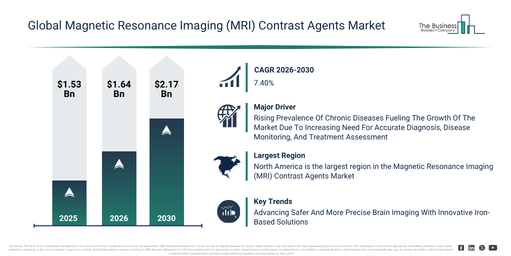
    The magnetic resonance imaging (MRI) contrast agents market size has seen substantial growth over recent years. It is anticipated to expand from $1.53 billion in 2025 to $1.64 billion in 2026, at a compound annual growth rate (CAGR) of 7.1%. This historical growth can be attributed to several factors, including the increasing occurrence of chronic diseases, the development of diagnostic imaging infrastructure, rising healthcare expenditure, the enlargement of hospital networks, and advancements in MRI technology.

    The magnetic resonance imaging (MRI) contrast agents market size is anticipated to experience robust growth in the coming years. It is projected to reach $2. 17 billion by 2030, exhibiting a compound annual growth rate (CAGR) of 7. 4%. This expansion during the forecast period is propelled by the development of targeted contrast agents, the increasing demand for precision diagnostics, the growth in outpatient imaging centers, technological innovation in contrast formulations, and rising awareness of early disease detection. Significant trends during this period include the increasing adoption of gadolinium-based contrast agents, a growing demand for safer and low-toxicity agents, the rising prevalence of neurological and gastrointestinal disorders, advancements in nanoparticle-based contrast agents, and the expanding use of MRI in diagnostic imaging centers.

    Get A Free Sample Report With In-Depth Market Insights:

    https://thebusinessresearchcompany.com/sample_request?id=55658807&type=smp&name=Magnetic%20Resonance%20Imaging%20%28MRI%29%20Contrast%20Agents%20Market%20Report%202026&utm_source=Blogs&utm_medium=Paid&utm_campaign=Oct_PR

    Magnetic Resonance Imaging (MRI) Contrast Agents Market Growth Momentum: What Factors Are Shaping Demand?

    The growing incidence of chronic diseases is expected to stimulate the expansion of the magnetic resonance imaging (MRI) contrast agents market moving forward. A chronic disease is defined as a persistent health condition that advances slowly and typically lasts for many years. The rise in these conditions is attributed to unhealthy lifestyle choices, such as poor diet and insufficient physical activity. Magnetic resonance imaging (MRI) contrast agents are utilized in the management of chronic diseases to enhance the visualization of tissues and abnormalities, thereby enabling accurate diagnosis, effective monitoring of disease progression, and thorough assessment of treatment outcomes. For instance, in August 2024, figures from Macmillan Cancer Support, a UK-based organization, indicated that over 3 million people in the UK are living with cancer, a figure projected to increase to 3. 5 million by 2025, 4 million by 2030, and 5. 3 million by 2040. This demonstrates how the increasing prevalence of chronic diseases is actively propelling the growth of the magnetic resonance imaging (MRI) contrast agents market.

    Magnetic Resonance Imaging (MRI) Contrast Agents Market Segment Landscape: Which Areas Lead Development?

    The magnetic resonance imaging (mri) contrast agents market covered in this report is segmented –

    1) By Product: Super-Paramagnetic Agents, Paramagnetic Agents

    2) By Route Of Administration: Oral Administration, Intra Articular Administration

    3) By Application: Gastrointestinal, Intravenous, Hepato-Biliary, Neurological Imaging, Other Applications

    4) By End-Use: Hospitals, Diagnostic And Imaging Centres, Research Institutes, Other End-Users

    Subsegments:

    1) By Super-Paramagnetic Agents: Iron Oxide Nanoparticles, Ultrasmall Superparamagnetic Iron Oxide Particles, Standard Superparamagnetic Iron Oxide Particles, Liver Targeted Superparamagnetic Agents

    2) By Paramagnetic Agents: Gadolinium Based Contrast Agents, Manganese Based Contrast Agents, Macrocyclic Paramagnetic Agents, Linear Paramagnetic Agents

    Magnetic Resonance Imaging (MRI) Contrast Agents Market Trends Redefining Industry Growth

    Key players in the magnetic resonance imaging (MRI) contrast agents market are concentrating on creating novel products, including iron-based contrast agents, to offer safer options for individuals with kidney problems and boost the precision of imaging. These agents are MRI substances containing superparamagnetic iron oxide nanoparticles that improve image contrast by modifying local magnetic fields. This aids in better visualization of tumors and lesions, simultaneously presenting a safer choice for patients with compromised kidney function. As an example, in February 2026, the U. S. -based pharmaceutical firm, Azurity Pharmaceuticals, introduced Ferabright. This iron-based contrast agent received approval from the U. S. Food and Drug Administration (FDA) for use in brain MRI scans for adults diagnosed with or suspected of having malignant neoplasms. Ferabright comes in single-dose vials, containing either 300 mg or 510 mg of elemental iron for intravenous infusion, specifically engineered to enhance the visibility of brain lesions where the blood-brain barrier is compromised. Its substantial molecular size ensures it stays within blood vessels during initial imaging stages, and a delayed-phase MRI reveals tumor enhancement resulting from macrophage absorption. Furthermore, Ferabright is metabolized through the body’s natural iron pathways, alleviating worries about its long-term presence and offering an alternative for individuals unable to receive gadolinium, all while contributing to eco-friendly imaging methods.

    Magnetic Resonance Imaging (MRI) Contrast Agents Market Leading Companies And Competitive Benchmarking

    Major companies operating in the magnetic resonance imaging (mri) contrast agents market are Bayer AG, GE HealthCare Technologies Inc., Hengrui Medicine Co. Ltd., Zydus Lifesciences Ltd., Bracco Imaging S. p. A., Lantheus Holdings Inc., Guerbet SA, Jiangsu Hengrui Pharmaceuticals Co. Ltd., Azurity Pharmaceuticals Inc., Yangtze River Pharmaceutical Group Co. Ltd., Beijing Beilu Pharmaceutical Co. Ltd., Unijules Life Sciences Ltd., Viwit Pharmaceutical Co. Ltd., Sanochemia Pharmazeutika AG, J. B. Chemicals & Pharmaceuticals Ltd., Nano Therapeutics Pvt. Ltd., Taejoon Pharm Co. Ltd., Nanoprobes Inc., Spago Nanomedical AB, Advanced Magnetics Inc

    View The Full Magnetic Resonance Imaging (MRI) Contrast Agents Market Report:

    https://thebusinessresearchcompany.com/report/magnetic-resonance-imaging-mri-contrast-agents-market-report?utm_source=Blogs&utm_medium=Paid&utm_campaign=Oct_PR

    Magnetic Resonance Imaging (MRI) Contrast Agents Market Top Region By Revenue And Market Share

    North America was the largest region in the magnetic resonance imaging (MRI) contrast agents market in 2025. Asia-Pacific is expected to be the fastest-growing region in the forecast period. The regions covered in the magnetic resonance imaging (MRI) contrast agents market report are Asia-Pacific, South East Asia, Western Europe, Eastern Europe, North America, South America, Middle East and Africa.

    Reach Out To Our Team:

    The Business Research Company: https://www.thebusinessresearchcompany.com/

    Americas: +1 310-496-7795

    Asia: +44 7882 955267 & +91 8897263534

    Europe: +44 7882 955267

    Email us at: marketing@tbrc.info

    Follow us on:

    LinkedIn: https://in.linkedin.com/company/the-business-research-company

    YouTube: https://www.youtube.com/channel/UC24_fI0rV8cR5DxlCpgmyFQ

    Global Market Model: https://www.thebusinessresearchcompany.com/global-market-model
  • Long-Acting Implant And Ocular Drug-Delivery Polymer Systems Market Size And Growth In 2026: Key Factors Shaping Future Demand

    Long-Acting Implant And Ocular Drug-Delivery Polymer Systems Market Size And Growth In 2026: Key Factors Shaping Future Demand

    Built to provide research that’s more actionable and strategically valuable, The Business Research Company’s 2026 market reports include market attractiveness analysis, total addressable market sizing, company benchmarking matrices, interactive Excel dashboards, broader supply chain intelligence, emerging startup tracking, and in-depth product insights.

    Long-Acting Implant And Ocular Drug-Delivery Polymer Systems Market Growth From $2.26 Billion In 2026 To $3.45 Billion By 2030 At A CAGR Of 11.2%

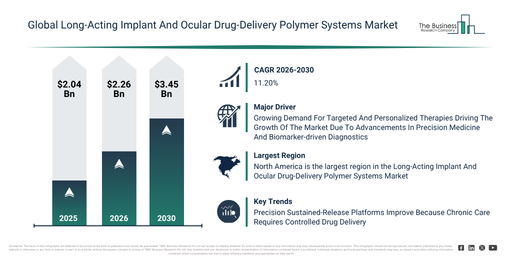
    The market size for long-acting implant and ocular drug-delivery polymer systems has experienced rapid growth in recent years. It is anticipated to expand from $2.04 billion in 2025 to $2.26 billion by 2026, progressing at a compound annual growth rate (CAGR) of 11.0%. The expansion observed during the historic period can be linked to factors such as limited patient compliance with frequent ocular drug administration, the high prevalence of chronic eye diseases including glaucoma and macular degeneration, the scarcity of effective sustained-release ophthalmic therapies, the increasing adoption of intravitreal injection-based treatments, and the early advancements in biodegradable implant technologies for drug delivery.

    The long-acting implant and ocular drug-delivery polymer systems market size is poised for rapid expansion over the next few years. It is expected to grow to $3.45 billion by 2030, demonstrating a compound annual growth rate (CAGR) of 11.2%. This projected growth can be attributed to several factors including a rising demand for long-acting and minimally invasive ocular therapies, the increasing geriatric population and associated age-related eye disorders, broader adoption of precision medicine in ophthalmology, advancements in biodegradable and biocompatible polymer innovations, and improvements in targeted and controlled release drug delivery systems. Key trends anticipated during this period include innovations in biodegradable polymer-based ocular implants for reduced toxicity, sustained release intravitreal drug delivery for managing retinal diseases, smart hydrogel-based systems for controlling ocular drug diffusion, nanoparticle-enhanced ocular barrier penetration technologies, and platforms for optimizing precision ophthalmic drug release kinetics.

    Get A Free Sample Report With In-Depth Market Insights:

    https://thebusinessresearchcompany.com/sample_request?id=88720038&type=smp&name=Long-Acting%20Implant%20And%20Ocular%20Drug-Delivery%20Polymer%20Systems%20Market%20Report%202026&utm_source=Blogs&utm_medium=Paid&utm_campaign=Oct_PR

    Long-Acting Implant And Ocular Drug-Delivery Polymer Systems Market Growth Drivers: What’s Behind The Acceleration?

    The growing demand for targeted and personalized therapies is anticipated to drive the long-acting implant and ocular drug-delivery polymer systems market forward. Targeted and personalized therapies refer to medical interventions specifically tailored to individual patient attributes, including genetic profile, disease subtype, and specific therapeutic response, with the goal of improving effectiveness and reducing negative side effects. This demand is escalating due to progress in precision medicine and biomarker-driven diagnostics, which allow for more accurate disease classification and individualized treatment choices. Long-acting implant and ocular drug-delivery polymer systems facilitate targeted and personalized therapies by enabling sustained, localized, and controlled drug release directly at the intended site, thereby reducing systemic exposure and enhancing treatment adherence for chronic ocular conditions. For instance, in February 2024, the Personalized Medicine Coalition, a US-based nonprofit organization, reported that the U. S. Food and Drug Administration approved 16 new personalized medicines in 2023, making up approximately 34% of all new drug approvals, an increase from 12 approvals in 2022. Consequently, the increasing demand for targeted and personalized therapies is propelling the growth of the long-acting implant and ocular drug-delivery polymer systems market.

    Long-Acting Implant And Ocular Drug-Delivery Polymer Systems Market Segment Analysis Spotlighting Growth Areas

    The long-acting implant and ocular drug-delivery polymer systems market covered in this report is segmented –

    1) By Delivery Route: Subcutaneous And Intramuscular Implants, Intravitreal And Ocular Implants, Other Local Long-Acting Systems

    2) By Therapy Area: Oncology And Chronic Pain, Ophthalmology, Endocrine And Women’s Health, Other Chronic Conditions

    3) By Polymer Type: Biodegradable Polyesters, Non-Degradable Polymers, Hybrid Or Novel Polymer Platforms

    4) By Application: Chronic Eye Disease Therapy, Glaucoma Sustained Delivery, Post-Surgical Antibiotic Delivery, Macular Degeneration Therapy

    5) By End User: Hospitals And Clinics, Specialty Ophthalmology Centers, Research Institutes

    Subsegments:

    1) By Subcutaneous And Intramuscular Implants: Biodegradable Polymer Implants, Non-Biodegradable Polymer Implants, Extended Release Hormonal Implants, Long-Acting Analgesic Implants

    2) By Intravitreal And Ocular Implants: Sustained Release Retinal Drug Implants, Biodegradable Ocular Inserts, Non-Biodegradable Ocular Inserts, Anti-Inflammatory Ocular Drug Implants

    3) By Other Local Long-Acting Systems: Localized Pain Management Implants, Tumor Targeted Delivery Inserts, Long-Acting Anti-Infective Systems, Extended Release Wound Care Systems

    Long-Acting Implant And Ocular Drug-Delivery Polymer Systems Market Trends: What’s Defining The Industry’s Next Phase?

    Leading companies engaged in long-acting implant and ocular drug-delivery polymer systems are concentrating on technological enhancements, such as biodegradable covalent prodrug polymer platforms. This focus aims to achieve a competitive advantage by offering zero-order, predictable therapeutic elution over extended durations and reducing the frequency of dosing for chronic eye and systemic conditions that align with prescription delivery requirements. Biodegradable covalent prodrug polymer platforms refer to polymeric systems that chemically bond therapeutic agents to a biodegradable backbone, thereby enabling consistent, controlled release kinetics without sudden burst effects and eliminating residual material after degradation. For instance, in August 2025, PolyActiva, an Australia-based biopharmaceutical company, enrolled the first patient in its Phase 2b clinical trial for the PA5108 ocular micro-implant. This implant leverages its PREZIA polymer-prodrug technology to deliver sustained intraocular pressure reduction over six months, allows for flexible repeat dosing, and minimizes residual foreign material through complete biodegradation while maintaining steady drug levels.

    Long-Acting Implant And Ocular Drug-Delivery Polymer Systems Market Competitive Landscape: Which Companies Lead The Industry?

    Major companies operating in the long-acting implant and ocular drug-delivery polymer systems market are BASF SE, F. Hoffmann-La Roche Ltd., AbbVie Inc., Evonik Industries AG, DSM Biomedical B. V., Celanese Corporation, Alcon Inc., Lubrizol Corp., Ashland Inc., Corbion N. V., ANI Pharmaceuticals Inc., Ocular Therapeutix Inc., EyePoint Pharmaceuticals Inc., Agno Pharma LLC, Novaliq GmbH, Kala Pharmaceuticals Inc., Nicox S. A., Clearside Biomedical Inc., Mati Therapeutics Inc., iVeena Delivery Systems Inc.

    View The Full Long-Acting Implant And Ocular Drug-Delivery Polymer Systems Market Report:

    https://thebusinessresearchcompany.com/report/long-acting-implant-and-ocular-drug-delivery-polymer-systems-market-report?utm_source=Blogs&utm_medium=Paid&utm_campaign=Oct_PR

    Long-Acting Implant And Ocular Drug-Delivery Polymer Systems Market Regional Breakdown: Where Is Demand Concentrated?

    North America was the largest region in the long-acting implant and ocular drug-delivery polymer systems market in 2025. Asia-Pacific is expected to be the fastest-growing region in the forecast period. The regions covered in the long-acting implant and ocular drug-delivery polymer systems market report are Asia-Pacific, South East Asia, Western Europe, Eastern Europe, North America, South America, Middle East and Africa.

    Reach Out To Our Team:

    The Business Research Company: https://www.thebusinessresearchcompany.com/

    Americas: +1 310-496-7795

    Asia: +44 7882 955267 & +91 8897263534

    Europe: +44 7882 955267

    Email us at: marketing@tbrc.info

    Follow us on:

    LinkedIn: https://in.linkedin.com/company/the-business-research-company

    YouTube: https://www.youtube.com/channel/UC24_fI0rV8cR5DxlCpgmyFQ

    Global Market Model: https://www.thebusinessresearchcompany.com/global-market-model
  • Liposomal Chemotherapy Market Size In 2026: Growth Outlook And Forecast Through 2030

    Liposomal Chemotherapy Market Size In 2026: Growth Outlook And Forecast Through 2030

    Backed by market attractiveness analysis, total addressable market sizing, company benchmarking matrices, interactive Excel dashboards, wider supply chain intelligence, emerging startup coverage, and detailed product-level insights, The Business Research Company’s 2026 market reports are designed to offer research that is more actionable and strategically valuable than ever.

    Liposomal Chemotherapy Market Size Forecast: How Big Could The Market Get By 2030?

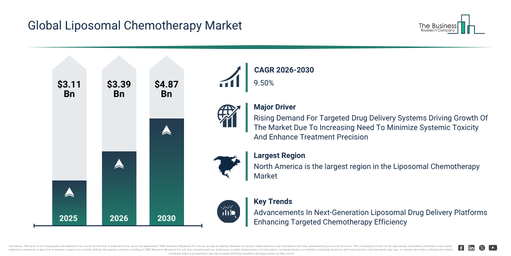
    The liposomal chemotherapy market size has experienced robust growth in recent years. It is anticipated to increase from $3.11 billion in 2025 to $3.39 billion in 2026, demonstrating a compound annual growth rate (CAGR) of 9.2%. The expansion observed in the past can be ascribed to several factors, including the pronounced toxicity of standard chemotherapy treatments, the restricted tumor targeting efficiency inherent in traditional drug delivery methods, the rising prevalence of cancer and subsequent demand for its treatment, the development of initial liposomal drug formulations, and the increasing acceptance of hospital-based chemotherapy infusion therapies.

    The liposomal chemotherapy market is anticipated to experience substantial expansion over the coming years, reaching $4. 87 billion by 2030, exhibiting a compound annual growth rate (CAGR) of 9. 5%. This projected growth during the forecast timeframe is driven by factors such as the broadening scope of personalized oncology and precision medicine, the growing embrace of chemotherapy systems with targeted action and reduced toxicity, advancements in nanotechnology-based drug delivery, an increase in clinical trials for sophisticated liposomal formulations, and the greater incorporation of biomarker-guided approaches in cancer therapy selection. Key trends expected within this period encompass the optimization of precision nanocarrier-based drug delivery, improved accumulation of drugs specifically within the tumor microenvironment, developments in long-circulating stealth liposome formulations, the integration of combination therapies alongside liposomal chemotherapy, and the application of biomarker-guided strategies for personalized oncology treatment.

    Get A Free Sample Report With In-Depth Market Insights:

    https://thebusinessresearchcompany.com/sample_request?id=91315818&type=smp&name=Liposomal%20Chemotherapy%20Market%20Report%202026&utm_source=Blogs&utm_medium=Paid&utm_campaign=Oct_PR

    Liposomal Chemotherapy Market Growth Catalysts And Demand Drivers

    The future growth of the liposomal chemotherapy market is anticipated to be propelled by the increasing requirement for targeted drug delivery systems. These sophisticated formulations are engineered to transport therapeutic agents directly to affected tissues while minimizing exposure to healthy cells, thereby enhancing treatment accuracy and lowering systemic toxicity. The escalating need to reduce adverse effects by precisely delivering medications to diseased cells while protecting healthy tissues is driving the demand for targeted drug delivery systems. Liposomal chemotherapy addresses this need by encapsulating anticancer drugs within lipid vesicles, facilitating controlled release and concentrated accumulation at tumor sites, consequently improving both safety and the effectiveness of treatments. For instance, in July 2024, the National Library of Medicine (NLM), a US-based biomedical library, projected that prescription drug spending would increase by 10.0%–12.0% in 2024 compared to 2023. Consequently, the rising demand for targeted drug delivery systems is a significant factor driving the expansion of the liposomal chemotherapy market.

    Liposomal Chemotherapy Market Segment Analysis And Revenue Potential

    The liposomal chemotherapy market covered in this report is segmented –

    1) By Drug Type: Liposomal Doxorubicin, Liposomal Paclitaxel, Liposomal Amphotericin B, Other Liposomal Chemotherapy Drugs

    2) By Indication: Breast Cancer, Ovarian Cancer, Leukemia, Lymphoma, Pancreatic Cancer, Kaposi Sarcoma, Bone Sarcoma, Multiple Myeloma, Fungal Infections

    3) By Route Of Administration: Intravenous, Intrathecal, Intramuscular, Subcutaneous

    4) By Distribution Channel: Hospital Pharmacies, Retail Pharmacies, Specialty Pharmacies, Online Pharmacies

    5) By End User: Hospitals, Homecare, Specialty Clinics, Other End Users

    Subsegments:

    1) By Liposomal Doxorubicin: Doxorubicin Hydrochloride, Pegylated Doxorubicin, Non Pegylated Doxorubicin

    2) By Liposomal Paclitaxel: Albumin Bound Paclitaxel, Conventional Paclitaxel, Polymer Encapsulated Paclitaxel

    3) By Liposomal Amphotericin B: Lipid Complex Amphotericin B, Conventional Amphotericin B, Colloidal Dispersion Amphotericin B

    4) By Other Liposomal Chemotherapy Drugs: Liposomal Vincristine, Liposomal Irinotecan, Liposomal Cytarabine

    Liposomal Chemotherapy Market Trends Shaping Long-Term Demand

    Major companies operating in the liposomal chemotherapy market are concentrating on advancements in liposome formulation, such as cutting-edge liposomal drug delivery platforms that enhance targeted distribution and controlled release of anticancer agents. These next-generation liposomal drug delivery platforms are proprietary systems specifically engineered to improve drug stability, extend circulation time, and preferentially accumulate at tumor sites, which increases therapeutic efficacy while reducing systemic toxicity. For instance, in August 2024, Lupin Limited, an India-based pharmaceutical company, introduced Doxorubicin Hydrochloride Liposome Injection in single-dose vial formulations. This product enables improved delivery of the drug to cancer cells, supports controlled release, and provides flexibility through multiple vial strengths for optimized dosing. Additionally, this launch aligns with the increasing demand for safer and more precise chemotherapy options, strengthening Lupin’s oncology portfolio and expanding access to advanced liposomal treatments in the market.

    Liposomal Chemotherapy Market Competitive Analysis Of Leading Industry Participants

    Major companies operating in the liposomal chemotherapy market are Johnson & Johnson Services Inc., Merck & Co. Inc., Pfizer Inc., Sanofi SA, Novartis AG, GSK plc, Eli Lilly and Company, Takeda Pharmaceutical Company Limited, Gilead Sciences Inc., Astellas Pharma Inc., CSPC Pharmaceutical Group Limited, Jazz Pharmaceuticals plc, Sichuan Kelun Pharmaceutical Co. Ltd., Cipla Inc., Hikma Pharmaceuticals PLC, Cadila Pharmaceuticals Ltd., Lupin Limited, Zydus Lifesciences Ltd., Towa Pharmaceutical Co. Ltd., CHEPLAPHARM Arzneimittel GmbH, Luye Pharma Group Ltd., TTY Biopharm Company Limited, Accord Healthcare Limited, SRS Life Sciences, Shanghai Fudan-Zhangjiang Bio-Pharmaceutical Co. Ltd.

    View The Full Liposomal Chemotherapy Market Report:

    https://thebusinessresearchcompany.com/report/liposomal-chemotherapy-market-report?utm_source=Blogs&utm_medium=Paid&utm_campaign=Oct_PR

    Liposomal Chemotherapy Market Geographic Distribution And Regional Opportunities

    North America was the largest region in the liposomal chemotherapy market in 2025. Asia-Pacific is expected to be the fastest-growing region in the forecast period. The regions covered in the liposomal chemotherapy market report are Asia-Pacific, South East Asia, Western Europe, Eastern Europe, North America, South America, Middle East and Africa.

    Reach Out To Our Team:

    The Business Research Company: https://www.thebusinessresearchcompany.com/

    Americas: +1 310-496-7795

    Asia: +44 7882 955267 & +91 8897263534

    Europe: +44 7882 955267

    Email us at: marketing@tbrc.info

    Follow us on:

    LinkedIn: https://in.linkedin.com/company/the-business-research-company

    YouTube: https://www.youtube.com/channel/UC24_fI0rV8cR5DxlCpgmyFQ

    Global Market Model: https://www.thebusinessresearchcompany.com/global-market-model
  • Lipoid Proteinosis Drug Market Trends Supporting 8.6% CAGR Growth Through 2030

    Lipoid Proteinosis Drug Market Trends Supporting 8.6% CAGR Growth Through 2030

    Featuring market attractiveness scoring, total addressable market sizing, company benchmarking matrices, interactive Excel dashboards, deeper supply chain intelligence, emerging startup tracking, and granular product-level insights, The Business Research Company’s 2026 market reports are built to deliver research that is both more actionable and more strategically valuable.

    Lipoid Proteinosis Drug Market Revenue Outlook: What CAGR Lies Ahead Through 2030?

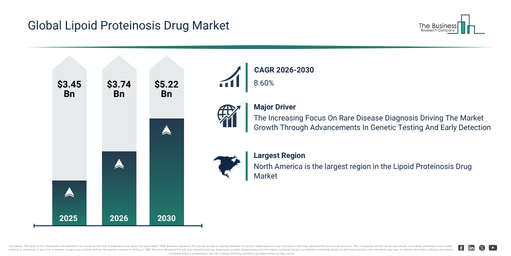
    The lipoid proteinosis drug market has demonstrated strong growth in recent years. It is anticipated to expand from $3.45 billion in 2025 to $3.74 billion in 2026, at a compound annual growth rate (CAGR) of 8.4%. The expansion observed historically can be attributed to factors such as limited awareness and delayed diagnosis of rare genetic skin disorders, the lack of targeted treatment options for lipoid proteinosis management, a reliance on symptomatic and supportive care therapies, the slow development of orphan drug pipelines, and limited clinical research focused on hyaline deposition disorders.

    The lipoid proteinosis drug market is anticipated to experience substantial growth over the next few years, with its valuation expected to climb to $5.22 billion by 2030, exhibiting a compound annual growth rate (CAGR) of 8.6%. This projected expansion is fueled by several factors, including the increasing scope of gene therapy and genome editing research for rare diseases, the rising adoption of precision medicine strategies in dermatology, an uptick in incentives and regulatory support for orphan drug development, growing investment in advanced drug delivery technologies, and the expanding utilization of AI for rare disease detection and clinical decision support. Significant trends foreseen during this period encompass gene editing-based therapeutic approaches for rare dermatological conditions, precision dermatology coupled with personalized drug response profiling, AI-driven rare disease diagnosis and treatment optimization, nanotechnology-based drug delivery systems aimed at targeted skin repair, and regenerative medicine methods for mucosal and tissue restoration.

    Get A Free Sample Report With In-Depth Market Insights:

    https://thebusinessresearchcompany.com/sample_request?id=75278215&type=smp&name=Lipoid%20Proteinosis%20Drug%20Market%20Report%202026&utm_source=Blogs&utm_medium=Paid&utm_campaign=Oct_PR

    Lipoid Proteinosis Drug Market Opportunity Drivers: What’s Unlocking New Revenue Potential?

    An escalating emphasis on rare diseases is projected to boost the growth of the lipoid proteinosis drug market in the future. These conditions, affecting a small segment of the population, are often chronic, severe, and potentially fatal. The heightened focus stems from rising regulatory incentives, where government structures offer financial advantages like market exclusivity and tax credits, prompting pharmaceutical firms to invest in therapies for previously overlooked ailments. This increased attention fosters the discovery and clinical advancement of specific treatments, thereby expanding the array of specialty drugs for conditions as rare as lipoid proteinosis. For example, the Cystic Fibrosis Trust, a UK-based national charity, reported 11,148 people in the UK had cystic fibrosis (CF) in 2022, which rose to 11,318 in 2023, as observed in October 2024. Consequently, the intensified focus on rare diseases is a key factor in the expansion of the lipoid proteinosis drug market. The expanding emphasis on personalized medicine is anticipated to fuel the growth of the lipoid proteinosis drug market in the upcoming period. This medical strategy involves tailoring treatments and decisions according to an individual’s genetic profile, lifestyle, and specific disease characteristics. The heightened interest in personalized medicine stems from concerted efforts by policymakers, healthcare professionals, and researchers aimed at enhancing treatment effectiveness and patient results while reducing unneeded procedures. Advancements in lipoid proteinosis drug development align with personalized medicine by targeting disease pathways and unique patient-specific pathological traits, thereby improving symptom control and treatment success. For instance, as reported by the Personalized Medicine Coalition, a US-based nonprofit organization, in February 2024, the U. S. Food and Drug Administration approved 16 new personalized treatments for rare disease patients in 2023, significantly more than the 6 approved in 2022, effectively doubling the number of such approvals annually. Consequently, the increasing focus on personalized medicine is a key driver for the lipoid proteinosis drug market.

    Lipoid Proteinosis Drug Market Segmentation And Category Overview

    The lipoid proteinosis drug market covered in this report is segmented –

    1) By Drug Type: Retinoids, Anti-inflammatory Agents, Gene Therapy Candidates, Other Drug Types

    2) By Therapy Type: Symptomatic Treatment, Genetic Therapy, Dermatological Care, Other Therapy Types

    3) By Route Of Administration: Oral, Topical, Injectable

    4) By End-Users: Hospitals, Sleep Clinics, Homecare Settings, Other End-Users

    Subsegments:

    1) By Retinoids: Systemic Retinoids, Topical Retinoids, Synthetic Retinoids

    2) By Anti-Inflammatory Agents: Corticosteroids, Non Steroidal Anti Inflammatory Drugs, Immunosuppressive Agents

    3) By Gene Therapy Candidates: Viral Vector Based Gene Therapy, Non Viral Gene Delivery Systems, Genome Editing Therapies

    4) By Other Drug Types: Antihistamines, Antibiotics, Enzyme Modulating Agents, Supportive Care Medications

    Lipoid Proteinosis Drug Market Leading Companies And Competitive Benchmarking

    Major companies operating in the lipoid proteinosis drug market are Johnson & Johnson Services Inc., F Hoffmann-La Roche Ltd, Merck & Co Inc, Pfizer Inc, AbbVie Inc, Bayer AG, Sanofi SA, Novartis AG, AstraZeneca plc, Bristol-Myers Squibb Company, GlaxoSmithKline plc, Eli Lilly and Company, Takeda Pharmaceutical Company Limited, Teva Pharmaceutical Industries Ltd, CSL Limited, Daiichi Sankyo Company Limited, Grifols SA, Sun Pharmaceutical Industries Ltd, Eisai Co Ltd, Aurobindo Pharma Limited, Chiesi Farmaceutici SpA, Dr Reddys Laboratories Ltd, Amneal Pharmaceuticals Inc, Zydus Lifesciences Limited, Alnylam Pharmaceuticals Inc

    View The Full Lipoid Proteinosis Drug Market Report:

    https://thebusinessresearchcompany.com/report/lipoid-proteinosis-drug-market-report?utm_source=Blogs&utm_medium=Paid&utm_campaign=Oct_PR

    Lipoid Proteinosis Drug Market Largest Region By Revenue And Market Share

    North America was the largest region in the lipoid proteinosis drugs market in 2025. Asia-Pacific is expected to be the fastest-growing region in the forecast period. The regions covered in the lipoid proteinosis drug market report are Asia-Pacific, South East Asia, Western Europe, Eastern Europe, North America, South America, Middle East and Africa.

    Reach Out To Our Team:

    The Business Research Company: https://www.thebusinessresearchcompany.com/

    Americas: +1 310-496-7795

    Asia: +44 7882 955267 & +91 8897263534

    Europe: +44 7882 955267

    Email us at: marketing@tbrc.info

    Follow us on:

    LinkedIn: https://in.linkedin.com/company/the-business-research-company

    YouTube: https://www.youtube.com/channel/UC24_fI0rV8cR5DxlCpgmyFQ

    Global Market Model: https://www.thebusinessresearchcompany.com/global-market-model
  • Limited Ingredient Veterinary Diets Market Forecast Highlights A $3.97 Billion Opportunity For Industry Participants

    Limited Ingredient Veterinary Diets Market Forecast Highlights A $3.97 Billion Opportunity For Industry Participants

    Built to provide research that’s more actionable and strategically valuable, The Business Research Company’s 2026 market reports include market attractiveness analysis, total addressable market sizing, company benchmarking matrices, interactive Excel dashboards, broader supply chain intelligence, emerging startup tracking, and in-depth product insights.

    Limited Ingredient Veterinary Diets Market Growth Analysis: How Will Revenue Trend Over The Forecast Period?

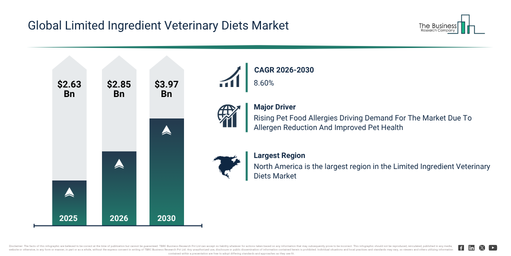
    The limited ingredient veterinary diets market has experienced robust expansion in recent years. This market is projected to grow from $2.63 billion in 2025 to $2.85 billion in 2026, achieving a compound annual growth rate (CAGR) of 8.4%. The historical increase can be ascribed to factors including the rising occurrence of pet food allergies and sensitivities, enhanced understanding of digestive health issues in animals, increased adoption of veterinary dietary prescriptions, a rise in premium and specialized pet food consumption, and growing trends in pet humanization and health-focused nutrition.

    The market for limited ingredient veterinary diets is set to experience robust expansion over the next few years. It is projected to grow to $3.97 billion by 2030, showing a compound annual growth rate (CAGR) of 8.6%. This anticipated growth is driven by factors such as an escalating demand for personalized pet nutrition solutions, the broadening scope of preventive veterinary healthcare practices, an increase in functional and therapeutic pet diets, the rising adoption of data-driven pet health monitoring systems, and greater investment in sustainable and clean label pet food production. Significant trends expected during this forecast period include novel protein-based hypoallergenic pet nutrition formulations, veterinary dietary customization targeting the microbiome, precise nutrient balancing for digestive health management, innovation in grain-free and allergen-free functional pet food, and AI-assisted systems for pet health and dietary recommendations.

    Get A Free Sample Report With In-Depth Market Insights:

    https://thebusinessresearchcompany.com/sample_request?id=64788648&type=smp&name=Limited%20Ingredient%20Veterinary%20Diets%20Market%20Report%202026&utm_source=Blogs&utm_medium=Paid&utm_campaign=Oct_PR

    Limited Ingredient Veterinary Diets Market Growth Momentum: What Factors Are Shaping Demand?

    The escalating occurrence of pet food allergies is anticipated to boost the limited ingredient veterinary diets market in the future. Pet food allergies are defined as undesirable immune or non-immune reactions in animals caused by specific food components, leading to gastrointestinal or skin problems. The rise in these allergies is associated with the expanding incorporation of diverse and processed ingredients in pet diets, which can provoke immune responses. Limited ingredient veterinary diets assist in managing pet food allergies by incorporating a minimal number of carefully selected ingredients, typically featuring a single protein and carbohydrate source, thereby decreasing allergen exposure and mitigating adverse immune reactions in pets. For instance, in December 2025, preprints from a Switzerland-based organization indicated that more than 20% of dogs and cats were impacted by food allergies, showing a 1.3% increase year on year. Consequently, the increasing prevalence of pet food allergies is propelling the expansion of the limited ingredient veterinary diets market. The expansion of pet ownership is anticipated to fuel the growth of the limited ingredient veterinary diets market in the future. Pet ownership encompasses the act of housing and nurturing an animal as a companion, thereby guaranteeing its health and welfare. Pet ownership is on the rise, primarily driven by increasing recognition of mental health advantages, encouraging individuals to adopt pets for companionship and stress reduction. Limited ingredient veterinary diets aid pet owners by mitigating food allergies and digestive troubles, ensuring pets remain healthy, content, and easier to look after. For instance, in October 2025, the American Veterinary Medical Association, a US-based nonprofit organization, indicated that the share of respondents who had acquired a cat increased to 47.6%, up from 43.5% in 2023. Consequently, increasing pet ownership is a significant factor propelling the growth of the limited ingredient veterinary diets market.

    Limited Ingredient Veterinary Diets Market Segment Outlook: Which Categories Are Growing Fastest?

    The limited ingredient veterinary diets market covered in this report is segmented –

    1) By Product Type: Dry Food, Wet Food, Treats

    2) By Animal Type: Dogs, Cats, Other Animal Type

    3) By Ingredient Source: Animal-based, Plant-based, Novel Proteins

    4) By Distribution Channel: Veterinary Clinics, Pet Specialty Stores, Online Retail, Other Distribution Channel

    Subsegments:

    1) By Dry Food: Single Protein Dry Food, Grain Free Dry Food, Limited Grain Dry Food, Hypoallergenic Dry Food, Veterinary Prescription Dry Food, Novel Protein Dry Food, Sensitive Digestion Dry Food, Skin And Coat Care Dry Food

    2) By Wet Food: Single Protein Wet Food, Grain Free Wet Food, Limited Ingredient Stew And Gravy Wet Food, Hypoallergenic Wet Food, Veterinary Prescription Wet Food, Novel Protein Wet Food, Sensitive Digestion Wet Food, Skin And Coat Care Wet Food

    3) By Treats: Single Protein Treats, Grain Free Treats, Hypoallergenic Treats, Limited Ingredient Training Treats, Novel Protein Treats, Sensitive Digestion Treats, Skin And Coat Care Treats, Soft Chew Limited Ingredient Treats

    Limited Ingredient Veterinary Diets Market Industry Leaders And Competitive Landscape

    Major companies operating in the limited ingredient veterinary diets market are Nestlé S. A., Colgate-Palmolive Company, Mars Incorporated, General Mills Inc, Dechra Pharmaceuticals PLC, Hill’s Pet Nutrition Inc., Drools Vet-Pro, Affinity Petcare Group, Champion Petfoods LP, Diamond Pet Foods Inc., JustFoodForDogs Inc., Canidae Corporation, Natural Balance Inc., Farmina Pet Foods, Petcurean Pet Nutrition Company, WellPet LLC, Medicus Veterinary Diets, Royal Canin SAS, VAFO Praha s. r. o., Rayne Nutrition Inc.

    View The Full Limited Ingredient Veterinary Diets Market Report:

    https://thebusinessresearchcompany.com/report/limited-ingredient-veterinary-diets-market-report?utm_source=Blogs&utm_medium=Paid&utm_campaign=Oct_PR

    Limited Ingredient Veterinary Diets Market Regional Analysis And Leading Geography

    North America was the largest region in the limited ingredient veterinary diets market in 2025. Asia-Pacific is expected to be the fastest-growing region in the forecast period. The regions covered in the limited ingredient veterinary diets market report are Asia-Pacific, South East Asia, Western Europe, Eastern Europe, North America, South America, Middle East and Africa.

    Reach Out To Our Team:

    The Business Research Company: https://www.thebusinessresearchcompany.com/

    Americas: +1 310-496-7795

    Asia: +44 7882 955267 & +91 8897263534

    Europe: +44 7882 955267

    Email us at: marketing@tbrc.info

    Follow us on:

    LinkedIn: https://in.linkedin.com/company/the-business-research-company

    YouTube: https://www.youtube.com/channel/UC24_fI0rV8cR5DxlCpgmyFQ

    Global Market Model: https://www.thebusinessresearchcompany.com/global-market-model
  • Leptospirosis Market Outlook Through 2030: Understanding The Growth Opportunity

    Leptospirosis Market Outlook Through 2030: Understanding The Growth Opportunity

    Featuring market attractiveness scoring, total addressable market sizing, company benchmarking matrices, interactive Excel dashboards, deeper supply chain intelligence, emerging startup tracking, and granular product-level insights, The Business Research Company’s 2026 market reports are built to deliver research that is both more actionable and more strategically valuable.

    Leptospirosis Market Size Outlook: How Quickly Will Revenue Expand Through 2030?

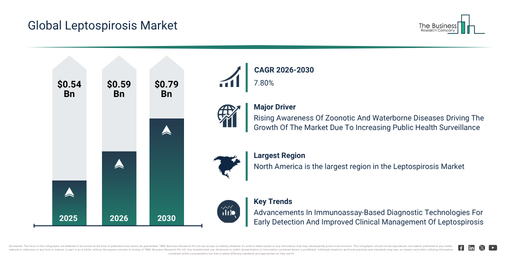
    The leptospirosis market size has experienced strong growth in recent years. It is anticipated to expand from $0.54 billion in 2025 to $0.59 billion in 2026, demonstrating a compound annual growth rate (CAGR) of 7.6%. This historical growth can be attributed to the increasing prevalence of zoonotic diseases in tropical regions, rising urbanization and poor sanitation conditions, growing exposure to contaminated water sources, the expansion of livestock and rodent populations in rural areas, and limited early diagnostic infrastructure in developing regions.

    The leptospirosis market is poised for robust expansion in the coming years. It is projected to reach $0.79 billion by 2030, exhibiting a compound annual growth rate (CAGR) of 7.8%. This anticipated growth during the forecast period is driven by increasing investment in infectious disease surveillance systems, wider adoption of rapid diagnostic technologies, escalating risks from climate change-induced flooding and water contamination, the broadening of public health awareness programs, and the rising implementation of AI-driven epidemic prediction systems. Significant trends expected during this period involve genome-based pathogen detection for leptospira diagnosis, cloud-based infectious disease surveillance platforms, AI-enabled outbreak prediction and epidemiological modeling, IoT-based environmental water contamination monitoring systems, and advanced point-of-care rapid diagnostic testing kits for tropical diseases.

    Get A Free Sample Report With In-Depth Market Insights:

    https://thebusinessresearchcompany.com/sample_request?id=28310780&type=smp&name=Leptospirosis%20Market%20Report%202026&utm_source=Blogs&utm_medium=Paid&utm_campaign=Oct_PR

    Leptospirosis Market Development Factors: What’s Supporting Demand?

    The escalating understanding of zoonotic diseases is anticipated to drive expansion in the leptospirosis market. These illnesses, which are transmissible from animals to humans, often through contact with contaminated water or environments, are caused by bacteria, viruses, or parasites. This increased awareness regarding zoonotic diseases is a result of expanding global public health surveillance and disease monitoring initiatives. Enhanced recognition of zoonotic diseases is consequently fueling demand for leptospirosis diagnostics and treatment solutions by improving risk identification and encouraging early medical intervention. For instance, in 2025, according to the National Centre for Disease Control, an India-based public health authority, zoonotic infections account for approximately 2.5 billion human disease cases and 2.7 million deaths globally each year. Therefore, the growing awareness of zoonotic and waterborne diseases is propelling the growth of the Leptospirosis market.

    Leptospirosis Market Segments: Where Is Growth Concentrated?

    The leptospirosis market covered in this report is segmented –

    1) By Treatment: Medication, Supportive Care, Other Treatments

    2) By Diagnosis: Complete Blood Count (CBC), Creatine Kinase, Liver Enzymes, Urinalysis, Blood Cultures

    3) By Symptoms: Headache, Muscle Ache, Jaundice, Vomiting, Diarrhea, Skin Rash, Other Symptoms

    4) By Route Of Administration: Oral, Parenteral, Other Route Of Administrations

    5) By End-Users: Hospitals, Specialty Clinics, Homecare, Other End-Users

    Subsegments:

    1) By Medication: Penicillin Therapy, Doxycycline Therapy, Azithromycin Therapy, Ceftriaxone Therapy, Amoxicillin Therapy

    2) By Supportive Care: Fluid And Electrolyte Management, Renal Support (Dialysis), Respiratory Support, Hemodynamic Support (Vasopressors), Management Of Complications

    3) By Other Treatments: Intravenous Fluid Therapy, Dialysis Therapy, Respiratory Support Therapy, Intensive Care Management, Electrolyte Replacement Therapy

    Leptospirosis Market Transformation Trends: What Innovations Are Driving Change?

    Major companies and research institutions operating in the leptospirosis market are increasingly concentrating on developing advanced diagnostic technologies to facilitate the early and accurate identification of the disease. Novel diagnostic solutions, such as immunoassay-based tests and biomarker detection platforms, are gaining prominence as they improve clinical outcomes by enabling prompt treatment. For instance, in September 2025, researchers at Yale School of Medicine, a US-based medical school of Yale University, created a new diagnostic test for leptospirosis based on monoclonal antibodies that detect virulence-modifying (VM) proteins produced by pathogenic Leptospira species. This test is designed to identify infection using blood and urine samples, presenting a more rapid and precise alternative to conventional diagnostic methods. This innovation supports early-stage diagnosis, enhances disease management, and has the potential to lessen severe complications.

    Leptospirosis Market Top Companies Driving Competitive Growth

    Major companies operating in the leptospirosis market are Zoetis Inc., Sun Pharmaceutical Industries Ltd., Cipla Inc., Lupin Limited, Virbac S. A., Merck & Co. Inc, Pfizer Inc., Bayer AG, Sanofi S. A., Thermo Fisher Scientific Inc., Abbott Laboratories, GlaxoSmithKline plc, Boehringer Ingelheim GmbH, BioMérieux SA, Hikma Pharmaceuticals PLC, Dr. Reddy’s Laboratories Ltd., Bio-Rad Laboratories Inc., Randox Laboratories Ltd., Indian Immunologicals Limited, InBios International Inc.

    View The Full Leptospirosis Market Report:

    https://thebusinessresearchcompany.com/report/leptospirosis-market-report?utm_source=Blogs&utm_medium=Paid&utm_campaign=Oct_PR

    Leptospirosis Market Global Footprint: Which Region Leads The Industry?

    North America was the largest region in the leptospirosis market in 2025. Asia-Pacific is expected to be the fastest-growing region in the forecast period. The regions covered in the leptospirosis market report are Asia-Pacific, South East Asia, Western Europe, Eastern Europe, North America, South America, Middle East and Africa.

    Reach Out To Our Team:

    The Business Research Company: https://www.thebusinessresearchcompany.com/

    Americas: +1 310-496-7795

    Asia: +44 7882 955267 & +91 8897263534

    Europe: +44 7882 955267

    Email us at: marketing@tbrc.info

    Follow us on:

    LinkedIn: https://in.linkedin.com/company/the-business-research-company

    YouTube: https://www.youtube.com/channel/UC24_fI0rV8cR5DxlCpgmyFQ

    Global Market Model: https://www.thebusinessresearchcompany.com/global-market-model
  • Knee Hyaluronic Acid Injections Market Forecast To Reach $4.35 Billion By 2030: Key Trends Explained

    Knee Hyaluronic Acid Injections Market Forecast To Reach $4.35 Billion By 2030: Key Trends Explained

    Featuring market attractiveness scoring, total addressable market sizing, company benchmarking matrices, interactive Excel dashboards, deeper supply chain intelligence, emerging startup tracking, and granular product-level insights, The Business Research Company’s 2026 market reports are built to deliver research that is both more actionable and more strategically valuable.

    Knee Hyaluronic Acid Injections Market Value Analysis: What Growth Lies Ahead Over The Forecast Period?

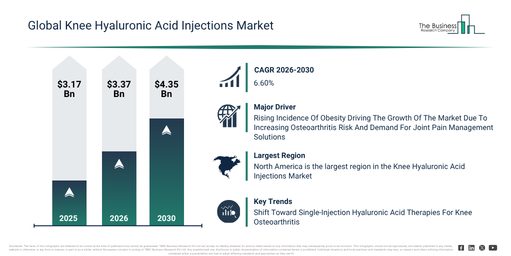
    The knee hyaluronic acid injections market has experienced robust expansion over recent years. It is projected to increase from $3.17 billion in 2025 to $3.37 billion in 2026, demonstrating a compound annual growth rate (CAGR) of 6.4%. This historical growth can be linked to factors such as the increasing occurrence of osteoarthritis, a rising elderly demographic, wider embrace of viscosupplementation treatments, the proliferation of orthopedic services in hospitals, and the scarcity of past surgical options.

    The knee hyaluronic acid injections market is projected to experience substantial expansion over the coming years. This market is set to reach $4.35 billion by 2030, exhibiting a compound annual growth rate (CAGR) of 6.6%. This anticipated growth during the forecast period is primarily driven by advancements in hyaluronic acid formulation technologies, a rising demand for minimally invasive joint treatments, increased healthcare spending on orthopedic care, the expansion of outpatient and ambulatory surgical infrastructure, and a growing emphasis on regenerative and biological therapies. Key trends during this period include the increasing adoption of single-injection viscosupplementation for osteoarthritis, a growing preference for minimally invasive orthopedic treatments, the expanding geriatric population boosting demand for osteoarthritis solutions, the proliferation of outpatient orthopedic and ambulatory care facilities, and enhanced clinical research into the efficacy of hyaluronic acid molecular weight.

    Get A Free Sample Report With In-Depth Market Insights:

    https://thebusinessresearchcompany.com/sample_request?id=99496643&type=smp&name=Knee%20Hyaluronic%20Acid%20Injections%20Market%20Report%202026&utm_source=Blogs&utm_medium=Paid&utm_campaign=Oct_PR

    Knee Hyaluronic Acid Injections Market Development Factors: What’s Supporting Demand?

    The increasing occurrence of obesity is projected to boost the expansion of the knee hyaluronic acid injections market moving ahead. Obesity is defined as a medical state characterized by an excessive buildup of body fat, posing health dangers, and typically assessed via body mass index (BMI). The frequency of obesity is rising due to inactive lifestyles and decreased physical movement, which contribute to excess weight gain and related health issues. Knee hyaluronic acid injections aid in managing osteoarthritis symptoms in obese individuals by reinstating joint lubrication, diminishing inflammation, and enhancing mobility. For example, in May 2025, the Office for Health Improvement and Disparities, a UK-based government entity, reported that an estimated 64.5% of adults aged 18 and above in England were categorized as overweight or obese between 2023 and 2024. This marked a minor rise from the 64.0% observed in 2022–2023. Consequently, the growing incidence of obesity is fueling the demand in the knee hyaluronic acid injections market.

    Knee Hyaluronic Acid Injections Market Segment Landscape: Which Areas Lead Development?

    The knee hyaluronic acid injections market covered in this report is segmented –

    1) By Product Type: Single Injection, Three Injection, Five Injection

    2) By Indication: Knee Osteoarthritis, Ligament Injury, Post Arthroscopy, Other Indications

    3) By Distribution Channel: Hospital Pharmacies, Retail Pharmacies, Online Pharmacies

    4) By Application: Osteoarthritis, Rheumatoid Arthritis, Other Applications

    5) By End User: Hospitals, Clinics, Ambulatory Surgical Centers, Other End Users

    Subsegments:

    1) By Single Injection: Cross-Linked Hyaluronic Acid Injections, Non-Cross-Linked Hyaluronic Acid Injections, High Molecular Weight Hyaluronic Acid Injections, Low Molecular Weight Hyaluronic Acid Injections, Visco supplementation Hyaluronic Acid Injections

    2) By Three Injection: Cross-Linked Hyaluronic Acid Injections, Non-Cross-Linked Hyaluronic Acid Injections, High Molecular Weight Hyaluronic Acid Injections, Low Molecular Weight Hyaluronic Acid Injections, Visco supplementation Hyaluronic Acid Injections

    3) By Five Injection: Cross-Linked Hyaluronic Acid Injections, Non-Cross-Linked Hyaluronic Acid Injections, High Molecular Weight Hyaluronic Acid Injections, Low Molecular Weight Hyaluronic Acid Injections, Visco supplementation Hyaluronic Acid Injections

    Knee Hyaluronic Acid Injections Market Transformation Trends: What Innovations Are Driving Change?

    Major companies operating in the knee hyaluronic acid injections market are prioritizing the development of advanced therapies, such as single-injection HA knee treatments. These innovations aim to restore synovial fluid viscosity, reduce pain, and improve joint function through a single intra-articular administration, eliminating the need for multiple injections. A single-injection HA knee treatment describes a medical procedure where a solitary dose of hyaluronic acid (HA) is injected into the knee joint to alleviate pain and enhance mobility, primarily in patients with osteoarthritis. For instance, in July 2024, LG Chem, a South Korea-based life sciences and pharmaceutical company, introduced Synovian (branded in China as Hyruan ONE). This product is a cross-linked hyaluronic acid injection for knee osteoarthritis in the Chinese market that offers therapeutic benefits comparable to multi-injection regimens, simplifies treatment to just one visit, and demonstrated safety and efficacy in Phase-3 clinical trials among Chinese patients. Synovian’s convenience as a single-dose treatment, its cross-linked HA formulation ensuring longer intra-articular residence, and its inclusion on China’s National Reimbursement Drug List collectively promote broader adoption and improved patient compliance, although the extent of physician training and insurance uptake varies across different regions.

    Knee Hyaluronic Acid Injections Market Leading Players And Competitive Positioning

    Major companies operating in the knee hyaluronic acid injections market are Johnson & Johnson, Sanofi S. A., Teva Pharmaceutical Industries Ltd., Smith & Nephew plc, Chugai Pharmaceutical Co. Ltd., Zimmer Biomet Holdings Inc., Bioventus Inc., Fidia Farmaceutici S. p. A., Ferring Pharmaceuticals A/S, IBSA Institut Biochimique SA, Anika Therapeutics Inc., Lifecore Biomedical LLC, TRB Chemedica International S. A., Seikagaku Corporation, Hangzhou Singclean Medical Products Co. Ltd., Virchow Biotech Private Limited, OrthogenRx Inc., Shanghai Haohai Biological Technology Co. Ltd., Allergan plc, Shandong Freda Biochem Co. Ltd.

    View The Full Knee Hyaluronic Acid Injections Market Report:

    https://thebusinessresearchcompany.com/report/knee-hyaluronic-acid-injections-market-report?utm_source=Blogs&utm_medium=Paid&utm_campaign=Oct_PR

    Knee Hyaluronic Acid Injections Market Regional Split: Which Areas Are Fueling Growth?

    North America was the largest region in the knee hyaluronic acid injections market in 2025. Asia-Pacific is expected to be the fastest-growing region in the forecast period. The regions covered in the knee hyaluronic acid injections market report are Asia-Pacific, South East Asia, Western Europe, Eastern Europe, North America, South America, Middle East and Africa.

    Reach Out To Our Team:

    The Business Research Company: https://www.thebusinessresearchcompany.com/

    Americas: +1 310-496-7795

    Asia: +44 7882 955267 & +91 8897263534

    Europe: +44 7882 955267

    Email us at: marketing@tbrc.info

    Follow us on:

    LinkedIn: https://in.linkedin.com/company/the-business-research-company

    YouTube: https://www.youtube.com/channel/UC24_fI0rV8cR5DxlCpgmyFQ

    Global Market Model: https://www.thebusinessresearchcompany.com/global-market-model
  • Ischemic Hepatitis Treatment Market Projected For Strong Expansion Through 2030: Key Trends And Future Outlook

    Ischemic Hepatitis Treatment Market Projected For Strong Expansion Through 2030: Key Trends And Future Outlook

    Built to provide research that’s more actionable and strategically valuable, The Business Research Company’s 2026 market reports include market attractiveness analysis, total addressable market sizing, company benchmarking matrices, interactive Excel dashboards, broader supply chain intelligence, emerging startup tracking, and in-depth product insights.

    Ischemic Hepatitis Treatment Market Size, Value And Growth Trajectory Through 2030

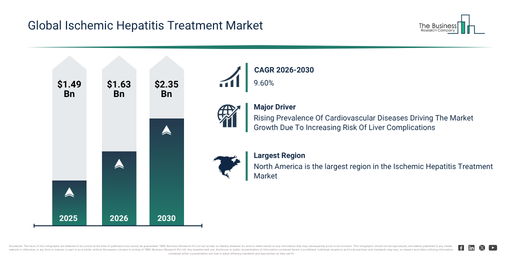
    The ischemic hepatitis treatment market has experienced robust expansion in recent years. It is forecast to grow from $1.49 billion in 2025 to $1.63 billion in 2026, demonstrating a compound annual growth rate (CAGR) of 9.3%. The market’s historical growth can be ascribed to several factors, including the increasing occurrence of cardiac failure and shock conditions, the limited availability of early diagnostic tools for liver ischemia, the elevated mortality rate in untreated ischemic hepatitis cases, deficiencies in ICU monitoring systems, and the rising prevalence of sepsis-related complications.

    The ischemic hepatitis treatment market size is projected to demonstrate substantial growth in the forthcoming years. It is expected to expand to $2. 35 billion by 2030, achieving a compound annual growth rate (CAGR) of 9. 6%. This projected growth during the forecast period can be attributed to advancements in AI-based critical care decision support systems, the increasing adoption of continuous hemodynamic monitoring technologies, progress in precision medicine for organ perfusion disorders, the global expansion of smart ICU infrastructure, and the development of advanced hepatoprotective drug therapies. Noteworthy trends for the forecast period include AI-assisted liver perfusion monitoring systems in critical care, real-time hemodynamic instability detection through predictive analytics, cloud-based intensive care liver function tracking platforms, smart ICU integration for optimizing organ perfusion, and remote patient monitoring systems for the management of shock and sepsis.

    Get A Free Sample Report With In-Depth Market Insights:

    https://thebusinessresearchcompany.com/sample_request?id=53444562&type=smp&name=Ischemic%20Hepatitis%20Treatment%20Market%20Report%202026&utm_source=Blogs&utm_medium=Paid&utm_campaign=Oct_PR

    Ischemic Hepatitis Treatment Market Demand Drivers Opening New Revenue Streams

    The increasing incidence of cardiovascular ailments is projected to boost the expansion of the ischemic hepatitis treatment market in the future. These conditions encompass various disorders impacting the heart and circulatory system, frequently resulting in inadequate blood flow and oxygen supply to crucial organs. Their occurrence is on the rise, primarily attributed to an aging global demographic, where older individuals face a greater susceptibility to cardiac and vascular issues. Ischemic hepatitis treatment offers support for cardiovascular diseases by stabilizing hepatic function and enhancing metabolic equilibrium in individuals with diminished cardiac output, thereby aiding in the reduction of complications stemming from inadequate blood circulation and improving the general clinical management of heart-related ailments. As an illustration, data from June 2025, provided by the UK Parliament’s House of Commons Library, a government body in the UK, revealed that from 2023 to 2024, England documented 218,606 hospital admissions for coronary heart disease and 111,137 admissions for stroke. Consequently, the growing prevalence of cardiovascular diseases is a significant factor driving the growth of the ischemic hepatitis treatment market. The escalating challenge posed by sepsis is anticipated to fuel the expansion of the ischemic hepatitis treatment market in the coming years. Sepsis is a critical, life-threatening condition that arises from the body’s severe reaction to an infection, often resulting in organ dysfunction and eventual failure. The increasing prevalence of severe infections, which can progress into widespread inflammatory responses impacting multiple organs, is contributing to the growing burden of sepsis. Ischemic hepatitis treatment aids in sepsis management through stabilizing liver function, enhancing oxygen delivery, and preventing additional liver damage, thereby helping to diminish systemic inflammation and promoting comprehensive organ recovery in individuals suffering from severe infection-induced circulatory impairment. For example, data from March 2026, released by the Centers for Disease Control and Prevention (CDC), a US national public health agency, indicates that annually in the United States, at least 1. 7 million adults and over 18,000 children contract sepsis, with more than 350,000 adults and 1,800 children succumbing during hospitalization or being discharged to hospice care. Thus, the rising burden of sepsis is a key driver for the growth of the ischemic hepatitis treatment market.

    Ischemic Hepatitis Treatment Market Segment Analysis Spotlighting Growth Areas

    The ischemic hepatitis treatment market covered in this report is segmented –

    1) By Treatment Type: Pharmacological Therapy, Hemodynamic Support Therapy, Oxygen Therapy, Underlying Cause Management, Supportive Liver Care

    2) By Drug Type: Vasopressors, Anticoagulant Medications, Intravenous Fluids, Antibiotics, Electrolyte Replacement Agents

    3) By Distribution Channel: Hospital Pharmacies, Retail Pharmacies, Online Portals, Direct Manufacturer Sales

    4) By Application: Perfusion Restoration And Hemodynamic Stabilization, Infection Control And Antibiotic Prophylaxis, Metabolic And Liver Function Monitoring, Mechanical Ventilation Support

    5) By End User: Tertiary Hospitals And Liver Transplant Centers, Academic Medical Centers, General Hospitals And Community Icus

    Subsegments:

    1) By Pharmacological Therapy: Vasodilator Agents, Anti Inflammatory Agents, Antioxidant Agents, Hepatoprotective Agents, Immunomodulatory Agents

    2) By Hemodynamic Support Therapy: Fluid Resuscitation Therapy, Vasoactive Drug Therapy, Cardiac Output Support Therapy, Blood Pressure Stabilization Therapy, Circulatory Volume Expansion Therapy

    3) By Oxygen Therapy: Supplemental Oxygen Delivery, High Flow Oxygen Therapy, Non Invasive Ventilation Support, Invasive Mechanical Ventilation, Hyperbaric Oxygen Therapy

    4) By Underlying Cause Management: Sepsis Management Therapy, Cardiac Failure Management, Hypovolemia Correction Therapy, Shock Management Therapy, Infection Source Control Therapy

    5) By Supportive Liver Care: Nutritional Support Therapy, Detoxification Support Therapy, Electrolyte Balance Management, Albumin Replacement Therapy, Liver Function Monitoring Support

    Ischemic Hepatitis Treatment Market Competitive Analysis Of Leading Industry Participants

    Major companies operating in the ischemic hepatitis treatment market are Pfizer Inc., Novartis AG, Bristol-Myers Squibb Company, Linde plc, Medtronic plc, Koninklijke Philips N. V., GE HealthCare Technologies Inc., Boehringer Ingelheim International GmbH, Otsuka Holdings Co. Ltd., Baxter International Inc., B. Braun SE, Fresenius Kabi AG, Grifols S. A., Terumo Corporation, Edwards Lifesciences Corporation, ResMed Inc., Drägerwerk AG & Co. KGaA, Getinge AB, ICU Medical Inc., Nihon Kohden Corporation, CAIRE Inc.

    View The Full Ischemic Hepatitis Treatment Market Report:

    https://thebusinessresearchcompany.com/report/ischemic-hepatitis-treatment-market-report?utm_source=Blogs&utm_medium=Paid&utm_campaign=Oct_PR

    Ischemic Hepatitis Treatment Market Geographic Distribution And Regional Opportunities

    North America was the largest region in the ischemic hepatitis treatment market in 2025. Asia-Pacific is expected to be the fastest-growing region in the forecast period. The regions covered in the ischemic hepatitis treatment market report are Asia-Pacific, South East Asia, Western Europe, Eastern Europe, North America, South America, Middle East and Africa.

    Reach Out To Our Team:

    The Business Research Company: https://www.thebusinessresearchcompany.com/

    Americas: +1 310-496-7795

    Asia: +44 7882 955267 & +91 8897263534

    Europe: +44 7882 955267

    Email us at: marketing@tbrc.info

    Follow us on:

    LinkedIn: https://in.linkedin.com/company/the-business-research-company

    YouTube: https://www.youtube.com/channel/UC24_fI0rV8cR5DxlCpgmyFQ

    Global Market Model: https://www.thebusinessresearchcompany.com/global-market-model