Blog

  • Newborn Jaundice Treatment Market Analysis: How The Industry Is Evolving Toward A $3.49 Billion Future

    Newborn Jaundice Treatment Market Analysis: How The Industry Is Evolving Toward A $3.49 Billion Future

    Backed by market attractiveness analysis, total addressable market sizing, company benchmarking matrices, interactive Excel dashboards, wider supply chain intelligence, emerging startup coverage, and detailed product-level insights, The Business Research Company’s 2026 market reports are designed to offer research that is more actionable and strategically valuable than ever.

    Newborn Jaundice Treatment Market Size Outlook: How Quickly Will Revenue Expand Through 2030?

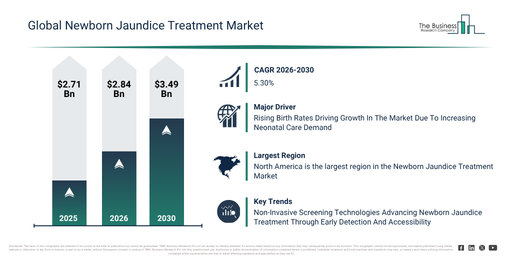
    The newborn jaundice treatment market size has demonstrated robust growth in recent years. This market is projected to expand from $2.71 billion in 2025 to $2.84 billion in 2026, achieving a compound annual growth rate (CAGR) of 5.0%. Historically, this growth has been driven by the high prevalence of neonatal jaundice cases globally, limited availability of advanced phototherapy devices in low-resource settings, reliance on conventional fluorescent lamp-based treatment systems, delayed diagnosis of hyperbilirubinemia in newborns, and a lack of standardized neonatal screening protocols.

    The newborn jaundice treatment market size is anticipated to expand significantly in the coming years, reaching $3.49 billion by 2030 with a compound annual growth rate (CAGR) of 5.3%. This forecasted growth can be linked to the increasing adoption of LED-based phototherapy systems, a greater focus on early neonatal screening programs, a rising demand for home-based newborn care options, advancements in non-invasive bilirubin monitoring technologies, and the worldwide expansion of neonatal intensive care infrastructure. Prominent trends for this period include LED-based intensive phototherapy systems for rapid bilirubin reduction in newborns, fiber-optic blanket phototherapy enabling continuous treatment with minimal infant disturbance, smart bilirubin monitoring systems integrated with real-time phototherapy adjustments, portable homecare phototherapy devices supporting early hospital discharge, and dual-surface phototherapy units enhancing treatment efficiency in neonatal intensive care.

    Get A Free Sample Report With In-Depth Market Insights:

    https://thebusinessresearchcompany.com/sample_request?id=40655770&type=smp&name=Newborn%20Jaundice%20Treatment%20Market%20Report%202026&utm_source=Blogs&utm_medium=Paid&utm_campaign=Oct_PR

    Newborn Jaundice Treatment Market Opportunity Drivers: What’s Unlocking New Revenue Potential?

    The anticipated increase in birth rates is expected to drive the growth of the newborn jaundice treatment market moving forward. Birth rates indicate the number of live births within a specific population over a given period, reflecting overall demographic expansion and reproductive trends. This uptick in birth rates is fueled by improved maternal healthcare access, overall population growth, and supportive government initiatives in certain regions, resulting in a higher demand for postnatal care for newborns. Newborn jaundice treatment supports this trend by enabling early diagnosis and effective management of bilirubin levels in a growing neonatal population through phototherapy and related interventions, thereby minimizing the risk of complications. For instance, in July 2025, the Office for National Statistics, a UK-based government department, reported 594,677 live births in England and Wales in 2024, an increase of 3,605 (0.6%) compared to 2023, marking the first rise since 2021. Therefore, rising birth rates are a significant driver for the growth of the newborn jaundice treatment market.

    Newborn Jaundice Treatment Market Segment Analysis: What Are The Core Market Categories?

    The newborn jaundice treatment market covered in this report is segmented –

    1) By Device Type: Overhead Phototherapy Units, Portable Phototherapy Units, Other Device Types

    2) By Modality: Conventional Phototherapy, Light Emitting Diode Phototherapy, Fiber Optic Phototherapy

    3) By Service Type: Diagnostic And Screening Services, Therapeutic And Nursing Services, Support And Monitoring Services

    4) By Technology: Light Emitting Diode Light Sources, Fluorescent, Halogen, Fiberoptic

    5) By End User: Hospitals, Neonatal Intensive Care Units, Pediatric Clinics, Homecare Settings

    Subsegments:

    1) By Overhead Phototherapy Units: Light Emitting Diode Overhead Phototherapy Units, Fluorescent Lamp Overhead Phototherapy Units, Halogen Lamp Overhead Phototherapy Units, Double Surface Overhead Phototherapy Units

    2) By Portable Phototherapy Units: Wearable Phototherapy Blanket Units, Fiber Optic Phototherapy Pad Units, Portable Light Emitting Diode Phototherapy Units, Compact Handheld Phototherapy Units

    3) By Other Device Types: Phototherapy Bassinet Systems, Phototherapy Incubator Integrated Systems, Combination Phototherapy And Warming Units, Multisurface Phototherapy Systems

    Newborn Jaundice Treatment Market Innovation Trends Shaping Future Development

    Leading companies in the newborn jaundice treatment market are increasingly focusing on advanced non-invasive screening solutions, particularly smartphone-based bilirubin detection technologies, to enable earlier diagnosis and improve the accessibility of care. Smartphone-based bilirubin detection operates by using mobile imaging and algorithm-based analysis of skin coloration to estimate bilirubin levels without requiring blood sampling or specialized equipment. A key development occurred in July 2024, when Konica Minolta, a Japan-based technology company, partnered with Picterus AS, a Norway-based digital health company, to enhance non-invasive jaundice screening solutions. This collaboration leverages smartphone-based imaging to facilitate early detection, enhance accessibility in low-resource settings, and support timely intervention while ensuring screening accuracy. Additionally, this solution diminishes dependence on hospital-based diagnostic tools and enables point-of-care screening within community and home settings, further supporting scalable neonatal screening programs by offering healthcare providers a cost-effective, user-friendly technology.

    Newborn Jaundice Treatment Market Competitive Landscape: Who Leads The Industry?

    Major companies operating in the newborn jaundice treatment market are Koninklijke Philips N. V., GE HealthCare Technologies, Drägerwerk AG & Co. KGaA, Heal Force Bio-Meditech Holdings Limited, Atom Medical, Ningbo David Medical Device, Fanem Ltd., MTTS Inc., Phoenix Medical Systems, Olidef Medical, Dixion Vertrieb Medizinischer Geräte GmbH, Anandic Medical Systems AG, Weyer GmbH, AVI Healthcare Pvt. Ltd., Nice Neotech, Natus Medical, Ibis Medical, Novos Medical Systems, GINEVRI Srl, Solarc Systems Inc., Cobams Srl, Kay & Company, Nareena Lifesciences Private Limited, Alfamedic, Delta

    View The Full Newborn Jaundice Treatment Market Report:

    https://thebusinessresearchcompany.com/report/newborn-jaundice-treatment-market-report?utm_source=Blogs&utm_medium=Paid&utm_campaign=Oct_PR

    Newborn Jaundice Treatment Market Geographic Landscape: Which Region Dominates Industry Growth?

    North America was the largest region in the newborn jaundice treatment market in 2025. Asia-Pacific is expected to be the fastest-growing region in the forecast period. The regions covered in the newborn jaundice treatment market report are Asia-Pacific, South East Asia, Western Europe, Eastern Europe, North America, South America, Middle East and Africa.

    Reach Out To Our Team:

    The Business Research Company: https://www.thebusinessresearchcompany.com/

    Americas: +1 310-496-7795

    Asia: +44 7882 955267 & +91 8897263534

    Europe: +44 7882 955267

    Email us at: marketing@tbrc.info

    Follow us on:

    LinkedIn: https://in.linkedin.com/company/the-business-research-company

    YouTube: https://www.youtube.com/channel/UC24_fI0rV8cR5DxlCpgmyFQ

    Global Market Model: https://www.thebusinessresearchcompany.com/global-market-model
  • Nerve Repair Biomaterials Market Growth Potential: What The Latest Forecast Reveals

    Nerve Repair Biomaterials Market Growth Potential: What The Latest Forecast Reveals

    Built to provide research that’s more actionable and strategically valuable, The Business Research Company’s 2026 market reports include market attractiveness analysis, total addressable market sizing, company benchmarking matrices, interactive Excel dashboards, broader supply chain intelligence, emerging startup tracking, and in-depth product insights.

    Nerve Repair Biomaterials Market CAGR Outlook And Future Development

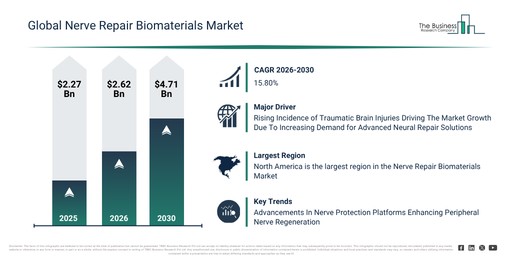
    The market for nerve repair biomaterials has experienced substantial growth in recent years. It will grow from $2. 27 billion in 2025 to $2. 62 billion in 2026 at a compound annual growth rate (CAGR) of 15. 6%. This historical expansion can be attributed to the limited effectiveness of autograft nerve repair techniques, the high incidence of traumatic nerve injuries, the lack of advanced biomaterial scaffolds for nerve regeneration, the slow clinical translation of experimental nerve repair solutions, and the high complication rates in traditional nerve graft procedures.

    The nerve repair biomaterials market is projected to experience significant expansion over the coming years, anticipated to reach $4.71 billion by 2030, exhibiting a compound annual growth rate (CAGR) of 15.8%. Factors contributing to this growth during the forecast period include progress in regenerative medicine and tissue engineering, an increasing need for less invasive nerve repair techniques, wider uptake of bioengineered and customized implants, an increase in clinical trials for advanced nerve conduits, and the rising incorporation of intelligent biomaterials with bioactive compounds. Key trends expected in this period encompass electrospun nanofiber scaffold designs that facilitate guided axonal regeneration, bioresorbable polymer nerve conduits offering regulated degradation characteristics, hydrogel-based nerve guidance matrices improving cellular migration and repair, biomaterial systems infused with growth factors for faster nerve healing, and stem cell-seeded bioengineered nerve graft scaffolds designed for functional restoration.

    Get A Free Sample Report With In-Depth Market Insights:

    https://thebusinessresearchcompany.com/sample_request?id=41832792&type=smp&name=Nerve%20Repair%20Biomaterials%20Market%20Report%202026&utm_source=Blogs&utm_medium=Paid&utm_campaign=Oct_PR

    Nerve Repair Biomaterials Market Expansion Drivers: What’s Shaping Future Growth?

    The expanding occurrence of traumatic brain injuries is projected to accelerate the growth of the nerve repair biomaterials market moving forward. Traumatic brain injuries (TBIs) represent a form of acquired brain damage resulting from an external mechanical force that disrupts normal brain function. The increasing prevalence of TBIs is largely attributable to the aging global population, given that older adults are considerably more prone to falls, which stand as the primary cause of TBI, consequently leading to a steady rise in injury-related hospitalizations and fatalities across developed nations. This escalating incidence of TBIs heightens the necessity for advanced nerve repair biomaterials capable of facilitating nerve regeneration, bridging damaged neural tissue, and restoring functional connectivity in affected patients. For example, data from September 2025, provided by the South Dakota Department of Health, a US-based government health agency, indicated that TBI-related deaths in the state climbed from 241 in 2023 to 267 in 2024, signifying an 11% increase. Therefore, the growing incidence of traumatic brain injuries is a key factor propelling the expansion of the nerve repair biomaterials market. The increasing preference for minimally invasive surgical procedures is anticipated to fuel the expansion of the nerve repair biomaterials market moving forward. Minimally invasive surgical procedures involve techniques where surgeons operate through small incisions or natural body openings, resulting in less trauma to surrounding tissues compared to conventional open surgery. The rising adoption of these procedures is primarily driven by advancements in surgical robotics and imaging technologies, which have broadened the spectrum of complex operations achievable with enhanced precision and minimal tissue disruption. This growing demand for minimally invasive surgery directly elevates the need for nerve repair biomaterials capable of supporting delicate nerve repair within restricted surgical spaces, as surgeons require materials compatible with these less intrusive approaches. For instance, in April 2025, the British Association of Aesthetic Plastic Surgeons, a UK-based surgical organization, reported that cosmetic surgical procedures saw a 5% increase between 2023 and 2024, totaling 27,462 procedures performed in 2024. Consequently, the rising preference for minimally invasive surgical procedures is stimulating the growth of the nerve repair biomaterials market.

    Nerve Repair Biomaterials Market Segmentation: How Does The Market Break Down By Category?

    The nerve repair biomaterials market covered in this report is segmented –

    1) By Product Type: Nerve Conduits, Nerve Wraps, Nerve Guides, Nerve Plates, Nerve Grafts

    2) By Material Type: Natural Biomaterials, Synthetic Biomaterials, Composite Biomaterials

    3) By Application: Peripheral Nerve Repair, Central Nerve Repair, Spinal Cord Injury Repair, Facial Nerve Repair

    4) By End User: Hospitals, Specialty Clinics, Ambulatory Surgical Centers, Research Laboratories

    Subsegments:

    1) By Nerve Conduits: Natural Biomaterial Based Nerve Conduits, Synthetic Biomaterial Based Nerve Conduits, Hybrid Biomaterial Based Nerve Conduits

    2) By Nerve Wraps: Collagen Based Nerve Wraps, Synthetic Polymer Based Nerve Wraps, Amniotic Membrane Based Nerve Wraps

    3) By Nerve Guides: Biodegradable Nerve Guides, Non Biodegradable Nerve Guides, Electrospun Fiber Based Nerve Guides

    4) By Nerve Plates: Resorbable Nerve Plates, Non Resorbable Nerve Plates, Polymer Based Nerve Plates

    5) By Nerve Grafts: Autograft Nerve Grafts, Allograft Nerve Grafts, Xenograft Nerve Grafts, Synthetic Nerve Grafts

    Nerve Repair Biomaterials Market Strategic Trends: What Defines The Next Growth Phase?

    Leading companies in the nerve repair biomaterials market are concentrating on developing sophisticated products, such as nerve protection platforms, to improve axonal regeneration, minimize tissue adhesion, and enhance functional recovery after peripheral nerve injuries. A nerve protection platform broadly encompasses technologies or therapeutic approaches designed to preserve nerve function, prevent damage, and support recovery through protective, regenerative, or advanced delivery methods. For instance, in September 2023, Axogen, Inc., a US-based peripheral nerve repair company, launched Axoguard HA+ Nerve Protector. This product is a porcine submucosa extracellular matrix-based nerve wrap, coated with a proprietary hyaluronate-alginate gel. The nerve protection platform facilitates enhanced nerve gliding to reduce soft tissue attachments, provides long-term structural protection by remodeling into a stable tissue layer, and offers optimized handling for surgeons treating complex nerve injuries near high-mobility joints, thereby expanding clinical options for peripheral nerve protection and regeneration.

    Nerve Repair Biomaterials Market Key Players Shaping Industry Direction

    Major companies operating in the nerve repair biomaterials market are Medtronic plc, Stryker Corporation, Boston Scientific Corporation, Baxter International Inc., B. Braun SE, Toyobo Co. Ltd., Integra LifeSciences Holdings Corporation, Taibang Biologic Group Co. Ltd., Axogen Inc., PolyNovo Limited, Tissium SA, Checkpoint Surgical Inc., Synapse Biomedical Inc., Collagen Matrix Inc., BioCircuit Technologies Inc., Orthocell Limited, Alafair Biosciences Inc., Regenity AG, Neurotex Ltd, NeuroSigma Inc., TissueGen Inc.

    View The Full Nerve Repair Biomaterials Market Report:

    https://thebusinessresearchcompany.com/report/nerve-repair-biomaterials-market-report?utm_source=Blogs&utm_medium=Paid&utm_campaign=Oct_PR

    Nerve Repair Biomaterials Market Regional Analysis: Which Region Leads By Revenue?

    North America was the largest region in the nerve repair biomaterials market in 2025. Asia-Pacific is expected to be the fastest-growing region in the forecast period. The regions covered in the nerve repair biomaterials market report are Asia-Pacific, South East Asia, Western Europe, Eastern Europe, North America, South America, Middle East and Africa.

    Reach Out To Our Team:

    The Business Research Company: https://www.thebusinessresearchcompany.com/

    Americas: +1 310-496-7795

    Asia: +44 7882 955267 & +91 8897263534

    Europe: +44 7882 955267

    Email us at: marketing@tbrc.info

    Follow us on:

    LinkedIn: https://in.linkedin.com/company/the-business-research-company

    YouTube: https://www.youtube.com/channel/UC24_fI0rV8cR5DxlCpgmyFQ

    Global Market Model: https://www.thebusinessresearchcompany.com/global-market-model
  • Nasal Implant Market Forecast Insights: The Road To $1.3 Billion By 2030

    Nasal Implant Market Forecast Insights: The Road To $1.3 Billion By 2030

    Featuring market attractiveness scoring, total addressable market sizing, company benchmarking matrices, interactive Excel dashboards, deeper supply chain intelligence, emerging startup tracking, and granular product-level insights, The Business Research Company’s 2026 market reports are built to deliver research that is both more actionable and more strategically valuable.

    Nasal Implant Market Forecast: Value Set To Climb From $0.9 Billion To $1.3 Billion

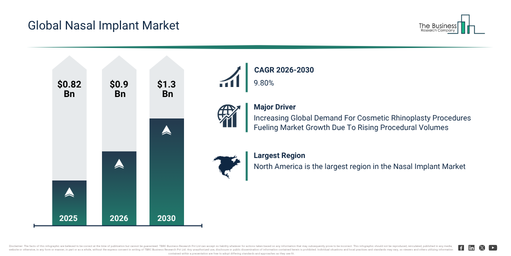
    The nasal implant market size has experienced significant growth in recent years. Its valuation is projected to expand from $0. 82 billion in 2025 to $0. 9 billion in 2026, driven by a compound annual growth rate (CAGR) of 9. 6%. This historical expansion was influenced by several factors, including a global rise in demand for cosmetic rhinoplasty procedures, an increased prevalence of nasal deformities stemming from trauma and congenital conditions, the earlier limited availability of advanced implant customization technologies, the expansion of hospital-based reconstructive surgery capabilities, and the growing adoption of silicone-based nasal implants in traditional surgeries.

    The nasal implant market size is anticipated to undergo substantial growth over the coming years. It is projected to achieve a valuation of $1.3 billion by 2030, demonstrating a compound annual growth rate (CAGR) of 9.8%. This expansion during the forecast period is primarily influenced by advancements in 3D printing and patient-specific implant design technologies, the increasing acceptance of bioresorbable and tissue-compatible implant materials, a rising demand for aesthetic enhancement procedures in emerging economies, the growing integration of digital surgical planning and precision imaging tools, and the expansion of ambulatory and specialty cosmetic surgery centers. Prominent trends for this period include the increased adoption of 3D-printed patient-specific nasal implants for customized surgical outcomes, a surging preference for biocompatible and bioresorbable implant materials, the escalating demand for minimally invasive nasal reconstruction and cosmetic procedures, the broader application of advanced reconstructive surgery techniques in aesthetic clinics, and the enhanced use of hybrid and porous implant materials for improved tissue integration.

    Get A Free Sample Report With In-Depth Market Insights:

    https://thebusinessresearchcompany.com/sample_request?id=22705838&type=smp&name=Nasal%20Implant%20Market%20Report%202026&utm_source=Blogs&utm_medium=Paid&utm_campaign=Oct_PR

    Nasal Implant Market Industry Drivers: What’s Behind The Revenue Growth?

    The growing requirement for cosmetic rhinoplasty procedures is projected to boost the nasal implant market in the future. These procedures involve voluntary surgical operations carried out to modify the nose’s form, look, or dimensions, aligning with personal beauty objectives. The heightened demand for cosmetic rhinoplasty procedures stems from a greater focus on aesthetic appearance, prompting more individuals to opt for nose reshaping surgeries to improve their looks and self-assurance. Nasal implants are crucial for cosmetic rhinoplasty procedures, offering structural support and refining the nose’s shape, symmetry, and overall aesthetic appeal, thus allowing surgeons to achieve accurate and desired results for patients pursuing facial enhancements. For example, in June 2024, data from the International Society of Aesthetic Plastic Surgery, a US-based professional association, indicated that rhinoplasty procedures globally hit approximately 1.1 million in 2023, marking a 21.6 percent rise from 2022, signifying an expansion in facial aesthetic surgeries. Consequently, the escalating demand for cosmetic rhinoplasty procedures is propelling the growth of the nasal implant market. The expansion of medical tourism is anticipated to fuel the nasal implant market’s growth in the coming years. Medical tourism describes individuals venturing internationally to receive medical attention, frequently for treatments that are not readily available or cost-effective in their native countries. This increase in medical tourism is attributed to patients pursuing more economical, prompt, and superior medical care overseas compared to what is offered at home. The rise of medical tourism stimulates the demand for nasal implants, as a greater number of patients traveling internationally for cosmetic or reconstructive surgeries elevates the requirement for sophisticated surgical remedies and premium implant offerings. For instance, in January 2025, a report from the National Center for Biotechnology Information (NCBI), a division of the US-based National Library of Medicine (NLM), revealed that in 2022, roughly 348,000 UK residents journeyed overseas for medical treatment, with this figure climbing to about 431,000 in 2023, reflecting a trend where more individuals sought quicker or less expensive healthcare alternatives internationally. Consequently, the increasing prevalence of medical tourism is propelling the growth of the nasal implant market.

    Nasal Implant Market Segment Analysis Spotlighting Growth Areas

    The nasal implant market covered in this report is segmented –

    1) By Product Type: Silicone Nasal Implants, Porous Polyethylene Nasal Implants, Polytetrafluoroethylene (PTFE) Nasal Implants, Bioresorbable Nasal Implants, Customized Three-Dimensional (3D)-Printed Nasal Implants

    2) By Material Type: Synthetic Materials, Natural Or Biological Materials, Hybrid Materials

    3) By Distribution Channel: Direct Sales, Distributors

    4) By Application: Cosmetic Surgery, Reconstructive Surgery, Other Applications

    5) By End User: Hospitals, Ambulatory Surgical Centers, Specialty Clinics, Other End-Users

    Subsegments:

    1) By Silicone Nasal Implants: Solid Silicone Nasal Implants, Hollow Silicone Nasal Implants, Pre-Shaped Silicone Nasal Implants, Flexible Silicone Nasal Implants

    2) By Porous Polyethylene Nasal Implants: Medpor Porous Polyethylene Nasal Implants, High-Density Porous Polyethylene Nasal Implants, Custom Contoured Porous Polyethylene Nasal Implants, Preformed Porous Polyethylene Nasal Implants

    3) By Polytetrafluoroethylene (PTFE) Nasal Implants: Expanded Polytetrafluoroethylene (ePTFE) Nasal Implants, Pre-Shaped Polytetrafluoroethylene Nasal Implants, Flexible Polytetrafluoroethylene Nasal Implants, Layered Polytetrafluoroethylene Nasal Implants

    4) By Bioresorbable Nasal Implants: Polylactic Acid Bioresorbable Nasal Implants, Polyglycolic Acid Bioresorbable Nasal Implants, Composite Bioresorbable Nasal Implants, Custom Resorbable Nasal Implants

    5) By Customized Three-Dimensional (3D)-Printed Nasal Implants: Patient-Specific 3D-Printed Nasal Implants, Anatomical Contour 3D-Printed Nasal Implants, Bio-Compatible 3D-Printed Nasal Implants, Rapid Prototyped 3D-Printed Nasal Implants

    Nasal Implant Market Leading Companies And Competitive Benchmarking

    Major companies operating in the nasal implant market are Stryker Corporation, KLS Martin Group, Mentor Worldwide LLC, Koken Co. Ltd., Silimed Indústria de Implantes Ltda., Polytech Health & Aesthetics GmbH, Medicon eG, Implantech Associates Inc., Noris Medical GmbH, Matrix Surgical USA Inc., Spiggle & Theis Medizintechnik GmbH, Anatomics Pty Ltd., Alpha Aesthetics (AART), Osteopore International Pte Ltd., Poriferous LLC, Surgiform Technologies Ltd., Heinz Kurz GmbH Medizintechnik, Guangzhou Wanhe Plastic Materials Co. Ltd., Bioteck S. p. A., Houston Advance Nose & Sinus Inc.

    View The Full Nasal Implant Market Report:

    https://thebusinessresearchcompany.com/report/nasal-implant-market-report?utm_source=Blogs&utm_medium=Paid&utm_campaign=Oct_PR

    Nasal Implant Market Largest Region By Revenue And Market Share

    North America was the largest region in the nasal implant market in 2025. Asia-Pacific is expected to be the fastest-growing region in the forecast period. The regions covered in the nasal implant market report are Asia-Pacific, South East Asia, Western Europe, Eastern Europe, North America, South America, Middle East and Africa.

    Reach Out To Our Team:

    The Business Research Company: https://www.thebusinessresearchcompany.com/

    Americas: +1 310-496-7795

    Asia: +44 7882 955267 & +91 8897263534

    Europe: +44 7882 955267

    Email us at: marketing@tbrc.info

    Follow us on:

    LinkedIn: https://in.linkedin.com/company/the-business-research-company

    YouTube: https://www.youtube.com/channel/UC24_fI0rV8cR5DxlCpgmyFQ

    Global Market Model: https://www.thebusinessresearchcompany.com/global-market-model
  • Multicancer Early Detection Deoxyribonucleic Acid (DNA) Blood Tests Market Analysis: Understanding The Drivers Behind 13.4% CAGR Through 2030 Growth

    Multicancer Early Detection Deoxyribonucleic Acid (DNA) Blood Tests Market Analysis: Understanding The Drivers Behind 13.4% CAGR Through 2030 Growth

    Featuring market attractiveness scoring, total addressable market sizing, company benchmarking matrices, interactive Excel dashboards, deeper supply chain intelligence, emerging startup tracking, and granular product-level insights, The Business Research Company’s 2026 market reports are built to deliver research that is both more actionable and more strategically valuable.

    Multicancer Early Detection Deoxyribonucleic Acid (DNA) Blood Tests Market Poised To Hit $1.49 Billion By 2030 With A 13.4% CAGR

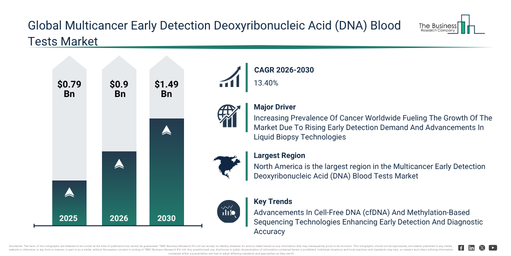
    The multicancer early detection deoxyribonucleic acid (DNA) blood tests market has experienced rapid growth recently. It is projected to expand from $0.79 billion in 2025 to $0.9 billion in 2026, demonstrating a compound annual growth rate (CAGR) of 13.2%. Historically, this growth has been driven by increasing global cancer incidence and mortality rates, the limited effectiveness of late-stage cancer diagnosis methods, the growing adoption of genomic sequencing technologies in oncology research, the expansion of centralized cancer diagnostic laboratories, and rising awareness of early cancer screening benefits among healthcare providers.

    The multicancer early detection deoxyribonucleic acid (DNA) blood tests market is projected to experience substantial expansion in the coming years. This market is anticipated to reach $1.49 billion by 2030, exhibiting a compound annual growth rate (CAGR) of 13.4%. This growth over the forecast period stems from several factors, including developments in multi-cancer early detection liquid biopsy techniques, increased incorporation of AI-based genomic interpretation systems, wider acceptance of personalized and precision oncology screening initiatives, the proliferation of preventive healthcare programs and population screening directives, and increased capital allocation for biomarker discovery and cancer genomics research. Key trends for this period encompass a greater uptake of liquid biopsy-based multi-cancer screening for prompt diagnosis, expanded application of circulating tumor DNA sequencing for non-invasive cancer assessment, deeper integration of AI-powered biomarker interpretation in foreseeing cancer risk, the broadening of preventive oncology screening programs across populations, and an escalating preference for less intrusive blood-based cancer tests compared to conventional biopsy procedures.

    Get A Free Sample Report With In-Depth Market Insights:

    https://thebusinessresearchcompany.com/sample_request?id=71903867&type=smp&name=Multicancer%20Early%20Detection%20Deoxyribonucleic%20Acid%20%28DNA%29%20Blood%20Tests%20Market%20Report%202026&utm_source=Blogs&utm_medium=Paid&utm_campaign=Oct_PR

    Multicancer Early Detection Deoxyribonucleic Acid (DNA) Blood Tests Market Growth Drivers: What’s Behind The Acceleration?

    The increasing prevalence of cancer worldwide is anticipated to drive the expansion of the multicancer early detection DNA blood tests market moving forward. Cancer is a set of illnesses characterized by uncontrolled cell growth and spread, capable of invading nearby tissues and, in advanced stages, spreading to other body parts. The global incidence of cancer is rising as health systems report higher rates and improved screening and detection technologies identify more cases earlier. Multicancer early detection DNA blood tests support this growing prevalence by offering non-invasive, blood-based screening solutions that enable the early identification of various cancer types through circulating tumor DNA analysis, thereby enhancing early diagnosis and patient outcomes. For example, in April 2024, data from the International Agency for Research on Cancer indicated nearly 20 million new cancer cases and close to 10 million deaths from cancer in 2022. Demographics-based forecasts predict that the annual number of new cancer cases will reach 35 million by 2050, representing a 77% increase from 2022. Therefore, the increasing global prevalence of cancer is propelling the growth of the multicancer early detection DNA blood tests market. The rising awareness of preventive healthcare is expected to propel the growth of the multicancer early detection DNA blood tests market going forward. Preventive healthcare encompasses medical practices and strategies focused on preventing disease, enabling early diagnosis, and maintaining health to lessen the risk of severe illnesses and improve long-term health outcomes. Awareness of preventive healthcare is increasing due to growing public health campaigns, expanding access to healthcare information, and a rising emphasis on early disease detection and personalized medicine. Multicancer early detection DNA blood tests support preventive healthcare by offering non-invasive and convenient screening methods that enable the early identification of multiple cancer types through circulating tumor DNA analysis, helping improve treatment outcomes and survival rates. For instance, in January 2025, according to the Prevent Cancer Foundation, participation in preventive cancer screening programs increased by 9.3% in 2024 compared to the previous year, reflecting growing public awareness and adoption of early detection practices. Therefore, the rising awareness of preventive healthcare is driving the growth of the multicancer early detection DNA blood tests market.

    Multicancer Early Detection Deoxyribonucleic Acid (DNA) Blood Tests Market Breakdown By Product Type And Application

    The multicancer early detection deoxyribonucleic acid (dna) blood tests market covered in this report is segmented –

    1) By Test Type: Pan-Cancer Minimal Residual Disease Early Detection Tests, Targeted Multi-Cancer Panels, Single-Cancer Deoxyribonucleic Acid Blood Tests

    2) By Technology: Circulating Cell-Free Deoxyribonucleic Acid Methylation Profiling, Circulating Cell-Free Deoxyribonucleic Acid Mutation Analysis, Fragmentomics, Multi-Analyte Approaches, Other Epigenomic Approaches

    3) By Sample Type: Blood, Plasma, Urine

    4) By Application: Asymptomatic Population Screening, Diagnostic Support, Cancer Recurrence Monitoring

    5) By End Users: Reference Laboratories, Hospital Laboratories, Clinics, Direct-To-Consumer Users

    Subsegments:

    1) By Pan-Cancer Minimal Residual Disease Early Detection Tests: Solid Tumor Detection Panels, Hematological Cancer Detection Panels, Early Stage Cancer Screening Panels, Late Stage Cancer Detection Panels, Whole Body Cancer Screening Tests

    2) By Targeted Multi-Cancer Panels: Organ Specific Cancer Panels, High Risk Population Screening Panels, Genetic Marker Based Panels, Epigenetic Marker Based Panels, Combination Biomarker Panels

    3) By Single-Cancer Deoxyribonucleic Acid Blood Tests: Breast Cancer Detection Tests, Lung Cancer Detection Tests, Colorectal Cancer Detection Tests, Prostate Cancer Detection Tests, Liver Cancer Detection Tests

    Multicancer Early Detection Deoxyribonucleic Acid (DNA) Blood Tests Market Trends: What’s Defining The Industry’s Next Phase?

    Leading companies operating in the multicancer early detection DNA blood tests market are focusing on developing innovative solutions, such as advancements in cell-free DNA (cfDNA) and methylation-based sequencing technologies, to address the increasing demand for early, non-invasive, and multi-cancer screening solutions. Cell-free DNA-based testing involves analyzing fragmented DNA released into the bloodstream by tumor cells, making it possible to detect multiple cancers from a single blood draw, unlike traditional diagnostic approaches that rely on invasive biopsies or organ-specific imaging techniques. For instance, in March 2025, Gene Solutions, a Vietnam-based biotechnology company, introduced an advanced multi-cancer early detection blood test crafted for population-scale screening. The test employs cfDNA analysis combined with machine learning algorithms to identify cancer-specific genomic and epigenomic signatures across numerous cancer types. It facilitates early-stage cancer detection with high predictive accuracy while minimizing false positives, making it suitable for routine health screening. Additionally, the test incorporates tumor origin prediction technology to help identify the likely source of cancer for further diagnosis and is designed to improve accessibility to early cancer detection, particularly in regions with limited screening infrastructure.

    Multicancer Early Detection Deoxyribonucleic Acid (DNA) Blood Tests Market Top Companies Driving Competitive Growth

    Major companies operating in the multicancer early detection deoxyribonucleic acid (dna) blood tests market are Thermo Fisher Scientific Inc., Prenetics Global Limited, Eurofins Scientific Inc., SeekIn Inc., VolitionRx Limited, Myriad Genetics Inc., Guardant Health, Freenome Holdings Inc., GENECAST Biotechnology Co. Ltd., Burning Rock Biotech Limited, Geneseeq Technology Inc.  , Quibim S. L., 1drop Inc., Bioneer Corporation, CellMax Life, Datar Cancer Genetics, Laboratory for Advanced Medicine Inc., Harbinger Health Inc., Norgen Biotek Corp., Singlera Genomics Inc., Elypta AB, StageZero Life Sciences, INOVIQ, AnPac Bio-Medical Science, EarlyDiagnostics, Micronoma

    View The Full Multicancer Early Detection Deoxyribonucleic Acid (DNA) Blood Tests Market Report:

    https://thebusinessresearchcompany.com/report/multicancer-early-detection-deoxyribonucleic-acid-dna-blood-tests-market-report?utm_source=Blogs&utm_medium=Paid&utm_campaign=Oct_PR

    Multicancer Early Detection Deoxyribonucleic Acid (DNA) Blood Tests Market Global Footprint: Which Region Leads The Industry?

    North America was the largest region in the multicancer early detection DNA blood tests market in 2025. Asia-Pacific is expected to be the fastest-growing region in the forecast period. The regions covered in the multicancer early detection deoxyribonucleic acid (DNA) blood tests market report are Asia-Pacific, South East Asia, Western Europe, Eastern Europe, North America, South America, Middle East and Africa.

    Reach Out To Our Team:

    The Business Research Company: https://www.thebusinessresearchcompany.com/

    Americas: +1 310-496-7795

    Asia: +44 7882 955267 & +91 8897263534

    Europe: +44 7882 955267

    Email us at: marketing@tbrc.info

    Follow us on:

    LinkedIn: https://in.linkedin.com/company/the-business-research-company

    YouTube: https://www.youtube.com/channel/UC24_fI0rV8cR5DxlCpgmyFQ

    Global Market Model: https://www.thebusinessresearchcompany.com/global-market-model
  • Mosquito-Borne Infections Testing Market Growth To $2.12 Billion Creates New Opportunities Across The Industry

    Mosquito-Borne Infections Testing Market Growth To $2.12 Billion Creates New Opportunities Across The Industry

    Featuring market attractiveness scoring, total addressable market sizing, company benchmarking matrices, interactive Excel dashboards, deeper supply chain intelligence, emerging startup tracking, and granular product-level insights, The Business Research Company’s 2026 market reports are built to deliver research that is both more actionable and more strategically valuable.

    Mosquito-Borne Infections Testing Market Expansion Outlook: What Revenue Opportunities Are Ahead?

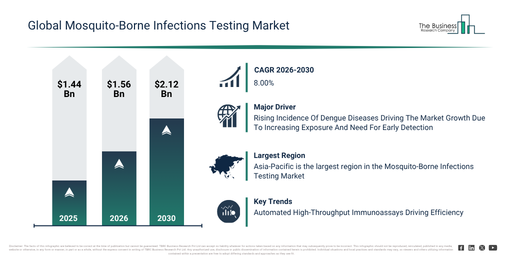
    The mosquito-borne infections testing market has experienced robust expansion in recent years. Its valuation is projected to rise from $1.44 billion in 2025 to $1.56 billion in 2026, demonstrating a compound annual growth rate (CAGR) of 7.8%. This historical growth can be linked to factors such as the increasing occurrence of dengue and malaria outbreaks, restricted availability of advanced diagnostic facilities in developing areas, heightened understanding of the burden of vector-borne diseases, increased laboratory testing capabilities within urban healthcare systems, and a rise in government financial support for initiatives aimed at controlling infectious diseases.

    The mosquito-borne infections testing market is projected to experience substantial expansion over the upcoming years, reaching a valuation of $2.12 billion by 2030, demonstrating a compound annual growth rate (CAGR) of 8.0%. This anticipated growth is primarily driven by factors such as the spread of mosquito habitats and disease zones due to climate change, the increasing integration of rapid molecular diagnostic technologies, advancements in real-time outbreak surveillance, a growing need for integrated public health data systems, and the development of personalized and precise infectious disease diagnostics. Key developments expected during this period include a surge in demand for swift diagnostic testing due to more frequent mosquito-borne outbreaks, the proliferation of decentralized and point-of-care testing in remote areas, greater use of multiplex assays for detecting multiple vector-borne pathogens concurrently, an increase in government-led surveillance and screening initiatives for early outbreak detection, and a rising preference for mobile and deployable diagnostic kits to accelerate epidemic responses.

    Get A Free Sample Report With In-Depth Market Insights:

    https://thebusinessresearchcompany.com/sample_request?id=26674881&type=smp&name=Mosquito-Borne%20Infections%20Testing%20Market%20Report%202026&utm_source=Blogs&utm_medium=Paid&utm_campaign=Oct_PR

    Mosquito-Borne Infections Testing Market Growth Backed By Core Demand Fundamentals

    The increasing occurrence of dengue illnesses is anticipated to boost the expansion of the Mosquito Borne Infections Testing market in the future. Dengue is a viral infection primarily transmitted by aedes mosquitoes carrying the dengue virus. The frequency of dengue cases is growing, attributed to elevated temperatures and heavier rainfall that foster suitable breeding environments for aedes mosquitoes, alongside rapid urban development leading to greater human contact with mosquito populations. Testing for mosquito-borne infections aids in the prompt identification and ongoing surveillance of dengue infections through detecting the virus in individuals, facilitating early medical care and public health initiatives to curb its dissemination. For example, data from July 2023, provided by the Switzerland-based intergovernmental organization, the World Health Organization, revealed that Brazil reported 2,376,522 dengue cases by epidemiological week 26; of these, 1,051,773 (44.2%) were confirmed by laboratory tests, and 1,249 (0.05%) were identified as severe dengue, indicating a 13% rise from the corresponding period in 2022. Consequently, the escalating prevalence of dengue diseases is fueling the expansion of the mosquito borne infections testing market.

    Mosquito-Borne Infections Testing Market Segment Outlook: Which Categories Are Growing Fastest?

    The mosquito-borne infections testing market covered in this report is segmented –

    1) By Test Type: Molecular Diagnostic Tests, Serological Tests, Rapid Antigen Tests, Polymerase Chain Reaction (PCR) Testing Services, Laboratory Reagent-Based Tests

    2) By Sample Type: Blood Samples, Serum Samples, Plasma Samples, Urine Samples, Saliva Samples

    3) By Infection Type: Dengue, Malaria, Zika Virus, Chikungunya, West Nile Virus, Other Infection Types

    4) By Technology: Enzyme-Linked Immunosorbent Assay, Lateral Flow Assay, Polymerase Chain Reaction, Next-Generation Sequencing, Other Technologies

    5) By End User: Hospitals And Clinics, Diagnostic Laboratories, Public Health Agencies, Research Institutes, Point-Of-Care Settings

    Subsegments:

    1) By Molecular Diagnostic Tests: Nucleic Acid Amplification Testing, Reverse Transcription Polymerase Chain Reaction Testing, Multiplex Molecular Testing, Isothermal Amplification Testing, Pathogen Specific Genetic Testing

    2) By Serological Tests: Immunoglobulin M Antibody Testing, Immunoglobulin G Antibody Testing, Antigen Detection Testing, Neutralization Assays, Enzyme Immunoassay Testing

    3) By Rapid Antigen Tests: Point Of Care Antigen Testing, Lateral Flow Antigen Testing, Immunochromatographic Antigen Testing, Portable Rapid Diagnostic Testing, Field Based Antigen Testing

    4) By Polymerase Chain Reaction Testing Services: Real Time Polymerase Chain Reaction Testing, Quantitative Polymerase Chain Reaction Testing, Multiplex Polymerase Chain Reaction Testing, Digital Polymerase Chain Reaction Testing, Reverse Transcription Polymerase Chain Reaction Testing

    5) By Laboratory Reagent Based Tests: Reagent Kit Based Diagnostic Testing, Chemical Reaction Based Testing, Enzyme Reagent Testing, Staining Reagent Testing, Buffer Solution Based Testing

    Mosquito-Borne Infections Testing Market Growth Trends Reshaping The Competitive Landscape

    Leading firms within the mosquito-borne infections testing market are prioritizing the creation of novel approaches, such as automated high-throughput immunoassays, aiming to provide swifter, more precise, and scalable identification of mosquito-borne pathogens. These advanced laboratory tests function by automatically identifying specific antigens or antibodies across a multitude of samples, thus facilitating a rapid, accurate, and scalable diagnosis of mosquito-borne infections, presenting a significant advantage over conventional manual methods. Illustratively, in October 2025, the Swiss biotechnology and diagnostics firm, F. Hoffmann-La Roche Ltd., secured CE mark approval for its Elecsys Dengue Ag test, an inventive automated immunoassay specifically engineered to detect the NS1 antigen of the dengue virus within human serum and plasma. Operating on Roche’s fully automated cobas e analysers, this test delivers results in a mere 18 minutes and consistently identifies all four dengue virus serotypes. Its prominent attributes encompass high clinical sensitivity and specificity, a medium-to-high throughput ranging from 120 to 300 tests per hour, improved traceability, and streamlined workflow efficiency, proving especially valuable during dengue outbreaks for prompt patient management and surveillance. Ultimately, the Elecsys Dengue Ag test marks a substantial stride forward from traditional methodologies, offering consistent, swift, and comprehensive diagnostic capabilities throughout the complete patient care continuum.

    Mosquito-Borne Infections Testing Market Competitive Landscape: Which Companies Lead The Industry?

    Major companies operating in the mosquito-borne infections testing market are F. Hoffmann-La Roche Ltd, Trinity Biotech plc, Thermo Fisher Scientific Inc., Abbott Laboratories, Laboratory Corporation of America Holdings (LabCorp), Grifols S. A., Hologic Inc., bioMérieux SA, Bio-Rad Laboratories Inc., QIAGEN N. V., DiaSorin S. p. A., Euroimmun Medizinische Diagnostika AG, SD Biosensor Inc., Promega Corporation, Mayo Clinic Laboratories, Meridian Bioscience Inc., R-Biopharm AG, Boditech Med Inc., NanoEntek Inc., Entomogen Inc., J. Mitra and Co. Pvt. Ltd., Today’s Clinical Lab Pvt. Ltd., Co-Dx Inc.

    View The Full Mosquito-Borne Infections Testing Market Report:

    https://thebusinessresearchcompany.com/report/mosquito-borne-infections-testing-market-report?utm_source=Blogs&utm_medium=Paid&utm_campaign=Oct_PR

    Mosquito-Borne Infections Testing Market Regional Outlook: Where Is Opportunity Concentrated?

    Asia-Pacific was the largest region in the mosquito-borne infections testing market in 2025. Latin America is expected to be the fastest-growing region in the forecast period. The regions covered in the mosquito-borne infections testing market report are Asia-Pacific, South East Asia, Western Europe, Eastern Europe, North America, South America, Middle East and Africa.

    Reach Out To Our Team:

    The Business Research Company: https://www.thebusinessresearchcompany.com/

    Americas: +1 310-496-7795

    Asia: +44 7882 955267 & +91 8897263534

    Europe: +44 7882 955267

    Email us at: marketing@tbrc.info

    Follow us on:

    LinkedIn: https://in.linkedin.com/company/the-business-research-company

    YouTube: https://www.youtube.com/channel/UC24_fI0rV8cR5DxlCpgmyFQ

    Global Market Model: https://www.thebusinessresearchcompany.com/global-market-model
  • Mobile Sleep Apnea Screening Tools Market Growth Forecast: Market Size, Key Trends And Emerging Opportunities Through 2030

    Mobile Sleep Apnea Screening Tools Market Growth Forecast: Market Size, Key Trends And Emerging Opportunities Through 2030

    Built to provide research that’s more actionable and strategically valuable, The Business Research Company’s 2026 market reports include market attractiveness analysis, total addressable market sizing, company benchmarking matrices, interactive Excel dashboards, broader supply chain intelligence, emerging startup tracking, and in-depth product insights.

    Mobile Sleep Apnea Screening Tools Market Forecast: What Value Will The Market Reach By 2030?

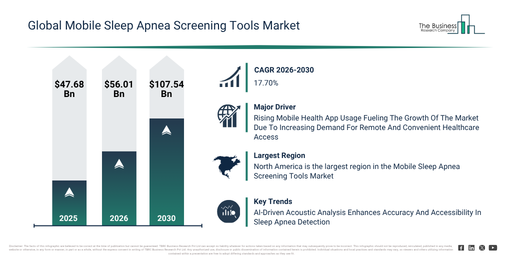
    The mobile sleep apnea screening tools market has experienced swift expansion in recent times. It is projected to increase from $47.68 billion in 2025 to $56.01 billion in 2026, exhibiting a compound annual growth rate (CAGR) of 17.5%. This historical growth is attributable to factors such as the escalating occurrence of sleep apnea disorders, enhanced awareness of sleep-related health issues, restricted availability of sleep laboratories in remote areas, the growing uptake of wearable health devices, and ongoing advancements in healthcare digitization.

    The market for mobile sleep apnea screening tools is anticipated to experience substantial growth over the coming years, with its size projected to reach $107.54 billion by 2030, demonstrating a compound annual growth rate (CAGR) of 17.7%. This expansion during the projected period is driven by several factors, including a greater need for diagnostic options at home, the increasing integration of AI-enabled health monitoring devices, the widening scope of telehealth and remote patient surveillance, an aging demographic experiencing more sleep disorders, and a heightened emphasis on preventative medical care and early detection. Key trends anticipated within this forecast timeframe involve the increasing uptake of wearable devices for continuous at-home monitoring of apnea risk, enhanced incorporation of AI-driven predictive analytics to identify sleep disorders earlier, expanded utilization of smartphone-linked respiratory sensors for non-invasive sleep tracking, the growth of cloud-based sleep health platforms to facilitate remote physician oversight, and a rising preference for home-based sleep diagnostics, thereby decreasing reliance on clinical sleep laboratories.

    Get A Free Sample Report With In-Depth Market Insights:

    https://thebusinessresearchcompany.com/sample_request?id=39804486&type=smp&name=Mobile%20Sleep%20Apnea%20Screening%20Tools%20Market%20Report%202026&utm_source=Blogs&utm_medium=Paid&utm_campaign=Oct_PR

    Mobile Sleep Apnea Screening Tools Market Industry Drivers: What’s Behind The Revenue Growth?

    The rising adoption of mobile health applications is anticipated to substantially fuel the growth of the mobile sleep apnea screening tools market. These applications serve as digital platforms accessible via smartphones, enabling users to monitor their health, access medical services, and share real-time health data with healthcare providers. Their increasing popularity stems from a growing reliance on smartphones for convenient, remote, and on-demand healthcare access. Mobile sleep apnea screening tools leverage these applications to facilitate remote sleep monitoring, real-time data sharing, and early detection of sleep disorders, thereby reducing the necessity for in-person hospital visits. For instance, in December 2025, the National Health Service, a UK-based public healthcare organization, reported that 67.8 million repeat prescriptions were ordered through the NHS App between December 2024 and November 2025, with 62.3 million logins recorded in November alone, marking a 43% increase compared to the previous monthly average. Therefore, the expanding adoption of mobile health applications is a significant factor driving the growth of the mobile sleep apnea screening tools market.

    Mobile Sleep Apnea Screening Tools Market Segment Trends And Revenue Contributors

    The mobile sleep apnea screening tools market covered in this report is segmented –

    1) By Product Type: Diagnostic Devices, Therapeutic Devices

    2) By Connectivity: Bluetooth Enabled Devices, Wi-Fi Enabled Devices, Cloud Connected Systems

    3) By Distribution Channel: Online Channels, Offline Channels

    4) By Application: Obstructive Sleep Apnea Screening, Central Sleep Apnea Screening, Mixed Sleep Apnea Screening

    5) By End User: Home Care Setting, Sleep Laboratories And Hospitals, Other End User

    Subsegments:

    1) By Diagnostic Devices: Home Sleep Apnea Testing Devices, Wearable Sleep Monitoring Devices, Portable Respiratory Monitoring Devices, Polysomnography Devices

    2) By Therapeutic Devices: Continuous Positive Airway Pressure Devices, Automatic Positive Airway Pressure Devices, Bilevel Positive Airway Pressure Devices, Oral Appliance Therapy Devices, Adaptive Servo Ventilation Devices

    #Mobile Sleep Apnea Screening Tools Market Growth Trends: What’s Shaping The Future Outlook?

    Major companies operating in the mobile sleep apnea screening tools market are prioritizing technological advancements, such as AI-powered acoustic sleep monitoring systems, to enhance diagnostic accuracy, facilitate non-invasive testing, and support remote patient monitoring. AI-powered acoustic sleep monitoring systems refer to wearable or mobile-enabled technologies that capture physiological sound signals generated by breathing and analyze them using artificial intelligence algorithms to detect sleep apnea events and respiratory irregularities without the need for complex wired setups. For instance, in June 2023, Acurable, a UK-based medical device company, launched the AcuPebble Ox100. This device features a non-invasive acoustic sensor placed on the neck, AI-driven automated respiratory biomarker analysis, and mobile-connected data transfer to a secure cloud platform for remote diagnosis, enabling efficient at-home sleep testing with minimal clinical supervision.

    Mobile Sleep Apnea Screening Tools Market Industry Leaders And Competitive Landscape

    Major companies operating in the mobile sleep apnea screening tools market are Apple Inc., Samsung Electronics Co. Ltd., Inspire Medical Systems Inc., Koninklijke Philips N. V., ResMed Inc., Nihon Kohden Corporation, Fisher & Paykel Healthcare Corporation Limited, Contec Medical Systems Co. Ltd., Beurer GmbH, Withings S. A., SomnoMed Limited, Cadwell Industries Inc., BMC Medical Co. Ltd., Sibel S. A. U., CleveMed Inc., Sunrise Sleep Technologies SA, Compumedics Limited, Acurable Limited, Advanced Brain Monitoring Inc., Circadiance LLC, Braebon Medical Corporation, Oxitone Medical Ltd., Löwenstein Medical Technology GmbH + Co. KG, Belun Technology Company Limited, Nox Medical ehf.

    View The Full Mobile Sleep Apnea Screening Tools Market Report:

    https://thebusinessresearchcompany.com/report/mobile-sleep-apnea-screening-tools-market-report?utm_source=Blogs&utm_medium=Paid&utm_campaign=Oct_PR

    Mobile Sleep Apnea Screening Tools Market Regional Analysis And Top Geography

    North America was the largest region in the mobile sleep apnea screening tools market in 2025. Asia-Pacific is expected to be the fastest-growing region in the forecast period. The regions covered in the mobile sleep apnea screening tools market report are Asia-Pacific, South East Asia, Western Europe, Eastern Europe, North America, South America, Middle East and Africa.

    Reach Out To Our Team:

    The Business Research Company: https://www.thebusinessresearchcompany.com/

    Americas: +1 310-496-7795

    Asia: +44 7882 955267 & +91 8897263534

    Europe: +44 7882 955267

    Email us at: marketing@tbrc.info

    Follow us on:

    LinkedIn: https://in.linkedin.com/company/the-business-research-company

    YouTube: https://www.youtube.com/channel/UC24_fI0rV8cR5DxlCpgmyFQ

    Global Market Model: https://www.thebusinessresearchcompany.com/global-market-model
  • Mobile Pet Vet Services Market CAGR Forecast Through 2030: Key Trends Shaping Industry Expansion

    Mobile Pet Vet Services Market CAGR Forecast Through 2030: Key Trends Shaping Industry Expansion

    Backed by market attractiveness analysis, total addressable market sizing, company benchmarking matrices, interactive Excel dashboards, wider supply chain intelligence, emerging startup coverage, and detailed product-level insights, The Business Research Company’s 2026 market reports are designed to offer research that is more actionable and strategically valuable than ever.

    Mobile Pet Vet Services Market Size Outlook: How Quickly Will Revenue Expand Through 2030?

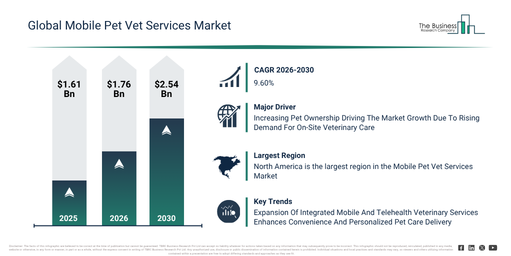
    The mobile pet vet services market size has shown significant growth in recent years. It is anticipated to increase from $1.61 billion in 2025 to $1.76 billion in 2026, exhibiting a compound annual growth rate (CAGR) of 9.3%. Historically, this expansion has been driven by several factors, including a rise in global pet ownership, increased consciousness of animal healthcare, difficulties in accessing veterinary clinics in rural areas, an increase in spending on companion animals, and the rising demand for convenient healthcare options for pets.

    The mobile pet vet services market is anticipated to experience substantial growth over the upcoming years. This market is projected to reach $2.54 billion by 2030, demonstrating a compound annual growth rate (CAGR) of 9.6%. Several factors contribute to this projected growth, including a surge in demand for tailored pet healthcare services, the growing urban pet population, increased adoption of preventive veterinary care, the expansion of mobile healthcare service models, and a heightened emphasis on animal welfare and treatment without stress. Key trends during this period encompass the rising uptake of subscription and on-demand mobile veterinary care for convenient pet healthcare, the greater incorporation of portable diagnostic and imaging technologies in mobile vet units for immediate clinical evaluation, a heightened need for preventive at-home wellness and vaccination services for pets, the proliferation of stress-free veterinary care approaches to minimize pet anxiety during procedures, and the expanded deployment of mobile veterinary fleets to reach rural and underserved animal populations.

    Get A Free Sample Report With In-Depth Market Insights:

    https://thebusinessresearchcompany.com/sample_request?id=93157656&type=smp&name=Mobile%20Pet%20Vet%20Services%20Market%20Report%202026&utm_source=Blogs&utm_medium=Paid&utm_campaign=Oct_PR

    Mobile Pet Vet Services Market Growth Factors: What’s Supporting Expansion?

    The expanding trend of pet ownership is anticipated to drive the advancement of the mobile pet veterinary services market in the future. This term signifies the practice of housing domesticated creatures like dogs, cats, or birds as companions in a domestic setting. The rising commonness of owning pets is primarily fueled by evolving lifestyle choices, with a growing number of people, especially younger demographics, opting to acquire pets for emotional support and as family alternatives, consequently enlarging the total population of pet owners. A greater count of households with pets escalates the need for mobile pet vet services, since an increasing number of owners desire convenient, in-home veterinary attention to safeguard their animals’ health and welfare, avoiding the difficulties associated with conventional clinic appointments. As an illustration, data from March 2025, provided by the American Pet Products Association, a US-based non-profit organization, shows that 94 million households in the U. S. currently possess at least one pet, which represents a rise from 82 million households recorded in 2023. Consequently, the expansion of pet ownership is a significant force behind the growth of the mobile pet vet services market.

    Mobile Pet Vet Services Market Segment Analysis Spotlighting Growth Areas

    The mobile pet vet services market covered in this report is segmented –

    1) By Service Type: Wellness Exams, Vaccinations, Diagnostics, Surgery, Emergency Care, Other Service Types

    2) By Animal Type: Dogs, Cats, Other Animal Types

    3) By Equipment Or Products Used: Veterinary Mobile Clinic Van, Portable Examination Table, Diagnostic Equipment, Vaccination Kits, Pet Monitoring Devices, Surgical Instruments, Laboratory Testing Kits, Medical Storage Cabinets, Sterilization Equipment, Pet Treatment Supplies

    4) By End User: Individual Pet Owners, Animal Shelters, Pet Breeders, Other End Users

    Subsegments:

    1) By Wellness Exams: Routine Health Checkups, Preventive Care Assessments, Nutritional Consultations, Behavioral Assessments, Senior Pet Health Evaluation

    2) By Vaccinations: Core Vaccines, Non-Core Vaccines, Annual Booster Shots, Travel Vaccinations, Disease-Specific Vaccines

    3) By Diagnostics: Blood Tests, Urine Tests, Imaging Services, Laboratory Analyses, Parasite Screening

    4) By Surgery: Minor Surgical Procedures, Soft Tissue Surgery, Orthopedic Surgery, Spay And Neuter Procedures, Post-Operative Care

    5) By Emergency Care: Critical Care Response, Trauma Management, Poisoning Treatment, Acute Illness Intervention, Stabilization Services

    6) By Other Service Types: Behavioral Consultations, Nutritional Guidance, Chronic Disease Management, Alternative Therapies, Teletriage And Monitoring Services

    Mobile Pet Vet Services Market Industry Trends: What’s Reshaping Demand?

    Major companies within the mobile pet vet services market are prioritizing the development of mobile pet care and telehealth services to extend veterinary assistance directly to pets’ locations, thereby offering customized, convenient, and low-stress care. These mobile pet care and telehealth services involve delivering veterinary attention either on-site at the pet owner’s residence or remotely through digital platforms, facilitating straightforward, real-time consultations, assessments, and fundamental treatments without the necessity of clinic visits. For instance, in June 2025, Woofie’s Montclair, a US-based mobile pet care provider, launched a fully equipped mobile van providing dog walking, mobile grooming, and pet sitting, coupled with 24/7 veterinary telehealth support through a partnership with Pet Vet Connection. This mobile van delivers calm, individualized care directly at pets’ locations, enhancing convenience for pet owners and ensuring the comfort of their pets. Both the direct mobile services and the telehealth support are seamlessly integrated with Woofie’s existing scheduling and communication systems to provide timely, accessible, and compassionate care for pets and their families.

    Mobile Pet Vet Services Market Key Participants And Competitive Landscape

    Major companies operating in the mobile pet vet services market are Zoetis Inc., IDEXX Laboratories Inc., Small Door Veterinary Inc., Lap of Love Veterinary Hospice Inc., Vetster Inc., BetterVet Inc., FirstVet AB, Dutch Pet Inc., WhiskerDocs Inc., Airvet Inc., The Vets Limited, Fuzzy Pet Health Inc., Pawp Inc., Mobile Vet 2 You LLC, Vetted Pet Health Inc., The Visiting Vet LLC, BetterPet Vet Care LLC, Petriage Inc., TeleVet Inc., Oncura Partners Diagnostics LLC, iM3 Pty Ltd, Vet2Pet Inc.

    View The Full Mobile Pet Vet Services Market Report:

    https://thebusinessresearchcompany.com/report/mobile-pet-vet-services-market-report?utm_source=Blogs&utm_medium=Paid&utm_campaign=Oct_PR

    Mobile Pet Vet Services Market Geographic Analysis: Where Is Demand Rising Fastest?

    North America was the largest region in the mobile pet vet services market in 2025. Asia-Pacific is expected to be the fastest-growing region in the forecast period. The regions covered in the mobile pet vet services market report are Asia-Pacific, South East Asia, Western Europe, Eastern Europe, North America, South America, Middle East and Africa.

    Reach Out To Our Team:

    The Business Research Company: https://www.thebusinessresearchcompany.com/

    Americas: +1 310-496-7795

    Asia: +44 7882 955267 & +91 8897263534

    Europe: +44 7882 955267

    Email us at: marketing@tbrc.info

    Follow us on:

    LinkedIn: https://in.linkedin.com/company/the-business-research-company

    YouTube: https://www.youtube.com/channel/UC24_fI0rV8cR5DxlCpgmyFQ

    Global Market Model: https://www.thebusinessresearchcompany.com/global-market-model
  • Minimally Invasive Spine Technologies Market Forecast To Reach $6.81 Billion By 2030: Key Growth Drivers And Industry Trends

    Minimally Invasive Spine Technologies Market Forecast To Reach $6.81 Billion By 2030: Key Growth Drivers And Industry Trends

    Built to provide research that’s more actionable and strategically valuable, The Business Research Company’s 2026 market reports include market attractiveness analysis, total addressable market sizing, company benchmarking matrices, interactive Excel dashboards, broader supply chain intelligence, emerging startup tracking, and in-depth product insights.

    Minimally Invasive Spine Technologies Market Revenue Growth On Track For A 9.5% CAGR Through 2030

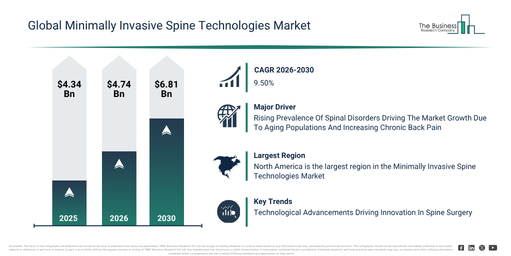
    The minimally invasive spine technologies market size has experienced robust growth in recent years. It is forecast to increase from $4.34 billion in 2025 to $4.74 billion in 2026, demonstrating a compound annual growth rate (CAGR) of 9.2%. This historical expansion can be linked to several factors, including the rising prevalence of degenerative spine disorders, the increasing acceptance of conventional spinal fusion procedures, an uptick in hospital-based spine surgery volumes, the development of initial minimally invasive surgical tools, and heightened awareness concerning post-operative recovery benefits.

    The minimally invasive spine technologies market is projected for significant expansion over the coming years. It is set to reach $6. 81 billion by 2030, exhibiting a compound annual growth rate (CAGR) of 9. 5%. This expansion during the forecast period is propelled by several factors, including the escalating demand for spinal procedures performed on an outpatient basis, a growing preference for surgical methods that ensure quicker recovery, an expanding elderly population suffering from spinal conditions, the proliferation of specialized spine clinics and centers, and a heightened healthcare emphasis on minimizing hospitalization expenses. Key trends anticipated in this period encompass the increasing embrace of ultra-minimally invasive spine techniques designed to lessen tissue damage and inpatient time, a noticeable move towards outpatient and ambulatory spine surgery centers for more efficient patient processing, the rising application of expandable and modular spinal implants for enhanced flexibility during operations, the broadening of tissue-preserving surgical strategies to alleviate post-operative discomfort and issues, and a greater emphasis on financially efficient spine care models featuring shorter rehabilitation durations.

    Get A Free Sample Report With In-Depth Market Insights:

    https://thebusinessresearchcompany.com/sample_request?id=37064088&type=smp&name=Minimally%20Invasive%20Spine%20Technologies%20Market%20Report%202026&utm_source=Blogs&utm_medium=Paid&utm_campaign=Oct_PR

    Minimally Invasive Spine Technologies Market Growth Backed By Core Demand Fundamentals

    The expanding occurrence of spinal disorders is anticipated to drive the growth of the minimally invasive spine technologies market in the future. Spinal disorders encompass a variety of conditions affecting the spine, including chronic back pain, degenerative disc disease, spinal stenosis, and related musculoskeletal issues that negatively impact mobility and overall quality of life. The increasing prevalence of these disorders is primarily due to aging populations and lifestyle factors like sedentary behavior and poor posture, which raise the risk of chronic back pain, degenerative disc disease, and other spinal conditions. Minimally invasive spine technologies offer focused, less intrusive surgical and therapeutic solutions that lessen tissue damage, quicken recovery, relieve pain, and restore spinal function, making them an effective strategy for managing the growing burden of spinal disorders. For instance, in February 2025, data from the National Spinal Cord Injury Statistical Center (NSCISC), a U. S. organization that gathers, analyzes, and disseminates nationwide information on traumatic spinal cord injuries, indicated that with the U. S. population in 2024 at approximately 341 million and an incidence rate of around 54 traumatic spinal cord injuries per million people, an estimated 18,421 new tSCI cases occur annually. Hence, the rising prevalence of spinal disorders is boosting the growth of the minimally invasive spine technologies market.

    Minimally Invasive Spine Technologies Market Segmentation And Category Overview

    The minimally invasive spine technologies market covered in this report is segmented –

    1) By Technology: Robotic-Assisted Surgery, Fluoroscopic Navigation, Image-Guided Surgery, Endoscopic Techniques

    2) By Type Of Procedure: Microdiscectomy, Laminectomy, Spinal Fusion, Kyphoplasty, Foraminotomy

    3) By Device Type: Access Devices, Implants, Visualization Devices, Instruments And Accessories

    4) By Application: Degenerative Disc Disease, Spinal Stenosis, Herniated Disc, Spinal Deformities, Trauma And Fractures

    5) By End User: Hospitals, Ambulatory Surgery Centers, Specialty Spine Clinics, Orthopedic Centers

    Subsegments:

    1) By Robotic-Assisted Surgery: Spinal Pedicle Screw Placement Robotic-Assisted Surgery, Minimally Invasive Lumbar Fusion Robotic-Assisted Surgery, Cervical Spine Robotic-Assisted Procedures, Thoracic Spine Robotic-Assisted Procedures

    2) By Fluoroscopic Navigation: 2D Fluoroscopic Navigation Systems, 3D Fluoroscopic Navigation Systems, Hybrid Fluoroscopic Navigation Systems, Real-Time Fluoroscopic Guidance Systems

    3) By Image-Guided Surgery: Computed Tomography Guided Spine Surgery, Magnetic Resonance Imaging Guided Spine Surgery, Intraoperative Imaging Guided Spine Surgery, Navigation-Assisted Spine Surgery

    4) By Endoscopic Techniques: Percutaneous Endoscopic Lumbar Discectomy, Endoscopic Decompression Techniques, Endoscopic Interbody Fusion Techniques, Minimally Invasive Endoscopic Spinal Procedures

    Minimally Invasive Spine Technologies Market Growth Trends Reshaping The Competitive Landscape

    Major companies operating in the minimally invasive spine technologies market are concentrating on developing innovative solutions, such as advanced camera-based surgical navigation technology, to improve precision, reduce tissue damage, and shorten patient recovery times. This sophisticated technology involves a system that employs cameras and machine-vision algorithms to generate real-time 3D images of the spine during surgery, enabling surgeons to accurately place implants while minimizing tissue damage and reducing recuperation periods. For instance, in August 2023, Orthofix Medical Inc., a US-based spine and orthopedics company, launched the 7D FLASH™ Navigation System Percutaneous Module 2.0. This advanced image-guided navigation technology, specifically designed for minimally invasive spine surgery, incorporates visible-light machine-vision technology to rapidly produce 3D images, which aids in optimizing surgical planning, enhancing procedural efficiency, and supporting reduced radiation exposure and precise implant placement during minimally invasive procedures. The system’s novel camera-based platform offers quicker, more accurate navigation and expands functionality over traditional fluoroscopy and older navigation tools, assisting surgeons with complex spinal fusion and instrumentation tasks while simultaneously minimizing incisional size and trauma.

    Minimally Invasive Spine Technologies Market Competitive Landscape: Who Leads The Industry?

    Major companies operating in the minimally invasive spine technologies market are Johnson & Johnson, Medtronic plc, Stryker Corporation, B. Braun SE, Globus Medical Inc., Orthofix Medical Inc., Alphatec Spine Inc., SI-BONE Inc., Xtant Medical Holdings Inc., Centinel Spine LLC, Precision Spine Inc., Spineart SA, Joimax GmbH, CoreLink LLC, Spine Wave Inc., Spineology Inc., Zavation Medical Products LLC, Aurora Spine Corporation, Life Spine Inc., Neoflex Spine Inc., Camber Spine Technologies LLC, Ulrich GmbH & Co. KG, Safe Orthopaedics SA, Spinal Simplicity LLC, FH Orthopedics SA, SIGNUS Medizintechnik GmbH

    View The Full Minimally Invasive Spine Technologies Market Report:

    https://thebusinessresearchcompany.com/report/minimally-invasive-spine-technologies-market-report?utm_source=Blogs&utm_medium=Paid&utm_campaign=Oct_PR

    Minimally Invasive Spine Technologies Market Geographic Landscape: Which Region Dominates Industry Growth?

    North America was the largest region in the minimally invasive spine technologies market in 2025. Asia-Pacific is expected to be the fastest-growing region in the forecast period. The regions covered in the minimally invasive spine technologies market report are Asia-Pacific, South East Asia, Western Europe, Eastern Europe, North America, South America, Middle East and Africa.

    Reach Out To Our Team:

    The Business Research Company: https://www.thebusinessresearchcompany.com/

    Americas: +1 310-496-7795

    Asia: +44 7882 955267 & +91 8897263534

    Europe: +44 7882 955267

    Email us at: marketing@tbrc.info

    Follow us on:

    LinkedIn: https://in.linkedin.com/company/the-business-research-company

    YouTube: https://www.youtube.com/channel/UC24_fI0rV8cR5DxlCpgmyFQ

    Global Market Model: https://www.thebusinessresearchcompany.com/global-market-model
  • Methicillin-Resistant Staphylococcus Aureus (MRSA) Testing Market Growth Forecast Through 2030: Market Size And Trends In 2026

    Methicillin-Resistant Staphylococcus Aureus (MRSA) Testing Market Growth Forecast Through 2030: Market Size And Trends In 2026

    Backed by market attractiveness analysis, total addressable market sizing, company benchmarking matrices, interactive Excel dashboards, wider supply chain intelligence, emerging startup coverage, and detailed product-level insights, The Business Research Company’s 2026 market reports are designed to offer research that is more actionable and strategically valuable than ever.

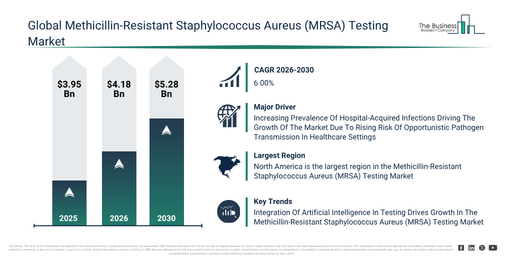
    Methicillin-Resistant Staphylococcus Aureus (MRSA) Testing Market Growth From $4.18 Billion In 2026 To $5.28 Billion By 2030 At A CAGR Of 6%

    The methicillin-resistant staphylococcus aureus (MRSA) testing market has seen robust expansion in recent years. It is anticipated to increase from $3.95 billion in 2025 to $4.18 billion in 2026, achieving a compound annual growth rate (CAGR) of 5.8%. The growth observed in the preceding period can be linked to the escalating prevalence of hospital-acquired infections, a heightened awareness of antibiotic resistance, the expansion of diagnostic laboratory infrastructure, the advancement of hospital infection control programs, and the rising adoption of culture-based diagnostic methods.

    The methicillin-resistant staphylococcus aureus (MRSA) testing market is projected to experience substantial growth over the coming years, with its size forecast to reach $5.28 billion by 2030, demonstrating a compound annual growth rate (CAGR) of 6.0%. This expansion is primarily driven by factors such as the increasing integration of rapid molecular diagnostic technologies, heightened investment in precision medicine and pathogen genomics, the broadening of automated laboratory systems, a rising need for real-time infection surveillance, and a more stringent regulatory emphasis on antimicrobial resistance control. Additionally, notable trends for this period encompass the escalating embrace of rapid molecular diagnostics for detecting antibiotic resistance, the expanding deployment of point-of-care MRSA testing within hospital settings, the widespread adoption of automated microbiology workflows in diagnostic labs, the growth of infection surveillance initiatives across healthcare facilities, and a rising requirement for multiplex assays in screening for hospital-acquired infections.

    Get A Free Sample Report With In-Depth Market Insights:

    https://thebusinessresearchcompany.com/sample_request?id=46599439&type=smp&name=Methicillin-Resistant%20Staphylococcus%20Aureus%20%28MRSA%29%20Testing%20Market%20Report%202026&utm_source=Blogs&utm_medium=Paid&utm_campaign=Oct_PR

    Methicillin-Resistant Staphylococcus Aureus (MRSA) Testing Market Expansion Drivers: What’s Shaping Future Growth?

    The rising occurrence of hospital-acquired infections is anticipated to boost expansion in the methicillin-resistant staphylococcus aureus (MRSA) testing market in the future. HAIs, or hospital-acquired infections, refer to secondary infections developed by patients during medical or surgical care in a healthcare setting. This global increase is due to the growing complexity of medical procedures and a large number of immunocompromised patients, which provides more chances for opportunistic pathogens to establish themselves. MRSA testing aids in managing these infections by enabling healthcare professionals to promptly identify colonized individuals and put isolation measures in place to stop widespread transmission within facilities. For example, the Health Security Agency, a national executive agency based in the UK, reported that in August 2025, total MRSA bacteremia cases hit 81, an 8.0% rise from 75 cases recorded in August 2024. Consequently, the growing incidence of hospital-acquired infections is projected to stimulate expansion within the methicillin-resistant staphylococcus aureus (MRSA) testing market.

    Methicillin-Resistant Staphylococcus Aureus (MRSA) Testing Market Segment Analysis: What Are The Core Market Categories?

    The methicillin-resistant staphylococcus aureus (mrsa) testing market covered in this report is segmented –

    1) By Type: Healthcare Acquired Methicillin Resistant Staphylococcus Aureus, Community Acquired Methicillin Resistant Staphylococcus Aureus, Hospital Acquired Methicillin Resistant Staphylococcus Aureus

    2) By Indication: Skin And Soft Tissue Infections (SSTIs), Pneumonia, Bloodstream Infections, Surgical And Medical Infections, Other Indications

    3) By Technology: Polymerase Chain Reaction (PCR), Real Time Polymerase Chain Reaction (RT-PCR), Chromogenic Media, Enzyme Linked Immunosorbent Assay (ELISA), Other Technologies

    4) By End User: Hospitals, Diagnostic Laboratories, Research Institutes, Ambulatory Care Centers, Other End Users

    Subsegments:

    1) By Healthcare Acquired Methicillin Resistant Staphylococcus Aureus: Intensive Care Unit Associated Infections, Catheter Related Infections, Ventilator Associated Infections, Post Surgical Site Infections, Long Term Care Facility Infections

    2) By Community Acquired Methicillin Resistant Staphylococcus Aureus: Skin And Soft Tissue Infections, Athlete Associated Infections, Household Transmission Infections, Community Cluster Infections, School And Daycare Associated Infections

    3) By Hospital Acquired Methicillin Resistant Staphylococcus Aureus: Surgical Site Infections, Bloodstream Infections, Respiratory Tract Infections, Device Associated Infections, Wound And Burn Infections

    Methicillin-Resistant Staphylococcus Aureus (MRSA) Testing Market Strategic Trends: What Defines The Next Growth Phase?

    Key players in the methicillin-resistant staphylococcus aureus (MRSA) testing market are concentrating on incorporating artificial intelligence into their testing procedures, particularly through AI-powered imaging analysis, to secure a competitive advantage. This AI-powered imaging analysis leverages artificial intelligence algorithms to automatically and accurately interpret bacterial growth patterns on chromogenic media plates within MRSA screening workflows. As an illustration, in May 2023, Becton, Dickinson and Company (BD), a US-based medical technology firm, received FDA 510(k) clearance for its BD Kiestra MRSA Imaging application. This application automates the inspection of Petri dishes for mauve-colored MRSA colonies, allows for the batch review of negative results, and integrates with BD Synapsys Informatics for streamlined worklist organization. Laboratories consequently experience advantages like shortened turnaround times, reduced labor demands, and the capacity to redeploy staff to more intricate analyses.

    Methicillin-Resistant Staphylococcus Aureus (MRSA) Testing Market Leading Companies And Competitive Benchmarking

    Major companies operating in the methicillin-resistant staphylococcus aureus (mrsa) testing market are F. Hoffmann-La Roche Ltd., Thermo Fisher Scientific Inc., Abbott Laboratories, Danaher Corporation, Becton Dickinson and Company, bioMérieux SA, Hologic Inc., QuidelOrtho Corporation, Bruker Corporation, Bio-Rad Laboratories Inc., QIAGEN N. V., Randox Laboratories Ltd., SD Biosensor Inc., Seegene Inc., Hardy Diagnostics Inc., Alifax S. r. l., Ganesh Diagnostic and Imaging Centre Pvt. Ltd., Uniogen Oy, 3B BlackBio Dx Limited, Orange Health Labs Private Limited

    View The Full Methicillin-Resistant Staphylococcus Aureus (MRSA) Testing Market Report:

    https://thebusinessresearchcompany.com/report/methicillin-resistant-staphylococcus-aureus-mrsa-testing-market-report?utm_source=Blogs&utm_medium=Paid&utm_campaign=Oct_PR

    Methicillin-Resistant Staphylococcus Aureus (MRSA) Testing Market Largest Region By Revenue And Market Share

    North America was the largest region in the methicillin-resistant staphylococcus aureus (MRSA) testing market in 2025. Asia-Pacific is expected to be the fastest-growing region in the forecast period. The regions covered in the methicillin-resistant staphylococcus aureus (MRSA) testing market report are Asia-Pacific, South East Asia, Western Europe, Eastern Europe, North America, South America, Middle East and Africa.

    Reach Out To Our Team:

    The Business Research Company: https://www.thebusinessresearchcompany.com/

    Americas: +1 310-496-7795

    Asia: +44 7882 955267 & +91 8897263534

    Europe: +44 7882 955267

    Email us at: marketing@tbrc.info

    Follow us on:

    LinkedIn: https://in.linkedin.com/company/the-business-research-company

    YouTube: https://www.youtube.com/channel/UC24_fI0rV8cR5DxlCpgmyFQ

    Global Market Model: https://www.thebusinessresearchcompany.com/global-market-model
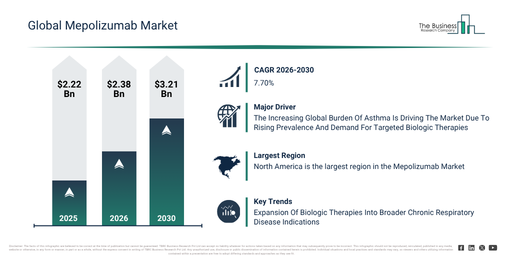
  • Mepolizumab Market Size Forecast: How The Industry Is Expected To Grow From 2026 To 2030

    Mepolizumab Market Size Forecast: How The Industry Is Expected To Grow From 2026 To 2030

    Backed by market attractiveness analysis, total addressable market sizing, company benchmarking matrices, interactive Excel dashboards, wider supply chain intelligence, emerging startup coverage, and detailed product-level insights, The Business Research Company’s 2026 market reports are designed to offer research that is more actionable and strategically valuable than ever.

    Mepolizumab Market Value Analysis: What Growth Lies Ahead Over The Forecast Period?

    The mepolizumab market size has shown robust expansion in recent years. It is anticipated to increase from $2.22 billion in 2025 to $2.38 billion in 2026, achieving a compound annual growth rate (CAGR) of 7.5%. The historical development can be ascribed to a rising incidence of severe asthma, greater understanding of eosinophilic disorders, progress in biologics research and development, an expansion of specialty care provisions, and improved methods for diagnosing inflammatory diseases.

    The mepolizumab market is anticipated to experience substantial expansion over the upcoming years. Its valuation is projected to reach $3.21 billion by 2030, exhibiting a compound annual growth rate (CAGR) of 7.7%. This anticipated growth during the forecast period can be attributed to factors such as a heightened emphasis on personalized medicine, an expanding pipeline for biologics, an increasing need for home-based treatment solutions, progress in targeted immunotherapies, and greater healthcare investments directed towards managing chronic diseases. Key trends identified for the forecast period encompass the wider acceptance of monoclonal antibody therapies, increased utilization of biologics for managing severe asthma, a rising preference for steroid-sparing treatment alternatives, broadening clinical applications for eosinophilic disorders, and enhanced patient adherence facilitated by targeted therapies.

    Get A Free Sample Report With In-Depth Market Insights:

    https://thebusinessresearchcompany.com/sample_request?id=94475431&type=smp&name=Mepolizumab%20Market%20Report%202026&utm_source=Blogs&utm_medium=Paid&utm_campaign=Oct_PR

    Mepolizumab Market Growth Factors: What’s Supporting Expansion?

    The global prevalence of asthma, which is steadily rising, is projected to fuel the expansion of the mepolizumab market. Asthma is characterized as a persistent respiratory ailment where the airways, or bronchi, become inflamed, constrict, and produce excessive mucus, making respiration challenging. The increased occurrence of asthma stems from individuals encountering a combination of inherited and environmental elements that can trigger inflammation within the body’s airways, thereby heightening lung sensitivity and leading to a greater incidence of the condition. Mepolizumab provides relief for asthma by diminishing inflammation attributed to eosinophils, a specific kind of white blood cell implicated in airway swelling and asthma attacks. For illustration, data from February 2026 provided by the Australian Institute of Health and Welfare (AIHW), an independent statutory agency based in Australia, indicates that asthma accounts for 2.5% of Australia’s total disease burden in 2024, stands as the primary cause of disease burden among children aged 1-9, generates approximately $1.3 billion in healthcare spending in 2023-24, and exhibits greater prevalence and hospitalization rates in boys compared to girls. Additionally, in February 2023, NHS England, a UK-based executive non-departmental public body, reported that roughly 5.4 million individuals are currently receiving asthma treatment, with approximately 160,000 new diagnoses recorded each year, and occupational exposure contributing to nearly 9–15% of adult-onset asthma cases. Consequently, the growing worldwide impact of asthma is propelling the growth of the mepolizumab market.

    Mepolizumab Market Segment Trends And Revenue Contributors

    The mepolizumab market covered in this report is segmented –

    1) By Indication: Severe Asthma, Eosinophilic Granulomatosis With Polyangiitis, Chronic Obstructive Pulmonary Disease, Other Eosinophilic Disorders

    2) By Age Group: Children 6 To 11 Years, Adolescents 12 To 17 Years, Adults 18 Years And Older

    3) By Distribution Channel: Direct Sales, Retail Pharmacy, Online Pharmacy

    4) By End User: Hospitals, Clinics, Home Care Settings

    Subsegments:

    1) By Severe Asthma: Allergic Severe Asthma, Non Allergic Severe Asthma, Late Onset Severe Asthma

    2) By Eosinophilic Granulomatosis With Polyangiitis: Active Eosinophilic Granulomatosis With Polyangiitis, Relapsing Eosinophilic Granulomatosis With Polyangiitis, Remission Phase Eosinophilic Granulomatosis With Polyangiitis

    3) By Chronic Obstructive Pulmonary Disease: Chronic Bronchitis Dominant Chronic Obstructive Pulmonary Disease, Emphysema Dominant Chronic Obstructive Pulmonary Disease, Frequent Exacerbator Chronic Obstructive Pulmonary Disease

    4) By Other Eosinophilic Disorders: Hypereosinophilic Syndrome, Eosinophilic Esophagitis, Eosinophilic Chronic Rhinosinusitis

    Mepolizumab Market Industry Trends: What’s Reshaping Demand?

    Leading companies active in the mepolizumab market are concentrating on developing innovative products, such as eosinophil-targeting biologics, to broaden therapeutic uses and enhance disease management outcomes. An eosinophil-targeting biologic is a monoclonal antibody therapy that works by inhibiting interleukin-5 to reduce inflammation mediated by eosinophils. For instance, in January 2026, GlaxoSmithKline PLC, a UK-based biopharmaceutical firm, announced the approval of Nucala (mepolizumab) by China’s National Medical Products Administration (NMPA). When added to standard inhaled treatments, this therapy demonstrates statistically significant reductions in moderate to severe exacerbations in patients with eosinophilic chronic obstructive pulmonary disease. Its approval introduces a targeted biologic option for a large patient population, facilitating improved clinical outcomes and lessening the burden of hospitalization.

    Mepolizumab Market Top Companies Driving Competitive Growth

    Major companies operating in the mepolizumab market are GlaxoSmithKline plc, Bio-Thera Solutions Ltd.

    View The Full Mepolizumab Market Report:

    https://thebusinessresearchcompany.com/report/mepolizumab-market-report?utm_source=Blogs&utm_medium=Paid&utm_campaign=Oct_PR

    Mepolizumab Market Global Footprint: Which Region Leads The Industry?

    North America was the largest region in the mepolizumab market in 2025. Asia-Pacific is expected to be the fastest-growing region in the forecast period. The regions covered in the mepolizumab market report are Asia-Pacific, South East Asia, Western Europe, Eastern Europe, North America, South America, Middle East and Africa.

    Reach Out To Our Team:

    The Business Research Company: https://www.thebusinessresearchcompany.com/

    Americas: +1 310-496-7795

    Asia: +44 7882 955267 & +91 8897263534

    Europe: +44 7882 955267

    Email us at: marketing@tbrc.info

    Follow us on:

    LinkedIn: https://in.linkedin.com/company/the-business-research-company

    YouTube: https://www.youtube.com/channel/UC24_fI0rV8cR5DxlCpgmyFQ

    Global Market Model: https://www.thebusinessresearchcompany.com/global-market-model