Blog

  • Non-Radiographic Axial Spondyloarthritis Therapeutic Market Analysis 2026: Market Size, Growth Trends And Industry Outlook

    Non-Radiographic Axial Spondyloarthritis Therapeutic Market Analysis 2026: Market Size, Growth Trends And Industry Outlook

    Featuring market attractiveness scoring, total addressable market sizing, company benchmarking matrices, interactive Excel dashboards, deeper supply chain intelligence, emerging startup tracking, and granular product-level insights, The Business Research Company’s 2026 market reports are built to deliver research that is both more actionable and more strategically valuable.

    Non-Radiographic Axial Spondyloarthritis Therapeutic Market Revenue Growth On Track For A 10.6% CAGR Through 2030

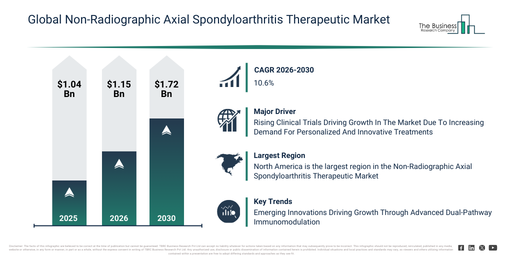
    The therapeutic market for non-radiographic axial spondyloarthritis has experienced rapid growth in recent years. It is forecast to increase from $1.04 billion in 2025 to $1.15 billion in 2026, exhibiting a compound annual growth rate (CAGR) of 10.9%. The growth observed in prior periods can be attributed to several factors including greater awareness of non-radiographic axial spondyloarthritis, the limitations inherent in conventional NSAID therapy, the adoption of enhanced diagnostic criteria, improved access to rheumatology specialty care, and an expansion in the availability of biologic drugs.

    The non-radiographic axial spondyloarthritis therapeutic market is poised for significant expansion in the coming years. Projections indicate it will reach $1.72 billion by 2030, exhibiting a compound annual growth rate (CAGR) of 10.6%. This anticipated growth during the forecast period is fueled by several factors, including the increasing creation of next-generation biologics, the greater uptake of JAK inhibitor treatments, a rising emphasis on individualized rheumatology care, the broadening of early intervention strategies, and improved patient awareness alongside higher diagnosis rates. Key trends for this period encompass a greater acceptance of biologic disease-modifying therapies, the increased application of IL-17 and TNF inhibitors, a heightened focus on addressing the disease early, the broadening availability of targeted small molecule treatments, and a stronger commitment to sustained disease management.

    Get A Free Sample Report With In-Depth Market Insights:

    https://thebusinessresearchcompany.com/sample_request?id=73150048&type=smp&name=Non-Radiographic%20Axial%20Spondyloarthritis%20Therapeutic%20Market%20Report%202026&utm_source=Blogs&utm_medium=Paid&utm_campaign=Nov_PR

    Non-Radiographic Axial Spondyloarthritis Therapeutic Market Growth Factors: What’s Supporting Expansion?

    The rising number of clinical trials is anticipated to drive the future expansion of the non-radiographic axial spondyloarthritis therapeutic market. Clinical trials are research investigations carried out on people to gauge the safety, effectiveness, and adverse effects of medical interventions or treatments. The growth in clinical trials is attributed to the increasing demand for personalized and innovative therapies that require stringent evaluation for both safety and efficacy. Clinical trials assist non-radiographic axial spondyloarthritis therapeutics by supplying evidence-based confirmation of a treatment’s effectiveness and safety in the early stages of the disease, thereby facilitating regulatory approvals and wider clinical acceptance. Thus, the escalating clinical trials are propelling the growth of the non-radiographic axial spondyloarthritis therapeutic market.

    Non-Radiographic Axial Spondyloarthritis Therapeutic Market Segmentation And Category Overview

    The non-radiographic axial spondyloarthritis therapeutic market covered in this report is segmented –

    1) By Type: Non-Steroidal Anti-Inflammatory Drugs, Biologics, Small Molecule Therapies, Corticosteroids

    2) By Application: Oral, Injectable, Parenteral

    3) By End User: Hospitals, Ambulatory Surgical Centers, Homecare Settings

    Subsegments:

    1) By Non-Steroidal Anti-Inflammatory Drugs: COX-2 Inhibitors, Non-Selective NSAIDs

    2) By Biologics: Tumor Necrosis Factor (TNF) Inhibitors, Interleukin-17 (IL-17) Inhibitors

    3) By Small Molecule Therapies: Janus Kinase (JAK) Inhibitors, TYK2 Inhibitors

    4) By Corticosteroids: Oral Corticosteroids, Intra-Articular Corticosteroid Injections

    Non-Radiographic Axial Spondyloarthritis Therapeutic Market Industry Trends: What’s Reshaping Demand?

    Companies operating within the non-radiographic axial spondyloarthritis (nr-axSpA) therapeutic market are prioritizing the development of innovative solutions, including dual IL-17A/IL-17F biologic inhibitors and highly convenient delivery methods. This strategic focus aims to address the increasing rates of diagnosis, earlier identification of the disease, the necessity for more rapid and profound inflammatory control, and patient desires for less frequent or more user-friendly dosing regimens. Dual IL-17A/IL-17F biologic inhibitors function as monoclonal antibodies that specifically and concurrently block the cytokines IL-17A and IL-17F, thereby assisting in the management of nr-axSpA through reduced inflammation, pain, stiffness, and structural progression.

    Non-Radiographic Axial Spondyloarthritis Therapeutic Market Competitive Analysis Of Leading Industry Participants

    Major companies operating in the non-radiographic axial spondyloarthritis therapeutic market are Pfizer Inc, Johnson and Johnson, AbbVie Inc, Sanofi SA, Bristol Myers Squibb Company, AstraZeneca PLC, Novartis AG, Eli Lilly and Company, Gilead Sciences Inc, Amgen Inc, Biogen Inc, Daiichi Sankyo Company Limited, UCB SA, Mochida Pharmaceutical Co Ltd, Mereo BioPharma Group plc, Suzhou Zelgen Biopharmaceuticals Co Ltd, Qyuns Therapeutics Co Ltd, Sandoz Group AG, Boehringer Ingelheim GmbH, Roche Holding AG

    View The Full Non-Radiographic Axial Spondyloarthritis Therapeutic Market Report:

    https://thebusinessresearchcompany.com/report/non-radiographic-axial-spondyloarthritis-therapeutic-global-market-report?utm_source=Blogs&utm_medium=Paid&utm_campaign=Nov_PR

    Non-Radiographic Axial Spondyloarthritis Therapeutic Market Regional Breakdown: Where Is Demand Concentrated?

    North America was the largest region in the non-radiographic axial spondyloarthritis therapeutics market in 2025. The regions covered in the non-radiographic axial spondyloarthritis therapeutic market report are Asia-Pacific, South East Asia, Western Europe, Eastern Europe, North America, South America, Middle East, Africa.

    Reach Out To Our Team:

    The Business Research Company: https://www.thebusinessresearchcompany.com/

    Americas: +1 310-496-7795

    Asia: +44 7882 955267 & +91 8897263534

    Europe: +44 7882 955267

    Email us at: marketing@tbrc.info

    Follow us on:

    LinkedIn: https://in.linkedin.com/company/the-business-research-company

    YouTube: https://www.youtube.com/channel/UC24_fI0rV8cR5DxlCpgmyFQ

    Global Market Model: https://www.thebusinessresearchcompany.com/global-market-model
  • Non-Proliferative Diabetic Retinopathy Market Growth To $3.98 Billion Creates New Opportunities Across The Industry

    Non-Proliferative Diabetic Retinopathy Market Growth To $3.98 Billion Creates New Opportunities Across The Industry

    Built to provide research that’s more actionable and strategically valuable, The Business Research Company’s 2026 market reports include market attractiveness analysis, total addressable market sizing, company benchmarking matrices, interactive Excel dashboards, broader supply chain intelligence, emerging startup tracking, and in-depth product insights.

    Non-Proliferative Diabetic Retinopathy Market Value Growth And Long-Term Outlook

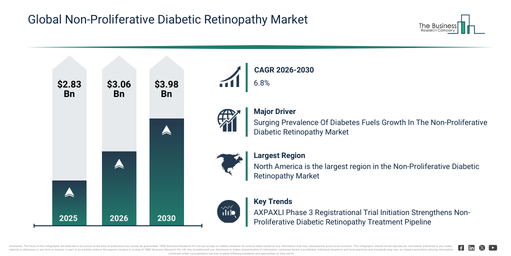
    The non-proliferative diabetic retinopathy market has experienced substantial growth in recent years. It is projected to expand from $2.83 billion in 2025 to $3.06 billion in 2026, demonstrating a compound annual growth rate (CAGR) of 8.0%. The growth observed in the historic period can be attributed to the high prevalence of diabetes, limited awareness of retinal complications, reliance on conventional laser treatments, low adoption of intravitreal injections, and insufficient screening infrastructure.

    The market size for non-proliferative diabetic retinopathy is projected to experience substantial growth in the coming years. It is expected to expand to $3.98 billion by 2030, achieving a compound annual growth rate (CAGR) of 6.8%. This expansion during the forecast period can be attributed to the rising incidence of diabetic retinopathy, the increasing acceptance of anti-VEGF and steroid treatments, the growth of ophthalmology clinics and specialized centers, advancements in retinal imaging technologies, and improvements in patient awareness and early detection programs. Significant trends anticipated for this period include the rising adoption of anti-VEGF therapy in NPDR, an increase in the use of intraocular steroid injections, the growing implementation of advanced laser surgery techniques, the expanding deployment of vitrectomy procedures, and the progressive integration of AI-powered retinal imaging and diagnosis.

    Get A Free Sample Report With In-Depth Market Insights:

    https://thebusinessresearchcompany.com/sample_request?id=10796419&type=smp&name=Non-Proliferative%20Diabetic%20Retinopathy%20Market%20Report%202026&utm_source=Blogs&utm_medium=Paid&utm_campaign=Nov_PR

    Non-Proliferative Diabetic Retinopathy Market Demand Drivers: What’s Powering Industry Growth?

    The rising occurrence of diabetes is projected to fuel the expansion of the non-proliferative diabetic retinopathy market in the foreseeable future. Diabetes is a long-term metabolic condition characterized by elevated blood glucose (blood sugar) due to inadequate insulin production by the pancreas or the body’s cells developing resistance to insulin’s effects. This condition is caused by sedentary lifestyles, unhealthy dietary habits, and genetic predispositions. Diabetes leads to non-proliferative diabetic retinopathy by damaging the blood vessels in the retina, primarily owing to prolonged exposure to high levels of glucose in the bloodstream, which can result in vision impairment and potential blindness. Therefore, the increasing prevalence of diabetes is driving the growth of the non-proliferative diabetic retinopathy market.

    Non-Proliferative Diabetic Retinopathy Market Segment Outlook: Which Categories Are Growing Fastest?

    The non-proliferative diabetic retinopathy market covered in this report is segmented –

    1) By Treatment Type: Anti-Vascular Endothelial Growth Factor (VEGF) Therapy, Intraocular Steroid Injection, Laser Surgery, Vitrectomy

    2) By Disease Severity Level: Mild Non-Proliferative Diabetic Retinopathy, Moderate Non-Proliferative Diabetic Retinopathy, Severe Non-Proliferative Diabetic Retinopathy

    3) By End-User: Hospitals, Specialty Clinics, Ambulatory Surgical Centers, Other End-Users

    Subsegments:

    1) By Anti-Vascular Endothelial Growth Factor (VEGF) Therapy: Bevacizumab (Avastin), Ranibizumab (Lucentis), Aflibercept (Eylea), Pegaptanib (Macugen)

    2) By Intraocular Steroid Injection: Triamcinolone Acetonide, Dexamethasone Implant (Ozurdex), Fluocinolone Acetonide Implant (Iluvien)

    3) By Laser Surgery: Focal Laser Photocoagulation, Panretinal Photocoagulation

    4) By Vitrectomy: Pars Plana Vitrectomy (PPV), Membrane Peeling Vitrectomy, Phaco-Vitrectomy (Combined Cataract And Vitrectomy Surgery)

    Non-Proliferative Diabetic Retinopathy Market Innovation Trends: What Developments Are Reshaping The Industry?

    Key entities within the non-proliferative diabetic retinopathy (NPDR) market are concentrating on creating sophisticated clinical solutions, including Phase 3 registrational trial enrollment, to bolster therapeutic validation, produce strong evidence, and facilitate regulatory clearance for new NPDR therapies. This type of enrollment signifies the official commencement and patient assignment within a crucial late-stage clinical study, intended to gather extensive data on efficacy and safety essential for a therapeutic intervention’s market approval. As an illustration, in November 2025, Ocular Therapeutix, a US-based biopharmaceutical firm focused on retinal conditions, disclosed the initial patient randomization for its HELIOS-3 Phase 3 registrational program, which is assessing AXPAXLI (OTX-TKI) for NPDR. AXPAXLI is an experimental bioresorbable intravitreal hydrogel composed of axitinib, a tyrosine kinase inhibitor possessing anti-angiogenic properties, designed to provide prolonged treatment with a reduced frequency of injections. The HELIOS-3 study, in conjunction with HELIOS-2, employs an innovative ordinal =2-step Diabetic Retinopathy Severity Score (DRSS) improvement as its main objective and enrolls individuals with non-center-involved diabetic macular edema (non-CI-DME), thereby establishing AXPAXLI as a potentially groundbreaking choice for lasting and efficacious NPDR management.

    Non-Proliferative Diabetic Retinopathy Market Leading Companies And Competitive Benchmarking

    Major companies operating in the non-proliferative diabetic retinopathy market are Pfizer Inc., Johnson & Johnson, F. Hoffmann-La Roche AG, AbbVie Inc., Bayer AG, Abbott Laboratories, Novartis AG, Regeneron Pharmaceuticals Inc., Bausch Health Companies Inc., Genentech Inc., Carl Zeiss Meditec AG, ZEISS Group, Santen Pharmaceutical Co. Ltd., Santen Inc., Topcon Corporation, Lumenis Ltd., Alimera Science, Ocular Therapeutix Inc., Acucela Inc., Kowa Company Ltd.

    View The Full Non-Proliferative Diabetic Retinopathy Market Report:

    https://thebusinessresearchcompany.com/report/non-proliferative-diabetic-retinopathy-global-market-report?utm_source=Blogs&utm_medium=Paid&utm_campaign=Nov_PR

    Non-Proliferative Diabetic Retinopathy Market Geographic Landscape: Which Region Leads Industry Growth?

    North America was the largest region in the non-proliferative diabetic retinopathy market in 2025. Asia-Pacific is expected to be the fastest-growing region in the forecast period. The regions covered in the non-proliferative diabetic retinopathy market report are Asia-Pacific, South East Asia, Western Europe, Eastern Europe, North America, South America, Middle East, Africa.

    Reach Out To Our Team:

    The Business Research Company: https://www.thebusinessresearchcompany.com/

    Americas: +1 310-496-7795

    Asia: +44 7882 955267 & +91 8897263534

    Europe: +44 7882 955267

    Email us at: marketing@tbrc.info

    Follow us on:

    LinkedIn: https://in.linkedin.com/company/the-business-research-company

    YouTube: https://www.youtube.com/channel/UC24_fI0rV8cR5DxlCpgmyFQ

    Global Market Model: https://www.thebusinessresearchcompany.com/global-market-model
  • Non-Muscle Invasive Bladder Cancer Market Forecast: Breaking Down The Numbers Behind Future Expansion

    Non-Muscle Invasive Bladder Cancer Market Forecast: Breaking Down The Numbers Behind Future Expansion

    Backed by market attractiveness analysis, total addressable market sizing, company benchmarking matrices, interactive Excel dashboards, wider supply chain intelligence, emerging startup coverage, and detailed product-level insights, The Business Research Company’s 2026 market reports are designed to offer research that is more actionable and strategically valuable than ever.

    Non-Muscle Invasive Bladder Cancer Market Poised To Hit $4.82 Billion By 2030 With A 5.6% CAGR

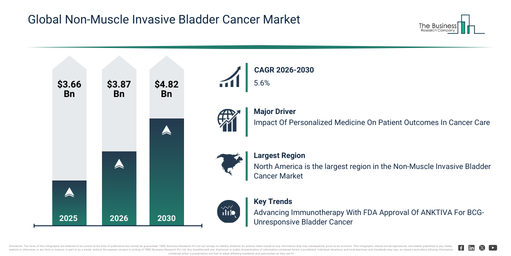
    The non-muscle invasive bladder cancer market size has shown significant expansion in recent years. It is anticipated to increase from $3.66 billion in 2025 to $3.87 billion in 2026, achieving a compound annual growth rate (CAGR) of 5.9%. This historical growth can be linked to several factors, including the early detection of bladder cancer, the prevalent use of transurethral resection, the limited adoption of intravesical therapy, improvements in hospital pharmacy infrastructure, and a low level of awareness regarding nmibc staging.

    The non-muscle invasive bladder cancer market is projected to experience substantial expansion in the coming years. This market is anticipated to reach $4.82 billion by 2030, demonstrating a compound annual growth rate (CAGR) of 5.6%. Factors contributing to this growth during the forecast period include the increasing incidence of bladder cancer, the wider acceptance of immunotherapy and chemotherapy, the expansion of online and retail pharmacy distribution channels, the broader application of advanced diagnostic imaging techniques, and the development of more personalized treatment methods. Key trends shaping the forecast period encompass the increasing integration of AI-powered diagnostic tools, the growing application of genomics and precision medicine strategies, the broader implementation of data-driven clinical decision support systems, the expanding utilization of minimally invasive therapeutic procedures, and the advancing incorporation of connected health monitoring solutions.

    Get A Free Sample Report With In-Depth Market Insights:

    https://thebusinessresearchcompany.com/sample_request?id=57398083&type=smp&name=Non-Muscle%20Invasive%20Bladder%20Cancer%20Market%20Report%202026&utm_source=Blogs&utm_medium=Paid&utm_campaign=Nov_PR

    Non-Muscle Invasive Bladder Cancer Market Growth Drivers: What’s Behind The Acceleration?

    The increasing emphasis on personalized medicine is projected to stimulate the expansion of the non-muscle invasive bladder cancer market in the coming years. Personalized medicine involves customizing medical care based on an individual’s genetic profile, lifestyle, and environment to achieve more effective outcomes. This heightened focus on personalized medicine is propelled by several factors, such as breakthroughs in genomic research, enhanced diagnostic tools, and the increasing demand for more targeted and potent treatments. Non-muscle invasive bladder cancer supports personalized medicine by allowing for tailored treatment plans, which are developed based on specific tumor characteristics, genetic markers, and individual patient profiles. Consequently, this trend is driving the growth of the non-muscle invasive bladder cancer market.

    Non-Muscle Invasive Bladder Cancer Market Segment Landscape: Which Areas Lead Development?

    The non-muscle invasive bladder cancer market covered in this report is segmented –

    1) By Stage: Carcinoma In Situ (CIS), T1 Stage, Ta Stage

    2) By Treatment: Immunotherapy, Chemotherapy, Surgery, Intravesical Therapy, Other Treatments

    3) By Tumor: Low-Grade Tumours, High-Grade Tumours

    4) By End-User: Hospital Pharmacy, Retail Pharmacy, Online Pharmacy

    Subsegments:

    1) By Carcinoma In Situ (CIS): High-Grade CIS, Low-Grade CIS

    2) By T1 Stage: T1a Stage (Superficial Tumors), T1b Stage (Invasive Into Lamina Propria)

    3) By Ta Stage: Low-Grade Ta Stage, High-Grade Ta Stage

    Non-Muscle Invasive Bladder Cancer Market Trends: What’s Defining The Industry’s Next Phase?

    Leading companies in the non-muscle invasive bladder cancer market are prioritizing the development of innovative products, such as immunotherapy, to enhance treatment options and patient outcomes. Immunotherapy involves leveraging the body’s immune system to detect and combat cancer cells by boosting or activating immune responses.

    Non-Muscle Invasive Bladder Cancer Market Industry Leaders And Competitive Landscape

    Major companies operating in the non-muscle invasive bladder cancer market are Johnson & Johnson, Janssen Research & Development LLC, Merck & Co Inc, AstraZeneca plc, Astellas Pharma US Inc, EMD Serono Inc, Genentech Inc, Aura Biosciences Inc, UroGen Pharma Ltd, Protara Therapeutics Inc, Istari Oncology Inc, Heat Biologics Inc, Viventia Bio Inc, ImmunityBio Inc, Altor BioScience Corporation, SURGE Therapeutics Inc, Pfizer Inc, Hoffmann-La Roche Ltd, CG Oncology Inc, Tyra Biosciences Inc, Prokarium Ltd, ImmVira Pharma Co Ltd, Trigone Pharma Ltd, enGene Holdings Inc, Atonco Pharma Ltd.

    View The Full Non-Muscle Invasive Bladder Cancer Market Report:

    https://thebusinessresearchcompany.com/report/non-muscle-invasive-bladder-cancer-global-market-report?utm_source=Blogs&utm_medium=Paid&utm_campaign=Nov_PR

    Non-Muscle Invasive Bladder Cancer Market Largest Region: Which Geography Holds The Biggest Share?

    North America was the largest region in the non-muscle invasive bladder cancer market in 2025. Asia-Pacific is expected to be the fastest-growing region in the forecast period. The regions covered in the non-muscle invasive bladder cancer market report are Asia-Pacific, South East Asia, Western Europe, Eastern Europe, North America, South America, Middle East, Africa.

    Reach Out To Our Team:

    The Business Research Company: https://www.thebusinessresearchcompany.com/

    Americas: +1 310-496-7795

    Asia: +44 7882 955267 & +91 8897263534

    Europe: +44 7882 955267

    Email us at: marketing@tbrc.info

    Follow us on:

    LinkedIn: https://in.linkedin.com/company/the-business-research-company

    YouTube: https://www.youtube.com/channel/UC24_fI0rV8cR5DxlCpgmyFQ

    Global Market Model: https://www.thebusinessresearchcompany.com/global-market-model
  • Non-invasive Prenatal Testing Market Expected To Grow At 14.4% CAGR Through 2030: What Businesses Need To Know

    Non-invasive Prenatal Testing Market Expected To Grow At 14.4% CAGR Through 2030: What Businesses Need To Know

    Featuring market attractiveness scoring, total addressable market sizing, company benchmarking matrices, interactive Excel dashboards, deeper supply chain intelligence, emerging startup tracking, and granular product-level insights, The Business Research Company’s 2026 market reports are built to deliver research that is both more actionable and more strategically valuable.

    Non-invasive Prenatal Testing Market Size And Revenue Outlook Through 2030

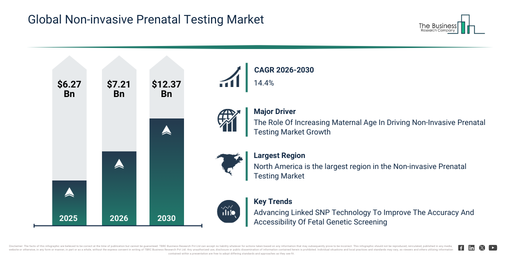
    The non-invasive prenatal testing market size has seen substantial growth in recent years. It is projected to expand from $6.27 billion in 2025 to $7.21 billion in 2026, demonstrating a compound annual growth rate (CAGR) of 15.0%. This historical growth can be attributed to factors such as growing awareness of prenatal screening, the reliance on invasive diagnostic methods, an increasing use of assay kits and reagents, the adoption of next-generation sequencing in labs, and the demand for early detection of chromosomal abnormalities.

    The non-invasive prenatal testing market is projected to experience swift expansion over the coming years. By 2030, its value is anticipated to reach $12.37 billion, achieving a compound annual growth rate (CAGR) of 14.4%. This expansion during the projection period is primarily driven by the increasing worldwide acceptance of non-invasive prenatal testing, greater investment in sophisticated sequencing technologies, the enlargement of hospital and diagnostic laboratory infrastructures, a heightened need for early genetic screening, and the progressive incorporation of AI and data analytics into prenatal diagnostics. Key trends for the forecast duration encompass the increasing uptake of AI-driven genetic analysis, the expanded application of NGS and PCR systems for prenatal testing, the broader deployment of cloud-based data management solutions in diagnostics, the wider utilization of high-throughput screening technologies, and the evolving integration of personalized prenatal risk assessment.

    Get A Free Sample Report With In-Depth Market Insights:

    https://thebusinessresearchcompany.com/sample_request?id=50360218&type=smp&name=Non-invasive%20Prenatal%20Testing%20Market%20Report%202026&utm_source=Blogs&utm_medium=Paid&utm_campaign=Nov_PR

    Non-invasive Prenatal Testing Market Growth Factors Behind Sustained Expansion

    The escalating maternal age is projected to propel the expansion of the non-invasive prenatal testing market in the coming period. This rise in maternal age is attributed to factors such as pursuing education, career development, achieving financial stability, personal preferences, delaying marriage, improvements in contraception, and broader societal shifts, empowering women to make more thoughtful choices about family planning. As women postpone childbirth, the likelihood of chromosomal abnormalities increases, leading more expectant mothers to choose NIPT to assess the health of their pregnancies. Therefore, the continuous rise in maternal age will further stimulate the growth of the non-invasive prenatal testing market.

    Non-invasive Prenatal Testing Market Segments: Where Is Growth Concentrated?

    The non-invasive prenatal testing market covered in this report is segmented –

    1) By Type: Consumables, Instruments

    2) By Application: Trisomy, Microdeletion, Genetics, Rh factor

    3) By End User: Hospital, Diagnostic Labs

    Subsegments:

    1) By Consumables: Assay Kits, Reagents, Disposables

    2) By Instruments: Next-Generation Sequencers (NGS), Polymerase Chain Reaction (PCR) Systems, Ultrasound Devices

    Non-invasive Prenatal Testing Market Industry Trends Fueling Future Revenue Growth

    Leading companies in the non-invasive prenatal testing (NIPT) market are concentrating on developing advanced solutions, such as linked-SNP (single nucleotide polymorphism) technology, to enhance diagnostic precision, improve the detection of complex genetic conditions, and reduce reliance on paternal samples. This linked-SNP technology functions by analyzing single-gene variants through genetically linked markers across the genome, allowing for the inference of inheritance patterns and thereby enabling more accurate identification of challenging conditions like homozygous mutations. For instance, in August 2025, Natera, a US-based company specializing in cell-free DNA (cfDNA) testing and precision medicine, introduced Fetal Focus. This NIPT is designed for inherited single-gene disorders and screens the fetus directly using only maternal blood when the biological father is unavailable. The test targets five genes: CFTR, SMN1, HBA1/HBA2, and HBB, and its effectiveness is supported by data from the EXPAND clinical trial. In its initial readout (n=101), Fetal Focus demonstrated 91% sensitivity and successfully detected all five homozygous variant fetuses, emphasizing the strength of its linked-SNP-based approach in providing noninvasive and clinically significant risk assessment.

    Non-invasive Prenatal Testing Market Key Participants And Competitive Landscape

    Major companies operating in the non-invasive prenatal testing market are F. Hoffmann-La Roche AG, Illumina Inc., Laboratory Corporation of America Holdings, Natera Inc., PerkinElmer Inc., Quest Diagnostics Inc., Agilent Technologies Inc., BGI Diagnosis Co Ltd., Berry Genomics Co, LifeCodexx AG, Myriad Genetics Inc., NIPD Genetics Co Ltd., Sequenom Inc., Annoroad Gene Technology Co Ltd., Centogene AG, Counsyl Inc., EUROFINS Genoma Group, Eurofins Scientific SE, Next Biosciences, Premaitha Health Plc, Ariosa Diagnostics Inc., Yourgene Health PLC, GE Healthcare Technologies Inc., Koninklijke Philips NV, Thermo Fisher Scientific Inc., Pacific Biosciences of California Inc., QIAGEN NV, MedGenome Labs Ltd., Progenity Inc., Beijing Genomics Institute

    View The Full Non-invasive Prenatal Testing Market Report:

    https://thebusinessresearchcompany.com/report/non-invasive-prenatal-testing-global-market-report?utm_source=Blogs&utm_medium=Paid&utm_campaign=Nov_PR

    Non-invasive Prenatal Testing Market Regional Analysis: Which Geography Leads On Revenue?

    North America was the largest region in the non-invasive prenatal testing market in 2025. Western Europe was the second largest region in the non-invasive prenatal testing market. The regions covered in the non-invasive prenatal testing market report are Asia-Pacific, South East Asia, Western Europe, Eastern Europe, North America, South America, Middle East, Africa.

    Reach Out To Our Team:

    The Business Research Company: https://www.thebusinessresearchcompany.com/

    Americas: +1 310-496-7795

    Asia: +44 7882 955267 & +91 8897263534

    Europe: +44 7882 955267

    Email us at: marketing@tbrc.info

    Follow us on:

    LinkedIn: https://in.linkedin.com/company/the-business-research-company

    YouTube: https://www.youtube.com/channel/UC24_fI0rV8cR5DxlCpgmyFQ

    Global Market Model: https://www.thebusinessresearchcompany.com/global-market-model
  • Non-Insulin Therapies For Diabetes Market Forecast To Reach $28.39 Billion By 2030: Key Trends Explained

    Non-Insulin Therapies For Diabetes Market Forecast To Reach $28.39 Billion By 2030: Key Trends Explained

    Built to provide research that’s more actionable and strategically valuable, The Business Research Company’s 2026 market reports include market attractiveness analysis, total addressable market sizing, company benchmarking matrices, interactive Excel dashboards, broader supply chain intelligence, emerging startup tracking, and in-depth product insights.

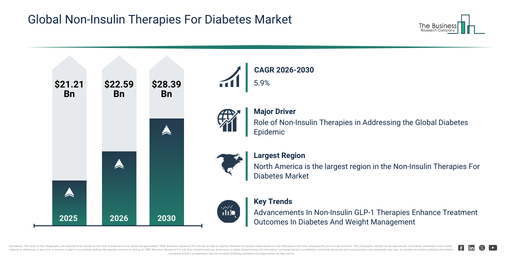
    Non-Insulin Therapies For Diabetes Market Growth From $22.59 Billion In 2026 To $28.39 Billion By 2030 At A CAGR Of 5.9%

    The non-insulin therapies for diabetes market size has seen strong growth in recent years. It is projected to expand from $21.21 billion in 2025 to $22.59 billion in 2026, achieving a compound annual growth rate (CAGR) of 6.5%. The historical growth can be attributed to the high prevalence of type 2 diabetes, a reliance on oral hypoglycemic agents, limited patient adherence to insulin therapy, an increase in hospital and retail pharmacy distribution, and the emergence of multiple drug classes.

    The non-insulin therapies for diabetes market is projected to experience strong growth in the upcoming years, with its size expected to reach $28.39 billion by 2030, driven by a compound annual growth rate (CAGR) of 5.9%. This expansion during the forecast period is attributed to the increased adoption of non-insulin drug combinations, the rising use of GLP-1 and SGLT2 inhibitors, the broadening of online pharmacy channels, the development of personalized and precision medicine approaches, and the advanced integration of digital health and remote monitoring. Significant trends for this period encompass the growing acceptance of personalized diabetes management, the increased utilization of AI-driven glucose monitoring systems, the deepening integration of telemedicine-linked therapy solutions, the expanded implementation of data-driven clinical decision support, and the progressive deployment of connected devices for remote patient care.

    Get A Free Sample Report With In-Depth Market Insights:

    https://thebusinessresearchcompany.com/sample_request?id=72243282&type=smp&name=Non-Insulin%20Therapies%20For%20Diabetes%20Market%20Report%202026&utm_source=Blogs&utm_medium=Paid&utm_campaign=Nov_PR

    Non-Insulin Therapies For Diabetes Market Demand Drivers Opening New Revenue Streams

    The expanding occurrence of diabetes is anticipated to fuel the advancement of non-insulin therapies for the diabetes market in the coming years. Diabetes, a persistent health condition, is identified by elevated blood glucose (sugar) levels, emerging when the body either fails to produce adequate insulin or cannot effectively utilize the insulin it generates. The rise in diabetes instances is attributed to factors such as inactive lifestyles, poor dietary habits, inherited predispositions, an aging demographic, excessive weight, ethnicity, insufficient public understanding, restricted healthcare access, and various environmental influences. Non-insulin treatments for diabetes address the ailment by enhancing insulin sensitivity, decreasing hepatic glucose production, boosting glucose absorption in muscle cells, and improving comprehensive glycemic regulation. Consequently, the increasing prevalence of diabetes is propelling the expansion of non-insulin therapies for the diabetes market.

    Non-Insulin Therapies For Diabetes Market Segment Analysis: What Are The Core Market Categories?

    The non-insulin therapies for diabetes market covered in this report is segmented –

    1) By Type: Biguanides, Sulfonylureas, Thiazolidinediones (TZDs), DPP 4 Inhibitors, GLP 1 Analogs Or Agonists, SGLT2 Inhibitors

    2) By Route Of Administration: Oral, Injectable

    3) By Application: Type 1 Diabetes, Type 2 Diabetes, Gestational Diabetes

    4) By Distribution Channel: Hospital Pharmacies, Retail Pharmacies, Online Pharmacies

    5) By End User: Hospitals Or Clinics, Homecare Or Patients, Other End-Users

    Subsegments:

    1) By Biguanides: Metformin, Combination Of Metformin With Other Drugs

    2) By Sulfonylureas: Glimepiride, Glipizide, Glyburide

    3) By Thiazolidinediones (TZDs): Pioglitazone, Rosiglitazone

    4) By DPP 4 Inhibitors: Sitagliptin, Saxagliptin, Linagliptin

    5) By GLP 1 Analogs Or Agonists: Exenatide, Liraglutide, Dulaglutide

    6) By SGLT2 Inhibitors: Canagliflozin, Dapagliflozin, Empagliflozin

    Non-Insulin Therapies For Diabetes Market Trends Powering Strategic Industry Growth

    Leading companies in the non-insulin therapies for diabetes market are concentrating on creating advanced solutions, such as non-insulin GLP-1 receptor agonist, to broaden treatment options, enhance glycemic control, and strengthen their competitive stance in the diabetes and obesity care landscape. A non-insulin GLP-1 receptor agonist launch signifies the introduction of therapies that activate GLP-1 receptors to aid in blood glucose regulation and weight reduction without involving insulin. For instance, in March 2025, Eli Lilly and Company, a US-based pharmaceutical firm specializing in diabetes and metabolic treatments, introduced Mounjaro (tirzepatide) in India after receiving approval from the Central Drugs Standard Control Organisation. Developed as a dual GIP and GLP-1 receptor agonist, Mounjaro addresses significant challenges in type 2 diabetes and obesity management by providing once-weekly subcutaneous administration, improving glycemic control, decreasing appetite, slowing gastric emptying, and supporting substantial weight reduction, with initial dosing options available at 2.5 mg and 5 mg to enhance patient adherence and long-term outcomes.

    Non-Insulin Therapies For Diabetes Market Top Companies Driving Competitive Growth

    Major companies operating in the non-insulin therapies for diabetes market are Pfizer Inc., F. Hoffmann-La Roche AG, Merck & Co. Inc., Sanofi, The Bristol-Myers Squibb Company, AstraZeneca plc, Novartis AG, GSK plc, Takeda Pharmaceutical Company Limited, Eli Lilly and Company, Novo Nordisk A/S, Boehringer Ingelheim International GmbH, Les Servier Laboratories, Sumitomo Dainippon Pharma Co. Ltd., Jiangsu Hansoh Pharmaceutical Group Co. Ltd., Uni-Bio Science Group Ltd., Intarcia Therapeutics, Janssen Pharmaceuticals, Boan Biotech, SatRx LLC

    View The Full Non-Insulin Therapies For Diabetes Market Report:

    https://thebusinessresearchcompany.com/report/non-insulin-therapies-for-diabetes-global-market-report?utm_source=Blogs&utm_medium=Paid&utm_campaign=Nov_PR

    Non-Insulin Therapies For Diabetes Market Geographic Spread And Regional Opportunities

    North America was the largest region in the non-insulin therapies for diabetes market in 2025. The regions covered in the non-insulin therapies for diabetes market report are Asia-Pacific, South East Asia, Western Europe, Eastern Europe, North America, South America, Middle East, Africa.

    Reach Out To Our Team:

    The Business Research Company: https://www.thebusinessresearchcompany.com/

    Americas: +1 310-496-7795

    Asia: +44 7882 955267 & +91 8897263534

    Europe: +44 7882 955267

    Email us at: marketing@tbrc.info

    Follow us on:

    LinkedIn: https://in.linkedin.com/company/the-business-research-company

    YouTube: https://www.youtube.com/channel/UC24_fI0rV8cR5DxlCpgmyFQ

    Global Market Model: https://www.thebusinessresearchcompany.com/global-market-model
  • Non-Emergency Medical Transportation Market Size Forecast From 2026 To 2030: Key Industry Trends

    Non-Emergency Medical Transportation Market Size Forecast From 2026 To 2030: Key Industry Trends

    Backed by market attractiveness analysis, total addressable market sizing, company benchmarking matrices, interactive Excel dashboards, wider supply chain intelligence, emerging startup coverage, and detailed product-level insights, The Business Research Company’s 2026 market reports are designed to offer research that is more actionable and strategically valuable than ever.

    Non-Emergency Medical Transportation Market Expansion Outlook: What Revenue Opportunities Are Ahead?

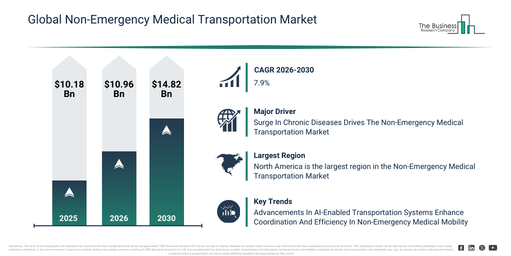
    The non-emergency medical transportation market has shown robust growth in recent years. This market is anticipated to increase from $10.18 billion in 2025 to $10.96 billion in 2026, at a compound annual growth rate (CAGR) of 7.6%. The historical expansion can be attributed to the limited availability of non-emergency medical transport, a high dependence on private pay services, fragmented courier and patient transport systems, a rising demand for dialysis and routine doctor visits, and a reliance on traditional transportation methods.

    The non-emergency medical transportation market size is set to experience substantial expansion over the next few years, projected to reach $14.82 billion by 2030, growing at a compound annual growth rate (CAGR) of 7.9%. This anticipated growth during the forecast period is fueled by the expansion of telehealth services, the adoption of electric and smart vehicles, increasing governmental and insurance support for nemt, the proliferation of subscription-based and ride-hailing medical transport solutions, and the integration of AI and IoT for enhanced route optimization and patient safety. Significant trends anticipated during this period encompass the rising embrace of AI-based transportation scheduling, the increasing integration of patient transport services with telehealth, a growing implementation of fleet electrification and green mobility solutions, the expanding deployment of smart vehicle tracking and routing systems, and the advancing use of data-driven solutions to improve operational efficiency.

    Get A Free Sample Report With In-Depth Market Insights:

    https://thebusinessresearchcompany.com/sample_request?id=96952774&type=smp&name=Non-Emergency%20Medical%20Transportation%20Market%20Report%202026&utm_source=Blogs&utm_medium=Paid&utm_campaign=Nov_PR

    Non-Emergency Medical Transportation Market Growth Backed By Core Demand Fundamentals

    The increasing occurrence of chronic illnesses is anticipated to fuel the expansion of the non-emergency medical transportation market in the future. These conditions are defined as health issues lasting a year or more, requiring ongoing medical care, hindering daily routines, or presenting both challenges. For those with chronic conditions, non-emergency medical transportation provides uninterrupted access to healthcare appointments, therapies, and essential support services, thereby facilitating steady medical care management and improving general health results. Consequently, the growing prevalence of chronic diseases is a key impetus for the non-emergency medical transportation market.

    Non-Emergency Medical Transportation Market Segment Breakdown: Which Categories Lead On Revenue?

    The non-emergency medical transportation market covered in this report is segmented –

    1) By Type: Courier Services, Insurance Backed Patient Transportation, Private Pay Patient Transportation

    2) By Vehicle Type: Ambulatory Vans, Minivans, Wheelchair-Lift-Equipped Vehicles, Stretcher Vans

    3) By Application: Dialysis, Routine Doctor Visits, Mental Health Related Appointments, Rehabilitation, Other Applications

    4) By End User: Airport Shuttle, Hospital Medical Laboratories, Nursing Care Facilities

    Subsegments:

    1) By Courier Services: Medical Supply Delivery, Prescription Delivery, Laboratory Specimen Transport

    2) By Insurance Backed Patient Transportation: Medicaid Funded Transportation, Medicare Funded Transportation, Private Insurance Transportation

    3) By Private Pay Patient Transportation: Individual Out-Of-Pocket Payments, Subscription-Based Services, Ride-Hailing Services For Medical Appointments

    Non-Emergency Medical Transportation Market Growth Trends Reshaping The Competitive Landscape

    Leading companies in the non-emergency medical transportation market are focused on developing advanced solutions, such as an AI-powered transportation management system, to enhance streamlined scheduling, route optimization, and operational efficiency when transporting patients for medical care. An AI-powered transportation management system is a digital platform that utilizes artificial intelligence to automate and optimize scheduling, routing, and resource allocation for transportation operations, thereby improving efficiency through real-time decision-making and reduced delays while boosting overall fleet performance.

    Non-Emergency Medical Transportation Market Leading Players And Competitive Positioning

    Major companies operating in the non-emergency medical transportation market are Transdev, FirstGroup plc, ModivCare Inc, Falck A/S, LogistiCare Solutions LLC, Kinetik, American Medical Response Inc., MTM Inc., Global Medical Response Inc, Crothall Healthcare Inc., Southeastrans Inc, Secure Transportation Company Inc, Acadian Ambulance Service Inc, Express Medical Transporters Inc, ERS Transition Ltd, Veyo LLC, ATS Healthcare Solutions, Ride Health, Wingz Inc, ERS Medical, Coastal Medical Transportation Systems LLC, Ambulnz, CareSafe Transportation, Elite Medical Transport, Lifeline VMT, ABC Non-Emergency Medical Transportation LLC, MediTrans

    View The Full Non-Emergency Medical Transportation Market Report:

    https://thebusinessresearchcompany.com/report/non-emergency-medical-transportation-global-market-report?utm_source=Blogs&utm_medium=Paid&utm_campaign=Nov_PR

    Non-Emergency Medical Transportation Market Top Region By Revenue And Market Share

    North America was the largest region in the non-emergency medical transportation market in 2025. The regions covered in the non-emergency medical transportation market report are Asia-Pacific, South East Asia, Western Europe, Eastern Europe, North America, South America, Middle East, Africa.

    Reach Out To Our Team:

    The Business Research Company: https://www.thebusinessresearchcompany.com/

    Americas: +1 310-496-7795

    Asia: +44 7882 955267 & +91 8897263534

    Europe: +44 7882 955267

    Email us at: marketing@tbrc.info

    Follow us on:

    LinkedIn: https://in.linkedin.com/company/the-business-research-company

    YouTube: https://www.youtube.com/channel/UC24_fI0rV8cR5DxlCpgmyFQ

    Global Market Model: https://www.thebusinessresearchcompany.com/global-market-model
  • Non-Cystic Fibrosis Bronchiectasis Market 2026: Market Size, Growth Drivers And Emerging Opportunities

    Non-Cystic Fibrosis Bronchiectasis Market 2026: Market Size, Growth Drivers And Emerging Opportunities

    Featuring market attractiveness scoring, total addressable market sizing, company benchmarking matrices, interactive Excel dashboards, deeper supply chain intelligence, emerging startup tracking, and granular product-level insights, The Business Research Company’s 2026 market reports are built to deliver research that is both more actionable and more strategically valuable.

    Non-Cystic Fibrosis Bronchiectasis Market Growth Potential: How Will Market Size Shift Through 2030?

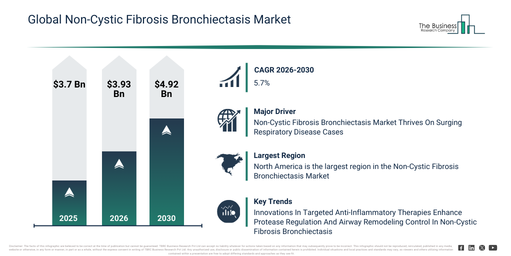
    The market size for non-cystic fibrosis bronchiectasis has demonstrated strong growth in recent years. It is projected to increase from $3.7 billion in 2025 to $3.93 billion in 2026, achieving a compound annual growth rate (CAGR) of 6.4%. The expansion observed historically can be attributed to elements such as repeated respiratory infections, limited awareness concerning non-CF bronchiectasis, a reliance on traditional diagnostic approaches, insufficient hospital infrastructure, and the low adoption rate of advanced imaging technologies.

    The non-cystic fibrosis bronchiectasis market is projected to experience substantial expansion in the coming years. This market is set to reach $4.92 billion by 2030, demonstrating a compound annual growth rate (CAGR) of 5.7%. The anticipated growth during this period stems from factors such as an increasing incidence of chronic respiratory conditions, the growing embrace of AI and precision medicine, an expansion in home healthcare and telemedicine services, progress in minimally invasive treatment options, and the enhancement of healthcare infrastructure within developing economies. Key developments expected over the forecast period encompass a greater acceptance of individualized treatment strategies, the broader implementation of remote patient monitoring and telehealth, the rising utilization of AI-driven diagnostic instruments, an increased deployment of connected health devices and smart lung monitoring systems, and the progressing integration of data-informed clinical decision support.

    Get A Free Sample Report With In-Depth Market Insights:

    https://thebusinessresearchcompany.com/sample_request?id=74259271&type=smp&name=Non-Cystic%20Fibrosis%20Bronchiectasis%20Market%20Report%202026&utm_source=Blogs&utm_medium=Paid&utm_campaign=Nov_PR

    Non-Cystic Fibrosis Bronchiectasis Market Growth Catalysts And Demand Drivers

    The growing occurrence of respiratory diseases is projected to drive the expansion of the non-cystic fibrosis bronchiectasis market going forward. These conditions encompass various illnesses affecting the lungs and respiratory system, thereby impacting breathing and overall respiratory function. The increasing prevalence of respiratory diseases is primarily propelled by rising environmental pollution, including both outdoor pollutants and indoor irritants like tobacco smoke. The increasing frequency of respiratory infections offers opportunities for advancing the understanding, diagnosis, and management of non-cystic fibrosis bronchiectasis through targeted interventions and public health efforts. Therefore, the increasing prevalence of respiratory diseases will fuel the growth of the non-cystic fibrosis bronchiectasis market.

    Non-Cystic Fibrosis Bronchiectasis Market Segmentation: How Does The Market Break Down By Category?

    The non-cystic fibrosis bronchiectasis market covered in this report is segmented –

    1) By Diagnosis: Computed Tomography (CT) Scan, Bronchoscopy, Chest X Ray, Lung Function, Sputum Culture Test, Blood Tests, Other Diagnosis Types

    2) By Treatment: Surgery, Physiotherapy, Vaccination, Airway Pharmacotherapy, Antibiotics, Other Treatments

    3) By End Use: Hospitals And Clinics, Ambulatory Care Centers, Other End Uses

    Subsegments:

    1) By Computed Tomography (CT) Scan: High-Resolution CT (HRCT), Standard CT

    2) By Bronchoscopy: Flexible Bronchoscopy, Rigid Bronchoscopy

    3) By Chest X-Ray: Standard Chest X-Ray, Digital Chest X-Ray

    4) By Lung Function: Spirometry, Peak Flow Measurement

    5) By Sputum Culture Test: Bacterial Culture, Fungal Culture, Viral Culture

    6) By Blood Tests: Complete Blood Count (CBC), C-Reactive Protein (CRP), Immunoglobulin Levels

    7) By Other Diagnosis Types: Sweat Test, Genetic Testing, Exhaled Nitric Oxide Test

    Non-Cystic Fibrosis Bronchiectasis Market Trends Shaping Long-Term Demand

    Major companies in the non-cystic fibrosis bronchiectasis (NCFB) market are concentrating on developing advanced solutions, such as novel neutrophil elastase–regulating pharmacologic interventions, to enhance protease–antiprotease balance, lessen chronic tissue damage, and support sustained management of airway remodeling. A novel neutrophil elastase–regulating pharmacologic intervention for chronic airway inflammation denotes a targeted therapeutic strategy designed to modulate excessive neutrophil elastase activity, which is a primary contributor to airway injury and persistent inflammation in NCFB. For example, in November 2025, Insmed, a US-based biopharmaceutical company, obtained European Commission approval for BRINSUPRI (brensocatib), recognized as a first-in-class, once-daily oral DPP1 inhibitor. The 25 mg formulation demonstrated a 19.4% reduction in the annual exacerbation rate when compared to placebo in the Phase 3 ASPEN trial, extended the time to first exacerbation, and resulted in a greater proportion of patients remaining exacerbation-free. Additionally, it significantly mitigated the decline in lung function (FEV1) at week 52 and exhibited a favorable safety profile, with commonly reported adverse effects including headache, hyperkeratosis, dermatitis, rash, upper respiratory tract infections, and dry skin.

    Non-Cystic Fibrosis Bronchiectasis Market Competitive Overview And Top Companies

    Major companies operating in the non-cystic fibrosis bronchiectasis market are Pfizer Inc., Merck & Co. Inc., Sanofi SA, AstraZeneca plc, GlaxoSmithKline plc (GSK), Boehringer Ingelheim International GmbH, Viatris Inc., Teva Pharmaceutical Industries Ltd., Sun Pharmaceutical Industries Ltd., Aurobindo Pharma Ltd., Dr Reddys Laboratories Ltd., Chiesi Farmaceutici SpA, Lupin Limited, Zambon Company SpA, Sunovion Pharmaceuticals Inc., Insmed Incorporated, Armata Pharmaceuticals Inc., Renovion Inc., SolAeroMed Inc., CSL Behring, Haisco Pharmaceutical Group Co Ltd., NovaBiotics Ltd., Synspira Therapeutics, Parion Sciences, Regeneron Pharmaceuticals Inc., Gilead Sciences Inc., Infex Therapeutics

    View The Full Non-Cystic Fibrosis Bronchiectasis Market Report:

    https://thebusinessresearchcompany.com/report/non-cystic-fibrosis-bronchiectasis-global-market-report?utm_source=Blogs&utm_medium=Paid&utm_campaign=Nov_PR

    Non-Cystic Fibrosis Bronchiectasis Market Regional Analysis And Top Geography

    North America was the largest region in the non-cystic fibrosis bronchiectasis market in 2025. The regions covered in the non-cystic fibrosis bronchiectasis market report are Asia-Pacific, South East Asia, Western Europe, Eastern Europe, North America, South America, Middle East, Africa.

    Reach Out To Our Team:

    The Business Research Company: https://www.thebusinessresearchcompany.com/

    Americas: +1 310-496-7795

    Asia: +44 7882 955267 & +91 8897263534

    Europe: +44 7882 955267

    Email us at: marketing@tbrc.info

    Follow us on:

    LinkedIn: https://in.linkedin.com/company/the-business-research-company

    YouTube: https://www.youtube.com/channel/UC24_fI0rV8cR5DxlCpgmyFQ

    Global Market Model: https://www.thebusinessresearchcompany.com/global-market-model
  • Non Invasive Fat Reduction Market Set To Expand From $2.88 Billion In 2026: Growth Outlook Through 2030

    Non Invasive Fat Reduction Market Set To Expand From $2.88 Billion In 2026: Growth Outlook Through 2030

    Built to provide research that’s more actionable and strategically valuable, The Business Research Company’s 2026 market reports include market attractiveness analysis, total addressable market sizing, company benchmarking matrices, interactive Excel dashboards, broader supply chain intelligence, emerging startup tracking, and in-depth product insights.

    Non Invasive Fat Reduction Market Value Analysis: What Growth Lies Ahead Over The Forecast Period?

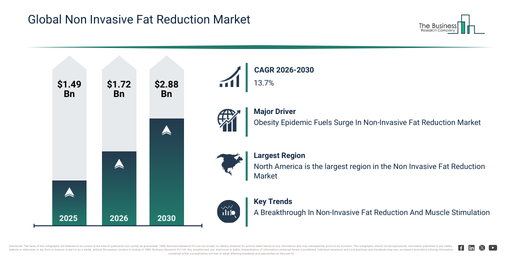
    The non invasive fat reduction market has expanded rapidly in recent years. Its valuation is expected to climb from $1.49 billion in 2025 to $1.72 billion in 2026, achieving a compound annual growth rate (CAGR) of 15.5%. This historical growth can be attributed to factors such as increasing aesthetic awareness, rising obesity rates, greater disposable income, the expansion of cosmetic clinics, and the initial adoption of cryolipolysis.

    The non invasive fat reduction market is anticipated to experience swift expansion in the coming years. Its size is projected to reach $2.88 billion by 2030, exhibiting a compound annual growth rate (CAGR) of 13.7%. This forecasted growth is largely driven by factors such as AI-enabled treatment personalization, an increasing demand for male aesthetics, a rise in medical tourism, ongoing advancements in devices, and broader regulatory approvals. Key trends anticipated during this period encompass the increasing integration of AI-based body contouring devices, the proliferation of precision aesthetic treatments, a growing preference for non-surgical cosmetic procedures, higher demand for treatments requiring minimal downtime, and continuous technological progress in energy-based fat reduction.

    Get A Free Sample Report With In-Depth Market Insights:

    https://thebusinessresearchcompany.com/sample_request?id=80381375&type=smp&name=Non%20Invasive%20Fat%20Reduction%20Market%20Report%202026&utm_source=Blogs&utm_medium=Paid&utm_campaign=Nov_PR

    Non Invasive Fat Reduction Market Opportunity Drivers: What’s Unlocking New Revenue Potential?

    The increasing obese population is anticipated to drive the expansion of the non-invasive fat reduction market in the future. This refers to individuals with a body mass index (BMI) of 30 or higher, signifying a degree of body fat that substantially elevates health risks. The growth in the obese population stems from several factors, such as higher intake of calorie-dense, processed foods, inactive lifestyles, genetic tendencies, and socioeconomic conditions that restrict access to nutritious food and exercise. Non-surgical fat reduction methods, including cryolipolysis and laser lipolysis, are employed to assist obese individuals in decreasing localized fat without surgical intervention, presenting a safer option compared to invasive operations. Consequently, the expanding obese population is fueling the advancement of the non-invasive fat reduction market.

    Non Invasive Fat Reduction Market Segment Trends And Revenue Contributors

    The non invasive fat reduction market covered in this report is segmented –

    1) By Technology: Cryolipolysis, Ultrasound, Low Level Lasers

    2) By Gender: Female, Male

    3) By End Users: Hospitals, Stand Alone Practices, Multispecialty Clinic

    Subsegments:

    1) By Cryolipolysis: CoolSculpting, Cryolipolysis With Vacuum-Assisted Technology

    2) By Ultrasound: High-Intensity Focused Ultrasound (HIFU), Low-Intensity Ultrasound

    3) By Low Level Lasers: Red Light Therapy, Diode Laser Systems

    Non Invasive Fat Reduction Market Innovation Trends Shaping Future Development

    Major companies in the non-invasive fat reduction market are prioritizing the development of advanced technologies, such as muscle-stimulating techniques, to improve fat loss and treatment outcomes. Muscle-stimulating technologies refer to a fat reduction method utilizing electrical impulses to contract muscles, thereby boosting fat burning and body toning without surgery.

    Non Invasive Fat Reduction Market Competitive Landscape: Which Companies Lead The Industry?

    Major companies operating in the non invasive fat reduction market are Cynosure LLC, Alma Lasers, Lumenis Ltd., BTL Industries, ZELTIQ Aesthetics Inc., Sono Bello, Solta Medical, Cutera Inc., Merz Pharma GmbH & Co. KGaA, Sciton Inc., Venus Concept, Syneron Candela, Zimmer MedizinSysteme GmbH (Zimmer Aesthetics), Fotona d.o.o., Apyx Medical Corporation, Erchonia Corporation, Aesthetics Biomedical Inc., Lynton Lasers Ltd., INDIBA S.A., InMode Ltd., Lutronic Corporation, Viora, Aesthetic Solutions, Cocoon Medical, Sound Surgical Technologies LLC, Chongqing Haifu (HIFU) Technology Co Ltd.

    View The Full Non Invasive Fat Reduction Market Report:

    https://thebusinessresearchcompany.com/report/non-invasive-fat-reduction-global-market-report?utm_source=Blogs&utm_medium=Paid&utm_campaign=Nov_PR

    Non Invasive Fat Reduction Market Geographic Analysis: Where Is Demand Rising Fastest?

    North America was the largest region in the non invasive fat reduction market in 2025. The regions covered in the non invasive fat reduction market report are Asia-Pacific, South East Asia, Western Europe, Eastern Europe, North America, South America, Middle East, Africa.

    Reach Out To Our Team:

    The Business Research Company: https://www.thebusinessresearchcompany.com/

    Americas: +1 310-496-7795

    Asia: +44 7882 955267 & +91 8897263534

    Europe: +44 7882 955267

    Email us at: marketing@tbrc.info

    Follow us on:

    LinkedIn: https://in.linkedin.com/company/the-business-research-company

    YouTube: https://www.youtube.com/channel/UC24_fI0rV8cR5DxlCpgmyFQ

    Global Market Model: https://www.thebusinessresearchcompany.com/global-market-model
  • Nodular Prurigo Market Size And Growth In 2026: Key Factors Shaping Future Demand

    Nodular Prurigo Market Size And Growth In 2026: Key Factors Shaping Future Demand

    Backed by market attractiveness analysis, total addressable market sizing, company benchmarking matrices, interactive Excel dashboards, wider supply chain intelligence, emerging startup coverage, and detailed product-level insights, The Business Research Company’s 2026 market reports are designed to offer research that is more actionable and strategically valuable than ever.

    Nodular Prurigo Market Size Forecast: How Big Could The Market Get By 2030?

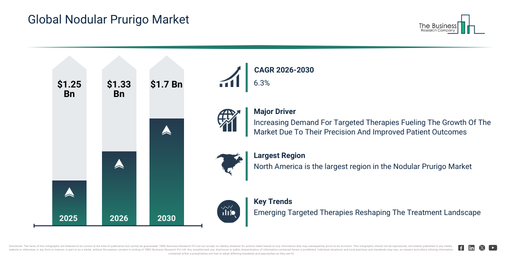
    The nodular prurigo market size has demonstrated significant expansion in recent years. It is anticipated to increase from $1.25 billion in 2025 to $1.33 billion in 2026, exhibiting a compound annual growth rate (CAGR) of 6.6%. This historical market development can be attributed to several factors, including the rising occurrence of chronic dermatological conditions, the constrained efficacy of conventional topical therapies, increasing awareness regarding pruritic skin diseases, the growth of dermatology specialty clinics, and enhanced diagnostic recognition of nodular prurigo.

    The market size for nodular prurigo is projected to experience substantial growth over the coming years. This market is anticipated to reach $1.7 billion by 2030, exhibiting a compound annual growth rate (CAGR) of 6.3%. Factors contributing to this growth during the projected period include the increasing creation of novel biologics and monoclonal antibodies, a heightened emphasis on personalized dermatology solutions, greater investments in research concerning inflammatory skin diseases, the expansion of advanced immunotherapy development, and a rising need for long-term itch management options. Key trends identified for the forecast period encompass a growing uptake of targeted immunomodulatory treatments, an increased application of biologic therapies for persistent pruritus, an intensifying focus on addressing neuropathic itch, the broadening of long-term disease management strategies, and a stronger commitment to patient-focused dermatology care.

    Get A Free Sample Report With In-Depth Market Insights:

    https://thebusinessresearchcompany.com/sample_request?id=39382370&type=smp&name=Nodular%20Prurigo%20Market%20Report%202026&utm_source=Blogs&utm_medium=Paid&utm_campaign=Nov_PR

    Nodular Prurigo Market Growth Momentum: What Factors Are Shaping Demand?

    The nodular prurigo market is anticipated to expand due to the growing need for targeted therapies. These therapies are medical interventions designed to precisely target and disrupt molecular pathways implicated in disease development and progression. The increasing adoption of targeted therapies stems from their capacity to deliver more accurate treatments, resulting in fewer adverse effects, better patient outcomes, and a viable alternative to conventional, less specific approaches. Nodular prurigo itself contributes to the advancement of targeted therapies by highlighting a significant unmet medical requirement linked to particular immune pathways such as IL-4, IL-13, and IL-31. This specificity allows for the application of biologics to precisely inhibit these inflammatory signals, leading to more efficacious treatment. Consequently, the heightened demand for targeted therapies is fueling expansion within the nodular prurigo market.

    Nodular Prurigo Market Segment Analysis Spotlighting Growth Areas

    The nodular prurigo market covered in this report is segmented –

    1) By Type: Chronic Nodular Prurigo, Acute Nodular Prurigo, Subacute Nodular Prurigo

    2) By Treatment Type: Topical Treatments, Systemic Treatments, Phototherapy, Immunosuppressants

    3) By Patient Demographics: Adults, Children, Elderly

    4) By End-User: Hospitals, Homecare, Specialty Clinics, Other End-Users

    Subsegments:

    1) By Chronic Nodular Prurigo: Idiopathic Chronic Nodular Prurigo, Secondary To Dermatologic Conditions, Neuropathic Causes, Systemic Disease-Associated, Psychogenic Prurigo

    2) By Acute Nodular Prurigo: Insect Bite-Induced, Allergic Reactions, Drug-Induced Prurigo, Infectious Triggers

    3) By Subacute Nodular Prurigo: Healing Phase Of Chronic Prurigo, Post-Inflammatory Prurigo, Transient Dermatoses, Reaction To Environmental Irritants

    Nodular Prurigo Market Trends Redefining Industry Growth

    Leading companies within the nodular prurigo market are prioritizing the creation of advanced solutions, such as anti-IL-31 receptor biologics, to fulfill the increasing need for disease-modifying treatments capable of alleviating severe chronic itching, improving the resolution of nodules, and lessening reliance on prolonged use of topical corticosteroids and broad immunosuppressants. An anti-IL-31 receptor monoclonal antibody is a biological therapy comprised of engineered humanized antibodies that attach to the IL-31 receptor A on sensory and immune cells, effectively blocking IL-31 signaling, which is implicated in chronic pruritus.

    Nodular Prurigo Market Leading Companies: Who Holds The Strongest Market Presence?

    Major companies operating in the nodular prurigo market are Merck and Co Inc, Sanofi SA, GlaxoSmithKline plc, Amgen Inc, Regeneron Pharmaceuticals Inc, Astellas Pharma Inc, Sun Pharmaceutical Industries Limited, Galderma SA, Incyte Corporation, Kyowa Kirin Co Ltd, LEO Pharma AS, Maruho Co Ltd, Kiniksa Pharmaceuticals Ltd, Keymed Biosciences Co Ltd, Trevi Therapeutics Inc, Menlo Therapeutics Inc, VYNE Therapeutics Inc, Celldex Therapeutics Inc, AbbVie Inc, Pfizer Inc, Novartis AG, Eli Lilly and Company

    View The Full Nodular Prurigo Market Report:

    https://thebusinessresearchcompany.com/report/nodular-prurigo-global-market-report?utm_source=Blogs&utm_medium=Paid&utm_campaign=Nov_PR

    Nodular Prurigo Market Global Footprint: Which Region Leads The Market?

    North America was the largest region in the nodular prurigo market in 2025. Asia-Pacific is expected to be the fastest-growing region in the forecast period. The regions covered in the nodular prurigo market report are Asia-Pacific, South East Asia, Western Europe, Eastern Europe, North America, South America, Middle East, Africa.

    Reach Out To Our Team:

    The Business Research Company: https://www.thebusinessresearchcompany.com/

    Americas: +1 310-496-7795

    Asia: +44 7882 955267 & +91 8897263534

    Europe: +44 7882 955267

    Email us at: marketing@tbrc.info

    Follow us on:

    LinkedIn: https://in.linkedin.com/company/the-business-research-company

    YouTube: https://www.youtube.com/channel/UC24_fI0rV8cR5DxlCpgmyFQ

    Global Market Model: https://www.thebusinessresearchcompany.com/global-market-model
  • Nocturnal Leg Cramps Treatment Market Forecast 2026–2030: Market Size, Trends And Growth Opportunities

    Nocturnal Leg Cramps Treatment Market Forecast 2026–2030: Market Size, Trends And Growth Opportunities

    Featuring market attractiveness scoring, total addressable market sizing, company benchmarking matrices, interactive Excel dashboards, deeper supply chain intelligence, emerging startup tracking, and granular product-level insights, The Business Research Company’s 2026 market reports are built to deliver research that is both more actionable and more strategically valuable.

    Nocturnal Leg Cramps Treatment Market Revenue Outlook: What CAGR Lies Ahead Through 2030?

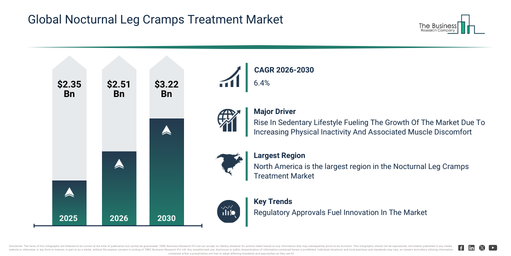
    The nocturnal leg cramps treatment market has demonstrated robust expansion over recent years. Projections indicate that this market is set to expand from $2.35 billion in 2025 to $2.51 billion by 2026, achieving a compound annual growth rate (CAGR) of 6.7%. Historically, this growth has been driven by factors such as an aging demographic, a rise in muscle fatigue conditions, the broad accessibility of over-the-counter remedies, a heightened understanding of sleep wellness, and a greater number of physician endorsements for non-invasive treatments.

    The nocturnal leg cramps treatment market is projected to experience substantial expansion in the coming years, with its size forecast to reach $3.22 billion by 2030, exhibiting a compound annual growth rate (CAGR) of 6.4%. This growth during the forecast period is attributed to factors such as increasing demand for personalized treatment regimens, a rising focus on non-drug therapies, the expansion of digital health guidance tools, a growing consumer preference for self-care solutions, and increasing research into muscle function disorders. Major trends anticipated in this period include the increasing use of nutritional supplement therapies, rising adoption of non-pharmacological management approaches, a growing focus on preventive lifestyle modifications, the expansion of home-based treatment options, and enhanced awareness of sleep-related muscle disorders.

    Get A Free Sample Report With In-Depth Market Insights:

    https://thebusinessresearchcompany.com/sample_request?id=80572160&type=smp&name=Nocturnal%20Leg%20Cramps%20Treatment%20Market%20Report%202026&utm_source=Blogs&utm_medium=Paid&utm_campaign=Nov_PR

    Nocturnal Leg Cramps Treatment Market Expansion Drivers: What’s Shaping Future Growth?

    The increasing prevalence of inactive lifestyles is anticipated to fuel the expansion of the nocturnal leg cramps treatment market in the future. An inactive lifestyle describes a mode of existence with minimal or no physical exertion, commonly marked by extended periods of sitting or reclining, alongside limited movement or exercise. This increase in sedentary habits stems from greater screen engagement, propelled by the ubiquitous use of mobile phones, personal computers, and televisions for professional, recreational, and communicative purposes, leading to extended sitting and less time dedicated to physical pursuits. Treatment for nocturnal leg cramps offers assistance to those with inactive routines by alleviating the painful muscle contractions frequently experienced at night, which can be worsened by sustained inactivity. It also promotes better muscle health, improved mobility, and enhanced sleep quality, all of which can inspire individuals to adopt more consistent physical activity. Consequently, the increase in sedentary lifestyles is a key factor boosting the nocturnal leg cramps treatment market.

    Nocturnal Leg Cramps Treatment Market Segment Performance And Emerging Opportunities

    The nocturnal leg cramps treatment market covered in this report is segmented –

    1) By Treatment Type: Pharmaceuticals, Home Remedies, Physical Therapy, Lifestyle Modifications

    2) By Route Of Administration: Oral, Topical, Transdermal Or Injectable

    3) By Patient Demographics: Elderly, Athletes, Pregnant Women, Individuals With Chronic Conditions

    4) By Distribution Channel: Hospital Pharmacy, Retail Pharmacy, Online Pharmacy, Other Distribution Channels

    5) By End-Users: Hospitals, Specialty Clinics, Homecare, Other End-Users

    Subsegments:

    1) By Pharmaceuticals: Muscle Relaxants, Magnesium Supplements, Vitamin B Supplements, Anticonvulsants, Nonsteroidal Anti-inflammatory Drugs (NSAIDs)

    2) By Home Remedies: Epsom Salt Bath, Hot Or Cold Compress, Hydration With Electrolyte Solutions, Stretching Exercises

    3) By Physical Therapy: Stretching And Strengthening Exercises, Massage Therapy, Taping Techniques, Myofascial Release, Physical Therapy Modalities

    4) By Lifestyle Modifications: Proper Hydration, Balanced Diet, Regular Exercise, Avoiding Prolonged Sitting Or Standing, Sleep Position And Foot Elevation, Wearing Proper Footwear

    Nocturnal Leg Cramps Treatment Market Strategic Trends: What Defines The Next Growth Phase?

    Major companies operating in the nocturnal leg cramps treatment market are prioritizing the attainment of regulatory endorsements for novel medications, aiming to broaden their market presence and enhance results for patients. These regulatory approvals represent the formal authorization provided by governmental or oversight entities, enabling a drug, medical device, or therapy to be marketed and utilized by the public.

    Nocturnal Leg Cramps Treatment Market Key Players: Which Companies Lead Industry Competition?

    Major companies operating in the nocturnal leg cramps treatment market are Teva Pharmaceutical Industries Ltd, Mylan NV, Astellas Pharma Inc, Daiichi Sankyo Company Limited, Apotex Inc, Sun Pharmaceutical Industries Limited, Hylands Inc, Swanson Health Products Inc, Boiron USA, Magnox, Blackmores Limited, Solgar Inc, Genexa Inc, Naveh Pharma Ltd, Hydratis, Crampeze, Zydus Cadila, Flex Pharma Inc, Nature Made, Nature Valley, NOW Foods, Doctor’s Best

    View The Full Nocturnal Leg Cramps Treatment Market Report:

    https://thebusinessresearchcompany.com/report/nocturnal-leg-cramps-treatment-global-market-report?utm_source=Blogs&utm_medium=Paid&utm_campaign=Nov_PR

    Nocturnal Leg Cramps Treatment Market Regional Split: Which Areas Are Fueling Growth?

    North America was the largest region in the nocturnal leg cramps treatment market in 2025. The regions covered in the nocturnal leg cramps treatment market report are Asia-Pacific, South East Asia, Western Europe, Eastern Europe, North America, South America, Middle East, Africa.

    Reach Out To Our Team:

    The Business Research Company: https://www.thebusinessresearchcompany.com/

    Americas: +1 310-496-7795

    Asia: +44 7882 955267 & +91 8897263534

    Europe: +44 7882 955267

    Email us at: marketing@tbrc.info

    Follow us on:

    LinkedIn: https://in.linkedin.com/company/the-business-research-company

    YouTube: https://www.youtube.com/channel/UC24_fI0rV8cR5DxlCpgmyFQ

    Global Market Model: https://www.thebusinessresearchcompany.com/global-market-model