Blog

  • Vivaglobin Market Growth Forecast: Market Size, Key Trends And Emerging Opportunities Through 2030

    Vivaglobin Market Growth Forecast: Market Size, Key Trends And Emerging Opportunities Through 2030

    Backed by market attractiveness analysis, total addressable market sizing, company benchmarking matrices, interactive Excel dashboards, wider supply chain intelligence, emerging startup coverage, and detailed product-level insights, The Business Research Company’s 2026 market reports are designed to offer research that is more actionable and strategically valuable than ever.

    Vivaglobin Market Value Analysis: What Growth Lies Ahead Over The Forecast Period?

    The expansion observed in the historic period resulted from enhanced diagnosis rates of primary immunodeficiency disorders, greater clinical acceptance of SCIg therapies, the expansion of specialty pharmacy networks, increased availability of plasma-derived therapeutics, and a rising awareness among physicians regarding immune disorders.

    The projected growth during the forecast period stems from several factors, including an increasing need for self-administered immunoglobulin treatments, the broadening application of personalized immunotherapy strategies, and greater investment in the development of therapies for rare diseases. Furthermore, the expanding elderly population suffering from immune disorders and continuous improvements in plasma fractionation technologies are significant contributors to this growth.

    Notable trends expected throughout the forecast period involve a rising adoption of subcutaneous immunoglobulin therapies, a growing inclination towards administering treatments at home, and an intensified focus on long-term immune replacement solutions. Additionally, the expansion of dosing options centered around patient needs and an increased emphasis on the safety and tolerability of treatments are key developments.

    Get A Free Sample Report With In-Depth Market Insights:

    https://thebusinessresearchcompany.com/sample_request?id=53895404&type=smp&name=Vivaglobin%20Market%20Report%202026&utm_source=Blogs&utm_medium=Paid&utm_campaign=Oct_PR

    Vivaglobin Market Industry Drivers: What’s Behind The Revenue Growth?

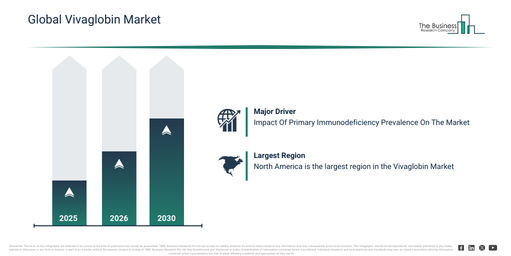
    The future expansion of the vivaglobin market is significantly influenced by the rising occurrence of primary immunodeficiency diseases (PI). These conditions involve an immune system that is deficient or absent, hindering the body’s defense against infections and increasing susceptibility to various illnesses. The growing prevalence of PI stems from advancements in diagnostic tools, increased public awareness and recognition of these disorders, improved genetic screening, and better identification of cases that were previously undiagnosed. Vivaglobin aids in managing primary immunodeficiency diseases by delivering a consistent supply of antibodies through subcutaneous administration, thereby boosting the immune system’s capacity to fight infections and lessening the frequency and intensity of recurring illnesses in affected individuals. For example, a report from August 2023 by Thermo Fisher, a US-based life science and clinical research company, indicated that an estimated 6 million people globally suffer from PID, with approximately 5,000 individuals in the UK affected by this disorder. Consequently, the increasing prevalence of Primary Immunodeficiency Diseases (PI) is anticipated to fuel the vivaglobin market’s growth. The vivaglobin market is expected to expand with increasing investments in research and development. Medical R&D encompasses the methodical exploration of novel drugs, therapies, or healthcare technologies to advance healthcare, involving clinical studies, laboratory experiments, and regulatory procedures to confirm safety and effectiveness. Heightened R&D in medicine leads to the discovery of innovative treatments, better patient outcomes, and solutions for evolving health challenges. For vivaglobin, increased research and development facilitates advancements in immunoglobulin formulations, optimizes administration techniques, and improves the efficacy and availability of treatment for patients suffering from primary immunodeficiency diseases. As an illustration, The Office for National Statistics (ONS), a UK-based producer of official statistics, reported in April 2025 that the UK government’s net R&D expenditure grew by 8.2% year-on-year, increasing from £16.1 billion in 2022 to £17.4 billion in 2023. Thus, greater investment in research and development is stimulating the growth of the vivaglobin market.

    Vivaglobin Market Segment Landscape: Which Areas Lead Development?

    The vivaglobin market covered in this report is segmented –

    1) By Indication: Primary Immune Deficiency (PID), Secondary Immune Deficiency (SID), Chronic Inflammatory Demyelinating Polyneuropathy (CIDP), Other Indications

    2) By Distribution Channel: Hospital Pharmacies, Retail Pharmacies, Online Pharmacies, Specialty Pharmacies

    3) By End User: Adult, Geriatric, Pediatric

    Vivaglobin Market Industry Leaders And Competitive Landscape

    Major companies operating in the vivaglobin market are CSL Behring GmbH

    View The Full Vivaglobin Market Report:

    https://thebusinessresearchcompany.com/report/vivaglobin-global-market-report?utm_source=Blogs&utm_medium=Paid&utm_campaign=Oct_PR

    Vivaglobin Market Largest Region: Which Geography Holds The Biggest Share?

    North America was the largest region in the vivaglobin market in 2025. Asia-Pacific is expected to be the fastest-growing region in the forecast period. The regions covered in the vivaglobin market report are Asia-Pacific, Western Europe, Eastern Europe, North America, South America, Middle East, Africa.

    Reach Out To Our Team:

    The Business Research Company: https://www.thebusinessresearchcompany.com/

    Americas: +1 310-496-7795

    Asia: +44 7882 955267 & +91 8897263534

    Europe: +44 7882 955267

    Email us at: marketing@tbrc.info

    Follow us on:

    LinkedIn: https://in.linkedin.com/company/the-business-research-company

    YouTube: https://www.youtube.com/channel/UC24_fI0rV8cR5DxlCpgmyFQ

    Global Market Model: https://www.thebusinessresearchcompany.com/global-market-model

  • Neonatal Intensive Care Respiratory Devices Market Size And Forecast 2026–2030: Trends Driving Industry Expansion

    Neonatal Intensive Care Respiratory Devices Market Size And Forecast 2026–2030: Trends Driving Industry Expansion

    Backed by market attractiveness analysis, total addressable market sizing, company benchmarking matrices, interactive Excel dashboards, wider supply chain intelligence, emerging startup coverage, and detailed product-level insights, The Business Research Company’s 2026 market reports are designed to offer research that is more actionable and strategically valuable than ever.

    Neonatal Intensive Care Respiratory Devices Market Revenue Outlook: What CAGR Lies Ahead Through 2030?

    The neonatal intensive care respiratory devices market size has experienced significant growth in recent years. It will grow from $2.61 billion in 2025 to $2.89 billion in 2026 at a compound annual growth rate (CAGR) of 11.0%. This historical expansion can be linked to a higher incidence of preterm births, an escalating demand for sophisticated neonatal respiratory support, increased awareness regarding neonatal health complications, broader adoption of ventilators in NICUs, a global increase in the number of neonatal intensive care units, expanding utilization of non-invasive respiratory assistance, greater investments in neonatal healthcare infrastructure, a rise in the prevalence of neonatal respiratory disorders, the growing availability of technologically advanced devices, and an intensified focus on enhancing neonatal survival rates.

    The market for neonatal intensive care respiratory devices is anticipated to experience substantial expansion in the coming years, projected to reach $4.35 billion by 2030, exhibiting a compound annual growth rate (CAGR) of 10.7%. This expansion over the forecast period is propelled by several factors, including the wider acceptance of non-invasive respiratory technologies, a heightened demand for sophisticated NICU respiratory apparatus, increased investments in critical care for neonates, a greater imperative for enhanced neonatal survival rates, growing understanding of complications associated with preterm birth, increased healthcare expenditure on infant care, the expanded application of automated respiratory monitoring, ongoing technological advancements in neonatal equipment, a stronger emphasis on early intervention for respiratory assistance, and a growing inclination towards secure and efficient ventilation solutions. Key trends foreseen during this period encompass progress in non-invasive neonatal ventilation, developments in compact and portable respiratory equipment, enhancements in automated respiratory monitoring, novelties in neonatal oxygen delivery systems, advancements in AI-assisted ventilation tools, new designs for high-flow nasal cannula devices, the incorporation of intelligent monitoring sensors, connectivity with real-time NICU data platforms, the inclusion of tele-neonatology functionalities, and improvements in hybrid ventilation technologies.

    Get A Free Sample Report With In-Depth Market Insights:

    https://thebusinessresearchcompany.com/sample_request?id=61883445&type=smp&name=Neonatal%20Intensive%20Care%20Respiratory%20Devices%20Market%20Report%202026&utm_source=Blogs&utm_medium=Paid&utm_campaign=Oct_PR

    Neonatal Intensive Care Respiratory Devices Market Growth Backed By Core Demand Fundamentals

    The rising occurrence of neonatal respiratory complications is anticipated to drive the expansion of the neonatal intensive care respiratory devices market in the future. These complications involve breathing issues in newborns, including conditions like respiratory distress syndrome and transient tachypnea, which hinder lung function soon after birth and are a primary factor in neonatal illness and death. This increase in neonatal respiratory complications stems from elevated rates of prematurity and more complex medical conditions at birth, resulting in a greater number of infants needing significant respiratory assistance. Neonatal intensive care respiratory devices address these complications by facilitating assisted ventilation, accurate oxygen provision, and ongoing respiratory monitoring, which aids medical professionals in stabilizing infants and enhancing their chances of survival. For example, data from October 2024, provided by the Royal College of Paediatrics and Child Health, a UK professional medical organization, indicated that the percentage of infants experiencing bronchopulmonary dysplasia or mortality showed regional variations, from 32.6% in the East of England to 46.8% in the Northern Operational Delivery Network, with individual neonatal units reporting rates from 0% to 61.7% for those with at least 10 eligible babies. Consequently, the rising occurrence of neonatal respiratory complications is propelling the expansion of the neonatal intensive care respiratory devices market. Elevated spending on neonatal care equipment is projected to stimulate the expansion of the neonatal intensive care respiratory devices market in the coming years. This investment involves governments and public health systems dedicating financial assets to procure and improve medical devices and infrastructure specifically for newborn health services, encompassing neonatal intensive care devices. The increase in investment in neonatal care equipment stems from the escalating demand for precise thermal regulation, given that preterm and low-birth-weight infants often have difficulty maintaining a stable body temperature independently. Increased investment in neonatal care equipment boosts neonatal intensive care respiratory devices by facilitating the creation and integration of sophisticated technologies, which offer accurate and dependable respiratory support for premature and critically ill infants. This leads to improved survival rates, fewer complications, and superior overall neonatal health outcomes. For instance, in November 2025, the OECD, an international economic organization based in Paris, reported that the average annual capital expenditure on health in its member countries grew from 0.60% of GDP in 2024 to 0.62% of GDP in 2025, with a significant portion directed towards medical equipment, reflecting a year-on-year rise in public sector investment in health infrastructure and devices, including neonatal care equipment. Consequently, the increased investment in neonatal care equipment is fueling the expansion of the neonatal intensive care respiratory devices market.

    Neonatal Intensive Care Respiratory Devices Market Segment Analysis Spotlighting Growth Areas

    The neonatal intensive care respiratory devices market covered in this report is segmented –

    1) By Product Type: Ventilators, Continuous Positive Airway Pressure (CPAP) Devices, Oxygen Delivery Devices, Inhalers, Humidifiers, Others Product Types

    2) By Modality: Invasive Ventilation, Non-Invasive Ventilation, Combined Or Hybrid Systems

    3) By Gestational Age: Extremely Preterm (<28 Weeks), Very Preterm (28–32 Weeks), Moderate To Late Preterm (32–37 Weeks), Full Term With Respiratory Conditions

    4) By End User: Hospitals, Neonatal Clinics, Ambulatory Surgical Centers, Others End User

    Subsegments:

    1) By Ventilators: Invasive Mechanical Ventilators, Non-Invasive Ventilators, Portable Ventilators, Intensive Care Unit (ICU) Ventilators, Emergency Or Transport Ventilators

    2) By Continuous Positive Airway Pressure (CPAP) Devices: Fixed-Pressure CPAP Devices, Auto-Adjusting (APAP) CPAP Devices, Bi-Level Positive Airway Pressure (BiPAP) Devices, Portable Or Home CPAP Devices, Hospital Or Clinical CPAP Devices

    3) By Oxygen Delivery Devices: Oxygen Concentrators, Oxygen Cylinders Or Tanks, Oxygen Masks, Nasal Cannulas, Portable Oxygen Systems

    4) By Inhalers: Metered Dose Inhalers (MDI), Dry Powder Inhalers (DPI), Soft Mist Inhalers (SMI), Nebulizer Inhalers, Combination Drug Inhalers

    5) By Humidifiers: Ultrasonic Humidifiers, Evaporative Humidifiers, Steam Vaporizers, Impeller Humidifiers, Hospital-Grade Respiratory Humidifiers

    6) By Others Product Types: Nebulizers (Standalone), Suction Devices, Respiratory Monitors, Airway Clearance Devices, Tracheostomy Care Devices

    Neonatal Intensive Care Respiratory Devices Market Industry Leaders And Competitive Landscape

    Major companies operating in the neonatal intensive care respiratory devices market are Medtronic plc, Koninklijke Philips N.V., GE Healthcare Technologies Inc., Becton, Dickinson and Company (BD), ResMed Inc., Drägerwerk AG & Co. KGaA, Getinge AB, Smiths Group plc, Teleflex Incorporated, Masimo Corporation, Fisher & Paykel Healthcare Limited, Comen Medical, Hamilton Medical AG, GaleMed Corporation, Heyer Medical AG, Inspiration Healthcare Group plc, Mercury Medical, Trudell Medical International Co., Atom Medical International Co. Ltd., Airon Corporation, Lowenstein Medical Technology GmbH

    View The Full Neonatal Intensive Care Respiratory Devices Market Report:

    https://thebusinessresearchcompany.com/report/neonatal-intensive-care-respiratory-devices-market-report?utm_source=Blogs&utm_medium=Paid&utm_campaign=Oct_PR

    Neonatal Intensive Care Respiratory Devices Market Regional Analysis And Top Geography

    North America was the largest region in the neonatal intensive care respiratory devices market in 2025. Asia-Pacific is expected to be the fastest-growing region in the forecast period. The regions covered in the neonatal intensive care respiratory devices market report are Asia-Pacific, South East Asia, Western Europe, Eastern Europe, North America, South America, Middle East, Africa.

    Reach Out To Our Team:

    The Business Research Company: https://www.thebusinessresearchcompany.com/

    Americas: +1 310-496-7795

    Asia: +44 7882 955267 & +91 8897263534

    Europe: +44 7882 955267

    Email us at: marketing@tbrc.info

    Follow us on:

    LinkedIn: https://in.linkedin.com/company/the-business-research-company

    YouTube: https://www.youtube.com/channel/UC24_fI0rV8cR5DxlCpgmyFQ

    Global Market Model: https://www.thebusinessresearchcompany.com/global-market-model
  • Vitrase Market CAGR Forecast Through 2030: Key Trends Shaping Industry Expansion

    Vitrase Market CAGR Forecast Through 2030: Key Trends Shaping Industry Expansion

    Featuring market attractiveness scoring, total addressable market sizing, company benchmarking matrices, interactive Excel dashboards, deeper supply chain intelligence, emerging startup tracking, and granular product-level insights, The Business Research Company’s 2026 market reports are built to deliver research that is both more actionable and more strategically valuable.

    Vitrase Market Expansion Outlook: What Revenue Opportunities Are Ahead?

    The historical expansion can be attributed to the wider reach of injectable drug treatments, an uptick in the utilization of subcutaneous and intramuscular injections, progress in enzyme purification techniques, a rising incorporation into clinical practices, and enhanced comprehension of connective tissue regulation.

    The upward trajectory in the forecast period is fueled by an escalating need for advanced drug delivery systems, a wider application of injectable biologics, a heightened emphasis on patient comfort during injections, increased deployment in specialized medical procedures, and continuous breakthroughs in enzyme-assisted delivery mechanisms.

    Key developments anticipated in the forecast period involve the growing application of hyaluronidase-enhanced injections, an increasing requirement for superior drug dispersion agents, broader integration into oncology and ophthalmology treatments, the proliferation of combination injection therapies, and a stronger commitment to optimizing injection effectiveness.

    Get A Free Sample Report With In-Depth Market Insights:

    https://thebusinessresearchcompany.com/sample_request?id=32530300&type=smp&name=Vitrase%20Market%20Report%202026&utm_source=Blogs&utm_medium=Paid&utm_campaign=Oct_PR

    Vitrase Market Growth Factors: What’s Supporting Expansion?

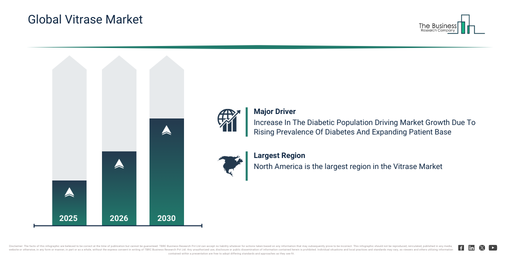
    The expanding diabetic population is anticipated to fuel the vitrase market’s growth. This demographic consists of people diagnosed with diabetes, a persistent ailment marked by high blood sugar levels stemming from inadequate insulin production or poor insulin utilization. The rise in this population segment can be attributed to several factors, including inactive lifestyles, poor dietary choices, growing rates of obesity, demographic aging, genetic predispositions, and enhanced detection and diagnosis of the condition. Vitrase supports individuals with diabetes by assisting in the clearing of vitreous hemorrhages and enhancing the uptake of administered medications. This is particularly advantageous for diabetic patients experiencing diabetic retinopathy and other related ocular conditions, leading to better visual results and overall eye well-being. For example, as reported in March 2024 by the Office for Health Improvement & Disparities, a UK-based government department, the period between March 2022 and March 2023 saw a 22% increase in the proportion of individuals with type 1 diabetes receiving all eight recommended care processes, and a 21% increase for those with type 2 diabetes. Concurrently, the percentage reaching target HbA1c levels climbed to 37.9%, representing the highest figure ever recorded by the National Diabetes Audit (NDA). Consequently, the expanding diabetic population is fueling the advancement of the vitrase market.

    Vitrase Market Segments: Where Is Growth Concentrated?

    The vitrase market covered in this report is segmented –

    1) By Indication: Dermatology, Oncology, Ophthalmology

    2) By Distribution: Hospitals, Clinics, Online Pharmacies

    3) By End User: Adult, Geriatric

    Vitrase Market Key Participants And Competitive Landscape

    Major companies operating in the vitrase market are Bausch And Lomb Inc.

    View The Full Vitrase Market Report:

    https://thebusinessresearchcompany.com/report/vitrase-global-market-report?utm_source=Blogs&utm_medium=Paid&utm_campaign=Oct_PR

    Vitrase Market Regional Analysis: Which Geography Leads On Revenue?

    North America was the largest region in the vitrase market in 2025. The regions covered in the vitrase market report are Asia-Pacific, Western Europe, Eastern Europe, North America, South America, Middle East, Africa.

    Reach Out To Our Team:

    The Business Research Company: https://www.thebusinessresearchcompany.com/

    Americas: +1 310-496-7795

    Asia: +44 7882 955267 & +91 8897263534

    Europe: +44 7882 955267

    Email us at: marketing@tbrc.info

    Follow us on:

    LinkedIn: https://in.linkedin.com/company/the-business-research-company

    YouTube: https://www.youtube.com/channel/UC24_fI0rV8cR5DxlCpgmyFQ

    Global Market Model: https://www.thebusinessresearchcompany.com/global-market-model
  • Nano Bioreactor Market Analysis 2026: Market Size, Growth Trends And Industry Outlook

    Nano Bioreactor Market Analysis 2026: Market Size, Growth Trends And Industry Outlook

    Backed by market attractiveness analysis, total addressable market sizing, company benchmarking matrices, interactive Excel dashboards, wider supply chain intelligence, emerging startup coverage, and detailed product-level insights, The Business Research Company’s 2026 market reports are designed to offer research that is more actionable and strategically valuable than ever.

    Nano Bioreactor Market Size Outlook: How Quickly Will Revenue Expand Through 2030?

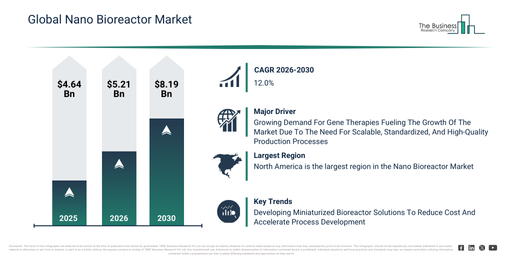
    The nano bioreactor market size has experienced substantial growth in recent years. It is forecast to expand from $4.64 billion in 2025 to $5.21 billion in 2026, at a compound annual growth rate (CAGR) of 12.3%. The growth observed in the past period can be attributed to the increasing demand for nanoscale biological research, the growing adoption of microfluidic bioprocessing, a rising focus on high-precision biomolecule production, the expansion of advanced biotechnology studies, and the increasing utilization of miniaturized cell culture systems.

    The nano bioreactor market is poised for significant expansion in the coming years. It is projected to reach $8.19 billion in 2030, driven by a compound annual growth rate (CAGR) of 12.0%. This growth during the forecast period is fueled by factors such as the increasing demand for nanoscale biological research, the growing adoption of microfluidic bioprocessing, a rising focus on high-precision biomolecule production, the expansion of advanced biotechnology studies, and the increasing utilization of miniaturized cell culture systems. Key trends anticipated in this period include technological advancements in nanobioprocessing, innovations in microfluidic lab-on-chip platforms, developments in nanoscale cell culture engineering, ongoing research and developments in automated nanosystems, and progress in nanoscale enzymatic reaction technologies.

    Get A Free Sample Report With In-Depth Market Insights:

    https://thebusinessresearchcompany.com/sample_request?id=72555754&type=smp&name=Nano%20Bioreactor%20Market%20Report%202026&utm_source=Blogs&utm_medium=Paid&utm_campaign=Oct_PR

    Nano Bioreactor Market Growth Momentum: What Factors Are Shaping Demand?

    An increasing need for gene therapies is projected to fuel the expansion of the nano bioreactor market in the future. Gene therapy is a medical method focused on altering or replacing faulty genes to address or prevent illnesses. The heightened demand for gene therapy stems from progress in genetic sequencing and diagnostic tools, which allow for the accurate identification of disease-causing genes, enabling specific treatments. Nano bioreactors aid gene therapy by offering precise management of cell culture environments, essential for effective gene delivery and expression. They bolster therapeutic efficacy through enhancements in cell viability, scalability, and consistency during gene therapy creation. For example, in December 2024, the American Society of Gene & Cell Therapy (ASGCT), a US-based non-profit medical and scientific organization, reported that the Food and Drug Administration (FDA) cleared six gene therapy products in 2023, an increase from five approvals in 2022. Consequently, the rising demand for gene therapies is a primary driver for the growth of the nano bioreactor market.

    Nano Bioreactor Market Breakdown By Product Type And Application

    The nano bioreactor market covered in this report is segmented –

    1) By Product Type: Nano-Scale Bioreactor Units, Microfluidic Bioreactors, Nano Fermentation Systems, Nanoscale Cell Culture Devices, Nano Enzymatic Reaction Modules, Nano Bioprocessing Chips, Lab-On-A-Chip Bioreactors

    2) By Molecule: Monoclonal Antibodies, Vaccines, Recombinant Proteins, Stem Cells, Gene Therapy

    3) By Technology: Microfluidics Technology, Nanotechnology-Enabled Bioprocessing, Lab-On-Chip Technology, Automated Miniaturized Bioreactor Technology, High-Precision Reaction Monitoring Technology

    4) By Application: Drug Discovery And Development, Tissue Engineering And Regenerative Medicine, Synthetic Biology And Biofuel Research, Biocatalysis And Enzyme Engineering, Environmental Monitoring And Bioremediation, Diagnostics And Biosensing, Basic Life Science Research

    5) By End User: Pharmaceutical And Biotechnology Companies, Academic And Research Institutes, Diagnostic Laboratories, Contract Research And Manufacturing Organizations, Food And Agriculture Industries, Environmental Testing Agencies

    Subsegments:

    1) By Nano-Scale Bioreactor Units: Disposable Nano Reactor Modules, Pre-Sterilized Nano Cartridges, Compact Single-Cycle Units, High-Density Nano Culture Chambers, Plug-And-Play Nano Systems

    2) By Microfluidic Bioreactors: Integrated Channel Microfluidic Units, Perfusion-Based Microfluidic Systems, Droplet-Based Microfluidic Modules, High-Throughput Microfluidic Arrays, Automated Microfluidic Platforms

    3) By Nano Fermentation Systems: Continuous Nano Fermentation Units, Batch Nano Fermentation Chambers, Modular Nano Fermentation Platforms, High-Efficiency Nano Fermenters, Temperature-Controlled Nano Fermentation Units

    4) By Nanoscale Cell Culture Devices: Micro-Well Nanoscale Culture Plates, Three-Dimensional Nano Culture Scaffolds, Perfused Nanoscale Culture Modules, High-Density Nano Culture Chambers, Disposable Nanoscale Culture Units

    5) By Nano Enzymatic Reaction Modules: Flow-Through Nano Enzyme Reactors, Batch Nano Enzymatic Reaction Units, Temperature-Regulated Nano Enzymatic Modules, High-Surface Area Nano Reaction Chambers, Integrated Nano Enzyme Platforms

    6) By Nano Bioprocessing Chips: Lab-Integrated Nano Processing Chips, Micro-Channel Nano Bioprocessing Modules, High-Throughput Nano Chip Platforms, Disposable Nano Bioprocessing Units, Automated Nano Chip Systems

    7) By Lab-On-A-Chip Bioreactors: Microfluidic Lab-On-A-Chip Units, Integrated Nano Reaction Chip Platforms, Disposable Lab-On-A-Chip Modules, High-Throughput Lab-On-A-Chip Systems, Automated Lab-On-A-Chip Platforms

    Nano Bioreactor Market Trends Redefining Industry Growth

    Leading companies in the nano bioreactor market are concentrating on creating sophisticated products, such as compact fixed-bed bioreactor solutions, to facilitate economical and scalable cell culture process advancement. A compact fixed-bed bioreactor is defined as a small bioreactor system containing a stationary support matrix within a limited growth area, enabling regulated cell culture with decreased volumes and minimal reagent consumption. For example, in October 2024, Univercells Technologies by Donaldson, a biotechnology firm based in Belgium, introduced the scale-X nexo bioreactor. This miniaturized, fixed-bed bioreactor provides a 0.5 m² growth surface, specifically designed for effective cell culture process development across various applications, including cell and gene therapies and vaccines. It offers direct scalability to larger systems within the scale-X product line, ensuring a smooth transition from laboratory-scale development to commercial manufacturing without requiring expensive process redesign. Furthermore, it employs a low-volume, low-surface-area methodology and will be compatible with vision application software for non-invasive cell counting, thereby considerably lowering media consumption, seed train demands, and operational expenditures for researchers and biopharma enterprises.

    Nano Bioreactor Market Leading Players And Competitive Positioning

    Major companies operating in the nano bioreactor market are Thermo Fisher Scientific Inc., Danaher Corp., GE Healthcare Technologies Inc., Lonza Group, Cytiva Sweden AB, Sartorius AG, Getinge AB, Eppendorf SE, Pall Corporation, PBS Biotech Inc., Applikon Biotechnology B.V. (Getinge AB), Bioengineering AG, PARR Instrument Company, Infors AG, LAVAL LAB Inc., Cellec Biotek AG, Sysbiotech GmbH, HiTec Zang GmbH, CerCell Co., m2p-labs GmbH

    View The Full Nano Bioreactor Market Report:

    https://thebusinessresearchcompany.com/report/nano-bioreactor-market-report?utm_source=Blogs&utm_medium=Paid&utm_campaign=Oct_PR

    Nano Bioreactor Market Regional Split: Which Areas Are Fueling Growth?

    North America was the largest region in the nano bioreactor market in 2025. Asia-Pacific is expected to be the fastest-growing region in the forecast period. The regions covered in the nano bioreactor market report are Asia-Pacific, South East Asia, Western Europe, Eastern Europe, North America, South America, Middle East, Africa.

    Reach Out To Our Team:

    The Business Research Company: https://www.thebusinessresearchcompany.com/

    Americas: +1 310-496-7795

    Asia: +44 7882 955267 & +91 8897263534

    Europe: +44 7882 955267

    Email us at: marketing@tbrc.info

    Follow us on:

    LinkedIn: https://in.linkedin.com/company/the-business-research-company

    YouTube: https://www.youtube.com/channel/UC24_fI0rV8cR5DxlCpgmyFQ

    Global Market Model: https://www.thebusinessresearchcompany.com/global-market-model

  • Molecular Biology Service Market Size In 2026 And Beyond: Understanding Future Growth Potential

    Molecular Biology Service Market Size In 2026 And Beyond: Understanding Future Growth Potential

    Built to provide research that’s more actionable and strategically valuable, The Business Research Company’s 2026 market reports include market attractiveness analysis, total addressable market sizing, company benchmarking matrices, interactive Excel dashboards, broader supply chain intelligence, emerging startup tracking, and in-depth product insights.

    Molecular Biology Service Market CAGR Outlook And Future Development

    The molecular biology service market size has demonstrated significant expansion in recent years. This market is set to increase from $5.05 billion in 2025 to $5.46 billion in 2026, at a compound annual growth rate (CAGR) of 8.0%. Historically, this growth can be attributed to several factors including the rising adoption of PCR-based testing, the increasing utilization of sequencing services in research, a surge in academic and clinical R&D activities, the broadening of molecular diagnostics applications, and the growing outsourcing of laboratory services.

    The molecular biology service market is projected to experience substantial expansion over the upcoming years. It is anticipated to reach $7.36 billion by 2030, exhibiting a compound annual growth rate (CAGR) of 7.7%. The expansion during this period stems from factors such as increasing demand for precision medicine services, greater investment in genomic research, a surge in the adoption of automated molecular workflows, an increase in clinical diagnostic testing volumes, and more widespread use of next-generation sequencing services. Key trends expected in the forecast period encompass technological advancements in sequencing platforms, novel developments in automated molecular workflows, progress in bioinformatics and data analytics, ongoing research and development in precision diagnostics, and improvements in high-throughput molecular testing systems.

    Get A Free Sample Report With In-Depth Market Insights:

    https://thebusinessresearchcompany.com/sample_request?id=99593939&type=smp&name=Molecular%20Biology%20Service%20Market%20Report%202026&utm_source=Blogs&utm_medium=Paid&utm_campaign=Oct_PR

    Molecular Biology Service Market Development Factors: What’s Supporting Demand?

    The molecular biology service market is anticipated to expand as the prevalence of infectious diseases continues to rise. Infectious diseases are health conditions caused by the invasion and multiplication of detrimental microorganisms such as bacteria, viruses, fungi, or parasites within the body, leading to symptoms and various health complications. A primary factor contributing to this surge in infectious diseases is the increase in global travel, which accelerates the dissemination of pathogens across different regions and populations. Molecular biology services are instrumental in diagnosing infectious diseases by offering specialized testing, thorough analysis, and expert interpretation of genetic and molecular data. These services improve patient care through precise and prompt identification of pathogens, thus supporting informed treatment decisions. For example, in February 2024, the UK Health Security Agency, a UK-based government body, reported that tuberculosis, a contagious bacterial infection primarily affecting the lungs, saw its cases in England reach 4,850 in 2023, marking a 10.7% increase from 4,380 cases in 2022. Consequently, the growing incidence of infectious diseases is a significant catalyst for the expansion of the molecular biology service market.

    Molecular Biology Service Market Segmentation And Category Overview

    The molecular biology service market covered in this report is segmented –

    1) By Type of Service: Deoxyribonucleic Acid And Ribonucleic Acid Extraction Services, PCR And QPCR Services, Deoxyribonucleic Acid Sequencing Services, Gene Synthesis Services, Cloning Services, Genotyping And Sequencing Services, Proteomics Services, Cell Line Development Services, Other Molecular Biology Services

    2) By Application: Diagnostics, Drug Discovery And Development, Agriculture And Plant Research, Environmental Studies, Forensic Science, Other Applications

    3) By End-User: Academic And Research Institutes, Pharmaceutical And Biotechnology Companies, Hospitals And Diagnostic Laboratories, Contract Research Organizations, Other End-Users

    Subsegments:

    1) By Deoxyribonucleic Acid And Ribonucleic Acid Extraction Services: Manual Extraction Methods, Automated Extraction Systems, Magnetic Bead Based Extraction, Column Based Purification, High Throughput Extraction Solutions

    2) By PCR And QPCR Services: Conventional Polymerase Chain Reaction, Quantitative Polymerase Chain Reaction, Digital Polymerase Chain Reaction, Multiplex Polymerase Chain Reaction, Endpoint Polymerase Chain Reaction

    3) By Deoxyribonucleic Acid Sequencing Services: Sanger Sequencing, Short Read Sequencing, Long Read Sequencing, Targeted Sequencing Panels, Whole Genome Sequencing

    4) By Gene Synthesis Services: Custom Gene Synthesis, Codon Optimization Synthesis, Gene Fragment Synthesis, Error Free Gene Synthesis, Synthetic Construct Design

    5) By Cloning Services: Molecular Cloning, Vector Construction, Plasmid Cloning, Expression Cloning, Custom Insert Cloning

    6) By Genotyping And Sequencing Services: Single Nucleotide Polymorphism Genotyping, Microsatellite Genotyping, Targeted Variant Detection, Whole Exome Sequencing, Genome Wide Genotyping Panels

    7) By Proteomics Services: Protein Identification, Protein Quantification, Mass Spectrometry Analysis, Protein Expression Profiling, Post Translational Modification Analysis

    8) By Cell Line Development Services: Stable Cell Line Development, Transient Cell Line Development, Monoclonal Cell Line Screening, Recombinant Protein Cell Line Development, Custom Cell Engineering Services

    9) By Other Molecular Biology Services: Library Preparation Services, Hybridization Based Assays, Nucleic Acid Labeling Services, Functional Genomics Tools, Customized Molecular Analysis Services

    Molecular Biology Service Market Transformation Trends: What Innovations Are Driving Change?

    Leading firms within the Molecular Biology Service market are concentrating on evolving sophisticated molecular biology methodologies, including CRISPR-based microbial genome editing, to address the increasing need for exact molecular alterations and examination. This CRISPR-based microbial gene-editing involves specialized service provisions that empower researchers to precisely edit, modify, and functionally analyze DNA sequences utilizing CRISPR/Cas systems, thereby bolstering capacities for experimental structuring, corroboration, and assessment in molecular processes. An illustration of this trend is Creative Diagnostics, a US-based molecular services provider, which introduced advanced microbial genome-editing services in June 2025, offering high-precision CRISPR editing, optimized sgRNA design, multigene editing capabilities, and thorough validation via RT-PCR and Western blot quality assurance, all aimed at expediting biological research. Such refined services equip research institutions and biotechnology companies to undertake effective genome manipulation and comprehensive molecular studies.

    Molecular Biology Service Market Competitive Landscape: Which Companies Lead The Industry?

    Major companies operating in the molecular biology service market are Thermo Fisher Scientific Inc., Illumina Inc., Labcorp Drug Development, PerkinElmer Inc., Eurofins Scientific SE, Charles River Laboratories International Inc., QIAGEN N.V., Roche Diagnostics International Ltd., WuXi AppTec Co. Ltd., Sangon Biotech Co. Ltd., Azenta Life Sciences, BGI Genomics Co. Ltd., BGI Americas Corporation, Promega Corporation, Macrogen Inc., MedGenome Labs Ltd., Genscript ProBio, Biomarker Technologies Corporation, CeGaT GmbH, Veritas Genetics Inc., LC Sciences LLC, Arraystar Inc.

    View The Full Molecular Biology Service Market Report:

    https://thebusinessresearchcompany.com/report/molecular-biology-service-market-report?utm_source=Blogs&utm_medium=Paid&utm_campaign=Oct_PR

    Molecular Biology Service Market Regional Breakdown: Where Is Demand Concentrated?

    North America was the largest region in the molecular biology service market in 2025. Asia-Pacific is expected to be the fastest-growing region in the forecast period. The regions covered in the molecular biology service market report are Asia-Pacific, South East Asia, Western Europe, Eastern Europe, North America, South America, Middle East, Africa.

    Reach Out To Our Team:

    The Business Research Company: https://www.thebusinessresearchcompany.com/

    Americas: +1 310-496-7795

    Asia: +44 7882 955267 & +91 8897263534

    Europe: +44 7882 955267

    Email us at: marketing@tbrc.info

    Follow us on:

    LinkedIn: https://in.linkedin.com/company/the-business-research-company

    YouTube: https://www.youtube.com/channel/UC24_fI0rV8cR5DxlCpgmyFQ

    Global Market Model: https://www.thebusinessresearchcompany.com/global-market-model
  • Viokace Market To Witness % CAGR Growth Through 2030: Key Industry Drivers

    Viokace Market To Witness % CAGR Growth Through 2030: Key Industry Drivers

    Built to provide research that’s more actionable and strategically valuable, The Business Research Company’s 2026 market reports include market attractiveness analysis, total addressable market sizing, company benchmarking matrices, interactive Excel dashboards, broader supply chain intelligence, emerging startup tracking, and in-depth product insights.

    Viokace Market Growth Potential: How Will Market Size Shift Through 2030?

    The historical growth can be linked to a rise in exocrine pancreatic insufficiency diagnoses, an increasing occurrence of chronic pancreatitis, improvements in the stability of enzyme formulations, greater clinician understanding of malabsorption disorders, and the widespread availability of prescription enzyme therapies.

    The projected growth throughout the forecast period is driven by several factors, including the escalating demand for enduring digestive support solutions, the expansion of tailored dosing strategies, an increasing elderly demographic experiencing digestive issues, a heightened emphasis on optimizing nutritional intake, and improved accessibility to specialized gastrointestinal treatments. Prominent trends expected in this period involve the increasing application of enzyme replacement therapies, an intensified focus on managing digestive disorders, the growing adoption of pancreatic enzyme supplements, the broadening of treatment protocols for chronic pancreatitis, and enhanced support for patient adherence.

    Get A Free Sample Report With In-Depth Market Insights:

    https://thebusinessresearchcompany.com/sample_request?id=67810855&type=smp&name=Viokace%20Market%20Report%202026&utm_source=Blogs&utm_medium=Paid&utm_campaign=Oct_PR

    Viokace Market Demand Drivers: What’s Powering Industry Growth?

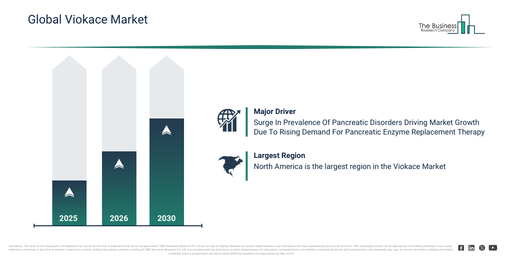
    The expanding occurrence of pancreatic conditions is anticipated to fuel the expansion of the viokace market in the future. Pancreatic disorders encompass various medical issues impacting the pancreas, an organ vital for creating digestive enzymes and hormones like insulin. This upward trend in pancreatic disorder prevalence stems from factors including an aging demographic, poor lifestyle decisions, rising obesity rates, and the increasing occurrence of diseases such as diabetes that can impair pancreatic function. Viokace aids in managing pancreatic disorders by supplying digestive enzymes that facilitate the digestion of fats, proteins, and carbohydrates, a crucial function for individuals with conditions such as chronic pancreatitis or cystic fibrosis, where the pancreas does not produce enough enzymes for adequate digestion and nutrient uptake. For example, Cancer Research UK, a UK-based independent cancer research organization, reported in February 2023 that pancreatic cancer incidence rates in the UK are projected to rise by 5% between the periods of 2023-2025 and 2038-2040, reaching an average of 19 cases per 100,000 people annually by 2038-2040. Consequently, the expanding occurrence of pancreatic disorders is propelling the growth of the viokace market.

    Viokace Market Driver: Increasing Geriatric Population Driving Market Growth Due To Rising Incidence Of Pancreatic Disorders Among Elderly

    Viokace Market Segment Analysis: What Are The Core Market Categories?

    The viokace market covered in this report is segmented –

    1) By Indication: Exocrine Pancreatic Insufficiency, Chronic Pancreatitis, Other Pancreatic Disorders

    2) By Distribution Channel: Hospital Pharmacies, Retail Pharmacies, Online Pharmacies

    3) By End User: Adult, Geriatric

    Viokace Market Top Companies Driving Competitive Growth

    Major companies operating in the viokace market are AbbVie Inc.

    View The Full Viokace Market Report:

    https://thebusinessresearchcompany.com/report/viokace-global-market-report?utm_source=Blogs&utm_medium=Paid&utm_campaign=Oct_PR

    Viokace Market Geographic Spread And Regional Opportunities

    North America was the largest region in the viokace market in 2025. The regions covered in the viokace market report are Asia-Pacific, Western Europe, Eastern Europe, North America, South America, Middle East, Africa.

    Reach Out To Our Team:

    The Business Research Company: https://www.thebusinessresearchcompany.com/

    Americas: +1 310-496-7795

    Asia: +44 7882 955267 & +91 8897263534

    Europe: +44 7882 955267

    Email us at: marketing@tbrc.info

    Follow us on:

    LinkedIn: https://in.linkedin.com/company/the-business-research-company

    YouTube: https://www.youtube.com/channel/UC24_fI0rV8cR5DxlCpgmyFQ

    Global Market Model: https://www.thebusinessresearchcompany.com/global-market-model

  • Molecular Biology Automatic Analyzer Market Reaches $3.91 Billion In 2026: Key Developments Shaping Expansion

    Molecular Biology Automatic Analyzer Market Reaches $3.91 Billion In 2026: Key Developments Shaping Expansion

    Backed by market attractiveness analysis, total addressable market sizing, company benchmarking matrices, interactive Excel dashboards, wider supply chain intelligence, emerging startup coverage, and detailed product-level insights, The Business Research Company’s 2026 market reports are designed to offer research that is more actionable and strategically valuable than ever.

    Molecular Biology Automatic Analyzer Market Set To Climb From $2.79 Billion In 2026 To $3.91 Billion By 2030

    The molecular biology automatic analyzer market has witnessed significant growth in recent years. It is forecast to expand from $2.56 billion in 2025 to $2.79 billion in 2026, demonstrating a compound annual growth rate (CAGR) of 9.1%. This historical expansion can be primarily attributed to the increasing adoption of automated lab equipment, the growing demand for molecular diagnostics, rising investment in genomic research, the expansion of biotechnology research centers, and the increasing prevalence of chronic and infectious diseases.

    The molecular biology automatic analyzer market is projected to expand significantly in the near future, with its value expected to reach $3.91 billion by 2030, demonstrating a compound annual growth rate (CAGR) of 8.8%. This growth over the forecast period stems from a heightened focus on personalized medicine, the increasing adoption of artificial intelligence and robotics in laboratory environments, a growing need for high-throughput sequencing, the expansion of molecular diagnostics into emerging markets, and rising investments in cell and gene therapy development. Key trends anticipated during this period include continuous technological advancements in automation and AI, innovations in high-throughput molecular analysis, progress in multi-omics research, ongoing research and development in gene editing technologies, and enhancements in sample preparation and assay accuracy.

    Get A Free Sample Report With In-Depth Market Insights:

    https://thebusinessresearchcompany.com/sample_request?id=67834328&type=smp&name=Molecular%20Biology%20Automatic%20Analyzer%20Market%20Report%202026&utm_source=Blogs&utm_medium=Paid&utm_campaign=Oct_PR

    Molecular Biology Automatic Analyzer Market Industry Drivers: What’s Behind The Revenue Growth?

    The increasing prevalence of infectious diseases is anticipated to drive the expansion of the molecular biology automatic analyzer market in the future. Infectious diseases are defined as ailments caused by harmful microorganisms like bacteria, viruses, fungi, or parasites that invade and proliferate within the body, leading to various symptoms and health problems. The surge in these diseases is attributed to increased global travel, which accelerates the cross-border and cross-population spread of pathogens. Molecular biology automatic analyzers assist in the diagnosis of infectious diseases by quickly detecting and quantifying pathogens at the genetic level with high accuracy. They enhance patient outcomes by enabling early, precise, and efficient identification of infections, thus facilitating timely treatment. For instance, in February 2024, according to the UK Health Security Agency, a UK-based government agency, tuberculosis (a contagious bacterial infection that primarily affects the lungs) cases in England rose to 4,850 in 2023, an increase of 10.7% from 4,380 cases in 2022. Therefore, the rising occurrence of infectious diseases is a key factor propelling the growth of the molecular biology automatic analyzer market.

    Molecular Biology Automatic Analyzer Market Segment Outlook: Which Categories Are Growing Fastest?

    The molecular biology automatic analyzer market covered in this report is segmented –

    1) By Product Type: Real-Time PCR Systems, Next-Generation Sequencing Systems, Automated Nucleic Acid Extraction Systems, Microarray Analysis Systems, Integrated Sample-To-Answer Molecular Analyzers

    2) By Technology: Optical Technologies, Mass Spectrometry, Microfluidics Technology, Isothermal Nucleic Acid Amplification, Digital PCR Technology

    3) By Throughput And Scale: High-Throughput Systems, Mid-Throughput Systems, Low-Throughput Systems

    4) By Application: Genetic Research, Clinical Diagnostics, Infectious Disease Testing, Oncology And Precision Medicine, Pharmacogenomics, Forensic And Environmental Testing

    5) By End-User: Hospitals And Diagnostic Laboratories, Academic And Research Institutions, Biotechnology And Pharmaceutical Companies, Contract Research Organizations, Public Health Laboratories

    Subsegments:

    1) By Real-Time PCR Systems: Quantitative Polymerase Chain Reaction Instruments, Digital Polymerase Chain Reaction Instruments, High Throughput Polymerase Chain Reaction Platforms, Portable Polymerase Chain Reaction Devices, Multiplex Polymerase Chain Reaction Systems

    2) By Next-Generation Sequencing Systems: Whole Genome Sequencing Platforms, Whole Exome Sequencing Platforms, Targeted Gene Sequencing Platforms, Single Cell Sequencing Systems, Long Read Sequencing Instruments

    3) By Automated Nucleic Acid Extraction Systems: Magnetic Bead Based Extraction Instruments, Cartridge Based Extraction Systems, Automated Liquid Handling Extraction Platforms, High Throughput Extraction Workstations, Portable Nucleic Acid Extraction Devices

    4) By Microarray Analysis Systems: Deoxyribonucleic Acid Microarray Platforms, Ribonucleic Acid Expression Microarray Systems, Protein Microarray Platforms, Single Nucleotide Polymorphism Genotyping Microarrays, High Density Microarray Scanners

    5) By Integrated Sample-To-Answer Molecular Analyzers: Cartridge Based Sample To Result Systems, Fully Automated Point Of Care Molecular Platforms, Closed Tube Integrated Analysis Systems, High Throughput Sample To Answer Workstations, Portable Integrated Molecular Diagnostic Devices

    #Molecular Biology Automatic Analyzer Market Growth Trends: What’s Shaping The Future Outlook?

    Leading companies in the molecular biology automatic analyzer market are concentrating on developing advanced diagnostic technologies, such as efficient digital PCR platforms, to enhance sensitivity, accuracy, and throughput in nucleic acid quantification for clinical and research applications. An efficient digital PCR platform is an automated system that divides samples into thousands of microreactions, enabling precise, absolute quantification of target DNA or RNA sequences with minimal bias, supporting reliable detection of low-abundance biomarkers and improving diagnostic confidence. For instance, in September 2024, QIAGEN N.V., a Netherlands-based molecular diagnostics and life science tools company, launched the QIAcuity Dx digital PCR system for clinical testing in oncology. This platform integrates digital PCR technology with an automated workflow, allowing laboratories to perform high-precision quantification of genetic targets relevant to cancer diagnostics and therapy monitoring. The system’s efficient digital PCR capabilities contribute to robust data quality, simplified operation, and rapid turnaround times for clinical test results.

    Molecular Biology Automatic Analyzer Market Competitive Landscape: Who Leads The Industry?

    Major companies operating in the molecular biology automatic analyzer market are Thermo Fisher Scientific Inc., Becton Dickinson and Company, Siemens Healthineers AG, Agilent Technologies Inc., Illumina Inc., Hologic Inc., PerkinElmer Inc., bioMérieux SA, Sysmex Corporation, QIAGEN N.V., Bio-Rad Laboratories Inc., Roche Diagnostics, Hamilton Robotics, Tecan Group Ltd., Eppendorf SE, Takara Bio Inc., BGI Genomics Co. Ltd., Analytik Jena AG, Seegene Inc., Abbott Molecular Inc.

    View The Full Molecular Biology Automatic Analyzer Market Report:

    https://thebusinessresearchcompany.com/report/molecular-biology-automatic-analyzer-market-report?utm_source=Blogs&utm_medium=Paid&utm_campaign=Oct_PR

    Molecular Biology Automatic Analyzer Market Geographic Landscape: Which Region Dominates Industry Growth?

    North America was the largest region in the molecular biology automatic analyzer market in 2025. Asia-Pacific is expected to be the fastest-growing region in the forecast period. The regions covered in the molecular biology automatic analyzer market report are Asia-Pacific, South East Asia, Western Europe, Eastern Europe, North America, South America, Middle East, Africa.

    Reach Out To Our Team:

    The Business Research Company: https://www.thebusinessresearchcompany.com/

    Americas: +1 310-496-7795

    Asia: +44 7882 955267 & +91 8897263534

    Europe: +44 7882 955267

    Email us at: marketing@tbrc.info

    Follow us on:

    LinkedIn: https://in.linkedin.com/company/the-business-research-company

    YouTube: https://www.youtube.com/channel/UC24_fI0rV8cR5DxlCpgmyFQ

    Global Market Model: https://www.thebusinessresearchcompany.com/global-market-model

  • Vimizim (Elosulfase Alfa) Market Projected For Strong Expansion Through 2030: Key Trends And Future Outlook

    Vimizim (Elosulfase Alfa) Market Projected For Strong Expansion Through 2030: Key Trends And Future Outlook

    Backed by market attractiveness analysis, total addressable market sizing, company benchmarking matrices, interactive Excel dashboards, wider supply chain intelligence, emerging startup coverage, and detailed product-level insights, The Business Research Company’s 2026 market reports are designed to offer research that is more actionable and strategically valuable than ever.

    Vimizim (Elosulfase Alfa) Market Value Analysis: What Growth Lies Ahead Over The Forecast Period?

    Historical growth stemmed from enhanced identification of MPS IVA, regulatory sanctioning of enzyme-based therapies, an expansion in metabolic disorder treatment facilities, heightened public knowledge of rare skeletal conditions, and the accessibility of recombinant enzyme technologies.

    Anticipated growth during the forecast period stems from the proliferation of advanced enzyme therapies, increasing capital allocation towards research into rare metabolic conditions, a heightened emphasis on commencing treatment promptly, enhanced technologies for patient oversight, and progress in the stability of biologic formulations.

    Key trends identified for the forecast period encompass the sustained application of enzyme replacement therapies, an escalating concentration on lysosomal storage disorders, a heightened importance placed on managing diseases over extended durations, the broadening availability of specialized infusion-delivered therapies, and the reinforcement of clinical surveillance protocols.

    Get A Free Sample Report With In-Depth Market Insights:

    https://thebusinessresearchcompany.com/sample_request?id=74090654&type=smp&name=Vimizim%20%28Elosulfase%20Alfa%29%20Market%20Report%202026&utm_source=Blogs&utm_medium=Paid&utm_campaign=Oct_PR

    Vimizim (Elosulfase Alfa) Market Growth Drivers: What’s Behind The Acceleration?

    The market for vimizim (elosulfase alfa) is anticipated to expand due to the growing incidence of mucopolysaccharidosis. This condition encompasses a set of uncommon inherited metabolic conditions where the body lacks the capacity to metabolize specific complex carbohydrates known as glycosaminoglycans, leading to their buildup in cells, tissues, and organs. Enhanced diagnostic methods, greater awareness and detection of the disorder, and improved reporting and genetic testing are contributing factors to this rise in prevalence. Vimizim (elosulfase alfa) offers a treatment for mucopolysaccharidosis type IVA (Morquio A syndrome) by supplying the necessary N-acetylgalactosamine-6-sulfatase enzyme, which breaks down complex sugars, thereby reducing the accumulation of detrimental substances and alleviating symptoms. For example, Orphanet, a comprehensive online resource for rare diseases, reported in June 2024 that the combined prevalence of mucopolysaccharidosis is estimated to range from 1 in 50,000 to 1 in 250,000, varying by the studied population. Consequently, the increasing occurrence of mucopolysaccharidosis is a key driver for the growth of the vimizim (elosulfase alfa) market. The vimizim (elosulfase alfa) market is expected to experience expansion driven by increasing healthcare expenditure. This expenditure refers to the financial allocation towards health services, encompassing medical care, hospital services, pharmaceutical products, healthcare infrastructure, and preventative measures. The escalation in healthcare spending is attributed to a greater need for sophisticated medical interventions, an aging demographic, and the expanding incidence of chronic conditions. Rising healthcare budgets facilitate Vimizim’s market progression by stimulating the need for innovative healthcare technologies that enhance patient care and operational efficiency, as healthcare providers invest in advanced solutions. For instance, the UK’s Office for National Statistics reported in April 2025 that provisional figures indicated UK healthcare spending reached £317 billion in 2024, marking a 6.5% nominal increase and a 2.4% real-term increase from 2023. Additionally, total long-term care expenditure saw a 3.1% real-term rise in 2023, largely due to increased government investment. Therefore, the growth of the vimizim (elosulfase alfa) market is propelled by the rise in healthcare spending.

    Vimizim (Elosulfase Alfa) Market Segment Breakdown: Which Categories Lead On Revenue?

    The vimizim (elosulfase alfa) market covered in this report is segmented –

    1) By Clinical Indication: Mucopolysaccharidosis Type IVA, Off-Label Or Investigational Uses

    2) By Distribution Channel: Hospital Pharmacies, Retail Pharmacies, Online Pharmacies

    3) By End User: Pediatric, Adult, Geriatric

    Vimizim (Elosulfase Alfa) Market Leading Players And Competitive Positioning

    Major companies operating in the vimizim (elosulfase alfa) market are BioMarin Pharmaceutical Inc.

    View The Full Vimizim (Elosulfase Alfa) Market Report:

    https://thebusinessresearchcompany.com/report/vimizim-elosulfase-alfa-global-market-report?utm_source=Blogs&utm_medium=Paid&utm_campaign=Oct_PR

    Vimizim (Elosulfase Alfa) Market Top Region By Revenue And Market Share

    North America was the largest region in the vimizim (elosulfase alfa) market in 2025. The regions covered in the vimizim (elosulfase alfa) market report are Asia-Pacific, Western Europe, Eastern Europe, North America, South America, Middle East, Africa.

    Reach Out To Our Team:

    The Business Research Company: https://www.thebusinessresearchcompany.com/

    Americas: +1 310-496-7795

    Asia: +44 7882 955267 & +91 8897263534

    Europe: +44 7882 955267

    Email us at: marketing@tbrc.info

    Follow us on:

    LinkedIn: https://in.linkedin.com/company/the-business-research-company

    YouTube: https://www.youtube.com/channel/UC24_fI0rV8cR5DxlCpgmyFQ

    Global Market Model: https://www.thebusinessresearchcompany.com/global-market-model

  • Mixed-Reality Radiation Planning Market Size And Growth In 2026: Key Factors Shaping Future Demand

    Mixed-Reality Radiation Planning Market Size And Growth In 2026: Key Factors Shaping Future Demand

    Built to provide research that’s more actionable and strategically valuable, The Business Research Company’s 2026 market reports include market attractiveness analysis, total addressable market sizing, company benchmarking matrices, interactive Excel dashboards, broader supply chain intelligence, emerging startup tracking, and in-depth product insights.

    Mixed-Reality Radiation Planning Market Size And Revenue Outlook Through 2030

    The mixed-reality radiation planning market has witnessed significant expansion in recent years. It is projected to increase from $1.75 billion in 2025 to $2.28 billion in 2026, exhibiting a compound annual growth rate (CAGR) of 30.2%. This historical rise resulted from several factors, including the increasing adoption of advanced imaging tools, the growing integration of AR and VR within clinical workflows, a heightened focus on precise radiation planning, the expanding use of 3D anatomical visualization, and the increasing demand for patient-specific treatment planning.

    The mixed-reality radiation planning market is set for considerable expansion in the coming years, with projections indicating it will reach $6.48 billion in 2030 at a compound annual growth rate (CAGR) of 29.9%. This anticipated growth is attributed to increasing investment in mixed-reality healthcare solutions, the rising adoption of immersive planning tools, a growing demand for high-precision radiation therapy, the expanding use of real-time visualization technologies, and greater integration of artificial intelligence with mixed-reality systems. Key trends expected during this period involve technology advancements in mixed-reality platforms, innovations in immersive treatment planning tools, developments in real-time imaging integration, research and development in VR/AR-based medical applications, and improvements in motion-adaptive visualization systems.

    Get A Free Sample Report With In-Depth Market Insights:

    https://thebusinessresearchcompany.com/sample_request?id=60136994&type=smp&name=Mixed-Reality%20Radiation%20Planning%20Market%20Report%202026&utm_source=Blogs&utm_medium=Paid&utm_campaign=Oct_PR

    Mixed-Reality Radiation Planning Market Demand Drivers Opening New Revenue Streams

    The increasing incidence of cancer is anticipated to drive the expansion of the mixed-reality radiation planning market. Cancer is defined by the uncontrolled proliferation and dissemination of atypical cells, which, if not properly managed, can harm adjacent tissues and organs. The rise in cancer cases is attributed to lifestyle factors like unhealthy eating habits, tobacco use, alcohol intake, and exposure to environmental contaminants, which collectively heighten the chances of developing different types of cancer. Mixed-reality radiation planning assists in cancer management by offering an interactive, 3D visualization of a patient’s anatomy and tumor site, thus facilitating accurate treatment strategies. This technology enhances patient results by boosting precision, minimizing healthy tissue exposure to radiation, and promoting more efficient therapeutic applications. For example, in October 2025, data from NHS Digital, a UK government organisation, indicated 354,820 new cancer diagnoses in England in 2023, averaging 972 daily diagnoses. This marked an 8,605 case increase from 2022, with prostate cancer, at 58,137 new cases, being the most frequently diagnosed, showing a 6% rise in registrations compared to the previous year. Consequently, the increasing incidence of cancer is fueling the expansion of the mixed-reality radiation planning market.

    Mixed-Reality Radiation Planning Market Segmentation: How Does The Market Break Down By Category?

    The mixed-reality radiation planning market covered in this report is segmented –

    1) By Component: Hardware, Software, Services

    2) By Technology: Virtual Reality (VR), Mixed Reality (MR), Augmented Reality (AR)

    3) By Deployment Mode: On-Premises, Cloud-Based, Hybrid

    4) By Application: Oncology, Radiology, Surgery, Medical Training, Others

    5) By End-User: Hospitals, Cancer Treatment Centers, Research Institutes, Others

    Subsegments:

    1) By Hardware: Head Mounted Displays, Tracking Sensors, Workstations, Input Devices, Projection Systems

    2) By Software: Treatment Planning Software, Visualization And Rendering Software, Image Fusion And Registration Software, Motion Management Software, Dosimetry Analysis Software

    3) By Services: Installation And Implementation Services, Training And Education Services, Maintenance And Support Services, Consulting And Advisory Services, Workflow Optimization Services

    Mixed-Reality Radiation Planning Market Trends Powering Strategic Industry Growth

    Companies actively engaged in the mixed-reality radiation planning market are concentrating on developing advanced offerings, such as AI-powered CT and MR systems, to elevate treatment precision, boost clinical efficiency, and mitigate both operational costs and environmental impact. These AI-powered CT and MR systems represent sophisticated diagnostic platforms that leverage artificial intelligence to improve image clarity, accelerate operational processes, and enable more accurate planning for treatments like radiation therapy. For example, in September 2025, Royal Philips, a Netherlands-based health technology company, introduced the Rembra RT, Areta RT CT platforms, and the helium-free BlueSeal RT 1.5T MR system. These systems are designed to establish new standards in precise cancer care, featuring innovations such as an AI-based detector for clearer tumor imaging and sustainable helium-free operation. They also incorporate ultra-fast image processing and workflow efficiencies that empower care teams to work more rapidly, while delivering reliable, long-term value through elements like an extended service life guarantee.

    Mixed-Reality Radiation Planning Market Industry Leaders And Competitive Landscape

    Major companies operating in the mixed-reality radiation planning market are Microsoft Corporation, Medtronic plc, Siemens Healthineers AG, Fujifilm Holdings Corporation, GE HealthCare Technologies Inc., Varian Medical Systems, Elekta AB, Brainlab AG, Magic Leap Inc., Materialise NV, Canon Medical Systems Corporation, C-RAD AB, Medivis Inc., Surgical Theater Inc., Koninklijke Philips N.V., ImmersiveTouch Inc., EchoPixel Inc., Hindsyt, Spectronic Medical AB, ViewRay Inc.

    View The Full Mixed-Reality Radiation Planning Market Report:

    https://thebusinessresearchcompany.com/report/mixed-reality-radiation-planning-market-report?utm_source=Blogs&utm_medium=Paid&utm_campaign=Oct_PR

    Mixed-Reality Radiation Planning Market Regional Analysis And Leading Geography

    North America was the largest region in mixed reality radiation planning market in 2025. Asia-Pacific is expected to be the fastest-growing region in the forecast period. The regions covered in the mixed-reality radiation planning market report are Asia-Pacific, South East Asia, Western Europe, Eastern Europe, North America, South America, Middle East, Africa.

    Reach Out To Our Team:

    The Business Research Company: https://www.thebusinessresearchcompany.com/

    Americas: +1 310-496-7795

    Asia: +44 7882 955267 & +91 8897263534

    Europe: +44 7882 955267

    Email us at: marketing@tbrc.info

    Follow us on:

    LinkedIn: https://in.linkedin.com/company/the-business-research-company

    YouTube: https://www.youtube.com/channel/UC24_fI0rV8cR5DxlCpgmyFQ

    Global Market Model: https://www.thebusinessresearchcompany.com/global-market-model

  • Viltepso Market Outlook 2026–2030: Growth Trends, Market Dynamics And Emerging Opportunities

    Viltepso Market Outlook 2026–2030: Growth Trends, Market Dynamics And Emerging Opportunities

    Featuring market attractiveness scoring, total addressable market sizing, company benchmarking matrices, interactive Excel dashboards, deeper supply chain intelligence, emerging startup tracking, and granular product-level insights, The Business Research Company’s 2026 market reports are built to deliver research that is both more actionable and more strategically valuable.

    Viltepso Market Size Forecast: How Big Could The Market Get By 2030?

    The expansion observed in the historic period was a result of advancements in genetic testing for DMD mutations, the regulatory clearance of exon-skipping drugs, a heightened awareness of Duchenne muscular dystrophy, the proliferation of specialty neuromuscular clinics, and the introduction of targeted RNA therapies.

    The anticipated expansion during the forecast period is fueled by a burgeoning pipeline of next-generation exon-skipping drugs, augmented investment in genetic medicine, and a heightened concentration on early intervention for neuromuscular disorders. This growth is further propelled by the broadening of personalized treatment regimens and enhancements in rare disease reimbursement frameworks. Parallel to these drivers, significant trends for the forecast period involve the increasing uptake of exon-skipping therapies, a growing emphasis on genetic-based neuromuscular treatments, and a stronger focus on early Duchenne muscular dystrophy diagnosis. Additionally, rising capital directed towards RNA-based therapeutics and the reinforcement of patient access programs for rare diseases are also key developments.

    Get A Free Sample Report With In-Depth Market Insights:

    https://thebusinessresearchcompany.com/sample_request?id=19054790&type=smp&name=Viltepso%20Market%20Report%202026&utm_source=Blogs&utm_medium=Paid&utm_campaign=Oct_PR

    Viltepso Market Growth Factors Behind Sustained Expansion

    The growing incidence of duchenne muscular dystrophy is anticipated to drive the expansion of the viltepso market moving forward. Duchenne muscular dystrophy (DMD) is a genetic condition that leads to progressive muscle weakness and degeneration, predominantly impacting boys due to the absence of dystrophin, a crucial protein for muscle function. The rising occurrence of duchenne muscular dystrophy (DMD) is linked to genetic mutations and improvements in diagnostic methods. Viltepso (viltolarsen) provides support for duchenne muscular dystrophy (DMD) by encouraging the production of a truncated, operational form of dystrophin, which is typically absent in DMD patients, leading to enhanced muscle function and a slower progression of the disease. For instance, in February 2024, according to the National Center for Biotechnology Information, a US-based national library of medicine, duchenne muscular dystrophy is recognized as the most prevalent type of muscular dystrophy in children, affecting roughly 1 in every 3,500 to 5,000 male births globally. Therefore, the increasing incidence of duchenne muscular dystrophy is a significant factor propelling the growth of the viltepso market.

    Viltepso Market Driver: Growing Focus On Precision Medicine To Propel The Market Growth

    Viltepso Market Segmentation: How Does The Market Break Down By Category?

    The viltepso market covered in this report is segmented –

    1) By Indication: Duchenne Muscular Dystrophy, Other Neuromuscular Disorders

    2) By Distribution Channel: Hospitals, Specialty Pharmacies, Online Pharmacies, Retail Pharmacies

    3) By End User: Pediatric, Adult, Geriatric

    Viltepso Market Competitive Overview And Top Companies

    Major companies operating in the viltepso market are Nippon Shinyaku Co. Ltd

    View The Full Viltepso Market Report:

    https://thebusinessresearchcompany.com/report/viltepso-global-market-report?utm_source=Blogs&utm_medium=Paid&utm_campaign=Oct_PR

    Viltepso Market Regional Analysis And Top Geography

    North America was the largest region in the viltepso market in 2025. The regions covered in the viltepso market report are Asia-Pacific, Western Europe, Eastern Europe, North America, South America, Middle East, Africa.

    Reach Out To Our Team:

    The Business Research Company: https://www.thebusinessresearchcompany.com/

    Americas: +1 310-496-7795

    Asia: +44 7882 955267 & +91 8897263534

    Europe: +44 7882 955267

    Email us at: marketing@tbrc.info

    Follow us on:

    LinkedIn: https://in.linkedin.com/company/the-business-research-company

    YouTube: https://www.youtube.com/channel/UC24_fI0rV8cR5DxlCpgmyFQ

    Global Market Model: https://www.thebusinessresearchcompany.com/global-market-model