Blog

  • Global Optic Neuropathy Management Market Overview: Trends Shaping Growth to 2029

    Global Optic Neuropathy Management Market Overview: Trends Shaping Growth to 2029

    Unlock Global Insights – Save 20% on Market Reports with Code ONLINE20

    What Market Value Is The Optic Neuropathy Management Industry Expected To Reach By 2029, Starting From 2025 Levels?

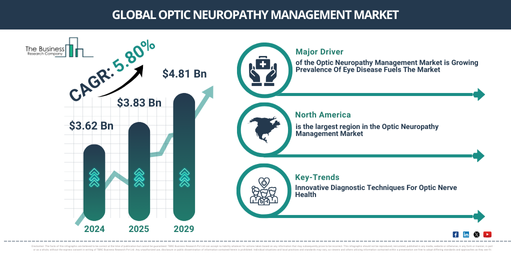
    The market size for optic neuropathy management has experienced robust expansion in recent years. It is projected to grow from $3.62 billion in 2024 to $3.83 billion by 2025, demonstrating a compound annual growth rate (CAGR) of 5.9%. Historically, this expansion has been driven by factors such as the increasing occurrence of optic neuropathy, an uptick in eye injuries, enhanced investment in eye care services, a heightened need for specialized ophthalmic care, and the growing incidence of diabetes and other chronic conditions.

    The optic neuropathy management market size is anticipated to undergo robust expansion in the upcoming years. It is projected to achieve a value of $4.81 billion in 2029, growing at a compound annual growth rate (CAGR) of 5.8%. This growth during the forecast period is attributable to several factors, including an increasing number of individuals afflicted by amebic infections, a growing geriatric population, a rising prevalence of optic neuritis, an increasing incidence of glaucoma, and an elevated prevalence rate of optic neuritis. Key trends identified for the forecast period encompass advancements in medical technology, the integration of personalized medicine and telemedicine, technological improvements in diagnostic techniques, the expansion of healthcare infrastructure in developing markets, and a heightened emphasis on neuroprotective therapies.

    Unlock Your Free Sample Report for Exclusive Market Data:

    https://www.thebusinessresearchcompany.com/sample.aspx?id=21236&type=smp

    What Are The Key Drivers Of Growth In The Optic Neuropathy Management Market?

    The increasing prevalence of eye disease is projected to fuel the expansion of the optic neuropathy management market in the future. Eye disease refers to any condition impacting the eyes’ structure or function, leading to impaired vision or other related symptoms. This rise in eye disease prevalence is attributed to an aging demographic, increased screen time, poor lifestyle choices, and underlying health issues such as diabetes. Optic neuropathy management aids in reducing eye disease prevalence by preventing further optic nerve damage and preserving vision. For instance, in February 2025, according to the Department of Health and Social Care, a UK-based government department, approximately 2 million people in the UK are experiencing some degree of sight loss, with this number anticipated to reach 2.7 million by 2030. Therefore, the growing incidence of eye disease is propelling the growth of the optic neuropathy management market.

    What Are The Leading Segments Analyzed In The Optic Neuropathy Management Market?

    The optic neuropathy managementmarket covered in this report is segmented –

    1) By Treatment Type: Medications; Surgery; Other Treatment Types

    2) By Diagnosis: Imaging Tests; Blood Tests; Other Diagnosis

    3) By End-User: Hospitals; Specialty Clinics; Ambulatory Surgical Centers; Other End-Users

    Subsegments:

    1) By Medications: Corticosteroids; Neuroprotective Agents; Antioxidants; Immunosuppressants; Prostaglandin Analogs

    2) By Surgery: Optic Nerve Decompression Surgery; Optic Nerve Transplantation; Retinal Implant Surgery

    3) By Other Treatment Types: Low Vision Aids; Stem Cell Therapy; Gene Therapy

    What Key Innovation Trends Are Fueling Advancements In The Optic Neuropathy Management Market?

    Leading companies in the optic neuropathy management market are concentrating on developing advanced therapies, such as monoclonal antibody treatment, to gain a competitive edge. Monoclonal antibodies are proteins created in laboratories, designed to imitate the immune system’s capacity to combat detrimental pathogens like viruses and bacteria. For instance, in March 2023, Horizon Therapeutics, an Ireland-based firm, presented a new evaluation of MRI findings for their medication, UPLIZNA (inebilizumab). The assessment showed that UPLIZNA decreases the formation of asymptomatic optic nerve lesions in individuals with neuromyelitis optica spectrum disorder (NMOSD). This underscores Horizon’s commitment to delivering innovative solutions for rare conditions such as NMOSD, gout, and thyroid eye disease. UPLIZNA is a monoclonal antibody developed to treat NMOSD by targeting and eliminating harmful B cells, thereby lessening inflammation and preventing further harm to the central nervous system and optic nerves, ultimately reducing relapses and safeguarding vision.

    Which Key Market Players Are Investing In Expansion And Innovation Of Optic Neuropathy Management Market?

    Major companies operating in the optic neuropathy management market are Pfizer Inc., F. Hoffmann-La Roche AG, AbbVie Inc., Bayer AG, Bristol-Myers Squibb Company, Novartis AG, Eli Lilly and Company, Amgen Inc., Merck KGaA, Teva Pharmaceuticals, Otsuka Pharmaceutical Co. Ltd., Regeneron Pharmaceuticals Inc., Bausch Health Companies Inc., Alexion Pharmaceuticals Inc., Horizon Therapeutics plc, Santen Pharmaceutical Co. Ltd., Mallinckrodt Pharmaceuticals, Aerie Pharmaceuticals, Neurophth Therapeutics, AdvaCare.

    Download The Full Report For Exclusive Market Findings:

    https://www.thebusinessresearchcompany.com/report/optic-neuropathy-management-global-market-report

    Which Region Is Projected To Lead The Optic Neuropathy Management Market During The Forecast Period?

    North America was the largest region in the optic neuropathy management market in 2024. Asia-Pacific is expected to be the fastest-growing region in the forecast period. The regions covered in the optic neuropathy management market report are Asia-Pacific, Western Europe, Eastern Europe, North America, South America, Middle East, Africa.

    Request A Customized Version Of The Optic Neuropathy Management Market Report:

    https://www.thebusinessresearchcompany.com/customise?id=21236&type=smp

    Browse Through More Reports Similar to the Global Optic Neuropathy Management Market 2025, By The Business Research Company

    Neuroprosthetics Global Market Report 2025

    https://www.thebusinessresearchcompany.com/report/neuroprosthetics-global-market-report

    Neuroscience Antibodies And Assays Global Market Report 2025

    https://www.thebusinessresearchcompany.com/report/neuroscience-antibodies-and-assays-global-market-report

    Neuroscience Global Market Report 2025

    https://www.thebusinessresearchcompany.com/report/neuroscience-global-market-report

    Get in touch with us:

    The Business Research Company: https://www.thebusinessresearchcompany.com/

    Americas +1 310-496-7795

    Asia +44 7882 955267 & +91 8897263534

    Europe +44 7882 955267

    Email us at info@tbrc.info

    Follow us on:

    LinkedIn: https://in.linkedin.com/company/the-business-research-company

    YouTube: https://www.youtube.com/channel/UC24_fI0rV8cR5DxlCpgmyFQ

    Global Market Model: https://www.thebusinessresearchcompany.com/global-market-model
  • Oncolytic Adenovirus Market Growth Opportunities: Insights from 2025–2029

    Oncolytic Adenovirus Market Growth Opportunities: Insights from 2025–2029

    Unlock Global Insights – Save 20% on Market Reports with Code ONLINE20

    What Is The Anticipated Size Of The Oncolytic Adenovirus Market Over The Five-Year Period 2025–2029?

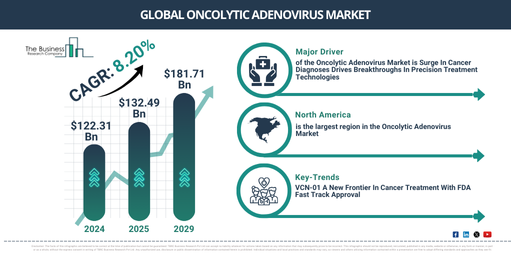
    The oncolytic adenovirus market size has seen substantial growth recently. It is projected to increase from $122.31 billion in 2024 to $132.49 billion in 2025, reflecting a compound annual growth rate (CAGR) of 8.3%. The expansion observed in the past can be ascribed to a higher incidence of cancer, the escalating need for precise cancer treatments, increased investment in research and development, advancements in delivery techniques, and successful regulatory clearances.

    The oncolytic adenovirus market size is projected to experience strong growth over the next few years. It is expected to expand to $181.71 billion by 2029, achieving a compound annual growth rate (CAGR) of 8.2%. The anticipated growth during this period can be attributed to the increasing prevalence and incidence of cancer, the expansion of combination therapies, advancements and approvals in regulations, technological improvements in virus engineering, and greater investment in oncology research. Significant trends identified for the forecast period include innovations in viral engineering techniques, sophisticated drug delivery systems, enhanced precision in tumor targeting, advanced immunotherapy combinations, and progress in patient monitoring and diagnostics.

    Unlock Your Free Sample Report for Exclusive Market Data:

    https://www.thebusinessresearchcompany.com/sample.aspx?id=21235&type=smp

    Which Drivers Are Supporting Growth Of The Oncolytic Adenovirus Market?

    The future expansion of the oncolytic adenovirus market is anticipated to be significantly driven by the rising occurrence of cancer. Cancer, a condition where cells grow uncontrollably and spread throughout the body, is becoming more prevalent due to factors such as an aging global population, various lifestyle choices, environmental exposures, inherited genetic tendencies, and enhanced diagnostic methods. Oncolytic adenovirus presents a hopeful strategy for addressing this growing cancer incidence by specifically targeting and eliminating cancer cells. For example, in May 2024, data from the National Cancer Institute (NCI), a U.S. government body, indicated approximately 20 million new cancer cases and 9.7 million deaths globally, with forecasts suggesting an increase to 29.9 million cases and 15.3 million deaths by 2040. Additionally, in 2023, the Australian Bureau of Statistics, an Australian government entity, reported that 1.8% of Australians were living with cancer, with males (2.1%) being marginally more affected than females (1.6%), particularly individuals aged 75 and over. Consequently, the increasing frequency of cancer diagnoses is a key driver for the growth within the oncolytic adenovirus market.

    What Are The Segment Types Shaping The Oncolytic Adenovirus Market?

    The oncolytic adenovirusmarket covered in this report is segmented –

    1) By Virus Type: Adenovirus Type 5-Based Oncolytic Viruses; Adenovirus Type 2-Based Oncolytic Viruses; Other Virus Types

    2) By Application: Melanoma; Prostate Cancer; Breast Cancer; Ovarian Cancer; Lung Cancer; Other Applications

    3) By End-User: Hospitals; Cancer Research Institutes; Biotechnology Companies; Academic And Research Institutes

    Subsegments:

    1) By Adenovirus Type 5-Based Oncolytic Viruses: First-generation Adenovirus Type 5-based; Second-generation Adenovirus Type 5-based; Engineered Adenovirus Type 5-based

    2) By Adenovirus Type 2-Based Oncolytic Viruses: First-generation Adenovirus Type 2-based; Second-generation Adenovirus Type 2-based; Engineered Adenovirus Type 2-based

    3) By Other Virus Types: Modified Adenovirus Strains; Hybrid Adenovirus Types; Chimeric Adenoviruses

    Which Ongoing Trends Are Expected To Shape The Oncolytic Adenovirus Market Outlook?

    Leading companies within the oncolytic adenovirus market are increasingly concentrating on combination therapies, exemplified by VCN-01. This approach integrates oncolytic virotherapy with chemotherapy to enhance tumor targeting and improve therapeutic results. VCN-01 itself is an oncolytic adenovirus specifically engineered to selectively infect and destroy cancer cells, concurrently boosting the efficacy of chemotherapy. Illustratively, Theriva Biologics, a US-based clinical-stage immuno-oncology firm, announced in May 2024 that the U.S. Food and Drug Administration (FDA) had bestowed Fast Track Designation (FTD) upon its primary candidate, VCN-01. This FTD applies to VCN-01’s use alongside gemcitabine and nab-paclitaxel for treating metastatic pancreatic adenocarcinoma. Furthermore, VCN-01 functions as an oncolytic adenovirus by targeting and replicating within tumor cells, thereby aiding in the degradation of the tumor stroma, which is a significant impediment to effective cancer therapy.

    Who Are The Core Companies Influencing The Oncolytic Adenovirus Market Landscape?

    Major companies operating in the oncolytic adenovirus market are Amgen Inc., Targovax ASA, CG Oncology Inc., Replimune Group Inc., Imugene Limited, Oncorus Inc., PsiOxus Therapeutics Ltd., Vyriad Inc., Transgene SA, Valo Therapeutics Oy, EpicentRx Inc., DNAtrix Inc., Shanghai Sunway Biotech Co. Ltd., TILT Biotherapeutics Ltd., Oncolys BioPharma Inc., Lokon Pharma AB, GeneMedicine Co. Ltd., Akamis Bio Ltd., Genelux Corporation, SillaJen Inc.

    Download The Full Report For Exclusive Market Findings:

    https://www.thebusinessresearchcompany.com/report/oncolytic-adenovirus-global-market-report

    What Are The Key Regional Factors Influencing The Oncolytic Adenovirus Market Growth?

    North America was the largest region in the oncolytic adenovirus market in 2024. Asia-Pacific is expected to be the fastest-growing region in the forecast period. The regions covered in the oncolytic adenovirus market report are Asia-Pacific, Western Europe, Eastern Europe, North America, South America, Middle East, Africa.

    Request A Customized Version Of The Oncolytic Adenovirus Market Report:

    https://www.thebusinessresearchcompany.com/customise?id=21235&type=smp

    Browse Through More Reports Similar to the Global Oncolytic Adenovirus Market 2025, By The Business Research Company

    Virus Filtration Global Market Report 2025

    https://www.thebusinessresearchcompany.com/report/virus-filtration-global-market-report

    Herpes Simplex Virus Treatment Global Market Report 2025

    https://www.thebusinessresearchcompany.com/report/herpes-simplex-virus-treatment-global-market-report

    Human Papillomavirus Hpv Vaccine Global Market Report 2025

    https://www.thebusinessresearchcompany.com/report/human-papillomavirus-hpv-vaccine-global-market-report

    Get in touch with us:

    The Business Research Company: https://www.thebusinessresearchcompany.com/

    Americas +1 310-496-7795

    Asia +44 7882 955267 & +91 8897263534

    Europe +44 7882 955267

    Email us at info@tbrc.info

    Follow us on:

    LinkedIn: https://in.linkedin.com/company/the-business-research-company

    YouTube: https://www.youtube.com/channel/UC24_fI0rV8cR5DxlCpgmyFQ

    Global Market Model: https://www.thebusinessresearchcompany.com/global-market-model
  • Nucleic Acid And Gene Therapies In Neuromuscular Disorders Market Expansion Outlook: $10.78 Billion by 2029 Forecast

    Nucleic Acid And Gene Therapies In Neuromuscular Disorders Market Expansion Outlook: $10.78 Billion by 2029 Forecast

    Unlock Global Insights – Save 20% on Market Reports with Code ONLINE20

    What Are The Forecasted Market Size Estimates For The Nucleic Acid And Gene Therapies In Neuromuscular Disorders Market Between 2025 And 2029?

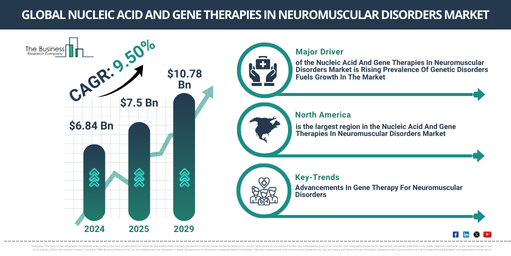
    The nucleic acid and gene therapies in neuromuscular disorders market has seen robust expansion in recent years. Its valuation is set to increase from $6.84 billion in 2024 to $7.5 billion in 2025, showing a compound annual growth rate (CAGR) of 9.6%. This historical growth can be attributed to several factors, including an increase in regulatory approvals, the escalating demand for nucleic acid therapeutics, the need for more precise and effective treatments, the pursuit of effective gene therapies, and a rise in gene therapy-based discoveries.

    The nucleic acid and gene therapies in neuromuscular disorders market size is projected to experience substantial expansion over the coming years. This market is set to reach $10.78 billion by 2029, demonstrating a compound annual growth rate (CAGR) of 9.5%. This anticipated growth during the forecast period stems from factors such as the rising incidence of genetic disorders, increased funding in research and development, an expanding need for precision medicine, the growing approval of gene therapy products, and the heightened occurrence of chronic disorders. Key developments expected within this period encompass improvements in patient care, advancements in high-performance chromatography, the introduction of novel solutions for various conditions, progress in gene editing technologies, and the accessibility of nucleic acid extraction technology.

    Unlock Your Free Sample Report for Exclusive Market Data:

    https://www.thebusinessresearchcompany.com/sample.aspx?id=21233&type=smp

    Which Drivers Are Shaping The Nucleic Acid And Gene Therapies In Neuromuscular Disorders Industry’s Market Share?

    The expanding occurrence of genetic disorders is projected to boost the expansion of the nucleic acid and gene therapies in neuromuscular disorders market in the future. These are conditions stemming from irregularities in a person’s DNA, which can be either inherited or develop from mutations. The rise in genetic disorders can be attributed to elements like genetic mutations, environmental factors, changes in lifestyle, and enhanced diagnostic capabilities. Nucleic acid and gene therapies offer a solution to genetic disorders by mending or substituting faulty genes in neuromuscular conditions, thereby working to restore normal physiological function. For example, data from May 2024, provided by Cure SMA, a US-based non-profit organization, indicates that in the United States, approximately 9,000 to 9,500 individuals are currently living with Spinal Muscular Atrophy (SMA). Among this total, 37% have Type 2 SMA, and the condition’s estimated incidence rate is 1 in 15,000 births. Consequently, the growing incidence of genetic disorders is fueling the expansion of the nucleic acid and gene therapies in neuromuscular disorders market.

    What Are The Different Segment Classifications Within The Nucleic Acid And Gene Therapies In Neuromuscular Disorders Market?

    The nucleic acid and gene therapies in neuromuscular disordersmarket covered in this report is segmented –

    1) By Disorder: Motor Neuron Diseases; Neuropathies; Neuromuscular Junction Disorders; Myopathies Including Muscular Dystrophies

    2) By Therapy: Adeno-Associated Viruses Gene Therapy; Postnatal Gene Therapy; Spinal Muscular Atrophy

    3) By Application: Hospitals; Specialty Clinics; Ambulatory Surgery Centers

    Subsegments:

    1) By Motor Neuron Diseases: Amyotrophic Lateral Sclerosis (ALS); Spinal Muscular Atrophy (SMA); Primary Lateral Sclerosis (PLS)

    2) By Neuropathies: Charcot-Marie-Tooth Disease (CMT); Hereditary Sensory and Autonomic Neuropathy (HSAN); Peripheral Neuropathies

    3) By Neuromuscular Junction Disorders: Myasthenia Gravis; Lambert-Eaton Myasthenic Syndrome (LEMS)

    4) By Myopathies Including Muscular Dystrophies: Duchenne Muscular Dystrophy (DMD); Becker Muscular Dystrophy (BMD); Limb-Girdle Muscular Dystrophy (LGMD); Facioscapulohumeral Muscular Dystrophy (FSHD)

    Which Competitive Trends Are Defining The Nucleic Acid And Gene Therapies In Neuromuscular Disorders Market Structure?

    Major companies are actively involved in the nucleic acid and gene therapies in neuromuscular disorders market, concentrating on developing pioneering treatments, such as gene therapy, to address the core causes of genetic neuromuscular conditions through precise gene correction or replacement. Gene therapy itself describes the method of treating illnesses by introducing, modifying, or repairing genetic material within a patient’s cells to either correct or substitute faulty genes. For instance, in June 2023, Sarepta Therapeutics Inc., a US-based biotechnology company, secured approval from the U.S. Food and Drug Administration for Elevidys, representing the first gene therapy for Duchenne Muscular Dystrophy, specifically intended for ambulatory pediatric patients aged 4 to 5 years. This therapy is given as a single intravenous infusion, simplifying the treatment process when compared to other therapies that might demand continuous infusions. ELEVIDYS delivers a gene that codes for a shortened form of dystrophin known as micro-dystrophin, which is vital for muscle function. This novel approach targets the underlying genetic defect by enabling muscle cells to produce a functional version of the dystrophin protein, thus potentially halting or even reversing the progression of the disease.

    Which Major Industry Participants Are Leading The Nucleic Acid And Gene Therapies In Neuromuscular Disorders Market Growth?

    Major companies operating in the nucleic acid and gene therapies in neuromuscular disorders market are Pfizer Inc., F. Hoffmann-La Roche Ltd., Bayer AG, Sanofi S.A, Novartis AG, Eli Lilly and Company, Astellas Pharma Inc, Biogen Inc, Vertex Pharmaceuticals Inc, BioMarin Pharmaceuticals Inc, Nippon Shinyaku Co Ltd, Sarepta Therapeutics Inc, Ionis Pharmaceuticals, Inc., Ultragenyx Pharmaceutical Inc, Amicus Therapeutics Inc, Arrowhead Pharmaceuticals Inc, Regenxbio Inc, UniQure N.V., Généthon S.A, Axovant Gene Therapies Inc.

    Download The Full Report For Exclusive Market Findings:

    https://www.thebusinessresearchcompany.com/report/nucleic-acid-and-gene-therapies-in-neuromuscular-disorders-global-market-report

    How Do Regional Market Performances Compare Within The Nucleic Acid And Gene Therapies In Neuromuscular Disorders Industry?

    North America was the largest region in the nucleic acid and gene therapies in neuromuscular disorders market in 2024. The regions covered in the nucleic acid and gene therapies in neuromuscular disorders market report are Asia-Pacific, Western Europe, Eastern Europe, North America, South America, Middle East, Africa.

    Request A Customized Version Of The Nucleic Acid And Gene Therapies In Neuromuscular Disorders Market Report:

    https://www.thebusinessresearchcompany.com/customise?id=21233&type=smp

    Browse Through More Reports Similar to the Global Nucleic Acid And Gene Therapies In Neuromuscular Disorders Market 2025, By The Business Research Company

    Isothermal Nucleic Acid Amplification Technology Global Market Report 2025

    https://www.thebusinessresearchcompany.com/report/isothermal-nucleic-acid-amplification-technology-global-market-report

    Nucleic Acid Based Gene Therapy Global Market Report 2025

    https://www.thebusinessresearchcompany.com/report/nucleic-acid-based-gene-therapy-global-market-report

    Nucleic Acid Isolation And Purification Global Market Report 2025

    https://www.thebusinessresearchcompany.com/report/nucleic-acid-isolation-and-purification-global-market-report

    Get in touch with us:

    The Business Research Company: https://www.thebusinessresearchcompany.com/

    Americas +1 310-496-7795

    Asia +44 7882 955267 & +91 8897263534

    Europe +44 7882 955267

    Email us at info@tbrc.info

    Follow us on:

    LinkedIn: https://in.linkedin.com/company/the-business-research-company

    YouTube: https://www.youtube.com/channel/UC24_fI0rV8cR5DxlCpgmyFQ

    Global Market Model: https://www.thebusinessresearchcompany.com/global-market-model
  • Global Nocturia Industry Trends: Where the Market Is Headed by 2029

    Global Nocturia Industry Trends: Where the Market Is Headed by 2029

    Unlock Global Insights – Save 20% on Market Reports with Code ONLINE20

    How Is The Nocturia Market Size Likely To Evolve From 2025 Through 2034?

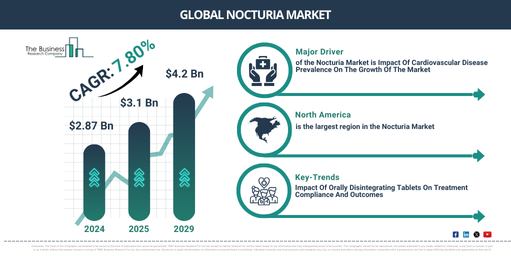
    The nocturia market has experienced significant expansion in recent years. It is anticipated to increase from $2.87 billion in 2024 to $3.1 billion in 2025, achieving a compound annual growth rate (CAGR) of 8.0%. This market’s historical growth has been driven by factors such as the increasing prevalence of cardiovascular diseases, a rise in the incidence of insomnia, the growing aging population, enhanced awareness of nocturia and related conditions, and an increase in comorbidities.

    The nocturia market is poised for substantial growth over the next few years, with projections indicating an expansion to $4.2 billion by 2029, achieving a compound annual growth rate (CAGR) of 7.8%. This anticipated growth is primarily fueled by an increasing prevalence of bladder obstruction disorders and urinary tract inflammation, a rising incidence of excessive nighttime urination (nocturia) stemming from various risk factors, elevated fluid intake contributing to the condition, greater awareness of nocturia’s ties to sleep disorders and kidney health, and an expanding aging population. Furthermore, significant trends expected during this period include advancements in diagnostic methodologies, the development of new pharmaceutical treatments, heightened research and investment in nocturia therapies, progress in both surgical and non-surgical treatment approaches, and the increasing adoption of personalized medicine.

    Unlock Your Free Sample Report for Exclusive Market Data:

    https://www.thebusinessresearchcompany.com/sample.aspx?id=21232&type=smp

    What Are The Drivers Pushing New Developments In The Nocturia Market?

    The increasing incidence of cardiovascular diseases is anticipated to fuel the expansion of the nocturia market moving forward. Cardiovascular diseases, or CVDs, are a collection of ailments that impact the heart and blood vessels, including conditions such as heart disease, stroke, and hypertension. The widespread occurrence of these diseases can be attributed to elements like an aging global population, sedentary routines, unhealthy dietary habits, smoking, excessive alcohol consumption, obesity, elevated blood pressure, high cholesterol, diabetes, and genetic predisposition. Patients affected by cardiovascular diseases frequently experience nocturia as an associated symptom, which drives up the need for diagnostic tools and treatment solutions. As cardiovascular conditions continue to increase worldwide due to demographic aging and poor lifestyle choices, the requirement for effective nocturia management will also grow. For example, in May 2024, the Centers for Disease Control and Prevention, a US-based government agency, reported that heart disease in the US was responsible for 702,880 fatalities in 2022, constituting 20% of all deaths in the United States. Annually, approximately 805,000 individuals experience a heart attack, with 605,000 representing first-time cases and 200,000 occurring in those with a prior history. Thus, the rising prevalence of cardiovascular diseases is a key factor boosting the growth of the nocturia market.

    What Are The Primary Types Of Segments Analyzed In The Nocturia Market?

    The nocturiamarket covered in this report is segmented –

    1) By Drug: Anticholinergic Drugs; Desmopressin; Antibiotics; Antispasmodic; Other Drugs

    2) By Indication: Mixed Nocturia; Low Nocturnal Bladder Capacity; Nocturnal Polyuria; Global Polyuria

    3) By Causes: Urological Infection; Tumor Of The bladder; Diuretic Medications; Regular Alcohol Or coffee; Liver infection; Diabetes; Pregnancy; Other Causes

    4) By End User: Hospitals; Home Care; Clinics

    Subsegments:

    1) By Anticholinergic Drugs: Oxybutynin; Tolterodine; Solifenacin; Darifenacin; Fesoterodine

    2) By Desmopressin: Intranasal Desmopressin; Oral Desmopressin

    3) By Antibiotics: Nitrofurantoin; Trimethoprim; Fosfomycin; Other Antibiotics

    4) By Antispasmodic: Hyoscine Butylbromide; Flavoxate; Other Antispasmodics

    5) By Other Drugs: Alpha-blockers; Beta-3 Agonists; Diuretics; Other Pharmacological Treatments

    What Are The Latest Industry Trends Transforming The Nocturia Market?

    Leading companies in the nocturia market are concentrating on creating innovative products, such as orally disintegrating tablets, to improve patient convenience and adherence. Orally disintegrating tablets (ODTs) are solid drug forms that rapidly dissolve in the mouth without the need for water, making them perfect for patients who struggle with swallowing. For example, in July 2024, Adalvo Limited, a Malta-based pharmaceutical company, introduced Desmopressin ODT in Europe. This launch targets conditions leading to excessive fluid loss from the body, including central cranial diabetes insipidus. This synthetic version of the vasopressin tablet addresses diabetes insipidus, extreme thirst and urination, and bedwetting by mimicking the body’s natural hormone and reducing the amount of water expelled in urine. Additionally, it is utilized to manage bleeding in mild to moderate hemophilia A and von Willebrand disease by encouraging the release of blood clotting factors.

    Who Are The Prominent Global Companies Shaping The Nocturia Market?

    Major companies operating in the nocturia market are Pfizer Inc, Merck & Co. Inc, AbbVie Inc, Sanofi S.A, GlaxoSmithKline plc, Viatris Inc, Boehringer Ingelheim International GmbH, Otsuka Pharmaceutical Co. Ltd, Astellas Pharma Inc, Eisai Co. Ltd., Sumitomo Dainippon Pharma Co. Ltd, Ferring Pharmaceuticals A/S, Avadel Pharmaceuticals plc, UroGen Pharma Ltd, Sanwa Kagaku Co. Ltd., Urovant Sciences Inc, Serenity Pharmaceuticals LLC, Vantia Therapeutics Inc, AA Pharma Inc, Wellesley Pharmaceuticals Inc

    Download The Full Report For Exclusive Market Findings:

    https://www.thebusinessresearchcompany.com/report/nocturia-global-market-report

    Which Region Currently Holds The Largest Share Of The Nocturia Market?

    North America was the largest region in the nocturia market in 2024. Asia-Pacific is expected to be the fastest-growing region in the forecast period. The regions covered in the nocturia market report are Asia-Pacific, Western Europe, Eastern Europe, North America, South America, Middle East, Africa.

    Request A Customized Version Of The Nocturia Market Report:

    https://www.thebusinessresearchcompany.com/customise?id=21232&type=smp

    Browse Through More Reports Similar to the Global Nocturia Market 2025, By The Business Research Company

    Sleep Apnea Devices Global Market Report 2025

    https://www.thebusinessresearchcompany.com/report/sleep-apnea-devices-global-market-report

    Sleep Tech Devices Global Market Report 2025

    https://www.thebusinessresearchcompany.com/report/sleep-tech-devices-global-market-report

    Sleep Testing Services Global Market Report 2025

    https://www.thebusinessresearchcompany.com/report/sleep-testing-services-global-market-report

    Get in touch with us:

    The Business Research Company: https://www.thebusinessresearchcompany.com/

    Americas +1 310-496-7795

    Asia +44 7882 955267 & +91 8897263534

    Europe +44 7882 955267

    Email us at info@tbrc.info

    Follow us on:

    LinkedIn: https://in.linkedin.com/company/the-business-research-company

    YouTube: https://www.youtube.com/channel/UC24_fI0rV8cR5DxlCpgmyFQ

    Global Market Model: https://www.thebusinessresearchcompany.com/global-market-model
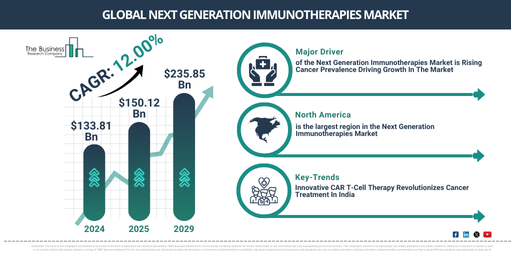
  • Next Generation Immunotherapies Industry Forecast to Hit $235.85 Billion by 2029 With a Strong 12% CAGR

    Next Generation Immunotherapies Industry Forecast to Hit $235.85 Billion by 2029 With a Strong 12% CAGR

    Unlock Global Insights – Save 20% on Market Reports with Code ONLINE20

    What Are The Growth Projections For The Next Generation Immunotherapies Market Size During 2025–2029?

    The next generation immunotherapies market size has demonstrated rapid expansion in recent years. It is projected to increase from $133.81 billion in 2024 to $150.12 billion in 2025, exhibiting a compound annual growth rate (CAGR) of 12.2%. The historical growth experienced by this market can be attributed to the rising prevalence of oncology, an increase in research and development investments, a surge in government initiatives, heightened government expenditure on health, and the expansion of approved indications.

    The next generation immunotherapies market is anticipated to experience substantial growth in the coming years. It is projected to reach $235.85 billion by 2029, expanding at a compound annual growth rate (CAGR) of 12.0%. This expansion during the forecast period is primarily driven by the increasing incidence of cancer, escalating healthcare expenditure, wider adoption of chimeric antigen receptor (CAR) T-cell therapy, the growing impact of chronic diseases, and enhanced research into next-generation drugs. Key trends throughout the forecast period include a transition towards combination therapies, ongoing technological progress, innovative therapeutic strategies, developments in personalized medicine, and improvements in regulatory support.

    Unlock Your Free Sample Report for Exclusive Market Data:

    https://www.thebusinessresearchcompany.com/sample.aspx?id=21231&type=smp

    What Are The Emerging Market Drivers Creating New Opportunities In The Next Generation Immunotherapies Industry?

    The rising prevalence of cancer is projected to propel the expansion of the next-generation immunotherapies market. Cancer, a group of diseases marked by the uncontrolled growth and spread of abnormal cells in the body, sees its prevalence influenced by factors such as aging populations, lifestyle shifts, environmental exposures, and better detection methods. Next-generation immunotherapies provide advanced, targeted treatments that enhance the body’s immune response to cancer, offering improved effectiveness, durability, and personalization. For instance, in May 2024, reports from the National Cancer Institute (NCI), a US-based government agency, revealed nearly 20 million new cancer cases and 9.7 million cancer-related deaths globally in 2022, with projections for 2040 estimating 29.9 million new cases and 15.3 million cancer-related deaths. This increasing prevalence of cancer is thus driving the growth of the next-generation immunotherapies market.

    Which Key Segments Fueling The Next Generation Immunotherapies Market?

    The next generation immunotherapiesmarket covered in this report is segmented –

    1) By Drug Class: Monoclonal Antibodies; Antibody-Drug Conjugates – ADC’s; Angiotensin-Converting Enzyme (ACE) Inhibitors; Immune Checkpoint Inhibitors

    2) By Route Of Administration: Intravenous; Parenteral; Intratumoral; Subcutaneous; Oral

    3) By Distribution Channel: Hospital Pharmacies; Clinical Pharmacies; Other Distribution channels

    Subsegments:

    1) By Monoclonal Antibodies: Anti-PD-1 Antibodies; Anti-PD-L1 Antibodies; Anti-CTLA-4 Antibodies; Anti-CD20 Antibodies; Other Monoclonal Antibodies

    2) By Antibody-Drug Conjugates (ADC’s): HER2-targeted ADCs; CD30-targeted ADCs; CD19-targeted ADCs; Other ADCs

    3) By Angiotensin-Converting Enzyme (ACE) Inhibitors: ACE Inhibitors For Cancer Therapy; ACE Inhibitors For Other Indications

    4) By Immune Checkpoint Inhibitors: PD-1 Or PD-L1 Inhibitors; CTLA-4 Inhibitors; Other Immune Checkpoint Inhibitors

    What Trends Are Redefining The Next Generation Immunotherapies Market Dynamics?

    Major companies operating in the next-generation immunotherapies market are prioritizing the development of innovative therapies, such as CAR T-cell therapy, to address cancers, autoimmune diseases, and infectious diseases. CAR T-cell therapy is a form of immunotherapy where a patient’s T cells, a type of immune cell, are genetically modified to express chimeric antigen receptors (CARs). For instance, in January 2025, Immuneel Therapeutics Private Limited, an India-based cell and gene therapy startup, introduced Qartemi, India’s first CAR T-cell therapy. This therapy, aimed at adult B-cell non-Hodgkin lymphoma, functions by genetically altering a patient’s immune cells to target and eliminate cancer cells, thus presenting a highly effective and personalized treatment option. It extends renewed hope to patients for whom conventional treatments have proven unsuccessful, with the added advantage of being more affordable than comparable global options.

    Which Key Players Are Driving Competition In The Next Generation Immunotherapies Market?

    Major companies operating in the next generation immunotherapies market are Pfizer Inc., F. Hoffmann-La Roche Ltd., Merck & Co. Inc., AbbVie Inc., Sanofi S.A., Bristol-Myers Squibb Company, AstraZeneca PLC, Novartis AG, GlaxoSmithKline plc (GSK), Eli Lilly and Company, Gilead Sciences Inc., Amgen Inc., Boehringer Ingelheim International GmbH, Regeneron Pharmaceuticals Inc., Incyte Corporation, BioNTech SE, Xencor Inc., Fate Therapeutics Inc., Immatics N.V., Atara Biotherapeutics Inc., Menarini Group, Alpine Immune Sciences Inc., Mereo Biopharma Group plc, Immunomic Therapeutics Inc., Indaptus Therapeutics Inc.

    Download The Full Report For Exclusive Market Findings:

    https://www.thebusinessresearchcompany.com/report/next-generation-immunotherapies-global-market-report

    What Regional Growth Trends Are Shaping The Next Generation Immunotherapies Market Outlook?

    North America was the largest region in the next-generation immunotherapies market in 2024. Asia-Pacific is expected to be the fastest-growing region in the forecast period. The regions covered in the next generation immunotherapies market report are Asia-Pacific, Western Europe, Eastern Europe, North America, South America, Middle East, Africa.

    Request A Customized Version Of The Next Generation Immunotherapies Market Report:

    https://www.thebusinessresearchcompany.com/customise?id=21231&type=smp

    Browse Through More Reports Similar to the Global Next Generation Immunotherapies Market 2025, By The Business Research Company

    Clinical Oncology Next Generation Sequencing Global Market Report 2025

    https://www.thebusinessresearchcompany.com/report/clinical-oncology-next-generation-sequencing-global-market-report

    Next Generation Sequencing Global Market Report 2025

    https://www.thebusinessresearchcompany.com/report/next-generation-sequencing-global-market-report

    Next Generation Military Power Supply Global Market Report 2025

    https://www.thebusinessresearchcompany.com/report/next-generation-military-power-supply-global-market-report

    Get in touch with us:

    The Business Research Company: https://www.thebusinessresearchcompany.com/

    Americas +1 310-496-7795

    Asia +44 7882 955267 & +91 8897263534

    Europe +44 7882 955267

    Email us at info@tbrc.info

    Follow us on:

    LinkedIn: https://in.linkedin.com/company/the-business-research-company

    YouTube: https://www.youtube.com/channel/UC24_fI0rV8cR5DxlCpgmyFQ

    Global Market Model: https://www.thebusinessresearchcompany.com/global-market-model
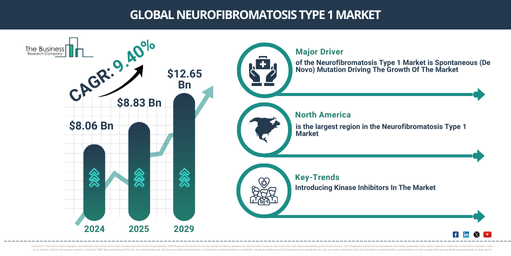
  • Neurofibromatosis Type 1 Market to Reach $12.65 Billion by 2029, Growing at a CAGR of 9.4%

    Neurofibromatosis Type 1 Market to Reach $12.65 Billion by 2029, Growing at a CAGR of 9.4%

    Unlock Global Insights – Save 20% on Market Reports with Code ONLINE20

    What Is The Global Market Value Of The Neurofibromatosis Type 1 Industry In 2025?

    The market size for neurofibromatosis type 1 has demonstrated robust growth in recent years. It is forecast to grow from $8.06 billion in 2024 to $8.83 billion in 2025, achieving a compound annual growth rate (CAGR) of 9.6%. This expansion in the past can be linked to factors such as increasing awareness, a rise in healthcare spending, population growth, advantageous government policies, and the modernization of medical infrastructure.

    The neurofibromatosis type 1 market size is anticipated to undergo significant expansion in the upcoming years. It is projected to reach $12.65 billion by 2029, demonstrating a compound annual growth rate (CAGR) of 9.4%. This growth during the forecast period can be linked to a rise in blood cancer cases, an increasing occurrence of plexiform tumors, the prevalence of nerve sheath tumors, a growing incidence of neurofibromatosis, and the enhanced adoption of neurofibromatosis therapeutics. Dominant trends during this period are expected to encompass research and development, the creation of novel therapies, improvements in diagnostic techniques, the availability of tumor-specific therapeutics, and the development of new drugs.

    Unlock Your Free Sample Report for Exclusive Market Data:

    https://www.thebusinessresearchcompany.com/sample.aspx?id=21230&type=smp

    Which Drivers Are Impacting The Neurofibromatosis Type 1 Market?

    The neurofibromatosis type 1 (NF1) market is projected to expand due to spontaneous (de novo) mutations. A spontaneous (de novo) mutation is defined as a genetic change occurring for the first time in an individual, originating from DNA replication errors or environmental influences, rather than being inherited. The increase in spontaneous (de novo) mutations is linked to factors like advanced parental age, environmental exposures (e.g., radiation and chemicals), and inaccuracies during DNA replication in cell division. Neurofibromatosis type 1 (NF1) itself contributes to spontaneous (de novo) mutations because the NF1 gene has a high mutation rate, often experiencing large deletions, insertions, or point mutations during gamete formation, resulting in new cases without a prior family history. As an illustration, a report from August 2023 by Molecular Biology and Evolution, a US-based peer-reviewed journal, indicated that 1.17 million autosomal and pseudoautosomal variants, averaging 11,007 variants per offspring, successfully passed the Mendelian violation filter. Within this dataset, 534 suspected de novo mutations (DNMs) were identified in POR and TVA families, not counting those shared between siblings. Consequently, spontaneous (de novo) mutation is a key factor propelling the expansion of the neurofibromatosis type 1 (NF1) market.

    How Is The Neurofibromatosis Type 1 Market Classified Into Different Segments?

    The neurofibromatosis type 1market covered in this report is segmented –

    1) By Treatment: Medication; Surgery; Radiation Therapy; Other Treatments

    2) By Disease Type: Plexiform Neurofibromas; Cutaneous Neurofibromas; Optic Gliomas; Other Diseases

    3) By Distribution Channel: Hospital Pharmacies; Retail Pharmacies; Online Pharmacies

    4) By End Users: Hospitals; Speciality Clinics; Ambulatory Surgical Centers; Other End Users

    Subsegments:

    1) By Medication: Targeted Therapy; Pain Management Medications; Anticonvulsants

    2) By Surgery: Tumor Removal Surgery; Nerve Decompression Surgery

    3) By Radiation Therapy: Stereotactic Radiosurgery; External Beam Radiation Therapy

    4) By Other Treatments: Physical Therapy; Genetic Counseling; Psychological Support And Counseling

    How Are Emerging Market Trends Shaping The Neurofibromatosis Type 1 Industry Landscape?

    Leading companies in the neurofibromatosis type 1 (NF1) market are prioritizing the introduction of innovative solutions such as kinase inhibitor to advance targeted treatments and patient outcomes. A kinase inhibitor refers to a medication designed to block the activity of kinases, which are enzymes responsible for transferring phosphate groups to proteins and thereby regulating diverse cellular processes. For instance, in May 2023, AstraZeneca plc, a UK-based pharmaceutical industry company, obtained approval from China for Koselugo (selumetinib), intended for treating symptomatic, inoperable plexiform neurofibromas (PN) in pediatric patients aged three years and above who have neurofibromatosis type 1 (NF1). This approval expands the availability of specific treatment options for pediatric NF1 patients, improving disease management and enhancing their quality of life. The introduction of Koselugo (selumetinib) in China aligns with the increasing emphasis on precision medicine, presenting a non-surgical alternative for managing inoperable plexiform neurofibromas.

    Who Are The Top Performing Companies In The Neurofibromatosis Type 1 Market In Recent Years?

    Major companies operating in the neurofibromatosis type 1 market are Pfizer Inc., F. Hoffmann-La Roche Ltd, Merck & Co. Inc, Novartis AG, AstraZeneca Plc, Takeda Pharmaceutical Company Limited, Boehringer Ingelheim International GmbH, Vertex Pharmaceuticals Incorporated, Shanghai Fosun Pharmaceutical (Group) Co. Ltd, BeiGene Ltd., BioMarin Pharmaceutical Inc, Exelixis Inc., Blueprint Medicines Corporation, SpringWorks Therapeutics Inc, Onclive LLC, Healx Limited, Infixion Bioscience Limited, NFlection Therapeutics Inc, Pasithea Therapeutics Corporation, Mulberry Biotherapeutics Inc.

    Download The Full Report For Exclusive Market Findings:

    https://www.thebusinessresearchcompany.com/report/neurofibromatosis-type-1-global-market-report

    Which Regional Markets Are Contributing Most To The Neurofibromatosis Type 1 Industry Expansion?

    North America was the largest region in the neurofibromatosis type 1 (NF1) market in 2024. Asia-Pacific is expected to be the fastest-growing region in the forecast period. The regions covered in the neurofibromatosis type 1 market report are Asia-Pacific, Western Europe, Eastern Europe, North America, South America, Middle East, Africa.

    Request A Customized Version Of The Neurofibromatosis Type 1 Market Report:

    https://www.thebusinessresearchcompany.com/customise?id=21230&type=smp

    Browse Through More Reports Similar to the Global Neurofibromatosis Type 1 Market 2025, By The Business Research Company

    Type 1 Diabetes Global Market Report 2025

    https://www.thebusinessresearchcompany.com/report/type-1-diabetes-global-market-report

    Neurofibromatosis Treatment Global Market Report 2025

    https://www.thebusinessresearchcompany.com/report/neurofibromatosis-treatment-global-market-report

    Leukemia Therapeutics Global Market Report 2025

    https://www.thebusinessresearchcompany.com/report/leukemia-therapeutics-global-market-report

    Get in touch with us:

    The Business Research Company: https://www.thebusinessresearchcompany.com/

    Americas +1 310-496-7795

    Asia +44 7882 955267 & +91 8897263534

    Europe +44 7882 955267

    Email us at info@tbrc.info

    Follow us on:

    LinkedIn: https://in.linkedin.com/company/the-business-research-company

    YouTube: https://www.youtube.com/channel/UC24_fI0rV8cR5DxlCpgmyFQ

    Global Market Model: https://www.thebusinessresearchcompany.com/global-market-model
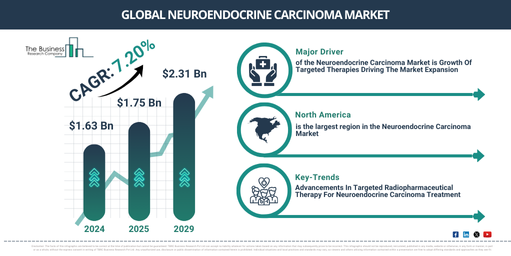
  • Global Neuroendocrine Carcinoma Market Size Projected to Reach $2.31 Billion During the Forecast Period

    Global Neuroendocrine Carcinoma Market Size Projected to Reach $2.31 Billion During the Forecast Period

    Unlock Global Insights – Save 20% on Market Reports with Code ONLINE20

    By How Much Is The Neuroendocrine Carcinoma Market Expected To Expand Between 2025 And 2029?

    The neuroendocrine carcinoma market size has seen substantial growth recently. It is anticipated to expand from $1.63 billion in 2024 to $1.75 billion in 2025, exhibiting a compound annual growth rate (CAGR) of 7.4%. This historic expansion was driven by factors such as the development of the imaging sector, a rise in the incidence of neuroendocrine tumors, increasing investments, growing government initiatives, and the ongoing demand for neuroendocrine tumor treatments.

    The neuroendocrine carcinoma market size is projected to experience robust growth in the coming years. It is predicted to expand to $2.31 billion by 2029, demonstrating a compound annual growth rate (CAGR) of 7.2%. The anticipated growth during this period is driven by factors such as the rising incidence of cancer, an increasing number of product approvals, greater adoption of improved diagnostic imaging methods, the expansion of targeted therapies, and the growing availability of diagnosis and treatment options. Significant trends expected during the forecast period include progress in diagnostic technologies, advancements in imaging technologies, the development of targeted treatment approaches, improvements in neuroendocrine tumor management, and the evolution of targeted therapies and immunotherapies.

    Unlock Your Free Sample Report for Exclusive Market Data:

    https://www.thebusinessresearchcompany.com/sample.aspx?id=21229&type=smp

    Which Industry Drivers Are Expected To Accelerate The Neuroendocrine Carcinoma Market From 2025 To 2029?

    The expansion of targeted therapies is projected to advance the neuroendocrine carcinoma market in the future. These therapies are treatments designed to accurately pinpoint and disrupt the molecular processes or genetic alterations responsible for a disease, especially cancer. The demand for targeted therapies is rising due to factors such as their precision in treating specific genetic mutations, breakthroughs in personalized medicine, and enhanced patient outcomes with fewer side effects. Neuroendocrine carcinoma facilitates the development of targeted therapies that specifically address the tumor’s genetic and biochemical profiles, thereby improving treatment precision and effectiveness. For instance, in July 2023, a report published by the American Society of Gene & Cell Therapy (ASGCT), a US-based professional membership organization, and Citeline, a US-based provider of drugs and devices, showed that at the end of Q1 2023, there were 247 gene therapies in Phase II, and this number subsequently increased by 5% to reach 260 by the end of Q2. Therefore, the growth of targeted therapies is propelling the growth of the neuroendocrine carcinoma market.

    What Are The Major Segments Identified In The Neuroendocrine Carcinoma Market?

    The neuroendocrine carcinomamarket covered in this report is segmented –

    1) By Type: Gastroenteropancreatic Neuroendocrine Tumors; Carcinoid Tumors; Pheochromocytoma; Medullary Thyroid Carcinoma

    2) By Diagnostic Tools: Imaging; Biopsy; Serology

    3) By Treatment: Chemotherapy; Radiotherapy; Surgery; Other Treatments

    4) By Distribution Channel: Hospital Pharmacies; Retail Pharmacies; Online Pharmacies

    5) By End-User: Hospitals; Clinics; Oncology Centers; Ambulatory Surgery Centers

    Subsegments:

    1) By Gastroenteropancreatic Neuroendocrine Tumors (GEP-NETs): Pancreatic Neuroendocrine Tumors (pNETs); Small Intestinal Neuroendocrine Tumors; Gastric Neuroendocrine Tumors; Colorectal Neuroendocrine Tumors

    2) By Carcinoid Tumors: Pulmonary Carcinoid Tumors; Gastrointestinal Carcinoid Tumors

    3) By Pheochromocytoma: Adrenal Pheochromocytoma; Extra-Adrenal Paraganglioma

    4) By Medullary Thyroid Carcinoma: Sporadic Medullary Thyroid Carcinoma; Hereditary Medullary Thyroid Carcinoma (MEN2-Associated)

    Which Key Trends Are Expected To Influence The Neuroendocrine Carcinoma Market In The Coming Years?

    Leading companies active in the neuroendocrine carcinoma market are concentrating on developing advanced therapeutic approaches, such as targeted radiopharmaceutical therapy, with the goal of improving treatment accuracy and patient results. Targeted radiopharmaceutical therapy employs radioactive molecules engineered to specifically identify and deliver radiation to cancer cells, thereby minimizing adverse effects on healthy tissue. For instance, in September 2024, Abdera Therapeutics Inc., a Canada-based biotechnology company, was granted orphan drug designation by the Food and Drug Administration (FDA) for ABD-147 for addressing neuroendocrine carcinoma. This drug is formulated to selectively target tumors that exhibit the DLL3 protein, which is often found in elevated levels in aggressive neuroendocrine cancers, including small cell lung cancer (SCLC) and large cell neuroendocrine carcinoma (LCNEC). This designation provides substantial developmental benefits, encompassing tax credits for clinical trials and the possibility of market exclusivity, thereby positioning ABD-147 as a hopeful treatment in this particular oncology field.

    Which Leading Companies Dominate The Neuroendocrine Carcinoma Market Share?

    Major companies operating in the neuroendocrine carcinoma market are Pfizer Inc., Merck & Co. Inc., AbbVie Inc., Bristol-Myers Squibb Company, AstraZeneca plc, Novartis AG, Amgen Inc., Boehringer Ingelheim GmbH, Exelixis Inc., Lantheus Holdings Inc., HUTCHMED Limited, Dana-Farber Cancer Institute Inc., Abdera Therapeutics Inc., Orano Med S.A, Eckert & Ziegler Radiopharma GmbH, Callisto Pharmaceuticals Inc., RadioMedix Inc., Clarity Pharmaceuticals Limited, Delcath Systems Inc., Provectus Biopharmaceuticals Inc.

    Download The Full Report For Exclusive Market Findings:

    https://www.thebusinessresearchcompany.com/report/neuroendocrine-carcinoma-global-market-report

    How Does The Neuroendocrine Carcinoma Market Perform Across Key Geographic Regions?

    North America was the largest region in the neuroendocrine carcinoma market in 2024. Asia-Pacific is expected to be the fastest-growing region in the forecast period. The regions covered in the neuroendocrine carcinoma market report are Asia-Pacific, Western Europe, Eastern Europe, North America, South America, Middle East, Africa.

    Request A Customized Version Of The Neuroendocrine Carcinoma Market Report:

    https://www.thebusinessresearchcompany.com/customise?id=21229&type=smp

    Browse Through More Reports Similar to the Global Neuroendocrine Carcinoma Market 2025, By The Business Research Company

    Neuroendocrine Tumor Treatment Global Market Report 2025

    https://www.thebusinessresearchcompany.com/report/neuroendocrine-tumor-treatment-global-market-report

    Hepatocellular Carcinoma Drugs Global Market Report 2025

    https://www.thebusinessresearchcompany.com/report/hepatocellular-carcinoma-drugs-global-market-report

    Unresectable Hepatocellular Carcinoma Global Market Report 2025

    https://www.thebusinessresearchcompany.com/report/unresectable-hepatocellular-carcinoma-global-market-report

    Get in touch with us:

    The Business Research Company: https://www.thebusinessresearchcompany.com/

    Americas +1 310-496-7795

    Asia +44 7882 955267 & +91 8897263534

    Europe +44 7882 955267

    Email us at info@tbrc.info

    Follow us on:

    LinkedIn: https://in.linkedin.com/company/the-business-research-company

    YouTube: https://www.youtube.com/channel/UC24_fI0rV8cR5DxlCpgmyFQ

    Global Market Model: https://www.thebusinessresearchcompany.com/global-market-model
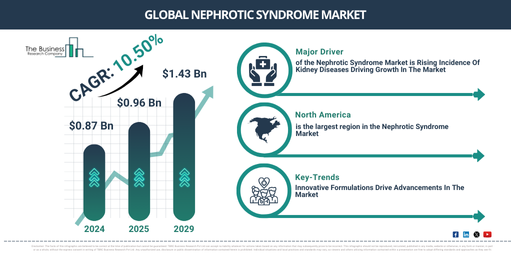
  • Nephrotic Syndrome Industry Anticipated to Expand at 10.5% CAGR During the Forecast Period

    Nephrotic Syndrome Industry Anticipated to Expand at 10.5% CAGR During the Forecast Period

    Unlock Global Insights – Save 20% on Market Reports with Code ONLINE20

    #What Is The Projected Market Size Of The Nephrotic Syndrome Market By 2029?

    The nephrotic syndrome market has seen swift expansion in recent years. Its valuation is anticipated to climb from $0.87 billion in 2024 to $0.96 billion in 2025, achieving a compound annual growth rate (CAGR) of 10.7%. This historical expansion can be traced to increasing the incidence of nephrotic syndrome, increasing genetic disorders, rising rates of obesity, increasing use of immunosuppressive medications, and growing impact of genetic factors.

    The nephrotic syndrome market is expected to exhibit significant growth over the coming years. It is projected to reach $1.43 billion by 2029, demonstrating a compound annual growth rate (CAGR) of 10.5%. This expansion during the forecast period is primarily driven by increasing awareness of Nephrotic Syndrome disease, a rise in the prevalence of CKD, the growing occurrence of metabolic disorders, an expanding aging population, and a higher incidence of autoimmune diseases. Notable trends anticipated in the forecast period include the implementation of telemedicine and remote monitoring, the development of innovative drug delivery systems, advancements in treatment modalities, progress in biotechnology, and the seamless integration of digital health technologies.

    Unlock Your Free Sample Report for Exclusive Market Data:

    https://www.thebusinessresearchcompany.com/sample.aspx?id=21228&type=smp

    What Are The Top Growth Drivers Impacting The Nephrotic Syndrome Market Outlook?

    The growing occurrence of kidney ailments is anticipated to drive expansion in the nephrotic syndrome market. Kidney diseases encompass various conditions that hinder the proper functioning of the kidneys, which are vital organs for filtering waste and surplus fluids from the bloodstream. This rise in kidney disease incidence stems from factors like diabetes, high blood pressure, obesity, an aging demographic, and lifestyle modifications such as elevated sodium consumption and insufficient water intake. Nephrotic syndrome exacerbates kidney diseases through damage to the glomeruli, thereby compromising the kidneys’ capacity to filter waste products and retain vital proteins. For example, data from June 2024, provided by the Australian Institute of Health and Welfare, an Australia-based government agency, revealed that the mortality rate due to chronic kidney disease (CKD) in Australia rose from 4.2% in 2021 to 6.2% in 2022. Consequently, the escalating prevalence of kidney disorders is fueling the expansion of the nephrotic syndrome market.

    What Are The Emerging Segments Gaining Attention In The Nephrotic Syndrome Market?

    The nephrotic syndromemarket covered in this report is segmented –

    1) By Type: Drugs; Devices

    2) By Diagnosis Tests: Urinalysis; Glomerular Filtration Rate (GFR); Blood Test; Kidney Biopsy; Computerized Tomography (CT) Scan

    3) By Application: Clinics; Hospitals; Speciality Centres; Other Applications

    Subsegments:

    1) By Drugs: Steroids; Immunosuppressants; Diuretics; ACE Inhibitors Or ARBs; Other Drugs

    2) By Devices: Dialysis Machines; Peritoneal Dialysis Catheters; Hemodialysis Catheters; Kidney Replacement Therapy Devices

    What Are The Major Trends Driving The Growth Of The Nephrotic Syndrome Market?

    Major companies in the nephrotic syndrome market are directing their efforts towards creating innovative formulations, such as loop diuretic injections, to improve fluid regulation and reduce edema in patients suffering from nephrotic syndrome. A loop diuretic Injection is defined as an injectable medication that inhibits the reabsorption of sodium and chloride in the loop of Henle, thereby stimulating swift urine production. It is utilized in the management of conditions like acute pulmonary edema, heart failure, and severe hypertension by diminishing excess fluid. As an illustration, in March 2024, Avenacy Inc., a US-based pharmaceutical company, launched furosemide for Injection in the U.S., a generic version of Lasix, which received approval from the Food and Drug Administration for treating edema connected to heart failure, liver cirrhosis, and kidney diseases. Provided in 25-unit packs of 100 mg/10 mL doses, this introduction is a component of Avenacy’s broader strategy to expand its range of injectable medications, with aspirations to launch over 20 products in 2024. This particular drug is prescribed for both adult and pediatric patients for the treatment of edema linked to congestive heart failure, cirrhosis of the liver, and renal disease, encompassing nephrotic syndrome.

    Who Are The Major Companies Operating In The Nephrotic Syndrome Market?

    Major companies operating in the nephrotic syndrome market are Pfizer Inc., F. Hoffmann-La Roche AG, AbbVie Inc., Bristol-Myers Squibb Company, Abbott Laboratories, Novartis AG, GlaxoSmithKline plc, Amgen Inc., Eli Lilly and Company, Asahi Kasei Corporation, Otsuka Pharmaceutical Co. Ltd., Astellas Pharma Inc., Vertex Pharmaceuticals, Chugai Pharmaceutical Co. Ltd., Mallinckrodt Company, Evotec SE, Travere Therapeutics Inc., Aurinia Pharmaceuticals Inc., Orbis Biosciences Inc., Alpine Immune Sciences, Kezar Life Sciences, Zenyaku Kogyo Co. Ltd

    Download The Full Report For Exclusive Market Findings:

    https://www.thebusinessresearchcompany.com/report/nephrotic-syndrome-global-market-report

    Which Region Is Expected To Witness The Fastest Growth In The Nephrotic Syndrome Market?

    North America was the largest region in the nephrotic syndrome market in 2024. The regions covered in the nephrotic syndrome market report are Asia-Pacific, Western Europe, Eastern Europe, North America, South America, Middle East, Africa.

    Request A Customized Version Of The Nephrotic Syndrome Market Report:

    https://www.thebusinessresearchcompany.com/customise?id=21228&type=smp

    Browse Through More Reports Similar to the Global Nephrotic Syndrome Market 2025, By The Business Research Company

    Cough Hypersensitivity Syndrome Global Market Report 2025

    https://www.thebusinessresearchcompany.com/report/cough-hypersensitivity-syndrome-global-market-report

    Dumping Syndrome Global Market Report 2025

    https://www.thebusinessresearchcompany.com/report/dumping-syndrome-global-market-report

    Zollinger Ellison Syndrome Treatment Global Market Report 2025

    https://www.thebusinessresearchcompany.com/report/zollinger-ellison-syndrome-treatment-global-market-report

    Get in touch with us:

    The Business Research Company: https://www.thebusinessresearchcompany.com/

    Americas +1 310-496-7795

    Asia +44 7882 955267 & +91 8897263534

    Europe +44 7882 955267

    Email us at info@tbrc.info

    Follow us on:

    LinkedIn: https://in.linkedin.com/company/the-business-research-company

    YouTube: https://www.youtube.com/channel/UC24_fI0rV8cR5DxlCpgmyFQ

    Global Market Model: https://www.thebusinessresearchcompany.com/global-market-model
  • Global Myocarditis Disease Market Projected to Expand at 6.4% CAGR by 2029

    Global Myocarditis Disease Market Projected to Expand at 6.4% CAGR by 2029

    Unlock Global Insights – Save 20% on Market Reports with Code ONLINE20

    How Much Was The Myocarditis Disease Market Worth In 2025, And What Is Its Anticipated Value By 2029?

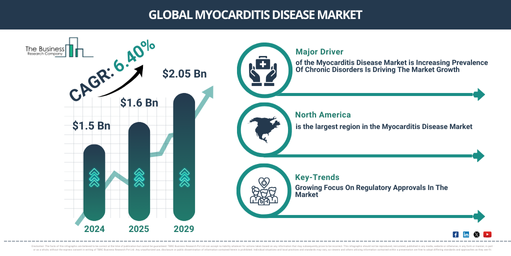
    The myocarditis disease market size has experienced robust growth in recent years. It is forecast to increase from $1.5 billion in 2024 to $1.6 billion in 2025, with a compound annual growth rate (CAGR) of 6.5%. This historical expansion can be attributed to several factors including the rising prevalence of viral infections, greater awareness surrounding autoimmune diseases, a higher incidence of cardiovascular diseases, advancements in treatment options for heart inflammation, and augmented funding for cardiovascular research.

    The myocarditis disease market size is projected to experience robust expansion over the coming years. This market is anticipated to reach $2.05 billion by 2029, achieving a compound annual growth rate (CAGR) of 6.4%. Several factors are expected to drive this growth during the forecast period, including governmental backing and policies, the availability of specific therapeutic options, an increase in clinical trials, enhanced healthcare infrastructure, and the evolution of treatment protocols. Key trends influencing the forecast period encompass CRISPR-Cas9 technology, 3D printing, AI-powered predictive analytics, virtual reality (VR) technologies, and wearable electrocardiogram (ECG) devices.

    Unlock Your Free Sample Report for Exclusive Market Data:

    https://www.thebusinessresearchcompany.com/sample.aspx?id=21227&type=smp

    Which Major Market Drivers Are Shaping The Future Of The Myocarditis Disease Market?

    The myocarditis disease market is anticipated to expand due to the rising occurrence of chronic disorders. These long-term health conditions persist for a year or more and frequently demand continuous medical attention, management, or adjustments to lifestyle. The heightened incidence of chronic disorders stems from factors such as an aging demographic, inactive lifestyles, unhealthy eating patterns, growing obesity rates, and greater exposure to environmental contaminants. Myocarditis disease, an inflammation of the heart muscle, plays a role in chronic disorders through its potential to cause long-term complications like heart failure, arrhythmias, and cardiomyopathy, all of which necessitate continuous management and exert a substantial long-term effect on cardiovascular health. For example, data released in September 2024 by the British Heart Foundation, a UK-based cardiovascular research charity, indicated that in the UK, approximately 7.6 million people suffer from heart and circulatory diseases, comprising around 4 million males and 3.6 million females. These illnesses account for about 27% of all deaths in the UK, leading to over 170,000 deaths annually, or roughly 480 deaths each day, which means one death every three minutes. Consequently, the growing occurrence of chronic disorders is fueling the expansion of the myocarditis disease market.

    What Are The Major Segment Types Covered In The Myocarditis Disease Market?

    The myocarditis diseasemarket covered in this report is segmented –

    1) By Type: Acute Myocarditis; Chronic Myocarditis; Lymphocytic Myocarditis

    2) By Treatment: Medication; Surgery; Other Treatments

    3) By Diagnosis: Blood Tests; Imaging Tests; Cardiac Catheterization; Heart Muscle Biopsy; Others Diagnosis

    4) By Distribution Channel: Hospital Pharmacy; Retail Pharmacy; Online Pharmacy; Other Distribution Channels

    5) By End-Users: Hospitals; Specialty Clinics; Homecare; Other End-Users

    Subsegments:

    1) By Acute Myocarditis: Viral Myocarditis; Bacterial Myocarditis; Fungal Myocarditis

    2) By Chronic Myocarditis: Autoimmune Myocarditis; Chronic Active Myocarditis; Chronic Inflammatory Myocarditis

    3) By Lymphocytic Myocarditis: Idiopathic Lymphocytic Myocarditis; Drug-Induced Lymphocytic Myocarditis; Lymphocytic Myocarditis Associated with Viral Infections

    What Trends Are Expected To Drive The Myocarditis Disease Market?

    Leading companies within the myocarditis disease market are prioritizing securing regulatory approvals for novel medications, aiming to broaden available treatments and improve patient health. These regulatory approvals represent the official permission from government or regulatory bodies that permits drugs, medical devices, or therapies to be made available and utilized by the general public. As an illustration, in May 2022, Cardiol Therapeutics Inc., a pharmaceutical firm based in Canada, declared the attainment of FDA Investigational New Drug (IND) authorization for a multicenter Phase II open-label pilot study of CardiolRx, intended for recurrent pericarditis. This particular study will proceed simultaneously with the company’s multinational Phase II trial for acute myocarditis, which is slated to commence shortly. Both ongoing trials are dedicated to advancing innovative anti-inflammatory remedies for various cardiovascular ailments. Moreover, CardiolRx has been bestowed with orphan drug designation for both recurrent pericarditis and acute myocarditis, underscoring its promise in treating these conditions.

    Which Global Market Leaders Are Shaping The Future Of The Myocarditis Disease Sector?

    Major companies operating in the myocarditis disease market are Pfizer Inc., Hoffmann-La Roche AG, Merck & Co Inc., Bristol-Myers Squibb Company, AstraZeneca PLC, Novartis AG, GlaxoSmithKline plc, Eli Lilly and Company, Gilead Sciences Inc., Teva Pharmaceutical Industries Ltd., Regeneron Pharmaceuticals Inc., UCB S.A., Sun Pharmaceutical Industries Ltd., Cipla Limited, Alnylam Pharmaceuticals Inc., Sobi (Swedish Orphan Biovitrum AB), BridgeBio Pharma Inc., Evotec SE, Cardiol Therapeutics Inc., Cantargia AB.

    Download The Full Report For Exclusive Market Findings:

    https://www.thebusinessresearchcompany.com/report/myocarditis-disease-global-market-report

    Which Global Regions Are Influencing The Competitive Landscape Of The Myocarditis Disease Market?

    North America was the largest region in the myocarditis disease market in 2024. The regions covered in the myocarditis disease market report are Asia-Pacific, Western Europe, Eastern Europe, North America, South America, Middle East, Africa.

    Request A Customized Version Of The Myocarditis Disease Market Report:

    https://www.thebusinessresearchcompany.com/customise?id=21227&type=smp

    Browse Through More Reports Similar to the Global Myocarditis Disease Market 2025, By The Business Research Company

    Foot And Mouth Disease Vaccine Global Market Report 2025

    https://www.thebusinessresearchcompany.com/report/foot-and-mouth-disease-vaccine-global-market-report

    End Stage Renal Disease Esrd Drug Global Market Report 2025

    https://www.thebusinessresearchcompany.com/report/end-stage-renal-disease-esrd-drug-global-market-report

    Diabetic Kidney Disease Global Market Report 2025

    https://www.thebusinessresearchcompany.com/report/diabetic-kidney-disease-global-market-report

    Get in touch with us:

    The Business Research Company: https://www.thebusinessresearchcompany.com/

    Americas +1 310-496-7795

    Asia +44 7882 955267 & +91 8897263534

    Europe +44 7882 955267

    Email us at info@tbrc.info

    Follow us on:

    LinkedIn: https://in.linkedin.com/company/the-business-research-company

    YouTube: https://www.youtube.com/channel/UC24_fI0rV8cR5DxlCpgmyFQ

    Global Market Model: https://www.thebusinessresearchcompany.com/global-market-model
  • Myelofibrosis (MF) Market to Grow at a CAGR of 3.1% from 2025 to 2029

    Myelofibrosis (MF) Market to Grow at a CAGR of 3.1% from 2025 to 2029

    Unlock Global Insights – Save 20% on Market Reports with Code ONLINE20

    What Is The Future Market Size Estimation For The Myelofibrosis (MF) Market Covering 2025–2034?

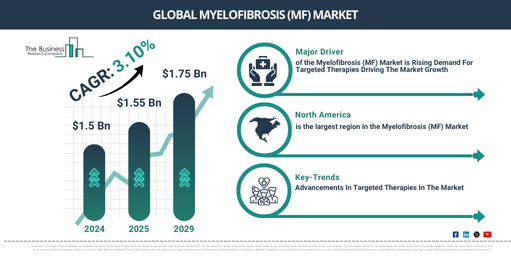
    The market for myelofibrosis (mf) has experienced consistent expansion in recent years. Its valuation is projected to increase from $1.5 billion in 2024 to $1.55 billion in 2025, achieving a compound annual growth rate (CAGR) of 3.2%. This historical growth can be attributed to several factors, including the rising prevalence of myeloproliferative neoplasms, enhanced awareness leading to earlier diagnosis, the expanding adoption of JAK inhibitors, improved access to bone marrow transplants, and an increase in regulatory approvals for new therapeutic options.

    The myelofibrosis (mf) market is projected to experience consistent expansion over the upcoming years. This market is forecast to reach $1.75 billion by 2029, growing at a compound annual growth rate (CAGR) of 3.1%. This anticipated growth is driven by several factors, including a greater demand for individualized treatment options, an increase in clinical trials for gene and cell therapies, the expanding application of combination therapies, broader healthcare coverage for uncommon conditions, and heightened investment in hematology care. Significant trends influencing this period encompass progress in gene-editing technologies, new developments in drugs targeting fibrosis, the creation of next-generation JAK inhibitors, a rising focus on immunotherapy for myelofibrosis, and the broader application of artificial intelligence in identifying new drugs.

    Unlock Your Free Sample Report for Exclusive Market Data:

    https://www.thebusinessresearchcompany.com/sample.aspx?id=21226&type=smp

    What Are The Main Drivers Boosting The Myelofibrosis (MF) Industry’s Expansion?

    The myelofibrosis (MF) market is anticipated to expand in the future, largely driven by the increasing demand for targeted therapies. These therapies represent a medical strategy where treatments and healthcare decisions are customized according to an individual’s unique genetic makeup, environmental influences, and lifestyle habits. The rising need for targeted therapies stems from advancements in genomics, biotechnology, and data analytics, which facilitate the development of more accurate, potent, and personalized treatments. Myelofibrosis (MF) itself offers a crucial framework for advancing targeted treatments by pinpointing significant molecular pathways, including JAK-STAT signaling. This identification allows for the creation of precision treatments, such as JAK inhibitors (Ruxolitinib, Fedratinib, and Pacritinib), aimed at controlling symptoms and retarding the disease’s progression. For example, data from April 2024, published by the American Society of Gene & Cell Therapy, a US-based government organization, indicates an overall increase in the number of therapies in clinical pipeline development across all phases. Notably, Phase I therapies showed the most substantial rise, growing by 11%, marking the highest growth rate observed since Q4 2022. Consequently, the expanding demand for targeted therapies is a key factor propelling the expansion of the myelofibrosis (MF) market.

    What Are The Major Segment Categories Driving The Myelofibrosis (MF) Market Growth?

    The myelofibrosis (mf)market covered in this report is segmented –

    1) By Drug Type: Jak Inhibitor; Immunomodulators; Hydroxyurea; Other Drug Types

    2) By Treatment Type: Chemotherapy; Targeted Therapy; Other Treatment Types

    3) By Route Of Administration: Oral; Parenteral; Other Routes Of Administration

    4) By Distribution Channel: Hospital Pharmacy; Online Pharmacy; Retail Pharmacy

    5) By End User: Hospitals; Homecare; Specialty Clinics; Other End Users

    Subsegments:

    1) By Jak Inhibitor: Ruxolitinib; Fedratinib; Momelotinib; Itacitinib

    2) By Immunomodulators: Thalidomide; Lenalidomide; Pomalidomide

    3) By Hydroxyurea: Oral Hydroxyurea; Injectable Hydroxyurea

    4) By Other Drug Types: Erythropoiesis-Stimulating Agents (ESAs); Danazol; Monoclonal Antibodies; Chemotherapy Agents

    Which Trends Are Impacting The Myelofibrosis (MF) Market?

    Leading enterprises within the myelofibrosis (MF) market are concentrating on broadening the availability of targeted treatments, such as JAK1/JAK2 and ACVR1 inhibitors, with the aim of boosting therapeutic effectiveness, managing disease advancement, and enhancing patient well-being in myelofibrosis (MF). JAK1/JAK2 inhibitors function by targeting the Janus kinase pathway, thereby diminishing inflammation and irregular blood cell formation in myelofibrosis, whereas ACVR1 inhibitors work to impede activin receptor-like kinase 2 (ALK2) in order to control bone marrow fibrosis and disease progression. An illustration of this is the US Food and Drug Administration (FDA) clearance granted in September 2023 to GSK plc, a UK-based pharmaceutical firm, for Ojjaara (momelotinib), which is prescribed for patients with intermediate- or high-risk myelofibrosis. This medication’s unique dual mechanism, addressing both JAK1/JAK2 and ACVR1, assists in governing inflammatory routes while concurrently raising hemoglobin counts and decreasing the necessity for transfusions. This endorsement not only broadens the spectrum of available therapies but also establishes an elevated benchmark in the management of MF for individuals grappling with anemia, which represents a significant unresolved requirement within the condition’s therapeutic domain.

    Which Industry Leaders Are Driving Innovation Across The Myelofibrosis (MF) Market?

    Major companies operating in the myelofibrosis (MF) market are Pfizer Inc., F. Hoffmann-La Roche Ltd., Merck & Co. Inc., AbbVie Inc., Sanofi S.A., Bristol-Myers Squibb Company, Novartis AG, GlaxoSmithKline plc, Eli Lilly and Company, Gilead Sciences Inc., A. Menarini Industrie Farmaceutiche Riunite S.r.l., Incyte Corporation, Sobi Inc., MorphoSys AG, CTI BioPharma Corp., Suzhou Zelgen Biopharmaceutical Co. Ltd., NS Pharma Inc., Impact Biomedicines Inc., Kartos Therapeutics Inc., Geron Corporation

    Download The Full Report For Exclusive Market Findings:

    https://www.thebusinessresearchcompany.com/report/myelofibrosis-mf-global-market-report

    What Are The Regional Market Dynamics Impacting The Myelofibrosis (MF) Industry?

    North America was the largest region in the myelofibrosis (MF) market in 2024. Asia-Pacific is expected to be the fastest-growing region in the forecast period. The regions covered in the myelofibrosis (MF) market report are Asia-Pacific, Western Europe, Eastern Europe, North America, South America, Middle East, Africa.

    Request A Customized Version Of The Myelofibrosis (MF) Market Report:

    https://www.thebusinessresearchcompany.com/customise?id=21226&type=smp

    Browse Through More Reports Similar to the Global Myelofibrosis (MF) Market 2025, By The Business Research Company

    Blood Cancer Drugs Global Market Report 2025

    https://www.thebusinessresearchcompany.com/report/blood-cancer-drugs-global-market-report

    Bone Marrow Transplantation Global Market Report 2025

    https://www.thebusinessresearchcompany.com/report/bone-marrow-transplantation-global-market-report

    Pancreatic Cancer Drugs Global Market Report 2025

    https://www.thebusinessresearchcompany.com/report/pancreatic-cancer-drugs-global-market-report

    Get in touch with us:

    The Business Research Company: https://www.thebusinessresearchcompany.com/

    Americas +1 310-496-7795

    Asia +44 7882 955267 & +91 8897263534

    Europe +44 7882 955267

    Email us at info@tbrc.info

    Follow us on:

    LinkedIn: https://in.linkedin.com/company/the-business-research-company

    YouTube: https://www.youtube.com/channel/UC24_fI0rV8cR5DxlCpgmyFQ

    Global Market Model: https://www.thebusinessresearchcompany.com/global-market-model