Blog

  • Global Molluscum Contagiosum (MC) Treatment Market 2025–2029: Competitive Insights and Opportunities

    Global Molluscum Contagiosum (MC) Treatment Market 2025–2029: Competitive Insights and Opportunities

    Unlock Global Insights – Save 20% on Market Reports with Code ONLINE20

    What Is The Expected Total Market Size Of The Molluscum Contagiosum (MC) Treatment Industry By The Forecast Year 2029?

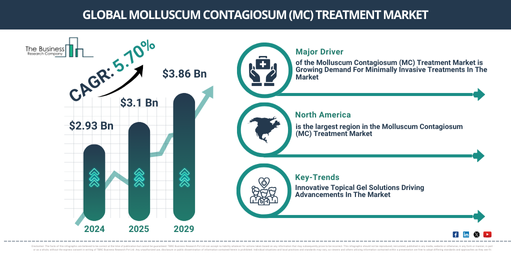
    The molluscum contagiosum (mc) treatment market has shown strong expansion over recent years. It is anticipated to grow from $2.93 billion in 2024 to $3.1 billion in 2025, exhibiting a compound annual growth rate (CAGR) of 5.9%. This historical growth can be attributed to several factors: increased public awareness concerning skin infections and their available treatments, a rise in cases affecting children, elevated healthcare spending, an increasing number of individuals with compromised immune systems, and greater funding from both private and government organizations.

    The molluscum contagiosum (mc) treatment market size is anticipated to experience substantial growth in the upcoming years, expanding to $3.86 billion by 2029 with a compound annual growth rate (CAGR) of 5.7%. This projected growth during the forecast period is attributed to an increasing preference for non-invasive treatments, a rising prevalence of skin diseases, growing demand for healthcare services, the increasing prevalence of chronic diseases, and the improved availability of advanced treatment options. Significant trends expected in this period include a shift toward cosmetic treatment approaches, the development of new topical delivery systems, a move towards at-home treatments, advancements in cryotherapy methods, and an increased focus on pediatric treatment options.

    Unlock Your Free Sample Report for Exclusive Market Data:

    https://www.thebusinessresearchcompany.com/sample.aspx?id=21225&type=smp

    Which Factors And Drivers Are Influencing The Molluscum Contagiosum (MC) Treatment Market In 2025?

    The molluscum contagiosum treatment market is projected to grow due to the increasing demand for minimally invasive treatments. These medical procedures involve minimal bodily harm, typically through small or no incisions. The demand for minimally invasive treatments stems from their ability to shorten recovery times, lessen surgical risks, and improve patient results when compared to traditional procedures. For molluscum contagiosum treatment, minimally invasive techniques such as cryotherapy and laser therapy are employed for effective removal, faster recovery, and reduced scarring. Such treatments also require fewer visits and are well-suited for managing the often widespread lesions associated with molluscum contagiosum. For instance, in February 2024, data from the American Academy of Facial Plastic and Reconstructive Surgery, a US-based non-profit organization, indicated that in 2023, minimally invasive procedures accounted for 83% of all medical procedures, totaling 35 million procedures in 2023, while traditional surgical procedures constituted the remaining 17%. Therefore, the rising demand for minimally invasive treatments is driving the expansion of the molluscum contagiosum treatment market.

    How Is The Molluscum Contagiosum (MC) Treatment Market Segmented?

    The molluscum contagiosum (mc) treatmentmarket covered in this report is segmented –

    1) By Type: Molluscum Contagiosum Virus (MCV) -1; Molluscum Contagiosum Virus (MCV) -2; Molluscum Contagiosum Virus (MCV) -3; Molluscum Contagiosum Virus (MCV) -4

    2) By Treatment Type: Topical Therapy; Immune-Modulators And Procedural Treatments

    3) By Route Of Administration: Topical; Oral

    4) By End User: Hospitals; Dermatology Clinics; Homecare Settings; Other End Users

    What Long-Term Trends Will Shape The Future Growth Of The Molluscum Contagiosum (MC) Treatment Industry?

    Leading companies within the molluscum contagiosum (MC) treatment market are concentrating on developing innovative products, such as topical gels, to boost effectiveness, improve patient adherence, and offer non-invasive treatment methods. A topical gel is defined as a semi-solid preparation applied onto the skin or mucous membranes for localized therapeutic action or treatment. For instance, in April 2024, Ligand Pharmaceuticals Incorporated, a US-based biopharmaceutical firm, introduced Pelthos Therapeutics to market Zelsuvmi (brazier) topical gel, 10.3%. This product represents the initial Food and Drug Administration-approved at-home treatment for molluscum contagiosum in adults and children over one-year-old. This gel works by releasing nitric oxide, which is formulated to interfere with viral replication, thereby facilitating the resolution of lesions. Zelsuvmi provides a non-invasive and painless alternative to conventional in-office procedures like cryotherapy or curettage, establishing itself as a practical and convenient choice for patients aged one year and older.

    Who Are The Key Multinational Companies Dominating The Molluscum Contagiosum (MC) Treatment Market?

    Major companies operating in the molluscum contagiosum (MC) treatment market are Verrica Pharmaceuticals, Novan Inc., Veloce BioPharma LLC, Gurina Foundation, Competition Deep Dive, Azafaros, Polaryx Therapeutics, Abbott Medtronic, Merck & Co., Inc., Pfizer Inc., Siemens Healthcare GmbH, Novartis, Ligand Pharmaceuticals Incorporated, Aclaris Therapeutics Inc., Verrica Pharmaceuticals Inc., Nielsen BioSciences Inc., MedCara Pharmaceuticals LLC, Gurina Foundation, Veloce BioPharma LLC, Labo ACM

    Download The Full Report For Exclusive Market Findings:

    https://www.thebusinessresearchcompany.com/report/molluscum-contagiosum-mc-treatment-global-market-report

    Which Region Shows The Highest Potential For Future Expansion In The Molluscum Contagiosum (MC) Treatment Market?

    North America was the largest region in the molluscum contagiosum (MC) treatment market in 2024. Asia-Pacific is expected to be the fastest-growing region in the forecast period. The regions covered in the molluscum contagiosum (MC) treatment market report are Asia-Pacific, Western Europe, Eastern Europe, North America, South America, Middle East, Africa.

    Request A Customized Version Of The Molluscum Contagiosum (MC) Treatment Market Report:

    https://www.thebusinessresearchcompany.com/customise?id=21225&type=smp

    Browse Through More Reports Similar to the Global Molluscum Contagiosum (MC) Treatment Market 2025, By The Business Research Company

    Pseudomonas Aeruginosa Infection Treatment Global Market Report 2025

    https://www.thebusinessresearchcompany.com/report/pseudomonas-aeruginosa-infection-treatment-global-market-report

    Nicotine Addiction Treatment Global Market Report 2025

    https://www.thebusinessresearchcompany.com/report/nicotine-addiction-treatment-global-market-report

    Gastric Volvulus Treatment Global Market Report 2025

    https://www.thebusinessresearchcompany.com/report/gastric-volvulus-treatment-global-market-report

    Get in touch with us:

    The Business Research Company: https://www.thebusinessresearchcompany.com/

    Americas +1 310-496-7795

    Asia +44 7882 955267 & +91 8897263534

    Europe +44 7882 955267

    Email us at info@tbrc.info

    Follow us on:

    LinkedIn: https://in.linkedin.com/company/the-business-research-company

    YouTube: https://www.youtube.com/channel/UC24_fI0rV8cR5DxlCpgmyFQ

    Global Market Model: https://www.thebusinessresearchcompany.com/global-market-model
  • Minimal Residual Disease Market Trends 2025–2029: Forecasts for Key Growth Segments

    Minimal Residual Disease Market Trends 2025–2029: Forecasts for Key Growth Segments

    Unlock Global Insights – Save 20% on Market Reports with Code ONLINE20

    How Does The Market Size Of The Minimal Residual Disease Industry Compare Between 2025 And 2029?

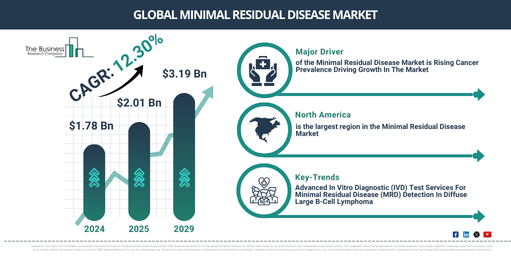
    The minimal residual disease market has experienced rapid expansion recently. It is projected to increase from $1.78 billion in 2024 to $2.01 billion in 2025, demonstrating a compound annual growth rate (CAGR) of 12.6%. Historically, this growth has been driven by several factors, including the increasing number of cancer patients, enhanced research and development spending, improved healthcare affordability, the rising prevalence of blood cancer, and greater public awareness.

    The minimal residual disease market is projected to experience substantial expansion over the upcoming years. This market is anticipated to reach $3.19 billion by 2029, exhibiting a compound annual growth rate (CAGR) of 12.3%. Factors contributing to this growth during the forecast period include an increasing incidence of cancer patients, an uptick in governmental awareness campaigns, enhanced healthcare accessibility, growing disposable incomes within developing nations, and efforts by governmental bodies to raise cancer awareness. Key trends anticipated during this period encompass progress in next-generation sequencing (NGS) technology, the establishment of standardized MRD testing, the integration of personalized MRD monitoring, innovations in liquid biopsy technologies, and the emergence of minimal residual disease-targeted therapies.

    Unlock Your Free Sample Report for Exclusive Market Data:

    https://www.thebusinessresearchcompany.com/sample.aspx?id=21224&type=smp

    What Are The Key Drivers Of Growth In The Minimal Residual Disease Market?

    The projected expansion of the minimal residual disease market going forward is expected due to the rising incidence of cancer. Cancer refers to a collection of illnesses marked by the uncontrolled multiplication and dispersion of atypical cells throughout the body. This growing prevalence of cancer can be attributed to several factors, including an aging demographic, heightened exposure to environmental cancer-causing agents, detrimental lifestyle choices, and inherent genetic susceptibilities. The increasing number of cancer cases fuels the demand for precise MRD testing, which identifies any remaining cancer cells, thus enabling prompt therapeutic action and tailored patient care. This improves the ability to predict relapse and leads to better patient outcomes. As an illustration, data from May 2024, provided by the National Cancer Institute (NCI), a US-based government agency, indicated that in 2022, nearly 20 million new cancer diagnoses and 9.7 million cancer-attributable fatalities occurred globally. Future forecasts for 2040 suggest these numbers will rise to an estimated 29.9 million new cases and 15.3 million cancer-related deaths. Consequently, the expanding occurrence of cancer is a primary catalyst for the growth of the minimal residual disease market.

    What Are The Key Segments In The Minimal Residual Disease Market?

    The minimal residual diseasemarket covered in this report is segmented –

    1) By Detection Target: Lymphoma; Leukemia; Solid Tumors; Other Detection Targets

    2) By Test Technique: Flow Cytometry; Polymerase Chain Reaction (PCR); Next Generation Sequencing (NGS); Other Test Techniques

    3) By End-User: Banking, Financial Services, And Insurance (BFSI); Retail And E-Commerce; Hospitals; Diagnostic Laboratories; Research Institutions

    Subsegments:

    1) By Lymphoma: Hodgkin Lymphoma; Non-Hodgkin Lymphoma

    2) By Leukemia: Acute Lymphoblastic Leukemia; Acute Myeloid Leukemia; Chronic Lymphocytic Leukemia; Chronic Myeloid Leukemia

    3) By Solid Tumors: Breast Cancer; Lung Cancer; Colorectal Cancer; Prostate Cancer

    4) By Other Detection Targets: Multiple Myeloma; Neuroblastoma; Sarcomas

    Which Market Trends Are Creating New Opportunities In The Minimal Residual Disease Industry?

    Leading companies operating within the minimal residual disease (MRD) market are focusing their efforts on advancing in vitro diagnostic (IVD) test services, aiming to offer personalized therapy options for enhanced patient outcomes. An in vitro diagnostic (IVD) test service serves as a laboratory-based method for detecting residual cancer cells after treatment, thereby aiding in relapse prediction and therapy optimization. For instance, in December 2022, Adaptive Biotechnologies Corporation, a US-based biotechnology company, unveiled the clonoSEQ Assay to identify minimal residual disease (MRD) in patients with diffuse large B-cell lymphoma (DLBCL). This test examines circulating tumor DNA (ctDNA) in blood samples, providing a highly sensitive, non-invasive approach to monitor cancer progression and spot early signs of relapse. This assay furnishes clinicians with a more precise comprehension of a patient’s disease burden, facilitating the appropriate customization of treatment plans. It stands as the first minimal residual disease (MRD) test for diffuse large B-cell lymphoma (DLBCL) to gain Medicare coverage, thereby ensuring its widespread accessibility across all treatment regimens and various time points.

    Which Leading Players Are Enhancing Their Minimal Residual Disease Market Presence Worldwide?

    Major companies operating in the minimal residual disease market are Thermo Fisher Scientific Inc., Amgen Inc., Laboratory Corporation of America Holdings (LabCorp), Quest Diagnostics Incorporated, Agilent Technologies Inc., Sysmex Corporation, Bio-Rad Laboratories Inc., Qiagen N.V., Exact Sciences Corporation, Kite Pharma Inc., Natera Inc., Foundation Medicine Inc., NeoGenomics Inc., Guardant Health Inc., Grail LLC, Tempus AI Inc., Veracyte Inc., Adaptive Biotechnologies Corporation, Invivoscribe Inc., Mission Bio Inc., ArcherDx Inc.

    Download The Full Report For Exclusive Market Findings:

    https://www.thebusinessresearchcompany.com/report/minimal-residual-disease-global-market-report

    How Is Minimal Residual Disease Market Demand Varying Across Different Regions?

    North America was the largest region in the minimal residual disease market in 2024. Asia-Pacific is expected to be the fastest-growing region in the forecast period. The regions covered in the minimal residual disease market report are Asia-Pacific, Western Europe, Eastern Europe, North America, South America, Middle East, Africa.

    Request A Customized Version Of The Minimal Residual Disease Market Report:

    https://www.thebusinessresearchcompany.com/customise?id=21224&type=smp

    Browse Through More Reports Similar to the Global Minimal Residual Disease Market 2025, By The Business Research Company

    Inflammatory Bowel Disease Treatment Global Market Report 2025

    https://www.thebusinessresearchcompany.com/report/inflammatory-bowel-disease-treatment-global-market-report

    Chronic Disease Management Global Market Report 2025

    https://www.thebusinessresearchcompany.com/report/chronic-disease-management-global-market-report

    Liver Diseases Therapeutics Global Market Report 2025

    https://www.thebusinessresearchcompany.com/report/liver-diseases-therapeutics-global-market-report

    Get in touch with us:

    The Business Research Company: https://www.thebusinessresearchcompany.com/

    Americas +1 310-496-7795

    Asia +44 7882 955267 & +91 8897263534

    Europe +44 7882 955267

    Email us at info@tbrc.info

    Follow us on:

    LinkedIn: https://in.linkedin.com/company/the-business-research-company

    YouTube: https://www.youtube.com/channel/UC24_fI0rV8cR5DxlCpgmyFQ

    Global Market Model: https://www.thebusinessresearchcompany.com/global-market-model

  • Metastatic Urothelial Carcinoma Market Forecast 2025–2034: Where Businesses Should Invest Next

    Metastatic Urothelial Carcinoma Market Forecast 2025–2034: Where Businesses Should Invest Next

    Unlock Global Insights – Save 20% on Market Reports with Code ONLINE20

    What Is The Predicted Market Size Trajectory For The Metastatic Urothelial Carcinoma Market From 2025 To 2034?

    The metastatic urothelial carcinoma market size has shown swift growth in recent years. It is anticipated to expand from $1.18 billion in 2024 to $1.42 billion in 2025, achieving a compound annual growth rate (CAGR) of 19.9%. The market’s historic growth can be attributed to a supportive regulatory framework, an increase in the prevalence of smoking-related cancers, the development of combination therapies, encouraging government initiatives, and enhanced awareness alongside earlier diagnosis.

    The metastatic urothelial carcinoma market is projected to undergo significant expansion in the next few years, anticipating a rise to $2.91 billion by 2029, demonstrating a compound annual growth rate (CAGR) of 19.6%. This growth during the forecast period is fueled by elements such as increased patient advocacy, government initiatives supporting cancer care, the expanding biopharmaceutical industry, the growing application of chemotherapy, and rapid urbanization along with lifestyle changes. Important trends expected in this period include advancements in immunotherapy, the integration of artificial intelligence, collaborations between pharmaceutical and biotech companies, progress in telemedicine, and the development of next-generation drugs.

    Unlock Your Free Sample Report for Exclusive Market Data:

    https://www.thebusinessresearchcompany.com/sample.aspx?id=21221&type=smp

    Which Drivers Are Supporting Growth Of The Metastatic Urothelial Carcinoma Market?

    The increasing incidence of bladder cancer is projected to stimulate the growth of the metastatic urothelial carcinoma market going forward. Bladder cancer is defined as a condition where malignant (cancerous) cells develop within the bladder’s tissues, frequently originating in the urothelial cells that line it. The increase in bladder cancer occurrences is attributable to elements such as smoking, exposure to chemicals, chronic bladder inflammation, and enhanced diagnostic methods. As an advanced and aggressive form of bladder cancer, metastatic urothelial carcinoma distinctly emphasizes the crucial necessity for early detection, improved therapeutic options, and greater research endeavors. This, in turn, drives innovation and advancements in the management of bladder cancer cases, ultimately contributing to improved outcomes for individuals afflicted with this serious illness. For example, in February 2023, a Cancer Research UK-based charity reported that new bladder cancer cases in the UK are anticipated to rise from approximately 9,800 annually between 2023 and 2025 to around 10,700 cases per year by 2038-2040. Thus, the growing prevalence of bladder cancer acts as a key driver for the metastatic urothelial carcinoma market.

    What Are The Leading Segments Analyzed In The Metastatic Urothelial Carcinoma Market?

    The metastatic urothelial carcinomamarket covered in this report is segmented –

    1) By Treatment: Chemotherapy; Targeted Therapy; Immunotherapy; Radiation Therapy; Intravesical Therapy

    2) By Diagnosis: Urine Lab Tests; Cystoscopy; Intravenous Pyelogram (IVP); Biopsy

    3) By End User: Hospital; Oncology Clinics; Research Institutes; Other End User

    Subsegments:

    1) By Chemotherapy: Platinum-based Chemotherapy; Gemcitabine-based Chemotherapy; Other Chemotherapy Regimens

    2) By Targeted Therapy: FGFR Inhibitors; Immune Checkpoint Inhibitors; Other Targeted Agents

    3) By Immunotherapy: PD-1 Or PD-L1 Inhibitors; CTLA-4 Inhibitors; Combination Immunotherapies

    4) By Radiation Therapy: External Beam Radiation Therapy; Stereotactic Body Radiation Therapy

    5) By Intravesical Therapy: Bacillus Calmette-Guérin Therapy; Chemotherapy-based Intravesical Therapy

    How Are Trends Influencing The Metastatic Urothelial Carcinoma Market?

    Leading companies within the metastatic urothelial carcinoma market are securing regulatory approvals for medications to broaden their market presence and strengthen their standing in treating adult patients with locally advanced or metastatic urothelial carcinoma (la/mUC). Regulatory approvals denote the formal authorization granted by governmental or regulatory bodies, permitting a drug, medical device, or treatment to be commercially available and utilized by the public. For instance, in April 2023, Merck & Co. Inc., a US-based pharmaceutical company, attained FDA approval for KEYTRUDA (pembrolizumab) as a first-line treatment for specific patients diagnosed with locally advanced or metastatic urothelial cancer. This represents a significant milestone in urothelial cancer treatment, as the combination of KEYTRUDA (pembrolizumab) and enfortumab vedotin is now the first anti-PD-1 therapy sanctioned in the U.S. in conjunction with an antibody-drug conjugate for patients suffering from locally advanced or metastatic urothelial cancer. In the associated trial, this combination therapy demonstrated a statistically significant improvement in overall survival (OS) and progression-free survival (PFS) when compared to conventional platinum-based chemotherapy (gemcitabine plus cisplatin or carboplatin). This offers a novel treatment option for these patients who previously may not have had effective treatments available.

    Which Major Firms Are Strengthening Their Position In The Metastatic Urothelial Carcinoma Industry?

    Major companies operating in the metastatic urothelial carcinoma market are Pfizer Inc., Johnson & Johnson Services Inc., F. Hoffmann-La Roche Ltd., Merck & Co., Inc., AbbVie Inc., Bayer AG, Bayer Aktiengesellschaft, Bristol-Myers Squibb Company, AstraZeneca PLC, Eli Lilly and Company, Gilead Sciences Inc., Merck KGaA, Astellas Pharma Inc., Genentech Inc., Genentech Inc., Exelixis Inc., EMD Serono, Zymeworks Inc., Mirati Therapeutics Inc., UroGen Pharma Ltd.

    Download The Full Report For Exclusive Market Findings:

    https://www.thebusinessresearchcompany.com/report/metastatic-urothelial-carcinoma-global-market-report

    Which Geographies Are Emerging As Strong Markets For The Metastatic Urothelial Carcinoma Industry?

    North America was the largest region in the metastatic urothelial carcinoma market in 2024. Asia-Pacific is expected to be the fastest-growing region in the forecast period. The regions covered in the metastatic urothelial carcinoma market report are Asia-Pacific, Western Europe, Eastern Europe, North America, South America, Middle East, Africa.

    Request A Customized Version Of The Metastatic Urothelial Carcinoma Market Report:

    https://www.thebusinessresearchcompany.com/customise?id=21221&type=smp

    Browse Through More Reports Similar to the Global Metastatic Urothelial Carcinoma Market 2025, By The Business Research Company

    Bladder Cancer Drugs Global Market Report 2025

    https://www.thebusinessresearchcompany.com/report/bladder-cancer-drugs-global-market-report

    Overactive Bladder Treatment Global Market Report 2025

    https://www.thebusinessresearchcompany.com/report/overactive-bladder-treatment-global-market-report

    Pediatric Bladder Treatment Global Market Report 2025

    https://www.thebusinessresearchcompany.com/report/pediatric-bladder-treatment-global-market-report

    Get in touch with us:

    The Business Research Company: https://www.thebusinessresearchcompany.com/

    Americas +1 310-496-7795

    Asia +44 7882 955267 & +91 8897263534

    Europe +44 7882 955267

    Email us at info@tbrc.info

    Follow us on:

    LinkedIn: https://in.linkedin.com/company/the-business-research-company

    YouTube: https://www.youtube.com/channel/UC24_fI0rV8cR5DxlCpgmyFQ

    Global Market Model: https://www.thebusinessresearchcompany.com/global-market-model

  • Global Metastatic HR+/HER2− Breast Cancer Market Analysis 2025–2029: Opportunities for Strategic Growth

    Global Metastatic HR+/HER2− Breast Cancer Market Analysis 2025–2029: Opportunities for Strategic Growth

    Unlock Global Insights – Save 20% on Market Reports with Code ONLINE20

    How Much Larger Is The Metastatic HR+/HER2− Breast Cancer Market Expected To Become By 2029 Compared With Its 2025 Level?

    The metastatic hr+/her2− breast cancer market has experienced robust growth in its size over recent years. It is anticipated to increase from $9.91 billion in 2024 to $10.89 billion in 2025, registering a compound annual growth rate (CAGR) of 10.0%. Historically, this market expansion can be linked to factors such as increasing awareness concerning early diagnosis, a rise in diagnosis rates, positive outcomes from clinical trials, substantial pharmaceutical investments, and the growing integration of combination therapies.

    The market for metastatic hr+/her2− breast cancer is anticipated to experience substantial expansion over the upcoming years. This market is projected to reach a valuation of $15.79 billion by 2029, demonstrating a compound annual growth rate (CAGR) of 9.7%. Factors contributing to this growth during the forecast timeframe include the wider uptake of innovative treatments, the rising application of immunotherapy, market penetration into new regions, initiatives from patient advocacy and support groups, and an increased emphasis on enhancing patients’ quality of life. Key developments expected within this period encompass next-generation sequencing (NGS), progress in liquid biopsy techniques, identification of new biomarkers, advancements in cell and gene therapy, and the continued development of monoclonal antibodies (mAbs).

    Unlock Your Free Sample Report for Exclusive Market Data:

    https://www.thebusinessresearchcompany.com/sample.aspx?id=21220&type=smp

    Which Drivers Are Shaping The Metastatic HR+/HER2− Breast Cancer Industry’s Market Share?

    The escalating use of hormone replacement therapy (HRT) is anticipated to drive the expansion of the metastatic HR+/HER2− breast cancer market in the foreseeable future. This therapy constitutes a medical intervention aimed at supplementing or substituting hormones present at reduced concentrations within the body, primarily administered during menopause or to address hormonal deficiencies. The rising adoption of HRT stems from its proven efficacy in enhancing treatment results, its fewer adverse effects compared to conventional treatments, and ongoing progress in precision medicine. HRT proves beneficial for metastatic HR+/HER2− breast cancer patients by mitigating estrogen deficiency symptoms linked with menopause, including hot flashes and vaginal dryness. It achieves this without impeding the efficacy of endocrine therapies, as its primary action addresses hormonal imbalances rather than directly targeting cancerous cells, thereby contributing to an improved quality of life for individuals undergoing cancer treatment. As an illustration, figures from NHS England, a UK-based government agency, indicated that in October 2023, a total of 11 million hormone replacement therapy (HRT) items were prescribed in England during 2022-23, representing a significant 47% surge from the 2021-22 period. Consequently, the growing utilization of hormone replacement therapy (HRT) is a significant catalyst for the metastatic HR+/HER2− breast cancer market.

    What Are The Segment Types Shaping The Metastatic HR+/HER2− Breast Cancer Market?

    The metastatic hr+/her2- breast cancermarket covered in this report is segmented –

    1) By Drugs: Paclitaxel; Tamoxifen; Vinblastine; Raloxifene; Docetaxel; Other Drugs

    2) By Treatment: Radiation Therapy; Vitamin Therapy; Macrobiotic Diets; Homeopathy; Herbal Medication

    3) By End-User: Hospitals; Clinics; Other End-User

    Subsegments:

    1) By Paclitaxel: Generic Paclitaxel; Taxol

    2) By Tamoxifen: Generic Tamoxifen; Nolvadex

    3) By Vinblastine: Generic Vinblastine; Velban

    4) By Raloxifene: Generic Raloxifene; Evista

    5) By Docetaxel: Generic Docetaxel; Taxotere

    6) By Other Drugs: Letrozole; Anastrozole; Exemestane; Palbociclib; Ribociclib; Abemaciclib

    What Key Innovation Trends Are Fueling Advancements In The Metastatic HR+/HER2− Breast Cancer Market?

    Major companies operating in the metastatic HR+/HER2− breast cancer market are focusing their efforts on developing combination therapy to expand their indications, market reach, and available treatment options. Combination therapy refers to a treatment strategy that utilizes the simultaneous application of two or more therapeutic agents, potentially including chemotherapy, targeted therapy, immunotherapy, hormone therapy, or other approaches, to more effectively manage a medical condition. This approach works by targeting various pathways, enhancing the overall treatment response, and decreasing the chance of conditions, such as cancer, developing resistance to any single treatment. As an illustration, in July 2023, Merck & Co., Inc., a pharmaceutical company based in the US, announced the outcomes of its Phase 3 KEYNOTE-756 trial. This study investigated KEYTRUDA (pembrolizumab), an anti-PD-1 therapy, when combined with chemotherapy that has received approval from the Food and Drug Administration, a US government body. The trial successfully met its primary endpoint by demonstrating a notable improvement in the pathological complete response (pCR) rate among patients with high-risk, early-stage ER+/HER2- breast cancer. KEYNOTE-756 stands as the first positive Phase 3 trial to show a statistically significant enhancement in pCR rate with an immunotherapy regimen in the neoadjuvant setting for this patient population. The trial’s design involved assessing KEYTRUDA alongside chemotherapy as a neoadjuvant treatment, followed by adjuvant KEYTRUDA plus endocrine therapy for high-risk, early-stage ER+/HER2- breast cancer.

    Who Are The Primary Competitors In The Global Metastatic HR+/HER2− Breast Cancer Market?

    Major companies operating in the metastatic HR+/HER2- breast cancer market are Pfizer Inc., F. Hoffmann-La Roche AG, Sanofi S.A., Bristol-Myers Squibb Company, AstraZeneca PLC, Novartis AG, GlaxoSmithKline plc, Eli Lilly and Company, Gilead Sciences Inc., Amgen Inc., Daiichi Sankyo Company Limited, Jiangsu Hengrui Medicine Co Ltd., MacroGenics Inc., Arvinas Inc., Olema Pharmaceuticals Inc., CytomX Therapeutics Inc., G1 Therapeutics Inc., Context Therapeutics Inc., Celcuity Inc., Sermonix Pharmaceuticals Inc., Ambrx Biopharma Inc., Carrick Therapeutics

    Download The Full Report For Exclusive Market Findings:

    https://www.thebusinessresearchcompany.com/report/metastatic-hr-her2-breast-cancer-global-market-report

    Which Region Is Projected To Lead The Metastatic HR+/HER2− Breast Cancer Market During The Forecast Period?

    North America was the largest region in the dominated market in 2024. Asia-Pacific is expected to be the fastest-growing region in the forecast period. The regions covered in the metastatic HR+/HER2- breast cancer market report are Asia-Pacific, Western Europe, Eastern Europe, North America, South America, Middle East, Africa.

    Request A Customized Version Of The Metastatic HR+/HER2− Breast Cancer Market Report:

    https://www.thebusinessresearchcompany.com/customise?id=21220&type=smp

    Browse Through More Reports Similar to the Global Metastatic HR+/HER2− Breast Cancer Market 2025, By The Business Research Company

    Breast Cancer Drugs Global Market Report 2025

    https://www.thebusinessresearchcompany.com/report/breast-cancer-drugs-global-market-report

    Breast Cancer Diagnostics Global Market Report 2025

    https://www.thebusinessresearchcompany.com/report/breast-cancer-diagnostics-global-market-report

    Breast Imaging Devices Global Market Report 2025

    https://www.thebusinessresearchcompany.com/report/breast-imaging-devices-global-market-report

    Get in touch with us:

    The Business Research Company: https://www.thebusinessresearchcompany.com/

    Americas +1 310-496-7795

    Asia +44 7882 955267 & +91 8897263534

    Europe +44 7882 955267

    Email us at info@tbrc.info

    Follow us on:

    LinkedIn: https://in.linkedin.com/company/the-business-research-company

    YouTube: https://www.youtube.com/channel/UC24_fI0rV8cR5DxlCpgmyFQ

    Global Market Model: https://www.thebusinessresearchcompany.com/global-market-model
  • Metabolic Testing Industry Overview 2025: Growth Projections and Market Trends

    Metabolic Testing Industry Overview 2025: Growth Projections and Market Trends

    Unlock Global Insights – Save 20% on Market Reports with Code ONLINE20

    #What Are The Current (2025) And Forecast (2029) Sizes Of The Metabolic Testing Market?

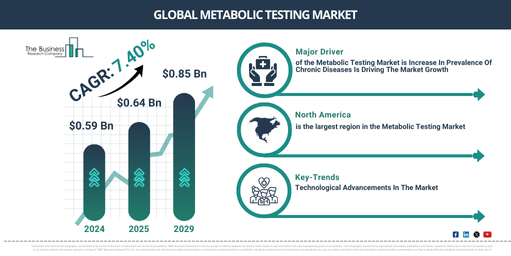
    The metabolic testing market has experienced significant expansion in recent years. It is forecast to grow from $0.59 billion in 2024 to $0.64 billion in 2025, achieving a compound annual growth rate (CAGR) of 7.6%. This historical growth can be ascribed to a burgeoning health-conscious population, increasing awareness of health and wellness, enhancements in healthcare infrastructure, a rise in bariatric surgery procedures, and the proliferation of corporate wellness programs.

    The metabolic testing market size is anticipated to experience robust expansion over the next few years. It is projected to ascend to $0.85 billion by 2029, demonstrating a compound annual growth rate (CAGR) of 7.4%. The expansion foreseen in this period can be attributed to an intensified focus on preventive healthcare, the increasing demand for fitness and wellness applications, governmental initiatives supporting metabolic health, the proliferation of wearable health devices, and escalating obesity rates. Significant developments during the forecast period are expected to include the integration of artificial intelligence in metabolic testing, a surge in at-home testing devices, the emergence of portable metabolic analyzers, advanced indirect calorimetry devices, and IoT-enabled metabolic testing systems.

    Unlock Your Free Sample Report for Exclusive Market Data:

    https://www.thebusinessresearchcompany.com/sample.aspx?id=21219&type=smp

    What Are The Drivers Pushing New Developments In The Metabolic Testing Market?

    The rising incidence of chronic diseases is projected to propel the metabolic testing market in the future. These conditions are defined as ailments that endure for a minimum of a year, necessitating continuous medical care or restricting daily activities. The widespread occurrence of chronic diseases stems from factors such as unhealthy living, inadequate nutrition, and an aging demographic. Metabolic testing is vital for the effective management of chronic diseases, offering critical data on an individual’s metabolic health. This facilitates the prompt identification of issues like diabetes, cardiovascular diseases, and metabolic syndrome, thereby aiding in the customization of treatment strategies and enhancing overall disease control. For example, in September 2023, data from the World Health Organization (WHO), an intergovernmental body based in Switzerland, revealed that chronic diseases caused 41 million deaths globally, representing 74% of all annual fatalities. Specifically, this figure encompasses 17.9 million deaths from cardiovascular diseases, 9.3 million from cancer, 4.1 million from chronic respiratory diseases, and 2.0 million from diabetes. Consequently, the growing prevalence of chronic diseases will stimulate the metabolic testing market.

    What Are The Different Segment Classifications Within The Metabolic Testing Market?

    The metabolic testingmarket covered in this report is segmented –

    1) By Equipment Type: Body Composition Analyzers; Cardiopulmonary Exercise Testing (CPET) Systems; Electrocardiogram Systems (ECG) Systems; Metabolic Carts; Other Equipment Types

    2) By Technology: VO2 Max Analysis; RMR Analysis; Body Composition Analysis

    3) By Application: Critical Care; Lifestyle Diseases; Other Applications

    4) By End User: Hospitals And Clinics; Sports Training Centers; Other End Users

    Subsegments:

    1) By Body Composition Analyzers: Dual-Energy X-ray Absorptiometry (DXA); Bioelectrical Impedance Analysis (BIA); Air Displacement Plethysmography (ADP)

    2) By Cardiopulmonary Exercise Testing (CPET) Systems: Treadmill Or Cycle Ergometer-based CPET; Oxygen Consumption Measurement Systems; Gas Exchange Measurement Systems

    3) By Electrocardiogram (ECG) Systems: Resting ECG Systems; Stress ECG Systems; Holter Monitors

    4) By Metabolic Carts: Indirect Calorimetry Metabolic Carts; Open-Circuit Spirometry Metabolic Carts

    5) By Other Equipment Types: Continuous Glucose Monitoring Systems; Lactate Testing Devices; Blood Pressure Monitoring Devices

    Which Ongoing Trends Are Expected To Shape The Metabolic Testing Market Outlook?

    Leading companies in the metabolic testing market are prioritizing the creation of advanced testing devices, such as metabolic analyzers, to enhance immediate metabolic analysis and boost research precision. A metabolic analyzer serves as a medical instrument for measuring an individual’s metabolic rate and evaluating various metabolic functions. It determines how effectively the body uses oxygen and converts food into energy, offering insights into calorie consumption, the body’s fuel utilization (carbohydrates vs. fats), and respiratory efficiency. For example, in September 2024, PHC Corporation, a Japan-based firm specializing in healthcare solutions, introduced LiCellMo, a live cell metabolic analyzer developed for the real-time observation of cellular metabolism in cell and gene therapy research. The LiCellMo live cell metabolic analyzer provides unique functionalities like continuous, real-time, and non-invasive monitoring of glucose and lactate concentrations in cell cultures, thus giving a comprehensive understanding of cellular metabolism without interrupting the experiment. It empowers researchers to visualize metabolic alterations in cell cultures, presenting a more complete overview of cell activity.

    Which Key Market Players Are Investing In Expansion And Innovation Of Metabolic Testing Market?

    Major companies operating in the metabolic testing market are Becton, Dickinson and Company, Lumen Technologies Inc., Laboratory Corporation of America Holdings (LabCorp), Quest Diagnostics Incorporated, Agilent TechnologiesInc., Vyaire Medical Inc., Microlife Medical Home Solutions Inc., Centogene N.V., MGC Diagnostics Corporation, Geratherm Medical AG, Actofit Wearables, COSMED Srl, Levels Health Inc, Lilac Insights Pvt Ltd, CapitalBio Technology Co Ltd., Cortex Biophysik GmbH, KORR Medical Technologies Inc., AEI Technologies Inc., iWorx Systems Inc., myLAB Box Inc.

    Download The Full Report For Exclusive Market Findings:

    https://www.thebusinessresearchcompany.com/report/metabolic-testing-global-market-report

    What Are The Key Regional Factors Influencing The Metabolic Testing Market Growth?

    North America was the dominant region in the metabolic testing market in 2024. Asia-Pacific is expected to be the exponential growth region in the forecast period. The regions covered in the metabolic testing market report are Asia-Pacific, Western Europe, Eastern Europe, North America, South America, Middle East, Africa.

    Request A Customized Version Of The Metabolic Testing Market Report:

    https://www.thebusinessresearchcompany.com/customise?id=21219&type=smp

    Browse Through More Reports Similar to the Global Metabolic Testing Market 2025, By The Business Research Company

    Cardiometabolic Diseases Global Market Report 2025

    https://www.thebusinessresearchcompany.com/report/cardiometabolic-diseases-global-market-report

    Comprehensive Metabolic Panel Cmp Testing Global Market Report 2025

    https://www.thebusinessresearchcompany.com/report/comprehensive-metabolic-panel-cmp-testing-global-market-report

    Metabolic Disorders Drugs Global Market Report 2025

    https://www.thebusinessresearchcompany.com/report/metabolic-disorders-drugs-global-market-report

    Get in touch with us:

    The Business Research Company: https://www.thebusinessresearchcompany.com/

    Americas +1 310-496-7795

    Asia +44 7882 955267 & +91 8897263534

    Europe +44 7882 955267

    Email us at info@tbrc.info

    Follow us on:

    LinkedIn: https://in.linkedin.com/company/the-business-research-company

    YouTube: https://www.youtube.com/channel/UC24_fI0rV8cR5DxlCpgmyFQ

    Global Market Model: https://www.thebusinessresearchcompany.com/global-market-model
  • Metabolic Syndrome Market Size Forecast: Revenue and CAGR by 2029

    Metabolic Syndrome Market Size Forecast: Revenue and CAGR by 2029

    Unlock Global Insights – Save 20% on Market Reports with Code ONLINE20

    What Market Value Is The Metabolic Syndrome Industry Expected To Reach By 2029, Starting From 2025 Levels?

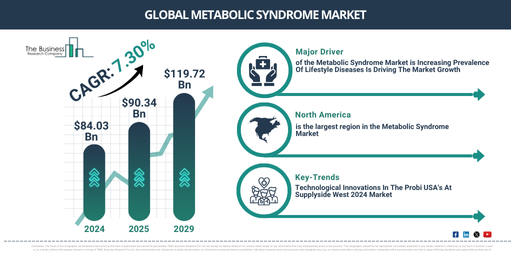
    The metabolic syndrome market size has shown significant expansion in recent years. This market is expected to rise from $84.03 billion in 2024 to $90.34 billion in 2025, achieving a compound annual growth rate (CAGR) of 7.5%. Historically, this growth has been driven by aspects such as sedentary work environments, the proliferation of nutraceuticals and functional foods, strong consumer demand for natural products, a rise in clinical research and trials, and the advancement of healthcare digitalization.

    The metabolic syndrome market is expected to experience robust growth in the upcoming years, projected to expand to $119.72 billion by 2029, achieving a compound annual growth rate (CAGR) of 7.3%. This expansion during the forecast period can be attributed to factors such as increasing daily stress levels, growing healthcare awareness, a rising demand for more effective diagnostic tools, an increase in diagnostic tests for metabolic conditions, and broadening healthcare insurance coverage. Major trends anticipated in this period include continuous advances in medical technology, enhanced metabolic health monitoring, the integration of artificial intelligence, the incorporation of digital health tools, and the emergence of smart ingestible pills.

    Unlock Your Free Sample Report for Exclusive Market Data:

    https://www.thebusinessresearchcompany.com/sample.aspx?id=21218&type=smp

    What Are The Emerging Market Drivers Creating New Opportunities In The Metabolic Syndrome Industry?

    The growing occurrence of lifestyle-related illnesses is anticipated to propel the metabolic testing market in the future. These conditions are defined as health issues predominantly stemming from detrimental habits and behaviors, distinct from genetic predispositions or infectious origins. Key examples of such diseases include obesity, cancer, type 2 diabetes, osteoporosis, and various mental health disorders. Their widespread incidence is linked to inactive lifestyles, poor dietary choices, escalating stress, and extensive consumption of tobacco and alcohol. Metabolic syndrome is crucial in worsening lifestyle diseases, as it establishes a systemic condition that encourages persistent inflammation, compromised metabolic functions, and elevated cardiovascular dangers. As an illustration, figures from June 2024, provided by the National Health Service England, a UK-based government department, show that 3,615,330 individuals were diagnosed with non-diabetic hyperglycemia, or pre-diabetes, in 2023. This represents an 18% rise from the 3,065,825 cases documented in 2022. Consequently, the rising occurrence of lifestyle diseases is poised to boost the metabolic testing market.

    What Are The Primary Types Of Segments Analyzed In The Metabolic Syndrome Market?

    The metabolic syndromemarket covered in this report is segmented –

    1) By Type: Type 1 Metabolic Syndrome; Type 2 Metabolic Syndrome; Type 3 Metabolic Syndrome

    2) By Risk Factors: Obesity; Insulin Resistance; High Blood Pressure; High Cholesterol

    3) By Treatment: Medication; Lifestyle Changes; Other Treatments

    4) By Route Of Administration: Oral; Parenteral; Other Route Of Administrations

    5) By End User: Hospitals; Homecare; Specialty Centres; Other End Users

    Subsegments:

    1) By Type 1 Metabolic Syndrome: Insulin Resistance Syndrome; Abdominal Obesity Syndrome; Hyperglycemia Syndrome

    2) By Type 2 Metabolic Syndrome: Elevated Blood Pressure Syndrome; Dyslipidemia Syndrome; Low HDL Cholesterol Syndrome

    3) By Type 3 Metabolic Syndrome: Atherosclerotic Cardiovascular Disease Syndrome; Non-Alcoholic Fatty Liver Disease Syndrome; Chronic Inflammation Syndrome

    Which Competitive Trends Are Defining The Metabolic Syndrome Market Structure?

    Leading companies within the metabolic syndrome market are prioritizing the creation of novel solutions, including clinically validated probiotic solutions, to improve the management, treatment, and prevention of this condition. A clinically supported probiotic solution refers to a probiotic product that has undergone extensive clinical trials to confirm its health advantages and safety for human intake. For example, in October 2024, Probi USA, a US-based producer of clinically established biotics, introduced a product named metabolic health. This offering integrates two probiotic strains: Lactiplantibacillus plantarum 299v (LP299V) and Lacticaseibacillus paracasei 8700:2 (L. Paracasei 8700:2). LP299V contributes to cardiovascular well-being through enhancing cholesterol levels, reducing inflammation, and optimizing blood vessel function, supported by over 230 publications and eight clinical trials. L. Paracasei 8700:2, with more than 30 publications, assists in regulating blood pressure, managing cholesterol, and controlling weight.

    Who Are The Core Companies Influencing The Metabolic Syndrome Market Landscape?

    Major companies operating in the metabolic syndrome market are Novo Nordisk A/S, Sanofi S.A., Boehringer Ingelheim GmbH, Eli Lilly and Company, Merck KGaA, Amgen Inc., AstraZeneca PLC, Adocia, Biocon Ltd., Bristol-Myers Squibb Company, Cipla Limited, Herbalife International of America Inc., Abbott Laboratories, Shaklee Corporation, Johnson & Johnson Private Limited, Medtronic plc, Apollo, WW International Inc., Jenny Craig, DSM, Takeda Pharmaceutical Company Limited, Pfizer, Inc., Novartis AG, F. Hoffmann-La Roche AG, Merck & Co. Inc.,

    Download The Full Report For Exclusive Market Findings:

    https://www.thebusinessresearchcompany.com/report/metabolic-syndrome-global-market-report

    How Do Regional Market Performances Compare Within The Metabolic Syndrome Industry?

    North America was the largest region in the metabolic syndrome market in 2024. Asia-Pacific is expected to be the fastest-growing region in the forecast period. The regions covered in the metabolic syndrome market report are Asia-Pacific, Western Europe, Eastern Europe, North America, South America, Middle East, Africa.

    Request A Customized Version Of The Metabolic Syndrome Market Report:

    https://www.thebusinessresearchcompany.com/customise?id=21218&type=smp

    Browse Through More Reports Similar to the Global Metabolic Syndrome Market 2025, By The Business Research Company

    Metabolic Disorders Drugs Global Market Report 2025

    https://www.thebusinessresearchcompany.com/report/metabolic-disorders-drugs-global-market-report

    Cardiometabolic Diseases Global Market Report 2025

    https://www.thebusinessresearchcompany.com/report/cardiometabolic-diseases-global-market-report

    Comprehensive Metabolic Panel Cmp Testing Global Market Report 2025

    https://www.thebusinessresearchcompany.com/report/comprehensive-metabolic-panel-cmp-testing-global-market-report

    Get in touch with us:

    The Business Research Company: https://www.thebusinessresearchcompany.com/

    Americas +1 310-496-7795

    Asia +44 7882 955267 & +91 8897263534

    Europe +44 7882 955267

    Email us at info@tbrc.info

    Follow us on:

    LinkedIn: https://in.linkedin.com/company/the-business-research-company

    YouTube: https://www.youtube.com/channel/UC24_fI0rV8cR5DxlCpgmyFQ

    Global Market Model: https://www.thebusinessresearchcompany.com/global-market-model

  • Global Medical Nitrous Oxide Market Trends and Growth Analysis 2025–2029

    Global Medical Nitrous Oxide Market Trends and Growth Analysis 2025–2029

    Unlock Global Insights – Save 20% on Market Reports with Code ONLINE20

    What Is The Anticipated Size Of The Medical Nitrous Oxide Market Over The Five-Year Period 2025–2029?

    The medical nitrous oxide market size has experienced robust growth over recent years. It is anticipated to increase from $2.15 billion in 2024 to $2.34 billion in 2025, exhibiting a compound annual growth rate (CAGR) of 8.9%. The market’s historic expansion is attributable to several factors, including an uptick in surgical procedures, an increase in dental procedures, heightened awareness of pain management options, the expansion of medical facilities, and the broadening of emergency medical services.

    The medical nitrous oxide market is poised for significant expansion in the coming years. Its size is projected to reach $3.37 billion by 2029, exhibiting a compound annual growth rate (CAGR) of 9.6%. This anticipated growth during the forecast period is primarily driven by an aging global population, an increasing volume of surgical procedures, a heightened demand for non-invasive pain management solutions, the expansion of home healthcare provisions, and the increasing utilization of nitrous oxide in dental treatments. Prominent trends expected in this period include ongoing advancements in anesthesia techniques, technological innovations in gas delivery systems, wider integration into dental practices, the development of new medical applications, and positive outcomes from clinical research.

    Unlock Your Free Sample Report for Exclusive Market Data:

    https://www.thebusinessresearchcompany.com/sample.aspx?id=21217&type=smp

    Which Drivers Are Impacting The Medical Nitrous Oxide Market?

    The expanding need for pain management is anticipated to drive the future expansion of the medical nitrous oxide market. This medical field concentrates on easing discomfort via a range of treatments, such as pharmaceuticals, therapies, and medical interventions. The heightened demand stems from a rise in chronic pain cases, an aging global demographic, and improvements in therapeutic technologies and techniques. Medical nitrous oxide proves beneficial for pain management by offering quick and efficient pain relief during medical operations. It achieves this by inducing feelings of euphoria and sedation, thereby diminishing the perception of pain, all while guaranteeing minimal adverse effects and a speedy recuperation. This makes it a suitable choice for both minor surgical procedures and dental interventions. For example, data released in November 2024 by the Centers for Disease Control and Prevention, a US government agency, indicated that in 2023, 24.3% of adults in the U.S. suffered from chronic pain, with 8.5% stating it often restricted their life or work. This contrasts with 20.9% in 2021, when 6.9% experienced high-impact chronic pain. Consequently, the increasing need for pain management is fueling the expansion of the medical nitrous oxide market.

    Which Key Segments Fueling The Medical Nitrous Oxide Market?

    The medical nitrous oxidemarket covered in this report is segmented –

    1) By Product: Gaseous State; Liquid State

    2) By Purity Level: 98%-99% Medium Grade; 99.9% A-Z Grade; Below 98% Low Grade

    3) By Application: Cryosurgery; Surgical Insufflation; Anesthesia And Pain Relief

    4) By End User: Dental Clinics; Emergency Medical Services; Food Industry; Hospitals; Research Laboratories; Veterinary Clinics

    Subsegments:

    1) By Gaseous State: Compressed Gas Cylinders; Medical Gas Blends

    2) By Liquid State: Cryogenic Liquid Nitrous Oxide; Liquid Nitrous Oxide For Medical Use

    What Are The Latest Industry Trends Transforming The Medical Nitrous Oxide Market?

    Leading firms within the medical nitrous oxide market are prioritizing technological advancements, particularly advanced drug delivery systems, to improve the accuracy, safety, and effectiveness of nitrous oxide delivery in medical settings. These advanced drug delivery systems represent groundbreaking technologies engineered for the precise dispensation of therapeutic gases or medications to patients, thereby boosting their efficacy, safety, and adherence. As an illustration, in December 2023, Mallinckrodt plc, a pharmaceutical company based in Ireland, revealed that its INOmax EVOLVE DS delivery system received US Food and Drug Administration (FDA) clearance. This system is specifically designed for the administration of INOmax (nitric oxide) gas through inhalation. This particular system guarantees a steady concentration of NO throughout the entire breath cycle by utilizing an advanced injector module, which facilitates precise and synchronized dosing. Furthermore, its use has been validated in conjunction with particular ventilators and respiratory devices.

    Which Major Industry Participants Are Leading The Medical Nitrous Oxide Market Growth?

    Major companies operating in the medical nitrous oxide market are Linde plc, Air Liquide, KVK Corporation, Air Products and Chemicals Inc., Taiyo Nippon Sanso Corporation, American Welding & Gas Inc., Messer SE & Co. KGaA, Gulf Cryo, Norco Inc., Ellenbarrie Industrial Gases Ltd., Earlbeck Gases & Technology, CalOx Inc., Oxygen & Argon Works Ltd., Chengdu Taiyu Industrial Gases Co. Ltd., Southern Gas Limited, Praxair Technology Inc., Satramdas Gases Pvt. Ltd., BOC Healthcare, Carbide and Chemicals, SOL SpA, nexAir LLC, Steelman Gases Pvt. Ltd., Jiangsu Huazhong Gas Co. Ltd., Vinayak Air Products Private Limited.

    Download The Full Report For Exclusive Market Findings:

    https://www.thebusinessresearchcompany.com/report/medical-nitrous-oxide-global-market-report

    Which Region Currently Holds The Largest Share Of The Medical Nitrous Oxide Market?

    North America was the largest region in the medical nitrous oxide market in 2024. Asia-Pacific is expected to be the fastest-growing region in the forecast period. The regions covered in the medical nitrous oxide market report are Asia-Pacific, Western Europe, Eastern Europe, North America, South America, Middle East, Africa.

    Request A Customized Version Of The Medical Nitrous Oxide Market Report:

    https://www.thebusinessresearchcompany.com/customise?id=21217&type=smp

    Browse Through More Reports Similar to the Global Medical Nitrous Oxide Market 2025, By The Business Research Company

    Medical Plastics Global Market Report 2025

    https://www.thebusinessresearchcompany.com/report/medical-plastics-global-market-report

    Medical Adhesive Tapes Global Market Report 2025

    https://www.thebusinessresearchcompany.com/report/medical-adhesive-tapes-global-market-report

    Medical Styrenic Block Copolymer Global Market Report 2025

    https://www.thebusinessresearchcompany.com/report/medical-styrenic-block-copolymer-global-market-report

    Get in touch with us:

    The Business Research Company: https://www.thebusinessresearchcompany.com/

    Americas +1 310-496-7795

    Asia +44 7882 955267 & +91 8897263534

    Europe +44 7882 955267

    Email us at info@tbrc.info

    Follow us on:

    LinkedIn: https://in.linkedin.com/company/the-business-research-company

    YouTube: https://www.youtube.com/channel/UC24_fI0rV8cR5DxlCpgmyFQ

    Global Market Model: https://www.thebusinessresearchcompany.com/global-market-model

  • Low-Grade Glioma Market Forecast: What to Expect by 2029

    Low-Grade Glioma Market Forecast: What to Expect by 2029

    Unlock Global Insights – Save 20% on Market Reports with Code ONLINE20

    What Are The Forecasted Market Size Estimates For The Low-Grade Glioma Market Between 2025 And 2029?

    The low-grade glioma market size has demonstrated significant expansion in recent years. It is forecast to rise from $1.39 billion in 2024 to $1.47 billion in 2025, reflecting a compound annual growth rate (CAGR) of 5.8%. This growth observed in the past can be ascribed to a surge in awareness concerning brain tumors, heightened funding in oncology stimulating research, an increase in orphan drug designations, the broadening reach of telemedicine, and enhanced access to healthcare services.

    The market for low-grade glioma is projected to experience substantial expansion in the coming years, with its value anticipated to reach $1.84 billion by 2029, exhibiting a compound annual growth rate (CAGR) of 5.7%. This growth during the forecast period is attributable to several factors, including an expanding aging population, an increase in healthcare spending, the rising occurrence of brain tumors, developing government initiatives, and an uptick in both the incidence and prevalence of high-grade gliomas. Key developments expected within this period encompass advances in imaging technologies, the progression of radiation therapies, the introduction of new chemotherapy regimens, the broadening of clinical trials, and the incorporation of immunotherapy.

    Unlock Your Free Sample Report for Exclusive Market Data:

    https://www.thebusinessresearchcompany.com/sample.aspx?id=21215&type=smp

    Which Industry Drivers Are Expected To Accelerate The Low-Grade Glioma Market From 2025 To 2029?

    The increasing occurrence of brain tumors is anticipated to boost the growth of the low-grade glioma market moving forward. A brain tumor involves the irregular multiplication of cells within the brain or its surrounding regions, which can be either benign or malignant. The growing incidence of brain tumors stems from factors such as heightened exposure to radiation, environmental contaminants, genetic predispositions, and advancing age. Low-grade glioma proves beneficial for brain tumors through the application of advanced diagnostic tools and targeted treatments like surgery, radiation, and chemotherapy. These methods contribute to slowing tumor progression, preserving neurological function, and enhancing patient outcomes, thus making prompt detection and tailored treatment essential for managing other brain tumors with comparable growth patterns. For example, in October 2023, data from The Central Brain Tumor Registry of the United States (CBTRUS), a US-based not-for-profit organization, indicated that in 2022, the global incidence of primary malignant brain tumors was approximately 3.5 per 100,000. High-income countries reported higher rates at 4.9 per 100,000, in contrast to low-middle and low-income countries, which registered 2.4 per 100,000. Consequently, the rising incidence of brain tumors is propelling the expansion of the low-grade glioma market.

    How Is The Low-Grade Glioma Market Classified Into Different Segments?

    The low-grade gliomamarket covered in this report is segmented –

    1) By Drug Type: Trametinib; Dabrafenib; Ivosidenib; Mirdametinib

    2) By Treatment: Surgery; Chemotherapy; Radiation

    3) By Route Of Administration: Topical; Oral

    4) By Distribution Channel: Online Pharmacies; Hospital Pharmacies; Retail Pharmacies

    What Trends Are Redefining The Low-Grade Glioma Market Dynamics?

    Key companies within the low-grade glioma market are emphasizing the incorporation of combination therapies and targeted treatments, including genetic alteration drugs, to achieve a competitive advantage and improve care for children with low-grade glioma. These genetic alteration drugs are targeted interventions specifically engineered to modify or suppress particular genetic mutations or cellular abnormalities, thereby aiding in the treatment of conditions like cancer by obstructing mechanisms that promote uncontrolled cell proliferation. An example of this is the launch of Tovorafenib (Ojemda) by Day One Biopharmaceuticals, a US-based biotechnology company, in May 2024, following its accelerated FDA approval. This particular targeted therapy is intended for children six months of age and older who have unresectable or recurrent low-grade glioma (LGG) characterized by BRAF gene alterations. Providing a convenient once-weekly oral administration, it fulfills a significant unmet need for pediatric LGG patients who have had limited previous treatment choices.

    Who Are The Prominent Global Companies Shaping The Low-Grade Glioma Market?

    Major companies operating in the low-grade glioma market are McKesson Corporation, F. Hoffmann-La Roche Ltd, Merck & Co. Inc., Bristol-Myers Squibb Company, AstraZeneca PLC, Novartis AG, Daiichi Sankyo Company Limited, Ipsen S.A., BeiGene Ltd., NovoCure Limited, Les Laboratoires Servier, Day One Biopharmaceuticals Inc., CStone Pharmaceuticals Co. Ltd., AnHeart Therapeutics Inc., Apollomics Inc., Agios Pharmaceuticals Inc., BioMed Valley Discoveries Inc., Avistone Biotechnology Co. Ltd., NextSource Biotechnology LLC, Sunesis Pharmaceuticals Inc.

    Download The Full Report For Exclusive Market Findings:

    https://www.thebusinessresearchcompany.com/report/low-grade-glioma-global-market-report

    What Regional Growth Trends Are Shaping The Low-Grade Glioma Market Outlook?

    North America was the largest region in the low-grade glioma market in 2024. Asia-Pacific is expected to be the fastest-growing region in the forecast period. The regions covered in the low-grade glioma market report are Asia-Pacific, Western Europe, Eastern Europe, North America, South America, Middle East, Africa.

    Request A Customized Version Of The Low-Grade Glioma Market Report:

    https://www.thebusinessresearchcompany.com/customise?id=21215&type=smp

    Browse Through More Reports Similar to the Global Low-Grade Glioma Market 2025, By The Business Research Company

    Glioma Treatment Global Market Report 2025

    https://www.thebusinessresearchcompany.com/report/glioma-treatment-global-market-report

    Adult Malignant Glioma Therapeutics Global Market Report 2025

    https://www.thebusinessresearchcompany.com/report/adult-malignant-glioma-therapeutics-global-market-report

    Desmoid Tumors Global Market Report 2025

    https://www.thebusinessresearchcompany.com/report/desmoid-tumors-global-market-report

    Get in touch with us:

    The Business Research Company: https://www.thebusinessresearchcompany.com/

    Americas +1 310-496-7795

    Asia +44 7882 955267 & +91 8897263534

    Europe +44 7882 955267

    Email us at info@tbrc.info

    Follow us on:

    LinkedIn: https://in.linkedin.com/company/the-business-research-company

    YouTube: https://www.youtube.com/channel/UC24_fI0rV8cR5DxlCpgmyFQ

    Global Market Model: https://www.thebusinessresearchcompany.com/global-market-model
  • Locally Advanced Pancreatic Cancer Industry Insights: Market Forecast to 2029

    Locally Advanced Pancreatic Cancer Industry Insights: Market Forecast to 2029

    Unlock Global Insights – Save 20% on Market Reports with Code ONLINE20

    How Is The Locally Advanced Pancreatic Cancer Market Size Likely To Evolve From 2025 Through 2034?

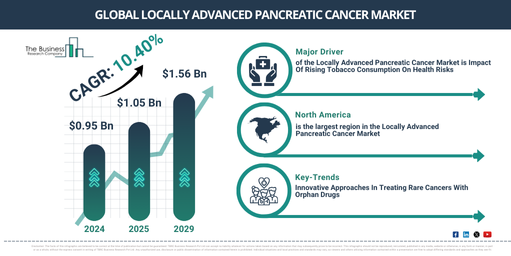
    The market for locally advanced pancreatic cancer has experienced rapid growth in recent years. It is projected to expand from $0.95 billion in 2024 to $1.05 billion in 2025, demonstrating a compound annual growth rate (CAGR) of 10.6%. This historical increase can be attributed to several factors, including heightened awareness of pancreatic cancer, advancements in chemotherapy regimens, a rise in the adoption of targeted therapies, an increase in the incidence of pancreatic cancer, the formulation of combination treatment protocols, and enhanced supportive care options.

    The market size for locally advanced pancreatic cancer is anticipated to experience substantial growth over the coming years. It is projected to expand to $1.56 billion by 2029, demonstrating a compound annual growth rate (CAGR) of 10.4%. This expansion during the forecast period can be attributed to increased awareness of pancreatic cancer, advancements in chemotherapy regimens, a rise in the adoption of targeted therapies, an uptick in the incidence of pancreatic cancer, the formulation of combination treatment protocols, and improvements in supportive care options. Significant trends expected during this period include breakthroughs in immunotherapy, the continued development of targeted therapies, more sophisticated precision radiation techniques, enhanced diagnostic imaging, the integration of minimally invasive surgical approaches, the incorporation of artificial intelligence into treatment planning, and ongoing progress in combination therapy.

    Unlock Your Free Sample Report for Exclusive Market Data:

    https://www.thebusinessresearchcompany.com/sample.aspx?id=21214&type=smp

    What Are The Top Growth Drivers Impacting The Locally Advanced Pancreatic Cancer Market Outlook?

    The escalating use of tobacco is anticipated to stimulate the expansion of the locally advanced pancreatic cancer markets moving forward. Tobacco is a plant whose leaves are processed into items such as cigarettes and cigars. It contains nicotine, an addictive substance linked to serious health problems like cancer and heart disease. The uptick in tobacco consumption is fueled by factors including simple availability, affordability, tobacco industry marketing, social acceptance in certain regions, and stress-induced smoking. Tobacco consumption represents a significant risk factor for the onset of locally advanced pancreatic cancer, as it contributes to a higher incidence of pancreatic malignancies. For example, in January 2024, data from Global Action to End Smoking, a US-based non-profit organization dedicated to research on ending the smoking epidemic, indicated that in 2022, approximately 62.9 million adults in the U.S. utilized tobacco, placing it 4th globally and 1st in the Americas. Furthermore, about 11.5% of U.S. adults (28.3 million) smoked cigarettes, with males exhibiting higher rates (13.1%) than females (10.1%). Consequently, the increase in tobacco consumption is a key driver for the growth of the locally advanced pancreatic cancer market.

    What Are The Major Segments Identified In The Locally Advanced Pancreatic Cancer Market?

    The locally advanced pancreatic cancermarket covered in this report is segmented –

    1) By Therapy: Chemotherapy; Immunotherapy; Radiation Therapy; Surgery

    2) By Route Of Administration: Oral; Injectables; Other Route Of Administrations

    3) By End-User: Hospital; Specialty Clinics; Research Institutions; Other End-Users

    Subsegments:

    1) By Chemotherapy: Gemcitabine-based Chemotherapy; FOLFIRINOX Chemotherapy

    2) By Immunotherapy: Immune Checkpoint Inhibitors; Cancer Vaccines

    3) By Radiation Therapy: External Beam Radiation Therapy; Stereotactic Body Radiation Therapy (SBRT)

    4) By Surgery: Pancreaticoduodenectomy (Whipple Procedure); Distal Pancreatectomy; Total Pancreatectomy

    How Are Emerging Market Trends Shaping The Locally Advanced Pancreatic Cancer Industry Landscape?

    Leading companies active in the locally advanced pancreatic cancer market are focusing their strategies on developing innovative therapeutic products, such as orphan drugs, designed to expand treatment options, improve patient outcomes, and address the significant unmet medical needs associated with this aggressive disease. These specialized orphan drugs are developed to treat rare conditions affecting a small patient population and benefit from incentives provided by authorities, including tax reductions and market exclusivity, to encourage their creation. A relevant example occurred in January 2025, when Actuate Therapeutics Inc., a US-based biopharmaceutical company, announced that its compound, Elraglusib, a novel GSK-3β inhibitor, had been granted Orphan Drug Designation by both the European Medicines Agency (EMA) and the US Food and Drug Administration (FDA) for its use in treating pancreatic ductal adenocarcinoma (PDAC), a type of locally advanced pancreatic cancer. This recognition underscores its potential to fill a critical treatment gap for this severe cancer, especially following promising Phase 2 trial results that showed significant clinical improvements and anti-tumor effects in patients with metastatic PDAC.

    Which Key Players Are Driving Competition In The Locally Advanced Pancreatic Cancer Market?

    Major companies operating in the locally advanced pancreatic cancer market are Pfizer Inc., F. Hoffmann-La Roche Ltd., Merck KGaA, AbbVie Inc., Bayer Inc., Bristol-Myers Squibb Company, AstraZeneca plc, Abbott Laboratories, Novartis AG, GSK plc, Ipsen Biopharmaceuticals Inc., Lupin Limited, NovoCure Limited, Theratechnologies Inc., XBiotech, Prestige Biopharma, OSE Immunotherapeutics, Helix Biopharma Corporation, Fawn Incorporation, Eli Lilly and Co

    Download The Full Report For Exclusive Market Findings:

    https://www.thebusinessresearchcompany.com/report/locally-advanced-pancreatic-cancer-global-market-report

    Which Regional Markets Are Contributing Most To The Locally Advanced Pancreatic Cancer Industry Expansion?

    North America was the largest region in the locally advanced pancreatic cancer market in 2024. Asia-Pacific is expected to be the fastest-growing region in the forecast period. The regions covered in the locally advanced pancreatic cancer market report are Asia-Pacific, Western Europe, Eastern Europe, North America, South America, Middle East, Africa.

    Request A Customized Version Of The Locally Advanced Pancreatic Cancer Market Report:

    https://www.thebusinessresearchcompany.com/customise?id=21214&type=smp

    Browse Through More Reports Similar to the Global Locally Advanced Pancreatic Cancer Market 2025, By The Business Research Company

    Pancreatic Cancer Drugs Global Market Report 2025

    https://www.thebusinessresearchcompany.com/report/pancreatic-cancer-drugs-global-market-report

    Pancreatic Cancer Diagnostic Global Market Report 2025

    https://www.thebusinessresearchcompany.com/report/pancreatic-cancer-diagnostic-global-market-report

    Exocrine Pancreatic Insufficiency Epi Therapeutics And Diagnostics Global Market Report 2025

    https://www.thebusinessresearchcompany.com/report/exocrine-pancreatic-insufficiency-epi-therapeutics-and-diagnostics-global-market-report

    Get in touch with us:

    The Business Research Company: https://www.thebusinessresearchcompany.com/

    Americas +1 310-496-7795

    Asia +44 7882 955267 & +91 8897263534

    Europe +44 7882 955267

    Email us at info@tbrc.info

    Follow us on:

    LinkedIn: https://in.linkedin.com/company/the-business-research-company

    YouTube: https://www.youtube.com/channel/UC24_fI0rV8cR5DxlCpgmyFQ

    Global Market Model: https://www.thebusinessresearchcompany.com/global-market-model

  • Lewy Body Dementia Market Size and Growth Forecast for Businesses 2025–2029

    Lewy Body Dementia Market Size and Growth Forecast for Businesses 2025–2029

    Unlock Global Insights – Save 20% on Market Reports with Code ONLINE20

    What Are The Growth Projections For The Lewy Body Dementia Market Size During 2025–2029?

    The lewy body dementia market size has experienced significant expansion over recent years. This market is projected to grow from $1.12 billion in 2024 to $1.2 billion in 2025, driven by a compound annual growth rate (CAGR) of 7.2%. The historical increase can be attributed to factors such as an expanding aging population, heightened awareness of neurodegenerative diseases, increased healthcare expenditures, refined diagnostic criteria, and regulatory approvals for dementia drugs.

    The lewy body dementia market is projected to experience substantial expansion in the coming years. Its value is anticipated to reach $1.58 billion by 2029, exhibiting a compound annual growth rate (CAGR) of 7.1%. This growth during the forecast period is driven by factors such as the rising incidence of dementia, increased investment in research and development, a heightened need for early diagnosis, the broader adoption of telemedicine, and an emphasis on personalized medicine. Key developments anticipated within this timeframe involve the creation of targeted therapies, an increase in clinical trials, improvements in diagnostic methods, progress in technology, and a strong focus on new therapeutic approaches.

    Unlock Your Free Sample Report for Exclusive Market Data:

    https://www.thebusinessresearchcompany.com/sample.aspx?id=21213&type=smp

    Which Major Market Drivers Are Shaping The Future Of The Lewy Body Dementia Market?

    The lewy body dementia market is projected to grow due to the increasing prevalence of brain-related disorders. These conditions, which involve the brain’s structure and function, typically result in cognitive decline, memory loss, and shifts in behavior. Their rising occurrence is linked to elements like aging, genetic predispositions, and environmental factors. The expanding prevalence of brain disorders heightens the need for improved treatments and earlier detection of lewy body dementia, consequently stimulating research, investment, and innovation, and accelerating progress in LBD diagnosis and therapy. For example, in October 2023, the World Federation of Neurology, a UK-based association of national neurological societies, reported that over 40% of the world’s population suffers from neurological conditions, a burden anticipated to nearly double by 2050. Ultimately, the growing prevalence of brain-related disorders will fuel the expansion of the lewy body dementia market.

    What Are The Emerging Segments Gaining Attention In The Lewy Body Dementia Market?

    The lewy body dementiamarket covered in this report is segmented –

    1) By Diagnosis: Clinical Diagnosis; Biomarker-Based Diagnosis

    2) By Medication: Cholinesterase Inhibitors; Antipsychotics; Antidepressants; Other Medications

    3) By End-User: Hospitals; Specialty Clinics; Long-Term Care Facilities; Other End-Users

    Subsegments:

    1) By Clinical Diagnosis: Neuropsychological Testing; Neurological Examination; Medical History Review; Cognitive Function Assessment

    2) By Biomarker-Based Diagnosis: Cerebrospinal Fluid (CSF) Biomarkers; Imaging Biomarkers (PET, MRI); Genetic Biomarkers; Blood-Based Biomarkers

    Which Key Trends Are Expected To Influence The Lewy Body Dementia Market In The Coming Years?

    Key companies operating in the lewy body dementia market are concentrating on research investment to create more effective neurodegenerative treatments. Research investment involves dedicating financial resources, time, and effort to scientific and technological studies aimed at uncovering new insights, developing innovative solutions, or enhancing current practices. These endeavors support the exploration of diseases and the creation of new medications, all with the primary objective of improving patient outcomes. For example, in March 2023, the National Institute on Aging, a US-based government agency, awarded $21 million to support drug development research for Lewy Body Dementia (LBD). Researchers at the University of Miami Miller School of Medicine are initiating a Phase 2b study of neflamapimod after encouraging early results.

    Who Are The Top Performing Companies In The Lewy Body Dementia Market In Recent Years?

    Major companies operating in the lewy body dementia market are Eli Lilly and Company, Mayo Foundation for Medical Education and Research, Eisai Co. Ltd., Sumitomo Dainippon Pharma Co. Ltd., Georgetown University Medical Center, Alzheimer’s Society, BioArctic AB, Annovis Bio Inc., Sun Pharma Advanced Research Company Limited, Voyager Therapeutics Inc., Cognition Therapeutics, Athira Pharma, Allergan plc, Inhibikase Therapeutics, CuraSen Therapeutics Inc., CervoMed Inc., AC Immune SA, ProMIS Neurosciences Inc., Aptinyx Inc., EIP Pharma Inc.

    Download The Full Report For Exclusive Market Findings:

    https://www.thebusinessresearchcompany.com/report/lewy-body-dementia-global-market-report

    How Does The Lewy Body Dementia Market Perform Across Key Geographic Regions?

    North America was the largest region in the lewy body dementia market in 2024. Asia-Pacific is expected to be the fastest-growing region in the forecast period. The regions covered in the lewy body dementia market report are Asia-Pacific, Western Europe, Eastern Europe, North America, South America, Middle East, Africa.

    Request A Customized Version Of The Lewy Body Dementia Market Report:

    https://www.thebusinessresearchcompany.com/customise?id=21213&type=smp

    Browse Through More Reports Similar to the Global Lewy Body Dementia Market 2025, By The Business Research Company

    Lewy Body Dementia Treatment Global Market Report 2025

    https://www.thebusinessresearchcompany.com/report/lewy-body-dementia-treatment-global-market-report

    Behavioral And Mental Health Software Global Market Report 2025

    https://www.thebusinessresearchcompany.com/report/behavioral-and-mental-health-software-global-market-report

    Behavioral Biometrics Global Market Report 2025

    https://www.thebusinessresearchcompany.com/report/behavioral-biometrics-global-market-report

    Get in touch with us:

    The Business Research Company: https://www.thebusinessresearchcompany.com/

    Americas +1 310-496-7795

    Asia +44 7882 955267 & +91 8897263534

    Europe +44 7882 955267

    Email us at info@tbrc.info

    Follow us on:

    LinkedIn: https://in.linkedin.com/company/the-business-research-company

    YouTube: https://www.youtube.com/channel/UC24_fI0rV8cR5DxlCpgmyFQ

    Global Market Model: https://www.thebusinessresearchcompany.com/global-market-model