Blog

  • Global Iron Deficiency Anemia Market Overview: Trends Shaping Growth to 2029

    Global Iron Deficiency Anemia Market Overview: Trends Shaping Growth to 2029

    Unlock Global Insights – Save 20% on Market Reports with Code ONLINE20

    What Is The Global Market Value Of The Iron Deficiency Anemia Industry In 2025?

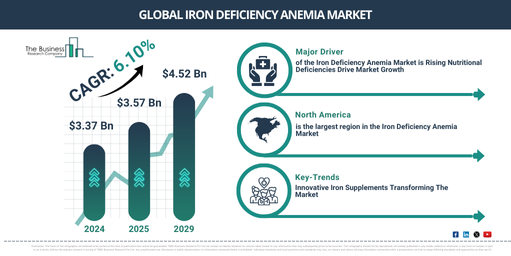
    The market for iron deficiency anemia has demonstrated substantial growth in recent years. This market is projected to expand from $3.37 billion in 2024 to $3.57 billion in 2025, achieving a compound annual growth rate (CAGR) of 6.0%. Historically, this expansion can be ascribed to various factors, including initiatives from non-government organizations, an increase in chronic disorder cases, greater emphasis on parental care, campaigns raising awareness about nutritional deficiencies, and the spread of telemedicine.

    The iron deficiency anemia market size is anticipated to undergo significant expansion in the coming years. It is forecast to expand to $4.52 billion by 2029, achieving a compound annual growth rate (CAGR) of 6.1%. Contributing factors to this growth within the forecast timeframe include an intensified focus on women’s health, the escalating demand for minimally invasive treatment options, the availability of easily accessible over-the-counter products, the broadening of distribution networks, and an increasing adoption of personalized medical solutions. Significant trends emerging throughout the forecast period encompass the creation of advanced drug delivery systems, improvements in diagnostic tools, enhancements in monitoring devices, the formulation of combination therapies, and the incorporation of nanotechnology within drug delivery mechanisms.

    Unlock Your Free Sample Report for Exclusive Market Data:

    https://www.thebusinessresearchcompany.com/sample.aspx?id=21212&type=smp

    What Are The Main Drivers Boosting The Iron Deficiency Anemia Industry’s Expansion?

    A rise in nutritional deficiency cases is projected to boost the iron deficiency anemia market moving forward. Nutritional deficiency describes a state where the body lacks sufficient amounts of crucial nutrients, including vitamins, minerals, proteins, or fats, vital for optimal health. These deficiencies are becoming more common due to unhealthy eating habits, widespread consumption of processed foods, and food insecurity, which restricts access to nutritious choices for individuals in lower-income groups. Iron deficiency anemia is a widespread form of nutritional deficiency caused by insufficient dietary iron, leading to a reduction in red blood cells and thus hindering the body’s ability to carry oxygen. For example, data from December 2023, provided by the National Health Services, a UK government department, revealed that overall hospital admissions for nutritional deficiency in the United Kingdom reached 250,000 in 2021/22, a figure that doubled to 500,000 in 2022/23. Consequently, the growing number of nutritional deficiency incidents is driving the iron deficiency anemia market.

    What Are The Major Segment Types Covered In The Iron Deficiency Anemia Market?

    The iron deficiency anemiamarket covered in this report is segmented –

    1) By Therapy Type: Oral Iron Therapy; Parenteral Iron Therapy; Red Blood Cell Transfusion

    2) By Distribution Channel: Hospital Pharmacy; Drug Stores and Retail Pharmacies; Online Pharmacies

    3) By End Users: Hospitals; Clinics; Home Healthcare

    Subsegments:

    1) By Oral Iron Therapy: Ferrous Sulfate; Ferrous Gluconate; Ferrous Fumarate; Polysaccharide-Iron Complex; Carbonyl Iron

    2) By Parenteral Iron Therapy: Iron Sucrose; Ferric Carboxymaltose; Iron Dextran; Ferumoxytol; Ferric Gluconate

    3) By Red Blood Cell Transfusion: Leukocyte-Reduced Red Blood Cell Transfusion; Washed Red Blood Cell Transfusion; Irradiated Red Blood Cell Transfusion

    What Are The Major Trends Driving The Growth Of The Iron Deficiency Anemia Market?

    Leading companies operating within the iron deficiency anemia market are prioritizing the development of innovative solutions, such as intravenous iron injections, aimed at delivering a precise combination of nutrients to optimize absorption and enhance tolerance, thereby effectively addressing iron deficiency. Intravenous iron injection is a medical intervention utilized to administer iron directly into the bloodstream, treating iron deficiency or anemia when oral supplements are either ineffective or inadequate. For instance, in March 2024, Cadila Pharmaceuticals, an India-based pharmaceutical company, introduced Redshot FCM, an intravenous iron injection containing ferric carboxymaltose, specifically designed for the effective treatment of iron deficiency anemia (IDA). This novel product is suitable for both adults and children over one year old who cannot tolerate oral iron supplements. With a strong safety profile and a minimal risk of anaphylaxis, Redshot FCM facilitates the administration of high doses of iron in a single session, promoting rapid improvement in hemoglobin levels. It proves especially beneficial for vulnerable groups such as pregnant women, the elderly, and cancer patients.

    Which Leading Companies Dominate The Iron Deficiency Anemia Market Share?

    Major companies operating in the iron deficiency anemia market are AbbVie Inc., Sanofi S.A., Abbott Laboratories, Fresenius SE & Co. KGaA, Sandoz International GmbH, CSL Limited, Daiichi Sankyo Company Limited, Perrigo Company, Cipla Limited, Dr. Reddy’s Laboratories Limited, Cadila Healthcare Limited, Zydus Cadila, Lupin Limited, Alkem Laboratories Limited, AMAG Pharmaceuticals Inc., Akebia Therapeutics Inc., Rockwell Medical Inc., Pharmacosmos A/S, Shield Therapeutics plc, AdvaCare Pharma LLC

    Download The Full Report For Exclusive Market Findings:

    https://www.thebusinessresearchcompany.com/report/iron-deficiency-anemia-global-market-report

    Which Region Is Expected To Witness The Fastest Growth In The Iron Deficiency Anemia Market?

    North America was the largest region in the iron deficiency anemia market in 2024. Asia-Pacific is expected to be the fastest-growing region in the forecast period. The regions covered in the iron deficiency anemia market report are Asia-Pacific, Western Europe, Eastern Europe, North America, South America, Middle East, Africa.

    Request A Customized Version Of The Iron Deficiency Anemia Market Report:

    https://www.thebusinessresearchcompany.com/customise?id=21212&type=smp

    Browse Through More Reports Similar to the Global Iron Deficiency Anemia Market 2025, By The Business Research Company

    Anemia And Other Blood Disorder Drugs Global Market Report 2025

    https://www.thebusinessresearchcompany.com/report/anemia-and-other-blood-disorder-drugs-global-market-report

    Chemotherapy Induced Anemia Global Market Report 2025

    https://www.thebusinessresearchcompany.com/report/chemotherapy-induced-anemia-global-market-report

    5 Alpha Reductase Deficiency Global Market Report 2025

    https://www.thebusinessresearchcompany.com/report/5-alpha-reductase-deficiency-global-market-report

    Get in touch with us:

    The Business Research Company: https://www.thebusinessresearchcompany.com/

    Americas +1 310-496-7795

    Asia +44 7882 955267 & +91 8897263534

    Europe +44 7882 955267

    Email us at info@tbrc.info

    Follow us on:

    LinkedIn: https://in.linkedin.com/company/the-business-research-company

    YouTube: https://www.youtube.com/channel/UC24_fI0rV8cR5DxlCpgmyFQ

    Global Market Model: https://www.thebusinessresearchcompany.com/global-market-model
  • Invasive Aspergillosis Therapeutics Market Growth Opportunities: Insights from 2025–2029

    Invasive Aspergillosis Therapeutics Market Growth Opportunities: Insights from 2025–2029

    Unlock Global Insights – Save 20% on Market Reports with Code ONLINE20

    By How Much Is The Invasive Aspergillosis Therapeutics Market Expected To Expand Between 2025 And 2029?

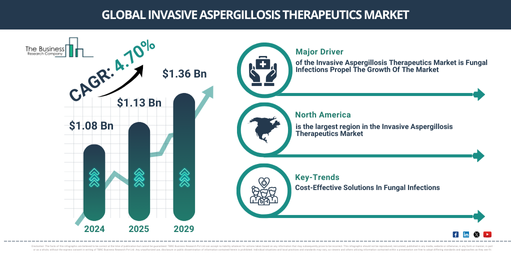
    The invasive aspergillosis therapeutics market size has shown steady growth in recent years. It is anticipated to increase from $1.08 billion in 2024 to $1.13 billion in 2025, achieving a compound annual growth rate (CAGR) of 4.7%. The expansion observed in the historic period can be attributed to the escalating incidence of immunocompromised conditions, a rise in hospital-acquired fungal infections, improved diagnosis rates, the emergence of azole resistance, and increased healthcare spending.

    The invasive aspergillosis therapeutics market size is set to observe stable expansion over the next few years. It is forecast to reach $1.36 billion by 2029, exhibiting a compound annual growth rate (CAGR) of 4.7%. This projected growth can be attributed to several factors such as the increasing incidence of chronic illnesses, the development of healthcare infrastructure in burgeoning economies, the expanding usage of immunosuppressants, enhanced knowledge among healthcare professionals, and the extension of diagnostic services to rural regions. Significant trends anticipated during this period encompass a move towards combined therapeutic approaches, the creation of fungal vaccines, the implementation of monoclonal antibody therapies, the incorporation of telemedicine into treatment plans, and the integration of genomics in therapeutic strategies.

    Unlock Your Free Sample Report for Exclusive Market Data:

    https://www.thebusinessresearchcompany.com/sample.aspx?id=21211&type=smp

    Which Factors And Drivers Are Influencing The Invasive Aspergillosis Therapeutics Market In 2025?

    Increased occurrences of fungal infections are anticipated to boost the expansion of the invasive aspergillosis therapeutics market in the future. Fungal infections are conditions resulting from fungi penetrating tissues, frequently impacting the skin, nails, or internal organs. The rise in fungal infection cases is linked to a growing number of immunocompromised individuals, shifts in climate, resistance to antimicrobials, and greater exposure through international travel. Treatments for invasive aspergillosis aid in combating fungal infections through the use of antifungal agents such as triazoles, echinocandins, and polyenes. These agents work by preventing fungal growth, slowing the disease’s advancement, and enhancing survival rates; consequently, early diagnosis is vital for effective management of other invasive fungal infections that share similar disease mechanisms. For example, data released in January 2024 by the Center for Infectious Disease Research and Policy, a US-based public health company, indicated that in 2023, more than 6.55 million individuals were affected by invasive fungal infections each year. This resulted in over 3.75 million deaths, with 2.55 million directly caused by these illnesses, a figure notably surpassing estimates from prior years. Thus, the increasing occurrence of fungal infections is stimulating the expansion of the invasive aspergillosis therapeutics market.

    What Are The Major Segment Categories Driving The Invasive Aspergillosis Therapeutics Market Growth?

    The invasive aspergillosis therapeuticsmarket covered in this report is segmented –

    1) By Drug Class: Azoles; Echinocandins; Polyenes; Other Drug class

    2) By Route Of Administration: Oral; Intravenous

    3) By Distribution Channel: Hospital Pharmacies; Retail Pharmacies; Online Pharmacies; Specialty Pharmacies

    Subsegments:

    1) By Azoles: Triazoles; Imidazoles

    2) By Echinocandins: Caspofungin; Micafungin; Anidulafungin

    3) By Polyenes: Amphotericin B; Lipid Formulations Of Amphotericin B

    4) By Other Drug Class: Allylamines; Pyrimidine Analogs

    What Trends Are Expected To Drive The Invasive Aspergillosis Therapeutics Market?

    Leading companies in the invasive aspergillosis therapeutics market are focusing on effective treatments, including generic drugs, to enhance accessibility, decrease costs, and improve patient outcomes. Generic drugs possess the identical active ingredients, dosage, safety, strength, administration route, quality, and efficacy as their brand-name counterparts but are generally more affordable. For instance, in September 2023, BDR Pharmaceutical, an India-based pharma company, announced the launch of its innovative generic product, Zisavel capsules, intended for the treatment of invasive aspergillosis and mucormycosis. Zisavel belongs to the isavuconazole class of azole antifungals and offers a crucial therapeutic option for these serious fungal infections. The capsules are offered in a 100 mg dosage and are positioned as the first-line treatment for both conditions. Priced at Rs. 7,992 for a pack of seven capsules, Zisavel is approximately one-third the cost of the current innovator therapy, making it a cost-effective alternative for patients.

    Who Are The Major Companies Operating In The Invasive Aspergillosis Therapeutics Market?

    Major companies operating in the invasive aspergillosis therapeutics market are Pfizer Inc., Merck & Co. Inc., GlaxoSmithKline PLC, Gilead Sciences, Astellas Pharma Inc., Shionogi & Co. Ltd, Hikma Pharmaceuticals, Cipla Ltd., Mylan Pharmaceuticals Inc., Zambon SpA, Mayne Pharma Group Limited, Basilea Pharmaceutica International Ltd., Pulmocide Ltd., F2G Ltd., TFF Pharmaceuticals Inc., Hetero Healthcare, Eugia Pharma, SCYNEXIS Inc., PULMATRiX Inc., BioSpectrum India, Biosergen AB.

    Download The Full Report For Exclusive Market Findings:

    https://www.thebusinessresearchcompany.com/report/invasive-aspergillosis-therapeutics-global-market-report

    Which Global Regions Are Influencing The Competitive Landscape Of The Invasive Aspergillosis Therapeutics Market?

    North America was the largest region in the invasive aspergillosis therapeutics market in 2024. The regions covered in the invasive aspergillosis therapeutics market report are Asia-Pacific, Western Europe, Eastern Europe, North America, South America, Middle East, Africa.

    Request A Customized Version Of The Invasive Aspergillosis Therapeutics Market Report:

    https://www.thebusinessresearchcompany.com/customise?id=21211&type=smp

    Browse Through More Reports Similar to the Global Invasive Aspergillosis Therapeutics Market 2025, By The Business Research Company

    Non Invasive Prenatal Testing Global Market Report 2025

    https://www.thebusinessresearchcompany.com/report/non-invasive-prenatal-testing-global-market-report

    Minimal Invasive Surgery Devices Global Market Report 2025

    https://www.thebusinessresearchcompany.com/report/minimal-invasive-surgery-devices-global-market-report

    Minimally Invasive Surgical Instruments Global Market Report 2025

    https://www.thebusinessresearchcompany.com/report/minimally-invasive-surgical-instruments-global-market-report

    Get in touch with us:

    The Business Research Company: https://www.thebusinessresearchcompany.com/

    Americas +1 310-496-7795

    Asia +44 7882 955267 & +91 8897263534

    Europe +44 7882 955267

    Email us at info@tbrc.info

    Follow us on:

    LinkedIn: https://in.linkedin.com/company/the-business-research-company

    YouTube: https://www.youtube.com/channel/UC24_fI0rV8cR5DxlCpgmyFQ

    Global Market Model: https://www.thebusinessresearchcompany.com/global-market-model

  • Intestinal Fistula Treatment Market Expansion Outlook: $35.04 Billion by 2029 Forecast

    Intestinal Fistula Treatment Market Expansion Outlook: $35.04 Billion by 2029 Forecast

    Unlock Global Insights – Save 20% on Market Reports with Code ONLINE20

    #What Is The Projected Market Size Of The Intestinal Fistula Treatment Market By 2029?

    The intestinal fistula treatment market has experienced robust expansion in recent years. This market is projected to expand from $25.27 billion in 2024 to $27.02 billion in 2025, demonstrating a compound annual growth rate (CAGR) of 6.9%. Historically, this growth has been driven by factors such as a higher incidence of gastrointestinal disorders, an increase in malnutrition prevalence, a growing geriatric demographic, advancements in healthcare infrastructure, and an uptick in healthcare expenditure.

    The intestinal fistula treatment market is projected to experience substantial expansion over the upcoming years. This market is anticipated to reach $35.04 billion by 2029, exhibiting a compound annual growth rate (CAGR) of 6.7%. Factors contributing to this growth during the forecast period include the increasing use of telemedicine, higher disposable incomes, a rise in Crohn’s disease cases, an expanding elderly demographic, and a greater focus on individualized medical treatments. Key trends expected within this period encompass AI-driven diagnostic instruments, progress in biologic therapies, the application of 3D printing in healthcare, integrated approaches to care, and the integration of wearable devices for health monitoring.

    Unlock Your Free Sample Report for Exclusive Market Data:

    https://www.thebusinessresearchcompany.com/sample.aspx?id=21210&type=smp

    What Are The Key Drivers Of Growth In The Intestinal Fistula Treatment Market?

    The rising occurrence of gastrointestinal conditions is projected to fuel the expansion of the intestinal fistula treatment market in the future. These disorders encompass various ailments impacting the digestive system, leading to symptoms like discomfort, abdominal distension, irregular bowel movements, and necessitating professional medical assessment and care. The growing frequency of GI disorders can be attributed to multiple factors, such as inadequate diets, elevated stress levels, and psychological well-being challenges. Treatment for intestinal fistulas assists in addressing gastrointestinal conditions by sealing irregular links between intestines, averting infections, reestablishing normal gut operation, and mitigating severe outcomes like nutritional deficiencies and systemic infections. For example, data from September 2023 by the Centers for Disease Control and Prevention, a US public health organization, revealed that approximately 14.8 million adults suffer from ulcers, representing 5.9% of the populace, with digestive problems accounting for 35.4 million physician consultations. Consequently, the expanding occurrence of gastrointestinal ailments is stimulating the growth within the intestinal fistula treatment market.

    How Is The Intestinal Fistula Treatment Market Segmented?

    The intestinal fistula treatmentmarket covered in this report is segmented –

    1) By Treatment Type: Medications; Surgery; Nutritional Support; Other Treatment Type

    2) By Route Of Administration: Oral; Rectal; Parenteral

    3) By Distribution Channel: Hospital Pharmacy; Retail Pharmacy; Online Pharmacy

    4) By End-User: Hospitals; Ambulatory Surgical Centers; Specialty Clinics; Other End-User

    Subsegments:

    1) By Medications: Antibiotics; Immunosuppressants; Antisecretory Agents; Pain Management Medications

    2) By Surgery: Fistula Closure Surgery; Bowel Resection Surgery; Stoma Formation Surgery

    3) By Nutritional Support: Parenteral Nutrition; Enteral Nutrition

    4) By Other Treatment Type: Hyperbaric Oxygen Therapy; Endoscopic Fistula Closure

    Which Trends Are Impacting The Intestinal Fistula Treatment Market?

    Leading companies in the intestinal fistula treatment market are concentrating on developing innovative therapeutic approaches, such as mesenchymal stem cell (MSC) therapy for addressing stubborn perianal fistulas. Mesenchymal stem cell (MSC) therapy involves the application of stem cells to foster healing and tissue regeneration, providing assistance for conditions like autoimmune diseases, osteoarthritis, and various gastrointestinal disorders. As an illustration, in March 2022, Ossium Health Inc., a US-based bioengineering company, secured an Investigational New Drug (IND) application for OSSM-001, a mesenchymal stem cell (MSC) product, which was approved by the Food and Drug Administration, a US-based government agency. This important development permits the company to move forward with a multi-center Phase 1 clinical trial aimed at evaluating the safety and feasibility of the treatment. The trial will incorporate a double-blind, randomized, placebo-controlled design, prioritizing safety and outcomes related to fistula healing.

    Which Global Market Leaders Are Shaping The Future Of The Intestinal Fistula Treatment Sector?

    Major companies operating in the intestinal fistula treatment market are Merck & Co. KGaA, Bristol-Myers Squibb, AstraZeneca plc, Pfizer Inc., Medtronic plc, Medtronic plc, Eli Lilly and Company, Moderna Inc., Astellas Pharma Inc., Boehringer Ingelheim International GmbH, Cook Group Incorporated, Integra LifeSciences, Avante Health Solutions, Angiplast Pvt. Ltd., Angiplast Pvt. Ltd., Biolitec AG, Sklar Surgical Instruments, Livealth BioPharma, Surtex Instruments Limited, Advin Health Care

    Download The Full Report For Exclusive Market Findings:

    https://www.thebusinessresearchcompany.com/report/intestinal-fistula-treatment-global-market-report

    What Are The Regional Market Dynamics Impacting The Intestinal Fistula Treatment Industry?

    North America was the largest region in the Intestinal Fistula Treatment market in 2024. Asia-Pacific is expected to be the fastest-growing region in the forecast period. The regions covered in the intestinal fistula treatment market report are Asia-Pacific, Western Europe, Eastern Europe, North America, South America, Middle East, Africa.

    Request A Customized Version Of The Intestinal Fistula Treatment Market Report:

    https://www.thebusinessresearchcompany.com/customise?id=21210&type=smp

    Browse Through More Reports Similar to the Global Intestinal Fistula Treatment Market 2025, By The Business Research Company

    Anal Fissure Treatment Global Market Report 2025

    https://www.thebusinessresearchcompany.com/report/anal-fissure-treatment-global-market-report

    Chronic Obstructive Pulmonary Disease Copd Treatment Global Market Report 2025

    https://www.thebusinessresearchcompany.com/report/chronic-obstructive-pulmonary-disease-copd-treatment-global-market-report

    Respiratory Disease Testing Global Market Report 2025

    https://www.thebusinessresearchcompany.com/report/respiratory-disease-testing-global-market-report

    Get in touch with us:

    The Business Research Company: https://www.thebusinessresearchcompany.com/

    Americas +1 310-496-7795

    Asia +44 7882 955267 & +91 8897263534

    Europe +44 7882 955267

    Email us at info@tbrc.info

    Follow us on:

    LinkedIn: https://in.linkedin.com/company/the-business-research-company

    YouTube: https://www.youtube.com/channel/UC24_fI0rV8cR5DxlCpgmyFQ

    Global Market Model: https://www.thebusinessresearchcompany.com/global-market-model
  • Global Impetigo Industry Trends: Where the Market Is Headed by 2029

    Global Impetigo Industry Trends: Where the Market Is Headed by 2029

    Unlock Global Insights – Save 20% on Market Reports with Code ONLINE20

    How Much Was The Impetigo Market Worth In 2025, And What Is Its Anticipated Value By 2029?

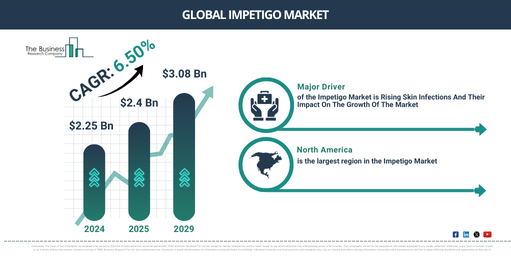
    The impetigo market has shown substantial growth in recent years. It is anticipated to increase from $2.25 billion in 2024 to $2.4 billion in 2025, achieving a compound annual growth rate (CAGR) of 6.7%. This historical expansion can be attributed to the escalating occurrence of skin infections, advancements in healthcare infrastructure, wider availability of telemedicine, increased public financial support for infectious diseases, and a rising demand for topical therapies.

    The impetigo market is projected to experience substantial expansion over the upcoming years, with its size anticipated to reach $3.08 billion by 2029, demonstrating a compound annual growth rate (CAGR) of 6.5%. This forecasted growth is primarily driven by factors such as the increasing adoption of telemedicine and E-pharmacy, supportive initiatives from both government and private entities, a rising prevalence of skin infections, the growing pediatric population, and an escalating demand for dermatology clinics. Moreover, significant trends within this period include advancements in topical treatments, the introduction of novel antimicrobial agents, strategic collaborations and partnerships, and progress in regulatory approvals and product pipelines.

    Unlock Your Free Sample Report for Exclusive Market Data:

    https://www.thebusinessresearchcompany.com/sample.aspx?id=21209&type=smp

    Which Drivers Are Supporting Growth Of The Impetigo Market?

    The growing prevalence of skin infections is anticipated to propel the growth of the impetigo market in the coming period. Skin infections are defined as conditions where harmful microorganisms, such as bacteria, viruses, fungi, or parasites, invade the skin, causing irritation, inflammation, or other symptoms. The escalation in skin infections is linked to factors like high antibiotic resistance, poor hygiene, climate change, weakened immune systems, and increased global travel. Impetigo treatment supports the management and resolution of the infection by targeting bacterial pathogens, typically Streptococcus or Staphylococcus species, using topical or oral antibiotics. These treatments help reduce symptoms such as itching and discomfort, prevent the spread of the infection, and accelerate the healing process, thereby minimizing the risk of complications and recurrence. For instance, in September 2024, GOV.UK, a UK-based government agency, reported 13,912 cases of Staphylococcus aureus bacteremia during the 2022-2023 financial year. This reflected a 7.2% increase in the numbers of bacteremias caused by S. aureus compared to the previous financial year, 2021-2022. Thus, the increasing prevalence of skin infections is driving the growth of the impetigo market.

    What Are The Key Segments In The Impetigo Market?

    The impetigomarket covered in this report is segmented –

    1) By Treatment Type: Topical Antibiotics; Oral Antibiotics; Antiseptic Soaks

    2) By Causative Pathogen: Staphylococcus aureus; Streptococcus pyogenes; Other Bacteria

    3) By Severity: Mild; Moderate; Severe

    4) By Patient Age: Children; Adults; Elderly

    Subsegments:

    1) By Topical Antibiotics: Mupirocin; Retapamulin; Fusidic Acid

    2) By Oral Antibiotics: Cephalexin; Dicloxacillin; Clindamycin

    3) By Antiseptic Soaks: Chlorhexidine; Hydrogen Peroxide; Potassium Permanganate

    Which Industry Leaders Are Driving Innovation Across The Impetigo Market?

    Major companies operating in the impetigo market are Roche Holding AG, GlaxoSmithKline plc, Teva Pharmaceutical Industries Ltd., Bausch Health Companies Inc., Eisai Co. Ltd., Sun Pharmaceutical Industries Ltd., Galderma SA, Shionogi & Co. Ltd., Dr. Reddy’s Laboratories Ltd., Leo Pharma A/S, Torrent Pharmaceuticals Ltd., Almirall S.A, Taro Pharmaceutical Industries Ltd., BioCryst Pharmaceuticals Inc., Melinta Therapeutics Inc., Cutanea Life Sciences Inc., InfectoPharm Arzneimittel und Consilium GmbH, Medimetriks Pharmaceuticals Inc., NovaBay Pharmaceuticals Inc., Ferrer Internacional S.A

    Download The Full Report For Exclusive Market Findings:

    https://www.thebusinessresearchcompany.com/report/impetigo-global-market-report

    Which Region Shows The Highest Potential For Future Expansion In The Impetigo Market?

    North America was the largest region in the impetigo market in 2024. Asia-Pacific is expected to be the fastest-growing region in the forecast period. The regions covered in the impetigo market report are Asia-Pacific, Western Europe, Eastern Europe, North America, South America, Middle East, Africa.

    Request A Customized Version Of The Impetigo Market Report:

    https://www.thebusinessresearchcompany.com/customise?id=21209&type=smp

    Browse Through More Reports Similar to the Global Impetigo Market 2025, By The Business Research Company

    Bacterial And Plasmid Vector Global Market Report 2025

    https://www.thebusinessresearchcompany.com/report/bacterial-and-plasmid-vector-global-market-report

    Antibacterial Products Global Market Report 2025

    https://www.thebusinessresearchcompany.com/report/antibacterial-products-global-market-report

    Nontuberculous Mycobacterial Infection Global Market Report 2025

    https://www.thebusinessresearchcompany.com/report/nontuberculous-mycobacterial-infection-global-market-report

    Get in touch with us:

    The Business Research Company: https://www.thebusinessresearchcompany.com/

    Americas +1 310-496-7795

    Asia +44 7882 955267 & +91 8897263534

    Europe +44 7882 955267

    Email us at info@tbrc.info

    Follow us on:

    LinkedIn: https://in.linkedin.com/company/the-business-research-company

    YouTube: https://www.youtube.com/channel/UC24_fI0rV8cR5DxlCpgmyFQ

    Global Market Model: https://www.thebusinessresearchcompany.com/global-market-model
  • Hypercholesterolemia Industry Forecast to Hit $31.38 Billion by 2029 With a Strong 14% CAGR

    Hypercholesterolemia Industry Forecast to Hit $31.38 Billion by 2029 With a Strong 14% CAGR

    Unlock Global Insights – Save 20% on Market Reports with Code ONLINE20

    What Is The Future Market Size Estimation For The Hypercholesterolemia Market Covering 2025–2034?

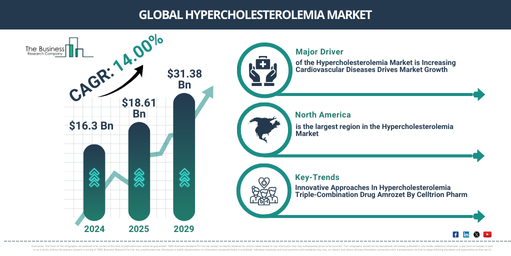
    The hypercholesterolemia market has experienced rapid expansion in recent years. It is projected to expand from $16.3 billion in 2024 to $18.61 billion in 2025, at a compound annual growth rate (CAGR) of 14.2%. This historic growth can be attributed to factors such as rising health campaigns, increased research and development, a growing focus on preventive healthcare, the expansion of preventive health screenings, and lifestyle modifications.

    The hypercholesterolemia market is projected to experience significant expansion in the upcoming years. It is expected to reach $31.38 billion by 2029, demonstrating a compound annual growth rate (CAGR) of 14.0%. This growth during the forecast period is attributable to improvements in diagnosis and screening, government initiatives and health policies, an increasing prevalence of risk factors, the growing availability of over-the-counter (OTC) cholesterol-lowering products, and increased public awareness of cholesterol risks. Notable trends anticipated in the forecast period include advanced lipid profiling, robotic-assisted surgeries, nanotechnology in drug delivery, telemedicine platforms, and lipoprotein targeting.

    Unlock Your Free Sample Report for Exclusive Market Data:

    https://www.thebusinessresearchcompany.com/sample.aspx?id=21207&type=smp

    Which Drivers Are Shaping The Hypercholesterolemia Industry’s Market Share?

    The anticipated rise in cardiovascular diseases is set to boost the expansion of the hypercholesterolemia market in the future. Cardiovascular diseases (CVDs) encompass various conditions impacting the heart and its associated blood vessels. This surge in cardiovascular ailments stems from factors like poor dietary habits, lack of physical activity, escalating obesity levels, persistent stress, an aging demographic, and the widespread occurrence of issues like hypertension and diabetes. Treatment for hypercholesterolemia aids individuals with cardiovascular disease by decreasing LDL cholesterol, minimizing plaque accumulation in arteries, enhancing circulation, and mitigating the likelihood of heart attacks, strokes, and other related complications. For example, data from October 2024, provided by the US-based government agency, the Centers for Disease Control and Prevention, indicates that approximately 805,000 individuals in the United States suffer a heart attack annually; among these, 605,000 are initial occurrences, and 200,000 affect those with a prior history of heart attacks. Consequently, the growing incidence of cardiovascular diseases is projected to fuel the expansion of the hypercholesterolemia market.

    What Are The Leading Segments Analyzed In The Hypercholesterolemia Market?

    The hypercholesterolemiamarket covered in this report is segmented –

    1) By Disease Type: Genetic; Acquired

    2) By Treatment: Statins; Bile Acid Resins; Niacin; PCSK9 Inhibitors; Cholesterol Absorption Inhibitors; Fibric Acid Derivatives; Other Treatments

    3) By Route Of Administration: Oral; Injectable

    4) By Distribution Channel: Hospital Pharmacies; Retail Pharmacies; Others Distribution Channel

    5) By End User: Hospitals; Specialty Clinics; Home Healthcare; Others End Users

    Subsegments:

    1) By Genetic: Heterozygous Familial Hypercholesterolemia; Homozygous Familial Hypercholesterolemia

    2) By Acquired: Primary Hypercholesterolemia; Secondary Hypercholesterolemia

    Which Market Trends Are Creating New Opportunities In The Hypercholesterolemia Industry?

    Leading companies in the hypercholesterolemia market are developing advanced products, such as triple-combination drugs, to improve the effectiveness of treatment and patient adherence. A triple-combination drug is a pharmaceutical formulation that integrates three active ingredients into a single dosage unit, like a tablet or capsule. For example, in February 2025, Celltrion Pharm, Inc., a pharmaceutical company based in South Korea, launched Amrozet Tablet, a medication for hypertension-hyperlipidemia. This drug incorporates three active components: amlodipine, a calcium channel blocker for hypertension; rosuvastatin, a statin used for lowering cholesterol; and ezetimibe, which helps reduce cholesterol absorption in the intestines. The medication comes in four dosage combinations: 5/5/10 mg, 5/10/10 mg, 10/5/10 mg, and 10/10/10 mg. It is prescribed for hypertension and myocardial ischemia based on amlodipine, and for primary hypercholesterolemia under the rosuvastatin-ezetimibe combination. Additionally, it is utilized to relieve chronic stable angina (chest pain) or vasospastic angina and to lower the risk of hospitalization for angina and heart surgery in patients with diagnosed coronary artery disease.

    Who Are The Key Multinational Companies Dominating The Hypercholesterolemia Market?

    Major companies operating in the hypercholesterolemia market are Pfizer Inc., Merck & Co Inc., Abbvie Inc., Bayer AG, Sanofi S.A., AstraZeneca PLC, Novartis AG, GlaxoSmithKline plc (GSK), Eli Lilly and Company, Amgen Inc., Viatris Inc., Aegerion Pharmaceuticals Inc., Fresenius Kabi AG, Sun Pharmaceutical Industries Ltd., Chiesi Farmaceutici S.p.A., Aurobindo Pharma Limited, Dr. Reddy’s Laboratories Ltd., Lupin Limited, Ionis Pharmaceuticals Inc., Melinta Therapeutics Inc., NewAmsterdam Pharma N.V., HDL Therapeutics Inc.

    Download The Full Report For Exclusive Market Findings:

    https://www.thebusinessresearchcompany.com/report/hypercholesterolemia-global-market-report

    How Is Hypercholesterolemia Market Demand Varying Across Different Regions?

    North America was the largest region in the hypercholesterolemia market in 2024. Asia-Pacific is expected to be the fastest-growing region in the forecast period. The regions covered in the hypercholesterolemia market report are Asia-Pacific, Western Europe, Eastern Europe, North America, South America, Middle East, Africa.

    Request A Customized Version Of The Hypercholesterolemia Market Report:

    https://www.thebusinessresearchcompany.com/customise?id=21207&type=smp

    Browse Through More Reports Similar to the Global Hypercholesterolemia Market 2025, By The Business Research Company

    Hyperphosphatemia Treatment Global Market Report 2025

    https://www.thebusinessresearchcompany.com/report/hyperphosphatemia-treatment-global-market-report

    Acute Myeloid Leukemia Global Market Report 2025

    https://www.thebusinessresearchcompany.com/report/acute-myeloid-leukemia-global-market-report

    Leukemia Therapeutics Global Market Report 2025

    https://www.thebusinessresearchcompany.com/report/leukemia-therapeutics-global-market-report

    Get in touch with us:

    The Business Research Company: https://www.thebusinessresearchcompany.com/

    Americas +1 310-496-7795

    Asia +44 7882 955267 & +91 8897263534

    Europe +44 7882 955267

    Email us at info@tbrc.info

    Follow us on:

    LinkedIn: https://in.linkedin.com/company/the-business-research-company

    YouTube: https://www.youtube.com/channel/UC24_fI0rV8cR5DxlCpgmyFQ

    Global Market Model: https://www.thebusinessresearchcompany.com/global-market-model
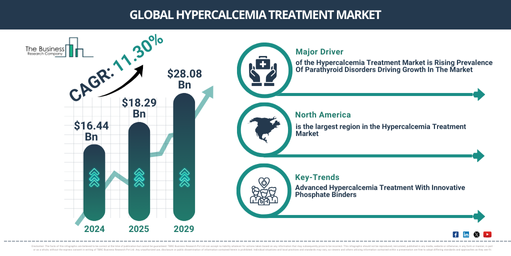
  • Hypercalcemia Treatment Market to Reach $28.08 Billion by 2029, Growing at a CAGR of 11.3%

    Hypercalcemia Treatment Market to Reach $28.08 Billion by 2029, Growing at a CAGR of 11.3%

    Unlock Global Insights – Save 20% on Market Reports with Code ONLINE20

    What Is The Expected Total Market Size Of The Hypercalcemia Treatment Industry By The Forecast Year 2029?

    The hypercalcemia treatment market has experienced substantial growth in recent years. Its valuation is projected to expand from $16.44 billion in 2024 to $18.29 billion in 2025, reflecting a compound annual growth rate (CAGR) of 11.2%. This historical expansion can be primarily attributed to increasing awareness concerning hypercalcemia, a growing geriatric population, rising incidences of cancer, enhanced understanding of the disease, and an upturn in the prevalence of parathyroid disorders.

    The hypercalcemia treatment market is anticipated to experience substantial growth over the next few years, expanding to $28.08 billion by 2029, at a compound annual growth rate (CAGR) of 11.3%. This expansion during the forecast period is driven by the increasing prevalence of chronic renal illness, a rising number of patients suffering from hypertension, an increase in spending for the development of novel medications, growing awareness and patient empowerment, and various government initiatives. Significant trends expected in this period include enhanced diagnostic tools and techniques, advancements in treatment approaches, the introduction of innovative drugs for treatment, and increased collaborations among healthcare providers.

    Unlock Your Free Sample Report for Exclusive Market Data:

    https://www.thebusinessresearchcompany.com/sample.aspx?id=21206&type=smp

    What Are The Drivers Pushing New Developments In The Hypercalcemia Treatment Market?

    The increasing incidence of parathyroid disorders is anticipated to fuel the expansion of the hypercalcemia treatment market going forward. Parathyroid disorders encompass conditions affecting the parathyroid glands, which regulate calcium levels in the body through the production of parathyroid hormone (PTH). The rising occurrence of these disorders is driven by an aging population, heightened awareness, improved diagnostic capabilities, and a growing incidence of conditions such as primary hyperparathyroidism and chronic kidney disease. Hypercalcemia treatment is essential in managing parathyroid disorders by normalizing elevated calcium levels, preventing complications like kidney stones and bone loss, and improving overall metabolic balance. For instance, in February 2024, according to the National Institute of Health (NIH), a US-based government agency, in the United States, hypoparathyroidism is estimated to affect 6.4 to 37 per 100,000 person-years, with 75% of cases resulting from complications of thyroidectomy or head and neck surgery. Therefore, the heightened prevalence of parathyroid disorders is propelling the growth of the hypercalcemia treatment market.

    What Are The Segment Types Shaping The Hypercalcemia Treatment Market?

    The hypercalcemia treatmentmarket covered in this report is segmented –

    1) By Drug Type: Bisphosphonates; Calcitonin; Glucocorticoids; Denosumab; Calcimimetics; Other Drug Types

    2) By Indication: Primary Hyperthyroidism; Hypercalcemia Of Malignancy; Other Indications

    3) By Distribution Channel: Hospitals Pharmacies; Retail Pharmacies; Online Pharmacies

    4) By End-Users: Hospitals; Clinics

    Subsegments:

    1) By Bisphosphonates: Zoledronic Acid; Pamidronate; Alendronate

    2) By Calcitonin: Salmon Calcitonin; Synthetic Calcitonin

    3) By Glucocorticoids: Prednisone; Dexamethasone; Hydrocortisone

    4) By Denosumab: Denosumab (Monotherapy); Denosumab Combination Therapy

    5) By Calcimimetics: Cinacalcet; Etelcalcetide

    6) By Other Drug Types: Gallium Nitrate; Mithramycin

    How Are Trends Influencing The Hypercalcemia Treatment Market?

    Leading companies active in the hypercalcemia treatment market are concentrating on developing innovative products, such as phosphate binders, to achieve better regulation of calcium and phosphorus balance, thus enhancing treatment outcomes. Phosphate binders are medications designed to bind to phosphate in the digestive tract, preventing its absorption into the bloodstream, and are commonly utilized to manage high phosphate levels in patients with kidney disease or hypercalcemia. For instance, in May 2024, Strides Pharma Science Limited, an India-based pharmaceutical company, obtained approval from the United States Food and Drug Administration (FDA) for its Sevelamer Carbonate Tablets, 800 mg. These tablets effectively manage hyperphosphatemia in individuals with chronic kidney disease by binding dietary phosphate and preventing its uptake. Moreover, these tablets assist in maintaining bone health and mitigating cardiovascular risks associated with elevated phosphate levels.

    Which Leading Players Are Enhancing Their Hypercalcemia Treatment Market Presence Worldwide?

    Major companies operating in the hypercalcemia treatment market are Pfizer Inc., Roche Holding AG, AbbVie Inc., AstraZeneca plc, Novartis AG, GSK plc, Eli Lilly and Company, Amgen Inc., Merck KGaA, Fresenius Medical Care AG & Co. KGaA, Teva Pharmaceutical Industries Ltd., Sandoz International GmbH, Ipsen SA, Kyowa Kirin Co. Ltd., Hikma Pharmaceuticals plc, Endo International plc, OPKO Health Inc., Ferring Pharmaceuticals A/S, Rockwell Medical Inc., Strides Pharma Science Limited

    Download The Full Report For Exclusive Market Findings:

    https://www.thebusinessresearchcompany.com/report/hypercalcemia-treatment-global-market-report

    Which Geographies Are Emerging As Strong Markets For The Hypercalcemia Treatment Industry?

    North America was the largest region in the hypercalcemia treatment market in 2024. The regions covered in the hypercalcemia treatment market report are Asia-Pacific, Western Europe, Eastern Europe, North America, South America, Middle East, Africa.

    Request A Customized Version Of The Hypercalcemia Treatment Market Report:

    https://www.thebusinessresearchcompany.com/customise?id=21206&type=smp

    Browse Through More Reports Similar to the Global Hypercalcemia Treatment Market 2025, By The Business Research Company

    Bleeding Disorders Treatment Global Market Report 2025

    https://www.thebusinessresearchcompany.com/report/bleeding-disorders-treatment-global-market-report

    Autoimmune Treatment Global Market Report 2025

    https://www.thebusinessresearchcompany.com/report/autoimmune-treatment-global-market-report

    Infertility Treatment Global Market Report 2025

    https://www.thebusinessresearchcompany.com/report/infertility-treatment-global-market-report

    Get in touch with us:

    The Business Research Company: https://www.thebusinessresearchcompany.com/

    Americas +1 310-496-7795

    Asia +44 7882 955267 & +91 8897263534

    Europe +44 7882 955267

    Email us at info@tbrc.info

    Follow us on:

    LinkedIn: https://in.linkedin.com/company/the-business-research-company

    YouTube: https://www.youtube.com/channel/UC24_fI0rV8cR5DxlCpgmyFQ

    Global Market Model: https://www.thebusinessresearchcompany.com/global-market-model

  • Global Hutchinson-Gilford Progeria Syndrome (HGPS) Market Size Projected to Reach $147.88 Billion During the Forecast Period

    Global Hutchinson-Gilford Progeria Syndrome (HGPS) Market Size Projected to Reach $147.88 Billion During the Forecast Period

    Unlock Global Insights – Save 20% on Market Reports with Code ONLINE20

    How Does The Market Size Of The Hutchinson-Gilford Progeria Syndrome (HGPS) Industry Compare Between 2025 And 2029?

    The hutchinson-gilford progeria syndrome (hgps) market has observed substantial growth in recent years. It is anticipated to expand from $97.63 billion in 2024 to $106.25 billion in 2025, reflecting a compound annual growth rate (CAGR) of 8.8%. This past growth can be ascribed to increased recognition of rare genetic disorders, a boost in funding for progeria research, the widespread availability of genetic testing, a rise in government-led rare disease initiatives, and the escalating worldwide incidence of genetic disorders.

    The hutchinson-gilford progeria syndrome (hgps) market size is projected to experience substantial growth over the next few years. It is expected to expand to $147.88 billion by 2029, achieving a compound annual growth rate (CAGR) of 8.6%. This anticipated expansion during the forecast period is driven by increased funding for research and development of new treatments, a rising prevalence of progeria, growing global healthcare expenditure, the increasing adoption of innovative therapeutic approaches, and a heightened demand for early diagnosis. Significant trends foreseen in this period include technological progress, the creation of targeted therapies, advancements in next-generation sequencing (NGS) technologies, the discovery of biomarkers, and enhancements in drug delivery systems.

    Unlock Your Free Sample Report for Exclusive Market Data:

    https://www.thebusinessresearchcompany.com/sample.aspx?id=21205&type=smp

    What Are The Emerging Market Drivers Creating New Opportunities In The Hutchinson-Gilford Progeria Syndrome (HGPS) Industry?

    Increased financial support for the research and development of new therapies is projected to drive the growth of the hutchinson-gilford progeria syndrome (HGPS) market moving forward. Funding for Research and Development signifies financial resources allocated to innovate, enhance, and advance scientific knowledge and technological solutions. The rise in funding for research and development is attributed to elements such as an escalating demand for innovative treatments and government backing for healthcare advancements. Elevated funding for research and development accelerates the progress of treatments for hutchinson-gilford Progeria Syndrome by supporting clinical trials and promoting novel therapies. This also furthers understanding of the condition’s genetic origins and assists in developing targeted solutions. For instance, in April 2024, according to the Office for National Statistics, a UK-based government agency, in 2022, the UK government’s net expenditure on research and development (R&D) grew by 10.5%, increasing to £15.5 billion ($17.59) from £14.0 billion ($15.88) in 2021. Therefore, the expanded funding for research and development of new therapies is a key driver for the hutchinson-gilford progeria syndrome (HGPS) market’s growth.

    What Are The Different Segment Classifications Within The Hutchinson-Gilford Progeria Syndrome (HGPS) Market?

    The hutchinson-gilford progeria syndrome (hgps)market covered in this report is segmented –

    1) By Treatment Type: Farnesyltransferase Inhibitors (Zokinvy (Lonafarnib)); Low-dose Aspirin; Physical And Occupational Therapy; Hearing Aids; Genetic Counseling; Other Treatment Types

    2) By Route Of Administration: Oral; Injectable; Intravenous; Transdermal

    3) By Mechanism Of Action: Antisense Oligonucleotides; Crispr-cas9 Gene Editing; Rna Interference; Targeted Drug Delivery Systems

    4) By End-User: Hospitals; Specialty Clinics; Academic And Research Institutes; Other End-Users

    Subsegments:

    1) By Farnesyltransferase Inhibitors (Zokinvy (Lonafarnib)): Monotherapy With Lonafarnib; Combination Therapy With Other Drugs

    2) By Low-dose Aspirin: Cardiovascular Protection; Anti-inflammatory Therapy

    3) By Physical And Occupational Therapy: Mobility Support And Rehabilitation; Joint And Bone Health Management; Adaptive Equipment For Daily Activities

    4) By Hearing Aids: Conventional Hearing Aids; Bone-Anchored Hearing Aids (BAHA); Cochlear Implants

    5) By Genetic Counseling: Family Genetic Testing; Genetic Risk Assessment; Prenatal Counseling And Guidance

    6) By Other Treatment Types: Stem Cell Therapy; Gene Editing and Therapy; Nutritional Support And Management

    What Key Innovation Trends Are Fueling Advancements In The Hutchinson-Gilford Progeria Syndrome (HGPS) Market?

    Leading companies in the hutchinson-gilford progeria syndrome (HGPS) market are concentrating on developing advanced farnesyltransferase inhibitors to enhance treatment efficacy and slow the progression of the disease in affected patients. Farnesyltransferase inhibitors are medications that obstruct farnesyltransferase, an enzyme vital for protein modification, thereby preventing abnormal cell growth and aging. For example, in July 2022, Eiger BioPharmaceuticals, a US-based biopharmaceutical firm, obtained marketing authorization from the European Commission for Zokinvy, making it the first and only treatment approved in Europe for hutchinson-gilford progeria syndrome (HGPS) and processing-deficient progeroid laminopathies (PL) in children and young adults. Clinical trials indicated that Zokinvy, an oral disease-modifying agent, decreased the risk of death in children by 72% and extended life by an average of 4.3 years. This centralized marketing authorization from the European Commission is valid across all 27 EU member states, in addition to Iceland, Liechtenstein, and Norway.

    Which Major Firms Are Strengthening Their Position In The Hutchinson-Gilford Progeria Syndrome (HGPS) Industry?

    Major companies operating in the hutchinson-gilford progeria syndrome (HGPS) market are National Institutes of Health (NIH), Mount Sinai, Johns Hopkins Hospital, Duke University, Mayo Foundation for Medical Education and Research, Cleveland Clinic, Children’s Hospital of Philadelphia, St. Jude Children’s Research Hospital, Cincinnati Children’s Hospital Medical Center, University of Maryland, Boston Children’s Hospital, Children’s Hospital Los Angeles, Harvard Medical School, The Scripps Research Institute, Blueprint Genetics, Medicover Hospitals, Sentynl Therapeutics, UCSF Helen Diller Family Comprehensive Cancer Center, Progeria Research Foundation, AnGes MG Inc., PRG Science & Technology Co. Ltd.

    Download The Full Report For Exclusive Market Findings:

    https://www.thebusinessresearchcompany.com/report/hutchinson-gilford-progeria-syndrome-hgps-global-market-report

    Which Region Is Projected To Lead The Hutchinson-Gilford Progeria Syndrome (HGPS) Market During The Forecast Period?

    North America was the largest region in the hutchinson-gilford progeria syndrome (HGPS) market in 2024. Asia-Pacific is expected to be the fastest-growing region in the forecast period. The regions covered in the hutchinson-gilford progeria syndrome (HGPS) market report are Asia-Pacific, Western Europe, Eastern Europe, North America, South America, Middle East, Africa.

    Request A Customized Version Of The Hutchinson-Gilford Progeria Syndrome (HGPS) Market Report:

    https://www.thebusinessresearchcompany.com/customise?id=21205&type=smp

    Browse Through More Reports Similar to the Global Hutchinson-Gilford Progeria Syndrome (HGPS) Market 2025, By The Business Research Company

    Myelodysplastic Syndrome Global Market Report 2025

    https://www.thebusinessresearchcompany.com/report/myelodysplastic-syndrome-global-market-report

    Acute Coronary Syndrome Global Market Report 2025

    https://www.thebusinessresearchcompany.com/report/acute-coronary-syndrome-global-market-report

    Cough Hypersensitivity Syndrome Global Market Report 2025

    https://www.thebusinessresearchcompany.com/report/cough-hypersensitivity-syndrome-global-market-report

    Get in touch with us:

    The Business Research Company: https://www.thebusinessresearchcompany.com/

    Americas +1 310-496-7795

    Asia +44 7882 955267 & +91 8897263534

    Europe +44 7882 955267

    Email us at info@tbrc.info

    Follow us on:

    LinkedIn: https://in.linkedin.com/company/the-business-research-company

    YouTube: https://www.youtube.com/channel/UC24_fI0rV8cR5DxlCpgmyFQ

    Global Market Model: https://www.thebusinessresearchcompany.com/global-market-model
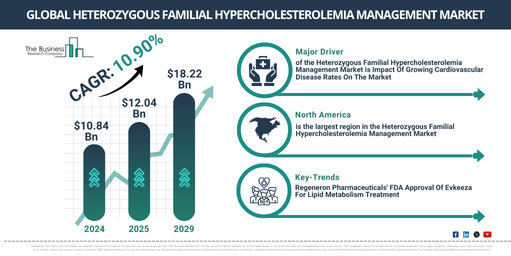
  • Heterozygous Familial Hypercholesterolemia Management Industry Anticipated to Expand at 10.9% CAGR During the Forecast Period

    Heterozygous Familial Hypercholesterolemia Management Industry Anticipated to Expand at 10.9% CAGR During the Forecast Period

    Unlock Global Insights – Save 20% on Market Reports with Code ONLINE20

    What Is The Predicted Market Size Trajectory For The Heterozygous Familial Hypercholesterolemia Management Market From 2025 To 2034?

    The heterozygous familial hypercholesterolemia management market size has experienced rapid expansion in recent years. It is anticipated to expand from $10.84 billion in 2024 to $12.04 billion in 2025, reflecting a compound annual growth rate (CAGR) of 11.0%. The growth observed in previous periods can be linked to the increasing occurrence of cardiovascular diseases, government-led initiatives, greater investment in research and development efforts, improved awareness and diagnosis of Hefh, and the growing demand for tailored therapies.

    The heterozygous familial hypercholesterolemia management market is poised for significant expansion over the coming years. Projections indicate it will reach $18.22 billion by 2029, demonstrating a compound annual growth rate (CAGR) of 10.9%. This anticipated growth during the forecast period is primarily driven by factors such as the expansion of telehealth services, the rising prevalence of chronic illnesses, an increase in clinical trial activity, an aging global population, and a boost in the number of drugs under development. Key trends anticipated for this period encompass the integration of digital health solutions, ongoing advancements in therapeutic choices, the creation of combination therapies, continuous technological improvements, and the emergence of novel therapies.

    Unlock Your Free Sample Report for Exclusive Market Data:

    https://www.thebusinessresearchcompany.com/sample.aspx?id=21204&type=smp

    Which Drivers Are Impacting The Heterozygous Familial Hypercholesterolemia Management Market?

    The increasing occurrence of cardiovascular diseases is anticipated to drive the expansion of the heterozygous familial hypercholesterolemia management market. Cardiovascular diseases (CVDs) encompass a range of conditions impacting the heart and blood vessels, including coronary artery disease, heart failure, and stroke. The global prevalence of CVDs is rising due to escalating risk factors such as unhealthy lifestyle choices, poor diets, sedentary behavior, obesity, and an aging demographic. Effective management of heterozygous familial hypercholesterolemia is crucial for preventing cardiovascular diseases by successfully regulating high cholesterol levels, which are a significant contributor to atherosclerosis and heart-related complications. For instance, in May 2024, the Centers for Disease Control and Prevention, a US-based government agency, reported that in 2022, approximately 805,000 individuals in the United States experienced a heart attack, with 605,000 being first heart attacks and 200,000 occurring in people who had previously suffered one. As a result, the growing prevalence of cardiovascular diseases is fueling the growth of the heterozygous familial hypercholesterolemia management market.

    What Are The Primary Types Of Segments Analyzed In The Heterozygous Familial Hypercholesterolemia Management Market?

    The heterozygous familial hypercholesterolemia managementmarket covered in this report is segmented –

    1) By Treatment Type: Statins; Ezetimibe; PCSK9 Inhibitors; Lomitapide; Mipomersen

    2) By Route Of Administration: Oral; Injectable; Intravenous

    3) By Patient Demographics: Children; Adults; Elderly

    4) By Application: Hospitals; Medical Centers; Clinics; Other Applications

    Subsegments:

    1) By Statins: Atorvastatin; Simvastatin; Rosuvastatin; Pravastatin

    2) By Ezetimibe: Ezetimibe (Monotherapy); Ezetimibe Combination Therapy (With Statins)

    3) By PCSK9 Inhibitors: Alirocumab; Evolocumab

    4) By Lomitapide: Lomitapide (Monotherapy); Lomitapide Combination Therapy

    5) By Mipomersen: Mipomersen (Monotherapy); Mipomersen Combination Therapy

    Which Ongoing Trends Are Expected To Shape The Heterozygous Familial Hypercholesterolemia Management Market Outlook?

    Major companies operating in the heterozygous familial hypercholesterolemia management market are focusing on developing innovative products, such as angiopoietin, to address lipid metabolism and reduce cholesterol levels. Angiopoietin refers to a family of proteins that play a key role in regulating blood vessel formation (angiogenesis) and maintaining the stability of blood vessels. For instance, in March 2023, Regeneron Pharmaceuticals Inc., a US-based biotechnology company, received approval from the U.S. Food and Drug Administration (FDA) for Evkeeza (evinacumab-dgnb) for children aged 5 to 11 years with homozygous familial hypercholesterolemia (HoFH). This first-in-class monoclonal antibody works by inhibiting ANGPTL3, a protein that impedes lipid metabolism, thereby reducing low-density lipoprotein (LDL) cholesterol and triglyceride levels. The approval offers a novel therapeutic option for pediatric patients who have limited treatment alternatives and face a high risk of cardiovascular events.

    Who Are The Primary Competitors In The Global Heterozygous Familial Hypercholesterolemia Management Market?

    Major companies operating in the heterozygous familial hypercholesterolemia management market are Pfizer Inc., Johnson & Johnson, Roche Holding AG, Merck & Co. Inc., AbbVie Inc., Sanofi S.A., Bristol-Myers Squibb, AstraZeneca plc, Novartis International AG, Takeda Pharmaceutical Company Limited, Eli Lilly and Company, Gilead Sciences Inc., Amgen Inc., Merck KGaA, Regeneron Pharmaceuticals Inc., Ipsen S.A., Chiesi Farmaceutici S.p.A., Ferring Pharmaceuticals Limited, Esperion Therapeutics Inc., Aegerion Pharmaceuticals Inc., Verve Therapeutics Inc.

    Download The Full Report For Exclusive Market Findings:

    https://www.thebusinessresearchcompany.com/report/heterozygous-familial-hypercholesterolemia-management-global-market-report

    What Are The Key Regional Factors Influencing The Heterozygous Familial Hypercholesterolemia Management Market Growth?

    North America was the largest region in the heterozygous familial hypercholesterolemia management market in 2024. The regions covered in the heterozygous familial hypercholesterolemia management market report are Asia-Pacific, Western Europe, Eastern Europe, North America, South America, Middle East, Africa.

    Request A Customized Version Of The Heterozygous Familial Hypercholesterolemia Management Market Report:

    https://www.thebusinessresearchcompany.com/customise?id=21204&type=smp

    Browse Through More Reports Similar to the Global Heterozygous Familial Hypercholesterolemia Management Market 2025, By The Business Research Company

    Checkpoint Inhibitor Global Market Report 2025

    https://www.thebusinessresearchcompany.com/report/checkpoint-inhibitor-global-market-report

    Protein Inhibitor Global Market Report 2025

    https://www.thebusinessresearchcompany.com/report/protein-inhibitor-global-market-report

    Tnf Alpha Inhibitor Global Market Report 2025

    https://www.thebusinessresearchcompany.com/report/tnf-alpha-inhibitor-global-market-report

    Get in touch with us:

    The Business Research Company: https://www.thebusinessresearchcompany.com/

    Americas +1 310-496-7795

    Asia +44 7882 955267 & +91 8897263534

    Europe +44 7882 955267

    Email us at info@tbrc.info

    Follow us on:

    LinkedIn: https://in.linkedin.com/company/the-business-research-company

    YouTube: https://www.youtube.com/channel/UC24_fI0rV8cR5DxlCpgmyFQ

    Global Market Model: https://www.thebusinessresearchcompany.com/global-market-model

  • Global HER2-Negative Breast Cancer Market Projected to Expand at 7.7% CAGR by 2029

    Global HER2-Negative Breast Cancer Market Projected to Expand at 7.7% CAGR by 2029

    Unlock Global Insights – Save 20% on Market Reports with Code ONLINE20

    How Much Larger Is The HER2-Negative Breast Cancer Market Expected To Become By 2029 Compared With Its 2025 Level?

    The her2-negative breast cancer market has seen substantial expansion in recent years. It is anticipated to expand from $16.29 billion in 2024 to $17.57 billion in 2025, achieving a compound annual growth rate (CAGR) of 7.8%. This historical growth can be attributed to factors such as an escalation in breast cancer instances, enhanced understanding of breast cancer, augmented healthcare spending, an aging demographic, and the development of healthcare infrastructure.

    The her2-negative breast cancer market size is anticipated to undergo significant expansion in the upcoming years, with projections indicating it will reach $23.67 billion by 2029, exhibiting a compound annual growth rate (CAGR) of 7.7%. This expansion during the forecast period can be ascribed to a number of factors, including the increasing intake of alcohol, the rising adoption of unhealthy lifestyle choices, the growing prevalence of obesity, increased tobacco consumption, and the heightened necessity for effective therapeutic solutions. Dominant trends expected during this period involve advancements in diagnostic technologies, the incorporation of targeted therapies, the integration of immunotherapies, FDA regulatory approvals, and general technological progress.

    Unlock Your Free Sample Report for Exclusive Market Data:

    https://www.thebusinessresearchcompany.com/sample.aspx?id=21203&type=smp

    Which Industry Drivers Are Expected To Accelerate The HER2-Negative Breast Cancer Market From 2025 To 2029?

    The anticipated rise in breast cancer occurrences is expected to drive the expansion of the HER2-negative breast cancer market. Breast cancer is a condition characterized by the uncontrolled proliferation of abnormal cells within breast tissue, typically originating in the ducts or lobules. This increase in incidence can be attributed to several factors, including enhanced public awareness and improved screening techniques, which lead to earlier and more frequent detection. HER2-Negative Breast Cancer is crucial for advancing breast cancer research, offering valuable insights into distinct tumor biology and treatment strategies, thereby contributing to the development of more targeted therapies for patients. For instance, the Centers for Disease Control and Prevention, a US-based government agency, reported in June 2024 that in the United States, 272,454 new cases of breast cancer were diagnosed among females in 2021, while 42,211 females succumbed to the disease in 2022. Thus, the increasing incidence of breast cancer cases is a primary driver for the growth of the HER2-negative breast cancer market.

    Which Key Segments Fueling The HER2-Negative Breast Cancer Market?

    The her2-negative breast cancermarket covered in this report is segmented –

    1) By Treatment Type: Chemotherapy; Hormone Therapy; Targeted Therapy; Immunotherapy

    2) By Cancer Stage: Early Stage; Locally Advanced Stage; Metastatic Stage

    3) By Distribution Channel: Hospital Pharmacy; Retail Pharmacy; Online Pharmacy

    Subsegments:

    1) By Chemotherapy: Anthracyclines; Taxanes; Platinum-Based Chemotherapy; Alkylating Agents; Antimetabolites

    2) By Hormone Therapy: Selective Estrogen Receptor Modulators (SERMs); Aromatase Inhibitors; Selective Estrogen Receptor Degraders (SERDs)

    3) By Targeted Therapy: CDK4/6 Inhibitors; PI3K Inhibitors; PARP Inhibitors

    4) By Immunotherapy: Immune Checkpoint Inhibitors; Tumor-Infiltrating Lymphocyte (TIL) Therapy

    Which Competitive Trends Are Defining The HER2-Negative Breast Cancer Market Structure?

    Leading companies active in the HER2-negative breast cancer market are concentrating on obtaining regulatory authorizations to introduce new therapies, expand their product offerings, and strengthen their presence. Regulatory approvals denote the formal permission provided by government bodies, allowing firms to market and distribute drugs or treatments after fulfilling safety, efficacy, and quality criteria. For example, in October 2024, Genentech Inc., a US-based biotechnology corporation, secured FDA approval for Itovebi (inavolisib) as a targeted therapy for advanced hormone receptor-positive (HR+), HER2-negative breast cancer with a PIK3CA mutation. This clearance enables Itovebi to be utilized in conjunction with palbociclib and fulvestrant, substantially enhancing progression-free survival for patients compared to existing standard treatments. This new approach offers a crucial choice for patients with limited therapeutic options, underscoring the significance of biomarker testing to identify those who would most benefit from this particular therapy.

    Which Key Market Players Are Investing In Expansion And Innovation Of HER2-Negative Breast Cancer Market?

    Major companies operating in the HER2-negative breast cancer market are Pfizer Inc., Merck & Co. Inc., AbbVie Inc., Bayer AG, Bristol-Myers Squibb Company, Sanofi S.A., AstraZeneca PLC, Novartis International AG, Eli Lilly and Company, Amgen Inc., Daiichi Sankyo Company Limited, Jiangsu Hansoh Pharmaceutical Co. Ltd., BeiGene Ltd., Chipscreen Biosciences Ltd., F. Hoffmann-La Roche Ltd, PharmAbcine Inc., Adagene Inc., H3 Biomedicine Inc., Radius Health Inc., Zenith Epigenetics Ltd.

    Download The Full Report For Exclusive Market Findings:

    https://www.thebusinessresearchcompany.com/report/her2-negative-breast-cancer-global-market-report

    How Do Regional Market Performances Compare Within The HER2-Negative Breast Cancer Industry?

    North America was the largest region in the HER2-negative breast cancer market in 2024. Asia-Pacific is expected to be the fastest-growing region in the forecast period. The regions covered in the HER2-negative breast cancer market report are Asia-Pacific, Western Europe, Eastern Europe, North America, South America, Middle East, Africa.

    Request A Customized Version Of The HER2-Negative Breast Cancer Market Report:

    https://www.thebusinessresearchcompany.com/customise?id=21203&type=smp

    Browse Through More Reports Similar to the Global HER2-Negative Breast Cancer Market 2025, By The Business Research Company

    Breast Implants Global Market Report 2025

    https://www.thebusinessresearchcompany.com/report/breast-implants-global-market-report

    Breast Pumps Global Market Report 2025

    https://www.thebusinessresearchcompany.com/report/breast-pumps-global-market-report

    Breast Imaging Technologies Global Market Report 2025

    https://www.thebusinessresearchcompany.com/report/breast-imaging-technologies-global-market-report

    Get in touch with us:

    The Business Research Company: https://www.thebusinessresearchcompany.com/

    Americas +1 310-496-7795

    Asia +44 7882 955267 & +91 8897263534

    Europe +44 7882 955267

    Email us at info@tbrc.info

    Follow us on:

    LinkedIn: https://in.linkedin.com/company/the-business-research-company

    YouTube: https://www.youtube.com/channel/UC24_fI0rV8cR5DxlCpgmyFQ

    Global Market Model: https://www.thebusinessresearchcompany.com/global-market-model
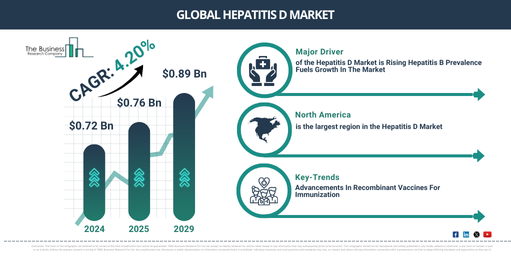
  • Hepatitis D Market to Grow at a CAGR of 4.2% from 2025 to 2029

    Hepatitis D Market to Grow at a CAGR of 4.2% from 2025 to 2029

    Unlock Global Insights – Save 20% on Market Reports with Code ONLINE20

    #What Are The Current (2025) And Forecast (2029) Sizes Of The Hepatitis D Market?

    The hepatitis d market size has experienced consistent growth in recent years. It is anticipated to expand from $0.72 billion in 2024 to $0.76 billion in 2025, demonstrating a compound annual growth rate (CAGR) of 4.3%. Historically, this growth can be ascribed to several factors, including limited treatment options, a high prevalence in endemic regions, co-infection with hepatitis B, low awareness and diagnosis rates, and government vaccination programs.

    The hepatitis d market is projected to experience consistent expansion over the upcoming years. Its valuation is anticipated to reach $0.89 billion by 2029, exhibiting a compound annual growth rate (CAGR) of 4.2%. This projected increase within the forecast timeframe is driven by several factors, such as broader reimbursement policies for new treatments, increased investment in healthcare, a rise in the use of combination therapies, wider hepatitis B vaccination coverage, and expanding public health programs. Key developments anticipated during this period encompass enhancements in molecular diagnostic tools, a move towards individualized approaches for managing liver diseases, the creation of innovative RNA-based treatments, an increase in clinical trials for hepatitis D therapies, and the utilization of telemedicine for managing hepatitis.

    Unlock Your Free Sample Report for Exclusive Market Data:

    https://www.thebusinessresearchcompany.com/sample.aspx?id=21202&type=smp

    What Are The Top Growth Drivers Impacting The Hepatitis D Market Outlook?

    The rising incidence of hepatitis B is projected to fuel the expansion of the hepatitis D market in the future. Hepatitis B is defined as a viral ailment impacting the liver, manifesting symptoms like jaundice, tiredness, and discomfort in the abdomen, and potentially progressing to chronic liver disease or liver cancer without medical intervention. This surge in Hepatitis B occurrences is linked to elements such as unprotected sexual activity, intravenous drug use involving shared needles, vertical transmission from mother to child during birth, and inadequate vaccination rates in specific areas. Hepatitis D depends on the Hepatitis B virus for its multiplication, utilizing the surface antigen of Hepatitis B to infect liver cells; thus, co-infection by both viruses is a crucial determinant in the advancement of liver disease. As an illustration, in November 2023, data from the Department of Health and Human Services, a US-based government agency, indicated that new chronic hepatitis B cases reported in 2022 saw an 11% increase relative to 2021. Consequently, the expanding occurrence of hepatitis B is fostering the development of the hepatitis D market.

    How Is The Hepatitis D Market Classified Into Different Segments?

    The hepatitis dmarket covered in this report is segmented –

    1) By Type: Acute; Chronic

    2) By Diagnosis: Blood Tests; Elastography; Liver Biopsy; Serologic Testing; Other Diagnosis

    3) By Distribution Channel: Hospital pharmacies; Retail pharmacies; Online Pharmacies

    4) By End-Users: Clinic; Hospital; Other End Users

    Subsegments:

    1) By Acute: Self-limiting Acute Hepatitis D; Severe Acute Hepatitis D

    2) By Chronic: Compensated Chronic Hepatitis D; Decompensated Chronic Hepatitis D

    What Are The Latest Industry Trends Transforming The Hepatitis D Market?

    Leading companies operating within the hepatitis D market are prioritizing the introduction of innovative formulations, such as recombinant vaccines, to bolster immunization efficacy and ensure enduring protection against the virus. Recombinant vaccines are understood as those manufactured by embedding a gene that encodes a viral protein into a host organism, including bacteria or yeast, to synthesize the protein, which is subsequently employed to stimulate an immune response without causing the illness. For instance, in December 2022, VBI Vaccines Inc., a US-based biotechnology company, obtained approval from Health Canada for PreHevbrio [3-antigen Hepatitis B Vaccine (Recombinant)], a vaccine designed for active immunization against all known subtypes of hepatitis B in adults aged 18 and older. This approval also extends to preventing hepatitis D, as it stems from the delta agent, which can only occur in conjunction with a hepatitis B infection. The approval is founded on positive findings from two pivotal Phase 3 clinical studies, protect and constant, which demonstrated higher seroprotection rates with PreHevbrio compared to the single-antigen engerix-B vaccine.

    Who Are The Core Companies Influencing The Hepatitis D Market Landscape?

    Major companies operating in the hepatitis d market are F. Hoffmann-La Roche Ltd., Merck & Co. Inc., Bristol-Myers Squibb Company, Abbott Laboratories, GSK plc, Gilead Sciences Inc., Viatris Inc, VBI Vaccines Inc, Alnylam Pharmaceuticals Inc., Arrowhead Pharmaceuticals Inc., Dynavax Technologies Corporation, Echosens S.A, Arbutus Biopharma Corporation, PROBIOMED SA de CV, Assembly Biosciences Inc., Replicor Inc., Eiger BioPharmaceuticals Inc, Bluejay Therapeutics Inc, Janssen Pharmaceuticals Inc., Transgene SA, Vir Biotechnology Inc, Biorex Diagnostics Ltd.

    Download The Full Report For Exclusive Market Findings:

    https://www.thebusinessresearchcompany.com/report/hepatitis-d-global-market-report

    Which Region Currently Holds The Largest Share Of The Hepatitis D Market?

    North America was the largest region in the hepatitis D market in 2024. Asia-Pacific is expected to be the fastest-growing region in the forecast period. The regions covered in the hepatitis d market report are Asia-Pacific, Western Europe, Eastern Europe, North America, South America, Middle East, Africa.

    Request A Customized Version Of The Hepatitis D Market Report:

    https://www.thebusinessresearchcompany.com/customise?id=21202&type=smp

    Browse Through More Reports Similar to the Global Hepatitis D Market 2025, By The Business Research Company

    Hepatitis Drugs Global Market Report 2025

    https://www.thebusinessresearchcompany.com/report/hepatitis-drugs-global-market-report

    Non Alcoholic Steatohepatitis Treatment Global Market Report 2025

    https://www.thebusinessresearchcompany.com/report/non-alcoholic-steatohepatitis-treatment-global-market-report

    Non Alcoholic Steatohepatitis Nash Global Market Report 2025

    https://www.thebusinessresearchcompany.com/report/non-alcoholic-steatohepatitis-nash-global-market-report

    Get in touch with us:

    The Business Research Company: https://www.thebusinessresearchcompany.com/

    Americas +1 310-496-7795

    Asia +44 7882 955267 & +91 8897263534

    Europe +44 7882 955267

    Email us at info@tbrc.info

    Follow us on:

    LinkedIn: https://in.linkedin.com/company/the-business-research-company

    YouTube: https://www.youtube.com/channel/UC24_fI0rV8cR5DxlCpgmyFQ

    Global Market Model: https://www.thebusinessresearchcompany.com/global-market-model