Blog

  • Rheumatic Heart Disease Market to Reach $3.42 Billion by 2029, Growing at a CAGR of 5.9%

    Rheumatic Heart Disease Market to Reach $3.42 Billion by 2029, Growing at a CAGR of 5.9%

    Unlock Global Insights – Save 20% on Market Reports with Code ONLINE20

    What Is The Global Market Value Of The Rheumatic Heart Disease Industry In 2025?

    The market for rheumatic heart disease has experienced robust growth in recent years. This market is expected to expand from $2.56 billion in 2024 to $2.71 billion in 2025, achieving a compound annual growth rate (CAGR) of 5.9%. Historically, this expansion has been driven by factors such as the widespread existence of untreated strep infections, restricted healthcare access in lower-income areas, insufficient public understanding of rheumatic heart disease, delays in diagnosis and treatment, and inadequate immunization initiatives.

    The rheumatic heart disease market is anticipated to demonstrate robust growth in the coming years, with its size projected to reach $3.42 billion by 2029, exhibiting a compound annual growth rate (CAGR) of 5.9%. This expansion during the forecast period is attributable to an increased uptake of preventive screening programs, rising awareness concerning early detection, greater healthcare investments in developing areas, the broadening reach of telemedicine for remote diagnosis, and governmental efforts aimed at disease prevention. Significant trends expected during this period include the escalating integration of AI into diagnostics, the wider implementation of echocardiography-based screening, the incorporation of mobile health solutions, the development of new anti-inflammatory therapies, and collaborative initiatives for global disease eradication.

    Unlock Your Free Sample Report for Exclusive Market Data:

    https://www.thebusinessresearchcompany.com/sample.aspx?id=23502&type=smp

    Which Drivers Are Supporting Growth Of The Rheumatic Heart Disease Market?

    The expanding occurrence of strep throat is anticipated to fuel the expansion of the rheumatic heart disease market in the future. Strep throat is defined as a bacterial infection stemming from streptococcus pyogenes (group a streptococcus), resulting in throat inflammation and discomfort, frequently alongside fever, enlarged lymph nodes, and swallowing difficulties. A surge in antibiotic resistance is complicating the effective treatment of streptococcal infections, contributing to extended illnesses and elevated transmission rates within communities. Rheumatic heart disease emerges as a chronic consequence of strep throat infections that are either untreated or recurring, emphasizing the criticality of prompt diagnosis and intervention for streptococcal infections to avert serious cardiac impairment. As an illustration, in April 2023, the Centers for Disease Control and Prevention, a US-based government department, reported that strep throat is responsible for approximately 5.2 million annual outpatient visits among individuals under 65 years old. These consultations result in 2.8 million antibiotic prescriptions annually. Consequently, the growing prevalence of strep throat is propelling the development of the rheumatic heart disease market.

    How Is The Rheumatic Heart Disease Market Classified Into Different Segments?

    The rheumatic heart diseasemarket covered in this report is segmented –

    1) By Type: Valve; Myocarditis; Pericarditis

    2) By Age Group: Pediatric; Adolescent; Adult; Geriatric

    3) By Application: Hospital; Diagnostic Centre; Research Centre

    4) By Distribution Channel: Hospital Pharmacies; Retail Pharmacies; Online Pharmacies; Direct Sales

    Subsegments:

    1) By Valve: Mitral Valve Disease; Aortic Valve Disease; Tricuspid Valve Disease; Pulmonary Valve Disease

    2) By Myocarditis: Acute Myocarditis; Chronic Myocarditis; Fulminant Myocarditis

    3) By Pericarditis: Acute Pericarditis; Chronic Pericarditis; Constrictive Pericarditis; Effusive Pericarditis

    What Are The Major Trends Driving The Growth Of The Rheumatic Heart Disease Market?

    Leading entities within the rheumatic heart disease market are embracing strategic collaborations to advance the creation of novel treatments and diagnostic methods. These alliances for rheumatic heart disease (RHD) management bring together various resources and specialized knowledge, facilitating progress in research and development, refining diagnostic and therapeutic breakthroughs, broadening market access, and accelerating product commercialization. A notable instance occurred in July 2023, when the World Heart Federation (WHF), a non-governmental organization headquartered in Switzerland, entered into a partnership with the Philips Foundation, a nonprofit organization based in the Netherlands. Their objective was to heighten awareness, enhance medical education, and bolster early detection of rheumatic heart disease (RHD) across the Asia-Pacific (APAC) region. Initiated in the Philippines, this program aims to improve healthcare accessibility for more than half a million Filipino children at risk, achieved by furnishing medical facilities with skilled personnel and sophisticated diagnostic instruments. This particular cooperative effort emphasizes a shared dedication to reinforcing healthcare systems and guaranteeing prompt treatment for individuals affected by RHD.

    Who Are The Major Companies Operating In The Rheumatic Heart Disease Market?

    Major companies operating in the rheumatic heart disease market are Pfizer Inc., Merck & Co. Inc., Bayer AG, Sanofi S.A., AstraZeneca plc, Novartis AG, Abbott Laboratories, GlaxoSmithKline plc (GSK), Medtronic plc, Siemens Healthineers AG, Fresenius Medical Care AG & Co. KGaA, Becton Dickinson and Company (BD), GE HealthCare Technologies Inc., Mayo Clinic, Boston Scientific Corporation, Johns Hopkins Medicine, Terumo Corporation, The Mount Sinai Health System Inc., Apollo Hospitals Enterprise Limited, Fortis Healthcare Limited, Medanta.

    Download The Full Report For Exclusive Market Findings:

    https://www.thebusinessresearchcompany.com/report/rheumatic-heart-disease-global-market-report

    Which Region Is Expected To Witness The Fastest Growth In The Rheumatic Heart Disease Market?

    North America was the largest region in the rheumatic heart disease market in 2024. The regions covered in the rheumatic heart disease market report are Asia-Pacific, Western Europe, Eastern Europe, North America, South America, Middle East, Africa.

    Request A Customized Version Of The Rheumatic Heart Disease Market Report:

    https://www.thebusinessresearchcompany.com/customise?id=23502&type=smp

    Browse Through More Reports Similar to the Global Rheumatic Heart Disease Market 2025, By The Business Research Company

    Prosthetic Heart Valve Devices And Equipment Global Market Report 2025

    https://www.thebusinessresearchcompany.com/report/prosthetic-heart-valve-devices-and-equipment-global-market-report

    Hearth Global Market Report 2025

    https://www.thebusinessresearchcompany.com/report/hearth-global-market-report

    Flea Tick And Heartworm Products Global Market Report 2025

    https://www.thebusinessresearchcompany.com/report/flea-tick-and-heartworm-products-global-market-report

    Get in touch with us:

    The Business Research Company: https://www.thebusinessresearchcompany.com/

    Americas +1 310-496-7795

    Asia +44 7882 955267 & +91 8897263534

    Europe +44 7882 955267

    Email us at info@tbrc.info

    Follow us on:

    LinkedIn: https://in.linkedin.com/company/the-business-research-company

    YouTube: https://www.youtube.com/channel/UC24_fI0rV8cR5DxlCpgmyFQ

    Global Market Model: https://www.thebusinessresearchcompany.com/global-market-model
  • Global Retinal Detachment Market Size Projected to Reach $2.96 Billion During the Forecast Period

    Global Retinal Detachment Market Size Projected to Reach $2.96 Billion During the Forecast Period

    Unlock Global Insights – Save 20% on Market Reports with Code ONLINE20

    By How Much Is The Retinal Detachment Market Expected To Expand Between 2025 And 2029?

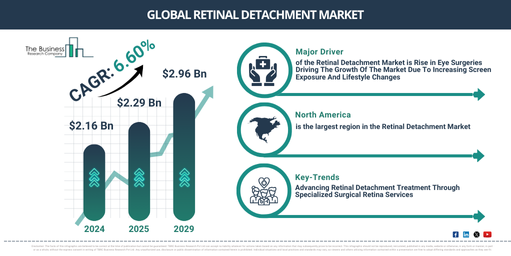
    The retinal detachment market size has seen significant expansion in recent years. Its value is anticipated to rise from $2.16 billion in 2024 to $2.29 billion in 2025, achieving a compound annual growth rate (CAGR) of 6.2%. This growth observed historically is a result of an aging population, the growing prevalence of diabetes, an increase in eye injury incidents, heightened awareness regarding retinal diseases, and the development of healthcare infrastructure.

    The retinal detachment market size is anticipated to undergo significant growth in the coming years, projected to reach $2.96 billion by 2029, with a compound annual growth rate (CAGR) of 6.6%. This expansion during the forecast period is fueled by an increase in high myopia cases, the growing adoption of minimally invasive procedures, improved access to specialized eye care, broader health insurance coverage, and intensified research in gene therapy. Noteworthy trends for this period encompass the creation of artificial retina implants, the broadening of teleophthalmology services, progress in stem cell therapy aimed at retinal repair, the incorporation of robotic-assisted retinal surgeries, and innovations in retinal imaging.

    Unlock Your Free Sample Report for Exclusive Market Data:

    https://www.thebusinessresearchcompany.com/sample.aspx?id=23500&type=smp

    Which Drivers Are Shaping The Retinal Detachment Industry’s Market Share?

    The rising volume of eye surgeries is anticipated to fuel expansion within the retinal detachment market in the future. These procedures involve medical interventions on the eye to rectify visual impairments, address ailments, or mend damage. The frequency of eye surgeries is on an upward trend because extended screen time induces digital eye strain and deteriorates eyesight, resulting in conditions like cataracts and myopia requiring surgical intervention. Furthermore, evolving lifestyles and greater reliance on digital gadgets exacerbate ocular problems. The condition of retinal detachment itself propels improvements in eye surgeries, necessitating inventive methods and tools to recover sight, boost surgical accuracy, and uplift patient outcomes. For example, in 2023, data from the Eye Bank Association of America, a US-based transplant organization, showed that domestic keratoplasty procedures grew by 2.7%, climbing from 49,597 in 2022 to 50,925 in 2023. Consequently, the expanding volume of eye surgeries is a key factor boosting the retinal detachment market’s growth.

    What Are The Major Segments Identified In The Retinal Detachment Market?

    The retinal detachmentmarket covered in this report is segmented –

    1) By Condition Type: Rhegmatogenous Retinal Detachment; Tractional Retinal Detachment; Exudative Retinal Detachment

    2) By Treatment: Photocoagulation; Cryopexy; Pneumatic Retinopexy; Scleral Buckling; Vitrectomy

    3) By End User: Hospitals And Clinics; Specialty Centers; Other End Users

    Subsegments:

    1) By Rhegmatogenous Retinal Detachment: Retinal Tears; Retinal Holes; Giant Retinal Tears

    2) By Tractional Retinal Detachment: Diabetic Tractional Detachment; Proliferative Vitreoretinopathy (PVR); Retinopathy of Prematurity (ROP)

    3) By Exudative Retinal Detachment: Inflammatory Disorders; Tumors; Vascular Disorders

    What Trends Are Expected To Drive The Retinal Detachment Market?

    Major companies within the retinal detachment market are prioritizing the creation of innovative services, such as surgical retina services, to improve treatment efficacy and patient well-being. A surgical retina service involves establishing a specialized medical program or facility dedicated to providing advanced surgical treatments for various retinal conditions. These offerings focus on identifying and treating disorders impacting the retina, including retinal detachment, macular holes, diabetic retinopathy, and age-related macular degeneration. For example, in July 2024, NYC Health + Hospitals/Harlem, a US-based teaching hospital, inaugurated a new Surgical Retina Service to bolster its ophthalmological capacity for addressing intricate retinal conditions in the Harlem community. This service, developed in collaboration with Columbia University Irving Medical Center’s Edward S. Harkness Eye Institute, which supplied technical assistance, is committed to diagnosing and treating diverse retinal diseases, particularly retinal detachment, which represents one of the most frequent reasons for retinal surgery.

    Which Global Market Leaders Are Shaping The Future Of The Retinal Detachment Sector?

    Major companies operating in the retinal detachment market are Baxter International Inc., Alcon Vision LLC, Bausch & Lomb Incorporated, Carl Zeiss Meditec AG, Santen Pharmaceutical Co. Ltd., Optos plc, IRIDEX Corporation, Keeler Ltd. (A Halma Company), Rudolf Riester GmbH, Lombart Instrument Inc., Synergy Eye Care Pvt. Ltd., Ellex Medical Lasers Ltd., Millennium Surgical Corp., iCare World (iCare Finland Oy), Surtex Instruments Limited?, Eyenuk Inc., Lumibird Medical, NIDEK Co. Ltd., ONL Therapeutics Inc., FCI Ophthalmics.

    Download The Full Report For Exclusive Market Findings:

    https://www.thebusinessresearchcompany.com/report/retinal-detachment-global-market-report

    Which Global Regions Are Influencing The Competitive Landscape Of The Retinal Detachment Market?

    North America was the largest region in the retinal detachment market in 2024. Asia-Pacific is expected to be the fastest-growing region in the forecast period. The regions covered in the retinal detachment market report are Asia-Pacific, Western Europe, Eastern Europe, North America, South America, Middle East, Africa.

    Request A Customized Version Of The Retinal Detachment Market Report:

    https://www.thebusinessresearchcompany.com/customise?id=23500&type=smp

    Browse Through More Reports Similar to the Global Retinal Detachment Market 2025, By The Business Research Company

    Vitreoretinal Surgery Devices Global Market Report 2025

    https://www.thebusinessresearchcompany.com/report/vitreoretinal-surgery-devices-global-market-report

    Retinal Biologics Global Market Report 2025

    https://www.thebusinessresearchcompany.com/report/retinal-biologics-global-market-report

    Retinal Disorder Treatment Global Market Report 2025

    https://www.thebusinessresearchcompany.com/report/retinal-disorder-treatment-global-market-report

    Get in touch with us:

    The Business Research Company: https://www.thebusinessresearchcompany.com/

    Americas +1 310-496-7795

    Asia +44 7882 955267 & +91 8897263534

    Europe +44 7882 955267

    Email us at info@tbrc.info

    Follow us on:

    LinkedIn: https://in.linkedin.com/company/the-business-research-company

    YouTube: https://www.youtube.com/channel/UC24_fI0rV8cR5DxlCpgmyFQ

    Global Market Model: https://www.thebusinessresearchcompany.com/global-market-model

  • Relapsing-Remitting Multiple Sclerosis Industry Anticipated to Expand at 4.7% CAGR During the Forecast Period

    Relapsing-Remitting Multiple Sclerosis Industry Anticipated to Expand at 4.7% CAGR During the Forecast Period

    Unlock Global Insights – Save 20% on Market Reports with Code ONLINE20

    #What Is The Projected Market Size Of The Relapsing-Remitting Multiple Sclerosis Market By 2029?

    The market for relapsing-remitting multiple sclerosis has experienced consistent expansion in recent years. It is anticipated to increase from $4.58 billion in 2024 to $4.8 billion in 2025, achieving a compound annual growth rate (CAGR) of 4.7%. The historical growth can be linked to the growing occurrence of multiple sclerosis, improved understanding and prompt diagnosis, the development of healthcare infrastructure, increased governmental investment for neurological conditions, and better patient availability of treatments.

    The relapsing-remitting multiple sclerosis market size is anticipated to experience consistent expansion over the upcoming years. By 2029, this market is projected to attain a valuation of $5.77 billion, growing at a compound annual growth rate (CAGR) of 4.7%. This expected growth throughout the forecast timeframe is driven by factors such as the increasing uptake of personalized medicine, enhanced emphasis on biomarker investigations, augmented investment in new therapeutic methods, broader application of AI in managing the disease, and supportive regulatory frameworks for groundbreaking treatments. Key developments anticipated during this period include the introduction of gene and cell-based treatments, a move towards oral formulations for disease-modifying therapies, progress in drug delivery systems that cross the blood-brain barrier, improvements in existing disease-modifying therapies, and the creation of advanced monoclonal antibodies.

    Unlock Your Free Sample Report for Exclusive Market Data:

    https://www.thebusinessresearchcompany.com/sample.aspx?id=23495&type=smp

    What Are The Drivers Pushing New Developments In The Relapsing-Remitting Multiple Sclerosis Market?

    The expanding embrace of personalized medicine is projected to boost the relapsing-remitting multiple sclerosis (RRMS) market in the future. This medical strategy customizes treatments and therapies based on an individual’s genetic makeup, environmental influences, and lifestyle choices to achieve optimal healthcare results. The rise of personalized medicine stems from breakthroughs in genomic sequencing, allowing for accurate identification of genetic variations and biomarkers, which in turn facilitates more targeted and effective therapeutic interventions. Relapsing-remitting multiple sclerosis (RRMS) exemplifies the necessity of personalized medicine by illustrating how customized treatments can account for unique differences in disease progression, symptom intensity, and treatment efficacy, ultimately enhancing patient outcomes. As an illustration, in February 2024, data from the Personalized Medicine Coalition, a US-based advocacy group for personalized medicine, revealed that the U.S. Food and Drug Administration sanctioned 16 novel personalized treatments for individuals with rare diseases, marking a substantial increase from 6 in 2022. Consequently, the expanding use of personalized medicine is propelling the growth of the relapsing-remitting multiple sclerosis market.

    What Are The Emerging Segments Gaining Attention In The Relapsing-Remitting Multiple Sclerosis Market?

    The relapsing-remitting multiple sclerosismarket covered in this report is segmented –

    1) By Drug Type: Beta-Interferon; Cladribine; Dimethyl Fumarate; Fingolimod; Ozanimod; Other Drug Types

    2) By Route Of Administration: Subcutaneous; Intravenous

    3) By Treatment: Immunomodulating Drugs; NrF2 Activators; Interferons; Other Treatments

    4) By End-User: Hospitals; Clinics; Other End-Users

    Subsegments:

    1) By Beta-Interferon: Interferon Beta-1a; Interferon Beta-1b

    2) By Cladribine: Oral Cladribine; Injectable Cladribine

    3) By Dimethyl Fumarate: Tecfidera; Vumerity

    4) By Fingolimod: Gilenya Fingolimod; Generic Fingolimod

    5) By Ozanimod: Zeposia

    6) By Other Drug Types: Natalizumab; Alemtuzumab; Ocrelizumab; Siponimod; Teriflunomide

    Which Trends Are Impacting The Relapsing-Remitting Multiple Sclerosis Market?

    Companies operating within the relapsing-remitting multiple sclerosis market are concentrating on the development of innovative therapeutic strategies, including breakthrough blockbuster therapies, to augment treatment effectiveness, improve patient recovery, and redefine the standard of care for relapsing-remitting multiple sclerosis (RRMS). A breakthrough blockbuster therapy refers to a novel and highly potent treatment that significantly advances medical care, frequently addressing unmet needs or offering superior outcomes compared to existing treatments. For example, in February 2024, Roche Products (India) Pvt. Ltd., an India-based pharmaceutical company, launched Ocrevus (Ocrelizumab), a pioneering treatment for multiple sclerosis (MS), with the aim of bolstering its neurology portfolio and addressing the unmet medical demands of patients in India. Ocrevus is designed to target CD20-positive B cells, which are implicated in MS progression, thereby intending to reduce relapses and slow the progression of disability in affected individuals. It is equipped with a distinctive mechanism of action that selectively depletes B cells, helping to modify the disease course and improve long-term patient outcomes.

    Which Industry Leaders Are Driving Innovation Across The Relapsing-Remitting Multiple Sclerosis Market?

    Major companies operating in the relapsing-remitting multiple sclerosis market are Pfizer Inc., Johnson & Johnson Services Inc., F. Hoffmann-La Roche Ltd., AbbVie Inc., Bayer AG, Sanofi S.A., Bristol-Myers Squibb Company, Novartis AG, GSK plc, Eli Lilly and Company, Merck KGaA, Viatris Inc., Teva Pharmaceutical Industries Ltd., Biogen Inc., Eisai Co. Ltd., Genentech Inc., Hikma Pharmaceuticals LLC, Glenmark Pharmaceuticals Limited, CinnaGen Co, Zenas BioPharma Inc.

    Download The Full Report For Exclusive Market Findings:

    https://www.thebusinessresearchcompany.com/report/relapsing-remitting-multiple-sclerosis-global-market-report

    What Are The Regional Market Dynamics Impacting The Relapsing-Remitting Multiple Sclerosis Industry?

    North America was the largest region in the relapsing-remitting multiple sclerosis market in 2024. Asia-Pacific is expected to be the fastest-growing region in the forecast period. The regions covered in the relapsing-remitting multiple sclerosis market report are Asia-Pacific, Western Europe, Eastern Europe, North America, South America, Middle East, Africa.

    Request A Customized Version Of The Relapsing-Remitting Multiple Sclerosis Market Report:

    https://www.thebusinessresearchcompany.com/customise?id=23495&type=smp

    Browse Through More Reports Similar to the Global Relapsing-Remitting Multiple Sclerosis Market 2025, By The Business Research Company

    Multiple Sclerosis Drugs Global Market Report 2025

    https://www.thebusinessresearchcompany.com/report/multiple-sclerosis-drugs-global-market-report

    Atherosclerosis Drugs Global Market Report 2025

    https://www.thebusinessresearchcompany.com/report/atherosclerosis-drugs-global-market-report

    Focal Segmental Glomerulosclerosis Drugs Global Market Report 2025

    https://www.thebusinessresearchcompany.com/report/focal-segmental-glomerulosclerosis-drugs-global-market-report

    Get in touch with us:

    The Business Research Company: https://www.thebusinessresearchcompany.com/

    Americas +1 310-496-7795

    Asia +44 7882 955267 & +91 8897263534

    Europe +44 7882 955267

    Email us at info@tbrc.info

    Follow us on:

    LinkedIn: https://in.linkedin.com/company/the-business-research-company

    YouTube: https://www.youtube.com/channel/UC24_fI0rV8cR5DxlCpgmyFQ

    Global Market Model: https://www.thebusinessresearchcompany.com/global-market-model
  • Global Radiation Oncology Market Projected to Expand at 9.2% CAGR by 2029

    Global Radiation Oncology Market Projected to Expand at 9.2% CAGR by 2029

    Unlock Global Insights – Save 20% on Market Reports with Code ONLINE20

    How Much Was The Radiation Oncology Market Worth In 2025, And What Is Its Anticipated Value By 2029?

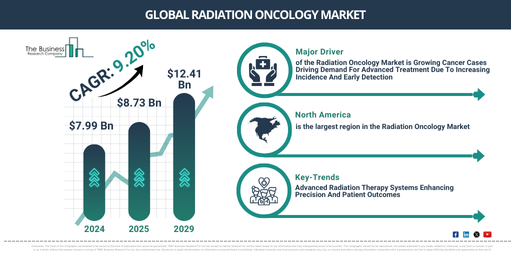
    The radiation oncology market has experienced robust growth in recent years. Its size is anticipated to expand from $7.99 billion in 2024 to $8.73 billion in 2025, demonstrating a compound annual growth rate (CAGR) of 9.2%. The historical increase can be attributed to factors such as a rising incidence of cancer, increased healthcare spending, greater investments in healthcare infrastructure, an expanding aging population, and a growing prevalence of complex cancer cases.

    The radiation oncology market is projected to experience substantial expansion over the upcoming years. By 2029, its value is anticipated to reach $12.41 billion, demonstrating a compound annual growth rate (CAGR) of 9.2%. This projected growth is driven by factors such as the rising demand for precision treatments, the broadening reach of outpatient cancer centers, the wider integration of treatment planning software, intensified governmental efforts in cancer care, and improvements in healthcare infrastructure. Key trends expected during this period encompass personalized treatment plans, high-definition imaging, AI-powered imaging, stereotactic body radiation therapy (SBRT), and continuous advancements in brachytherapy.

    Unlock Your Free Sample Report for Exclusive Market Data:

    https://www.thebusinessresearchcompany.com/sample.aspx?id=23494&type=smp

    What Are The Emerging Market Drivers Creating New Opportunities In The Radiation Oncology Industry?

    An increasing count of cancer patients is projected to advance the expansion of the radiation oncology market. These patients are identified with cancer, a condition defined by the uncontrolled multiplication and dispersion of atypical cells throughout the body. The rise in cancer patient numbers is primarily fueled by prevalent unhealthy lifestyle choices, which notably increase the likelihood of developing cancer. Radiation oncology offers cancer treatment through high-energy radiation, aiming to eliminate cancerous cells, reduce tumor size, alleviate discomfort, and boost the efficacy of surgical procedures and chemotherapy, with modern methodologies refining accuracy and results. For example, data from October 2024 by the UK’s National Health Service reported 346,217 new cancer diagnoses in 2022, averaging 948 daily, representing a 5% surge from 329,664 cases recorded in 2021. Consequently, the rising prevalence of cancer patients is a key impetus for the expansion of the radiation oncology market.

    What Are The Major Segment Types Covered In The Radiation Oncology Market?

    The radiation oncologymarket covered in this report is segmented –

    1) By Type: External Beam Radiation Therapy; Internal Beam Radiation Therapy

    2) By Application: Prostate Cancer; Breast Cancer; Lung Cancer; Head And Neck Cancer; Colorectal Cancer; Cervical Cancer; Gynecological Cancer; Other Applications

    3) By End-User: Hospitals; Cancer Research Institutes; Other End-Users

    Subsegments:

    1) By Internal Beam Radiation Therapy; Brachytherapy; Endocavitary Brachytherapy; Interstitial Brachytherapy; Intraluminal Brachytherapy

    2) By External Beam Radiation Therapy; 3D Conformal Radiation Therapy (3DCRT); Intensity-Modulated Radiation Therapy (IMRT); Stereotactic Radiosurgery (SRS); Stereotactic Body Radiation Therapy (SBRT); Image-Guided Radiation Therapy (IGRT)

    What Long-Term Trends Will Shape The Future Growth Of The Radiation Oncology Industry?

    Leading companies within the radiation oncology market are concentrating on developing advanced radiation therapy systems. These systems integrate AI-powered imaging and adaptive technologies to boost treatment precision, reduce side effects, and improve patient outcomes across diverse cancer treatment applications. AI-powered radiotherapy utilizes artificial intelligence technologies to enhance various aspects of radiation therapy, including treatment planning, imaging, delivery, and monitoring. For example, in May 2024, Elekta, a medical technology company from Sweden, introduced Evo, its newest CT-Linac. This device features high-definition AI-enhanced imaging, specifically designed to refine radiation therapy techniques. The versatile system supports both offline and online adaptive radiation therapy, alongside enhanced standard image-guided radiation therapy, offering clinicians increased precision and flexibility to customize treatments for individual patients. This innovation seeks to improve patient outcomes by optimizing treatment accuracy and adaptability.

    Who Are The Key Multinational Companies Dominating The Radiation Oncology Market?

    Major companies operating in the radiation oncology market are Hitachi Ltd., Siemens Healthineers, Philips Healthcare, GE Healthcare Technologies Inc., Varian Medical Systems, Shimadzu Corporation, Elekta AB, Mirion Technologies, Ion Beam Applications (IBA), Accuray Incorporated, Canon Medical Systems, Eckert & Ziegler BEBIG, ViewRay Inc., MDS Nordion, Mevion Medical Systems, PTW-Freiburg, Toshiba Medical Systems, CivaTech Oncology, ProTom International, Radcal Corporation, ScandiDos.

    Download The Full Report For Exclusive Market Findings:

    https://www.thebusinessresearchcompany.com/report/radiation-oncology-global-market-report

    Which Region Shows The Highest Potential For Future Expansion In The Radiation Oncology Market?

    North America was the largest region in the radiation oncology market in 2024. Asia-Pacific is expected to be the fastest-growing region in the forecast period. The regions covered in the radiation oncology market report are Asia-Pacific, Western Europe, Eastern Europe, North America, South America, Middle East, Africa.

    Request A Customized Version Of The Radiation Oncology Market Report:

    https://www.thebusinessresearchcompany.com/customise?id=23494&type=smp

    Browse Through More Reports Similar to the Global Radiation Oncology Market 2025, By The Business Research Company

    Oncology Biosimilar Global Market Report 2025

    https://www.thebusinessresearchcompany.com/report/oncology-biosimilar-global-market-report

    Interventional Oncology Devices Global Market Report 2025

    https://www.thebusinessresearchcompany.com/report/interventional-oncology-devices-global-market-report

    Clinical Oncology Next Generation Sequencing Global Market Report 2025

    https://www.thebusinessresearchcompany.com/report/clinical-oncology-next-generation-sequencing-global-market-report

    Get in touch with us:

    The Business Research Company: https://www.thebusinessresearchcompany.com/

    Americas +1 310-496-7795

    Asia +44 7882 955267 & +91 8897263534

    Europe +44 7882 955267

    Email us at info@tbrc.info

    Follow us on:

    LinkedIn: https://in.linkedin.com/company/the-business-research-company

    YouTube: https://www.youtube.com/channel/UC24_fI0rV8cR5DxlCpgmyFQ

    Global Market Model: https://www.thebusinessresearchcompany.com/global-market-model

  • Prothrombin Complex Concentrate Market to Grow at a CAGR of 7.3% from 2025 to 2029

    Prothrombin Complex Concentrate Market to Grow at a CAGR of 7.3% from 2025 to 2029

    Unlock Global Insights – Save 20% on Market Reports with Code ONLINE20

    What Is The Future Market Size Estimation For The Prothrombin Complex Concentrate Market Covering 2025–2034?

    The prothrombin complex concentrate market size has exhibited substantial growth in recent years. This market is projected to expand from $1.29 billion in 2024 to $1.38 billion in 2025, demonstrating a compound annual growth rate (CAGR) of 6.7%. The historical expansion can be attributed to several factors, including an increase in the prevalence of bleeding disorders, heightened use in warfarin reversal, a growing awareness of coagulation therapies, the expansion of surgical procedures, and an uptick in trauma cases.

    The prothrombin complex concentrate market is anticipated to experience substantial expansion in the coming years. It is projected to reach $1.83 billion by 2029, exhibiting a compound annual growth rate (CAGR) of 7.3%. This growth during the forecast period is primarily driven by the increasing demand for rapid coagulation therapies, the rising prevalence of hemophilia and liver diseases, greater adoption in emergency medicine, expanding applications in cardiac surgeries, and growing healthcare expenditure. Furthermore, significant trends expected in this period include the integration of AI-driven diagnostics, advancements in recombinant coagulation factors, the emergence of next-generation recombinant pccs, customized dosing algorithms, and further advancements in blood plasma products.

    Unlock Your Free Sample Report for Exclusive Market Data:

    https://www.thebusinessresearchcompany.com/sample.aspx?id=23488&type=smp

    Which Drivers Are Impacting The Prothrombin Complex Concentrate Market?

    The growing occurrence of bleeding disorders is anticipated to drive the expansion of the prothrombin complex concentrate market. These medical conditions involve blood that does not clot effectively, resulting in excessive bleeding due to absent or malfunctioning clotting factors or platelets. The increase in bleeding disorders is largely due to the rising prevalence of genetic conditions such as hemophilia, a surge in liver disease cases, the growing use of anticoagulant medications, and a higher incidence of vitamin K deficiencies. Prothrombin complex concentrate effectively treats these disorders by rapidly replenishing crucial clotting factors necessary for proper blood coagulation and hemostasis. For example, in November 2023, the National Library of Medicine, a U.S.-based medical library, stated that a 2022 study involving 10,276 individuals with hemophilia was carried out across 87 treatment centers in 40 countries. The findings indicated that nearly 49% of the participants had severe hemophilia, 99% were male, and 85% were diagnosed with hemophilia A. Additionally, 67% of the patients were from low- and middle-income countries. This demonstrates that the increasing prevalence of bleeding disorders is indeed fostering the growth of the prothrombin complex concentrate market.

    What Are The Major Segment Categories Driving The Prothrombin Complex Concentrate Market Growth?

    The prothrombin complex concentratemarket covered in this report is segmented –

    1) By Product: 3-Factor Prothrombin Complex Concentrates; 4-Factor Prothrombin Complex Concentrates; Other Products

    2) By Indication: Haemorrhagic Episodes In Factor IX Deficiency (Haemophilia B); Trauma; Life-Threatening Coagulopathy With Acute Bleeding; Warfarin-Associated Acute, Life-Threatening Bleeding; Non-Warfarin Anticoagulant Reversal With Acute Bleeding

    3) By Route Of Administration: Intravenous; Subcutaneous; Intramuscular

    4) By End-Use: Hospital And Ambulatory Surgical Centers; Specialty Clinics; Other End Users

    Subsegments:

    1) By Type: Low-Dose 3-Factor Prothrombin Complex Concentrates (PCC); High-Dose 3-Factor Prothrombin Complex Concentrates (PCC); Lyophilized 3-Factor Prothrombin Complex Concentrates (PCC)

    2) By Type: Low-Dose 4-Factor Prothrombin Complex Concentrates (PCC); High-Dose 4-Factor Prothrombin Complex Concentrates (PCC); Activated 4-Factor Prothrombin Complex Concentrates (PCC)

    3) By Type: Recombinant Coagulation Factor Complexes; Plasma-Derived Coagulation Factor Complexes; Combination Therapy Products

    Which Market Trends Are Creating New Opportunities In The Prothrombin Complex Concentrate Industry?

    Leading companies in the prothrombin complex concentrate market are developing innovative formulations, such as lyophilized powder, to enhance stability, improve storage, and simplify administration. This lyophilized powder is a freeze-dried formulation designed to remove water, thereby increasing shelf life and maintaining potency. This advancement facilitates better storage conditions and rapid reconstitution for emergency use. For instance, in July 2023, Octapharma USA Inc., a US-based biotechnology company, received FDA approval for Balfaxar, a four-factor prothrombin complex concentrate (4F-PCC) intended for urgent warfarin reversal in surgeries and invasive procedures. This approval was based on the LEX-209 trial, which demonstrated 94.6% hemostatic efficacy, proving it as effective as Kcentra. This progress underscores the industry’s focus on improving coagulation therapies to enhance patient outcomes in critical care settings.

    Which Leading Players Are Enhancing Their Prothrombin Complex Concentrate Market Presence Worldwide?

    Major companies operating in the prothrombin complex concentrate market are Pfizer Inc., Bristol-Myers Squibb Company, Takeda Pharmaceutical Company Limited, Novo Nordisk A/S, CSL Behring GmbH, Intas Pharmaceuticals Ltd, Baxter International Inc, Grifols S.A., Octapharma AG, Kedrion S.p.A, Haemonetics Corporation, Green Cross Corporation, Shanghai RAAS Blood Products Co. Ltd, Emergent BioSolutions, LFB Group, Hualan Biological Engineering Chongqing Co. Ltd., Sanquin Blood Supply Foundation, Bio Products Laboratory Ltd (BPL), Prothya Biosolutions B.V., China Biologic Products Holdings Inc.

    Download The Full Report For Exclusive Market Findings:

    https://www.thebusinessresearchcompany.com/report/prothrombin-complex-concentrate-global-market-report

    How Is Prothrombin Complex Concentrate Market Demand Varying Across Different Regions?

    North America was the largest region in the prothrombin complex concentrate market in 2024. The regions covered in the prothrombin complex concentrate market report are Asia-Pacific, Western Europe, Eastern Europe, North America, South America, Middle East, Africa.

    Request A Customized Version Of The Prothrombin Complex Concentrate Market Report:

    https://www.thebusinessresearchcompany.com/customise?id=23488&type=smp

    Browse Through More Reports Similar to the Global Prothrombin Complex Concentrate Market 2025, By The Business Research Company

    Gastrointestinal Bleeding Treatment Devices Global Market Report 2025

    https://www.thebusinessresearchcompany.com/report/gastrointestinal-bleeding-treatment-devices-global-market-report

    Bleeding Disorders Treatment Global Market Report 2025

    https://www.thebusinessresearchcompany.com/report/bleeding-disorders-treatment-global-market-report

    Cyclic Heavy Menstrual Bleeding Global Market Report 2025

    https://www.thebusinessresearchcompany.com/report/cyclic-heavy-menstrual-bleeding-global-market-report

    Get in touch with us:

    The Business Research Company: https://www.thebusinessresearchcompany.com/

    Americas +1 310-496-7795

    Asia +44 7882 955267 & +91 8897263534

    Europe +44 7882 955267

    Email us at info@tbrc.info

    Follow us on:

    LinkedIn: https://in.linkedin.com/company/the-business-research-company

    YouTube: https://www.youtube.com/channel/UC24_fI0rV8cR5DxlCpgmyFQ

    Global Market Model: https://www.thebusinessresearchcompany.com/global-market-model
  • Global Proteus Syndrome Market 2025–2029: Competitive Insights and Opportunities

    Global Proteus Syndrome Market 2025–2029: Competitive Insights and Opportunities

    Unlock Global Insights – Save 20% on Market Reports with Code ONLINE20

    What Is The Expected Total Market Size Of The Proteus Syndrome Industry By The Forecast Year 2029?

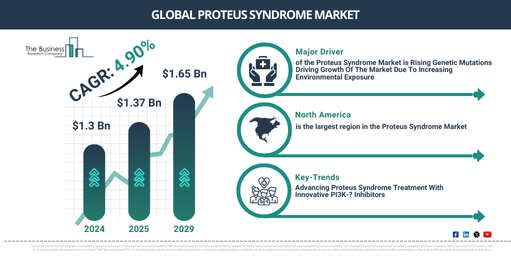
    The proteus syndrome market has experienced robust growth in recent years. Its valuation is anticipated to increase from $1.3 billion in 2024 to $1.37 billion in 2025, indicating a compound annual growth rate (CAGR) of 5.1%. The expansion observed during the historic period is primarily due to higher diagnosis rates, an uptick in genetic research, increased integration of precision medicine, amplified government initiatives, and a growing demand for genetic testing.

    The Proteus Syndrome market is anticipated to show consistent growth over the coming years, with its size projected to reach $1.65 billion by 2029, exhibiting a compound annual growth rate (CAGR) of 4.9%. This expansion during the forecast period is driven by factors such as the rise of personalized medicine, the increasing utilization of biomarkers, the broader adoption of telemedicine, growing awareness of rare diseases, and the rising prevalence of Proteus Syndrome. Significant trends for this timeframe include advancements in technology, innovations in gene therapy, AI-powered diagnostics, the integration of big data analytics, and the development of personalized drugs.

    Unlock Your Free Sample Report for Exclusive Market Data:

    https://www.thebusinessresearchcompany.com/sample.aspx?id=23487&type=smp

    Which Industry Drivers Are Expected To Accelerate The Proteus Syndrome Market From 2025 To 2029?

    The growing occurrence of genetic mutations is anticipated to stimulate the expansion of the proteus syndrome market going forward. Genetic mutations refer to permanent alterations in DNA sequences that change genetic information, potentially leading to various diseases or unique traits. The escalating instances of genetic mutations are primarily attributed to environmental exposure to mutagens such as radiation, pollutants, and chemicals, which cause DNA damage and genetic alterations. Proteus syndrome contributes to the understanding of genetic mutations by revealing how a somatic AKT1 gene mutation triggers abnormal cell growth, offering insights into mosaicism and disease development. For instance, in March 2022, according to the UK Health Security Agency, a UK-based government agency, 763 XE sequences and 637 cases were reported in the UK, with XE mutations spreading and cases increasing across England. Therefore, the rising incidences of genetic mutations are driving the growth of the proteus syndrome market.

    How Is The Proteus Syndrome Market Segmented?

    The proteus syndromemarket covered in this report is segmented –

    1) By Product Type: Tablets; Capsules; Injectables; Other Product Types

    2) By Route of Administration: Oral; Parenteral; Other Route Of Administration

    3) By Distribution Channel: Online; Offline

    4) By End User: Hospital Pharmacy; Retail Pharmacy; Specialty Clinics

    Subsegments:

    1) By Tablets: Immediate-Release Tablets; Extended-Release Tablets; Effervescent Tablets

    2) By Capsules: Hard Gelatin Capsules; Soft Gelatin Capsules; Delayed-Release Capsules

    3) By Injectables: Intravenous (IV) Injectables; Intramuscular (IM) Injectables; Subcutaneous (SC) Injectables

    4) By Other Product Types: Topical Creams; Transdermal Patches; Liquid Suspensions

    How Are Trends Influencing The Proteus Syndrome Market?

    Leading companies in the proteus syndrome market are concentrating on conducting clinical trials to develop novel products, such as PI3K-a inhibitors, with the aim of enhancing treatment efficacy and broadening therapeutic options. PI3K-a inhibitors are medications that target the PI3K-alpha enzyme, which is crucial for regulating cell growth and division. These inhibitors aid in managing proteus syndrome by diminishing abnormal tissue overgrowth, which is caused by mutations in the PIK3CA gene, leading to excessive activation of the PI3K/AKT pathway. For example, in November 2024, Risen (Suzhou) Pharma Technology Co., Ltd., a pharmaceutical firm based in China, announced that its joint venture had received implicit approval to proceed with two clinical trials for its Class 1 new drug, RP903 tablets, under acceptance numbers CXHL2400566 and CXHL2400565. RP903 is a PI3K-a inhibitor specifically designed to target PIK3CA gene mutations associated with proteus syndrome (PROS). This achievement highlights the company’s dedication to advancing innovative treatments for rare diseases and expanding therapeutic choices for PROS patients.

    Which Major Firms Are Strengthening Their Position In The Proteus Syndrome Industry?

    Major companies operating in the proteus syndrome market are Pfizer Inc., Merck Sharp & Dohme Corp, Intas Pharmaceuticals Ltd, Dr Reddy’s Laboratories Ltd, Zydus Pharmaceuticals Inc., Biocon Limited, Glenmark Pharmaceuticals Ltd, Curia Global, Concord Biotech Limited, Camber Pharmaceuticals, Chunghwa Chemical Synthesis & Biotech Co Ltd, Farmhispania Group SL, LGM Pharma LLC, ChemWerth Inc, Simson Pharma Limited, Actiza Pharmaceutical, AXXO GmbH, CFM Oskar Tropitzsch GmbH, MedicaPharma, Sumar Biotech LLP, Kachhela Medex Private Limited.

    Download The Full Report For Exclusive Market Findings:

    https://www.thebusinessresearchcompany.com/report/proteus-syndrome-global-market-report

    Which Geographies Are Emerging As Strong Markets For The Proteus Syndrome Industry?

    North America was the largest region in the proteus syndrome market in 2024 and it is expected to be the fastest-growing region in the forecast period. The regions covered in the proteus syndrome market report are Asia-Pacific, Western Europe, Eastern Europe, North America, South America, Middle East, Africa.

    Request A Customized Version Of The Proteus Syndrome Market Report:

    https://www.thebusinessresearchcompany.com/customise?id=23487&type=smp

    Browse Through More Reports Similar to the Global Proteus Syndrome Market 2025, By The Business Research Company

    Irritable Bowel Syndrome Ibs Treatment Global Market Report 2025

    https://www.thebusinessresearchcompany.com/report/irritable-bowel-syndrome-ibs-treatment-global-market-report

    Myelodysplastic Syndrome Global Market Report 2025

    https://www.thebusinessresearchcompany.com/report/myelodysplastic-syndrome-global-market-report

    Acute Coronary Syndrome Global Market Report 2025

    https://www.thebusinessresearchcompany.com/report/acute-coronary-syndrome-global-market-report

    Get in touch with us:

    The Business Research Company: https://www.thebusinessresearchcompany.com/

    Americas +1 310-496-7795

    Asia +44 7882 955267 & +91 8897263534

    Europe +44 7882 955267

    Email us at info@tbrc.info

    Follow us on:

    LinkedIn: https://in.linkedin.com/company/the-business-research-company

    YouTube: https://www.youtube.com/channel/UC24_fI0rV8cR5DxlCpgmyFQ

    Global Market Model: https://www.thebusinessresearchcompany.com/global-market-model
  • Primary Immunodeficiency Disorders Market Trends 2025–2029: Forecasts for Key Growth Segments

    Primary Immunodeficiency Disorders Market Trends 2025–2029: Forecasts for Key Growth Segments

    Unlock Global Insights – Save 20% on Market Reports with Code ONLINE20

    How Does The Market Size Of The Primary Immunodeficiency Disorders Industry Compare Between 2025 And 2029?

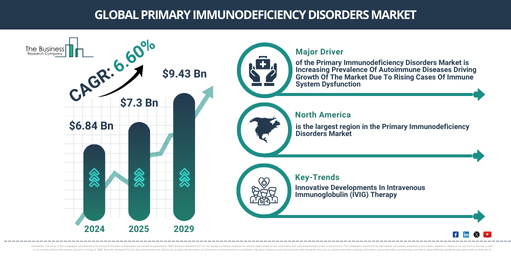
    The market size for primary immunodeficiency disorders has experienced robust growth in recent years. It is projected to increase from $6.84 billion in 2024 to $7.3 billion in 2025, at a compound annual growth rate (CAGR) of 6.7%. This historical expansion can be attributed to the rising prevalence of primary immunodeficiency disorders, heightened awareness among healthcare professionals, a growing need for effective treatments, increased funding for research, and an intensifying focus on pediatric care.

    The market for primary immunodeficiency disorders is projected to experience substantial expansion in the upcoming years. This market is anticipated to reach $9.43 billion by 2029, exhibiting a compound annual growth rate (CAGR) of 6.6%. Several factors will drive this growth during the projection period, including the increased adoption of subcutaneous treatments, enhanced healthcare accessibility, strong research and development efforts, a heightened demand for effective therapies, and an increasing need for immunoglobulin replacement therapy. Key trends expected over the forecast period encompass progress in biotechnology, groundbreaking gene therapies and biologics, developments in genetic testing and individualized medicine, advancements in gene therapy, and improvements in genetic diagnostic tests.

    Unlock Your Free Sample Report for Exclusive Market Data:

    https://www.thebusinessresearchcompany.com/sample.aspx?id=23483&type=smp

    What Are The Top Growth Drivers Impacting The Primary Immunodeficiency Disorders Market Outlook?

    The increasing occurrence of autoimmune diseases is anticipated to propel the expansion of the primary immunodeficiency disorders market moving forward. Autoimmune diseases manifest when the immune system erroneously attacks the body’s healthy cells and tissues, perceiving them as foreign threats. This aberrant response leads to inflammation and damage across various organs and systems. The surge in autoimmune diseases is attributed to a complex interplay of environmental factors, genetic predispositions, and shifts in lifestyle. Autoimmune conditions can instigate primary immunodeficiency disorders by disrupting immune regulation and targeting immune cells, which results in weakened or impaired immune responses. For instance, in November 2024, according to the Versorgungsatlas.de, a Germany-based interactive online platform, in 2022, among 73,241,305 insured individuals, 6,304,340 were diagnosed with at least one autoimmune disease, leading to a raw prevalence rate of 8.61%. Thus, the rising prevalence of autoimmune diseases is driving the growth of the primary immunodeficiency disorders market.

    What Are The Key Segments In The Primary Immunodeficiency Disorders Market?

    The primary immunodeficiency disordersmarket covered in this report is segmented –

    1) By Disease: Antibody Deficiency; Cellular Immunodeficiency; Innate Immune Disorders; Other Diseases

    2) By Treatment: Immunoglobulin Replacement Therapy; Antibiotic Therapy; Stem Cell And Bone Marrow Transplantation; Gene Therapy; Other Treatments

    3) By Diagnostic Type: Genetic Testing; Blood Testing; Flow Cytometry; Other Diagnostic Types

    4) By End-User: Hospitals; Specialty Clinics; Homecare Settings; Research Institutions

    Subsegments:

    1) By Antibody Deficiency: Common Variable Immune Deficiency (CVID); IgA Deficiency; IgG Subclass Deficiency; Specific Antibody Deficiency

    2) By Cellular Immunodeficiency: Severe Combined Immunodeficiency (SCID); T-Cell Deficiency; DiGeorge Syndrome; Wiskott-Aldrich Syndrome

    3) By Innate Immune Disorders: Chronic Granulomatous Disease (CGD); Complement Deficiencies; Toll-like Receptor Deficiencies; Chediak-Higashi Syndrome

    4) By Other Diseases: Hyper IgM Syndrome; Hyper IgE Syndrome; Ataxia-Telangiectasia; Combined Immunodeficiencies With Syndromic Features

    What Key Innovation Trends Are Fueling Advancements In The Primary Immunodeficiency Disorders Market?

    Major companies engaged in the primary immunodeficiency disorders market are prioritizing the creation of advanced treatments, including intravenous immunoglobulin therapy, to enhance patient results by boosting immune function. Intravenous immunoglobulin (IVIG) therapy is a medical procedure where immunoglobulin (antibodies) obtained from donor plasma are administered directly into a patient’s circulatory system intravenously. For example, in June 2024, Grifols, a Spain-based healthcare company, secured FDA approval for Yimmugo, an intravenous immunoglobulin (IVIg) therapy. This recently developed, sugar-free, and pre-prepared IgG solution is sourced from human blood plasma and is intended for intravenous administration. Approved in the U.S. for substitution therapy in individuals with primary antibody deficiency syndromes, Yimmugo offers antibody replacement to support those with deficiencies in their immune systems. It also expands Grifols’ selection of plasma-based treatments by providing a safer and more effective option to help protect against infections.

    Who Are The Primary Competitors In The Global Primary Immunodeficiency Disorders Market?

    Major companies operating in the primary immunodeficiency disorders market are Pfizer Inc., Thermo Fisher Scientific Inc., Takeda Pharmaceuticals, CSL Behring, Baxter International Inc., Grifols SA, Octapharma, Kedrion Biopharma, Miltenyi Biotec, LFB Group, Clinigen Limited, ADMA Biologics Inc., Bio Products Laboratory Ltd, BD Biosciences, Cellectis SA, Florencia Healthcare, X4 Pharmaceuticals Inc., Amber Lifesciences, bluebird bio Inc., Chengdu Rongsheng Pharmaceutical Co Ltd.

    Download The Full Report For Exclusive Market Findings:

    https://www.thebusinessresearchcompany.com/report/primary-immunodeficiency-disorders-global-market-report

    Which Region Is Projected To Lead The Primary Immunodeficiency Disorders Market During The Forecast Period?

    North America was the largest region in the primary immunodeficiency disorders market in 2024. Asia-Pacific is expected to be the fastest-growing region in the forecast period. The regions covered in the primary immunodeficiency disorders market report are Asia-Pacific, Western Europe, Eastern Europe, North America, South America, Middle East, Africa.

    Request A Customized Version Of The Primary Immunodeficiency Disorders Market Report:

    https://www.thebusinessresearchcompany.com/customise?id=23483&type=smp

    Browse Through More Reports Similar to the Global Primary Immunodeficiency Disorders Market 2025, By The Business Research Company

    Immunochemistry Diagnostic Devices And Equipment Global Market Report 2025

    https://www.thebusinessresearchcompany.com/report/immunochemistry-diagnostic-devices-and-equipment-global-market-report

    Drugs For Immunotherapy Global Market Report 2025

    https://www.thebusinessresearchcompany.com/report/drugs-for-immunotherapy-global-market-report

    Lateral Flow Immunoassay Based Rapid Test Global Market Report 2025

    https://www.thebusinessresearchcompany.com/report/lateral-flow-immunoassay-based-rapid-test-global-market-report

    Get in touch with us:

    The Business Research Company: https://www.thebusinessresearchcompany.com/

    Americas +1 310-496-7795

    Asia +44 7882 955267 & +91 8897263534

    Europe +44 7882 955267

    Email us at info@tbrc.info

    Follow us on:

    LinkedIn: https://in.linkedin.com/company/the-business-research-company

    YouTube: https://www.youtube.com/channel/UC24_fI0rV8cR5DxlCpgmyFQ

    Global Market Model: https://www.thebusinessresearchcompany.com/global-market-model
  • Preterm Birth Prevention And Management Market Forecast 2025–2034: Where Businesses Should Invest Next

    Preterm Birth Prevention And Management Market Forecast 2025–2034: Where Businesses Should Invest Next

    Unlock Global Insights – Save 20% on Market Reports with Code ONLINE20

    What Is The Predicted Market Size Trajectory For The Preterm Birth Prevention And Management Market From 2025 To 2034?

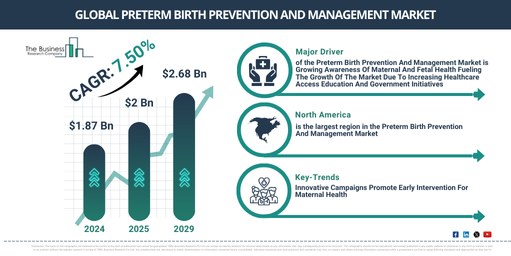
    The preterm birth prevention and management market has experienced significant expansion in recent years. Projections indicate it will expand from $1.87 billion in 2024 to $2 billion in 2025, demonstrating a compound annual growth rate (CAGR) of 7.2%. This historical growth is largely due to factors such as an increase in preterm births, a rise in maternal age, a surge in preterm complications, expanding awareness programs, and elevated preterm mortality rates.

    The preterm birth prevention and management market size is projected to experience robust growth over the coming years. This market is anticipated to expand to $2.68 billion by 2029, demonstrating a compound annual growth rate (CAGR) of 7.5%. The projected growth can be primarily attributed to the escalating demand for neonatal care, an increased emphasis on prevention, a rise in preconception counseling, the proliferation of preterm birth screening programs, and heightened awareness among women. Notable trends during this forecast period include significant advancements in medical technologies, the integration of digital health solutions, the emergence of AI-driven diagnostics, the development of smart NICUs, and the incorporation of IoT into neonatal care.

    Unlock Your Free Sample Report for Exclusive Market Data:

    https://www.thebusinessresearchcompany.com/sample.aspx?id=23482&type=smp

    Which Major Market Drivers Are Shaping The Future Of The Preterm Birth Prevention And Management Market?

    The increasing recognition of maternal and fetal well-being is projected to drive expansion in the preterm birth prevention and management market in the foreseeable future. This term denotes the condition of pregnant individuals and their developing infants, aiming for secure gestations and positive results. Enhanced understanding of maternal and fetal health is emerging due to active promotion by educational initiatives and public awareness campaigns, highlighting the significance of antenatal attention, adequate diet, immunizations, and routine check-ups for improved pregnancy results. Preventing and managing preterm births is crucial for maternal and fetal well-being, as these efforts aid in mitigating issues like breathing difficulties and developmental setbacks in infants, concurrently decreasing health hazards for mothers linked to early delivery. As an illustration, in July 2024, data from the Welsh Government (Llywodraeth Cymru), a UK-based governing body, showed that in 2023, the proportion of pregnant women with a BMI of 30 or above during their first examination climbed to 32%, marking a 0.8 percentage point increase compared to the prior year. Consequently, the heightened understanding regarding maternal and fetal health is fueling the expansion of the preterm birth prevention and management market.

    What Are The Leading Segments Analyzed In The Preterm Birth Prevention And Management Market?

    The preterm birth prevention and managementmarket covered in this report is segmented –

    1) By Product Type: Pharmaceuticals; Medical Devices; Therapies

    2) By Cause-Specific: Multiple Pregnancy; Infection And Chronic Conditions; Structural Abnormalities; Maternal Lifestyle Factors

    3) By Diagnosis Method: Ultrasound Imaging; Biochemical Tests; Physical Examination

    4) By End-User: Hospitals; Clinics; Homecare Settings; Diagnostic Laboratories

    Subsegments:

    1) By Pharmaceuticals: Tocolytics; Corticosteroids; Progesterone Therapy; Magnesium Sulfate

    2) By Medical Devices: Cervical Cerclage Devices; Fetal Monitoring Devices; Uterine Contraction Monitors

    3) By Therapies: Bed Rest Therapy; Nutritional Therapy; Cervical Pessary Therapy

    Which Ongoing Trends Are Expected To Shape The Preterm Birth Prevention And Management Market Outlook?

    Leading companies in the preterm birth prevention and management market are initiating efforts, such as campaigns against preeclampsia and preterm birth, to heighten awareness and improve care for preterm infants. A campaign focused on combating preeclampsia and preterm birth works to increase understanding, advance research, refine healthcare interventions, and advocate for policies that enhance outcomes for maternal and neonatal health. For instance, in May 2024, March of Dimes Inc., a US-based nonprofit organization, launched the “Low Dose, Big Benefits” campaign. This long-term initiative seeks to decrease the risks of preeclampsia and preterm birth through the consistent use of low-dose aspirin. Preeclampsia, a serious pregnancy complication affecting 1 in 25 pregnancies, can be managed with low-dose aspirin, which lowers the risk by up to 15% for preeclampsia and 20% for preterm birth in high-risk pregnancies. The campaign intends to bridge a significant knowledge gap, as many families, particularly Black families, are not informed about preeclampsia.

    Which Key Market Players Are Investing In Expansion And Innovation Of Preterm Birth Prevention And Management Market?

    Major companies operating in the preterm birth prevention and management market are Philips Healthcare, GE Healthcare Technologies Inc., NYU Langone Health, Penn Medicine, Sharp HealthCare, Hologic Inc., Duke University Health System, QIAGEN N.V., Ferring Pharmaceuticals, AMAG Pharmaceuticals, Miracle Babies, March of Dimes, Canberra Health Services, Perinatal Services BC, Natus Medical Incorporated, Society for Maternal-Fetal Medicine, DynaMed LLC, Sera Prognostics, Progenity Inc., Birmingham Obstetrics & Gynecology.

    Download The Full Report For Exclusive Market Findings:

    https://www.thebusinessresearchcompany.com/report/preterm-birth-prevention-and-management-global-market-report

    What Are The Key Regional Factors Influencing The Preterm Birth Prevention And Management Market Growth?

    North America was the largest region in the preterm birth prevention and management market in 2024. Asia-Pacific is expected to be the fastest-growing region in the forecast period. The regions covered in the preterm birth prevention and management market report are Asia-Pacific, Western Europe, Eastern Europe, North America, South America, Middle East, Africa.

    Request A Customized Version Of The Preterm Birth Prevention And Management Market Report:

    https://www.thebusinessresearchcompany.com/customise?id=23482&type=smp

    Browse Through More Reports Similar to the Global Preterm Birth Prevention And Management Market 2025, By The Business Research Company

    Gynecology Medical Lasers Global Market Report 2025

    https://www.thebusinessresearchcompany.com/report/gynecology-medical-lasers-global-market-report

    Robotic Surgery Devices Market 2025

    https://www.thebusinessresearchcompany.com/report/robotic-surgery-devices-market

    Gynecology Drugs Global Market Report 2025

    https://www.thebusinessresearchcompany.com/report/gynecology-drugs-global-market-report

    Get in touch with us:

    The Business Research Company: https://www.thebusinessresearchcompany.com/

    Americas +1 310-496-7795

    Asia +44 7882 955267 & +91 8897263534

    Europe +44 7882 955267

    Email us at info@tbrc.info

    Follow us on:

    LinkedIn: https://in.linkedin.com/company/the-business-research-company

    YouTube: https://www.youtube.com/channel/UC24_fI0rV8cR5DxlCpgmyFQ

    Global Market Model: https://www.thebusinessresearchcompany.com/global-market-model
  • Global Pressure Ulcers Market Analysis 2025–2029: Opportunities for Strategic Growth

    Global Pressure Ulcers Market Analysis 2025–2029: Opportunities for Strategic Growth

    Unlock Global Insights – Save 20% on Market Reports with Code ONLINE20

    How Much Larger Is The Pressure Ulcers Market Expected To Become By 2029 Compared With Its 2025 Level?

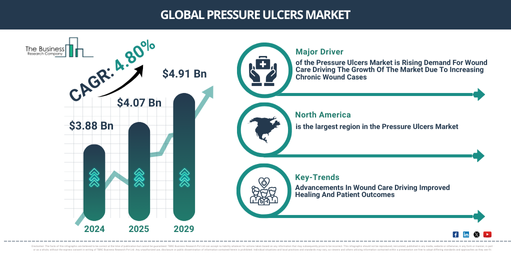
    The pressure ulcers market has experienced consistent growth in recent years. It is projected to expand from $3.88 billion in 2024 to $4.07 billion in 2025, at a compound annual growth rate (CAGR) of 4.8%. The expansion observed in the preceding period was driven by factors such as an increasing ageing population, a rise in hospital admissions, the proliferation of chronic diseases, the development of healthcare infrastructure, and an uptick in surgical procedures.

    The pressure ulcers market size is anticipated to experience consistent expansion in the coming years. This market is projected to reach $4.91 billion by 2029, demonstrating a compound annual growth rate (CAGR) of 4.8%. The expansion during this forecast period can be attributed to factors such as the increasing elderly population, the rising need for home care services, the growing incidence of pressure ulcers, an increase in immobilization cases, and a heightened focus on holistic patient care. Key developments expected during the forecast period include advancements in regenerative medicine, innovative wound care products, high-intensity laser therapy, and new pressure mapping technologies.

    Unlock Your Free Sample Report for Exclusive Market Data:

    https://www.thebusinessresearchcompany.com/sample.aspx?id=23481&type=smp

    What Are The Main Drivers Boosting The Pressure Ulcers Industry’s Expansion?

    The growing requirement for wound care is anticipated to boost the expansion of the pressure ulcers market in the coming years. Wound care involves the medical handling of injuries to encourage recuperation, prevent infections, and enhance patient recovery through specialized therapeutic approaches. This escalating need for wound care stems from the increasing occurrence of chronic illnesses such as diabetes and obesity, which contribute to a greater frequency of non-healing wounds and pressure ulcers. Pressure ulcers also stimulate progress in wound care by highlighting the significance of prompt action, specific treatments, and preventative measures to improve healing and overall patient welfare. For example, in June 2024, data from Uintah Basin Healthcare, a US-based non-profit organization, indicated that approximately 7 million Americans are currently suffering from chronic wounds, among whom 2 million have diabetic foot ulcers. Moreover, 1 in 4 families includes a member impacted by a chronic wound, and the necessity for wound care is projected to rise by 2% annually over the next 5 to 10 years. Consequently, the heightened demand for wound care is propelling the growth of the pressure ulcers market.

    What Are The Segment Types Shaping The Pressure Ulcers Market?

    The pressure ulcersmarket covered in this report is segmented –

    1) By Type: Stage 1; Stage 2; Stage 3; Stage 4; Deep tissue injury

    2) By Treatment Type: Wound Care Dressing; Wound Care Devices; Other Treatment Types

    3) By End user: Hospitals; Homecare; Other End Users

    Subsegments:

    1) By Stage 1: Non-Blanchable Erythema; Skin Intact With Redness

    2) By Stage 2: Partial-Thickness Skin Loss; Blister Or Abrasion

    3) By Stage 3: Full-Thickness Skin Loss; Subcutaneous Tissue Visible

    4) By Stage 4: Full-Thickness Tissue Loss; Bone, Tendon, Or Muscle Exposed

    5) By Deep Tissue Injury: Discolored Area Of Intact Skin; Blood-Filled Blister

    Which Competitive Trends Are Defining The Pressure Ulcers Market Structure?

    Key companies in the pressure ulcer market are concentrating on developing novel products, such as biosynthetic cellulose dressings, with the aim of improving healing results, enhancing moisture balance, reducing infection risks, and delivering superior patient care. Biosynthetic cellulose dressings are advanced wound care materials derived from bioengineered cellulose that foster healing by maintaining adequate moisture and establishing a protective barrier against infections. For example, in June 2023, JeNaCell Company, a Germany-based enterprise focused on creating and producing items using biosynthetic cellulose, launched epicite balance, a biosynthetic cellulose wound dressing, for addressing chronic wounds including pressure ulcers, diabetic foot ulcers, and leg ulcers. This sophisticated dressing is fashioned from biosynthetic cellulose, offering a biocompatible, highly absorbent, and breathable material that aids in sustaining an optimal moisture balance for wound recovery. Its design is intended to accelerate healing by lowering the probability of infection and bolstering the body’s inherent repair mechanisms. Furthermore, the dressing ensures gentle adhesion to the skin, reducing pain and discomfort during dressing changes, while its adaptability allows it to conform to various wound dimensions and forms.

    Who Are The Core Companies Influencing The Pressure Ulcers Market Landscape?

    Major companies operating in the pressure ulcers market are Cardinal Health Inc., Medtronic plc, 3M Company, Medline Industries Inc., Mölnlycke Health Care AB, Stryker Corporation, BSN medical GmbH, Hill-Rom Holdings Inc., Smith & Nephew plc, Coloplast A/S, Paul Hartmann AG, ConvaTec Group plc, Integra LifeSciences Holdings Corporation, Acelity L.P. Inc., Paramount Bed Holdings Co. Ltd., Organogenesis Holdings Inc., Linet Group SE, DeRoyal Industries Inc., Joerns Healthcare LLC, MiMedx Group Inc., B. Braun Melsungen AG

    Download The Full Report For Exclusive Market Findings:

    https://www.thebusinessresearchcompany.com/report/pressure-ulcers-global-market-report

    How Do Regional Market Performances Compare Within The Pressure Ulcers Industry?

    North America was the largest region in the pressure ulcers market in 2024. Asia-Pacific is expected to be the fastest-growing region in the forecast period. The regions covered in the pressure ulcers market report are Asia-Pacific, Western Europe, Eastern Europe, North America, South America, Middle East, Africa.

    Request A Customized Version Of The Pressure Ulcers Market Report:

    https://www.thebusinessresearchcompany.com/customise?id=23481&type=smp

    Browse Through More Reports Similar to the Global Pressure Ulcers Market 2025, By The Business Research Company

    Gastrointestinal Drugs Global Market 2025

    https://www.thebusinessresearchcompany.com/report/gastrointestinal-drugs-global-market

    Diabetic Foot Ulcer Treatment Global Market Report 2025

    https://www.thebusinessresearchcompany.com/report/diabetic-foot-ulcer-treatment-global-market-report

    Ulcerative Colitis Global Market Report 2025

    https://www.thebusinessresearchcompany.com/report/ulcerative-colitis-global-market-report

    Get in touch with us:

    The Business Research Company: https://www.thebusinessresearchcompany.com/

    Americas +1 310-496-7795

    Asia +44 7882 955267 & +91 8897263534

    Europe +44 7882 955267

    Email us at info@tbrc.info

    Follow us on:

    LinkedIn: https://in.linkedin.com/company/the-business-research-company

    YouTube: https://www.youtube.com/channel/UC24_fI0rV8cR5DxlCpgmyFQ

    Global Market Model: https://www.thebusinessresearchcompany.com/global-market-model
  • Postpartum Depression Treatment Industry Overview 2025: Growth Projections and Market Trends

    Postpartum Depression Treatment Industry Overview 2025: Growth Projections and Market Trends

    Unlock Global Insights – Save 20% on Market Reports with Code ONLINE20

    #What Are The Current (2025) And Forecast (2029) Sizes Of The Postpartum Depression Treatment Market?

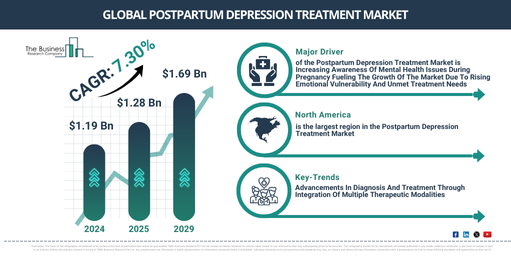
    The postpartum depression treatment market size has experienced significant growth in recent years. It is anticipated to expand from $1.19 billion in 2024 to $1.28 billion in 2025, exhibiting a compound annual growth rate (CAGR) of 7.3%. The expansion observed historically stems from factors such as increasing awareness of maternal mental health, growing prevalence of postpartum depression, advancements in antidepressant medications, rising acceptance of psychotherapy, and government initiatives supporting maternal mental health.

    The postpartum depression treatment market is expected to experience substantial growth in the upcoming years. It is projected to expand to $1.69 billion by 2029, achieving a compound annual growth rate (CAGR) of 7.3%. This expansion during the forecast period can be attributed to the introduction of novel fast-acting treatments, the increasing adoption of digital mental health solutions, broader insurance coverage for mental health services, a rising demand for personalized treatment approaches, and an intensified focus on hormonal therapies. Key trends in this period include the emergence of neurosteroid-based therapies, more widespread use of telemedicine for postpartum care, the integration of artificial intelligence in mental health diagnostics, an expanding role for nutraceuticals and dietary interventions, and the growth of employer-sponsored mental health programs.

    Unlock Your Free Sample Report for Exclusive Market Data:

    https://www.thebusinessresearchcompany.com/sample.aspx?id=23479&type=smp

    Which Factors And Drivers Are Influencing The Postpartum Depression Treatment Market In 2025?

    The growing understanding of mental health concerns during pregnancy is anticipated to boost the expansion of the postpartum depression treatment market moving forward. These mental health challenges refer to various emotional, psychological, and psychiatric conditions that can affect pregnant women. The increase in such issues during pregnancy stems from heightened stress and hormonal fluctuations, which can amplify emotional vulnerability and impede women’s capacity to cope with physical, social, and psychological demands. Postpartum depression treatment works to improve mental well-being by easing symptoms like sadness, anxiety, and fatigue, strengthening emotional resilience, and fostering healthier mother-child bonding. For example, in October 2024, the Maternal Mental Health Leadership Alliance (MMHLA), a US-based nonprofit organization dedicated to improving maternal mental health, reported that maternal mental health conditions are the most common pregnancy complication, impacting 800,000 U.S. families annually, with 75% going untreated, thereby posing long-term risks to mothers, babies, and families. Hence, the rising awareness of mental health issues during pregnancy is a key driver for the growth of the postpartum depression treatment market.

    What Are The Different Segment Classifications Within The Postpartum Depression Treatment Market?

    The postpartum depression treatmentmarket covered in this report is segmented –

    1) By Type: Postpartum Anxiety; Postpartum Blues; Postpartum Post-Traumatic Stress Disorder (PTSD); Postpartum Obsessive-Compulsive Disorder (OCD); Postpartum Panic Disorder; Postpartum Psychosis

    2) By Treatment Type: Antidepressants; Hormone Therapy; Psychotherapy; Other Treatment Types

    3) By Patient Demographics: Adolescents; Adults

    4) By Distribution Channel: Hospital Pharmacies; Retail Pharmacies; Online Pharmacies

    Subsegments:

    1) By Postpartum Anxiety: Cognitive Behavioral Therapy (CBT); Antidepressant Medications; Hormonal Therapy; Support Groups And Counseling

    2) By Postpartum Blues: Psychotherapy; Supportive Care; Short-Term Medication

    3) By Postpartum Post-Traumatic Stress Disorder (PTSD): Trauma-Focused Cognitive Behavioral Therapy (TF-CBT); Eye Movement Desensitization And Reprocessing (EMDR); Medication; Peer Support Groups

    4) By Postpartum Obsessive-Compulsive Disorder (OCD): Exposure And Response Prevention (ERP); Antidepressant Medications (SSRIs); Cognitive Behavioral Therapy (CBT); Supportive Therapy

    5) By Postpartum Panic Disorder: Cognitive Behavioral Therapy (CBT); Antidepressants And Anti-Anxiety Medications; Relaxation Techniques; Psychotherapy

    6) By Postpartum Psychosis: Antipsychotic Medications; Mood Stabilizers; Electroconvulsive Therapy (ECT)

    What Are The Latest Industry Trends Transforming The Postpartum Depression Treatment Market?

    Leading companies within the postpartum depression treatment market are prioritizing advancements in diagnosis and therapeutic approaches, such as prescription digital postpartum depression treatment, to enhance patient outcomes and improve accessibility. Prescription digital postpartum depression treatment refers to clinically validated digital therapeutics (DTx) that medical professionals prescribe for the management and treatment of postpartum depression (PPD). For instance, in April 2024, Curio Digital Therapeutics Inc., a US-based digital health company, announced that the Food and Drug Administration (FDA) had cleared MamaLift Plus, making it the first prescription digital therapeutic for postpartum depression (PPD). This eight-week program delivers digital CBT, BAT, IPT, and DBT via a mobile device under the supervision of a healthcare provider. A pivotal study revealed a significantly higher rate of clinically meaningful improvement in EPDS scores for MamaLift Plus users when compared to a control group. This clearance offers women a non-pharmaceutical alternative for treating mild to moderate PPD.

    Which Major Industry Participants Are Leading The Postpartum Depression Treatment Market Growth?

    Major companies operating in the postpartum depression treatment market are Biogen Inc., Inspira Health Network, LifeStance Health Inc., Max Healthcare Institute Limited, American Well Corporation, Sakra Premium Hospital Private Limited, Talkspace Inc., Mental Health America, 7 Cups Inc., Marinus Pharmaceuticals Inc., Brii Biosciences Limited, Beyond Blue Ltd, Blooming Wellness Center, Sage Therapeutics Inc., NURX Inc., Curio Digital Therapeutics Inc., Genesis Lifestyle Medicine, Postpartum Society of Florida, TalktoAngel, The Motherhood Center

    Download The Full Report For Exclusive Market Findings:

    https://www.thebusinessresearchcompany.com/report/postpartum-depression-treatment-global-market-report

    Which Region Currently Holds The Largest Share Of The Postpartum Depression Treatment Market?

    North America was the largest region in the postpartum depression treatment market in 2024. Asia-Pacific is expected to be the fastest-growing region in the forecast period. The regions covered in the postpartum depression treatment market report are Asia-Pacific, Western Europe, Eastern Europe, North America, South America, Middle East, Africa.

    Request A Customized Version Of The Postpartum Depression Treatment Market Report:

    https://www.thebusinessresearchcompany.com/customise?id=23479&type=smp

    Browse Through More Reports Similar to the Global Postpartum Depression Treatment Market 2025, By The Business Research Company

    Postpartum Depression Global Market Report 2025

    https://www.thebusinessresearchcompany.com/report/postpartum-depression-global-market-report

    Prepreg Global Market Report 2025

    https://www.thebusinessresearchcompany.com/report/prepreg-global-market-report

    Female Fertility And Pregnancy Rapid Test Global Market Report 2025

    https://www.thebusinessresearchcompany.com/report/female-fertility-and-pregnancy-rapid-test-global-market-report

    Get in touch with us:

    The Business Research Company: https://www.thebusinessresearchcompany.com/

    Americas +1 310-496-7795

    Asia +44 7882 955267 & +91 8897263534

    Europe +44 7882 955267

    Email us at info@tbrc.info

    Follow us on:

    LinkedIn: https://in.linkedin.com/company/the-business-research-company

    YouTube: https://www.youtube.com/channel/UC24_fI0rV8cR5DxlCpgmyFQ

    Global Market Model: https://www.thebusinessresearchcompany.com/global-market-model