Blog

  • Personalized Or Customized Skin Care Market Size Forecast: Revenue and CAGR by 2029

    Personalized Or Customized Skin Care Market Size Forecast: Revenue and CAGR by 2029

    Unlock Global Insights – Save 20% on Market Reports with Code ONLINE20

    What Market Value Is The Personalized Or Customized Skin Care Industry Expected To Reach By 2029, Starting From 2025 Levels?

    The personalized or customized skin care market has experienced significant expansion in recent years. Its value is expected to increase from $23.1 billion in 2024 to $24.76 billion in 2025, driven by a compound annual growth rate (CAGR) of 7.2%. This historical growth can be ascribed to a heightened consumer desire for tailored beauty solutions, an escalating awareness of skin health and wellness, the advancement of e-commerce and online consultations, the wider availability of sophisticated skin analysis technologies, and a growing interest in clean and natural ingredients.

    The personalized or customized skin care market is anticipated to experience substantial expansion over the upcoming years. This market is projected to reach $32.67 billion by 2029, demonstrating a compound annual growth rate (CAGR) of 7.2%. Factors contributing to this growth during the forecast period include the increasing adoption of artificial intelligence and machine learning, the expanding popularity of subscription-based skincare services, a heightened consumer preference for sustainable and ethical offerings, increasing investments in skincare technology innovations, and the growing influence of social media and beauty influencers. Key trends anticipated for the forecast period encompass advancements in AI-driven skin analysis, novel personalized skincare formulations, the integration of wearable skin technology for real-time data collection, progress in eco-friendly and sustainable packaging solutions, and innovative targeted treatments informed by genetic analysis.

    Unlock Your Free Sample Report for Exclusive Market Data:

    https://www.thebusinessresearchcompany.com/sample.aspx?id=23472&type=smp

    What Are The Key Drivers Of Growth In The Personalized Or Customized Skin Care Market?

    The increasing occurrence of skin conditions is anticipated to drive the expansion of the personalized or customized skin care market over the projected timeframe. These disorders are defined as ailments impacting the skin’s look, composition, or operation, frequently manifesting symptoms such as inflammation, eruptions, pruritus, or alterations in feel and shade. A primary contributor to the rise in skin ailments is increased contact with environmental contaminants, which can harm the skin’s protective layer, induce inflammation, and worsen problems like acne, eczema, and dermatitis. Tailored skincare is favored for managing skin conditions as it addresses an individual’s unique triggers and skin requirements, leading to more potent treatment and a lower likelihood of irritation compared to standard offerings. As an illustration, in February 2025, data from Cancer Australia, an Australia-based government agency, indicated approximately 18,257 new melanoma diagnoses and 1,314 associated fatalities were recorded in Australia. Consequently, the expanding occurrence of skin disorders is fueling the expansion of the personalized or customized skin care market.

    What Are The Primary Types Of Segments Analyzed In The Personalized Or Customized Skin Care Market?

    The personalized or customized skin caremarket covered in this report is segmented –

    1) By Product Type: Cleanser; Face Serum; Moisturizer; Active; Body Lotion; Body Duo; Other Product Types

    2) By Price Range: Low; Medium; High

    3) By Consumer Group: Men; Women; Kids

    4) By Distribution Channel: Online; Offline

    Subsegments:

    1) By Cleanser: Gel Cleanser; Cream Cleanser; Foam Cleanser; Micellar Water; Oil-Based Cleanser; Clay Cleanser; Powder Cleanser

    2) By Face Serum: Hydrating Serum; Anti-Aging Serum; Brightening Serum; Acne Treatment Serum; Antioxidant Serum; Pore-Minimizing Serum; Calming Or Soothing Serum

    3) By Moisturizer: Gel-Based Moisturizer; Cream-Based Moisturizer; Lotion-Based Moisturizer; Water-Based Moisturizer; Oil-Based Moisturizer; Night Cream; Day Cream

    4) By Active: Retinoids Or Retinol; Alpha Hydroxy Acids (AHA); Beta Hydroxy Acids (BHA); Vitamin C; Hyaluronic Acid; Niacinamide; Peptides

    5) By Body Lotion: Nourishing Body Lotion; Firming Body Lotion; Brightening Body Lotion; Fragrance-Free Lotion; Sensitive Skin Lotion; Tinted Body Lotion

    6) By Body Duo: Body Wash And Lotion Combo; Scrub And Lotion Duo; Cleanser And Moisturizer Duo; Body Oil And Lotion Duo; Exfoliator And Hydrator Combo

    7) By Other Product Types: Face Masks; Toners And Mists; Eye Creams; Lip Care Products; Sunscreens; Spot Treatments; Exfoliators

    What Trends Are Redefining The Personalized Or Customized Skin Care Market Dynamics?

    Leading companies in the personalized or customized skincare market are focusing on developing innovative technologies, such as robotic mini-labs, to automate the creation of bespoke skincare formulations, improve precision, and offer faster, more efficient customization aligned with individual skin needs. Robotic mini-labs are compact, automated systems that formulate skincare products using individual data. For example, in March 2025, SmartSKN, a Canada-based developer of AI-driven beauty solutions, introduced K-OWN, an AI-powered platform integrated with its robotic mini-labs that produce freshly made, customized skincare products in minutes. This innovative platform enables consumers to design their own custom Korean skincare products, precisely tailored to fulfill their unique skin requirements. By utilizing artificial intelligence, K-OWN provides a highly personalized skincare experience, aiming to transform how consumers approach skincare by delivering solutions based on individual needs.

    Who Are The Prominent Global Companies Shaping The Personalized Or Customized Skin Care Market?

    Major companies operating in the personalized or customized skin care market are Johnson & Johnson, Unilever PLC, L’Oréal S.A., Colgate-Palmolive Company, The Estée Lauder Companies Inc., Beiersdorf AG, Shiseido Company Limited, Aptar Beauty+Home, Amway Corporation, Curology Inc., Glow Recipe, Function of Beauty, Skin Authority, Tula Beauty, Proven Skincare, MySkinBuddy, SkinCeuticals Custom D.O.S.E, DermaCare, Lumin, Skin Inc.

    Download The Full Report For Exclusive Market Findings:

    https://www.thebusinessresearchcompany.com/report/personalized-or-customized-skin-care-global-market-report

    What Regional Growth Trends Are Shaping The Personalized Or Customized Skin Care Market Outlook?

    North America was the largest region in the personalized or customized skin care market in 2024. Asia-Pacific is expected to be the fastest-growing region in the forecast period. The regions covered in the personalized or customized skin care market report are Asia-Pacific, Western Europe, Eastern Europe, North America, South America, Middle East, Africa.

    Request A Customized Version Of The Personalized Or Customized Skin Care Market Report:

    https://www.thebusinessresearchcompany.com/customise?id=23472&type=smp

    Browse Through More Reports Similar to the Global Personalized Or Customized Skin Care Market 2025, By The Business Research Company

    Natural Skin Care Products Global Market Report 2025

    https://www.thebusinessresearchcompany.com/report/natural-skin-care-products-global-market-report

    Organic Skincare Global Market Report 2025

    https://www.thebusinessresearchcompany.com/report/organic-skincare-global-market-report

    Dna Based Skin Care Products Global Market Report 2025

    https://www.thebusinessresearchcompany.com/report/dna-based-skin-care-products-global-market-report

    Get in touch with us:

    The Business Research Company: https://www.thebusinessresearchcompany.com/

    Americas +1 310-496-7795

    Asia +44 7882 955267 & +91 8897263534

    Europe +44 7882 955267

    Email us at info@tbrc.info

    Follow us on:

    LinkedIn: https://in.linkedin.com/company/the-business-research-company

    YouTube: https://www.youtube.com/channel/UC24_fI0rV8cR5DxlCpgmyFQ

    Global Market Model: https://www.thebusinessresearchcompany.com/global-market-model
  • Global Pelvic Cancer Induced Hemorrhagic Cystitis Market Trends and Growth Analysis 2025–2029

    Global Pelvic Cancer Induced Hemorrhagic Cystitis Market Trends and Growth Analysis 2025–2029

    Unlock Global Insights – Save 20% on Market Reports with Code ONLINE20

    What Is The Anticipated Size Of The Pelvic Cancer Induced Hemorrhagic Cystitis Market Over The Five-Year Period 2025–2029?

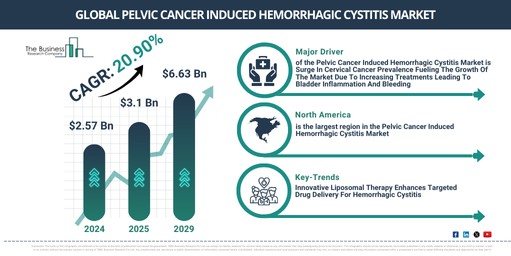
    The overall value of the pelvic cancer induced hemorrhagic cystitis market has experienced significant expansion in recent years. This market is set to increase from $2.57 billion in 2024 to $3.1 billion in 2025, reflecting a compound annual growth rate (CAGR) of 20.7%. The historical growth of this market can be attributed to several factors, including the rising prevalence of pelvic cancers, the growing aging population, an increase in cervical cancer cases, various government initiatives, and favorable reimbursement policies.

    The market for pelvic cancer induced hemorrhagic cystitis is set to experience substantial growth in the coming years. It is expected to expand to $6.63 billion by 2029, achieving a compound annual growth rate (CAGR) of 20.9%. This projected growth within the forecast period can be attributed to heightened public awareness, a global shift towards unhealthy eating habits and inactive lifestyles, the continuous expansion of healthcare infrastructure, increased patient adherence to treatments, and the uptake of economical and well-tolerated medications. Significant trends during this period include advancements in pharmaceutical development, the progress of targeted therapies and immunotherapies, the increasing use of combination therapies, the emergence of personalized medicine, and the integration of novel treatments.

    Unlock Your Free Sample Report for Exclusive Market Data:

    https://www.thebusinessresearchcompany.com/sample.aspx?id=23470&type=smp

    Which Drivers Are Supporting Growth Of The Pelvic Cancer Induced Hemorrhagic Cystitis Market?

    The increasing incidence of cervical cancer is projected to drive the expansion of the pelvic cancer-induced hemorrhagic cystitis market in the foreseeable future. Cervical cancer is a malignant growth originating in the cervix, primarily caused by persistent infection with high-risk human papillomavirus (HPV) strains, leading to uncontrolled cellular proliferation, invasion of surrounding tissues, and potential metastasis if left unaddressed. This increase in cervical cancer diagnoses is attributed to restricted access to preventive healthcare, with inadequate cervical screening programs playing a significant role. Pelvic cancer-induced hemorrhagic cystitis positively influences cervical cancer management by raising clinical awareness and enhancing surveillance in affected patients, prompting early diagnosis and timely intervention, which ultimately improves patient outcomes and advances oncological care. For instance, in January 2025, the American Cancer Society, a US-based non-profit organization, projected that in the United States for 2025, approximately 13,360 new cases of invasive cervical cancer are expected to be diagnosed, with an estimated 4,320 women projected to succumb to the disease. Therefore, the rising number of cervical cancer cases is fueling the growth of the pelvic cancer-induced hemorrhagic cystitis market.

    Which Key Segments Fueling The Pelvic Cancer Induced Hemorrhagic Cystitis Market?

    The pelvic cancer induced hemorrhagic cystitismarket covered in this report is segmented –

    1) By Treatment: Bone Marrow Transplant; Chemotherapy; Radiation Therapy; Other Treatments

    2) By Route Of Administration: Oral; Injectable; Intravesical

    3) By Distribution Channel: Hospital Pharmacies; Retail Pharmacies; Online Pharmacies

    Subsegments:

    1) By Bone Marrow Transplant: Autologous Bone Marrow Transplant; Allogeneic Bone Marrow Transplant; Haploidentical Transplant

    2) By Chemotherapy: Systemic Chemotherapy; Intravesical Chemotherapy; Targeted Chemotherapy

    3) By Radiation Therapy: External Beam Radiation Therapy (EBRT); Brachytherapy; Intensity-Modulated Radiation Therapy (IMRT)

    4) By Other Treatments: Hyperbaric Oxygen Therapy (HBOT); Intravesical Therapy; Bladder Irrigation And Catheterization; Surgical Interventions; Regenerative Medicine Approaches; Pain Management And Palliative Care

    How Are Emerging Market Trends Shaping The Pelvic Cancer Induced Hemorrhagic Cystitis Industry Landscape?

    Leading companies in the pelvic cancer-induced hemorrhagic cystitis market are concentrating on pioneering innovative drug developments, such as liposomal tacrolimus therapy, and introducing advanced drug formulations that improve targeted treatment delivery while also enhancing safety and efficacy. Liposomal tacrolimus therapy is a drug delivery method that encapsulates tacrolimus within liposomes to boost its bioavailability, refine targeted immunosuppression, and minimize systemic toxicity when treating autoimmune diseases and organ transplant rejection. For instance, in October 2024, Lipella Pharmaceuticals Inc., a US-based biotechnology company, announced the United States patent allowance for its innovative liposomal drug delivery platform, which enhances the targeted administration of therapeutic agents for various medical conditions, including hemorrhagic cystitis. This advanced liposomal technology optimizes drug delivery to epithelial tissues like the bladder, mouth, colon, and urethra, ensuring greater efficacy and reduced systemic side effects. Additionally, the market exclusivity provided by this patent strengthens Lipella’s competitive position and supports the development of its lead clinical asset, LP-10, a promising intravesical therapy for hemorrhagic cystitis.

    Which Key Players Are Driving Competition In The Pelvic Cancer Induced Hemorrhagic Cystitis Market?

    Major companies operating in the pelvic cancer induced hemorrhagic cystitis market are Pfizer Inc., Johnson & Johnson Services Inc., F. Hoffmann-La Roche Ltd, Merck & Co. Inc., AbbVie Inc., Bayer AG, Sanofi SA, Bristol-Myers Squibb Company, AstraZeneca PLC, Novartis AG, Amgen Inc., Mayo Clinic, Cleveland Clinic Foundation, Astellas Pharma Inc., Fresenius Kabi AG, Bausch Health Companies Inc., Medicover Hospitals, Urigen Pharmaceuticals Inc., Lipella Pharmaceuticals Inc., Hemogenyx Pharmaceuticals plc

    Download The Full Report For Exclusive Market Findings:

    https://www.thebusinessresearchcompany.com/report/pelvic-cancer-induced-hemorrhagic-cystitis-global-market-report

    Which Regional Markets Are Contributing Most To The Pelvic Cancer Induced Hemorrhagic Cystitis Industry Expansion?

    North America was the largest region in the pelvic cancer induced hemorrhagic cystitis market in 2024. Asia-Pacific is expected to be the fastest-growing region in the forecast period. The regions covered in the pelvic cancer induced hemorrhagic cystitis market report are Asia-Pacific, Western Europe, Eastern Europe, North America, South America, Middle East, Africa.

    Request A Customized Version Of The Pelvic Cancer Induced Hemorrhagic Cystitis Market Report:

    https://www.thebusinessresearchcompany.com/customise?id=23470&type=smp

    Browse Through More Reports Similar to the Global Pelvic Cancer Induced Hemorrhagic Cystitis Market 2025, By The Business Research Company

    Cancer Biologics Global Market Report 2025

    https://www.thebusinessresearchcompany.com/report/cancer-biologics-global-market-report

    Skin Cancer Drugs Global Market Report 2025

    https://www.thebusinessresearchcompany.com/report/skin-cancer-drugs-global-market-report

    Pancreatic Cancer Drugs Global Market Report 2025

    https://www.thebusinessresearchcompany.com/report/pancreatic-cancer-drugs-global-market-report

    Get in touch with us:

    The Business Research Company: https://www.thebusinessresearchcompany.com/

    Americas +1 310-496-7795

    Asia +44 7882 955267 & +91 8897263534

    Europe +44 7882 955267

    Email us at info@tbrc.info

    Follow us on:

    LinkedIn: https://in.linkedin.com/company/the-business-research-company

    YouTube: https://www.youtube.com/channel/UC24_fI0rV8cR5DxlCpgmyFQ

    Global Market Model: https://www.thebusinessresearchcompany.com/global-market-model

  • Paroxysmal Nocturnal Hemoglobinuria (PNH) Treatment Market Forecast: What to Expect by 2029

    Paroxysmal Nocturnal Hemoglobinuria (PNH) Treatment Market Forecast: What to Expect by 2029

    Unlock Global Insights – Save 20% on Market Reports with Code ONLINE20

    What Are The Forecasted Market Size Estimates For The Paroxysmal Nocturnal Hemoglobinuria (PNH) Treatment Market Between 2025 And 2029?

    The market for paroxysmal nocturnal hemoglobinuria (PNH) treatment has experienced rapid expansion in recent years. Its value is projected to climb from $5.35 billion in 2024 to $6.07 billion in 2025, representing a compound annual growth rate (CAGR) of 13.5%. The historical increase can be attributed to several factors: a high prevalence of neurological disorders and chronic pain conditions, growing awareness about the condition, an increasing incidence of paroxysmal nocturnal hemoglobinuria (PNH), rising understanding of rare hematological disorders, and a surge in regulatory approvals and research and development (R&D) activities.

    The market for paroxysmal nocturnal hemoglobinuria (pnh) treatment is projected to experience substantial expansion in the coming years. By 2029, this market is anticipated to reach a valuation of $10.02 billion, demonstrating a compound annual growth rate (CAGR) of 13.3%. This projected increase during the forecast period is primarily driven by factors such as the rising incidence of rare diseases, enhanced healthcare spending and availability of cutting-edge treatments, greater investment in healthcare infrastructure, an increase in remote monitoring and home-based testing, and intensified research and development efforts. Key developments expected during this period include improvements in genetic testing and biomarkers, therapeutic advancements, the emergence of targeted therapies, progress in biotechnology, and the introduction of innovative treatments.

    Unlock Your Free Sample Report for Exclusive Market Data:

    https://www.thebusinessresearchcompany.com/sample.aspx?id=23469&type=smp

    Which Drivers Are Shaping The Paroxysmal Nocturnal Hemoglobinuria (PNH) Treatment Industry’s Market Share?

    The rising incidence of hematologic disorders is anticipated to propel the future expansion of the paroxysmal nocturnal hemoglobinuria (PNH) treatment market. These disorders encompass a broad spectrum of medical conditions affecting the blood and blood-forming organs, involving irregularities in red blood cells, white blood cells, platelets, bone marrow, and the coagulation system, which can result in anemia, clotting issues, or malignancies. The increasing occurrence of hematologic disorders is driven by factors such as aging populations and genetic predispositions, with genetic mutations playing a crucial role by triggering abnormal blood cell production, leading to various hematologic conditions. Paroxysmal nocturnal hemoglobinuria (PNH) treatment effectively manages hematologic disorders through targeted therapies that mitigate complement-mediated hemolysis, reduce thrombotic complications, and improve patient survival outcomes. For instance, in July 2024, according to Cancer Research UK, a UK-based charity organization, the average number of new leukemia (a hematologic disorder) cases in the UK is expected to increase from approximately 12,400 in 2023-2025 to around 14,500 by 2038-2040. Therefore, the growing prevalence of hematologic disorders fuels the growth of the paroxysmal nocturnal hemoglobinuria (PNH) treatment market.

    How Is The Paroxysmal Nocturnal Hemoglobinuria (PNH) Treatment Market Classified Into Different Segments?

    The paroxysmal nocturnal hemoglobinuria (pnh) treatmentmarket covered in this report is segmented –

    1) By Treatment Type: Complement C5 Inhibitors; Anti-Complement Component 5a Receptor (C5aR) Monoclonal Antibodies; Alternative Pathway Inhibitors; Hematopoietic Stem Cell Transplantation; Other Therapies

    2) By Route Of Administration: Intravenous; Subcutaneous; Oral

    3) By Market Availability: Approved; In Pipeline; Investigational

    4) By End-Use: Hospitals; Specialty Clinics; Homecare Settings; Other End-Users

    Subsegments:

    1) By Complement : C5 InhibitorsEculizumab (Soliris); Ravulizumab (Ultomiris); Emerging C5 Inhibitors; Biosimilars Of C5 Inhibitors,

    2) By Anti-Complement Component 5a Receptor Monoclonal Antibodies: Avacopan (Tavneos); Other Investigational C5aR mAbs; Monotherapy vs Combination Therapy; Clinical Trial Phase (Phase I, II, III)

    3) By Alternative Pathway Inhibitors: C3 Inhibitors; Factor B Inhibitors; Factor D Inhibitors; Targeting Complement Amplification; Combination Therapies And Dual Inhibition

    4) By Hematopoietic Stem Cell Transplantation (HSCT) : Autologous HSCT vs. Allogeneic HSCT; Pre-Transplant Conditioning Therapies; Post-Transplant Immunosuppressive Therapies

    5) By Other Therapies: Immunosuppressive Therapy; Supportive Care; Anticoagulation Therapy; Gene Therapy

    Which Key Trends Are Expected To Influence The Paroxysmal Nocturnal Hemoglobinuria (PNH) Treatment Market In The Coming Years?

    Major companies engaged in the paroxysmal nocturnal hemoglobinuria (PNH) treatment market are concentrating on developing innovative solutions, such as oral factor B inhibitors, with the aim of introducing a new treatment option that elevates therapeutic effectiveness and improves patient convenience in managing PNH. An oral Factor B inhibitor functions as a targeted small-molecule drug, which specifically inhibits Factor B in the alternative complement pathway. Its purpose is to regulate immune system overactivation and mitigate inflammation in complement-mediated diseases. For instance, in December 2023, Novartis AG, a Switzerland-based pharmaceutical corporation, announced the Food and Drug Administration (FDA) approval of Fabhalta (iptacopan) as the initial oral monotherapy for the treatment of paroxysmal nocturnal hemoglobinuria (PNH). This innovative Factor B inhibitor offers a more extensive strategy for controlling complement-mediated hemolysis by targeting the alternative complement pathway at an earlier stage, leading to enhanced hemoglobin levels and a decreased requirement for blood transfusions. The endorsement of Fabhalta signifies a pivotal advancement in PNH treatment, providing improved efficacy, better patient adherence, and an alternative to existing intravenous therapies, thereby reshaping the treatment outlook for this rare hematologic disorder.

    Who Are The Top Performing Companies In The Paroxysmal Nocturnal Hemoglobinuria (PNH) Treatment Market In Recent Years?

    Major companies operating in the paroxysmal nocturnal hemoglobinuria (PNH) treatment market are F. Hoffmann-La Roche Ltd, AstraZeneca PLC, Novartis AG, Amgen Inc., Mayo Clinic, Regeneron Pharmaceuticals, Cleveland Clinic Foundation, Johns Hopkins Medicine, Memorial Sloan Kettering Cancer Center, Stanford Health Care, University of California San Francisco (UCSF) Health, Emory Healthcare, Cedars-Sinai Medical Center, Duke University Health System, Mount Sinai Health System, Dana-Farber Cancer Institute, Swedish Orphan Biovitrum, Alnylam Pharmaceuticals, BioCryst Pharmaceuticals, Apellis Pharmaceuticals

    Download The Full Report For Exclusive Market Findings:

    https://www.thebusinessresearchcompany.com/report/paroxysmal-nocturnal-hemoglobinuria-pnh-treatment-global-market-report

    How Does The Paroxysmal Nocturnal Hemoglobinuria (PNH) Treatment Market Perform Across Key Geographic Regions?

    North America was the largest region in the paroxysmal nocturnal hemoglobinuria (PNH) treatment market in 2024. Asia-Pacific is expected to be the fastest-growing region in the forecast period. The regions covered in the paroxysmal nocturnal hemoglobinuria (PNH) treatment market report are Asia-Pacific, Western Europe, Eastern Europe, North America, South America, Middle East, Africa.

    Request A Customized Version Of The Paroxysmal Nocturnal Hemoglobinuria (PNH) Treatment Market Report:

    https://www.thebusinessresearchcompany.com/customise?id=23469&type=smp

    Browse Through More Reports Similar to the Global Paroxysmal Nocturnal Hemoglobinuria (PNH) Treatment Market 2025, By The Business Research Company

    Paroxysmal Nocturnal Hemoglobinuria Pnh Global Market Report 2025

    https://www.thebusinessresearchcompany.com/report/paroxysmal-nocturnal-hemoglobinuria-pnh-global-market-report

    Cell Based Assays Global Market Report 2025

    https://www.thebusinessresearchcompany.com/report/cell-based-assays-global-market-report

    Stem Cell Global Market Report 2025

    https://www.thebusinessresearchcompany.com/report/stem-cell-global-market-report

    Get in touch with us:

    The Business Research Company: https://www.thebusinessresearchcompany.com/

    Americas +1 310-496-7795

    Asia +44 7882 955267 & +91 8897263534

    Europe +44 7882 955267

    Email us at info@tbrc.info

    Follow us on:

    LinkedIn: https://in.linkedin.com/company/the-business-research-company

    YouTube: https://www.youtube.com/channel/UC24_fI0rV8cR5DxlCpgmyFQ

    Global Market Model: https://www.thebusinessresearchcompany.com/global-market-model
  • Niemann-Pick Disease Type C Treatment Industry Insights: Market Forecast to 2029

    Niemann-Pick Disease Type C Treatment Industry Insights: Market Forecast to 2029

    Unlock Global Insights – Save 20% on Market Reports with Code ONLINE20

    How Is The Niemann-Pick Disease Type C Treatment Market Size Likely To Evolve From 2025 Through 2034?

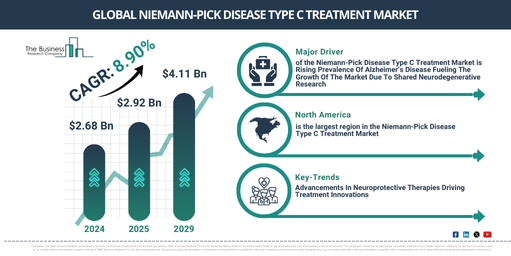
    The market size for niemann-pick disease type c treatment has experienced strong growth in recent years. It is anticipated to increase from $2.68 billion in 2024 to $2.92 billion in 2025, exhibiting a compound annual growth rate (CAGR) of 9.0%. This historical growth can be attributed to several factors including expanding healthcare infrastructure, a rise in mutations within the NPC1 and NPC2 genes, the growing occurrence of Niemann-Pick disease, augmented government funding for rare disease treatment research, and increased awareness alongside advocacy efforts.

    The niemann-pick disease type c treatment market size is poised for robust expansion in the coming years. It is projected to reach $4.11 billion by 2029, demonstrating a compound annual growth rate (CAGR) of 8.9%. This anticipated growth during the forecast period stems from factors such as increasing research and development activities, a rising number of drugs in the pipeline, the high prevalence of rare diseases, the growing popularity of gene therapy, and continuous advancements in genetic therapies. Prominent trends expected in this period include technological breakthroughs, the emergence of personalized medicine tailored for lysosomal storage disorders, progress in genetic and molecular research, developments in biotechnology, and the creation of innovative therapeutic solutions.

    Unlock Your Free Sample Report for Exclusive Market Data:

    https://www.thebusinessresearchcompany.com/sample.aspx?id=23458&type=smp

    What Are The Drivers Pushing New Developments In The Niemann-Pick Disease Type C Treatment Market?

    The expanding occurrence of Alzheimer’s disease is anticipated to fuel the expansion of the Niemann-Pick disease type C treatments market moving ahead. This condition is a progressive neurodegenerative illness marked by the buildup of beta-amyloid plaques and tau protein tangles within the brain, resulting in diminished cognitive function, memory loss, and challenges with daily activities, eventually progressing to severe dementia and neurodegeneration. The rising incidence of Alzheimer’s disease can be attributed to the world’s aging demographic. With extended lifespans, particularly in developed nations, the likelihood of developing age-associated conditions such as Alzheimer’s increases considerably, given that advanced age is the primary established risk factor for this ailment. Treatment for Niemann-Pick disease type C (NPC) aids Alzheimer’s Disease research by offering valuable understanding into lysosomal storage disorders and issues with lipid metabolism. For example, data from May 2024, provided by the Alzheimer’s Society, a voluntary health organization based in the UK, indicates that approximately 982,000 individuals in the UK are currently living with dementia in 2024; however, over one-third of these cases go undiagnosed, and this total is projected to reach 1.4 million by 2040. Consequently, the growing occurrence of Alzheimer’s disease is propelling the expansion of the Niemann-Pick disease type C treatments market.

    What Are The Major Segments Identified In The Niemann-Pick Disease Type C Treatment Market?

    The niemann-pick disease type c treatmentmarket covered in this report is segmented –

    1) By Disease Type: Niemann-Pick Diseases Type C1; Niemann-Pick Diseases Type C2

    2) By Age Group: Infantile; Juvenile; Adult

    3) By End-User: Hospitals; Specialty Clinics; Research And Academic Institutes

    Subsegments:

    1) By Niemann-Pick Disease Type C1: Pharmacological Treatment; Gene Therapy; Substrate Reduction Therapy; Supportive Care

    2) By Niemann-Pick Disease Type C2: Enzyme Replacement Therapy; Pharmacological Treatment; Gene Therapy; Supportive Care

    What Are The Major Trends Driving The Growth Of The Niemann-Pick Disease Type C Treatment Market?

    Leading companies in the Niemann-pick disease type C (NPC) treatment market are prioritizing the development of innovative therapies, such as neuroprotective treatments, to slow the progression of the disease and improve patient outcomes. Neuroprotective therapies are interventions designed to shield the brain and nervous system from damage or degeneration, often with the goal of preserving neurological function in conditions like neurodegenerative diseases. For instance, in September 2024, IntraBio Inc., a US-based biopharmaceutical company, announced that the United States Food and Drug Administration (FDA), a US-based regulatory agency, had approved AQNEURSA (levacetylleucine), making it the first exclusive therapy for Niemann-Pick Disease Type C (NPC). This approval follows successful Phase III trial results, which showed significant neurological improvements in NPC patients within 12 weeks. AQNEURSA provides a much-needed treatment option for individuals affected by this rare lysosomal storage disorder, which impacts motor skills, cognition, and daily activities. IntraBio also plans to explore AQNEURSA’s potential for treating other neurodegenerative and neurodevelopmental disorders.

    Which Leading Companies Dominate The Niemann-Pick Disease Type C Treatment Market Share?

    Major companies operating in the niemann-pick disease type c treatment market are Merck & Co. Inc., Mayo Clinic, Boston Children’s Hospital, Cincinnati Children’s Hospital Medical Center, Mallinckrodt Pharmaceuticals, Myriad Genetics Inc., Rainbow Children’s Hospital, CENTOGENE N.V., The Florey Institute of Neuroscience and Mental Health, Insilico Medicine Inc., National Organization for Rare Disorders (NORD), Zevra Therapeutics Inc., Azafaros A.G., IntraBio Inc., National Niemann-Pick Disease Foundation (NNPDF), Bloomsbury Genetic Therapies Ltd., CTD Holdings Inc., Okklo Life Sciences, Vtesse Inc., Cyclo Therapeutics Inc., Mandos Health

    Download The Full Report For Exclusive Market Findings:

    https://www.thebusinessresearchcompany.com/report/niemann-pick-disease-type-c-treatment-global-market-report

    Which Region Is Expected To Witness The Fastest Growth In The Niemann-Pick Disease Type C Treatment Market?

    North America was the largest region in the niemann-pick disease type C treatment market in 2024. Asia-Pacific is expected to be the fastest-growing region in the forecast period. The regions covered in the niemann-pick disease type c treatment market report are Asia-Pacific, Western Europe, Eastern Europe, North America, South America, Middle East, Africa.

    Request A Customized Version Of The Niemann-Pick Disease Type C Treatment Market Report:

    https://www.thebusinessresearchcompany.com/customise?id=23458&type=smp

    Browse Through More Reports Similar to the Global Niemann-Pick Disease Type C Treatment Market 2025, By The Business Research Company

    Brain Monitoring Global Market Report 2025

    https://www.thebusinessresearchcompany.com/report/brain-monitoring-global-market-report

    Brain Computer Interface Global Market Report 2025

    https://www.thebusinessresearchcompany.com/report/brain-computer-interface-global-market-report

    Brain Health Supplements Global Market Report 2025

    https://www.thebusinessresearchcompany.com/report/brain-health-supplements-global-market-report

    Get in touch with us:

    The Business Research Company: https://www.thebusinessresearchcompany.com/

    Americas +1 310-496-7795

    Asia +44 7882 955267 & +91 8897263534

    Europe +44 7882 955267

    Email us at info@tbrc.info

    Follow us on:

    LinkedIn: https://in.linkedin.com/company/the-business-research-company

    YouTube: https://www.youtube.com/channel/UC24_fI0rV8cR5DxlCpgmyFQ

    Global Market Model: https://www.thebusinessresearchcompany.com/global-market-model

  • Niemann-Pick Disease (NPD) Market Size and Growth Forecast for Businesses 2025–2029

    Niemann-Pick Disease (NPD) Market Size and Growth Forecast for Businesses 2025–2029

    Unlock Global Insights – Save 20% on Market Reports with Code ONLINE20

    What Are The Growth Projections For The Niemann-Pick Disease (NPD) Market Size During 2025–2029?

    The market size for Niemann-Pick Disease (NPD) has demonstrated strong expansion in recent years. It is projected to climb from $0.97 billion in 2024 to $1.07 billion in 2025, exhibiting a compound annual growth rate (CAGR) of 10.0%. The increase observed historically can be attributed to an upturn in genetic counselors, greater financial backing for rare disease research, increasing investment from venture capital firms, wider application of biomarkers, and enhanced access to healthcare.

    The market for niemann-pick disease (npd) is projected to experience substantial expansion in the coming years. This market is anticipated to reach $1.62 billion by 2029, exhibiting a compound annual growth rate (CAGR) of 11.0%. Factors contributing to this expansion during the projection period include an increasing need for personalized medicine, enhanced focus on lysosomal storage disorders, an uptick in regulatory clearances for orphan drugs, an expanding requirement for targeted therapies, and a greater need for sophisticated diagnostic instruments. Key trends identified for the forecast timeframe encompass improvements in therapeutic approaches, technological progress in diagnostic instruments, the incorporation of artificial intelligence into diagnostic processes, novel developments in enzyme replacement therapies (ERT), and ongoing clinical trials for emerging medications.

    Unlock Your Free Sample Report for Exclusive Market Data:

    https://www.thebusinessresearchcompany.com/sample.aspx?id=23457&type=smp

    What Are The Emerging Market Drivers Creating New Opportunities In The Niemann-Pick Disease (NPD) Industry?

    The increasing utilization of gene therapy is anticipated to propel the expansion of the niemann-pick disease (NPD) market in the future. This medical approach involves altering or manipulating an individual’s genes to treat or prevent diseases. Gene therapy’s prominence is growing due to advancements in genetic engineering, which allow for precise and effective gene modifications, leading to improved treatment outcomes for genetic disorders. It aids in the treatment of niemann-pick disease (NPD) by targeting the underlying genetic mutations, with the objective of correcting the enzyme deficiencies that cause the disorder and enhancing cellular function. For instance, in January 2024, as reported by the American Society of Gene and Cell Therapy, a US-based organization focused on gene and cell therapy, the count of gene therapies in Phase III trials climbed by 10% in the fourth quarter of 2023 compared to the previous quarter, signifying the first increase since the third quarter of 2022. Thus, the rising adoption of gene therapy is a key driver for the growth of the niemann-pick disease (NPD) market.

    What Are The Emerging Segments Gaining Attention In The Niemann-Pick Disease (NPD) Market?

    The niemann-pick disease (npd)market covered in this report is segmented –

    1) By Type: Niemann-Pick Disease Type A; Niemann-Pick Disease Type B; Niemann-Pick Disease Type C

    2) By Treatment Type: Drugs; Physical Therapy; Other Treatment Types

    3) By Route Of Administration: Oral; Intravenous; Subcutaneous

    4) By Distribution Channel: Hospital Pharmacies; Retail Pharmacies; Other Distribution Channels

    5) By End-User: Hospitals; Clinics; Homecare Settings

    Subsegments:

    1) By Niemann-Pick Disease Type A: Infantile-Onset Niemann-Pick Disease; Neurodegenerative Niemann-Pick Disease; Acute Visceral Niemann-Pick Disease; Severe Lysosomal Storage Disorder

    2) By Niemann-Pick Disease Type B: Late-Onset Niemann-Pick Disease; Non-Neurological Niemann-Pick Disease; Chronic Visceral Niemann-Pick Disease; Mild Lysosomal Storage Disorder

    3) By Niemann-Pick Disease Type C: Early-Onset Niemann-Pick Disease; Juvenile Niemann-Pick Disease; Adult-Onset Niemann-Pick Disease; Progressive Neurodegenerative Niemann-Pick Disease

    What Trends Are Expected To Drive The Niemann-Pick Disease (NPD) Market?

    Major companies operating in the niemann-pick disease (NPD) market are concentrating on developing advanced treatments, such as combination therapy, to enhance treatment efficacy and improve patient outcomes. Combination therapy involves administering two or more therapeutic agents or treatment strategies to address a disease or medical condition. This approach aims to improve overall effectiveness and minimize resistance to single-agent therapy (monotherapy). For instance, in September 2024, Zevra Therapeutics Inc., a US-based biopharmaceutical company, obtained U.S. Food and Drug Administration (FDA) approval for MIPLYFFA, when used in conjunction with miglustat, for addressing the neurological manifestations of Niemann-Pick disease type C (NPC) in both adult and pediatric patients aged 2 years and older. MIPLYFFA (arimoclomol) functions by boosting the production of heat shock proteins (HSPs), which assist in clearing toxic lipid buildup and protecting neurons from damage. Meanwhile, miglustat inhibits glucosylceramide synthase, thereby reducing lipid accumulation. Together, these two therapies help slow the progression of neurological decline in NPC patients.

    Who Are The Major Companies Operating In The Niemann-Pick Disease (NPD) Market?

    Major companies operating in the niemann-pick disease (NPD) market are Sanofi S.A., Mayo Clinic, Cincinnati Children’s Hospital Medical Center, Boston Children’s Hospital, Mallinckrodt Pharmaceuticals plc, Myriad Genetics, CENTOGENE N.V., The Florey Institute of Neuroscience and Mental Health, National Organization for Rare Disorders (NORD), Evox Therapeutics Limited, Zevra Therapeutics Inc., IntraBio Inc., Dipharma SA, Okklo Life Sciences, Bloomsbury Genetic Therapies Ltd., Azafaros A.G, Cyclo Therapeutics Inc., Mandos Health, CarelonRx, Rainbow Children’s Hospital, Vtesse Inc.

    Download The Full Report For Exclusive Market Findings:

    https://www.thebusinessresearchcompany.com/report/niemann-pick-disease-npd-global-market-report

    Which Global Regions Are Influencing The Competitive Landscape Of The Niemann-Pick Disease (NPD) Market?

    North America was the largest region in the niemann-pick disease (NPD) market in 2024. Asia-Pacific is expected to be the fastest-growing region in the forecast period. The regions covered in the niemann-pick disease (NPD) market report are Asia-Pacific, Western Europe, Eastern Europe, North America, South America, Middle East, Africa.

    Request A Customized Version Of The Niemann-Pick Disease (NPD) Market Report:

    https://www.thebusinessresearchcompany.com/customise?id=23457&type=smp

    Browse Through More Reports Similar to the Global Niemann-Pick Disease (NPD) Market 2025, By The Business Research Company

    Brain Monitoring Global Market Report 2025

    https://www.thebusinessresearchcompany.com/report/brain-monitoring-global-market-report

    Brain Computer Interface Global Market Report 2025

    https://www.thebusinessresearchcompany.com/report/brain-computer-interface-global-market-report

    Brain Health Supplements Global Market Report 2025

    https://www.thebusinessresearchcompany.com/report/brain-health-supplements-global-market-report

    Get in touch with us:

    The Business Research Company: https://www.thebusinessresearchcompany.com/

    Americas +1 310-496-7795

    Asia +44 7882 955267 & +91 8897263534

    Europe +44 7882 955267

    Email us at info@tbrc.info

    Follow us on:

    LinkedIn: https://in.linkedin.com/company/the-business-research-company

    YouTube: https://www.youtube.com/channel/UC24_fI0rV8cR5DxlCpgmyFQ

    Global Market Model: https://www.thebusinessresearchcompany.com/global-market-model
  • Global Medical Pendant Market Overview: Trends Shaping Growth to 2029

    Global Medical Pendant Market Overview: Trends Shaping Growth to 2029

    Unlock Global Insights – Save 20% on Market Reports with Code ONLINE20

    What Is The Global Market Value Of The Medical Pendant Industry In 2025?

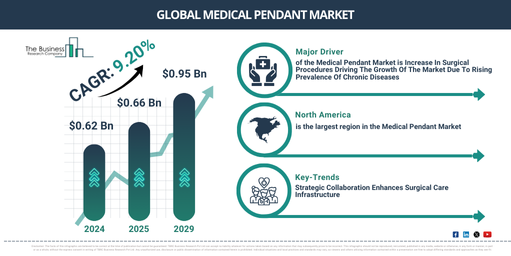
    The medical pendant market has seen substantial growth in recent years. Its size is projected to increase from $0.62 billion in 2024 to $0.66 billion in 2025, reflecting a compound annual growth rate (CAGR) of 7.2%. This historical expansion can be attributed to several factors, including a rising demand for ergonomic solutions, an expanding geriatric population, an increase in chronic diseases, growing healthcare expenditure, and the evolving demands of critical care environments.

    The medical pendant market is anticipated to experience robust expansion over the coming years. This market is projected to reach $0.95 billion by 2029, exhibiting a compound annual growth rate (CAGR) of 9.2%. This projected growth is driven by factors such as a heightened emphasis on personalized development, an uptick in surgical interventions, an expanding network of healthcare institutions, increased public consciousness regarding personal well-being, and a growing pool of healthcare personnel. Key trends expected during this period encompass the incorporation of sophisticated technologies, strategic partnerships, the adoption of telemedicine, the increasing automation within healthcare, and the development of intuitive medical pendant solutions.

    Unlock Your Free Sample Report for Exclusive Market Data:

    https://www.thebusinessresearchcompany.com/sample.aspx?id=23448&type=smp

    Which Drivers Are Impacting The Medical Pendant Market?

    The anticipated increase in surgical operations is projected to drive the expansion of the medical pendant market throughout the forecast duration. Surgical procedures encompass medical interventions that utilize cuts or adjustments to address injuries, illnesses, or various medical conditions. The growing incidence of chronic conditions like cardiovascular ailments and cancer, necessitating surgical treatment, is contributing to this rise, further fueled by an aging global populace, evolving lifestyle patterns, and innovations in medical technology enhancing both success rates and access to surgery. Medical pendants are crucial during surgical procedures for the streamlined management and arrangement of vital medical devices, gases, and electrical hookups, guaranteeing a tidy, sterile, and secure operating theater. This setup improves surgical accuracy, shortens operation times, and lowers dangers associated with equipment. For instance, in November 2024, the Australian Institute of Health and Welfare, an Australian government agency, documented that 771,600 patients were admitted for surgery from public hospital elective waiting lists during the 2023–24 period, marking a 4.9% increase over the prior year, 2022–23. Consequently, the escalation in surgical procedures is a key impetus behind the expansion of the medical pendant market.

    What Are The Major Segment Types Covered In The Medical Pendant Market?

    The medical pendantmarket covered in this report is segmented –

    1) By Type: Fixed Pendant; Single Arm Movable Pendant; Double And Multi Arm Movable Pendant; Accessories

    2) By Technology: Manual; Motorized; Pneumatic

    3) By Installation: Ceiling Mounted Pendants; Wall Mounted Pendants; Other Installations

    4) By Application: Surgery; Endoscopy; Anesthesia; Intensive Care Unit (ICU); Other Applications

    5) By End-User: Hospitals; Clinics; Other End-Users

    Subsegments:

    1) By Fixed Pendant: Ceiling-Mounted Fixed Pendant; Wall-Mounted Fixed Pendant

    2) By Single Arm Movable Pendant: Motorized Single Arm Pendant; Manual Single Arm Pendant

    3) By Double And Multi-Arm Movable Pendant: Motorized Multi-Arm Pendant; Manual Multi-Arm Pendant

    4) By Accessories: Gas Outlets; Shelves And Drawers; IV Poles; Monitor Holders; Cable Management Systems

    Which Trends Are Impacting The Medical Pendant Market?

    Major companies operating in the medical pendant market are intensifying their focus on establishing strategic collaborations to harness complementary strengths, diminish risks, accelerate innovation, and expand their market reach more efficiently. These strategic partnerships involve organizations combining resources, expertise, or technologies to achieve shared goals, foster innovation, or gain competitive advantages. For instance, in July 2022, Arthrex, a US-based provider of minimally invasive orthopedic products, collaborated with Skytron, a US-based manufacturer of medical pendants, with the goal of providing a comprehensive suite of room solutions. These solutions are designed to address the changing requirements and challenges encountered in surgical care facilities. This collaboration has empowered the company to now deliver advanced technology and a fully integrated operating room infrastructure within a single package. This specific offering includes a complete array of complementary products, engineered to boost surgical efficiency and improve patient outcomes. Jointly, Arthrex and Skytron are committed to supplying industry-leading solutions that are customized to fulfill the unique demands of both hospitals and surgical centers.

    Which Global Market Leaders Are Shaping The Future Of The Medical Pendant Sector?

    Major companies operating in the medical pendant market are Stryker Corporation, Philips Healthcare, Shanghai Zhenghua Medical Equipment Co. Ltd, Shinva Medical Instrument Co. Ltd, Heal Force Bio-Meditech Holdings Limited, Dragerwerk AG & Co. KGaA, BeaconMedaes LLC, Saikang Medical Equipment Co Ltd., Merivaara Corp., WEYUAN Medical, AMCAREMED TECHNOLOGY CO. LIMITED, Beijing Aeonmed Co. Ltd., Emaled GmbH, Freedom Medical Alarms, Millennium Medical Products Ltd., NOVAIR MEDICAL Corp, Surgiris, FEPDON MEDICAL TECHNOLOGY CO. LTD., Shandong Chenhong Medical Technology Co. Ltd., GCE Holding AB.

    Download The Full Report For Exclusive Market Findings:

    https://www.thebusinessresearchcompany.com/report/medical-pendant-global-market-report

    What Are The Regional Market Dynamics Impacting The Medical Pendant Industry?

    North America was the largest region in the medical pendant market in 2024. Asia-Pacific is expected to be the fastest-growing region in the forecast period. The regions covered in the medical pendant market report are Asia-Pacific, Western Europe, Eastern Europe, North America, South America, Middle East, Africa.

    Request A Customized Version Of The Medical Pendant Market Report:

    https://www.thebusinessresearchcompany.com/customise?id=23448&type=smp

    Browse Through More Reports Similar to the Global Medical Pendant Market 2025, By The Business Research Company

    Wearable Medical Devices Global Market Report 2025

    https://www.thebusinessresearchcompany.com/report/wearable-medical-devices-global-market-report

    Sterile Medical Packaging Global Market Report 2025

    https://www.thebusinessresearchcompany.com/report/sterile-medical-packaging-global-market-report

    Refurbished Medical Equipment Global Market Report 2025

    https://www.thebusinessresearchcompany.com/report/refurbished-medical-equipment-global-market-report

    Get in touch with us:

    The Business Research Company: https://www.thebusinessresearchcompany.com/

    Americas +1 310-496-7795

    Asia +44 7882 955267 & +91 8897263534

    Europe +44 7882 955267

    Email us at info@tbrc.info

    Follow us on:

    LinkedIn: https://in.linkedin.com/company/the-business-research-company

    YouTube: https://www.youtube.com/channel/UC24_fI0rV8cR5DxlCpgmyFQ

    Global Market Model: https://www.thebusinessresearchcompany.com/global-market-model

  • Medical Mammography Equipment Market Growth Opportunities: Insights from 2025–2029

    Medical Mammography Equipment Market Growth Opportunities: Insights from 2025–2029

    Unlock Global Insights – Save 20% on Market Reports with Code ONLINE20

    By How Much Is The Medical Mammography Equipment Market Expected To Expand Between 2025 And 2029?

    The medical mammography equipment market has exhibited significant growth over recent years. It is anticipated to expand from $2.07 billion in 2024 to $2.21 billion in 2025, reflecting a compound annual growth rate (CAGR) of 6.9%. This historical growth can be attributed to heightened awareness regarding breast cancer, an increased demand for technologies facilitating early detection, a surge in government programs and funding dedicated to breast cancer screening, rising healthcare expenditures, and the growing incidence of breast cancer among women.

    The medical mammography equipment market is projected to experience substantial expansion over the coming years, with its size expected to reach $2.88 billion by 2029, driven by a compound annual growth rate (CAGR) of 6.8%. This anticipated growth is fueled by several factors including the increasing adoption of digital mammography systems, the global rise in the geriatric population, ongoing developments in healthcare infrastructure, significant advancements in artificial intelligence for breast cancer detection, a greater focus on preventive healthcare, and the importance of early diagnosis. Furthermore, major trends anticipated within this forecast period encompass continued advancements in 3D mammography technology, the sophisticated integration of AI and machine learning to improve diagnostic capabilities, the development of portable and compact mammography units, innovations in personalized breast cancer screening methods, and further progress in contrast-enhanced mammography techniques.

    Unlock Your Free Sample Report for Exclusive Market Data:

    https://www.thebusinessresearchcompany.com/sample.aspx?id=23447&type=smp

    Which Industry Drivers Are Expected To Accelerate The Medical Mammography Equipment Market From 2025 To 2029?

    The escalating occurrence of breast cancer is projected to stimulate the expansion of the medical mammography equipment market moving forward. Breast cancer is a condition where breast cells multiply uncontrollably, forming a tumor often visible on an x-ray or palpable as a lump. The increase in breast cancer cases stems from heightened exposure to endocrine-disrupting chemicals, as these substances disrupt hormonal equilibrium and elevate the potential for hormone-linked tumor development. Medical mammography equipment assists in identifying breast cancer at an early phase, thereby enabling prompt treatment and better survival probabilities. For instance, in September 2024, Cancer Australia, an Australia-based government agency, indicated that in 2022, breast cancer represented 12.7% of all new cancer cases, with 20,640 diagnoses and 3,214 associated deaths. Hence, the rising incidence of breast cancer is propelling the growth of the medical mammography equipment market.

    What Are The Major Segment Categories Driving The Medical Mammography Equipment Market Growth?

    The medical mammography equipmentmarket covered in this report is segmented –

    1) By Product Type: Analog Mammography Equipment; Digital Mammography Equipment; 3D Mammography (Tomosynthesis); MRI Mammography; Screening Mammography Systems

    2) By Technology: Film-Based Technology; Digital Technology; Computed Radiography; Computed Radiography

    3) By Application: Screening For Breast Cancer; Diagnostic Mammography; Monitoring Treatment Responses; Research And Development In Breast Health

    4) By End-User: Hospitals; Diagnostic Imaging Centers; Specialized Clinics; Research Institutions

    Subsegments:

    1) By Analog Mammography Equipment: Film-Screen Mammography Systems; Dedicated Analog Mammography Units; Retrofit Analog Systems

    2) By Digital Mammography Equipment: Full-Field Digital Mammography (FFDM); Computed Radiography (CR) Mammography; Digital Breast Imaging Workstations

    3) By 3D Mammography (Tomosynthesis): Standalone Tomosynthesis Systems; Combo 2D/3D Systems; Mobile Tomosynthesis Units

    4) By MRI Mammography: Breast MRI Scanners; Dedicated Breast Coils; Contrast Agents for Breast MRI

    5) By Screening Mammography Systems: Hospital-Based Screening Systems; Mobile Screening Units; Public Health Screening Programs

    What Long-Term Trends Will Shape The Future Growth Of The Medical Mammography Equipment Industry?

    Leading companies operating within the medical mammography equipment market are concentrating on developing innovative technologies, such as digital breast tomosynthesis (DBT), with the aim of improving early breast cancer detection, enhancing diagnostic accuracy, decreasing recall rates, and offering more personalized and efficient patient care. Digital breast tomosynthesis (DBT) itself is an advanced imaging technique that generates 3D-like images of the breast by taking multiple X-ray pictures from various angles. As an illustration, in October 2023, Siemens Healthineers, a Germany-based medical technology company, introduced the Mammomat B. Brilliant, which is a next-generation tomosynthesis mammography system. This innovative device incorporates a wide-angle tube design, thereby enhancing 3D breast imaging for improved cancer detection. The system is engineered to provide high-resolution images while simultaneously maintaining patient comfort and reducing radiation exposure. The objective of this initiative is to advance breast cancer diagnostics through more precise and efficient screening. The Mammomat B. Brilliant demonstrates the company’s commitment to leveraging advanced imaging technologies in the field of women’s health.

    Which Industry Leaders Are Driving Innovation Across The Medical Mammography Equipment Market?

    Major companies operating in the medical mammography equipment market are Siemens Healthineers, Fujifilm Holdings Corporation, Koninklijke Philips N.V., GE Healthcare, Konica Minolta Inc., Hologic Inc., Canon Medical Systems Corporation, Carestream Health, Analogic Corporation, SuperSonic Imagine, Planmed Oy, DMS Imaging, Allengers Medical Systems Limited, Delphinus Medical Technologies Inc., CMR Naviscan, Metaltronica S.p.A., SonoCine Inc., Koning Corporation, Micrima Limited, BMI Biomedical International

    Download The Full Report For Exclusive Market Findings:

    https://www.thebusinessresearchcompany.com/report/medical-mammography-equipment-global-market-report

    Which Region Shows The Highest Potential For Future Expansion In The Medical Mammography Equipment Market?

    North America was the largest region in the medical mammography equipment market in 2024. Asia-Pacific is expected to be the fastest-growing region in the forecast period. The regions covered in the medical mammography equipment market report are Asia-Pacific, Western Europe, Eastern Europe, North America, South America, Middle East, Africa.

    Request A Customized Version Of The Medical Mammography Equipment Market Report:

    https://www.thebusinessresearchcompany.com/customise?id=23447&type=smp

    Browse Through More Reports Similar to the Global Medical Mammography Equipment Market 2025, By The Business Research Company

    Breast Imaging Devices Global Market 2025

    https://www.thebusinessresearchcompany.com/report/breast-imaging-devices-global-market

    Mammography Global Market Report 2025

    https://www.thebusinessresearchcompany.com/report/mammography-global-market-report

    Digital Mammography Global Market Report 2025

    https://www.thebusinessresearchcompany.com/report/digital-mammography-global-market-report

    Get in touch with us:

    The Business Research Company: https://www.thebusinessresearchcompany.com/

    Americas +1 310-496-7795

    Asia +44 7882 955267 & +91 8897263534

    Europe +44 7882 955267

    Email us at info@tbrc.info

    Follow us on:

    LinkedIn: https://in.linkedin.com/company/the-business-research-company

    YouTube: https://www.youtube.com/channel/UC24_fI0rV8cR5DxlCpgmyFQ

    Global Market Model: https://www.thebusinessresearchcompany.com/global-market-model

  • Leber Hereditary Optic Neuropathy Treatment Market Expansion Outlook: $0.52 Billion by 2029 Forecast

    Leber Hereditary Optic Neuropathy Treatment Market Expansion Outlook: $0.52 Billion by 2029 Forecast

    Unlock Global Insights – Save 20% on Market Reports with Code ONLINE20

    #What Is The Projected Market Size Of The Leber Hereditary Optic Neuropathy Treatment Market By 2029?

    The market size for leber hereditary optic neuropathy treatment has shown robust growth in recent years. Forecasts indicate it will expand from $0.36 billion in 2024 to $0.39 billion in 2025, demonstrating a compound annual growth rate (CAGR) of 8.0%. This historical expansion is attributable to the growing prevalence of leber hereditary optic neuropathy, an aging population, the rising incidence of diabetes, heightened demand for cell-free DNA in maternal plasma tests, and augmented investment within the healthcare sector.

    The leber hereditary optic neuropathy treatment market size is projected to experience substantial expansion over the coming years. This market is anticipated to reach $0.52 billion by 2029, exhibiting a compound annual growth rate (CAGR) of 7.7%. Factors contributing to this growth during the forecast period include an escalating need for pioneering therapies and interventions, a heightened requirement for specialized diagnostic offerings, enhanced understanding and prompt diagnosis of optic neuropathies, a growing call for new treatments for LHON, and continuous improvements in product design and quality. Key trends expected throughout the forecast horizon involve the creation of targeted therapeutic approaches, progress in genetic testing methods, enhancements in surgical and pharmacological treatments, technological breakthroughs in gene therapy, and the broader application of gene therapy.

    Unlock Your Free Sample Report for Exclusive Market Data:

    https://www.thebusinessresearchcompany.com/sample.aspx?id=23438&type=smp

    What Are The Top Growth Drivers Impacting The Leber Hereditary Optic Neuropathy Treatment Market Outlook?

    The expanding occurrence of glaucoma and optic neuritis is anticipated to propel the leber hereditary optic neuropathy treatment market in the coming years. These are ocular ailments that harm the optic nerve, where glaucoma often arises from elevated intraocular pressure, and optic neuritis stems from inflammation, frequently associated with autoimmune conditions, both resulting in impaired vision. The increasing frequency of glaucoma and optic neuritis is attributed to an aging global demographic and enhanced diagnostic methodologies. With an older population worldwide, the probability of developing glaucoma, characterized by heightened intraocular pressure leading to optic nerve damage, substantially increases. Both glaucoma and optic neuritis involve damage to the optic nerve and vision loss, traits they share with LHON. As the prevalence of these disorders grows, there is a heightened focus on research and therapies targeting optic nerve degeneration. This investigative work can directly aid LHON treatment, given that the underlying mechanisms of optic nerve damage are fundamental to all three conditions. For instance, in October 2024, data from the Centers for Disease Control and Prevention, a US-based federal agency, indicated that over 3 million Americans currently suffer from glaucoma, with projections showing this figure will climb to 6.3 million by 2050, primarily due to the aging U.S. population. Consequently, the rising incidence of glaucoma and optic neuritis is fueling the expansion of the leber hereditary optic neuropathy treatment market.

    How Is The Leber Hereditary Optic Neuropathy Treatment Market Segmented?

    The leber hereditary optic neuropathy treatmentmarket covered in this report is segmented –

    1) By Treatment: Medication; Stem Cell Therapy; Gene Therapy; Genetic Counseling

    2) By Route Of Administration: Intramuscular; Oral; Other Routes Of Administration

    3) By Diagnosis: Molecular Genetic Testing; Magnetic Resonance Imaging (MRI); Blood tests; Other Diagnosis

    4) By Distribution Channel: Hospital Pharmacy; Retail Pharmacy; Online Pharmacy

    5) By End-Users: Clinic; Hospital; Other End-Users

    Subsegments:

    1) By Medication: Idebenone; Antioxidants; Mitochondrial-Targeted Therapies; Neuroprotective Agents

    2) By Stem Cell Therapy: Autologous Stem Cell Therapy; Allogeneic Stem Cell Therapy; Induced Pluripotent Stem Cell (iPSC) Therapy

    3) By Gene Therapy: Adeno-Associated Virus (AAV)-Mediated Therapy; Mitochondrial Gene Editing; RNA-Based Therapies

    4) By Genetic Counseling: Carrier Screening; Predictive Testing; Family Risk Assessment; Pre-Symptomatic Genetic Counseling

    Which Market Trends Are Creating New Opportunities In The Leber Hereditary Optic Neuropathy Treatment Industry?

    Leading firms within the leber hereditary optic neuropathy (LHON) treatment market are concentrating on creating novel solutions, including gene therapy clinical trials, to enhance treatment effectiveness, restore mitochondrial performance, and tackle the fundamental genetic origins of LHON. These gene therapy studies seek to recover vision through the insertion of working versions of impaired mitochondrial genes, specifically ND4. Prior to gaining regulatory endorsement, these investigations progress through several phases, encompassing preclinical research, as well as phase 1, phase 2, and phase 3 clinical trials. As an illustration, in August 2023, Neurophth Therapeutics, a gene therapy firm based in China, commenced a Phase I/II clinical trial aimed at addressing leber hereditary optic neuropathy targeting ND1-LHON across China and the U.S. This trial is designed to assess the safety, tolerability, and effectiveness of NFS-02 subsequent to receiving authorizations from the U.S. FDA and China’s NMPA. The administration of the first patient dose signifies a crucial achievement in Neurophth’s worldwide endeavors for expedited drug approval and subsequent commercialization. Furthermore, the company is intensifying patient recruitment and investigating further gene therapy applications for other medical conditions lacking adequate treatments.

    Who Are The Key Multinational Companies Dominating The Leber Hereditary Optic Neuropathy Treatment Market?

    Major companies operating in the leber hereditary optic neuropathy treatment market are UPMC, Astellas Pharma Inc., Mayo Foundation for Medical Education and Research, Cleveland Clinic Foundation, The Children’s Hospital of Philadelphia, Chiesi Farmaceutici S.p.A., Medicover Hospitals, Harvard Medical School, BridgeBio Pharma Inc., Neurophth Therapeutics Co. Ltd., PreventionGenetics, Stealth BioTherapeutics Corp., Genethon, Reneo Pharmaceuticals Inc., GenSight Biologics S.A., Eye Stem Cell Center, Khondrion B.V., Ixchel Pharma Inc., Abliva AB, Mitotech S.A.

    Download The Full Report For Exclusive Market Findings:

    https://www.thebusinessresearchcompany.com/report/leber-hereditary-optic-neuropathy-treatment-global-market-report

    How Is Leber Hereditary Optic Neuropathy Treatment Market Demand Varying Across Different Regions?

    North America was the largest region in the leber hereditary optic neuropathy treatment market in 2024. Asia-Pacific is expected to be the fastest-growing region in the forecast period. The regions covered in the leber hereditary optic neuropathy treatment market report are Asia-Pacific, Western Europe, Eastern Europe, North America, South America, Middle East, Africa.

    Request A Customized Version Of The Leber Hereditary Optic Neuropathy Treatment Market Report:

    https://www.thebusinessresearchcompany.com/customise?id=23438&type=smp

    Browse Through More Reports Similar to the Global Leber Hereditary Optic Neuropathy Treatment Market 2025, By The Business Research Company

    Diabetic Neuropathy Global Market Report 2025

    https://www.thebusinessresearchcompany.com/report/diabetic-neuropathy-global-market-report

    Chemotherapy Induced Peripheral Neuropathy Treatment Global Market Report 2025

    https://www.thebusinessresearchcompany.com/report/chemotherapy-induced-peripheral-neuropathy-treatment-global-market-report

    Optic Nerve Disorders Treatment Global Market Report 2025

    https://www.thebusinessresearchcompany.com/report/optic-nerve-disorders-treatment-global-market-report

    Get in touch with us:

    The Business Research Company: https://www.thebusinessresearchcompany.com/

    Americas +1 310-496-7795

    Asia +44 7882 955267 & +91 8897263534

    Europe +44 7882 955267

    Email us at info@tbrc.info

    Follow us on:

    LinkedIn: https://in.linkedin.com/company/the-business-research-company

    YouTube: https://www.youtube.com/channel/UC24_fI0rV8cR5DxlCpgmyFQ

    Global Market Model: https://www.thebusinessresearchcompany.com/global-market-model
  • Global Juvenile Macular Degeneration Treatment Industry Trends: Where the Market Is Headed by 2029

    Global Juvenile Macular Degeneration Treatment Industry Trends: Where the Market Is Headed by 2029

    Unlock Global Insights – Save 20% on Market Reports with Code ONLINE20

    How Much Was The Juvenile Macular Degeneration Treatment Market Worth In 2025, And What Is Its Anticipated Value By 2029?

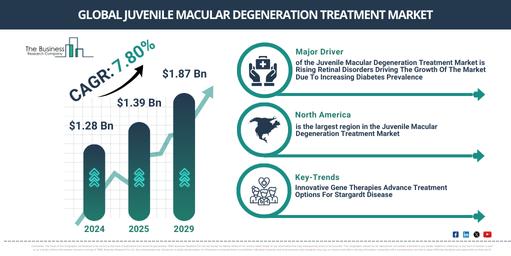
    The market size for juvenile macular degeneration treatment has demonstrated robust growth over recent years. It is projected to expand from $1.28 billion in 2024 to $1.39 billion in 2025, achieving a compound annual growth rate (CAGR) of 8.3%. The expansion observed in the past can be attributed to the increasing prevalence of genetic eye disorders, a rise in investment dedicated to ophthalmic research, an intensified focus on pediatric eye care, the growing prevalence of vision impairment among children, and the accelerating integration of artificial intelligence in eye care diagnostics.

    The market for treating juvenile macular degeneration is projected to experience robust expansion over the coming years, anticipated to reach $1.87 billion by 2029, exhibiting a compound annual growth rate (CAGR) of 7.8%. Factors driving this growth during the forecast period include an expanding elderly demographic, an increase in ophthalmic biotechnology startups, a heightened emphasis on targeted drug delivery systems, a growing volume of clinical trials, and rising investments in gene therapy. Key trends observed within the forecast period encompass progress in genetic testing, the evolution of gene therapies, ongoing stem cell research, regulatory backing for novel treatments, and the adoption of personalized medicine strategies.

    Unlock Your Free Sample Report for Exclusive Market Data:

    https://www.thebusinessresearchcompany.com/sample.aspx?id=23433&type=smp

    Which Major Market Drivers Are Shaping The Future Of The Juvenile Macular Degeneration Treatment Market?

    The rising occurrence of retinal disorders is anticipated to propel the growth of the juvenile macular degeneration treatment market going forward. Retinal disorders refer to a range of conditions affecting the retina, the light-sensitive layer located at the back of the eye, which can lead to vision impairment or loss. The increase in retinal disorders is linked to the growing prevalence of diabetes, resulting in conditions such as diabetic retinopathy that progressively damage the retina. Juvenile macular degeneration treatments play a crucial role in managing retinal disorders by preserving vision through timely intervention, making them essential for young patients. For instance, in November 2024, a report published by Retina Australia, an Australia-based non-profit organization, stated that approximately 19,000 individuals, or about 1 in 1,380 people, in Australia are estimated to be living with an inherited retinal disease (IRD). Furthermore, the National Eye Institute, a US-based institute of health, projects that the number of Americans with advanced age-related macular degeneration (AMD) will increase from the current 2.1 million to 3.7 million by 2030. Thus, the increasing prevalence of retinal disorders is a key driver for the growth of the juvenile macular degeneration treatment market.

    What Are The Key Segments In The Juvenile Macular Degeneration Treatment Market?

    The juvenile macular degeneration treatmentmarket covered in this report is segmented –

    1) By Type: Wet Age-Related Macular Degeneration; Dry Age-Related Macular Degeneration

    2) By Treatment: Devices; Drugs; Surgery

    3) By Application: Vision Preservation; Disease Management; Symptom Relief; Preventive Care; Clinical Trials

    4) By Sales Channel: Hospitals; Ambulatory Surgical Centres; Other Sales Channel

    Subsegments:

    1) By Wet Age-Related Macular Degeneration: Anti-Vascular Endothelial Growth Factor (Anti-VEGF) Therapy; Photodynamic Therapy (PDT); Laser Therapy

    2) By Dry Age-Related Macular Degeneration: Nutritional Supplements; Gene Therapy; Stem Cell Therapy

    How Are Trends Influencing The Juvenile Macular Degeneration Treatment Market?

    Major companies operating in the juvenile macular degeneration treatment market are focusing on developing innovative solutions, such as dual adeno-associated viral (AAV) vectors, to enhance gene therapy delivery and improve treatment efficacy for patients with juvenile macular degeneration. A dual adeno-associated viral (AAV) vector is a gene therapy approach that utilizes two AAV vectors to deliver large therapeutic genes, exceeding the packaging capacity of a single AAV. For instance, in March 2025, SpliceBio, a Spain-based biotechnology company, announced the first patient dosing in its Phase 1/2 ASTRA study for SB-007, a dual AAV vector gene therapy designed to restore full-length ABCA4 protein expression. The therapy aims to provide a potential treatment for juvenile macular degeneration (stargardt disease), an inherited retinal disorder currently without approved treatments, by addressing all patients regardless of their mutations. This milestone marks a significant step toward developing effective gene therapies for rare retinal diseases.

    Which Leading Players Are Enhancing Their Juvenile Macular Degeneration Treatment Market Presence Worldwide?

    Major companies operating in the juvenile macular degeneration treatment market are F. Hoffmann-La Roche Ltd., Bayer AG, Novartis AG, AbbVie Inc., Regeneron Pharmaceuticals Inc., Astellas Pharma Inc., Biogen Inc., Santen Pharmaceutical Co. Ltd., Teva Pharmaceutical Industries Ltd., Samsung Bioepis Co. Ltd., Spark Therapeutics Inc., Polpharma Biologics S.A., OrCam Technologies Ltd., Alkeus Pharmaceuticals Inc., Bioeq AG, NuEyes Technologies Inc., Coherus BioSciences Inc., eSight Eyewear Inc., MeiraGTx Holdings plc, Kubota Pharmaceutical Holdings Co. Ltd.

    Download The Full Report For Exclusive Market Findings:

    https://www.thebusinessresearchcompany.com/report/juvenile-macular-degeneration-treatment-global-market-report

    Which Geographies Are Emerging As Strong Markets For The Juvenile Macular Degeneration Treatment Industry?

    North America was the largest region in the juvenile macular degeneration treatment market in 2024. The regions covered in the juvenile macular degeneration treatment market report are Asia-Pacific, Western Europe, Eastern Europe, North America, South America, Middle East, Africa.

    Request A Customized Version Of The Juvenile Macular Degeneration Treatment Market Report:

    https://www.thebusinessresearchcompany.com/customise?id=23433&type=smp

    Browse Through More Reports Similar to the Global Juvenile Macular Degeneration Treatment Market 2025, By The Business Research Company

    Indexed And Whole Juvenile Life Insurance Global Market Report 2025

    https://www.thebusinessresearchcompany.com/report/indexed-and-whole-juvenile-life-insurance-global-market-report

    Macular Degeneration Treatment Global Market Report 2025

    https://www.thebusinessresearchcompany.com/report/macular-degeneration-treatment-global-market-report

    Age Related Macular Degeneration Global Market Report 2025

    https://www.thebusinessresearchcompany.com/report/age-related-macular-degeneration-global-market-report

    Get in touch with us:

    The Business Research Company: https://www.thebusinessresearchcompany.com/

    Americas +1 310-496-7795

    Asia +44 7882 955267 & +91 8897263534

    Europe +44 7882 955267

    Email us at info@tbrc.info

    Follow us on:

    LinkedIn: https://in.linkedin.com/company/the-business-research-company

    YouTube: https://www.youtube.com/channel/UC24_fI0rV8cR5DxlCpgmyFQ

    Global Market Model: https://www.thebusinessresearchcompany.com/global-market-model
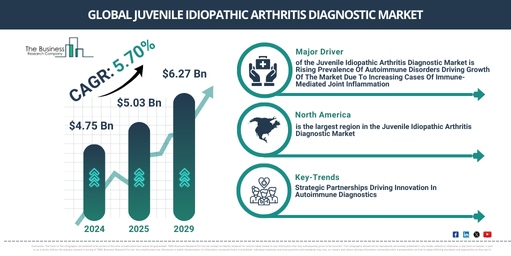
  • Juvenile Idiopathic Arthritis Diagnostic Industry Forecast to Hit $6.27 Billion by 2029 With a Strong 5.7% CAGR

    Juvenile Idiopathic Arthritis Diagnostic Industry Forecast to Hit $6.27 Billion by 2029 With a Strong 5.7% CAGR

    Unlock Global Insights – Save 20% on Market Reports with Code ONLINE20

    What Is The Future Market Size Estimation For The Juvenile Idiopathic Arthritis Diagnostic Market Covering 2025–2034?

    The juvenile idiopathic arthritis diagnostic market has experienced robust expansion in recent years. This market is projected to expand from $4.75 billion in 2024 to $5.03 billion by 2025, achieving a compound annual growth rate (CAGR) of 5.8%. Historically, this growth has been fueled by the rising prevalence of juvenile idiopathic arthritis, heightened awareness of pediatric autoimmune conditions, improved early detection methods, increased investments in healthcare, and a growing emphasis on pediatric care.

    The juvenile idiopathic arthritis diagnostic market size is anticipated to demonstrate strong expansion over the next few years. It is forecast to grow to $6.27 billion by 2029, at a compound annual growth rate (CAGR) of 5.7%. This growth in the forecast period can be attributed to increasing partnerships between research institutions, a rising demand for prompt and accurate diagnostic solutions, a growing incidence of autoimmune and inflammatory disorders, initiatives from government and healthcare organizations, and the emergence of telemedicine and digital health platforms. Major trends identified for the forecast period include general technological advancements, progress in diagnostic technologies, the implementation of personalized treatment strategies, and innovations in diagnostic tools.

    Unlock Your Free Sample Report for Exclusive Market Data:

    https://www.thebusinessresearchcompany.com/sample.aspx?id=23432&type=smp

    What Are The Main Drivers Boosting The Juvenile Idiopathic Arthritis Diagnostic Industry’s Expansion?

    The growing occurrence of autoimmune conditions is projected to boost the juvenile idiopathic arthritis diagnostic market in the future. These disorders are defined as situations where the immune system incorrectly targets the body’s own healthy cells, leading to inflammation, harm to tissues, and long-term health issues. The escalation in autoimmune diseases stems from an intricate combination of environmental factors, genetic susceptibilities, and shifts in lifestyle. Autoimmune diseases contribute to juvenile idiopathic arthritis (JIA) by prompting the immune system to erroneously assault the synovial tissue found in joints, which results in inflammation and damage. An example is found in November 2024, where data from Versorgungsatlas.de, an interactive online platform based in Germany, indicated that in 2022, out of 73,241,305 insured individuals, 6,304,340 received a diagnosis of at least one autoimmune disease, yielding a raw prevalence rate of 8.61%. Consequently, the expanding occurrence of autoimmune disorders is fueling the expansion of the juvenile idiopathic arthritis diagnostic market.

    What Are The Leading Segments Analyzed In The Juvenile Idiopathic Arthritis Diagnostic Market?

    The juvenile idiopathic arthritis diagnosticmarket covered in this report is segmented –

    1) By Type: Serological Tests; Imaging Tests; Genetic Tests

    2) By Technology: Molecular Diagnostics; Immunoassays; Flow Cytometry

    3) By Services: Diagnostic Services; Consultation Services; Laboratory Services

    4) By Application: Hospital Laboratories; Diagnostic Centres; Research Institutes

    Subsegments:

    1) By Serological Tests: Rheumatoid Factor (RF) Test, Antinuclear Antibody (ANA) Test, Erythrocyte Sedimentation Rate (ESR) Test, C-Reactive Protein (CRP) Test, Anti-Cyclic Citrullinated Peptide (Anti-CCP) Test, Complete Blood Count (CBC)

    2) By Imaging Tests: X-Ray, Magnetic Resonance Imaging (MRI), Ultrasound, Computed Tomography (CT) Scan, Bone Scintigraphy (Bone Scan)

    3) By Genetic Tests: HLA-B27 Genetic Marker Test, Whole Exome Sequencing (WES), Next-Generation Sequencing (NGS), Polymerase Chain Reaction (PCR)-Based Testing

    What Key Innovation Trends Are Fueling Advancements In The Juvenile Idiopathic Arthritis Diagnostic Market?

    Leading companies within the juvenile idiopathic arthritis diagnostic market are increasingly engaging in strategic partnerships to broaden their product portfolios, strengthen research capabilities, and expand their global market footprint. These strategic alliances involve collaborations between organizations focused on advancing the early detection and diagnosis of conditions. For example, in November 2024, Augurex Life Sciences Corp., a biotechnology firm based in Canada, teamed up with Quest Diagnostics, a diagnostic services company from the US, with the objective of enhancing the diagnosis and management of rheumatoid arthritis (RA) through the use of the 14-3-3? (eta) biomarker. As part of this joint effort, Quest Diagnostics will validate and then offer a lab-developed test in the United States, which utilizes Augurex’s 14-3-3? biomarker. This test is designed to identify elevated levels of the 14-3-3? protein, which is associated with rheumatoid arthritis and linked to more severe disease progression and a higher risk of joint damage.

    Which Major Firms Are Strengthening Their Position In The Juvenile Idiopathic Arthritis Diagnostic Industry?

    Major companies operating in the juvenile idiopathic arthritis diagnostic market are Thermo Fisher Scientific Inc., Abbott Laboratories, Merck KGaA, Agilent Technologies, Sartorius AG, Sysmex Corporation, Bio-Rad Laboratories, Beckman Coulter Life Sciences, DiaSorin, Miltenyi Biotec, Cytek Biosciences, BD Biosciences, Angstrom Biotech , Sony Biotechnology, Theradiag, J. Mitra, Chimera Biotech, Stratedigm, Apogee Flow Systems, Avecon Healthcare.

    Download The Full Report For Exclusive Market Findings:

    https://www.thebusinessresearchcompany.com/report/juvenile-idiopathic-arthritis-diagnostic-global-market-report

    Which Region Is Projected To Lead The Juvenile Idiopathic Arthritis Diagnostic Market During The Forecast Period?

    North America was the largest region in the juvenile idiopathic arthritis diagnostic market in 2024. Asia-Pacific is expected to be the fastest-growing region in the forecast period. The regions covered in the juvenile idiopathic arthritis diagnostic market report are Asia-Pacific, Western Europe, Eastern Europe, North America, South America, Middle East, Africa.

    Request A Customized Version Of The Juvenile Idiopathic Arthritis Diagnostic Market Report:

    https://www.thebusinessresearchcompany.com/customise?id=23432&type=smp

    Browse Through More Reports Similar to the Global Juvenile Idiopathic Arthritis Diagnostic Market 2025, By The Business Research Company

    Arthritis Monoclonal Antibodie Global Market Report 2025

    https://www.thebusinessresearchcompany.com/report/arthritis-monoclonal-antibodie-global-market-report

    Psoriatic Arthritis Treatments Global Market Report 2025

    https://www.thebusinessresearchcompany.com/report/psoriatic-arthritis-treatments-global-market-report

    Companion Animal Arthritis Global Market Report 2025

    https://www.thebusinessresearchcompany.com/report/companion-animal-arthritis-global-market-report

    Get in touch with us:

    The Business Research Company: https://www.thebusinessresearchcompany.com/

    Americas +1 310-496-7795

    Asia +44 7882 955267 & +91 8897263534

    Europe +44 7882 955267

    Email us at info@tbrc.info

    Follow us on:

    LinkedIn: https://in.linkedin.com/company/the-business-research-company

    YouTube: https://www.youtube.com/channel/UC24_fI0rV8cR5DxlCpgmyFQ

    Global Market Model: https://www.thebusinessresearchcompany.com/global-market-model