Blog

  • Intravenous (IV) Ibuprofen Market to Reach $14.72 Billion by 2029, Growing at a CAGR of 11.9%

    Intravenous (IV) Ibuprofen Market to Reach $14.72 Billion by 2029, Growing at a CAGR of 11.9%

    Unlock Global Insights – Save 20% on Market Reports with Code ONLINE20

    What Is The Expected Total Market Size Of The Intravenous (IV) Ibuprofen Industry By The Forecast Year 2029?

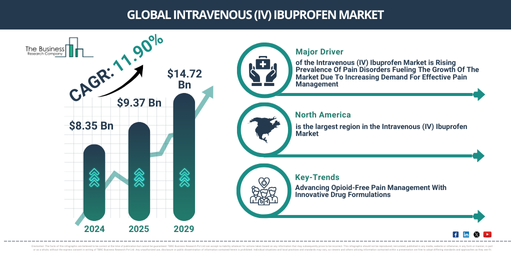
    The market for intravenous (iv) ibuprofen has experienced swift expansion recently. This market is projected to expand from $8.35 billion in 2024 to $9.37 billion by 2025, demonstrating a compound annual growth rate (CAGR) of 12.3%. This historical growth is linked to factors such as the rising incidence of chronic diseases, more frequent surgical procedures, an increasing focus on reducing opioid reliance, higher per capita income, and the expansion of medical tourism.

    The intravenous (iv) ibuprofen market is set for significant expansion over the next few years, projected to reach $14.72 billion by 2029, with an impressive compound annual growth rate (CAGR) of 11.9%. This anticipated increase during the forecast period can be attributed to factors such as escalating healthcare investments, a growing population of pediatric patients, the rising prevalence of pain and fever conditions, an expanding geriatric demographic, and the increasing adoption of advanced pharmaceutical treatments. Important trends during this period are expected to encompass advanced therapeutic solutions, the development of single-dose formulations, progress in personalized medicine, the integration into multimodal pain management protocols, and advancements in combination therapies.

    Unlock Your Free Sample Report for Exclusive Market Data:

    https://www.thebusinessresearchcompany.com/sample.aspx?id=23429&type=smp

    Which Factors And Drivers Are Influencing The Intravenous (IV) Ibuprofen Market In 2025?

    The increasing occurrence of pain disorders is anticipated to drive the expansion of the intravenous ibuprofen market in the future. Pain disorders are defined as medical conditions marked by persistent or chronic pain that interferes with daily functioning, often originating from nerve, musculoskeletal, or inflammatory issues. The heightened prevalence of these disorders is linked to the aging population, as older adults are more prone to developing chronic conditions such as arthritis, osteoarthritis, and nerve pain, thereby increasing the requirement for effective pain relief. Intravenous ibuprofen assists in pain management by offering quick relief, making it well-suited for acute and postoperative pain. It also works to reduce inflammation and improve patient comfort, which enhances treatment effectiveness in medical settings. For instance, in January 2024, according to the Office for Health Improvement and Disparities, a UK-based government department, the percentage of individuals aged 16 and older who self-reported having a long-term musculoskeletal condition rose to 18.4% in 2023, up from 17.6% in 2022. Consequently, the rising prevalence of pain disorders is stimulating the growth of the intravenous ibuprofen market.

    What Are The Segment Types Shaping The Intravenous (IV) Ibuprofen Market?

    The intravenous (iv) ibuprofenmarket covered in this report is segmented –

    1) By Product Type: Conventional Intravenous (IV) Ibuprofen; High-Concentration Intravenous (IV) Ibuprofen

    2) By Strength: 100 Milligrams (mg); 200 Milligrams (mg); 400 Milligrams (mg); 800 Milligrams (mg)

    3) By Age Group: Pediatrics; Adults

    4) By Application: Pain; Fever; Inflammation; Other Applications

    5) By End-User: Hospitals; Ambulatory Surgical Centers; Clinics; Other End-Users

    Subsegments:

    1) By Conventional Intravenous (IV) Ibuprofen: Pediatric Intravenous (IV) Ibuprofen; Adult Intravenous (IV) Ibuprofen

    2) By High-Concentration Intravenous (IV) Ibuprofen: Single-Dose Vial; Multi-Dose Vial

    Which Ongoing Trends Are Expected To Shape The Intravenous (IV) Ibuprofen Market Outlook?

    Leading companies in the intravenous ibuprofen market are concentrating on developing advanced drug formulations, such as opioid-free analgesics, to improve pain management while reducing opioid dependency. An opioid-free analgesic is a pain-relieving medication that does not contain opioids, thus avoiding the risk of addiction and opioid-related side effects. For instance, in February 2024, Hikma Pharmaceuticals plc, a UK-based pharmaceutical company, introduced COMBOGESIC IV (an acetaminophen and ibuprofen) injection in the US, following its Food and Drug Administration (FDA) approval in October 2023. This intravenous, opioid-free analgesic is prescribed for mild to moderate pain relief and as an adjunctive treatment for moderate to severe pain management. By combining two active ingredients with distinct mechanisms, COMBOGESIC IV offers a novel, non-opioid pain management choice for healthcare providers.

    Who Are The Primary Competitors In The Global Intravenous (IV) Ibuprofen Market?

    Major companies operating in the intravenous (IV) ibuprofen market are Pfizer Inc., Sanofi S.A., Novartis AG, Fresenius SE & Co. KGaA, Teva Pharmaceutical Industries Ltd., Baxter International, Mylan N.V., Sandoz Group AG, Grifols S.A., Dr. Reddy’s Laboratories, Hikma Pharmaceuticals plc, CSL Limited, Eurolife Healthcare Pvt. Ltd., B. Braun Holding GmbH & Co. KG, AFT Pharmaceuticals Ltd, Cumberland Pharmaceuticals Inc., Delex Pharma International Inc., Recordati Rare Diseases Inc., Xgen Pharmaceuticals Djb Inc., Wellona Pharma, Hyloris Pharmaceuticals SA

    Download The Full Report For Exclusive Market Findings:

    https://www.thebusinessresearchcompany.com/report/intravenous-iv-ibuprofen-global-market-report

    What Are The Key Regional Factors Influencing The Intravenous (IV) Ibuprofen Market Growth?

    North America was the largest region in the intravenous (IV) ibuprofen market in 2024. Asia-Pacific is expected to be the fastest-growing region in the forecast period. The regions covered in the intravenous (IV) ibuprofen market report are Asia-Pacific, Western Europe, Eastern Europe, North America, South America, Middle East, Africa.

    Request A Customized Version Of The Intravenous (IV) Ibuprofen Market Report:

    https://www.thebusinessresearchcompany.com/customise?id=23429&type=smp

    Browse Through More Reports Similar to the Global Intravenous (IV) Ibuprofen Market 2025, By The Business Research Company

    Intravenous Infusion Pumps Global Market Report 2025

    https://www.thebusinessresearchcompany.com/report/intravenous-infusion-pumps-global-market-report

    Intravenous Immunoglobulin Global Market Report 2025

    https://www.thebusinessresearchcompany.com/report/intravenous-immunoglobulin-global-market-report

    Intravenous Iv Hydration Therapy Global Market Report 2025

    https://www.thebusinessresearchcompany.com/report/intravenous-iv-hydration-therapy-global-market-report

    Get in touch with us:

    The Business Research Company: https://www.thebusinessresearchcompany.com/

    Americas +1 310-496-7795

    Asia +44 7882 955267 & +91 8897263534

    Europe +44 7882 955267

    Email us at info@tbrc.info

    Follow us on:

    LinkedIn: https://in.linkedin.com/company/the-business-research-company

    YouTube: https://www.youtube.com/channel/UC24_fI0rV8cR5DxlCpgmyFQ

    Global Market Model: https://www.thebusinessresearchcompany.com/global-market-model
  • Global Image Guided And Robotic Assisted Procedures Market Size Projected to Reach $9.7 Billion During the Forecast Period

    Global Image Guided And Robotic Assisted Procedures Market Size Projected to Reach $9.7 Billion During the Forecast Period

    Unlock Global Insights – Save 20% on Market Reports with Code ONLINE20

    How Does The Market Size Of The Image Guided And Robotic Assisted Procedures Industry Compare Between 2025 And 2029?

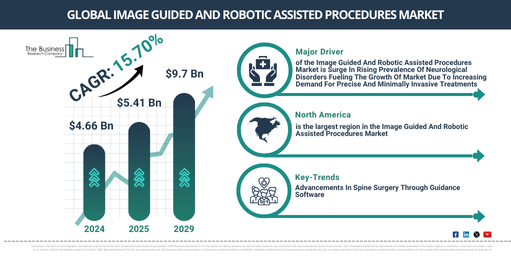
    The market size for image guided and robotic assisted procedures has experienced rapid expansion in recent years. This sector is anticipated to increase from $4.66 billion in 2024 to $5.41 billion by 2025, demonstrating a compound annual growth rate (CAGR) of 16.0%. The previous period’s growth can be ascribed to a greater embrace of minimally invasive surgical methods, a heightened need for surgical precision and accuracy, an increase in both the aging population and chronic health conditions, rising expenditures in healthcare, and ongoing technological progress in robotics and imaging systems.

    The image guided and robotic assisted procedures market size is projected to undergo rapid expansion in the coming years, with expectations to reach $9.7 billion by 2029, demonstrating a compound annual growth rate (CAGR) of 15.7%. This growth over the forecast period is primarily driven by increasing investment in healthcare infrastructure, a heightened focus on robotic surgery training and education, a rise in patient preference for minimally invasive procedures, increasing government funding for healthcare innovations, and a rising demand for cost-effective surgical solutions. Key trends anticipated during this period include advancements in robotic-assisted surgery systems, sophisticated imaging technologies for better precision, the development of AI-powered surgical tools, progress in tele-surgery capabilities, and advanced integration of real-time data to achieve improved surgical outcomes.

    Unlock Your Free Sample Report for Exclusive Market Data:

    https://www.thebusinessresearchcompany.com/sample.aspx?id=23426&type=smp

    What Are The Key Drivers Of Growth In The Image Guided And Robotic Assisted Procedures Market?

    The increasing incidence of neurological disorders is anticipated to stimulate the expansion of the image-guided and robotic-assisted procedures market in the future. Neurological disorders are health conditions affecting the nervous system, which includes the brain, spinal cord, and nerves, leading to impairments in movement, cognitive functions, and other bodily processes. Changes in lifestyle, such as poor dietary habits, lack of physical activity, and chronic stress, are primary contributors to the rising prevalence of these disorders due to their negative impact on brain health and function. Image-guided and robotic-assisted procedures enhance neurological care by improving surgical accuracy, reducing the invasiveness of procedures, and shortening recovery periods, making them vital for addressing complex cases. For instance, in February 2024, Dementia Australia, an Australia-based Non-profit organization, reported that the prevalence of dementia in the country is expected to rise by 93% by 2054, with 812,500 people projected to be living with dementia, up from 421,000 in 2024. Thus, the growing prevalence of neurological disorders is a key driver for the growth of the image-guided and robotic-assisted procedures market.

    What Are The Different Segment Classifications Within The Image Guided And Robotic Assisted Procedures Market?

    The image guided and robotic assisted proceduresmarket covered in this report is segmented –

    1) By Product Type: MRI Guided Robot; X-Ray Computed Tomography Guided Robot; X-Ray Mammography Guided Robot; Optical Imaging Guided Robot; Ultrasound Imaging Guided Robot

    2) By Technology: Image-Guided Surgery; Robotic-Assisted Surgery; Augmented Reality (AR) Surgery; Virtual Reality (VR) Simulation

    3) By Specialty: Orthopedic Surgery; Neurology; Urology; Gynecology; Cardiothoracic Surgery

    4) By Application: Diagnostic Applications; Minimally Invasive Procedures

    5) By End User: Hospitals; Outpatient Facilities

    Subsegments:

    1) By MRI Guided Robot: Neurosurgery robots; Prostate biopsy robots; Cardiac catheterization robots; Tumor ablation systems

    2) By X-Ray Computed Tomography (CT) Guided Robot: Interventional radiology robots; Spine surgery assistance systems; Biopsy and ablation robots; Orthopedic robotic systems.

    3) By X-Ray Mammography Guided Robot: Breast biopsy assistance robots; Lesion localization systems; Automated breast imaging robots.

    4) By Optical Imaging Guided Robot: Robotic endoscopy systems; Robotic fluorescence-guided surgery tools; Ophthalmic surgical robots; Robotic systems for dental imaging.

    5) By Ultrasound Imaging Guided Robot: Robotic-assisted fetal procedures; Liver and kidney biopsy robots; Robotic prostate interventions; Needle guidance systems.

    Which Competitive Trends Are Defining The Image Guided And Robotic Assisted Procedures Market Structure?

    Major companies within the image-guided and robotic-assisted procedures market are concentrating on developing innovative solutions, such as spine guidance software, to enhance surgical precision, improve patient outcomes, and streamline workflow efficiency in spinal procedures. Spine guidance software employs real-time imaging and 3D visualization to assist surgeons in performing precise spinal procedures. For instance, in September 2022, Stryker, a US-based medical technology company, launched the Q Guidance System for spine applications. This system incorporates a redesigned optical tracking camera and advanced Spine Guidance Software for enhanced surgical planning and navigation. It offers improved accuracy, real-time visualization, and greater procedural efficiency. The integration of sophisticated algorithms further elevates precision in spinal surgeries. This innovation aims to optimize patient outcomes and enhance surgeon control in complex procedures.

    Which Key Market Players Are Investing In Expansion And Innovation Of Image Guided And Robotic Assisted Procedures Market?

    Major companies operating in the image guided and robotic assisted procedures market are Johnson & Johnson, HCA Healthcare UK, Medtronic plc, Siemens Healthineers AG, Koninklijke Philips N.V., Stryker Corporation, GE Healthcare, Boston Scientific Corporation, Asensus Surgical Inc., Zimmer Holdings Inc., Intuitive Surgical Inc., Atlantic Health System Inc., Karl Storz SE & Co. KG, Carl Zeiss Meditec AG, Globus Medical Inc., Renishaw plc, Brainlab AG, Synaptive Medical Inc., MicroPort MedBot Co. Ltd., 7D Surgical Inc.

    Download The Full Report For Exclusive Market Findings:

    https://www.thebusinessresearchcompany.com/report/image-guided-and-robotic-assisted-procedures-global-market-report

    How Do Regional Market Performances Compare Within The Image Guided And Robotic Assisted Procedures Industry?

    North America was the largest region in the image-guided and robot-assisted surgical procedures market in 2024. Asia-Pacific is expected to be the fastest-growing region in the forecast period. The regions covered in the image guided and robotic assisted procedures market report are Asia-Pacific, Western Europe, Eastern Europe, North America, South America, Middle East, Africa.

    Request A Customized Version Of The Image Guided And Robotic Assisted Procedures Market Report:

    https://www.thebusinessresearchcompany.com/customise?id=23426&type=smp

    Browse Through More Reports Similar to the Global Image Guided And Robotic Assisted Procedures Market 2025, By The Business Research Company

    Medical Image Analysis Software Global Market Report 2025

    https://www.thebusinessresearchcompany.com/report/medical-image-analysis-software-global-market-report

    Image Recognition Global Market Report 2025

    https://www.thebusinessresearchcompany.com/report/image-recognition-global-market-report

    Image Recognition In Retail Global Market Report 2025

    https://www.thebusinessresearchcompany.com/report/image-recognition-in-retail-global-market-report

    Get in touch with us:

    The Business Research Company: https://www.thebusinessresearchcompany.com/

    Americas +1 310-496-7795

    Asia +44 7882 955267 & +91 8897263534

    Europe +44 7882 955267

    Email us at info@tbrc.info

    Follow us on:

    LinkedIn: https://in.linkedin.com/company/the-business-research-company

    YouTube: https://www.youtube.com/channel/UC24_fI0rV8cR5DxlCpgmyFQ

    Global Market Model: https://www.thebusinessresearchcompany.com/global-market-model
  • Idiopathic Intracranial Hypertension Treatment Industry Anticipated to Expand at 6.4% CAGR During the Forecast Period

    Idiopathic Intracranial Hypertension Treatment Industry Anticipated to Expand at 6.4% CAGR During the Forecast Period

    Unlock Global Insights – Save 20% on Market Reports with Code ONLINE20

    What Is The Predicted Market Size Trajectory For The Idiopathic Intracranial Hypertension Treatment Market From 2025 To 2034?

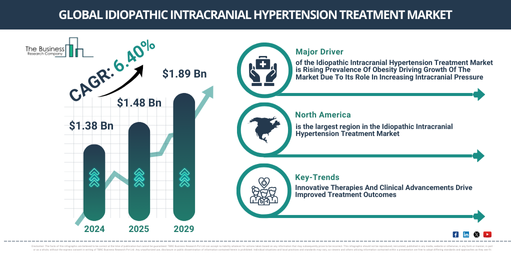
    The idiopathic intracranial hypertension treatment market size has experienced strong growth in recent years. It is projected to expand from $1.38 billion in 2024 to $1.48 billion in 2025, exhibiting a compound annual growth rate (CAGR) of 6.9%. Historically, this growth has been fueled by factors such as the increasing prevalence of obesity, rising healthcare expenditure, a growing emphasis on minimally invasive surgical procedures, an escalating prevalence of comorbid conditions, and an increasing demand for enhanced ophthalmologic diagnostic tools.

    The idiopathic intracranial hypertension treatment market size is projected to experience substantial growth over the next few years. It is forecast to expand to $1.89 billion in 2029, achieving a compound annual growth rate (CAGR) of 6.4%. This expansion during the forecast period is primarily driven by factors such as the increasing adoption of digital health solutions, a rise in lifestyle disorders, the expanding use of telemedicine, improved availability of advanced diagnostic tools, and a growing demand for personalized medicine. Noteworthy trends anticipated in this period include the uptake of AI-driven diagnostic tools, the development of targeted therapies, advancements in non-invasive imaging techniques, the introduction of new weight management drugs, and the creation of customizable shunt devices.

    Unlock Your Free Sample Report for Exclusive Market Data:

    https://www.thebusinessresearchcompany.com/sample.aspx?id=23425&type=smp

    Which Drivers Are Supporting Growth Of The Idiopathic Intracranial Hypertension Treatment Market?

    The rising incidence of obesity is anticipated to boost the expansion of the idiopathic intracranial hypertension treatment market in the future. Obesity is defined as a medical state characterized by an unhealthy accumulation of body fat that may harm an individual’s health. The increase in obesity stems from more inactive lifestyles coupled with a significant rise in the intake of high-calorie, processed foods. This condition elevates intracranial pressure by stimulating an overproduction of cerebrospinal fluid and hindering its absorption, thereby contributing to idiopathic intracranial hypertension. As an illustration, a 2024 report from the Office for Health Improvement and Disparities, a UK-based government department responsible for maintaining public health policies, stated that from 2022 to 2023, 64.0% of adults aged 18 and over in England were categorized as either overweight or living with obesity. This percentage is comparable to the 63.8% reported for the 2021 to 2022 period. Consequently, the expanding prevalence of obesity is a key factor propelling the growth of the idiopathic intracranial hypertension treatment market.

    What Are The Primary Types Of Segments Analyzed In The Idiopathic Intracranial Hypertension Treatment Market?

    The idiopathic intracranial hypertension treatmentmarket covered in this report is segmented –

    1) By Treatment Type: Medications; Surgeries; Therapies

    2) By Treatment Administration: Oral Administration; Intrathecal Administration

    3) By Diagnostic Type: Neuroimaging; Lumbar Puncture; Visual Field Tests

    4) By End User: Hospitals; Specialty Clinics; Ambulatory Surgical Centres

    Subsegments:

    1) By Medications: Diuretics; Corticosteroids; Acetazolamide

    2) By Surgeries: Shunt Surgery; Optic Nerve Sheath Fenestration; Stenting

    3) By Therapies: Weight Management Programs; Lifestyle Modifications; Physical Therapy

    What Are The Latest Industry Trends Transforming The Idiopathic Intracranial Hypertension Treatment Market?

    Key companies operating within the idiopathic intracranial hypertension treatment market are channeling their focus into developing innovative therapies aimed at managing intracranial pressure and associated symptoms. These treatments endeavor to improve patient outcomes by utilizing advanced drug delivery systems and targeted treatment approaches, thereby enhancing overall care and quality of life. For instance, in November 2022, Invex Therapeutics, an Australia-based biopharmaceutical company, secured approval from the New Zealand Medicines and Medical Devices Safety Authority (MEDSAFE) to commence the Phase III IIH EVOLVE clinical trial for Presendin (sustained-release exenatide), designed to treat idiopathic intracranial hypertension (IIH). This approval, alongside clearance from the New Zealand Health and Disability Ethics Committee, will enable Invex to conduct the trial involving 240 newly diagnosed IIH patients across up to 40 global clinical sites, with the primary objective of improving treatment outcomes for this neurological condition.

    Who Are The Core Companies Influencing The Idiopathic Intracranial Hypertension Treatment Market Landscape?

    Major companies operating in the idiopathic intracranial hypertension treatment market are Siemens AG, Medtronic plc, Mayo Clinic, Becton Dickinson and Company, Philips Healthcare, GE HealthCare Technologies Inc., Teva Pharmaceuticals, Boston Scientific Corporation, Henry schein, Sun Pharmaceutical Industries, Zydus LifeSciences, Topcon Corporation, Natus Medical Incorporated, Canon Medical Systems Corporation, Carl Zeiss Meditec AG, Optopol Technology, Strides Pharma, NIDEK Co., Haag-Streit AG, Invex Therapeutics, Metrovision.

    Download The Full Report For Exclusive Market Findings:

    https://www.thebusinessresearchcompany.com/report/idiopathic-intracranial-hypertension-treatment-global-market-report

    Which Region Currently Holds The Largest Share Of The Idiopathic Intracranial Hypertension Treatment Market?

    North America was the largest region in the idiopathic intracranial hypertension treatment market in 2024. Asia-Pacific is expected to be the fastest-growing region in the forecast period. The regions covered in the idiopathic intracranial hypertension treatment market report are Asia-Pacific, Western Europe, Eastern Europe, North America, South America, Middle East, Africa.

    Request A Customized Version Of The Idiopathic Intracranial Hypertension Treatment Market Report:

    https://www.thebusinessresearchcompany.com/customise?id=23425&type=smp

    Browse Through More Reports Similar to the Global Idiopathic Intracranial Hypertension Treatment Market 2025, By The Business Research Company

    Infertility Treatment Global Market Report 2025

    https://www.thebusinessresearchcompany.com/report/infertility-treatment-global-market-report

    Myopia And Presbyopia Treatment Global Market Report 2025

    https://www.thebusinessresearchcompany.com/report/myopia-and-presbyopia-treatment-global-market-report

    Flue Gas Treatment Systems Global Market Report 2025

    https://www.thebusinessresearchcompany.com/report/flue-gas-treatment-systems-global-market-report

    Get in touch with us:

    The Business Research Company: https://www.thebusinessresearchcompany.com/

    Americas +1 310-496-7795

    Asia +44 7882 955267 & +91 8897263534

    Europe +44 7882 955267

    Email us at info@tbrc.info

    Follow us on:

    LinkedIn: https://in.linkedin.com/company/the-business-research-company

    YouTube: https://www.youtube.com/channel/UC24_fI0rV8cR5DxlCpgmyFQ

    Global Market Model: https://www.thebusinessresearchcompany.com/global-market-model
  • Global Human Respiratory Syncytial Virus Treatment Market Projected to Expand at 8.6% CAGR by 2029

    Global Human Respiratory Syncytial Virus Treatment Market Projected to Expand at 8.6% CAGR by 2029

    Unlock Global Insights – Save 20% on Market Reports with Code ONLINE20

    How Much Larger Is The Human Respiratory Syncytial Virus Treatment Market Expected To Become By 2029 Compared With Its 2025 Level?

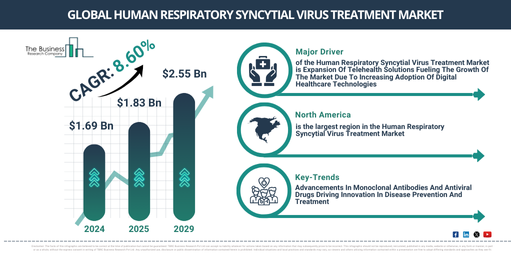
    The human respiratory syncytial virus treatment market size has demonstrated robust growth over recent years. It is projected to increase from $1.69 billion in 2024 to $1.83 billion in 2025, exhibiting a compound annual growth rate (CAGR) of 8.6%. This expansion in the past can be ascribed to a combination of factors, including escalating RSV infection rates, an expanding population of infants and the elderly, a rise in hospital admissions linked to respiratory illnesses, various government vaccination initiatives, and an enhanced understanding of RSV complications.

    The human respiratory syncytial virus treatment market is projected to experience substantial expansion in the coming years. This market is anticipated to reach $2.55 billion by 2029, exhibiting a compound annual growth rate (CAGR) of 8.6%. Key drivers for this growth throughout the forecast period include an escalating demand for monoclonal antibodies, increasing investments in RSV vaccine research and development, a heightened emphasis on early diagnosis, broadening access to healthcare in developing areas, and the approval of new treatments by regulatory bodies. Noteworthy trends projected for the forecast period encompass the creation of long-acting RSV antibodies, an emphasis on multi-therapy approaches, the application of AI in RSV drug discovery, the increasing adoption of telemedicine for respiratory infections, and strategic alliances among pharmaceutical companies for RSV drug development.

    Unlock Your Free Sample Report for Exclusive Market Data:

    https://www.thebusinessresearchcompany.com/sample.aspx?id=23423&type=smp

    Which Drivers Are Shaping The Human Respiratory Syncytial Virus Treatment Industry’s Market Share?

    The human respiratory syncytial virus treatment market is anticipated to experience growth going forward, driven by the expansion of telehealth solutions. These solutions encompass digital healthcare services that facilitate remote patient consultations, diagnosis, monitoring, and treatment by utilizing telecommunication technologies. The rise in telehealth solutions is a consequence of the increasing adoption of digital healthcare technologies, enabling patient care from a distance and reducing the workload on conventional healthcare facilities. Specifically for human respiratory syncytial virus treatment, telehealth options allow for remote monitoring, early detection, and virtual consultations, thereby improving patient care and minimizing the need for hospital visits. For instance, according to Telehealth.HHS.gov, a US-based government official information provider, in quarter four of 2023, telehealth usage climbed to approximately 21,883,731 users, reflecting a growth of 2,783,159 users or a 13% increase from the third quarter. Therefore, the expanding telehealth solutions are propelling the growth of the human respiratory syncytial virus treatment market.

    Which Key Segments Fueling The Human Respiratory Syncytial Virus Treatment Market?

    The human respiratory syncytial virus treatmentmarket covered in this report is segmented –

    1) By Treatment Type: Antiviral Medications; Monoclonal Antibodies; Vaccines; Supportive Care

    2) By Patient Type: Pediatric Patients; Adult Patients

    3) By Route Of Administration: Oral; Parenteral

    4) By End User: Hospitals; Clinics; Home Care

    Subsegments:

    1) By Antiviral Medications: Fusion Inhibitors; Nucleoside Analogues; RNA Polymerase Inhibitors

    2) By Monoclonal Antibodies: Palivizumab; Nirsevimab; Other RSV-Specific Monoclonal Antibodies

    3) By Vaccines: Live Attenuated Vaccines; Subunit Vaccines; mRNA-Based Vaccines; Vector-Based Vaccines

    4) By Supportive Care: Oxygen Therapy; Mechanical Ventilation; Hydration Therapy; Fever and Pain Management

    What Trends Are Redefining The Human Respiratory Syncytial Virus Treatment Market Dynamics?

    Leading companies within the human respiratory syncytial virus treatment market are concentrating on developing innovative therapies, such as monoclonal antibodies and antiviral drugs, to achieve a competitive advantage in the sector. Monoclonal antibodies are laboratory-created proteins that assist the body in fighting infections, while antiviral drugs are medications designed to prevent viruses from multiplying or spreading. For example, in July 2023, AstraZeneca plc, a UK-based biopharmaceutical firm, collaborated with Sanofi S.A., a France-based pharmaceutical company, to announce the U.S. Food and Drug Administration (FDA)’s approval of Beyfortus (nirsevimab-alip). This monoclonal antibody is specifically engineered to prevent RSV lower respiratory tract disease in infants and high-risk children. This regulatory clearance marked a substantial leap forward in RSV prevention, as Beyfortus presents a long-acting, single-dose alternative that confers passive immunity throughout the RSV season. It offers particular advantages for newborns and infants, populations most vulnerable to severe RSV infections, thereby contributing to fewer hospitalizations and complications.

    Which Major Industry Participants Are Leading The Human Respiratory Syncytial Virus Treatment Market Growth?

    Major companies operating in the human respiratory syncytial virus treatment market are Pfizer Inc., Merck & Co, Sanofi S.A., AstraZeneca plc, GSK plc, Johnson & Johnson, Moderna Inc., Kyowa Kirin Co. Ltd., Novavax Inc., Alnylam Pharmaceuticals Inc., AdVaccine Biotechnology Co. Ltd., Enanta Pharmaceuticals Inc., Aridis Pharmaceuticals Inc., Synairgen plc, VBI Vaccines Inc., SAB Biotherapeutics Inc., Meissa Vaccines Inc., Osivax SAS, Codagenix Inc., BioVaxys Technology Corp.

    Download The Full Report For Exclusive Market Findings:

    https://www.thebusinessresearchcompany.com/report/human-respiratory-syncytial-virus-treatment-global-market-report

    What Regional Growth Trends Are Shaping The Human Respiratory Syncytial Virus Treatment Market Outlook?

    North America was the largest region in the human respiratory syncytial virus treatment market in 2024. Asia-Pacific is expected to be the fastest-growing region in the forecast period. The regions covered in the human respiratory syncytial virus treatment market report are Asia-Pacific, Western Europe, Eastern Europe, North America, South America, Middle East, Africa.

    Request A Customized Version Of The Human Respiratory Syncytial Virus Treatment Market Report:

    https://www.thebusinessresearchcompany.com/customise?id=23423&type=smp

    Browse Through More Reports Similar to the Global Human Respiratory Syncytial Virus Treatment Market 2025, By The Business Research Company

    Human Machine Interface Global Market Report 2025

    https://www.thebusinessresearchcompany.com/report/human-machine-interface-global-market-report

    Human Papillomavirus Hpv Vaccine Global Market Report 2025

    https://www.thebusinessresearchcompany.com/report/human-papillomavirus-hpv-vaccine-global-market-report

    Human Liver Model Global Market Report 2025

    https://www.thebusinessresearchcompany.com/report/human-liver-model-global-market-report

    Get in touch with us:

    The Business Research Company: https://www.thebusinessresearchcompany.com/

    Americas +1 310-496-7795

    Asia +44 7882 955267 & +91 8897263534

    Europe +44 7882 955267

    Email us at info@tbrc.info

    Follow us on:

    LinkedIn: https://in.linkedin.com/company/the-business-research-company

    YouTube: https://www.youtube.com/channel/UC24_fI0rV8cR5DxlCpgmyFQ

    Global Market Model: https://www.thebusinessresearchcompany.com/global-market-model

  • Human Primary Cell Culture Market to Grow at a CAGR of 11.2% from 2025 to 2029

    Human Primary Cell Culture Market to Grow at a CAGR of 11.2% from 2025 to 2029

    Unlock Global Insights – Save 20% on Market Reports with Code ONLINE20

    #What Are The Current (2025) And Forecast (2029) Sizes Of The Human Primary Cell Culture Market?

    The human primary cell culture market size has demonstrated substantial growth in recent years. This market is anticipated to expand from $3.39 billion in 2024 to $3.78 billion in 2025, achieving a compound annual growth rate (CAGR) of 11.5%. The historical expansion of the market can be linked to factors including the increasing embrace of cell-based research, rising demand for personalized medicine, a heightened focus on drug discovery, a continued emphasis on personalized medicine, and expanding applications within cancer research.

    The human primary cell culture market size is expected to show significant expansion in the coming years. It is predicted to reach $5.77 billion in 2029, exhibiting a compound annual growth rate (CAGR) of 11.2%. This growth during the forecast period can be attributed to several factors, including rising investment in regenerative medicine, the increasing adoption in precision medicine, greater government funding for cell-based investigations, enhanced governmental support, and broader applications in toxicology testing. Key trends anticipated in the forecast period include the integration of AI into cell culture analysis, the development of serum-free and chemically defined media, increased automation in cell culture processes, the emergence of organ-on-a-chip technology, and a growing demand for primary cells in immunotherapy research.

    Unlock Your Free Sample Report for Exclusive Market Data:

    https://www.thebusinessresearchcompany.com/sample.aspx?id=23422&type=smp

    What Are The Drivers Pushing New Developments In The Human Primary Cell Culture Market?

    The anticipated expansion of the human primary cell culture market is largely attributed to the heightened focus on cell and gene therapies. These therapies represent sophisticated medical interventions designed to alter or substitute genetic material or cells, aiming to treat or cure ailments at their fundamental molecular level. The increasing importance of cell and gene therapy stems from their capacity to offer sustained or curative solutions for conditions such as genetic disorders, cancers, and rare diseases, by tackling the underlying cause at a molecular level. Within cell and gene therapies, human primary cell cultures find application in devising treatments, manufacturing viral vectors, and evaluating gene editing methodologies. An illustrative example is seen in July 2024, when the American Society of Gene & Cell Therapy (ASGCT), a US-based non-profit organization, reported that approximately 76 gene therapy trials commenced in the USA during the second quarter of 2024, indicating a 25% rise over the first quarter. Consequently, the intensifying concentration on advancing cell and gene therapies serves as a key impetus for the expansion of the human primary cell culture market.

    How Is The Human Primary Cell Culture Market Classified Into Different Segments?

    The human primary cell culturemarket covered in this report is segmented –

    1) By Product Type: Primary Cells; Reagents And Supplements; Instruments; Primary Cell Culture Media; Other Consumables

    2) By Applications: Drug Discovery; Therapy Development; Regenerative Medicine; Other Applications

    3) By End User: Pharmaceutical And Biotechnology Companies; Contract Research Organizations (CROs); Academic And Research Institutions

    Subsegments:

    1) By Primary Cells: Human Dermal Fibroblasts (HDF); Human Epidermal Keratinocytes (HEK); Human Mesenchymal Stem Cells (HMSC); Human Endothelial Cells; Human Hematopoietic Cells

    2) By Reagents And Supplements: Growth Factors And Cytokines; Antibiotics And Antimycotics; Fetal Bovine Serum (FBS); Buffers And Chemicals; Cryopreservation Reagents

    3) By Instruments: Cell Culture Incubators; Biosafety Cabinets; Centrifuges; Cell Counters And Analyzers; Microscopes

    4) By Primary Cell Culture Media: Serum-Free Media; Chemically Defined Media; Classical Media; Protein-Free Media; Custom Media

    5) By Other Consumables: Culture Dishes And Plates; Flasks And Bottles; Pipettes And Tips; Cell Strainers And Filters; Coated Culture Surfaces

    How Are Emerging Market Trends Shaping The Human Primary Cell Culture Industry Landscape?

    Major entities operating within the human primary cell culture market are prioritizing the creation of technologically advanced solutions, notably induced pluripotent stem cell (iPSC) and embryonic stem cell (ESC) technologies. These initiatives are designed to boost cell-based research, refine drug discovery methods, and expedite progress in regenerative medicine and personalized therapies. iPSC (Induced Pluripotent Stem Cell) and ESC (Embryonic Stem Cell) technologies involve the process of reprogramming adult cells or employing embryonic cells to produce pluripotent stem cells. These cells possess the capacity to differentiate into various cell types for applications in research, drug discovery, and regenerative medicine. A relevant example occurred in July 2024, when BioServe Biotechnologies India Pvt Ltd., an India-based Biotechnology and life sciences company, launched sophisticated stem cell products from REPROCELL to aid scientific research and drug development in India. This product range features cell culture media, stem cell differentiation instruments, 3D cell culture systems, and drug discovery services. These breakthroughs considerably enhance regenerative medicine, disease modeling, and preclinical research by utilizing iPSC and ESC technologies.

    Who Are The Prominent Global Companies Shaping The Human Primary Cell Culture Market?

    Major companies operating in the human primary cell culture market are Thermo Fisher Scientific Inc., Merck & Co. Inc., Lonza Group AG, STEMCELL Technologies Inc., American Type Culture Collection, PromoCell GmbH, Krishgen Biosystems Private Limited, Cell Culture Company Limited Liability Company, HiMedia Laboratories Private Limited, 3H Biomedical Aktiebolag, ScienCell Research Laboratories Inc., Cell Applications Incorporated, Life Technologies Private Limited, PELOBIOTECH Gesellschaft mit beschränkter Haftung, Amsbio Limited, AcceGen Biotechnology Limited Liability Company, Cell Biologics Incorporated, BI Biotech India Private Limited, Innoprot Sociedad Limitada, ZenBio Incorporated, Evercyte GmbH, Cell Systems Corporation, Cytion GmbH, Kosheeka Private Limited

    Download The Full Report For Exclusive Market Findings:

    https://www.thebusinessresearchcompany.com/report/human-primary-cell-culture-global-market-report

    Which Regional Markets Are Contributing Most To The Human Primary Cell Culture Industry Expansion?

    North America was the largest region in the human primary cell culture market in 2024. Asia-Pacific is expected to be the fastest-growing region in the forecast period. The regions covered in the human primary cell culture market report are Asia-Pacific, Western Europe, Eastern Europe, North America, South America, Middle East, Africa.

    Request A Customized Version Of The Human Primary Cell Culture Market Report:

    https://www.thebusinessresearchcompany.com/customise?id=23422&type=smp

    Browse Through More Reports Similar to the Global Human Primary Cell Culture Market 2025, By The Business Research Company

    Human Rights Organizations Global Market Report 2025

    https://www.thebusinessresearchcompany.com/report/human-rights-organizations-global-market-report

    Human Microbiome Therapeutics Market 2025

    https://www.thebusinessresearchcompany.com/report/human-microbiome-therapeutics-market

    Social Sciences And Humanities Services Global Market Report 2025

    https://www.thebusinessresearchcompany.com/report/social-sciences-and-humanities-services-global-market-report

    Get in touch with us:

    The Business Research Company: https://www.thebusinessresearchcompany.com/

    Americas +1 310-496-7795

    Asia +44 7882 955267 & +91 8897263534

    Europe +44 7882 955267

    Email us at info@tbrc.info

    Follow us on:

    LinkedIn: https://in.linkedin.com/company/the-business-research-company

    YouTube: https://www.youtube.com/channel/UC24_fI0rV8cR5DxlCpgmyFQ

    Global Market Model: https://www.thebusinessresearchcompany.com/global-market-model

  • Global Human Organoids Market 2025–2029: Competitive Insights and Opportunities

    Global Human Organoids Market 2025–2029: Competitive Insights and Opportunities

    Unlock Global Insights – Save 20% on Market Reports with Code ONLINE20

    What Market Value Is The Human Organoids Industry Expected To Reach By 2029, Starting From 2025 Levels?

    The human organoids market has experienced significant expansion in recent years. This market is anticipated to grow from $1.47 billion in 2024 to $1.71 billion in 2025, exhibiting a compound annual growth rate (CAGR) of 16.0%. The historical period’s growth can be linked to an escalating focus on personalized medicine, a rise in the occurrence of chronic diseases, advancements in regenerative medicine, the widening of drug discovery applications, and increased government and private funding.

    The human organoids market is projected to expand significantly in the coming years. Its value is expected to reach $3.12 billion by 2029, demonstrating a compound annual growth rate (CAGR) of 16.3%. The drivers for this growth during the forecast period include increasing demand for organoid-based disease modeling, escalating investments in biotech research, widening applications in drug screening, greater adoption in toxicology studies, and a growing focus on precision medicine. Noteworthy trends identified for the forecast period encompass the integration with artificial intelligence, the creation of patient-specific organoids, an expansion into gene therapy applications, advances in organoid bioprinting, and continuous technological progress in 3D cell culture.

    Unlock Your Free Sample Report for Exclusive Market Data:

    https://www.thebusinessresearchcompany.com/sample.aspx?id=23421&type=smp

    What Are The Emerging Market Drivers Creating New Opportunities In The Human Organoids Industry?

    The increasing volume of experiments in genetic science is projected to fuel the expansion of the human organoids market in the future. Genetic science, a biological field, investigates the inheritance of traits via genes and the influence of genetic information on living organisms’ development and function. The growing number of experiments in genetic science is a result of technological breakthroughs that have made gene editing faster and more precise, thereby enabling deeper research into diseases and the creation of targeted treatments. Genetic science benefits human organoids by facilitating accurate manipulation of genes to model specific diseases and study their progression, which helps researchers better understand genetic disorders, evaluate new drugs, and explore personalized treatment strategies more effectively. For instance, in April 2023, according to a report by the National Institutes of Health (NIH), a US-based medical research agency, as of November 2022, the U.S. had 129,624 registered genetic tests, representing approximately 66% of all tests submitted to the Genetic Testing Registry (GTR) worldwide. Consequently, the escalating number of experiments in genetic science will propel the human organoids market.

    What Are The Major Segments Identified In The Human Organoids Market?

    The human organoidsmarket covered in this report is segmented –

    1) By Type: Brain Organoids; Heart Organoids; Intestinal Organoids; Kidney Organoids; Liver Organoids; Lung Organoids; Pancreatic Organoids

    2) By Technology: 3D Bioprinting; Cell Culture Technology; Hydrogels And Scaffold-Based Technology; Magnetic Levitation

    3) By Application: Drug Discovery; Infectious Disease Research; Neurology Studies; Oncology Research; Personalized Medicine; Regenerative Medicine

    4) By End User: Pharma And Biotech Companies; Contract Research Organizations; Academic And Research Institutes

    Subsegments:

    1) By Brain Organoids: Cerebral Organoids; Midbrain Organoids; Hypothalamic Organoids; Spinal Cord Organoids

    2) By Heart Organoids: Cardiac Muscle Organoids; Vascularized Heart Organoids; Chamber-Specific Heart Organoids

    3) By Intestinal Organoids: Small Intestine Organoids; Colon Organoids; Duodenal Organoids

    4) By Kidney Organoids: Nephron Organoids; Glomerular Organoids; Proximal Tubule Organoids

    5) By Liver Organoids: Hepatic Organoids; Bile Duct Organoids; Cholangiocyte Organoids

    6) By Lung Organoids: Airway Organoids; Alveolar Organoids; Bronchial Organoids

    7) By Pancreatic Organoids: Islet Organoids; Ductal Pancreatic Organoids; Acinar Pancreatic Organoids

    Which Key Trends Are Expected To Influence The Human Organoids Market In The Coming Years?

    Leading companies within the human organoids market are concentrating on developing innovative stem cell technologies, such as next-generation 3D tissue culture platforms, to enhance the physiological relevance of in vitro models. A next-generation 3D tissue culture platform denotes an advanced in vitro system crafted to mimic the complexity of human tissues more precisely than traditional 2D or earlier 3D models. For instance, in October 2022, AIM Biotech Pte. Ltd., a Singapore-based developer of tissue culture chips, unveiled organiX, an advanced 3D tissue culture system engineered to replicate human disease conditions more accurately by integrating organoids, functional vasculature, and immune cell components. This platform, customized for cutting-edge drug development and personalized medicine, accommodates various tissue formats, including organoids and tumor samples, within a controllable and physiologically relevant environment. It supports immune co-culture, enables real-time high-resolution imaging, and facilitates straightforward tissue retrieval for subsequent analyses.

    Which Key Players Are Driving Competition In The Human Organoids Market?

    Major companies operating in the human organoids market are Thermo Fisher Scientific Inc., F. Hoffmann-La Roche Ltd., Corning Incorporated, Bio-Techne Corporation, Organovo Holdings Inc., Emulate Inc., MIMETAS B.V., Cellink AB, InSphero AG, Kerafast Inc., DefiniGEN Limited, Visikol Inc., CN Bio Innovations Limited, Cannex Scientific Inc., HeartBeat.bio AG, Kirkstall Ltd., Cyprio Ltd., 3Dnamics Inc., BrainZell Ltd., AIVITA Biomedical Inc.

    Download The Full Report For Exclusive Market Findings:

    https://www.thebusinessresearchcompany.com/report/human-organoids-global-market-report

    How Does The Human Organoids Market Perform Across Key Geographic Regions?

    North America was the largest region in the human organoids market in 2024. Asia-Pacific is expected to be the fastest-growing region in the forecast period. The regions covered in the human organoids market report are Asia-Pacific, Western Europe, Eastern Europe, North America, South America, Middle East, Africa.

    Request A Customized Version Of The Human Organoids Market Report:

    https://www.thebusinessresearchcompany.com/customise?id=23421&type=smp

    Browse Through More Reports Similar to the Global Human Organoids Market 2025, By The Business Research Company

    Organoids Global Market Report 2025

    https://www.thebusinessresearchcompany.com/report/organoids-global-market-report

    Cardiovascular And Soft Tissue Repair Patches Global Market Report 2025

    https://www.thebusinessresearchcompany.com/report/cardiovascular-and-soft-tissue-repair-patches-global-market-report

    Orthopedic Soft Tissue Repair Global Market Report 2025

    https://www.thebusinessresearchcompany.com/report/orthopedic-soft-tissue-repair-global-market-report

    Get in touch with us:

    The Business Research Company: https://www.thebusinessresearchcompany.com/

    Americas +1 310-496-7795

    Asia +44 7882 955267 & +91 8897263534

    Europe +44 7882 955267

    Email us at info@tbrc.info

    Follow us on:

    LinkedIn: https://in.linkedin.com/company/the-business-research-company

    YouTube: https://www.youtube.com/channel/UC24_fI0rV8cR5DxlCpgmyFQ

    Global Market Model: https://www.thebusinessresearchcompany.com/global-market-model

  • Human Metapneumovirus (hMPV) Therapeutics Market Trends 2025–2029: Forecasts for Key Growth Segments

    Human Metapneumovirus (hMPV) Therapeutics Market Trends 2025–2029: Forecasts for Key Growth Segments

    Unlock Global Insights – Save 20% on Market Reports with Code ONLINE20

    What Is The Anticipated Size Of The Human Metapneumovirus (hMPV) Therapeutics Market Over The Five-Year Period 2025–2029?

    The human metapneumovirus (hmpv) therapeutics market size has seen substantial growth in recent years. It is projected to expand from $0.66 billion in 2024 to $0.7 billion in 2025, demonstrating a compound annual growth rate (CAGR) of 5.7%. This past growth can be attributed to heightened awareness of viral respiratory infections, a rising incidence of pediatric respiratory illnesses, increasing rates of hospitalization, growing global health surveillance efforts, and an intensified research focus on emerging respiratory viruses.

    The human metapneumovirus (hmpv) therapeutics market size is anticipated to show significant expansion in the upcoming years. It is projected to reach $0.89 billion by 2029, growing at a compound annual growth rate (CAGR) of 6.1%. The expansion during the forecast period can be attributed to an increasing need for supportive care treatments, enhanced funding from governments and NGOs, greater awareness of respiratory infections, a rise in pediatric respiratory illness incidents, and the expanding requirement for targeted therapies. Prominent trends expected in the forecast period involve the incorporation of technology into diagnostic platforms, innovations in antiviral drug development, strides in vaccine research and delivery systems, technology-enabled point-of-care testing, and progress in molecular diagnostics.

    Unlock Your Free Sample Report for Exclusive Market Data:

    https://www.thebusinessresearchcompany.com/sample.aspx?id=23420&type=smp

    Which Drivers Are Impacting The Human Metapneumovirus (hMPV) Therapeutics Market?

    The future expansion of the human metapneumovirus (HMPV) therapeutics market is anticipated to be driven by the rising incidence of respiratory infections. These infections are conditions impacting the respiratory tract, encompassing the nose, throat, airways, and lungs. A growing number of respiratory infections can be attributed to elevated air pollution levels. Atmospheric contaminants such as particulate matter and nitrogen dioxide cause irritation and compromise the respiratory tract, thereby increasing individuals’ vulnerability to infections. Human metapneumovirus (hMPV) therapeutics play a crucial role in managing hMPV-induced respiratory infections. They work by diminishing viral replication and inflammation via antiviral therapies and supportive interventions, leading to enhanced health outcomes for susceptible populations including infants, the elderly, and those with weakened immune systems. For example, data from June 2024, released by the Australian Institute of Health and Welfare, an Australia-based government agency, indicated that Australia Chronic Obstructive Pulmonary Disease (COPD) accounted for 3.6% of the overall disease burden in 2023. Furthermore, COPD represented 50% of the total burden from respiratory conditions, with approximately 638,000 individuals (2.5% of the population) affected by COPD in 2022. Consequently, the expanding occurrence of respiratory infections stimulates the growth of the human metapneumovirus (HMPV) therapeutics market.

    What Are The Emerging Segments Gaining Attention In The Human Metapneumovirus (hMPV) Therapeutics Market?

    The human metapneumovirus (hmpv) therapeuticsmarket covered in this report is segmented –

    1) By Drug Class: Antipyretic; Decongestants; Cough Suppressants; Other Drug Class

    2) By Distribution Channel: Hospital Pharmacies; Retail Pharmacies; Online Pharmacies

    3) By End-Use: Hospitals And Clinics; Diagnostic And Reference Laboratories; Academic And Research Institutions; Other End-Uses

    Subsegments:

    1) By Antipyretic: Nonsteroidal Anti-Inflammatory Drugs (NSAIDs), Acetaminophen (Paracetamol)

    2) By Decongestants: Nasal Decongestants, Oral Decongestants

    3) By Cough Suppressants: Dextromethorphan, Codeine, Benzonatate

    4) By Other Drug Class: Antiviral Agents, Antibiotics (if secondary bacterial infection occurs), Inhaled Corticosteroids

    What Are The Major Trends Driving The Growth Of The Human Metapneumovirus (hMPV) Therapeutics Market?

    Major companies operating in the human metapneumovirus (hMPV) therapeutics market are prioritizing the development of targeted antiviral therapies, such as monoclonal antibodies, to effectively manage hMPV infections. Monoclonal antibodies (mAbs) are laboratory-manufactured proteins designed to mimic the immune system’s natural ability to combat diseases. These antibodies offer specific therapeutic benefits for various illnesses, including cancer and autoimmune disorders, by selectively binding to and neutralizing harmful antigens or cells. For instance, in October 2024, Vicebio Ltd., a UK-based biopharmaceutical firm, secured $100 million in Series B financing, led by TCGX with participation from Goldman Sachs Alternatives and other investors, to advance its next-generation respiratory virus vaccines. The funding is allocated to support the Phase 1 clinical trial of VXB-241, a bivalent vaccine targeting RSV and hMPV, with initial results expected by mid-2025. It will also accelerate the development of VXB-251, a trivalent vaccine addressing RSV, hMPV, and Parainfluenza Virus 3, aiming to alleviate significant medical burdens in older individuals.

    Who Are The Top Performing Companies In The Human Metapneumovirus (hMPV) Therapeutics Market In Recent Years?

    Major companies operating in the human metapneumovirus (hMPV) therapeutics market are Sanofi S.A, AstraZeneca Plc, Merck KGaA, Moderna Inc, Riverside Health System, Narayana Health, Vir Biotechnology Inc., Fortis Healthcare, Apollo Diagnostics, Pathkind Diagnostics Pvt Ltd, Max Healthcare, LalPathLabs, Bio Farma, Metropolis Healthcare, American Lung Association, Enanta Pharmaceuticals Inc. , Regency Healthcare, The Native Antigen Company, Max Lab, Agilus Diagnostics

    Download The Full Report For Exclusive Market Findings:

    https://www.thebusinessresearchcompany.com/report/human-metapneumovirus-hmpv-therapeutics-global-market-report

    Which Region Is Expected To Witness The Fastest Growth In The Human Metapneumovirus (hMPV) Therapeutics Market?

    North America was the largest region in the human metapneumovirus (hMPV) therapeutics market in 2024. Asia-Pacific is expected to be the fastest-growing region in the forecast period. The regions covered in the human metapneumovirus (hMPV) therapeutics market report are Asia-Pacific, Western Europe, Eastern Europe, North America, South America, Middle East, Africa.

    Request A Customized Version Of The Human Metapneumovirus (hMPV) Therapeutics Market Report:

    https://www.thebusinessresearchcompany.com/customise?id=23420&type=smp

    Browse Through More Reports Similar to the Global Human Metapneumovirus (hMPV) Therapeutics Market 2025, By The Business Research Company

    Antivirus Software Global Market Report 2025

    https://www.thebusinessresearchcompany.com/report/antivirus-software-global-market-report

    Coronavirus Covid 19 Current Therapy Market 2025

    https://www.thebusinessresearchcompany.com/report/coronavirus-covid-19-current-therapy-market

    Virus Filtration Global Market Report 2025

    https://www.thebusinessresearchcompany.com/report/virus-filtration-global-market-report

    Get in touch with us:

    The Business Research Company: https://www.thebusinessresearchcompany.com/

    Americas +1 310-496-7795

    Asia +44 7882 955267 & +91 8897263534

    Europe +44 7882 955267

    Email us at info@tbrc.info

    Follow us on:

    LinkedIn: https://in.linkedin.com/company/the-business-research-company

    YouTube: https://www.youtube.com/channel/UC24_fI0rV8cR5DxlCpgmyFQ

    Global Market Model: https://www.thebusinessresearchcompany.com/global-market-model

  • Human Immunodeficiency Virus Therapeutics Market Forecast 2025–2034: Where Businesses Should Invest Next

    Human Immunodeficiency Virus Therapeutics Market Forecast 2025–2034: Where Businesses Should Invest Next

    Unlock Global Insights – Save 20% on Market Reports with Code ONLINE20

    What Are The Forecasted Market Size Estimates For The Human Immunodeficiency Virus Therapeutics Market Between 2025 And 2029?

    The human immunodeficiency virus therapeutics market size has shown strong expansion in recent years. It is anticipated to increase from $14.11 billion in 2024 to $14.9 billion in 2025, achieving a compound annual growth rate (CAGR) of 5.6%. This historical growth can be linked to factors such as an uptick in HIV prevalence, more robust awareness programs, an increase in diagnostic testing, greater generic drug penetration, and enhancements in healthcare infrastructure.

    The human immunodeficiency virus therapeutics market size is anticipated to undergo significant expansion in the coming years, with projections indicating a growth to $18.44 billion by 2029, driven by a compound annual growth rate (CAGR) of 5.5%. This forecasted growth can be linked to an increasing pool of HIV patients, enhanced HIV screening procedures, a rise in voluntary testing, an escalation in unprotected sexual practices, and the expansion of government-sponsored programs. Key trends expected to shape the market during this period include continuous technological advancements, the utilization of AI for drug discovery, the development of long-acting injectable therapies, the integration of telemedicine services, and the progression of CRISPR-based gene therapy.

    Unlock Your Free Sample Report for Exclusive Market Data:

    https://www.thebusinessresearchcompany.com/sample.aspx?id=23419&type=smp

    Which Industry Drivers Are Expected To Accelerate The Human Immunodeficiency Virus Therapeutics Market From 2025 To 2029?

    The increasing incidence of unprotected sexual activities is projected to stimulate the expansion of the human immunodeficiency virus therapeutics market in the future. These practices involve sexual encounters lacking barrier protection, consequently elevating the danger of sexually transmitted infections (STIs) and unplanned pregnancies. A deficiency in thorough sex education contributes to inadequate understanding of safe behaviors, thereby fostering risky conduct among younger individuals. Human immunodeficiency virus therapeutics play a crucial role in lowering the likelihood of HIV transmission stemming from unprotected sexual acts by achieving undetectable viral loads, thereby halting the further dissemination of the infection. An illustrative example comes from November 2024, where data from the Centers for Disease Control and Prevention, a US-based government agency, revealed that a 2023 survey of U.S. high school students indicated 32% had engaged in sexual intercourse at least once, and 48% admitted to not using a condom during their most recent sexual encounter. Consequently, the rising occurrence of unprotected sexual practices is a significant factor propelling the expansion of the human immunodeficiency virus therapeutics market.

    What Are The Major Segment Types Covered In The Human Immunodeficiency Virus Therapeutics Market?

    The human immunodeficiency virus therapeuticsmarket covered in this report is segmented –

    1) By Drug Type: Branded Drugs; Generic Drugs

    2) By Drug Class: Nucleoside-Analog Reverse Transcriptase Inhibitors (Nrtis); Non-Nucleoside Reverse Transcriptase Inhibitors (Nnrtis); Entry And Fusion Inhibitors; Protease Inhibitors (Pis); Integrase Inhibitors; Coreceptor Antagonists

    3) By Distribution Channel: Hospital Pharmacies; Online Pharmacies; Retail Pharmacies

    4) By End-user: Hospitals And Clinics; Specialty Centers

    Subsegments:

    1) By Branded Drugs: Biktarvy; Triumeq; Genvoya; Juluca; Dovato; Isentress; Prezista

    2) By Generic Drugs: Tenofovir Disoproxil Fumarate (TDF); Lamivudine; Efavirenz; Zidovudine; Nevirapine; Abacavir; Ritonavir

    What Trends Are Expected To Drive The Human Immunodeficiency Virus Therapeutics Market?

    Leading companies in the human immunodeficiency virus (HIV) therapeutics market are concentrating on developing innovative treatments, such as combination therapy, to enhance treatment efficacy, reduce drug resistance, and improve patient adherence. Combination therapy involves using two or more therapeutic agents, including drugs or other treatments, to manage a single disease or condition. This strategy boosts treatment effectiveness, minimizes side effects, and lowers the risk of drug resistance. For instance, in December 2022, Gilead Sciences Inc., a US-based biopharmaceutical company, secured approval from the U.S. Food and Drug Administration (FDA) for Sunlenca (lenacapavir). This treatment is intended for adults with multi-drug-resistant HIV-1, to be used in conjunction with other antiretroviral medications. Sunlenca is significant as the first and only HIV treatment founded on a capsid inhibitor, offering a convenient twice-a-year dosing option for patients who have undergone extensive prior treatment. The CAPELLA trial, which demonstrated high rates of sustained virologic suppression, provided the basis for this approval. With its novel mechanism of action and long-acting formulation, Sunlenca is projected to be a vital element in future HIV treatment and prevention strategies.

    Which Leading Companies Dominate The Human Immunodeficiency Virus Therapeutics Market Share?

    Major companies operating in the human immunodeficiency virus therapeutics market are Pfizer Inc., Johnson & Johnson, F Hoffmann La Roche Ltd., Merck & Co. Inc., AbbVie Inc., Sanofi SA, Bristol Myers Squibb Company (BMS), Novartis International AG, GlaxoSmithKline plc (GSK), Gilead Sciences Inc., Moderna Inc., BioNTech SE, Teva Pharmaceutical Industries Ltd., Boehringer Ingelheim International GmbH, Aurobindo Pharma Limited, Cipla Limited, Hetero Labs Limited, Gilead Sciences Inc. / Kite Pharma Inc. (for CAR T HIV cure research), Vir Biotechnology Inc., Theratechnologies Inc., CytoDyn Inc.

    Download The Full Report For Exclusive Market Findings:

    https://www.thebusinessresearchcompany.com/report/human-immunodeficiency-virus-therapeutics-global-market-report

    Which Global Regions Are Influencing The Competitive Landscape Of The Human Immunodeficiency Virus Therapeutics Market?

    North America was the largest region in the human immunodeficiency virus therapeutics market in 2024. Asia-Pacific is expected to be the fastest-growing region in the forecast period. The regions covered in the human immunodeficiency virus therapeutics market report are Asia-Pacific, Western Europe, Eastern Europe, North America, South America, Middle East, Africa.

    Request A Customized Version Of The Human Immunodeficiency Virus Therapeutics Market Report:

    https://www.thebusinessresearchcompany.com/customise?id=23419&type=smp

    Browse Through More Reports Similar to the Global Human Immunodeficiency Virus Therapeutics Market 2025, By The Business Research Company

    Antivirus Software Global Market Report 2025

    https://www.thebusinessresearchcompany.com/report/antivirus-software-global-market-report

    Coronavirus Covid 19 Current Therapy Market 2025

    https://www.thebusinessresearchcompany.com/report/coronavirus-covid-19-current-therapy-market

    Virus Filtration Global Market Report 2025

    https://www.thebusinessresearchcompany.com/report/virus-filtration-global-market-report

    Get in touch with us:

    The Business Research Company: https://www.thebusinessresearchcompany.com/

    Americas +1 310-496-7795

    Asia +44 7882 955267 & +91 8897263534

    Europe +44 7882 955267

    Email us at info@tbrc.info

    Follow us on:

    LinkedIn: https://in.linkedin.com/company/the-business-research-company

    YouTube: https://www.youtube.com/channel/UC24_fI0rV8cR5DxlCpgmyFQ

    Global Market Model: https://www.thebusinessresearchcompany.com/global-market-model
  • Global Homeopathy Medicine Treatment Market Analysis 2025–2029: Opportunities for Strategic Growth

    Global Homeopathy Medicine Treatment Market Analysis 2025–2029: Opportunities for Strategic Growth

    Unlock Global Insights – Save 20% on Market Reports with Code ONLINE20

    How Is The Homeopathy Medicine Treatment Market Size Likely To Evolve From 2025 Through 2034?

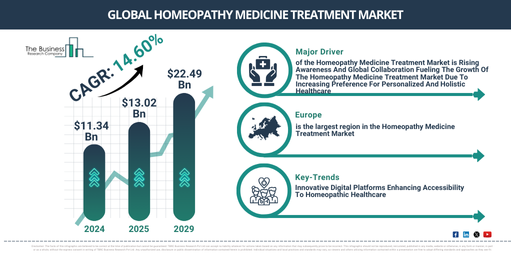
    The homeopathy medicine treatment market size has experienced rapid growth in recent years. It is projected to expand from $11.34 billion in 2024 to $13.02 billion in 2025, at a compound annual growth rate (CAGR) of 14.9%. This past growth can be attributed to factors such as increasing awareness of the benefits of homeopathic medicine, a rising demand for non-invasive treatment alternatives, the growing prevalence of chronic diseases, an increasing number of homeopathic practitioners, and an escalating demand for homeopathic remedies.

    The homeopathy medicine treatment market size is projected to experience substantial expansion in the coming years. This market is predicted to reach a valuation of $22.49 billion by 2029, exhibiting a compound annual growth rate (CAGR) of 14.6%. Factors contributing to this expansion during the projection period include a growing inclination towards individualized treatment methods, a heightened emphasis on preventive healthcare, a rise in disposable income, an increase in research and development (R&D) expenditures, and a surge in the need for combination therapies. Key developments anticipated during this timeframe encompass the integration of homeopathy with telemedicine systems, the application of nanotechnology in homeopathic preparations, the use of wearable health monitoring for tailored treatments, the introduction of intelligent homeopathy dispensers, and the deployment of artificial intelligence (AI)-driven homeopathic diagnostic tools.

    Unlock Your Free Sample Report for Exclusive Market Data:

    https://www.thebusinessresearchcompany.com/sample.aspx?id=23418&type=smp

    What Are The Top Growth Drivers Impacting The Homeopathy Medicine Treatment Market Outlook?

    The increasing understanding and recognition of homeopathic treatment are anticipated to drive the expansion of the homeopathy medicine treatment market. These medicines, a fundamental element of homeopathy, are customized according to an individual’s unique symptoms and their complete physical, mental, and emotional profile. This heightened awareness is attributed to its natural, non-invasive methodology and reduced adverse effects when contrasted with conventional medical practices, appealing to a growing number of individuals seeking comprehensive and tailored healthcare solutions. The combination of minimal side effects, personalized care, and a holistic framework has enhanced its acceptance and fostered broader adoption, consequently escalating the demand for homeopathic medicines and related services. A notable example is from March 2023, when the Ministry of Ayush, an Indian government ministry, reported signing 24 Country-to-Country Memorandum of Understanding (MoUs) with various foreign nations to collaborate on traditional medicine and homeopathy. Thus, the expanding awareness regarding homeopathic treatment options is a key factor propelling the growth of the homeopathy medicine treatment market.

    What Are The Major Segment Categories Driving The Homeopathy Medicine Treatment Market Growth?

    The homeopathy medicine treatmentmarket covered in this report is segmented –

    1) By Product Type: Single Remedies; Combination Remedies; Complex Medicines

    2) By Application: Chronic Diseases; Acute Diseases; Preventive Care

    3) By Distribution Channel: Retail Pharmacies; Online Platforms; Homeopathic Clinics

    Subsegments:

    1) By Single Remedies: Dilutions; Mother Tinctures; Bio-Chemic Tablets; Medicated Pellets

    2) By Combination Remedies: Tablet Formulations; Liquid Formulations; Powder Formulations; Globules

    3) By Complex Medicines: Anti-Allergic Complex; Pain Relief Complex; Immunity Boosting Complex; Respiratory Care Complex

    Which Trends Are Impacting The Homeopathy Medicine Treatment Market?

    Leading businesses in the homeopathy medicine treatment market are prioritizing the creation of innovative solutions, such as digital homeopathy medicine platforms, to improve accessibility and user convenience. An AI assistant homeopathic medicine tool functions as a digital platform or application powered by artificial intelligence, assisting users in identifying appropriate homeopathic remedies based on their symptoms and personal health details. For instance, in April 2024, Homeopathic.AI, a Canada-based retail health and personal care provider, unveiled the first AI assistant specifically for homeopathic medicine. This groundbreaking system utilizes advanced algorithms and an extensive database to offer users personalized, accurate health advice. Its goal is to satisfy the rising demand for alternative medicine by making homeopathic guidance more widely available across the globe. This inclination towards AI integration signifies the industry’s evolution towards employing technology to enhance the reach and effectiveness of homeopathic remedies.

    Who Are The Major Companies Operating In The Homeopathy Medicine Treatment Market?

    Major companies operating in the homeopathy medicine treatment market are Dr. Willmar Schwabe GmbH & Co. KG, ?Boiron, Weleda, Biologische Heilmittel Heel GmbH, Bakson’s Homoeopathy, Ainsworths, Homeocare International, Dr. Reckeweg & Co. GmbH, Allen Homeopathy, Bharat Homeopathy, Dr. Batra’s Homeopathy, Positive Homeopathy, Hahnemann Laboratories Inc., Similia Homoeopathic Clinic, Homeocan Inc., Life Force, Radient Pharma, New Life Homoeopathy, Vital Homeos, A Nelson & Co Limited, Adelmar Pharma GmbH, Ralson Remedies, Hapdco, Adel German Homeopathy, Sharda Boiron Laboratories Global, Haslab

    Download The Full Report For Exclusive Market Findings:

    https://www.thebusinessresearchcompany.com/report/homeopathy-medicine-treatment-global-market-report

    What Are The Regional Market Dynamics Impacting The Homeopathy Medicine Treatment Industry?

    Europe was the largest region in the homeopathy medicine treatment market in 2024. Asia-Pacific is expected to be the fastest-growing region in the forecast period. The regions covered in the homeopathy medicine treatment market report are Asia-Pacific, Western Europe, Eastern Europe, North America, South America, Middle East, Africa.

    Request A Customized Version Of The Homeopathy Medicine Treatment Market Report:

    https://www.thebusinessresearchcompany.com/customise?id=23418&type=smp

    Browse Through More Reports Similar to the Global Homeopathy Medicine Treatment Market 2025, By The Business Research Company

    Homeopathy Global Market Report 2025

    https://www.thebusinessresearchcompany.com/report/homeopathy-global-market-report

    Animal Medicine Global Market Report 2025

    https://www.thebusinessresearchcompany.com/report/animal-medicine-global-market-report

    Regenerative Medicine For Cartilage Global Market Report 2025

    https://www.thebusinessresearchcompany.com/report/regenerative-medicine-for-cartilage-global-market-report

    Get in touch with us:

    The Business Research Company: https://www.thebusinessresearchcompany.com/

    Americas +1 310-496-7795

    Asia +44 7882 955267 & +91 8897263534

    Europe +44 7882 955267

    Email us at info@tbrc.info

    Follow us on:

    LinkedIn: https://in.linkedin.com/company/the-business-research-company

    YouTube: https://www.youtube.com/channel/UC24_fI0rV8cR5DxlCpgmyFQ

    Global Market Model: https://www.thebusinessresearchcompany.com/global-market-model
  • Healthcare Robotics Industry Overview 2025: Growth Projections and Market Trends

    Healthcare Robotics Industry Overview 2025: Growth Projections and Market Trends

    Unlock Global Insights – Save 20% on Market Reports with Code ONLINE20

    What Are The Growth Projections For The Healthcare Robotics Market Size During 2025–2029?

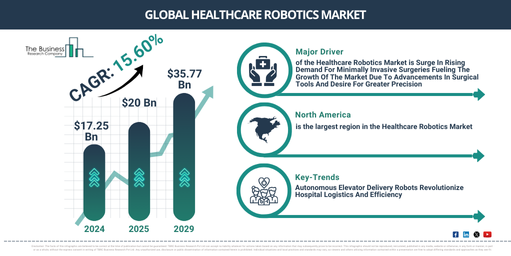
    The healthcare robotics market has seen its size increase rapidly in recent years. It is projected to grow from $17.25 billion in 2024 to $20 billion in 2025, with a compound annual growth rate (CAGR) of 15.9%. The expansion observed in the historic period is attributable to the increasing demand for minimally invasive surgeries, a rising aging population, growing pressures on healthcare costs, an improvement in surgical precision and efficiency, and the increasing adoption of robotic-assisted rehabilitation.

    The healthcare robotics market is poised for significant expansion in the coming years. Projections indicate it will reach a value of $35.77 billion by 2029, demonstrating a compound annual growth rate (CAGR) of 15.6%. This anticipated growth during the forecast period is fueled by several factors, including increasing advancements in artificial intelligence, a heightened emphasis on personalized healthcare solutions, an increase in robotic surgery training initiatives, the expansion of healthcare infrastructure in developing regions, and growing investments in healthcare robotics research and development. Key developments anticipated in this period encompass improvements in robotic surgery systems, sophisticated rehabilitation robots, breakthroughs in AI-driven surgical assistance, advanced robotic exoskeletons designed for enhanced mobility, and new developments in robotic-assisted diagnostic tools.

    Unlock Your Free Sample Report for Exclusive Market Data:

    https://www.thebusinessresearchcompany.com/sample.aspx?id=23414&type=smp

    Which Major Market Drivers Are Shaping The Future Of The Healthcare Robotics Market?

    The increasing requirement for minimally invasive surgeries is projected to drive the expansion of the healthcare robotics market moving forward. Minimally invasive surgeries are defined as procedures conducted through small incisions using specialized instruments, resulting in reduced pain and quicker patient recovery. The growth in minimally invasive surgeries is fueled by faster recovery times, as they cause less bodily trauma and allow for a more rapid return to daily routines. Healthcare robotics enhances minimally invasive surgeries by delivering greater precision, improved control, and smaller incisions, which leads to expedited recovery, reduced risks, and better patient outcomes. For instance, in March 2023, according to the British Association of Aesthetic Plastic Surgeons, a UK-based surgical organization, approximately 31,057 minimally invasive cosmetic procedures were performed in 2022, indicating a 102% increase compared to the previous year. Therefore, the escalating demand for minimally invasive surgeries is propelling the growth of the healthcare robotics market.

    How Is The Healthcare Robotics Market Segmented?

    The healthcare roboticsmarket covered in this report is segmented –

    1) By Type: Non-Invasive Radiosurgery Robots; Emergency Response Robotic Systems; Hospital And Pharmacy Robots; Rehabilitation Robots; Neurosurgical Robotic Systems; Surgical Robots; Laparoscopy Robotic Systems; Other Types

    2) By Portability: Mobile; Fixed

    3) By Application: Neurosurgery; Orthopedic Surgery; Cardiology; Laparoscopy; Pharmacy Applications; Other Applications

    4) By End-Use Industry: Rehabilation Centers; Hospitals; Speciality Centers; Clinics; Other End-Use Industries

    Subsegments:

    1) By Non-Invasive Radiosurgery Robots: Stereotactic Radiosurgery (SRS) Systems; Proton Beam Radiosurgery Systems

    2) By Emergency Response Robotic Systems: Disaster Response Robots; Search and Rescue Robots; Patient Transport Robots

    3) By Hospital And Pharmacy Robots: Medication Dispensing Robots; Hospital Delivery Robots; Autonomous Cleaning Robots; Robotic Surgical Assistant Robots

    4) By Rehabilitation Robots: Exoskeleton Robots; Robotic Physical Therapy Devices; Stroke Rehabilitation Robots

    5) By Neurosurgical Robotic Systems: Robotic Brain Surgery Systems; Spinal Neurosurgery Robots; Cranial Neurosurgery Robots

    6) By Surgical Robots: Minimally Invasive Surgery Robots; Robotic-Assisted Surgery Systems; Robotic Endoscopic Surgery Systems

    7) By Laparoscopy Robotic Systems: Laparoscopic Surgical Robots; Robotic-Assisted Laparoscopy Devices

    8) By Other Types: Telepresence Robots; Diagnostic Robots; Caregiving Robots; Prosthetic And Orthotic Robots

    What Long-Term Trends Will Shape The Future Growth Of The Healthcare Robotics Industry?

    Major companies operating within the healthcare robotics market are prioritizing the development of sophisticated technologies, such as elevator delivery robots, to improve operational efficiency and optimize hospital logistics. An elevator delivery robot is an autonomous machine built to transfer items across different floors within a building, utilizing elevator systems for vertical transit. For example, in May 2024, Richtech Robotics Inc., a US-based supplier of AI-powered service robots, launched the Medbo, an elevator-enabled delivery robot. This innovation is specifically designed to streamline 24/7 medication delivery within healthcare settings. The robot ensures secure and precise transportation, which helps lower operational costs while simultaneously elevating patient care. It also reduces the burden of routine tasks for healthcare staff, thereby boosting overall efficiency. The Medbot plays a role in enhancing hospital performance and supporting the seamless operation of healthcare facilities.

    Which Global Market Leaders Are Shaping The Future Of The Healthcare Robotics Sector?

    Major companies operating in the healthcare robotics market are Johnson & Johnson, Medtronic plc, Stryker Corporation, Zimmer Biomet Holdings Inc., Intuitive Surgical Inc., Smith & Nephew plc, KUKA AG, Globus Medical Inc., Renishaw plc, Accuray Incorporated, Brainlab AG, Meerecompany Co. Ltd., Vicarious Surgical Inc., CMR Surgical Ltd., Stereotaxis Inc., Aethon Inc., Cyberdyne Inc., Hocoma AG, Titan Medical Inc., Medicaroid Corporation

    Download The Full Report For Exclusive Market Findings:

    https://www.thebusinessresearchcompany.com/report/healthcare-robotics-global-market-report

    Which Region Shows The Highest Potential For Future Expansion In The Healthcare Robotics Market?

    North America was the largest region in the healthcare robotics market in 2024. Asia-Pacific is expected to be the fastest-growing region in the forecast period. The regions covered in the healthcare robotics market report are Asia-Pacific, Western Europe, Eastern Europe, North America, South America, Middle East, Africa.

    Request A Customized Version Of The Healthcare Robotics Market Report:

    https://www.thebusinessresearchcompany.com/customise?id=23414&type=smp

    Browse Through More Reports Similar to the Global Healthcare Robotics Market 2025, By The Business Research Company

    Healthcare Advertising Global Market Report 2025

    https://www.thebusinessresearchcompany.com/report/healthcare-advertising-global-market-report

    Healthcare Analytical Testing Services Global Market Report 2025

    https://www.thebusinessresearchcompany.com/report/healthcare-analytical-testing-services-global-market-report

    Healthcare Analytics Market 2025

    https://www.thebusinessresearchcompany.com/report/healthcare-analytics-market

    Get in touch with us:

    The Business Research Company: https://www.thebusinessresearchcompany.com/

    Americas +1 310-496-7795

    Asia +44 7882 955267 & +91 8897263534

    Europe +44 7882 955267

    Email us at info@tbrc.info

    Follow us on:

    LinkedIn: https://in.linkedin.com/company/the-business-research-company

    YouTube: https://www.youtube.com/channel/UC24_fI0rV8cR5DxlCpgmyFQ

    Global Market Model: https://www.thebusinessresearchcompany.com/global-market-model