Blog

  • Value-Based Healthcare Services Industry Forecast to Hit $3932.78 Billion by 2029 With a Strong 18.1% CAGR

    Value-Based Healthcare Services Industry Forecast to Hit $3932.78 Billion by 2029 With a Strong 18.1% CAGR

    Unlock Global Insights – Save 20% on Market Reports with Code ONLINE20

    #What Are The Current (2025) And Forecast (2029) Sizes Of The Value-Based Healthcare Services Market?

    The value-based healthcare services market has seen rapid expansion in recent years. Its size is expected to increase from $1708.77 billion in 2024 to $2020.27 billion in 2025, achieving a compound annual growth rate (CAGR) of 18.2%. The growth observed in previous periods can be linked to factors like escalating healthcare costs, a higher prevalence of chronic conditions, increased adoption of healthcare IT, broader application of predictive analytics, and the development of population health management solutions.

    The value-based healthcare services market size is projected to experience significant expansion in the coming years. It is expected to grow to $3932.78 billion by 2029, demonstrating a compound annual growth rate (CAGR) of 18.1%. This projected growth throughout the forecast period can be attributed to the broadening application of artificial intelligence in healthcare, the increasing embrace of telehealth, an intensified focus on preventive care, rising investments within the healthcare sector, and the wider adoption of digital health platforms. Prominent trends anticipated during this period include a move from fee-for-service models to value-based care, enhancements in healthcare analytics, the integration of blockchain technology in healthcare, advancements in artificial intelligence and machine learning, and the incorporation of technology into healthcare workflows.

    Unlock Your Free Sample Report for Exclusive Market Data:

    https://www.thebusinessresearchcompany.com/sample.aspx?id=23559&type=smp

    Which Drivers Are Shaping The Value-Based Healthcare Services Industry’s Market Share?

    The future growth of the value-based healthcare services market is anticipated to be significantly propelled by the increasing adoption of patient-centered care. This healthcare approach fundamentally prioritizes patients’ individual needs, preferences, and values, ensuring their active involvement in all decision-making and treatment planning processes. The rising embrace of patient-centered care stems from a growing awareness that patients should play an active role in their own healthcare decisions. By aligning patient needs and preferences with improvements in health outcomes, enhanced care quality, and reduced costs, patient-centered care has the potential to substantially boost value-based healthcare services. For instance, a survey of 1,200 patients conducted in August 2024 by Lakeside Healthcare At Yaxley, a UK-based general practitioners (GPs) healthcare facility, revealed a 3% rise in patients finding it easier to contact the practice, alongside reduced telephone waiting times with 74% of calls answered within ten minutes, and a higher percentage of face-to-face appointments at 58%. This demonstrates how the expanding implementation of patient-centered care is indeed driving the growth of the value-based healthcare services market.

    What Are The Major Segment Types Covered In The Value-Based Healthcare Services Market?

    The value-based healthcare servicesmarket covered in this report is segmented –

    1) By Product Type: Accountable Care Organization (ACO); Patient-Centered Medical Home (PCMH); Pay for Performance; Bundled Payments

    2) By Deployment Type: Online; Offline

    3) By End-User: Hospitals; Clinics; Insurance Companies; Government; Others End-User

    Subsegments:

    1) By Accountable Care Organization (ACO): Medicare ACOs; Commercial ACOs; Pioneer ACOs; Provider-Sponsored ACOs; Government-Funded ACOs

    2) By Patient-Centered Medical Home (PCMH): Independent PCMHs; Hospital-Based PCMHs; Payer-Led PCMHs; Specialty-Specific PCMHs; Multi-Payer PCMHs

    3) By Pay for Performance: Hospital-Based P4P; Physician-Based P4P; Pharmacy-Based P4P; Nursing and Post-Acute Care P4P; Population Health-Based P4P

    4) By Bundled Payments: Retrospective Bundled Payments; Prospective Bundled Payments; Condition-Specific Bundled Payments; Procedure-Based Bundled Payments; Multi-Payer Bundled Payments

    How Are Trends Influencing The Value-Based Healthcare Services Market?

    Leading companies operating within the value-based healthcare services market are concentrating on developing innovative approaches, such as value-based care, to harness technology and specialized knowledge for delivering excellent and equitable health results. Value-based care represents a healthcare framework designed to improve patient health outcomes while simultaneously reducing expenditures. This model strives to elevate patient wellbeing and decrease costs through its emphasis on quality, proactive care, and streamlined care coordination. For example, in April 2023, Kaiser Permanente, a US-based nonprofit organization, introduced Risant Health, a new nonprofit entity established to broaden and accelerate the integration of value-based healthcare services through collaborations with community-based health systems. This endeavor seeks to improve patient-centered care delivery by incorporating sophisticated value-based care strategies, leveraging insights from data, digital interactions, and novel care methodologies to enhance healthcare access and quality. By acquiring and providing support to nonprofit health systems like Geisinger Health, Risant Health is poised to instigate significant systemic change, fostering cost-efficient, superior healthcare solutions that put patient outcomes and fairness in care first.

    Which Key Market Players Are Investing In Expansion And Innovation Of Value-Based Healthcare Services Market?

    Major companies operating in the value-based healthcare services market are UnitedHealth Group Incorporated, McKesson Corporation, OptumHealth, Cigna Healthcare, Anthem Insurance Companies Inc. (Elevance Health), Kaiser Permanente, Humana Inc., Aetna Inc., Blue Cross and Blue Shield of Minnesota, Genpact Limited, VillageMD, MVP Health Care, Oak Street Health, Athena Healthcare, Evolent Health, ChenMed LLC, Somatus Inc., Cityblock Health, Navvis Healthcare, Tandigm Health, NextStep Solutions, CareMore Health, ForeSee Medical Inc.

    Download The Full Report For Exclusive Market Findings:

    https://www.thebusinessresearchcompany.com/report/value-based-healthcare-services-global-market-report

    Which Geographies Are Emerging As Strong Markets For The Value-Based Healthcare Services Industry?

    North America was the largest region in the value-based healthcare services market in 2024. Asia-Pacific is expected to be the fastest-growing region in the forecast period. The regions covered in the value-based healthcare services market report are Asia-Pacific, Western Europe, Eastern Europe, North America, South America, Middle East, Africa.

    Request A Customized Version Of The Value-Based Healthcare Services Market Report:

    https://www.thebusinessresearchcompany.com/customise?id=23559&type=smp

    Browse Through More Reports Similar to the Global Value-Based Healthcare Services Market 2025, By The Business Research Company

    Healthcare Services Market 2025

    https://www.thebusinessresearchcompany.com/report/healthcare-services-market

    Healthcare Market 2025

    https://www.thebusinessresearchcompany.com/report/healthcare-market

    Point Of Care Diagnostics Devices And Equipment Global Market Report 2025

    https://www.thebusinessresearchcompany.com/report/point-of-care-diagnostics-devices-and-equipment-global-market-report

    Get in touch with us:

    The Business Research Company: https://www.thebusinessresearchcompany.com/

    Americas +1 310-496-7795

    Asia +44 7882 955267 & +91 8897263534

    Europe +44 7882 955267

    Email us at info@tbrc.info

    Follow us on:

    LinkedIn: https://in.linkedin.com/company/the-business-research-company

    YouTube: https://www.youtube.com/channel/UC24_fI0rV8cR5DxlCpgmyFQ

    Global Market Model: https://www.thebusinessresearchcompany.com/global-market-model
  • Value-Based Care Service Market to Reach $6 Billion by 2029, Growing at a CAGR of 9.7%

    Value-Based Care Service Market to Reach $6 Billion by 2029, Growing at a CAGR of 9.7%

    Unlock Global Insights – Save 20% on Market Reports with Code ONLINE20

    What Market Value Is The Value-Based Care Service Industry Expected To Reach By 2029, Starting From 2025 Levels?

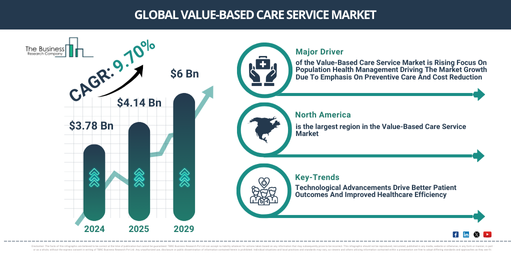
    The value-based care service market size has shown significant expansion in recent years. It is anticipated to increase from $3.78 billion in 2024 to $4.14 billion in 2025, achieving a compound annual growth rate (CAGR) of 9.5%. This historical growth can be attributed to several factors such as escalating healthcare expenses, a stronger focus on patient outcomes, the establishment of accountable care organizations (ACOs), the broader implementation of bundled payment models, and the growing utilization of predictive analytics.

    The value-based care service market is projected for substantial expansion over the next few years. It is expected to grow to $6 billion in 2029, achieving a compound annual growth rate (CAGR) of 9.7%. This anticipated growth is driven by the wider adoption of alternative payment models (APMs), an increase in Medicare and Medicaid enrollment, a heightened demand for personalized care, the growing prevalence of telehealth, and an intensified focus on preventive care. Key trends during this period include sophisticated advancements in healthcare analytics, a transition away from the fee-for-service model, the integration of artificial intelligence and machine learning into healthcare, and ongoing developments in digital health platforms.

    Unlock Your Free Sample Report for Exclusive Market Data:

    https://www.thebusinessresearchcompany.com/sample.aspx?id=23558&type=smp

    What Are The Drivers Pushing New Developments In The Value-Based Care Service Market?

    The growing emphasis on managing population health is set to drive the expansion of the value-based care service market in the future. Population health management represents a forward-thinking healthcare strategy aimed at improving the well-being of a specific population. It achieves this by utilizing data analysis, proactive prevention, coordinated care, and interventions based on evidence to address chronic illnesses, reduce health inequities, and boost overall health. This heightened attention to population health stems from the imperative to enhance health outcomes while simultaneously containing healthcare expenditures. By focusing on health at a population level, healthcare providers can identify and mitigate widespread health risks, encourage preventative measures, and more effectively manage long-term conditions. Value-based care services are crucial in this shift, as they connect financial incentives directly to health results, encourage teamwork across various disciplines, and prioritize preventative care and sustained patient involvement to bolster population health management initiatives. For example, the Bureau of Labor Statistics, a US-based federal agency, reported in April 2023 that the employment for medical and health services managers is projected to rise by 29% from 2023 to 2033, a rate considerably faster than the average for all jobs. Consequently, the intensified focus on population health management is stimulating the growth of the value-based care service market.

    What Are The Major Segment Categories Driving The Value-Based Care Service Market Growth?

    The value-based care servicemarket covered in this report is segmented –

    1) By Model: Pay For Performance; Patient-Centered Medical Home; Shared Savings; Shared Risk; Bundled Payment; Capitation Models

    2) By Payers: Medicare; Medicaid; Commercial Insurance; Other Payers

    3) By Providers: Home Health Care; Institutional Care; Hospital Therapy; Other Providers

    4) By End-Users: Hospitals And Clinics; Insurance Companies; Government; Other End-Users

    Subsegments:

    1) By Pay For Performance: Hospital-Based Pay for Performance; Physician-Based Pay for Performance; Pharmacy-Based Pay for Performance; Nursing and Post-Acute Care Pay for Performance; Population Health-Based Pay for Performance

    2) By Patient-Centered Medical Home: Independent Patient-Centered Medical Homes; Hospital-Based Patient-Centered Medical Homes; Payer-Led Patient-Centered Medical Homes; Specialty-Specific Patient-Centered Medical Homes; Multi-Payer Patient-Centered Medical Homes

    3) By Shared Savings: One-Sided Shared Savings; Two-Sided Shared Savings; Medicare Shared Savings Programs; Commercial Shared Savings Programs; Medicaid Shared Savings Programs

    4) By Shared Risk: Partial Risk Sharing; Full Risk Sharing; Upside-Only Risk Models; Downside Risk Models; Provider-Sponsored Risk Arrangements

    5) By Bundled Payment: Retrospective Bundled Payments; Prospective Bundled Payments; Condition-Specific Bundled Payments; Procedure-Based Bundled Payments; Multi-Payer Bundled Payments

    6) By Capitation Models: Full Capitation; Partial Capitation; Primary Care Capitation; Specialty Care Capitation; Global Capitation

    What Key Innovation Trends Are Fueling Advancements In The Value-Based Care Service Market?

    Leading companies within the value-based care service market are actively focusing on developing innovative solutions, such as healthcare analytics, to enhance outcomes and operational efficiency. Healthcare analytics utilizes information concerning patients and their treatments to assist medical professionals and hospitals in making improved decisions and elevating the standard of care. It supports value-based care services by leveraging patient information to select optimal care pathways, improve health outcomes, and reduce unnecessary expenses. For instance, in October 2023, Milliman MedInsight, a US-based healthcare analytics and data solutions company, unveiled an enhanced Value-Based Care Platform, crafted to help healthcare organizations achieve better performance under value-based care models. The upgraded platform provided advanced tools for analyzing patient data, tracking health outcomes, managing costs, and improving care coordination. This enabled doctors, hospitals, and health plans to make more informed decisions by identifying effective treatments, using resources efficiently, and delivering higher-quality care.

    Who Are The Core Companies Influencing The Value-Based Care Service Market Landscape?

    Major companies operating in the value-based care service market are UnitedHealth Group Incorporated, McKesson Corporation, Cigna Healthcare, Anthem Insurance Companies Inc. (Elevance Health), Kaiser Permanente, Humana Inc., Blue Cross and Blue Shield of Minnesota, Genpact Limited, VillageMD, MVP Health Care, Agilon Health Inc., Oak Street Health, Privia Health Group Inc., Evolent Health, ChenMed LLC, Aetna Inc., Aledade Inc., Somatus Inc., Equality Health LLC, Wellvana Health LLC, Tandigm Health, ForeSee Medical Inc.

    Download The Full Report For Exclusive Market Findings:

    https://www.thebusinessresearchcompany.com/report/value-based-care-service-global-market-report

    Which Region Is Projected To Lead The Value-Based Care Service Market During The Forecast Period?

    North America was the largest region in the value-based care service market in 2024. Asia-Pacific is expected to be the fastest-growing region in the forecast period. The regions covered in the value-based care service market report are Asia-Pacific, Western Europe, Eastern Europe, North America, South America, Middle East, Africa.

    Request A Customized Version Of The Value-Based Care Service Market Report:

    https://www.thebusinessresearchcompany.com/customise?id=23558&type=smp

    Browse Through More Reports Similar to the Global Value-Based Care Service Market 2025, By The Business Research Company

    Nursing Care Market 2025

    https://www.thebusinessresearchcompany.com/report/nursing-care-market

    Child Care Market 2025

    https://www.thebusinessresearchcompany.com/report/child-care-market

    Healthcare Services Market 2025

    https://www.thebusinessresearchcompany.com/report/healthcare-services-market

    Get in touch with us:

    The Business Research Company: https://www.thebusinessresearchcompany.com/

    Americas +1 310-496-7795

    Asia +44 7882 955267 & +91 8897263534

    Europe +44 7882 955267

    Email us at info@tbrc.info

    Follow us on:

    LinkedIn: https://in.linkedin.com/company/the-business-research-company

    YouTube: https://www.youtube.com/channel/UC24_fI0rV8cR5DxlCpgmyFQ

    Global Market Model: https://www.thebusinessresearchcompany.com/global-market-model
  • Global Usher Syndrome Market Size Projected to Reach $2.79 Billion During the Forecast Period

    Global Usher Syndrome Market Size Projected to Reach $2.79 Billion During the Forecast Period

    Unlock Global Insights – Save 20% on Market Reports with Code ONLINE20

    What Is The Anticipated Size Of The Usher Syndrome Market Over The Five-Year Period 2025–2029?

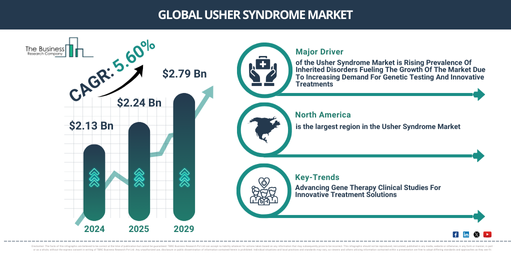
    The market size for usher syndrome has experienced robust growth in recent years. It is anticipated to expand from $2.13 billion in 2024 to $2.24 billion in 2025, exhibiting a compound annual growth rate (CAGR) of 5.3%. The historical expansion of this market can be attributed to an increase in genetic disorders, a heightened demand for minimally invasive surgeries, the rising prevalence of inherited disorders, a greater number of product approvals, and expanding government initiatives.

    The usher syndrome market is anticipated to experience substantial growth in the coming years, with its size projected to reach $2.79 billion by 2029, exhibiting a compound annual growth rate (CAGR) of 5.6%. This expansion during the forecast period is primarily fueled by the increasing use of cochlear implants, a rise in gene mutations, growing healthcare expenditure, the increasing popularity of ophthalmological rehabilitation, and a greater adoption of audiological rehabilitation. Noteworthy trends during this period include the development of vaccines, advancements in hearing kits, progress in devices, improvements in surgeries, and developments in gene therapies.

    Unlock Your Free Sample Report for Exclusive Market Data:

    https://www.thebusinessresearchcompany.com/sample.aspx?id=23555&type=smp

    What Are The Emerging Market Drivers Creating New Opportunities In The Usher Syndrome Industry?

    The usher syndrome market is anticipated to expand due to the growing occurrence of inherited disorders. Inherited disorders are genetic conditions transmitted from parents to children through their DNA, often stemming from mutations in one or more genes. The increase in these disorders is linked to rising parental age, resulting in a greater frequency of genetic conditions in newborns. Usher syndrome itself is a genetic condition necessitating prompt diagnosis, specialized treatment, and specific therapies. Enhanced awareness and expanded screening for genetic disorders contribute to more Usher syndrome cases being identified. This, in turn, fuels the demand for diagnostic tests, genetic counseling, and therapeutic interventions. For example, as reported in November 2022 by the United Kingdom Hemophilia Centre Doctors Organization, a UK medical association, new registrations for individuals aged 2 years and older with severe hemophilia A who received subsequent treatment climbed from 16 in 2021 to 19 in 2022. Consequently, the increasing prevalence of inherited disorders will propel the usher syndrome market.

    How Is The Usher Syndrome Market Segmented?

    The usher syndromemarket covered in this report is segmented –

    1) By Type: Type 1; Type 2; Type 3; Other Types

    2) By Treatment: Devices; Drugs; Therapy; Other Treatments

    3) By Diagnosis: Electroretinogram; Optical Coherence Tomography; Video Nystagmography; Audiology; Genetic Testing; Other Diagnoses

    4) By Distribution Channels: Hospital Pharmacy; Retail Pharmacy; Other Distribution Channels

    5) By End-Users: Hospitals; Speciality Clinics; Other End-Users

    Subsegments:

    1) By Type 1: MYO7A Mutation; USH1C Mutation; CDH23 Mutation; PCDH15 Mutation; USH1G Mutation

    2) By Type 2: USH2A Mutation; GPR98 Mutation; DFNB31 Mutation

    3) Type 3: CLRN1 Mutation

    4) Other Types: Atypical Usher Syndrome; Rare Genetic Variants

    Which Ongoing Trends Are Expected To Shape The Usher Syndrome Market Outlook?

    Major companies operating in the usher syndrome market are heavily invested in clinical studies focused on creating gene therapies and innovative treatments designed to slow down or even reverse the progression of vision and hearing loss. These clinical investigations aim to improve methods for early diagnosis, enhance available assistive technologies, and explore various drug-based interventions to achieve better management of the disease. For example, in October 2024, AAVantgarde Bio, an Italy-based biotechnology company, commenced the LUCE-1 trial, a Phase I/II clinical study intended to assess the safety and efficacy of its gene therapy, AAVB-081, for addressing retinitis pigmentosa associated with Usher Syndrome type 1B (USH1B). The LUCE-1 trial’s specific goal is to evaluate the safety and tolerability of AAVB-081, which delivers a functional copy of the MYO7A gene, critical for retinal health.

    Which Major Industry Participants Are Leading The Usher Syndrome Market Growth?

    Major companies operating in the usher syndrome market are National Institute Of Health, Stanford Health Care, Cochlear Ltd, Advanced Bionics AG, Spark Therapeutics, Editas Medicine Inc, American Academy of Ophthalmology, BlueRock Therapeutics, Medline Plus, Ear Science Institute Australia, Oxford Academics, ProQR Therapeutics NV, ReiThera srl, Usher Syndrome Coalition, Happy Ears Hearing Center, Odylia Therapeutics, ReNeuron Group plc, Sensorion SAS, Gensight Biologics, Harvard Medical School

    Download The Full Report For Exclusive Market Findings:

    https://www.thebusinessresearchcompany.com/report/usher-syndrome-global-market-report

    What Are The Key Regional Factors Influencing The Usher Syndrome Market Growth?

    North America was the largest region in the usher syndrome market in 2024. Asia-Pacific is expected to be the fastest-growing region in the forecast period. The regions covered in the usher syndrome market report are Asia-Pacific, Western Europe, Eastern Europe, North America, South America, Middle East, Africa.

    Request A Customized Version Of The Usher Syndrome Market Report:

    https://www.thebusinessresearchcompany.com/customise?id=23555&type=smp

    Browse Through More Reports Similar to the Global Usher Syndrome Market 2025, By The Business Research Company

    Acute Coronary Syndrome Global Market Report 2025

    https://www.thebusinessresearchcompany.com/report/acute-coronary-syndrome-global-market-report

    Cough Hypersensitivity Syndrome Global Market Report 2025

    https://www.thebusinessresearchcompany.com/report/cough-hypersensitivity-syndrome-global-market-report

    Dumping Syndrome Global Market Report 2025

    https://www.thebusinessresearchcompany.com/report/dumping-syndrome-global-market-report

    Get in touch with us:

    The Business Research Company: https://www.thebusinessresearchcompany.com/

    Americas +1 310-496-7795

    Asia +44 7882 955267 & +91 8897263534

    Europe +44 7882 955267

    Email us at info@tbrc.info

    Follow us on:

    LinkedIn: https://in.linkedin.com/company/the-business-research-company

    YouTube: https://www.youtube.com/channel/UC24_fI0rV8cR5DxlCpgmyFQ

    Global Market Model: https://www.thebusinessresearchcompany.com/global-market-model
  • Urticaria Industry Anticipated to Expand at 17.7% CAGR During the Forecast Period

    Urticaria Industry Anticipated to Expand at 17.7% CAGR During the Forecast Period

    Unlock Global Insights – Save 20% on Market Reports with Code ONLINE20

    What Are The Forecasted Market Size Estimates For The Urticaria Market Between 2025 And 2029?

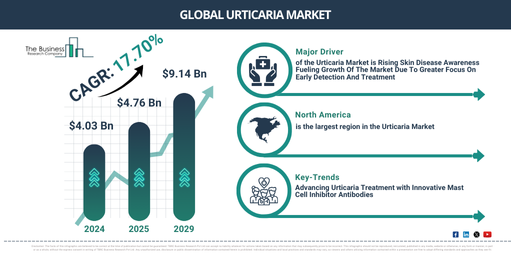
    The market for urticaria has experienced rapid expansion over recent years. It is projected to grow from $4.03 billion in 2024 to $4.76 billion in 2025, at a compound annual growth rate (CAGR) of 18.1%. The historic growth can be attributed to factors such as the increasing prevalence of allergies, rising awareness of skin disorders, advancements in immunology and biologics, growing demand for antihistamines, and improving diagnostic techniques.

    The urticaria market is anticipated to experience substantial growth in the upcoming years. It is projected to expand to $9.14 billion by 2029, achieving a compound annual growth rate (CAGR) of 17.7%. This expected growth during the forecast period is driven by factors such as an increase in chronic urticaria cases, the wider adoption of biologic therapies, greater investments in dermatology research, improved access to advanced allergy diagnostics, and the ongoing development of personalized medicine. Significant trends in the forecast period include the emergence of AI-powered diagnostic tools, the creation of novel biologics, advancements in personalized immunotherapy, the use of wearable skin monitoring devices, and the integration of telemedicine for allergy management.

    Unlock Your Free Sample Report for Exclusive Market Data:

    https://www.thebusinessresearchcompany.com/sample.aspx?id=23554&type=smp

    Which Drivers Are Impacting The Urticaria Market?

    Enhanced understanding and management of skin diseases are anticipated to boost the growth of the urticaria market in the coming years. Elevated pollution levels contribute to an increase in skin allergies and conditions, thereby stimulating the demand for greater awareness and advanced therapeutic options. Urticaria itself contributes to skin disease awareness and treatment by illustrating immune system responses, driving research, improving diagnostics, and advancing targeted therapies. For instance, in February 2024, The Skin Cancer Foundation, a US-based nonprofit, reported that 1 in 5 Americans develop skin cancer by age 70, with over 2 deaths occurring every hour in the U.S. This information emphasizes the urgent requirement for preventive measures, as having five or more sunburns doubles the risk of melanoma. Therefore, increased skin disease awareness and treatment are propelling the expansion of the urticaria market.

    What Are The Key Segments In The Urticaria Market?

    The urticariamarket covered in this report is segmented –

    1) By Type: Acute Urticaria; Chronic Urticaria

    2) By Drug Class: Antihistamines; Anti-inflammation Medications; Antidepressants; Monoclonal Antibodies; Other Drug Classes

    3) By Route of Administration: Oral; Parenteral; Other Routes Of Administration

    4) By Distribution Channel: Hospital Pharmacy; Online Pharmacy; Retail Pharmacy

    5) By End-Users: Hospitals; Homecare; Specialty Clinics; Other End-Users

    Subsegments:

    1) By Acute Urticaria: Allergic Urticaria; Infectious Urticaria; Drug-Induced Urticaria; Contact Urticaria

    2) By Chronic Urticaria: Chronic Spontaneous Urticaria (CSU); Chronic Inducible Urticaria (CIndU)

    Which Competitive Trends Are Defining The Urticaria Market Structure?

    Leading companies in the urticaria market are focusing on developing novel solutions, such as mast cell inhibitor antibodies, to create an advanced therapeutic approach for managing chronic spontaneous urticaria by targeting mast cell activation. A mast cell inhibitor antibody functions as a targeted monoclonal antibody, preventing the activation or degranulation of mast cells by suppressing specific receptors or signaling pathways, thereby diminishing allergic reactions, inflammation, and other mast cell-mediated conditions. For instance, in May 2024, Allakos Inc., a US-based biotechnology company, announced the commencement of a Phase 1 clinical trial for AK006, designed to treat chronic spontaneous urticaria (CSU). This innovative therapy targets both IgE-dependent and IgE-independent mast cell activation pathways, offering potential for broader efficacy in patients resistant to antihistamines or prior biologic treatments. By selectively inhibiting mast cell activity through the Siglec-6 receptor, AK006 aims to provide a more comprehensive and enduring solution for CSU management, signifying a notable progression in urticaria treatment and immunotherapy research.

    Who Are The Prominent Global Companies Shaping The Urticaria Market?

    Major companies operating in the urticaria market are Sanofi S.A., Novartis AG, GlaxoSmithKline PLC, Roche Holding AG, Viatris Inc., Teva Pharmaceutical Industries Ltd, Sun Pharmaceutical Industries Ltd, Incyte Corporation, Kyowa Kirin Co. Ltd., Dr. Reddy’s Laboratories Ltd, Cipla Ltd., Amneal Pharmaceuticals Inc, Glenmark Pharmaceuticals Ltd, Torrent Pharmaceuticals, Almirall S.A., Argenx SE, BioCryst Pharmaceuticals Inc., Pharvaris NV, Revolution Medicines Inc., Allakos.

    Download The Full Report For Exclusive Market Findings:

    https://www.thebusinessresearchcompany.com/report/urticaria-global-market-report

    How Do Regional Market Performances Compare Within The Urticaria Industry?

    North America was the largest region in the urticaria market in 2024. Asia-Pacific is expected to be the fastest-growing region in the forecast period. The regions covered in the urticaria market report are Asia-Pacific, Western Europe, Eastern Europe, North America, South America, Middle East, Africa.

    Request A Customized Version Of The Urticaria Market Report:

    https://www.thebusinessresearchcompany.com/customise?id=23554&type=smp

    Browse Through More Reports Similar to the Global Urticaria Market 2025, By The Business Research Company

    Transdermal Skin Patches Market 2025

    https://www.thebusinessresearchcompany.com/report/transdermal-skin-patches-market

    Natural Skin Care Products Global Market Report 2025

    https://www.thebusinessresearchcompany.com/report/natural-skin-care-products-global-market-report

    Organic Skincare Global Market Report 2025

    https://www.thebusinessresearchcompany.com/report/organic-skincare-global-market-report

    Get in touch with us:

    The Business Research Company: https://www.thebusinessresearchcompany.com/

    Americas +1 310-496-7795

    Asia +44 7882 955267 & +91 8897263534

    Europe +44 7882 955267

    Email us at info@tbrc.info

    Follow us on:

    LinkedIn: https://in.linkedin.com/company/the-business-research-company

    YouTube: https://www.youtube.com/channel/UC24_fI0rV8cR5DxlCpgmyFQ

    Global Market Model: https://www.thebusinessresearchcompany.com/global-market-model
  • Global Urinary Retention Therapeutics Market Projected to Expand at 7% CAGR by 2029

    Global Urinary Retention Therapeutics Market Projected to Expand at 7% CAGR by 2029

    Unlock Global Insights – Save 20% on Market Reports with Code ONLINE20

    How Is The Urinary Retention Therapeutics Market Size Likely To Evolve From 2025 Through 2034?

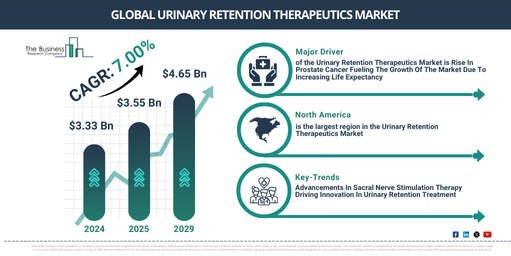
    The urinary retention therapeutics market size has seen robust expansion in recent years. It is projected to increase from $3.33 billion in 2024 to $3.55 billion in 2025, exhibiting a compound annual growth rate (CAGR) of 6.5%. The market’s growth in the past can be ascribed to a surge in urological disorder cases, rising healthcare spending, an expanding global geriatric population, the increasing incidence of urinary incontinence (UI), and a heightened risk of related urological disorders among individuals.

    The urinary retention therapeutics market size is anticipated to undergo significant expansion in the coming years. It is projected to reach $4.65 billion by 2029, exhibiting a compound annual growth rate (CAGR) of 7.0%. This growth during the forecast period is attributable to the increasing demand for home-based care, a rising number of prostate cancer cases, a growing preference for minimally invasive procedures, an increase in research projects, and an expanding geriatric population. Prominent trends for the forecast period involve the introduction of new and innovative treatment options, the advancement of urinary incontinence devices, technological progress, strategic partnerships and collaborations, the availability of invasive over-the-counter devices, and the development of wearables.

    Unlock Your Free Sample Report for Exclusive Market Data:

    https://www.thebusinessresearchcompany.com/sample.aspx?id=23553&type=smp

    Which Industry Drivers Are Expected To Accelerate The Urinary Retention Therapeutics Market From 2025 To 2029?

    The rise in prostate cancer cases is anticipated to drive the expansion of the urinary retention therapeutics market in the coming period. Prostate cancer is defined as a malignant ailment marked by the unregulated proliferation of cells within the prostate gland. The surge in prostate cancer diagnoses largely stems from demographic changes, as men are experiencing extended lifespans. With an aging populace, the probability of acquiring age-related conditions, such as prostate cancer, naturally climbs. These urinary retention therapeutics are crucial in prostate cancer management because an enlarged prostate or tumor can impede the urethra, leading to urination difficulties and requiring interventions to re-establish proper urine flow. For example, in June 2024, the Centers for Disease Control and Prevention, a US-based health protection agency, indicated that 33,363 men in the United States succumbed to prostate cancer in 2022, concurrently with 236,659 new cases identified in 2021. Consequently, the rising incidence of prostate cancer is set to propel the expansion of the urinary retention therapeutics market.

    What Are The Leading Segments Analyzed In The Urinary Retention Therapeutics Market?

    The urinary retention therapeuticsmarket covered in this report is segmented –

    1) By Drug Class: 5-Alpha-Reductase Inhibitor And Alpha-Blocker Drugs; Anticholinergic Or Antispasmodic Agents; Antidepressants; Skeletal Muscle Relaxants; Topical Estrogens; Other Drugs

    2) By Incontinence Type: Stress Incontinence; Urge Incontinence; Over-Flow Incontinence; Mixed Incontinence; Other Incontinence Types

    3) By Administration Route: Oral; Intravesical; Intravenous; Transdermal

    4) By Distribution Channel: Retail Pharmacy; Hospital Pharmacy; Online Pharmacy

    Subsegments:

    1) By 5-Alpha-Reductase Inhibitor And Alpha-Blocker Drugs: Finasteride; Dutasteride; Tamsulosin; Alfuzosin; Terazosin; Doxazosin

    2) By Anticholinergic or Antispasmodic Agents: Oxybutynin; Tolterodine; Solifenacin; Darifenacin; Trospium; Fesoterodine

    3) By Antidepressants: Imipramine; Amitriptyline; Duloxetine

    4) By Skeletal Muscle Relaxants: Baclofen; Tizanidine; Diazepam; Cyclobenzaprine

    5) By Topical Estrogens: Estradiol Cream; Conjugated Estrogens; Estriol Vaginal Cream

    6) By Other Drugs: Botulinum Toxin (Botox); Mirabegron; Desmopressin

    What Are The Latest Industry Trends Transforming The Urinary Retention Therapeutics Market?

    Leading companies in the urinary retention therapeutics market are focusing on advanced technologies, such as next-generation sacral nerve stimulation therapy, to improve bladder and bowel control. This therapy employs mild electrical impulses to stimulate the sacral nerves, relieving symptoms of urinary retention or overactive bladder. For instance, in February 2022, Medtronic Plc, an Ireland-based medical device company, received U.S. Food and Drug Administration (FDA) approval for its InterStim X system, marking the latest advancement in personalized sacral nerve stimulation therapy. The InterStim X system features a long-lasting, recharge-free battery, MRI compatibility, and a smart programmer for personalized therapy. Its two-stage implantation process allows a trial period before permanent placement. These innovations enhance convenience and safety in managing bladder and bowel control. InterStim systems offer two long-term options, the recharge-free InterStim X and the rechargeable InterStim Micro, for conditions including overactive bladder and chronic fecal incontinence.

    Which Key Players Are Driving Competition In The Urinary Retention Therapeutics Market?

    Major companies operating in the urinary retention therapeutics market are Pfizer Inc., Merck KGaA, Abbvie Inc., Bayer AG, Sanofi SA, GlaxoSmithKline Plc., Medtronic Plc, Eli Lilly and Company, Boston Scientific Corp., Sumitomo Pharma Inc., Ipsen Pharma, Coloplast A/S, Dr. Reddy’s Laboratories, Cipla Limited, Amneal Pharmaceuticals Inc., Ferring Pharmaceuticals , Otsuka Pharmaceutical Co. Ltd., NYMOX CORPORATION, Antev Ltd., Amber Therapeutics, Implantica Patent Ltd

    Download The Full Report For Exclusive Market Findings:

    https://www.thebusinessresearchcompany.com/report/urinary-retention-therapeutics-global-market-report

    Which Region Currently Holds The Largest Share Of The Urinary Retention Therapeutics Market?

    North America was the largest region in the urinary retention therapeutics market in 2024. Asia-Pacific is expected to be the fastest-growing region in the forecast period. The regions covered in the urinary retention therapeutics market report are Asia-Pacific, Western Europe, Eastern Europe, North America, South America, Middle East, Africa.

    Request A Customized Version Of The Urinary Retention Therapeutics Market Report:

    https://www.thebusinessresearchcompany.com/customise?id=23553&type=smp

    Browse Through More Reports Similar to the Global Urinary Retention Therapeutics Market 2025, By The Business Research Company

    Pharmaceutical Drugs And Biologics Logistics Market 2025

    https://www.thebusinessresearchcompany.com/report/pharmaceutical-drugs-and-biologics-logistics-market

    Urinary Incontinence And Pelvic Organ Prolapse Devices And Equipment Global Market Report 2025

    https://www.thebusinessresearchcompany.com/report/urinary-incontinence-and-pelvic-organ-prolapse-devices-and-equipment-global-market-report

    Urinary Stone Treatment Devices And Equipment Global Market Report 2025

    https://www.thebusinessresearchcompany.com/report/urinary-stone-treatment-devices-and-equipment-global-market-report

    Get in touch with us:

    The Business Research Company: https://www.thebusinessresearchcompany.com/

    Americas +1 310-496-7795

    Asia +44 7882 955267 & +91 8897263534

    Europe +44 7882 955267

    Email us at info@tbrc.info

    Follow us on:

    LinkedIn: https://in.linkedin.com/company/the-business-research-company

    YouTube: https://www.youtube.com/channel/UC24_fI0rV8cR5DxlCpgmyFQ

    Global Market Model: https://www.thebusinessresearchcompany.com/global-market-model
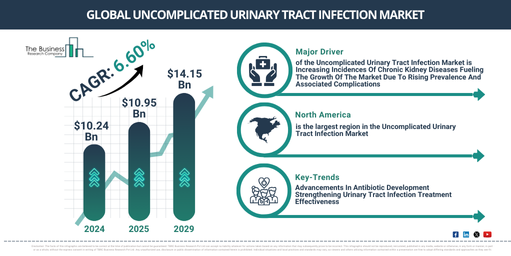
  • Uncomplicated Urinary Tract Infection Market to Grow at a CAGR of 6.6% from 2025 to 2029

    Uncomplicated Urinary Tract Infection Market to Grow at a CAGR of 6.6% from 2025 to 2029

    Unlock Global Insights – Save 20% on Market Reports with Code ONLINE20

    What Are The Growth Projections For The Uncomplicated Urinary Tract Infection Market Size During 2025–2029?

    The uncomplicated urinary tract infection market size has experienced strong growth in recent years. It is forecast to expand from $10.24 billion in 2024 to $10.95 billion in 2025, progressing at a compound annual growth rate (CAGR) of 6.9%. The market’s past development was driven by an increase in cases of renal failure, a rise in bladder cancer occurrences, the growing incidences of chronic kidney diseases, greater utilization of urinary catheters, and an expanding prevalence of diabetes.

    The market for uncomplicated urinary tract infections is projected to experience substantial expansion over the upcoming years. This market is anticipated to reach a valuation of $14.15 billion by 2029, exhibiting a compound annual growth rate (CAGR) of 6.6%. Factors contributing to this growth during the projected period include a rise in bacterial infections, a growing aging demographic, increased sexual activity, a surge in urinary tract infection cases, and the expanded use of contraceptives. Key trends anticipated within the forecast timeframe encompass the evolution of telemedicine, improvements in telehealth solutions, the creation of new drugs, progress in urinary tract infection treatments, and advancements in research and development efforts.

    Unlock Your Free Sample Report for Exclusive Market Data:

    https://www.thebusinessresearchcompany.com/sample.aspx?id=23550&type=smp

    What Are The Top Growth Drivers Impacting The Uncomplicated Urinary Tract Infection Market Outlook?

    The rising incidence of chronic kidney diseases is anticipated to propel the uncomplicated urinary tract infection market. Chronic kidney disease (CKD) is a progressive condition where the kidneys gradually lose functionality, leading to an accumulation of waste and fluids in the body. The increasing cases of CKD are attributed to the growing prevalence of diabetes, as prolonged high blood sugar levels can damage the kidneys and diminish their capacity to filter waste effectively. Moreover, CKD compromises the immune system, making individuals more vulnerable to urinary tract infections, and impaired kidney function results in urine retention, which fosters an environment for bacterial growth. For instance, according to Kidney Research UK, a UK-based charity, the number of adults receiving kidney transplants in the United Kingdom due to chronic kidney disease increased from 2,863 transplants in 2021 to 2,976 in 2023, as reported in June 2023. Consequently, the escalating incidence of chronic kidney diseases will drive the uncomplicated urinary tract infection market.

    What Are The Segment Types Shaping The Uncomplicated Urinary Tract Infection Market?

    The uncomplicated urinary tract infectionmarket covered in this report is segmented –

    1) By Test Type: Urinalysis; Urine Cultures; Susceptibility Testing

    2) By Drug: Penicillin And Combinations; Quinolones; Cephalosporin; Azoles And Amphotericin B; Nitrofurans; Other Drugs

    3) By End-Users: Hospitals; Diagnostic Labs; Research Institutes

    Subsegments:

    1) By Urinalysis: Dipstick Tests; Microscopic Examination; Automated Urinalysis

    2) By Urine Cultures: Agar Plate Culture; Broth Culture; Chromogenic Media

    3) By Susceptibility Testing: Disk Diffusion Method; Automated Susceptibility Testing; Molecular Susceptibility Testing

    What Trends Are Redefining The Uncomplicated Urinary Tract Infection Market Dynamics?

    Key companies operating within the uncomplicated urinary tract infection (UTI) market are concentrating on developing new antibiotics to enhance treatment effectiveness and address antibiotic-resistant bacteria. Antibiotics function as medications that combat bacterial infections by either eliminating or impeding the growth of bacteria in the body. For instance, in April 2024, the Food and Drug Administration, a federal agency based in the US, granted approval for Pivya (pivmecillinam) tablets for use in treating adult females with uncomplicated urinary tract infections. This tablet is specifically formulated for uncomplicated urinary tract infections caused by susceptible Escherichia coli, Proteus mirabilis, and Staphylococcus saprophyticus isolates. Pivmecillinam serves as a prodrug that converts into mecillinam, a beta-lactam antibiotic designed to target gram-negative bacteria by inhibiting the synthesis of their cell walls.

    Who Are The Top Performing Companies In The Uncomplicated Urinary Tract Infection Market In Recent Years?

    Major companies operating in the uncomplicated urinary tract infection market are Cardinal Health, Pfizer Inc., Bayer AG, AstraZeneca plc, GSK plc, Eli Lilly and Company, Siemens AG, Strykar Healthcare, John Hopkins Medicine, Shionogi & Co. Ltd., Sysmex Corporation, Bio-Rad Laboratories Inc, Cipla Inc., UTILITY therapeutics Ltd, Orchid Pharma Limited, ACON Labs, Sonika Lifesciences, Emergency Care BC, EB Medicine, Iterum Therapeutics PLC

    Download The Full Report For Exclusive Market Findings:

    https://www.thebusinessresearchcompany.com/report/uncomplicated-urinary-tract-infection-global-market-report

    What Regional Growth Trends Are Shaping The Uncomplicated Urinary Tract Infection Market Outlook?

    North America was the largest region in the uncomplicated urinary tract infection market in 2024. The regions covered in the uncomplicated urinary tract infection market report are Asia-Pacific, Western Europe, Eastern Europe, North America, South America, Middle East, Africa.

    Request A Customized Version Of The Uncomplicated Urinary Tract Infection Market Report:

    https://www.thebusinessresearchcompany.com/customise?id=23550&type=smp

    Browse Through More Reports Similar to the Global Uncomplicated Urinary Tract Infection Market 2025, By The Business Research Company

    Pharmaceutical Drugs And Biologics Logistics Market 2025

    https://www.thebusinessresearchcompany.com/report/pharmaceutical-drugs-and-biologics-logistics-market

    Urinary Incontinence And Pelvic Organ Prolapse Devices And Equipment Global Market Report 2025

    https://www.thebusinessresearchcompany.com/report/urinary-incontinence-and-pelvic-organ-prolapse-devices-and-equipment-global-market-report

    Urinary Stone Treatment Devices And Equipment Global Market Report 2025

    https://www.thebusinessresearchcompany.com/report/urinary-stone-treatment-devices-and-equipment-global-market-report

    Get in touch with us:

    The Business Research Company: https://www.thebusinessresearchcompany.com/

    Americas +1 310-496-7795

    Asia +44 7882 955267 & +91 8897263534

    Europe +44 7882 955267

    Email us at info@tbrc.info

    Follow us on:

    LinkedIn: https://in.linkedin.com/company/the-business-research-company

    YouTube: https://www.youtube.com/channel/UC24_fI0rV8cR5DxlCpgmyFQ

    Global Market Model: https://www.thebusinessresearchcompany.com/global-market-model
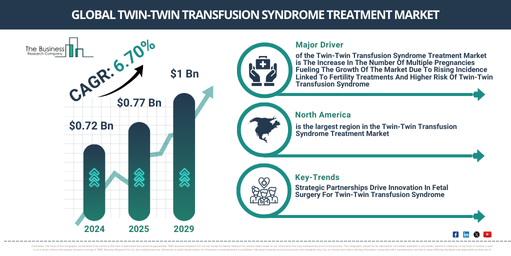
  • Global Twin-Twin Transfusion Syndrome Treatment Market 2025–2029: Competitive Insights and Opportunities

    Global Twin-Twin Transfusion Syndrome Treatment Market 2025–2029: Competitive Insights and Opportunities

    Unlock Global Insights – Save 20% on Market Reports with Code ONLINE20

    What Is The Global Market Value Of The Twin-Twin Transfusion Syndrome Treatment Industry In 2025?

    The twin-twin transfusion syndrome treatment market size has experienced robust expansion over recent years. This market is projected to expand from $0.72 billion in 2024 to $0.77 billion in 2025, demonstrating a compound annual growth rate (CAGR) of 6.6%. The factors contributing to its historical growth include increased understanding of TTTS risk factors in multiple gestations, growing customization of treatment approaches based on twin type, an uptick in the utilization of targeted therapies for complications, the expanding importance of patient-reported outcomes in TTTS management, and heightened awareness and educational efforts for expectant parents.

    The twin-twin transfusion syndrome treatment market size is anticipated to experience robust growth in the upcoming years, expanding to $1 billion by 2029, at a compound annual growth rate (CAGR) of 6.7%. This projected growth throughout the forecast period stems from increasing awareness and early diagnosis, the growing adoption of minimally invasive procedures, a heightened focus on maternal-fetal medicine, greater utilization of genetic testing and risk assessment, and the rising prevalence of TTTS. Significant trends identified for the forecast period include advancements in minimally invasive surgery, the application of artificial intelligence and machine learning, improvements in prenatal monitoring and diagnostics, the development of gene editing and stem cell therapies, and continuously evolving surgical and therapeutic interventions.

    Unlock Your Free Sample Report for Exclusive Market Data:

    https://www.thebusinessresearchcompany.com/sample.aspx?id=23549&type=smp

    Which Major Market Drivers Are Shaping The Future Of The Twin-Twin Transfusion Syndrome Treatment Market?

    A rise in multiple pregnancies is projected to drive the expansion of the twin-twin transfusion syndrome treatment market in the future. Multiple pregnancies are defined as instances where a woman carries more than one fetus simultaneously, including twins, triplets, or higher-order multiples. This increase is primarily attributed to fertility treatments that encourage the ovaries to produce multiple eggs. In cases of multiple pregnancies, twin-twin transfusion syndrome treatment addresses irregular blood vessel links within the shared placenta, aiming to re-establish balanced blood circulation between the fetuses. Such treatment substantially improves survival rates and reduces complication risks for both twins. For example, data from September 2023, provided by Twins Research Australia, an Australia-based research institute, showed that Australia had 4,118 multiple births, which constituted 1.5% of the nation’s total of 286,998 births. Of these, twins comprised the significant majority, with 4,073 instances (around 99 %), whereas only 45 births (1 %) involved triplets or higher-order multiples. Consequently, the growing incidence of multiple pregnancies is fueling the twin-twin transfusion syndrome treatment market.

    What Are The Different Segment Classifications Within The Twin-Twin Transfusion Syndrome Treatment Market?

    The twin-twin transfusion syndrome treatmentmarket covered in this report is segmented –

    1) By Treatment Type: Laser Therapy; Surgery; Blood Transfusion; Medication

    2) By Diagnosis Method: Ultrasound; Blood Tests; Amniocentesis

    3) By Mode Of Administration: Injectable; Oral; Other Modes Of Administration

    4) By Symptoms: Breathlessness; Tightness In The Abdomen; Rapid Expansion Of Abdomen; Rapid Weight Gain; Pressure On The Stomach; Premature Contractions

    5) By End-User: Hospitals; Homecare; Specialty Clinics; Other End-Users

    Subsegments:-

    1) By Laser Therapy: Fetoscopic Laser Photocoagulation; Selective Laser Ablation; Solomon Technique

    2) By Surgery: Amnioreduction Surgery; Septostomy; Fetoscopic Cord Coagulation

    3) By Blood Transfusion: Intrauterine Transfusion (IUT); Intraperitoneal Transfusion; Intravascular Transfusion

    4) By Medication: Tocolytics; Corticosteroids; Anti-Inflammatory Drugs; Antibiotics

    How Are Emerging Market Trends Shaping The Twin-Twin Transfusion Syndrome Treatment Industry Landscape?

    Leading entities within the twin-twin transfusion syndrome treatment market are prioritizing strategic collaborations to expedite the creation and market introduction of sophisticated therapeutic options. Such a partnership constitutes a sustained alliance between autonomous entities, designed to achieve mutually beneficial business objectives, enabling each participant to capitalize on shared strengths, assets, or market penetration for collective advantage. As an illustration, in January 2023, CHA Hollywood Presbyterian Medical Center, a US-based entity offering diverse healthcare services, collaborated with Los Angeles Fetal Surgery, a US-based medical facility, to inaugurate an innovative, life-saving fetal surgery initiative. This program, among a select few available in the U.S., provides minimally invasive interventions for unborn infants afflicted with serious ailments like spina bifida and twin-twin transfusion syndrome.

    Which Leading Companies Dominate The Twin-Twin Transfusion Syndrome Treatment Market Share?

    Major companies operating in the twin-twin transfusion syndrome treatment market are Mayo Foundation for Medical Education and Research, USF Health, Johns Hopkins Medicine, University Hospitals, Seattle Children’s Hospital, Texas Children’s Hospital, Cincinnati Children’s Hospital Medical Center, Apollo Hospitals, Tampa General Hospital, Children’s Hospital Colorado, Medicover Hospitals, UCSF Health, King’s College Hospital, The Children’s Hospital of Philadelphia, Riley Children’s Health, Yale School of Medicine, Brown University Health, Society for Maternal-Fetal Medicine, Lurie Children’s Hospital, Rainbow Children’s Hospital, UNC Department of Obstetrics & Gynecology.

    Download The Full Report For Exclusive Market Findings:

    https://www.thebusinessresearchcompany.com/report/twin-twin-transfusion-syndrome-treatment-global-market-report

    Which Regional Markets Are Contributing Most To The Twin-Twin Transfusion Syndrome Treatment Industry Expansion?

    North America was the largest region in the twin-twin transfusion syndrome treatment market in 2024. The regions covered in the twin-twin transfusion syndrome treatment market report are Asia-Pacific, Western Europe, Eastern Europe, North America, South America, Middle East, Africa.

    Request A Customized Version Of The Twin-Twin Transfusion Syndrome Treatment Market Report:

    https://www.thebusinessresearchcompany.com/customise?id=23549&type=smp

    Browse Through More Reports Similar to the Global Twin-Twin Transfusion Syndrome Treatment Market 2025, By The Business Research Company

    Acute Coronary Syndrome Global Market Report 2025

    https://www.thebusinessresearchcompany.com/report/acute-coronary-syndrome-global-market-report

    Cough Hypersensitivity Syndrome Global Market Report 2025

    https://www.thebusinessresearchcompany.com/report/cough-hypersensitivity-syndrome-global-market-report

    Dumping Syndrome Global Market Report 2025

    https://www.thebusinessresearchcompany.com/report/dumping-syndrome-global-market-report

    Get in touch with us:

    The Business Research Company: https://www.thebusinessresearchcompany.com/

    Americas +1 310-496-7795

    Asia +44 7882 955267 & +91 8897263534

    Europe +44 7882 955267

    Email us at info@tbrc.info

    Follow us on:

    LinkedIn: https://in.linkedin.com/company/the-business-research-company

    YouTube: https://www.youtube.com/channel/UC24_fI0rV8cR5DxlCpgmyFQ

    Global Market Model: https://www.thebusinessresearchcompany.com/global-market-model
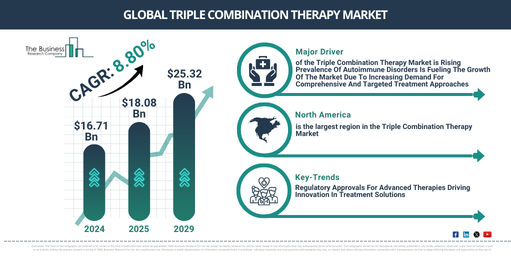
  • Triple Combination Therapy Market Trends 2025–2029: Forecasts for Key Growth Segments

    Triple Combination Therapy Market Trends 2025–2029: Forecasts for Key Growth Segments

    Unlock Global Insights – Save 20% on Market Reports with Code ONLINE20

    By How Much Is The Triple Combination Therapy Market Expected To Expand Between 2025 And 2029?

    The triple combination therapy market has experienced robust growth in recent years. It is projected to expand from $16.71 billion in 2024 to $18.08 billion in 2025, at a compound annual growth rate (CAGR) of 8.2%. This historical growth can be attributed to several factors, including the increasing prevalence of chronic diseases, a rising demand for combination therapies, higher healthcare expenditures, more regulatory approvals, and the expansion of clinical research.

    The triple combination therapy market is projected to experience substantial expansion in the coming years. It is forecast to reach $25.32 billion by 2029, exhibiting a compound annual growth rate (CAGR) of 8.8%. This anticipated growth during the forecast period can be ascribed to several factors, including the increasing prevalence of treatment-resistant illnesses, the wider embrace of personalized medicine, the expansion of pharmaceutical development pipelines, heightened investment in research and development, and favorable government initiatives. Key trends anticipated over this period encompass the development of gene-based combination therapies, their integration with digital health solutions, ongoing advancements in drug combinations, improvements in drug formulation, and progress within biotechnology.

    Unlock Your Free Sample Report for Exclusive Market Data:

    https://www.thebusinessresearchcompany.com/sample.aspx?id=23547&type=smp

    What Are The Main Drivers Boosting The Triple Combination Therapy Industry’s Expansion?

    The increasing occurrence of autoimmune conditions is projected to propel the expansion of the triple combination therapy market in the future. These disorders involve the immune system erroneously targeting the body’s own healthy tissues and organs. This escalation in autoimmune disorder cases stems from heightened exposure to environmental elements like pollution, which can provoke atypical immune reactions in predisposed individuals. A holistic strategy for addressing autoimmune disorders is provided by triple combination therapy, which works by concurrently addressing numerous immune pathways, thereby improving treatment effectiveness and mitigating disease progression. As an illustration, data from November 2024, furnished by Versorgungsatlas.de, an organization based in Germany, indicated that in 2022, out of 73,241,305 insured individuals, 6,304,340 received a diagnosis of at least one autoimmune disease, leading to a raw prevalence rate of 8.61%. Consequently, the increased prevalence of autoimmune disorders is fostering the expansion of the triple combination therapy market.

    What Are The Primary Types Of Segments Analyzed In The Triple Combination Therapy Market?

    The triple combination therapymarket covered in this report is segmented –

    1) By Drug Class: Antiretroviral Agents; Targeted Cancer Therapies; Immunomodulators; Anti-Inflammatory Drugs; Gene Modulators

    2) By Therapeutic Area: Infectious Diseases; Chronic Diseases; Cystic Fibrosis (CF); Cancer; Autoimmune Disorders; Neurological Disorders

    3) By Route Of Administration: Oral Therapies; Intravenous (IV); Subcutaneous (SC); Inhalation-Based Therapies; Topical Applications

    4) By Distribution Channel: Hospital Pharmacies; Retail Pharmacies; Online Pharmacies; Specialty Clinics

    Subsegments:

    1) By Antiretroviral Agents: Nucleoside Reverse Transcriptase Inhibitors (NRTIs); Non-Nucleoside Reverse Transcriptase Inhibitors (NNRTIs); Protease Inhibitors (PIs)

    2) By Targeted Cancer Therapies: Tyrosine Kinase Inhibitors (TKIs); Monoclonal Antibodies (mAbs); Immune Checkpoint Inhibitors

    3) By Immunomodulators: Interleukin Inhibitors; Tumor Necrosis Factor (TNF) Inhibitors; Janus Kinase (JAK) Inhibitors

    4) By Anti-Inflammatory Drugs: Non-Steroidal Anti-Inflammatory Drugs (NSAIDs); Corticosteroids; Selective COX-2 Inhibitors

    5) By Gene Modulators: Antisense Oligonucleotides; RNA Interference (RNAi) Agents; CRISPR-Based Gene Editing Therapies

    Which Key Trends Are Expected To Influence The Triple Combination Therapy Market In The Coming Years?

    Leading firms in the triple combination therapy sector are dedicated to creating novel solutions, like advanced cystic fibrosis triple therapies, with the aim of enhancing clinical results in cystic fibrosis by tackling the underlying cause of the condition. This cutting-edge cystic fibrosis triple therapy represents a sophisticated therapeutic strategy that integrates three modulators to boost the functionality of the faulty cystic fibrosis transmembrane conductance regulator (CFTR) protein, thereby seeking to better respiratory health and general disease control for individuals with cystic fibrosis. As an illustration, Vertex Pharmaceuticals Incorporated, a US biotechnology firm, revealed in July 2024 that the U.S. Food and Drug Administration (FDA) had approved its New Drug Application (NDA) for vanzacaftor/tezacaftor/deutivacaftor. This is a novel triple combination therapy intended for the treatment of cystic fibrosis in patients aged six years and older possessing at least one responsive cystic fibrosis transmembrane conductance regulator (CFTR) mutation. Referred to as the “vanza triple,” this once-daily regimen is designed to considerably improve CFTR protein function by bringing together two correctors and a potentiator, thus influencing the protein’s presence and activity on the cell surface. The FDA has given this therapy priority review status, and it has also been validated by the European Medicines Agency (EMA), highlighting its capacity to elevate treatment standards and enhance the quality of life for a wider demographic of cystic fibrosis patients.

    Who Are The Major Companies Operating In The Triple Combination Therapy Market?

    Major companies operating in the triple combination therapy market are Merck & Co. Inc., AstraZeneca plc, Novartis AG, GlaxoSmithKline (GSK) plc, Boehringer Ingelheim International GmbH, Vertex Pharmaceuticals, Daiichi Sankyo US, Bausch Health Companies Inc., CHIESI Farmaceutici S.p.A., Cipla Ltd., Lupin Ltd., BeyondSpring Inc., Daewoong pharmaceutical Co. Ltd, Galapagos NV, George Medicines, Biocytogen, Healio, Laekna Therapeutics, PDS Biotechnology, TG Therapeutics Inc., Immutep

    Download The Full Report For Exclusive Market Findings:

    https://www.thebusinessresearchcompany.com/report/triple-combination-therapy-global-market-report

    How Does The Triple Combination Therapy Market Perform Across Key Geographic Regions?

    North America was the largest region in the triple combination therapy market in 2024. Asia-Pacific is expected to be the fastest-growing region in the forecast period. The regions covered in the triple combination therapy market report are Asia-Pacific, Western Europe, Eastern Europe, North America, South America, Middle East, Africa.

    Request A Customized Version Of The Triple Combination Therapy Market Report:

    https://www.thebusinessresearchcompany.com/customise?id=23547&type=smp

    Browse Through More Reports Similar to the Global Triple Combination Therapy Market 2025, By The Business Research Company

    Tumor Ablation Therapy Devices Global Market Report 2025

    https://www.thebusinessresearchcompany.com/report/tumor-ablation-therapy-devices-global-market-report

    Radiotherapy Devices Global Market Report 2025

    https://www.thebusinessresearchcompany.com/report/radiotherapy-devices-global-market-report

    Cells Therapy Global Market Report 2025

    https://www.thebusinessresearchcompany.com/report/cells-therapy-global-market-report

    Get in touch with us:

    The Business Research Company: https://www.thebusinessresearchcompany.com/

    Americas +1 310-496-7795

    Asia +44 7882 955267 & +91 8897263534

    Europe +44 7882 955267

    Email us at info@tbrc.info

    Follow us on:

    LinkedIn: https://in.linkedin.com/company/the-business-research-company

    YouTube: https://www.youtube.com/channel/UC24_fI0rV8cR5DxlCpgmyFQ

    Global Market Model: https://www.thebusinessresearchcompany.com/global-market-model

  • Treatment-Resistant Depression Market Forecast 2025–2034: Where Businesses Should Invest Next

    Treatment-Resistant Depression Market Forecast 2025–2034: Where Businesses Should Invest Next

    Unlock Global Insights – Save 20% on Market Reports with Code ONLINE20

    #What Is The Projected Market Size Of The Treatment-Resistant Depression Market By 2029?

    The treatment-resistant depression market has shown significant growth in recent years. It is anticipated to increase from $1.76 billion in 2024 to $1.87 billion in 2025, achieving a compound annual growth rate (CAGR) of 6.5%. This historical expansion can be attributed to several factors, including a rise in treatment-resistant depression cases, a growing incidence of depression, enhanced access to healthcare facilities, increased awareness regarding available treatment options, and the high prevalence of various mental disorders.

    The market size for treatment-resistant depression is anticipated to undergo significant expansion in the upcoming years. It is projected to achieve a value of $2.44 billion by 2029, growing at a compound annual growth rate (CAGR) of 6.8%. This growth throughout the forecast period is attributable to an increase in chronic diseases, the increasing prevalence of anxiety disorders, a growing awareness of mental health, an increase in government initiatives, and a rise in healthcare expenditure. Noteworthy trends during this period include telemedicine and digital health expansion, advancements in diagnostic and therapeutic technologies, mental health awareness and stigma reduction, the adoption of personalized medicine, and the use of artificial intelligence.

    Unlock Your Free Sample Report for Exclusive Market Data:

    https://www.thebusinessresearchcompany.com/sample.aspx?id=23546&type=smp

    Which Factors And Drivers Are Influencing The Treatment-Resistant Depression Market In 2025?

    The widespread occurrence of mental disorders is anticipated to propel the growth of the treatment-resistant depression market moving forward. These conditions encompass a broad spectrum of states affecting an individual’s cognitive, emotional, and behavioral functions, often resulting in significant distress and impaired daily living. The high prevalence of mental disorders is influenced by factors such as genetic predisposition, as inherited genetic variations can impact brain chemistry and increase susceptibility to conditions like depression, anxiety, and schizophrenia. Treatment-resistant depression (TRD) provides support to mental disorder patients by encouraging more personalized and advanced treatments when standard therapies are ineffective, thus improving their chances of recovery and quality of life. For instance, in November 2023, the American Psychological Association (APA) reported that adults aged 18 to 34 had the highest rate of mental illnesses at 50% in 2023, while those aged 35 to 44 experienced the largest increase in diagnoses, with 45% reporting a mental illness. Consequently, the high prevalence of mental disorders is driving the growth of the treatment-resistant depression market.

    Which Key Segments Fueling The Treatment-Resistant Depression Market?

    The treatment-resistant depressionmarket covered in this report is segmented –

    1) By Drug Class: Selective Serotonin Reuptake Inhibitors (SSRIS); Monoamine Oxidase Inhibitors; Tricyclic Antidepressant; Psychedelics; Other Drug Classes

    2) By Route Of Administration: Oral; Parenteral; Other Routes Of Administration

    3) By Distribution Channel: Hospital Pharmacies; Retail Pharmacies; Online Pharmacies

    4) By End-User: Hospitals; Homecare; Specialty Clinics; Other End-Users

    Subsegments:

    1) Selective Serotonin Reuptake Inhibitors (SSRIs): Fluoxetine; Sertraline; Paroxetine; Citalopram; Escitalopram

    2) Monoamine Oxidase Inhibitors (MAOIs): Phenelzine; Tranylcypromine; Isocarboxazid; Selegiline

    3) Tricyclic Antidepressants (TCAs): Amitriptyline; Nortriptyline; Imipramine; Clomipramine; Doxepin

    4) Psychedelics: Ketamine; Esketamine; Psilocybin; Lysergic Acid Diethylamide (LSD); 3,4-Methylenedioxymethamphetamine (MDMA); Other Drug Classes

    5) Atypical Antipsychotics: Serotonin-Norepinephrine Reuptake Inhibitors (SNRIs); Norepinephrine-Dopamine Reuptake Inhibitors (NDRIs); Glutamate Modulators; Hormonal Therapies

    What Are The Major Trends Driving The Growth Of The Treatment-Resistant Depression Market?

    Leading enterprises within the treatment-resistant depression market are concentrating on creating novel therapies, particularly monotherapy, to fulfill outstanding patient requirements, enhance effectiveness, and minimize adverse reactions. Monotherapy involves administering a singular treatment or drug for a condition, as opposed to employing multiple treatments concurrently. This approach aids in managing treatment-resistant depression by providing a concentrated, individual therapy that could prove more successful for individuals who have not shown improvement with various other medications. As an illustration, in January 2025, Johnson & Johnson Services Inc., a pharmaceutical, biotechnology, and medical technology firm based in the US, publicized the U.S. Food and Drug Administration (FDA), a US-based governmental regulatory organization, approval of SPRAVATO (esketamine) nasal spray, which is a rapidly effective therapy for adults suffering from treatment-resistant depression (TRD). SPRAVATO is prescribed in conjunction with an oral antidepressant when individuals have not sufficiently responded to a minimum of two prior antidepressant treatments. The swift impact of this medication addresses shortcomings found in conventional antidepressants, which frequently require several weeks to demonstrate any noticeable effects. Being derived from ketamine, esketamine operates by targeting the brain’s NMDA receptors, with the potential to elevate mood within mere hours. This approval represented a considerable breakthrough in the domain of mental health care.

    Which Global Market Leaders Are Shaping The Future Of The Treatment-Resistant Depression Sector?

    Major companies operating in the treatment-resistant depression market are Pfizer Inc., Johnson & Johnson Services Inc., Abbott Laboratories, Novartis AG, GlaxoSmithKline (GSK) plc., Hikma Pharmaceuticals plc, Neurocrine Biosciences Inc., Relmada Therapeutics Inc., Neuronetics Inc., COMPASS Pathways, Lykos Therapeutics, Reviva Pharmaceuticals, Celon Pharma SA, BrainsWay Ltd., Magstim Company Limited, MindMed, Alto Neuroscience, Sage Therapeutics Inc., MindBio Therapeutics Ltd., Reunion Neuroscience

    Download The Full Report For Exclusive Market Findings:

    https://www.thebusinessresearchcompany.com/report/treatment-resistant-depression-global-market-report

    Which Region Is Expected To Witness The Fastest Growth In The Treatment-Resistant Depression Market?

    North America was the largest region in the treatment-resistant depression market in 2024. Asia-Pacific is expected to be the fastest-growing region in the forecast period. The regions covered in the treatment-resistant depression market report are Asia-Pacific, Western Europe, Eastern Europe, North America, South America, Middle East, Africa.

    Request A Customized Version Of The Treatment-Resistant Depression Market Report:

    https://www.thebusinessresearchcompany.com/customise?id=23546&type=smp

    Browse Through More Reports Similar to the Global Treatment-Resistant Depression Market 2025, By The Business Research Company

    Antidepressant Global Market Report 2025

    https://www.thebusinessresearchcompany.com/report/antidepressant-global-market-report

    Postpartum Depression Global Market Report 2025

    https://www.thebusinessresearchcompany.com/report/postpartum-depression-global-market-report

    Major Depressive Disorder Global Market Report 2025

    https://www.thebusinessresearchcompany.com/report/major-depressive-disorder-global-market-report

    Get in touch with us:

    The Business Research Company: https://www.thebusinessresearchcompany.com/

    Americas +1 310-496-7795

    Asia +44 7882 955267 & +91 8897263534

    Europe +44 7882 955267

    Email us at info@tbrc.info

    Follow us on:

    LinkedIn: https://in.linkedin.com/company/the-business-research-company

    YouTube: https://www.youtube.com/channel/UC24_fI0rV8cR5DxlCpgmyFQ

    Global Market Model: https://www.thebusinessresearchcompany.com/global-market-model
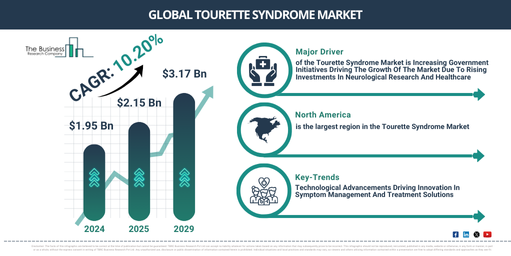
  • Global Tourette Syndrome Market Analysis 2025–2029: Opportunities for Strategic Growth

    Global Tourette Syndrome Market Analysis 2025–2029: Opportunities for Strategic Growth

    Unlock Global Insights – Save 20% on Market Reports with Code ONLINE20

    How Much Was The Tourette Syndrome Market Worth In 2025, And What Is Its Anticipated Value By 2029?

    The Tourette Syndrome market size has experienced significant expansion in recent years. This market is projected to expand from $1.95 billion in 2024 to $2.15 billion in 2025, demonstrating a compound annual growth rate (CAGR) of 10.5%. Historically, this expansion has been driven by heightened awareness regarding neurological disorders, a rise in the occurrence of tic disorders, advancing research into genetic factors, increased funding for rare disease studies, and a greater need for personalized medicine.

    The tourette syndrome market is projected for substantial expansion in the coming years. Its value is forecast to reach $3.17 billion by 2029, demonstrating a compound annual growth rate (CAGR) of 10.2%. This anticipated growth during the forecast period stems from several factors, including an increase in public health efforts concerning neurological conditions, a higher incidence of accompanying psychiatric disorders, an uptick in clinical trials exploring novel treatment approaches, an expanding desire for alternative and complementary therapies, and an increasing adoption of natural and herbal remedies. Key developments expected within the forecast timeframe encompass the creation of gene-based treatments, progress in deep brain stimulation technology, the formulation of machine learning models for predicting symptoms, the launch of wearable neurofeedback devices, and the incorporation of virtual reality into behavioral therapy.

    Unlock Your Free Sample Report for Exclusive Market Data:

    https://www.thebusinessresearchcompany.com/sample.aspx?id=23545&type=smp

    What Are The Key Drivers Of Growth In The Tourette Syndrome Market?

    The expanding scope of government initiatives aimed at neurological disorders is anticipated to stimulate the growth of the tourette syndrome market. These initiatives represent official programs, policies, or actions undertaken by authorities to meet public needs, foster development, or enhance societal welfare. Such governmental efforts for neurological disorders advance the tourette syndrome field by boosting funding for research and treatment, resulting in improved diagnostic methods, superior therapeutic choices, and heightened public knowledge, thereby ultimately refining patient care and support. As an illustration, in February 2025, a report from the UK-based Department of Health and Social Care indicated that the Medical Research Council (MRC) had founded its inaugural two MRC Centres of Research Excellence (CoRE) in December 2024. Each center is devoted to gene therapy research, receiving up to $65 million (£50 million) in funding over 14 years. The MRC CoRE specializing in therapeutic genomics seeks to achieve significant breakthroughs in rare genetic disorders by devising scalable methods to adapt proven genetic therapies for novel conditions, thereby enabling the development of personalized treatments. Consequently, the rise in government initiatives for neurological disorders is driving the expansion of the tourette syndrome market.

    How Is The Tourette Syndrome Market Classified Into Different Segments?

    The tourette syndromemarket covered in this report is segmented –

    1) By Types: Motor Tics; Vocal Tics

    2) By Diagnosis: Blood Diagnosis; Imaging Diagnosis; Other Diagnosis

    3) By Type Of Treatment: Medications; Behavioral Therapy; Neuromodulation Therapies; Complementary And Alternative Medicine; Other Therapies

    4) By Severity Of Syndrome: Mild ; Moderate; Severe

    5) By End Users: Individuals With Tourette Syndrome; Healthcare Professionals; Educational Institutions; Non-Profit Organizations; Research Institutions

    Subsegments:

    1) By Motor Tics: Simple Motor Tics; Complex Motor Tics

    2) By Vocal Tics: Simple Vocal Tics; Complex Vocal Tics

    What Trends Are Expected To Drive The Tourette Syndrome Market?

    Major companies operating in the Tourette syndrome market are concentrating on developing technologically advanced products, such as wearable devices, with the aim of enhancing symptom monitoring, improving patient management, and delivering more effective treatment solutions. Wearable devices are intelligent electronic gadgets worn on the body that continuously monitor, track, and analyze health or activity data in real time. For instance, in May 2022, Neurotherapeutics Ltd., a UK-based health tech company, initiated a clinical trial for a wearable device designed to control Tourette syndrome by delivering targeted electrical stimulation to the median nerve at the wrist. This stimulation assists in modulating brain oscillations associated with tic suppression, effectively reducing their frequency and intensity. As a non-invasive and user-friendly solution, it can be easily incorporated into daily routines, allowing individuals to use it comfortably at home. With its wristwatch-like design, the device remains discreet and convenient for everyday use.

    Which Industry Leaders Are Driving Innovation Across The Tourette Syndrome Market?

    Major companies operating in the tourette syndrome market are AstraZeneca PLC, F Hoffmann-La Roche AG, AbbVie Inc., Bayer AG, Sanofi S.A., Bristol-Myers Squibb, Novartis AG, Takeda Pharmaceutical Company Limited, Eli Lilly and Company, Viatris Inc., Teva Pharmaceutical Industries Ltd, Otsuka Holdings Co Ltd, Biogen Inc, Mitsubishi Tanabe Pharma Corporation, Eisai Co. Ltd., Jazz Pharmaceuticals plc, Kyowa Kirin Co. Ltd., Amneal Pharmaceuticals, Mallinckrodt Pharmaceuticals, Neurocrine Biosciences Inc.

    Download The Full Report For Exclusive Market Findings:

    https://www.thebusinessresearchcompany.com/report/tourette-syndrome-global-market-report

    Which Global Regions Are Influencing The Competitive Landscape Of The Tourette Syndrome Market?

    North America was the largest region in the tourette syndrome market in 2024. Asia-Pacific is expected to be the fastest-growing region in the forecast period. The regions covered in the tourette syndrome market report are Asia-Pacific, Western Europe, Eastern Europe, North America, South America, Middle East, Africa.

    Request A Customized Version Of The Tourette Syndrome Market Report:

    https://www.thebusinessresearchcompany.com/customise?id=23545&type=smp

    Browse Through More Reports Similar to the Global Tourette Syndrome Market 2025, By The Business Research Company

    Acute Coronary Syndrome Global Market Report 2025

    https://www.thebusinessresearchcompany.com/report/acute-coronary-syndrome-global-market-report

    Cough Hypersensitivity Syndrome Global Market Report 2025

    https://www.thebusinessresearchcompany.com/report/cough-hypersensitivity-syndrome-global-market-report

    Dumping Syndrome Global Market Report 2025

    https://www.thebusinessresearchcompany.com/report/dumping-syndrome-global-market-report

    Get in touch with us:

    The Business Research Company: https://www.thebusinessresearchcompany.com/

    Americas +1 310-496-7795

    Asia +44 7882 955267 & +91 8897263534

    Europe +44 7882 955267

    Email us at info@tbrc.info

    Follow us on:

    LinkedIn: https://in.linkedin.com/company/the-business-research-company

    YouTube: https://www.youtube.com/channel/UC24_fI0rV8cR5DxlCpgmyFQ

    Global Market Model: https://www.thebusinessresearchcompany.com/global-market-model