Blog

  • Arteriovenous Malformations Market Trends 2025–2029: Forecasts for Key Growth Segments

    Arteriovenous Malformations Market Trends 2025–2029: Forecasts for Key Growth Segments

    Unlock Global Insights – Save 20% on Market Reports with Code ONLINE20

    By How Much Is The Arteriovenous Malformations Market Expected To Expand Between 2025 And 2029?

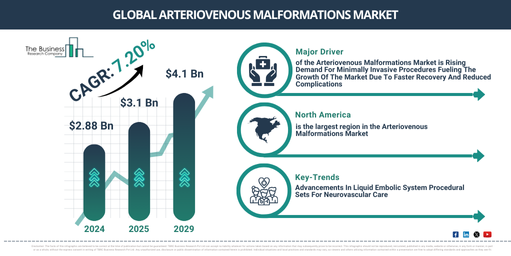
    The arteriovenous malformations market has shown strong expansion in recent years. It is projected to increase from $2.88 billion in 2024 to $3.1 billion in 2025, exhibiting a compound annual growth rate (CAGR) of 7.7%. This past growth can be attributed to the growing occurrence of arteriovenous malformations, the rising prevalence of neurological or brain disorders, the increasing demand for improved treatments for rare diseases, augmented government support for research and development, and an expanding business sector.

    The arteriovenous malformations market is projected to experience substantial expansion over the upcoming years. Its valuation is set to reach $4.1 billion by 2029, exhibiting a compound annual growth rate (CAGR) of 7.2%. This anticipated growth throughout the forecast period stems from factors such as increasing adoption of gene therapy, escalating demand for sophisticated medical technologies, a greater need for high-quality healthcare services, heightened usage of neurological medications, and the expansion aligned with an aging global populace. Key developments expected during this timeframe encompass progress in various treatment modalities, enhancements in medical technology, refinements in microsurgical approaches, breakthroughs in catheter technology, and improvements in minimally invasive surgical procedures.

    Unlock Your Free Sample Report for Exclusive Market Data:

    https://www.thebusinessresearchcompany.com/sample.aspx?id=21888&type=smp

    Which Major Market Drivers Are Shaping The Future Of The Arteriovenous Malformations Market?

    The increasing need for minimally invasive medical interventions is anticipated to fuel the expansion of the arteriovenous malformations market in the future. These procedures involve surgical or therapeutic methods conducted through tiny cuts or catheter-based approaches, aiming to lessen physical harm, shorten healing periods, and minimize adverse effects. The growing preference for minimally invasive operations stems from quicker recovery periods, given that they entail smaller incisions, which results in less tissue damage and a faster healing process. Consequently, patients can resume their regular routines sooner than with conventional open surgeries, establishing these procedures as a favored option for both individuals receiving care and medical professionals. Arteriovenous malformations (AVMs) facilitate minimally invasive approaches through sophisticated methods like endovascular embolization. This technique employs catheters and imaging guidance to diminish irregular blood flow, circumventing the necessity for open surgery, thereby resulting in reduced hazards, accelerated recovery, and enhanced patient results. As an illustration, data from the American Society of Plastic Surgeons in September 2023 indicates that in 2023, the total number of cosmetic minimally invasive procedures reached 25,442,640, an increase from 23,672,269 procedures performed in 2022. This signifies a 7% rise in minimally invasive treatments for both sexes during 2023. Thus, the increasing inclination towards minimally invasive procedures is propelling the expansion of the arteriovenous malformations market.

    What Are The Primary Types Of Segments Analyzed In The Arteriovenous Malformations Market?

    The arteriovenous malformationsmarket covered in this report is segmented –

    1) By Type: True Arteriovenous Malformation; Occult Or Cryptic; Cavernous Malformations; Venous Malformation; Hemangioma; Dural Fistula; Other Types

    2) By Diagnosis: Physical examination; Brain Scans; Other Diagnosis

    3) By Treatment: Endovascular Embolization; Neurosurgery

    4) By Age Group: Adult Patients; Pediatric Patients

    5) By End-User: Hospitals And Clinics; Research laboratories; Other End-Users

    Subsegments:

    1) By True Arteriovenous Malformation Type: Pial AVMs; Spinal AVMs; Brain AVMs; Extremity AVMs; Visceral AVMs

    2) By Occult or Cryptic Type: Micro-AVMs; Hidden AVMs; Asymptomatic AVMs; Deep-Seated AVMs; Small-Scale AVMs

    3) By Cavernous Malformations Type: Cerebral Cavernous Malformations (CCMs); Spinal Cavernous Malformations; Familial Cavernous Malformations; Solitary Cavernous Malformations; Multiple Cavernous Malformations

    4) By Venous Malformation Type: Superficial Venous Malformations; Deep Venous Malformations; Mixed Venous Malformations; Syndromic Venous Malformations; Blue Rubber Bleb Nevus Syndrome

    5) By Hemangioma Type: Infantile Hemangiomas; Capillary Hemangiomas; Lobular Capillary Hemangiomas; Cavernous Hemangiomas; Compound Hemangiomas

    6) By Dural Fistula Type: Cranial Dural Arteriovenous Fistula (dAVF); Spinal Dural Arteriovenous Fistula; Direct Dural AV Fistula; Indirect Dural AV Fistula; High-Flow Dural Fistula

    7) By Other Types: Lymphatic Malformations; Mixed Vascular Malformations; Arteriovenous Aneurysms; Hereditary Hemorrhagic Telangiectasia (HHT)-Associated AVMs; Rare Congenital AVMs

    Which Trends Are Impacting The Arteriovenous Malformations Market?

    Leading companies in the arteriovenous malformations market are prioritizing technological advancements, such as liquid embolic system procedural sets, to improve treatment processes and patient outcomes. A liquid embolic system procedural set is a pre-assembled, sterilized kit containing essential components for delivering liquid embolic agents to treat vascular abnormalities like arteriovenous malformations (AVMs). For example, in March 2024, CERENOVUS Inc., a US-based neurovascular care company under Johnson and Johnson MedTech, introduced the TRUFILL n-BCA liquid embolic system procedural set. This new set comprises two configurations and the necessary accessories for preparing and delivering the n-BCA liquid embolic system within a single sterilized package, thus optimizing procedure preparation for treating cerebral arteriovenous malformations (AVMs).

    Who Are The Core Companies Influencing The Arteriovenous Malformations Market Landscape?

    Major companies operating in the arteriovenous malformations market are Johnson And Johnson Services Inc., Siemens AG, Medtronic Plc, Koninklijke Philips N V, Stryker Corporation, GE Healthcare Technologies Inc, Cedars-Sinai, Penn Medicine, Terumo Corporation, Eisai Co Ltd, Cook Medical LLC, Elekta AB, Merit Medical Systems Inc., Penumbra Inc., Max Healthcare, RWJBarnabas Health, Balt LLC, Booking Health GmbH, Duke University Health System, Shape Memory Medical Inc.

    Download The Full Report For Exclusive Market Findings:

    https://www.thebusinessresearchcompany.com/report/arteriovenous-malformations-global-market-report

    What Are The Regional Market Dynamics Impacting The Arteriovenous Malformations Industry?

    North America was the largest region in the arteriovenous malformations market in 2024. Asia-Pacific is expected to be the fastest-growing region in the forecast period. The regions covered in the arteriovenous malformations market report are Asia-Pacific, Western Europe, Eastern Europe, North America, South America, Middle East, Africa.

    Request A Customized Version Of The Arteriovenous Malformations Market Report:

    https://www.thebusinessresearchcompany.com/customise?id=21888&type=smp

    Browse Through More Reports Similar to the Global Arteriovenous Malformations Market 2025, By The Business Research Company

    Animal Hospitals And Veterinary Clinics Market 2025

    https://www.thebusinessresearchcompany.com/report/animal-hospitals-and-veterinary-clinics-market

    Minimal Invasive Surgery Devices Global Market Report 2025

    https://www.thebusinessresearchcompany.com/report/minimal-invasive-surgery-devices-global-market-report

    Small Electrical Appliance Global Market Report 2025

    https://www.thebusinessresearchcompany.com/report/small-electrical-appliance-global-market-report

    Get in touch with us:

    The Business Research Company: https://www.thebusinessresearchcompany.com/

    Americas +1 310-496-7795

    Asia +44 7882 955267 & +91 8897263534

    Europe +44 7882 955267

    Email us at info@tbrc.info

    Follow us on:

    LinkedIn: https://in.linkedin.com/company/the-business-research-company

    YouTube: https://www.youtube.com/channel/UC24_fI0rV8cR5DxlCpgmyFQ

    Global Market Model: https://www.thebusinessresearchcompany.com/global-market-model

  • Zika Virus Therapeutics Market Forecast 2025–2034: Where Businesses Should Invest Next

    Zika Virus Therapeutics Market Forecast 2025–2034: Where Businesses Should Invest Next

    Unlock Global Insights – Save 20% on Market Reports with Code ONLINE20

    #What Is The Projected Market Size Of The Zika Virus Therapeutics Market By 2029?

    The zika virus therapeutics market has demonstrated robust expansion in recent years. It is projected to increase from $30.22 billion in 2024 to $32.06 billion in 2025, achieving a compound annual growth rate (CAGR) of 6.1%. The market’s growth in preceding periods can be attributed to the elevated incidence rate of infection, the disease burden of zika virus infection and associated comorbidities, the escalating demand for preventive measures, the increasing emphasis on public health campaigns, and the expansion of global health initiatives.

    The zika virus therapeutics market is projected to experience substantial expansion over the upcoming years. It is set to reach $40.3 billion by 2029, demonstrating a compound annual growth rate (CAGR) of 5.9%. This anticipated growth during the forecast timeframe is attributable to several factors, including the increasing uptake of clinical trials, a growing need for treatments in areas where zika is endemic, heightened R&D investment, the widespread availability of serology kits for accurate diagnosis, and an expansion of alternative initiatives. Key trends expected during this period encompass progress in antiviral drug development technology, the evolution of serological testing, breakthroughs in monoclonal antibody technology, the creation of new therapies, and advancements in rapid diagnostic techniques.

    Unlock Your Free Sample Report for Exclusive Market Data:

    https://www.thebusinessresearchcompany.com/sample.aspx?id=21323&type=smp

    What Are The Main Drivers Boosting The Zika Virus Therapeutics Industry’s Expansion?

    A substantial incidence rate of infection is projected to drive the expansion of the Zika virus therapeutics market in the future. An infection rate represents the likelihood or probability of an infection developing within a specific population over a defined period. This rising incidence of infection is attributable to several factors, including insufficient vector control, environmental conditions conducive to mosquito breeding, and restricted access to preventative healthcare in affected areas. Such an increasing incidence of infection necessitates potent Zika virus therapeutics, thereby fostering the development and investment in vaccines and treatments to counter the evolving public health danger. For example, in December 2024, the UK Health Security Agency, a UK-based government organization, noted about eight confirmed Zika virus cases between January and June 2024, marking a significant 700% rise in incidence compared to the identical period in 2023. Thus, the escalating infection rate will propel the growth of the Zika virus therapeutics market.

    Which Key Segments Fueling The Zika Virus Therapeutics Market?

    The zika virus therapeuticsmarket covered in this report is segmented –

    1) By Product: Acetaminophen; Other Non-Steroidal Anti-Inflammatory Drugs (NSAIDs)

    2) By Vaccine Type: Inactivated Vaccine; Subunit Vaccine; Live-Attenuated Vaccine; Other Vaccine Types

    3) By End User: Hospitals; Clinics; Other End Users

    Subsegments:

    1) By Acetaminophen: Oral Tablets; Oral Suspensions; Intravenous Formulations

    2) By Other Non-Steroidal Anti-Inflammatory Drugs (NSAIDs): Ibuprofen; Aspirin; Naproxen; Celecoxib

    What Long-Term Trends Will Shape The Future Growth Of The Zika Virus Therapeutics Industry?

    Leading companies within the zika virus therapeutics market are concentrating on creating advanced technologies, such as second-generation adjuvanted inactivated vaccines, aimed at strengthening immune responses, boosting vaccine efficacy, and offering extended protection against the virus. Such vaccines integrate an inactivated virus with an immune-enhancing adjuvant to amplify the body’s immune reaction for superior defense against the targeted illness. For example, in March 2024, Valneva SE, a French biotechnology company producing vaccines, disclosed the commencement of Phase 1 clinical trials for VLA1601. This candidate is a highly purified inactivated vaccine against Zika virus (ZIKV), manufactured on the same platform as Valneva’s licensed Japanese encephalitis vaccine, IXIARO. The vaccine incorporates an adjuvant, which consists of substances that enhance the immune response, a factor vital for its effectiveness.

    Which Major Industry Participants Are Leading The Zika Virus Therapeutics Market Growth?

    Major companies operating in the zika virus therapeutics market are Johnson & Johnson, F. Hoffmann-La Roche AG, Merck & Co. Inc., Sanofi S.A., Takeda Pharmaceutical Company Limited, Moderna Inc., DiaSorin S.p.A., Emergent BioSolutions Inc., ARUP Laboratories, Valneva SE, Bharat Biotech International Limited, Euroimmun AG, Tiangen Biotech Co. Ltd., Creative Diagnostics, Inovio Pharmaceuticals Inc., GeoVax Labs Inc., Moleculin Biotech Inc., BioVaxys Technology Corp., Kimer Med Limited, LumiQuick Diagnostics Inc.

    Download The Full Report For Exclusive Market Findings:

    https://www.thebusinessresearchcompany.com/report/zika-virus-therapeutics-global-market-report

    Which Region Shows The Highest Potential For Future Expansion In The Zika Virus Therapeutics Market?

    North America was the largest region in the zika virus therapeutics market in 2024. Asia-Pacific is expected to be the fastest-growing region in the forecast period. The regions covered in the zika virus therapeutics market report are Asia-Pacific, Western Europe, Eastern Europe, North America, South America, Middle East, Africa.

    Request A Customized Version Of The Zika Virus Therapeutics Market Report:

    https://www.thebusinessresearchcompany.com/customise?id=21323&type=smp

    Browse Through More Reports Similar to the Global Zika Virus Therapeutics Market 2025, By The Business Research Company

    Virus Filtration Global Market Report 2025

    https://www.thebusinessresearchcompany.com/report/virus-filtration-global-market-report

    Herpes Simplex Virus Treatment Global Market Report 2025

    https://www.thebusinessresearchcompany.com/report/herpes-simplex-virus-treatment-global-market-report

    Human Papillomavirus Hpv Vaccine Global Market Report 2025

    https://www.thebusinessresearchcompany.com/report/human-papillomavirus-hpv-vaccine-global-market-report

    Get in touch with us:

    The Business Research Company: https://www.thebusinessresearchcompany.com/

    Americas +1 310-496-7795

    Asia +44 7882 955267 & +91 8897263534

    Europe +44 7882 955267

    Email us at info@tbrc.info

    Follow us on:

    LinkedIn: https://in.linkedin.com/company/the-business-research-company

    YouTube: https://www.youtube.com/channel/UC24_fI0rV8cR5DxlCpgmyFQ

    Global Market Model: https://www.thebusinessresearchcompany.com/global-market-model
  • Global West Syndrome Market Analysis 2025–2029: Opportunities for Strategic Growth

    Global West Syndrome Market Analysis 2025–2029: Opportunities for Strategic Growth

    Unlock Global Insights – Save 20% on Market Reports with Code ONLINE20

    How Much Was The West Syndrome Market Worth In 2025, And What Is Its Anticipated Value By 2029?

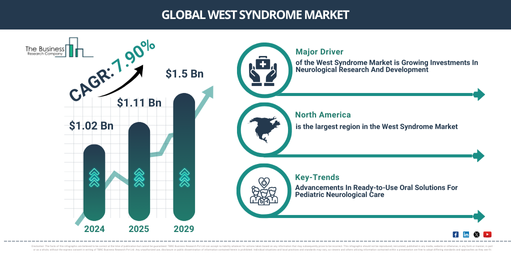
    The West Syndrome market size has exhibited robust growth in recent years. It is anticipated to increase from $1.02 billion in 2024 to $1.11 billion in 2025, progressing at a compound annual growth rate (CAGR) of 8.2%. Historically, this growth can be ascribed to several factors, including heightened awareness of rare diseases, the advent of ACTH therapy, the development of vigabatrin, an uptick in genetic studies, the establishment of pediatric neurology centers, the expansion of orphan drug programs, the early uptake of the ketogenic diet, and backing from advocacy groups.

    The west syndrome market is anticipated to experience substantial growth in the coming years. It is projected to expand to $1.5 billion in 2029, demonstrating a compound annual growth rate (CAGR) of 7.9%. This expansion during the forecast period can be attributed to advancements in precision medicine, the increasing availability of wearable seizure devices, the expansion of funding for rare diseases, the integration of big data analytics, innovations in drug delivery systems, global health initiatives for rare conditions, and a growing emphasis on pediatric healthcare infrastructure. Major trends expected during this period include AI-assisted EEG analysis, portable and wearable seizure monitoring devices, machine learning for predictive diagnosis, next-generation sequencing for genetic testing, cloud-based data sharing platforms, non-invasive brain stimulation technologies, real-time remote monitoring tools, digital health apps for symptom tracking, 3D bioprinting for brain model research, and blockchain for secure patient data management.

    Unlock Your Free Sample Report for Exclusive Market Data:

    https://www.thebusinessresearchcompany.com/sample.aspx?id=21322&type=smp

    Which Factors And Drivers Are Influencing The West Syndrome Market In 2025?

    Increased investment in research and development for neurological illnesses is projected to fuel the expansion of the west syndrome market moving forward. This spending encompasses financial allocations aimed at enhancing the comprehension, detection, and therapy of neurological conditions. The surge in R&D funding for neurological illnesses stems from factors such as the rising incidence of these disorders, progress in medical technology, heightened awareness and demand for novel therapies, and significant financial support from both public and private sectors. Elevated R&D expenditure in neurological illnesses leads to improvements in diagnostic tools, therapeutic approaches, and treatment modalities, thereby stimulating the growth of the west syndrome market. For illustration, in May 2023, the National Institute of Neurological Disorders and Stroke (NINDS), a U.S. government body under the National Institutes of Health, secured USD 2.809 billion in 2023, with a proposed budget of USD 2.825 billion for 2024, intended to bolster diverse neurological research endeavors. Consequently, the escalating research and developmental investment in neurological illnesses is propelling the expansion of the west syndrome market.

    How Is The West Syndrome Market Classified Into Different Segments?

    The west syndromemarket covered in this report is segmented –

    1) By Treatment: Anticonvulsant; Benzodiazepine; Corticosteroids; Vitamin B

    2) By Route Of Administration: Parenteral Route; Oral Route; Other Routes Of Administration

    3) By Distribution Channel: Hospitals Pharmacies; Online Pharmacies; Retail Pharmacies

    4) By End-User: Hospitals; Homecare; Clinics

    Subsegments:

    1) By Anticonvulsant: Traditional Anticonvulsants; Newer Anticonvulsants

    2) By Benzodiazepine: Diazepam; Lorazepam; Clonazepam

    3) By Corticosteroids: Prednisolone; Adrenocorticotropic Hormone (ACTH); Dexamethasone

    4) By Vitamin B: Vitamin B6 (Pyridoxine); Vitamin B12 (Cobalamin)

    Which Market Trends Are Creating New Opportunities In The West Syndrome Industry?

    Companies active in the west syndrome market are concentrating on developing advanced solutions, such as ready-to-use oral vigabatrin solutions, to enhance ease of administration, guarantee precise dosing, and improve treatment adherence in infants and young children. These ready-to-use oral vigabatrin formulations specifically focus on delivering antiepileptic drugs, like vigabatrin or adrenocorticotropic hormone (ACTH), in a patient-friendly way. For example, in June 2024, Pryos Pharmaceuticals, a US-based pharmaceutical industry, gained approval from the Food and Drug Administration (FDA) for a ready-to-use oral solution of vigabatrin to treat infantile spasms. Vigabatrin works by irreversibly inhibiting GABA transaminase (GABA-T), an enzyme responsible for the breakdown of gamma-aminobutyric acid (GABA) in the brain. The resulting increase in GABA acts to control the excitatory processes that can lead to seizure activity.

    Who Are The Prominent Global Companies Shaping The West Syndrome Market?

    Major companies operating in the west syndrome market are Takeda Pharmaceuticals, Jazz Pharmaceuticals, UCB S.A., H. Lundbeck A/S, Mallinckrodt Pharmaceuticals plc, Harmony Biosciences Holdings Inc., Nutricia (Ketogenic diet) Ltd., Upsher-Smith Laboratories LLC, Catalyst Pharmaceuticals Inc., SK Biopharmaceuticals Co. Ltd., Cedars Sinai Health System, Marinus Pharmaceuticals Inc., Biocodex S.A., BioPharm Solutions Inc., Cerecin Inc., GW Pharmaceuticals Limited, Anavex Life Sciences Corp, Bio-Pharm Solutions, Ovid Therapeutics Inc., Epygenix Therapeutics Inc., Amzell

    Download The Full Report For Exclusive Market Findings:

    https://www.thebusinessresearchcompany.com/report/west-syndrome-global-market-report

    How Is West Syndrome Market Demand Varying Across Different Regions?

    North America was the largest region in the west syndrome market in 2024. Asia-Pacific is expected to be the fastest-growing region in the forecast period. The regions covered in the west syndrome market report are Asia-Pacific, Western Europe, Eastern Europe, North America, South America, Middle East, Africa.

    Request A Customized Version Of The West Syndrome Market Report:

    https://www.thebusinessresearchcompany.com/customise?id=21322&type=smp

    Browse Through More Reports Similar to the Global West Syndrome Market 2025, By The Business Research Company

    Gardner Syndrome Treatment Global Market Report 2025

    https://www.thebusinessresearchcompany.com/report/gardner-syndrome-treatment-global-market-report

    Hepatorenal Syndrome Treatment Global Market Report 2025

    https://www.thebusinessresearchcompany.com/report/hepatorenal-syndrome-treatment-global-market-report

    Myelodysplastic Syndrome Drugs Global Market Report 2025

    https://www.thebusinessresearchcompany.com/report/myelodysplastic-syndrome-drugs-global-market-report

    Get in touch with us:

    The Business Research Company: https://www.thebusinessresearchcompany.com/

    Americas +1 310-496-7795

    Asia +44 7882 955267 & +91 8897263534

    Europe +44 7882 955267

    Email us at info@tbrc.info

    Follow us on:

    LinkedIn: https://in.linkedin.com/company/the-business-research-company

    YouTube: https://www.youtube.com/channel/UC24_fI0rV8cR5DxlCpgmyFQ

    Global Market Model: https://www.thebusinessresearchcompany.com/global-market-model
  • Global Encephalomyelitis Market Projected to Expand at 6.5% CAGR by 2029

    Global Encephalomyelitis Market Projected to Expand at 6.5% CAGR by 2029

    Unlock Global Insights – Save 20% on Market Reports with Code ONLINE20

    How Is The Encephalomyelitis Market Size Likely To Evolve From 2025 Through 2034?

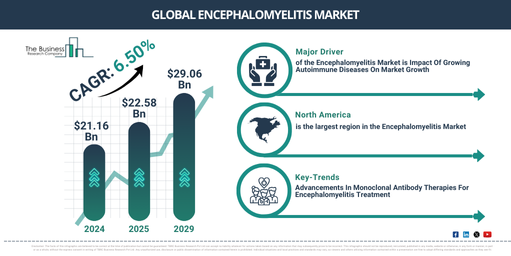
    The encephalomyelitis market has demonstrated robust expansion recently, and is projected to increase from $21.16 billion in 2024 to $22.58 billion in 2025, at a compound annual growth rate (CAGR) of 6.7%. Historically, this expansion has been driven by factors such as a greater incidence of autoimmune and infectious diseases, heightened awareness of neurological disorders, increased investment in research and development, enhancements in healthcare infrastructure, and the broader application of immunotherapy.

    The encephalomyelitis market is projected to experience substantial expansion in the coming years. It is anticipated to reach a valuation of $29.06 billion by 2029, exhibiting a compound annual growth rate (CAGR) of 6.5%. This growth during the forecast period is driven by several factors, including the increasing adoption of immunotherapy treatments, the rising occurrence of autoimmune disorders, higher healthcare spending, expanding clinical research activities, greater awareness and education regarding encephalomyelitis, and increased government and private investment in rare disease research. Key trends expected over this period involve the creation of advanced immunomodulatory therapies, progress in precision biologics, the discovery of novel biomarkers for early detection, developments in personalized treatment approaches, the formulation of next-generation antivirals, the incorporation of AI into clinical research, and pioneering gene therapy methods.

    Unlock Your Free Sample Report for Exclusive Market Data:

    https://www.thebusinessresearchcompany.com/sample.aspx?id=21182&type=smp

    What Are The Emerging Market Drivers Creating New Opportunities In The Encephalomyelitis Industry?

    The increasing incidence of autoimmune diseases is anticipated to fuel the expansion of the encephalomyelitis market moving forward. These conditions involve the body’s immune system erroneously attacking its own healthy cells and tissues. The rise in autoimmune disorders is attributed to various factors, including genetic susceptibility, environmental provocations, infections, and lifestyle alterations such as diet and chemical exposure. Encephalomyelitis treatment provides support to patients with autoimmune diseases by diminishing inflammation, addressing immune system irregularities, easing neurological manifestations, and hindering disease progression, thereby enhancing their overall quality of life and functional health. For example, in November 2024, data from Versorgungsatlas.de, a Germany-based organization, reported that in 2022, among 73,241,305 insured individuals, 6,304,340 received a diagnosis of at least one autoimmune disease, resulting in a raw prevalence rate of 8.61%. Consequently, the expanding occurrence of autoimmune diseases is a significant catalyst for the growth of the encephalomyelitis market.

    What Are The Leading Segments Analyzed In The Encephalomyelitis Market?

    The encephalomyelitismarket covered in this report is segmented –

    1) By Type: Equine Encephalomyelitis; Associated Encephalomyelitis; Anti-Myelin Oligodendrocyte Glycoprotein Antibody (AntiMOG); Encephalomyelitis Disseminata; Acute Disseminated Encephalomyelitis; AIDS-Related Encephalomyelitis; Other Types

    2) By Treatment: Surgery ; Plasmapheresis; Drug Treatment; Other Treatments

    3) By End-users: Clinics ; Hospitals; Other End-Users

    Subsegments:

    1) By Equine Encephalomyelitis: Eastern Equine Encephalomyelitis; Western Equine Encephalomyelitis; Venezuelan Equine Encephalomyelitis

    2) By Associated Encephalomyelitis: Acute Disseminated Encephalomyelitis; Paraneoplastic Encephalomyelitis; Infectious Encephalomyelitis

    3) By Anti-Myelin Oligodendrocyte Glycoprotein Antibody: Monophasic Myelin Oligodendrocyte Glycoprotein Antibody Encephalomyelitis; Relapsing Myelin Oligodendrocyte Glycoprotein Antibody Encephalomyelitis

    4) By Encephalomyelitis: Viral Encephalomyelitis; Bacterial Encephalomyelitis; Autoimmune Encephalomyelitis

    Which Trends Are Impacting The Encephalomyelitis Market?

    Leading firms within the encephalomyelitis market are concentrating their efforts on creating sophisticated monoclonal antibody, aiming to boost treatment effectiveness and formulate precise therapies for handling encephalomyelitis. A monoclonal antibody represents a synthetically produced protein designed to bind with particular antigens, thereby assisting the body’s immune reaction in combating illnesses. As an example, during March 2023, Chugai Pharmaceutical Co. Ltd, a pharmaceutical enterprise based in Japan, disclosed that its humanized anti-IL-6 receptor monoclonal antibody, Enspryng, was granted forerunner designation by the Ministry of Health, Labor and Welfare (MHLW) due to its projected application in addressing myelin oligodendrocyte glycoprotein antibody-associated disease (MOGAD) and autoimmune encephalitis (AIE). This acknowledgment confirms Enspryng’s promise as a novel therapy, accelerating its progress and regulatory assessment to cater to the outstanding medical requirements of individuals afflicted with these neurological conditions.

    Which Leading Companies Dominate The Encephalomyelitis Market Share?

    Major companies operating in the encephalomyelitis market are Merck & Co. Inc., Sanofi S.A., F. Hoffmann-La Roche Ltd., HiFiBiO Therapeutics, Zoetis Services LLC, Chugai Pharmaceutical Co. Ltd., IDEXX, Abcam Limited., EUROIMMUN Medizinische Labordiagnostika AG, Eurogentec S.A., Boehringer Ingelheim International GmbH, Creative Diagnostics, Atlas Antibodies, AnaSpec, VMRD Inc., Antibodies Incorporated, Fresenius Kabi, Hemispherx Biopharma Inc., BioStoneah, YouSeq Ltd.

    Download The Full Report For Exclusive Market Findings:

    https://www.thebusinessresearchcompany.com/report/encephalomyelitis-global-market-report

    What Are The Regional Market Dynamics Impacting The Encephalomyelitis Industry?

    North America was the largest region in the encephalomyelitis market in 2024. Asia-Pacific is expected to be the fastest-growing region in the forecast period. The regions covered in the encephalomyelitis market report are Asia-Pacific, Western Europe, Eastern Europe, North America, South America, Middle East, Africa.

    Request A Customized Version Of The Encephalomyelitis Market Report:

    https://www.thebusinessresearchcompany.com/customise?id=21182&type=smp

    Browse Through More Reports Similar to the Global Encephalomyelitis Market 2025, By The Business Research Company

    Neurodegenerative Disorder Therapeutic Global Market Report 2025

    https://www.thebusinessresearchcompany.com/report/neurodegenerative-disorder-therapeutic-global-market-report

    Brain And Neuroimaging Devices Global Market Report 2025

    https://www.thebusinessresearchcompany.com/report/brain-and-neuroimaging-devices-global-market-report

    Neuroprosthetics Global Market Report 2025

    https://www.thebusinessresearchcompany.com/report/neuroprosthetics-global-market-report

    Get in touch with us:

    The Business Research Company: https://www.thebusinessresearchcompany.com/

    Americas +1 310-496-7795

    Asia +44 7882 955267 & +91 8897263534

    Europe +44 7882 955267

    Email us at info@tbrc.info

    Follow us on:

    LinkedIn: https://in.linkedin.com/company/the-business-research-company

    YouTube: https://www.youtube.com/channel/UC24_fI0rV8cR5DxlCpgmyFQ

    Global Market Model: https://www.thebusinessresearchcompany.com/global-market-model
  • Embolotherapy Market to Grow at a CAGR of 8.8% from 2025 to 2029

    Embolotherapy Market to Grow at a CAGR of 8.8% from 2025 to 2029

    Unlock Global Insights – Save 20% on Market Reports with Code ONLINE20

    What Are The Growth Projections For The Embolotherapy Market Size During 2025–2029?

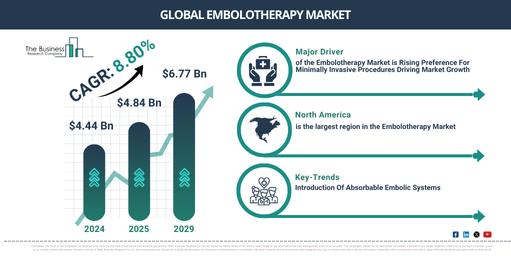
    The embolotherapy market has shown robust expansion in recent years. It is projected to expand from $4.44 billion in 2024 to $4.84 billion in 2025, with a compound annual growth rate (CAGR) of 9.0%. This historical expansion is attributable to several factors, including a rising demand for embolotherapy in managing various conditions, an increasing occurrence of cancer, a higher incidence of peripheral vascular diseases, growing healthcare expenditure, and augmented investment in research.

    The embolotherapy market is projected to experience robust expansion over the coming years, reaching a valuation of $6.77 billion by 2029, driven by an 8.8% compound annual growth rate (CAGR). This anticipated growth is primarily fueled by factors such as an uptick in disposable income, the escalating occurrence of chronic illnesses, broader acceptance in reproductive health applications, a greater volume of chemoembolization procedures, and the increasing cases of liver cancer. Key developments expected during this period encompass advancements like cutting-edge technologies, the introduction of digital and analog devices, insertable cardiac monitors, refined embolotherapy techniques, and an emphasis on strategic collaborations.

    Unlock Your Free Sample Report for Exclusive Market Data:

    https://www.thebusinessresearchcompany.com/sample.aspx?id=21181&type=smp

    Which Drivers Are Impacting The Embolotherapy Market?

    The increasing inclination towards minimally invasive procedures is anticipated to fuel the expansion of the embolotherapy market in the future. These procedures are defined as cosmetic treatments requiring minimal to no surgical involvement, generally characterized by short recovery periods and reduced associated risks. The growing demand for such procedures stems from benefits like quicker recovery times, diminished pain, smaller scarring, decreased chances of complications, and ongoing technological advancements. Embolotherapy complements minimally invasive techniques by precisely obstructing blood flow to specific vessels, thereby curbing bleeding, addressing tumors, and managing vascular irregularities with enhanced accuracy and fewer adverse effects. For example, data from September 2023, published by the American Society of Plastic Surgeons, a US-based non-profit body, indicated a 7% increase in cosmetic minimally invasive procedures in 2023, escalating to 25,442,640 from 23,672,269 in 2022. Consequently, the heightened preference for minimally invasive procedures is acting as a catalyst for the expansion of the embolotherapy market.

    What Are The Segment Types Shaping The Embolotherapy Market?

    The embolotherapymarket covered in this report is segmented –

    1) By Product: Embolization Coil; Embolic Agents; Detachable Balloons; Embolic Plug Systems; Support Devices

    2) By Application: Oncology; Peripheral Vascular Diseases; Urology and Nephrology; Neurology; Gastrointestinal (GIT) Disorders

    3) By Procedure: Transcatheter Arterial Embolization (TAE); Transcatheter Arterial Radioembolization (TARE) Or Selective Internal Radiation Therapy (SIRT); Transarterial Chemoembolization (TACE)

    4) By End User: Ambulatory Surgical Centre; Hospitals And Clinics; Other End Users

    Subsegments:

    1) By Embolization Coil: Bare Coils; Coated Coils; Micro Coils

    2) By Embolic Agents: Liquid Embolic Agents; Particulate Embolic Agents; Gelatin Sponge; Polyvinyl Alcohol (PVA) Particles

    3) By Detachable Balloons: Single-Use Balloons; Multi-Use Balloons

    4) By Embolic Plug Systems: Plug Kits; Distal Occlusion Systems

    5) By Support Devices: Guidewires; Catheters; Sheath Introducers

    What Long-Term Trends Will Shape The Future Growth Of The Embolotherapy Industry?

    Major companies engaged in the embolotherapy market are prioritizing the development of novel products, including absorbable embolic systems, to enhance patient outcomes and expand available treatment options. Absorbable embolic systems consist of bioresorbable materials employed in embolization procedures to impede blood flow to targeted tissues, such as tumors or aneurysms, gradually disintegrating within the body over time. For example, in January 2025, Instylla Inc., a US-based medical equipment manufacturing company, obtained U.S. Food and Drug Administration (FDA) 510(k) clearance for its Tembo embolic system, which is a bioresorbable embolization agent made of irregularly shaped, dry-gelatin particles sized between 85 and 255 µm. This system is engineered to embolize hypervascular tumors and occlude blood vessels in the peripheral vasculature. According to Instylla, Tembo offers advantages such as ease of preparation, high visibility, and the ability to densely pack treated vessels, potentially improving upon existing permanent embolic solutions.

    Who Are The Major Companies Operating In The Embolotherapy Market?

    Major companies operating in the embolotherapy market are Boston Scientific Corporation, Terumo Medical Corporation , Medtronic PLC, Johnson And Johnson, Stryker Corporation, Sirtex Medical, Abbott Laboratories, Acandis GmbH, Balt Group LLC, Penumbra Inc, Merit Medical Systems, Kaneka Corporation, Meril Life Sciences Pvt. Ltd., Shape Memory Medical Inc, Guerbet, IMBiotechnologies Ltd, Cardiva , Rapid Medical, Emboline Inc, Microport Scientific, Inari Medical, Instylla Inc, Embolx Inc, GE Healthcare, Lepu Medical Technology Co Ltd, WEGO HEALTHCARE (SHENZHEN) CO., LTD, Achieva Medical Inc, Varian Medical Syatems Inc

    Download The Full Report For Exclusive Market Findings:

    https://www.thebusinessresearchcompany.com/report/embolotherapy-global-market-report

    Which Region Shows The Highest Potential For Future Expansion In The Embolotherapy Market?

    North America was the largest region in the embolotherapy market in 2024. Asia-Pacific is expected to be the fastest-growing region in the forecast period. The regions covered in the embolotherapy market report are Asia-Pacific, Western Europe, Eastern Europe, North America, South America, Middle East, Africa.

    Request A Customized Version Of The Embolotherapy Market Report:

    https://www.thebusinessresearchcompany.com/customise?id=21181&type=smp

    Browse Through More Reports Similar to the Global Embolotherapy Market 2025, By The Business Research Company

    Warship And Naval Vessels Global Market Report 2025

    https://www.thebusinessresearchcompany.com/report/warship-and-naval-vessels-global-market-report

    Fiber Reinforced Plastic Vessels Global Market Report 2025

    https://www.thebusinessresearchcompany.com/report/fiber-reinforced-plastic-vessels-global-market-report

    Offshore Support Vessel Global Market Report 2025

    https://www.thebusinessresearchcompany.com/report/offshore-support-vessel-global-market-report

    Get in touch with us:

    The Business Research Company: https://www.thebusinessresearchcompany.com/

    Americas +1 310-496-7795

    Asia +44 7882 955267 & +91 8897263534

    Europe +44 7882 955267

    Email us at info@tbrc.info

    Follow us on:

    LinkedIn: https://in.linkedin.com/company/the-business-research-company

    YouTube: https://www.youtube.com/channel/UC24_fI0rV8cR5DxlCpgmyFQ

    Global Market Model: https://www.thebusinessresearchcompany.com/global-market-model
  • Global eHealth Market 2025–2029: Competitive Insights and Opportunities

    Global eHealth Market 2025–2029: Competitive Insights and Opportunities

    Unlock Global Insights – Save 20% on Market Reports with Code ONLINE20

    What Is The Global Market Value Of The eHealth Industry In 2025?

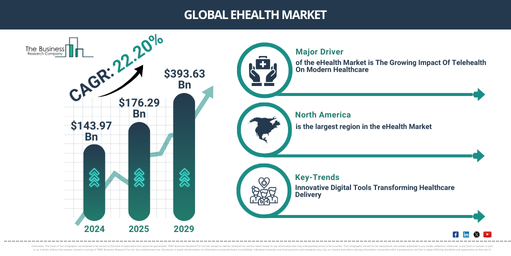
    The ehealth market size has shown substantial growth recently. It is anticipated to increase from $143.97 billion in 2024 to $176.29 billion in 2025, at a compound annual growth rate (CAGR) of 22.5%. This historical expansion can be linked to factors like increasing internet penetration, growing smartphone adoption, rising healthcare costs, government initiatives, and the demand for remote monitoring.

    The ehealth market is projected to experience substantial growth in the coming years. It is anticipated to reach $393.63 billion by 2029, demonstrating a compound annual growth rate (CAGR) of 22.2%. This projected increase is largely due to the rising prevalence of chronic diseases, an aging global demographic, a stronger focus on personalized medicine, the expansion of remote patient monitoring, and the integration of AI in diagnostics. Furthermore, significant trends in the forecast period include the development of advanced telemedicine infrastructure, innovations in AI-powered diagnostics, enhancements in digital health records, the widespread adoption of smart medical devices, and improved cybersecurity within eHealth.

    Unlock Your Free Sample Report for Exclusive Market Data:

    https://www.thebusinessresearchcompany.com/sample.aspx?id=21180&type=smp

    Which Industry Drivers Are Expected To Accelerate The eHealth Market From 2025 To 2029?

    The increasing adoption of telehealth is projected to drive the expansion of the eHealth market in the foreseeable future. Telehealth involves the application of digital communication tools to deliver remote healthcare services, encompassing virtual consultations, patient monitoring, and medical training. This growing embrace of telehealth is largely propelled by its enhanced accessibility, user convenience, economic advantages, and ongoing technological progress. eHealth further strengthens telehealth by allowing for remote patient observation, facilitating virtual appointments, and ensuring uninterrupted access to digital health records, thereby optimizing healthcare provision. As an illustration, a survey carried out by Rock Health, a US-based health technology company, in February 2023, surveying 8,014 respondents, found that 76% of individuals over the age of 55 had utilized telemedicine, and 80% of all respondents indicated they had accessed care through telemedicine at some point in their lives, marking an increase of 8% from 72% in 2021. Thus, the expanding use of telehealth is a key factor contributing to the development of the eHealth market.

    What Are The Different Segment Classifications Within The eHealth Market?

    The ehealthmarket covered in this report is segmented –

    1) By Type: eHealth Solutions; eHealth Services

    2) By Component: Electronic Health Records; e-Prescribing; Clinical Decision Support Systems; Telemedicine; Other Components

    3) By Deployment: On-premise; Cloud-based

    4) By End User: Healthcare Providers; Payers; Healthcare Consumers; Other End-Users

    Subsegments:

    1) By eHealth Solutions: Electronic Health Records (EHR); Telemedicine And Telehealth Solutions; Health Information Systems (HIS); Mobile Health Applications (mHealth); Remote Monitoring Solutions

    2) By eHealth Services: Telemedicine Services; eConsultation And Virtual Care; Health Data Analytics Services; Health IT Support Services; eHealth Consulting Services

    Which Market Trends Are Creating New Opportunities In The eHealth Industry?

    Leading companies within the eHealth market are dedicated to developing cutting-edge offerings like electronic medical records (EMR) systems to improve patient data handling, boost healthcare effectiveness, and optimize clinical operations. An Electronic Medical Records (EMR) system functions as a digital platform for storing, organizing, and accessing patients’ medical histories, diagnoses, treatments, and other health-related information within a healthcare institution. As an illustration, in April 2024, eHealth Solutions Ltd, a UK-based healthcare IT company, launched EMRpro, a groundbreaking electronic medical records (EMR) system tailored for private healthcare practices. This advanced healthcare IT product intends to transform clinical efficiency and patient oversight. EMRpro incorporates sophisticated capabilities to streamline medical processes and uplift care provision. Diverging from conventional EMR systems, its focus is on clinical functionalities rather than administrative duties. Through its contemporary, cloud-based framework, EMRpro establishes a fresh standard in healthcare technology.

    Which Global Market Leaders Are Shaping The Future Of The eHealth Sector?

    Major companies operating in the ehealth market are UnitedHealth Group Incorporated, CVS Health Corporation, International Business Machines Corporation (IBM), Cisco Systems Inc., Medtronic plc, Siemens Healthineers AG, Koninklijke Philips N.V., GE HealthCare Technologies Inc., Epic Systems Corporation, Teladoc Health Inc., Veradigm LLC, athenahealth Inc., CompuGroup Medical SE & Co. KGaA, Hims & Hers Health Inc., American Well Corporation, Epocrates LLC, eHealth Technologies Inc., Medisafe Ltd., Oracle Health, iCliniq.

    Download The Full Report For Exclusive Market Findings:

    https://www.thebusinessresearchcompany.com/report/ehealth-global-market-report

    How Is eHealth Market Demand Varying Across Different Regions?

    North America was the largest region in the eHealth market in 2024. Asia-Pacific is expected to be the fastest-growing region in the forecast period. The regions covered in the ehealth market report are Asia-Pacific, Western Europe, Eastern Europe, North America, South America, Middle East, Africa.

    Request A Customized Version Of The eHealth Market Report:

    https://www.thebusinessresearchcompany.com/customise?id=21180&type=smp

    Browse Through More Reports Similar to the Global eHealth Market 2025, By The Business Research Company

    Telehealth Global Market Report 2025

    https://www.thebusinessresearchcompany.com/report/telehealth-global-market-report

    Veterinary Telehealth Global Market Report 2025

    https://www.thebusinessresearchcompany.com/report/veterinary-telehealth-global-market-report

    Telemedicine Services Global Market Report 2025

    https://www.thebusinessresearchcompany.com/report/telemedicine-services-global-market-report

    Get in touch with us:

    The Business Research Company: https://www.thebusinessresearchcompany.com/

    Americas +1 310-496-7795

    Asia +44 7882 955267 & +91 8897263534

    Europe +44 7882 955267

    Email us at info@tbrc.info

    Follow us on:

    LinkedIn: https://in.linkedin.com/company/the-business-research-company

    YouTube: https://www.youtube.com/channel/UC24_fI0rV8cR5DxlCpgmyFQ

    Global Market Model: https://www.thebusinessresearchcompany.com/global-market-model
  • Eczema Market Trends 2025–2029: Forecasts for Key Growth Segments

    Eczema Market Trends 2025–2029: Forecasts for Key Growth Segments

    Unlock Global Insights – Save 20% on Market Reports with Code ONLINE20

    By How Much Is The Eczema Market Expected To Expand Between 2025 And 2029?

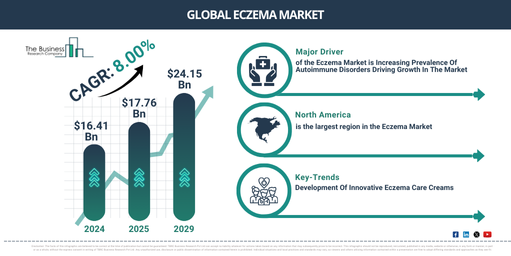
    The eczema market size has experienced significant growth in recent years. This market is anticipated to expand from $16.41 billion in 2024 to $17.76 billion in 2025, at a compound annual growth rate (CAGR) of 8.2%. The expansion seen in previous periods can be linked to the increasing prevalence of autoimmune diseases, a rise in eczema cases, an increase in approvals from authorities, a higher incidence of air pollutants, and the growing burden of allergic reactions.

    The eczema market is projected to experience substantial growth over the coming years. Its valuation is anticipated to reach $24.15 billion by 2029, exhibiting a compound annual growth rate (CAGR) of 8.0%. This projected expansion is driven by several factors, including a rising demand for atopic dermatitis treatments, an increase in operational activities, enhanced awareness of eczema, a greater integration of biologics, and the growing adoption of telemedicine platforms. Significant trends expected during this period encompass strategic collaborations, the emergence of new therapies, the development of injectable drugs, and advancements in personalized medicine.

    Unlock Your Free Sample Report for Exclusive Market Data:

    https://www.thebusinessresearchcompany.com/sample.aspx?id=21179&type=smp

    What Are The Top Growth Drivers Impacting The Eczema Market Outlook?

    The expanding occurrence of autoimmune conditions is anticipated to boost the eczema market’s expansion moving ahead. These disorders are characterized by the body’s immune system erroneously targeting its own healthy cells, tissues, or organs, resulting in inflammation and harm. The rising incidence of such disorders stems from a combination of genetic predispositions, environmental influences, infections, shifts in diet, and lifestyle elements like stress and contact with pollutants. Specific autoimmune conditions, including psoriasis, lupus, and rheumatoid arthritis, are associated with impaired immune responses, which increases an individual’s vulnerability to eczema and other inflammatory skin ailments. For example, in November 2024, data from Versorgungsatlas.de, a Germany-based organization, revealed that in 2022, among 73,241,305 insured individuals, 6,304,340 received a diagnosis of at least one autoimmune disease, establishing a raw prevalence rate of 8.61%. Consequently, the growing frequency of autoimmune disorders is stimulating the expansion of the eczema market.

    What Are The Primary Types Of Segments Analyzed In The Eczema Market?

    The eczemamarket covered in this report is segmented –

    1) By Type: Atopic Dermatitis; Contact Dermatitis; Seborrheic Dermatitis; Other Types

    2) By Treatment Type: Topical Treatments; Oral Medications; Biologics; Phototherapy

    3) By Age Group: Children; Adults; Elderly

    4) By End User: Hospitals Or Clinics; Dermatology Centers; Home Care; Pharmacies

    Subsegments:

    1) By Atopic Dermatitis: Topical Steroids; Topical Calcineurin Inhibitors; Moisturizers; Biologic Therapies

    2) By Contact Dermatitis: Topical Steroids; Antihistamines; Topical Immunosuppressants; Wet Compresses

    3) By Seborrheic Dermatitis: Antifungal Creams or Shampoos; Topical Steroids; Medicated Shampoos; Topical Calcineurin Inhibitors

    4) By Other Types: Allergic Dermatitis; Nummular Dermatitis; Neurodermatitis; Dyshidrotic Eczema

    How Are Trends Influencing The Eczema Market?

    Prominent companies within the eczema market are concentrating on developing innovative products, such as specialized eczema care creams, to boost treatment efficacy and fulfill consumer demand for sophisticated skincare solutions. An eczema care cream is a dedicated skincare item formulated to calm, moisturize, and safeguard skin affected by eczema, aiding in the reduction of itching, inflammation, and dryness. For example, in September 2024, Dove, a personal care brand from the UK, unveiled a new Eczema Care range for infants, which encompasses the Baby Dove Eczema Care Soothing Bath Treatment and the Baby Dove Eczema Care Cream. The Baby Dove Eczema Care range presents several distinctive characteristics customized for babies with eczema. Initially, the products are crafted with 100% skin-natural nutrients, ensuring their mildness on sensitive skin. They incorporate colloidal oatmeal (1.0%), a crucial ingredient for alleviating irritation and sustaining hydration.

    Which Industry Leaders Are Driving Innovation Across The Eczema Market?

    Major companies operating in the eczema market are Pfizer Inc., AbbieVie Inc., Bayer AG, Sanofi S.A, Bristol-Myers Squibb Company, AstraZeneca PLC, Novartis AG, GlaxoSmithKline plc, Amgen, Hoffmann-La Roche AG, Eli Lilly and Co., Siemens Healthineers AG, Viatris Inc., Teva Pharmaceutical Industries Ltd., Regeneron Pharmaceuticals Inc., Astellas Pharma Inc, Bausch Health Companies Inc., Galderma, Cadila Pharmaceuticals Ltd., LEO Pharma A/S, Almirall, Kyowa Kirin, Alliance Pharma Plc, Encore Dermatology Inc., Arcutis Inc

    Download The Full Report For Exclusive Market Findings:

    https://www.thebusinessresearchcompany.com/report/eczema-global-market-report

    Which Geographies Are Emerging As Strong Markets For The Eczema Industry?

    North America was the largest region in the eczema market in 2024. The regions covered in the eczema market report are Asia-Pacific, Western Europe, Eastern Europe, North America, South America, Middle East, Africa.

    Request A Customized Version Of The Eczema Market Report:

    https://www.thebusinessresearchcompany.com/customise?id=21179&type=smp

    Browse Through More Reports Similar to the Global Eczema Market 2025, By The Business Research Company

    Atopic Dermatitis Global Market Report 2025

    https://www.thebusinessresearchcompany.com/report/atopic-dermatitis-global-market-report

    Dermatitis Drugs Global Market Report 2025

    https://www.thebusinessresearchcompany.com/report/dermatitis-drugs-global-market-report

    Atopic Dermatitis Global Market Report 2025

    https://www.thebusinessresearchcompany.com/report/atopic-dermatitis-global-market-report

    Get in touch with us:

    The Business Research Company: https://www.thebusinessresearchcompany.com/

    Americas +1 310-496-7795

    Asia +44 7882 955267 & +91 8897263534

    Europe +44 7882 955267

    Email us at info@tbrc.info

    Follow us on:

    LinkedIn: https://in.linkedin.com/company/the-business-research-company

    YouTube: https://www.youtube.com/channel/UC24_fI0rV8cR5DxlCpgmyFQ

    Global Market Model: https://www.thebusinessresearchcompany.com/global-market-model
  • Dyspnea Market Forecast 2025–2034: Where Businesses Should Invest Next

    Dyspnea Market Forecast 2025–2034: Where Businesses Should Invest Next

    Unlock Global Insights – Save 20% on Market Reports with Code ONLINE20

    #What Is The Projected Market Size Of The Dyspnea Market By 2029?

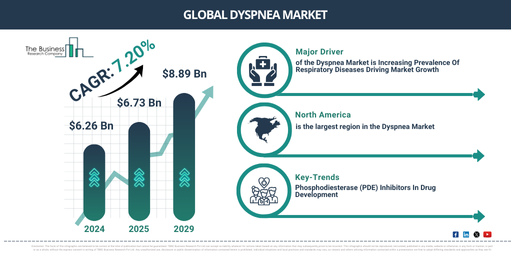
    The dyspnea market has demonstrated substantial growth in recent years. It is projected to increase from $6.26 billion in 2024 to $6.73 billion in 2025, reflecting a compound annual growth rate (CAGR) of 7.4%. This historical expansion is attributable to increased awareness of respiratory diseases, a rising prevalence of lifestyle-related factors, an expanding geriatric population, a surge in clinical trials, and the development of supportive government initiatives.

    The dyspnea market is projected to experience substantial expansion in the coming years. This market is anticipated to reach $8.89 billion by 2029, demonstrating a compound annual growth rate (CAGR) of 7.2%. Factors driving this growth during the forecast period include the increasing incidence of chronic illnesses, a rising need for personalized medical treatments, escalating pollution levels, the expanding use of telemedicine, and the emergence of supportive regulatory frameworks. Key trends expected over the forecast horizon involve strategic partnerships, continuous technological progress, the introduction of innovative inhaler devices, the evolution of personalized medicine approaches, and the advancement of targeted therapeutic interventions.

    Unlock Your Free Sample Report for Exclusive Market Data:

    https://www.thebusinessresearchcompany.com/sample.aspx?id=21178&type=smp

    Which Major Market Drivers Are Shaping The Future Of The Dyspnea Market?

    The future expansion of the dyspnea market is anticipated to be driven by the rising incidence of respiratory ailments. These conditions impact the lungs and other components of the breathing apparatus, leading to breathing difficulties and hindered oxygen transfer. Examples of prevalent respiratory illnesses encompass asthma, chronic obstructive pulmonary disease (COPD), and tuberculosis (TB), among others. The increase in respiratory disorders stems from elements like atmospheric contamination, tobacco use, harmful environmental substances, and shifts in climate. Dyspnea assists in the identification and treatment of respiratory conditions by indicating compromised lung performance, guiding therapeutic approaches, and tracking the advancement of the disease. As an illustration, data from November 2023, provided by the National Asthma Council, a non-profit organization situated in Australia, indicated that in 2022, Australia recorded 467 asthma-related deaths, with 299 being females and 168 males; this represented an uptick from 355 deaths reported in 2021. Consequently, the growing occurrence of respiratory illnesses is fueling the expansion of the dyspnea market.

    Which Key Segments Fueling The Dyspnea Market?

    The dyspneamarket covered in this report is segmented –

    1) By Treatment Type: Supplemental Oxygen Therapy; Relaxation Therapy

    2) By Drug Class: Antianxiety; Antibiotics; Anticholinergic Agents; Corticosteroids; Other Drug Classes

    3) By Route Of Administration: Oral; Inhalation; Other Route Of Administrations

    4) By End User: Hospitals; Homecare; Specialty Clinics; Ambulatory Services; Other End Users

    Subsegments:

    1) By Supplemental Oxygen Therapy: Continuous Flow Oxygen Therapy; Pulse Dose Oxygen Therapy; Oxygen Concentrators; Portable Oxygen Cylinders

    2) By Relaxation Therapy: Breathing Exercises; Meditation and Mindfulness; Progressive Muscle Relaxation; Biofeedback Therapy

    What Key Innovation Trends Are Fueling Advancements In The Dyspnea Market?

    Leading firms within the dyspnea market are concentrating on creating novel medications, including phosphodiesterase (PDE) inhibitors, aimed at improving treatment effectiveness and offering enhanced relief for individuals suffering from respiratory ailments. These inhibitors function by obstructing phosphodiesterase enzymes, thereby elevating cellular levels of cyclic AMP or cyclic GMP, which can lead to enhanced vasodilation, diminished inflammation, or improved cardiac performance. An example of this initiative is Verona Pharma Plc, a biopharmaceutical company from the UK, which declared in May 2024 its preparations for the expected U.S. introduction of ensifentrine. This agent, a novel dual phosphodiesterase (PDE) 3/4 inhibitor designed for COPD therapy, is slated for a Q3 2024 launch, contingent on FDA clearance. Ensifentrine, administered via nebulizer for chronic obstructive pulmonary disease (COPD), has shown substantial decreases in exacerbation frequencies and notable improvements in dyspnea during its Phase III clinical trials. To facilitate the drug’s market introduction and its continued advancement, including an upcoming Phase II study for a fixed-dose combination with glycopyrrolate intended as a maintenance treatment for COPD patients, the company has successfully raised $650 million in funding.

    Who Are The Key Multinational Companies Dominating The Dyspnea Market?

    Major companies operating in the dyspnea market are Pfizer Inc., F. Hoffmann-La Roche Ltd., Merck And Co. Inc., Bayer AG, Sanofi S.A., AstraZeneca, Novartis AG, GlaxoSmithKline, Amgen Inc., Viatris Inc, Teva Pharmaceutical Industries Ltd., Boehringer Ingelheim, Amneal Pharmaceuticals LLC, Lupin Ltd, Lincare Holdings Inc, Nephron Pharmaceuticals Corporation, Rotech Healthcare Inc., Inogen Inc, Lannett Inc., Ligand Pharmaceuticals Incorporated, OMRON Healthcare Inc, Flexicare Medical Ltd, Zydus Cadila Healthcare Ltd, Advacare Pharma, Airways surgical Pvt. Ltd., Belluscura Plc

    Download The Full Report For Exclusive Market Findings:

    https://www.thebusinessresearchcompany.com/report/dyspnea-global-market-report

    Which Region Is Projected To Lead The Dyspnea Market During The Forecast Period?

    North America was the largest region in the dyspnea market in 2024. Asia-Pacific is expected to be the fastest-growing region in the forecast period. The regions covered in the dyspnea market report are Asia-Pacific, Western Europe, Eastern Europe, North America, South America, Middle East, Africa.

    Request A Customized Version Of The Dyspnea Market Report:

    https://www.thebusinessresearchcompany.com/customise?id=21178&type=smp

    Browse Through More Reports Similar to the Global Dyspnea Market 2025, By The Business Research Company

    Neurophysiology Devices And Equipment Global Market Report 2025

    https://www.thebusinessresearchcompany.com/report/neurophysiology-devices-and-equipment-global-market-report

    Neurostimulation Devices Global Market Report 2025

    https://www.thebusinessresearchcompany.com/report/neurostimulation-devices-global-market-report

    Neurodegenerative Disorder Therapeutic Global Market Report 2025

    https://www.thebusinessresearchcompany.com/report/neurodegenerative-disorder-therapeutic-global-market-report

    Get in touch with us:

    The Business Research Company: https://www.thebusinessresearchcompany.com/

    Americas +1 310-496-7795

    Asia +44 7882 955267 & +91 8897263534

    Europe +44 7882 955267

    Email us at info@tbrc.info

    Follow us on:

    LinkedIn: https://in.linkedin.com/company/the-business-research-company

    YouTube: https://www.youtube.com/channel/UC24_fI0rV8cR5DxlCpgmyFQ

    Global Market Model: https://www.thebusinessresearchcompany.com/global-market-model

  • Global Dysautonomia (Autonomic Dysfunction) Market Analysis 2025–2029: Opportunities for Strategic Growth

    Global Dysautonomia (Autonomic Dysfunction) Market Analysis 2025–2029: Opportunities for Strategic Growth

    Unlock Global Insights – Save 20% on Market Reports with Code ONLINE20

    How Much Was The Dysautonomia (Autonomic Dysfunction) Market Worth In 2025, And What Is Its Anticipated Value By 2029?

    The dysautonomia (autonomic dysfunction) market size has experienced significant expansion recently. This market is projected to increase from $2.62 billion in 2024 to $2.92 billion in 2025, demonstrating a compound annual growth rate (CAGR) of 11.5%. Historically, this growth has been fueled by factors such as the rising incidence of autonomic disorders, heightened understanding of dysautonomia, increased spending on healthcare, broadened investigation into neurodegenerative conditions, and enhanced governmental backing for uncommon illnesses.

    The market for dysautonomia (autonomic dysfunction) is projected to experience substantial expansion in the coming years. This market is anticipated to reach a valuation of $4.49 billion by 2029, exhibiting a compound annual growth rate (CAGR) of 11.4%. Factors contributing to this growth over the forecast period include the expanding acceptance of personalized medicine, a rise in clinical trials for new therapies, increased government funding dedicated to rare disease research, the proliferation of telemedicine and remote monitoring options, and a greater supply of orphan drugs. Key trends expected during this period encompass the incorporation of artificial intelligence into diagnostic methods, the creation of specific targeted therapies, the wider use of wearable technology for autonomic monitoring, progress in gene therapies, and novel approaches centered around patient care.

    Unlock Your Free Sample Report for Exclusive Market Data:

    https://www.thebusinessresearchcompany.com/sample.aspx?id=21177&type=smp

    What Are The Main Drivers Boosting The Dysautonomia (Autonomic Dysfunction) Industry’s Expansion?

    The dysautonomia (autonomic dysfunction) market is anticipated to expand due to the rising occurrence of chronic diseases. A chronic disease refers to a persistent health condition that endures for more than three months. This increase in chronic diseases stems from factors like the growing incidence of multimorbidity, where individuals are diagnosed with multiple chronic disorders concurrently. Dysautonomia (autonomic dysfunction) significantly impacts chronic diseases by impairing the body’s regulation of vital functions such as heart rate, blood pressure, and digestion, frequently worsening symptoms and making management more complex. As an illustration, a National Health Service report from October 2023, concerning the UK’s healthcare system, indicated that the prevalence of Type 1 diabetes in England rose from 261,710 cases in 2020-21 to 270,935 cases in 2021-22, showing a 3.5% year-over-year increase. Consequently, the rising occurrence of chronic diseases is fueling the expansion of the dysautonomia (autonomic dysfunction) market.

    How Is The Dysautonomia (Autonomic Dysfunction) Market Classified Into Different Segments?

    The dysautonomia (autonomic dysfunction)market covered in this report is segmented –

    1) By Type: Neurogenic Orthostatic Hypotension (NOH); Postural Orthostatic Tachycardia Syndrome (POTS); Multiple System Atrophy (MSA); Pure Autonomic Failure (PAF); Other Types

    2) By Tests: Cardiovagal and Vasomotor Function Tests; Thermoregulatory Sweat Test (TST); Sympathetic Skin Response (SSR); Quantitative Sudomotor Axon Reflex Test; Other Tests

    3) By Treatment: Physical Therapy; Exercise Therapy; Counseling; Other Treatments

    4) By Distribution Channel: Hospital Pharmacy; Online Pharmacy; Retail Pharmacy

    5) By End User: Hospitals; Clinics; Diagnostic Centers; Research Institutes

    Subsegments:

    1) By Neurogenic Orthostatic Hypotension (NOH): Primary NOH; Secondary NOH (due to Parkinson’s Disease, Diabetes, etc.); Pharmacological Management of NOH; Non-Pharmacological Interventions

    2) By Postural Orthostatic Tachycardia Syndrome (POTS): Hyperadrenergic POTS; Hypovolemic POTS; Neuropathic POTS; Autoimmune POTS; Treatment With Beta-Blockers, Fludrocortisone, And Salt Supplements

    3) By Multiple System Atrophy (MSA): MSA-P (Parkinsonism); MSA-C (Cerebellar); MSA-A (Autonomic); Disease-Modifying and Symptomatic Treatment

    4) By Pure Autonomic Failure (PAF): Idiopathic PAF; Secondary PAF (due to neurodegenerative diseases); Autonomic Supportive Treatments

    5) By Other Types: Familial Dysautonomia (FD); Diabetic Autonomic Neuropathy; Horner’s Syndrome; Autoimmune Autonomic Ganglionopathy; Chronic Fatigue Syndrome-related Dysautonomia

    Which Ongoing Trends Are Expected To Shape The Dysautonomia (Autonomic Dysfunction) Market Outlook?

    Key companies active in the dysautonomia (autonomic dysfunction) market are concentrating on developing advancements in gene therapy, such as recombinant adeno-associated virus, to improve the delivery of therapeutic genes to target cells, with the goal of enhancing treatment outcomes for individuals with various forms of dysautonomia. Recombinant adeno-associated virus (rAAV) is a modified virus utilized in gene therapy to introduce genetic material into cells without inducing disease. For example, in January 2025, Tikun Therapeutics Inc., a US-based biotechnology company, secured Food and Drug Administration (FDA) approval for Orphan Drug and Rare Pediatric Disease Designations for rAAV2-U1a-hELP1 (a gene therapy for optic neuropathy in familial dysautonomia) and BPN-36964 (a small molecule splicing modulator for systemic FD treatment). These innovative therapies are intended to address the root genetic causes of FD, promising potential long-term advantages compared to symptomatic care.

    Which Leading Players Are Enhancing Their Dysautonomia (Autonomic Dysfunction) Market Presence Worldwide?

    Major companies operating in the dysautonomia (autonomic dysfunction) market are Teva Pharmaceutical Industries Ltd., H. Lundbeck A/S, Aurobindo Pharma Limited, Hikma Pharmaceuticals PLC, Cadila Healthcare Limited (Zydus Cadila), Lupin Limited, Nemours Children’s Health Delaware, Alnylam Pharmaceuticals Inc., Biohaven Pharmaceuticals Holding Company Ltd., Aurora Health Care Inc., Camber Pharmaceuticals Inc., Theravance Biopharma Inc., Tocris Bioscience, Celltex Therapeutics Corporation, DyAnsys Inc., Axplora Inc., MODAG GmbH, Inhibikase Therapeutics Inc., Mylan Pharmaceuticals Private Limited, Chelsea Therapeutics International Ltd.

    Download The Full Report For Exclusive Market Findings:

    https://www.thebusinessresearchcompany.com/report/dysautonomia-autonomic-dysfunction-global-market-report

    What Are The Key Regional Factors Influencing The Dysautonomia (Autonomic Dysfunction) Market Growth?

    North America was the largest region in the dysautonomia (autonomic dysfunction) market in 2024. Asia-Pacific is expected to be the fastest-growing region in the forecast period. The regions covered in the dysautonomia (autonomic dysfunction) market report are Asia-Pacific, Western Europe, Eastern Europe, North America, South America, Middle East, Africa.

    Request A Customized Version Of The Dysautonomia (Autonomic Dysfunction) Market Report:

    https://www.thebusinessresearchcompany.com/customise?id=21177&type=smp

    Browse Through More Reports Similar to the Global Dysautonomia (Autonomic Dysfunction) Market 2025, By The Business Research Company

    Drugs For Erectile Dysfunction Global Market Report 2025

    https://www.thebusinessresearchcompany.com/report/drugs-for-erectile-dysfunction-global-market-report

    Generic Central Nervous System Drugs Global Market Report 2025

    https://www.thebusinessresearchcompany.com/report/generic-central-nervous-system-drugs-global-market-report

    Central Nervous System Biomarkers Global Market Report 2025

    https://www.thebusinessresearchcompany.com/report/central-nervous-system-biomarkers-global-market-report

    Get in touch with us:

    The Business Research Company: https://www.thebusinessresearchcompany.com/

    Americas +1 310-496-7795

    Asia +44 7882 955267 & +91 8897263534

    Europe +44 7882 955267

    Email us at info@tbrc.info

    Follow us on:

    LinkedIn: https://in.linkedin.com/company/the-business-research-company

    YouTube: https://www.youtube.com/channel/UC24_fI0rV8cR5DxlCpgmyFQ

    Global Market Model: https://www.thebusinessresearchcompany.com/global-market-model
  • Dry Age Related Macular Degeneration (AMD) Industry Overview 2025: Growth Projections and Market Trends

    Dry Age Related Macular Degeneration (AMD) Industry Overview 2025: Growth Projections and Market Trends

    Unlock Global Insights – Save 20% on Market Reports with Code ONLINE20

    What Is The Future Market Size Estimation For The Dry Age Related Macular Degeneration (AMD) Market Covering 2025–2034?

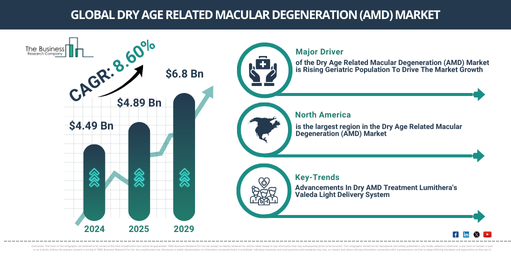
    The dry age related macular degeneration (amd) market has seen significant expansion in recent years. It is projected to increase from $4.49 billion in 2024 to $4.89 billion in 2025, achieving a compound annual growth rate (CAGR) of 8.8%. This historical development can be ascribed to an expanding elderly demographic, a greater occurrence of chronic conditions, heightened consciousness regarding eye health, an increasing volume of clinical investigations centered on dry AMD, and a rising preference for less intrusive treatment approaches.

    The dry age related macular degeneration (amd) market size is projected to experience robust expansion in the coming years. It is expected to reach $6.8 billion by 2029, growing at a compound annual growth rate (CAGR) of 8.6%. This anticipated growth throughout the forecast period can be attributed to the emergence of novel therapies, increasing healthcare expenditure, the rising utilization of laser photocoagulation therapy, advancements in genetic research, and an escalating focus on personalized medicine. Furthermore, significant trends for the forecast period include progress in diagnostic technologies, a rising adoption of teleophthalmology, technologically advanced treatments, various product approvals, and the launch of new products.

    Unlock Your Free Sample Report for Exclusive Market Data:

    https://www.thebusinessresearchcompany.com/sample.aspx?id=21176&type=smp

    Which Factors And Drivers Are Influencing The Dry Age Related Macular Degeneration (AMD) Market In 2025?

    The increasing elderly demographic is anticipated to stimulate the expansion of the dry age related macular degeneration (AMD) market moving forward. The term “geriatric population” refers to older individuals, typically defined as those aged 65 years and older. The rise in the geriatric population is attributed to several factors, including advancements in medical technology, more effective management of chronic illnesses, longer life expectancy, and enhanced geriatric care. Dry age-related macular degeneration (AMD) benefits the older adult population by offering specific treatments and management approaches aimed at slowing the disease’s progression, maintaining vision, and enhancing the quality of life for seniors affected by this condition. For example, reports published in June 2024 by the National Council on Aging, a US-based organization, indicated that in 2022, approximately 57.8 million adults were aged 65 and above, making up 17.3% of the total U.S. population. This represented an increase from 16.9% in 2021. Consequently, the expanding geriatric population will propel the growth of the dry age-related macular degeneration (AMD) market.

    What Are The Major Segments Identified In The Dry Age Related Macular Degeneration (AMD) Market?

    The dry age related macular degeneration (amd)market covered in this report is segmented –

    1) By Stages: Early Age-Related Macular Degeneration; Intermediate Age-Related Macular Degeneration; Late Age-Related Macular Degeneration

    2) By Age Group: Above 75 Years; Above 60 Years; Above 40 Years

    3) By Route Of Administration: Oral; Injectables

    4) By End Users: Hospitals And Clinics; Diagnostic Centers; Academic And Research Institutes

    Subsegments:

    1) By Early Age-Related Macular Degeneration: Drusen Accumulation; Retinal Pigment Epithelium Changes

    2) By Intermediate Age-Related Macular Degeneration: Larger Drusen Deposits; Increased Pigmentary Abnormalities

    3) By Late Age-Related Macular Degeneration: Geographic Atrophy; Central Vision Loss

    Which Competitive Trends Are Defining The Dry Age Related Macular Degeneration (AMD) Market Structure?

    Companies operating in the dry age-related macular degeneration (AMD) market are intensely focused on developing new advanced technologies and treatments, such as light delivery systems, aimed at targeting and activating retinal cells to potentially slow the disease’s progression. Light delivery systems refer to technologies specifically designed to transmit light for various therapeutic applications, particularly within medical treatments. For instance, in January 2024, LumiThera Inc., a US-based medical device company, launched photobiomodulation (PBM) for dry age-related macular degeneration (AMD) with its Valeda Light Delivery System. This is notable as it represents the first FDA-authorized therapy developed to address vision loss in patients suffering from dry AMD, a condition for which treatment options are currently limited. LumiThera subsequently initiated the EUROLIGHT registry study to gather comprehensive long-term data on the outcomes of patients treated with the Valeda system. The Valeda system itself utilizes a multi-wavelength light delivery method, employing three specific wavelengths (590 nm, 660 nm, and 850 nm). This non-invasive treatment can be administered through either an open or closed eyelid and typically involves nine sessions over a period of three to four weeks.

    Which Major Firms Are Strengthening Their Position In The Dry Age Related Macular Degeneration (AMD) Industry?

    Major companies operating in the dry age related macular degeneration (AMD) market are F Hoffmann-La Roche Ltd., Novartis AG, Bayer AG, Amgen Inc., Biogen Inc., Astellas Pharma Inc., Bausch Health Companies Inc., Lupin Ltd., Santen Pharmaceuticals Inc., Biocon Ltd., Alimera Sciences Inc., Apellis Pharmaceuticals Inc., Belite Bio Inc., Axol Bioscience Ltd., Alkeus Pharmaceuticals Inc., Kubota Holdings Co., Ribomic Inc., Eyestem Research Pvt. Ltd., LumiThera Inc., Adverum Biotechnologies Inc.

    Download The Full Report For Exclusive Market Findings:

    https://www.thebusinessresearchcompany.com/report/dry-age-related-macular-degeneration-amd-global-market-report

    How Do Regional Market Performances Compare Within The Dry Age Related Macular Degeneration (AMD) Industry?

    North America was the largest region in the dry age-related macular degeneration (AMD) market in 2024. The regions covered in the dry age related macular degeneration (AMD) market report are Asia-Pacific, Western Europe, Eastern Europe, North America, South America, Middle East, Africa.

    Request A Customized Version Of The Dry Age Related Macular Degeneration (AMD) Market Report:

    https://www.thebusinessresearchcompany.com/customise?id=21176&type=smp

    Browse Through More Reports Similar to the Global Dry Age Related Macular Degeneration (AMD) Market 2025, By The Business Research Company

    Macular Degeneration Treatment Global Market Report 2025

    https://www.thebusinessresearchcompany.com/report/macular-degeneration-treatment-global-market-report

    Age Related Macular Degeneration Global Market Report 2025

    https://www.thebusinessresearchcompany.com/report/age-related-macular-degeneration-global-market-report

    Cartilage Degeneration Global Market Report 2025

    https://www.thebusinessresearchcompany.com/report/cartilage-degeneration-global-market-report

    Get in touch with us:

    The Business Research Company: https://www.thebusinessresearchcompany.com/

    Americas +1 310-496-7795

    Asia +44 7882 955267 & +91 8897263534

    Europe +44 7882 955267

    Email us at info@tbrc.info

    Follow us on:

    LinkedIn: https://in.linkedin.com/company/the-business-research-company

    YouTube: https://www.youtube.com/channel/UC24_fI0rV8cR5DxlCpgmyFQ

    Global Market Model: https://www.thebusinessresearchcompany.com/global-market-model