Blog

  • Dravet Syndrome Market Size Forecast: Revenue and CAGR by 2029

    Dravet Syndrome Market Size Forecast: Revenue and CAGR by 2029

    Unlock Global Insights – Save 20% on Market Reports with Code ONLINE20

    What Is The Expected Total Market Size Of The Dravet Syndrome Industry By The Forecast Year 2029?

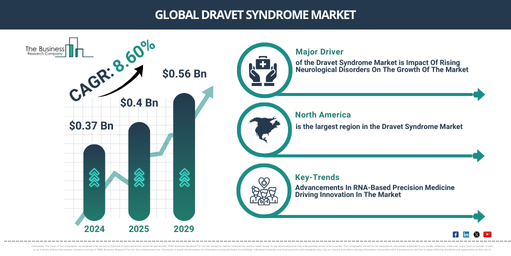
    The market size for Dravet Syndrome has shown significant growth in recent years. It is anticipated to increase from $0.37 billion in 2024 to $0.4 billion by 2025, reflecting a compound annual growth rate (CAGR) of 8.7%. This historical growth can be attributed to several factors including the rising prevalence of Dravet Syndrome, enhanced diagnosis rates stemming from improved screening techniques, increased investment in epilepsy research, regulatory encouragement for orphan drugs, and broader acceptance of cannabis-based therapies.

    The Dravet syndrome market is anticipated to show robust expansion in the coming years. It is projected to achieve a value of $0.56 billion by 2029, advancing at a compound annual growth rate (CAGR) of 8.6%. This growth during the forecast period is propelled by factors such as widening insurance coverage for rare diseases, escalating patient advocacy initiatives, improved accessibility and cost-effectiveness of genetic testing, enhanced government backing for rare disease treatments, and a rising number of specialty neurology clinics. Significant trends expected in this period involve breakthroughs in gene therapy for managing seizures, increasing application of artificial intelligence for prompt diagnosis, the evolution of precision medicine for customized patient care, innovations in drug delivery mechanisms for epilepsy management, and the expansion of telehealth services for remote patient monitoring.

    Unlock Your Free Sample Report for Exclusive Market Data:

    https://www.thebusinessresearchcompany.com/sample.aspx?id=21175&type=smp

    What Are The Key Drivers Of Growth In The Dravet Syndrome Market?

    The increasing occurrence of neurological conditions is anticipated to fuel the expansion of the dravet syndrome market in the future. These disorders encompass a wide range of ailments impacting the brain, spinal cord, and nervous system, resulting in compromised movement, thinking, sensory perception, or other physiological processes. The growth in neurological disorders is attributed to an aging global populace, evolving lifestyle habits, environmental influences, advancements in diagnostic methods, and an uptick in neuroinfections and autoimmune conditions. Dravet syndrome offers significant understanding into neurological conditions by driving forward research into genetic alterations, neuronal excitability, and specific therapeutic interventions that could aid a wider array of neurological illnesses. To illustrate, in April 2022, data from the European Brain Council, a non-profit organization based in Belgium, indicated that more than 600 neurological diseases and almost 300 psychiatric conditions affect millions worldwide, among them 65 million with epilepsy. Within Europe, 10.5 million people have dementia, with forecasts suggesting this number will increase to 18.7 million by 2050. Consequently, the expanding occurrence of neurological conditions is propelling the development of the dravet syndrome market.

    What Are The Emerging Segments Gaining Attention In The Dravet Syndrome Market?

    The dravet syndromemarket covered in this report is segmented –

    1) By Treatment And Management: Seizure Medications; Ketogenic Diet; Vagus Nerve Stimulation; Other Treatments And Management

    2) By Diagnosis: Magnetic Resonance Imaging Testing; Electroencephalography Testing; Sodium Voltage-Gated Channel Alpha Subunit 1 Testing; Other Diagnosis

    3) By Route Of Administration: Parenteral Route; Oral Route; Other Routes Of Administration

    4) By End-user: Pharmaceutical Companies; Hospitals; Diagnostic Laboratories; Academic And Research Institutes; Other End-users

    Subsegments:

    1) By Seizure Medications: Anticonvulsants; Benzodiazepines; Levetiracetam; Cannabidiol (CBD) based medications; Topiramate; Lamotrigine

    2) By Ketogenic Diet: Standard Ketogenic Diet (SKD); Modified Atkins Diet (MAD); Low Glycemic Index Treatment (LGIT); MCT (Medium Chain Triglyceride) Diet

    3) By Vagus Nerve Stimulation: Implantable Vagus Nerve Stimulator (VNS); Non-invasive Vagus Nerve Stimulation (NIVNS); Adjunct Therapy With VNS For Seizure Control

    4) By Other Treatments and Management: Physical and Occupational Therapy; Speech Therapy; Epilepsy Surgery; Cognitive Behavioral Therapy (CBT); Genetic Counseling And Support

    What Are The Latest Industry Trends Transforming The Dravet Syndrome Market?

    Leading companies within the dravet syndrome market are focusing on advancements in precision medicine, particularly RNA-based therapies, to develop targeted treatments. These treatments aim to address the fundamental genetic mutations linked to Dravet syndrome, with the goal of improving efficacy and reducing side effects. RNA-based therapies employ RNA molecules to modify gene expression or protein production, thereby aiding in the treatment of genetic disorders by targeting their molecular origins. For instance, in December 2024, Stoke Therapeutics Inc., a US-based biotechnology company, obtained U.S. Food and Drug Administration (FDA) approval for zorevunersen for the treatment of dravet syndrome. This therapy is engineered to elevate the expression of the SCN1A gene, which is commonly mutated in dravet syndrome patients, thus directly addressing the underlying genetic deficiency instead of just symptom management. The treatment leverages RNA-based precision medicine to restore proper neuronal function, potentially leading to reduced seizure frequency and improved cognitive outcomes.

    Who Are The Primary Competitors In The Global Dravet Syndrome Market?

    Major companies operating in the dravet syndrome market are Takeda Pharmaceutical Company Limited, Biogen Inc., UCB S.A., Eisai Co. Ltd., Jazz Pharmaceuticals plc, H. Lundbeck A/S, BioMarin Pharmaceutical Inc., PTC Therapeutics Inc., Supernus Pharmaceuticals Inc., Zogenix Inc., Biocodex S.A., Encoded Therapeutics Inc., Marinus Pharmaceuticals Inc., Arvelle Therapeutics GmbH, Stoke Therapeutics Inc., Longboard Pharmaceuticals Inc., Xenon Pharmaceuticals Inc., Aeovian Pharmaceuticals Inc., GW Pharmaceuticals plc, Ovid Therapeutics Inc.

    Download The Full Report For Exclusive Market Findings:

    https://www.thebusinessresearchcompany.com/report/dravet-syndrome-global-market-report

    Which Region Currently Holds The Largest Share Of The Dravet Syndrome Market?

    North America was the largest region in the dravet syndrome market in 2024. Asia-Pacific is expected to be the fastest-growing region in the forecast period. The regions covered in the dravet syndrome market report are Asia-Pacific, Western Europe, Eastern Europe, North America, South America, Middle East, Africa.

    Request A Customized Version Of The Dravet Syndrome Market Report:

    https://www.thebusinessresearchcompany.com/customise?id=21175&type=smp

    Browse Through More Reports Similar to the Global Dravet Syndrome Market 2025, By The Business Research Company

    Progressive Multifocal Leukoencephalopathy Treatment Global Market Report 2025

    https://www.thebusinessresearchcompany.com/report/progressive-multifocal-leukoencephalopathy-treatment-global-market-report

    Hepatic Encephalopathy Global Market Report 2025

    https://www.thebusinessresearchcompany.com/report/hepatic-encephalopathy-global-market-report

    Brain Monitoring Global Market Report 2025

    https://www.thebusinessresearchcompany.com/report/brain-monitoring-global-market-report

    Get in touch with us:

    The Business Research Company: https://www.thebusinessresearchcompany.com/

    Americas +1 310-496-7795

    Asia +44 7882 955267 & +91 8897263534

    Europe +44 7882 955267

    Email us at info@tbrc.info

    Follow us on:

    LinkedIn: https://in.linkedin.com/company/the-business-research-company

    YouTube: https://www.youtube.com/channel/UC24_fI0rV8cR5DxlCpgmyFQ

    Global Market Model: https://www.thebusinessresearchcompany.com/global-market-model

  • Global DNA And Gene Cloning Services Market Trends and Growth Analysis 2025–2029

    Global DNA And Gene Cloning Services Market Trends and Growth Analysis 2025–2029

    Unlock Global Insights – Save 20% on Market Reports with Code ONLINE20

    How Does The Market Size Of The DNA And Gene Cloning Services Industry Compare Between 2025 And 2029?

    The dna and gene cloning services market has experienced substantial growth in recent years. It is anticipated to expand from $2.69 billion in 2024 to $3.06 billion in 2025, achieving a compound annual growth rate (CAGR) of 13.9%. The market’s historical growth can be attributed to an increase in demand for personalized medicine, a rise in investment in biopharmaceutical research, growth in prevalence of genetic disorders, expanding applications in agriculture and biotechnology, and supportive government funding for genomic studies.

    The dna and gene cloning services market size is projected to experience substantial expansion over the upcoming years. This market is predicted to reach $5.11 billion by 2029, exhibiting a compound annual growth rate (CAGR) of 13.7%. This anticipated growth during the forecast period stems from several factors, including an increased need for personalized medicine, a surge in gene therapy applications, heightened investments in biopharmaceutical research and development, wider adoption of synthetic biology, favorable government policies and financial support for biotechnology, and the rising occurrence of genetic disorders. Key trends anticipated within this period encompass enhanced precision in CRISPR-Cas9 technology, more economical next-generation sequencing, the development of automated cloning platforms, advanced high-throughput screening techniques, novel synthetic biology innovations, gene analysis powered by artificial intelligence, and improved vector designs for therapeutic uses.

    Unlock Your Free Sample Report for Exclusive Market Data:

    https://www.thebusinessresearchcompany.com/sample.aspx?id=21173&type=smp

    Which Drivers Are Supporting Growth Of The DNA And Gene Cloning Services Market?

    The expansion of gene therapy is anticipated to propel the growth of the DNA and gene cloning services market moving forward. Gene therapy is a treatment method that alters a person’s genes to cure or prevent diseases, which can involve replacing defective genes, deactivating harmful ones, or adding new genes to combat illnesses. This increase in gene therapy is driven by its potential to treat previously incurable genetic disorders, advancements in biotechnology, and growing awareness among healthcare professionals and patients. DNA and gene cloning services are essential in gene therapy for developing targeted genetic modifications to treat genetic disorders. For instance, in April 2024, according to the American Society of Gene & Cell Therapy, a US-based non-profit medical and scientific organization, in the fourth quarter, the number of phase III gene therapy clinical trials rose by 10%, marking the first quarterly increase since the third quarter of 2022. Therefore, the rise in gene therapy is driving the DNA and gene cloning services market.

    What Are The Major Segment Types Covered In The DNA And Gene Cloning Services Market?

    The dna and gene cloning servicesmarket covered in this report is segmented –

    1) By Type Of Gene: Standard Gene; Complex Gene; Other Types Of Genes

    2) By Service Type: Gene Synthesis; Custom Cloning; Subcloning; Other Service Types

    3) By Application: DNA Sequencing; Mutagenesis; Genotyping; Other Applications

    4) By End-User Industry: Academic And Research And Development (RAndD); Pharmaceutical And Biotechnology Companies; Other End User Industries

    Subsegments:

    1) By Standard Gene: Cloning Of Protein-coding Genes; Non-coding Genes

    2) By Complex Gene: Multi-exon Genes; Genes With Alternative Splicing; Large Or Multi-structural Genes

    3) By Other Types Of Genes: Synthetic Genes; Viral Genes; Genomic DNA Cloning

    What Trends Are Redefining The DNA And Gene Cloning Services Market Dynamics?

    Leading firms within the DNA and gene cloning services market are prioritizing technological innovations, specifically AI-generated gene editors, to improve precision, shorten development periods, and optimize procedures for tailored genetic alterations and therapeutic uses. An AI-generated gene editor is defined as a gene-editing instrument or framework that has been conceptualized, refined, or improved with the aid of artificial intelligence (AI). As an illustration, Profluent, a biotechnology research company based in the US, introduced OpenCRISPR-1, an AI-designed gene editor, in April 2024. This product demonstrates accurate genome editing utilizing adaptable CRISPR-like proteins developed via large language models, thereby substantially broadening CRISPR’s potential and transforming the field of genetic science.

    Which Key Market Players Are Investing In Expansion And Innovation Of DNA And Gene Cloning Services Market?

    Major companies operating in the DNA and gene cloning services market are Merck KGaA, Thermo Fisher Scientific Inc., Danaher Corporation, Eurofins Scientific, Agilent Technologies Inc., Lonza Group, Sartorius AG, Charles River Laboratories, Bio-Rad Laboratories Inc., Bio-Techne, Curia Global Inc., Integrated DNA Technologies Inc., GenScript Biotech Corporation, Takara Bio Inc., Syngene International Limited, Twist Bioscience, New England Biolabs Inc., Origene Technologies Inc., MedGenome, Sino Biological, Genewiz Inc., Creative Biogene, Addgene.

    Download The Full Report For Exclusive Market Findings:

    https://www.thebusinessresearchcompany.com/report/dna-and-gene-cloning-services-global-market-report

    What Regional Growth Trends Are Shaping The DNA And Gene Cloning Services Market Outlook?

    North America was the largest region in the DNA and gene cloning services market in 2024. Asia-Pacific is expected to be the fastest-growing region in the forecast period. The regions covered in the DNA and gene cloning services market report are Asia-Pacific, Western Europe, Eastern Europe, North America, South America, Middle East, Africa.

    Request A Customized Version Of The DNA And Gene Cloning Services Market Report:

    https://www.thebusinessresearchcompany.com/customise?id=21173&type=smp

    Browse Through More Reports Similar to the Global DNA And Gene Cloning Services Market 2025, By The Business Research Company

    Dna Based Skin Care Products Global Market Report 2025

    https://www.thebusinessresearchcompany.com/report/dna-based-skin-care-products-global-market-report

    Dna And Gene Chip Global Market Report 2025

    https://www.thebusinessresearchcompany.com/report/dna-and-gene-chip-global-market-report

    Recombinant Dna Technology Global Market Report 2025

    https://www.thebusinessresearchcompany.com/report/recombinant-dna-technology-global-market-report

    Get in touch with us:

    The Business Research Company: https://www.thebusinessresearchcompany.com/

    Americas +1 310-496-7795

    Asia +44 7882 955267 & +91 8897263534

    Europe +44 7882 955267

    Email us at info@tbrc.info

    Follow us on:

    LinkedIn: https://in.linkedin.com/company/the-business-research-company

    YouTube: https://www.youtube.com/channel/UC24_fI0rV8cR5DxlCpgmyFQ

    Global Market Model: https://www.thebusinessresearchcompany.com/global-market-model

  • Disseminated Intravascular Coagulation (DIC) Market Forecast: What to Expect by 2029

    Disseminated Intravascular Coagulation (DIC) Market Forecast: What to Expect by 2029

    Unlock Global Insights – Save 20% on Market Reports with Code ONLINE20

    What Is The Predicted Market Size Trajectory For The Disseminated Intravascular Coagulation (DIC) Market From 2025 To 2034?

    The market size for disseminated intravascular coagulation (dic) has consistently expanded in recent years. It is projected to increase from $0.46 billion in 2024 to $0.49 billion in 2025, demonstrating a compound annual growth rate (CAGR) of 5.0%. This historical growth can be attributed to several factors including a rise in the prevalence of sepsis, an increase in trauma cases, higher cancer incidence, increased healthcare spending, improved awareness among healthcare professionals, and a greater adoption of targeted therapies.

    The disseminated intravascular coagulation (dic) market size is anticipated to experience consistent expansion in the coming years. It is projected to reach $0.59 billion by 2029, demonstrating a compound annual growth rate (CAGR) of 4.9%. This projected growth can be ascribed to several factors, including the increasing uptake of targeted therapies, a heightened focus on early disease detection, escalating investments in healthcare infrastructure, the expansion of clinical research into coagulopathy treatments, and greater awareness of rare hematological conditions. Key trends expected within the forecast period comprise advancements in diagnostic assays, the integration of novel anticoagulant therapies, the adoption of personalized medicine approaches, the incorporation of AI in diagnostics, improved patient monitoring technologies, and the continued development of targeted treatments.

    Unlock Your Free Sample Report for Exclusive Market Data:

    https://www.thebusinessresearchcompany.com/sample.aspx?id=21172&type=smp

    Which Drivers Are Shaping The Disseminated Intravascular Coagulation (DIC) Industry’s Market Share?

    The anticipated growth of the disseminated intravascular coagulation (DIC) market is expected to be driven by the increasing prevalence of cancer. Cancer is an illness characterized by the uncontrolled proliferation and spread of abnormal cells throughout the body, which can invade and damage normal tissues. The rise in cancer cases stems from various factors, including an aging population, lifestyle modifications, environmental exposures, infections, and genetic susceptibility. Cancer can lead to disseminated intravascular coagulation (DIC) by triggering excessive activation of the coagulation cascade through tumor-produced procoagulant substances, resulting in widespread clotting and bleeding. For example, in May 2024, the National Cancer Institute, a US-based government agency, reported that approximately 20 million new cancer cases and 9.7 million cancer-related deaths were recorded worldwide in 2022. Projections indicate these numbers could escalate to 29.9 million new cases and 15.3 million deaths annually by 2040. Therefore, the expanding incidence of cancer is propelling the growth of the disseminated intravascular coagulation (DIC) market.

    What Are The Major Segment Categories Driving The Disseminated Intravascular Coagulation (DIC) Market Growth?

    The disseminated intravascular coagulation (dic)market covered in this report is segmented –

    1) By Treatment: Medicines; Transfusions; Surgery; Other Treatments

    2) By Diagnosis: Complete Blood Count With Blood Smear Exam; Partial Thromboplastin Time (PTT); Fibrinogen Blood Test; D-dimer; Other Diagnoses

    3) By Route Of Administration: Oral; Parenteral; Other Routes Of Administration

    4) By Distribution Channel: Hospital Pharmacy; Retail Pharmacy; Online Pharmacy

    5) By End-Users: Hospitals; Specialty Clinics; Homecare; Other End-Users

    Subsegments:

    1) By Medicines: Anticoagulants; Antiplatelet Drugs; Fibrinolytics; Procoagulants; Antithrombin Therapy

    2) By Transfusions: Platelet Transfusion; Fresh Frozen Plasma (FFP); Cryoprecipitate Transfusion; Red Blood Cell Transfusion

    3) By Surgery: Surgical Removal Of Thrombus; Organ Surgery

    4) By Other Treatments: Plasma Exchange; Supportive Care; Steroid Therapy

    How Are Emerging Market Trends Shaping The Disseminated Intravascular Coagulation (DIC) Industry Landscape?

    Companies operating within the disseminated intravascular coagulation (DIC) market are concentrating on developing advanced coagulation diagnostic technologies, such as novel blood clotting tests, to improve the accuracy, speed, and ease of diagnosing DIC, which in turn enables timely interventions and better patient outcomes. These next-generation blood clotting tests refer to sophisticated diagnostic tools and methods designed to assess blood coagulation more precisely, efficiently, and comprehensively than traditional approaches. For example, in June 2022, LumiraDx Limited, a UK-based healthcare company, broadened its cardiovascular testing portfolio after receiving CE Mark approvals for its NT-proBNP and updated D-Dimer tests. These particular tests enhance the LumiraDx Platform’s capability to support clinicians in diagnosing heart failure and ruling out venous thromboembolism directly at the point of care. The overall goal of these advancements is to enhance the early detection and management of cardiovascular and thrombotic conditions, including disseminated intravascular coagulation (DIC).

    Who Are The Core Companies Influencing The Disseminated Intravascular Coagulation (DIC) Market Landscape?

    Major companies operating in the disseminated intravascular coagulation (DIC) market are Nihon Kohden Corporation, Pfizer Inc., Johnson & Johnson, F. Hoffmann-La Roche Ltd., AbbVie Inc., Merck & Co. Inc., Bayer AG, Sanofi S.A., AstraZeneca plc, Abbott Laboratories, Novartis AG, Thermo Fisher Scientific Inc., Fresenius Kabi AG, GlaxoSmithKline plc, Danaher Corporation, Eli Lily and Company, Siemens Healthineers, Teva Pharmaceutical Industries Ltd., Mylan N.V., Grifols S.A., Eisai Co. Ltd., Beckman Coulter Inc., Sysmex Corporation, Bio-Rad Laboratories Inc.

    Download The Full Report For Exclusive Market Findings:

    https://www.thebusinessresearchcompany.com/report/disseminated-intravascular-coagulation-dic-global-market-report

    Which Regional Markets Are Contributing Most To The Disseminated Intravascular Coagulation (DIC) Industry Expansion?

    North America was the largest region in the disseminated intravascular coagulation (DIC) market in 2024. The regions covered in the disseminated intravascular coagulation (DIC) market report are Asia-Pacific, Western Europe, Eastern Europe, North America, South America, Middle East, Africa.

    Request A Customized Version Of The Disseminated Intravascular Coagulation (DIC) Market Report:

    https://www.thebusinessresearchcompany.com/customise?id=21172&type=smp

    Browse Through More Reports Similar to the Global Disseminated Intravascular Coagulation (DIC) Market 2025, By The Business Research Company

    Intravascular Catheters Global Market Report 2025

    https://www.thebusinessresearchcompany.com/report/intravascular-catheters-global-market-report

    Coagulation Analyzer Global Market Report 2025

    https://www.thebusinessresearchcompany.com/report/coagulation-analyzer-global-market-report

    Point Of Care Poc Coagulation Testing Global Market Report 2025

    https://www.thebusinessresearchcompany.com/report/point-of-care-poc-coagulation-testing-global-market-report

    Get in touch with us:

    The Business Research Company: https://www.thebusinessresearchcompany.com/

    Americas +1 310-496-7795

    Asia +44 7882 955267 & +91 8897263534

    Europe +44 7882 955267

    Email us at info@tbrc.info

    Follow us on:

    LinkedIn: https://in.linkedin.com/company/the-business-research-company

    YouTube: https://www.youtube.com/channel/UC24_fI0rV8cR5DxlCpgmyFQ

    Global Market Model: https://www.thebusinessresearchcompany.com/global-market-model
  • Diagnostic Biomarkers Industry Insights: Market Forecast to 2029

    Diagnostic Biomarkers Industry Insights: Market Forecast to 2029

    Unlock Global Insights – Save 20% on Market Reports with Code ONLINE20

    How Much Larger Is The Diagnostic Biomarkers Market Expected To Become By 2029 Compared With Its 2025 Level?

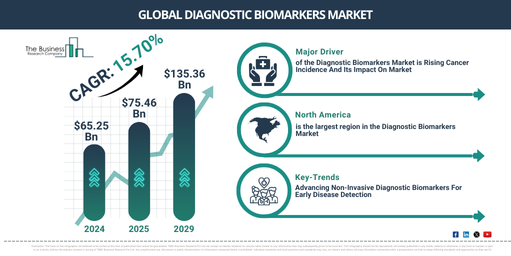
    The market size for diagnostic biomarkers has seen swift expansion in recent times. This market is projected to expand from $65.25 billion in 2024 to $75.46 billion in 2025, demonstrating a compound annual growth rate (CAGR) of 15.7%. Historically, this growth has been driven by factors such as the increasing incidence of chronic diseases, progress in omics technologies, a greater need for personalized medicine, enhanced understanding of the benefits of early disease identification, and a rise in non-invasive diagnostic approaches.

    The diagnostic biomarkers market is projected to experience substantial expansion in the coming years. This market is forecast to reach $135.36 billion by 2029, demonstrating a compound annual growth rate (CAGR) of 15.7%. Key factors contributing to this growth include the increasing uptake of liquid biopsy techniques, a surge in investment dedicated to biomarker research, a heightened emphasis on precision medicine, and the broader application of biomarkers in neurodegenerative diseases. Prominent trends anticipated during this period involve significant advancements in artificial intelligence and machine learning, the adoption of integrated multi-omics approaches, the creation of point-of-care diagnostic tools, a transition towards digital biomarkers, the expanding utilization of wearable health monitoring devices, and a stronger focus on validating and standardizing biomarkers.

    Unlock Your Free Sample Report for Exclusive Market Data:

    https://www.thebusinessresearchcompany.com/sample.aspx?id=21171&type=smp

    What Are The Drivers Pushing New Developments In The Diagnostic Biomarkers Market?

    The increasing incidence of cancer is a primary catalyst for the future expansion of the diagnostic biomarkers market. This rise in cancer cases stems from various factors, including an aging global population, shifts in lifestyle, environmental influences, and advancements in diagnostic methods. These biomarkers are essential in oncology, facilitating early detection, accurate diagnosis, and tailored treatment approaches, thereby enhancing patient prognoses. For example, the American Cancer Society, a US-based nonprofit cancer advocacy organization, reported in January 2024 that cancer cases grew to 2,001,140 from 1,958,310 in 2023, indicating a 2.19% increase. The escalating prevalence of cancer is thus a significant impetus for the growth of the diagnostic biomarkers market.

    How Is The Diagnostic Biomarkers Market Segmented?

    The diagnostic biomarkersmarket covered in this report is segmented –

    1) By Product: Safety Biomarkers; Efficacy Biomarkers; Validation Biomarkers

    2) By Application: Oncology; Metabolic Disease; Neurological Disease

    3) By End User: Hospitals; Cancer Research Institutes; Diagnostic Labs

    Subsegments:

    1) By Safety Biomarkers: Toxicity Biomarkers; Organ-Specific Safety Biomarkers; Drug-Induced Injury Biomarkers

    2) By Efficacy Biomarkers: Predictive Biomarkers; Prognostic Biomarkers; Pharmacodynamic Biomarkers

    3) By Validation Biomarkers: Genomic Biomarkers; Proteomic Biomarkers; Metabolomic Biomarkers

    Which Key Trends Are Expected To Influence The Diagnostic Biomarkers Market In The Coming Years?

    Leading firms within the diagnostic biomarkers market are prioritizing the creation of non-invasive testing approaches, including blood-based biomarker examinations, to improve patient experience and access to tailored treatment plans. Such a test is a diagnostic instrument that identifies or tracks illnesses like Alzheimer’s by examining particular biological indicators present in the blood, using a method that involves minimal intrusion. An example is the launch of LucentAD in July 2023 by Quanterix Corporation, a US-based life sciences company. This blood-based biomarker test was developed to help medical professionals diagnose Alzheimer’s disease (AD) in individuals displaying initial signs of cognitive impairment. It measures the plasma concentration of phosphorylated tau protein at the 181 residue (p-Tau 181), which is a biomarker linked to amyloid pathology in the brain, a crucial marker for AD. By offering a diagnostic solution that is both less intrusive and more readily available than conventional techniques such as cerebrospinal fluid analysis or amyloid positron emission tomography, LucentAD seeks to simplify the assessment procedure for individuals suspected of having Alzheimer’s.

    Which Major Industry Participants Are Leading The Diagnostic Biomarkers Market Growth?

    Major companies operating in the diagnostic biomarkers market are Johnson & Johnson Services Inc., F. Hoffmann-La Roche AG, Thermo Fisher Scientific Inc., Abbott Laboratories, PerkinElmer Inc., Siemens Healthineers AG, Merck KGaA, Agilent Technologies Inc., Charles River Laboratories International Inc., Bio-Rad Laboratories Inc., Bruker Corporation, Qiagen N.V., Myriad Genetics Inc., Meso Scale Diagnostics LLC, EKF Diagnostics Holdings Plc, Sino Biological Inc., Enzo Biochem Inc., Biomarker Technologies Inc., Cisbio Bioassays, Signosis Inc., Epigenomics AG, LifeSign LLC, Banyan Biomarkers Inc., Biosims Technologies SAS

    Download The Full Report For Exclusive Market Findings:

    https://www.thebusinessresearchcompany.com/report/diagnostic-biomarkers-global-market-report

    How Does The Diagnostic Biomarkers Market Perform Across Key Geographic Regions?

    North America was the largest region in the diagnostic biomarkers market in 2024. The regions covered in the diagnostic biomarkers market report are Asia-Pacific, Western Europe, Eastern Europe, North America, South America, Middle East, Africa.

    Request A Customized Version Of The Diagnostic Biomarkers Market Report:

    https://www.thebusinessresearchcompany.com/customise?id=21171&type=smp

    Browse Through More Reports Similar to the Global Diagnostic Biomarkers Market 2025, By The Business Research Company

    Biomarkers Global Market Report 2025

    https://www.thebusinessresearchcompany.com/report/biomarkers-global-market-report

    Renal Biomarkers Global Market Report 2025

    https://www.thebusinessresearchcompany.com/report/renal-biomarkers-global-market-report

    Non Alcoholic Steatohepatitis Biomarkers Global Market Report 2025

    https://www.thebusinessresearchcompany.com/report/non-alcoholic-steatohepatitis-biomarkers-global-market-report

    Get in touch with us:

    The Business Research Company: https://www.thebusinessresearchcompany.com/

    Americas +1 310-496-7795

    Asia +44 7882 955267 & +91 8897263534

    Europe +44 7882 955267

    Email us at info@tbrc.info

    Follow us on:

    LinkedIn: https://in.linkedin.com/company/the-business-research-company

    YouTube: https://www.youtube.com/channel/UC24_fI0rV8cR5DxlCpgmyFQ

    Global Market Model: https://www.thebusinessresearchcompany.com/global-market-model
  • Diabetic Peripheral Neuropathy Market Size and Growth Forecast for Businesses 2025–2029

    Diabetic Peripheral Neuropathy Market Size and Growth Forecast for Businesses 2025–2029

    Unlock Global Insights – Save 20% on Market Reports with Code ONLINE20

    #What Are The Current (2025) And Forecast (2029) Sizes Of The Diabetic Peripheral Neuropathy Market?

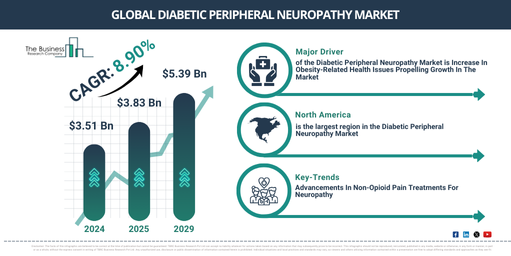
    The market for diabetic peripheral neuropathy has experienced robust expansion in recent times. Forecasts indicate it will expand from $3.51 billion in 2024 to reach $3.83 billion by 2025, demonstrating a compound annual growth rate (CAGR) of 9.1%. This historical growth can be ascribed to factors such as an expanding elderly population, the increasing prevalence of diabetes, escalating healthcare spending, heightened understanding of diabetic complications, and advancements in healthcare infrastructure.

    The diabetic peripheral neuropathy market is projected to experience substantial growth in the coming years, reaching $5.39 billion by 2029 with a compound annual growth rate (CAGR) of 8.9%. This expansion during the forecast period can be attributed to several factors, including an increase in sedentary lifestyles, heightened government initiatives and funding, a rising prevalence of neuropathy risk factors, improved diagnostic accuracy, and increasing support for early detection and prevention. Significant trends expected during this period encompass advancements in diagnostic technologies, technological progress in treatment options, greater investment in research and development, the development of minimally invasive procedures, and an intensified focus on collaborative research and development.

    Unlock Your Free Sample Report for Exclusive Market Data:

    https://www.thebusinessresearchcompany.com/sample.aspx?id=21170&type=smp

    What Are The Emerging Market Drivers Creating New Opportunities In The Diabetic Peripheral Neuropathy Industry?

    The diabetic peripheral neuropathy market is expected to expand going forward, propelled by an increase in obesity-related health issues. Obesity is a medical condition marked by excessive body fat accumulation that can compromise health and elevate the susceptibility to various chronic diseases. The rise in health problems linked to obesity is attributed to heightened awareness, shifts in lifestyle, and a growing demand for both preventive and curative solutions, leading to increased healthcare needs. Diabetic peripheral neuropathy is beneficial for obesity management, offering crucial insights into nerve damage stemming from obesity-related conditions. This guidance facilitates targeted interventions aimed at enhancing overall patient well-being and quality of life. For instance, in March 2024, data from the World Health Organization (WHO), a Switzerland-based specialized agency of the United Nations responsible for global public health, reported that in 2022, 43% of adults aged 18 and over were categorized as overweight, with 16% experiencing obesity. Additionally, 37 million children under the age of 5 were overweight. Among children and adolescents aged 5 to 19 years, over 390 million were overweight, including 160 million who were affected by obesity. Thus, the escalating incidence of obesity-related health issues is fostering growth in the diabetic peripheral neuropathy market.

    What Are The Key Segments In The Diabetic Peripheral Neuropathy Market?

    The diabetic peripheral neuropathymarket covered in this report is segmented –

    1) By Disease: Type 2 Diabetic Peripheral Neuropathy; Type 1 Diabetic Peripheral Neuropathy

    2) By Treatment: Pain Management Drugs; Gene Therapies

    3) By Therapy: Antidepressants; Anticonvulsants

    4) By Patient Population: Adult Patients; Geriatric Patients

    Subsegments:

    1) By Type 2 Diabetic Peripheral Neuropathy: Sensory Neuropathy; Motor Neuropathy; Autonomic Neuropathy

    2) By Type 1 Diabetic Peripheral Neuropathy: Distal Symmetric Neuropathy; Mononeuropathy; Polyradiculopathy

    What Are The Major Trends Driving The Growth Of The Diabetic Peripheral Neuropathy Market?

    Major companies operating in the diabetic peripheral neuropathy market are increasingly focusing on technological innovations, such as NaV1.8 pain signal inhibitors, aiming to offer patients advanced, non-opioid treatments that improve pain management and their overall quality of life. A NaV1.8 pain signal inhibitor is a specialized drug designed to block the NaV1.8 sodium channel, which is a key mediator of pain signals within sensory neurons, thereby providing relief from acute and neuropathic pain without the need for opioids. For instance, in April 2024, Vertex Pharmaceuticals Incorporated, a US-based biotech company, announced significant advancements in its suzetrigine pain program, including the initiation of a Phase 3 pivotal program specifically for treating pain associated with diabetic peripheral neuropathy (DPN). Suzetrigine, which is a selective NaV1.8 pain signal inhibitor, has demonstrated promising results in earlier studies and recently received breakthrough therapy designation from the Food and Drug Administration (FDA), a US-based federal agency, for diabetic Peripheral Neuropathy (DPN) pain management.

    Who Are The Prominent Global Companies Shaping The Diabetic Peripheral Neuropathy Market?

    Major companies operating in the diabetic peripheral neuropathy market are Pfizer Inc., Merck & Co. Inc., GlaxoSmithKline plc., Eli Lilly and Company, Astellas Pharma Inc., Biogen Inc., Vertex Pharmaceuticals Incorporated, Sun Pharmaceutical Industries Limited, Lupin Pharmaceuticals Inc., Chemie Grünenthal GmbH, Alkem Laboratories Limited, Acorda Therapeutics Inc., Mitsubishi Tanabe Pharma Corporation, NeuroMetrix Inc., Regenacy Pharmaceuticals Inc., Helixmith Co. Ltd., Aptinyx Inc., WinSanTor Inc., Sonnet BioTherapeutics Holdings Inc., OLYS Pharma Inc.

    Download The Full Report For Exclusive Market Findings:

    https://www.thebusinessresearchcompany.com/report/diabetic-peripheral-neuropathy-global-market-report

    Which Region Is Expected To Witness The Fastest Growth In The Diabetic Peripheral Neuropathy Market?

    North America was the largest region in the diabetic peripheral neuropathy market in 2024. Asia-Pacific is expected to be the fastest-growing region in the forecast period. The regions covered in the diabetic peripheral neuropathy market report are Asia-Pacific, Western Europe, Eastern Europe, North America, South America, Middle East, Africa.

    Request A Customized Version Of The Diabetic Peripheral Neuropathy Market Report:

    https://www.thebusinessresearchcompany.com/customise?id=21170&type=smp

    Browse Through More Reports Similar to the Global Diabetic Peripheral Neuropathy Market 2025, By The Business Research Company

    Diabetic Neuropathy Global Market Report 2025

    https://www.thebusinessresearchcompany.com/report/diabetic-neuropathy-global-market-report

    Chemotherapy Induced Peripheral Neuropathy Treatment Global Market Report 2025

    https://www.thebusinessresearchcompany.com/report/chemotherapy-induced-peripheral-neuropathy-treatment-global-market-report

    Digital Diabetes Management Global Market Report 2025

    https://www.thebusinessresearchcompany.com/report/digital-diabetes-management-global-market-report

    Get in touch with us:

    The Business Research Company: https://www.thebusinessresearchcompany.com/

    Americas +1 310-496-7795

    Asia +44 7882 955267 & +91 8897263534

    Europe +44 7882 955267

    Email us at info@tbrc.info

    Follow us on:

    LinkedIn: https://in.linkedin.com/company/the-business-research-company

    YouTube: https://www.youtube.com/channel/UC24_fI0rV8cR5DxlCpgmyFQ

    Global Market Model: https://www.thebusinessresearchcompany.com/global-market-model

  • Global Diabetic Macular Edema (DME) Market Overview: Trends Shaping Growth to 2029

    Global Diabetic Macular Edema (DME) Market Overview: Trends Shaping Growth to 2029

    Unlock Global Insights – Save 20% on Market Reports with Code ONLINE20

    What Market Value Is The Diabetic Macular Edema (DME) Industry Expected To Reach By 2029, Starting From 2025 Levels?

    The diabetic macular edema (dme) market size has shown consistent expansion in recent years. It is anticipated to increase from $4.67 billion in 2024 to $4.88 billion in 2025, at a compound annual growth rate (CAGR) of 4.4%. This historical growth can be linked to factors such as the increasing prevalence of diabetes, a rise in edema-related conditions, a greater incidence of diabetic eye diseases, an expanding geriatric population, and a higher number of blindness cases.

    The diabetic macular edema (dme) market size is projected to show sustained expansion in the coming years, reaching $5.77 billion by 2029, with a compound annual growth rate (CAGR) of 4.3%. This anticipated growth is influenced by factors such as improved access to healthcare, an increase in government healthcare funding, heightened awareness regarding diabetic complications, the rising application of telemedicine for eye care, and the proliferation of specialized diabetic eye care centers. Significant trends in the forecast period encompass the evolution of anti-VEGF therapies, the incorporation of corticosteroid implants, advancements in drug delivery systems, innovations in retinal laser treatments, the emergence of AI-powered diagnostic tools, and the adoption of minimally invasive surgical techniques.

    Unlock Your Free Sample Report for Exclusive Market Data:

    https://www.thebusinessresearchcompany.com/sample.aspx?id=21169&type=smp

    Which Drivers Are Impacting The Diabetic Macular Edema (DME) Market?

    The increasing occurrence of diabetes is anticipated to propel the expansion of the diabetic macular edema (DME) market moving forward. This rising prevalence of diabetes is linked to elements such as inactive lifestyles, unhealthy eating habits, increasing obesity rates, an aging populace, and genetic susceptibility. Diabetes contributes to diabetic macular edema by causing damage to retinal blood vessels, which leads to fluid seeping into the macula and subsequently results in swelling. For example, in June 2023, the Institute for Health Metrics and Evaluation, a US-based public health research institute, indicated that over half a billion people globally were affected by diabetes. This figure is projected to more than double, reaching 1.3 billion people by 2050. Hence, the growing prevalence of diabetes is stimulating the growth of the diabetic macular edema (DME) market.

    What Are The Leading Segments Analyzed In The Diabetic Macular Edema (DME) Market?

    The diabetic macular edema (dme)market covered in this report is segmented –

    1) By Treatment: Anti-VEGF Therapy; Corticosteroids; Laser Therapy; Surgical Intervention

    2) By Disease Stage: Early Stage; Moderate Stage; Advanced Stage

    3) By Patient Demographics: Adults; Elderly; Children

    4) By Route Of Administration: Intravitreal Injection; Topical; Systemic

    5) By Distribution Channel: Hospital Pharmacies; Retail Pharmacies; Online Pharmacies

    Subsegments:

    1) By Anti-VEGF Therapy: Monoclonal Antibodies; Recombinant Protein-Based Therapies

    2) By Corticosteroids: Intravitreal Steroid Injections; Injectable Sustained-Release Corticosteroids

    3) By Laser Therapy: Focal Laser Photocoagulation; Panretinal Photocoagulation

    4) By Surgical Intervention: Vitrectomy; Membrane Peeling

    What Trends Are Expected To Drive The Diabetic Macular Edema (DME) Market?

    Leading companies active in the diabetic macular edema (DME) treatment market are concentrating on technological breakthroughs, such as advanced drug therapies, to enhance patient management and therapeutic results. Advanced drug therapies are innovative treatments that utilize new technologies and research to more effectively manage complex health conditions. These therapies aim to boost effectiveness, decrease side effects, and provide better outcomes for patients. For example, in March 2022, Novartis AG, a Switzerland-based pharmaceutical company, announced the European Commission’s approval of Beovu for the treatment of visual impairment linked to diabetic macular edema (DME). This approval was granted based on the outcomes of the Phase III KESTREL and KITE studies, which demonstrated Beovu’s effectiveness in improving vision over one year was comparable to aflibercept. Notably, more than half of the patients treated with Beovu maintained a 12-week treatment schedule, exhibiting fewer instances of retinal fluid compared to aflibercept.

    Which Key Players Are Driving Competition In The Diabetic Macular Edema (DME) Market?

    Major companies operating in the diabetic macular edema (DME) market are Pfizer Inc., Johnson & Johnson, F. Hoffmann-La Roche AG, Merck & Co. Inc., Bayer AG, Novartis AG, Boehringer Ingelheim International GmbH, Regeneron Pharmaceuticals, Carl Zeiss Meditec AG, Bausch & Lomb, Santen Pharmaceutical Co. Ltd., Carl Zeiss AG, Topcon Corporation, Ypsomed AG, ARKRAY Inc, Hugel Inc., Optos plc, Noven Pharmaceuticals Inc., Alimera Sciences Inc., Allergan plc.

    Download The Full Report For Exclusive Market Findings:

    https://www.thebusinessresearchcompany.com/report/diabetic-macular-edema-dme-global-market-report

    Which Global Regions Are Influencing The Competitive Landscape Of The Diabetic Macular Edema (DME) Market?

    North America was the largest region in the diabetic macular edema (DME) market in 2024. Europe is expected to be the fastest-growing region in the forecast period. The regions covered in the diabetic macular edema (DME) market report are Asia-Pacific, Western Europe, Eastern Europe, North America, South America, Middle East, Africa.

    Request A Customized Version Of The Diabetic Macular Edema (DME) Market Report:

    https://www.thebusinessresearchcompany.com/customise?id=21169&type=smp

    Browse Through More Reports Similar to the Global Diabetic Macular Edema (DME) Market 2025, By The Business Research Company

    Diabetes Care Devices Global Market Report 2025

    https://www.thebusinessresearchcompany.com/report/diabetes-care-devices-global-market-report

    Artificial Intelligence In Diabetes Management Global Market Report 2025

    https://www.thebusinessresearchcompany.com/report/artificial-intelligence-in-diabetes-management-global-market-report

    Type 1 Diabetes Global Market Report 2025

    https://www.thebusinessresearchcompany.com/report/type-1-diabetes-global-market-report

    Get in touch with us:

    The Business Research Company: https://www.thebusinessresearchcompany.com/

    Americas +1 310-496-7795

    Asia +44 7882 955267 & +91 8897263534

    Europe +44 7882 955267

    Email us at info@tbrc.info

    Follow us on:

    LinkedIn: https://in.linkedin.com/company/the-business-research-company

    YouTube: https://www.youtube.com/channel/UC24_fI0rV8cR5DxlCpgmyFQ

    Global Market Model: https://www.thebusinessresearchcompany.com/global-market-model
  • Diabetic Ketoacidosis (DKA) Market Growth Opportunities: Insights from 2025–2029

    Diabetic Ketoacidosis (DKA) Market Growth Opportunities: Insights from 2025–2029

    Unlock Global Insights – Save 20% on Market Reports with Code ONLINE20

    What Is The Anticipated Size Of The Diabetic Ketoacidosis (DKA) Market Over The Five-Year Period 2025–2029?

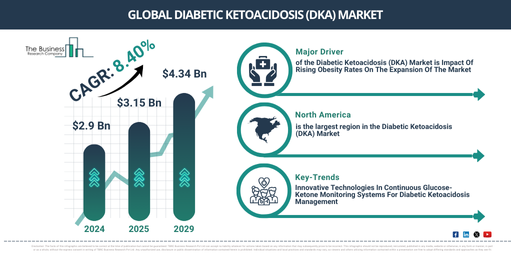
    The diabetic ketoacidosis (dka) market size has experienced significant expansion in recent years. Projections indicate it will increase from $2.9 billion in 2024 to $3.15 billion in 2025, progressing at a compound annual growth rate (CAGR) of 8.5%. The expansion observed in past periods is largely attributable to the rising prevalence of diabetes, delayed detection of type 1 diabetes, inadequate adherence to insulin therapy, an increase in obesity rates, and a deficiency in diabetes education programs.

    The market for diabetic ketoacidosis (dka) is projected to experience substantial expansion over the upcoming years. This market is anticipated to reach a valuation of $4.34 billion by 2029, exhibiting a compound annual growth rate (CAGR) of 8.4%. Factors contributing to this growth during the projected period include improvements in insulin delivery technologies, wider acceptance of continuous glucose monitoring devices, heightened recognition of diabetes-related complications, the broadening use of telemedicine for managing diabetes, and an increase in overall healthcare spending. Key trends anticipated during the forecast period encompass the incorporation of artificial intelligence into diabetes care, the creation of closed-loop insulin delivery mechanisms, a shift towards personalized medicine, the emergence of advanced technologies, and the introduction of novel therapeutic approaches.

    Unlock Your Free Sample Report for Exclusive Market Data:

    https://www.thebusinessresearchcompany.com/sample.aspx?id=21168&type=smp

    Which Industry Drivers Are Expected To Accelerate The Diabetic Ketoacidosis (DKA) Market From 2025 To 2029?

    The growing occurrence of obesity is a key factor propelling the expansion of the diabetic ketoacidosis (DKA) market. Obesity is defined as a medical state where there is an accumulation of excessive body fat, potentially harming health and elevating the risk of numerous illnesses. This increase in obesity is attributed to several contributing factors, such as diets rich in processed items, sugars, and fats, inactive lifestyles involving less physical movement, longer periods spent in front of screens, and socioeconomic elements like the availability of affordable nutritious food and medical services. Higher rates of obesity escalate the likelihood of diabetic ketoacidosis (DKA) by fostering insulin resistance and the onset of type 2 diabetes, conditions that can result in inadequate blood sugar regulation and subsequent DKA occurrences. For example, in March 2024, the World Health Organization (WHO), an intergovernmental body situated in Switzerland, disclosed that roughly one in eight individuals globally were grappling with obesity. This figure encompassed 2.5 billion adults (aged 18 years and older) classified as overweight, among whom 890 million were living with obesity. Specifically, among adults, 43% were overweight, and 16% were categorized as obese. Furthermore, the count of overweight children younger than 5 years old reached 37 million. Consequently, the expanding prevalence of obesity is a primary driver for the growth of the diabetic ketoacidosis market.

    What Are The Segment Types Shaping The Diabetic Ketoacidosis (DKA) Market?

    The diabetic ketoacidosis (dka)market covered in this report is segmented –

    1) By Type: Pediatric Diabetic Ketoacidosis, Adult Diabetic Ketoacidosis

    2) By Treatment Type: Fluid Replacement, Electrolyte Replacement, Insulin Therapy, Intermediate-Acting Insulin, Long-Acting Insulin

    3) By Route of Administration: Oral, Parenteral, Other

    4) By Distribution Channel: Online Channel, Offline Channel

    5) By End Use: Hospitals, Ambulatory Care Center, Specialty Clinics

    Subsegments:

    1) By Pediatric Diabetic Ketoacidosis: Mild Pediatric DKA; Moderate Pediatric DKA; Severe Pediatric DKA

    2) By Adult Diabetic Ketoacidosis: Mild Adult DKA; Moderate Adult DKA; Severe Adult DKA

    Which Trends Are Impacting The Diabetic Ketoacidosis (DKA) Market?

    Leading companies in the diabetic ketoacidosis market are concentrating on developing advanced technologies, such as continuous glucose monitor tools, to enhance early identification, better regulate blood glucose and ketone levels, and consequently lessen the occurrence and severity of DKA episodes in diabetic individuals. Continuous glucose monitor (CGM) tools are devices that constantly track glucose levels within the body, furnishing real-time data to assist individuals with diabetes in managing their blood sugar. For example, in June 2022, Abbott Laboratories, a US-based medical device company, introduced novel continuous glucose-ketone monitoring systems designed for real-time tracking of both glucose and ketone levels. This system integrates the tracking of both glucose and ketone levels in real-time, thereby presenting a thorough understanding of a patient’s metabolic state. By assessing both glucose and ketones, it enables the early detection of potential diabetic complications, like diabetic ketoacidosis (DKA), before they become severe. The system is built for continuous oversight, providing users with convenient and frequent data updates without requiring manual testing.

    Who Are The Top Performing Companies In The Diabetic Ketoacidosis (DKA) Market In Recent Years?

    Major companies operating in the diabetic ketoacidosis (DKA) market are Merck And Co. Inc., Pfizer Inc., Sanofi S.A., Bristol Myers Squibb, Novartis AG, Roche Holding AG, GlaxoSmithKline plc, Eli Lilly and Company, Boehringer Ingelheim International GmbH, Novo Nordisk A/S, Teva Pharmaceutical Industries Ltd., Regeneron Pharmaceuticals Inc., B. Braun Medical Inc., Fresenius Kabi, Merit Pharmaceutical, Oramed Pharmaceuticals Inc., ICU Medical Inc., Tonghua Dongbao Pharmaceutical Co. Ltd., Wockhardt Ltd., Biocon Limited

    Download The Full Report For Exclusive Market Findings:

    https://www.thebusinessresearchcompany.com/report/diabetic-ketoacidosis-dka-global-market-report

    What Are The Regional Market Dynamics Impacting The Diabetic Ketoacidosis (DKA) Industry?

    North America was the largest region in the diabetic ketoacidosis (DKA) market in 2024. Asia-Pacific is expected to be the fastest-growing region in the forecast period. The regions covered in the diabetic ketoacidosis (DKA) market report are Asia-Pacific, Western Europe, Eastern Europe, North America, South America, Middle East, Africa.

    Request A Customized Version Of The Diabetic Ketoacidosis (DKA) Market Report:

    https://www.thebusinessresearchcompany.com/customise?id=21168&type=smp

    Browse Through More Reports Similar to the Global Diabetic Ketoacidosis (DKA) Market 2025, By The Business Research Company

    Digital Diabetes Management Global Market Report 2025

    https://www.thebusinessresearchcompany.com/report/digital-diabetes-management-global-market-report

    Diabetes Care Devices Global Market Report 2025

    https://www.thebusinessresearchcompany.com/report/diabetes-care-devices-global-market-report

    Diabetes Pen Global Market Report 2025

    https://www.thebusinessresearchcompany.com/report/diabetes-pen-global-market-report

    Get in touch with us:

    The Business Research Company: https://www.thebusinessresearchcompany.com/

    Americas +1 310-496-7795

    Asia +44 7882 955267 & +91 8897263534

    Europe +44 7882 955267

    Email us at info@tbrc.info

    Follow us on:

    LinkedIn: https://in.linkedin.com/company/the-business-research-company

    YouTube: https://www.youtube.com/channel/UC24_fI0rV8cR5DxlCpgmyFQ

    Global Market Model: https://www.thebusinessresearchcompany.com/global-market-model
  • Diabetes Diagnostics Market Expansion Outlook: $36.42 Billion by 2029 Forecast

    Diabetes Diagnostics Market Expansion Outlook: $36.42 Billion by 2029 Forecast

    Unlock Global Insights – Save 20% on Market Reports with Code ONLINE20

    What Are The Forecasted Market Size Estimates For The Diabetes Diagnostics Market Between 2025 And 2029?

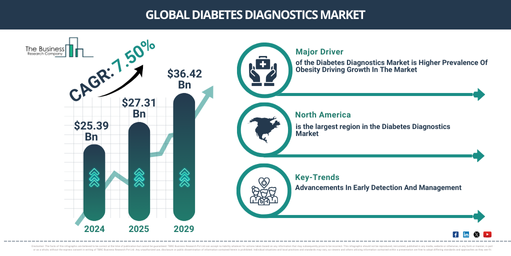
    The diabetes diagnostics market size has exhibited robust growth in recent years. It is anticipated to increase from $25.39 billion in 2024 to $27.31 billion in 2025, achieving a compound annual growth rate (CAGR) of 7.6%. The expansion observed in past periods can be credited to factors such as the rising prevalence of diabetes, an expanding geriatric population, an increase in sedentary lifestyles, the growing adoption of minimally invasive diagnostic methods, and a rising prevalence of obesity.

    The diabetes diagnostics market is anticipated to experience substantial expansion in the coming years. By 2029, its valuation is projected to reach $36.42 billion, achieving a compound annual growth rate (CAGR) of 7.5%. This projected growth is driven by several factors, including the increasing use of insulin pumps, continuous innovation in diabetes technology, a rise in unhealthy lifestyles, the escalating incidence of type 1 and type 2 diabetes, and the development of healthcare infrastructure. Key developments during this period are expected to involve progress in biosensor technology, broader technological innovations, improvements in diagnostic methods, the emergence of personalized medicine and targeted therapies, and sophisticated advancements in in vitro diagnostic products.

    Unlock Your Free Sample Report for Exclusive Market Data:

    https://www.thebusinessresearchcompany.com/sample.aspx?id=21167&type=smp

    What Are The Top Growth Drivers Impacting The Diabetes Diagnostics Market Outlook?

    The increasing incidence of obesity is projected to boost the expansion of the diabetes diagnostics market. Obesity is characterized by an excessive build-up of body fat, elevating the likelihood of various medical issues like heart disease and diabetes. The rising rates of obesity are linked to factors such as inactive lifestyles, greater intake of processed and high-calorie foods, genetic factors, and insufficient physical activity. Diabetes diagnostics play a crucial role in managing obesity by detecting early signs of insulin resistance and glucose metabolism problems, allowing for prompt actions to avert further weight gain and associated health complications. For example, in September 2023, the Centers for Disease Control and Prevention, a US-based government agency, reported that in 2022, 22 states recorded an adult obesity rate of 35% or higher, up from 19 states in 2021. Consequently, the widespread prevalence of obesity is stimulating the growth of the diabetes diagnostics market.

    What Are The Different Segment Classifications Within The Diabetes Diagnostics Market?

    The diabetes diagnosticsmarket covered in this report is segmented –

    1) By Product Type: Blood Glucose Meters; Continuous Glucose Monitoring Devices; Lancets; Test Strips; Other Product Types

    2) By Diabetes Type: Diabetes I; Diabetes II; Gestational Diabetes

    3) By End-User: Hospitals; Diagnostic Centers; Homecare Settings; Other End-Users

    Subsegments:

    1) By Blood Glucose Meters: Traditional Blood Glucose Meters; Smart Blood Glucose Meters; Bluetooth-enabled Blood Glucose Meters

    2) By Continuous Glucose Monitoring Devices: Wearable CGM Systems; Implantable CGM Systems; Flash Glucose Monitoring Devices

    3) By Lancets: Single-use Lancets; Multi-use Lancets

    4) By Test Strips: Standard Test Strips; Smart Test Strips

    5) By Other Product Types: Hemoglobin A1c Testing Kits; Urine Glucose Test Strips; Blood Ketone Meters

    What Long-Term Trends Will Shape The Future Growth Of The Diabetes Diagnostics Industry?

    Leading companies in the diabetes diagnostics sector are focusing on the development of innovative products, such as gestational diabetes diagnostics tools, to expand their offerings and address the increasing demand for early detection and management of diabetes during pregnancy. A gestational diabetes diagnostic tool refers to medical devices or tests employed to identify and monitor gestational diabetes in expectant mothers, typically involving blood glucose testing, like the oral glucose tolerance test (OGTT), to assess how efficiently the body processes sugar throughout gestation. For instance, in August 2024, DirectSens GmbH, an Austria-based biotechnology company, introduced the XpressGT RUO kit, a pioneering biosensor tool designed for detecting insulin resistance-related conditions such as gestational diabetes, endometriosis, and liver disease. This kit offers rapid results by measuring 2-hydroxybutyrate (2-HB) levels in venous blood and is compatible with standard clinical analyzers. This innovation aims to provide early diagnostics, with the potential to improve outcomes for millions of patients globally.

    Which Leading Companies Dominate The Diabetes Diagnostics Market Share?

    Major companies operating in the diabetes diagnostics market are Pfizer Inc., F. Hoffmann-La Roche AG, Merck & Co. Inc., Bayer AG, Abbott Laboratories, Novartis AG, 3M Company, Medtronic plc, Regeneron Pharmaceuticals Inc., Carl Zeiss Meditec AG, Bausch & Lomb Incorporated, DexCom Inc, Santen Pharmaceutical Co. Ltd., Topcon Corporation, Tandem Diabetes Care Inc, Ypsomed AG, LifeScan Inc, Nova Biomedical Corporation, Ascensia Diabetes Care Holdings AG, ARKRAY Inc, Optos plc, Bioland Technology Ltd, PTS Diagnostics Inc, AgaMatrix Inc, Senseonics Holdings Inc, DarioHealth Corp.

    Download The Full Report For Exclusive Market Findings:

    https://www.thebusinessresearchcompany.com/report/diabetes-diagnostics-global-market-report

    Which Region Shows The Highest Potential For Future Expansion In The Diabetes Diagnostics Market?

    North America was the largest region in the diabetes diagnostics market in 2024. The regions covered in the diabetes diagnostics market report are Asia-Pacific, Western Europe, Eastern Europe, North America, South America, Middle East, Africa.

    Request A Customized Version Of The Diabetes Diagnostics Market Report:

    https://www.thebusinessresearchcompany.com/customise?id=21167&type=smp

    Browse Through More Reports Similar to the Global Diabetes Diagnostics Market 2025, By The Business Research Company

    Digital Diabetes Management Global Market Report 2025

    https://www.thebusinessresearchcompany.com/report/digital-diabetes-management-global-market-report

    Diabetes Care Devices Global Market Report 2025

    https://www.thebusinessresearchcompany.com/report/diabetes-care-devices-global-market-report

    Artificial Intelligence In Diabetes Management Global Market Report 2025

    https://www.thebusinessresearchcompany.com/report/artificial-intelligence-in-diabetes-management-global-market-report

    Get in touch with us:

    The Business Research Company: https://www.thebusinessresearchcompany.com/

    Americas +1 310-496-7795

    Asia +44 7882 955267 & +91 8897263534

    Europe +44 7882 955267

    Email us at info@tbrc.info

    Follow us on:

    LinkedIn: https://in.linkedin.com/company/the-business-research-company

    YouTube: https://www.youtube.com/channel/UC24_fI0rV8cR5DxlCpgmyFQ

    Global Market Model: https://www.thebusinessresearchcompany.com/global-market-model
  • Global Dermatological Drugs Industry Trends: Where the Market Is Headed by 2029

    Global Dermatological Drugs Industry Trends: Where the Market Is Headed by 2029

    Unlock Global Insights – Save 20% on Market Reports with Code ONLINE20

    How Is The Dermatological Drugs Market Size Likely To Evolve From 2025 Through 2034?

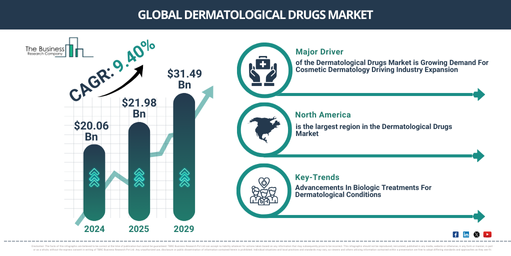
    The dermatological drugs market has experienced substantial expansion in recent years. It is projected to grow from $20.06 billion in 2024 to $21.98 billion in 2025, reflecting a compound annual growth rate (CAGR) of 9.5%. This growth observed historically can be attributed to the rising prevalence of skin disorders, advancements in drug formulation and delivery, increasing awareness about skincare and aesthetics, the expansion of the aging population, and a growing demand for over-the-counter dermatological products.

    The dermatological drugs market size is projected to experience strong growth in the coming years, with an expectation to reach $31.49 billion in 2029. This expansion is forecasted to occur at a compound annual growth rate (CAGR) of 9.4%. The impetus behind this growth during the forecast period can be attributed to advancements in biologics and targeted therapies, the increasing adoption of teledermatology and digital health, a rising prevalence of lifestyle-related skin conditions, an escalating demand for personalized and regenerative medicine, and expanding research into microbiome-based dermatological treatments. Noteworthy trends anticipated in the forecast period encompass nanotechnology-based drug delivery, AI-driven dermatological diagnostics, microbiome-targeted therapies, 3D bioprinting for skin regeneration, and gene editing and RNA-based treatments.

    Unlock Your Free Sample Report for Exclusive Market Data:

    https://www.thebusinessresearchcompany.com/sample.aspx?id=21166&type=smp

    Which Major Market Drivers Are Shaping The Future Of The Dermatological Drugs Market?

    The increasing need for cosmetic dermatology procedures is anticipated to fuel the expansion of the dermatological drugs market in the future. This specialized field of dermatology aims to improve individual appearance using diverse non-surgical methods and treatments. Growing consumer knowledge about aesthetic treatments, innovations in skincare technology, and a preference for non-invasive options to improve looks and address aging are contributing to the escalating demand for cosmetic dermatology. This heightened demand for cosmetic dermatology interventions, including anti-aging and skin rejuvenation, is fostering the creation of sophisticated dermatological drugs providing safe, efficient, and minimally invasive alternatives. For example, the International Society of Aesthetic Plastic Surgery, a US-based professional body, reported that globally over 12.8 million surgical and 17.5 million non-surgical operations took place in January 2023, indicating a 19.3% increase in total procedures compared to the preceding period. Furthermore, plastic surgeons worldwide performed over 14.9 million surgical and 18.8 million non-surgical operations in 2022, marking an 11.2% growth in total procedures conducted. Consequently, the increase in cosmetic dermatology procedures is propelling the expansion of the dermatological drugs market.

    What Are The Primary Types Of Segments Analyzed In The Dermatological Drugs Market?

    The dermatological drugsmarket covered in this report is segmented –

    1) By Drug Class: Corticosteroids; Retinoids; Antibiotics; Antifungals; Calcineurin Inhibitors; Other Drug Classes

    2) By Administration: Topical Administration; Oral Administration; Parenteral Administration

    3) By Indication: Acne; Psoriasis; Rosacea; Alopecia; Other Indications

    4) By Distribution Channel: Hospital Pharmacies; Retail Pharmacies; Other Distribution Channels

    Subsegments:

    1) By Corticosteroids: Topical Corticosteroids; Oral Corticosteroids; Injectable Corticosteroids

    2) By Retinoids: Topical Retinoids; Oral Retinoids

    3) By Antibiotics: Topical Antibiotics; Oral Antibiotics

    4) By Antifungals: Topical Antifungals; Oral Antifungals

    5) By Calcineurin Inhibitors: Topical Calcineurin Inhibitors; Systemic Calcineurin Inhibitors

    6) By Other Drug Classes: Biologics; JAK Inhibitors; Antihistamines; Photodynamic Therapy Agents

    Which Market Trends Are Creating New Opportunities In The Dermatological Drugs Industry?

    Leading companies in the dermatological drugs market are focusing on developing biologic treatments to manage chronic skin conditions, including psoriasis, atopic dermatitis, and hidradenitis suppurativa. Biologics specifically target immune pathways, offering more potent and sustained relief compared to conventional therapies. For instance, in September 2024, Eli Lilly and Company, a US-based pharmaceutical company, secured approval for Ebglyss (lebrikizumab), a targeted interleukin-13 (IL-13) inhibitor, for the treatment of moderate-to-severe atopic dermatitis in adults and children aged 12 and older. This approval signifies a notable advancement, providing a new biologic treatment alternative for patients who have not achieved sufficient symptom management with topical treatments. By reducing severe itching and skin inflammation linked to moderate-to-severe atopic dermatitis, Ebglyss aims to improve patients’ quality of life, fulfilling the need for more effective therapeutic solutions.

    Who Are The Major Companies Operating In The Dermatological Drugs Market?

    Major companies operating in the dermatological drugs market are Pfizer Inc., Johnson & Johnson Services Inc., AbbVie Inc., Bayer AG, AstraZeneca plc, Novartis AG, GlaxoSmithKline Plc, Eli Lilly and Company, Amgen Inc., Bausch Health Companies Inc., Organon International, Galderma, Incyte Corporation, Glenmark Pharmaceuticals Ltd., Mayne Pharma Group Limited, Dermavant Sciences Inc., Taro Pharmaceutical Industries Ltd., Biofrontera AG, Almirall SA, UCB SA, LEO Pharma A/S, Dermira Inc.

    Download The Full Report For Exclusive Market Findings:

    https://www.thebusinessresearchcompany.com/report/dermatological-drugs-global-market-report

    How Is Dermatological Drugs Market Demand Varying Across Different Regions?

    North America was the largest region in the dermatological drugs market in 2024. Asia-Pacific is expected to be the fastest-growing region in the forecast period. The regions covered in the dermatological drugs market report are Asia-Pacific, Western Europe, Eastern Europe, North America, South America, Middle East, Africa.

    Request A Customized Version Of The Dermatological Drugs Market Report:

    https://www.thebusinessresearchcompany.com/customise?id=21166&type=smp

    Browse Through More Reports Similar to the Global Dermatological Drugs Market 2025, By The Business Research Company

    Dermatology Medical Lasers Global Market Report 2025

    https://www.thebusinessresearchcompany.com/report/dermatology-medical-lasers-global-market-report

    Dermatology Devices Global Market Report 2025

    https://www.thebusinessresearchcompany.com/report/dermatology-devices-global-market-report

    Veterinary Dermatology Drugs Global Market Report 2025

    https://www.thebusinessresearchcompany.com/report/veterinary-dermatology-drugs-global-market-report

    Get in touch with us:

    The Business Research Company: https://www.thebusinessresearchcompany.com/

    Americas +1 310-496-7795

    Asia +44 7882 955267 & +91 8897263534

    Europe +44 7882 955267

    Email us at info@tbrc.info

    Follow us on:

    LinkedIn: https://in.linkedin.com/company/the-business-research-company

    YouTube: https://www.youtube.com/channel/UC24_fI0rV8cR5DxlCpgmyFQ

    Global Market Model: https://www.thebusinessresearchcompany.com/global-market-model
  • Cutaneous T-Cell Lymphoma Industry Forecast to Hit $3.54 Billion by 2029 With a Strong 6.9% CAGR

    Cutaneous T-Cell Lymphoma Industry Forecast to Hit $3.54 Billion by 2029 With a Strong 6.9% CAGR

    Unlock Global Insights – Save 20% on Market Reports with Code ONLINE20

    What Are The Growth Projections For The Cutaneous T-Cell Lymphoma Market Size During 2025–2029?

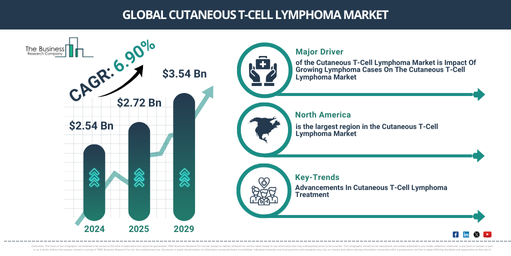
    The market size for cutaneous t-cell lymphoma has seen substantial growth in recent times. It is projected to increase from $2.54 billion in 2024 to $2.72 billion in 2025, exhibiting a compound annual growth rate (CAGR) of 7.1%. This historical expansion can be attributed to factors such as the rising occurrence of cutaneous T-cell lymphoma, greater public knowledge regarding rare cancers, an expanding senior demographic, the presence of specific targeted therapies, and comprehensive supportive care.

    The market for cutaneous t-cell lymphoma is projected to experience substantial expansion over the upcoming years. By 2029, it is anticipated to reach $3.54 billion, demonstrating a compound annual growth rate (CAGR) of 6.9%. This growth in the forecast period can be attributed to rising healthcare spending, a concentrated effort on orphan drug development, improved diagnostic capacities, expanding patient support programs, and an increase in the number of approved combination therapies. Key trends anticipated for the forecast period encompass a move towards personalized medical approaches, the introduction of biosimilar drugs, an increase in clinical trial activities, more frequent collaborations among industry participants, and a growing embrace of telemedicine solutions.

    Unlock Your Free Sample Report for Exclusive Market Data:

    https://www.thebusinessresearchcompany.com/sample.aspx?id=21164&type=smp

    What Are The Main Drivers Boosting The Cutaneous T-Cell Lymphoma Industry’s Expansion?

    The rising prevalence of lymphoma cases is anticipated to spur the expansion of the cutaneous T-cell lymphoma market going forward. Lymphoma is a form of cancer that originates in lymphocytes, which are a type of white blood cell found within the lymphatic system. The escalation in lymphoma cases is attributed to various factors such as aging populations, environmental exposures, and genetic predispositions. Cutaneous T-cell lymphoma assists in managing lymphoma cases by providing a specific diagnostic and treatment methodology for patients whose lymphoma predominantly appears in the skin, thus distinguishing it from other types of lymphoma and guiding targeted therapies. For instance, an article published by the American Cancer Society, a US-based non-profit organization dedicated to eradicating cancer, indicated in April 2024 that in 2022, there were around 553,000 newly identified cases of non-Hodgkin lymphoma and 250,000 associated deaths, along with 84,000 new cases of Hodgkin lymphoma and 22,000 related fatalities. Non-Hodgkin lymphoma is ranked as the 10th most commonly diagnosed cancer and the 11th leading contributor to cancer-related mortality globally. Consequently, the increasing burden of lymphoma cases propels the cutaneous T-cell lymphoma market.

    Which Key Segments Fueling The Cutaneous T-Cell Lymphoma Market?

    The cutaneous t-cell lymphomamarket covered in this report is segmented –

    1) By Type: Mycosis Fungoides; Sezary Syndrome

    2) By Treatment: Radiation Therapy; Chemotherapy; Immunotherapy; Targeted Therapy; Other Treatments

    3) By End-User: Hospitals; Diagnostic Centres; Clinics

    Subsegments:

    1) By Mycosis Fungoides: Patch-Stage Mycosis Fungoides; Plaque-Stage Mycosis Fungoides; Tumor-Stage Mycosis Fungoides; Erythrodermic Mycosis Fungoides

    2) By Sezary Syndrome: Classic Sezary Syndrome; Atypical Sezary Syndrome

    How Are Trends Influencing The Cutaneous T-Cell Lymphoma Market?

    Companies operating within the cutaneous T-cell lymphoma market are prioritizing the development of advanced treatments, including targeted mechanisms of action that simultaneously aim at both malignant T-cells and immunosuppressive regulatory T-cells (Tregs) to achieve a competitive edge. This strategy of dual targeting allows LYMPHIR to both directly eliminate tumor cells and transiently deplete Tregs, which can strengthen the body’s immune response against tumors. For example, in August 2024, a US-based pharmaceutical company obtained FDA approval for LYMPHIR (denileukin diftitox-cxdl), representing a significant step forward in treating relapsed or refractory cutaneous T-cell lymphoma (CTCL). This novel approach differentiates LYMPHIR from other therapies, offering an innovative treatment option for patients with relapsed or refractory cutaneous T-cell lymphoma (CTCL).

    Which Global Market Leaders Are Shaping The Future Of The Cutaneous T-Cell Lymphoma Sector?

    Major companies operating in the cutaneous T-cell lymphoma market are Merck & Co. Inc., Pfizer Inc., Bristol Myers Squibb Company, Novartis AG, Takeda Pharmaceutical Company Limited, GlaxoSmithKline plc, Bausch Health Companies Inc., Eisai Co. Ltd., Galderma S.A., Kyowa Hakko Kirin Co. Ltd., Cipla Inc., Actelion Pharmaceuticals Ltd., Soligenix Inc., Helsinn Healthcare SA, Innate Pharma SA, 4SC AG, Equillium Inc., Avik Pharma Inc., Citius Pharmaceuticals Inc., Medivir AB

    Download The Full Report For Exclusive Market Findings:

    https://www.thebusinessresearchcompany.com/report/cutaneous-t-cell-lymphoma-global-market-report

    Which Geographies Are Emerging As Strong Markets For The Cutaneous T-Cell Lymphoma Industry?

    North America was the largest region in the cutaneous T-cell lymphoma market in 2024. Asia-Pacific is expected to be the fastest-growing region in the forecast period. The regions covered in the cutaneous T-cell lymphoma market report are Asia-Pacific, Western Europe, Eastern Europe, North America, South America, Middle East, Africa.

    Request A Customized Version Of The Cutaneous T-Cell Lymphoma Market Report:

    https://www.thebusinessresearchcompany.com/customise?id=21164&type=smp

    Browse Through More Reports Similar to the Global Cutaneous T-Cell Lymphoma Market 2025, By The Business Research Company

    Non Hodgkin Lymphoma Nhl Global Market Report 2025

    https://www.thebusinessresearchcompany.com/report/non-hodgkin-lymphoma-nhl-global-market-report

    Follicular Lymphoma Treatment Global Market Report 2025

    https://www.thebusinessresearchcompany.com/report/follicular-lymphoma-treatment-global-market-report

    Diffuse Large B Cell Lymphoma Therapeutics Global Market Report 2025

    https://www.thebusinessresearchcompany.com/report/diffuse-large-b-cell-lymphoma-therapeutics-global-market-report

    Get in touch with us:

    The Business Research Company: https://www.thebusinessresearchcompany.com/

    Americas +1 310-496-7795

    Asia +44 7882 955267 & +91 8897263534

    Europe +44 7882 955267

    Email us at info@tbrc.info

    Follow us on:

    LinkedIn: https://in.linkedin.com/company/the-business-research-company

    YouTube: https://www.youtube.com/channel/UC24_fI0rV8cR5DxlCpgmyFQ

    Global Market Model: https://www.thebusinessresearchcompany.com/global-market-model