Blog

  • Cutaneous Squamous Cell Carcinoma (cSCC) Market to Reach $9.83 Billion by 2029, Growing at a CAGR of 5.7%

    Cutaneous Squamous Cell Carcinoma (cSCC) Market to Reach $9.83 Billion by 2029, Growing at a CAGR of 5.7%

    Unlock Global Insights – Save 20% on Market Reports with Code ONLINE20

    What Is The Global Market Value Of The Cutaneous Squamous Cell Carcinoma (cSCC) Industry In 2025?

    The cutaneous squamous cell carcinoma (cscc) market size has experienced robust expansion in recent years. This market is projected to grow from $7.45 billion in 2024 to $7.87 billion in 2025, indicating a compound annual growth rate (CAGR) of 5.8%. The growth observed in prior periods is attributable to a confluence of factors, such as the increasing incidence of non-melanoma skin cancers, a swelling elderly demographic, heightened exposure to ultraviolet radiation, improvements in healthcare infrastructure, and the rising adoption of immunotherapy in oncology.

    The market for cutaneous squamous cell carcinoma (cscc) is anticipated to experience substantial expansion over the upcoming years. This market is projected to reach $9.83 billion by 2029, exhibiting a compound annual growth rate (CAGR) of 5.7%. Several factors are driving this anticipated growth, including the enhanced accessibility of targeted therapies, greater public understanding of skin cancer prevention, the expansion of medical tourism for cancer treatments, a rise in the use of minimally invasive surgical procedures, and supportive government policies for cancer care. Key developments expected during this period encompass progress in dermatology diagnostics, the creation of sophisticated radiotherapy techniques, the incorporation of technology within dermatology, breakthroughs in immunotherapy treatments, and improvements in photodynamic therapy.

    Unlock Your Free Sample Report for Exclusive Market Data:

    https://www.thebusinessresearchcompany.com/sample.aspx?id=21163&type=smp

    Which Factors And Drivers Are Influencing The Cutaneous Squamous Cell Carcinoma (cSCC) Market In 2025?

    The increasing understanding regarding skin cancer is anticipated to drive the expansion of the cutaneous squamous cell carcinoma (cSCC) market in the future. Skin cancer is characterized by the irregular proliferation of skin cells, frequently resulting from excessive UV exposure, and its severity can vary from benign to life-threatening. This heightened awareness of skin cancer is a result of expanded public health campaigns, improved availability of information, and an increased focus on early detection and prevention, which consequently generates greater demand for diagnostic and therapeutic options. Cutaneous squamous cell carcinoma (cSCC) is instrumental in progressing skin cancer care by facilitating targeted therapies, refining diagnosis, and enhancing patient outcomes, ultimately contributing to more effective disease management. For instance, in January 2024, the American Cancer Society, a US-based non-profit organization dedicated to eliminating cancer, reported 104,930 cases of skin cancer in 2023, marking a 3.2% increase from the 108,270 cases recorded in 2022. Therefore, the growing awareness surrounding skin cancer will stimulate growth within the cutaneous squamous cell carcinoma (cSCC) market.

    How Is The Cutaneous Squamous Cell Carcinoma (cSCC) Market Classified Into Different Segments?

    The cutaneous squamous cell carcinoma (cscc)market covered in this report is segmented –

    1) By Treatment: Surgical Treatment; Non-Surgical Treatment

    2) By Diagnosis: Computed Tomography (CT); Magnetic Resonance Imaging (MRI); Biopsy

    3) By Application: Hospitals; Cancer Institutes; Ambulatory Surgical Centers; Other Applications

    Subsegments:

    1) By Surgical Treatment: Excisional Surgery; Mohs Micrographic Surgery; Curettage And Electrodessication

    2) By Non-Surgical Treatment: Radiation Therapy; Cryotherapy; Photodynamic Therapy; Topical Therapies; Systemic Therapies

    What Key Innovation Trends Are Fueling Advancements In The Cutaneous Squamous Cell Carcinoma (cSCC) Market?

    Leading companies in the cutaneous squamous cell carcinoma (cSCC) market are concentrating on advancements within immuno-oncology therapies, such as PD-L1 inhibitors and targeted treatments, with the aim of improving patient outcomes and delivering effective solutions for managing advanced skin cancer. PD-L1, or programmed death-ligand 1, functions as a protein that suppresses the immune response by binding to PD-1 receptors on T-cells, thus enabling cancer cells to evade immune system detection. For example, in December 2024, Checkpoint Therapeutics Inc., a US-based biotech company, secured FDA approval for Unloxcyt (cosibelimab-ipdl). This innovation is significant due to its capacity to block PD-L1, thereby strengthening the immune system’s capability to combat cancer while providing a safer and more effective therapeutic alternative. Moreover, its dual mechanisms of action present a promising strategy for the management of advanced cutaneous squamous cell carcinoma (cSCC). The basis for this approval was the results from the CK-301-101 trial, which showcased clinically meaningful objective response rates and durable responses in patients suffering from advanced cSCC.

    Which Industry Leaders Are Driving Innovation Across The Cutaneous Squamous Cell Carcinoma (cSCC) Market?

    Major companies operating in the cutaneous squamous cell carcinoma (CSCC) market are F. Hoffmann-La Roche AG, Merck & Co. Inc., Sanofi S.A., Bristol-Myers Squibb Company, Novartis AG, GSK plc, 3M Company, Eli Lilly and Company, Amgen Inc., Boehringer Ingelheim, Regeneron Pharmaceuticals Inc., Astellas Pharma Inc., Incyte Corporation, Hikma Pharmaceuticals plc, Shanghai Henlius Biotech Inc., Fortress Biotech Inc., Rakuten Medical Inc., Morphogenesis Inc., CureVac N.V., Vidac Pharma Inc.

    Download The Full Report For Exclusive Market Findings:

    https://www.thebusinessresearchcompany.com/report/cutaneous-squamous-cell-carcinoma-cscc-global-market-report

    Which Region Is Projected To Lead The Cutaneous Squamous Cell Carcinoma (cSCC) Market During The Forecast Period?

    North America was the largest region in the cutaneous squamous cell carcinoma (CSCC) market in 2024. Asia-Pacific is expected to be the fastest-growing region in the forecast period. The regions covered in the cutaneous squamous cell carcinoma (CSCC) market report are Asia-Pacific, Western Europe, Eastern Europe, North America, South America, Middle East, Africa.

    Request A Customized Version Of The Cutaneous Squamous Cell Carcinoma (cSCC) Market Report:

    https://www.thebusinessresearchcompany.com/customise?id=21163&type=smp

    Browse Through More Reports Similar to the Global Cutaneous Squamous Cell Carcinoma (cSCC) Market 2025, By The Business Research Company

    Hepatocellular Carcinoma Drugs Global Market Report 2025

    https://www.thebusinessresearchcompany.com/report/hepatocellular-carcinoma-drugs-global-market-report

    Unresectable Hepatocellular Carcinoma Global Market Report 2025

    https://www.thebusinessresearchcompany.com/report/unresectable-hepatocellular-carcinoma-global-market-report

    Merkel Cell Carcinoma Treatment Global Market Report 2025

    https://www.thebusinessresearchcompany.com/report/merkel-cell-carcinoma-treatment-global-market-report

    Get in touch with us:

    The Business Research Company: https://www.thebusinessresearchcompany.com/

    Americas +1 310-496-7795

    Asia +44 7882 955267 & +91 8897263534

    Europe +44 7882 955267

    Email us at info@tbrc.info

    Follow us on:

    LinkedIn: https://in.linkedin.com/company/the-business-research-company

    YouTube: https://www.youtube.com/channel/UC24_fI0rV8cR5DxlCpgmyFQ

    Global Market Model: https://www.thebusinessresearchcompany.com/global-market-model

  • Global Crow’s Feet Market Size Projected to Reach $5.76 Billion During the Forecast Period

    Unlock Global Insights – Save 20% on Market Reports with Code ONLINE20

    By How Much Is The Crow’s Feet Market Expected To Expand Between 2025 And 2029?

    The crow’s feet market size has shown strong expansion in recent years. It is anticipated to increase from $3.98 billion in 2024 to $4.29 billion in 2025, achieving a compound annual growth rate (CAGR) of 7.7%. The growth observed in the historical period can be ascribed to an increasing aging population, growing beauty consciousness, rising disposable income, the growing influence of social media, increasing demand for non-invasive treatments, greater acceptance of aesthetic procedures, a rise in global dermatology awareness, and a cultural shift towards youthfulness.

    The crow’s feet market size is anticipated to undergo significant expansion in the next few years. It is projected to reach $5.76 billion in 2029, growing at a compound annual growth rate (CAGR) of 7.6%. The expansion during the forecast period can be attributed to the increasing popularity of at-home beauty devices, greater adoption of personalized skincare, rising demand for natural and organic anti-aging products, the growth of medical tourism for cosmetic treatments, enhanced awareness of preventive skincare, an expanding men’s skincare market, and the increase in minimally invasive cosmetic treatments. Major trends for the forecast period include AI-powered skincare analysis, smart skincare devices with biometric tracking, at-home anti-aging devices featuring advanced technology, 3D skin imaging for customized treatments, micro-needling with automated systems, sophisticated laser technologies for skin rejuvenation, ultrasonic and radiofrequency-based wrinkle treatments, nanotechnology for the targeted delivery of anti-aging ingredients, wearable skin monitoring devices, and innovations in gene therapy and stem cells for skin regeneration.

    Unlock Your Free Sample Report for Exclusive Market Data:

    https://www.thebusinessresearchcompany.com/sample.aspx?id=21161&type=smp

    What Are The Key Drivers Of Growth In The Crow’s Feet Market?

    The increasing preference among consumers for non-invasive procedures is anticipated to fuel the expansion of the crow’s feet market in the future. Non-invasive procedures are defined as cosmetic interventions designed to enhance skin appearance without requiring surgical intervention or extensive recovery periods. The rising adoption of these procedures can be attributed to several factors, including heightened consumer desire for rapid and effective solutions, technological advancements, minimal downtime, reduced risks compared to surgical alternatives, greater affordability, and increased public awareness of aesthetic treatments. Specific non-invasive methods like botulinum toxin injections, laser resurfacing, microneedling, radiofrequency therapy, chemical peels, and LED light treatments effectively diminish crow’s feet by relaxing facial muscles, stimulating collagen synthesis, refining skin texture, and boosting elasticity, all without surgery. As an illustration, in September 2023, the International Society of Aesthetic Plastic Surgery (ISAPS), a US-based organization, reported that 9,221,419 Botox procedures were conducted globally in 2022, representing a 26.1% increase from the 7.3 million procedures performed in 2021. Consequently, the growing consumer preference for non-invasive procedures is propelling the growth of the crow’s feet market.

    What Are The Major Segments Identified In The Crow’s Feet Market?

    The crow’s feetmarket covered in this report is segmented –

    1) By Treatment Type: Topical Creams; Botulinum Toxin (Botox); Chemical Peels; Dermal Fillers; Other Treatment Types

    2) By Application: Hospitals And Clinics; Dermatology Centers; Homecare; Other Applications

    3) By Distribution Channel: Hospital Pharmacy; Retail Pharmacy; Online Pharmacy

    Subsegments:

    1) By Topical Creams: Retinoids; Peptides; Antioxidants; Hyaluronic Acid-based Creams; Alpha Hydroxy Acids (AHAs) And Beta Hydroxy Acids (BHAs)

    2) By Botulinum Toxin (Botox): OnabotulinumtoxinA; AbobotulinumtoxinA (Dysport); IncobotulinumtoxinA (Xeomin); PrabotulinumtoxinA (Jeuveau)

    3) Chemical Peels: Superficial Peels; Medium Peels; Deep Peels

    4) Dermal Fillers: Hyaluronic Acid Fillers; Collagen-based Fillers; Poly-L-Lactic Acid Fillers (Sculptra); Calcium Hydroxylapatite Fillers (Radiesse)

    5) Other Treatment Types: Laser Resurfacing; Microneedling; Radiofrequency Treatments; Ultrasound Therapy (Ultherapy); Surgical Interventions

    Which Ongoing Trends Are Expected To Shape The Crow’s Feet Market Outlook?

    Key companies operating in the crow’s feet market are prioritizing the development of red and infrared light therapy masks to offer non-invasive, effective, and convenient at-home solutions for diminishing fine lines and wrinkles around the eyes. Red and infrared light therapy masks function as skincare devices that employ specific wavelengths of light to penetrate the skin, fostering collagen synthesis and lessening the visibility of fine lines, wrinkles, and other signs of aging. For instance, in October 2024, Solawave, a US-based skincare technology company, unveiled Eye Recovery Pro, which features a red and infrared light therapy mask. The mask was specifically formulated to address early indicators of aging in the eye area, such as fine lines, wrinkles, crow’s feet, puffiness, 11s, dark circles, eyelid drooping, and uneven tone, by combining red, deep red, near-infrared, and amber light therapies. These combined light therapies are designed to produce transformative outcomes within just a few weeks when the mask is consistently used for three minutes three times a week to achieve visible results.

    Who Are The Key Multinational Companies Dominating The Crow’s Feet Market?

    Major companies operating in the crow’s feet market are Procter & Gamble, Johnson & Johnson, AbbVie Inc., L’Oréal S.A., Hologic Inc., Sinclair Pharma plc, Ipsen Pharma, Clarins, Merz Pharma GmbH & Co. KGaA., Vichy Laboratoires, Obagi Cosmeceuticals LLC, Isdin, Hugel Inc., Evolus Inc., Revance Therapeutics Inc., Solta Medical Inc., Peter Thomas Roth Labs LLC, Ortho Dermatologics, SkinMedica Inc., Oxygenetix, Algenist, Lumenis Be Ltd., SkinCeuticals, Solawave.

    Download The Full Report For Exclusive Market Findings:

    https://www.thebusinessresearchcompany.com/report/crows-feet-global-market-report

    What Are The Key Regional Factors Influencing The Crow’s Feet Market Growth?

    North America was the largest region in the crow’s feet market in 2024. Asia-Pacific is expected to be the fastest-growing region in the forecast period. The regions covered in the crow’s feet market report are Asia-Pacific, Western Europe, Eastern Europe, North America, South America, Middle East, Africa.

    Request A Customized Version Of The Crow’s Feet Market Report:

    https://www.thebusinessresearchcompany.com/customise?id=21161&type=smp

    Browse Through More Reports Similar to the Global Crow’s Feet Market 2025, By The Business Research Company

    Natural Skin Care Products Global Market Report 2025

    https://www.thebusinessresearchcompany.com/report/natural-skin-care-products-global-market-report

    Dna Based Skin Care Products Global Market Report 2025

    https://www.thebusinessresearchcompany.com/report/dna-based-skin-care-products-global-market-report

    Skin Care Products Global Market Report 2025

    https://www.thebusinessresearchcompany.com/report/skin-care-products-global-market-report

    Get in touch with us:

    The Business Research Company: https://www.thebusinessresearchcompany.com/

    Americas +1 310-496-7795

    Asia +44 7882 955267 & +91 8897263534

    Europe +44 7882 955267

    Email us at info@tbrc.info

    Follow us on:

    LinkedIn: https://in.linkedin.com/company/the-business-research-company

    YouTube: https://www.youtube.com/channel/UC24_fI0rV8cR5DxlCpgmyFQ

    Global Market Model: https://www.thebusinessresearchcompany.com/global-market-model
  • Cranial Fixation System Industry Anticipated to Expand at 7.6% CAGR During the Forecast Period

    Cranial Fixation System Industry Anticipated to Expand at 7.6% CAGR During the Forecast Period

    Unlock Global Insights – Save 20% on Market Reports with Code ONLINE20

    #What Is The Projected Market Size Of The Cranial Fixation System Market By 2029?

    The cranial fixation system market has shown significant growth over recent years. It is forecast to expand from $1.5 billion in 2024 to $1.62 billion in 2025, achieving a compound annual growth rate (CAGR) of 7.7%. The expansion observed in prior periods stemmed from an escalating incidence of traumatic brain injuries, an uptick in neurological disorders, a heightened need for neurosurgeries, an increase in road accidents, and a rise in the occurrence of orthopedic diseases.

    The cranial fixation system market is expected to demonstrate significant expansion in the upcoming years. Its size is projected to ascend to $2.17 billion by 2029, achieving a compound annual growth rate (CAGR) of 7.6%. This forecasted growth is primarily driven by an increase in robotic-assisted surgeries, the expanding use of minimally invasive surgical techniques, a higher incidence of trauma and spinal conditions, the rise of medical tourism, and the greater implementation of deep brain stimulation procedures. Significant patterns anticipated during this period involve enhancements in product innovation, a growing preference for patient-specific implants, progress in surgical methodologies and materials, personalized and patient-centric offerings, and a focus on individualized healthcare.

    Unlock Your Free Sample Report for Exclusive Market Data:

    https://www.thebusinessresearchcompany.com/sample.aspx?id=21160&type=smp

    Which Drivers Are Supporting Growth Of The Cranial Fixation System Market?

    An increase in traumatic brain injuries (TBI) is anticipated to drive the future expansion of the cranial fixation system market. Traumatic brain injuries (TBI) are defined as damage to the brain resulting from an external force, such as a strike or sudden impact to the head. This uptick in TBI cases stems from more frequent road traffic accidents, injuries sustained during sports, falls affecting older individuals, and trauma linked to military combat. The cranial Fixation System plays a role in stabilizing skull fractures and holding bone fragments firmly, thereby facilitating effective healing and minimizing complications for patients suffering from traumatic brain injuries. As an illustration, a report released in November 2023 by the State of Alaska, an official US government website, indicated that in 2022, roughly 3,263 individuals in Alaska experienced traumatic brain injuries (TBI). This figure covers both fatal instances and non-fatal cases requiring hospital or emergency department discharge. Of those impacted, 264 individuals (36 per 100,000 population) had TBI listed as their cause of death. Consequently, the increasing prevalence of traumatic brain injuries (TBI) is propelling the expansion of the cranial fixation system market.

    What Are The Emerging Segments Gaining Attention In The Cranial Fixation System Market?

    The cranial fixation systemmarket covered in this report is segmented –

    1) By Product Type: Implants; Mesh; Plates And Screws; Other Product Types

    2) By Indications: Brain Aneurysm; Brain Cancer; Hydrocephalous; Other Indications

    3) By Absorbability: Non Absorbable; Absorbable

    4) By End-User: Hospitals; Ambulatory Surgical Centers; Other End-Users

    Subsegments:

    1) By Implants: Cranial Implants; Biocompatible Implants; Custom Implants

    2) By Mesh: Titanium Mesh; Polymer Mesh; PEEK Mesh

    3) By Plates and Screws: Titanium Plates and Screws; Stainless Steel Plates and Screws; Absorbable Plates and Screws

    4) By Other Product Types: Cranial Staplers; Cranial Drills; Cranial Fixation Accessories

    Which Competitive Trends Are Defining The Cranial Fixation System Market Structure?

    Leading firms within the cranial fixation system market are concentrating on creating novel products, including sophisticated skull stabilization devices, with the aim of enhancing the accuracy and security of neurosurgical operations. These skull stabilization devices are specialized medical instruments crafted to firmly hold and secure the skull throughout neurosurgical interventions. An example of this innovation is seen in July 2023, when Stryker Corporation, a US-based medication company, introduced its Q guidance system with cranial guidance software. This Q guidance system with cranial guidance software elevates cranial surgeries by offering precise navigational tools and advanced imaging functionalities, thereby refining surgical planning and exactness. Its intuitive interface and rapid performance optimize operational workflows, ultimately contributing to superior patient results.

    Which Leading Players Are Enhancing Their Cranial Fixation System Market Presence Worldwide?

    Major companies operating in the cranial fixation system market are Medtronic plc, Stryker Corporation, Zimmer Biomet Holdings Inc, Integra LifeSciences Holdings Corporation, Orthofix Medical Inc, 3D Systems Corporation, KLS Martin LP, Aesculap AG, Brainlab AG, B Braun Melsungen AG, Acumed LLC, Fin-ceramica Faenza SpA, Medyssey Co. Ltd, Micromar Indústria e Comércio Ltda, Medicon eG, Evonos GmbH & Co KG, DePuy Synthes Companies of Johnson & Johnson, Bioplate Inc, Jeil Medical Corporation, Adeor Medical AG, Changzhou Huida Medical Instrument Co. Ltd, NEOS Surgery SL, Osteopore International Pty Ltd, Xilloc Medical BV, Kelyniam Global Inc

    Download The Full Report For Exclusive Market Findings:

    https://www.thebusinessresearchcompany.com/report/cranial-fixation-system-global-market-report

    How Do Regional Market Performances Compare Within The Cranial Fixation System Industry?

    North America was the largest region in the cranial fixation system market in 2024. The regions covered in the cranial fixation system market report are Asia-Pacific, Western Europe, Eastern Europe, North America, South America, Middle East, Africa.

    Request A Customized Version Of The Cranial Fixation System Market Report:

    https://www.thebusinessresearchcompany.com/customise?id=21160&type=smp

    Browse Through More Reports Similar to the Global Cranial Fixation System Market 2025, By The Business Research Company

    Intracranial Stents Global Market Report 2025

    https://www.thebusinessresearchcompany.com/report/intracranial-stents-global-market-report

    Cranial Implants Global Market Report 2025

    https://www.thebusinessresearchcompany.com/report/cranial-implants-global-market-report

    Transcranial Magnetic Stimulator Global Market Report 2025

    https://www.thebusinessresearchcompany.com/report/transcranial-magnetic-stimulator-global-market-report

    Get in touch with us:

    The Business Research Company: https://www.thebusinessresearchcompany.com/

    Americas +1 310-496-7795

    Asia +44 7882 955267 & +91 8897263534

    Europe +44 7882 955267

    Email us at info@tbrc.info

    Follow us on:

    LinkedIn: https://in.linkedin.com/company/the-business-research-company

    YouTube: https://www.youtube.com/channel/UC24_fI0rV8cR5DxlCpgmyFQ

    Global Market Model: https://www.thebusinessresearchcompany.com/global-market-model
  • Global Coxsackievirus Infections Treatment Market Projected to Expand at 7.9% CAGR by 2029

    Global Coxsackievirus Infections Treatment Market Projected to Expand at 7.9% CAGR by 2029

    Unlock Global Insights – Save 20% on Market Reports with Code ONLINE20

    How Much Was The Coxsackievirus Infections Treatment Market Worth In 2025, And What Is Its Anticipated Value By 2029?

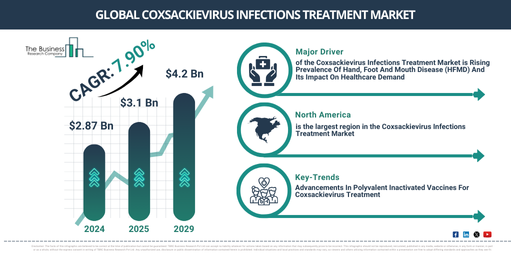
    The coxsackievirus infections treatment market has experienced robust expansion over the past few years. This market is projected to expand from $2.87 billion in 2024 to reach $3.1 billion by 2025, demonstrating a compound annual growth rate (CAGR) of 8.0%. Historically, this growth has been driven by factors such as the increasing prevalence of hand, foot, and mouth disease, greater public awareness regarding viral infections, enhancements in healthcare infrastructure, an elevated demand for pediatric care, rising healthcare expenditures, recurrent outbreaks observed in Asia-Pacific nations, expanded government healthcare programs, and improved availability of over-the-counter treatments.

    The coxsackievirus infections treatment market is anticipated to experience substantial growth over the coming years. It is forecast to expand to $4.2 billion by 2029, achieving a compound annual growth rate (CAGR) of 7.9%. This projected growth during the forecast period is fueled by several factors, including a rising incidence of coxsackievirus infections, an increasing emphasis on preventive healthcare, the expansion of healthcare access in developing regions, and a greater adoption of supportive care products. Furthermore, an escalating demand for antiviral therapies, advancements in treatment protocols, increased funding for research and development, growing awareness of viral diseases, and rising healthcare expenditure in emerging economies are all contributing to this market’s expansion. Significant trends for the forecast period encompass the development of rapid diagnostic tools, the application of artificial intelligence in treatment prediction, and the integration of telemedicine for remote care. Other key trends include advancements in molecular diagnostics, the creation of targeted antiviral drugs, the use of wearable health monitoring devices, the growth of personalized medicine, the integration of digital health solutions, innovations in vaccine delivery systems, and the development of combination therapies to enhance efficacy.

    Unlock Your Free Sample Report for Exclusive Market Data:

    https://www.thebusinessresearchcompany.com/sample.aspx?id=21159&type=smp

    Which Drivers Are Shaping The Coxsackievirus Infections Treatment Industry’s Market Share?

    The widespread occurrence of viral infections leading to hand, foot, and mouth disease (HFMD) is projected to drive the expansion of the coxsackievirus infections treatment market. HFMD, a prevalent viral illness among children, is characterized by fever, mouth sores, and a rash on the hands and feet, primarily caused by viruses like coxsackievirus A16 and enterovirus 71. This condition’s spread is often attributed to close contact with infected individuals, insufficient hygiene, and exposure to respiratory droplets or contaminated surfaces. Treatments for coxsackievirus infections aim to manage the symptoms of viral illnesses such as HFMD through supportive care, including pain relief, hydration, and fever reduction. For example, in April 2024, the Indonesia Ministry of Health (MoH) reported 6,500 hand, foot, and mouth disease (HFMD) cases in the first quarter of 2024, which accounted for more than half of the 11,000 cases recorded in 2023. Therefore, the significant prevalence of viral infections causing HFMD is fueling the growth of the coxsackievirus infections treatment market.

    What Are The Major Segment Types Covered In The Coxsackievirus Infections Treatment Market?

    The coxsackievirus infections treatmentmarket covered in this report is segmented –

    1) By Treatment Type: Antiviral Medications; Non-Steroidal Anti-Inflammatory Drugs (NSAIDs); Corticosteroids; Supportive Care

    2) By Route Of Administration: Oral; Intravenous (IV); Topical; Inhalation

    3) By Age Group: Pediatric Patients; Adult Patients; Geriatric Patients

    4) By Distribution Channel: Hospital Pharmacies; Retail Pharmacies; Online Pharmacies

    5) By End-User: Hospitals; Outpatient Clinics; Home Care Settings; Educational Institutions (Daycare, Schools)

    Subsegments:

    1) By Antiviral Medications: Nucleoside Analogues; Protease Inhibitors; Polymerase Inhibitors

    2) By Non-Steroidal Anti-Inflammatory Drugs (NSAIDs): Ibuprofen; Aspirin; Naproxen; Diclofenac

    3) By Corticosteroids: Prednisone; Hydrocortisone; Methylprednisolone; Dexamethasone

    4) By Supportive Care: Fluid Replacement Therapy; Pain Management; Fever Management; Rest and Nutrition

    What Are The Latest Industry Trends Transforming The Coxsackievirus Infections Treatment Market?

    Major companies operating in the coxsackievirus infections treatment market are focusing on creating polyvalent inactivated vaccines to offer broad-spectrum protection, lower infection rates, and improve public health outcomes. These polyvalent inactivated vaccines incorporate inactivated versions of multiple pathogens or strains, thereby providing defense against several diseases or infections. For example, in March 2022, Provention Bio Inc., a US-based biopharmaceutical company, reported positive outcomes from the final analysis of its first-in-human PROVENT study for PRV-101. This candidate is a polyvalent inactivated coxsackievirus B (CVB) vaccine designed to target Coxsackievirus B (CVB) strains linked to type 1 diabetes (T1D) autoimmunity. PRV-101 operates by introducing inactivated (killed) coxsackievirus B (CVB) serotypes to the immune system, enabling the body to recognize and build immunity against various strains without causing infection.

    Which Major Firms Are Strengthening Their Position In The Coxsackievirus Infections Treatment Industry?

    Major companies operating in the coxsackievirus infections treatment market are Pfizer Inc., Johnson & Johnson, F. Hoffmann-La Roche AG, Merck & Co. Inc., AbbVie Inc., Bayer AG, Sanofi S.A., Bristol-Myers Squibb, Thermo Fisher Scientific Inc., AstraZeneca plc, Abbott Laboratories, Novartis AG, GSK plc, Teva Pharmaceutical Industries Ltd., CSL Behring, Grifols S.A., Aurobindo Pharma USA Inc., Dr. Reddy’s Laboratories, Octapharma AG, Rochem International Inc, AdvaCare Pharma, LGM Pharma.

    Download The Full Report For Exclusive Market Findings:

    https://www.thebusinessresearchcompany.com/report/coxsackievirus-infections-treatment-global-market-report

    Which Region Currently Holds The Largest Share Of The Coxsackievirus Infections Treatment Market?

    North America was the largest region in the coxsackievirus infections treatment market in 2024. Asia-Pacific is expected to be the fastest-growing region in the forecast period. The regions covered in the coxsackievirus infections treatment market report are Asia-Pacific, Western Europe, Eastern Europe, North America, South America, Middle East, Africa.

    Request A Customized Version Of The Coxsackievirus Infections Treatment Market Report:

    https://www.thebusinessresearchcompany.com/customise?id=21159&type=smp

    Browse Through More Reports Similar to the Global Coxsackievirus Infections Treatment Market 2025, By The Business Research Company

    Complicated Skin And Skin Structure Infections Drugs Global Market Report 2025

    https://www.thebusinessresearchcompany.com/report/complicated-skin-and-skin-structure-infections-drugs-global-market-report

    Sexually Transmitted Infections Stis Global Market Report 2025

    https://www.thebusinessresearchcompany.com/report/sexually-transmitted-infections-stis-global-market-report

    Listeria Monocytogenes Infections Treatment Global Market Report 2025

    https://www.thebusinessresearchcompany.com/report/listeria-monocytogenes-infections-treatment-global-market-report

    Get in touch with us:

    The Business Research Company: https://www.thebusinessresearchcompany.com/

    Americas +1 310-496-7795

    Asia +44 7882 955267 & +91 8897263534

    Europe +44 7882 955267

    Email us at info@tbrc.info

    Follow us on:

    LinkedIn: https://in.linkedin.com/company/the-business-research-company

    YouTube: https://www.youtube.com/channel/UC24_fI0rV8cR5DxlCpgmyFQ

    Global Market Model: https://www.thebusinessresearchcompany.com/global-market-model
  • Corneal Endothelial Dystrophy Market to Grow at a CAGR of 7.9% from 2025 to 2029

    Corneal Endothelial Dystrophy Market to Grow at a CAGR of 7.9% from 2025 to 2029

    Unlock Global Insights – Save 20% on Market Reports with Code ONLINE20

    What Is The Future Market Size Estimation For The Corneal Endothelial Dystrophy Market Covering 2025–2034?

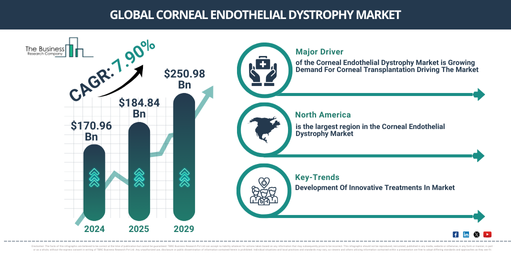
    The market for corneal endothelial dystrophy has experienced robust expansion in recent years. It is projected to increase from $170.96 billion in 2024 to $184.84 billion in 2025, achieving a compound annual growth rate (CAGR) of 8.1%. The growth observed in previous periods is largely due to factors such as rising healthcare expenditures, an increased occurrence of endothelial corneal dystrophy, an expanding aging population, a growing prevalence of various eye diseases, and a significant rise in corneal disorders.

    The market for corneal endothelial dystrophy is projected to experience substantial expansion in the coming years. This market is anticipated to reach $250.98 billion by 2029, exhibiting a compound annual growth rate (CAGR) of 7.9%. Several factors contribute to this growth over the forecast period, including an increase in corneal blindness in developing nations, greater awareness regarding eye health, a rising need for corneal transplantation, improvements in healthcare infrastructure, and a growing incidence of chronic conditions. Key trends anticipated during this period encompass developments in regenerative treatments, progress in medical technology, enhancements in diagnostic methodologies, technological leaps in ophthalmic lasers, and other advanced technologies.

    Unlock Your Free Sample Report for Exclusive Market Data:

    https://www.thebusinessresearchcompany.com/sample.aspx?id=21158&type=smp

    What Are The Drivers Pushing New Developments In The Corneal Endothelial Dystrophy Market?

    The expansion of the corneal endothelial dystrophy market is anticipated to be propelled by the increasing need for corneal transplantation going forward. This procedure involves surgically replacing a compromised or unhealthy cornea with a healthy donor cornea, aiming to restore sight and enhance ocular well-being. The escalating demand for these transplantations stems from a higher incidence of corneal conditions, continuous progress in surgical methodologies, and better rates of organ donation. Corneal endothelial dystrophy is managed through corneal transplantation, where the impaired endothelium is supplanted by healthy donor tissue, leading to restored corneal transparency, decreased swelling, and enhanced visual acuity. For example, data from the Eye Bank Association of America, a US-based transplant organization, indicates that domestic keratoplasty (a type of corneal transplantation) procedures saw an increase of 2.7% in 2023, climbing from 49,597 in 2022 to 50,925 in 2023. Consequently, the increasing need for corneal transplantation is fueling the expansion of the corneal endothelial dystrophy market.

    What Are The Major Segment Categories Driving The Corneal Endothelial Dystrophy Market Growth?

    The corneal endothelial dystrophymarket covered in this report is segmented –

    1) By Treatment: Phototherapeutic Keratectomy; Amniotic Membrane Transplants; Anterior Stromal Puncture; Conjunctival Flaps

    2) By Disease Type: Congenital Hereditary Endothelial Dystrophy 1; Congenital Hereditary Endothelial Dystrophy 2; Posterior Polymorphous Corneal Dystrophy; Fuchs Endothelial Corneal Dystrophy

    3) By Diagnosis: Cornea Examination And Grading; Corneal Tomography; Corneal Pachymetry; Corneal Cell Count

    4) By End-User: Hospitals; Clinics; Other End Users

    Subsegments:

    1) By Phototherapeutic Keratectomy: Excimer Laser Therapy; Corneal Reshaping

    2) By Amniotic Membrane Transplants: Fresh Amniotic Membrane Transplant; Cryopreserved Amniotic Membrane Transplant

    3) By Anterior Stromal Puncture: Manual Technique; Laser-Assisted Technique

    4) By Conjunctival Flaps: Partial Flap Technique; Full Flap Technique

    What Trends Are Redefining The Corneal Endothelial Dystrophy Market Dynamics?

    Major companies operating in the corneal endothelial dystrophy market are focusing on developing innovative treatments, such as allogeneic cell therapy, to address unmet medical needs by offering pioneering, minimally invasive treatment options that improve patient outcomes. Allogeneic cell therapy involves using cells from a donor of the same species but genetically distinct to treat a recipient. For instance, in September 2024, Aurion Biotech Inc., a US-based clinical-stage biotech company, launched Vyznova (neltependocel) in Japan to treat bullous keratopathy, a corneal endothelial disease. Vyznova (neltependocel) is a cell therapy developed by Aurion Biotech to address bullous keratopathy, which damages corneal endothelial cells and causes vision problems. It is the first approved cell therapy for corneal endothelial disease and has received approval in Japan. Vyznova utilizes corneal endothelial cells grown in a lab, enabling up to 1,000 doses to be produced from a single donor. This innovative treatment offers a less invasive alternative to corneal transplants, helping to alleviate the shortage of donor corneas and providing a new method to restore vision for patients with corneal diseases.

    Who Are The Primary Competitors In The Global Corneal Endothelial Dystrophy Market?

    Major companies operating in the corneal endothelial dystrophy market are F. Hoffmann-La Roche AG, Abbvie (Allergan plc), Teva Pharmaceutical Industries Ltd, Fujifilm Holdings Corporation, Alcon Inc., Bausch Health+Lomb, Santen Pharmaceutical Co., Ltd., AGC Biologics Inc, Lumenis Ltd, Aurion Biotech Inc, Carl Zeiss Meditec AG, Keeler Limited, Kowa Company Ltd., ProQR Therapeutics N.V., Cellusion Inc., OptoTech GmbH, ActualEyes Inc., Arctic Vision Inc., Aurion Biotech LLC, Emmecell S.R.L

    Download The Full Report For Exclusive Market Findings:

    https://www.thebusinessresearchcompany.com/report/corneal-endothelial-dystrophy-global-market-report

    What Regional Growth Trends Are Shaping The Corneal Endothelial Dystrophy Market Outlook?

    North America was the largest region in the corneal endothelial dystrophy market in 2024. Asia-Pacific is expected to be the fastest-growing region in the forecast period. The regions covered in the corneal endothelial dystrophy market report are Asia-Pacific, Western Europe, Eastern Europe, North America, South America, Middle East, Africa.

    Request A Customized Version Of The Corneal Endothelial Dystrophy Market Report:

    https://www.thebusinessresearchcompany.com/customise?id=21158&type=smp

    Browse Through More Reports Similar to the Global Corneal Endothelial Dystrophy Market 2025, By The Business Research Company

    Corneal Implants Global Market Report 2025

    https://www.thebusinessresearchcompany.com/report/corneal-implants-global-market-report

    Vascular Endothelial Growth Factor Inhibitors Global Market Report 2025

    https://www.thebusinessresearchcompany.com/report/vascular-endothelial-growth-factor-inhibitors-global-market-report

    Anti Vascular Endothelial Growth Factor Therapeutics Global Market Report 2025

    https://www.thebusinessresearchcompany.com/report/anti-vascular-endothelial-growth-factor-therapeutics-global-market-report

    Get in touch with us:

    The Business Research Company: https://www.thebusinessresearchcompany.com/

    Americas +1 310-496-7795

    Asia +44 7882 955267 & +91 8897263534

    Europe +44 7882 955267

    Email us at info@tbrc.info

    Follow us on:

    LinkedIn: https://in.linkedin.com/company/the-business-research-company

    YouTube: https://www.youtube.com/channel/UC24_fI0rV8cR5DxlCpgmyFQ

    Global Market Model: https://www.thebusinessresearchcompany.com/global-market-model
  • Global Congenital Adrenal Hyperplasia Market 2025–2029: Competitive Insights and Opportunities

    Global Congenital Adrenal Hyperplasia Market 2025–2029: Competitive Insights and Opportunities

    Unlock Global Insights – Save 20% on Market Reports with Code ONLINE20

    What Is The Expected Total Market Size Of The Congenital Adrenal Hyperplasia Industry By The Forecast Year 2029?

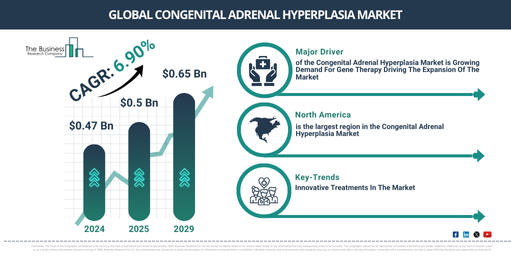
    The market size for congenital adrenal hyperplasia has experienced significant growth in recent years. It is projected to expand from $0.47 billion in 2024 to $0.5 billion in 2025, demonstrating a compound annual growth rate (CAGR) of 7.0%. This historical growth can be attributed to the increasing prevalence of congenital adrenal hyperplasia, the growing adoption of corticosteroid therapies, rising healthcare expenditure, an increasing focus on pediatric care, and an increase in government initiatives and reimbursement policies.

    The market for congenital adrenal hyperplasia is projected to experience robust expansion over the coming years. Its valuation is anticipated to reach $0.65 billion by 2029, exhibiting a compound annual growth rate (CAGR) of 6.9%. Factors contributing to this growth during the projected period include an escalating demand for personalized medicine, a higher occurrence of genetic disorders, intensified research into congenital adrenal hyperplasia treatments, increased investments in healthcare, and a greater adoption of telemedicine in managing congenital adrenal hyperplasia. Significant trends foreseen for the forecast period encompass improvements in healthcare infrastructure, progress in molecular diagnostics, the creation of enzyme replacement therapies, the formulation of long-acting corticosteroids, and breakthroughs in genetic screening.

    Unlock Your Free Sample Report for Exclusive Market Data:

    https://www.thebusinessresearchcompany.com/sample.aspx?id=21157&type=smp

    What Are The Emerging Market Drivers Creating New Opportunities In The Congenital Adrenal Hyperplasia Industry?

    The growing demand for gene therapy is expected to propel the expansion of the congenital adrenal hyperplasia market moving forward. Gene therapy is defined as a medical approach involving the modification or manipulation of an individual’s genes to treat or prevent illness. The heightened demand for gene therapy is attributed to advancements in genetic research and biotechnology, which have enabled more precise and targeted treatments for genetic disorders, cancers, and other chronic ailments. Congenital adrenal hyperplasia (CAH), a disorder caused by gene mutations responsible for adrenal hormone production, is a significant area of focus for gene therapy, offering opportunities for targeted genetic interventions to correct underlying genetic defects and restore normal hormone function. For instance, in April 2024, data from the American Society of Gene and Cell Therapy (ASGCT), a US-based professional membership organization, indicated that among the 1,023 gene therapies in development for rare diseases, eight of the top 10 rare diseases were oncological. The second quarter of 2024 also saw the initiation of 76 gene therapy trials, representing a 25% increase from the previous quarter. Therefore, the rising demand for gene therapy is driving growth in the congenital adrenal hyperplasia market.

    How Is The Congenital Adrenal Hyperplasia Market Segmented?

    The congenital adrenal hyperplasiamarket covered in this report is segmented –

    1) By Type: Classic Congenital Adrenal Hyperplasia; Non-Classic Congenital Adrenal Hyperplasia

    2) By Treatment And Diagnosis: Diagnosis; Treatment

    3) By End-Use: Hospitals; Specialty Clinics; Ambulatory Surgical Centers; Research Institutes

    Subsegments:

    1) By Classic Congenital Adrenal Hyperplasia: Salt-Wasting Classic Congenital Adrenal Hyperplasia; Simple Virilizing Classic Congenital Adrenal Hyperplasia

    2) By Non-Classic Congenital Adrenal Hyperplasia: Late-Onset Non-Classic Congenital Adrenal Hyperplasia; Mild Non-Classic Congenital Adrenal Hyperplasia

    How Are Emerging Market Trends Shaping The Congenital Adrenal Hyperplasia Industry Landscape?

    Major companies in the congenital adrenal hyperplasia market are focusing on developing innovative treatments like CRF1 receptor antagonists to regulate cortisol production and reduce adrenal androgen excess. A CRF1 receptor antagonist is a drug that blocks the corticotropin-releasing factor 1 (CRF1) receptor to manage the body’s stress response and decrease excessive adrenal androgen production in conditions such as congenital adrenal hyperplasia. For instance, in December 2024, Neurocrine Biosciences, Inc., a US-based biopharmaceutical company, received FDA approval for crenessity (crinecerfont), which is the first new treatment for congenital adrenal hyperplasia (CAH) in 70 years. This oral medication acts as a selective antagonist of corticotropin-releasing factor type 1 receptors, helping to control excess adrenocorticotropic hormone (ACTH) and adrenal androgens while allowing for reduced glucocorticoid doses. The approval was based on data from the CAHtalyst Phase 3 studies, which demonstrated significant efficacy in lowering androgen levels. Crenessity is expected to be available soon, representing a significant advancement in CAH management.

    Which Key Market Players Are Investing In Expansion And Innovation Of Congenital Adrenal Hyperplasia Market?

    Major companies operating in the congenital adrenal hyperplasia market are Pfizer Inc., Sanofi S.A., Thermo Fisher Scientific Inc., Takeda Pharmaceutical Company Limited, Eli Lilly and Company, Eton Pharmaceuticals Inc, Teva Pharmaceutical Industries, Macleods Pharmaceuticals, H. Lundbeck A/S, Neurocrine Biosciences Inc., BridgeBio Pharma Inc, Regenxbio Inc., Millendo Therapeutics Inc., Applied Therapeutics, Inc., OMass Therapeutics Limited, ViennaLab Diagnostics GmbH, EffRx Pharmaceuticals SA, Adrenas Therapeutics Inc, HBM Alpha Therapeutics, Spruce Biosciences Inc., Crinetics Pharmaceuticals Inc.

    Download The Full Report For Exclusive Market Findings:

    https://www.thebusinessresearchcompany.com/report/congenital-adrenal-hyperplasia-global-market-report

    Which Regional Markets Are Contributing Most To The Congenital Adrenal Hyperplasia Industry Expansion?

    North America was the largest region in the congenital adrenal hyperplasia market in 2024. Asia-Pacific is expected to be the fastest-growing region in the forecast period. The regions covered in the congenital adrenal hyperplasia market report are Asia-Pacific, Western Europe, Eastern Europe, North America, South America, Middle East, Africa.

    Request A Customized Version Of The Congenital Adrenal Hyperplasia Market Report:

    https://www.thebusinessresearchcompany.com/customise?id=21157&type=smp

    Browse Through More Reports Similar to the Global Congenital Adrenal Hyperplasia Market 2025, By The Business Research Company

    Congenital Diaphragmatic Hernia Drugs Global Market Report 2025

    https://www.thebusinessresearchcompany.com/report/congenital-diaphragmatic-hernia-drugs-global-market-report

    Benign Prostatic Hyperplasia Bph Treatment Devices And Equipment Global Market Report 2025

    https://www.thebusinessresearchcompany.com/report/benign-prostatic-hyperplasia-bph-treatment-devices-and-equipment-global-market-report

    Adrenal Cancer Diagnostics Global Market Report 2025

    https://www.thebusinessresearchcompany.com/report/adrenal-cancer-diagnostics-global-market-report

    Get in touch with us:

    The Business Research Company: https://www.thebusinessresearchcompany.com/

    Americas +1 310-496-7795

    Asia +44 7882 955267 & +91 8897263534

    Europe +44 7882 955267

    Email us at info@tbrc.info

    Follow us on:

    LinkedIn: https://in.linkedin.com/company/the-business-research-company

    YouTube: https://www.youtube.com/channel/UC24_fI0rV8cR5DxlCpgmyFQ

    Global Market Model: https://www.thebusinessresearchcompany.com/global-market-model
  • Complicated Urinary Tract Infection Treatment Market Trends 2025–2029: Forecasts for Key Growth Segments

    Complicated Urinary Tract Infection Treatment Market Trends 2025–2029: Forecasts for Key Growth Segments

    Unlock Global Insights – Save 20% on Market Reports with Code ONLINE20

    How Does The Market Size Of The Complicated Urinary Tract Infection Treatment Industry Compare Between 2025 And 2029?

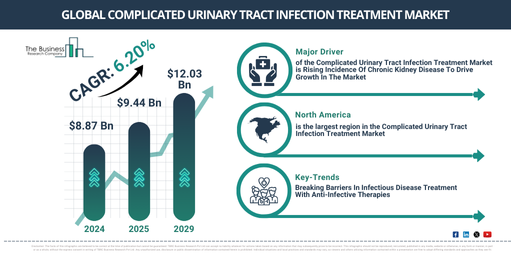
    The complicated urinary tract infection treatment market size has experienced strong growth in recent years. It is forecast to expand from $8.87 billion in 2024 to $9.44 billion in 2025, achieving a compound annual growth rate (CAGR) of 6.4%. The expansion observed in the past period can be attributed to a number of factors, including the increasing occurrence of urinary tract infections, a rise in antibiotic resistance, the growing elderly demographic, higher rates of hospitalization, and enhanced awareness regarding UTIs.

    The complicated urinary tract infection treatment market is projected to experience substantial expansion over the upcoming years. This market is anticipated to reach $12.03 billion by 2029, exhibiting a compound annual growth rate (CAGR) of 6.2%. Factors contributing to this growth during the forecast period include the increasing occurrence of multidrug-resistant pathogens, a heightened emphasis on precision medicine, rising costs in healthcare, the expanded application of rapid diagnostic tests, as well as government programs and research funding. Key trends expected over the forecast period encompass improvements in diagnostic methods, broadened access to healthcare in developing regions, the creation of new antibiotics, further technological progress in diagnostic instruments, and the uptake of combination treatments.

    Unlock Your Free Sample Report for Exclusive Market Data:

    https://www.thebusinessresearchcompany.com/sample.aspx?id=21156&type=smp

    Which Drivers Are Impacting The Complicated Urinary Tract Infection Treatment Market?

    The increasing prevalence of chronic kidney diseases is anticipated to propel the expansion of the complicated urinary tract infection treatment market going forward. Chronic kidney disease (CKD) is defined as a long-term condition marked by the gradual deterioration of kidney function over time. The growing incidence of CKD largely results from rising rates of diabetes and hypertension, compounded by aging populations and lifestyle factors such as obesity and smoking. Complicated urinary tract infection treatment offers support to chronic kidney disease (CKD) patients by preventing severe infections like pyelonephritis, which can worsen kidney damage, compromise renal function, and accelerate the progression of chronic kidney disease, ultimately mitigating the risk of further complications and hospitalizations. For instance, in December 2024, the Australian Institute of Health and Welfare, an Australia-based government agency, reported that chronic kidney disease accounted for approximately 21,800 deaths in Australia in 2022. Moreover, Kidney Care UK, a UK-based non-profit organization, indicated in May 2024 that 40-45,000 premature deaths occur annually in the UK due to chronic kidney disease. Thus, the increasing occurrence of chronic kidney diseases is a significant driver for the complicated urinary tract infection treatment market.

    What Are The Key Segments In The Complicated Urinary Tract Infection Treatment Market?

    The complicated urinary tract infection treatmentmarket covered in this report is segmented –

    1) By Drug Class: Penicillin And combinations; Quinolones; Cephalosporin; Azoles And Amphotericin B; Nitro furans

    2) By Distribution Channel: Hospital Pharmacies; Gynecology And Urology Clinics; Drug stores

    3) By Application: Urethritis; Cystitis; Pyelonephritis

    Subsegments:

    1) By Penicillin And Combinations: Aminopenicillins; Beta-Lactamase Inhibitor Combinations

    2) By Quinolones: Fluoroquinolones; Non-Fluoroquinolones

    3) By Cephalosporin: First-Generation Cephalosporins; Second-Generation Cephalosporins; Third-Generation Cephalosporins; Fourth-Generation Cephalosporins; Fifth-Generation Cephalosporins

    4) By Azoles And Amphotericin B: Triazoles; Imidazoles; Polyene Antifungals

    5) By Nitrofurans: Nitrofurantoin; Furazolidone

    Which Key Trends Are Expected To Influence The Complicated Urinary Tract Infection Treatment Market In The Coming Years?

    Leading companies within the complicated urinary tract infection treatment market are concentrating efforts on overcoming antibiotic resistance by developing new antibiotics to improve treatment effectiveness and address the emergence of multidrug-resistant pathogens. Such anti-infective therapies for complicated urinary tract infection treatment rely on targeted antibiotics or antimicrobial agents to eradicate or manage infections, particularly in severe instances involving kidney complications. As an example, in February 2024, Allecra Therapeutics, a biopharmaceutical firm based in Germany, declared that EXBLIFEP (cefepime/enmetazobactam) received U.S. Food and Drug Administration (FDA) approval for the treatment of complicated urinary tract infections (cUTIs) in adults. The company additionally obtained a five-year extension for marketing exclusivity, granted under the GAIN Act, which serves to stimulate the creation of novel anti-infective therapies. Research indicated that 79.1% of individuals receiving cefepime/enmetazobactam achieved a combined positive outcome (encompassing both clinical cure and microbiological eradication), in contrast to 58.9% of patients treated with piperacillin/tazobactam.

    Who Are The Core Companies Influencing The Complicated Urinary Tract Infection Treatment Market Landscape?

    Major companies operating in the complicated urinary tract infection treatment market are Pfizer Inc., Merck & Co. Inc., AbbVie Inc., AstraZeneca PLC, Fresenius Kabi AG, GlaxoSmithKline plc, bioMérieux SA, Shionogi & Co. Ltd., Cipla Limited, Santen Pharmaceutical Co. Ltd., Orchid Pharma Limited, Melinta Therapeutics Inc., Spero Therapeutics Inc., Nabriva Therapeutics AG, Venatorx Pharmaceuticals Inc., Recce Pharmaceuticals Ltd, MerLion Pharmaceuticals Pte. Ltd., Entasis Therapeutics Holdings Inc., Allecra Therapeutics GmbH, Allergan Inc.

    Download The Full Report For Exclusive Market Findings:

    https://www.thebusinessresearchcompany.com/report/complicated-urinary-tract-infection-treatment-global-market-report

    How Does The Complicated Urinary Tract Infection Treatment Market Perform Across Key Geographic Regions?

    North America was the largest region in the complicated urinary tract infection treatment market in 2024. Asia-Pacific is expected to be the fastest-growing region in the forecast period. The regions covered in the complicated urinary tract infection treatment market report are Asia-Pacific, Western Europe, Eastern Europe, North America, South America, Middle East, Africa.

    Request A Customized Version Of The Complicated Urinary Tract Infection Treatment Market Report:

    https://www.thebusinessresearchcompany.com/customise?id=21156&type=smp

    Browse Through More Reports Similar to the Global Complicated Urinary Tract Infection Treatment Market 2025, By The Business Research Company

    Urinary Incontinence And Pelvic Organ Prolapse Devices And Equipment Global Market Report 2025

    https://www.thebusinessresearchcompany.com/report/urinary-incontinence-and-pelvic-organ-prolapse-devices-and-equipment-global-market-report

    Urinary Stone Treatment Devices And Equipment Global Market Report 2025

    https://www.thebusinessresearchcompany.com/report/urinary-stone-treatment-devices-and-equipment-global-market-report

    Genito Urinary Drugs Global Market Report 2025

    https://www.thebusinessresearchcompany.com/report/genito-urinary-drugs-global-market-report

    Get in touch with us:

    The Business Research Company: https://www.thebusinessresearchcompany.com/

    Americas +1 310-496-7795

    Asia +44 7882 955267 & +91 8897263534

    Europe +44 7882 955267

    Email us at info@tbrc.info

    Follow us on:

    LinkedIn: https://in.linkedin.com/company/the-business-research-company

    YouTube: https://www.youtube.com/channel/UC24_fI0rV8cR5DxlCpgmyFQ

    Global Market Model: https://www.thebusinessresearchcompany.com/global-market-model
  • Common Warts Market Forecast 2025–2034: Where Businesses Should Invest Next

    Common Warts Market Forecast 2025–2034: Where Businesses Should Invest Next

    Unlock Global Insights – Save 20% on Market Reports with Code ONLINE20

    What Is The Predicted Market Size Trajectory For The Common Warts Market From 2025 To 2034?

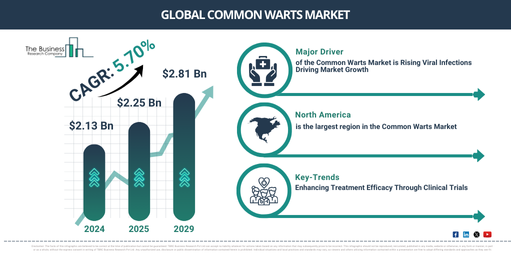
    The common warts market size has experienced strong growth in recent years. It is projected to increase from $2.13 billion in 2024 to $2.25 billion in 2025, achieving a compound annual growth rate (CAGR) of 5.9%. The expansion witnessed in the historic period is attributable to increased awareness of skin health, a growing incidence of warts, rising demand for non-invasive procedures, increasing use of cryotherapy, and growth in dermatology clinics.

    The common warts market is anticipated to experience robust expansion over the coming years. This market is projected to reach $2.81 billion by 2029, exhibiting a compound annual growth rate (CAGR) of 5.7%. This anticipated growth during the forecast period stems from factors such as an increasing elderly demographic, a rise in viral infection occurrences, greater uptake of sophisticated dermatological treatments, an escalating need for tailored therapies, and a heightened consumer inclination towards homecare options. Key trends expected over this period encompass innovations in dermatological care, the expansion of healthcare facilities, technological progress in wart removal methods, improved understanding of available treatments, and a movement towards less invasive procedures.

    Unlock Your Free Sample Report for Exclusive Market Data:

    https://www.thebusinessresearchcompany.com/sample.aspx?id=21154&type=smp

    Which Industry Drivers Are Expected To Accelerate The Common Warts Market From 2025 To 2029?

    The common warts market is expected to expand driven by the growing prevalence of viral infections. Viral infections are defined as illnesses resulting from viruses entering, multiplying, and spreading within the body, which affects cells and immune responses. The rising incidence of these infections is influenced by factors such as globalization, climate change, urbanization, deforestation, and weakened immune systems. Common warts treatment specifically targets the human papillomavirus (HPV) responsible for wart development, providing vital support for patients with viral infections by reducing viral spread, alleviating discomfort, and promoting healing. This prevents complications like secondary infections or scarring and improves the patient’s quality of life. For instance, in 2024, the Centers for Disease Control and Prevention, a US-based government agency, reported that in 2022, the proportion of PCR-confirmed varicella cases increased by 62%, rising from 29% to 47% over the past five years. Furthermore, in January 2023, according to the National Foundation for Infectious Diseases, a US-based health organization, an estimated 14 million new cases of HPV infection occur annually in the United States. Therefore, the increasing incidence of viral infections is propelling growth in the common warts market.

    What Are The Leading Segments Analyzed In The Common Warts Market?

    The common wartsmarket covered in this report is segmented –

    1) By Treatment Method: Cryotherapy; Laser Treatment; Electrosurgery; Topical Medications

    2) By Patient Demographics: Children; Adults; Elderly

    3) By Disease Stage: Initial Stage; Moderate Stage; Severe Stage

    4) By End User: Hospitals; Dermatology Clinics; Home Care

    Subsegments:

    1) By Cryotherapy: Liquid Nitrogen Therapy; Carbon Dioxide Therapy

    2) By Laser Treatment: Pulsed-Dye Laser Therapy; Carbon Dioxide (CO2) Laser Therapy

    3) By Electrosurgery: Curettage And Electrosurgical Removal; High-Frequency Electrosurgical Ablation

    4) By Topical Medications: Salicylic Acid-Based Therapy; Immunotherapy-Based Topicals; Retinoid-Based Therapy

    What Are The Major Trends Driving The Growth Of The Common Warts Market?

    Companies active in the common warts market are prioritizing the development of innovative treatments, such as dermatological therapies, to address the escalating demand for impactful and readily available solutions. Their aim is to improve patient well-being and expand their presence within the dermatology sector. Dermatological therapies refer to medical interventions for skin conditions, including various infections, inflammations, and disorders. For instance, in May 2024, Verrica Pharmaceuticals, a pharmaceutical company based in the US, finalized a license agreement with Torii Pharmaceutical Co. Ltd., a pharmaceutical company from Japan. This collaboration is intended to fund a global Phase 3 clinical trial for YCANTH, a treatment specifically for common warts. This arrangement facilitates the late-stage progression of YCANTH, thereby broadening its potential global market. Torii Pharmaceuticals will provide financial contributions to advance this study. The partnership strengthens the dermatology offerings and international market footprint for both companies.

    Which Major Industry Participants Are Leading The Common Warts Market Growth?

    Major companies operating in the common warts market are Major players in the market are AbbVie Inc., GlaxoSmithKline plc, Sun Pharmaceutical Industries Limited, Perrigo Company plc, Holland & Barrett International Limited, Prestige Consumer Healthcare Inc., Maruho Co. Ltd., Novan Inc., X4 Pharmaceuticals Inc., Aclaris Therapeutics Inc., Verrica Pharmaceuticals Inc., RXi Pharmaceuticals Corporation, Scholl’s Wellness Company, Nielsen BioSciences Inc., Cassiopea S.p.A., Orgenesis Inc., KinoPharma Inc., Naturasil, Veradermics Inc., KinoPharma Co. Ltd.

    Download The Full Report For Exclusive Market Findings:

    https://www.thebusinessresearchcompany.com/report/common-warts-global-market-report

    Which Region Is Expected To Witness The Fastest Growth In The Common Warts Market?

    North America was the largest region in the common warts market in 2024. Asia-Pacific is expected to be the fastest-growing region in the forecast period. The regions covered in the common warts market report are Asia-Pacific, Western Europe, Eastern Europe, North America, South America, Middle East, Africa.

    Request A Customized Version Of The Common Warts Market Report:

    https://www.thebusinessresearchcompany.com/customise?id=21154&type=smp

    Browse Through More Reports Similar to the Global Common Warts Market 2025, By The Business Research Company

    Warts Therapeutics Global Market Report 2025

    https://www.thebusinessresearchcompany.com/report/warts-therapeutics-global-market-report

    Hpv Associated Disorders Global Market Report 2025

    https://www.thebusinessresearchcompany.com/report/hpv-associated-disorders-global-market-report

    Hpv Testing And Pap Test Global Market Report 2025

    https://www.thebusinessresearchcompany.com/report/hpv-testing-and-pap-test-global-market-report

    Get in touch with us:

    The Business Research Company: https://www.thebusinessresearchcompany.com/

    Americas +1 310-496-7795

    Asia +44 7882 955267 & +91 8897263534

    Europe +44 7882 955267

    Email us at info@tbrc.info

    Follow us on:

    LinkedIn: https://in.linkedin.com/company/the-business-research-company

    YouTube: https://www.youtube.com/channel/UC24_fI0rV8cR5DxlCpgmyFQ

    Global Market Model: https://www.thebusinessresearchcompany.com/global-market-model
  • Global Coagulation Factor Deficiency Market Analysis 2025–2029: Opportunities for Strategic Growth

    Global Coagulation Factor Deficiency Market Analysis 2025–2029: Opportunities for Strategic Growth

    Unlock Global Insights – Save 20% on Market Reports with Code ONLINE20

    How Much Larger Is The Coagulation Factor Deficiency Market Expected To Become By 2029 Compared With Its 2025 Level?

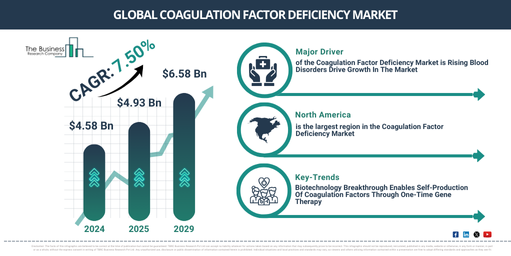
    The coagulation factor deficiency market size has seen significant growth in recent years. It is anticipated to increase from $4.58 billion in 2024 to $4.93 billion in 2025, exhibiting a compound annual growth rate (CAGR) of 7.7%. This historic growth is attributable to the increasing prevalence of hemophilia, the introduction of recombinant factors, growing awareness of coagulation disorders, a rise in diagnostic capabilities, government support for rare diseases, the emergence of prophylactic therapies, the expansion of patient registries, and increasing investment in biotechnology.

    The coagulation factor deficiency market size is expected to show robust expansion over the next few years. It is projected to reach $6.58 billion in 2029, achieving a compound annual growth rate (CAGR) of 7.5%. This growth during the forecast period can be attributed to several factors, including the increasing adoption of gene therapies, a heightened focus on personalized medicine, the rising prevalence of coagulation disorders, expanding access in emerging markets, the integration of digital health solutions, and continuous innovation in biomanufacturing technologies. Major trends anticipated in the forecast period encompass gene editing technologies such as CRISPR, the development of long-acting recombinant factors, advancements in gene therapy delivery systems, wearable coagulation monitoring devices, the application of artificial intelligence for treatment optimization, point-of-care diagnostic tools, nanoparticle-based drug delivery, the development of plasma-free recombinant products, biosimilar innovation, and the integration of precision medicine approaches.

    Unlock Your Free Sample Report for Exclusive Market Data:

    https://www.thebusinessresearchcompany.com/sample.aspx?id=21152&type=smp

    What Are The Top Growth Drivers Impacting The Coagulation Factor Deficiency Market Outlook?

    The coagulation factor deficiency market is anticipated to expand due to the rising occurrence of blood-related disorders. These conditions encompass various issues impacting the creation, operation, or makeup of blood cells, platelets, or plasma, leading to concerns such as anemia, clotting problems, or immune system weaknesses. The increase in blood-related disorders is attributed to factors including an aging global populace, genetic tendencies, heightened public awareness, environmental influences, shifts in lifestyle, the escalating prevalence of chronic illnesses, and improved diagnostic methods enabling earlier identification. Coagulation factor deficiency addresses blood-related disorders by supplying crucial clotting factors to avert or manage severe bleeding in conditions such as hemophilia, where the body’s inherent capacity to form blood clots is compromised. For example, data from September 2024, published by the Leukemia and Lymphoma Society, a US-based professional organization, indicates that Every 3 minutes, one person in the US is diagnosed with leukemia, lymphoma, or myeloma. In 2024, approximately 187,740 individuals are projected to be affected by these cancers, accounting for 9.4% of the anticipated 2,001,140 new cancer cases in the US. Furthermore, as of May 2024, the National Health Service (NHS) England, a UK-based government-funded healthcare system, reported that in England, approximately 17,000 people are living with sickle cell disease, an inherited blood disorder, with about 250 new cases diagnosed annually. Consequently, the rising occurrence of blood-related disorders is fueling the expansion of the coagulation factor deficiency market.

    What Are The Segment Types Shaping The Coagulation Factor Deficiency Market?

    The coagulation factor deficiencymarket covered in this report is segmented –

    1) By Product: Recombinant Coagulation Factor Concentrates; Plasma-derived Coagulation Factor Concentrates; Biologics; Desmopressin; Other Product Types

    2) By Deficiency Type: Haemophilia A; Hemophilia B; Von Willebrand Disease; Factor XI Deficiency; Factor XIII Deficiency; Other Treatment Types

    3) By End Users: Hospitals; Clinics; Home Care; Other End Users

    Subsegments:

    1) By Recombinant Coagulation Factor Concentrates: Recombinant Factor VIII; Recombinant Factor IX; Recombinant Factor VIIa; Other Recombinant Factors

    2) By Plasma-derived Coagulation Factor Concentrates: Plasma-derived Factor VIII; Plasma-derived Factor IX; Plasma-derived Factor VII; Other Plasma-derived Factors

    3) By Biologics: Monoclonal Antibodies; Gene Therapy Products

    4) By Desmopressin: Intravenous Desmopressin; Intranasal Desmopressin

    5) By Other Product Types: Fresh Frozen Plasma (FFP); Prothrombin Complex Concentrates (PCC)

    What Trends Are Expected To Drive The Coagulation Factor Deficiency Market?

    Major companies operating within the coagulation factor deficiency market are concentrating on creating advanced treatments, such as single-dose gene therapy, to offer enduring or potentially curative remedies for individuals suffering from bleeding disorders like hemophilia, thereby lessening the necessity for continuous infusions of clotting factors. A single administration gene therapy is defined as a medical intervention that involves introducing or modifying genetic material within a patient’s cells to manage or cure a condition, with the objective of delivering prolonged or permanent therapeutic results following a solitary application. For instance, in April 2024, the US-based pharmaceutical and biotechnology firm, Pfizer Inc., disclosed that the U.S. Food and Drug Administration (FDA) had granted approval for BEQVEZ (fidanacogene elaparvovec-dzkt). This approval is for the treatment of adults experiencing moderate to severe hemophilia B who are currently on factor IX (FIX) prophylaxis therapy. BEQVEZ is a one-time, adeno-associated virus (AAV)-based gene therapy designed to insert a functional copy of the FIX gene, which codes for a high-activity FIX variant, into the transduced cells. This innovative one-time treatment allows patients with hemophilia B to produce their own FIX, eliminating the need for frequent FIX infusions.

    Who Are The Prominent Global Companies Shaping The Coagulation Factor Deficiency Market?

    Major companies operating in the coagulation factor deficiency market are Pfizer Inc., F Hoffmann-La Roche Ltd., Bayer HealthCare Pharmaceuticals, Sanofi Genzyme, Novo Nordisk A/S, Baxter International Inc., CSL Behring LLC, Grifols S.A., Octapharma AG, Takeda Pharmaceutical Company Limited, Swedish Orphan Biovitrum AB, GC Biopharma Co. Ltd., Alnylam Pharmaceuticals Inc., Opko Health Inc., Kedrion Biopharma Inc., Shanghai RAAS Blood Products Co. Ltd., LFB S.A., Biotest AG, Spark Therapeutics Inc., Biogen Inc., Sangamo Therapeutics Inc., Centessa Pharmaceuticals Inc.

    Download The Full Report For Exclusive Market Findings:

    https://www.thebusinessresearchcompany.com/report/coagulation-factor-deficiency-global-market-report

    Which Global Regions Are Influencing The Competitive Landscape Of The Coagulation Factor Deficiency Market?

    North America was the largest region in the coagulation factor deficiency market in 2024. Asia-Pacific is expected to be the fastest-growing region in the forecast period. The regions covered in the coagulation factor deficiency market report are Asia-Pacific, Western Europe, Eastern Europe, North America, South America, Middle East, Africa.

    Request A Customized Version Of The Coagulation Factor Deficiency Market Report:

    https://www.thebusinessresearchcompany.com/customise?id=21152&type=smp

    Browse Through More Reports Similar to the Global Coagulation Factor Deficiency Market 2025, By The Business Research Company

    Coagulation Analyzer Global Market Report 2025

    https://www.thebusinessresearchcompany.com/report/coagulation-analyzer-global-market-report

    Point Of Care Poc Coagulation Testing Global Market Report 2025

    https://www.thebusinessresearchcompany.com/report/point-of-care-poc-coagulation-testing-global-market-report

    5 Alpha Reductase Deficiency Global Market Report 2025

    https://www.thebusinessresearchcompany.com/report/5-alpha-reductase-deficiency-global-market-report

    Get in touch with us:

    The Business Research Company: https://www.thebusinessresearchcompany.com/

    Americas +1 310-496-7795

    Asia +44 7882 955267 & +91 8897263534

    Europe +44 7882 955267

    Email us at info@tbrc.info

    Follow us on:

    LinkedIn: https://in.linkedin.com/company/the-business-research-company

    YouTube: https://www.youtube.com/channel/UC24_fI0rV8cR5DxlCpgmyFQ

    Global Market Model: https://www.thebusinessresearchcompany.com/global-market-model

  • Clinical Trial Support Services Industry Overview 2025: Growth Projections and Market Trends

    Clinical Trial Support Services Industry Overview 2025: Growth Projections and Market Trends

    Unlock Global Insights – Save 20% on Market Reports with Code ONLINE20

    #What Are The Current (2025) And Forecast (2029) Sizes Of The Clinical Trial Support Services Market?

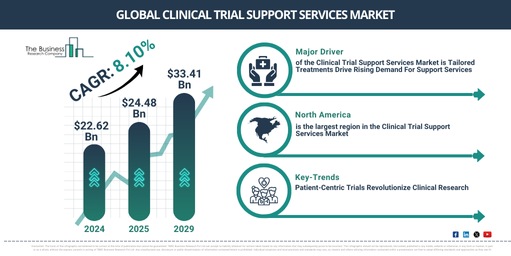
    The clinical trial support services market has demonstrated robust growth in recent years. The market is projected to expand from $22.62 billion in 2024 to $24.48 billion in 2025, achieving a compound annual growth rate (CAGR) of 8.2%. This historical growth is largely due to increased outsourcing of clinical trials, rising healthcare expenditures, the expansion of the pharmaceutical and biotechnology sectors, regulatory adjustments and reforms, the globalization of clinical trials, an escalating prevalence of diseases, a surge in clinical research funding, and the imperative for faster drug development.

    The clinical trial support services market is projected to experience robust expansion in the coming years. This market is anticipated to reach $33.41 billion by 2029, demonstrating a compound annual growth rate (CAGR) of 8.1%. The expansion over the forecast period is fueled by factors such as a heightened demand for personalized medicine, the increasing incidence of chronic diseases, greater investment in research and development, favorable regulatory frameworks for clinical trials, the growing trend of outsourcing in clinical trials, a stronger emphasis on patient-centric approaches, the escalating complexity of clinical trials, and the emergence of novel therapeutic domains. Key trends anticipated during this period encompass artificial intelligence, machine learning, blockchain technology, big data analytics, wearable devices, decentralized clinical trials, electronic data capture, clinical trial management systems, remote patient monitoring, and virtual clinical trials.

    Unlock Your Free Sample Report for Exclusive Market Data:

    https://www.thebusinessresearchcompany.com/sample.aspx?id=21151&type=smp

    Which Major Market Drivers Are Shaping The Future Of The Clinical Trial Support Services Market?

    The advancement of personalized medicine is anticipated to fuel the expansion of the clinical trial support services market in the future. This approach entails customizing therapies for individual patients, considering their unique genetic makeup, environmental influences, and lifestyle choices to enhance treatment effectiveness and overall care. Its adoption is on the rise, driven by progress in genomics, the increasing accessibility of diagnostic tools based on biomarkers, sophisticated data analytics, and a greater need for highly focused and efficacious treatments. Clinical trial support services play a crucial role in advancing personalized medicine by refining patient selection, integrating trial designs guided by biomarkers, and guaranteeing adherence to regulations, thereby enabling the creation of therapies specifically adapted to individual genetic and disease characteristics. For example, data from the Personalized Medicine Coalition (PMC), a U.S. nonprofit, indicated in February 2024 that the U.S. Food and Drug Administration (FDA) authorized 26 new personalized therapies in 2023, representing a substantial rise from the 12 approvals in 2022. Consequently, the continued development of personalized medicine is a key catalyst for the expansion of the clinical trial support services market.

    What Are The Different Segment Classifications Within The Clinical Trial Support Services Market?

    The clinical trial support servicesmarket covered in this report is segmented –

    1) By Service: Clinical Trial Site Management; Data Management; Patient Recruitment Management; Administrative Staff; Institutional Review Board (IRB); Other Services

    2) By Phases: Preclinical Studies; Phase I; Phase II; Phase III; Phase IV

    3) By Application: Oncology; Central Nervous System (CNS) And Mental Disorders; Cardiovascular Diseases; Infectious Diseases; Bood Disorders; Other Applications

    Subsegments:

    1) By Clinical Trial Site Management: Site Selection; Site Initiation; Site Monitoring; Site Close-out

    2) By Data Management: Data Collection; Data Validation; Electronic Data Capture (EDC); Statistical Analysis

    3) By Patient Recruitment Management: Patient Screening; Enrollment Strategy; Retention Services

    4) By Administrative Staff: Clinical Research Coordinators; Project Managers; Regulatory Affairs Specialists

    5) By Institutional Review Board (IRB): Ethical Review; Protocol Review; Compliance Monitoring

    6) By Other Services: Regulatory Consulting; Quality Assurance; Medical Writing; Investigator Training

    Which Trends Are Impacting The Clinical Trial Support Services Market?

    Major companies operating in the clinical trial support services market are increasingly focusing on the development of patient-centric trials to enhance recruitment efforts, improve participant retention, minimize the burden on those involved, and ensure a more inclusive and positive experience for diverse patient populations. Patient-centric trials are clinical studies specifically designed with an emphasis on the needs, preferences, and experiences of patients, aiming to improve accessibility, engagement, and overall participant satisfaction throughout the entire trial process. For example, in March 2023, Leal Health, a US-based patient-first digital health company, launched a pioneering patient-centric program-level analytics platform. This platform is engineered to integrate with pharmaceutical companies’ online clinical trial websites, enabling the development and execution of effective, patient-focused programs intended to secure high-quality patient candidates, reduce recruitment timelines, and achieve operational efficiencies for a superior end-to-end patient experience. The platform primarily concentrates on crafting effective, patient-focused programs that ensure the availability of high-quality patient candidates for clinical trials.

    Which Key Players Are Driving Competition In The Clinical Trial Support Services Market?

    Major companies operating in the clinical trial support services market are Pfizer Inc., F. Hoffmann-La Roche AG, Sanofi S.A., Thermo Fisher Scientific Inc., Eli Lilly and Company, Novo Nordisk A/S, Iqvia Inc., Laboratory Corporation of America Holdings (Labcorp), ICON plc, SGS S.A., Eurofins Scientific SE, WuXi AppTec, Syneos Health, Catalent Inc., Charles River Laboratories International Inc., Medpace Holdings Inc., Pharmaron, MARKEN Ltd., Novotech, ClinChoice Private Limited, Medidata Solutions Inc., Premier Research, Quotient Sciences Ltd., Caidya, MMS Holdings Inc., Celerion Inc., Parexel International (MA) Corporation, Alcura Health, Almac Group, Brighter Health Network LLC

    Download The Full Report For Exclusive Market Findings:

    https://www.thebusinessresearchcompany.com/report/clinical-trial-support-services-global-market-report

    What Are The Regional Market Dynamics Impacting The Clinical Trial Support Services Industry?

    North America was the largest region in the clinical trial support services market in 2024. Asia-Pacific is expected to be the fastest-growing region in the forecast period. The regions covered in the clinical trial support services market report are Asia-Pacific, Western Europe, Eastern Europe, North America, South America, Middle East, Africa.

    Request A Customized Version Of The Clinical Trial Support Services Market Report:

    https://www.thebusinessresearchcompany.com/customise?id=21151&type=smp

    Browse Through More Reports Similar to the Global Clinical Trial Support Services Market 2025, By The Business Research Company

    Virtual Clinical Trials Global Market Report 2025

    https://www.thebusinessresearchcompany.com/report/virtual-clinical-trials-global-market-report

    Eclinical Solutions Global Market Report 2025

    https://www.thebusinessresearchcompany.com/report/eclinical-solutions-global-market-report

    Electronic Clinical Outcome Assessment Solutions Global Market Report 2025

    https://www.thebusinessresearchcompany.com/report/electronic-clinical-outcome-assessment-solutions-global-market-report

    Get in touch with us:

    The Business Research Company: https://www.thebusinessresearchcompany.com/

    Americas +1 310-496-7795

    Asia +44 7882 955267 & +91 8897263534

    Europe +44 7882 955267

    Email us at info@tbrc.info

    Follow us on:

    LinkedIn: https://in.linkedin.com/company/the-business-research-company

    YouTube: https://www.youtube.com/channel/UC24_fI0rV8cR5DxlCpgmyFQ

    Global Market Model: https://www.thebusinessresearchcompany.com/global-market-model