Blog

  • Telemedicine Virtual Healthcare Market Size and Growth Forecast for Businesses 2025–2029

    Telemedicine Virtual Healthcare Market Size and Growth Forecast for Businesses 2025–2029

    Unlock Global Insights – Save 20% on Market Reports with Code ONLINE20

    What Is The Future Market Size Estimation For The Telemedicine Virtual Healthcare Market Covering 2025–2034?

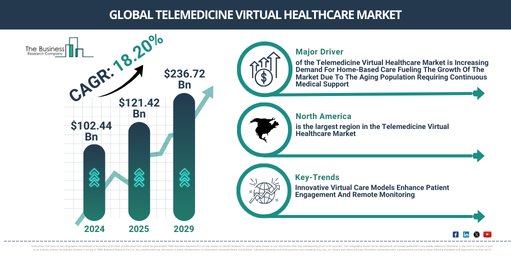
    The telemedicine virtual healthcare market has experienced rapid expansion in recent years. It is projected to grow from $102.44 billion in 2024 to $121.42 billion in 2025, achieving a compound annual growth rate (CAGR) of 18.5%. This market’s historical growth can be attributed to factors like the increasing demand for remote healthcare, a rising prevalence of chronic diseases, the growing adoption of smartphones and the internet, increasing healthcare costs, and a rising shortage of healthcare professionals.

    The telemedicine virtual healthcare market size is anticipated to experience rapid expansion in the upcoming years, with projections indicating it will reach $236.72 billion by 2029, growing at a compound annual growth rate (CAGR) of 18.2%. This growth over the forecast duration is attributable to factors such as the increasing adoption of artificial intelligence, greater investment in telehealth infrastructure, enhanced government support and regulatory measures, broadened healthcare access in rural areas, and the rising integration of wearable health devices. Significant trends identified for this period include advancements in AI-powered diagnostics, innovations in virtual reality therapy, the integration of blockchain for data security, progress in remote patient monitoring, and the development of personalized telehealth solutions.

    Unlock Your Free Sample Report for Exclusive Market Data:

    https://www.thebusinessresearchcompany.com/sample.aspx?id=28339&type=smp

    What Are The Key Drivers Of Growth In The Telemedicine Virtual Healthcare Market?

    Moving ahead, the rising need for home-based care is anticipated to drive expansion in the telemedicine virtual healthcare market. This type of care involves delivering health and assistance services directly to individuals in their residences to support daily activities and medical requirements. The increased demand for home care stems from an expanding elderly population facing chronic health issues, who necessitate ongoing medical assistance and oversight within their homes. Telemedicine virtual healthcare improves home-based care by facilitating remote consultations and constant health monitoring, proving particularly suitable for individuals with chronic conditions or restricted mobility. This technology decreases the necessity for numerous hospital trips through immediate medical advice, thereby boosting convenience and enhancing the overall standard of care. As an illustration, figures from July 2024 by the Australian Institute of Health and Welfare, an Australia-based government agency, indicated that approximately 213,000 individuals aged 65 and over were utilizing home care services in 2022. Consequently, the escalating need for home-based care is a key factor propelling the expansion of the telemedicine virtual healthcare market.

    What Are The Primary Types Of Segments Analyzed In The Telemedicine Virtual Healthcare Market?

    The telemedicine virtual healthcare market covered in this report is segmented as

    1) By Component: Software, Hardware, Services

    2) By Mode Of Delivery: Web-Based, Cloud-Based, On-Premises

    3) By Technology: Cloud-Based Solutions, artificial intelligence (AI), Blockchain, Internet Of Things (IoT), Wearable Devices

    4) By Application: Chronic Disease Management, Urgent Care, Mental Health Care, Specialist Consultations, Preventive Care

    5) By End-User: Hospitals, Clinics, Home Care, Pharmaceutical Companies, Insurance Companies

    Subsegments:

    1) By Software: Remote Patient Monitoring Software, Teleconsultation Software, Electronic Health Record Software, Practice Management Software, Healthcare Analytics Software

    2) By Hardware: Monitoring Devices, Wearable Devices, Telemedicine Carts, Mobile Devices, Diagnostic Devices

    3) By Services: Teleconsultation Services, Remote Monitoring Services, Technical Support Services, Integration Services, Training And Education Services

    What Are The Latest Industry Trends Transforming The Telemedicine Virtual Healthcare Market?

    Leading corporations within the telemedicine virtual healthcare market are concentrating on developing inventive solutions, such as proactive connected care models, to elevate patient engagement, facilitate remote monitoring, and improve treatment outcomes. Proactive connected care models describe healthcare systems that utilize integrated data and technology to foresee patient requirements and coordinate timely, personalized care. For instance, in May 2022, CVS Health Corporation, a US-based healthcare company, introduced CVS Health Virtual Primary Care, an extensive virtual care offering delivered through a unified digital platform. This proactive connected care model integrates CVS Health’s clinical expertise, services, and data to provide a more seamless and patient-centric healthcare experience. It reflects CVS Health’s strategic commitment to enhancing primary care accessibility and convenience. The solution empowers consumers to receive care on their terms, whether in retail locations, community settings, from home, or virtually. This innovation marks a substantial advancement toward more coordinated and adaptable healthcare delivery.

    Who Are The Top Performing Companies In The Telemedicine Virtual Healthcare Market In Recent Years?

    Major companies operating in the telemedicine virtual healthcare market are Sun Life Financial Inc., Teladoc Health Inc., Hims & Hers Health Inc., American Well Corporation, MDLIVE Inc., Doctor On Demand Inc., Zocdoc Inc., Maven Clinic Inc., Transcarent Inc., HealthTap Inc., K Health Inc., Sesame Care Inc., Bicycle Health Inc., Push Doctor Ltd., Circle Medical Technologies Inc., Doxy.me Inc., eVisit Inc., Lemonaid Health Inc., Nurx Inc., and Marcol Health Inc.

    Download The Full Report For Exclusive Market Findings:

    https://www.thebusinessresearchcompany.com/report/telemedicine-virtual-healthcare-global-market-report

    How Do Regional Market Performances Compare Within The Telemedicine Virtual Healthcare Industry?

    North America was the largest region in the telemedicine virtual healthcare market in 2024. Asia-Pacific is expected to be the fastest-growing region in the forecast period. The regions covered in telemedicine virtual healthcare report are Asia-Pacific, Western Europe, Eastern Europe, North America, South America, Middle East and Africa.

    Request A Customized Version Of The Telemedicine Virtual Healthcare Market Report:

    https://www.thebusinessresearchcompany.com/customise?id=28339&type=smp

    Browse Through More Reports Similar to the Global Telemedicine Virtual Healthcare Market 2025, By The Business Research Company

    Telemedicine Services Market 2025

    https://www.thebusinessresearchcompany.com/report/telemedicine-services-market

    Virtual Reality In Healthcare Global Market Report 2025

    https://www.thebusinessresearchcompany.com/report/virtual-reality-in-healthcare-global-market-report

    Telehealth Software Global Market Report 2025

    https://www.thebusinessresearchcompany.com/report/telehealth-software-global-market-report

    Get in touch with us:

    The Business Research Company: https://www.thebusinessresearchcompany.com/

    Americas +1 310-496-7795

    Asia +44 7882 955267 & +91 8897263534

    Europe +44 7882 955267

    Email us at info@tbrc.info

    Follow us on:

    LinkedIn: https://in.linkedin.com/company/the-business-research-company

    YouTube: https://www.youtube.com/channel/UC24_fI0rV8cR5DxlCpgmyFQ

    Global Market Model: https://www.thebusinessresearchcompany.com/global-market-model
  • Global Tele-Dermatology Prescription Market Overview: Trends Shaping Growth to 2029

    Global Tele-Dermatology Prescription Market Overview: Trends Shaping Growth to 2029

    Unlock Global Insights – Save 20% on Market Reports with Code ONLINE20

    What Is The Expected Total Market Size Of The Tele-Dermatology Prescription Industry By The Forecast Year 2029?

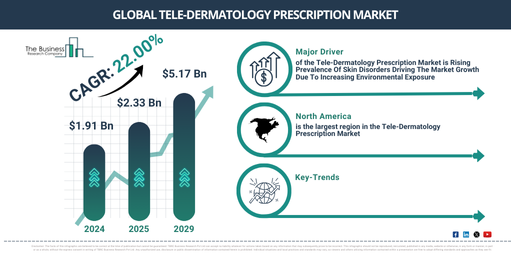
    The tele-dermatology prescription market size has seen significant expansion in recent years. It is anticipated to increase from $1.91 billion in 2024 to $2.33 billion in 2025, achieving a compound annual growth rate (CAGR) of 22.4%. Historically, this growth can be ascribed to a rising occurrence of skin conditions, an increasing demand for convenience, escalating healthcare expenditures, a growing lack of dermatologists, and expanding smartphone usage.

    The tele-dermatology prescription market size is poised for substantial expansion over the next few years. It is expected to swell to $5.17 billion by 2029, growing at a compound annual growth rate (CAGR) of 22.0%. This projected growth stems from the broader deployment of 5g connectivity, increased financial backing for digital health infrastructure, wider embrace of e-prescriptions, supportive government frameworks for telehealth, and ongoing initiatives aimed at managing healthcare expenditures. Noteworthy trends for the forecast period include the emergence of hybrid models combining in-person and virtual care, integration with pharmacy delivery systems, advancements in mobile health applications, the creation of cloud-based platforms, and progress in tailored skincare solutions.

    Unlock Your Free Sample Report for Exclusive Market Data:

    https://www.thebusinessresearchcompany.com/sample.aspx?id=28338&type=smp

    Which Drivers Are Supporting Growth Of The Tele-Dermatology Prescription Market?

    The increasing incidence of skin conditions is anticipated to fuel the expansion of the tele-dermatology prescription market. These conditions, which impact the skin’s structure, function, or look, include common issues such as eczema, psoriasis, acne, and various infections. The uptick in skin disorders is linked to greater exposure to environmental contaminants, as these harmful substances can compromise the skin’s protective barrier, obstruct pores, trigger allergic responses, and hasten skin aging, contributing to conditions like dermatitis, acne, and eczema. Tele-dermatology prescription offers individuals with such conditions the opportunity to receive professional dermatological advice and obtain required medications remotely, ensuring prompt access to specialized care without geographical limitations or appointment delays. For example, data from October 2022, reported by the US-based government organization, the International Eczema Council, showed that in 2022, an estimated 223 million individuals were living with atopic dermatitis, with approximately 43 million of them being between the ages of 1 and 4. Consequently, the rising occurrence of skin disorders is propelling the growth of the tele-dermatology prescription market.

    Which Key Segments Fueling The Tele-Dermatology Prescription Market?

    The tele-dermatology prescription market covered in this report is segmented as

    1) By Service Type: Real-Time Tele-Dermatology, Store-And-Forward Tele-Dermatology, Hybrid Tele-Dermatology

    2) By Delivery Mode: Web-Based, Cloud-Based, On-Premises

    3) By Application: Skin Cancer, Psoriasis, Acne, Eczema, Other Applications

    4) By End User: Hospitals And Clinics, Homecare, Pharmacies, Other End-Users

    Subsegments:

    1) By Real-Time Tele-Dermatology: Video Consultation, Live Chat Consultation, Remote Monitoring

    2) By Store-And-Forward Tele-Dermatology: Image-Based Consultation, Asynchronous Messaging, Medical Record Sharing

    3) By Hybrid Tele-Dermatology: Combined Live And Image Consultation, Integrated Remote Monitoring And Messaging, Synchronous And Asynchronous Follow-Up

    Which Leading Companies Dominate The Tele-Dermatology Prescription Market Share?

    Major companies operating in the tele-dermatology prescription market are Teladoc Health Inc., PharmEasy Online Services Private Limited, American Well Corporation (Amwell), Hims & Hers Health Inc., Curology Inc., Doctor On Demand Inc., Zocdoc Inc., HealthTap Inc., Maple Corporation, Sesame Care Inc., Medweb Inc., SkyMD Inc., Dermatica Limited, CureSkin Technologies Pvt. Ltd., Nurx Inc., DermatologistOnCall Inc., Miiskin ApS, Clinikally Ltd., Curoflow Inc., MapleDerm Inc.

    Download The Full Report For Exclusive Market Findings:

    https://www.thebusinessresearchcompany.com/report/tele-dermatology-prescription-global-market-report

    Which Region Currently Holds The Largest Share Of The Tele-Dermatology Prescription Market?

    North America was the largest region in the tele-dermatology prescription market in 2024. Asia-Pacific is expected to be the fastest-growing region in the forecast period. The regions covered in tele-dermatology prescription report are Asia-Pacific, Western Europe, Eastern Europe, North America, South America, Middle East and Africa.

    Request A Customized Version Of The Tele-Dermatology Prescription Market Report:

    https://www.thebusinessresearchcompany.com/customise?id=28338&type=smp

    Browse Through More Reports Similar to the Global Tele-Dermatology Prescription Market 2025, By The Business Research Company

    Tele Radiology Global Market Report 2025

    https://www.thebusinessresearchcompany.com/report/tele-radiology-global-market-report

    Dermatology Drugs Global Market Report 2025

    https://www.thebusinessresearchcompany.com/report/dermatology-drugs-global-market-report

    Online Dermatology Consultation Global Market Report 2025

    https://www.thebusinessresearchcompany.com/report/online-dermatology-consultation-global-market-report

    Get in touch with us:

    The Business Research Company: https://www.thebusinessresearchcompany.com/

    Americas +1 310-496-7795

    Asia +44 7882 955267 & +91 8897263534

    Europe +44 7882 955267

    Email us at info@tbrc.info

    Follow us on:

    LinkedIn: https://in.linkedin.com/company/the-business-research-company

    YouTube: https://www.youtube.com/channel/UC24_fI0rV8cR5DxlCpgmyFQ

    Global Market Model: https://www.thebusinessresearchcompany.com/global-market-model
  • Targeted Alpha-Therapy Market Growth Opportunities: Insights from 2025–2029

    Targeted Alpha-Therapy Market Growth Opportunities: Insights from 2025–2029

    Unlock Global Insights – Save 20% on Market Reports with Code ONLINE20

    How Does The Market Size Of The Targeted Alpha-Therapy Industry Compare Between 2025 And 2029?

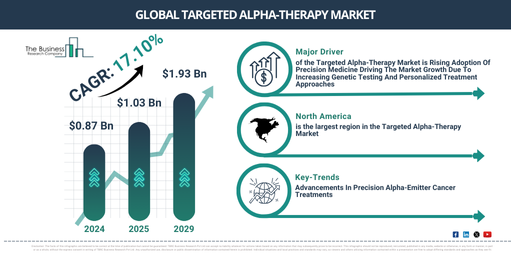
    The targeted alpha-therapy market has witnessed significant growth in recent years. Its value is projected to increase from $0.87 billion in 2024 to $1.03 billion in 2025, achieving a compound annual growth rate (CAGR) of 17.4%. This expansion historically stems from several contributing factors, such as an increase in regulatory approvals, a greater emphasis on targeted therapy compared to traditional chemotherapy, enhanced availability of alpha-emitting isotopes, a rise in both government and private funding, and a growing preference among patients for therapies that are minimally invasive.

    The targeted alpha-therapy market is projected to undergo significant expansion in the coming years, with its size expected to reach $1.93 billion by 2029, demonstrating a compound annual growth rate (CAGR) of 17.1%. This growth during the forecast period can be attributed to the increasing prevalence of cancer and metastatic diseases, the rising adoption of precision medicine, growing awareness among oncologists and patients, increasing research and development investments, and an escalating number of clinical trials. Key trends anticipated in the forecast period include advancements in radiopharmaceutical technology, technological developments in alpha-emitter production, the integration of imaging and therapy, improvements in targeted drug delivery systems, and ongoing developments in nuclear medicine technologies.

    Unlock Your Free Sample Report for Exclusive Market Data:

    https://www.thebusinessresearchcompany.com/sample.aspx?id=28337&type=smp

    Which Drivers Are Shaping The Targeted Alpha-Therapy Industry’s Market Share?

    The increasing emphasis on precision medicine is anticipated to fuel the expansion of the targeted alpha-therapy market. Precision medicine involves a healthcare strategy that tailors prevention, diagnosis, and treatment based on an individual’s genetic makeup, lifestyle, and environment to achieve better results. This approach is gaining traction due to the expanding availability of genetic testing, which allows for more accurate diagnoses and specific treatments, leading to improved patient outcomes. Targeted alpha-therapy supports precision medicine by delivering highly potent alpha-emitting isotopes directly to cancer cells, providing personalized and precise treatment while reducing harm to healthy tissues. For instance, in March 2024, the American Pharmaceutical Review reported that global spending on precision medicine treatments was nearly $32 billion in 2022 and is expected to surpass $124 billion by 2027. Consequently, the heightened focus on precision medicine is propelling the growth of the targeted alpha-therapy market.

    How Is The Targeted Alpha-Therapy Market Classified Into Different Segments?

    The targeted alpha-therapy market covered in this report is segmented as

    1) By Isotope Type: Actinium-225, Radium-223, Lead-212, Bismuth-213, Other Isotype Types

    2) By Application: Prostate Cancer, Bone Metastases, Pancreatic Cancer, Other Applications

    3) By End-User: Hospitals, Cancer Research Institutes, Specialty Clinics, Lymphoma, Other End Users

    Subsegments:

    1) By Actinium-225: Ac-225 Lintuzumab, Ac-225 PSMA-617, Ac-225 DOTATATE

    2) By Radium-223: Radium-223 Dichloride (Xofigo)

    3) By Lead-212: Pb-212 DOTAMTATE (AlphaMedix), Pb-212 TCMC-Trastuzumab

    4) By Bismuth-213: Bi-213 Lintuzumab, Bi-213 DOTATOC

    5) By Other Isotope Types: Thorium-227, Astatine-211, Terbium-149

    How Are Emerging Market Trends Shaping The Targeted Alpha-Therapy Industry Landscape?

    Leading companies in the targeted alpha-therapy market are concentrating on developing innovative solutions, such as peptide receptor radionuclide therapy, to enhance the effectiveness of targeted cancer treatment, reduce off-target effects, and improve patient outcomes. Peptide receptor radionuclide therapy (PRRT) is a targeted cancer treatment that delivers radioactive isotopes directly to tumor cells by binding them to peptides that specifically attach to receptors overexpressed on cancer cells, thereby minimizing damage to healthy tissue. For instance, in February 2024, RadioMedix Inc., a US-based biotechnology company, partnered with Orano Med, a US-based pharma company, and secured the first targeted alpha therapy to receive FDA breakthrough device designation: AlphaMedix (lead-212-Dotamtate), which targets neuroendocrine tumors. This therapy is designed to treat advanced gastroenteropancreatic neuroendocrine tumors by delivering highly potent alpha radiation directly to cancer cells while sparing healthy tissue. Its primary advantage comes from the high energy and short path length of alpha particles, which inflict lethal DNA damage on tumor cells with minimal toxicity. This therapy provides a promising option for patients who are naïve to or have shown limited response to current beta-emitter treatments, aiming to improve efficacy and safety in difficult-to-treat neuroendocrine tumors.

    Who Are The Major Companies Operating In The Targeted Alpha-Therapy Market?

    Major companies operating in the targeted alpha-therapy market are Bayer Aktiengesellschaft, Novartis AG, Lantheus Holdings Inc., Telix Pharmaceuticals Limited, Eckert & Ziegler Strahlen- und Medizintechnik AG, Actinium Pharmaceuticals Inc., RayzeBio Inc., ITM Isotope Technologies Munich SE, ARTBIO Inc., AdvanCell Pty Ltd., IONETIX Corporation, Abdera Therapeutics Inc., Aktis Oncology Inc., Alpha-9 Oncology Inc., Clarity Pharmaceuticals Pty Ltd., Nucleus RadioPharma, Oncoinvent AS, PanTera, Perspective Therapeutics Inc., RadioMedix Inc.

    Download The Full Report For Exclusive Market Findings:

    https://www.thebusinessresearchcompany.com/report/targeted-alpha-therapy-global-market-report

    What Regional Growth Trends Are Shaping The Targeted Alpha-Therapy Market Outlook?

    North America was the largest region in the targeted alpha-therapy market in 2024. Asia Pacific is expected to be the fastest-growing region in the forecast period. The regions covered in targeted alpha-therapy report are Asia-Pacific, Western Europe, Eastern Europe, North America, South America, Middle East and Africa.

    Request A Customized Version Of The Targeted Alpha-Therapy Market Report:

    https://www.thebusinessresearchcompany.com/customise?id=28337&type=smp

    Browse Through More Reports Similar to the Global Targeted Alpha-Therapy Market 2025, By The Business Research Company

    Targeted Therapy Global Market Report 2025

    https://www.thebusinessresearchcompany.com/report/targeted-therapy-global-market-report

    Alpha Hydroxy Acid Global Market Report 2025

    https://www.thebusinessresearchcompany.com/report/alpha-hydroxy-acid-global-market-report

    Alpha 1 Antitrypsin Deficiency Augmentation Therapy Global Market Report 2025

    https://www.thebusinessresearchcompany.com/report/alpha-1-antitrypsin-deficiency-augmentation-therapy-global-market-report

    Get in touch with us:

    The Business Research Company: https://www.thebusinessresearchcompany.com/

    Americas +1 310-496-7795

    Asia +44 7882 955267 & +91 8897263534

    Europe +44 7882 955267

    Email us at info@tbrc.info

    Follow us on:

    LinkedIn: https://in.linkedin.com/company/the-business-research-company

    YouTube: https://www.youtube.com/channel/UC24_fI0rV8cR5DxlCpgmyFQ

    Global Market Model: https://www.thebusinessresearchcompany.com/global-market-model
  • Global Digital Karyotyping Industry Trends: Where the Market Is Headed by 2029

    Global Digital Karyotyping Industry Trends: Where the Market Is Headed by 2029

    Unlock Global Insights – Save 20% on Market Reports with Code ONLINE20

    How Much Was The Digital Karyotyping Market Worth In 2025, And What Is Its Anticipated Value By 2029?

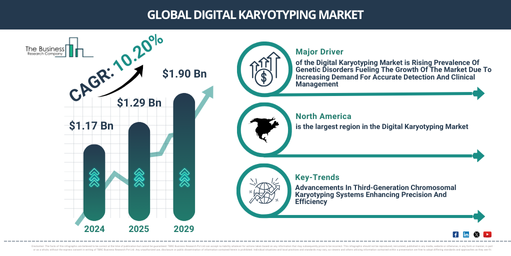
    The digital karyotyping market has experienced rapid expansion in recent years. Its value is projected to climb from $1.17 billion in 2024 to $1.29 billion in 2025, demonstrating a compound annual growth rate (CAGR) of 10.5%. This historic growth is linked to several factors, including increased adoption in oncology research, the rising prevalence of genetic disorders, a growing demand for accurate chromosomal mapping, the increasing use for prenatal screening, and enhanced funding for genomic studies.

    The digital karyotyping market is projected to experience substantial expansion in the coming years, with its valuation anticipated to reach $1.90 billion by 2029, driven by a compound annual growth rate (CAGR) of 10.2%. This projected growth during the forecast timeframe stems from several factors, including expanded uses in personalized medicine, greater capital allocation towards advanced cytogenetics, heightened recognition of rare disease detection, a surge in the uptake of non-invasive testing, and enhanced governmental backing for genomics initiatives. Key developments expected within this period involve progress in high-resolution imaging technologies, the incorporation of artificial intelligence into karyotype assessment, breakthroughs in single-cell sequencing techniques, the creation of economical genomic assays, and the establishment of automated platforms for cytogenetic analysis.

    Unlock Your Free Sample Report for Exclusive Market Data:

    https://www.thebusinessresearchcompany.com/sample.aspx?id=28203&type=smp

    What Are The Key Drivers Of Growth In The Digital Karyotyping Market?

    The future expansion of the digital karyotyping market is anticipated to be driven by the rising occurrence of genetic disorders. These disorders stem from alterations or irregularities found within an individual’s genes or chromosomes. Their widespread existence can be attributed to a growing number of inherited and chromosomal abnormalities, which in turn increases the probability of transmitting genetic variations from one generation to the next. Digital karyotyping addresses the escalating demand for managing genetic disorders by allowing for accurate identification of chromosomal anomalies, enhancing the precision of diagnoses, and informing specific treatment choices without exclusive dependence on conventional cytogenetic techniques. As an illustration, data from May 2024 published by the National Health Service, a government department in the UK, indicates that 17,000 individuals are currently living with sickle cell disease, an inherited genetic blood disorder, with approximately 250 new diagnoses occurring annually. Consequently, the expanding occurrence of genetic disorders is projected to fuel the growth of the digital karyotyping market.

    What Are The Key Segments In The Digital Karyotyping Market?

    The digital karyotyping market covered in this report is segmented as

    1) By Product Type: Instruments, Software, Consumables

    2) By Application: Cancer Diagnostics, Genetic Disease Research, Prenatal Screening

    3) By End-User: Hospitals And Clinics, Diagnostic Laboratories, Research Institutes

    Subsegments:

    1) By Instruments: Automated Karyotyping Systems, Microscopes And Imaging Platforms, Scanners And Analyzers, Hybridization And Sequencing Equipment

    2) By Software: Image Analysis Software, Chromosome Classification And Detection Tools, Data Management And Integration Platforms, AI Or Ml-Based Interpretation Software

    3) By Consumables: Reagents And Kits, Probes And Stains, Slides And Coverslips, Sample Preparation Materials

    How Are Trends Influencing The Digital Karyotyping Market?

    Leading companies in the digital karyotyping market are focusing on technological innovation, specifically on third-generation chromosomal karyotyping systems to bolster their competitive advantage. These sophisticated platforms utilize high-resolution imaging, automated scanning, and digital analysis to detect and categorize chromosomal abnormalities with enhanced accuracy, speed, and reduced manual input, thereby improving diagnostic reliability and overall throughput in genetic testing. For instance, in April 2023, Hangzhou Diagens, a biotechnology company from China, unveiled the MetaSight G200, a system engineered to capture intelligent metaphase images and scan a slide in just four minutes. It incorporates the world’s first chromosome defect recognition module that automatically flags abnormalities, along with a contactless magnetic levitation motor and a zigzag electric scanning platform to ensure stable operation.

    Who Are The Major Companies Operating In The Digital Karyotyping Market?

    Major companies operating in the digital karyotyping market are Thermo Fisher Scientific, Corewell Health Laboratory, Eurofins Scientific, Agilent Technologies, Bio-Rad Laboratories Inc., Natera Inc., BGI Genomics Co. Ltd., PerkinElmer Inc., Oxford Nanopore Technologies, Genasis, Personal Genome Diagnostics Inc., DSS Imagetech, MetaSystems, Applied Spectral Imaging (ASI), Bioview, ArgusSoft, Ibex Medical Analytics, KaryoLogic Inc., Cyto Vision, Beijing Abaco Biotechnology.

    Download The Full Report For Exclusive Market Findings:

    https://www.thebusinessresearchcompany.com/report/digital-karyotyping-global-market-report

    Which Region Is Expected To Witness The Fastest Growth In The Digital Karyotyping Market?

    North America was the largest region in the digital karyotyping market in 2024. Asia-Pacific is expected to be the fastest-growing region in the forecast period. The regions covered in digital karyotyping report are Asia-Pacific, Western Europe, Eastern Europe, North America, South America, Middle East and Africa.

    Request A Customized Version Of The Digital Karyotyping Market Report:

    https://www.thebusinessresearchcompany.com/customise?id=28203&type=smp

    Browse Through More Reports Similar to the Global Digital Karyotyping Market 2025, By The Business Research Company

    Digital Vault Global Market Report 2025

    https://www.thebusinessresearchcompany.com/report/digital-vault-global-market-report

    Digital Radiography Global Market Report 2025

    https://www.thebusinessresearchcompany.com/report/digital-radiography-global-market-report

    Digital Pathology Global Market Report 2025

    https://www.thebusinessresearchcompany.com/report/digital-pathology-global-market-report

    Get in touch with us:

    The Business Research Company: https://www.thebusinessresearchcompany.com/

    Americas +1 310-496-7795

    Asia +44 7882 955267 & +91 8897263534

    Europe +44 7882 955267

    Email us at info@tbrc.info

    Follow us on:

    LinkedIn: https://in.linkedin.com/company/the-business-research-company

    YouTube: https://www.youtube.com/channel/UC24_fI0rV8cR5DxlCpgmyFQ

    Global Market Model: https://www.thebusinessresearchcompany.com/global-market-model
  • Sotorasib Tablets Market Expansion Outlook: $3.03 Billion by 2029 Forecast

    Sotorasib Tablets Market Expansion Outlook: $3.03 Billion by 2029 Forecast

    Unlock Global Insights – Save 20% on Market Reports with Code ONLINE20

    What Is The Predicted Market Size Trajectory For The Sotorasib Tablets Market From 2025 To 2034?

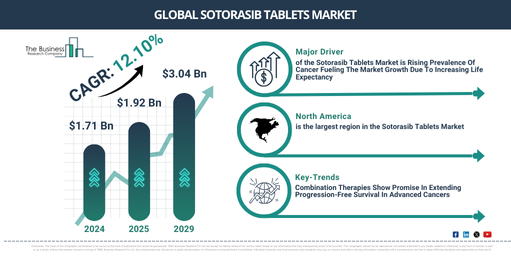
    The market size for sotorasib tablets has experienced rapid expansion in recent years. It is projected to increase from $1.71 billion in 2024 to $1.92 billion in 2025, achieving a compound annual growth rate (CAGR) of 12.5%. The historical growth of this market can be attributed to the rising prevalence of non-small cell lung cancer, increasing awareness of targeted cancer therapies, the growing adoption of precision medicine, the expansion of oncology treatment centers, and enhanced government support for cancer drugs.

    The sotorasib tablets market size is expected to experience substantial growth in the coming years, projected to reach $3.04 billion by 2029 with a compound annual growth rate (CAGR) of 12.1%. This anticipated expansion can be attributed to increased investment in KRAS inhibitor research, the scaling up of sotorasib manufacturing capacity, a rise in collaborations between biotech and pharmaceutical companies, growing demand for personalized cancer treatments, and the expanding use of oral targeted therapies. Key trends during the forecast period include technological advancements in developing targeted therapies, improvements in KRAS mutation detection methods, significant research and development investment in oncology drugs, innovations in oral cancer formulations, and progress in sustainable drug manufacturing practices.

    Unlock Your Free Sample Report for Exclusive Market Data:

    https://www.thebusinessresearchcompany.com/sample.aspx?id=28336&type=smp

    What Are The Drivers Pushing New Developments In The Sotorasib Tablets Market?

    The increasing incidence of cancer is anticipated to fuel the expansion of the sotorasib tablets market moving ahead. Cancer refers to various diseases characterized by the uncontrolled proliferation of abnormal cells, which can invade tissues and disseminate throughout the body. This surge in cancer cases is linked to an aging population, given that older age represents the primary risk factor for developing most cancer types, with the bulk of diagnoses found in those above 65 years old. Sotorasib tablets function by specifically and permanently deactivating the KRAS G12C mutation, thereby locking the altered protein in an inactive state to hinder unchecked cell growth in individuals with advanced solid tumors, especially non-small cell lung cancer. For example, the World Health Organization, a Switzerland-based global health authority, reported in February 2024 that forecasts suggest more than 35 million new cancer diagnoses by 2050, marking a 77% rise from the projected 20 million cases in 2022. Consequently, the growing incidence of cancer is propelling the sotorasib tablets market forward.

    What Are The Major Segments Identified In The Sotorasib Tablets Market?

    The sotorasib tablets market covered in this report is segmented as

    1) By Dosage Form: 40 Milligrams (Mg) Tablets, 120 Milligrams (Mg) Tablets, 240 Milligrams (Mg) Tablets, Other Dosage Forms

    2) By Patient Demographics: Adolescents, Adult, Senior Adults

    3) By Distribution Channel: Hospital Pharmacies, Retail Pharmacies, Online Pharmacies, Other Distribution Channels

    4) By Application: Non-Small Cell Lung Cancer, Colorectal Cancer, Other Applications

    5) By End-User: Hospitals, Oncology Centers, Clinics, Other End-Users

    Which Key Trends Are Expected To Influence The Sotorasib Tablets Market In The Coming Years?

    Leading companies within the sotorasib tablets market are prioritizing the creation of novel therapies, specifically combination treatments, with the aim of enhancing effectiveness and counteracting resistance. Such combination therapies involve the concurrent administration of two or more drugs to address cancer via various mechanisms, thereby boosting treatment efficacy, mitigating or postponing drug resistance, lowering the chances of cancer recurrence, and elevating overall patient prognoses and well-being. A notable example is Amgen Inc., a US-based biotechnology firm, which secured U.S. Food and Drug Administration (FDA) clearance in January 2025 for sotorasib, when used alongside panitumumab, for treating adult patients with KRAS G12C–mutated metastatic colorectal cancer (mCRC) who had undergone prior standard chemotherapy. This authorization stemmed from findings of the Phase 3 CodeBreaK 300 study, revealing that this combined approach significantly more than doubled progression-free survival in contrast to standard-of-care therapy chosen by investigators, thus presenting a crucial new alternative for individuals battling this challenging cancer. Sotorasib itself is an pioneering, oral KRAS G12C inhibitor, functioning by precisely targeting and immobilizing the mutated KRAS protein in its dormant form, consequently impeding the proliferation of cancer cells and the signaling cascades prompted by this specific mutation.

    Which Global Market Leaders Are Shaping The Future Of The Sotorasib Tablets Sector?

    Major companies operating in the sotorasib tablets market are Amgen Inc., Ziska Pharmaceuticals Limited, Everest Pharmaceuticals Inc., Lucius Pharmaceutical Co. Ltd.

    Download The Full Report For Exclusive Market Findings:

    https://www.thebusinessresearchcompany.com/report/sotorasib-tablets-global-market-report

    Which Regional Markets Are Contributing Most To The Sotorasib Tablets Industry Expansion?

    North America was the largest region in the sotorasib tablets market in 2024. Asia-Pacific is expected to be the fastest-growing region in the forecast period. The regions covered in sotorasib tablets report are Asia-Pacific, Western Europe, Eastern Europe, North America, South America, Middle East and Africa.

    Request A Customized Version Of The Sotorasib Tablets Market Report:

    https://www.thebusinessresearchcompany.com/customise?id=28336&type=smp

    Browse Through More Reports Similar to the Global Sotorasib Tablets Market 2025, By The Business Research Company

    Tablets Global Market Report 2025

    https://www.thebusinessresearchcompany.com/report/tablets-global-market-report

    Ashwagandha Extract Global Market Report 2025

    https://www.thebusinessresearchcompany.com/report/ashwagandha-extract-global-market-report

    Cholinergic Drugs Global Market Report 2025

    https://www.thebusinessresearchcompany.com/report/cholinergic-drugs-global-market-report

    Get in touch with us:

    The Business Research Company: https://www.thebusinessresearchcompany.com/

    Americas +1 310-496-7795

    Asia +44 7882 955267 & +91 8897263534

    Europe +44 7882 955267

    Email us at info@tbrc.info

    Follow us on:

    LinkedIn: https://in.linkedin.com/company/the-business-research-company

    YouTube: https://www.youtube.com/channel/UC24_fI0rV8cR5DxlCpgmyFQ

    Global Market Model: https://www.thebusinessresearchcompany.com/global-market-model
  • Global Soft Tissue Allograft Industry Trends: Where the Market Is Headed by 2029

    Global Soft Tissue Allograft Industry Trends: Where the Market Is Headed by 2029

    Unlock Global Insights – Save 20% on Market Reports with Code ONLINE20

    How Much Larger Is The Soft Tissue Allograft Market Expected To Become By 2029 Compared With Its 2025 Level?

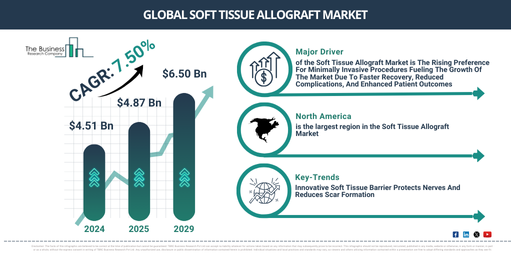
    The soft tissue allograft market has experienced robust growth recently. Projections indicate its expansion from $4.51 billion in 2024 to $4.87 billion in 2025, reflecting a compound annual growth rate (CAGR) of 7.9%. This historical growth is attributable to several factors, including heightened demand for orthopedic reconstruction surgeries, an increase in sports-related injuries, wider application of allografts in dental and periodontal treatments, the expansion of wound and burn management procedures, and an increasing preference for minimally invasive surgical interventions.

    The soft tissue allograft market is projected to experience substantial growth over the next few years, reaching a valuation of $6.50 billion by 2029, exhibiting a compound annual growth rate (CAGR) of 7.5%. This anticipated expansion during the forecast period is attributed to factors such as an aging population with musculoskeletal disorders, the increasing adoption of biologic grafts in reconstructive surgery, improving healthcare infrastructure in developing economies, the widening scope of regenerative medicine applications, and a growing preference for allografts over synthetic alternatives. Significant trends expected in this period include technological progress in tissue processing techniques, innovations in sterilization and preservation methods, advancements in decellularization and acellular grafts, greater investment in research and development aimed at enhancing graft quality, and improvements in imaging and surgical planning tools.

    Unlock Your Free Sample Report for Exclusive Market Data:

    https://www.thebusinessresearchcompany.com/sample.aspx?id=28335&type=smp

    What Are The Emerging Market Drivers Creating New Opportunities In The Soft Tissue Allograft Industry?

    The increasing demand for minimally invasive interventions is projected to fuel the expansion of the soft tissue allograft market in the future. These procedures involve medical operations conducted via small cuts or apertures, thereby lessening patient injury and shortening recuperation periods. The uptake of minimally invasive surgical techniques is growing because they provide quicker recovery, lower complication risks, less discomfort, and smaller scarring, which makes them more attractive to patients desiring faster and safer treatment alternatives. Soft tissue allografts facilitate minimally invasive operations by supplying pre-prepared, donor-sourced tissues that encourage quicker healing and simplify surgical processes. These allografts improve patient results by safeguarding and mending compromised tissues, simultaneously cutting down on recovery duration and operative trauma. As an illustration, in June 2024, data from the American Society of Plastic Surgeons, a non-profit organization located in the US, indicated that minimally invasive procedures saw a 7% increase in 2023, outstripping the growth of traditional surgical methods by 2%. Consequently, the escalating preference for minimally invasive procedures is a key factor propelling the expansion of the soft tissue allograft market.

    What Are The Emerging Segments Gaining Attention In The Soft Tissue Allograft Market?

    The soft tissue allograft market covered in this report is segmented as

    1) By Type: Cartilage Allograft, Tendon Allograft, Meniscus Allograft, Dental Allografts, Other Types

    2) By Processing Technique: Fresh Frozen, Irradiated, Dehydrated, Sterilized, Other Processing Techniques

    3) By Distribution Channel: Direct Sales, Distributors, E-Commerce Platforms, Healthcare Professionals

    4) By Application: Musculoskeletal Repair And Reconstruction, Vascular Surgery, Cardiothoracic Surgery, Plastic And Reconstructive Surgery, Dental Surgery, Other Medical Applications

    5) By End-User: Hospitals, Ambulatory Surgical Centers, Rehabilitation Centers, Academic Research Institutions, Private Clinics

    Subsegments:

    1) By Cartilage Allograft: Osteochondral Allograft, Particulate Cartilage Allograft, Juvenile Cartilage Allograft

    2) By Tendon Allograft: Achilles Tendon Allograft, Anterior Tibialis Tendon Allograft, Posterior Tibialis Tendon Allograft, Semitendinosus Tendon Allograft

    3) By Meniscus Allograft: Lateral Meniscus Allograft, Medial Meniscus Allograft

    4) By Dental Allograft: Mineralized Bone Allograft, Demineralized Bone Allograft, Cortical Bone Allograft, Cancellous Bone Allograft

    5) By Other Types: Skin Allograft, Fascia Allograft, Nerve Allograft

    What Are The Major Trends Driving The Growth Of The Soft Tissue Allograft Market?

    Major companies operating in the soft tissue allograft market are concentrating on advancements in tissue processing and sterilization techniques, such as resorbable soft tissue allografts, to boost tissue repair, lessen recovery durations, and enhance overall patient results. Resorbable soft tissue allografts are donor-derived tissues that offer temporary support and progressively dissolve in the body as they are replaced by the patient’s own tissue. For example, in June 2024, Axogen Inc., a US-based medical technology company, unveiled the Avive Soft Tissue Matrix, a resorbable, multi-layer amniotic membrane allograft crafted to function as a soft tissue barrier. This product delivers temporary safeguarding and tissue separation during the crucial stage of peripheral nerve healing, assisting in the protection of nerves from harm and reducing scar tissue development. It is specifically aimed at patients with compression or non-transected nerve injuries and seeks to improve outcomes by preventing nerve tethering and aiding tissue repair. The multi-layer construction allows for simple handling and suturing during operations, making it a substantial innovation in nerve protection for a broad array of peripheral nerve injuries.

    Which Industry Leaders Are Driving Innovation Across The Soft Tissue Allograft Market?

    Major companies operating in the soft tissue allograft market are Stryker Corporation, B. Braun Melsungen AG, Zimmer Biomet, Smiths Group plc, Arthrex Inc., Institut Straumann AG, Integra LifeSciences Holdings Corporation, CONMED Corporation, MTF Biologics, MiMedx Group Inc., RTI Surgical Holdings Inc., LifeNet Health, AxoGen Inc., Allosource Inc., Xtant Medical Holdings Inc., Acera Surgical Inc., Skye Biologics Inc., StimLabs LLC, Applied Biologics LLC, Bone Bank Allografts, Human Regenerative Technologies LLC, and Sabra Dental Products Inc.

    Download The Full Report For Exclusive Market Findings:

    https://www.thebusinessresearchcompany.com/report/soft-tissue-allograft-global-market-report

    How Does The Soft Tissue Allograft Market Perform Across Key Geographic Regions?

    North America was the largest region in the soft tissue allograft market in 2024. Asia-Pacific is expected to be the fastest-growing region in the forecast period. The regions covered in soft tissue allograft report are Asia-Pacific, Western Europe, Eastern Europe, North America, South America, Middle East and Africa.

    Request A Customized Version Of The Soft Tissue Allograft Market Report:

    https://www.thebusinessresearchcompany.com/customise?id=28335&type=smp

    Browse Through More Reports Similar to the Global Soft Tissue Allograft Market 2025, By The Business Research Company

    Soft Tissue Repair Global Market Report 2025

    https://www.thebusinessresearchcompany.com/report/soft-tissue-repair-global-market-report

    Orthopedic Soft Tissue Repair Global Market Report 2025

    https://www.thebusinessresearchcompany.com/report/orthopedic-soft-tissue-repair-global-market-report

    Surgical Soft Tissue Forceps Global Market Report 2025

    https://www.thebusinessresearchcompany.com/report/surgical-soft-tissue-forceps-global-market-report

    Get in touch with us:

    The Business Research Company: https://www.thebusinessresearchcompany.com/

    Americas +1 310-496-7795

    Asia +44 7882 955267 & +91 8897263534

    Europe +44 7882 955267

    Email us at info@tbrc.info

    Follow us on:

    LinkedIn: https://in.linkedin.com/company/the-business-research-company

    YouTube: https://www.youtube.com/channel/UC24_fI0rV8cR5DxlCpgmyFQ

    Global Market Model: https://www.thebusinessresearchcompany.com/global-market-model
  • Global Digital Hydration Reminder Urinalysis Strip Market Trends and Growth Analysis 2025–2029

    Global Digital Hydration Reminder Urinalysis Strip Market Trends and Growth Analysis 2025–2029

    Unlock Global Insights – Save 20% on Market Reports with Code ONLINE20

    How Does The Market Size Of The Digital Hydration Reminder Urinalysis Strip Industry Compare Between 2025 And 2029?

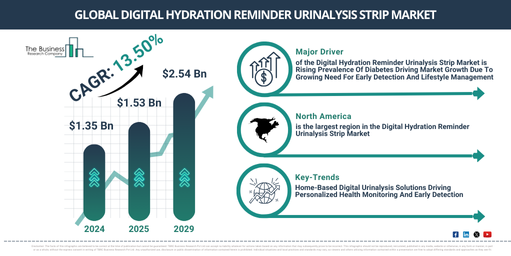
    The digital hydration reminder urinalysis strip market has seen considerable growth in recent times. Its valuation is expected to rise from $1.35 billion in 2024 to $1.53 billion in 2025, achieving a compound annual growth rate (CAGR) of 13.9%. Historically, this expansion has been propelled by factors including greater consciousness of hydration and overall well-being, an increase in kidney and urinary tract ailments, the broader adoption of digital health monitoring systems, a heightened desire for convenient at-home health checks, and the increasing prevalence of smartphones and health-tracking applications.

    The digital hydration reminder urinalysis strip market size is poised for significant expansion over the coming years. This market is projected to reach $2.54 billion by 2029, demonstrating a compound annual growth rate (CAGR) of 13.5%. Factors driving this growth during the forecast period include the incorporation of wearable devices and smartwatches, a heightened emphasis on preventive healthcare and individualized medicine, the growing number of elderly individuals requiring hydration management, encouraging government programs promoting digital health adoption, and increasing collaborations between diagnostics firms and digital health platforms. Key trends anticipated during this period encompass artificial intelligence-driven urine analysis and proactive alerts, hydration monitoring platforms linked to the cloud, the use of blockchain for secure health data administration, the creation of environmentally friendly and biodegradable test strips, and improved compatibility with electronic health records systems.

    Unlock Your Free Sample Report for Exclusive Market Data:

    https://www.thebusinessresearchcompany.com/sample.aspx?id=28202&type=smp

    Which Industry Drivers Are Expected To Accelerate The Digital Hydration Reminder Urinalysis Strip Market From 2025 To 2029?

    The increasing incidence of diabetes is anticipated to drive the expansion of the digital hydration reminder urinalysis strip market moving ahead. This chronic ailment is characterized by the body’s inability to produce sufficient insulin or utilize it efficiently, leading to elevated blood sugar levels. Its prevalence is escalating due to growing obesity rates, primarily stemming from poor dietary habits and inactive lifestyles. These digital hydration reminder urinalysis strips aid in monitoring hydration and specific urine biomarkers linked to diabetes risks, fostering improved lifestyle management, facilitating prompt identification of complications, and boosting the overall health of those with diabetes. For instance, the International Diabetes Federation (IDF), a Belgium-based health organization focused on diabetes awareness and advocacy, reported that diabetes caused 3.4 million deaths worldwide in 2024, equating to one death every nine seconds, thereby underscoring how the increasing prevalence of diabetes is propelling the growth of the digital hydration reminder urinalysis strip market.

    What Are The Major Segment Types Covered In The Digital Hydration Reminder Urinalysis Strip Market?

    The digital hydration reminder urinalysis strip market covered in this report is segmented as

    1) By Product Type: Single-Use Strips, Multi-Use Strips, Smart Strips

    2) By Distribution Channel: Online Retail, Pharmacies, Specialty Stores, Other Distribution Channels

    3) By Application: Home Care, Hospitals And Clinics, Sports And Fitness, Occupational Health, Other Applications

    4) By End-User: Individuals, Healthcare Professionals, Athletes, Other End Users

    Subsegments:

    1) By Single-Use Strips: Colorimetric Strips, Enzymatic Strips, Electrochemical Strips

    2) By Multi-Use Strips: Reusable Sensor Strips, Washable Strips, Modular Test Strips

    3) By Smart Strips: Bluetooth-Enabled Strips, App-Integrated Strips, Internet of Things-Connected Strips

    What Key Innovation Trends Are Fueling Advancements In The Digital Hydration Reminder Urinalysis Strip Market?

    Major companies within the digital hydration reminder urinalysis strip market are prioritizing the development of home-based healthcare solutions to facilitate convenient and real-time oversight of hydration and health biomarkers. These home-centric healthcare options aim to empower users with personalized insights, prompt identification of potential health issues, and enhanced overall wellness management. For instance, in January 2024, Vivoo, a US-based health-tech company specializing in at-home wellness diagnostics, launched its innovative at-home digital Urinary Tract Infection (UTI) testing product at CES 2024. This kit enables users to conduct tests quickly by scanning a urine strip with the Vivoo app, which employs AI to provide accurate results and allows data sharing with healthcare providers. This innovation supports convenient home monitoring, aiding in early detection and improving access to healthcare.

    Which Global Market Leaders Are Shaping The Future Of The Digital Hydration Reminder Urinalysis Strip Sector?

    Major companies operating in the digital hydration reminder urinalysis strip market are Cardinal Health Inc., F. Hoffmann-La Roche AG, Bayer AG., Abbott Laboratories, Siemens Healthineers, BTNX Inc., Beckman Coulter Inc., Sysmex Corporation, Bio-Rad Laboratories Inc., Acon Laboratories Inc., Healthy.io, Accurex Biomedical Pvt. Ltd., Teco Diagnostics, Vivoo, AdvaCare Pharma, Biosense Technologies Pvt. Ltd., Active Environmental Solutions (AES), Bhat Bio-Tech India, Urinify, Urinox.

    Download The Full Report For Exclusive Market Findings:

    https://www.thebusinessresearchcompany.com/report/digital-hydration-reminder-urinalysis-strip-global-market-report

    How Does The Digital Hydration Reminder Urinalysis Strip Market Perform Across Key Geographic Regions?

    North America was the largest region in the digital hydration reminder urinalysis strip market in 2024. Asia-Pacific is expected to be the fastest-growing region in the forecast period. The regions covered in digital hydration reminder urinalysis strip report are Asia-Pacific, Western Europe, Eastern Europe, North America, South America, Middle East and Africa.

    Request A Customized Version Of The Digital Hydration Reminder Urinalysis Strip Market Report:

    https://www.thebusinessresearchcompany.com/customise?id=28202&type=smp

    Browse Through More Reports Similar to the Global Digital Hydration Reminder Urinalysis Strip Market 2025, By The Business Research Company

    Urinalysis Global Market Report 2025

    https://www.thebusinessresearchcompany.com/report/urinalysis-global-market-report

    Urology Surgical Instruments Global Market Report 2025

    https://www.thebusinessresearchcompany.com/report/urology-surgical-instruments-global-market-report

    Ureteroscope Global Market Report 2025

    https://www.thebusinessresearchcompany.com/report/ureteroscope-global-market-report

    Get in touch with us:

    The Business Research Company: https://www.thebusinessresearchcompany.com/

    Americas +1 310-496-7795

    Asia +44 7882 955267 & +91 8897263534

    Europe +44 7882 955267

    Email us at info@tbrc.info

    Follow us on:

    LinkedIn: https://in.linkedin.com/company/the-business-research-company

    YouTube: https://www.youtube.com/channel/UC24_fI0rV8cR5DxlCpgmyFQ

    Global Market Model: https://www.thebusinessresearchcompany.com/global-market-model
  • Smart Precision Medicine Software Industry Forecast to Hit $6.55 Billion by 2029 With a Strong 17.7% CAGR

    Smart Precision Medicine Software Industry Forecast to Hit $6.55 Billion by 2029 With a Strong 17.7% CAGR

    Unlock Global Insights – Save 20% on Market Reports with Code ONLINE20

    #What Are The Current (2025) And Forecast (2029) Sizes Of The Smart Precision Medicine Software Market?

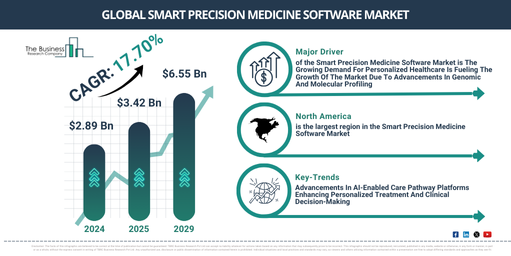
    The smart precision medicine software market has observed rapid growth in its size over recent years. It is anticipated to expand from $2.89 billion in 2024 to $3.42 billion in 2025, at a compound annual growth rate (CAGR) of 18.0%. The expansion seen in the historic period is attributable to the rising adoption of electronic health records (EHR), increasing investment in genomics research, the growing prevalence of chronic diseases, advancements in bioinformatics tools, and the early integration of clinical decision support systems.

    The smart precision medicine software market is projected to experience substantial expansion in the coming years. This market is forecast to reach a value of $6.55 billion by 2029, exhibiting a compound annual growth rate (CAGR) of 17.7%. Factors contributing to this growth over the projected period include the increasing requirement for tailored healthcare, the broader application of AI and machine learning in diagnostic processes, a heightened emphasis on preventive medical approaches, the rising use of wearable health devices, and the incorporation of multi-omics data for designing treatments. Key trends anticipated during this forecast include progress in AI-powered diagnostics, the creation of cloud-based platforms for healthcare, breakthroughs in integrating multi-omics data, enhanced patient-focused care strategies, and the evolution of predictive healthcare analytics.

    Unlock Your Free Sample Report for Exclusive Market Data:

    https://www.thebusinessresearchcompany.com/sample.aspx?id=28334&type=smp

    Which Drivers Are Impacting The Smart Precision Medicine Software Market?

    The escalating need for personalized healthcare is projected to fuel the expansion of the smart precision medicine software market moving forward. Personalized healthcare entails customizing medical treatments based on an individual’s specific genetic, environmental, and lifestyle profile. The growth of personalized healthcare is due to genomic and molecular profiling enabling treatments precisely tailored to an individual’s genetics, thereby boosting effectiveness and minimizing adverse effects. Smart precision medicine software supports personalized healthcare by evaluating a patient’s genetic, clinical, and lifestyle data to propose customized treatment plans, enhance decision-making, forecast therapy responses, and optimize outcomes while reducing side effects. For instance, in February 2024, according to the Personalized Medicine Coalition, a US-based hospital and health care organization, the FDA approved 16 new personalized treatments for rare disease patients in 2023, an increase from six in 2022. Thus, a rising demand for personalized healthcare is driving the growth of the smart precision medicine software market.

    What Are The Major Segment Types Covered In The Smart Precision Medicine Software Market?

    The smart precision medicine software market covered in this report is segmented as

    1) By Type: Data Analysis, Data Management, Other Types

    2) By Technology: Artificial Intelligence And Machine Learning, Bioinformatics Tools, Cloud Computing Solutions, Blockchain Technology, Wearable Technology Integration

    3) By Delivery Mode: On-Premise Solutions, Cloud-Based Solutions, Hybrid Solutions, Mobile Applications, Software As A Service (SaaS)

    4) By Application: Clinical Decision Support Systems (CDSS), Genetic Disease Management, Personalized Drug Discovery, Therapeutic Monitoring, Patient Management Solutions

    5) By End-User: Healthcare Providers, Pharmaceutical Companies, Research Organizations, Diagnostic Laboratories, Healthcare Information Technology (IT) Vendors

    Subsegments:

    1) By Data Analysis: Genomic Data Analysis, Proteomic Data Analysis, Metabolomic Data Analysis, Clinical Data Analysis, Predictive Analytics, artificial intelligence (AI) Algorithms, Machine Learning (ML) Models

    2) By Data Management: Electronic Health Records (EHR) Management, Laboratory Information Management Systems (LIMS), Clinical Trial Data Management, Data Integration Platforms, Cloud-Based Data Storage, Data Security And Compliance Solutions

    3) By Other Types: Decision Support Systems, Population Health Management Tools, Patient Engagement And Monitoring Platforms, Precision Medicine Reporting Tools, Interoperability Solutions

    What Are The Major Trends Driving The Growth Of The Smart Precision Medicine Software Market?

    Leading companies in the smart precision medicine software market are concentrating on developing advanced solutions, such as the care pathway intelligence platform, to optimize clinical decision-making and enhance patient outcomes efficiently. A care pathway intelligence platform is a software that analyzes patient data to create optimized, individualized treatment plans, thereby improving care efficiency and patient results. For instance, in April 2024, Tempus, a US-based provider of artificial intelligence and precision medicine, unveiled Tempus Next, an AI-enabled care pathway intelligence platform. This platform uses AI to identify care deficiencies and offers clinicians actionable, guideline-based insights at the point of care, integrating multimodal data from electronic medical records to accelerate the adoption of precision medicine and improve patient outcomes, initially focusing on oncology, including lung and breast cancer. It has screened thousands of patients across provider networks to assist in closing critical care gaps and support real-time, personalized treatment decisions.

    Who Are The Key Multinational Companies Dominating The Smart Precision Medicine Software Market?

    Major companies operating in the smart precision medicine software market are Oracle Corporation, Siemens Healthineers AG, IQVIA Holdings Inc, Agilent Technologies Inc, Illumina Inc, Epic Systems Corporation, Athenahealth, Tempus AI Inc, Flatiron Health Inc, Human Longevity Inc, SOPHiA GENETICS SA, Velsera Inc, Bionano Genomics Inc, PierianDx Inc, 2bPrecise Inc, Translational Software Inc, Golden Helix Inc, PhenoTips Inc, bio.logis digital health GmbH, Geneyx Genomex Ltd.

    Download The Full Report For Exclusive Market Findings:

    https://www.thebusinessresearchcompany.com/report/smart-precision-medicine-software-global-market-report

    Which Region Is Expected To Witness The Fastest Growth In The Smart Precision Medicine Software Market?

    North America was the largest region in the smart precision medicine software market in 2024. Asia-Pacific is expected to be the fastest-growing region in the forecast period. The regions covered in smart precision medicine software report are Asia-Pacific, Western Europe, Eastern Europe, North America, South America, Middle East and Africa.

    Request A Customized Version Of The Smart Precision Medicine Software Market Report:

    https://www.thebusinessresearchcompany.com/customise?id=28334&type=smp

    Browse Through More Reports Similar to the Global Smart Precision Medicine Software Market 2025, By The Business Research Company

    Precision Medicine Global Market Report 2025

    https://www.thebusinessresearchcompany.com/report/precision-medicine-global-market-report

    Medical Software Global Market Report 2025

    https://www.thebusinessresearchcompany.com/report/medical-software-global-market-report

    Artificial Intelligence Ai In Precision Medicine Global Market Report 2025

    https://www.thebusinessresearchcompany.com/report/artificial-intelligence-ai-in-precision-medicine-global-market-report

    Get in touch with us:

    The Business Research Company: https://www.thebusinessresearchcompany.com/

    Americas +1 310-496-7795

    Asia +44 7882 955267 & +91 8897263534

    Europe +44 7882 955267

    Email us at info@tbrc.info

    Follow us on:

    LinkedIn: https://in.linkedin.com/company/the-business-research-company

    YouTube: https://www.youtube.com/channel/UC24_fI0rV8cR5DxlCpgmyFQ

    Global Market Model: https://www.thebusinessresearchcompany.com/global-market-model
  • Smart Controller For Personal Care And Health Market to Reach $4.15 Billion by 2029, Growing at a CAGR of 19.3%

    Smart Controller For Personal Care And Health Market to Reach $4.15 Billion by 2029, Growing at a CAGR of 19.3%

    Unlock Global Insights – Save 20% on Market Reports with Code ONLINE20

    What Market Value Is The Smart Controller For Personal Care And Health Industry Expected To Reach By 2029, Starting From 2025 Levels?

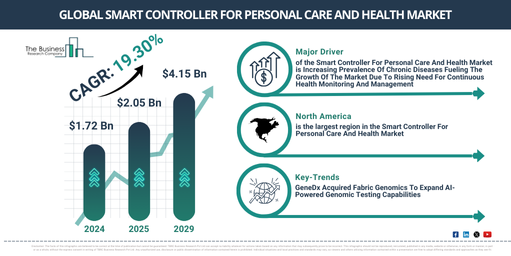
    The smart controller for personal care and health market has witnessed swift expansion in recent years. This market is set to increase from $1.72 billion in 2024 to $2.05 billion in 2025, achieving a compound annual growth rate (CAGR) of 19.6%. Historically, this growth can be ascribed to a surge in health awareness, the increasing incidence of chronic illnesses, a rise in the adoption of wearable devices, the requirement for personalized healthcare solutions, and consumers’ growing interest in fitness and wellness.

    The smart controller for personal care and health market is anticipated to undergo substantial expansion in the upcoming years. This market is projected to reach $4.15 billion by 2029, demonstrating a compound annual growth rate (CAGR) of 19.3%. The drivers behind this growth within the forecast period encompass an increasing focus on preventive healthcare, rising healthcare costs prompting demand for at-home solutions, a growing preference for remote monitoring and telehealth, the expanding need for self-care and fitness tracking, and an increase in geriatric populations. Major trends observed during this period will include advancements in AI-powered smart controllers, integration with internet of things (IoT) and smart home ecosystems, technology-driven remote patient monitoring solutions, developments in wearable and sensor-based healthcare, and advancements in digital health infrastructure.

    Unlock Your Free Sample Report for Exclusive Market Data:

    https://www.thebusinessresearchcompany.com/sample.aspx?id=28333&type=smp

    Which Industry Drivers Are Expected To Accelerate The Smart Controller For Personal Care And Health Market From 2025 To 2029?

    The increasing occurrence of persistent health issues is projected to fuel the expansion of the smart controller for personal care and health market in the future. Chronic diseases are long-term medical conditions that develop gradually and endure for extended periods, frequently requiring continuous medical attention. The rising incidence of these chronic illnesses is partly due to sedentary lifestyles, as prolonged sitting and minimal physical activity elevate the risk of conditions such as heart problems and diabetes. Smart controllers for personal care and health improve daily well-being routines by providing tailored monitoring and immediate feedback, making them ideal for managing chronic diseases. They alleviate the burden of health management by offering continuous tracking and actionable insights, thereby enhancing overall convenience and welfare. For instance, in June 2024, according to the National Health Service, a UK-based government department, 3,615,330 individuals registered with a general practitioner (GP) were diagnosed with non-diabetic hyperglycemia or pre-diabetes (a condition with elevated blood sugar levels, not high enough to be classified as diabetes) in 2023, marking an 18% increase from 3,065,825 cases in 2022. Consequently, the growing prevalence of chronic diseases is stimulating the growth of the smart controller for personal care and health market. The growing availability of telehealth solutions is anticipated to propel the growth of the smart controller for personal care and health market going forward, driven by increasing demand for remote patient monitoring and real-time health management. Telehealth services are healthcare provisions delivered from a distance using phones, video calls, or applications, enabling patients to consult medical professionals without needing to visit a clinic or hospital. The increased adoption of telehealth services is attributed to the rising demand for continuous and real-time health surveillance for individuals with chronic conditions, which allows for timely medical interventions without frequent hospital visits. Smart controllers for personal care and health enhance telehealth solutions by enabling remote oversight and administration of health and wellness devices. They improve patient convenience by supplying real-time data and automated control, supporting proactive and personalized care. For instance, in May 2024, according to the Australian Digital Health Agency, an Australia-based government organization, from March 2020 to July 2022, over 95,000 practitioners had utilized telehealth services, and 118.2 million telehealth services were offered to 18 million patients. Therefore, the expansion of telehealth solutions is driving the growth of the smart controller for personal care and health market.

    What Are The Major Segment Categories Driving The Smart Controller For Personal Care And Health Market Growth?

    The smart controller for personal care and health market covered in this report is segmented as

    1) By Types: Electronic Smart Controller, Standard Smart Controller, Communication Smart Controller

    2) By Application: Treadmill, Shaver, Smart Facial Cleanser, Other Applications

    3) By End User: Homecare Users, Fitness Enthusiasts, Elderly Population, Hospitals And Clinics, Rehabilitation Centers

    Subsegments:

    1) By Electronic Smart Controller: Sensor-Based Controllers, Touch Or Proximity Controllers, Motion Or Infrared Controllers, Wearable-Integrated Controllers, artificial intelligence (AI) Or Machine Learning (ML)-Powered Controllers

    2) By Standard Smart Controller: Manual Or Programmable Controllers, Remote-Based Controllers, Button Or Keypad Controllers, Basic Digital Controllers, Analog-Digital Hybrid Controllers

    3) By Communication Smart Controller: Bluetooth-Enabled Controllers, Wireless Fidelity (Wi-Fi)-Enabled Controllers, Zigbee Or Z-Wave Controllers, Near Field Communication (NFC)-Enabled Controllers, Cloud Or Internet Of Things (IoT)-Integrated Controllers

    What Trends Are Expected To Drive The Smart Controller For Personal Care And Health Market?

    Leading companies in the smart controller for personal care and health market are concentrating on developing advanced products, such as wearable smart rings, to monitor health and support personalized wellness. Wearable smart rings are compact, ring-shaped devices worn on the finger that track health and wellness metrics like heart rate and sleep, providing real-time feedback through connected applications. For instance, in September 2023, Bonatra Healthcare Private Limited, an India-based healthcare company, launched the Smart Ring X1, a wearable smart ring. These rings constitute the second wearable device that integrates with the Bonatra app, alongside continuous glucose monitors. It generates key insights via features such as sleep score, readiness score, movement index, and metabolic score, aiding users in improving daily performance and overall well-being. Built from aerospace-grade titanium alloys, the lightweight 4-gram ring combines durability with elegance, supporting active, health-conscious lifestyles. The hypoallergenic medical-grade resin ensures comfort during prolonged wear, while its IP68 rating makes the Smart Ring X1 suitable for various activities, including swimming, deep diving, sailing, surfing, and trekking.

    Which Leading Players Are Enhancing Their Smart Controller For Personal Care And Health Market Presence Worldwide?

    Major companies operating in the smart controller for personal care and health market are Sonova Holding AG, Polar Electro Oy, WellSky Corporation, Athelas Inc., Caregility LLC, Health Recovery Solutions Inc., Birdie Care Services Ltd., Caresmartz Inc. (CareSmartz360), GrandCare Systems Inc., CareSimple Inc., Tenovi Inc., HealthSnap Inc., Accuhealth Inc., CoachCare Inc., Caregiver Smart Solutions Inc., Health at Home Inc., Netrin Health Inc., Prevounce Health Inc., Polso Tech Oy, and Zepp Health Corporation.

    Download The Full Report For Exclusive Market Findings:

    https://www.thebusinessresearchcompany.com/report/smart-controller-for-personal-care-and-health-global-market-report

    Which Global Regions Are Influencing The Competitive Landscape Of The Smart Controller For Personal Care And Health Market?

    North America was the largest region in the smart controller for personal care and health market in 2024. Asia-Pacific is expected to be the fastest-growing region in the forecast period. The regions covered in smart controller for personal care and health report are Asia-Pacific, Western Europe, Eastern Europe, North America, South America, Middle East and Africa.

    Request A Customized Version Of The Smart Controller For Personal Care And Health Market Report:

    https://www.thebusinessresearchcompany.com/customise?id=28333&type=smp

    Browse Through More Reports Similar to the Global Smart Controller For Personal Care And Health Market 2025, By The Business Research Company

    Smart Healthcare Products Global Market Report 2025

    https://www.thebusinessresearchcompany.com/report/smart-healthcare-products-global-market-report

    Smart Card In Healthcare Global Market Report 2025

    https://www.thebusinessresearchcompany.com/report/smart-card-in-healthcare-global-market-report

    Personal Care Appliances Global Market Report 2025

    https://www.thebusinessresearchcompany.com/report/personal-care-appliances-global-market-report

    Get in touch with us:

    The Business Research Company: https://www.thebusinessresearchcompany.com/

    Americas +1 310-496-7795

    Asia +44 7882 955267 & +91 8897263534

    Europe +44 7882 955267

    Email us at info@tbrc.info

    Follow us on:

    LinkedIn: https://in.linkedin.com/company/the-business-research-company

    YouTube: https://www.youtube.com/channel/UC24_fI0rV8cR5DxlCpgmyFQ

    Global Market Model: https://www.thebusinessresearchcompany.com/global-market-model
  • Global Small Molecule Targeted Therapy Market Size Projected to Reach $110.52 Billion During the Forecast Period

    Global Small Molecule Targeted Therapy Market Size Projected to Reach $110.52 Billion During the Forecast Period

    Unlock Global Insights – Save 20% on Market Reports with Code ONLINE20

    What Is The Anticipated Size Of The Small Molecule Targeted Therapy Market Over The Five-Year Period 2025–2029?

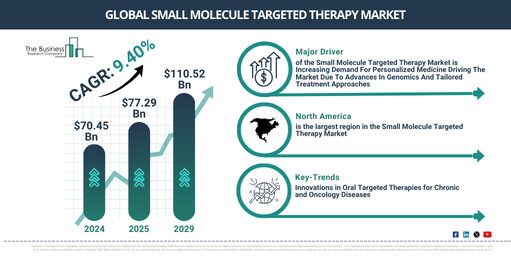
    The small molecule targeted therapy market has experienced substantial expansion in recent years. It is forecast to grow from $70.45 billion in 2024 to $77.29 billion in 2025, progressing at a compound annual growth rate (CAGR) of 9.7%. This historical growth can be attributed to the increasing availability of advanced diagnostic tools, a rising number of clinical trials, a heightened focus on treatments for oncology and rare diseases, an increase in regulatory approvals for innovative small molecule drugs, and a growing emphasis on combination therapies.

    The small molecule targeted therapy market size is poised for robust expansion in the upcoming years. It is anticipated to grow to $110.52 billion in 2029, demonstrating a compound annual growth rate (CAGR) of 9.4%. This projected growth during the forecast period can be attributed to the escalating prevalence of chronic and genetic diseases, the increasing acceptance of personalized medicine, growing investments in pharmaceutical research and development, heightened awareness among both healthcare professionals and patients, and rising government support and funding. Significant trends expected in this period include technological progress in drug design, advancements in high-throughput screening techniques, the development of precision medicine platforms, technology-driven enhancements in drug delivery systems, and the integration of genomics and proteomics data.

    Unlock Your Free Sample Report for Exclusive Market Data:

    https://www.thebusinessresearchcompany.com/sample.aspx?id=28332&type=smp

    What Are The Top Growth Drivers Impacting The Small Molecule Targeted Therapy Market Outlook?

    The increasing focus on tailored medical approaches is anticipated to fuel the expansion of the small molecule targeted therapy market in the future. Personalized medicine describes a medical strategy where prevention, diagnosis, and treatment are customized based on an individual’s genetic makeup, environmental influences, and lifestyle choices. The rise of personalized medicine stems from genomic advancements, which facilitate a more profound comprehension of unique genetic differences, thereby facilitating highly precise, focused treatments that enhance patient results and minimize experimental approaches in therapy. Small molecule targeted therapy facilitates personalized medicine through its ability to specifically pinpoint a patient’s distinct molecular or genetic disease characteristics, thereby boosting treatment effectiveness and mitigating adverse reactions. An illustration of this trend is observed in February 2024, where data from the Personalized Medicine Coalition, a US-based non-profit organization, indicated that in 2023, the FDA sanctioned 16 new personalized treatments for rare disease patients, an increase from six in 2022. Among the recently approved personalized treatments for 2023 were also seven cancer drugs and three for other diseases and conditions. Consequently, the heightened importance placed on personalized medicine is propelling the expansion of the small molecule targeted therapy market.

    How Is The Small Molecule Targeted Therapy Market Segmented?

    The small molecule targeted therapy market covered in this report is segmented as

    1) By Type Of Therapy: Chemotherapy, Targeted Therapy, Immunotherapy

    2) By Drug Class: Monoclonal Antibodies, Small Molecule Inhibitors, Combination Therapies

    3) By Mechanism Of Action: Kinase Inhibitors, Proteasome Inhibitors, Aromatic Hydrocarbon Receptor (Ahr) Modulators, Cell Cycle Inhibitors

    4) By Disease Indication: Cancer, Autoimmune Diseases, Infectious Diseases

    5) By Route Of Administration: Oral, Intravenous, Subcutaneous

    Subsegments:

    1) By Chemotherapy: Alkylating Agents, Antimetabolites, Anti-microtubule Agents

    2) By Targeted Therapy: Kinase Inhibitors, Proteasome Inhibitors, Aromatic Hydrocarbon Receptor (AhR) Modulators

    3) By Immunotherapy: Immune Checkpoint Inhibitors, Cancer Vaccines, Monoclonal Antibodies

    Which Trends Are Impacting The Small Molecule Targeted Therapy Market?

    Leading companies within the small molecule targeted therapy market are prioritizing the development of innovative solutions, such as oral small molecules, to enhance targeted delivery, improve patient compliance, and specifically address molecular pathways in oncology and other chronic conditions. An oral small molecule is a low-molecular-weight medication that can be administered orally, designed to easily enter cells and precisely target disease-related proteins or pathways. For example, in June 2025, Kura Oncology Inc., a US-based biotech company, secured FDA approval for a New Drug Application (NDA) for ziftomenib. This approval is for its use as a treatment for adult patients with relapsed or refractory acute myeloid leukemia (AML) with nucleophosmin 1 (NPM1) mutations. Ziftomenib is an oral targeted therapy specifically developed for adult patients presenting with relapsed or refractory AML carrying NPM1 mutations, thereby fulfilling a significant unmet medical requirement. It presents a positive safety profile and has demonstrated encouraging efficacy, including notable complete remission rates observed in clinical trials. By selectively inhibiting the menin-KMT2A interaction, ziftomenib effectively disrupts the growth of leukemic cells and introduces new therapeutic possibilities for this difficult-to-treat AML subtype.

    Which Major Firms Are Strengthening Their Position In The Small Molecule Targeted Therapy Industry?

    Major companies operating in the small molecule targeted therapy market are F. Hoffmann-La Roche AG (Roche), Merck KGaA, Pfizer Inc., Bayer AG, Sanofi S.A., Novartis International AG, AstraZeneca PLC, Bristol-Myers Squibb Company, GlaxoSmithKline plc (GSK), Eli Lilly and Company, Amgen Inc., Regeneron Pharmaceuticals Inc., Astellas Pharma Inc., Lonza Group AG, Blueprint Medicines Corporation, Kura Oncology Inc., G1 Therapeutics Inc., Ascentage Pharma Group International Inc., Rgenta Therapeutics Inc., Verastem Inc.

    Download The Full Report For Exclusive Market Findings:

    https://www.thebusinessresearchcompany.com/report/small-molecule-targeted-therapy-global-market-report

    What Are The Regional Market Dynamics Impacting The Small Molecule Targeted Therapy Industry?

    North America was the largest region in the small molecule targeted therapy market in 2024. Asia Pacific is expected to be the fastest-growing region in the forecast period. The regions covered in small molecule targeted therapy report are Asia-Pacific, Western Europe, Eastern Europe, North America, South America, Middle East and Africa.

    Request A Customized Version Of The Small Molecule Targeted Therapy Market Report:

    https://www.thebusinessresearchcompany.com/customise?id=28332&type=smp

    Browse Through More Reports Similar to the Global Small Molecule Targeted Therapy Market 2025, By The Business Research Company

    Small Molecule Drug Discovery Global Market Report 2025

    https://www.thebusinessresearchcompany.com/report/small-molecule-drug-discovery-global-market-report

    Targeted Therapy Global Market Report 2025

    https://www.thebusinessresearchcompany.com/report/targeted-therapy-global-market-report

    Rna Targeting Small Molecules Therapeutics Global Market Report 2025

    https://www.thebusinessresearchcompany.com/report/rna-targeting-small-molecules-therapeutics-global-market-report

    Get in touch with us:

    The Business Research Company: https://www.thebusinessresearchcompany.com/

    Americas +1 310-496-7795

    Asia +44 7882 955267 & +91 8897263534

    Europe +44 7882 955267

    Email us at info@tbrc.info

    Follow us on:

    LinkedIn: https://in.linkedin.com/company/the-business-research-company

    YouTube: https://www.youtube.com/channel/UC24_fI0rV8cR5DxlCpgmyFQ

    Global Market Model: https://www.thebusinessresearchcompany.com/global-market-model