Blog

  • Virtual Reality (VR) Stroke Rehabilitation Industry Forecast to Hit $314.89 Billion by 2029 With a Strong 13.2% CAGR

    Virtual Reality (VR) Stroke Rehabilitation Industry Forecast to Hit $314.89 Billion by 2029 With a Strong 13.2% CAGR

    Unlock Global Insights – Save 20% on Market Reports with Code ONLINE20

    What Is The Future Market Size Estimation For The Virtual Reality (VR) Stroke Rehabilitation Market Covering 2025–2034?

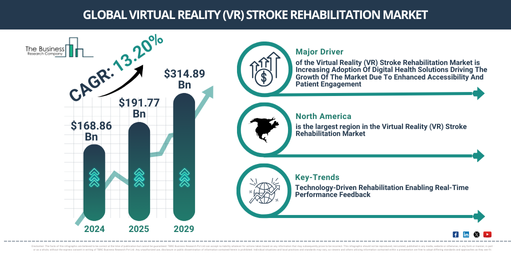
    The virtual reality (VR) stroke rehabilitation market size has experienced rapid expansion in recent years. Projections indicate it will grow from $168.86 billion in 2024 to $191.77 billion in 2025, at a compound annual growth rate (CAGR) of 13.6%. This historical growth can be ascribed to the increasing prevalence of stroke cases, rising awareness regarding rehabilitation therapies, a growing demand for non-invasive treatment options, the expansion of healthcare infrastructure, and increasing government support for rehabilitation programs.

    The virtual reality (VR) stroke rehabilitation market size is poised for substantial growth in the upcoming years, with projections indicating it will expand to $314.89 billion by 2029, achieving a compound annual growth rate (CAGR) of 13.2%. This anticipated expansion during the forecast period is driven by factors such as increasing healthcare expenditure, a heightened demand for home-based rehabilitation options, the expanding integration of VR into neurological recovery protocols, broader insurance coverage for digital therapies, and an intensified focus on patient-centric treatment approaches. Significant trends anticipated during this period include new developments in wearable rehabilitation devices, advancements in artificial intelligence integration, increased investment in research and development for personalized therapies, innovative gamified rehabilitation exercises, and improvements in remote monitoring and tele-rehabilitation services.

    Unlock Your Free Sample Report for Exclusive Market Data:

    https://www.thebusinessresearchcompany.com/sample.aspx?id=28354&type=smp

    What Are The Top Growth Drivers Impacting The Virtual Reality (VR) Stroke Rehabilitation Market Outlook?

    The future expansion of the virtual reality (VR) stroke rehabilitation market is anticipated to be fueled by the increasing integration of digital health solutions. These solutions leverage technology to improve healthcare services, enhance patient results, and simplify health administration. Their widespread acceptance is rising, driven by the ease of remote healthcare accessibility and heightened patient participation. Virtual reality stroke rehabilitation serves as a prime example of a digital health solution, offering engaging, technology-supported therapy through customized exercises and distant oversight, leading to more successful stroke recuperation. As an illustration, data from the American Hospital Association (AHA), a US-based nonprofit organization, indicates that 86.9% of US hospitals provided telehealth services in 2022, an increase from 86% in 2021, which highlights the growing integration of digital health practices. Consequently, the expanding use of digital health solutions is a key factor propelling the expansion of the virtual reality (VR) stroke rehabilitation market.

    What Are The Leading Segments Analyzed In The Virtual Reality (VR) Stroke Rehabilitation Market?

    The virtual reality (VR) stroke rehabilitation market covered in this report is segmented as

    1) By Rehabilitation Type: Physical Rehabilitation, Congnitive Rehabilitation

    2) By Technology Type: Hardware, Software Platforms, Therapeutic Content

    3) By Patient Type: Short Term Patients, Long Term Patients

    4) By Virtual Reality (VR) Application: Motor Skills Training, Congnitive Skills Training, Sensory Training, Pain Management

    5) By End-Users: Hospitals, Rehabilitation Centers, Clinics, Home-Based Rehabilitation

    Subsegment:

    1) By Physical Rehabilitation: Upper Limb Rehabilitation, Lower Limb Rehabilitation, Balance And Gait Training, Motor Function Recovery

    2) By Cognitive Rehabilitation: Memory Training, Attention And Concentration Training, Problem-Solving And Executive Function Training, Visual And Spatial Perception Training

    Which Competitive Trends Are Defining The Virtual Reality (VR) Stroke Rehabilitation Market Structure?

    Leading firms within the virtual reality (VR) stroke rehabilitation market are prioritizing advancements in virtual reality (VR) technology, particularly immersive VR rehabilitation, to boost patient involvement, facilitate motor function recovery, and deliver tailored, interactive therapeutic experiences. Immersive VR rehabilitation represents a contemporary therapeutic method that utilizes virtual reality (VR) technology to establish simulated, interactive, and captivating environments where patients can undertake physical, cognitive, or psychological therapy exercises. For instance, in November 2022, Penumbra Inc., a US-based medical technology company, introduced the REAL System, a hands-free, full-body virtual reality (VR) platform, which offers features such as motion-capture-based exercise tracking, customizable therapy programs, and real-time performance feedback, providing a comprehensive rehabilitation solution for stroke patients. This innovation exemplifies how companies are leveraging virtual reality (VR) technology to improve patient outcomes and operational efficiency in stroke rehabilitation.

    Which Key Players Are Driving Competition In The Virtual Reality (VR) Stroke Rehabilitation Market?

    Major companies operating in the virtual reality (vr) stroke rehabilitation market are Penumbra Inc., Shepherd Center Inc., Evolv Rehabilitation Technologies S.L., DIH Technology Co. Ltd., Tyromotion GmbH, BTS Bioengineering S.p.A., Floreo Inc., Saebo Inc., Motus Nova LLC, Immergo Labs Inc., Kinestica d.o.o., Cognihab Private Limited, Evolv Solutions LLC, Rehametrics S.L., RecoveryVR Pty Ltd, Neuro Rehab VR Inc., PhysioFunction Limited, XRHealth USA Inc., Bended S.r.l., Jintronix Inc.

    Download The Full Report For Exclusive Market Findings:

    https://www.thebusinessresearchcompany.com/report/virtual-reality-vr-stroke-rehabilitation-global-market-report

    Which Region Is Projected To Lead The Virtual Reality (VR) Stroke Rehabilitation Market During The Forecast Period?

    North America was the largest region in the virtual reality (VR) stroke rehabilitation market in 2024. Asia Pacific is expected to be the fastest-growing region in the forecast period. The regions covered in virtual reality (VR) stroke rehabilitation report are Asia-Pacific, Western Europe, Eastern Europe, North America, South America, Middle East and Africa.

    Request A Customized Version Of The Virtual Reality (VR) Stroke Rehabilitation Market Report:

    https://www.thebusinessresearchcompany.com/customise?id=28354&type=smp

    Browse Through More Reports Similar to the Global Virtual Reality (VR) Stroke Rehabilitation Market 2025, By The Business Research Company

    Virtual Rehabilitation Global Market Report 2025

    https://www.thebusinessresearchcompany.com/report/virtual-rehabilitation-global-market-report

    Virtual Reality Vr In Medical Simulation Global Market Report 2025

    https://www.thebusinessresearchcompany.com/report/virtual-reality-vr-in-medical-simulation-global-market-report

    Virtual Reality In Healthcare Global Market Report 2025

    https://www.thebusinessresearchcompany.com/report/virtual-reality-in-healthcare-global-market-report

    Get in touch with us:

    The Business Research Company: https://www.thebusinessresearchcompany.com/

    Americas +1 310-496-7795

    Asia +44 7882 955267 & +91 8897263534

    Europe +44 7882 955267

    Email us at info@tbrc.info

    Follow us on:

    LinkedIn: https://in.linkedin.com/company/the-business-research-company

    YouTube: https://www.youtube.com/channel/UC24_fI0rV8cR5DxlCpgmyFQ

    Global Market Model: https://www.thebusinessresearchcompany.com/global-market-model
  • Virtual Reality (VR) Metaverse Concussion Rehabilitation Market to Reach $4.63 Billion by 2029, Growing at a CAGR of 30%

    Virtual Reality (VR) Metaverse Concussion Rehabilitation Market to Reach $4.63 Billion by 2029, Growing at a CAGR of 30%

    Unlock Global Insights – Save 20% on Market Reports with Code ONLINE20

    What Is The Expected Total Market Size Of The Virtual Reality (VR) Metaverse Concussion Rehabilitation Industry By The Forecast Year 2029?

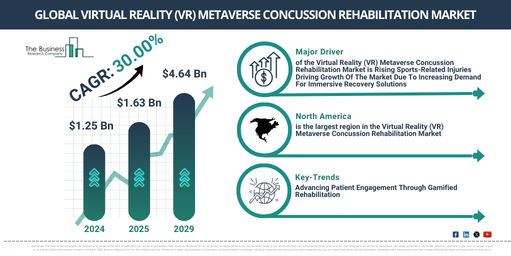
    The virtual reality (VR) metaverse concussion rehabilitation market size has experienced substantial growth in recent years. It is anticipated to increase from $1.25 billion in 2024 to $1.63 billion in 2025, progressing at a compound annual growth rate (CAGR) of 30.3%. Historically, this expansion has been fueled by the greater integration of VR solutions, an increasing requirement for remote therapy, heightened understanding of concussion impacts, larger investments in healthcare, and the expanding utilization of immersive technology.

    The virtual reality (VR) metaverse concussion rehabilitation market is set for remarkable expansion in the upcoming years. It is predicted to reach $4.64 billion by 2029, exhibiting a compound annual growth rate (CAGR) of 30.0%. This projected growth over the forecast period stems from factors such as increasing integration with AI systems, a rising demand for personalized rehabilitation, expanding government funding, growing research into VR effectiveness, and enhanced compatibility with wearable devices. Significant trends for this period include advancements in sensory feedback, the incorporation of telehealth platforms, innovation in interactive virtual environments, the evolution of hybrid therapy models, and progress in brain-computer interface technology.

    Unlock Your Free Sample Report for Exclusive Market Data:

    https://www.thebusinessresearchcompany.com/sample.aspx?id=28353&type=smp

    Which Major Market Drivers Are Shaping The Future Of The Virtual Reality (VR) Metaverse Concussion Rehabilitation Market?

    The increasing incidence of sports-related injuries is poised to fuel the growth of the virtual reality (VR) metaverse concussion rehabilitation market moving forward. These injuries are defined as physical harm sustained during athletic activities or exercise, frequently affecting muscles, bones, and joints. The rise in sports-related injury prevalence is attributed to increased participation in high-intensity and competitive sports. Virtual reality (VR) metaverse concussion rehabilitation is utilized for sports-related injuries to deliver immersive cognitive and physical therapy, facilitating faster recovery and safe return-to-play decisions. For instance, in 2022, the National Safety Council, a US-based nonprofit public service organization promoting health and safety, indicated that the incidence of sports and recreational injuries reported in 2023 climbed by 17% in 2024. Thus, the escalating occurrence of sports-related injuries is a significant driver for the virtual reality (VR) metaverse concussion rehabilitation market.

    What Are The Segment Types Shaping The Virtual Reality (VR) Metaverse Concussion Rehabilitation Market?

    The virtual reality (VR) metaverse concussion rehabilitation market covered in this report is segmented as

    1) By Component: Hardware, Software, Services

    2) By Deployment Mode: On-Premises, Cloud-Based

    3) By Therapy Type: Physical Therapy, Cognitive Therapy, Occupational Therapy, Speech Therapy, Other Therapy Types

    4) By End-User: Hospitals And Clinics, Rehabilitation Centers, Homecare Settings, Other End-User

    Subsegment:

    1) By Hardware: Virtual Reality (VR) Headsets, Motion Sensors And Trackers, Controllers And Haptics Devices, Cameras And Wearables, Computing Devices

    2) By Software: Therapy And Rehabilitation Software, Cognitive Training Programs, Balance And Motor Skills Training Software, Speech And Occupational Therapy Software, Cloud-Based Virtual Reality (VR) Platforms

    3) By Services: Deployment And Integration Services, Training And Education Services, Support And Maintenance Services, Tele-rehabilitation And Remote Monitoring Services, Customization And Consulting Services

    What Are The Latest Industry Trends Transforming The Virtual Reality (VR) Metaverse Concussion Rehabilitation Market?

    Companies operating in the virtual reality (VR) metaverse concussion rehabilitation market are concentrating on technological advancements, such as gamified neuro-rehabilitation, to boost patient engagement, quicken recovery outcomes, and facilitate remote therapeutic access. Gamified neuro-rehabilitation involves the application of game-like elements and interactive virtual environments to render neurological rehabilitation exercises more engaging, motivating, and effective for patients. For example, in September 2022, XRHealth Inc., a US-based healthcare company, announced the integration of NeuroReality’s cognitive training tools into its virtual clinics, thereby strengthening its telehealth platform with immersive virtual reality neuro-rehabilitation experiences. NeuroReality’s primary offering, Koji’s Quest, is a game-based virtual reality (VR) intervention designed to aid patients recovering from stroke, post-concussion syndrome, and brain injuries by enhancing cognitive functions like attention, memory, and executive skills through tailored exercises built upon neuroplasticity principles.

    Who Are The Top Performing Companies In The Virtual Reality (VR) Metaverse Concussion Rehabilitation Market In Recent Years?

    Major companies operating in the virtual reality (VR) metaverse concussion rehabilitation market are MindMaze SA, Oculus Health Inc., XRHealth Inc., Cureosity GmbH, AppliedVR Inc., Takeaway Reality Ltd., Mieron VR Inc., Virtualis Sàrl, Rehametrics S.L., TechVillage Technologies Pvt. Ltd., Neuromersiv Pty Ltd., Cognihab, ORamaVR SA, BehaVR Inc., Neuro Rehab VR Inc., Eye-Sync Inc., HeadRehab VR Inc., Kinesim S.r.l., MindMotion SA, and Corpus VR B.V.

    Download The Full Report For Exclusive Market Findings:

    https://www.thebusinessresearchcompany.com/report/virtual-reality-vr-metaverse-concussion-rehabilitation-global-market-report

    What Are The Key Regional Factors Influencing The Virtual Reality (VR) Metaverse Concussion Rehabilitation Market Growth?

    North America was the largest region in the virtual reality (VR) metaverse concussion rehabilitation market in 2024. The regions covered in virtual reality (VR) metaverse concussion rehabilitation report are Asia-Pacific, Western Europe, Eastern Europe, North America, South America, Middle East and Africa.

    Request A Customized Version Of The Virtual Reality (VR) Metaverse Concussion Rehabilitation Market Report:

    https://www.thebusinessresearchcompany.com/customise?id=28353&type=smp

    Browse Through More Reports Similar to the Global Virtual Reality (VR) Metaverse Concussion Rehabilitation Market 2025, By The Business Research Company

    Virtual Rehabilitation Global Market Report 2025

    https://www.thebusinessresearchcompany.com/report/virtual-rehabilitation-global-market-report

    Virtual Reality Vr In Medical Simulation Global Market Report 2025

    https://www.thebusinessresearchcompany.com/report/virtual-reality-vr-in-medical-simulation-global-market-report

    Traumatic Brain Injury Global Market Report 2025

    https://www.thebusinessresearchcompany.com/report/traumatic-brain-injury-global-market-report

    Get in touch with us:

    The Business Research Company: https://www.thebusinessresearchcompany.com/

    Americas +1 310-496-7795

    Asia +44 7882 955267 & +91 8897263534

    Europe +44 7882 955267

    Email us at info@tbrc.info

    Follow us on:

    LinkedIn: https://in.linkedin.com/company/the-business-research-company

    YouTube: https://www.youtube.com/channel/UC24_fI0rV8cR5DxlCpgmyFQ

    Global Market Model: https://www.thebusinessresearchcompany.com/global-market-model
  • Global Virtual Reality (VR) In Telerehabilitation Market Size Projected to Reach $2.18 Billion During the Forecast Period

    Global Virtual Reality (VR) In Telerehabilitation Market Size Projected to Reach $2.18 Billion During the Forecast Period

    Unlock Global Insights – Save 20% on Market Reports with Code ONLINE20

    How Does The Market Size Of The Virtual Reality (VR) In Telerehabilitation Industry Compare Between 2025 And 2029?

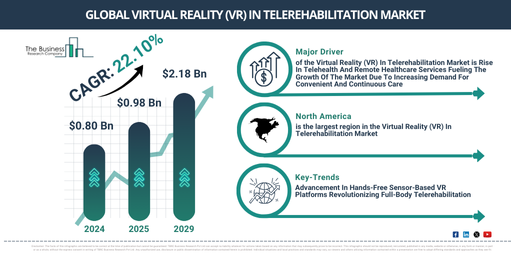
    The virtual reality (VR) in the telerehabilitation market has seen significant expansion in recent years. It is forecast to grow from $0.80 billion in 2024 to $0.98 billion in 2025, exhibiting a compound annual growth rate (CAGR) of 22.5%. This historical growth can be attributed to the rising demand for remote healthcare solutions, improved accessibility and affordability of VR technology, increasing evidence-based clinical validation of VR rehab, growing support from government and regulatory bodies, and increased patient acceptance and engagement with digital therapy tools.

    The virtual reality (VR) in the telerehabilitation market is anticipated to show significant expansion over the next few years, with its value projected to reach $2.18 billion by 2029, exhibiting a compound annual growth rate (CAGR) of 22.1%. This projected increase is driven by several factors, including the greater adoption of telehealth, the growing occurrence of chronic neurological disorders, increasing healthcare expenditures and the demand for cost-efficient remedies, heightened investment in digital health technologies, and an elevated need for remote patient monitoring and home-based care. Prominent trends for the forecast period include enhancements in artificial intelligence-driven personalized therapy, the availability of more affordable and wireless hardware, innovations in haptic feedback and sensory integration, its extension into new therapeutic areas like pediatrics and mental health, and the establishment of strong clinical evidence along with standardized protocols.

    Unlock Your Free Sample Report for Exclusive Market Data:

    https://www.thebusinessresearchcompany.com/sample.aspx?id=28352&type=smp

    What Are The Main Drivers Boosting The Virtual Reality (VR) In Telerehabilitation Industry’s Expansion?

    The increased adoption of telehealth and remote healthcare services is projected to advance the virtual reality (VR) in telerehabilitation market moving forward. Telehealth and remote healthcare services are defined as providing clinical health support to patients remotely through telecommunication technologies, eliminating the necessity for in-person office visits. These services are expanding as patients seek convenient home-based consultations and monitoring, which helps to reduce travel and wait times while ensuring continuous care. The growing utilization of remote healthcare platforms boosts the demand for virtual reality (VR) capable of enhancing the quality and efficacy of rehabilitation therapy delivered via telehealth systems. For instance, in August 2023, Vivalink, a US-based healthcare technology company, reported that 81% of clinicians now use remote patient monitoring (RPM), representing a significant increase from just 20% in 2021, an overall rise of 305%. Additionally, 84% of current RPM users plan to extend their use of the technology in 2024. Hence, the rising uptake of telehealth and remote healthcare services is a key driver for the growth of the virtual reality (VR) in telerehabilitation market.

    What Are The Different Segment Classifications Within The Virtual Reality (VR) In Telerehabilitation Market?

    The virtual reality (VR) in telerehabilitation market covered in this report is segmented as

    1) By Component: Hardware, Software, Services

    2) By Rehabilitation: In-Person Rehabilitation, Remote Rehabilitation

    3) By Application: Physical Rehabilitation, Neurological Rehabilitation, Cardiac Rehabilitation, Psychological Rehabilitation, Orthopedic Rehabilitation

    4) By End-User: Healthcare Providers, Rehabilitation Centers, Homecare Settings, Fitness And Wellness Centers, Corporates

    Subsegments:

    1) By Hardware: Head-Mounted Displays (HMDs), Motion Tracking Sensors, Haptic Feedback Devices, Virtual Reality (VR) Gloves, Virtual Reality (VR) Treadmills, Eye-Tracking Devices, Cameras And Depth Sensors, Computing And Graphics Processing Units (GPUs)

    2) By Software: Immersive Virtual Reality (VR) Therapy Applications, Non-Immersive Virtual Reality (VR) Therapy Applications, Mixed Reality Therapy Applications, artificial intelligence (AI)-Based Therapy Modules, Gamified Rehabilitation Software, Patient Data Management And Analytics Platforms, Cloud-Based Therapy Software

    3) By Services: Clinical Implementation Services, Remote Patient Monitoring Services, Maintenance And Support Services, Training And Education Services, Consultation And Integration Services

    What Trends Are Redefining The Virtual Reality (VR) In Telerehabilitation Market Dynamics?

    Leading companies in the virtual reality in telerehabilitation market are concentrating on developing advanced solutions, such as sensor-based VR rehabilitation platforms, to enhance therapy precision and deliver personalized rehabilitation outcomes. These sensor-driven VR rehabilitation platforms integrate motion-tracking sensors with immersive virtual environments to monitor and guide patient movements in real time, facilitating precise performance evaluation, tailored therapy, and accelerated recovery in telerehabilitation. For instance, in November 2022, Penumbra, Inc., a US-based healthcare company, launched REAL y-Series, the first hands-free, full-body virtual reality-based rehabilitation offering. This solution utilizes upper and lower body sensors, enabling clinicians to track complete movement and customize therapy for improved patient engagement and rehabilitation outcomes, making it the only sensor-based VR platform designed for both upper and lower extremities in physical and occupational therapy.

    Which Leading Companies Dominate The Virtual Reality (VR) In Telerehabilitation Market Share?

    Major companies operating in the virtual reality (VR) in telerehabilitation market are Penumbra Inc., DIH Holding US Inc., MindMaze, Reflexion Interactive Technologies Inc., Saebo, VR Rehab Inc., CUREosity GmbH, InfiVR, SyncVR Medical, Rehametrics, GestureTek Health, Doctor Kinetic, Cognihab Inc., Neuro Rehab VR, Virtualware, Mice Labs, Evolv Rehabilitation Technologies, XR4REHAB, MIRA Rehab Limited, and LiteGait.

    Download The Full Report For Exclusive Market Findings:

    https://www.thebusinessresearchcompany.com/report/virtual-reality-vr-in-telerehabilitation-global-market-report

    How Do Regional Market Performances Compare Within The Virtual Reality (VR) In Telerehabilitation Industry?

    North America was the largest region in the virtual reality (VR) in telerehabilitation market in 2024. Asia-Pacific is expected to be the fastest-growing region in the forecast period. The regions covered in virtual reality (VR) in telerehabilitation report are Asia-Pacific, Western Europe, Eastern Europe, North America, South America, Middle East and Africa.

    Request A Customized Version Of The Virtual Reality (VR) In Telerehabilitation Market Report:

    https://www.thebusinessresearchcompany.com/customise?id=28352&type=smp

    Browse Through More Reports Similar to the Global Virtual Reality (VR) In Telerehabilitation Market 2025, By The Business Research Company

    Virtual Reality Vr In Medical Simulation Global Market Report 2025

    https://www.thebusinessresearchcompany.com/report/virtual-reality-vr-in-medical-simulation-global-market-report

    Virtual Reality In Healthcare Global Market Report 2025

    https://www.thebusinessresearchcompany.com/report/virtual-reality-in-healthcare-global-market-report

    Virtual Rehabilitation Global Market Report 2025

    https://www.thebusinessresearchcompany.com/report/virtual-rehabilitation-global-market-report

    Get in touch with us:

    The Business Research Company: https://www.thebusinessresearchcompany.com/

    Americas +1 310-496-7795

    Asia +44 7882 955267 & +91 8897263534

    Europe +44 7882 955267

    Email us at info@tbrc.info

    Follow us on:

    LinkedIn: https://in.linkedin.com/company/the-business-research-company

    YouTube: https://www.youtube.com/channel/UC24_fI0rV8cR5DxlCpgmyFQ

    Global Market Model: https://www.thebusinessresearchcompany.com/global-market-model
  • Disease Registry Software Industry Insights: Market Forecast to 2029

    Disease Registry Software Industry Insights: Market Forecast to 2029

    Unlock Global Insights – Save 20% on Market Reports with Code ONLINE20

    How Is The Disease Registry Software Market Size Likely To Evolve From 2025 Through 2034?

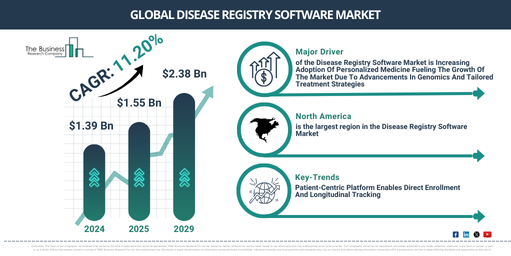
    The disease registry software market has experienced substantial expansion in recent years. It is anticipated to grow from $1.39 billion in 2024 to $1.55 billion in 2025, at a compound annual growth rate (CAGR) of 11.6%. The historical growth can be attributed to the escalating burden of chronic diseases, an increase in clinical research and trials, the rising prevalence of rare diseases, the rapid adoption of electronic health records (EHRs), and the growing prevalence of chronic diseases.

    The disease registry software market is anticipated to experience substantial growth in the coming years, with its valuation expected to reach $2.38 billion by 2029, expanding at a compound annual growth rate (CAGR) of 11.2%. This projected expansion can be attributed to several factors, including the increasing adoption of value-based care approaches, the growing application of real-world evidence (RWE), the widening reach of precision medicine programs, the rise in chronic and lifestyle-related health conditions, and a heightened focus on patient-centric healthcare delivery. Key trends expected in this period encompass advancements in healthcare information technology (IT) infrastructure, the incorporation of telehealth and remote monitoring capabilities, integration with the internet of things (IoT) and wearable devices, sophisticated data visualization and dashboard functionalities, and the use of blockchain for improved data security and interoperability.

    Unlock Your Free Sample Report for Exclusive Market Data:

    https://www.thebusinessresearchcompany.com/sample.aspx?id=28208&type=smp

    Which Industry Drivers Are Expected To Accelerate The Disease Registry Software Market From 2025 To 2029?

    Future expansion of the disease registry software market is anticipated, driven by the growing integration of personalized medicine. This medical methodology customizes treatment and prevention plans based on a person’s distinct genetic profile, lifestyle choices, and environmental factors. The rising implementation of personalized medicine largely stems from progress in genomics, allowing for accurate detection of genetic differences and bespoke therapies for patients. Disease registry software facilitates personalized medicine by systematically gathering and overseeing patient health information, which in turn permits customized treatment strategies and enhances clinical judgments. This software simplifies access to and analysis of data, thereby bettering patient results and fostering the development of precision healthcare. An example illustrating this trend is that, as reported in February 2024 by the Personalized Medicine Coalition (PMC), a US-based nonprofit organization, the U.S. Food and Drug Administration (FDA) sanctioned 26 novel personalized medicines in 2023, a notable rise from the 12 approvals in 2022. Consequently, the expanding use of personalized medicine is fueling the expansion of the disease registry software market.

    What Are The Major Segments Identified In The Disease Registry Software Market?

    The disease registry software market covered in this report is segmented as

    1) By Type: Standalone, Integrated

    2) By Database: Public, Commercial

    3) By Deployment Mode: On-Premises, Cloud-Based

    4) By End-User: Hospitals, Government Organizations, Research Centers, Pharmaceutical Companies, Other End Users

    Subsegments:

    1) By Standalone: Patient Registry Software, Population Health Registry Software, Research Registry Software, Custom Or Single-Disease Registry Software

    2) By Integrated: Electronic Health Record (EHR)-Integrated Registry Software, Practice Management System-Integrated Registry Software, Clinical Decision Support (CDS)-Integrated Registry Software, Health Information Exchange (HIE)-Integrated Registry Software

    What Are The Major Trends Driving The Growth Of The Disease Registry Software Market?

    Major companies in the disease registry software market are concentrating on developing patient-centric registries, such as digital records to observe outcomes and support customized care. Digital registers are electronic systems or software platforms that methodically collect, store, and manage patient health information, thereby replacing traditional paper-based registries. For instance, in August 2025, the American College of Cardiology (ACC), a US-based nonprofit medical association, introduced the CONNECT-HCM Registry. This is a nationwide digital registry established to improve the understanding and management of hypertrophic cardiomyopathy (HCM), which is the most common genetic cardiovascular disease. The registry allows for direct patient enrollment beyond individual centers, thereby addressing long-standing gaps in diagnosis and care. This platform connects registry data with electronic health records via Arboretum’s Hugo Connect platform and aids researchers in tracking symptoms, imaging, treatments, and outcomes over time.

    Which Major Industry Participants Are Leading The Disease Registry Software Market Growth?

    Major companies operating in the disease registry software market are Optum Inc., IQVIA Holdings Inc., Syneos Health Inc., Epic Systems Corporation, Premier Inc., MRO Corp., ImageTrend Inc., Anju Software Inc., BayaTree Inc., Medrio Inc., ArborMetrix Inc., Cedaron Medical Inc., Evado Pty. Ltd., OpenClinica LLC, Dacima Software Inc., Global Vision Technologies Inc., Ordinal Data Inc., Healthmonix LLC, Axis Clinical Software Inc., and Vanderbilt University.

    Download The Full Report For Exclusive Market Findings:

    https://www.thebusinessresearchcompany.com/report/disease-registry-software-global-market-report

    How Do Regional Market Performances Compare Within The Disease Registry Software Industry?

    North America was the largest region in the disease registry software market in 2024. The regions covered in disease registry software report are Asia-Pacific, Western Europe, Eastern Europe, North America, South America, Middle East and Africa.

    Request A Customized Version Of The Disease Registry Software Market Report:

    https://www.thebusinessresearchcompany.com/customise?id=28208&type=smp

    Browse Through More Reports Similar to the Global Disease Registry Software Market 2025, By The Business Research Company

    Patient Registry Software Global Market Report 2025

    https://www.thebusinessresearchcompany.com/report/patient-registry-software-global-market-report

    Disease Management Apps Global Market Report 2025

    https://www.thebusinessresearchcompany.com/report/disease-management-apps-global-market-report

    Personal Health Record Software Global Market Report 2025

    https://www.thebusinessresearchcompany.com/report/personal-health-record-software-global-market-report

    Get in touch with us:

    The Business Research Company: https://www.thebusinessresearchcompany.com/

    Americas +1 310-496-7795

    Asia +44 7882 955267 & +91 8897263534

    Europe +44 7882 955267

    Email us at info@tbrc.info

    Follow us on:

    LinkedIn: https://in.linkedin.com/company/the-business-research-company

    YouTube: https://www.youtube.com/channel/UC24_fI0rV8cR5DxlCpgmyFQ

    Global Market Model: https://www.thebusinessresearchcompany.com/global-market-model
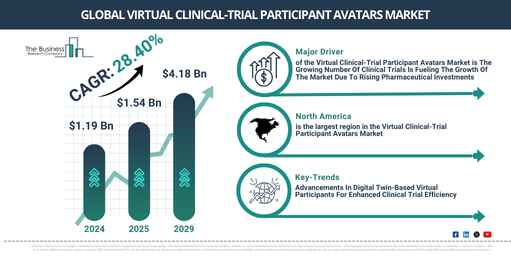
  • Virtual Clinical-Trial Participant Avatars Industry Anticipated to Expand at 28.4% CAGR During the Forecast Period

    Virtual Clinical-Trial Participant Avatars Industry Anticipated to Expand at 28.4% CAGR During the Forecast Period

    Unlock Global Insights – Save 20% on Market Reports with Code ONLINE20

    What Is The Predicted Market Size Trajectory For The Virtual Clinical-Trial Participant Avatars Market From 2025 To 2034?

    The virtual clinical-trial participant avatars market size has experienced rapid expansion in recent times. This market is projected to expand from $1.19 billion in 2024 to $1.54 billion in 2025, demonstrating a compound annual growth rate (CAGR) of 28.8%. Factors contributing to its historical growth include the increased embrace of decentralized clinical trials, a heightened need for patient diversity in studies, the proliferation of wearable health monitoring devices, supportive regulatory frameworks for digital trial innovations, and the imperative to shorten clinical trial durations.

    The market for virtual clinical-trial participant avatars is projected to experience substantial expansion in the coming years, reaching $4.18 billion by 2029, with a compound annual growth rate (CAGR) of 28.4%. This anticipated growth is driven by several factors, including progress in AI-powered patient simulation, the incorporation of virtual avatars into electronic data capture systems, a heightened emphasis on personalized medicine, increased funding for digital twin technologies, and the broader application of virtual trials for both rare and chronic illnesses. Key developments during this period are expected to encompass the utilization of AI-driven digital twins for simulating patients, combining real-world data with electronic health records, employing machine learning to forecast trial results, creating engaging VR/AR platforms for patient involvement, and deploying blockchain for robust patient data security.

    Unlock Your Free Sample Report for Exclusive Market Data:

    https://www.thebusinessresearchcompany.com/sample.aspx?id=28351&type=smp

    Which Factors And Drivers Are Influencing The Virtual Clinical-Trial Participant Avatars Market In 2025?

    The increasing volume of clinical trials is anticipated to propel the expansion of the virtual clinical-trial participant avatars market moving ahead. These trials represent structured investigations aimed at assessing the safety and effectiveness of medical interventions in human participants. The rise in clinical trials stems from heightened pharmaceutical funding into drug development, as companies endeavor to devise novel treatments for intricate illnesses and tailored medicine approaches. Clinical-trial participant avatars develop AI-powered digital patient models that simulate disease progression, treatment response, and safety outcomes, thereby facilitating quicker participant enrollment, more intelligent trial structuring, prompt identification of efficacious treatments, and diminished expenses and hazards. For instance, data from November 2023, shared by the Association of the British Pharmaceutical Industry, a UK-based trade association, indicated that the yearly count of industry-sponsored clinical trials initiated in the UK saw a slight increase of 4.3%, growing from 394 trials in 2021 to 411 in 2022. Consequently, the escalating number of clinical trials is a primary impetus behind the growth of the virtual clinical-trial participant avatars market.

    What Are The Primary Types Of Segments Analyzed In The Virtual Clinical-Trial Participant Avatars Market?

    The virtual clinical-trial participant avatars market covered in this report is segmented as

    1) By Avatar Type: Artificial Intelligence-Generated Avatars, Digitally Modeled Human Avatars, Hybrid Avatars

    2) By Deployment Mode: Cloud-Based, On-Premises

    3) By Application: Drug Development, Patient Recruitment, Data Simulation, Remote Monitoring, Other Applications

    4) By End-User: Pharmaceutical Companies, Contract Research Organizations, Academic And Research Institutes, Other End-Users

    Subsegments:

    1) By Artificial Intelligence-Generated Avatars: Machine Learning-Based Avatars, Deep Learning-Based Avatars, Natural Language Processing (NLP)-Enabled Avatars, Generative Adversarial Network (GAN)-Based Avatars

    2) By Digitally Modeled Human Avatars: Three-Dimensional (3D) Scanned Human Avatars, Motion Capture Modeled Avatars, Photorealistic Rendered Avatars, Anatomically Accurate Human Avatars

    3) By Hybrid Avatars: artificial intelligence (AI)-Enhanced Digitally Modeled Avatars, Mixed Reality (MR) Enabled Avatars, Cognitive Simulation Avatars, Sensor-Integrated Virtual Avatars

    How Are Emerging Market Trends Shaping The Virtual Clinical-Trial Participant Avatars Industry Landscape?

    Major companies active in the virtual clinical trial participant avatars market are prioritizing the creation of sophisticated solutions, including digital twin-based clinical trial participants, to boost trial efficiency and elevate predictive accuracy in pharmaceutical development. Digital twin-based clinical trial participants function as virtual representations of actual patients, mirroring their physiological and behavioral responses, thereby allowing researchers to predict treatment results and refine trial structures while lessening the reliance on widespread physical assessments. For instance, in July 2023, Unlearn.ai, Inc., a US-based AI clinical trial technology company, launched version 3.1 of its enhanced digital twin generator (DTG) for Alzheimer’s disease. This update improved the handling of missing baseline data by incorporating a neural network imputation model within a Neural Boltzmann Machine architecture, leading to reduced susceptibility to incomplete data and better overall functionality. The DTG employs a variety of patient datasets to generate custom digital twins capable of accurately foreseeing clinical and biomarker trends, thus supporting clinical trials with a more precise and resilient modeling of Alzheimer’s disease progression.

    Who Are The Major Companies Operating In The Virtual Clinical-Trial Participant Avatars Market?

    Major companies operating in the virtual clinical-trial participant avatars market are NVIDIA Corporation, Dassault Systèmes SE, Signant Health Holding Corp., Owkin Inc, Medable Inc., Insilico Medicine Inc., Science 37 Inc., THREAD Inc., Lindus Health Limited, Obvio Health, Sano Genetics Limited, GNS Healthcare, Unlearn.ai Inc., Novadiscovery SAS, Deep 6 AI, Ai Cure Technologies, Altis Labs Inc., Physiomics Plc, OneThree Biotech, Aitia Bio.

    Download The Full Report For Exclusive Market Findings:

    https://www.thebusinessresearchcompany.com/report/virtual-clinical-trial-participant-avatars-global-market-report

    Which Region Currently Holds The Largest Share Of The Virtual Clinical-Trial Participant Avatars Market?

    North America was the largest region in the virtual clinical-trial participant avatars market in 2024. Asia-Pacific is expected to be the fastest-growing region in the forecast period. The regions covered in virtual clinical-trial participant avatars report are Asia-Pacific, Western Europe, Eastern Europe, North America, South America, Middle East and Africa.

    Request A Customized Version Of The Virtual Clinical-Trial Participant Avatars Market Report:

    https://www.thebusinessresearchcompany.com/customise?id=28351&type=smp

    Browse Through More Reports Similar to the Global Virtual Clinical-Trial Participant Avatars Market 2025, By The Business Research Company

    Virtual Clinical Trials Global Market Report 2025

    https://www.thebusinessresearchcompany.com/report/virtual-clinical-trials-global-market-report

    Patient Simulators Global Market Report 2025

    https://www.thebusinessresearchcompany.com/report/patient-simulators-global-market-report

    Virtual Human Anatomy Software Global Market Report 2025

    https://www.thebusinessresearchcompany.com/report/virtual-human-anatomy-software-global-market-report

    Get in touch with us:

    The Business Research Company: https://www.thebusinessresearchcompany.com/

    Americas +1 310-496-7795

    Asia +44 7882 955267 & +91 8897263534

    Europe +44 7882 955267

    Email us at info@tbrc.info

    Follow us on:

    LinkedIn: https://in.linkedin.com/company/the-business-research-company

    YouTube: https://www.youtube.com/channel/UC24_fI0rV8cR5DxlCpgmyFQ

    Global Market Model: https://www.thebusinessresearchcompany.com/global-market-model
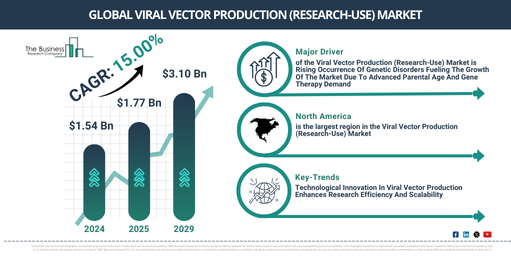
  • Global Viral Vector Production (Research-Use) Market Projected to Expand at 15% CAGR by 2029

    Global Viral Vector Production (Research-Use) Market Projected to Expand at 15% CAGR by 2029

    Unlock Global Insights – Save 20% on Market Reports with Code ONLINE20

    How Much Larger Is The Viral Vector Production (Research-Use) Market Expected To Become By 2029 Compared With Its 2025 Level?

    The market size for viral vector production (research-use) has seen swift expansion in recent years. It is expected to rise from $1.54 billion in 2024 to $1.77 billion in 2025, demonstrating a compound annual growth rate (CAGR) of 15.4%. The expansion observed in the past can be attributed to the development of basic genetic and cell biology research, an increase in infectious disease research, the widespread application of viral vectors in CRISPR and RNAi studies, the growing demand from cancer immunotherapy studies, and increasing academic interest alongside initial clinical trials in gene therapy.

    The market for viral vector production (research-use) is anticipated to experience swift expansion in the coming years. Its valuation is projected to reach $3.10 billion by 2029, growing at a compound annual growth rate (CAGR) of 15.0%. This expansion during the projection period can be attributed to factors such as the increasing prevalence of genetic disorders, the expanding preclinical gene therapy pipeline, wider application in regenerative medicine investigations, intensified research into neurodegenerative diseases, and augmented funding for rare disease research. Key trends anticipated during this period encompass progress in gene therapy research, the implementation of automation in vector quality control (QC), the development of hybrid and chimeric vectors, automated upstream and downstream processes, and vector modification utilizing synthetic biology.

    Unlock Your Free Sample Report for Exclusive Market Data:

    https://www.thebusinessresearchcompany.com/sample.aspx?id=28350&type=smp

    What Are The Key Drivers Of Growth In The Viral Vector Production (Research-Use) Market?

    The increasing incidence of genetic conditions is anticipated to drive the expansion of the viral vector production (research-use) market in the foreseeable future. These disorders are defined as illnesses or states arising from irregularities in a person’s deoxyribonucleic acid, potentially passed down from one or both parents, or resulting from spontaneous genetic mutations. The surge in genetic disorders is linked to the growing age of parents, which heightens the probability of genetic mutations being transmitted to their children. The expanding commonness of genetic disorders supports the growth of viral vector production (research-use) by stimulating the need for sophisticated gene delivery instruments for investigating disease mechanisms and formulating prospective therapeutic strategies. As an illustration, in November 2024, data from the Centers for Disease Control and Prevention (CDC), a U.S. government public health organization, indicated that Trisomy 21 (Down syndrome) affects approximately 1 in 643 births, leading to around 5,713 new instances each year, while Trisomy 18 is observed in roughly 1 in 3,336 births, equating to about 1,101 cases annually. Consequently, the escalating frequency of genetic disorders is expected to fuel the expansion of the viral vector production (research-use) market.

    Which Key Segments Fueling The Viral Vector Production (Research-Use) Market?

    The viral vector production (research-use) market covered in this report is segmented as

    1) By Type: Adeno-Associated Virus (AAV), Lentivirus, Adenovirus, Retrovirus, Other Types

    2) By Production: Transient Transfection, Stable Cell Line, Viral Packaging System, Other Production Methods

    3) By Workflow: Upstream Processing, Downstream Processing

    4) By Application: Gene Therapy, Vaccines, Oncology, Infectious Diseases, Other Applications

    5) By End-Use: Pharmaceutical And Biopharmaceutical Companies, Research Institutes

    Subsegments:

    1) By Adeno-Associated Virus: Single-Stranded Adeno-Associated Virus, Self-Complementary Adeno-Associated Virus, Hybrid Adeno-Associated Virus

    2) By Lentivirus: Human Immunodeficiency Virus-Based Lentivirus, Feline Immunodeficiency Virus-Based Lentivirus, Equine Infectious Anemia Virus-Based Lentivirus

    3) By Adenovirus: Replication-Competent Adenovirus, Replication-Deficient Adenovirus, Helper-Dependent Adenovirus

    4) By Retrovirus: Gamma Retrovirus, Spumavirus (Foamy Virus), Alpha Retrovirus

    5) By Other Types: Herpes Simplex Virus Vectors, Baculovirus Vectors, Sendai Virus Vectors

    Which Key Trends Are Expected To Influence The Viral Vector Production (Research-Use) Market In The Coming Years?

    Leading firms in the viral vector production market are concentrating on creating cutting-edge solutions, like tailored cell culture media, to enhance transfection efficiency, elevate viral vector output, and guarantee reliable quality for research purposes. These media are nutrient-dense liquids formulated to sustain cell growth and upkeep when cells are cultured outside their native conditions. They incorporate vital elements such as amino acids, vitamins, and growth factors, precisely optimized for particular cell types and their uses. As an example, in January 2023, FUJIFILM Irvine Scientific, a US-based life sciences company, launched BalanCD HEK293 Viral Feed, which is recognized as the world’s inaugural chemically defined nutrient feed, specifically tailored for HEK293 suspension cultures employed in AAV viral vector manufacturing. With this introduction, the company intends to substantially increase adeno-associated virus (AAV) yields, demonstrating an improvement of up to 67% in viral packaging efficiency when contrasted with basal media. This feed is engineered for scalable gene therapy and biotechnology processes, providing reliable performance across various formats and ensuring compatibility with diverse media systems.

    Which Global Market Leaders Are Shaping The Future Of The Viral Vector Production (Research-Use) Sector?

    Major companies operating in the viral vector production (research-use) market are Sanofi S.A., Thermo Fisher Scientific Inc., Merck KGaA, Becton, Dickinson and Company, Lonza Group AG, Sartorius AG, Charles River Laboratories International Inc., FUJIFILM Diosynth Biotechnologies U.S.A. Inc., Curia Inc., AGC Biologics GmbH, SK pharmteco Inc., Oxford Biomedica Plc, Waisman Biomanufacturing, Voyager Therapeutics Inc., FinVector Oy, Batavia Biosciences BV., GENEZEN LABORATORIES, BioNTech IMFS GmbH, VGXI Inc., Tonix Pharmaceuticals, Cell and Gene Therapy Catapult, and Mustang Bio Inc.

    Download The Full Report For Exclusive Market Findings:

    https://www.thebusinessresearchcompany.com/report/viral-vector-production-research-use-global-market-report

    What Regional Growth Trends Are Shaping The Viral Vector Production (Research-Use) Market Outlook?

    North America was the largest region in the virtual vector production (research-use) market in 2024. Asia-Pacific is expected to be the fastest-growing region in the forecast period. The regions covered in viral vector production (research-use) report are Asia-Pacific, Western Europe, Eastern Europe, North America, South America, Middle East and Africa.

    Request A Customized Version Of The Viral Vector Production (Research-Use) Market Report:

    https://www.thebusinessresearchcompany.com/customise?id=28350&type=smp

    Browse Through More Reports Similar to the Global Viral Vector Production (Research-Use) Market 2025, By The Business Research Company

    Viral Vector Manufacturing Global Market Report 2025

    https://www.thebusinessresearchcompany.com/report/viral-vector-manufacturing-global-market-report

    Viral And Non Viral Vector Manufacturing Global Market Report 2025

    https://www.thebusinessresearchcompany.com/report/viral-and-non-viral-vector-manufacturing-global-market-report

    Oral Expectorant Global Market Report 2025

    https://www.thebusinessresearchcompany.com/report/oral-expectorant-global-market-report

    Get in touch with us:

    The Business Research Company: https://www.thebusinessresearchcompany.com/

    Americas +1 310-496-7795

    Asia +44 7882 955267 & +91 8897263534

    Europe +44 7882 955267

    Email us at info@tbrc.info

    Follow us on:

    LinkedIn: https://in.linkedin.com/company/the-business-research-company

    YouTube: https://www.youtube.com/channel/UC24_fI0rV8cR5DxlCpgmyFQ

    Global Market Model: https://www.thebusinessresearchcompany.com/global-market-model
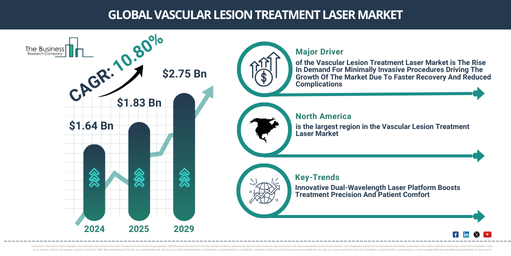
  • Vascular Lesion Treatment Laser Market to Grow at a CAGR of 10.8% from 2025 to 2029

    Vascular Lesion Treatment Laser Market to Grow at a CAGR of 10.8% from 2025 to 2029

    Unlock Global Insights – Save 20% on Market Reports with Code ONLINE20

    #What Are The Current (2025) And Forecast (2029) Sizes Of The Vascular Lesion Treatment Laser Market?

    The size of the vascular lesion treatment laser market has experienced substantial growth in recent years. This market is projected to expand from $1.64 billion in 2024 to $1.83 billion in 2025, demonstrating a compound annual growth rate (CAGR) of 11.1%. Historically, this expansion has been driven by several factors, including the rising incidence of vascular lesions linked to an aging global demographic, heightened understanding and demand for cosmetic and aesthetic procedures, greater embrace of less invasive laser treatments, the proliferation of dermatology clinics and specialized centers, and the expanding impact of medical tourism in developing regions.

    The vascular lesion treatment laser market is anticipated to experience substantial growth in the coming years, with projections indicating an increase to $2.75 billion by 2029, driven by a compound annual growth rate (CAGR) of 10.8%. This growth is attributable to several factors, including the rising demand for non-invasive and pain-free treatment options, the expanding availability of multi-application laser platforms, improvements in healthcare infrastructure within developing nations, a greater acceptance of laser therapy as an alternative to traditional surgery, and an increased focus on personalized and targeted aesthetic treatments. Prominent trends expected in this period encompass the development of artificial intelligence-powered laser treatment platforms, the creation of user-friendly interfaces for dermatologists and clinics, the integration of laser systems with imaging and diagnostic tools, the incorporation of robotics and automation into laser procedures, and ongoing innovation in multi-wavelength laser platforms to enhance versatility.

    Unlock Your Free Sample Report for Exclusive Market Data:

    https://www.thebusinessresearchcompany.com/sample.aspx?id=28349&type=smp

    Which Drivers Are Supporting Growth Of The Vascular Lesion Treatment Laser Market?

    The anticipated expansion of the vascular lesion treatment laser market is driven by the rising preference for minimally invasive procedures. These procedures involve medical techniques conducted via small incisions or natural body orifices, leading to less tissue damage, quicker recovery, and fewer complications compared to conventional surgical methods. The appeal of minimally invasive procedures stems from their association with faster patient recovery, characterized by diminished pain, shorter hospitalizations, and a more rapid resumption of normal activities when contrasted with traditional surgeries. Vascular lesion treatment laser technology improves minimally invasive interventions by precisely targeting abnormal blood vessels, thereby lessening tissue damage and facilitating quicker healing with minimal scarring. As an illustration, data from June 2024, published by the American Society of Plastic Surgeons, a US-based non-profit organization, indicated a 7% rise in minimally invasive procedures in 2023, exceeding the 2% growth rate of surgical procedures. Consequently, the growing adoption of minimally invasive procedures fuels the expansion of the vascular lesion treatment laser market.

    How Is The Vascular Lesion Treatment Laser Market Classified Into Different Segments?

    The vascular lesion treatment laser market covered in this report is segmented as

    1) By Type: Telangiectasia, Hemangiomas, Varicose Veins, Port Wine Stains

    2) By Technology: Pulsed Dye Laser, Neodymium-doped Yttrium Aluminum Garnet laser, Intense Pulsed Light (IPL), Diode Laser, Erbium Laser

    3) By Application: Aesthetic Procedures, Medical Treatments, Cosmetic Enhancements, Skin Resurfacing, Tattoo Removal

    4) By End User: Hospitals, Dermatology Clinics, Cosmetic Surgery Centers, Ambulatory Surgical Centers, Home Care Settings

    Subsegments:

    1) By Telangiectasia: Facial Spider Veins, Leg Spider Veins, Truncal Spider Veins

    2) By Hemangiomas: Infantile Hemangiomas, Congenital Hemangiomas, Capillary Hemangiomas, Cavernous Hemangiomas

    3) By Varicose Veins: Superficial Varicose Veins, Deep Varicose Veins, Perforator Vein Varicosities

    4) By Port Wine Stains: Facial Port Wine Stains, Limb Port Wine Stains, Truncal Port Wine Stains

    What Are The Major Trends Driving The Growth Of The Vascular Lesion Treatment Laser Market?

    Major companies within the vascular lesion treatment laser market are focused on developing innovative solutions, such as dual-wavelength laser platforms, to improve treatment precision and efficacy for a broad spectrum of vascular conditions. These dual-wavelength laser platforms are advanced medical devices that integrate two laser wavelengths into a single system, allowing them to target different types of vascular lesions more effectively while minimizing damage to surrounding tissue. For instance, in April 2025, Candela Medical Inc., a US-based medical device company, introduced the Vbeam Pro laser platform. This advanced system combines a 595 nm pulsed dye laser with a 1064 nm Nd:YAG wavelength. The dual-wavelength platform is FDA-cleared for pediatric use and offers enhanced precision, versatility, and effectiveness for treating a wide array of vascular and dermatologic conditions, including rosacea, port-wine stains, acne, leg and spider veins, scars, benign pigmented lesions, wrinkles, warts, stretch marks, and photoaging. Its innovative design achieves up to 20% improved lesion clearance, 50% faster treatment times, and 20% reduced patient discomfort compared to previous-generation systems, signifying a major advance in pulsed dye laser technology.

    Which Industry Leaders Are Driving Innovation Across The Vascular Lesion Treatment Laser Market?

    Major companies operating in the vascular lesion treatment laser market are El.En. S.p.A., Lumenis Ltd., Candela Corporation, Alma Lasers Ltd., DEKA M.E.L.A. S.r.l., Venus Concept Inc., Fotona d.o.o., Sciton Inc., Sensus Healthcare Inc., Biolitec AG, Wuhan Gigaa Optronics Technology Co. Ltd., SharpLight Technologies Ltd., Beijing Nubway S And T Co. Ltd., Aerolase Inc., Astanza Laser LLC, Lynton Lasers Ltd., Asclepion Laser Technologies GmbH, Quanta System S.p.A., Beijing Sincoheren S And T Development Co. Ltd., Nanjing Bestview Laser Co. Ltd.

    Download The Full Report For Exclusive Market Findings:

    https://www.thebusinessresearchcompany.com/report/vascular-lesion-treatment-laser-global-market-report

    Which Regional Markets Are Contributing Most To The Vascular Lesion Treatment Laser Industry Expansion?

    North America was the largest region in the vascular lesion treatment laser market in 2024. Asia-Pacific is expected to be the fastest-growing region in the forecast period. The regions covered in vascular lesion treatment laser report are Asia-Pacific, Western Europe, Eastern Europe, North America, South America, Middle East and Africa.

    Request A Customized Version Of The Vascular Lesion Treatment Laser Market Report:

    https://www.thebusinessresearchcompany.com/customise?id=28349&type=smp

    Browse Through More Reports Similar to the Global Vascular Lesion Treatment Laser Market 2025, By The Business Research Company

    Cardiovascular Medical Lasers Global Market Report 2025

    https://www.thebusinessresearchcompany.com/report/cardiovascular-medical-lasers-global-market-report

    Medical Lasers Global Market Report 2025

    https://www.thebusinessresearchcompany.com/report/medical-lasers-global-market-report

    Laser Atherectomy Devices Global Market Report 2025

    https://www.thebusinessresearchcompany.com/report/laser-atherectomy-devices-global-market-report

    Get in touch with us:

    The Business Research Company: https://www.thebusinessresearchcompany.com/

    Americas +1 310-496-7795

    Asia +44 7882 955267 & +91 8897263534

    Europe +44 7882 955267

    Email us at info@tbrc.info

    Follow us on:

    LinkedIn: https://in.linkedin.com/company/the-business-research-company

    YouTube: https://www.youtube.com/channel/UC24_fI0rV8cR5DxlCpgmyFQ

    Global Market Model: https://www.thebusinessresearchcompany.com/global-market-model
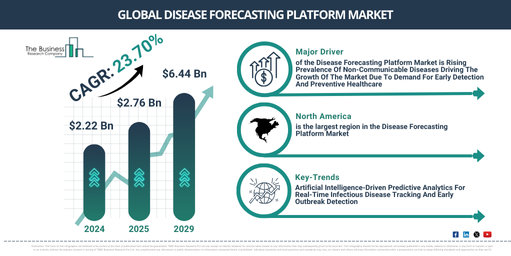
  • Disease Forecasting Platform Market Size and Growth Forecast for Businesses 2025–2029

    Disease Forecasting Platform Market Size and Growth Forecast for Businesses 2025–2029

    Unlock Global Insights – Save 20% on Market Reports with Code ONLINE20

    What Are The Growth Projections For The Disease Forecasting Platform Market Size During 2025–2029?

    The market size for disease forecasting platforms has seen significant expansion in recent years. This market is projected to expand from $2.22 billion in 2024 to reach $2.76 billion by 2025, demonstrating a compound annual growth rate (CAGR) of 24.0%. Historically, this growth has been driven by factors such as increasing infectious disease outbreaks, a heightened government focus on public health preparedness, the rising adoption of cloud-based healthcare solutions, the growing use of big data and epidemiological modeling, and the integration of iot-enabled health monitoring systems.

    The disease forecasting platform market is projected to undergo substantial expansion in the upcoming years. It is foreseen to reach $6.44 billion by 2029, demonstrating a compound annual growth rate (CAGR) of 23.7%. This anticipated growth can be linked to the broadening of precision medicine initiatives, a surging requirement for real-time disease monitoring, increasing alliances between healthcare and technology entities, rising investments in digital health infrastructure, and the adoption of advanced data visualization and dashboard tools. Prominent trends for the forecast period include the incorporation of generative artificial intelligence for predictive modeling, the implementation of federated learning for secure data sharing, the application of blockchain for transparent health data management, the deployment of edge computing for quicker analysis, and progress in digital twins for disease simulation.

    Unlock Your Free Sample Report for Exclusive Market Data:

    https://www.thebusinessresearchcompany.com/sample.aspx?id=28207&type=smp

    What Are The Top Growth Drivers Impacting The Disease Forecasting Platform Market Outlook?

    The expanding occurrence of non-communicable diseases is projected to stimulate the growth of the disease forecasting platform in the future. Non-communicable diseases (NCDs) are health conditions that do not spread from person to person and typically arise from genetic predispositions, lifestyle choices, or environmental factors, including heart disease, diabetes, and cancer. The prevalence of NCDs is increasing due to unhealthy lifestyles, encompassing poor dietary habits, smoking, and insufficient physical activity. Disease forecasting platforms assist in managing these non-communicable diseases by utilizing big data analytics, machine learning, and real-time health monitoring to anticipate disease trajectories, identify populations at high risk, enable timely interventions, and guide customized prevention strategies, ultimately improving overall public health outcomes and alleviating the burden of chronic conditions. For example, data from September 2022, released by the World Health Organization (WHO), a specialized agency of the United Nations located in Switzerland, indicated that chronic diseases caused 41 million deaths globally each year, accounting for 74% of all fatalities. Specifically, cardiovascular diseases were responsible for 17.9 million deaths, cancer for 9.3 million deaths, chronic respiratory diseases for 4.1 million deaths, and diabetes for 2.0 million deaths. Consequently, the increasing prevalence of non-communicable diseases is a key driver for the expansion of the disease forecasting platform market.

    What Are The Emerging Segments Gaining Attention In The Disease Forecasting Platform Market?

    The disease forecasting platform market covered in this report is segmented as

    1) By Component: Software, Hardware, Services

    2) By Deployment Mode: Cloud-Based, On-Premises

    3) By Application: Infectious Disease Surveillance, Chronic Disease Management, Epidemiology, Public Health, Other Applications

    4) By End-User: Hospitals And Clinics, Government And Public Health Agencies, Research Institutes, Pharmaceutical Companies, Other End Users

    Subsegments:

    1) By Software: Predictive Analytics Tools, Epidemiological Modeling Software, Artificial Intelligence And Machine Learning Algorithms, Data Visualization And Dashboard Tools, Cloud-Based Forecasting Platforms

    2) By Hardware: Internet of Things Enabled Medical Devices, Servers And Data Storage Systems, Networking And Connectivity Devices, Edge Computing Devices, Sensors And Monitoring Equipment

    3) By Services: Managed Services, Consulting And Integration Services, Training And Support Services, Data Management And Analytics Services, Public Health Advisory Or Forecasting Services

    What Trends Are Expected To Drive The Disease Forecasting Platform Market?

    Leading companies in the disease forecasting platform market are prioritizing the adoption of innovative technologies, such as artificial intelligence-driven predictive analytics, to facilitate real-time disease surveillance and proactive public health responses. AI-driven predictive analytics involves applying artificial intelligence, including machine learning algorithms and statistical modeling, to anticipate future disease trends, identify anomalies early, and provide actionable insights for timely intervention and resource allocation. For instance, in July 2025, Seegene Inc., a South Korea-based biotechnology company, launched the STAgora platform. The STAgora platform integrates PCR-derived diagnostic data with over 40 advanced statistical and AI tools to deliver real-time, global visualization of infectious disease trends. It allows for the early detection of abnormal pathogen patterns, supports predictive modeling for outbreaks, and enhances situational awareness from municipal to global levels. This system is engineered to operate as a real-time infectious disease intelligence system, enabling rapid situational awareness and supporting proactive public health measures.

    Who Are The Prominent Global Companies Shaping The Disease Forecasting Platform Market?

    Major companies operating in the disease forecasting platform market are International Business Machines Corporation, Oracle Corporation, Metabiota Inc., SAS Institute Inc., Tempus AI Inc., HealthVerity Inc., Airfinity Ltd., Quantori LLC, ProMED-mail Inc., EcoHealth Alliance Inc., BlueDot Inc., Hyfe Inc., Biobot Analytics Inc., Cayaba Care Inc., EPIWATCH Pty Ltd, GIDEON Informatics Inc., Kinsa Inc., Epistemix, Epidemico Inc., EpiDetect AI Inc.

    Download The Full Report For Exclusive Market Findings:

    https://www.thebusinessresearchcompany.com/report/disease-forecasting-platform-global-market-report

    Which Region Currently Holds The Largest Share Of The Disease Forecasting Platform Market?

    North America was the largest region in the disease forecasting platform market in 2024. Asia-Pacific is expected to be the fastest-growing region in the forecast period. The regions covered in disease forecasting platform report are Asia-Pacific, Western Europe, Eastern Europe, North America, South America, Middle East and Africa.

    Request A Customized Version Of The Disease Forecasting Platform Market Report:

    https://www.thebusinessresearchcompany.com/customise?id=28207&type=smp

    Browse Through More Reports Similar to the Global Disease Forecasting Platform Market 2025, By The Business Research Company

    Disease Management Apps Global Market Report 2025

    https://www.thebusinessresearchcompany.com/report/disease-management-apps-global-market-report

    Healthcare Predictive Analytics Global Market Report 2025

    https://www.thebusinessresearchcompany.com/report/healthcare-predictive-analytics-global-market-report

    Artificial Intelligence In Epidemiology Global Market Report 2025

    https://www.thebusinessresearchcompany.com/report/artificial-intelligence-in-epidemiology-global-market-report

    Get in touch with us:

    The Business Research Company: https://www.thebusinessresearchcompany.com/

    Americas +1 310-496-7795

    Asia +44 7882 955267 & +91 8897263534

    Europe +44 7882 955267

    Email us at info@tbrc.info

    Follow us on:

    LinkedIn: https://in.linkedin.com/company/the-business-research-company

    YouTube: https://www.youtube.com/channel/UC24_fI0rV8cR5DxlCpgmyFQ

    Global Market Model: https://www.thebusinessresearchcompany.com/global-market-model
  • Global Urine Collector Market 2025–2029: Competitive Insights and Opportunities

    Global Urine Collector Market 2025–2029: Competitive Insights and Opportunities

    Unlock Global Insights – Save 20% on Market Reports with Code ONLINE20

    What Market Value Is The Urine Collector Industry Expected To Reach By 2029, Starting From 2025 Levels?

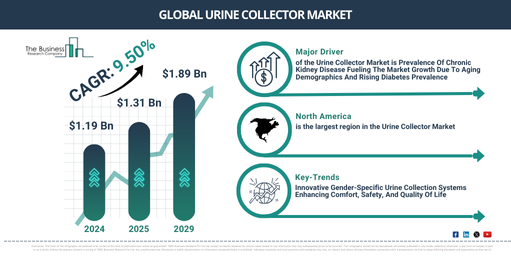
    The urine collector market size has experienced strong expansion in recent years. It is projected to grow from $1.19 billion in 2024 to $1.31 billion in 2025, achieving a compound annual growth rate (CAGR) of 9.9%. The growth observed in the past can be attributed to an increasing prevalence of urinary tract infections, the rising prevalence of diabetes, an expanding geriatric population, an uptick in hospital admissions, and the rising prevalence of urinary incontinence.

    The urine collector market is projected to experience substantial expansion, reaching $1.89 billion by 2029, demonstrating a compound annual growth rate (CAGR) of 9.5%. This anticipated growth during the forecast period is primarily driven by factors such as a rising inclination towards home healthcare, the escalating prevalence of chronic illnesses, an increasing need for tailored urine collection solutions, a heightened emphasis on upgrading healthcare infrastructure, and a greater focus on the early detection of chronic conditions. Key developments expected in this timeframe encompass progress in medical devices, innovations in silicone formulations, technological improvements in urine collection and analysis, the incorporation of point-of-care testing methods, and the creation of automated instruments designed to boost efficiency.

    Unlock Your Free Sample Report for Exclusive Market Data:

    https://www.thebusinessresearchcompany.com/sample.aspx?id=28348&type=smp

    Which Drivers Are Shaping The Urine Collector Industry’s Market Share?

    The expanding incidence of chronic kidney diseases is projected to stimulate the expansion of the urine collector market. This progressive medical condition, where kidneys gradually suffer damage and lose their capacity to efficiently filter blood, is seeing increased prevalence. This rise is largely attributable to an aging global population, given that renal function naturally diminishes with age, making older individuals more vulnerable to conditions like diabetes and hypertension, which are primary causes of kidney impairment. Urine collectors are vital diagnostic instruments in managing chronic kidney disease, providing healthcare professionals with the means to precisely gather urine specimens for crucial examinations, such as the albumin-to-creatinine ratio (UACR) and protein-to-creatinine ratio (UPCR), which are essential for tracking the decline in kidney function and the advancement of the illness. For example, the Australian Institute of Health and Welfare, a government body based in Australia, reported in June 2024 that chronic kidney disease (CKD) mortality rates increased by 4.2% in 2021 and by 6.2% in 2022. Furthermore, in 2022 alone, chronic kidney diseases were responsible for approximately 22,000 deaths, accounting for 11% of all fatalities in Australia, with a death rate of 84 per 100,000 population. Consequently, the increasing occurrence of chronic kidney diseases is fueling the growth within the urine collector market.

    What Are The Major Segments Identified In The Urine Collector Market?

    The urine collector market covered in this report is segmented as

    1) By Product Type: Urinals, Bottle Urine Collectors, Bag Urine Collectors, Catheter Urine Collectors

    2) By Material: Plastic, Silicone, Glass

    3) By Capacity: 100 Milliliters (ml)–250 Milliliters (ml), 250 Milliliters (ml)–500 Milliliters (ml), 500 Milliliters (ml)–1000 Milliliters (ml), Above 1000 Milliliters (ml)

    4) By Usage: Single-Use, Reusable

    5) By End User: Hospitals And Clinics, Nursing Homes And Assisted Living Facilities, Home Healthcare

    Subsegments:

    1) By Urinals: Fixed, Portable, Bedside, Disposable

    2) By Bottle Urine Collectors: Sterile, Non-Sterile, Graduated, Non-Graduated

    3) By Bag Urine Collectors: Leg Bag, Bedside Bag, Overnight Bag, Drainable, Closed System, Open System

    4) By Catheter Urine Collectors: Indwelling, Intermittent, External, Foley, Straight, Hydrogel Coated

    What Are The Major Trends Driving The Growth Of The Urine Collector Market?

    Leading companies in the urine collector market are concentrating on developing innovative products, such as gender-specific external collection systems, to improve comfort, safety, and user adherence. These gender-specific external collection systems are urine collectors precisely engineered to match male and female anatomy, thereby enhancing fit, comfort, and effectiveness while minimizing leakage and the risk of infection, which in turn boosts patient dignity, discretion, and overall quality of life. For instance, in July 2024, Mexple, an India-based medical equipment manufacturing company, unveiled UroMen and UroWomen urine collection kits, specifically tailored for males and females, to address the increasing demand for secure, hygienic, and user-friendly incontinence management solutions. These products are crafted from medical-grade materials, incorporate backflow prevention technology, and are reusable, making them suitable for a variety of care settings including homes, hospitals, nursing facilities, as well as for elderly or post-surgical patients. The kits restrict skin contact with urine, helping to reduce irritation, infection risk, and unpleasant odors, while also offering enhanced discretion and mobility compared to traditional adult diapers or indwelling catheters. This launch signifies the industry’s broader movement towards patient-centric designs that merge functionality with comfort, aiming to boost compliance and elevate the quality of life for individuals managing chronic urinary conditions.

    Who Are The Key Multinational Companies Dominating The Urine Collector Market?

    Major companies operating in the urine collector market are Cardinal Health Inc., F. Hoffmann-La Roche AG, Thermo Fisher Scientific Inc., Abbott Laboratories, Medline Industries LP, Stryker Corporation, Becton Dickinson and Company, B. Braun Melsungen Aktiengesellschaft, Coloplast A/S, Teleflex Incorporated, ConvaTec Group PLC, Integra LifeSciences Holdings Corporation, Hollister Incorporated, Amsino International Inc., Polymed Medical Devices, Sterimed Group, Labcon North America Inc., Romsons Scientific & Surgical Pvt. Ltd., FL Medical srl, and China National Wholesales Trading Corporation.

    Download The Full Report For Exclusive Market Findings:

    https://www.thebusinessresearchcompany.com/report/urine-collector-global-market-report

    How Does The Urine Collector Market Perform Across Key Geographic Regions?

    North America was the largest region in the urine collector market in 2024. Asia-Pacific is expected to be the fastest-growing region in the forecast period. The regions covered in urine collector report are Asia-Pacific, Western Europe, Eastern Europe, North America, South America, Middle East and Africa.

    Request A Customized Version Of The Urine Collector Market Report:

    https://www.thebusinessresearchcompany.com/customise?id=28348&type=smp

    Browse Through More Reports Similar to the Global Urine Collector Market 2025, By The Business Research Company

    Urology Devices Global Market Report 2025

    https://www.thebusinessresearchcompany.com/report/urology-devices-global-market-report

    Urinalysis Global Market Report 2025

    https://www.thebusinessresearchcompany.com/report/urinalysis-global-market-report

    Nephrology And Urology Devices Global Market Report 2025

    https://www.thebusinessresearchcompany.com/report/nephrology-and-urology-devices-global-market-report

    Get in touch with us:

    The Business Research Company: https://www.thebusinessresearchcompany.com/

    Americas +1 310-496-7795

    Asia +44 7882 955267 & +91 8897263534

    Europe +44 7882 955267

    Email us at info@tbrc.info

    Follow us on:

    LinkedIn: https://in.linkedin.com/company/the-business-research-company

    YouTube: https://www.youtube.com/channel/UC24_fI0rV8cR5DxlCpgmyFQ

    Global Market Model: https://www.thebusinessresearchcompany.com/global-market-model
  • Unified Communications As A Service In Healthcare Market Trends 2025–2029: Forecasts for Key Growth Segments

    Unified Communications As A Service In Healthcare Market Trends 2025–2029: Forecasts for Key Growth Segments

    Unlock Global Insights – Save 20% on Market Reports with Code ONLINE20

    What Is The Anticipated Size Of The Unified Communications As A Service In Healthcare Market Over The Five-Year Period 2025–2029?

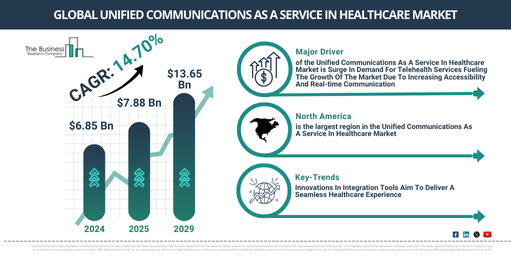
    The unified communications as a service in healthcare market has observed substantial growth in recent years. This market is expected to expand from $6.85 billion in 2024 to $7.88 billion in 2025, progressing at a compound annual growth rate (CAGR) of 15.1%. The expansion witnessed in prior periods is attributable to an increasing focus on reducing medical errors, the burgeoning trend of connected healthcare devices, a rising demand for adaptable communication solutions, and a growing dependence on multi-channel communication platforms.

    The unified communications as a service in healthcare market is projected to experience substantial expansion in the coming years. It is anticipated to reach $13.65 billion by 2029, demonstrating a compound annual growth rate (CAGR) of 14.7%. The expansion during the forecast period can be attributed to several factors, including the increasing deployment of virtual care platforms, a growing requirement for seamless cross-departmental communication, the heightened need for unified communication platforms in hospitals, the rising demand for integrated scheduling systems, and an uptick in patient satisfaction tracking. Significant developments expected in the forecast period encompass innovation in patient-centered communication tools, the integration of predictive analytics for patient outcomes, continued advancement in data security and compliance, sophisticated voice recognition technology for clinical documentation, and enhancements in multilingual communication support.

    Unlock Your Free Sample Report for Exclusive Market Data:

    https://www.thebusinessresearchcompany.com/sample.aspx?id=28347&type=smp

    What Are The Drivers Pushing New Developments In The Unified Communications As A Service In Healthcare Market?

    The growing need for telehealth services is anticipated to drive the expansion of the unified communications as a service sector within healthcare in the future. Telehealth encompasses the remote provision of healthcare, medical advice, and various health-related offerings through digital communication platforms. This surge in demand for telehealth is attributed to its enhanced accessibility, enabling patients to engage with healthcare professionals from a distance, thereby conserving time and lessening travel requirements. Furthermore, the requirement for telehealth facilitates smooth, secure, and immediate communication between individuals and their healthcare providers, which in turn enhances the coordination of care and patient involvement. An illustrative example comes from December 2023 data, where the UK’s National Health Service reported 33.6 million users of telehealth apps, observing a 54% increase in monthly logins over the preceding year, climbing from 16.8 million in November 2022 to 25.8 million in November 2023. Consequently, the escalating imperative for instant communication is propelling the expansion of the Unified Communications as a Service in Healthcare market.

    What Are The Emerging Segments Gaining Attention In The Unified Communications As A Service In Healthcare Market?

    The unified communications as a service in healthcare market covered in this report is segmented as

    1) By Service Type: Voice Over Internet Protocol, Video Conferencing, Messaging Services, Contact Center Services, Call Management

    2) By Component: Telephony, Unified Messaging, Collaboration Platforms, Conferencing, Other Components

    3) By Deployment Mode: Cloud-Based, On-Premises, Hybrid

    4) By Application: Telemedicine, Remote Patient Monitoring, Virtual Consultations, Care Coordination, Patient Engagement

    5) By End-User: Hospitals And Clinics, Health Insurance Providers, Pharmaceuticals, Diagnostic Laboratories

    Subsegments:

    1) By Voice Over Internet Protocol: Hosted Voice Solutions, Cloud Private Branch Exchange, Managed Voice Services, Session Initiation Protocol Trunking

    2) By Video Conferencing: Cloud-Based Video Conferencing, Web-Based Video Conferencing, Virtual Meeting Platforms, Telepresence System

    3) By Messaging Services: Instant Messaging Platforms, Secure Healthcare Messaging, Group Collaboration Tools, Patient Engagement Messaging

    4) By Contact Center Services: Cloud-Based Contact Centers, Virtual Assistance Services, Omni Channel Communication Solutions, Interactive Voice Response Systems

    5) By Call Management: Automated Call Distribution, Call Recording And Monitoring, Interactive Call Routing, Voicemail To Email Integration

    What Trends Are Expected To Drive The Unified Communications As A Service In Healthcare Market?

    Leading companies operating in the unified communications as a service (UCaaS) in the healthcare market are prioritizing sophisticated innovations, such as advanced API integrations. These efforts aim to bolster the connectivity of digital health tools, streamline workflow automation, and foster a more integrated and efficient healthcare journey. Advanced API integrations involve the intricate linking of diverse software systems using APIs, allowing them to communicate and share data effortlessly. This also facilitates the automation of complex processes and real-time information exchange to significantly enhance overall efficiency. For example, in April 2025, First Light Fiber Inc., a US-based provider of fiber-optic data, Internet, data center cloud, and voice services, revealed the evolution of its Unified Communications (UC) platform. This updated platform includes enhanced features, superior integration capabilities, and refined administrative instruments. The core objective of this initiative is to deliver a more fluid and intuitive experience for entities adopting cloud-based communication services. Such advancements prove particularly advantageous for fields like healthcare, where dependable, secure, and instantaneous communication is crucial.

    Which Leading Players Are Enhancing Their Unified Communications As A Service In Healthcare Market Presence Worldwide?

    Major companies operating in the unified communications as a service in healthcare market are Google LLC, Microsoft Corporation, Verizon Communications Incorporated, Comcast Corporation, International Business Machines Corporation, Cisco Systems Incorporated, BT Group plc, NEC Corporation, Orange Business Services India Network Private Limited, Zoom Video Communications Incorporated, RingCentral Incorporated, Alcatel-Lucent Enterprise International Société par Actions Simplifiée, Mitel Networks Corporation, 8×8 Incorporated, GoTo Technologies Incorporated, Nextiva Incorporated, Intrado Incorporated, Dialpad Incorporated, Mattermost Incorporated, Windstream Holdings Incorporated.

    Download The Full Report For Exclusive Market Findings:

    https://www.thebusinessresearchcompany.com/report/unified-communications-as-a-service-in-healthcare-global-market-report

    Which Region Is Expected To Witness The Fastest Growth In The Unified Communications As A Service In Healthcare Market?

    North America was the largest region in the unified communications as a service in healthcare market in 2024. Asia-Pacific is expected to be the fastest-growing region in the forecast period. The regions covered in unified communications as a service in healthcare report are Asia-Pacific, Western Europe, Eastern Europe, North America, South America, Middle East and Africa.

    Request A Customized Version Of The Unified Communications As A Service In Healthcare Market Report:

    https://www.thebusinessresearchcompany.com/customise?id=28347&type=smp

    Browse Through More Reports Similar to the Global Unified Communications As A Service In Healthcare Market 2025, By The Business Research Company

    Wireless Healthcare Global Market Report 2025

    https://www.thebusinessresearchcompany.com/report/wireless-healthcare-global-market-report

    Unified Communication As A Service Ucaas Global Market Report 2025

    https://www.thebusinessresearchcompany.com/report/unified-communication-as-a-service-ucaas-global-market-report

    Unified Communication Global Market Report 2025

    https://www.thebusinessresearchcompany.com/report/unified-communication-global-market-report

    Get in touch with us:

    The Business Research Company: https://www.thebusinessresearchcompany.com/

    Americas +1 310-496-7795

    Asia +44 7882 955267 & +91 8897263534

    Europe +44 7882 955267

    Email us at info@tbrc.info

    Follow us on:

    LinkedIn: https://in.linkedin.com/company/the-business-research-company

    YouTube: https://www.youtube.com/channel/UC24_fI0rV8cR5DxlCpgmyFQ

    Global Market Model: https://www.thebusinessresearchcompany.com/global-market-model