Blog

  • Global Point-of-Care Technology Market Analysis 2025–2029: Opportunities for Strategic Growth

    Global Point-of-Care Technology Market Analysis 2025–2029: Opportunities for Strategic Growth

    Unlock Global Insights – Save 20% on Market Reports with Code ONLINE20

    How Much Larger Is The Point-of-Care Technology Market Expected To Become By 2029 Compared With Its 2025 Level?

    The point-of-care technology market has demonstrated significant expansion in recent years. Its valuation is projected to rise from $39.33 billion in 2024 to $43.21 billion in 2025, reflecting a compound annual growth rate (CAGR) of 9.9%. This historical growth can be attributed to several factors, including the increasing decentralization of healthcare provision, the critical demand for real-time diagnosis in emergency situations, the escalating need for rapid infection screening, the expanded deployment of mobile testing units, and an intensified focus on cost-efficient diagnostic procedures.

    The point-of-care technology market is projected to experience substantial expansion in the coming years, set to reach $62.16 billion by 2029, exhibiting a compound annual growth rate (CAGR) of 9.5%. This anticipated growth during the forecast period is largely driven by the emergence of telemedicine platforms, an increased focus on personalized and predictive healthcare, broader adoption of home-based health monitoring solutions, and governmental efforts promoting decentralized testing. Key trends anticipated during this period encompass progress in artificial intelligence-powered diagnostic algorithms, the creation of portable multiplex testing devices, advancements in wearable health monitoring tools, improvements in cloud-based data integration, and the establishment of home-based telehealth ecosystems.

    Unlock Your Free Sample Report for Exclusive Market Data:

    https://www.thebusinessresearchcompany.com/sample.aspx?id=27390&type=smp

    Which Drivers Are Supporting Growth Of The Point-of-Care Technology Market?

    The increasing occurrence of chronic diseases is anticipated to drive expansion in the point-of-care technology market moving ahead. These are long-lasting health conditions requiring ongoing management and changes to one’s way of life. A rise in inactive lifestyles, characterized by prolonged sitting and limited physical activity, contributes to the growing incidence of chronic illnesses, elevating the risk of ailments like heart conditions and diabetes. Point-of-care technology supports the management of chronic conditions through quick, accessible diagnostic tests performed at the patient’s location, proving highly effective in clinical environments, private residences, and distant healthcare scenarios. This technology minimizes treatment delays by delivering immediate results, thereby enhancing patient oversight and the overall convenience of healthcare delivery. As an example, in June 2024, the National Health Service, a UK-based government department, reported that 3,615,330 individuals registered with a general practitioner (GP) had been diagnosed with non-diabetic hyperglycemia or pre-diabetes in 2023. This represented an 18% increase from the 3,065,825 cases recorded in 2022. Consequently, the increasing prevalence of chronic illnesses is a significant driver for the expansion of the point-of-care technology market.

    What Are The Segment Types Shaping The Point-of-Care Technology Market?

    The point-of-care technology market covered in this report is segmented

    1) By Product Type: Diagnostics Devices, Monitoring Devices, Therapeutic Devices, Data Management Systems

    2) By Ownership Model: Standalone Solutions, Integrated Solutions, Cloud-Based Solutions

    3) By Technology: Microfluidics, Polymerase Chain Reaction (PCR), Immunoassays

    4) By Application: Infectious Disease Testing, Glucose Monitoring, Cardiometabolic Monitoring, Pregnancy And Fertility Testing, Other Applications

    5) By End-User: Hospitals, Clinics, Homecare Settings, Ambulatory Surgical Centers

    Subsegments:

    1) By Diagnostics Devices: Blood Glucose Monitoring Devices, Infectious Disease Testing Devices, Cardiac Marker Testing Devices, Coagulation Testing Devices, Pregnancy And Fertility Testing Devices, Urinalysis Testing Devices, Hematology Testing Devices, Cholesterol Testing Devices

    2) By Monitoring Devices: Vital Signs Monitoring Devices, Continuous Glucose Monitoring Devices, Cardiac Monitoring Devices, Respiratory Monitoring Devices

    3) By Therapeutic Devices: Insulin Delivery Devices, Nebulizers, Dialysis Machines, Infusion Pumps

    4) By Data Management Systems: Point Of Care (POC) Data Integration Systems, Point Of Care (POC) Middleware Solutions, Point Of Care (POC) Data Analytics Platforms

    What Trends Are Expected To Drive The Point-of-Care Technology Market?

    Leading companies in the point-of-care technology market are prioritizing the creation of technologically advanced solutions, specifically AI-powered diagnostic platforms, to boost accuracy, speed, and accessibility in identifying diseases. AI-powered diagnostic platforms are sophisticated systems that harness artificial intelligence to rapidly analyze medical data, facilitating real-time, on-site testing for critical ailments like cancer. For instance, in February 2025, Avitia Inc., a Canada-based point-of-care diagnostics firm, unveiled an AI-powered platform designed for quick and immediate cancer testing. This platform merges machine learning algorithms with portable diagnostic devices, empowering healthcare providers to perform fast, precise cancer screening outside conventional laboratory settings. This innovation shortens turnaround times, enhances early detection, and minimizes requirements for complex infrastructure, thereby making advanced diagnostics more attainable in remote or underserved areas.

    Which Leading Players Are Enhancing Their Point-of-Care Technology Market Presence Worldwide?

    Major companies operating in the point-of-care technology market are F. Hoffmann-La Roche AG, Thermo Fisher Scientific Inc., Abbott Laboratories, Danaher Corporation, Siemens Healthineers AG, Hologic Inc., bioMérieux SA, Quidel Corporation, Sysmex Corporation, Cepheid Inc., Radiometer Medical ApS, Nova Biomedical, Sekisui Diagnostics LLC, Abaxis Inc., BHR Biosynex, EKF Diagnostics Holdings plc, Acon Laboratories Inc., Trinity Biotech plc, Chembio Diagnostics Inc., Arkray Inc., Orchard Software Corporation, Point of Care Biomedical Private Limited.

    Download The Full Report For Exclusive Market Findings:

    https://www.thebusinessresearchcompany.com/report/point-of-care-technology-global-market-report

    Which Region Shows The Highest Potential For Future Expansion In The Point-of-Care Technology Market?

    North America was the largest region in the point-of-care technology market in 2024. Asia-Pacific is expected to be the fastest-growing region in the forecast period. The regions covered in the point-of-care technology market report are Asia-Pacific, Western Europe, Eastern Europe, North America, South America, Middle East, Africa.

    Request A Customized Version Of The Point-of-Care Technology Market Report:

    https://www.thebusinessresearchcompany.com/customise?id=27390&type=smp

    Browse Through More Reports Similar to the Global Point-of-Care Technology Market 2025, By The Business Research Company

    Concrete Sealer Global Market Report 2025

    https://www.thebusinessresearchcompany.com/report/concrete-sealer-global-market-report

    Aerospace Adhesives And Sealants Global Market Report 2025

    https://www.thebusinessresearchcompany.com/report/aerospace-adhesives-and-sealants-global-market-report

    Surgical Sealants And Adhesives Market 2025

    https://www.thebusinessresearchcompany.com/report/surgical-sealants-and-adhesives-market

    Get in touch with us:

    The Business Research Company: https://www.thebusinessresearchcompany.com/

    Americas +1 310-496-7795

    Asia +44 7882 955267 & +91 8897263534

    Europe +44 7882 955267

    Email us at info@tbrc.info

    Follow us on:

    LinkedIn: https://in.linkedin.com/company/the-business-research-company

    YouTube: https://www.youtube.com/channel/UC24_fI0rV8cR5DxlCpgmyFQ

    Global Market Model: https://www.thebusinessresearchcompany.com/global-market-model

  • Global Tendon Allograft Market Projected to Expand at 10.6% CAGR by 2029

    Global Tendon Allograft Market Projected to Expand at 10.6% CAGR by 2029

    Unlock Global Insights – Save 20% on Market Reports with Code ONLINE20

    How Much Larger Is The Tendon Allograft Market Expected To Become By 2029 Compared With Its 2025 Level?

    The tendon allograft market size has seen substantial growth over recent years. It is projected to expand from $1.38 billion in 2024 to $1.53 billion in 2025, exhibiting a compound annual growth rate (CAGR) of 11.0%. This historical growth can be ascribed to a heightened awareness regarding tendon repair procedures, the increasing occurrence of sports injuries, a rise in orthopedic surgeries, growing demand for minimally invasive surgical options, and the enhanced availability of allograft tissues.

    The tendon allograft market is poised for significant expansion in the coming years, with its size projected to reach $2.29 billion by 2029, exhibiting a compound annual growth rate (CAGR) of 10.7%. This anticipated growth throughout the forecast period is primarily driven by an increasing emphasis on joint preservation surgeries, the broader adoption of tissue engineering, a rising prevalence of musculoskeletal disorders, enhanced government support for regenerative medicine, and a growing demand for customized tendon allografts. Furthermore, prominent trends for the forecast period include advancements in tissue processing technologies, sophisticated graft customization techniques, innovations in scaffold materials, the integration of 3D printing with tendon grafts, and progress in biologics aimed at improving graft acceptance.

    Unlock Your Free Sample Report for Exclusive Market Data:

    https://www.thebusinessresearchcompany.com/sample.aspx?id=27435&type=smp

    What Are The Key Drivers Of Growth In The Tendon Allograft Market?

    The increasing occurrence of sports injuries is anticipated to drive the expansion of the tendon allograft market in the future. Sports injuries refer to physical harm sustained during athletic activities or exercise, affecting muscles, ligaments, tendons, bones, or joints. The incidence of such injuries is rising due to greater participation in sports and physical activities, exposing more individuals to the risk of injury. Tendon allografts facilitate recovery from sports injuries by supplying ready-to-use tendon tissue for surgical repair, making them ideal for athletes and active individuals. They restore tendon function by supporting tissue integration and healing, improving mobility, and accelerating the return to sports. For instance, in 2024, according to the U.S. National Safety Council, a US-based public health and safety organization, the number of sports and recreational injuries reached 564,845, an increase from 482,886 injuries in 2023. Therefore, the growing incidence of sports injuries is propelling the growth of the tendon allograft market.

    Which Key Segments Fueling The Tendon Allograft Market?

    The tendon allograft market covered in this report is segmented

    1) By Type Of Allograft: Flexor Tendons, Extensor Tendons, Patellar Tendons, Achilles Tendons, Other Types

    2) By Product Type: Soft Tissue Allografts, Cartilage Allografts, Bone Allografts

    3) By Application: Orthopedic, Dental, Cardiovascular, Wound Care, Other Applications

    4) By Distribution Channel: Direct Sales, Distributors, Online Sales, Surgical Centers, Hospitals

    5) By End-User: Hospitals, Ambulatory Surgical Centers, Specialty Clinics, Rehabilitation Centers, Research Institutions

    Subsegments:

    1) By Flexor Tendons: Finger Flexor Tendon, Wrist Flexor Tendon, Elbow Flexor Tendon, Other Flexor Tendons

    2) By Extensor Tendons: Finger Extensor Tendon, Wrist Extensor Tendon, Elbow Extensor Tendon, Other Extensor Tendons

    3) By Patellar Tendons: Patellar Tendon Mid-Substance, Patellar Tendon Tibial Attachment, Patellar Tendon Quadriceps Attachment

    4) By Achilles Tendons: Achilles Tendon Mid-Substance, Achilles Tendon Calcaneal Attachment

    5) By Other Types: Rotator Cuff Tendons, Hamstring Tendons, Plantaris Tendons, Other Miscellaneous Tendons

    Which Key Trends Are Expected To Influence The Tendon Allograft Market In The Coming Years?

    Major companies within the tendon allograft market are increasingly focusing on the development of advanced products, such as bioengineered grafts, to improve tissue integration and facilitate healing. Bioengineered grafts are tissues crafted in a lab or modified, designed to replace or repair damaged body tissues, thereby promoting recovery and restoring functionality. For instance, in July 2022, AlloSource Inc., a US-based nonprofit organization, unveiled a new quadriceps tendon allograft as an addition to its AlloConnex line, which includes tendons, ligaments, and fascia. This product line presents a comprehensive bioengineered assortment of tissues, including Achilles, anterior tibialis, gracilis, peroneus longus, posterior tibialis, semitendinosus, quadriceps, and patellar ligaments, offered in various configurations such as single strand, double strand, double bundle, and pre-shaped options, to meet diverse surgical requirements. All these tissues are processed using AlloSource’s proprietary AlloTrue cleansing method, which effectively removes blood and lipids and reduces viable microorganisms while preserving the essential biomechanical properties necessary for successful transplantation. This quadriceps tendon stands as a robust alternative for cruciate ligament procedures and is offered both with and without the bone block to accommodate different surgical techniques.

    Which Global Market Leaders Are Shaping The Future Of The Tendon Allograft Sector?

    Major companies operating in the tendon allograft market are Medtronic plc, Stryker Corporation, Stryker Corporation, Regeneration Technologies Inc., Zimmer Biomet Holdings Inc., Smith & Nephew plc, Arthrex Inc., Conmed Corporation, MTF Biologics, Orthofix Medical Inc., B. Braun Melsungen AG, MiMedx Group Inc., LifeNet Health Inc., AlloSource Inc., Xtant Medical Holdings Inc., Vivex Biomedical Inc., JRF Ortho Inc., Bone Bank Allografts, Curasan AG, EvoLogics GmbH.

    Download The Full Report For Exclusive Market Findings:

    https://www.thebusinessresearchcompany.com/report/tendon-allograft-global-market-report

    What Regional Growth Trends Are Shaping The Tendon Allograft Market Outlook?

    North America was the largest region in the tendon allograft market in 2024. Asia-Pacific is expected to be the fastest-growing region in the forecast period. The regions covered in the tendon allograft market report are Asia-Pacific, Western Europe, Eastern Europe, North America, South America, Middle East, Africa.

    Request A Customized Version Of The Tendon Allograft Market Report:

    https://www.thebusinessresearchcompany.com/customise?id=27435&type=smp

    Browse Through More Reports Similar to the Global Tendon Allograft Market 2025, By The Business Research Company

    Core Banking Software Global Market Report 2025

    https://www.thebusinessresearchcompany.com/report/core-banking-software-global-market-report

    Digital Banking Platform Global Market Report 2025

    https://www.thebusinessresearchcompany.com/report/digital-banking-platform-global-market-report

    Banking Encryption Software Global Market Report 2025

    https://www.thebusinessresearchcompany.com/report/banking-encryption-software-global-market-report

    Get in touch with us:

    The Business Research Company: https://www.thebusinessresearchcompany.com/

    Americas +1 310-496-7795

    Asia +44 7882 955267 & +91 8897263534

    Europe +44 7882 955267

    Email us at info@tbrc.info

    Follow us on:

    LinkedIn: https://in.linkedin.com/company/the-business-research-company

    YouTube: https://www.youtube.com/channel/UC24_fI0rV8cR5DxlCpgmyFQ

    Global Market Model: https://www.thebusinessresearchcompany.com/global-market-model

  • Temporary Mechanical Circulatory Support Device Market to Grow at a CAGR of 9% from 2025 to 2029

    Temporary Mechanical Circulatory Support Device Market to Grow at a CAGR of 9% from 2025 to 2029

    Unlock Global Insights – Save 20% on Market Reports with Code ONLINE20

    #What Are The Current (2025) And Forecast (2029) Sizes Of The Temporary Mechanical Circulatory Support Device Market?

    The temporary mechanical circulatory support device market size has experienced substantial expansion in recent years. It is projected to increase from $2.43 billion in 2024 to $2.66 billion in 2025, at a compound annual growth rate (CAGR) of 9.5%. This growth observed in the historic period is attributable to the increasing incidence of acute myocardial infarction, a rising prevalence of heart failure, the greater use of intra-aortic balloon pumps, a growing aging population, and an increasing awareness of temporary support options.

    The market for temporary mechanical circulatory support devices is projected to experience substantial expansion over the upcoming years. This market is anticipated to reach a valuation of $3.76 billion by 2029, exhibiting a compound annual growth rate (CAGR) of 9.1%. Factors contributing to this growth during the projection period include an escalating demand for minimally invasive methods of cardiac support, an enlarging waiting list for heart transplants, a higher occurrence of high-risk percutaneous coronary intervention (PCI) procedures, broader application in pediatric cardiac treatment, and enhanced expenditure on healthcare. Key developments expected in this timeframe encompass the incorporation of artificial intelligence (AI) for monitoring patients, the creation of magnetically levitated pumps, improvements in biocompatible and anti-thrombotic materials, the integration of 3D-printed components for personalized solutions, and breakthroughs in cloud-connected hemodynamic analytics.

    Unlock Your Free Sample Report for Exclusive Market Data:

    https://www.thebusinessresearchcompany.com/sample.aspx?id=27434&type=smp

    Which Drivers Are Supporting Growth Of The Temporary Mechanical Circulatory Support Device Market?

    The growing occurrence of cardiovascular diseases is anticipated to boost the expansion of the temporary mechanical circulatory support device market in the future. Cardiovascular diseases (CVD) encompass a variety of conditions affecting the heart and blood vessels, leading to issues such as heart attacks, strokes, and hypertension. The increase in CVDs is linked to an aging global population, as older age heightens the risk of developing heart and vascular problems. Temporary mechanical circulatory support devices aid patients with cardiovascular diseases by offering provisional support to heart function and enhancing circulation during critical events like heart failure or cardiogenic shock. For instance, in January 2025, according to the American Heart Association, a US-based non-profit organization, approximately 942,000 individuals in the US died from cardiovascular disease (CVD) in 2022, compared to 19.41 million deaths worldwide in 2021. Consequently, the rising prevalence of cardiovascular diseases is acting as a key catalyst for growth within the temporary mechanical circulatory support device market.

    How Is The Temporary Mechanical Circulatory Support Device Market Classified Into Different Segments?

    The temporary mechanical circulatory support device market covered in this report is segmented

    1) By Type: Left Ventricular Support Devices, Right Support Devices, Biventricular Support Devices

    2) By Technology: Pneumatic Devices, Mechanical Pumps, Biomimetic Devices, Hybrid Systems, Novel Wearable Devices

    3) By Application: Cardiogenic Shock, Bridge To Transplantation, Bridge To Recovery, High-Risk Cardiac Procedures, Other Medical Conditions

    4) By End User: Hospitals, Cardiac Surgery Centers, Outpatient Surgical Facilities, Research And Academic Institutions, Other Healthcare Institutions

    Subsegment:

    1) By Left Ventricular Support Devices: Intra-Aortic Balloon Pump, Percutaneous Ventricular Assist Device, Extracorporeal Membrane Oxygenation

    2) By Right Support Devices: Right Ventricular Assist Device, Extracorporeal Membrane Oxygenation, Percutaneous Right Ventricular Assist Device

    3) By Biventricular Support Devices: Biventricular Assist Device, Temporary Total Artificial Heart, Extracorporeal Membrane Oxygenation

    What Are The Major Trends Driving The Growth Of The Temporary Mechanical Circulatory Support Device Market?

    Companies operating within the temporary mechanical circulatory support device market are prioritizing the development of advanced solutions, such as sensor-assisted microaxial blood pumps. These solutions aim to deliver enhanced heart support, thereby improving patient outcomes and enabling more precise management of cardiac conditions during critical care. Sensor-assisted microaxial blood pumps are compact, implantable devices equipped with built-in sensors to monitor and adjust blood flow in real time, providing accurate mechanical support to the heart. For example, in October 2022, Abiomed Inc., a US-based medical device company, launched Impella RP Flex with SmartAssist. This product is a temporary right ventricular support pump featuring internal jugular venous access, dual sensor technology for real-time hemodynamic monitoring, and an anticoagulant-free purge system. These innovations enhance patient mobility, simplify pump management, and reduce the risk of bleeding. The technology further aids in early detection and adjustment of pump function, supporting precise patient care.

    Which Industry Leaders Are Driving Innovation Across The Temporary Mechanical Circulatory Support Device Market?

    Major companies operating in the temporary mechanical circulatory support device market are Johnson & Johnson, Abbott Laboratories, Medtronic Plc, Fresenius Medical Care AG & Co. KGaA, Boston Scientific Corporation, Terumo Corporation, Getinge AB, Meril Life Sciences Pvt. Ltd., Teleflex Incorporated, LivaNova PLC, MicroPort Scientific Corporation, Supira Medical Inc., Magenta Medical Ltd., CorWave SA, Jarvik Heart Inc., Carmat SAS, Procyrion Inc., BiVACOR Inc., CardioBridge GmbH, and BrioHealth Solutions Inc.

    Download The Full Report For Exclusive Market Findings:

    https://www.thebusinessresearchcompany.com/report/temporary-mechanical-circulatory-support-device-global-market-report

    Which Regional Markets Are Contributing Most To The Temporary Mechanical Circulatory Support Device Industry Expansion?

    North America was the largest region in the temporary mechanical circulatory support device market in 2024. Asia-Pacific is expected to be the fastest-growing region in the forecast period. The regions covered in the temporary mechanical circulatory support device market report are Asia-Pacific, Western Europe, Eastern Europe, North America, South America, Middle East, Africa.

    Request A Customized Version Of The Temporary Mechanical Circulatory Support Device Market Report:

    https://www.thebusinessresearchcompany.com/customise?id=27434&type=smp

    Browse Through More Reports Similar to the Global Temporary Mechanical Circulatory Support Device Market 2025, By The Business Research Company

    Roof Insulation Global Market Report 2025

    https://www.thebusinessresearchcompany.com/report/roof-insulation-global-market-report

    Liquid Roofing Global Market Report 2025

    https://www.thebusinessresearchcompany.com/report/liquid-roofing-global-market-report

    Automotive Roof System Global Market Report 2025

    https://www.thebusinessresearchcompany.com/report/automotive-roof-system-global-market-report

    Get in touch with us:

    The Business Research Company: https://www.thebusinessresearchcompany.com/

    Americas +1 310-496-7795

    Asia +44 7882 955267 & +91 8897263534

    Europe +44 7882 955267

    Email us at info@tbrc.info

    Follow us on:

    LinkedIn: https://in.linkedin.com/company/the-business-research-company

    YouTube: https://www.youtube.com/channel/UC24_fI0rV8cR5DxlCpgmyFQ

    Global Market Model: https://www.thebusinessresearchcompany.com/global-market-model

  • Global Temporary Healthcare Staffing Market 2025–2029: Competitive Insights and Opportunities

    Global Temporary Healthcare Staffing Market 2025–2029: Competitive Insights and Opportunities

    Unlock Global Insights – Save 20% on Market Reports with Code ONLINE20

    What Market Value Is The Temporary Healthcare Staffing Industry Expected To Reach By 2029, Starting From 2025 Levels?

    The temporary healthcare staffing market size has shown robust growth in recent years. It is projected to expand from $45.75 billion in 2024 to $48.83 billion in 2025, demonstrating a compound annual growth rate (CAGR) of 6.7%. This historical expansion has been driven by several factors, including a growing scarcity of healthcare professionals, an increasing need for flexible workforces in healthcare facilities, a surge in burnout and resignations among full-time medical staff, greater healthcare utilization stemming from expanding insurance coverage, and the rising appeal of models such as gig and travel nursing.

    The temporary healthcare staffing market is anticipated to experience robust expansion over the next few years, with projections indicating it will reach $62.59 billion in 2029, growing at a compound annual growth rate (CAGR) of 6.4%. The impetus for this growth during the forecast period stems from the increasing incidence of public health emergencies and pandemics, the escalating expenses linked to full-time employment, the broadening availability of ambulatory and home care services, the rising demand for coverage in rural and underserved areas, and more stringent accreditation and compliance demands. Noteworthy trends for this period encompass improvements in digital staffing platforms, the incorporation of workforce management systems, technology-facilitated credentialing and background verifications, advancements in predictive analytics for staffing requirements, and the development of cloud-based scheduling instruments.

    Unlock Your Free Sample Report for Exclusive Market Data:

    https://www.thebusinessresearchcompany.com/sample.aspx?id=27433&type=smp

    Which Drivers Are Shaping The Temporary Healthcare Staffing Industry’s Market Share?

    The expansion of medical tourism is anticipated to drive the future development of the temporary healthcare staffing market. This involves individuals journeying to different nations for medical treatments, frequently seeking more economical, superior, or specialized care. The increase in medical tourism stems from escalating healthcare expenses in advanced economies, prompting patients to pursue more cost-effective yet quality medical options internationally. Temporary healthcare staffing plays a crucial role in supporting medical tourism by providing a flexible supply of qualified experts, capable of managing unexpected surges in patient numbers and thus upholding excellent care standards without interruption. As an illustration, data from February 2025 by the US-ASEAN Business Council, a US-based non-profit entity, indicated that Thailand welcomed 2.86 million medical tourists in 2023, generating $850. Furthermore, this figure is projected to increase by 7.3%, reaching 3.07 million visitors in 2024. Consequently, the expansion of medical tourism is fueling the development of the temporary healthcare staffing market.

    What Are The Major Segments Identified In The Temporary Healthcare Staffing Market?

    The temporary healthcare staffing market covered in this report is segmented

    1) By Service Type: Nursing, Allied Health, Physicians, Administrative, Other Service Types

    2) By Duration Of Staffing Needs: Short-Term Assignments, Long-Term Assignments, Per Diem Staffing, Seasonal Staffing

    3) By Skill Level Of Healthcare Professionals: Entry-Level Professionals, Mid-Level Professionals, Highly Experienced Professionals, Specialized Medical Practitioners

    4) By End-User: Hospitals, Clinics, Nursing Homes, Home Care, Other End-Users

    Subsegments:

    1) By Nursing: Registered Nurse, Licensed Practical Nurse, Certified Nursing Assistant, Travel Nurse, Clinical Nurse Specialist

    2) By Allied Health: Physical Therapist, Occupational Therapist, Respiratory Therapist, Radiologic Technologist, Medical Laboratory Technician

    3) By Physicians: General Practitioner, Surgeon, Anesthesiologist, Psychiatrist, Emergency Medicine Physician

    4) By Administrative: Medical Receptionist, Medical Billing Specialist, Health Information Technician, Scheduler, Medical Office Assistant

    5) By Other Service Types: Pharmacist, Dietitian, Social Worker, Case Manager, Medical Interpreter

    What Are The Major Trends Driving The Growth Of The Temporary Healthcare Staffing Market?

    Leading companies in the temporary healthcare staffing market are concentrating on developing sophisticated solutions, such as biometric-enabled locum tenens management, to boost efficiency and decrease administrative workload for healthcare professionals on temporary assignments. Biometric-enabled locum tenens management operates as a secure, mobile-first platform that utilizes biometric authentication to simplify administrative processes and optimize the oversight of temporary healthcare professionals working locum tenens roles. For example, in April 2024, CHG Healthcare Services Inc., a US-based healthcare services firm, unveiled MyCompHealth and MyWeatherby. These two mobile-first, biometric-enabled applications are designed to streamline administrative responsibilities for locum tenens providers, including shift scheduling, travel management, time entry, and access to support. This release signifies a considerable progression in temporary healthcare staffing by means of biometric-enabled locum tenens management, with the objective of alleviating administrative pressure and improving the clinician experience.

    Who Are The Key Multinational Companies Dominating The Temporary Healthcare Staffing Market?

    Major companies operating in the temporary healthcare staffing market are The Adecco Group AG, Amergies LLC, AMN Healthcare Services Inc., Jackson Healthcare Co., Aya Healthcare Inc., Aveanna Healthcare Holdings Inc., ProLink Services LLC, FlexCare LLC, A-Line Staffing Solutions LLC, Atlas MedStaff LLC, Nomad Health Inc., Anders Group LLC, Globe Locums Limited, Precedo Healthcare Services Ltd., Binding Minds Inc., Marvel Medical Staffing Inc., Interact Medical Ltd., 22nd Century Technologies Inc., Ambe International, and Alpha Apex Group Inc.

    Download The Full Report For Exclusive Market Findings:

    https://www.thebusinessresearchcompany.com/report/temporary-healthcare-staffing-global-market-report

    How Does The Temporary Healthcare Staffing Market Perform Across Key Geographic Regions?

    North America was the largest region in the temporary healthcare staffing market in 2024. Asia-Pacific is expected to be the fastest-growing region in the forecast period. The regions covered in the temporary healthcare staffing market report are Asia-Pacific, Western Europe, Eastern Europe, North America, South America, Middle East, Africa.

    Request A Customized Version Of The Temporary Healthcare Staffing Market Report:

    https://www.thebusinessresearchcompany.com/customise?id=27433&type=smp

    Browse Through More Reports Similar to the Global Temporary Healthcare Staffing Market 2025, By The Business Research Company

    Thermal Paper Global Market Report 2025

    https://www.thebusinessresearchcompany.com/report/thermal-paper-global-market-report

    Amusement Parks Global Market Report 2025

    https://www.thebusinessresearchcompany.com/report/amusement-parks-global-market-report

    Amusement Parks And Arcades Market 2025

    https://www.thebusinessresearchcompany.com/report/amusement-parks-and-arcades-market

    Get in touch with us:

    The Business Research Company: https://www.thebusinessresearchcompany.com/

    Americas +1 310-496-7795

    Asia +44 7882 955267 & +91 8897263534

    Europe +44 7882 955267

    Email us at info@tbrc.info

    Follow us on:

    LinkedIn: https://in.linkedin.com/company/the-business-research-company

    YouTube: https://www.youtube.com/channel/UC24_fI0rV8cR5DxlCpgmyFQ

    Global Market Model: https://www.thebusinessresearchcompany.com/global-market-model

  • Technology Spending On Core Administration In Healthcare Market Trends 2025–2029: Forecasts for Key Growth Segments

    Technology Spending On Core Administration In Healthcare Market Trends 2025–2029: Forecasts for Key Growth Segments

    Unlock Global Insights – Save 20% on Market Reports with Code ONLINE20

    What Is The Anticipated Size Of The Technology Spending On Core Administration In Healthcare Market Over The Five-Year Period 2025–2029?

    The healthcare market has witnessed substantial growth in technology expenditures for core administration in recent years. This spending is projected to increase from $40.85 billion in 2024 to $44.26 billion in 2025, reflecting a compound annual growth rate (CAGR) of 8.3%. Historically, this expansion can be linked to a heightened need for automated billing and claims processing, the expanding volume of healthcare data necessitating effective records management systems, greater regulatory complexities leading to technology investments for compliance, a stronger focus on platforms for patient experience and engagement, and escalating operational expenses encouraging administrative improvements.

    The healthcare market is expected to experience substantial growth in technology spending on core administration over the coming years. This expenditure is projected to reach $60.13 billion by 2029, demonstrating a compound annual growth rate (CAGR) of 8.0%. This anticipated expansion during the forecast period is largely due to the increasing adoption of cloud-based administrative platforms, a growing emphasis on value-based care models, a rise in federal and state-level incentives for the integration of health information technology, heightened attention to cybersecurity and data protection within administrative systems, and the expanding popularity of self-service portals for patients and staff. Significant trends anticipated for this period involve technology enhancements enabling real-time scheduling and appointment management, progress in automation tools for claims and billing processing, advancements in cloud-based infrastructure to support scalable administrative operations, the integration of telehealth platforms with backend administrative processes, and the development of cybersecurity solutions to safeguard administrative data.

    Unlock Your Free Sample Report for Exclusive Market Data:

    https://www.thebusinessresearchcompany.com/sample.aspx?id=27432&type=smp

    What Are The Drivers Pushing New Developments In The Technology Spending On Core Administration In Healthcare Market?

    The increasing demand for telemedicine is projected to fuel the expansion of technology investments in core administration within the healthcare market moving forward. Telemedicine refers to the remote delivery of healthcare services through digital tools like video conferencing, messaging, or mobile applications for the purpose of diagnosing, treating, and monitoring patients. The rising embrace of telemedicine allows patients to access healthcare from a distance, thereby reducing the necessity for travel and enhancing convenience, especially for individuals residing in rural or medically underserved areas. Investment in core administrative technology within healthcare augments telemedicine by automating functions such as patient registration, scheduling, billing, and claims processing, which in turn improves efficiency and mitigates delays, allowing providers to concentrate on delivering prompt virtual care. For instance, in April 2023, FAIR Health Inc., a US-based non-profit organization, reported that the national use of telehealth surged by 7.3%, increasing from 5.5% of medical claim lines in December 2022 to 5.9% in January 2023. Therefore, the growing need for telemedicine is accelerating the growth of technology spending on core administration in the healthcare sector.

    What Are The Emerging Segments Gaining Attention In The Technology Spending On Core Administration In Healthcare Market?

    The technology spending on core administration in healthcare market covered in this report is segmented

    1) By Type: Software, Hardware, Services

    2) By Technology: Electronic Health Records (EHRs), Patient Management Systems, Financial Management Systems, Supply Chain Management Systems, Revenue Cycle Management System

    3) By Deployment Mode: On-Premise, Cloud-Based, Hybrid

    4) By Application: Patient Management, Staff Management, Inventory Management, Other Applications

    5) By End-User: Hospitals, Clinics, Insurance Providers, Other End-Users

    Subsegments:

    1) By Software: Electronic Health Record (EHR) Systems, Practice Management Software, Revenue Cycle Management (RCM) Software, Patient Scheduling Software, Claims Management Software

    2) By Hardware: Servers and Storage Devices, Workstations and Desktops, Networking Equipment, Scanners and Imaging Devices, Point-of-Care Devices

    3) By Services: Information Technology Consulting and Support, System Integration Services, Managed Services, Training and Education Services, Maintenance and Upgrades

    What Trends Are Expected To Drive The Technology Spending On Core Administration In Healthcare Market?

    Leading technology companies operating in the technology spending on core administration in the healthcare market are prioritizing the development of sophisticated solutions, such as prebuilt artificial intelligence tools for healthcare, to streamline administrative duties and enhance the precision of decision-making. Prebuilt artificial intelligence tools are ready-to-use artificial intelligence (AI) solutions that eliminate the necessity for extensive custom development, thereby facilitating the rapid adoption of advanced capabilities including automation, data analysis, and prediction to create more efficient workflows. For instance, in February 2025, Salesforce Inc., a US-based cloud-based software company, launched Agentforce for Health. This is a comprehensive library of prebuilt agentic AI tools specifically designed to automate time-intensive administrative, clinical, and public health tasks within the healthcare sector. The platform offers functionalities such as patient appointment scheduling, eligibility verification with insurers, and support for care coordination. Additionally, it assists with disease surveillance and clinical trial matching by consolidating data from various registries. The overall objective is to alleviate administrative burden, combat workforce burnout, and improve operational efficiency for both healthcare providers and payers.

    Which Leading Players Are Enhancing Their Technology Spending On Core Administration In Healthcare Market Presence Worldwide?

    Major companies operating in the technology spending on core administration in healthcare market are Microsoft Corporation, Siemens AG, International Business Machines Corporation, Oracle Corporation, Tata Consultancy Services (TCS) Limited, Cognizant Technology Solutions Corporation, GE Healthcare Technologies Inc., Infosys Limited, Prime Healthcare Services Inc., Conduent Incorporated, Evolent Health Inc., Veradigm Inc., Tempus AI Inc., Tebra Inc., 314e Corporation, Qventus Inc., Meditab Software Inc., CodaMetrix Inc., Raintree Systems Inc., ReLi Med Solutions Inc.

    Download The Full Report For Exclusive Market Findings:

    https://www.thebusinessresearchcompany.com/report/technology-spending-on-core-administration-in-healthcare-global-market-report

    Which Region Is Expected To Witness The Fastest Growth In The Technology Spending On Core Administration In Healthcare Market?

    North America was the largest region in the technology spending on core administration in healthcare market in 2024. Asia-Pacific is expected to be the fastest-growing region in the forecast period. The regions covered in the technology spending on core administration in healthcare market report are Asia-Pacific, Western Europe, Eastern Europe, North America, South America, Middle East, Africa.

    Request A Customized Version Of The Technology Spending On Core Administration In Healthcare Market Report:

    https://www.thebusinessresearchcompany.com/customise?id=27432&type=smp

    Browse Through More Reports Similar to the Global Technology Spending On Core Administration In Healthcare Market 2025, By The Business Research Company

    Religious Buildings Global Market Report 2025

    https://www.thebusinessresearchcompany.com/report/religious-buildings-global-market-report

    Smart Stadium Global Market Report 2025

    https://www.thebusinessresearchcompany.com/report/smart-stadium-global-market-report

    Hospitality Global Market Report 2025

    https://www.thebusinessresearchcompany.com/report/hospitality-global-market-report

    Get in touch with us:

    The Business Research Company: https://www.thebusinessresearchcompany.com/

    Americas +1 310-496-7795

    Asia +44 7882 955267 & +91 8897263534

    Europe +44 7882 955267

    Email us at info@tbrc.info

    Follow us on:

    LinkedIn: https://in.linkedin.com/company/the-business-research-company

    YouTube: https://www.youtube.com/channel/UC24_fI0rV8cR5DxlCpgmyFQ

    Global Market Model: https://www.thebusinessresearchcompany.com/global-market-model
  • Point-Of-Care Data Management Software Industry Overview 2025: Growth Projections and Market Trends

    Point-Of-Care Data Management Software Industry Overview 2025: Growth Projections and Market Trends

    Unlock Global Insights – Save 20% on Market Reports with Code ONLINE20

    #What Are The Current (2025) And Forecast (2029) Sizes Of The Point-Of-Care Data Management Software Market?

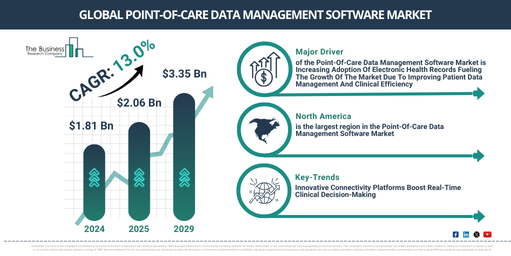
    The point-of-care data management software market has experienced substantial expansion in recent years. Its valuation is set to increase from $1.81 billion in 2024 to $2.06 billion in 2025, indicating a compound annual growth rate (CAGR) of 13.4%. The growth observed in prior periods stems from various factors, including the greater adoption of point-of-care testing within clinical workflows, an increasing need for prompt diagnostic decision-making, the expanding utilization of electronic medical records in primary care, rising awareness concerning the advantages of decentralized diagnostics, and the growing requirement for remote monitoring solutions in rural healthcare settings.

    The point-of-care data management software market is poised for substantial expansion in the upcoming years, with its size projected to reach $3.35 billion by 2029, demonstrating a compound annual growth rate (CAGR) of 13.0%. This anticipated growth is primarily fueled by factors such as the increasing demand for instant patient data access, a growing reliance on telemedicine platforms for diagnostic purposes, an intensified focus on interoperability among healthcare systems, rising investments in cybersecurity for safeguarding medical data, and the increasing necessity for predictive diagnostics in preventive healthcare. Significant trends expected during this forecast period include progress in artificial intelligence-driven point-of-care analytics, the establishment of interoperable data exchange standards, innovations in blockchain-based health data security, advancements in real-time cloud integration for diagnostics, and the creation of data management platforms compatible with wearable technology.

    Unlock Your Free Sample Report for Exclusive Market Data:

    https://www.thebusinessresearchcompany.com/sample.aspx?id=27389&type=smp

    Which Drivers Are Shaping The Point-Of-Care Data Management Software Industry’s Market Share?

    The expanding utilization of electronic health records is anticipated to fuel the expansion of the point-of-care data management software market in the future. EHRs, or Electronic Health Records, represent digital documentation encompassing a patient’s medical background, therapies, and diagnostic outcomes, crafted for secure interchange among healthcare professionals to enhance patient care and collaborative efforts. The uptake of electronic health records is on the rise, driven by an escalating demand for effective patient data handling, which facilitates simplified access, heightened precision, and more integrated care delivery. Point-of-care data management software augments electronic health record systems by providing real-time data acquisition and effortless integration, rendering it highly suitable for clinical settings and diagnostic procedures at the patient’s side. This software minimizes manual data input through automated updates of patient records, thereby boosting clinical effectiveness and decision-making processes. As an illustration, figures from June 2022, supplied by the Department of Health and Social Care, a UK-based government department, indicated that 90% of National Health Service (NHS) trusts had implemented electronic health records by December 2023, with full adoption (100%) anticipated by March 2025. Consequently, the expanding incorporation of electronic health records is serving as a catalyst for the expansion of the point-of-care data management software market.

    What Are The Different Segment Classifications Within The Point-Of-Care Data Management Software Market?

    The point-of-care data management software market covered in this report is segmented

    1) By Type: Standalone Software, Integrated Software

    2) By Deployment Mode: Cloud-Based, On-Premises, Hybrid Solutions

    3) By Technology: Artificial Intelligence, Machine Learning, Blockchain, Internet Of Things (IoT), Big Data Analytics

    4) By Applications: Infectious Disease Devices, Glucose Monitoring, Coagulation Monitoring, Urinalysis, Cardiometabolic Monitoring, Cancer Markers, Hematology, Other Point-Of-Care Applications

    5) By End User: Hospitals, Clinics, Ambulatory Care Center, Home Healthcare, Diagnostic Laboratories

    Subsegments:

    1) By Standalone Software: Device-Specific Data Management Systems, Modular Clinical Information Systems, Laboratory Data Analysis Tools, Remote Patient Monitoring Software

    2) By Integrated Software: Hospital Information System Integrated Platforms, Electronic Health Record Embedded Solutions, Cloud-Based Interoperable Platforms, Multi-Device Connectivity And Data Integration Systems

    Which Trends Are Impacting The Point-Of-Care Data Management Software Market?

    Leading companies in the point-of-care data management software market are prioritizing the development of advanced technological solutions, such as middleware connectivity platforms, to smoothly integrate data from various diagnostic instruments and enhance real-time clinical decision-making. Middleware connectivity platforms are software solutions that serve as intermediaries between point-of-care devices and hospital information systems, facilitating seamless data exchange, integration, and interoperability. For instance, in May 2022, EKF Diagnostics Holdings plc, a UK-based healthcare company, launched EKF Link, a middleware connectivity solution designed for the secure management and centralized integration of point-of-care (POC) analyzers and their data. This adaptable, open platform enables healthcare providers to connect, monitor, and manage multiple POC analyzers in real time from a single centralized interface. Its key capabilities include remote instrument configuration, operator and report management, quality control oversight, and effortless integration with hospital or laboratory IT systems utilizing standard protocols such as HL7 and LIS2A.

    Which Major Firms Are Strengthening Their Position In The Point-Of-Care Data Management Software Industry?

    Major companies operating in the point-of-care data management software market are F. Hoffmann-La Roche Ltd., Oracle Health Inc., Thermo Fisher Scientific Inc., Abbott Point of Care Inc., Danaher Corporation, Siemens Healthineers AG, GE HealthCare Technologies Inc., Athenahealth Inc., InterSystems Corporation, eClinicalWorks LLC, Medical Information Technology Inc., NextGen Healthcare Inc., Randox Laboratories Ltd., Greenway Health LLC, Care Cloud Inc., CureMD.com Inc., Telcor Inc., Orchard Software Corporation, HealthEC LLC, Sunquest Information Systems Inc.

    Download The Full Report For Exclusive Market Findings:

    https://www.thebusinessresearchcompany.com/report/point-of-care-data-management-software-global-market-report

    How Is Point-Of-Care Data Management Software Market Demand Varying Across Different Regions?

    North America was the largest region in the point-of-care data management software market in 2024. Asia-Pacific is expected to be the fastest-growing region in the forecast period. The regions covered in the point-of-care data management software market report are Asia-Pacific, Western Europe, Eastern Europe, North America, South America, Middle East, Africa.

    Request A Customized Version Of The Point-Of-Care Data Management Software Market Report:

    https://www.thebusinessresearchcompany.com/customise?id=27389&type=smp

    Browse Through More Reports Similar to the Global Point-Of-Care Data Management Software Market 2025, By The Business Research Company

    Pre Engineered Buildings Global Market Report 2025

    https://www.thebusinessresearchcompany.com/report/pre-engineered-buildings-global-market-report

    Modular And Prefabricated Nonresidential Building Construction Global Market Report 2025

    https://www.thebusinessresearchcompany.com/report/modular-and-prefabricated-nonresidential-building-construction-global-market-report

    Multifamily Modular And Prefabricated Housing Construction Global Market Report 2025

    https://www.thebusinessresearchcompany.com/report/multifamily-modular-and-prefabricated-housing-construction-global-market-report

    Get in touch with us:

    The Business Research Company: https://www.thebusinessresearchcompany.com/

    Americas +1 310-496-7795

    Asia +44 7882 955267 & +91 8897263534

    Europe +44 7882 955267

    Email us at info@tbrc.info

    Follow us on:

    LinkedIn: https://in.linkedin.com/company/the-business-research-company

    YouTube: https://www.youtube.com/channel/UC24_fI0rV8cR5DxlCpgmyFQ

    Global Market Model: https://www.thebusinessresearchcompany.com/global-market-model
  • Tardive Dyskinesia Treatment Market Forecast 2025–2034: Where Businesses Should Invest Next

    Tardive Dyskinesia Treatment Market Forecast 2025–2034: Where Businesses Should Invest Next

    Unlock Global Insights – Save 20% on Market Reports with Code ONLINE20

    What Are The Forecasted Market Size Estimates For The Tardive Dyskinesia Treatment Market Between 2025 And 2029?

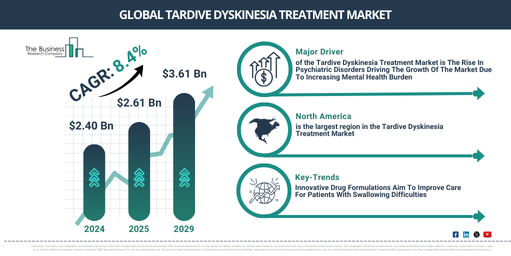
    The tardive dyskinesia treatment market size has experienced significant expansion in recent years. This market is projected to expand from $2.40 billion in 2024 to $2.61 billion in 2025, achieving a compound annual growth rate (CAGR) of 8.7%. The historical period’s expansion can be ascribed to several factors, including the increasing application of antipsychotic medications, heightened recognition of drug-induced movement disorders, an uptick in the prevalence of schizophrenia and bipolar disorders, the rising off-label utilization of antipsychotics, and an expanding elderly demographic using psychotropic drugs.

    The tardive dyskinesia treatment market is projected to experience robust expansion over the coming years. This market is set to reach $3.61 billion by 2029, exhibiting a compound annual growth rate (CAGR) of 8.4%. This anticipated growth is driven by several factors, including an increasing demand for safer antipsychotic treatments, enhanced awareness fostered by advocacy and educational initiatives, a greater emphasis on tailored mental health solutions, increased healthcare expenditure allocated to neurological and psychiatric conditions, and an expanding population of psychiatric patients undergoing prolonged therapy. Key trends anticipated during this period encompass the development of neuroprotective approaches, the creation of dual-action therapies, the incorporation of real-world evidence (RWE) into drug assessment, the integration of digital biomarkers, and advancements in non-dopaminergic therapeutics.

    Unlock Your Free Sample Report for Exclusive Market Data:

    https://www.thebusinessresearchcompany.com/sample.aspx?id=27431&type=smp

    What Are The Emerging Market Drivers Creating New Opportunities In The Tardive Dyskinesia Treatment Industry?

    A rise in the occurrence of psychiatric disorders is anticipated to stimulate the expansion of the tardive dyskinesia treatment market in the future. Psychiatric disorders encompass diverse mental health issues impacting an individual’s mood, thought processes, conduct, and general functionality, frequently necessitating professional diagnosis and intervention. The frequency of psychiatric disorders is increasing, attributed to heightened stress and modern lifestyle demands stemming from intense workloads, feelings of social isolation, and insufficient time for personal well-being. Tardive dyskinesia treatment aids in controlling involuntary movement symptoms, thereby enhancing overall therapeutic results and the quality of life for patients with psychiatric disorders needing prolonged antipsychotic medication. For example, in March 2024, the House of Commons Library, a UK-based research and information service, reported that in 2022, the percentage of 17- to 19-year-olds with a probable mental disorder rose from 17% in 2021 to 26%. Consequently, the growing incidence of psychiatric disorders is fueling the expansion of the tardive dyskinesia treatment market.

    What Are The Major Segment Types Covered In The Tardive Dyskinesia Treatment Market?

    The tardive dyskinesia treatment market covered in this report is segmented

    1) By Treatment Type: Medications, Botulinum Toxin Injections, Deep Brain Stimulation, Other Treatment Types

    2) By Drug: Valbenazine, Amantadine, Tetrabenazine, Clonazepam, Other Drugs

    3) By Route Of Administration: Oral Administration, Injection, Transdermal Patches

    4) By Distribution Channel: Hospital Pharmacies, Retail Pharmacies, Other Distribution Channels

    5) By End-Users: Hospitals, Specialty Clinics, Other End-Users

    Subsegments:

    1) By Medications: Antipsychotic Medications, Benzodiazepines, Dopamine-Depleting Agents, Anticholinergic Agents

    2) By Botulinum Toxin Injections: Facial Muscle Injections, Neck Muscle Injections, Limb Muscle Injections, Customized Injection Protocols

    3) By Deep Brain Stimulation: Subthalamic Nucleus Stimulation, Globus Pallidus Interna Stimulation, Thalamic Stimulation, Multi-Target Stimulation

    4) By Other Treatment Types: Supportive Therapies, Cognitive Behavioral Therapy, Physical Rehabilitation, Emerging Experimental Treatments

    Which Trends Are Impacting The Tardive Dyskinesia Treatment Market?

    Major companies operating in the tardive dyskinesia treatment market are focusing on developing innovative drugs, such as sprinkle capsule formulations, to improve medication adherence for patients with swallowing difficulties. Sprinkle capsule formulations are medications designed to be opened and sprinkled onto soft food, making them easier to swallow for patients with dysphagia or difficulty taking whole capsules. For instance, in July 2024, Neurocrine Biosciences Inc., a US-based biotechnology company, launched Ingrezza sprinkle (valbenazine) capsules, the leading prescribed vesicular monoamine transporter 2 (VMAT2) inhibitor for treating adults with tardive dyskinesia and chorea associated with Huntington’s disease. This VMAT2 inhibitor works by regulating dopamine levels in the brain to help manage involuntary movements. The medication is available as a once-daily oral capsule, including a sprinkle formulation designed to ease administration for patients who have difficulty swallowing.

    Which Major Firms Are Strengthening Their Position In The Tardive Dyskinesia Treatment Industry?

    Major companies operating in the tardive dyskinesia treatment market are AbbVie Inc., Takeda Pharmaceutical Company Limited, Teva Pharmaceutical Industries Limited, Otsuka Pharmaceutical Co. Ltd., Jazz Pharmaceuticals plc, Kyowa Kirin Co Ltd., H. Lundbeck A/S, Zydus Lifesciences Limited, Neurocrine Biosciences Inc., Luye Pharma Group Ltd., Acadia Pharmaceuticals Inc., Upsher-Smith Laboratories LLC, SteriMax Inc., Adamas Pharmaceuticals Inc., ChemWerth Inc, Sunovion Pharmaceuticals Inc., Mitsubishi Tanabe Pharma Corporation, Synnat Pharma Pvt. Ltd, LGM Pharma LLC, and SOM Biotech S.A.

    Download The Full Report For Exclusive Market Findings:

    https://www.thebusinessresearchcompany.com/report/tardive-dyskinesia-treatment-global-market-report

    Which Global Regions Are Influencing The Competitive Landscape Of The Tardive Dyskinesia Treatment Market?

    North America was the largest region in the tardive dyskinesia treatment market in 2024. Asia-Pacific is expected to be the fastest-growing region in the forecast period. The regions covered in the tardive dyskinesia treatment market report are Asia-Pacific, Western Europe, Eastern Europe, North America, South America, Middle East, Africa.

    Request A Customized Version Of The Tardive Dyskinesia Treatment Market Report:

    https://www.thebusinessresearchcompany.com/customise?id=27431&type=smp

    Browse Through More Reports Similar to the Global Tardive Dyskinesia Treatment Market 2025, By The Business Research Company

    Tax Preparation Services Global Market Report 2025

    https://www.thebusinessresearchcompany.com/report/tax-preparation-services-global-market-report

    Tax Management Software Global Market Report 2025

    https://www.thebusinessresearchcompany.com/report/tax-management-software-global-market-report

    Tax Management Global Market Report 2025

    https://www.thebusinessresearchcompany.com/report/tax-management-global-market-report

    Get in touch with us:

    The Business Research Company: https://www.thebusinessresearchcompany.com/

    Americas +1 310-496-7795

    Asia +44 7882 955267 & +91 8897263534

    Europe +44 7882 955267

    Email us at info@tbrc.info

    Follow us on:

    LinkedIn: https://in.linkedin.com/company/the-business-research-company

    YouTube: https://www.youtube.com/channel/UC24_fI0rV8cR5DxlCpgmyFQ

    Global Market Model: https://www.thebusinessresearchcompany.com/global-market-model

  • Global T Cell Surface Glycoprotein CD3 Epsilon Chain Market Analysis 2025–2029: Opportunities for Strategic Growth

    Global T Cell Surface Glycoprotein CD3 Epsilon Chain Market Analysis 2025–2029: Opportunities for Strategic Growth

    Unlock Global Insights – Save 20% on Market Reports with Code ONLINE20

    How Is The T Cell Surface Glycoprotein CD3 Epsilon Chain Market Size Likely To Evolve From 2025 Through 2034?

    The T cell surface glycoprotein CD3 epsilon chain market size has experienced significant growth in recent years. It is anticipated to increase from $1.13 billion in 2024 to $1.23 billion in 2025, achieving a compound annual growth rate (CAGR) of 9.3%. The expansion observed in the past can be attributed to the rising incidence of autoimmune disorders, an increasing need for targeted immunotherapies, the broader application of monoclonal antibody therapies, the initial clinical successes of cluster of differentiation 3-based agents, and growing financial commitments to oncology research.

    The market for T cell surface glycoprotein CD3 epsilon chain is projected to experience robust expansion in the coming years, anticipated to reach $1.74 billion by 2029, exhibiting a compound annual growth rate (CAGR) of 9.0%. Factors contributing to this projected growth include the increased adoption of bispecific antibodies, the expansion into treating solid tumor indications, a rise in strategic partnerships and licensing agreements, the growing incidence of cancer, and supportive regulatory environments for immunotherapies. Key developments expected during this period involve progress in recombinant antibody engineering, the incorporation of artificial intelligence into drug discovery, advancements in bispecific and trispecific antibodies, ongoing research and development in cluster of differentiation 3 epsilon chain modulation, and a shift towards personalized immunotherapy approaches.

    Unlock Your Free Sample Report for Exclusive Market Data:

    https://www.thebusinessresearchcompany.com/sample.aspx?id=27430&type=smp

    Which Drivers Are Impacting The T Cell Surface Glycoprotein CD3 Epsilon Chain Market?

    The T cell surface glycoprotein CD3 epsilon chain market is anticipated to expand due to the rising occurrence of autoimmune diseases. Autoimmune conditions are characterized by the body’s immune system erroneously attacking its own healthy cells and tissues. The increasing incidence of these diseases largely stems from greater exposure to environmental pollutants, which can impair immune function and provoke immune attacks on the body’s own tissues. T cell surface glycoprotein CD3 epsilon chain aids in managing autoimmune diseases by modulating T cell activity, establishing it as a critical therapeutic target. This helps mitigate overactive immune responses, thereby lessening tissue damage and improving patient results. For example, a survey study conducted by Versorgungsatlas.de, a Germany-based organization, in November 2024, surveyed 68,959,472 individuals in 2012 and 73,241,305 in 2022. It revealed that among 73,241,305 insured individuals in 2022, 6,304,340 received a diagnosis of at least one autoimmune disease, which represents a raw prevalence rate of 8.61%. Consequently, the rising occurrence of autoimmune diseases is fueling the expansion of the T cell surface glycoprotein CD3 epsilon chain market.

    What Are The Major Segment Categories Driving The T Cell Surface Glycoprotein CD3 Epsilon Chain Market Growth?

    The t cell surface glycoprotein cd3 epsilon chain market covered in this report is segmented

    1) By Product Type: Antibodies, Reagents, Kits, Cell Lines

    2) By Technology: Monoclonal Antibodies Technology, Recombinant Deoxyribonucleic Acid Technology, Cell Culture Technology, Flow Cytometry Technology

    3) By Research Purpose: Basic Research, Translational Research, Clinical Research, Pharmacological Research

    4) By Application: Cancer Immunotherapy, Autoimmune Disease Treatment, Transplant Rejection, Infectious Disease Treatment, Research And Development

    5) By End-User: Pharmaceutical Companies, Biotechnology Firms, Research Institutes, Academic Institutions, Hospitals And Clinics

    Subsegments:

    1) By Antibodies: Monoclonal Antibodies, Polyclonal Antibodies, Recombinant Antibodies

    2) By Reagents: Blocking Reagents, Labeling Reagents, Detection Reagents, Isotype Controls

    3) By Kits: Enzyme Linked Immunosorbent Assay Kits, Flow Cytometry Kits, Western Blot Kits, Immunoprecipitation Kits

    4) By Cell Lines: Human Cell Lines, Mouse Cell Lines, Rat Cell Lines, Hybridoma Cell Lines

    What Long-Term Trends Will Shape The Future Growth Of The T Cell Surface Glycoprotein CD3 Epsilon Chain Industry?

    Leading companies operating within the T cell surface glycoprotein CD3 epsilon chain market are focusing on developing advanced therapies, such as bispecific antibodies, to enhance treatment efficacy, improve patient outcomes, and address hard-to-treat cancers. Bispecific antibodies are engineered molecules designed to simultaneously bind to two distinct antigens, for instance, CD3 on T cells and a tumor-specific antigen, thereby redirecting immune cells toward cancer cells. For example, in August 2023, Janssen Pharmaceutical Companies of Johnson & Johnson, a US-based pharmaceutical company, received US Food and Drug Administration (FDA) accelerated approval for TALVEY (talquetamab-tgvs), which is a first-in-class bispecific T-cell engaging antibody for treating adult patients with relapsed or refractory multiple myeloma who have undergone at least four prior lines of therapy. TALVEY is administered weekly or biweekly through subcutaneous injection after a step-up dosing phase, offering flexibility in treatment regimens. It targets both the CD3 epsilon chain on T cells and GPRC5D on myeloma cells, thereby activating the immune system to attack cancer cells.

    Who Are The Primary Competitors In The Global T Cell Surface Glycoprotein CD3 Epsilon Chain Market?

    Major companies operating in the t cell surface glycoprotein cd3 epsilon chain market are Merck & Co. Inc., Becton Dickinson and Company, Bio-Techne Corporation, Abcam plc, Sino Biological Inc., MacroGenics Inc., ACROBiosystems Inc., ABclonal Technology Co Ltd., GeneTex Inc., Santa Cruz Biotechnology Inc., Novus Biologicals LLC, Bioss Antibodies Inc., MedChemExpress MCE LLC, Biorbyt Ltd., Boster Biological Technology Co Ltd., Abbexa Limited, Novatein Biosciences LLC, AssayPro LLC, ProteoGenix, Cloud‑Clone Corp.

    Download The Full Report For Exclusive Market Findings:

    https://www.thebusinessresearchcompany.com/report/t-cell-surface-glycoprotein-cd3-epsilon-chain-global-market-report

    What Are The Regional Market Dynamics Impacting The T Cell Surface Glycoprotein CD3 Epsilon Chain Industry?

    North America was the largest region in the T cell surface glycoprotein CD3 epsilon chain market in 2024. Asia-Pacific is expected to be the fastest-growing region in the forecast period. The regions covered in the t cell surface glycoprotein cd3 epsilon chain market report are Asia-Pacific, Western Europe, Eastern Europe, North America, South America, Middle East, Africa.

    Request A Customized Version Of The T Cell Surface Glycoprotein CD3 Epsilon Chain Market Report:

    https://www.thebusinessresearchcompany.com/customise?id=27430&type=smp

    Browse Through More Reports Similar to the Global T Cell Surface Glycoprotein CD3 Epsilon Chain Market 2025, By The Business Research Company

    Green Technology And Sustainability Global Market Report 2025

    https://www.thebusinessresearchcompany.com/report/green-technology-and-sustainability-global-market-report

    Renewable Energy Certificates Global Market Report 2025

    https://www.thebusinessresearchcompany.com/report/renewable-energy-certificates-global-market-report

    Management System Certification Global Market Report 2025

    https://www.thebusinessresearchcompany.com/report/management-system-certification-global-market-report

    Get in touch with us:

    The Business Research Company: https://www.thebusinessresearchcompany.com/

    Americas +1 310-496-7795

    Asia +44 7882 955267 & +91 8897263534

    Europe +44 7882 955267

    Email us at info@tbrc.info

    Follow us on:

    LinkedIn: https://in.linkedin.com/company/the-business-research-company

    YouTube: https://www.youtube.com/channel/UC24_fI0rV8cR5DxlCpgmyFQ

    Global Market Model: https://www.thebusinessresearchcompany.com/global-market-model
  • Point Of Care Hematology Diagnostics Market Size Forecast: Revenue and CAGR by 2029

    Point Of Care Hematology Diagnostics Market Size Forecast: Revenue and CAGR by 2029

    Unlock Global Insights – Save 20% on Market Reports with Code ONLINE20

    What Market Value Is The Point Of Care Hematology Diagnostics Industry Expected To Reach By 2029, Starting From 2025 Levels?

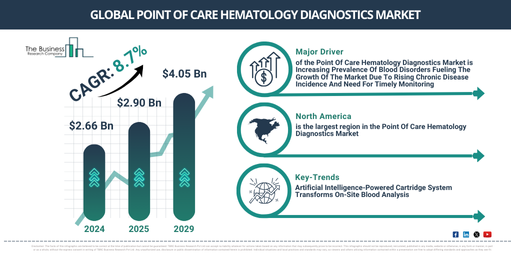
    The point of care hematology diagnostics market has experienced substantial growth in recent years. It is projected to increase from $2.66 billion in 2024 to $2.90 billion in 2025, achieving a compound annual growth rate (CAGR) of 9.1%. This historical expansion can be attributed to several factors including the rising prevalence of hematological disorders, the increasing adoption of decentralized healthcare settings, a growing focus on early disease detection, escalating healthcare expenditures in emerging markets, and the expanding use of portable diagnostic devices.

    The point of care hematology diagnostics market size is anticipated to undergo substantial growth in the upcoming years. This market is projected to expand to $4.05 billion by 2029, exhibiting a compound annual growth rate (CAGR) of 8.7%. This expansion during the forecast period is primarily fueled by the increasing embrace of personalized medicine, a rising need for immediate clinical decisions, the expanding requirement for home healthcare diagnostics, the growing occurrence of blood-related disorders, and heightened awareness regarding preventive healthcare. Significant developments expected in this period include advanced connectivity features in hematology analyzers, novel methods in sample preparation, the integration of artificial intelligence into diagnostic instruments, innovations in single-cell analysis, the adoption of cloud-based data platforms, and progress in lab-on-a-chip solutions.

    Unlock Your Free Sample Report for Exclusive Market Data:

    https://www.thebusinessresearchcompany.com/sample.aspx?id=27388&type=smp

    What Are The Drivers Pushing New Developments In The Point Of Care Hematology Diagnostics Market?

    The anticipated expansion of the point-of-care hematology diagnostics market is driven by the growing occurrence of blood disorders. These disorders are conditions impacting blood components like red blood cells, white blood cells, platelets, or plasma. The heightened incidence of blood disorders largely stems from the increasing prevalence of chronic illnesses, which directly affect blood health and necessitate continuous monitoring. Point-of-care hematology diagnostics facilitate prompt detection and oversight of blood disorders by delivering fast, precise results at or close to the patient’s location, thereby allowing for quicker clinical judgments and enhanced disease management. For example, data from April 2024 by the Perth Blood Institute, an Australia-based non-profit, indicated that individuals diagnosed with hemophilia – a genetic condition causing prolonged bleeding due to insufficient clotting factors – reached 257,146 in 2022, an increase from 233,577 in 2021. Consequently, the growing occurrence of blood disorders is fueling the expansion of the point-of-care hematology diagnostics market.

    What Are The Primary Types Of Segments Analyzed In The Point Of Care Hematology Diagnostics Market?

    The point of care hematology diagnostics market covered in this report is segmented

    1) By Type: Complete Blood Count, Coagulation Testing, Hemoglobin Testing, Anemia Diagnosis, Other Types

    2) By Product: Consumables, Systems

    3) By Mode Of Prescription: Prescription Based Product, Over-The-Counter Based Product

    4) By End User: Diagnostic Centers, Hospitals, Blood Banks, Transfusion Centers, Other End Users

    Subsegments:

    1) By Complete Blood Count: White Blood Cell Count, Red Blood Cell Count, Platelet Count, Hematocrit, Hemoglobin Concentration, Mean Corpuscular Volume (MCV)

    2) By Coagulation Testing: Prothrombin Time (PT), Activated Partial Thromboplastin Time (aPTT), International Normalized Ratio (INR), D-Dimer Test, Fibrinogen Level

    3) By Hemoglobin Testing: Total Hemoglobin, Glycated Hemoglobin (HbA1c), Oxyhemoglobin, Carboxyhemoglobin, Methemoglobin

    4) By Anemia Diagnosis: Iron Studies, Vitamin B12 Levels, Folate Levels, Reticulocyte Count, Ferritin Test, Transferrin Saturation

    5) By Other Types: Blood Typing And Crossmatching, Erythrocyte Sedimentation Rate, Malaria Parasite Detection, Sickle Cell Screening, C-Reactive Protein Testing

    What Long-Term Trends Will Shape The Future Growth Of The Point Of Care Hematology Diagnostics Industry?

    Leading companies within the point-of-care hematology diagnostics market are prioritizing the creation of technologically advanced solutions, such as cartridge-based AI-powered hematology analyzers, to provide swift, precise, and on-site blood analysis for enhanced patient outcomes. Cartridge-based AI-powered hematology analyzers function as compact diagnostic tools, employing single-use reagent cartridges and artificial intelligence algorithms to rapidly and accurately examine blood samples at the point of care. As an example, in September 2024, Zoetis Inc., a US-based veterinary health company, introduced Vetscan OptiCell, a cartridge-based, AI-powered hematology analyzer specifically designed for veterinary applications. This cutting-edge system delivers rapid, reference laboratory-quality complete blood count (CBC) results in minutes directly at the point of care, concurrently minimizing maintenance and hands-on operational time. It incorporates advanced AI-driven image analysis alongside viscoelastic focusing technology that precisely positions cells for clear visualization, allowing for accurate blood cell classification and automated identification of abnormalities, thus ensuring efficient and reliable veterinary diagnostics.

    Who Are The Primary Competitors In The Global Point Of Care Hematology Diagnostics Market?

    Major companies operating in the point of care hematology diagnostics market are F. Hoffmann-La Roche Ltd., Thermo Fisher Scientific Inc., Abbott Laboratories, Danaher Corporation, Siemens Healthineers AG, Shenzhen Mindray Bio-Medical Electronics Co. Ltd., Sysmex Corporation, HORIBA Ltd., Nova Biomedical Corp., S.D. Sight Diagnostics Ltd., EKF Diagnostics Holdings plc., Medsource Ozone Biomedicals Pvt. Ltd., BioSystems S.A., Chengdu Seamaty Technology Co. Ltd., Drucker Diagnostics LLC, Diamond Diagnostics Inc., DIAGON Kft., BioMedomics Inc., Norma Instruments Zrt., PixCell Medical Technologies Ltd.

    Download The Full Report For Exclusive Market Findings:

    https://www.thebusinessresearchcompany.com/report/point-of-care-hematology-diagnostics-global-market-report

    Which Geographies Are Emerging As Strong Markets For The Point Of Care Hematology Diagnostics Industry?

    North America was the largest region in the point of care hematology market in 2024. Asia-Pacific is expected to be the fastest-growing region in the forecast period. The regions covered in the point of care hematology diagnostics market report are Asia-Pacific, Western Europe, Eastern Europe, North America, South America, Middle East, Africa.

    Request A Customized Version Of The Point Of Care Hematology Diagnostics Market Report:

    https://www.thebusinessresearchcompany.com/customise?id=27388&type=smp

    Browse Through More Reports Similar to the Global Point Of Care Hematology Diagnostics Market 2025, By The Business Research Company

    Pre Engineered Buildings Global Market Report 2025

    https://www.thebusinessresearchcompany.com/report/pre-engineered-buildings-global-market-report

    Architectural And Structural Metals Global Market Report 2025

    https://www.thebusinessresearchcompany.com/report/architectural-and-structural-metals-global-market-report

    Architectural And Structural Metals Global Market Report 2025

    https://www.thebusinessresearchcompany.com/report/architectural-and-structural-metals-global-market-report

    Get in touch with us:

    The Business Research Company: https://www.thebusinessresearchcompany.com/

    Americas +1 310-496-7795

    Asia +44 7882 955267 & +91 8897263534

    Europe +44 7882 955267

    Email us at info@tbrc.info

    Follow us on:

    LinkedIn: https://in.linkedin.com/company/the-business-research-company

    YouTube: https://www.youtube.com/channel/UC24_fI0rV8cR5DxlCpgmyFQ

    Global Market Model: https://www.thebusinessresearchcompany.com/global-market-model

  • T Cell Specific Surface Glycoprotein CD28 Industry Overview 2025: Growth Projections and Market Trends

    T Cell Specific Surface Glycoprotein CD28 Industry Overview 2025: Growth Projections and Market Trends

    Unlock Global Insights – Save 20% on Market Reports with Code ONLINE20

    What Are The Growth Projections For The T Cell Specific Surface Glycoprotein CD28 Market Size During 2025–2029?

    The market for T cell-specific surface glycoprotein CD28 has witnessed rapid expansion in recent years. It is anticipated to increase from $1.47 billion in 2024 to $1.62 billion in 2025, achieving a compound annual growth rate (CAGR) of 10.1%. The historical development of this market can be attributed to factors like heightened research in immunotherapy, the escalating prevalence of cancer, an increase in autoimmune disease cases, a rise in clinical trials, and the growing adoption of monoclonal antibodies.

    The T cell-specific surface glycoprotein CD28 market is anticipated to exhibit significant growth over the next few years, with its size projected to reach $2.35 billion by 2029, demonstrating a compound annual growth rate (CAGR) of 9.8%. This expansion during the forecast period is propelled by factors such as an escalating demand for personalized medicine, an increasing focus on T-cell-based therapies, rising awareness surrounding immuno-oncology, an expanding pipeline of targeted therapies, growing investments from pharmaceutical companies, and broader applications in chronic diseases. Prominent trends observed for the forecast period include advancements in cell engineering technologies, sophisticated development of bispecific antibodies, innovations in targeted immunotherapies, the integration of AI within drug discovery, and improvements in the manufacturing of biologics.

    Unlock Your Free Sample Report for Exclusive Market Data:

    https://www.thebusinessresearchcompany.com/sample.aspx?id=27429&type=smp

    Which Industry Drivers Are Expected To Accelerate The T Cell Specific Surface Glycoprotein CD28 Market From 2025 To 2029?

    An increasing focus on personalized medicine is anticipated to drive the expansion of the T cell-specific surface glycoprotein CD28 market in the future. This medical strategy involves customizing treatments for individual patients, considering their genetic, environmental, and lifestyle elements to achieve better results and enhance care. Demand for personalized medicine is rising, propelled by progress in genomic technologies that facilitate accurate identification of genetic differences and allow for individualized therapeutic approaches. T cell-specific surface glycoprotein CD28 contributes to personalized medicine by allowing for targeted immune system adjustments, thus making treatments more accurate and potent. It improves therapeutic results through fostering optimal T cell activation, which in turn enhances immune responses tailored to specific patients. For example, in February 2024, data from the Personalized Medicine Coalition (PMC), a US-based nonprofit group, indicated that the U.S. Food and Drug Administration (FDA) cleared 26 new personalized medicines in 2023, a significant rise from the 12 approved in 2022. Consequently, the increasing focus on personalized medicine is fueling the expansion of the T cell-specific surface glycoprotein CD28 market.

    How Is The T Cell Specific Surface Glycoprotein CD28 Market Segmented?

    The t cell specific surface glycoprotein cd28 market covered in this report is segmented

    1) By Type: FPT 155, FR 104, Lulizumab Pegol, Other Types

    2) By Technology: Flow Cytometry, EnzymeLinked Immunosorbent Assay (ELISA), Polymerase Chain Reaction (PCR), Weste Blotting, Immunohistochemistry

    3) By Distribution Channel: Direct Sales, Distributors, Ecommerce, Retail Pharmacies, Wholesalers

    4) By Application: Immunology Research, Cancer Research, Autoimmune Diseases, Infectious Diseases, Stem Cell Research

    5) By End-User: Hospitals, Research Laboratories, Academic Institutions, Pharmaceutical Companies, Diagnostic Laboratories

    Subsegments:

    1) By FPT 155: Preclinical Studies, Clinical Trials, Oncology Applications, Licensing And Partnerships

    2) By FR 104: Autoimmune Disease Applications, Rheumatoid Arthritis Trials, Transplant Rejection Studies, Research Collaborations

    3) By Lulizumab Pegol: Systemic Lupus Erythematosus (SLE) Studies, Immunomodulation Research, Biopharmaceutical Development, Monoclonal Antibody Engineering

    4) By Other Types: Novel CD28 Inhibitors, Combination Therapies, Biosimilars And Biobetters, Emerging Research Compounds

    Which Market Trends Are Creating New Opportunities In The T Cell Specific Surface Glycoprotein CD28 Industry?

    Leading companies in the T cell-specific surface glycoprotein CD28 market are concentrating on developing innovative products, such as combination immunotherapies, to enhance T cell activation, improve anti-tumor efficacy, and better patient treatment outcomes. Combination immunotherapies are treatments that integrate multiple immune-based approaches to strengthen the body’s ability to combat disease. For instance, in February 2025, Rondo Therapeutics Inc., a US-based biopharmaceutical company, unveiled preclinical data on RNDO 564, a novel CD28 Nectin 4 costimulatory bispecific antibody intended for advanced bladder cancer. It is specifically engineered to selectively activate CD28 on T cells upon interaction with Nectin-4-expressing tumor cells, thereby boosting T-cell-mediated tumor killing while minimizing off-target toxicity. The data demonstrated potent anti-tumor activity in preclinical models, lending support for its further development as a potential therapy for patients with metastatic urothelial carcinoma.

    Which Key Market Players Are Investing In Expansion And Innovation Of T Cell Specific Surface Glycoprotein CD28 Market?

    Major companies operating in the t cell specific surface glycoprotein cd28 market are Gilead Sciences Inc., Johnson & Johnson, Novartis AG, Bristol-Myers Squibb Company, Takeda Pharmaceutical Company Limited, Becton Dickinson and Company, Regeneron Pharmaceuticals Inc., Bio-Techne Corporation, STEMCELL Technologies Inc., Miltenyi Biotec B.V. & Co. KG, Sino Biological Inc., Xencor Inc., ACROBiosystems Co. Ltd., Fate Therapeutics Inc., Medigene AG, Alpine Immune Sciences Inc., Adaptimmune Therapeutics plc, OSE Immunotherapeutics SA, Creative Biolabs Inc., Rondo Therapeutics Inc.

    Download The Full Report For Exclusive Market Findings:

    https://www.thebusinessresearchcompany.com/report/t-cell-specific-surface-glycoprotein-cd28-global-market-report

    Which Region Shows The Highest Potential For Future Expansion In The T Cell Specific Surface Glycoprotein CD28 Market?

    North America was the largest region in the T cell-specific surface glycoprotein CD28 market in 2024. Asia-Pacific is expected to be the fastest-growing region in the forecast period. The regions covered in the t cell specific surface glycoprotein cd28 market report are Asia-Pacific, Western Europe, Eastern Europe, North America, South America, Middle East, Africa.

    Request A Customized Version Of The T Cell Specific Surface Glycoprotein CD28 Market Report:

    https://www.thebusinessresearchcompany.com/customise?id=27429&type=smp

    Browse Through More Reports Similar to the Global T Cell Specific Surface Glycoprotein CD28 Market 2025, By The Business Research Company

    Monitor Global Market Report 2025

    https://www.thebusinessresearchcompany.com/report/monitor-global-market-report

    Display Monitor Global Market Report 2025

    https://www.thebusinessresearchcompany.com/report/display-monitor-global-market-report

    Holter Monitor Global Market Report 2025

    https://www.thebusinessresearchcompany.com/report/holter-monitor-global-market-report

    Get in touch with us:

    The Business Research Company: https://www.thebusinessresearchcompany.com/

    Americas +1 310-496-7795

    Asia +44 7882 955267 & +91 8897263534

    Europe +44 7882 955267

    Email us at info@tbrc.info

    Follow us on:

    LinkedIn: https://in.linkedin.com/company/the-business-research-company

    YouTube: https://www.youtube.com/channel/UC24_fI0rV8cR5DxlCpgmyFQ

    Global Market Model: https://www.thebusinessresearchcompany.com/global-market-model