Blog

  • Cementless Total Knee Systems Market Forecast 2025–2034: Where Businesses Should Invest Next

    Cementless Total Knee Systems Market Forecast 2025–2034: Where Businesses Should Invest Next

    Unlock Global Insights – Save 20% on Market Reports with Code ONLINE20

    #What Is The Projected Market Size Of The Cementless Total Knee Systems Market By 2029?

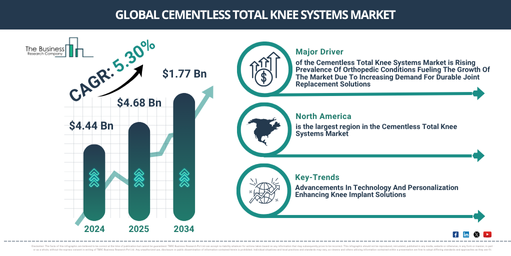
    The market for cementless total knee systems has exhibited substantial growth in recent times. It is anticipated to increase from $4.44 billion in 2024 to $4.68 billion in 2025, achieving a compound annual growth rate (CAGR) of 5.6%. This historical expansion can be attributed to several factors, including the rising demand for durable implants among younger patients, an increased awareness of advanced orthopedic solutions, augmented support for personalized and patient-specific implants, and the proliferation of outpatient and ambulatory surgical centers.

    The market for cementless total knee systems is anticipated to experience substantial expansion over the forthcoming years. This sector is projected to reach a value of $5.77 billion by 2029, demonstrating a compound annual growth rate (CAGR) of 5.3%. The expansion anticipated during this period is driven by several factors, including a heightened focus on value-based healthcare, surgeons becoming more familiar with and trained in cementless techniques, increased worries regarding complications associated with cement, a greater push for early patient mobility and reduced hospital stays, and advancements in customization achieved through 3D printing and digital planning. Key trends emerging during the forecast horizon encompass progress in implant surface technologies, the incorporation of robotic-assisted surgical systems, innovations in biomaterials and coatings, improvements in patient-specific instrumentation, and the evolution of minimally invasive surgical techniques.

    Unlock Your Free Sample Report for Exclusive Market Data:

    https://www.thebusinessresearchcompany.com/sample.aspx?id=25719&type=smp

    Which Drivers Are Shaping The Cementless Total Knee Systems Industry’s Market Share?

    The expanding occurrence of orthopedic conditions is set to boost the expansion of the cementless total knee systems market moving forward. These conditions encompass ailments of the musculoskeletal system, affecting bones, joints, muscles, ligaments, and tendons, often resulting in discomfort, restricted movement, and functional limitations. The growing prevalence of orthopedic diseases stems from an aging global population seeking lasting mobility solutions that alleviate joint discomfort, improve movement, and support an active lifestyle with minimal medical intervention. Cementless total knee systems offer a durable and biologically compatible option for orthopedic ailments, promoting natural bone integration, reducing the likelihood of implant loosening, and restoring joint functionality without the necessity of bone cement. For instance, in January 2024, data from the Office for Health Improvement & Disparities, a UK government body, indicated that the proportion of individuals aged 16 and older reporting a long-term musculoskeletal (MSK) disease, which is a form of orthopedic disease, climbed from 17.6% in 2022 to 18.4% in 2023. Consequently, the rising incidence of orthopedic diseases is propelling the growth of the cementless total knee systems market.

    Which Key Segments Fueling The Cementless Total Knee Systems Market?

    The cementless total knee systems market covered in this report is segmented –

    1) By Component: Tibial Component, Femoral Component

    2) By Fixation Method: Primary Fixation, Hybrid Fixation

    3) By End User: Hospitals, Orthopedic Centers, Other End Users

    Subsegments:

    1) By Tibial Component: Fixed-Bearing Tibial Baseplates, Mobile-Bearing Tibial Baseplates, Modular Tibial Components, Monoblock Tibial Components, Porous-Coated Tibial Components, 3D-Printed Tibial Components

    2) By Femoral Component: Posterior-Stabilized Femoral Components, Cruciate-Retaining Femoral Components, Ultra-Congruent Femoral Components, Asymmetric Femoral Components, Anatomical Femoral Components, Cementless Porous-Coated Femoral Components

    Which Competitive Trends Are Defining The Cementless Total Knee Systems Market Structure?

    Leading companies in the cementless total knee systems market are prioritizing the development of sophisticated technologies, such as TIDAL technology, to supply advanced porous implants that improve bone integration and prolong implant durability. TIDAL technology is an innovative 3D-printed porous implant design engineered to optimize bone integration by enhancing mechanical strength, fatigue resistance, and load distribution for lasting implant stability. For example, in April 2025, Restor3d Inc., a US-based medical device company, obtained Food and Drug Administration (FDA) 510(k) clearance for the iTotal Identity CR 3DP porous total knee system, which is their initial cementless patient-specific implant. This groundbreaking system employs advanced 3D printing and porous technology to deliver superior bone integration and stability, while its personalized design, custom surgical instruments, and pre-navigated surgical method enable surgeons to achieve greater accuracy and efficiency.

    Which Key Players Are Driving Competition In The Cementless Total Knee Systems Market?

    Major companies operating in the cementless total knee systems market are Johnson & Johnson Services Inc., Stryker Corporation, Zimmer Biomet Holdings Inc., Smith & Nephew plc, Enovis Corporation, Globus Medical Inc., MicroPort Scientific Corporation, Medacta International SA, B. Braun Melsungen AG, Waldemar Link GmbH & Co. KG, restor3d Inc., implantcast GmbH, United Orthopedic Corporation, Signature Orthopaedics Pty Ltd, Gruppo Bioimpianti Srl, Permedica S.P.A., Evolutis SAS, Euromed Implants GmbH, X.NOV SAS, Beijing Chunli Zhongke Bio-Tech Co. Ltd.

    Download The Full Report For Exclusive Market Findings:

    https://www.thebusinessresearchcompany.com/report/cementless-total-knee-systems-global-market-report

    How Do Regional Market Performances Compare Within The Cementless Total Knee Systems Industry?

    North America was the largest region in the cementless total knee systems market in 2024. Asia-Pacific is expected to be the fastest-growing region in the forecast period. The regions covered in the cementless total knee systems market report are Asia-Pacific, Western Europe, Eastern Europe, North America, South America, Middle East, Africa.

    Request A Customized Version Of The Cementless Total Knee Systems Market Report:

    https://www.thebusinessresearchcompany.com/customise?id=25719&type=smp

    Browse Through More Reports Similar to the Global Cementless Total Knee Systems Market 2025, By The Business Research Company

    Total Hip And Knee Replacements Global Market Report 2025

    https://www.thebusinessresearchcompany.com/report/total-hip-and-knee-replacements-global-market-report

    Knee Implants Global Market Report 2025

    https://www.thebusinessresearchcompany.com/report/knee-implants-global-market-report

    Dental Cement Global Market Report 2025

    https://www.thebusinessresearchcompany.com/report/dental-cement-global-market-report

    Get in touch with us:

    The Business Research Company: https://www.thebusinessresearchcompany.com/

    Americas +1 310-496-7795

    Asia +44 7882 955267 & +91 8897263534

    Europe +44 7882 955267

    Email us at info@tbrc.info

    Follow us on:

    LinkedIn: https://in.linkedin.com/company/the-business-research-company

    YouTube: https://www.youtube.com/channel/UC24_fI0rV8cR5DxlCpgmyFQ

    Global Market Model: https://www.thebusinessresearchcompany.com/global-market-model
  • Global Catastrophic Antiphospholipid Syndrome Market Analysis 2025–2029: Opportunities for Strategic Growth

    Global Catastrophic Antiphospholipid Syndrome Market Analysis 2025–2029: Opportunities for Strategic Growth

    Unlock Global Insights – Save 20% on Market Reports with Code ONLINE20

    How Much Was The Catastrophic Antiphospholipid Syndrome Market Worth In 2025, And What Is Its Anticipated Value By 2029?

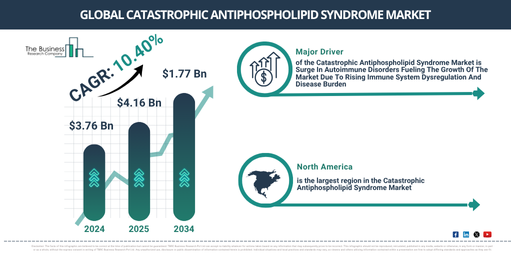
    The market size for catastrophic antiphospholipid syndrome has experienced rapid expansion in recent years. It is anticipated to grow from $3.76 billion in 2024 to $4.16 billion in 2025, reflecting a compound annual growth rate (CAGR) of 10.7%. This growth witnessed in the past can be ascribed to several factors, including the increasing adoption of plasmapheresis and intravenous immunoglobulin (IVIG), the greater availability of biologics and monoclonal antibodies, the development of patient support initiatives and advocacy for rare diseases, the rise in clinical trials for targeted therapies, and an increase in overall healthcare spending.

    The market for catastrophic antiphospholipid syndrome is projected to experience swift expansion in the coming years. This market is forecast to reach $6.17 billion by 2029, exhibiting a compound annual growth rate (CAGR) of 10.4%. Several factors contribute to this growth over the forecast period, including the growing prevalence of autoimmune disorders, enhanced awareness among medical practitioners, wider adoption of immunosuppressive treatments, an uptick in thrombosis-related complications, and a greater need for sophisticated diagnostic instruments. Key trends anticipated during this period encompass progress in autoantibody detection techniques, the creation of point-of-care diagnostic devices, the incorporation of artificial intelligence into clinical decision support systems, technological breakthroughs in immunoassay platforms, and the innovation of targeted biologics and monoclonal antibodies.

    Unlock Your Free Sample Report for Exclusive Market Data:

    https://www.thebusinessresearchcompany.com/sample.aspx?id=25718&type=smp

    What Are The Drivers Pushing New Developments In The Catastrophic Antiphospholipid Syndrome Market?

    The expanding occurrence of autoimmune conditions is anticipated to stimulate the growth of the catastrophic antiphospholipid syndrome market in the future. Autoimmune conditions arise when the immune system aggressively attacks the body’s healthy cells and tissues. The rise in these disorders is partly linked to heightened exposure to environmental contaminants, which disrupt immune system operations and trigger irregular immune responses. Autoimmune disorders contribute to catastrophic antiphospholipid syndrome by prompting the creation of antiphospholipid antibodies, subsequently leading to extensive blood clot formation and multiple organ failure. For example, in June 2023, the Crohn’s and Colitis Foundation of Canada, a Canada-based non-profit, reported 322,600 individuals in Canada living with inflammatory bowel disease in 2023, a figure expected to reach 470,000 by 2035, with annual new cases climbing from 11,000 to 14,000. Consequently, the growing prevalence of autoimmune disorders is propelling the expansion of the catastrophic antiphospholipid syndrome market.

    How Is The Catastrophic Antiphospholipid Syndrome Market Classified Into Different Segments?

    The catastrophic antiphospholipid syndrome market covered in this report is segmented –

    1) By Treatment: Anticoagulants, Immunosuppressive Therapy, Plasma Exchange Therapy (Plasmapheresis), Intravenous Immunoglobulin (IVIG), Other Treatments

    2) By Route Of Administration: Oral, Parenteral

    3) By Diagnostic Tools: Blood Testing, Imaging Techniques, Genetic Testing

    4) By End-User: Hospitals, Specialty clinics, Ambulatory surgical centers, Other End-Users

    Subsegments:

    1) By Anticoagulants: Heparin, Low Molecular Weight Heparin (LMWH), Warfarin, Direct Oral Anticoagulants (DOACs), Fondaparinux

    2) By Immunosuppressive Therapy: Corticosteroids, Cyclophosphamide, Azathioprine, Mycophenolate Mofetil, Methotrexate

    3) By Plasma Exchange Therapy (Plasmapheresis): Therapeutic Plasma Exchange (Tpe), Double Filtration Plasmapheresis (Dfpp), Centrifugal Plasmapheresis, Membrane-Based Plasmapheresis

    4) By Intravenous Immunoglobulin (Ivig): Standard Intravenous Immunoglobulin (Ivig), High-Dose Intravenous Immunoglobulin (Ivig), Liquid Intravenous Immunoglobulin (Ivig), Lyophilized Intravenous Immunoglobulin (Ivig)

    5) By Other Treatments: Monoclonal Antibodies, Complement Inhibitors, Antiplatelet Agents, Anti-Tumor Necrosis Factor (Tnf) Agents, Organ Support Therapies

    Who Are The Top Performing Companies In The Catastrophic Antiphospholipid Syndrome Market In Recent Years?

    Major companies operating in the catastrophic antiphospholipid syndrome market are Pfizer Inc., F. Hoffmann-La Roche Ltd., Merck KGaA, Bayer AG, Sanofi S.A., Bristol-Myers Squibb Company, AstraZeneca PLC., Abbott Laboratories, Novartis AG., Fresenius Kabi AG., Eli Lilly and Company, Boehringer Ingelheim International GmbH, Apotex Inc., Dr. Reddy’s Laboratories Ltd., Hikma Pharmaceuticals PLC, Aspen Pharmacare Holdings Limited, Zydus Lifesciences Limited, LEO Pharma A/S, Kedrion Biopharma Inc., Amphastar Pharmaceuticals Inc.

    Download The Full Report For Exclusive Market Findings:

    https://www.thebusinessresearchcompany.com/report/catastrophic-antiphospholipid-syndrome-global-market-report

    Which Region Currently Holds The Largest Share Of The Catastrophic Antiphospholipid Syndrome Market?

    North America was the largest region in the catastrophic antiphospholipid syndrome market in 2024. Asia-Pacific is expected to be the fastest-growing region in the forecast period. The regions covered in the catastrophic antiphospholipid syndrome market report are Asia-Pacific, Western Europe, Eastern Europe, North America, South America, Middle East, Africa.

    Request A Customized Version Of The Catastrophic Antiphospholipid Syndrome Market Report:

    https://www.thebusinessresearchcompany.com/customise?id=25718&type=smp

    Browse Through More Reports Similar to the Global Catastrophic Antiphospholipid Syndrome Market 2025, By The Business Research Company

    Antiphospholipid Syndrome Treatment Global Market Report 2025

    https://www.thebusinessresearchcompany.com/report/antiphospholipid-syndrome-treatment-global-market-report

    Phospholipid Global Market Report 2025

    https://www.thebusinessresearchcompany.com/report/phospholipid-global-market-report

    Lecithin And Phospholipids Global Market Report 2025

    https://www.thebusinessresearchcompany.com/report/lecithin-and-phospholipids-global-market-report

    Get in touch with us:

    The Business Research Company: https://www.thebusinessresearchcompany.com/

    Americas +1 310-496-7795

    Asia +44 7882 955267 & +91 8897263534

    Europe +44 7882 955267

    Email us at info@tbrc.info

    Follow us on:

    LinkedIn: https://in.linkedin.com/company/the-business-research-company

    YouTube: https://www.youtube.com/channel/UC24_fI0rV8cR5DxlCpgmyFQ

    Global Market Model: https://www.thebusinessresearchcompany.com/global-market-model
  • Canine Atopic Dermatitis Industry Overview 2025: Growth Projections and Market Trends

    Canine Atopic Dermatitis Industry Overview 2025: Growth Projections and Market Trends

    Unlock Global Insights – Save 20% on Market Reports with Code ONLINE20

    What Is The Future Market Size Estimation For The Canine Atopic Dermatitis Market Covering 2025–2034?

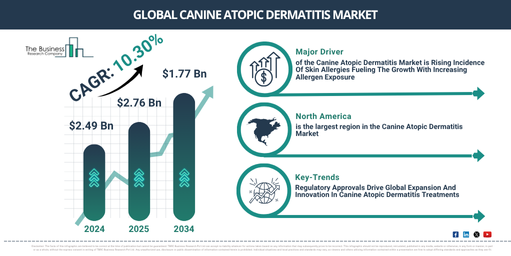
    The canine atopic dermatitis market size has seen significant rapid expansion in recent years. It is anticipated to expand from $2.49 billion in 2024 to $2.76 billion in 2025, progressing at a compound annual growth rate (CAGR) of 10.6%. The expansion observed historically is a result of factors such as increasing pet ownership, enhanced consciousness regarding pet well-being, the rising incidence of allergic conditions in canines, growing spending on veterinary healthcare, and the expanded accessibility of pet insurance.

    The market size for canine atopic dermatitis is predicted to experience substantial expansion over the next few years. It is expected to climb to $4.09 billion by 2029, demonstrating a compound annual growth rate (CAGR) of 10.3%. This anticipated growth can be attributed to factors such as the increasing incorporation of telemedicine in veterinary care, the rising demand for personalized treatments for pets, increased investment in veterinary research and development, the expanding trend of pet humanization, and the growing application of artificial intelligence in veterinary diagnostics. Significant trends during the forecast period involve the advancement of monoclonal antibody treatments, the utilization of artificial intelligence in veterinary diagnostics, the integration of telemedicine for dermatology, the adoption of wearable devices for tracking symptoms, sophisticated allergen-specific immunotherapy, and mobile applications for overseeing treatment.

    Unlock Your Free Sample Report for Exclusive Market Data:

    https://www.thebusinessresearchcompany.com/sample.aspx?id=25717&type=smp

    What Are The Emerging Market Drivers Creating New Opportunities In The Canine Atopic Dermatitis Industry?

    An increase in canine skin allergy cases is anticipated to drive expansion in the canine atopic dermatitis market going forward. These allergies manifest as unusual immune reactions to substances like pollen, certain foods, or flea bites, leading to symptoms such as itching, redness, and irritated skin. The growing incidence of these conditions in dogs is partly linked to more frequent exposure to environmental contaminants and allergens, which can provoke stronger immune responses and skin irritation. Treatments for canine atopic dermatitis are effective in managing these skin issues by alleviating inflammation and itching, preventing subsequent infections, and consequently enhancing the dogs’ comfort and dermatological well-being. As an illustration, data from January 2024, provided by the US government agency National Institutes of Health (NIH), indicated that 7,915 dog owners (28.7%) confirmed their dogs had prior skin-related ailments. The frequency of reported skin problems showed a steady increase with age, beginning at 7% in puppies and escalating to 37% in older dogs. Consequently, the rising number of skin allergy cases in dogs is propelling the growth of the canine atopic dermatitis market. An anticipated increase in pet ownership is set to boost the expansion of the canine atopic dermatitis market going forward. Pet ownership describes the practice of keeping and looking after a domesticated creature, like a dog, cat, bird, or another companion animal, within a home environment. This rise can be attributed to the growing humanization of pets, where animals are considered family members, thereby increasing the demand for companionship and emotional support. Addressing canine atopic dermatitis offers advantages for pets by easing chronic itching and inflammation, improving their skin condition, and elevating their general comfort and life quality. For example, in April 2025, figures from the American Pet Products Association (APPA), a US trade group for pet product manufacturers and suppliers, indicated that 94 million US households (71%) will own a pet in 2025, up from 86.9 million US households (66%) owning a pet in 2023-2024. Consequently, the increase in pet ownership is stimulating growth in the canine atopic dermatitis market.

    What Are The Major Segments Identified In The Canine Atopic Dermatitis Market?

    The canine atopic dermatitis market covered in this report is segmented –

    1) By Product: Glucocorticoids, Antihistamines, Immunosuppressants, Monoclonal Antibodies (mAbs), Other Products

    2) By Dog Breed: German Shepherd, Terriers, Retrievers, Other Dog Breeds

    3) By Indication: Ectoparasites, Food Allergy, Allergic Skin Infections, Other Indications

    4) By Route Of Administration: Oral, Topical, Injectable

    5) By Distribution Channel: Veterinary Clinics, Retail Pharmacies, Online Pharmacies, Other Distribution Channels

    Subsegments:

    1) By Glucocorticoids: Prednisone, Prednisolone, Dexamethasone, Methylprednisolone, Hydrocortisone, Triamcinolone

    2) By Antihistamines: Diphenhydramine, Hydroxyzine, Cetirizine, Loratadine, Chlorpheniramine

    3) By Immunosuppressants: Cyclosporine, Tacrolimus, Azathioprine, Mycophenolate Mofetil

    4) By Monoclonal Antibodies: Lokivetmab, Investigational Monoclonal Antibodies

    5) By Other Products: Essential Fatty Acid Supplements, Medicated Shampoos And Sprays, Allergen-Specific Immunotherapy (ASIT), Skin Barrier Repair Creams, Nutraceuticals And Probiotics

    What Trends Are Redefining The Canine Atopic Dermatitis Market Dynamics?

    Leading businesses within the canine atopic dermatitis market are concentrating on securing regulatory authorizations to broaden the reach and acceptance of their treatments internationally. These approvals denote formal consents issued by governmental health bodies, enabling firms to commercialize and distribute their medical offerings once their safety, effectiveness, and standard have been verified via stringent evaluations. A notable illustration occurred in September 2024, when Elanco Animal Health Inc., an American pharmaceutical firm focused on animal well-being, acquired US FDA clearance for Zenrelia, an oral JAK inhibitor administered once daily to canines suffering from allergic and atopic dermatitis. Zenrelia’s endorsement represents a considerable stride forward in alleviating discomfort for dogs experiencing chronic, acute, or seasonal itching and inflammation, delivered conveniently in one daily tablet from the start of treatment. Its mechanism involves targeting the root cause of the itch, thereby obstructing the routes that trigger allergic itching and effectively breaking the itch-scratch loop. Furthermore, Zenrelia provides noticeable enhancement right from the first dose and diminishes the chance of a rebound itch, a frequent problem observed in numerous dogs receiving alternative JAK inhibitor treatments.

    Which Leading Companies Dominate The Canine Atopic Dermatitis Market Share?

    Major companies operating in the canine atopic dermatitis market are Merck & Co. Inc., Zoetis Inc., Hill’s Pet Nutrition Inc., IDEXX Laboratories Inc., Royal Canin SAS, Ceva Santé Animale S.A., Boragen, Virbac S.A., Elanco Animal Health Inc., Dechra Pharmaceuticals PLC, Antech Diagnostics Inc., Vetoquinol S.A., Heska Corporation, Bioiberica S.A.U., Bimeda Animal Health Limited, Animal Dermatology Group Inc., Kindred Biosciences Inc., Bioceltix S.A., Nextmune AB, OKAVA Pharmaceuticals Inc

    Download The Full Report For Exclusive Market Findings:

    https://www.thebusinessresearchcompany.com/report/canine-atopic-dermatitis-global-market-report

    What Regional Growth Trends Are Shaping The Canine Atopic Dermatitis Market Outlook?

    North America was the largest region in the canine atopic dermatitis market in 2024. Asia-Pacific is expected to be the fastest-growing region in the forecast period. The regions covered in the canine atopic dermatitis market report are Asia-Pacific, Western Europe, Eastern Europe, North America, South America, Middle East, Africa.

    Request A Customized Version Of The Canine Atopic Dermatitis Market Report:

    https://www.thebusinessresearchcompany.com/customise?id=25717&type=smp

    Browse Through More Reports Similar to the Global Canine Atopic Dermatitis Market 2025, By The Business Research Company

    Atopic Dermatitis Global Market Report 2025

    https://www.thebusinessresearchcompany.com/report/atopic-dermatitis-global-market-report

    Dermatitis Drugs Global Market Report 2025

    https://www.thebusinessresearchcompany.com/report/dermatitis-drugs-global-market-report

    Veterinary Dermatology Drugs Global Market Report 2025

    https://www.thebusinessresearchcompany.com/report/veterinary-dermatology-drugs-global-market-report

    Get in touch with us:

    The Business Research Company: https://www.thebusinessresearchcompany.com/

    Americas +1 310-496-7795

    Asia +44 7882 955267 & +91 8897263534

    Europe +44 7882 955267

    Email us at info@tbrc.info

    Follow us on:

    LinkedIn: https://in.linkedin.com/company/the-business-research-company

    YouTube: https://www.youtube.com/channel/UC24_fI0rV8cR5DxlCpgmyFQ

    Global Market Model: https://www.thebusinessresearchcompany.com/global-market-model
  • Cancer Treatment Facilities Market Size Forecast: Revenue and CAGR by 2029

    Cancer Treatment Facilities Market Size Forecast: Revenue and CAGR by 2029

    Unlock Global Insights – Save 20% on Market Reports with Code ONLINE20

    What Is The Expected Total Market Size Of The Cancer Treatment Facilities Industry By The Forecast Year 2029?

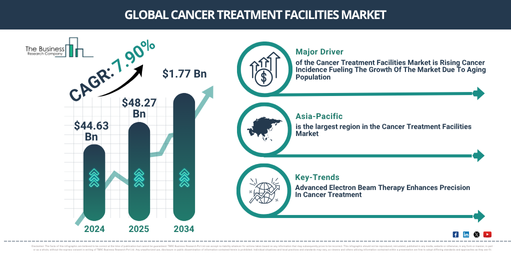
    The market size for cancer treatment facilities has demonstrated significant expansion in recent years. Looking ahead, this market is expected to expand from $44.63 billion in 2024 to $48.27 billion in 2025, progressing at a compound annual growth rate (CAGR) of 8.1%. Historically, this expansion is primarily attributed to factors such as the increasing prevalence of cancer, a growing aging population, rising awareness and early diagnosis, increasing adoption of advanced therapies, and growing healthcare expenditure.

    The cancer treatment facilities market is anticipated to experience robust expansion over the next few years, with its size projected to reach 65.44 billion by 2029, growing at a compound annual growth rate (CAGR) of 7.9%. This expected growth during the forecast period is driven by factors such as enhanced access to health insurance, increasing demand for customized medicine, a rise in medical tourism for cancer treatment, greater investments in cancer research and infrastructure, and the increasing incorporation of AI and digital health technologies. Significant trends within this period include innovations in radiation therapy technologies, the integration of artificial intelligence into oncology practices, the development of technology-driven robotic surgery solutions, advancements in personalized and genomic medicine, and improvements in imaging and diagnostic instruments.

    Unlock Your Free Sample Report for Exclusive Market Data:

    https://www.thebusinessresearchcompany.com/sample.aspx?id=25716&type=smp

    Which Drivers Are Impacting The Cancer Treatment Facilities Market?

    The increasing incidence of cancer is anticipated to fuel the expansion of the cancer treatment facilities market in the future. Cancer is defined as a collection of illnesses marked by the uncontrolled multiplication and dispersion of irregular cells within the body. This rise in cancer cases stems from an aging demographic, which boosts the population within older age brackets, where the likelihood of developing cancer is considerably elevated. Cancer treatment centers play a crucial role in managing the escalating burden of cancer by providing early diagnosis, sophisticated therapeutic choices, and ongoing support, all vital for enhancing patient longevity and well-being. As an illustration, in February 2023, a report released by the Leukaemia Foundation, an Australian non-profit organization, projected that from 2022 to 2035, more than 7,000 children, 6,000 young adults, and 108,000 adults (aged 25–65) are anticipated to receive diagnoses of blood cancers, primarily comprising acute lymphoblastic leukemia (ALL), acute myeloid leukemia (AML), and non-Hodgkin lymphoma. Consequently, the growing prevalence of cancer is a key driver for the expansion of the cancer treatment facilities market.

    What Are The Emerging Segments Gaining Attention In The Cancer Treatment Facilities Market?

    The cancer treatment facilities market covered in this report is segmented –

    1) By Cancer Type: Blood Cancer, Breast Cancer, Prostate Cancer, Gastrointestinal Cancer, Colorectal Cancer, Lung Cancer, Other Cancer Types

    2) By Treatment Type: Cancer Surgery, Chemotherapy, Radiation Therapy, Immunotherapy, Bone Marrow Transplantation, Other Treatment Types

    3) By Provider: Hospitals, Cancer Centers

    Subsegments:

    1) By Blood Cancer: Leukemia, Lymphoma, Multiple Myeloma, Myelodysplastic Syndromes (MDS), Myeloproliferative Neoplasms (MPNs)

    2) By Breast Cancer: Hormone Receptor Positive (HR+), HER2-Positive Breast Cancer, Triple-Negative Breast Cancer (TNBC), Inflammatory Breast Cancer, Male Breast Cancer

    3) By Prostate Cancer: Localized Prostate Cancer, Advanced Or Metastatic Prostate Cancer, Castration-Resistant Prostate Cancer (CRPC), Hormone-Sensitive Prostate Cancer (HSPC)

    4) By Gastrointestinal Cancer: Stomach (Gastric) Cancer, Esophageal Cancer, Liver Cancer (Hepatocellular Carcinoma), Pancreatic Cancer, Bile Duct Cancer (Cholangiocarcinoma)

    5) By Colorectal Cancer: Colon Cancer, Rectal Cancer, Early-Stage Colorectal Cancer, Metastatic Colorectal Cancer, Familial Adenomatous Polyposis (FAP)-Associated Cancer

    6) By Lung Cancer: Non-Small Cell Lung Cancer (NSCLC), Small Cell Lung Cancer (SCLC), EGFR Mutation-Positive Lung Cancer, ALK-Positive Lung Cancer, PD-L1 Expressing Lung Cancer

    7) By Other Cancer Types: Skin Cancer, Bladder Cancer, Cervical Cancer, Ovarian Cancer, Kidney (Renal Cell) Cancer, Head And Neck Cancer, Thyroid Cancer, Brain Tumors

    How Are Emerging Market Trends Shaping The Cancer Treatment Facilities Industry Landscape?

    Key companies within the cancer treatment facilities market are increasingly concentrating on advanced therapeutic technologies, such as electron beam therapy, to enhance the precision and effectiveness of care for cancer patients. Electron beam therapy involves the use of high-energy electrons to treat cancer by specifically targeting tumors situated close to the body’s surface. As an illustration, in October 2024, Aster DM Healthcare Limited, a healthcare company based in the UAE, inaugurated intraoperative electron radiation therapy (IOeRT) services for its cancer care facilities. Intraoperative electron radiation therapy (IOeRT) provides distinctive capabilities, such as delivering a high-dose, single-fraction electron beam directly to the tumor bed during an operation, leveraging direct visualization to accurately target residual cancer cells while physically protecting or retracting healthy tissues. The application of high-energy electrons, typically in the range of 4–12 MeV, guarantees a sharp dose fall-off, thereby restricting radiation exposure to deeper layers.

    Who Are The Major Companies Operating In The Cancer Treatment Facilities Market?

    Major companies operating in the cancer treatment facilities market are Kaiser Permanente, HCA Healthcare Inc., CommonSpirit Health, Ascension Health, Trinity Health Corporation, Tenet Healthcare Corporation, Adventist Health System Sunbelt Healthcare Corporation, Universal Health Services Inc., Community Health Systems Inc., Ramsay Health Care Limited, Sutter Health, Stanford Health Care, Netcare Limited, Allegheny Health Network, IHH Healthcare Berhad, Fortis Healthcare, LifePoint Health Inc., Aster DM Healthcare Limited, Prime Healthcare Services Inc., Providence Health & Services.

    Download The Full Report For Exclusive Market Findings:

    https://www.thebusinessresearchcompany.com/report/cancer-treatment-facilities-global-market-report

    Which Regional Markets Are Contributing Most To The Cancer Treatment Facilities Industry Expansion?

    Asia-Pacific was the largest region in the cancer treatment facilities market in 2024, and it is expected to be the fastest-growing region in the forecast period. The regions covered in the cancer treatment facilities market report are Asia-Pacific, Western Europe, Eastern Europe, North America, South America, Middle East, Africa.

    Request A Customized Version Of The Cancer Treatment Facilities Market Report:

    https://www.thebusinessresearchcompany.com/customise?id=25716&type=smp

    Browse Through More Reports Similar to the Global Cancer Treatment Facilities Market 2025, By The Business Research Company

    Green Hospitals Global Market Report 2025

    https://www.thebusinessresearchcompany.com/report/green-hospitals-global-market-report

    Community Oncology Services Global Market Report 2025

    https://www.thebusinessresearchcompany.com/report/community-oncology-services-global-market-report

    Oncology Drugs Market 2025

    https://www.thebusinessresearchcompany.com/report/oncology-drugs-market

    Get in touch with us:

    The Business Research Company: https://www.thebusinessresearchcompany.com/

    Americas +1 310-496-7795

    Asia +44 7882 955267 & +91 8897263534

    Europe +44 7882 955267

    Email us at info@tbrc.info

    Follow us on:

    LinkedIn: https://in.linkedin.com/company/the-business-research-company

    YouTube: https://www.youtube.com/channel/UC24_fI0rV8cR5DxlCpgmyFQ

    Global Market Model: https://www.thebusinessresearchcompany.com/global-market-model

  • Global Calcitonin Gene-Related Peptide Receptor Antagonist Market Trends and Growth Analysis 2025–2029

    Global Calcitonin Gene-Related Peptide Receptor Antagonist Market Trends and Growth Analysis 2025–2029

    Unlock Global Insights – Save 20% on Market Reports with Code ONLINE20

    How Does The Market Size Of The Calcitonin Gene-Related Peptide Receptor Antagonist Industry Compare Between 2025 And 2029?

    The calcitonin gene-related peptide receptor antagonist market has seen substantial growth recently. It is projected to expand from $2.06 billion in 2024 to $2.30 billion in 2025, exhibiting a compound annual growth rate (CAGR) of 11.2%. This historical growth can be linked to the increase in clinical trials demonstrating efficacy, escalating healthcare spending globally, a rise in migraine disorder diagnosis rates, the increasing uptake of preventive migraine therapies, and a robust pipeline of CGRP antagonist molecules.

    The calcitonin gene-related peptide receptor antagonist market size is anticipated to undergo swift expansion in the coming years. This market is predicted to reach $3.48 billion by 2029, exhibiting a compound annual growth rate (CAGR) of 11.0%. This expansion during the forecast period is fueled by factors such as favorable regulatory approvals, increased research funding, the rising adoption of novel migraine prevention therapies, and an expanding geriatric population. Significant trends anticipated in this period include the development of oral small molecules, wearable devices for triggered dosing, long-acting injectable formulations, nanoparticle drug carriers, and ongoing gene therapy investigations.

    Unlock Your Free Sample Report for Exclusive Market Data:

    https://www.thebusinessresearchcompany.com/sample.aspx?id=25715&type=smp

    Which Industry Drivers Are Expected To Accelerate The Calcitonin Gene-Related Peptide Receptor Antagonist Market From 2025 To 2029?

    The rising incidence of migraine is projected to propel the expansion of the calcitonin gene-related peptide receptor antagonist market in the future. Migraine is described as a severe headache often causing throbbing discomfort, typically affecting one side of the head. This increasing prevalence of migraine stems from heightened stress due to busy urban lifestyles, irregular sleep patterns, and greater exposure to noise, pollution, and bright lights as more people relocate to cities. Calcitonin gene-related peptide receptor antagonists aid in treating migraine by blocking CGRP, a protein that dilates blood vessels and conveys pain signals during a migraine attack, thereby reducing headache pain and other associated symptoms. For instance, in April 2024, a report from the National Library of Medicine, a US-based national library, revealed that roughly 61,204 individuals in the US were diagnosed with migraines by a physician in 2022, representing an increase of 5.5% from 2021. Therefore, the growing occurrence of migraine is a key factor driving the calcitonin gene-related peptide receptor antagonist market’s growth.

    What Are The Major Segment Types Covered In The Calcitonin Gene-Related Peptide Receptor Antagonist Market?

    The calcitonin gene-related peptide receptor antagonist market covered in this report is segmented –

    1) By Type: Small Molecule Antagonists, Monoclonal Antibodies, Peptide-Based Antagonists

    2) By Drug Type: Zavegepant, Ubrogepant, Olcegepant, Telcegepant, Rimegepant, Other Drug Types

    3) By Application: Migraine Treatment, Pain Management, Cardiovascular Conditions, Bone Disorders

    4) By End-Users: Hospitals, Clinics, Homecare Settings, Pharmaceutical Companies

    Subsegments:

    1) By Small Molecule Antagonists: Oral Small Molecule Antagonists, Intranasal Small Molecule Antagonists, Injectable Small Molecule Antagonists

    2) By Monoclonal Antibodies: Erenumab, Fremanezumab, Galcanezumab, Eptinezumab

    3) By Peptide-Based Antagonists: CGRP Fragment-Based Antagonists, Peptidomimetic CGRP Antagonists

    Which Key Trends Are Expected To Influence The Calcitonin Gene-Related Peptide Receptor Antagonist Market In The Coming Years?

    Major companies within the calcitonin gene-related peptide receptor antagonist market are prioritizing approvals for innovative products, such as oral CGRP receptor antagonists, to bolster migraine treatment effectiveness, broaden therapeutic applications, and introduce more convenient administration methods. Oral CGRP receptor antagonists are small-molecule medications designed to inhibit CGRP, a protein associated with migraine attacks, thereby assisting in migraine prevention. As an illustration, in April 2023, AbbVie Inc., a US-based biotech organization, secured approval from the U.S. Food and Drug Administration (FDA) for QULIPTA (atogepant) for the management of chronic migraine in adults. QULIPTA (atogepant) represents an oral, once-daily calcitonin gene-related peptide (CGRP) receptor antagonist developed for the prophylactic treatment of migraine in adults, now authorized for both episodic and chronic migraine within the United States. It functions by impeding the activity of CGRP, a protein that becomes elevated during migraine episodes and contributes to pain signaling and inflammation in the brain. QULIPTA is provided in tablet strengths of 10 mg, 30 mg, and 60 mg, with the 60 mg dose specifically investigated for chronic migraine prevention.

    Which Global Market Leaders Are Shaping The Future Of The Calcitonin Gene-Related Peptide Receptor Antagonist Sector?

    Major companies operating in the calcitonin gene-related peptide receptor antagonist market are Pfizer Inc., Merck & Co. Inc. , AbbVie Inc., Bristol-Myers Squibb Company, Novartis AG, Eli Lilly and Company, Amgen Inc., Boehringer Ingelheim Pharma GmbH & Co. KG, Sosei Group Corporation, Teva Pharmaceutical Industries Ltd., UCB S.A., Alder BioPharmaceuticals, Inc. , H. Lundbeck A/S, Otsuka Pharmaceutical Co. Ltd., Biosynth Carbosynth , Seurat Therapeutics Inc., Satsuma Pharmaceuticals Inc., Allergan plc , Brise Pharmaceutical (Shanghai) Co Ltd., Nuvie Biopharma Inc.

    Download The Full Report For Exclusive Market Findings:

    https://www.thebusinessresearchcompany.com/report/calcitonin-gene-related-peptide-receptor-antagonist-global-market-report

    How Does The Calcitonin Gene-Related Peptide Receptor Antagonist Market Perform Across Key Geographic Regions?

    North America was the largest region in the calcitonin gene-related peptide receptor antagonist market in 2024. Asia-Pacific is expected to be the fastest-growing region in the forecast period. The regions covered in the calcitonin gene-related peptide receptor antagonist market report are Asia-Pacific, Western Europe, Eastern Europe, North America, South America, Middle East, Africa.

    Request A Customized Version Of The Calcitonin Gene-Related Peptide Receptor Antagonist Market Report:

    https://www.thebusinessresearchcompany.com/customise?id=25715&type=smp

    Browse Through More Reports Similar to the Global Calcitonin Gene-Related Peptide Receptor Antagonist Market 2025, By The Business Research Company

    Peptide Therapeutics Global Market Report 2025

    https://www.thebusinessresearchcompany.com/report/peptide-therapeutics-global-market-report

    Cc Chemokine Receptor Type 5 Global Market Report 2025

    https://www.thebusinessresearchcompany.com/report/cc-chemokine-receptor-type-5-global-market-report

    Muscarinic Acetylcholine Receptor Global Market Report 2025

    https://www.thebusinessresearchcompany.com/report/muscarinic-acetylcholine-receptor-global-market-report

    Get in touch with us:

    The Business Research Company: https://www.thebusinessresearchcompany.com/

    Americas +1 310-496-7795

    Asia +44 7882 955267 & +91 8897263534

    Europe +44 7882 955267

    Email us at info@tbrc.info

    Follow us on:

    LinkedIn: https://in.linkedin.com/company/the-business-research-company

    YouTube: https://www.youtube.com/channel/UC24_fI0rV8cR5DxlCpgmyFQ

    Global Market Model: https://www.thebusinessresearchcompany.com/global-market-model

  • Bruton’s Tyrosine Kinase (BTK) Inhibitor Market Forecast: What to Expect by 2029

    Bruton’s Tyrosine Kinase (BTK) Inhibitor Market Forecast: What to Expect by 2029

    Unlock Global Insights – Save 20% on Market Reports with Code ONLINE20

    What Is The Predicted Market Size Trajectory For The Bruton’s Tyrosine Kinase (BTK) Inhibitor Market From 2025 To 2034?

    The bruton’s tyrosine kinase (BTK) inhibitor market size has experienced significant expansion in recent years. It is forecasted to grow from $10.12 billion in 2024 to $11.52 billion in 2025, achieving a compound annual growth rate (CAGR) of 13.8%. This historical growth can be attributed to factors such as growing unmet medical needs in oncology, rising success rates in clinical trials, increasing awareness among healthcare providers, the expanding role of targeted small molecules, and greater inclusion in treatment guidelines.

    The bruton’s tyrosine kinase (BTK) inhibitor market size is anticipated to experience robust growth in the coming years, projected to expand to $19.18 billion by 2029, demonstrating a compound annual growth rate (CAGR) of 13.6%. This expansion during the forecast period is attributed to several factors, including the increasing adoption of these inhibitors in autoimmune and inflammatory diseases, the broadening of label indications for already approved therapies, a rising interest in combination therapies, a growing preference for oral targeted drugs, and the global enhancement of healthcare infrastructure. Prominent trends for this period include advancements in non-covalent BTK inhibitor design, innovations in reversible and selective binding mechanisms, technologies enabling combination therapy optimization, novel strategies targeting resistance mutation pathways, developments in oral delivery formulations, and the implementation of digital health tools for therapy monitoring.

    Unlock Your Free Sample Report for Exclusive Market Data:

    https://www.thebusinessresearchcompany.com/sample.aspx?id=25714&type=smp

    What Are The Top Growth Drivers Impacting The Bruton’s Tyrosine Kinase (BTK) Inhibitor Market Outlook?

    The rising occurrence of hematological malignancies is anticipated to fuel expansion in the bruton’s tyrosine kinase (BTK) inhibitor market in the future. These malignancies refer to cancers that originate in the blood, bone marrow, or lymphatic system, including leukemia, lymphoma, and multiple myeloma, thereby affecting how blood and immune cells function. Globally, an expanding elderly demographic contributes to an increased risk of developing blood cancers such as leukemia, lymphoma, and myeloma, as the likelihood of these diseases escalates with advancing age. Bruton’s tyrosine kinase (BTK) inhibitors are beneficial for hematological malignancies by allowing patients to live longer with controlled disease and reducing cancer cell growth and relapse, which in turn elevates survival rates and adds to higher prevalence figures. For instance, in February 2023, according to a report published by the Leukemia Foundation, an Australia-based non-profit organization, between 2022 and 2035, over 7,000 children, 6,000 young adults, and 108,000 adults (25–65) are expected to be diagnosed with blood cancers, primarily including acute lymphoblastic leukemia, acute myeloid leukemia, and non-Hodgkin lymphoma. Consequently, the escalating incidence of hematological malignancies is driving the growth of the bruton’s tyrosine kinase (BTK) inhibitor market.

    What Are The Major Segment Categories Driving The Bruton’s Tyrosine Kinase (BTK) Inhibitor Market Growth?

    The bruton’s tyrosine kinase (btk) inhibitor market covered in this report is segmented –

    1) By Drug Type: First-Generation Bruton’s Tyrosine Kinase (BTK) Inhibitors, Second-Generation Bruton’s Tyrosine Kinase (BTK) Inhibitors, Third-Generation Bruton’s Tyrosine Kinase (BTK) Inhibitors

    2) By Route Of Administration: Oral Administration, Intravenous Administration, Subcutaneous Administration

    3) By Application: Chronic Lymphocytic Leukemia (CLL), Follicular Lymphoma, Mantle Cell Lymphoma, Marginal Zone Lymphoma, Small Lymphocytic Lymphoma (SLL), Waldenstrom Macroglobulinemia, Other Selective B Cell Malignancies, Chronic Graft-Versus-Host Disease, Other Applications

    4) By End User: Hospitals, Specialty Clinics, Research Laboratories, Pharmacies, Other End Users

    Subsegments:

    1) By First-Generation Bruton’s Tyrosine Kinase (BTK) Inhibitors: Ibrutinib, CC-292 (Spebrutinib), Other First-Generation BTK Inhibitors

    2) By Second-Generation Bruton’s Tyrosine Kinase (BTK) Inhibitors: Acalabrutinib, Zanubrutinib, Tirabrutinib, Other Second-Generation BTK Inhibitors

    3) By Third-Generation Bruton’s Tyrosine Kinase (BTK) Inhibitors: Pirtobrutinib (LOXO-305/Jaypirca), Nemtabrutinib (ARQ 531), Other Third-Generation BTK Inhibitors

    What Are The Major Trends Driving The Growth Of The Bruton’s Tyrosine Kinase (BTK) Inhibitor Market?

    Leading companies operating in the Bruton’s tyrosine kinase (BTK) inhibitor market are concentrating on advancements in drug development, such as targeted therapy, to improve treatment outcomes. Targeted therapy refers to a treatment method that utilizes drugs or other substances to specifically identify and attack cancer cells or disease-related pathways while causing minimal harm to normal, healthy cells. As an illustration, in July 2025, Glenmark Pharmaceuticals Ltd., an India-based pharmaceutical company, launched Brukinsa (zanubrutinib), introducing a new treatment option for Indian patients diagnosed with hematological (blood) cancers. This product stands as the first and only Bruton’s tyrosine kinase (BTK) inhibitor approved in India for treating five distinct types of B-cell malignancies. It possesses unique features that position it as a next-generation Bruton’s tyrosine kinase (BTK) inhibitor for addressing B-cell malignancies. Brukinsa achieves sustained, high-level BTK occupancy in both blood and lymph nodes, thereby enhancing its effectiveness in blocking the survival of cancerous B-cells. The drug also presents an improved safety profile, characterized by fewer cardiac side effects and lower discontinuation rates compared to first-generation BTK inhibitors. Moreover, it offers flexible dosing, allowing patients to take either 160 mg twice daily or 320 mg once daily based on their tolerance and convenience.

    Which Industry Leaders Are Driving Innovation Across The Bruton’s Tyrosine Kinase (BTK) Inhibitor Market?

    Major companies operating in the bruton’s tyrosine kinase (btk) inhibitor market are Johnson & Johnson Inc., F. Hoffmann-La Roche Ltd, Merck & Co. Inc., AbbVie Inc., Novartis International AG, Sanofi S.A., Bristol-Myers Squibb Company, AstraZeneca PLC, Eli Lilly and Company, Gilead Sciences Inc., Biogen Inc., Incyte Corporation, Ono Pharmaceutical Co Ltd., BeOne Medicines Inc., Nurix Therapeutics Inc., InnoCare Pharma Limited, Carna Biosciences Inc., Aptose Biosciences Inc., TG Therapeutics Inc., Everest Medicines Limited.

    Download The Full Report For Exclusive Market Findings:

    https://www.thebusinessresearchcompany.com/report/brutons-tyrosine-kinase-btk-inhibitor-global-market-report

    Which Region Is Expected To Witness The Fastest Growth In The Bruton’s Tyrosine Kinase (BTK) Inhibitor Market?

    North America was the largest region in the bruton’s tyrosine kinase (BTK) inhibitor market in 2024. Asia-Pacific is expected to be the fastest-growing region in the forecast period. The regions covered in the bruton’s tyrosine kinase (btk) inhibitor market report are Asia-Pacific, Western Europe, Eastern Europe, North America, South America, Middle East, Africa.

    Request A Customized Version Of The Bruton’s Tyrosine Kinase (BTK) Inhibitor Market Report:

    https://www.thebusinessresearchcompany.com/customise?id=25714&type=smp

    Browse Through More Reports Similar to the Global Bruton’s Tyrosine Kinase (BTK) Inhibitor Market 2025, By The Business Research Company

    Tyrosine Kinase Inhibitors Global Market Report 2025

    https://www.thebusinessresearchcompany.com/report/tyrosine-kinase-inhibitors-global-market-report

    Kinase Inhibitors Global Market Report 2025

    https://www.thebusinessresearchcompany.com/report/kinase-inhibitors-global-market-report

    Janus Kinase Jak Inhibitors Global Market Report 2025

    https://www.thebusinessresearchcompany.com/report/janus-kinase-jak-inhibitors-global-market-report

    Get in touch with us:

    The Business Research Company: https://www.thebusinessresearchcompany.com/

    Americas +1 310-496-7795

    Asia +44 7882 955267 & +91 8897263534

    Europe +44 7882 955267

    Email us at info@tbrc.info

    Follow us on:

    LinkedIn: https://in.linkedin.com/company/the-business-research-company

    YouTube: https://www.youtube.com/channel/UC24_fI0rV8cR5DxlCpgmyFQ

    Global Market Model: https://www.thebusinessresearchcompany.com/global-market-model
  • Breast Ultrasound Industry Insights: Market Forecast to 2029

    Breast Ultrasound Industry Insights: Market Forecast to 2029

    Unlock Global Insights – Save 20% on Market Reports with Code ONLINE20

    How Much Larger Is The Breast Ultrasound Market Expected To Become By 2029 Compared With Its 2025 Level?

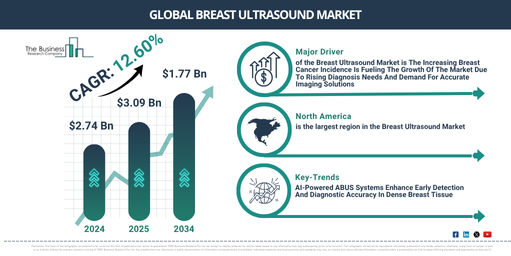
    The breast ultrasound market size has observed rapid growth in recent years. It is anticipated to expand from $2.74 billion in 2024 to $3.09 billion in 2025, showing a compound annual growth rate (CAGR) of 12.9%. The historical increase can be attributed to several factors: rising breast cancer awareness campaigns, the expansion of screening programs in developed countries, growing awareness of conventional ultrasound imaging, an increasing preference for non-invasive diagnostic tools, and the wider use of breast ultrasound as a supplemental instrument.

    The breast ultrasound market is projected to experience significant expansion over the coming years, reaching a valuation of $4.96 billion by 2029, driven by a compound annual growth rate (CAGR) of 12.6%. This anticipated growth during the forecast period is primarily fueled by several factors, including the increasing adoption of AI-integrated breast ultrasound systems, a rise in breast cancer cases among younger demographics, the escalating need for point-of-care ultrasound devices, the expansion of automated breast ultrasound (ABUS) technology, and greater investments in digital health infrastructure and tele-imaging solutions. Key trends expected during this period encompass enhancements in AI-integrated ultrasound technology, the introduction of portable and handheld breast ultrasound devices, progress in 3D and 4D imaging capabilities, the utilization of elastography for assessing tissue stiffness, and the incorporation of cloud-based data analytics.

    Unlock Your Free Sample Report for Exclusive Market Data:

    https://www.thebusinessresearchcompany.com/sample.aspx?id=25713&type=smp

    Which Major Market Drivers Are Shaping The Future Of The Breast Ultrasound Market?

    The growing occurrence of breast cancer is anticipated to fuel the expansion of the breast ultrasound market in the future. Breast cancer is defined as a malignancy that develops in breast tissue, capable of spreading locally or metastasizing to distant body regions. The rise in breast cancer cases is linked to heightened exposure to lifestyle risk factors, like obesity, which can modify hormone levels and encourage tumor growth. Breast ultrasound aids in managing the increasing rates of breast cancer by offering a dependable, non-invasive method for prompt detection and precise characterization of breast irregularities, particularly in dense breast tissue. For example, the American Cancer Society, a US-based cancer organization, reported in October 2024 that in 2022, approximately 287,850 new cases of invasive breast cancer and 51,400 cases of ductal carcinoma in situ (DCIS) were identified in women within the United States, with projections indicating an increase to about 310,720 invasive cases and 56,500 DCIS cases by 2024. Consequently, the growing frequency of breast cancer is stimulating the expansion of the breast ultrasound market.

    How Is The Breast Ultrasound Market Segmented?

    The breast ultrasound market covered in this report is segmented –

    1) By Product: Conventional Breast Ultrasound (CBUS), Automated Breast Ultrasound (ABUS)

    2) By Technology: Two-Dimensional (2D) Ultrasound, Three-Dimensional (3D) And Four-Dimensional (4D) Ultrasound, Doppler Ultrasound

    3) By End-Use: Hospital, Diagnostics Imaging Laboratories, Other End-Uses

    Subsegments:

    1) By Conventional Breast Ultrasound (CBUS): Portable Or Handheld Ultrasound Systems, Cart Or Trolley-Based Ultrasound Systems, Compact Or Notebook Ultrasound Systems

    2) By Automated Breast Ultrasound (ABUS): Standalone Automated Breast Ultrasound (ABUS) Systems, Integrated Automated Breast Ultrasound (ABUS) With Full-Field Digital Mammography (FFDM), Mobile Automated Breast Ultrasound (ABUS) Units

    What Trends Are Expected To Drive The Breast Ultrasound Market?

    Leading companies within the breast ultrasound market are concentrating on creating cutting-edge technology, specifically AI-enabled breast ultrasound systems (BUS), to enhance diagnostic efficiency and facilitate earlier detection, especially for women possessing dense breast tissue. AI-integrated ABUS denotes ultrasound devices augmented by artificial intelligence, aiding in automated image capture, immediate quality assessments, and the identification of lesions, consequently minimizing scan inconsistencies and reliance on operators. As an illustration, during March 2025, GE HealthCare, a US-based entity specializing in healthcare IT solutions, introduced the Invenia ABUS Premium, a patient-friendly 3D automated breast ultrasound system. This system obtained premarket clearance from the U.S. FDA, aiming to boost detection sensitivity when utilized concurrently with mammography, thereby confronting the issue where dense breast tissue can obscure cancerous growths in conventional screening methods. The device incorporates sophisticated AI functionalities, including Verisound AI for evaluating scan quality, automatic nipple detection, and a Fast Scan tool capable of accelerating the scanning process by as much as 40%. Its non-invasive construction contributes to greater patient comfort, decreases the need for superfluous biopsies, and eliminates exposure to radiation.

    Who Are The Key Multinational Companies Dominating The Breast Ultrasound Market?

    Major companies operating in the breast ultrasound market are Samsung Electronics Co. Ltd., Hitachi Ltd., Siemens Healthineers, Koninklijke Philips N.V., GE Healthcare, Hologic Inc., Mindray Medical International Limited, Canon Medical Systems Corporation, Carestream Health Inc., Blessing Health System, Fujifilm Sonosite Inc., Esaote S.p.A., Sonoscape Medical Corp., Shantou Institute of Ultrasonic Instruments, Terason, Delphinus Medical Technologies Inc., SonoCine Inc., Clarius Mobile Health Corp., QT Imaging Inc., QView Medical Inc.

    Download The Full Report For Exclusive Market Findings:

    https://www.thebusinessresearchcompany.com/report/breast-ultrasound-global-market-report

    Which Global Regions Are Influencing The Competitive Landscape Of The Breast Ultrasound Market?

    North America was the largest region in the breast ultrasound market in 2024. Asia-Pacific is expected to be the fastest-growing region in the forecast period. The regions covered in the breast ultrasound market report are Asia-Pacific, Western Europe, Eastern Europe, North America, South America, Middle East, Africa.

    Request A Customized Version Of The Breast Ultrasound Market Report:

    https://www.thebusinessresearchcompany.com/customise?id=25713&type=smp

    Browse Through More Reports Similar to the Global Breast Ultrasound Market 2025, By The Business Research Company

    Breast Cancer Diagnostics Global Market Report 2025

    https://www.thebusinessresearchcompany.com/report/breast-cancer-diagnostics-global-market-report

    Breast Imaging Technologies Global Market Report 2025

    https://www.thebusinessresearchcompany.com/report/breast-imaging-technologies-global-market-report

    Cardiovascular Ultrasound Global Market Report 2025

    https://www.thebusinessresearchcompany.com/report/cardiovascular-ultrasound-global-market-report

    Get in touch with us:

    The Business Research Company: https://www.thebusinessresearchcompany.com/

    Americas +1 310-496-7795

    Asia +44 7882 955267 & +91 8897263534

    Europe +44 7882 955267

    Email us at info@tbrc.info

    Follow us on:

    LinkedIn: https://in.linkedin.com/company/the-business-research-company

    YouTube: https://www.youtube.com/channel/UC24_fI0rV8cR5DxlCpgmyFQ

    Global Market Model: https://www.thebusinessresearchcompany.com/global-market-model
  • Breast Reconstruction Meshes Market Size and Growth Forecast for Businesses 2025–2029

    Breast Reconstruction Meshes Market Size and Growth Forecast for Businesses 2025–2029

    Unlock Global Insights – Save 20% on Market Reports with Code ONLINE20

    #What Are The Current (2025) And Forecast (2029) Sizes Of The Breast Reconstruction Meshes Market?

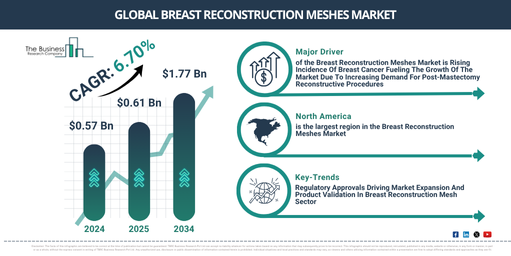
    The breast reconstruction market has experienced robust growth in recent years. It is anticipated to expand from $0.57 billion in 2024 to $0.61 billion in 2025, achieving a compound annual growth rate (CAGR) of 7.1%. This historical expansion can be primarily attributed to the increasing prevalence of breast cancer, the growing demand for mastectomy procedures, rising awareness about reconstructive options, the expansion of hospital-based reconstruction programs, and an increasing number of breast implant revisions.

    The breast reconstruction market is anticipated to experience robust expansion in the coming years. By 2029, it is projected to reach $0.79 billion, demonstrating a compound annual growth rate (CAGR) of 6.7%. This anticipated growth during the forecast period stems from factors such as a heightened preference for prepectoral reconstruction, an increasing volume of breast reconstruction surgeries, enhanced healthcare accessibility in emerging regions, the proliferation of cosmetic surgery clinics, and the expanded application of biological and hybrid meshes. Key trends identified for the forecast period encompass technological progress in mesh design, novel developments in absorbable and hybrid mesh materials, increased investments in research and development, the creation of 3D-printed reconstruction scaffolds, and innovations in minimally invasive reconstruction methods.

    Unlock Your Free Sample Report for Exclusive Market Data:

    https://www.thebusinessresearchcompany.com/sample.aspx?id=25712&type=smp

    What Are The Main Drivers Boosting The Breast Reconstruction Meshes Industry’s Expansion?

    The anticipated increase in breast cancer cases is set to fuel the expansion of the breast reconstruction meshes market. This condition, characterized by the uncontrolled growth of abnormal cells in breast tissue that can metastasize if not addressed promptly, is becoming more prevalent, largely due to women delaying childbirth and having fewer children, impacting hormone levels and subsequently elevating their risk of developing the disease. Breast reconstruction meshes play a crucial role in breast cancer management by offering structural support, assisting in shaping, and stabilizing the breast region during reconstructive procedures post-mastectomy, thereby enhancing surgical results and aesthetic outcomes. For instance, the World Health Organization reported approximately 2.3 million new breast cancer cases and 670,000 associated deaths globally in 2022, a figure communicated in February 2025. Projections indicate that by 2050, these annual figures are anticipated to climb to 3.2 million new cases and 1.1 million fatalities. Consequently, the increasing occurrence of breast cancer is a key factor propelling the expansion of the breast reconstruction meshes market.

    What Are The Key Segments In The Breast Reconstruction Meshes Market?

    The breast reconstruction meshes market covered in this report is segmented –

    1) By Product: Synthetic Mesh, Biological Mesh

    2) By Nature: Absorbable Mesh, Nonabsorbable Mesh, Resorbable Surgical Mesh, Non Resorbable Surgical Mesh

    3) By Application: Implant-Based Reconstruction, Autologous Tissue Reconstruction, Pre-Pectoral Reconstruction, Sub-Pectoral Reconstruction, Revision Surgeries, Congenital Asymmetry Or Deformity Surgery

    4) By End User: Hospitals, Ambulatory Surgical Centers, Specialty Clinics, Comprehensive Cancer Centers, Plastic Surgery Clinics, Academic And Research Institutes

    Subsegments:

    1) By Synthetic Mesh: Absorbable Mesh, Non-Absorbable Mesh

    2) By Biological Mesh: Acellular Dermal Matrix (ADM), Xenograft Mesh, Allograft Mesh

    Which Trends Are Impacting The Breast Reconstruction Meshes Market?

    Major companies within the breast reconstruction mesh market are actively seeking regulatory authorizations to expand their product portfolios, enhance market access, and fortify their competitive positions. Regulatory approvals denote the official permissions granted by governmental bodies that verify a product or service meets the required safety, quality, and compliance standards before it can be launched or employed. For example, in October 2022, the Plastic Surgery Foundation, a US-based charitable organization, obtained Food and Drug Administration (FDA) approval to conduct a prospective, multicenter observational study assessing the use of acellular dermal matrix (ADM) and surgical mesh in implant-based breast reconstruction. This study aims to generate high-quality data on the safety, effectiveness, surgical approaches, complications, device loss, and patient satisfaction connected with these devices, which are currently applied off-label in breast reconstruction without formal FDA approval for this particular purpose. The trial will not compel surgeons to modify their standard procedures or randomize patients, thus mirroring real-world usage, and will feature control groups without ADM or mesh for comparative purposes.

    Which Leading Players Are Enhancing Their Breast Reconstruction Meshes Market Presence Worldwide?

    Major companies operating in the breast reconstruction meshes market are Stryker Corporation, Baxter International Inc., Coloplast A/S, Integra LifeSciences Holdings Corporation, MTF Biologics, LifeNet Health, Silimed Indústria de Implantes Ltda., AlloSource, TELA Bio Inc., GC Aesthetics Ltd., pfm medical AG, POLYTECH Health & Aesthetics GmbH, CollPlant Biotechnologies Ltd., Laboratoires Arion, Advanced Biomedical Concept Srl, Dipromed Srl, Meccellis Biotech SAS, Novus Scientific AB, SERAG-WIESSNER GmbH & Co. KG, BellaSeno GmbH, RTI Surgical Holdings Inc.

    Download The Full Report For Exclusive Market Findings:

    https://www.thebusinessresearchcompany.com/report/breast-reconstruction-meshes-global-market-report

    What Are The Regional Market Dynamics Impacting The Breast Reconstruction Meshes Industry?

    North America was the largest region in the breast reconstruction market in 2024. Asia-Pacific is expected to be the fastest-growing region in the forecast period. The regions covered in the breast reconstruction meshes market report are Asia-Pacific, Western Europe, Eastern Europe, North America, South America, Middle East, Africa.

    Request A Customized Version Of The Breast Reconstruction Meshes Market Report:

    https://www.thebusinessresearchcompany.com/customise?id=25712&type=smp

    Browse Through More Reports Similar to the Global Breast Reconstruction Meshes Market 2025, By The Business Research Company

    Surgical Meshes Global Market Report 2025

    https://www.thebusinessresearchcompany.com/report/surgical-meshes-global-market-report

    Breast Implants Global Market Report 2025

    https://www.thebusinessresearchcompany.com/report/breast-implants-global-market-report

    Breast Imaging Technologies Global Market Report 2025

    https://www.thebusinessresearchcompany.com/report/breast-imaging-technologies-global-market-report

    Get in touch with us:

    The Business Research Company: https://www.thebusinessresearchcompany.com/

    Americas +1 310-496-7795

    Asia +44 7882 955267 & +91 8897263534

    Europe +44 7882 955267

    Email us at info@tbrc.info

    Follow us on:

    LinkedIn: https://in.linkedin.com/company/the-business-research-company

    YouTube: https://www.youtube.com/channel/UC24_fI0rV8cR5DxlCpgmyFQ

    Global Market Model: https://www.thebusinessresearchcompany.com/global-market-model
  • Global Bowel Stimulators Market Overview: Trends Shaping Growth to 2029

    Global Bowel Stimulators Market Overview: Trends Shaping Growth to 2029

    Unlock Global Insights – Save 20% on Market Reports with Code ONLINE20

    What Market Value Is The Bowel Stimulators Industry Expected To Reach By 2029, Starting From 2025 Levels?

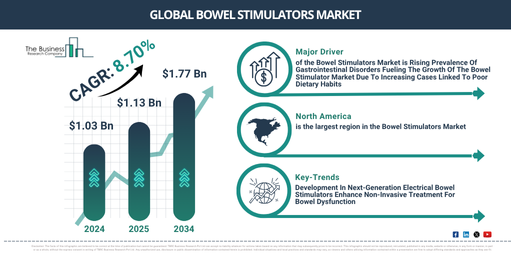
    The bowel stimulator market has seen substantial expansion in recent years. It is anticipated to grow from $1.03 billion in 2024 to $1.13 billion in 2025, demonstrating a compound annual growth rate (CAGR) of 9.0%. This growth observed historically can be attributed to the increasing incidence of bowel dysfunction, a rising preference for minimally invasive treatment options, an expanding demand for electrical and mechanical stimulation devices, the growing geriatric population, and the increased adoption of home-based bowel management therapies.

    The bowel stimulator market is projected for substantial growth in the coming years, reaching $1.57 billion by 2029 at a compound annual growth rate (CAGR) of 8.7%. This anticipated expansion over the forecast period is fueled by the increasing occurrence of chronic constipation and fecal incontinence, the rising adoption of minimally invasive therapies, an expanding elderly and neurogenic patient base, a growing demand for bowel stimulation devices, and a heightened focus on improving patient quality of life. Significant trends identified for this period include addressing neurogenic bowel dysfunction across varied patient populations, the increased uptake of minimally invasive stimulators, integration with smart control systems, the application of advanced neuromodulation techniques, and the development of non-drug-based bowel care solutions.

    Unlock Your Free Sample Report for Exclusive Market Data:

    https://www.thebusinessresearchcompany.com/sample.aspx?id=25711&type=smp

    Which Factors And Drivers Are Influencing The Bowel Stimulators Market In 2025?

    The rising prevalence of gastrointestinal disorders is anticipated to drive the expansion of the bowel stimulator market moving forward. These conditions, which affect the digestive system, disrupt typical processes such as digestion, absorption, or bowel function. The increase in gastrointestinal disorders is attributable to poor dietary choices, as processed, low-fiber foods negatively impact gut health and digestion. Bowel stimulators assist in managing gastrointestinal disorders by stimulating nerves or muscles within the lower digestive tract to improve bowel movements, relieve constipation, and support general digestive function. For illustration, in December 2023, the IBD Registry, a UK-based non-profit organization, stated that in 2023, the number of people with inflammatory bowel disease (IBD) joining their registry increased to over 5,300, representing a rise of more than 3,000 compared to 2022. Thus, the increasing occurrence of gastrointestinal disorders is expected to propel the growth of the bowel stimulator market.

    What Are The Leading Segments Analyzed In The Bowel Stimulators Market?

    The bowel stimulators market covered in this report is segmented –

    1) By Product Type: Electrical Bowel Stimulators, Magnetic Bowel Stimulators, Other Product Types

    2) By Patient Type: Adult, Geriatric, Pediatric

    3) By Distribution Channel: Direct Sales, Online Sales, Retail Pharmacies, Specialized Medical Stores

    4) By Application: Chronic Constipation, Neurological Disorders, Irritable Bowel Syndrome (IBS), Post Operative Recovery

    5) By End-User: Hospitals, Clinics, Home Care Settings, Nursing Homes

    Subsegments:

    1) By Electrical Bowel Stimulators: Implantable Electrical Stimulators, External Electrical Stimulators, Sacral Nerve Stimulators, Transcutaneous Electrical Nerve Stimulation (TENS) Devices

    2) By Magnetic Bowel Stimulators: Transcranial Magnetic Stimulation (TMS) Devices, Repetitive Magnetic Stimulation Devices, Wearable Magnetic Stimulators

    3) By Other Product Types: Biofeedback Devices, Vagus Nerve Stimulators, Non-Invasive Neuromodulation Devices, Percutaneous Tibial Nerve Stimulation (PTNS) Systems

    What Long-Term Trends Will Shape The Future Growth Of The Bowel Stimulators Industry?

    Leading companies operating within the bowel stimulator market are prioritizing the creation of advanced products, including electrical bowel stimulators, to boost the effectiveness of treatments and provide less invasive options for bowel dysfunction. An electrical bowel stimulator is a device crafted to send mild electrical signals that activate the nerves controlling bowel function. It assists in easing chronic constipation and other bowel disorders by improving gut movement and nerve coordination. For example, in February 2022, Medtronic plc, a medical technology firm based in Ireland, secured Food and Drug Administration (FDA) approval for its InterStim XTM system, which stands as the most personalized sacral nerve stimulation treatment currently accessible. This system is engineered to enhance bowel and bladder management for individuals experiencing chronic fecal incontinence, overactive bladder, and urinary retention. The InterStim X incorporates a recharge-free design with a prolonged battery lifespan and a customized therapy interface, offering a non-invasive electrical solution that delivers gentle nerve stimulation to restore pelvic function and support enduring bowel management in both professional medical settings and at home.

    Which Major Firms Are Strengthening Their Position In The Bowel Stimulators Industry?

    Major companies operating in the bowel stimulators market are Abbott Laboratories, Medtronic plc, Boston Scientific Corporation, Coloplast A/S, LivaNova plc, Nevro Corp., Laborie Medical Technologies, North Coast Medical Inc., electroCore Inc., Neuspera Medical Inc., InCube Labs LLC, Soterix Medical Inc., Synapse Biomedical Inc., PathMaker Neurosystems Inc., InnoCon Medical Inc., Beijing PINS Medical Co. Ltd., Soin Neuroscience Inc., Stimwave Technologies Inc., Nuvectra Corporation, StimGuard LLC, General Stim Inc.

    Download The Full Report For Exclusive Market Findings:

    https://www.thebusinessresearchcompany.com/report/bowel-stimulators-global-market-report

    Which Region Shows The Highest Potential For Future Expansion In The Bowel Stimulators Market?

    North America was the largest region in the bowel stimulators market in 2024. Asia-Pacific is expected to be the fastest-growing region in the forecast period. The regions covered in the bowel stimulators market report are Asia-Pacific, Western Europe, Eastern Europe, North America, South America, Middle East, Africa.

    Request A Customized Version Of The Bowel Stimulators Market Report:

    https://www.thebusinessresearchcompany.com/customise?id=25711&type=smp

    Browse Through More Reports Similar to the Global Bowel Stimulators Market 2025, By The Business Research Company

    Gastrointestinal Devices Global Market Report 2025

    https://www.thebusinessresearchcompany.com/report/gastrointestinal-devices-global-market-report

    Bowel Management Systems Global Market Report 2025

    https://www.thebusinessresearchcompany.com/report/bowel-management-systems-global-market-report

    Stool Softener Global Market Report 2025

    https://www.thebusinessresearchcompany.com/report/stool-softener-global-market-report

    Get in touch with us:

    The Business Research Company: https://www.thebusinessresearchcompany.com/

    Americas +1 310-496-7795

    Asia +44 7882 955267 & +91 8897263534

    Europe +44 7882 955267

    Email us at info@tbrc.info

    Follow us on:

    LinkedIn: https://in.linkedin.com/company/the-business-research-company

    YouTube: https://www.youtube.com/channel/UC24_fI0rV8cR5DxlCpgmyFQ

    Global Market Model: https://www.thebusinessresearchcompany.com/global-market-model
  • Bipolar Electrosurgical Devices Market Growth Opportunities: Insights from 2025–2029

    Bipolar Electrosurgical Devices Market Growth Opportunities: Insights from 2025–2029

    Unlock Global Insights – Save 20% on Market Reports with Code ONLINE20

    What Is The Anticipated Size Of The Bipolar Electrosurgical Devices Market Over The Five-Year Period 2025–2029?

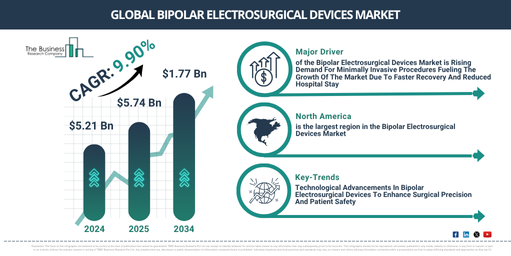
    The bipolar electrosurgical devices market size has shown substantial growth in recent years. This market is projected to expand from $5.21 billion in 2024 to $5.74 billion in 2025, demonstrating a compound annual growth rate (CAGR) of 10.2%. Historically, this expansion can be linked to factors such as the heightened application of bipolar devices in gynecologic surgeries, an escalating demand for electrosurgery within outpatient environments, a developing inclination towards minimally invasive procedures, the broadening of healthcare infrastructure in emerging economies, and a global rise in the volume of general surgeries.

    The bipolar electrosurgical devices market is projected to experience robust expansion over the coming years. Its value is anticipated to reach $8.37 billion by 2029, exhibiting a compound annual growth rate (CAGR) of 9.9%. This projected growth during the forecast period stems from several factors, including the escalating prevalence of chronic conditions necessitating surgical procedures, a heightened need for safer and more energy-efficient surgical instruments, an expanding elderly demographic undergoing operations, the proliferation of ambulatory surgical centers, and the growing embrace of sophisticated surgical technologies. Key trends anticipated within this period encompass technological progress in energy-based surgical equipment, ongoing enhancements in the design of bipolar forceps, intensive research and development efforts in surgical energy systems, the creation of integrated hybrid energy platforms, and novel developments in disposable electrosurgical instruments.

    Unlock Your Free Sample Report for Exclusive Market Data:

    https://www.thebusinessresearchcompany.com/sample.aspx?id=25710&type=smp

    What Are The Key Drivers Of Growth In The Bipolar Electrosurgical Devices Market?

    The escalating demand for minimally invasive surgeries is projected to advance the growth of the bipolar electrosurgical devices market in the future. These medical procedures are conducted through small incisions utilizing specialized instruments and techniques, which reduce bodily trauma, resulting in faster recovery and less post-operative discomfort. The increased demand for minimally invasive surgeries stems from patients seeking procedures that mitigate pain, shorten healing periods, and minimize hospital stays, all while ensuring successful outcomes with reduced physical impact. Bipolar electrosurgical devices support minimally invasive surgeries by providing precise tissue cutting and sealing with minimal heat spread, thereby reducing damage to adjacent areas and promoting quicker patient recovery. For instance, in September 2023, according to the American Society of Plastic Surgeons, a US-based non-profit organization, the volume of minimally invasive operations grew by 7% in 2023 over 2022, and 4.7 million operations involving botulinum toxin type A treatments (such as Botox, Dysport, and Xeomin) were performed, representing a 6% increase from 2022. Therefore, the rising demand for minimally invasive surgeries is driving the expansion of the bipolar electrosurgical devices market.

    What Are The Segment Types Shaping The Bipolar Electrosurgical Devices Market?

    The bipolar electrosurgical devices market covered in this report is segmented –

    1) By Product: Bipolar Forceps, Advanced Vessel Sealing Devices, Other Products

    2) By Surgery: General Surgery, Gynecological Surgery, Cardiovascular Surgery, Orthopedic Surgery, Oncological Surgery, Cosmetic Surgery, Neurological Surgery, Urological Surgery, Other Surgeries

    3) By End Users: Hospitals, Ambulatory Surgical Centers, Specialized Clinics, Other End Users

    Subsegments:

    1) By Bipolar Forceps: Reusable Bipolar Forceps, Disposable Bipolar Forceps, Bayonet Bipolar Forceps, Straight Bipolar Forceps

    2) By Advanced Vessel Sealing Devices: Handheld Vessel Sealing Instruments, Laparoscopic Vessel Sealing Devices, Robotic-Compatible Vessel Sealers, Energy-Based Combination Sealers

    3) By Other Products: Bipolar Electrosurgical Generators, Bipolar Cables And Accessories, Bipolar Electrode Pencils, Bipolar Loop Electrodes

    Which Market Trends Are Creating New Opportunities In The Bipolar Electrosurgical Devices Industry?

    Major companies in the bipolar electrosurgical devices market are prioritizing technological advancements, such as incorporating advanced thermal shields, to improve surgical safety and precision, ultimately enhancing patient outcomes during sensitive procedures. An advanced thermal shield acts as a protective component that lessens heat transfer to surrounding tissues, thereby reducing the chance of accidental thermal damage during surgery. For instance, in September 2022, Olympus Corporation, a Japan-based manufacturer of optics and reprography products, introduced the THUNDERBEAT Open Fine Jaw Type X, a single-use hybrid device that delivers ultrasonic and bipolar energy for safer, more precise open surgery. This device features a finely curved distal jaw tip, which supports accurate tissue dissection and secure grasping, enabling surgeons to perform delicate procedures with greater visibility and control. The simultaneous delivery of ultrasonic and bipolar energy facilitates fast, hemostatic cutting and reliable vessel sealing and coagulation, which collectively improves surgical efficiency and ensures better patient outcomes.

    Who Are The Primary Competitors In The Global Bipolar Electrosurgical Devices Market?

    Major companies operating in the bipolar electrosurgical devices market are Johnson & Johnson, Medtronic plc, Stryker Corporation, Boston Scientific Corporation, Zimmer Biomet Holdings Inc., Olympus Corporation, Smith & Nephew plc, Karl Storz SE & Co. KG, Integra LifeSciences Holdings Corporation, ConMed Corporation, KLS Martin Group, Erbe Elektromedizin GmbH, B. Braun Melsungen AG, Advanced Instrumentations Inc., Kirwan Surgical Products LLC, XcelLance Medical Technologies Pvt. Ltd., LED SpA, Encision Inc., KENTAMED Ltd., BOWA-electronic GmbH & Co. KG

    Download The Full Report For Exclusive Market Findings:

    https://www.thebusinessresearchcompany.com/report/bipolar-electrosurgical-devices-global-market-report

    How Is Bipolar Electrosurgical Devices Market Demand Varying Across Different Regions?

    North America was the largest region in the bipolar electrosurgical devices market in 2024. The regions covered in the bipolar electrosurgical devices market report are Asia-Pacific, Western Europe, Eastern Europe, North America, South America, Middle East, Africa.

    Request A Customized Version Of The Bipolar Electrosurgical Devices Market Report:

    https://www.thebusinessresearchcompany.com/customise?id=25710&type=smp

    Browse Through More Reports Similar to the Global Bipolar Electrosurgical Devices Market 2025, By The Business Research Company

    Electrosurgical Devices And Equipment Global Market Report 2025

    https://www.thebusinessresearchcompany.com/report/electrosurgical-devices-and-equipment-global-market-report

    Electrosurgical Generator Global Market Report 2025

    https://www.thebusinessresearchcompany.com/report/electrosurgical-generator-global-market-report

    Medical Electrodes Global Market Report 2025

    https://www.thebusinessresearchcompany.com/report/medical-electrodes-global-market-report

    Get in touch with us:

    The Business Research Company: https://www.thebusinessresearchcompany.com/

    Americas +1 310-496-7795

    Asia +44 7882 955267 & +91 8897263534

    Europe +44 7882 955267

    Email us at info@tbrc.info

    Follow us on:

    LinkedIn: https://in.linkedin.com/company/the-business-research-company

    YouTube: https://www.youtube.com/channel/UC24_fI0rV8cR5DxlCpgmyFQ

    Global Market Model: https://www.thebusinessresearchcompany.com/global-market-model