Blog

  • Global Norovirus Treatment Industry Trends: Where the Market Is Headed by 2029

    Global Norovirus Treatment Industry Trends: Where the Market Is Headed by 2029

    Unlock Global Insights – Save 20% on Market Reports with Code ONLINE20

    How Much Was The Norovirus Treatment Market Worth In 2025, And What Is Its Anticipated Value By 2029?

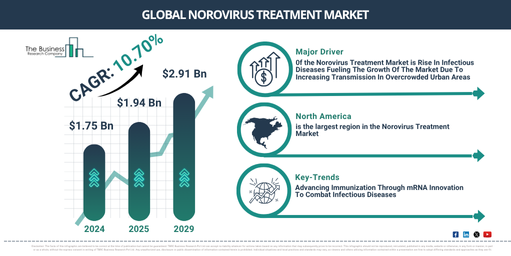
    The norovirus treatment market size has experienced rapid expansion in recent years. Its value is projected to climb from $1.75 billion in 2024 to $1.94 billion in 2025, at a compound annual growth rate (CAGR) of 11.0%. This historical growth can be linked to several factors, including an increase in global norovirus outbreaks, heightened public awareness, a greater emphasis on supportive care, investments in vaccine research, improvements in healthcare infrastructure, and a stronger demand for effective infection control measures.

    The norovirus treatment market is projected to experience substantial expansion in the coming years. This market is anticipated to reach a valuation of $2.91 billion by 2029, exhibiting a compound annual growth rate (CAGR) of 10.7%. This growth during the forecast period is fueled by factors such as enhanced funding for antiviral drug innovation, increased uptake of quick diagnostic instruments, heightened understanding of the public health consequences of norovirus, broader availability of healthcare in developing nations, and the creation of new supportive treatments designed to lessen symptom intensity. Key trends during this period are expected to encompass progress in vaccine creation, novel antiviral remedies, refined molecular diagnostic techniques, the integration of AI-powered diagnostic instruments, strengthened public health initiatives, and the emergence of economical point-of-care treatment options.

    Unlock Your Free Sample Report for Exclusive Market Data:

    https://www.thebusinessresearchcompany.com/sample.aspx?id=24629&type=smp

    What Are The Top Growth Drivers Impacting The Norovirus Treatment Market Outlook?

    A rise in infectious disease cases is anticipated to drive the expansion of the norovirus treatment market in the future. These diseases, such as influenza, tuberculosis, HIV/AIDS, malaria, and norovirus, are ailments transmitted between individuals, stemming from bacteria, viruses, fungi, or parasites. The spread of infectious disease is escalating, largely attributed to urban overcrowding, which accelerates the transmission of pathogens within concentrated populations. Norovirus treatment plays a role in mitigating the effects of infectious disease through effective symptom management and by curbing its dissemination via appropriate hydration, hygiene, and isolation protocols. For example, the World Health Organization, an intergovernmental body based in Switzerland, reported in March 2025 that approximately 10.8 million people worldwide, including 6.0 million men, 3.6 million women, and 1.3 million children, were afflicted with tuberculosis in 2023. Consequently, the growing occurrence of infectious disease is fueling the expansion of the norovirus treatment market.

    What Are The Key Segments In The Norovirus Treatment Market?

    The norovirus treatment market covered in this report is segmented –

    1) By Treatment: Electrolytes, Intravenous Fluids, Antipyretics, Analgesics, Anti-Diarrheal, Other Treatments

    2) By Diagnosis: Bacteria Culture Test, Stool Tests, Other Diagnosis

    3) By Route Of Administration: Oral, Intravenous, Subcutaneous

    4) By End User: Hospitals, Clinics, Homecare Settings

    Subsegments:

    1) By Electrolytes: Oral Rehydration Salts (ORS), Sports Drinks, Pediatric Electrolyte Solutions

    2) By Intravenous Fluids: Crystalloids, Colloids, Lactated Ringer’s Solution

    3) By Antipyretics: Acetaminophen (Paracetamol), Ibuprofen, Aspirin

    4) By Analgesics: Nonsteroidal Anti-Inflammatory Drugs (NSAIDs), Opioid Analgesics, Acetaminophen-Based Analgesics

    5) By Anti-Diarrheal: Loperamide, Bismuth Subsalicylate, Diphenoxylate-Atropine

    6) By Other Treatments: Antiemetics, Probiotics, Zinc Supplements

    Which Trends Are Impacting The Norovirus Treatment Market?

    Leading companies within the norovirus treatment market are prioritizing the creation of novel solutions, including sophisticated mRNA vaccines, with the goal of expediting targeted immunization, strengthening defense against severe infections, and lessening the worldwide impact of illnesses linked to norovirus. These advanced mRNA vaccines represent a new generation of immunizations, functioning by employing specifically designed messenger RNA to direct cells to generate particular proteins, which in turn elicits a precise immune reaction characterized by enhanced stability, effectiveness, and flexibility against diverse infectious diseases. An example of this is the collaboration formed in October 2024 between Moderna Inc., a biotechnology company from the US, and the UK Health Security Agency (UKHSA), a UK government body, resulting in the initiation of the world’s inaugural Phase 3 trial for an mRNA norovirus vaccine (mRNA-1403) in the UK. The vaccine being tested in this trial is engineered to combat the highly infectious norovirus by instructing the body to create viral proteins, thereby stimulating a robust immune response without the need for a live virus. Notable aspects of this launch encompass its utilization of stabilized mRNA for enhanced longevity, its capacity for swift development in anticipation of new strains, and its capability to provoke both antibody and T-cell mediated immune reactions.

    Which Industry Leaders Are Driving Innovation Across The Norovirus Treatment Market?

    Major companies operating in the norovirus treatment market are Pfizer Inc., Johnson and Johnson, F. Hoffmann-La Roche Ltd., Merck and Co. Inc., AbbVie Inc., Bayer AG, Sanofi S.A., Bristol-Myers Squibb Company, Abbott Laboratories, Novartis AG, AstraZeneca plc, GSK plc, Eli Lilly and Company, Teva Pharmaceutical Industries Ltd., Reckitt Benckiser Group plc, Sun Pharmaceutical Industries Ltd., Lupin Ltd., Aurobindo Pharma Limited, Cipla Inc., Endo International plc.

    Download The Full Report For Exclusive Market Findings:

    https://www.thebusinessresearchcompany.com/report/norovirus-treatment-global-market-report

    What Are The Regional Market Dynamics Impacting The Norovirus Treatment Industry?

    North America was the largest region in the norovirus treatment market in 2024. The regions covered in the norovirus treatment market report are Asia-Pacific, Western Europe, Eastern Europe, North America, South America, Middle East, Africa.

    Request A Customized Version Of The Norovirus Treatment Market Report:

    https://www.thebusinessresearchcompany.com/customise?id=24629&type=smp

    Browse Through More Reports Similar to the Global Norovirus Treatment Market 2025, By The Business Research Company

    Nuclear Imaging Devices And Equipment Global Market Report 2025

    https://www.thebusinessresearchcompany.com/report/nuclear-imaging-devices-and-equipment-global-market-report

    Nuclear Medicine Radioisotopes Global Market Report 2025

    https://www.thebusinessresearchcompany.com/report/nuclear-medicine-radioisotopes-global-market-report

    Nuclear Medicine Diagnostics Global Market Report 2025

    https://www.thebusinessresearchcompany.com/report/nuclear-medicine-diagnostics-global-market-report

    Get in touch with us:

    The Business Research Company: https://www.thebusinessresearchcompany.com/

    Americas +1 310-496-7795

    Asia +44 7882 955267 & +91 8897263534

    Europe +44 7882 955267

    Email us at info@tbrc.info

    Follow us on:

    LinkedIn: https://in.linkedin.com/company/the-business-research-company

    YouTube: https://www.youtube.com/channel/UC24_fI0rV8cR5DxlCpgmyFQ

    Global Market Model: https://www.thebusinessresearchcompany.com/global-market-model

  • Medicated Personal Care Products Market Forecast 2025–2034: Where Businesses Should Invest Next

    Medicated Personal Care Products Market Forecast 2025–2034: Where Businesses Should Invest Next

    Unlock Global Insights – Save 20% on Market Reports with Code ONLINE20

    #What Is The Projected Market Size Of The Medicated Personal Care Products Market By 2029?

    The medicated personal care products market has experienced robust expansion in recent years. This market is set to increase from $8.56 billion in 2024 to $9.01 billion in 2025, achieving a compound annual growth rate (CAGR) of 5.3%. The historical growth trajectory can be attributed to the rise in dermatological conditions, the expanding geriatric population, the growth of pharmaceutical retail chains, an increase in cosmetic dermatology procedures, and a rising awareness of health and wellness.

    The medicated personal care products market is projected to experience consistent expansion in the coming years. This market is anticipated to reach $10.91 billion by 2029, demonstrating a compound annual growth rate (CAGR) of 4.9%. Key factors driving this growth during the forecast period include enhanced consumer understanding of skin health, a higher occurrence of various skin conditions, an increasing need for men’s grooming items, a surge in demand for tailored skincare solutions, and a rise in skin disorders. Significant trends expected within this period encompass an emphasis on formulations that support the skin’s microbiome, the application of artificial intelligence (AI) for recommending products, the emergence of hybrid products merging cosmetics with medication, a move towards clean labels and clear ingredient disclosure, and the adoption of environmentally conscious packaging.

    Unlock Your Free Sample Report for Exclusive Market Data:

    https://www.thebusinessresearchcompany.com/sample.aspx?id=24600&type=smp

    What Are The Drivers Pushing New Developments In The Medicated Personal Care Products Market?

    An increasing occurrence of skin conditions is anticipated to fuel the expansion of the medicated personal care products market in the future. These conditions, which include ailments like acne, eczema, and psoriasis, impact the skin’s look, structure, or how it functions. The surge in skin ailments stems from increased exposure to environmental contaminants that breach the skin’s protective layer, leading to irritation, inflammation, and chronic issues. Medicated personal care products work by delivering active ingredients to affected regions, thereby alleviating inflammation, irritation, or infection. They support the healing process and contribute to better overall skin health. As an illustration, data from July 2024, provided by Cancer Research UK, a UK-based cancer research organization, projects that the average yearly incidence of new melanoma skin cancer cases in the UK will rise from roughly 20,800 between 2023–2025 to approximately 26,500 by 2038–2040. Consequently, the increasing prevalence of skin conditions is a significant factor propelling the expansion of the medicated personal care products market.

    Which Key Segments Fueling The Medicated Personal Care Products Market?

    The medicated personal care products market covered in this report is segmented –

    1) By Type: Oral Care, Deodorants, Feminine Care, Antiperspirants, Body Powders, Hand Sanitizers, Other Types

    2) By Beauty Care: Shampoos, Oils, Soaps, Moisturizers, Gels, Other Beauty Care

    3) By Distribution Channel: Hypermarkets And Supermarkets, Specialty Stores, E-Commerce, Other Distribution Channels

    Subsegments:

    1) By Oral Care: Medicated Toothpaste, Mouthwash, Dental Gels, Oral Sprays, Medicated Chewing Gums

    2) By Deodorants: Roll-Ons, Sprays, Sticks, Creams

    3) By Feminine Care: Medicated Wipes, Antifungal Creams, Vaginal Washes, Soothing Gels

    4) By Antiperspirants: Clinical Strength Antiperspirants, Prescription-Grade Sprays, Medicated Roll-Ons

    5) By Body Powders: Antifungal Powders, Antibacterial Powders, Medicated Talcum Powders

    6) By Hand Sanitizers: Alcohol-Based Sanitizers, Non-Alcohol-Based Sanitizers, Moisturizing Sanitizers, Foam Sanitizers

    7) By Other Types: Foot Care Creams, Medicated Shampoos, Acne Treatment Lotions, Scalp Treatment Solutions

    How Are Trends Influencing The Medicated Personal Care Products Market?

    Leading companies operating in the medicated personal care products market are concentrating on developing advanced products, such as antibacterial liquid soap, to enhance germ protection and offer consumers a more effective and gentle cleansing experience. Antibacterial liquid soap is a type of medicated liquid soap specifically formulated with chemical ingredients designed to eliminate or inhibit bacterial growth on the skin, thereby reducing infection risk and promoting hygiene. For instance, in April 2023, Dettol, a UK-based hygiene product brand, introduced a reformulated version of its original liquid hand wash. This updated formula provides both a moisture seal benefit and 99.99% germ protection, enhanced with improved ingredients and dermatologically tested to ensure gentle care. It leaves hands feeling soft and nourished after every wash, with the goal of delivering a more effective and skin-friendly handwashing experience.

    Who Are The Key Multinational Companies Dominating The Medicated Personal Care Products Market?

    Major companies operating in the medicated personal care products market are Procter & Gamble (P&G), Johnson & Johnson Services Inc., Unilever PLC, Dow Inc., L’Oréal S.A, Henkel AG & Co. KGaA, Colgate-Palmolive Company, Kenvue Inc., Reckitt Benckiser Group plc, Haleon plc, Kao Corporation, Church & Dwight Co. Inc., Perrigo Company plc, Merz Pharma GmbH & Co.KGaA, Topix Pharmaceuticals Inc., Kutol Products Company Inc., Cosmetic Solutions, ARG Laboratories Inc., KPH Cosmos Pvt. Ltd., Eden Kingdom Essential

    Download The Full Report For Exclusive Market Findings:

    https://www.thebusinessresearchcompany.com/report/medicated-personal-care-products-global-market-report

    Which Geographies Are Emerging As Strong Markets For The Medicated Personal Care Products Industry?

    North America was the largest region in the medicated personal care products market in 2024. The regions covered in the medicated personal care products market report are Asia-Pacific, Western Europe, Eastern Europe, North America, South America, Middle East, Africa.

    Request A Customized Version Of The Medicated Personal Care Products Market Report:

    https://www.thebusinessresearchcompany.com/customise?id=24600&type=smp

    Browse Through More Reports Similar to the Global Medicated Personal Care Products Market 2025, By The Business Research Company

    Healthcare Packaging Global Market Report 2025

    https://www.thebusinessresearchcompany.com/report/healthcare-packaging-global-market-report

    Patient Transport Services Global Market Report 2025

    https://www.thebusinessresearchcompany.com/report/patient-transport-services-global-market-report

    Transport Global Market Report 2025

    https://www.thebusinessresearchcompany.com/report/transport-global-market-report

    Get in touch with us:

    The Business Research Company: https://www.thebusinessresearchcompany.com/

    Americas +1 310-496-7795

    Asia +44 7882 955267 & +91 8897263534

    Europe +44 7882 955267

    Email us at info@tbrc.info

    Follow us on:

    LinkedIn: https://in.linkedin.com/company/the-business-research-company

    YouTube: https://www.youtube.com/channel/UC24_fI0rV8cR5DxlCpgmyFQ

    Global Market Model: https://www.thebusinessresearchcompany.com/global-market-model
  • Non-Viral Drug Delivery Systems Industry Forecast to Hit $16.72 Billion by 2029 With a Strong 14.2% CAGR

    Non-Viral Drug Delivery Systems Industry Forecast to Hit $16.72 Billion by 2029 With a Strong 14.2% CAGR

    Unlock Global Insights – Save 20% on Market Reports with Code ONLINE20

    What Is The Future Market Size Estimation For The Non-Viral Drug Delivery Systems Market Covering 2025–2034?

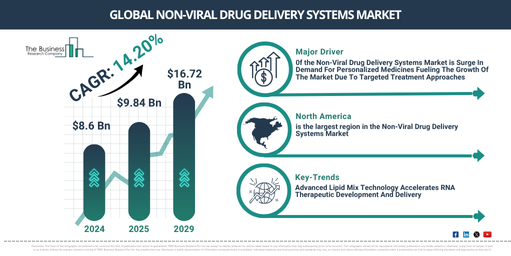
    The non-viral drug delivery systems market has witnessed rapid growth in recent years. Its size is expected to expand from $8.6 billion in 2024 to $9.84 billion in 2025, at a compound annual growth rate (CAGR) of 14.4%. This historical growth can be linked to increasing demand for safer gene therapies, rising advancements in nanotechnology, a rise in the prevalence of chronic diseases, increasing focus on personalized medicine, and rising regulatory support for non-viral platforms.

    The non-viral drug delivery systems market is projected to experience significant expansion in the coming years, anticipated to reach a valuation of $16.72 billion by 2029, exhibiting a compound annual growth rate (CAGR) of 14.2%. Key drivers for this growth during the forecast period include the increasing adoption of targeted therapies, greater investment in drug delivery research, a growing inclination towards non-invasive treatments, the expanding integration of artificial intelligence, and a rising demand for sustained-release formulations. Noteworthy trends expected over the forecast period encompass progress in nanocarrier technology, the development of advanced biomaterials for improved delivery, breakthroughs in mRNA delivery platforms, the incorporation of smart drug delivery devices, and enhancements in gene editing delivery methods.

    Unlock Your Free Sample Report for Exclusive Market Data:

    https://www.thebusinessresearchcompany.com/sample.aspx?id=24628&type=smp

    Which Major Market Drivers Are Shaping The Future Of The Non-Viral Drug Delivery Systems Market?

    The growing requirement for personalized medicines is projected to boost the expansion of the non-viral drug delivery systems market in the future. This medical strategy customizes treatments based on a patient’s unique genetic profile, way of life, and surroundings. The need for personalized medicine is increasing because it enables more effective therapies by addressing the distinct roots of illness in individual patients. Non-viral systems support personalized medicine through the safe delivery of drugs or genes to cells, thereby minimizing risks and enhancing the accuracy of treatment. As an illustration, in February 2024, the Personalized Medicine Coalition, a US-based non-profit organization, reported that the FDA granted approval to 16 novel personalized therapies for rare diseases in 2023, which signifies a rise from six approvals in 2022. Consequently, the heightened demand for personalized medicines is a key factor propelling the expansion of the non-viral drug delivery systems market.

    What Are The Leading Segments Analyzed In The Non-Viral Drug Delivery Systems Market?

    The non-viral drug delivery systems market covered in this report is segmented –

    1) By Type Of Molecule Delivered: Biologics, Small Molecules

    2) By Type Of Biologics Delivered: Ribonucleic Acid (RNA), Deoxyribonucleic Acid (DNA), Proteins or Peptides, Antibodies

    3) By End User: Pharmaceutical And Biotechnology Companies, Academic And Research Institutes, Contract Development And Manufacturing Organizations (CDMOs), Hospitals And Clinics

    Subsegments:

    1) By Biologics: Peptides, Proteins, Monoclonal Antibodies, RNA-based Therapeutics, DNA-based Therapies

    2) By Small Molecules: Chemotherapeutics, Anti-inflammatories, Antivirals, Antibiotics, Hormonal Drugs

    What Long-Term Trends Will Shape The Future Growth Of The Non-Viral Drug Delivery Systems Industry?

    Leading companies within the non-viral drug delivery system market are concentrating on advanced technologies, such as pre-optimized ionizable lipid mix systems, to streamline the creation and delivery of RNA-based therapeutics. A pre-optimized ionizable lipid mix system functions as a formulation technology that enables the efficient encapsulation of RNA molecules into lipid nanoparticles, ensuring robust stability, payload protection, and targeted delivery for gene-based drug applications. For instance, in September 2024, Cytiva, a US-based biotechnology company, introduced an RNA delivery LNP kit compatible with its NanoAssemblr Ignite and Ignite+ platforms. This system includes a ready-to-use ionizable lipid mix that allows for rapid screening of RNA payloads and effective delivery validation, particularly relevant for infectious disease vaccine development. It integrates smoothly with automated microfluidic platforms, supports scalable manufacturing through GMP-grade components, and provides protocols and proof-of-concept data to guide users from early discovery to clinical evaluation.

    Who Are The Key Multinational Companies Dominating The Non-Viral Drug Delivery Systems Market?

    Major companies operating in the non-viral drug delivery systems market are Evonik Industries AG, Cytiva, Arcturus Therapeutics Holdings Inc., CureVac N.V., PolyPid Ltd, Ethris GmbH, Entos Pharmaceuticals Inc., Liquidia Technologies Inc., ReCode Therapeutics Inc., Enable Injections Inc., GenEdit Inc., N4 Pharma Plc, Hopewell Therapeutics Inc., Tiba Biotech LLC, Vesigen Therapeutics Inc., Carmine Therapeutics Inc., Evox Therapeutics Ltd, InnoCore Pharmaceuticals BV, Nanomerics Ltd, DelSiTech Ltd, Curapath Inc.

    Download The Full Report For Exclusive Market Findings:

    https://www.thebusinessresearchcompany.com/report/non-viral-drug-delivery-systems-global-market-report

    Which Region Shows The Highest Potential For Future Expansion In The Non-Viral Drug Delivery Systems Market?

    North America was the largest region in the non-viral drug delivery systems market in 2024. Asia-Pacific is expected to be the fastest-growing region in the forecast period. The regions covered in the non-viral drug delivery systems market report are Asia-Pacific, Western Europe, Eastern Europe, North America, South America, Middle East, Africa.

    Request A Customized Version Of The Non-Viral Drug Delivery Systems Market Report:

    https://www.thebusinessresearchcompany.com/customise?id=24628&type=smp

    Browse Through More Reports Similar to the Global Non-Viral Drug Delivery Systems Market 2025, By The Business Research Company

    Advanced Drug Delivery Systems Global Market Report 2025

    https://www.thebusinessresearchcompany.com/report/advanced-drug-delivery-systems-global-market-report

    Electronic Drug Delivery Systems Global Market Report 2025

    https://www.thebusinessresearchcompany.com/report/electronic-drug-delivery-systems-global-market-report

    Pharmaceutical Drug Delivery Global Market Report 2025

    https://www.thebusinessresearchcompany.com/report/pharmaceutical-drug-delivery-global-market-report

    Get in touch with us:

    The Business Research Company: https://www.thebusinessresearchcompany.com/

    Americas +1 310-496-7795

    Asia +44 7882 955267 & +91 8897263534

    Europe +44 7882 955267

    Email us at info@tbrc.info

    Follow us on:

    LinkedIn: https://in.linkedin.com/company/the-business-research-company

    YouTube: https://www.youtube.com/channel/UC24_fI0rV8cR5DxlCpgmyFQ

    Global Market Model: https://www.thebusinessresearchcompany.com/global-market-model

  • Global Human Epidermal Growth Factor Market Projected to Expand at 9% CAGR by 2029

    Global Human Epidermal Growth Factor Market Projected to Expand at 9% CAGR by 2029

    Unlock Global Insights – Save 20% on Market Reports with Code ONLINE20

    How Much Larger Is The Human Epidermal Growth Factor Market Expected To Become By 2029 Compared With Its 2025 Level?

    The human epidermal growth factor market has experienced substantial expansion in recent years. It is anticipated to increase from $2.18 billion in 2024 to $2.39 billion in 2025, recording a compound annual growth rate (CAGR) of 9.3%. The market’s past growth was driven by factors including an aging population susceptible to skin-related ailments, enhanced government assistance and funding for innovations in biopharmaceuticals, a rise in diabetes prevalence resulting in more chronic wound occurrences, increased collaborations between pharmaceutical companies and research organizations, and a burgeoning consumer preference for non-invasive skincare solutions.

    The human epidermal growth factor market is anticipated to experience substantial expansion in the coming years. This market is projected to reach $3.37 billion by 2029, exhibiting a compound annual growth rate (CAGR) of 9.0%. The expansion during the projected period stems from several factors, including an escalating need for regenerative medicine and wound healing applications, an increasing occurrence of chronic skin conditions and injuries, heightened public understanding of anti-aging and skincare items incorporating hegf, greater financial commitments to biotechnology research and development, and a broader embrace of personalized medicine and targeted therapies. Key developments during the forecast horizon encompass progress in recombinant DNA technology, improvements in protein engineering enhancing hegf stability and effectiveness, the incorporation of nanotechnology, novelties in bioprocessing methodologies, and strides in cell culture technology.

    Unlock Your Free Sample Report for Exclusive Market Data:

    https://www.thebusinessresearchcompany.com/sample.aspx?id=24564&type=smp

    Which Industry Drivers Are Expected To Accelerate The Human Epidermal Growth Factor Market From 2025 To 2029?

    The increasing adoption of personalized medicine is anticipated to stimulate expansion within the human epidermal growth factor market in the coming years. This approach to healthcare customizes medical treatment to an individual’s unique genetic profile, lifestyle, and environmental factors, leading to more precise and effective care. Its growth is attributed to advancements in genomic technologies, which facilitate quicker, more affordable, and accurate identification of individual genetic profiles for customized therapies. HER2 assists personalized medicine by enabling physicians to categorize tumors according to HER2 protein overexpression, thereby directing the choice of targeted treatments that enhance patient outcomes and minimize unwarranted side effects. For example, data from the Personalized Medicine Coalition, a US-based professional membership organization, shows that in 2022, the approval of 12 novel personalized medicines constituted about **34%** of all newly approved therapies, representing a substantial rise from prior years. Consequently, the expanding application of personalized medicine is a key driver for the growth of the human epidermal growth factor market. An upturn in clinical trials is projected to stimulate the expansion of the human epidermal growth factor market in the future. These are research endeavors performed on human subjects to gauge the safety, efficacy, and potential side effects of medical interventions or treatments. The surge in clinical trials stems from the rising demand for personalized and groundbreaking treatments, which necessitate thorough safety and efficacy evaluations. Human epidermal growth factor (hEGF) plays a role in clinical trials by fostering cell proliferation and tissue repair, thereby allowing for the assessment of therapies targeting wound healing, skin regeneration, and similar conditions. For example, in November 2023, a report from the Association of the British Pharmaceutical Industry, a London-based trade association, indicated a **15%** increase in annual recruitment for industry clinical trials in the UK, rising from **36,722** participants in 2021-22 to **42,088** in 2022-23. Hence, the expanding volume of clinical trials is significantly contributing to the growth of the human epidermal growth factor market.

    Which Key Segments Fueling The Human Epidermal Growth Factor Market?

    The human epidermal growth factor market covered in this report is segmented –

    1) By Product Type: Recombinant Human Epidermal Growth Factor, Natural Human Epidermal Growth Factor

    2) By Formulation: Injectable Form, Topical Form, Oral Form

    3) By Distribution Channel: Direct Sales, Online Pharmacies, Retail Pharmaceis, Hospital Pharmacies, Specialty Clinics

    4) By Application: Dermatology, Oncology, Opthalmology, Wound Healing, Cosmetic Procedures

    5) By End-User: Hospitals, Clincs, Research Institutes, Other End Users

    Subsegments:

    1) By Recombinant Human Epidermal Growth Factor: Injectable solutions, Oncology therapeutics, Eye drops, Wound healing agents

    2) By Natural Human Epidermal Growth Factor: Plasma-derived products, Colostrum-based products, Amniotic fluid-derived products, Salivary-derived formulations

    Which Trends Are Impacting The Human Epidermal Growth Factor Market?

    Major companies operating in the human epidermal growth factor market are prioritizing the development of technological advancements, such as an AI-powered immunohistochemistry (IHC) scoring solution, to enhance the accuracy, speed, and consistency of biomarker detection and cancer diagnostics. An AI-powered immunohistochemistry (IHC) scoring solution is a technology that utilizes artificial intelligence algorithms to automatically analyze and quantify protein expression in tissue samples stained via IHC, thereby improving accuracy, consistency, and speed in diagnostic pathology. For instance, in September 2023, Ibex Medical Analytics, an Israel-based company, launched an Ibex Breast HER2. This innovation boosts the precision and reliability of HER2 biomarker scoring in breast cancer, especially in challenging HER2-low cases, facilitating optimized treatment pathways and improved patient outcomes. Its main benefits encompass highly accurate, reproducible, and efficient HER2 IHC scoring, empowering pathologists to make confident, objective decisions for targeted therapy selection.

    Which Key Players Are Driving Competition In The Human Epidermal Growth Factor Market?

    Major companies operating in the human epidermal growth factor market are Pfizer Inc., Johnson & Johnson Services Inc, F. Hoffmann-La Roche AG, Merck & Co. Inc., Bayer AG, AstraZeneca plc, Novartis AG, GlaxoSmithKline Plc, Amgen Inc., Lonza Group AG, STEMCELL Technologies, Abcam plc., BioLegend Inc., Bharat Biotech International Limited, RayBiotech Inc., Enzo Life Sciences Inc., Neocutis S.A, Proteintech Group Inc., Creative BioMart Co. Ltd., Abbkine Scientific Co. Ltd.

    Download The Full Report For Exclusive Market Findings:

    https://www.thebusinessresearchcompany.com/report/human-epidermal-growth-factor-global-market-report

    What Are The Regional Market Dynamics Impacting The Human Epidermal Growth Factor Industry?

    North America was the largest region in the human epidermal growth factor market in 2024. Asia-Pacific is expected to be the fastest-growing region in the forecast period. The regions covered in the human epidermal growth factor market report are Asia-Pacific, Western Europe, Eastern Europe, North America, South America, Middle East, Africa.

    Request A Customized Version Of The Human Epidermal Growth Factor Market Report:

    https://www.thebusinessresearchcompany.com/customise?id=24564&type=smp

    Browse Through More Reports Similar to the Global Human Epidermal Growth Factor Market 2025, By The Business Research Company

    Professional Skincare Global Market Report 2025

    https://www.thebusinessresearchcompany.com/report/professional-skincare-global-market-report

    Electronic Skin Patch Global Market Report 2025

    https://www.thebusinessresearchcompany.com/report/electronic-skin-patch-global-market-report

    Transdermal Skin Patche Global Market Report 2025

    https://www.thebusinessresearchcompany.com/report/transdermal-skin-patche-global-market-report

    Get in touch with us:

    The Business Research Company: https://www.thebusinessresearchcompany.com/

    Americas +1 310-496-7795

    Asia +44 7882 955267 & +91 8897263534

    Europe +44 7882 955267

    Email us at info@tbrc.info

    Follow us on:

    LinkedIn: https://in.linkedin.com/company/the-business-research-company

    YouTube: https://www.youtube.com/channel/UC24_fI0rV8cR5DxlCpgmyFQ

    Global Market Model: https://www.thebusinessresearchcompany.com/global-market-model
  • Non-Radiographic Axial Spondyloarthritis Therapeutic Market to Reach $1.55 Billion by 2029, Growing at a CAGR of 10.7%

    Non-Radiographic Axial Spondyloarthritis Therapeutic Market to Reach $1.55 Billion by 2029, Growing at a CAGR of 10.7%

    Unlock Global Insights – Save 20% on Market Reports with Code ONLINE20

    What Is The Expected Total Market Size Of The Non-Radiographic Axial Spondyloarthritis Therapeutic Industry By The Forecast Year 2029?

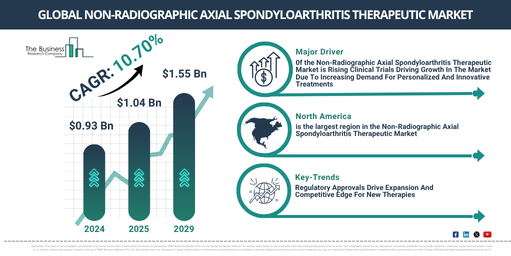
    The market size for non-radiographic axial spondyloarthritis therapeutics has seen substantial growth in recent years. It is anticipated to increase from $0.93 billion in 2024 to $1.04 billion in 2025, progressing at a compound annual growth rate (CAGR) of 10.9%. The expansion observed historically is largely due to the rising prevalence of axial spondyloarthritis, enhancements in awareness coupled with a growing patient population, the increasing understanding of the disease propelling market development, an uptick in research and development efforts, and the wider acceptance of biologic therapies.

    The non-radiographic axial spondyloarthritis therapeutic market size is projected to experience swift expansion in the coming years. This market is forecasted to reach $1.55 billion by 2029, exhibiting a compound annual growth rate (CAGR) of 10.7%. Several factors are expected to drive this growth during the forecast period, including heightened awareness and prompt diagnosis, the proliferation of biosimilars, sustained progress in biologics alongside emerging therapeutic alternatives, a continuous rise in research and development endeavors, the increasing embrace of targeted and individualized treatments, and enhanced healthcare infrastructure. Key trends anticipated in this period encompass tailored treatment algorithms, the incorporation of digital instruments for diagnosis, a move towards treat-to-target (T2T) methodologies, value-based pricing frameworks, and the uptake of multidisciplinary management strategies.

    Unlock Your Free Sample Report for Exclusive Market Data:

    https://www.thebusinessresearchcompany.com/sample.aspx?id=24627&type=smp

    What Are The Main Drivers Boosting The Non-Radiographic Axial Spondyloarthritis Therapeutic Industry’s Expansion?

    The non-radiographic axial spondyloarthritis therapeutic market is projected to experience growth, propelled by the rising number of clinical trials. These trials represent human research studies carried out to evaluate the safety, effectiveness, and adverse effects of medical treatments or interventions. The increase in clinical trials stems from a growing need for tailored and innovative therapies, which require rigorous assessment for their safety and efficacy. Clinical trials provide support for non-radiographic axial spondyloarthritis therapeutics by delivering evidence-based confirmation of treatment effectiveness and safety during the early stages of the disease, thus guiding regulatory approvals and integration into clinical practice. As an illustration, in November 2023, the Association of the British Pharmaceutical Industry, a UK-based trade association, reported a 15% surge in annual recruitment for industry clinical trials within the UK, with participant figures climbing from 36,722 in 2021-22 to 42,088 in 2022-23. Therefore, the expanding clinical trial landscape is a significant driver of the non-radiographic axial spondyloarthritis therapeutic market’s growth.

    What Are The Segment Types Shaping The Non-Radiographic Axial Spondyloarthritis Therapeutic Market?

    The non-radiographic axial spondyloarthritis therapeutic market covered in this report is segmented –

    1) By Type: Non-Steroidal Anti-Inflammatory Drugs, Biologics, Small Molecule Therapies, Corticosteroids

    2) By Application: Oral, Injectable, Topical

    3) By End User: Hospitals, Ambulatory Surgical Centers, Homecare Settings

    Subsegments:

    1) By Non-Steroidal Anti-Inflammatory Drugs: COX-2 Inhibitors, Non-Selective NSAIDs

    2) By Biologics: Tumor Necrosis Factor (TNF) Inhibitors, Interleukin-17 (IL-17) Inhibitors

    3) By Small Molecule Therapies: Janus Kinase (JAK) Inhibitors, Phosphodiesterase-4 (PDE4) Inhibitors

    4) By Corticosteroids: Oral Corticosteroids, Intra-Articular Corticosteroid Injections

    Which Market Trends Are Creating New Opportunities In The Non-Radiographic Axial Spondyloarthritis Therapeutic Industry?

    Leading companies in the non-radiographic axial spondyloarthritis (nr-axSpA) therapeutic market are concentrating on securing regulatory approvals. This strategy aims to broaden their market reach, expedite the introduction of new treatments, and gain competitive advantages. Regulatory approvals signify official permission granted by government bodies, allowing a drug or therapy to be legally sold and prescribed after its safety, efficacy, and adherence to relevant standards have been established. For example, in October 2022, AbbVie Inc., a US-based biopharmaceutical firm, obtained FDA approval for Rinvoq (upadacitinib) to treat adults with active non-radiographic axial spondyloarthritis (nr-axSpA) who exhibit objective signs of inflammation and have not responded adequately to TNF inhibitors. This marks Rinvoq’s sixth U.S. indication and positions it as the first and only oral JAK inhibitor approved for nr-axSpA. The approval is founded on data from the SELECT-AXIS 2 clinical trial, where nearly half of the patients treated with Rinvoq showed significant betterment in disease activity compared to placebo after 14 weeks, providing a new once-daily oral treatment option for those with this challenging condition.

    Which Leading Players Are Enhancing Their Non-Radiographic Axial Spondyloarthritis Therapeutic Market Presence Worldwide?

    Major companies operating in the non-radiographic axial spondyloarthritis therapeutic market are Pfizer Inc., Johnson & Johnson, Allergan plc, AbbVie Inc., Sanofi S.A., Bristol-Myers Squibb Company, AstraZeneca PLC, Abbott Laboratories, Novartis AG, Eli Lilly and Company, Gilead Sciences Inc., Amgen Inc., Novo Nordisk A/S, Biogen Inc., Daiichi Sankyo Company Limited, UCB S.A., Mochida Pharmaceutical Co. Ltd., Mereo BioPharma Group plc, Suzhou Zelgen Biopharmaceuticals Co. Ltd., Qyuns Therapeutics Co. Ltd.

    Download The Full Report For Exclusive Market Findings:

    https://www.thebusinessresearchcompany.com/report/non-radiographic-axial-spondyloarthritis-therapeutic-global-market-report

    How Is Non-Radiographic Axial Spondyloarthritis Therapeutic Market Demand Varying Across Different Regions?

    North America was the largest region in the non-radiographic axial spondyloarthritis therapeutics market in 2024. The regions covered in the non-radiographic axial spondyloarthritis therapeutic market report are Asia-Pacific, Western Europe, Eastern Europe, North America, South America, Middle East, Africa.

    Request A Customized Version Of The Non-Radiographic Axial Spondyloarthritis Therapeutic Market Report:

    https://www.thebusinessresearchcompany.com/customise?id=24627&type=smp

    Browse Through More Reports Similar to the Global Non-Radiographic Axial Spondyloarthritis Therapeutic Market 2025, By The Business Research Company

    Generic Musculoskeletal Disorders Drugs Global Market Report 2025

    https://www.thebusinessresearchcompany.com/report/generic-musculoskeletal-disorders-drugs-global-market-report

    Cervical Spondylosis Treatment Global Market Report 2025

    https://www.thebusinessresearchcompany.com/report/cervical-spondylosis-treatment-global-market-report

    Osteoarthritis Global Market Report 2025

    https://www.thebusinessresearchcompany.com/report/osteoarthritis-global-market-report

    Get in touch with us:

    The Business Research Company: https://www.thebusinessresearchcompany.com/

    Americas +1 310-496-7795

    Asia +44 7882 955267 & +91 8897263534

    Europe +44 7882 955267

    Email us at info@tbrc.info

    Follow us on:

    LinkedIn: https://in.linkedin.com/company/the-business-research-company

    YouTube: https://www.youtube.com/channel/UC24_fI0rV8cR5DxlCpgmyFQ

    Global Market Model: https://www.thebusinessresearchcompany.com/global-market-model
  • Hormone Replacement Therapy Market to Grow at a CAGR of 8.6% from 2025 to 2029

    Hormone Replacement Therapy Market to Grow at a CAGR of 8.6% from 2025 to 2029

    Unlock Global Insights – Save 20% on Market Reports with Code ONLINE20

    #What Are The Current (2025) And Forecast (2029) Sizes Of The Hormone Replacement Therapy Market?

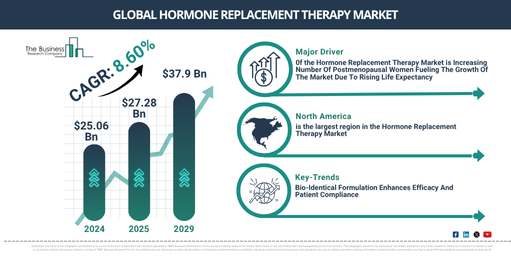
    The market for hormone replacement therapy has experienced substantial growth in recent years. This market is projected to expand from $25.06 billion in 2024 to $27.28 billion by 2025, demonstrating a compound annual growth rate (CAGR) of 8.9%. Historically, this expansion has been driven by several factors, including the increasing occurrence of menopausal symptoms among older women, greater understanding of treatments for hormone deficiency, an increase in life expectancy coupled with an aging demographic, a global rise in healthcare spending, and the growing uptake of estrogen therapy for women after menopause.

    The hormone replacement therapy market is projected to experience substantial expansion over the upcoming years. It is anticipated to reach a valuation of $37.9 billion by 2029, growing at a compound annual growth rate (CAGR) of 8.6%. This projected growth during the forecast period is primarily driven by factors such as an increasing incidence of hormonal disorders, greater recognition of menopausal health concerns, a global rise in the aging demographic, wider availability of healthcare services in developing economies, and an escalating preference for less invasive treatment alternatives. Key developments expected in this period encompass improvements in bio-identical hormone formulations, sophisticated transdermal drug delivery methods, the creation of customized hormone therapy through genetic profiling, breakthroughs in long-acting hormone injectables, and enhanced integration of telehealth for managing hormone therapy.

    Unlock Your Free Sample Report for Exclusive Market Data:

    https://www.thebusinessresearchcompany.com/sample.aspx?id=24563&type=smp

    What Are The Top Growth Drivers Impacting The Hormone Replacement Therapy Market Outlook?

    The rising population of postmenopausal women is anticipated to fuel the expansion of the hormone replacement therapy market moving ahead. These are women who have permanently ceased menstruation, usually 12 months following their final menstrual period, owing to a natural reduction in reproductive hormones. This increase in postmenopausal women stems from greater life expectancy, as women live longer, leading to a larger demographic of older females entering menopause. Hormone replacement therapy assists postmenopausal women by easing frequent symptoms like hot flashes and night sweats, thereby enhancing their quality of life. It aids in achieving hormonal equilibrium via tailored treatments, lessening discomfort and fostering general well-being. For example, data from July 2022 by Mayo Clinic Health System, a US-based healthcare firm, forecasts that the global population of menopausal and postmenopausal women will reach 1.2 billion by 2030, with 47 million women entering this phase annually. Consequently, the expanding demographic of postmenopausal women is a significant driver for the growth of the hormone replacement therapy market.

    How Is The Hormone Replacement Therapy Market Classified Into Different Segments?

    The hormone replacement therapy market covered in this report is segmented –

    1) By Therapy Type: Estrogen Replacement Therapy, Human Growth Hormone Replacement Therapy, Thyroid Hormone Replacement Therapy, Testosterone Replacement Therapy, Other Therapy Types

    2) By Indication: Menopause, Hypothyroidism, Male Hypogonadism, Growth Hormone Deficiency, Other Indications

    3) By Route Of Administration: Oral, Transdermal, Injectable, Other Of Administartions

    4) By Distribution Channel: Hospital Pharmacies, Retail Pharmacies, Online Pharmacies, Other Distribution Channels

    Subsegments:

    1) By Estrogen Replacement Therapy: Oral Estrogen, Transdermal Estrogen, Topical Estrogen, Vaginal Estrogen, Injectable Estrogen

    2) By Human Growth Hormone (hGH) Replacement Therap: Somatropin, Somatrem, Recombinant Human Growth Hormone (rhGH), Pegylated hGH, Other Human Growth Hormone (hGH) Replacement Therapies

    3) By Thyroid Hormone Replacement Therapy: Levothyroxine (T4), Liothyronine (T3), Natural Desiccated Thyroid (NDT), Combination T3 Or T4 Therapy

    4) By Testosterone Replacement Therapy: Gels And Creams, Injections, Patches, Oral Testosterone, Pellets

    5) By Other Therapy Types: Progesterone Replacement Therapy, Combined Estrogen-Progesterone Therapy, Dehydroepiandrosterone Therapy, Melatonin Replacement Therapy

    What Long-Term Trends Will Shape The Future Growth Of The Hormone Replacement Therapy Industry?

    Companies actively involved in the hormone replacement therapy market are prioritizing the creation of innovative formulations, such as bio-identical hormone formulations, with the goal of improving treatment efficacy and patient adherence. Bio-identical hormone formulations refer to treatments that utilize hormones chemically identical to those naturally generated by the human body, aiming to offer more natural and effective symptom relief alongside fewer side effects. For instance, in May 2024, Jagsonpal Pharmaceuticals Ltd., an India-based pharmaceutical company, introduced MemUp, a bio-identical hormone replacement therapy (HRT). This advanced therapy combines estradiol and progesterone within a single, once-daily oral capsule. MemUp is developed to effectively alleviate common menopausal symptoms like hot flashes and night sweats, while simultaneously simplifying the treatment regimen to enhance patient convenience and adherence.

    Who Are The Top Performing Companies In The Hormone Replacement Therapy Market In Recent Years?

    Major companies operating in the hormone replacement therapy market are Pfizer Inc., F. Hoffmann-La Roche Ltd., AbbVie Inc., Bayer AG, Sanofi S.A., Abbott Laboratories, Novartis AG, GSK plc, Eli Lilly and Company, Amgen Inc., Novo Nordisk A/S, Teva Pharmaceutical Industries Ltd., Mylan N.V., Bausch Health Companies Inc., Cipla Inc., Gedeon Richter Plc., Lupin Limited, Orion Corporation, Halozyme Therapeutics Inc., Theramex HQ UK Limited

    Download The Full Report For Exclusive Market Findings:

    https://www.thebusinessresearchcompany.com/report/hormone-replacement-therapy-global-market-report

    Which Region Shows The Highest Potential For Future Expansion In The Hormone Replacement Therapy Market?

    North America was the largest region in the hormone replacement therapy market in 2024. Asia-Pacific is expected to be the fastest-growing region in the forecast period. The regions covered in the hormone replacement therapy market report are Asia-Pacific, Western Europe, Eastern Europe, North America, South America, Middle East, Africa.

    Request A Customized Version Of The Hormone Replacement Therapy Market Report:

    https://www.thebusinessresearchcompany.com/customise?id=24563&type=smp

    Browse Through More Reports Similar to the Global Hormone Replacement Therapy Market 2025, By The Business Research Company

    Hormone Therapy Global Market Report 2025

    https://www.thebusinessresearchcompany.com/report/hormone-therapy-global-market-report

    Drugs For Hormonal Replacement Therapy Global Market Report 2025

    https://www.thebusinessresearchcompany.com/report/drugs-for-hormonal-replacement-therapy-global-market-report

    Testosterone Replacement Therapy Global Market Report 2025

    https://www.thebusinessresearchcompany.com/report/testosterone-replacement-therapy-global-market-report

    Get in touch with us:

    The Business Research Company: https://www.thebusinessresearchcompany.com/

    Americas +1 310-496-7795

    Asia +44 7882 955267 & +91 8897263534

    Europe +44 7882 955267

    Email us at info@tbrc.info

    Follow us on:

    LinkedIn: https://in.linkedin.com/company/the-business-research-company

    YouTube: https://www.youtube.com/channel/UC24_fI0rV8cR5DxlCpgmyFQ

    Global Market Model: https://www.thebusinessresearchcompany.com/global-market-model
  • Global Medical Transport Box Market Analysis 2025–2029: Opportunities for Strategic Growth

    Global Medical Transport Box Market Analysis 2025–2029: Opportunities for Strategic Growth

    Unlock Global Insights – Save 20% on Market Reports with Code ONLINE20

    How Much Was The Medical Transport Box Market Worth In 2025, And What Is Its Anticipated Value By 2029?

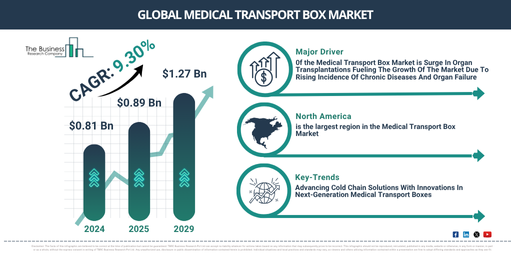
    The medical transport box market has demonstrated substantial expansion over recent years. Forecasts indicate an increase from $0.81 billion in 2024 to $0.89 billion in 2025, reflecting a compound annual growth rate (CAGR) of 9.6%. This past growth can be attributed to the broadening reach of global vaccination efforts, the increase in organ transplantation surgeries, the expansion of medical tourism, heightened investment in cold chain logistics infrastructure, and the rise in pharmaceutical exports and clinical trials.

    The medical transport box market is anticipated to experience robust expansion over the coming years. Its valuation is projected to reach $1.27 billion by 2029, demonstrating a compound annual growth rate (CAGR) of 9.3%. This growth during the forecast period is attributable to an increasing emphasis on healthcare delivery in rural and remote areas, the proliferation of telemedicine and mobile diagnostic units, the escalating incidence of chronic diseases, an aging demographic, and advancements in personalized medicine and cell therapy. Key trends expected within this period include a transition toward intelligent medical transport boxes featuring real-time monitoring, the integration of IoT and RFID for enhanced supply chain transparency, the adoption of solar-powered cooling technologies, strategic collaborations between pharmaceutical firms and cold chain providers, and the emergence of subscription-based cold storage transport services.

    Unlock Your Free Sample Report for Exclusive Market Data:

    https://www.thebusinessresearchcompany.com/sample.aspx?id=24599&type=smp

    What Are The Emerging Market Drivers Creating New Opportunities In The Medical Transport Box Industry?

    The growing frequency of organ transplantation procedures is anticipated to stimulate the expansion of the medical transport box market moving forward. Organ transplantation is defined as a surgical intervention where a diseased or damaged organ in a patient’s body is replaced with a healthy organ from a donor to treat organ failure and enhance patient health. The incidence of these transplantations is increasing due to the rising prevalence of chronic conditions, such as diabetes and hypertension, which lead to a greater rate of organ failure. Medical transport boxes are utilized in organ transplants to maintain stringent temperature control and sterile conditions, ensuring organs remain viable during transit from donor to recipient. For instance, in January 2025, data from the Health Resources and Services Administration, a US-based government agency, indicated that approximately 48,149 organ transplants were performed in the USA, representing a 3.3% increase compared to the number carried out in 2023. Consequently, the rising number of organ transplantations is driving the growth of the medical transport box market.

    How Is The Medical Transport Box Market Classified Into Different Segments?

    The medical transport box market covered in this report is segmented –

    1) By Product Type: Traditional Medical Boxes, Cold-Storage Medical Boxes

    2) By Material: Plastic, Corrugated Boxes, Metal

    3) By Distribution Channel: Direct Tender, Retail Sales, Other Distribution Channels

    4) By Application: Medicines, Test Specimen , Vaccines, Blood, Organ, Medical Devices, Medical Waste, Other Applications

    5) By End User: Diagnostic Laboratories, Blood Banks, Hospitals And Clinics, Ambulatory Surgical Centers, Academic And Research Institutes, Other End-Users

    Subsegments:

    1) By Traditional Medical Boxes: First Aid Transport Boxes, Emergency Medical Kits, Surgical Instrument Transport Boxes, Diagnostic Equipment Boxes, PPE (Personal Protective Equipment) Transport Boxes

    2) By Cold-Storage Medical Boxes: Vaccine Transport Boxes, Blood And Plasma Transport Boxes, Organ Transport Boxes, Temperature-Controlled Drug Transport Boxes, Insulin Transport Boxes

    What Key Innovation Trends Are Fueling Advancements In The Medical Transport Box Market?

    Leading companies within the medical transport box market are concentrating on creating new generations of medical transportation boxes that provide improved thermal insulation, real-time tracking, and extended preservation periods, thereby enhancing the safety and efficiency of organ and specimen transport. These next-generation medical transportation boxes integrate sophisticated thermal insulation, intelligent monitoring technologies, and resilient, lightweight materials to ensure the secure and effective transit of temperature-sensitive medical supplies. As an illustration, in November 2022, Secop Group, a Germany-based producer of hermetic compressors for cooling circuits, formed a partnership with B Medical Systems, a Luxembourg-based medical equipment manufacturer, to engineer a new type of medical transportation box capable of sustaining ultra-low temperatures down to -86°C, even in ambient conditions reaching up to 43°C. This innovation, driven by a cascade compressor system and battery-powered compressors, aims to fulfill the critical demand for dependable cold chain solutions in challenging climates, particularly for the conveyance of mRNA vaccines and biological materials.

    Which Leading Players Are Enhancing Their Medical Transport Box Market Presence Worldwide?

    Major companies operating in the medical transport box market are Thermo Fisher Scientific Inc., Medline Industries Inc., Avantor Inc., Berner International GmbH, M.&G. International Srl, SARSTEDT AG & Co. KG, Azenta Inc., Summit Medical LLC, Haier Biomedical Co. Ltd., Nilkamal Limited, BITO-Lagertechnik Bittmann GmbH, Orlando Products Inc., Fujian Super Tech Advanced Material Co. Ltd., Körber Pharma GmbH, bwh Spezialkoffer GmbH, DGP Intelsius GmbH, The Yebo Group LLC, Heathrow Scientific LLC, Sonoco Products Company, asecos GmbH

    Download The Full Report For Exclusive Market Findings:

    https://www.thebusinessresearchcompany.com/report/medical-transport-box-global-market-report

    Which Region Is Projected To Lead The Medical Transport Box Market During The Forecast Period?

    North America was the largest region in the medical transport box market in 2024. Asia-Pacific is expected to be the fastest-growing region in the forecast period. The regions covered in the medical transport box market report are Asia-Pacific, Western Europe, Eastern Europe, North America, South America, Middle East, Africa.

    Request A Customized Version Of The Medical Transport Box Market Report:

    https://www.thebusinessresearchcompany.com/customise?id=24599&type=smp

    Browse Through More Reports Similar to the Global Medical Transport Box Market 2025, By The Business Research Company

    Antibacterial Products Global Market Report 2025

    https://www.thebusinessresearchcompany.com/report/antibacterial-products-global-market-report

    Fabric Antibacterial Spray Global Market Report 2025

    https://www.thebusinessresearchcompany.com/report/fabric-antibacterial-spray-global-market-report

    Antimicrobial Hospital Textiles Global Market Report 2025

    https://www.thebusinessresearchcompany.com/report/antimicrobial-hospital-textiles-global-market-report

    Get in touch with us:

    The Business Research Company: https://www.thebusinessresearchcompany.com/

    Americas +1 310-496-7795

    Asia +44 7882 955267 & +91 8897263534

    Europe +44 7882 955267

    Email us at info@tbrc.info

    Follow us on:

    LinkedIn: https://in.linkedin.com/company/the-business-research-company

    YouTube: https://www.youtube.com/channel/UC24_fI0rV8cR5DxlCpgmyFQ

    Global Market Model: https://www.thebusinessresearchcompany.com/global-market-model
  • Non Invasive Neurostimulation Devices Industry Anticipated to Expand at 12.8% CAGR During the Forecast Period

    Unlock Global Insights – Save 20% on Market Reports with Code ONLINE20

    What Is The Predicted Market Size Trajectory For The Non Invasive Neurostimulation Devices Market From 2025 To 2034?

    The non invasive neurostimulation devices market has demonstrated rapid expansion in recent years. It is anticipated to grow from $1.67 billion in 2024 to $1.89 billion in 2025, reflecting a compound annual growth rate (CAGR) of 13.1%. This historical growth can be linked to the increasing occurrence of neurological disorders, enhanced awareness of neurostimulation therapies, a rising need for non-invasive treatments, the expansion of healthcare infrastructure, and increased research in neuromodulation.

    The non invasive neurostimulation devices market is anticipated to experience substantial expansion in the coming years. This market is projected to reach a size of $3.06 billion by 2029, demonstrating a compound annual growth rate (CAGR) of 12.8%. Key factors driving this growth during the forecast period include an aging global population, the increasing integration of wearable neurostimulation devices, heightened spending on healthcare, favorable governmental policies, and broader applications within mental health therapies. Significant trends anticipated for the forecast timeframe encompass a move towards less invasive neurostimulation techniques, advancements in wireless neurostimulation technologies, the broadened use of telehealth, the introduction of closed-loop neurostimulation systems, and an increased emphasis on individualized patient neurostimulation treatments.

    Unlock Your Free Sample Report for Exclusive Market Data:

    https://www.thebusinessresearchcompany.com/sample.aspx?id=24625&type=smp

    What Are The Key Drivers Of Growth In The Non Invasive Neurostimulation Devices Market?

    The expanding occurrence of neurological disorders is anticipated to drive the non invasive neurostimulation devices market growth in the future. These medical conditions affect the brain, spinal cord, and nerves, leading to various symptoms such as cognitive, motor, and sensory impairments. The rising prevalence of neurological disorders is linked to the global aging population, as aging gradually impairs neuronal function, reduces brain plasticity, and elevates oxidative stress, all contributing to the development and progression of these conditions. Non-invasive neurostimulation devices help in diagnosing neurological disorders by delivering targeted stimulation to assess neural responses. They offer non-surgical, real-time evaluation methods, thereby enhancing diagnostic accuracy and improving patient care in clinical and home settings. For instance, in July 2024, according to the National Health Service, a UK-based government agency, there were 487,432 patients diagnosed with dementia (a progressive brain disorder affecting memory, thinking, and daily activities) by June 30, 2024, an increase of 3,155 cases compared to May 31, 2024. Consequently, the increasing prevalence of neurological disorders is fueling the expansion of the non invasive neurostimulation devices market.

    What Are The Primary Types Of Segments Analyzed In The Non Invasive Neurostimulation Devices Market?

    The non invasive neurostimulation devices market covered in this report is segmented –

    1) By Type Of Stimulation Technology: Transcutaneous Electrical Nerve Stimulation (TENS), Transcranial Magnetic Stimulation (TMS), Electromagnetic Stimulation (EMS), Other Types Of Stimulation Technologies

    2) By Target Indication: Pain Management, Neurological Disorders, Psychological Disorder, Other Target Indications

    3) By End User: Hospitals And Clinics, Homecare Settings, Research And Academic Institutes

    Subsegments:

    1) By Transcutaneous Electrical Nerve Stimulation (TENS): Conventional Transcutaneous Electrical Nerve Stimulation (TENS), Acupuncture-Like Transcutaneous Electrical Nerve Stimulation (TENS), Brief-Intense Transcutaneous Electrical Nerve Stimulation (TENS), Burst Mode Transcutaneous Electrical Nerve Stimulation (TENS)

    2) By Transcranial Magnetic Stimulation (TMS): Repetitive Transcranial Magnetic Stimulation (rTMS), Deep Transcranial Magnetic Stimulation (dTMS), Single-Pulse Transcranial Magnetic Stimulation, Paired-Pulse Transcranial Magnetic Stimulation

    3) By Electromagnetic Stimulation (EMS): Functional Electromagnetic Stimulation (EMS), Neuromuscular Electromagnetic Stimulation (EMS), High-Frequency Electromagnetic Stimulation (EMS), Low-Frequency Electromagnetic Stimulation (EMS)

    4) By Other Types Of Stimulation Technology: Transcranial Direct Current Stimulation (tDCS), Vagus Nerve Stimulation, Cranial Electrotherapy Stimulation (CES), Peripheral Nerve Stimulation (PNS)

    What Key Innovation Trends Are Fueling Advancements In The Non Invasive Neurostimulation Devices Market?

    Leading companies within the non-invasive neurostimulation devices market are concentrating on creating advanced products, such as personalized stimulation protocols, to bolster treatment effectiveness and enhance patient outcomes. Personalized stimulation protocols describe neurostimulation settings meticulously tailored to an individual’s specific medical condition, neural response, and treatment objectives, with the aim of maximizing therapeutic efficacy and minimizing adverse reactions. For instance, in October 2023, Sooma Medical, a Finland-based medical technology company, unveiled a remote clinician-monitored brain stimulation system developed for at-home treatment using non-invasive transcranial direct current stimulation (tDCS). This innovative system empowers healthcare professionals to remotely supervise therapy sessions, thereby improving accessibility and adherence for patients dealing with neurological and mental health conditions like depression and chronic pain.

    Who Are The Primary Competitors In The Global Non Invasive Neurostimulation Devices Market?

    Major companies operating in the non invasive neurostimulation devices market are Boston Scientific Corporation, Alpha-Stim, Neurosoft Bioelectronics SA, Neuronetics Inc., BrainsWay Ltd., eNeura Inc., MagVenture A/S, Nexstim Plc, Neuroelectrics Barcelona S.L.U., Cefaly Technology, ElectroCore Inc., Brainbox India Private Limited, Flow Neuroscience AB, Fisher Wallace Laboratories Inc., Sooma Medical, Aleva Neurotherapeutics SA, NeuroSigma Inc., Mind Alive Inc., TheBrainDriver LLC, Caputron Medical Products LLC.

    Download The Full Report For Exclusive Market Findings:

    https://www.thebusinessresearchcompany.com/report/non-invasive-neurostimulation-devices-global-market-report

    Which Region Is Projected To Lead The Non Invasive Neurostimulation Devices Market During The Forecast Period?

    North America was the largest region in the non invasive neurostimulation devices market in 2024. The regions covered in the non invasive neurostimulation devices market report are Asia-Pacific, Western Europe, Eastern Europe, North America, South America, Middle East, Africa.

    Request A Customized Version Of The Non Invasive Neurostimulation Devices Market Report:

    https://www.thebusinessresearchcompany.com/customise?id=24625&type=smp

    Browse Through More Reports Similar to the Global Non Invasive Neurostimulation Devices Market 2025, By The Business Research Company

    Electrical Stimulation Devices Global Market Report 2025

    https://www.thebusinessresearchcompany.com/report/electrical-stimulation-devices-global-market-report

    Implantable Neurostimulation Devices Global Market Report 2025

    https://www.thebusinessresearchcompany.com/report/implantable-neurostimulation-devices-global-market-report

    Internal Neuromodulation Devices Global Market Report 2025

    https://www.thebusinessresearchcompany.com/report/internal-neuromodulation-devices-global-market-report

    Get in touch with us:

    The Business Research Company: https://www.thebusinessresearchcompany.com/

    Americas +1 310-496-7795

    Asia +44 7882 955267 & +91 8897263534

    Europe +44 7882 955267

    Email us at info@tbrc.info

    Follow us on:

    LinkedIn: https://in.linkedin.com/company/the-business-research-company

    YouTube: https://www.youtube.com/channel/UC24_fI0rV8cR5DxlCpgmyFQ

    Global Market Model: https://www.thebusinessresearchcompany.com/global-market-model
  • Global Home Medical Alert Systems Market 2025–2029: Competitive Insights and Opportunities

    Global Home Medical Alert Systems Market 2025–2029: Competitive Insights and Opportunities

    Unlock Global Insights – Save 20% on Market Reports with Code ONLINE20

    What Market Value Is The Home Medical Alert Systems Industry Expected To Reach By 2029, Starting From 2025 Levels?

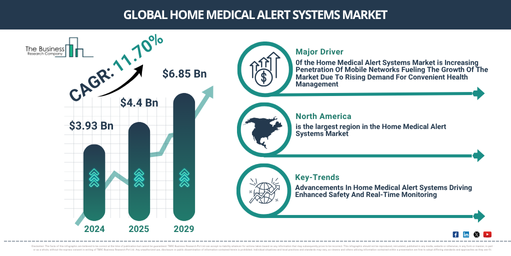
    The market for home medical alert systems has experienced significant expansion recently. Projections indicate it will expand from $3.93 billion in 2024 to $4.4 billion by 2025, demonstrating a compound annual growth rate (CAGR) of 12.0%. Historically, this growth has been driven by factors such as an expanding elderly population, an increase in the prevalence of chronic diseases, heightened awareness regarding senior safety, the growing uptake of telehealth technologies, and a greater need for remote patient monitoring.

    The home medical alert systems market is anticipated to experience substantial growth in the upcoming years. Forecasts indicate it will expand to reach $6.85 billion by 2029, demonstrating a compound annual growth rate (CAGR) of 11.7%. This projected increase is largely due to factors such as the expanding elderly demographic, the enhanced integration of AI and IoT technologies, a growing demand for wearable medical devices, the expansion of telehealth services, and increased government support for elder care initiatives. During this forecast period, significant trends are expected to include advancements in AI-powered alert systems, innovations in both wearable and non-wearable devices, integration with smart home technologies, the increased adoption of mobile applications for monitoring, and the rise of subscription-based service models.

    Unlock Your Free Sample Report for Exclusive Market Data:

    https://www.thebusinessresearchcompany.com/sample.aspx?id=24562&type=smp

    Which Major Market Drivers Are Shaping The Future Of The Home Medical Alert Systems Market?

    The expanding reach of mobile networks is projected to stimulate the growth of the home medical alert systems market moving forward. These networks are wireless communication systems connecting mobile devices to internet and telephone services via radio waves. The increasing adoption of mobile networks stems from a rising need for internet access in both urban and rural areas. Home medical alert systems frequently depend on mobile connectivity to function effectively, thereby promoting more network installations in residential locations. For instance, in February 2025, the GSM Association, a UK-based global organization of mobile operators and companies, reported that there were 5.8 billion unique mobile subscribers globally, representing a 71% penetration rate. This total is expected to grow to 6.5 billion by 2030. Thus, the growing penetration of mobile networks is a primary driver for the expansion of the home medical alert systems market.

    What Are The Major Segments Identified In The Home Medical Alert Systems Market?

    The home medical alert systems market covered in this report is segmented –

    1) By Type: Personal Emergency Response Systems (PERS), Wearable Alert Systems, Smartphone Based Alert Systems, In Home Alert Systems

    2) By Service Model: Subscription Based Services, One Time Purchase Models, Bundled Services, Pay-As-You-Go Services

    3) By Applications: Home Based Use, Nursing Home, Assisted Living Facilities, Hospices, Other Applications

    4) By Distribution Channel: Online Retailers, Medical Equipment Stores, Direct Sales, Healthcare Facilities

    5) By End User: Seniors, Disabled Individuals, Patients With Chronic Conditions, Other End Users

    Subsegments:

    1) By Personal Emergency Response Systems (PERS): Landline-Based PERS, Cellular-Based PERS, GPS-Enabled PERS, Two-Way Voice Communication PERS, Fall Detection-Integrated PERS

    2) By Wearable Alert Systems: Medical Alert Smartwatches, Emergency Pendant Alarms, Wristband Alert Devices, Necklace Alert Devices, Clip-On Wearable Sensors

    3) By Smartphone-Based Alert Systems: Dedicated Medical Alert Apps, Hybrid Smartphone + Wearable Systems, AI-Powered Emergency Response Apps, Family-Connected Alert Apps, GPS Location Tracking Apps

    4) By In-Home Alert Systems: Wall-Mounted Emergency Buttons, Bedside Alert Systems, Voice-Activated Home Assistants, Motion-Sensor Based Alarms, Smart Home-Integrated Medical Alerts

    Which Market Trends Are Creating New Opportunities In The Home Medical Alert Systems Industry?

    Major companies operating in the home medical alert systems market are concentrating on advanced technology, such as artificial intelligence (AI)-driven fall detection, to facilitate quicker emergency responses, enhance user safety, and provide more personalized health monitoring. AI-powered fall detection involves utilizing artificial intelligence algorithms in devices to accurately detect falls and notify caregivers immediately, thus improving emergency response and decreasing false alarms. For instance, in November 2024, LogicMark, a US-based company specializing in medical alert systems, unveiled the Freedom Alert Max, an advanced home medical alert device. This innovative system incorporates AI-powered fall detection, GPS tracking, and emergency video calling within a single unit. It provides seamless connectivity with mobile applications and continuous 24/7 US-based professional monitoring. The Freedom Alert Max aims to boost user safety and independence for seniors and vulnerable individuals.

    Which Leading Companies Dominate The Home Medical Alert Systems Market Share?

    Major companies operating in the home medical alert systems market are ADT Inc., Connect America LLC, Lifeline Systems Pvt. Ltd., LifeStation Inc., Medical Guardian LLC, LifeFone Inc., AlertOne Services LLC, Life Alert Emergency Response Inc., Rescue Alert of California, MyNotifi by MedHab Inc., Bay Alarm Medical, SafeGuardian LLC, LifeCall Medical Alert Systems, Senior Safety Medical Alert, AlertCare Medical Alert Systems, LifeSignals Group Inc., LogicMark Inc., ResponseNow Medical Alert Systems, Rescue Touch LLC, Vital Alert Communication Inc.

    Download The Full Report For Exclusive Market Findings:

    https://www.thebusinessresearchcompany.com/report/home-medical-alert-systems-global-market-report

    How Is Home Medical Alert Systems Market Demand Varying Across Different Regions?

    North America was the largest region in the home medical alert systems market in 2024. Asia-Pacific is expected to be the fastest-growing region in the forecast period. The regions covered in the home medical alert systems market report are Asia-Pacific, Western Europe, Eastern Europe, North America, South America, Middle East, Africa.

    Request A Customized Version Of The Home Medical Alert Systems Market Report:

    https://www.thebusinessresearchcompany.com/customise?id=24562&type=smp

    Browse Through More Reports Similar to the Global Home Medical Alert Systems Market 2025, By The Business Research Company

    Medical Alert Systems Global Market Report 2025

    https://www.thebusinessresearchcompany.com/report/medical-alert-systems-global-market-report

    Clinical Alarm Management Global Market Report 2025

    https://www.thebusinessresearchcompany.com/report/clinical-alarm-management-global-market-report

    Emergency Medical Services Products Global Market Report 2025

    https://www.thebusinessresearchcompany.com/report/emergency-medical-services-products-global-market-report

    Get in touch with us:

    The Business Research Company: https://www.thebusinessresearchcompany.com/

    Americas +1 310-496-7795

    Asia +44 7882 955267 & +91 8897263534

    Europe +44 7882 955267

    Email us at info@tbrc.info

    Follow us on:

    LinkedIn: https://in.linkedin.com/company/the-business-research-company

    YouTube: https://www.youtube.com/channel/UC24_fI0rV8cR5DxlCpgmyFQ

    Global Market Model: https://www.thebusinessresearchcompany.com/global-market-model

  • Global Nodular Prurigo Market Projected to Expand at 6.4% CAGR by 2029

    Global Nodular Prurigo Market Projected to Expand at 6.4% CAGR by 2029

    Unlock Global Insights – Save 20% on Market Reports with Code ONLINE20

    How Much Larger Is The Nodular Prurigo Market Expected To Become By 2029 Compared With Its 2025 Level?

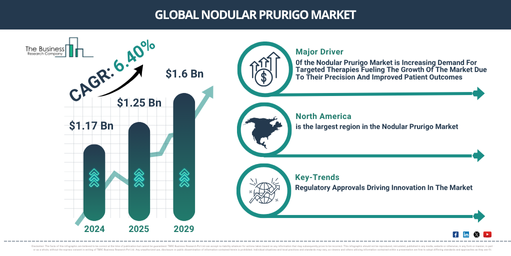
    The market for nodular prurigo has experienced robust growth in recent times. This market is projected to expand from $1.17 billion in 2024 to $1.25 billion in 2025, demonstrating a compound annual growth rate (CAGR) of 6.8%. Factors contributing to its growth in previous periods include an increase in dermatology consultations, enhanced awareness among dermatologists, the presence of unmet medical need, a strong academic research focus, and improved diagnostic techniques.

    The market for nodular prurigo is projected to experience substantial expansion over the upcoming years. It is anticipated to reach a valuation of $1.6 billion by 2029, exhibiting a compound annual growth rate (CAGR) of 6.4%. This growth during the forecast timeframe is attributable to several factors, including the authorization of specific therapies, enhanced research and development investment for uncommon dermatological conditions, more robust patient support and educational initiatives, broadened health insurance coverage and reimbursement options, and advancements in companion diagnostics and biomarker identification. Key trends anticipated within the same period encompass AI-powered diagnostic tools, gene editing technologies, the application of nanotechnology in drug administration, innovations in biologics, and the development of wearable monitoring devices.

    Unlock Your Free Sample Report for Exclusive Market Data:

    https://www.thebusinessresearchcompany.com/sample.aspx?id=24624&type=smp

    Which Drivers Are Supporting Growth Of The Nodular Prurigo Market?

    The nodular prurigo market is anticipated to expand due to the growing need for targeted therapies. These medical treatments are defined by their specific action, aiming to block or disrupt molecular pathways crucial for disease progression. The heightened interest in targeted therapies stems from their capacity to deliver more precise interventions, resulting in fewer adverse effects, better patient results, and providing alternatives to conventional, less focused treatments. Nodular prurigo contributes to advancing targeted therapies by revealing a distinct unfulfilled medical necessity concerning particular immune pathways like IL-4, IL-13, and IL-31. This facilitates the application of biologics that accurately inhibit these inflammatory markers for superior treatment efficacy. As an illustration, in October 2023, data from NHS England, a UK government body, indicated that 11 million hormone replacement therapy (HRT) items were prescribed in England, representing a 47% rise from 2021–22, with approximately 2.3 million patients receiving prescriptions, which was a 29% year-on-year increase. Consequently, the growing requirement for targeted therapies is fueling expansion within the nodular prurigo market.

    Which Key Segments Fueling The Nodular Prurigo Market?

    The nodular prurigo market covered in this report is segmented –

    1) By Type: Chronic Nodular Prurigo, Acute Nodular Prurigo, Subacute Nodular Prurigo

    2) By Treatment Type: Topical Treatments, Systemic Treatments, Phototherapy, Immunosuppressants

    3) By Patient Demographics: Adults, Children, Elderly

    4) By End-User: Hospitals, Homecare, Specialty Clinics, Other End-Users

    Subsegments:

    1) By Chronic Nodular Prurigo: Idiopathic Chronic Nodular Prurigo, Secondary To Dermatologic Conditions, Neuropathic Causes, Systemic Disease-Associated, Psychogenic Prurigo

    2) By Acute Nodular Prurigo: Insect Bite-Induced, Allergic Reactions, Drug-Induced Prurigo, Infectious Triggers

    3) By Subacute Nodular Prurigo: Healing Phase Of Chronic Prurigo, Post-Inflammatory Prurigo, Transient Dermatoses, Reaction To Environmental Irritants

    Which Ongoing Trends Are Expected To Shape The Nodular Prurigo Market Outlook?

    Leading companies in the nodular prurigo market are concentrating on obtaining regulatory authorizations to broaden their market presence and enhance patient results. Regulatory approvals signify the formal permission granted by governmental or regulatory entities for a drug, medical device, or treatment to be commercialized and used by the public. For example, in September 2022, Regeneron Pharmaceuticals Inc., a US-based biotechnology company, secured FDA approval for Dupixent (dupilumab), which stands as the first and sole treatment specifically indicated for prurigo nodularis in adults. This authorization stemmed from data gathered during two pivotal Phase 3 trials (PRIME and PRIME2), which revealed that Dupixent considerably reduced both itch and skin lesions compared to a placebo. Consequently, Dupixent emerged as the only medication in the U.S. with an approved indication for managing prurigo nodularis, thereby addressing a significant unmet medical need for approximately 75,000 adults affected by the condition in the U.S.

    Which Key Market Players Are Investing In Expansion And Innovation Of Nodular Prurigo Market?

    Major companies operating in the nodular prurigo market are Merck & Co Inc., Sanofi S.A., GlaxoSmithKline plc, Amgen Inc., Regeneron Pharmaceuticals Inc., Astellas Pharma Inc., Sun Pharmaceutical Industries Limited, Galderma S.A., Galderma Laboratories L.P. , Incyte Corporation, Kyowa Kirin Co Ltd., LEO Pharma A/S, Maruho Co Ltd., Kiniksa Pharmaceuticals Ltd., Keymed Biosciences Co Ltd., Trevi Therapeutics Inc., Fierce Pharma, Menlo Therapeutics Inc., VYNE Therapeutics Inc., Celldex Therapeutics Inc.

    Download The Full Report For Exclusive Market Findings:

    https://www.thebusinessresearchcompany.com/report/nodular-prurigo-global-market-report

    What Are The Key Regional Factors Influencing The Nodular Prurigo Market Growth?

    North America was the largest region in the nodular prurigo market in 2024. Asia-Pacific is expected to be the fastest-growing region in the forecast period. The regions covered in the nodular prurigo market report are Asia-Pacific, Western Europe, Eastern Europe, North America, South America, Middle East, Africa.

    Request A Customized Version Of The Nodular Prurigo Market Report:

    https://www.thebusinessresearchcompany.com/customise?id=24624&type=smp

    Browse Through More Reports Similar to the Global Nodular Prurigo Market 2025, By The Business Research Company

    Pruritus Therapeutic Global Market Report 2025

    https://www.thebusinessresearchcompany.com/report/pruritus-therapeutic-global-market-report

    Pruritus Therapeutics Global Market Report 2025

    https://www.thebusinessresearchcompany.com/report/pruritus-therapeutics-global-market-report

    Caprolactam Global Market Report 2025

    https://www.thebusinessresearchcompany.com/report/caprolactam-global-market-report

    Get in touch with us:

    The Business Research Company: https://www.thebusinessresearchcompany.com/

    Americas +1 310-496-7795

    Asia +44 7882 955267 & +91 8897263534

    Europe +44 7882 955267

    Email us at info@tbrc.info

    Follow us on:

    LinkedIn: https://in.linkedin.com/company/the-business-research-company

    YouTube: https://www.youtube.com/channel/UC24_fI0rV8cR5DxlCpgmyFQ

    Global Market Model: https://www.thebusinessresearchcompany.com/global-market-model