Blog

  • Dental Matrix Systems Market Valuation Expected To Reach $1.24 Billion By 2029, Growing At A Rate Of 6.4%

    Dental Matrix Systems Market Valuation Expected To Reach $1.24 Billion By 2029, Growing At A Rate Of 6.4%

    Claim your 30% discount on Global Market Reports with code ONLINE30. Limited time only.

    What Is the Current and Projected Market Size of the Dental Matrix Systems Market Through 2034?

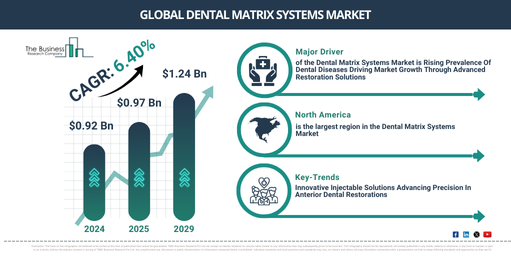
    Recently, there has been robust growth in the dental matrix systems market. The market size, which was recorded at $0.92 billion in 2024, is projected to increase to $0.97 billion in 2025 with a compound annual growth rate (CAGR) of 5.6%. The factors that contributed to this growth in the historical period include a surge in dental health issues, escalating rates of dental diseases, rising demand for cosmetic dentistry, an increase in root canal treatments, and growing demand for cosmetic and aesthetic dental procedures.

    The dental matrix systems market is anticipated to experience robust growth in the upcoming years, escalating to$1.24 billion in 2029″ with a compound annual growth rate (CAGR) of 6.4%. This surge over the forecast period can be contributed to the increasing demand for sophisticated dental care services, the growing popularity of cosmetic dentistry, heightened awareness about oral hygiene, a rise in the need for dental handpieces, as well as an increased recognition and implementation of good oral hygiene habits. Significant trends predicted for the forecast period consist of advancements in bio-compatible materials, adoption of single-use systems, incorporation with digital dentistry, bettered ergonomic designs, heightened precision for minimally invasive procedures, the introduction of products specifically targeting pediatric needs, and the adoption of environment-friendly, sustainable products.

    Download a free sample to assess the report’s scope and structure:

    https://www.thebusinessresearchcompany.com/sample.aspx?id=24202&type=smp

    Which Factors and External Forces Are Driving Demand in the Dental Matrix Systems Market?

    The dental matrix systems market is predicted to expand, driven by the growing occurrence of dental diseases. These conditions, which include cavities, gum disease, and oral infections, primarily affect the teeth, gums and other structures in the mouth. The increase in dental diseases can be linked to the intake of foods and drinks high in sugar, combined with poor oral hygiene practices. Dental matrix systems play a pivotal role in the treatment of these diseases by ensuring correct contour and contact during the restoration of teeth, which leads to precise placement of fillings and proper tooth function. To exemplify, the National Health Service (NHS) dentistry, a government agency based in the UK, reported in May 2024 that 32.5 million dental treatments were administered during 2022-23. This constitutes a 23.2% rise when compared to the preceding year. Therefore, the growing incidence of dental diseases is fuelling the dental matrix systems market’s growth.

    Which Segments in the Dental Matrix Systems Offer the Most Growth?

    The dental matrix systemsmarket covered in this report is segmented –

    1) By Product Type: Sectional Matrix Systems; Circumferential Matrix Systems; Other Product Types

    2) By Material Used: Stainless Steel; Nickel Titanium; Polymer-Based Materials; Composite Materials; Glass Fiber Materials

    3) By Sales Channel: Direct Sales; Distributors; Online Retail; Catalog Sales; Wholesale Suppliers

    4) By Application: Dental Filling; Contour And Shape Control; Gingival Protection; Proximal Contact And Separation; Dental Sealing; Dental Aesthetics

    5) By End-User: Dentistry Clinics; Dental Hospitals; Dental Laboratories; Academic And Research Institutes; Dental Training Centers

    Subsegments:

    1) By Sectional Matrix Systems: Ring Systems; Wedges; Matrix Bands; Forceps

    2) By Circumferential Matrix Systems: Retainer-based Matrix Systems; Retainer-less Matrix Systems; Pre-contoured Bands; Plain Bands

    3) By Other Product Types: Tofflemire Matrix Systems; Mylar Strips; Strip Holders; Tension Rings

    Request customized data on this market:

    https://www.thebusinessresearchcompany.com/customise?id=24202&type=smp

    What Are the Fastest-Growing Geographies in the #Which Factors and External Forces Are Driving Demand in the Dental Matrix Systems Market?# Market?

    North America was the largest region in the dental matrix systems market in 2024. Asia-Pacific is expected to be the fastest-growing region in the forecast period. The regions covered in the dental matrix systems market report are Asia-Pacific, Western Europe, Eastern Europe, North America, South America, Middle East, Africa.

    Which Cutting-Edge Market Trends Are Expected to Drive theDental Matrix Systems Market’s Growth?

    Major corporations in the dental matrix system marketplace are honing their focus on technological advancements, like the creation of injectable matrix systems, to increase clinical efficacy, comfort for the patient, and accurate adaptation in complicated restorative processes. These injectable matrix systems are malleable dental tools that facilitate precise and easy restorations in intricate dental treatments. For instance, in December 2024, Premier Dental, a dental equipment manufacturer from the US, unveiled VeneerNow, an adaptable injectable matrix system aimed at streamlining anterior composite restorations. This novel advancement enables meticulous and aesthetically pleasing veneer shaping that requires minimal finishing and polishing. The product is compatible with both flowable and packable composites, ensuring uniform, superior quality outcomes. The initiative of introducing VeneerNow signified a major leap in restorative dentistry, providing clinicians with a more streamlined and reliable method to accomplish natural-looking anterior restorations.

    View the full report here:

    https://www.thebusinessresearchcompany.com/report/dental-matrix-systems-global-market-report

    What Are the Key Elements That Define the Dental Matrix Systems Market?

    Dental matrix systems are devices used by dentists to form a temporary boundary around a tooth while placing a filling. They aid in shaping the restoration, maintaining tooth structure, and ensuring the filling material stays properly in place and aligns correctly with surrounding teeth.

    Purchase the full report and get a swift delivery:

    https://www.thebusinessresearchcompany.com/purchaseoptions.aspx?id=24202

    About The Business Research Company:

    With over 15000+ reports from 27 industries covering 60+ geographies, The Business Research Company has built a reputation for offering comprehensive, data-rich research and insights. Armed with 1,500,000 datasets, the optimistic contribution of in-depth secondary research, and unique insights from industry leaders, you can get the information you need to stay ahead in the game.

    Get in touch with us:

    The Business Research Company: https://www.thebusinessresearchcompany.com/

    Americas +1 310-496-7795

    Europe +44 7882 955267

    Asia & Others +44 7882 955267 & +91 8897263534

    Email us at info@tbrc.info

    Follow us on:

    LinkedIn: https://in.linkedin.com/company/the-business-research-company

    YouTube: https://www.youtube.com/channel/UC24_fI0rV8cR5DxlCpgmyFQ

    Global Market Model: https://www.thebusinessresearchcompany.com/global-market-model
  • From Insight to Impact: Strategic Growth Mapping in the Cholestatic Pruritus Market

    From Insight to Impact: Strategic Growth Mapping in the Cholestatic Pruritus Market

    Claim your 30% discount on Global Market Reports with code ONLINE30. Limited time only.

    How Has The Cholestatic Pruritus Market Growth Evolved From 2024 To 2025, And What’s Ahead?

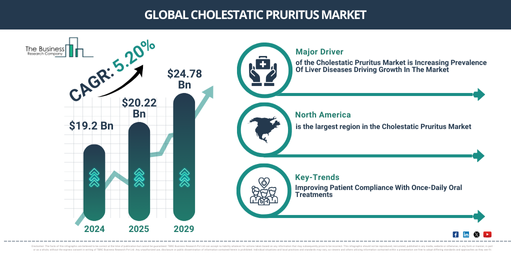
    The market size for cholestatic pruritus has markedly expanded over recent years. The market is projected to swell from $19.2 billion in 2024 to $20.22 billion in 2025, marking a compound annual growth rate (CAGR) of 5.3%. Factors such as the increasing incidence of skin disorders, a surge in research and development investments, the need for potent treatments, a rising disease awareness, along with accommodating regulatory climates, have all contributed to the growth evident in the previous period.

    The market size for cholestatic pruritus is projected to witness considerable growth in the coming years, expected to reach a valuation of$24.78 billion by 2029 with a Compound Annual Growth Rate (CAGR) of 5.2%. Several factors can be attributed to this growth in the forecast period including the increasing number of elderly individuals, rising instances of atopic dermatitis and urticaria, growth in the geriatric demographic, an surge in chronic kidney diseases, and the escalating cases of conditions related to pruritus. The forecast period is also anticipated to observe key trends such as the emergence of new therapeutic choices, collaborations with significant enterprises for cholestasis pruritus research, advancement in treatment methods, enlargement of healthcare infrastructures, and technological innovations.

    Download a free sample to assess the report’s scope and structure:

    https://www.thebusinessresearchcompany.com/sample.aspx?id=21140&type=smp

    What are the Fundamental Drivers and Innovations Shaping the Cholestatic Pruritus Market?

    The rise in liver disease cases is anticipated to spur the expansion of the cholestatic pruritus market. Liver illnesses encompass a wide spectrum of conditions that impair the functioning of the liver, including infections, autoimmune diseases, genetic disorders, and damage from toxins, which can result in inflammation, scarring, or liver failure. An upward trend in obesity, diabetes, alcohol consumption, viral hepatitis infections, and exposure to toxins and environmental influences is driving the heightened incidence of liver diseases. As a critical symptom indicating hindered bile flow, cholestatic pruritus aids in the detection and management of liver diseases, often triggering further exploration and treatment of associated hepatic disorders. For instance, the Office for Health Improvement and Disparities, a UK government agency that targets health inequality, reported a 22% increase in hospital admissions for liver disease in England in the year ending 2022, with numbers escalating from 67,458 to 82,290 as recorded in July 2023. Thus, the continued rise in liver disease cases is predicted to stimulate the expansion of the cholestatic pruritus market.

    How Is the Cholestatic Pruritus Market Segmented?

    The cholestatic pruritusmarket covered in this report is segmented –

    1) By Disease Type: Primary Biliary Cholangitis (PBC); Primary Sclerosing Cholangitis (PSC); Intrahepatic Cholestasis of Pregnancy (ICP); Other Disease Types

    2) By Treatment Type: Medications; Phototherapy; Other Treatment Types

    3) By Route Of Administration: Oral; Topical; Injectable

    4) By End-User: Hospitals; Clinics; Ambulatory Care Centers; Homecare

    Subsegments:

    1) By Primary Biliary Cholangitis (PBC): Early-Stage PBC; Advanced PBC; PBC With Cirrhosis; PBC With Liver Failure

    2) By Primary Sclerosing Cholangitis (PSC): Classic PSC; PSC With Ulcerative Colitis; PSC With Bile Duct Strictures

    3) By Intrahepatic Cholestasis of Pregnancy (ICP): Mild ICP; Severe ICP; ICP With Preterm Birth Risk

    4) By Other Disease Types: Alcoholic Cholestasis; Drug-Induced Cholestasis; Viral Hepatitis-Induced Cholestasis; Genetic Cholestasis Disorders

    Request customized data on this market:

    https://www.thebusinessresearchcompany.com/customise?id=21140&type=smp

    Which Regions Are Driving the Next Phase of the Cholestatic Pruritus Market Growth?

    North America was the largest region in the cholestatic pruritus market in 2024. Asia-Pacific is expected to be the fastest-growing region in the forecast period. The regions covered in the cholestatic pruritus market report are Asia-Pacific, Western Europe, Eastern Europe, North America, South America, Middle East, Africa.

    What Key Trends Are Shaping the Future of the Cholestatic Pruritus Market?

    Leading businesses in the cholestatic pruritus sector are concentrating on the development of novel solutions, such as oral treatments, to more successfully manage symptoms, enhance patient adherence, and offer targeted alleviation by tackling the root causes of bile salt buildup and inflammation. A liquid medication formulation designed to minimize bile acid buildup and soothe severe itching in patients with cholestasis is what constitutes an oral treatment for cholestatic pruritus. For instance, in March 2024, Mirum Pharmaceuticals Inc., a biopharmaceutical company based in the US, was granted authorization by the U.S. Food and Drug Administration (FDA) for their LIVMARLI (maralixibat) oral solution to treat cholestatic pruritus in patients who are five years and older and suffer from Progressive Familial Intrahepatic Cholestasis (PFIC). This orally taken ileal bile acid transporter inhibitor, administered once daily, has a breakthrough therapy designation for PFIC type 2. LIVMARLI is in a position to significantly affect patients with PFIC-related cholestatic pruritus, providing a much-desired treatment alternative for those with the rarest subtypes.

    View the full report here:

    https://www.thebusinessresearchcompany.com/report/cholestatic-pruritus-global-market-report

    How Is the Cholestatic Pruritus Market Defined and What Are Its Core Parameters?

    Cholestatic pruritus refers to severe itching caused by the buildup of bile acids in the skin, typically resulting from liver diseases that impair bile flow. This condition can significantly affect a patient’s quality of life and often requires targeted treatment to manage the discomfort and address the underlying liver dysfunction.

    Purchase the full report and get a swift delivery:

    https://www.thebusinessresearchcompany.com/purchaseoptions.aspx?id=21140

    About The Business Research Company:

    With over 15000+ reports from 27 industries covering 60+ geographies, The Business Research Company has built a reputation for offering comprehensive, data-rich research and insights. Armed with 1,500,000 datasets, the optimistic contribution of in-depth secondary research, and unique insights from industry leaders, you can get the information you need to stay ahead in the game.

    Get in touch with us:

    The Business Research Company: https://www.thebusinessresearchcompany.com/

    Americas +1 310-496-7795

    Europe +44 7882 955267

    Asia & Others +44 7882 955267 & +91 8897263534

    Email us at info@tbrc.info

    Follow us on:

    LinkedIn: https://in.linkedin.com/company/the-business-research-company

    YouTube: https://www.youtube.com/channel/UC24_fI0rV8cR5DxlCpgmyFQ

    Global Market Model: https://www.thebusinessresearchcompany.com/global-market-model

  • $6.04 Billion Forecast for Salivary Gland Infection Market by 2029, Backed by Demand and Innovation

    $6.04 Billion Forecast for Salivary Gland Infection Market by 2029, Backed by Demand and Innovation

    Claim your 30% discount on Global Market Reports with code ONLINE30. Limited time only.

    What Is the Estimated Market Size of the Salivary Gland Infection Market In 2029?

    In recent times, there has been a considerable boost in the market size of salivary gland infection. The market value is predicted to surge from $4.12 billion in 2024 to touch $4.45 billion in 2025 with a compound annual growth rate (CAGR) of 8.1%. Several factors have contributed to this growth in the past, including an upsurge in oral health problems, enhanced understanding of salivary disorders, increase in bacterial and viral infections, expansion in healthcare infrastructure, growth in the senior citizen population, and an increased inclination towards minimally invasive treatment procedures.

    The market size for salivary gland infections is predicted to experience significant expansion in the coming years, reaching a value of $6.04 billion by 2029, with a compound annual growth rate (CAGR) of 7.9%. Factors contributing to this growth during the forecast period include increased knowledge regarding oral health, a rise in the use of minimally invasive procedures, a growing prevalence of chronic illnesses, enhancements in healthcare infrastructure, and broader patient access to specialist care. Major trends expected during this forecast period encompass the adoption of minimally invasive procedures, advancements in techniques for sialendoscopy, cutting-edge imaging technologies, development of biocompatible stents, increasing use of robotic-assisted surgeries, targeted antimicrobial treatments, and the implementation of AI-based diagnostic instruments.

    Download a free sample to assess the report’s scope and structure:

    https://www.thebusinessresearchcompany.com/sample.aspx?id=21281&type=smp

    What Are the Core Growth Drivers Propelling the Salivary Gland Infection Market Forward?

    Expectations are that the upswing in oral health troubles will propel the increase of the salivary gland infections market. Oral health troubles include conditions such as dental decay, gum diseases, and other ailments related to the mouth. The escalation in oral health troubles stems from poor dental hygiene, unhealthy dietary habits, and insufficient access to dental care. These surging oral health troubles heighten the risk of salivary gland infections by enabling bacterial growth and obstructions in the salivary passages. For example, the National Health Service (NHS), a government agency in the UK, reported in May 2024 that 32.5 million dental treatments occurred in 2022-23, which marks a 23.2% boost from the previous year. Thus, the upsurge in oral health troubles propels the increase of the salivary gland infections market.

    What Segment Types Define the Salivary Gland Infection Market Structure?

    The salivary gland infectionmarket covered in this report is segmented –

    1) By Diagnosis: Plain Radiography; Sialography; Computed Tomography (CT); Magnetic Resonance Imaging (MRI); Radionuclide Scintigraphy; High-resolution Ultrasonography; Other Diagnoses

    2) By Treatment: Medications; Surgery; Aspiration; Home Care; Other Treatments

    3) By End User: Hospitals And Clinics; Medical Research Centers; Academic Institutes; Other End User

    Subsegments:

    1) By Plain Radiography: X-ray Of Salivary Glands; Sialography With X-ray

    2) By Sialography: Conventional Sialography; Digital Subtraction Sialography (DSS)

    3) By Computed Tomography (CT): Non-contrast CT; Contrast-enhanced CT

    4) By Magnetic Resonance Imaging (MRI): MRI without contrast; MRI With contrast (Dynamic MRI)

    5) By Radionuclide Scintigraphy: Planar Scintigraphy; SPECT (Single Photon Emission Computed Tomography)

    6) By High-resolution Ultrasonography: Standard Ultrasonography; Doppler Ultrasonography

    7) By Other Diagnoses: Fine Needle Aspiration (FNA) Biopsy; Endoscopy; Salivary Flow Test

    Request customized data on this market:

    https://www.thebusinessresearchcompany.com/customise?id=21281&type=smp

    Which Geographic Areas Hold the Strongest Growth Potential in the Salivary Gland Infection Market?

    North America was the largest region in the salivary gland infection market in 2024. The regions covered in the salivary gland infection market report are Asia-Pacific, Western Europe, Eastern Europe, North America, South America, Middle East, Africa.

    Which Emerging Trends that Are Influencing theSalivary Gland Infection Industry Evolution?

    Prominent corporations in the salivary gland infections market are focusing on technological advances, especially in the realm of minimally invasive procedures. Their goals are to improve patient outcomes, quicken recovery times and enhance healthcare efficiency holistically. Minimally invasive procedures contribute to faster recovery times and less tissue damage by utilizing smaller incisions and specialized instruments. For instance, the Amrita Hospital, a healthcare institution from India, introduced the Amrita Centre for minimally invasive salivary gland surgery in March 2024. This centre provides a revolutionary treatment for salivary disorders via sialendoscopy, thereby reducing the necessity for surgery while preserving the function of the gland. This launch entailed a two-day workshop where experts provided demonstrations.

    View the full report here:

    https://www.thebusinessresearchcompany.com/report/salivary-gland-infection-global-market-report

    What Is the Definition of the Salivary Gland Infection Market?

    Salivary gland infections are bacterial or viral infections that affect the salivary glands, leading to symptoms such as swelling, pain, and dry mouth. These infections occur in major glands such as the parotid, submandibular, and sublingual glands. They result from blockage, dehydration, or infections such as mumps.

    Purchase the full report and get a swift delivery:

    https://www.thebusinessresearchcompany.com/purchaseoptions.aspx?id=21281

    About The Business Research Company:

    With over 15000+ reports from 27 industries covering 60+ geographies, The Business Research Company has built a reputation for offering comprehensive, data-rich research and insights. Armed with 1,500,000 datasets, the optimistic contribution of in-depth secondary research, and unique insights from industry leaders, you can get the information you need to stay ahead in the game.

    Get in touch with us:

    The Business Research Company: https://www.thebusinessresearchcompany.com/

    Americas +1 310-496-7795

    Europe +44 7882 955267

    Asia & Others +44 7882 955267 & +91 8897263534

    Email us at info@tbrc.info

    Follow us on:

    LinkedIn: https://in.linkedin.com/company/the-business-research-company

    YouTube: https://www.youtube.com/channel/UC24_fI0rV8cR5DxlCpgmyFQ

    Global Market Model: https://www.thebusinessresearchcompany.com/global-market-model

  • Cytokine Release Syndrome Management Market Forecast Reaching $30.48 Billion by 2029 at 6.4% CAGR

    Cytokine Release Syndrome Management Market Forecast Reaching $30.48 Billion by 2029 at 6.4% CAGR

    Claim your 30% discount on Global Market Reports with code ONLINE30. Limited time only.

    What is the Anticipated CAGR of the Cytokine Release Syndrome Management Market, and What Factors Will Drive It?

    In recent times, we’ve observed a substantial growth in the market size for cytokine release syndrome management. The expansion is projected to proceed from $22.32 billion in 2024 to $23.76 billion in 2025, boasting a compound annual growth rate (CAGR) of 6.5%. Factors contributing to the historical growth include increased healthcare spending, heightened awareness, evolving lifestyles, significant disposable income, the implementation of personalized medical tactics, and a surge in the use of targeted therapies.

    Expectations for the cytokine release syndrome management market indicate robust growth in the coming years, with projections to expand to $30.48 billion in 2029 at a compound annual growth rate (CAGR) of 6.4%. Factors contributing to this anticipated growth during the forecast period include increased demand for diagnostic tools and treatments, expanded government funding, a surge in demand for efficient therapies, an aging population, as well as initiatives introduced by both public and private organizations. Key trends expected to shape this forecast period involve the use of minimally invasive devices for breast biopsies, the formation of strategic partnerships and collaborations, the provision of antibiotic infusion services at home, the development of innovative drug delivery systems, and the incorporation of electronic health records into infection tracking systems.

    Download a free sample to assess the report’s scope and structure:

    https://www.thebusinessresearchcompany.com/sample.aspx?id=24199&type=smp

    Which Major Market Drivers Are Expected to Boost the Growth Potential of the Cytokine Release Syndrome Management Market?

    The escalating adoption of targeted therapies is projected to spur the expansion of the cytokine release syndrome management market. Targeted therapies refer to drugs or treatments that uniquely obstruct the proliferation and expansion of cancer by tampering with specific molecular targets engaged in tumor development. The accelerated use of these therapies is chiefly due to their ability to meticulously aim at cancer cells, thereby mitigating damage to healthy cells, enhancing the efficacy of treatment, and lessening side effects of conventional therapies. The management of cytokine release syndrome is integral in refining targeted therapies by suppressing severe inflammatory responses, thereby boosting the safety and efficacy of treatments such as CAR-T cell therapy and immune checkpoint inhibitors. For example, in January 2024, the American Society of Gene and Cell Therapy, a US-based gene and cell therapy organization, reported a 10% rise in the number of gene therapies in Phase III clinical trials during the fourth quarter of 2023, indicating the first quarterly increase of this sort since the third quarter of 2022. Consequently, the burgeoning usage of targeted therapies contributes to the growth of the cytokine release syndrome management market.

    Which Key Market Segments Comprise the Cytokine Release Syndrome Management Market and Drive Its Revenue Growth?

    The cytokine release syndrome managementmarket covered in this report is segmented –

    1) By Treatment Type: Monoclonal Antibodies; Corticosteroids; Intravenous Immunoglobulin (IVIG); Targeted Therapy; Supportive Care; Other Treatment Types

    2) By Indication: Chimeric Antigen Receptor (CAR) T-Cell Therapy; Immune Checkpoint Inhibitors; Hematopoietic Stem Cell Transplantation (HSCT); Autoimmune Diseases; Infections; Other Indications

    3) By Route Of Administration: Intravenous (IV); Subcutaneous (SC); Oral; Intramuscular (IM); Intrathecal; Other Routes Of Administration

    4) By End Users: Hospital Pharmacies; Retail Pharmacies; Online Pharmacies; Specialty Clinics; Research Institutions; Other End Users

    Subsegments:

    1) By Monoclonal Antibodies: Tocilizumab; Siltuximab; Infliximab; Rituximab; Other Monoclonal Antibodies

    2) By Corticosteroids: Dexamethasone; Prednisone; Methylprednisolone; Hydrocortisone; Other Corticosteroids

    3) By Intravenous Immunoglobulin (IVIG): Immunoglobulin G (IgG)-Based Intravenous Immunoglobulin; Immunoglobulin A (IgA)-Based Intravenous Immunoglobulin; Immunoglobulin M (IgM)-Based Intravenous Immunoglobulin; Polyvalent Intravenous Immunoglobulin; Other Types of Intravenous Immunoglobulin

    4) By Targeted Therapy: Janus Kinase (JAK) Inhibitors; Interleukin-6 (IL-6) Inhibitors; Tumor Necrosis Factor-Alpha (TNF-α) Inhibitors; Bruton’s Tyrosine Kinase (BTK) Inhibitors; Other Targeted Agents

    5) By Supportive Care: Antipyretic Medications; Analgesic Medications; Intravenous Fluids And Electrolyte Solutions; Oxygen Therapy; Vasopressor Agents

    6) By Other Treatment Types: Plasmapheresis (Therapeutic Plasma Exchange); Antihistamine Medications; Leukapheresis; Experimental Therapies; Nutritional Support

    Request customized data on this market:

    https://www.thebusinessresearchcompany.com/customise?id=24199&type=smp

    Which Areas Are Leading Regions in the Cytokine Release Syndrome Management Market Expansion Across the Globe?

    North America was the largest region in the cytokine release syndrome management market in 2024. Asia-Pacific is expected to be the fastest-growing region in the forecast period. The regions covered in the cytokine release syndrome management market report are Asia-Pacific, Western Europe, Eastern Europe, North America, South America, Middle East, Africa.

    What Are the Key Market Trends in theCytokine Release Syndrome Management Market Over the Coming Years?

    Leading corporations in the cytokine release syndrome management market are intensifying their efforts in clinical trials in order to create advanced treatments, such as host-directed minor molecule medications, designed to alter immune responses and minimize the harsh effects of cytokine storms, without hindering the body’s capacity to combat infections or cancer. A small molecule drug, host-directed, is a compound with a low molecular mass that aims at the host’s immune signaling routes to check uncontrollable cytokine creation, thereby contributing to the management of cytokine release syndrome (CRS) by stopping the over-activation of the immune system. For example, CytoAgents Inc., a biotechnology firm based in the U.S., declared in April 2025, the successful conclusion of the first dosage increment cohort in its Phase 1b/2a clinical trial of CTO1681. This is a host-directed small molecule medication created to prevent and cure CRS in patients receiving CAR T-cell therapy. The trial therapy displayed a positive safety record, with no dose-limiting toxicities or disturbance to the CAR T-cell potency. This trial, which uses a rolling six dose-increase design, is being executed to assess the safety, acceptability, and initial effectiveness of CTO1681, as well as to determine the suggested dose for phase 2.

    View the full report here:

    https://www.thebusinessresearchcompany.com/report/cytokine-release-syndrome-management-global-market-report

    How Is the Cytokine Release Syndrome Management Market Conceptually Defined?

    Cytokine release syndrome (CRS) management involves medical strategies to control the excessive immune response caused by an overproduction of cytokines, often seen in conditions such as CAR-T cell therapy or certain infections. It includes the use of medications such as corticosteroids and cytokine inhibitors, supportive care, and sometimes intensive monitoring to prevent severe complications. This management is crucial in reducing the risk of severe organ damage and improving patient outcomes.

    Purchase the full report and get a swift delivery:

    https://www.thebusinessresearchcompany.com/purchaseoptions.aspx?id=24199

    About The Business Research Company:

    With over 15000+ reports from 27 industries covering 60+ geographies, The Business Research Company has built a reputation for offering comprehensive, data-rich research and insights. Armed with 1,500,000 datasets, the optimistic contribution of in-depth secondary research, and unique insights from industry leaders, you can get the information you need to stay ahead in the game.

    Get in touch with us:

    The Business Research Company: https://www.thebusinessresearchcompany.com/

    Americas +1 310-496-7795

    Europe +44 7882 955267

    Asia & Others +44 7882 955267 & +91 8897263534

    Email us at info@tbrc.info

    Follow us on:

    LinkedIn: https://in.linkedin.com/company/the-business-research-company

    YouTube: https://www.youtube.com/channel/UC24_fI0rV8cR5DxlCpgmyFQ

    Global Market Model: https://www.thebusinessresearchcompany.com/global-market-model
  • CholangiocarcinomaMarket Overview 2025–2034: CAGR Trends, Long-Term Growth Paths, and Business Implications

    Claim your 30% discount on Global Market Reports with code ONLINE30. Limited time only.

    What is the Projected CAGR for the Cholangiocarcinoma Market Size from 2025 to 2034?

    In recent times, the cholangiocarcinoma market has experienced a swift expansion. The market is projected to increase from $0.55 billion in 2024 to $0.62 billion in 2025, maintaining a compound annual growth rate (CAGR) of 13.1%. The significant growth during the historical period can be credited to a rise in cases of liver and bile duct cancers, increased consciousness concerning uncommon cancers, an intensified emphasis on individualized treatment, an upsurge in the utilization of immunotherapy methods, and an ageing population.

    In the coming years, the cholangiocarcinoma market size is predicted to experience a swift expansion. It is projected to surge to$1.02 billion by 2029, recording a compound annual growth rate (CAGR) of 13.0%. Factors contributing to this growth during the forecast period include the increasing acceptance of precision medicine, escalating healthcare spending, surging instances of genetic testing, and the rising prominence of retail pharmacies. Key trends predicted for the forecast period encompass improvements in diagnostic methods, proliferation of clinical trials, incorporation of AI in diagnostics, progression in drug delivery systems, and drug development.

    Download a free sample to assess the report’s scope and structure:

    https://www.thebusinessresearchcompany.com/sample.aspx?id=21139&type=smp

    What Are the Primary Drivers Supporting the Market Growth of the Cholangiocarcinoma Market?

    The escalating occurrence of liver ailments is anticipated to drive the expansion of the cholangiocarcinoma market. Liver disease encompasses conditions affecting the standard function or structure of the liver, including illnesses such as hepatitis, cirrhosis, fatty liver disease, and liver cancer. An uptick in triggers like obesity, diabetes, alcohol intake, and viral hepatitis infections results in an increased incidence of liver disease. Chronic inflammation and cirrhosis, forms of liver disease, escalate the risk of cholangiocarcinoma by inducing damage to the bile duct and the transformation of regular cells into malignant ones. For example, the Office for Health Improvement and Disparities, a governmental body based in the UK, reported a 3.6% increase in premature deaths due to alcoholic liver disease, up to 5,984 in 2023 from 5,776 in 2022. Consequently, the rising rate of liver disease inflates growth in the cholangiocarcinoma market.

    Which Primary Segments of the Cholangiocarcinoma Market Are Driving Growth and Industry Transformations?

    The cholangiocarcinomamarket covered in this report is segmented –

    1) By Cancer: Intrahepatic Cholangiocarcinoma; Extrahepatic Cholangiocarcinoma

    2) By Product: Capecitabine; 5-Fluorouracil; Oxaliplatin; Gemcitabine; Cisplatin

    3) By Therapy: Targeted Drug Therapy; Chemotherapy; Immunotherapy

    4) By Route Of Administration: Oral; Subcutaneous; Intravenous

    5) By Distribution Channel: Hospital Pharmacies; Retail Pharmacies; E-Commerce

    Subsegments:

    1) By Intrahepatic Cholangiocarcinoma: Peripheral Intrahepatic Cholangiocarcinoma; Mass-Forming Intrahepatic Cholangiocarcinoma

    2) By Extrahepatic Cholangiocarcinoma: Perihilar Cholangiocarcinoma; Distal Cholangiocarcinoma

    Request customized data on this market:

    https://www.thebusinessresearchcompany.com/customise?id=21139&type=smp

    Which Regions Are Key Players in the Growth of the #What Are the Primary Drivers Supporting the Market Growth of the Cholangiocarcinoma Market?# Market?

    North America was the largest region in the cholangiocarcinoma market in 2024. The regions covered in the cholangiocarcinoma market report are Asia-Pacific, Western Europe, Eastern Europe, North America, South America, Middle East, Africa.

    What Are the Most Significant Market Trends in the Cholangiocarcinoma Market?

    The cholangiocarcinoma market is witnessing key players concentrating their efforts on the research and development of innovative therapies like targeted therapies, with the aim of enhancing the results of treatments for patients. By honing in on certain molecules, proteins or genes that contribute to the propagation of cancer cells, targeted therapies can potentially inhibit the processes contributing to cancer growth. The ultimate goals of these therapies include halting tumor progress, minimizing side effects, and boosting the effectiveness of treatments. For instance, Taiho Pharmaceutical Co. Ltd., a pharmaceutical firm located in Japan, in August 2023, rolled out a drug, LYTGOBI (futibatinib) – a FGFR inhibitor developed for the treatment of non-removable biliary tract cancer possessing FGFR2 gene fusions. The drug works by selectively and irreversibly blocking FGFR signaling, thereby decelerating tumor growth and enhancing results for iCCA patients who have received chemotherapy previously.

    View the full report here:

    https://www.thebusinessresearchcompany.com/report/cholangiocarcinoma-global-market-report

    What Parameters Are Used to Define the Cholangiocarcinoma Market?

    Cholangiocarcinoma is a malignant tumor that arises from the bile ducts, which carry bile from the liver to the small intestine. It is characterized by uncontrolled growth of abnormal cells, leading to bile duct obstruction and liver dysfunction. Symptoms often include jaundice, abdominal pain, weight loss, and fatigue. Early diagnosis and treatment are crucial for better prognosis and management.

    Purchase the full report and get a swift delivery:

    https://www.thebusinessresearchcompany.com/purchaseoptions.aspx?id=21139

    About The Business Research Company:

    With over 15000+ reports from 27 industries covering 60+ geographies, The Business Research Company has built a reputation for offering comprehensive, data-rich research and insights. Armed with 1,500,000 datasets, the optimistic contribution of in-depth secondary research, and unique insights from industry leaders, you can get the information you need to stay ahead in the game.

    Get in touch with us:

    The Business Research Company: https://www.thebusinessresearchcompany.com/

    Americas +1 310-496-7795

    Europe +44 7882 955267

    Asia & Others +44 7882 955267 & +91 8897263534

    Email us at info@tbrc.info

    Follow us on:

    LinkedIn: https://in.linkedin.com/company/the-business-research-company

    YouTube: https://www.youtube.com/channel/UC24_fI0rV8cR5DxlCpgmyFQ

    Global Market Model: https://www.thebusinessresearchcompany.com/global-market-model

  • Global Ringworm Treatment Market Projected to Reach $15.03 Billion by 2029 at a CAGR of 5.5%

    Global Ringworm Treatment Market Projected to Reach $15.03 Billion by 2029 at a CAGR of 5.5%

    Claim your 30% discount on Global Market Reports with code ONLINE30. Limited time only.

    How Fast Is The Ringworm Treatment Market Expected to Grow Between 2025 And 2029?

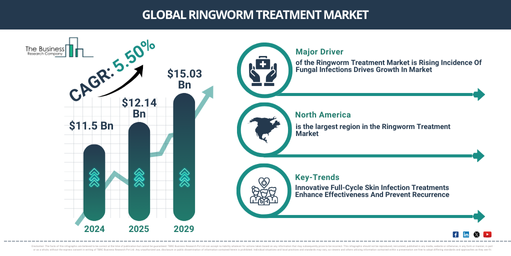
    The market size for ringworm treatment has seen significant expansion in recent times. The market is projected to elevate from a value of $11.5 billion in 2024 to around $12.14 billion in 2025, with a compound annual growth rate of 5.6%. The growth witnessed in the historic period can be linked to factors such as increased frequency of fungal infections, enhanced consciousness about hygiene and personal grooming, increased accessibility of over-the-counter antifungal drugs, a growing trend in using topical antifungal therapies, and a surge in conditions that compromise the immune system.

    The market for ringworm treatments is projected to experience significant growth in the coming years, reaching$15.03 billion by 2029 with a compound annual growth rate (CAGR) of 5.5%. This upward trend in the forecast period can be linked to the escalating demand for hybrid therapies, increasing cases of diabetes and other conditions impacting immune systems, the growth of telemedicine in dermatology treatments, intensified studies on novel antifungal substances, and a heightened consumer interest in natural and herbal antifungal remedies. Key trends projected during this period include the evolution of nanotechnology-based antifungal solutions, the expanding use of artificial intelligence in diagnosing fungal infections, the growing need for prescription antifungal treatments, the rise in direct-to-consumer antifungal brands, and a greater incorporation of antifungal therapies in skincare products.

    Download a free sample to assess the report’s scope and structure:

    https://www.thebusinessresearchcompany.com/sample.aspx?id=21279&type=smp

    What are the Fundamental Drivers and Innovations Shaping the Ringworm Treatment Market?

    The escalation in fungal infections is set to drive the progression of the ringworm treatment market in the future. Fungal infections arise from an overabundance or intrusion of fungi in the body, resulting in symptoms that impact several organs and tissues. The escalation in fungal infections can be attributed to elements like the enhanced application of immunosuppressive treatments, climate change, and the rising population with weakened immune systems. Ringworm treatments tackle fungal infections with efficient antifungal therapies that hinder proliferation, curtail complications, and control infection frequencies, particularly in susceptible populations. For example, in November 2024, as per UK Health Security Agency (UKHSA), England recorded a 4% increment in bloodstream infections in 2022 instigated by yeast from the prior year; this underscores an increasing trend in fungal infections. Moreover, in September 2024, as per the International Society For Infectious Diseases, a non-profit institution based in the US, global assessments reveal that invasive fungal infections happen at a yearly rate of 6.5 million incidents, culminating in nearly 3.8 million fatalities, with 2.5 million deaths directly correlated to these infections. Each year, over 2.1 million individuals are affected by invasive aspergillosis. Thus, the escalating prevalence of fungal infections is fuelling the advancement of the ringworm treatment market.

    How Is the Ringworm Treatment Market Segmented?

    The ringworm treatmentmarket covered in this report is segmented –

    1) By Drug Classes: Antifungals; Combination Drugs

    2) By Treatment Types: Tinea Corpois; Tinea Pedis; Tinea Cruris; Tinea Capitis; Tinea Manuum; Other Treatment Types

    3) By Route Of Administrations: Topical; Oral; Parenteral

    4) By Distribution Channels: Hospital Pharmacies; Retail Pharmacies; Online Pharmacies

    Subsegments:

    1) By Antifungals: Topical Antifungals; Oral Antifungals; Antifungal Shampoos

    2) By Combination Drugs: Antifungal Plus Steroid Combinations; Antifungal Plus Antiseptic Combinations

    Request customized data on this market:

    https://www.thebusinessresearchcompany.com/customise?id=21279&type=smp

    Which Regions Are Driving the Next Phase of the Ringworm Treatment Market Growth?

    North America was the largest region in the ringworm treatment market in 2024. Asia-Pacific is expected to be the fastest-growing region in the forecast period. The regions covered in the ringworm treatment market report are Asia-Pacific, Western Europe, Eastern Europe, North America, South America, Middle East, Africa.

    What Key Trends Are Shaping the Future of the Ringworm Treatment Market?

    Leading enterprises in the ringworm treatment market are prioritizing the development of innovative solutions, such as comprehensive skin infection control formulas, to offer more effective and enduring treatments for ringworm and other related fungal skin infections. Comprehensive skin infection control formulas aim to cater to all stages of skin infection, from eradicating the causing pathogen to preventing its reoccurrence, alleviating inflammation, and ultimately, facilitating overall skin recovery. For example, in May 2022, Bayer AG, a pharmaceutical firm based in Germany, introduced the new and refinined line of Canesten, an antifungal product. Canesten possesses numerous distinctive features that enhance its efficiency and attraction to consumers. The renewed Canesten product range presents a new, progressive formula structured to provide swifter relief from fungal infections while being mild on the skin. This reintroduction is designed with a comprehensive treatment approach, incorporating antifungal, anti-inflammatory, and skin-soothing properties in a single product, ensuring not only potent infection control but also future prevention of reoccurrence.

    View the full report here:

    https://www.thebusinessresearchcompany.com/report/ringworm-treatment-global-market-report

    How Is the Ringworm Treatment Market Defined and What Are Its Core Parameters?

    Ringworm treatment involves the use of medications to eliminate the fungal infection caused by dermatophytes, relieve symptoms such as itching and redness, and prevent the spread of the contagious condition to other body areas or individuals. In addition to medication, maintaining proper hygiene, keeping affected areas dry, and avoiding direct contact with infected individuals or surfaces effectively manages and prevents the recurrence of ringworm infections.

    Purchase the full report and get a swift delivery:

    https://www.thebusinessresearchcompany.com/purchaseoptions.aspx?id=21279

    About The Business Research Company:

    With over 15000+ reports from 27 industries covering 60+ geographies, The Business Research Company has built a reputation for offering comprehensive, data-rich research and insights. Armed with 1,500,000 datasets, the optimistic contribution of in-depth secondary research, and unique insights from industry leaders, you can get the information you need to stay ahead in the game.

    Get in touch with us:

    The Business Research Company: https://www.thebusinessresearchcompany.com/

    Americas +1 310-496-7795

    Europe +44 7882 955267

    Asia & Others +44 7882 955267 & +91 8897263534

    Email us at info@tbrc.info

    Follow us on:

    LinkedIn: https://in.linkedin.com/company/the-business-research-company

    YouTube: https://www.youtube.com/channel/UC24_fI0rV8cR5DxlCpgmyFQ

    Global Market Model: https://www.thebusinessresearchcompany.com/global-market-model
  • $0.76 Billion Forecast for Chemotherapy-Induced Neutropenia Treatment Market by 2029, Backed by Demand and Innovation

    $0.76 Billion Forecast for Chemotherapy-Induced Neutropenia Treatment Market by 2029, Backed by Demand and Innovation

    Claim your 30% discount on Global Market Reports with code ONLINE30. Limited time only.

    What Are the Key Milestones in the Chemotherapy-Induced Neutropenia Treatment Market’s Growth Trajectory From 2025 To 2034?

    The market size for the treatment of chemotherapy-induced neutropenia has demonstrated solid growth in the past few years. It’s projected that it will expand from $0.59 billion in 2024 to reach $0.62 billion in 2025, with a compound annual growth rate (CAGR) of 5.4%. Factors contributing to past growth trends include an uptick in cancer occurrence rates, an increase in chemotherapy utilization, a larger aging population, elevated hospital admission rates due to infections, and the broadening of oncology drug development pipelines.

    The market size for treatments used to combat chemotherapy-induced neutropenia is on track to experience solid expansion in the coming years, potentially growing to $0.76 billion by 2029 at a compounded annual growth rate of 5.2%. This anticipated market growth can be credited to factors such as an increase in demand for targeted therapy for neutropenia, escalating investments in oncological research and development, an intensified emphasis on outpatient care, wider utilization of biosimilars, and heightened awareness of infection prevention methods. Some significant trends that could shape the market in the projected forecast period consist of advancements in long-acting granulocyte colony-stimulating factor therapy (G-CSF), a surge in the use of combination therapies, a growing preference for home-based health care solutions, a surge in approvals for biosimilars, and the integration of digital health monitoring instruments.

    Download a free sample to assess the report’s scope and structure:

    https://www.thebusinessresearchcompany.com/sample.aspx?id=24190&type=smp

    What Are the Core Growth Drivers Propelling the Chemotherapy-Induced Neutropenia Treatment Market Forward?

    The escalating prevalence of cancer is predicted to fuel the expansion of the chemotherapy-induced neutropenia treatment market in the future. Cancer encompasses a range of ailments characterized by uncontrollable proliferation and spread of irregular cells in the body. The surge in cancer occurrences is attributable to the aging population, as aged individuals are at an increased risk of cancer due to accumulated genetic mutations and weakened immune function over time. Treatment for chemotherapy-induced neutropenia contributes to cancer management by lowering the risk of infections through immune support, thus enabling patients to continue with their chemotherapy sessions with lesser interruptions. This maximizes treatment efficacy by decreasing complications, thereby boosting patient safety and quality of life. For example, in July 2024, the Australian Institute of Health and Welfare, a government agency based in Australia, reported that the total number of cancer diagnoses in Australia had escalated to 160,570 in 2022, representing an increase of 3,789 cases from 156,781 in 2021. Consequently, the growing prevalence of cancer is propelling the expansion of the chemotherapy-induced neutropenia treatment market.

    What Segment Types Define the Chemotherapy-Induced Neutropenia Treatment Market Structure?

    The chemotherapy-induced neutropenia treatmentmarket covered in this report is segmented –

    1) By Type: Antibiotic Therapy; Granulocyte Colony-Stimulating Factor Therapy (G-CSF); Granulocyte Transfusion; Other Types

    2) By Route of Administration: Subcutaneous; Intravenous

    3) By Indication: Solid Tumors; Hematological Malignancies; Other Indications

    4) By Distribution Channel: Hospital Pharmacies; Retail Pharmacies; Online Pharmacies

    5) By End-User: Hospitals; Specialty Clinics; Homecare Settings

    Subsegments:

    1) By Antibiotic Therapy: Broad-Spectrum Antibiotics; Narrow-Spectrum Antibiotics; Prophylactic Antibiotics

    2) By Granulocyte Colony-Stimulating Factor Therapy (G-CSF): Filgrastim; Pegfilgrastim; Lenograstim

    3) By Granulocyte Transfusion: Allogeneic Granulocyte Transfusion; Autologous Granulocyte Transfusion

    4) By Other Types: Antifungal Therapy; Stem Cell Therapy; Immunomodulatory Therapy

    Request customized data on this market:

    https://www.thebusinessresearchcompany.com/customise?id=24190&type=smp

    Which Geographic Areas Hold the Strongest Growth Potential in the Chemotherapy-Induced Neutropenia Treatment Market?

    North America was the largest region in the chemotherapy-induced neutropenia treatment market in 2024. Asia-Pacific is expected to be the fastest-growing region in the forecast period. The regions covered in the chemotherapy-induced neutropenia treatment market report are Asia-Pacific, Western Europe, Eastern Europe, North America, South America, Middle East, Africa.

    Which Emerging Trends that Are Influencing theChemotherapy-Induced Neutropenia Treatment Industry Evolution?

    Leading firms in the chemotherapy-induced neutropenia treatment market are striving to develop groundbreaking products and secure approvals, such as long-acting formulations that improve convenience for patients, decrease the necessity for frequent doses, and bolster compliance with treatment protocols. Long-acting formulations entail pharmaceutical compounds that gradually release active chemicals over a sustained period, thereby decreasing the need for frequent administration. For example, in December 2023, U.S. based biopharmaceutical firm, Coherus BioSciences Inc., was granted approval by the U.S. Food and Drug Administration (FDA) for their product, Udenyca Onbody, an innovative on-body injector that is ready-to-use. This gadget, equipped with a long-acting formula, delivers pegfilgrastim automatically about 27 hours post chemotherapy, eradicating the requirement for an injection the following day. Udenyca Onbody enhances the patient experience by providing timely preventative treatment for chemotherapy-induced neutropenia, while simultaneously minimizing trips to the clinic and improving treatment adherence.

    View the full report here:

    https://www.thebusinessresearchcompany.com/report/chemotherapy-induced-neutropenia-treatment-global-market-report

    What Is the Definition of the Chemotherapy-Induced Neutropenia Treatment Market?

    Chemotherapy-induced neutropenia treatment is medical management used to help cancer patients whose white blood cell levels drop after chemotherapy. It reduces the duration and severity of neutropenia to prevent infections. The treatment often involves growth factors and chemotherapy dose adjustments, while early intervention supports schedule adherence and enhances patient outcomes.

    Purchase the full report and get a swift delivery:

    https://www.thebusinessresearchcompany.com/purchaseoptions.aspx?id=24190

    About The Business Research Company:

    With over 15000+ reports from 27 industries covering 60+ geographies, The Business Research Company has built a reputation for offering comprehensive, data-rich research and insights. Armed with 1,500,000 datasets, the optimistic contribution of in-depth secondary research, and unique insights from industry leaders, you can get the information you need to stay ahead in the game.

    Get in touch with us:

    The Business Research Company: https://www.thebusinessresearchcompany.com/

    Americas +1 310-496-7795

    Europe +44 7882 955267

    Asia & Others +44 7882 955267 & +91 8897263534

    Email us at info@tbrc.info

    Follow us on:

    LinkedIn: https://in.linkedin.com/company/the-business-research-company

    YouTube: https://www.youtube.com/channel/UC24_fI0rV8cR5DxlCpgmyFQ

    Global Market Model: https://www.thebusinessresearchcompany.com/global-market-model

  • Richter SyndromeMarket Overview 2025–2034: CAGR Trends, Long-Term Growth Paths, and Business Implications

    Richter SyndromeMarket Overview 2025–2034: CAGR Trends, Long-Term Growth Paths, and Business Implications

    Claim your 30% discount on Global Market Reports with code ONLINE30. Limited time only.

    What Is the Current and Projected Market Size of the Richter Syndrome Market Through 2034?

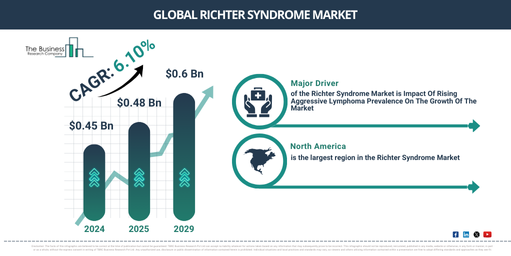
    The market size of Richter syndrome has experienced substantial growth in the past few years. Projected growth shows an increase from $0.45 billion in 2024 to $0.48 billion in 2025, with a compound annual growth rate (CAGR) of 6.1%. This historical growth is believed to be due to an increase in cases of chronic lymphocytic leukemia, a heightened use of chemotherapy treatments, a rising adoption of immunotherapy, better patient awareness, and an upward trend in healthcare spending.

    Anticipations are high for the richter syndrome market to experience significant growth in the coming years, expanding to a predicted$0.6 billion by 2029 with a compound annual growth rate (CAGR) of 6.1%. This market growth through the forecast period can be associated with factors such as the rise of CAR T-cell therapy, an increase in demand for tailored medical treatment, enhanced government funding towards rare disease research, the broadening of precision oncology, and the growing use of next-generation sequencing. Futuristic trends likely to shape the forecast period include a transition towards combination therapy methods, a higher emphasis on minimal residual disease evaluation, the increased application of artificial intelligence in devising treatment plans, the breadth of biomarker-driven clinical examinations, and a growing value of real-world evidence during drug approval processes.

    Download a free sample to assess the report’s scope and structure:

    https://www.thebusinessresearchcompany.com/sample.aspx?id=21278&type=smp

    What Are the Primary Drivers Supporting the Market Growth of the Richter Syndrome Market?

    An increase in aggressive lymphoma cases is anticipated to stimulate the expansion of the Richter syndrome market in the future. Lymphoma represents a cancer category that begins in the lymphatic system – an integral component of the body’s immune network affecting lymph nodes and other lymphatic tissues. Factors such as superior diagnostic methods, elderly demographic, and heightened awareness contribute to the escalated incidence of aggressive lymphoma resulting in more recognized cases. Treatment of Richter syndrome aids patients with aggressive lymphoma. It integrates intense chemotherapy, targeted treatments including BTK and BCL-2 inhibitors, monoclonal antibodies, and advanced methods like CAR T-cell therapy and stem cell transplantation. These treatments help manage disease progress, boost response rates, and prolong survival. They also include progressive therapies and clinical tests for resistant cases. For example, per the American Cancer Society, a non-profit organization based in the US, the predicted new non-Hodgkin lymphoma diagnoses rose from 80,550 in 2023 to 80,620 in 2024, indicating a slight increase in diagnoses. Consequently, the escalating incidence of aggressive lymphoma is augmenting the growth of the Richter syndrome market.

    Which Primary Segments of the Richter Syndrome Market Are Driving Growth and Industry Transformations?

    The richter syndromemarket covered in this report is segmented –

    1) By Disease Type: Chronic Lymphocytic Leukemia (CLL)-Associated Richter Syndrome; Non-CLL-Associated Richter Syndrome

    2) By Treatment Type: Chemotherapy; Targeted Therapy; Immunotherapy; Immune Checkpoint Inhibitors; Stem Cell Transplantation; Supportive Care And Palliative Treatments

    3) By Route Of Administration: Oral; Intravenous

    4) By Distribution Channel: Hospital Pharmacies; Retail Pharmacies; Online Pharmacies

    5) By End-User: Hospitals; Specialty Clinics; Cancer Treatment Centers; Research And Academic Institutes

    Subsegments:

    1) By Chronic Lymphocytic Leukemia (CLL)-Associated Richter Syndrome: Transformation To Diffuse Large B-cell Lymphoma; Transformation To Hodgkin Lymphoma

    2) By Non-CLL-Associated Richter Syndrome: De Novo Diffuse Large B-cell Lymphoma; De Novo Hodgkin Lymphoma

    Request customized data on this market:

    https://www.thebusinessresearchcompany.com/customise?id=21278&type=smp

    Which Regions Are Key Players in the Growth of the #What Are the Primary Drivers Supporting the Market Growth of the Richter Syndrome Market?# Market?

    North America was the largest region in the richter syndrome market in 2024. Asia-Pacific is expected to be the fastest-growing region in the forecast period. The regions covered in the richter syndrome market report are Asia-Pacific, Western Europe, Eastern Europe, North America, South America, Middle East, Africa.

    View the full report here:

    https://www.thebusinessresearchcompany.com/report/richter-syndrome-global-market-report

    What Parameters Are Used to Define the Richter Syndrome Market?

    Richter syndrome is an aggressive transformation of chronic lymphocytic leukemia (CLL) or small lymphocytic lymphoma (SLL) into a fast-growing, high-grade lymphoma, most commonly diffuse large B-cell lymphoma (DLBCL), characterized by rapid disease progression, worsening symptoms, and poor prognosis despite treatment efforts. Patients with Richter Syndrome often experience sudden worsening of systemic symptoms, including fever, weight loss, and swollen lymph nodes, alongside resistance to standard CLL therapies, necessitating more intensive treatment approaches.

    Purchase the full report and get a swift delivery:

    https://www.thebusinessresearchcompany.com/purchaseoptions.aspx?id=21278

    About The Business Research Company:

    With over 15000+ reports from 27 industries covering 60+ geographies, The Business Research Company has built a reputation for offering comprehensive, data-rich research and insights. Armed with 1,500,000 datasets, the optimistic contribution of in-depth secondary research, and unique insights from industry leaders, you can get the information you need to stay ahead in the game.

    Get in touch with us:

    The Business Research Company: https://www.thebusinessresearchcompany.com/

    Americas +1 310-496-7795

    Europe +44 7882 955267

    Asia & Others +44 7882 955267 & +91 8897263534

    Email us at info@tbrc.info

    Follow us on:

    LinkedIn: https://in.linkedin.com/company/the-business-research-company

    YouTube: https://www.youtube.com/channel/UC24_fI0rV8cR5DxlCpgmyFQ

    Global Market Model: https://www.thebusinessresearchcompany.com/global-market-model
  • Global Blockchain Technology In Healthcare Market Projected to Reach $25.78 Billion by 2029 at a CAGR of 46.1%

    Global Blockchain Technology In Healthcare Market Projected to Reach $25.78 Billion by 2029 at a CAGR of 46.1%

    Claim your 30% discount on Global Market Reports with code ONLINE30. Limited time only.

    How Has The Blockchain Technology In Healthcare Market Size Shifted, And What Is the Outlook Through 2034?

    In recent times, the market size of blockchain technology in healthcare has seen significant growth and is projected to expand from $3.86 billion in 2024 to $5.66 billion in 2025, at a compound annual growth rate (CAGR) of 46.4%. The rapid development during the previous period is the result of the escalating demand for secure, unalterable storage of medical data, heightened concerns regarding data breaches and cyber threats to healthcare systems, increased usage of electronic health records, advancement in telemedicine and digital health services, and a rising requirement for compatibility and smooth exchange of health data.

    The market size for blockchain technology in healthcare is set to experience significant growth in the upcoming years, with projections hinting at a value of $25.78 billion in 2029, exhibiting a Compound Annual Growth Rate (CAGR) of 46.1%. Several factors can be credited for this potential growth including escalating healthcare expenditures, amplified investments towards IT infrastructure in the healthcare sector, an upsurge in clinical trials necessitating transparent and trackable data, a heightened focus on patient-oriented care and data proprietorship, as well as enhanced government and regulatory endorsement. Forecasts for this period also indicate certain key trends such as improvements in blockchain protocols, amalgamation of blockchain with Electronic Health Record (EHR) systems, advent of decentralized identity solutions, and progress in blockchain-powered supply chain management in the pharmaceutical sector.

    Download a free sample to assess the report’s scope and structure:

    https://www.thebusinessresearchcompany.com/sample.aspx?id=24175&type=smp

    What are the Fundamental Drivers and Innovations Shaping the Blockchain Technology In Healthcare Market?

    The surge in healthcare data breaches is predicted to fuel the expansion of the blockchain technology within the healthcare sector. Healthcare data breaches involve unauthorized access, exposure, or theft of confidential patient information from healthcare systems, leading to privacy breaches, identity fraud, and regulatory implications. Outdated security systems are behind the rise in healthcare data breaches as they often lack contemporary encryption protocols, regular software updates, and sophisticated threat detection systems, rendering them highly susceptible to cyberattacks and unauthorized access to critical patient data. Blockchain technology offers a solution to the escalating healthcare data breaches through a decentralized platform that enhances the encryption process and regulates access to crucial patient information, thus heightening security, transparency, and trust. According to the HIPAA Journal, a US-based journal, reported in March 2025, the healthcare data breaches hit an all-time high with a record 168 million records exposed or stolen in 2023, outpacing 51.9 million in 2022, and 45.9 million in 2021. Therefore, the blockchain technology in the healthcare sector is witnessing growth primarily due to the surge in healthcare data breaches.

    How Is the Blockchain Technology In Healthcare Market Segmented?

    The blockchain technology in healthcaremarket covered in this report is segmented –

    1) By Component: Software; Hardware; Services

    2) By Network Type: Public Blockchain; Private Blockchain; Hybrid Blockchain

    3) By Application: Clinical Data Exchange And Interoperability; Claims Adjudication And Billing; Supply Chain Management; Clinical Trials And eConsent; Other Applications

    4) By End User: Healthcare Providers; Pharmaceutical Companies; Insurance Companies; Research Institutions

    Subsegments:

    1) By Software: Blockchain Platforms; Smart Contracts; Data Security And Encryption Solutions; Healthcare Information Systems

    2) By Hardware: Blockchain Nodes; Cryptographic Hardware; Internet Of Medical Things (IoMT) Devices

    3) By Services: Blockchain Consulting; Blockchain Integration And Development; Blockchain As A Service (BaaS); Managed Services; Support And Maintenance Services

    Request customized data on this market:

    https://www.thebusinessresearchcompany.com/customise?id=24175&type=smp

    Which Regions Are Driving the Next Phase of the Blockchain Technology In Healthcare Market Growth?

    North America was the largest region in the blockchain technology in healthcare market in 2024. Asia-Pacific is expected to be the fastest-growing region in the forecast period. The regions covered in the blockchain technology in healthcare market report are Asia-Pacific, Western Europe, Eastern Europe, North America, South America, Middle East, Africa.

    What Key Trends Are Shaping the Future of the Blockchain Technology In Healthcare Market?

    Major players in the healthcare blockchain technology market are concentrating their efforts on creating innovative solutions, such as blockchain-compliant ecosystems, to improve data safety, privacy, and interconnectivity in healthcare networks. A blockchain-compliant system signifies a digital infrastructure that follows blockchain technology’s principles and technical specifications, ensuring each component within the ecosystem functions in a secure, transparent, and decentralized manner. For instance, the Switzerland-based investment data management platform developer, Circular Protocol, collaborated with Arculus by CompoSecure, an American premium financial card manufacturer, in March 2025. Their united effort aimed to establish the primary blockchain-compliant ecosystem specifically made for healthcare providers. This system’s objective is to raise the levels of data security, transparency, and patient privacy. Through unifying Arculus’s physical authentication card with Circular’s MedTech device and IT Lab’s Smart Share platform, medical professionals and patients can securely authenticate and digitally sign medical transactions on-chain without the need for cryptocurrency knowledge.

    View the full report here:

    https://www.thebusinessresearchcompany.com/report/blockchain-technology-in-healthcare-global-market-report

    How Is the Blockchain Technology In Healthcare Market Defined and What Are Its Core Parameters?

    Blockchain technology in healthcare refers to the use of a decentralized, tamper-proof digital ledger system to securely manage, share, and exchange medical and patient data across various entities. It also gives patients greater control over their health data by enabling them to decide who can access it while offering clear and trackable records of how their information is used.

    Purchase the full report and get a swift delivery:

    https://www.thebusinessresearchcompany.com/purchaseoptions.aspx?id=24175

    About The Business Research Company:

    With over 15000+ reports from 27 industries covering 60+ geographies, The Business Research Company has built a reputation for offering comprehensive, data-rich research and insights. Armed with 1,500,000 datasets, the optimistic contribution of in-depth secondary research, and unique insights from industry leaders, you can get the information you need to stay ahead in the game.

    Get in touch with us:

    The Business Research Company: https://www.thebusinessresearchcompany.com/

    Americas +1 310-496-7795

    Europe +44 7882 955267

    Asia & Others +44 7882 955267 & +91 8897263534

    Email us at info@tbrc.info

    Follow us on:

    LinkedIn: https://in.linkedin.com/company/the-business-research-company

    YouTube: https://www.youtube.com/channel/UC24_fI0rV8cR5DxlCpgmyFQ

    Global Market Model: https://www.thebusinessresearchcompany.com/global-market-model

  • Rhabdomyosarcoma Outlook 2034: Key Drivers, Trends, and Market Frontiers

    Rhabdomyosarcoma Outlook 2034: Key Drivers, Trends, and Market Frontiers

    Claim your 30% discount on Global Market Reports with code ONLINE30. Limited time only.

    What is the Anticipated CAGR of the Rhabdomyosarcoma Market, and What Factors Will Drive It?

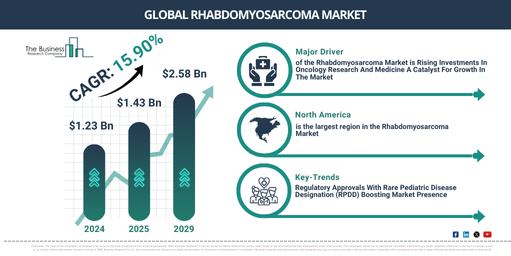
    In recent times, there has been rapid expansion in the rhabdomyosarcoma market. It is predicted to increase from $1.23 billion in 2024 to $1.43 billion in 2025, which equates to a compound annual growth rate (CAGR) of 16.2%. Factors attributing to this growth during the historical time frame include enhanced allotment of funds for cancer research, the accessibility to specific treatment methods, advancements in surgical strategies, an increase in child oncology schemes, and more effective health policies.

    The market for rhabdomyosarcoma is poised for swift expansion in the coming years, with the expected value pegged at$2.58 billion by 2029,” reflecting a Compound Annual Growth Rate (CAGR) of 15.9%. Factors fueling this growth through the forecast period encompass a deepened comprehension of cancer biology, improvements in prognostic resources, and an enhanced emphasis on early diagnosis and prevention. Furthermore, the growth of worldwide oncology networks, along with a multifaceted treatment approach, contributes to this upward trend. Major forthcoming trends include advancements in immunotherapy, the use of liquid biopsy for early detection, organoids for drug screening, upgraded radiotherapy techniques, and developments in regenerative medicine.

    Download a free sample to assess the report’s scope and structure:

    https://www.thebusinessresearchcompany.com/sample.aspx?id=21276&type=smp

    How Are Key Drivers in the Industry Acting as Catalysts for the Growth of theRhabdomyosarcoma Market?

    The rhabdomyosarcoma market is projected to grow due to escalating investments in oncology research and medicine. Funds allocated towards cancer research by various entities such as the government, pharmaceutical firms, research institutions, and private investors contribute to this investment. The mounting global cancer burden, precision medical advancements, escalating demand for new therapies, expanding clinical trials, governmental and private funding efforts, and the development of targeted and immunotherapy treatments are all fuelling such investments in oncology research. These funding efforts contribute to the development of rhabdomyosarcoma by promoting progress in early diagnosis, enhancing treatment alternatives such as targeted therapies and immunotherapy, bankrolling clinical trials for more potent drugs, ameliorating pediatric cancer care infrastructure, and fostering innovative research to gain a better understanding of the disease’s biology and course. For instance, IQVIA, an Indian IT company specialising in advanced analytics, reported in May 2024 that global expenditure on cancer medicine increased by $25 billion to reach $223 billion in 2023 and is anticipated to hit $409 billion by 2028. As a result, escalating investments in oncology research and medicine fuel the rhabdomyosarcoma market’s growth.

    Which Segments in the Rhabdomyosarcoma Offer the Most Growth?

    The rhabdomyosarcomamarket covered in this report is segmented –

    1) By Type: Embryonal Rhabdomyosarcoma; Alveolar Rhabdomyosarcoma; Other Types

    2) By Treatment: Surgery; Radiation Therapy; Chemotherapy; Stem Cell Therapy

    3) By Diagnosis: Imaging Tests; X-Ray; Computed Tomography Scan; Magnetic Resonance Imaging Scan; Positron Emission Tomography Scan; Bone Scan; Biopsy; Needle Biopsy; Surgical Biopsy

    Subsegments:

    1) By Embryonal Rhabdomyosarcoma: Botryoid Rhabdomyosarcoma; Spindle Cell Rhabdomyosarcoma

    2) Alveolar Rhabdomyosarcoma (ARMS): Fusion-Positive ARMS; Fusion-Negative ARMS

    3) Other Types of Rhabdomyosarcoma: Pleomorphic Rhabdomyosarcoma; Mixed-Type Rhabdomyosarcoma; Sclerosing Rhabdomyosarcoma

    Request customized data on this market:

    https://www.thebusinessresearchcompany.com/customise?id=21276&type=smp

    What Are the Fastest-Growing Geographies in the #How Are Key Drivers in the Industry Acting as Catalysts for the Growth of theRhabdomyosarcoma Market?# Market?

    North America was the largest region in the rhabdomyosarcoma market in 2024. Asia-Pacific is expected to be the fastest-growing region in the forecast period. The regions covered in the rhabdomyosarcoma market report are Asia-Pacific, Western Europe, Eastern Europe, North America, South America, Middle East, Africa.

    What Are the Current Market Growth and Trends in the Rhabdomyosarcoma Industry?

    Leading players in the rhabdomyosarcoma market are gaining regulatory green lights with rare pediatric disease designation (RPDD) for their pharmaceutical products to broaden their footprint and strengthen their standing in the rhabdomyosarcoma therapy landscape. RPDD is a specific recognition bestowed by regulatory entities to promote the creation of remedies for severe or potentially fatal rare illnesses that predominantly affect children. For example, Immix Biopharma, Inc., an American biotech entity, obtained RPDD from the Food and Drug Administration, a U.S. government body, in January 2022, for IMX-110 to be used in the treatment of rhabdomyosarcoma among children. IMX-110, the initial clinical-stage product from the SMARxT Tissue-Specific Platform, comprises a poly-kinase inhibitor and an apoptosis catalyst that penetrates deeply into the tumor microenvironment. It is engineered to amass at proposed therapeutic locations at a 3 to 5 times higher rate than regular drugs. It combats the cancer itself, alongside cancer-associated fibroblasts and tumor-associated macrophages or immune cells, disconnecting the tumor from its nutritional and structural underpinnings, leading to tumor apoptosis.

    View the full report here:

    https://www.thebusinessresearchcompany.com/report/rhabdomyosarcoma-global-market-report

    What Are the Key Elements That Define the Rhabdomyosarcoma Market?

    Rhabdomyosarcoma refers to a type of cancer that arises from muscle tissue, primarily affecting children and young adults. Rhabdomyosarcoma is useful to identify and treat early, as early detection improves the chances of successful treatment and survival.

    Purchase the full report and get a swift delivery:

    https://www.thebusinessresearchcompany.com/purchaseoptions.aspx?id=21276

    About The Business Research Company:

    With over 15000+ reports from 27 industries covering 60+ geographies, The Business Research Company has built a reputation for offering comprehensive, data-rich research and insights. Armed with 1,500,000 datasets, the optimistic contribution of in-depth secondary research, and unique insights from industry leaders, you can get the information you need to stay ahead in the game.

    Get in touch with us:

    The Business Research Company: https://www.thebusinessresearchcompany.com/

    Americas +1 310-496-7795

    Europe +44 7882 955267

    Asia & Others +44 7882 955267 & +91 8897263534

    Email us at info@tbrc.info

    Follow us on:

    LinkedIn: https://in.linkedin.com/company/the-business-research-company

    YouTube: https://www.youtube.com/channel/UC24_fI0rV8cR5DxlCpgmyFQ

    Global Market Model: https://www.thebusinessresearchcompany.com/global-market-model