Blog

  • Cerebral Adrenoleukodystrophy (CALD) Market in Focus: Forecasting Growth Drivers, Scaling Potential, and Global Opportunities

    Cerebral Adrenoleukodystrophy (CALD) Market in Focus: Forecasting Growth Drivers, Scaling Potential, and Global Opportunities

    Claim your 30% discount on Global Market Reports with code ONLINE30. Limited time only.

    How Has The Cerebral Adrenoleukodystrophy (CALD) Market Size Shifted, And What Is the Outlook Through 2034?

    The market for cerebral adrenoleukodystrophy (cald) has seen a rapid expansion in the past few years. The market value is projected to increase from $6.58 billion in 2024 to $7.54 billion in 2025, reflecting a compound annual growth rate (CAGR) of 14.6%. Factors like heightened awareness about uncommon diseases, the escalation in newborn screening programs, a broader focus on neurodegenerative disorders, the launch of Lorenzo’s oil, extensive research on peroxisomal disorders, campaigns by patient support groups, and the enhancement of healthcare infrastructure have all contributed to the growth experienced in the historic period.

    The market for cerebral adrenoleukodystrophy (cald) is set to experience impressive growth in the coming years, with predictions of reaching a value of $12.93 billion in 2029, developed at a compound annual growth rate (CAGR) of 14.4%. The projected growth during this period could be due to the rise of gene therapy treatments, wider implementation of newborn screening technologies, progress in targeted drug delivery systems, increased funding for rare disease investigation, a surge in the use of digital health tools, a growing need for customised treatments, partnerships between biotech and pharma organisations, as well as increased awareness due to global promotional campaigns. The major trends to watch out for in this period will likely include gene editing through clustered regularly interspaced short palindromic repeats (CRISPR), AI-fueled diagnostic algorithms, cutting-edge neuroimaging methods, strides in next-generation sequencing, brain-focused nanomedicine, wearable technology for neurological examination, digital twin simulations for planning treatment, cloud-supported sharing of genomic information, virtual reality for training caregivers, and the use of blockchain for secure patient data management.

    Download a free sample to assess the report’s scope and structure:

    https://www.thebusinessresearchcompany.com/sample.aspx?id=21135&type=smp

    What Are the Core Market Drivers Propelling Growth in the Cerebral Adrenoleukodystrophy (CALD) Industry?

    The cerebral adrenoleukodystrophy (CALD) market is set to benefit from the anticipated rise in healthcare spending. The increase in healthcare spending is propelled by a variety of factors, including an aging population, the prevalence of chronic diseases, advancements in medical technology, escalating drug prices, and broader health coverage. Through funding cutting-edge treatments like gene therapy and stem cell transplants, furthering the development of diagnostic tools, and enhancing patient access to specialized and early care, healthcare spending aids the growth of the CALD market. As an example, the US-based Centers for Medicare And Medicaid Services (CMS) reported in December 2024 that national health expenditures (NHE) had grown by 7.5% in 2023, surpassing the 6.1% gross domestic product (GDP) growth. Moreover, from 2023 to 2032, the average annual growth rate of the NHE is forecasted to be 5.6%, raising the healthcare spending’s GDP share from 17.3% in 2022 to 19.7% in 2032. Consequently, the anticipated increase in healthcare spending is fueling the growth of the cerebral adrenoleukodystrophy (CALD) market.

    How Is the Cerebral Adrenoleukodystrophy (CALD) Market Segmented?

    The cerebral adrenoleukodystrophy (cald)market covered in this report is segmented –

    1) By Type Of Treatment: Dietary Management; Medications; Stem Cell Therapy

    2) By Patient Age Group: Adults; Children; Infants; Teens

    3) By End User: Healthcare Facilities; Patients And Caregivers; Pharmaceutical Companies

    Subsegments:

    1) By Dietary Management: Lorenzo’s Oil; Omega-3 Fatty Acids; Fatty Acid Supplements

    2) By Medications: Corticosteroids; Antioxidants; Anti-inflammatory Drugs

    3) By Stem Cell Therapy: Hematopoietic Stem Cell Transplantation (HSCT); Gene Therapy

    Request customized data on this market:

    https://www.thebusinessresearchcompany.com/customise?id=21135&type=smp

    Which Regions Are Driving the Next Phase of the Cerebral Adrenoleukodystrophy (CALD) Market Growth?

    North America was the largest region in the cerebral adrenoleukodystrophy (CALD) market in 2024. The regions covered in the cerebral adrenoleukodystrophy (CALD) market report are Asia-Pacific, Western Europe, Eastern Europe, North America, South America, Middle East, Africa.

    What Key Market Trends and Innovations Are Shaping the Future of the Cerebral Adrenoleukodystrophy (CALD) Industry?

    Companies in the cerebral adrenoleukdystrophy (CALD) industry are working towards devising ground-breaking therapies like gene therapies. The real goal here is to provide superior, long-lasting solutions that can slow down disease progression, enhance patient outcomes, and potentially provide a cure for this scarce and fatal condition. Gene therapy, a medical intervention, aims to rectify or substitute defective genes in patients’ cells to treat or even cure diseases. Meanwhile, one instance from September 2022 highlights the accelerated approval granted to the US biotech firm, Bluebird Bio Inc., by the United States Food and Drug Administration (FDA), for its Skysona (elivaldogene autotemcel) therapy – designed to decelerate neurological dysfunction in boys aged 4-17 with early, active CALD. Skysona, administered once through gene therapy, employs the Lenti-D lentiviral vector (LVV) ex-vivo transduction process to integrate functional ABCD1 gene copies into the patient’s hematopoietic stem cells (HSCs). This newly introduced gene equips patients with the ability to synthesize the ALD protein (ALDP), which can then contribute in situ to the breakdown of very long-chain fatty acids (VLCFAs). This process holds potential to mitigate or even avoid subsequent inflammation and demyelination.

    View the full report here:

    https://www.thebusinessresearchcompany.com/report/cerebral-adrenoleukodystrophy-cald-global-market-report

    How Is the Cerebral Adrenoleukodystrophy (CALD) Market Defined and What Are Its Core Parameters?

    Cerebral adrenoleukodystrophy (CALD) is a rare, progressive neurological disorder that primarily affects males and is caused by mutations in the ABCD1 gene. It is characterized by the accumulation of very long-chain fatty acids in the brain, which destroys myelin, the protective covering of nerve cells. Cerebral adrenoleukodystrophy (CALD) is a form of adrenoleukodystrophy (ALD) that involves the brain and spinal cord, causing symptoms such as cognitive decline, behavioral changes, and motor dysfunction.

    Purchase the full report and get a swift delivery:

    https://www.thebusinessresearchcompany.com/purchaseoptions.aspx?id=21135

    About The Business Research Company:

    With over 15000+ reports from 27 industries covering 60+ geographies, The Business Research Company has built a reputation for offering comprehensive, data-rich research and insights. Armed with 1,500,000 datasets, the optimistic contribution of in-depth secondary research, and unique insights from industry leaders, you can get the information you need to stay ahead in the game.

    Get in touch with us:

    The Business Research Company: https://www.thebusinessresearchcompany.com/

    Americas +1 310-496-7795

    Europe +44 7882 955267

    Asia & Others +44 7882 955267 & +91 8897263534

    Email us at info@tbrc.info

    Follow us on:

    LinkedIn: https://in.linkedin.com/company/the-business-research-company

    YouTube: https://www.youtube.com/channel/UC24_fI0rV8cR5DxlCpgmyFQ

    Global Market Model: https://www.thebusinessresearchcompany.com/global-market-model

  • Strong CAGR to Propel in the Central Nervous System Lymphoma Treatment Market and Beyond upto $1.66 Billion by 2029

    Strong CAGR to Propel in the Central Nervous System Lymphoma Treatment Market and Beyond upto $1.66 Billion by 2029

    Claim your 30% discount on Global Market Reports with code ONLINE30. Limited time only.

    How Has the Central Nervous System Lymphoma Treatment Market Growth Performance Trended Historically, And What Lies Ahead?

    In recent years, the market size for central nervous system lymphoma treatment has seen substantial growth. It is projected to expand from $1.19 billion in 2024 to $1.27 billion in 2025, representing a compound annual growth rate (CAGR) of 6.9%. The growth witnessed in the past period is linked to an increased occurrence of central nervous system (CNS) lymphoma, a rise in the utilization of targeted therapies, the proliferation of cancer awareness initiatives, the growth in healthcare spending, advancements in immunotherapy, the advent of high-dose chemotherapy, escalating clinical trial activities, and better access to specialized healthcare facilities.

    In the upcoming years, robust growth is anticipated in the central nervous system lymphoma treatment market, with its value expected to reach $1.66 billion in 2029, growing at a compound annual growth rate (CAGR) of 6.8%. Multiple factors, such as the increased demand for customised medication, emphasis on prompt diagnosis, escalated investment in cancer research, the advent of innovative drug delivery systems, improved healthcare systems in developing markets, increasing instances of autoimmune diseases, evolution of combination therapies, wider availability of biosimilars, and the rising usage of telemedicine for cancer treatment contribute to the growth during the projected period. Key trends that will be observed during this period are the progress in precision medicine, incorporation of artificial intelligence in diagnosis, utilisation of liquid biopsy for monitoring, use of nanotechnology in drug delivery, advancements in imaging technologies, invention of bispecific antibodies, application of gene editing technologies like CRISPR, introduction of wearable health monitoring devices, and the enlargement of telehealth platforms specifically for oncology treatment.

    Download a free sample to assess the report’s scope and structure:

    https://www.thebusinessresearchcompany.com/sample.aspx?id=21134&type=smp

    Which Primay Drivers Are Accelerating Growth in the Central Nervous System Lymphoma Treatment Market?

    The swift expansion of the pharmaceutical industry is predicted to spur the development of the central nervous system lymphoma treatment market in the future. The pharmaceutical industry primarily concentrates on the research, production, and distribution of drugs and therapeutic solutions addressing various health conditions. This industry’s growth is spurred by factors such as advancements in medical research, an aging demographic, increased access to global healthcare, a rise in chronic diseases, global health emergencies, regulatory support, and escalating healthcare expenditure. By encouraging innovation in targeted treatments, enhancing diagnostic capabilities, and bolstering investment in research and development for rare cancers, the pharmaceutical industry pushes the central nervous system lymphoma treatment market’s progress. For example, as per the European Federation of Pharmaceutical Industries and Associations (EFPIA), a trade body based in Belgium that represents the pharmaceutical sector, the total pharmaceutical production in Europe rose to $4,17,300 million (€390,000 million) in 2023, from $3,88,141 million (€363,300 million) in 2022. Consequently, the brisk expansion in the pharmaceutical industry fuels the growth of the central nervous system lymphoma treatment market.

    Which Primary Segments of the Central Nervous System Lymphoma Treatment Market Are Driving Growth and Industry Transformations?

    The central nervous system lymphoma treatmentmarket covered in this report is segmented –

    1) By Treatment Type: Chemotherapy; Radiation Therapy; Targeted Therapy; Corticosteroids; Immunotherapy

    2) By Route Of Administration: Intravenous; Oral; Intrathecal

    3) By Distribution Channel: Direct Sales; Third-Party Distributors

    4) By End User: Hospitals; Clinics; Ambulatory Surgical Centers

    Subsegments:

    1) By Chemotherapy: High-Dose Methotrexate; Temozolomide; Rituximab-Based Regimens; Carmustine; Cytarabine

    2) By Radiation Therapy: Whole Brain Radiation Therapy (WBRT); Stereotactic Radiosurgery (SRS); Brachytherapy

    3) By Targeted Therapy: Monoclonal Antibodies; Tyrosine Kinase Inhibitors; B-Cell Antigen Inhibitors; PI3K Inhibitors

    4) By Corticosteroids: Dexamethasone; Prednisone; Methylprednisolone

    5) By Immunotherapy: Checkpoint Inhibitors; Chimeric Antigen Receptor T-Cell (CAR-T) Therapy; Monoclonal Antibodies; Immune Modulators

    Request customized data on this market:

    https://www.thebusinessresearchcompany.com/customise?id=21134&type=smp

    Which Regions Are Key Players in the Growth of the #Which Primay Drivers Are Accelerating Growth in the Central Nervous System Lymphoma Treatment Market?# Market?

    North America was the largest region in the central nervous system lymphoma treatment market in 2024. Asia-Pacific is expected to be the fastest-growing region in the forecast period. The regions covered in the central nervous system lymphoma treatment market report are Asia-Pacific, Western Europe, Eastern Europe, North America, South America, Middle East, Africa.

    Which Technological Trends Are Reshaping the Central Nervous System Lymphoma Treatment Industry Dynamics?

    Key players in the central nervous system lymphoma industry are exploring the creation of advanced therapies like chimeric antigen receptor (CAR) T-cell therapy. This approach hopes to improve the efficacy of treatments, personalize therapeutic choices, and enhance patient results, especially for those who suffer relapsed or refractory conditions. CAR T-cell therapy is a type of immunotherapy that alters a patient’s T-cells to more effectively identify and attack cancer cells. As an example, Kite Pharma, a US pharmaceutical firm, teamed up with Dana-Farber Cancer Institute, a US cancer treatment center, in June 2024. Together, they introduced Yescarta (axicabtagene ciloleucel), a treatment well-received by patients with relapsed or refractory primary or secondary central nervous system lymphoma (PCNSL and SCNSL). Yescarta (axicabtagene ciloleucel) is a CAR T-cell therapy that modifies a patient’s T-cells to target and eliminate cancer cells before returning them to the body. This process aids in lymphoma cell eradication, specifically in the central nervous system and in cases that are relapsed or difficult to treat.

    View the full report here:

    https://www.thebusinessresearchcompany.com/report/central-nervous-system-lymphoma-treatment-global-market-report

    What Parameters Are Used to Define the Central Nervous System Lymphoma Treatment Market?

    Central nervous system (CNS) lymphoma treatment refers to the medical approaches to managing and treating primary or secondary lymphoma affecting the brain, spinal cord, or cerebrospinal fluid (CSF). Treatment typically includes high-dose methotrexate-based chemotherapy, often combined with other drugs, immunotherapy, radiation therapy, and autologous stem cell transplantation (ASCT). Central nervous system (CNS) lymphoma treatment aims to eliminate cancer cells while preserving neurological function and preventing relapse. Treatment plans are tailored based on the patient’s age, overall health, and disease severity.

    Purchase the full report and get a swift delivery:

    https://www.thebusinessresearchcompany.com/purchaseoptions.aspx?id=21134

    About The Business Research Company:

    With over 15000+ reports from 27 industries covering 60+ geographies, The Business Research Company has built a reputation for offering comprehensive, data-rich research and insights. Armed with 1,500,000 datasets, the optimistic contribution of in-depth secondary research, and unique insights from industry leaders, you can get the information you need to stay ahead in the game.

    Get in touch with us:

    The Business Research Company: https://www.thebusinessresearchcompany.com/

    Americas +1 310-496-7795

    Europe +44 7882 955267

    Asia & Others +44 7882 955267 & +91 8897263534

    Email us at info@tbrc.info

    Follow us on:

    LinkedIn: https://in.linkedin.com/company/the-business-research-company

    YouTube: https://www.youtube.com/channel/UC24_fI0rV8cR5DxlCpgmyFQ

    Global Market Model: https://www.thebusinessresearchcompany.com/global-market-model
  • $4.33 Billion Forecast for Recurrent Head And Neck Cancer Squamous Cell Carcinoma Market by 2029, Backed by Demand and Innovation

    $4.33 Billion Forecast for Recurrent Head And Neck Cancer Squamous Cell Carcinoma Market by 2029, Backed by Demand and Innovation

    Claim your 30% discount on Global Market Reports with code ONLINE30. Limited time only.

    What Are the Key Projections for the CAGR of the Recurrent Head And Neck Cancer Squamous Cell Carcinoma Market Size From 2025 to 2034?

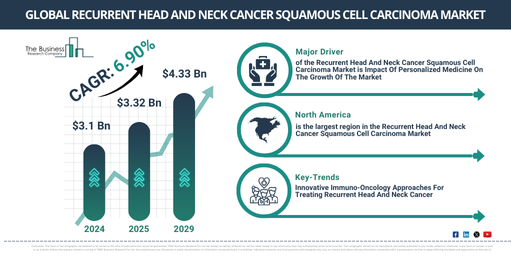
    Over the past few years, the market for recurrent head and neck cancer squamous cell carcinoma has been seeing strong growth. Predictions suggest an increase from $3.1 billion in 2024 to $3.32 billion in 2025, implying a compound annual growth rate (CAGR) of 6.9%. The previously observed growth can be linked to a worldwide increase in head and neck cancers, heightened awareness for early diagnosis and treatments, a rising geriatric population, more available combination therapies, and an increase in healthcare spending.

    The market size of the recurring head and neck squamous cell carcinoma cancer is predicted to experience significant expansion in the following years, specifically to approximately$4.33 billion in 2029″ with a compound annual growth rate (CAGR) of 6.9%. The escalation in the forecasted period can be attributable to the increasing need for biologics, the expansion of telemedicine usage, heightened emphasis on supportive care, rise in the prevalence of comorbidities, and escalating health insurance coverage. Notable trends projected for the period include enhancements in robotic-assisted surgical procedures, advances in radiation therapy technologies, developments in 3D printing technologies, creation of bispecific antibodies, and the incorporation of artificial intelligence in diagnostic imaging.

    Download a free sample to assess the report’s scope and structure:

    https://www.thebusinessresearchcompany.com/sample.aspx?id=21269&type=smp

    What Are the Core Growth Drivers Propelling the Recurrent Head And Neck Cancer Squamous Cell Carcinoma Market Forward?

    The expansion of the recurrent head and neck cancer squamous cell carcinoma market is anticipated to be propelled by the development of personalized medicine. This treatment technique is individualized, factoring in each patient’s genetic blueprint, environment and lifestyle when making healthcare decisions. The popularity of personalized medicine is growing due to enhancements in genomic research, improved diagnostic tools, an increasing appetite for specialized treatments, and expanded investment in precision healthcare. This enables more effective customized treatments. The application of genetic profiling and targeted treatments within the framework of personalized medicine can notably assist the recurrent head and neck cancer squamous cell carcinoma market. This is due to the capacity to determine more effective treatments plans tailored to the unique molecular traits of each individual’s tumor. For example, the Personalized Medicine Coalition, a US organization that advocates for the use of personalized medicine, reported in February 2024 that the U.S. Food and Drug Administration approved 16 novel customized treatments targeted at rare diseases, a notable increase from the six approved in 2022. Consequently, the rise of personalized medicine is a significant factor contributing to the growth of the recurrent head and neck cancer squamous cell carcinoma market.

    What Segment Types Define the Recurrent Head And Neck Cancer Squamous Cell Carcinoma Market Structure?

    The recurrent head and neck cancer squamous cell carcinomamarket covered in this report is segmented –

    1) By Treatment Type: Chemotherapy; Immunotherapy; Targeted Drug Therapy; Other Treatment Types

    2) By Route Of Administration: Oral; Parenteral; Other Route Of Administrations

    3) By End User: Hospitals; Clinics; Diagnostic Centers; Research Laboratories; Other End-Users

    Subsegments:

    1) By Chemotherapy: Cisplatin; Carboplatin; 5-Fluorouracil (5-FU); Paclitaxel; Docetaxel

    2) By Immunotherapy: Pembrolizumab; Nivolumab; Ipilimumab; Atezolizumab; Durvalumab

    3) By Targeted Drug Therapy: Cetuximab; Afatinib; Erlotinib; Panitumumab; Lapatinib

    4) By Other Treatment Types: Radiation Therapy; Surgery; Combination Therapies; Palliative Care

    Request customized data on this market:

    https://www.thebusinessresearchcompany.com/customise?id=21269&type=smp

    Which Geographic Areas Hold the Strongest Growth Potential in the Recurrent Head And Neck Cancer Squamous Cell Carcinoma Market?

    North America was the largest region in the recurrent head and neck cancer squamous cell carcinoma market in 2024. The regions covered in the recurrent head and neck cancer squamous cell carcinoma market report are Asia-Pacific, Western Europe, Eastern Europe, North America, South America, Middle East, Africa.

    Which Emerging Trends that Are Influencing theRecurrent Head And Neck Cancer Squamous Cell Carcinoma Industry Evolution?

    Leading corporations in the recurrent head and neck cancer squamous cell carcinoma market are driving their focus towards the invention of innovative technologies such as immuno-oncology drugs. The end goal here is to escalate the effectiveness of treatments, promote better results for patients, and address the unfulfilled medical requirements linked with this intense type of cancer. Immuno-oncology drugs are a category of cancer treatments that trigger the body’s immune system to recognize and combat cancer cells. These drugs function by amplifying or reinforcing the immune response, either by intensifying the performance of immune cells or by inhibiting immune checkpoints that stop immune cells from combating tumors. For instance, in August 2024, Aveta Biomics Inc., a pharmaceutical firm based out of the U.S., acquired the fast track classification by the US Food and Drug Administration (FDA) for APG-157, a research-based immune-oncology element extracted from turmeric for the treatment of head and neck cancer. Its dual mechanism concentrates on selectively targeting cancer cells while modifying the immune environment, thereby potentially providing a less aggressive substitute to surgery and extensive therapies.

    View the full report here:

    https://www.thebusinessresearchcompany.com/report/recurrent-head-and-neck-cancer-squamous-cell-carcinoma-global-market-report

    What Is the Definition of the Recurrent Head And Neck Cancer Squamous Cell Carcinoma Market?

    Recurrent head and neck cancer squamous cell carcinoma refers to the return of squamous cell carcinoma in the head and neck region after initial treatment, arising from the mucosal epithelium. The prognosis is generally poor, with median survival rates ranging from 6 to 15 months, necessitating innovative treatment strategies and multimodal management approaches.

    Purchase the full report and get a swift delivery:

    https://www.thebusinessresearchcompany.com/purchaseoptions.aspx?id=21269

    About The Business Research Company:

    With over 15000+ reports from 27 industries covering 60+ geographies, The Business Research Company has built a reputation for offering comprehensive, data-rich research and insights. Armed with 1,500,000 datasets, the optimistic contribution of in-depth secondary research, and unique insights from industry leaders, you can get the information you need to stay ahead in the game.

    Get in touch with us:

    The Business Research Company: https://www.thebusinessresearchcompany.com/

    Americas +1 310-496-7795

    Europe +44 7882 955267

    Asia & Others +44 7882 955267 & +91 8897263534

    Email us at info@tbrc.info

    Follow us on:

    LinkedIn: https://in.linkedin.com/company/the-business-research-company

    YouTube: https://www.youtube.com/channel/UC24_fI0rV8cR5DxlCpgmyFQ

    Global Market Model: https://www.thebusinessresearchcompany.com/global-market-model
  • Central Nervous System (CNS) Lymphoma Market Valuation Expected To Reach $1.97 Billion By 2029, Growing At A Rate Of 6.5%

    Claim your 30% discount on Global Market Reports with code ONLINE30. Limited time only.

    What Are the Projected Market Size and Growth Rates for the Central Nervous System (CNS) Lymphoma Market From 2025 To 2029?

    The size of the lymphoma market in the central nervous system has consistently been on the rise over the past few years. With an expected growth projected from $1.44 billion in 2024 to $1.53 billion in 2025, the market is set to experience a compound annual growth rate (CAGR) of 6.7%. The upturn in the historical period can be linked to amplified awareness and recognition, a rise in the occurrence of lymphoma, increased clinical trials, boosted funding for cancer-oriented research, and an escalation in the utilization of biomarkers for specialized therapies.

    In the coming years, the central nervous system (cns) lymphoma market is projected to experience robust expansion. It is anticipated to reach a value of $1.97 billion by 2029, with a compound annual growth rate (CAGR) of 6.5%. This growth during the projected period is presumed to be due to the increased uptake of immunotherapy, a growing emphasis on targeted treatments, a rising incidence of CNS lymphoma, enhanced patient healthcare accessibility, and governmental backing and initiatives. Notable trends in the projected period consist of the inclusion of artificial intelligence in diagnostic procedures, the creation of next-gen monoclonal antibodies, a transition to less intrusive treatment methods, progressions in precision medicine, and advancements in diagnostic technologies.

    Download a free sample to assess the report’s scope and structure:

    https://www.thebusinessresearchcompany.com/sample.aspx?id=21133&type=smp

    Which Factors and External Forces Are Driving Demand in the Central Nervous System (CNS) Lymphoma Market?

    The escalating rates of psychological disorders are likely to fuel the expansion of the central nervous system (CNS) lymphoma market. These mental health issues disrupt thinking, emotions, or behavior, leading to distress or dysfunction. Factors such as stress, social seclusion, financial strains, genetics, substance misuse, and excessive use of digital tools drive the surge in psychological disorders. Advances in CNS lymphoma enhance neuro-oncology research, offering a better understanding of brain inflammation, immune system interactions, and the blood-brain barrier. This, in turn, is beneficial for creating enhanced treatments for cancer and psychological illnesses. For instance, the National Alliance On Mental Illness, a U.S.-based organization, reported in 2024 that psychosis spectrum and mood disorders lead to around 600,000 hospitalizations annually for individuals aged 18-44 in the United States. Consequently, the rising occurrence of psychological disorders is fostering growth in the central nervous system (CNS) lymphoma market.

    Which Segments in the Central Nervous System (CNS) Lymphoma Offer the Most Growth?

    The central nervous system (cns) lymphomamarket covered in this report is segmented –

    1) By Class Of Drugs: Monoclonal antibodies; Chemotherapeutic Agents; Corticosteroids

    2) By Treatment: Chemotherapy; Radiation Therapy; Steroid Therapy; Targeted Therapy

    3) By Application: Hospitals; Clinics; Ambulatory Surgical Services; Other Applications

    Subsegments:

    1) By Monoclonal Antibodies: Anti-CD20 Monoclonal Antibodies; Anti-PD-1 Monoclonal Antibodies; Other Targeted Monoclonal Antibodies

    2) By Chemotherapeutic Agents: Alkylating Agents; Antimetabolites; Topoisomerase Inhibitors

    3) By Corticosteroids: Dexamethasone; Prednisolone; Methylprednisolone

    Request customized data on this market:

    https://www.thebusinessresearchcompany.com/customise?id=21133&type=smp

    What Are the Fastest-Growing Geographies in the #Which Factors and External Forces Are Driving Demand in the Central Nervous System (CNS) Lymphoma Market?# Market?

    North America was the largest region in the central nervous system (CNS) lymphoma market in 2024. Asia-Pacific is expected to be the fastest-growing region in the forecast period. The regions covered in the central nervous system (CNS) lymphoma market report are Asia-Pacific, Western Europe, Eastern Europe, North America, South America, Middle East, Africa.

    Which Cutting-Edge Market Trends Are Expected to Drive theCentral Nervous System (CNS) Lymphoma Market’s Growth?

    Significant firms in the central nervous system (CNS) lymphoma market are prioritizing the development of innovative treatments such as Tirabrutinib for primary CNS lymphoma care. Tirabrutinib, a selective Bruton’s tyrosine kinase (BTK) inhibitor, is specifically formulated for treating B-cell diseases, including primary CNS lymphoma, by targeting critical cancer cell survival and proliferation routes. For example, in March 2023, the US-based pharmaceutical company ONO Pharma Inc announced that the U.S. Food and Drug Administration (FDA) has given orphan drug status to tirabrutinib (ONO-4059) for the treatment of primary CNS lymphoma (PCNSL). Currently being tested in the phase 2 PROSPECT study (NCT04947319), tirabrutinib is a potent, specific BTK inhibitor that aims at B-cell proliferation and survival. Tirabrutinib manages cell proliferation and activation via the B-cell receptor, supporting B-cell survival, differentiation, and clonal expansion.

    View the full report here:

    https://www.thebusinessresearchcompany.com/report/central-nervous-system-cns-lymphoma-global-market-report

    What Are the Key Elements That Define the Central Nervous System (CNS) Lymphoma Market?

    Central nervous system (CNS) lymphoma is a rare and aggressive type of lymphoma that originates in the brain or spinal cord. Its treatment aims to target and shrink cancerous cells in the CNS, alleviate symptoms, and improve survival rates through a combination of medications, targeted therapies, and focused high-energy treatments.

    Purchase the full report and get a swift delivery:

    https://www.thebusinessresearchcompany.com/purchaseoptions.aspx?id=21133

    About The Business Research Company:

    With over 15000+ reports from 27 industries covering 60+ geographies, The Business Research Company has built a reputation for offering comprehensive, data-rich research and insights. Armed with 1,500,000 datasets, the optimistic contribution of in-depth secondary research, and unique insights from industry leaders, you can get the information you need to stay ahead in the game.

    Get in touch with us:

    The Business Research Company: https://www.thebusinessresearchcompany.com/

    Americas +1 310-496-7795

    Europe +44 7882 955267

    Asia & Others +44 7882 955267 & +91 8897263534

    Email us at info@tbrc.info

    Follow us on:

    LinkedIn: https://in.linkedin.com/company/the-business-research-company

    YouTube: https://www.youtube.com/channel/UC24_fI0rV8cR5DxlCpgmyFQ

    Global Market Model: https://www.thebusinessresearchcompany.com/global-market-model
  • CD20 Antibody Market Forecast Reaching $16.09 Billion by 2029 at 10.1% CAGR

    CD20 Antibody Market Forecast Reaching $16.09 Billion by 2029 at 10.1% CAGR

    Claim your 30% discount on Global Market Reports with code ONLINE30. Limited time only.

    What Is the Estimated Market Size of the CD20 Antibody Market In 2029?

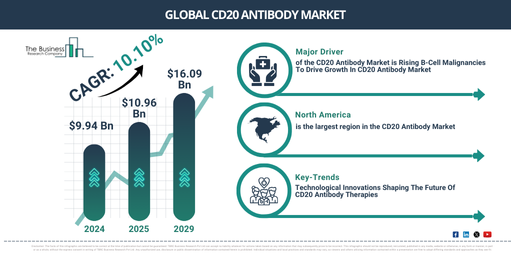
    In recent years, the cd20 antibody market has seen significant expansion. Its projected growth is from $9.94 billion in 2024 to $10.96 billion in 2025, indicating a compound annual growth rate (CAGR) of 10.3%. The surge during the historical period is credited to the escalating prevalence of b-cell malignancies, increasing occurrences of autoimmune diseases, the escalating demand for targeted therapies, the growing number of biosimilar approvals, heightened healthcare spending, advancements in healthcare infrastructure, and a greater understanding of the benefits of immunotherapy.

    Expectations are high for significant growth in the cd20 antibody market size in the upcoming years, specifically predicted to reach$16.09 billion in 2029 with a compound annual growth rate (CAGR) of 10.1%. Factors contributing to this anticipated growth include a heightened demand for cutting-edge cancer immunotherapies, a rise in autoimmune disorders, wider use of biosimilar CD20 antibodies, broader application possibilities in combination therapies, increased investment in biopharmaceutical research, as well as improved awareness of personalized medicine. Key trends for the forecast period consist of the development of next-generation CD20 antibodies, advancing antibody-drug conjugate technologies, application of artificial intelligence in antibody design, enhancements in bispecific antibody technologies, rising prominence of CAR-T cell therapies targeting CD20, utilization of nanotechnology for better delivery, and advancements in high-throughput screening methodologies.

    Download a free sample to assess the report’s scope and structure:

    https://www.thebusinessresearchcompany.com/sample.aspx?id=21131&type=smp

    Which Major Market Drivers Are Expected to Boost the Growth Potential of the CD20 Antibody Market?

    The escalating frequency of B-cell malignancies is projected to push forward the growth of the CD20 antibody market. B-cell malignancies denote the growing count of cancer cases impacting B cells, a kind of white blood cell involved in the immune response. The surge can be credited to various aspects such as aging population, genetic factors, environmental impacts, lifestyle, enhanced detection, and modifications in the immune system. CD20 antibodies like rituximab are employed to target and eliminate malignant B-cells in B-cell malignancies, including non-Hodgkin lymphoma and chronic lymphocytic leukemia, thus improving treatment results. As per a report published by the American College of Cardiology in 2024, there is an estimation that in 2025, approximately 80,350 individuals (45,140 males and 35,210 females), including adults and children, will be diagnosed with non-Hodgkin lymphoma (NHL). On top of that, around 19,390 people (11,060 males and 8,330 females) are anticipated to succumb to this cancer. Hence, the burgeoning prevalence of B-cell malignancies is fueling the growth of the CD-19 antibody market.

    Which Key Market Segments Comprise the CD20 Antibody Market and Drive Its Revenue Growth?

    The cd20 antibodymarket covered in this report is segmented –

    1) By Type: Monoclonal Antibody; Polyclonal Antibody

    2) By Application: Flow Cytometry; Enzyme-Linked Immunosorbent Assay (ELISA); Western Blot; Immunoprecipitation; Immunofluorescence

    3) By End User: Hospitals; Specialty Clinics; Ambulatory Surgical Centers; Other End Users

    Subsegments:

    1) By Monoclonal Antibody: Rituximab; Obinutuzumab; Ofatumumab

    2) By Polyclonal Antibody: Conventional Polyclonal Antibodies; Human Polyclonal Antibodies; Recombinant Polyclonal Antibodies

    Request customized data on this market:

    https://www.thebusinessresearchcompany.com/customise?id=21131&type=smp

    Which Areas Are Leading Regions in the CD20 Antibody Market Expansion Across the Globe?

    North America was the largest region in the CD20 antibody market in 2024. The regions covered in the CD20 antibody market report are Asia-Pacific, Western Europe, Eastern Europe, North America, South America, Middle East, Africa.

    What Are the Key Market Trends in theCD20 Antibody Market Over the Coming Years?

    Leading firms in the CD20 antibody market are concentrating on creating technological advancements such as biosimilars. This is to ameliorate treatment accessibility, decrease healthcare costs, and cater to the escalating demand for affordable and efficient therapies for B-cell malignancies and autoimmune diseases. Biosimilars are biological medicinal products that are closely similar to an already approved reference product with no significant clinical differences in terms of safety, purity, or performance. For example, in July 2024, Dr. Reddy’s Laboratories, an India-based pharmaceutical firm, confirmed that it had earned a comprehensive response letter (CRL) from the US Food and Drug Administration (USFDA). They also stated that their plan was to work intimately with the USFDA to tackle and resolve all queries within the agreed timelines aiming to ensure the availability of biosimilar rituximab to US patients. Rituximab biosimilar operates by aiming at the CD20 protein on B-cells’ surface, instigating a response that results in the elimination of these abnormal or hyperactive B-cells.

    View the full report here:

    https://www.thebusinessresearchcompany.com/report/cd20-antibody-global-market-report

    How Is the CD20 Antibody Market Conceptually Defined?

    CD20 antibodies are monoclonal antibodies that specifically target CD20, a protein found on the surface of B cells (a type of white blood cell involved in the immune response). These antibodies are used primarily to treat diseases related to abnormal B-cell function, such as cancers and autoimmune disorders. The main function of CD20 antibodies is to bind to the CD20 protein on B cells and trigger their destruction.

    Purchase the full report and get a swift delivery:

    https://www.thebusinessresearchcompany.com/purchaseoptions.aspx?id=21131

    About The Business Research Company:

    With over 15000+ reports from 27 industries covering 60+ geographies, The Business Research Company has built a reputation for offering comprehensive, data-rich research and insights. Armed with 1,500,000 datasets, the optimistic contribution of in-depth secondary research, and unique insights from industry leaders, you can get the information you need to stay ahead in the game.

    Get in touch with us:

    The Business Research Company: https://www.thebusinessresearchcompany.com/

    Americas +1 310-496-7795

    Europe +44 7882 955267

    Asia & Others +44 7882 955267 & +91 8897263534

    Email us at info@tbrc.info

    Follow us on:

    LinkedIn: https://in.linkedin.com/company/the-business-research-company

    YouTube: https://www.youtube.com/channel/UC24_fI0rV8cR5DxlCpgmyFQ

    Global Market Model: https://www.thebusinessresearchcompany.com/global-market-model
  • $1.62 Billion Forecast for Cardiac Tissue Engineering Market by 2029, Backed by Demand and Innovation

    $1.62 Billion Forecast for Cardiac Tissue Engineering Market by 2029, Backed by Demand and Innovation

    Claim your 30% discount on Global Market Reports with code ONLINE30. Limited time only.

    How Fast Is The Cardiac Tissue Engineering Market Expected to Grow Between 2025 And 2029?

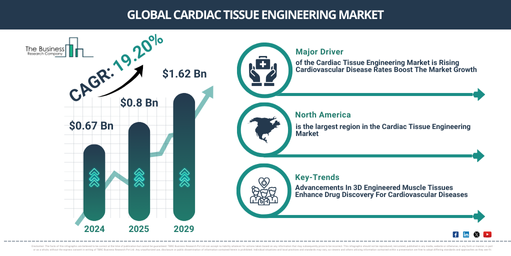
    The market size of cardiac tissue engineering has seen a significant increase in the past few years. The market, which was valued at $0.67 billion in 2024, is expected to reach $0.8 billion by 2025, registering a compound annual growth rate (CAGR) of 19.4%. The expansion during the historical period was largely due to factors such as a shortage of organ donors, an increasing occurrence of cardiovascular diseases, advancements in biomaterial technologies, and rising investments in regenerative medicine. Additionally, there’s a surge in demand for personalized medicine, improvements in bioreactor systems, and an increase in government-backed funding for biomedical research. An emphasis on minimally invasive treatments has also contributed to this growth.

    The market size for cardiac tissue engineering is poised for substantial expansion in the upcoming years. With a predicted compound annual growth rate (CAGR) of 19.2%, it is forecasted to achieve a worth of $1.62 billion by 2029. This expected rise during the forecast period can be credited to factors such as growing demand for individualized cardiac treatments, increased attention towards bioengineered heart tissues, and expansion in applications of regenerative medicine. Other key contributors include the surge in collaborations between academia and biotech companies, increased investments in preclinical testing platforms, and an escalating prevalence of chronic heart conditions. Future market trends are expected to include AI integration in tissue engineering, progression in nanotechnology-based scaffolding, biodegradable hydrogel development, advancement in the precision of 3D bioprinting, use of bioreactors for tissue maturation, and enhancement of cardiac cells through gene editing.

    Download a free sample to assess the report’s scope and structure:

    https://www.thebusinessresearchcompany.com/sample.aspx?id=21129&type=smp

    What Are the Core Growth Drivers Propelling the Cardiac Tissue Engineering Market Forward?

    The anticipated growth of the cardiac tissue engineering market is linked to the escalating prevalence of cardiovascular diseases. The interdisciplinary realm of cardiac tissue engineering concentrates on the development of biological or bioartificial constructs that mend, regenerate, or replace impaired heart tissue. Lifestyle choices such as unhealthy diets, lack of physical activity, tobacco use, the rising trend of obesity and diabetes primarily contribute to the increasing prevalence of cardiovascular diseases. Cardiovascular diseases employ cardiac tissue engineering, which creates biomaterials, cell-centric therapies, and bioengineered tissues that can repair or regenerate injured heart muscle and bring back cardiac functions. As an example, in May 2023, the Centers for Disease Control and Prevention, a US governmental body, reported a small climb in the percentage of coronary heart diseases in women aged 18 and above to 3.7% in 2023 from 3.6% in the previous year. Hence, the escalating rate of cardiovascular diseases is triggering the expansion of the cardiac tissue engineering market.

    What Segment Types Define the Cardiac Tissue Engineering Market Structure?

    The cardiac tissue engineeringmarket covered in this report is segmented –

    1) By Product: Heart Valves, Vascular Grafts

    2) By Material: Stem Cells, Scaffolds

    3) By Application: Myocardial Infarction, Heart Valve Repair Or Replacement, Congenital Heart Disease Treatment, Other Applications

    4) By End Users: Hospitals And Clinics, Academic And Research Institutes, Other End Users

    Subsegments:

    1) By Heart Valves: Bioprosthetic Heart Valves; Mechanical Heart Valves; Tissue-Engineered Heart Valves

    2) By Vascular Grafts: Synthetic Vascular Grafts; Biologic Vascular Grafts; Tissue-Engineered Vascular Grafts

    Request customized data on this market:

    https://www.thebusinessresearchcompany.com/customise?id=21129&type=smp

    Which Geographic Areas Hold the Strongest Growth Potential in the Cardiac Tissue Engineering Market?

    North America was the largest region in the cardiac tissue engineering market in 2024. The regions covered in the cardiac tissue engineering market report are Asia-Pacific, Western Europe, Eastern Europe, North America, South America, Middle East, Africa.

    Which Emerging Trends that Are Influencing theCardiac Tissue Engineering Industry Evolution?

    Leading firms in the cardiac tissue engineering market are concentrating on creating technological innovations like 3D-engineered muscle tissues to improve the precision and effectiveness of drug discovery for potent treatments of cardiovascular diseases. 3D-engineered muscle tissues are bioengineered constructs that mimic human muscle’s structural and functional features, usually employed for drug trials and disease modeling. For instance, in July 2022, Curi Bio Inc., a biotech firm based in the US, introduced the Mantarray platform for pertinent human 3D heart and skeletal engineered muscle tissue (EMT) contractility scrutiny. This platform employs sophisticated tissue culture methods to produce highly operational muscle tissues that imitate the mechanical attributes and actions of natural muscle, providing a more precise model for drug testing. This technology aims to amplify the evolution of therapeutic solutions by giving researchers the ability to investigate muscle contraction, response to stimuli, and disease modeling at a microscopic level.

    View the full report here:

    https://www.thebusinessresearchcompany.com/report/cardiac-tissue-engineering-global-market-report

    What Is the Definition of the Cardiac Tissue Engineering Market?

    Cardiac tissue engineering refers to the use of advanced biomedical techniques to develop functional heart tissue that can repair or regenerate damaged heart muscles. It involves combining cells, biomaterials, and bioactive factors to create engineered tissues that can restore cardiac function or aid in heart disease treatment.

    Purchase the full report and get a swift delivery:

    https://www.thebusinessresearchcompany.com/purchaseoptions.aspx?id=21129

    About The Business Research Company:

    With over 15000+ reports from 27 industries covering 60+ geographies, The Business Research Company has built a reputation for offering comprehensive, data-rich research and insights. Armed with 1,500,000 datasets, the optimistic contribution of in-depth secondary research, and unique insights from industry leaders, you can get the information you need to stay ahead in the game.

    Get in touch with us:

    The Business Research Company: https://www.thebusinessresearchcompany.com/

    Americas +1 310-496-7795

    Europe +44 7882 955267

    Asia & Others +44 7882 955267 & +91 8897263534

    Email us at info@tbrc.info

    Follow us on:

    LinkedIn: https://in.linkedin.com/company/the-business-research-company

    YouTube: https://www.youtube.com/channel/UC24_fI0rV8cR5DxlCpgmyFQ

    Global Market Model: https://www.thebusinessresearchcompany.com/global-market-model
  • Psychosis Market Forecast 2025–2034: Trends Reshaping Demand, Investment, and Innovation

    Psychosis Market Forecast 2025–2034: Trends Reshaping Demand, Investment, and Innovation

    Claim your 30% discount on Global Market Reports with code ONLINE30. Limited time only.

    What is the Projected CAGR for the Radiotherapy Market Size from 2025 to 2034?

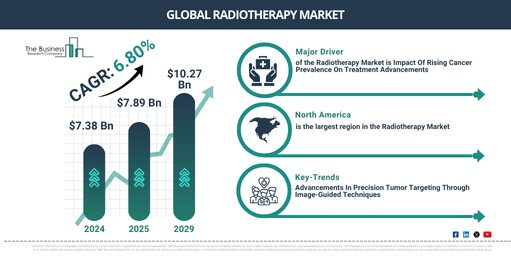
    In the past few years, the radiotherapy market has demonstrated a strong growth trajectory. Its value is predicted to rise from $7.38 billion in 2024 to $7.89 billion in 2025, indicating a compound annual growth rate (CAGR) of 7.0%. This historic growth trend is accredited to a number of factors like a global increase in cancer incidents, proliferating demand for non-invasive cancer treatments, expansion of the healthcare infrastructure, a growing trend of personalized medicine, and an escalation in the population requiring cancer treatment.

    In the upcoming years, the market size of radiotherapy is projected to witness robust growth, reaching $10.27 billion by 2029, with a compound annual growth rate (CAGR) of 6.8%. This surge in the projected period is due to several factors such as an increase in commitment towards advanced healthcare technologies, an escalating focus on less invasive treatment alternatives, a growing demand for home-based healthcare options, heightened emphasis on quality assurance programs, and rising global initiatives addressing cancer care. The forecast period will be characterized by significant trends including improvements in image-guided radiotherapy and particle therapy, the emergence of innovative brachytherapy methods, advances in cyberKnife technology, and the incorporation of artificial intelligence in treatment planning.

    Download a free sample to assess the report’s scope and structure:

    https://www.thebusinessresearchcompany.com/sample.aspx?id=21267&type=smp

    What Are the Primary Drivers Supporting the Market Growth of the Radiotherapy Market?

    The rise in cancer cases is anticipated to fuel the expansion of the radiotherapy market. Cancer, a disorder marked by the unchecked proliferation of abnormal cells which can invade and spread to various body parts, manifests in diverse tissues and organs, leading to numerous types and symptoms. Factors contributing to the growing incidence of cancer include an aging demographic, lifestyle modifications such as unhealthy diet and inactive habits, elevated tobacco and alcohol consumption levels, environmental contamination, and advanced diagnostic tools facilitating disease detection. Radiotherapy is pivotal in cancer management; it accurately targets and eradicates cancer cells, aids in shrinking tumor size, and enhances patient prognoses. For example, the Macmillan Cancer Support, a UK charity supporting cancer patients, noted in August 2024 that over 3 million UK residents lived with cancer in 2024, and projections suggest this number will grow to 3.5 million by 2025, 4 million by 2030, and 5.3 million by 2040. Hence, the surging cancer incidence is propelling the radiotherapy market’s growth.

    Which Primary Segments of the Radiotherapy Market Are Driving Growth and Industry Transformations?

    The radiotherapymarket covered in this report is segmented –

    1) By Therapy Type: External Beam Radiation Therapy; Internal Beam Radiation Therapy; Systemic Radiation Therapy

    2) By Application: Prostate Cancer; Breast Cancer; Lung Cancer; Head And Neck Cancer; Colorectal Cancer; Gynecological Cancer; Cervical Cancer; Penile Cancer; Other Applications

    3) By End-User: Hospitals And Diagnostic Laboratories; Cancer Treatment And Research Centers; Academic Research Organizations; Ambulatory Surgery Centers; Other End-Users

    Subsegments:

    1) By External Beam Radiation Therapy: Intensity-Modulated Radiation Therapy (IMRT); Stereotactic Body Radiation Therapy (SBRT); 3D Conformal Radiation Therapy (3D-CRT); Proton Beam Therapy; Image-Guided Radiation Therapy (IGRT); Volumetric Modulated Arc Therapy (VMAT)

    2) By Internal Beam Radiation Therapy: Brachytherapy (High-Dose Rate); Brachytherapy (Low-Dose Rate); Intraoperative Radiation Therapy (IORT); Permanent Seed Implants

    3) By Systemic Radiation Therapy: Radioisotope Therapy; Targeted Radionuclide Therapy; Radioimmunotherapy; Peptide Receptor Radionuclide Therapy (PRRT)

    Request customized data on this market:

    https://www.thebusinessresearchcompany.com/customise?id=21267&type=smp

    Which Regions Are Key Players in the Growth of the #What Are the Primary Drivers Supporting the Market Growth of the Radiotherapy Market?# Market?

    North America was the largest region in the radiotherapy market in 2024. Asia-Pacific is expected to be the fastest-growing region in the forecast period. The regions covered in the radiotherapy market report are Asia-Pacific, Western Europe, Eastern Europe, North America, South America, Middle East, Africa.

    What Are the Most Significant Market Trends in the Radiotherapy Market?

    Prominent firms in the radiotherapy market are centering their efforts on creating novel technologies, like image-guided radiotherapy (IGRT), to maximize the accuracy and effectiveness of therapeutic procedures, elevate patient results, and limit harm to adjacent healthy cells. IGRT integrates cutting-edge imaging instruments to guarantee exact tumor targeting during radiation interventions, refining precision by monitoring and rectifying the tumor’s location in real-time. For example, Elekta AB, a medical technology corporation based in Sweden, unveiled the Elekta Esprit, a state-of-the-art radiosurgery system, in May 2022, substantially expanding the reach of stereotactic radiosurgery. The Elekta Esprit fuses numerous advancements into a singular platform, offering superior imaging and remote access for treatment groups. It enables adaptable workflow solutions, accommodating individual session, fractional, adaptive, or staged prescriptions, all tailored to assure user-friendliness and productivity in clinical environments. With a precision of less than 0.3 mm, the system is equipped to handle even the most complex targets, minimizing harm to neighboring healthy tissues.

    View the full report here:

    https://www.thebusinessresearchcompany.com/report/radiotherapy-global-market-report

    What Parameters Are Used to Define the Radiotherapy Market?

    Radiotherapy refers to a medical treatment that uses high doses of radiation to destroy cancer cells and shrink tumors. It is used for managing various types of cancers, either as a standalone therapy or in combination with surgery and chemotherapy.

    Purchase the full report and get a swift delivery:

    https://www.thebusinessresearchcompany.com/purchaseoptions.aspx?id=21267

    About The Business Research Company:

    With over 15000+ reports from 27 industries covering 60+ geographies, The Business Research Company has built a reputation for offering comprehensive, data-rich research and insights. Armed with 1,500,000 datasets, the optimistic contribution of in-depth secondary research, and unique insights from industry leaders, you can get the information you need to stay ahead in the game.

    Get in touch with us:

    The Business Research Company: https://www.thebusinessresearchcompany.com/

    Americas +1 310-496-7795

    Europe +44 7882 955267

    Asia & Others +44 7882 955267 & +91 8897263534

    Email us at info@tbrc.info

    Follow us on:

    LinkedIn: https://in.linkedin.com/company/the-business-research-company

    YouTube: https://www.youtube.com/channel/UC24_fI0rV8cR5DxlCpgmyFQ

    Global Market Model: https://www.thebusinessresearchcompany.com/global-market-model
  • Global Cardiac Amyloidosis Market Projected to Reach $8.03 Billion by 2029 at a CAGR of 8.8%

    Global Cardiac Amyloidosis Market Projected to Reach $8.03 Billion by 2029 at a CAGR of 8.8%

    Claim your 30% discount on Global Market Reports with code ONLINE30. Limited time only.

    What Are the Key Projections for the CAGR of the Cardiac Amyloidosis Market Size From 2025 to 2034?

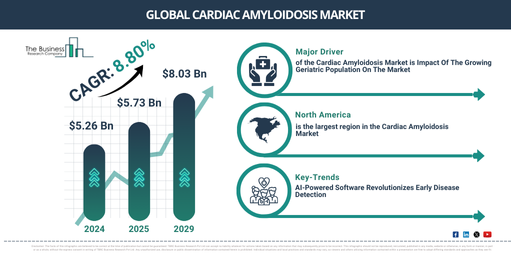
    In the past few years, the cardiac amyloidosis market has observed substantial growth. The market, which stands at $5.26 billion in 2024, is predicted to escalate to $5.73 billion in 2025, with a compound annual growth rate (CAGR) of 8.9%. This growth during the historic period is due to factors like an increased number of amyloidosis-related conditions, a surge in genetic mutations, heightened awareness, an upsurge in transthyretin amyloidosis cases, and a growing older population.

    In the forthcoming years, a considerable expansion is anticipated in the cardiac amyloidosis market, which is projected to reach $8.03 billion by 2029, growing at a compound annual growth rate (CAGR) of 8.8%. Factors contributing to this growth during the forecast period include enhanced diagnosis rates, support and initiatives by the government, increased identification of genetic mutations, and patient assistance programs. The time frame of the forecast is also expected to witness key trends such as the creation of new treatments like vulrisiran, an emphasis on gene therapy research, precision medicine, progression in diagnostic technologies, and the introduction of innovative therapies.

    Download a free sample to assess the report’s scope and structure:

    https://www.thebusinessresearchcompany.com/sample.aspx?id=21128&type=smp

    What are the Fundamental Drivers and Innovations Shaping the Cardiac Amyloidosis Market?

    The expected surge in the elderly population is predicted to boost the cardiac amyloidosis market’s expansion. The term ‘elderly population’ generally refers to individuals aged 65 and above, who may require specialized healthcare and support due to age-associated alterations. Factors such as increasing life expectancy, healthcare advancements, and diminishing birth rates, contribute to the growth of the elderly population. The escalation in the number of older adults elevates the prevalence of cardiac amyloidosis since aging is a significant risk constituent for the accumulation of amyloid protein in the heart. For instance, the Population Reference Bureau, a non-profit organization based in the U.S, in January 2024 projected that the U.S population aged 65 and older would escalate from 58 million in 2022 to 82 million by 2050, signifying a 47% increase. Thus, the rise in the elderly population is expected to accelerate the growth of the cardiac amyloidosis market.

    How Is the Cardiac Amyloidosis Market Segmented?

    The cardiac amyloidosismarket covered in this report is segmented –

    1) By Product Type: Light Chain Amyloidosis; Transthyretin Amyloidosis

    2) By Treatment: Chemotherapy; Surgery; Supportive Care; Stem Cell Transplant; Targeted Therapy

    3) By End-User: Hospitals; Ambulatory Surgical Centres; Clinics

    Subsegments:

    1) By Light Chain Amyloidosis: Immunoglobulin Light Chain (AL) Amyloidosis; Primary Light Chain Amyloidosis; Secondary Light Chain Amyloidosis

    2) By Transthyretin Amyloidosis: Hereditary Transthyretin Amyloidosis (ATTRm); Wild-type Transthyretin Amyloidosis (ATTRwt)

    Request customized data on this market:

    https://www.thebusinessresearchcompany.com/customise?id=21128&type=smp

    Which Regions Are Driving the Next Phase of the Cardiac Amyloidosis Market Growth?

    North America was the largest region in the cardiac amyloidosis market in 2024. Asia-Pacific is expected to be the fastest-growing region in the forecast period. The regions covered in the cardiac amyloidosis market report are Asia-Pacific, Western Europe, Eastern Europe, North America, South America, Middle East, Africa.

    What Key Trends Are Shaping the Future of the Cardiac Amyloidosis Market?

    Leading corporations in the cardiac amyloidosis market are prioritizing technological advancements, such as artificial intelligence (AI)-based standalone diagnostic instruments, to facilitate early identification and better clinical outcomes for patients afflicted with this often overlooked disease. An AI-driven, software-only healthcare device developed for cardiac amyloidosis detection utilizes artificial intelligence for examining echocardiographic images and pinpointing disease indications without the need for extra hardware or extensive clinical information. For example, in November 2024, Ultromics Ltd., a health technology firm from the UK, received FDA approval for EchoGo Amyloidosis, an AI-enabled clinical instrument aimed at early detection of cardiac amyloidosis. This device is the first one in the FDA’s Total Product Lifecycle Advisory Program (TAP) that has been granted marketing authorization. EchoGo Amyloidosis utilizes artificial intelligence to scrutinize echocardiograms for disease detection from a single clip, filling a dire need for early diagnosis before the disease develops unobserved.

    View the full report here:

    https://www.thebusinessresearchcompany.com/report/cardiac-amyloidosis-global-market-report

    How Is the Cardiac Amyloidosis Market Defined and What Are Its Core Parameters?

    Cardiac amyloidosis is a condition where abnormal amyloid protein deposits in the heart tissue, leading to stiffening and impaired function. This results in heart failure, arrhythmias, and other cardiovascular complications. Early diagnosis and treatment are crucial to managing symptoms and slowing disease progression.

    Purchase the full report and get a swift delivery:

    https://www.thebusinessresearchcompany.com/purchaseoptions.aspx?id=21128

    About The Business Research Company:

    With over 15000+ reports from 27 industries covering 60+ geographies, The Business Research Company has built a reputation for offering comprehensive, data-rich research and insights. Armed with 1,500,000 datasets, the optimistic contribution of in-depth secondary research, and unique insights from industry leaders, you can get the information you need to stay ahead in the game.

    Get in touch with us:

    The Business Research Company: https://www.thebusinessresearchcompany.com/

    Americas +1 310-496-7795

    Europe +44 7882 955267

    Asia & Others +44 7882 955267 & +91 8897263534

    Email us at info@tbrc.info

    Follow us on:

    LinkedIn: https://in.linkedin.com/company/the-business-research-company

    YouTube: https://www.youtube.com/channel/UC24_fI0rV8cR5DxlCpgmyFQ

    Global Market Model: https://www.thebusinessresearchcompany.com/global-market-model
  • Psychosis Market 2025-2034: Key Highlights, Growth Dynamics, and Emerging Trends

    Psychosis Market 2025-2034: Key Highlights, Growth Dynamics, and Emerging Trends

    Claim your 30% discount on Global Market Reports with code ONLINE30. Limited time only.

    What Is the Current and Projected Market Size of the Psychosis Market Through 2034?

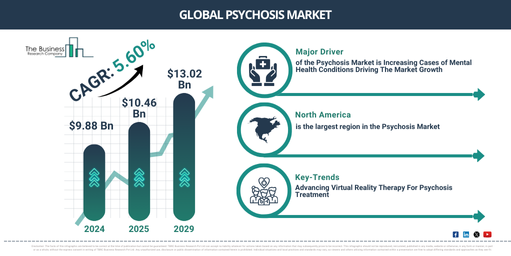
    The market for psychosis has been expanding robustly over the past few years. It is projected to rise from $9.88 billion in 2024 to $10.46 billion in 2025, marking a compound annual growth rate (CAGR) of 5.8%. This impressive growth during the historical period can be credited to factors such as escalating incidence of mental health disorders, increasing demand for mental health therapeutics, extensive use of traditional antipsychotics, the rising implementation of cognitive behavioral therapy, and prevalent stress-inducing global and economic circumstances.

    Anticipations show robust expansion in the psychosis industry over the forthcoming years, as it is predicted to reach a worth of$13.02 billion by 2029, reflecting a compounding annual growth rate (CAGR) of 5.6%. This surge through the projected period can be linked to the escalating rates of stress and related risk factors, the mounting burden of mental health issues stemming from lifestyle changes, an increase in governmental initiatives, the widening acceptance of mindfulness-based interventions and therapeutic programs, and heightened investments in novel mental health treatments and research. Remarkable trends throughout this forecasted period encompass the inception of groundbreaking drug treatments, advancements in diagnostic technologies, the unveiling of cutting-edge injectable medications, the application of biomarkers, and the burgeoning demand for bespoke medicines.

    Download a free sample to assess the report’s scope and structure:

    https://www.thebusinessresearchcompany.com/sample.aspx?id=21266&type=smp

    How Are Key Drivers in the Industry Acting as Catalysts for the Growth of thePsychosis Market?

    The escalation in instances of mental health disorders is set to stimulate the expansion of the psychosis market. Mental health disorders adversely influence an individual’s mood, thought process, behavior, and overall mental wellness. The amplification in instances of mental health disorders can be attributed to heightened stress levels, alterations in lifestyle, social seclusion, economic tensions and hereditary susceptibility. Psychosis treatment aids patients grappling with mental health issues via early detection, medical aid, and specific treatments, leading to a rise in the utilization of antipsychotic drugs and therapy alternatives. As an example, in 2024, the National Alliance On Mental Illness, a US-based association, stated that psychosis spectrum and mood disorders led to nearly 600,000 hospitalizations annually among people in the U.S. aged 18-44. Consequently, the escalating instances of mental health disorders are fueling the growth of the psychosis market.

    Which Segments in the Psychosis Offer the Most Growth?

    The psychosismarket covered in this report is segmented –

    1) By Product: Tablet; Capsule; Injection

    2) By Disease Type: Schizophrenia; Bipolar Disorder; Unipolar Depression; Dementia; Other Disease Types

    3) By Distribution Channel: Online; Offline

    4) By End-User: Hospitals; Healthcare Clinics; Speciality Clinics; Other End-Users

    Subsegments:

    1) By Tablet: Antipsychotic Tablets; Mood Stabilizer Tablets

    2) By Capsule: Antipsychotic Capsules; Antidepressant Capsules

    3) By Injection: Long-acting Injectable Antipsychotics; Short-acting Injectable Antipsychotics

    Request customized data on this market:

    https://www.thebusinessresearchcompany.com/customise?id=21266&type=smp

    What Are the Fastest-Growing Geographies in the #How Are Key Drivers in the Industry Acting as Catalysts for the Growth of thePsychosis Market?# Market?

    North America was the largest region in the psychosis market in 2024. Asia-Pacific is expected to be the fastest-growing region in the forecast period. The regions covered in the psychosis market report are Asia-Pacific, Western Europe, Eastern Europe, North America, South America, Middle East, Africa.

    What Are the Current Market Growth and Trends in the Psychosis Industry?

    Key players in the psychosis market are concentrating their efforts on innovating advanced virtual reality (VR) psychological therapies. These therapies aim to enhance treatment results by offering personalized and interactive mental health treatments. The VR psychological treatment includes submerging patients in a managed, computing-generated environment to relieve distress, boost cognitive functions, and enhance social skills via well-directed interventions. This technique provides a safe and efficient solution for symptom management. For example, in April 2022, OxfordVR, a digital therapeutics company based in the US, introduced gameChangeVR to assist patients undergoing cognitive behavioral therapy (CBT). This therapy occurs in an immersive, virtual environment and has proved particularly beneficial for those facing severe psychological issues, helping them cope with paranoia and enhance their overall life quality. This innovative technology could exponentially increase access to efficient mental health care by facing the clinician shortage, suggesting a scalable solution for treating millions of patients with severe mental disorders.

    View the full report here:

    https://www.thebusinessresearchcompany.com/report/psychosis-global-market-report

    What Are the Key Elements That Define the Psychosis Market?

    Psychosis is a mental health condition where individuals lose touch with reality, experiencing hallucinations, delusions, and disorganized thinking. It is a symptom of various mental illnesses rather than a disorder itself. Early detection improves treatment outcomes, and effective care through medication, therapy, and support can help individuals regain stability.

    Purchase the full report and get a swift delivery:

    https://www.thebusinessresearchcompany.com/purchaseoptions.aspx?id=21266

    About The Business Research Company:

    With over 15000+ reports from 27 industries covering 60+ geographies, The Business Research Company has built a reputation for offering comprehensive, data-rich research and insights. Armed with 1,500,000 datasets, the optimistic contribution of in-depth secondary research, and unique insights from industry leaders, you can get the information you need to stay ahead in the game.

    Get in touch with us:

    The Business Research Company: https://www.thebusinessresearchcompany.com/

    Americas +1 310-496-7795

    Europe +44 7882 955267

    Asia & Others +44 7882 955267 & +91 8897263534

    Email us at info@tbrc.info

    Follow us on:

    LinkedIn: https://in.linkedin.com/company/the-business-research-company

    YouTube: https://www.youtube.com/channel/UC24_fI0rV8cR5DxlCpgmyFQ

    Global Market Model: https://www.thebusinessresearchcompany.com/global-market-model

  • Cannabis Use Disorder Market Forecast 2025–2034: Trends Reshaping Demand, Investment, and Innovation

    Cannabis Use Disorder Market Forecast 2025–2034: Trends Reshaping Demand, Investment, and Innovation

    Claim your 30% discount on Global Market Reports with code ONLINE30. Limited time only.

    How Has The Carcinoid Tumor Market Growth Evolved From 2024 To 2025, And What’s Ahead?

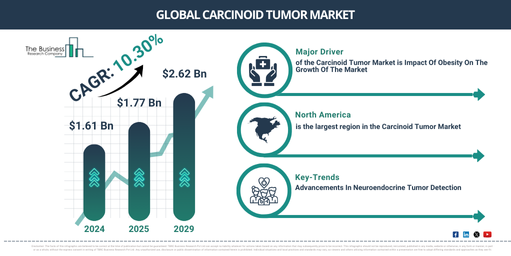
    The market size of carcinoid tumors has experienced substantial growth in the past few years. The figures are set to escalate from $1.61 billion in 2024 to $1.77 billion in 2025, marking a compound annual growth rate (CAGR) of 10.4%. Factors contributing to growth during the historic period include an increased number of neuroendocrine tumor cases, heightened awareness of atypical cancers, advancements in healthcare infrastructure, the provision of focused therapies, and the augmentation of clinical trials for novel treatment alternatives.

    The market size of carcinoid tumors is anticipated to witness a swift escalation in forthcoming years. The market is predicted to reach$2.62 billion by 2029″ with a compound annual growth rate (CAGR) of 10.3%. Factors contributing to this surge during the projection period are the burgeoning requirement for personalized medicine, escalating emphasis on early detection and diagnosis, increased preference for minimally invasive surgeries, flourishing research on innovative treatments, and a rise in the utilization of focused molecular therapies. Trends expected in the forecast period comprise the incorporation of artificial intelligence and machine learning in the diagnostic process, a move towards combined therapies, telemedicine and remote patient monitoring, patient-driven care, and cooperative research.

    Download a free sample to assess the report’s scope and structure:

    https://www.thebusinessresearchcompany.com/sample.aspx?id=21127&type=smp

    What Are the Primary Drivers Supporting the Market Growth of the Carcinoid Tumor Market?

    The increase in the obese population is predicted to fuel the expansion of the carcinoid tumor market in the future. The term “obese population” refers to people with a body mass index (BMI) of 30 or more, signaling an excess of body fat. The multiplication of this population can be traced back to factors like insufficient dietary practices, physical inactivity, stationary lifestyles, and the upsurge intake of processed and high-calorie edibles. The role of obesity in carcinoid tumor evolution is evident as it fosters chronic inflammation, impedes insulin functionality, and elevates the secretion of growth elements facilitating tumor enlargement. As an example, the Centers for Disease Control and Prevention, a government agency based in the USA, stated in September 2023 that the adult obesity rate in 22 states rose to 35% or more in 2022, an increase from 19 states the previous year. Hence, the expansion of the obese population is facilitating the growth of the carcinoid tumor market.

    Which Primary Segments of the Carcinoid Tumor Market Are Driving Growth and Industry Transformations?

    The carcinoid tumormarket covered in this report is segmented –

    1) By Disease Type: Gastrointestinal Neuroendocrine Tumor; Pancreatic Neuroendocrine Tumor; Lung Neuroendocrine Tumor; Other Disease Types

    2) By Treatment: Octreotide; Lanreotide; Telotristat ethyl; Capecitabine (Xeloda); 5-Fluorouracil (5-FU); Doxorubicin (Adriamycin); Etoposide (VP-16); Dacarbazine (DTIC); Streptozocin; Other Treatments

    3) By Route Of Administration: Oral; Parenteral; Other Routes Of Administration

    4) By Distribution Channel: Online Channel; Offline Channel

    5) By End User: Hospital And Clinics; Academic Institutions; Research Organizations

    Subsegments:

    1) By Gastrointestinal Neuroendocrine Tumor: Small Bowel Neuroendocrine Tumors; Colorectal Neuroendocrine Tumors; Appendiceal Neuroendocrine Tumors

    2) By Pancreatic Neuroendocrine Tumor: Insulinoma; Non-insulinoma; Glucagonoma

    3) By Lung Neuroendocrine Tumor: Typical Carcinoid Tumors; Atypical Carcinoid Tumors

    4) By Other Disease Types: Thymic Neuroendocrine Tumors; Ovarian Neuroendocrine Tumors

    Request customized data on this market:

    https://www.thebusinessresearchcompany.com/customise?id=21127&type=smp

    Which Regions Are Key Players in the Growth of the #What Are the Primary Drivers Supporting the Market Growth of the Carcinoid Tumor Market?# Market?

    North America was the largest region in the carcinoid tumor market in 2024. Asia-Pacific is expected to be the fastest-growing region in the forecast period. The regions covered in the carcinoid tumor market report are Asia-Pacific, Western Europe, Eastern Europe, North America, South America, Middle East, Africa.

    What Are the Most Significant Market Trends in the Carcinoid Tumor Market?

    Leading enterprises within the carcinoid tumor market are prioritizing advancements in diagnostic tools, such as the entirely automated chromogranin A examination, for better early detection and improved treatment results. The automated chromogranin A (CgA) test is a completely automated diagnostic instrument that quantifies chromogranin A levels, a biomarker frequently related to neuroendocrine and carcinoid tumors. For example, Thermo Fisher Scientific Inc., an American biotech research firm, obtained FDA approval in October 2023 for its Thermo Scientific B·R·A·H·M·S CgA II KRYPTOR immunoassay. This event marked the first FDA-sanctioned CgA test and the only automated immunoassay worldwide for tracking tumor development in patients with gastroenteropancreatic neuroendocrine tumors (GEP-NET). The specially designed assay measures CgA concentration in human plasma, allowing labs and cancer centers to monitor tumor growth and evaluate treatment effectiveness. The replacement of hand-operated laboratory-developed tests promotes laboratory productivity and provides clearer result analysis. The test is performed on the Thermo Scientific B·R·A·H·M·S KRYPTOR compact PLUS random-access immunoassay analyzer, deploying TRACE technology to furnish accurate results in less than 30 minutes.

    View the full report here:

    https://www.thebusinessresearchcompany.com/report/carcinoid-tumor-global-market-report

    What Parameters Are Used to Define the Carcinoid Tumor Market?

    A carcinoid tumor is a rare, slow-growing type of neuroendocrine tumor that typically arises in the gastrointestinal tract or lungs. It originates from enterochromaffin cells, which produce and release hormones such as serotonin. Symptoms may vary depending on the tumor’s location and whether it secretes hormones, potentially causing carcinoid syndrome.

    Purchase the full report and get a swift delivery:

    https://www.thebusinessresearchcompany.com/purchaseoptions.aspx?id=21127

    About The Business Research Company:

    With over 15000+ reports from 27 industries covering 60+ geographies, The Business Research Company has built a reputation for offering comprehensive, data-rich research and insights. Armed with 1,500,000 datasets, the optimistic contribution of in-depth secondary research, and unique insights from industry leaders, you can get the information you need to stay ahead in the game.

    Get in touch with us:

    The Business Research Company: https://www.thebusinessresearchcompany.com/

    Americas +1 310-496-7795

    Europe +44 7882 955267

    Asia & Others +44 7882 955267 & +91 8897263534

    Email us at info@tbrc.info

    Follow us on:

    LinkedIn: https://in.linkedin.com/company/the-business-research-company

    YouTube: https://www.youtube.com/channel/UC24_fI0rV8cR5DxlCpgmyFQ

    Global Market Model: https://www.thebusinessresearchcompany.com/global-market-model