Blog

  • Biofeedback Devices Market Forecast 2025–2034: Trends Reshaping Demand, Investment, and Innovation

    Biofeedback Devices Market Forecast 2025–2034: Trends Reshaping Demand, Investment, and Innovation

    Claim your 30% discount on Global Market Reports with code ONLINE30. Limited time only.

    How Has the Bladder Liners Market Growth Performance Trended Historically, And What Lies Ahead?

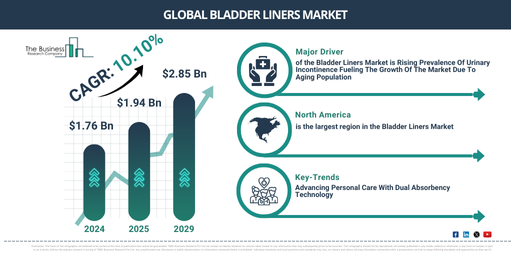
    Rapid expansion has characterized the bladder liners market in the recent past. Forecasts suggest a rise from $1.76 billion in 2024 to $1.94 billion in 2025, a compound annual growth rate (CAGR) of 10.1%. Factors contributing to this upward swing during the historic period include greater instances of urinary incontinity, enhanced public knowledge regarding personal hygiene, increasing demand for unobtrusive, comfortable products, the broadening of home healthcare services, and the rise of online platforms as distribution channels.

    Expectations suggest a considerable expansion of the bladder liners market size in the coming years, with projections reaching$2.85 billion by 2029, indicating a compound annual growth rate (CAGR) of 10.1%. Numerous factors contribute to the expected growth during the forecast period, including the rising popularity of environmental friendly and reusable items, elevated healthcare expenditure in developing economies, a growing worldwide elderly population, the boost in e-commerce and direct-to-consumer sales, and a heightened focus on women’s health and wellness. Forecast trends include advancements in odor control technologies, the use of nanotechnology for improved leakage protection, the incorporation of antimicrobial and antibacterial coating applications, AI-driven personalized product suggestions, and the introduction of smart bladder liners equipped with moisture sensors.

    Download a free sample to assess the report’s scope and structure:

    https://www.thebusinessresearchcompany.com/sample.aspx?id=24174&type=smp

    What Are the Primary Drivers Supporting the Market Growth of the Bladder Liners Market?

    The bladder liners market is expected to expand due to the increasing instances of urinary incontinence. In situations where individuals cannot completely control their bladder leading to unintentional urine leakage, the condition is termed as urinary incontinence. The chief causative factor for this prevalence is the aging worldwide population, as urinary incontinence is more often observed in elderly people. In managing urinary incontinence, bladder liners play a crucial role as they assist in absorbing and confining urine leakage, thus preventing skin dampness, odor, and irritation. For instance, as per the data of the US-based medical research agency, National Institutes of Health (NIH), in 2023, approximately 14.5% of the populace aged between 30 to 60 years in Europe were impacted by stress urinary incontinence in 2022. Hence, the heightening occurrence of urinary incontinence stands to fuel the growth in the bladder liners market.

    Which Primary Segments of the Bladder Liners Market Are Driving Growth and Industry Transformations?

    The bladder linersmarket covered in this report is segmented –

    1) By Product Type: Disposable Bladder Liners; Reusable Bladder Liners; Other Product Type

    2) By Functionality: Leakage Protection; Odor Control; Skin-Friendly Options; Comfort And Flexibility

    3) By Distribution Channel: Hospital Pharmacies; Retail Pharmacies; Online Stores; Other Distribution Channels

    4) By End User: Homecare; Hospitals; Specialty Clinics; Other End Users

    Subsegments:

    1) By Disposable Bladder Liners: Light Absorbency; Moderate Absorbency; Heavy Absorbency; Scented; Unscented; Individually Wrapped; Eco-friendly Materials

    2) By Reusable Bladder Liners: Washable Cotton Liners; Bamboo Fiber Liners; Microfiber Liners; Waterproof Backing Liners; Adjustable Or Fitted Liners

    3) By Other Product Type: Insert Pads for Diapers; Booster Pads; Hybrid Liners; Gender-Specific Liners

    Request customized data on this market:

    https://www.thebusinessresearchcompany.com/customise?id=24174&type=smp

    Which Regions Are Key Players in the Growth of the #What Are the Primary Drivers Supporting the Market Growth of the Bladder Liners Market?# Market?

    North America was the largest region in the bladder liners market in 2024. Asia-Pacific is expected to be the fastest-growing region in the forecast period. The regions covered in the bladder liners market report are Asia-Pacific, Western Europe, Eastern Europe, North America, South America, Middle East, Africa.

    What Are the Most Significant Market Trends in the Bladder Liners Market?

    Leading corporations in the bladder liners market are emphasizing on product advancements, such as dual-function liners, in order to meet the intersecting needs for menstruation and minor bladder leakage, boost user convenience, and diversify their customer base with more adaptable hygiene solutions. Dual-function liners cater to both menstrual and bladder leak needs, offering increased absorbency, dryness, and protection against leaks. For instance, in April 2024, Kimberly-Clark Corporation, a US personal care firm, introduced Liv by Kotex in the US. This inventive product line provides dual protection for menstrual and bladder leakage needs and is exclusively available at Target. The new product range consists of pads and liners engineered to keep consumers up to 10 times drier than conventional period-only products, delivering up to 24 milliliters of absorbency and 100% leak-free assurance. The line provides five options for absorbency, starting from thong liners to overnight ultra-thin pads, incorporating a multi-layered core and leak-block sides for fast absorption of menstrual fluid and urine, thus magnifying comfort and conviction for women with coinciding hygiene needs.

    View the full report here:

    https://www.thebusinessresearchcompany.com/report/bladder-liners-global-market-report

    What Parameters Are Used to Define the Bladder Liners Market?

    Bladder liners are absorbent products designed to manage light to moderate urinary incontinence by providing a discreet and comfortable layer of protection. They are typically worn inside undergarments and are contoured to fit the body, offering security against leaks while maintaining skin dryness. These liners are made with moisture-wicking materials and odor control features to enhance hygiene and comfort.

    Purchase the full report and get a swift delivery:

    https://www.thebusinessresearchcompany.com/purchaseoptions.aspx?id=24174

    About The Business Research Company:

    With over 15000+ reports from 27 industries covering 60+ geographies, The Business Research Company has built a reputation for offering comprehensive, data-rich research and insights. Armed with 1,500,000 datasets, the optimistic contribution of in-depth secondary research, and unique insights from industry leaders, you can get the information you need to stay ahead in the game.

    Get in touch with us:

    The Business Research Company: https://www.thebusinessresearchcompany.com/

    Americas +1 310-496-7795

    Europe +44 7882 955267

    Asia & Others +44 7882 955267 & +91 8897263534

    Email us at info@tbrc.info

    Follow us on:

    LinkedIn: https://in.linkedin.com/company/the-business-research-company

    YouTube: https://www.youtube.com/channel/UC24_fI0rV8cR5DxlCpgmyFQ

    Global Market Model: https://www.thebusinessresearchcompany.com/global-market-model
  • Biofeedback Devices Market 2025-2034: Key Highlights, Growth Dynamics, and Emerging Trends

    Biofeedback Devices Market 2025-2034: Key Highlights, Growth Dynamics, and Emerging Trends

    Claim your 30% discount on Global Market Reports with code ONLINE30. Limited time only.

    What Are the Projected Market Size and Growth Rates for the Biofeedback Devices Market From 2025 To 2029?

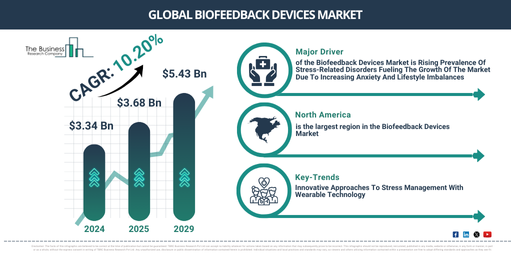
    Over the past few years, the market size for biofeedback devices has witnessed swift expansion. The market, which is projected to elevate from a value of $3.34 billion in 2024 to $3.68 billion in 2025, carries a compound annual growth rate (CAGR) of 10.1%. Factors contributing to its growth during the historic period include a heightened prevalence of stress-related disorders, improved understanding of mental wellbeing and health, increased usage of wearable health technology, a growing need for non-invasive, drug-free treatment options and extended utilization in long-term disease management and rehabilitation.

    The market for biofeedback devices is projected to experience swift expansion in the upcoming years, with a forecast size of$5.43 billion by 2029″ and a compound annual growth rate (CAGR) of 10.2%. Factors fueling this predicted growth include increased dovetailing with digital platforms and mobile apps, amplified financial input in digital therapeutics and neurotechnology, more accessible home-use and consumer-grade devices, enhanced backing from insurance companies for biofeedback therapy, and mounting clinical proof reinforcing the effectiveness of biofeedback. Key trends for the forecast period encompass progress in wearable sensor technology, consolidation of biofeedback with mobile health platforms, technological merging with artificial intelligence and machine learning, enhancements in brain-computer interface and neurofeedback systems, and progress in cloud computing for remote monitoring.

    Download a free sample to assess the report’s scope and structure:

    https://www.thebusinessresearchcompany.com/sample.aspx?id=24170&type=smp

    How Are Key Drivers in the Industry Acting as Catalysts for the Growth of theBiofeedback Devices Market?

    An upsurge in stress-based disorders is anticipated to push forward the expansion of the biofeedback devices market. Stress-based disorders are both physical and mental health ailments resulting from extensive or chronic stress. Increases in such disorders can be primarily attributed to growing work-related strains and lifestyle imbalances common in contemporary society. Biofeedback devices play a critical role in these disorders, aiding individuals to observe and control physical reactions, such as brainwaves and heart rate, to emphasize relaxation and lessen stress. For example, data from the American Psychiatric Association, an organization of US-based psychiatrists focused on enhancing mental healthcare, revealed that in May 2024, anxiety levels among US adults rose to 43%, a notable climb from 32% in 2022 and 37% in 2023. In essence, the escalating prevalence of stress-based disorders is fueling the growth of the biofeedback devices market.

    Which Segments in the Biofeedback Devices Offer the Most Growth?

    The biofeedback devicesmarket covered in this report is segmented –

    1) By Type: Brainwaves; Heart Rate; Muscle Tone; Sweat Glands; Temperature; Pulmonary Functions; Other Types

    2) By Technology: Electromyography (EMG); Electroencephalography (EEG); Heart Rate Variability (HRV)

    3) By Distribution Channel: Online Retail; Physical Retail; Direct Sales

    4) By Application: Home Use; Hospital; Clinic; Rehabilitation Centers; Research Institutions

    5) By End-User: Individuals; Healthcare Providers; Corporate Wellness Programs

    Subsegments:

    1) By Brainwaves: Alpha Waves; Beta Waves; Delta Waves; Theta Waves; Gamma Waves

    2) By Heart Rate: Heart Rate Variability (HRV); Resting Heart Rate Monitoring; Peak Heart Rate Monitoring

    3) By Muscle Tone: Surface Electromyography (sEMG); Intramuscular EMG; Pelvic Floor EMG; Facial EMG

    4) By Sweat Glands: Galvanic Skin Response (GSR); Electrodermal Activity (EDA)

    5) By Temperature: Peripheral Skin Temperature Monitoring; Core Body Temperature Monitoring

    6) By Pulmonary Functions: Respiratory Rate Monitoring; Breathing Pattern Training; Capnography-based Feedback

    7) By Other Types: Blood Pressure Monitoring; Posture Monitoring; Skin Conductance; Thermal Biofeedback

    Request customized data on this market:

    https://www.thebusinessresearchcompany.com/customise?id=24170&type=smp

    What Are the Fastest-Growing Geographies in the #How Are Key Drivers in the Industry Acting as Catalysts for the Growth of theBiofeedback Devices Market?# Market?

    North America was the largest region in the biofeedback devices market in 2024. Asia-Pacific is expected to be the fastest-growing region in the forecast period. The regions covered in the biofeedback devices market report are Asia-Pacific, Western Europe, Eastern Europe, North America, South America, Middle East, Africa.

    What Are the Current Market Growth and Trends in the Biofeedback Devices Industry?

    Leading enterprises in the biofeedback devices market are zeroing in on technical advancements, like wearable biofeedback devices, to augment real-time observation, enhance user interaction, and offer customized data-backed insights for handling stress, mental health, and overall wellbeing. Wearable biofeedback devices are compact technologies that track physiological indicators like heart rate, skin temperature, or brain functions, offering real-time responses for better health and stress management. For example, in January 2024, BramhAnsh Technologies, an Indian firm, launched SOONYAM, a wearable biofeedback device that surveys mental conditions using Galvanic Skin Response (GSR) technology. This device scrutinizes electrodermal activity to give real-time evaluations of psychological arousal, stress levels, and mental exertion. It’s tailored for individuals, therapists, and specialists, delivering an accessible interface and incorporation into daily habits like meditation and sleep analysis.

    View the full report here:

    https://www.thebusinessresearchcompany.com/report/biofeedback-devices-global-market-report

    What Are the Key Elements That Define the Biofeedback Devices Market?

    Biofeedback devices are electronic tools that monitor physiological signals and provide real-time feedback to help users consciously regulate bodily functions for improved health and well-being. Biofeedback devices are utilized by capturing real-time physiological data and providing feedback to help users learn to control functions such as heart rate, muscle tension, or brain activity for therapeutic or performance-enhancing purposes.

    Purchase the full report and get a swift delivery:

    https://www.thebusinessresearchcompany.com/purchaseoptions.aspx?id=24170

    About The Business Research Company:

    With over 15000+ reports from 27 industries covering 60+ geographies, The Business Research Company has built a reputation for offering comprehensive, data-rich research and insights. Armed with 1,500,000 datasets, the optimistic contribution of in-depth secondary research, and unique insights from industry leaders, you can get the information you need to stay ahead in the game.

    Get in touch with us:

    The Business Research Company: https://www.thebusinessresearchcompany.com/

    Americas +1 310-496-7795

    Europe +44 7882 955267

    Asia & Others +44 7882 955267 & +91 8897263534

    Email us at info@tbrc.info

    Follow us on:

    LinkedIn: https://in.linkedin.com/company/the-business-research-company

    YouTube: https://www.youtube.com/channel/UC24_fI0rV8cR5DxlCpgmyFQ

    Global Market Model: https://www.thebusinessresearchcompany.com/global-market-model

  • Global Retail Clinics And In Store Healthcare Market Trends: Regional Breakdowns and Strategic Insights

    Global Retail Clinics And In Store Healthcare Market Trends: Regional Breakdowns and Strategic Insights

    Claim your 30% discount on Global Market Reports with code ONLINE30. Limited time only.

    What Are the Key Milestones in the Retail Clinics And In Store Healthcare Market’s Growth Trajectory From 2025 To 2034?

    The market size of retail clinics and in-store healthcare has seen a quick expansion in previous years. The market value is projected to increase from $32.3 billion in 2024 to a staggering $38.48 billion in 2025, indicating a compound annual growth rate (CAGR) of 19.1%. This surge during the historical period can be traced back to escalating healthcare expenses, the growing public need for attainable and reasonably priced healthcare services, heightened demand for easy-to-access healthcare services, an increase in healthcare spending, and a rise in the prevalence of chronic illnesses.

    In the forthcoming years, a considerable surge is anticipated in the retail clinics and in-store healthcare market size, with a projection to reach$76.79 billion in 2029 at a compound annual growth rate (CAGR) of 18.9%. The surge during this forecast period can be traced back to the rising occurrence of chronic disorders, escalated demand for easy-to-access healthcare solutions, advanced medical infrastructure, increasing inclination towards telehealth amalgamation, and the upward trend in vaccine delivery in retail health clinics. The major elements shaping the forecast period include a transition to value-based care, technological improvements, the extension into chronic disease supervision, telemedicine synthesis, and an expanding window for the e-pharmacy model.

    Download a free sample to assess the report’s scope and structure:

    https://www.thebusinessresearchcompany.com/sample.aspx?id=21275&type=smp

    What Are the Major Market Drivers Behind the Rising Adoption of Retail Clinics And In Store Healthcare Market?

    The escalating incidence of transferable diseases is anticipated to boost the expansion of the retail clinics and in-store healthcare market. Transferable diseases are ailments instigated by infectious pathogens like bacteria, viruses, fungi, or parasites, which can be transmitted from one individual to another through various channels. The increase in these diseases stems from causes such as inadequate sanitation, lack of immunization, and congested living situations. Retail clinics and in-store health services play a crucial role in managing such diseases by offering easy access to preventative care, immunization, and early detection, thus controlling the spread of infections and enhancing public health results. For example, in March 2024, the Centers for Disease Control and Prevention, a US-based government entity, reported a 15% surge in the tuberculosis (TB) rate, escalating from 2.5 cases per 100,000 individuals in 2022 to 2.9 in 2023. Consequently, the escalating prevalence of transferable diseases is stimulating the expansion of the retail clinics and in-store healthcare market.

    Which Key Market Segments Comprise the Retail Clinics And In Store Healthcare Market and Drive Its Revenue Growth?

    The retail clinics and in store healthcaremarket covered in this report is segmented –

    1) By Service Type: Acute Care; Preventive Care; Wellness And Screening; Chronic Disease Management

    2) By Ownership: Retail-Owned; Hospital-Owned; Independent

    3) By Payment Mode: Insurance; Out-Of-Pocket

    4) By Application: Big Box Retailer; Drugstore Chain; Grocery Chain; Standalone Drug Store

    Subsegments:

    1) By Acute Care: Treatment For Minor Injuries; Treatment For Common Illnesses; Infections And Skin Conditions

    2) By Preventive Care: Vaccinations And Immunizations; Health Risk Assessments; Counseling And Education On Lifestyle Changes

    3) By Wellness And Screening: Blood Pressure Monitoring; Cholesterol And Blood Glucose Screening; Weight Management And Body Composition Analysis

    4) By Chronic Disease Management: Diabetes Management; Hypertension Monitoring; Asthma And COPD Management

    Request customized data on this market:

    https://www.thebusinessresearchcompany.com/customise?id=21275&type=smp

    Which Areas Are Leading Regions in the Retail Clinics And In Store Healthcare Market Expansion Across the Globe?

    North America was the largest region in the retail clinics and the in-store healthcare market in 2024. Asia-Pacific is expected to be the fastest-growing region in the forecast period. The regions covered in the retail clinics and in store healthcare market report are Asia-Pacific, Western Europe, Eastern Europe, North America, South America, Middle East, Africa.

    What Are the Strategic Trends Steering theRetail Clinics And In Store Healthcare Market Direction?

    Key players in the retail clinic and in-store health care market are putting efforts into creating sophisticated solutions like innovative in-store expansive health care facilities to boost customer convenience. These facilities offer a variety of medical services within a retail setting, comprising improved pharmacy and health services, enabling customers to maintain their well-being at one site. For example, Tesco plc, a UK-based retailer, inaugurated its first health zone in November 2024, testing a new store design at their renovated Cheshunt Extra outlet. It merges food, wellness, and health products with elevated pharmacy and health services, providing customers with advice, treatments and virtual doctor appointments for various health matters. The goal is to make wellbeing management more straightforward and add the convenience of in-store shopping.

    View the full report here:

    https://www.thebusinessresearchcompany.com/report/retail-clinics-and-in-store-healthcare-global-market-report

    How Is the Retail Clinics And In Store Healthcare Market Conceptually Defined?

    Retail clinics and in-store healthcare refer to healthcare services provided within retail settings, such as pharmacies, supermarkets, or stores, offering convenient, accessible care for minor ailments, preventive services, and wellness checks. These clinics focus on enhancing accessibility by offering services like flu shots, physical exams, and basic diagnostics without the need for appointments, often at lower costs.

    Purchase the full report and get a swift delivery:

    https://www.thebusinessresearchcompany.com/purchaseoptions.aspx?id=21275

    About The Business Research Company:

    With over 15000+ reports from 27 industries covering 60+ geographies, The Business Research Company has built a reputation for offering comprehensive, data-rich research and insights. Armed with 1,500,000 datasets, the optimistic contribution of in-depth secondary research, and unique insights from industry leaders, you can get the information you need to stay ahead in the game.

    Get in touch with us:

    The Business Research Company: https://www.thebusinessresearchcompany.com/

    Americas +1 310-496-7795

    Europe +44 7882 955267

    Asia & Others +44 7882 955267 & +91 8897263534

    Email us at info@tbrc.info

    Follow us on:

    LinkedIn: https://in.linkedin.com/company/the-business-research-company

    YouTube: https://www.youtube.com/channel/UC24_fI0rV8cR5DxlCpgmyFQ

    Global Market Model: https://www.thebusinessresearchcompany.com/global-market-model
  • Baby Changing Units And Tables Market Trends 2025-2034: Growth, Strategic Insights, and Opportunities Ahead

    Baby Changing Units And Tables Market Trends 2025-2034: Growth, Strategic Insights, and Opportunities Ahead

    Claim your 30% discount on Global Market Reports with code ONLINE30. Limited time only.

    What Is the Estimated Market Size of the Baby Changing Units And Tables Market In 2029?

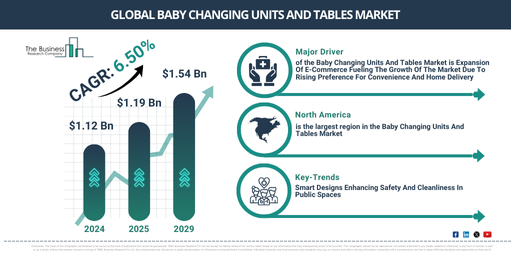
    The market for baby changing tables and units has seen significant expansion in recent years. The forecast predicts that the market, valued at $1.12 billion in 2024, will continue to increase and hit $1.19 billion in 2025, reflecting a compound annual growth rate (CAGR) of 6.7%. The surge in growth during the historical period is due to factors such as heightened understanding of baby cleanliness, increased birth rates, the need for convenient childcare solutions, emphasis on baby safety, the requirement for space-saving furniture, growing urbanization, and an increase in disposable income leading to more spending on baby-related items.

    Expectations are high for the baby changing units and tables industry to experience substantial growth in the coming years, expanding to a value of $1.54 billion by 2029 with a Compound Annual Growth Rate (CAGR) of 6.5%. This projected expansion during the forecast period can be linked to several key factors including increased urbanization, a rise in the demand for user-friendly parenting products, the evolution of intelligent baby care products, amplified public infrastructure investments, and a focus on inclusive, family-friendly amenities. The industry’s forthcoming trends feature intelligent changing tables equipped with integrated sensors and wireless charging capabilities, tables that can be folded for space optimization, touchless operation for simpler use, and enhanced safety measures such as anti-tip mechanisms.

    Download a free sample to assess the report’s scope and structure:

    https://www.thebusinessresearchcompany.com/sample.aspx?id=24165&type=smp

    What Are the Major Market Drivers Behind the Rising Adoption of Baby Changing Units And Tables Market?

    The surge in e-commerce is projected to stimulate the escalation of the baby-changing units and tables market in the future. E-commerce involves the online purchase and sale of products or services, coupled with the transfer of funds and data to facilitate the transactions. This boom in e-commerce is attributed to an increased predilection for comfort and locational delivery, particularly amongst impending and new parents, allowing them to simply purchase baby products and have them delivered right at their home without venturing outdoors. By providing a multitude of options from diverse brands, e-commerce boosts the accessibility of baby-changing units and tables. It grants parents and businesses the ease of comparing features, costs, and testimonials, thereby simplifying well-informed purchases. For example, as reported by the United States Census Bureau, a government agency based in the US, the total e-commerce sales touched the $1,192.6 billion mark in 2024, indicating an 8.1% growth compared to 2023. Consequently, the burgeoning expansion of e-commerce is fuelling the development of the baby-changing units and tables market.

    Which Key Market Segments Comprise the Baby Changing Units And Tables Market and Drive Its Revenue Growth?

    The baby changing units and tablesmarket covered in this report is segmented –

    1) By Product Type: Wall-Mounted Changing Units; Foldable Changing Tables; Stationary Changing Tables; Changing Stations For Public Restrooms; Portable Changing Pads

    2) By Material: Plastic; Wood; Metal; Composite Materials; Fabric; Other Materials

    3) By Age Group: Newborn (0-3 Months); Infants (3-12 Months); Toddlers (1-3 Years); Preschoolers (3-5 Years); Special Needs Children

    4) By Distribution Channel: Online Stores; Supermarkets Or Hypermarkets; Specialty Stores; Other Distribution Channels

    5) By End-User: Residential Use; Commercial Use; Healthcare Facilities; Public Amenities; Daycare Centers; Other End-Users

    Subsegments:

    1) By Wall-Mounted Changing Units: Horizontal Wall-Mounted Units; Vertical Wall-Mounted Units; Compact Wall-Mounted Designs; Commercial Grade Wall Units

    2) By Foldable Changing Tables: Wooden Foldable Tables; Metal Frame Foldable Tables; Travel-Friendly Foldables; Foldable Tables with Storage

    3) By Stationary Changing Tables: Standard Stationary Tables; Stationary Tables with Drawers; Multi-Tiered Stationary Tables; Convertible Crib-Changing Table Combos

    4) By Changing Stations For Public Restrooms: Americans With Disabilities Act Compliant Changing Stations; Antibacterial Surface Stations; Heavy-Duty Commercial Stations; High-Traffic Area Changing Units

    5) By Portable Changing Pads: Waterproof Changing Pads; Padded Travel Changing Mats; Disposable Changing Pads; Roll-Up Portable Changing Pads

    Request customized data on this market:

    https://www.thebusinessresearchcompany.com/customise?id=24165&type=smp

    Which Areas Are Leading Regions in the Baby Changing Units And Tables Market Expansion Across the Globe?

    North America was the largest region in the baby changing units and tables market in 2024. Asia-Pacific is expected to be the fastest-growing region in the forecast period. The regions covered in the baby changing units and tables market report are Asia-Pacific, Western Europe, Eastern Europe, North America, South America, Middle East, Africa.

    What Are the Strategic Trends Steering theBaby Changing Units And Tables Market Direction?

    Prominent businesses in the baby changing units and tables market are innovating by creating advanced products like self-sanitizing diaper changing tables, aimed at improving hygiene and user experience, and addressing the increasing demand for safer, state-of-the-art childcare options in public and private places. A self-sanitizing diaper changing table represents a modern, hygiene-oriented device engineered to cleanse and sterilize itself after each usage. The device incorporats technologies such as UV-C light, antimicrobial materials, or automated sanitizing sprays to get rid of germs and bacteria. As an example, Pluie Inc., a baby product manufacturer from the US, introduced its self-sanitizing diaper changing table in March 2023. The product, equipped with a UV-C light system, sanitizes the surface after each diaper change by eradicating 99.9% of detrimental bacteria and viruses, providing peace of mind to parents and caregivers. This innovative hygiene feature ensures a sanitized, germ-free space for infants, substantially minimizing the threat of infections in public spaces.

    View the full report here:

    https://www.thebusinessresearchcompany.com/report/baby-changing-units-and-tables-global-market-report

    How Is the Baby Changing Units And Tables Market Conceptually Defined?

    Baby changing units and tables are specially designed furniture pieces that provide a safe and convenient surface for changing infant diapers or clothes. They typically include raised edges, storage for baby essentials, and a padded changing area to ensure comfort and safety. Baby changing units and tables provide a safe and clean area for caregivers to change diapers while offering convenient storage for baby supplies.

    Purchase the full report and get a swift delivery:

    https://www.thebusinessresearchcompany.com/purchaseoptions.aspx?id=24165

    About The Business Research Company:

    With over 15000+ reports from 27 industries covering 60+ geographies, The Business Research Company has built a reputation for offering comprehensive, data-rich research and insights. Armed with 1,500,000 datasets, the optimistic contribution of in-depth secondary research, and unique insights from industry leaders, you can get the information you need to stay ahead in the game.

    Get in touch with us:

    The Business Research Company: https://www.thebusinessresearchcompany.com/

    Americas +1 310-496-7795

    Europe +44 7882 955267

    Asia & Others +44 7882 955267 & +91 8897263534

    Email us at info@tbrc.info

    Follow us on:

    LinkedIn: https://in.linkedin.com/company/the-business-research-company

    YouTube: https://www.youtube.com/channel/UC24_fI0rV8cR5DxlCpgmyFQ

    Global Market Model: https://www.thebusinessresearchcompany.com/global-market-model
  • Restless Leg Syndrome Market Outlook 2025: Mapping Growth, Innovation, and Regional Shifts

    Restless Leg Syndrome Market Outlook 2025: Mapping Growth, Innovation, and Regional Shifts

    Claim your 30% discount on Global Market Reports with code ONLINE30. Limited time only.

    How Has The Restless Leg Syndrome Market Size Shifted, And What Is the Outlook Through 2034?

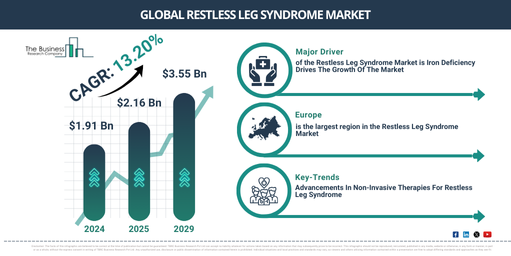
    The market size for restless leg syndrome has seen a fast-paced expansion in the previous years. The market size is projected to escalate from $1.91 billion in 2024 to $2.16 billion in 2025, marking a compound annual growth rate (CAGR) of 13.5%. The growth seen over the historic period is owed to a rise in alcohol usage, amplified health insurance coverage, the presence of more over-the-counter medication options, an increase in public health campaigns and a surge in matters concerning mental health.

    In the coming years, there will be a notable surge in the market size of Restless Leg Syndrome, which is projected to expand to $3.55 billion in 2029 with a Compound Annual Growth Rate (CAGR) of 13.2%. This future growth can be ascribed to a range of factors encompassing elevated healthcare investment, effective consciousness and learning initiatives, an increase in early detection and government funding, coupled with bolstered participation in clinical research. The trends that will dominate this forecast period include the use of AI in crafting personalized treatment plans, advancing neurostimulation tools, the utilisation of deep learning algorithms for diagnostic purposes, brainwave modulation technology and wearables designed as exoskeletons for leg motions.

    Download a free sample to assess the report’s scope and structure:

    https://www.thebusinessresearchcompany.com/sample.aspx?id=21274&type=smp

    What External and Internal Drivers Are Contributing to the Growth of theRestless Leg Syndrome Market?

    The escalating occurrence of iron deficiency is anticipated to fuel the expansion of the restless leg syndrome market in the future. Iron deficiency denotes a condition where the body doesn’t have sufficient iron to create adequate healthy red blood cells, resulting in symptoms including fatigue, fragility, and pale skin. The escalating occurrence of iron deficiency can be attributed to several factors, including inadequate dietary intake, loss of blood, malabsorption disorders, and heightened iron demands during gestation or growth. Treatment for restless leg syndrome usually entails iron supplementation or dietary modifications, which not only relieve the uncomfortable urges and sensations but also work to rectify the underlying iron deficiency by revitalizing the body’s iron stores and enhancing red blood cell production, thereby restoring appropriate neurological function. For instance, the Nation Health Service England, a government agency based in England, reported in January 2025 that during the period of 2023-24, there were 191,927 admissions due to iron deficiency, denoting an 11% surge compared to 2022-23. As such, the escalating occurrence of iron deficiency propels the expansion of the restless leg syndrome market.

    What Segment Types Define the Restless Leg Syndrome Market Structure?

    The restless leg syndromemarket covered in this report is segmented –

    1) By Type: Primary Restless Legs Syndrome; Secondary Restless Legs Syndrome

    2) By Treatment Type: Medicine And Devices; Surgery

    3) By Route Of Administration: Oral; Injectable

    4) By Distribution Channel: Hospital Pharmacy; Retail Pharmacy; Online Pharmacy

    5) By Application: Neurological Treatment; Sleep Disorders; Movement Disorders; Symptom Management

    Subsegments:

    1) By Primary Restless Legs Syndrome: Idiopathic Restless Legs Syndrome; Hereditary Restless Legs Syndrome

    2) By Secondary Restless Legs Syndrome: Iron Deficiency-related Restless Legs Syndrome; Chronic Kidney Disease-related Restless Legs Syndrome; Pregnancy-related Restless Legs Syndrome; Medication-induced Restless Legs Syndrome

    Request customized data on this market:

    https://www.thebusinessresearchcompany.com/customise?id=21274&type=smp

    Which Geographic Areas Hold the Strongest Growth Potential in the Restless Leg Syndrome Market?

    Europe was the largest region in the restless leg syndrome market in 2024. North-America is expected to be the fastest-growing region in the forecast period. The regions covered in the restless leg syndrome market report are Asia-Pacific, Western Europe, Eastern Europe, North America, South America, Middle East, Africa.

    What Long-Term Trends Are Transforming the Competitive Landscape of the Restless Leg Syndrome Market?

    Key industry players in the Restless Leg Syndrome (RLS) market are concentrating on creating cutting-edge solutions, such as innovative non-invasive therapies, to enhance symptom management and improve patient outcomes. These new non-invasive therapies refer to ground-breaking medical interventions that don’t involve surgical procedures or skin penetration, but instead aim to alleviate various conditions through progressive approaches such as electrical stimulation, light therapy, or external devices. For example, in April 2023, Varco Leg Care, a consumer health-technology firm based in India, obtained FDA De Novo approval for its NTX100 Tonic Motor Activation (TOMAC) System. Developed to treat moderate to severe RLS symptoms and enhance the sleep quality of patients who don’t react well to medications, the device operates through the electrical activation of the peroneal nerves on either side of the body to create tonic, sustained muscle activation that can be associated with sleep. This activation is effective in helping alleviate the symptoms of Restless Leg Syndrome (RLS).

    View the full report here:

    https://www.thebusinessresearchcompany.com/report/restless-leg-syndrome-global-market-report

    What Is the Definition of the Restless Leg Syndrome Market?

    Restless leg syndrome refers to a neurological condition characterized by an uncontrollable urge to move the legs, typically due to uncomfortable sensations. Treatment options include lifestyle changes, iron supplements, medications that affect dopamine levels, and strategies to improve sleep hygiene.

    Purchase the full report and get a swift delivery:

    https://www.thebusinessresearchcompany.com/purchaseoptions.aspx?id=21274

    About The Business Research Company:

    With over 15000+ reports from 27 industries covering 60+ geographies, The Business Research Company has built a reputation for offering comprehensive, data-rich research and insights. Armed with 1,500,000 datasets, the optimistic contribution of in-depth secondary research, and unique insights from industry leaders, you can get the information you need to stay ahead in the game.

    Get in touch with us:

    The Business Research Company: https://www.thebusinessresearchcompany.com/

    Americas +1 310-496-7795

    Europe +44 7882 955267

    Asia & Others +44 7882 955267 & +91 8897263534

    Email us at info@tbrc.info

    Follow us on:

    LinkedIn: https://in.linkedin.com/company/the-business-research-company

    YouTube: https://www.youtube.com/channel/UC24_fI0rV8cR5DxlCpgmyFQ

    Global Market Model: https://www.thebusinessresearchcompany.com/global-market-model
  • Chlamydia Outlook 2034: Key Drivers, Trends, and Market Frontiers

    Chlamydia Outlook 2034: Key Drivers, Trends, and Market Frontiers

    Claim your 30% discount on Global Market Reports with code ONLINE30. Limited time only.

    What Is the Current and Projected Market Size of the Chlamydia Market Through 2034?

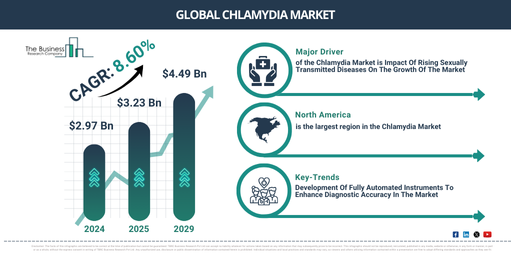
    Over the past few years, the chlamydia market has experienced robust growth. It’s projected that this market will expand from $2.97 billion in 2024 to $3.23 billion in 2025, with a compound annual growth rate (CAGR) of 8.7%. The growth witnessed in the historic period can be credited to factors such as an increase in sexual health education programs, a surge in demand for rapid diagnostic tests, the need for affordable and scalable STI diagnostics, the advent of telemedicine, and a heightened emphasis on precision medicine.

    In the coming years, the chlamydia market is predicted to experience robust growth, reaching $4.49 billion in 2029 with a compound annual growth rate (CAGR) of 8.6%. The anticipated expansion during the forecast period can be attributed to several factors such as the rise in chlamydia cases, increased public awareness, the emergence of more point-of-care testing solutions, heightened prevalence of sexually transmitted diseases and increased investment in R&D. The forecast period is also expected to see significant trends including a shift towards point-of-care testing, advancements in molecular diagnostics, a move towards preemptive healthcare, the implementation of artificial intelligence (AI) in diagnostic procedures, and the creation of high-throughput screening platforms.

    Download a free sample to assess the report’s scope and structure:

    https://www.thebusinessresearchcompany.com/sample.aspx?id=21138&type=smp

    How Are Key Drivers in the Industry Acting as Catalysts for the Growth of theChlamydia Market?

    The escalating occurrence of sexually transmitted diseases (STDs) is anticipated to drive the chlamydia market’s expansion. STDs are infections passed on through sexual activity, encompassing diseases like chlamydia, HIV, and gonorrhea. The upsurge in STDs can be accredited to decreased utilization of condoms, lack of understanding, restricted health care access, as well as the popularity of dating apps promoting numerous sexual partners. Treatments for chlamydia lessen the dispersion of STDs by eradicating the infection, averting potential complications, and diminishing the transmission probability to sexual partners. As an example, in June 2024, the US-based not-for-profit organization, National Association of County and City Health Officials, reported that the U.S. witnessed over 2.5 million cases of syphilis, chlamydia, and gonorrhea in 2022. Syphilis cases surged by 80%, with congenital syphilis cases showing a 937% rise. Such reports included 3,755 cases of congenital syphilis, indicating a 31% increase from 2021 to 2022. Hence, the escalating occurrence of STDs is fueling the chlamydia market’s growth.

    Which Segments in the Chlamydia Offer the Most Growth?

    The chlamydiamarket covered in this report is segmented –

    1) By Test Type: Culture Tests; Nucleic Acid Amplification Test (NAAT); Direct Fluorescent Antibody Test; Serology Tests; Other Test Types

    2) By Route Of Administration: Oral; Injectable; Other Routes Of Administration

    3) By End User: Hospitals; Diagnostic Centers; Ambulatory Surgical Centers; Other End Users

    Subsegments:

    1) By Culture Tests: Urethral Swab Culture; Endocervical Swab Culture; Urine Culture Test; Conjunctival Swab Culture

    2) By Nucleic Acid Amplification Test (NAAT): PCR (Polymerase Chain Reaction); Transcription-Mediated Amplification (TMA); Strand Displacement Amplification (SDA); Loop-Mediated Isothermal Amplification (LAMP)

    3) By Direct Fluorescent Antibody Test: DFA Test For Urogenital Chlamydia; DFA Test For Ocular Chlamydia; DFA For Respiratory Chlamydia Detection

    4) By Serology Tests: Enzyme-Linked Immunosorbent Assay (ELISA); Immunofluorescence Assay (IFA); Western Blot

    5) By Other Test Types: Immunochromatographic Rapid Test; Lateral Flow Immunoassay; Hybrid Capture Test (HCT)

    Request customized data on this market:

    https://www.thebusinessresearchcompany.com/customise?id=21138&type=smp

    What Are the Fastest-Growing Geographies in the #How Are Key Drivers in the Industry Acting as Catalysts for the Growth of theChlamydia Market?# Market?

    North America was the largest region in the chlamydia market in 2024. Asia-Pacific is expected to be the fastest-growing region in the forecast period. The regions covered in the chlamydia market report are Asia-Pacific, Western Europe, Eastern Europe, North America, South America, Middle East, Africa.

    What Are the Current Market Growth and Trends in the Chlamydia Industry?

    Leading businesses in the chlamydia market are working on the creation of entirely autonomous devices to heighten diagnostic precision, limit human mistake, and upgrade testing productivity. A fully automated device is one that accomplishes responsibilities without needing a human, generally utilizing sensors, control systems, and artificial intelligence to perform its roles on its own. For instance, BD (Becton, Dickinson and Company), a medical device firm from the US, introduced the BD COR MX/PX System in May 2022. The first test available on this new platform is the BD CTGCTV2 molecular assay. This solitary test is able to identify the top three non-viral sexually transmitted diseases (STIs)—chlamydia trachomatis (CT), neisseria gonorrhoeae (GC), and trichomonas vaginalis (TV). These STIs may result in various adverse health effects for patients, such as complications during pregnancy and a higher chance of acquiring HIV.

    View the full report here:

    https://www.thebusinessresearchcompany.com/report/chlamydia-global-market-report

    What Are the Key Elements That Define the Chlamydia Market?

    Chlamydia is a common sexually transmitted infection (STI) caused by Chlamydia trachomatis, often asymptomatic but potentially leading to complications like infertility and pelvic inflammatory disease. It is easily treatable with antibiotics, and prevention includes safe sex practices and regular STI screenings.

    Purchase the full report and get a swift delivery:

    https://www.thebusinessresearchcompany.com/purchaseoptions.aspx?id=21138

    About The Business Research Company:

    With over 15000+ reports from 27 industries covering 60+ geographies, The Business Research Company has built a reputation for offering comprehensive, data-rich research and insights. Armed with 1,500,000 datasets, the optimistic contribution of in-depth secondary research, and unique insights from industry leaders, you can get the information you need to stay ahead in the game.

    Get in touch with us:

    The Business Research Company: https://www.thebusinessresearchcompany.com/

    Americas +1 310-496-7795

    Europe +44 7882 955267

    Asia & Others +44 7882 955267 & +91 8897263534

    Email us at info@tbrc.info

    Follow us on:

    LinkedIn: https://in.linkedin.com/company/the-business-research-company

    YouTube: https://www.youtube.com/channel/UC24_fI0rV8cR5DxlCpgmyFQ

    Global Market Model: https://www.thebusinessresearchcompany.com/global-market-model
  • Automated Microbiology Market Insights: In-Depth Look at Growth Trends, Market Size, and Opportunities for 2025-2034

    Automated Microbiology Market Insights: In-Depth Look at Growth Trends, Market Size, and Opportunities for 2025-2034

    Claim your 30% discount on Global Market Reports with code ONLINE30. Limited time only.

    How Fast Is The Automated Microbiology Market Expected to Grow Between 2025 And 2029?

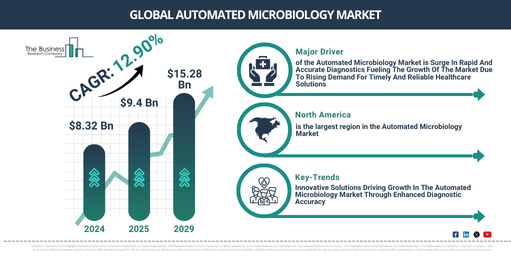
    The scale of the automated microbiology market has seen a swift expansion in the past few years. The market, which is projected to surge from $8.32 billion in 2024 to $9.4 billion in 2025, is expected to have a compounded annual growth rate (CAGR) of 12.9%. This substantial growth observed in the historic period is a result of several contributing factors. These include the rising prevalence of contagious diseases, the escalating need for early detection, an increasing demand for quick diagnostic exams, growth of infections acquired in hospitals, and governmental backing for microbial surveillance.

    The size of the automated microbiology market is anticipated to significantly expand in the upcoming years, with predictions forecasting its growth to $15.28 billion by 2029, boasting a Compound Annual Growth Rate (CAGR) of 12.9%. This expected growth within the projected period is believed to be fueled by factors such as the increased use of automation in clinical diagnostics, the rising number of the elderly population, the upsurge in the demand for point-of-care diagnostics, hospital infrastructure expansion, and the increasing necessity for the detection of antimicrobial resistance. Significant trends to watch during the forecast period involve embracing lab-on-a-chip technology, a transition towards fully automated lab systems, increased usage of cloud-based data analysis, incorporation of artificial intelligence (AI) and machine learning (ML) systems, and portable automated analyzer development.

    Download a free sample to assess the report’s scope and structure:

    https://www.thebusinessresearchcompany.com/sample.aspx?id=24163&type=smp

    What External and Internal Drivers Are Contributing to the Growth of theAutomated Microbiology Market?

    The automated microbiology market’s expansion is anticipated to be driven by the surging demand for swift and precise diagnostic methods. These quick and precise procedures are essential for identifying infections or diseases quickly and correctly, facilitating immediate and effective medical interventions. The urgency for such diagnostic methods is fueled by the need for prompt disease detection to avoid complications and enhance patient results with reduced waiting time for outcomes. Automated microbiology meets this rising demand by offering high-capacity, standardized, and error-reduced testing that guarantees expedited outcomes and superior patient management. For example, a report issued in January 2024 by the Global Fund, a Swiss organization financing AIDS, TB, and malaria prevention, treatment, and care plans, revealed that the proportion of tuberculosis diagnoses made using WHO-approved diagnostics tools surged from 38% in 2021 to 47% in 2022. This demonstrates the increasing acceptance of automated diagnostics as a groundbreaking progress. Consequently, the emerging demand for swift and accurate diagnostic processes is propelling the development of the automated microbiology sector.

    What Segment Types Define the Automated Microbiology Market Structure?

    The automated microbiologymarket covered in this report is segmented –

    1) By Product: Instruments; Reagents And Kits; Software

    2) By Automation Type: Fully Automated; Semi-Automated

    3) By Diagnostic Technology: DNA Sequencing; DNA And RNA Probe Technology; Detection Techniques; Monoclonal Antibodies; Immunoassays

    4) By Application: Biopharmaceutical Production; Clinical Diagnostics; Environmental And Water Testing; Food And Beverage Testing; Other Applications

    5) By End Use: Pharmaceutical And Biotechnology Companies; Hospitals And Diagnostic Laboratories; Academic And Research Institutes; Other End Uses

    Subsegments:

    1) By Instruments: Automated Gram Stainers; Microbial Detection Systems; Automated ID/AST Systems; Blood Culture Systems; Laboratory Information Management Systems (LIMS); Sample Preparation Systems

    2) By Reagents And Kits: Culture Media; Identification Kits; Susceptibility Testing Kits; Staining Reagents; Molecular Diagnostic Reagents

    3) By Software: Data Analysis And Interpretation Tools; Laboratory Workflow Management Software; Integration And Connectivity Solutions; Quality Control And Compliance Software

    Request customized data on this market:

    https://www.thebusinessresearchcompany.com/customise?id=24163&type=smp

    Which Geographic Areas Hold the Strongest Growth Potential in the Automated Microbiology Market?

    North America was the largest region in the automated microbiology market in 2024. The regions covered in the automated microbiology market report are Asia-Pacific, Western Europe, Eastern Europe, North America, South America, Middle East, Africa.

    What Long-Term Trends Are Transforming the Competitive Landscape of the Automated Microbiology Market?

    Leading businesses in the automated microbiology landscape are more inclined towards creating high-tech solutions like matrix-assisted laser desorption or ionization (MALDI) biotyper systems, aiming to improve the pace and precision of microbial identification. This technique is built upon mass spectrometry to identify various microorganisms such as bacteria and fungi via the categorisation of unique protein profiles. As an example, in April 2024, the U.S-based Bruker Corporation, known for manufacturing scientific instruments for both molecular and materials research, unveiled the MBT Pathfinder IVD robot. This automated device aids the preparation of targets for matrix-assisted laser desorption/ionization (MALDI) biotyper analysis and therefore, improves the efficiency of clinical workflows by simplifying sample loading, matrix application, and plate preparation. The ultimate result is quicker and more precise microbial identification.

    View the full report here:

    https://www.thebusinessresearchcompany.com/report/automated-microbiology-global-market-report

    What Is the Definition of the Automated Microbiology Market?

    Automated microbiology refers to the use of automated systems and technologies to perform microbiological tasks, which traditionally required manual labor. The goal is to improve efficiency, reduce human error, enhance reproducibility, and speed up the process of diagnosis, especially in clinical microbiology labs.

    Purchase the full report and get a swift delivery:

    https://www.thebusinessresearchcompany.com/purchaseoptions.aspx?id=24163

    About The Business Research Company:

    With over 15000+ reports from 27 industries covering 60+ geographies, The Business Research Company has built a reputation for offering comprehensive, data-rich research and insights. Armed with 1,500,000 datasets, the optimistic contribution of in-depth secondary research, and unique insights from industry leaders, you can get the information you need to stay ahead in the game.

    Get in touch with us:

    The Business Research Company: https://www.thebusinessresearchcompany.com/

    Americas +1 310-496-7795

    Europe +44 7882 955267

    Asia & Others +44 7882 955267 & +91 8897263534

    Email us at info@tbrc.info

    Follow us on:

    LinkedIn: https://in.linkedin.com/company/the-business-research-company

    YouTube: https://www.youtube.com/channel/UC24_fI0rV8cR5DxlCpgmyFQ

    Global Market Model: https://www.thebusinessresearchcompany.com/global-market-model

  • Respiratory Syncytial Virus (RSV) Diagnostics Market in Focus: Forecasting Growth Drivers, Scaling Potential, and Global Opportunities

    Respiratory Syncytial Virus (RSV) Diagnostics Market in Focus: Forecasting Growth Drivers, Scaling Potential, and Global Opportunities

    Claim your 30% discount on Global Market Reports with code ONLINE30. Limited time only.

    How Has the Respiratory Syncytial Virus (RSV) Diagnostics Market Growth Performance Trended Historically, And What Lies Ahead?

    The market size for diagnostics of the respiratory syncytial virus (rsv) has seen a fast-paced growth in the last few years. The projection is that the growth will advance from $1.01 billion in 2024 to $1.12 billion in 2025, displaying a compound annual growth rate (CAGR) of 10.7%. Factors contributing to the growth observed in the historic period include increased use of point-of-care diagnostics, initiatives taken by the government to enhance RSV diagnostics, a higher occurrence of respiratory ailments in children, a rise in infections acquired from hospitals, and a growing demand for diagnostic methods that are non-invasive.

    The market size for diagnostics related to the respiratory syncytial virus (RSV) is anticipated to expand quickly in the coming years. Predicted to reach a value of$1.67 billion by 2029″, this sector will increase at a compound annual growth rate (CAGR) of 10.5%. This surge during the forecast period can be tied to various factors such as the increased occurrence of RSV infections, more information and consciousness about RSV diagnostics, growth in global healthcare infrastructure and spending, and a rise in the aging population. Future trends to note include the progression of molecular diagnostic technologies, innovation in diagnostic device technology, wider adoption of rapid diagnostic tests (RDTs), extension of diagnostic test portfolios by enterprises, and the incorporation of advances in genetic and proteomic diagnostics.

    Download a free sample to assess the report’s scope and structure:

    https://www.thebusinessresearchcompany.com/sample.aspx?id=21273&type=smp

    What Are the Core Market Drivers Propelling Growth in the Respiratory Syncytial Virus (RSV) Diagnostics Industry?

    The increasing incidence of respiratory conditions is predicted to propel the expansion of the market for respiratory syncytial virus (RSV) diagnostic tools. Respiratory diseases encompass a wide range of ailments that affect the lungs and airways, compromising breathing and oxygen distribution. They include ailments such as asthma, chronic obstructive pulmonary disease (COPD), pneumonia, and respiratory tract infections. A growth in the prevalence of these conditions can be attributed to increasing air pollution, smoking habits, climate change, urbanization, and the escalating incidence of infections and chronic illnesses such as asthma and COPD. RSV diagnostics are crucial for diagnosing respiratory diseases, allowing for the precise and timely detection of RSV infections. This facilitates suitable treatment, management, and the avoidance of serious complications, particularly in at-risk demographics. For instance, the Australian Institute of Health and Welfare, a government agency based in Australia, reported in November 2024 that an estimated 2.8 million individuals, or 11% of the population, were living with asthma in Australia in 2022. Asthma was responsible for 2.5% of the total disease burden and 35% of the burden from all respiratory conditions in 2023, causing 467 deaths in 2022, which translates to 1.8 deaths per 100,000 people and represents 0.2% of all deaths. Consequently, the growing frequency of respiratory diseases is stimulating the expansion of the respiratory syncytial virus (RSV) diagnostics market.

    How Is the Respiratory Syncytial Virus (RSV) Diagnostics Market Segmented?

    The respiratory syncytial virus (rsv) diagnosticsmarket covered in this report is segmented –

    1) By Product Type: Kits And Assays; Instruments; Reagents; Other Product Types

    2) By Technology: Molecular Diagnostics; Immunoassays; Rapid Antigen Detection Tests; Other Technologies

    3) By Sample Type: Nasal Swabs; Throat Swabs; Bronchoalveolar Lavage

    4) By End User: Hospitals; Diagnostic Laboratories; Home Care Settings; Other End Users

    Subsegments:

    1) By Kits And Assays: Rapid Antigen Detection Kits; PCR-based Assays; Serological Assays

    2) By Instruments: PCR Analyzers; Immunoassay Analyzers

    3) By Reagents: PCR Reagents; Antibody Reagents; Enzyme Reagents

    4) By Other Product Types: Sample Collection Devices; Transport Media

    Request customized data on this market:

    https://www.thebusinessresearchcompany.com/customise?id=21273&type=smp

    Which Regions Are Driving the Next Phase of the Respiratory Syncytial Virus (RSV) Diagnostics Market Growth?

    North America was the largest region in the respiratory syncytial virus (RSV) diagnostics market in 2024. Asia-Pacific is expected to be the fastest-growing region in the forecast period. The regions covered in the respiratory syncytial virus (RSV) diagnostics market report are Asia-Pacific, Western Europe, Eastern Europe, North America, South America, Middle East, Africa.

    What Key Market Trends and Innovations Are Shaping the Future of the Respiratory Syncytial Virus (RSV) Diagnostics Industry?

    Prominent players in the respiratory syncytial virus (RSV) diagnostics market are crafting innovative solutions such as respiratory virus combination testing to offer precise and efficient diagnoses. This diagnostic approach detects several respiratory viruses, like influenza, RSV, and others, simultaneously from a single specimen to assist in identifying viral ailments. For example, Sonora Quest Laboratories, a US-based clinical lab testing enterprise, introduced a diagnostic test for COVID-19, RSC, and influenza in January 2023. This molecular diagnostic test performs a multi-target analysis from a single patient’s sample to identify COVID-19, RSV, and influenza. Bundling these three virus tests saves the trouble of multiple samplings. It hastens the process of recognizing all three infections, aiding healthcare professionals in prompt treatment decisions, which could enhance patient recovery rates. Moreover, this test could help curb the propagation of these viruses, thereby minimizing transmission risks.

    View the full report here:

    https://www.thebusinessresearchcompany.com/report/respiratory-syncytial-virus-rsv-diagnostics-global-market-report

    How Is the Respiratory Syncytial Virus (RSV) Diagnostics Market Defined and What Are Its Core Parameters?

    Respiratory syncytial virus (RSV) diagnostics refers to the tests and methods used to detect the presence of RSV in patients, typically through respiratory samples like nasal swabs or throat swabs. It is used for identifying RSV infections, which can cause respiratory illness in infants, young children, and the elderly, to guide treatment and management.

    Purchase the full report and get a swift delivery:

    https://www.thebusinessresearchcompany.com/purchaseoptions.aspx?id=21273

    About The Business Research Company:

    With over 15000+ reports from 27 industries covering 60+ geographies, The Business Research Company has built a reputation for offering comprehensive, data-rich research and insights. Armed with 1,500,000 datasets, the optimistic contribution of in-depth secondary research, and unique insights from industry leaders, you can get the information you need to stay ahead in the game.

    Get in touch with us:

    The Business Research Company: https://www.thebusinessresearchcompany.com/

    Americas +1 310-496-7795

    Europe +44 7882 955267

    Asia & Others +44 7882 955267 & +91 8897263534

    Email us at info@tbrc.info

    Follow us on:

    LinkedIn: https://in.linkedin.com/company/the-business-research-company

    YouTube: https://www.youtube.com/channel/UC24_fI0rV8cR5DxlCpgmyFQ

    Global Market Model: https://www.thebusinessresearchcompany.com/global-market-model
  • Global Chikungunya Market Trends: Regional Breakdowns and Strategic Insights

    Global Chikungunya Market Trends: Regional Breakdowns and Strategic Insights

    Claim your 30% discount on Global Market Reports with code ONLINE30. Limited time only.

    What is the Anticipated CAGR of the Chikungunya Market, and What Factors Will Drive It?

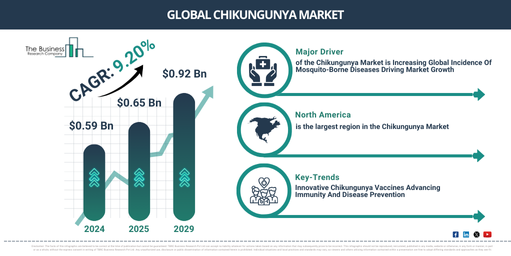
    The market for chikungunya has seen considerable growth in the past few years. It is expected that it will increase from $0.59 billion in 2024 to $0.65 billion in 2025, recording a compound annual growth rate (CAGR) of 9.4%. Factors contributing to this growth in the historic period include a rise in per capita health care spending, an increasing occurrence of newly emerging and re-emerging infectious diseases, growth in personal disposable income, climate change, and enhanced awareness about mosquito-borne diseases.

    An impressive expansion is projected for the chikungunya market in the coming years, with a forecasted size of $0.92 billion in 2029 and a compound annual growth rate (CAGR) of 9.2%. This anticipated growth for the forecast period mainly stems from a global surge in clinical trials, an increase in the elderly population, an escalating demand for vaccination, the rise of governmental and non-governmental initiatives, higher governmental investment, and encouraging regulations. Key trends that are expected to influence the forecast period include biotechnological advancements in vaccine creation, emerging opportunities for new vaccines, utilization of CRISPR and AI for inventive solutions, strategic partnerships developed within pharmaceutical companies, and the incorporation of telemedicine services.

    Download a free sample to assess the report’s scope and structure:

    https://www.thebusinessresearchcompany.com/sample.aspx?id=21137&type=smp

    What Are the Major Market Drivers Behind the Rising Adoption of Chikungunya Market?

    The forecasted rise in mosquito-borne diseases is anticipated to boost the chikungunya market’s expansion. Global public health faces significant hurdles due to diseases like chikungunya, dengue, and the zika virus, which are transmitted to humans through bites from infected aedes mosquitoes. Factors contributing to a worldwide surge in mosquito-borne disease cases include climate change, urbanization, deforestation, the accumulation of stagnant water, inadequate pest control measures, a rise in global travel, and resistance to insecticides. Chikungunya treatment aids those suffering from such diseases by relieving symptoms like fever, joint pain, and inflammation, boosting overall comfort and mobility, lowering complication risks, and expediting recovery with hydration, pain management, and supportive care. In a case study, the UK Health Security Agency, a UK-government agency, reported that from January to June 2024, the number of dengue cases in returning travellers in England, Wales, and Northern Ireland spiked at 473, a 201% increase from the 157 cases noted during the same time frame in 2023. Thus, the mounting worldwide prevalence of mosquito-borne diseases is stimulating the chikungunya market’s growth.

    Which Key Market Segments Comprise the Chikungunya Market and Drive Its Revenue Growth?

    The chikungunyamarket covered in this report is segmented –

    1) By Type: Antiviral Drugs; Herbal And Complementary Treatments; Supportive Care; Vaccines

    2) By Product Form: Liquid Form; Powder; Solid Form

    3) By Disease Stage: Acute; Chronic; Post-Infection

    4) By Sales Channel: Hospital Pharmacies; Online Pharmacies; Retail Pharmacies; Supermarkets

    5) By End User: Caregivers; Healthcare Professionals; Patients

    Subsegments:

    1) By Antiviral Drugs: Nucleoside Analogues; Protease Inhibitors

    2) By Herbal And Complementary Treatments: Ayurvedic Remedies; Homeopathic Treatments; Traditional Chinese Medicine

    3) By Supportive Care: Pain Relievers (NSAIDs, Acetaminophen); Fluid Therapy; Physiotherapy

    4) By Vaccines: Live-Attenuated Vaccines; Inactivated Vaccines; mRNA-Based Vaccines

    Request customized data on this market:

    https://www.thebusinessresearchcompany.com/customise?id=21137&type=smp

    Which Areas Are Leading Regions in the Chikungunya Market Expansion Across the Globe?

    North America was the largest region in the chikungunya market in 2024. Asia-Pacific is expected to be the fastest-growing region in the forecast period. The regions covered in the chikungunya market report are Asia-Pacific, Western Europe, Eastern Europe, North America, South America, Middle East, Africa.

    What Are the Strategic Trends Steering theChikungunya Market Direction?

    The focus of significant corporations in the chikungunya market is on creating ground-breaking vaccines that promote immunity, prevent disease spreads, and tackle the escalating global health issue of chikungunya virus infections. A live attenuated chikungunya vaccine, which uses a weakened version of the chikungunya virus to trigger an immune response without causing the disease, ensures enduring protection. Valneva SE, a French biotech company, announced the FDA-approved IXCHIQ, a live attenuated chikungunya vaccine, in November 2023. This endorsement was achieved through accelerated approval based on anti-CHIKV neutralizing antibody titers, with sustained approval contingent on the verification of clinical advantage in further studies. The FDA granted Valneva a Priority Review Voucher (PRV), which the company plans to monetize to fund its research and development initiatives. IXCHIQ is administered as a single-dose muscle injection and includes a live, weakened chikungunya virus strain, which may generate symptoms in recipients similar to those of the chikungunya disease.

    View the full report here:

    https://www.thebusinessresearchcompany.com/report/chikungunya-global-market-report

    How Is the Chikungunya Market Conceptually Defined?

    Chikungunya (CHIKV) is a viral infection caused by the chikungunya virus, primarily transmitted to humans through the bites of infected Aedes aegypti and Aedes albopictus mosquitoes. The virus causes fever, joint pain, headache, rash, and muscle pain, significantly impacting the quality of life of affected individuals.

    Purchase the full report and get a swift delivery:

    https://www.thebusinessresearchcompany.com/purchaseoptions.aspx?id=21137

    About The Business Research Company:

    With over 15000+ reports from 27 industries covering 60+ geographies, The Business Research Company has built a reputation for offering comprehensive, data-rich research and insights. Armed with 1,500,000 datasets, the optimistic contribution of in-depth secondary research, and unique insights from industry leaders, you can get the information you need to stay ahead in the game.

    Get in touch with us:

    The Business Research Company: https://www.thebusinessresearchcompany.com/

    Americas +1 310-496-7795

    Europe +44 7882 955267

    Asia & Others +44 7882 955267 & +91 8897263534

    Email us at info@tbrc.info

    Follow us on:

    LinkedIn: https://in.linkedin.com/company/the-business-research-company

    YouTube: https://www.youtube.com/channel/UC24_fI0rV8cR5DxlCpgmyFQ

    Global Market Model: https://www.thebusinessresearchcompany.com/global-market-model

  • Cerebral Amyloid Angiopathy Treatment Market Outlook 2025: Mapping Growth, Innovation, and Regional Shifts

    Cerebral Amyloid Angiopathy Treatment Market Outlook 2025: Mapping Growth, Innovation, and Regional Shifts

    Claim your 30% discount on Global Market Reports with code ONLINE30. Limited time only.

    What Are the Key Milestones in the Cerebral Amyloid Angiopathy Treatment Market’s Growth Trajectory From 2025 To 2034?

    The market for cerebral amyloid angiopathy treatment has seen robust growth in recent times. The market is predicted to expand from $2.06 billion in 2024 to $2.24 billion in 2025, boasting a compound annual growth rate (CAGR) of 9.0%. The growth witnessed in the past can be linked to factors such as the growing number of older individuals, increased awareness about cerebrovascular diseases, a surge in intracerebral hemorrhage cases, a rise in government funding for research in neurology, reliance on symptomatic management, and widespread usage of MRI and neuroimaging for diagnosis.

    The market size for treating cerebral amyloid angiopathy is forecasted to experience robust expansion within the next few years, escalating to reach a value of $3.16 billion by 2029 with a compound annual growth rate (CAGR) of 8.9%. The surge within the projection period can be associated with the escalating adoption of personalized medicine, growth in methodologies based on biomarkers detection, intensifying research in neuroinflammation therapies, amplified investments towards neurological drugs development, increasing inclination towards minimally invasive treatment alternatives, and augmenting funds allocated for studying neurological disorders. Key market trends within the forecast period encompass the investigation into combining therapies, progress in MRI and PET imaging technologies, enhancement of health care infrastructures in emerging markets, development of minimally invasive therapies, collaborations between pharmaceutical and biotech companies, and the rise in adopting wearable technology for tracking purposes.

    Download a free sample to assess the report’s scope and structure:

    https://www.thebusinessresearchcompany.com/sample.aspx?id=21136&type=smp

    What External and Internal Drivers Are Contributing to the Growth of theCerebral Amyloid Angiopathy Treatment Market?

    The escalating incidence of health conditions that affect the brain, spinal cord, or nerves is anticipated to fuel the expansion of the cerebral amyloid angiopathy treatment market. These neurological disorders can result in impairments of movement, sensation, cognition, or other bodily functions and are increasing due to factors such as aging societies, lifestyle influences, environmental exposures, genetic predispositions, and enhancement in diagnostic capabilities. Cerebral amyloid angiopathy treatments can aid these disorders by decreasing amyloid accumulation in blood vessels, improving cerebral flow, and mitigating the risk of cognitive decline and complications related to strokes. For example, in March 2023, the Alzheimer’s Association, a voluntary health organization based in the US, reported that approximately 6.7 million Americans aged 65 years and older were living with Alzheimer’s dementia. Projections suggest this number could escalate to 13.8 million by 2060. Consequently, the rise in neurological disorders is stimulating the expansion of the cerebral amyloid angiopathy treatment market.

    What Segment Types Define the Cerebral Amyloid Angiopathy Treatment Market Structure?

    The cerebral amyloid angiopathy treatmentmarket covered in this report is segmented –

    1) By Type: Medication; Therapeutic Procedures; Surgery; Supportive Care

    2) By Route Of Administration: Oral; Intravenous; Intramuscular

    3) By Patient Type: Geriatric; Adult; Pediatric

    4) By End User: Hospitals; Clinics; Homecare Settings

    Subsegments:

    1) By Medication: Antihypertensive Drugs; Antiplatelet Drugs; Statins; Monoclonal Antibodies; Anti-amyloid Agents

    2) By Therapeutic Procedures: Plasma Exchange; Gene Therapy; Immunotherapy

    3) By Surgery: Cranial Decompression Surgery; Surgical Drainage Of Hematomas; Vascular Reconstruction Surgery

    4) By Supportive Care: Cognitive Rehabilitation; Physical Therapy; Pain Management; Nutritional Support

    Request customized data on this market:

    https://www.thebusinessresearchcompany.com/customise?id=21136&type=smp

    Which Geographic Areas Hold the Strongest Growth Potential in the Cerebral Amyloid Angiopathy Treatment Market?

    North America was the largest region in the Largest cerebral amyloid angiopathy treatment market in 2024. The regions covered in the cerebral amyloid angiopathy treatment market report are Asia-Pacific, Western Europe, Eastern Europe, North America, South America, Middle East, Africa.

    What Long-Term Trends Are Transforming the Competitive Landscape of the Cerebral Amyloid Angiopathy Treatment Market?

    Leading firms in the cerebral amyloid angiopathy treatment market are prioritizing the creation of innovative solutions, particularly RNAi therapeutics, with an aim to target gene expressions related to the disease and minimize cerebral vessels’ amyloid buildup. RNAi therapeutics are a category of medications that employ RNA interference to inhibit specific genes, thereby preventing disease-causing proteins from being produced. For instance, the US-based pharmaceutical firm Alnylam Pharmaceuticals Inc. intends to initiate the multiple-dose phase of its ALN-APP clinical trial in approved regions by July 2023. The objective of the ALN-APP trial is to evaluate the safety and effectiveness of RNAi-based treatments in reducing amyloid precursor proteins (APP)- key elements in the formation of amyloid plaque in the brain. The trial seeks to figure out if silencing the gene that produces these proteins, and using ALN-APP, could potentially halt or even reverse cerebral amyloid angiopathy (CAA)’s advancement.

    View the full report here:

    https://www.thebusinessresearchcompany.com/report/cerebral-amyloid-angiopathy-treatment-global-market-report

    What Is the Definition of the Cerebral Amyloid Angiopathy Treatment Market?

    Cerebral amyloid angiopathy (CAA) treatment refers to the medical and therapeutic interventions aimed at managing and mitigating the effects of CAA, a neurological condition characterized by the accumulation of amyloid-beta proteins in the walls of cerebral blood vessels. This condition increases the risk of brain hemorrhages, cognitive decline, and dementia.

    Purchase the full report and get a swift delivery:

    https://www.thebusinessresearchcompany.com/purchaseoptions.aspx?id=21136

    About The Business Research Company:

    With over 15000+ reports from 27 industries covering 60+ geographies, The Business Research Company has built a reputation for offering comprehensive, data-rich research and insights. Armed with 1,500,000 datasets, the optimistic contribution of in-depth secondary research, and unique insights from industry leaders, you can get the information you need to stay ahead in the game.

    Get in touch with us:

    The Business Research Company: https://www.thebusinessresearchcompany.com/

    Americas +1 310-496-7795

    Europe +44 7882 955267

    Asia & Others +44 7882 955267 & +91 8897263534

    Email us at info@tbrc.info

    Follow us on:

    LinkedIn: https://in.linkedin.com/company/the-business-research-company

    YouTube: https://www.youtube.com/channel/UC24_fI0rV8cR5DxlCpgmyFQ

    Global Market Model: https://www.thebusinessresearchcompany.com/global-market-model