Blog

  • Global Insights: Smart Hearing Aids Market Expected to Surpass $9.56  Billion by 2029

    Global Insights: Smart Hearing Aids Market Expected to Surpass $9.56 Billion by 2029

    Claim your 30% discount on Global Market Reports with code ONLINE30. Limited time only.

    Claim your 30% discount on Global Market Reports with code ONLINE30. Limited time only.

    What Are the Latest Market Insights for the Smart Hearing Aids Industry?

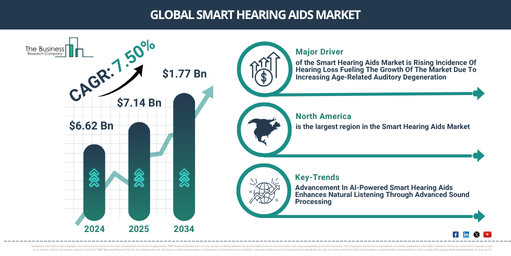
    In recent times, there has been notable growth in the size of the smart hearing aids market. With a compound annual growth rate (CAGR) of 7.9%, the market is projected to expand from $6.62 billion in 2024 to $7.14 billion in 2025. The historical growth of this market can be linked to factors such as the rising occurrence of hearing loss, an increase in the elderly population, greater uptake of digital and wireless technologies, heightened awareness about hearing health, and a growing demand for bespoke healthcare gadgets.

    The market of intelligent hearing aids is projected to experience robust growth in the following years, reaching an estimated worth of $9.56 billion by 2029 due to a compound annual growth rate (CAGR) of 7.5%. This anticipated growth during the forecast period can be associated with rising internet sales channels, technological enhancements, improved government backing and reimbursement schemes, escalating prevalence of noise-induced auditory disorders, and increased health-related spending in developing markets. Key trends to watch during the forecast period include progress in digital signal processing (DSP), the incorporation of artificial intelligence (AI), the amalgamation of technology with mobile devices and wearable technology, advances in rechargeable battery options, as well as developments in miniaturization and aesthetic design.

    Download The Free Sample Report Here:

    https://www.thebusinessresearchcompany.com/sample.aspx?id=25905&type=smp

    What Forces Are Driving The Growth Of The Smart Hearing Aids Industry?

    The smart hearing aids market is anticipated to grow due to the escalating rates of hearing loss. This condition, which could cause a total or partial inability to hear sounds in either one or both ears, significantly affects an individual’s capacity to communicate and comprehend auditory information. Several factors contribute to the rise in hearing loss, including the natural decline of the auditory system as people age. Smart hearing aids offer an innovative solution to this issue by amplifying sounds, minimizing background noise, and amplifying speech clarity using advanced digital technology. They automatically adjust to different settings, significantly enhancing hearing and communication for the user. The Department of Health, Disability, and Ageing, an Australian government administration, reported in May 2024 that about 3.6 million people had some degree of hearing loss, a figure expected to double to roughly 7.8 million by 2060. For these reasons, the increasing prevalence of hearing loss is a key driver of the smart hearing aids market expansion.

    What Is The Overview Of Market Segmentation In The Smart Hearing Aids Industry?

    The smart hearing aids market covered in this report is segmented –

    1) By Product Type: Behind-The-Ear (BTE), In-The-Ear (ITE), In-The-Canal (ITC), Completely-In-Canal (CIC), Receiver-In-Canal (RIC)

    2) By Technology: Bluetooth Enabled, Artificial Intelligence (AI)-Powered, Rechargeable, Tinnitus Masking, Other Technologies

    3) By Distribution Channel: Online Stores, Audiology Clinics, Hospitals And Clinics, Retail Pharmacies, Other Distribution Channels

    4) By End-User: Adults, Pediatrics

    Subsegments:

    1) By Behind-The-Ear (BTE): Standard Behind-The-Ear (BTE), Mini Behind-The-Ear (BTE), Power Behind-The-Ear (BTE), Rechargeable Behind-The-Ear (BTE), Bluetooth-Enabled Behind-The-Ear (BTE)

    2) By In-The-Ear (ITE): Full Shell In-The-Ear (ITE), Half Shell In-The-Ear (ITE), Wireless In-The-Ear (ITE), In-The-Ear (ITE) With Telecoil, Custom In-The-Ear (ITE)

    3) By In-The-Canal (ITC): Standard In-The-Canal (ITC), Mini In-The-Canal (ITC), Rechargeable In-The-Canal (ITC), Directional Microphone In-The-Canal (ITC), Wireless In-The-Canal (ITC)

    4) By Completely-In-Canal (CIC): Invisible-In-Canal (IIC), Wireless Completely-In-Canal (CIC), Programmable Completely-In-Canal (CIC), Completely-In-Canal (CIC) With Remote Control, Completely-In-Canal (CIC) With Venting

    5) By Receiver-In-Canal (RIC): Mini Receiver-In-Canal (RIC), Power Receiver-In-Canal (RIC), Rechargeable Receiver-In-Canal (RIC), Receiver-In-Canal (RIC) With Open Fit, Wireless Receiver-In-Canal (RIC)

    What Future Market Trends Are Projected For The Smart Hearing Aids Industry?

    Major players in the market for smart hearing aids are concentrating their efforts on the development of innovative products, such as AI-enabled hearing aids. These aids utilize artificial intelligence to adapt to changing auditory environments in real-time, enhancing speech comprehension. They are also capable of learning users’ listening habits, thus providing a personalized and highly natural hearing experience. For instance, GN Store Nord A/S, a producer of hearing aids based in Denmark, unveiled ReSound Vivia in February 2025. Touted as the most sophisticated hearing portfolio, this revolutionary device incorporates a dedicated Deep Neural Network (DNN) chip. This chip, trained with millions of speech samples, offers unparalleled speech precision, even in loud environments. Plus, despite having a discreet and comfortable design with an extended battery life, Vivia’s Intelligent Focus feature mimics the natural listening ability of humans by prioritizing sounds based on the user’s focus direction, thereby delivering a more user-friendly and effortless listening experience.

    Who Are The Primary Players Operating Across The Global Smart Hearing Aids Market?

    Major companies operating in the smart hearing aids market are Sonova Holding AG, GN Store Nord A/S, WS Audiology, Starkey Hearing Technologies, Cochlear Ltd., Jabra Enhance, Widex, Beltone, Unitron, Amplifon Hearing Health Care, Eargo Inc., Audicus, iHEAR Medical, MDHearing, SoundWorld Solutions, Lexie Hearing, Audien Hearing, Melosound, Austar Hearing Science and Technology (Xiamen) Co. Ltd., Soundwave Hearing LLC, Tweak Hearing.

    Get The Full Report Here:

    https://www.thebusinessresearchcompany.com/report/smart-hearing-aids-global-market-report

    Which Region Offers The Most Growth Potential For The Smart Hearing Aids Market Through 2029?

    North America was the largest region in the smart hearing aids market in 2024. The regions covered in the smart hearing aids market report are Asia-Pacific, Western Europe, Eastern Europe, North America, South America, Middle East, Africa.

    Request For A Customized Report:

    https://www.thebusinessresearchcompany.com/customise?id=25905&type=smp

    About The Business Research Company:

    With over 15000+ reports from 27 industries covering 60+ geographies, The Business Research Company has built a reputation for offering comprehensive, data-rich research and insights. Armed with 1,500,000 datasets, the optimistic contribution of in-depth secondary research, and unique insights from industry leaders, you can get the information you need to stay ahead in the game.

    Get in touch with us:

    The Business Research Company: https://www.thebusinessresearchcompany.com/

    Americas +1 310-496-7795

    Asia +44 7882 955267 & +91 8897263534

    Europe +44 7882 955267

    Email us at info@tbrc.info

    Follow us on:

    LinkedIn: https://in.linkedin.com/company/the-business-research-company

    YouTube: https://www.youtube.com/channel/UC24_fI0rV8cR5DxlCpgmyFQ

    Global Market Model: https://www.thebusinessresearchcompany.com/global-market-model
  • 2025 Analysis: Opportunities and Risks in the Evolving Sleep Market

    2025 Analysis: Opportunities and Risks in the Evolving Sleep Market

    Claim your 30% discount on Global Market Reports with code ONLINE30. Limited time only.

    Claim your 30% discount on Global Market Reports with code ONLINE30. Limited time only.

    What Are the Forecasted Growth Rate and Market Size of the Sleep Market?

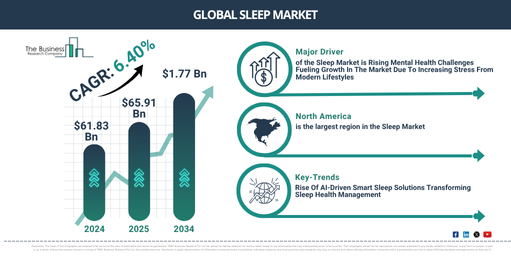
    In recent times, the sleep market sector has seen a significant expansion. By 2025, predictions suggest it will grow from a 2024 value of $61.83 billion to $65.91 billion, representing a compound annual growth rate (CAGR) of 6.6%. Factors driving growth during the historical period include the increased demand for non-invasive and drug-free sleep aids, a rise in lifestyle-related health issues, growth in preference for personalized health solutions, a shift towards sleep monitoring at home, and the emerging trend in digital health and telemedicine.

    In the coming years, the sleep market size is projected to witness robust expansion, reaching a hefty $84.60 billion by 2029 with a CAGR of 6.4%. This advancement during the projected period can be ascribed to factors such as the rising number of sleep disorder cases, escalating recognition of sleep health’s value, an expanding geriatric population, the surge in use of wearable sleep monitors, and mounting mental health issues. Noteworthy trends expected during this period involve technological improvements in wearable devices, the inclusion of artificial intelligence in sleep-monitoring gadgets, the invention of intelligent mattresses and pillows, the arrival of non-contact sleep-monitoring technologies, and the incorporation of voice-activated virtual helpers.

    Download The Free Sample Report Here:

    https://www.thebusinessresearchcompany.com/sample.aspx?id=25904&type=smp

    Which Factor Is Shaping The Future Of The Sleep Market?

    The growing frequency of mental health disorders is projected to drive the expansion of the sleep market in the future. Mental health concerns are medical situations often defined by changes in feelings, cognitive processes, or habits that usually interfere with an individual’s competence in handling daily tasks. The escalating frequency of these illnesses is mainly due to the stress associated with contemporary living conditions, such as job strain, financial uncertainty, and constant digital interaction. Adequate and quality sleep can immensely improve mental wellness by fostering emotional toughness, mitigating anxiety, and bolstering the brain’s ability to deal with stress and mood-related disorders. As an example, in May 2025, according to statistics from the Australian Institute of Health and Welfare, a governmental agency in Australia that provides health and welfare figures, nearly 26% of Australians over the age of 15 were found to have experienced a mental health disorder in 2022. Thus, the rise in mental health disorders is fuelling the growth of the sleep market.

    What Is The Segment-Wise Breakdown Of The Sleep Market?

    The sleep market covered in this report is segmented –

    1) By Product Type: Sleep Aids, Sleep Technologies, Sleep Devices, Bedding, Mattresses, Pillows, Other Product Types

    2) By Indication: Insomnia, Sleep Apnea, Narcolepsy, Restless Leg Syndrome, Rapid Eye Movement Sleep Behavior Disorder, Other Indications

    3) By Distribution Channel: Online, Offline

    Subsegments:

    1) By Sleep Aids: Prescription Sleep Medications, Melatonin Supplements, Cannabidiol (CBD) Products

    2) By Sleep Technologies: Smart Sleep Monitoring Apps, Artificial Intelligence-Based Sleep Platforms, Smart Sleep Environment Systems

    3) By Sleep Devices: Oral Appliances, Sleep Masks, Anti-Snoring Devices

    4) By Bedding: Bed Sheets, Mattress Toppers, Weighted Blankets

    5) By Mattresses: Innerspring Mattresses, Memory Foam Mattresses, Latex Mattresses

    6) By Pillows: Memory Foam Pillows, Latex Pillows, Cooling Pillows

    7) By Other Product Types: White Noise Machines, Sleepwear, Sleep Aromatherapy Products

    Which Trends Are Redefining The Future Landscape Of The Sleep Industry?

    Leading businesses in the sleep market are concentrating on the creation of cutting-edge technologies such as smart sleep analytics solutions, which are designed to elevate the quality of sleep, facilitate personalized sleep therapy, and offer real-time monitoring and understanding of sleep habits. These technologically advanced systems use sensors and artificial intelligence to scrutinize sleep patterns and deliver customized insights, ultimately supporting enhanced sleep quality. For example, in June 2024, an AI-enabled sleep health solution aimed at tracking sleep patterns was launched by Wakefit Innovations Limited, a firm based in India that specializes in sleep and home solutions. The new scheme provides bespoke insights and actionable guidance to improve sleep quality and empower users to handle sleep disorders more efficiently. With these solutions, sleep care has become much more accessible, reasonably priced, and reliant on data; this shift, however, has spotlighted issues surrounding data privacy and precision.

    Which Companies Hold The Largest Market Share In The Sleep Sector?

    Major companies operating in the sleep market are Koninklijke Philips N.V., Garmin Ltd, ResMed Inc., Sleep Number Corporation, Nihon Kohden Corporation, Fisher & Paykel Healthcare Corporation Limited, Natus Medical Incorporated, Itamar Medical Ltd., Withings S.A.S., Cadwell Industries Inc., BMC Medical Co. LTD., Eight Sleep Inc., Compumedics Limited, Simba Sleep Limited, Shenzhen Sleepace Technology Co. Ltd., Cleveland Medical Devices Inc., Advanced Brain Monitoring Inc., Braebon Medical Corporation, SOMNOMEDICS AG., Somnox B.V., Apex Medical Corporation

    Get The Full Report Here:

    https://www.thebusinessresearchcompany.com/report/sleep-global-market-report

    How Does Regional Performance Compare Across The Sleep Industry?

    North America was the largest region in the sleep market in 2024. Asia-Pacific is expected to be the fastest-growing region in the forecast period. The regions covered in the sleep market report are Asia-Pacific, Western Europe, Eastern Europe, North America, South America, Middle East, Africa.

    Request For A Customized Report:

    https://www.thebusinessresearchcompany.com/customise?id=25904&type=smp

    About The Business Research Company:

    With over 15000+ reports from 27 industries covering 60+ geographies, The Business Research Company has built a reputation for offering comprehensive, data-rich research and insights. Armed with 1,500,000 datasets, the optimistic contribution of in-depth secondary research, and unique insights from industry leaders, you can get the information you need to stay ahead in the game.

    Get in touch with us:

    The Business Research Company: https://www.thebusinessresearchcompany.com/

    Americas +1 310-496-7795

    Asia +44 7882 955267 & +91 8897263534

    Europe +44 7882 955267

    Email us at info@tbrc.info

    Follow us on:

    LinkedIn: https://in.linkedin.com/company/the-business-research-company

    YouTube: https://www.youtube.com/channel/UC24_fI0rV8cR5DxlCpgmyFQ

    Global Market Model: https://www.thebusinessresearchcompany.com/global-market-model

  • In-Depth Skin Health Supplements And Treatment Market Report: Business Trends, Growth Factors, and Forecast to 2029

    In-Depth Skin Health Supplements And Treatment Market Report: Business Trends, Growth Factors, and Forecast to 2029

    Claim your 30% discount on Global Market Reports with code ONLINE30. Limited time only.

    Claim your 30% discount on Global Market Reports with code ONLINE30. Limited time only.

    What Is the Estimated Industry Valuation for the Skin Health Supplements And Treatment Sector?

    The market size for skin health supplements and treatments has considerably expanded in the past few years. It is predicted to rise from $5.85 billion in 2024 to $6.35 billion in 2025, reflecting a compound annual growth rate (CAGR) of 8.5%. The growth observed in the historical period is due to factors such as heightened awareness about skin health, surging demand for anti-aging solutions, increased application of collagen supplements, broadening of wellness-centred lifestyles, and a growing inclination towards preventive healthcare.

    The market for skin health supplements and treatments is anticipated to witness robust growth in the upcoming years, with an estimate to reach $8.73 billion by 2029, expanding at a compound annual growth rate (CAGR) of 8.3%. The projected growth during the forecast period is largely due to an increasing focus on personalised skincare, the rising demand for vegan and plant-based supplements, a growing emphasis on balancing the skin microbiome, the burgeoning expansion of online skincare sales, and an increasing preference for clean label ingredients. Key trends predicted for this period include the advancement of delivery system technologies, the emergence of innovative nutricosmetic formulations, the escalation of investment in research and development, the introduction of multi-functional skin supplements, and the ingenuity in sourcing bioactive ingredients.

    Download The Free Sample Report Here:

    https://www.thebusinessresearchcompany.com/sample.aspx?id=25903&type=smp

    What Forces Are Driving The Growth Of The Skin Health Supplements And Treatment Market?

    The skin health supplements and treatment market is expected to grow due to the rising prevalence of skin disorders. These disorders disrupt the skin’s structure, appearance or functionality, leading to symptoms such as dryness, inflammation, or discoloration. The incidence of these conditions is escalating due to increased environmental pollution, exposing the skin to harmful irritants and chemicals which often trigger or exacerbate dermatological conditions. Skin health supplements and treatments offer valuable assistance for these conditions by supplying essential nutrients and specific therapies to heal, protect, and fortify the skin barrier internally and externally. For example, SunSmart, an Australia-based skin cancer prevention initiative, reported that 3,182 Victorians (1,860 males and 1,320 females) were diagnosed with melanoma in 2023 – an alarming increase from 2,884 cases in 2022. Thus, the escalating prevalence of skin disorders is significantly contributing to the expansion of the skin health supplements and treatment market.

    How Is The Skin Health Supplements And Treatment Industry Segmented Across Key Parameters?

    The skin health supplements and treatment market covered in this report is segmented –

    1) By Product Type: Skin Health Supplements, Skin Health Treatment

    2) By Dosage Form: Tablets, Capsules, Powders, Creams And Lotions, Gummies, Other Dosage Forms

    3) By Distribution Channel: Pharmacies And Drug Stores, Supermarkets And Hypermarkets, Online Pharmacies, Other Distribution Channels

    4) By Application: Anti-Aging, Acne Treatment, Skin Brightening And Hyperpigmentation, Skin Moisturization And Hydration, Ultraviolet (UV) Protection, Other Applications

    Subsegments:

    1) By Skin Health Supplements: Collagen Supplements, Vitamin And Mineral Supplements, Omega-3 Fatty Acids, Probiotic Supplements, Antioxidant Blends, Herbal And Botanical Extracts

    2) By Skin Health Treatment: Anti-Aging Creams And Serums, Acne Treatment Creams, Moisturizers And Hydrating Lotions, Brightening And Pigmentation Correctors, Sunscreens And UV Protection Creams, Exfoliators And Peels

    What Notable Trends Are Shaping The Direction Of The Skin Health Supplements And Treatment Market?

    Leading corporations in the skin health supplements and treatment market, such as Neutrogena, are concentrating their efforts on creating innovative solutions, including personalized 3D-printed nutraceuticals, in order to provide specialized and effective support for skin wellness. These cutting-edge nutraceuticals are state-of-the-art dietary supplements tailored to a person’s unique health or skincare needs using 3D printing technology, with customization informed by biomarkers, lifestyle indicators, or digital diagnostics. As an example, Neutrogena, a skincare company based in the US, launched 3D-printed, AI-driven skin additives in January 2023, with the aim of providing customized skin health supplements to meet each individual’s requirements. The product, designed using personalized formulas based on the user’s skin analysis, is vegan-friendly and sugar-free. It also comes with a 28-day supply of custom gummy supplements to support skin objectives, such as increasing hydration, providing aging support, and improving clarity. This product, named Skin360 SkinStacks, signifies an exciting leap in edible skincare, cleverly combining personalization and convenience to cater to the ever-evolving demands of health-conscious consumers.

    Which Companies Currently Dominate The Competitive Landscape In The Skin Health Supplements And Treatment Industry?

    Major companies operating in the skin health supplements and treatment market are Unilever plc, Bayer AG, Perrigo Company plc, TCI Co. Ltd., JSHealth Vitamins Pty Ltd., The Nue Co. Inc., Ancient Brands LLC, Moon Juice Ventures LLC, CCA Industries Inc., Sonoma Pharmaceuticals Inc., Fermentis Life Sciences Private Limited, BioThrive Sciences LLC, Vitl Life Ltd., Versed LLC, Sabbatical Beauty LLC, By Ava Inc., Kinship Skincare Inc., Skinade Ltd., Eagle Labs Inc., Vencora Healthcare Private Limited

    Get The Full Report Here:

    https://www.thebusinessresearchcompany.com/report/skin-health-supplements-and-treatment-global-market-report

    Which Geographic Regions Are Driving Demand In The Skin Health Supplements And Treatment Market?

    Asia-Pacific was the largest region in the skin health supplements and treatments market in 2024. Asia-Pacific is expected to be the fastest-growing region in the forecast period. The regions covered in the skin health supplements and treatment market report are Asia-Pacific, Western Europe, Eastern Europe, North America, South America, Middle East, Africa.

    Request For A Customized Report:

    https://www.thebusinessresearchcompany.com/customise?id=25903&type=smp

    About The Business Research Company:

    With over 15000+ reports from 27 industries covering 60+ geographies, The Business Research Company has built a reputation for offering comprehensive, data-rich research and insights. Armed with 1,500,000 datasets, the optimistic contribution of in-depth secondary research, and unique insights from industry leaders, you can get the information you need to stay ahead in the game.

    Get in touch with us:

    The Business Research Company: https://www.thebusinessresearchcompany.com/

    Americas +1 310-496-7795

    Asia +44 7882 955267 & +91 8897263534

    Europe +44 7882 955267

    Email us at info@tbrc.info

    Follow us on:

    LinkedIn: https://in.linkedin.com/company/the-business-research-company

    YouTube: https://www.youtube.com/channel/UC24_fI0rV8cR5DxlCpgmyFQ

    Global Market Model: https://www.thebusinessresearchcompany.com/global-market-model

  • Outlook for Infection Control Surveillance Solutions Market: Key Developments and Future Strategies to 2029

    Outlook for Infection Control Surveillance Solutions Market: Key Developments and Future Strategies to 2029

    Claim your 30% discount on Global Market Reports with code ONLINE30. Limited time only.

    Claim your 30% discount on Global Market Reports with code ONLINE30. Limited time only.

    How Large Is the Infection Control Surveillance Solutions Market Expected to Be in 2029?

    The market size of infection control surveillance solutions has significantly expanded in the past few years. It is set to increase from $1.67 billion in 2024 to $1.83 billion in 2025, with a compound annual growth rate (CAGR) of 9.4%. This growth during the historical period is a result of increased consciousness about hygiene and patient safety, the rise in the usage of electronic health records (EHRs), a heightened emphasis on hospital accreditation and compliance, an increase in the adoption of antimicrobial stewardship programs, along with enhanced training initiatives aimed at educating healthcare professionals about infection control.

    The market size of infection control surveillance solutions is projected to experience robust expansion in the coming years, reaching $2.59 billion by 2029, with a compound annual growth rate (CAGR) of 9.1%. This expected surge during the forecast period can be attributed to factors such as a growing population of older adults and people with compromised immunity, increased utilization of mobile and cloud-based ICSS platforms, heightened investment in hospital IT infrastructure, escalating healthcare costs, and the emergence of telehealth and remote monitoring. Key trends anticipated during the forecast period encompass sophisticated automation in infection tracking systems, the creation of interoperable surveillance platforms, innovation in wearable infection monitoring equipment, the advancement of cloud-native infection management tools, and the comprehensive use of remote patient monitoring for infection trends analysis.

    Download The Free Sample Report Here:

    https://www.thebusinessresearchcompany.com/sample.aspx?id=25792&type=smp

    What Are The Contributors To Demand In The Infection Control Surveillance Solutions Market?

    The escalating rates of infections acquired in healthcare settings, known as healthcare-associated infections (HAIs), predict a boost in the growth of the infection control surveillance solutions market. Such infections are obtained by patients whilst receiving medical or surgical care in a healthcare environment. The upward trend in healthcare-related infections is due to the increasing use of invasive medical equipment like catheters and ventilators, capable of introducing pathogens into the human body. Infection control surveillance solutions aid in curbing these infections by allowing swift identification of infection patterns and facilitating immediate interventions to avert outbreaks. For example, a study published by BioMed Central’s BMC Infectious Diseases in June 2025 highlighted that the rate of hospital-acquired infections increased from 0.98 per 1,000 patient-days in 2021 to 1.31 in 2022, drawing attention to a worrying surge in hospital-borne infection rates. As such, this increase in healthcare-associated infections (HAIs) is fuelling the growth of the infection control surveillance solutions market.

    What Segmentation Categories Are Included In The Infection Control Surveillance Solutions Market Analysis?

    The infection control surveillance solutions market covered in this report is segmented –

    1) By Product Type: Software Solutions, Hardware Solutions, Services

    2) By Deployment Mode: On-Premise Solutions, Cloud-Based Solutions, Hybrid Solutions

    3) By Application: Infection Control, Surveillance And Reporting, Data Management, Compliance Monitoring, Quality Improvement

    4) By End-User: Hospitals, Long-term Care Facilities, Home Healthcare, Ambulatory Surgical Centers, Clinical Laboratories

    Subsegments:

    1) By Software Solutions: Infection Surveillance Software, Antimicrobial Stewardship Software, Outbreak Detection And Alert Systems, Compliance Monitoring Software, Clinical Decision Support Systems (CDSS), Real-Time Analytics And Reporting Dashboards, Electronic Health Record (EHR) Integration Modules

    2) By Hardware Solutions: Real-Time Location Systems (RTLS), Environmental Monitoring Devices, Handheld Data Collection Devices, ATP Testing Instruments, Network Infrastructure Equipment,

    3) By Services – Installation And Integration Services, Training And Support Services, Consulting Services, Data Analysis And Reporting Services, Managed Services

    What Upcoming Trends Are Expected To Impact The Infection Control Surveillance Solutions Market Globally?

    Key players in the infection control surveillance solutions market are concentrating their efforts on creating advanced solutions such as infection surveillance systems. These systems significantly improve early detection and response to infections connected to healthcare. Such systems encompass digital or manual tools that consistently track, identify, and report infections within healthcare facilities to support prompt prevention and control actions. For example, a neonatal infection prevention project based in Europe, known as NeoIPC, supervised by Fondazione Penta ETS, introduced a new surveillance toolkit in November 2023. This toolkit aims to bolster the prevention and control of infections in Neonatal Intensive Care Units (NICUs). It comprises real-time data gathering tools designed explicitly for neonatal contexts, facilitating early identification of infection groups and patterns of antimicrobial resistance. The toolkit also includes tailor-made dashboards for NICU staff to oversee IPC indicators, alongside integrated algorithms for decision-support that prompt timely interventions. The system also supports the sharing and benchmarking of data across institutions, fostering collective learning and swift reactions to emerging infection threats.

    Who Are The Top-Ranked Companies In The Infection Control Surveillance Solutions Market Today?

    Major companies operating in the infection control surveillance solutions market are Oracle Corporation, 3M Company, Becton Dickinson and Company, Baxter International Inc., Ecolab Inc., Wolters Kluwer N.V., STERIS plc, Getinge AB, Premier Inc., Inovalon Holdings Inc., Belimed AG, Harris Healthcare Solutions Inc., RLDatix Group, Hygiena LLC, CenTrak Inc., Matachana Group S.A., Pal International Ltd., Azalea Health Innovations Inc., TOMI Environmental Solutions Inc., Ocean Health Systems Inc.

    Get The Full Report Here:

    https://www.thebusinessresearchcompany.com/report/infection-control-surveillance-solutions-global-market-report

    How Is Infection Control Surveillance Solutions Market Adoption Varying Across Different Regions And Sectors?

    North America was the largest region in the infection control surveillance solutions market in 2024. Asia-Pacific is expected to be the fastest-growing region in the forecast period. The regions covered in the infection control surveillance solutions market report are Asia-Pacific, Western Europe, Eastern Europe, North America, South America, Middle East, Africa.

    Request For A Customized Report:

    https://www.thebusinessresearchcompany.com/customise?id=25792&type=smp

    About The Business Research Company:

    With over 15000+ reports from 27 industries covering 60+ geographies, The Business Research Company has built a reputation for offering comprehensive, data-rich research and insights. Armed with 1,500,000 datasets, the optimistic contribution of in-depth secondary research, and unique insights from industry leaders, you can get the information you need to stay ahead in the game.

    Get in touch with us:

    The Business Research Company: https://www.thebusinessresearchcompany.com/

    Americas +1 310-496-7795

    Asia +44 7882 955267 & +91 8897263534

    Europe +44 7882 955267

    Email us at info@tbrc.info

    Follow us on:

    LinkedIn: https://in.linkedin.com/company/the-business-research-company

    YouTube: https://www.youtube.com/channel/UC24_fI0rV8cR5DxlCpgmyFQ

    Global Market Model: https://www.thebusinessresearchcompany.com/global-market-model
  • Key Market Drivers, Trends, and Forecast for the Global In Vivo Toxicology Industry

    Key Market Drivers, Trends, and Forecast for the Global In Vivo Toxicology Industry

    Claim your 30% discount on Global Market Reports with code ONLINE30. Limited time only.

    Claim your 30% discount on Global Market Reports with code ONLINE30. Limited time only.

    What Is the Outlook for the In Vivo Toxicology Market Heading Into 2029?

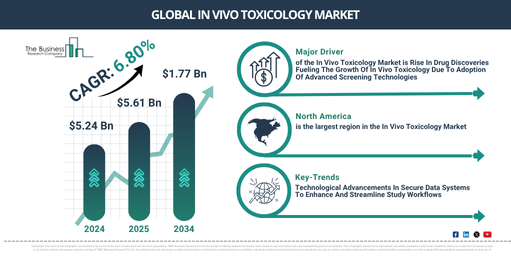
    The market for in-vivo toxicology has experienced significant growth in the past few years. It is projected to expand from $5.24 billion in 2024 to $5.61 billion in 2025, boasting a compound annual growth rate (CAGR) of 7.1%. This historical growth can be attributed to various factors such as the increasing demand for studies that comply with Good Laboratory Practice (GLP), the broadening of reach regulations, an increase in biologics and biosimilars that require safety evaluations, more investment in the development of oncology drugs, and the proliferation of gene and cell therapy pipelines.

    It is anticipated that the in-vivo toxicology market will experience robust growth in the forthcoming years, with the market value projected to reach $7.31 billion in 2029, registering a compound annual growth rate (CAGR) of 6.8%. This upward trend during the projection period can be associated with factors such as the escalating global activities in drug development, increasing demand for personalized healthcare, growth in clinical trials, the rise in toxicology testing outsourcing by pharmaceutical entities, and expanding consumer safety concerns in the food and personal care commodities sector. Key trend-shifts expected during the projection period encompass the creation of sophisticated animal models, the incorporation of imaging technologies into in-vivo studies, the advent of automated data gathering systems, the utilization of Artificial Intelligence (AI) and Machine Learning (ML) in analyzing toxicology data, and advancements in telemetry and biomarker identification in animals.

    Download The Free Sample Report Here:

    https://www.thebusinessresearchcompany.com/sample.aspx?id=25791&type=smp

    Which Factors Are Pushing The In Vivo Toxicology Market Forward?

    The surge in drug discoveries is anticipated to fuel the expansion of the in vivo toxicology market. The process involves the scientific recognition and development of novel compounds that can potentially serve as remedies or prevention for various illnesses. The advancement in biotechnology has greatly improved this mechanism by improving comprehension of disease mechanisms and allowing for the creation of more specific therapies. An essential aspect of drug discovery, in vivo toxicology facilitates safety evaluation, tolerability and potential side effects of investigational compounds in entire organisms. It aids in identifying dose-limiting toxicities and contributes to formulating dosing plans before clinical development. For example, as per an article issued by the Government of Canada in May 2025, a Canada-based statutory body states that the number of medicines in clinical development globally reached 10,134 in March 2025, marking a 20% rise since September 2021. Thus, the escalating number of drug discoveries is propelling the growth of the in vivo toxicology market.

    Which Segment Held The Largest Share In The In Vivo Toxicology Market In 2025?

    The in vivo toxicology market covered in this report is segmented –

    1) By Product: Consumables, Instruments

    2) By Testing Types: Chronic Toxicity Testing, Sub-Chronic Toxicity Testing, Sub-Acute Toxicity Testing, Acute Toxicity Testing

    3) By Methodology: In Vivo Animal Models, Genetically Modified Organisms, Non-Human Primate Studies, Rodent Models, Larger Mammals

    4) By Application: Immunotoxicity, Systemic Toxicity, Carcinogenicity, Genotoxicity, Developmental And Reproductive Toxicity (DART), Other Applications

    5) By End-User: Pharmaceutical Companies, Biosimilars Manufacturers, Contract Research Organizations (CROs), Academic And Research Institutions, Biotechnology Firms

    Subsegments:

    1) By Consumables: Animal Models, Reagents And Kits, Assay Kits, Toxicology Testing Media, Antibodies, Biochemicals, Buffers And Solutions, Disposable Labware, Animal Feed, Diluents

    2) By Instruments: Imaging Systems, Flow Cytometers, PCR Machines, Spectrophotometers, Microscopes, Analyzers, Centrifuges, Incubators, Animal Monitoring Systems, Automated Liquid Handling Systems

    How Are Key Trends Driving Expansion In The In Vivo Toxicology Industry?

    Major firms involved in the in vivo toxicology sector are revamping their strategies to create state-of-the-art solutions, like secure, real-time data platforms based on the cloud, in order to enhance study administration and speed up decision-making processes. These secure and cloud-managed platforms provide real-time access to study related data, planning resources, milestones, and documents, securely and remotely to both researchers and clients, thereby improving transparency and cooperation. Charles River Laboratories International Inc., an American contract research organization, unveiled Apollo – a secure and cloud-based platform for real-time access to toxicology study data, in March 2023. Apollo is designed to support general toxicology studies in vivo with data visualization, planning, and milestone tracking tools, enabling real-time access to essential study data, and hence, facilitating faster and better-informed decisions. It also aids in streamlining budget estimation and project planning throughout the drug development process. Apollo’s digitalization of toxicology workflows enhances precision, efficiency, and partnership during in vivo research.

    Which Organizations Are Driving Progress In The In Vivo Toxicology Industry?

    Major companies operating in the in vivo toxicology market are Thermo Fisher Scientific Inc., Laboratory Corporation of America Holdings (Labcorp), Sigma-Aldrich Co. LLC, Eurofins Scientific SE, SGS Société Générale de Surveillance SA, Agilent Technologies Inc., WuXi AppTec Co. Ltd., Charles River Laboratories International Inc., PerkinElmer Inc., Waters Corporation, Bio-Rad Laboratories Inc., Bruker Corporation, Jubilant Life Sciences Limited, Evotec SE, The Jackson Laboratory, Inotiv Inc., SRI International, MatTek Corporation, Transcure Bioservices Pvt. Ltd., Altogen Labs.

    Get The Full Report Here:

    https://www.thebusinessresearchcompany.com/report/in-vivo-toxicology-global-market-report

    Which Region Is Expected To Experience The Highest Growth In The In Vivo Toxicology Industry?

    North America was the largest region in the in-vivo toxicology market in 2024. Asia-Pacific is expected to be the fastest-growing region in the forecast period. The regions covered in the in vivo toxicology market report are Asia-Pacific, Western Europe, Eastern Europe, North America, South America, Middle East, Africa.

    Request For A Customized Report:

    https://www.thebusinessresearchcompany.com/customise?id=25791&type=smp

    About The Business Research Company:

    With over 15000+ reports from 27 industries covering 60+ geographies, The Business Research Company has built a reputation for offering comprehensive, data-rich research and insights. Armed with 1,500,000 datasets, the optimistic contribution of in-depth secondary research, and unique insights from industry leaders, you can get the information you need to stay ahead in the game.

    Get in touch with us:

    The Business Research Company: https://www.thebusinessresearchcompany.com/

    Americas +1 310-496-7795

    Asia +44 7882 955267 & +91 8897263534

    Europe +44 7882 955267

    Email us at info@tbrc.info

    Follow us on:

    LinkedIn: https://in.linkedin.com/company/the-business-research-company

    YouTube: https://www.youtube.com/channel/UC24_fI0rV8cR5DxlCpgmyFQ

    Global Market Model: https://www.thebusinessresearchcompany.com/global-market-model
  • Strategic Report on In Vivo Contract Research Organization Market: Growth Opportunities and Emerging Challenges

    Claim your 30% discount on Global Market Reports with code ONLINE30. Limited time only.

    Claim your 30% discount on Global Market Reports with code ONLINE30. Limited time only.

    What Does the Forecast Indicate for the In Vivo Contract Research Organization Market From 2025 to 2029?

    In recent times, the market size of the in vivo contract research organization has seen significant growth. The market will escalate from a size of $4.82 billion in 2024 to $5.23 billion in 2025, marking a compound annual growth rate (CAGR) of 8.5%. This growth in the historical phase can be linked to increasing drug development expenses, a higher prevalence of chronic diseases, an increase in pharmaceutical research & development investment, the expanding number of biotech startups, and the surging demand for new therapeutics.

    The market size for in vivo contract research organizations is predicted to experience notable expansion in the coming years, with a projected value of $7.19 billion by 2029, growing at a compound annual growth rate (CAGR) of 8.3%. This development over the forecast phase can be linked to factors such as the escalating need for precision medicine, global growth of contract research organization service networks, the emergence of personalized therapeutics, the increased requirement for translational research, and the growing quantity of orphan drugs. The period also foresees considerable trends such as advanced imagery for in vivo models, automated data processing, and reporting, the incorporation of omics technologies, the advent of cloud-based collaboration platforms, and the evolution of biologic biosimilars.

    Download The Free Sample Report Here:

    https://www.thebusinessresearchcompany.com/sample.aspx?id=25790&type=smp

    What Elements Are Contributing To Growth In The In Vivo Contract Research Organization Market?

    The increasing emphasis on personalized medicine is anticipated to fuel the expansion of the in vivo contract research organization market in the future. Personalized medicine treats and prevents illnesses based on an individual’s genetics, lifestyle, and environmental factors to boost health outcomes. The rising focus on this type of medicine is a result of greater accessibility and affordability of genomic sequencing technologies. This allows more precise identification of genetic mutations and paves the way for customized therapies that enhance patient outcomes and minimize trial-and-error in treatment. This growing focus on personalized medicine dictates the demand in the in vivo CRO market, as specialized preclinical studies utilizing particular animal models are required to assess targeted therapies and their impact on unique genetic profiles. For example, in February 2024, the Personalized Medicine Coalition (PMC), a nonprofit organization based in the U.S., reported that the FDA approved 16 new personalized treatments in 2023, an increase from six in 2022. Personalized medicines represented more than a third of all new drug approvals by the U.S. Food and Drug Administration (FDA) for the fourth year in a row. Therefore, the increased focus on personalized medicine is a major factor contributing to the growth of the in vivo contract research organization market.

    Which Segments Are Detailed In The Global In Vivo Contract Research Organization Market Report?

    The in vivo contract research organization market covered in this report is segmented –

    1) By Type: Rodent Based, Non-Rodent Based

    2) By Type Of Service: Clinical Trial Services, Preclinical Services, Post-Market Services

    3) By Good Laboratory Practice Type: Good Laboratory Practice Toxicology, Non Good Laboratory Practice

    4) By Applications: Oncology, Cardiovascular Diseases, Infectious Diseases, Neurological Disorders, Other Applications

    5) By End User: Pharmaceutical Companies, Biotechnology Companies, Contract Research Organizations (CROs), Academic And Research Institutes, Government And Regulatory Bodies

    Subsegments:

    1) By Rodent-Based: Mice Models, Rat Models, Genetically Engineered Rodents, Immunodeficient Rodents, Humanized Rodents

    2) By Non-Rodent-Based: Canine Models, Non-Human Primate Models, Swine Models, Rabbit Models, Zebrafish Models

    Which Emerging Trends And Strategic Shifts Are Shaping The In Vivo Contract Research Organization Market?

    Leading firms in the in vivo contract research organization market are centering their efforts on creating ground-breaking solutions, such as advanced therapy incubator programs. These programs aim to fast-track the evolution of next-generation treatments and bolster early-stage clinical research. An advanced therapy incubator program is a distinct initiative designed to aid early-stage biotech firms through the provision of resources, mentorship, and infrastructure, enabling speedy development of cutting-edge therapies like gene, cell, and RNA-based treatments. For instance, Charles River Laboratories International Inc., a pharmaceutical company based in the US, unveiled its pioneer advanced therapy incubator program cohort in April 2025. This trailblazing initiative is set up to help early-stage biotech firms driving the development of next-generation treatments. Participants in the program are given access to Charles River’s scientific acumen, top-notch laboratory facilities, and tailored in vivo models, allowing them to swiftly generate proof-of-concept data. The program also supplies a genuine preclinical environment for therapeutic candidate validation, which assists in expediting the process to clinic and enhancing the chances of regulatory success. This initiative plays a vital part in progressing the field of advanced therapies by providing a bridge between academic innovation and clinical development.

    Who Are The Key Contributors To Growth In The In Vivo Contract Research Organization Market?

    Major companies operating in the in vivo contract research organization market are Thermo Fisher Scientific Inc., IQVIA Inc., Labcorp Drug Development Inc., ICON plc, Pharmaceutical Product Development LLC, Eurofins Scientific SE, WuXi AppTec, Syneos Health Inc., Charles River Laboratories International Inc., Parexel International Corporation, Evotec SE, GemPharmatech Co Ltd., BIOQUAL Inc., Crown Bioscience Inc., PsychoGenics Inc., Janvier Labs SAS, Taconic Bioscience Inc., Xentech SAS, Pronexus Analytical AB, Altogen Labs Inc., AniLocus Inc.

    Get The Full Report Here:

    https://www.thebusinessresearchcompany.com/report/in-vivo-contract-research-organization-global-market-report

    Which Region Is Projected To Lead The In Vivo Contract Research Organization Market By 2025?

    North America was the largest region in the in vivo contract research organization market in 2024. Asia-Pacific is expected to be the fastest-growing region in the forecast period. The regions covered in the in vivo contract research organization market report are Asia-Pacific, Western Europe, Eastern Europe, North America, South America, Middle East, Africa.

    Request For A Customized Report:

    https://www.thebusinessresearchcompany.com/customise?id=25790&type=smp

    About The Business Research Company:

    With over 15000+ reports from 27 industries covering 60+ geographies, The Business Research Company has built a reputation for offering comprehensive, data-rich research and insights. Armed with 1,500,000 datasets, the optimistic contribution of in-depth secondary research, and unique insights from industry leaders, you can get the information you need to stay ahead in the game.

    Get in touch with us:

    The Business Research Company: https://www.thebusinessresearchcompany.com/

    Americas +1 310-496-7795

    Asia +44 7882 955267 & +91 8897263534

    Europe +44 7882 955267

    Email us at info@tbrc.info

    Follow us on:

    LinkedIn: https://in.linkedin.com/company/the-business-research-company

    YouTube: https://www.youtube.com/channel/UC24_fI0rV8cR5DxlCpgmyFQ

    Global Market Model: https://www.thebusinessresearchcompany.com/global-market-model

  • Industry Trends Show Immunology Biosimilars Market Set to Expand at 12.9% CAGR Until 2029

    Industry Trends Show Immunology Biosimilars Market Set to Expand at 12.9% CAGR Until 2029

    Claim your 30% discount on Global Market Reports with code ONLINE30. Limited time only.

    Claim your 30% discount on Global Market Reports with code ONLINE30. Limited time only.

    How Much Is the Global Immunology Biosimilars Market Valued at Present and by 2029?

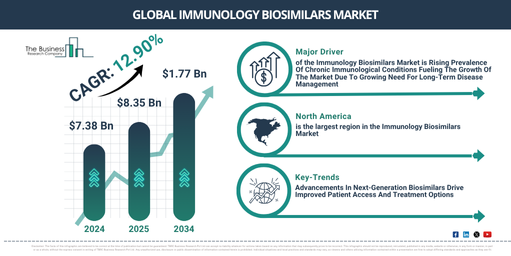
    There has been a swift expansion in the size of the immunology biosimilars market in the past few years. The market is anticipated to escalate from $7.38 billion in 2024 to $8.35 billion in 2025, demonstrating a compound annual growth rate (CAGR) of 13.1%. Factors causing this historic increase include enhanced acceptance of biosimilars, mounting demands for cost-efficient biologics, the surge in autoimmune diseases, growing patient knowledge regarding biosimilar treatments, and augmented regulatory backing for the approval of biosimilars.

    In the coming years, the immunology biosimilars market is predicted to experience swift expansion, reaching a value of $13.57 billion in 2029 with a compound annual growth rate (CAGR) of 12.9%. The increased growth in the forecast period can be linked to a heightened emphasis on lowering medical costs, the upsurge of chronic inflammatory conditions, a broader reach in new markets, amplified support for biosimilar interchangeability, and significant investments made by pharmaceutical firms. Trends identified for the forecast period encompass progress in biologics production technology, partnerships in research and development, creation of advanced biosimilars, innovative delivery mechanism, and the integration of artificial intelligence in the process of biosimilar development.

    Download The Free Sample Report Here:

    https://www.thebusinessresearchcompany.com/sample.aspx?id=25789&type=smp

    #What Drivers Are Influencing Growth In The Immunology Biosimilars Market?

    The upward trend in chronic immunological conditions is anticipated to drive the growth of the immunology biosimilars market. These conditions are persistent disorders where the immune system either attacks the body’s tissues or fails to offer it effective protection. This rise is attributed to the increasing number of individuals suffering from enduring immune system disorders, which necessitate consistent treatment, active disease management, and sustainable healthcare support. Immunology biosimilars provide affordable and efficient treatment alternatives for chronic immunological conditions, thereby enhancing long-term disease control and improving patient access to crucial therapies that manage immune system dysfunction. For instance, the Australian Institute of Health and Welfare, a governmental organization based in Australia, reported in June 2024 that rheumatoid arthritis, a systemic autoimmune disease, affected approximately 514,000 individuals (2.0%) in 2022, with 2.5% of females and 1.6% of males living with the condition. Thus, the escalating prevalence of chronic immunological conditions is propelling the immunology biosimilars market’s growth.

    What Are The Main Segments Identified In The Immunology Biosimilars Market Research?

    The immunology biosimilars market covered in this report is segmented –

    1) By Drug Type: Monoclonal Antibodies, Fusion Proteins, Recombinant Proteins, Interferons, Other Biosimilar Immunomodulators

    2) By Disease: Inflammatory Bowel Disease, Arthritis, Other Diseases

    3) By Distribution Channel: Hospital Pharmacies, Retail Pharmacies, Online Pharmacies, Other Distribution Channels

    4) By End User: Hospitals, Clinics, Homecare Settings, Ambulatory Surgical Centers (ASCs)

    Subsegments:

    1) By Monoclonal Antibodies: Anti-Tumor Necrosis Factor Agents, Anti-Interleukin-6 Agents, Anti-Cluster of Differentiation 20 Agents, Anti-Interleukin-12/23 Agents, Other Monoclonal Antibodies

    2) By Fusion Proteins: Etanercept Biosimilars, Other Fusion Protein Biosimilars

    3) By Recombinant Proteins: Recombinant Human Insulin, Recombinant Human Growth Hormone, Recombinant Human Erythropoietin, Other Recombinant Protein Biosimilars

    4) By Interferons: Interferon Alpha, Interferon Beta, Interferon Gamma

    5) By Other Biosimilar Immunomodulators: Interleukin Inhibitors, Janus Kinase Inhibitors, Other Immunomodulatory Biosimilars

    What Are The Leading Trends And Opportunities In The Immunology Biosimilars Sector?

    Firms in the immunology biosimilars sector, such as Sandoz Group AG and Samsung Bioepis Co. Ltd., are concentrating on the advancement of high-tech biosimilar innovations including possible interchangeability designation, improved stable formulations, and new forms of delivery. This is aimed at providing patients with more practical and efficient therapeutic alternatives. Predicted interchangeability designation reflects that the biosimilar is set to satisfy regulatory requirements, making it eligible for exchange with the reference biologic at the pharmacy without intervention from the prescriber. For example, Sandoz Group AG, a Swiss pharmaceutical firm, in partnership with Samsung Bioepis Co. Ltd., a biopharmaceutical company from South Korea, unveiled Pyzchiva (ustekinumab-ttwe), a biosimilar to Stelara, for chronic autoimmune disorders therapy such as plaque psoriasis, psoriatic arthritis, Crohn’s disease, and ulcerative colitis, in February 2025. This launch signifies Sandoz’s dedication to amplifying the accessibility of immunology biosimilars with an economical, patient-focused therapy featuring multiple dose options, increased stability, and a unique re-refrigeration capacity after the initial cooling process.

    Which Companies Play A Key Role In The Development Of The Immunology Biosimilars Market?

    Major companies operating in the immunology biosimilars market are Pfizer Inc., Novartis AG, LG Chem Ltd., Amgen Inc., Teva Pharmaceutical Industries Ltd., Astellas Pharma Inc., Sandoz Group AG, Fresenius Kabi AG, Intas Pharmaceuticals Ltd., Stada Arzneimittel AG, Cipla Ltd., Kyowa Kirin Co. Ltd., Dr. Reddy’s Laboratories Ltd., Samsung Bioepis Co. Ltd., Gedeon Richter Plc, Celltrion Inc., Biocon Ltd., Innovent Biologics Inc., Biocad, Mabion S.A.

    Get The Full Report Here:

    https://www.thebusinessresearchcompany.com/report/immunology-biosimilars-global-market-report

    What Are The Key Regional Developments Shaping The Immunology Biosimilars Market?

    North America was the largest region in the immunology biosimilars market in 2024. Asia-Pacific is expected to be the fastest-growing region in the forecast period. The regions covered in the immunology biosimilars market report are Asia-Pacific, Western Europe, Eastern Europe, North America, South America, Middle East, Africa.

    Request For A Customized Report:

    https://www.thebusinessresearchcompany.com/customise?id=25789&type=smp

    About The Business Research Company:

    With over 15000+ reports from 27 industries covering 60+ geographies, The Business Research Company has built a reputation for offering comprehensive, data-rich research and insights. Armed with 1,500,000 datasets, the optimistic contribution of in-depth secondary research, and unique insights from industry leaders, you can get the information you need to stay ahead in the game.

    Get in touch with us:

    The Business Research Company: https://www.thebusinessresearchcompany.com/

    Americas +1 310-496-7795

    Asia +44 7882 955267 & +91 8897263534

    Europe +44 7882 955267

    Email us at info@tbrc.info

    Follow us on:

    LinkedIn: https://in.linkedin.com/company/the-business-research-company

    YouTube: https://www.youtube.com/channel/UC24_fI0rV8cR5DxlCpgmyFQ

    Global Market Model: https://www.thebusinessresearchcompany.com/global-market-model

  • Competitive and Market Trend Analysis of Image-Guided Therapy Systems Industry Through 2029

    Competitive and Market Trend Analysis of Image-Guided Therapy Systems Industry Through 2029

    Claim your 30% discount on Global Market Reports with code ONLINE30. Limited time only.

    Claim your 30% discount on Global Market Reports with code ONLINE30. Limited time only.

    What Is the Current and Projected Market Size of the Image-Guided Therapy Systems Industry?

    The market size of image-guided therapy systems has seen a significant expansion in the past few years. This market is expected to increase from $4.82 billion in 2024 to $5.13 billion in 2025, growing at a compound annual growth rate (CAGR) of 6.5%. The growth during this historic period is due to factors such as the growing demand for precision, an increase in the prevalence of chronic disease, an aging global population, a rise in minimally invasive procedures, and a higher acceptance rate in the field of oncology.

    Expectations are high for substantial growth in the market for image-guided therapy systems within the upcoming years. The market is projected to expand to $6.55 billion by 2029, with a compound annual growth rate (CAGR) of 6.3%. This anticipated growth during the forecast period is due to several factors including the growing preference for outpatient and ambulatory surgical procedures, a worldwide increase in healthcare expenditure, elevated investments in research and development, improvements in image resolution quality, and expansion in hospital infrastructure. Key market trends for the forecast period encompass advancements in AI-enhanced imaging, the amalgamation of multi-modal systems, technological progress in portable imaging devices, developments in hybrid operating rooms, and the evolution of electromagnetic tracking.

    Download The Free Sample Report Here:

    https://www.thebusinessresearchcompany.com/sample.aspx?id=25788&type=smp

    #Which Factors Are Currently Driving The Growth Of The Image-Guided Therapy Systems Market?

    The image-guided therapy systems market is expected to thrive due to the increasing demand for minimally invasive procedures. These surgical techniques involve fewer and smaller incisions, which in turn reduce patient trauma and recovery duration. Many individuals are choosing minimally invasive operations over traditional open surgeries due to the numerous benefits they offer, such as causing less damage to tissues, promoting quicker recovery, and enabling patients to resume normal activities sooner. Image-guided therapy systems are uniquely suited to assist in such operations by providing real-time imaging that lets surgeons expertly navigate instruments and identify treatment areas, all while safeguarding the surrounding healthy tissue. For example, the American Academy of Facial Plastic and Reconstructive Surgery, a non-profit organization based in the United States, reported that in 2023, minimally invasive operations made up 83% of all medical procedures, with conventional surgical methods accounting for just 17%. Hence, the escalating demand for minimally invasive surgery is the catalyst for expansion in the image-guided therapy systems market.

    How Is The Global Image-Guided Therapy Systems Market Structured In Terms Of Segments?

    The image-guided therapy systems market covered in this report is segmented –

    1) By Product Type: Ultrasound Systems, Endoscopes, Magnetic Resonance Imaging (MRI), X-Ray Fluoroscopy Or C-Arms, Positron Emission Tomography (PET), Single-Photon Emission CT (SPECT), Other Product Types

    2) By Technology: Electromagnetic Navigation, Robotic-Assisted Imaging Guidance, Artificial Intelligence (AI)-Enhanced Real-Time 3D Or 4D Imaging, Augmented Or Mixed-Reality Visualization, Optical And Laser-Based Tracking

    3) By Modality Portability: Fixed Systems, Mobile C-Arms, Hand-Held Or Portable

    4) By Application: Cardiac Surgery, Neurosurgery, Orthopedic Surgery, Gastroenterology, Urology, Oncology, Ear, Nose, And Throat Surgery, Other Applications

    5) By End Use: Hospitals, Ambulatory Surgical Centers, Specialty Clinics, Research And Academic Institutions

    Subsegments:

    1) By Ultrasound Systems: Two-Dimensional (2D) Ultrasound Systems, Three-Dimensional (3D) And Four-Dimensional (4D) Ultrasound Systems, Doppler Ultrasound Systems, Contrast-Enhanced Ultrasound Systems, Portable and Handheld Ultrasound Devices

    2) By Endoscopes: Rigid Endoscope Systems, Flexible Endoscope Systems, Capsule Endoscope Systems, Robot-Assisted Endoscopic Systems, Single-Use (Disposable) Endoscope Systems

    3) By Magnetic Resonance Imaging (MRI): Open Magnetic Resonance Imaging Systems, Closed Magnetic Resonance Imaging Systems, Extremity Magnetic Resonance Imaging Systems, 1.5 Tesla Magnetic Resonance Imaging Systems, 3 Tesla Magnetic Resonance Imaging Systems, Intraoperative Magnetic Resonance Imaging (iMRI) Systems

    4) By X-Ray Fluoroscopy or C-Arms: Mobile C-Arm Imaging Systems, Mini C-Arm Imaging Systems, Fixed C-Arm Imaging Systems, Flat Panel Detector C-Arm Systems, Image Intensifier C-Arm Systems

    5) By Positron Emission Tomography (PET): Positron Emission Tomography–Computed Tomography (PET-CT) Systems, Positron Emission Tomography–Magnetic Resonance Imaging (PET-MRI) Systems, Time-Of-Flight (TOF) Positron Emission Tomography Systems, Digital Positron Emission Tomography Systems

    6) By Single-Photon Emission Computed Tomography (SPECT): Standalone Single-Photon Emission Computed Tomography Systems, Hybrid Single-Photon Emission Computed Tomography Or Computed Tomography Systems, Multi-Head Single-Photon Emission Computed Tomography Systems, Cardiac Single-Photon Emission Computed Tomography Systems

    7) By Other Product Types: Computed Tomography (CT) Imaging Systems, Optical Imaging Systems, Photoacoustic Imaging Systems, Hybrid Operating Room Systems, Gamma Camera Imaging Systems

    What Trends Are Currently Influencing Growth In The Image-Guided Therapy Systems Market?

    Top-tier firms in the image-guided therapy systems market are prioritizing the creation of cutting-edge solutions like 3D imaging solutions. This move aims to augment diagnostic precision, boost procedural efficacy, and facilitate accurate, minimally invasive procedures for enhanced patient results. Such 3D imaging solutions constitute state-of-the-art medical imaging techniques that form three-dimensional views of interior body structures. This helps medical professionals observe anatomy in greater depth and detail. For instance, Koninklijke Philips N.V., a leading healthcare technology firm based out of Netherlands, unveiled its pioneering Azurion neuro biplane image-guided therapy system during the European Congress of Radiology (ECR) 2024. This system boasts improved 2D and 3D imaging, automated beam rotation for correct image alignment, sophisticated C-arm angulation and rotation, and all-encompassing table-side control to help preserve a sterile setting. It also contains a head immobilizer for superior stroke care and can accommodate versatile X-ray detector placement. Being incorporated with Philips’ ClarityIQ low-dose imaging technology and neuro suite software, this launch reaffirms Philips’ dedication to streamline workflows, better clinical decision-making, and elevate patient outcomes in neurovascular procedures.

    Who Are The Main Participants Shaping The Image-Guided Therapy Systems Market Landscape?

    Major companies operating in the image-guided therapy systems market are Medtronic plc, Siemens Healthcare GmbH, FUJIFILM Holdings Corporation, Koninklijke Philips N.V., Stryker Corporation, GE HealthCare Technologies Inc., Boston Scientific Corporation, Zimmer Biomet Holdings Inc., Olympus Corporation, Smith & Nephew plc, Hologic Inc., Shimadzu Corporation, KARL STORZ SE & Co. KG, Cook Medical LLC, Elekta AB, Leica Microsystems GmbH, Brainlab AG, Analogic Corporation, Hyperfine Inc., Quest Medical Imaging B.V.

    Get The Full Report Here:

    https://www.thebusinessresearchcompany.com/report/image-guided-therapy-systems-global-market-report

    Which Region Currently Holds The Largest Share In The Image-Guided Therapy Systems Market?

    North America was the largest region in the image-guided therapy systems market in 2024. Asia-Pacific is expected to be the fastest-growing region in the forecast period. The regions covered in the image-guided therapy systems market report are Asia-Pacific, Western Europe, Eastern Europe, North America, South America, Middle East, Africa.

    Request For A Customized Report:

    https://www.thebusinessresearchcompany.com/customise?id=25788&type=smp

    About The Business Research Company:

    With over 15000+ reports from 27 industries covering 60+ geographies, The Business Research Company has built a reputation for offering comprehensive, data-rich research and insights. Armed with 1,500,000 datasets, the optimistic contribution of in-depth secondary research, and unique insights from industry leaders, you can get the information you need to stay ahead in the game.

    Get in touch with us:

    The Business Research Company: https://www.thebusinessresearchcompany.com/

    Americas +1 310-496-7795

    Asia +44 7882 955267 & +91 8897263534

    Europe +44 7882 955267

    Email us at info@tbrc.info

    Follow us on:

    LinkedIn: https://in.linkedin.com/company/the-business-research-company

    YouTube: https://www.youtube.com/channel/UC24_fI0rV8cR5DxlCpgmyFQ

    Global Market Model: https://www.thebusinessresearchcompany.com/global-market-model

  • Global Human Epidermal Growth Factor Receptor 2 (HER2)-Positive Gastric Cancer Market Landscape: Trends and Market Share to 2029

    Global Human Epidermal Growth Factor Receptor 2 (HER2)-Positive Gastric Cancer Market Landscape: Trends and Market Share to 2029

    Claim your 30% discount on Global Market Reports with code ONLINE30. Limited time only.

    Claim your 30% discount on Global Market Reports with code ONLINE30. Limited time only.

    How Will the Human Epidermal Growth Factor Receptor 2 (HER2)-Positive Gastric Cancer Market Evolve in Terms of Growth and Size by 2029?

    The market for human epidermal growth factor receptor 2 (HER2)-positive gastric cancer has seen a consistent expansion in recent times. Projected to increase from $1.25 billion in 2024 to $1.31 billion in 2025, it’s expected to experience a compound annual growth rate (CAGR) of 4.8%. Key factors attributing to this steady surge during the historical period include the escalating use of companion diagnostics, a heightening awareness about HER2 biomarkers among oncologists, an amplified emphasis on tailored cancer treatments, growing interest in antibody-drug conjugates, and an increase in reimbursements for targeted therapies.

    Steady growth is anticipated in the global market for HER2-positive gastric cancer, with projected expansion to $1.57 billion by 2029 at a Compound Annual Growth Rate (CAGR) of 4.6%. Factors advocating this growth during the forecast period encompass a surge in the presence of molecular diagnostic laboratories, escalating awareness drives for gastric cancer findings, increased application of next-generation sequencing (NGS), rising demand for outpatient services for cancer treatment, and mounting worldwide regulatory confirmations for HER2 medicines. Enhancing treatment sequences, application of nanotechnology in medication distribution, usage of artificial intelligence in HER2 diagnosis, improving antibody-dependent cellular cytotoxicity, and progress in immunotherapy combinations are among the major trends in the forecast period.

    Download The Free Sample Report Here:

    https://www.thebusinessresearchcompany.com/sample.aspx?id=25787&type=smp

    What factors are expected to fuel Human Epidermal Growth Factor Receptor 2 (HER2)-Positive Gastric Cancer market growth in the coming years?

    The human epidermal growth factor receptor 2 (HER2)-positive gastric cancer market is poised to expand, fueled by the increasing application of targeted cancer therapy. This therapeutic strategy, also referred to as personalized medicine, employs specific drugs or substances to hinder cancer growth by targeting specific molecules that promote tumor advancement. The surge in the utilization of targeted therapy is primarily attributed to breakthroughs in genetic profiling, enabling more accurate treatments in line with the distinct tumor traits of each individual, resulting in heightened efficacy and fewer adverse effects. In the case of HER2-positive gastric cancer, targeted therapy is applied by directly combating the overspread HER2 protein in these tumors, thereby decelerating disease buildup and boosting patient results. As an illustration, in February 2024, the Food and Drug Administration (FDA) sanctioned 16 new personalized medications, as reported by the Personalized Medicine Coalition, a US-based professional membership conglomerate, including 7 cancer drugs and 3 for an assortment of other ailments and conditions in 2023, indicating an upward shift from 6 in 2022. Consequently, the escalating implementation of targeted cancer therapy is steering the growth of the human epidermal growth factor receptor 2 (HER2)-positive gastric cancer market.

    What Are The Key Findings From The Segmentation Analysis Of The Human Epidermal Growth Factor Receptor 2 (HER2)-Positive Gastric Cancer Market?

    The human epidermal growth factor receptor 2 (her2)-positive gastric cancer market covered in this report is segmented –

    1) By Therapy: Chemotherapy, Immunotherapy, Radiation Therapy, Targeted Therapy

    2) By Stage: Stage I, Stage II, Stage III, Stage IV

    3) By End-User: Ambulatory Surgery Centers, Hospitals And Specialty Clinics, Other End-Users

    Subsegments:

    1) By Chemotherapy: Fluoropyrimidines, Platinum-Based Agents, Taxanes, Irinotecan, Anthracyclines

    2) By Immunotherapy: Immune Checkpoint Inhibitors, Monoclonal Antibodies, Cancer Vaccines, Cytokine-Based Therapies

    3) By Radiation Therapy: External Beam Radiation Therapy, Intensity-Modulated Radiation Therapy, Stereotactic Body Radiation Therapy, 3D Conformal Radiation Therapy

    4) By Targeted Therapy: HER2-Targeted Therapies, Tyrosine Kinase Inhibitors, Antibody-Drug Conjugates, mTOR Inhibitors, PI3K/AKT/mTOR Pathway Inhibitors

    Which Trends Are Expected To Shape The Future Of The Human Epidermal Growth Factor Receptor 2 (HER2)-Positive Gastric Cancer Market?

    Leading firms in the HER2-positive gastric cancer market are concentrating their efforts on acquiring approvals for novel remedies such as advanced immunotherapy-enhanced combination regimens. These include the merging of immune checkpoint inhibitors with targeted therapy and chemotherapy to drastically enhance patient results in initial treatment scenarios. The advanced immunotherapy-enhanced combination regimens tactic harnesses the immune system, constrains programmed death (PD)-1 or programmed death (PD)-L1 interaction, targets HER2 receptors, and utilizes chemotherapeutic agents to increase anti-tumor activity and survival rates. For example, in March 2025, the US-based biopharmaceutical firm Merck & Co., Inc. was granted approval by the U.S. Food and Drug Administration (FDA) for pembrolizumab (Keytruda), in alliance with trastuzumab and chemotherapy, as an initial treatment approach for adults with HER2-positive inoperable or metastatic gastric or gastroesophageal junction (GEJ) adenocarcinoma with tumors demonstrating programmed death (PD)-L1 expression. This recently approved combination treatment marked a significant progression in average progression-free survival and total survival compared to standard treatment regimens. With an improved overall response rate of 73% and an extended average response duration, this therapy signifies a significant shift in managing advanced HER2-positive gastric cancers.

    What Are The Most Active Companies In The Human Epidermal Growth Factor Receptor 2 (HER2)-Positive Gastric Cancer Market Today?

    Major companies operating in the human epidermal growth factor receptor 2 (her2)-positive gastric cancer market are Pfizer Inc., Roche Holding AG, Merck & Co Inc., Bayer Aktiengesellschaft, Eli Lilly and Company, Bristol-Myers Squibb Company, AstraZeneca PLC, Novartis AG, Amgen Inc., Astellas Pharma Inc., Daiichi Sankyo Company Limited, Genentech Inc., Ono Pharmaceutical Co Ltd., Shanghai Henlius Biotech Inc., MacroGenics Inc., Hutchison Medipharma Limited , ALX Oncology Holdings Inc., Taiho Pharmaceutical Co Ltd., Ambrx Biopharma Inc., LintonPharm Co Ltd.

    Get The Full Report Here:

    https://www.thebusinessresearchcompany.com/report/human-epidermal-growth-factor-receptor-2-her2-positive-gastric-cancer-global-market-report

    Which Regional Markets Are Attracting The Most Investment In Human Epidermal Growth Factor Receptor 2 (HER2)-Positive Gastric Cancer?

    North America was the largest region in the human epidermal growth factor receptor 2 (HER2)-positive gastric cancer market in 2024. Asia-Pacific is expected to be the fastest-growing region in the forecast period. The regions covered in the human epidermal growth factor receptor 2 (her2)-positive gastric cancer market report are Asia-Pacific, Western Europe, Eastern Europe, North America, South America, Middle East, Africa.

    Request For A Customized Report:

    https://www.thebusinessresearchcompany.com/customise?id=25787&type=smp

    About The Business Research Company:

    With over 15000+ reports from 27 industries covering 60+ geographies, The Business Research Company has built a reputation for offering comprehensive, data-rich research and insights. Armed with 1,500,000 datasets, the optimistic contribution of in-depth secondary research, and unique insights from industry leaders, you can get the information you need to stay ahead in the game.

    Get in touch with us:

    The Business Research Company: https://www.thebusinessresearchcompany.com/

    Americas +1 310-496-7795

    Asia +44 7882 955267 & +91 8897263534

    Europe +44 7882 955267

    Email us at info@tbrc.info

    Follow us on:

    LinkedIn: https://in.linkedin.com/company/the-business-research-company

    YouTube: https://www.youtube.com/channel/UC24_fI0rV8cR5DxlCpgmyFQ

    Global Market Model: https://www.thebusinessresearchcompany.com/global-market-model

  • Comprehensive Forecast: Hormone Refractory Prostate Cancer Market Share, Growth, and Opportunities Through 2029

    Comprehensive Forecast: Hormone Refractory Prostate Cancer Market Share, Growth, and Opportunities Through 2029

    Claim your 30% discount on Global Market Reports with code ONLINE30. Limited time only.

    Claim your 30% discount on Global Market Reports with code ONLINE30. Limited time only.

    What CAGR Is Anticipated for the Hormone Refractory Prostate Cancer Market Through 2029?

    The market size for hormone-refractory prostate cancer has seen a rapid expansion over the past years. The market is projected to grow from $7.35 billion in 2024 to $8.12 billion in 2025, showcasing a compound annual growth rate (CAGR) of 10.4%. The historical growth is linked to an escalated occurrence of prostate cancer, heightened PSA (prostate-specific antigen) screening, enhanced physician knowledge and specialization, the rise in the use of palliative care, and an increased number of clinical trials.

    The market size of hormone-refractory prostate cancer is predicted to experience swift expansion in the coming years, escalating to a value of $11.91 billion by 2029 with a Compound Annual Growth Rate (CAGR) of 10.1%. The projected growth across the specified period can be credited to factors such as the rising utilization of genetic biomarkers, the advancing adoption of precision medicine, the expansion of PARP inhibitors, the enhancement of worldwide access to HRPC treatments, and the increasing clinical use of combination regimens. Key trends expected across the forecast period encompass the increased use of combination therapies, developments in radiopharmaceuticals, the application of next-generation sequencing (NGS), the integration of digital tools and remote monitoring, and the production of next-generation androgen receptor inhibitors and PARP inhibitors specifically for HRPC.

    Download The Free Sample Report Here:

    https://www.thebusinessresearchcompany.com/sample.aspx?id=25786&type=smp

    What Market Forces Are Driving The Hormone Refractory Prostate Cancer Sector In 2025 And Beyond?

    The expected rise in the hormone-refractory prostate cancer market can be attributed to increased investment in cancer research. This increased investment involves the allocation of funds and resources to further innovative methods for cancer detection, treatment, and prevention. With the global cancer burden on the rise, there is an urgent need for more effective and targeted treatment methods, driving this increase in investment. Such investments into research can lead to innovative treatments for hormone-refractory prostate cancer, including advanced therapies such as radioligand treatment and hormone inhibitors. It also provides funding for vital clinical trials and biomarker research, leading to more precise and effective outcomes. For example, in August 2024, the Cancer Research Institute (CRI), a nonprofit organization based in the US committed to pushing forward immunotherapy research, allocated around $22.8 million to fund 64 new grants dedicated to researchers from 42 institutions across seven countries in the fiscal year 2023-2024. As such, it can be concluded that the surge in cancer research investment is considerably enhancing the growth prospect of the hormone-refractory prostate cancer market.

    How Is The Global Hormone Refractory Prostate Cancer Market Categorized By Segments?

    The hormone refractory prostate cancer market covered in this report is segmented –

    1) By Treatment Type: Chemotherapy, Hormonal Therapy, Immunotherapy, Radiation Therapy, Surgery

    2) By Distribution Channel: Hospital Pharmacies, Retail Pharmacies, Online Pharmacies

    3) By End-User: Hospitals, Ambulatory Surgical Centers, Specialty Clinics, Other End-Users

    Subsegments:

    1) By Chemotherapy: Docetaxel, Cabazitaxel, Mitoxantrone, Estramustin

    2) By Hormonal Therapy: Anti-Androgens, CYP17 Inhibitors, LHRH Agonists, LHRH Antagonists

    3) By Immunotherapy: Cancer Vaccines, Immune Checkpoint Inhibitors, Adoptive Cell Therapy

    4) By Radiation Therapy: External Beam Radiation Therapy (EBRT), Brachytherapy, Radionuclide Therapy

    5) By Surgery: Radical Prostatectomy, Orchiectomy, Transurethral Resection Of The Prostate (TURP)

    What Long-Term Trends Are Likely To Affect The Hormone Refractory Prostate Cancer Market?

    Leading firms in the hormone-refractory prostate cancer market are zeroing in on the creation of innovative therapies such as intravenous radioligand therapy. This method is a promising treatment aimed at increasing patient survival rates, especially in the case of drug-resistant disease forms. The therapy involves using radioactive molecules connected to ligands that can detect and bind to markers that are unique to cancer cells. This enables these therapy molecule complexes to eradicate cancerous cells from the inside while causing minimal damage to healthy cells in the vicinity. Taking an example from March 2025, Novartis AG, a pharmaceutical giant from Switzerland, introduced Pluvicto (lutetium Lu 177 vipivotide tetraxetan). It gained authorization from the FDA and was conceived for the purpose of early intervention in patients afflicted by prostate-specific membrane antigen (PSMA)-positive metastatic castration-resistant prostate cancer (mCRPC). This cancer treatment is meant for patients who had previously undergone treatment with an androgen receptor pathway inhibitor (ARPI) and are deemed suitable for chemotherapy postponement. The broadened indication, which was based on the outcomes of the Phase III PSMAfore trial, tripled the number of eligible patients. It was proven that Pluvicto lessened the likelihood of radiographic progression or death by 59% and significantly prolonged the median radiographic progression-free survival relative to an ARPI adjustment. Significantly, Pluvicto stands out as the pioneering targeted radioligand therapy to be sanctioned for utilization prior to chemotherapy in this context, thereby presenting an alternative treatment avenue that both decelerates disease advancement and provides a favorable safety profile.

    Which Firms Are Considered Leaders In The Hormone Refractory Prostate Cancer Market Space?

    Major companies operating in the hormone refractory prostate cancer market are Pfizer Inc., Johnson And Johnson, F. Hoffmann-La Roche Ltd., Merck & Co. Inc., AbbVie Inc., Bayer AG, Sanofi S.A., Bristol-Myers Squibb Company, Novartis AG, AstraZeneca plc, Takeda Pharmaceutical Company Limited, Eli Lilly and Company, Amgen Inc., Astellas Pharma Inc., Ipsen Pharma, Exelixis Inc., Orion Corporation, Lantheus Holdings Inc., Clovis Oncology Inc., Telix Pharmaceuticals, Dendreon Pharmaceuticals LLC

    Get The Full Report Here:

    https://www.thebusinessresearchcompany.com/report/hormone-refractory-prostate-cancer-global-market-report

    What Role Do Regional Policies And Investments Play In Hormone Refractory Prostate Cancer Market Expansion?

    North America was the largest region in the hormone-refractory prostate cancer market in 2024. Asia-Pacific is expected to be the fastest-growing region in the forecast period. The regions covered in the hormone refractory prostate cancer market report are Asia-Pacific, Western Europe, Eastern Europe, North America, South America, Middle East, Africa.

    Request For A Customized Report:

    https://www.thebusinessresearchcompany.com/customise?id=25786&type=smp

    About The Business Research Company:

    With over 15000+ reports from 27 industries covering 60+ geographies, The Business Research Company has built a reputation for offering comprehensive, data-rich research and insights. Armed with 1,500,000 datasets, the optimistic contribution of in-depth secondary research, and unique insights from industry leaders, you can get the information you need to stay ahead in the game.

    Get in touch with us:

    The Business Research Company: https://www.thebusinessresearchcompany.com/

    Americas +1 310-496-7795

    Asia +44 7882 955267 & +91 8897263534

    Europe +44 7882 955267

    Email us at info@tbrc.info

    Follow us on:

    LinkedIn: https://in.linkedin.com/company/the-business-research-company

    YouTube: https://www.youtube.com/channel/UC24_fI0rV8cR5DxlCpgmyFQ

    Global Market Model: https://www.thebusinessresearchcompany.com/global-market-model