Blog

  • 2025 DNA Synthesis Market Outlook: Opportunities, Growth Trends, and Strategic Analysis

    2025 DNA Synthesis Market Outlook: Opportunities, Growth Trends, and Strategic Analysis

    Claim your 30% discount on Global Market Reports with code ONLINE30. Limited time only.

    Claim your 30% discount on Global Market Reports with code ONLINE30. Limited time only.

    What CAGR Is Anticipated for the DNA Synthesis Market Through 2029?

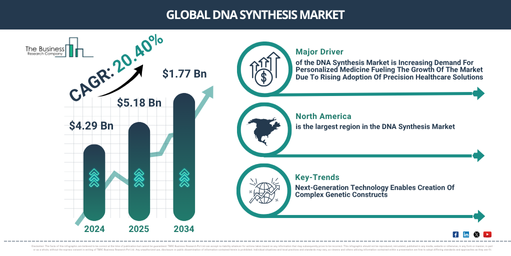
    In recent times, the DNA synthesis market has experienced remarkable growth. The market size, which stood at $4.29 billion in 2024, is projected to increase to $5.18 billion in 2025, marking a compound annual growth rate (CAGR) of 20.7%. The upsurge during the historical phase can be traced back to the escalating utilization of DNA synthesis in scholarly genomic studies, developing integration of DNA synthesis within agricultural biotechnology, the surging demand for essential DNA libraries for gene function research, an increased use of artificial genes in the creation of vaccines, and its rising application in the modeling of infectious diseases.

    The DNA synthesis market is predicted to experience significant expansion in the forthcoming years, increasing to $10.87 billion in 2029 at a CAGR of 20.4%. The predicted growth during the forecast period can be attributed to the rising use of AI and automation in DNA synthesis processes, enhanced partnerships between biotechnology companies and academic institutions, escalating development of DNA-oriented data storage technologies, heightened focus on green synthetic biology, and growing government support for genomic innovation. Key trends in this forecast period consist of progress in enzymatic DNA synthesis techniques, sophisticated incorporation of cloud-based bioinformatics in synthesis procedures, emergence of decentralized DNA synthesis platforms, innovation in error-correction methods for synthetic genes, and advancements in portable and on-demand DNA synthesis devices.

    Download The Free Sample Report Here:

    https://www.thebusinessresearchcompany.com/sample.aspx?id=25756&type=smp

    What Market Forces Are Driving The DNA Synthesis Sector In 2025 And Beyond?

    The growth of the DNA synthesis market is set to be driven by the rising need for personalized medicine. This specialized approach to medicine focuses on adjusting prevention and treatment strategies to align with individual’s genetic profiles, lifestyles, and environments to achieve the best possible therapeutic outcomes. This need is primarily fueled by advances in genomic technologies, which allow for treatments individualized to a person’s genetic profile, improve effectiveness, and minimize side effects. DNA synthesis plays a pivotal role in personalized medicine by enabling the creation of bespoke DNA sequences that are used in gene editing, diagnostic tools, and precision therapeutics. This paves the way for precise, effective and individualized healthcare solutions. For instance, per the Personalized Medicine Coalition, a US-based advocacy firm, the FDA approved 16 new personalized treatments for patients suffering from rare diseases in 2023, a significant increase from six in 2022. Thus, the increasing need for personalized medicine is a significant factor propelling the DNA synthesis market.

    How Is The Global DNA Synthesis Market Categorized By Segments?

    The dna synthesis market covered in this report is segmented –

    1) By Service: Oligonucleotide Synthesis, Standard Oligonucleotide Synthesis, Custom Oligonucleotide Synthesis, Gene Synthesis, Custom Gene Synthesis, Gene Library Synthesis

    2) By Method: Solid-Phase Synthesis, PCR-Based Enzyme Synthesis, Chip-Based Synthesis

    3) By Application: Research And Development, Diagnostics, Therapeutics, Synthetic Biology, Other Applications

    4) By End-User: Pharmaceutical And Biotechnology Companies, Contract Research Organizations (CROs) And Contract Development And Manufacturing Organizations(CDMOs), Academic And Research Institutes, Other End-Users

    Subsegments:

    1) By Oligonucleotide Synthesis: DNA Oligonucleotides, RNA Oligonucleotides, Modified Oligonucleotides

    2) By Standard Oligonucleotide Synthesis: Unmodified Oligonucleotides, Modified Oligonucleotides, Purity Grades

    3) By Custom Oligonucleotide Synthesis: Custom Length Oligos, Custom Modifications, Custom Purity Specifications

    4) By Gene Synthesis: Synthetic Genes, Codon-Optimized Genes, Functional Genes

    5) By Custom Gene Synthesis: Custom Sequence Design, Multi-fragment Assembly, Vector Cloning Services

    6) By Gene Library Synthesis: Random Mutagenesis Libraries, Site-Directed Mutagenesis Libraries, Combinatorial Libraries

    What Long-Term Trends Are Likely To Affect The DNA Synthesis Market?

    Prominent enterprises in the DNA synthesis industry are concentrating on creating innovative solutions, like artificial deoxyribonucleic acid molecules, to quicken, enhance accuracy, and reduce costs in the creation of gene therapies, diagnostics, and synthetic biology applications. Lab-designed sequences of nucleotides to mirror or modify natural deoxyribonucleic acid for use in research, diagnostics, and biotech applications describe synthetic DNA molecules. For example, Ribbon Biolabs, a synthetic biology firm from Austria, rolled out MiroSynth, a brand new category of complex synthetic DNA molecules, in May 2025. MiroSynth is intended to facilitate high-volume, automated, and scalable creation of long and complex deoxyribonucleic acid sequences for advanced biotechnological applications. It offers features such as improved accuracy in sequence assembly, longer strand length ability, and speedy building of sophisticated genetic structures, making it perfect for research, therapeutic development, and industrial biotech. Additionally, its adaptability allows for integration into various workflows, thereby enabling researchers and developers to boost innovation in genomics, synthetic biology, and individualized medicine.

    Which Firms Are Considered Leaders In The DNA Synthesis Market Space?

    Major companies operating in the dna synthesis market are Thermo Fisher Scientific Inc., Eurofins Scientific, GenScript Biotech Corporation, Twist Bioscience Corporation, Bioneer Corporation, DNA Script, Eton Bioscience, LGC Biosearch Technologies, Ansa Biotechnologies, Synbio Technologies, Quintara Biosciences, BaseClear B.V., IBA GmbH, Elegen Corporation, Biomatik Corporation, Bio Basic Inc., Evonetix Ltd., Camena Bioscience Ltd., Jena Bioscience GmbH, Viridos.

    Get The Full Report Here:

    https://www.thebusinessresearchcompany.com/report/dna-synthesis-global-market-report

    What Role Do Regional Policies And Investments Play In DNA Synthesis Market Expansion?

    North America was the largest region in the DNA synthesis market in 2024. Asia-Pacific is expected to be the fastest-growing region in the forecast period. The regions covered in the dna synthesis market report are Asia-Pacific, Western Europe, Eastern Europe, North America, South America, Middle East, Africa.

    Request For A Customized Report:

    https://www.thebusinessresearchcompany.com/customise?id=25756&type=smp

    About The Business Research Company:

    With over 15000+ reports from 27 industries covering 60+ geographies, The Business Research Company has built a reputation for offering comprehensive, data-rich research and insights. Armed with 1,500,000 datasets, the optimistic contribution of in-depth secondary research, and unique insights from industry leaders, you can get the information you need to stay ahead in the game.

    Get in touch with us:

    The Business Research Company: https://www.thebusinessresearchcompany.com/

    Americas +1 310-496-7795

    Asia +44 7882 955267 & +91 8897263534

    Europe +44 7882 955267

    Email us at info@tbrc.info

    Follow us on:

    LinkedIn: https://in.linkedin.com/company/the-business-research-company

    YouTube: https://www.youtube.com/channel/UC24_fI0rV8cR5DxlCpgmyFQ

    Global Market Model: https://www.thebusinessresearchcompany.com/global-market-model

  • Future Demand and Leading Companies Shaping the Home Sleep Screening Devices Market to 2029

    Future Demand and Leading Companies Shaping the Home Sleep Screening Devices Market to 2029

    Claim your 30% discount on Global Market Reports with code ONLINE30. Limited time only.

    Claim your 30% discount on Global Market Reports with code ONLINE30. Limited time only.

    What Are the Latest Market Insights for the Home Sleep Screening Devices Industry?

    The market for home sleep screening devices has seen a fast-paced expansion in the last few years. The market size is projected to increase from $3.51 billion in 2024 to $3.87 billion in 2025, witnessing a compound annual growth rate (CAGR) of 10.2%. Factors that contributed to the growth during the historic period include the escalating prevalence of sleep disorders, the increased use of home-based diagnostic solutions, the demand for sleep diagnostic tools, the growing need for home diagnostics and the rise in the integration of health data apps.

    In the forthcoming years, the market size of home sleep screening devices is anticipated to experience swift expansion. It’s projected to escalate to $5.66 billion in 2029, with a compound annual growth rate (CAGR) of 10.0%. The anticipated growth during the forecast period can be linked to the increasing backing from insurance providers, the growing economical viability of Home Sleep Apnea Testing (HSAT) solutions, escalating adoption of telemedicine platforms, a rising tilt towards remote diagnostics, and an uptick in the occurrence of obstructive sleep apnea. Noteworthy trends during the forecast period comprise advances in wearable sensor technology, coupling with telehealth platforms, the emergence of artificial intelligence (AI) in sleep scoring, the incorporation into smart home ecosystems, as well as integration with telemedicine sleep clinics.

    Download The Free Sample Report Here:

    https://www.thebusinessresearchcompany.com/sample.aspx?id=25785&type=smp

    What Forces Are Driving The Growth Of The Home Sleep Screening Devices Industry?

    The rise in sleep disorders is anticipated to boost the growth of the market for home sleep screening devices. Such disorders, including insomnia, sleep apnea, and restless legs syndrome, often hamper an individual’s ability to attain quality sleep. These are on the rise due to extensive screen time before bedtime, which interferes with melatonin production because of blue light, thereby delaying the onset of sleep. Home sleep screening devices aid in early detection and monitoring of sleep disorders by providing real-time information on sleep patterns and vital signs conveniently at home. For example, as per the statistics shared by Fawcett Mattress- a public organic latex mattress firm based in Canada in May 2025, about 48% of Canadian adults reported having trouble sleeping in 2024, with 23.1% of women and 14.8% of men showing symptoms of insomnia during the nighttime. Therefore, the upsurge in sleep disorders is propelling the growth of the market for home sleep screening devices.

    What Is The Overview Of Market Segmentation In The Home Sleep Screening Devices Industry?

    The home sleep screening devices market covered in this report is segmented –

    1) By Type: Wearable Devices, Non-Wearable Devices, Smartphone Applications

    2) By Technology: Polysomnography, Actigraphy, Respiratory Monitoring

    3) By Distribution Channel: Online Retail, Brick-And-Mortar Stores, Healthcare Providers

    4) By Application: Sleep Apnea, Insomnia, Restless Leg Syndrome, Narcolepsy, Other Applications

    5) By End-User: Homecare Settings, Sleep Clinics, Hospitals

    Subsegments:

    1) By Wearable Devices: Smartwatches, Fitness Bands, Headbands, Ring-Based Sleep Monitors, Chest Straps

    2) By Non-Wearable Devices: Bedside Monitors, Mattress-Based Sensors, Under-Mattress Sensors, Contact-Free Sleep Trackers, Pillow Sensors

    3) By Smartphone Applications: Sound-Based Sleep Trackers, Motion Detection Apps, Sleep Diary and Analytics Apps, App-Integrated Device Controllers, Artificial Intelligence (AI)-Powered Sleep Coaching Apps

    What Future Market Trends Are Projected For The Home Sleep Screening Devices Industry?

    In the home sleep screening devices market, leading companies are putting their focus into the development of cutting-edge solutions. The aim is to enable early diagnosis of sleep disorders, enhancing patient accessibility and results. Solutions like home sleep apnea tests are a significant step in this direction. These compact devices monitor breathing, heart rate, and oxygen levels during sleep, to identify sleep apnea symptoms. In comparison to conventional lab-based sleep studies, they offer a cost-effective and convenient pathway to early diagnosis. A case in point is the NightOwl, an FDA-approved sleep monitoring device launched by US medical device company ResMed in April 2025. This mini disposable device, which can be worn on the fingertip, records sleep data for up to 10 nights, tracking movement, pulse rate, and blood oxygen saturation. When connected with a smartphone application, users can comfortably finish the test at home and have results sent to a cloud-based platform for physician evaluation. This forward-thinking solution is aimed at making the diagnosis of obstructive sleep apnea more straightforward, faster, and more user-friendly, catering to both healthcare professionals and patients.

    Who Are The Primary Players Operating Across The Global Home Sleep Screening Devices Market?

    Major companies operating in the home sleep screening devices market are Koninklijke Philips N.V., ResMed Inc., Nihon Kohden Corporation, Natus Medical Incorporated, Vyaire Medical Inc., SleepMed Inc., Cadwell Industries Inc., Itamar Medical Ltd., BMC Medical Co. Ltd., Compumedics Limited, DeVilbiss Healthcare LLC, Snap Diagnostics, Sunrise SA, Cleveland Medical Devices Inc., Advanced Brain Monitoring Inc., Braebon Medical Corporation, SOMNOmedics AG, Belun Technology Company Limited, ReactDx, Nox Medical

    Get The Full Report Here:

    https://www.thebusinessresearchcompany.com/report/home-sleep-screening-devices-global-market-report

    Which Region Offers The Most Growth Potential For The Home Sleep Screening Devices Market Through 2029?

    North America was the largest region in the home sleep screening devices market in 2024. Asia-Pacific is expected to be the fastest-growing region in the forecast period. The regions covered in the home sleep screening devices market report are Asia-Pacific, Western Europe, Eastern Europe, North America, South America, Middle East, Africa.

    Request For A Customized Report:

    https://www.thebusinessresearchcompany.com/customise?id=25785&type=smp

    About The Business Research Company:

    With over 15000+ reports from 27 industries covering 60+ geographies, The Business Research Company has built a reputation for offering comprehensive, data-rich research and insights. Armed with 1,500,000 datasets, the optimistic contribution of in-depth secondary research, and unique insights from industry leaders, you can get the information you need to stay ahead in the game.

    Get in touch with us:

    The Business Research Company: https://www.thebusinessresearchcompany.com/

    Americas +1 310-496-7795

    Asia +44 7882 955267 & +91 8897263534

    Europe +44 7882 955267

    Email us at info@tbrc.info

    Follow us on:

    LinkedIn: https://in.linkedin.com/company/the-business-research-company

    YouTube: https://www.youtube.com/channel/UC24_fI0rV8cR5DxlCpgmyFQ

    Global Market Model: https://www.thebusinessresearchcompany.com/global-market-model
  • Global Insights: Disposable Lead Wires Market Expected to Surpass $1.44  Billion by 2029

    Global Insights: Disposable Lead Wires Market Expected to Surpass $1.44 Billion by 2029

    Claim your 30% discount on Global Market Reports with code ONLINE30. Limited time only.

    Claim your 30% discount on Global Market Reports with code ONLINE30. Limited time only.

    What Are the Latest Market Insights for the Disposable Lead Wires Industry?

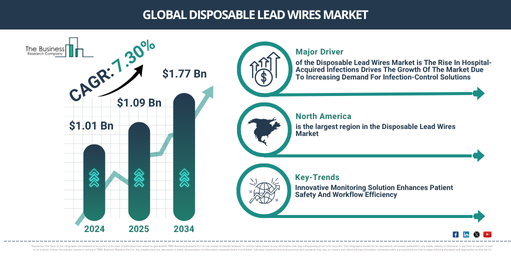
    In recent times, a robust growth has been observed in the market size of disposable lead wires. It is projected to escalate from $1.01 billion in 2024 to $1.09 billion in 2025, marking a compound annual growth rate (CAGR) of 7.7%. Factors such as heightened awareness of infection control, a rising shift from reusable to disposable medical components, a growing demand for devices used for single-patients, rising cases of cardiovascular diseases, and the increased use of advanced disposable lead wires, pre-gelled and color-coded, can be credited for the growth during the historic period.

    In the upcoming years, the market size for disposable lead wires is predicted to showcase robust growth, reaching $1.44 billion in 2029 with a compound annual growth rate (CAGR) of 7.3%. The forecast period’s growth can be linked to factors such as an increased emphasis on patient safety and cleanliness, escalating procedure volumes in diagnostic cardiology and telemetry, the integration of disposable accessories in home healthcare environment, growing demand in ambulatory and outpatient care facilities, and heightened awareness around cross-contamination hazards. Significant trends during the projection period include advancements in the field of material science, the integration of technology in manufacturing automation, progress in infection prevention measures, improvements in color-coding and labeling technology, the merging of disposable lead wires into telemedicine platforms, and advances in pre-gelled and snap-on electrode configurations.

    Download The Free Sample Report Here:

    https://www.thebusinessresearchcompany.com/sample.aspx?id=25755&type=smp

    What Forces Are Driving The Growth Of The Disposable Lead Wires Industry?

    The disposable lead wires market is expected to be spurred by the increasing instances of hospital-acquired infections. These infections are those that patients acquire during their treatment in a healthcare facility, which they did not have or were not developing at the time of admission. The prominent reason for the escalation in hospital-acquired infections is the heightened use of invasive devices that break the body’s natural barriers, actively introducing pathogens into sterile areas. By lowering the possibility of cross-contamination between patients through one-time, sterile monitoring components, disposable lead wires are instrumental in curtailing hospital-acquired infections. As an illustration, the Australian Institute of Health and Welfare noted in November 2024 that in 2022–23, hospital-acquired complications featured in 115,000 public hospitalizations (2.0%) and 34,200 private hospitalizations (0.8%). Hospital-acquired infections comprised the majority at 37% followed by delirium at 13% and cardiac complications at 12%. Consequently, this rising trend in hospital-acquired infections is fuelling progression in the disposable lead wires market. The surge in incidents of heart diseases is prompting the growth of the disposable lead wires market owing to the rising requirement for dependable monitoring solutions. The conditions grouped under cardiovascular diseases include disorders impacting the heart and blood vessels such as coronary artery disease, heart failure, arrhythmias, and stroke. The main factors contributing to the escalating prevalence of these conditions are unhealthy dietary habits rich in saturated fats, sugars, and salt leading to resultant obesity, elevated blood pressure, and cholesterol levels. Disposable lead wires facilitate the management of these cardiovascular diseases via precise, infection-free tracing of crucial heart signals during diagnostic and therapeutic procedures. To illustrate, the Australian Institute of Health and Welfare reported in December 2023 that medically certified deaths due to coronary heart disease rose to 14,100 in 2021 and further increased to 14,900 in 2022. Therefore, the swelling incidence of cardiovascular diseases is spurring the growth of the disposable lead wires market.

    What Is The Overview Of Market Segmentation In The Disposable Lead Wires Industry?

    The disposable lead wires market covered in this report is segmented –

    1) By Product Type: Standard Disposable Lead Wires, Flexible Disposable Lead Wires, Heavy-Duty Disposable Lead Wires, Specialized Disposable Lead Wires

    2) By Material: Thermoplastic Elastomer, Thermoplastic Polyurethane, Other Materials

    3) By Application: Electrocardiogram Monitoring, Electroencephalogram Monitoring, Electromyography Monitoring, Patient Monitoring In Critical Care

    4) By Distribution Channel: Direct Sales, Medical Supply Stores, Online Retail, Wholesale Distributors

    5) By End-User: Hospitals, Ambulatory Surgical Centers, Diagnostic Laboratories, Home Healthcare Providers

    Subsegments:

    1) By Standard Disposable Lead Wires: 3-Lead Standard Disposable Lead Wires, 5-Lead Standard Disposable Lead Wires, 10-Lead Standard Disposable Lead Wires, Snap-Type Connectors, Clip-Type Connector

    2) By Flexible Disposable Lead Wires: Thermoplastic Elastomer (TPE) Lead Wires, Silicone-Based Flexible Lead Wires, Polyvinyl Chloride-Free Flexible Lead Wires, Kink-Resistant Flexible Wires, Stretchable And Lightweight Configurations

    3) By Heavy-Duty Disposable Lead Wires: Reinforced-Jacket Lead Wires, High-Tensile Strength Materials, Long-Wear Surgical Monitoring Leads, Crush-Resistant Connectors, Intensive Care Unit-Grade Heavy-Duty Lead Sets

    4) By Specialized Disposable Lead Wires: Pediatric-Specific Disposable Lead Wires, Neonatal Disposable Lead Wires, Magnetic Resonance Imaging-Compatible Disposable Lead Wires, Radiolucent Lead Wires, Infection-Control Enhanced Wires

    What Future Market Trends Are Projected For The Disposable Lead Wires Industry?

    Major enterprises participating in the market for disposable lead wires are placing emphasis on creating innovative solutions such as single-patient use monitoring lead wire systems with multiple parameters to enrich patient safety, streamline clinical processes, and curb cross-infection. The single-patient use, multi-parameter monitoring cables and lead wire systems are cutting edge medical instruments for monitoring critical health indices like heart rates, blood oxygen levels, and body temperature, using a one-time setup. It facilitates safer and more efficient patient care. For example, Cardinal Health Inc., a healthcare service and product company based in the US, introduced the Kendall DL Multi System in the US, in June 2025. The system is fashioned for continuous monitoring of three essential vital signs – cardiac rhythm, blood oxygen concentration, and body temperature – all through a solitary hookup. The integrated cable management system helps smoothen clinical workflows and mitigates clutter from lead wires. The one-time use configuration also downsizes infection risk associated with reusable lead wires and prevents unwarranted lead off alarms. This significantly enriches patient safety and operational efficiency.

    Who Are The Primary Players Operating Across The Global Disposable Lead Wires Market?

    Major companies operating in the disposable lead wires market are Cardinal Health Inc., 3M Company, Koninklijke Philips N.V., Stryker Corporation, GE Healthcare Technologies Inc., Mindray Medical International Limited, Dragerwerk AG And Co. KGaA, Nihon Kohden Corporation, OSI Systems Inc., Conmed Corporation, Ambu A/S, Vyaire Medical Inc., Shenzhen Med-link Electronics Tech Co. Ltd, ADInstruments Pty Ltd, Medico Electrodes International Ltd., Curbell Inc., Unimed Medical Supplies Inc., Danlee Medical Products Inc., Huntleigh Healthcare Ltd., Shenzhen Pray-Med Technology Co. Ltd.

    Get The Full Report Here:

    https://www.thebusinessresearchcompany.com/report/disposable-lead-wires-global-market-report

    Which Region Offers The Most Growth Potential For The Disposable Lead Wires Market Through 2029?

    North America was the largest region in the disposable lead wires market in 2024. Asia-Pacific is expected to be the fastest-growing region in the forecast period. The regions covered in the disposable lead wires market report are Asia-Pacific, Western Europe, Eastern Europe, North America, South America, Middle East, Africa.

    Request For A Customized Report:

    https://www.thebusinessresearchcompany.com/customise?id=25755&type=smp

    About The Business Research Company:

    With over 15000+ reports from 27 industries covering 60+ geographies, The Business Research Company has built a reputation for offering comprehensive, data-rich research and insights. Armed with 1,500,000 datasets, the optimistic contribution of in-depth secondary research, and unique insights from industry leaders, you can get the information you need to stay ahead in the game.

    Get in touch with us:

    The Business Research Company: https://www.thebusinessresearchcompany.com/

    Americas +1 310-496-7795

    Asia +44 7882 955267 & +91 8897263534

    Europe +44 7882 955267

    Email us at info@tbrc.info

    Follow us on:

    LinkedIn: https://in.linkedin.com/company/the-business-research-company

    YouTube: https://www.youtube.com/channel/UC24_fI0rV8cR5DxlCpgmyFQ

    Global Market Model: https://www.thebusinessresearchcompany.com/global-market-model

  • 2025–2029 Home Rehabilitation Products And Services Market Outlook: Regional Trends and Growth Forecast

    2025–2029 Home Rehabilitation Products And Services Market Outlook: Regional Trends and Growth Forecast

    Claim your 30% discount on Global Market Reports with code ONLINE30. Limited time only.

    Claim your 30% discount on Global Market Reports with code ONLINE30. Limited time only.

    What Are the Forecasted Growth Rate and Market Size of the Home Rehabilitation Products And Services Market?

    The market for home rehabilitation products and services has notably expanded in the recent past. The market value is expected to escalate from $99.56 billion in 2024 to $106.64 billion in 2025, growing at a compound annual growth rate (CAGR) of 7.1%. The historical growth of this market can be credited to factors such as state backing and repayment policies, the requirement for post-operation recovery, proliferation of distance-rehabilitation services, affordability over institutional treatment, and an uptick in rates of disability.

    There is forecasted to be a significant rise in the market size for home rehabilitation products and services in the coming years. This market is predicted to reach $139.00 billion by 2029, expanding at a compound annual growth rate (CAGR) of 6.9%. The expected growth during the forecasted period can be credited to the escalating prevalence of non-communicable diseases (NCDs), endeavors to contain healthcare costs, increasing demand for post-acute and post-surgical recovery, heightened awareness regarding early rehabilitation and preventive care, and the consumer shift towards home-based care. Upcoming trends in this forecast period include the advent of AI-aided rehabilitation devices, wearable monitoring technology, assistance from rehabilitation robots, integration with smart homes and IoT-enabled remote physiological monitoring.

    Download The Free Sample Report Here:

    https://www.thebusinessresearchcompany.com/sample.aspx?id=25784&type=smp

    Which Factor Is Shaping The Future Of The Home Rehabilitation Products And Services Market?

    The expected surge in remote patient monitoring is positioned to boost the expansion of the market for home rehabilitation products and services. Remote patient monitoring (RPM) involves the use of digital technologies to record and track health data from patients outside of traditional medical environments, enabling healthcare providers to oversee and manage patient progress from afar. The surge in remote patient monitoring comes as a result of increasing demand for home-based care, especially for the elderly or individuals recuperating from surgeries or injuries, or those managing chronic conditions. These home rehabilitation products and services facilitate remote patient monitoring by equipping patients with necessary tools and therapies right at their homes while concurrently allowing healthcare providers to keep track of their progress, compliance, and recovery in real time. To illustrate, a recent study by Vivalink Inc., a healthcare technology firm based in the US, stated in August 2023 that 81% of healthcare professionals currently utilize remote patient monitoring (RPM), a dramatic increase from 20% in 2021, indicating a growth of 305%. Furthermore, 84% of these current RPM users anticipate to broaden their utilization in 2024. Consequently, the surge in remote patient monitoring is fostering the growth of the home rehabilitation products and services market.

    What Is The Segment-Wise Breakdown Of The Home Rehabilitation Products And Services Market?

    The home rehabilitation products and services market covered in this report is segmented –

    1) By Product Type: General Aids, Positioning Devices, Body Support Devices, Wheelchairs

    2) By Service Type: Occupational Therapy, Speech Therapy, Physical Therapy, Respiratory Therapy

    3) By Distribution Channel: Retail Store, Online Channel

    4) By Application: Disabilities, Geriatric People

    5) By End User: Homecare, Hospitals And Clinics, Ambulatory Care Center, Nursing Care Center

    Subsegments:

    1) By General Aids: Walkers, Crutches, Canes, Reaching Aids, Dressing Aids

    2) By Positioning Devices: Patient Transfer Boards, Slide Sheets, Bed Positioning Pillows, Wheelchair Cushions, Limb Positioning Supports

    3) By Body Support Devices: Braces And Orthotic Supports, Cervical Collars, Back Supports, Knee And Ankle Supports, Compression Garments

    4) By Wheelchairs: Manual Wheelchairs, Electric (Powered) Wheelchairs, Transport Wheelchairs, Standing Wheelchairs, Reclining Wheelchairs

    Which Trends Are Redefining The Future Landscape Of The Home Rehabilitation Products And Services Industry?

    Key players in the home rehabilitation products and services sector are concentrating their efforts on developing innovative solutions like comprehensive telehealth platforms. These platforms are geared towards improving remote healthcare management, encouraging treatment adherence, and offering patients a continuous recovery journey between a clinical setting and their homes. These fully integrated telehealth platforms operate as cloud-based digital healthcare systems that bind together remote patient monitoring, video consultations, and data analytics. They effectively facilitate a direct connection between patients and healthcare providers for real-time guidance and tracking of rehabilitation progress. For example, Ekso Bionics Holdings Inc., a company based in the US that specializes in medical exoskeletons, introduced their EksoNR GaitCoach software in January 2024. This software plays a critical role in enhancing gait training during rehabilitation therapy. It serves as an analytical tool that delivers instant intelligent feedback regarding patients’ gait, assessing crucial parameters such as step symmetry, stride length, swing time, and trunk lean. By alerting therapists of any deviations in gait in a systematic manner, it allows them to make necessary and precise adjustments during training. Furthermore, the software enables dynamic control, allowing modifications to swing and stance assistance as and when needed, thus personalizing therapy to suit each patient’s unique requirements.

    Which Companies Hold The Largest Market Share In The Home Rehabilitation Products And Services Sector?

    Major companies operating in the home rehabilitation products and services market are Medline Industries LP, Stryker Corporation, Bayada Home Health Care Inc., Maxim Healthcare Services Inc., LHC Group Inc., Enovis Corporation, Invacare Corporation, Norco Inc., Arjo Inc., Amedisys Inc., Drive DeVilbiss Healthcare LLC, Performance Health LLC, Handicare Stairlifts International, AliMed Inc., GF Health Products Inc., Dynatronics Corporation, Prism Medical Ltd., Ekso Bionics Holdings Inc., LL Corpus Cogere Inc., Medical Depot Inc.

    Get The Full Report Here:

    https://www.thebusinessresearchcompany.com/report/home-rehabilitation-products-and-services-global-market-report

    How Does Regional Performance Compare Across The Home Rehabilitation Products And Services Industry?

    North America was the largest region in the home rehabilitation products and services market in 2024. Asia-Pacific is expected to be the fastest-growing region in the forecast period. The regions covered in the home rehabilitation products and services market report are Asia-Pacific, Western Europe, Eastern Europe, North America, South America, Middle East, Africa.

    Request For A Customized Report:

    https://www.thebusinessresearchcompany.com/customise?id=25784&type=smp

    About The Business Research Company:

    With over 15000+ reports from 27 industries covering 60+ geographies, The Business Research Company has built a reputation for offering comprehensive, data-rich research and insights. Armed with 1,500,000 datasets, the optimistic contribution of in-depth secondary research, and unique insights from industry leaders, you can get the information you need to stay ahead in the game.

    Get in touch with us:

    The Business Research Company: https://www.thebusinessresearchcompany.com/

    Americas +1 310-496-7795

    Asia +44 7882 955267 & +91 8897263534

    Europe +44 7882 955267

    Email us at info@tbrc.info

    Follow us on:

    LinkedIn: https://in.linkedin.com/company/the-business-research-company

    YouTube: https://www.youtube.com/channel/UC24_fI0rV8cR5DxlCpgmyFQ

    Global Market Model: https://www.thebusinessresearchcompany.com/global-market-model

  • 2025 Analysis: Opportunities and Risks in the Evolving Disability Devices Market

    2025 Analysis: Opportunities and Risks in the Evolving Disability Devices Market

    Claim your 30% discount on Global Market Reports with code ONLINE30. Limited time only.

    Claim your 30% discount on Global Market Reports with code ONLINE30. Limited time only.

    What Are the Forecasted Growth Rate and Market Size of the Disability Devices Market?

    Over the past few years, there has been a robust growth in the market size of disability devices. The market, which was at $23.97 billion in 2024, is projected to escalade to $25.38 billion in 2025, indicating a compound annual growth rate (CAGR) of 5.9%. Factors contributing to this growth during the earlier period include enhanced global understanding of disability inclusion, increased cases of chronic diseases like diabetes and arthritis, an upward trend in global life expectancy, development of early-stage regulatory systems that advocate accessibility, along with a surge in healthcare spending in wealthier nations.

    It is projected that the disability devices market will experience significant expansion in the coming years, with an estimated market value of $31.60 billion by 2029, growing at a compound annual growth rate (CAGR) of 5.6%. Factors contributing to this growth during the forecast period include the rapidly aging population in developing markets, increased investments in comprehensive healthcare infrastructure, development of universal healthcare programs, a growing focus on rehabilitation services in national healthcare policies, and an increasing prevalence of non-communicable diseases worldwide. Foreseen trends within this period encompass the introduction of artificial intelligence for adaptive functions, incorporation of the Internet of Things into device surveillance, the invention of lighter yet durable materials, a rise in modular and customizable device models, and the downsizing of components to improve portability.

    Download The Free Sample Report Here:

    https://www.thebusinessresearchcompany.com/sample.aspx?id=25754&type=smp

    Which Factor Is Shaping The Future Of The Disability Devices Market?

    The projected increase in sensory impairments is predicted to stimulate the growth of the disability devices market. Sensory impairments are described as either partial or total loss of one or several senses, primarily affecting vision, hearing, or other sensory functions. These impairments severely limit an individual’s capacity to perceive, interpret, or react to environmental stimuli. The rise in sensory impairments is primarily caused by factors such as aging populations, chronic health conditions, and increased exposure to environmental dangers. These conditions frequently degrade sensory functions over time and become more common as age advances, leading to a higher frequency of impairments. Disability devices are crucial in addressing the escalating burden of sensory impairments by augmenting functional abilities, fostering independence, and enhancing the overall quality of life for those affected. For instance, The Hull Joint Strategic Needs Assessment (JSNA) by the Hull City Council, a UK-based unitary authority, reported in November 2024 that sensory impairment accounts for 6.0% of healthy life years lost, with a greater impact in the older age group, escalating from 2.5% for those under 50 to 12.9% for individuals aged 70+ in Hull. Moreover, the number of those above 75 with serious visual impairment is expected to increase from 2,100 to 3,100 by 2040 due to aging. As such, the rising rates of sensory impairments are stimulating the growth of the disability devices market.

    What Is The Segment-Wise Breakdown Of The Disability Devices Market?

    The disability devices market covered in this report is segmented –

    1) By Device Type: Vision Aids, Hearing Aids, Mobility Aids, Other Devices Types

    2) By Material: Plastic, Metal, Wood, Fabric

    3) By Application: Home Care Settings, Hospitals, Ambulatory Care Centers And Rehabilitation Centers

    4) By End User: Elderly, Physically Challenged, Visually Impaired, Hearing Impaired

    Subsegments:

    1) By Vision Aids: Magnifiers, Braille Readers, Screen Reading Software, Smart Glasses

    2) By Hearing Aids: Behind-The-Ear (BTE), In-The-Ear (ITE), Receiver-In-Canal (RIC), Cochlear Implants

    3) By Mobility Aids: Wheelchairs, Walkers And Rollators, Crutches, Mobility Scooters

    4) By Other Device Types: Communication Aids, Cognitive Aids, Environmental Control Devices, Prosthetic Devices

    Which Trends Are Redefining The Future Landscape Of The Disability Devices Industry?

    Major firms in the disability devices industry are concentrating their efforts on creating advanced technologies such as brain-powered assistive wearables to enhance accessibility and increase user independence through easy-to-use, non-intrusive control methods. A brain-powered assistive wearable is a gadget that leverages neural and physiological signals to enable individuals with physical or motor disabilities to engage with digital platforms through non-vocal, motion-centric commands. For instance, in March 2024, AAVAA Inc., a neurotechnology firm based in Canada, introduced their Brain-Computer Interface (BCI) System for Smart Glasses. This system empowers users to work on digital devices by interpreting brain and bio-signals that are triggered by eye movements, facial expressions, and head motion. With its lightweight sensors and highly efficient computational design, the system can be seamlessly integrated into eyewear, enhancing utility for assistive devices, smart home setups, augmented reality, and virtual reality applications.

    Which Companies Hold The Largest Market Share In The Disability Devices Sector?

    Major companies operating in the disability devices market are Medline Industries LP, Sonova Holding AG, William Demant Holding A/S, GN Store Nord A/S, Ottobock SE & Co. KGaA, Hollister Inc., Cochlear Ltd., Arjo AB, Invacare Corporation, GN Hearing A/S, MED-EL Elektromedizinische Geräte Gesellschaft m.b.H., DRIVE MEDICAL GMBH & CO. KG, Permobil AB, Pride Mobility Products Corporation, Steeper Group, GF Health Products Inc., WHILL Inc., Carex Health Brands Inc., Merits Health Products, MEYRA Group, Hearing Health & Technology Matters LLC, Magic Mobility Pty Ltd, LEVO AG, Batec Mobility S.L., BetterLiving.

    Get The Full Report Here:

    https://www.thebusinessresearchcompany.com/report/disability-devices-global-market-report

    How Does Regional Performance Compare Across The Disability Devices Industry?

    North America was the largest region in the disability devices market in 2024. Asia-Pacific is expected to be the fastest-growing region in the forecast period. The regions covered in the disability devices market report are Asia-Pacific, Western Europe, Eastern Europe, North America, South America, Middle East, Africa.

    Request For A Customized Report:

    https://www.thebusinessresearchcompany.com/customise?id=25754&type=smp

    About The Business Research Company:

    With over 15000+ reports from 27 industries covering 60+ geographies, The Business Research Company has built a reputation for offering comprehensive, data-rich research and insights. Armed with 1,500,000 datasets, the optimistic contribution of in-depth secondary research, and unique insights from industry leaders, you can get the information you need to stay ahead in the game.

    Get in touch with us:

    The Business Research Company: https://www.thebusinessresearchcompany.com/

    Americas +1 310-496-7795

    Asia +44 7882 955267 & +91 8897263534

    Europe +44 7882 955267

    Email us at info@tbrc.info

    Follow us on:

    LinkedIn: https://in.linkedin.com/company/the-business-research-company

    YouTube: https://www.youtube.com/channel/UC24_fI0rV8cR5DxlCpgmyFQ

    Global Market Model: https://www.thebusinessresearchcompany.com/global-market-model

  • Latest Market Developments in High Intensity Focused Ultrasound (HIFU) Industry: Forecast 2025–2029

    Latest Market Developments in High Intensity Focused Ultrasound (HIFU) Industry: Forecast 2025–2029

    Claim your 30% discount on Global Market Reports with code ONLINE30. Limited time only.

    Claim your 30% discount on Global Market Reports with code ONLINE30. Limited time only.

    What Is the Estimated Industry Valuation for the High Intensity Focused Ultrasound (HIFU) Sector?

    The market for high-intensity focused ultrasound has seen significant expansion recently. It is projected that this market will escalate from a worth of $1.49 billion in 2024 to $1.66 billion by 2025, indicating a compound annual growth rate (CAGR) of 11.1%. The unprecedented growth experienced in the previous years can be traced back to factors such as increased spending on healthcare, a surge in the demand for outpatient procedures, an uptick in clinical research and experimental trials, higher prevalence of chronic liver diseases and pancreatic cancers, and augmented investments by manufacturers of medical devices.

    Expectations are for the market for high-intensity focused ultrasound to experience significant growth in the coming years, reaching a size of $2.50 billion by the year 2029 at a compound annual growth rate (CAGR) of 10.8%. This projected market expansion can be linked to factors such as the rising prevalence of cancer, increased preference for minimally invasive medical procedures, growing awareness of non-invasive treatment options, a rise in uterine fibroids and adenomyosis incidences, as well as an ageing population. Key trends to watch in this forecast period include the maturation of technologies used in real-time imaging guidance, progress in transducer technology, advances in systems for thermal monitoring, enhancements in user interface and software platform driven by technology, and progress in the development of high-powered, multi-frequency ultrasound transducers.

    Download The Free Sample Report Here:

    https://www.thebusinessresearchcompany.com/sample.aspx?id=25783&type=smp

    What Forces Are Driving The Growth Of The High Intensity Focused Ultrasound (HIFU) Market?

    The escalating occurrence of prostate cancer is predicted to be a significant driver of the high intensity focused ultrasound (HIFU) market’s expansion. This form of cancer, which develops as a malignant tumor in the prostate gland in men, often grows slowly but can become rapidly aggressive and metastasize if left untreated. The primary factor contributing to the increase in prostate cancer cases is an aging population, due to the significantly higher risk of contracting the disease as one ages. HIFU aids in the treatment of prostate cancer by deploying concentrated ultrasound waves that produce extreme heat, accurately targeting and eradicating cancerous tissue in the prostate without damaging adjacent healthy tissue. For example, in October 2024, the UK’s National Health Service issued a report stating that in 2022 prostate cancer was the most frequently diagnosed cancer, with 54,732 new diagnoses – a spike of 11,354 compared to 2021. Consequently, the upsurge in prostate cancer cases is fueling the expansion of the high intensity focused ultrasound (HIFU) market.

    How Is The High Intensity Focused Ultrasound (HIFU) Industry Segmented Across Key Parameters?

    The high intensity focused ultrasound (hifu) market covered in this report is segmented –

    1) By Device Type: Standalone High Intensity Focused Ultrasound Devices, Portable High Intensity Focused Ultrasound Devices, Combination High Intensity Focused Ultrasound Devices, Robotic High Intensity Focused Ultrasound Systems, Ultrasound-Guided High Intensity Focused Ultrasound Devices

    2) By Method: Non-Invasive, Minimal-Invasive Method

    3) By Application: Uterine Fibroids, Prostate Cancer, Essential Tremor, Dermatology, Breast Cancer, Glaucoma, Backpain, Facetogenic, Other Applications

    4) By End-User: Hospitals, Ambulatory Surgical Centers, Clinics, Research Institutions, Home Care Settings

    Subsegments:

    1) By Standalone High Intensity Focused Ultrasound Devices: Fixed-Site Systems, Hospital-Based Systems

    2) By Portable High Intensity Focused Ultrasound Devices: Handheld Units, Mobile Cart-Based Systems

    3) By Combination High Intensity Focused Ultrasound Devices: High Intensity Focused Ultrasound + Magnetic Resonance Imaging Systems, High Intensity Focused Ultrasound + Ultrasound Imaging Systems

    4) By Robotic High Intensity Focused Ultrasound Systems: Robotic-Assisted Laparoscopic High Intensity Focused Ultrasound, Robotic Arm-Integrated High Intensity Focused Ultrasound Platforms

    5) By Ultrasound-Guided High Intensity Focused Ultrasound Devices: Real-Time Ultrasound Navigation Systems, Doppler-Based Targeting Systems

    What Notable Trends Are Shaping The Direction Of The High Intensity Focused Ultrasound (HIFU) Market?

    Leading firms in the high-intensity focused ultrasound (HIFU) market are working towards creating advanced solutions like noninvasive surgical tools. These tools aim to enhance the accuracy of treatments, cut down on the patient’s recovery period, and minimize the risks associated with traditional surgical procedures. Non-invasive surgical tools refer to medical innovations used for treating internal conditions without needing incisions, by using methods such as focused ultrasound or lasers to target tissues precisely. For example, EDAP TMS S.A., a company based in France that is known for creating minimally invasive medical devices, launched its advanced focal one i system in April 2025. This was done to improve the precision and efficacy of non-invasive treatment of prostate cancer. This system amalgamates innovative imaging technologies (like PSMA PET and micro-ultrasound) and AI-based algorithms to provide accurate and personalized robotic high-intensity focused ultrasound therapy for prostate cancer. It also incorporates improved workflow integration and capabilities for remote collaboration. The ultimate aim is to boost treatment precision, reduce the occurrence of side effects, and expand the reach of specialized care via remote proctoring and real-time streaming.

    Which Companies Currently Dominate The Competitive Landscape In The High Intensity Focused Ultrasound (HIFU) Industry?

    Major companies operating in the high intensity focused ultrasound (hifu) market are Siemens Healthineers AG., Koninklijke Philips N.V., GE HealthCare Technologies Inc., Merz Pharma GmbH & Co. KGaA, Insightec Ltd., EDAP TMS S.A., Chongqing Haifu Medical Technology Co. Ltd., SuperSonic Imagine S.A., Blatek Industries Incorporated, Alpinion Medical Systems Co. Ltd., ILJIN Holdings Co. Ltd., Sonablate Corp., SonaCare Medical LLC., Lynton Lasers Ltd., Profound Medical Corp., Mianyang Sonic Electronic LTD., Verasonics Inc., FUS Instruments Inc., Sonic Concepts Inc., Theraclion S.A.

    Get The Full Report Here:

    https://www.thebusinessresearchcompany.com/report/high-intensity-focused-ultrasound-hifu-global-market-report

    Which Geographic Regions Are Driving Demand In The High Intensity Focused Ultrasound (HIFU) Market?

    North America was the largest region in the high intensity focused ultrasound market in 2024. Asia-Pacific is expected to be the fastest-growing region in the forecast period. The regions covered in the high intensity focused ultrasound (hifu) market report are Asia-Pacific, Western Europe, Eastern Europe, North America, South America, Middle East, Africa.

    Request For A Customized Report:

    https://www.thebusinessresearchcompany.com/customise?id=25783&type=smp

    About The Business Research Company:

    With over 15000+ reports from 27 industries covering 60+ geographies, The Business Research Company has built a reputation for offering comprehensive, data-rich research and insights. Armed with 1,500,000 datasets, the optimistic contribution of in-depth secondary research, and unique insights from industry leaders, you can get the information you need to stay ahead in the game.

    Get in touch with us:

    The Business Research Company: https://www.thebusinessresearchcompany.com/

    Americas +1 310-496-7795

    Asia +44 7882 955267 & +91 8897263534

    Europe +44 7882 955267

    Email us at info@tbrc.info

    Follow us on:

    LinkedIn: https://in.linkedin.com/company/the-business-research-company

    YouTube: https://www.youtube.com/channel/UC24_fI0rV8cR5DxlCpgmyFQ

    Global Market Model: https://www.thebusinessresearchcompany.com/global-market-model

  • In-Depth Digital Health For Obesity Market Report: Business Trends, Growth Factors, and Forecast to 2029

    In-Depth Digital Health For Obesity Market Report: Business Trends, Growth Factors, and Forecast to 2029

    Claim your 30% discount on Global Market Reports with code ONLINE30. Limited time only.

    Claim your 30% discount on Global Market Reports with code ONLINE30. Limited time only.

    What Is the Estimated Industry Valuation for the Digital Health For Obesity Sector?

    The market size for digital health in the arena of obesity has seen exponential growth in recent durations. There will be a surge from $62.58 billion in 2024 to $78.91 billion in 2025, with a compound annual growth rate (CAGR) of 26.1%. Factors contributing to the growth in the preceding period include the globally escalating prevalence of obesity, growing governmental and payer support for digital therapeutics, the emphasis on customized nutrition and behavioral coaching, increased investments and emerging startups in health tech, as well as a rising trend in the use of wearables and fitness trackers.

    Over the coming years, the market for digital health solutions for obesity is projected to grow exponentially, reaching a value of $197.12 billion in 2029 with a compound annual growth rate of 25.7%. The predicted expansion in the forecast period is associated with rising consumer preference for immediate health services, the popularity of engaging and gamified health applications, an increase in the use of behavioral psychology in app-based treatments, the availability of inexpensive and freemium solutions, and an elevation in employer-backed wellness programs. Significant trends for the forecasted period include the incorporation of digital therapeutics (Dtx) into conventional care models, personalized nutrition solutions facilitated by technology, progress in wearable health tech, advancements in remote monitoring and tele-coaching instruments, and merging of behavioral science and gamification into mobile apps.

    Download The Free Sample Report Here:

    https://www.thebusinessresearchcompany.com/sample.aspx?id=25753&type=smp

    What Forces Are Driving The Growth Of The Digital Health For Obesity Market?

    The digital health for obesity market is set to expand due to the escalating use of mHealth. mHealth pertains to the utilization of mobile devices such as smartphones and tablets, complemented by health-related applications and wireless technologies, for the provision of medical and public health services. These services include remote monitoring, patient education, and real-time health management. The growing popularity of smartphones has played a crucial role in enabling easy access to health apps and digital tools, which help monitor, manage, and improve health in real time. mHealth enhances the application of digital health solutions for obesity through mobile-based interventions like diet tracking, physical activity surveillance, virtual coaching, and personalized feedback, all critical for effective weight management and lifestyle change. For example, in December 2023, data from the National Health Service (NHS), a UK-based publicly funded health system offering healthcare services, showed that the number of appointments viewed or managed through the NHS app increased to 4.1 million in November 2023, up from 1.95 million in November 2022. Hence, the surging adoption of mHealth contributes significantly to the growth of the digital health for obesity market.

    How Is The Digital Health For Obesity Industry Segmented Across Key Parameters?

    The digital health for obesity market covered in this report is segmented –

    1) By Component: Software, Hardware, Services

    2) By Functionality: Weight Monitoring, Diet And Nutrition Management, Physical Activity Tracking, Behavioral Therapy Or Computer Based Test, Remote Patient Monitoring

    3) By End-Use: Patients, Providers, Payers, Other Users

    Subsegments:

    1) By Software: Mobile Applications, Web-Based Platforms, Artificial Intelligence-Powered Coaching Tools, Diet And Nutrition Tracking Software, Fitness And Activity Monitoring Software, Behavioral Modification Programs, Telehealth Software, Electronic Health Record (EHR) Integration Tools

    2) By Hardware: Wearable Fitness Trackers, Smart Scales, Smartwatches, Body Composition Analyzers, Connected Glucometers, Blood Pressure Monitors, Sleep Trackers, Internet of Things-Enabled Health Devices

    3) By Services: Remote Patient Monitoring, Teleconsultation Services, Weight Management Counseling, Subscription-Based Wellness Programs, Personalized Coaching Services, Behavioral Therapy Sessions, Data Analytics And Reporting Services, Clinical Support And Follow-Up

    What Notable Trends Are Shaping The Direction Of The Digital Health For Obesity Market?

    Leading firms in the digital health domain for obesity are prioritizing advancements in AI-enhanced nutritional assistance to amplify personalized treatment, elevate patient involvement, and stimulate enduring behavioral modification related to weight management and associated chronic diseases. AI-enhanced nutritional assistance uses artificial intelligence algorithms and virtual agents to offer customized dietary advice, immediate feedback, and behavioral coaching, supporting individuals to make healthier food decisions and maintain prolonged lifestyle shifts. For example, US-based digital health firm Omada Health Inc., which specializes in preventing and managing chronic diseases, launched OmadaSpark Inc., in May 2025 . This AI-enhanced virtual agent is part of the company’s nutritional intelligence initiative aimed at boosting personalized nutrition assistance, offering real-time educational coaching, inspiration, and tools for habit formation. The innovation’s goal is to reform individuals’ food relationships, merging cutting-edge technology with clinical treatment. This move is a crucial step in growing Omada’s digital platform for handling chronic conditions and obesity.

    Which Companies Currently Dominate The Competitive Landscape In The Digital Health For Obesity Industry?

    Major companies operating in the digital health for obesity market are Teladoc Health Inc., WW International Inc., Hims & Hers Inc., Noom Inc., Vida Health Inc., Twin Health Inc., Allurion Technologies Inc., Virta Health Corp., Omada Health Inc., DarioHealth Corp., WellDoc Inc., Sidekick Health, Qardio Inc., Fitterfly Pvt. Ltd., Form Health, Lark Health Inc., Knownwell Inc., Ilant Health Inc., MyNetDiary Inc., Rimidi Inc

    Get The Full Report Here:

    https://www.thebusinessresearchcompany.com/report/digital-health-for-obesity-global-market-report

    Which Geographic Regions Are Driving Demand In The Digital Health For Obesity Market?

    North America was the largest region in the digital health for obesity market in 2024. Asia-Pacific is expected to be the fastest-growing region in the forecast period. The regions covered in the digital health for obesity market report are Asia-Pacific, Western Europe, Eastern Europe, North America, South America, Middle East, Africa.

    Request For A Customized Report:

    https://www.thebusinessresearchcompany.com/customise?id=25753&type=smp

    About The Business Research Company:

    With over 15000+ reports from 27 industries covering 60+ geographies, The Business Research Company has built a reputation for offering comprehensive, data-rich research and insights. Armed with 1,500,000 datasets, the optimistic contribution of in-depth secondary research, and unique insights from industry leaders, you can get the information you need to stay ahead in the game.

    Get in touch with us:

    The Business Research Company: https://www.thebusinessresearchcompany.com/

    Americas +1 310-496-7795

    Asia +44 7882 955267 & +91 8897263534

    Europe +44 7882 955267

    Email us at info@tbrc.info

    Follow us on:

    LinkedIn: https://in.linkedin.com/company/the-business-research-company

    YouTube: https://www.youtube.com/channel/UC24_fI0rV8cR5DxlCpgmyFQ

    Global Market Model: https://www.thebusinessresearchcompany.com/global-market-model

  • Diagnostic Ultrasound Industry Poised for Rapid Expansion, Projected to Hit $9.81  Billion by 2029

    Diagnostic Ultrasound Industry Poised for Rapid Expansion, Projected to Hit $9.81 Billion by 2029

    Claim your 30% discount on Global Market Reports with code ONLINE30. Limited time only.

    Claim your 30% discount on Global Market Reports with code ONLINE30. Limited time only.

    How Large Is the Diagnostic Ultrasound Market Expected to Be in 2029?

    In recent times, there has been a substantial expansion in the size of the diagnostic ultrasound market. The market size is projected to increase from $7.52 billion in 2024 to $7.95 billion in 2025, with a compound annual growth rate (CAGR) of 5.7%. The growth observed in the historic period is due to factors such as the heightened application of ultrasound in emergency healthcare environments, the growing number of trained ultrasound technicians, a surge in the adoption of 3D and 4D imaging technologies, an increase in the integration of PACS with ultrasound systems, and an upward trend in the use of ultrasound for veterinary diagnostic purposes.

    The diagnostic ultrasound market is projected to exhibit robust growth in the coming years, reaching an estimated value of $9.81 billion by 2029, growing at a compound annual growth rate (CAGR) of 5.4%. Factors contributing to this growth during the projection period include the rising adoption of tele-ultrasound solutions, the amplified demand for fusion imaging that pairs ultrasound with CT or MRI, increasing government investments in imaging framework, a trending switch to value-centric healthcare, and the widening application of ultrasound in home healthcare scenarios. Key trends during this period encompass advancements in ultrasound contrast agents for heightened imaging, refined elastography techniques for tissue characterization, the creation of wireless ultrasound probes for heightened mobility, innovations in ultrasound-triggered drug delivery systems, and progress in ultrasound-guided robotic procedures.

    Download The Free Sample Report Here:

    https://www.thebusinessresearchcompany.com/sample.aspx?id=25752&type=smp

    What Are The Contributors To Demand In The Diagnostic Ultrasound Market?

    The increasing preference for less invasive surgical procedures is anticipated to drive the expansion of the diagnostic ultrasound market. Minimally invasive surgeries, which involve the use of small incisions, specialized tools, and imaging technology, inflict less harm on the body compared to conventional surgeries. The popularity of these procedures is growing due to their ability to offer quicker patient recovery, reduced pain, and fewer complications than their traditional counterparts. Diagnostic ultrasound technology enhances these surgeries by providing instantaneous imaging guidance, allowing precise targeting, refining surgical accuracy, and reducing the necessity for more intrusive diagnostic techniques. As reported by The Aesthetic Society, a US-based plastic surgery and cosmetic medicine organization, in August 2023, Americans expended over $11.8 billion on minimally invasive surgical procedures, reflecting a 2% rise from the preceding year. Consequently, the burgeoning demand for minimally invasive surgeries is facilitating the growth of the diagnostic ultrasound market.

    What Segmentation Categories Are Included In The Diagnostic Ultrasound Market Analysis?

    The diagnostic ultrasound market covered in this report is segmented –

    1) By Technology: Two-Dimensional (2D) Ultrasound Imaging, Three-Dimensional (3D) And Four-dimensional (4D) Ultrasound Imaging, Doppler Imaging

    2) By Portability: Trolley-Based Devices, Hand-Held Devices

    3) By Application: Anesthesiology, Cardiology, Gynecology Or Obstetrics, Musculoskeletal Radiology, Critical Care, Radiology, Other Applications

    4) By End-user: Hospitals, Maternity Centers, Diagnostic Centers, Ambulatory Surgical Services, Other End-Users

    Subsegments:

    1) By Two-Dimensional (2D) Ultrasound Imaging: Static 2D Imaging, Real-Time 2D Imaging, High-Resolution 2D Imaging, Portable Or Handheld 2D Ultrasound

    2) By Three-Dimensional (3D) And Four-Dimensional (4D) Ultrasound Imaging: Static 3D Imaging, Real-time 3D Imaging, 4D Live Motion Imaging, 3D Or 4D Transvaginal Imaging, 3D Or 4D Cardiac Imaging

    3) By Doppler Imaging: Color Doppler, Power Doppler, Continuous Wave Doppler, Pulsed Wave Doppler, Spectral Doppler

    What Upcoming Trends Are Expected To Impact The Diagnostic Ultrasound Market Globally?

    Leading firms in the diagnostic ultrasound market are emphasizing on technological advancements like compact and easily movable ultrasound systems to escalate diagnostic precision, accessibility, and productivity in various clinical scenarios. Compact ultrasound apparatuses are light, mobile imaging tools that provide high-resolution image capturing functionalities and are constructed to provide instantaneous diagnostic knowledge at care points, including emergency, outpatient, and distant healthcare settings. For instance, Koninklijke Philips N.V., a Dutch health technology firm, unveiled Philips Compact 5000 Series, their new compact ultrasound device, at the Radiological Society of North America (RSNA) conference in November 2022. This cutting-edge system is engineered to facilitate accurate diagnosis for the first time, by delivering premium imaging in a portable design, thereby making precision diagnostic tools more accessible for an extended assortment of patients and clinical environments. It also comes with a user-friendly interface, flawless data amalgamation, and automation powered by artificial intelligence to reinforce clinical decision-making and boost patient outcomes over a manifold of medical applications.

    Who Are The Top-Ranked Companies In The Diagnostic Ultrasound Market Today?

    Major companies operating in the diagnostic ultrasound market are Siemens Healthcare Private Limited, Fujifilm Holdings Corporation, GE Healthcare, Koninklijke Philips N.V., Konica Minolta Inc., Mindray Medical International Limited, Hologi Inc., KronosMD Inc., United Imaging Healthcare Co. Ltd., Samsung Medison Co. Ltd., Analogic Corporation, Esaote SpA, SonoScape Medical Corporation, Canon Medical Systems Corporation, Chison Medical Imaging Co. Ltd., Clarius Mobile Health, MedGyn Products Inc., Terason, Konica Minolta Inc., TELEMED Medical Systems.

    Get The Full Report Here:

    https://www.thebusinessresearchcompany.com/report/diagnostic-ultrasound-global-market-report

    How Is Diagnostic Ultrasound Market Adoption Varying Across Different Regions And Sectors?

    North America was the largest region in the diagnostic ultrasound market in 2024. Asia-Pacific is expected to be the fastest-growing region in the forecast period. The regions covered in the diagnostic ultrasound market report are Asia-Pacific, Western Europe, Eastern Europe, North America, South America, Middle East, Africa.

    Request For A Customized Report:

    https://www.thebusinessresearchcompany.com/customise?id=25752&type=smp

    About The Business Research Company:

    With over 15000+ reports from 27 industries covering 60+ geographies, The Business Research Company has built a reputation for offering comprehensive, data-rich research and insights. Armed with 1,500,000 datasets, the optimistic contribution of in-depth secondary research, and unique insights from industry leaders, you can get the information you need to stay ahead in the game.

    Get in touch with us:

    The Business Research Company: https://www.thebusinessresearchcompany.com/

    Americas +1 310-496-7795

    Asia +44 7882 955267 & +91 8897263534

    Europe +44 7882 955267

    Email us at info@tbrc.info

    Follow us on:

    LinkedIn: https://in.linkedin.com/company/the-business-research-company

    YouTube: https://www.youtube.com/channel/UC24_fI0rV8cR5DxlCpgmyFQ

    Global Market Model: https://www.thebusinessresearchcompany.com/global-market-model

  • Emerging Trends and Growth Drivers in the Hereditary Testing Market Through 2029

    Emerging Trends and Growth Drivers in the Hereditary Testing Market Through 2029

    Claim your 30% discount on Global Market Reports with code ONLINE30. Limited time only.

    Claim your 30% discount on Global Market Reports with code ONLINE30. Limited time only.

    How Large Is the Hereditary Testing Market Expected to Be in 2029?

    In the past few years, there has been a significant increase in the size of the hereditary testing market. This market is projected to expand from $6.05 billion in 2024 to $6.62 billion in 2025, with a Compound Annual Growth Rate (CAGR) of 9.3%. Various factors have contributed to the historic growth of this market, including a rise in parental age, broader use in assessing cancer risk, increasing requirement for early diagnosis and prevention, the escalating impact of rare and chronic illnesses, improved access to genetic counseling services, and an increase in the use of hereditary testing in the realm of reproductive health.

    The genetic testing market is projected to undergo significant expansion in the upcoming years, expected to reach $9.35 billion by 2029 and experiencing a compound annual growth rate (CAGR) of 9.0%. Factors contributing to this projected growth during the forecast period include the rise in cooperative efforts between public and private genomic ventures, the growing need for non-invasive prenatal screening (NIPT), an increase in the availability of genetic testing panels and kits, their frequent use in broad-based population screening programs, and a heightened focus on prophylactic and precision public health initiatives. Key trends anticipated for the forecast period include advancements in next-generation sequencing (NGS), technological breakthroughs in non-invasive prenatal testing (NIPT), evolution of bioinformatics platforms, progress in point-of-care genetic testing apparatus, and improvements in multi-gene panel testing.

    Download The Free Sample Report Here:

    https://www.thebusinessresearchcompany.com/sample.aspx?id=25782&type=smp

    What Are The Contributors To Demand In The Hereditary Testing Market?

    The growth of the hereditary testing market is expected to be driven by the escalating occurrence of genetic disorders. These disorders can be traced back to defects or mutations in a person’s’s DNA, either due to inheritance from one or both parents or by spontaneous occurrence. A factor contributing to the rising genetic disorders is the advancing age of parents, increasing the chances of hereditary mutations being transmitted to their children. Hereditary testing plays a crucial role in supporting patients with genetic disorders by facilitating early diagnosis, guiding individualized treatment options, and assisting in family planning choices by identifying inherited mutations. The Cystic Fibrosis Trust, a charity based in the UK, documented a hike in cystic fibrosis patient registration in October 2024, recording 11,318 in 2023, an increase from 11,148 in the previous year. Therefore, the escalating prevalence of genetic disorders is propelling the growth of the hereditary testing market.

    What Segmentation Categories Are Included In The Hereditary Testing Market Analysis?

    The hereditary testing market covered in this report is segmented –

    1) By Test Type: Predictive Testing, Carrier Testing, Prenatal Testing, Newborn Screening, Diagnostic Testing, Other Test Types

    2) By Sample Type: Blood Samples, Saliva Samples, Tissue Samples, Buccal Swabs, Urine Samples

    3) By Technology Used: Next-Generation Sequencing (NGS), Polymerase Chain Reaction (PCR), Sanger Sequencing, Microarray Technology, Whole Genome Sequencing (WGS)

    4) By Application: Oncology, Cardiovascular Diseases, Neurological Disorders, Metabolic Disorders, Other Applications

    5) By End User: Hospitals, Diagnostic Laboratories, Research Institutes, Pharmaceutical Companies, Patients And Consumers

    Subsegments:

    1) By Predictive Testing: Breast Cancer 1 (BRCA1) and Breast Cancer 2 (BRCA2) Gene Mutation Testing, Lynch Syndrome Testing, Familial Hypercholesterolemia Testing, Huntington’s Disease Testing, Cardiomyopathy Genetic Testing

    2) By Carrier Testing: Cystic Fibrosis Carrier Screening, Tay-Sachs Carrier Screening, Spinal Muscular Atrophy (SMA) Carrier Screening, Thalassemia Carrier Screening, Sickle Cell Carrier Testing

    3) By Prenatal Testing: Non-Invasive Prenatal Testing (NIPT), Chorionic Villus Sampling (CVS), Amniocentesis, Expanded Carrier Screening (Prenatal Context), Cell-Free Fetal Deoxyribonucleic Acid Testing

    4) By Newborn Screening: Phenylketonuria (PKU) Screening, Congenital Hypothyroidism Screening, Cystic Fibrosis Screening, Sickle Cell Disease Screening, Hearing Loss and Metabolic Disorder Panels

    5) By Diagnostic Testing: Rare Disease Genetic Testing, Inherited Cancer Diagnostic Testing, Cardiogenetic Diagnostic Panels, Neurogenetic Disorder Testing, Monogenic Disease Panels

    6) By Other Test Types: Pharmacogenomics Testing, Preimplantation Genetic Diagnosis (PGD), Whole Exome Sequencing (WES), Whole Genome Sequencing (WGS), Mitochondrial Deoxyribonucleic Acid Testing

    What Upcoming Trends Are Expected To Impact The Hereditary Testing Market Globally?

    The hereditary testing market is noticing a trend where key players are focusing their efforts on improving the technology in genetic test kits to increase the precision of testing, lessen turnaround times, and enhance detection of a wider variety of genetic mutations. Genetic test kits are diagnostic tools used to examine an individual’s DNA to detect genetic mutations related to inherited diseases or risks. For instance, in July 2023, Devyser Diagnostics AB, a leading biotech firm from Sweden known for developing, producing, and selling DNA diagnostic kits specifically for hereditary disease testing, introduced two innovative next-generation sequencing kits – Devyser LynchFAP and Devyser BRCA PALB2. Devyser LynchFAP has a unique feature that facilitates comprehensive analysis of PMS2 (successfully dealing with the obstacles associated with its pseudogene PMS2CL) together with nine other crucial genes associated with hereditary colorectal cancer syndromes. On the other hand, Devyser BRCA PALB2 is a compact single-tube solution designed to screen BRCA1, BRCA2, and PALB2 mutations, applicable to both blood and tumor samples. It is optimized to make lab processes more streamlined and provides effective, user-friendly sequencing along with dedicated software to ensure reliable detection of hereditary cancer risks.

    Who Are The Top-Ranked Companies In The Hereditary Testing Market Today?

    Major companies operating in the hereditary testing market are F. Hoffmann-La Roche Ltd., Thermo Fisher Scientific Inc., Laboratory Corporation of America Holdings, Quest Diagnostics Incorporated, Agilent Technologies Inc., Illumina Inc., CooperSurgical Inc., QIAGEN N.V, Natera Inc., Myriad Genetics Inc., Fulgent Genetics Inc, Invitae Corporation, GeneDx LLC, Twist Bioscience Corporation, Color Health Inc., MedGenome Inc, SOPHiA GENETICS SA, Gene By Gene Ltd., Dante Labs Inc., 23mofang Co. Ltd.

    Get The Full Report Here:

    https://www.thebusinessresearchcompany.com/report/hereditary-testing-global-market-report

    How Is Hereditary Testing Market Adoption Varying Across Different Regions And Sectors?

    North America was the largest region in the hereditary testing market in 2024. Asia-Pacific is expected to be the fastest-growing region in the forecast period. The regions covered in the hereditary testing market report are Asia-Pacific, Western Europe, Eastern Europe, North America, South America, Middle East, Africa.

    Request For A Customized Report:

    https://www.thebusinessresearchcompany.com/customise?id=25782&type=smp

    About The Business Research Company:

    With over 15000+ reports from 27 industries covering 60+ geographies, The Business Research Company has built a reputation for offering comprehensive, data-rich research and insights. Armed with 1,500,000 datasets, the optimistic contribution of in-depth secondary research, and unique insights from industry leaders, you can get the information you need to stay ahead in the game.

    Get in touch with us:

    The Business Research Company: https://www.thebusinessresearchcompany.com/

    Americas +1 310-496-7795

    Asia +44 7882 955267 & +91 8897263534

    Europe +44 7882 955267

    Email us at info@tbrc.info

    Follow us on:

    LinkedIn: https://in.linkedin.com/company/the-business-research-company

    YouTube: https://www.youtube.com/channel/UC24_fI0rV8cR5DxlCpgmyFQ

    Global Market Model: https://www.thebusinessresearchcompany.com/global-market-model

  • Global Diabetic Foot Ulcer Biologics Market Forecast to Reach $2.65  Billion by 2029, Driven by 8.3% CAGR

    Global Diabetic Foot Ulcer Biologics Market Forecast to Reach $2.65 Billion by 2029, Driven by 8.3% CAGR

    Claim your 30% discount on Global Market Reports with code ONLINE30. Limited time only.

    Claim your 30% discount on Global Market Reports with code ONLINE30. Limited time only.

    What Is the Outlook for the Diabetic Foot Ulcer Biologics Market Heading Into 2029?

    In the past few years, the market size for diabetic foot ulcer biologics has experienced considerable expansion. The forecasted growth is from $1.78 billion in 2024 to $1.93 billion in 2025, reflecting a compound annual growth rate (CAGR) of 8.5%. Factors contributing to the growth during the historic period include a rise in the diabetic population, amplified incidence of chronic wounds, escalating demand for cutting-edge wound care, augmentation of hospital infrastructure, and an increase in clinical understanding surrounding biologics.

    Over the next few years, the diabetic foot ulcer biologics market is forecasted to see a robust expansion. It is projected to reach $2.65 billion by 2029 with a compound annual growth rate (CAGR) of 8.3%. This growth during the predicted period is primarily due to escalating investments in regenerative medicine, a burgeoning elderly population with slow healing rates, an increase in reimbursement scheme accessibility, proliferating clinical trials concerning biologic therapies, and mounting attention towards limb salvage treatments. The forecast period is also expected to witness key trends which include advancements in biologic wound healing technology, constant innovation in stem cell treatment, development of tissue-engineered skin substitutes, advancements in extracellular matrix product research, and the rise of 3D bioprinting in managing chronic wounds.

    Download The Free Sample Report Here:

    https://www.thebusinessresearchcompany.com/sample.aspx?id=25751&type=smp

    Which Factors Are Pushing The Diabetic Foot Ulcer Biologics Market Forward?

    The diabetic foot ulcer biologics market is anticipated to expand due to the increasing occurrence of diabetes. This long-term health condition is marked by high levels of blood glucose caused by the body’s failure to produce or utilize insulin effectively. Sedentary lifestyles lead to a rise in diabetes cases, thereby amplifying the need for efficient, long-term care solutions that manage blood sugar while minimizing daily interruptions. Diabetic foot ulcer biologics play a crucial role in diabetes management as they speed up the healing of wounds, prevent infections and diminish complications arising from chronic foot ulcers. For example, the International Diabetes Federation (IDF) Atlas, a non-profit entity based in Belgium, noted that in 2024, out of the 589 million adults suffering from diabetes, 9.5 million were dealing with type 1 diabetes. This number is projected to skyrocket to 853 million by 2050. Consequently, the surge in diabetes cases is fueling the expansion of the diabetic foot ulcer biologics market.

    Which Segment Held The Largest Share In The Diabetic Foot Ulcer Biologics Market In 2025?

    The diabetic foot ulcer biologics market covered in this report is segmented –

    1) By Type: Growth Factors, Skin Substitutes, Collagen-Based Biologics, Cell-Based Biologics

    2) By Indication: Neuro-Ischemic Ulcers, Neuropathic Diabetic Foot Ulcer, Ischemic Diabetic Foot Ulcer

    3) By Technology: Gene Therapy, Stem Cell Therapy, Tissue Engineering

    4) By End User: Hospitals, Clinics, Ambulatory Surgical Centers, Long-Term Care Settings, Other End Users

    Subsegments:

    1) By Growth Factors: Platelet-Derived Growth Factor, Epidermal Growth Factor, Fibroblast Growth Factor, Vascular Endothelial Growth Factor

    2) By Skin Substitutes: Synthetic Skin Substitutes, Biological Skin Substitutes, Composite Skin Substitutes

    3) By Collagen-Based Biologics: Bovine-Derived Collagen, Porcine-Derived Collagen, Human-Derived Collagen

    4) By Cell-Based Biologics: Autologous Cell-Based Biologics, Allogeneic Cell-Based Biologics, Stem Cell-Based Biologics

    How Are Key Trends Driving Expansion In The Diabetic Foot Ulcer Biologics Industry?

    Leading firms in the diabetic foot ulcer biologics sector are prioritizing research and evolution in biologic treatments, such as placental-derived allograft, in order to improve wound healing, lessen complications, and augment results for patients dealing with chronic foot ulcers. Placental-derived allograft refers to a biological tissue graft derived from gifted human placental tissues like the amnion or chorion, used in medical fields to foster healing, bring down inflammation, and aid tissue revitalization. For instance, BioStem Technologies Inc., a pharmaceutical corporation from the US, rolled out a clinical trial utilizing its BioREtain technology along with Vendaje for diabetic foot ulcer treatment in January 2025. This analysis juxtaposes Vendaje combined with regular care versus standalone regular care to showcase its efficacy in healing incurable diabetic foot ulcers. It also involves a subsequent phase dedicated to assessing the steady endurance and stability of healed wounds, assuring continuing treatment success and decreasing the likelihood of ulcer recurrence.

    Which Organizations Are Driving Progress In The Diabetic Foot Ulcer Biologics Industry?

    Major companies operating in the diabetic foot ulcer biologics market are Johnson & Johnson, Zimmer Biomet Holdings Inc., Smith & Nephew plc, Integra LifeSciences Holdings Corp., Gunze Ltd., Organogenesis Holdings Inc., MIMEDX Group Inc., LifeNet Health, Bharat Biotech, BioTissue Holdings Inc., Aroa Biosurgery, Tissue Regenix Group plc, Stempeutics Research, Energenesis Biomedical Co. Ltd., Human Biosciences Inc., Helixmith Co. Ltd., ACell Inc., Anterogen Co. Ltd., Lavior Pharma Inc., Technophage SA

    Get The Full Report Here:

    https://www.thebusinessresearchcompany.com/report/diabetic-foot-ulcer-biologics-global-market-report

    Which Region Is Expected To Experience The Highest Growth In The Diabetic Foot Ulcer Biologics Industry?

    North America was the largest region in the diabetic foot ulcer biologics market in 2024. Asia-Pacific is expected to be the fastest-growing region in the forecast period. The regions covered in the diabetic foot ulcer biologics market report are Asia-Pacific, Western Europe, Eastern Europe, North America, South America, Middle East, Africa.

    Request For A Customized Report:

    https://www.thebusinessresearchcompany.com/customise?id=25751&type=smp

    About The Business Research Company:

    With over 15000+ reports from 27 industries covering 60+ geographies, The Business Research Company has built a reputation for offering comprehensive, data-rich research and insights. Armed with 1,500,000 datasets, the optimistic contribution of in-depth secondary research, and unique insights from industry leaders, you can get the information you need to stay ahead in the game.

    Get in touch with us:

    The Business Research Company: https://www.thebusinessresearchcompany.com/

    Americas +1 310-496-7795

    Asia +44 7882 955267 & +91 8897263534

    Europe +44 7882 955267

    Email us at info@tbrc.info

    Follow us on:

    LinkedIn: https://in.linkedin.com/company/the-business-research-company

    YouTube: https://www.youtube.com/channel/UC24_fI0rV8cR5DxlCpgmyFQ

    Global Market Model: https://www.thebusinessresearchcompany.com/global-market-model