Blog

  • CAGR of 6.6% Projected for Hemostats And Tissue Sealants Market From 2025 to 2029

    CAGR of 6.6% Projected for Hemostats And Tissue Sealants Market From 2025 to 2029

    Claim your 30% discount on Global Market Reports with code ONLINE30. Limited time only.

    Claim your 30% discount on Global Market Reports with code ONLINE30. Limited time only.

    What Is the Outlook for the Hemostats And Tissue Sealants Market Heading Into 2029?

    In the past few years, there has been a substantial growth in the market size of hemostats and tissue sealants. The market is projected to increase from $4.07 billion in 2024 to $4.35 billion in 2025, following a compound annual growth rate (CAGR) of 6.9%. The previous growth can be linked to factors such as the increasing older population, higher occurrences of accidents and trauma, a rising number of cardiovascular conditions, growing investments in the medical sector, and the escalating preference for minimally invasive surgeries.

    The market for hemostats and tissue sealants is on course to experience robust expansion in the coming few years, with the valuation climbing to $5.61 billion in 2029, having a compound annual growth rate (CAGR) of 6.6%. Factors propelling this growth during the forecast period include the increasing utilization of hemostats in outpatient surgery facilities, surging demand for biocompatible and synthetic sealants, elevated investment in surgical innovations and R&D, heightened awareness regarding blood management in surgeries, and rising healthcare spendings. Key trends set to dominate the forecast period are the improvements in synthetic polymer technology, technological advancements in drug-delivery sealants, the incorporation of hemostatic agents in minimally invasive surgeries, progress in dual-action sealants and hemostats, and advancements in bioengineered and biocompatible materials.

    Download The Free Sample Report Here:

    https://www.thebusinessresearchcompany.com/sample.aspx?id=25781&type=smp

    Which Factors Are Pushing The Hemostats And Tissue Sealants Market Forward?

    The growth of the hemostats and tissue sealants market is projected to be spurred by the increased number of surgical procedures. Surgical procedures are defined as medical operations that involve manual and instrumental techniques used by surgeons to diagnose, treat or remove diseased tissues or organs, or correct bodily functions. This increase in surgeries is primarily caused by the prevalence of chronic diseases that require surgical measures for successful management, treatment, or the prevention of complications. Hemostats and tissue sealants play a critical role in surgeries by effectively controlling bleeding and sealing tissues, which results in decreased complications and enhanced surgical results. For example, according to the International Society of Aesthetic Plastic Surgery (ISAPS), a US-based professional organization for board-certified aesthetic plastic surgeons, there was a 5.5% increase in surgical procedures in 2023, with over 15.8 million surgeries and 19.1 million non-surgical procedures conducted worldwide. Hence, the increased number of surgeries is propelling the growth of the hemostats and tissue sealants market.

    Which Segment Held The Largest Share In The Hemostats And Tissue Sealants Market In 2025?

    The hemostats and tissue sealants market covered in this report is segmented –

    1) By Product Type: Topical Hemostats, Adhesives And Tissue Sealants, Fibrin Sealants, Other Product Types

    2) By Composition: Biological Based, Synthetic Based, Combination

    3) By Distribution Channel: Direct Sales, Distributors, Online Sales

    4) By Application: Surgical Procedures, Trauma Cases, Cardiovascular Surgery, General Surgery, Other Applications

    5) By End-Users: Hospitals, Ambulatory Surgical Centers (ASCs), Specialized Clinics, Research And Academic Institutes

    Subsegments:

    1) By Topical Hemostats: Mechanical Hemostats, Active Hemostats, Flowable Hemostats, Combination Hemostats

    2) By Adhesives And Tissue Sealants: Synthetic Tissue Adhesives, Biological Tissue Adhesives, Cyanoacrylate-Based Adhesives

    3) By Fibrin Sealants: Liquid Fibrin Sealants, Patch-Based Fibrin Sealants

    4) By Other Product Types: Gelatin-Based Hemostats, Collagen-Based Hemostats, Oxidized Regenerated Cellulose-Based Hemostats

    How Are Key Trends Driving Expansion In The Hemostats And Tissue Sealants Industry?

    Leading firms in the hemostat and tissue sealants market are now prioritizing the invention of enhanced products such as ready-to-use absorbable collagen pad hemostat to optimize efficiency and subsequent results in surgical procedures. This type of hemostat, made from biologically active, resorbable components, can be applied immediately without any prior preparation, providing an efficient mechanism for tissue and dura sealing alongside hemostasis. Specifically, Baxter International Inc., a healthcare company based in the United States, launched Hemopatch Sealing Hemostat with ambient temperature storage at a symposium held in Austria in April 2025. This novel room-temperature Hemopatch sealing hemostat eliminates the requirement for pre-warming, facilitating speedy application amid surgeries. This innovative absorbable pad could be employed directly in both open and minimally invasive procedures, obviating the requirement for product preparation or refrigeration. The robust adhesive attributes, extended lifespan, and prompt hemostatic impact of the product assist surgeons in managing leakage or bleeding more effectively. This contributes to improved surgical accuracy and patient recovery across a variety of specializations.

    Which Organizations Are Driving Progress In The Hemostats And Tissue Sealants Industry?

    Major companies operating in the hemostats and tissue sealants market are Johnson & Johnson, Medtronic plc, Becton, Dickinson and Company (BD), Stryker Corporation, Baxter International Inc., Meril Life Sciences Pvt. Ltd., Teleflex Incorporated, Integra LifeSciences Holdings Corporation, Corza Medical Inc., Artivion Inc., Ethicon Inc., Advanced Medical Solutions Group plc, Marine Polymer Technologies Inc., Samyang Holdings Corporation, 3-D Matrix Medical Technology Co Ltd., GELITA AG, BioCer Entwicklungs-GmbH, AEGIS Lifesciences Pvt. Ltd., Betatech Medical Ltd., Cohera Medical Inc.

    Get The Full Report Here:

    https://www.thebusinessresearchcompany.com/report/hemostats-and-tissue-sealants-global-market-report

    Which Region Is Expected To Experience The Highest Growth In The Hemostats And Tissue Sealants Industry?

    North America was the largest region in the hemostats and tissue sealants market in 2024. The regions covered in the hemostats and tissue sealants market report are Asia-Pacific, Western Europe, Eastern Europe, North America, South America, Middle East, Africa.

    Request For A Customized Report:

    https://www.thebusinessresearchcompany.com/customise?id=25781&type=smp

    About The Business Research Company:

    With over 15000+ reports from 27 industries covering 60+ geographies, The Business Research Company has built a reputation for offering comprehensive, data-rich research and insights. Armed with 1,500,000 datasets, the optimistic contribution of in-depth secondary research, and unique insights from industry leaders, you can get the information you need to stay ahead in the game.

    Get in touch with us:

    The Business Research Company: https://www.thebusinessresearchcompany.com/

    Americas +1 310-496-7795

    Asia +44 7882 955267 & +91 8897263534

    Europe +44 7882 955267

    Email us at info@tbrc.info

    Follow us on:

    LinkedIn: https://in.linkedin.com/company/the-business-research-company

    YouTube: https://www.youtube.com/channel/UC24_fI0rV8cR5DxlCpgmyFQ

    Global Market Model: https://www.thebusinessresearchcompany.com/global-market-model

  • Outlook for Diabetes Treatment Devices Market: Key Developments and Future Strategies to 2029

    Outlook for Diabetes Treatment Devices Market: Key Developments and Future Strategies to 2029

    Claim your 30% discount on Global Market Reports with code ONLINE30. Limited time only.

    Claim your 30% discount on Global Market Reports with code ONLINE30. Limited time only.

    What Does the Forecast Indicate for the Diabetes Treatment Devices Market From 2025 to 2029?

    In recent times, there has been a significant expansion in the market for diabetes treatment devices. Its size is projected to increase from $11.61 billion in 2024 to $12.34 billion in 2025, displaying a compound annual growth rate (CAGR) of 6.3%. The growth observed in the historical period is credited to the heightened prevalence of diabetes, enhanced understanding of diabetes management, increased use of insulin delivery devices, higher healthcare spending in developing nations, and an upsurge in the availability of sophisticated glucose monitoring systems.

    In the forthcoming years, the diabetes treatment devices market is likely to witness significant expansion. The market is projected to reach a value of $15.61 billion in 2029, progressing at a compound annual growth rate (CAGR) of 6.1%. This growth during the predicted timeline could be driven by factors such as an increased demand for wearable and non-invasive monitoring gadgets, a rising emphasis on individualized diabetes care, broader adoption of digital health platforms and applications, augmented demand for remote diabetes management services, and growing government initiatives supporting diabetes control programs. The trending factors anticipated during this timeframe include advancements in continuous glucose monitoring technology, refined insulin delivery systems with artificial intelligence incorporation, the creation of smart wearable diabetes gadgets, innovation in non-invasive blood sugar monitoring, and the implementation of voice assistants in device functionality.

    Download The Free Sample Report Here:

    https://www.thebusinessresearchcompany.com/sample.aspx?id=25750&type=smp

    What Elements Are Contributing To Growth In The Diabetes Treatment Devices Market?

    The rise in obesity rates is anticipated to fuel the expansion of the market for diabetes treatment devices moving ahead. The obesity rate is a measure of the proportion of people deemed obese according to their body mass index (BMI). Unhealthy diets rich in calories, sugars, and fats, which can result in significant weight gain if not counteracted by physical exercise, are largely contributing to the rise in obesity rates. Devices used for diabetes treatment aid in lowering obesity rates by fostering improved blood sugar regulation, thus promoting healthier lifestyle choices and weight management. For instance, as per the Centers for Disease Control and Prevention, a government agency based in the US, in 2022, 22 American states noted an adult obesity rate of 35% or more, an increase from 19 states in 2021. Therefore, this surge in obesity rates is stimulating the expansion of the market for diabetes treatment devices.

    Which Segments Are Detailed In The Global Diabetes Treatment Devices Market Report?

    The diabetes treatment devices market covered in this report is segmented –

    1) By Device Type: Blood Glucose Monitoring Devices, Self-Monitoring Devices, Blood Glucose Meters, Testing Strips, Lancets, Continuous Glucose Monitoring Devices, Sensors, Transmitters, Receiver, Other Device Types

    2) By Distribution Channel: Hospital Pharmacies, Retail Pharmacies, Diabetes Clinics Or Centers, Institutional Sales, Online Pharmacies, Other Distribution Channels

    3) By End-User: Hospitals, Homecare, Diagnostic Centers, Ambulatory Surgery Centers, Other End-Users

    Subsegments:

    1) By Blood Glucose Monitoring Devices: Invasive Blood Glucose Monitoring Devices, Non-Invasive Blood Glucose Monitoring Devices

    2) By Self-Monitoring Devices: Handheld Glucometers, Wearable Self-Monitoring Devices

    3) By Blood Glucose Meters: Standard Glucose Meters, Smart Or Connected Glucose Meters

    4) By Testing Strips: Glucose Oxidase Strips, Glucose Dehydrogenase Strips

    5) By Lancets: Standard Lancets, Safety Lancets

    6) By Continuous Glucose Monitoring Devices: Real-Time Continuous Glucose Monitoring Devices, Intermittently Scanned Continuous Glucose Monitoring Devices

    7) By Sensors: Short-Term Sensors, Long-Term Implantable Sensors

    8) By Transmitters: Reusable Transmitters, Disposable Transmitters

    9) By Receiver: Dedicated Continuous Glucose Monitoring Devices Monitors, Smartphone Or Smartwatch-Connected Receivers

    10) By Other Device Types: Insulin Pens, Insulin Pumps, Smart Insulin Patches

    Which Emerging Trends And Strategic Shifts Are Shaping The Diabetes Treatment Devices Market?

    Leading companies in the diabetes treatment devices market are prioritizing the creation of innovative solutions like hybrid closed-loop insulin pump systems. These systems enhance glycemic control and simplify diabetes management for patients. Hybrid closed-loop insulin pump systems are sophisticated diabetes devices that self-regulate insulin delivery based on continuous glucose monitoring (CGM) data. However, they still need users to manually enter their insulin doses during mealtime. For example, in March 2022, Medtronic PLC, a medical device corporation based in Ireland, introduced the MiniMed 780G system. This system, equipped with SmartGuard technology, is dedicated to managing type 1 diabetes in individuals from 7 to 80 years of age. The advanced system self-adjusts basal insulin and administers correction boluses every five minutes. This helps to sustain glucose levels within a personal target range and corrects for missed meal boluses or discrepancies in carbohydrate computation. The system also comes with Meal Detection technology, a fingerstick-free continuous glucose monitor, and an infusion set meant for up to a week’s use. These features can be accessed and controlled using a dedicated mobile application.

    Who Are The Key Contributors To Growth In The Diabetes Treatment Devices Market?

    Major companies operating in the diabetes treatment devices market are Johnson And Johnson, Abbott Laboratories, Medtronic plc, Eli Lilly And Company, Novo Nordisk A/S, Becton, Dickinson And Company, Hoffmann-La Roche Ltd., Insulet Corporation, DexCom Inc., Tandem Diabetes Care Inc, Lifescan Inc., Ypsomed Holding AG, Ascensia Diabetes Care Holdings AG, B. Braun Melsungen AG, Beta Bionics Inc, Senseonics Holdings Inc., Bigfoot Biomedical Inc., Medtrum Technologies Inc., Diabeloop SA, Roche Diabetes Care GmbH

    Get The Full Report Here:

    https://www.thebusinessresearchcompany.com/report/diabetes-treatment-devices-global-market-report

    Which Region Is Projected To Lead The Diabetes Treatment Devices Market By 2025?

    North America was the largest region in the diabetes treatment devices market in 2024. Asia-Pacific is expected to be the fastest-growing region in the forecast period. The regions covered in the diabetes treatment devices market report are Asia-Pacific, Western Europe, Eastern Europe, North America, South America, Middle East, Africa.

    Request For A Customized Report:

    https://www.thebusinessresearchcompany.com/customise?id=25750&type=smp

    About The Business Research Company:

    With over 15000+ reports from 27 industries covering 60+ geographies, The Business Research Company has built a reputation for offering comprehensive, data-rich research and insights. Armed with 1,500,000 datasets, the optimistic contribution of in-depth secondary research, and unique insights from industry leaders, you can get the information you need to stay ahead in the game.

    Get in touch with us:

    The Business Research Company: https://www.thebusinessresearchcompany.com/

    Americas +1 310-496-7795

    Asia +44 7882 955267 & +91 8897263534

    Europe +44 7882 955267

    Email us at info@tbrc.info

    Follow us on:

    LinkedIn: https://in.linkedin.com/company/the-business-research-company

    YouTube: https://www.youtube.com/channel/UC24_fI0rV8cR5DxlCpgmyFQ

    Global Market Model: https://www.thebusinessresearchcompany.com/global-market-model

  • Industry Forecast: Hemostatic Agents Market to Generate $5.43  Billion Revenue by 2029

    Industry Forecast: Hemostatic Agents Market to Generate $5.43 Billion Revenue by 2029

    Claim your 30% discount on Global Market Reports with code ONLINE30. Limited time only.

    Claim your 30% discount on Global Market Reports with code ONLINE30. Limited time only.

    What Does the Forecast Indicate for the Hemostatic Agents Market From 2025 to 2029?

    The market for hemostatic agents has seen robust growth in the past few years. The market size which stands at approximately $4.19 billion in 2024 will escalate to $4.42 billion in 2025, yielding a compound annual growth rate (CAGR) of 5.5%. The past growth in this market can primarily be traced back to the increasing global population age, an upsurge in trauma and accident incidents, a higher frequency of cardiovascular diseases, an escalating number of bleeding conditions like hemophilia, and an increasing patient count suffering from liver diseases and coagulation abnormalities.

    In the coming years, robust growth is anticipated for the hemostatic agents market size, predicted to expand to $5.43 billion by 2029 with a CAGR of 5.3%. The surge in market size during the forecast period is linked to the rising number of surgical procedures, the increase in demand for minimally invasive surgeries, growing popularity for orthopedic and aesthetic surgeries, as well as a heightened demand for hemostasis in dental surgery. Key trends for the forecast period encompass progress in hemostatic agent formulas, the appearance of bioengineered and recombinant agents, improved product shelf-life and stability, the creation of combination items, and the invention of synthetic and absorbable hemostats.

    Download The Free Sample Report Here:

    https://www.thebusinessresearchcompany.com/sample.aspx?id=25780&type=smp

    What Elements Are Contributing To Growth In The Hemostatic Agents Market?

    The hemostatic agents market is set to witness increased growth due to the growing number of surgical procedures. These procedures are medical operations conducted by healthcare providers using specialized tools to diagnose, repair or excise body parts for health reasons. The uptick in surgeries is predominantly due to the higher prevalence of chronic diseases, which often necessitate surgical intervention to manage and enhance patient health outcomes. Hemostatic agents play a crucial role during surgical procedures as they expedite the blood clotting process, minimize blood loss and enhance field of view for better precision. For example, reports from the British Association of Aesthetic Plastic Surgeons (BAAPS), a UK-based professional body, indicate that there was a 102% increase to 31,057 in cosmetic procedures in 2022, compared to the previous year. Furthermore, women accounted for 93% of all these procedures, marking a 101% increase from 2021. As such, the surge in surgical procedures is fuelling the expansion of the hemostatic agents market.

    Which Segments Are Detailed In The Global Hemostatic Agents Market Report?

    The hemostatic agents market covered in this report is segmented –

    1) By Type: Thrombin-Based Hemostats, Gelatin-Based Hemostats, Collagen-Based Hemostats, Oxidized Regenerated Cellulose-Based Hemostats, Combination Hemostats, Fibrin Sealants, Other Types

    2) By Application: Trauma, Cardiovascular Surgery, General Surgery, Plastic Surgery, Orthopedic Surgery, Neurosurgery, Other Applications

    3) By End-User: Hospitals, Surgery Centers, Nursing Homes, Other End Users

    Subsegments:

    1) By Thrombin-Based Hemostats: Bovine Thrombin, Human Thrombin, Poxidized Regenerated Cellulose (Orc)Ine Thrombin, Combined Thrombin Products

    2) By Gelatin-Based Hemostats: Absorbable Gelatin Sponges, Gelatin Powder, Gelatin Paste, Gelatin With Thrombin

    3) By Collagen-Based Hemostats: Collagen Sponges, Collagen Powder, Collagen With Thrombin, Collagen Sheets Or Patches

    4) By Oxidized Regenerated Cellulose-Based Hemostats: Oxidized Regenerated Cellulose (ORC) Pads, Oxidized Regenerated Cellulose (ORC) Mesh, Oxidized Regenerated Cellulose (ORC) Powder, Oxidized Regenerated Cellulose (ORC) With Other Active Agents

    5) By Combination Hemostats: Gelatin And Thrombin Combinations, Collagen And Thrombin Combinations, Oxidized Regenerated Cellulose (ORC) And Thrombin Combinations, Multi-Agent Combinations

    6) By Fibrin Sealants: Human Plasma-Derived Fibrin Sealants, Recombinant Fibrin Sealants, Sprayable Fibrin Sealants, Liquid Fibrin Sealants, Fibrin Sealants With Antimicrobials

    7) By Other Types: Polysaccharide-Based Hemostats, Synthetic Polymer-Based Hemostats, Microfibrillar Collagen Hemostats, Chitosan-Based Hemostats, Calcium-Based Hemostats

    Which Emerging Trends And Strategic Shifts Are Shaping The Hemostatic Agents Market?

    Leading organizations in the hemostatic agents market are investing in the creation of cutting-edge solutions like collagen-based hemostats aimed at providing swift, efficient hemostasis and tissue sealing for both minimally invasive and traditional surgeries. Collagen-based hemostats, composed from purified collagen, are used to facilitate blood clotting at injury or surgical incision locations by amplifying the body’s inherent clotting mechanism. For example, in March 2025, Baxter, a healthcare firm based in the US, introduced its product, HEMOPATCH Sealing Hemostat, a pad that can be absorbed and is made from collagen. This advanced pad features a dual-action approach that merges a collagen matrix with a NHS-PEG layer that transforms into a hydrogel when it contacts moisture, causing bleeding sites to seal immediately. The pad firmly adheres to moist tissues, making it apt for both minimally invasive and traditional surgeries where other hemostats may not work as effectively. The patch achieves hemostasis in less than two minutes and it does not require temperature-dependent storage or special setup, simplifying the surgical process. It also disintegrates naturally in the body between six and eight weeks and can be kept at room temperature for as long as three years, fulfilling key clinical and storage prerequisites.

    Who Are The Key Contributors To Growth In The Hemostatic Agents Market?

    Major companies operating in the hemostatic agents market are Pfizer Inc., Johnson & Johnson Services Inc., Becton, Dickinson & Co., CSL Ltd., Baxter International Inc., Teleflex Inc., Integra LifeSciences Holdings Corp., Gelita Medical, Artivion Inc., B. Braun Melsungen AG, Advanced Medical Solutions Group Plc, Z-Medica, Marine Polymer Technologies Inc., MedTrade Products Ltd., Samyang Holdings Corp., Vascular Solutions Pc, BioCer Entwicklungs GmbH, Starch Medical Inc., Arch Therapeutics Inc., Medcura Inc., Biom’Up SAS.

    Get The Full Report Here:

    https://www.thebusinessresearchcompany.com/report/hemostatic-agents-global-market-report

    Which Region Is Projected To Lead The Hemostatic Agents Market By 2025?

    North America was the largest region in the hemostatic agents market in 2024. The regions covered in the hemostatic agents market report are Asia-Pacific, Western Europe, Eastern Europe, North America, South America, Middle East, Africa.

    Request For A Customized Report:

    https://www.thebusinessresearchcompany.com/customise?id=25780&type=smp

    About The Business Research Company:

    With over 15000+ reports from 27 industries covering 60+ geographies, The Business Research Company has built a reputation for offering comprehensive, data-rich research and insights. Armed with 1,500,000 datasets, the optimistic contribution of in-depth secondary research, and unique insights from industry leaders, you can get the information you need to stay ahead in the game.

    Get in touch with us:

    The Business Research Company: https://www.thebusinessresearchcompany.com/

    Americas +1 310-496-7795

    Asia +44 7882 955267 & +91 8897263534

    Europe +44 7882 955267

    Email us at info@tbrc.info

    Follow us on:

    LinkedIn: https://in.linkedin.com/company/the-business-research-company

    YouTube: https://www.youtube.com/channel/UC24_fI0rV8cR5DxlCpgmyFQ

    Global Market Model: https://www.thebusinessresearchcompany.com/global-market-model

  • Key Market Drivers, Trends, and Forecast for the Global Diabetes Therapeutics Industry

    Key Market Drivers, Trends, and Forecast for the Global Diabetes Therapeutics Industry

    Claim your 30% discount on Global Market Reports with code ONLINE30. Limited time only.

    Claim your 30% discount on Global Market Reports with code ONLINE30. Limited time only.

    How Much Is the Global Diabetes Therapeutics Market Valued at Present and by 2029?

    The market size for diabetes therapeutics has seen a swift expansion in recent years. The growth is projected to surge from $153.67 billion in 2024 to $170.06 billion in 2025, representing a Compound Annual Growth Rate (CAGR) of 10.7%. Several factors are contributing to this increase during the historic period, such as the initial rise in diabetes occurrence, extensive deployment of oral hypoglycemic medications, early incorporation of injectable insulin treatments, self-management awareness initiatives, and the introduction of biosimilar insulins to the market.

    The market size for diabetes therapeutics is anticipated to experience expeditious expansion in the forthcoming years, reaching $252.95 billion by 2029 with a 10.4% compound annual growth rate (CAGR). Factors influencing this significant growth over the projected period include escalating digital literacy, greater acceptance of injectable non-insulin medicines, expansion of digital healthcare platforms, a surge in demand for personalized and combination treatments, as well as the enhancement of healthcare infrastructure and access to diabetes care. Key trends to observe during the forecast period involve automated insulin delivery (AID) systems, the application of artificial intelligence (AI) in diabetes management, device interoperability, utilisation of digital health applications, and the remote monitoring of patients.

    Download The Free Sample Report Here:

    https://www.thebusinessresearchcompany.com/sample.aspx?id=25749&type=smp

    #What Drivers Are Influencing Growth In The Diabetes Therapeutics Market?

    The escalating rates of obesity are anticipated to fuel the expansion of the diabetes therapeutics market. Defined as an unhealthy accumulation of excessive fat, obesity is a significant risk element for type 2 diabetes. The upsurge in obesity rates is attributed to the growing consumption of high-calorie diets, with a larger portion of the populace eating sugar and fat-rich fast and processed foods. At the same time, physical activity levels are lowering, causing excessive weight gain. Diabetes therapeutics are beneficial in managing obesity as they enhance blood sugar control and assist in weight loss. They employ medications such as GLP-1 receptor agonists that diminish appetite and decelerate digestion, thus augmenting metabolic health in obese individuals. For example, a report released by the Office for Health Improvement and Disparities, a UK government department, in May 2024 indicated that roughly 64% of adults aged 18 and over were categorised as overweight or suffering from obesity in 2022 to 2023. This depicts an increase from the previous year’s statistic of 63.8%. As a result, the escalating rates of obesity are propelling the expansion of the diabetes therapeutics market.

    What Are The Main Segments Identified In The Diabetes Therapeutics Market Research?

    The diabetes therapeutics market covered in this report is segmented –

    1) By Drug: Oral Anti-Diabetic Drugs, Insulin, Non-Insulin Injectable Drug, Combination Drug

    2) By Type: Diabetes 1, Diabetes 2

    3) By Route Of Administration: Oral, Subcutaneous, Intravenous

    4) By Distribution Channel: Online Pharmacies, Hospital Pharmacies, Retail Pharmacies

    5) By Application: Preventive, Treatment Or Care

    Subsegments:

    1) By Oral Anti-Diabetic Drugs: Biguanides, Sulfonylureas, DPP-4 Inhibitors, SGLT-2 Inhibitors, Thiazolidinediones, Meglitinides, Alpha-Glucosidase Inhibitors

    2) By Insulin: Rapid-Acting Insulin, Short-Acting Insulin, Intermediate-Acting Insulin, Long-Acting Insulin, Premixed Insulin

    3) By Non-Insulin Injectable Drug: GLP-1 Receptor Agonists, Amylin Analogs

    4) By Combination Drug: Oral Combination Therapies, Oral and Injectable Combination Therapies

    What Are The Leading Trends And Opportunities In The Diabetes Therapeutics Sector?

    Leading corporations in the diabetes therapeutics market are placing emphasis on creating cutting-edge solutions like cognitive behavioral therapy (CBT) to augment personalized diabetes care and better manage blood sugar levels in type 2 diabetes patients. CBT is a structured, scientifically supported psychological treatment that enables individuals to recognize and adjust dysfunctional thought patterns and behaviors. In October 2023, the US-based digital therapeutics firm, Better Therapeutics Inc., introduced AspyreRx, a digital therapeutic app for diabetes. The FDA-authorized AspyreRx offers customized cognitive behavioral therapy (CBT) to individuals 18 years and older, encouraging behavioral modifications for better diabetes control. Originally known as BT-001, the clinical and statistical significance of AspyreRx in reducing A1c levels compared to standard treatment was demonstrated, along with enhanced blood pressure, weight, mood, and quality of life indicators in a randomized controlled trial.

    Which Companies Play A Key Role In The Development Of The Diabetes Therapeutics Market?

    Major companies operating in the diabetes therapeutics market are Pfizer Inc., Johnson & Johnson, F. Hoffmann-La Roche Ltd, Merck & Co Inc., Novartis AG, Sanofi S.A., AstraZeneca PLC, Abbott Laboratories, Medtronic plc, Takeda Pharmaceutical Company Limited, Eli Lilly and Company, Novo Nordisk A/S, Boehringer Ingelheim International GmbH, Biocon Biologics Limited, MannKind Corporation, Tandem Diabetes Care Inc., Lexicon Pharmaceuticals Inc., Better Therapeutics Inc., Adocia S.A., Oramed Pharmaceuticals Inc.

    Get The Full Report Here:

    https://www.thebusinessresearchcompany.com/report/diabetes-therapeutics-global-market-report

    What Are The Key Regional Developments Shaping The Diabetes Therapeutics Market?

    North America was the largest region in the diabetes therapeutics market in 2024. Asia-Pacific is expected to be the fastest-growing region in the forecast period. The regions covered in the diabetes therapeutics market report are Asia-Pacific, Western Europe, Eastern Europe, North America, South America, Middle East, Africa.

    Request For A Customized Report:

    https://www.thebusinessresearchcompany.com/customise?id=25749&type=smp

    About The Business Research Company:

    With over 15000+ reports from 27 industries covering 60+ geographies, The Business Research Company has built a reputation for offering comprehensive, data-rich research and insights. Armed with 1,500,000 datasets, the optimistic contribution of in-depth secondary research, and unique insights from industry leaders, you can get the information you need to stay ahead in the game.

    Get in touch with us:

    The Business Research Company: https://www.thebusinessresearchcompany.com/

    Americas +1 310-496-7795

    Asia +44 7882 955267 & +91 8897263534

    Europe +44 7882 955267

    Email us at info@tbrc.info

    Follow us on:

    LinkedIn: https://in.linkedin.com/company/the-business-research-company

    YouTube: https://www.youtube.com/channel/UC24_fI0rV8cR5DxlCpgmyFQ

    Global Market Model: https://www.thebusinessresearchcompany.com/global-market-model
  • Healthcare Third-Party Logistics Market Revenue Outlook: Strategic Insights and Forecast to 2029

    Healthcare Third-Party Logistics Market Revenue Outlook: Strategic Insights and Forecast to 2029

    Claim your 30% discount on Global Market Reports with code ONLINE30. Limited time only.

    Claim your 30% discount on Global Market Reports with code ONLINE30. Limited time only.

    How Much Is the Global Healthcare Third-Party Logistics Market Valued at Present and by 2029?

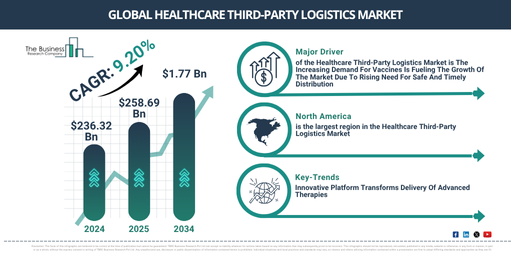
    In recent times, there has been a significant increase in the size of the healthcare third-party logistics market, which is expected to escalate from $236.32 billion in 2024 to $258.69 billion in 2025, indicating a compound annual growth rate (CAGR) of 9.5%. The previous growth can be linked to various factors such as higher levels of logistics functions outsourcing, a surge in the use of automated storage systems, increased demand for biologics and vaccines, growing intricacy of healthcare supply chains, and the escalating costs in healthcare.

    The market size of healthcare third-party logistics is anticipated to experience robust growth in the coming years, with a projected increase to $367.88 billion by 2029, maintaining a compound annual growth rate (CAGR) of 9.2%. This growth during the forecast period is predominantly driven by the escalating demand for effective supply chain management, the surging requirement for temperature-controlled logistics, the extension of biopharmaceutical companies’ distribution networks, concentration on regulatory compliance, and the increasing demand for direct-to-patient deliveries. Key trends to watch out for during the forecast period comprise advancements in cold chain logistics, digital tracking system integration, technology-centric inventory management, evolvements in real-time monitoring, and digital technology innovations.

    Download The Free Sample Report Here:

    https://www.thebusinessresearchcompany.com/sample.aspx?id=25779&type=smp

    #What Drivers Are Influencing Growth In The Healthcare Third-Party Logistics Market?

    The escalating necessity for vaccines is predicted to stimulate the expansion of the healthcare third-party logistics market in the future. Vaccines are essentially biological substances that mimic an infection to activate the body’s immune system into identifying and combating specific diseases, without actually causing the disease. The surge in demand for vaccines can be attributed to the growing incidence of infectious diseases, as greater protection is needed against common health risks. Healthcare third-party logistics play a vital role in enhancing vaccines by ensuring their secure, punctual, and temperature-regulated transportation and storage throughout their supply chain. For example, the World Health Organization, an intergovernmental organization based in Switzerland reported in July 2024, that global coverage for the initial dose of the HPV vaccine among girls had grown from 20% in 2022, to 27% in 2023, with an ambition of achieving 90% by 2030. Therefore, the rising demand for vaccines is fuelling the growth of healthcare third-party logistics market.

    What Are The Main Segments Identified In The Healthcare Third-Party Logistics Market Research?

    The healthcare third-party logistics market covered in this report is segmented –

    1) By Type: Cold Chain Logistics, Non-Cold Chain Logistics

    2) By Mode Of Transport: Ground Transportation, Air Cargo, Ocean Freight

    3) By Technology: Automated Storage And Retrieval Systems, Warehouse Management Systems, Transportation Management Systems, Blockchain, Internet of Things, Artificial Intelligence And Machine Learning, Robotics

    4) By Temperature Control: Ambient, Controlled, Refrigerated, Frozen, Cryogenic

    5) By End User: Pharmaceutical And Biopharmaceutical Companies, Hospitals And Clinics, Medical Device Manufacturers, Research Laboratories, Healthcare Providers, Other End Users

    Subsegments:

    1) By Cold Chain Logistics: Refrigerated Storage, Refrigerated Transportation, Packaging Solutions for Temperature-Sensitive Products, Cold Chain Monitoring Systems, Specialized Cold Chain Warehousing

    2) By Non-Cold Chain Logistics: Warehousing And Storage, Transportation Management, Inventory Management, Order Fulfillment Services, Packaging And Labeling

    What Are The Leading Trends And Opportunities In The Healthcare Third-Party Logistics Sector?

    Top organizations in the healthcare third-party logistics market are honing their focus on the creation of innovative solutions like specialized cell and gene therapy logistics platforms. These platforms have been designed to handle the accurate, time-bound, and temperature-dependent transport and storage of delicate biological therapies used in personalized medicine. As a demonstration, McKesson Corporation, a leading healthcare corporation based in the US, introduced Inspirogene in October 2024. This is a specifically designed business unit that aids in the commercialization of cell and gene therapies using leading-edge third-party logistics and specialty distribution services. This avant-garde solution combines complex supply chain management, temperature-dependent storage, and real-time monitoring to ensure product quality, on-time delivery, and efficient dissemination of vital vaccines and therapies. Inspirogene caters to the distinct logistical needs of cell and gene therapies by offering a flexible platform that not only simplifies their delivery but also aids their market introduction with accuracy and dependability.

    Which Companies Play A Key Role In The Development Of The Healthcare Third-Party Logistics Market?

    Major companies operating in the healthcare third-party logistics market are McKesson Corporation, Cencora Inc, Cardinal Health Inc, Federal Express Corporation, A.P. Moller – Maersk A/S, Kuhne + Nagel International AG, Schenker AG, CEVA Logistics India Private Limited, GEODIS SA, Rhenus SE And Co. KG, XPO Inc., Agility Logistics Private Limited, Allcargo Logistics Limited, Noatum Logistics India Private Limited, Barrett Distribution Centers Inc., UPS Supply Chain Solutions Inc., Buske Logistics Inc., Falcon International LLC, DHL Supply Chain India Private Limited, Coldman Logistics Private Limited.

    Get The Full Report Here:

    https://www.thebusinessresearchcompany.com/report/healthcare-third-party-logistics-global-market-report

    What Are The Key Regional Developments Shaping The Healthcare Third-Party Logistics Market?

    North America was the largest region in the healthcare third-party logistics market in 2024. Asia-Pacific is expected to be the fastest-growing region in the forecast period. The regions covered in the healthcare third-party logistics market report are Asia-Pacific, Western Europe, Eastern Europe, North America, South America, Middle East, Africa.

    Request For A Customized Report:

    https://www.thebusinessresearchcompany.com/customise?id=25779&type=smp

    About The Business Research Company:

    With over 15000+ reports from 27 industries covering 60+ geographies, The Business Research Company has built a reputation for offering comprehensive, data-rich research and insights. Armed with 1,500,000 datasets, the optimistic contribution of in-depth secondary research, and unique insights from industry leaders, you can get the information you need to stay ahead in the game.

    Get in touch with us:

    The Business Research Company: https://www.thebusinessresearchcompany.com/

    Americas +1 310-496-7795

    Asia +44 7882 955267 & +91 8897263534

    Europe +44 7882 955267

    Email us at info@tbrc.info

    Follow us on:

    LinkedIn: https://in.linkedin.com/company/the-business-research-company

    YouTube: https://www.youtube.com/channel/UC24_fI0rV8cR5DxlCpgmyFQ

    Global Market Model: https://www.thebusinessresearchcompany.com/global-market-model
  • Strategic Report on Diabetes Care Drugs Market: Growth Opportunities and Emerging Challenges

    Strategic Report on Diabetes Care Drugs Market: Growth Opportunities and Emerging Challenges

    Claim your 30% discount on Global Market Reports with code ONLINE30. Limited time only.

    Claim your 30% discount on Global Market Reports with code ONLINE30. Limited time only.

    What Is the Current and Projected Market Size of the Diabetes Care Drugs Industry?

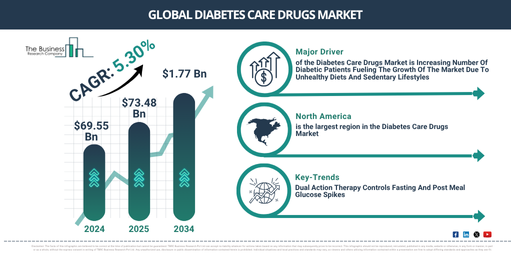
    The size of the diabetes care drugs market has seen significant expansion in the last few years. It is projected to surge from $69.55 billion in 2024 to $73.48 billion in 2025, with a Compound Annual Growth Rate (CAGR) of 5.6%. The factors that contributed to growth during the historic period include an increase in the worldwide occurrence of diabetes, a rise in the aging population, inactive lifestyles and unfavorable eating habits, an escalation in obesity rates, and the increasing acceptance of personalized medicine.

    Anticipated to experience robust expansion in the upcoming years, the market for diabetes care drugs is projected to rise to $90.50 billion by 2029 with a compound annual growth rate (CAGR) of 5.3%. This increase during the forecast period can be accredited to the introduction of biosimilar insulins, the creation of combination therapies, and fixed-dose formulations, along with an intensified focus on continuous glucose monitoring and closed-loop systems, plus augmenting awareness and preventative initiatives aimed at prediabetes. The forecast period will likely witness key trends such as the fusion of continuous glucose monitoring and intelligent drug delivery, the utilization of digital platform for patient engagement, wearable devices for drug delivery, advancements in peptide or polymer-based, sustained-release formulations and the adoption of pharmacogenomics for personalized dosage.

    Download The Free Sample Report Here:

    https://www.thebusinessresearchcompany.com/sample.aspx?id=25748&type=smp

    #Which Factors Are Currently Driving The Growth Of The Diabetes Care Drugs Market?

    The rise in diabetes cases is expected to boost the expansion of the diabetes care drugs market. Patients diagnosed with diabetes mellitus, a chronic illness that impacts how the body controls blood sugar, are referred to as diabetic patients. Unhealthy eating habits and a lack of physical activity, leading to obesity and insulin resistance, are the main causes for the influx in diabetes cases. These medications for diabetes care are crucial for effectively managing blood glucose levels and thus controlling type 1 and type 2 diabetes. They limit complications by regulating sugar levels, enhancing overall health, and raising the quality of life. For example, the National Health Service, a UK-based government institution, reported in June 2024 that 3,615,330 people registered with a general practitioner (GP) in 2023 were diagnosed with non-diabetic hyperglycemia or prediabetes. This was an 18% increase from the 3,065,825 cases reported in 2022. Consequently, the rise in diabetes cases is driving the expansion of the diabetes care drugs market.

    How Is The Global Diabetes Care Drugs Market Structured In Terms Of Segments?

    The diabetes care drugs market covered in this report is segmented –

    1) By Drug Class: Insulin, Biguanides, Sulfonylureas, Dipeptidyl Peptidase (DPP)-4 Inhibitors, Sodium-Glucose Co-Transporter (SGLT)-2 Inhibitors, Glucagon-Like Peptide (GLP)-1 Receptor Agonists, Thiazolidinediones, Alpha-Glucosidase Inhibitors

    2) By Formulation Type: Tablets, Injections, Solutions, Gels, Extended-Release Formulations

    3) By Administration Route: Oral, Injectable, Inhalable

    4) By Condition: Diabetes Type 1, Diabetes Type 2

    5) By Distribution Channel: Hospital Pharmacies, Specialty Pharmacies

    Subsegments:

    1) By Insulin: Rapid-acting insulin, Short-acting insulin, Intermediate-acting insulin, Long-acting insulin, Pre-mixed insulin

    2) By Biguanides: Metformin Immediate Release (IR), Metformin Extended Release (ER)

    3) By Sulfonylureas: First-generation sulfonylureas, Second-generation sulfonylureas

    4) By Dipeptidyl Peptidase (DPP)-4 Inhibitors: Sitagliptin, Saxagliptin, Linagliptin, Alogliptin

    5) By Sodium-Glucose Co-Transporter (SGLT)-2 Inhibitors: Canagliflozin, Dapagliflozin, Empagliflozin, Ertugliflozin

    6) By Glucagon-Like Peptide (GLP)-1 Receptor Agonists: Exenatide, Liraglutide, Dulaglutide, Semaglutide, Lixisenatide

    7) By Thiazolidinediones (TZDs): Pioglitazone, Rosiglitazone

    8) By Alpha-Glucosidase Inhibitors: Acarbose, Miglitol

    What Trends Are Currently Influencing Growth In The Diabetes Care Drugs Market?

    Leading enterprises in the market for diabetes care medications are focusing on the development of innovative treatments like fixed-ratio combination therapies, which enhance blood sugar control, boost patient compliance, and make treatment plans simpler. Fixed-ratio combination therapies are treatments that integrate two complementary diabetes medicines in a single shot, providing a more efficient and hassle-free method for diabetes management. For example, in April 2024, France-based pharmaceutical firm Sanofi SA introduced Soliqua, a daily fixed-ratio mix of insulin glargine and lixisenatide, designed specifically for adults suffering from type 2 diabetes and obesity. Soliqua merges long-acting insulin glargine, which ensures stable fasting glucose regulation, with lixisenatide, a GLP-1 receptor agonist. This combination promotes glucose-dependent insulin release, curbs the manufacturing of glucagon, and decelerates gastric emptying to lower blood sugar levels following meals, thereby providing an all-inclusive daily control of blood sugar. The introduction of Soliqua aims to streamline diabetes management, enhance blood sugar control, and boost patient adherence by reducing the necessity for multiple daily injections and mitigating potential side effects like hypoglycemia and weight gain.

    Who Are The Main Participants Shaping The Diabetes Care Drugs Market Landscape?

    Major companies operating in the diabetes care drugs market are Johnson & Johnson, Merck & Co. Inc., Bayer AG, Sanofi S.A., Bristol-Myers Squibb Company, AstraZeneca plc, Abbott Laboratories, GSK plc, Medtronic plc, Eli Lilly and Company, Teva Pharmaceuticals Limited, Astellas Pharma Inc., Sun Pharmaceutical Industries Ltd., Aurobindo Pharma Limited, Dr. Reddy’s Laboratories, Cipla Limited, Lupin Limited, Takeda Pharmaceutical Company Limited, Biocon Limited, Glenmark Pharmaceuticals Limited, Insulet Corporation, Torrent Pharmaceuticals Ltd., Hanmi Pharmaceutical Limited, Hualan Biological, Wockhardt, Mitsubishi Tanabe Pharma, Gan & Lee Pharmaceuticals, DiogenX, Oramed Pharmaceuticals, Apotex.

    Get The Full Report Here:

    https://www.thebusinessresearchcompany.com/report/diabetes-care-drugs-global-market-report

    Which Region Currently Holds The Largest Share In The Diabetes Care Drugs Market?

    North America was the largest region in the diabetes care drugs market in 2024. Asia-Pacific is expected to be the fastest-growing region in the forecast period. The regions covered in the diabetes care drugs market report are Asia-Pacific, Western Europe, Eastern Europe, North America, South America, Middle East, Africa.

    Request For A Customized Report:

    https://www.thebusinessresearchcompany.com/customise?id=25748&type=smp

    About The Business Research Company:

    With over 15000+ reports from 27 industries covering 60+ geographies, The Business Research Company has built a reputation for offering comprehensive, data-rich research and insights. Armed with 1,500,000 datasets, the optimistic contribution of in-depth secondary research, and unique insights from industry leaders, you can get the information you need to stay ahead in the game.

    Get in touch with us:

    The Business Research Company: https://www.thebusinessresearchcompany.com/

    Americas +1 310-496-7795

    Asia +44 7882 955267 & +91 8897263534

    Europe +44 7882 955267

    Email us at info@tbrc.info

    Follow us on:

    LinkedIn: https://in.linkedin.com/company/the-business-research-company

    YouTube: https://www.youtube.com/channel/UC24_fI0rV8cR5DxlCpgmyFQ

    Global Market Model: https://www.thebusinessresearchcompany.com/global-market-model

  • Future Projections: Healthcare Smart Card Reader Market to Reach $3.12  Billion by 2029 at 17.8% CAGR

    Future Projections: Healthcare Smart Card Reader Market to Reach $3.12 Billion by 2029 at 17.8% CAGR

    Claim your 30% discount on Global Market Reports with code ONLINE30. Limited time only.

    Claim your 30% discount on Global Market Reports with code ONLINE30. Limited time only.

    What Is the Current and Projected Market Size of the Healthcare Smart Card Reader Industry?

    In recent years, the healthcare smart card reader market has expanded rapidly. The sector, which was valued at $1.37 billion in 2024, is projected to increase to $1.62 billion in 2025, representing a compound annual growth rate (CAGR) of 18.0%. Factors contributing to this growth during the historical period include heightened utilization of electronic health records, augmented government emphasis on protecting patient data, expanding healthcare infrastructure in developing regions, increased usage of smart cards in insurance procedures, and a rising demand for secure access to patient information.

    In the ensuing years, the healthcare smart card reader market is anticipated to experience swift expansion, with an expected growth to $3.12 billion in 2029 at a compound annual growth rate (CAGR) of 17.8%. This growth through the forecast period is credited to the escalating demand for contactless verification in the healthcare sector, the rising adoption rate of electronic health records (EHRs), a heightened focus on multi-factor authentication in hospital settings, the increase in regulatory adherence for health data safety, and a growing preference for smart card solutions that are compatible with mobile devices. Future trends include technological progress in contactless card readers, advancements in biometric-enabled smart card readers, increased funding in healthcare IT infrastructure, the creation of cloud-connected authentication systems, and continuous research and development in the field of portable smart card readers.

    Download The Free Sample Report Here:

    https://www.thebusinessresearchcompany.com/sample.aspx?id=25778&type=smp

    #Which Factors Are Currently Driving The Growth Of The Healthcare Smart Card Reader Market?

    The growth of the healthcare smart card reader market is predicted to be fueled by an increase in the uptake of electronic health records. Electronic health records, which are secure digital versions of patients’ medical histories, allow authorized healthcare providers to support better diagnosis and treatment. This surge in the adoption of electronic health records can be attributed to the demand for efficient healthcare that saves time, minimizes paperwork, and ensures rapid, accurate access to patient data. By offering secure, fast access to patient data, a healthcare smart card reader boosts the usage of electronic health records. This device aids in precise identification, smooth data integration, and effective information exchange among healthcare providers. For instance, per the Department of Health and Social Care, a government department in the UK, digital health and social care plans published in June 2022 indicate that by December 2023, 90% of NHS trusts are expected to have introduced electronic health records, with full adoption across all trusts aimed for March 2025. Thus, the increasing adoption of electronic health records underpins the expansion of the healthcare smart card reader market.

    How Is The Global Healthcare Smart Card Reader Market Structured In Terms Of Segments?

    The healthcare smart card reader market covered in this report is segmented –

    1) By Product Type: Contact-Based Card Readers, Contactless Card Readers, Dual Interface Card Readers, Other Product Types

    2) By Card Type: Memory-Based Smart Cards, Micro-Controller-Based Smart Cards

    3) By Application: Patient Identification, Medical Records Management, Medication Dispensing, Access Control

    4) By End User: Hospitals And Clinics, Pharmacies, Medical Labs, Insurance Companies

    Subsegments:

    1) By Contact-Based Card Readers: Universal Serial Bus (USB) Smart Card Readers, Serial Port Readers, Keyboard Integrated Readers, PIN Pad Readers, Mobile Device Readers

    2) By Contactless Card Readers: Radio Frequency Identification Readers, Near Field Communication-Enabled Readers, Bluetooth Contactless Readers, Wi-Fi Contactless Readers, Embedded Contactless Modules

    3) By Dual Interface Card Readers: Hybrid Smart Card Readers, Biometric Dual Interface Readers, Multi-Application Smart Card Readers, Secure Access Module (SAM) Compatible Readers, Desktop and Handheld Dual Interface Readers

    4) By Other Product Types: Wearable Smart Card Readers, All-In-One Authentication Terminals, Tablet Or Phone Slot Readers, Integrated Point-Of-Care Terminals, Smart Card Reader Software Solutions

    What Trends Are Currently Influencing Growth In The Healthcare Smart Card Reader Market?

    Top firms involved in the healthcare smart card reader industry are concentrating their efforts on inventing advanced technologies such as multi-user access to provide reliable and effective solutions. This technology lets two individual users use separate smart cards simultaneously on a single gadget, enabling more speedy and efficient data management. For example, Advanced Card Systems Ltd., a Hong Kong-based enterprise specializing in smart card reader technologies, rolled out the SmartDuo Smart Card Reader-ACR39U-W1 in July 2022. This product is a two-slot reader designed for simultaneous usage by two distinct users. It has a unique two-slot design that accommodates ISO 7816 smart cards, allowing separate operations for each slot. This device also supports secure login mechanisms and multi-factor authentication protocols. Moreover, with USB 2.0 connectivity, compatibility with major operating systems, a sleek and user-friendly design, rapid communication with smart cards, and stringent security measures, it is ideal for clinical and administrative healthcare contexts that require safe, efficient, and simultaneous data access.

    Who Are The Main Participants Shaping The Healthcare Smart Card Reader Market Landscape?

    Major companies operating in the healthcare smart card reader market are Thales S.A., Infineon Technologies AG, NXP Semiconductors N.V., ASSA ABLOY AB, Giesecke+Devrient GmbH, Advantech Co. Ltd., Identiv Inc., FEITIAN Technologies Co. Ltd., rf IDEAS Inc., WISeKey International Holding Ltd., Advanced Card Systems Ltd., On Track Innovations Ltd. (OTI), ID Tech Solutions Pvt. Ltd., IDEMIA Group, IDENTOS Inc., SecuGen Corporation, Rayton Solutions Pte Ltd., CardLogix Corporation, Shenzhen HCC Technology Co. Ltd., Creator Tech Co. Ltd.

    Get The Full Report Here:

    https://www.thebusinessresearchcompany.com/report/healthcare-smart-card-reader-global-market-report

    Which Region Currently Holds The Largest Share In The Healthcare Smart Card Reader Market?

    Europe was the largest region in the healthcare smart card reader market in 2024. Asia-Pacific is expected to be the fastest-growing region in the forecast period. The regions covered in the healthcare smart card reader market report are Asia-Pacific, Western Europe, Eastern Europe, North America, South America, Middle East, Africa.

    Request For A Customized Report:

    https://www.thebusinessresearchcompany.com/customise?id=25778&type=smp

    About The Business Research Company:

    With over 15000+ reports from 27 industries covering 60+ geographies, The Business Research Company has built a reputation for offering comprehensive, data-rich research and insights. Armed with 1,500,000 datasets, the optimistic contribution of in-depth secondary research, and unique insights from industry leaders, you can get the information you need to stay ahead in the game.

    Get in touch with us:

    The Business Research Company: https://www.thebusinessresearchcompany.com/

    Americas +1 310-496-7795

    Asia +44 7882 955267 & +91 8897263534

    Europe +44 7882 955267

    Email us at info@tbrc.info

    Follow us on:

    LinkedIn: https://in.linkedin.com/company/the-business-research-company

    YouTube: https://www.youtube.com/channel/UC24_fI0rV8cR5DxlCpgmyFQ

    Global Market Model: https://www.thebusinessresearchcompany.com/global-market-model
  • Industry Trends Show Dermatology Excimer Laser Market Set to Expand at 9.2% CAGR Until 2029

    Industry Trends Show Dermatology Excimer Laser Market Set to Expand at 9.2% CAGR Until 2029

    Claim your 30% discount on Global Market Reports with code ONLINE30. Limited time only.

    Claim your 30% discount on Global Market Reports with code ONLINE30. Limited time only.

    How Will the Dermatology Excimer Laser Market Evolve in Terms of Growth and Size by 2029?

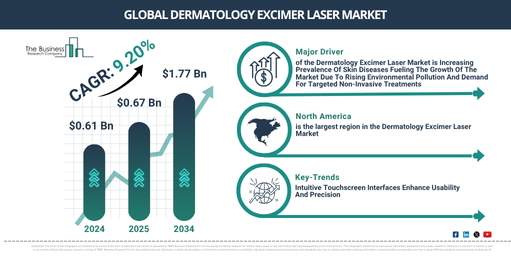
    In the past few years, the dermatology excimer laser market has seen robust growth. The market size will escalate from $0.61 billion in 2024 to $0.67 billion in 2025, demonstrating a compound annual growth rate (CAGR) of 9.5%. The historic growth of this market is linked to factors such as the increasing incidence of chronic skin conditions, augmented demand for targeted phototherapy, higher awareness of non-surgical treatments, increased spending on healthcare, and an expanding older population.

    The market for dermatology excimer lasers is anticipated to expand significantly in the forthcoming years, with an estimated compounded annual growth rate (CAGR) of 9.2%, reaching a value of $0.95 billion by 2029. This expected growth during the forecast period can be attributed to factors such as an increase in the need for tailored dermatological treatments, the growing popularity of outpatient laser techniques, a higher frequency of autoimmune skin diseases, a raised emphasis on aesthetic skin procedures, and increased funding in dermatological studies. Key trends forecasted for this period include the emergence of handheld and portable laser gadgets, real-time monitoring of skin reactions, combined treatments with other methods, cordless and battery-operated excimer lasers, patient data management via the cloud, and advancements in the modulation of wavelengths.

    Download The Free Sample Report Here:

    https://www.thebusinessresearchcompany.com/sample.aspx?id=25747&type=smp

    What factors are expected to fuel Dermatology Excimer Laser market growth in the coming years?

    The dermatology excimer laser market is expected to expand owing to the escalating occurrence of skin diseases. These medical issues disrupt the skin’s function or structure, leading to rashes, inflammation, or lesions and includes conditions such as psoriasis, eczema, acne, vitiligo, dermatitis, fungal infections, warts, melanoma, and alopecia. Skin diseases are on the rise due to the concerning growth in environmental pollution, as pollutants can harm the protective skin layer, inducing inflammatory or allergic reactions. Dermatology excimer lasers aid in managing these conditions by implementing pinpointed ultraviolet B (UVB) therapy, making them the preferred method for treating localized issues like psoriasis and vitiligo. These lasers decrease the requirement for broad-spectrum treatments by providing accurate, non-invasive care that enhances patient comfort and treatment results. For example, in 2023, Cancer Australia, a government agency, reported approximately 8,257 new melanoma diagnoses, contributing to 2.6% of cancer fatalities. Therefore, the surging incidence of skin ailments is catalyzing the growth of the dermatology excimer laser market. The dermatology excimer laser market’s growth will also be driven by the burgeoning demand for minimally invasive medical procedures, which is due to their capacity to speed up recovery and better patient outcomes. Minimally invasive procedures are performed through small cuts or openings, which reduces patient trauma and recovery duration. Patient demand for these procedures is growing as individuals prefer shorter recovery times and hospital stays compared to classic surgical procedures. Dermatology excimer lasers amplify the benefits of minimally invasive procedures, rendering pinpointed ultraviolet light to treat skin conditions without harming the surrounding tissue. They boost patient outcomes by shortening recovery periods, reducing side effects, and facilitating effective treatment of localized lesions. To illustrate, in November 2024, the American Society of Plastic Surgeons reported that the total number of cosmetic minimally invasive procedures hit 25,442,640 in 2023, a 7% rise from 23,672,269 in 2022. Hence, the increasing demand for minimally invasive methods is propelling the growth of the dermatology excimer laser market.

    What Are The Key Findings From The Segmentation Analysis Of The Dermatology Excimer Laser Market?

    The dermatology excimer laser market covered in this report is segmented –

    1) By Type: Table Top Excimer Laser, Hand Held Excimer Laser, Trolley Mounted Excimer Laser

    2) By Application: Psoriasis, Vitiligo, Atopic Dermatitis, Allergic Rhinitis, Alopecia Areata, Other Applications

    3) By End-Use: Hospitals, Dermatology Clinics, Plastic Surgery Centers

    Subsegments:

    1) By Table Top Excimer Laser: Compact Dermatology Units, Clinic-Based Stationary Systems, Multi-Patient Treatment Consoles

    2) By Hand Held Excimer Laser: Portable Spot Treatment Devices, Battery-Operated Excimer Units, Home-Use Excimer Laser Devices

    3) By Trolley Mounted Excimer Laser: Hospital-Based Mobile Units, High-Energy Output Systems, Integrated Cooling And Navigation Systems

    Which Trends Are Expected To Shape The Future Of The Dermatology Excimer Laser Market?

    Leading corporations in the dermatology excimer laser industry are concentrating their efforts on creating tech-savvy products and securing approvals. This includes modern user interfaces that enhance usability, precision, and therapeutic effectiveness. In simpler terms, a revamped user interface means a user-friendly, touchscreen control system that streamlines operations and boosts treatment accuracy. To exemplify, in July 2024, Strata Skin Sciences, a medical device firm based in the US, was granted certification by Japan’s Ministry of Health, Labor, and Welfare for the XTRAC Momentum 1.0 device. This cutting-edge excimer laser device, which provides targeted UVB light therapy for treating various skin conditions such as psoriasis, eczema, and vitiligo in both adults and children. The latest version of this device boasts a greater power output and faster repetition rate compared to its predecessors, leading to more effective treatments. It also flaunts a redesigned user interface and a sleek, ergonomic design, enhancing convenience for operators and patient comfort.

    What Are The Most Active Companies In The Dermatology Excimer Laser Market Today?

    Major companies operating in the dermatology excimer laser market are Koninklijke Philips N.V., Coherent Corp., Carl Zeiss AG, Lumenis Ltd., Cynosure LLC, Cutera Inc., Sciton Inc., Lutronic Corporation, DEKA Research & Development Corporation, Solta Medical Inc., Quanta System S.p.A., Strata Skin Sciences Inc., The Daavlin Company, Asclepion Laser Technologies GmbH, Aerolase Corporation, Kernel Medical Equipment Co. Ltd., Zimmer MedizinSysteme GmbH, Candela Corporation, Ra Medical Systems Inc., KOMACHINE Co. Ltd., PhotoMedex Inc., iVis Technologies S.r.l., Fotona d.o.o., Wuhan Dimed Laser Technology Co. Ltd.

    Get The Full Report Here:

    https://www.thebusinessresearchcompany.com/report/dermatology-excimer-laser-global-market-report

    Which Regional Markets Are Attracting The Most Investment In Dermatology Excimer Laser?

    North America was the largest region in the dermatology excimer laser market in 2024. Asia-Pacific is expected to be the fastest-growing region in the forecast period. The regions covered in the dermatology excimer laser market report are Asia-Pacific, Western Europe, Eastern Europe, North America, South America, Middle East, Africa.

    Request For A Customized Report:

    https://www.thebusinessresearchcompany.com/customise?id=25747&type=smp

    About The Business Research Company:

    With over 15000+ reports from 27 industries covering 60+ geographies, The Business Research Company has built a reputation for offering comprehensive, data-rich research and insights. Armed with 1,500,000 datasets, the optimistic contribution of in-depth secondary research, and unique insights from industry leaders, you can get the information you need to stay ahead in the game.

    Get in touch with us:

    The Business Research Company: https://www.thebusinessresearchcompany.com/

    Americas +1 310-496-7795

    Asia +44 7882 955267 & +91 8897263534

    Europe +44 7882 955267

    Email us at info@tbrc.info

    Follow us on:

    LinkedIn: https://in.linkedin.com/company/the-business-research-company

    YouTube: https://www.youtube.com/channel/UC24_fI0rV8cR5DxlCpgmyFQ

    Global Market Model: https://www.thebusinessresearchcompany.com/global-market-model

  • 2025 Healthcare Information Technology (IT) Outsourcing Market Outlook: Opportunities, Growth Trends, and Strategic Analysis

    2025 Healthcare Information Technology (IT) Outsourcing Market Outlook: Opportunities, Growth Trends, and Strategic Analysis

    Claim your 30% discount on Global Market Reports with code ONLINE30. Limited time only.

    Claim your 30% discount on Global Market Reports with code ONLINE30. Limited time only.

    How Will the Healthcare Information Technology (IT) Outsourcing Market Evolve in Terms of Growth and Size by 2029?

    The market for outsourcing in healthcare information technology (IT) has seen robust growth in the previous years. A surge from $58.09 billion in 2024 to $63.84 billion in 2025 is expected, boasting a compound annual growth rate (CAGR) of 9.9%. The growth observed in the historical period can be credited to factors such as the digitization of healthcare records, internationalization of healthcare services, increasing programs for managing chronic diseases, rising uptake of digital health solutions, and growth in services based on the cloud.

    The market size for healthcare information technology (IT) outsourcing is projected to witness significant expansion in the coming years, escalating to a value of $92.36 billion by 2029, growing at a compound annual growth rate (CAGR) of 9.7%. The predicted growth during the forecast period is due to the escalating requirement for scalable IT solutions, increasing demand for remote patient monitoring, growing global elderly population, the necessity for IT tools for enhancing efficiency and remote care, as well as worldwide regulatory growth. The forecast period will also likely see trends such as AI-enabled chatbots and virtual health aids, utilization of blockchain for medical records and consent management, edge computing for immediate healthcare data, robotic process automation (RPA) in healthcare management, platforms offering interoperability using HL7 FHIR standards, and cybersecurity delivered as a service in the healthcare industry.

    Download The Free Sample Report Here:

    https://www.thebusinessresearchcompany.com/sample.aspx?id=25777&type=smp

    What factors are expected to fuel Healthcare Information Technology (IT) Outsourcing market growth in the coming years?

    The increased embrace of digital health solutions is anticipated to catalyze the expansion of the healthcare IT outsourcing market in the future. Digital health solutions encompass tech-driven tools and platforms that accentuate healthcare delivery, patient engagement, and all-encompassing health management through advancements such as telemedicine, mobile applications, and wearable technology. There is a mounting trend in the adoption of these solutions as healthcare providers are looking for more economical methods of providing care, leveraging technologies like telemedicine and remote monitoring to curtail hospital visits and make operations more efficient. Healthcare IT outsourcing bolsters digital health by providing expert knowledge and the necessary infrastructure to effectively manage data, strengthen security, and expedite the roll-out of digital health solutions. As an example, in February 2023, as per the report issued by Rock Health, a venture capital company based in the US, 80% of all participants confirmed that they had utilized telemedicine services at least once in their lives, an upward movement of 8 percentage points from 72% in 2021. As such, the increased integration of digital health solutions is propelling the expansion of the healthcare IT outsourcing market.

    What Are The Key Findings From The Segmentation Analysis Of The Healthcare Information Technology (IT) Outsourcing Market?

    The healthcare information technology (it) outsourcing market covered in this report is segmented –

    1) By Type: Provider Healthcare IT Outsourcing, Electronic Health Records (EHR), Payers Healthcare IT Outsourcing, Operational Healthcare IT Outsourcing, Life Sciences Healthcare IT Outsourcing, Information Technology (IT) Infrastructure Outsourcing

    2) By Technology: Artificial Intelligence And Machine Learning, Blockchain Technology, Internet Of Things, Big Data Analytics, Cybersecurity Solutions

    3) By Deployment Model: On-Premises, Cloud-Based, Hybrid

    4) By End User: Healthcare Provider System, Pharmaceutical, Biotechnology, Clinical Research Organization (CRO), Health Insurance

    Subsegments:

    1) By Provider Healthcare IT Outsourcing: Hospital Information Technology Outsourcing, Clinic Information Technology Outsourcing, Ambulatory Care Information Technology Outsourcing

    2) By Electronic Health Records (EHR): EHR Implementation Outsourcing, EHR Maintenance And Support, EHR Data Migration Services

    3) By Payers Healthcare IT Outsourcing: Claims Processing Outsourcing, Member Management Outsourcing, Billing And Payment Services Outsourcing

    4) By Operational Healthcare IT Outsourcing: Revenue Cycle Management (RCM), Medical Coding And Billing, Appointment Scheduling And Patient Management

    5) By Life Sciences Healthcare IT Outsourcing: Clinical Data Management, Regulatory Compliance And Reporting, Drug Safety And Pharmacovigilance

    6) By Information Technology (IT) Infrastructure Outsourcing: Network Management, Data Center Management, Cloud Infrastructure Services

    Which Trends Are Expected To Shape The Future Of The Healthcare Information Technology (IT) Outsourcing Market?

    Pioneering corporations in the healthcare IT outsourcing sector are focusing their efforts on creating cutting-edge solutions, such as brand-aligned healthcare outsourcing, to meet the increasing demand for personalized patient involvement, streamlined operations, and distinctive service delivery. This brand-aligned healthcare outsourcing method provides outsourced healthcare services in line with a healthcare organization’s unique brand identity, ensuring consistent, personalized, high-quality patient interactions at every point of contact. For example, in March 2025, Clear Harbor LLC, a US customer care and BPO company, unveiled a specific brand-aligned healthcare outsourcing solution aimed at offering personalized, empathetic patient experiences for healthcare facilities and systems. This new service applies Clear Harbor’s well-established brand-aligned outsourcing model to the healthcare sector’s unique sensitivities and adherence requirements, ensuring patient interactions mirror the values of the provider’s brand, exhibiting empathy and clarity. The solution incorporates nearly offshore contact centers operated by native English-speaking representatives with training in healthcare compliance and adult education principles, placing importance on privacy, adherence to HIPAA regulations, and compassionate dialogue.

    What Are The Most Active Companies In The Healthcare Information Technology (IT) Outsourcing Market Today?

    Major companies operating in the healthcare information technology (it) outsourcing market are McKesson Corporation, Optum Inc., Dell Technologies Inc., Accenture plc, International Business Machines Corporation, Oracle Corporation, Hewlett Packard Enterprise Company, Tata Consultancy Services Limited, Capgemini SE, NTT DATA Corporation, Siemens Healthineers AG, Cognizant Technology Solutions Corporation, Koninklijke Philips N.V., GE HealthCare Technologies Inc., Infosys Limited, DXC Technology Company, Wipro Limited, Epic Systems Corporation, Change Healthcare Holdings LLC, Exela Technologies Inc., Omega Healthcare Management Services Private Limited, Veradigm Inc.

    Get The Full Report Here:

    https://www.thebusinessresearchcompany.com/report/healthcare-information-technology-it-outsourcing-global-market-report

    Which Regional Markets Are Attracting The Most Investment In Healthcare Information Technology (IT) Outsourcing?

    North America was the largest region in the healthcare information technology (IT) outsourcing market in 2024. Asia-Pacific is expected to be the fastest-growing region in the forecast period. The regions covered in the healthcare information technology (it) outsourcing market report are Asia-Pacific, Western Europe, Eastern Europe, North America, South America, Middle East, Africa.

    Request For A Customized Report:

    https://www.thebusinessresearchcompany.com/customise?id=25777&type=smp

    About The Business Research Company:

    With over 15000+ reports from 27 industries covering 60+ geographies, The Business Research Company has built a reputation for offering comprehensive, data-rich research and insights. Armed with 1,500,000 datasets, the optimistic contribution of in-depth secondary research, and unique insights from industry leaders, you can get the information you need to stay ahead in the game.

    Get in touch with us:

    The Business Research Company: https://www.thebusinessresearchcompany.com/

    Americas +1 310-496-7795

    Asia +44 7882 955267 & +91 8897263534

    Europe +44 7882 955267

    Email us at info@tbrc.info

    Follow us on:

    LinkedIn: https://in.linkedin.com/company/the-business-research-company

    YouTube: https://www.youtube.com/channel/UC24_fI0rV8cR5DxlCpgmyFQ

    Global Market Model: https://www.thebusinessresearchcompany.com/global-market-model

  • Competitive and Market Trend Analysis of Dermal Regeneration Industry Through 2029

    Claim your 30% discount on Global Market Reports with code ONLINE30. Limited time only.

    Claim your 30% discount on Global Market Reports with code ONLINE30. Limited time only.

    What CAGR Is Anticipated for the Dermal Regeneration Market Through 2029?

    The market size of dermal regeneration has shown robust growth in the past few years. It is forecasted to expand from $1.64 billion in 2024 to $1.79 billion in 2025, with a compound annual growth rate (CAGR) of 9.2%. The significant growth experienced in the historic phase can be ascribed to the escalating demand for skin repair procedures that are minimally invasive, an increased frequency of chronic wounds, a rising elderly population, growing instances of diabetes and vascular diseases, and heightened awareness about wound care.

    Expectations are high for the dermal regeneration market, which is predicted to experience robust growth in the coming years. The market is projected to expand to $2.52 billion by 2029, with a compound annual growth rate (CAGR) of 8.9%. This growth during the forecast period can be attributed to several factors, such as an increase in burn injuries, the rising implementation of stem cell-based therapies, nanotechnology’s integration into scaffolds, the growing prevalence of telemedicine in wound monitoring, and the heightened demand for cosmetic and aesthetic applications. The forecast period also signals notable trends, including the development of bioengineered skin substitutes, the invention of smart wound healing materials, the integration of 3D bioprinting for skin layers, innovative hydrogel-based dermal products, and the expansion of hybrid natural-synthetic grafts.

    Download The Free Sample Report Here:

    https://www.thebusinessresearchcompany.com/sample.aspx?id=25746&type=smp

    What Market Forces Are Driving The Dermal Regeneration Sector In 2025 And Beyond?

    The augmentation of burn injuries is predicted to boost the expansion of the dermal regeneration market. Burns, which can be caused by heat, chemicals, electricity, radiation, or friction, lead to damage to the skin or tissues underneath. The risk of such injuries is escalating due to the prevalent usage of unsafe cooking fuels and poorly serviced stoves that can cause accidental fires and scalds, particularly in overcrowded and low-income homes. These burn injuries necessitate the use of dermal regeneration solutions that utilize advanced tissue repair and skin restoration techniques to effectively treat moderate to severe skin damage. For example, in January 2024, the Consumer Product Safety Commission (CPSC), a U.S. federal government agency, reported 11 deaths related to fireworks, primarily due to misuse and faulty equipment. Approximately 14,700 individuals were injured due to fireworks, marking a sizeable increase of about 38% in fatalities and 52% in injuries compared to the previous year, 2023. Thus, the rising number of burn injuries is a significant factor in propelling the growth of the dermal regeneration market.

    How Is The Global Dermal Regeneration Market Categorized By Segments?

    The dermal regeneration market covered in this report is segmented –

    1) By Product Type: Skin Substitutes, Scaffolds, Other Product Types

    2) By Technology: Tissue Engineering, Cell-Based Therapies, Biomaterial-Based Therapies, Other Technologies

    3) By Source: Cow Collagen, Silicone, Shark Cartilage

    4) By Application: Chronic Wounds, Burn Injuries, Acute Wounds, Plastic And Reconstructive Surgery, Other Applications

    5) By End Use: Hospitals, Dermatology And Aesthetic Clinics, Specialty Clinics, Ambulatory Surgical Centers (ASCs), Other End User

    Subsegments:

    1) By Skin Substitutes: Acellular Skin Substitutes, Cellular Skin Substitutes, Bioengineered Skin Substitutes, Synthetic Skin Substitutes, Allografts, Xenografts

    2) By Scaffolds: Collagen-Based Scaffolds, Synthetic Polymer Scaffolds, Composite Scaffolds, Hyaluronic Acid-Based Scaffolds, Fibrin-Based Scaffolds

    3) By Other Product Types: Dermal Regeneration Templates (DRTs), Hydrogel-Based Products, Growth Factor-Based Therapies, Matrices With Antimicrobial Agents

    What Long-Term Trends Are Likely To Affect The Dermal Regeneration Market?

    Leading organizations in the dermal regeneration sector are concentrating on innovating superior solutions like the collagen-based dermal matrix. This is aimed at providing biocompatibility and minimizing the risk of immune rejection. A structure largely composed of collagen, the collagen-based dermal matrix provides a support system that facilitates skin tissue growth and recovery. As an example, Fesarius Therapeutics Inc., an American biotechnology firm, proclaimed in January 2025 that they received 510(k) clearance from the US Food and Drug Administration (FDA) for their DermiSphere hydrogel Dermal Regeneration Template (DermiSphere hDRT). The new product marks the advent of a novel set of collagen-centric dermal matrices that are designed to accelerate tissue integration, revascularization, and efficient wound recovery. DermiSphere hDRT is foreseen to be used in advanced wound care, reconstructive procedures, and regenerative medicine, therefore contributing an innovative technique to dermal regeneration that has considerable potential to transform wound care norms.

    Which Firms Are Considered Leaders In The Dermal Regeneration Market Space?

    Major companies operating in the dermal regeneration market are Stryker Corp., Smith & Nephew Plc, Coloplast Corp., Integra LifeSciences Corp., Organogenesis Inc., MiMedx Group Inc., Krystal Biotech Inc., Amryt Pharma plc, Regenity Biosciences Inc., Avita Medical Inc., HANS BIOMED Corporation, Polynovo, Symatese Co., Gunze Co Ltd., Castle Creek Biosciences Inc., Stratatech, MedSkin Solutions Dr. Suwelack AG, Japan Tissue Engineering Co. Ltd., Fesarius Therapeutics Inc., CollPlant Biotechnologies Ltd., Abeona Therapeutics Inc., Holostem Terapie Avanzate, Extrimity Care LLC

    Get The Full Report Here:

    https://www.thebusinessresearchcompany.com/report/dermal-regeneration-global-market-report

    What Role Do Regional Policies And Investments Play In Dermal Regeneration Market Expansion?

    North America was the largest region in the dermal regeneration market in 2024. Asia-Pacific is expected to be the fastest-growing region in the forecast period. The regions covered in the dermal regeneration market report are Asia-Pacific, Western Europe, Eastern Europe, North America, South America, Middle East, Africa.

    Request For A Customized Report:

    https://www.thebusinessresearchcompany.com/customise?id=25746&type=smp

    About The Business Research Company:

    With over 15000+ reports from 27 industries covering 60+ geographies, The Business Research Company has built a reputation for offering comprehensive, data-rich research and insights. Armed with 1,500,000 datasets, the optimistic contribution of in-depth secondary research, and unique insights from industry leaders, you can get the information you need to stay ahead in the game.

    Get in touch with us:

    The Business Research Company: https://www.thebusinessresearchcompany.com/

    Americas +1 310-496-7795

    Asia +44 7882 955267 & +91 8897263534

    Europe +44 7882 955267

    Email us at info@tbrc.info

    Follow us on:

    LinkedIn: https://in.linkedin.com/company/the-business-research-company

    YouTube: https://www.youtube.com/channel/UC24_fI0rV8cR5DxlCpgmyFQ

    Global Market Model: https://www.thebusinessresearchcompany.com/global-market-model