Blog

  • Calcium Channel Blocker Market Growth Outlook: Why Analysts Expect Continued Expansion

    Calcium Channel Blocker Market Growth Outlook: Why Analysts Expect Continued Expansion

    Featuring market attractiveness scoring, total addressable market sizing, company benchmarking matrices, interactive Excel dashboards, deeper supply chain intelligence, emerging startup tracking, and granular product-level insights, The Business Research Company’s 2026 market reports are built to deliver research that is both more actionable and more strategically valuable.

    Calcium Channel Blocker Market CAGR Outlook And Future Development

    The calcium channel blocker market has demonstrated robust growth in recent years. It is projected to expand from $16.46 billion in 2025 to $17.61 billion in 2026, achieving a compound annual growth rate (CAGR) of 7.0%. The historical growth of this market can be attributed to factors such as the rising prevalence of hypertension, an increasing incidence of cardiovascular disorders, the growth in the aging population, the early adoption of dihydropyridine drugs, and awareness campaigns conducted by healthcare providers.

    The calcium channel blocker market size is projected to experience significant expansion over the coming years. It will grow to $23.12 billion in 2030 at a compound annual growth rate (CAGR) of 7.0%. This anticipated increase throughout the forecast period stems from factors such as advancements in sustained-release drug formulations, a heightened emphasis on tailored personalized medicine, the wider uptake of digital solutions for cardiac monitoring, the broadening scope of homecare provisions, and growing capital allocation towards combination therapeutic approaches. Significant trends emerging during this outlook period encompass individualized management strategies for hypertension, the evolution of combination treatments, innovations in cardiac safety surveillance technologies, specialized drug formulations for pediatric and geriatric populations, and the development of oral sustained-release medications.

    Get A Free Sample Report With In-Depth Market Insights:

    https://www.thebusinessresearchcompany.com/sample.aspx?id=9428&type=smp&utm_source=Blogs&utm_medium=Paid&utm_campaign=Oct_PR

    Calcium Channel Blocker Market Growth Factors: What’s Supporting Expansion?

    The escalating occurrence of cardiovascular diseases is projected to stimulate the expansion of the calcium channel blocker market moving forward. Cardiovascular disease refers to medical conditions that affect the heart or blood vessels. Calcium channel blockers (CCBs) are utilized to mitigate the risk of heart failure and stroke. Therefore, the rising prevalence of cardiovascular diseases will lead to a greater demand for calcium channel blockers. For instance, in January 2024, the American Heart Association reported that the age-adjusted death rate from cardiovascular disease escalated to 233.3 per 100,000 in 2024, marking a 4.0% increase from 224.4 per 100,000 in 2023. Thus, the increasing prevalence rate of cardiovascular diseases is a primary driver for the growth of the calcium channel blocker market.

    Calcium Channel Blocker Market Segment Breakdown: Which Categories Lead On Revenue?

    The calcium channel blocker market covered in this report is segmented –

    1) By Drug Class: Dihydropyridine, Benzothiazepine, Phenylalkylamine, Other Drug Classes

    2) By Disease Indications: Hypertension, Chest Pain, Arrhythmias

    3) By Route Of Administration: Oral, Parenteral, Other Route Of Administration

    4) By End User: Hospitals, Homecare, Specialty Clinics, Other End Users

    Calcium Channel Blocker Market Industry Trends: What’s Reshaping Demand?

    Leading companies in the calcium channel blocker market are focusing on developing technological advancements, such as self-administered nasal spray formulations for acute arrhythmia management. These innovations aim to enable rapid symptom control, improve patient convenience, and reduce hospital visits. A nasal spray formulation delivers the active calcium channel blocker directly through the nasal mucosa, leading to faster absorption than traditional oral tablets and removing the need for intravenous administration in clinical settings. For example, in July 2025, Milestone Pharmaceuticals, a U.S.-based biopharmaceutical company, received FDA acceptance for review of Cardamyst (etripamil) nasal spray, designed for paroxysmal supraventricular tachycardia (PSVT) and atrial fibrillation with rapid ventricular rate (AFib RVR). This product is a fast-acting, non-dihydropyridine L-type calcium channel blocker delivered intranasally, which enables rapid AV node conduction modulation, restores normal rhythm without hospital supervision, and allows patients to manage episodes at home.

    Calcium Channel Blocker Market Leading Players And Competitive Positioning

    Major companies operating in the calcium channel blocker market are Pfizer Inc., GlaxoSmithKline plc, Novartis AG, Bausch Health Companies Inc., Lupin Pharmaceuticals Inc., Cadila Healthcare Limited, Covis Pharma BV, Glenmark Pharmaceuticals Inc., Amneal Pharmaceuticals LLC, Sofgen Pharmaceuticals, Teva Pharmaceutical Industries Ltd., Knoll Healthcare Private Limited, Sanofi S.A., Clearsynth Labs Ltd., Searle LLC, Bayer AG, AstraZeneca plc, Wyeth-Ayerst Lederle Inc., AbbVie Inc., Silvergate Pharmaceuticals Inc., Sun Pharmaceutical Industries Ltd.

    View The Full Calcium Channel Blocker Market Report:

    https://www.thebusinessresearchcompany.com/report/calcium-channel-blocker-global-market-report?utm_source=Blogs&utm_medium=Paid&utm_campaign=Oct_PR

    Calcium Channel Blocker Market Leading Geography: Which Region Contributes The Most Revenue?

    North America was the largest region in the calcium channel blocker market in 2025. The regions covered in the calcium channel blocker market report are Asia-Pacific, South East Asia, Western Europe, Eastern Europe, North America, South America, Middle East, Africa.

    Reach Out To Our Team:

    The Business Research Company: https://www.thebusinessresearchcompany.com/

    Americas: +1 310-496-7795

    Asia: +44 7882 955267 & +91 8897263534

    Europe: +44 7882 955267

    Email us at: marketing@tbrc.info

    Follow us on:

    LinkedIn: https://in.linkedin.com/company/the-business-research-company

    YouTube: https://www.youtube.com/channel/UC24_fI0rV8cR5DxlCpgmyFQ

    Global Market Model: https://www.thebusinessresearchcompany.com/global-market-model
  • Calcitonin Salmon Market Forecast Insights: The Road To $1.68 Billion By 2030

    Calcitonin Salmon Market Forecast Insights: The Road To $1.68 Billion By 2030

    Built to provide research that’s more actionable and strategically valuable, The Business Research Company’s 2026 market reports include market attractiveness analysis, total addressable market sizing, company benchmarking matrices, interactive Excel dashboards, broader supply chain intelligence, emerging startup tracking, and in-depth product insights.

    Calcitonin Salmon Market Set To Climb From $1.35 Billion In 2026 To $1.68 Billion By 2030

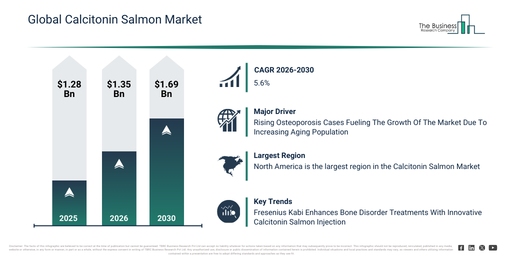
    The calcitonin salmon market has experienced robust expansion over recent years. This market is projected to expand from $1.28 billion in 2025 to $1.35 billion by 2026, demonstrating a compound annual growth rate (CAGR) of 6.0%. Key factors contributing to this historical growth include the widespread occurrence of osteoporosis, the availability of hospital-based injectable treatments, various calcium metabolism disorders, an increasing elderly demographic, and a scarcity of alternative bone therapies.

    The calcitonin salmon market is projected to experience substantial expansion in the coming years. This market is set to reach $1.69 billion by 2030, exhibiting a compound annual growth rate (CAGR) of 5.6%. This anticipated growth during the forecast period can be primarily attributed to factors such as the increasing geriatric population, a rising preference for non-invasive delivery methods, advancements in synthetic peptide innovation, heightened awareness regarding bone health, and specialized endocrinology care. Key trends anticipated within this period include its ongoing application in osteoporosis management, a preference for nasal spray formulations, a move towards synthetic and recombinant products, an increase in the treatment of bone disorders among the elderly, and consistent demand in hypercalcemia management.

    Get A Free Sample Report With In-Depth Market Insights:

    https://www.thebusinessresearchcompany.com/sample.aspx?id=24491&type=smp&utm_source=Blogs&utm_medium=Paid&utm_campaign=Oct_PR

    Calcitonin Salmon Market Demand Drivers: What’s Powering Industry Growth?

    The expanding prevalence of osteoporosis is projected to fuel the calcitonin salmon market in the foreseeable future. Osteoporosis is a condition marked by reduced bone density and a higher risk of fractures, predominantly affecting older individuals, particularly postmenopausal women. The rise in osteoporosis stems from longer life expectancies, leading to a larger aging demographic more susceptible to bone density loss. Calcitonin salmon aids in managing osteoporosis by hindering bone resorption, thereby slowing bone deterioration and assisting in maintaining bone density in affected persons. For example, in August 2024, Healthy Bones Australia, an Australian non-profit focused on bone health, reported that an estimated 6.2 million Australians aged 50 and above, representing about 67 percent of this age group, suffered from poor bone health in 2023, with approximately 23 percent of these individuals having osteoporosis. Consequently, the increasing occurrence of osteoporosis is propelling the growth of the calcitonin salmon market.

    Calcitonin Salmon Market Segmentation: How Does The Market Break Down By Category?

    The calcitonin salmon market covered in this report is segmented –

    1) By Type: Spray, Injection

    2) By Dosage Form: Intravenous, Subcutaneous, Nasal Spray, Other Dosage Forms

    3) By Distribution Channel: Hospital Pharmacies, Retail Pharmacies, Online Pharmacies

    4) By Application: Osteoporosis, Paget’s Disease Of Bone, Hypercalcemia, Myeloma, Other Applications

    5) By End User: Hospitals, Clinics, Pharmacies, Online Pharmacies, Other End Users

    Subsegments:

    1) By Spray: Nasal Spray, Oral Spray

    2) By Injection: Subcutaneous Injection, Intramuscular Injection, Intravenous Injection

    Calcitonin Salmon Market Innovation Trends: What Developments Are Reshaping The Industry?

    Leading companies in the calcitonin salmon market are concentrating on developing innovative solutions, such as calcium regulators, to improve treatment effectiveness and patient outcomes. A calcium regulator is a substance or mechanism that assists in controlling calcium levels in the blood and bones, ensuring proper bone formation, maintenance, and metabolic balance. For example, in February 2025, Fresenius Kabi, a Germany-based pharmaceutical company, introduced calcitonin salmon injection, USP synthetic, for the treatment of symptomatic Paget’s disease of the bone and hypercalcemia. This synthetic formulation is indicated for symptomatic Paget’s disease of the bone, hypercalcemia, and postmenopausal osteoporosis when other treatments are not suitable. Packaged in 400 I.U./2 mL (200 I.U./mL) multi-dose vials, the product is fully formulated, filled, and packaged in the United States, underscoring Fresenius Kabi’s commitment to strengthening domestic pharmaceutical manufacturing and supply chains. This new injection expands the company’s generic injectables portfolio, aiming to provide affordable and reliable treatment options for patients.

    Calcitonin Salmon Market Competitive Overview And Top Companies

    Major companies operating in the calcitonin salmon market are Sanofi S.A, Boehringer Ingelheim International GmbH, Viatris Inc., Fresenius Kabi AG, Sun Pharmaceutical Industries Limited, Dr. Reddy’s Laboratories Limited, Cipla Limited, Hikma Pharmaceuticals plc, Endo International plc, Asahi Kasei Pharma Corporation, Anhui Anke Biotechnology (Group) Co. Ltd., Hybio Pharmaceutical Co. Ltd., Tokyo Chemical Industry Co. Ltd., Santa Cruz Biotechnology Inc., HRV Global Life Sciences Private Limited, AdvaCare Pharma USA LLC, BCN Peptides S.L., Leucadia Pharmaceuticals Inc., Polypeptide Group AB, LKT Laboratories Inc.

    View The Full Calcitonin Salmon Market Report:

    https://www.thebusinessresearchcompany.com/report/calcitonin-salmon-global-market-report?utm_source=Blogs&utm_medium=Paid&utm_campaign=Oct_PR

    Calcitonin Salmon Market Regional Outlook: Where Is Opportunity Concentrated?

    North America was the largest region in the calcitonin salmon market in 2025. Asia-Pacific is expected to be the fastest-growing region in the forecast period. The regions covered in the calcitonin salmon market report are Asia-Pacific, South East Asia, Western Europe, Eastern Europe, North America, South America, Middle East, Africa.

    Reach Out To Our Team:

    The Business Research Company: https://www.thebusinessresearchcompany.com/

    Americas: +1 310-496-7795

    Asia: +44 7882 955267 & +91 8897263534

    Europe: +44 7882 955267

    Email us at: marketing@tbrc.info

    Follow us on:

    LinkedIn: https://in.linkedin.com/company/the-business-research-company

    YouTube: https://www.youtube.com/channel/UC24_fI0rV8cR5DxlCpgmyFQ

    Global Market Model: https://www.thebusinessresearchcompany.com/global-market-model
  • Calcitonin Injection Market Explained: What Is Fueling Growth To $1.07 Billion By 2030?

    Calcitonin Injection Market Explained: What Is Fueling Growth To $1.07 Billion By 2030?

    Backed by market attractiveness analysis, total addressable market sizing, company benchmarking matrices, interactive Excel dashboards, wider supply chain intelligence, emerging startup coverage, and detailed product-level insights, The Business Research Company’s 2026 market reports are designed to offer research that is more actionable and strategically valuable than ever.

    Calcitonin Injection Market Forecast: Value Set To Climb From $0.78 Billion To $1.07 Billion

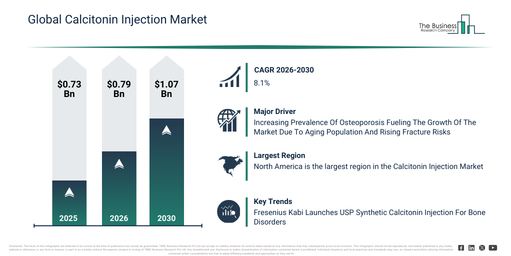
    The calcitonin injection market size has seen substantial growth in recent years. It is anticipated to increase from $0.73 billion in 2025 to $0.79 billion in 2026, at a compound annual growth rate (CAGR) of 8.4%. Factors such as osteoporosis prevalence, hospital injectable therapies, fracture management protocols, calcium metabolism disorders, and the aging population have historically contributed to this growth.

    The calcitonin injection market is anticipated to experience robust growth over the next few years. It is projected to expand to $1.07 billion in 2030, demonstrating a compound annual growth rate (CAGR) of 8.1%. This projected growth throughout the forecast period stems from factors such as the increasing geriatric population, a rising demand for injectable therapies, greater awareness of bone diseases, advancements in synthetic peptide development, and the broadening of specialty care. Furthermore, significant trends foreseen during this period include the ongoing application in osteoporosis management, the emergence of injectable bone therapies, the expansion of treatment options for hypercalcemia, a concentrated focus on bone health in the elderly, and a move towards synthetic calcitonin.

    Get A Free Sample Report With In-Depth Market Insights:

    https://www.thebusinessresearchcompany.com/sample.aspx?id=24490&type=smp&utm_source=Blogs&utm_medium=Paid&utm_campaign=Oct_PR

    Calcitonin Injection Market Growth Drivers: What’s Behind The Acceleration?

    The calcitonin injection market is projected to expand due to the rising occurrence of osteoporosis. This medical condition is characterized by a reduction in bone density and an elevated risk of fractures, primarily impacting older individuals, particularly women after menopause. The growing prevalence of osteoporosis is linked to an aging population, as extended lifespans lead to a natural decline in bone density and a higher susceptibility to the disease. Calcitonin injections play a vital role in managing osteoporosis by helping to regulate calcium levels and decelerate bone loss, thereby effectively preserving bone density. The injections offer a targeted treatment that is easy to administer, which in turn enhances patient adherence and lessens the risk of fractures. For example, in August 2024, data from Healthy Bones Australia, an organization dedicated to osteoporosis prevention and bone health in Australia, indicated that approximately 6.2 million Australians aged 50 years and older, constituting around 67 percent of this demographic, were living with compromised bone health in 2023, with about 23 percent of these individuals diagnosed with osteoporosis. Consequently, the increasing incidence of osteoporosis is a key factor propelling the expansion of the calcitonin injection market.

    Calcitonin Injection Market Driver: Expansion Of Home Healthcare Services Fuelling The Growth Of The Market Amid The Accelerating Transition From Hospital To Home-Based Care

    Calcitonin Injection Market Segment Trends And Revenue Contributors

    The calcitonin injection market covered in this report is segmented –

    1) By Type Of Calcitonin: Salmon Calcitonin, Human Calcitonin, Synthetic Calcitonin

    2) By Route Of Administration: Intravenous (IV) Injection, Subcutaneous Injection, Intramuscular Injection

    3) By Distribution Channel: Direct Sales, Online Pharmacy, Retail Pharmacy, Healthcare Institutions

    4) By Therapeutic Application: Osteoporosis Treatment, Pagets Disease Management, Hypercalcemia Control, Bone Metastases Therapy

    5) By End-User: Hospitals, Specialty Clinics, Geriatric Care Facilities, Home Healthcare

    Subsegments:

    1) By Salmon Calcitonin, Synthetic Salmon Calcitonin, Recombinant Salmon Calcitonin

    2) By Human Calcitonin, Recombinant Human Calcitonin, Synthetic Human Calcitonin

    3) By Synthetic Calcitonin, Peptide-Based Synthetic Calcitonin, Analog Synthetic Calcitonin

    Calcitonin Injection Market Trends: What’s Defining The Industry’s Next Phase?

    Leading companies within the calcitonin injection market are prioritizing the creation of advanced products, such as USP synthetic injections, to elevate treatment efficacy and enhance patient well-being. USP Synthetic Injections are injectable medications containing active ingredients that are synthetically produced and adhere to the rigorous standards for quality, purity, strength, and identity established by the United States Pharmacopeia (USP). Their production occurs under controlled conditions, guaranteeing their safety and effectiveness for medical applications. As an illustration, Fresenius Kabi, a pharmaceutical firm based in Germany, introduced calcitonin salmon injection, a USP synthetic, in February 2025, aimed at addressing symptomatic Paget’s disease of the bone and hypercalcemia. This sterile solution, designed for intramuscular or subcutaneous administration, comes in a concentration of 200 USP units per mL and is packaged in a 2 mL multi-dose vial, providing 400 USP units. It requires refrigeration, with storage between 2°C and 8°C. Functioning as a calcium regulator, this injectable medication is indicated for the management of symptomatic Paget’s disease of bone when alternative therapies are inappropriate, for hypercalcemia, and for postmenopausal osteoporosis when other therapeutic choices are not suitable.

    Calcitonin Injection Market Competitive Landscape: Which Companies Lead The Industry?

    Major companies operating in the calcitonin injection market are Pfizer Inc., AbbVie Inc., Teva Pharmaceutical Industries Ltd., Lupin Limited, Aurobindo Pharma Limited, Zydus Lifesciences Limited, Glenmark Pharmaceuticals Limited, Alembic Pharmaceuticals Limited, Alkem Laboratories Limited, Intas Pharmaceuticals Limited, Emcure Pharmaceuticals Limited, Wockhardt Limited, Accord Healthcare Ltd., Sandoz International GmbH, Amneal Pharmaceuticals LLC, Apotex Inc., Mylan N.V., Cadila Pharmaceuticals Limited, Macleods Pharmaceuticals Ltd., Bharat Parenterals Limited

    View The Full Calcitonin Injection Market Report:

    https://www.thebusinessresearchcompany.com/report/calcitonin-injection-global-market-report?utm_source=Blogs&utm_medium=Paid&utm_campaign=Oct_PR

    Calcitonin Injection Market Geographic Landscape: Which Region Leads Industry Growth?

    North America was the largest region in the calcitonin injection market in 2025. Asia-Pacific is expected to be the fastest-growing region in the forecast period. The regions covered in the calcitonin injection market report are Asia-Pacific, South East Asia, Western Europe, Eastern Europe, North America, South America, Middle East, Africa.

    Reach Out To Our Team:

    The Business Research Company: https://www.thebusinessresearchcompany.com/

    Americas: +1 310-496-7795

    Asia: +44 7882 955267 & +91 8897263534

    Europe: +44 7882 955267

    Email us at: marketing@tbrc.info

    Follow us on:

    LinkedIn: https://in.linkedin.com/company/the-business-research-company

    YouTube: https://www.youtube.com/channel/UC24_fI0rV8cR5DxlCpgmyFQ

    Global Market Model: https://www.thebusinessresearchcompany.com/global-market-model

  • Calcitonin Gene-Related Peptide Receptor Antagonist Market Forecast To Reach $3.85 Billion By 2030: Key Trends Explained

    Calcitonin Gene-Related Peptide Receptor Antagonist Market Forecast To Reach $3.85 Billion By 2030: Key Trends Explained

    Featuring market attractiveness scoring, total addressable market sizing, company benchmarking matrices, interactive Excel dashboards, deeper supply chain intelligence, emerging startup tracking, and granular product-level insights, The Business Research Company’s 2026 market reports are built to deliver research that is both more actionable and more strategically valuable.

    Calcitonin Gene-Related Peptide Receptor Antagonist Market Revenue Growth On Track For A 10.9% CAGR Through 2030

    The calcitonin gene-related peptide receptor antagonist market has experienced substantial growth in its size over recent years. It will grow from $2.3 billion in 2025 to $2.55 billion in 2026 at a compound annual growth rate (CAGR) of 11.2%. This historical expansion can be attributed to factors such as the limited availability of targeted migraine therapies, a reliance on traditional painkillers, increasing awareness of migraine conditions, the rise in hospital and clinic-based treatments, and early research into CGRP pathways.

    The calcitonin gene-related peptide receptor antagonist market is poised for significant expansion in the coming years. It is forecast to reach $3.85 billion by 2030, exhibiting a compound annual growth rate (CAGR) of 10.9%. This projected growth throughout the forecast period stems from factors such as the creation of new small molecule antagonists, the broadening of peptide-based CGRP therapies, an uptick in homecare treatment adoption, increasing pharmaceutical investments in migraine treatments, and a growing patient preference for medications with fewer adverse effects. Prominent trends anticipated in this period include the rising occurrence of migraines and cluster headaches, the wider acceptance of targeted CGRP therapies, an expansion in homecare and outpatient treatment settings, the development of more monoclonal antibody-based therapies, and an increased focus on patient-centric pain management.

    Get A Free Sample Report With In-Depth Market Insights:

    https://www.thebusinessresearchcompany.com/sample.aspx?id=25715&type=smp&utm_source=Blogs&utm_medium=Paid&utm_campaign=Oct_PR

    Calcitonin Gene-Related Peptide Receptor Antagonist Market Growth Factors Behind Sustained Expansion

    The expanding occurrence of migraine is anticipated to fuel the future expansion of the calcitonin gene-related peptide receptor antagonist market. Migraine is characterized as a severe headache often leading to pulsatile pain, frequently localized to one side of the cranium. This growing incidence of migraine primarily stems from heightened exposure to ongoing stress, which interferes with neural paths and elevates the probability of experiencing recurrent and intense migraine episodes. Calcitonin gene-related peptide receptor antagonists alleviate migraine symptoms by inhibiting CGRP, a protein responsible for vasodilation and transmitting pain signals during a migraine episode, consequently diminishing headache discomfort and associated manifestations. As an illustration, a report released in December 2025 by the National Center for Biotechnology Information (NCBI), a division of the US-based National Library of Medicine (NLM), indicated that approximately 2.9 billion individuals globally suffered from headache disorders in 2023, with migraine specifically making up about 487.5 cases per 100,000 population. Consequently, the escalating occurrence of migraine is propelling the expansion of the calcitonin gene-related peptide receptor antagonist market.

    Calcitonin Gene-Related Peptide Receptor Antagonist Market Segment Analysis Spotlighting Growth Areas

    The calcitonin gene-related peptide receptor antagonist market covered in this report is segmented –

    1) By Type: Small Molecule Antagonists, Monoclonal Antibodies, Peptide-Based Antagonists

    2) By Drug Type: Zavegepant, Ubrogepant, Olcegepant, Telcegepant, Rimegepant, Other Drug Types

    3) By Application: Migraine Treatment, Pain Management, Cardiovascular Conditions, Bone Disorders

    4) By End-Users: Hospitals, Clinics, Homecare Settings, Pharmaceutical Companies

    Subsegments:

    1) By Small Molecule Antagonists: Oral Small Molecule Antagonists, Intranasal Small Molecule Antagonists, Injectable Small Molecule Antagonists

    2) By Monoclonal Antibodies: Erenumab, Fremanezumab, Galcanezumab, Eptinezumab

    3) By Peptide-Based Antagonists: CGRP Fragment-Based Antagonists, Peptidomimetic CGRP Antagonists

    Calcitonin Gene-Related Peptide Receptor Antagonist Market Industry Trends Fueling Future Revenue Growth

    Leading companies within the calcitonin gene-related peptide receptor antagonist market are concentrating on obtaining authorizations for novel products, particularly oral CGRP receptor antagonists, aiming to improve the effectiveness of migraine treatment, broaden therapeutic applications, and provide easier methods of administration. These oral CGRP receptor antagonists are defined as small-molecule medications designed to obstruct CGRP, a protein associated with migraine attacks, thereby assisting in migraine prevention. As an illustration, in April 2023, AbbVie Inc., a biotechnology firm based in the US, secured approval from the U.S. Food and Drug Administration (FDA) for its product QULIPTA (atogepant) specifically for the treatment of chronic migraine in adult patients. QULIPTA (atogepant) functions as an oral, once-daily calcitonin gene-related peptide (CGRP) receptor antagonist, originally developed for the prophylactic management of migraine in adults, and is now authorized for both episodic and chronic migraine conditions across the United States. Its mechanism involves inhibiting the action of CGRP, a protein known to increase during migraine attacks and contribute to pain signals and inflammation within the brain. QULIPTA can be obtained in tablet strengths of 10 mg, 30 mg, and 60 mg, with the 60 mg dosage having been particularly assessed for the prevention of chronic migraine.

    Calcitonin Gene-Related Peptide Receptor Antagonist Market Leading Companies: Who Holds The Strongest Market Presence?

    Major companies operating in the calcitonin gene-related peptide receptor antagonist market are AbbVie Inc, Novartis AG, Eli Lilly and Company, Amgen Inc, Alder BioPharmaceuticals Inc, Satsuma Pharmaceuticals Inc, Allergan plc

    View The Full Calcitonin Gene-Related Peptide Receptor Antagonist Market Report:

    https://www.thebusinessresearchcompany.com/report/calcitonin-gene-related-peptide-receptor-antagonist-global-market-report?utm_source=Blogs&utm_medium=Paid&utm_campaign=Oct_PR

    Calcitonin Gene-Related Peptide Receptor Antagonist Market Largest Region: Which Geography Holds The Biggest Share?

    North America was the largest region in the calcitonin gene-related peptide receptor antagonist market in 2025. Asia-Pacific is expected to be the fastest-growing region in the forecast period. The regions covered in the calcitonin gene-related peptide receptor antagonist market report are Asia-Pacific, South East Asia, Western Europe, Eastern Europe, North America, South America, Middle East, Africa.

    Reach Out To Our Team:

    The Business Research Company: https://www.thebusinessresearchcompany.com/

    Americas: +1 310-496-7795

    Asia: +44 7882 955267 & +91 8897263534

    Europe: +44 7882 955267

    Email us at: marketing@tbrc.info

    Follow us on:

    LinkedIn: https://in.linkedin.com/company/the-business-research-company

    YouTube: https://www.youtube.com/channel/UC24_fI0rV8cR5DxlCpgmyFQ

    Global Market Model: https://www.thebusinessresearchcompany.com/global-market-model

  • Calcitonin Gene-Related Peptide (CGRP) Inhibitors Market Analysis: Understanding The Drivers Behind 9.8% CAGR Through 2030 Growth

    Calcitonin Gene-Related Peptide (CGRP) Inhibitors Market Analysis: Understanding The Drivers Behind 9.8% CAGR Through 2030 Growth

    Built to provide research that’s more actionable and strategically valuable, The Business Research Company’s 2026 market reports include market attractiveness analysis, total addressable market sizing, company benchmarking matrices, interactive Excel dashboards, broader supply chain intelligence, emerging startup tracking, and in-depth product insights.

    Calcitonin Gene-Related Peptide (CGRP) Inhibitors Market Value Growth And Long-Term Outlook

    The calcitonin gene-related peptide (cgrp) inhibitors market size has experienced significant expansion in recent years. It is projected to increase from $3.14 billion in 2025 to $3.45 billion in 2026, exhibiting a compound annual growth rate (CAGR) of 9.9%. The historical growth of this market can be attributed to the rising prevalence of migraine disorders, the limitations of conventional migraine drugs, the growing clinical validation of the CGRP pathway, increased neurologist adoption, and favorable reimbursement in developed markets.

    The calcitonin gene-related peptide (CGRP) inhibitors market size is expected to experience robust growth in the coming years. Its valuation is projected to reach $5.02 billion in 2030, at a compound annual growth rate (CAGR) of 9.8%. This expansion during the forecast period can be attributed to an enlarging pool of chronic migraine patients, the ongoing pipeline development of oral CGRP inhibitors, an increasing need for long-term migraine prevention, enhanced patient adherence to targeted therapies, and growing access in emerging markets. Significant trends anticipated in this period include the rising adoption of targeted migraine treatments, a progressive shift towards preventive migraine management, an increasing preference for non-opioid pain relief, the proliferation of oral CGRP small molecule inhibitors, and improved awareness and diagnosis of chronic migraine.

    Get A Free Sample Report With In-Depth Market Insights:

    https://www.thebusinessresearchcompany.com/sample.aspx?id=24182&type=smp&utm_source=Blogs&utm_medium=Paid&utm_campaign=Oct_PR

    Calcitonin Gene-Related Peptide (CGRP) Inhibitors Market Demand Drivers Opening New Revenue Streams

    The calcitonin gene-related peptide (CGRP) inhibitors market is anticipated to expand due to the rising occurrence of migraine. Migraine, characterized by severe throbbing head pain often localized to one side, frequently presents with symptoms like nausea, vomiting, and heightened sensitivity to light and noise. This surge in migraine cases is attributed to elevated stress levels, given that prolonged stress can activate specific neural pathways. Calcitonin gene-related peptide (CGRP) inhibitors contribute to migraine management through their targeted, preventive approach, suitable for both acute and chronic treatment protocols. By effectively blocking CGRP receptors, these inhibitors decrease the frequency and intensity of headaches, thereby enhancing patients’ overall well-being and functional capacity in daily life. Illustratively, a January 2023 report from the National Library of Medicine, a US health information institution, indicated that the worldwide prevalence of migraine ranges between 14% and 15%, accounting for 4.9% of the global disease burden. Consequently, the growing incidence of migraine is a primary factor propelling the expansion of the calcitonin gene-related peptide (CGRP) inhibitors market.

    Calcitonin Gene-Related Peptide (CGRP) Inhibitors Market Segment Performance And Emerging Opportunities

    The calcitonin gene-related peptide (cgrp) inhibitors market covered in this report is segmented –

    1) By Type Of Inhibitor: Monoclonal Antibodies, Small Molecules, Peptides

    2) By Mechanism Of Action: Anti-Calcitonin Gene-Related Peptide (CGRP) Ligand, Calcitonin Gene-Related Peptide (CGRP) Receptor Antagonist

    3) By Route of Administration: Oral, Nasal, Intravenous

    4) By Treatment: Preventive Migraine Treatment, Acute Migraine Treatment

    5) By End User: Hospitals, Specialty Clinics, Mail Order Pharmacies, Retail Pharmacies

    Subsegments:

    1) By Monoclonal Antibodies: Erenumab (Aimovig), Eptinezumab (Vyepti), Fremanezumab (Ajovy), Galcanezumab (Emgality)

    2) By Small Molecules: Ubrogepant, Rimegepant, Atogepant, Zavegepant

    3) By Peptides: Calcitonin Gene-Related Peptide (CGRP) Antagonist Peptides, Modified Calcitonin Gene-Related Peptide (CGRP) Analogs, Intranasal Peptide Formulations, Peptide-Based Delivery Systems

    Calcitonin Gene-Related Peptide (CGRP) Inhibitors Market Trends Powering Strategic Industry Growth

    Leading firms within the calcitonin gene-related peptide (CGRP) inhibitors market are prioritizing the creation of novel products to secure regulatory approvals. Their objective is to boost migraine treatment effectiveness, broaden therapeutic applications, and provide more user-friendly administration methods, including oral and intranasal options, utilizing calcitonin gene-related peptide (CGRP) receptor antagonists. A calcitonin gene-related peptide (CGRP) receptor antagonist functions by blocking the calcitonin gene-related peptide (CGRP) receptor, thereby interrupting pain signals associated with migraines. As an illustration, in April 2023, AbbVie Inc., a US-based biotech company, obtained approval from the U.S. Food and Drug Administration (FDA) for QULIPTA (atogepant) for the treatment of chronic migraine in adult patients. This oral calcitonin gene-related peptide (CGRP) receptor antagonist operates by impeding calcitonin gene-related peptide (CGRP) receptors, which play a role in the underlying mechanisms of migraine, consequently aiding in the prevention of migraine episodes.

    Calcitonin Gene-Related Peptide (CGRP) Inhibitors Market Key Players: Which Companies Lead Industry Competition?

    Major companies operating in the calcitonin gene-related peptide (cgrp) inhibitors market are Pfizer Inc., F. Hoffmann-La Roche AG, Merck & Co. Inc., AbbVie Inc., Bristol Myers Squibb Company, AstraZeneca plc, Novartis AG, Eli Lilly and Company, Amgen Inc., Otsuka Holdings Co. Ltd., Teva Pharmaceutical Industries Ltd., H. Lundbeck A/S, Kissei Pharmaceutical Co. Ltd., Shanghai Junshi Biosciences Co. Ltd., Shin Nippon Biomedical Laboratories Ltd., Sosei Group Corporation, Nuvie Bio Inc., Vaxxinity Inc., Acherx LLC, AfaSci Inc.

    View The Full Calcitonin Gene-Related Peptide (CGRP) Inhibitors Market Report:

    https://www.thebusinessresearchcompany.com/report/calcitonin-gene-related-peptide-cgrp-inhibitors-global-market-report?utm_source=Blogs&utm_medium=Paid&utm_campaign=Oct_PR

    Calcitonin Gene-Related Peptide (CGRP) Inhibitors Market Regional Analysis: Which Geography Leads On Revenue?

    North America was the largest region in the calcitonin gene-related peptide (CGRP) inhibitors market in 2025. Asia-Pacific is expected to be the fastest-growing region in the forecast period. The regions covered in the calcitonin gene-related peptide (cgrp) inhibitors market report are Asia-Pacific, South East Asia, Western Europe, Eastern Europe, North America, South America, Middle East, Africa.

    Reach Out To Our Team:

    The Business Research Company: https://www.thebusinessresearchcompany.com/

    Americas: +1 310-496-7795

    Asia: +44 7882 955267 & +91 8897263534

    Europe: +44 7882 955267

    Email us at: marketing@tbrc.info

    Follow us on:

    LinkedIn: https://in.linkedin.com/company/the-business-research-company

    YouTube: https://www.youtube.com/channel/UC24_fI0rV8cR5DxlCpgmyFQ

    Global Market Model: https://www.thebusinessresearchcompany.com/global-market-model

  • Calcineurin Inhibitors Market Growth To $13.78 Billion By 2030: What’s Driving The Expansion?

    Calcineurin Inhibitors Market Growth To $13.78 Billion By 2030: What’s Driving The Expansion?

    Backed by market attractiveness analysis, total addressable market sizing, company benchmarking matrices, interactive Excel dashboards, wider supply chain intelligence, emerging startup coverage, and detailed product-level insights, The Business Research Company’s 2026 market reports are designed to offer research that is more actionable and strategically valuable than ever.

    Calcineurin Inhibitors Market Poised To Hit $13.78 Billion By 2030 With A 7.7% CAGR

    The calcineurin inhibitors market has demonstrated significant expansion in recent years. It is anticipated to increase from $9.49 billion in 2025 to $10.23 billion in 2026, registering a compound annual growth rate (CAGR) of 7.8%. The historical growth of this market can be attributed to an uptick in organ transplant procedures, widespread clinical acceptance of immunosuppressants, their long-term utilization in chronic autoimmune conditions, the proliferation of hospital-based transplant centers, and the availability of branded formulations.

    The calcineurin inhibitors market is projected to experience significant expansion in the coming years. This market is set to reach $13.78 billion by 2030, demonstrating a compound annual growth rate (CAGR) of 7.7%. Factors contributing to this anticipated growth during the forecast period include an increase in transplant waiting lists, the growing occurrence of autoimmune diseases, the expansion of generic drug production, enhanced accessibility in developing markets, and the creation of advanced delivery formulations. Key trends shaping the market over the forecast duration encompass the sustained application in organ transplant management, increasing acceptance in treating autoimmune conditions, a surge in demand for generic and biosimilar alternatives, broader utilization of topical formulations, and an emphasis on refined dosing and improved safety profiles.

    Get A Free Sample Report With In-Depth Market Insights:

    https://www.thebusinessresearchcompany.com/sample.aspx?id=23336&type=smp&utm_source=Blogs&utm_medium=Paid&utm_campaign=Oct_PR

    Calcineurin Inhibitors Market Growth Backed By Core Demand Fundamentals

    The rising frequency of organ transplant procedures is expected to stimulate the growth of the calcineurin inhibitors market throughout the forecast period. Organ transplants involve a surgical operation to replace a damaged or failing organ with a healthy one from a donor. The occurrence of organ transplants is increasing largely due to the growing prevalence of chronic conditions such as diabetes and hypertension, which lead to organ failure and boost the demand for transplantation. Calcineurin inhibitors are vital in organ transplantation because they suppress T-cell activation, thereby preventing the immune system from identifying the transplanted organ as foreign and attacking it. This action reduces the risk of rejection and supports the long-term survival of the graft. For instance, in January 2025, data from the Organ Procurement and Transplantation Network (OPTN), a US-based transplant information database, showed that organ transplants surpassed 48,000 in 2024, indicating a 3.3% increase compared to 2023. Consequently, the increasing incidences of organ transplants are driving the expansion of the calcineurin inhibitors market.

    Calcineurin Inhibitors Market Segment Landscape And Growth Outlook

    The calcineurin inhibitors market covered in this report is segmented –

    1) By Product: Branded, Generic

    2) By Dosage: Tablets And Capsules, Ointments, Injections, Other Dosages

    3) By Indication: Organ Transplantation, Autoimmune Disease, Other Indications

    4) By End User: Hospitals, Homecare Settings, Pharmacies

    Subsegments:

    1) By Branded: Patented Drugs, Proprietary Formulations

    2) By Generic: Off-Patent Equivalents, Biosimilars

    Calcineurin Inhibitors Market Growth Trends Reshaping The Competitive Landscape

    Key players within the calcineurin inhibitors market are concentrating on creating immunosuppressive treatments, including drugs for autoimmune conditions, aimed at managing heightened immune reactions, diminishing inflammation, and protecting against tissue harm. Autoimmune disease medications function as agents that modulate the immune system by either inhibiting hyperactive immune reactions or altering immune processes to alleviate inflammation and safeguard tissues; these include corticosteroids, immunosuppressants, biologics, and disease-modifying antirheumatic drugs (DMARDs). As an illustration, Biocon Limited, an India-based biopharmaceutical firm, secured approval for Tacrolimus from the South African Health Products Regulatory Authority (SAHPRA) in April 2024. Tacrolimus, identified as a calcineurin inhibitor and immunosuppressant, serves to avert organ rejection in individuals undergoing transplantation. Its efficacy has led to extensive application in renal transplant procedures for more than two decades. The mechanism of Tacrolimus involves its attachment to the immunophilin FKBP-12, creating a complex that blocks calcineurin activity. This blockade stops NF-AT dephosphorylation, thereby lowering interleukin-2 (IL-2) generation and T-cell multiplication, both critical components in the immune system’s reaction against transplanted organs.

    Calcineurin Inhibitors Market Competitive Landscape: Who Leads The Industry?

    Major companies operating in the calcineurin inhibitors market are Pfizer Inc., Roche Holding AG, Bristol-Myers Squibb Company, Novartis AG, Viatris Inc., Astellas Pharma Inc., Bausch Health Companies Inc., Huadong Medicine Co. Ltd., Sun Pharmaceutical Industries Ltd., Apotex Inc., Dr. Reddy’s Laboratories Ltd., Cipla Ltd., Lupin Pharmaceutical Inc., Zydus Cadila, Biocon Limited, Glenmark Pharmaceuticals Ltd., Accord Healthcare Ltd., Strides Pharma Science Limited, Harrow Inc., Panacea Biotec Ltd.

    View The Full Calcineurin Inhibitors Market Report:

    https://www.thebusinessresearchcompany.com/report/calcineurin-inhibitors-global-market-report?utm_source=Blogs&utm_medium=Paid&utm_campaign=Oct_PR

    Calcineurin Inhibitors Market Geographic Spread And Regional Opportunities

    North America was the largest region in the calcineurin inhibitors market in 2025. Asia-Pacific is expected to be the fastest-growing region in the forecast period. The regions covered in the calcineurin inhibitors market report are Asia-Pacific, South East Asia, Western Europe, Eastern Europe, North America, South America, Middle East, Africa.

    Reach Out To Our Team:

    The Business Research Company: https://www.thebusinessresearchcompany.com/

    Americas: +1 310-496-7795

    Asia: +44 7882 955267 & +91 8897263534

    Europe: +44 7882 955267

    Email us at: marketing@tbrc.info

    Follow us on:

    LinkedIn: https://in.linkedin.com/company/the-business-research-company

    YouTube: https://www.youtube.com/channel/UC24_fI0rV8cR5DxlCpgmyFQ

    Global Market Model: https://www.thebusinessresearchcompany.com/global-market-model

  • C5 Complement Inhibitors Market Trends Reshaping Industry Growth Through 2030

    C5 Complement Inhibitors Market Trends Reshaping Industry Growth Through 2030

    Featuring market attractiveness scoring, total addressable market sizing, company benchmarking matrices, interactive Excel dashboards, deeper supply chain intelligence, emerging startup tracking, and granular product-level insights, The Business Research Company’s 2026 market reports are built to deliver research that is both more actionable and more strategically valuable.

    C5 Complement Inhibitors Market Size And Revenue Outlook Through 2030

    The c5 complement inhibitors market has seen rapid expansion in recent years. It is anticipated to grow from $7.84 billion in 2025 to $8.93 billion in 2026, achieving a compound annual growth rate (CAGR) of 13.9%. The market’s past growth can be attributed to several factors, including the approval of first-in-class complement inhibitors, a rise in the diagnosis of rare hematological disorders, improved clinical understanding of complement pathways, the expansion of specialty treatment centers, and strong development pipelines for biologics.

    The c5 complement inhibitors market size is anticipated to experience significant expansion in the coming years. It is projected to reach $14.93 billion in 2030, demonstrating a compound annual growth rate (CAGR) of 13.7%. This growth over the forecast period is propelled by factors such as the rising incidence of autoimmune and rare diseases, the broadening of personalized medicine approaches, an expanding pipeline of next-generation inhibitors, an increase in biologics manufacturing capacity, and supportive regulatory pathways designed for orphan drugs. Important trends during this period involve the growing adoption of targeted immunotherapies, increased utilization in rare complement-mediated disorders, a rising preference for long-acting formulations, the development of combination treatment strategies, and a heightened focus on early diagnosis and intervention.

    Get A Free Sample Report With In-Depth Market Insights:

    https://www.thebusinessresearchcompany.com/sample.aspx?id=23334&type=smp&utm_source=Blogs&utm_medium=Paid&utm_campaign=Oct_PR

    C5 Complement Inhibitors Market Growth Catalysts And Demand Drivers

    The rising occurrence of chronic illnesses is anticipated to fuel the expansion of the C5 complement inhibitors market moving forward. These are enduring medical conditions that progress slowly and persist over time, often necessitating continuous medical attention and management to prevent complications. The increasing prevalence of chronic diseases is primarily attributed to lifestyle changes such as poor diet, physical inactivity, smoking, and stress, which contribute to long-term health deterioration. C5 complement inhibitors benefit patients with chronic diseases by blocking the excessive activation of the complement system, thereby reducing inflammation, preventing tissue damage, and improving disease outcomes in conditions like PNH, aHUS, and other complement-mediated disorders. For instance, in April 2025, according to the International Diabetes Federation, a Belgium-based non-profit organization, more than 9.5 million people were living with type 1 diabetes in 2024, including 1.9 million children and adolescents under 20. The global diabetes population is projected to ascend to 853 million by 2050. Hence, the growing prevalence of chronic diseases is driving the growth of the C5 complement inhibitors market.

    C5 Complement Inhibitors Market Breakdown By Product Type And Application

    The c5 complement inhibitors market covered in this report is segmented –

    1) By Product: Long Acting C5 Inhibitors, Short Acting C5 Inhibitors

    2) By Drug: Eculizumab, Ravulizumab, Other Drugs

    3) By Route Of Administration: Intravenous, Subcutaneous

    4) By Distribution Channel: Hospital Pharmacies, Retail Pharmacies

    5) By Application: Paroxysmal Noctural Hemoglobuinuria, Atyptical Hemolytic Uremic Syndrome, Generalized Myasthenia Gravis, Neuromyelitis Optics Spectrum Disorder, Other Applications

    Subsegments:

    1) By Long Acting C5 Inhibitors: Crovalimab, Pozelimab, Tesidolumab, Other Long-Acting C5 Inhibitors

    2) By Short Acting C5 Inhibitors: Zilucoplan, Cemdisiran, Nomacopan, Other Short-Acting C5 Inhibitors

    C5 Complement Inhibitors Market Trends Shaping Long-Term Demand

    Leading companies in the C5 complement inhibitors market are dedicated to developing innovative treatments, including self-administered C5 inhibitors, to extend therapeutic options for generalized myasthenia gravis. Such a self-administered C5 inhibitor functions as a targeted therapeutic agent, blocking the complement C5 protein to mitigate inflammation and immune-mediated damage, and is designed for patient self-use in treating conditions like paroxysmal nocturnal hemoglobinuria and atypical hemolytic uremic syndrome. An example of this advancement occurred in October 2023 when Union Chimique Belge (UCB) SA, a Belgium-based biopharmaceutical company, announced the Food and Drug Administration (FDA), a US-based government regulatory agency, had approved Zilbrysq (zilucoplan) for adults with generalized myasthenia gravis (gMG). This specific approval targets patients identified as anti-acetylcholine receptor (AChR) antibody-positive, a common manifestation of the disease. Zilbrysq itself is a self-administered, once-daily, subcutaneous C5 complement inhibitor, presenting a new treatment alternative for gMG patients. This regulatory clearance strengthens UCB’s neurology portfolio, broadening the available treatment selections for those with autoimmune neuromuscular disorders.

    C5 Complement Inhibitors Market Company Landscape And Competitive Strategy

    Major companies operating in the c5 complement inhibitors market are AstraZeneca plc, F. Hoffmann-La Roche AG, Chugai Pharmaceutical Co. Ltd., Swedish Orphan Biovitrum AB, Alnylam Pharmaceuticals Inc., BioCryst Pharmaceuticals Inc., Omeros Corporation, Dianthus Therapeutics Inc., Akari Therapeutics Plc, Regeneron Pharmaceuticals Inc., UCB Pharma SA, Astellas Pharma Inc., InflaRx NV, Alexion Pharmaceuticals Inc., Ra Pharmaceuticals Inc., ChemoCentryx Inc., Annexon Biosciences Inc., Iveric Bio Inc., Apellis Pharmaceuticals Inc., Kira Pharmaceuticals Inc.

    View The Full C5 Complement Inhibitors Market Report:

    https://www.thebusinessresearchcompany.com/report/c5-complement-inhibitors-global-market-report?utm_source=Blogs&utm_medium=Paid&utm_campaign=Oct_PR

    C5 Complement Inhibitors Market Top Region By Revenue And Market Share

    North America was the largest region in the C5 complement inhibitors market in 2025. Asia-Pacific is expected to be the fastest-growing region in the forecast period. The regions covered in the c5 complement inhibitors market report are Asia-Pacific, South East Asia, Western Europe, Eastern Europe, North America, South America, Middle East, Africa.

    Reach Out To Our Team:

    The Business Research Company: https://www.thebusinessresearchcompany.com/

    Americas: +1 310-496-7795

    Asia: +44 7882 955267 & +91 8897263534

    Europe: +44 7882 955267

    Email us at: marketing@tbrc.info

    Follow us on:

    LinkedIn: https://in.linkedin.com/company/the-business-research-company

    YouTube: https://www.youtube.com/channel/UC24_fI0rV8cR5DxlCpgmyFQ

    Global Market Model: https://www.thebusinessresearchcompany.com/global-market-model
  • Budesonide Inhaler Market Growth To $10.25 Billion Creates New Opportunities Across The Industry

    Budesonide Inhaler Market Growth To $10.25 Billion Creates New Opportunities Across The Industry

    Built to provide research that’s more actionable and strategically valuable, The Business Research Company’s 2026 market reports include market attractiveness analysis, total addressable market sizing, company benchmarking matrices, interactive Excel dashboards, broader supply chain intelligence, emerging startup tracking, and in-depth product insights.

    Budesonide Inhaler Market Growth From $7.45 Billion In 2026 To $10.25 Billion By 2030 At A CAGR Of 8.3%

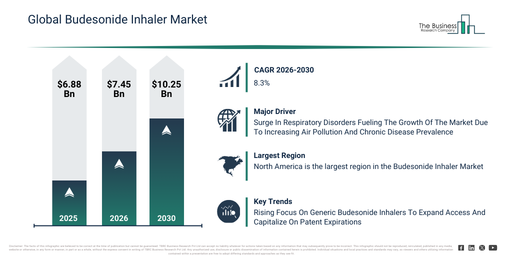
    The budesonide inhaler market has experienced robust expansion over recent years. Projections indicate its size will increase from $6.88 billion in 2025 to $7.45 billion in 2026, reflecting a compound annual growth rate (CAGR) of 8.3%. The market’s past growth is attributable to factors such as the rising prevalence of asthma, increased rates of COPD diagnosis, the broader adoption of corticosteroid inhalers, an expansion in hospital respiratory care, and respiratory ailments associated with smoking.

    The budesonide inhaler market is expected to experience substantial growth over the next few years. It is forecast to reach $10.25 billion by 2030, showing a compound annual growth rate (CAGR) of 8.3%. This projected expansion during the forecast period is propelled by the rising prevalence of chronic respiratory diseases, the development of smart inhalers, an increase in outpatient respiratory care, a focus on preventive asthma management, and demand from developing markets. Key developments anticipated for this period include a growing need for long-term respiratory management, wider adoption of combination inhalers, expansion in homecare respiratory solutions, increased usage in pediatric and geriatric populations, and a dedicated effort towards improving inhaler delivery effectiveness.

    Get A Free Sample Report With In-Depth Market Insights:

    https://www.thebusinessresearchcompany.com/sample.aspx?id=24181&type=smp&utm_source=Blogs&utm_medium=Paid&utm_campaign=Oct_PR

    Budesonide Inhaler Market Opportunity Drivers: What’s Unlocking New Revenue Potential?

    The future expansion of the budesonide inhaler market is anticipated to be significantly propelled by the increasing incidence of respiratory ailments. These medical conditions, which impact the lungs and airways, lead to breathing difficulties and frequently manifest through symptoms such as coughing, wheezing, and breathlessness. Key examples encompass asthma, chronic obstructive pulmonary disease (COPD), pneumonia, bronchitis, and various lung infections. A primary contributor to the escalation of these disorders is the growing air pollution, which heightens exposure to irritants that inflame airways and impair lung function. Budesonide inhalers play a crucial role in managing respiratory issues by directly administering anti-inflammatory medication to the lungs, thereby ensuring sustained control. Their convenient, portable design facilitates ease of use and transport, helping to minimize acute exacerbations and enhance overall respiratory well-being. Illustratively, Public Health Wales, a UK-based National Health Service organization in Wales, indicated in June 2025 that the population of patients registered with asthma and chronic obstructive pulmonary disease in Wales is expected to climb over the ensuing 10 years. Specifically, asthma cases are predicted to rise to over 256,000 from 237,400 in 2023-24, while chronic obstructive pulmonary disease cases are projected to reach over 84,000 from 75,600 in 2023-24. Consequently, the expanding prevalence of respiratory conditions is fueling the growth of the budesonide inhaler market.

    Budesonide Inhaler Market Segment Analysis And Revenue Potential

    The budesonide inhaler market covered in this report is segmented –

    1) By Product Type: Metered-Dose Inhalers (MDIs), Dry Powder Inhalers (DPIs), Nebulizers, Combination Inhalers

    2) By Dosage Form: Aerosols, Dry Powder, Suspension, Spray

    3) By Indication: Asthma, Chronic Obstructive Pulmonary Disease, Allergic Rhinitis

    4) By End User: Hospitals, Outpatient Clinics, Homecare Settings, Pharmacies

    Subsegments:

    1) By Metered-Dose Inhalers: Pressurized Metered-Dose Inhalers, Breath-Actuated Metered-Dose Inhalers, Spacer-Compatible Metered-Dose Inhalers, Hydrofluoroalkane Propellant-Based Metered-Dose Inhalers

    2) By Dry Powder Inhalers: Single-Dose Dry Powder Inhalers, Multi-Dose Dry Powder Inhalers, Capsule-Based Dry Powder Inhalers, Reservoir-Based Dry Powder Inhalers

    3) By Nebulizers: Jet Nebulizers, Ultrasonic Nebulizers, Mesh Nebulizers, Homecare Nebulizers, Hospital-Use Nebulizers

    4) By Combination Inhalers: Budesonide And Formoterol Inhalers, Budesonide And Salmeterol Inhalers, Budesonide, Glycopyrrolate, And Formoterol Inhalers, Budesonide And Vilanterol Inhalers

    Budesonide Inhaler Market Innovation Trends Shaping Future Development

    Major companies engaged in the budesonide inhaler market are prioritizing the creation of innovative products, particularly generic versions, to boost affordability and broaden access to treatments for respiratory ailments. Generic inhalation products are non-branded forms of inhaled medications that deliver the identical active ingredients, dosage, and therapeutic effects as their branded counterparts, usually at a lower price. For example, in July 2023, Viatris Inc., a US-based pharmaceutical company, in partnership with Kindeva Drug Delivery L.P., a US-based pharmaceutical manufacturing company, introduced Breyna (budesonide and formoterol fumarate dihydrate) inhalation aerosol, which is the first Food and Drug Administration (FDA)-approved generic version of Symbicort. This drug-device combination is formulated to manage asthma and chronic obstructive pulmonary disease (COPD), operating by reducing airway inflammation with budesonide and relaxing muscles around the airways with formoterol, thereby presenting patients with a more economical choice.

    Budesonide Inhaler Market Key Players Shaping Industry Direction

    Major companies operating in the budesonide inhaler market are AstraZeneca plc, GSK plc, Takeda Pharmaceutical Company Limited, Viatris Inc., Teva Pharmaceutical Industries Ltd., Boehringer Ingelheim International GmbH, Sandoz International GmbH, Bausch Health Companies Inc., Sun Pharmaceutical Industries Ltd., Synmosa Biopharma Corporation, Chiesi Farmaceutici S.p.A., Aurobindo Pharma Limited, Cipla Limited, Hikma Pharmaceuticals PLC, Lupin Limited, Orion Corporation, Nephron Pharmaceuticals Corporation, Curia Global Inc., Kindeva Drug Delivery L.P., Minakem SAS, Axplora Group GmbH, Cosmo Pharmaceuticals N.V., Manus Aktteva Biopharma LLP, Tovec Pharma Pvt. Ltd., Nutra Respiro Healthcare Pvt. Ltd.

    View The Full Budesonide Inhaler Market Report:

    https://www.thebusinessresearchcompany.com/report/budesonide-inhaler-global-market-report?utm_source=Blogs&utm_medium=Paid&utm_campaign=Oct_PR

    Budesonide Inhaler Market Regional Analysis And Top Geography

    North America was the largest region in the budesonide inhaler market in 2025. Asia-Pacific is expected to be the fastest-growing region in the forecast period. The regions covered in the budesonide inhaler market report are Asia-Pacific, South East Asia, Western Europe, Eastern Europe, North America, South America, Middle East, Africa.

    Reach Out To Our Team:

    The Business Research Company: https://www.thebusinessresearchcompany.com/

    Americas: +1 310-496-7795

    Asia: +44 7882 955267 & +91 8897263534

    Europe: +44 7882 955267

    Email us at: marketing@tbrc.info

    Follow us on:

    LinkedIn: https://in.linkedin.com/company/the-business-research-company

    YouTube: https://www.youtube.com/channel/UC24_fI0rV8cR5DxlCpgmyFQ

    Global Market Model: https://www.thebusinessresearchcompany.com/global-market-model
  • Budesonide Market Forecast: Breaking Down The Numbers Behind Future Expansion

    Budesonide Market Forecast: Breaking Down The Numbers Behind Future Expansion

    Backed by market attractiveness analysis, total addressable market sizing, company benchmarking matrices, interactive Excel dashboards, wider supply chain intelligence, emerging startup coverage, and detailed product-level insights, The Business Research Company’s 2026 market reports are designed to offer research that is more actionable and strategically valuable than ever.

    Budesonide Market Expansion Outlook: What Revenue Opportunities Are Ahead?

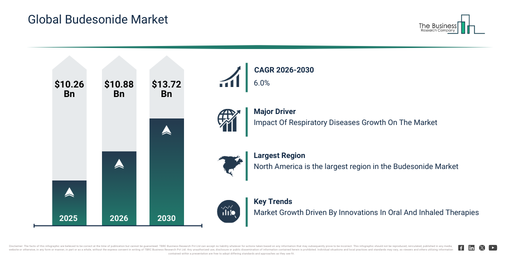
    The budesonide market size has shown substantial growth in recent years. This market is set to expand from $10.26 billion in 2025 to $10.88 billion in 2026, achieving a compound annual growth rate (CAGR) of 6.0%. Historically, this expansion has been influenced by factors such as the increasing prevalence of asthma and COPD, the widespread use of corticosteroids, the development of inhalation therapies, a rise in IBD diagnoses, and enhancements in drug delivery technologies.

    The budesonide market is projected to experience robust expansion over the coming years. This market is anticipated to reach a valuation of $13.72 billion by 2030, exhibiting a compound annual growth rate (CAGR) of 6.0%. This projected growth is largely driven by factors such as an aging demographic, the increasing prevalence of chronic inflammatory conditions, a rise in generic drug consumption, the expansion of home-based treatment options, and a growing burden of respiratory illnesses. Key trends expected during this period involve the expanded application of inhaled corticosteroids in chronic respiratory care, greater integration into inflammatory bowel disease treatment, a developing preference for targeted localized steroid therapies, the proliferation of generic budesonide formulations, and wider utilization in long-term maintenance regimens.

    Get A Free Sample Report With In-Depth Market Insights:

    https://www.thebusinessresearchcompany.com/sample.aspx?id=21121&type=smp&utm_source=Blogs&utm_medium=Paid&utm_campaign=Oct_PR

    Budesonide Market Growth Momentum: What Factors Are Shaping Demand?

    The rising occurrence of respiratory illnesses is projected to fuel the future growth of the budesonide market. Respiratory diseases are medical conditions affecting the organs and tissues vital for gas exchange in air-breathing animals. This increase in prevalence is attributed to escalating air pollution, particularly exposure to particulate matter and allergens, which significantly impacts the incidence of asthma and chronic obstructive lung disease. Budesonide is utilized in respiratory conditions such as asthma and chronic obstructive pulmonary disease (COPD) to lessen inflammation, improve airflow, and prevent symptoms like wheezing and shortness of breath. For instance, in August 2025, the Centers for Disease Control and Prevention, a Switzerland-based public health agency, reported that 90% of the nation’s 4.9 trillion dollars in annual health care spending is linked to individuals with chronic and mental health conditions, with more than 84,000 Americans dying each year from heart disease or stroke and the costs associated with cardiovascular diseases projected to reach roughly 2 trillion dollars by 2050. Hence, the increasing prevalence of respiratory diseases is set to drive the expansion of the budesonide market.

    Budesonide Market Segmentation And Category Overview

    The budesonide market covered in this report is segmented –

    1) By Type: Inhalation Powder, Aerosols, Tablets And Capsules

    2) By Distribution Channel: Hospital Pharmacies, Retail Pharmacies, Online Pharmacies

    3) By Application: Nose Disease Treatment, Inflammatory Bowel Disease Treatment, Respiratory Disease Treatment, Other Applications

    Subsegments:

    1) By Inhalation Powder: Dry Powder Inhalers (DPI), Soft Mist Inhalers (SMI)

    2) By Aerosols: Metered-Dose Inhalers (MDI), Breath-Activated Inhalers

    3) By Tablets And Capsules: Oral Tablets, Oral Capsules

    Budesonide Market Trends Redefining Industry Growth

    Major companies operating in the budesonide market are channeling their focus into advancements in respiratory treatment, such as oral therapy, aiming to elevate patient convenience, foster treatment adherence, and expand the range of therapeutic choices for managing asthma and other respiratory conditions. Oral therapy budesonide represents a budesonide formulation administered by mouth, primarily employed to address inflammatory conditions. For instance, in February 2024, Takeda Pharmaceuticals, a Japan-based pharmaceutical company, announced that EOHILIA, a budesonide oral suspension, had been authorized by the Food and Drug Administration (FDA), a US-based federal agency, marking it as the first and only FDA-approved oral medication for patients aged 11 and above diagnosed with eosinophilic esophagitis (EoE). Additionally, the FDA’s approval of EOHILIA 2 mg twice daily was based on the efficacy and safety data obtained from two multicenter, randomized, double-blind, parallel-group, placebo-controlled 12-week investigations involving individuals aged 11 to 56 who have EoE.

    Budesonide Market Competitive Analysis Of Leading Industry Participants

    Major companies operating in the budesonide market are AstraZeneca AB, Novartis AG, Takeda Pharmaceuticals Company Limited, Viatris Inc., Teva Pharmaceutical Industries Ltd., Sandoz AG, Aurobindo Pharma Limited, Chiesi Farmaceutici S.p.A., Cipla Limited, Lupin Limited, Orion Corporation, Salix Pharmaceuticals Inc., Synmosa Biopharma Corporation, Cosmo Pharmaceuticals N.V., Skyepharma Holdings Inc., Manus Aktteva Biopharma LLP, Cennet Biopharma Private Limited, Santarus Inc., SiNi Pharma Private Limited, Shanghai Sine Promod Pharmaceutical Co. Ltd.

    View The Full Budesonide Market Report:

    https://www.thebusinessresearchcompany.com/report/budesonide-global-market-report?utm_source=Blogs&utm_medium=Paid&utm_campaign=Oct_PR

    Budesonide Market Geographic Analysis: Where Is Demand Rising Fastest?

    North America was the largest region in the budesonide market in 2025. The regions covered in the budesonide market report are Asia-Pacific, South East Asia, Western Europe, Eastern Europe, North America, South America, Middle East, Africa.

    Reach Out To Our Team:

    The Business Research Company: https://www.thebusinessresearchcompany.com/

    Americas: +1 310-496-7795

    Asia: +44 7882 955267 & +91 8897263534

    Europe: +44 7882 955267

    Email us at: marketing@tbrc.info

    Follow us on:

    LinkedIn: https://in.linkedin.com/company/the-business-research-company

    YouTube: https://www.youtube.com/channel/UC24_fI0rV8cR5DxlCpgmyFQ

    Global Market Model: https://www.thebusinessresearchcompany.com/global-market-model

  • Bruton’s Tyrosine Kinase (BTK) Inhibitor Market Expected To Grow At 13.5% CAGR Through 2030: What Businesses Need To Know

    Bruton’s Tyrosine Kinase (BTK) Inhibitor Market Expected To Grow At 13.5% CAGR Through 2030: What Businesses Need To Know

    Featuring market attractiveness scoring, total addressable market sizing, company benchmarking matrices, interactive Excel dashboards, deeper supply chain intelligence, emerging startup tracking, and granular product-level insights, The Business Research Company’s 2026 market reports are built to deliver research that is both more actionable and more strategically valuable.

    Bruton’s Tyrosine Kinase (BTK) Inhibitor Market Growth Potential: How Will Market Size Shift Through 2030?

    The bruton’s tyrosine kinase (btk) inhibitor market size has experienced significant expansion over recent years. It is projected to increase from $11.52 billion in 2025 to $13.11 billion in 2026, at a compound annual growth rate (CAGR) of 13.8%. The growth observed in the past can be attributed to factors such as the emergence of first-generation BTK inhibitors, the rising prevalence of chronic lymphocytic leukemia, the development of hospital and specialty clinic infrastructure, initial investments in research and development for B-cell malignancies, and the limited therapeutic options for autoimmune diseases.

    The bruton’s tyrosine kinase (btk) inhibitor market is anticipated to experience significant expansion in the coming years. It is projected to reach $21.76 billion by 2030, exhibiting a compound annual growth rate (CAGR) of 13.5%. This expansion during the forecast period is fueled by several factors, including the emergence of next-generation btk inhibitors offering enhanced safety, the broadening application of targeted therapies for uncommon b-cell malignancies, the increasing adoption of personalized medicine strategies, heightened investments in clinical trials and research endeavors, and the proliferation of collaborations between biotechnology and pharmaceutical firms. Key trends observed within the forecast period encompass the increasing embrace of second- and third-generation btk inhibitors, the expanding availability of oral and subcutaneous delivery methods, the growing utility in both rare b-cell malignancies and autoimmune conditions, a strong emphasis on clinical trials and research aimed at discovering new applications, and the strengthening partnerships among pharmaceutical entities and research organizations.

    Get A Free Sample Report With In-Depth Market Insights:

    https://www.thebusinessresearchcompany.com/sample.aspx?id=25714&type=smp&utm_source=Blogs&utm_medium=Paid&utm_campaign=Oct_PR

    Bruton’s Tyrosine Kinase (BTK) Inhibitor Market Expansion Drivers: What’s Shaping Future Growth?

    The rising occurrence of hematological malignancies is anticipated to fuel the expansion of the bruton’s tyrosine kinase (BTK) inhibitor market in the future. These cancers, which originate in the blood, bone marrow, or lymphatic system, encompass conditions such as leukemia, lymphoma, and multiple myeloma, impacting the performance of blood and immune cells. Globally, the expanding elderly demographic contributes to a heightened susceptibility to blood cancers like leukemia, lymphoma, and myeloma, given that the probability of these illnesses escalates with advancing age. Bruton’s tyrosine kinase (BTK) inhibitors aid in managing hematological malignancies by enabling patients to achieve extended lifespans with controlled disease, mitigating cancer cell proliferation and recurrence, consequently boosting survival rates and playing a role in the upward trend of prevalence data. A relevant example is found in a February 2023 report from the Leukemia Foundation, an Australia-based non-profit organization, which projects that from 2022 to 2035, more than 7,000 children, 6,000 young adults, and 108,000 adults (25–65) are anticipated to receive a diagnosis of blood cancers, primarily acute lymphoblastic leukemia, acute myeloid leukemia, and non-Hodgkin lymphoma. Consequently, the expanding incidence of hematological malignancies is a significant force propelling the bruton’s tyrosine kinase (BTK) inhibitor market’s expansion.

    Bruton’s Tyrosine Kinase (BTK) Inhibitor Market Segment Outlook: Which Categories Are Growing Fastest?

    The bruton’s tyrosine kinase (btk) inhibitor market covered in this report is segmented –

    1) By Drug Type: First-Generation Bruton’s Tyrosine Kinase (BTK) Inhibitors, Second-Generation Bruton’s Tyrosine Kinase (BTK) Inhibitors, Third-Generation Bruton’s Tyrosine Kinase (BTK) Inhibitors

    2) By Route Of Administration: Oral Administration, Intravenous Administration, Subcutaneous Administration

    3) By Application: Chronic Lymphocytic Leukemia (CLL), Follicular Lymphoma, Mantle Cell Lymphoma, Marginal Zone Lymphoma, Small Lymphocytic Lymphoma (SLL), Waldenstrom Macroglobulinemia, Other Selective B Cell Malignancies, Chronic Graft-Versus-Host Disease, Other Applications

    4) By End User: Hospitals, Specialty Clinics, Research Laboratories, Pharmacies, Other End Users

    Subsegments:

    1) By First-Generation Bruton’s Tyrosine Kinase (BTK) Inhibitors: Ibrutinib, CC-292 (Spebrutinib)

    2) By Second-Generation Bruton’s Tyrosine Kinase (BTK) Inhibitors: Acalabrutinib, Zanubrutinib, Tirabrutinib

    3) By Third-Generation Bruton’s Tyrosine Kinase (BTK) Inhibitors: Pirtobrutinib (LOXO-305/Jaypirca), Nemtabrutinib (ARQ 531)

    Bruton’s Tyrosine Kinase (BTK) Inhibitor Market Strategic Trends: What Defines The Next Growth Phase?

    Leading companies in the bruton’s tyrosine kinase (BTK) inhibitor market are concentrating on advancements in drug development, particularly through targeted therapy, to improve treatment outcomes. Targeted therapy is a treatment method employing specific drugs or substances to precisely target and attack cancer cells or disease-related pathways, while causing minimal harm to healthy cells. For instance, in July 2025, Glenmark Pharmaceuticals Ltd., an India-based pharmaceutical company, introduced Brukinsa (zanubrutinib) as a new treatment option for Indian patients with hematological (blood) cancers. This drug is the first and sole Bruton’s tyrosine kinase (BTK) inhibitor in India approved for treating five types of B-cell malignancies. It features unique characteristics that position it as a next-generation Bruton’s tyrosine kinase (BTK) inhibitor for B-cell malignancies. It achieves sustained, high-level BTK occupancy in both blood and lymph nodes, thereby enhancing its effectiveness in blocking cancerous B-cell survival. Brukinsa exhibits an improved safety profile, with fewer cardiac side effects and lower discontinuation rates compared to first-generation BTK inhibitors. Additionally, it offers flexible dosing, allowing patients to take either 160 mg twice daily or 320 mg once daily, based on their tolerance and convenience.

    Bruton’s Tyrosine Kinase (BTK) Inhibitor Market Leading Companies And Competitive Benchmarking

    Major companies operating in the bruton’s tyrosine kinase (btk) inhibitor market are Johnson & Johnson Inc., AbbVie Inc., Nurix Therapeutics Inc., InnoCare Pharma Limited, Carna Biosciences Inc., Aptose Biosciences Inc

    View The Full Bruton’s Tyrosine Kinase (BTK) Inhibitor Market Report:

    https://www.thebusinessresearchcompany.com/report/brutons-tyrosine-kinase-btk-inhibitor-global-market-report?utm_source=Blogs&utm_medium=Paid&utm_campaign=Oct_PR

    Bruton’s Tyrosine Kinase (BTK) Inhibitor Market Global Footprint: Which Region Leads The Market?

    North America was the largest region in the bruton’s tyrosine kinase (BTK) inhibitor market in 2025. Asia-Pacific is expected to be the fastest-growing region in the forecast period. The regions covered in the bruton’s tyrosine kinase (btk) inhibitor market report are Asia-Pacific, South East Asia, Western Europe, Eastern Europe, North America, South America, Middle East, Africa.

    Reach Out To Our Team:

    The Business Research Company: https://www.thebusinessresearchcompany.com/

    Americas: +1 310-496-7795

    Asia: +44 7882 955267 & +91 8897263534

    Europe: +44 7882 955267

    Email us at: marketing@tbrc.info

    Follow us on:

    LinkedIn: https://in.linkedin.com/company/the-business-research-company

    YouTube: https://www.youtube.com/channel/UC24_fI0rV8cR5DxlCpgmyFQ

    Global Market Model: https://www.thebusinessresearchcompany.com/global-market-model