Blog

  • Chromatography Instrumentations Outlook 2034: Key Drivers, Trends, and Market Frontiers

    Chromatography Instrumentations Outlook 2034: Key Drivers, Trends, and Market Frontiers

    Our market reports now include the latest updates on global tariffs, trade impacts, and evolving supply chain dynamics.

    What Are the Projected Market Size and Growth Rates for the Chromatography Instrumentations Market From 2025 To 2029?

    The market size for chromatography instrumentations has witnessed a significant growth over recent years. It is projected to expand from $10.74 billion in 2024 to $11.69 billion in 2025, displaying a compound annual growth rate (CAGR) of 8.9%. Factors such as heightened demand for pharmaceutical research, an increase in chronic diseases, surges in biotechnology investment, worldwide food safety regulations, and the progression of personalized medicine contribute to the historical growth.

    In the coming years, there will be a substantial growth in the market size of chromatography instrumentations, which is projected to reach $16.25 billion in 2029, with a compound annual growth rate of 8.6%. The surge during the projected period can be linked to enhanced funding for life sciences, a growing requirement for analytical instruments, an escalating number of contract research organisations, a rise in the use of gas chromatography in the oil & gas industry, and an emerging healthcare sector. Predominant trends anticipated during this period encapsulate forefront features of chromatography methods, high-performance liquid chromatography, technological progress, product breakthroughs, and a closer tie between universities and the industry.

    Download a free sample to assess the report’s scope and structure:

    https://www.thebusinessresearchcompany.com/sample.aspx?id=21143&type=smp

    How Are Key Drivers in the Industry Acting as Catalysts for the Growth of the Chromatography Instrumentations Market?

    The expansion of the pharmaceutical field has been projected to fuel the growth of the market for chromatography equipment. The pharmaceutical industry constitutes the sector that covers research, development, manufacture, and distribution of medications, encompassing both prescription and non-prescription drugs, dedicated to enhancing health outcomes and addressing diverse health conditions. The swelling of the pharmaceutical market is due to the rising demand for novel drugs and therapies, advancements in biotechnology, as well as increasing healthcare requirements. Chromatography tools are vital in the pharmaceutical field as they facilitate the precise division and examination of intricate mixtures, which ascertains the drug products’ purity, quality, and safety — crucial for adherence to regulatory standards and progression. For example, data from the European Federation of Pharmaceutical Industries and Associations, a trade association based in Belgium, revealed that in 2022, the entire pharmaceutical production in Europe accounted for $368.83 billion (€340 billion), exhibiting a 4.95% rise from $351.42 billion (€323.95 billion) the previous year, 2021. Hence, the expanding pharmaceutical industry is spurring on the growth of the chromatography equipment market.

    Which Segments in the Chromatography Instrumentations Offer the Most Growth?

    The chromatography instrumentations market covered in this report is segmented –

    1) By Chromatography Systems: Liquid Chromatography, Gas Chromatography, Thin-Layer Chromatography, Supercritical Fluid Chromatography

    2) By Consumable And Accessory: Columns, Detectors, Pressure Regulators, Solvents, Syringes Or Needles, Other Consumable And Accessory

    3) By End-User Industry: Life Science Industry, Academic And Research Institutes, Oil And Gas Industry, Environmental Agencies, Food And Beverage Industry, Other End-User Industries

    Subsegments:

    1) By Liquid Chromatography: High-Performance Liquid Chromatography (HPLC), Ultra-High Performance Liquid Chromatography (UHPLC), Preparative Liquid Chromatography, Reversed-Phase Liquid Chromatography

    2) By Gas Chromatography: Gas Chromatography-Mass Spectrometry (GC-MS), Gas Chromatography-Flame Ionization Detector (GC-FID), Gas Chromatography-Thermal Conductivity Detector (GC-TCD), Headspace Gas Chromatography

    3) By Thin-Layer Chromatography: Normal-Phase Thin-Layer Chromatography (TLC), Reverse-Phase Thin-Layer Chromatography (TLC), High-Performance Thin-Layer Chromatography (HPTLC)

    4) By Supercritical Fluid Chromatography: Supercritical Fluid Chromatography with CO2, Supercritical Fluid Chromatography with Other Solvents, Analytical and Preparative Supercritical Fluid Chromatography

    Request customized data on this market:

    https://www.thebusinessresearchcompany.com/customise?id=21143&type=smp

    What Are the Fastest-Growing Geographies in the #How Are Key Drivers in the Industry Acting as Catalysts for the Growth of the Chromatography Instrumentations Market?# Market?

    North America was the largest region in the chromatography instrumentations market in 2024. Asia-Pacific is expected to be the fastest-growing region in the forecast period. The regions covered in the chromatography instrumentations market report are Asia-Pacific, Western Europe, Eastern Europe, North America, South America, Middle East, Africa.

    What Are the Current Market Growth and Trends in the Chromatography Instrumentations Industry?

    Key players in the chromatography instrumentations market are striving to innovate by developing solutions like state-of-the-art intelligent HPLC systems, with an objective to bolster accuracy, speed, and automation in analytical procedures. An intelligent High-Performance Liquid Chromatography (HPLC) system’s next-generation version is a sophisticated analytical tool that amalgamates automation, artificial intelligence, and instantaneous data assessment to improve the accuracy, effectiveness, and output of chemical analysis. An illustration of this is when Waters Corporation, an analytical laboratory instrument production company based in the US, launched the Alliance iS HPLC system in March 2023. This avant-garde system is designed explicitly to minimize compliance risks by proactively identifying and fixing errors as they happen, thereby enhancing reliability of measurements. The integration of this system with Waters’ Empower Chromatography Software and eConnect HPLC Columns helps to provide an all-encompassing solution capable of eradicating up to 40% of ubiquitous laboratory errors.

    View the full report here:

    https://www.thebusinessresearchcompany.com/report/chromatography-instrumentations-global-market-report

    What Are the Key Elements That Define the Chromatography Instrumentations Market?

    Chromatography instruments refer to analytical devices used to separate, identify, and analyze components within a mixture based on their chemical properties. The instruments facilitate the separation of substances based on their different chemical or physical properties, such as polarity, size, or solubility.

    Purchase the full report and get a swift delivery:

    https://www.thebusinessresearchcompany.com/purchaseoptions.aspx?id=21143

    About The Business Research Company:

    With over 15000+ reports from 27 industries covering 60+ geographies, The Business Research Company has built a reputation for offering comprehensive, data-rich research and insights. Armed with 1,500,000 datasets, the optimistic contribution of in-depth secondary research, and unique insights from industry leaders, you can get the information you need to stay ahead in the game.

    Get in touch with us:

    The Business Research Company: https://www.thebusinessresearchcompany.com/

    Americas +1 3156230293

    Asia +44 2071930708

    Europe +44 2071930708

    Email us at info@tbrc.info

    Follow us on:

    LinkedIn: https://in.linkedin.com/company/the-business-research-company

    YouTube: https://www.youtube.com/channel/UC24_fI0rV8cR5DxlCpgmyFQ

    Global Market Model: https://www.thebusinessresearchcompany.com/global-market-model
  • Global Choroidal Neovascularization Market Trends: Regional Breakdowns and Strategic Insights

    Global Choroidal Neovascularization Market Trends: Regional Breakdowns and Strategic Insights

    Our market reports now include the latest updates on global tariffs, trade impacts, and evolving supply chain dynamics.

    What Is the Estimated Market Size of the Choroidal Neovascularization Market In 2029?

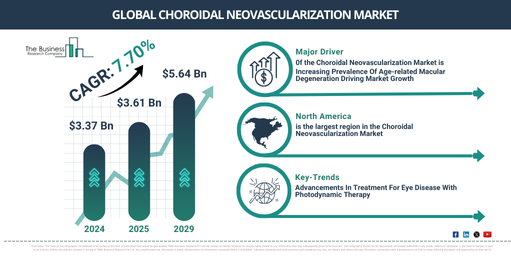
    In the recent past, the market size for choroidal neovascularization has seen robust growth. An expected increase from $3.37 billion in 2024 to $3.61 billion in 2025, with a compound annual growth rate (CAGR) of 8.1%, is predicted. The historical period’s advancement can be credited to the increasing spread of diseases linked to inactive lifestyles, a growing case of age-related macular degeneration, an increase in retinal disease cases, an aging population, escalating costs for eye care, and the expansion of education and screening programs.

    The market size for choroidal neovascularization is projected to see robust growth over the coming years, increasing to $5.64 billion in 2029 with a compound annual growth rate (CAGR) of 7.7%. This expansion during the forecast period is credited to heightened patient awareness, amplified adoption of optical coherence tomography angiography, rising demand for minimally invasive procedures, agreeable reimbursement policies, and an expanding elderly populace. Key trends forecasted in this period include the advent of intravitreal anti-vascular endothelial (VEGF) treatments, innovative gene therapies and approaches, the implementation of telemedicine, the creation of combination therapies, and personalized treatment plans.

    Download a free sample to assess the report’s scope and structure:

    https://www.thebusinessresearchcompany.com/sample.aspx?id=21142&type=smp

    What Are the Major Market Drivers Behind the Rising Adoption of Choroidal Neovascularization Market?

    The growth of the choroidal neovascularization (CNV) market is anticipated to be fueled by the rising instances of age-related macular degeneration (AMD). AMD, an eye disease often seen in the elderly, gradually impairs the macula, resulting in the loss of central vision. This increase in AMD cases can be attributed to factors such as an aging population, increased lifespan, changes in lifestyle, hereditary factors, and heightened exposure to environmental hazards. CNV aids in managing AMD by contributing to the onset of the wet form of AMD, which is characterized by the growth of abnormal blood vessels beneath the retina, causing declining vision that necessitates advanced treatments like anti-VEGF therapy. Such treatments help manage CNV and delay the progression of AMD, thereby preserving central vision in those affected. To illustrate, the National Institutes of Health, a government agency based in the United States, has estimated that by 2040, the number of AMD cases could hit 300 million, and by 2050, as many as 5.4 million Americans could be affected. Therefore, the escalating rate of AMD is stimulating the growth of the CNV market.

    Which Key Market Segments Comprise the Choroidal Neovascularization Market and Drive Its Revenue Growth?

    The choroidal neovascularization market covered in this report is segmented –

    1) By Treatment Type: Anti-Angiogenic Therapy, Laser Photocoagulation, Photodynamic Therapy, Verteporfin Sodium, Ranibizumab, Bevacizumab, Aflibercept, Pegaptanib Sodium

    2) By Indication: Age-Related Macular Degeneration (AMD), Diabetic Macular Edema (DME), Central Serous Chorioretinopathy (CSC), Polypoidal Choroidal Vasculopathy (PCV), Myopic Macular Degeneration (MMD), Other Indications

    3) By Route Of Administration: Intravitreal, Subconjunctival, Periocular, Oral

    4) By End User: Hospitals, Ophthalmology Clinics, Ambulatory Surgical Centers, Research Centers

    Subsegments:

    1) By Anti-Angiogenic Therapy (Anti-VEGF Therapy): Ranibizumab, Bevacizumab, Aflibercept, Pegaptanib Sodium

    2) By Laser Photocoagulation: Thermal Laser Photocoagulation, MicroPulse Laser Therapy

    3) By Photodynamic Therapy (PDT): Standard PDT, Low-Fluence PDT, Half-Dose PDT

    4) By Verteporfin Sodium: Intravenous Administration, Combination Therapy With Anti-VEGF

    5) By Ranibizumab: Monthly Dosing, As-Needed Dosing, Treat-and-Extend Regimen

    6) By Bevacizumab: Off-Label Use, Compounded Intravitreal Injections

    7) By Aflibercept: Fixed-Dosing Regimen, Treat-and-Extend Regimen

    8) By Pegaptanib Sodium: Monotherapy, Combination Therapy

    Request customized data on this market:

    https://www.thebusinessresearchcompany.com/customise?id=21142&type=smp

    Which Areas Are Leading Regions in the Choroidal Neovascularization Market Expansion Across the Globe?

    North America was the largest region in the choroidal neovascularization market in 2024. Asia-Pacific is expected to be the fastest-growing region in the forecast period. The regions covered in the choroidal neovascularization market report are Asia-Pacific, Western Europe, Eastern Europe, North America, South America, Middle East, Africa.

    What Are the Strategic Trends Steering theChoroidal Neovascularization Market Direction?

    Leading corporations in the choroidal neovascularization market are honing in on the development of innovative treatments such as photodynamic therapy, with the aim of providing eye care experts with precise and effective treatment alternatives that enhance patient results and treatment provision. Photodynamic therapy (PDT) is a medicinal procedure that utilizes light to activate a photosensitizing agent, which in turn targets and eradicates unusual or cancerous cells. As an illustration, Bausch & Lomb, a healthcare firm based in Canada, and Modulight, a biomedical company in Finland, proclaimed in February 2023 the Food and Drug Administration’s (a US-based government agency) endorsement of the ML6710i photodynamic laser. Its approval paves the way for its utilization with Bausch + Lomb’s VISUDYNE therapy, which has been created to counter choroidal neovascularization, an issue stemming from age-related macular degeneration (AMD). This advanced, portable ophthalmic laser devises a strategic plan for managing abnormal blood vessels in the eye, thereby halting further disease development and safeguarding vision.

    View the full report here:

    https://www.thebusinessresearchcompany.com/report/choroidal-neovascularization-global-market-report

    How Is the Choroidal Neovascularization Market Conceptually Defined?

    Choroidal neovascularization (CNV) is the abnormal growth of blood vessels in the choroid layer of the eye, often extending into the retina. These newly formed blood vessels are fragile and prone to leaking fluid or blood, which can damage the retinal tissues, leading to vision distortion or loss.

    Purchase the full report and get a swift delivery:

    https://www.thebusinessresearchcompany.com/purchaseoptions.aspx?id=21142

    About The Business Research Company:

    With over 15000+ reports from 27 industries covering 60+ geographies, The Business Research Company has built a reputation for offering comprehensive, data-rich research and insights. Armed with 1,500,000 datasets, the optimistic contribution of in-depth secondary research, and unique insights from industry leaders, you can get the information you need to stay ahead in the game.

    Get in touch with us:

    The Business Research Company: https://www.thebusinessresearchcompany.com/

    Americas +1 3156230293

    Asia +44 2071930708

    Europe +44 2071930708

    Email us at info@tbrc.info

    Follow us on:

    LinkedIn: https://in.linkedin.com/company/the-business-research-company

    YouTube: https://www.youtube.com/channel/UC24_fI0rV8cR5DxlCpgmyFQ

    Global Market Model: https://www.thebusinessresearchcompany.com/global-market-model
  • Cholinesterase (ChE) Inhibitors Market Outlook 2025: Mapping Growth, Innovation, and Regional Shifts

    Cholinesterase (ChE) Inhibitors Market Outlook 2025: Mapping Growth, Innovation, and Regional Shifts

    Our market reports now include the latest updates on global tariffs, trade impacts, and evolving supply chain dynamics.

    How Fast Is The Cholinesterase (ChE) Inhibitors Market Expected to Grow Between 2025 And 2029?

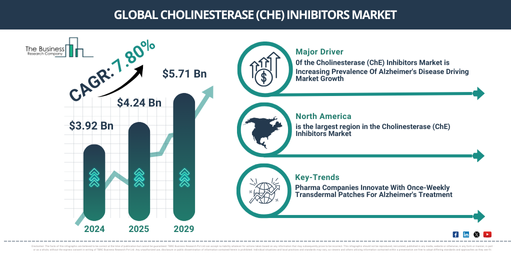
    The market size of Cholinesterase (ChE) inhibitors has seen significant growth in the past few years. The market is projected to increase in size from $3.92 billion in 2024 to $4.24 billion in 2025, showing a compound annual growth rate (CAGR) of 8.1%. Factors contributing to this growth during the historical period include the rising prevalence of neurological disorders and Alzheimer’s disease, higher incidence of late disease among the older population, a growing elderly demographic, improvements in healthcare infrastructure, and an increase in instances of glaucoma.

    The market scope for cholinesterase (ChE) inhibitors is set to witness considerable expansion in the forthcoming years. The market value is expected to surge up to $5.71 billion by 2029, projecting a compound annual growth rate (CAGR) of 7.8%. This predicted increase during the forecast period is primarily due to the early detection and management of neurodegenerative diseases, ramped up release of new medicines and products, high demand for Alzheimer’s and dementia treatments, and the growing economic significance of cholinesterase inhibitors. Essential trends during the forecast timeframe include technology improvements, advancements in diagnostic capabilities, creation of new cholinesterase inhibitors, launch of fresh products, strategic partnerships, and fresh investments into different corporations.

    Download a free sample to assess the report’s scope and structure:

    https://www.thebusinessresearchcompany.com/sample.aspx?id=21141&type=smp

    What External and Internal Drivers Are Contributing to the Growth of the Cholinesterase (ChE) Inhibitors Market?

    The escalating occurrence of Alzheimer’s disease is anticipated to accelerate the expansion of the cholinesterase (ChE) inhibitors market. Alzheimer’s disease, a degressive neurological disorder, erodes memory and cognitive abilities, leading to cognitive decline and loss of self-sufficiency. The surge in Alzheimer’s cases is attributed to an ageing population, longer lifespan, genetic variables, lifestyle factors, and increased susceptibility to neurological risk factors. Cholinesterase (ChE) inhibitors aid Alzheimer’s patients by inhibiting the degradation of acetylcholine, a vital neurotransmitter for memory and cognition. This enhances neuronal communication, decelerates symptom progression, and improves day-to-day functioning, thereby managing the cognitive decline associated with Alzheimer’s. For example, the Alzheimer’s Association, a US-based voluntary health organization, estimates that by 2024 about 6.9 million Americans aged 65 and above will be afflicted with Alzheimer’s. 73% of these cases will occur in individuals aged 75 and above, and by 2050 there may be 12.7 million Americans suffering from Alzheimer’s. Consequently, the increasing occurrence of Alzheimer’s disease is propelling the growth of the cholinesterase (ChE) inhibitors market.

    What Segment Types Define the Cholinesterase (ChE) Inhibitors Market Structure?

    The cholinesterase (ChE) inhibitors market covered in this report is segmented –

    1) By Drug Class: Reversible Cholinesterase Inhibitors, Irreversible Cholinesterase Inhibitors, Acetylcholinesterase Inhibitors

    2) By Indication: Alzheimer’s Disease, Myasthenia Gravis, Glaucoma, Pediatric Urinary Incontinence

    3) By Distribution Channel: Hospital Pharmacies, Retail Pharmacies, Online Pharmacies

    Subsegments:

    1) By Reversible Cholinesterase Inhibitors: Donepezil, Rivastigmine, Galantamine

    2) By Irreversible Cholinesterase Inhibitors: Organophosphates, Carbamates

    3) By Acetylcholinesterase Inhibitors: Tacrine, Huperzine A

    Request customized data on this market:

    https://www.thebusinessresearchcompany.com/customise?id=21141&type=smp

    Which Geographic Areas Hold the Strongest Growth Potential in the Cholinesterase (ChE) Inhibitors Market?

    North America was the largest region in the cholinesterase (ChE) inhibitors market in 2024. Asia-Pacific is expected to be the fastest-growing region in the forecast period. The regions covered in the cholinesterase (ChE) inhibitors market report are Asia-Pacific, Western Europe, Eastern Europe, North America, South America, Middle East, Africa.

    What Long-Term Trends Are Transforming the Competitive Landscape of the Cholinesterase (ChE) Inhibitors Market?

    Key enterprises in the cholinesterase (ChE) inhibitors market are concentrating on creating inventive patches like once-weekly transdermal patches. These are projected to provide Alzheimer’s patients with more effective treatment alternatives that guarantee regular drug administration and enhanced tolerability. Simply put, a once-weekly transdermal patch is a medical adhesive patch that, when applied to the skin, steadily releases a controlled drug dosage into the bloodstream for seven days. In September 2022, Corium, Inc., a pharmaceutical firm located in the United States, introduced ADLARITY. This was the first FDA-approved once-weekly transdermal patch. It efficiently administers donepezil, an acetylcholinesterase inhibitor that treats Alzheimer’s by providing continual drug distribution via the skin, thereby offering a well-tolerated substitute to daily oral donepezil.

    View the full report here:

    https://www.thebusinessresearchcompany.com/report/cholinesterase-che-inhibitors-global-market-report

    What Is the Definition of the Cholinesterase (ChE) Inhibitors Market?

    Cholinesterase (ChE) inhibitors are a class of drugs that block the cholinesterase enzyme, which breaks down acetylcholine, a neurotransmitter essential for proper nerve signaling. Their purpose is to increase acetylcholine levels, improving communication between nerve cells and enhancing cognitive and muscular function.

    Purchase the full report and get a swift delivery:

    https://www.thebusinessresearchcompany.com/purchaseoptions.aspx?id=21141

    About The Business Research Company:

    With over 15000+ reports from 27 industries covering 60+ geographies, The Business Research Company has built a reputation for offering comprehensive, data-rich research and insights. Armed with 1,500,000 datasets, the optimistic contribution of in-depth secondary research, and unique insights from industry leaders, you can get the information you need to stay ahead in the game.

    Get in touch with us:

    The Business Research Company: https://www.thebusinessresearchcompany.com/

    Americas +1 3156230293

    Asia +44 2071930708

    Europe +44 2071930708

    Email us at info@tbrc.info

    Follow us on:

    LinkedIn: https://in.linkedin.com/company/the-business-research-company

    YouTube: https://www.youtube.com/channel/UC24_fI0rV8cR5DxlCpgmyFQ

    Global Market Model: https://www.thebusinessresearchcompany.com/global-market-model
  • Cholestatic Pruritus Market in Focus: Forecasting Growth Drivers, Scaling Potential, and Global Opportunities

    Cholestatic Pruritus Market in Focus: Forecasting Growth Drivers, Scaling Potential, and Global Opportunities

    Our market reports now include the latest updates on global tariffs, trade impacts, and evolving supply chain dynamics.

    What Are the Key Projections for the CAGR of the Cholestatic Pruritus Market Size From 2025 to 2034?

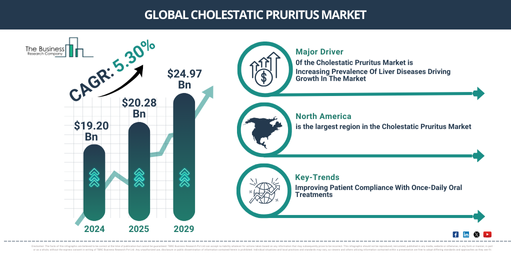
    The market size for cholestatic pruritus has seen a robust growth in the recent past. The projections suggest it will escalate from $19.20 billion in 2024 to $20.28 billion in 2025, reflecting a compound annual growth rate (CAGR) of 5.6%. This significant growth observed in the historic period is a result of various factors such as an increase in skin-related health problems, significant investment in research and development, the need for efficient treatment approaches, a heightened understanding of the condition, and beneficial regulatory conditions.

    Over the next few years, the market size for cholestatic pruritus is anticipated to experience robust growth. It is projected to expand to $24.97 billion by 2029, with a compound annual growth rate (CAGR) of 5.3%. The growth during the forecast period is likely to be driven by factors such as the rise in the elderly population, the increasing instances of atopic dermatitis and urticaria, an upsurge in the geriatric population, a growing number of chronic kidney diseases, and a surge in conditions related to pruritus. Notable trends expected during this period would be the emergence of new treatment alternatives, collaborations with major firms for the research into cholestatic pruritus, advancements in treatment methods, expansion of healthcare facilities, and technological innovations.

    Download a free sample to assess the report’s scope and structure:

    https://www.thebusinessresearchcompany.com/sample.aspx?id=21140&type=smp

    What Are the Core Market Drivers Propelling Growth in the Cholestatic Pruritus Industry?

    The escalating incidence of liver diseases is anticipated to fuel the expansion of the cholestatic pruritus market. Liver disorders span a wide variety of conditions impacting liver function, including infections, autoimmune diseases, genetic conditions, and harm from toxins, causing inflammation, scarring or liver failure. The rising frequency of liver ailments can be attributed to growing obesity, diabetes, alcohol consumption, infections from viral hepatitis, toxins, and environmental factors. Cholestatic pruritus plays a vital role in diagnosing and managing liver diseases, serving as a critical symptom signalling obstructed bile flow and often initiating further exploration and treatment of the underlying liver conditions. For instance, in July 2023, the Office for Health Improvement and Disparities, a UK-based governmental organization dedicated to addressing health disparities, reported a 22% increase in hospital admissions for liver disease in England in the year ended 2022, surging from 67,458 to 82,290. Given these factors, the escalating occurrence of liver diseases is set to stimulate the growth of the cholestatic pruritus market.

    How Is the Cholestatic Pruritus Market Segmented?

    The cholestatic pruritus market covered in this report is segmented –

    1) By Disease Type: Primary Biliary Cholangitis (PBC), Primary Sclerosing Cholangitis (PSC), Intrahepatic Cholestasis of Pregnancy (ICP), Other Disease Types

    2) By Treatment Type: Medications, Phototherapy, Other Treatment Types

    3) By Route Of Administration: Oral, Topical, Injectable

    4) By End-User: Hospitals, Clinics, Ambulatory Care Centers, Homecare

    Subsegments:

    1) By Primary Biliary Cholangitis (PBC): Early-Stage PBC, Advanced PBC, PBC With Cirrhosis, PBC With Liver Failure

    2) By Primary Sclerosing Cholangitis (PSC): Classic PSC, PSC With Ulcerative Colitis, PSC With Bile Duct Strictures

    3) By Intrahepatic Cholestasis of Pregnancy (ICP): Mild ICP, Severe ICP, ICP With Preterm Birth Risk

    4) By Other Disease Types: Alcoholic Cholestasis, Drug-Induced Cholestasis, Viral Hepatitis-Induced Cholestasis, Genetic Cholestasis Disorders

    Request customized data on this market:

    https://www.thebusinessresearchcompany.com/customise?id=21140&type=smp

    Which Regions Are Driving the Next Phase of the Cholestatic Pruritus Market Growth?

    North America was the largest region in the cholestatic pruritus market in 2024. Asia-Pacific is expected to be the fastest-growing region in the forecast period. The regions covered in the cholestatic pruritus market report are Asia-Pacific, Western Europe, Eastern Europe, North America, South America, Middle East, Africa.

    What Key Market Trends and Innovations Are Shaping the Future of the Cholestatic Pruritus Industry?

    With a focus on pioneering innovative solutions, major corporations within the cholestatic pruritus market are developing oral solutions to effectively manage symptoms, elevate patient compliance, and provide targeted relief by tackling the root cause of bile salt accumulation and inflammation. Essentially an oral solution for cholestatic pruritus is a medicinal liquid designed to decrease bile acid accumulation and mitigate severe itchiness in cholestasis patients. For example, in March 2024, Mirum Pharmaceuticals Inc., a biopharmaceutical firm based in the U.S, attained approval from the U.S. Food and Drug Administration (FDA) for its oral solution, LIVMARLI (maralixibat), aimed at treating cholestatic pruritus in patients aged five and above who suffer from progressive familial intrahepatic cholestasis (PFIC). LIVMARLI, a once-daily oral ileal bile acid transporter inhibitor, holds a breakthrough therapy designation for PFIC type 2 and is expected to have a significant effect on patients with cholestatic pruritus associated with PFIC. This offers a much-needed treatment alternative for those affected by the rarest subtypes.

    View the full report here:

    https://www.thebusinessresearchcompany.com/report/cholestatic-pruritus-global-market-report

    How Is the Cholestatic Pruritus Market Defined and What Are Its Core Parameters?

    Cholestatic pruritus refers to severe itching caused by the buildup of bile acids in the skin, typically resulting from liver diseases that impair bile flow. This condition can significantly affect a patient’s quality of life and often requires targeted treatment to manage the discomfort and address the underlying liver dysfunction.

    Purchase the full report and get a swift delivery:

    https://www.thebusinessresearchcompany.com/purchaseoptions.aspx?id=21140

    About The Business Research Company:

    With over 15000+ reports from 27 industries covering 60+ geographies, The Business Research Company has built a reputation for offering comprehensive, data-rich research and insights. Armed with 1,500,000 datasets, the optimistic contribution of in-depth secondary research, and unique insights from industry leaders, you can get the information you need to stay ahead in the game.

    Get in touch with us:

    The Business Research Company: https://www.thebusinessresearchcompany.com/

    Americas +1 3156230293

    Asia +44 2071930708

    Europe +44 2071930708

    Email us at info@tbrc.info

    Follow us on:

    LinkedIn: https://in.linkedin.com/company/the-business-research-company

    YouTube: https://www.youtube.com/channel/UC24_fI0rV8cR5DxlCpgmyFQ

    Global Market Model: https://www.thebusinessresearchcompany.com/global-market-model
  • Strong CAGR to Propel in the Cholangiocarcinoma Market and Beyond upto $1.02 Billion by 2029

    Strong CAGR to Propel in the Cholangiocarcinoma Market and Beyond upto $1.02 Billion by 2029

    Our market reports now include the latest updates on global tariffs, trade impacts, and evolving supply chain dynamics.

    How Has The Cholangiocarcinoma Market Growth Evolved From 2024 To 2025, And What’s Ahead?

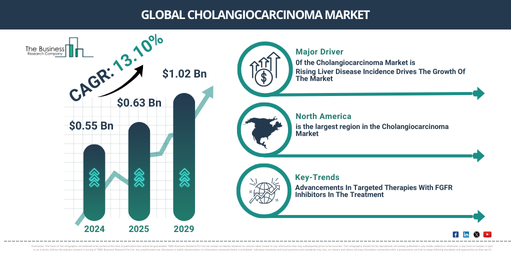
    In recent times, the cholangiocarcinoma market has experienced rapid growth. The market, which is currently worth $0.55 billion in 2024, is predicted to increase to $0.63 billion by 2025 at a compounded annual growth rate (CAGR) of 13.4%. The observed growth during the historical period is due to an increase in occurrences of liver and bile duct cancers, heightened awareness of uncommon cancers, an emphasis on tailor-made treatment strategies, the emergence of immunotherapy methods, and an ageing population.

    Anticipated swift expansion is forecasted for the cholangiocarcinoma market in the forthcoming years. By 2029, it should reach $1.02 billion, with a compound annual growth rate (CAGR) of 13.1%. Factors contributing to this growth during the projected period include the increasing acceptance of precision medicine, escalating healthcare spending, a surge in genetic testing prevalence, and a rising trend in retail pharmacies. Major market trends for this period comprise enhancements in diagnostic procedures, clinical trial expansions, AI incorporation into diagnostics, advancements in drug delivery strategies as well as escalating clinical trials and drug development.

    Download a free sample to assess the report’s scope and structure:

    https://www.thebusinessresearchcompany.com/sample.aspx?id=21139&type=smp

    Which Primay Drivers Are Accelerating Growth in the Cholangiocarcinoma Market?

    The growing occurrence of liver disease is projected to stimulate the expansion of the cholangiocarcinoma market in the future. The term ‘liver disease’ encompasses any disorder that compromises the standard functionality or physical attributes of the liver, with examples including hepatitis, cirrhosis, fatty liver disease, and liver cancer. The escalating prevalence of liver disease can be attributed to increased exposure to risk factors such as obesity, diabetes, excessive alcohol intake, and infections associated with viral hepatitis. Liver disease, specifically long-term inflammation and cirrhosis, amplifies the chances of developing cholangiocarcinoma by inciting bile duct damage and malignant cellular changes. As an example, in December 2024, the Office for Health Improvement and Disparities, a governmental body based in the UK, reported that in 2023, premature fatalities due to alcoholic liver disease grew by 3.6% to 5,984, ascending from 5,776 in 2022. As such, the mounting incidence of liver disease is the driving force behind the growing cholangiocarcinoma market.

    Which Primary Segments of the Cholangiocarcinoma Market Are Driving Growth and Industry Transformations?

    The cholangiocarcinoma market covered in this report is segmented –

    1) By Cancer: Intrahepatic Cholangiocarcinoma, Extrahepatic Cholangiocarcinoma

    2) By Product: Capecitabine, 5-Fluorouracil, Oxaliplatin, Gemcitabine, Cisplatin

    3) By Therapy: Targeted Drug Therapy, Chemotherapy, Immunotherapy

    4) By Route Of Administration: Oral, Subcutaneous, Intravenous

    5) By Distribution Channel: Hospital Pharmacies, Retail Pharmacies, E-Commerce

    Subsegments:

    1) By Intrahepatic Cholangiocarcinoma: Peripheral Intrahepatic Cholangiocarcinoma, Mass-Forming Intrahepatic Cholangiocarcinoma

    2) By Extrahepatic Cholangiocarcinoma: Perihilar Cholangiocarcinoma, Distal Cholangiocarcinoma

    Request customized data on this market:

    https://www.thebusinessresearchcompany.com/customise?id=21139&type=smp

    Which Regions Are Key Players in the Growth of the #Which Primay Drivers Are Accelerating Growth in the Cholangiocarcinoma Market?# Market?

    North America was the largest region in the cholangiocarcinoma market in 2024. The regions covered in the cholangiocarcinoma market report are Asia-Pacific, Western Europe, Eastern Europe, North America, South America, Middle East, Africa.

    Which Technological Trends Are Reshaping the Cholangiocarcinoma Industry Dynamics?

    Leading firms in the cholangiocarcinoma domain are concentrating their efforts on the invention of innovative treatments like targeted therapies to enhance patient care outcomes. Targeted therapies are essentially medical treatments that zero in on specific molecules, proteins, or genes that are critical to cancer cell propagation. The ultimate goal of these treatments is to put a halt to the growth of tumors, minimize side effects, and boost treatment results by disrupting the pathways that facilitate the proliferation of cancer. Example of such an innovative treatment is LYTGOBI (futibatinib) that was released in August 2023 by Taiho Pharmaceutical Co. Ltd., a Japan-based pharmaceutical conglomerate. LYTGOBI, an FGFR inhibitor, is utilized for dealing with non-operable biliary tract cancer with FGFR2 gene fusions. Its primary function is to inhibit FGFR signaling, selectively and irreversibly, consequently slowing down tumor progression and elevating patient outcomes in cholangiocarcinoma (iCCA) cases that are chemotherapy-resistant.

    View the full report here:

    https://www.thebusinessresearchcompany.com/report/cholangiocarcinoma-global-market-report

    What Parameters Are Used to Define the Cholangiocarcinoma Market?

    Cholangiocarcinoma is a malignant tumor that arises from the bile ducts, which carry bile from the liver to the small intestine. It is characterized by uncontrolled growth of abnormal cells, leading to bile duct obstruction and liver dysfunction. Symptoms often include jaundice, abdominal pain, weight loss, and fatigue. Early diagnosis and treatment are crucial for better prognosis and management.

    Purchase the full report and get a swift delivery:

    https://www.thebusinessresearchcompany.com/purchaseoptions.aspx?id=21139

    About The Business Research Company:

    With over 15000+ reports from 27 industries covering 60+ geographies, The Business Research Company has built a reputation for offering comprehensive, data-rich research and insights. Armed with 1,500,000 datasets, the optimistic contribution of in-depth secondary research, and unique insights from industry leaders, you can get the information you need to stay ahead in the game.

    Get in touch with us:

    The Business Research Company: https://www.thebusinessresearchcompany.com/

    Americas +1 3156230293

    Asia +44 2071930708

    Europe +44 2071930708

    Email us at info@tbrc.info

    Follow us on:

    LinkedIn: https://in.linkedin.com/company/the-business-research-company

    YouTube: https://www.youtube.com/channel/UC24_fI0rV8cR5DxlCpgmyFQ

    Global Market Model: https://www.thebusinessresearchcompany.com/global-market-model

  • From Insight to Impact: Strategic Growth Mapping in the Scleroderma Diagnostics And Therapeutics Market

    From Insight to Impact: Strategic Growth Mapping in the Scleroderma Diagnostics And Therapeutics Market

    Get 30% off on our Global Market Reports with code ONLINE30 – Hurry, limited time offer!

    How Fast Is The Scleroderma Diagnostics And Therapeutics Market Expected to Grow Between 2025 And 2029?

    The market for scleroderma diagnostics and therapeutics has experienced robust growth in the past few years. The market is predicted to increase from $2.71 billion in 2024 to $2.95 billion in 2025, with a compound annual growth rate (CAGR) of 8.8%. Factors contributing to this growth during the historical period include the identification of antinuclear antibodies, implementation of pulmonary function tests, heightened awareness about autoimmune diseases, creation of funding programs for rare diseases, and broadening of clinical trial networks.

    Anticipations are high for substantial growth in the market size for scleroderma diagnostics and therapeutics in the coming years. Projections estimate it will reach $4.10 billion by 2029, with a compound annual growth rate (CAGR) of 8.5%. The forecast period’s growth can be linked to advances in precision medicine, innovative biologic therapies, broader stem cell research, improved drug delivery systems, and regulatory endorsement for orphan drugs. Key trends driving this period include AI-enabled diagnostic algorithms, next-gen sequencing for genetic profiling, nanotech-facilitated drug delivery, wearable biosensors for real-time surveillance, and 3D bioprinting for tissue repair.

    Download a free sample to assess the report’s scope and structure:

    https://www.thebusinessresearchcompany.com/sample.aspx?id=23509&type=smp

    What are the Fundamental Drivers and Innovations Shaping the Scleroderma Diagnostics And Therapeutics Market?

    The growth of the scleroderma diagnostics and therapeutics market is anticipated to be fueled by the increasing incidences of autoimmune diseases. Autoimmune diseases are health conditions in which a person’s immune system erroneously attacks their healthy cells. The upswing in autoimmune diseases can be attributed to genetic predispositions that affect immune system activity and cause abnormalities in connective tissues. Scleroderma diagnostics and therapeutics help manage these autoimmune diseases by facilitating early detection and tailoring treatment strategies specific to a patient’s requirements. This not only enhances the efficacy of clinical decisions but also significantly improves patient outcomes and quality of life. For example, Australian Institute of Health and Welfare, an Australian government agency, reported in June 2024 that 514,000 (2.0%) individuals had rheumatoid arthritis in 2022, accounting for 2.0% of total disease burden and 16% of the musculoskeletal condition burden in 2023. It was also noted that 1,322 deaths occurred in 2022 (5.1 deaths per 100,000 population), representing 0.7% of all deaths. Consequently, the escalating incidences of autoimmune diseases are catalyzing the growth of the scleroderma diagnostics and therapeutics market.

    How Is the Scleroderma Diagnostics And Therapeutics Market Segmented?

    The scleroderma diagnostics and therapeutics market covered in this report is segmented –

    1) By Drug Type: Corticosteroids, Immunosuppressive Agents, Endothelin Receptor Antagonists, Calcium Channel Blockers, Phosphodiesterase Type 5 (PDE-5) Inhibitors, Chelating Agents, Prostacyclin Analogues, Other Drug Types

    2) By Diagnostic Test Type: Blood Tests, Imaging Techniques, Skin Biopsy, Pulmonary Function Tests, Electrocardiogram And Echocardiogram

    3) By Indication: Systemic Scleroderma, Localized Scleroderma

    4) By Route Of Administration: Oral, Injectable, Topical

    5) By End-User: Hospitals, Diagnostic Centers, Private Laboratories, Government Laboratories, Other End-Users

    Subsegments:

    1) By Corticosteroids: Prednisone, Methylprednisolone, Dexamethasone

    2) By Immunosuppressive Agents: Methotrexate, Mycophenolate Mofetil, Azathioprine, Cyclophosphamide

    3) By Endothelin Receptor Antagonists: Bosentan, Ambrisentan, Macitentan

    4) By Calcium Channel Blockers: Nifedipine, Amlodipine, Diltiazem

    5) By Phosphodiesterase Type 5 Inhibitors (Pde-5) Inhibitors: Sildenafil, Tadalafil, Vardenafil

    6) By Chelating Agents: D-Penicillamine, Deferoxamine

    7) By Prostacyclin Analogues: Epoprostenol, Iloprost, Treprostinil

    8) By Other Drug Types: Rituximab (Monoclonal Antibody), Abatacept (T-Cell Modulator), Tocilizumab (Il-6 Inhibitor)

    Request customized data on this market:

    https://www.thebusinessresearchcompany.com/customise?id=23509&type=smp

    Which Regions Are Driving the Next Phase of the Scleroderma Diagnostics And Therapeutics Market Growth?

    North America was the largest region in the scleroderma diagnostics and therapeutics market in 2024. Asia-Pacific is expected to be the fastest-growing region in the forecast period. The regions covered in the scleroderma diagnostics and therapeutics market report are Asia-Pacific, Western Europe, Eastern Europe, North America, South America, Middle East, Africa.

    What Key Trends Are Shaping the Future of the Scleroderma Diagnostics And Therapeutics Market?

    Leading enterprises in the scleroderma diagnostics and therapeutics industry are emphasizing the development of advanced diagnostic methods such as the fully human CD19 CAR T-cell therapy for better disease control and patient results. The fully human CD19 CAR T-cell therapy is an immunotherapy where a patient’s own T cells, an immune cell type, are genetically manipulated to carry a chimeric antigen receptor (CAR) that targets CD19, a protein found on B cells. Take for example, in October 2023, Kyverna Therapeutics Inc., an American biopharmaceutical firm, procured FDA approval for its KYV-101 Investigational New Drug (IND) application, a fully human CD19 CAR T-cell therapy, paving the path for a Phase 1/2 clinical trial for the treatment of diffuse cutaneous systemic sclerosis (scleroderma). The forthcoming KYSA-5 trial is intended to evaluate the safety and effectiveness of KYV-101, targeted specifically at B cells contributing to the advancement of autoimmune diseases. The therapy aims to reset the immune system to enhance the prognosis for patients suffering from scleroderma.

    View the full report here:

    https://www.thebusinessresearchcompany.com/report/scleroderma-diagnostics-and-therapeutics-global-market-report

    How Is the Scleroderma Diagnostics And Therapeutics Market Defined and What Are Its Core Parameters?

    Scleroderma diagnostics and therapeutics involve advanced testing methods and targeted treatments designed to detect and manage scleroderma, a chronic autoimmune disorder characterized by the hardening and tightening of the skin and connective tissues. These methods help detect symptoms such as Raynaud’s phenomenon, skin thickening, and internal organ involvement.

    Purchase the full report and get a swift delivery:

    https://www.thebusinessresearchcompany.com/purchaseoptions.aspx?id=23509

    About The Business Research Company:

    With over 15000+ reports from 27 industries covering 60+ geographies, The Business Research Company has built a reputation for offering comprehensive, data-rich research and insights. Armed with 1,500,000 datasets, the optimistic contribution of in-depth secondary research, and unique insights from industry leaders, you can get the information you need to stay ahead in the game.

    Get in touch with us:

    The Business Research Company: https://www.thebusinessresearchcompany.com/

    Americas +1 3156230293

    Asia +44 2071930708

    Europe +44 2071930708

    Email us at info@tbrc.info

    Follow us on:

    LinkedIn: https://in.linkedin.com/company/the-business-research-company

    YouTube: https://www.youtube.com/channel/UC24_fI0rV8cR5DxlCpgmyFQ

    Global Market Model: https://www.thebusinessresearchcompany.com/global-market-model
  • Chlamydia Market Valuation Expected To Reach $4.53 Billion By 2029, Growing At A Rate Of 8.8%

    Our market reports now include the latest updates on global tariffs, trade impacts, and evolving supply chain dynamics.

    What is the Projected CAGR for the Chlamydia Market Size from 2025 to 2034?

    The market for chlamydia has shown robust growth in the past few years. The projected growth is from $2.97 billion in 2024 to $3.23 billion in 2025 which equates to a compound annual growth rate (CAGR) of 9.1%. The historical growth can be linked to heightened sexual health education initiatives, increased demand for swift diagnostic tests, a surge in the need for cost-effective and scalable STI diagnostics, the burgeoning growth of telemedicine, and an amplified focus on precision medicine.

    Predictions show that the chlamydia market size will experience substantial growth in the upcoming years, reaching $4.53 billion by 2029, with a compound annual growth rate (CAGR) of 8.8%. This expected growth during the forecast period can be linked to the rising incidence of chlamydia, heightened public awareness, an increase in point-of-care testing options, growing sexually transmitted diseases prevalence, and amplified investment in research and development. Notable trends for the forecast period encompass a move towards point-of-care testing, advancements in molecular diagnostic techniques, a shift towards preventative healthcare, the inclusion of artificial intelligence (AI) in diagnostic procedures, and the creation of high-throughput screening platforms.

    Download a free sample to assess the report’s scope and structure:

    https://www.thebusinessresearchcompany.com/sample.aspx?id=21138&type=smp

    Which Factors and External Forces Are Driving Demand in the Chlamydia Market?

    The growth of the chlamydia market is likely to be driven by the escalating prevalence of sexually transmitted diseases (STDs). STDs, which include illnesses such as chlamydia, gonorrhea, and HIV, are infections transferable through sexual activities. The climbing rates of STDs can be accredited to factors including reduced use of condoms, insufficient awareness, inadequate healthcare access, and the popularity of dating apps leading to multiple sexual partners. Chlamydia treatments help curb the distribution of STDs by eradicating the infection, circumventing complications, and minimizing the transmission risk to sexual partners. For example, the US registered more than 2.5 million syphilis, gonorrhea, and chlamydia cases in 2022, as per the National Association of County and City Health Officials, a non-profit organization based in the US. These numbers included an 80% increase in syphilis cases and an astonishing 937% rise in congenital syphilis cases. As a result, 3,755 congenital syphilis cases were documented, which is an escalation by 31% from 2021 to 2022. Hence, the mounting occurrence of STDs propels the chlamydia market growth. Telemedicine Services Augmentation Accelerating Market Growth

    Which Segments in the Chlamydia Offer the Most Growth?

    The chlamydia market covered in this report is segmented –

    1) By Test Type: Culture Tests, Nucleic Acid Amplification Test (NAAT), Direct Fluorescent Antibody Test, Serology Tests, Other Test Types

    2) By Route Of Administration: Oral, Injectable, Other Routes Of Administration

    3) By End User: Hospitals, Diagnostic Centers, Ambulatory Surgical Centers, Other End Users

    Subsegments:

    1) By Culture Tests: Urethral Swab Culture, Endocervical Swab Culture, Urine Culture Test, Conjunctival Swab Culture

    2) By Nucleic Acid Amplification Test (NAAT): PCR (Polymerase Chain Reaction), Transcription-Mediated Amplification (TMA), Strand Displacement Amplification (SDA), Loop-Mediated Isothermal Amplification (LAMP)

    3) By Direct Fluorescent Antibody Test: DFA Test For Urogenital Chlamydia, DFA Test For Ocular Chlamydia, DFA For Respiratory Chlamydia Detection

    4) By Serology Tests: Enzyme-Linked Immunosorbent Assay (ELISA), Immunofluorescence Assay (IFA), Western Blot

    5) By Other Test Types: Immunochromatographic Rapid Test, Lateral Flow Immunoassay, Hybrid Capture Test (HCT)

    Request customized data on this market:

    https://www.thebusinessresearchcompany.com/customise?id=21138&type=smp

    What Are the Fastest-Growing Geographies in the #Which Factors and External Forces Are Driving Demand in the Chlamydia Market?# Market?

    North America was the largest region in the chlamydia market in 2024. Asia-Pacific is expected to be the fastest-growing region in the forecast period. The regions covered in the chlamydia market report are Asia-Pacific, Western Europe, Eastern Europe, North America, South America, Middle East, Africa.

    Which Cutting-Edge Market Trends Are Expected to Drive theChlamydia Market’s Growth?

    Leading corporations in the chlamydia market are shifting their focus towards the creation of entirely automatic devices to increase diagnostic precision, diminish the likelihood of human errors, and heighten the efficacy of testing. An entirely automatic device is one that operates tasks without the need for human intervention, usually utilising sensors, control systems, and artificial intelligence for autonomous functioning. For example, in May 2022, the US-based medical device firm, BD (Becton, Dickinson and Company), introduced the BD COR MX/PX System. The BD CTGCTV2 molecular assay is the inaugural test available on this new platform. This solitary test can identify the top three non-viral sexually transmitted infections (STIs)—chlamydia trachomatis (CT), neisseria gonorrhoeae (GC), and trichomonas vaginalis (TV). These STIs can have multiple adverse health impacts, such as complications in pregnancy and a raised risk of HIV.

    View the full report here:

    https://www.thebusinessresearchcompany.com/report/chlamydia-global-market-report

    What Are the Key Elements That Define the Chlamydia Market?

    Chlamydia is a common sexually transmitted infection (STI) caused by Chlamydia trachomatis, often asymptomatic but potentially leading to complications like infertility and pelvic inflammatory disease. It is easily treatable with antibiotics, and prevention includes safe sex practices and regular STI screenings.

    Purchase the full report and get a swift delivery:

    https://www.thebusinessresearchcompany.com/purchaseoptions.aspx?id=21138

    About The Business Research Company:

    With over 15000+ reports from 27 industries covering 60+ geographies, The Business Research Company has built a reputation for offering comprehensive, data-rich research and insights. Armed with 1,500,000 datasets, the optimistic contribution of in-depth secondary research, and unique insights from industry leaders, you can get the information you need to stay ahead in the game.

    Get in touch with us:

    The Business Research Company: https://www.thebusinessresearchcompany.com/

    Americas +1 3156230293

    Asia +44 2071930708

    Europe +44 2071930708

    Email us at info@tbrc.info

    Follow us on:

    LinkedIn: https://in.linkedin.com/company/the-business-research-company

    YouTube: https://www.youtube.com/channel/UC24_fI0rV8cR5DxlCpgmyFQ

    Global Market Model: https://www.thebusinessresearchcompany.com/global-market-model
  • Chikungunya Market Forecast Reaching $0.93 Billion by 2029 at 9.4% CAGR

    Chikungunya Market Forecast Reaching $0.93 Billion by 2029 at 9.4% CAGR

    Our market reports now include the latest updates on global tariffs, trade impacts, and evolving supply chain dynamics.

    What Is the Current and Projected Market Size of the Chikungunya Market Through 2034?

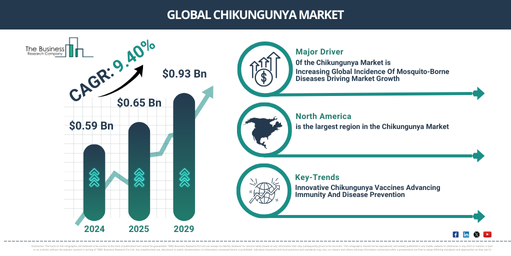
    In recent times, the market size of chikungunya has seen substantial growth. It is predicted to expand from $0.59 billion in 2024 to $0.65 billion in 2025, reflecting a compound annual growth rate (CAGR) of 9.8%. The growth in the preceding period is due to several factors including an increase in healthcare expenditures per person, a rise in the occurrence of new and recurring infectious diseases, growth in disposable income, changes in climate, and heightened awareness about mosquito-borne diseases.

    The market size for chikungunya is projected to experience substantial growth in the coming years, reaching $0.93 billion by 2029 with a compound annual growth rate (CAGR) of 9.4%. This predicted growth during the forecast period is mainly due to numerous factors including an increase in global clinical trials, a surging elderly population, an escalating demand for immunization, and growing initiatives by both government and non-government bodies. Moreover, increased government investments and positive policies also play a key role. Key trends in the forecast period comprise improvements in biotechnology in relation to vaccine development, unexplored opportunities in the vaccine field, use of CRISPR and AI for cutting-edge solutions, fostering partnerships among pharmaceutical giants, and incorporation of telemedicine services.

    Download a free sample to assess the report’s scope and structure:

    https://www.thebusinessresearchcompany.com/sample.aspx?id=21137&type=smp

    Which Major Market Drivers Are Expected to Boost the Growth Potential of the Chikungunya Market?

    The escalating occurrence of diseases transmitted by mosquitoes is predicted to significantly boost chikungunya market growth. Human infection with mosquito-borne diseases such as chikungunya, dengue, and zika virus happens via infected aedes mosquitoes and these diseases pose major global public health issues. Factors like climate change, urbanization, deforestation, accumulation of stagnant water, inadequate measures to control vectors, increased worldwide travel, and resistance to insecticides are contributing to the growing global incidence of these diseases. Chikungunya treatments aid patients by relieving symptoms like fever, joint pain, and inflammation, boosting overall comfort and mobility, reducing the likelihood of complications, and promoting recovery with hydration, pain management, and supportive care. For example, the UK Health Security Agency reported that from January to June 2024, dengue cases among returning travelers in England, Wales, and Northern Ireland increased by 201% to 473, compared to 157 cases during the same period in 2023. Hence, the rising global occurrence of mosquito-borne diseases is propelling chikungunya market expansion.

    Which Key Market Segments Comprise the Chikungunya Market and Drive Its Revenue Growth?

    The chikungunya market covered in this report is segmented –

    1) By Type: Antiviral Drugs, Herbal And Complementary Treatments, Supportive Care, Vaccines

    2) By Product Form: Liquid Form, Powder, Solid Form

    3) By Disease Stage: Acute, Chronic, Post-Infection

    4) By Sales Channel: Hospital Pharmacies, Online Pharmacies, Retail Pharmacies, Supermarkets

    5) By End User: Caregivers, Healthcare Professionals, Patients

    Subsegments:

    1) By Antiviral Drugs: Nucleoside Analogues, Protease Inhibitors

    2) By Herbal And Complementary Treatments: Ayurvedic Remedies, Homeopathic Treatments, Traditional Chinese Medicine

    3) By Supportive Care: Pain Relievers (NSAIDs, Acetaminophen), Fluid Therapy, Physiotherapy

    4) By Vaccines: Live-Attenuated Vaccines, Inactivated Vaccines, mRNA-Based Vaccines

    Request customized data on this market:

    https://www.thebusinessresearchcompany.com/customise?id=21137&type=smp

    Which Areas Are Leading Regions in the Chikungunya Market Expansion Across the Globe?

    North America was the largest region in the chikungunya market in 2024. Asia-Pacific is expected to be the fastest-growing region in the forecast period. The regions covered in the chikungunya market report are Asia-Pacific, Western Europe, Eastern Europe, North America, South America, Middle East, Africa.

    What Are the Key Market Trends in theChikungunya Market Over the Coming Years?

    Leading businesses in the chikungunya market are striving to produce innovative vaccines that enhance immunity, prevent epidemics, and respond to the increasing global health risk posed by chikungunya virus infections. A live attenuated chikungunya vaccine is such an example, which uses a mild version of the chikungunya virus to invoke an immune response without causing the disease and offers prolonged protection. In November 2023, an example of this was revealed when Valneva SE, a biotechnology firm based in France, announced the approval of IXCHIQ, a live attenuated chikungunya vaccine by the FDA, an agency affiliated with the US government. This approval was granted under the fast-track approval based on anti-CHIKV neutralizing antibody titers, with continued approval subject to verification of clinical benefit in additional studies. Additionally, Valneva obtained a Priority Review Voucher (PRV) from the FDA, which the company plans to capitalize on to fund its research and development projects. Administered as a single-dose muscle injection, Ixchiq comprises a live, weakened form of the chikungunya virus, which can cause symptoms similar to those of the chikungunya disease in recipients.

    View the full report here:

    https://www.thebusinessresearchcompany.com/report/chikungunya-global-market-report

    How Is the Chikungunya Market Conceptually Defined?

    Chikungunya (CHIKV) is a viral infection caused by the chikungunya virus, primarily transmitted to humans through the bites of infected Aedes aegypti and Aedes albopictus mosquitoes. The virus causes fever, joint pain, headache, rash, and muscle pain, significantly impacting the quality of life of affected individuals.

    Purchase the full report and get a swift delivery:

    https://www.thebusinessresearchcompany.com/purchaseoptions.aspx?id=21137

    About The Business Research Company:

    With over 15000+ reports from 27 industries covering 60+ geographies, The Business Research Company has built a reputation for offering comprehensive, data-rich research and insights. Armed with 1,500,000 datasets, the optimistic contribution of in-depth secondary research, and unique insights from industry leaders, you can get the information you need to stay ahead in the game.

    Get in touch with us:

    The Business Research Company: https://www.thebusinessresearchcompany.com/

    Americas +1 3156230293

    Asia +44 2071930708

    Europe +44 2071930708

    Email us at info@tbrc.info

    Follow us on:

    LinkedIn: https://in.linkedin.com/company/the-business-research-company

    YouTube: https://www.youtube.com/channel/UC24_fI0rV8cR5DxlCpgmyFQ

    Global Market Model: https://www.thebusinessresearchcompany.com/global-market-model

  • $3.19 Billion Forecast for Cerebral Amyloid Angiopathy Treatment Market by 2029, Backed by Demand and Innovation

    $3.19 Billion Forecast for Cerebral Amyloid Angiopathy Treatment Market by 2029, Backed by Demand and Innovation

    Our market reports now include the latest updates on global tariffs, trade impacts, and evolving supply chain dynamics.

    What is the Anticipated CAGR of the Cerebral Amyloid Angiopathy Treatment Market, and What Factors Will Drive It?

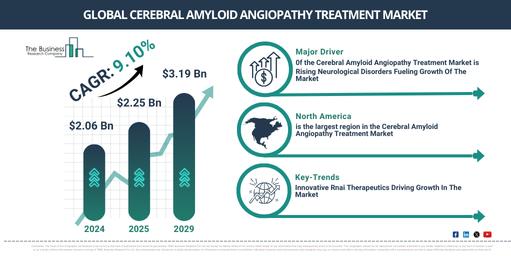
    In the recent past, the cerebral amyloid angiopathy treatment market has witnessed significant expansion. The market, which is poised to grow from $2.06 billion in 2024 to $2.25 billion in 2025, projects a compound annual growth rate of 9.4%. Factors contributing to the growth during the historic period include a surge in the aging populace, heightened awareness of cerebrovascular illnesses, escalating incidences of intracerebral hemorrhage, increased government funding dedicated to studying neurological conditions, reliance on symptomatic management methods, and the widespread use of MRI and neuroimaging for diagnostic purposes.

    The market for cerebral amyloid angiopathy treatments is projected to experience robust growth in the near future, with its valuation predicted to reach $3.19 billion by 2029, growing at a compound annual growth rate (CAGR) of 9.1%. This boost during the forecasting period can be recognized due to various factors including the rise of personalized medicine usage, advancements in biomarker-based detection techniques, escalating research geared towards neuroinflammation therapies, substantial investments in the development of neurological drugs, a growing inclination towards minimally invasive treatment procedures, and augmented funding for studies related to neurological disorders. Future trends expected to influence growth during this period encompasses the exploration of combination treatments, enhancements in MRI and PET imaging techniques, growth of the healthcare infrastructure in budding markets, invention of minimally invasive therapies, cooperation amongst pharmaceutical and biotech companies, and incorporation of wearable technology for monitoring purposes.

    Download a free sample to assess the report’s scope and structure:

    https://www.thebusinessresearchcompany.com/sample.aspx?id=21136&type=smp

    What Are the Core Growth Drivers Propelling the Cerebral Amyloid Angiopathy Treatment Market Forward?

    The expected rise in neurological disorders is anticipated to drive the growth of the market for cerebral amyloid angiopathy treatments. Neurological disorders include medical conditions that impact the brain, spinal cord or nerves, resulting in impairments in movement, sensation, cognition or other physiological functions. Factors such as an aging demographic, lifestyle factors, environmental triggers, genetic likelihood, and enhanced diagnostic proficiency have contributed to the increasing occurrence of such disorders. Treatments for cerebral amyloid angiopathy help to manage these neurological conditions by reducing the buildup of amyloid in blood vessels, improving cerebral blood flow, and decreasing the danger of cognitive deterioration and complications from stroke. For example, data from the Alzheimer’s Association, a US non-profit voluntary health organization, in March 2023 shows that approximately 6.7 million Americans aged 65 or older live with Alzheimer’s dementia, with forecasts predicting this will rise to 13.8 million by 2060. As such, the growing incidence of neurological disorders is fuelling the growth of the cerebral amyloid angiopathy treatment market. The Market’s Growth is Being Driven by Increased Healthcare Spending

    What Segment Types Define the Cerebral Amyloid Angiopathy Treatment Market Structure?

    The cerebral amyloid angiopathy treatment market covered in this report is segmented –

    1) By Type: Medication, Therapeutic Procedures, Surgery, Supportive Care

    2) By Route Of Administration: Oral, Intravenous, Intramuscular

    3) By Patient Type: Geriatric, Adult, Pediatric

    4) By End User: Hospitals, Clinics, Homecare Settings

    Subsegments:

    1) By Medication: Antihypertensive Drugs, Antiplatelet Drugs, Statins, Monoclonal Antibodies, Anti-amyloid Agents

    2) By Therapeutic Procedures: Plasma Exchange, Gene Therapy, Immunotherapy

    3) By Surgery: Cranial Decompression Surgery, Surgical Drainage Of Hematomas, Vascular Reconstruction Surgery

    4) By Supportive Care: Cognitive Rehabilitation, Physical Therapy, Pain Management, Nutritional Support

    Request customized data on this market:

    https://www.thebusinessresearchcompany.com/customise?id=21136&type=smp

    Which Geographic Areas Hold the Strongest Growth Potential in the Cerebral Amyloid Angiopathy Treatment Market?

    North America was the largest region in the Largest cerebral amyloid angiopathy treatment market in 2024. The regions covered in the cerebral amyloid angiopathy treatment market report are Asia-Pacific, Western Europe, Eastern Europe, North America, South America, Middle East, Africa.

    Which Emerging Trends that Are Influencing theCerebral Amyloid Angiopathy Treatment Industry Evolution?

    Key players in the cerebral amyloid angiopathy treatment market are directing their efforts towards the creation of novel products like RNAi therapeutics that aim to regulate gene expression related to the disease and lessen the accumulation of amyloid in cerebral vessels. RNAi therapeutics is a group of drugs that use RNA interference (RNAi) to mute certain genes to stop the generation of proteins that cause disease. As an illustration, in July 2023, Alnylam Pharmaceuticals Inc., a pharmaceutical organization based in the US, intends to commence the multiple-dose phase of its ALN-APP clinical trial in certain approved areas. This trial for ALN-APP has been outlined to evaluate the safety and effectiveness of treatments based on RNAi in reducing amyloid precursor proteins (APP), which are vital players in the formation of amyloid plaque in the brain. The trial’s goal, by muting the gene that produces these proteins, is to verify if ALN-APP is capable of preventing or possibly reversing the advancement of cerebral amyloid angiopathy (CAA).

    View the full report here:

    https://www.thebusinessresearchcompany.com/report/cerebral-amyloid-angiopathy-treatment-global-market-report

    What Is the Definition of the Cerebral Amyloid Angiopathy Treatment Market?

    Cerebral amyloid angiopathy (CAA) treatment refers to the medical and therapeutic interventions aimed at managing and mitigating the effects of CAA, a neurological condition characterized by the accumulation of amyloid-beta proteins in the walls of cerebral blood vessels. This condition increases the risk of brain hemorrhages, cognitive decline, and dementia.

    Purchase the full report and get a swift delivery:

    https://www.thebusinessresearchcompany.com/purchaseoptions.aspx?id=21136

    About The Business Research Company:

    With over 15000+ reports from 27 industries covering 60+ geographies, The Business Research Company has built a reputation for offering comprehensive, data-rich research and insights. Armed with 1,500,000 datasets, the optimistic contribution of in-depth secondary research, and unique insights from industry leaders, you can get the information you need to stay ahead in the game.

    Get in touch with us:

    The Business Research Company: https://www.thebusinessresearchcompany.com/

    Americas +1 3156230293

    Asia +44 2071930708

    Europe +44 2071930708

    Email us at info@tbrc.info

    Follow us on:

    LinkedIn: https://in.linkedin.com/company/the-business-research-company

    YouTube: https://www.youtube.com/channel/UC24_fI0rV8cR5DxlCpgmyFQ

    Global Market Model: https://www.thebusinessresearchcompany.com/global-market-model

  • Global Cerebral Adrenoleukodystrophy (CALD) Market Projected to Reach $13.05 Billion by 2029 at a CAGR of 14.6%

    Our market reports now include the latest updates on global tariffs, trade impacts, and evolving supply chain dynamics.

    What Are the Key Milestones in the Cerebral Adrenoleukodystrophy (CALD) Market’s Growth Trajectory From 2025 To 2034?

    The market size of cerebral adrenoleukodystrophy (CALD) has surged swiftly in the past years. Its growth is projected to escalate from $6.58 billion in 2024 to $7.56 billion in 2025, displaying a compound annual growth rate (CAGR) of 14.9%. The expansion during the historic period can be credited to an increased understanding of rare diseases, the rise in newborn screening schemes, an amplified emphasis on neurodegenerative disorders, the introduction of Lorenzo’s oil, studies on peroxisomal disorders, advocacy by patient encouragement groups, and the enhancement of healthcare infrastructure.

    Expectations are high for a swift expansion of the cerebral adrenoleukodystrophy (CALD) market in the upcoming years. Its growth is projected to reach a market value of $13.05 billion by 2029, with a compound annual growth rate (CAGR) of 14.6%. Multiple factors contribute to this growth expectation for the forecast period, including the advent of gene therapy options, the advancement of newborn screening methods, the progression of focused drug delivery frameworks, increased investments in the research of rare diseases, a surge in the use of digital health instruments, increasing demand for personalized therapies, partnerships between biotech and pharmaceutical firms, and improved awareness achieved through worldwide advocacy campaigns. Significant trends anticipated within the forecast period comprise gene modification through clustered regularly interspaced short palindromic repeats (CRISPR), AI-facilitated diagnostic algorithms, state-of-the-art neuroimaging methods, next-level sequencing improvements, nanomedicine targeting the brain, wearable devices for neuro-monitoring, digital twin modeling for treatment strategy, cloud-based sharing of genomic information, VR for training caregivers and utilization of blockchain for secure management of patient data.

    Download a free sample to assess the report’s scope and structure:

    https://www.thebusinessresearchcompany.com/sample.aspx?id=21135&type=smp

    What are the Fundamental Drivers and Innovations Shaping the Cerebral Adrenoleukodystrophy (CALD) Market?

    The anticipated increase in healthcare expenditure is predicted to boost the cerebral adrenoleukodystrophy (CALD) market’s expansion. This surge in healthcare expenditure is fuelled by the aging population, chronic illnesses, advancements in medicine, increasing drug costs, and wider health coverage. This spending stimulates the CALD market by encouraging the development of new diagnostic tools, funding forward-thinking treatments like gene therapy and stem cell transplant, and enhancing patient access to specialized care and early intervention. For example, in December 2024, the Centers for Medicare and Medicaid Services (CMS), a US-based federal agency, reported that national health expenditures (NHE) saw a 7.5% increase in 2023, surpassing the 6.1% growth of the gross domestic product (GDP). From 2023 to 2032, the average annual growth rate of NHE is forecasted to be 5.6%, raising the healthcare spending percentage of GDP from 17.3% in 2022 to 19.7% in 2032. Thus, the escalating healthcare expenditure is acting as a catalyst for the expansion of the cerebral adrenoleukodystrophy (CALD) market.

    How Is the Cerebral Adrenoleukodystrophy (CALD) Market Segmented?

    The cerebral adrenoleukodystrophy (CALD) market covered in this report is segmented –

    1) By Type Of Treatment: Dietary Management, Medications, Stem Cell Therapy

    2) By Patient Age Group: Adults, Children, Infants, Teens

    3) By End User: Healthcare Facilities, Patients And Caregivers, Pharmaceutical Companies

    Subsegments:

    1) By Dietary Management: Lorenzo’s Oil, Omega-3 Fatty Acids, Fatty Acid Supplements

    2) By Medications: Corticosteroids, Antioxidants, Anti-inflammatory Drugs

    3) By Stem Cell Therapy: Hematopoietic Stem Cell Transplantation (HSCT), Gene Therapy

    Request customized data on this market:

    https://www.thebusinessresearchcompany.com/customise?id=21135&type=smp

    Which Regions Are Driving the Next Phase of the Cerebral Adrenoleukodystrophy (CALD) Market Growth?

    North America was the largest region in the cerebral adrenoleukodystrophy (CALD) market in 2024. The regions covered in the cerebral adrenoleukodystrophy (CALD) market report are Asia-Pacific, Western Europe, Eastern Europe, North America, South America, Middle East, Africa.

    What Key Trends Are Shaping the Future of the Cerebral Adrenoleukodystrophy (CALD) Market?

    Key players in the cerebral adrenoleukdystrophy (CALD) market are channeling their efforts into the discovery of innovative therapies like gene therapies. The goal is to create more efficient, enduring solutions to delay disease advancement, enhance patient results, and potentially supply curative treatments for this uncommon and deadly disease. Gene therapy, a medical procedure and treatment method, manipulates or substitutes defective genes within an individual’s cells to treat or potentially cure diseases. For example, in September 2022, Bluebird Bio Inc., a US biotech firm, secured rapid approval from the United States Food and Drug Administration (FDA) for Skysona (elivaldogene autotemcel). This granted usage of the treatment to slow neurologic dysfunction progression in boys aged 4-17 suffering from early, active cerebral adrenoleukodystrophy (CALD). The therapy, delivered once, employs ex-vivo transduction with the Lenti-D lentiviral vector (LVV) to introduce additional working copies of the ABCD1 gene into a patient’s hematopoietic stem cells (HSCs). This added gene lets patients generate the ALD protein (ALDP) which then aids in the on-site breakdown of extremely long-chain fatty acids (VLCFAs). It is thought this could slow, or maybe even halt, further inflammation and demyelination.

    View the full report here:

    https://www.thebusinessresearchcompany.com/report/cerebral-adrenoleukodystrophy-cald-global-market-report

    How Is the Cerebral Adrenoleukodystrophy (CALD) Market Defined and What Are Its Core Parameters?

    Cerebral adrenoleukodystrophy (CALD) is a rare, progressive neurological disorder that primarily affects males and is caused by mutations in the ABCD1 gene. It is characterized by the accumulation of very long-chain fatty acids in the brain, which destroys myelin, the protective covering of nerve cells. Cerebral adrenoleukodystrophy (CALD) is a form of adrenoleukodystrophy (ALD) that involves the brain and spinal cord, causing symptoms such as cognitive decline, behavioral changes, and motor dysfunction.

    Purchase the full report and get a swift delivery:

    https://www.thebusinessresearchcompany.com/purchaseoptions.aspx?id=21135

    About The Business Research Company:

    With over 15000+ reports from 27 industries covering 60+ geographies, The Business Research Company has built a reputation for offering comprehensive, data-rich research and insights. Armed with 1,500,000 datasets, the optimistic contribution of in-depth secondary research, and unique insights from industry leaders, you can get the information you need to stay ahead in the game.

    Get in touch with us:

    The Business Research Company: https://www.thebusinessresearchcompany.com/

    Americas +1 3156230293

    Asia +44 2071930708

    Europe +44 2071930708

    Email us at info@tbrc.info

    Follow us on:

    LinkedIn: https://in.linkedin.com/company/the-business-research-company

    YouTube: https://www.youtube.com/channel/UC24_fI0rV8cR5DxlCpgmyFQ

    Global Market Model: https://www.thebusinessresearchcompany.com/global-market-model