Blog

  • CD-19 Antibody Market Outlook 2025–2034: Identifying Growth Drivers, Technology Trends, and Policy Impact

    CD-19 Antibody Market Outlook 2025–2034: Identifying Growth Drivers, Technology Trends, and Policy Impact

    Our market reports now include the latest updates on global tariffs, trade impacts, and evolving supply chain dynamics.

    How Fast Is The CD-19 Antibody Market Expected to Grow Between 2025 And 2029?

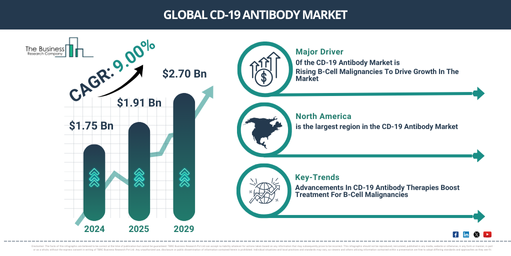
    The market size for the CD-19 antibody has seen significant expansion in the past few years. The compound annual growth rate (CAGR) from 2024 to 2025 is projected at 9.3%, taking the market from a value of $1.75 billion to $1.91 billion. The factors contributing to this historic period of growth include a surge in B-cell malignancies, the rise of immunotherapy, increased funding for oncology research, the advent of CAR-T cell therapies, growing awareness in healthcare, and the broadening of personalized medicine.

    In the coming years, the CD-19 antibody market size is projected to experience significant growth, swelling to a valuation of $2.70 billion in 2029 at a CAGR of 9.0%. This growth trajectory is linked to factors such as the rising need for targeted cancer treatments, increased use of smart cell therapies, growing incidence of hematologic malignancies, broader access to healthcare in growing markets, and the rise of next-generation immunotherapies bolstered by advancements in biomanufacturing technologies. The forecast period will likely see key trends like progress in antibody-drug conjugates, creation of bispecific antibodies, the use of AI in antibody design, enhancement of cell-cell therapy platforms, a shift towards single-use bioreactors, the advent of nanobody-based therapeutics, and increased automation in biologics production.

    Download a free sample to assess the report’s scope and structure:

    https://www.thebusinessresearchcompany.com/sample.aspx?id=21130&type=smp

    What Are the Core Market Drivers Propelling Growth in the CD-19 Antibody Industry?

    The surge in B-cell malignancies is projected to stimulate expansion in the CD-19 antibody market. B-cell malignancies are a group of cancers arising from mutated B lymphocytes, encapsulating illnesses like B-cell lymphomas and leukemias, which influence the immune system and can induce unregulated cell proliferation. The growth in the incidence of B-cell malignancies can be accredited to several influences such as older population demographics, genetic determinants, environmental impacts, lifestyle factors, improved detection methods, and alterations in the immune system. The CD19 antibody aids in combating B-cell malignancies by specifically batch-marking the CD19 protein found on malignant B cells, resulting in their elimination while preserving healthy cells and augmenting the body’s immune defense. As an example, in January 2024, the American Cancer Society, a non-profit organization based in the U.S, predicted that about 80,620 individuals in the U.S would be identified with non-Hodgkin lymphoma, with 20,240 people, which includes 44,590 males and 36,030 females, projected to succumb to non-Hodgkin lymphoma. Therefore, the proliferating occurrence of B-cell malignancies is accelerating the expansion of the CD-19 antibody market.

    How Is the CD-19 Antibody Market Segmented?

    The CD-19 antibody market covered in this report is segmented –

    1) By Disease Type: B-Cell Non-Hodgkin Lymphoma, Chronic Lymphocytic Leukemia, Acute Lymphoblastic Leukemia, Other Disease Types

    2) By Type: Polyclonal, Monoclonal

    3) By Route Of Administration: Intravenous, Subcutaneous

    4) By Application: Enzyme Linked Immunosorbent Assay, Flow Cytometry, Immunohistochemistry Frozen, Immunohistochemistry Paraffin, Other Applications

    Subsegments:

    1) By B-Cell Non-Hodgkin Lymphoma: Diffuse Large B-Cell Lymphoma (DLBCL), Follicular Lymphoma, Mantle Cell Lymphoma

    2) By Chronic Lymphocytic Leukemia: Relapsed Or Refractory CLL, Treatment-Naïve CLL

    3) By Acute Lymphoblastic Leukemia: B-Cell Precursor ALL, Philadelphia Chromosome-Positive ALL

    4) By Other Disease Types: Hairy Cell Leukemia, Waldenström’s Macroglobulinemia, Marginal Zone Lymphoma

    Request customized data on this market:

    https://www.thebusinessresearchcompany.com/customise?id=21130&type=smp

    Which Regions Are Driving the Next Phase of the CD-19 Antibody Market Growth?

    North America was the largest region in the CD-19 antibody market in 2024. The regions covered in the CD-19 antibody market report are Asia-Pacific, Western Europe, Eastern Europe, North America, South America, Middle East, Africa.

    What Key Market Trends and Innovations Are Shaping the Future of the CD-19 Antibody Industry?

    Leading corporations in the CD-19 antibody market are prioritizing the creation of technological advancements such as genetically modified autologous T-cell immunotherapy. This centers on improving the effectiveness of cancer therapies, particularly for blood cancers. The process involves the genetic alteration of a patient’s own T cells to recognize and combat cancer cells. These cells are then reintroduced into the patient’s body to boost the immune response against the disorder. Autolus Therapeutics plc, a US biotech company, for example, declared in November 2024 that AUCATZYL (obecabtagene autoleucel), their treatment for adult patients with B-cell precursor acute lymphoblastic leukemia (ALL) that has relapsed or become unresponsive, had received U.S. FDA approval. This strategy seeks to curb excessive T-cell activation, therefore diminishing toxicity and promoting the longevity of therapeutic cells. The treatment involves a split-dose infusion on days 1 and 10, with doses tailored based on a bone marrow evaluation before treatment.

    View the full report here:

    https://www.thebusinessresearchcompany.com/report/cd-19-antibody-global-market-report

    How Is the CD-19 Antibody Market Defined and What Are Its Core Parameters?

    CD19 antibody refers to a monoclonal antibody that specifically targets the CD19 protein, a cell surface marker found primarily on B cells. CD19 is critical in B cell development and is often overexpressed in B cell-related malignancies, such as certain leukemias and lymphomas. These antibodies are used in immunotherapy, including CAR-T cell therapy, to treat cancers by directing the immune system to attack CD19-expressing cells.

    Purchase the full report and get a swift delivery:

    https://www.thebusinessresearchcompany.com/purchaseoptions.aspx?id=21130

    About The Business Research Company:

    With over 15000+ reports from 27 industries covering 60+ geographies, The Business Research Company has built a reputation for offering comprehensive, data-rich research and insights. Armed with 1,500,000 datasets, the optimistic contribution of in-depth secondary research, and unique insights from industry leaders, you can get the information you need to stay ahead in the game.

    Get in touch with us:

    The Business Research Company: https://www.thebusinessresearchcompany.com/

    Americas +1 3156230293

    Asia +44 2071930708

    Europe +44 2071930708

    Email us at info@tbrc.info

    Follow us on:

    LinkedIn: https://in.linkedin.com/company/the-business-research-company

    YouTube: https://www.youtube.com/channel/UC24_fI0rV8cR5DxlCpgmyFQ

    Global Market Model: https://www.thebusinessresearchcompany.com/global-market-model
  • $17.35 Billion Forecast for Persistent Epithelial Defect Management Market by 2029, Backed by Demand and Innovation

    $17.35 Billion Forecast for Persistent Epithelial Defect Management Market by 2029, Backed by Demand and Innovation

    Our market reports now include the latest updates on global tariffs, trade impacts, and evolving supply chain dynamics.

    #What Are the Key Milestones in the Persistent Epithelial Defect Management Market’s Growth Trajectory From 2025 To 2034?#_x000D_

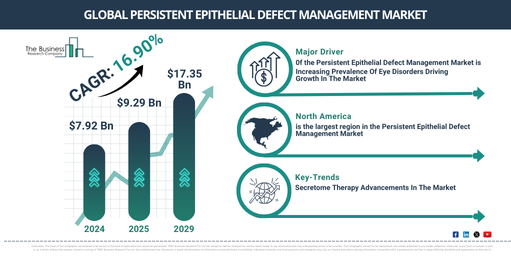
    The market for managing persistent epithelial defects has markedly expanded in the past few years. It is projected to increase from $7.92 billion in 2024 to $9.29 billion in 2025, exhibiting a compound annual growth rate (CAGR) of 17.3%. The historical growth is primarily due to factors such as enhanced research initiatives, greater hospital demand, an upward trend in ocular surface disorders and eye diseases, coupled with an aging population._x000D_

    _x000D_

    The market for managing persistent epithelial defects is predicted to experience accelerated expansion in the upcoming years, reaching a value of $17.35 billion in 2029 with a compound annual growth rate (CAGR) of 16.9%. The amplification in this predicted timeframe is ascribed to escalated partnerships and cooperations, augmented awareness and education, prioritizing value-based care, and growing incidence of health conditions such as diabetes and hypertension as well as early detection and management. Significant trends in this forecast period encompass technological progress, surging demand for creative treatment types, evolved treatment modalities, access to cutting-edge surgical tools and techniques, and inventive drugs._x000D_

    _x000D_

    #Download a free sample to assess the report’s scope and structure:#_x000D_

    https://www.thebusinessresearchcompany.com/sample.aspx?id=21256&type=smp_x000D_

    _x000D_

    #What Are the Core Growth Drivers Propelling the Persistent Epithelial Defect Management Market Forward?#_x000D_

    The expanding occurrence of eye disorders is anticipated to drive the persistent epithelial defect management market growth. Eye disorders encompass a wide array of health issues impacting the structure, function, or condition of the eyes, resulting in vision deterioration, unease, or potential blindness. The occurrence of eye disorders is influenced by aging populations, extended digital screen usage, and changes in the environment. Management of persistent epithelial defects is crucial in addressing eye disorders as it facilitates the healing process, reduces inflammation, and prevents potential complications like infection or scarring. For example, the World Health Organization, a Swiss intergovernmental organization, reported in December 2024 that the overall pooled prevalence of childhood myopia had a rate of 5.23% in 2023, with a sharply higher rate in females (4.90%) as compared to males (3.94%). Consequently, the burgeoning occurrence of eye disorders is fuelling the growth of the persistent epithelial defect management market. The Increasing Number of Eye Surgeries Influencing Market Growth_x000D_

    _x000D_

    #What Segment Types Define the Persistent Epithelial Defect Management Market Structure?#_x000D_

    The persistent epithelial defect management market covered in this report is segmented –_x000D_

    _x000D_

    1) By Disease Type: Epithalial Or Limbal, Inflammatory Disease, Neurotrophic Disease, Other Disease Types_x000D_

    2) By Distribution Channel: Direct Sales, Online Pharmacy, Retail Pharmacy, Hospitals_x000D_

    3) By End User: Hospital Or Clinical Laboratories, Physician Offices, Reference Laboratories, Other End Users_x000D_

    _x000D_

    Subsegments:_x000D_

    1) By Epithelial Or Limbal: Limbal Stem Cell Deficiency (LSCD), Limbal Transplantation, Conjunctival Transplantation_x000D_

    2) By Inflammatory Disease: Dry Eye Syndrome, Allergic Conjunctivitis, Uveitis_x000D_

    3) By Neurotrophic Disease: Herpes Simplex Virus (HSV) Keratitis, Diabetic Neuropathy, Neurotrophic Keratopathy_x000D_

    4) By Other Disease Types: Chemical Burns, Trauma-Induced Defects, Congenital Corneal Opacities_x000D_

    _x000D_

    #Request customized data on this market:#_x000D_

    https://www.thebusinessresearchcompany.com/customise?id=21256&type=smp_x000D_

    _x000D_

    #Which Geographic Areas Hold the Strongest Growth Potential in the Persistent Epithelial Defect Management Market?#_x000D_

    North America was the largest region in the persistent epithelial defect management market in 2024. Asia-Pacific is expected to be the fastest-growing region in the forecast period. The regions covered in the persistent epithelial defect management market report are Asia-Pacific, Western Europe, Eastern Europe, North America, South America, Middle East, Africa._x000D_

    _x000D_

    #Which Emerging Trends that Are Influencing thePersistent Epithelial Defect Management Industry Evolution?#_x000D_

    Leading firms in the persistent epithelial defect management market are focusing on inventing new therapies, like secretome therapy, to expedite recovery and enhance the efficacy of treatment for persistent epithelial defects. Secretome therapy involves the use of bioactive molecules, including proteins, lipids, and extracellular vesicles that cells secrete, which aids in tissue repair, immune response modulation, and the treatment of various ailments. In an example from April 2023, U.S.-based biopharmaceutical firm Kala Pharmaceuticals Inc. obtained a U.S. Food and Drug Administration (FDA) Fast Track Designation for KPI-012, a human MSC-S therapy targeted at persistent corneal epithelial defects. The drug utilizes a multi-faceted approach aimed to tackle all root causes of persistent epithelial defect management, enhancing corneal recovery through the use of bioactive molecules such as growth factors, protease inhibitors, and neurotrophic factors._x000D_

    _x000D_

    #View the full report here:#_x000D_

    https://www.thebusinessresearchcompany.com/report/persistent-epithelial-defect-management-global-market-report_x000D_

    _x000D_

    #What Is the Definition of the Persistent Epithelial Defect Management Market?#_x000D_

    Persistent Epithelial Defect (PED) Management refers to the medical strategies used to promote corneal healing in cases where the corneal epithelium fails to regenerate and close within two weeks despite standard treatment. It involves identifying and addressing underlying causes using therapeutic approaches such as lubricating eye drops, autologous serum tears, amniotic membrane transplantation, bandage contact lenses, and biologic therapies to facilitate epithelial healing and prevent corneal complications like ulcers or perforation._x000D_

    _x000D_

    #Purchase the full report and get a swift delivery:#_x000D_

    https://www.thebusinessresearchcompany.com/purchaseoptions.aspx?id=21256_x000D_

    _x000D_

    #About The Business Research Company:#_x000D_

    With over 15000+ reports from 27 industries covering 60+ geographies, The Business Research Company has built a reputation for offering comprehensive, data-rich research and insights. Armed with 1,500,000 datasets, the optimistic contribution of in-depth secondary research, and unique insights from industry leaders, you can get the information you need to stay ahead in the game._x000D_

    _x000D_

    #Get in touch with us:#_x000D_

    The Business Research Company: https://www.thebusinessresearchcompany.com/_x000D_

    Americas +1 3156230293_x000D_

    Asia +44 2071930708_x000D_

    Europe +44 2071930708_x000D_

    Email us at info@tbrc.info_x000D_

    _x000D_

    #Follow us on:#_x000D_

    _x000D_

    LinkedIn: https://in.linkedin.com/company/the-business-research-company_x000D_

    YouTube: https://www.youtube.com/channel/UC24_fI0rV8cR5DxlCpgmyFQ_x000D_

    Global Market Model: https://www.thebusinessresearchcompany.com/global-market-model

  • Emerging Growth Drivers in the Cardiac Tissue Engineering Market Landscape: Rising Cardiovascular Disease Rates Boost The Market Growth

    Emerging Growth Drivers in the Cardiac Tissue Engineering Market Landscape: Rising Cardiovascular Disease Rates Boost The Market Growth

    Our market reports now include the latest updates on global tariffs, trade impacts, and evolving supply chain dynamics.

    What Are the Key Projections for the CAGR of the Cardiac Tissue Engineering Market Size From 2025 to 2034?

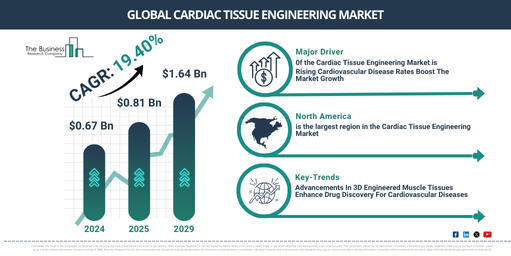
    In the recent times, the cardiac tissue engineering market has seen swift expansion. The market size is projected to escalate from $0.67 billion in 2024 to $0.81 billion in 2025, experiencing a Compound Annual Growth Rate (CAGR) of 19.7%. This significant increase during the historic phase is due to factors such as the shortage of organ donors, rise in cardiovascular disease prevalence, advancements in biomaterials, escalating investments in regenerative medicine, the demand for individually tailored medicine, improvements in bioreactor systems, augmented government funding for bio-medical research, and a growing emphasis on minimally invasive treatments.

    The market size of cardiac tissue engineering is projected to undergo a swift expansion in the forthcoming years, reaching a value of $1.64 billion in 2029, with a compound annual growth rate (CAGR) of 19.4%. This surge during the forecast period can be credited to a rising demand for personalized cardiac therapies, an increased emphasis on bioengineered heart tissues, the wide-ranging applications of regenerative medicine, growing partnerships between biotech companies and academics, augmented investment in preclinical testing platforms, and a rising incidence of chronic heart illnesses. Notable trends for the forecast period encompass AI’s incorporation into tissue engineering, developments in scaffolds based on nanotechnology, advancements in biodegradable hydrogels, strides in precision of 3D bioprinting, the employment of bioreactors for tissue maturation, and the usage of gene editing for enhancing cardiac cells.

    Download a free sample to assess the report’s scope and structure:

    https://www.thebusinessresearchcompany.com/sample.aspx?id=21129&type=smp

    Which Primay Drivers Are Accelerating Growth in the Cardiac Tissue Engineering Market?

    The escalating prevalence of heart-related illnesses is projected to spur the expansion of the cardiac tissue engineering market in the future. The interdisciplinary domain of cardiac tissue engineering is committed to creating biological or bioengineered structures to heal, regenerate, and replace damaged cardiac tissue. The surge in heart-related diseases is chiefly attributed to detrimental lifestyle habits such as unhealthy diet, lack of physical activity, smoking, along with growing obesity and diabetes rates. Cardiac tissue engineering employs the development of biomaterials, cell-based treatments, and bioengineered tissues to mend or regenerate injured heart muscle, ultimately restoring cardiac function. For instance, in May 2023, the Centers for Disease Control and Prevention, a US government agency, reported a slight rise in the percentage of coronary heart disease in women aged 18 and above, from 3.6% in 2022 to 3.7% in 2023. Therefore, the increasing prevalence of cardiovascular diseases is fueling the advancement of the cardiac tissue engineering market.

    Which Primary Segments of the Cardiac Tissue Engineering Market Are Driving Growth and Industry Transformations?

    The cardiac tissue engineering market covered in this report is segmented –

    1) By Product: Heart Valves, Vascular Grafts

    2) By Material: Stem Cells, Scaffolds

    3) By Application: Myocardial Infarction, Heart Valve Repair Or Replacement, Congenital Heart Disease Treatment, Other Applications

    4) By End Users: Hospitals And Clinics, Academic And Research Institutes, Other End Users

    Subsegments:

    1) By Heart Valves: Bioprosthetic Heart Valves, Mechanical Heart Valves, Tissue-Engineered Heart Valves

    2) By Vascular Grafts: Synthetic Vascular Grafts, Biologic Vascular Grafts, Tissue-Engineered Vascular Grafts

    Request customized data on this market:

    https://www.thebusinessresearchcompany.com/customise?id=21129&type=smp

    Which Regions Are Key Players in the Growth of the #Which Primay Drivers Are Accelerating Growth in the Cardiac Tissue Engineering Market?# Market?

    North America was the largest region in the cardiac tissue engineering market in 2024. The regions covered in the cardiac tissue engineering market report are Asia-Pacific, Western Europe, Eastern Europe, North America, South America, Middle East, Africa.

    Which Technological Trends Are Reshaping the Cardiac Tissue Engineering Industry Dynamics?

    Major corporations in the cardiac tissue engineering market are sharpening their focus on advancing technology, including 3D-engineered muscle tissues, to bolster precision and productivity in drug discovery for efficient cardiovascular disease treatments. These 3D-engineered muscle tissues are bioengineered constructs that imitate human muscle’s structural and functional attributes, typically employed for drug testing and disease simulation. For instance, in July 2022, US-based biotech firm Curi Bio Inc., rolled out the Mantarray platform for thorough analysis of human-relevant 3D heart and skeletal engineered muscle tissue (EMT) contractility. The platform, through its state-of-the-art tissue culture techniques, forms highly functional muscle tissues resembling the mechanical features and demeanor of natural muscle—providing a more accurate model for drug testing. This technology aims at bolstering therapeutic solutions’ development by enabling researchers to examine muscle contraction, stimulus response, and disease modeling at a microscopic level.

    View the full report here:

    https://www.thebusinessresearchcompany.com/report/cardiac-tissue-engineering-global-market-report

    What Parameters Are Used to Define the Cardiac Tissue Engineering Market?

    Cardiac tissue engineering refers to the use of advanced biomedical techniques to develop functional heart tissue that can repair or regenerate damaged heart muscles. It involves combining cells, biomaterials, and bioactive factors to create engineered tissues that can restore cardiac function or aid in heart disease treatment.

    Purchase the full report and get a swift delivery:

    https://www.thebusinessresearchcompany.com/purchaseoptions.aspx?id=21129

    About The Business Research Company:

    With over 15000+ reports from 27 industries covering 60+ geographies, The Business Research Company has built a reputation for offering comprehensive, data-rich research and insights. Armed with 1,500,000 datasets, the optimistic contribution of in-depth secondary research, and unique insights from industry leaders, you can get the information you need to stay ahead in the game.

    Get in touch with us:

    The Business Research Company: https://www.thebusinessresearchcompany.com/

    Americas +1 3156230293

    Asia +44 2071930708

    Europe +44 2071930708

    Email us at info@tbrc.info

    Follow us on:

    LinkedIn: https://in.linkedin.com/company/the-business-research-company

    YouTube: https://www.youtube.com/channel/UC24_fI0rV8cR5DxlCpgmyFQ

    Global Market Model: https://www.thebusinessresearchcompany.com/global-market-model
  • Emerging Trends Redefining the Eczema Market Landscape: Innovative Digital Tools Transforming Healthcare Delivery

    Emerging Trends Redefining the Eczema Market Landscape: Innovative Digital Tools Transforming Healthcare Delivery

    Our market reports now include the latest updates on global tariffs, trade impacts, and evolving supply chain dynamics.

    What is the Anticipated CAGR of the eHealth Market, and What Factors Will Drive It?

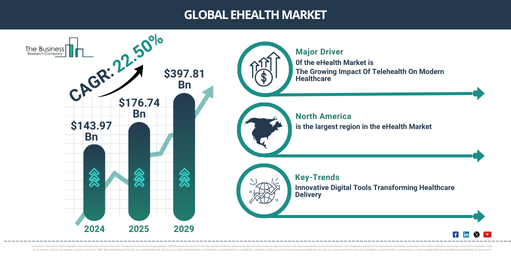
    In the past few years, the eHealth market has seen explosive growth. It is projected to expand from $143.97 billion in 2024 to $176.74 billion in 2025, with a compound annual growth rate (CAGR) of 22.8%. The significant growth throughout the historical phase is due to factors such as the widespread availability of the internet, increased usage of smartphones, escalating healthcare expenses, various governmental programs, and the rising need for remote monitoring.

    Expectations are high for the eHealth market size, which is set to undergo significant expansion in the coming years. It is projected to reach $397.81 billion by 2029, with a Compound Annual Growth Rate (CAGR) of 22.5%. This anticipated growth during the forecast period can be credited to various factors such as the rise in chronic diseases, an aging population, the emphasis on personalized medicine, the expansion of remote patient monitoring, and the inclusion of AI in diagnostics. Key trends anticipated during the forecast period incorporate the enhancement of telemedicine infrastructure, the creativity in AI-enhanced diagnostics, the progress in digital health records, the proliferation of intelligent medical devices, and the improvement in eHealth’s cybersecurity.

    Download a free sample to assess the report’s scope and structure:

    https://www.thebusinessresearchcompany.com/sample.aspx?id=21180&type=smp

    What Are the Core Market Drivers Propelling Growth in the eHealth Industry?

    The growth of the eHealth market is projected to be accelerated by the increasing use of telehealth. Telehealth encompasses the application of digital communication technologies to deliver remote healthcare services, including consulting, monitoring, and providing medical education. The factors propelling the increased use of telehealth are its accessibility, convenience, cost-effectiveness, and technological advancement. Telehealth is further enhanced by eHealth through facilitating remote patient observation, virtual consultations, and effortless accessibility to digital health records, contributing to better healthcare provision. For example, in a survey by Rock Health, a US-based health technology company, in February 2023, out of 8,014 respondents, 76% of individuals older than 55 have utilized telemedicine, and 80% of all respondents have received care via telemedicine at some point, demonstrating an increase of 8% from 72% in 2021. Therefore, the increased use of telehealth is stimulating the expansion of the eHealth market.

    How Is the eHealth Market Segmented?

    The ehealth market covered in this report is segmented –

    1) By Type: eHealth Solutions, eHealth Services

    2) By Component: Electronic Health Records, e-Prescribing, Clinical Decision Support Systems, Telemedicine, Other Components

    3) By Deployment: On-premise, Cloud-based

    4) By End User: Healthcare Providers, Payers, Healthcare Consumers, Other End-Users

    Subsegments:

    1) By eHealth Solutions: Electronic Health Records (EHR), Telemedicine And Telehealth Solutions, Health Information Systems (HIS), Mobile Health Applications (mHealth), Remote Monitoring Solutions

    2) By eHealth Services: Telemedicine Services, eConsultation And Virtual Care, Health Data Analytics Services, Health IT Support Services, eHealth Consulting Services

    Request customized data on this market:

    https://www.thebusinessresearchcompany.com/customise?id=21180&type=smp

    Which Regions Are Driving the Next Phase of the eHealth Market Growth?

    North America was the largest region in the eHealth market in 2024. Asia-Pacific is expected to be the fastest-growing region in the forecast period. The regions covered in the ehealth market report are Asia-Pacific, Western Europe, Eastern Europe, North America, South America, Middle East, Africa.

    What Key Market Trends and Innovations Are Shaping the Future of the eHealth Industry?

    Key players in the eHealth market are concentrating their efforts on the development of cutting-edge products such as electronic medical record (EMR) systems. These systems are designed to advance patient data handling, increase healthcare effectiveness and simplify clinical processes. An EMR system is an electronic medium that looks after, organizes and recalls patients’ medical histories, diagnoses, therapies, and other medical data within a medical institution. For example, in April 2024, eHealth Solutions Ltd, a UK-based medical IT firm, debuted its groundbreaking EMR system, EMRpro, specifically constructed for private medical firms. This avant-garde healthcare IT solution seeks to transform clinical effectiveness and patient management, taking healthcare technology to new heights. The EMRpro incorporates progressive features that improve medical workflows and care provision and differentiates from conventional EMR systems by putting clinical operation over administrative duties. EMRpro’s contemporary, cloud-based foundation further exemplifies this push for innovation in healthcare technology.

    View the full report here:

    https://www.thebusinessresearchcompany.com/report/ehealth-global-market-report

    How Is the eHealth Market Defined and What Are Its Core Parameters?

    eHealth (electronic health) refers to the use of digital technologies and electronic systems to manage healthcare services and information. It enhances communication, efficiency, and accessibility in healthcare delivery. eHealth includes digital solutions for patient care, administration, and decision-making. It supports healthcare providers, consumers, and stakeholders in improving health outcomes.

    Purchase the full report and get a swift delivery:

    https://www.thebusinessresearchcompany.com/purchaseoptions.aspx?id=21180

    About The Business Research Company:

    With over 15000+ reports from 27 industries covering 60+ geographies, The Business Research Company has built a reputation for offering comprehensive, data-rich research and insights. Armed with 1,500,000 datasets, the optimistic contribution of in-depth secondary research, and unique insights from industry leaders, you can get the information you need to stay ahead in the game.

    Get in touch with us:

    The Business Research Company: https://www.thebusinessresearchcompany.com/

    Americas +1 3156230293

    Asia +44 2071930708

    Europe +44 2071930708

    Email us at info@tbrc.info

    Follow us on:

    LinkedIn: https://in.linkedin.com/company/the-business-research-company

    YouTube: https://www.youtube.com/channel/UC24_fI0rV8cR5DxlCpgmyFQ

    Global Market Model: https://www.thebusinessresearchcompany.com/global-market-model
  • Global Peripheral T-Cell Lymphoma Market Projected to Reach $0.78 Billion by 2029 at a CAGR of 5.6%

    Global Peripheral T-Cell Lymphoma Market Projected to Reach $0.78 Billion by 2029 at a CAGR of 5.6%

    Our market reports now include the latest updates on global tariffs, trade impacts, and evolving supply chain dynamics.

    #How Has The Peripheral T-Cell Lymphoma Market Size Shifted, And What Is the Outlook Through 2034?#_x000D_

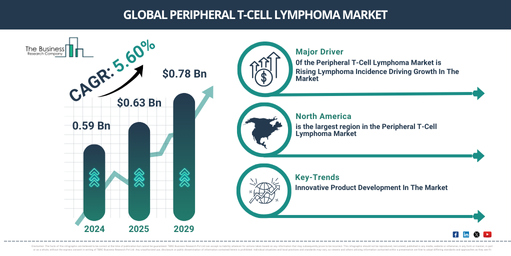
    The market for peripheral T-cell lymphoma has witnessed a substantial growth in the last few years. The market size is anticipated to escalate from $0.59 billion in 2024 to $0.63 billion in 2025, showcasing a compound annual growth rate (CAGR) of 5.9%. Factors contributing to the growth during the historic period include increased awareness of rare lymphomas, the advent of monoclonal antibodies, initial orphan drug designations, advancements in hematologic cancer research, a rise in stem cell transplant acceptance, enhancement in diagnostic precision, growth of oncology healthcare infrastructure, and initial innovations in immunotherapy._x000D_

    _x000D_

    Expectations are high for the peripheral T-cell lymphoma market, with substantial growth anticipated over the coming years. The market is projected to escalate to $0.78 billion by 2029, expanding at a compound annual growth rate (CAGR) of 5.6%. Factors like the progression in targeted therapies, surge in personalized medicine implementation, expansion in immunotherapy bearings, robust innovative medication pipeline, increased healthcare capital in emerging markets, broadened patient access programs, artificial intelligence incorporated diagnostics, imposing regulatory rewards for orphan drugs and the amplified attention on combination therapies are all contributing to this growth. Noteworthy trends for the forecasted period incorporate the creation of novel biologics, advancements in gene altering technologies, the utilization of liquid biopsy diagnostics, the incorporation of artificial intelligence in planning treatment, breakthroughs in CAR-T cell therapy, next-generation sequencing advancements, nanotechnology use in drug delivery, custom vaccine advancements, the coming of bispecific antibodies and automation being introduced into clinical trial processes._x000D_

    _x000D_

    #Download a free sample to assess the report’s scope and structure:#_x000D_

    https://www.thebusinessresearchcompany.com/sample.aspx?id=21255&type=smp_x000D_

    _x000D_

    #What are the Fundamental Drivers and Innovations Shaping the Peripheral T-Cell Lymphoma Market?#_x000D_

    The peripheral T-cell lymphoma market is expected to experience significant growth, primarily driven by the increasing incidence of lymphoma. Lymphoma is a cancer that starts in the lymphatic system, an integral component of the body’s defense mechanism. The heightened prevalence of lymphoma can be linked to genetic factors, environmental influences, certain viral infections like the Epstein-Barr virus, issues with immune deficiency, and lifestyle elements such as smoking and obesity. Peripheral T-cell lymphoma (PTCL), which arises from mature T-cells, exacerbates lymphoma progression with its aggressive nature, immune system disruption, and decreased response to treatment relative to other lymphoma variants. As an example, recent data provided by the American Cancer Society Facts and Figures, a professional organization based in the US, indicates that the projected new non-Hodgkin lymphoma cases totalled 80,550 in 2023 and remained the same in 2024. Consequently, the escalating incidence of lymphoma is fuelling the expansion of the peripheral T-cell lymphoma market._x000D_

    _x000D_

    #How Is the Peripheral T-Cell Lymphoma Market Segmented?#_x000D_

    The peripheral T-cell lymphoma market covered in this report is segmented –_x000D_

    _x000D_

    1) By Type: Peripheral T-Cell Lymphoma Not Otherwise Specified (PTCL-NOS), Angioimmunoblastic T- Cell Lymphoma (AITL), Anaplastic Large Cell Lymphoma (ALCL), Adult T- Cell Leukaemia Or Lymphoma (ATLL), Enteropathy-Associated T- Cell Lymphoma ( EATL), Hepatosplenic T- Cell Lymphoma, Other Types_x000D_

    2) By Treatment Type: Chemotherapy, Target Therapy, Immunotherapy, Stem Cell Therapy, Radiation Therapy_x000D_

    3) By Drug Class: Histone Deacetylase (HDAC) Inhibitors, Monoclonal Antibodies, Alkylating Angents, Antimetabolites, Other Drug Class_x000D_

    4) By Route Of Administration: Oral, Injectable_x000D_

    5) By End-User: Hospitals, Specialty Clinics, Ambulatory Surgical Center, Research Institute_x000D_

    _x000D_

    Subsegments:_x000D_

    1) By Peripheral T-Cell Lymphoma Not Otherwise Specified (PTCL-NOS): Cutaneous PTCL, Systemic PTCL_x000D_

    2) By Angioimmunoblastic T-Cell Lymphoma (AITL): Classical AITL, Variant AITL_x000D_

    3) By Anaplastic Large Cell Lymphoma (ALCL): Systemic ALCL, Cutaneous ALCL_x000D_

    4) By Adult T-Cell Leukaemia Or Lymphoma (ATLL): Acute ATLL, Chronic ATLL, Smoldering ATLL, Lymphoma Type ATLL_x000D_

    5) By Enteropathy-Associated T-Cell Lymphoma (EATL): Type 1 EATL, Type 2 EATL_x000D_

    6) By Hepatosplenic T-Cell Lymphoma: Hepatic Type, Splenic Type_x000D_

    7) By Other Types: Subcutaneous T-Cell Lymphoma, Lymphomatoid Granulomatosis_x000D_

    _x000D_

    #Request customized data on this market:#_x000D_

    https://www.thebusinessresearchcompany.com/customise?id=21255&type=smp_x000D_

    _x000D_

    #Which Regions Are Driving the Next Phase of the Peripheral T-Cell Lymphoma Market Growth?#_x000D_

    North America was the largest region in the peripheral T-cell lymphoma market in 2024. Asia-Pacific is expected to be the fastest-growing region in the forecast period. The regions covered in the peripheral T-cell lymphoma market report are Asia-Pacific, Western Europe, Eastern Europe, North America, South America, Middle East, Africa._x000D_

    _x000D_

    #What Key Trends Are Shaping the Future of the Peripheral T-Cell Lymphoma Market?#_x000D_

    Leading firms in the peripheral T-cell lymphoma market are concentrating their efforts to produce unique products like dihydrofolate reductase inhibitors, in order to enhance the effectiveness of treatment and better patient results. A dihydrofolate reductase inhibitor represents a category of drugs that inhibit the dihydrofolate reductase enzyme action crucial for DNA synthesis and cell replication. For example, in December 2024, Fresenius Kabi AG, a pharmaceutical company based in Germany, launched Pralatrexate Injection which serves as a generic alternative to Folotyn to treat relapsed or refractory peripheral T-cell lymphoma. This product launch enriches the company’s oncology range, offering high-quality, affordable treatment choice to healthcare providers and patients. The injection comes in 20 mg/1 mL and 40 mg/2 mL single-dose vials and is fast-tracked based on overall response rate, but requires confirmatory trials for continued approval._x000D_

    _x000D_

    #View the full report here:#_x000D_

    https://www.thebusinessresearchcompany.com/report/peripheral-t-cell-lymphoma-global-market-report_x000D_

    _x000D_

    #How Is the Peripheral T-Cell Lymphoma Market Defined and What Are Its Core Parameters?#_x000D_

    Peripheral T-cell lymphoma (PTCL) refers to a group of aggressive non-Hodgkin lymphomas that originate in mature T-cells, a type of white blood cell essential for immune function. PTCL can affect lymph nodes, spleen, bone marrow, liver, and other organs. Symptoms often include swollen lymph nodes, fever, night sweats, unexplained weight loss, skin rashes, and persistent fatigue._x000D_

    _x000D_

    #Purchase the full report and get a swift delivery:#_x000D_

    https://www.thebusinessresearchcompany.com/purchaseoptions.aspx?id=21255_x000D_

    _x000D_

    #About The Business Research Company:#_x000D_

    With over 15000+ reports from 27 industries covering 60+ geographies, The Business Research Company has built a reputation for offering comprehensive, data-rich research and insights. Armed with 1,500,000 datasets, the optimistic contribution of in-depth secondary research, and unique insights from industry leaders, you can get the information you need to stay ahead in the game._x000D_

    _x000D_

    #Get in touch with us:#_x000D_

    The Business Research Company: https://www.thebusinessresearchcompany.com/_x000D_

    Americas +1 3156230293_x000D_

    Asia +44 2071930708_x000D_

    Europe +44 2071930708_x000D_

    Email us at info@tbrc.info_x000D_

    _x000D_

    #Follow us on:#_x000D_

    _x000D_

    LinkedIn: https://in.linkedin.com/company/the-business-research-company_x000D_

    YouTube: https://www.youtube.com/channel/UC24_fI0rV8cR5DxlCpgmyFQ_x000D_

    Global Market Model: https://www.thebusinessresearchcompany.com/global-market-model

  • Tendinopathy Market Overview 2025–2034: CAGR Trends, Long-Term Growth Paths, and Business Implications

    Get 30% off on our Global Market Reports with code ONLINE30 – Hurry, limited time offer!

    What Is the Current and Projected Market Size of the Tendinopathy Market Through 2034?

    The market for tendinopathy has significantly expanded in recent years. The market size is projected to rise from $12.63 billion in 2024 to an estimated $13.32 billion in 2025, achieving a compound annual growth rate (CAGR) of 5.5%. This historic growth has been propelled by an increase in sports-related injuries, as well as a growing aged population. The heightened awareness of musculoskeletal disorders, broader access to physical therapy services, and increased worldwide healthcare spending have also contributed to the market’s growth.

    Anticipations are high for a significant upswing in the tendinopathy market within the next few years. It’s forecasted to burgeon to a robust $16.35 billion by 2029, with a compound annual growth rate (CAGR) hitting 5.3%. This spurt during the forecast period could be linked to a surge in active participation in sports and fitness regimes, a burgeoning elderly population, rising consciousness about the necessity of early intervention in tendon injuries, more accessibility to minimally invasive therapy options, growth in healthcare facilities, and increased utilization of wearable technology for monitoring of musculoskeletal health. The trajectory through the forecast duration also signals major trends such as embracement of regenerative therapies, creation of biological substances for tendon restorations, progress in minimally invasive surgical methodologies, enhancements in wearable technology for fostering rehabilitation monitoring, novelty in pain management compounds, and inclusion of AI-enabled diagnostic instruments.

    Download a free sample to assess the report’s scope and structure:

    https://www.thebusinessresearchcompany.com/sample.aspx?id=23538&type=smp

    What Are the Primary Drivers Supporting the Market Growth of the Tendinopathy Market?

    The tendinopathy market is expected to see accelerated growth as the prevalence of sports injuries rises. These injuries, spanning minor strains and sprains to significant fractures or dislocations, occur during physical exercise or other sports activities. The spike in these injuries is largely attributed to early-stage rigorous training and competition, subjecting underdeveloped muscles and joints to extreme stress. This undue stress leads to tendinopathy as it exposes tendons to repeated pressure or abrupt overload, instigating microscopic tears, inflammation, and deterioration over time. For example, Howden Group Holdings Ltd, a UK-based insurance broker, reported in November 2023 that the graveness of ankle injuries escalated by 170% from October 2022 to January 2023 in the English Premier League. In the same period, injuries to calves/shins and hamstrings increased by 200% and 130% respectively, tracing back to the 2022 FIFA World Cup in Qatar. Consequently, the surge in sports injuries is fueling the expansion of the tendinopathy market.

    Which Primary Segments of the Tendinopathy Market Are Driving Growth and Industry Transformations?

    The tendinopathy market covered in this report is segmented –

    1) By Type: Achilles Tendinopathy, Rotator Cuff Tendinopathy, Lateral Epicondylitis (Tennis Elbow), Patellar Tendinopathy, Other Types

    2) By Treatment Type: Therapy, Medication, Surgical Treatment, Regenerative Medicine

    3) By Route Of Administration: Oral, Topical, Injectable

    4) By End User: Hospitals, Clinics, Ambulatory Surgical Centers, Rehabilitation Centers

    Subsegments:

    1) By Achilles Tendinopathy: Insertional Achilles Tendinopathy, Non-insertional Achilles Tendinopathy

    2) By Rotator Cuff Tendinopathy: Supraspinatus Tendinopathy, Infraspinatus Tendinopathy, Subscapularis Tendinopathy, Teres Minor Tendinopathy

    3) By Lateral Epicondylitis (Tennis Elbow): Tendon Overuse Injuries, Tendon Degeneration Injuries

    4) By Patellar Tendinopathy: Proximal Patellar Tendinopathy, Distal Patellar Tendinopathy

    5) By Other Types: De Quervain’s Tenosynovitis, Peroneal Tendinopathy, Flexor Tendinopathy, Extensor Tendinopathy

    Request customized data on this market:

    https://www.thebusinessresearchcompany.com/customise?id=23538&type=smp

    Which Regions Are Key Players in the Growth of the Tendinopathy Market?

    North America was the largest region in the tendinopathy market in 2024. The regions covered in the tendinopathy market report are Asia-Pacific, Western Europe, Eastern Europe, North America, South America, Middle East, Africa.

    What Key Market Trends and Innovations Are Shaping the Future of the Tendinopathy Industry?

    Key businesses within the tendinopathy market are prioritizing the innovation of technologically superior goods, such as bioinductive implants, to speed up healing, promote tendon reconstruction, and decrease recuperation time. The bioinductive implant is a revolutionary medical tool that spurs the body’s natural healing mechanism by triggering growth of new tissue similar to tendon, thereby enhancing the success rate of tendon repair. For example, Smith+Nephew, a medical tech firm based in the UK, premiered the REGENETEN Bioinductive Implant in India in July 2023. This collagen-infused device transforms tendon repair by facilitating biological healing through the promotion of new tissue development at the injury site, notably in rotator cuff repair. The implant’s primary selling point is its minimally invasive application, which lets orthopedic surgeons reinforce the tendon biologically without changing the established surgical method, providing a faster, safer, and more efficient treatment route for tendinopathy sufferers.

    View the full report here:

    https://www.thebusinessresearchcompany.com/report/tendinopathy-global-market-report

    What Parameters Are Used to Define the Tendinopathy Market?

    Tendinopathy refers to a condition that affects the tendons, causing pain, swelling, and reduced movement or strength. It is usually caused by repetitive stress or overuse and involves the deterioration of tendon tissue rather than acute inflammation.

    Purchase the full report and get a swift delivery:

    https://www.thebusinessresearchcompany.com/purchaseoptions.aspx?id=23538

    About The Business Research Company:

    With over 15000+ reports from 27 industries covering 60+ geographies, The Business Research Company has built a reputation for offering comprehensive, data-rich research and insights. Armed with 1,500,000 datasets, the optimistic contribution of in-depth secondary research, and unique insights from industry leaders, you can get the information you need to stay ahead in the game.

    Get in touch with us:

    The Business Research Company: https://www.thebusinessresearchcompany.com/

    Americas +1 3156230293

    Asia +44 2071930708

    Europe +44 2071930708

    Email us at info@tbrc.info

    Follow us on:

    LinkedIn: https://in.linkedin.com/company/the-business-research-company

    YouTube: https://www.youtube.com/channel/UC24_fI0rV8cR5DxlCpgmyFQ

    Global Market Model: https://www.thebusinessresearchcompany.com/global-market-model
  • Strategic Growth Drivers Shaping the Cardiac Amyloidosis Market Outlook 2025- 2034:Impact Of The Growing Geriatric Population On The Market

    Strategic Growth Drivers Shaping the Cardiac Amyloidosis Market Outlook 2025- 2034:Impact Of The Growing Geriatric Population On The Market

    Our market reports now include the latest updates on global tariffs, trade impacts, and evolving supply chain dynamics.

    How Has The Cardiac Amyloidosis Market Growth Evolved From 2024 To 2025, And What’s Ahead?

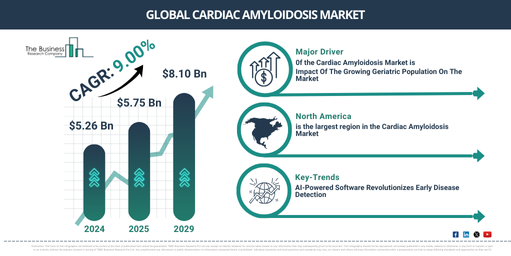
    Strong growth has been observed in the cardiac amyloidosis market size in recent years. It is estimated to expand from $5.26 billion in 2024 to $5.75 billion in 2025, with a compound annual growth rate (CAGR) of 9.2%. Factors influencing this historic growth include an increase in the prevalence of conditions related to amyloidosis, a rise in genetic mutations, improved awareness, an increase in cases of transthyretin amyloidosis, and a growing elderly population.

    The market for cardiac amyloidosis is projected to experience robust expansion in the coming years. By 2029, it is anticipated to reach a worth of $8.10 billion, with a compound annual growth rate (CAGR) of 9.0%. This market growth during the forecast period can be credited to factors such as enhanced diagnostic rates, governmental assistance and strategic actions, an increase in genetic mutation prevalence, and programs designed specifically for patients. The upcoming trend for this market will feature the development of innovative therapies including vulrisiran, increased investigation in gene therapy, a push towards precision medicine, progression in diagnostic tools, and the creation of unique treatments.

    Download a free sample to assess the report’s scope and structure:

    https://www.thebusinessresearchcompany.com/sample.aspx?id=21128&type=smp

    Which Factors and External Forces Are Driving Demand in the Cardiac Amyloidosis Market?

    The cardiac amyloidosis market’s growth is anticipated to be driven by the rising elderly population. This refers to those aged 65 and over, who often require certain types of healthcare and support due to the effects of aging. The increase in this population segment can be attributed to longer life expectancy, healthcare improvements, and a decrease in birth rates. Consequently, the chances of cardiac amyloidosis occurrence rise as aging presents a significant risk factor for the accumulation of amyloid protein in the heart. For example, the Population Reference Bureau, a nonprofit organization based in the US, projected in January 2024 that the number of US residents aged 65 and older will boost from 58 million in 2022 to 82 million in 2050, reflecting a 47% surge. This growth in the elderly population will, therefore, likely stimulate the cardiac amyloidosis market.

    Which Segments in the Cardiac Amyloidosis Offer the Most Growth?

    The cardiac amyloidosis market covered in this report is segmented –

    1) By Product Type: Light Chain Amyloidosis, Transthyretin Amyloidosis

    2) By Treatment: Chemotherapy, Surgery, Supportive Care, Stem Cell Transplant, Targeted Therapy

    3) By End-User: Hospitals, Ambulatory Surgical Centres, Clinics

    Subsegments:

    1) By Light Chain Amyloidosis: Immunoglobulin Light Chain (AL) Amyloidosis, Primary Light Chain Amyloidosis, Secondary Light Chain Amyloidosis

    2) By Transthyretin Amyloidosis: Hereditary Transthyretin Amyloidosis (ATTRm), Wild-type Transthyretin Amyloidosis (ATTRwt)

    Request customized data on this market:

    https://www.thebusinessresearchcompany.com/customise?id=21128&type=smp

    What Are the Fastest-Growing Geographies in the #Which Factors and External Forces Are Driving Demand in the Cardiac Amyloidosis Market?# Market?

    North America was the largest region in the cardiac amyloidosis market in 2024. Asia-Pacific is expected to be the fastest-growing region in the forecast period. The regions covered in the cardiac amyloidosis market report are Asia-Pacific, Western Europe, Eastern Europe, North America, South America, Middle East, Africa.

    Which Cutting-Edge Market Trends Are Expected to Drive theCardiac Amyloidosis Market’s Growth?

    Leading firms in the cardiac amyloidosis sector are concentrating on cutting-edge technological advancements, such as diagnostic tools that rely solely on artificial intelligence (AI). These aim to bolster early identification and amplify clinical outcomes for people suffering from this frequently undetected ailment. A medical device that detects cardiac amyloidosis, solely based on AI software, is a diagnostic tool employing AI for echocardiographic image analysis and disease sign identification, eliminating the need for additional hardware or comprehensive clinical data. As an example, in November 2024, the UK-based health tech firm Ultromics Ltd. gained FDA approval for EchoGo Amyloidosis, an AI-utilizing clinical tool, designed for the early detection of cardiac amyloidosis. This device marks the first to achieve marketing authorization in the FDA’s Total Product Lifecycle Advisory Program (TAP). EchoGo Amyloidosis, leveraging AI, probes echocardiograms to diagnose the ailment from a single clip, hence addressing the pressing need for earlier detection before progression unnoticed.

    View the full report here:

    https://www.thebusinessresearchcompany.com/report/cardiac-amyloidosis-global-market-report

    What Are the Key Elements That Define the Cardiac Amyloidosis Market?

    Cardiac amyloidosis is a condition where abnormal amyloid protein deposits in the heart tissue, leading to stiffening and impaired function. This results in heart failure, arrhythmias, and other cardiovascular complications. Early diagnosis and treatment are crucial to managing symptoms and slowing disease progression.

    Purchase the full report and get a swift delivery:

    https://www.thebusinessresearchcompany.com/purchaseoptions.aspx?id=21128

    About The Business Research Company:

    With over 15000+ reports from 27 industries covering 60+ geographies, The Business Research Company has built a reputation for offering comprehensive, data-rich research and insights. Armed with 1,500,000 datasets, the optimistic contribution of in-depth secondary research, and unique insights from industry leaders, you can get the information you need to stay ahead in the game.

    Get in touch with us:

    The Business Research Company: https://www.thebusinessresearchcompany.com/

    Americas +1 3156230293

    Asia +44 2071930708

    Europe +44 2071930708

    Email us at info@tbrc.info

    Follow us on:

    LinkedIn: https://in.linkedin.com/company/the-business-research-company

    YouTube: https://www.youtube.com/channel/UC24_fI0rV8cR5DxlCpgmyFQ

    Global Market Model: https://www.thebusinessresearchcompany.com/global-market-model
  • Eczema Market 2025-2034: Key Highlights, Growth Dynamics, and Emerging Trends

    Eczema Market 2025-2034: Key Highlights, Growth Dynamics, and Emerging Trends

    Our market reports now include the latest updates on global tariffs, trade impacts, and evolving supply chain dynamics.

    What Are the Key Milestones in the Eczema Market’s Growth Trajectory From 2025 To 2034?

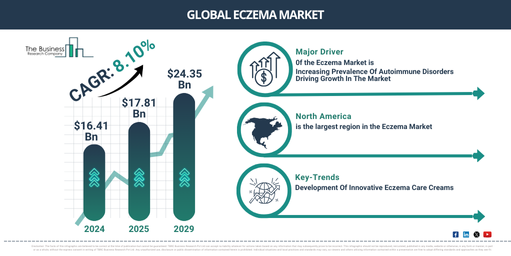
    Over the past few years, the eczema market has seen robust expansion. The market, worth $16.41 billion in 2024, is expected to reach $17.81 billion in 2025, growing at a compound annual growth rate (CAGR) of 8.5%. Factors contributing to this historical growth include heightened occurrence of autoimmune diseases, surge in eczema cases, growing approvals from regulatory bodies, climbing instances of air pollution, and the mounting pressure of allergic reactions.

    Expectations are that the eczema market will experience significant growth in the coming years. The market is predicted to reach $24.35 billion by 2029, a compound annual growth rate (CAGR) of 8.1%. This anticipated growth within the forecast period is attributed to a rise in demand for treatment of atopic dermatitis, increased operational activities, growing awareness about eczema, greater integration of biologics, and wider acceptance of telemedicine platforms. Strategic partnerships, innovative therapies, injectable medication, and individualized medicine are considered to be the major trends within the forecast window.

    Download a free sample to assess the report’s scope and structure:

    https://www.thebusinessresearchcompany.com/sample.aspx?id=21179&type=smp

    Which Primay Drivers Are Accelerating Growth in the Eczema Market?

    The escalating frequency of autoimmune disorders is predicted to drive the expansion of the eczema market. These disorders occur when the body’s immune system mistakenly wages war against its own healthy cells, tissues, or organs, culminating in inflammation and damage. This rise in instances of autoimmune disorders is linked to factors such as genetic vulnerability, environmental influences, infections, modifications in diet and lifestyle elements such as stress and exposure to pollutants. This triggers dysregulated immune responses in autoimmune diseases like psoriasis, lupus, and rheumatoid arthritis, heightening the susceptibility to eczema and other skin conditions marked by inflammation. Take November 2024 for instance, Versorgungsatlas.de, a German organization, reported that in 2022, from a total of 73,241,305 insured people, 6,304,340 were diagnosed with at least a single autoimmune disease, depicting a raw prevalence rate of 8.61%. Consequently, the rising frequency of these autoimmune disorders is stimulating the expansion of the eczema market.

    Which Primary Segments of the Eczema Market Are Driving Growth and Industry Transformations?

    The eczema market covered in this report is segmented –

    1) By Type: Atopic Dermatitis, Contact Dermatitis, Seborrheic Dermatitis, Other Types

    2) By Treatment Type: Topical Treatments, Oral Medications, Biologics, Phototherapy

    3) By Age Group: Children, Adults, Elderly

    4) By End User: Hospitals Or Clinics, Dermatology Centers, Home Care, Pharmacies

    Subsegments:

    1) By Atopic Dermatitis: Topical Steroids, Topical Calcineurin Inhibitors, Moisturizers, Biologic Therapies

    2) By Contact Dermatitis: Topical Steroids, Antihistamines, Topical Immunosuppressants, Wet Compresses

    3) By Seborrheic Dermatitis: Antifungal Creams or Shampoos, Topical Steroids, Medicated Shampoos, Topical Calcineurin Inhibitors

    4) By Other Types: Allergic Dermatitis, Nummular Dermatitis, Neurodermatitis, Dyshidrotic Eczema

    Request customized data on this market:

    https://www.thebusinessresearchcompany.com/customise?id=21179&type=smp

    Which Regions Are Key Players in the Growth of the Which Primay Drivers Are Accelerating Growth in the Eczema Market? Market?

    North America was the largest region in the eczema market in 2024. The regions covered in the eczema market report are Asia-Pacific, Western Europe, Eastern Europe, North America, South America, Middle East, Africa.

    Which Technological Trends Are Reshaping the Eczema Industry Dynamics?

    Primary corporations in the eczema market, including those producing eczema care creams, are directing their efforts towards innovation in order to enhance therapy effectiveness and satisfy the growing need for advanced skincare methods. Eczema care creams, specifically formulated to calm, moisturize, and guard eczema-damaged skin, help alleviate itching, inflammation, and dryness. For example, in September 2024, Dove, a leading personal care brand from the UK, introduced a new Eczema Care line specifically for babies. Products in this line, such as the Baby Dove Eczema Care Soothing Bath Treatment and the Baby Dove Eczema Care Cream, have been carefully designed to cater to infant eczema needs. The products, made with 100% skin-natural nutrients, don’t harm sensitive skin and contain colloidal oatmeal (1.0%) which is a critical component in irritation relief and moisture retention.

    View the full report here:

    https://www.thebusinessresearchcompany.com/report/eczema-global-market-report

    What Parameters Are Used to Define the Eczema Market?

    Eczema is a chronic inflammatory skin condition characterized by redness, itching, dryness, and irritation. It occurs due to genetic and environmental factors, leading to a compromised skin barrier and an overactive immune response. Eczema can affect people of all ages but is more common in children. The condition may present in flare-ups triggered by allergens, irritants, stress, or climate changes.

    Purchase the full report and get a swift delivery:

    https://www.thebusinessresearchcompany.com/purchaseoptions.aspx?id=21179

    About The Business Research Company:

    With over 15000+ reports from 27 industries covering 60+ geographies, The Business Research Company has built a reputation for offering comprehensive, data-rich research and insights. Armed with 1,500,000 datasets, the optimistic contribution of in-depth secondary research, and unique insights from industry leaders, you can get the information you need to stay ahead in the game.

    Get in touch with us:

    The Business Research Company: https://www.thebusinessresearchcompany.com/

    Americas +1 3156230293

    Asia +44 2071930708

    Europe +44 2071930708

    Email us at info@tbrc.info

    Follow us on:

    LinkedIn: https://in.linkedin.com/company/the-business-research-company

    YouTube: https://www.youtube.com/channel/UC24_fI0rV8cR5DxlCpgmyFQ

    Global Market Model: https://www.thebusinessresearchcompany.com/global-market-model
  • Major Drivers Propelling the Growth oh theCarcinoid Tumor Market Forward: Impact Of Obesity On The Growth Of The Market

    Major Drivers Propelling the Growth oh theCarcinoid Tumor Market Forward: Impact Of Obesity On The Growth Of The Market

    Our market reports now include the latest updates on global tariffs, trade impacts, and evolving supply chain dynamics.

    What is the Projected CAGR for the Carcinoid Tumor Market Size from 2025 to 2034?

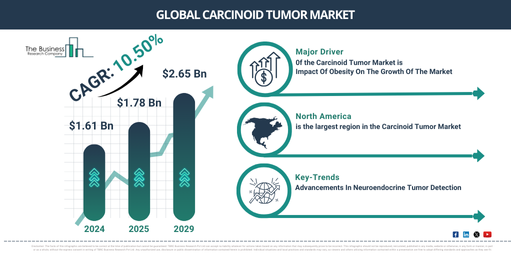
    In recent times, the market size for carcinoid tumors has seen an accelerated pace of growth. A rise from $1.61 billion in 2024 to $1.78 billion in 2025, with a compound annual growth rate (CAGR) of 10.7%, is expected. The historical growth is credited to an increase in neuroendocrine tumor cases, heightened awareness of uncommon cancers, enhancements in healthcare facilities, access to targeted therapies, and the broadening scope of clinical trials for innovative treatment options.

    Expectations for the carcinoid tumor market size are high, with substantial growth predicted over the coming years. A forecasted growth to $2.65 billion by 2029, with a compound annual growth rate (CAGR) of 10.5%, is anticipated. The significant growth predicted for this forecast period can be linked to the burgeoning demand for personalized medicine, continued emphasis on early detection and diagnosis, the rising preference for minimally invasive surgeries, broadening research into new therapies, and an increasing application of molecular targeted therapies. Noteworthy trends projected in the forecast period encompass the incorporation of AI and machine learning in diagnostic procedures, a move towards combined therapies, the use of telemedicine and remote monitoring, a focus on patient-centered care, and cooperative research efforts.

    Download a free sample to assess the report’s scope and structure:

    https://www.thebusinessresearchcompany.com/sample.aspx?id=21127&type=smp

    Which Major Market Drivers Are Expected to Boost the Growth Potential of the Carcinoid Tumor Market?

    The expansion of the carcinoid tumor market is projected to be fueled by the increasing number of individuals with obesity. This group comprises those whose body mass index (BMI) surpasses the 30 mark, suggestive of high body fat levels. Numerous factors have contributed to the rise in obesity, including unhealthy eating patterns, absence of physical exercise, sedentary routines, and greater intake of processed foods rich in calories. The role of obesity in carcinoid tumor formation is linked to its tendency to encourage sustained inflammation, insulin insensitivity, and elevated production of growth stimulants that foster tumor expansion. For example, the Centers for Disease Control and Prevention, a government agency based in the United States, noted in September 2023 that in 2022, the adult obesity rate was reported to be 35% or more in 22 states, an increase from 19 states the previous year. As a result, the escalating obese populace plays a key role in fueling the expansion of the carcinoid tumor market.

    Which Key Market Segments Comprise the Carcinoid Tumor Market and Drive Its Revenue Growth?

    The carcinoid tumor market covered in this report is segmented –

    1) By Disease Type: Gastrointestinal Neuroendocrine Tumor, Pancreatic Neuroendocrine Tumor, Lung Neuroendocrine Tumor, Other Disease Types

    2) By Treatment: Octreotide, Lanreotide, Telotristat ethyl, Capecitabine (Xeloda), 5-Fluorouracil (5-FU), Doxorubicin (Adriamycin), Etoposide (VP-16), Dacarbazine (DTIC), Streptozocin, Other Treatments

    3) By Route Of Administration: Oral, Parenteral, Other Routes Of Administration

    4) By Distribution Channel: Online Channel, Offline Channel

    5) By End User: Hospital And Clinics, Academic Institutions, Research Organizations

    Subsegments:

    1) By Gastrointestinal Neuroendocrine Tumor: Small Bowel Neuroendocrine Tumors, Colorectal Neuroendocrine Tumors, Appendiceal Neuroendocrine Tumors

    2) By Pancreatic Neuroendocrine Tumor: Insulinoma, Non-insulinoma, Glucagonoma

    3) By Lung Neuroendocrine Tumor: Typical Carcinoid Tumors, Atypical Carcinoid Tumors

    4) By Other Disease Types: Thymic Neuroendocrine Tumors, Ovarian Neuroendocrine Tumors

    Request customized data on this market:

    https://www.thebusinessresearchcompany.com/customise?id=21127&type=smp

    Which Areas Are Leading Regions in the Carcinoid Tumor Market Expansion Across the Globe?

    North America was the largest region in the carcinoid tumor market in 2024. Asia-Pacific is expected to be the fastest-growing region in the forecast period. The regions covered in the carcinoid tumor market report are Asia-Pacific, Western Europe, Eastern Europe, North America, South America, Middle East, Africa.

    What Are the Key Market Trends in theCarcinoid Tumor Market Over the Coming Years?

    The primary players within the carcinoid tumor market are honing in on advancements in diagnostic technology, particularly the fully automated test for chromogranin A, with the aim of improving early detection and patient treatment results. The automated chromogranin A (CgA) test serves as an essential diagnostic instrument that accurately measures chromogranin A levels, a biomarker typically linked to neuroendocrine and carcinoid tumors. For example, in October 2023, Thermo Fisher Scientific Inc., a renowned American biotechnology research company, procured FDA endorsement for its Thermo Scientific B·R·A·H·M·S CgA II KRYPTOR immunoassay. This is hailed as the first FDA-sanctioned Chromogranin A (CgA) test and so far, the only automated immunoassay worldwide employed for tracking tumor progression in patients with gastroenteropancreatic neuroendocrine tumors (GEP-NET). The designed assay utilized to measure CgA concentration in human serum enables labs and cancer centers to monitor tumor growth and determine treatment effectiveness. The replacement of manual laboratory constructed tests with this escalates lab productivity and provides a more straightforward result interpretation. The test functions using the Thermo Scientific B·R·A·H·M·S KRYPTOR compact PLUS random-access immunoassay analyzer, which employs TRACE technology to produce accurate outcomes in less than 30 minutes.

    View the full report here:

    https://www.thebusinessresearchcompany.com/report/carcinoid-tumor-global-market-report

    How Is the Carcinoid Tumor Market Conceptually Defined?

    A carcinoid tumor is a rare, slow-growing type of neuroendocrine tumor that typically arises in the gastrointestinal tract or lungs. It originates from enterochromaffin cells, which produce and release hormones such as serotonin. Symptoms may vary depending on the tumor’s location and whether it secretes hormones, potentially causing carcinoid syndrome.

    Purchase the full report and get a swift delivery:

    https://www.thebusinessresearchcompany.com/purchaseoptions.aspx?id=21127

    About The Business Research Company:

    With over 15000+ reports from 27 industries covering 60+ geographies, The Business Research Company has built a reputation for offering comprehensive, data-rich research and insights. Armed with 1,500,000 datasets, the optimistic contribution of in-depth secondary research, and unique insights from industry leaders, you can get the information you need to stay ahead in the game.

    Get in touch with us:

    The Business Research Company: https://www.thebusinessresearchcompany.com/

    Americas +1 3156230293

    Asia +44 2071930708

    Europe +44 2071930708

    Email us at info@tbrc.info

    Follow us on:

    LinkedIn: https://in.linkedin.com/company/the-business-research-company

    YouTube: https://www.youtube.com/channel/UC24_fI0rV8cR5DxlCpgmyFQ

    Global Market Model: https://www.thebusinessresearchcompany.com/global-market-model
  • Periodontal Disease Treatment Market Forecast 2025–2034: Trends Reshaping Demand, Investment, and Innovation

    Periodontal Disease Treatment Market Forecast 2025–2034: Trends Reshaping Demand, Investment, and Innovation

    Our market reports now include the latest updates on global tariffs, trade impacts, and evolving supply chain dynamics.

    #How Has the Peripheral Neuritis Treatment Market Growth Performance Trended Historically, And What Lies Ahead?#_x000D_

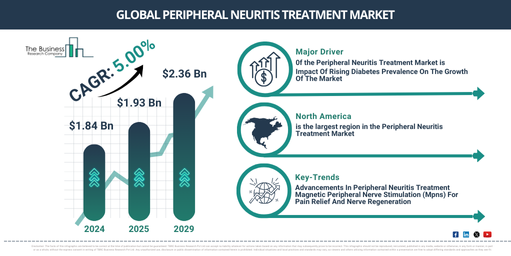
    The market size for treatments of peripheral neuritis has seen substantial growth lately. The forecast predicts an increase from $1.84 billion in 2024 to $1.93 billion in 2025, demonstrating a compound annual growth rate (CAGR) of 5.4%. Factors contributing to this historic growth include a rise in healthcare spending, an uptick in chronic diseases, a heavier disease burden related to peripheral neuritis, a higher incidence rate in diabetics, and a swelling elderly population._x000D_

    _x000D_

    The market size of peripheral neuritis treatment is projected to experience significant expansion in the forthcoming years, swelling to $2.36 billion by 2029, with a compound annual growth rate (CAGR) of 5.0%. This surge in the forecast period can be ascribed to the escalation in the number of treatment possibilities, a rise in the elderly population, increasing obesity statistics, HIV/AIDS prevalence, expansion in the generic drug market, and initiatives by the government and healthcare sectors. Key trends predicted for this period include collaboration and partnerships, advancements in technology, increased launches of products for treating diabetic peripheral neuritis, a greater emphasis on individualized medicine, progression in non-pharmacological therapies, and the incorporation of digital health tools._x000D_

    _x000D_

    #Download a free sample to assess the report’s scope and structure:#_x000D_

    https://www.thebusinessresearchcompany.com/sample.aspx?id=21254&type=smp_x000D_

    _x000D_

    #What Are the Primary Drivers Supporting the Market Growth of the Peripheral Neuritis Treatment Market?#_x000D_

    The increasing instances of diabetes are set to boost the expansion of the peripheral neuritis treatment market. Diabetes, a persistent health issue that occurs when the body cannot efficiently control blood glucose levels, is growing in prevalence due to contributing factors like inactive lifestyles, improper diets, obesity, aging populations, and hereditary predisposition. The treatment for peripheral neuritis aids diabetics by diminishing nerve pain, lessening inflammation, and boosting nerve function, subsequently enhancing their quality of life and preventing further complications. As an example, data from the American Diabetes Association, a U.S. based non-profit organization, in November 2023 highlighted that in 2022, approximately 25.5 million individuals in the U.S. were diagnosed with diabetes, making up 7.6% of the total population. This rising prevalence of diabetes is thus fueling the expansion of the peripheral neuritis treatment market._x000D_

    _x000D_

    #Which Primary Segments of the Peripheral Neuritis Treatment Market Are Driving Growth and Industry Transformations?#_x000D_

    The peripheral neuritis treatment market covered in this report is segmented –_x000D_

    _x000D_

    1) By Treatment Type: Pharmacological Therapies, Non Pharmacological Therapies_x000D_

    2) By Drug Class: Anti-Depressants, Anticonvulsants, Local Anesthesia, Analgesics, Steroids, Other Drug Classes_x000D_

    3) By Distribution Channel: Hospital Pharmacies, Retail Pharmacies, Online Pharmacies, Drug Stores_x000D_

    4) By Application: Diabetic Peripheral Neuropathy, Chemotherapy-Induced Peripheral Neuropathy, Idiopathic Peripheral Neuropathy, Other Applications_x000D_

    _x000D_

    Subsegments:_x000D_

    1) By Pharmacological Therapies: Pain Relievers (Analgesics), Antidepressants, Anticonvulsants, Topical Medications_x000D_

    2) By Non-Pharmacological Therapies: Physical Therapy, Transcutaneous Electrical Nerve Stimulation (TENS), Acupuncture, Lifestyle And Dietary Modifications_x000D_

    _x000D_

    #Request customized data on this market:#_x000D_

    https://www.thebusinessresearchcompany.com/customise?id=21254&type=smp_x000D_

    _x000D_

    #Which Regions Are Key Players in the Growth of the #What Are the Primary Drivers Supporting the Market Growth of the Peripheral Neuritis Treatment Market?# Market?#_x000D_

    North America was the largest region in the peripheral neuritis treatment market in 2024. Asia-Pacific is expected to be the fastest-growing region in the forecast period. The regions covered in the peripheral neuritis treatment market report are Asia-Pacific, Western Europe, Eastern Europe, North America, South America, Middle East, Africa._x000D_

    _x000D_

    #What Are the Most Significant Market Trends in the Peripheral Neuritis Treatment Market?#_x000D_

    Major firms operating in the peripheral neuritis therapy sector are turning their attention to the creation of groundbreaking treatments like magnetic peripheral nerve stimulation (mPNS) as a method to promote nerve healing and lessen neuropathic discomfort. The mPNS treatment is non-invasive neuromodulation strategy, which deploys magnetic fields to incite peripheral nerves, aiding in pain control, nerve recovery, and enhancing motor operation in conditions including neuropathy and musculoskeletal disorders. For example, Neuralace Medical Inc, a US medical equipment production company, publicized their Axon Therapy (mPNS) for chronic painful diabetic neuropathy (PDN) treatment, sanctioned by the Food and Drug Administration, a US governmental body in January 2024. This therapy offers an immediate, pain-free, and non-invasive avenue to pain relief. Clinical evaluations confirmed a 72.3% responder rate at Day 30 and an 81.4% rate at Day 90, underlining its effectiveness in pain and numbness reduction. This sanction signifies a considerable progress in pain management, presenting the patients with an alternative to conventional treatments, without the medication side effects._x000D_

    _x000D_

    #View the full report here:#_x000D_

    https://www.thebusinessresearchcompany.com/report/peripheral-neuritis-treatment-global-market-report_x000D_

    _x000D_

    #What Parameters Are Used to Define the Peripheral Neuritis Treatment Market?#_x000D_

    Peripheral neuritis refers to the inflammation or damage of peripheral nerves, leading to symptoms such as pain, weakness, numbness, and tingling, often caused by diabetes, infections, toxins, or nutritional deficiencies, with treatment involving medications, physical therapy, lifestyle modifications, and management of underlying conditions._x000D_

    _x000D_

    #Purchase the full report and get a swift delivery:#_x000D_

    https://www.thebusinessresearchcompany.com/purchaseoptions.aspx?id=21254_x000D_

    _x000D_

    #About The Business Research Company:#_x000D_

    With over 15000+ reports from 27 industries covering 60+ geographies, The Business Research Company has built a reputation for offering comprehensive, data-rich research and insights. Armed with 1,500,000 datasets, the optimistic contribution of in-depth secondary research, and unique insights from industry leaders, you can get the information you need to stay ahead in the game._x000D_

    _x000D_

    #Get in touch with us:#_x000D_

    The Business Research Company: https://www.thebusinessresearchcompany.com/_x000D_

    Americas +1 3156230293_x000D_

    Asia +44 2071930708_x000D_

    Europe +44 2071930708_x000D_

    Email us at info@tbrc.info_x000D_

    _x000D_

    #Follow us on:#_x000D_

    _x000D_

    LinkedIn: https://in.linkedin.com/company/the-business-research-company_x000D_

    YouTube: https://www.youtube.com/channel/UC24_fI0rV8cR5DxlCpgmyFQ_x000D_

    Global Market Model: https://www.thebusinessresearchcompany.com/global-market-model