Blog

  • Top Trends Driving Innovation and Change in the Short Bowel Syndrome Market: Advancements In GLP-2 Analog Therapies For Short Bowel Syndrome And Intestinal Failure

    Top Trends Driving Innovation and Change in the Short Bowel Syndrome Market: Advancements In GLP-2 Analog Therapies For Short Bowel Syndrome And Intestinal Failure

    Get 30% off on our Global Market Reports with code ONLINE30 – Hurry, limited time offer!

    What is the Anticipated CAGR of the Short Bowel Syndrome Market, and What Factors Will Drive It?

    The market size of short bowel syndrome has experienced rapid expansion in the recent past. The projections estimate that it will rise from $2.69 billion in 2024 to reach $3.09 billion by 2025, indicating a compound annual growth rate (CAGR) of 14.9%. The historical growth has been influenced by factors such as the increasing incidence of gastrointestinal conditions, a surge in healthcare spending and insurance coverage, advancements in post-operative management of SBS, a rise in the prevalence of Crohn’s disease and other gastrointestinal disorders, and the enhancement of parental nutrition formulations and methods of administering them.

    The market for short bowel syndrome is predicted to witness a significant surge in the size over the next couple of years, with an increase to $5.33 billion in 2029 and a compound annual growth rate (CAGR) of 14.6%. Factors propelling the market size during the forecast period include a growing occurrence of short bowel syndrome (SBS), an increase in the utilization of parenteral and enteral nutrition treatment, broadening clinical research, medication development, soaring health care expenditure, and improved awareness and early detection of SBS. The forecast period will also see major trends like progress in intestinal rehabilitation therapies, the creation of small intestine transplantation methods, the incorporation of telemedicine in managing SBS, technological evolutions in enteral feeding apparatus, and the use of artificial intelligence in planning treatment for SBS.

    Download a free sample to assess the report’s scope and structure:

    https://www.thebusinessresearchcompany.com/sample.aspx?id=23515&type=smp

    What External and Internal Drivers Are Contributing to the Growth of the Short Bowel Syndrome Market?

    The escalating occurrence of digestive system illnesses is anticipated to foster the expansion of the short bowel syndrome market in the future. Digestive system diseases encompass a vast array of ailments that impair the digestive tract, including maladies that affect the stomach, intestines, liver, and pancreas, frequently resulting in hindered digestion and nutrient absorption. Unhealthy eating habits that negatively impact gut health and induce inflammation tend to drive the escalating occurrence of these diseases. When these diseases necessitate the surgical removal of damaged parts of the intestine, it could lead to the development of short bowel syndrome due to reduced absorption capacity. For example, in September 2023, as per the Inflammatory Bowel Disease (IBD) Clinical and Research Centre, a Canada-based organization striving to enhance the quality of life of patients with Crohn’s disease and ulcerative colitis, with a prevalence of 825 per 100,000 in 2023, over 320,000 individuals in Canada are suffering from inflammatory bowel disease (IBD), and with an expected annual increase in prevalence by 2.44%, around 1.1% of the population, or 470,000 Canadians, will be estimated to have IBD by 2035. Thus, the escalating occurrence of digestive system diseases generates growth for the short bowel syndrome market.

    What Segment Types Define the Short Bowel Syndrome Market Structure?

    The short bowel syndrome market covered in this report is segmented –

    1) By Type: Glucagon-Like Peptide (GLP-2), Growth Hormone, Glutamine

    2) By Diagnosis: Physical Exam, Blood Tests, Fecal Fat Tests, Imaging Procedures, Other Diagnosis

    3) By Treatment: Nutritional Therapy, Medications, Surgery, Transplant

    4) By Distribution Channel: Hospital Pharmacies, Specialty Pharmacies, Other Distribution Channels

    Subsegments:

    1) By Glucagon-Like Peptide (GLP-2): Teduglutide, Other GLP-2 Analogues

    2) By Growth Hormone: Somatropin, Other Growth Hormone Therapies

    3) By Glutamine: Oral Glutamine, Intravenous Glutamine

    Request customized data on this market:

    https://www.thebusinessresearchcompany.com/customise?id=23515&type=smp

    Which Geographic Areas Hold the Strongest Growth Potential in the Short Bowel Syndrome Market?

    North America was the largest region in the short bowel syndrome market in 2024. Asia-Pacific is expected to be the fastest-growing region in the forecast period. The regions covered in the short bowel syndrome market report are Asia-Pacific, Western Europe, Eastern Europe, North America, South America, Middle East, Africa.

    What Are the Key Market Trends in the Short Bowel Syndrome Market Over the Coming Years?

    Primary businesses engaging in the short bowel syndrome market are concentrating their efforts on evolving medical science innovations, such as interventions for intestinal failure, to offer sophisticated therapeutic alternatives that enhance patient treatment outcomes with gastrointestinal illnesses. Intestinal failure is a severe disorder where the small intestine is unable to assimilate sufficient nutrients, fluids, and electrolytes necessary for suitable hydration and nutrition. In May 2024, for example, Ironwood Pharmaceuticals, Inc., a healthcare company based in the United States, revealed fresh data from studies analyzing apraglutide in adults with short bowel syndrome and intestinal failure (SBS-IF). Apraglutide, a next-generation GLP-2 analog, showed potentiality to boost intestinal absorption and lower dependence on parenteral support. The results emphasized the drug’s effectiveness, safety, and long-term advantages, mirroring Ironwood’s dedication to formulating innovative treatments for gastrointestinal ailments.

    View the full report here:

    https://www.thebusinessresearchcompany.com/report/short-bowel-syndrome-global-market-report

    What Is the Definition of the Short Bowel Syndrome Market?

    Short bowel syndrome (SBS) is a malabsorption disorder caused by the loss or dysfunction of a significant portion of the small intestine, leading to impaired nutrient and fluid absorption. It often results in diarrhea, dehydration, electrolyte imbalances, and malnutrition. The severity of symptoms depends on the remaining intestinal length and its ability to adapt. SBS can significantly impact overall health, requiring careful dietary and medical management.

    Purchase the full report and get a swift delivery:

    https://www.thebusinessresearchcompany.com/purchaseoptions.aspx?id=23515

    About The Business Research Company:

    With over 15000+ reports from 27 industries covering 60+ geographies, The Business Research Company has built a reputation for offering comprehensive, data-rich research and insights. Armed with 1,500,000 datasets, the optimistic contribution of in-depth secondary research, and unique insights from industry leaders, you can get the information you need to stay ahead in the game.

    Get in touch with us:

    The Business Research Company: https://www.thebusinessresearchcompany.com/

    Americas +1 3156230293

    Asia +44 2071930708

    Europe +44 2071930708

    Email us at info@tbrc.info

    Follow us on:

    LinkedIn: https://in.linkedin.com/company/the-business-research-company

    YouTube: https://www.youtube.com/channel/UC24_fI0rV8cR5DxlCpgmyFQ

    Global Market Model: https://www.thebusinessresearchcompany.com/global-market-model

  • Key Developments and Trends Steering the Burn Care Market Forward: Transforming Burn Treatment With Extracellular Matrix Devices

    Key Developments and Trends Steering the Burn Care Market Forward: Transforming Burn Treatment With Extracellular Matrix Devices

    Our market reports now include the latest updates on global tariffs, trade impacts, and evolving supply chain dynamics.

    How Has The Burn Care Market Size Shifted, And What Is the Outlook Through 2034?

    In recent times, the market size for burn care has witnessed considerable growth. It is projected to increase from $2.50 billion in 2024 to $2.68 billion in 2025, with a compound annual growth rate (CAGR) of 7.6%. The steady growth during the historical period is due to factors like the rising usage of skin grafts and substitutes, an increase in burn cases, and enhanced patient awareness about burn care therapies. Further, advancements in technology regarding products like biologics and dressing, as well as government initiatives, have contributed to this growth.

    In the coming years, the burn care market is projected to undergo significant growth, reaching a value of $3.57 billion by 2029, with a Compound Annual Growth Rate (CAGR) of 7.4%. This projected growth for the forecast period can be linked to a rise in demand for less invasive burn treatments and increased spending in healthcare. There’s also a swell in patient consciousness about improved burn care handling practices, an upturn in the preference for biologics and advanced wound healing products, and growth in government and private initiatives. The forecast period anticipates trends such as advanced burn care products, minimally invasive procedures, utilization of biologics and skin grafts for major burns, use of tissue-engineered products and biological substitutes, application of telehealth platforms for burn care control, and technological advancements in burn treatment methods.

    Download a free sample to assess the report’s scope and structure:

    https://www.thebusinessresearchcompany.com/sample.aspx?id=21123&type=smp

    How Are Key Drivers in the Industry Acting as Catalysts for the Growth of the Burn Care Market?

    The burn care market is set to grow as a direct result of the increasing occurrence of fire-related industrial accidents. These accidents typically happen in an industrial environment due to machinery malfunctions, human error, chemical reactions, electrical faults, or inadequate safety precautions, leading to injuries and property damage. The surge in such mishaps is usually linked with the growth of industrial activities, inappropriate safety measures, and the ever-increasing complexity of machines and materials. Burn care is crucial in treating injuries that result from these fire-related industrial accidents, assisting in wound healing, pain alleviation, and reducing potential complications. For example, in a report by the American Burn Association, a US organization dedicated to burn-related research, rehab, and prevention, it was stated that there were 30,135 industrial burn incidents in 2022, contributing to an overall total of 152,312 cases in the last five years. Moreover, flame or flash accidents accounted for 40% of all instances, with over 90% of these accidents being unintentional, indicating a noticeable increase from the previous year. Consequently, the escalating number of fire-related industrial accidents will stimulate the burn care market’s growth.

    Which Segments in the Burn Care Offer the Most Growth?

    The burn care market covered in this report is segmented –

    1) By Product: Advanced Dressing, Biologics, Traditional Burn Care Products, Other Products

    2) By Burn Type: Thermal Burn, Electrical Burn, Chemical Burn, Radiation Burn, Friction Burn, Other Types

    3) By Depth Of Burn: Minor Burns, Partial Thickness Burns, Full Thickness Burns

    4) By End-Use: Hospitals, Outpatient Facilities, Home Care, Research And Manufacturing

    Subsegments:

    1) By Advanced Dressing: Hydrocolloid Dressings, Alginate Dressings, Foam Dressings, Hydrogel Dressings, Collagen Dressings

    2) By Biologics: Skin Substitutes, Growth Factors, Allografts, Xenografts

    3) By Traditional Burn Care Products: Antiseptic Creams and Ointments, Burn Gels, Burn Sprays, Bandages and Gauzes

    4) By Other Products: Wound Cleansers, Burn Compresses, Burn Protection Gels

    Request customized data on this market:

    https://www.thebusinessresearchcompany.com/customise?id=21123&type=smp

    What Are the Fastest-Growing Geographies in the #How Are Key Drivers in the Industry Acting as Catalysts for the Growth of the Burn Care Market?# Market?

    North America was the largest region in the burn care market in 2024. Asia-Pacific is expected to be the fastest-growing region in the forecast period. The regions covered in the burn care market report are Asia-Pacific, Western Europe, Eastern Europe, North America, South America, Middle East, Africa.

    What Are the Current Market Growth and Trends in the Burn Care Industry?

    Leading enterprises in the burn care market are channeling their efforts towards creating cutting-edge products like extracellular matrix medical devices. These devices offer superior, quick-recovery solutions which enhance patient prognosis and strengthen their market position. An extracellular matrix medical device is a biologically sourced material that replicates the natural structure of tissues, fostering healing and tissue restoration by supporting cell growth and function in wound management and other medical therapies. For example, in March 2023, the U.S. Food and Drug Administration (FDA) approved InnovaBurn, a pioneering medical device for second-degree burns management made by the UK-based Convatec Group plc. The device, a xenograft obtained from placental tissue, is crafted to manage complex wounds including burns, surgical cuts, and ulcers. The process to create the device is thorough, involving sourcing, decellularizing, disinfecting, preserving, processing and sterilizing raw placental tissues, finally crafting the device. This FDA approval marks a significant advancement in burn care by providing an inventive treatment solution that could better the prognosis for patients with second-degree burns.

    View the full report here:

    https://www.thebusinessresearchcompany.com/report/burn-care-global-market-report

    What Are the Key Elements That Define the Burn Care Market?

    Burn care refers to the medical treatment and management of injuries caused by burns, which may result from thermal, chemical, electrical, or radiation sources. It aims to promote healing, manage pain, prevent infections, and minimize complications in burn injuries. Burn care also aims to restore physical functionality, improve patients’ quality of life, and support their emotional and psychological recovery.

    Purchase the full report and get a swift delivery:

    https://www.thebusinessresearchcompany.com/purchaseoptions.aspx?id=21123

    About The Business Research Company:

    With over 15000+ reports from 27 industries covering 60+ geographies, The Business Research Company has built a reputation for offering comprehensive, data-rich research and insights. Armed with 1,500,000 datasets, the optimistic contribution of in-depth secondary research, and unique insights from industry leaders, you can get the information you need to stay ahead in the game.

    Get in touch with us:

    The Business Research Company: https://www.thebusinessresearchcompany.com/

    Americas +1 3156230293

    Asia +44 2071930708

    Europe +44 2071930708

    Email us at info@tbrc.info

    Follow us on:

    LinkedIn: https://in.linkedin.com/company/the-business-research-company

    YouTube: https://www.youtube.com/channel/UC24_fI0rV8cR5DxlCpgmyFQ

    Global Market Model: https://www.thebusinessresearchcompany.com/global-market-model

  • Pelvic Inflammatory Disease (PID) Treatment Market Insights: In-Depth Look at Growth Trends, Market Size, and Opportunities for 2025-2034

    Pelvic Inflammatory Disease (PID) Treatment Market Insights: In-Depth Look at Growth Trends, Market Size, and Opportunities for 2025-2034

    Our market reports now include the latest updates on global tariffs, trade impacts, and evolving supply chain dynamics.

    #How Fast Is The Pelvic Inflammatory Disease (PID) Treatment Market Expected to Grow Between 2025 And 2029?#_x000D_

    In the past few years, the market size for pelvic inflammatory disease (PID) treatment has shown promising growth. There is a projected growth from $4.49 billion in 2024 to an estimated $4.75 billion in 2025, representing a compound annual growth rate (CAGR) of 5.8%. The expansion in the historical period is due to factors such as the increasing use of telemedicine, the rising occurrence of sexually transmitted infections (STIs), growing awareness about pelvic inflammatory disease, and increased healthcare spending._x000D_

    _x000D_

    The market size for treatment of pelvic inflammatory disease (PID) is projected to experience robust growth in the ensuing years, expected to reach $5.88 billion in 2029, with a compound annual growth rate (CAGR) of 5.5%. The growth within this projection period can be credited to factors such as the escalating incidence of sexually transmitted infections, increased consciousness about women’s reproductive health, and heightened awareness of pelvic inflammatory disease. Other elements driving this growth include the growing dependability on telehealth services and the surging numbers of sexually transmitted infections (STIs). Key trends within this forecasted period encompass the development of novel PID treatment products, enhancements in diagnostic technologies, the advent of personalized treatment approaches, improvement in imaging techniques, and progress in technology._x000D_

    _x000D_

    #Download a free sample to assess the report’s scope and structure:#_x000D_

    https://www.thebusinessresearchcompany.com/sample.aspx?id=21251&type=smp_x000D_

    _x000D_

    #What External and Internal Drivers Are Contributing to the Growth of the Pelvic Inflammatory Disease (PID) Treatment Market?#_x000D_

    The escalating incidence of sexually transmitted infections (STIs), which are precipitated by bacteria, viruses, or parasites predominantly propagated by sexual interactions such as vaginal, anal or oral sex, is predicted to augment the expansion of the pelvic inflammatory disease (PID) treatment market in the future. Factors attributing to this rising prevalence of STIs include risky sexual conducts, unprotected sex, ignorance, delayed examinations, and therapies. PID treatments serve as an effective strategy to control STIs with the aid of antibiotics to eradicate the bacteria causing the infection, thus averting issues like chronic pelvic pain and infertility besides decreasing the recurrence of infections. For instance, a report released by the UK Health Security Agency (UKHSA), a government entity in the UK, unveiled that England reported 6008 new instances of human immunodeficiency virus (HIV) diagnoses in 2023, indicating a 51% upsurge in comparison to the 3975 diagnoses in the preceding year. Consequently, the rising rates of sexually transmitted infections are underpinning the robust growth of the PID treatment market._x000D_

    _x000D_

    #What Segment Types Define the Pelvic Inflammatory Disease (PID) Treatment Market Structure?#_x000D_

    The pelvic inflammatory disease (PID) treatment market covered in this report is segmented –_x000D_

    _x000D_

    1) By Treatment Type: Antibiotic Therapy, Surgery, Pain Management, Hormonal Therapy_x000D_

    2) By Route Of Administration: Oral, Intravenous, Intramuscular_x000D_

    3) By End User: Hospitals, Clinics, Homecare_x000D_

    _x000D_

    Subsegments:_x000D_

    1) By Antibiotic Therapy: Broad-spectrum Antibiotics, Combination Antibiotic Therapy, Oral Antibiotics, Intravenous Antibiotics_x000D_

    2) By Surgery: Laparoscopy, Hysterectomy, Tubal Surgery_x000D_

    3) By Pain Management: Nonsteroidal Anti-inflammatory Drugs (NSAIDs), Opioid Analgesics, Acetaminophen, Localized Pain Management_x000D_

    4) By Hormonal Therapy: Birth Control Pills, Hormonal Intrauterine Device (IUD), Progesterone Therapy_x000D_

    _x000D_

    #Request customized data on this market:#_x000D_

    https://www.thebusinessresearchcompany.com/customise?id=21251&type=smp_x000D_

    _x000D_

    #Which Geographic Areas Hold the Strongest Growth Potential in the Pelvic Inflammatory Disease (PID) Treatment Market?#_x000D_

    North America was the largest region in the pelvic inflammatory disease (PID) treatment market in 2024. Asia-Pacific is expected to be the fastest-growing region in the forecast period. The regions covered in the pelvic inflammatory disease (PID) treatment market report are Asia-Pacific, Western Europe, Eastern Europe, North America, South America, Middle East, Africa._x000D_

    _x000D_

    #What Long-Term Trends Are Transforming the Competitive Landscape of the Pelvic Inflammatory Disease (PID) Treatment Market?#_x000D_

    Large firms in the pelvic inflammatory disease (PID) treatment market are concentrating on creating novel formulations such as probiotic supplements. These supplements are aimed at enhancing the effectiveness of PID treatments, reestablishing the balance of vaginal microbiota, and reducing the recurrence of infections in PID patients. Probiotic supplements carry beneficial live bacteria or yeasts that can help uphold or bring back the healthy equilibrium of gut and vaginal microbiota. For instance, in November 2024, Lee Health Domain, a pharmaceutical company based in India, introduced a probiotic supplement known as V-Ferin, which is aimed at aiding vaginal health. Equipped with components like Lactobacillus acidophilus, lactoferrin peptide, and cranberry extract, V-Ferin strives to restore the natural microbiome and protect against prevalent vaginal infections such as bacterial vaginosis and yeast infections. Considering that approximately 25-30% of women suffer from these conditions which can progress to PID if not treated, V-Ferin provides an innovative approach to enhance health and prevent further complications._x000D_

    _x000D_

    #View the full report here:#_x000D_

    https://www.thebusinessresearchcompany.com/report/pelvic-inflammatory-disease-pid-treatment-global-market-report_x000D_

    _x000D_

    #What Is the Definition of the Pelvic Inflammatory Disease (PID) Treatment Market?#_x000D_

    Pelvic inflammatory disease (PID) treatment refers to the medical management of infections affecting the female reproductive organs, typically caused by sexually transmitted bacteria such as Chlamydia trachomatis and Neisseria gonorrhoeae. Treatment aims to eliminate the infection, alleviate symptoms, and prevent complications such as infertility, chronic pelvic pain, and ectopic pregnancy._x000D_

    _x000D_

    #Purchase the full report and get a swift delivery:#_x000D_

    https://www.thebusinessresearchcompany.com/purchaseoptions.aspx?id=21251_x000D_

    _x000D_

    #About The Business Research Company:#_x000D_

    With over 15000+ reports from 27 industries covering 60+ geographies, The Business Research Company has built a reputation for offering comprehensive, data-rich research and insights. Armed with 1,500,000 datasets, the optimistic contribution of in-depth secondary research, and unique insights from industry leaders, you can get the information you need to stay ahead in the game._x000D_

    _x000D_

    #Get in touch with us:#_x000D_

    The Business Research Company: https://www.thebusinessresearchcompany.com/_x000D_

    Americas +1 3156230293_x000D_

    Asia +44 2071930708_x000D_

    Europe +44 2071930708_x000D_

    Email us at info@tbrc.info_x000D_

    _x000D_

    #Follow us on:#_x000D_

    _x000D_

    LinkedIn: https://in.linkedin.com/company/the-business-research-company_x000D_

    YouTube: https://www.youtube.com/channel/UC24_fI0rV8cR5DxlCpgmyFQ_x000D_

    Global Market Model: https://www.thebusinessresearchcompany.com/global-market-model

  • Emerging Trends Redefining the Sepsis Diagnostics Market Landscape: Innovative Diagnostic Solutions Enhancing Patient Safety And Optimizing Sepsis Testing Accuracy

    Emerging Trends Redefining the Sepsis Diagnostics Market Landscape: Innovative Diagnostic Solutions Enhancing Patient Safety And Optimizing Sepsis Testing Accuracy

    Get 30% off on our Global Market Reports with code ONLINE30 – Hurry, limited time offer!

    What Are the Key Milestones in the Sepsis Diagnostics Market’s Growth Trajectory From 2025 To 2034?

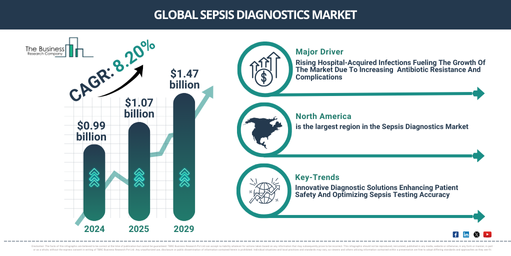
    The size of the sepsis diagnostics market has seen robust growth in the past few years. It is projected to expand from a market value of $0.99 billion in 2024 to $1.07 billion in 2025, with a compound annual growth rate (CAGR) of 8.3%. Factors responsible for this growth during the historical period include an elevated number of sepsis cases, heightened early diagnosis awareness, increased spending on healthcare, a growing number of hospital-acquired infections, and a rise in the uptake of point-of-care testing.

    In the projected few years, the sepsis diagnostics market size is anticipated to witness substantial growth. By 2029, it is predicted to escalate to $1.47 billion with an 8.2% compound annual growth rate (CAGR). The upswing in this period is likely due to the heightened need for swift diagnostics, growing investments in healthcare infrastructure, an amplified emphasis on personalized medicine, an increase in antimicrobial resistance, and an escalating utilization of next-generation sequencing. Major trends projected for this period comprise the incorporation of AI in diagnostics, technological progress in biomarkers, developments in molecular diagnostics, transition towards mechanized and digital diagnostic platforms, and progress in the application of artificial intelligence in diagnostics.

    Download a free sample to assess the report’s scope and structure:

    https://www.thebusinessresearchcompany.com/sample.aspx?id=23514&type=smp

    What Are the Core Market Drivers Propelling Growth in the Sepsis Diagnostics Industry?

    The surge in hospital-acquired infections is predicted to stimulate the expansion of the sepsis diagnostics market. These infections, also known as hospital-acquired infections (HAIs), occur during or after a patient’s stay in a medical facility, typically starting 48 hours or more post-admission, and were not present upon admission. This increase is attributed to the growth in antibiotic resistance, a consequence of overusing and improperly using antibiotics in healthcare environments, which encourages the evolution of resistant bacterial strains. This makes infections more challenging to manage. Sepsis diagnostics facilitates early detection of such infections by identifying pathogens and biomarkers, allowing for immediate treatment and reducing complications. For example, in November 2024, as per the Australian Institute of Health and Welfare, a government agency based in Australia, in the year 2022–23, it was noticed that 2% of public hospital and 0.8% of private hospital admissions had healthcare-associated infections, making it the most common complication. Thus, the surge in hospital-acquired infections is predicted to stimulate the sepsis diagnostics market’s growth.

    How Is the Sepsis Diagnostics Market Segmented?

    The sepsis diagnostics market covered in this report is segmented –

    1) By Product: Instruments, Blood Culture Media, Assay Kits And Reagents, Software

    2) By Technology: Microbiology, Molecular Diagnostics, Immunoassays, Flow Cytometry, Other Technologies

    3) By Pathogen: Bacterial Sepsis, Fungal Sepsis, Viral Sepsis, Other Pathogens

    4) By Method: Automated Diagnostics, Conventional Diagnostics

    5) By End-Users: Hospitals And Clinics, Pathology And Reference Laboratories, Research Institutes

    Subsegments:

    1) By Instruments: Automated Analyzers, Point-Of-Care (PoC) Testing Devices, Microfluidic-Based Devices, Polymerase Chain Reaction (PCR) Instruments, Flow Cytometers

    2) By Blood Culture Media: Aerobic Blood Culture Media, Anaerobic Blood Culture Media, Mycobacteria Blood Culture Media, Pediatric Blood Culture Media, Fungal Blood Culture Media

    3) By Assay Kits And Reagents: Enzyme-Linked Immunosorbent Assay (ELISA) Kits, Polymerase Chain Reaction (PCR) Assay Kits, Immunoassay Reagents, Molecular Diagnostic Reagents, Biosensor-Based Assay Kits

    4) By Software: Data Management Software, Laboratory Information Systems (LIS), Artificial Intelligence (AI)-Based Diagnostic Tools, Predictive Analytics Software, Cloud-Based Diagnostic Platforms

    Request customized data on this market:

    https://www.thebusinessresearchcompany.com/customise?id=23514&type=smp

    Which Regions Are Driving the Next Phase of the Sepsis Diagnostics Market Growth?

    North America was the largest region in the sepsis diagnostics market in 2024. Asia-Pacific is expected to be the fastest-growing region in the forecast period. The regions covered in the sepsis diagnostics market report are Asia-Pacific, Western Europe, Eastern Europe, North America, South America, Middle East, Africa.

    Which Emerging Trends that Are Influencing the Sepsis Diagnostics Industry Evolution?

    The sepsis diagnostics market is seeing main players pay attention to the creation of ground-breaking solutions, like those which do not require culture-based diagnostics, in an effort to promptly and accurately identify instances of sepsis without the need for traditional blood culture techniques. Methods of pathogen or infection detection not requiring conventional microbial culture approaches, known as culture-free diagnostic solutions, are being utilized. They hinge on cutting-edge technologies such as PCR (polymerase chain reaction), NGS (next-generation sequencing), or immunoassays as a means of speeding up the process of pathogen identification right from patient-derived samples like blood, saliva, or tissue. For example, Deepull Diagnostics S.L., a manufacturing firm based in Spain, unrolled the UllCORE diagnostic system in April 2024 to help with early detection of sepsis. The UllCORE system is a desktop multiplex PCR platform, a creation of Deepull, intended for quick pathogen identification in instances of sepsis and other similar acute infections. The system, operating by extracting microbial DNA from a whole 8 mL blood sample, provides 50 results that can be reported within a span of one hour. It has the ability to detect 95% of the pathogens that cause sepsis, which includes bacteria, fungi, and antibiotic resistance genes. With the goal of improving early diagnosis and curbing the misuse of antibiotics, UllCORE offers support to hospitals in their fight against antimicrobial resistance.

    View the full report here:

    https://www.thebusinessresearchcompany.com/report/sepsis-diagnostics-global-market-report

    How Is the Sepsis Diagnostics Market Defined and What Are Its Core Parameters?

    Sepsis diagnostics refers to a range of advanced technologies and tests designed to quickly detect the presence of sepsis, a critical condition that can lead to organ failure and death if left untreated. These technologies enable healthcare providers to assess the severity of the condition and make timely, informed decisions to initiate appropriate treatment and improve patient survival rates.

    Purchase the full report and get a swift delivery:

    https://www.thebusinessresearchcompany.com/purchaseoptions.aspx?id=23514

    About The Business Research Company:

    With over 15000+ reports from 27 industries covering 60+ geographies, The Business Research Company has built a reputation for offering comprehensive, data-rich research and insights. Armed with 1,500,000 datasets, the optimistic contribution of in-depth secondary research, and unique insights from industry leaders, you can get the information you need to stay ahead in the game.

    Get in touch with us:

    The Business Research Company: https://www.thebusinessresearchcompany.com/

    Americas +1 3156230293

    Asia +44 2071930708

    Europe +44 2071930708

    Email us at info@tbrc.info

    Follow us on:

    LinkedIn: https://in.linkedin.com/company/the-business-research-company

    YouTube: https://www.youtube.com/channel/UC24_fI0rV8cR5DxlCpgmyFQ

    Global Market Model: https://www.thebusinessresearchcompany.com/global-market-model
  • Market Trends Influencing Strategic Decisions in the Burkitt Lymphoma Therapeutics Industry: Advancements In Clinical Studies For Burkitt Lymphoma Treatment

    Market Trends Influencing Strategic Decisions in the Burkitt Lymphoma Therapeutics Industry: Advancements In Clinical Studies For Burkitt Lymphoma Treatment

    Our market reports now include the latest updates on global tariffs, trade impacts, and evolving supply chain dynamics.

    How Has the Burkitt Lymphoma Therapeutics Market Growth Performance Trended Historically, And What Lies Ahead?

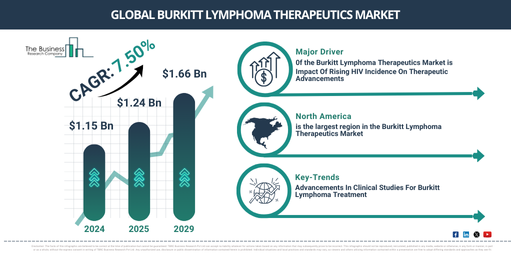
    In recent times, there has been a robust expansion in the size of the Burkitt lymphoma therapeutics market. Forecasts indicate a growth from $1.15 billion in 2024 to $1.24 billion in 2025, with a compound annual growth rate (CAGR) of 7.8%. The growth witnessed in the past can be credited to several factors. These include the rise in Burkitt lymphoma cases, the development of monoclonal antibodies, expansion in the use of immunotherapy, growing consciousness around non-Hodgkin lymphoma, the introduction of targeted therapies, financial backing for cancer research, the integration of precision medicine, and collaborations between pharmaceutical firms and research institutions.

    Promising expansion is anticipated in the coming years for the Burkitt lymphoma therapeutics market, which is predicted to inflate to a value of $1.66 billion by 2029, growing at a Compound Annual Growth Rate (CAGR) of 7.5%. The acceleration in this span is believed to be spurred on by factors such as the burgeoning field of personalized medicine, a surge in the usages of immunotherapies, increased research on rare forms of cancer, the development of MYC inhibitors, better early-detection diagnostic tools, a rising number of clinical trials, the arrival of biosimilars for lymphoma procedures, and a rise in knowledge about lymphoma therapies. Significant trends noted in the forecast period include the progression in CAR-T cell therapy, development of therapeutics targeting MYC, increased utilization of liquid biopsy, the application of artificial intelligence in the discovery of drugs, precision medicine for individualized treatment approaches, the growing role of nanotechnology in drug delivery, the utilization of digital pathology in diagnostics, improvements in monoclonal antibody therapies, and the predictive power of AI in treatment responses.

    Download a free sample to assess the report’s scope and structure:

    https://www.thebusinessresearchcompany.com/sample.aspx?id=21122&type=smp

    What Are the Major Market Drivers Behind the Rising Adoption of Burkitt Lymphoma Therapeutics Market?

    The increasing prevalence of the human immunodeficiency virus (HIV) is predicted to stimulate the development of the burkitt lymphoma therapeutics market. HIV is a virus that targets the body’s immune system, specifically the vital CD4+ T cells, responsible for immune defense. Sexual practices without protection, insufficient awareness, restricted healthcare access, needle sharing among drug users, and societal stigma hindering early diagnosis and treatment contribute to the rise in HIV. An HIV infection weakens the immune system, heightening susceptibility to several cancers, including burkitt lymphoma, categorized as an AIDS-related Lymphoma. The intersection of these diseases boosts the need for efficient therapeutics to address and treat burkitt lymphoma in patients with compromised immunity. For example, the UK Health Security Agency reported 6008 HIV diagnoses in England by October 2024, up 51% from 3975 diagnoses in 2022. Thus, the growing number of HIV cases is fueling the development of the burkitt lymphoma therapeutics market. The increasing demand for personalized medicine is anticipated to drive the growth of the burkitt lymphoma therapeutics market. Personalized medicine customizes treatments for individual patients based on their genetic, environmental, and lifestyle attributes to enhance results and better patient care. The push for personalized medicine can be attributed to progress in genomics, the increasing availability of diagnostic tests based on biomarkers, improved data analysis technology, and the desire for more targeted, effective treatments. Personalized medicine improves burkitt lymphoma treatment by allowing treatments to be targeted according to genetic and molecular profiles, enhancing efficacy, lowering side effects, and maximizing patient outcomes. For example, the Personalized Medicine Coalition, a U.S. nonprofit, revealed that in 2023, the Food and Drug Administration approved seven new personalized cancer treatments out of a total of 26, a significant rise from only 12 approvals in 2022. Therefore, the move towards personalized medicine is promoting growth in the burkitt lymphoma therapeutics market.

    Which Key Market Segments Comprise the Burkitt Lymphoma Therapeutics Market and Drive Its Revenue Growth?

    The burkitt lymphoma therapeutics market covered in this report is segmented –

    1) By Treatment Type: Chemotherapy, Immunotherapy, Targeted Therapy, Radiation Therapy, Surgical Intervention

    2) By Route Of Administration: Intravenous, Oral, Subcutaneous, Intramuscular

    3) By End-User: Hospital Settings, Specialty Clinics, Outpatient Centers, Home Healthcare

    Subsegments:

    1) By Chemotherapy: Induction Chemotherapy, Consolidation Chemotherapy, High-Dose Chemotherapy

    2) By Immunotherapy: Monoclonal Antibodies, CAR-T Cell Therapy, Immune Checkpoint Inhibitors

    3) By Targeted Therapy: Bruton’s Tyrosine Kinase Inhibitors (BTK Inhibitors), PI3K Inhibitors, BCL-2 Inhibitors

    4) By Radiation Therapy: External Beam Radiation Therapy, Intensity-Modulated Radiation Therapy (IMRT), Stereotactic Radiosurgery

    5) By Surgical Intervention: Lymph Node Excision, Tumor Resection

    Request customized data on this market:

    https://www.thebusinessresearchcompany.com/customise?id=21122&type=smp

    Which Areas Are Leading Regions in the Burkitt Lymphoma Therapeutics Market Expansion Across the Globe?

    North America was the largest region in the burkitt lymphoma therapeutics market in 2024. Asia-Pacific is expected to be the fastest-growing region in the forecast period. The regions covered in the burkitt lymphoma therapeutics market report are Asia-Pacific, Western Europe, Eastern Europe, North America, South America, Middle East, Africa.

    What Are the Strategic Trends Steering theBurkitt Lymphoma Therapeutics Market Direction?

    In the burkitt lymphoma therapeutics market, major businesses are putting their efforts into clinical trials aimed at improving the effectiveness of treatments, increasing the precision of cancer cell targeting, and enhancing patient outcomes, especially in refractory or relapsed cases. Clinical trials for burkitt lymphoma are essentially research studies intending to assess novel therapies, drug blends, or treatment methods for those suffering from Burkitt lymphoma. Such studies aid in recognizing the safety, effectiveness, and potential side effects of innovative or enhanced treatments. For example, in May 2022, Wuhan Bio-Raid Biotechnology Co. Ltd., a biotech company based in China, teamed up with Huazhong University of Science and Technology, a research entity also located in China, to conduct a study to gauge the clinical efficacy and toxicity of CD19/CD22 CAR T cell immunotherapy both individually and alongside autologous stem cell transplantation in adult patients with recurrent and refractory Burkitt lymphoma. The study concluded after 12.5 months, suggesting that combined CD19/CD22 CAR T-cell therapy with autologous stem cell transplantation (ASCT) may be an effective treatment for certain adults with relapsed or refractory Burkitt lymphoma.

    View the full report here:

    https://www.thebusinessresearchcompany.com/report/burkitt-lymphoma-therapeutics-global-market-report

    How Is the Burkitt Lymphoma Therapeutics Market Conceptually Defined?

    Burkitt lymphoma therapeutics refers to the range of medical treatments aimed at managing and curing Burkitt lymphoma, an aggressive and fast-growing type of non-Hodgkin lymphoma originating in B cells. These therapeutics focus on eradicating cancer cells, preventing relapse, and improving overall survival rates through intensive and tailored treatment protocols. Therapeutics for burkitt lymphoma are tailored based on the specific characteristics of the disease, including the variant type, the patient’s overall health, and how the disease responds to treatment.

    Purchase the full report and get a swift delivery:

    https://www.thebusinessresearchcompany.com/purchaseoptions.aspx?id=21122

    About The Business Research Company:

    With over 15000+ reports from 27 industries covering 60+ geographies, The Business Research Company has built a reputation for offering comprehensive, data-rich research and insights. Armed with 1,500,000 datasets, the optimistic contribution of in-depth secondary research, and unique insights from industry leaders, you can get the information you need to stay ahead in the game.

    Get in touch with us:

    The Business Research Company: https://www.thebusinessresearchcompany.com/

    Americas +1 3156230293

    Asia +44 2071930708

    Europe +44 2071930708

    Email us at info@tbrc.info

    Follow us on:

    LinkedIn: https://in.linkedin.com/company/the-business-research-company

    YouTube: https://www.youtube.com/channel/UC24_fI0rV8cR5DxlCpgmyFQ

    Global Market Model: https://www.thebusinessresearchcompany.com/global-market-model
  • Structural Heart Imaging Market Forecast Reaching $24.91 Billion by 2029 at 9.6% CAGR

    Structural Heart Imaging Market Forecast Reaching $24.91 Billion by 2029 at 9.6% CAGR

    Get 30% off on our Global Market Reports with code ONLINE30 – Hurry, limited time offer!

    How Fast Is The Structural Heart Imaging Market Expected to Grow Between 2025 And 2029?

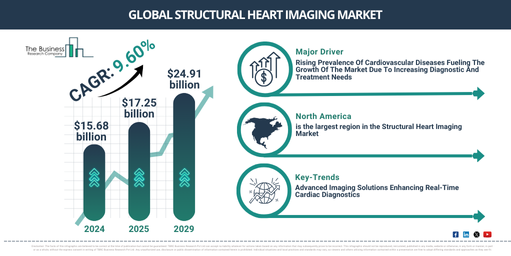
    The market size for structural heart imaging has experienced a swift expansion in the past few years. It is estimated to rise from $15.68 billion in 2024 to $17.25 billion in 2025, reflecting a compound annual growth rate (CAGR) of 10%. Factors such as an escalating incidence of heart diseases, enhanced usage of advanced imaging methods, increased preference for minimally invasive procedures, a heightened consciousness about early detection, and the growing market penetration in the developing regions, have contributed to this growth during the historical period.

    Expectations are high for the structural heart imaging market to experience significant growth in the coming years. The estimated market value is set to reach $24.91 billion by 2029, with an expected compound annual growth rate (CAGR) of 9.6%. This projected growth within the forecast period is largely due to factors such as increased adoption by healthcare professionals, an escalating prevalence of heart diseases, a growing elderly population, the increasing use of transcatheter, and the rising demand for minimally invasive procedures. Key trends anticipated within this period include catheter innovation, advanced development in imaging technology, progress in three-dimensional (3D) imaging, the creation of integrated imaging products, and the incorporation of machine learning.

    Download a free sample to assess the report’s scope and structure:

    https://www.thebusinessresearchcompany.com/sample.aspx?id=23531&type=smp

    Which Major Market Drivers Are Expected to Boost the Growth Potential of the Structural Heart Imaging Market?

    The escalating frequency of heart diseases is set to fuel the expansion of the structural heart imaging market. Heart diseases, a set of conditions that inflict the heart and blood vessels, comprise of conditions such as heart attacks, strokes, and hypertension. The frequency of these diseases is on the rise due to unhealthy habits, including inadequate diet, lack of physical activity, and smoking, all of which contribute to obesity, hypertension, and diabetes. Structural heart imaging amplifies the management of cardiovascular diseases by supplying detailed and precise diagnostic images, making it perfect for identifying issues with heart valves and congenital defects. It enhances treatment outcomes by facilitating early intervention and specific guidance for procedures. For example, as per the Eurostat, a government agency based in Luxembourg, a total of 5.16 million deaths were reported among EU residents in 2022 and out of this, 1.68 million were ascribed to heart diseases, making up 32.7% of all deaths. Hence, the escalating frequency of heart diseases is propelling the advancement of the structural heart imaging market.

    Which Key Market Segments Comprise the Structural Heart Imaging Market and Drive Its Revenue Growth?

    The structural heart imaging market covered in this report is segmented –

    1) By Procedure Type: Transcatheter Aortic Valve Implantation (TAVI), Transcatheter Mitral Valve Replacement (TMVR), Transcatheter Tricuspid Valve Replacement (TTVR), Left Atrial Appendage Closure (LAAC), Patent Foramen Ovale (PFO) Closure

    2) By Imaging Modality: Transesophageal Echocardiography (TEE), Intravascular Ultrasound (IVUS), Fluoroscopy, Cardiac Magnetic Resonance Imaging (CMRI), Computed Tomography (CT)

    3) By Vendor Type: Original Equipment Manufacturers (OEMs), Third-Party Vendors

    4) By Applications: Diagnosis, Surgery

    5) By End-User: Hospitals, Specialty Clinics, Cardiac Centers, Diagnostic Centers, Ambulatory Surgical Centers, Catheterization Laboratories, Other End-Users

    Subsegments:

    1) By Transcatheter Aortic Valve Implantation (TAVI): Balloon-Expandable Valves, Self-Expanding Valves

    2) By Transcatheter Mitral Valve Replacement (TMVR): Mechanical Valves, Bioprosthetic Valves

    3) By Transcatheter Tricuspid Valve Replacement (TTVR): Catheter-Based Approaches, Percutaneous Annuloplasty

    4) By Left Atrial Appendage Closure (LAAC): Endocardial Closure Devices, Epicardial Closure Devices

    5) By Patent Foramen Ovale (PFO) Closure: Occluder Devices, Suture-Based Devices

    Request customized data on this market:

    https://www.thebusinessresearchcompany.com/customise?id=23531&type=smp

    Which Areas Are Leading Regions in the Structural Heart Imaging Market Expansion Across the Globe?

    North America was the largest region in the structural heart imaging market in 2024. Asia-Pacific is expected to be the fastest-growing region in the forecast period. The regions covered in the structural heart imaging market report are Asia-Pacific, Western Europe, Eastern Europe, North America, South America, Middle East, Africa.

    What Are the Current Market Growth and Trends in the Structural Heart Imaging Industry?

    Key players in the structural heart imaging market are prioritizing the development of technological enhancements, particularly in the creation of artificial intelligence (AI)-supported ultrasound systems. These AI-driven ultrasound systems represent a cutting-edge imaging technology that leverages artificial intelligence to improve image quality, automate measurements, and provide precise, timely diagnostics. For example, in October 2023, US medical technology and diagnostics company GE HealthCare Technologies Inc. introduced their AI-powered Venue Family point-of-care ultrasound systems, complete with a caption guidance feature. The AI-empowered Venue Family point-of-care ultrasound systems refine Structural Heart Imaging by automating cardiac evaluations, enhancing image quality, and conducting real-time Doppler analysis. Due to their portability, these systems are capable of quickly diagnosing and accurately assessing valvular and structural heart conditions in critical care and procedural environments.

    View the full report here:

    https://www.thebusinessresearchcompany.com/report/structural-heart-imaging-global-market-report

    How Is the Structural Heart Imaging Market Conceptually Defined?

    Structural heart imaging is a type of medical imaging used to take clear, detailed pictures of the heart’s structure, including its valves, walls, and chambers. It helps doctors find and understand problems like valve defects or holes in the heart. This imaging is often used for pre-procedural planning, real-time guidance during interventions and post-treatment evaluation.

    Purchase the full report and get a swift delivery:

    https://www.thebusinessresearchcompany.com/purchaseoptions.aspx?id=23531

    About The Business Research Company:

    With over 15000+ reports from 27 industries covering 60+ geographies, The Business Research Company has built a reputation for offering comprehensive, data-rich research and insights. Armed with 1,500,000 datasets, the optimistic contribution of in-depth secondary research, and unique insights from industry leaders, you can get the information you need to stay ahead in the game.

    Get in touch with us:

    The Business Research Company: https://www.thebusinessresearchcompany.com/

    Americas +1 3156230293

    Asia +44 2071930708

    Europe +44 2071930708

    Email us at info@tbrc.info

    Follow us on:

    LinkedIn: https://in.linkedin.com/company/the-business-research-company

    YouTube: https://www.youtube.com/channel/UC24_fI0rV8cR5DxlCpgmyFQ

    Global Market Model: https://www.thebusinessresearchcompany.com/global-market-model
  • Pediatric Growth Hormone Deficiency Market Outlook 2025–2034: Identifying Growth Drivers, Technology Trends, and Policy Impact

    Pediatric Growth Hormone Deficiency Market Outlook 2025–2034: Identifying Growth Drivers, Technology Trends, and Policy Impact

    Our market reports now include the latest updates on global tariffs, trade impacts, and evolving supply chain dynamics.

    #What Are the Key Projections for the CAGR of the Pediatric Growth Hormone Deficiency Market Size From 2025 to 2034?#_x000D_

    In recent times, the market size for pediatric growth hormone deficiency has seen robust growth. The market is expected to expand from $3.80 billion in 2024 to $4.16 billion in 2025, boasting a compound annual growth rate (CAGR) of 9.4%. The escalating growth during the historical period can be credited to the rise in consciousness about the treatment of pediatric growth anomalies, enhanced diagnostic capabilities, increased funding in research and development for future-generation products, and the improvements in public insurance policy._x000D_

    _x000D_

    The market size for pediatric growth hormone deficiency is predicted to witness robust expansion in the forthcoming years. By 2029, it is projected to reach $5.88 billion, with a compound annual growth rate (CAGR) of 9.1%. The progress anticipated during this time frame can be linked to the expansion of healthcare infrastructure, increased access to care, advancement in growth hormone treatments, increased awareness and patient advocacy, beneficial government policies and healthcare initiatives, along with a growing number of PGHD cases. Throughout the forecast period, key trends will encompass the introduction of new therapies, tailored treatment options, product innovation, the use of telemedicine and remote monitoring, as well as personalized medicine and genetic testing._x000D_

    _x000D_

    #Download a free sample to assess the report’s scope and structure:#_x000D_

    https://www.thebusinessresearchcompany.com/sample.aspx?id=21250&type=smp_x000D_

    _x000D_

    #What Are the Core Market Drivers Propelling Growth in the Pediatric Growth Hormone Deficiency Industry?#_x000D_

    The rise in pediatric illnesses is anticipated to fuel the expansion of the pediatric growth hormone deficiency market. Pediatric illnesses encompass a broad scope of medical conditions that predominantly impact children from birth through to adolescence. The escalating instances of pediatric diseases can largely be attributed to environmental elements, refined detection techniques, alterations in lifestyle, genetic tendencies, and an increased occurrence of chronic ailments and allergies in children. These pediatric diseases can lead to pediatric growth hormone deficiency (GHD) by affecting the hypothalamus or pituitary gland, which are tasked with generating growth hormones. For example, in March 2024, the United Nations Children’s Fund (UNICEF), a government agency based in the U.S, disclosed that around 4.9 million children under five years old died in 2022, translating to an average of 13,400 fatalities each day. Infectious diseases like pneumonia, diarrhea, and malaria, along with complications from preterm birth and issues related to intrapartum, were identified as key causes of mortality in under-fives globally. Consequently, the growing instances of pediatric diseases are driving the expansion of the pediatric growth hormone deficiency market._x000D_

    _x000D_

    #How Is the Pediatric Growth Hormone Deficiency Market Segmented?#_x000D_

    The pediatric growth hormone deficiency market covered in this report is segmented –_x000D_

    _x000D_

    1) By Type: Congenital GH Deficiency, Acquired GH Deficiency, Idiopathic GH deficiency_x000D_

    2) By Product: Recombinant Human Growth Hormone (rhGH), Human Growth Hormone (HGH) Analogs, Long-Acting Growth Hormones_x000D_

    3) By Route Of Administration: Subcutaneous, Intramuscular, Oral_x000D_

    4) By Distribution Channel: Hospital Pharmacies, Retail Pharmacies, Online Pharmacies_x000D_

    5) By Application: Growth Hormone Deficiency, Idiopathic Short Stature, Turner Syndrome, Small For Gestational Age, Prader Willi Syndrome, Other Applications_x000D_

    _x000D_

    Subsegments:_x000D_

    1) By Congenital GH Deficiency: Isolated GH Deficiency, Combined Pituitary Hormone Deficiency_x000D_

    2) By Acquired GH Deficiency: GH Deficiency Due To Pituitary Tumors, GH Deficiency Due To Brain Injury, GH Deficiency Due To Radiation Therapy_x000D_

    3) By Idiopathic GH Deficiency: Primary Idiopathic GH Deficiency, Secondary Idiopathic GH Deficiency_x000D_

    _x000D_

    #Request customized data on this market:#_x000D_

    https://www.thebusinessresearchcompany.com/customise?id=21250&type=smp_x000D_

    _x000D_

    #Which Regions Are Driving the Next Phase of the Pediatric Growth Hormone Deficiency Market Growth?#_x000D_

    North America was the largest region in the pediatric growth hormone deficiency market in 2024. Asia-Pacific is expected to be the fastest-growing region in the forecast period. The regions covered in the pediatric growth hormone deficiency market report are Asia-Pacific, Western Europe, Eastern Europe, North America, South America, Middle East, Africa._x000D_

    _x000D_

    #What Key Market Trends and Innovations Are Shaping the Future of the Pediatric Growth Hormone Deficiency Industry?#_x000D_

    Prominent firms in the pediatric growth hormone deficiency industry are channeling their efforts into creating novel solutions like long-acting, once-weekly human growth hormone analogs to enhance patient adherence and comfort. This type of analog refers to an altered form of the natural human growth hormone, designed to last longer in the user’s body. For instance, Pfizer Inc., a pharmaceutical company in the U.S., and OPKO Health Inc., a U.S. medication firm, in June 2023 co-announced NGENLA (somatrogon-ghla), a once-weekly human growth hormone analog, meant for pediatric patients three years and older suffering from growth failure due to insufficient secretion of endogenous growth hormone, a product approved by the Food and Drug Administration, a U.S. government agency. This novel treatment is intended to enhance patient adherence by cutting down the number of injections, given that conventional treatments generally need daily dosages. Clinical tests indicate that NGENLA has comparable effectiveness to daily growth hormone therapies, thus offering children and their families a more manageable and convenient choice._x000D_

    _x000D_

    #View the full report here:#_x000D_

    https://www.thebusinessresearchcompany.com/report/pediatric-growth-hormone-deficiency-global-market-report_x000D_

    _x000D_

    #How Is the Pediatric Growth Hormone Deficiency Market Defined and What Are Its Core Parameters?#_x000D_

    Pediatric growth hormone deficiency (PGHD) is a condition where the pituitary gland produces insufficient growth hormone, leading to slow growth, short stature, and delayed puberty. It can be congenital or acquired, and treatment typically involves recombinant human growth hormone (rhGH) therapy to support normal development._x000D_

    _x000D_

    #Purchase the full report and get a swift delivery:#_x000D_

    https://www.thebusinessresearchcompany.com/purchaseoptions.aspx?id=21250_x000D_

    _x000D_

    #About The Business Research Company:#_x000D_

    With over 15000+ reports from 27 industries covering 60+ geographies, The Business Research Company has built a reputation for offering comprehensive, data-rich research and insights. Armed with 1,500,000 datasets, the optimistic contribution of in-depth secondary research, and unique insights from industry leaders, you can get the information you need to stay ahead in the game._x000D_

    _x000D_

    #Get in touch with us:#_x000D_

    The Business Research Company: https://www.thebusinessresearchcompany.com/_x000D_

    Americas +1 3156230293_x000D_

    Asia +44 2071930708_x000D_

    Europe +44 2071930708_x000D_

    Email us at info@tbrc.info_x000D_

    _x000D_

    #Follow us on:#_x000D_

    _x000D_

    LinkedIn: https://in.linkedin.com/company/the-business-research-company_x000D_

    YouTube: https://www.youtube.com/channel/UC24_fI0rV8cR5DxlCpgmyFQ_x000D_

    Global Market Model: https://www.thebusinessresearchcompany.com/global-market-model

  • Top Trends Driving Innovation and Change in the Budesonide Market: Market Growth Driven By Innovations In Oral And Inhaled Therapies

    Our market reports now include the latest updates on global tariffs, trade impacts, and evolving supply chain dynamics.

    What Are the Projected Market Size and Growth Rates for the Budesonide Market From 2025 To 2029?

    In the past few years, there has been a significant growth in the budesonide market size. It is projected to rise from $9.72 billion in 2024 to $10.36 billion in 2025, with a compound annual growth rate (CAGR) of 6.6%. This considerable growth during the historical period is due to factors such as an increase in respiratory illnesses, heightened awareness about inhaled corticosteroids, the unveiling of combination therapies based on budesonide, the proliferation of healthcare facilities and accessibility, as well as the off-label usage of budesonide for inflammatory bowel diseases.

    The market size of budesonide is anticipated to experience significant growth in the coming years, ballooning to $13.25 billion in 2029 with a compound annual growth rate (CAGR) of 6.3%. The factors contributing to this predicted growth for the forecast period include the increasing demand for effective treatments, the invention of new drug distribution mechanisms, the escalating usage of budesonide, a rising elderly population susceptible to asthma, and the growth in generic budesonide products. Major trends during the forecast period consist of the incorporation of biologics and biosimilars, progress in drug delivery systems, regulator endorsements for new drug forms, the creation of novel drug delivery systems, and improvements in technology.

    Download a free sample to assess the report’s scope and structure:

    https://www.thebusinessresearchcompany.com/sample.aspx?id=21121&type=smp

    What External and Internal Drivers Are Contributing to the Growth of the Budesonide Market?

    The growth of the budesonide market is anticipated to be driven by the rising prevalence of respiratory illnesses. Such diseases involve the organs and tissues responsible for gas regulation in air-breathing animals. The rise in such cases is predominantly due to escalating air pollution and exposure to particulates and allergens, significantly impacting the frequency of asthma and chronic obstructive lung ailments. Budesonide, typically used in treating respiratory conditions like asthma and chronic obstructive pulmonary disease (COPD), lessens inflammation, boosts airflow, and wards off symptoms like shortness of breath and wheezing. For instance, the National Center for Health Statistics (NCHS) reported in May 2024 that the occurrence of current asthma among adults aged 18 and above in the United States showed an increase from 8.4% in 2021 to 8.7% in 2022. In addition, the rate of asthma episodes in the past 12 months in the same demographic ascended from 3.3% in 2021 to 3.7% in 2022. Consequently, the surging prevalence of respiratory diseases is poised to boost the budesonide market expansion.

    What Segment Types Define the Budesonide Market Structure?

    The budesonide market covered in this report is segmented –

    1) By Type: Inhalation Powder, Aerosols, Injectable Suspension, Tablets And Capsules

    2) By Distribution Channel: Hospital Pharmacies, Retail Pharmacies, Online Pharmacies

    3) By Application: Nose Disease Treatment, Inflammatory Bowel Disease Treatment, Respiratory Disease Treatment, Other Applications

    Subsegments:

    1) By Inhalation Powder: Dry Powder Inhalers (DPI), Soft Mist Inhalers (SMI)

    2) By Aerosols: Metered-Dose Inhalers (MDI), Breath-Activated Inhalers

    3) By Injectable Suspension: Pre-filled Syringes, Vials

    4) By Tablets And Capsules: Oral Tablets, Oral Capsules

    Request customized data on this market:

    https://www.thebusinessresearchcompany.com/customise?id=21121&type=smp

    Which Geographic Areas Hold the Strongest Growth Potential in the Budesonide Market?

    North America was the largest region in the budesonide market in 2024. The regions covered in the budesonide market report are Asia-Pacific, Western Europe, Eastern Europe, North America, South America, Middle East, Africa.

    What Long-Term Trends Are Transforming the Competitive Landscape of the Budesonide Market?

    In an effort to improve respiratory treatment methods like oral therapy, boost patient comfort, enhance compliance with treatments, and broaden the range of therapeutic alternatives for managing asthma and other respiratory ailments, primary firms active in the budesonide market are directing their focus towards innovation. Oral budesonide is a form of budesonide ingested orally that is predominantly used for treating inflammation. For instance, Takeda Pharmaceuticals, a pharmaceutical company based in Japan, stated in February 2024 that the Food and Drug Administration (FDA), a federal agency in the US, granted approval to EOHILIA, a budesonide oral suspension. EOHILIA is now the first and only FDA-approved oral medication for patients aged 11 and above with eosinophilic esophagitis (EoE). Furthermore, based on efficacy and safety data from two 12-week multicenter, randomized, double-blind, parallel-group, placebo-controlled studies on subjects aged 11 to 56 having EoE, the FDA also granted its approval to EOHILIA 2 mg administered twice daily.

    View the full report here:

    https://www.thebusinessresearchcompany.com/report/budesonide-global-market-report

    What Is the Definition of the Budesonide Market?

    Budesonide is a corticosteroid medication used to reduce inflammation in conditions such as asthma, chronic obstructive pulmonary disease (COPD), inflammatory bowel diseases (Crohn’s disease, ulcerative colitis), and allergic rhinitis. It works by suppressing the immune response and decreasing inflammation in the airways or digestive tract.

    Purchase the full report and get a swift delivery:

    https://www.thebusinessresearchcompany.com/purchaseoptions.aspx?id=21121

    About The Business Research Company:

    With over 15000+ reports from 27 industries covering 60+ geographies, The Business Research Company has built a reputation for offering comprehensive, data-rich research and insights. Armed with 1,500,000 datasets, the optimistic contribution of in-depth secondary research, and unique insights from industry leaders, you can get the information you need to stay ahead in the game.

    Get in touch with us:

    The Business Research Company: https://www.thebusinessresearchcompany.com/

    Americas +1 3156230293

    Asia +44 2071930708

    Europe +44 2071930708

    Email us at info@tbrc.info

    Follow us on:

    LinkedIn: https://in.linkedin.com/company/the-business-research-company

    YouTube: https://www.youtube.com/channel/UC24_fI0rV8cR5DxlCpgmyFQ

    Global Market Model: https://www.thebusinessresearchcompany.com/global-market-model

  • Spondylolisthesis Market 2025-2034: Key Highlights, Growth Dynamics, and Emerging Trends

    Spondylolisthesis Market 2025-2034: Key Highlights, Growth Dynamics, and Emerging Trends

    Get 30% off on our Global Market Reports with code ONLINE30 – Hurry, limited time offer!

    What Is the Current and Projected Market Size of the Spondylolisthesis Market Through 2034?

    In the past few years, there has been substantial growth in the spondylolisthesis market. The market, which was valued at $17.23 billion in 2024, is projected to increase to $18.24 billion in 2025, experiencing a compound annual growth rate (CAGR) of 5.9%. This growth during the historical phase can be ascribed to multiple factors such as the rise in diagnosis due to advancements in imaging technology, the global aging populace, an increase in spinal surgeries, a surge in musculoskeletal conditions, and the prevalence of more sedentary lifestyles.

    Predictions show a robust expansion in the spondylolisthesis market in the coming years, with estimated growth to $22.72 billion by 2029, reflecting a compound annual growth rate (CAGR) of 5.6%. This growth in the projected duration is likely due to a rise in sports and physical activity-related injuries, increased availability of specialized spine care in burgeoning markets, ongoing research into biomechanical stability, an increase in sedentary jobs and poor posture habits, and a higher occurrence of chronic back pain and degenerative spine disorders. Key trends during this forecast period incorporate technological progress in spinal implants and navigation, a transformation towards minimally invasive spinal surgery, the growth of biologic and regenerative therapies, and data-driven decision making informed by real-world evidence.

    Download a free sample to assess the report’s scope and structure:

    https://www.thebusinessresearchcompany.com/sample.aspx?id=23527&type=smp

    How Are Key Drivers in the Industry Acting as Catalysts for the Growth of the Spondylolisthesis Market?

    The growth of the spondylolisthesis market is poised to be driven by the escalating healthcare infrastructure development. This pertains to all indispensable physical systems, facilities, and resources crucial for the delivery of efficient healthcare services. The amplification of healthcare infrastructure is derived from the increasing need for accessible and state-of-the-art medical services, as existing establishments frequently fall short in handling the growing influx of patients and the intricate care they necessitate. The robustness of healthcare infrastructure fortifies the treatment of spondylolisthesis through ensuring that medical facilities, qualified healthcare professionals and appropriate distribution channels are in place, indispensable elements for an effective treatment dispensation and patient’s access to medication. To illustrate this, the American Hospital Association, a non-profit entity based in the United States, reported that in 2024, the country had a total of 6,120 hospitals, reflecting an upsurge from 6,093 hospitals reported in 2022. As such, the burgeoning healthcare infrastructure is the driving force behind the growth of the spondylolisthesis market.

    Which Segments in the Spondylolisthesis Offer the Most Growth?

    The spondylolisthesis market covered in this report is segmented –

    1) By Type: Degenerative Spondylolisthesis, Isthmic Spondylolisthesis, Congenital Spondylolisthesis, Traumatic Spondylolisthesis, Pathological Spondylolisthesis

    2) By Treatment: Non-Surgical, Surgical

    3) By Diagnosis: X-Ray, MRI (Magnetic Resonance Imaging), CT Scan (Computed Tomography), Physical Examination

    4) By End User: Hospitals, Ambulatory Surgical Centers (ASCs), Specialty Clinics, Rehabilitation Centers

    Subsegments:

    1) By Degenerative Spondylolisthesis: Mild (Grade I), Moderate (Grade II), Severe (Grade III and above)

    2) By Isthmic Spondylolisthesis: Lytic Isthmic Spondylolisthesis, Elongated Isthmic Spondylolisthesis, Acute Fracture Isthmic Spondylolisthesis

    3) By Congenital Spondylolisthesis: Dysplastic Spondylolisthesis, Sacral Dome Abnormalities

    4) By Traumatic Spondylolisthesis: Acute Traumatic Spondylolisthesis, Post-surgical Traumatic Spondylolisthesis

    5) By Pathological Spondylolisthesis: Tumor-related Spondylolisthesis, Infection-related Spondylolisthesis, Osteoporosis-related Spondylolisthesis

    Request customized data on this market:

    https://www.thebusinessresearchcompany.com/customise?id=23527&type=smp

    What Are the Fastest-Growing Geographies in the Spondylolisthesis Market?

    North America was the largest region in the spondylolisthesis market in 2024. The regions covered in the spondylolisthesis market report are Asia-Pacific, Western Europe, Eastern Europe, North America, South America, Middle East, Africa.

    Which Technological Trends Are Reshaping the Spondylolisthesis Industry Dynamics?

    Leading corporations involved in the spondylolisthesis industry are prioritizing the inclusion of cutting-edge technologies like advanced spinal implant systems to enhance surgical results, safeguard mobility, and elevate the patient’s lifestyle quality. An innovative solution like the advanced spinal implant system aids in stabilizing the spine while preserving movement, making it a preferred substitute to traditional spinal fusion procedures. For example, in June 2023, FDA approval was given to the TOPS System developed by a United States-based medical device organization, Premia Spine. The device, a first of its type lumbar spine implant, received acknowledgment for its superiority over luminal fusion in treating grade I degenerative spondylolisthesis along with spinal stenosis. This revolutionary technology revamps spinal operations by substituting the affected facet joint and lamina with a mechanical implant that permits regulated motion in different directions like flexion, extension, lateral bending, and axial rotation. The TOPS System significantly trims down post-operation complexities and recovery duration by conserving movement and steadiness. A significant characteristic is its motion-preserving design that obviates the need for spinal fusion, thereby providing patients with an efficient, less invasive treatment alternative along with enhanced long-term mobility and functional results.

    View the full report here:

    https://www.thebusinessresearchcompany.com/report/spondylolisthesis-global-market-report

    What Are the Key Elements That Define the Spondylolisthesis Market?

    Spondylolisthesis is a spinal condition where one vertebra slips forward over the one below it. This misalignment can cause back pain, stiffness, and nerve compression. It affects the lower spine and can result from aging, injury, or a congenital defect.

    Purchase the full report and get a swift delivery:

    https://www.thebusinessresearchcompany.com/purchaseoptions.aspx?id=23527

    About The Business Research Company:

    With over 15000+ reports from 27 industries covering 60+ geographies, The Business Research Company has built a reputation for offering comprehensive, data-rich research and insights. Armed with 1,500,000 datasets, the optimistic contribution of in-depth secondary research, and unique insights from industry leaders, you can get the information you need to stay ahead in the game.

    Get in touch with us:

    The Business Research Company: https://www.thebusinessresearchcompany.com/

    Americas +1 3156230293

    Asia +44 2071930708

    Europe +44 2071930708

    Email us at info@tbrc.info

    Follow us on:

    LinkedIn: https://in.linkedin.com/company/the-business-research-company

    YouTube: https://www.youtube.com/channel/UC24_fI0rV8cR5DxlCpgmyFQ

    Global Market Model: https://www.thebusinessresearchcompany.com/global-market-model

  • Emerging Growth Drivers in the Pediatric Drugs Market Landscape: Impact Of Growing Preterm Births On The Market Growth

    Emerging Growth Drivers in the Pediatric Drugs Market Landscape: Impact Of Growing Preterm Births On The Market Growth

    Our market reports now include the latest updates on global tariffs, trade impacts, and evolving supply chain dynamics.

    #How Has The Pediatric Drugs Market Growth Evolved From 2024 To 2025, And What’s Ahead?#_x000D_

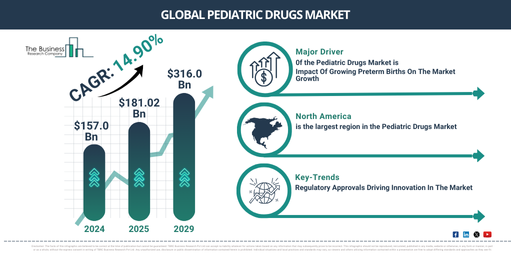
    The market size for pediatric drugs has seen a swift expansion in the past few years. The market which stood at $157.0 billion in 2024 is projected to reach $181.02 billion in 2025, marking a compound annual growth rate (CAGR) of 15.3%. This considerable growth during the historical period can be associated with factors such as the increasing demand for corresponding medicines, a surge in the pediatric population, heightened awareness of pediatric diseases, expansion in the field of pediatric oncology, the emergence of digital health and telemedicine, and amplified collective efforts in the realm of pediatric drug development._x000D_

    _x000D_

    The market size for pediatric drugs is projected to undergo a swift expansion in the ensuing years, reaching $316.0 billion in 2029, with a Compound Annual Growth Rate (CAGR) of 14.9%. The acceleration for the forecast period can be credited to factors such as an increasing pediatric demographic, escalating incidents of pediatric mental disorders, a rising count of children suffering from chronic diseases, augmented child vaccination rates, and a growing demand for pediatric mental health drugs. Key trends for the forecast phase include personalized pediatric treatment, the incorporation of technology in pediatric medicine delivery, the application of telemedicine and digital health aids, improvement in pediatric clinical examinations, and teamwork between pediatric specialists and pharmacists._x000D_

    _x000D_

    #Download a free sample to assess the report’s scope and structure:#_x000D_

    https://www.thebusinessresearchcompany.com/sample.aspx?id=21249&type=smp_x000D_

    _x000D_

    #Which Primay Drivers Are Accelerating Growth in the Pediatric Drugs Market?#_x000D_

    The pediatric drugs market is anticipated to see significant progress due to the rising instances of preterm births. Babies who are born before the standard gestation period of 40 weeks, specifically before 37 weeks, are classified as preterm. This surge in preterm births is linked to numerous factors like increased maternal age, certain lifestyle choices, existing medical conditions, multiple pregnancies, and lack of adequate prenatal care. Pediatric drugs play a key role in supporting the health and overall development of preterm babies as they offer specified treatments for issues such as respiratory complications, infections, and nutritional deficiencies. A December 2022 report from Tommy’s, a charity organization based in the UK, stated that preterm live births in England and Wales rose to 7.9% in 2022, from 7.5% in 2021. This translates to over 53,000 babies being born prematurely in 2022. Thus, the escalating number of preterm births is fueling the expansion of the pediatric drugs market._x000D_

    _x000D_

    #Which Primary Segments of the Pediatric Drugs Market Are Driving Growth and Industry Transformations?#_x000D_

    The pediatric drugs market covered in this report is segmented –_x000D_

    _x000D_

    1) By Type: Respiratory Disorder Drugs, Autoimmune Disorder Drugs, Gastrointestinal Drugs, Cardiovascular Drugs_x000D_

    2) By Route Of Administration: Oral, Topical, Parenteral, Other Route Of Administrations_x000D_

    3) By Distribution Channel: Hospital Pharmacy, Retail Pharmacy, Online Pharmacy, Other Distribution Channels_x000D_

    4) By End-Users: Hospitals, Specialty Clinics, Homecare, Other End-Users_x000D_

    _x000D_

    Subsegments:_x000D_

    1) By Respiratory Disorder Drugs: Asthma Medications, Cystic Fibrosis Treatments, Bronchodilators, Corticosteroids_x000D_

    2) By Autoimmune Disorder Drugs: Immunosuppressants, Biologic Therapies, Disease-Modifying Antirheumatic Drugs (DMARDs)_x000D_

    3) By Gastrointestinal Drugs: Proton Pump Inhibitors (PPIs), Antiemetics, Antidiarrheals, Laxatives_x000D_

    4) By Cardiovascular Drugs: Antihypertensive Medications, Heart Failure Treatments, Antiarrhythmic Drugs, Lipid-lowering Agents_x000D_

    _x000D_

    #Request customized data on this market:#_x000D_

    https://www.thebusinessresearchcompany.com/customise?id=21249&type=smp_x000D_

    _x000D_

    #Which Regions Are Key Players in the Growth of the #Which Primay Drivers Are Accelerating Growth in the Pediatric Drugs Market?# Market?#_x000D_

    North America was the largest region in the pediatric drugs market in 2024. Asia-Pacific is expected to be the fastest-growing region in the forecast period. The regions covered in the pediatric drugs market report are Asia-Pacific, Western Europe, Eastern Europe, North America, South America, Middle East, Africa._x000D_

    _x000D_

    #Which Technological Trends Are Reshaping the Pediatric Drugs Industry Dynamics?#_x000D_

    Leading firms in the pediatric drugs market have shifted their focus towards creating innovative drugs like fully human monoclonal antibodies to enhance treatment results and reduce potential side effects for young patients. Fully human monoclonal antibodies are completely derived from human genetic sequences, reducing the likelihood of immune reactions compared to chimeric or humanized monoclonal antibodies. This kind of antibody is achieved through contemporary biotechnology methods, including the usage of transgenic mice with human antibody genes or phage display technology. In a notable development, Johnson and Johnson, an American pharmaceutical company, gained FDA approval for STELARA (ustekinumab), a treatment for pediatric patients six years and above with active Psoriatic Arthritis (PsA), in August 2022. This great stride is due to STELARA being the only biologic therapy in the market that targets interleukin-12 (IL-12) and interleukin-23 (IL-23), critical cytokines in inflammatory responses connected to autoimmune diseases. Active PsA, a rare condition linked to chronic inflammatory arthritis, affects roughly 5-8% of children, leading to symptoms such as join swelling and skin lesions._x000D_

    _x000D_

    #View the full report here:#_x000D_

    https://www.thebusinessresearchcompany.com/report/pediatric-drugs-global-market-report_x000D_

    _x000D_

    #What Parameters Are Used to Define the Pediatric Drugs Market?#_x000D_

    Pediatric drugs are medications specifically formulated, dosed, or approved for use in infants, children, and adolescents. These drugs are designed to treat various medical conditions in pediatric patients, considering their unique physiological and metabolic differences from adults._x000D_

    _x000D_

    #Purchase the full report and get a swift delivery:#_x000D_

    https://www.thebusinessresearchcompany.com/purchaseoptions.aspx?id=21249_x000D_

    _x000D_

    #About The Business Research Company:#_x000D_

    With over 15000+ reports from 27 industries covering 60+ geographies, The Business Research Company has built a reputation for offering comprehensive, data-rich research and insights. Armed with 1,500,000 datasets, the optimistic contribution of in-depth secondary research, and unique insights from industry leaders, you can get the information you need to stay ahead in the game._x000D_

    _x000D_

    #Get in touch with us:#_x000D_

    The Business Research Company: https://www.thebusinessresearchcompany.com/_x000D_

    Americas +1 3156230293_x000D_

    Asia +44 2071930708_x000D_

    Europe +44 2071930708_x000D_

    Email us at info@tbrc.info_x000D_

    _x000D_

    #Follow us on:#_x000D_

    _x000D_

    LinkedIn: https://in.linkedin.com/company/the-business-research-company_x000D_

    YouTube: https://www.youtube.com/channel/UC24_fI0rV8cR5DxlCpgmyFQ_x000D_

    Global Market Model: https://www.thebusinessresearchcompany.com/global-market-model