Blog

  • Global Synthetic Cannabinoids Market Trends: Regional Breakdowns and Strategic Insights

    Global Synthetic Cannabinoids Market Trends: Regional Breakdowns and Strategic Insights

    Get 30% off on our Global Market Reports with code ONLINE30 – Hurry, limited time offer!

    What Are the Key Milestones in the Synthetic Cannabinoids Market’s Growth Trajectory From 2025 To 2034?

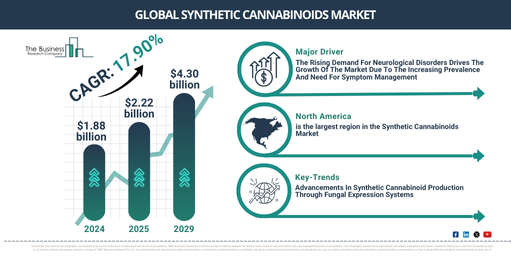
    The market size of synthetic cannabinoids has experienced a swift expansion in the past few years. The market, which was valued at $1.88 billion in 2024, is expected to rise to $2.22 billion in 2025, representing a compound annual growth rate of 18.3%. The surge in historical period growth can be credited to escalating demands for substitute drugs, an increase in the number of cannabis consumers, the rise in pharmaceutical uses, burgeoning demand for legal highs, and a notable trend of self-medication.

    The market size of synthetic cannabinoids is predicted to witness speedy expansion in the approaching years. The market is set to surge to $4.30 billion by 2029, with a compound annual growth rate (CAGR) of 17.9%. This anticipated growth during the forecast period is due to a variety of factors, including the growing favorability of designer drugs, the increasing legalization of cannabis, the amplified online availability of synthetic drugs, the soaring popularity of vaping, and the progressive customization of cannabinoid items. The forecast period also presents significant trends such as improvement in forensic toxicology methods, utilization of machine learning for identifying chemical patterns, cloud-based tracking of unlawful drugs, advancements in the formulation of synthetic cannabinoids, and the creation of innovative cannabinoid analogs.

    Download a free sample to assess the report’s scope and structure:

    https://www.thebusinessresearchcompany.com/sample.aspx?id=23536&type=smp

    What Are the Major Market Drivers Behind the Rising Adoption of Synthetic Cannabinoids Market?

    The synthetic cannabinoids market’s expansion is thought to be fueled by the escalating need for treatments for neurological disorders. Diseases of the brain, spinal cord, and nerves that impair movement, sensation, cognition, or overall operation are neurological disorders. The rise in these disorders is mainly attributable to the aging global population since disorders like Alzheimer’s become more prevalent with age due to the aging of the brain and accumulated cellular damage. Synthetic cannabinoids influence cannabinoid receptors in the brain, helping to manage neurotransmitter activity and possibly mitigate symptoms linked to neurological disorders. For example, the European Brain Council, a Belgium-based health entity, reported in September 2024 that currently, 7 million people in Europe are living with Alzheimer’s disease. This number is projected to double to 14 million by 2030 due to an aging population, posing a substantial global public health concern. Hence, the escalating need for treatments for neurological disorders is propelling the synthetic cannabinoids market’s expansion.

    Which Key Market Segments Comprise the Synthetic Cannabinoids Market and Drive Its Revenue Growth?

    The synthetic cannabinoids market covered in this report is segmented –

    1) By Product Type: High-Pure Synthetic Cannabinoids, Ultra-Pure Synthetic Cannabinoids

    2) By Formulation: Oil, Capsules, Edibles, Vapes, Topicals

    3) By Indication: Pain Management, Nausea Or Vomiting, Neurological Disorder Management, Other Indications

    4) By Application: Pharmaceuticals, Research, Recreational Use, Agriculture, Nutraceuticals

    5) By Distribution Channel: Hospital Pharmacies, Retail Pharmacies, Online Pharmacies

    Subsegments:

    1) By High-Pure Synthetic Cannabinoids: Pharmaceutical-Grade Cannabinoids, Research-Grade Cannabinoids, Industrial-Use Cannabinoids

    2) By Ultra-Pure Synthetic Cannabinoids: Medical-Grade Cannabinoids, Biotechnology-Grade Cannabinoids, Analytical-Standard Cannabinoids

    Request customized data on this market:

    https://www.thebusinessresearchcompany.com/customise?id=23536&type=smp

    Which Areas Are Leading Regions in the Synthetic Cannabinoids Market Expansion Across the Globe?

    North America was the largest region in the synthetic cannabinoids market in 2024. Asia-Pacific is expected to be the fastest-growing region in the forecast period. The regions covered in the synthetic cannabinoids market report are Asia-Pacific, Western Europe, Eastern Europe, North America, South America, Middle East, Africa.

    Which Cutting-Edge Market Trends Are Expected to Drive the Synthetic Cannabinoids Market’s Growth?

    Leading firms in the synthetic cannabinoids market are concentrating their efforts on the creation of innovative solutions, including the use of fungal expression systems, to improve production effectiveness and decrease expenses. Utilizing genetically modified fungi to biosynthesize synthetic cannabinoids is a key feature of fungal expression systems, offering a sustainable and scalable substitute for chemical synthesis or plant extraction. This method guarantees high-purity production suitable for pharmaceutical and research purposes. For example, Dyadic International Inc., a biotech company from the US, introduced a C1-cell protein production system for the production of synthetic cannabinoids in January 2022. This ground-breaking approach employs filamentous fungal cell factories to more economically and sustainably produce cannabinoids such as cannabidiol (CBD) and its precursors. The method is eco-friendly, energy efficient, and capable of creating higher-quality, regulation-compliant cannabinoids that may have medicinal uses in areas like chronic pain, inflammation, and other health ailments.

    View the full report here:

    https://www.thebusinessresearchcompany.com/report/synthetic-cannabinoids-global-market-report

    How Is the Synthetic Cannabinoids Market Conceptually Defined?

    Synthetic cannabinoids are lab-created compounds designed to mimic the effects of natural cannabinoids by binding to cannabinoid receptors in the body. They are produced through advanced chemical synthesis and can be significantly more potent and unpredictable than their natural counterparts. Additionally, some synthetic cannabinoids are used in regulated pharmaceutical applications for therapeutic purposes.

    Purchase the full report and get a swift delivery:

    https://www.thebusinessresearchcompany.com/purchaseoptions.aspx?id=23536

    About The Business Research Company:

    With over 15000+ reports from 27 industries covering 60+ geographies, The Business Research Company has built a reputation for offering comprehensive, data-rich research and insights. Armed with 1,500,000 datasets, the optimistic contribution of in-depth secondary research, and unique insights from industry leaders, you can get the information you need to stay ahead in the game.

    Get in touch with us:

    The Business Research Company: https://www.thebusinessresearchcompany.com/

    Americas +1 3156230293

    Asia +44 2071930708

    Europe +44 2071930708

    Email us at info@tbrc.info

    Follow us on:

    LinkedIn: https://in.linkedin.com/company/the-business-research-company

    YouTube: https://www.youtube.com/channel/UC24_fI0rV8cR5DxlCpgmyFQ

    Global Market Model: https://www.thebusinessresearchcompany.com/global-market-model
  • Dyspnea Growth Trajectory: Key Forecasts and Strategic Insights

    Dyspnea Growth Trajectory: Key Forecasts and Strategic Insights

    Our market reports now include the latest updates on global tariffs, trade impacts, and evolving supply chain dynamics.

    How Has The Dyspnea Market Size Shifted, And What Is the Outlook Through 2034?

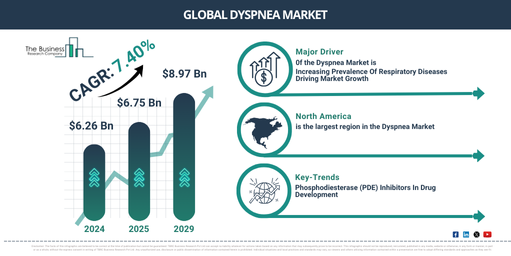
    In the past few years, the market size of dyspnea has witnessed robust growth. The market value is set to increase from $6.26 billion in 2024 to $6.75 billion in 2025, growing at a compound annual growth rate (CAGR) of 7.8%. The substantial growth in the previous years can be linked to heightened awareness of respiratory diseases, proliferating cases associated with lifestyle factors, an ageing population, a surge in clinical trials, and the increase in conducive government programs.

    The market for dyspnea is projected to experience robust expansion in the upcoming years. By 2029, it is expected to reach a value of $8.97 billion, increasing at a compound annual growth rate (CAGR) of 7.4%. The growth during the forecast period is likely due to an increased incidence of chronic diseases, a rising interest in personalized medicine, escalating pollution levels, growing use of telemedicine, and more supportive regulations. Key trends during the forecast period will likely include strategic partnerships, advancements in technology, the introduction of innovative inhalers, personalized medicine, and targeted treatment options.

    Download a free sample to assess the report’s scope and structure:

    https://www.thebusinessresearchcompany.com/sample.aspx?id=21178&type=smp

    Which Factors and External Forces Are Driving Demand in the Dyspnea Market?

    The surge in respiratory diseases is likely to spur the development of the dyspnea market. Respiratory ailments affect the lungs and the rest of the respiratory system, leading to breathing difficulties and hampered oxygen exchange. Common conditions include asthma, COPD, TB, among others. The rise in such diseases is fueled by factors like air pollution, smoking, environmental toxins, and climate change. Dyspnea plays a critical role in spotting and managing these diseases by indicating lung function issues, guiding treatment plans, and tracking disease progression. For example, the National Asthma Council, an Australian non-profit organization, reported that Australia witnessed 467 asthma-related deaths in 2022, including 299 females and 168 males. This was a rise from 355 deaths in 2021. As such, the growing prevalence of respiratory diseases is prompting the expansion of the dyspnea market. The Impact Of Rising Healthcare Expenditure On The Market

    Which Segments in the Dyspnea Offer the Most Growth?

    The dyspnea market covered in this report is segmented –

    1) By Treatment Type: Supplemental Oxygen Therapy, Relaxation Therapy

    2) By Drug Class: Antianxiety, Antibiotics, Anticholinergic Agents, Corticosteroids, Other Drug Classes

    3) By Route Of Administration: Oral, Inhalation, Other Route Of Administrations

    4) By End User: Hospitals, Homecare, Specialty Clinics, Ambulatory Services, Other End Users

    Subsegments:

    1) By Supplemental Oxygen Therapy: Continuous Flow Oxygen Therapy, Pulse Dose Oxygen Therapy, Oxygen Concentrators, Portable Oxygen Cylinders

    2) By Relaxation Therapy: Breathing Exercises, Meditation and Mindfulness, Progressive Muscle Relaxation, Biofeedback Therapy

    Request customized data on this market:

    https://www.thebusinessresearchcompany.com/customise?id=21178&type=smp

    What Are the Fastest-Growing Geographies in the Which Factors and External Forces Are Driving Demand in the Dyspnea Market? Market?

    North America was the largest region in the dyspnea market in 2024. Asia-Pacific is expected to be the fastest-growing region in the forecast period. The regions covered in the dyspnea market report are Asia-Pacific, Western Europe, Eastern Europe, North America, South America, Middle East, Africa.

    Which Cutting-Edge Market Trends Are Expected to Drive theDyspnea Market’s Growth?

    The key players in the dyspnea market are directing their efforts on the invention of new drugs such as phosphodiesterase (PDE) inhibitors to improve treatment effectiveness and provide improved respite for patients suffering from respiratory diseases. These drugs obstruct the action of phosphodiesterase enzymes, thereby boosting the levels of cyclic AMP or cyclic GMP in cells, leading to vasodilation enhancement, inflammation reduction, or betterment of cardiac functionality. For instance, Verona Pharma Plc, headquartered in the UK, declared in May 2024 that it is getting ready for the prospective U.S. release of ensifentrine, a pioneering dual phosphodiesterase (PDE) 3/4 suppressor for COPD treatment, which is scheduled for the third quarter of 2024, subject to FDA endorsement. Ensifentrine is a nebulized procedure for chronic obstructive pulmonary disease (COPD) and it has shown significant decrease in escalation rates and improvements in dyspnea in Phase III clinical assessments. The company has secured funding of $650 million to facilitate the commercial release of the drug and its continuous development. This includes a projected Phase II trial for a fixed-dose amalgamation with glycopyrrolate for the long-term treatment of COPD patients.

    View the full report here:

    https://www.thebusinessresearchcompany.com/report/dyspnea-global-market-report

    What Are the Key Elements That Define the Dyspnea Market?

    Dyspnea refers to difficulty breathing or shortness of breath. It is a medical term used to describe the sensation of not getting enough air into the lungs, which can manifest as tightness in the chest, gasping for air, or working harder to breathe. Dyspnea is utilized through various clinical methods and tools to evaluate its severity, impact on daily life, and underlying causes.

    Purchase the full report and get a swift delivery:

    https://www.thebusinessresearchcompany.com/purchaseoptions.aspx?id=21178

    About The Business Research Company:

    With over 15000+ reports from 27 industries covering 60+ geographies, The Business Research Company has built a reputation for offering comprehensive, data-rich research and insights. Armed with 1,500,000 datasets, the optimistic contribution of in-depth secondary research, and unique insights from industry leaders, you can get the information you need to stay ahead in the game.

    Get in touch with us:

    The Business Research Company: https://www.thebusinessresearchcompany.com/

    Americas +1 3156230293

    Asia +44 2071930708

    Europe +44 2071930708

    Email us at info@tbrc.info

    Follow us on:

    LinkedIn: https://in.linkedin.com/company/the-business-research-company

    YouTube: https://www.youtube.com/channel/UC24_fI0rV8cR5DxlCpgmyFQ

    Global Market Model: https://www.thebusinessresearchcompany.com/global-market-model
  • Critical Market Drivers Shaping the Outlook for Cannabis Use Disorder Market from 2025-2034: Rising Awareness And Diagnosis Of Cannabis Addiction Driving The Market Growth

    Our market reports now include the latest updates on global tariffs, trade impacts, and evolving supply chain dynamics.

    What Is the Current and Projected Market Size of the Cannabis Use Disorder Market Through 2034?

    Over the past few years, there has been a substantial increase in the cannabis use disorder market size. Rising from $1.53 billion in 2024, it is projected to hit $1.66 billion in 2025, depicting a compound annual growth rate (CAGR) of 7.9%. Factors that fostered this growth in the historical period include cannabis legalization and decriminalization, heightened public cognizance of mental health and addiction, expansion of cannabis research and clinical studies, advancements in behavioral therapy and addiction treatment, plus the widened reach of treatment via digital health platforms.

    Predictions for the cannabis use disorder market indicate a robust growth in the forthcoming years, reaching a valuation of $2.22 billion in 2029 with a compound annual growth rate of 7.5%. The anticipated growth during this period can be attributed to several factors: wider acceptance and regulation of cannabis, rising awareness about mental health and the implementation of integrated care models, advancements in pharmacological treatments paired with FDA approvals, the emergence of digital therapeutics and telemedicine services, and augmented investment in research and treatments based on empirical evidence. The forecast period also boasts several key trends including digital and mobile health initiatives, burgeoning studies indicating the potential of psilocybin-assisted therapy, progress in treatment alternatives, the implementation of personalized medicine, and breakthroughs in biotechnology.

    Download a free sample to assess the report’s scope and structure:

    https://www.thebusinessresearchcompany.com/sample.aspx?id=21126&type=smp

    What Are the Core Growth Drivers Propelling the Cannabis Use Disorder Market Forward?

    The escalated recognition and diagnosis of cannabis addiction are predicted to fuel the upswing of the cannabis use disorder market. A growing understanding of cannabis addiction, which comprises educating individuals, the general public, and healthcare specialists about the symptoms, indications, and potential risks of cannabis use disorder (CUD) is on the rise, and this can be attributed to several factors, such as the increasing legalization and accessibility of cannabis and its escalating acknowledgement in scientific and medical communities. The treatment for cannabis use disorder, through a structured approach, helps manage withdrawal symptoms, curb cravings and tackle psychosomatic factors underlying the addiction. This approach also aids in the diagnosis of cannabis addiction by providing clinical proof of dependency patterns, emphasizing the severity of the condition, and guiding the need for intervention based on an individual’s specific requirements. For example, the UK’s Office for Health Improvement and Disparities reported in December 2023 that the number of individuals seeking treatment for cannabis-related issues increased by 2% in one year, moving from 28,263 in 2021 to 28,845 in 2022. Consequently, the increasing recognition and diagnosis of cannabis addiction is stimulating the growth of the cannabis use disorder market.

    What Segment Types Define the Cannabis Use Disorder Market Structure?

    The cannabis use disorder market covered in this report is segmented –

    1) By Treatment: Pharmacotherapy, Behavioral Therapies

    2) By Route Of Administration: Oral, Transdermal, Inhalation, Sublingual

    3) By End-User: Hospitals, Specialty Clinics, Rehabilitation Centers, Homecare Settings

    Subsegments:

    1) By Pharmacotherapy: Cannabinoid-Based Medications, Antidepressants, Antipsychotics, Benzodiazepines

    2) By Behavioral Therapies: Cognitive Behavioral Therapy (CBT), Contingency Management, Motivational Enhancement Therapy (MET), 12-Step Facilitation Therapy

    Request customized data on this market:

    https://www.thebusinessresearchcompany.com/customise?id=21126&type=smp

    Which Geographic Areas Hold the Strongest Growth Potential in the Cannabis Use Disorder Market?

    North America was the largest region in the cannabis use disorder market in 2024. The regions covered in the cannabis use disorder market report are Asia-Pacific, Western Europe, Eastern Europe, North America, South America, Middle East, Africa.

    Which Emerging Trends that Are Influencing theCannabis Use Disorder Industry Evolution?

    Leading corporations in the cannabis use disorder market are concentrating on devising an improved substance management solution for offering specialized care for those grappling with cannabis addiction. This solution offers a comprehensive strategy aimed at preventing, treating, and managing substance use disorders. It assists individuals in overcoming substance dependency like cannabis, with a focus on long-term recovery, preventing relapse, and boosting overall wellness. For example, in April 2024, Pelago, an American virtual clinic specializing in substance use management, unveiled a treatment program for cannabis use disorder (CUD). This program is intended to tackle the increasing rates of CUD in the U.S., which affects nearly 18 million adults. Pelago’s approach includes educating individuals on cannabis use and offering access to evidence-based care, such as cognitive behavioral therapy and motivational enhancement therapy. The program also supports adolescents aged 15-17 years old, concentrating on abstinence-based goals.

    View the full report here:

    https://www.thebusinessresearchcompany.com/report/cannabis-use-disorder-global-market-report

    What Is the Definition of the Cannabis Use Disorder Market?

    Cannabis use disorder (CUD) refers to a condition characterized by the problematic or excessive use of cannabis, leading to significant impairment or distress. It is classified as a type of substance use disorder and occurs when an individual is unable to control or reduce their cannabis consumption despite negative consequences.

    Purchase the full report and get a swift delivery:

    https://www.thebusinessresearchcompany.com/purchaseoptions.aspx?id=21126

    About The Business Research Company:

    With over 15000+ reports from 27 industries covering 60+ geographies, The Business Research Company has built a reputation for offering comprehensive, data-rich research and insights. Armed with 1,500,000 datasets, the optimistic contribution of in-depth secondary research, and unique insights from industry leaders, you can get the information you need to stay ahead in the game.

    Get in touch with us:

    The Business Research Company: https://www.thebusinessresearchcompany.com/

    Americas +1 3156230293

    Asia +44 2071930708

    Europe +44 2071930708

    Email us at info@tbrc.info

    Follow us on:

    LinkedIn: https://in.linkedin.com/company/the-business-research-company

    YouTube: https://www.youtube.com/channel/UC24_fI0rV8cR5DxlCpgmyFQ

    Global Market Model: https://www.thebusinessresearchcompany.com/global-market-model
  • Periodontal Disease Treatment Market 2025-2034: Key Highlights, Growth Dynamics, and Emerging Trends

    Periodontal Disease Treatment Market 2025-2034: Key Highlights, Growth Dynamics, and Emerging Trends

    Our market reports now include the latest updates on global tariffs, trade impacts, and evolving supply chain dynamics.

    #What Are the Projected Market Size and Growth Rates for the Periodontal Disease Treatment Market From 2025 To 2029?#_x000D_

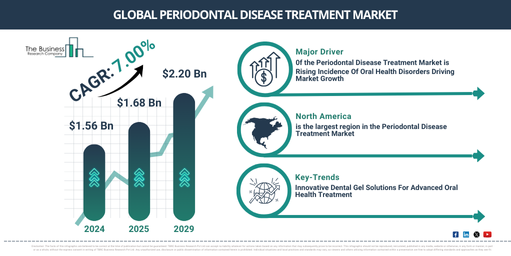
    In recent times, the market size for periodontal disease treatment has shown robust growth. It is projected to expand from $1.56 billion in 2024 to $1.68 billion in 2025, boasting a compound annual growth rate (CAGR) of approximately 7.3%. Several factors contributed to this expansion during the historical period, including a boost in the aged population, improvement in dental care facilities, a surge in chronic and aggressive periodontitis ailments, heightened risk of periodontal diseases, and a growing segment of periodontitis patients leading a sedentary lifestyle._x000D_

    _x000D_

    In the forthcoming years, the periodontal disease treatment market is projected to experience significant expansion, with an estimate of reaching $2.20 billion in 2029, and a compound annual growth rate (CAGR) of 7.0%. This increase during the projected period can be linked to the escalating demand for improved oral hygiene, an upward trend in instances of edentulism, a surge in periodontal therapeutic procedures, a rise in advertising expenditure, as well as an expanding medical and dental tourism sector in developing nations. Noteworthy trends expected within the forecast period consist of technological advancements, adoption of cutting-edge technologies, sophisticated periodontal treatment techniques, application of artificial intelligence in diagnosis, and progressive periodontal flap surgery procedures._x000D_

    _x000D_

    #Download a free sample to assess the report’s scope and structure:#_x000D_

    https://www.thebusinessresearchcompany.com/sample.aspx?id=21253&type=smp_x000D_

    _x000D_

    #How Are Key Drivers in the Industry Acting as Catalysts for the Growth of the Periodontal Disease Treatment Market?#_x000D_

    The increasing prevalence of conditions affecting oral health is anticipated to stimulate the expansion of the market for periodontal disease treatments. These disorders, such as cavities, gum disease, oral infections, and oral cancer, primarily affect the teeth, gums, and mouth. The occurrence of these ailments is on the rise due to factors such as poor oral hygiene, consumption of unhealthy foods, use of tobacco and alcohol, aging populations, and limited access to dental services. Treatments for periodontal disease help control and prevent these disorders by treating gum infections, reducing inflammation, and managing bone loss. For instance, the Australian Institute of Health and Welfare (AIHW), a government agency based in Australia, reported in October 2024 that poor oral health conditions like tooth decay, gum disease, and tooth loss have significantly affected both Australian children and adults, accounting for 4.5% of the overall non-fatal disease burden in 2022. Hence, the escalating prevalence of oral health disorders is anticipated to stimulate the growth of the market for periodontal disease treatments._x000D_

    _x000D_

    #Which Segments in the Periodontal Disease Treatment Offer the Most Growth?#_x000D_

    The periodontal disease treatment market covered in this report is segmented –_x000D_

    _x000D_

    1) By Type: Gingivitis, Chronic Periodontal Disease, Aggressive Periodontal Disease, Other Types_x000D_

    2) By Treatment Type: Non-Surgical Treatment, Scaling And Root Planning, Medication, Surgical Treatment, Flap Surgery, Bone Grafts, Other Treatment Types_x000D_

    3) By Route Of Administration: Oral, Injectable_x000D_

    4) By Distribution Channel: Hospital Pharmacies, Retail Pharmacies, Other Distribution Channels_x000D_

    5) By End-User: Hospitals, Clinic, Dental Clinic, Dental Academics And Research Institutes, Other End-Users_x000D_

    _x000D_

    Subsegments:_x000D_

    1) By Gingivitis: Plaque-Induced Gingivitis, Non-Plaque-Induced Gingivitis_x000D_

    2) By Chronic Periodontal Disease: Mild Periodontitis, Moderate Periodontitis, Severe Periodontitis_x000D_

    3) By Aggressive Periodontal Disease: Localized Aggressive Periodontitis, Generalized Aggressive Periodontitis_x000D_

    4) By Other Types: Necrotizing Periodontal Disease, Periodontitis Associated With Systemic Conditions_x000D_

    _x000D_

    #Request customized data on this market:#_x000D_

    https://www.thebusinessresearchcompany.com/customise?id=21253&type=smp_x000D_

    _x000D_

    #What Are the Fastest-Growing Geographies in the #How Are Key Drivers in the Industry Acting as Catalysts for the Growth of the Periodontal Disease Treatment Market?# Market?#_x000D_

    North America was the largest region in the periodontal disease treatment market in 2024. Asia-Pacific is expected to be the fastest-growing region in the forecast period. The regions covered in the periodontal disease treatment market report are Asia-Pacific, Western Europe, Eastern Europe, North America, South America, Middle East, Africa._x000D_

    _x000D_

    #What Are the Current Market Growth and Trends in the Periodontal Disease Treatment Industry?#_x000D_

    The primary players in the periodontal disease treatment market are focusing on the creation of innovative solutions such as dental gel. The aim is to enhance bone regeneration, augment treatment accessibility, minimize invasiveness, and provide patient-friendly alternatives that are more efficient than traditional periodontal treatments. Dental gel is a medically formulated oral product inclusive of antibacterial, anti-inflammatory, and fluoride agents for the prevention of cavities, reduction of gum disease, and relief from oral discomfort. In October 2024, for example, Oral Biolife Inc., a biotechnology firm based in the US, introduced Ambrilux Dental Gel. It’s a pioneering treatment specifically designed to stimulate bone regeneration in periodontal disease and has shown hopeful results in animal trials of significant size. The experimental procedure had an astonishing success rate in Beagle dogs, as all treated animals demonstrated increased bone growth. This breakthrough potentially paves the way for non-invasive oral care transformation for people and companion animals, catering to a crucial unaddressed medical requirement._x000D_

    _x000D_

    #View the full report here:#_x000D_

    https://www.thebusinessresearchcompany.com/report/periodontal-disease-treatment-global-market-report_x000D_

    _x000D_

    #What Are the Key Elements That Define the Periodontal Disease Treatment Market?#_x000D_

    Periodontal disease treatment refers to the medical procedures and interventions aimed at preventing, managing, and reversing the effects of periodontal diseases, which affect the gums and surrounding tissues of the teeth. The purpose is to reduce inflammation, prevent tooth loss, and improve overall oral health._x000D_

    _x000D_

    #Purchase the full report and get a swift delivery:#_x000D_

    https://www.thebusinessresearchcompany.com/purchaseoptions.aspx?id=21253_x000D_

    _x000D_

    #About The Business Research Company:#_x000D_

    With over 15000+ reports from 27 industries covering 60+ geographies, The Business Research Company has built a reputation for offering comprehensive, data-rich research and insights. Armed with 1,500,000 datasets, the optimistic contribution of in-depth secondary research, and unique insights from industry leaders, you can get the information you need to stay ahead in the game._x000D_

    _x000D_

    #Get in touch with us:#_x000D_

    The Business Research Company: https://www.thebusinessresearchcompany.com/_x000D_

    Americas +1 3156230293_x000D_

    Asia +44 2071930708_x000D_

    Europe +44 2071930708_x000D_

    Email us at info@tbrc.info_x000D_

    _x000D_

    #Follow us on:#_x000D_

    _x000D_

    LinkedIn: https://in.linkedin.com/company/the-business-research-company_x000D_

    YouTube: https://www.youtube.com/channel/UC24_fI0rV8cR5DxlCpgmyFQ_x000D_

    Global Market Model: https://www.thebusinessresearchcompany.com/global-market-model

  • Next-Gen Dysautonomia (Autonomic Dysfunction) : Market Forecast, Transformation, and Long-Term Trajectories

    Next-Gen Dysautonomia (Autonomic Dysfunction) : Market Forecast, Transformation, and Long-Term Trajectories

    Our market reports now include the latest updates on global tariffs, trade impacts, and evolving supply chain dynamics.

    How Has the Dysautonomia (Autonomic Dysfunction) Market Growth Performance Trended Historically, And What Lies Ahead?

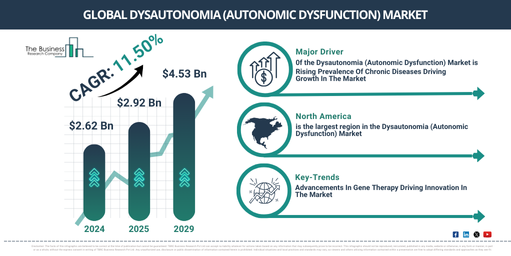
    In recent times, the market size for dysautonomia (autonomic dysfunction) has seen a swift growth. The market, which stood at $2.62 billion in 2024, is projected to rise to $2.92 billion in 2025, signifying a compound annual growth rate (CAGR) of 11.8%. This growth during the historic period is credited to several factors such as the increased occurrences of autonomic disorders, heightened awareness about dysautonomia, growing healthcare spending, expanding research into neurodegenerative diseases, and escalating government backing for rare diseases.

    The market for dysautonomia (autonomic dysfunction) is anticipated to witness a significant surge in the upcoming years. The market is projected to balloon to $4.53 billion by 2029, boasting an 11.5% compound annual growth rate (CAGR). This expansion during the forecast period can be credited to factors such as an increase in the uptake of personalized medicine, a surge in clinical trials for innovative treatments, escalated government support for research on rare diseases, the broadening of telemedicine and remote monitoring solutions, and the growing availability of orphan drugs. Integral trends during the forecast period encompass the incorporation of artificial intelligence in the diagnosis, the generation of targeted therapies, the use of wearable devices for autonomic monitoring, progress in gene therapies, and innovations in patient-centric treatments.

    Download a free sample to assess the report’s scope and structure:

    https://www.thebusinessresearchcompany.com/sample.aspx?id=21177&type=smp

    Which Major Market Drivers Are Expected to Boost the Growth Potential of the Dysautonomia (Autonomic Dysfunction) Market?

    The escalating frequency of long-term illnesses is anticipated to spur the expansion of the dysautonomia (autonomic dysfunction) market. Chronic illnesses, which last for three months or more, have seen a rise due to factors like the greater occurrence of multimorbidity – the simultaneous diagnosis of multiple chronic ailments. Dysautonomia has a significant impact on chronic diseases by interfering with the body’s capacity to manage vital functions such as heart rate, blood pressure, and digestion, often intensifying symptoms and making treatment more complex. For example, data from the National Health Service in October 2023 revealed that Type 1 diabetes prevalence in England grew from 261,710 cases in 2020-21 to 270,935 cases in 2021-22, marking a 3.5% year-over-year increase. Thus, the escalating prevalence of long-term illnesses is spurring the dysautonomia market’s growth. The ascend in autoimmune and neurological disorders is also anticipated to boost the dysautonomia (autonomic dysfunction) market’s expansion. These disorders, in which the immune system erroneously attacks the nervous system, can cause inflammation, damage, and dysfunction in the brain, spinal cord, or peripheral nerves. The upswing in these conditions is attributed to factors like genetic predisposition, environmental catalysts, lifestyle modifications, infections, and enhanced diagnostic capabilities. Dysautonomia is a key marker of underlying autoimmune and neurological disorders, helping medical practitioners identify, track, and manage disease progression while devising tailored treatment strategies. For example, in July 2023, Public Health Scotland reported that newly diagnosed multiple sclerosis patients increased to 87.2% in 2022, up from 85.7% in the previous two years, adding 491 new cases and bringing the total to 6,359. Consequently, this increase in autoimmune and neurological disorders is expected to drive the dysautonomia market’s growth.

    Which Key Market Segments Comprise the Dysautonomia (Autonomic Dysfunction) Market and Drive Its Revenue Growth?

    The dysautonomia (autonomic dysfunction) market covered in this report is segmented –

    1) By Type: Neurogenic Orthostatic Hypotension (NOH), Postural Orthostatic Tachycardia Syndrome (POTS), Multiple System Atrophy (MSA), Pure Autonomic Failure (PAF), Other Types

    2) By Tests: Cardiovagal and Vasomotor Function Tests, Thermoregulatory Sweat Test (TST), Sympathetic Skin Response (SSR), Quantitative Sudomotor Axon Reflex Test, Other Tests

    3) By Treatment: Physical Therapy, Exercise Therapy, Counseling, Other Treatments

    4) By Distribution Channel: Hospital Pharmacy, Online Pharmacy, Retail Pharmacy

    5) By End User: Hospitals, Clinics, Diagnostic Centers, Research Institutes

    Subsegments:

    1) By Neurogenic Orthostatic Hypotension (NOH): Primary NOH, Secondary NOH (due to Parkinson’s Disease, Diabetes, etc.), Pharmacological Management of NOH, Non-Pharmacological Interventions

    2) By Postural Orthostatic Tachycardia Syndrome (POTS): Hyperadrenergic POTS, Hypovolemic POTS, Neuropathic POTS, Autoimmune POTS, Treatment With Beta-Blockers, Fludrocortisone, And Salt Supplements

    3) By Multiple System Atrophy (MSA): MSA-P (Parkinsonism), MSA-C (Cerebellar), MSA-A (Autonomic), Disease-Modifying and Symptomatic Treatment

    4) By Pure Autonomic Failure (PAF): Idiopathic PAF, Secondary PAF (due to neurodegenerative diseases), Autonomic Supportive Treatments

    5) By Other Types: Familial Dysautonomia (FD), Diabetic Autonomic Neuropathy, Horner’s Syndrome, Autoimmune Autonomic Ganglionopathy, Chronic Fatigue Syndrome-related Dysautonomia

    Request customized data on this market:

    https://www.thebusinessresearchcompany.com/customise?id=21177&type=smp

    Which Areas Are Leading Regions in the Dysautonomia (Autonomic Dysfunction) Market Expansion Across the Globe?

    North America was the largest region in the dysautonomia (autonomic dysfunction) market in 2024. Asia-Pacific is expected to be the fastest-growing region in the forecast period. The regions covered in the dysautonomia (autonomic dysfunction) market report are Asia-Pacific, Western Europe, Eastern Europe, North America, South America, Middle East, Africa.

    What Are the Key Market Trends in theDysautonomia (Autonomic Dysfunction) Market Over the Coming Years?

    Leading enterprises in the dysautonomia (autonomic dysfunction) market are placing emphasis on pioneering advancements in gene therapy, such as recombinant adeno-associated virus, to augment the conveyance of healing genes to specific cells. This approach aims to heighten treatment results for patients grappling with varied forms of dysautonomia. Recombinant adeno-associated virus (rAAV) is an altered virus employed in gene therapy for the transportation of genetic matter into cells without inducing disease. As an example, in January 2025, Tikun Therapeutics Inc., an American biotechnology corporation, acquired approval for Orphan Drug and Rare Pediatric Disease Designations from the Food and Drug Administration (FDA) for rAAV2-U1a-hELP1 (a gene therapy for optic neuropathy in familial dysautonomia) and BPN-36964 (a small molecule splicing modulator for systemic FD treatment). These pioneering therapies aim to deal with the basic genetic origins of FD, offering potential enduring advantages over symptomatic management.

    View the full report here:

    https://www.thebusinessresearchcompany.com/report/dysautonomia-autonomic-dysfunction-global-market-report

    How Is the Dysautonomia (Autonomic Dysfunction) Market Conceptually Defined?

    Dysautonomia, or autonomic dysfunction, refers to a condition where the autonomic nervous system (ANS) does not function properly, affecting involuntary bodily functions such as heart rate, blood pressure, digestion, and temperature regulation. It can result from various causes, including genetic factors, injuries, or underlying health conditions, leading to symptoms like dizziness, fainting, and irregular heartbeat.

    Purchase the full report and get a swift delivery:

    https://www.thebusinessresearchcompany.com/purchaseoptions.aspx?id=21177

    About The Business Research Company:

    With over 15000+ reports from 27 industries covering 60+ geographies, The Business Research Company has built a reputation for offering comprehensive, data-rich research and insights. Armed with 1,500,000 datasets, the optimistic contribution of in-depth secondary research, and unique insights from industry leaders, you can get the information you need to stay ahead in the game.

    Get in touch with us:

    The Business Research Company: https://www.thebusinessresearchcompany.com/

    Americas +1 3156230293

    Asia +44 2071930708

    Europe +44 2071930708

    Email us at info@tbrc.info

    Follow us on:

    LinkedIn: https://in.linkedin.com/company/the-business-research-company

    YouTube: https://www.youtube.com/channel/UC24_fI0rV8cR5DxlCpgmyFQ

    Global Market Model: https://www.thebusinessresearchcompany.com/global-market-model
  • Key Factors Fueling the Growth of the Cancer Anorexia-Cachexia Syndrome (CACS) Market in 2025: Impact Of Rising Cancer Prevalence On The Market

    Our market reports now include the latest updates on global tariffs, trade impacts, and evolving supply chain dynamics.

    What is the Anticipated CAGR of the Cancer Anorexia-Cachexia Syndrome (CACS) Market, and What Factors Will Drive It?

    The market for the cancer anorexia-cachexia syndrome (CACS) has seen a swift expansion in the past few years. The market is forecasted to surge from $3.51 billion in 2024 to $3.89 billion in 2025, progressing at a compound annual growth rate (CAGR) of 11.0%. Factors contributing to the growth experienced in the previous period include a rise in cancer cases, heightened awareness amongst healthcare professionals, an enhanced emphasis on the quality of life for cancer patients, widening clinical trials, and increased collaborations and partnerships within the pharmaceutical industry.

    The market for cancer anorexia-cachexia (CACS) is projected to exhibit swift expansion in the ensuing years, reaching a valuation of $5.84 billion by 2029 with an impressive compound annual growth rate (CAGR) of 10.7%. The anticipated augmentation during this period can be accredited to a rise in cancer survival rates, escalated investments in the support care sector of oncology, the evolution of personalized medicine, an emphasis on multimodal therapies, and an expanding healthcare infrastructure. In the same period, developments in palliative care, the emergence of targeted therapies, technological improvements in drug delivery systems, application of artificial intelligence in drug development, and patient-specific medication are expected to dominate trends.

    Download a free sample to assess the report’s scope and structure:

    https://www.thebusinessresearchcompany.com/sample.aspx?id=21125&type=smp

    What are the Fundamental Drivers and Innovations Shaping the Cancer Anorexia-Cachexia Syndrome (CACS) Market?

    The increasing incidence of cancer is anticipated to stimulate the expansion of the cancer anorexia-cachexia syndrome market. Cancer encompasses a vast array of illnesses defined by unregulated cell proliferation and distribution throughout the body. Global cancer incidence is on the rise due to factors such as an aging demographic, lifestyle modifications, environmental exposure, refined detection procedures, elevated awareness, in addition to genetic susceptibility and infections associated with specific cancers. Cancer Anorexia-Cachexia Syndrome (CACS) responds to this growing cancer incidence by focusing on addressing the extreme weight loss and malnutrition commonly observed in cancer sufferers, thereby enhancing their overall life standard and treatment results. For instance, a report published by Macmillan Cancer Support, a UK-based charity, stated in August 2024 that over 3 million people in the UK are living with cancer, a figure expected to rise to 3.5 million by 2025, 4 million by 2030, and 5.3 million by 2040. Therefore, the escalating rate of cancer is fueling the growth of the cancer anorexia-cachexia syndrome industry. The Effect Of Rising Health Expenditure On The Market

    How Is the Cancer Anorexia-Cachexia Syndrome (CACS) Market Segmented?

    The cancer anorexia-cachexia syndrome (CACS) market covered in this report is segmented –

    1) By Indication: Weight Loss Prevention, Appetite Loss, Muscle Wasting, Inflammation, Other Indications

    2) By Therapeutics: Progestogen, Corticosteroid, Combination Therapy, Other Therapeutics

    3) By Mechanism Of Action: Appetite Stimulants, Anti-inflammatory Agents, Hormone Therapies, Cannabinoids, Other Mechanism Of Actions

    4) By Route of Administration: Oral, Intravenous, Subcutaneous, Transdermal, Other Route of Administration

    5) By Application: Hospitals, Clinics, Home Care

    Subsegments:

    1) By Weight Loss Prevention: Nutritional Supplements, Metabolic Modulators

    2) By Appetite Loss: Appetite Stimulants, Ghrelin Receptor Agonists

    3) By Muscle Wasting: Anabolic Agents, Selective Androgen Receptor Modulators (SARMs)

    4) By Inflammation: Anti-Inflammatory Drugs, Cytokine Inhibitors

    5) By Other Indications: Combination Therapies, Supportive Care Interventions

    Request customized data on this market:

    https://www.thebusinessresearchcompany.com/customise?id=21125&type=smp

    Which Regions Are Driving the Next Phase of the Cancer Anorexia-Cachexia Syndrome (CACS) Market Growth?

    North America was the largest region in the cancer anorexia-cachexia (CACS) market in 2024. Asia-Pacific is expected to be the fastest-growing region in the forecast period. The regions covered in the cancer anorexia-cachexia syndrome (CACS) market report are Asia-Pacific, Western Europe, Eastern Europe, North America, South America, Middle East, Africa.

    What Key Trends Are Shaping the Future of the Cancer Anorexia-Cachexia Syndrome (CACS) Market?

    Key players in the cancer anorexia-cachexia syndrome market are concentrating on the creation of innovative treatments, such as monoclonal antibody therapies, to improve treatment effectiveness, patient outcomes, and address unknown clinical needs. These therapies utilize antibodies created in a lab to specifically target antigens on cancer cells, which makes the immune system better equipped to identify and combat them. For instance, American pharmaceutical and biotechnology firm, Pfizer Inc., reported promising results from a Stage II clinical trial of ponsegromab, a monoclonal antibody that targets the Growth/Differentiation Factor 15 (GDF-15) in September 2024. This encouraging data provides potential for a fresh therapeutic pathway for patients enduring this devastating illness, as there are presently very few efficient treatments available. The Phase 2 trial data indicates significant advancement in tackling the inflammation processes that lead to muscle wastage and weight loss in cancer patients. This methodology is geared towards not only improving physical capabilities, but also escalating the overall living standards for cancer patients, signifying a crucial advancement in cancer treatment.

    View the full report here:

    https://www.thebusinessresearchcompany.com/report/cancer-anorexia-cachexia-syndrome-cacs-global-market-report

    How Is the Cancer Anorexia-Cachexia Syndrome (CACS) Market Defined and What Are Its Core Parameters?

    Cancer anorexia-cachexia syndrome (CACS) is a multifactorial condition commonly seen in cancer patients, marked by severe metabolic disturbances. It involves a combination of inflammatory responses, hormonal changes, and altered nutrient utilization, often leading to poor prognosis and treatment resistance.

    Purchase the full report and get a swift delivery:

    https://www.thebusinessresearchcompany.com/purchaseoptions.aspx?id=21125

    About The Business Research Company:

    With over 15000+ reports from 27 industries covering 60+ geographies, The Business Research Company has built a reputation for offering comprehensive, data-rich research and insights. Armed with 1,500,000 datasets, the optimistic contribution of in-depth secondary research, and unique insights from industry leaders, you can get the information you need to stay ahead in the game.

    Get in touch with us:

    The Business Research Company: https://www.thebusinessresearchcompany.com/

    Americas +1 3156230293

    Asia +44 2071930708

    Europe +44 2071930708

    Email us at info@tbrc.info

    Follow us on:

    LinkedIn: https://in.linkedin.com/company/the-business-research-company

    YouTube: https://www.youtube.com/channel/UC24_fI0rV8cR5DxlCpgmyFQ

    Global Market Model: https://www.thebusinessresearchcompany.com/global-market-model

  • Peptide And Anticoagulant Drugs Market Trends 2025-2034: Growth, Strategic Insights, and Opportunities Ahead

    Peptide And Anticoagulant Drugs Market Trends 2025-2034: Growth, Strategic Insights, and Opportunities Ahead

    Our market reports now include the latest updates on global tariffs, trade impacts, and evolving supply chain dynamics.

    #What Is the Estimated Market Size of the Peptide And Anticoagulant Drugs Market In 2029?#_x000D_

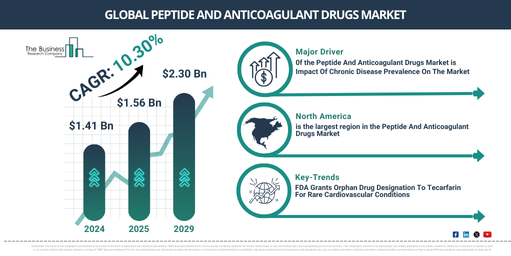
    The market size for peptide and anticoagulant drugs has seen significant expansion in recent years. The market value is predicted to escalate from $1.41 billion in 2024 to $1.56 billion in 2025, reflecting a compound annual growth rate (CAGR) of 10.6%. The historic period’s increased market growth can be associated with factors including a rise in healthcare spending, bolstered healthcare investments, growing market liberalisation, an upsurge in global patient infections, and a heightened occurrence of genetic conditions._x000D_

    _x000D_

    The market size for peptide and anticoagulant drugs is predicted to experience swift expansion in the forthcoming years, elevating to $2.30 billion by 2029 with a compound annual growth rate (CAGR) of 10.3%. The projected uprise during the forecast period is related to the escalating occurrence of chronic conditions, the growing elder population, the surge in cancer cases, the extension of emerging markets, and the heightened cardiovascular disease burden. Noteworthy trends within the forecast period encompass progress in biotechnology, advancements in drug delivery technology, enhancement in diagnostic methods, progression in pharmacology, and the evolution of anticoagulant products._x000D_

    _x000D_

    #Download a free sample to assess the report’s scope and structure:#_x000D_

    https://www.thebusinessresearchcompany.com/sample.aspx?id=21252&type=smp_x000D_

    _x000D_

    #What Are the Major Market Drivers Behind the Rising Adoption of Peptide And Anticoagulant Drugs Market?#_x000D_

    The growth of the peptide and anticoagulant drugs market is set to be driven by an escalating prevalence of chronic diseases. These are long-lasting health issues which persist for years, and often for one’s entire life. Factors contributing to the increase in chronic diseases include aging populations, unhealthy lifestyle choices, and a heightened occurrence of risk factors such as diabetes, hypertension, and obesity. Peptide and anticoagulant drugs are employed in the management of chronic diseases, dealing with conditions like thrombosis, stroke, and cardiovascular diseases by preventing blood clotting and targeting specific disease pathways for better patient results. For example, the Centers for Disease Control and Prevention, a US government agency, reported in May 2023 that the total number of deaths due to heart disease and cancer was 695,547 in 2022, a rise from 605,213 in 2021. As a result, the growing prevalence of chronic diseases is fueling expansion in the peptide and anticoagulant drugs market._x000D_

    _x000D_

    #Which Key Market Segments Comprise the Peptide And Anticoagulant Drugs Market and Drive Its Revenue Growth?#_x000D_

    The peptide and anticoagulant drugs market covered in this report is segmented –_x000D_

    _x000D_

    1) By Type: Hormonal, Antibiotic, Ace Inhibitor, Antifungal, Other Types_x000D_

    2) By Route Of Administration: Oral, Injectable, Other Routes Of Administration_x000D_

    3) By Distribution Channel: Hospital Pharmacy, Retail Pharmacy, Online Pharmacy, Other Distribution Channels_x000D_

    4) By Application: Infectious Diseases, Gynecology, Cancer, Diabetes, Cardiology, Osteoporosis, Other Applications_x000D_

    5) By End-users: Hospitals, Specialty Clinics, Homecare, Other End-users_x000D_

    _x000D_

    Subsegments:_x000D_

    1) By Hormonal: Peptide Hormones, Steroid Hormones, Thyroid Hormones, Other Hormones_x000D_

    2) By Antibiotic: Beta-Lactams, Macrolides, Tetracyclines, Fluoroquinolones, Other Antibiotics_x000D_

    3) By ACE Inhibitor: Captopril, Enalapril, Lisinopril, Ramipril, Other ACE Inhibitors_x000D_

    4) By Antifungal: Azoles, Echinocandins, Polyenes, Allylamines, Other Antifungals_x000D_

    5) By Other Types: Immunosuppressants, Antineoplastic Agents, Cardiovascular Drugs, Other Peptide And Anticoagulant Drugs_x000D_

    _x000D_

    #Request customized data on this market:#_x000D_

    https://www.thebusinessresearchcompany.com/customise?id=21252&type=smp_x000D_

    _x000D_

    #Which Areas Are Leading Regions in the Peptide And Anticoagulant Drugs Market Expansion Across the Globe?#_x000D_

    North America was the largest region in the peptide and anticoagulant drugs market in 2024. Asia-Pacific is expected to be the fastest-growing region in the forecast period. The regions covered in the peptide and anticoagulant drugs market report are Asia-Pacific, Western Europe, Eastern Europe, North America, South America, Middle East, Africa._x000D_

    _x000D_

    #What Are the Strategic Trends Steering thePeptide And Anticoagulant Drugs Market Direction?#_x000D_

    Leading businesses in the peptide and anticoagulant drugs market are concentrating on innovations in anticoagulant treatments, like oral anticoagulants, to boost effectiveness, heighten patient adherence, and minimize the possibility of hemorrhage. An oral anticoagulant is a drug consumed orally that prevents the formation of blood clots by blocking clotting agents in the blood. For example, Cadrenal Therapeutics Inc., a pharmaceutical firm based in the Unites States, was granted Orphan Drug Designation (ODD) by the U.S. Food and Drug Administration (FDA) for tecarfarin, their advanced oral anticoagulant, in April 2024. Tecarfarin aims to be an innovative, reversible blood thinner targeting the reduction of heart attack, stroke, and clot-related mortality risks in patients with uncommon heart conditions. The ODD is specifically given for the prevention of thromboembolism and thrombosis in patients with implanted mechanical heart-support devices, like LVADs, RVADs, VADs, biventricular assist devices, and full artificial hearts._x000D_

    _x000D_

    #View the full report here:#_x000D_

    https://www.thebusinessresearchcompany.com/report/peptide-and-anticoagulant-drugs-global-market-report_x000D_

    _x000D_

    #How Is the Peptide And Anticoagulant Drugs Market Conceptually Defined?#_x000D_

    Peptide and anticoagulant drugs are therapeutic agents where peptide drugs are short chains of amino acids that mimic natural biological molecules, and anticoagulant drugs prevent blood clotting by inhibiting clotting factors. Some anticoagulants, like hirudin and bivalirudin, are peptide-based, directly inhibiting thrombin to prevent thrombosis. These drugs are crucial in treating conditions such as deep vein thrombosis, pulmonary embolism, and stroke._x000D_

    _x000D_

    #Purchase the full report and get a swift delivery:#_x000D_

    https://www.thebusinessresearchcompany.com/purchaseoptions.aspx?id=21252_x000D_

    _x000D_

    #About The Business Research Company:#_x000D_

    With over 15000+ reports from 27 industries covering 60+ geographies, The Business Research Company has built a reputation for offering comprehensive, data-rich research and insights. Armed with 1,500,000 datasets, the optimistic contribution of in-depth secondary research, and unique insights from industry leaders, you can get the information you need to stay ahead in the game._x000D_

    _x000D_

    #Get in touch with us:#_x000D_

    The Business Research Company: https://www.thebusinessresearchcompany.com/_x000D_

    Americas +1 3156230293_x000D_

    Asia +44 2071930708_x000D_

    Europe +44 2071930708_x000D_

    Email us at info@tbrc.info_x000D_

    _x000D_

    #Follow us on:#_x000D_

    _x000D_

    LinkedIn: https://in.linkedin.com/company/the-business-research-company_x000D_

    YouTube: https://www.youtube.com/channel/UC24_fI0rV8cR5DxlCpgmyFQ_x000D_

    Global Market Model: https://www.thebusinessresearchcompany.com/global-market-model

  • Major Trends and Emerging Patterns in the Calciphylaxis Market: Innovative Enzyme Replacement Therapy Advancements In The Market

    Major Trends and Emerging Patterns in the Calciphylaxis Market: Innovative Enzyme Replacement Therapy Advancements In The Market

    Our market reports now include the latest updates on global tariffs, trade impacts, and evolving supply chain dynamics.

    What Are the Key Milestones in the Calciphylaxis Market’s Growth Trajectory From 2025 To 2034?

    The market for calciphylaxis has seen swift expansion in the last few years. It is projected to increase from a value of $3.22 billion in 2024 to $3.55 billion in 2025, exhibiting a compound annual growth rate (CAGR) of 10.0%. The historic growth can be traced back to factors such as the growing incidence of chronic kidney disease, heightened cognizance of rare diseases, increasing government backing for research in rare diseases, improving regulatory conditions, and a rise in healthcare spending.

    The market size for calciphylaxis is forecasted to witness significant expansion in the upcoming years. With a compound annual growth rate (CAGR) of 9.7%, it is expected to reach a value of $5.13 billion by 2029. This projected growth can be tied to factors such as an increasing aging population worldwide, the emergence of therapeutic innovations, broader access to dialysis in emerging regions, escalating investment in the development of drugs for rare diseases, and a rising prevalence of end-stage renal disease. The market’s growth is also likely to be influenced by key trends that include breakthroughs in dialysis and renal care, the evolution of treatments for mineral and bone disorder, progress in personalized medicine, advancements in biotech, therapeutic breakthroughs, and enhancement in healthcare policy.

    Download a free sample to assess the report’s scope and structure:

    https://www.thebusinessresearchcompany.com/sample.aspx?id=21124&type=smp

    What Are the Primary Drivers Supporting the Market Growth of the Calciphylaxis Market?

    The calciphylaxis market’s expansion is predicted to be fueled by the escalating occurrence of chronic kidney disease (CKD). CKD is a long-lasting condition characterized by a progressive loss of kidney function, which may ultimately result in kidney failure. This increasing prevalence of CKD is often tied to an aging demographic, higher incidences of diabetes and hypertension, poor lifestyle choices, and insufficient early detection and treatment of kidney diseases. Calciphylaxis is a pivotal sign of severe vascular complications in CKD, underlining the necessity for early intervention and better control of mineral imbalances to avert tissue death and related morbidity. For instance, data from the Australian Institute of Health and Welfare revealed in December 2024 that the mortality rates from CKD experienced a steady increase from 2021 to 2022, with growth of 4.2% in 2021 and 6.2% in 2022, the latter year being more significant. Thus, the growing number of CKD cases is fueling the calciphylaxis market’s growth. The calciphylaxis market’s growth is also being driven by the rise in obesity rates. Obesity, described as a health condition where excessive fat build-up heightens susceptibility to various diseases like heart disease, diabetes, and hypertension, has been growing. Factors contributing to this increase comprise of sedentary ways of living, high-calorie diet consumption, genetic factors, and lack of access to healthier food options. Obesity leads to an increased risk of calciphylaxis, especially in those with CKD, due to metabolic dysfunction, chronic inflammation, and vascular calcification, which amplify calcium-phosphate imbalance and cellular damage to the endothelium. According to the Centers for Disease Control and Prevention, a government agency in the US, in September 2023, the number of states with a 35% or greater adult obesity rate rose from 19 states in 2021 to 22 in 2022. With that, the rising rates of obesity are stimulating the expansion of the calciphylaxis market.

    Which Primary Segments of the Calciphylaxis Market Are Driving Growth and Industry Transformations?

    The calciphylaxis market covered in this report is segmented –

    1) By Type: Non-Uremic Calciphylaxis, Ulcers And Wounds, Debridement Of Wounds

    2) By Treatment: Drug Therapy, Hyperbaric Calciphylaxis Therapy

    3) By Diagnosis: Deep Skin Biopsies, Blood Tests, Imaging

    4) By End-Use: Hospital And Clinics, Homecare, Ambulatory Centers

    Subsegments:

    1) By Non-Uremic Calciphylaxis: Vascular Calcification, Soft Tissue Calcification, Cutaneous Manifestations

    2) By Ulcers and Wounds: Skin Ulcers, Ischemic Wounds, Necrotic Ulcers, Pressure Ulcers

    3) By Debridement Of Wounds: Surgical Debridement, Enzymatic Debridement, Autolytic Debridement, Mechanical Debridement, Biological Debridement

    Request customized data on this market:

    https://www.thebusinessresearchcompany.com/customise?id=21124&type=smp

    Which Regions Are Key Players in the Growth of the #What Are the Primary Drivers Supporting the Market Growth of the Calciphylaxis Market?# Market?

    North America was the largest region in the calciphylaxis market in 2024. Asia-Pacific is expected to be the fastest-growing region in the forecast period. The regions covered in the calciphylaxis market report are Asia-Pacific, Western Europe, Eastern Europe, North America, South America, Middle East, Africa.

    What Are the Most Significant Market Trends in the Calciphylaxis Market?

    Leading businesses in the calciphylaxis market are concentrating on the creation of novel therapies, such as enzyme replacement therapy, to enhance the results of treatment and minimize the condition’s severity. Enzyme replacement therapy (ERT) is a technique for treating a missing or deficient enzyme in the body. It’s commonly utilized for treating uncommon genetic disorders where the body can’t produce a specific enzyme required for healthy cellular function. In October 2024, for example, US-based biopharmaceutical firm Inozyme Pharma Inc. reported positive preliminary findings from its Phase 1 SEAPORT 1 trial of INZ-701 in patients with end-stage kidney disease (ESKD). The initial data from the trial emphasizes the potential of INZ-701 to replenish enzyme activity essential for averting atypical mineralization, a major element in severe rare diseases. The therapy is engineered to replace enzymes targeting ENPP1 and ABCC6 deficiencies, which are linked to pathological calcium deposits in blood vessels and tissues.

    View the full report here:

    https://www.thebusinessresearchcompany.com/report/calciphylaxis-global-market-report

    What Parameters Are Used to Define the Calciphylaxis Market?

    Calciphylaxis refers to a rare, serious condition characterized by the calcification of small blood vessels, leading to skin necrosis and severe pain. It is used for studying vascular calcification disorders and developing targeted treatments to improve wound healing and pain management in affected patients.

    Purchase the full report and get a swift delivery:

    https://www.thebusinessresearchcompany.com/purchaseoptions.aspx?id=21124

    About The Business Research Company:

    With over 15000+ reports from 27 industries covering 60+ geographies, The Business Research Company has built a reputation for offering comprehensive, data-rich research and insights. Armed with 1,500,000 datasets, the optimistic contribution of in-depth secondary research, and unique insights from industry leaders, you can get the information you need to stay ahead in the game.

    Get in touch with us:

    The Business Research Company: https://www.thebusinessresearchcompany.com/

    Americas +1 3156230293

    Asia +44 2071930708

    Europe +44 2071930708

    Email us at info@tbrc.info

    Follow us on:

    LinkedIn: https://in.linkedin.com/company/the-business-research-company

    YouTube: https://www.youtube.com/channel/UC24_fI0rV8cR5DxlCpgmyFQ

    Global Market Model: https://www.thebusinessresearchcompany.com/global-market-model

  • Major Trends and Emerging Patterns in the Skin Microbiome Market: Strategic Collaborations Driving Innovation Through Shared Expertise And Advanced Technologies

    Major Trends and Emerging Patterns in the Skin Microbiome Market: Strategic Collaborations Driving Innovation Through Shared Expertise And Advanced Technologies

    Get 30% off on our Global Market Reports with code ONLINE30 – Hurry, limited time offer!

    How Has The Skin Microbiome Market Growth Evolved From 2024 To 2025, And What’s Ahead?

    In recent times, there has been a noticeable expansion in the skin microbiome market. The market size is anticipated to move from $0.83 billion in 2024 to $0.94 billion in 2025, representing a compound annual growth rate of 13.5%. Factors contributing to this growth during the previous period include enhanced understanding of skin health, growing consumer interest in natural and organic skincare items, an uptick in preference for individualized skincare products, an increased emphasis on the relationship between gut health and skin, along with soaring interest in microbiome-centric treatments.

    The size of the skin microbiome market is set to experience swift expansion in the upcoming years. The market value is predicted to escalate to $1.54 billion by 2029, with an annual compounded growth rate of 13.1%. The growth projected for this period is primarily due to the intensifying studies on the advantages of skin microbiome, the increased preference for skincare products based on microbiome, rising demand for eco-friendly and clean beauty, increasing financial support in microbiome science, and an augmented concentration on preventive skincare options. Key trends projected for this period involve progression in microbiome research techniques, sophisticated formulation methods directed at skincare, innovations in bespoke skincare solutions, incorporation of AI and data analysis in product creation, and advancement in skin health-focused probiotics and prebiotics.

    Download a free sample to assess the report’s scope and structure:

    https://www.thebusinessresearchcompany.com/sample.aspx?id=23518&type=smp

    What Are the Primary Drivers Supporting the Market Growth of the Skin Microbiome Market?

    The escalating consumer demand for skincare products is projected to drive the expansion of the skin microbiome market. Skincare items, which are formulated to clean, safeguard, nourish, and enhance skin health and appearance, are experiencing higher demand due to the growing consumer enlightenment about skin health and the significance of preventive self-care. This has led to the adoption of daily skincare regimes by more people for long-term wellness and aesthetics. Skin microbiomes play a vital role in skincare products as they assist in maintaining a balanced skin barrier and ward off issues like dryness, inflammation, and acne by fortifying the skin’s natural defense mechanism. To illustrate, in April 2023, a report issued by L’Oréal S.A., a beauty products provider based in France, stated that the Dermatological Beauty division’s sales were $1869.7 million (€1,685.7 million) in the first quarter of 2023, as opposed to $1389.5 million (€1,252.7 million) in the corresponding period in 2022. This constitutes a year-on-year escalation of 30.6% on a like-for-like basis, and 34.6% on a reported basis. Thus, the escalating consumer demand for skincare products is anticipated to push the advancement of the skin microbiome market.

    Which Primary Segments of the Skin Microbiome Market Are Driving Growth and Industry Transformations?

    The skin microbiome market covered in this report is segmented –

    1) By Product Type: Skin Care Products, Dietary Supplements, Medical Devices, Diagnostic Tests

    2) By Skin Type: Normal, Dry, Oily, Combination

    3) By Distribution Channel: Online, Retail Stores, Pharmacies, Hospitals

    4) By Application : Acne, Eczema, Psoriasis, Anti-Aging, Wound Healing

    5) By End User: Consumers, Healthcare Professionals, Research Institutions

    Subsegments:

    1) By Skin Care Products: Moisturizers, Cleansers, Serums And Oils, Face Masks, Sunscreens, Anti-Aging Products, Acne Treatment Products

    2) By Dietary Supplements: Probiotics, Prebiotics, Postbiotics, Collagen Supplements, Antioxidants, Vitamins And Minerals

    3) By Medical Devices: Microbiome-based Topical Therapeutics, Skin Microbiome Modulation Devices, Light And Laser Therapy Devices, Electrotherapy Devices

    4) By Diagnostic Tests: Skin Microbiome Profiling Kits, PCR-based Testing Kits, Next-Generation Sequencing (NGS) Tests, Microbial Culture-Based Tests, Biomarker-based Skin Analysis

    Request customized data on this market:

    https://www.thebusinessresearchcompany.com/customise?id=23518&type=smp

    Which Regions Are Key Players in the Growth of the Skin Microbiome Market?

    North America was the largest region in the skin microbiome market in 2024. Asia-Pacific is expected to be the fastest-growing region in the forecast period. The regions covered in the skin microbiome market report are Asia-Pacific, Western Europe, Eastern Europe, North America, South America, Middle East, Africa.

    What Key Market Trends and Innovations Are Shaping the Future of the Skin Microbiome Industry?

    Major corporations active in the skin microbiome sector are concentrating on forging strategic alliances to minimize potential risks, foster innovation and stay competitive in the dynamic market. Devised to benefit from each other’s advantages, these strategic partnerships are mutual agreements involving two or more companies with the intent to expand the market, innovate or gain a competitive edge. To illustrate, Terra Quantum, a quantum technology firm based in Switzerland, allied with UK consumer goods firm Unilever in September 2024. This alliance aims to progress in the field of skin microbiome study, employing quantum machine learning. This collaboration could potentially influence future skincare products by providing fresh perspectives on skin biology and health. With the integration of quantum computing and traditional machine learning methods, this venture showcases the practical use of quantum AI in consumer health and skincare, offering a more advanced understanding of the skin microbiome’s impact on health and aesthetics.

    View the full report here:

    https://www.thebusinessresearchcompany.com/report/skin-microbiome-global-market-report

    What Parameters Are Used to Define the Skin Microbiome Market?

    The skin microbiome refers to the diverse community of microorganisms, that live on the surface of human skin. This ecosystem plays a crucial role in maintaining skin health by protecting against harmful pathogens, supporting the immune system, and helping regulate inflammation.

    Purchase the full report and get a swift delivery:

    https://www.thebusinessresearchcompany.com/purchaseoptions.aspx?id=23518

    About The Business Research Company:

    With over 15000+ reports from 27 industries covering 60+ geographies, The Business Research Company has built a reputation for offering comprehensive, data-rich research and insights. Armed with 1,500,000 datasets, the optimistic contribution of in-depth secondary research, and unique insights from industry leaders, you can get the information you need to stay ahead in the game.

    Get in touch with us:

    The Business Research Company: https://www.thebusinessresearchcompany.com/

    Americas +1 3156230293

    Asia +44 2071930708

    Europe +44 2071930708

    Email us at info@tbrc.info

    Follow us on:

    LinkedIn: https://in.linkedin.com/company/the-business-research-company

    YouTube: https://www.youtube.com/channel/UC24_fI0rV8cR5DxlCpgmyFQ

    Global Market Model: https://www.thebusinessresearchcompany.com/global-market-model

  • Surgical Drainage Devices Market in Focus: Forecasting Growth Drivers, Scaling Potential, and Global Opportunities

    Get 30% off on our Global Market Reports with code ONLINE30 – Hurry, limited time offer!

    How Has the Surgical Drainage Devices Market Growth Performance Trended Historically, And What Lies Ahead?

    In recent times, the surgical drainage devices market has seen robust growth. The market which was valued at $2.71 billion in 2024 is expected to reach $2.95 billion in 2025, reflecting a compound annual growth rate (CAGR) of 8.9%. The marked growth during the historic period has been fueled by factors such as a surge in chronic diseases, an increasing number of surgical procedures, a rise in smoking and alcohol consumption, and an uptick in surgeries related to cancer.

    The market for surgical drainage devices is projected to experience considerable growth in the upcoming years and is expected to reach a size of $4.14 billion by 2029, with a compound annual growth rate (CAGR) of 8.8%. This expansion over the forecast period can be linked to an increase in musculoskeletal disorders, an uptick in surgical procedures, the emergence of new products, the growth of medical tourism in specific nations, and enhanced incidences of cancer-related surgeries. Key trends observed during this period are developments in drainage system technology, progress in minimally invasive procedures, the establishment of regulatory approvals and reimbursement policies, the introduction of innovative patient-specific drainage solutions, and the evolution of smart and connected surgical drainage devices.

    Download a free sample to assess the report’s scope and structure:

    https://www.thebusinessresearchcompany.com/sample.aspx?id=23534&type=smp

    What Are the Core Market Drivers Propelling Growth in the Surgical Drainage Devices Industry?

    A surge in the number of surgical procedures is predicted to stimulate the expansion of the surgical drainage devices market in the coming years. This upturn is a result of advancements in medical innovation and enhancements in surgical methodologies that have ensured safer and more proficient procedures. Surgical drainage appliances are employed during surgery to eliminate fluids, blood, pus, or other substances from a wound or bodily cavity, which is pivotal in warding off issues like infections, fluid accumulation or pressure on adjacent tissues. Such devices are typically used when fluid buildup post-operation is a potential risk, especially after abdominal, thoracic or orthopedic surgeries. For example, data from the American Academy of Orthopaedic Surgeons’ Shoulder & Elbow Registry 2024 indicates that 36,296 shoulder and elbow procedures were carried out in the U.S. in April 2024, a substantial 44% growth compared to 2022. Thus, the growing number of surgical operations is fueling the expansion of the surgical drainage devices sector.

    How Is the Surgical Drainage Devices Market Segmented?

    The surgical drainage devices market covered in this report is segmented –

    1) By Product: Active, Passive

    2) By Application: Thoracic And Cardiovascular Surgeries, Neurosurgical Procedures, Abdominal Surgery, Orthopedics, Other Applications

    3) By End-User: Hospitals, Ambulatory Surgical Centers, Clinics

    Subsegments:

    1) By Active: Jackson-Pratt Drain, Hemovac Drain, Blake Drain, Negative Pressure Wound Therapy, Redivac Drain, EVD And Lumbar Drain, Chest Tube, Other Active Products

    2) By Passive: Penrose Drain, Other Passive Products

    Request customized data on this market:

    https://www.thebusinessresearchcompany.com/customise?id=23534&type=smp

    Which Regions Are Driving the Next Phase of the Surgical Drainage Devices Market Growth?

    North America was the largest region in the surgical drainage devices market in 2024. Asia-Pacific is expected to be the fastest-growing region in the forecast period. The regions covered in the surgical drainage devices market report are Asia-Pacific, Western Europe, Eastern Europe, North America, South America, Middle East, Africa.

    Which Emerging Trends that Are Influencing the Surgical Drainage Devices Industry Evolution?

    Leading players in the surgical drainage devices market are striving to create innovative medical products like postoperative drainage and flushing systems, which can boost patient healing, minimize postoperative issues, and better surgical results by effectively removing leftover fluids and averting obstructions. A postoperative drainage and flushing system serves as a medical tool for eliminating any residual fluids, clots, or blood from the surgical area post-procedure. For instance, Haermonics, a company hailing from the Netherlands that specializes in surgical drainage technology, launched Haermonics Pure in October 2023. This is a medical tool engineered to cleanse the chest cavity of heart surgery patients, thus curtailing postoperative complications. By consistently rinsing the pericardial space with warm saline, it removes leftover blood and clots that could potentially hinder drainage and cause serious issues like tamponade. Establishing a clear drainage system decreases the likelihood of secondary operations, furthers patient healing, and optimizes surgical outcomes. Haemonics Pure also provides surgeons with real-time data on blood loss, aiding them in making knowledgeable decisions in the crucial initial hours following an operation.

    View the full report here:

    https://www.thebusinessresearchcompany.com/report/surgical-drainage-devices-global-market-report

    How Is the Surgical Drainage Devices Market Defined and What Are Its Core Parameters?

    Surgical drainage devices are medical instruments designed to remove fluids, pus, blood, or air from a wound, surgical site, or body cavity to prevent infection, facilitate healing, and reduce the risk of complications by providing continuous or intermittent drainage through passive or active mechanisms, ensuring optimal post-operative recovery and patient safety. These devices are used in various surgical procedures to manage fluid accumulation, minimize hematoma formation, enhance wound healing, and reduce post-operative discomfort, improving overall clinical outcomes.

    Purchase the full report and get a swift delivery:

    https://www.thebusinessresearchcompany.com/purchaseoptions.aspx?id=23534

    About The Business Research Company:

    With over 15000+ reports from 27 industries covering 60+ geographies, The Business Research Company has built a reputation for offering comprehensive, data-rich research and insights. Armed with 1,500,000 datasets, the optimistic contribution of in-depth secondary research, and unique insights from industry leaders, you can get the information you need to stay ahead in the game.

    Get in touch with us:

    The Business Research Company: https://www.thebusinessresearchcompany.com/

    Americas +1 3156230293

    Asia +44 2071930708

    Europe +44 2071930708

    Email us at info@tbrc.info

    Follow us on:

    LinkedIn: https://in.linkedin.com/company/the-business-research-company

    YouTube: https://www.youtube.com/channel/UC24_fI0rV8cR5DxlCpgmyFQ

    Global Market Model: https://www.thebusinessresearchcompany.com/global-market-model