Blog

  • Antibody Fragments Market Valued At $17.56 Billion In 2026: Key Trends And Growth Drivers

    Antibody Fragments Market Valued At $17.56 Billion In 2026: Key Trends And Growth Drivers

    Backed by market attractiveness analysis, total addressable market sizing, company benchmarking matrices, interactive Excel dashboards, wider supply chain intelligence, emerging startup coverage, and detailed product-level insights, The Business Research Company’s 2026 market reports are designed to offer research that is more actionable and strategically valuable than ever.

    Antibody Fragments Market Growth From $12.31 Billion In 2026 To $17.56 Billion By 2030 At A CAGR Of 9.3%

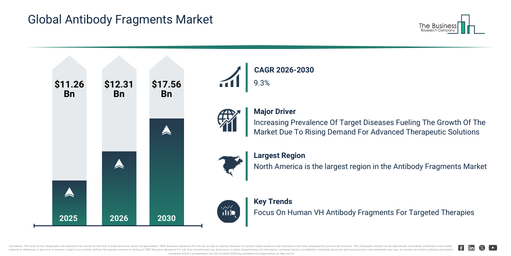
    The antibody fragments market size has experienced significant expansion in recent years. It is anticipated to grow from $11.26 billion in 2025 to $12.31 billion in 2026, reflecting a compound annual growth rate (CAGR) of 9.3%. This historical growth can be attributed to the advancement of monoclonal antibody technologies, the clinical success of antibody-derived therapies, the increasing research into cancer biologics, the broader expansion of diagnostic antibody usage, and enhanced investment in biologics research and development.

    The antibody fragments market is set for substantial growth over the next few years, with projections indicating it will reach $17.56 billion by 2030, growing at a compound annual growth rate (CAGR) of 9.3%. This expansion during the forecast period can be attributed to the rise in targeted cancer therapies, the widening scope of antibody fragment pipelines, an increasing demand for precision biologics, the expanding application in companion diagnostics, and innovations within recombinant antibody engineering. Prominent trends for this period include the rising adoption of fragment-based biologics, their increasing utilization in oncology and specific therapeutic interventions, a growing demand for high-penetration antibody formats, the broadening of diagnostic applications, and an enhanced focus on treatments designed for reduced immunogenicity.

    Get A Free Sample Report With In-Depth Market Insights:

    https://www.thebusinessresearchcompany.com/sample.aspx?id=23307&type=smp&utm_source=Blogs&utm_medium=Paid&utm_campaign=Oct_PR

    Antibody Fragments Market Industry Drivers: What’s Behind The Revenue Growth?

    The anticipated expansion of the antibody fragments market is driven by the rising occurrence of target diseases. These are specific illnesses or health conditions that medical interventions or research aim to prevent, manage, or cure. Key target diseases encompass cancer, infectious diseases, and bacterial infections. The elevated incidence of these target diseases primarily stems from unhealthy lifestyle choices and pollution, which weaken the body’s defenses, leading to chronic illnesses. Antibody fragments present highly specific, targeted, and adaptable therapeutic options for various diseases, often with reduced side effects compared to traditional therapies. Their capacity for customization and engineering to target specific ailments renders them an increasingly valuable tool in modern medicine. For instance, a January 2025 report from the American Cancer Society, a US-based non-profit organization, projects 2,041,910 new cancer cases and 618,120 cancer deaths in the United States in 2025. This represents an increase from 2,001,140 new cases and 611,720 deaths reported in 2024. Hence, the growing prevalence of target diseases is a key factor propelling the growth of the antibody fragments market.

    Antibody Fragments Market Segment Breakdown: Which Categories Lead On Revenue?

    The antibody fragments market covered in this report is segmented –

    1) By Type: F(ab) Fragments, F(ab’)2 Fragments, Single-Chain Variable Fragments (scFvs), Single Domain Antibody Fragments (sdAbs), Other Types

    2) By Specificity: Monoclonal Antibody, Polyclonal Antibody

    3) By Delivery Method: Intravenous (IV), Subcutaneous (SC)

    4) By Application: Cancer, Immunodeficiencies, Other Applications

    5) By End User: Pharmaceutical Companies, Biotechnology Companies, Research Institutions, Diagnostic Laboratories, Contract Research Organizations (CROs)

    Subsegments:

    1) By F(ab) Fragments: Recombinant F(ab) Fragments, Enzymatically Derived F(ab) Fragments

    2) By F(ab’)2 Fragments: Pepsin-Derived F(ab’)2 Fragments, Recombinant F(ab’)2 Fragments

    3) By Single-Chain Variable Fragments (scFvs): Bacterial-Produced Single-Chain Variable Fragments (scFvs), Mammalian Cell-Produced Single-Chain Variable Fragments (scFvs), Yeast-Produced Single-Chain Variable Fragments (scFvs)

    4) By Single Domain Antibody Fragments (sdAbs): Camelid-Derived Single Domain Antibody Fragments (sdAbs), Shark-Derived Single Domain Antibody Fragments (sdAbs), Synthetic Single Domain Antibody Fragments (sdAbs)

    5) By Other Types: Bispecific Antibody Fragments, Multispecific Antibody Fragments, Fusion Protein Antibody Fragments

    #Antibody Fragments Market Growth Trends: What’s Shaping The Future Outlook?

    Leading companies within the antibody fragments market are concentrating on advancing clinical trials to create novel products, including human VH antibody fragments. This endeavor aims to bolster the efficacy of targeted therapies and mitigate immunogenicity in addressing conditions like cancers, autoimmune disorders, and infectious diseases. A human VH antibody fragment represents the variable domain of a human antibody’s heavy chain, which possesses the ability to independently bind to antigens. It contributes to the formation of antibody fragments by acting as the crucial antigen-binding region, frequently employed either in isolation or combined with other molecules to produce compact, stable, and high-affinity therapeutic or diagnostic antibodies. As an illustration, Zai Lab Limited, a pharmaceutical company based in China, commenced a global Phase 2 clinical trial in May 2024 to assess the effectiveness and safety of ZL-1102. This ZL-1102 is a groundbreaking human VH antibody fragment (Humabody) designed to target IL-17. Its development focuses on a topical therapy for mild-to-moderate chronic plaque psoriasis, with the objective of enhancing treatment precision and diminishing systemic side effects and immunogenic reactions.

    Antibody Fragments Market Leading Players And Competitive Positioning

    Major companies operating in the antibody fragments market are Pfizer Inc., Johnson & Johnson Services Inc., F. Hoffmann-La Roche AG, AbbVie Inc., Sanofi S.A., AstraZeneca PLC, Novartis AG, GSK plc, Eli Lilly and Company, Amgen Inc., Boehringer Ingelheim International GmbH, Regeneron Pharmaceuticals Inc., Biogen Inc., UCB S.A., Bio-Rad Laboratories Inc., Genmab A/S, WuXi Biologics Co. Ltd., Abcam plc, MacroGenics Inc., Harbour BioMed, Creative Biolabs Inc.

    View The Full Antibody Fragments Market Report:

    https://www.thebusinessresearchcompany.com/report/antibody-fragments-global-market-report?utm_source=Blogs&utm_medium=Paid&utm_campaign=Oct_PR

    Antibody Fragments Market Top Region: Where Does Most Revenue Come From?

    North America was the largest region in the antibody fragments market in 2025. Asia-Pacific is expected to be the fastest-growing region in the forecast period. The regions covered in the antibody fragments market report are Asia-Pacific, South East Asia, Western Europe, Eastern Europe, North America, South America, Middle East, Africa.

    Reach Out To Our Team:

    The Business Research Company: https://www.thebusinessresearchcompany.com/

    Americas: +1 310-496-7795

    Asia: +44 7882 955267 & +91 8897263534

    Europe: +44 7882 955267

    Email us at: marketing@tbrc.info

    Follow us on:

    LinkedIn: https://in.linkedin.com/company/the-business-research-company

    YouTube: https://www.youtube.com/channel/UC24_fI0rV8cR5DxlCpgmyFQ

    Global Market Model: https://www.thebusinessresearchcompany.com/global-market-model
  • Antibody Drug Conjugates Contract Manufacturing Market Size In 2026: Growth Outlook And Forecast Through 2030

    Antibody Drug Conjugates Contract Manufacturing Market Size In 2026: Growth Outlook And Forecast Through 2030

    Featuring market attractiveness scoring, total addressable market sizing, company benchmarking matrices, interactive Excel dashboards, deeper supply chain intelligence, emerging startup tracking, and granular product-level insights, The Business Research Company’s 2026 market reports are built to deliver research that is both more actionable and more strategically valuable.

    Antibody Drug Conjugates Contract Manufacturing Market Expansion Outlook: What Revenue Opportunities Are Ahead?

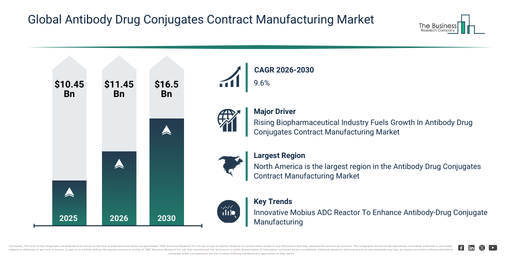
    The antibody drug conjugates contract manufacturing market has experienced robust expansion over recent years. The market is projected to expand from $10.45 billion in 2025 to $11.45 billion in 2026, demonstrating a compound annual growth rate (CAGR) of 9.5%. Historically, this expansion can be ascribed to factors such as growth in targeted cancer therapies, the complexity of adc production, limited in-house manufacturing capabilities, the early clinical success of adcs, and stringent regulatory compliance requirements.

    The antibody drug conjugates contract manufacturing market is set for substantial growth over the next few years. It is predicted to expand to $16.5 billion in 2030, achieving a compound annual growth rate (CAGR) of 9.6%. This anticipated growth is attributed to factors such as the broadening of oncology pipelines, an increase in approvals for ADC therapies, a rising need for commercial-scale production, investments in specialized manufacturing facilities, and enduring CDMO partnerships. Significant trends expected during this period include the escalating outsourcing of complex biologic manufacturing, an increasing demand for oncology-focused CDMO services, a greater emphasis on handling high-potency payloads, the expansion of clinical-stage ADC manufacturing, and a higher adoption of advanced conjugation technologies.

    Get A Free Sample Report With In-Depth Market Insights:

    https://www.thebusinessresearchcompany.com/sample.aspx?id=18954&type=smp&utm_source=Blogs&utm_medium=Paid&utm_campaign=Oct_PR

    Antibody Drug Conjugates Contract Manufacturing Market Growth Factors: What’s Supporting Expansion?

    The expanding biopharmaceutical industry is anticipated to fuel the progress of the antibody-drug conjugates contract manufacturing market in the future. This industry segment concentrates on creating, manufacturing, and bringing to market medicines originating from biological sources, employing biotechnology and molecular biology to develop novel therapies and interventions. Its growth is driven by swift progress in biotechnology, an increasing need for personalized medical solutions, and greater financial commitments to research and development for pioneering treatments and cures. Antibody-drug conjugates (ADCs) contract manufacturing aids the biopharmaceutical industry by providing expert production services essential for the advancement and market introduction of these sophisticated therapies. This allows biopharmaceutical companies to effectively ramp up manufacturing and maintain stringent quality controls, enabling them to focus on their primary research and development activities. As an illustration, data from the European Federation of Pharmaceutical Industries and Associations (EFPIA), a Belgium-based trade group representing Europe’s pharmaceutical sector, showed that total pharmaceutical output in Europe reached €390,000 million ($422,803 million) in 2023, a rise from €363,300 million ($393,857 million) in 2022. Consequently, the expanding biopharmaceutical industry is a key factor propelling the development of the antibody-drug conjugates contract manufacturing market.

    Antibody Drug Conjugates Contract Manufacturing Market Segmentation: How Does The Market Break Down By Category?

    The antibody drug conjugates contract manufacturing market covered in this report is segmented –

    1) By Type: Immunoglobulin G1(Igg1), Immunoglobulin G4(Igg4)

    2) By Linker: Cleavable Linker, Non-Cleavable Linker

    3) By Condition: Myeloma, Lymphoma, Breast Cancer, Other Conditions

    4) By Phase: Clinical, Commercial

    Subsegments:

    1) By Immunoglobulin G1 (IgG1): High-Effector Function ADCs, Fc-Mediated Cytotoxicity-Enabled ADCs, Stable Conjugation IgG1 ADCs, Oncology-Targeted IgG1 ADCs

    2) By Immunoglobulin G4 (IgG4): Reduced Effector Function ADCs, Low Immunogenicity IgG4 ADCs, Site-Specific Conjugation IgG4 ADCs, Precision-Targeted IgG4 ADCs

    Antibody Drug Conjugates Contract Manufacturing Market Industry Trends: What’s Reshaping Demand?

    Major companies operating in the antibody-drug conjugates contract manufacturing market are concentrating on developing innovative products, such as single-use reactors, with the goal of enhancing production flexibility, reducing contamination risks, and streamlining the manufacturing process, thereby ultimately improving the efficiency and scalability of ADC production. Single-use reactors are revolutionizing the field of antibody-drug conjugates (ADCs) contract manufacturing by providing an adaptable, effective, and contamination-free method for producing these intricate biologics. For instance, in September 2024, MilliporeSigma, a US-based life science company, introduced the Mobius ADC Reactor, which is a single-use reactor. The Mobius ADC Reactor is specifically engineered to manufacture antibody-drug conjugates (ADCs) efficiently. This reactor integrates advanced mixing and control technologies designed to streamline conjugation, enhance scalability, and improve consistency. Such an innovative reactor supports higher yields and better quality control in ADC production, addressing the growing demand for targeted cancer therapies that offer improved safety and efficacy.

    Antibody Drug Conjugates Contract Manufacturing Market Competitive Overview And Top Companies

    Major companies operating in the antibody drug conjugates contract manufacturing market are Lonza Group AG, Catalent Inc., Recipharm AB, Curia, KBI Biopharma, Alcami Corporation, BioVectra Inc., Axplora, Abzena PLC, Cerbios-Pharma SA, Aurigene Pharmaceutical Services Ltd., Sterling Pharma Solutions, Formosa Laboratories, Avid Bioservices Inc., EirGenix Inc., Creative Biolabs, Sartorius AG, Sigma-Aldrich, ImmunoGen Inc., Eli Lilly and Company

    View The Full Antibody Drug Conjugates Contract Manufacturing Market Report:

    https://www.thebusinessresearchcompany.com/report/antibody-drug-conjugates-contract-manufacturing-global-market-report?utm_source=Blogs&utm_medium=Paid&utm_campaign=Oct_PR

    Antibody Drug Conjugates Contract Manufacturing Market Regional Breakdown: Where Is Demand Concentrated?

    North America was the largest region in the antibody drug conjugates contract manufacturing market in 2025. Asia-Pacific is expected to be the fastest-growing region in the forecast period. The regions covered in the antibody drug conjugates contract manufacturing market report are Asia-Pacific, South East Asia, Western Europe, Eastern Europe, North America, South America, Middle East, Africa.

    Reach Out To Our Team:

    The Business Research Company: https://www.thebusinessresearchcompany.com/

    Americas: +1 310-496-7795

    Asia: +44 7882 955267 & +91 8897263534

    Europe: +44 7882 955267

    Email us at: marketing@tbrc.info

    Follow us on:

    LinkedIn: https://in.linkedin.com/company/the-business-research-company

    YouTube: https://www.youtube.com/channel/UC24_fI0rV8cR5DxlCpgmyFQ

    Global Market Model: https://www.thebusinessresearchcompany.com/global-market-model

  • Antibody Drug Conjugates Market Trends Supporting 23.3% CAGR Growth Through 2030

    Antibody Drug Conjugates Market Trends Supporting 23.3% CAGR Growth Through 2030

    Built to provide research that’s more actionable and strategically valuable, The Business Research Company’s 2026 market reports include market attractiveness analysis, total addressable market sizing, company benchmarking matrices, interactive Excel dashboards, broader supply chain intelligence, emerging startup tracking, and in-depth product insights.

    Antibody Drug Conjugates Market Growth Potential: How Will Market Size Shift Through 2030?

    The antibody drug conjugates market size has experienced significant expansion in recent years. It is anticipated to increase from $16.53 billion in 2025 to $20.28 billion in 2026, registering a compound annual growth rate (CAGR) of 22.7%. This historical growth can be attributed to the rising prevalence of cancer, advancements in monoclonal antibody technology, increased adoption of targeted therapies, a surge in clinical trials for oncology drugs, and supportive regulatory environments.

    The antibody drug conjugates market is anticipated to undergo significant expansion over the next few years. It is projected to achieve a valuation of $46.95 billion by 2030, exhibiting a compound annual growth rate (CAGR) of 23.3%. This growth during the forecast period can be attributed to a heightened demand for personalized medicine, the emergence of new antibody drug conjugates with superior safety profiles, the integration of artificial intelligence in drug discovery, penetration into developing markets, and strategic alliances between biotech and pharmaceutical companies. Noteworthy trends for the upcoming period include optimizing targeted drug delivery, advancing novel linker and payload technologies, exploring combination therapies with immunotherapy, broadening the scope of oncology indications, and developing individualized cancer treatment plans.

    Get A Free Sample Report With In-Depth Market Insights:

    https://www.thebusinessresearchcompany.com/sample.aspx?id=2569&type=smp&utm_source=Blogs&utm_medium=Paid&utm_campaign=Oct_PR

    Antibody Drug Conjugates Market Demand Drivers: What’s Powering Industry Growth?

    The rising volume of clinical trial studies is anticipated to drive the antibody drug conjugates market in the coming years. Clinical trials involve research investigations where volunteers participate to assess novel treatments, interventions, or tests for preventing, detecting, treating, or managing various medical conditions or diseases. Antibody-drug conjugates have become a crucial class of anti-cancer drugs, with a swift increase in the number of these conjugates progressing through clinical trials for treating solid tumors and blood-related cancers. For example, in December 2024, data from the Association of the British Pharmaceutical Industry (ABPI), a UK-based trade association, indicated a rise in the total number of industry clinical trials launched in the UK, from 411 trials in 2022 to 426 in 2023. Consequently, the growing number of clinical trial studies is fueling the antibody drug conjugates market.

    Antibody Drug Conjugates Market Segment Trends And Revenue Contributors

    The antibody drug conjugates market covered in this report is segmented –

    1) By Type: Monoclonal Antibodies, Linker, Drug/Toxin, Other Types

    2) By Product Brand: Adcertis, Kadcyla, Other Product Brands

    3) By Technology: Immunogen Technology, Seattle Genetics Technology, Immunomedics Technology, Other Technology

    4) By Application: Blood Cancer, Breast Cancer, Ovarian Cancer, Lung Cancer, Brain Tumor, Other Applications

    5) By End User: Hospital, Clinics, Other End Users

    Subsegments:

    1) By Monoclonal Antibodies: IgG-based Monoclonal Antibodies, IgM-based Monoclonal Antibodies, Bispecific Antibodies

    2) By Linker: Cleavable Linkers, Non-cleavable Linkers, Stable Linkers

    3) By Drug/Toxin: Cytotoxic Drugs, Chemotherapeutic Agents, Radioisotopes

    4) By Other Types: Enzyme-Targeted ADCs, Antibody-Drug Conjugates with Immune Modulators

    Antibody Drug Conjugates Market Innovation Trends: What Developments Are Reshaping The Industry?

    Major companies in the antibody-drug conjugates field are introducing innovative breakthrough conjugates, such as the first single-use reactor specifically designed for manufacturing antibody drug conjugates (ADCs). This initial single-use reactor, created for producing antibody-drug conjugates (ADCs), enables faster, more flexible, and contamination-free manufacturing of these targeted cancer therapies by removing the necessity for cleaning and sterilization between batches. For instance, in September 2024, Merck & Co., Inc., a US-based pharmaceutical company, unveiled the Mobius ADC reactor. To satisfy the increasing demand for more efficient and safer manufacturing processes for antibody-drug conjugates (ADCs), this inventive reactor addresses the unique challenges of ADC production, delivering a 70% boost in efficiency while substantially decreasing the dangers of cross-contamination and the laborious cleaning demanded by traditional stainless steel or glass reactors. The Mobius ADC Reactor incorporates Ultimus Film technology, improving bag strength, durability, and leak resistance to ensure excellent product quality.

    Antibody Drug Conjugates Market Competitive Landscape: Which Companies Lead The Industry?

    Major companies operating in the antibody drug conjugates market are Pfizer Inc., F. Hoffmann-La Roche Ltd., AbbVie Inc., AstraZeneca plc, Takeda Pharmaceutical Company Limited, Millennium Pharmaceuticals Inc., Gilead Sciences Inc., Daiichi Sankyo Company Limited, Sorrento Therapeutics Inc., Astellas Pharma Inc., Seagen Inc., Synthon BV, Genentech Inc., ImmunoGen Inc., Nordic Nanovector ASA, ADC Therapeutics SA, Immunomedics Inc., Mersana Therapeutics Inc., Heidelberg Pharma AG, Celldex Therapeutics Inc., Oxford BioTherapeutics, Concortis Biotherapeutics Corp., Antikor BioPharma Ltd., Eisai Co. Ltd., Merck KGaA

    View The Full Antibody Drug Conjugates Market Report:

    https://www.thebusinessresearchcompany.com/report/antibody-drug-conjugates-global-market-report?utm_source=Blogs&utm_medium=Paid&utm_campaign=Oct_PR

    Antibody Drug Conjugates Market Geographic Landscape: Which Region Dominates Industry Growth?

    North America was the largest region in the antibody-drug conjugates (ADCs) market in 2025. The Middle East is expected to be the fastest-growing region in the global antibody drug conjugates market share during the forecast period. The regions covered in the antibody drug conjugates market report are Asia-Pacific, South East Asia, Western Europe, Eastern Europe, North America, South America, Middle East, Africa.

    Reach Out To Our Team:

    The Business Research Company: https://www.thebusinessresearchcompany.com/

    Americas: +1 310-496-7795

    Asia: +44 7882 955267 & +91 8897263534

    Europe: +44 7882 955267

    Email us at: marketing@tbrc.info

    Follow us on:

    LinkedIn: https://in.linkedin.com/company/the-business-research-company

    YouTube: https://www.youtube.com/channel/UC24_fI0rV8cR5DxlCpgmyFQ

    Global Market Model: https://www.thebusinessresearchcompany.com/global-market-model
  • Antibody Discovery Market Forecast Highlights A $15.79 Billion Opportunity For Industry Participants

    Antibody Discovery Market Forecast Highlights A $15.79 Billion Opportunity For Industry Participants

    Backed by market attractiveness analysis, total addressable market sizing, company benchmarking matrices, interactive Excel dashboards, wider supply chain intelligence, emerging startup coverage, and detailed product-level insights, The Business Research Company’s 2026 market reports are designed to offer research that is more actionable and strategically valuable than ever.

    Antibody Discovery Market Value Analysis: What Growth Lies Ahead Over The Forecast Period?

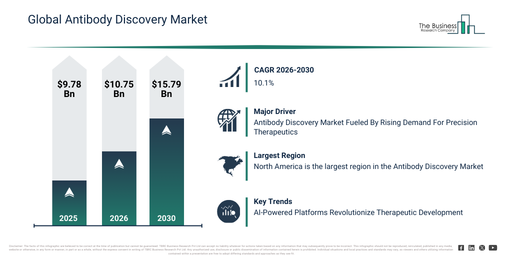
    The antibody discovery market size has shown significant expansion in recent years. It is anticipated to increase from $9.78 billion in 2025 to $10.75 billion in 2026, achieving a compound annual growth rate (CAGR) of 9.8%. The historical growth of this market can be linked to heightened R&D investments in antibody discovery, the growing occurrence of infectious and chronic diseases, innovations in hybridoma technology, government financial support for biotechnology research, and collaborations between academic institutions and pharmaceutical entities.

    The antibody discovery market size is projected to undergo substantial expansion over the coming years. This market is forecasted to reach $15.79 billion by 2030, exhibiting a compound annual growth rate (CAGR) of 10.1%. Several factors are driving this anticipated growth during the forecast period, including an increased demand for personalized medicine, the integration of AI and ML in drug discovery processes, the expanding biologics market, the incorporation of high-throughput screening platforms, and a heightened emphasis on immunotherapy and targeted therapies. Notable trends expected in this period encompass advancements in high-throughput screening techniques, innovations in monoclonal antibodies, the development of personalized antibody therapeutics, the evolution of multi-specific antibodies, and breakthroughs in synthetic antibody engineering.

    Get A Free Sample Report With In-Depth Market Insights:

    https://www.thebusinessresearchcompany.com/sample.aspx?id=13783&type=smp&utm_source=Blogs&utm_medium=Paid&utm_campaign=Oct_PR

    Antibody Discovery Market Growth Drivers: What’s Behind The Acceleration?

    The increasing requirement for precision therapeutics is projected to fuel the expansion of the antibody discovery market in the future. Precision therapeutics, also known as personalized therapeutics, refers to the tailoring of medical treatment plans and interventions to the individual characteristics of each patient. Within precision therapeutics, antibody discovery facilitates the development of targeted therapies, such as monoclonal antibodies, which are designed to interact specifically and precisely with disease-related molecules or cells for more effective and personalized treatment. For example, in March 2024, according to the IQVIA Holdings Inc., a US-based provider of advanced analytics, technology solutions, and clinical research services for the life sciences and healthcare industries, global spending on cell and gene therapies surged to $5.9 billion in 2023, marking an increase of 38% from 2022. Consequently, the growing need for precision therapeutics will drive the growth of the antibody discovery market.

    Antibody Discovery Market Segment Analysis Spotlighting Growth Areas

    The antibody discovery market covered in this report is segmented –

    1) By Methods: Phage Display, Hybridoma, Other Methods

    2) By Antibody Type: Humanized Antibody, Human Antibody, Chimeric Antibody, Murine Antibody

    3) By End Users: Pharmaceutical And Biotechnology Industry, Research Laboratory, Academic Laboratory

    Subsegments:

    1) By Phage Display: Selection And Screening Techniques, Optimization Methods

    2) By Hybridoma: Monoclonal Antibody Production, Screening And Selection Processes

    3) By Other Methods: Transgenic Mouse Technology, B-Cell Engineering, Single-Cell Sorting Techniques

    Antibody Discovery Market Trends: What’s Defining The Industry’s Next Phase?

    Leading companies within the antibody discovery market are implementing innovative technologies, such as AI-powered computational antibody drug discovery platforms, to boost the efficiency and accuracy of antibody development. An AI-based computational antibody drug discovery platform utilizes artificial intelligence and computational methods to accelerate the identification and optimization of therapeutic antibodies. For instance, in October 2023, SwiftPharma BV, a Belgium-based entity specializing in recombinant proteins derived from a unique plant-based system, launched an AI-driven antibody discovery platform. This advanced tool integrates artificial intelligence, big data, machine learning, and phage display techniques to quickly predict high-specificity and high-affinity antibody-antigen binding. This methodology, which is comparable to natural language processing, generates a wide array of antibody variations, enabling SwiftPharma to construct extensive antibody libraries effectively. This sophisticated system significantly speeds up the identification of prospective antibody drugs.

    Antibody Discovery Market Leading Companies: Who Holds The Strongest Market Presence?

    Major companies operating in the antibody discovery market are Charles River Laboratories, WuXi Biologics, Genmab A/S, Evotec, ChemPartner, Aragen Life Science Pvt. Ltd., GenScript Technology Corporation, Biocytogen, Twist Bioscience, BioDuro-Sundia, Fairjourney Biologics S.A., Harbour BioMed, Rockland Immunochemicals, Creative Biolabs, Synbio Technologies, ImmunoPrecise, Ablexis, Myrio Therapeutics, Antibody Solutions, MabSilico

    View The Full Antibody Discovery Market Report:

    https://www.thebusinessresearchcompany.com/report/antibody-discovery-global-market-report?utm_source=Blogs&utm_medium=Paid&utm_campaign=Oct_PR

    Antibody Discovery Market Largest Region: Which Geography Holds The Highest Market Share?

    North America was the largest region in the antibody discovery market in 2025. Asia-Pacific is expected to be the fastest-growing region in the forecast period. The regions covered in the antibody discovery market report are Asia-Pacific, South East Asia, Western Europe, Eastern Europe, North America, South America, Middle East, Africa.

    Reach Out To Our Team:

    The Business Research Company: https://www.thebusinessresearchcompany.com/

    Americas: +1 310-496-7795

    Asia: +44 7882 955267 & +91 8897263534

    Europe: +44 7882 955267

    Email us at: marketing@tbrc.info

    Follow us on:

    LinkedIn: https://in.linkedin.com/company/the-business-research-company

    YouTube: https://www.youtube.com/channel/UC24_fI0rV8cR5DxlCpgmyFQ

    Global Market Model: https://www.thebusinessresearchcompany.com/global-market-model
  • Antibiotics Market Analysis: How The Industry Is Evolving Toward A $115.81 Billion Future

    Antibiotics Market Analysis: How The Industry Is Evolving Toward A $115.81 Billion Future

    Featuring market attractiveness scoring, total addressable market sizing, company benchmarking matrices, interactive Excel dashboards, deeper supply chain intelligence, emerging startup tracking, and granular product-level insights, The Business Research Company’s 2026 market reports are built to deliver research that is both more actionable and more strategically valuable.

    Antibiotics Market Size Forecast: How Big Could The Market Get By 2030?

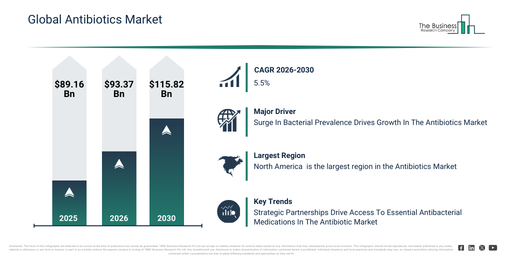
    The antibiotics market has experienced consistent growth over recent years. Its expansion is projected from $89.16 billion in 2025 to reach $93.37 billion by 2026, demonstrating a compound annual growth rate (CAGR) of 4.7%. Historically, this growth has been fueled by factors such as the increasing occurrence of bacterial infections, a heightened demand for broad-spectrum antibiotics, the development of hospital infrastructure, progress in generic drug production, and various government health programs.

    The size of the antibiotics market is projected to experience substantial expansion over the upcoming years. This market is predicted to reach $115.82 billion by 2030, demonstrating a compound annual growth rate (CAGR) of 5.5%. This anticipated growth during the forecast period is primarily driven by factors such as the escalating issue of antibiotic resistance, a heightened emphasis on precision medicine, the expansion of personalized healthcare solutions, innovations in drug delivery technologies, and the widening reach of emerging markets. Key trends anticipated during this period encompass effective antibiotic resistance management strategies, the creation of new antibiotic treatments, the adoption of personalized antibiotic therapies, the broadening of hospital and retail distribution channels, and an uptick in measures for outbreak and infection control.

    Get A Free Sample Report With In-Depth Market Insights:

    https://www.thebusinessresearchcompany.com/sample.aspx?id=11923&type=smp&utm_source=Blogs&utm_medium=Paid&utm_campaign=Oct_PR

    Antibiotics Market Growth Factors Behind Sustained Expansion

    The growing incidence of bacterial infections is projected to propel the antibiotics market forward. These infections, originating from pathogenic bacteria, can lead to severe conditions such as cholera, typhoid, and sepsis, which necessitate effective antibiotic treatment to avert complications and mortalities. Antibiotics are highly beneficial in managing and preventing bacterial diseases by inhibiting bacterial growth. For instance, in December 2023, preliminary data from Member States, as reported by the World Health Organization (WHO), a Switzerland-based intergovernmental organization, indicated that as of 15 November 2023, the number of reported cases had surpassed those of 2022, totaling over 610,000 cases and 3,500 deaths, which resulted in a case fatality rate (CFR) of 0.6%. Consequently, the increasing prevalence of bacterial infections is fueling the expansion of the antibiotics market.

    Antibiotics Market Segment Performance And Emerging Opportunities

    The antibiotics market covered in this report is segmented –

    1) By Drug Class: Penicillin, Cephalosporin, Aminoglycosides, Tetracycline, Macrolides, Fluoroquinolones, Sulfonamides, Other Classes

    2) By Spectrum Of Activity: Broad-spectrum Antibiotic, Narrow-spectrum Antibiotic

    3) By Route Of Administration: Oral, Intravenous, Other Routes

    4) By Distribution Channel: Hospital Pharmacy, Retail Pharmacy, Online Pharmacy

    5) By Application: Skin Infections, Respiratory Infections, Urinary Tract Infections, Septicemia, Ear Infections, Gastrointestinal Infections, Other Applications

    Subsegments:

    1) By Penicillin: Natural Penicillins, Aminopenicillins, Penicillinase-resistant Penicillins, Extended-spectrum Penicillins

    2) By Cephalosporin: First-generation, Second-generation, Third-generation, Fourth-generation, Fifth-generation

    3) By Aminoglycosides: Gentamicin, Tobramycin, Amikacin, Neomycin

    4) By Tetracycline: Tetracycline, Doxycycline, Minocycline, Oxytetracycline

    5) By Macrolides: Erythromycin, Azithromycin, Clarithromycin

    6) By Fluoroquinolones: Ciprofloxacin, Levofloxacin, Moxifloxacin, Ofloxacin

    7) By Sulfonamides: Sulfamethoxazole, Sulfadiazine, Sulfasalazine

    8) By Other Classes: Glycopeptides, Lipopeptides, Streptogramins, Polymyxins

    Antibiotics Market Industry Trends Fueling Future Revenue Growth

    Leading companies in the antibiotics market are adopting a strategic partnership approach to enhance the availability of novel antibacterial drugs. Strategic partnerships involve a process where companies leverage each other’s strengths and resources to achieve mutual benefits and success. For instance, in June 2024, Orchid Pharma Limited, an India-based pharmaceutical company, announced a partnership with Cipla Limited, another India-based pharmaceutical company, to efficiently launch and distribute Cefepime-Enmetazobactam in India. This collaboration brings together Orchid Pharma’s innovative drug development capabilities with Cipla’s extensive distribution network to introduce Cefepime-Enmetazobactam, an antibiotic approved for treating complicated urinary tract infections and pneumonia. The aim is to improve access to this critical medication across India, while also addressing the increasing challenge of antimicrobial resistance (AMR) and promoting responsible antibiotic stewardship among healthcare providers.

    Antibiotics Market Key Players: Which Companies Lead Industry Competition?

    Major companies operating in the antibiotics market are Pfizer Inc., Johnson & Johnson, F. Hoffmann-La Roche AG, Merck & Co Inc., AbbVie Inc., Bayer AG, Novartis AG, Sanofi SA, Bristol Myers Squibb (BMS), AstraZeneca plc, Abbott Laboratories, GlaxoSmithKline plc (GSK), Eli Lilly and Company, Gilead Sciences Inc., Boehringer Ingelheim, Viatris Inc, Teva Pharmaceutical Industries Ltd., Astellas Pharma Inc., Daiichi Sankyo Company, Sun Pharmaceutical Industries Limited, Cipla Ltd., Ferring Pharmaceuticals, Hikma Pharmaceuticals plc, Lupin Pharmaceuticals Inc., Torrent Pharmaceuticals Ltd., Glenmark Pharmaceuticals Limited, Basilea Pharmaceutica Ltd., Paratek Pharmaceuticals Inc., Spero Therapeutics Inc., Nabriva Therapeutics Plc

    View The Full Antibiotics Market Report:

    https://www.thebusinessresearchcompany.com/report/antibiotics-global-market-report?utm_source=Blogs&utm_medium=Paid&utm_campaign=Oct_PR

    Antibiotics Market Regional Analysis: Which Region Leads By Revenue?

    North America was the largest region in the antibiotics market in 2025. Asia-Pacific is expected to be the fastest-growing region in the forecast period. The regions covered in the antibiotics market report are Asia-Pacific, South East Asia, Western Europe, Eastern Europe, North America, South America, Middle East, Africa.

    Reach Out To Our Team:

    The Business Research Company: https://www.thebusinessresearchcompany.com/

    Americas: +1 310-496-7795

    Asia: +44 7882 955267 & +91 8897263534

    Europe: +44 7882 955267

    Email us at: marketing@tbrc.info

    Follow us on:

    LinkedIn: https://in.linkedin.com/company/the-business-research-company

    YouTube: https://www.youtube.com/channel/UC24_fI0rV8cR5DxlCpgmyFQ

    Global Market Model: https://www.thebusinessresearchcompany.com/global-market-model
  • Antibacterial Silver Spray Market Outlook Through 2030: Understanding The Growth Opportunity

    Antibacterial Silver Spray Market Outlook Through 2030: Understanding The Growth Opportunity

    Built to provide research that’s more actionable and strategically valuable, The Business Research Company’s 2026 market reports include market attractiveness analysis, total addressable market sizing, company benchmarking matrices, interactive Excel dashboards, broader supply chain intelligence, emerging startup tracking, and in-depth product insights.

    Antibacterial Silver Spray Market Revenue Outlook: What CAGR Lies Ahead Through 2030?

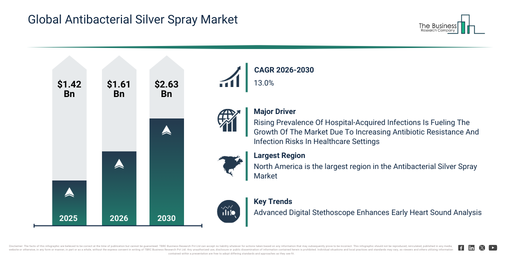
    The antibacterial silver spray market has witnessed substantial expansion over recent years. Its size is expected to escalate from $1.42 billion in 2025 to $1.61 billion in 2026, achieving a compound annual growth rate (CAGR) of 13.3%. This historical expansion can be traced to several key factors, including the increasing application of silver in wound care, the broader adoption of infection control practices in healthcare, the accessibility of colloidal and ionic silver technologies, expanded veterinary and medical applications, and a heightened awareness regarding antimicrobial resistance.

    The antibacterial silver spray market is projected to experience swift expansion over the coming years. This market is anticipated to reach a valuation of $2.63 billion by 2030, demonstrating a compound annual growth rate (CAGR) of 13.0%. The expansion during the projection period stems from factors such as a heightened demand for sophisticated antimicrobial solutions, increased capital allocation towards nanotechnology-derived healthcare items, the broadening scope of personal care and hygiene uses, an intensified focus on non-antibiotic infection management, and persistent breakthroughs in silver-based application methods. Key trends anticipated during this period encompass the growing application of silver-based antimicrobial solutions, an escalating need for advanced wound care items, wider incorporation into medical and personal hygiene sectors, the diversification of nano silver preparations, and a greater emphasis on sustained antimicrobial defense.

    Get A Free Sample Report With In-Depth Market Insights:

    https://www.thebusinessresearchcompany.com/sample.aspx?id=28118&type=smp&utm_source=Blogs&utm_medium=Paid&utm_campaign=Oct_PR

    Antibacterial Silver Spray Market Demand Drivers Opening New Revenue Streams

    The increasing occurrence of hospital-acquired infections is expected to boost the growth of the antibacterial silver spray market moving forward. These infections, referred to as nosocomial infections, are conditions patients develop while receiving medical care in a healthcare facility, which were not present or incubating at the time of their admission, encompassing surgical site infections (SSIs), catheter-associated urinary tract infections (CAUTIs), and similar issues. Hospital-acquired infections are escalating due to the overuse and misuse of antibiotics, leading to the emergence of antibiotic-resistant bacteria that are harder to treat and spread more easily within healthcare environments. Antibacterial silver spray helps combat hospital-acquired infections by providing powerful antimicrobial protection on vital surfaces, thereby enhancing hygiene practices in healthcare settings and promoting safer conditions for patients and staff alike. For instance, in November 2024, the Centers for Disease Control and Prevention (CDC), a US-based government agency, reported that surgical site infections (SSIs) related to combined surgical care improvement project (SCIP) procedures grew by 3% from 2022 to 2023, including an 8% rise specifically in surgical site infections (SSIs) following abdominal hysterectomy procedures. Thus, the escalating prevalence of hospital-acquired infections is a key factor driving the expansion of the antibacterial silver spray market.

    Antibacterial Silver Spray Market Segment Landscape And Growth Outlook

    The antibacterial silver spray market covered in this report is segmented –

    1) By Product Type: Colloidal Silver Spray, Ionic Silver Spray, Nano Silver Spray, Other Product Types

    2) By Distribution Channel: Online Stores, Pharmacies, Supermarkets Or Hypermarkets, Other Distribution Channels

    3) By Application: Wound Care, Personal Care, Surface Disinfection, Medical Devices, Other Applications

    4) By End-User: Hospitals And Clinics, Households, Veterinary, Other End-Users

    Subsegments:

    1) By Colloidal Silver Spray: Oral Care Spray, Wound And Skin Healing Spray, Immune Support Spray, Pet Care Spray, Household Disinfectant Spray

    2) By Ionic Silver Spray: Nasal Spray, Throat Spray, Surface Sanitizer Spray, Veterinary Use Spray, Dietary Supplement Spray

    3) By Nano Silver Spray: Medical And Healthcare Spray, Textile And Fabric Protection Spray, Food Packaging Spray, Air And Surface Disinfectant Spray, Cosmetic And Personal Care Spray

    4) By Other Product Types: Silver Gel Spray, Silver-Based Mouth Freshener Spray, Silver Deodorizing Spray, Agriculture Spray, Industrial Antimicrobial Spray

    Antibacterial Silver Spray Market Trends Powering Strategic Industry Growth

    Key companies engaged in the antibacterial silver spray market are directing their efforts towards the creation of advanced, innovative solutions, including toilet cleaners utilizing silver ions, to both improve hygiene standards and expand their product portfolios. Silver-ion-based toilet cleaners are defined as cleaning products formulated with silver ions that offer robust antimicrobial action and enduring protection against detrimental microorganisms on toilet surfaces. As an illustration, in February 2025, Lion Corporation, a Japan-based manufacturing company, unveiled the LOOK Plus whole toilet antibacterial and deodorizing fogger. This particular product functions as a fumigant-type cleaner, employing a silver-ion fog to sanitize the entire toilet chamber, encompassing areas often difficult to clean such as walls, ventilation fans, and behind cisterns. It eradicates odor-causing bacteria, thereby preventing the emergence of new odors for up to one month, and assists in inhibiting black mold stains on toilet surfaces. The fogger presents a novel method of toilet cleaning, allowing users to simply place the product in water to release the antibacterial fog, delivering extensive deodorizing and antibacterial protection across the entire toilet chamber.

    Antibacterial Silver Spray Market Competitive Landscape: Who Leads The Industry?

    Major companies operating in the antibacterial silver spray market are Medline Industries L.P., Welland Medical Limited, Nano Alvand Arad, American Elements Inc., UMAX-TECH Technology Co. Ltd., MS Schippers, Nanoshel LLC, A C M Global Bio Tech Sdn. Bhd., Elegant Cosmed Private Limited, Kanak Biotech, Ntl Pharma, Pure Bioscience Inc., Safe & Sound, VetOne, Anson Bio-Technology Co. Ltd., Heenrgybiotech, NU Alter Remedies, Shri Zelco Foods Private Limited, Silver Mtn Solutions, Unosil

    View The Full Antibacterial Silver Spray Market Report:

    https://www.thebusinessresearchcompany.com/report/antibacterial-silver-spray-global-market-report?utm_source=Blogs&utm_medium=Paid&utm_campaign=Oct_PR

    Antibacterial Silver Spray Market Geographic Distribution And Regional Opportunities

    North America was the largest region in the antibacterial silver spray market in 2025. Asia-Pacific is expected to be the fastest-growing region in the forecast period. The regions covered in the antibacterial silver spray market report are Asia-Pacific, South East Asia, Western Europe, Eastern Europe, North America, South America, Middle East, Africa.

    Reach Out To Our Team:

    The Business Research Company: https://www.thebusinessresearchcompany.com/

    Americas: +1 310-496-7795

    Asia: +44 7882 955267 & +91 8897263534

    Europe: +44 7882 955267

    Email us at: marketing@tbrc.info

    Follow us on:

    LinkedIn: https://in.linkedin.com/company/the-business-research-company

    YouTube: https://www.youtube.com/channel/UC24_fI0rV8cR5DxlCpgmyFQ

    Global Market Model: https://www.thebusinessresearchcompany.com/global-market-model
  • Antibacterial Medicated Soap Market Growth Potential: What The Latest Forecast Reveals

    Antibacterial Medicated Soap Market Growth Potential: What The Latest Forecast Reveals

    Backed by market attractiveness analysis, total addressable market sizing, company benchmarking matrices, interactive Excel dashboards, wider supply chain intelligence, emerging startup coverage, and detailed product-level insights, The Business Research Company’s 2026 market reports are designed to offer research that is more actionable and strategically valuable than ever.

    Antibacterial Medicated Soap Market Growth Analysis: How Will Revenue Trend Over The Forecast Period?

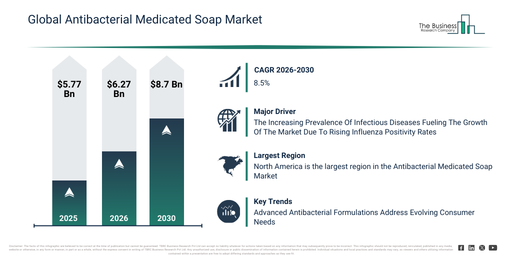
    The antibacterial medicated soap market size has shown strong expansion recently. It is anticipated to grow from $5.77 billion in 2025 to $6.27 billion in 2026, exhibiting a compound annual growth rate (CAGR) of 8.7%. The growth observed in prior periods can be attributed to increased awareness regarding infection prevention, adherence to hospital hygiene protocols, the prevalent use of antibacterial products, the expansion of healthcare infrastructure, and a rise in personal care consumption.

    The antibacterial medicated soap market is projected to experience substantial expansion in the coming years. By 2030, its valuation is anticipated to reach $8.7 billion, demonstrating a compound annual growth rate (CAGR) of 8.5%. This projected growth throughout the forecast period stems from factors such as increasing public health consciousness, the broadening of commercial hygiene benchmarks, a growing need for sustainable packaging solutions, greater application in food processing facilities, and advancements in antimicrobial formulations. Key trends anticipated during this period encompass a heightened focus on hygiene and infection prevention, escalating requirements from both healthcare and commercial sectors, an expanding inclination towards herbal and gentle-on-skin formulations, the proliferation of refillable and environmentally friendly packaging, and the rise of institutional hygiene items.

    Get A Free Sample Report With In-Depth Market Insights:

    https://www.thebusinessresearchcompany.com/sample.aspx?id=23306&type=smp&utm_source=Blogs&utm_medium=Paid&utm_campaign=Oct_PR

    Antibacterial Medicated Soap Market Growth Backed By Core Demand Fundamentals

    The growing occurrence of contagious illnesses is projected to fuel the expansion of the antibacterial medicated soap market in the future. Contagious ailments are conditions originating from bacteria, viruses, or other microorganisms capable of transmission between individuals, animals, or their surroundings. The uptick in infectious disease cases frequently stems from heightened international travel, facilitating the rapid dissemination of viruses and bacteria across nations and continents. Antibacterial medicated soap aids in preventing the propagation of infectious diseases by eliminating or diminishing detrimental microbes on the skin. For example, in November 2024, the UK Health Security Agency, a UK-based government agency, reported that in Week 46 of November 2024, the influenza positivity rate displayed an upward trend, reaching a weekly average of 3.9%, up from 3.3% in the previous week. Consequently, the expanding incidence of infectious diseases is stimulating the growth of the antibacterial medicated soap market.

    Antibacterial Medicated Soap Market Breakdown By Product Type And Application

    The antibacterial medicated soap market covered in this report is segmented –

    1) By Product Type: Liquid Soap, Bar Soap, Foam Soap, Shower Gel

    2) By Active Ingredient: Triclosan, Chlorhexidine, Benzalkonium Chloride, Alcohol-Based Antiseptics

    3) By Packaging Type: Single Use Packs, Bulk Packaging, Convenient Pump Bottles, Refillable Containers

    4) By Application: Online Sales, Offline Sales

    5) By End User: Household, Commercial Institutions, Healthcare Facilities, Food Processing Industry

    Subsegments:

    1) By Liquid Soap: Alcohol-based, Triclosan-based, Chlorhexidine-based, Benzalkonium chloride-based, Herbal Or Plant-based

    2) By Bar Soap: Medicated bar soap, Herbal antibacterial bar, Moisturizing antibacterial bar, Fragrance-free bar, Children’s antibacterial bar

    3) By Foam Soap: Alcohol-based foam, Non-alcohol foam, Moisturizing foam, Scented foam, Sensitive skin foam

    4) By Shower Gel: Antibacterial body wash, Moisturizing antibacterial gel, Exfoliating shower gel, Herbal antibacterial gel, Fragrance-free shower gel

    Antibacterial Medicated Soap Market Growth Trends Reshaping The Competitive Landscape

    Leading companies in the antibacterial medicated soap market are prioritizing product advancements, such as potent antibacterial formulations, to address rising consumer demand for superior hygiene, skin-friendly compositions, and protection against a broad spectrum of pathogens. Potent antibacterial solutions are sophisticated formulas engineered to eradicate a wide range of detrimental bacteria while remaining safe and gentle on the skin. For example, in September 2023, ArLab, a cosmetics manufacturing firm located in Russia, introduced antibacterial soap from its SEPTIMA brand. This product offers consumers a highly effective daily option for protection against bacteria, simultaneously maintaining skin moisture and softness via a precisely balanced, skin-compatible formula. These antibacterial soaps are designed to provide high efficacy against bacteria while guaranteeing skin safety. Featuring a specialized composition that preserves skin moisture through thoughtfully selected ingredients, the product line is available in various iterations with invigorating scents and moisturizing benefits, tailored to meet diverse consumer preferences. The soaps are provided in convenient pump dispensers and multiple packaging styles, suitable for both household and commercial applications.

    Antibacterial Medicated Soap Market Company Landscape And Competitive Strategy

    Major companies operating in the antibacterial medicated soap market are Johnson & Johnson Services Inc., Ecolab Inc., Kao Corporation, ITC Limited, Lion Corporation, Godrej Consumer Products Limited, Vi-Jon LLC, Betco Corporation, Vanguard Soap LLC, Kutol Products Company LLC, Weefsel Pharma, B4 Brands LLC, Anuspa Heritage Private Limited, Morgan’s Pomade Limited, Truworth Healthcare Private Limited, Trio Lifescience Private Limited, Swisskem Healthcare, Sanit Industries Limited, Mars Medi Soap, Morvin India Healthcare Private Limited

    View The Full Antibacterial Medicated Soap Market Report:

    https://www.thebusinessresearchcompany.com/report/antibacterial-medicated-soap-global-market-report?utm_source=Blogs&utm_medium=Paid&utm_campaign=Oct_PR

    Antibacterial Medicated Soap Market Largest Region By Revenue And Market Share

    North America was the largest region in the antibacterial medicated soap market in 2025. Asia-Pacific is expected to be the fastest-growing region in the forecast period. The regions covered in the antibacterial medicated soap market report are Asia-Pacific, South East Asia, Western Europe, Eastern Europe, North America, South America, Middle East, Africa.

    Reach Out To Our Team:

    The Business Research Company: https://www.thebusinessresearchcompany.com/

    Americas: +1 310-496-7795

    Asia: +44 7882 955267 & +91 8897263534

    Europe: +44 7882 955267

    Email us at: marketing@tbrc.info

    Follow us on:

    LinkedIn: https://in.linkedin.com/company/the-business-research-company

    YouTube: https://www.youtube.com/channel/UC24_fI0rV8cR5DxlCpgmyFQ

    Global Market Model: https://www.thebusinessresearchcompany.com/global-market-model

  • Anti-Asthmatics And COPD Drugs Market Growth Outlook: Why Analysts Expect Continued Expansion

    Anti-Asthmatics And COPD Drugs Market Growth Outlook: Why Analysts Expect Continued Expansion

    Featuring market attractiveness scoring, total addressable market sizing, company benchmarking matrices, interactive Excel dashboards, deeper supply chain intelligence, emerging startup tracking, and granular product-level insights, The Business Research Company’s 2026 market reports are built to deliver research that is both more actionable and more strategically valuable.

    Anti-Asthmatics And COPD Drugs Market Forecast: What Value Will The Market Reach By 2030?

    The anti-asthmatics and COPD drugs market size has shown consistent expansion in recent years. It is anticipated to increase from $85.08 billion in 2025 to $89.13 billion in 2026, achieving a compound annual growth rate (CAGR) of 4.8%. The historical growth of this market can be attributed to several factors including the rising prevalence of asthma and COPD, escalating levels of smoking and air pollution, insufficient awareness regarding preventive treatments, the accessibility of generic bronchodilators, and the expansion of hospital pharmacy networks.

    The anti-asthmatics and COPD drugs market size is projected to experience substantial expansion in the coming years. It is anticipated to reach $111.34 billion in 2030, showing a compound annual growth rate (CAGR) of 5.7%. This expansion during the forecast period is primarily driven by progress in biologics and monoclonal antibodies, the incorporation of artificial intelligence into treatment strategies, a rise in the adoption of digital health solutions, the broadening of online pharmacy channels, and the creation of targeted therapies for severe COPD. Key developments expected in this period include tailored asthma management, the use of telemedicine and remote patient monitoring, the evolution of inhalable biologics, a growing inclination towards combination therapies, and a specific focus on formulations for pediatric and geriatric patients.

    Get A Free Sample Report With In-Depth Market Insights:

    https://www.thebusinessresearchcompany.com/sample.aspx?id=3802&type=smp&utm_source=Blogs&utm_medium=Paid&utm_campaign=Oct_PR

    Anti-Asthmatics And COPD Drugs Market Growth Catalysts And Demand Drivers

    The substantial occurrence of asthmatic conditions is anticipated to fuel the expansion of the anti-asthmatics and COPD drugs market in the coming years. Asthma is a chronic illness characterized by inflammation and swelling of the airways, leading to their narrowing, which obstructs the passage of air from the nose and mouth to the lungs. With the increase in asthma incidents, there has been a significant rise in the discovery of new anti-asthmatics and COPD drugs designed for managing asthmatic disorders. For example, June 2025, according to the Official Statistics, a UK-based government department, the rate of emergency admissions for asthma in adults (19+) saw an increase of 17% in the financial year ending 2024, compared to the preceding year. Thus, the growing number of asthmatic disorders is encouraging the development of novel medications, which will further boost the asthma drug market.

    Anti-Asthmatics And COPD Drugs Market Segment Analysis And Revenue Potential

    The anti-asthmatics and copd drugs market covered in this report is segmented –

    1) By Drug Class: Bronchodilators, Anti-Inflammatory Drugs, Monoclonal Antibodies, Combination Drugs

    2) By Distribution Channel: Hospital Pharmacies, General Pharmacies, Online Retailers

    3) By End User: Asthma Patients, COPD Patients

    4) By Therapy: Preventive, Curative

    5) By Route Of Administration: Oral, Inhaled, Intravenous, Subcutaneous

    6) By Age Group: Below 5, 5-14, 15-60, Above 60

    Subsegments:

    1) By Bronchodilators: Short-Acting Beta-Agonists (SABAs), Long-Acting Beta-Agonists (LABAs), Anticholinergics (Short-Acting And Long-Acting), Methylxanthines

    2) By Anti-Inflammatory Drugs: Corticosteroids (Inhaled And Systemic), Leukotriene Modifiers, Phosphodiesterase-4 Inhibitors

    3) By Monoclonal Antibodies: Anti-IgE Antibodies, Anti-IL-5 Antibodies, Anti-IL-4 Or IL-13 Antibodies

    4) By Combination Drugs: Combination Bronchodilator Inhalers (LABA + LAMA), Inhaled Corticosteroid + Long-Acting Beta-Agonist (ICS + LABA)

    Anti-Asthmatics And COPD Drugs Market Trends Shaping Long-Term Demand

    Leading companies in the anti-asthmatics and COPD drugs market are emphasizing technological advancements, particularly next-generation propellant inhalers, to address the increasing demand for environmentally sustainable and patient-friendly respiratory treatments. This advanced propellant technology replaces traditional hydrofluoroalkane (HFA) propellants with alternatives that have a near-zero Global Warming Potential (GWP), thereby lessening the carbon footprint of pressurized metered-dose inhalers (pMDIs) while maintaining effective drug delivery. For instance, in May 2025, AstraZeneca plc, a UK-based biopharmaceutical company, launched Trixeo Aerosphere, an innovative fixed-dose triple-combination therapy for COPD, which combines budesonide, glycopyrronium, and formoterol fumarate, now delivered with a next-generation propellant. This pMDI guarantees bioequivalence to previous formulations, upholds its established safety and efficacy profile, and achieves a 99.9% reduction in GWP compared to traditional propellants. Trixeo Aerosphere supports sustainable healthcare practices without compromising clinical results, offering an effective, low-carbon-footprint choice for patients needing inhaled respiratory therapy.

    Anti-Asthmatics And COPD Drugs Market Key Players Shaping Industry Direction

    Major companies operating in the anti-asthmatics and copd drugs market are GlaxoSmithKline plc, AstraZeneca plc, Boehringer Ingelheim GmbH, Novartis AG, Sanofi S.A., Chiesi Farmaceutici S.p.A., Teva Pharmaceutical Industries Limited, Cipla Limited, Aurobindo Pharma Limited, KYORIN Holdings Inc., Nichi-Iko Pharmaceutical Co. Ltd., Otsuka Pharmaceutical Co. Ltd., Daewoong Pharmaceutical Co. Ltd, Lupin Limited, Abbott Laboratories, Pfizer, Vectura Group, Bayer, Apotex Inc., EMS Pharma, Hypermarcas, Ache, Eurofarma, Biolab Farmaceuticad, Cristalia, Libbs, Julphar, Neopharma, Adcock Ingram, Aspen Nigeria.

    View The Full Anti-Asthmatics And COPD Drugs Market Report:

    https://www.thebusinessresearchcompany.com/report/anti-asthmatics-and-copd-drugs-global-market-report?utm_source=Blogs&utm_medium=Paid&utm_campaign=Oct_PR

    Anti-Asthmatics And COPD Drugs Market Regional Analysis And Leading Geography

    North America was the largest region in the anti-asthmatics and COPD drugs market in 2025. Middle East is expected to be the fastest-growing region in the global anti-asthmatics and COPD drugs market during the forecast period. The regions covered in the anti-asthmatics and copd drugs market report are Asia-Pacific, South East Asia, Western Europe, Eastern Europe, North America, South America, Middle East, Africa.

    Reach Out To Our Team:

    The Business Research Company: https://www.thebusinessresearchcompany.com/

    Americas: +1 310-496-7795

    Asia: +44 7882 955267 & +91 8897263534

    Europe: +44 7882 955267

    Email us at: marketing@tbrc.info

    Follow us on:

    LinkedIn: https://in.linkedin.com/company/the-business-research-company

    YouTube: https://www.youtube.com/channel/UC24_fI0rV8cR5DxlCpgmyFQ

    Global Market Model: https://www.thebusinessresearchcompany.com/global-market-model

  • Anti-Allergy Medicine Market Forecast Insights: The Road To $63.26 Billion By 2030

    Anti-Allergy Medicine Market Forecast Insights: The Road To $63.26 Billion By 2030

    Built to provide research that’s more actionable and strategically valuable, The Business Research Company’s 2026 market reports include market attractiveness analysis, total addressable market sizing, company benchmarking matrices, interactive Excel dashboards, broader supply chain intelligence, emerging startup tracking, and in-depth product insights.

    Anti-Allergy Medicine Market Size Outlook: How Quickly Will Revenue Expand Through 2030?

    The anti-allergy medicine market has experienced robust expansion recently. It is projected to expand from $42.25 billion in 2025 to $45.92 billion in 2026, demonstrating a compound annual growth rate (CAGR) of 8.7%. Historically, this growth has been driven by factors such as seasonal allergies, urban pollution, over-the-counter drug access, hospital allergy treatment, and the availability of antihistamines.

    The anti-allergy medicine market size is poised for substantial growth over the next few years. It is projected to reach $63.27 billion in 2030, with a compound annual growth rate (CAGR) of 8.3%. This expansion during the forecast period can be attributed to factors such as an increase in climate-related allergies, the development of digital pharmacies, advancements in biologic allergy treatments, heightened pediatric allergy awareness, and the broadening of healthcare access. Major trends expected in the forecast period include the rising prevalence of allergic conditions, the increasing availability of over-the-counter (OTC) allergy medications, greater adoption of second-generation antihistamines, the expansion of online pharmacy sales, and a focus on formulations tailored for pediatric and geriatric populations.

    Get A Free Sample Report With In-Depth Market Insights:

    https://www.thebusinessresearchcompany.com/sample.aspx?id=24463&type=smp&utm_source=Blogs&utm_medium=Paid&utm_campaign=Oct_PR

    Anti-Allergy Medicine Market Opportunity Drivers: What’s Unlocking New Revenue Potential?

    The increasing incidence of allergies is anticipated to drive expansion in the anti-allergy medicine market moving ahead. Allergies are characterized by an overactive immune system’s reaction to substances like pollen, dust mites, certain foods, or pet dander, leading to symptoms that vary from minor discomfort to serious, potentially fatal responses. These conditions encompass hay fever, asthma, eczema, food allergies, and allergic rhinitis. The rising occurrence of allergies can be attributed to increased environmental contamination, since pollutants compromise the immune system and boost susceptibility to everyday allergens. Anti-allergy medicines assist in managing allergic reactions by offering specific relief from allergens, thus becoming crucial for people suffering from conditions like hay fever, asthma, and eczema. These medications mitigate excessive immune responses by inhibiting histamines and other instigators, thereby enhancing daily comfort and overall quality of life. For instance, in May 2025, according to the UK Parliament, a UK-based government body, there were 3,886,879 people over the age of six diagnosed with asthma in 2023-24, accounting for 6.5% of England’s population. Consequently, the expanding prevalence of allergies is fueling the growth of the anti-allergy medicine market.

    Anti-Allergy Medicine Market Segmentation And Category Overview

    The anti-allergy medicine market covered in this report is segmented –

    1) By Drug Class: Antihistamines, Corticosteroids, Decongestants, Leukotriene Inhibitors, Mast Cell Stabilizers, Other Drug Classes

    2) By Type Of Allergy: Seasonal Allergies, Perennial Allergies, Food Allergies, Skin Allergies, Insect Sting Allergies

    3) By Formulation: Tablets, Capsules, Syrups, Nasal Sprays, Eye Drops, Injectables

    4) By Application: Online Pharmacy, Hospital, Offline Pharmacy, Clinic, Other Applications

    5) By End User: Children, Adults, Geriatric Population, Pregnant Women

    Subsegments:

    1) By Antihistamines: First-Generation Antihistamines, Second-Generation Antihistamines, Third-Generation Antihistamines

    2) By Corticosteroids: Oral Corticosteroids, Nasal Corticosteroids, Inhaled Corticosteroids, Topical Corticosteroids

    3) By Decongestants: Oral Decongestants, Nasal Spray Decongestants, Topical Decongestants

    4) By Leukotriene Inhibitors: Leukotriene Receptor Antagonists, Leukotriene Synthesis Inhibitors

    5) By Mast Cell Stabilizers: Cromolyn Sodium, Nedocromil Sodium

    6) By Other Drug Classes: Immunotherapy Agents, Biologics, Monoclonal Antibodies

    Anti-Allergy Medicine Market Innovation Trends Shaping Future Development

    Leading companies in the anti-allergy medicine market are concentrating on creating novel therapies and securing regulatory approvals, such as monoclonal antibody treatments, to offer targeted care, enhance effectiveness, lessen adverse effects, and tackle chronic and severe allergic ailments. Monoclonal antibody therapies are laboratory-produced proteins designed to replicate the immune system’s capacity to combat detrimental allergens by specifically targeting and obstructing immune pathways implicated in allergic responses, thus providing accurate and durable relief. For example, in December 2024, Galderma SA, a pharmaceutical company based in Switzerland, gained approval from the Food and Drug Administration (FDA) for Nemluvio (nemolizumab-ilto) for use in treating adults and pediatric patients aged 12 years and older with moderate to severe atopic dermatitis when combined with topical corticosteroids and/or calcineurin inhibitors. This monoclonal antibody acts as an interleukin-31 receptor antagonist, functioning by blocking IL-31 signaling, a critical factor in inflammation and itching associated with atopic dermatitis, thereby reducing symptoms and improving skin health.

    Anti-Allergy Medicine Market Competitive Analysis Of Leading Industry Participants

    Major companies operating in the anti-allergy medicine market are Pfizer Inc., Johnson & Johnson, F. Hoffmann-La Roche AG, Merck & Co. Inc., Bayer AG, Sanofi S.A., AstraZeneca plc, Novartis AG, GSK plc, Amgen Inc., Teva Pharmaceutical Industries Ltd., Regeneron Pharmaceuticals Inc., Perrigo Company plc, Cipla Limited, Dr. Reddy’s Laboratories, Lupin Limited, Zydus Lifesciences Limited, Takeda Pharmaceutical Company Limited, Torrent Pharmaceuticals Ltd., ALK-Abelló A/S, Torii Pharmaceutical Co. Ltd., Biomay Aktiengesellschaft, Kaléo Inc., Immunomic Therapeutics Inc., Circassia Group plc, Sun Pharmaceutical Industries Ltd., Anergis S.A., Aravax Pty Ltd., DBV Technologies S.A., Desentum Oy.

    View The Full Anti-Allergy Medicine Market Report:

    https://www.thebusinessresearchcompany.com/report/anti-allergy-medicine-global-market-report?utm_source=Blogs&utm_medium=Paid&utm_campaign=Oct_PR

    Anti-Allergy Medicine Market Geographic Analysis: Where Is Demand Accelerating Fastest?

    North America was the largest region in the anti-allergy medicine market in 2025. Asia-Pacific is expected to be the fastest-growing region in the forecast period. The regions covered in the anti-allergy medicine market report are Asia-Pacific, South East Asia, Western Europe, Eastern Europe, North America, South America, Middle East, Africa.

    Reach Out To Our Team:

    The Business Research Company: https://www.thebusinessresearchcompany.com/

    Americas: +1 310-496-7795

    Asia: +44 7882 955267 & +91 8897263534

    Europe: +44 7882 955267

    Email us at: marketing@tbrc.info

    Follow us on:

    LinkedIn: https://in.linkedin.com/company/the-business-research-company

    YouTube: https://www.youtube.com/channel/UC24_fI0rV8cR5DxlCpgmyFQ

    Global Market Model: https://www.thebusinessresearchcompany.com/global-market-model
  • Anti-Aging Supplements Market Explained: What Is Fueling Growth To $5.45 Billion By 2030?

    Anti-Aging Supplements Market Explained: What Is Fueling Growth To $5.45 Billion By 2030?

    Backed by market attractiveness analysis, total addressable market sizing, company benchmarking matrices, interactive Excel dashboards, wider supply chain intelligence, emerging startup coverage, and detailed product-level insights, The Business Research Company’s 2026 market reports are designed to offer research that is more actionable and strategically valuable than ever.

    Anti-Aging Supplements Market Size, Value And Growth Trajectory Through 2030

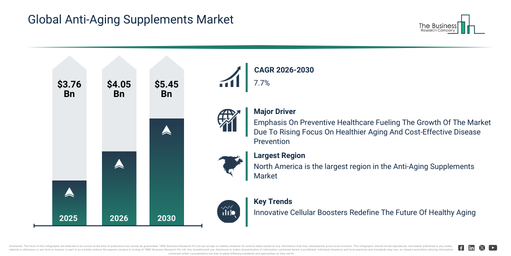
    The anti-aging supplements market size has shown significant expansion over recent years. It is anticipated to grow from $3.76 billion in 2025 to $4.05 billion in 2026, exhibiting a compound annual growth rate (CAGR) of 7.7%. The market’s past growth can be ascribed to an expanding aging population, increasing awareness of cosmetic wellness, greater vitamin supplementation usage, ongoing oxidative stress research, and the broad availability of supplements in retail.

    The anti-aging supplements market is projected to experience substantial expansion over the upcoming years. By 2030, this market is anticipated to reach $5.45 billion, showing a compound annual growth rate (CAGR) of 7.7%. This forecasted increase can be linked to factors such as the greater acceptance of preventive healthcare, advancements in bioactive ingredients, the rising need for personalized nutrition, a stronger emphasis on healthy aging, and the uptake of premium supplement products. Key developments predicted for this period encompass an escalating preference for nutrition aimed at longevity, the proliferation of formulations based on antioxidants, increased use of collagen and peptide supplements, the extension of wellness programs centered on preventive aging, and a move towards anti-aging products derived from natural and herbal sources.

    Get A Free Sample Report With In-Depth Market Insights:

    https://www.thebusinessresearchcompany.com/sample.aspx?id=24144&type=smp&utm_source=Blogs&utm_medium=Paid&utm_campaign=Oct_PR

    Anti-Aging Supplements Market Growth Momentum: What Factors Are Shaping Demand?

    The anti-aging supplements market is anticipated to expand due to the increasing focus on preventive healthcare. Preventive healthcare encompasses actions like vaccinations, screenings, and lifestyle modifications aimed at averting sickness and fostering general well-being. This heightened focus on preventative healthcare stems from its potential to curtail long-term medical expenditures by averting advanced conditions, which in turn bypasses costly treatments and reduces total healthcare outlays. Anti-aging supplements play a role in preventative healthcare by encouraging healthier aging, decreasing the likelihood of age-related ailments, and sustaining general well-being via specific nutritional aid. For example, a report from December 2024, released by the Office for National Statistics, a UK-based government department, indicated that from 2021 to 2023, males in England had a healthy life expectancy of 61.5 years, which was marginally greater than the 60.3 years recorded in Wales. Regarding females, the corresponding figures showed 61.9 years in England versus 59.6 years in Wales. Consequently, the increased attention on preventive healthcare is fueling the expansion of the anti-aging supplements market.

    Anti-Aging Supplements Market Segment Outlook: Which Categories Are Growing Fastest?

    The anti-aging supplements market covered in this report is segmented –

    1) By Type: Oral Supplements, Powdered Supplements

    2) By Ingredient Type: Vitamins And Minerals, Antioxidants, Enzymes, Herbal Extracts, Amino Acids, Other Ingredient Types

    3) By Distribution Channel: Online Stores, Supermarkets Or Hypermarkets, Specialty Stores, Other Distribution Channels

    4) By Application: Hair, Skin, And Nail Care, Bone And Joint Health, Energy And Stamina, Other Applications

    5) By End-User: Men, Women

    Subsegments:

    1) By Oral Supplements: Collagen Peptides, Omega-3 Fatty Acids, Resveratrol, Coenzyme Q10, Nicotinamide Adenine Dinucleotide Precursors

    2) By Powdered Supplements: Protein And Collagen Powders, Antioxidant Blend Powders, Greens And Phytonutrient Powders, Amino Acid Complexes

    Anti-Aging Supplements Market Trends Redefining Industry Growth

    Leading corporations within the anti-aging supplements market are prioritizing the creation of sophisticated offerings, such as advanced anti-aging supplements, to deliver improved solutions for fostering cellular wellness and supporting graceful aging. These advanced anti-aging supplements are defined as specialized formulations containing ingredients designed to decelerate the aging process, enhance dermal health, and bolster overall vitality through addressing cellular well-being, diminishing oxidative stress, and boosting regeneration. As an illustration, in November 2024, Eternum Labs, an Australia-based health supplement company, introduced NAD+ Ultra and NMN Ultra, a novel series of cellular health enhancers crafted to promote healthy aging and longevity. These supplements are scientifically engineered to amplify cellular energy production, refine DNA repair mechanisms, and fortify the body’s resistance against oxidative stress. By utilizing bioavailable forms of nicotinamide adenine dinucleotide (NAD⁺) and nicotinamide mononucleotide (NMN), these products aim to provide precise and potent anti-aging advantages, indicating a significant evolution in supplement development.

    Anti-Aging Supplements Market Leading Companies And Competitive Benchmarking

    Major companies operating in the anti-aging supplements market are Nestlé S.A., Amway Corporation, Herbalife Nutrition Ltd., Glanbia plc, Shaklee Corporation, Unicity International Inc., Nature’s Bounty Co., Blackmores Limited, NOW Foods, Vitabiotics Ltd., Niagen Bioscience, Life Extension, Solgar Inc., Kinohimitsu Pte. Ltd., DSM-Firmenich AG, BASF SE, Archer Daniels Midland Company, Cargill Incorporated, Evonik Industries AG, Bayer Aktiengesellschaft

    View The Full Anti-Aging Supplements Market Report:

    https://www.thebusinessresearchcompany.com/report/anti-aging-supplements-global-market-report?utm_source=Blogs&utm_medium=Paid&utm_campaign=Oct_PR

    Anti-Aging Supplements Market Global Footprint: Which Region Leads The Industry?

    North America was the largest region in the anti-aging supplements market in 2025. Asia-Pacific is expected to be the fastest-growing region in the forecast period. The regions covered in the anti-aging supplements market report are Asia-Pacific, South East Asia, Western Europe, Eastern Europe, North America, South America, Middle East, Africa.

    Reach Out To Our Team:

    The Business Research Company: https://www.thebusinessresearchcompany.com/

    Americas: +1 310-496-7795

    Asia: +44 7882 955267 & +91 8897263534

    Europe: +44 7882 955267

    Email us at: marketing@tbrc.info

    Follow us on:

    LinkedIn: https://in.linkedin.com/company/the-business-research-company

    YouTube: https://www.youtube.com/channel/UC24_fI0rV8cR5DxlCpgmyFQ

    Global Market Model: https://www.thebusinessresearchcompany.com/global-market-model