Blog

  • Paranasal Sinus Cancer Market Size In 2026: Regional Growth, Key Segments And Future Outlook

    Paranasal Sinus Cancer Market Size In 2026: Regional Growth, Key Segments And Future Outlook

    Built to provide research that’s more actionable and strategically valuable, The Business Research Company’s 2026 market reports include market attractiveness analysis, total addressable market sizing, company benchmarking matrices, interactive Excel dashboards, broader supply chain intelligence, emerging startup tracking, and in-depth product insights.

    Paranasal Sinus Cancer Market Growth Potential: How Will Market Size Shift Through 2030?

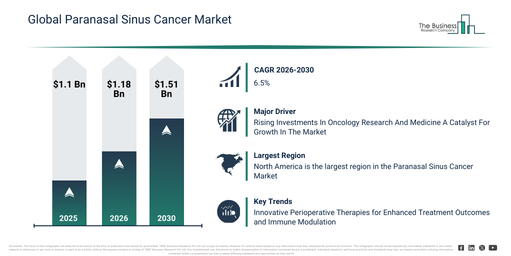
    The paranasal sinus cancer market size has experienced strong growth in recent years. It is projected to increase from $1.1 billion in 2025 to $1.18 billion in 2026, showing a compound annual growth rate (CAGR) of 6.7%. The expansion observed in the historical period can be linked to factors such as delayed diagnosis resulting from nonspecific symptoms, limited access to specialized oncology centers, a continued reliance on conventional surgery and radiation therapy, low awareness regarding rare sinonasal cancers, and fragmented diagnostic and referral pathways.

    The market for paranasal sinus cancer is anticipated to experience substantial expansion over the coming years. This market is projected to reach $1.51 billion by 2030, exhibiting a compound annual growth rate (CAGR) of 6.5%. Factors contributing to this growth during the projection period include progress in targeted therapy and immunotherapy, a greater embrace of AI-powered diagnostic imaging, increased funding for rare cancer investigations, the broadening of multidisciplinary approaches to cancer care, and the enhancement of hospital-based oncology facilities. Key trends expected over the forecast horizon involve a heightened application of precision oncology methods, the implementation of less invasive surgical procedures, an increase in varied treatment modalities, the wider deployment of sophisticated imaging for prompt diagnosis, and an intensified emphasis on patient quality of life within cancer treatment.

    Get A Free Sample Report With In-Depth Market Insights:

    https://thebusinessresearchcompany.com/sample_request?id=91601400&type=smp&name=Paranasal%20Sinus%20Cancer%20Market%20Report%202026&utm_source=Blogs&utm_medium=Paid&utm_campaign=Nov_PR

    Paranasal Sinus Cancer Market Demand Drivers Opening New Revenue Streams

    The paranasal sinus cancer market is anticipated to expand, fueled by a growth in investments towards oncology research and medical advancements. These oncology investments represent financial commitments from governments, pharmaceutical firms, research organizations, and private investors, all aimed at enhancing the understanding, prevention, diagnosis, and treatment of cancer. The increasing funding in oncology research and medicine is attributed to several factors: the escalating global cancer burden, breakthroughs in precision medicine, a surging demand for innovative therapies, the expansion of clinical trials, various government and private funding initiatives, and the development of targeted and immunotherapy treatments. Specifically for paranasal sinus cancer, these investments advance early diagnosis, improve treatment options such as targeted therapies and immunotherapy, fund clinical trials for more effective drugs, bolster pediatric cancer care infrastructure, and foster innovative research to better comprehend the disease’s biology and progression. Thus, the escalating investments in oncology research and medicine are a primary driver for the paranasal sinus cancer market.

    Paranasal Sinus Cancer Market Segmentation: How Does The Market Break Down By Category?

    The paranasal sinus cancer market covered in this report is segmented –

    1) By Type: Squamous Cell Carcinoma, Adenocarcinoma, Mucoepidermoid Carcinoma, Other Types

    2) By Diagnosis: Medical History And Physical Examination, Imaging Tests, Biopsy, Other Diagnosis

    3) By Treatment: Surgery, Radiation Therapy, Chemotherapy, Targeted Therapy, Immunotherapy

    4) By End-User: Hospital And Clinics, Cancer Treatment And Research Center, Research Laboratories, Other End-Users

    Subsegments:

    1) By Squamous Cell Carcinoma: Keratinizing Squamous Cell Carcinoma, Non-Keratinizing Squamous Cell Carcinoma, Basaloid Squamous Cell Carcinoma

    2) By Adenocarcinoma: Intestinal-Type Adenocarcinoma, Non-Intestinal-Type Adenocarcinoma

    3) By Mucoepidermoid Carcinoma: Low-Grade Mucoepidermoid Carcinoma, Intermediate-Grade Mucoepidermoid Carcinoma, High-Grade Mucoepidermoid Carcinoma

    4) By Other Types: Sinonasal Undifferentiated Carcinoma, Neuroendocrine Carcinoma, Adenoid Cystic Carcinoma, Melanoma, Sarcomas, Lymphoma

    Paranasal Sinus Cancer Market Transformation Trends: What Innovations Are Driving Change?

    Leading companies in the paranasal sinus cancer market are concentrating on developing sophisticated innovations, such as perioperative chemo immunotherapy regimens, to secure a competitive advantage. This strategy combines immune checkpoint inhibition (e.g., PD-1 antibodies) with conventional chemotherapy before surgery, aiming to decrease tumor burden and improve surgical results. For example, in June 2025, Coherus Biosciences, a US-based biopharma company, launched a Phase II trial involving toripalimab alongside carboplatin and docetaxel for patients with sinonasal cancers. This particular regimen provides potential for preoperative tumor reduction, real-time immune monitoring, and seamless integration with established treatment pathways. This evolving trend holds the promise of expanding the therapeutic options for rare paranasal sinus malignancies and enhancing patient outcomes, though its long-term efficacy and regulatory clearances are yet to be confirmed.

    Paranasal Sinus Cancer Market Competitive Overview And Top Companies

    Major companies operating in the paranasal sinus cancer market are Bristol-Myers Squibb, Penn Medicine, MD Anderson Cancer Center, RWJBarnabas Health, Mayo Foundation for Medical Education and Research, Stanford Health Care, Memorial Sloan Kettering Cancer Center, Massachusetts General Hospital, The University of Chicago Medical Center, City of Hope, Moffitt Cancer Center, Northwestern Medicine, UK Markey Cancer Center, Karmanos Cancer Institute, Dana-Farber Cancer Institute Inc., VCU Massey Cancer Center, Vanderbilt-Ingram Cancer Center, Fulgent Pharma, Duke University Health System

    View The Full Paranasal Sinus Cancer Market Report:

    https://thebusinessresearchcompany.com/report/paranasal-sinus-cancer-global-market-report?utm_source=Blogs&utm_medium=Paid&utm_campaign=Nov_PR

    Paranasal Sinus Cancer Market Global Footprint: Which Region Leads The Market?

    North America was the largest region in the paranasal sinus cancer market in 2025. Asia-Pacific is expected to be the fastest-growing region in the forecast period. The regions covered in the paranasal sinus cancer market report are Asia-Pacific, South East Asia, Western Europe, Eastern Europe, North America, South America, Middle East, Africa.

    Reach Out To Our Team:

    The Business Research Company: https://www.thebusinessresearchcompany.com/

    Americas: +1 310-496-7795

    Asia: +44 7882 955267 & +91 8897263534

    Europe: +44 7882 955267

    Email us at: marketing@tbrc.info

    Follow us on:

    LinkedIn: https://in.linkedin.com/company/the-business-research-company

    YouTube: https://www.youtube.com/channel/UC24_fI0rV8cR5DxlCpgmyFQ

    Global Market Model: https://www.thebusinessresearchcompany.com/global-market-model
  • Paraganglioma Market Growth Forecast Through 2030: Market Size And Trends In 2026

    Paraganglioma Market Growth Forecast Through 2030: Market Size And Trends In 2026

    Backed by market attractiveness analysis, total addressable market sizing, company benchmarking matrices, interactive Excel dashboards, wider supply chain intelligence, emerging startup coverage, and detailed product-level insights, The Business Research Company’s 2026 market reports are designed to offer research that is more actionable and strategically valuable than ever.

    Paraganglioma Market Value Analysis: What Growth Lies Ahead Over The Forecast Period?

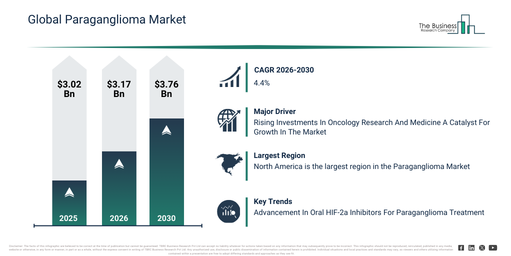
    The paraganglioma market size has demonstrated consistent expansion in recent years. It is projected to increase from $3.02 billion in 2025 to $3.17 billion in 2026, progressing at a compound annual growth rate (CAGR) of 4.7%. This historical market growth can be linked to factors including limited access to ophthalmology specialists, a dependence on corticosteroid therapies, an absence of advanced diagnostic tools, low awareness of panuveitis complications, and a fragmented treatment infrastructure.

    The paraganglioma market size is projected to experience consistent expansion over the upcoming years, reaching $3.76 billion by 2030 with a compound annual growth rate (CAGR) of 4.4%. This expansion during the forecast timeframe is driven by factors such as progress in biologic and immunotherapy medications, a rise in the occurrence of autoimmune and infectious eye conditions, the development of teleophthalmology and digital monitoring, increased funding for AI-based diagnostics, and the broadening of hospital and specialty clinic distribution networks. Key trends anticipated within this period involve the increasing embrace of biologic and targeted treatments, the incorporation of teleophthalmology and remote surveillance, AI-powered diagnostic instruments for uveitis, the proliferation of individualized eye care options, and the establishment of more specialized ophthalmology centers.

    Get A Free Sample Report With In-Depth Market Insights:

    https://thebusinessresearchcompany.com/sample_request?id=29282209&type=smp&name=Paraganglioma%20Market%20Report%202026&utm_source=Blogs&utm_medium=Paid&utm_campaign=Nov_PR

    Paraganglioma Market Growth Backed By Core Demand Fundamentals

    The paraganglioma market is anticipated to expand, driven by increasing financial commitments to oncology research and medicine. These investments signify monetary resources from governments, pharmaceutical companies, research institutions, and private investors aimed at advancing understanding, prevention, diagnosis, and treatment of cancer. The growth in oncology investments stems from factors such as the rising global cancer burden, progress in precision medicine, a greater need for innovative therapies, expanding clinical trials, diverse governmental and private funding initiatives, and the development of targeted and immunotherapy treatments. For paraganglioma, these investments are instrumental in accelerating early diagnosis, enhancing treatment modalities like targeted therapies and immunotherapy, funding clinical trials for more effective drugs, improving pediatric cancer care infrastructure, and fostering innovative research to better comprehend the disease’s biology and progression. Thus, growing investments in oncology research and medicine are a key driver for the paraganglioma market. The expanding focus on personalized medicine approaches is projected to stimulate growth within the paraganglioma market. Personalized medicine entails customizing treatment and monitoring based on an individual’s distinct genetic, molecular, or clinical characteristics. This heightened interest in personalized medicine arises because it allows therapies to be specifically adapted to a patient’s genetic profile, thereby boosting effectiveness and minimizing adverse reactions. Paraganglioma benefits particularly from this trend, as many cases involve germline pathogenic variants in genes like SDHB, SDHD, RET, and VHL. Therefore, the increasing emphasis on personalized medicine approaches is expected to propel the paraganglioma market forward.

    Paraganglioma Market Segment Trends And Revenue Contributors

    The paraganglioma market covered in this report is segmented –

    1) By Type: Sympathetic Paragangliomas, Parasympathetic Paragangliomas, Carotid Paragangliomas, Cervical Paragangliomas, Jugular Paragangliomas, Secretory Paragangliomas, Temporal Paragangliomas

    2) By Origin: Head And Neck, Abdomen, Pelvis, Other Origins

    3) By Treatment Type: Peptide Receptor Radionuclide Therapy, Surgery, Chemotherapy, Radiation Therapy, Other Treatment Types

    4) By Distribution Channel: Hospital Pharmacies, Drug Stores And Retail Pharmacies, Online Pharmacies

    5) By End-User: Hospitals, Specialty Clinics, Cancer Research Institutes, Other End-Users

    Subsegments:

    1) By Sympathetic Paragangliomas: Adrenal Sympathetic Paragangliomas, Extra-Adrenal Sympathetic Paragangliomas

    2) By Parasympathetic Paragangliomas: Head And Neck Parasympathetic Paragangliomas, Thoracic Parasympathetic Paragangliomas

    3) By Carotid Paragangliomas: Unilateral Carotid Paragangliomas, Bilateral Carotid Paragangliomas

    4) By Cervical Paragangliomas: Vagal Paragangliomas, Hypoglossal Paragangliomas

    5) By Jugular Paragangliomas: Type A, Type B, Type C, Type D

    6) By Secretory Paragangliomas: Catecholamine-Secreting Paragangliomas, Non-Catecholamine-Secreting Paragangliomas

    7) By Temporal Paragangliomas: Tympanic Paragangliomas, Mastoid Paragangliomas

    #Paraganglioma Market Growth Trends: What’s Shaping The Future Outlook?

    Leading enterprises within the paraganglioma market are concentrating on creating innovative treatments, particularly oral hypoxia-inducible factor-2 alpha (HIF-2a) inhibitors, aiming to provide specialized therapeutic alternatives for individuals affected by paraganglioma. Such an oral HIF-2a inhibitor represents a targeted treatment approach, functioning by diminishing the activity of HIF-2a, which is a pivotal element in tumor proliferation within low-oxygen environments, thereby assisting in decelerating the advancement of cancers, including paraganglioma. Illustratively, in January 2025, Merck, a US-based biopharmaceutical firm, disclosed that its supplemental new drug application for Welireg (belzutifan) received a priority review designation from the U.S. Food and Drug Administration (FDA), a US-based governmental body. This therapy is intended for adult patients and pediatric individuals aged 12 years and above suffering from advanced, unresectable, or metastatic pheochromocytoma and paraganglioma (PPGL). The supplemental new drug application’s foundation rests upon the objective response rate (ORR) and duration of response (DOR) results obtained from the Phase 2 LITESPARK-015 trial.

    Paraganglioma Market Competitive Landscape: Which Companies Lead The Industry?

    Major companies operating in the paraganglioma market are F. Hoffmann-La Roche Ltd., Merck & Co. Inc. , Mount Sinai, Penn Medicine, Stanford Health Care, St. Jude Children’s Research Hospital, UT Health San Antonio, The University of Chicago Medical Center, Fred Hutchinson Cancer Center, Florida Cancer Specialists & Research Institute, Invitae Corp., Clinigen Group plc, Fulgent Genetics, Dana-Farber Cancer Institute Inc., Oncology Hematology Care Inc., Enterome , National Institutes of Health Clinical Center, Progenics Pharmaceuticals Inc., Pheo Para Alliance, Saint John’s Cancer Institute

    View The Full Paraganglioma Market Report:

    https://thebusinessresearchcompany.com/report/paraganglioma-global-market-report?utm_source=Blogs&utm_medium=Paid&utm_campaign=Nov_PR

    Paraganglioma Market Regional Split: Which Areas Are Fueling Growth?

    North America was the largest region in the paraganglioma market in 2025. Asia-Pacific is expected to be the fastest-growing region in the forecast period. The regions covered in the paraganglioma market report are Asia-Pacific, South East Asia, Western Europe, Eastern Europe, North America, South America, Middle East, Africa.

    Reach Out To Our Team:

    The Business Research Company: https://www.thebusinessresearchcompany.com/

    Americas: +1 310-496-7795

    Asia: +44 7882 955267 & +91 8897263534

    Europe: +44 7882 955267

    Email us at: marketing@tbrc.info

    Follow us on:

    LinkedIn: https://in.linkedin.com/company/the-business-research-company

    YouTube: https://www.youtube.com/channel/UC24_fI0rV8cR5DxlCpgmyFQ

    Global Market Model: https://www.thebusinessresearchcompany.com/global-market-model
  • Panuveitis Treatment Market Analysis: $4.74 Billion Market Size In 2026 And Future Growth Prospects

    Panuveitis Treatment Market Analysis: $4.74 Billion Market Size In 2026 And Future Growth Prospects

    Featuring market attractiveness scoring, total addressable market sizing, company benchmarking matrices, interactive Excel dashboards, deeper supply chain intelligence, emerging startup tracking, and granular product-level insights, The Business Research Company’s 2026 market reports are built to deliver research that is both more actionable and more strategically valuable.

    Panuveitis Treatment Market Size Forecast: How Big Could The Market Get By 2030?

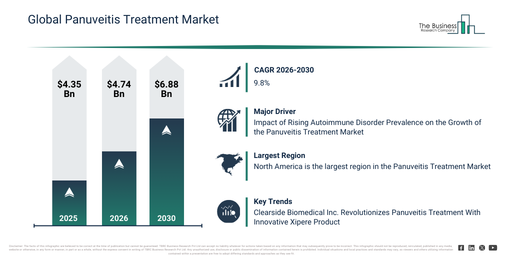
    The panuveitis treatment market size has seen substantial growth in recent years. It is anticipated to expand from $4.35 billion in 2025 to $4.74 billion in 2026, progressing at a compound annual growth rate (CAGR) of 8.8%. Historically, this expansion has been influenced by factors including limited access to ophthalmology specialists, a reliance on corticosteroid therapies, an absence of advanced diagnostic tools, insufficient awareness of panuveitis complications, and a fragmented treatment infrastructure.

    The panuveitis treatment market is projected to experience robust expansion over the coming years. This market is anticipated to reach $6.88 billion by 2030, exhibiting a compound annual growth rate (CAGR) of 9.8%. This projected growth is driven by several factors, including ongoing progress in biologic and immunotherapy drugs, the increasing occurrence of autoimmune and infectious eye conditions, the expansion of teleophthalmology and digital monitoring solutions, growing investments in AI-based diagnostic tools, and the broadening of distribution networks through hospitals and specialty clinics. Key developments expected during this period involve the increasing embrace of biologic and targeted treatments, the incorporation of teleophthalmology and remote patient monitoring, the development of AI-assisted diagnostic instruments for uveitis, the evolution of tailored eye care services, and the establishment of more specialized ophthalmology centers.

    Get A Free Sample Report With In-Depth Market Insights:

    https://thebusinessresearchcompany.com/sample_request?id=84221199&type=smp&name=Panuveitis%20Treatment%20Market%20Report%202026&utm_source=Blogs&utm_medium=Paid&utm_campaign=Nov_PR

    Panuveitis Treatment Market Growth Catalysts And Demand Drivers

    The expanding occurrence of autoimmune conditions is anticipated to fuel the expansion of the panuveitis treatment market moving forward. The surge in autoimmune disorders stems from a blend of genetic vulnerabilities, environmental influences such as pollution and shifts in diet, alongside greater exposure to specific infections and stressors capable of initiating immune system imbalance. These disorders contribute to progress in panuveitis treatment by stimulating research focused on immune system modulation, given that numerous instances of panuveitis are linked to autoimmune activity. Consequently, the escalating incidence of autoimmune conditions is propelling the growth of the panuveitis treatment market.

    Panuveitis Treatment Market Segment Analysis Spotlighting Growth Areas

    The panuveitis treatment market covered in this report is segmented –

    1) By Drug Class: Anti-Inflammatory, Antimicrobial Drugs, Immunotherapy And Targeted Therapies

    2) By Route Of Administration: Oral, Topical

    3) By End Users: Hospitals, Home Care, Specialty Clinics, Other End Users

    Subsegments:

    1) By Anti-Inflammatory: Corticosteroids, Non-Steroidal Anti-Inflammatory Drugs (NSAIDs)

    2) By Antimicrobial Drugs: Antibiotics, Antifungal Agents, Antiviral Medications

    3) By Immunotherapy And Targeted Therapies: Biologic Agents, Janus Kinase (JAK) Inhibitors, Cytokine Modulators

    Panuveitis Treatment Market Industry Trends: What’s Reshaping Demand?

    Leading companies in the panuveitis treatment market are prioritizing the development of innovative products, such as oral dual TYK2/JAK1 inhibitors, to gain a competitive edge. This category of small-molecule immunomodulators functions by suppressing multiple pro-inflammatory cytokine pathways, thereby reducing intraocular inflammation and offering the convenience of oral administration.

    Panuveitis Treatment Market Leading Companies: Who Holds The Strongest Market Presence?

    Major companies operating in the panuveitis treatment market are Pfizer Inc., Johnson and Johnson Pvt. Ltd., Bausch Health Companies Inc., AbbVie Inc., Novartis AG, Allergan Inc., Regeneron Pharmaceuticals Inc., Santen Pharmaceutical Co. Ltd., Ocular Therapeutix Inc., EyeGate Pharmaceuticals Inc., Eyepoint Pharmaceuticals Inc., Graybug Vision Inc., Aciont Inc., Clearside Biomedical Inc., Aldeyra Therapeutics Inc., UCB S.A., Amgen Inc., Sanofi S.A., Galapagos NV, Kiora Pharmaceuticals Inc., ONL Therapeutics, Eyevensys, Nicox S.A., Abbott Laboratories

    View The Full Panuveitis Treatment Market Report:

    https://thebusinessresearchcompany.com/report/panuveitis-treatment-global-market-report?utm_source=Blogs&utm_medium=Paid&utm_campaign=Nov_PR

    Panuveitis Treatment Market Top Region: Where Does Most Revenue Come From?

    North America was the largest region in the panuveitis treatment market in 2025. The regions covered in the panuveitis treatment market report are Asia-Pacific, South East Asia, Western Europe, Eastern Europe, North America, South America, Middle East, Africa.

    Reach Out To Our Team:

    The Business Research Company: https://www.thebusinessresearchcompany.com/

    Americas: +1 310-496-7795

    Asia: +44 7882 955267 & +91 8897263534

    Europe: +44 7882 955267

    Email us at: marketing@tbrc.info

    Follow us on:

    LinkedIn: https://in.linkedin.com/company/the-business-research-company

    YouTube: https://www.youtube.com/channel/UC24_fI0rV8cR5DxlCpgmyFQ

    Global Market Model: https://www.thebusinessresearchcompany.com/global-market-model
  • Panuveitis Market 2026 Market Size And Growth Forecast: Key Trends To Watch

    Panuveitis Market 2026 Market Size And Growth Forecast: Key Trends To Watch

    Built to provide research that’s more actionable and strategically valuable, The Business Research Company’s 2026 market reports include market attractiveness analysis, total addressable market sizing, company benchmarking matrices, interactive Excel dashboards, broader supply chain intelligence, emerging startup tracking, and in-depth product insights.

    Panuveitis Market Revenue Outlook: What CAGR Lies Ahead Through 2030?

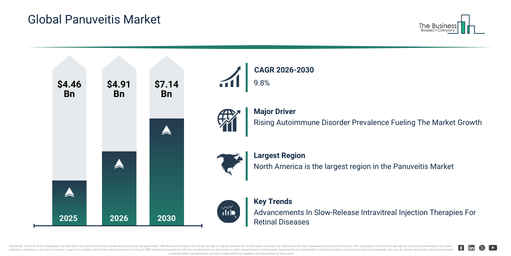
    The panuveitis market has experienced rapid expansion in recent years. It is projected to increase from $4.46 billion in 2025 to $4.91 billion in 2026, demonstrating a compound annual growth rate (CAGR) of 10.1%. The market’s historical growth can be linked to factors such as limited awareness of panuveitis, a dependence on conventional corticosteroid therapies, restricted access to ophthalmology specialists, a fragmented treatment infrastructure, and the slow adoption of diagnostic imaging technologies.

    The panuveitis market is anticipated to experience substantial expansion in the coming years. It is projected to achieve a valuation of $7.14 billion by 2030, exhibiting a compound annual growth rate (CAGR) of 9.8%. This growth during the forecast period can be attributed to advancements in biologics and immunomodulatory drugs, a rising prevalence of autoimmune and infectious eye disorders, the expansion of teleophthalmology services, increasing investments in AI-assisted diagnostics, and the broadening of hospital and retail pharmacy distribution channels. Significant trends expected during this period include the growing adoption of targeted biologic therapies, increased utilization of teleophthalmology and remote monitoring, the integration of AI-based diagnostic tools for eye inflammation, a focus on personalized treatment approaches, and the expansion of specialized ophthalmology centers.

    Get A Free Sample Report With In-Depth Market Insights:

    https://thebusinessresearchcompany.com/sample_request?id=32014118&type=smp&name=Panuveitis%20Market%20Report%202026&utm_source=Blogs&utm_medium=Paid&utm_campaign=Nov_PR

    Panuveitis Market Opportunity Drivers: What’s Unlocking New Revenue Potential?

    The increasing occurrence of autoimmune conditions is anticipated to fuel the expansion of the panuveitis market in the future. Autoimmune diseases develop when the immune system mistakenly attacks and harms the body’s own healthy cells and tissues. This upward trend in autoimmune disease prevalence stems from a mix of genetic predispositions, environmental elements like pollution and dietary shifts, and greater exposure to specific infections and stressors that can lead to immune system imbalance. These disorders also facilitate progress in panuveitis treatment by stimulating research into immune system modulation, given that numerous panuveitis instances are linked to autoimmune activity. Consequently, the growing prevalence of autoimmune disorders is a key driver for the panuveitis market’s growth.

    Panuveitis Market Segment Performance And Emerging Opportunities

    The panuveitis market covered in this report is segmented –

    1) By Type: Infectious Panuveitis, Non-Infectious Panuveitis

    2) By Treatment: Pharmacological, Surgical, Phototherapy

    3) By Route Of Administration: Oral, Intravitreal, Topical

    4) By Distribution Channel: Hospital Pharmacies, Retail Pharmacies, Online Pharmacies

    Subsegments:

    1) By Infectious Panuveitis: Bacterial Panuveitis, Viral Panuveitis, Fungal Panuveitis, Parasitic Panuveitis

    2) By Non-Infectious Panuveitis: Autoimmune-Related Panuveitis, Idiopathic Panuveitis, Drug-Induced Panuveitis

    Panuveitis Market Innovation Trends: What Developments Are Reshaping The Industry?

    Leading companies in the panuveitis market are concentrating on developing novel products, such as oral TYK2/JAK-1 inhibitors, to secure a competitive advantage. These are small-molecule immunomodulators that work by blocking inflammatory signaling pathways through the inhibition of both TYK2 and JAK-1 kinases, thereby reducing cytokine-driven inflammation in the eye.

    Panuveitis Market Key Players: Which Companies Lead Industry Competition?

    Major companies operating in the panuveitis market are Pfizer Inc., AbbVie, Amgen, Mallinckrodt plc, EyePoint Pharmaceuticals Inc., Clearside Biomedical Inc., pSivida Corp., Santen Pharmaceutical Co Ltd, Alimera Sciences Inc, Novartis AG, F Hoffmann-La Roche AG, Regeneron Pharmaceuticals Inc, Sanofi S A, Bausch Health Companies Inc, Johnson & Johnson, UCB SA, Aldeyra Therapeutics Inc, Kiora Pharmaceuticals Inc, Lux Biosciences Inc, Aciont Inc, Sirion Therapeutics Inc, EyeGate Pharmaceuticals Inc, Oculis Pharma AG, Alcon Inc, Sun Pharmaceutical Industries Ltd, Aerie Pharmaceuticals Inc.

    View The Full Panuveitis Market Report:

    https://thebusinessresearchcompany.com/report/panuveitis-global-market-report?utm_source=Blogs&utm_medium=Paid&utm_campaign=Nov_PR

    Panuveitis Market Regional Breakdown: Where Is Demand Concentrated?

    North America was the largest region in the panuveitis market in 2025. The regions covered in the panuveitis market report are Asia-Pacific, South East Asia, Western Europe, Eastern Europe, North America, South America, Middle East, Africa.

    Reach Out To Our Team:

    The Business Research Company: https://www.thebusinessresearchcompany.com/

    Americas: +1 310-496-7795

    Asia: +44 7882 955267 & +91 8897263534

    Europe: +44 7882 955267

    Email us at: marketing@tbrc.info

    Follow us on:

    LinkedIn: https://in.linkedin.com/company/the-business-research-company

    YouTube: https://www.youtube.com/channel/UC24_fI0rV8cR5DxlCpgmyFQ

    Global Market Model: https://www.thebusinessresearchcompany.com/global-market-model
  • Panic Disorders Market Size Forecast: How The Industry Is Expected To Grow From 2026 To 2030

    Panic Disorders Market Size Forecast: How The Industry Is Expected To Grow From 2026 To 2030

    Backed by market attractiveness analysis, total addressable market sizing, company benchmarking matrices, interactive Excel dashboards, wider supply chain intelligence, emerging startup coverage, and detailed product-level insights, The Business Research Company’s 2026 market reports are designed to offer research that is more actionable and strategically valuable than ever.

    Panic Disorders Market Growth Analysis: How Will Revenue Trend Over The Forecast Period?

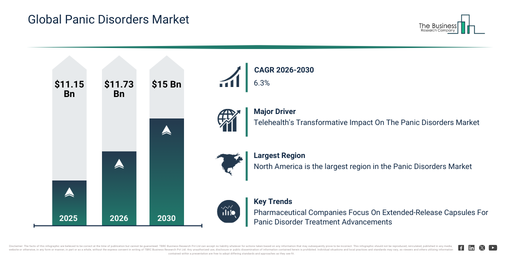
    The market size for panic disorders has experienced substantial growth in recent years. It is anticipated to expand from $11.15 billion in 2025 to $11.73 billion in 2026, achieving a compound annual growth rate (CAGR) of 5.3%. The expansion observed historically is attributable to factors such as limited awareness of panic disorders, a reliance on traditional in-person therapy, the high cost of medications, a fragmented mental healthcare infrastructure, and the low adoption of digital therapy tools.

    The panic disorders market size is projected to undergo substantial growth in the years ahead, reaching $15 billion by 2030, driven by a compound annual growth rate (CAGR) of 6.3%. This expansion during the forecast period can be attributed to several factors: an increasing prevalence of anxiety and panic disorders, greater adoption of telepsychiatry, advancements in virtual reality and neurofeedback therapies, the expansion of online pharmacy and hospital distribution channels, and an escalating demand for personalized mental healthcare plans. Noteworthy trends for the upcoming period encompass the increasing embrace of telepsychiatry and mobile mental health applications, the integration of virtual reality therapy for anxiety disorders, a rise in the use of biofeedback and neurofeedback techniques, the development of personalized medication plans for panic disorders, and the expansion of mental healthcare facilities and hospital services.

    Get A Free Sample Report With In-Depth Market Insights:

    https://thebusinessresearchcompany.com/sample_request?id=88312975&type=smp&name=Panic%20Disorders%20Market%20Report%202026&utm_source=Blogs&utm_medium=Paid&utm_campaign=Nov_PR

    Panic Disorders Market Growth Momentum: What Factors Are Shaping Demand?

    The increasing adoption of telehealth is expected to drive the expansion of the panic disorders market in the future. Telehealth employs electronic communication technologies, such as videoconferencing, phone calls, and secure messaging, to deliver remote healthcare services and medical consultations. It facilitates psychotherapy and counseling services for individuals dealing with panic disorders, enabling therapists to conduct individual therapy sessions, group therapy, or support groups through secure videoconferencing platforms. Consequently, the growing utilization of telehealth is a key factor propelling the growth of the panic disorders market.

    Panic Disorders Market Segment Landscape And Growth Outlook

    The panic disorders market covered in this report is segmented –

    1) By Treatment Type: Pharmacotherapies, Psychotherapeutic Interventions, Digital Or Tech-Enabled Therapies

    2) By Disorder Type: Panic Disorder Without Agoraphobia, Panic Disorder With Agoraphobia, Mild Panic Disorder, Moderate Panic Disorder, Severe Panic Disorder, Panic Disorder With Comorbidities

    3) By Age Group: Children And Adolescents, Adults, Elderly

    4) By End User: Hospitals, Specialty Mental Health Clinics, Primary Care Clinics, Telehealth And Digital Platforms, Home Healthcare Services

    Subsegments:

    1) By Pharmacotherapies: Antidepressants, Benzodiazepines, Beta-Blockers

    2) By Psychotherapeutic Interventions: Cognitive Behavioral Therapy (CBT), Exposure Therapy, Psychodynamic Therapy, Group And Family Therapy

    3) By Digital Or Tech-Enabled Therapies: Mental Health Apps, Telepsychiatry Or Teletherapy, Virtual CBT Programs

    Panic Disorders Market Trends: What’s Defining The Industry’s Next Phase?

    Major companies operating in the panic disorder market are focusing on developing advanced medicines, such as extended-release capsules, to sustain their position in the market. Extended-release capsules are medications that release the active ingredient slowly over a while, typically 12 or 24 hours, to treat conditions requiring medication to be taken over a long period.

    Panic Disorders Market Competitive Landscape: Who Leads The Industry?

    Major companies operating in the panic disorders market are F. Hoffmann-La Roche Ltd, Sanofi S.A, Bristol-Myers Squibb Company, AstraZeneca plc, Abbott Laboratories, GlaxoSmithKline plc, Eli Lilly and Company, Boehringer Ingelheim International GmbH, Teva Pharmaceutical Industries Ltd, Mylan N.V., Pfizer Inc, Sun Pharmaceutical Industries Ltd, H. Lundbeck A/S, Neurocrine Biosciences Inc, Neuraxpharm, Actavis Plc, Sumitomo Pharma Co Ltd, LIFECARE NEURO PRODUCTS LTD, Merck & Co Inc, Johnson & Johnson, Novartis AG, Otsuka Pharmaceutical Co Ltd.

    View The Full Panic Disorders Market Report:

    https://thebusinessresearchcompany.com/report/panic-disorders-global-market-report?utm_source=Blogs&utm_medium=Paid&utm_campaign=Nov_PR

    Panic Disorders Market Geographic Landscape: Which Region Leads Industry Growth?

    North America was the largest region in the panic disorders market in 2025. Asia Pacific is expected to be the fastest-growing region in the forecast period. The regions covered in the panic disorders market report are Asia-Pacific, South East Asia, Western Europe, Eastern Europe, North America, South America, Middle East, Africa.

    Reach Out To Our Team:

    The Business Research Company: https://www.thebusinessresearchcompany.com/

    Americas: +1 310-496-7795

    Asia: +44 7882 955267 & +91 8897263534

    Europe: +44 7882 955267

    Email us at: marketing@tbrc.info

    Follow us on:

    LinkedIn: https://in.linkedin.com/company/the-business-research-company

    YouTube: https://www.youtube.com/channel/UC24_fI0rV8cR5DxlCpgmyFQ

    Global Market Model: https://www.thebusinessresearchcompany.com/global-market-model
  • Panic Attack Treatment Market Reaches $7.97 Billion In 2026: Forecast And Growth Opportunities

    Panic Attack Treatment Market Reaches $7.97 Billion In 2026: Forecast And Growth Opportunities

    Featuring market attractiveness scoring, total addressable market sizing, company benchmarking matrices, interactive Excel dashboards, deeper supply chain intelligence, emerging startup tracking, and granular product-level insights, The Business Research Company’s 2026 market reports are built to deliver research that is both more actionable and more strategically valuable.

    Panic Attack Treatment Market Forecast: What Value Will The Market Reach By 2030?

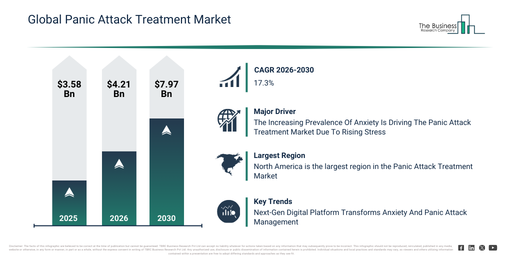
    The panic attack treatment market size has seen swift expansion over recent years. It is projected to increase from $3.58 billion in 2025 to $4.21 billion in 2026, demonstrating a compound annual growth rate (CAGR) of 17.6%. This historical growth can be linked to factors such as limited public understanding of panic attack treatments, a strong reliance on in-person therapy, the significant cost of specific medications, a fragmented mental healthcare system, and the slow integration of digital therapy tools.

    The panic attack treatment market is projected to experience substantial growth over the next few years. It is anticipated to expand to $7.97 billion by 2030, demonstrating a compound annual growth rate (CAGR) of 17.3%. This projected growth is driven by the increasing adoption of telehealth platforms, the expansion of virtual reality and digital therapeutics, a rise in the prevalence of anxiety and panic disorders, progress in personalized medicine, and the broadening of online pharmacy and hospital distribution channels. Noteworthy trends for this period include the rising utilization of telepsychiatry and mobile health applications, the integration of virtual reality therapy for panic disorders, a greater reliance on neurofeedback and biofeedback techniques, the development of personalized medication plans, and the expansion of mental healthcare centers and hospital services.

    Get A Free Sample Report With In-Depth Market Insights:

    https://thebusinessresearchcompany.com/sample_request?id=24356&type=smp&name=Panic%20Attack%20Treatment%20Market%20Report%202026&utm_source=Blogs&utm_medium=Paid&utm_campaign=Nov_PR

    Panic Attack Treatment Market Expansion Drivers: What’s Shaping Future Growth?

    The expanding occurrence of anxiety is anticipated to boost the panic attack treatment market’s growth in the future. Anxiety is defined as a mental health condition marked by ongoing worry, nervousness, and fear, frequently alongside physical manifestations like restlessness, an accelerated heart rate, and impaired concentration. Modern lifestyle pressures elevate anxiety levels by imposing continuous requirements for productivity, financial security, and social achievement, thereby limiting opportunities for rest or emotional recuperation. Treatment for panic attacks tackles anxiety by providing effective strategies to reduce symptoms, enhance emotional well-being, and enable individuals to restore control over their lives via tailored and prompt interventions. Consequently, the growing occurrence of anxiety is propelling the panic attack treatment market.

    Panic Attack Treatment Market Breakdown By Product Type And Application

    The panic attack treatment market covered in this report is segmented –

    1) By Treatment Type: Cognitive Behavioral Therapy (CBT), Medications, Other Treatment Types

    2) By Drug Class: Antidepressants, Anti-Anxiety Drugs, Calcitonin Gene-Related Peptide (CGRP) Antagonists, Other Drug Classes

    3) By Route Of Administration: Oral, Sublingual, Other Routes Of Administration

    4) By Distribution Channel: Hospital Pharmacies, Retail Pharmacies, Online Pharmacies

    5) By Application: Hospitals, Mental Healthcare Centers, Other Applications

    Subsegments:

    1) By Cognitive Behavioral Therapy (CBT): Exposure Therapy, Dialectical Behavior Therapy (DBT), Acceptance And Commitment Therapy (ACT), Mindfulness-Based Cognitive Therapy (MBCT), Rational Emotive Behavior Therapy (REBT)

    2) By Medications: Beta Blockers, Buspirone, Anticonvulsants, Atypical Antipsychotics, Herbal And Natural Supplements

    3) By Other Treatment Types: Telepsychiatry, Biofeedback And Neurofeedback, Virtual Reality Therapy, Mobile Health Applications, Support Groups And Counseling Services

    Panic Attack Treatment Market Industry Trends Fueling Future Revenue Growth

    Major companies in the panic attack treatment market are concentrating on developing advancements in medical technology, such as digital anxiety relief platforms, to enhance the management of anxiety and panic attacks through accessible, technology-driven solutions. Digital anxiety relief platforms are technology-based applications or services designed to assist individuals in managing and reducing anxiety through tools including guided meditation, cognitive behavioral therapy modules, mood tracking, and relaxation exercises.

    Panic Attack Treatment Market Company Landscape And Competitive Strategy

    Major companies operating in the panic attack treatment market are Pfizer Inc., Johnson & Johnson Services Inc., F. Hoffmann-La Roche Ltd., Sanofi S.A., AstraZeneca Plc, Novartis AG, GlaxoSmithKline plc, Takeda Pharmaceutical Company Limited, Eli Lilly and Company, Viatris Inc., Teva Pharmaceutical Industries Ltd., Sun Pharmaceutical Industries Ltd., Sumitomo Dainippon Pharma, Lundbeck A/S, Torrent Pharmaceuticals Ltd., Merck & Co Inc., Bristol-Myers Squibb Company, Otsuka Pharmaceutical Co Ltd, Boehringer Ingelheim International GmbH, Allergan plc, Alkermes plc, Jazz Pharmaceuticals plc, Bayer AG, Amgen Inc., Cipla Limited

    View The Full Panic Attack Treatment Market Report:

    https://thebusinessresearchcompany.com/report/panic-attack-treatment-global-market-report?utm_source=Blogs&utm_medium=Paid&utm_campaign=Nov_PR

    Panic Attack Treatment Market Largest Region: Which Geography Holds The Biggest Share?

    North America was the largest region in the panic attack treatment market in 2025. Asia-Pacific is expected to be the fastest-growing region in the forecast period. The regions covered in the panic attack treatment market report are Asia-Pacific, South East Asia, Western Europe, Eastern Europe, North America, South America, Middle East, Africa.

    Reach Out To Our Team:

    The Business Research Company: https://www.thebusinessresearchcompany.com/

    Americas: +1 310-496-7795

    Asia: +44 7882 955267 & +91 8897263534

    Europe: +44 7882 955267

    Email us at: marketing@tbrc.info

    Follow us on:

    LinkedIn: https://in.linkedin.com/company/the-business-research-company

    YouTube: https://www.youtube.com/channel/UC24_fI0rV8cR5DxlCpgmyFQ

    Global Market Model: https://www.thebusinessresearchcompany.com/global-market-model
  • Pancreatic Enzyme Replacement Market Growth In 2026: Market Size, Key Drivers And Future Outlook

    Pancreatic Enzyme Replacement Market Growth In 2026: Market Size, Key Drivers And Future Outlook

    Built to provide research that’s more actionable and strategically valuable, The Business Research Company’s 2026 market reports include market attractiveness analysis, total addressable market sizing, company benchmarking matrices, interactive Excel dashboards, broader supply chain intelligence, emerging startup tracking, and in-depth product insights.

    Pancreatic Enzyme Replacement Market Size Outlook: How Quickly Will Revenue Expand Through 2030?

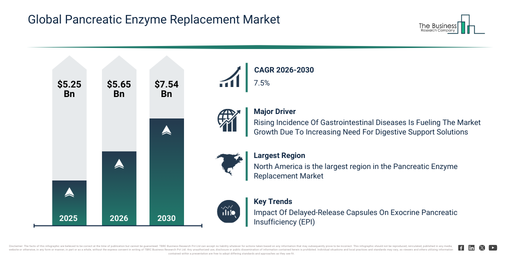
    The pancreatic enzyme replacement market has experienced significant growth in recent years. It is expected to expand from $5.25 billion in 2025 to $5.65 billion in 2026, demonstrating a compound annual growth rate (CAGR) of 7.7%. The market’s historic expansion can be attributed to the limited availability of synthetic enzyme formulations, a reliance on porcine-derived enzymes, insufficient awareness of enzyme replacement therapy, a hospital-centric model for treatment distribution, and fragmented supply chains.

    The pancreatic enzyme replacement market size is projected to experience substantial expansion over the upcoming years. This market is anticipated to reach a value of $7.54 billion by 2030, exhibiting a compound annual growth rate (CAGR) of 7.5%. Factors contributing to this growth during the forecast period include the rising adoption of microbial and recombinant-derived enzymes, an expanding patient population with chronic pancreatitis and cystic fibrosis, the proliferation of home healthcare services, an increase in oral and delayed-release formulation availability, and the incorporation of digital monitoring and tools for dosage optimization. Key trends shaping the market during this period encompass the growing embrace of personalized enzyme therapy, the integration of AI for refining dosage, the development of oral powder and capsule formulations, an escalating need for home healthcare enzyme solutions, and the broadening of hospital and clinic distribution channels.

    Get A Free Sample Report With In-Depth Market Insights:

    https://thebusinessresearchcompany.com/sample_request?id=58637699&type=smp&name=Pancreatic%20Enzyme%20Replacement%20Market%20Report%202026&utm_source=Blogs&utm_medium=Paid&utm_campaign=Nov_PR

    Pancreatic Enzyme Replacement Market Development Factors: What’s Supporting Demand?

    The growing occurrence of gastrointestinal diseases is expected to propel the expansion of the pancreatic enzyme replacement market in the future. Gastrointestinal diseases are conditions affecting the digestive tract, encompassing the esophagus, stomach, intestines, liver, pancreas, and gallbladder, and can lead to symptoms like abdominal pain, bloating, diarrhea, and constipation. This increasing incidence of gastrointestinal diseases is primarily a result of poor dietary habits, as heightened consumption of processed foods, low fiber intake, and high-fat diets can impair gut health, contributing to ailments such as acid reflux, irritable bowel syndrome, and inflammatory bowel disease. Pancreatic enzyme replacement assists in managing gastrointestinal diseases by improving nutrient absorption and digestion, thereby alleviating symptoms such as malnutrition, bloating, and steatorrhea, which are commonly associated with pancreatic insufficiency. Therefore, the rising prevalence of gastrointestinal diseases is stimulating the growth of the pancreatic enzyme replacement market.

    Pancreatic Enzyme Replacement Market Segment Analysis And Revenue Potential

    The pancreatic enzyme replacement market covered in this report is segmented –

    1) By Product Type: Tablets, Capsules, Powders, Other Product Types

    2) By Source Of Enzymes: Porcine-Derived Enzymes, Microbial-Derived Enzymes, Recombinant-Derived Enzymes

    3) By Application: Chronic Pancreatitis, Cystic Fibrosis, Pancreatic Cancer, Other Applications

    4) By Distribution Channel: Hospital Pharmacies, Retail Pharmacies, Online Pharmacies, Other Distribution Channels

    5) By End-User: Hospitals, Clinics, Home Healthcare

    Subsegments:

    1) By Tablets: Film-Coated Tablets, Chewable Tablets, Extended-Release Tablets

    2) By Capsules: Gel Capsules, Liquid-Filled Capsules, Delayed-Release Capsules

    3) By Powders: Oral Powder, Sachets

    4) By Other Product Types: Enzyme Suspensions, Oral Solutions

    Pancreatic Enzyme Replacement Market Trends Powering Strategic Industry Growth

    Leading companies within the pancreatic enzyme replacement market are concentrating on creating advanced formulations, such as delayed-release capsules, to enhance enzyme stability and boost therapeutic benefits for individuals suffering from pancreatic insufficiency. These capsules are engineered to precisely deliver their contents at a predetermined point in the digestive system, facilitating pancreatic enzyme replacement by ensuring enzymes are released into the small intestine, where they can aid digestion, thus avoiding degradation by the stomach’s acidic environment. For instance, in March 2025, Adalvo Limited, a pharmaceutical manufacturing firm based in Malta, introduced its Pancreatin Delayed-Release Capsules. These capsules are specifically designed to heighten enzyme stability and elevate therapeutic effectiveness for patients diagnosed with exocrine pancreatic insufficiency (EPI). Their formulation ensures that the contents are released in the small intestine, enabling pancreatic enzymes to effectively assist in digestion, while circumventing the stomach’s acidic conditions that would otherwise break them down. This advancement aims to meet a vital requirement for patients afflicted with conditions like chronic pancreatitis, cystic fibrosis, and following pancreatectomy.

    Pancreatic Enzyme Replacement Market Key Players Shaping Industry Direction

    Major companies operating in the pancreatic enzyme replacement market are Johnson & Johnson, Abbott Laboratories, Viatris Inc., Nestlé Health Science S.A., Chiesi Farmaceutici S.p.A., Now Health Group Inc., AzurRx BioPharma Inc., Nordmark Arzneimittel GmbH & Co. KG, Alcresta Therapeutics Inc., Perseo Pharma AG, Digestive Care Inc., Anagram Therapeutics Inc., Entero Therapeutics Inc., Sun Pharmaceutical Industries Ltd, Laboratoires Mayoly Spindler, Recordati S.p.A., Synmosa Biopharma Corporation, Dr Falk Pharma GmbH, Enzymedica Inc., VIVUS Inc., Pharming Group NV, Dr Reddy’s Laboratories, Teva Pharmaceutical Industries Ltd, AstraZeneca plc, Bausch Health Companies Inc

    View The Full Pancreatic Enzyme Replacement Market Report:

    https://thebusinessresearchcompany.com/report/pancreatic-enzyme-replacement-global-market-report?utm_source=Blogs&utm_medium=Paid&utm_campaign=Nov_PR

    Pancreatic Enzyme Replacement Market Regional Analysis: Which Geography Leads On Revenue?

    North America was the largest region in the pancreatic enzyme replacement market in 2025. Asia-Pacific is expected to be the fastest-growing region in the forecast period. The regions covered in the pancreatic enzyme replacement market report are Asia-Pacific, South East Asia, Western Europe, Eastern Europe, North America, South America, Middle East, Africa.

    Reach Out To Our Team:

    The Business Research Company: https://www.thebusinessresearchcompany.com/

    Americas: +1 310-496-7795

    Asia: +44 7882 955267 & +91 8897263534

    Europe: +44 7882 955267

    Email us at: marketing@tbrc.info

    Follow us on:

    LinkedIn: https://in.linkedin.com/company/the-business-research-company

    YouTube: https://www.youtube.com/channel/UC24_fI0rV8cR5DxlCpgmyFQ

    Global Market Model: https://www.thebusinessresearchcompany.com/global-market-model
  • Pancreatic Cancer Diagnostic Market Size And Forecast 2026–2030: Trends Driving Industry Expansion

    Pancreatic Cancer Diagnostic Market Size And Forecast 2026–2030: Trends Driving Industry Expansion

    Backed by market attractiveness analysis, total addressable market sizing, company benchmarking matrices, interactive Excel dashboards, wider supply chain intelligence, emerging startup coverage, and detailed product-level insights, The Business Research Company’s 2026 market reports are designed to offer research that is more actionable and strategically valuable than ever.

    Pancreatic Cancer Diagnostic Market Size, Value And Growth Trajectory Through 2030

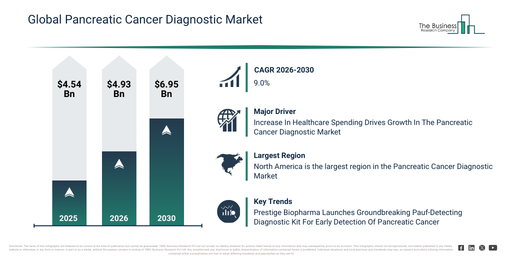
    In recent years, the pancreatic cancer diagnostic market size has demonstrated robust growth. Forecasts indicate an expansion from $4.54 billion in 2025 to $4.93 billion in 2026, driven by a compound annual growth rate (CAGR) of 8.6%. This historical growth can be attributed to several factors, including the limited availability of advanced diagnostic tools, a reliance on conventional imaging and biopsy, low early detection rates, fragmented diagnostic services, and a hospital-centric diagnostic approach.

    The pancreatic cancer diagnostic market size is anticipated to experience substantial growth over the next few years, projected to reach $6.95 billion by 2030 at a compound annual growth rate (CAGR) of 9.0%. This expansion during the forecast period can be attributed to the increasing utilization of genomic and biomarker-based tests, the adoption of AI and machine learning in diagnostics, the advancement of minimally invasive liquid biopsy techniques, the expansion of diagnostic services in hospitals and cancer centers, and a rise in integrated laboratory and consulting services. Significant trends expected in this period include the widespread adoption of advanced genomic testing for pancreatic cancer, the integration of AI-powered diagnostic imaging solutions, an increase in liquid biopsy and minimally invasive tests, growth in precision medicine diagnostics, and the continued expansion of hospital and diagnostic center services.

    Get A Free Sample Report With In-Depth Market Insights:

    https://thebusinessresearchcompany.com/sample_request?id=27043218&type=smp&name=Pancreatic%20Cancer%20Diagnostic%20Market%20Report%202026&utm_source=Blogs&utm_medium=Paid&utm_campaign=Nov_PR

    Pancreatic Cancer Diagnostic Market Industry Drivers: What’s Behind The Revenue Growth?

    Increased healthcare spending is propelling the expansion of the pancreatic cancer diagnostic market moving forward. This expenditure encompasses the entire sum of financial resources dedicated to the healthcare sector within a particular region, country, or organization. Such allocation of healthcare funds supports pancreatic cancer diagnostics, facilitating early detection, accurate staging, and timely intervention, all aimed at improving patient outcomes and survival rates. Thus, a rise in healthcare spending is undeniably fostering the growth of the pancreatic cancer diagnostic market in the foreseeable future.

    Pancreatic Cancer Diagnostic Market Segmentation And Category Overview

    The pancreatic cancer diagnostic market covered in this report is segmented –

    1) By Product: Instruments, Consumables, Services

    2) By Treatment: Surgery, Chemotherapy, Radiation Therapy, Targeted Therapy

    3) By Cancer Type: Exocrine, Adenocarcinoma, Squamous Cell Carcinoma, Adenosquamous Carcinoma, Colloid Carcinoma, Endocrine

    4) By Test Type: Imaging Test, Biopsy, Blood Test, Genomic Test, Other Test Types

    5) By End-User: Hospitals, Diagnostic Centers, Cancer Research Centers, Academic Institutes, Ambulatory Surgical Centers, Other End-Users

    Subsegments:

    1) By Instruments: Imaging Systems, Biopsy Devices, Endoscopy Equipment

    2) By Consumables: Reagents, Biopsy Needles, Assay Kits

    3) By Services: Diagnostic Testing Services, Laboratory Services, Consulting Services

    Pancreatic Cancer Diagnostic Market Growth Trends Reshaping The Competitive Landscape

    Leading companies active in the pancreatic cancer diagnostic market are concentrating on developing novel solutions, such as biomarker-based diagnostic kits, to address the increasing need for early disease detection, improved diagnostic accuracy, and better patient survival outcomes. Biomarker-driven diagnostics function by identifying tumor-associated proteins or genetic markers in blood or tissue samples, providing a more sensitive and specific approach compared to conventional imaging-led diagnosis, which frequently identifies pancreatic cancer only at advanced stages.

    Pancreatic Cancer Diagnostic Market Competitive Analysis Of Leading Industry Participants

    Major companies operating in the pancreatic cancer diagnostic market are Hitachi Medical Corporation, F. Hoffmann-La Roche AG, Thermo Fisher Scientific Inc., Abbott Laboratories Inc., Danaher Corporation, Siemens Healthcare GmbH, FUJIFILM Corporation, Becton Dickinson and Company, Koninklijke Philips N.V., GE Healthcare Bio Sciences AB, Laboratory Corporation of America Holdings, Agilent Technologies Inc., Illumina Inc., Qiagen Inc., Myriad Genetics Inc., Canon Medical Systems Corporation, Biological Dynamics Inc., Berg LLC, Abcodia Ltd., Acobiom, Amplified Sciences LLC, Avant Diagnostics Inc., Axim Biotechnologies Inc., Alaunus Biosciences Inc., Advanced Marker Discovery SL, Anixa Diagnostics Corporation

    View The Full Pancreatic Cancer Diagnostic Market Report:

    https://thebusinessresearchcompany.com/report/pancreatic-cancer-diagnostic-global-market-report?utm_source=Blogs&utm_medium=Paid&utm_campaign=Nov_PR

    Pancreatic Cancer Diagnostic Market Geographic Spread And Regional Opportunities

    North America was the largest region in the pancreatic cancer diagnostic market in 2025. Asia-Pacific is expected to be the fastest-growing region in the forecast period. The regions covered in the pancreatic cancer diagnostic market report are Asia-Pacific, South East Asia, Western Europe, Eastern Europe, North America, South America, Middle East, Africa.

    Reach Out To Our Team:

    The Business Research Company: https://www.thebusinessresearchcompany.com/

    Americas: +1 310-496-7795

    Asia: +44 7882 955267 & +91 8897263534

    Europe: +44 7882 955267

    Email us at: marketing@tbrc.info

    Follow us on:

    LinkedIn: https://in.linkedin.com/company/the-business-research-company

    YouTube: https://www.youtube.com/channel/UC24_fI0rV8cR5DxlCpgmyFQ

    Global Market Model: https://www.thebusinessresearchcompany.com/global-market-model
  • Pancreatic Adenocarcinoma Treatment Market 2026 Outlook: Market Size, CAGR And Key Growth Opportunities

    Pancreatic Adenocarcinoma Treatment Market 2026 Outlook: Market Size, CAGR And Key Growth Opportunities

    Featuring market attractiveness scoring, total addressable market sizing, company benchmarking matrices, interactive Excel dashboards, deeper supply chain intelligence, emerging startup tracking, and granular product-level insights, The Business Research Company’s 2026 market reports are built to deliver research that is both more actionable and more strategically valuable.

    Pancreatic Adenocarcinoma Treatment Market CAGR Outlook And Future Development

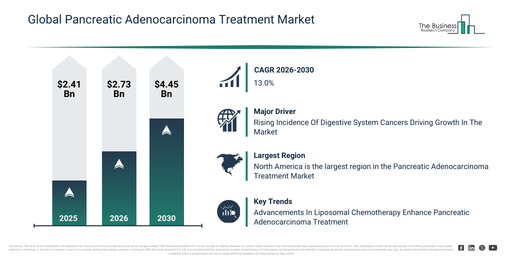
    The market for pancreatic adenocarcinoma treatment has experienced significant expansion recently. Forecasts indicate it will expand from $2.41 billion in 2025 to $2.73 billion in 2026, demonstrating a compound annual growth rate (CAGR) of 13.3%. Historically, this expansion can be linked to factors such as limited treatment options for pancreatic adenocarcinoma, a dependency on conventional chemotherapy, low early-stage diagnosis rates, the high mortality and poor prognosis associated with the condition, and treatment delivery primarily centered in hospitals.

    The pancreatic adenocarcinoma treatment market size is projected to experience substantial expansion in the coming years. This market is anticipated to reach $4.45 billion by 2030, exhibiting a compound annual growth rate (CAGR) of 13.0%. This projected expansion is fueled by the introduction of personalized targeted therapies, wider uptake of monoclonal antibodies and immunotherapies, advancements in digital health monitoring solutions, an increase in combination therapy regimens, and enhanced accessibility via hospital and retail pharmacies. Key developments expected during this period include a greater reliance on targeted therapies and small molecule inhibitors, a rise in the use of monoclonal antibody treatments, broader application of immunotherapies, the incorporation of digital platforms for monitoring patients, and increased distribution of cancer medications through hospital pharmacies.

    Get A Free Sample Report With In-Depth Market Insights:

    https://thebusinessresearchcompany.com/sample_request?id=18239340&type=smp&name=Pancreatic%20Adenocarcinoma%20Treatment%20Market%20Report%202026&utm_source=Blogs&utm_medium=Paid&utm_campaign=Nov_PR

    Pancreatic Adenocarcinoma Treatment Market Growth Factors: What’s Supporting Expansion?

    The growing occurrence of cancers affecting the digestive system is set to drive the expansion of the pancreatic adenocarcinoma treatment market moving forward. Cancers of the digestive system are malignant conditions that develop in organs essential for digestion, such as the stomach, liver, pancreas, intestines, esophagus, and colon. The rising prevalence of these digestive system cancers is fueled by unhealthy lifestyle choices including poor diet, alcohol consumption, and smoking. Pancreatic adenocarcinoma treatment is crucial for addressing one of the most aggressive cancers within the digestive system, aiming to enhance survival rates and improve the quality of life for affected patients. Consequently, the increasing incidence of cancers related to the digestive system is propelling the growth of the pancreatic adenocarcinoma treatment market.

    Pancreatic Adenocarcinoma Treatment Market Segment Outlook: Which Categories Are Growing Fastest?

    The pancreatic adenocarcinoma treatment market covered in this report is segmented –

    1) By Type: Chemotherapy, Targeted Therapy, Other Types

    2) By Affected Area: Exocrine, Endocrine

    3) By Distribution Channel: Hospital Pharmacies, Retail Pharmacies, Other Distribution Channels

    Subsegments:

    1) By Chemotherapy: Monotherapy, Combination Therapy

    2) By Targeted Therapy: Small Molecule Inhibitors, Monoclonal Antibodies

    3) By Other Types: Immunotherapy, Radiation Therapy

    Pancreatic Adenocarcinoma Treatment Market Trends Shaping Long-Term Demand

    Leading companies in the pancreatic adenocarcinoma treatment market are prioritizing the development of innovative solutions, such as irinotecan liposome injection, to boost treatment effectiveness, lessen side effects, and overcome issues related to tumor resistance. Irinotecan liposome injection is a chemotherapy medication encapsulated in liposomes, specifically designed to enhance the drug’s delivery to cancer cells, improve its efficacy, and reduce adverse effects in the management of pancreatic adenocarcinoma.

    Pancreatic Adenocarcinoma Treatment Market Leading Companies And Competitive Benchmarking

    Major companies operating in the pancreatic adenocarcinoma treatment market are Pfizer Inc., Roche AG, Merck & Co Inc., Sanofi, Bristol-Myers Squibb Company, AstraZeneca plc, Novartis AG, GlaxoSmithKline plc, Takeda Pharmaceutical Company Limited, Eli Lilly and Company, Amgen Inc., Teva Pharmaceutical Industries Ltd, Mylan N.V., Astellas Pharma Inc., Sun Pharmaceutical Industries Ltd., Ipsen SA, Clovis Oncology Inc., Oncolytics Biotech Inc., Zydus Cadila, PharmaCyte Biotech Inc., Infinity Pharmaceuticals Inc.

    View The Full Pancreatic Adenocarcinoma Treatment Market Report:

    https://thebusinessresearchcompany.com/report/pancreatic-adenocarcinoma-treatment-global-market-report?utm_source=Blogs&utm_medium=Paid&utm_campaign=Nov_PR

    Pancreatic Adenocarcinoma Treatment Market Top Region By Revenue And Market Share

    North America was the largest region in the pancreatic adenocarcinoma treatment market in 2025. The regions covered in the pancreatic adenocarcinoma treatment market report are Asia-Pacific, South East Asia, Western Europe, Eastern Europe, North America, South America, Middle East, Africa.

    Reach Out To Our Team:

    The Business Research Company: https://www.thebusinessresearchcompany.com/

    Americas: +1 310-496-7795

    Asia: +44 7882 955267 & +91 8897263534

    Europe: +44 7882 955267

    Email us at: marketing@tbrc.info

    Follow us on:

    LinkedIn: https://in.linkedin.com/company/the-business-research-company

    YouTube: https://www.youtube.com/channel/UC24_fI0rV8cR5DxlCpgmyFQ

    Global Market Model: https://www.thebusinessresearchcompany.com/global-market-model
  • Palmoplantar Pustulosis Market Size Growth: From $2.26 Billion In 2026 To $3.03 Billion By 2030

    Palmoplantar Pustulosis Market Size Growth: From $2.26 Billion In 2026 To $3.03 Billion By 2030

    Built to provide research that’s more actionable and strategically valuable, The Business Research Company’s 2026 market reports include market attractiveness analysis, total addressable market sizing, company benchmarking matrices, interactive Excel dashboards, broader supply chain intelligence, emerging startup tracking, and in-depth product insights.

    Palmoplantar Pustulosis Market Set To Climb From $2.26 Billion In 2026 To $3.03 Billion By 2030

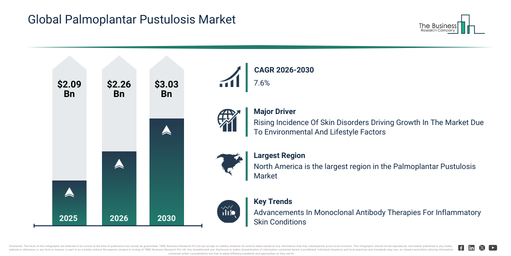
    The palmoplantar pustulosis market has experienced robust expansion in recent years. It is anticipated to grow from $2.09 billion in 2025 to $2.26 billion in 2026, demonstrating a compound annual growth rate (CAGR) of 7.8%. The growth observed in the historic period can be attributed to several factors including limited treatment options for chronic skin conditions, a common reliance on corticosteroids and topical agents, delayed diagnosis of pustular psoriasis, low patient awareness regarding disease management, and a hospital-focused approach to care delivery.

    The palmoplantar pustulosis market size is anticipated to experience robust expansion over the forthcoming years, reaching $3.03 billion by 2030, with a compound annual growth rate (CAGR) of 7.6%. This growth during the forecast period is propelled by the emergence of novel biologics and systemic therapies, the increasing adoption of targeted immunomodulators, advancements in teledermatology and digital health platforms, the expansion of home-based phototherapy usage, and rising penetration of online and retail pharmacies. Significant trends for the forecast period include a greater uptake of biologic therapies, an increased utilization of targeted immunomodulators, the expansion of home-based phototherapy solutions, the integration of teledermatology for managing chronic skin disorders, and enhanced access to treatments through online pharmacies.

    Get A Free Sample Report With In-Depth Market Insights:

    https://thebusinessresearchcompany.com/sample_request?id=96472142&type=smp&name=Palmoplantar%20Pustulosis%20Market%20Report%202026&utm_source=Blogs&utm_medium=Paid&utm_campaign=Nov_PR

    Palmoplantar Pustulosis Market Demand Drivers: What’s Powering Industry Growth?

    The rising occurrence of skin conditions is anticipated to fuel expansion in the palmoplantar pustulosis market moving ahead. Skin disorders are defined as ailments impacting the integrity, operation, or visual aspect of the skin. This growing frequency of skin ailments stems from shifts in the environment, daily routines, and inherited susceptibilities. Environmental elements like atmospheric pollution, severe climatic patterns, and contact with detrimental substances can cause skin irritation, resulting in conditions such as eczema or acne. Palmoplantar pustulosis is a persistent skin ailment that profoundly impacts the skin on the hands’ palms and feet’s soles, manifesting as pustules, erythema, and flaking; it can be addressed with diverse therapies aimed at enhancing dermal well-being and mitigating unease. Consequently, the escalating occurrence of skin conditions is a key factor driving expansion in the palmoplantar pustulosis market.

    Palmoplantar Pustulosis Market Segment Landscape: Which Areas Lead Development?

    The palmoplantar pustulosis market covered in this report is segmented –

    1) By Treatment Type: Topical Treatments, Systemic Treatments, Biologics, Phototherapy

    2) By Distribution Channel: Online Pharmacies, Retail Pharmacies

    3) By Application: Hospitals, Dermatology Clinics, Homecare Settings

    Subsegments:

    1) By Topical Treatments: Corticosteroids, Vitamin D Analogues, Calcineurin Inhibitors, Keratolytics

    2) By Systemic Treatments: Retinoids, Immunosuppressants, Phosphodiesterase-4 (PDE4) Inhibitors, Corticosteroids

    3) By Biologics: Tumor Necrosis Factor (TNF) Inhibitors, Interleukin-17 (IL-17) Inhibitors, Interleukin-23 (IL-23) Inhibitors, Interleukin-12/23 (IL-12/23) Inhibitors

    4) By Phototherapy: Narrowband UVB Therapy (NB-UVB), Psoralen plus Ultraviolet A (PUVA) Therapy, Excimer Laser Therapy, Targeted Phototherapy

    Palmoplantar Pustulosis Market Innovation Trends Shaping Future Development

    Leading companies active in the palmoplantar pustulosis market are concentrating on the creation of innovative treatments, including monoclonal antibodies designed to target inflammatory pathways, to enhance patient results. A monoclonal antibody (mAb) is an identical antibody formed by a singular B cell clone, which targets a specific antigen for either therapeutic or diagnostic purposes.

    Palmoplantar Pustulosis Market Industry Leaders And Competitive Landscape

    Major companies operating in the palmoplantar pustulosis market are Pfizer Inc., AbbVie Inc., Sanofi S.A., Bristol-Myers Squibb Company, Novartis International AG, GlaxoSmithKline PLC (GSK), Amgen Inc., Chugai Pharmaceutical Co. Ltd., Janssen Pharmaceuticals Inc., Kyowa Kirin Co. Ltd., Almirall S.A., MorphoSys AG, MoonLake Immunotherapeutics AG, Aristea Therapeutics Inc., AnaptysBio Inc., Kamari Pharma Ltd., Johnson & Johnson, AstraZeneca, Eli Lilly and Company, Bayer AG, Merck & Co. Inc., UCB S.A., Boehringer Ingelheim International GmbH, Arcutis Biotherapeutics, Affibody AB, LEO Pharma A/S, Galderma, Incyte Corporation, Takeda Pharmaceutical Company Ltd., Roivant Sciences

    View The Full Palmoplantar Pustulosis Market Report:

    https://thebusinessresearchcompany.com/report/palmoplantar-pustulosis-global-market-report?utm_source=Blogs&utm_medium=Paid&utm_campaign=Nov_PR

    Palmoplantar Pustulosis Market Regional Analysis And Top Geography

    North America was the largest region in the palmoplantar pustulosis market in 2025. The regions covered in the palmoplantar pustulosis market report are Asia-Pacific, South East Asia, Western Europe, Eastern Europe, North America, South America, Middle East, Africa.

    Reach Out To Our Team:

    The Business Research Company: https://www.thebusinessresearchcompany.com/

    Americas: +1 310-496-7795

    Asia: +44 7882 955267 & +91 8897263534

    Europe: +44 7882 955267

    Email us at: marketing@tbrc.info

    Follow us on:

    LinkedIn: https://in.linkedin.com/company/the-business-research-company

    YouTube: https://www.youtube.com/channel/UC24_fI0rV8cR5DxlCpgmyFQ

    Global Market Model: https://www.thebusinessresearchcompany.com/global-market-model