Blog

  • Hospital Lights Market 2026 Market Size And Growth Forecast: Key Trends To Watch

    Hospital Lights Market 2026 Market Size And Growth Forecast: Key Trends To Watch

    Built to provide research that’s more actionable and strategically valuable, The Business Research Company’s 2026 market reports include market attractiveness analysis, total addressable market sizing, company benchmarking matrices, interactive Excel dashboards, broader supply chain intelligence, emerging startup tracking, and in-depth product insights.

    Hospital Lights Market Forecast: Value Set To Climb From $11.24 Billion To $16.04 Billion

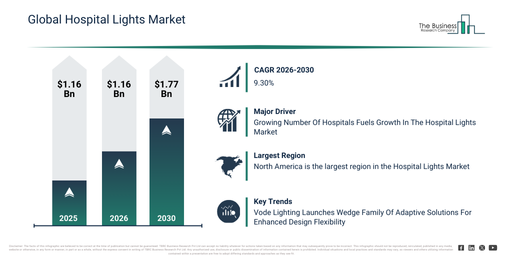
    The market for hospital lights has witnessed substantial growth over recent years. It will grow from $10.28 billion in 2025 to $11.24 billion in 2026 at a compound annual growth rate (CAGR) of 9.4%. This historical expansion is attributable to several factors, including the increasing development of hospital infrastructure, the shift from traditional lighting systems, a heightened emphasis on energy efficiency within healthcare facilities, a rise in the number of surgical procedures, and advancements in the durability and performance of lighting solutions.

    The hospital lights market size is anticipated to experience substantial expansion in the upcoming years. It is projected to grow to $16.04 billion in 2030, achieving a compound annual growth rate (CAGR) of 9.3%. This expansion during the forecast period can be attributed to heightened investments in smart hospitals, an increasing embrace of intelligent lighting systems, the ongoing development of energy-saving healthcare infrastructure, a rising emphasis on infection control lighting, and advancements in surgical illumination technologies. Notable trends expected in this period include the increased adoption of LED-based hospital lighting systems, a growing need for energy-efficient medical lighting solutions, the wider integration of smart lighting controls, the development of more precise surgical lighting solutions, and an enhanced focus on patient comfort through lighting.

    Get A Free Sample Report With In-Depth Market Insights:

    https://thebusinessresearchcompany.com/sample_request?id=95790183&type=smp&name=Hospital%20Lights%20Market%20Report%202026&utm_source=Blogs&utm_medium=Paid&utm_campaign=Oct_PR

    Hospital Lights Market Growth Factors Behind Sustained Expansion

    An increasing count of hospitals is anticipated to drive expansion in the hospital lights market. These facilities are established, staffed, and equipped to diagnose illnesses, provide medical and surgical care for patients, and offer accommodation during these processes. Illumination systems in hospitals ensure adequate brightness for healthcare personnel, function as signaling tools during various occurrences, and help avoid disturbing patients’ rest. For example, data from the American Hospital Association, a US-based non-profit body, indicated that in 2024, the United States contained 6,120 hospitals, which marks an increase from the 6,093 hospitals reported in 2022. Consequently, the rising number of hospital establishments is fueling the expansion of the hospital lights market.

    Hospital Lights Market Segmentation And Category Overview

    The hospital lights market covered in this report is segmented –

    1) By Product: Troffers, Surface-Mounted Lights, Surgical Lamps, Other Products

    2) By Technology: Fluorescent, LED, Other Technologies

    3) By Application: Patient Wards And ICUs, Surgical Suites, Examination Rooms, Other Applications

    Subsegments:

    1) By Troffers: LED Troffers, Fluorescent Troffers, Smart Troffers

    2) By Surface-Mounted Lights: LED Surface-Mounted Lights, Traditional Surface-Mounted Lights, Adjustable Surface-Mounted Lights

    3) By Surgical Lamps: LED Surgical Lamps, Halogen Surgical Lamps, Shadowless Surgical Lamps

    4) By Other Products: Exam Room Lights, Emergency And Exit Lights, Portable Lighting Solutions

    Hospital Lights Market Industry Trends Fueling Future Revenue Growth

    Leading companies in the hospital lighting industry are concentrating on developing advanced lighting solutions, such as adaptive and energy-efficient fixtures, to enhance patient comfort and optimize clinical environments. These adaptive and energy-efficient fixtures are lighting systems engineered to adjust brightness, color, or direction based on the time of day, specific activities, or occupancy while consuming minimal energy, thereby improving patient comfort, supporting staff productivity, and reducing operational costs. For example, in July 2024, Vode Lighting, a US-based manufacturer of adaptive lighting systems, unveiled Wedge, an innovative family of adaptive lighting solutions that provides architects and designers with significant creative freedom. Featuring the Peak and Slope products, the Wedge family offers boundless design possibilities through its distinct triangular form and advanced optics. It also retains the user-friendly installation and adaptable mounting options characteristic of Vode’s innovative lighting systems, enhancing any space with both style and functionality.

    Hospital Lights Market Company Landscape And Competitive Strategy

    Major companies operating in the hospital lights market are Koninklijke Philips N.V., The Zumtobel Group, Wolfspeed Inc., Signify N.V., Acuity Brands Inc., Skytron LLC, S.I.M.E.O.N. Medical GmbH & Co. KG, General Electric Company, Hubbell Incorporated, KLS Martin Group, Brandon Medical Co. Ltd., Best Lighting Products Inc., Kenall Manufacturing, Shenzhen Comen Medical Instruments Co. Ltd., Medifa, Hill-Rom Holdings Inc., Eaton Corporation, Osram Licht AG, Cooper Lighting Solutions, Dialight PLC, LEDVANCE GmbH, Stryker Corporation

    View The Full Hospital Lights Market Report:

    https://thebusinessresearchcompany.com/report/hospital-lights-global-market-report?utm_source=Blogs&utm_medium=Paid&utm_campaign=Oct_PR

    Hospital Lights Market Largest Region: Which Geography Holds The Biggest Share?

    North America was the largest region in the hospital lights market in 2025. Asia-Pacific is expected to be the fastest-growing region in the forecast period. The regions covered in the hospital lights market report are Asia-Pacific, South East Asia, Western Europe, Eastern Europe, North America, South America, Middle East, Africa.

    Reach Out To Our Team:

    The Business Research Company: https://www.thebusinessresearchcompany.com/

    Americas: +1 310-496-7795

    Asia: +44 7882 955267 & +91 8897263534

    Europe: +44 7882 955267

    Email us at: marketing@tbrc.info

    Follow us on:

    LinkedIn: https://in.linkedin.com/company/the-business-research-company

    YouTube: https://www.youtube.com/channel/UC24_fI0rV8cR5DxlCpgmyFQ

    Global Market Model: https://www.thebusinessresearchcompany.com/global-market-model
  • Hospital Gowns Market Size Forecast: How The Industry Is Expected To Grow From 2026 To 2030

    Hospital Gowns Market Size Forecast: How The Industry Is Expected To Grow From 2026 To 2030

    Backed by market attractiveness analysis, total addressable market sizing, company benchmarking matrices, interactive Excel dashboards, wider supply chain intelligence, emerging startup coverage, and detailed product-level insights, The Business Research Company’s 2026 market reports are designed to offer research that is more actionable and strategically valuable than ever.

    Hospital Gowns Market Revenue Growth On Track For A 11.4% CAGR Through 2030

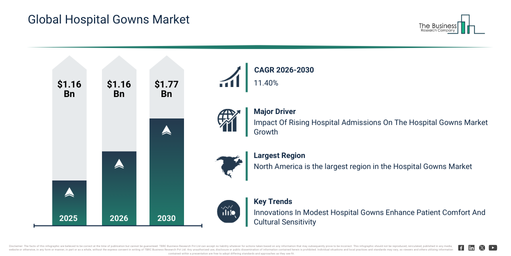
    The market for hospital gowns has experienced swift expansion recently. It is projected to increase from $6.25 billion in 2025 to $7.06 billion in 2026, demonstrating a compound annual growth rate (CAGR) of 12.8%. Historically, this expansion has been driven by factors such as an increase in hospital admissions, a rise in surgical procedure volumes, heightened awareness regarding hospital-acquired infections, the ongoing development of healthcare infrastructure, and consistent demand for fundamental protective medical attire.

    The hospital gowns market is projected for substantial growth in the coming years, with its size expanding to $10.88 billion in 2030, driven by a compound annual growth rate (CAGR) of 11.4%. This anticipated growth during the forecast period is fueled by several factors, including strengthening infection prevention standards, rising outpatient and day-care procedures, growing emphasis on patient-centric care, increasing healthcare expenditure, and expansion of specialty clinics and diagnostic centers. Key trends emerging during the forecast period comprise rising demand for disposable and single-use hospital gowns, growing preference for reusable and cost-efficient gown solutions, increasing focus on patient comfort and ergonomic gown design, expansion of infection control protocols in healthcare facilities, and a shift toward bulk procurement and long-term supply contracts.

    Get A Free Sample Report With In-Depth Market Insights:

    https://thebusinessresearchcompany.com/sample_request?id=48766812&type=smp&name=Hospital%20Gowns%20Market%20Report%202026&utm_source=Blogs&utm_medium=Paid&utm_campaign=Oct_PR

    Hospital Gowns Market Demand Drivers Opening New Revenue Streams

    The increasing volume of hospital admissions is anticipated to fuel the expansion of the hospital gown market in the future. Hospital admissions signify the procedure where a patient enters a hospital for medical attention or therapy. The rise in hospital admissions stems from factors such as increasing population, an aging demographic, progress in medical technology enabling more intricate treatments, and a greater prevalence of chronic conditions necessitating hospitalization. Hospital gowns support the admission process by offering infection prevention, facilitating medical examinations, ensuring patient comfort, and enhancing operational effectiveness, thereby maintaining rigorous safety and hygiene protocols. For example, in May 2025, the Australian Institute of Health and Welfare, an Australia-based government agency, reported that during 2023–24, England’s public hospitals recorded 12.6M admissions (with 91% being acute), 33.9M patient days, and an average stay of 2.7 days; furthermore, 23% of same-day cases involved dialysis, and individuals aged 65+ made up 44% of total admissions. Consequently, the increasing number of hospital admissions is propelling the growth of the hospital gowns market.

    Hospital Gowns Market Segment Outlook: Which Categories Are Growing Fastest?

    The hospital gowns market covered in this report is segmented –

    1) By Type: Surgical Gowns, Non-Surgical Gowns, Patient Gowns

    2) By Usability: Disposable, Reusable

    3) By Distribution Channel: Online Sales, Retail Pharmacies, Direct Sales

    4) By End User: Hospital, Specialty Clinic, Other End Users

    Subsegments:

    1) By Surgical Gowns: Disposable Surgical Gowns, Reusable Surgical Gowns

    2) By Non-Surgical Gowns: Disposable Non-Surgical Gowns, Reusable Non-Surgical Gowns

    3) By Patient Gowns: Disposable Patient Gowns, Reusable Patient Gowns

    Hospital Gowns Market Trends Powering Strategic Industry Growth

    Major companies operating in the hospital gowns market are currently developing modest hospital gowns to improve patient comfort and ensure dignity during their hospital stays. These modest hospital gowns are medical garments crafted with enhanced coverage to protect patients’ dignity and privacy, especially in various cultural and social settings where modesty is valued. For example, in March 2024, Children’s Minnesota, a US-based health care provider, unveiled an innovative modest hospital gown specifically designed to offer more inclusive and culturally sensitive care for pediatric patients. These gowns feature a detachable hijab for head coverage, three-quarter-length sleeves, closures that can be utilized in the front or back to allow medical access while preserving modesty, buttons along the collar for securing a head covering, and the ability to be closed along the back with buttons. The gowns’ design was informed by input from nurses, doctors, clinical staff, and patients to guarantee they fulfill medical requirements while providing comfort and maintaining dignity.

    Hospital Gowns Market Key Players Shaping Industry Direction

    Major companies operating in the hospital gowns market are Cardinal Health Inc., Medline Industries Inc., Kimberly-Clark Corporation, Owens & Minor Inc., Paul Hartmann AG, Mölnlycke Health Care AB, Halyard Health Inc., Hogy Medical Co Ltd., Lohmann & Rauscher GmbH & Co. KG, Dynarex Corporation, priMED Medical Products Inc., Standard Textile Co Inc., Angelica Corporation, AmeriPride Services Inc., Vygon S.A., Vestagen Technical Textiles LLC, Priontex Ltd., Sara Healthcare Pvt. Ltd., Surgiene Healthcare (India) Private Limited, Bellcross Industries Pvt Ltd., Atlas Infiniti

    View The Full Hospital Gowns Market Report:

    https://thebusinessresearchcompany.com/report/hospital-gowns-global-market-report?utm_source=Blogs&utm_medium=Paid&utm_campaign=Oct_PR

    Hospital Gowns Market Regional Analysis: Which Geography Leads On Revenue?

    North America was the largest region in the hospital gowns market in 2025. Asia-Pacificis expected to be the fastest-growing region in the forecast period. The regions covered in the hospital gowns market report are Asia-Pacific, South East Asia, Western Europe, Eastern Europe, North America, South America, Middle East, Africa.

    Reach Out To Our Team:

    The Business Research Company: https://www.thebusinessresearchcompany.com/

    Americas: +1 310-496-7795

    Asia: +44 7882 955267 & +91 8897263534

    Europe: +44 7882 955267

    Email us at: marketing@tbrc.info

    Follow us on:

    LinkedIn: https://in.linkedin.com/company/the-business-research-company

    YouTube: https://www.youtube.com/channel/UC24_fI0rV8cR5DxlCpgmyFQ

    Global Market Model: https://www.thebusinessresearchcompany.com/global-market-model
  • Hospital Beds Market Reaches $7.11 Billion In 2026: Forecast And Growth Opportunities

    Hospital Beds Market Reaches $7.11 Billion In 2026: Forecast And Growth Opportunities

    Featuring market attractiveness scoring, total addressable market sizing, company benchmarking matrices, interactive Excel dashboards, deeper supply chain intelligence, emerging startup tracking, and granular product-level insights, The Business Research Company’s 2026 market reports are built to deliver research that is both more actionable and more strategically valuable.

    Hospital Beds Market Value Growth And Long-Term Outlook

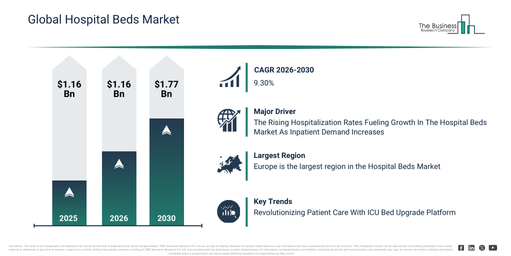
    The hospital beds market has witnessed robust growth in recent years. This market is set to expand from $4.6 billion in 2025 to $4.99 billion in 2026, achieving a compound annual growth rate (CAGR) of 8.5%. Historically, this growth has been fueled by the expansion of hospital infrastructure, the rising prevalence of chronic diseases, increasing hospitalization rates, a growing demand for intensive care capacity, and the modernization of healthcare facilities.

    The hospital beds market is projected to experience substantial expansion over the upcoming years. Its valuation is anticipated to reach $7.11 billion by 2030, demonstrating a compound annual growth rate (CAGR) of 9.3%. This anticipated growth during the forecast period can be primarily attributed to several factors, including escalating investments in smart hospitals, an increasing need for interconnected patient care equipment, the broadening of elderly care provisions, a heightened emphasis on infection control measures, and the growing uptake of beds for home healthcare. Key trends expected within this period encompass the greater embrace of intelligent and networked hospital beds, a surge in demand for electrically adjustable bed systems, an intensifying focus on patient safety and comfort attributes, the wider availability of ICU-specific bed designs, and improved incorporation of remote monitoring functionalities.

    Get A Free Sample Report With In-Depth Market Insights:

    https://thebusinessresearchcompany.com/sample_request?id=46749642&type=smp&name=Hospital%20Beds%20Market%20Report%202026&utm_source=Blogs&utm_medium=Paid&utm_campaign=Oct_PR

    Hospital Beds Market Growth Backed By Core Demand Fundamentals

    The escalating rate of hospital admissions is projected to stimulate the expansion of the hospital bed market. Hospitalization involves admitting an individual to a hospital or other healthcare facility for medical attention, monitoring, or care. When hospitalized, patients occupy hospital beds for the duration of their treatment, recovery, and rest. For example, in November 2024, data from the Australian Institute of Health and Welfare, an Australia-based government agency, showed that during 2022–23, one or more hospital-acquired complications (HACs) were recorded in 115,000 hospitalizations in public hospitals (2.0% of hospitalizations) and 34,200 hospitalizations in private hospitals (0.8% of hospitalizations). Therefore, the increasing hospitalization rates are propelling the growth of the hospital beds market.

    Hospital Beds Market Segment Landscape: Which Areas Lead Development?

    The hospital beds market covered in this report is segmented –

    1) By Type: Semi-Electric Beds, Electric Beds, Manual Beds

    2) By Usage: Acute Care Beds, Long-Term Care Beds, Psychiatric Care Beds, Other Usages

    3) By Application: Non-Intensive Care Beds, Intensive Care Beds

    4) By End User: Hospitals, Clinics, Other End Users

    Subsegments:

    1) By Semi-Electric Beds:Backrest and Knee-Rest Electrically Adjustable Beds, Adjustable Height Semi-Electric Beds

    2) By Electric Beds: ICU Electric Beds, Standard Electric Beds, Specialty Electric Beds

    3) By Manual Beds: Adjustable Manual Beds, Fixed Height Manual Beds

    Hospital Beds Market Growth Trends Reshaping The Competitive Landscape

    Major companies in the hospital bed market are introducing advanced technological products, such as ICU bed upgrade platforms, to maintain their market position. An ICU bed upgrade platform signifies a system or technology that facilitates improvements or enhancements to intensive care unit (ICU) beds, potentially upgrading their features, functionality, or capabilities. For example, in March 2023, Stryker, a US-based medical device company, unveiled SmartMedic, India’s first ICU bed upgrade platform, designed to improve patient care and caregiver safety. SmartMedic is a patient care platform that enhances the existing capabilities of ICU beds in hospitals. This solution is intended to manage patient weight changes, monitor patient turns from nurse stations, and enable medical staff to perform X-rays on patients within the ICU without moving them. SmartMedic aims to reduce patient discomfort and provide enhanced care.

    Hospital Beds Market Competitive Analysis Of Leading Industry Participants

    Major companies operating in the hospital beds market are Paramount Bed Co. Ltd., Linet spol s.r.o., Joh. Stiegelmeyer & Co. GmbH, Invacare Corporation, Joerns Healthcare LLC, Stryker Corporation, Getinge AB, Arjo AB, Merivaara Corporation, Malvestio SpA, Haelvoet NV, Savion Industries, Kanghui Medical Technology Co. Ltd., Besco Medical Co. Ltd., Gendron Inc., Midmark Corporation, Span-America Medical Systems, Amico Corporation, Nitrocare, Proma Reha Inc., Hopefull Medical Equipment Co. Ltd., Novak M d.o.o., Royax s.r.o.

    View The Full Hospital Beds Market Report:

    https://thebusinessresearchcompany.com/report/hospital-beds-global-market-report?utm_source=Blogs&utm_medium=Paid&utm_campaign=Oct_PR

    Hospital Beds Market Geographic Spread And Regional Opportunities

    Europe was the largest region in the hospital beds market in 2025. Asia-Pacific is expected to be the fastest-growing region in the forecast period. The regions covered in the hospital beds market report are Asia-Pacific, South East Asia, Western Europe, Eastern Europe, North America, South America, Middle East, Africa.

    Reach Out To Our Team:

    The Business Research Company: https://www.thebusinessresearchcompany.com/

    Americas: +1 310-496-7795

    Asia: +44 7882 955267 & +91 8897263534

    Europe: +44 7882 955267

    Email us at: marketing@tbrc.info

    Follow us on:

    LinkedIn: https://in.linkedin.com/company/the-business-research-company

    YouTube: https://www.youtube.com/channel/UC24_fI0rV8cR5DxlCpgmyFQ

    Global Market Model: https://www.thebusinessresearchcompany.com/global-market-model
  • Hospital Acquired Infections Testing Kits Market Growth In 2026: Market Size, Key Drivers And Future Outlook

    Hospital Acquired Infections Testing Kits Market Growth In 2026: Market Size, Key Drivers And Future Outlook

    Built to provide research that’s more actionable and strategically valuable, The Business Research Company’s 2026 market reports include market attractiveness analysis, total addressable market sizing, company benchmarking matrices, interactive Excel dashboards, broader supply chain intelligence, emerging startup tracking, and in-depth product insights.

    Hospital Acquired Infections Testing Kits Market Poised To Hit $7.2 Billion By 2030 With A 8.5% CAGR

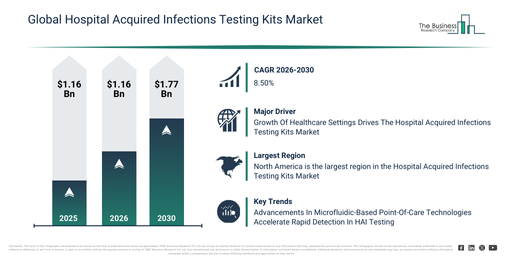
    The market size for hospital acquired infections testing kits has shown strong expansion in recent years. It is projected to increase from $4.79 billion in 2025 to $5.19 billion in 2026, progressing at a compound annual growth rate (CAGR) of 8.5%. The expansion witnessed in the past can be credited to factors like the rise in hospital infection surveillance, the growing occurrence of antibiotic-resistant pathogens, the expansion of clinical microbiology laboratories, the execution of infection control protocols, and the accessibility of molecular diagnostic tools.

    The market for hospital acquired infections testing kits is expected to demonstrate significant expansion in the coming years. This sector is projected to reach $7.2 billion in 2030, achieving a compound annual growth rate (CAGR) of 8.5%. The projected growth during this period can be attributed to a heightened focus on early infection detection, increased investments in hospital safety infrastructure, the expanding adoption of rapid testing, a growing demand for automated diagnostic workflows, and advancements in molecular diagnostics technology. Prominent trends expected in the forecast period include the increasing uptake of rapid diagnostic test kits, a rise in the use of molecular testing for HAIs, the growing integration of automated diagnostic instruments, the expansion of point-of-care infection testing, and an enhanced emphasis on multi-pathogen detection.

    Get A Free Sample Report With In-Depth Market Insights:

    https://thebusinessresearchcompany.com/sample_request?id=30376512&type=smp&name=Hospital%20Acquired%20Infections%20Testing%20Kits%20Market%20Report%202026&utm_source=Blogs&utm_medium=Paid&utm_campaign=Oct_PR

    Hospital Acquired Infections Testing Kits Market Growth Catalysts And Demand Drivers

    The expansion in healthcare settings is projected to boost the hospital-acquired infections testing kits market going forward. Within these settings, a broad spectrum of facilities exists, such as acute care hospitals, urgent care centers, rehabilitation centers, nursing homes, and long-term care facilities, providing diverse healthcare services. Crucially, hospital-acquired infections testing kits serve as essential instruments for identifying and averting nosocomial infections, thereby improving patient safety within medical establishments. As an illustration, data from the American Hospital Association, a US-based healthcare industry trade group, indicated a substantial rise in the total number of hospitals across the U.S. region from 6,093 in 2022 to 60,129 in 2023, as of May 2023. Furthermore, community hospital admissions grew from 31,393,318 in 2022 to 31,967,073 in 2023. Consequently, the increasing prevalence of healthcare settings fuels the hospital-acquired infections testing kits market.

    Hospital Acquired Infections Testing Kits Market Segments: Where Is Growth Concentrated?

    The hospital acquired infections testing kits market covered in this report is segmented –

    1) By Product: Consumables And Reagents, Instruments

    2) By Test Type: Pneumoia Infection, Urinary Track Infection, Blood Stream Associated Infection, Surgical Site Infection, MRSA infection, Others

    3) By Pathogen Type: Viral, Bacterial, Fungal

    4) By Application: Drug Resistance Testing, Disease Testing

    Subsegments:

    1) By Consumables and Reagents: Culture Media (Used for isolating and identifying pathogens), Reagents For Molecular Testing (Includes PCR reagents and kits for detecting specific pathogens), Test Kits (Rapid tests and other kits designed for various infections), Other Consumables (Includes swabs, sample collection devices, and preservation solutions)

    2) By Instruments: Automated Analyzers (Equipment used for blood culture analysis and identification of pathogens), Molecular Diagnostic Instruments (Machines used for PCR and other molecular testing methods), Microscopes (Used for the identification of pathogens in samples), Incubators And Growth Chambers (For culturing samples under controlled conditions)

    Hospital Acquired Infections Testing Kits Market Trends Shaping Long-Term Demand

    Leading companies active in the hospital-acquired infections (HAI) testing kits market are prioritizing the development of advanced point-of-care antimicrobial susceptibility testing (AST) solutions. This focus aims to enable rapid diagnosis, guide specific therapies, and combat antimicrobial resistance (AMR). Point-of-care AST employs proprietary microfluidic technology to swiftly identify bacterial presence and evaluate antibiotic effectiveness directly from patient urine samples, thereby reducing diagnostic delays and improving treatment decisions. For instance, in June 2023, Sysmex Corporation, a Japan-based diagnostics company, introduced the world’s first point-of-care testing system in Europe designed to perform antimicrobial susceptibility testing in just 30 minutes. By utilizing a microfluidic-based AST approach for patients with suspected urinary tract infections, the system significantly cuts down turnaround time and supports antimicrobial stewardship in primary care settings through enabling timely and informed antibiotic use, consequently contributing to global efforts to curb AMR.

    Hospital Acquired Infections Testing Kits Market Leading Companies And Competitive Benchmarking

    Major companies operating in the hospital acquired infections testing kits market are Becton Dickinson and Company, Abbott Laboratories, Cepheid, F. Hoffmann-La Roche Ltd, STERIS plc, QIAGEN, Meridian Bioscience Inc., BioMérieux SA, GE Healthcare, Seegene, SD Biosensor, Fujirebio, Sysmex Corporation, Getein Biotech, Hangzhou Biotest Biotech, AmonMed Biotechnology, Beijing Tigsun Diagnostics, Hunan Lituo Biotechnology, ImmunoScience, Vivacheck Lab

    View The Full Hospital Acquired Infections Testing Kits Market Report:

    https://thebusinessresearchcompany.com/report/hospital-acquired-infections-testing-kits-global-market-report?utm_source=Blogs&utm_medium=Paid&utm_campaign=Oct_PR

    Hospital Acquired Infections Testing Kits Market Top Region By Revenue And Market Share

    North America was the largest region in the hospital-acquired infections testing kits market in 2025. Asia-Pacific is expected to be the fastest-growing region in the forecast period. The regions covered in the hospital acquired infections testing kits market report are Asia-Pacific, South East Asia, Western Europe, Eastern Europe, North America, South America, Middle East, Africa.

    Reach Out To Our Team:

    The Business Research Company: https://www.thebusinessresearchcompany.com/

    Americas: +1 310-496-7795

    Asia: +44 7882 955267 & +91 8897263534

    Europe: +44 7882 955267

    Email us at: marketing@tbrc.info

    Follow us on:

    LinkedIn: https://in.linkedin.com/company/the-business-research-company

    YouTube: https://www.youtube.com/channel/UC24_fI0rV8cR5DxlCpgmyFQ

    Global Market Model: https://www.thebusinessresearchcompany.com/global-market-model
  • Hormonal Intrauterine Devices (IUDs) Market Size And Forecast 2026–2030: Trends Driving Industry Expansion

    Hormonal Intrauterine Devices (IUDs) Market Size And Forecast 2026–2030: Trends Driving Industry Expansion

    Backed by market attractiveness analysis, total addressable market sizing, company benchmarking matrices, interactive Excel dashboards, wider supply chain intelligence, emerging startup coverage, and detailed product-level insights, The Business Research Company’s 2026 market reports are designed to offer research that is more actionable and strategically valuable than ever.

    Hormonal Intrauterine Devices (IUDs) Market Size And Revenue Outlook Through 2030

    The market size for hormonal intrauterine devices (IUDs) has experienced substantial growth in recent years. This market is projected to expand from $2.87 billion in 2025 to $3.18 billion in 2026, demonstrating a compound annual growth rate (CAGR) of 10.6%. In the past, this expansion has been fueled by factors including greater public awareness of family planning alternatives, the broadening of women’s reproductive healthcare initiatives, a growing preference for enduring contraception, the accessibility of hormone-based devices, and backing from public health programs.

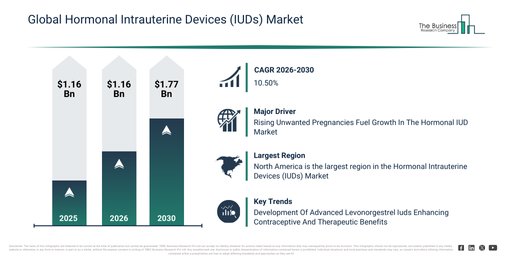
    The market for hormonal intrauterine devices (IUDs) is projected to experience swift expansion over the coming years. This market is anticipated to reach $4.74 billion in 2030, exhibiting a compound annual growth rate (CAGR) of 10.5%. Several factors are driving this growth during the forecast period, including a heightened demand for non-surgical contraceptive options, a greater emphasis on menstrual health management, broader access in developing markets, increased investments in women’s health technologies, and continuous innovation in hormone delivery systems. Key trends for the forecast period encompass the rising adoption of low-dose hormonal IUDs, increasing preference for long-acting reversible contraceptives, a growing inclination towards frameless device designs, the broadening of therapeutic IUD applications, and a stronger emphasis on patient comfort and safety.

    Get A Free Sample Report With In-Depth Market Insights:

    https://thebusinessresearchcompany.com/sample_request?id=79252501&type=smp&name=Hormonal%20Intrauterine%20Devices%20%28IUDs%29%20Market%20Report%202026&utm_source=Blogs&utm_medium=Paid&utm_campaign=Oct_PR

    Hormonal Intrauterine Devices (IUDs) Market Opportunity Drivers: What’s Unlocking New Revenue Potential?

    The increasing prevalence of unwanted pregnancies is anticipated to drive the expansion of the hormonal intrauterine devices market. Unwanted pregnancies are those not deliberately planned or wished for at the moment of conception. These can arise from multiple factors, including the ineffectiveness of contraceptive methods, insufficient access to birth control, improper use of contraception, or experiences of sexual violence. Limited availability of reliable contraception heightens the risk of unwanted pregnancies by lessening individuals’ autonomy over their reproductive choices. Hormonal IUDs are exceptionally effective at preventing pregnancy, with a failure rate under 1%. They deliver long-term protection, typically ranging from 3 to 7 years depending on the device, positioning them as a trustworthy choice for individuals aiming to prevent unwanted pregnancies. For instance, in July 2025, the Society for Family Planning, a US-based professional organization, stated that abortions increased to 1.14 million in 2024, compared with 1.05 million recorded in 2023. Therefore, the surge in unwanted pregnancies is a primary factor fueling the growth of the hormonal intrauterine devices market.

    Hormonal Intrauterine Devices (IUDs) Market Segment Analysis: What Are The Core Market Categories?

    The hormonal intrauterine devices (iuds) market covered in this report is segmented –

    1) By Type: 13 Milligram Hormonal Intrauterine Devices, 19 Milligram Hormonal Intrauterine Devices, 52 Milligram Hormonal Intrauterine Devices

    2) By Device Design: Framed Intrauterine Devices, Frameless Intrauterine Devices

    3) By Hormone Type: Levonorgestrel Releasing Intrauterine Devices, Progesterone Releasing Intrauterine Devices

    4) By Application: Age 20-24, Age 25-34, Age 35-44, Other Applications

    Subsegments:

    1) By 13 Milligram Hormonal Intrauterine Devices: Low-Dose 13 Mg IUDs, Specialty 13 Mg IUDs For Specific Conditions

    2) By 19 Milligram Hormonal Intrauterine Devices: Low-Dose 19 Mg IUDs, Specialty 19 Mg IUDs For Specific Conditions

    3) By 52 Milligram Hormonal Intrauterine Devices: Standard 52 Mg IUDs, Extended-Release 52 Mg IUDs, Specialty 52 Mg IUDs For Heavy Menstrual Bleeding Or Endometriosis

    Hormonal Intrauterine Devices (IUDs) Market Innovation Trends Shaping Future Development

    Major companies in the hormonal intrauterine devices market are focusing on developing advanced solutions, such as levonorgestrel intrauterine devices (IUDs), to mitigate menstrual bleeding and cramps. Levonorgestrel intrauterine devices (IUDs) are long-term birth control options inserted into the uterus that gradually release the hormone levonorgestrel to prevent pregnancy. For instance, in October 2024, Medicines360, a US-based nonprofit organization, launched Avibela, a 52 mg levonorgestrel intrauterine device (IUD) in Zambia. This device serves two primary functions, providing up to eight years of pregnancy prevention and up to five years of relief from heavy menstrual bleeding. Its contraceptive effect stems from its capability to increase the density of cervical mucus, thus preventing sperm from reaching the uterus. For heavy bleeding, it functions by thinning the uterine lining, which helps reduce menstrual flow.

    Hormonal Intrauterine Devices (IUDs) Market Industry Leaders And Competitive Landscape

    Major companies operating in the hormonal intrauterine devices (iuds) market are Bayer AG, Organon & Companies, Gedeon Richter Plc, Meril Life Science Pvt Ltd., Teva UK Limited, Medicines360, HLL Lifecare Limited, Pregna International Ltd., DKT WomanCare Global, SMB Corporation of India, Oy Leiras, OCON Healthcare, Bayer Healthcare Pharmaceuticals, CooperSurgical Inc., Mithra Pharmaceuticals, Shanghai Dahua Medical Apparatus Co. Ltd., Beijing Zizhu Pharmaceutical Co. Ltd., Shanghai Jiansheng Medical Devices Co. Ltd., Zhejiang Xianju Pharmaceutical Co. Ltd., Shanghai Chuangling Medical Devices Co. Ltd.

    View The Full Hormonal Intrauterine Devices (IUDs) Market Report:

    https://thebusinessresearchcompany.com/report/hormonal-intrauterine-devices-iuds-global-market-report?utm_source=Blogs&utm_medium=Paid&utm_campaign=Oct_PR

    Hormonal Intrauterine Devices (IUDs) Market Regional Analysis And Top Geography

    North America was the largest region in the hormonal intrauterine devices (IUDs) market in 2025. Asia-Pacific is expected to be the fastest-growing region in the forecast period. The regions covered in the hormonal intrauterine devices (iuds) market report are Asia-Pacific, South East Asia, Western Europe, Eastern Europe, North America, South America, Middle East, Africa.

    Reach Out To Our Team:

    The Business Research Company: https://www.thebusinessresearchcompany.com/

    Americas: +1 310-496-7795

    Asia: +44 7882 955267 & +91 8897263534

    Europe: +44 7882 955267

    Email us at: marketing@tbrc.info

    Follow us on:

    LinkedIn: https://in.linkedin.com/company/the-business-research-company

    YouTube: https://www.youtube.com/channel/UC24_fI0rV8cR5DxlCpgmyFQ

    Global Market Model: https://www.thebusinessresearchcompany.com/global-market-model
  • Homeopathic Products Market 2026 Outlook: Market Size, CAGR And Key Growth Opportunities

    Homeopathic Products Market 2026 Outlook: Market Size, CAGR And Key Growth Opportunities

    Featuring market attractiveness scoring, total addressable market sizing, company benchmarking matrices, interactive Excel dashboards, deeper supply chain intelligence, emerging startup tracking, and granular product-level insights, The Business Research Company’s 2026 market reports are built to deliver research that is both more actionable and more strategically valuable.

    Homeopathic Products Market Growth From $19.54 Billion In 2026 To $35.75 Billion By 2030 At A CAGR Of 16.3%

    The market size for homeopathic products has seen rapid growth in recent years. It is forecast to increase from $16.77 billion in 2025 to $19.54 billion in 2026, at a compound annual growth rate (CAGR) of 16.6%. Historically, this expansion can be ascribed to several factors, including increasing consumer interest in natural therapies, the long-standing use of homeopathy in emerging markets, the expansion of alternative medicine practices, the growth of a self-care culture, and the wider retail availability of homeopathic products.

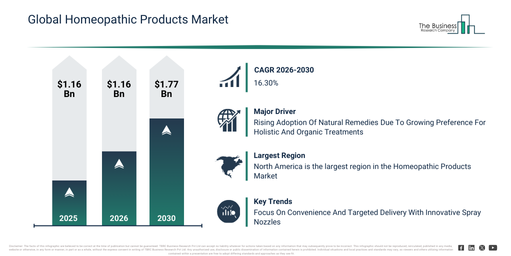
    Over the coming years, substantial expansion is anticipated for the homeopathic products market. This market is projected to reach a valuation of $35.75 billion by 2030, exhibiting a compound annual growth rate (CAGR) of 16.3%. This projected growth is driven by several factors, including a heightened demand for comprehensive healthcare methods, a stronger emphasis on immune-boosting products, the broadening of digital sales platforms, intensified regulatory oversight concerning product quality, and greater consumer understanding of complementary medical practices. Key developments expected during this timeframe encompass a rising inclination towards natural and alternative treatments, an increased need for preventative health strategies, the proliferation of homeopathic offerings derived from plants, wider embrace of integrative medical approaches, and a stronger commitment to product consistency and excellence.

    Get A Free Sample Report With In-Depth Market Insights:

    https://thebusinessresearchcompany.com/sample_request?id=58723139&type=smp&name=Homeopathic%20Products%20Market%20Report%202026&utm_source=Blogs&utm_medium=Paid&utm_campaign=Oct_PR

    Homeopathic Products Market Growth Momentum: What Factors Are Shaping Demand?

    The escalating demand for natural and holistic remedies is projected to stimulate the growth of the homeopathic products market. Natural and holistic remedies encompass treatments that employ natural elements and approaches to promote overall wellness by focusing on the physical, emotional, and spiritual dimensions of health. This increasing preference arises from growing consumer recognition of the benefits associated with organic, plant-based treatments, coupled with a desire for alternatives to synthetic chemicals in healthcare. Homeopathic products contribute to natural and holistic remedies by providing natural, non-invasive treatments that support the body’s innate healing processes, address underlying health issues, and offer an alternative to conventional medicine for long-term well-being. For instance, data from the American Botanical Council indicates that annual sales of herbal dietary supplements in the United States reached $12.551 billion in 2023, reflecting a 4.4% increase from the prior year and adding $533 million in sales compared to 2022. Therefore, the expanding preference for natural and holistic remedies is set to drive the growth of the homeopathic products market.

    Homeopathic Products Market Segment Breakdown: Which Categories Lead On Revenue?

    The homeopathic products market covered in this report is segmented –

    1) By Product Type: Tincture, Dilutions, Biochemics, Ointments, Tablets, Other Product Types

    2) By Source: Plants, Animals, Minerals

    3) By Application: Analgesic And Antipyretic, Respiratory, Neurology, Immunology, Gastroenterology, Dermatology, Other Applications

    4) By End User: Men, Women, Other End Users

    Subsegments:

    1) By Tincture: Alcohol-Based Tinctures, Glycerin-Based Tinctures, Hydro-Alcoholic Tinctures

    2) By Dilutions: Single Potency Dilutions, Multiple Potency Dilutions, Low Potency Dilutions, High Potency Dilutions

    3) By Biochemics: Tissue Salts, Schuessler’s Tissue Salts, Biochemic Combinations

    4) By Ointments: Herbal Ointments, Homeopathic Ointments For Pain Relief, Skin Care Ointment

    5) By Tablets: Homeopathic Remedy Tablets, Sugar Pill Tablets, Lactose-Free Tablets

    6) By Other Product Types: Homeopathic Sprays, Homeopathic Syrups, Homeopathic Gels, Lozenges

    Homeopathic Products Market Trends Redefining Industry Growth

    Companies active in the homeopathic products market are increasingly prioritizing convenience and portability, exemplified by advanced spray nozzle designs. Their objective is to deliver natural remedies to consumers in a precise and user-friendly manner, thereby enriching the user experience and supporting the growing demand for gentle, plant-based healthcare alternatives. A spray nozzle is an apparatus specifically engineered to manage the direction, flow, and dispersion of liquid, facilitating its release as a fine mist or spray for targeted application. For example, in October 2024, Boiron, a pharmaceutical firm headquartered in France, unveiled ThroatCalm Spray. This plant-based homeopathic preparation is intended for occasional sore throat relief, employing Echinacea and Plantago major to calm the throat without the numbing sensation associated with traditional medications. Packaged in a portable spray bottle, it offers a natural and accessible option for consumers seeking effective, non-invasive relief for sore throats.

    Homeopathic Products Market Key Participants And Competitive Landscape

    Major companies operating in the homeopathic products market are Dr. Willmar Schwabe GmbH & Co. KG, Boiron Laboratories, Hyland’s Inc., SBL Pvt. Ltd., Excel Pharma, Bakson Drugs & Pharmaceuticals Pvt. Ltd., Ainsworths Ltd., Bio-India Pharma Pvt. Ltd., Lord’s Homeopathic Laboratory Pvt. Ltd., Bioforce AG, Hevert-Arzneimittel GmbH & Co. KG, Helios Homeopathy, Hahnemann Laboratories Inc., Homeocan Inc., A. Nelson & Co. Limited, Rxhomeo Inc., Washington Homeopathic Products, Powell Laboratories Pvt. Ltd., Dr. Reckeweg & Co. GmbH, Allen Healthcare Co. Limited.

    View The Full Homeopathic Products Market Report:

    https://thebusinessresearchcompany.com/report/homeopathic-products-global-market-report?utm_source=Blogs&utm_medium=Paid&utm_campaign=Oct_PR

    Homeopathic Products Market Geographic Analysis: Where Is Demand Rising Fastest?

    North America was the largest region in the homeopathic products market in 2025. Asia-Pacific is expected to be the fastest-growing region in the forecast period. The regions covered in the homeopathic products market report are Asia-Pacific, South East Asia, Western Europe, Eastern Europe, North America, South America, Middle East, Africa.

    Reach Out To Our Team:

    The Business Research Company: https://www.thebusinessresearchcompany.com/

    Americas: +1 310-496-7795

    Asia: +44 7882 955267 & +91 8897263534

    Europe: +44 7882 955267

    Email us at: marketing@tbrc.info

    Follow us on:

    LinkedIn: https://in.linkedin.com/company/the-business-research-company

    YouTube: https://www.youtube.com/channel/UC24_fI0rV8cR5DxlCpgmyFQ

    Global Market Model: https://www.thebusinessresearchcompany.com/global-market-model
  • Home Spirometry Bluetooth Device Market Size Growth: From $1.42 Billion In 2026 To $2.08 Billion By 2030

    Home Spirometry Bluetooth Device Market Size Growth: From $1.42 Billion In 2026 To $2.08 Billion By 2030

    Built to provide research that’s more actionable and strategically valuable, The Business Research Company’s 2026 market reports include market attractiveness analysis, total addressable market sizing, company benchmarking matrices, interactive Excel dashboards, broader supply chain intelligence, emerging startup tracking, and in-depth product insights.

    Home Spirometry Bluetooth Device Market Expansion Outlook: What Revenue Opportunities Are Ahead?

    The market for home spirometry bluetooth devices has experienced swift expansion recently. This market is projected to expand from $1.28 billion in 2025 to $1.42 billion in 2026, exhibiting a compound annual growth rate (CAGR) of 10.5%. Factors contributing to its historical growth include an increase in chronic respiratory illnesses, the prompt uptake of home health devices, improvements in Bluetooth technology, heightened patient awareness regarding self-monitoring, and the incorporation into hospital systems.

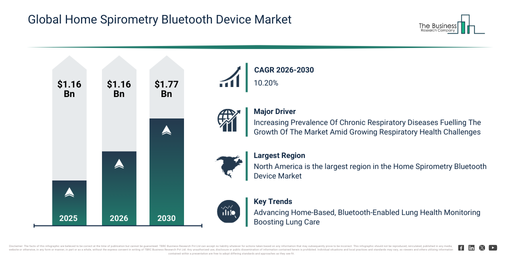
    The market for home spirometry Bluetooth devices is anticipated to experience swift expansion over the coming years. It is projected to grow to $2.08 billion in 2030, achieving a compound annual growth rate (CAGR) of 10.2%. The growth during this forecast period can be attributed to AI-powered predictive respiratory analytics, the expansion of remote healthcare programs, integration with telemedicine platforms, adoption by homecare providers, and an increasing demand for continuous pulmonary monitoring. Prominent trends expected in the forecast period include wireless pulmonary data transmission, portable home monitoring devices, real-time lung function tracking, integration with mobile health apps, and patient-adherence monitoring.

    Get A Free Sample Report With In-Depth Market Insights:

    https://thebusinessresearchcompany.com/sample_request?id=43196778&type=smp&name=Home%20Spirometry%20Bluetooth%20Device%20Market%20Report%202026&utm_source=Blogs&utm_medium=Paid&utm_campaign=Oct_PR

    Home Spirometry Bluetooth Device Market Expansion Drivers: What’s Shaping Future Growth?

    The expanding occurrence of chronic respiratory illnesses is anticipated to drive forward the home spirometry Bluetooth device market. These long-term lung conditions impact airways and other structures, resulting in diminished lung function and overall respiratory well-being. The rise in these diseases is primarily linked to an aging population, as older individuals are more susceptible due to natural lung decline and prolonged exposure to irritants. Home spirometry Bluetooth devices offer real-time remote monitoring of lung function for those with chronic respiratory conditions, facilitating early detection of deterioration for prompt medical intervention and improved long-term care. For example, in May 2025, the Centers for Disease Control and Prevention, a US-based government public health agency, reported that chronic obstructive pulmonary disease (COPD) was the fifth leading cause of death in the United States in 2023, causing 141,733 deaths. That same year, the age-adjusted prevalence of diagnosed COPD among adults 18 and older stood at 3.8 percent. Consequently, the rising prevalence of chronic respiratory diseases is propelling the expansion of the home spirometry Bluetooth device market.

    Home Spirometry Bluetooth Device Market Segmentation: How Does The Market Break Down By Category?

    The home spirometry bluetooth device market covered in this report is segmented –

    1) By Product Type: Handheld Home Spirometry Devices, Compact Tabletop Home Spirometry Devices

    2) By Connectivity: Bluetooth-Enabled Devices, Bluetooth + Wi-Fi Enabled Devices

    3) By Distribution Channel: Online, Offline

    4) By Application: Chronic Obstructive Pulmonary Disease (COPD), Asthma, Cystic Fibrosis, Other Applications

    5) By End-User: Homecare Settings, Patients, Hospitals and Clinics, Other End-Users

    Subsegments:

    1) By Handheld Home Spirometry Devices: Portable Bluetooth Spirometers, Pocket-Size Spirometers, Smartphone-Integrated Spirometers, Rechargeable Handheld Spirometers, Battery-Operated Handheld Spirometers

    2) By Compact Tabletop Home Spirometry Devices: Wireless Bluetooth Tabletop Spirometers, Digital Home Diagnostic Spirometers, Multi-Parameter Home Monitoring Spirometers

    Home Spirometry Bluetooth Device Market Strategic Trends: What Defines The Next Growth Phase?

    Leading companies in the home spirometry Bluetooth device market are concentrating on developing innovative solutions, such as the Air Next Spirometer, which supports remote patient management and the early detection of respiratory conditions like asthma and COPD. The Air Next Spirometer is a Bluetooth-enabled, smartphone-connected home spirometry device designed to accurately measure lung function and transmit real-time respiratory data for remote monitoring and management. For instance, in January 2024, NuvoAir Medical, a US-based company providing personalized heart and lung care, announced that its Air Next Spirometer received formal 510(k) clearance from the U.S. Food and Drug Administration (FDA) for in-home use as a full spirometer. This clearance means the device is approved for patient use at home, offering a comprehensive lung function assessment similar to those conducted in clinical settings. It allows patients to perform various lung function tests such as forced expiratory volume (FEV1) and forced vital capacity (FVC) at home, with data transmitted to healthcare providers for ongoing management. This approval also aids clinical trials, research, and regular monitoring of lung health outside traditional healthcare facilities, promoting more accessible and continuous respiratory care.

    Home Spirometry Bluetooth Device Market Top Companies Driving Competitive Growth

    Major companies operating in the home spirometry bluetooth device market are Contec Medical Systems Co. Ltd., Vitalograph Ltd., Medcaptain Medical Technology Co. Ltd., Medical International Research S.p.A., CareSimple Inc., Geratherm Medical AG, SDI Diagnostics Inc., NDD Medical Technologies, Futuremed America Inc., Sibelmed S.L., Uscom Ltd., e-LinkCare Meditech Co. Ltd., Monitored Therapeutics Inc. (MTI), Aluna Health Inc., Jones Medical Instrument Company, CMI Health, Healthup SA, Motustech Inc., Medikro Oy, Icen Technology Company Limited

    View The Full Home Spirometry Bluetooth Device Market Report:

    https://thebusinessresearchcompany.com/report/home-spirometry-bluetooth-device-global-market-report?utm_source=Blogs&utm_medium=Paid&utm_campaign=Oct_PR

    Home Spirometry Bluetooth Device Market Global Footprint: Which Region Leads The Market?

    North America was the largest region in the home spirometry bluetooth device market in 2025. Asia-Pacific is expected to be the fastest-growing region in the forecast period. The regions covered in the home spirometry bluetooth device market report are Asia-Pacific, South East Asia, Western Europe, Eastern Europe, North America, South America, Middle East, Africa.

    Reach Out To Our Team:

    The Business Research Company: https://www.thebusinessresearchcompany.com/

    Americas: +1 310-496-7795

    Asia: +44 7882 955267 & +91 8897263534

    Europe: +44 7882 955267

    Email us at: marketing@tbrc.info

    Follow us on:

    LinkedIn: https://in.linkedin.com/company/the-business-research-company

    YouTube: https://www.youtube.com/channel/UC24_fI0rV8cR5DxlCpgmyFQ

    Global Market Model: https://www.thebusinessresearchcompany.com/global-market-model
  • Home Sleep Screening Devices Market Analysis 2026: Market Size, Growth Trends And Industry Outlook

    Home Sleep Screening Devices Market Analysis 2026: Market Size, Growth Trends And Industry Outlook

    Backed by market attractiveness analysis, total addressable market sizing, company benchmarking matrices, interactive Excel dashboards, wider supply chain intelligence, emerging startup coverage, and detailed product-level insights, The Business Research Company’s 2026 market reports are designed to offer research that is more actionable and strategically valuable than ever.

    Home Sleep Screening Devices Market Growth Potential: How Will Market Size Shift Through 2030?

    The market size for home sleep screening devices has undergone rapid expansion in recent years. It is anticipated to grow from $3.87 billion in 2025 to $4.26 billion in 2026, exhibiting a compound annual growth rate (CAGR) of 10.1%. This historical growth can be attributed to factors such as increasing awareness regarding sleep disorders, the rising prevalence of sleep apnea, the widespread adoption of portable medical devices, continuous technological advancements in sensors, and the overall expansion of home healthcare services.

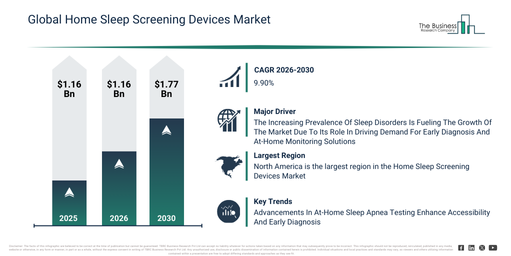
    The home sleep screening devices market is projected to experience substantial expansion over the upcoming years. By 2030, this market is anticipated to reach $6.22 billion, exhibiting a compound annual growth rate (CAGR) of 9.9%. This projected increase is driven by factors such as the integration of AI in sleep monitoring, an expanding elderly population, the proliferation of wearable devices, the wider adoption of telemedicine, and the need for customized sleep therapy options. Key developments expected during this period encompass remote sleep monitoring, tailored sleep therapy, the integration of mobile health technologies, sophisticated respiratory analytics, and user-friendly sleep devices.

    Get A Free Sample Report With In-Depth Market Insights:

    https://www.thebusinessresearchcompany.com/sample_request?id=25785&name=Home%20Sleep%20Screening%20Devices%20Market%20Report%202026&type=smp&utm_source=Blogs&utm_medium=Paid&utm_campaign=Oct_PR

    Home Sleep Screening Devices Market Development Factors: What’s Supporting Demand?

    The rising occurrence of sleep disorders is anticipated to boost the expansion of the home sleep screening devices market in the future. These are health conditions that consistently impair an individual’s capacity to achieve restful sleep, including conditions like insomnia, sleep apnea, and restless legs syndrome. The surge in sleep disorders is linked to excessive screen exposure before bedtime, given that blue light disrupts melatonin synthesis and postpones the onset of sleep. Home sleep screening devices facilitate the early detection and monitoring of sleep disorders, offering accessible, real-time information on an individual’s sleep patterns and vital signs from the convenience of their own residence. As an illustration, in May 2025, data from the Fawcett Mattress, a public high-quality organic latex mattress company based in Canada, indicated that in 2024, approximately 48% of Canadian adults reported struggles with sleep, wherein 23.1% of women and 14.8% of men exhibited signs of nighttime insomnia. Consequently, the growing frequency of sleep disorders is fueling the expansion of the home sleep screening devices market.

    Home Sleep Screening Devices Market Segment Trends And Revenue Contributors

    The home sleep screening devices market covered in this report is segmented –

    1) By Type: Wearable Devices, Non-Wearable Devices, Smartphone Applications

    2) By Technology: Polysomnography, Actigraphy, Respiratory Monitoring

    3) By Distribution Channel: Online Retail, Brick-And-Mortar Stores, Healthcare Providers

    4) By Application: Sleep Apnea, Insomnia, Restless Leg Syndrome

    5) By End-User: Homecare Settings, Sleep Clinics, Hospitals

    Subsegments:

    1) By Wearable Devices: Smartwatches, Fitness Bands, Headbands, Ring-Based Sleep Monitors, Chest Straps

    2) By Non-Wearable Devices: Bedside Monitors, Mattress-Based Sensors, Under-Mattress Sensors, Contact-Free Sleep Trackers, Pillow Sensors

    3) By Smartphone Applications: Sound-Based Sleep Trackers, Motion Detection Apps, Clinical Sleep Data Analysis Platforms, App-Integrated Device Controllers, AI-Based Sleep Disorder Risk Assessment Software

    Home Sleep Screening Devices Market Transformation Trends: What Innovations Are Driving Change?

    Leading companies within the home sleep screening devices market are concentrating on developing innovative solutions, such as home sleep apnea tests, to facilitate the early diagnosis of sleep disorders, thereby enhancing patient access and outcomes. These home sleep apnea tests are compact instruments designed to monitor breathing, oxygen levels, and heart rate during sleep to identify signs of sleep apnea. They present a convenient and affordable option for early diagnosis when compared to traditional lab-based sleep studies. For instance, in April 2025, ResMed, a US-based medical device company, launched its FDA-cleared NightOwl in the United States. This product is a small, disposable device worn on the fingertip that records up to 10 nights of sleep data, including movement, pulse rate, and blood oxygen levels. When paired with a smartphone app, it enables users to conveniently complete the test at home, with results automatically sent to a cloud-based platform for physician analysis. This innovation aims to simplify and accelerate the diagnosis of obstructive sleep apnea, making it more accessible and user-friendly for both patients and healthcare providers.

    Home Sleep Screening Devices Market Leading Players And Competitive Positioning

    Major companies operating in the home sleep screening devices market are Koninklijke Philips N.V., ResMed Inc., Nihon Kohden Corporation, Natus Medical Incorporated, Vyaire Medical Inc., Cadwell Industries Inc., Itamar Medical Ltd., BMC Medical Co. Ltd., Compumedics Limited, Snap Diagnostics, Sunrise SA, Cleveland Medical Devices Inc., Advanced Brain Monitoring Inc., Braebon Medical Corporation, SOMNOmedics AG, Belun Technology Company Limited, Nox Medical, Neurovirtual Inc., SOMNOtech GmbH, iXensor Co. Ltd., Apnea Sciences Corporation, Vivosense Inc.

    View The Full Home Sleep Screening Devices Market Report:

    https://www.thebusinessresearchcompany.com/report/home-sleep-screening-devices-global-market-report?utm_source=Blogs&utm_medium=Paid&utm_campaign=Oct_PR

    Home Sleep Screening Devices Market Regional Split: Which Areas Are Fueling Growth?

    North America was the largest region in the home sleep screening devices market in 2025. Asia-Pacific is expected to be the fastest-growing region in the forecast period. The regions covered in the home sleep screening devices market report are Asia-Pacific, South East Asia, Western Europe, Eastern Europe, North America, South America, Middle East, Africa.

    Reach Out To Our Team:

    The Business Research Company: https://www.thebusinessresearchcompany.com/

    Americas: +1 310-496-7795

    Asia: +44 7882 955267 & +91 8897263534

    Europe: +44 7882 955267

    Email us at: marketing@tbrc.info

    Follow us on:

    LinkedIn: https://in.linkedin.com/company/the-business-research-company

    YouTube: https://www.youtube.com/channel/UC24_fI0rV8cR5DxlCpgmyFQ

    Global Market Model: https://www.thebusinessresearchcompany.com/global-market-model
  • Home Sleep Apnea Testing Devices Market Forecast To 2030: Starting From $3.24 Billion In 2026

    Home Sleep Apnea Testing Devices Market Forecast To 2030: Starting From $3.24 Billion In 2026

    Featuring market attractiveness scoring, total addressable market sizing, company benchmarking matrices, interactive Excel dashboards, deeper supply chain intelligence, emerging startup tracking, and granular product-level insights, The Business Research Company’s 2026 market reports are built to deliver research that is both more actionable and more strategically valuable.

    Home Sleep Apnea Testing Devices Market Value Analysis: What Growth Lies Ahead Over The Forecast Period?

    The home sleep apnea testing devices market has experienced rapid growth in recent years. It is projected to expand from $1.98 billion in 2025 to $2.19 billion in 2026, exhibiting a compound annual growth rate (CAGR) of 10.6%. This historical expansion can be attributed to factors such as the limited availability of home-based sleep apnea devices, a reliance on in-lab sleep studies, the increasing prevalence of undiagnosed sleep apnea, growing awareness of sleep health, and rising investment in healthcare infrastructure.

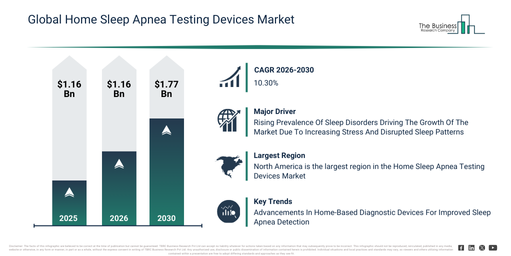
    The home sleep apnea testing devices market is projected to experience substantial expansion in the coming years. This sector is predicted to reach a size of $3.24 billion by 2030, exhibiting a compound annual growth rate (CAGR) of 10.3%. The anticipated growth during this period stems from progress in portable monitoring and wearable technologies, enhanced incorporation of cloud-based analytics, the rise of telemedicine and remote patient services, an aging demographic with increasing sleep disorders, and the broadening of distribution avenues such as online and retail pharmacies. Key developments anticipated in this forecast timeframe involve the growing acceptance of home-based sleep monitoring devices, a greater inclination towards wearable sleep trackers, heightened public knowledge of sleep apnea and related disorders, the broadened scope of remote patient monitoring and telehealth, and the unified integration of patient information with healthcare provider systems.

    Get A Free Sample Report With In-Depth Market Insights:

    https://thebusinessresearchcompany.com/sample_request?id=41319195&type=smp&name=Home%20Sleep%20Apnea%20Testing%20Devices%20Market%20Report%202026&utm_source=Blogs&utm_medium=Paid&utm_campaign=Oct_PR

    Home Sleep Apnea Testing Devices Market Industry Drivers: What’s Behind The Revenue Growth?

    The rising occurrence of sleep disorders is anticipated to fuel the expansion of the home sleep apnea testing devices market in the future. These disorders are health conditions disrupting normal sleep cycles, affecting the quality, length, or schedule of sleep, which leads to difficulties during the day. An increase in sleep disorders is linked to elevated stress and anxiety levels, since these elements impede the body’s capacity to unwind and maintain proper sleep patterns. Home sleep apnea testing (HSAT) devices aid in the diagnosis of sleep disorders by monitoring breathing patterns, airflow, and oxygen saturation while an individual sleeps at home, thereby enabling prompt detection and treatment of conditions like obstructive sleep apnea. As an illustration, in November 2023, the National Health Service (NHS), a UK government agency, indicated that 64.9% of people between 17–23 years old encountered sleep difficulties on three or more nights in the preceding week, a figure surpassing the rates documented for children aged 8–16. This occurrence was considerably more prevalent among young women (74.7%) than young men (55.7%). Consequently, the rising frequency of sleep disorders is propelling the expansion of the home sleep apnea testing devices market.

    Home Sleep Apnea Testing Devices Market Segment Analysis Spotlighting Growth Areas

    The home sleep apnea testing devices market covered in this report is segmented –

    1) By Device Type: Portable Monitoring Devices, Home Sleep Tests (HST), Wearable Sleep Trackers, Monitoring And Diagnostic Equipment

    2) By Technology: Oximetry, Actigraphy, Polysomnography, Other Technologies

    3) By Patient Age Group: Adults (Aged 18-64), Seniors (Aged 65 And Above), Pediatric Patients (Aged 0-17), Middle-Aged Adults (Aged 45-64)

    4) By Distribution Channel: Direct Sales, Online Sales, Retail Pharmacies, Health Care Institutions

    5) By End User: Individuals (Home Users), Healthcare Providers, Diagnostic Laboratories, Sleep Centers

    Subsegments:

    1) By Portable Monitoring Devices: Type III Monitors, Wireless Portable Monitors, Type IV Monitors

    2) By Home Sleep Tests (HST): Unattended Home Sleep Test Devices, Self-Applied Home Sleep Test Kits

    3) By Wearable Sleep Trackers: Wrist-Worn Devices, Headbands, Ring-Based Trackers

    4) By Monitoring And Diagnostic Equipment: Oximeters, Nasal Flow Sensors, Respiratory Effort Belts

    #Home Sleep Apnea Testing Devices Market Growth Trends: What’s Shaping The Future Outlook?

    Leading companies within the home sleep apnea testing devices market are prioritizing the creation of technological innovations, such as home-based diagnostic tools, to boost patient convenience, improve diagnostic accuracy, and facilitate the early detection and management of sleep apnea. A home-based diagnostic device is a portable medical instrument that allows individuals to monitor and record crucial physiological parameters, including airflow, oxygen saturation, and breathing patterns, from the comfort of their own home environment for diagnosing conditions like sleep apnea. For example, in April 2025, ResMed Inc., a US-based medical device company, introduced NightOwl, a compact, wireless system designed for sleep apnea diagnosis. This solution features an accurate, disposable fingertip sensor built for home use, gathering up to 10 nights of data to reflect sleep variability and enhance diagnostic outcomes. Key advantages of this system involve effortless self-application, the elimination of bulky equipment, minimal disturbance to sleep, automatically scored results available to clinicians through a cloud platform, and complete disposability for user convenience and infection control.

    Home Sleep Apnea Testing Devices Market Competitive Overview And Top Companies

    Major companies operating in the home sleep apnea testing devices market are Koninklijke Philips N.V., ZOLL Itamar, ResMed Inc., Nihon Kohden Corporation, Contec Medical Systems Co. Ltd., Bittium Corporation, Cadwell Industries Inc., BMC Medical Co. Ltd, SOMNOmedics AG., Compumedics Limited, Allengers Medical Systems Limited, Advanced Brain Monitoring Inc., BetterNight, Acurable Limited, ApneaMed, Belun Technology Company Limited, Braebon Medical Corporation, DormoTech Medical GmbH, Nox Medical ehf., Onera Health B.V., PranaQ Ltd.

    View The Full Home Sleep Apnea Testing Devices Market Report:

    https://thebusinessresearchcompany.com/report/home-sleep-apnea-testing-devices-global-market-report?utm_source=Blogs&utm_medium=Paid&utm_campaign=Oct_PR

    Home Sleep Apnea Testing Devices Market Top Region: Where Does Most Revenue Come From?

    North America was the largest region in the home sleep apnea testing devices market in 2025. Asia-Pacific is expected to be the fastest-growing region in the forecast period. The regions covered in the home sleep apnea testing devices market report are Asia-Pacific, South East Asia, Western Europe, Eastern Europe, North America, South America, Middle East, Africa.

    Reach Out To Our Team:

    The Business Research Company: https://www.thebusinessresearchcompany.com/

    Americas: +1 310-496-7795

    Asia: +44 7882 955267 & +91 8897263534

    Europe: +44 7882 955267

    Email us at: marketing@tbrc.info

    Follow us on:

    LinkedIn: https://in.linkedin.com/company/the-business-research-company

    YouTube: https://www.youtube.com/channel/UC24_fI0rV8cR5DxlCpgmyFQ

    Global Market Model: https://www.thebusinessresearchcompany.com/global-market-model
  • Home Sequential Compression Devices Market Size In 2026 And Beyond: Understanding Future Growth Potential

    Home Sequential Compression Devices Market Size In 2026 And Beyond: Understanding Future Growth Potential

    Built to provide research that’s more actionable and strategically valuable, The Business Research Company’s 2026 market reports include market attractiveness analysis, total addressable market sizing, company benchmarking matrices, interactive Excel dashboards, broader supply chain intelligence, emerging startup tracking, and in-depth product insights.

    Home Sequential Compression Devices Market Size Forecast: How Big Could The Market Get By 2030?

    The market size for home sequential compression devices has exhibited substantial growth in recent years. It will grow from $1.17 billion in 2025 to $1.26 billion in 2026 at a compound annual growth rate (CAGR) of 7.6%. This historical expansion can be attributed to several factors, including the increasing incidence of lymphedema and venous disorders, the expansion of home healthcare services, a rising preference for non-invasive therapy options, advancements in pneumatic compression technology, and more extensive insurance coverage for therapies administered at home.

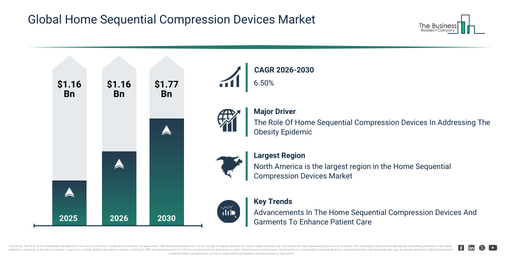
    The home sequential compression devices market is anticipated to experience substantial expansion over the coming years. This market is projected to reach $1.62 billion by 2030, exhibiting a compound annual growth rate (CAGR) of 6.5%. Factors contributing to this growth during the forecast timeframe include a heightened demand for connected medical devices in homes, the increasing implementation of remote patient monitoring, the broader management of chronic diseases within home settings, a rising emphasis on individualized compression therapy, and advancements in technology for wearable medical devices. Key trends anticipated during this period encompass the wider acceptance of portable and wearable compression devices, an escalating need for vascular therapy options accessible at home, the increased utilization of rechargeable and battery-powered models, the extension of remote monitoring functionalities, and a greater emphasis on patient mobility along with convenience.

    Get A Free Sample Report With In-Depth Market Insights:

    https://thebusinessresearchcompany.com/sample_request?id=20470114&type=smp&name=Home%20Sequential%20Compression%20Devices%20Market%20Report%202026&utm_source=Blogs&utm_medium=Paid&utm_campaign=Oct_PR

    Home Sequential Compression Devices Market Growth Factors: What’s Supporting Expansion?

    The home sequential compression devices market is anticipated to expand due to the growing incidences of obesity, a medical condition characterized by an excessive accumulation of body fat that poses a risk to an individual’s health. Home sequential compression devices assist in managing these increasing incidences of obesity by fostering improved circulation and reducing the risk of venous thromboembolism in individuals with limited mobility or sedentary lifestyles, thereby encouraging better blood flow, decreasing swelling, and potentially enhancing metabolic function, which can support weight management efforts. For instance, in May 2025, according to the Office for Health Improvement & Disparities, a UK-based government department, between 2023 and 2024, an estimated 64.5% of adults aged 18 and over in England were overweight or living with obesity, up slightly from 64.0% in 2022 to 2023. Therefore, the increasing incidences of obesity drive the home sequential compression devices market.

    Home Sequential Compression Devices Market Segment Performance And Emerging Opportunities

    The home sequential compression devices market covered in this report is segmented –

    1) By Type: Standard, Portable

    2) By Device Type: Simultaneous Sequential Compression Device (SSCD), Alternate Sequential Compression Device (ASCD)

    3) By Application: Deep Vein Thrombosis (DVT), Lymphedema Management, Chronic Venous Insufficiency (CVI), Other Applications

    Subsegments:

    1) By Standard: Non-Portable Models, Tabletop Models, Clinical-Grade Devices

    2) By Portable: Battery-Operated Models, Wearable Models, Rechargeable Portable Devices

    Home Sequential Compression Devices Market Industry Trends: What’s Reshaping Demand?

    Major companies operating in the home sequential compression devices market are concentrating on creating innovative products like sequential compression devices and pants-like compression garments to secure a competitive advantage. A sequential compression device (SCD) serves as a method for deep vein thrombosis (DVT) prevention, working to enhance blood flow in the legs. Compression garments are lower body apparel specifically designed for patients with lymphedema, aiding in the treatment of the lower legs, back, abdomen, pelvic, and hip areas. For instance, in September 2023, AIROS Medical Inc., a US-based medical equipment manufacturer, unveiled its AIROS 6P and new compression pants. This device functions at 100-240 VAC, making it suitable for global use. It supports treatment with larger garments, which are essential for some lymphedema patients. The lower truncal pants garments are specifically designed to target additional areas of swelling in the legs and abdomen.

    Home Sequential Compression Devices Market Competitive Landscape: Which Companies Lead The Industry?

    Major companies operating in the home sequential compression devices market are Medtronic plc, DJO LLC, Arjo Medical Devices, BTL Corporate, Tactile Medical, Sigvaris Group, Huntleigh Healthcare Limited, Breg Inc, NormaTec, Abigo Medical AB, Medcom Group, BIOCOMPRESSION SYSTEMS, Precision Medical Products, Devon Medical Inc., AIROS Medical Inc., Mego Afek ltd., PAIO Medical, NovaFlow Medical, FlowTech Medical, CircuTherapy Inc.

    View The Full Home Sequential Compression Devices Market Report:

    https://thebusinessresearchcompany.com/report/home-sequential-compression-devices-global-market-report?utm_source=Blogs&utm_medium=Paid&utm_campaign=Oct_PR

    Home Sequential Compression Devices Market Regional Breakdown: Where Is Demand Concentrated?

    North America was the largest region in the home sequential compression devices market in 2025. The regions covered in the home sequential compression devices market report are Asia-Pacific, South East Asia, Western Europe, Eastern Europe, North America, South America, Middle East, Africa.

    Reach Out To Our Team:

    The Business Research Company: https://www.thebusinessresearchcompany.com/

    Americas: +1 310-496-7795

    Asia: +44 7882 955267 & +91 8897263534

    Europe: +44 7882 955267

    Email us at: marketing@tbrc.info

    Follow us on:

    LinkedIn: https://in.linkedin.com/company/the-business-research-company

    YouTube: https://www.youtube.com/channel/UC24_fI0rV8cR5DxlCpgmyFQ

    Global Market Model: https://www.thebusinessresearchcompany.com/global-market-model