Blog

  • In Vivo Contract Research Organization Market Size Reaches $5.68 Billion In 2026: What Is Driving Growth?

    In Vivo Contract Research Organization Market Size Reaches $5.68 Billion In 2026: What Is Driving Growth?

    Backed by market attractiveness analysis, total addressable market sizing, company benchmarking matrices, interactive Excel dashboards, wider supply chain intelligence, emerging startup coverage, and detailed product-level insights, The Business Research Company’s 2026 market reports are designed to offer research that is more actionable and strategically valuable than ever.

    In Vivo Contract Research Organization Market Poised To Hit $7.77 Billion By 2030 With A 8.1% CAGR

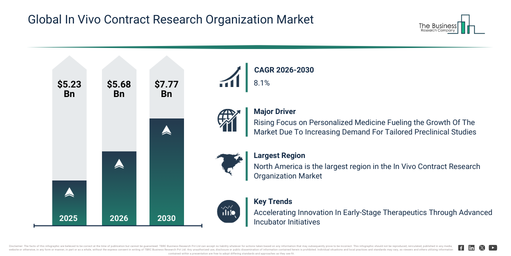
    The in vivo contract research organization market has experienced robust expansion in recent years. Its valuation is set to rise from $5.23 billion in 2025 to $5.68 billion in 2026, reflecting a compound annual growth rate (CAGR) of 8.6%. The growth observed historically is linked to factors such as increasing pharmaceutical R&D expenditure, the enlargement of biotechnology pipelines, the escalating intricacy of drug development processes, more stringent regulatory mandates for preclinical data, and the accessibility of advanced animal models.

    The in vivo contract research organization market is projected to experience substantial expansion in the coming years, reaching a valuation of $7.77 billion by 2030, driven by a compound annual growth rate (CAGR) of 8.1%. This anticipated growth during the forecast period stems from factors such as the heightened need for quicker drug development timelines, the increasing application of sophisticated in vivo disease models, the expansion of research into oncology and rare diseases, the growing integration of AI-enabled preclinical analytics, and stricter regulatory oversight of safety data. Key trends expected over this period involve a rise in the outsourcing of preclinical research activities, a growing requirement for specialized disease models, the wider adoption of GLP-compliant toxicology studies, the broadening of integrated preclinical service offerings, and a greater emphasis on ensuring data quality and reproducibility.

    Get A Free Sample Report With In-Depth Market Insights:

    https://thebusinessresearchcompany.com/sample_request?id=50560688&type=smp&name=In%20Vivo%20Contract%20Research%20Organization%20Market%20Report%202026&utm_source=Blogs&utm_medium=Paid&utm_campaign=Oct_PR

    In Vivo Contract Research Organization Market Growth Drivers: What’s Behind The Acceleration?

    An increasing emphasis on personalized medicine is anticipated to drive expansion in the in vivo contract research organization market moving ahead. This medical strategy involves customizing treatment and prevention plans based on an individual’s genetic profile, way of life, and surroundings to achieve optimal health results. The heightened attention on personalized medicine stems from the improved accessibility and reduced cost of genomic sequencing technologies. These innovations facilitate more precise detection of genetic mutations, leading to customized therapies that enhance patient results and minimize experimental treatment approaches. Consequently, this rising focus on personalized medicine is boosting demand within the in vivo CRO market, as specialized preclinical studies involving particular animal models are essential for assessing targeted treatments and their impact on unique genetic characteristics. As an example, in February 2024, data from the US-based nonprofit Personalized Medicine Coalition (PMC) revealed that the FDA sanctioned 16 novel personalized treatments in 2023, an increase from six in 2022. For the fourth year running, personalized medicines constituted over one-third of all new drug approvals by the U.S. Food and Drug Administration (FDA). Hence, the increasing emphasis on personalized medicine is a key factor propelling the expansion of the in vivo contract research organization market.

    In Vivo Contract Research Organization Market Segment Trends And Revenue Contributors

    The in vivo contract research organization market covered in this report is segmented –

    1) By Type: Rodent Based, Non-Rodent Based

    2) By Type Of Service: Translational And IND-Enabling In Vivo Studies, Preclinical Services, Post-Approval Nonclinical Safety And Mechanistic Studies

    3) By Good Laboratory Practice Type: Good Laboratory Practice Toxicology, Non Good Laboratory Practice

    4) By Applications: Oncology, Cardiovascular Diseases, Infectious Diseases, Neurological Disorders, Other Applications

    5) By End User: Pharmaceutical Companies, Biotechnology Companies, Contract Research Organizations (CROs), Academic And Research Institutes, Government And Regulatory Bodies

    Subsegments:

    1) By Rodent-Based: Mice Models, Rat Models, Genetically Engineered Rodents, Immunodeficient Rodents, Humanized Rodents

    2) By Non-Rodent-Based: Canine Models, Non-Human Primate Models, Swine Models, Rabbit Models, Zebrafish Models

    In Vivo Contract Research Organization Market Trends: What’s Defining The Industry’s Next Phase?

    Leading companies within the in vivo contract research organization market are concentrating on developing innovative solutions, such as advanced therapy incubator programs, to accelerate the progression of next-generation therapeutics and bolster early-stage clinical investigations. An advanced therapy incubator program represents a specialized initiative crafted to assist early-stage biotechnology enterprises by supplying resources, mentorship, and infrastructure, thereby speeding up the development of advanced therapies like gene, cell, and RNA-based treatments. For instance, in April 2025, Charles River Laboratories International Inc., a US-based pharmaceutical firm, launched its initial advanced therapy incubator program cohort. This innovative endeavor is structured to aid early-stage biotech companies focusing on the creation of next-generation therapies. Through this program, participants gain access to Charles River’s scientific knowledge, cutting-edge laboratory infrastructure, and customized in vivo models, empowering them to rapidly generate proof-of-concept data. The program further establishes a realistic preclinical environment for validating therapeutic candidates, contributing to a reduced time-to-clinic and an improved likelihood of regulatory success. By bridging the gap between academic innovation and clinical advancement, this initiative plays a crucial role in propelling the field of advanced therapies forward.

    In Vivo Contract Research Organization Market Competitive Landscape: Which Companies Lead The Industry?

    Major companies operating in the in vivo contract research organization market are Thermo Fisher Scientific Inc, Labcorp Drug Development Inc, Eurofins Scientific SE, WuXi AppTec, Charles River Laboratories International Inc, Evotec SE, GemPharmatech Co Ltd, BIOQUAL Inc, Crown Bioscience Inc, PsychoGenics Inc, Janvier Labs SAS, Taconic Bioscience Inc, Xentech SAS, Altogen Labs Inc, AniLocus Inc, Pharmaron Beijing Co Ltd, Southern Research Institute, SRI International, Envigo RMS LLC, Horizon Discovery Group plc, Inotiv Inc, GenScript ProBio

    View The Full In Vivo Contract Research Organization Market Report:

    https://thebusinessresearchcompany.com/report/in-vivo-contract-research-organization-global-market-report?utm_source=Blogs&utm_medium=Paid&utm_campaign=Oct_PR

    In Vivo Contract Research Organization Market Regional Analysis: Which Geography Leads On Revenue?

    North America was the largest region in the in vivo contract research organization market in 2025. Asia-Pacific is expected to be the fastest-growing region in the forecast period. The regions covered in the in vivo contract research organization market report are Asia-Pacific, South East Asia, Western Europe, Eastern Europe, North America, South America, Middle East, Africa.

    Reach Out To Our Team:

    The Business Research Company: https://www.thebusinessresearchcompany.com/

    Americas: +1 310-496-7795

    Asia: +44 7882 955267 & +91 8897263534

    Europe: +44 7882 955267

    Email us at: marketing@tbrc.info

    Follow us on:

    LinkedIn: https://in.linkedin.com/company/the-business-research-company

    YouTube: https://www.youtube.com/channel/UC24_fI0rV8cR5DxlCpgmyFQ

    Global Market Model: https://www.thebusinessresearchcompany.com/global-market-model
  • In Vitro Diagnostic (IVD) In Cardiology And Neurology Market Valued At $25.18 Billion In 2026: Key Trends And Growth Drivers

    In Vitro Diagnostic (IVD) In Cardiology And Neurology Market Valued At $25.18 Billion In 2026: Key Trends And Growth Drivers

    Featuring market attractiveness scoring, total addressable market sizing, company benchmarking matrices, interactive Excel dashboards, deeper supply chain intelligence, emerging startup tracking, and granular product-level insights, The Business Research Company’s 2026 market reports are built to deliver research that is both more actionable and more strategically valuable.

    In Vitro Diagnostic (IVD) In Cardiology And Neurology Market Size And Revenue Outlook Through 2030

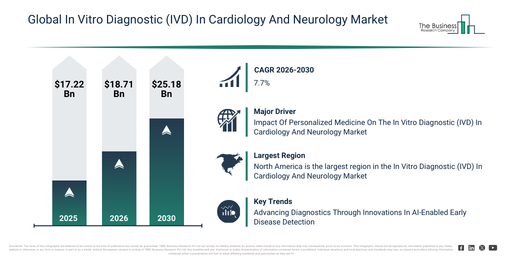
    The in vitro diagnostic (ivd) in cardiology and neurology market size has experienced significant expansion in recent years. It is anticipated to increase from $17.22 billion in 2025 to $18.71 billion in 2026, demonstrating a compound annual growth rate (CAGR) of 8.7%. Historically, this growth can be attributed to the rising prevalence of cardiovascular diseases, an increasing incidence of neurological disorders, the development of hospital diagnostic infrastructure, advancements in immunoassay technologies, and enhanced clinical awareness regarding early diagnosis.

    The in vitro diagnostic (ivd) in cardiology and neurology market is projected to experience substantial expansion over the coming years. Its valuation is anticipated to reach $25.18 billion by 2030, exhibiting a compound annual growth rate (CAGR) of 7.7%. This anticipated growth throughout the forecast period stems from factors such as an aging global populace, a heightened need for personalized diagnostic solutions, the proliferation of point-of-care testing amenities, increasing healthcare spending in developing economies, and the wider embrace of molecular diagnostics. Key developments expected during this timeframe encompass a surging desire for early disease identification, greater uptake of point-of-care tests for cardiac and neurological conditions, the broadening scope of biomarker-driven diagnostics, an intensified emphasis on both preventive and predictive testing, and the incorporation of diagnostic panels with multiple parameters.

    Get A Free Sample Report With In-Depth Market Insights:

    https://thebusinessresearchcompany.com/sample_request?id=51101818&type=smp&name=In%20Vitro%20Diagnostic%20%28IVD%29%20In%20Cardiology%20And%20Neurology%20Market%20Report%202026&utm_source=Blogs&utm_medium=Paid&utm_campaign=Oct_PR

    In Vitro Diagnostic (IVD) In Cardiology And Neurology Market Growth Factors Behind Sustained Expansion

    The expansion of personalized medicine is anticipated to propel the growth of the in vitro diagnostic (IVD) in cardiology and neurology market moving forward. Personalized medicine defines a medical approach where healthcare decisions, practices, interventions, and treatments are customized to each patient’s unique characteristics. This approach is expanding due to factors such as advancements in genomics, a deeper understanding of disease mechanisms, patient demand for tailored treatments, and regulatory support. In cardiology and neurology, in vitro diagnostic (IVD) tests are crucial to personalized medicine, as they provide essential information about an individual’s genetic makeup and disease status, thereby guiding customized treatment plans for enhanced efficacy and reduced risks. For instance, in February 2024, the U.S. Food and Drug Administration approved 16 new personalized treatments for rare disease patients in 2023, according to the Personalized Medicine Coalition (PMC), a US-based nonprofit research organization. This figure represents an increase from six approvals in 2022, with the 2023 approvals also covering seven oncology therapies and three treatments for various other conditions. Thus, the growing number of personalized medicines is fueling the growth of the in vitro diagnostic (IVD) in cardiology and neurology market.

    In Vitro Diagnostic (IVD) In Cardiology And Neurology Market Segment Analysis Spotlighting Growth Areas

    The in vitro diagnostic (ivd) in cardiology and neurology market covered in this report is segmented –

    1) By Product Type: Instruments, Reagents And Consumables, Software And Services

    2) By Technology: Immunoassays, Molecular Diagnostics, Hematology, Other Technologies

    3) By End-User: Hospitals, Clinical Laboratories, Other End-Users

    Subsegments:

    1) By Instruments: Diagnostic Analyzers, Point-Of-Care Devices

    2) By Reagents And Consumables: Diagnostic Reagents, Test Kits, Assay Consumables

    3) By Software And Services: Diagnostic Software, Data Management Software, IVD Consulting And Support Services

    In Vitro Diagnostic (IVD) In Cardiology And Neurology Market Industry Trends Fueling Future Revenue Growth

    Leading companies in the in vitro diagnostic (IVD) cardiology and neurology market are developing AI-driven integrated epigenetic engines for early disease detection and risk assessment. These AI-powered integrated epigenetic engines leverage machine-learning models and advanced biomarker analysis techniques to enhance sensitivity and accuracy in diagnosing and monitoring cardiovascular diseases, thereby addressing critical drivers of disease progression. For instance, in February 2023, Cardio Diagnostics Holdings Inc., a US-based biotechnology company, launched PrecisionCHD, an AI-based blood test, specifically designed for the early detection of coronary heart disease (CHD). Utilizing the company’s integrated epigenetic-genetic engine, this test evaluates CHD risk and aims to prevent and detect the most common form of cardiovascular disease. The new test combines epigenetic and genetic biomarkers with machine-learning algorithms, offering over 75% sensitivity for both men and women. It links a patient’s biomarker profile to modifiable risk factors, which are major contributors to CHD, including smoking, diabetes, hypertension, and high cholesterol. PrecisionCHD represents a non-invasive alternative to exercise stress tests or angiograms, with blood samples drawn conveniently in-office or at home.

    In Vitro Diagnostic (IVD) In Cardiology And Neurology Market Leading Companies: Who Holds The Strongest Market Presence?

    Major companies operating in the in vitro diagnostic (ivd) in cardiology and neurology market are F. Hoffmann-La Roche Ltd., Thermo Fisher Scientific Inc., Abbott Laboratories, Danaher Corporation, Siemens Healthineers AG, Becton Dickinson And Company, Quest Diagnostics Incorporated, Hologic Inc., Illumina Inc., Beckman Coulter Inc., Quidel Corporation, Sysmex Corporation, Bio-Rad Laboratories Inc., QIAGEN N.V., Instrumentation Laboratory, bioMérieux SA, Natera, Inc., Randox Laboratories Ltd., Fulgent Genetics Inc., DiaSorin S.p.A., Oxford Nanopore Technologies, Fujirebio Diagnostics Inc., Adaptive Biotechnologies, Biocartis Group NV, Agena Bioscience

    View The Full In Vitro Diagnostic (IVD) In Cardiology And Neurology Market Report:

    https://thebusinessresearchcompany.com/report/in-vitro-diagnostic-ivd-in-cardiology-and-neurology-global-market-report?utm_source=Blogs&utm_medium=Paid&utm_campaign=Oct_PR

    In Vitro Diagnostic (IVD) In Cardiology And Neurology Market Geographic Spread And Regional Opportunities

    North America was the largest region in the in vitro diagnostic (IVD) in cardiology and neurology market in 2025. Asia-Pacific is expected to be the fastest-growing region in the forecast period. The regions covered in the in vitro diagnostic (ivd) in cardiology and neurology market report are Asia-Pacific, South East Asia, Western Europe, Eastern Europe, North America, South America, Middle East, Africa.

    Reach Out To Our Team:

    The Business Research Company: https://www.thebusinessresearchcompany.com/

    Americas: +1 310-496-7795

    Asia: +44 7882 955267 & +91 8897263534

    Europe: +44 7882 955267

    Email us at: marketing@tbrc.info

    Follow us on:

    LinkedIn: https://in.linkedin.com/company/the-business-research-company

    YouTube: https://www.youtube.com/channel/UC24_fI0rV8cR5DxlCpgmyFQ

    Global Market Model: https://www.thebusinessresearchcompany.com/global-market-model
  • In The Canal (ITC) Hearing Aids Market Size In 2026: Growth Outlook And Forecast Through 2030

    In The Canal (ITC) Hearing Aids Market Size In 2026: Growth Outlook And Forecast Through 2030

    Built to provide research that’s more actionable and strategically valuable, The Business Research Company’s 2026 market reports include market attractiveness analysis, total addressable market sizing, company benchmarking matrices, interactive Excel dashboards, broader supply chain intelligence, emerging startup tracking, and in-depth product insights.

    In The Canal (ITC) Hearing Aids Market Growth From $2.72 Billion In 2026 To $3.97 Billion By 2030 At A CAGR Of 9.9%

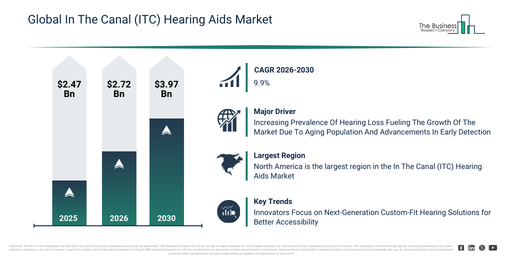
    The in the canal (itc) hearing aids market size has seen rapid expansion in recent years. It is anticipated to increase from $2.47 billion in 2025 to $2.72 billion in 2026, exhibiting a compound annual growth rate (CAGR) of 10.0%. Historically, this growth can be attributed to factors such as an aging population, greater awareness of hearing health, enhancements in digital sound processing, rising disposable income in urban regions, and the proliferation of audiology clinics.

    The in the canal (itc) hearing aids market is poised for significant expansion over the next few years. It is projected to achieve a valuation of $3.97 billion by 2030, growing at a compound annual growth rate (CAGR) of 9.9%. This anticipated growth throughout the forecast period is attributed to the increasing demand for discreet hearing solutions, continuous advancements in bluetooth-enabled itc devices, the expansion of online hearing aid sales, a rising prevalence of noise-induced hearing loss, and technological innovation in battery efficiency. Prominent trends for this period include enhanced miniaturization and discreet design, custom-fit personalization for optimized comfort, a growing adoption of rechargeable itc devices, the expansion of direct-to-consumer hearing solutions, and an increasing acceptance of mild hearing loss treatment.

    Get A Free Sample Report With In-Depth Market Insights:

    https://thebusinessresearchcompany.com/sample_request?id=49045579&type=smp&name=In%20The%20Canal%20%28ITC%29%20Hearing%20Aids%20Market%20Report%202026&utm_source=Blogs&utm_medium=Paid&utm_campaign=Oct_PR

    In The Canal (ITC) Hearing Aids Market Demand Drivers Opening New Revenue Streams

    The rising incidence of hearing loss is anticipated to drive the expansion of the in-the-canal (ITC) hearing aids market moving forward. Hearing loss signifies a partial or complete inability to perceive sounds in one or both ears, frequently resulting from damage to the ear or its auditory pathways. This increasing prevalence of hearing loss is primarily linked to the aging population, as age-related changes within the auditory system lead to a higher occurrence of hearing impairments among older adults. In-the-canal (ITC) hearing aids assist in managing hearing loss by offering discreet, custom-fit designs, making them well-suited for daily wear. They boost sound clarity through advanced technology, thereby minimizing listening effort and enhancing communication across various environments. For instance, in February 2025, data from the World Health Organization (WHO), an international public health agency of the United Nations headquartered in Switzerland, indicated that more than 5 percent of the global population, approximately 430 million people including 34 million children, were living with disabling hearing loss, a figure projected to increase to over 700 million people by 2050. Thus, the growing prevalence of hearing loss stimulates the growth of the in-the-canal (ITC) hearing aids market.

    In The Canal (ITC) Hearing Aids Market Segment Performance And Emerging Opportunities

    The in the canal (itc) hearing aids market covered in this report is segmented –

    1) By Product Type: Full-Shell In The Canal Hearing Aids, Half-Shell In The Canal Hearing Aids, Custom In The Canal Hearing Aids, Programmable In The Canal Hearing Aids

    2) By Technology: Analog In The Canal Hearing Aids, Digital In The Canal Hearing Aids, Bluetooth-Enabled In The Canal Hearing Aids, Rechargeable In The Canal Hearing Aids

    3) By Price Range: Economical In The Canal Hearing Aids, Mid-Range In The Canal Hearing Aids, Premium In The Canal Hearing Aids

    4) By Distribution Channel: Online Stores, Pharmacies, Specialty Stores, Direct Sales

    5) By End User: Children, Adults

    Subsegments:

    1) By Full-Shell In The Canal Hearing Aids: Custom-Fit For The Ear Canal, Offers Maximum Amplification

    2) By Half-Shell In The Canal Hearing Aids: Smaller Than Full-Shell Models, Partially Fills The Ear Canal

    3) By Custom In The Canal Hearing Aids: Single Custom Mold, Multi-Mold Custom Options

    4) By Programmable In The Canal Hearing Aids: Digital Programmable, Analog Programmable

    In The Canal (ITC) Hearing Aids Market Trends Powering Strategic Industry Growth

    Leading enterprises within the in-the-canal (ITC) hearing aid sector are prioritizing the creation of sophisticated custom-fit solutions, including completely personalized canal-style devices, aiming to enhance user comfort, discretion, and audio performance for individuals experiencing hearing loss. These fully custom canal-style devices are meticulously engineered to align with the distinct anatomical structure of each user’s ear canal, thereby guaranteeing a stable fit and boosting sound clarity, all while preserving an exceptionally discreet profile. As an illustration, in February 2024, Starkey Hearing Technologies, a US-based hearing technology firm, launched its Signature Series, a novel collection of custom hearing aids notable for introducing the world’s inaugural fully custom rechargeable canal-style device. This particular range encompasses ultra-compact designs like completely-in-canal (CIC) and IIC models, and integrates Starkey’s cutting-edge Neuro Sound Technology, which is designed to provide better speech comprehension, outstanding noise reduction, and heightened listening comfort across diverse settings.

    In The Canal (ITC) Hearing Aids Market Key Players: Which Companies Lead Industry Competition?

    Major companies operating in the in the canal (itc) hearing aids market are Siemens Healthineers AG, Sonova Holding AG, Demant A/S, ​Amplifon, GN Store Nord A/S, WS Audiology A/S, Sivantos, Argosy Hearing, Coselgi, Interton, Hansaton, MicroTech Hearing, Audina Hearing Instruments, Beltone, JINGHAO Medical Technology Co. Ltd., Banglijian Hearing Aids, Unitron, Zounds Hearing Inc., Eargo.

    View The Full In The Canal (ITC) Hearing Aids Market Report:

    https://thebusinessresearchcompany.com/report/in-the-canal-itc-hearing-aids-global-market-report?utm_source=Blogs&utm_medium=Paid&utm_campaign=Oct_PR

    In The Canal (ITC) Hearing Aids Market Top Region By Revenue And Market Share

    North America was the largest region in the in-the-canal (ITC) hearing aids market in 2025. Asia-Pacific is expected to be the fastest-growing region in the forecast period. The regions covered in the in the canal (itc) hearing aids market report are Asia-Pacific, South East Asia, Western Europe, Eastern Europe, North America, South America, Middle East, Africa.

    Reach Out To Our Team:

    The Business Research Company: https://www.thebusinessresearchcompany.com/

    Americas: +1 310-496-7795

    Asia: +44 7882 955267 & +91 8897263534

    Europe: +44 7882 955267

    Email us at: marketing@tbrc.info

    Follow us on:

    LinkedIn: https://in.linkedin.com/company/the-business-research-company

    YouTube: https://www.youtube.com/channel/UC24_fI0rV8cR5DxlCpgmyFQ

    Global Market Model: https://www.thebusinessresearchcompany.com/global-market-model
  • Implantable Cardioverter Defibrillators (ICDs) Market Trends Supporting 5.5% CAGR Growth Through 2030

    Implantable Cardioverter Defibrillators (ICDs) Market Trends Supporting 5.5% CAGR Growth Through 2030

    Backed by market attractiveness analysis, total addressable market sizing, company benchmarking matrices, interactive Excel dashboards, wider supply chain intelligence, emerging startup coverage, and detailed product-level insights, The Business Research Company’s 2026 market reports are designed to offer research that is more actionable and strategically valuable than ever.

    Implantable Cardioverter Defibrillators (ICDs) Market Expansion Outlook: What Revenue Opportunities Are Ahead?

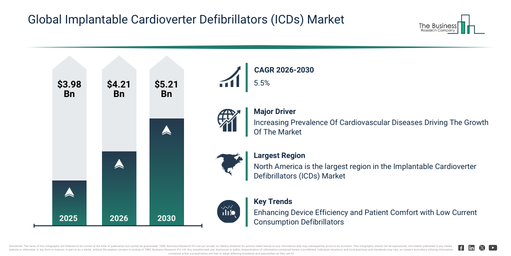
    The market for implantable cardioverter defibrillators (ICDs) has demonstrated vigorous growth in recent years. Its valuation is set to climb from $3.98 billion in 2025 to $4.21 billion in 2026, achieving a compound annual growth rate (CAGR) of 5.7%. The expansion observed historically is attributable to factors such as an escalating incidence of sudden cardiac arrest, the increasing prevalence of ventricular arrhythmias, confirmed clinical efficacy of ICDs, their rising adoption among high-risk cardiac patients, and the broadening infrastructure for cardiac care.

    The implantable cardioverter defibrillators (ICDs) market size is projected to experience robust expansion over the next few years. It is expected to grow to $5.21 billion by 2030, achieving a compound annual growth rate (CAGR) of 5.5%. This growth in the forecast period can be attributed to advancements in smart ICD technology, increasing demand for remote patient monitoring, a growing elderly population suffering from cardiac disorders, enhanced awareness of preventive cardiac therapies, and expanded reimbursement coverage for implantable devices. Prominent trends anticipated in the forecast period include the increasing adoption of remote monitoring-enabled ICDs, a rising preference for minimally invasive and wireless ICD systems, expanding use of MRI-compatible implantable devices, broadening indications of ICDs in heart failure management, and increased integration of predictive analytics in arrhythmia management.

    Get A Free Sample Report With In-Depth Market Insights:

    https://thebusinessresearchcompany.com/sample_request?id=33234018&type=smp&name=Implantable%20Cardioverter%20Defibrillators%20%28ICDs%29%20Market%20Report%202026&utm_source=Blogs&utm_medium=Paid&utm_campaign=Oct_PR

    Implantable Cardioverter Defibrillators (ICDs) Market Growth Backed By Core Demand Fundamentals

    The rising occurrence of cardiovascular diseases (CVDs) is anticipated to drive the expansion of the implantable cardioverter defibrillators (ICDs) market in the future. These diseases encompass various conditions impacting the heart and blood vessels, such as heart attacks, strokes, and hypertension, frequently resulting from elements like unhealthy eating habits, insufficient physical activity, smoking, and genetic predispositions. The growing incidence of cardiovascular diseases is predominantly fueled by an aging demographic, detrimental lifestyle decisions, and an escalation in risk factors including obesity, diabetes, and hypertension. Implantable cardioverter defibrillators (ICDs) aid in managing cardiovascular diseases (CVDs) by delivering critical electrical impulses to normalize heart rhythms for individuals susceptible to sudden cardiac arrest. As an illustration, data from October 2024, released by the Centers for Disease Control and Prevention (CDC), a US-based public health agency, indicated that 919,032 people succumbed to cardiovascular disease in 2023, representing roughly 1 in every 3 deaths across the United States. Consequently, the expanding occurrence of cardiovascular diseases (CVDs) is stimulating the development of the implantable cardioverter defibrillators (ICDs) market.

    Implantable Cardioverter Defibrillators (ICDs) Market Segment Landscape And Growth Outlook

    The implantable cardioverter defibrillators (icds) market covered in this report is segmented –

    1) By Type: Single Chamber Implantable Cardioverter Defibrillators (ICDs), Dual Chamber Implantable Cardioverter Defibrillators (ICDs), Biventricular Devices

    2) By Application: Bradycardia, Tachycardia, Heart Failure, Other Applications

    3) By End User: Hospitals, Specialty Clinics, Ambulatory Surgical Centers, Other End Users

    Subsegments:

    1) By Single Chamber Implantable Cardioverter Defibrillators (ICDs): Standard Single Chamber ICDs, MRI-Compatible Single Chamber ICDs, Wireless Single Chamber ICDs

    2) By Dual Chamber Implantable Cardioverter Defibrillators (ICDs): Standard Dual Chamber ICDs, MRI-Compatible Dual Chamber ICDs, Wireless Dual Chamber ICDs

    3) By Biventricular Devices: CRT-D (Cardiac Resynchronization Therapy Defibrillator), Biventricular ICDs With Advanced Features (Remote Monitoring, Wireless Capabilities)

    Implantable Cardioverter Defibrillators (ICDs) Market Growth Trends Reshaping The Competitive Landscape

    Leading firms within the implantable cardioverter defibrillators (ICDs) market are prioritizing technological innovations, specifically low current consumption defibrillators, with the aim of boosting device efficiency, prolonging battery life, and elevating patient comfort. These low current consumption defibrillators are engineered to administer electrical impulses to the heart with reduced energy requirements, thereby contributing to extended battery longevity while still effectively managing arrhythmias. As an illustration, in October 2023, MicroPort CRM, a medical devices company based in France, introduced the ULYS implantable cardioverter defibrillator (ICD) and the INVICTA defibrillation lead in Japan, representing a significant stride forward in cardiac care technology. Such devices incorporate cutting-edge features, including minimal current draw for extended battery duration and MRI compatibility, making them appropriate for individuals who require imaging procedures. The ULYS ICD specifically integrates the PARAD+ arrhythmia discrimination algorithm and AutoMRI functionality, which collectively improve patient safety during magnetic resonance imaging scans. Furthermore, the INVICTA lead demonstrated a 100% implantation success rate and a 97.4% complication-free rate during clinical trials, underscoring its dependable performance and efficacy.

    Implantable Cardioverter Defibrillators (ICDs) Market Competitive Landscape: Who Leads The Industry?

    Major companies operating in the implantable cardioverter defibrillators (icds) market are Abbott Laboratories, Medtronic Inc., Boston Scientific Corporation, St. Jude Medical Inc., BIOTRONIK SE & Co. KG, LivaNova PLC, MicroPort Scientific Corporation, Intermedics Inc., Sorin Group S.p.A.

    View The Full Implantable Cardioverter Defibrillators (ICDs) Market Report:

    https://thebusinessresearchcompany.com/report/implantable-cardioverter-defibrillators-icds-global-market-report?utm_source=Blogs&utm_medium=Paid&utm_campaign=Oct_PR

    Implantable Cardioverter Defibrillators (ICDs) Market Regional Analysis And Top Geography

    North America was the largest region in the implantable cardioverter defibrillators market in 2025. Asia-Pacific is expected to be the fastest-growing region in the forecast period. The regions covered in the implantable cardioverter defibrillators (icds) market report are Asia-Pacific, South East Asia, Western Europe, Eastern Europe, North America, South America, Middle East, Africa.

    Reach Out To Our Team:

    The Business Research Company: https://www.thebusinessresearchcompany.com/

    Americas: +1 310-496-7795

    Asia: +44 7882 955267 & +91 8897263534

    Europe: +44 7882 955267

    Email us at: marketing@tbrc.info

    Follow us on:

    LinkedIn: https://in.linkedin.com/company/the-business-research-company

    YouTube: https://www.youtube.com/channel/UC24_fI0rV8cR5DxlCpgmyFQ

    Global Market Model: https://www.thebusinessresearchcompany.com/global-market-model
  • Impetigo Market Forecast Highlights A $3.27 Billion Opportunity For Industry Participants

    Impetigo Market Forecast Highlights A $3.27 Billion Opportunity For Industry Participants

    Featuring market attractiveness scoring, total addressable market sizing, company benchmarking matrices, interactive Excel dashboards, deeper supply chain intelligence, emerging startup tracking, and granular product-level insights, The Business Research Company’s 2026 market reports are built to deliver research that is both more actionable and more strategically valuable.

    Impetigo Market Growth Potential: How Will Market Size Shift Through 2030?

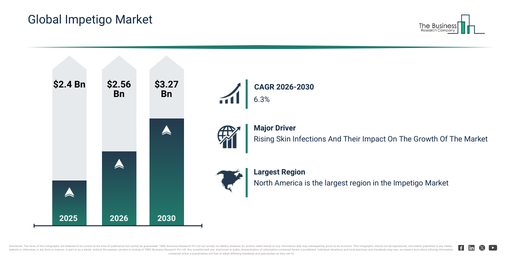
    The impetigo market has seen substantial growth over recent years. It is anticipated to expand from $2.4 billion in 2025 to $2.56 billion in 2026, achieving a compound annual growth rate (CAGR) of 6.6%. This historical development can be attributed to the high occurrence of pediatric skin infections, the broad use of topical antibiotics, inadequate hygiene and dense living conditions, increased understanding of contagious skin diseases, and the accessibility of inexpensive antibiotic treatments.

    The impetigo market is anticipated to show significant expansion over the next few years, with its size projected to reach $3.27 billion by 2030, growing at a compound annual growth rate (CAGR) of 6.3%. This expansion during the forecast period is driven by factors such as increasing concerns about antibiotic resistance, the development of innovative topical formulations, improved access to healthcare in emerging regions, a stronger emphasis on preventive dermatology, and enhanced public health education on skin infections. Prominent trends expected in this period include a rising preference for topical antibiotics over systemic therapies, a greater focus on early diagnosis and quick treatment initiation, increasing demand for impetigo treatments tailored for children, an intensified commitment to infection prevention and hygiene awareness, and the wider adoption of over-the-counter and outpatient treatment approaches.

    Get A Free Sample Report With In-Depth Market Insights:

    https://thebusinessresearchcompany.com/sample_request?id=68491038&type=smp&name=Impetigo%20Market%20Report%202026&utm_source=Blogs&utm_medium=Paid&utm_campaign=Oct_PR

    Impetigo Market Growth Catalysts And Demand Drivers

    An anticipated increase in the occurrence of skin infections is set to fuel the expansion of the impetigo market in the future. These infections are conditions where detrimental microorganisms, such as bacteria, viruses, fungi, or parasites, invade the skin, leading to irritation, inflammation, and other symptoms. The growing incidence of skin infections can be attributed to factors like elevated antibiotic resistance, inadequate hygiene, climatic shifts, compromised immune systems, and more frequent international travel. Managing impetigo involves addressing the bacterial agents, commonly Streptococcus or Staphylococcus species, with topical or oral antibiotics. This approach aids in alleviating symptoms like itching and discomfort, curbing the infection’s spread, and speeding up recovery, thereby decreasing the likelihood of complications and recurrence. For example, data from October 2023, released by the European Academy of Dermatology and Venereology (EADV), a non-profit medical organization based in Switzerland, indicated that approximately 43% of citizens in the EU had experienced at least one skin disease within the preceding 12 months, with fungal skin infections being frequently reported. Consequently, the increasing prevalence of skin infections is a key factor propelling the expansion of the impetigo market.

    Impetigo Market Breakdown By Product Type And Application

    The impetigo market covered in this report is segmented –

    1) By Treatment Type: Topical Antibiotics, Oral Antibiotics, Antiseptic Soaks

    2) By Causative Pathogen: Staphylococcus aureus, Streptococcus pyogenes, Other Bacteria

    3) By Severity: Mild, Moderate, Severe

    4) By Patient Age: Children, Adults, Elderly

    Subsegments:

    1) By Topical Antibiotics: Mupirocin, Retapamulin, Fusidic Acid

    2) By Oral Antibiotics: Cephalexin, Dicloxacillin, Clindamycin

    3) By Antiseptic Soaks: Chlorhexidine, Hydrogen Peroxide, Potassium Permanganate

    Impetigo Market Company Landscape And Competitive Strategy

    Major companies operating in the impetigo market are Teva Pharmaceutical Industries Ltd., Bausch Health Companies Inc., Sun Pharmaceutical Industries Ltd., Galderma SA, Dr. Reddy’s Laboratories Ltd., Leo Pharma A/S, Torrent Pharmaceuticals Ltd., Almirall S.A, Taro Pharmaceutical Industries Ltd., Cutanea Life Sciences Inc., InfectoPharm Arzneimittel und Consilium GmbH, NovaBay Pharmaceuticals Inc.

    View The Full Impetigo Market Report:

    https://thebusinessresearchcompany.com/report/impetigo-global-market-report?utm_source=Blogs&utm_medium=Paid&utm_campaign=Oct_PR

    Impetigo Market Geographic Analysis: Where Is Demand Rising Fastest?

    North America was the largest region in the impetigo market in 2025. Asia-Pacific is expected to be the fastest-growing region in the forecast period. The regions covered in the impetigo market report are Asia-Pacific, South East Asia, Western Europe, Eastern Europe, North America, South America, Middle East, Africa.

    Reach Out To Our Team:

    The Business Research Company: https://www.thebusinessresearchcompany.com/

    Americas: +1 310-496-7795

    Asia: +44 7882 955267 & +91 8897263534

    Europe: +44 7882 955267

    Email us at: marketing@tbrc.info

    Follow us on:

    LinkedIn: https://in.linkedin.com/company/the-business-research-company

    YouTube: https://www.youtube.com/channel/UC24_fI0rV8cR5DxlCpgmyFQ

    Global Market Model: https://www.thebusinessresearchcompany.com/global-market-model
  • Immunomodulator Market Analysis: How The Industry Is Evolving Toward A $327.94 Billion Future

    Immunomodulator Market Analysis: How The Industry Is Evolving Toward A $327.94 Billion Future

    Built to provide research that’s more actionable and strategically valuable, The Business Research Company’s 2026 market reports include market attractiveness analysis, total addressable market sizing, company benchmarking matrices, interactive Excel dashboards, broader supply chain intelligence, emerging startup tracking, and in-depth product insights.

    Immunomodulator Market Value Analysis: What Growth Lies Ahead Over The Forecast Period?

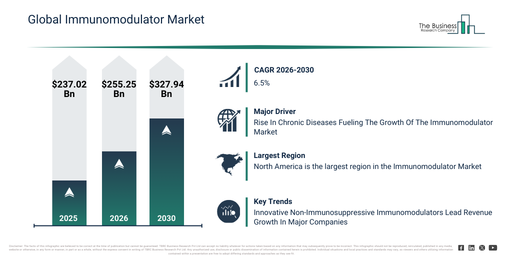
    The immunomodulator market has experienced significant growth over recent years. It is projected to expand from $237.02 billion in 2025 to $255.25 billion in 2026, demonstrating a compound annual growth rate (CAGR) of 7.7%. This past expansion can be linked to several factors, including the increasing prevalence of autoimmune conditions, the widening scope of oncology and transplant procedures, the enhanced application of corticosteroids and traditional immunosuppressants, the growing integration of hospital-based immunotherapy, and a deeper clinical understanding of immune pathways.

    The immunomodulator market size is projected to experience substantial growth in the coming years. It is expected to expand to $327.94 billion by 2030, demonstrating a compound annual growth rate (CAGR) of 6.5%. This growth during the forecast period is attributable to the development of innovative biologics and small molecule agents, increasing demand for immuno-oncology therapies, a greater emphasis on targeted and safer immunomodulators, the expansion of home-based and outpatient treatments, and broadening applications in emerging infectious and inflammatory diseases. Prominent trends within the forecast period include the increasing adoption of biologic and targeted immunotherapies, a growing reliance on combination immunomodulatory treatments, an elevated focus on personalized and precision immunotherapy, the wider application of immunomodulators in chronic and autoimmune diseases, and a noticeable shift towards outpatient and long-term immune management.

    Get A Free Sample Report With In-Depth Market Insights:

    https://thebusinessresearchcompany.com/sample_request?id=53529390&type=smp&name=Immunomodulator%20Market%20Report%202026&utm_source=Blogs&utm_medium=Paid&utm_campaign=Oct_PR

    Immunomodulator Market Opportunity Drivers: What’s Unlocking New Revenue Potential?

    An increase in chronic illnesses is projected to boost the expansion of the immunomodulator market. These are enduring health conditions that usually emerge slowly and persist for significant durations, frequently spanning years or an entire lifespan. Their increasing prevalence is linked to various interacting factors, including an aging global populace, lifestyle choices, genetic susceptibilities, and the availability and structure of healthcare services. Immunomodulators offer crucial treatment alternatives for addressing chronic conditions by adjusting immune reactions, decreasing inflammation, averting organ rejection, boosting immune monitoring, and enhancing symptom management. For example, in September 2023, the World Health Organization, a Switzerland-based specialized agency of the United Nations, reported 41 million global deaths annually attributable to non-communicable diseases (NCDs) or chronic diseases, representing 74% of total deaths. Among these, 17.9 million deaths stemmed from cardiovascular diseases, 9.3 million from cancer, 4.1 million from chronic respiratory conditions, and 2.0 million from diabetes. Consequently, the growing incidence of chronic diseases is propelling the expansion of the immunomodulator market.

    Immunomodulator Market Segment Analysis And Revenue Potential

    The immunomodulator market covered in this report is segmented –

    1) By Product Type: Immunosuppressants, Immunostimulants, Other Product Types

    2) By Distribution Channel: Hospital Pharmacy, Online Pharmacy, Retail Pharmacy, Other Distribution Channels

    3) By Application: Oncology, Respiratory, Human Immunodeficiency Virus, Other Applications

    4) By End-User: Hospitals, Clinics, Other End Users

    Subsegments:

    1) By Immunosuppressants: Corticosteroids, Calcineurin Inhibitors (Tacrolimus, Cyclosporine), Mtor Inhibitors (Sirolimus, Everolimus), Antimetabolites ( Azathioprine, Methotrexate), Biologic Immunosuppressants (Monoclonal Antibodies Like Rituximab), Janus Kinase (Jak) Inhibitors, T-Cell Inhibitors, Other Immunosuppressive Agents

    2) By Immunostimulants: Cytokine And Growth Factor-Based Immunostimulants ( Interferons, Interleukins), Monoclonal Antibodies For Immune Stimulation, Vaccines ( Cancer Vaccines, Preventive Vaccines), Adjuvants And Immune Modulatory Agents, Immunostimulatory Agents For Autoimmune Diseases, Toll-Like Receptor (Tlr) Agonists, Nucleic Acid-Based Immunostimulants ( Dna Or Rna Vaccines)

    3) By Other Product Types: Biologics ( Fusion Proteins, Immune Checkpoint Inhibitors), Small Molecule Immunomodulators, Immunotherapy Drugs, Stem Cell-Based Immunomodulators, Immuno-Oncology Drugs, Probiotics And Other Natural Immunomodulatory Agents

    Immunomodulator Market Innovation Trends Shaping Future Development

    Major companies operating in the immunomodulator market are focusing on the creation of non-immunosuppressive products. This effort aims to meet the growing demand for therapies that provide targeted immune modulation without negatively impacting the body’s general immune function. Non-immunosuppressive refers to treatments or substances that do not suppress or diminish the immune system’s response. For instance, in February 2024, Nuvig Therapeutics, Inc., a US-based biotechnology company, started early-stage clinical trials for NVG-2089, a next-generation immune modulator. NVG-2089 is a proprietary product intended for patients with inflammatory myopathies and severe dermatologic autoimmune diseases. The FDA has granted fast-track designation for NVG-2089’s development for bullous pemphigoid. This novel, recombinant, non-immunosuppressive immunomodulator works by targeting type II Fc receptors to activate an endogenous regulatory mechanism that lessens autoimmune dysregulation. The primary goal of the study is to evaluate the safety and tolerability of NVG-2089, with secondary objectives examining its pharmacokinetics and pharmacodynamics.

    Immunomodulator Market Key Players Shaping Industry Direction

    Major companies operating in the immunomodulator market are Pfizer Inc., Johnson & Johnson, F. Hoffmann-La Roche AG, AbbVie Inc., Sanofi S.A, Bristol Myers Squibb Company, AstraZeneca plc, Novartis AG, GlaxoSmithKline plc, Takeda Pharmaceutical Company Limited, Eli Lilly and Company, Gilead Sciences Inc., Regeneron Pharmaceuticals Inc., Biogen Inc., UCB S.A., Horizon Therapeutics plc, Incyte Corporation, Kyowa Kirin Co. Ltd.

    View The Full Immunomodulator Market Report:

    https://thebusinessresearchcompany.com/report/immunomodulator-global-market-report?utm_source=Blogs&utm_medium=Paid&utm_campaign=Oct_PR

    Immunomodulator Market Global Footprint: Which Region Leads The Market?

    North America was the largest region in the immunomodulator market in 2025. Asia-Pacific is expected to be the fastest-growing region in the forecast period. The regions covered in the immunomodulator market report are Asia-Pacific, South East Asia, Western Europe, Eastern Europe, North America, South America, Middle East, Africa.

    Reach Out To Our Team:

    The Business Research Company: https://www.thebusinessresearchcompany.com/

    Americas: +1 310-496-7795

    Asia: +44 7882 955267 & +91 8897263534

    Europe: +44 7882 955267

    Email us at: marketing@tbrc.info

    Follow us on:

    LinkedIn: https://in.linkedin.com/company/the-business-research-company

    YouTube: https://www.youtube.com/channel/UC24_fI0rV8cR5DxlCpgmyFQ

    Global Market Model: https://www.thebusinessresearchcompany.com/global-market-model
  • Immunoglobulin E (IgE) Allergy Blood Tests Market Outlook Through 2030: Understanding The Growth Opportunity

    Immunoglobulin E (IgE) Allergy Blood Tests Market Outlook Through 2030: Understanding The Growth Opportunity

    Backed by market attractiveness analysis, total addressable market sizing, company benchmarking matrices, interactive Excel dashboards, wider supply chain intelligence, emerging startup coverage, and detailed product-level insights, The Business Research Company’s 2026 market reports are designed to offer research that is more actionable and strategically valuable than ever.

    Immunoglobulin E (IgE) Allergy Blood Tests Market Size Forecast: How Big Could The Market Get By 2030?

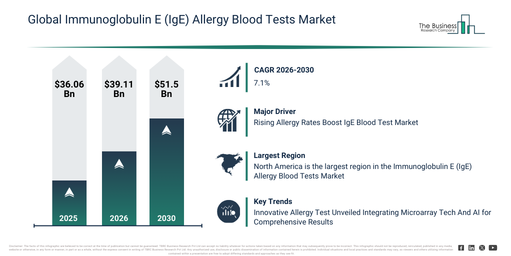
    The market size for immunoglobulin e (ige) allergy blood tests has demonstrated significant growth in recent years. It is forecast to expand from $36.06 billion in 2025 to $39.11 billion in 2026, exhibiting a compound annual growth rate (CAGR) of 8.4%. The expansion observed historically is attributable to the rising prevalence of allergic diseases, increased awareness of food and environmental allergies, wider availability of elisa-based ige tests, growth of diagnostic laboratory infrastructure, and improved clinical guidelines for allergy diagnosis.

    The market for immunoglobulin E (IgE) allergy blood tests is projected to experience substantial expansion in the coming years, reaching $51.5 billion by 2030, driven by a compound annual growth rate (CAGR) of 7.1%. This projected growth during the forecast period is primarily fueled by several factors, including a heightened demand for accurate allergy diagnostics, the escalating embrace of automated and digital immunoassay systems, an increasing prevalence of allergies among pediatric and elderly populations, the broadening availability of allergy testing in developing regions, and the incorporation of AI-powered diagnostic analysis. Key trends anticipated during the same period encompass the growing acceptance of blood-based diagnostics specifically for allergies, an escalating need for multiplex and high-throughput allergy detection methods, a noticeable transition from traditional skin prick tests toward IgE blood testing, the proliferation of point-of-care and automated allergy assessment solutions, and the increasing application of allergy profiling to tailor individual treatments.

    Get A Free Sample Report With In-Depth Market Insights:

    https://thebusinessresearchcompany.com/sample_request?id=37418527&type=smp&name=Immunoglobulin%20E%20%28IgE%29%20Allergy%20Blood%20Tests%20Market%20Report%202026&utm_source=Blogs&utm_medium=Paid&utm_campaign=Oct_PR

    Immunoglobulin E (IgE) Allergy Blood Tests Market Growth Momentum: What Factors Are Shaping Demand?

    The growing incidence of allergies is anticipated to boost the IgE allergy blood tests market moving forward. Allergies are defined as an overreaction by the immune system to generally innocuous substances, manifesting in symptoms like sneezing, itching, or breathing difficulties. The surge in allergic conditions stems from shifts in lifestyle, environmental contamination, and inherited susceptibilities. In cases of allergies, IgE allergy blood tests identify particular allergens by quantifying Immunoglobulin E (IgE) antibody levels in the bloodstream, assisting in the diagnosis and treatment of conditions like asthma, allergic rhinitis, and food allergies. As an illustration, in May 2024, the Food Standards Agency, a UK government agency overseeing food safety and public health, estimated that about 6% of the UK adult population, which equates to roughly 2.4 million adults, had a clinically verified food allergy. Consequently, the expanding occurrence of allergies is fueling the expansion of the IgE allergy blood tests market.

    Immunoglobulin E (IgE) Allergy Blood Tests Market Segmentation And Category Overview

    The immunoglobulin e (ige) allergy blood tests market covered in this report is segmented –

    1) By Product Type: Assays And Kits, Enzyme-Linked Immunosorbent Assay (ELISA) Testing Kits, Fluorescent Enzyme Immunoassays (FEIA) Testing Kits, Chemiluminescent Immunoassays (CLIA), Reagents, Consumables, Analyzers

    2) By Application: Aero Allergies, Indoor Allergies, Outdoor Allergies, Food Allergies, Venoms, Medicine Allergies, Latex/Metal Allergies

    3) By End User: Diagnostic Laboratories, Specialty Clinics, Hospitals, Research And Academic Centers

    Subsegments:

    1) By Assays And Kits: Total IgE Assays, Specific IgE Assays, Allergen-Specific IgE Kits, Rapid IgE Allergy Test Kits, Allergy Profile Test Kits

    2) By Enzyme-Linked Immunosorbent Assay (Elisa) Testing Kits: Standard Elisa Kits For IgE Detection, Elisa Kits For Specific IgE Allergy Testing, Microplate Elisa Kits For High-Throughput Screening, Single-Step Elisa Allergy Testing Kits, Multiplexed Elisa Assay Kits

    3) By Fluorescent Enzyme Immunoassays (Feia) Testing Kits: Automated Feia IgE Testing Kits, Fluorescence-Based Allergy Test Kits, Feia Assays For Specific IgE Detection, High-Sensitivity Feia Testing Kits, Point-Of-Care Feia Kits

    4) By Chemiluminescent Immunoassays (Clia): Clia Kits For IgE Allergy Testing, Automated Clia Testing Platforms, High-Precision Clia Allergy Test Kits, Chemiluminescence Immunoassays For Specific IgE, Clia-Based Allergy Panels

    5) By Reagents: IgE Reagents For Allergy Tests, Allergen-Specific Reagents, Reagents For Immunoassay Platforms, IgE Detection Reagents, Reagents For Elisa And Clia Testing

    6) By Consumables: Test Plates And Microplates, Pipettes And Pipette Tips, Sample Collection Devices, Sample Vials And Tubes For IgE Testing, Washing Buffers And Dilution Fluids

    7) By Analyzers: Elisa Analyzers For IgE Testing, Fluorescent Immunoassay Analyzers, Chemiluminescent Analyzers For IgE Detection, Automated Allergy Testing Analyzers, High-Throughput Allergy Test Analyzers, Point-Of-Care Allergy Analyzers

    Immunoglobulin E (IgE) Allergy Blood Tests Market Trends Redefining Industry Growth

    Major companies operating in the immunoglobulin E (IgE) allergy blood tests market are concentrating on developing new AI-powered allergy tests to boost accuracy, efficiency, and scalability in allergy diagnostics. This initiative seeks to revolutionize allergy testing by refining the interpretation of test results, recognizing patterns, and forecasting allergic reactions more effectively. AI-powered allergy tests are diagnostic tools that employ artificial intelligence (AI) algorithms and machine learning techniques to analyze allergy-related data and offer insights into an individual’s allergic sensitivities. For instance, in May 2023, Dr. Dangs Lab, an India-based diagnostic laboratory, launched ‘Allergynius Dx,’ a novel allergy test. This molecular allergy diagnostics test is based on Microarray using Nano Particles and provides results for 163 food and respiratory allergens. This innovative test represents a significant advancement in allergy testing, offering a comprehensive approach to identifying and managing allergies related to a wide range of allergens.

    Immunoglobulin E (IgE) Allergy Blood Tests Market Competitive Analysis Of Leading Industry Participants

    Major companies operating in the immunoglobulin e (ige) allergy blood tests market are Roche Holdings Inc., Thermo Fisher Scientific Inc, Abbott Laboratories, Siemens Healthineers Pvt Ltd, Laboratory Corporation of America Holdings, Quest Diagnostics Incorporated, Eurofins Scientific SE, Beckman Coulter Inc., Bio-Rad Laboratories Inc., Randox Laboratories Ltd, Omega Diagnostics Plc, AESKU Group GmbH, HYCOR Biomedical LLC.

    View The Full Immunoglobulin E (IgE) Allergy Blood Tests Market Report:

    https://thebusinessresearchcompany.com/report/immunoglobulin-e-ige-allergy-blood-tests-global-market-report?utm_source=Blogs&utm_medium=Paid&utm_campaign=Oct_PR

    Immunoglobulin E (IgE) Allergy Blood Tests Market Regional Split: Which Areas Are Fueling Growth?

    North America was the largest region in the immunoglobulin E (IgE) allergy blood tests market in 2025. Asia-Pacific is expected to be the fastest-growing region in the forecast period. The regions covered in the immunoglobulin e (ige) allergy blood tests market report are Asia-Pacific, South East Asia, Western Europe, Eastern Europe, North America, South America, Middle East, Africa.

    Reach Out To Our Team:

    The Business Research Company: https://www.thebusinessresearchcompany.com/

    Americas: +1 310-496-7795

    Asia: +44 7882 955267 & +91 8897263534

    Europe: +44 7882 955267

    Email us at: marketing@tbrc.info

    Follow us on:

    LinkedIn: https://in.linkedin.com/company/the-business-research-company

    YouTube: https://www.youtube.com/channel/UC24_fI0rV8cR5DxlCpgmyFQ

    Global Market Model: https://www.thebusinessresearchcompany.com/global-market-model
  • Immunoglobulin A IgA Vasculitis Market Growth Potential: What The Latest Forecast Reveals

    Immunoglobulin A IgA Vasculitis Market Growth Potential: What The Latest Forecast Reveals

    Featuring market attractiveness scoring, total addressable market sizing, company benchmarking matrices, interactive Excel dashboards, deeper supply chain intelligence, emerging startup tracking, and granular product-level insights, The Business Research Company’s 2026 market reports are built to deliver research that is both more actionable and more strategically valuable.

    Immunoglobulin A IgA Vasculitis Market Revenue Outlook: What CAGR Lies Ahead Through 2030?

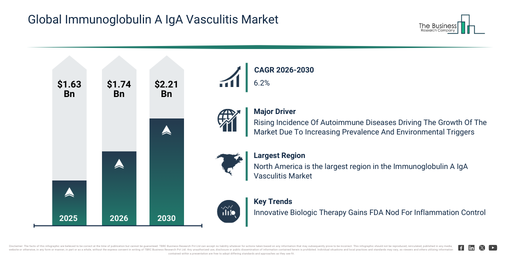
    The market for immunoglobulin A (IgA) vasculitis has experienced robust expansion over recent years. Projections indicate its expansion from $1.63 billion in 2025 to $1.74 billion by 2026, demonstrating a compound annual growth rate (CAGR) of 6.5%. Historically, this expansion has been driven by factors such as enhanced clinical comprehension of IgA-mediated autoimmune conditions, a rise in the diagnosis of pediatric vasculitis incidents, more widespread application of corticosteroids and immunosuppressive medications, the expansion of hospital-centric autoimmune treatment services, and growing expertise in nephrology.

    The market for immunoglobulin a iga vasculitis is projected to experience substantial expansion over the upcoming years. This market is forecast to reach $2.21 billion by 2030, exhibiting a compound annual growth rate (CAGR) of 6.2%. Key drivers for this growth during the forecast period include increasing research efforts into new immunomodulatory drugs, the rising embrace of personalized autoimmune treatments, a heightened emphasis on protecting renal function long-term, the expansion of pipelines for biologic treatments, and advancements in diagnostic imaging and biopsy methods. Significant trends anticipated in the forecast period encompass an intensified focus on diagnosing the disease early and accurately, the growing uptake of targeted immunosuppressive therapies, wider utilization of biomarker-based disease monitoring, the broadening of personalized treatment strategies, and a stronger emphasis on managing renal outcomes.

    Get A Free Sample Report With In-Depth Market Insights:

    https://thebusinessresearchcompany.com/sample_request?id=66856683&type=smp&name=Immunoglobulin%20A%20IgA%20Vasculitis%20Market%20Report%202026&utm_source=Blogs&utm_medium=Paid&utm_campaign=Oct_PR

    Immunoglobulin A IgA Vasculitis Market Expansion Drivers: What’s Shaping Future Growth?

    The increasing occurrence of autoimmune conditions is projected to fuel the expansion of the immunoglobulin A (IgA) vasculitis market in the future. These conditions involve the body’s immune system erroneously targeting its own healthy cells, tissues, or organs, rather than defending against infections and external threats. The growing prevalence of autoimmune disorders is mainly attributed to increased exposure to environmental pollutants, which can upset immune system regulation and provoke irregular reactions. Immunoglobulin A (IgA) vasculitis plays a role in autoimmune diseases by initiating an immune reaction resulting in inflammation within small blood vessels, thereby assisting in the comprehension and potential therapeutic approaches for diverse autoimmune conditions. For example, data from February 2024, provided by the Vasculitis Foundation, a US-based non-profit, indicates an annual incidence of IgA vasculitis in U.S. adults of approximately 2 cases per 100,000, although global rates show significant variability, spanning from around 60 to 550 cases per million. Consequently, the escalating incidence of autoimmune diseases is a key driver for the growth of the immunoglobulin A (IgA) vasculitis market.

    Immunoglobulin A IgA Vasculitis Market Segment Outlook: Which Categories Are Growing Fastest?

    The immunoglobulin a iga vasculitis market covered in this report is segmented –

    1) By Treatment Type: Medications, Plasma Exchange, Supportive Care, Immunosuppressive Therapy

    2) By Diagnosis Method: Blood Tests, Urinalysis, Imaging Studies, Biopsy

    3) By Route Of Administration: Oral, Injectables

    4) By End User: Hospitals, Specialty Clinics, Homecare Settings

    Subsegments:

    1) By Medications: Corticosteroids, Immunosuppressants, Cyclophosphamide, Azathioprine, Mycophenolate Mofetil

    2) By Plasma Exchange: Therapeutic Plasma Exchange, Plasma Filtration

    3) By Supportive Care: Pain Management, Kidney Function Support, Blood Pressure Management

    4) By Immunosuppressive Therapy: Methotrexate, Rituximab

    Immunoglobulin A IgA Vasculitis Market Strategic Trends: What Defines The Next Growth Phase?

    Leading companies operating within the immunoglobulin A (IgA) vasculitis market are concentrating on developing innovative therapies, such as targeted biologics and immunomodulators, to alleviate inflammation and prevent renal complications. These targeted biologics and immunomodulators are advanced treatments that modulate specific immune pathways to reduce inflammation and prevent immune-mediated damage in IgA vasculitis. For instance, in April 2025, Novartis AG, a Switzerland-based pharmaceutical company, obtained approval from the U.S. Food and Drug Administration (FDA) for Vanrafia (atrasentan) for the treatment of primary immunoglobulin A nephropathy (IgAN). Vanrafia is a once-daily, oral, selective endothelin A receptor antagonist designed to reduce proteinuria in adults with primary IgAN who are at risk of rapid disease progression. It can be integrated into existing supportive care regimens without requiring a risk evaluation and mitigation strategy (REMS).

    Immunoglobulin A IgA Vasculitis Market Leading Companies And Competitive Benchmarking

    Major companies operating in the immunoglobulin a iga vasculitis market are Pfizer Inc, F. Hoffmann-La Roche Ltd, Novartis AG, Takeda Pharmaceutical Company Limited, Amgen Inc, Intas Pharmaceuticals Ltd, Zydus Lifesciences Limited, Biogen Inc, Chugai Pharmaceutical Co Ltd, CSL Behring, AbbVie Inc, Johnson & Johnson, Bristol-Myers Squibb Company, UCB SA, Sanofi, GSK plc, Astellas Pharma Inc, Teva Pharmaceuticals USA Inc, Chinook Therapeutics, Guangdong Hengrui Pharmaceutical Co Ltd, Visterra Inc, Selecta Biosciences, Jiangsu HengRui Medicine Co Ltd, Travere Therapeutics Inc, Everest Medicines Ltd

    View The Full Immunoglobulin A IgA Vasculitis Market Report:

    https://thebusinessresearchcompany.com/report/immunoglobulin-a-iga-vasculitis-global-market-report?utm_source=Blogs&utm_medium=Paid&utm_campaign=Oct_PR

    Immunoglobulin A IgA Vasculitis Market Top Region: Where Does Most Revenue Come From?

    North America was the largest region in the immunoglobulin A (IgA) vasculitis market in 2025. Asia-Pacific is expected to be the fastest-growing region in the forecast period. The regions covered in the immunoglobulin a iga vasculitis market report are Asia-Pacific, South East Asia, Western Europe, Eastern Europe, North America, South America, Middle East, Africa.

    Reach Out To Our Team:

    The Business Research Company: https://www.thebusinessresearchcompany.com/

    Americas: +1 310-496-7795

    Asia: +44 7882 955267 & +91 8897263534

    Europe: +44 7882 955267

    Email us at: marketing@tbrc.info

    Follow us on:

    LinkedIn: https://in.linkedin.com/company/the-business-research-company

    YouTube: https://www.youtube.com/channel/UC24_fI0rV8cR5DxlCpgmyFQ

    Global Market Model: https://www.thebusinessresearchcompany.com/global-market-model
  • Immunogenomics Market Growth Outlook: Why Analysts Expect Continued Expansion

    Immunogenomics Market Growth Outlook: Why Analysts Expect Continued Expansion

    Built to provide research that’s more actionable and strategically valuable, The Business Research Company’s 2026 market reports include market attractiveness analysis, total addressable market sizing, company benchmarking matrices, interactive Excel dashboards, broader supply chain intelligence, emerging startup tracking, and in-depth product insights.

    Immunogenomics Market Growth Analysis: How Will Revenue Trend Over The Forecast Period?

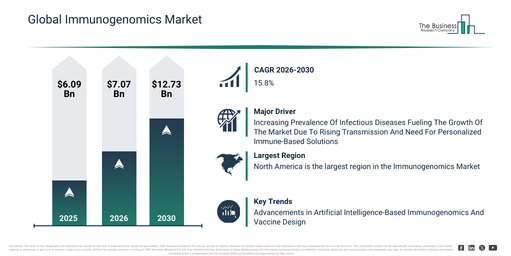
    The immunogenomics market has experienced rapid expansion in recent years. This market is forecasted to grow from $6.09 billion in 2025 to $7.07 billion in 2026, at a compound annual growth rate (CAGR) of 16.1%. The historical increase observed in this sector can be attributed to several factors, including advancements in genomic sequencing technologies, an improved understanding of immune-related genetic variations, the broadening of oncology and infectious disease research, increased funding for research, and the availability of high-throughput genomic tools.

    The immunogenomics market is projected to experience substantial expansion in the coming years. Its value is anticipated to reach $12.73 billion by 2030, achieving a compound annual growth rate (CAGR) of 15.8%. This growth during the forecast period is fueled by several factors, including the escalating demand for precision medicine solutions, the ongoing development of personalized vaccines and immunotherapies, the broadening of translational immunogenomics research, the increasing integration of multi-omics data, and the wider adoption of cloud-based genomic analytics. Key trends observed in this period encompass the growing uptake of next-generation sequencing for immune profiling, the expanded application of bioinformatics tools for analyzing immune data, an intensified focus on personalized immunotherapies, the enlargement of genomic databases dedicated to immune research, and the improved integration of AI in immunogenomic investigations.

    Get A Free Sample Report With In-Depth Market Insights:

    https://thebusinessresearchcompany.com/sample_request?id=22437453&type=smp&name=Immunogenomics%20Market%20Report%202026&utm_source=Blogs&utm_medium=Paid&utm_campaign=Oct_PR

    Immunogenomics Market Development Factors: What’s Supporting Demand?

    The rising occurrence of infectious diseases is projected to stimulate the expansion of the immunogenomics market moving forward. Infectious diseases are defined as ailments caused by harmful microorganisms, such as bacteria, viruses, fungi, or parasites, capable of spreading from one individual to another directly or indirectly. The upward trend in infectious disease prevalence is attributed to increased travel, which facilitates the rapid dissemination of pathogens across borders. Immunogenomics improves the management of infectious diseases by enabling precise analysis of host immune responses and genetic susceptibility. It reduces the need for trial-and-error in treatment by identifying immune factors specific to each patient, thereby enhancing diagnostics, vaccine development, and personalized therapeutic strategies. For instance, in February 2024, according to the UK Health Security Agency, a UK-based government agency, tuberculosis (a contagious bacterial infection that primarily affects the lungs) cases in England increased to 4,850 in 2023, representing a 10.7% rise from 4,380 cases in 2022. Consequently, the growing prevalence of infectious diseases is driving the growth of the immunogenomics market.

    Immunogenomics Market Segment Landscape: Which Areas Lead Development?

    The immunogenomics market covered in this report is segmented –

    1) By Product Type: Instruments, Consumables, Software, Services

    2) By Technology: Next-Generation Sequencing, Microarray, Polymerase Chain Reaction, Other Technologies

    3) By Application: Oncology, Infectious Diseases, Autoimmune Disorders, Transplantation, Other Applications

    4) By End-User: Hospitals And Clinics, Research Institutes, Pharmaceutical And Biotechnology Companies, Other End-Users

    Subsegments:

    1) By Instruments: Sequencers, Microarray scanners, Flow cytometers

    2) By Consumables: Reagents, Kits, Assay panels

    3) By Software: Data analysis software, Bioinformatics tools, Visualization platforms

    4) By Services: Sequencing services, Genomic profiling, Bioinformatics support

    Immunogenomics Market Transformation Trends: What Innovations Are Driving Change?

    Leading companies active in the immunogenomics market are channeling their efforts into developing advanced solutions, including vaccine target prediction systems, which facilitate automated, end-to-end vaccine design and optimize vaccine constructs by ensuring an optimal antigen sequence. The vaccine target prediction system functions as a computational platform that utilizes bioinformatics algorithms alongside genomic and immunomic data to pinpoint potential antigen molecules from pathogens or cancer cells, subsequently analyzing their structural properties to prioritize and select the most suitable vaccine candidates with the highest capacity to trigger protective immune responses. For example, in September 2024, Evaxion Biotech A/S, a biotechnology company based in Denmark specializing in artificial intelligence-driven immunotherapy and vaccine development, launched its clinically validated AI-Immunology platform, an enhanced EDEN artificial intelligence prediction model that incorporates a novel toxin antigen predictor. This enhancement improves the accuracy and reliability of identifying bacterial toxin antigens for developing next-generation bacterial vaccines. Additionally, the platform is capable of simulating the immune system to create personalized and next-generation immunotherapies and has demonstrated strong correlations between its artificial intelligence-generated predictions and clinical outcomes.

    Immunogenomics Market Industry Leaders And Competitive Landscape

    Major companies operating in the immunogenomics market are F. Hoffmann-La Roche AG, Thermo Fisher Scientific Inc., Illumina Inc., BGI Group, GenScript Biotech Corporation, CareDx Inc., Oxford Nanopore Technologies plc, Genewiz LLC, Adaptive Biotechnologies Corporation, GenomOncology LLC, Personalis Inc., Variantyx Inc., CD Genomics Inc., Sengenics Corporation, GeneCentric Therapeutics Inc., Immunogenomics Inc., ImmuQuad Biotechnologies Inc., Neomics Pharmaceuticals LLC, Yemaachi Biotech Ltd., BioAnalytica Biotechnology Systems Inc.

    View The Full Immunogenomics Market Report:

    https://thebusinessresearchcompany.com/report/immunogenomics-global-market-report?utm_source=Blogs&utm_medium=Paid&utm_campaign=Oct_PR

    Immunogenomics Market Regional Breakdown: Where Is Demand Concentrated?

    North America was the largest region in the immunogenomics market in 2025. The regions covered in the immunogenomics market report are Asia-Pacific, South East Asia, Western Europe, Eastern Europe, North America, South America, Middle East, Africa.

    Reach Out To Our Team:

    The Business Research Company: https://www.thebusinessresearchcompany.com/

    Americas: +1 310-496-7795

    Asia: +44 7882 955267 & +91 8897263534

    Europe: +44 7882 955267

    Email us at: marketing@tbrc.info

    Follow us on:

    LinkedIn: https://in.linkedin.com/company/the-business-research-company

    YouTube: https://www.youtube.com/channel/UC24_fI0rV8cR5DxlCpgmyFQ

    Global Market Model: https://www.thebusinessresearchcompany.com/global-market-model
  • Immune Thrombocytopenia Market Forecast Insights: The Road To $4.72 Billion By 2030

    Immune Thrombocytopenia Market Forecast Insights: The Road To $4.72 Billion By 2030

    Backed by market attractiveness analysis, total addressable market sizing, company benchmarking matrices, interactive Excel dashboards, wider supply chain intelligence, emerging startup coverage, and detailed product-level insights, The Business Research Company’s 2026 market reports are designed to offer research that is more actionable and strategically valuable than ever.

    Immune Thrombocytopenia Market Forecast: What Value Will The Market Reach By 2030?

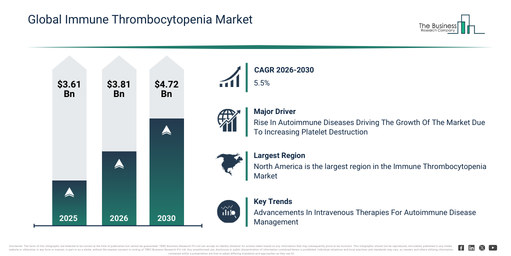
    The market for immune thrombocytopenia has experienced robust expansion recently. Projections indicate its value will increase from $3.61 billion in 2025 to $3.81 billion in 2026, demonstrating a compound annual growth rate (CAGR) of 5.6%. This historical growth is attributable to several factors, including a better comprehension of autoimmune platelet conditions, the wider availability of intravenous immunoglobulin therapy, an increase in chronic ITP diagnosis rates, progress in hematology clinical methodologies, and the broadening of hospital-based hematology services.

    The immune thrombocytopenia market size is projected to undergo significant expansion in the coming years. It is forecasted to reach $4.72 billion by 2030, growing at a compound annual growth rate (CAGR) of 5.5%. This growth during the forecast period is primarily driven by the development of innovative biologics and oral agents, a heightened emphasis on long-term disease management, the increasing embrace of outpatient and home-based care, the broadening application of precision medicine in autoimmune disorders, and improved healthcare access in emerging markets. Prominent trends anticipated within this period encompass the rising adoption of targeted immunotherapies, increased utilization of thrombopoietin receptor agonists, a growing focus on personalized treatment methods, the expansion of strategies for managing chronic ITP, and enhanced awareness leading to earlier diagnosis of ITP.

    Get A Free Sample Report With In-Depth Market Insights:

    https://thebusinessresearchcompany.com/sample_request?id=40071544&type=smp&name=Immune%20Thrombocytopenia%20Market%20Report%202026&utm_source=Blogs&utm_medium=Paid&utm_campaign=Oct_PR

    Immune Thrombocytopenia Market Industry Drivers: What’s Behind The Revenue Growth?

    The growing prevalence of autoimmune diseases is projected to boost the expansion of the immune thrombocytopenia market in the coming years. These conditions arise when the body’s immune system erroneously targets and attacks its own healthy cells and tissues, perceiving them as external threats. Such an irregular immune reaction results in inflammation and harm across different organs and systems. The increase in autoimmune diseases is associated with genetic factors, environmental influences, shifts in lifestyle, and improved diagnostic capabilities due to greater awareness. Autoimmune diseases contribute to immune thrombocytopenia by stimulating the immune system to eliminate the body’s platelets or hinder their formation within the bone marrow. For example, in November 2023, the Multiple Sclerosis International Federation (MSIF), a UK-based international nonprofit organization, reported that approximately 2.9 million individuals globally were living with multiple sclerosis, an autoimmune condition, in 2023. Consequently, the increasing occurrence of autoimmune diseases is fueling the expansion of the immune thrombocytopenia market.

    Immune Thrombocytopenia Market Segments: Where Is Growth Concentrated?

    The immune thrombocytopenia market covered in this report is segmented –

    1) By Type: Primary Immune Thrombocytopenia, Secondary Immune Thrombocytopenia, Acquired Immune Thrombocytopenia

    2) By Treatment Type: Intravenous Immunoglobulin, Thrombopoietin Receptor Agonists, Immunosuppressive Therapy

    3) By Distribution Channel: Hospital Pharmacies, Retail Pharmacies, Online Pharmacies

    Subsegments:

    1) By Primary Immune Thrombocytopenia: Acute Primary ITP, Chronic Primary ITP, Persistent Primary ITP

    2) By Secondary Immune Thrombocytopenia: Drug-Induced ITP, Infection-Associated ITP, Autoimmune Disorder-Related ITP

    3) By Acquired Immune Thrombocytopenia: Immune-Mediated Acquired ITP, Non-Immune Acquired ITP

    #Immune Thrombocytopenia Market Growth Trends: What’s Shaping The Future Outlook?

    Leading companies in the immune thrombocytopenia market are focusing on therapeutic advancements, particularly in intravenous therapy, to enhance treatment efficacy, quicken response times, improve patient adherence, and meet existing medical needs in thrombocytopenia management. Intravenous (IV) therapy is defined as a medical process involving the direct delivery of fluids, medications, or nutrients into a patient’s vein through an IV line. For example, in March 2024, Argenx SE, a Netherlands-based biotechnology company, disclosed that the Japan Ministry of Health, Labor, and Welfare (MHLW) had sanctioned VYVGART for intravenous application in adults with primary immune thrombocytopenia (ITP). This authorization marks a significant stride in treatment possibilities, presenting a targeted method with prompt efficacy and sustained platelet response, thereby addressing vital unmet requirements in autoimmune disease management.

    Immune Thrombocytopenia Market Key Participants And Competitive Landscape

    Major companies operating in the immune thrombocytopenia market are Pfizer Inc., Merck & Co. Inc., Sanofi S.A., Novartis AG, Amgen Inc., Takeda Pharmaceutical Company Limited, Eli Lilly and Company, Intas Pharmaceuticals Ltd., CSL Behring, Grifols, UCB Pharma, Kyowa Kirin, Sobi (Swedish Orphan Biovitrum), 3SBio Inc., Biotest AG, Shionogi & Co. Ltd., Ligand Pharmaceuticals, Rigel Pharmaceuticals, Symphogen, Hansa Biopharma, Argenx.

    View The Full Immune Thrombocytopenia Market Report:

    https://thebusinessresearchcompany.com/report/immune-thrombocytopenia-global-market-report?utm_source=Blogs&utm_medium=Paid&utm_campaign=Oct_PR

    Immune Thrombocytopenia Market Geographic Landscape: Which Region Leads Industry Growth?

    North America was the largest region in the immune thrombocytopenia market in 2025. Asia-Pacific is expected to be the fastest-growing region in the forecast period. The regions covered in the immune thrombocytopenia market report are Asia-Pacific, South East Asia, Western Europe, Eastern Europe, North America, South America, Middle East, Africa.

    Reach Out To Our Team:

    The Business Research Company: https://www.thebusinessresearchcompany.com/

    Americas: +1 310-496-7795

    Asia: +44 7882 955267 & +91 8897263534

    Europe: +44 7882 955267

    Email us at: marketing@tbrc.info

    Follow us on:

    LinkedIn: https://in.linkedin.com/company/the-business-research-company

    YouTube: https://www.youtube.com/channel/UC24_fI0rV8cR5DxlCpgmyFQ

    Global Market Model: https://www.thebusinessresearchcompany.com/global-market-model