Blog

  • Top 5 Insights From The Alpers Disease Treatment Market Report 2024

    Top 5 Insights From The Alpers Disease Treatment Market Report 2024

    The Business Research Company’s global market reports are now updated with the latest market sizing information for the year 2024 and forecasted to 2033

    According to The Business Research Company’s Alpers Disease Treatment Global Market Report 2023, the alpers disease treatment market is expected to show promising growth in the forecast period.

    The alpers disease treatment market has seen robust growth recently, driven by increased awareness, improved research funding, and advancements in medical technology. This blog provides an overview of the market’s growth, key drivers, and future trends.

    Current Market Overview

    • 2023 Market Size: The market reached $1.29 billion in 2023.
    • 2024 Forecast: It is expected to grow to $1.36 billion by 2024, with a CAGR of 5.4%.
    • Growth Drivers:
      • Increased awareness and diagnosis rates
      • Enhanced funding for rare disease research
      • Improved patient support networks
      • Regulatory incentives for orphan drug development
      • Rising healthcare expenditure

    View More On The Alpers Disease Treatment Market Report 2024 – https://www.thebusinessresearchcompany.com/report/alpers-disease-treatment-global-market-report

    Future Market Projections

    • 2028 Forecast: The market is projected to reach $1.70 billion by 2028.
    • CAGR: The expected growth rate is 5.8% from 2024 to 2028.
    • Key Growth Drivers:
      • Increased research funding
      • Rising prevalence of mitochondrial disorders
      • Growing awareness among healthcare providers
      • Expansion of drug therapies
      • Improved healthcare infrastructure and accessibility
      • Enhanced patient advocacy initiatives

    Impact of Mitochondrial Disorders on Market Growth

    The increasing prevalence of mitochondrial disorders is a major driver of growth in the Alpers disease treatment market.

    • Prevalence of Mitochondrial Disorders: These disorders stem from malfunctions in mitochondria, the cell’s powerhouses, leading to various health issues.
    • Driving Factors:
      • Increased demand for targeted therapies
      • Advancements in genetic research
      • Improved diagnostic capabilities
      • Heightened awareness among healthcare professionals
    • Industry Example: In April 2024, the National Center for Biotechnology Information reported an estimated prevalence of mtDNA-related mitochondrial disease in adults at 9.2 per 100,000 people.

    Personalized Medicines: A Catalyst for Market Growth

    The rise in personalized medicines is fueling the growth of the Alpers disease treatment market.

    • What is Personalized Medicine? It refers to tailoring healthcare treatments to the individual characteristics of each patient, often based on genetic information.
    • Driving Factors:
      • Better understanding of genetics
      • Patient-specific data analysis
      • Supportive regulatory environment
    • Industry Example: In February 2024, the FDA approved 16 novel personalized therapies for rare diseases, compared to six in 2022.

    Injectable Anti-Seizure Drugs: An Innovative Solution

    Injectable anti-seizure drugs (ASDs) are emerging as an innovative solution in the treatment of Alpers disease.

    • Benefits of Injectable ASDs:
      • Rapid and reliable seizure control
      • Bypassing absorption issues in the gastrointestinal tract
      • Ensuring stable and effective dosing
      • Offering a precise treatment option for managing neurological conditions
    • Industry Example: In April 2024, Eisai Co. Ltd. launched FYCOMPA, an injection formulation targeting glutamate activity at AMPA receptors to reduce neuronal hyper-excitation linked to seizures.

    Market Segmentation Overview

    The Alpers disease treatment market is segmented based on treatment, diagnosis, dosage, symptom, and end-user.

    • By Treatment: Anticonvulsant Drugs, Speech Therapy, Physical Therapy, Occupational Therapy, Other Treatments
    • By Diagnosis: Laboratory Tests, Molecular Genetic Testing, Electroencephalography (EEG), Other Diagnoses
    • By Dosage: Tablet, Injection, Other Dosages
    • By Symptom: Headache, Dementia, Seizures, Spasticity, Liver Dysfunction, Blindness, Cerebral Degeneration, Other Symptoms
    • By End-User: Clinic, Hospital, Other End-Users

    Regional Insights

    • North America: This region was the largest in the Alpers disease treatment market in 2023, driven by strong healthcare infrastructure, advanced research facilities, and supportive government policies.

    The Alpers disease treatment market is on a steady growth path, propelled by advancements in personalized medicine, gene therapy, and ongoing research efforts. As awareness and diagnostic capabilities improve, the market is expected to continue its upward trajectory, offering new hope for patients affected by this rare and challenging condition.

    Request A Sample Of The Global Alpers Disease Treatment Market Report 2024:
    https://www.thebusinessresearchcompany.com/sample_request?id=16585&type=smp
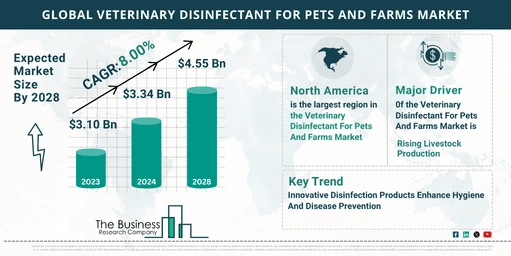
  • Global Veterinary Disinfectant Market Analysis: Estimated Market Size And Growth Rate

    Global Veterinary Disinfectant Market Analysis: Estimated Market Size And Growth Rate

    The Business Research Company’s global market reports are now updated with the latest market sizing information for the year 2024 and forecasted to 2033

    The veterinary disinfectant market for pets and farms has seen significant growth in recent years. With a rise from $3.10 billion in 2023 to $3.34 billion in 2024, the market is expanding at a compound annual growth rate (CAGR) of 7.7%. Here’s a closer look at what’s driving this growth and what trends are shaping the future of the market.

    Factors Driving Market Growth

    • Increased Awareness of Zoonotic Diseases: Growing concern over diseases that can transfer from animals to humans has led to a heightened focus on animal hygiene and health.
    • Rise in Pet Ownership: The global increase in pet ownership has boosted demand for veterinary disinfectants, particularly in residential settings.
    • Stricter Regulations: Governments worldwide are imposing stricter regulations for animal health and welfare, necessitating more frequent and thorough disinfection practices.
    • Expansion of Commercial Farming: A surge in commercial farming activities requires robust biosecurity measures to prevent disease outbreaks.
    • Advancements in Veterinary Medicine: Technological advancements in veterinary medicine have highlighted the importance of using effective disinfectants to ensure animal health.

    Future Market Projections

    The veterinary disinfectant market for pets and farms is projected to grow to $4.55 billion by 2028, with a CAGR of 8.0%. Several factors are expected to contribute to this continued growth:

    • Emerging Infectious Diseases: Ongoing concerns about emerging infectious diseases are driving the demand for more effective disinfectant solutions.
    • Pet Care Industry Expansion: The expanding pet care industry is increasing the need for high-quality disinfectants that cater to both household pets and commercial animal care settings.
    • Demand for Organic Disinfectants: Consumers are increasingly seeking organic and natural disinfectant solutions, leading to a rise in product innovation.
    • Adoption of Advanced Technologies: Modern farming practices are incorporating advanced technologies that require effective and specialized disinfection methods.
    • Emphasis on Biosecurity: There is a growing emphasis on biosecurity measures in both small-scale and industrial farming to prevent cross-contamination and ensure animal health.

    View More On The Veterinary Disinfectant Market Report 2024 – https://www.thebusinessresearchcompany.com/report/veterinary-disinfectant-for-pets-and-farms-global-market-report

    Major Trends in the Market

    • Eco-Friendly Solutions: A shift towards sustainable and eco-friendly disinfectant solutions is becoming more prominent as environmental awareness grows.
    • Antimicrobial Resistance Management: The integration of strategies to manage antimicrobial resistance is a significant trend, aiming to reduce the risk of resistant bacteria.
    • Innovative Application Methods: Companies are developing innovative methods for disinfectant application to improve ease of use and efficiency.
    • Long-Lasting Residual Efficacy: Products with longer-lasting effects are gaining traction, as they reduce the frequency of applications and enhance overall biosecurity.
    • Digital Monitoring Solutions: The adoption of digital solutions for monitoring disinfection processes is emerging, allowing for more precise and controlled application.

    Impact of Livestock Production on the Market

    • Rising Livestock Production: Increasing livestock production is expected to drive demand for veterinary disinfectants, particularly in regions with favorable government policies and subsidies.
    • Improving Animal Health: Veterinary disinfectants play a crucial role in enhancing animal health, ensuring biosecurity, and improving farm efficiency.
    • Case Study: In the UK, the value of beef and veal production increased by 12% in 2022, highlighting the correlation between livestock production and disinfectant market growth.

    Leading Companies in the Market

    • Notable Players: Major companies include Ecolab Inc., Lanxess AG, Zoetis Inc., Empresas CMPC S.A., and Clorox Healthcare, among others.
    • Innovative Products: For instance, Neogen Corporation launched Neogen Farm Fluid MA, a dual-action disinfectant designed to sanitize and protect farm environments effectively.

    Strategic Acquisitions and Market Expansion

    • Lanxess AG’s Acquisition of Theseo S.A.S.: In 2021, Lanxess AG acquired Theseo S.A.S. to enhance its portfolio in disinfection and hygiene solutions, further solidifying its position in the market.

    Market Segmentation

    • By Product: Includes iodine, lactic acid, hydrogen peroxide, phenolic acid, and more.
    • By Animal: Targets companion animals like cats and dogs, as well as livestock such as cattle and poultry.
    • By Form: Available in liquid, powder, and wipes.
    • By Application: Used for hand sanitization, surface disinfection, aerial disinfection, and more.
    • By End Use: Serves veterinary clinics, hospitals, animal care facilities, and other settings.

    Conclusion

    The veterinary disinfectant market for pets and farms is poised for substantial growth, driven by rising pet ownership, expanding farming activities, and a growing focus on animal health and biosecurity. As the industry continues to evolve, innovation and strategic expansions will play a pivotal role in shaping the future of the market.

    Request A Sample Of The Global Veterinary Disinfectant Market Report 2024:
    https://www.thebusinessresearchcompany.com/sample_request?id=16568&type=smp

  • Global Vein Illumination Devices Market Analysis: Estimated Market Size And Growth Rate

    Global Vein Illumination Devices Market Analysis: Estimated Market Size And Growth Rate

    The Business Research Company’s global market reports are now updated with the latest market sizing information for the year 2024 and forecasted to 2033

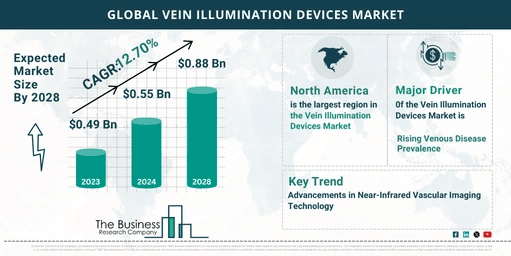
    The vein illumination devices market has seen significant growth in recent years, driven by various factors including increased healthcare expenditure and a rise in the prevalence of venous diseases. This market is projected to expand from $0.49 billion in 2023 to $0.55 billion in 2024, reflecting a compound annual growth rate (CAGR) of 12.5%. Here’s a closer look at the current trends and future outlook for this burgeoning market.

    Key Factors Driving Market Growth

    • Pandemic-Driven Demand: The COVID-19 pandemic significantly increased the demand for vein illumination devices due to the necessity for reliable venous access in patients, leading to rapid market growth.
    • Healthcare Awareness and Expenditure: There has been an increasing awareness among healthcare professionals about the benefits of vein illumination devices. Coupled with growing healthcare expenditure, this awareness has boosted the market’s growth.
    • Patient Education Initiatives: Initiatives aimed at educating patients about the benefits of vein illumination devices have further fueled market expansion.
    • Rise in Intravenous Drug Use: Both medical and illicit intravenous drug use have contributed to the increased demand for vein illumination devices, as these devices aid in safe and efficient venous access.

    View More On The Vein Illumination Devices Market Report 2024 –https://www.thebusinessresearchcompany.com/report/vein-illumination-devices-global-market-report

    Future Market Growth and Opportunities

    The vein illumination devices market is expected to continue its upward trajectory, growing to $0.88 billion by 2028 at a CAGR of 12.7%. Several factors will contribute to this growth:

    • Investment in Healthcare Infrastructure: Rising investment in healthcare infrastructure is expected to enhance the availability and use of vein illumination devices.
    • Improvement in Medical Staff Training: Better training and proficiency among medical staff in using these devices will lead to more widespread adoption.
    • Cost Efficiency: The cost efficiency of vein illumination devices makes them an attractive option for healthcare facilities looking to improve venous access procedures.
    • Remote and Home Healthcare Settings: There is an increasing demand for venipuncture assistance in remote and home healthcare settings, especially for patients requiring regular venous access.

    Major Trends Shaping the Future

    Several key trends are expected to shape the future of the vein illumination devices market:

    • Miniaturization and Wearable Devices: The development of smaller, wearable vein illumination devices is expected to drive market growth.
    • Wireless Connectivity: Incorporating wireless connectivity features will enhance the usability of these devices, making them more convenient for healthcare professionals.
    • Augmented Reality (AR) Solutions: The introduction of AR solutions will enable more precise venous access, further increasing the efficiency of vein illumination devices.
    • Hybrid Imaging Technologies: The development of hybrid imaging technologies will improve the versatility of these devices, making them useful for a wider range of applications.
    • Holographic Projection Technology: The use of holographic projection technology could revolutionize how vein illumination devices are used, offering clearer and more detailed imaging.

    Rising Prevalence of Venous Diseases

    The increasing prevalence of venous diseases, such as deep vein thrombosis and varicose veins, is expected to drive the demand for vein illumination devices:

    • Impact of Venous Diseases: Conditions like deep vein thrombosis and varicose veins impair blood flow in the veins, causing symptoms such as swelling, pain, and skin changes.
    • Role of Vein Illumination Devices: These devices assist in managing venous diseases by enhancing vein visibility, facilitating more accurate and safer procedures, and reducing complications.
    • Significant Increase in Cases: For instance, the Nuffield Trust reported a 21% increase in Venous Thromboembolism (VTE) cases between 2019-20 and 2020-21, highlighting the growing need for effective vein illumination solutions.

    Technological Advancements

    Leading companies in the vein illumination devices market are continuously innovating to improve the effectiveness of their products:

    • Near-Infrared Vascular Imaging: Companies are developing advanced near-infrared vascular imaging technologies to improve the accuracy and efficiency of medical procedures.
    • Christie Medical Holdings’ VeinViewer: In April 2022, Christie Medical Holdings launched the VeinViewer, an advanced imaging device that projects real-time HD images of veins onto the patient’s skin, enhancing the accuracy of medical procedures and improving patient outcomes.

    Market Segmentation

    The vein illumination devices market is segmented by product type, technology, application, and end-user:

    • Product Type: Table-top devices, hand-held devices.
    • Technology: Transillumination, near-infrared illumination, ultrasound technologies.
    • Application: Intravenous access, blood draw, venipuncture assistance, sclerotherapy, other applications.
    • End-User: Hospitals and clinics, rehabilitation facilities, blood donation camps, academic institutions, nursing homes, other end-users.

    Regional Insights

    • North America: North America was the largest region in the vein illumination devices market in 2023, driven by high healthcare expenditure and advanced medical infrastructure.
    • Asia-Pacific: Asia-Pacific is expected to be the fastest-growing region during the forecast period, fueled by increasing healthcare investments and growing awareness about vein illumination devices.

    Conclusion

    The vein illumination devices market is poised for significant growth in the coming years, driven by advancements in technology, rising healthcare expenditure, and an increasing prevalence of venous diseases. As healthcare systems continue to evolve and adapt, vein illumination devices will play a crucial role in improving patient outcomes and enhancing the efficiency of medical procedures.

    Request A Sample Of The Global Vein Illumination Devices Market Report 2024:
    https://www.thebusinessresearchcompany.com/sample_request?id=16567&type=smp

  • Global Reporter Gene Assay Market Report 2024 – Top Market Trends And Opportunities

    Global Reporter Gene Assay Market Report 2024 – Top Market Trends And Opportunities

    The Business Research Company’s market reports offer an in-depth analysis on the market’s growth potential, major drivers, key trends and more.

    The reporter gene assay market is experiencing robust growth, driven by increasing research and advancements in biotechnology. This blog delves into the factors fueling this growth and explores future trends shaping the market.

    Market Growth Overview

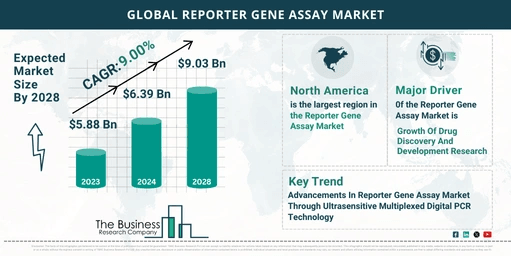
    • Current Market Size: The reporter gene assay market was valued at $5.88 billion in 2023.
    • Short-term Growth: Expected to grow to $6.39 billion in 2024, reflecting a compound annual growth rate (CAGR) of 8.7%.
    • Long-term Projection: Predicted to reach $9.03 billion by 2028, with a CAGR of 9.0%.

    Drivers of Growth

    Historical Growth Factors:

    • Increased Demand for Cell-Based Assays: Rising use of cell-based assays for various applications.
    • Rise in Genomics Research: Growing focus on genomics has driven the need for reporter gene assays.
    • Drug Discovery and Development: Enhanced research in drug development is a significant growth driver.
    • Personalized Treatment: The shift towards personalized medicine fuels demand.
    • Early Diagnosis: Emphasis on early disease detection supports market growth.

    Read More On The Reporter Gene Assay Market Report 2024 – https://www.thebusinessresearchcompany.com/report/reporter-gene-assay-global-market-report

    Future Growth Drivers:

    • Chronic Genetic Disorders: Growing prevalence of genetic disorders boosts market demand.
    • Personalized Medicine: Continued expansion in personalized medicine increases the need for advanced assays.
    • Molecular Imaging Systems: Rising use of molecular imaging contributes to market expansion.
    • Gene Therapy: Expansion in gene therapy portfolios drives demand.
    • Government Initiatives: Supportive policies and funding enhance market growth.

    Impact of Drug Discovery and Development Research

    • Role of Research: Drug discovery and development are critical in expanding the reporter gene assay market. These assays help in understanding gene regulation, identifying drug targets, and evaluating drug efficacy.
    • Technological Advances: Progress in proteomics, high-throughput screening, and genomics contributes to increased research activities.
    • Investment in R&D: For example, the UK government increased its R&D expenditure by 10.5% in 2022, highlighting the growing investment in research.

    Innovations and Technological Advancements

    Ultrasensitive Multiplexed Digital PCR Technology:

    • New Developments: Companies like Bio-Rad Laboratories Inc. are advancing with products like the ddPLEX ESR1 Mutation Detection Kit.
    • Benefits: This technology offers high sensitivity and multiplexing capabilities, allowing for precise detection of genetic mutations and simplifying testing processes.

    Qiagen’s Strategic Move:

    • Acquisition of Verogen: In January 2023, Qiagen acquired Verogen Inc. to enhance its forensic genomics capabilities.
    • Impact: This acquisition strengthens Qiagen’s position in forensic applications and expands its portfolio of reporter gene assays.

    Market Segmentation

    • By Product:
      • Assay Kits
      • Reagents
    • By Application:
      • Promoter Structural and Functional Analysis
      • Cell Signaling Pathways
      • Protein Interaction
      • Clinical and Gene Regulation
    • By End-User:
      • Biotechnology and Pharmaceutical Companies
      • Research and Academic Institutes
      • Hospital and Diagnostic Laboratories
      • Contract Research Organizations

    Regional Insights

    • North America: The largest market region in 2023, driven by high research activities and technological advancements.
    • Asia-Pacific: Expected to be the fastest-growing region, fueled by increasing investments in healthcare and biotechnology.

    Conclusion

    The reporter gene assay market is on a strong growth trajectory, supported by advancements in research and technology. With increasing investments in drug discovery, the rise of personalized medicine, and innovations in assay technologies, the market is set to experience significant expansion in the coming years. Keeping an eye on these trends will be crucial for stakeholders looking to navigate and capitalize on the opportunities within this dynamic market.

    Request for A Sample Of The Global Reporter Gene Assay Market Report:
    https://www.thebusinessresearchcompany.com/sample_request?id=16526&type=smp

  • Growth Trajectory Of The Tobramycin Eye Drop Market 2024-2033

    Growth Trajectory Of The Tobramycin Eye Drop Market 2024-2033

    The Business Research Company’s global market reports are now updated with the latest market sizing information for the year 2024 and forecasted to 2033

    Rapid Market Expansion

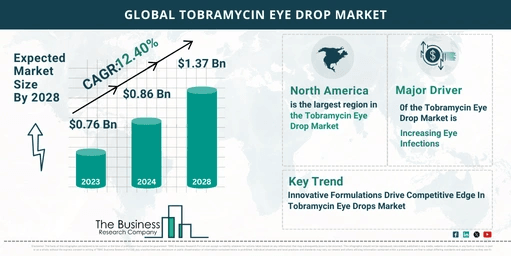
    • Market Size Growth: The tobramycin eye drop drops market has seen significant expansion, growing from $0.76 billion in 2023 to $0.86 billion in 2024.
    • Impressive CAGR: The market is set to grow at a compound annual growth rate (CAGR) of 12.3%, reflecting strong demand and market confidence.

    Drivers of Growth

    • Clinical Approvals: Increased approvals for tobramycin eye drop drops to treat bacterial eye infections have bolstered market growth.
    • Positive Clinical Trials: Favorable results from clinical trials have led to widespread adoption by healthcare practitioners and ophthalmologists.
    • Rising Eye Infections: The growing prevalence of eye infections, fueled by urbanization, pollution, and increased screen time, has driven demand.
    • Contact Lens Usage: With more people using contact lenses, the need for effective eye infection treatments has risen, supporting market growth.

    Future Market Projections

    • Continued Expansion: The market is expected to reach $1.37 billion by 2028, with a continued CAGR of 12.4%.
    • Emerging Economies: The expansion into emerging markets with improving healthcare infrastructure will drive further growth.
    • Regulatory Impact: New regulations and guidelines are likely to influence manufacturing practices, potentially spurring innovation.
    • R&D Focus: Ongoing research and development efforts are enhancing the formulation, potency, and safety of tobramycin-based products.

    View More On The Tobramycin Eye Drop Market Report 2024 – https://www.thebusinessresearchcompany.com/report/tobramycin-eye-drop-global-market-report

    Key Market Trends

    • Telemedicine Adoption: The growing adoption of telemedicine and remote consultation services is making it easier for patients to access tobramycin eye drop drops.
    • Eco-Friendly Practices: The pharmaceutical industry is increasingly focusing on eco-friendly packaging and manufacturing processes, influencing product choices.
    • Combination Therapies: The development of combination therapies, such as tobramycin with other antimicrobial agents or anti-inflammatory drugs, is a major trend.
    • Strategic Partnerships: Pharmaceutical companies are forming strategic partnerships to strengthen their market positions.

    Eye Infections Fueling Market Demand

    • Rising Prevalence: Eye infections are becoming more common due to increased pollution, urbanization, and screen time.
    • Effectiveness of Tobramycin: Tobramycin eye drops effectively treat bacterial eye infections by inhibiting bacterial protein synthesis.
    • Projected Increase in Eye Conditions: The number of visually impaired Americans is expected to double by 2030, highlighting the growing need for effective eye treatments.

    Competitive Landscape: Innovation and Strategic Moves

    • Technological Innovations: Leading companies are focusing on advanced formulation techniques to improve drug delivery and efficacy.
    • Example of Innovation: In October 2023, Harrow Health Inc. launched TOBRADEX ST, a combination of tobramycin and dexamethasone, offering improved therapeutic outcomes.
    • Strategic Acquisitions: In July 2023, Harrow Health Inc. acquired commercial rights to several ophthalmic products from Santen Pharmaceutical, strengthening its position in the U.S. market.

    Regional Insights

    • North America Leadership: North America was the largest region in the tobramycin eye drop drops market in 2023, driven by high demand and established healthcare infrastructure.
    • Asia-Pacific Growth: Asia-Pacific is expected to be the fastest-growing region during the forecast period, reflecting increasing healthcare investments and awareness.

    Conclusion

    The tobramycin eye drop drops market is on a robust growth trajectory, driven by rising eye infections, technological innovations, and strategic expansions into emerging markets. With continued advancements in drug formulations and a growing emphasis on eco-friendly practices, the market is set to achieve remarkable milestones in the coming years.

    Request A Sample Of The Global Tobramycin Eye Drop Market Report 2024:
    https://www.thebusinessresearchcompany.com/sample_request?id=16556&type=smp

  • Vancomycin Global Market Outlook 2024-2033: Size And Growth Rate Analysis

    Vancomycin Global Market Outlook 2024-2033: Size And Growth Rate Analysis

    The Business Research Company’s global market reports provide comprehensive analysis on the various markets in 27 industries across 60 geographies.

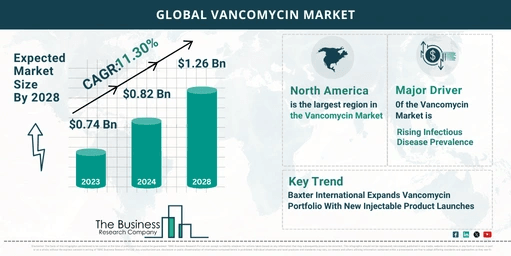
    The vancomycin market has experienced significant growth in recent years, with projections showing continued expansion. From 2023 to 2024, the market size is expected to rise from $0.74 billion to $0.82 billion, marking a compound annual growth rate (CAGR) of 11.0%. By 2028, the market is forecasted to reach $1.26 billion with a CAGR of 11.3%. This blog explores the factors driving this growth, key market trends, and recent developments in the vancomycin market.

    Factors Driving Market Growth

    • Rising Detection and Prevention of Infectious Diseases
      • Increased efforts in detecting and preventing infectious diseases have fueled the demand for vancomycin.
      • Government-funded programs for disease surveillance have further supported market expansion.
    • Increased Global Travel and Trade
      • The globalization of travel and trade has heightened the spread of infectious diseases, leading to a higher demand for effective treatments like vancomycin.
    • Growing Use in Hospital Settings
      • Hospitals are increasingly using vancomycin to treat severe bacterial infections, particularly those resistant to other antibiotics.
    • Higher Healthcare Spending
      • Enhanced healthcare expenditure worldwide has allowed for better access to essential drugs, including vancomycin.

    View More On The Vancomycin Market Report 2024 –https://www.thebusinessresearchcompany.com/report/vancomycin-global-market-report

    Future Market Trends

    • Emergence of Novel Pathogens
      • The rise of new pathogens is expected to increase the demand for vancomycin and other antibiotics.
    • Miniaturization and Portability of Diagnostic Devices
      • Advances in diagnostic technologies, such as portable devices, will enhance the rapid detection of infections, further driving market growth.
    • Adoption of Multiplex Assays
      • Multiplex assays capable of detecting multiple pathogens simultaneously are becoming more popular, improving early detection and treatment.
    • Integration of AI and Machine Learning
      • The use of AI and machine learning in diagnostic platforms will likely revolutionize the vancomycin market by enabling more accurate and efficient detection of infections.

    Impact of Rising Infectious Disease Prevalence

    • Infectious Disease Prevalence
      • The increasing prevalence of infectious diseases, including those caused by resistant bacteria, is a significant factor propelling the vancomycin market.
    • Global Statistics
      • The global number of people with HIV exceeded 39 million in 2023, up from 37.7 million in 2020, showcasing the growing need for effective treatments.
    • Tuberculosis in the U.S.
      • TB cases in the U.S. rose by 5.9% from 2021 to 2022, further emphasizing the demand for antibiotics like vancomycin.

    Key Players and Recent Developments

    • Major Companies in the Market
      • Pfizer Inc., F. Hoffmann-La Roche Ltd., and Thermo Fisher Scientific Inc. are some of the key players in the vancomycin market.
      • These companies are focused on innovative product development to maintain their market positions.
    • Baxter International’s New Launches
      • In April 2024, Baxter International Inc. launched five new injectable products in the U.S. to expand its pharmaceutical portfolio, reflecting a commitment to improving patient outcomes.
    • Fairlong Capital’s Strategic Acquisition
      • In January 2023, Fairlong Capital LLC acquired DoseMeRx, aiming to enhance its healthcare technology offerings and support personalized dosing for high-risk medications like vancomycin.

    Market Segmentation and Regional Insights

    • Product Segmentation
      • The vancomycin market is segmented by type into injectable solutions and powder for injection.
      • Route of administration includes intravenous and oral methods, while application areas cover sepsis, lung infection, skin and soft tissue infection, and colitis.
    • Regional Insights
      • North America was the largest region in the vancomycin market in 2023, driven by high healthcare spending and advanced medical infrastructure.

    Conclusion

    The vancomycin market is poised for significant growth, driven by rising infectious disease prevalence, technological advancements, and strategic initiatives by key players. With an expected CAGR of 11.3% from 2024 to 2028, the market is set to reach $1.26 billion, underscoring the critical role vancomycin will continue to play in combating severe bacterial infections.

    Request A Sample Of The Global Vancomycin Market Report 2024:
    https://www.thebusinessresearchcompany.com/sample_request?id=16563&type=smp

  • Understand How The Ureteroscope Market Is Poised To Grow Through 2024-2033

    Understand How The Ureteroscope Market Is Poised To Grow Through 2024-2033

    The Business Research Company’s global market reports are now updated with the latest market sizing information for the year 2024 and forecasted to 2033

    Overview of the Ureteroscope Market

    • The ureteroscope market has seen robust growth in recent years.
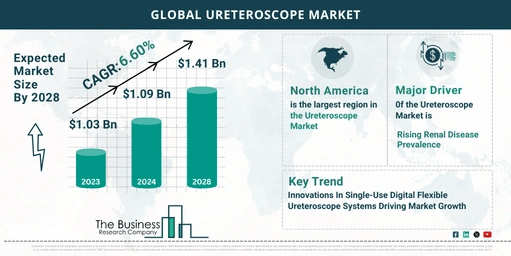
    • Market size increased from $1.03 billion in 2023 to $1.09 billion in 2024, reflecting a compound annual growth rate (CAGR) of 6.4%.
    • Growth driven by the rise in kidney stone cases, demand for minimally invasive procedures, and growing awareness about early detection.

    Drivers of Growth: A Closer Look

    • Increased Prevalence of Kidney Stones: Rising cases of kidney stones have driven the need for ureteroscopes in diagnosis and treatment.
    • Rising Healthcare Expenditures: More investment in healthcare, particularly in renal care, has supported market expansion.
    • Growing Geriatric Population: The aging population is more prone to renal issues, increasing demand for ureteroscopes.
    • Awareness and Early Detection: Enhanced public awareness and the push for early diagnosis have led to greater utilization of ureteroscopes.

    View More On The Ureteroscope Market Report 2024 – https://www.thebusinessresearchcompany.com/report/ureteroscope-global-market-report

    Projected Market Expansion

    • The market is projected to grow to $1.41 billion by 2028, with a CAGR of 6.6%.
    • Growth will be driven by increasing incidences of kidney-related diseases and higher disposable incomes.
    • Outpatient Procedures: A shift towards outpatient procedures is anticipated to further boost the market.
    • R&D Innovations: Continued research and development will lead to innovative ureteroscope technologies, fueling future growth.

    Trends Shaping the Future of Ureteroscopes

    • Digital Imaging Adoption: Enhanced imaging capabilities are becoming a standard in ureteroscopy.
    • Miniaturization: Smaller, more flexible devices are improving procedure efficiency and patient outcomes.
    • Disposable Ureteroscopes: Single-use devices are gaining popularity due to their ability to reduce infection risks.
    • Robotic-Assisted Ureteroscopy: The integration of robotics is revolutionizing the precision and effectiveness of procedures.
    • AI Integration: Artificial intelligence is being used to enhance diagnostic accuracy and decision-making during procedures.

    Impact of Renal Disease on Market Growth

    • Rising Renal Disease Prevalence: Increasing cases of kidney diseases are expected to drive ureteroscope demand.
    • Minimally Invasive Solutions: Ureteroscopes provide minimally invasive options for treating conditions like kidney stones and tumors, contributing to their market growth.

    Key Players and Innovations

    • Major companies include Siemens Healthineers AG, Becton, Dickinson and Company, Stryker Healthcare, and Boston Scientific Corporation.
    • Single-Use Digital Flexible Ureteroscopes: Innovations like Boston Scientific’s LithoVue Elite System, approved in February 2023, are pushing the market forward by offering advanced imaging and pressure monitoring capabilities.

    Strategic Acquisitions

    • Boston Scientific Acquires Lumenis Ltd.: In March 2021, Boston Scientific’s acquisition of Lumenis Ltd. marked a strategic move to strengthen its position in the surgical market, especially in urology.

    Market Segmentation

    • Product Types: Digital Ureteroscopes, Flexible Ureteroscopes, Rigid Ureteroscopes, Semi-Rigid Ureteroscopes, Fiberoptic Ureteroscopes.
    • Applications: Urinary Stricture, Urolithiasis, Kidney Cancer, Diagnostics.
    • End-Users: Ambulatory Surgical Centers, Specialty Clinics, Hospitals, Urology Clinics, Diagnostic Centers, Endoscopic Clinics.

    Regional Insights

    • North America: The largest market for ureteroscopes in 2023, driven by advanced healthcare infrastructure and high adoption of new technologies.
    • Asia-Pacific: Expected to be the fastest-growing region due to increasing healthcare access and rising awareness of renal health.

    The ureteroscope market is set for significant growth, fueled by innovations in medical technology and rising demand for effective renal treatments. With advancements in digital imaging, disposable devices, and robotic assistance, the future of ureteroscopy looks promising, offering enhanced patient outcomes and driving the market forward.

    Request A Sample Of The Global Ureteroscope Market Report 2024:
    https://www.thebusinessresearchcompany.com/sample_request?id=16562&type=smp

  • Future Growth Forecast For The Disposable Hospital Gowns Global Market 2024-2033

    Future Growth Forecast For The Disposable Hospital Gowns Global Market 2024-2033

    The Business Research Company’s global market reports provide comprehensive analysis on the various markets in 27 industries across 60 geographies.

    Overview of Market Growth

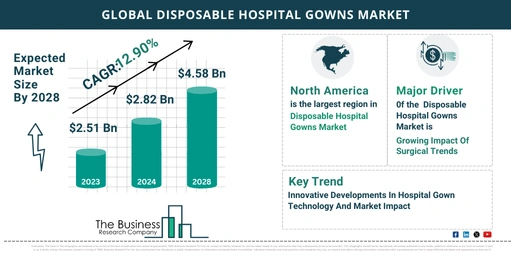
    The disposable hospital gowns market has experienced rapid growth recently. In 2023, the market was valued at $2.51 billion and is projected to increase to $2.82 billion in 2024. This represents a compound annual growth rate (CAGR) of 12.6%. The primary drivers behind this surge include:

    • Rising Geriatric Population: An increase in the aging population has led to higher healthcare needs.
    • Expansion of Healthcare Facilities: More hospitals and clinics contribute to greater demand for disposable gowns.
    • Increasing Hospital Admissions: A higher number of patients necessitates more gowns.
    • Growth in Medical Tourism: Increased cross-border healthcare services drive gown usage.
    • International Trade: Global availability and trade of gowns support market expansion.

    Forecasted Market Expansion

    Looking ahead, the disposable hospital gowns market is expected to grow significantly. By 2028, the market is anticipated to reach $4.58 billion, reflecting a CAGR of 12.9%. Factors contributing to this projected growth include:

    • Increase in Surgical Procedures: More surgeries increase the need for disposable gowns.
    • Hospital-Acquired Infections: Growing awareness of infection control drives demand.
    • Epidemics and Pandemics: Outbreaks heighten the need for hygiene and sanitation.
    • Patient Safety and Hygiene Standards: Enhanced focus on these aspects boosts gown usage.
    • Hospital Sanitation: A greater emphasis on cleanliness in healthcare facilities supports market growth.

    View More On The Disposable Hospital Gowns Market Report 2024 – https://www.thebusinessresearchcompany.com/report/disposable-hospital-gowns-global-market-report

    Emerging Trends and Innovations

    The disposable hospital gowns market is seeing several key trends and innovations:

    • Antimicrobial Properties: Incorporation of antimicrobial agents into gowns for enhanced protection.
    • Smart Hospital Gowns: Integration of technology to monitor and track patient conditions.
    • Sustainability Focus: Efforts to develop eco-friendly and recyclable gown materials.
    • Advancements in Fabric Materials: Use of advanced materials for improved comfort and protection.
    • Nanotechnology Integration: Application of nanotech for enhanced gown performance and safety.

    Impact of Surgical Trends

    The rise in surgical procedures is a significant driver for the disposable hospital gowns market. Key factors include:

    • Aging Population: Increased surgeries due to age-related conditions.
    • Laparoscopic Techniques: More surgeries performed using minimally invasive methods.
    • Joint Replacements: Higher frequency of joint replacement surgeries.

    For instance, a report by the Aesthetic Society highlighted a 54% increase in surgical procedures in 2021, further underscoring the growing need for disposable gowns.

    Major Market Players

    Several prominent companies are leading the disposable hospital gowns market:

    • Cardinal Health Inc.
    • The 3M Company
    • Medline Industries Inc.
    • Kimberly-Clark Corporation
    • Stryker Corporation
    • Aramark Corporation
    • Owens & Minor Inc.
    • Hill-Rom Holdings Inc.

    Noteworthy Acquisition

    In April 2024, Medline Industries Inc. acquired Ecolab Inc.’s global surgical solutions business. This acquisition is expected to enhance Medline’s innovation and service capabilities, strengthening its position in the market.

    Market Segmentation

    The disposable hospital gowns market is segmented into various categories:

    • By Product: Surgical, Non-Surgical, Patient, Other Products
    • By Usability: Low-Type, Average-Type, Premium-Type
    • By Risk Type: Low, Moderate, High
    • By End-User: Hospitals and Clinics, Ambulatory Surgical Centers, Diagnostic Centers, Other End Users

    Regional Insights

    In 2023, North America was the largest market for disposable hospital gowns. However, Asia-Pacific is expected to be the fastest-growing region in the coming years, driven by increasing healthcare investments and a rising population.

    Conclusion

    The disposable hospital gowns market is on a robust growth trajectory, fueled by a range of factors including increased surgical procedures, heightened infection control measures, and innovative trends. As the market continues to evolve, key players and emerging technologies will shape its future landscape.

    Request A Sample Of The Global Disposable Hospital Gowns Market Report 2024:
    https://www.thebusinessresearchcompany.com/sample_request?id=16662&type=smp

  • Key Insights On The Chronic Spontaneous Urticaria Market 2024 – Size, Driver, And Major Players

    Key Insights On The Chronic Spontaneous Urticaria Market 2024 – Size, Driver, And Major Players

    The Business Research Company’s global market reports are now updated with the latest market sizing information for the year 2024 and forecasted to 2033

    As per The Business Research Company’s Chronic Spontaneous Urticaria Global Market Report 2023, the chronic spontaneous urticaria market is expected to show significant growth in the forecast period.

    Recent Market Growth and Projections

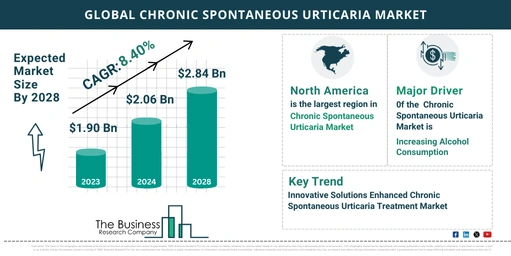
    • Current Market Size: The chronic spontaneous urticaria (CSU) market has experienced significant growth in recent years. In 2023, the market size reached $1.90 billion.
    • Short-Term Forecast: Expected to grow to $2.06 billion in 2024, reflecting a compound annual growth rate (CAGR) of 8.3%.
    • Long-Term Outlook: By 2028, the market is projected to reach $2.84 billion, with a CAGR of 8.4%.

    Factors Driving Growth:

    • Improved Diagnostics: Advances in diagnostic tools.
    • Awareness: Increased awareness among healthcare providers and patient advocacy groups.
    • Healthcare Investment: Rising healthcare expenditure and ongoing clinical trials.

    View More On The Chronic Spontaneous Urticaria Market Report 2024 – https://www.thebusinessresearchcompany.com/report/chronic-spontaneous-urticaria-global-market-report

    Key Growth Drivers

    • Increased Diagnoses: More cases of chronic spontaneous urticaria are being identified.
    • Healthcare Infrastructure: Development of healthcare facilities and patient-centric care models.
    • Regulatory Environment: Favorable policies and regulations facilitating market growth.
    • Economic Factors: Economic growth in emerging markets.

    Major Trends:

    • Technological Innovations: Advances in biological therapies and personalized medicine.
    • Digital Health: Growth in telemedicine and digital health solutions.
    • AI and Machine Learning: Enhanced diagnostic capabilities and drug development.

    Impact of Alcohol Consumption

    • Exacerbation of Symptoms: Rising alcohol consumption can worsen CSU symptoms, leading to increased market growth.
    • Statistics: In the UK, 55% of men and 41% of women reported weekly alcohol consumption. Increased alcohol use contributes to a higher incidence of CSU.
    • Hospital Admissions: Over 342,000 hospital admissions related to alcohol between 2021 and 2022 highlight the link between alcohol consumption and health conditions like CSU.

    Major Market Players

    • Key Companies: Notable players in the CSU market include:
      • F. Hoffmann-La Roche Ltd.
      • Merck & Co. Inc.
      • AbbVie Inc.
      • Bayer AG
      • Sanofi SA
      • AstraZeneca plc
      • Novartis AG
      • GlaxoSmithKline plc
      • Eli Lilly and Company
      • Amgen Inc.
    • Recent Developments: In March 2022, Novan Inc. acquired EPI Health LLC, enhancing its commercial capabilities and preparing for potential FDA approval of new treatments.

    Market Segmentation

    1. By Treatment: Medication, Phototherapy, Other Treatments.
    2. By Route of Administration: Oral, Topical, Parenteral, Other Routes.
    3. By Diagnosis: Physical Examination, Blood Test, Allergy Test, Other Diagnosis.
    4. By End-Users: Hospitals, Specialty Clinics, Homecare, Other End-Users.

    Regional Insights

    • North America: Dominated the CSU market in 2023, reflecting its advanced healthcare infrastructure and high awareness levels.

    The chronic spontaneous urticaria market is poised for robust growth, driven by advancements in healthcare and an increasing patient population. The interplay between lifestyle factors, such as alcohol consumption, and market dynamics will continue to shape the future landscape of this sector.

    Request A Sample Of The Global Chronic Spontaneous Urticaria Market Report 2024:

    https://www.thebusinessresearchcompany.com/sample_request?id=16651&type=smp

  • Chemiluminescence Immunoassay Analyzer Market Report 2024: Market Size, Drivers, And Trends

    Chemiluminescence Immunoassay Analyzer Market Report 2024: Market Size, Drivers, And Trends

    The Business Research Company’s global market reports are now updated with the latest market sizing information for the year 2024 and forecasted to 2033

    Strong Market Growth

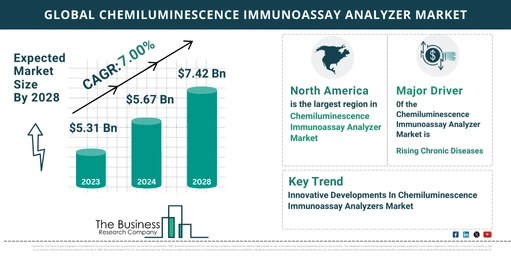
    • Recent Expansion: The chemiluminescence immunoassay analyzers market has experienced robust growth, increasing from $5.31 billion in 2023 to $5.67 billion in 2024 at a CAGR of 6.8%.
    • Contributing Factors: This growth is driven by ethical considerations, regulatory frameworks, risk management strategies in healthcare, a shift towards patient-centered care, and the integration of multiple diagnostic functionalities.
    • Early Detection: A growing emphasis on early disease detection has further propelled the demand for these advanced diagnostic tools.

    Future Market Projections

    • Projected Growth: The market is expected to continue its upward trajectory, reaching $7.42 billion by 2028 at a CAGR of 7.0%.
    • Driving Factors: Key factors include the demand for rapid and accurate results at the point of care, increasing global healthcare spending, personalized treatment approaches, demographic trends towards aging populations, and enhanced access to healthcare services.
    • Emerging Trends: Innovations such as sustainable analyzer technologies, IT and data management integration, government initiatives to improve healthcare infrastructure, and continuous improvements in detection sensitivity and automation are expected to shape the market’s future.

    View More On The Chemiluminescence Immunoassay Analyzer Market Report 2024 – https://www.thebusinessresearchcompany.com/report/chemiluminescence-immunoassay-analyzer-global-market-report

    Rising Chronic Diseases Fuel Market Growth

    • Increasing Prevalence: The growing prevalence of chronic diseases, driven by aging populations, unhealthy lifestyles, and advancements in medical care, is a significant driver of market growth.
    • Role of Analyzers: Chemiluminescence immunoassay analyzers play a critical role in chronic disease management by providing precise and sensitive detection of biomarkers, aiding in accurate diagnosis and treatment monitoring.
    • Case in Point: In the United States, the American College of Cardiology predicts a significant increase in major cardiovascular risk factors by 2060, including a 39.3% rise in diabetes, a 27.6% increase in dyslipidemia, a 25.1% growth in hypertension, and an 18.3% rise in obesity. This surge underscores the importance of advanced diagnostic tools in managing chronic conditions.

    Key Industry Players and Strategic Acquisitions

    • Major Companies: Leading companies in the chemiluminescence immunoassay analyzer market include F. Hoffmann-La Roche AG, Abbott Laboratories Inc., Siemens Healthineers AG, Wiener Lab Group, PerkinElmer Inc., and many others.
    • Strategic Acquisition: In July 2021, PerkinElmer Inc. acquired Immunodiagnostic Systems Holdings (IDS) for $155 million, enhancing its capabilities in chemiluminescence products related to endocrinology, autoimmunity, and infectious diseases. This acquisition highlights the strategic moves by industry players to strengthen their market position.

    Market Segmentation

    • Product Segmentation: The market is segmented by product into fully automated and semi-automated chemiluminescence immunoassay analyzers.
    • Technology Segmentation: Technologies include sequential injection, random access, and batch analyzers.
    • Application Segmentation: Applications span across oncology and endocrinology, hepatitis and retroviruses, cardiac markers, infectious diseases, bone and mineral disorders, autoimmune diseases, allergy testing, gastrointestinal stool testing, and drug discovery and development.
    • End Users: Key end users include hospitals and clinics, medical and diagnostic laboratories, and pharmaceutical companies.

    Regional Insights

    • North America: In 2023, North America was the largest region in the chemiluminescence immunoassay analyzers market, reflecting the region’s advanced healthcare infrastructure and high adoption of diagnostic technologies.
    • Asia-Pacific: Asia-Pacific is anticipated to be the fastest-growing region during the forecast period, driven by increasing healthcare investments, growing awareness of early disease detection, and the expansion of healthcare services in emerging economies.

    Conclusion

    The chemiluminescence immunoassay analyzers market is on a strong growth trajectory, fueled by advancements in healthcare technology, increasing prevalence of chronic diseases, and strategic industry moves. As the market evolves, innovations in sustainability, automation, and personalized medicine will continue to shape its future, offering new opportunities for growth and improved healthcare outcomes.

    Request A Sample Of The Global Chemiluminescence Immunoassay Analyzer Market Report 2024:
    https://www.thebusinessresearchcompany.com/sample_request?id=16649&type=smp