Blog

  • Growth Trajectory Of The Atrial Septal Defect Market 2024-2033

    Growth Trajectory Of The Atrial Septal Defect Market 2024-2033

    The Business Research Company’s global market reports are now updated with the latest market sizing information for the year 2024 and forecasted to 2033

    Market Overview and Growth Trajectory

    The atrial septal defect (ASD) market has seen robust growth in recent years and is expected to continue expanding.

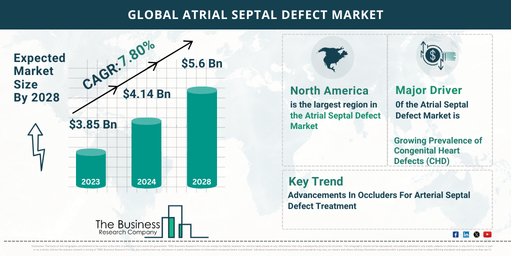
    • Market Size: The market grew from $3.85 billion in 2023 to $4.14 billion in 2024, reflecting a compound annual growth rate (CAGR) of 7.7%.
    • Growth Drivers: Increased awareness of congenital heart defects (CHD), higher rates of pediatric surgeries, and the approval of new ASD closure devices have all contributed to this growth.
    • Future Projections: The market is expected to reach $5.6 billion by 2028, with a CAGR of 7.8%, driven by advances in personalized medicine and telemedicine.

    Key Factors Fueling Market Growth

    Several factors are propelling the ASD market forward, both historically and in the forecast period.

    • Rising CHD Cases: A significant increase in congenital heart defect cases has boosted demand for ASD treatments.
    • Research and Development: Increased funding for R&D has led to the development of new ASD therapies and devices.
    • Healthcare Expansion: The global expansion of healthcare facilities and services has improved access to ASD treatments.

    View More On The Atrial Septal Defect Market Report 2024 – https://www.thebusinessresearchcompany.com/report/atrial-septal-defect-global-market-report

    Technological and Therapeutic Innovations

    Technological advancements and the introduction of new treatment methods are key trends in the ASD market.

    • Minimally Invasive Devices: The development of less invasive ASD closure devices is improving patient outcomes and reducing recovery times.
    • AI and Machine Learning: These technologies are enhancing diagnosis accuracy and enabling personalized treatment plans.
    • Biodegradable Materials: New materials for device manufacturing are making treatments safer and more effective.

    Telemedicine and Personalized Treatment Plans

    The integration of telemedicine and personalized treatment plans is expected to significantly impact the ASD market.

    • Telemedicine: Increased use of telemedicine for pre- and post-operative care is improving patient access and convenience.
    • Personalized Medicine: Advances in genetic and phenotypic data analysis are enabling more tailored and effective treatment plans.

    Regulatory Approvals and Global Market Penetration

    Regulatory approvals and the international harmonization of medical device regulations are crucial to the global expansion of the ASD market.

    • Device Approvals: Companies are securing approvals for advanced ASD closure devices, increasing their availability worldwide.
    • Global Harmonization: The alignment of medical device regulations across countries is facilitating the global penetration of new ASD treatments.

    Key Market Players and Recent Developments

    Major companies in the ASD market are driving innovation and expanding their product portfolios.

    • Abbott Laboratories, Medtronic, and Boston Scientific: These companies are at the forefront of ASD treatment development.
    • Occlutech GmbH: In March 2024, Occlutech received FDA approval for its ASD Occluder and Pistol Pusher, marking a significant milestone in ASD treatment.
    • Boston Scientific’s Acquisition of Baylis Medical: In 2022, Boston Scientific expanded its product portfolio by acquiring Baylis Medical, further strengthening its position in the ASD market.

    Market Segmentation and Regional Insights

    The ASD market is segmented based on treatment procedures, diagnosis methods, product types, age groups, and end-users.

    • Treatment Procedures: Surgical closure, transcatheter closure, hybrid procedures, and medication therapy are the primary treatment options.
    • Diagnosis Methods: Chest X-rays, electrocardiograms, cardiac catheterization, and other diagnostic tools are used to detect ASD.
    • End-User Segments: Hospitals, ambulatory surgical centers, and cardiac clinics are the main end-users of ASD treatments.
    • Regional Insights: North America was the largest market in 2023, while the Asia-Pacific region is expected to grow the fastest during the forecast period.

    Conclusion

    The atrial septal defect market is poised for continued growth, driven by technological advancements, increasing global healthcare access, and rising awareness of congenital heart defects. As major players continue to innovate and expand their product offerings, the market will likely see significant developments in the coming years.

    Request A Sample Of The Global Atrial Septal Defect Market Report 2024:
    https://www.thebusinessresearchcompany.com/sample_request?id=16345&type=smp
  • Avian Flu Treatment Market Growth Analysis Till 2033 By The Business Research Company

    Avian Flu Treatment Market Growth Analysis Till 2033 By The Business Research Company

    The Business Research Company’s market reports offer an in-depth analysis on the market’s growth potential, major drivers, key trends and more.

    The avian flu treatment market has witnessed significant growth in recent years, driven by the increasing demand for treatment options, government initiatives, and advancements in healthcare infrastructure. The market size is expected to continue its upward trajectory, with promising trends and developments on the horizon.

    Market Growth Overview

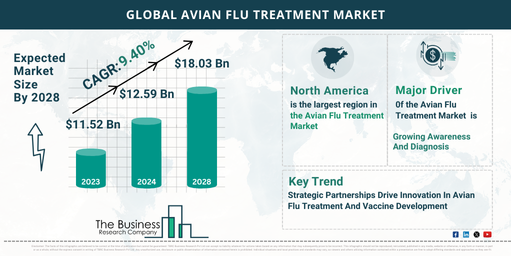
    • Strong Historic Growth: The avian flu treatment market experienced robust growth from $11.52 billion in 2023 to $12.59 billion in 2024, with a compound annual growth rate (CAGR) of 9.3%. This growth was fueled by increased demand for treatment, preventive measures, and investment in healthcare infrastructure.
    • Future Projections: The market is expected to grow to $18.03 billion by 2028, maintaining a CAGR of 9.4%. Factors such as growing awareness, government initiatives, and extensive research and development efforts are expected to drive this growth.

    Key Drivers of Market Growth

    • Growing Awareness and Diagnosis: The increasing awareness of avian flu and early diagnosis are critical for effective treatment and prevention of the disease. Public health concerns, the need to prevent pandemics, and the protection of poultry populations are key factors driving demand for avian flu treatment. For instance, the World Health Organization reported in 2024 that over 8,000 people in the US were under active surveillance for exposure to the H5N1 virus.
    • Government Initiatives and R&D Investments: Governments are investing heavily in pandemic preparedness, which includes research and development of new treatments for avian flu. These initiatives aim to enhance the availability and effectiveness of treatment options, contributing to market growth.

    Read More On The Avian Flu Treatment Market Report 2024 – https://www.thebusinessresearchcompany.com/report/avian-flu-treatment-global-market-report

    Strategic Partnerships and Innovations

    • Partnerships in Vaccine Development: Major companies in the avian flu treatment market are forming strategic partnerships to accelerate the development of new vaccines and treatments. In April 2024, CureVac N.V. and GSK plc partnered to develop an investigational influenza A (H5N1) pre-pandemic vaccine candidate, utilizing CureVac’s second-generation mRNA technology. This collaboration highlights the focus on innovation and preparedness for potential future pandemics.
    • Acquisition of Vaccine Technology: In December 2022, Hester Biosciences Ltd. acquired technology from the Indian Council of Agricultural Research and the National Institute of High-Security Animal Diseases (ICAR-NIHSAD) to develop an inactivated H9N2 avian influenza vaccine for poultry. This acquisition aims to mitigate the economic losses faced by Indian poultry farmers due to periodic outbreaks.

    Market Segmentation and Regional Insights

    • Product Segmentation: The avian flu treatment market is segmented by type into antibiotics, vaccines, antiviral agents, and immunoglobulins. The distribution channels include online and offline pharmacies, while the end users are hospitals, institutional health centers, and clinics.
    • Regional Analysis: North America was the largest region in the avian flu treatment market in 2023, driven by strong healthcare infrastructure and government support. However, Asia-Pacific is expected to be the fastest-growing region, with increasing investments in healthcare and rising awareness about avian flu treatment.

    Emerging Trends and Opportunities

    • Innovation and Technology: The forecast period is expected to see the development of novel therapeutic approaches, future innovations, and the implementation of telemedicine and remote consultations. These advancements will provide new opportunities for market players and enhance the accessibility and effectiveness of avian flu treatment.
    • Collaborative Research Efforts: Collaborative research between pharmaceutical companies, research institutions, and government agencies is expected to drive innovation and improve the effectiveness of avian flu treatments. These efforts will also create new business opportunities and attract investments in the market.

    The avian flu treatment market is poised for continued growth, driven by increasing awareness, government initiatives, and advancements in research and technology. As the market evolves, strategic partnerships and innovations will play a crucial role in shaping the future of avian flu treatment.

    Request for A Sample Of The Global Avian Flu Treatment Market Report:
    https://www.thebusinessresearchcompany.com/sample_request?id=16352&type=smp

  • Top 5 Insights From The Atorvastatin Market Report 2024

    Top 5 Insights From The Atorvastatin Market Report 2024

    The Business Research Company’s global market reports are now updated with the latest market sizing information for the year 2024 and forecasted to 2033

    According to The Business Research Company’s Atorvastatin Global Market Report 2024, the atorvastatin market is expected to show promising growth in the forecast period.

    Market Overview: Steady Growth and Key Drivers

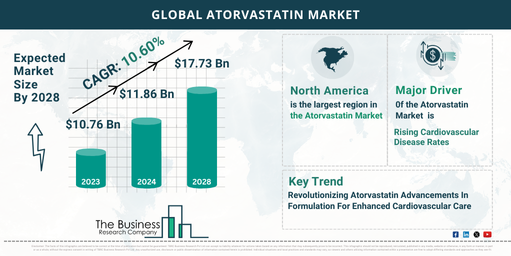
    • The atorvastatin market is experiencing significant growth, increasing from $10.76 billion in 2023 to $11.86 billion in 2024, representing a compound annual growth rate (CAGR) of 10.2%.
    • Factors contributing to this growth include increased healthcare expenditure, higher incidence of metabolic disorders, sedentary lifestyles, and a global focus on preventive healthcare and wellness.
    • By 2028, the market is expected to reach $17.73 billion, growing at a CAGR of 10.6%, driven by the rising prevalence of cardiovascular diseases, high cholesterol levels, and an aging population.

    Rising Cardiovascular Disease Rates Drive Expansion

    • Cardiovascular diseases (CVDs), including heart attacks and strokes, are on the rise globally, significantly driving the atorvastatin market’s growth.
    • The widespread use of atorvastatin in patients with high cholesterol and other risk factors for CVDs has been crucial in reducing the overall burden of these diseases.
    • For example, deaths from CVDs increased to 20.5 million in 2021, highlighting the importance of atorvastatin in managing these conditions.

    View More On The Atorvastatin Market Report 2024 – https://www.thebusinessresearchcompany.com/report/atorvastatin-global-market-report

    Innovative Formulations Revolutionizing Cardiovascular Care

    • Companies in the atorvastatin market are focusing on developing innovative products, such as ready-made liquid oral suspensions, to enhance treatment options for patients with high cholesterol.
    • A notable example is CMP Pharma’s Atorvaliq, an FDA-approved oral suspension launched in June 2023, offering a convenient option for patients who have difficulty swallowing tablets.
    • These advancements in formulation are expected to play a crucial role in expanding the market and improving patient outcomes.

    Strategic Expansion: Aspen Pharmacare’s Acquisition of Viatris Inc.’s Drug Portfolio

    • In August 2023, Aspen Pharmacare Holdings Limited, a South African pharmaceutical company, acquired Viatris Inc.’s drug products portfolio for $280 million.
    • This strategic move allows Aspen to expand its portfolio by leveraging Viatris’s expertise in providing generic and specialty drugs, including atorvastatin, to treat acute and chronic conditions.
    • The acquisition is expected to strengthen Aspen’s position in the atorvastatin market and contribute to its growth.

    Market Segmentation and Regional Insights

    • The atorvastatin market is segmented by type (Chemical Synthesis, Biocatalysis), therapeutic treatment (Cardiovascular Disorders, Obesity, Inflammatory Disorders, Other Therapeutic Treatments), and application (Hospital Pharmacy, Retail Pharmacy, Online Pharmacy).
    • In 2023, North America was the largest region in the atorvastatin market, while Asia-Pacific is projected to be the fastest-growing region during the forecast period.
    • The market’s regional dynamics reflect the varying prevalence of cardiovascular diseases and the adoption of atorvastatin across different healthcare systems.

    Conclusion: A Promising Future for the Atorvastatin Market

    • The atorvastatin market is set for robust growth, driven by increasing cardiovascular disease rates, innovative formulations, and strategic acquisitions.
    • As awareness of cholesterol management and preventive healthcare continues to rise, the demand for atorvastatin and related therapies is expected to surge, offering new opportunities for market players.

    Request A Sample Of The Global Atorvastatin Market Report 2024:
    https://www.thebusinessresearchcompany.com/sample_request?id=16344&type=smp

  • What’s The Growth Forecast For Atenolol Market Through 2024-2033?

    What’s The Growth Forecast For Atenolol Market Through 2024-2033?

    The Business Research Company’s global market reports provide comprehensive analysis on the various markets in 27 industries across 60 geographies.

    The atenolol market has experienced substantial growth in recent years, driven by increased demand for antihypertensive drugs and the growing prevalence of cardiovascular conditions. This blog explores the key factors behind the market’s growth, future projections, and significant trends shaping the atenolol market.

    Strong Market Growth in Recent Years

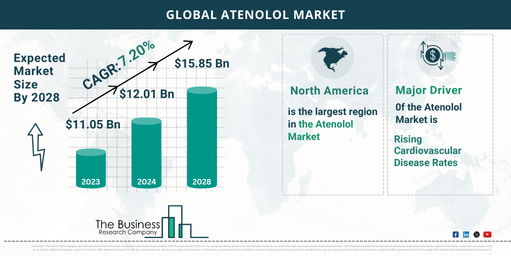
    • Market Size Surge: The atenolol market grew from $11.05 billion in 2023 to $12.01 billion in 2024, marking a compound annual growth rate (CAGR) of 8.7%.
    • Key Drivers: The historical growth can be attributed to rising demand for antihypertensive drugs, a growing patient pool with conditions such as arrhythmia and angina, and an increase in the prevalence of glaucoma.
    • Online Pharmacies: The expansion of online pharmacies has also contributed to the market’s growth by making atenolol more accessible to a broader audience.

    Future Projections: Continued Market Expansion

    • Forecasted Growth: The atenolol market is expected to reach $15.85 billion by 2028, with a CAGR of 7.2% during the forecast period.
    • Growing Hypertension Awareness: Increasing awareness about hypertension and its complexities, along with a significant rise in the aging population, are key factors expected to drive demand for atenolol.
    • Lifestyle Factors: Poor dietary habits and sedentary lifestyles are contributing to the growing prevalence of hypertension, further boosting atenolol market growth.

    View More On The Atenolol Market Report 2024

    https://www.thebusinessresearchcompany.com/report/atenolol-global-market-report

    Key Trends Shaping the Atenolol Market

    • Beta Blockers Demand: The demand for beta blockers, particularly beta-1 selective blockers like atenolol, is expected to rise due to their effectiveness in managing cardiovascular diseases.
    • Regulatory Approvals: Recent regulatory approvals for new atenolol formulations and the development of extended-release versions are set to enhance market growth.
    • Combination Therapies: The increasing preference for combination therapies that include atenolol as a component is another trend likely to impact the market positively.

    Rising Cardiovascular Disease Rates: A Major Growth Driver

    • Cardiovascular Disease Prevalence: The growing prevalence of cardiovascular diseases (CVDs), including heart attacks, angina, and arrhythmias, is a major factor driving the atenolol market.
    • Atenolol’s Role: Atenolol is crucial in managing CVDs by reducing heart rate, lowering blood pressure, and preventing heart complications, thereby contributing to improved cardiovascular health.
    • Statistics: According to the CDC, the prevalence of coronary heart disease among adults in the U.S. increased slightly from 4.6% in 2020 to 4.9% in 2021, highlighting the rising need for effective cardiovascular management solutions like atenolol.

    Major Players in the Atenolol Market

    • Leading Companies:Some of the major companies operating in the atenolol market include F. Hoffmann-La Roche Ltd., AstraZeneca Plc, Abbott Laboratories Inc., Cipla Inc., and Torrent Pharmaceuticals GmbH.
    • Recent Acquisition:Marksans Pharma acquired a manufacturing facility from Teva Pharmaceutical Industries in April 2023, aiming to double its production capacity and strengthen its position in the atenolol market.

    Regional Insights

    • North America:In 2023, North America was the largest region in the atenolol market, driven by high cardiovascular disease prevalence and advanced healthcare infrastructure.
    • Asia-Pacific:The Asia-Pacific region is expected to be the fastest-growing market during the forecast period, propelled by increasing hypertension rates and expanding healthcare access.

    Conclusion

    The atenolol market is poised for continued growth, driven by rising cardiovascular disease rates, increasing demand for antihypertensive drugs, and significant industry trends. With major pharmaceutical companies expanding their production capacities and new formulations receiving regulatory approvals, the atenolol market is set to thrive in the coming years.

    Request A Sample Of The Global Atenolol Market Report 2024:
    https://www.thebusinessresearchcompany.com/sample_request?id=16343&type=smp

  • How Is The Amoxicillin Market Expected To Grow Through 2024-2033

    How Is The Amoxicillin Market Expected To Grow Through 2024-2033

    The Business Research Company’s global market reports are now updated with the latest market sizing information for the year 2024 and forecasted to 2033

    According to The Business Research Company’s Amoxicillin Global Market Report 2024, the amoxicillin market is expected to show promising growth in the forecast period.

    Market Overview: Steady Growth

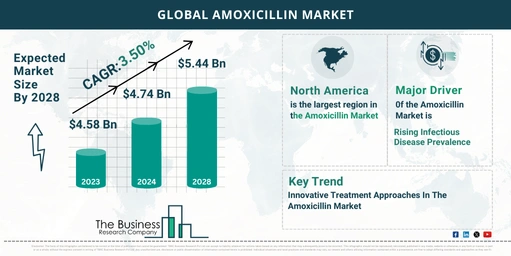
    • The global amoxicillin market has witnessed consistent growth, expanding from $4.58 billion in 2023 to $4.74 billion in 2024 at a compound annual growth rate (CAGR) of 3.4%.
    • Key drivers of this growth include:
      • Increased awareness and understanding of antibiotics.
      • Accelerated research and development activities.
      • Rising incidence of cardiovascular diseases.
      • High demand for amoxicillin in treating urinary tract infections.
      • Growing aging population, leading to a higher demand for medical treatments.

    Forecast: Continued Expansion

    • The market is projected to reach $5.44 billion by 2028, growing at a CAGR of 5%.
    • Factors contributing to future growth include:
      • Rising cases of impaired renal function.
      • Increasing prevalence of lower respiratory and skin infections.
      • Higher occurrence of bacterial infections globally.
    • Major trends expected to shape the market:
      • Increased demand for generic amoxicillin.
      • A growing focus on combination therapies.
      • Interest in probiotics and immunotherapy.
      • Demand for advanced healthcare facilities.

    View More On The Amoxicillin Market Report 2024 – https://www.thebusinessresearchcompany.com/report/amoxicillin-global-market-report

    Infectious Diseases Driving Market Demand

    • The rise in infectious diseases significantly impacts the demand for amoxicillin.
    • Factors contributing to the increase in infectious diseases:
      • Global travel and antimicrobial resistance.
      • Climate change affecting disease vectors.
      • Higher population density in urban areas.
    • Amoxicillin’s role in treating infections:
      • Targets bacterial cell wall synthesis, leading to bacterial cell death.
      • Offers broad-spectrum activity and rapid absorption.
      • Often used in synergy with other antibiotics for enhanced treatment.
    • Case Study: In 2023, over 1 million emergency visits in the US were due to urinary tract infections, with 22% being complicated cases requiring hospitalization. This underlines the crucial role of amoxicillin in managing such infections.

    Key Players and Innovations in the Amoxicillin Market

    • Major Companies: Pfizer Inc., Sanofi S.A., AstraZeneca Plc, Novartis AG, GlaxoSmithKline Plc, Merck KGaA, and others.
    • Innovative Approaches: Companies are developing advanced treatments like reformulated vonoprazan tablets to enhance the effectiveness of amoxicillin.
    • Example: Phathom Pharmaceuticals’ VOQUEZNA TRIPLE PAK and VOQUEZNA DUAL PAK, which combine vonoprazan with amoxicillin, received FDA approval in 2022 for treating Helicobacter pylori infections, representing a significant advancement in the market.

    Market Segmentation

    • Drug Class: Penicillin, Cephalosporin, Tetracycline, Macrolides, Sulfonamides.
    • Therapy Type: Monotherapy, Combinational Therapy.
    • Form: Tablets, Capsules, Suspensions, Syrup, Powder.
    • Infection Type: Skin Infections, ENT Infections, Stomach Infections, Lungs Infections, UTIs, Pneumonia, Bronchitis, Gonorrhea.
    • End Users: Hospitals, Homecare, Specialty Clinics, Others.

    Regional Insights

    • North America dominated the market in 2023, driven by advanced healthcare infrastructure and high awareness levels.
    • Asia-Pacific is expected to be the fastest-growing region during the forecast period, owing to increasing healthcare investments, rising awareness, and a growing population base requiring medical care.

    Conclusion: The Future of Amoxicillin Market
    The amoxicillin market is set to continue its growth trajectory, driven by rising infection rates, innovative treatment approaches, and increasing demand from both developed and emerging regions. With key players focusing on new drug formulations and combination therapies, the market is poised for significant advancements in the coming years.

    Request A Sample Of The Global Amoxicillin Market Report 2024:
    https://www.thebusinessresearchcompany.com/sample_request?id=16336&type=smp

  • Amblyopia Global Market Outlook 2024-2033: Size And Growth Rate Analysis

    Amblyopia Global Market Outlook 2024-2033: Size And Growth Rate Analysis

    The Business Research Company’s global market reports provide comprehensive analysis on the various markets in 27 industries across 60 geographies.

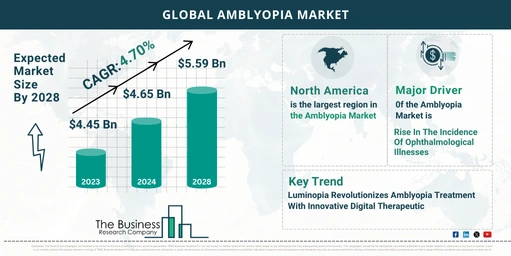
    The amblyopia market has experienced steady growth in recent years and is poised for continued expansion. In 2023, the market size reached $4.45 billion and is expected to grow to $4.65 billion in 2024, with a compound annual growth rate (CAGR) of 4.6%. Several factors have contributed to this growth, including the rising incidence of ophthalmological illnesses, increasing demand for affordable glasses, and the growing prevalence of hyperopia and myopia.

    • Market Size: $4.45 billion in 2023 to $4.65 billion in 2024.
    • Growth Rate: CAGR of 4.6% between 2023 and 2024.
    • Key Drivers: Rise in ophthalmological illnesses, demand for affordable glasses, increasing cases of hyperopia and myopia.

    Future Growth Prospects
    Looking ahead, the amblyopia market is expected to continue its upward trajectory, reaching $5.59 billion by 2028 with a CAGR of 4.7%. This growth is likely to be driven by the rise of digital health platforms, increasing availability of resources and support for parents, and a growing emphasis on preventive healthcare for children.

    • Market Size Forecast: $5.59 billion by 2028.
    • Growth Rate: CAGR of 4.7% from 2024 to 2028.
    • Key Drivers: Digital health platforms, preventive healthcare, increased awareness.

    View More On The Amblyopia Market Report 2024 – https://www.thebusinessresearchcompany.com/report/amblyopia-global-market-report

    Technological Advancements in Amblyopia Treatment
    The amblyopia market is witnessing significant technological advancements, particularly in diagnostics and treatment modalities. Innovations in visual development, discoveries in neuroplasticity, and the development of new drugs are key trends shaping the future of this market.

    • Key Trends: Technological advancements in diagnostics, neuroplasticity discoveries, new drug developments.
    • Impact: Improved treatment options and better patient outcomes.

    Rise in Ophthalmological Illnesses Fuels Market Growth
    One of the primary factors driving the growth of the amblyopia market is the rise in ophthalmological illnesses. These disorders, which include conditions such as cataracts, glaucoma, and retinitis pigmentosa, have become more prevalent due to increased screen time, aging populations, and environmental factors like pollution. Amblyopia, if untreated, can lead to permanent vision impairment and depth perception issues.

    • Impact: Increased prevalence of ophthalmological illnesses is driving market growth.
    • Contributing Factors: Screen time, aging populations, pollution.

    Luminopia’s Innovative Digital Therapeutic
    Major companies in the amblyopia market are focusing on technological advancements to improve treatment outcomes. Luminopia Inc., for example, has developed a digital therapeutic called Luminopia One, which was approved by the FDA in 2021. This innovative treatment uses television shows to improve vision in children diagnosed with amblyopia and is the first FDA-approved digital therapeutic for a neuro-visual disorder in children.

    • Innovation: Luminopia One, a digital therapeutic using TV shows.
    • FDA Approval: First digital therapeutic for neuro-visual disorders in children.
    • Efficacy: Significant improvement in visual acuity compared to control groups.

    Sumitomo and Juntendo University’s VR Game App
    In another example of innovation, Sumitomo Corporation and Juntendo University collaborated to develop a virtual reality (VR) app designed to treat amblyopia in children. This app aims to make the treatment process more engaging and enjoyable, thus increasing adherence to therapy and improving its effectiveness.

    • Collaboration: Sumitomo Corporation and Juntendo University.
    • Innovation: VR game app for amblyopia treatment.
    • Objective: Improve treatment adherence and effectiveness in children.

    Regional Insights and Market Segmentation
    The amblyopia market is segmented by disease type, diagnosis, treatment, and end-user. In 2023, North America was the largest region in the market, while Asia-Pacific is expected to be the fastest-growing region during the forecast period.

    • By Disease Type: Strabismus Amblyopia, Refractive Amblyopia, Deprivation Amblyopia, Reverse Amblyopia.
    • By Diagnosis: Visual Acuity Tests, Photo Screening, Bruckner Test.
    • By Treatment: Eye Patches, Atropine Drops, Glasses, Video Games.
    • Regional Insights: North America leads; Asia-Pacific expected to grow rapidly.

    The amblyopia market is on a path of steady growth, driven by technological advancements, increasing awareness, and the rising prevalence of ophthalmological illnesses. With innovations such as digital therapeutics and VR game apps, the market is well-positioned to meet the growing demand for effective amblyopia treatments.

    Request A Sample Of The Global Amblyopia Market Report 2024:
    https://www.thebusinessresearchcompany.com/sample_request?id=16334&type=smp

  • 5 Key Insights On The Albumin Market 2024

    5 Key Insights On The Albumin Market 2024

    The Business Research Company’s global market reports are now updated with the latest market sizing information for the year 2024 and forecasted to 2033

    As per The Business Research Company’s Albumin Global Market Report 2024, the albumin market is expected to show significant growth in the forecast period.

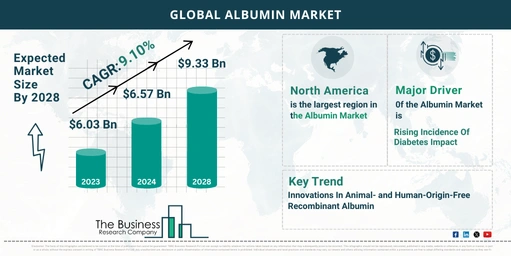
    The albumin market has experienced significant growth in recent years and is poised for continued expansion. With a compound annual growth rate (CAGR) of 9.0% from 2023 to 2024, the market is set to increase from $6.03 billion in 2023 to $6.57 billion in 2024. This article delves into the key drivers of this growth, major trends shaping the market, and future projections.

    Key Drivers of Albumin Market Growth

    • Advancements in Biotechnology: Innovations in biotechnology have played a crucial role in driving the albumin market. The development of new albumin-based products and therapies has expanded the market’s reach.
    • Increased Demand for Plasma-Derived Therapies: Plasma-derived therapies are essential in treating a variety of medical conditions. The growing demand for these therapies has significantly contributed to the expansion of the albumin market.
    • High Prevalence of Liver Diseases: Liver diseases remain a leading cause of morbidity and mortality worldwide. The high prevalence of these conditions has led to an increased demand for albumin, further propelling market growth.
    • Regulatory Approvals: The regulatory landscape has been favorable, with numerous approvals for albumin-based products. This has facilitated market expansion by allowing new products to reach consumers more quickly.
    • Globalization of Healthcare: The globalization of healthcare has made advanced treatments and therapies more accessible, leading to wider market access for albumin products.

    View More On The Albumin Market Report 2024 – https://www.thebusinessresearchcompany.com/report/albumin-global-market-report

    Future Growth Projections and Trends
    The albumin market is expected to continue its upward trajectory, reaching $9.33 billion by 2028, with a CAGR of 9.1%. Several factors will drive this growth:

    • Increasing Prevalence of Liver Diseases: The rising incidence of liver diseases will continue to drive demand for albumin, particularly in therapeutic applications.
    • Expanding Applications in Regenerative Medicine: Albumin is increasingly being used in regenerative medicine, a field that is growing rapidly and promises to significantly boost market demand.
    • Rising Geriatric Population: As the global population ages, the need for albumin in various medical applications, including diagnostics and treatment, will increase.
    • Evolving Diagnostic Techniques: Advances in diagnostic techniques that utilize albumin will further drive market growth, particularly in outpatient care settings.
    • Personalized Medicine and Recombinant Technology: The shift towards personalized medicine and advancements in recombinant technology are creating new opportunities for albumin-based products.

    Impact of Rising Diabetes Incidence
    The growing incidence of diabetes is a significant factor in the albumin market’s expansion:

    • Biomarker in Diabetes Management: Albumin is a critical biomarker in managing diabetes, guiding insulin therapy, monitoring glycemic control, and aiding in the diagnosis of complications like diabetic ketoacidosis (DKA).
    • Global Diabetes Prevalence: With diabetes affecting 536.6 million people globally in 2021, and this number expected to rise to 783.2 million by 2045, the demand for albumin in diabetes management will continue to grow.

    Innovations in Recombinant Albumin
    Innovation is a key trend in the albumin market:

    • Animal- and Human-Origin-Free Recombinant Albumin: Companies are developing recombinant albumin products that are free from animal and human origins, ensuring higher safety and efficacy. For instance, the collaboration between Albumedix and Heartseed Inc. in March 2023 to launch Recombin is a significant development in this space.

    Strategic Acquisitions
    Acquisitions are shaping the competitive landscape of the albumin market:

    • Sartorius AG’s Acquisition of Albumedix: In September 2022, Sartorius AG acquired Albumedix, enhancing its presence in the advanced therapies and vaccines sector. This acquisition strengthens Sartorius’ offerings in cell culture media and process solutions, positioning it for further growth.

    Market Segmentation
    The albumin market is segmented based on:

    • Type: Human Serum Albumin, Bovine Serum Albumin, Recombinant Albumin
    • Application: Therapeutics, Drug Formulation and Vaccines, Component of Media, Other Applications
    • Sales Channel: Business-To-Consumer (B2C), Business-To-Business (B2B)
    • End-User: Hospitals and Clinics, Pharmaceutical and Biotechnology Companies, Research Institutes

    Regional Insights

    • North America: The largest region in the albumin market in 2023, driven by advanced healthcare infrastructure and high demand for albumin products.
    • Asia-Pacific: Expected to be the fastest-growing region in the forecast period, fueled by increasing healthcare spending and growing awareness of albumin’s therapeutic benefits.

    The albumin market is set for strong growth, driven by technological advancements, expanding applications, and strategic industry movements. As the market evolves, it will continue to play a crucial role in modern healthcare.

    Request A Sample Of The Global Albumin Market Report 2024:
    https://www.thebusinessresearchcompany.com/sample_request?id=16333&type=smp

  • Pediatric Electronic Medical Record (EMR) Software Global Market Outlook 2024-2033: Size And Growth Rate Analysis

    Pediatric Electronic Medical Record (EMR) Software Global Market Outlook 2024-2033: Size And Growth Rate Analysis

    The Business Research Company’s global market reports provide comprehensive analysis on the various markets in 27 industries across 60 geographies.

     The pediatric electronic medical record (EMR) software market is experiencing significant growth, driven by various factors and trends. This blog explores the key aspects of this market, including its current size, future projections, and the elements contributing to its expansion.

    Market Growth Overview

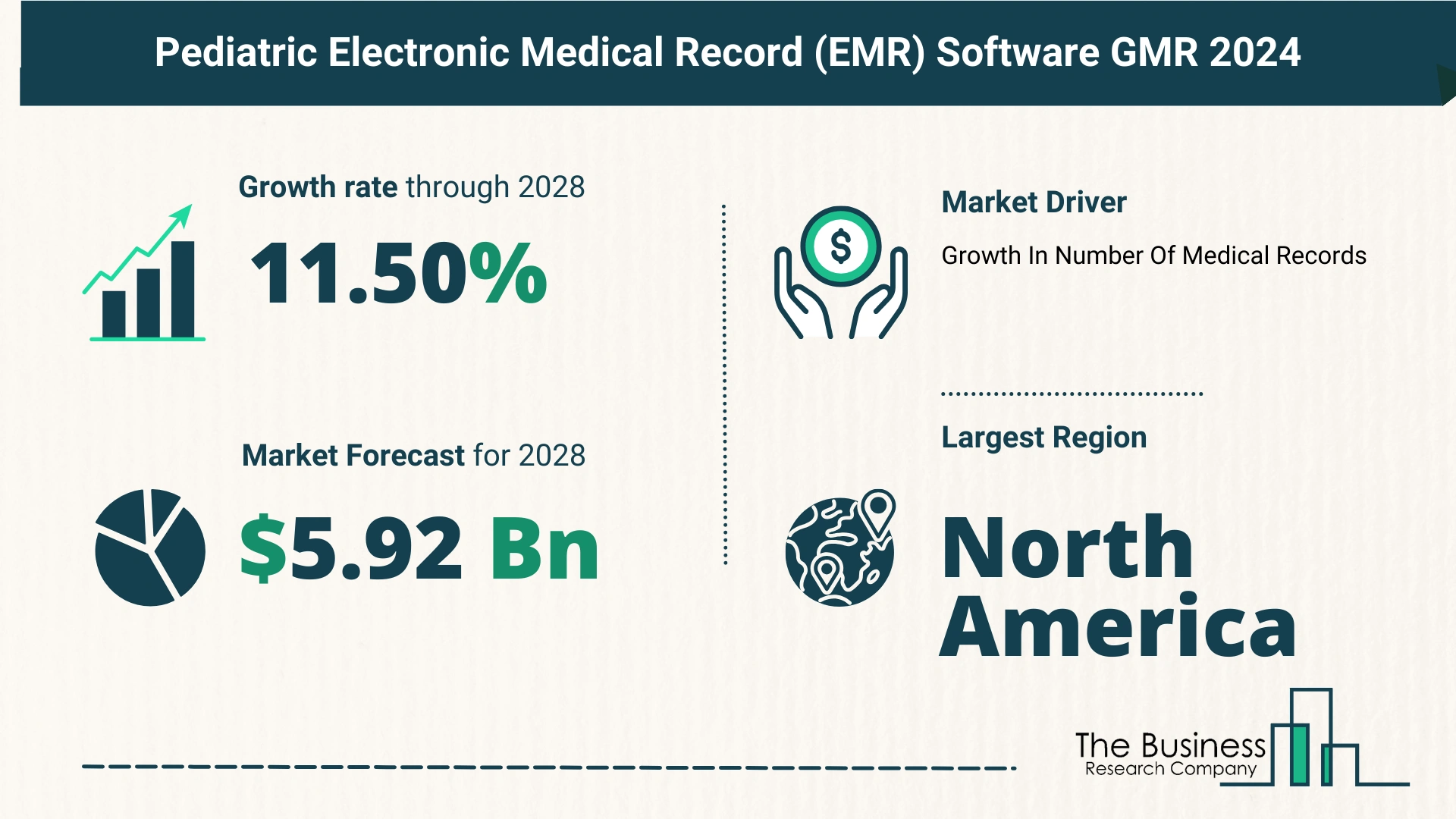
    • Current Market Size: The pediatric EMR software market was valued at $3.43 billion in 2023.
    • 2024 Projections: It is expected to grow to $3.83 billion in 2024, with a compound annual growth rate (CAGR) of 11.8%.
    • Future Outlook: By 2028, the market is projected to reach $5.92 billion, growing at a CAGR of 11.5%.

    The market’s growth can be attributed to increasing digitalization in healthcare, the rising number of pediatric medical records, and the growing demand for interoperable EMR solutions tailored for pediatric care.

    View More On The Pediatric Electronic Medical Record (EMR) Software Market Report 2024 – https://www.thebusinessresearchcompany.com/report/pediatric-electronic-medical-record-emr-software-global-market-report

    Key Drivers of Market Expansion

    Growing Number of Pediatric Medical Records

    • Increase in Medical Records: The rise in pediatric medical records, driven by chronic health conditions in children and the emphasis on preventive care, is fueling the demand for pediatric EMR software.
    • Impact on Market: EMR software helps organize and share these records efficiently, leading to faster diagnosis and treatment. The growing volume of records is a significant factor in market growth.

    Technological Advancements and Customization

    • AI Integration: Companies are increasingly integrating AI into pediatric EMR systems to enhance clinical decision-making and personalized care.
    • Customization: The demand for pediatric specialty-specific features, such as telemedicine capabilities and pain management tools, is growing, leading to more tailored EMR solutions.

    Major Players in the Pediatric EMR Software Market

    • Key Companies: The market is dominated by major companies such as Oracle Corporation, Epic Systems Corporation, and Allscripts Healthcare Solutions Inc.
    • Strategic Moves: Oracle’s acquisition of Cerner Corporation for $28.3 billion in 2021 is a notable example of strategic expansion, aiming to revolutionize healthcare delivery through advanced information systems.

    Segmentation and Regional Insights

    Market Segmentation

    • By Type: The market is segmented into cloud-based and on-premises solutions.
    • By Components: It includes software services, consulting, and hardware.
    • By Functionality: Clinical documentation, patient management, and reporting and analytics are key functionalities.
    • By Application: The market serves large enterprises and small and medium-sized enterprises (SMEs).
    • By End User: Hospitals, diagnostic centers, and other healthcare facilities are the primary end users.

    Regional Insights

    • North America: The largest market in 2023, driven by advanced healthcare infrastructure and high adoption rates.
    • Asia-Pacific: Expected to be the fastest-growing region, with increasing digitalization and healthcare investments.

    Conclusion

    The pediatric EMR software market is poised for substantial growth, driven by the increasing number of pediatric medical records, advancements in technology, and the growing demand for specialized EMR solutions. As key players continue to innovate and expand, the market is set to play a crucial role in enhancing pediatric healthcare delivery worldwide.

    Request A Sample Of The Global Pediatric Electronic Medical Record (EMR) Software Market Report 2024:
    https://www.thebusinessresearchcompany.com/sample_request?id=14451&type=smp

  • What’s The Growth Forecast For Metastatic Bone Disease Market Through 2024-2033?

    What’s The Growth Forecast For Metastatic Bone Disease Market Through 2024-2033?

    The Business Research Company’s global market reports provide comprehensive analysis on the various markets in 27 industries across 60 geographies.

    The metastatic bone disease market is experiencing significant growth, driven by various factors such as an aging population, increased cancer awareness, and advancements in treatment technologies. This blog explores the key drivers, trends, and developments in the market, highlighting its future potential.

    Market Growth Overview

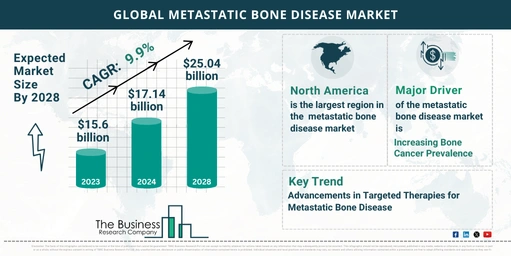
    • Strong Recent Growth: The metastatic bone disease market size grew from $15.60 billion in 2023 to $17.14 billion in 2024, representing a robust CAGR of 9.8%.
    • Forecasted Expansion: The market is expected to reach $25.04 billion by 2028, with a slightly higher CAGR of 9.9%.

    Key Drivers of Market Growth

    • Aging Population: The growing number of elderly individuals is increasing the prevalence of conditions like bone cancer, which often leads to metastatic bone disease.
    • Cancer Awareness Programs: Enhanced awareness efforts are leading to earlier diagnoses and more effective treatments, driving market demand.
    • Demand for Pain Management: Effective pain management therapies are increasingly sought after, contributing to market growth.
    • High Investment in Drug Discovery: Ongoing investments in drug research and development are leading to more effective treatments for metastatic bone disease.
    • Unhealthy Lifestyles: The adoption of sedentary lifestyles and poor dietary habits is contributing to the rising incidence of cancer, further fueling market growth.

    View More On The Metastatic Bone Disease Market Report 2024 – https://www.thebusinessresearchcompany.com/report/metastatic-bone-disease-global-market-report

    Future Market Trends

    • Technological Developments: Advances in diagnostics and therapeutic approaches are expected to enhance the treatment of metastatic bone disease.
    • AI and Machine Learning: The integration of artificial intelligence and machine learning algorithms in diagnostics and treatment planning is poised to revolutionize patient care.
    • Improved Diagnostic Techniques: New and improved diagnostic techniques are enabling earlier detection and more accurate targeting of metastatic bone disease.
    • Novel Radiopharmaceuticals: The focus on developing new radiopharmaceutical drugs is expected to drive growth in the coming years.
    • Reimbursement Policies: Favorable reimbursement policies are likely to make advanced treatments more accessible, further boosting market expansion.

    Impact of Bone Cancer Prevalence

    • Increasing Cases: The rising prevalence of bone cancer, driven by genetic factors, radiation exposure, and environmental influences, is a major driver of the metastatic bone disease market.
    • Metastatic Spread: Bone cancer can metastasize to other bones, leading to the spread of the disease and increasing demand for effective treatments.
    • US Statistics: In 2023, there were 3,970 new cases of bone and joint cancer in the United States, up from 3,910 cases in 2022, indicating a growing need for market solutions.

    Advancements in Targeted Therapies

    • Personalized Treatments: Companies are developing targeted therapies that focus on the molecular characteristics of individual patients, minimizing damage to healthy cells and improving treatment outcomes.
    • Example: In March 2022, Novartis AG introduced Zometa, a bisphosphonate medication for preventing skeletal-related events in patients with bone metastases, highlighting the progress in targeted therapies.

    Strategic Acquisitions in Radiopharmaceuticals

    • Telix Pharmaceuticals Acquisition: In May 2024, Telix Pharmaceuticals acquired QSAM Biosciences to strengthen its radiopharmaceutical portfolio, focusing on oncology and rare diseases. This acquisition is expected to accelerate the development of treatments for bone metastases, benefiting patients with metastatic bone disease.

    Market Segmentation

    • By Treatment: The market is segmented into medication, radiation therapy, surgical intervention, and tumor ablation therapy.
    • By Origin: The disease can originate from various cancers, including breast, lung, thyroid, kidney, and prostate.
    • By End-User: The main end-users are hospitals, specialty clinics, and ambulatory surgical centers.

    Regional Insights

    • North America: The region was the largest market for metastatic bone disease in 2023, driven by advanced healthcare infrastructure, high awareness, and significant investment in research and development.

    The metastatic bone disease market is poised for continued growth, supported by technological advancements, increasing cancer prevalence, and strategic initiatives by major companies. With the focus on personalized medicine and improved treatment outcomes, the market offers promising opportunities for both patients and industry stakeholders.

    Request A Sample Of The Global Metastatic Bone Disease Market Report 2024:
    https://www.thebusinessresearchcompany.com/sample_request?id=15859&type=smp

  • Top 5 Insights From The Medical Tray Sealers Market Report 2024

    Top 5 Insights From The Medical Tray Sealers Market Report 2024

    The Business Research Company’s global market reports are now updated with the latest market sizing information for the year 2024 and forecasted to 2033

    According to The Business Research Company’s Medical Tray Sealers Global Market Report 2024, the medical tray sealers market is expected to show promising growth in the forecast period.


    The medical tray sealers market has seen substantial growth in recent years, driven by several key factors. This blog will delve into the market’s growth trajectory, key drivers, industry trends, and notable developments.

    Market Growth Overview

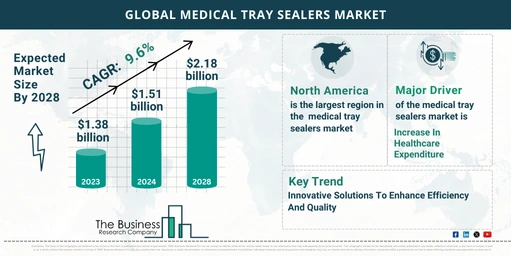
    • Strong Recent Growth: The medical tray sealers market has experienced robust growth, increasing from $1.38 billion in 2023 to $1.51 billion in 2024 at a compound annual growth rate (CAGR) of 9.5%.
    • Future Outlook: The market is expected to continue its upward trajectory, reaching $2.19 billion by 2028, with a CAGR of 9.6% during the forecast period.

    Key Growth Drivers

    • Automated Packaging Demand: The growing demand for automated packaging systems has significantly contributed to market expansion. Automation enhances efficiency, accuracy, and productivity while being easy to handle and requiring low maintenance.
    • Hygiene Focus: Increased emphasis on hygiene and sterile packaging in healthcare settings is another major driver, as these systems ensure the safe and sterile packaging of medical instruments.
    • Healthcare Awareness: Rising awareness among healthcare professionals about the importance of accurate and efficient packaging systems is fueling demand.
    • Rising Healthcare Expenditure: Increased spending on healthcare services and infrastructure supports the market’s growth by boosting demand for advanced packaging solutions.

    View More On The Medical Tray Sealers Market Report 2024 – https://www.thebusinessresearchcompany.com/report/medical-tray-sealers-global-market-report

    Future Growth Prospects

    • Sterile Medical Packaging: The forecast period’s growth will be driven by the increasing need for sterile medical packaging, crucial for maintaining the sterility of medical devices and consumables.
    • Regulatory Compliance: Regulatory requirements for safe and sterile packaging further support the adoption of advanced tray sealing solutions.
    • Surgical Procedures: A rise in the number of surgical procedures globally will continue to boost demand for efficient and reliable tray sealing systems.

    Technological Advancements and Industry Trends

    • Material Innovation: Advancements in packaging materials that enhance sterility and durability are key trends shaping the market.
    • Automation and Efficiency: The development of automated cut-and-seal machines is a significant innovation, streamlining packaging processes and reducing material wastage.
    • Customization and Versatility: Increasing demand for customizable tray sealers that cater to diverse packaging needs is also a major trend in the industry.

    Rising Healthcare Expenditure as a Growth Catalyst

    • Healthcare Spending: The growth of the medical tray sealers market is closely tied to rising healthcare expenditure. As spending on healthcare services and infrastructure increases, so does the demand for advanced packaging solutions.
    • US Market Example: For instance, in January 2024, the National Institutes of Health reported that US healthcare expenditure rose by 4.1% in 2022 to reach $4.5 trillion, demonstrating a faster growth rate compared to the 3.2% increase observed in 2021. This increase underscores the growing investment in healthcare technologies, including tray sealers.

    Innovative Solutions Enhance Efficiency and Quality

    • Automated Solutions: Leading companies in the medical tray sealer market are focusing on developing innovative solutions like automated cut-and-seal machines. These machines offer faster, more efficient packaging, ensuring high-quality seals and reducing material costs.
    • Case Study: In February 2021, Sonoco Alloyd launched the Roll-Feed Aergo 2 Plus, a roll-fed, cut-and-seal machine designed to seal medical trays with Tyvek lidding from roll stock. This innovation enhances production speed, seal quality, and accuracy, while minimizing material waste.

    Market Expansion Through Strategic Acquisitions

    • ProMach’s Acquisition of Reepack S.R.L.: In June 2022, ProMach, a leading packaging company, acquired Reepack S.R.L., expanding its footprint in the medical tray sealer market. This acquisition strengthens ProMach’s position as a provider of packaging automation solutions, particularly in the medical sector.

    Market Segmentation

    • By Type: The market is segmented into Manual Tray Sealers and Automatic Tray Sealers.
    • By Packaging Applications: Key applications include Surgical Devices, Pharmaceuticals, Medical Consumables, Disposables, Tubes, and Diagnostic Kits.
    • By End User: The primary end users are Hospitals, Clinics, Research Institutes, and other healthcare facilities.

    Regional Insights

    • North America: North America was the largest region in the medical tray sealers market in 2023, driven by high healthcare expenditure, advanced healthcare infrastructure, and a strong focus on innovation in medical packaging.

    The medical tray sealers market is poised for continued growth, fueled by rising healthcare spending, technological advancements, and a strong focus on sterile packaging solutions. As the market evolves, companies will continue to innovate, driving efficiency and quality in medical packaging processes.

    Request A Sample Of The Global Medical Tray Sealers Market Report 2024:
    https://www.thebusinessresearchcompany.com/sample_request?id=15857&type=smp