Blog

  • How Is The Automated Microscopy Market Expected To Grow Through 2024-2033

    How Is The Automated Microscopy Market Expected To Grow Through 2024-2033

    The Business Research Company’s global market reports are now updated with the latest market sizing information for the year 2024 and forecasted to 2033

    According to The Business Research Company’s Automated Microscopy Global Market Report 2024, the automated microscopy market is expected to show promising growth in the forecast period.

    Strong Growth in the Automated Microscopy Market

    • The automated microscopy market has experienced robust growth in recent years, with the market size increasing from $7.31 billion in 2023 to an anticipated $7.85 billion in 2024 at a CAGR of 7.3%.
    • This growth is driven by advancements in imaging technology, the increasing complexity of biological research, and the rising demand for high-throughput screenings.
    • Additional factors include automation and workflow integration, cost reductions, improved accessibility, and the emergence of multimodal imaging techniques.

    Projected Market Expansion by 2028

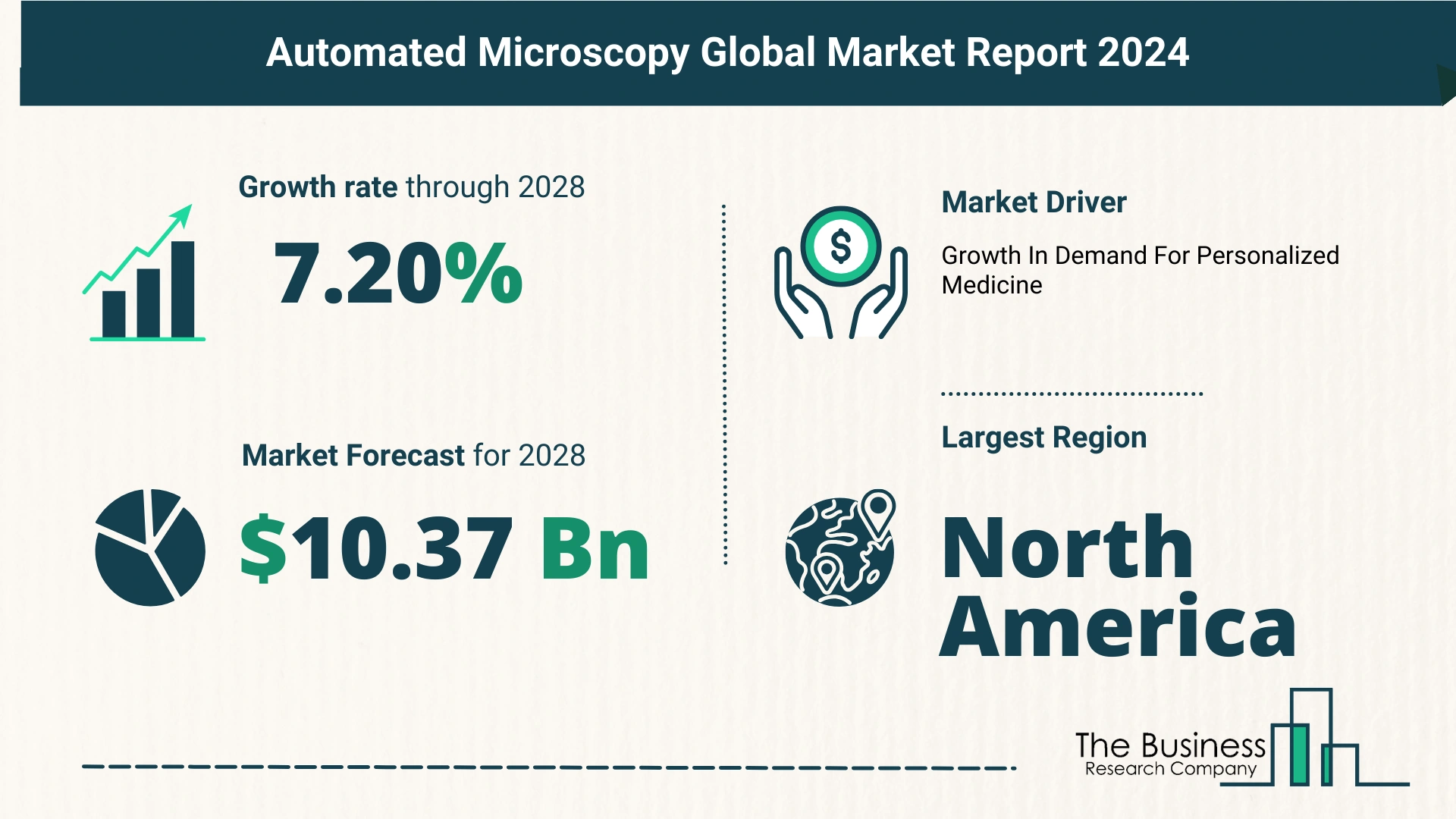
    • Looking forward, the market is expected to grow to $10.37 billion by 2028, reflecting a steady CAGR of 7.2%.
    • Key drivers for future growth include the integration of artificial intelligence, miniaturization and portability of devices, and the rise of multiplexed imaging and multimodal integration.
    • The demand for personalized medicine, precision diagnostics, and interdisciplinary research challenges will also play a significant role in the market’s expansion.

    View More On The Automated Microscopy Market Report 2024 – https://www.thebusinessresearchcompany.com/report/automated-microscopy-global-market-report

    Impact of Personalized Medicine on Market Growth

    • The increasing demand for personalized medicine is a major factor contributing to the growth of the automated microscopy market.
    • Personalized medicine, which tailors healthcare to individual genetic, environmental, and lifestyle factors, is gaining traction due to advances in genomics and the rise in chronic diseases.
    • Automated microscopy aids this field by providing tools for understanding disease mechanisms, identifying biomarkers, and optimizing treatments.
    • As of October 2022, over 75,000 genetic testing products and 300 personalized medicines were available, further driving market growth.

    Innovations in Automated Cryo PFIB Microscopes

    • Major players in the automated microscopy market, such as Thermo Fisher Scientific Inc., are developing advanced products like the Automated Cryo PFIB microscope.
    • This innovative technology is designed for high-throughput preparation of cryo-lamellae, crucial for cellular cryo-electron tomography, enhancing workflow efficiency and improving application outcomes.
    • The Cryo PFIB microscope offers rapid sample preparation, minimized contamination risks, and automation features that enable remote operation, significantly advancing life sciences research.

    Strategic Acquisitions and Market Leadership

    • In June 2021, CELLINK acquired Discover Echo for $110 million, strengthening its position in the market by integrating innovative hybrid microscopes into its portfolio.
    • Discover Echo’s products, which combine advanced optical technologies with disruptive software, align with CELLINK’s bio convergence strategy, enabling significant biological breakthroughs.
    • North America dominated the automated microscopy market in 2023, while the Asia-Pacific region is poised to be the fastest-growing region in the coming years.

    Market Segmentation

    • The automated microscopy market is segmented by product type into Optical Microscopes, Electron Microscopes, and Scanning Probe Microscopes.
    • Applications of these technologies span across Medical Diagnostics, Nanotechnology, Material Science, Life Sciences, and Semiconductors.
    • End users include Hospitals, Research Facilities, and Diagnostic Clinics, with North America leading the market and Asia-Pacific expected to show rapid growth during the forecast period.

    Request A Sample Of The Global Automated Microscopy Market Report 2024:
    https://www.thebusinessresearchcompany.com/sample_request?id=14259&type=smp
  • Artificial Intelligence (AI) In Predictive Toxicology Global Market Outlook 2024-2033: Size And Growth Rate Analysis

    Artificial Intelligence (AI) In Predictive Toxicology Global Market Outlook 2024-2033: Size And Growth Rate Analysis

    The Business Research Company’s global market reports provide comprehensive analysis on the various markets in 27 industries across 60 geographies.

    Rapid Growth of the Market

    • The artificial intelligence (AI) in predictive toxicology market is witnessing exponential growth, expanding from $0.38 billion in 2023 to $0.50 billion in 2024 at a compound annual growth rate (CAGR) of 30.3%.
    • The surge in market size during this period is driven by several factors including increased regulatory pressure for toxicity assessment, rising concerns about chemical safety, and the availability of large datasets for model training.
    • Additionally, the rising costs and ethical concerns associated with animal testing, coupled with the demand for faster and more cost-effective toxicity screening methods, are propelling this market forward.

    Key Trends and Future Market Expansion

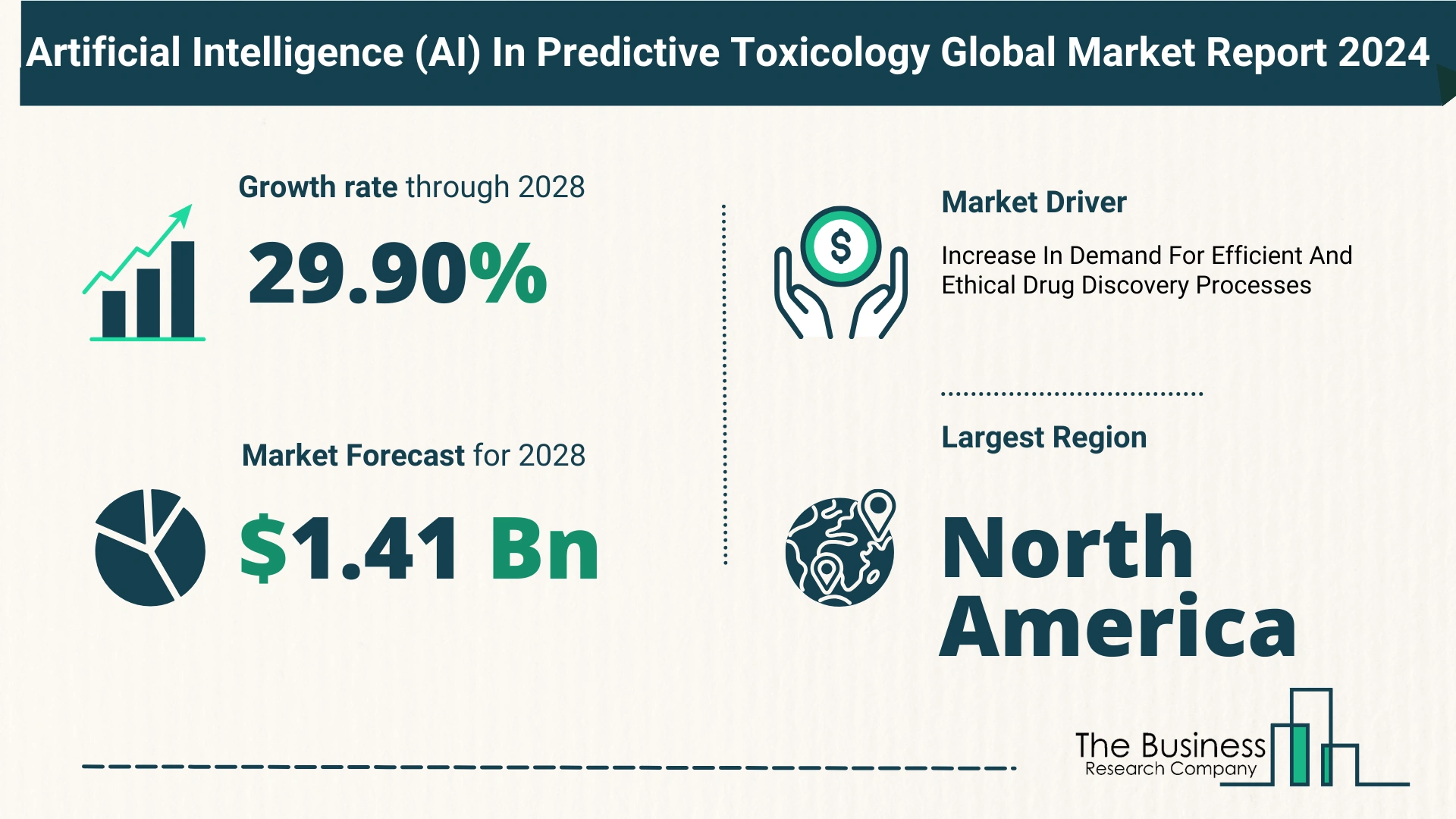
    • Looking ahead, the AI in predictive toxicology market is expected to grow to $1.41 billion by 2028, maintaining a strong CAGR of 29.9%.
    • Future growth will be fueled by the emergence of explainable AI in toxicology predictions, an increased demand for personalized toxicity assessments, and regulatory acceptance and standardization of AI-based toxicity predictions.
    • Major trends to watch include a shift towards 3D cell culture models for toxicity testing, the rise of federated learning approaches for collaborative toxicity prediction, and the application of generative models for predicting chemical toxicity pathways.
    • Additional innovations such as incorporating natural language processing for extracting toxicity data from literature and the growth of virtual screening platforms for prioritizing chemical testing will also contribute to market expansion.

    View More On The Artificial Intelligence (AI) In Predictive Toxicology Market Report 2024 – https://www.thebusinessresearchcompany.com/report/artificial-intelligence-ai-in-predictive-toxicology-global-market-report

    The Growing Demand for Efficient and Ethical Drug Discovery

    • The increasing need for efficient and ethical drug discovery processes is a significant driver of the AI in predictive toxicology market.
    • As the drug discovery process becomes more intricate and dynamic, the role of AI in predictive toxicology becomes crucial in efficiently analyzing vast datasets to predict potential toxicological outcomes.
    • This technological advancement accelerates drug development while ensuring adherence to ethical standards, a critical factor given the rising prevalence of chronic and age-related diseases.
    • For instance, pharmaceutical R&D expenditure in Europe increased by approximately 6.45% in 2022, reflecting the industry’s commitment to advancing drug discovery through AI.

    Strategic Collaborations Fueling Innovation

    • Major players in the AI predictive toxicology market are increasingly adopting strategic collaborations to enhance their market presence and drive innovation.
    • These collaborations often aim to leverage AI and machine learning techniques to improve the prediction and assessment of the toxicity of chemical compounds and pharmaceuticals.
    • An example is the partnership between SyntheticGestalt and Enamine in January 2024, focusing on developing AI models that optimize the physicochemical and ADME or Tox properties of compounds.
    • Such collaborations not only strengthen the capabilities of these companies but also contribute to the broader goal of advancing AI-driven drug discovery.

    Strategic Acquisitions Strengthening Market Position

    • Strategic acquisitions are playing a crucial role in amplifying the portfolios and market positions of key players in the AI predictive toxicology market.
    • A notable example is Clarivate’s acquisition of Bioinfogate in August 2021, which enhanced Clarivate’s portfolio with the OFF-X portal, improving drug toxicity data and streamlining processes.
    • This acquisition signifies a significant advancement in meeting the growing demand for AI in predictive toxicology, further solidifying Clarivate’s position in the life sciences sector.

    Conclusion: A Dynamic Market Poised for Continued Growth

    • The artificial intelligence in predictive toxicology market is experiencing rapid growth, driven by advancements in technology, increasing demand for ethical drug discovery processes, and strategic collaborations and acquisitions.
    • As the market continues to evolve, innovations such as 3D cell culture models, federated learning approaches, and generative models for predicting chemical toxicity pathways will play a pivotal role in shaping the future of this dynamic industry.
    • With North America leading the market in 2023 and Asia-Pacific expected to be the fastest-growing region, the AI in predictive toxicology market is well-positioned for sustained expansion in the years to come.

    Request A Sample Of The Global Artificial Intelligence (AI) In Predictive Toxicology Market Report 2024:
    https://www.thebusinessresearchcompany.com/sample_request?id=14253&type=smp

  • 5 Key Insights On The Artificial Intelligence (AI) In Biopharmaceuticals Market 2024

    5 Key Insights On The Artificial Intelligence (AI) In Biopharmaceuticals Market 2024

    The Business Research Company’s global market reports are now updated with the latest market sizing information for the year 2024 and forecasted to 2033

    As per The Business Research Company’s Artificial Intelligence (AI) In Biopharmaceuticals Global Market Report 2024, the artificial intelligence (AI) in biopharmaceuticals market is expected to show significant growth in the forecast period.

    • Exponential Market Growth: The artificial intelligence (AI) in biopharmaceuticals market has experienced significant growth, expanding from $1.19 billion in 2023 to a projected $1.59 billion in 2024. This growth, marked by a compound annual growth rate (CAGR) of 33.8%, is driven by advancements in computational power, the explosion of biomedical data, the precision medicine paradigm, and regulatory support.
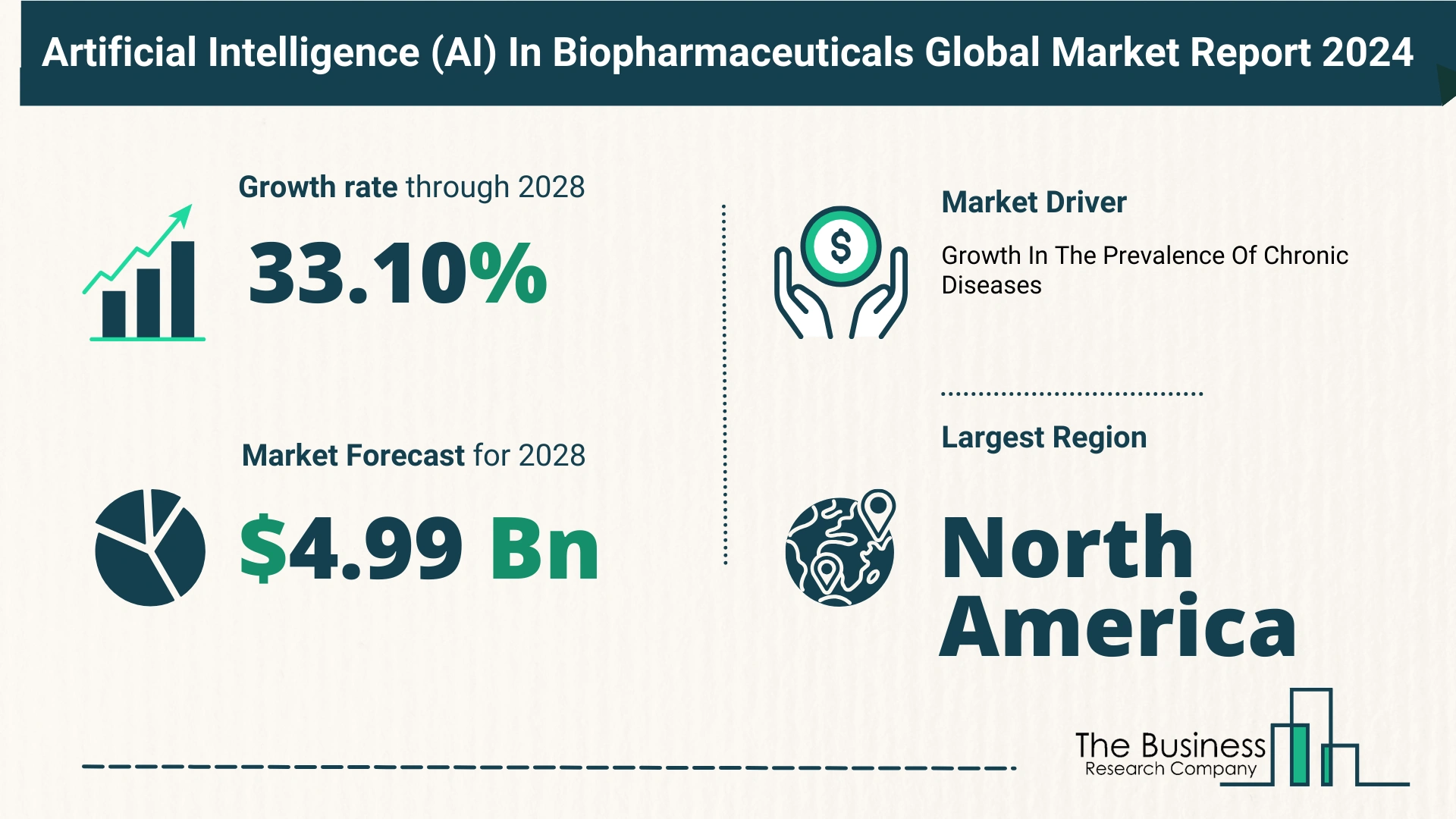
    • Future Market Projections: The market is expected to continue its upward trajectory, reaching $4.99 billion by 2028 with a CAGR of 33.1%. This anticipated growth is attributed to advancements in computational biology, the integration of multi-modal data, the convergence of AI and life sciences, and the establishment of regulatory frameworks emphasizing ethical and fair AI principles.

    Chronic Disease Prevalence Driving Market Expansion

    • Impact of Chronic Diseases: The increasing prevalence of chronic diseases is a significant factor fueling the growth of AI in biopharmaceuticals. These long-lasting conditions, often resulting from lifestyle factors, aging populations, and genetic predispositions, require sophisticated tools for management. AI’s ability to analyze large datasets, identify patterns, and personalize treatments makes it an invaluable resource in managing chronic diseases.
    • Future Projections: According to the National Library of Medicine, the number of chronic disease cases is expected to surge by 99.5% by 2050. This trend underscores the growing need for AI-driven solutions in the biopharmaceutical industry to address the rising demand for effective chronic disease management.

    View More On The Artificial Intelligence (AI) In Biopharmaceuticals Market Report 2024 – https://www.thebusinessresearchcompany.com/report/artificial-intelligence-ai-in-biopharmaceuticals-global-market-report

    Advancements in AI-Powered Drug Discovery and Precision Medicine

    • Innovative AI Solutions: Leading companies in the AI in biopharmaceuticals market are developing advanced AI-powered tools for drug discovery and precision medicine. These solutions aim to streamline the drug development process, reduce costs, and bring new treatments to market faster.
    • Case Study – Google LLC: In May 2023, Google launched AI-powered tools designed to predict and understand protein structures, a crucial aspect of drug development. These tools also enable researchers to manage and analyze vast amounts of genomic data, facilitating the advancement of precision medicine. Such innovations are poised to revolutionize life sciences and improve patient outcomes.

    ZS Associates’ Acquisition of Trials.ai Inc.

    • Strategic Acquisition: In February 2023, ZS Associates acquired Trials.ai Inc. to enhance the design of clinical trials using AI. This acquisition aims to optimize trial speed, improve participant experiences, and expedite the delivery of pharmaceutical therapies to the market.
    • Focus on AI in Clinical Trials: Trials.ai Inc. specializes in leveraging AI and machine learning technologies to revolutionize clinical trials. The integration of these technologies is expected to streamline trial processes, making them more efficient and effective.

    Regional Market Insights and Segmentation

    • Regional Growth: North America led the AI in biopharmaceuticals market in 2023, with Asia-Pacific expected to be the fastest-growing region in the coming years. This growth is driven by the rapid adoption of AI technologies and the increasing demand for innovative biopharmaceutical solutions.
    • Market Segmentation: The AI in biopharmaceuticals market is segmented by offering (hardware, software, services), deployment (cloud, on-premises), technology (machine learning, natural language processing, deep learning), application (business process and supply chain, drug discovery, medical imaging, diagnostics, precision medicine), and end-users (manufacturers, contract research organizations, academic and government research institutes).

    Conclusion

    • Future Outlook: The artificial intelligence in biopharmaceuticals market is set for continued exponential growth, driven by technological advancements, the increasing prevalence of chronic diseases, and strategic industry collaborations. With AI playing a pivotal role in transforming drug discovery, precision medicine, and clinical trials, the market’s potential for innovation and improved patient outcomes is immense.

    Request A Sample Of The Global Artificial Intelligence (AI) In Biopharmaceuticals Market Report 2024:
    https://www.thebusinessresearchcompany.com/sample_request?id=14251&type=smp

  • Growth Trajectory Of The Multi Cancer Early Detection Market 2024-2033

    Growth Trajectory Of The Multi Cancer Early Detection Market 2024-2033

    The Business Research Company’s global market reports are now updated with the latest market sizing information for the year 2024 and forecasted to 2033

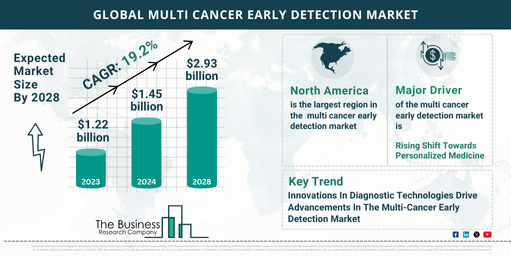
    • Market Size and Growth: The multi-cancer early detection market has experienced significant growth, expanding from $1.22 billion in 2023 to an anticipated $1.45 billion in 2024, reflecting a compound annual growth rate (CAGR) of 19%. This growth is driven by factors such as the increasing prevalence of cancer, government initiatives, greater awareness about early cancer detection, and advancements in healthcare infrastructure and personalized medicine.

    Factors Driving Historic Market Growth

    • Rising Cancer Prevalence: The increasing number of cancer cases worldwide has spurred demand for early detection solutions.
    • Government Initiatives and Funding: Public sector support and funding have played a crucial role in promoting cancer awareness and early detection.
    • Advancements in Healthcare Infrastructure: The expansion and modernization of healthcare systems globally have facilitated better access to early detection technologies.
    • Decreasing Costs of Genetic Testing: As the cost of genetic testing drops, more patients can afford personalized medicine, driving market growth.

    View More On The Multi Cancer Early Detection Market Report 2024 – https://www.thebusinessresearchcompany.com/report/multi-cancer-early-detection-global-market-report

    Future Market Projections and Trends

    • Continued Growth: The market is projected to nearly double, reaching $2.93 billion by 2028, with a CAGR of 19.2%.
    • Expansion of Telemedicine and Digital Health: The growing adoption of digital health solutions and telemedicine is expected to further drive the market, making early detection more accessible.
    • Advancements in Precision Oncology: Precision oncology and biomarker discovery are set to enhance the accuracy and effectiveness of early cancer detection methods.

    Major Trends Shaping the Future

    • AI and Machine Learning: The integration of AI and machine learning into diagnostics is anticipated to improve early cancer detection accuracy.
    • Liquid Biopsy Techniques: Increasing use of liquid biopsy techniques offers a less invasive method for cancer detection.
    • Multi-Omics Approaches: The integration of multi-omics data (e.g., genomics, proteomics) is expected to provide a more comprehensive view of cancer, aiding in earlier detection.
    • At-Home Testing Kits: The rise in at-home testing kits will likely make early cancer detection more convenient and accessible to the public.

    The Role of Personalized Medicine

    • Tailored Treatment Plans: The shift towards personalized medicine is a key driver in the multi-cancer early detection market. By customizing treatment and screening based on an individual’s genetic profile, personalized medicine enhances the efficacy of cancer detection.
    • Regulatory Support: Supportive regulatory measures have facilitated the development and approval of personalized therapies, further fueling market growth.
    • Recent Approvals: The FDA’s approval of 16 novel personalized therapies in 2023, compared to six in 2022, highlights the increasing focus on personalized treatment options, including those for cancer.

    Innovations in Diagnostic Technologies

    • ctDNA-Based Liquid Biopsy: Companies like Lucence are leading the way with ctDNA-based liquid biopsy tests, which offer non-invasive cancer detection and monitoring. These tests improve early detection rates and patient outcomes by identifying circulating tumor DNA in the bloodstream.
    • Recent Product Launches: Lucence’s launch of the LucenceINSIGHT test in May 2023, which screens for 10 prevalent cancers with a single blood sample, exemplifies the innovation occurring in this market.

    Strategic Industry Moves

    • Illumina’s Acquisition of GRAIL: In August 2021, Illumina Inc.’s acquisition of GRAIL Inc. was a strategic move to advance multi-cancer early detection. This acquisition aims to make life-saving genomic tests more accessible, marking a significant step towards revolutionizing cancer care.

    Market Segmentation and Regional Insights

    • Market Segmentation: The multi-cancer early detection market is segmented by type (Liquid Biopsy, Gene Panel, Laboratory Developed Tests), cancer type (Solid Tumors, Hematological Malignancies), and end-user (Hospitals, Diagnostic Laboratories).
    • Regional Insights: North America dominated the market in 2023, while Asia-Pacific is expected to be the fastest-growing region through 2028, driven by advancements in healthcare infrastructure and growing awareness.

    Conclusion

    The multi-cancer early detection market is poised for rapid growth, driven by technological advancements, increasing adoption of personalized medicine, and strategic industry moves. As the market continues to expand, innovations in diagnostics and a focus on early-stage detection will play a critical role in improving patient outcomes and reducing cancer-related mortality worldwide.

    Request A Sample Of The Global Multi Cancer Early Detection Market Report 2024:
    https://www.thebusinessresearchcompany.com/sample_request?id=15864&type=smp

  • Top 5 Insights From The Minimally Invasive Glaucoma Surgery (MIGS) Devices Market Report 2024

    Top 5 Insights From The Minimally Invasive Glaucoma Surgery (MIGS) Devices Market Report 2024

    The Business Research Company’s global market reports are now updated with the latest market sizing information for the year 2024 and forecasted to 2033

    According to The Business Research Company’s Minimally Invasive Glaucoma Surgery (MIGS) Devices Global Market Report 2024, the minimally invasive glaucoma surgery (MIGS) devices market is expected to show promising growth in the forecast period.

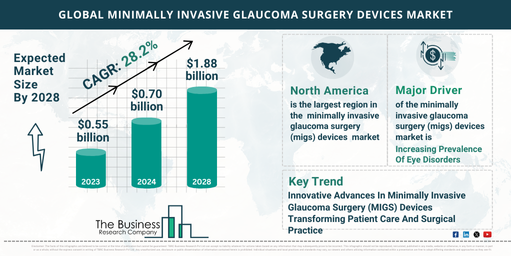
    • Rapid Market Expansion: The market for Minimally Invasive Glaucoma Surgery (MIGS) devices has seen significant growth, expanding from $0.55 billion in 2023 to an estimated $0.70 billion in 2024. This growth, with a compound annual growth rate (CAGR) of 27.8%, is driven by several factors, including heightened awareness of blindness prevention and increased investment in healthcare infrastructure.
    • Future Projections: The MIGS devices market is expected to continue this upward trajectory, with projections indicating a rise to $1.89 billion by 2028 at a CAGR of 28.2%. This surge is attributed to the growing prevalence of eye disorders, an aging population, and the need for safer, more efficient treatments.

    Rising Demand Due to Glaucoma Prevalence

    • Glaucoma’s Impact: The increasing prevalence of glaucoma and other eye disorders is a significant driver of the MIGS devices market. Lifestyle changes, environmental factors, and aging populations contribute to the rising incidence of these conditions. MIGS devices, which focus on reducing intraocular pressure (IOP) to manage glaucoma, are becoming essential in combating these growing health issues.
    • Future Implications: With the National Eye Institute predicting that 2.2 million Americans will be blind or partially blind by 2030, the demand for effective glaucoma treatments like MIGS devices is expected to increase, further propelling market growth. 

    View More On The Minimally Invasive Glaucoma Surgery (MIGS) Devices Market Report 2024 – https://www.thebusinessresearchcompany.com/report/minimally-invasive-glaucoma-surgery-migs-devices-global-market-report

    Technological Innovations Transforming the Market

    • Innovative Product Development: Leading companies in the MIGS devices market are focusing on developing innovative products to meet unmet needs in glaucoma management. Products like stent injectable systems are revolutionizing patient care by offering minimally invasive solutions for glaucoma treatment.
    • Case Study – Glaukos Corporation: An example of such innovation is the iStent Infinite Trabecular Micro-Bypass System, developed by Glaukos Corporation. This three-stent injectable system, cleared by the FDA in August 2022, provides 24/7 IOP control for patients with primary open-angle glaucoma (POAG), whose condition is not managed by existing treatments.

    Strategic Acquisitions Strengthen Market Position

    • Alcon’s Strategic Move: In November 2021, Alcon Inc. expanded its ophthalmic portfolio by acquiring Ivantis Inc., a company known for manufacturing MIGS devices. This acquisition strengthens Alcon’s position in the global surgical market and enables the company to bring innovative products like the Hydrus Microstent to a broader patient base.
    • Global Reach and Growth: Alcon’s acquisition of Ivantis highlights the strategic importance of mergers and acquisitions in expanding market reach and leveraging technological advancements to drive growth in the MIGS devices market.

    Regional Insights and Market Segmentation

    • North America Leads: In 2023, North America was the largest region in the MIGS devices market, reflecting the region’s advanced healthcare infrastructure and high awareness levels.
    • Asia-Pacific Growth Potential: Looking ahead, the Asia-Pacific region is expected to be the fastest-growing market, driven by an increasing prevalence of eye disorders, a growing elderly population, and expanding healthcare infrastructure.
    • Market Segmentation: The MIGS devices market is segmented by product type, surgery type, target area, distribution channel, and end user, with diverse offerings ranging from valves and stents to various surgical applications. The market serves ophthalmology clinics, ambulatory surgery centers (ASCs), and other end users, ensuring broad accessibility to these life-enhancing technologies.

    In conclusion, the minimally invasive glaucoma surgery (MIGS) devices market is poised for exponential growth, fueled by rising demand for advanced glaucoma treatments, innovative technological advancements, and strategic industry moves. This dynamic market is set to transform patient care and surgical practices in the years to come.

    Request A Sample Of The Global Minimally Invasive Glaucoma Surgery (MIGS) Devices Market Report 2024:
    https://www.thebusinessresearchcompany.com/sample_request?id=15863&type=smp

  • What’s The Growth Forecast For Medical Drone Delivery Services Market Through 2024-2033?

    What’s The Growth Forecast For Medical Drone Delivery Services Market Through 2024-2033?

    The Business Research Company’s global market reports provide comprehensive analysis on the various markets in 27 industries across 60 geographies. 

    • Exponential Market Growth: The medical drone delivery services market has seen rapid expansion, growing from $0.26 billion in 2023 to an expected $0.33 billion in 2024, with a compound annual growth rate (CAGR) of 25.9%.
    • Historical Drivers: Growth during this period has been driven by emergency response needs, improved rural healthcare access, cost reduction pressures, infrastructure challenges, and the globalization of healthcare.

    Forecast for Future Expansion

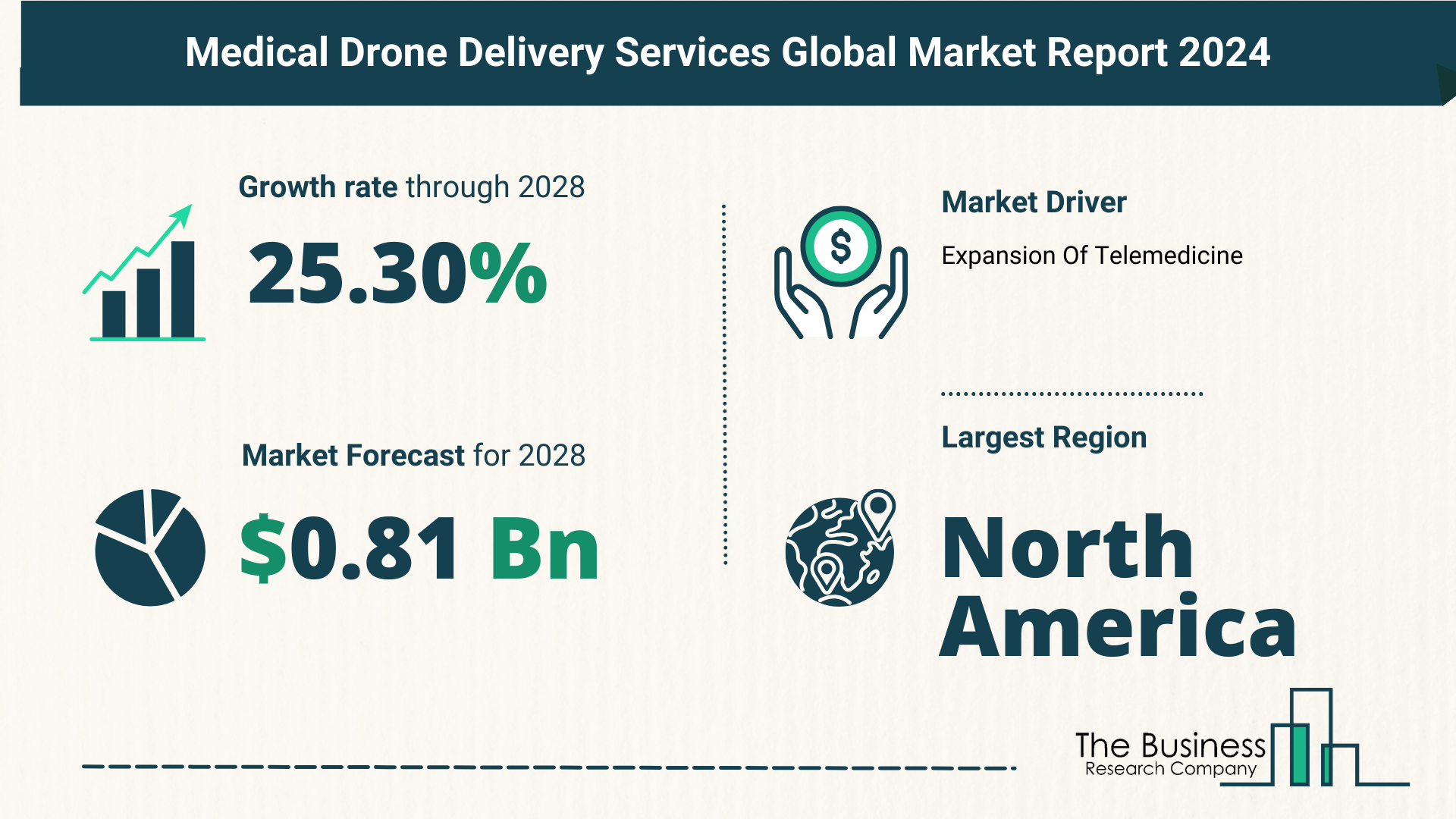
    • Future Market Projections: The market is projected to reach $0.81 billion by 2028, with a CAGR of 25.3%.
    • Key Growth Factors: Urbanization, climate change impacts, an aging population, government initiatives, increasing market competition, innovation, and healthcare digitization are the main drivers for future growth.
    • Emerging Trends: Trends include integration with air traffic management systems, healthcare professional training, drone fleet management solutions, global health security initiatives, and partnerships with e-commerce platforms.

    View More On The Medical Drone Delivery Services Market Report 2024 – https://www.thebusinessresearchcompany.com/report/medical-drone-delivery-services-global-market-report

    Telemedicine Expansion Propels Market Growth

    • Telemedicine’s Role: The expansion of telemedicine is a significant growth driver for the medical drone delivery services market. Telemedicine’s role in providing remote healthcare services enhances the efficiency and reach of healthcare delivery.
    • Supporting Data: Between 2020 and 2022, 118.2 million telehealth services were provided to 18 million patients in Australia. In the U.S., 80% of respondents accessed care remotely in 2022, up from 72% in 2021.
    • Market Impact: The widespread adoption of telemedicine drives the demand for medical drone delivery services, particularly in remote or underserved areas.

    Innovations and Strategic Partnerships

    • Amazon Pharmacy’s Drone Delivery Service: In October 2023, Amazon Pharmacy launched a drone delivery service for prescription medications, delivering drugs within 60 minutes to customers in College Station, Texas. This service utilizes advanced drone technology to ensure safe and quick delivery.
    • Zipline and Cleveland Clinic Partnership: In November 2023, Zipline International Inc. partnered with Cleveland Clinic to enhance patient delivery options through automated drone delivery of medical supplies. This collaboration aims to improve the patient experience, reduce costs, and promote environmentally friendly practices.

    Regional Insights and Market Segmentation

    • Market Segmentation: The market is segmented by drone type (Fixed Wing, Rotor Drones, Hybrid Drones), application (Blood Transfer, Drugs or Pharmaceutical Transfer, Vaccination Program), and end user (Government Organizations, Emergency Medical Services, Blood Banks).
    • Regional Leadership: North America was the largest region in the medical drone delivery services market in 2023, reflecting its advanced infrastructure and early adoption of drone technology in healthcare.

    Conclusion

    The medical drone delivery services market is poised for significant growth, driven by advancements in technology, expanding telemedicine services, and strategic partnerships. As the market continues to evolve, innovations and government initiatives will likely shape the future of healthcare delivery, making it more efficient, accessible, and environmentally sustainable.

    Request A Sample Of The Global Medical Drone Delivery Services Market Report 2024:
    https://www.thebusinessresearchcompany.com/sample_request?id=14428&type=smp

  • Microbial API Market Growth Analysis Till 2033 By The Business Research Company

    Microbial API Market Growth Analysis Till 2033 By The Business Research Company

    The Business Research Company’s market reports offer an in-depth analysis on the market’s growth potential, major drivers, key trends and more.

    Overview of Market Growth

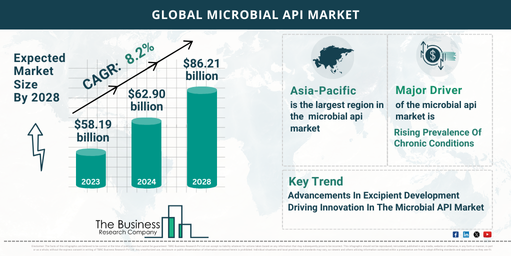
    • The microbial API market has experienced significant growth, expanding from $58.19 billion in 2023 to a projected $62.90 billion in 2024, at a compound annual growth rate (CAGR) of 8.1%.
    • Key drivers of this growth include increased demand for drugs, government focus on healthcare and pharmaceuticals, the need for better nutritional solutions, sustainability, cost-efficiency, and a growing demand for biological drugs.

    Future Growth Projections

    • The market is expected to continue its upward trajectory, reaching $86.22 billion by 2028, with a CAGR of 8.2%.
    • This growth is fueled by the pharmaceutical industry’s expanding applications, the rising prevalence of chronic conditions, increased healthcare spending, access to advanced medical infrastructure, and growing challenges like infections and antibiotic resistance.

    Read More On The Microbial API Market Report 2024 – https://www.thebusinessresearchcompany.com/report/microbial-api-global-market-report

    The Role of Chronic Conditions in Market Expansion

    • The rise in chronic conditions is a major factor driving the microbial API market. Chronic diseases, exacerbated by aging populations, sedentary lifestyles, poor diets, and environmental changes, are on the rise.
    • Microbial APIs are increasingly used in managing these conditions, providing therapeutic solutions derived from microorganisms. For example, the global number of people with diabetes is expected to rise significantly, underscoring the need for effective treatments powered by microbial APIs.

    Innovation and Technological Advancements

    • The microbial API market is witnessing significant advancements in fermentation and downstream processing technologies, as well as innovations in microbial fermentation and bioprocessing.
    • Companies are investing heavily in these areas, leading to product innovation and improvements in molecular and synthetic biology. This focus on innovation is essential for meeting the evolving demands of the pharmaceutical industry.

    Key Industry Players and Regional Insights

    • Leading companies in the microbial API market include BASF SE, Merck & Co Inc., AbbVie Inc., Bayer AG, and Sanofi S.A., among others.
    • The Asia-Pacific region emerged as the largest market in 2023, reflecting the region’s strong demand and production capabilities in the microbial API sector.

    Case Study: Recipharm’s Strategic Expansion

    • Recipharm’s acquisition of Arranta Bio MA LLC in February 2022 highlights the trend of strategic expansions in the microbial API market.
    • This acquisition aims to enhance Recipharm’s biologics manufacturing capabilities and strengthen its presence in the US market, particularly in the development and manufacturing services for Advanced Therapy Medicinal Products (ATMPs).

    Conclusion: A Promising Future for the Microbial API Market

    • With the market projected to continue its strong growth, driven by rising chronic conditions, technological advancements, and strategic industry moves, the microbial API sector is set to play a crucial role in the future of pharmaceuticals.
    • The ongoing innovation and investment in this field will likely yield new solutions that meet the increasing global demand for effective, sustainable, and cost-efficient medical treatments.

    Request for A Sample Of The Global Microbial API Market Report:
    https://www.thebusinessresearchcompany.com/sample_request?id=15861&type=smp

  • Top 5 Insights From The Optical Genome Mapping Market Report 2024

    Top 5 Insights From The Optical Genome Mapping Market Report 2024

    The Business Research Company’s global market reports are now updated with the latest market sizing information for the year 2024 and forecasted to 2033

    According to The Business Research Company’s Optical Genome Mapping Global Market Report 2024, the optical genome mapping market is expected to show promising growth in the forecast period.

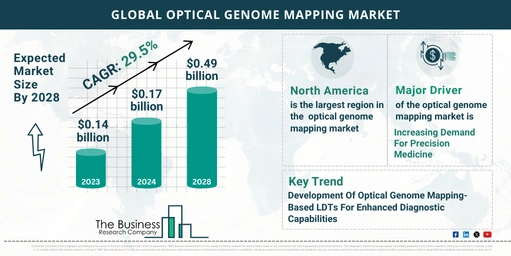
    The optical genome mapping (OGM) market has seen significant growth in recent years and is poised for continued expansion. From a market size of $0.14 billion in 2023, it is expected to reach $0.17 billion in 2024, growing at a compound annual growth rate (CAGR) of 29.4%.

    • Key Drivers:
      • Increasing demand for advanced genomic analysis tools.
      • Rising research in large-scale genome identification.
      • Growing collaborations between instrument manufacturers and hospitals.
      • Adoption of OGM in research institutions and pharmaceutical companies.
      • Cost-effectiveness and efficiency in analyzing large genomes with high accuracy.

    Market Projections and Future Growth

    Looking ahead, the OGM market is set to experience exponential growth, with projections estimating a market size of $0.49 billion by 2028, at a CAGR of 29.5%. This growth is driven by several factors that are shaping the future of genomics.

    • Growth Factors:
      • Advancements in genomic research.
      • Increasing demand for precision medicine.
      • Rising government funding and initiatives.
      • Strong healthcare infrastructure.
      • Growing prevalence of genetic diseases and cancer.
    • Major Trends:
      • Development of advanced OGM services.
      • Initiatives in genomic research.
      • Advancements in DNA mapping technologies.
      • Integration of AI and ML in genomic data processing.

    View More On The Optical Genome Mapping Market Report 2024 – https://www.thebusinessresearchcompany.com/report/optical-genome-mapping-global-market-report

    Precision Medicine as a Catalyst for Market Expansion

    The rising demand for precision medicine is a key driver for the OGM market. Precision medicine tailors medical treatments to individual genetic profiles, making it highly effective in managing chronic diseases and enhancing patient care.

    • Driving Factors:
      • Rising prevalence of chronic diseases.
      • Advancements in genomic technologies.
      • Increased investment and funding.
      • Growing patient demand for personalized care.
    • Impact of OGM: Optical genome mapping plays a crucial role in precision medicine by offering detailed insights into genomic alterations linked to various diseases. This technology enables more accurate diagnosis and treatment planning.

    Development of OGM-Based Laboratory-Developed Tests (LDTs)

    Leading companies in the OGM market are innovating with the development of OGM-based laboratory-developed tests (LDTs) to enhance diagnostic capabilities.

    • Innovation Example:
      • Bionano Genomics Inc. launched an OGM-based LDT for facioscapulohumeral muscular dystrophy (FSHD) in September 2022. This test allows Bionano Laboratories to offer diagnostic services using OGM technology, catering to hospitals, pharmaceutical companies, and research institutions.

    Strategic Acquisitions to Enhance OGM Capabilities

    Strategic acquisitions are playing a vital role in expanding the capabilities of OGM companies. Bionano Genomics Inc. made a significant move by acquiring BioDiscovery Inc. in October 2022 for $100 million.

    • Acquisition Highlights:
      • Integration of BioDiscovery’s NxClinical software enhances Bionano’s OGM capabilities.
      • NxClinical software provides a platform-agnostic solution for comprehensive variant analysis, combining next-generation sequencing (NGS) and microarray data.

    Market Segmentation and Regional Insights

    The OGM market is segmented by product, application, and end-user. The segmentation allows for a detailed understanding of the market dynamics across various sectors.

    • Segmentation:
      • By Product: Instruments, Consumables and Reagents, Software, Services.
      • By Application: Structural Variant Detection, Genome Assembly, Microbial Strain Typing, Other Applications.
      • By End-User: Biotechnology and Pharmaceutical Companies, Clinical Laboratories, Academic Research Institutes, Other End-Users.
    • Regional Insights:
      • North America was the largest region in the OGM market in 2023, reflecting its robust healthcare infrastructure and advanced research capabilities.
      • Asia-Pacific is anticipated to be the fastest-growing region in the forecast period, driven by increasing government initiatives and rising healthcare investments.

    Conclusion
    The optical genome mapping market is on a trajectory of rapid growth, driven by technological advancements, increasing demand for precision medicine, and strategic industry moves. As the market continues to evolve, companies are expected to focus on innovation and expansion to capitalize on the growing opportunities in the genomics sector.

    Request A Sample Of The Global Optical Genome Mapping Market Report 2024:
    https://www.thebusinessresearchcompany.com/sample_request?id=15882&type=smp

  • Non Invasive Fat Reduction Global Market Outlook 2024-2033: Size And Growth Rate Analysis

    Non Invasive Fat Reduction Global Market Outlook 2024-2033: Size And Growth Rate Analysis

    The Business Research Company’s global market reports provide comprehensive analysis on the various markets in 27 industries across 60 geographies.

    The non-invasive fat reduction market has seen significant growth in recent years, driven by various factors including increased awareness of body image and technological advancements. As people become more conscious of their appearance and seek minimally invasive solutions, the demand for non-invasive fat reduction procedures has surged.

    Market Overview

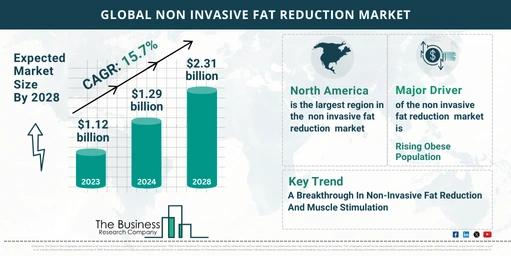
    • 2023 Market Size: $1.12 billion
    • 2024 Market Size: $1.29 billion
    • CAGR (2023-2024): 15.6%

    The market’s growth from 2023 to 2024 reflects a strong interest in non-invasive procedures. The rising disposable income and an aging population seeking aesthetic treatments further fuel this growth.

    Future Projections

    • 2028 Market Size: $2.31 billion
    • CAGR (2024-2028): 15.7%

    The market is expected to continue its rapid expansion, with continuous technological innovations making procedures more effective and safer. Emerging economies are also contributing to this growth as they adopt these technologies.

    Key Growth Drivers

    Several factors are propelling the market’s expansion:

    • Technological Advancements: Innovations in non-invasive procedures are leading to better results and safety profiles.
    • Increased Awareness: More people are becoming aware of body positivity and the availability of these procedures.
    • Rising Demand for Minimally Invasive Procedures: As people prefer less invasive options, the market for non-invasive fat reduction is booming.
    • Expanding Aging Population: Older individuals are seeking treatments to maintain a youthful appearance, driving demand.

    View More On The Non Invasive Fat Reduction Market Report 2024 – https://www.thebusinessresearchcompany.com/report/non-invasive-fat-reduction-global-market-report

    Obesity Epidemic Fuels Market Growth

    The global obesity epidemic is a significant factor driving the non-invasive fat reduction market.

    • Rising Obesity Rates: The obese population, defined by a BMI of 30 or higher, is increasing due to high-calorie diets and sedentary lifestyles.
    • Non-Invasive Solutions: Techniques like cryolipolysis and laser lipolysis offer non-surgical options to reduce localized fat, appealing to those looking for less invasive alternatives.
    • Projected Increase: According to the World Obesity Federation, the number of adults living with obesity is expected to rise from 0.81 billion in 2020 to 1.53 billion in 2035.

    Technological Breakthroughs

    Leading companies in the market are continuously innovating to enhance treatment outcomes.

    • Muscle-Stimulating Technologies: These new methods use electrical impulses to contract muscles, improving fat reduction and body toning.
    • PHYSIQ 360 Launch: In April 2024, Cartessa Aesthetics introduced PHYSIQ 360, a cutting-edge body contouring technology that combines laser energy and electrical muscle stimulation for enhanced results.

    Strategic Acquisitions

    Acquisitions are playing a crucial role in expanding the market’s reach and capabilities.

    • Carlyle Group Acquires VLCC Healthcare: In January 2023, Carlyle Group acquired a majority stake in VLCC Healthcare for $300 million. This acquisition aims to enhance VLCC’s brand, diversify its product offerings, and expand its digital and retail presence.

    Market Segmentation

    The non-invasive fat reduction market is segmented into various categories:

    • By Technology: Cryolipolysis, Ultrasound, Low Level Lasers
    • By Gender: Female, Male
    • By End Users: Hospitals, Stand Alone Practices, Multispecialty Clinics

    Regional Insights

    • North America: This region was the largest market for non-invasive fat reduction in 2023, driven by high disposable incomes and a strong emphasis on physical appearance.

    Conclusion

    The non-invasive fat reduction market is poised for substantial growth, driven by technological advancements, rising obesity rates, and increasing consumer demand for minimally invasive procedures. As the market continues to evolve, it will likely see further innovations and strategic investments, making non-invasive fat reduction an increasingly popular choice for individuals seeking aesthetic treatments.

    Request A Sample Of The Global Non Invasive Fat Reduction Market Report 2024:
    https://www.thebusinessresearchcompany.com/sample_request?id=15872&type=smp

  • Oxycodone Drugs Market Growth Analysis Till 2033 By The Business Research Company

    Oxycodone Drugs Market Growth Analysis Till 2033 By The Business Research Company

    The Business Research Company’s market reports offer an in-depth analysis on the market’s growth potential, major drivers, key trends and more.

    Market Overview: Strong Growth Trajectory

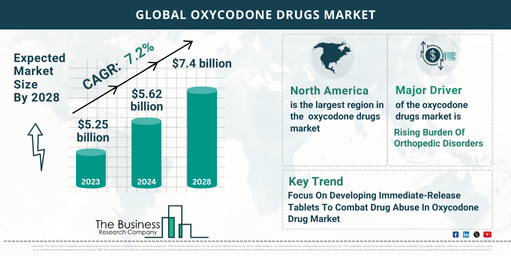
    • Significant Market Expansion: The oxycodone drugs market has seen robust growth, with market size increasing from $5.25 billion in 2023 to an anticipated $5.62 billion in 2024, reflecting a CAGR of 7.0%.
    • Historical Drivers: This growth is largely due to aggressive marketing campaigns, especially for OxyContin, which was heavily promoted for both chronic non-malignant pain and cancer-related pain. Post-World War II, the introduction of synthetic opiates like oxycodone further fueled market demand.

    Future Outlook: Continued Growth and Innovations

    • Forecasted Growth: The oxycodone drugs market is expected to grow to $7.41 billion by 2028, at a CAGR of 7.2%.
    • Key Growth Drivers:
      • Increasing prevalence of chronic pain.
      • Rising number of surgical procedures.
      • Advancements in drug delivery systems.
      • A growing elderly population, which experiences higher incidences of chronic pain.
    • Emerging Trends:
      • Development of abuse-deterrent formulations (ADFs).
      • Innovations in drug delivery systems.
      • Growing use of combination therapies.
      • Technological advancements in manufacturing.

    Read More On The Oxycodone Drugs Market Report 2024 – https://www.thebusinessresearchcompany.com/report/oxycodone-drugs-global-market-report

    Orthopedic Disorder Surge Fuels Market Growth

    • High Burden of Orthopedic Disorders: The rising incidence of orthopedic conditions due to aging populations, sedentary lifestyles, and other factors is driving demand for oxycodone drugs.
    • Impact on Market:
      • Oxycodone is used to alleviate pain from fractures, joint injuries, and post-surgical discomfort.
      • A significant increase in musculoskeletal disorders is expected, with projected cases rising by 115% from 2020 to 2050, reaching over 1 billion cases by 2050.

    Focus on Developing Immediate-Release Tablets to Combat Drug Abuse

    • Innovative Drug Development: Companies in the oxycodone market are focusing on creating formulations that reduce the potential for abuse.
    • Key Example:
      • In July 2022, Protega Pharmaceuticals launched RoxyBond, an FDA-approved immediate-release oxycodone tablet designed to deter abuse through physical and chemical resistance.

    UNC Kenan-Flagler and Acadia Healthcare Partner to Combat Opioid Crisis

    • Strategic Partnership: In February 2023, UNC Kenan-Flagler Business School and Acadia Healthcare collaborated to create an opioid settlement playbook, aiming to guide communities in effectively using funds from opioid settlements.
    • Objective:
      • The partnership focuses on optimizing the use of settlement funds for opioid recovery efforts, particularly in communities affected by the opioid crisis.

    Market Segmentation and Regional Insights

    • Segmentation:
      • By Drug Type: Short-acting oxycodone, long-acting oxycodone.
      • By Dosage Form: Tablets, capsules, injections.
      • By Indication: Neuropathic pain, musculoskeletal pain, cancer pain, post-operative pain, other indications.
      • By Distribution Channel: Hospital pharmacies, retail pharmacies, online pharmacies.
    • Regional Insights:
      • North America was the largest market in 2023.
      • Asia-Pacific is expected to be the fastest-growing region during the forecast period.

    Key Players in the Market

    • Leading Companies: The market is dominated by major pharmaceutical players such as Pfizer Inc., Johnson & Johnson, Teva Pharmaceutical Industries, Purdue Pharma, and others.

    The oxycodone drugs market is set for significant growth, driven by increasing demand due to chronic pain, innovations in drug delivery, and strategic partnerships aimed at addressing the opioid crisis.

    Request for A Sample Of The Global Oxycodone Drugs Market Report:
    https://www.thebusinessresearchcompany.com/sample_request?id=15886&type=smp