Blog

  • How Is The Pediatric Medical Devices Market Expected To Grow Through 2024-2033

    How Is The Pediatric Medical Devices Market Expected To Grow Through 2024-2033

    The Business Research Company’s global market reports are now updated with the latest market sizing information for the year 2024 and forecasted to 2033

    According to The Business Research Company’s Pediatric Medical Devices Global Market Report 2024, the pediatric medical devices market is expected to show promising growth in the forecast period.

    The pediatric medical devices market has shown impressive growth in recent years. This trend is set to continue, driven by various factors and innovations.

    Current Market Size and Growth

    • 2023 Market Size: $31.29 billion
    • 2024 Market Size: $33.84 billion
    • CAGR: 8.1%

    The recent growth in the pediatric medical devices market can be attributed to:

    • Increasing awareness of pediatric healthcare needs
    • Growing investments in healthcare infrastructure
    • Population growth
    • Government initiatives supporting child health
    • Expansion of insurance coverage

    Future Market Projections

    • 2028 Market Size: $46.45 billion
    • CAGR: 8.2%

    Key factors driving future growth include:

    • Adoption of value-based care models
    • Advancements in manufacturing processes
    • Personalized healthcare solutions
    • Focus on home-based care
    • Collaborative innovation in medical technologies

    View More On The Pediatric Medical Devices Market Report 2024 – https://www.thebusinessresearchcompany.com/report/pediatric-medical-devices-global-market-report

    Major Trends

    • Remote monitoring solutions
    • Pediatric telemedicine services
    • Wearable health devices for children
    • Pediatric robotics in surgery
    • Integration of AI in pediatric healthcare

    Minimally Invasive Pediatric Surgical Procedures

    The demand for minimally invasive pediatric surgical procedures is significantly boosting the pediatric medical devices market.

    Benefits of Minimally Invasive Procedures

    • Smaller incisions or natural body openings
    • Specialized instruments and imaging technology
    • Less trauma and quicker recovery compared to traditional surgeries

    Market Impact

    • Case Study: In March 2023, Washington University in St. Louis reported an increase in operating room cases for minimally invasive surgery from 2,208 in 2021 to 2,400 in 2022.

    Technological Advancements

    • Enhanced safety and precision in interventions
    • Reduced post-operative complications
    • Effective treatment with minimal trauma to surrounding tissues

    Key Market Players

    • Cardinal Health Inc.
    • Johnson & Johnson
    • Siemens AG
    • Hoffmann-La Roche Ltd.
    • Abbott Laboratories
    • Medtronic plc
    • GE HealthCare Technologies
    • Baxter International Inc.
    • Boston Scientific Corporation
    • Zimmer Biomet Holdings Inc.
    • Olympus Corporation
    • Terumo Corporation
    • Smith & Nephew plc
    • Atom Medical Corporation
    • Elektro-Mag
    • Novonate Inc.

    Innovative Orthopedic Implants for Pediatric Patients

    Leading companies are developing orthopedic implants to meet the unique healthcare needs of pediatric patients.

    Example: OrthoPediatrics Corporation

    • Launch: RESPONSE Rib and Pelvic Fixation system (March 2024)
    • Target Condition: Early Onset Scoliosis (EOS)
    • Features: Range of implant options, low-profile designs, and locking mechanisms for enhanced precision and flexibility

    Expansion Through Acquisition

    • Acquisition: Pega Medical by OrthoPediatrics Corporation (July 2022)
    • Purpose: Expand pediatric orthopedics portfolio to aid more children with orthopedic disorders
    • Investment: $33 million

    Market Segmentation

    1. By Product
      • Cardiology Devices
      • In Vitro Diagnostic (IVD) Devices
      • Diagnostic Imaging Devices
      • Anesthesia and Respiratory Care Devices
      • Neonatal Intensive Care Unit (ICU) Devices
      • Other Products
    2. By Age Group
      • Infants
      • Children
      • Adolescents
    3. By End-User
      • Hospitals
      • Diagnostic Laboratories
      • Ambulatory Surgical Centers
      • Other End-Users

    Regional Insights

    • Largest Region (2023): North America
    • Fastest-Growing Region (Forecast Period): Asia-Pacific

    The pediatric medical devices market is poised for significant growth, driven by technological advancements, increasing awareness, and strategic initiatives by key players. The focus on minimally invasive procedures and innovative solutions will continue to shape the future of pediatric healthcare.

    Request A Sample Of The Global Pediatric Medical Devices Market Report 2024:
    https://www.thebusinessresearchcompany.com/sample_request?id=15890&type=smp
  • Pediatric Catheter Global Market Outlook 2024-2033: Size And Growth Rate Analysis

    Pediatric Catheter Global Market Outlook 2024-2033: Size And Growth Rate Analysis

    The Business Research Company’s global market reports provide comprehensive analysis on the various markets in 27 industries across 60 geographies.

    Overview of Market Growth

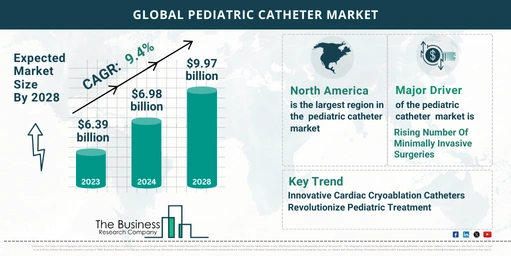
    • Current Market Size: The pediatric catheter market has seen substantial growth, expanding from $6.39 billion in 2023 to $6.98 billion in 2024, at a CAGR of 9.3%.
    • Forecasted Growth: The market is expected to grow further, reaching $9.98 billion by 2028 with a CAGR of 9.4%.

    Drivers of Growth

    • Increased Prevalence of Pediatric Disorders: More children are being diagnosed with various disorders, necessitating the use of catheters.
    • Rising Awareness: Both parents and healthcare professionals are more informed about the benefits and usage of pediatric catheters.
    • Preference for Minimally Invasive Procedures: The medical community’s shift towards minimally invasive techniques is driving the market.
    • Enhancements in Healthcare Infrastructure: Better facilities and technologies in healthcare institutions support market growth.
    • Growth of Home-Based Medical Care: An increasing preference for treating pediatric patients at home boosts the demand for pediatric catheters.

    Forecasted Market Drivers

    • Increasing Prevalence of Chronic Diseases: Chronic conditions in children are on the rise, requiring ongoing catheter use.
    • Rising Healthcare Expenditure: Higher spending on healthcare improves access to advanced medical devices, including pediatric catheters.
    • Expansion of Ambulatory Surgical Centers: More outpatient surgeries mean increased use of pediatric catheters.
    • Environmental and Sustainable Practices: Growing emphasis on eco-friendly medical products is shaping market dynamics.
    • Pediatric Neurological Conditions: A rise in neurological disorders among children is boosting demand for neurovascular catheters.

    View More On The Pediatric Catheter Market Report 2024 – https://www.thebusinessresearchcompany.com/report/pediatric-catheter-global-market-report

    Major Market Trends

    • Technological Advancements: Innovations in catheter design and materials are enhancing their effectiveness and safety.
    • Adoption of Advanced Catheterization Techniques: New techniques are improving patient outcomes and market appeal.
    • Integration of Digital Health Technologies: Smart catheters and other digital health tools are gaining traction.
    • Environmentally Sustainable Materials: The shift towards eco-friendly materials in catheter production is a notable trend.
    • Expansion of Distribution Networks: Wider availability and distribution of pediatric catheters are driving market growth.
    • Virtual Consultations: Increasing use of telehealth services for pediatric care supports the market.

    Minimally Invasive Surgeries and Market Growth

    • Demand for MIS: The preference for minimally invasive surgeries (MIS) due to faster recovery, less discomfort, and minimal scarring is driving the pediatric catheter market.
    • Enhanced Utilization: MIS enhances the use of catheters by providing less invasive access for insertion.
    • Market Impact: For example, in 2023, Americans spent over $11.8 billion on minimally invasive aesthetic procedures, highlighting the growing demand for MIS.

    Key Players in the Market

    • Leading Companies: Cardinal Health, Abbott Laboratories, Medtronic Plc, Becton, Dickinson and Company, Stryker Corporation, among others.
    • Innovations: These companies are focusing on developing advanced products, such as cardiac cryoablation catheters for safe and effective pediatric treatments.

    Innovative Cardiac Cryoablation Catheters

    • Cardiac Cryoablation: Used to treat conditions like atrial fibrillation by freezing heart tissue to prevent unwanted electrical signals.
    • Regulatory Approvals: In 2022, Medtronic received FDA approval for its Freezor and Freezor Xtra cardiac cryoablation focal catheters, demonstrating high efficacy and minimal adverse events.

    Market Expansion through Acquisitions

    • HR Pharmaceuticals: In January 2022, HR Pharmaceuticals acquired Medical Technologies of Georgia (MTG), enhancing its presence in the pediatric catheter market.
    • Significance: This acquisition allows HR Pharmaceuticals to remain the only independent catheter manufacturer in the US.

    Market Segmentation

    • By Product Type: Cardiovascular Catheters, Urology Catheters, Intravenous Catheters, Neurovascular Catheters, Specialty Catheters, Other Types.
    • By Lumen: Single Lumen, Double Lumen, Triple Lumen.
    • By End User: Hospitals and Clinics, Ambulatory Surgical Centers, Other End Users.

    Regional Insights

    • North America: Largest market for pediatric catheters in 2023.
    • Asia-Pacific: Expected to be the fastest-growing region in the forecast period.

    The pediatric catheter market is poised for significant growth, driven by technological advancements, rising healthcare expenditure, and a shift towards minimally invasive procedures. The market’s future looks promising with ongoing innovations and strategic expansions.

    Request A Sample Of The Global Pediatric Catheter Market Report 2024:
    https://www.thebusinessresearchcompany.com/sample_request?id=15889&type=smp

  • 5 Key Insights On The Peanut Allergy Treatment Market 2024

    5 Key Insights On The Peanut Allergy Treatment Market 2024

    The Business Research Company’s global market reports are now updated with the latest market sizing information for the year 2024 and forecasted to 2033

    As per The Business Research Company’s Peanut Allergy Treatment Global Market Report 2024, the peanut allergy treatment market is expected to show significant growth in the forecast period.

    Market Size and Growth Projections

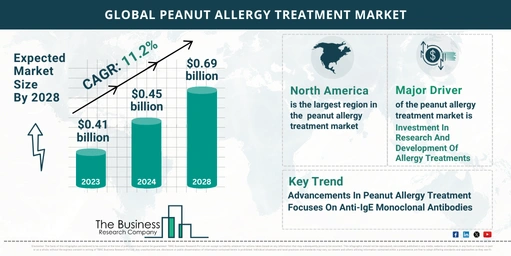
    • 2023 to 2024: The peanut allergy treatment market is set to grow from $0.41 billion in 2023 to $0.45 billion in 2024, reflecting a compound annual growth rate (CAGR) of 11.1%.
    • 2024 to 2028: This market is expected to expand further, reaching $0.69 billion by 2028 with a CAGR of 11.2%.

    Drivers of Historical Growth

    • Increased Prevalence: Rising cases of peanut allergies worldwide.
    • Advancements in Diagnostic Testing: Improved methods for early detection.
    • Public Awareness: Greater recognition and concern over peanut allergies.
    • Early Intervention Strategies: Development of new treatment protocols.
    • Regulatory Approvals: More treatments gaining official approval.

    Future Growth Catalysts
    Expected Growth Drivers

    • Prevalence Rise: Continued increase in peanut allergy cases.
    • Personalized Medicine: Expansion in tailored treatment approaches.
    • Novel Immunotherapy Treatments: Introduction of new, effective therapies.
    • Investment Growth: Increased funding from public and private sectors.
    • Telemedicine Services: Expansion of remote healthcare services.

    View More On The Peanut Allergy Treatment Market Report 2024 – https://www.thebusinessresearchcompany.com/report/peanut-allergy-treatment-global-market-report

     Key Trends

    • Adoption of Immunotherapy: Growing use of immune system-based treatments.
    • Biologic Therapies: Advances in therapies targeting biological pathways.
    • Probiotic-Based Treatments: Integration of probiotics in allergy management.
    • Delivery System Innovations: Technological improvements in treatment delivery.
    • Personalized Medicine: Tailored approaches for individual patients.
    • Regulatory Support: Increased approvals and support from regulatory bodies.

    Driving Growth Through Research and Development Investment
    Significance of R&D Investment

    • Innovation and Advancement: Essential for developing new peanut allergy therapies.
    • Desensitization Techniques: Creating methods to reduce allergic reactions.
    • Quality of Life: Aiming to improve living standards for those with peanut allergies.

    Example of R&D Investment

    • Victorian Government’s Initiative: A $12 million investment in Aravax to advance the PVX108 immunotherapy.
    • Impact: Secured Phase 2 trial approvals from the FDA and TGA, highlighting global health potential.

    Major Players in the Market
    Leading Companies

    • Pharmaceutical Giants: Pfizer Inc., F. Hoffmann-La Roche AG, Sanofi SA, Novartis AG, Takeda Pharmaceutical Company Limited.
    • Other Key Players: Viatris Inc., Regeneron Pharmaceuticals Inc., Hikma Pharmaceuticals plc, ALK-Abelló A/S, Amneal Pharmaceuticals Inc.
    • Specialized Firms: Stallergenes Greer plc, kaleo Inc., Aquestive Therapeutics Inc., Vedanta Biosciences Inc., Aimmune Therapeutics Inc.

    Advancements in Peanut Allergy Treatment
    Focus on Anti-IgE Monoclonal Antibodies

    • Targeted Therapies: Development of biologic therapies like anti-IgE monoclonal antibodies.
    • Example: Novartis’s Xolair (omalizumab), approved by the FDA in February 2024, shows significant improvement in food allergy tolerance.

    Expansion Through Strategic Acquisitions
    Stallergenes Greer’s Acquisition

    • Acquisition of Palforzia: In September 2023, Stallergenes Greer acquired Palforzia from Nestlé S.A.
    • Portfolio Enhancement: This acquisition expands Stallergenes Greer’s allergy treatment offerings.

    Market Segmentation
    Drug Class

    • Antihistamines
    • Immunotherapies
    • Epinephrine
    • Other Drug Classes

    Route of Administration

    • Injectable
    • Oral
    • Other Routes

    Distribution Channel

    • Retail Pharmacy
    • Hospital Pharmacy
    • Other Channels

    Regional Insights

    • North America: Largest market region in 2023.
    • Asia-Pacific: Expected to be the fastest-growing region during the forecast period.

    Conclusion
    The peanut allergy treatment market is poised for significant growth, driven by advancements in research, increasing prevalence of allergies, and innovations in treatment approaches. Investment in R&D and strategic acquisitions by major companies will continue to propel the market forward, offering improved solutions and better quality of life for those affected by peanut allergies.

    Request A Sample Of The Global Peanut Allergy Treatment Market Report 2024:
    https://www.thebusinessresearchcompany.com/sample_request?id=15888&type=smp

  • Opioid-Induced Constipation Treatment Market Growth Analysis Till 2033 By The Business Research Company

    Opioid-Induced Constipation Treatment Market Growth Analysis Till 2033 By The Business Research Company

    The Business Research Company’s market reports offer an in-depth analysis on the market’s growth potential, major drivers, key trends and more.

    Market Growth Overview

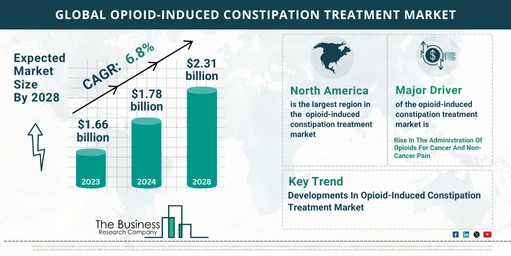
    • Recent Growth: The opioid-induced constipation (OIC) treatment market has seen significant growth, increasing from $1.66 billion in 2023 to $1.78 billion in 2024, with a CAGR of 6.7%.
    • Future Projections: Expected to grow to $2.31 billion by 2028 at a CAGR of 6.8%, driven by several factors.

    Key Drivers in the Historic Period

    • Expanding Geriatric Population: Older adults are more likely to use opioids, leading to higher instances of OIC.
    • Personalized Treatments: Tailored OIC treatments have become more available, enhancing effectiveness.
    • Effective OIC Drugs: Increased availability of drugs specifically targeting OIC.
    • Prevalence of Opioid Use: Rising opioid prescriptions contribute to the need for OIC treatments.
    • Gastrointestinal Disorders: A higher incidence of gastrointestinal issues boosts the demand for OIC therapies.

    Drivers for Future Growth

    • Accelerated Drug Approval: Faster approval processes for new drugs.
    • Opioid Analgesic Prescriptions: Increasing use of opioids for pain management.
    • R&D Expenditure: Significant investments in research and development for novel treatments.
    • Development of Biologics: Advances in biologic treatments for OIC.

    Read More On The Opioid-Induced Constipation Treatment Market Report 2024 – https://www.thebusinessresearchcompany.com/report/opioid-induced-constipation-treatment-global-market-report

    Emerging Trends

    • Patient Education: Increased efforts in educating patients about OIC and its treatments.
    • Targeted Therapies: Development of therapies specifically targeting OIC mechanisms.
    • Non-pharmacological interventions: Exploration of alternative treatments beyond medications.
    • Biotechnology Innovations: Cutting-edge biotech solutions for managing OIC.
    • Increased Investment: More financial resources directed towards OIC treatment advancements.

    Rising Opioid Use for Pain Management

    • Cancer and Non-Cancer Pain: Opioids are widely used for managing both cancer-related and non-cancer pain.
    • Quality of Life: Effective OIC treatments improve patient comfort and adherence to pain management regimens without compromising pain relief.
    • Statistics: According to the CDC, 20.9% of U.S. adults reported chronic pain in 2021, highlighting the need for OIC treatments.

    Major Players in the Market

    • Companies: Key players include Pfizer Inc., Merck & Co. Inc., Bayer AG, Sanofi S.A., AstraZeneca plc, Takeda Pharmaceutical Company Limited, and many others.

    Developments in OIC Treatments

    • Mu-Opioid Receptor Antagonists: Companies are focusing on these antagonists to manage OIC effectively.
    • Notable Approval: In December 2021, Shionogi & Co. Ltd. received approval for Symproic (naldemedine) in Taiwan, expanding treatment options.

    Grünenthal and Kyowa Kirin Joint Venture

    • Collaboration: In August 2023, Grünenthal GmbH and Kyowa Kirin International formed a joint venture to market pain management and OIC medications.
    • Focus Areas: The collaboration includes a range of products, emphasizing OIC and pain management.

    Market Segmentation

    • By Drug Class: Includes laxatives, peripherally acting µ-opioid receptor antagonists, serotonin receptor agonists, and prostaglandin.
    • By Type: Oral and parenteral treatments.
    • By Distribution Channel: Hospital pharmacies, online pharmacies, and retail pharmacies.

    Regional Insights

    • North America: Largest market in 2023.
    • Asia-Pacific: Expected to be the fastest-growing region during the forecast period.

    The opioid-induced constipation treatment market is poised for continued growth, driven by increasing opioid use, advancements in treatment options, and significant investments in R&D. With major players innovating and forming strategic collaborations, the market is set to expand, offering improved solutions for patients suffering from OIC.

    Request for A Sample Of The Global Opioid-Induced Constipation Treatment Market Report:
    https://www.thebusinessresearchcompany.com/sample_request?id=15881&type=smp

  • Growth Trajectory Of The Ophthalmic Packaging Market 2024-2033

    Growth Trajectory Of The Ophthalmic Packaging Market 2024-2033

    The Business Research Company’s global market reports are now updated with the latest market sizing information for the year 2024 and forecasted to 2033

    Rapid Market Expansion

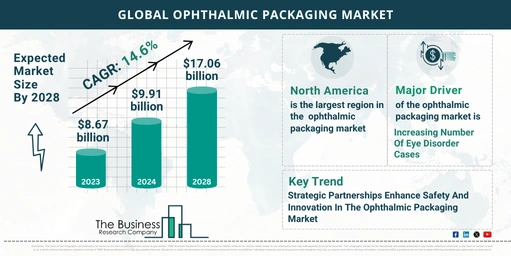
    • Market Size: The ophthalmic packaging market grew from $8.67 billion in 2023 to $9.91 billion in 2024, with a CAGR of 14.3%.
    • Historic Growth Drivers:
      • Increased prevalence of eye disorders.
      • Aging population demographics.
      • Higher healthcare expenditure.
      • Stringent packaging regulations.
      • Market expansion initiatives by key players.

    Forecasted Market Growth

    • Projected Size: Expected to reach $17.07 billion by 2028, with a CAGR of 14.6%.
    • Future Growth Factors:
      • Rising adoption of contact lenses and vision correction devices.
      • Increasing use of specialty drugs.
      • Expansion of healthcare infrastructure.
      • Growing consumer awareness about eye health.
      • More eye healthcare hospitals and clinics.

    View More On The Ophthalmic Packaging Market Report 2024 – https://www.thebusinessresearchcompany.com/report/ophthalmic-packaging-global-market-report

    Emerging Trends

    • Smart Packaging: Adoption of technologies for enhanced functionality.
    • Anti-Counterfeiting: Incorporation of measures to prevent fake products.
    • Automation and Robotics: Streamlining packaging processes.
    • Compact Designs: Development of lightweight and space-saving packaging.
    • Digital Integration: Adding digital elements for better user interaction.

    Rising Eye Disorder Cases Driving Market Growth

    Increasing Eye Disorders

    • Causes: Aging, lifestyle changes, environmental factors, and screen time.
    • Impact: Growing need for safe and sterile delivery of eye medications and devices.
    • Statistics: Over 3.4 million Americans aged 40+ are blind or visually impaired, with numbers expected to double by 2030.

    Importance of Ophthalmic Packaging

    • Functions: Ensures safety, sterility, accurate dosing, and reduces contamination risks.
    • Example: CDC report highlights the need for better ophthalmic solutions to cater to the rising number of visually impaired individuals.

    Major Players in the Market

    Key Companies

    • Notable Names: Amcor Ltd., Berry Global Inc., Corning Incorporated, ZEISS Group, and more.
    • Diverse Expertise: Companies range from plastic packaging manufacturers to specialized optics packaging firms.

    Strategic Partnerships Enhancing Market Competitiveness

    Forming Alliances

    • Purpose: Leverage synergies, access new opportunities, and mitigate risks.
    • Example:
      • Berry Plastics Group & Pylote: In March 2022, launched a multidose ophthalmic dropper with antimicrobial technology, reducing infections and plastic waste.

    Market Expansion Through Acquisitions

    Expanding Product Range

    • Conductive Containers Inc. Acquisition: In November 2023, acquired Crestline Plastics Inc. to broaden product offerings in static control packaging.
    • Crestline’s Expertise: Specializes in custom thermoformed packaging for optical components.

    Segmentation of the Ophthalmic Packaging Market

    By Dose

    • Multi-Dose
    • Single Dose

    By Material

    • Glass
    • Plastic
    • Other Materials

    By End-Use

    • Over the Counter (OTC)
    • Prescription

    Regional Insights

    Leading Regions

    • North America: Largest market in 2023.
    • Asia-Pacific: Expected to be the fastest-growing region in the forecast period.

    Request A Sample Of The Global Ophthalmic Packaging Market Report 2024:
    https://www.thebusinessresearchcompany.com/sample_request?id=15880&type=smp

  • Top 5 Insights From The Ophthalmic Handheld Surgical Instruments Market Report 2024

    Top 5 Insights From The Ophthalmic Handheld Surgical Instruments Market Report 2024

    The Business Research Company’s global market reports are now updated with the latest market sizing information for the year 2024 and forecasted to 2033

    According to The Business Research Company’s Ophthalmic Handheld Surgical Instruments Global Market Report 2024, the ophthalmic handheld surgical instruments market is expected to show promising growth in the forecast period.

    Market Overview

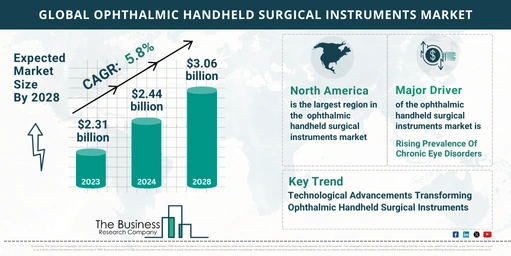
    • Current Market Size: The ophthalmic handheld surgical instruments market grew from $2.31 billion in 2023 to $2.44 billion in 2024 at a CAGR of 5.6%.
    • Future Projections: Expected to reach $3.06 billion by 2028, with a CAGR of 5.8%.
    • Key Growth Drivers:
      • Increased prevalence of ophthalmic diseases
      • Advancements in surgical techniques
      • Rising demand for minimally invasive procedures
      • Growing geriatric population
      • Expansion in emerging markets

    Factors Driving Market Growth

    • Historic Period:
      • Rise in minimally invasive procedures
      • Increased geriatric population
      • Emerging market expansion
    • Forecast Period:
      • Advancements in microsurgical techniques
      • Increasing prevalence of eye disorders
      • Improved healthcare infrastructure in emerging economies
      • Enhanced precision and efficiency in surgeries

    Key Market Trends

    • Technological Innovations:
      • Advanced microsurgical tools
      • Growing use of robotic-assisted surgery
      • Customizable instrument sets
    • Market Shifts:
      • Preference for disposable instruments
      • Investments in surgeon training and education
      • Emergence of telemedicine solutions

    View More On The Ophthalmic Handheld Surgical Instruments Market Report 2024 – https://www.thebusinessresearchcompany.com/report/ophthalmic-handheld-surgical-instruments-global-market-report

    Rising Chronic Eye Disorders

    • Impact on Market Growth: Increasing chronic eye disorders are driving the demand for ophthalmic handheld surgical instruments.
      • Aging population
      • Rising diabetes rates
      • Lifestyle changes
      • Genetic predispositions
      • Improved awareness and screening programs
    • Example: As of January 2024, over 3.4 million Americans aged 40+ were blind or visually impaired, expected to double by 2030.

    Technological Advancements

    • Innovations: Companies are developing advanced products such as handheld corneal esthesiometers.
      • Example: In July 2023, Brill Engines launched the corneal esthesiometer brill (CEB), the world’s first handheld corneal esthesiometer.
      • Benefits: Reliable, accurate, and efficient assessments of corneal sensitivity, aiding in diagnosing and managing ocular and neurological conditions.

    Major Companies

    • Leading Players: Novartis AG, Thompson Surgical Instruments Inc., Bausch + Lomb Incorporated, Carl Zeiss Meditec AG, Topcon Corporation, Metall Zug AG, Lumenis Ltd., BVI Medical, Keeler, Katalyst Surgical, Moria S.A., MicroSurgical Technology Inc., Oertli Instrumente AG, Duckworth & Kent Limited, Surgistar Inc., Nova Eye Medical Ltd., Accutome Inc., Takagi Ophthalmic Instruments Europe Ltd., Rumex International Co., Altomed Limited, Katena Products Inc., Mastel Precision Surgical Instruments LLC, Pelion Surgical LLC, Stephens Instruments, Insight Instruments Inc.

    Strategic Acquisitions

    • Katena Products and ASICO:
      • Acquisition: In April 2021, Katena Products acquired ASICO, enhancing its portfolio and market reach.
      • Outcome: Positioned Katena as a leading provider of comprehensive ophthalmic surgical solutions.

    Market Segmentation

    • By Product: Ophthalmic Knives, Forceps, Scissor, Chopper, Rapid Immunotherapies, Other Products
    • By Application: Cataract, Refractive, Glaucoma, Vitreoretinal, Diabetic Retinopathy, Other Applications
    • By End-User: Hospital, Ophthalmic Clinic, Other End Users

    Regional Insights

    • Largest Region in 2023: North America
    • Fastest-Growing Region: Asia-Pacific expected to lead in the forecast period

    The ophthalmic handheld surgical instruments market is poised for significant growth, driven by technological advancements, rising chronic eye disorders, and strategic industry moves. As the market evolves, key trends and regional dynamics will continue to shape its trajectory, offering ample opportunities for innovation and expansion.

    Request A Sample Of The Global Ophthalmic Handheld Surgical Instruments Market Report 2024:
    https://www.thebusinessresearchcompany.com/sample_request?id=15879&type=smp

  • What’s The Growth Forecast For Ophthalmic Eye Dropper Market Through 2024-2033?

    What’s The Growth Forecast For Ophthalmic Eye Dropper Market Through 2024-2033?

    The Business Research Company’s global market reports provide comprehensive analysis on the various markets in 27 industries across 60 geographies.

    • Market Size and Growth Rate
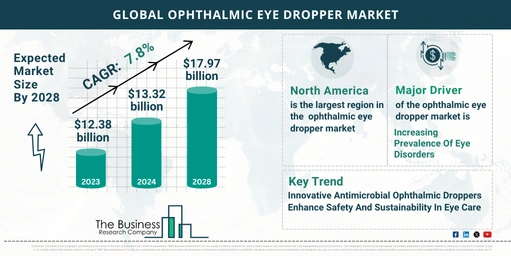
      • In 2023, the ophthalmic eye dropper market was valued at $12.38 billion.
      • It is projected to reach $13.32 billion in 2024, growing at a CAGR of 7.6%.
      • By 2028, the market size is expected to hit $17.97 billion, with a CAGR of 7.8%.
    • Historical Growth Drivers
      • Enhanced patient convenience.
      • Favorable regulatory environment.
      • Adoption of combination therapies.
      • Shift towards combination therapies.
      • Preference for self-administered eye care products.

    Future Growth Drivers and Trends

    • Factors Driving Future Growth
      • Rising prevalence of eye-related conditions.
      • Public health initiatives.
      • Increasing use of precision and individualized medicines.
      • Consumer education initiatives.
      • Research and development.
    • Major Trends
      • Nanoparticle-based drug formulations.
      • Advanced drug delivery systems.
      • Emphasis on innovative drug delivery.
      • Collaborative efforts for innovative solutions.
      • Surge in demand for multi-dose eye droppers.

    View More On The Ophthalmic Eye Dropper Market Report 2024 – https://www.thebusinessresearchcompany.com/report/ophthalmic-eye-dropper-global-market-report

    Increasing Prevalence of Eye Disorders

    • Impact on Market Growth
      • The rising prevalence of eye disorders is significantly boosting the ophthalmic eye dropper market.
      • Factors contributing to increased eye disorders include environmental factors, contact lens use, lifestyle changes, gender differences, and vitamin deficiencies.
    • Market Response
      • Ophthalmic eye droppers provide precise medication doses directly to the eyes, addressing various eye disorders.
      • According to the CDC, over 3.4 million Americans aged 40 years and older were blind or visually impaired in January 2024, with numbers expected to double by 2030.

    Innovative Antimicrobial Ophthalmic Droppers

    • Enhancing Safety and Sustainability
      • Major companies are developing antimicrobial ophthalmic droppers to improve safety and efficiency.
      • These droppers integrate antimicrobial technology to ensure sterile, hygienic applications for eye treatments.
    • Notable Example
      • In March 2022, Pylote and Berry Global Group Inc. introduced an antimicrobial ophthalmic dropper. This dropper features antimicrobial technology at the tip, ensuring hygienic use and reducing plastic waste compared to traditional monodose solutions.

    Nirma Group’s Strategic Acquisition

    • Expansion in the Pharmaceutical Sector
      • In April 2023, Nirma Group acquired Stericon Pharma Pvt. Ltd. to strengthen its presence in the contract development and manufacturing organization (CDMO) sector.
      • This acquisition aims to enhance Nirma Group’s healthcare portfolio and access new markets, technologies, and capabilities.

    Market Segmentation

    • By Eye Dropper Type
      • Unidose Eye Dropper
      • Preserved Multi-Dose Eye Dropper
      • Preservative-Free Multi-Dose Eye Dropper
    • By Drug Type
      • Prescription Drugs
      • Over-The-Counter (OTC) Drugs
    • By Treatment Type
      • Dry Eye
      • Glaucoma
      • Allergies
      • Conjunctivitis
      • Other Treatment Types
    • By End-Use
      • Hospitals
      • Ophthalmic Centers
      • Homecare Settings
      • Other End-Users

    Regional Insights

    • Leading Regions
      • North America was the largest region in the ophthalmic eye dropper market in 2023.
      • Asia-Pacific is expected to be the fastest-growing region during the forecast period.

    Request A Sample Of The Global Ophthalmic Eye Dropper Market Report 2024:
    https://www.thebusinessresearchcompany.com/sample_request?id=15878&type=smp

  • Understand How The Pontine Glioma Drugs Market Is Poised To Grow Through 2024-2033

    Understand How The Pontine Glioma Drugs Market Is Poised To Grow Through 2024-2033

    The Business Research Company’s global market reports are now updated with the latest market sizing information for the year 2024 and forecasted to 2033

    As per The Business Research Company’s Pontine Glioma Drugs Global Market Report 2024, the pontine glioma drugs market is expected to show significant growth in the forecast period.

    Market Overview

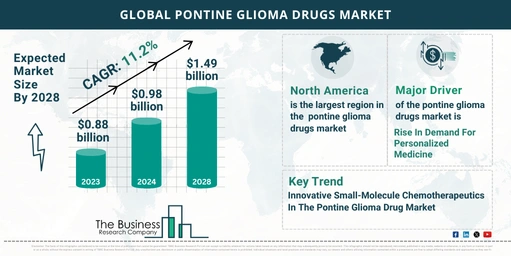
    • Current Size and Growth Rate: The pontine glioma drugs market size has seen rapid growth, increasing from $0.88 billion in 2023 to $0.98 billion in 2024 at a compound annual growth rate (CAGR) of 11.0%.
    • Future Projections: The market is expected to continue its expansion, reaching $1.50 billion by 2028, with a CAGR of 11.2%.

    Key Drivers of Market Growth

    Growing Awareness and Acceptance

    • Public Awareness: Increased awareness of pontine gliomas has driven demand for effective treatments.
    • Medical Acceptance: Greater acceptance of novel therapies among healthcare providers.

    Advancements in Medical Imaging

    • Improved Diagnosis: Enhanced imaging technologies allow for better diagnosis and monitoring.
    • Treatment Precision: More accurate imaging contributes to the development of targeted therapies.

    Research Efforts and Clinical Trials

    • Ongoing Research: Significant investments in research and clinical trials are leading to new drug developments.
    • Clinical Success: Positive trial outcomes are boosting market confidence and adoption.

    View More On The Pontine Glioma Drugs Market Report 2024 – https://www.thebusinessresearchcompany.com/report/pontine-glioma-drugs-global-market-report

    Future Growth Catalysts

    Advancements in Precision Medicine

    • Tailored Treatments: Precision medicine offers personalized treatment options based on genetic profiles.
    • Regulatory Support: Growing regulatory approval for personalized therapies, such as the FDA’s approval of 16 novel personalized therapies in 2023.

    Global Collaboration and Funding

    • International Partnerships: Increased collaboration among global research institutions and pharmaceutical companies.
    • Funding Influx: Enhanced funding from both public and private sectors to support drug development.

    Innovations in Immunotherapy and Targeted Therapies

    • Immunotherapy: Advances in immunotherapy are providing new treatment avenues.
    • Targeted Therapies: Development of therapies aimed specifically at pontine gliomas.

    Major Trends Shaping the Market

    Immunotherapy Advancements

    • New Treatments: Innovations in immunotherapy are showing promise in treating pontine gliomas.
    • Clinical Trials: Numerous ongoing trials focused on immunotherapy solutions.

    Nanotechnology and Gene Therapy

    • Nanotechnology: Use of nanotechnology to deliver drugs more effectively to the tumor site.
    • Gene Therapy: Exploration of gene therapy as a potential treatment for pontine gliomas.

    Combination Therapies and Regulatory Landscape

    • Combination Treatments: Increasing use of combination therapies to enhance treatment efficacy.
    • Regulatory Changes: Evolving regulatory frameworks supporting faster approval of innovative treatments.

    Personalized Medicine: A Key Growth Driver

    • Demand for Personalized Treatments: Rising demand for treatments tailored to individual genetic profiles.
    • FDA Approvals: Significant increase in FDA approvals for personalized therapies, driving market growth.
    • Examples: Personalized treatments such as those approved by the FDA in 2023 highlight the trend.

    Key Players in the Market

    • Leading Companies: Pfizer Inc., F. Hoffmann-La Roche AG, Merck & Co. Inc., AbbVie Inc., Sanofi S.A, and more.
    • Innovative Products: Focus on developing small-molecule chemotherapeutics and other innovative drugs.

    Innovative Small-Molecule Chemotherapeutics

    Focus on Innovation

    • Product Development: Companies are focusing on small-molecule chemotherapeutics to penetrate the blood-brain barrier.
    • Example: Kintara Therapeutic’s VAL-083 received orphan drug designation from the FDA for treating diffuse intrinsic pontine glioma (DIPG).

    Strategic Acquisitions to Enhance Pipeline

    Chimerix Inc. Acquires Oncoceutics Inc.

    • Acquisition Details: Chimerix Inc. acquired Oncoceutics Inc. to bolster its oncology pipeline.
    • Target Focus: Oncoceutics specializes in drugs for H3 K27M-mutant gliomas, including DIPG.

    Market Segmentation

    By Type

    • Diffuse Brain Stem Glioma
    • Focal Brain Stem Glioma
    • Recurrent Brain Stem Glioma

    By Distribution Channel

    • Hospital Pharmacy
    • Retail Pharmacy

    By Application

    • Cancer Research Institutes
    • Diagnostic Laboratories
    • Hospitals

    Regional Insights

    • North America: The largest market in 2023.
    • Asia-Pacific: Expected to be the fastest-growing region during the forecast period.

    The pontine glioma drugs market is poised for significant growth, driven by advancements in personalized medicine, innovative therapies, and strategic industry moves. With continued research and collaboration, the market is set to evolve, offering new hope for patients with pontine gliomas.

    Request A Sample Of The Global Pontine Glioma Drugs Market Report 2024:
    https://www.thebusinessresearchcompany.com/sample_request?id=15899&type=smp

  • 5 Key Insights On The Platysmaplasty Treatment Market 2024

    5 Key Insights On The Platysmaplasty Treatment Market 2024

    The Business Research Company’s global market reports are now updated with the latest market sizing information for the year 2024 and forecasted to 2033

    As per The Business Research Company’s Platysmaplasty Treatment Global Market Report 2024, the platysmaplasty treatment market is expected to show significant growth in the forecast period.

    The platysmaplasty treatment market has seen significant growth in recent years, driven by various factors that continue to boost its demand. This blog explores the current market size, future projections, and key trends influencing the growth of this market.

    Market Size and Growth Rates

    Current Market Size

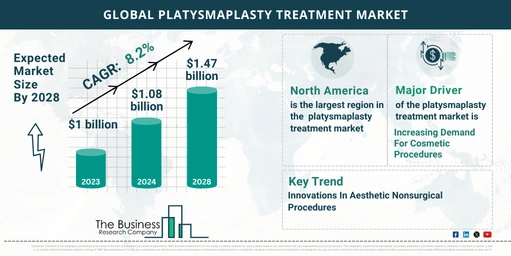
    • 2023: $1 billion
    • 2024: $1.08 billion
    • CAGR: 8.1%

    The growth from 2023 to 2024 reflects the increasing demand for cosmetic procedures and advancements in surgical techniques.

    Future Market Projections

    • 2028: $1.47 billion
    • CAGR: 8.2%

    The forecast period anticipates continued growth due to the rising popularity of minimally invasive procedures and advancements in non-surgical alternatives.

    Key Drivers of Market Growth

    Aging Population and Cosmetic Awareness

    • Aging Demographics: An aging population leads to a higher demand for cosmetic procedures, including platysmaplasty.
    • Awareness: Increased awareness about cosmetic procedures contributes to market growth.

    Technological Advancements

    • Surgical Techniques: Improvements in surgical methods make procedures safer and more effective.
    • Non-Surgical Alternatives: Innovations in non-invasive technologies provide patients with more options.

    Economic and Cultural Factors

    • Disposable Income: Rising disposable incomes allow more people to afford cosmetic treatments.
    • Celebrity Influence: The influence of celebrity culture promotes the desirability of cosmetic enhancements.

    View More On The Platysmaplasty Treatment Market Report 2024 – https://www.thebusinessresearchcompany.com/report/platysmaplasty-treatment-global-market-report

    Trends Shaping the Market

    Minimally Invasive Procedures

    • Growing Preference: There is a notable shift towards minimally invasive procedures for their reduced recovery times and lower risk.
    • Technological Adoption: Adoption of advanced technologies such as robotic-assisted surgery is on the rise.

    Outpatient Procedures

    • Convenience: Increasing preference for outpatient procedures due to their convenience and efficiency.

    Customized Treatments

    • Personalization: The development of customized treatment plans tailored to individual patient needs is becoming more prevalent.

    Increasing Demand for Cosmetic Procedures

    Surge in Cosmetic Interventions

    • ISAPS Report: In 2023, the International Society of Aesthetic Plastic Surgery reported a 11.2% increase in cosmetic procedures, totaling over 14.9 million surgical and 18.8 million non-surgical interventions.

    Role of Platysmaplasty

    • Rejuvenation: Platysmaplasty addresses sagging or aging skin in the neck area, providing a rejuvenated appearance.

    Major Players in the Market

    Leading Companies

    • Healthcare Providers: Mayo Clinic, Cleveland Clinic Foundation, Duke Health
    • Medical Device Companies: Lumenis Ltd., Cutera Inc., Lutronic Corporation
    • Aesthetic Clinics: Allergan Aesthetics, The Esthetic Clinics, Cadogan Clinic

    Innovations in Nonsurgical Procedures

    Non-Invasive Technologies

    • Ultrasound Parallel Beams: Companies like Sofwave Medical Ltd. are developing non-invasive ultrasound technologies for effective platysmaplasty treatments.
    • FDA Approvals: Innovations are receiving regulatory approvals, enhancing their market acceptance.

    Strategic Acquisitions

    Sono Bello’s Market Dominance

    • Acquisition: In June 2022, Sono Bello acquired Body Sculpt International, strengthening its position in the market for liposuction and body contouring procedures.

    Market Segmentation

    By Procedure

    • Surgical: Traditional surgical methods
    • Non-Surgical: Minimally invasive and non-invasive options

    By Gender

    • Male: Increasing interest among men
    • Female: Continued high demand among women

    By End-Use

    • Cosmetic Surgery Clinics: Specialized facilities
    • Hospitals: General medical centers

    Regional Insights

    North America

    • Largest Market: North America was the largest region in the platysmaplasty treatment market in 2023, driven by high demand and advanced healthcare infrastructure.

    The platysmaplasty treatment market is poised for continued growth, fueled by technological advancements, rising demand for cosmetic procedures, and strategic industry developments. As societal attitudes towards aging and appearance continue to evolve, the market will likely see further expansion and innovation.

    Request A Sample Of The Global Platysmaplasty Treatment Market Report 2024:
    https://www.thebusinessresearchcompany.com/sample_request?id=15897&type=smp

  • Platelet Aggregation Devices Global Market Outlook 2024-2033: Size And Growth Rate Analysis

    Platelet Aggregation Devices Global Market Outlook 2024-2033: Size And Growth Rate Analysis

    The Business Research Company’s global market reports provide comprehensive analysis on the various markets in 27 industries across 60 geographies.

    Rapid Market Expansion

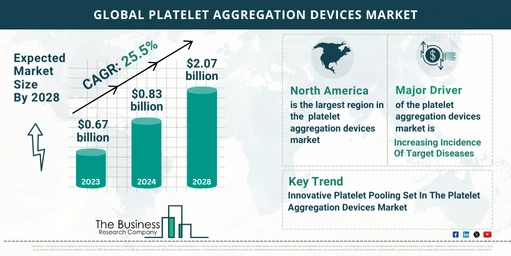
    • Market Growth: The platelet aggregation devices market has seen significant growth, increasing from $0.67 billion in 2023 to $0.83 billion in 2024 at a CAGR of 25.3%.
    • Historic Drivers: This growth is driven by the increasing prevalence of cardiovascular diseases, rising incidences of bleeding disorders, growing awareness about health diagnostics, and a surge in surgical procedures.

    Future Market Projections

    • Forecasted Growth: The market size is projected to reach $2.07 billion by 2028, growing at a CAGR of 25.5%.
    • Future Drivers: Contributing factors include a growing aging population, rising demand for point-of-care testing, expansion of personalized medicine, regulatory support, and increasing prevalence of chronic diseases.
    • Key Trends:
      • Integration of artificial intelligence in diagnostics.
      • Development of portable platelet aggregation devices.
      • Increased collaboration between biotech firms and healthcare providers.
      • Rising importance of data analytics in healthcare.
      • Shift towards home-based diagnostics.

    View More On The Platelet Aggregation Devices Market Report 2024 – https://www.thebusinessresearchcompany.com/report/platelet-aggregation-devices-global-market-report

    Increasing Incidence of Target Diseases

    Impact on Market Growth

    • Target Diseases: Focused on cancer, cardiovascular diseases, and diabetes, these conditions significantly impact public health.
    • Role of Devices: Platelet aggregation devices aid in early detection and management of thrombotic risks, preventing complications like heart attacks and strokes.
    • Statistics: The International Agency for Research on Cancer (IARC) reported 20 million new cancer cases in 2022, with projections indicating a rise to over 35 million by 2050.

    Major Players in the Market

    Key Companies

    • Notable Firms: Roche Holding AG, Cytiva (Danaher Corp.), Siemens Healthineers, Sysmex Corporation, WerfenLife S.A., Haemonetics Corporation, Helena Laboratories Corporation, Sarstedt AG & Co. KG, Sekisui Diagnostics LLC, Diagnostica Stago, Accriva Diagnostics Holdings Inc., Drucker Diagnostics, Sentinel CH. SpA, ADInstruments, Chrono-Log Corporation, Bio/Data Corporation, Haemochrom Diagnostica GmbH, AggreDyne Inc., Hart Biologicals Ltd., Stago.

    Innovations in Platelet Aggregation Devices

    Technological Advancements

    • Platelet Pooling Set: In February 2023, TERUMO BCT INC. launched the IMUGARD WB Platelet Pooling Set, approved by the FDA. This set offers extended shelf life for platelets and supports improved supply management.
    • Product Features: The device enables platelet recoupment from whole blood donations and has FDA clearance for seven-day storage, addressing the need for enhanced platelet availability.

    Strategic Acquisitions

    Enhancing Market Portfolio

    • Cell Microsystems Acquisition: In August 2023, Cell Microsystems acquired Fluxion Biosciences Inc. This acquisition expanded their product portfolio with IonFlux, BioFlux, and IsoFlux systems.
    • Technological Integration: The acquisition integrated automated patch clamp technology for advanced cellular electrophysiology and innovative tools for live cell assays and comprehensive platelet aggregation studies.

    Market Segmentation

    Detailed Breakdown

    • By Product: Reagents, Systems, Consumables, and Accessories.
    • By Type: Four Channel, Dual Channel, Eight Channel.
    • By Technology: Optical, Impedance, Other Technologies.
    • By Application: Clinical Applications, Research Applications, Cardiovascular Applications, Orthopedic Applications, Other Applications.
    • By End-User: Standalone Hospitals, Diagnostic Laboratories, Research and Academic Institutes, and Other End Users.

    Regional Insights

    • Largest Region: North America dominated the market in 2023.
    • Fastest-Growing Region: Asia-Pacific is expected to lead in growth during the forecast period.

    Request A Sample Of The Global Platelet Aggregation Devices Market Report 2024:
    https://www.thebusinessresearchcompany.com/sample_request?id=15896&type=smp