Blog

  • Growth Trajectory Of The Ovulation Testing Kits Market 2024-2033

    Growth Trajectory Of The Ovulation Testing Kits Market 2024-2033

    The Business Research Company’s global market reports are now updated with the latest market sizing information for the year 2024 and forecasted to 2033

    Rapid Growth in the Ovulation Testing Kits Market

    • The ovulation testing kits market has seen substantial growth in recent years.
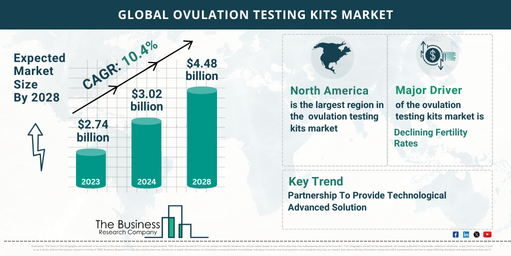
    • Market size increased from $2.74 billion in 2023 to $3.02 billion in 2024, with a CAGR of 10.1%.
    • Growth has been driven by increased fertility awareness, family planning trends, and a focus on women’s health.

    Projected Market Expansion

    • The market is expected to continue its rapid growth, reaching $4.49 billion by 2028, at a CAGR of 10.4%.
    • Key drivers include a rising global population, delayed childbearing, and increasing adoption of digital health solutions.
    • Awareness of at-home fertility testing and expanded healthcare access in emerging markets also contribute to growth.

    Declining Fertility Rates: A Catalyst for Market Growth

    • Declining fertility rates are boosting demand for ovulation testing kits.
    • Fertility rates, the number of live births per 1,000 women, have been falling due to factors like increased education, career opportunities for women, and delayed marriage.
    • Ovulation kits provide a non-invasive method for optimizing conception timing, essential for those facing low fertility rates.
    • For example, the UK’s Total Fertility Rate (TFR) dropped from 1.55 in 2021 to 1.49 in 2022, indicating a growing need for such products.

    View More On The Ovulation Testing Kits Market Report 2024 – https://www.thebusinessresearchcompany.com/report/ovulation-testing-kits-global-market-report

    Strategic Partnerships: Driving Technological Advancements

    • Major companies are forming strategic partnerships to gain a competitive edge.
    • These collaborations aim to enhance market presence, expand product offerings, and explore new opportunities.
    • In November 2022, Innova Medical Group partnered with iXensor to launch the ‘PHRONESIA Smart Ovulation Test,’ integrating advanced technology for smarter at-home testing.

    Market Expansion Through Acquisitions

    • Companies are also expanding their market presence through acquisitions.
    • In October 2021, Everly Health acquired Natalist, a reproductive health startup, to strengthen its position in the fertility market.
    • This acquisition allows Everly Health to offer a broader range of fertility and pregnancy products.

    Product Segmentation and Regional Insights

    • The market is segmented by product type (urine-based, saliva-based, salivary ferning), distribution channel (pharmacies, hypermarkets, e-commerce), and end user (hospitals, clinics, home care settings).
    • North America was the largest region in the ovulation testing kits market in 2023.
    • Asia-Pacific is expected to be the fastest-growing region during the forecast period.

    Emerging Trends Shaping the Market

    • The market is witnessing trends such as personalized fertility tracking solutions and AI integration in ovulation prediction.
    • Wearable fertility trackers, eco-friendly testing options, and telemedicine for fertility management are also gaining popularity.
    • These innovations are likely to further boost the market’s growth in the coming years.

    Request A Sample Of The Global Ovulation Testing Kits Market Report 2024:
    https://www.thebusinessresearchcompany.com/sample_request?id=15885&type=smp
  • Understand How The Orthopedic Surgical Robots Market Is Poised To Grow Through 2024-2033

    Understand How The Orthopedic Surgical Robots Market Is Poised To Grow Through 2024-2033

    The Business Research Company’s global market reports are now updated with the latest market sizing information for the year 2024 and forecasted to 2033

    As per The Business Research Company’s Orthopedic Surgical Robots Global Market Report 2024, the orthopedic surgical robots market is expected to show significant growth in the forecast period.

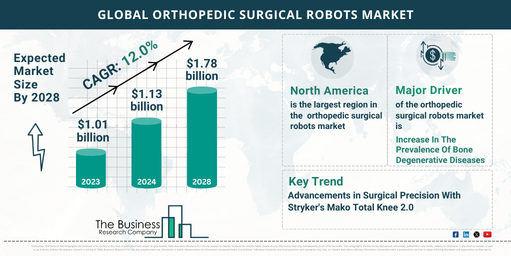
    The orthopedic surgical robots market has experienced significant growth in recent years, expanding from $1.01 billion in 2023 to an anticipated $1.13 billion in 2024, representing a compound annual growth rate (CAGR) of 11.9%.

    • Key Drivers of Growth:
      • Increased prevalence of orthopedic conditions.
      • Growing demand for minimally invasive surgeries.
      • Rising aging population.
      • Enhanced surgical outcomes and precision.
      • Higher healthcare spending.
      • Greater adoption of robotic systems in hospitals.
      • Expanding applications in joint replacement surgeries.

    Future Outlook: Promising Expansion

    The market size for orthopedic surgical robots is projected to continue its rapid growth, reaching $1.78 billion by 2028, with a CAGR of 12.0%.

    • Factors Fueling Future Growth:
      • Expansion in healthcare infrastructure.
      • Increased investment in research and development.
      • Growing prevalence of orthopedic disorders.
      • Favorable reimbursement policies.
      • Rising geriatric population.
      • Major trends include AI integration, technological advancements, augmented reality, portable robotic systems, and hybrid systems.

    View More On The Orthopedic Surgical Robots Market Report 2024 – https://www.thebusinessresearchcompany.com/report/orthopedic-surgical-robots-global-market-report

    Rising Prevalence of Bone Degenerative Diseases

    Bone degenerative diseases are a significant factor propelling the growth of the orthopedic surgical robots market. These conditions progressively damage bone tissue, leading to weakened bones and increased fracture risks.

    • Contributing Factors:
      • Aging population.
      • Sedentary lifestyles and poor dietary habits.
      • Higher incidence of chronic conditions like obesity and diabetes.
      • Orthopedic surgical robots enhance precision in treating these diseases, improving patient outcomes.
    • Notable Statistics:
      • By 2050, nearly 1 billion people are projected to suffer from osteoarthritis, with knee osteoarthritis cases expected to rise by 75% and hand osteoarthritis by 50%.

    Key Players in the Market

    Several major companies are driving innovation in the orthopedic surgical robots market, providing advanced technologies to improve surgical outcomes.

    • Leading Companies:
      • Johnson & Johnson
      • Medtronic plc
      • Siemens Healthineers
      • Stryker Corporation
      • Zimmer Biomet Holdings Inc.
      • Intuitive Surgical Inc.
      • Smith & Nephew plc
      • Globus Medical Inc.
      • MicroPort Orthopedics Inc.
      • Renishaw plc, among others.

    Advancements in Surgical Precision with Stryker’s Mako Total Knee 2.0

    Innovative solutions are revolutionizing the market, with companies like Stryker Corporation leading the charge. In March 2023, Stryker launched the Mako Total Knee 2.0, part of its Mako SmartRobotics portfolio.

    • Key Features:
      • AccuStop haptic technology for tactile feedback, improving accuracy and safety.
      • Advanced surgical planning and navigation capabilities.
      • Full-spectrum active and passive hybrid optical tracking and state-of-the-art camera technology.

    Enhancing Musculoskeletal Solutions with Globus Medical and NuVasive Merger

    In September 2023, Globus Medical Inc. merged with NuVasive Inc. for $3.1 billion, marking a significant development in the market.

    • Merger Benefits:
      • Provides a broad range of musculoskeletal procedural solutions.
      • Enhances global operations and market reach.
      • Expands spine and orthopedic portfolios.

    Market Segmentation and Regional Insights

    The orthopedic surgical robots market is segmented by product, application, and end-user.

    • By Product:
      • Robotic System
      • Robotic Accessories
      • Software and Services
    • By Application:
      • Partial Knee Replacement
      • Total Knee Replacement
      • Minimally Invasive Surgery (MIS) Fusion
      • Other Applications
    • By End-User:
      • Ambulatory Surgical Centers
      • Hospitals
      • Specialty Clinics
      • Other End-Users
    • Regional Insights:
      • North America was the largest region in the orthopedic surgical robots market in 2023.
      • Asia-Pacific is expected to be the fastest-growing region during the forecast period.

    Request A Sample Of The Global Orthopedic Surgical Robots Market Report 2024:
    https://www.thebusinessresearchcompany.com/sample_request?id=15884&type=smp

  • What’s The Growth Forecast For Optical Microscopes Market Through 2024-2033?

    What’s The Growth Forecast For Optical Microscopes Market Through 2024-2033?

    The Business Research Company’s global market reports provide comprehensive analysis on the various markets in 27 industries across 60 geographies.

     The optical microscopes market has experienced significant growth in recent years, driven by technological advancements and increasing demand across various sectors. This blog explores the market’s current state, growth prospects, and the key factors fueling its expansion.

    Strong Growth in Recent Years

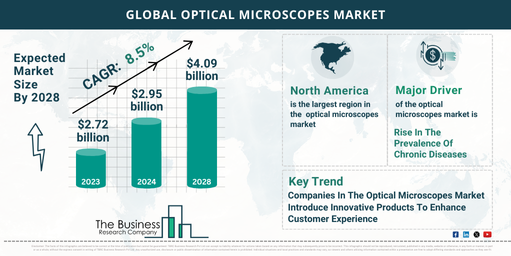
    • Market Expansion: The optical microscopes market has seen robust growth, with its size increasing from $2.72 billion in 2023 to $2.95 billion in 2024, representing a compound annual growth rate (CAGR) of 8.4%.
    • Key Drivers: This growth can be attributed to advancements in lens technology, a surge in biological and medical research, improvements in illumination techniques, increased industrial applications, digital imaging development, expanding educational needs, and substantial government funding for scientific research.

    Promising Future Outlook

    • Projected Growth: The market is expected to continue its upward trajectory, reaching $4.10 billion by 2028, with a CAGR of 8.5%.
    • Growth Factors: Future growth will be driven by advancements in imaging technology, rising demand in life sciences research, growth in the healthcare sector, adoption in material science and nanotechnology, and increased investments in research and development (R&D).
    • Emerging Trends: Notable trends include a shift towards digital and automated microscopes, integration with artificial intelligence (AI) for enhanced imaging analysis, expanding applications in materials science, and a growing market presence in emerging economies.

    View More On The Optical Microscopes Market Report 2024 – https://www.thebusinessresearchcompany.com/report/optical-microscopes-global-market-report

    Impact of Chronic Diseases on Market Growth

    • Rising Demand: The prevalence of chronic diseases is significantly contributing to the growth of the optical microscope market.
    • Chronic Disease Research: Optical microscopes are essential in chronic disease research, enabling detailed observation and analysis of cellular and tissue changes.
    • Statistical Insights: Projections indicate that by 2050, the number of individuals aged 50 and above with one or more chronic illnesses will nearly double, driving demand for advanced optical microscopy in research.

    Key Players and Innovative Products

    • Leading Companies: Major companies in the optical microscopes market include Thermo Fisher Scientific Inc., Danaher Corporation, Carl Zeiss AG, and Nikon Corporation, among others.
    • Product Innovations: Companies are developing cutting-edge products like multiphoton confocal microscopes. For instance, Nikon Corporation launched the AX R MP, a super-resolution multiphoton confocal microscope, in July 2023. This advanced technology enables highly sensitive imaging in deep tissue regions, proving valuable in biomedical research, particularly for studying brain diseases.

    Strategic Acquisitions to Enhance Capabilities

    • Recent Acquisition: In March 2024, Bruker Corporation acquired Phasefocus Holdings Limited, a UK-based optical cell imaging company. This acquisition aims to bolster Bruker’s cell imaging capabilities, facilitating innovative research in various applications.
    • Enhanced Portfolio: The integration of Phasefocus’ microscopy capabilities will strengthen Bruker’s portfolio, enabling advanced research and development in cell imaging and related fields.

    Market Segmentation and Regional Insights

    • Product Segmentation: The optical microscopes market is segmented by product into digital microscopes, stereo microscopes, inverted microscopes, and other products.
    • Application Segmentation: Applications span across aerospace, construction, the power industry, medical fields, and more.
    • End-User Segmentation: The market caters to hospitals and clinics, academic and research institutes, diagnostics laboratories, and other end users.
    • Regional Insights: North America dominated the market in 2023, while Asia-Pacific is anticipated to be the fastest-growing region during the forecast period.

    Conclusion

    The optical microscopes market is on a strong growth trajectory, fueled by technological advancements and increasing demand across various sectors. With ongoing innovations and strategic acquisitions, the market is set to continue its expansion, offering exciting opportunities for industry players and researchers alike.

    Request A Sample Of The Global Optical Microscopes Market Report 2024:
    https://www.thebusinessresearchcompany.com/sample_request?id=15883&type=smp

  • How Is The Neurovascular Embolization Devices Market Expected To Grow Through 2024-2033

    How Is The Neurovascular Embolization Devices Market Expected To Grow Through 2024-2033

    The Business Research Company’s global market reports are now updated with the latest market sizing information for the year 2024 and forecasted to 2033

    According to The Business Research Company’s Neurovascular Embolization Devices Global Market Report 2024, the neurovascular embolization devices market is expected to show promising growth in the forecast period.

    The neurovascular embolization devices market has experienced significant growth in recent years and is expected to continue expanding in the coming years. This blog will explore key drivers, trends, and developments in this market, along with a focus on rising hemorrhages, advancements in technology, and strategic acquisitions.

    Strong Market Growth in Recent Years

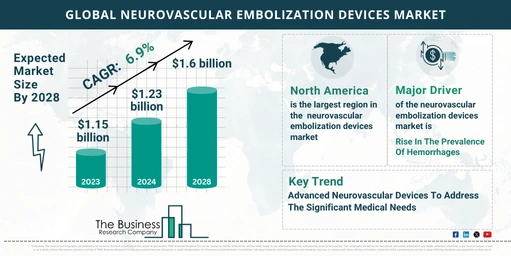
    • Market Size in 2023: The neurovascular embolization devices market reached a size of $1.15 billion in 2023.
    • Growth Rate: The market is projected to grow at a compound annual growth rate (CAGR) of 6.7%, reaching $1.23 billion by 2024.
    • Drivers: Key factors contributing to this growth include the increased prevalence of neurovascular disorders, a rising geriatric population, and the demand for minimally invasive procedures. Improved healthcare infrastructure and increased healthcare expenditure have also played a significant role in driving market expansion.

    Projected Future Growth and Emerging Trends

    • Future Market Size: The market is expected to grow to $1.60 billion by 2028, with a slightly higher CAGR of 6.9%.
    • Emerging Trends:
      • Personalized Treatment: The market is seeing a shift towards personalized treatment approaches, offering more targeted and effective solutions for patients.
      • Artificial Intelligence: The integration of AI in treatment planning is becoming increasingly prevalent, improving precision and outcomes.
      • Next-Generation Materials: The development of next-generation embolic materials is a significant trend, enhancing the safety and effectiveness of treatments.
      • Outpatient Procedures: There is a growing trend towards outpatient and ambulatory procedures, making treatments more accessible and reducing hospital stays.
      • Innovative Techniques: Continuous innovation in embolization techniques is expected to drive further market growth.

    View More On The Neurovascular Embolization Devices Market Report 2024 – https://www.thebusinessresearchcompany.com/report/neurovascular-embolization-devices-global-market-report

    Rising Hemorrhages Drive Market Expansion

    • Hemorrhage Prevalence: The rising prevalence of hemorrhages is a major factor propelling the neurovascular embolization devices market. Hemorrhages, which involve uncontrolled bleeding either internally or externally, are becoming more common due to aging populations, increased hypertension, and the use of anticoagulant medications.
    • Neurovascular Devices: These devices are crucial in treating hemorrhagic strokes by obstructing abnormal blood vessels, reducing bleeding, and preventing further brain damage.
    • Significant Data: A study from King’s College London predicts that cases and deaths from intracerebral hemorrhage (ICH) will increase by 59.4% among people aged 70 to 95 in the UK by 2050. This highlights the growing need for neurovascular embolization devices in managing such conditions.

    Technological Advancements Lead to Competitive Edge

    • Advanced Technology: Companies are focusing on developing products with advanced features like Shield Technology, which enhances the efficacy and safety of neurovascular devices.
    • Example: Medtronic PLC launched the Pipeline Vantage with Shield Technology in 2022, a fourth-generation flow diverter designed to improve endovascular procedures. This device promotes cell growth in the blood vessel’s inner lining, offering a minimally invasive treatment option for aneurysms and reducing the risk of rupture.

    Strategic Acquisitions Bolster Market Position

    • Stryker Corporation’s Acquisition: In May 2023, Stryker Corporation acquired Cerus Endovascular Ltd for $530 million to enhance its intracranial aneurysm treatment portfolio. This acquisition enables Stryker to offer innovative devices like the contour neurovascular system and the neqstent coil-assisted flow diverter.
    • Impact: Such strategic acquisitions strengthen companies’ positions in the market, allowing them to expand their product offerings and better meet the growing demand for neurovascular treatments.

    Market Segmentation and Regional Insights

    • Product Segmentation: The neurovascular embolization devices market is segmented by product types, including Embolization Coils, Liquid Embolic Systems, Flow Diversion Stents, Aneurysm Clips, and others.
    • Treatment and Indication: Treatments are segmented into Ischemic Stroke Solutions and Hemorrhagic Stroke Solutions, with indications including Brain Aneurysms, Arteriovenous Malformation, and others.
    • End Users: Hospitals and Ambulatory Surgical Centers are the primary end users of these devices.
    • Regional Growth: North America was the largest region in the market in 2023, while the Asia-Pacific region is expected to be the fastest-growing market during the forecast period.

    In conclusion, the neurovascular embolization devices market is poised for continued growth, driven by rising neurovascular disorders, technological advancements, and strategic industry moves. As the market evolves, personalized treatment approaches, AI integration, and innovative materials will play a crucial role in shaping the future of neurovascular care.

    Request A Sample Of The Global Neurovascular Embolization Devices Market Report 2024:
    https://www.thebusinessresearchcompany.com/sample_request?id=15871&type=smp

  • Neurocognitive Assessment And Rehabilitation Market Report 2024: Market Size, Drivers, And Trends

    Neurocognitive Assessment And Rehabilitation Market Report 2024: Market Size, Drivers, And Trends

    The Business Research Company’s global market reports are now updated with the latest market sizing information for the year 2024 and forecasted to 2033

    The neurocognitive assessment and rehabilitation market has seen substantial growth in recent years and is expected to continue its upward trajectory. This blog explores the factors driving this growth, key trends, and significant developments in the industry.

    Current Market Overview

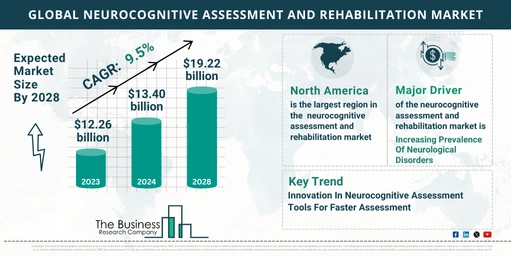
    • Market Size and Growth Rate: The neurocognitive assessment and rehabilitation market grew from $12.26 billion in 2023 to $13.40 billion in 2024, representing a compound annual growth rate (CAGR) of 9.2%.
    • Key Drivers: This growth is largely due to the increasing incidence of neurocognitive disorders, an aging population, enhanced awareness, improved diagnostic techniques, and rising mental health concerns.

    Future Market Prospects

    • Projected Growth: The market is expected to grow to $19.23 billion by 2028, at a CAGR of 9.5%.
    • Factors Contributing to Growth: The future growth will be driven by personalized medicine, corporate wellness programs, technological advancements, better insurance coverage, and telehealth integration.

    View More On The Neurocognitive Assessment And Rehabilitation Market Report 2024 – https://www.thebusinessresearchcompany.com/report/neurocognitive-assessment-and-rehabilitation-global-market-report

    Rising Prevalence of Neurological Disorders

    • Impact on Market: The growing prevalence of neurological disorders is a major factor driving the market’s expansion.
    • Statistics: For instance, Alzheimer’s dementia, prevalent among those aged 85 and older, is projected to affect 2.4 million people in the US by 2024 and 6.7 million by 2060.
    • Role of Assessment and Rehabilitation: Neurocognitive assessment aids in diagnosing and planning treatment for neurological disorders, while rehabilitation interventions aim to improve cognitive function and quality of life.

    Key Players in the Market

    • Leading Companies: Major players include Cogstate Ltd., Posit Science Corporation, Lumos Labs Inc., The Magstim Company Ltd., and MindMaze SA, among others.
    • Innovation: These companies are at the forefront of developing advanced tools and therapies to address neurocognitive disorders.

    Innovations in Neurocognitive Assessment Tools

    • Digital Solutions: Companies are innovating with digital tests to assess cognitive impairment quickly and accurately.
    • Example: In November 2022, Neurotrack Technologies launched a 3-minute digital test for cognitive impairment screening, enabling early detection of neurodegenerative diseases.

    Strategic Acquisitions to Expand Services

    • Recent Acquisition: In September 2023, Enlyte Group LLC acquired Therapy Direct LLC, enhancing its clinical services and network offerings.
    • Impact: This acquisition underscores the importance of expanding capabilities to meet growing demand in the neurocognitive assessment and rehabilitation market.

    Market Segmentation

    • Components: The market is segmented into Neurocognitive Assessment Testing and Neurorehabilitation Therapy.
    • Providers: Key providers include rehab centers, hospitals and clinics, homecare settings, and physiotherapy centers.
    • Organization Size: The market serves both large enterprises and small and medium-sized enterprises (SMEs).

    Regional Insights

    • North America Dominance: North America was the largest region in the neurocognitive assessment and rehabilitation market in 2023, reflecting the region’s advanced healthcare infrastructure and high prevalence of neurocognitive disorders.

    Conclusion
    The neurocognitive assessment and rehabilitation market is poised for significant growth in the coming years, driven by increasing demand, technological advancements, and strategic expansions by key players. With the rising prevalence of neurological disorders and continued innovation, the market will likely see continued robust development.

    Request A Sample Of The Global Neurocognitive Assessment And Rehabilitation Market Report 2024:
    https://www.thebusinessresearchcompany.com/sample_request?id=15870&type=smp

  • Key Trends And Drivers In The Nanoparticles Contract Manufacturing Market 2024

    Key Trends And Drivers In The Nanoparticles Contract Manufacturing Market 2024

    The Business Research Company’s market reports offer an in-depth analysis on the market’s growth potential, major drivers, key trends and more.

    The nanoparticles contract manufacturing market has seen significant expansion in recent years.

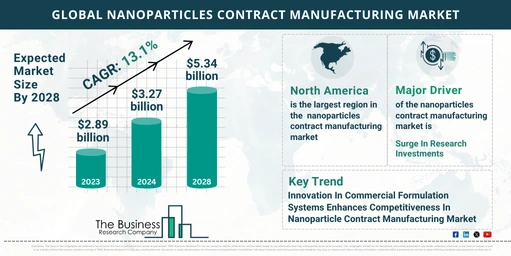
    • Market Size Growth: The market grew from $2.89 billion in 2023 to an anticipated $3.27 billion in 2024, reflecting a strong CAGR of 13.0%.
    • Key Drivers: This growth has been fueled by the rising preference for contract manufacturing, increasing demand for nanomaterials across various applications, especially in drug delivery, and the expanding need for high-quality nanoparticles.

    Projected Market Expansion and Future Trends
    The future of the nanoparticles contract manufacturing market looks promising, with robust growth expected in the coming years.

    • Forecasted Growth: The market is projected to reach $5.53 billion by 2028, with a CAGR of 13.1%.
    • Growth Factors: Key contributors to this growth include advancements in nanotechnology and materials science, increasing knowledge about pharmaceutical delivery systems, and the rising demand for metal nanoparticles in cancer therapy.
    • Emerging Trends: Industry trends include strategic partnerships, technological advancements, a shift towards sustainable nanoparticle production, and the integration of nanoparticles in food and beverage packaging.

    Impact of Research Investments on Market Growth
    Research investments play a crucial role in the continued growth of the nanoparticles contract manufacturing market.

    • Research Investments: Increased financial resources allocated for research are driving innovation and technological advancements in nanoparticle manufacturing.
    • Government Support: For example, the UK government announced plans to significantly boost its R&D budget to £22 billion by 2024-2025, underlining the commitment to innovation.
    • Benefits: These investments promote customization, quality control, scalability, and cross-disciplinary collaboration, all of which are critical for market expansion.

    Read More On The Nanoparticles Contract Manufacturing Market Report 2024 – https://www.thebusinessresearchcompany.com/report/nanoparticles-contract-manufacturing-global-market-report

    Innovation in Commercial Formulation Systems
    Innovation in commercial formulation systems is enhancing the competitiveness of companies in the nanoparticle contract manufacturing market.

    • Technological Advancements: Companies like Cytiva are developing new technologies, such as the NanoAssemblr commercial formulation system, to streamline the production of nanoparticle-based medicines.
    • Competitive Edge: These systems minimize cross-contamination risks and boost production efficiency, allowing companies to gain a competitive edge in the market.

    Strategic Acquisitions Strengthen Market Position
    Strategic acquisitions are playing a significant role in expanding capabilities and product offerings in the nanoparticle contract manufacturing market.

    • Fortis Life Sciences Acquisition: In July 2021, Fortis Life Sciences acquired nanoComposix to enhance its nanotechnology capabilities.
    • Market Impact: This acquisition allows Fortis to expand its product offerings and improve its competitive position in the rapidly growing market.

    Market Segmentation and Regional Insights
    The nanoparticles contract manufacturing market is segmented based on various factors, offering insights into different areas of growth.

    • Segmentation:
      • By Type of Nanoparticle: Metal Nanoparticles, Lipid Nanoparticles, Other Nanoparticles.
      • By Manufacturing Scale: Commercial, Clinical, Pre-Clinical.
      • By Application: Therapeutics, Diagnostics, Vaccines.
      • By End-User: Pharmaceutical Companies, Biotechnology Companies.
    • Regional Insights: North America was the largest region in the nanoparticles contract manufacturing market in 2023, highlighting its leadership in the industry.

    The nanoparticles contract manufacturing market is poised for continued growth, driven by advancements in nanotechnology, strategic partnerships, and increasing research investments. With innovation and strategic acquisitions enhancing market competitiveness, the future of this industry looks bright.

    Request for A Sample Of The Global Nanoparticles Contract Manufacturing Market Report:
    https://www.thebusinessresearchcompany.com/sample_request?id=15869&type=smp

  • 5 Key Insights On The Multiomics Market 2024

    5 Key Insights On The Multiomics Market 2024

    The Business Research Company’s global market reports are now updated with the latest market sizing information for the year 2024 and forecasted to 2033

    As per The Business Research Company’s Multiomics Global Market Report 2024, the multiomics market is expected to show significant growth in the forecast period.

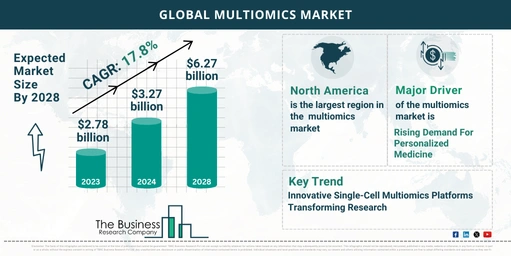
    • Market Size Surge: The multiomics market has witnessed significant growth, expanding from $2.78 billion in 2023 to $3.27 billion in 2024, with a compound annual growth rate (CAGR) of 17.7%.
    • Historical Drivers: This surge can be attributed to increased biomedical research, enhanced funding from both government and private sectors, rising prevalence of chronic diseases, technological advancements, and improved computational tools for data analysis.

    Continued Expansion Predicted for the Future

    • Forecasted Growth: The market is expected to continue its upward trajectory, reaching $6.28 billion by 2028, with a CAGR of 17.8%.
    • Growth Factors: Key contributors to this future growth include advancements in artificial intelligence (AI) and machine learning (ML), expansion of clinical applications, the growing biopharmaceutical industry, the emergence of integrated multiomics platforms, and increasing applications in agricultural and environmental research.

    Major Trends Shaping the Market

    • Technological Advancements: Continuous technological innovations and the launch of new commercial multiomics platforms are driving the market forward.
    • Spatially Resolved Multiomics: The adoption of spatially resolved multiomics analysis is gaining traction, particularly in biopharmaceutical research and development.
    • Clinical Diagnostics Expansion: The application of multiomics in clinical diagnostics is expanding, further fueling market growth.

    View More On The Multiomics Market Report 2024 – https://www.thebusinessresearchcompany.com/report/multiomics-global-market-report

    Personalized Medicine: A Key Market Driver

    • Rising Demand: The growing demand for personalized medicine, which tailors healthcare treatments to individual patients based on their genetic, environmental, and lifestyle factors, is a major driver of the multiomics market.
    • Technological Contributions: Multiomics provides a detailed understanding of an individual’s genetic, molecular, and metabolic profile, allowing healthcare providers to customize treatments.
    • Industry Impact: For example, in 2023, the FDA approved 16 novel personalized therapies for rare diseases, a significant increase from 6 in 2022, demonstrating the rising importance of personalized medicine.

    Key Players in the Multiomics Market

    • Leading Companies: Major companies in the multiomics market include Bayer AG, Thermo Fisher Scientific Inc., Novartis AG, Becton Dickinson and Company, Eurofins Scientific SE, Agilent Technologies Inc., Illumina Inc., and others.
    • Innovation Focus: These companies are continuously innovating, developing advanced platforms and expanding their capabilities to stay competitive in the rapidly growing market.

    Innovative Single-Cell Multiomics Platforms Transforming Research

    • Single-Cell Advancements: Single-cell multiomics platforms are at the forefront of innovation, allowing researchers to conduct large-scale studies with high sample integrity.
    • Example: Becton, Dickinson, and Company’s BD Rhapsody HT Xpress, launched in February 2023, exemplifies this innovation. This high-throughput platform allows for the isolation, barcoding, and analysis of single cells with greater efficiency and flexibility, enhancing research outcomes.

    Strategic Acquisitions Strengthen Market Position

    • Notable Acquisition: In October 2022, Clinical Microbiomics acquired MS-Omics, bolstering its capabilities in microbiome analysis and solidifying its leadership in the field.
    • Comprehensive Solutions: This acquisition enables Clinical Microbiomics to offer a comprehensive suite of multiomics solutions, providing deeper insights into the role of the microbiome in health and disease.

    Market Segmentation and Regional Insights

    • Segmentation: The multiomics market is segmented by type (Single-Cell Multiomics, Bulk Multiomics), platform (Genomics, Transcriptomics, Proteomics, Metabolomics, Integrated Omics Platforms), application (Diagnostics, Drug Discovery and Development, Personalized Medicine, AgriGenomics, Other Applications), and end user (Academics and Research Organizations, Pharmaceutical and Biotechnology Companies, Clinical Research Organizations, Other End-Users).
    • Regional Analysis: North America was the largest region in the multiomics market in 2023, while Asia-Pacific is expected to be the fastest-growing region during the forecast period.

    Request A Sample Of The Global Multiomics Market Report 2024:
    https://www.thebusinessresearchcompany.com/sample_request?id=15866&type=smp

  • Key Trends And Drivers In The Peptide And Oligonucleotide CDMO Market 2024

    Key Trends And Drivers In The Peptide And Oligonucleotide CDMO Market 2024

    The Business Research Company’s market reports offer an in-depth analysis on the market’s growth potential, major drivers, key trends and more.

    Market Overview

    The peptide and oligonucleotide contract development and manufacturing organization (CDMO) market has experienced significant growth in recent years.

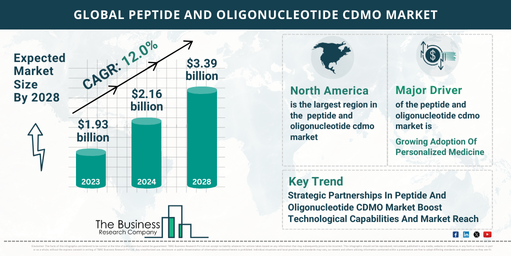
    • 2023 Market Size: $1.93 billion.
    • 2024 Forecast: Expected to reach $2.16 billion, growing at a compound annual growth rate (CAGR) of 11.8%.
    • 2028 Projection: Anticipated to reach $3.39 billion, with a CAGR of 12.0%.

    Historical Growth Drivers

    The growth in the historical period can be attributed to several factors:

    • Therapeutic Demand: Increased demand for therapeutic agents.
    • Technological Advancements: Progress in synthesis and manufacturing technologies.
    • Personalized Medicine: Rising trends in personalized medicine.
    • Regulatory Guidelines: Stricter regulatory frameworks boosting market confidence.
    • Focus on Antivirals and mRNA: Enhanced focus on antiviral peptides and mRNA vaccines, showcasing the potential of oligonucleotides in vaccine development.

    Read More On The Peptide And Oligonucleotide CDMO Market Report 2024 – https://www.thebusinessresearchcompany.com/report/peptide-and-oligonucleotide-cdmo-global-market-report

    Future Growth Drivers

    The projected growth in the coming years is driven by:

    • Personalized Medicine: Continued demand for tailored therapeutic solutions.
    • Biotechnology Advancements: Innovations in biotechnology.
    • Expanding Applications: Broader applications of peptides and oligonucleotides.
    • Outsourcing: Increasing trend of outsourcing manufacturing and development.
    • Chronic Diseases: Growing burden of chronic diseases requiring advanced therapies.

    Major Trends

    Several key trends are shaping the market:

    • Personalized Therapies: Emphasis on custom treatments.
    • Technological Advancements: Ongoing improvements in technology.
    • Quality Control Challenges: Ensuring high-quality production standards.
    • Global Expansion: Companies expanding their global footprint.
    • Collaboration: Increased partnerships among biopharmaceutical companies.

    Personalized Medicine: A Key Growth Driver

    Personalized medicine is a significant growth driver in the peptide and oligonucleotide CDMO market.

    • Tailored Treatments: Medical decisions and treatments based on individual characteristics such as genetics, environment, and lifestyle.
    • Genomic Technologies: Advancements in genomic technologies facilitating personalized approaches.
    • Disease Mechanisms: Better understanding of molecular-level disease mechanisms.
    • FDA Approvals: For instance, the FDA approved 16 new personalized treatments for rare diseases in February 2024, up from 6 in 2022.

    Strategic Partnerships Enhance Capabilities

    Companies in the peptide and oligonucleotide CDMO market are forming strategic partnerships to boost their capabilities.

    • Collaborative Agreements: Partnerships focused on developing and manufacturing peptide-based therapeutics.
    • Example: In May 2023, PolyPeptide Group AG partnered with Numaferm GmbH to leverage their respective strengths in manufacturing and sustainable peptide production.

    EUROAPI’s Acquisition of BianoGMP

    EUROAPI made a strategic acquisition to strengthen its market position.

    • Acquisition: In May 2024, EUROAPI acquired BianoGMP to enhance its capabilities in oligonucleotide CDMO services.
    • Impact: This acquisition complements EUROAPI’s existing capacities, particularly in Frankfurt, and bolsters its market position.

    Market Segmentation

    The peptide and oligonucleotide CDMO market is segmented by product, service type, application, and end user.

    • By Product: Peptides, Oligonucleotides.
    • By Service Type: Contract Development, Contract Manufacturing.
    • By Application: Therapeutics, Research Applications, Diagnostics, Other Applications.
    • By End User: Biopharmaceutical Companies, Pharmaceutical Companies, Research Institutes, Academic and Government Organizations, Other End Users.

    Regional Insights

    • North America: The largest region in the peptide and oligonucleotide CDMO market in 2023.
    • Asia-Pacific: Expected to be the fastest-growing region during the forecast period, driven by advancements in biotechnology and increasing healthcare investments.

    In summary, the peptide and oligonucleotide CDMO market is poised for robust growth, driven by personalized medicine, technological advancements, and strategic partnerships. As the demand for specialized therapeutic agents rises, the market will continue to expand, offering significant opportunities for companies in this sector.

    Request for A Sample Of The Global Peptide And Oligonucleotide CDMO Market Report:
    https://www.thebusinessresearchcompany.com/sample_request?id=15892&type=smp

  • Understand How The Peripheral Nerve Injuries Market Is Poised To Grow Through 2024-2033

    Understand How The Peripheral Nerve Injuries Market Is Poised To Grow Through 2024-2033

    The Business Research Company’s global market reports are now updated with the latest market sizing information for the year 2024 and forecasted to 2033

    As per The Business Research Company’s Peripheral Nerve Injuries Global Market Report 2024, the peripheral nerve injuries market is expected to show significant growth in the forecast period.

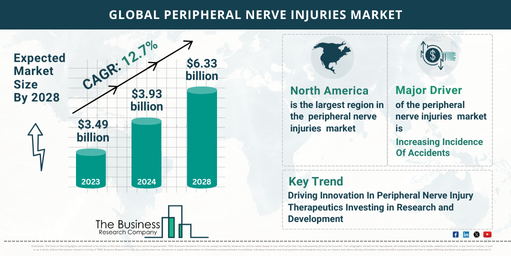
    The peripheral nerve injuries market has experienced significant growth recently. From $3.49 billion in 2023, it is projected to reach $3.93 billion in 2024, reflecting a compound annual growth rate (CAGR) of 12.5%.

    • Historical Growth Drivers:
      • Increased age-related disorders like osteoporosis and arthritis.
      • Higher prevalence in aesthetics, orthopedics, trauma, cardiology, and geriatric care.
      • Rising instances of traumatic nerve injuries.
      • Growing adoption of surgical interventions for precise and direct repair of damaged nerves.
      • Older populations more susceptible to injuries such as neuropathy.

    Future Market Projections

    The peripheral nerve injuries market is expected to continue its rapid expansion, growing to $6.34 billion by 2028 at a CAGR of 12.7%.

    • Forecast Growth Drivers:
      • Increasing incidence of trauma, accidents, and sports injuries.
      • Rising chronic conditions like diabetes.
      • Aging population leading to more cases of nerve injuries.
      • Improved patient compliance and quality of life.
      • Growing global prevalence of peripheral nerve injuries (PNI).

    View More On The Peripheral Nerve Injuries Market Report 2024 – https://www.thebusinessresearchcompany.com/report/peripheral-nerve-injuries-global-market-report 

    Technological Advancements and Emerging Trends

    The forecast period will see several major trends driving market growth:

    • Technological Advancements:
      • Innovations in nerve repair technologies.
      • Progress in diagnostic technologies.
      • Development of artificial nerve implants.
      • Emergence of new therapies.
      • Focus on personalized medicine.

    Rising Incidence of Accidents

    The increasing incidence of accidents is a significant factor propelling market growth.

    • Factors Contributing to Increased Accidents:
      • Urbanization leading to higher traffic volumes.
      • Lifestyle and environmental changes.
      • Distracted behaviors.
    • Comprehensive Treatment Strategies:
      • Investigational treatments such as stem cell therapy, growth factor administration, and gene therapy.
    • Example:
      • According to The Road Safety Charity, the UK saw 1,766 road deaths in 2022, a 10% increase since 2021, highlighting the need for effective treatment for nerve injuries resulting from accidents.

    Leading Companies and Innovation

    Major companies in the peripheral nerve injuries market are driving innovation through substantial investments in research and development.

    • Key Players:
      • Abbott Laboratories
      • Medtronic Plc
      • Stryker Corporation
      • Boston Scientific Corporation
      • Integra LifeSciences Holdings Corp.
      • AxoGen Inc.
      • Bioness Inc.
      • SPR Therapeutics Inc.
      • Stimwave Technologies Inc.
      • SetPoint Medical Inc.
      • NeuroMetrix Inc.
      • Polyganics BV
      • Orthocell Ltd.
      • NeuraLace Medical Inc.
      • MyndTec Inc.
      • Epineuron LLC

    Research and Development Investments

    Companies are investing in therapeutic research to enhance nerve regeneration and improve patient outcomes.

    • Example:
      • In October 2022, NervGen Pharma Corp. received up to $1.5 million from the US Department of Defense to evaluate NVG-291-R for peripheral nerve injury treatment, supporting preclinical research for nerve regeneration.

    Expanding Pipelines and Acquisitions

    Companies are expanding their pipelines and acquiring other firms to bolster their capabilities.

    • Example:
      • In September 2021, Novaremed acquired Metys Pharmaceuticals, enhancing its pipeline with innovative non-opioid treatments for chronic pain related to peripheral nerve injuries.

    Market Segmentation

    The peripheral nerve injuries market is segmented as follows:

    1. By Product:
      • Nerve Conduit
      • Nerve Protector
      • Nerve Connector
      • Nerve Wraps
    2. By Injury:
      • Traumatic Injuries
      • Compression Injuries
      • Surgical Injuries
    3. By Surgery:
      • Direct Nerve Repair
      • Nerve Grafting
      • Stem Cell Therapy
    4. By Application:
      • Upper Extremities
      • Lower Extremities
    5. By End-User:
      • Hospitals and Clinics
      • Rehabilitation Centers
      • Home Care Settings

    Regional Insights

    North America was the largest region in the peripheral nerve injuries market in 2023, reflecting significant market potential and growth opportunities.

    The peripheral nerve injuries market is poised for continued growth, driven by technological advancements, increased incidence of injuries, and substantial investments in research and development.

    Request A Sample Of The Global Peripheral Nerve Injuries Market Report 2024:
    https://www.thebusinessresearchcompany.com/sample_request?id=15893&type=smp

  • Pediatric Radiology Market Report 2024: Market Size, Drivers, And Trends

    Pediatric Radiology Market Report 2024: Market Size, Drivers, And Trends

    The Business Research Company’s global market reports are now updated with the latest market sizing information for the year 2024 and forecasted to 2033

    The pediatric radiology market has witnessed significant growth in recent years and is set for continued expansion. Key factors driving this growth include medical imaging innovations, rising pediatric disease incidence, and advancements in imaging quality and safety. This blog delves into the market’s current and future trends, major players, and innovations shaping the landscape.

    Current Market Growth

    Market Size and Growth Rate

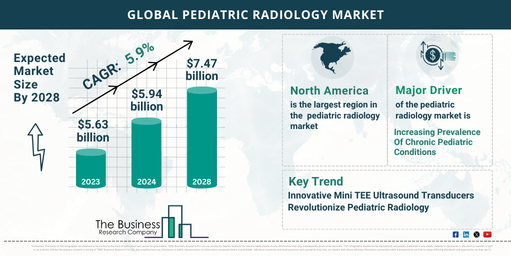
    • The pediatric radiology market grew from $5.63 billion in 2023 to $5.94 billion in 2024, marking a compound annual growth rate (CAGR) of 5.6%.
    • Growth has been driven by:
      • Innovations in medical imaging technology.
      • Increased incidence of pediatric diseases.
      • Greater awareness and adoption of pediatric radiology.
      • Improvements in imaging quality and safety.
      • Focused research and training in pediatric radiology.

    Future Market Outlook

    Projected Growth

    • The market is expected to reach $7.47 billion by 2028, with a CAGR of 5.9%.
    • Key drivers of future growth include:
      • Integration of artificial intelligence (AI) in imaging.
      • Expansion of telemedicine and remote imaging solutions.
      • Advances in personalized medicine and precision imaging.
      • Shift towards value-based healthcare models.
      • Innovations in emerging markets.

    View More On The Pediatric Radiology Market Report 2024 – https://www.thebusinessresearchcompany.com/report/pediatric-radiology-global-market-report

    Trends Shaping the Future

    Major Trends

    • Advancements in pediatric-specific imaging techniques.
    • Increased use of AI and machine learning in radiology.
    • Expansion of point-of-care imaging solutions.
    • Growth in remote monitoring and telemedicine.
    • Emphasis on patient-centered and family-centered imaging approaches.

    Chronic Pediatric Conditions Fuel Market Growth

    Impact of Chronic Conditions

    • The rise in chronic pediatric conditions is a significant growth driver for the pediatric radiology market.
    • Chronic conditions, which require long-term medical attention, are increasing due to genetic, environmental, and lifestyle factors.
    • Pediatric radiology is essential in diagnosing, monitoring, and managing these conditions, using imaging techniques like X-rays, MRI, and CT scans.
    • Example: In 2022, hospital admissions for children with asthma in England and Wales surged by 149% compared to the previous year, highlighting the increasing need for pediatric radiology services.

    Key Market Players

    Leading Companies

    • Major companies in the pediatric radiology market include:
      • Samsung Electronics Co. Ltd.
      • Hitachi Ltd.
      • Siemens AG
      • General Electric Company
      • Toshiba Corporation
      • Fujifilm Holdings Corporation
      • Koninklijke Philips N.V.
      • Agilent Technologies Inc.
      • Hologic Inc.
      • Shimadzu Corporation

    Innovative Mini TEE Ultrasound Transducers

    Product Innovations

    • Companies are developing advanced products like mini transesophageal echocardiography (TEE) ultrasound transducers.
    • These devices provide detailed images of the heart through the esophagus, enhancing diagnostic precision and patient comfort.
    • Example: In May 2024, Koninklijke Philips N.V. launched the X11-4t Mini 3D TEE transducer, designed for pediatric patients and adults at risk of complications, offering high-quality 3D imaging with minimal anesthesia needs.

    Strategic Acquisitions

    GE Healthcare’s Acquisition of IMACTIS

    • In April 2023, GE HealthCare Technologies Inc. acquired IMACTIS, enhancing its portfolio in interventional guidance.
    • This acquisition brings IMACTIS’ CT-Navigation system into GE’s offerings, improving workflow efficiency and procedural accuracy in minimally invasive procedures.

    Market Segmentation

    Product Type, Modality, Application, and End-User

    • The market is segmented by product type, including ultrasound, MRI, X-ray, and CT scanners.
    • Modality categories include standalone devices, table-top devices, and portable devices.
    • Applications span oncology, orthopedics, cardiology, and more.
    • End-users include hospitals, pediatric clinics, diagnostic centers, and others.

    Regional Insights

    Geographic Growth

    • North America was the largest market for pediatric radiology in 2023.
    • The Asia-Pacific region is expected to be the fastest-growing market in the forecast period, driven by advancements in healthcare infrastructure and increasing adoption of advanced imaging technologies.

    The pediatric radiology market is poised for robust growth, driven by technological advancements, increasing chronic pediatric conditions, and strategic initiatives by key market players. As innovations continue to emerge, the market will see enhanced diagnostic and treatment capabilities, improving patient outcomes and shaping the future of pediatric healthcare.

    Request A Sample Of The Global Pediatric Radiology Market Report 2024:
    https://www.thebusinessresearchcompany.com/sample_request?id=15891&type=smp