Blog

  • How Is The Plasmid DNA Manufacturing Market Expected To Grow Through 2024-2033

    How Is The Plasmid DNA Manufacturing Market Expected To Grow Through 2024-2033

    The Business Research Company’s global market reports are now updated with the latest market sizing information for the year 2024 and forecasted to 2033

    According to The Business Research Company’s Plasmid DNA Manufacturing Global Market Report 2024, the plasmid DNA manufacturing market is expected to show promising growth in the forecast period.

    Exponential Growth in Recent Years

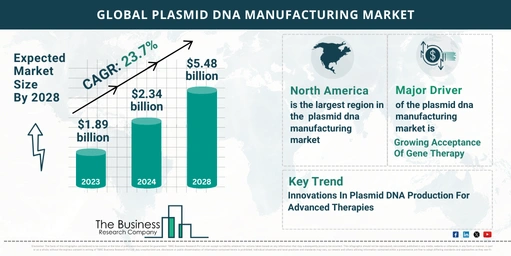
    • Market Size Increase: The plasmid DNA manufacturing market has experienced significant growth, increasing from $1.89 billion in 2023 to $2.34 billion in 2024, marking a compound annual growth rate (CAGR) of 23.6%.
    • Key Drivers: Factors contributing to this growth include:
      • Application in industrial processes.
      • Use in genetically modified organisms.
      • Production of monoclonal antibodies.
      • International health initiatives.
      • Environmental applications like bioremediation.
      • Microbiome studies.

    Future Growth Projections

    • Continued Expansion: The market is projected to grow to $5.49 billion by 2028, with a CAGR of 23.7%.
    • Drivers of Future Growth:
      • Development of DNA vaccines for infectious diseases.
      • Adoption in antibody-drug conjugates and personalized therapies.
      • Use in cancer treatments.
      • Advancements in intellectual property.

    Trends Shaping the Market

    • Licensing Agreements: Increased activity in licensing agreements for plasmid DNA technologies.
    • Customized Solutions: Development of tailored solutions to meet specific needs.
    • Cost Reduction: Implementation of strategies to lower production costs.
    • High-Throughput Screening: Adoption of high-throughput screening methods.
    • Scalable Manufacturing: Creation of scalable manufacturing solutions.

    View More On The Plasmid DNA Manufacturing Market Report 2024 – https://www.thebusinessresearchcompany.com/report/plasmid-dna-manufacturing-global-market-report

    Gene Therapy Driving Market Growth

    • Gene Therapy Boom: Growing acceptance of gene therapy, which modifies genes to treat or prevent diseases, is a significant market driver.
      • Advancements: Improvements in genetic engineering technologies and increased R&D investment.
      • Clinical Trials: Successful clinical trials and the rise in genetic disorders highlight the potential of gene therapy for long-term cures.
    • Plasmid DNA’s Role: Essential in producing vectors for gene therapy, facilitating genetic disorder treatments.
      • Clinical Trials Data: According to the American Society of Gene & Cell Therapy, the number of gene therapies in Phase III trials increased by 10% in Q3 2023.

    Leading Companies in the Market

    • Major Players: Key companies include Thermo Fisher Scientific Inc., Eurofins Genomics LLC, Catalent Inc., Charles River Laboratories, and Recipharm AB.
    • Other Notable Firms: Genscript Biotech Corporation, Aldevron LLC, Genewiz, OriGene Technologies, and Celonic AG.

    Innovations in Plasmid DNA Production

    • Advanced Bioprocessing Technologies: Companies are developing technologies to enhance efficiency, scalability, and quality.
      • Example: In January 2023, Charles River Laboratories launched the eXpDNA platform, integrating advanced technologies for high-quality plasmid DNA production.
      • Applications: Used in gene therapy, DNA vaccine development, and other biopharmaceutical applications requiring high yield, purity, and consistency.

    Strategic Acquisitions

    • Danaher Corporation and Aldevron: In August 2021, Danaher Corporation acquired Aldevron for $9.6 billion.
      • Impact: This acquisition enhances Danaher’s biotech capabilities, supporting the development of genetic treatments and advancing biotech research.

    Market Segmentation

    • By Grade:
      • Research and Development Grade
      • Good Manufacturing Practice (GMP) Grade
    • By Development Phase:
      • Pre-Clinical Therapeutics
      • Clinical Therapeutics
      • Marketed Therapeutics
    • By Disease:
      • Infectious Disease
      • Cancer
      • Genetic Disorder
      • Other Diseases
    • By Application:
      • DNA Vaccines
      • Cell and Gene Therapy
      • Immunotherapy
      • Other Applications

    Regional Insights

    • North America: Largest market in 2023.
    • Asia-Pacific: Expected to be the fastest-growing region during the forecast period.

    Request A Sample Of The Global Plasmid DNA Manufacturing Market Report 2024:
    https://www.thebusinessresearchcompany.com/sample_request?id=15895&type=smp
  • What’s The Growth Forecast For Procedure Trays Market Through 2024-2033?

    What’s The Growth Forecast For Procedure Trays Market Through 2024-2033?

    The Business Research Company’s global market reports provide comprehensive analysis on the various markets in 27 industries across 60 geographies. 

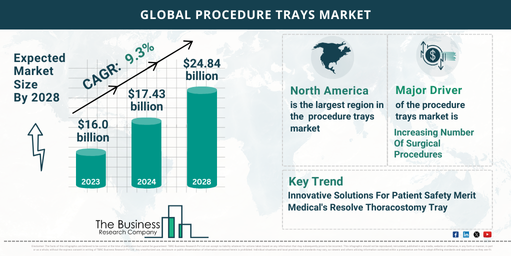
    The procedure trays market has seen significant growth recently, with projections indicating continued expansion. In 2023, the market size was $16.00 billion, expected to rise to $17.43 billion in 2024 at a compound annual growth rate (CAGR) of 9.0%.

    Historical Growth Factors

    • Standardization: Enhanced efficiency and consistency in surgical settings.
    • Road Accidents: Increased frequency, necessitating more surgical interventions.
    • Surgical Instruments Demand: Rising need for varied surgical tools.
    • Adoption of Procedure Trays: Rising preference for organized and comprehensive surgical kits.
    • Chronic Diseases: Higher incidence rates requiring surgical treatments.

    Future Market Projections

    Looking ahead, the procedure trays market is expected to grow robustly, reaching $24.84 billion by 2028 with a CAGR of 9.3%.

    Forecasted Growth Drivers

    • Surgical Procedures: Rising number due to medical advancements and an aging population.
    • Global Population: Expansion contributing to higher healthcare needs.
    • Regulatory Compliance: Ensuring safety and efficiency in medical procedures.
    • Customization: Tailoring procedure trays to specific surgical needs.
    • Medical Tourism: Surge in patients seeking affordable and quality care abroad.
    • Elderly Population: Increasing demand for age-related medical interventions.

    Key Trends

    • Smart Technology: Integration of advanced tech for improved functionality.
    • Personalized Trays: Custom solutions for specific medical procedures.
    • Telehealth Integration: Combining with remote monitoring for better patient management.
    • Artificial Intelligence and Automation: Enhancing precision and efficiency in surgical settings.

    View More On The Procedure Trays Market Report 2024 – https://www.thebusinessresearchcompany.com/report/procedure-trays-global-market-report

    Driving Factors and Growth Trends

    Increasing Surgical Procedures

    The growth of the procedure trays market is significantly propelled by the rising number of surgical procedures.

    • Medical Interventions: Invasive techniques to address health conditions.
    • Technological Advancements: Innovations in medical technology boosting procedure rates.
    • Chronic Diseases: Higher prevalence requiring surgical intervention.
    • Healthcare Access: Improved accessibility leading to more surgeries.
    • Patient Expectations: Rising demand for effective and safe surgical outcomes.

    For instance, a 2023 report by the International Society of Aesthetic Plastic Surgery highlighted a 19.3% increase in total medical procedures in 2021 compared to 2020.

    Major Market Players

    Prominent companies in the procedure trays market include:

    • Cardinal Health Inc.
    • Becton Dickinson and Company
    • Baxter International Inc.
    • Boston Scientific Corporation
    • Owens & Minor Inc.
    • Medline Industries LP
    • Teleflex Incorporated
    • Paul Hartmann AG
    • Merit Medical Systems Inc.
    • Hogy Medical Company Limited
    • Medical Action Industries Inc.
    • Kimal PLC
    • CareFusion Corporation

    Innovations for Patient Safety

    Merit Medical’s Resolve Thoracostomy Tray

    Merit Medical focuses on enhancing patient safety with innovative products like the thoracostomy tray, designed for thoracostomy procedures to remove air or fluid from the pleural space.

    • Clinical Needs:Addressing conditions such as pneumothorax or pleural effusion.
    • Patient Care:Tailored medical devices improving clinical outcomes.

    Steris plc Acquires Cantel Medical Corporation

    In June 2021, Steris plc acquired Cantel Medical Corporation, aiming to synergize infection prevention products and services.

    • Infection Prevention:Expanded offerings in endoscopy, dental, dialysis, and life sciences.
    • Global Reach:Enhancing value for customers, employees, and shareholders.

    Market Segmentation

    By Product

    • Operating Room: Comprehensive kits for surgical procedures.
    • Angiography: Specialized trays for vascular imaging.
    • Ophthalmic: Tools for eye surgeries.
    • Other Products: Diverse range of surgical kits.

    By Packaging

    • Box: Durable and organized packaging.
    • Mold: Custom-molded solutions.
    • Wrap: Sterile and secure wrapping options.

    By End User

    • Hospitals: Primary users of procedure trays.
    • Clinics: Smaller-scale medical facilities.
    • Other Facilities: Various healthcare providers.

    Regional Insights

    • North America: Largest region in the procedure trays market in 2023.
    • Asia-Pacific: Expected to be the fastest-growing region in the forecast period.

    The procedure trays market is poised for substantial growth, driven by increasing surgical procedures, technological advancements, and innovative solutions enhancing patient safety and care.

    Request A Sample Of The Global Procedure Trays Market Report 2024:
    https://www.thebusinessresearchcompany.com/sample_request?id=15905&type=smp

  • Top 5 Insights From The Primary Health Care Service Market Report 2024

    Top 5 Insights From The Primary Health Care Service Market Report 2024

    The Business Research Company’s global market reports are now updated with the latest market sizing information for the year 2024 and forecasted to 2033

    According to The Business Research Company’s Primary Health Care Service Global Market Report 2024, the primary health care service market is expected to show promising growth in the forecast period.

    Recent Market Growth

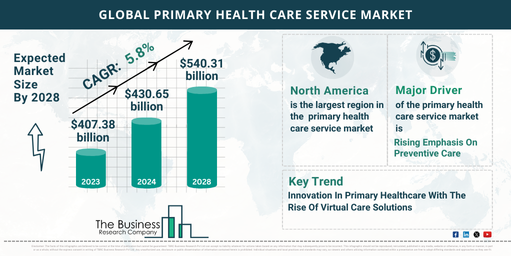
    • Strong Growth:The primary health care service market size has grown from $407.38 billion in 2023 to $430.65 billion in 2024, at a CAGR of 5.7%.
    • Key Drivers:Factors contributing to this growth include the rise of managed care, epidemiological transitions, healthcare reform initiatives, and the patient-centered medical home (PCMH) model.

    Future Market Projections

    • Expected Expansion: The market is anticipated to grow to $540.31 billion by 2028, with a CAGR of 5.8%.
    • Driving Factors: Growth will be driven by health education and awareness, patient preferences and expectations, collaboration and integration, healthcare expenditure and funding, and quality of care metrics.

    Major Trends Shaping the Future

    • Technological Innovations:
      • 3D printing and bioprinting
      • Wearable sensors and IoT devices
      • Digital stethoscopes and point-of-care diagnostics
    • Personalized Approaches: Personalized nutrition and wellness
    • Engagement Strategies: Gamification and behavioral economics

    View More On The Primary Health Care Service Market Report 2024 – https://www.thebusinessresearchcompany.com/report/primary-health-care-service-global-market-report

    Role Of Preventive Care In Expanding The Market

    Emphasis on Preventive Care

    • Preventive Services: Focus on services aimed at preventing disease, early detection, and promoting overall health.
    • Proactive Management: Preventive care in primary health services aims to lower healthcare expenses and enhance long-term health outcomes.

    Impact of Preventive Care

    • Cost Reduction: Investing in preventive care reduces overall healthcare costs.
    • Improved Outcomes: Enhances long-term sustainability and health outcomes.
    • Statistical Evidence:
      • Eurostat reported an 88.2% increase in preventive healthcare spending in the EU in 2021 compared to 2020.
      • Immunization programs saw a significant rise in expenditure, from 13.7% in 2020 to 29.1% in 2021.

    Key Players in the Market

    Leading Companies

    • Major Corporations:
      • UnitedHealth Group
      • CVS Health Corporation
      • Centene Corporation
      • Kaiser Permanente
      • Humana Inc.
      • HCA Healthcare
      • Ascension Health
      • Providence Health & Services
      • Tenet Healthcare
      • Cedars-Sinai Medical Center
      • Cerner Corporation
      • Trinity Health Corporation
      • Massachusetts General Hospital
      • Arthrex Inc.
      • Apollo Hospitals Enterprise Limited
      • UCSF Health
      • Primary Health Care Corporation

    Innovation In Primary Healthcare With Virtual Care Solutions

    Focus on Digital Telehealth Platforms

    • Virtual Care Solutions: Enhancing patient access, improving care coordination, and streamlining healthcare delivery through digital platforms.
    • Example: CVS Health Corporation launched CVS Health Virtual Primary Care in May 2022, offering telemedicine consultations, personalized health management plans, and convenient medication delivery services.

    CVS Health Expands Reach With Acquisition Of Oak Street Health

    Strategic Acquisition

    • Acquisition Details: In May 2023, CVS Health acquired Oak Street Health for $10.6 billion.
    • Objective: Leverage expertise in value-based primary care for Medicare adults, achieve synergies in healthcare services, enhance capabilities in comprehensive care, and expand Medicare population reach.

    Market Segmentation

    Segmentation Overview

    • By Service: Injury, Preventive Care, Chronic Conditions, Acute Conditions, Pre Or Post-Surgery
    • By Mode Of Consultation: Virtual, Physical
    • By Age Group: Infants, Pediatrics, Adults, Geriatrics
    • By Provider: Hospitals, Clinics, Outpatient Department, Other Providers

    Regional Insights

    • Largest Region: North America was the largest region in the primary health care service market in 2023. 

    Request A Sample Of The Global Primary Health Care Service Market Report 2024:
    https://www.thebusinessresearchcompany.com/sample_request?id=15904&type=smp

  • Growth Trajectory Of The Primary Cell Culture Market 2024-2033

    Growth Trajectory Of The Primary Cell Culture Market 2024-2033

    The Business Research Company’s global market reports are now updated with the latest market sizing information for the year 2024 and forecasted to 2033

    Current Market Size and Growth

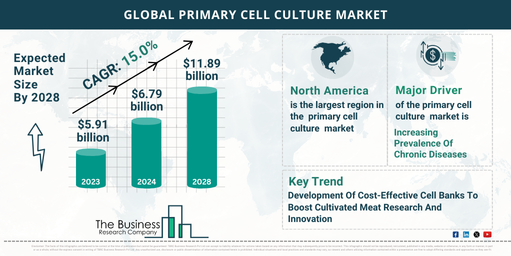
    • 2023 Market Size: $5.91 billion
    • 2024 Market Size: $6.79 billion
    • CAGR (2023-2024): 14.9%

    The primary cell culture market has experienced significant growth in recent years, driven by increasing demand for monoclonal antibodies, novel therapeutics, personalized medicine, and cell therapy research.

    Future Market Projections

    • 2028 Market Size: $11.89 billion
    • CAGR (2024-2028): 15%

    The market is expected to continue its rapid growth, fueled by the rising incidence of cancer, expanding pharmaceutical and biotechnology industries, growing demand for personalized medicine, and applications in 3D cell culture models. Major trends include technological advancements, product innovation, partnerships, and increased research and development.

    Rising Prevalence of Chronic Diseases

    • Impact: Chronic diseases significantly drive market growth.
    • Factors: Lifestyle changes, environmental influences, physical inactivity, dietary shifts, demographic changes.
    • Statistics: Chronic disease prevalence to nearly double from 71.522 million in 2020 to 142.66 million by 2050 (National Center for Biotechnology Information).

    Primary cell cultures play a crucial role in understanding and developing treatment strategies for chronic diseases, improving patient outcomes.

    View More On The Primary Cell Culture Market Report 2024 – https://www.thebusinessresearchcompany.com/report/primary-cell-culture-global-market-report

    Key Market Players

    • Major Companies: Thermo Fisher Scientific Inc., Merck KGaA, FUJIFILM Holdings Corporation, GE HealthCare Technologies Inc., Corning Incorporated, Lonza Group Ltd., Sartorius AG, Miltenyi Biotec and CO.KG, STEMCELL Technologies Inc., Cyagen Biosciences Inc., Hi Media Laboratories Pvt. Ltd., PromoCell GmbH, AllCells LLC, BPS Bioscience Inc., MatTek Ltd., Axol Bioscience Ltd., Lifeline Cell Technology Corp., Neuromics Inc., Cell Biologics Inc., ZenBio Inc., Epithelix Sàrl, ReachBio LLC, AcceGen Biotechnology, Biopredic International, ixCells Biotechnologies.

    These companies are instrumental in driving the primary cell culture market through innovation and strategic initiatives.

    Development of Cost-Effective Cell Banks

    • Innovation: Development of cell banks for cultivated meat research.
    • Benefits: High-quality animal primary cells, 90% cheaper, no licensing restrictions.
    • Example: In June 2023, Extracellular launched low-cost, license-free cell banks for cow, pig, and lamb tissues to support cultivated meat research.

    This initiative aims to advance sustainable and ethical meat production technologies, promoting the growth of the cultivated meat industry.

    AnaBios Corporation’s Strategic Acquisition

    • Acquisition: AnaBios Corporation acquired Cell Systems in April 2023.
    • Purpose: Expand human tissue and cell portfolio for drug discovery.
    • Benefits: Provides researchers with biologically relevant tools to expedite drug discovery and enhance understanding of cell biology.

    This acquisition demonstrates AnaBios’ commitment to expanding its capabilities and supporting advanced drug discovery efforts.

    Market Segmentation

    • By Product: Primary Cell, Reagents, Supplements, Media
    • By Cell Type: Animal Cells, Human Cells
    • By Separation and Culture Techniques: Explant Method, Enzymatic Disaggregation, Mechanical Separation, Other Separation
    • By Application: Tissue Culture and Tissue Engineering, Vaccine Production, Gene Therapy and Regenerative Medicine, Drug Screening and Toxicity Testing, Cancer Research, Virology, Stem Cell Therapy, Other Applications
    • By End User: Pharmaceutical and Biotechnology Companies, Contract Research Organizations, Academic and Research Institutes, Other End Users

    The primary cell culture market’s comprehensive segmentation highlights its diverse applications and the varied needs of different end users.

    Regional Insights

    • Largest Region (2023): North America
    • Fastest-Growing Region (Forecast Period): Asia-Pacific

    North America leads the market due to its advanced healthcare infrastructure and strong research capabilities. Asia-Pacific is expected to see the fastest growth, driven by increasing investments in biotechnology and healthcare advancements.

    The primary cell culture market is poised for substantial growth, with technological advancements, strategic initiatives, and rising demand for innovative therapies driving its expansion.

    Request A Sample Of The Global Primary Cell Culture Market Report 2024:
    https://www.thebusinessresearchcompany.com/sample_request?id=15903&type=smp

  • Prescription Lens Market Growth Analysis Till 2033 By The Business Research Company

    Prescription Lens Market Growth Analysis Till 2033 By The Business Research Company

    The Business Research Company’s market reports offer an in-depth analysis on the market’s growth potential, major drivers, key trends and more.

    Strong Market Growth

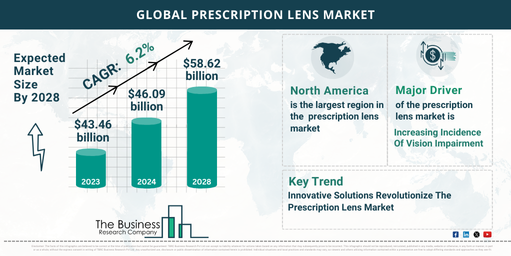
    • Current Market Size: The prescription lens market has shown robust growth, increasing from $43.46 billion in 2023 to $46.09 billion in 2024, reflecting a CAGR of 6.1%.
    • Historical Growth Drivers: This growth is attributed to:
      • Increased awareness and diagnosis of vision problems.
      • Higher demand due to the rise of computers and smartphones.
      • Growing popularity of fashion and designer eyewear.
      • Emergence of online retailers and direct-to-consumer brands.

    Future Market Projections

    • Expected Market Size: The market is projected to reach $58.62 billion by 2028, with a CAGR of 6.2%.
    • Forecasted Growth Drivers: Future growth will be driven by:
      • Enhanced public awareness and education about eye health.
      • Expansion of online retail channels.
      • Improved economic conditions and disposable income.
      • Better insurance coverage for vision care and eyewear.
      • Increased urbanization and prolonged digital screen use.

    Key Trends in Prescription Lens Market

    • Technological Integration: Incorporation of AR and VR technologies.
    • Blue Light Filtering: Rising demand for lenses that protect against blue light from screens.
    • Photochromic Lenses: Advancements in lenses that adapt to changing light conditions.
    • Anti-Fog Technologies: Improvements to prevent lens fogging.
    • Diagnostics and 3D Printing: Use of digital eye strain diagnostics and 3D printing for custom lenses.

    Read More On The Prescription Lens Market Report 2024 – https://www.thebusinessresearchcompany.com/report/prescription-lens-global-market-report

    Rising Ophthalmic Disorders Propel Market Growth

    • Vision Impairment: Increasing incidence due to screen time, digital device usage, and aging populations.
      • Common Conditions: Myopia, hyperopia, astigmatism, and presbyopia.
      • Statistics: According to a 2023 NCBI report, 200 million people had age-related macular degeneration (AMD) in 2020, expected to rise to 288 million by 2040.
    • Market Impact: Growing vision impairment drives the need for corrective lenses, boosting market growth.

    Major Companies and Innovations

    • Leading Companies: Johnson And Johnson Inc., Essilor Luxottica S.A., Carl Zeiss AG, Seiko Optical Products, and more.
    • Innovative Solutions: Companies are developing myopia management lenses for children.
      • Example: In November 2023, Shamir Optical Industry launched Shamir Optimee, a myopia management lens for children, incorporating advanced defocus technology.

    Strategic Acquisitions

    • Meta’s Acquisition of Luxexcel: In December 2022, Meta Platforms Inc. acquired Luxexcel to enhance AR and VR wearables with 3D-printed prescription lenses, aiming for an optimal user experience in smart glasses.

    Market Segmentation

    • By Type: Single Vision, Bifocal, Trifocal, Progressive, Active, Other Types.
    • By Coating: Anti-Reflective, Scratch Resistant, Anti-Fog, Ultraviolet Treatment.
    • By Application: Myopia, Hyperopia, Astigmatism, Presbyopia.

    Regional Insights

    • Largest Market: North America led the prescription lens market in 2023.
    • Fastest Growing Region: Asia-Pacific is expected to see the fastest growth in the forecast period.

    The prescription lens market is poised for significant growth, driven by technological advancements, increasing awareness of eye health, and rising incidences of vision impairment. Major companies continue to innovate and expand, ensuring a dynamic and evolving market landscape.

    Request for A Sample Of The Global Prescription Lens Market Report:
    https://www.thebusinessresearchcompany.com/sample_request?id=15902&type=smp

  • Key Trends And Drivers In The Postpartum Health Supplements Market 2024

    Key Trends And Drivers In The Postpartum Health Supplements Market 2024

    The Business Research Company’s market reports offer an in-depth analysis on the market’s growth potential, major drivers, key trends and more.

    Rapid Market Growth

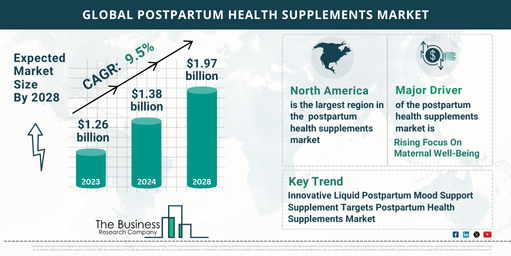
    • Market Size Increase: The postpartum health supplements market has experienced significant growth, increasing from $1.26 billion in 2023 to $1.38 billion in 2024.
    • CAGR: The market is growing at a compound annual growth rate (CAGR) of 9.2%.

    Factors Driving Growth

    • Awareness: Increased awareness of postpartum health issues.
    • Maternal Nutrition: Growing emphasis on maternal nutrition.
    • Postpartum Depression: Rising prevalence of postpartum depression.
    • Lifestyle Changes: Changing lifestyles and dietary habits.
    • Government Initiatives: Government programs promoting maternal health.

    Future Prospects of the Market

    Projected Growth

    • Market Size in 2028: Expected to reach $1.98 billion by 2028.
    • CAGR: Anticipated to grow at a CAGR of 9.5%.

    Read More On The Postpartum Health Supplements Market Report 2024 – https://www.thebusinessresearchcompany.com/report/postpartum-health-supplements-global-market-report

    Growth Drivers

    • Marketing Strategies: Focus on evidence-based marketing.
    • Demand for Organic Products: Rising demand for organic and natural supplements.
    • Sustainable Practices: Incorporation of sustainable manufacturing processes.
    • Income Rise: Increasing disposable income in developing countries.
    • Social Media Influence: Influence of social media on health trends.

    Emerging Trends

    • Product Innovation: Continuous innovation in products.
    • Customized Regimens: Tailored supplement regimens for individual needs.
    • Plant-Based Options: Introduction of plant-based and vegan supplements.
    • Product Line Expansion: Expansion of products targeting specific postpartum challenges.
    • Tech Integration: Integration of technology for health monitoring and tracking.

    Maternal Well-Being and Market Growth

    Importance of Maternal Well-Being

    • Definition: Maternal well-being encompasses a mother’s physical, mental, and emotional health during and after pregnancy.
    • Increased Awareness: Rising awareness of maternal health issues.
    • Medical Advancements: Advancements in medical research and technology.
    • Impact on Infant Health: Maternal well-being significantly impacts infant health.

    Role of Postpartum Supplements

    • Recovery Assistance: Supplements help new mothers regain strength and energy.
    • Comprehensive Support: Address various aspects of postpartum recovery.
    • Example: In May 2024, the CDC reported a rise in US maternal mortality rates, emphasizing the need for postpartum health support.

    Key Players in the Market

    Major Companies

    • Leading Firms: Abbott Laboratories, DSM-Firmenich, Church & Dwight Co. Inc., Pharmavite LLC, The Honest Company Inc., Garden of Life, and more.
    • Innovative Solutions: Companies are focusing on developing innovative products for postpartum health.

    Product Innovations and Market Strategies

    Liquid Postpartum Mood Support Supplements

    • Innovative Products: Development of mood support supplements to address emotional and mental health needs.
    • Example: In April 2024, Exeltis USA Inc. launched Blues Away, a unique liquid supplement for postpartum mood support.

    Strategic Acquisitions

    • Pharmavite’s Acquisition: In November 2023, Pharmavite LLC acquired Bonafide Health for $450 million.
    • Enhancing Market Position: Aims to strengthen its position in the women’s health nutraceutical market.

    Market Segmentation

    By Product Type

    • Categories: Iron Supplements, Calcium Supplements, Herbal Supplements, Other Product Types.

    By Formulation

    • Forms: Capsules or Tablets, Softgels, Powder, Liquid, Other Formulations.

    By Application

    • Sales Channels: Online Sales, Offline Sales.

    Regional Insights

    North America and Asia-Pacific

    • Largest Market: North America was the largest region in the postpartum health supplements market in 2023.
    • Fastest-Growing Region: Asia-Pacific is expected to be the fastest-growing region in the forecast period.

    The postpartum health supplements market is poised for substantial growth, driven by increased awareness, innovative product development, and strategic market positioning. With a strong focus on maternal well-being and evolving consumer demands, this market will continue to expand and adapt to new trends and challenges.

    Request for A Sample Of The Global Postpartum Health Supplements Market Report:
    https://www.thebusinessresearchcompany.com/sample_request?id=15900&type=smp

  • Understand How The Research-Grade Proteins Market Is Poised To Grow Through 2024-2033

    Understand How The Research-Grade Proteins Market Is Poised To Grow Through 2024-2033

    The Business Research Company’s global market reports are now updated with the latest market sizing information for the year 2024 and forecasted to 2033

    As per The Business Research Company’s Research-Grade Proteins Global Market Report 2024, the research-grade proteins market is expected to show significant growth in the forecast period.

    The research-grade proteins market has experienced significant growth and is expected to continue on this upward trajectory in the coming years. This blog explores the current market landscape, key drivers of growth, and major players in the field.

    Market Overview

    • Current Market Size: The research-grade proteins market was valued at $0.91 billion in 2023.
    • Growth Forecast: It is anticipated to grow to $1.11 billion by 2024, reflecting a compound annual growth rate (CAGR) of 21.1%.
    • Long-Term Outlook: By 2028, the market is projected to reach $2.4 billion, with a CAGR of 21.3%.

    Drivers of Growth

    • Increasing Research Activities: There is a growing emphasis on research across pharmaceutical and biotechnology sectors.
    • Rising Demand for Personalized Medicine: Tailoring treatments to individual genetic profiles boosts the need for specialized research-grade proteins.
    • Government and Academic Investments: Increased funding and strategic collaborations support market expansion.
    • Technological Advancements: Innovations in proteomics and data analytics are driving demand for advanced research tools.

    View More On The Research-Grade Proteins Market Report 2024 – https://www.thebusinessresearchcompany.com/report/research-grade-proteins-global-market-report

    Impact of Clinical Trials

    • Rising Number of Trials: Clinical trials are on the rise, with 477,234 registered globally by the end of 2023.
    • Role of Research-Grade Proteins: These proteins are crucial for biomarker development, assay development, drug target identification, and quality control, ensuring reliable experimental outcomes.

    Major Companies in the Market

    • Key Players:Thermo Fisher Scientific Inc., Bio-Rad Laboratories Inc., Bio-Techne, Stemcell Technologies Inc., Miltenyi Biotec, and GenScript Biotech Corporation are leading the market.
    • Recent Developments:
      • Thermo Fisher Scientific Inc.: Acquired PeproTech in January 2022 for $1.85 billion, enhancing its research-grade protein portfolio.

    Cas9 Protein Development

    • Advancements in Genome Editing: Cas9 proteins act as molecular scissors for precise DNA editing. Thermo Fisher’s introduction of the GMP-manufactured Gibco CTS TrueCut Cas9 Protein in April 2022 highlights innovation in this area.
    • Applications: These developments facilitate advancements in genetic engineering and therapeutic research.

    Market Segmentation

    • By Product:Includes cytokines and growth factors, antibodies, immune checkpoint proteins, virus antigens, enzymes, recombinant regulatory proteins, hormones, and other products.
    • By Host Cell:Segmented into mammalian cells, bacterial cells, fungi and yeast, insect cells, and other host cells.
    • By End-Use:Covers pharmaceutical and biotechnology companies, academic and research institutes, and other end-users.

    Regional Insights

    • North America: The largest market for research-grade proteins in 2023.
    • Asia-Pacific: Expected to be the fastest-growing region in the forecast period, driven by increasing research activities and investments in biotechnology.

    Conclusion

    The research-grade proteins market is on a robust growth trajectory, fueled by advancements in research, rising demand for personalized medicine, and significant investments in the sector. With key players innovating and expanding their portfolios, the market is set to witness continued expansion and evolving opportunities in the years to come.

    Request A Sample Of The Global Research-Grade Proteins Market Report 2024:
    https://www.thebusinessresearchcompany.com/sample_request?id=15917&type=smp

  • Key Trends And Drivers In The Refurbished MRI Systems Market 2024

    Key Trends And Drivers In The Refurbished MRI Systems Market 2024

    The Business Research Company’s market reports offer an in-depth analysis on the market’s growth potential, major drivers, key trends and more.

    Current Market Overview

    The refurbished MRI systems market has experienced substantial growth in recent years. The market size increased from $0.70 billion in 2023 to $0.77 billion in 2024, reflecting a compound annual growth rate (CAGR) of 10.2%. Key factors driving this growth include:

    • Cost-Effective Solutions: Refurbished MRI systems offer a budget-friendly alternative to new equipment.
    • Healthcare Budget Constraints: Limited budgets push healthcare facilities to seek more affordable options.
    • Rise in Chronic Diseases: Increasing prevalence of chronic conditions boosts demand for diagnostic imaging.
    • Advancements in Diagnostic Tools: Growing need for advanced imaging technologies.

    Projected Growth and Future Trends

    Looking ahead, the refurbished MRI systems market is set to expand significantly, reaching $1.15 billion by 2028. This forecasted growth corresponds to a CAGR of 10.5%. Contributing factors to this anticipated growth include:

    • Affordable Medical Devices: Rising demand for cost-effective imaging solutions.
    • Healthcare Awareness: Increased public awareness about healthcare benefits.
    • Aging Population: Expanding demographic of elderly individuals requiring diagnostic services.
    • Government Initiatives: Programs aimed at enhancing healthcare accessibility.
    • Sustainability Focus: Emphasis on eco-friendly practices in refurbishment processes.

    Read More On The Refurbished MRI Systems Market Report 2024 – https://www.thebusinessresearchcompany.com/report/refurbished-mri-systems-global-market-report

    Key trends influencing the market include:

    • Technological Advancements: Innovations in refurbishment techniques.
    • Certified Pre-Owned Systems: Growing availability of high-quality pre-owned MRI systems.
    • Independent Refurbishing Companies: Expansion of businesses specializing in MRI refurbishment.
    • Sustainability Initiatives: Enhanced focus on environmentally friendly practices.
    • Online Sales Channels: Growth in e-commerce platforms for MRI systems.

    Increasing Demand for Healthcare Services

    The rising demand for healthcare services significantly impacts the refurbished MRI systems market. Key factors driving this demand include:

    • Aging Population: Older demographics require more diagnostic services.
    • Chronic Diseases: Higher prevalence necessitates advanced imaging solutions.
    • Medical Technology Advancements: Improved diagnostic capabilities drive demand.
    • Expanded Healthcare Access: Increased availability of healthcare services.

    For example, the UK saw a 9.4% increase in healthcare spending from 2020 to 2021, with preventive care expenditures more than doubling within the same period. Refurbished MRI systems contribute to meeting this growing demand by offering cost-effective and high-quality imaging solutions.

    Strategic Collaborations in the Refurbished MRI Market

    Strategic partnerships are becoming more common in the refurbished MRI systems market. A notable example includes:

    • Surrey and Sussex Healthcare NHS Trust (SASH): In April 2021, SASH, in collaboration with InHealth Group, opened a refurbished MRI department at East Surrey Hospital. This facility features Siemens Sola MRI scanners and a ceiling-mounted MRI injector system, enhancing patient comfort and accessibility.

    This partnership highlights the trend of integrating state-of-the-art technology with refurbished systems, setting new standards for imaging quality and cost-effective upgrades in healthcare settings.

    Siemens Healthineers and CommonSpirit Health Acquisition

    In May 2023, Siemens Healthineers and CommonSpirit Health acquired Block Imaging, a US-based provider of refurbished medical imaging equipment. This acquisition aims to:

    • Enhance Sustainability: Offer more sustainable imaging solutions.
    • Meet Growing Demand: Address the increasing need for multi-vendor imaging parts and services.

    This move reflects a broader trend towards integrating sustainable practices in medical imaging and meeting the growing demand for refurbishment services.

    Market Segmentation

    The refurbished MRI systems market is segmented as follows:

    1. By Architecture:
      • Closed System
      • Open System
    2. By Field Strength:
      • Low Field Strength
      • Mid Field Strength
      • High Field Strength
    3. By End Use:
      • Hospitals
      • Imaging Centers
      • Ambulatory Surgical Centers
      • Other End Users

    Regional Insights

    • North America: The largest market for refurbished MRI systems in 2023.
    • Asia-Pacific: Expected to be the fastest-growing region in the forecast period.

    In conclusion, the refurbished MRI systems market is poised for significant growth, driven by increasing healthcare demands, technological advancements, and strategic industry collaborations. As the market evolves, affordability, sustainability, and innovation will remain key factors shaping its future.

    Request for A Sample Of The Global Refurbished MRI Systems Market Report:
    https://www.thebusinessresearchcompany.com/sample_request?id=15916&type=smp

  • Top 5 Insights From The Rare Biomarkers Specimen Collection And Stabilization Market Report 2024

    Top 5 Insights From The Rare Biomarkers Specimen Collection And Stabilization Market Report 2024

    The Business Research Company’s global market reports are now updated with the latest market sizing information for the year 2024 and forecasted to 2033

    According to The Business Research Company’s Rare Biomarkers Specimen Collection And Stabilization Global Market Report 2024, the rare biomarkers specimen collection and stabilization market is expected to show promising growth in the forecast period.

    Introduction

    The rare biomarkers specimen collection and stabilization market has witnessed substantial growth in recent years and is poised for further expansion. This blog explores the market dynamics, major drivers, and future trends shaping this sector.

    Current Market Overview

    • 2023 Market Size:$29.02 billion
    • 2024 Projected Market Size:$32.01 billion
    • CAGR (2023-2024):3%

    The market’s recent growth is driven by advancements in the human genome project, increased cancer research, pharmaceutical R&D investments, and progress in genomics and proteomics. Improved data management and bioinformatics also contribute significantly.

    Future Growth Projections

    • 2028 Projected Market Size: $47.59 billion
    • CAGR (2024-2028): 10.4%

    The market is expected to continue its robust growth due to several key factors:

    • Expansion of Liquid Biopsy Applications: Enhancing non-invasive diagnostic techniques.
    • Consumer Awareness and Demand: Increased focus on personalized medicine.
    • Biomarker Discovery in Rare Diseases: Facilitating early detection and treatment.

    Major Trends Shaping the Market

    • Advancements in Preservation Technology: Innovations improving sample integrity.
    • Growth in Genomic and Proteomic Research: Expanding the scope of research and diagnostics.
    • Emergence of Point-of-Care Testing: Streamlining the diagnostic process.
    • Regulatory Advancements and Standardization: Ensuring quality and consistency.
    • Enhanced Data Analytics and AI Integration: Leveraging technology for better insights.

    View More On The Rare Biomarkers Specimen Collection And Stabilization Market Report 2024 – https://www.thebusinessresearchcompany.com/report/rare-biomarkers-specimen-collection-and-stabilization-global-market-report

    Cancer Prevalence Driving Market Growth

    The rising prevalence of cancer significantly impacts the rare biomarkers specimen collection and stabilization market. Key factors include:

    • Environmental Pollutants and Lifestyle Factors:Contributing to higher cancer rates.
    • Utilization in Cancer Studies:Enhancing the accuracy of cancer detection and monitoring.

    For instance, new cancer cases in Europe rose to 2.74 million in 2022, indicating a 2.3% increase from 2020, highlighting the urgent need for advanced biomarker collection and stabilization methods.

    Innovative Solutions in the Market

    • Automated Pre-Analytical Platforms:Companies are developing platforms like Tethis S.p.A.’s See.d, which automates plasma and cell sample preparation, ensuring sample integrity and consistency.
    • Technological Innovations:Features include precise sample handling, efficient plasma separation, and quality control scoring for sample stability.

    Strategic Acquisitions and Market Expansion

    • DiaSorin’s Acquisition of Luminex Corporation:In October 2022, DiaSorin acquired Luminex to enhance its diagnostic testing capabilities and expand its market presence. This move leverages multiplexing technology to strengthen rare biomarker specimen collection and stabilization.

    Market Segmentation

    1. By Type:
      • Circulating Cell Free DNA (CCFDNA)
      • Circulating Tumor Cells (CTCs)
      • Exosomes or Extracellular Vesicles
    2. By Specimen:
      • Serum or Plasma
      • Other Specimens
    3. By Application:
      • Non-Invasive Prenatal Testing (NIPT)
      • Oncology
      • Transcriptomics
      • Pharmacogenomics
      • Transplant Rejection
      • Population Screening
      • Cardiovascular Diseases
      • Other Applications
    4. By End-User:
      • Hospitals
      • Perinatal Clinics
      • Public Health Labs
      • Private or Commercial Labs
      • Physician Labs
      • Research Institutes
      • Other End-Users

    Regional Insights

    • North America:The largest market region in 2023.
    • Asia-Pacific:Expected to be the fastest-growing region during the forecast period.

    Conclusion

    The rare biomarkers specimen collection and stabilization market is set for significant growth, driven by advancements in technology, increasing cancer prevalence, and a growing demand for non-invasive diagnostic methods. With innovative solutions and strategic acquisitions, the market is evolving rapidly, offering new opportunities and advancements in biomarker research and applications.

    Request A Sample Of The Global Rare Biomarkers Specimen Collection And Stabilization Market Report 2024:
    https://www.thebusinessresearchcompany.com/sample_request?id=15913&type=smp

  • What’s The Growth Forecast For Radiation Dose Management Market Through 2024-2033?

    What’s The Growth Forecast For Radiation Dose Management Market Through 2024-2033?

    The Business Research Company’s global market reports provide comprehensive analysis on the various markets in 27 industries across 60 geographies.

    Market Overview

    • Current Market Size and Growth
      • The radiation dose management market has experienced significant growth, with its size increasing from $0.71 billion in 2023 to $0.85 billion in 2024. This growth reflects a robust compound annual growth rate (CAGR) of 19.1%.
      • Factors contributing to this growth include heightened awareness of radiation risks, stricter regulatory requirements, an increase in diagnostic imaging procedures, and advancements in imaging technologies.
    • Future Projections
      • The market is anticipated to reach $1.73 billion by 2028, with a CAGR of 19.4%.
      • Key drivers include the expansion of cloud-based solutions, increased awareness of patient safety, integration of artificial intelligence (AI), a rise in diagnostic centers, and advancements in imaging modalities.

    Key Trends Influencing the Market

    • Technological Advancements
      • The market is witnessing rapid advancements in technology, including the development of new radiation dose-managing devices and innovations in product offerings.
    • Integration of AI and IoT
      • The integration of artificial intelligence (AI) and the Internet of Things (IoT) is enhancing radiation dose management, leading to more efficient and accurate monitoring solutions.

    View More On The Radiation Dose Management Market Report 2024 – https://www.thebusinessresearchcompany.com/report/radiation-dose-management-global-market-report

    Increasing Cancer Incidences Driving Growth

    • Rising Cancer Cases
      • The growing incidence of cancer is a major factor driving the radiation dose management market. Cancer’s prevalence is attributed to various factors such as family history, lifestyle choices, genetic predispositions, and environmental exposures.
    • Market Impact
      • With over 35 million new cancer cases expected by 2050, radiation dose management solutions are crucial in diagnosing and treating cancer while minimizing radiation risks. This significant increase in cancer cases is set to further propel market growth.

    Innovative Developments by Major Companies

    • Tracerco’s Next-Generation Dosimeters
      • In March 2022, Tracerco launched the PED2 range of personal electronic dosimeters. These devices offer advanced detection technology and are supported by the DoseVision2 cloud-based management platform, enhancing radiological safety and compliance.
    • AURELIUS Group’s Acquisition
      • In April 2023, AURELIUS Group acquired Agfa-Gevaert’s Offset Solutions division. This strategic move is aimed at bolstering the company’s consumables and services portfolio, further strengthening its position in the market.

    Market Segmentation

    • By Component
      • The market is divided into Software and Services.
    • By Modality
      • Segments include Computed Tomography, Fluoroscopy and Interventional Imaging, Radiography and Mammography, and Nuclear Medicine.
    • By Application
      • The market serves applications in Oncology, Cardiology, Orthopedic Applications, and other fields.
    • By End-User
      • End-users include Hospitals, Ambulatory Care Settings, and other institutions.

    Regional Insights

    • North America
      • North America was the largest market in 2023, reflecting strong demand and established infrastructure.
    • Asia-Pacific
      • Asia-Pacific is expected to be the fastest-growing region, driven by increasing healthcare investments and rising awareness of radiation safety.

    Conclusion

    The radiation dose management market is poised for continued rapid growth, driven by technological advancements, increasing cancer incidences, and strategic moves by major players. As the industry evolves, the integration of AI and IoT will play a crucial role in enhancing radiation safety and efficiency. With a promising outlook, the market is set to expand significantly, benefiting from advancements and innovations in radiation dose management.

    Request A Sample Of The Global Radiation Dose Management Market Report 2024:
    https://www.thebusinessresearchcompany.com/sample_request?id=15912&type=smp