Blog

  • Top 5 Insights From The Digestive Enzymes Market Report 2024

    Top 5 Insights From The Digestive Enzymes Market Report 2024

    The Business Research Company’s global market reports are now updated with the latest market sizing information for the year 2024 and forecasted to 2033

    According to The Business Research Company’s Digestive Enzymes Global Market Report 2024, the digestive enzymes market is expected to show promising growth in the forecast period.

    The digestive enzymes market has experienced rapid growth, with the market size reaching $0.99 billion in 2023 and projected to grow to $1.1 billion in 2024, reflecting a Compound Annual Growth Rate (CAGR) of 10.8%. Looking ahead, the market is poised for continued expansion, with a forecasted size of $1.73 billion in 2028, indicating a CAGR of 12.0%. Key contributors to this growth include increasing awareness of digestive health, changing dietary habits, an aging population, gastrointestinal disorders, and the growth of the nutraceutical industry.

    Factors Driving Historic Growth

    • Increasing digestive health awareness
    • Changing dietary habits
    • Aging population
    • Gastrointestinal disorders
    • Nutraceutical industry growth
    • Research and development
    • E-commerce expansion

    Emerging Trends in the Forecast Period

    • Innovation in formulations
    • Customized enzyme formulations
    • Clean label and natural ingredients
    • Personalized nutrition and testing
    • Research and innovation

    Unhealthy Lifestyles and Digestive Health
    The growth of the digestive enzymes market is closely tied to the rise in unhealthy lifestyles. Unhealthy habits, including poor diet, lack of exercise, excessive alcohol consumption, smoking, and inadequate sleep, contribute to an increased risk of chronic diseases and overall health deterioration. Digestive enzymes play a crucial role in mitigating the adverse effects of these unhealthy lifestyles by improving digestion and nutrient absorption, promoting overall digestive health.

    Impact of Unhealthy Lifestyles

    • Poor diet choices
    • Lack of exercise
    • Excessive alcohol consumption
    • Smoking
    • Inadequate sleep

    Key Players in the Digestive Enzymes Market
    Several major companies operate in the digestive enzymes market, contributing to its growth and development. Key players include Garden of Life LLC, Biotics Research Corporation, Abbott Nutrition, Johnson & Johnson Inc., Amway Corporation, and many others. The market is characterized by a diverse range of companies committed to addressing digestive health challenges.

    View More On The Digestive Enzymes Market Report 2024 – https://www.thebusinessresearchcompany.com/report/digestive-enzyme-global-market-report

    Growing Focus On Natural And Plant-Based Digestive Enzymes Supplements

    Embracing Natural and Plant-Based Solutions
    Companies in the digestive enzymes market are increasingly investing in the development of natural and plant-based digestive enzyme supplements. These supplements offer gentle digestion support, aid in nutrient absorption, and reduce digestive discomfort. Notably, Wellbeing Nutrition, an India-based organic plant-based nutrition company, launched a plant-based Probiotic + Prebiotic in January 2021, promoting healthy digestion, detoxification, and improved metabolism.

    Features of Natural and Plant-Based Supplements

    • Gentle digestion support
    • Aid in nutrient absorption
    • Reduce digestive discomfort
    • Promote overall gut health
    • Easily absorbed by the body

    Biogaia’s Strategic Acquisition Advancing Probiotic Development

    BioGaia’s Acquisition
    In June 2021, BioGaia, a Swedish probiotic brand, acquired MetaboGen, a Sweden-based biotechnology company manufacturing digestive enzymes, for an undisclosed amount. This strategic move aims to accelerate the development of new probiotic strains, particularly strict anaerobic bacteria, enhancing BioGaia’s position in the digestive health market.

    Advancing Probiotic Development

    • Accelerated development of new probiotic strains
    • Focus on strict anaerobic bacteria
    • Strengthening BioGaia’s position in digestive health

    Market Segmentation and Regional Dynamics

    Segmentation Overview

    The digestive enzymes market is segmented based on enzyme type, origin, application, and distribution channel.

    1. Enzyme Type:
      • Carbohydrates
      • Protease
      • Lipase
      • Other Enzyme Types
    2. Origin:
      • Animal
      • Fungi
      • Microbial
      • Plant
    3. Application:
      • Indigestion
      • Chronic Pancreatitis
      • Irritable Bowel Syndrome
      • Other Applications
    4. Distribution Channel:
      • Retail Stores
      • Online Stores

    Regional Insights

    • North America emerged as the largest region in the digestive enzymes market in 2023.
    • The Middle East is expected to be the largest growing region during the forecast period, highlighting the global nature of the digestive enzymes market’s expansion.

    In conclusion, the digestive enzymes market’s growth is fueled by unhealthy lifestyles, emphasizing the importance of digestive health. As companies innovate with natural and plant-based solutions, and strategic acquisitions enhance probiotic development, the market is positioned for continued growth, offering solutions to individuals seeking improved digestive well-being.

    Request A Sample Of The Global Digestive Enzymes Market Report 2024:
    https://www.thebusinessresearchcompany.com/sample_request?id=2809&type=smp

  • Global Digital Diabetes Management Market Analysis: Estimated Market Size And Growth Rate

    Global Digital Diabetes Management Market Analysis: Estimated Market Size And Growth Rate

    The Business Research Company’s global market reports are now updated with the latest market sizing information for the year 2024 and forecasted to 2033

    The digital diabetes management market has witnessed exponential growth, surging from $13.27 billion in 2023 to $16.23 billion in 2024, with a remarkable Compound Annual Growth Rate (CAGR) of 22.3%. This historical surge is attributed to the rising prevalence of diabetes, technological advancements, personalized healthcare, regulatory support, and the widespread adoption of telehealth and remote monitoring.

    Anticipated Expansion
    The trajectory of growth is set to continue, with projections indicating an even more substantial market size of $37.4 billion in 2028, reflecting a robust CAGR of 23.2%. The forecasted expansion is linked to factors such as the persistent diabetes epidemic, integration of artificial intelligence (AI) and machine learning, data integration, and the rise of remote care models.

    Rising Healthcare Expenditures Propel Growth

    Healthcare Spending Dynamics
    Increasing healthcare expenditures play a pivotal role in propelling the growth of the digital diabetes management market. The surge in spending on healthcare services, products, and activities is driven by the escalating prevalence of diabetes and a greater focus on research and development. This heightened investment results in the advancement of digital diabetes care devices, including improved glucose monitoring systems and insulin delivery devices.

    Global Spending Trends
    In the UK, for instance, healthcare spending witnessed a substantial increase of 9.4% in nominal terms and 9.7% in real terms. The total healthcare expenditure in 2021 reached $367.25 billion (£280.7 billion), with pharmaceutical expenditure amounting to $51.84 billion (£39.6 billion). The significant rise in preventive care spending, reaching $45.93 billion (£35.1 billion) in 2021, underscores the commitment to addressing healthcare needs comprehensively.

    View More On The Digital Diabetes Management Market Report 2024 – https://www.thebusinessresearchcompany.com/report/digital-diabetes-management-global-market-report

    Innovative Products Revolutionizing the Market

    Continuous Glucose Monitoring Revolution
    Major players in the digital diabetes management market are actively developing innovative products to gain a competitive edge. Dexcom, Inc., for example, launched the Dexcom ONE Continuous Glucose Monitoring System in April 2022. This user-friendly, real-time continuous glucose monitoring solution eliminates the need for fingerpricks, providing accurate data for effective diabetes management.

    Empowering Wearable Technology
    Dexcom ONE, a wearable sensor and transmitter, empowers users by sending continuous glucose monitoring data in real-time to a compatible smart device. This technology not only enhances user convenience but also facilitates in-the-moment treatment decisions with trend arrows and customizable alerts.

    Medtronic’s Strategic Move towards Automated Management

    Strategic Acquisition for Automation
    In May 2023, Medtronic PLC made a strategic move by acquiring EOFLOW Co., Ltd. for $738 million. This acquisition positions Medtronic to advance automated diabetes management by combining tubeless devices with continuous glucose monitors and a meal-detection algorithm. EOFLOW, a South Korea-based smart wearable diabetes management solutions provider, aligns with Medtronic’s vision for a more sophisticated closed-loop system.

    Pioneering Automation in Diabetes Care
    Medtronic’s endeavor to integrate tubeless devices with continuous glucose monitors and a meal-detection algorithm marks a significant step towards automating diabetes care. This strategic move demonstrates the industry’s commitment to innovation and addressing the evolving needs of individuals managing diabetes.

    Market Segmentation and Regional Dominance

    Segmentation Overview
    The digital diabetes management market is segmented based on product & service, device type, and end-user. Key segments include Devices, Applications, Data Management Software & Platforms, and Services. Device types range from Handheld Devices to Wearable Devices, while end-users encompass Self/Home Healthcare, Hospitals & Specialty Diabetes Clinics, and other end-users.

    Regional Dominance
    North America emerged as the largest region in the digital diabetes management market in 2023. This regional dominance reflects the region’s proactive adoption of digital healthcare solutions and the presence of major industry players.

    Conclusion
    In conclusion, the digital diabetes management market’s exponential growth is a testament to the industry’s commitment to addressing the evolving landscape of diabetes care. Driven by rising healthcare expenditures, innovative product developments, strategic acquisitions, and a focus on automation, the market is poised for a transformative journey. As technologies continue to advance, the digital diabetes management sector stands at the forefront of revolutionizing diabetes care, offering hope and improved quality of life for millions worldwide.

    Request A Sample Of The Global Digital Diabetes Management Market Report 2024:
    https://www.thebusinessresearchcompany.com/sample_request?id=3414&type=smp

  • What Is The Forecast Growth Rate For The Diuretics Market?

    What Is The Forecast Growth Rate For The Diuretics Market?

    The Business Research Company’s market reports offer an in-depth analysis on the market’s growth potential, major drivers, key trends and more.

    The diuretics market has exhibited consistent growth, transitioning from $0.71 billion in 2023 to a projected $0.75 billion in 2024, with a Compound Annual Growth Rate (CAGR) of 4.8%. The historical surge owes its momentum to the prevalence of chronic diseases, an aging population, adherence to clinical guidelines, pharmaceutical innovation, and the escalating challenge of obesity.

    Onward and Upward: Future Growth Trajectory

    Anticipating Steady Growth

    • Forecasted Growth: The market is poised for a continued ascent, reaching $0.88 billion in 2028, with a CAGR of 4.2%.
    • Driving Forces: The forecasted growth is attributed to a rise in the incidence of hypertension and heart failure, emerging markets, government initiatives, and an escalating focus on preventive healthcare.

    Trends Shaping the Future

    Forecast Period Trends and Innovations

    • Personalized Medicine: Tailoring diuretic treatments based on individual patient characteristics.
    • Innovative Drug Development: Ongoing advancements in diuretic drug formulations.
    • Telehealth and Remote Monitoring: Utilizing digital health solutions for remote patient monitoring.
    • Digital Health Solutions: Leveraging technology for enhanced healthcare delivery.

    Cardiac Disorders: A Catalyst for Market Growth

    Linking Incidence of Cardiac Disorders to Market Surge

    • Prevalence: An increase in cardiac disorders drives the demand for diuretics.
    • Impact on Market: Diuretics play a vital role in managing conditions like hypertension and congestive heart failure.
    • Statistics: In 2021, coronary artery disease (CAD) claimed 375,476 lives, with 1 in 20 adults aged 20 and older diagnosed with CAD.

    Industry Giants Steering the Market

    Key Players in the Diuretics Market

    • Major Companies: Merck & Co. Inc., Pfizer Inc., GlaxoSmithKline plc., Novartis AG, Sanofi-Aventis U.S. LLC, and more.
    • Global Presence: These companies contribute significantly to the growth of the diuretics market on a global scale.

    Read More On The Diuretics Market Report 2024 – https://www.thebusinessresearchcompany.com/report/diuretics-drugs-global-market-report

    Nanoparticle Revolution: Innovations in Drug Delivery

    Oral Nanoparticle Delivery Technology

    • Enhancing Drug Characteristics: Developed to improve the pH and intestinal permeability of diuretic drugs.
    • Nanoemulsion Utilization: Nanoemulsion serves as a drug delivery system for drugs with low water solubility.
    • Example: Nanomerics focuses on MET (Molecule Envelop Technology) Nanoparticles Oral Delivery for enhanced stability and bioavailability.

    Collaborative Strategies: Novo Integrated Sciences and Clinical Consultants International

    Distribution Agreement for Edema Treatment

    • Strategic Collaboration: Novo Integrated Sciences Inc. and Clinical Consultants International LLC collaborate with Sarfez Pharmaceuticals Inc.
    • Edema Treatment: The focus is on an FDA-approved edema treatment for heart failure and renal disease patients.
    • Distribution Network: Utilizing a vast network of hospitals, physicians, and pharmacies for direct patient sales.

    Market Segmentation Insights

    Understanding the Market Landscape

    1. By Type:
      • Osmotic Diuretics
      • Carbonic Anhydrase Inhibitors
      • Loop Diuretics
      • Thiazides & Thiazide-Like Diuretics
      • Aldosterone Antagonists
    2. By Distribution:
      • Hospital Pharmacies
      • Independent Pharmacies
      • Retail Pharmacies
      • Drug Stores
      • Online Pharmacies
    3. By Application:
      • Hypertension
      • Glaucoma
      • Heart Failure
      • Kidney Stones

    Regional Dynamics: North America Takes the Lead

    • Largest Market: In 2023, North America emerged as the largest region in the diuretics market, reflecting the region’s commitment to advancing healthcare.
    • Fastest-Growing Region: The Middle East is anticipated to experience the fastest growth in the diuretics market during the forecast period.

    Conclusion
    As the diuretics market continues to surge, driven by factors like the rising incidence of cardiac disorders and innovative drug delivery technologies, the industry is poised for transformative growth. The intersection of healthcare and technology, coupled with collaborative efforts, paves the way for a future where diuretics play a pivotal role in enhancing patient outcomes and overall well-being.

    Request for A Sample Of The Global Diuretics Market Report:
    https://www.thebusinessresearchcompany.com/sample_request?id=2439&type=smp

  • Global Breast Cancer Drugs Market Analysis 2024: Size, Share, And Key Trends

    Global Breast Cancer Drugs Market Analysis 2024: Size, Share, And Key Trends

    The Business Research Company’s global market reports are now updated with the latest market sizing information for the year 2024 and forecasted to 2033

    As per The Business Research Company’s Breast Cancer Drugs Global Market Report 2024, the breast cancer drugs market is expected to show significant growth in the forecast period.

    The breast cancer drugs market has witnessed robust growth in recent years, with the market size reaching $36.42 billion in 2023. This growth is expected to continue, reaching $39.63 billion in 2024 at a compound annual growth rate (CAGR) of 8.8%. The historic period’s growth can be attributed to factors such as the increasing incidence of breast cancer, advancements in research and development, screening and early detection, evolving treatment guidelines, and healthcare infrastructure development.

    Anticipating Strong Growth Ahead

    Looking into the future, the breast cancer drugs market is poised for continued strong growth. It is projected to reach $54.7 billion in 2028, with a CAGR of 8.4%. This growth is fueled by factors including a rising aging population, emerging markets, supportive policies and regulations, and increased patient advocacy and awareness. The forecast period will also witness major trends, including personalized medicine, targeted therapies and immunotherapies, clinical trials and drug pipeline, combination therapies, biomarker-driven treatments, and the integration of telemedicine and remote monitoring.

    Rising Adoption of Targeted Therapies: A Driving Force

    Understanding Targeted Therapies

    The breast cancer drugs market is witnessing a significant uptick in the adoption of targeted therapies. These treatments are designed to specifically target molecules or pathways involved in the growth and spread of diseases, providing more effective and personalized treatment options. Targeted therapies contribute to reduced side effects, extended survival rates, increased research and development activities, and enhanced patient awareness and regulatory approvals, thus driving overall market growth.

    Real-World Impact

    In March 2022, Amgen Inc., a leading biotechnology company, reported strong growth in sales for several targeted cancer drugs. Notable increases were observed for BLINCYTO (25%), Vectibix (8%), and KYPROLIS (4%). This surge in demand underscores the rising adoption of targeted therapies and their positive impact on the breast cancer drugs market.

    View More On The Breast Cancer Drugs Market Report 2024 – https://www.thebusinessresearchcompany.com/report/breast-cancer-drugs-global-market-report

    Pivotal Trends: Targeted Therapies Take Center Stage

    Development of New Targeted Therapies

    Major players in the breast cancer drugs market are actively engaged in developing new targeted therapies, aiming to gain a competitive edge. These therapies are designed to specifically target molecules or pathways involved in the growth and spread of breast cancer, representing a significant advancement in treatment customization.

    Enhertu: A Game-Changer

    In August 2022, the United States Food and Drug Administration (FDA) approved Enhertu (fam-trastuzumab-deruxtecan-nxki) as the first targeted therapy for HER2-low breast cancer. This approval marks a breakthrough, especially for patients previously categorized as HER2-negative. Clinical trials have demonstrated Enhertu’s effectiveness in improving progression-free and overall survival rates for HER2-low breast cancer patients. This aligns with the FDA’s commitment to precision medicine and the goals of the Cancer Moonshot program.

    Segmentation of the Breast Cancer Drugs Market

    Market Dynamics in Detail

    The breast cancer drugs market is segmented based on type, distribution channel, and end-user:

    1. Type:
      • Metastatic Breast Cancer
      • Triple Negative Breast Cancer
      • Others (Ductal Carcinoma Insitu, Invasive Ductal Carcinoma, Inflammatory Breast Cancer, Breast Cancer During Pregnancy, Others)
    2. Distribution Channel:
      • Hospital Pharmacies
      • Retail Pharmacies/Drug Stores
      • Other Distribution Channels
    3. End User:
      • Ambulatory
      • Hospitals
      • Clinics
      • Other End-Users

    Regional Dynamics: North America Leads, Middle East Emerges

    In 2023, North America held the largest share in the breast cancer drugs market. Looking ahead, the Middle East is expected to be the fastest-growing region during the forecast period, signaling a shift in the geographical landscape of this vital healthcare sector.

    In Conclusion

    The breast cancer drugs market’s growth trajectory is driven by a combination of factors, including the rising adoption of targeted therapies, advancements in research and development, and the evolving landscape of treatment guidelines. As major trends such as personalized medicine and immunotherapies continue to shape the market, stakeholders, healthcare professionals, and patients should stay abreast of these developments for informed decision-making and improved patient outcomes.

    Request A Sample Of The Global Breast Cancer Drugs Market Report 2024:
    https://www.thebusinessresearchcompany.com/sample_request?id=2566&type=smp

  • Future Growth Forecast For The Cellular Immunotherapy Global Market 2024-2033

    Future Growth Forecast For The Cellular Immunotherapy Global Market 2024-2033

    The Business Research Company’s global market reports provide comprehensive analysis on the various markets in 27 industries across 60 geographies.

    The cellular immunotherapy market has experienced a remarkable surge in recent years, propelling from $4.99 billion in 2023 to an anticipated $5.78 billion in 2024, reflecting a robust compound annual growth rate (CAGR) of 15.9%. The historic growth owes its roots to pioneering advancements in cancer treatment, compelling clinical success stories, regulatory green lights, and an escalating incidence of targeted diseases.

    1. Short-term Projections (2023-2024):
      • Projected market size: $5.78 billion.
      • CAGR: 15.9%.
      • Driving factors: Cancer treatment advancements, clinical successes, regulatory approvals, increasing incidence of targeted diseases.
    2. Long-term Forecasts (2024-2028):
      • Anticipated market size: $9.95 billion.
      • CAGR: 14.6%.
      • Contributing factors: Expansion to solid tumors, improved manufacturing, healthcare infrastructure, research funding.
      • Noteworthy trends: Research and development investments, clinical trial data, combination therapies.

    Research and Clinical Triumphs Steering Market Growth

    The upcoming years hold great promise for the cellular immunotherapy market, largely attributed to the expansion of research activities and the successful outcomes of clinical trials. Companies are at the forefront, developing innovative cellular immunotherapies to combat a spectrum of diseases.

    1. Research Milestones:
      • Cancer Research Institute reports 36% growth in active cell therapy drugs.
      • 2,756 active cell therapy drugs globally as of April 2022.
      • Focus on immunotherapy for the prevention, treatment, and eradication of cancers.
    2. Market Leaders:
      • Key players include Novartis International AG, Gilead Sciences Inc., AstraZeneca PLC, and many others.
      • Diverse range: Novartis, Gilead Sciences, Apac Biotech, Dendreon Pharmaceuticals, JW CreaGene, Green Cross Corp, and more.

    View More On The Cellular Immunotherapy Market Report 2024 – https://www.thebusinessresearchcompany.com/report/cellulars-immunotherapy-global-market-report

    Innovative Advancements: The T-Charge Platform

    The landscape of cellular immunotherapy is evolving, with major companies introducing groundbreaking technologies. Notably, Novartis unveiled the T-Charge platform in December 2021, enhancing the proliferative capacity and reducing fatigue in T cells used in CAR-T cell therapy.

    1. T-Charge Platform Highlights:
      • Novartis’ innovation for CAR-T cell therapy.
      • Retains stemness, self-renewal, and maturation capabilities of T cells.
      • Results in more proliferative capacity and fewer tired T cells.
      • Promises stronger and more persistent responses with lower side effect risks.

    Biontech’s Strategic Acquisition Fuels Growth

    In a strategic move, BioNTech acquired Kite Pharma in August 2021, bolstering its capabilities and accelerating the development of an extensive immunotherapy pipeline. This acquisition included Kite’s laboratory and its unique TCR platform, providing BioNTech with a significant leap in its capabilities.

    1. Strategic Acquisition:
      • BioNTech acquires Kite Pharma in August 2021.
      • Acquisition includes Kite’s TCR discovery platform and Gaithersburg R&D facility.
      • Strengthens BioNTech’s immunotherapy capabilities for solid tumors.

    Segmentation Insights: Tailoring Solutions

    The cellular immunotherapy market is intricately segmented to cater to diverse therapeutic needs, primary indications, and applications.

    1. Market Segmentation:
      • Therapy:
        • Tumor-Infiltrating Lymphocyte (TIL) Therapy.
        • Engineered T Cell Receptor (TCR) Therapy.
        • Chimeric Antigen Receptor (CAR) T Cell Therapy.
        • Natural Killer (NK) Cell Therapy.
      • Primary Indication:
        • B-cell Malignancies.
        • Prostate Cancer.
        • Renal Cell Carcinoma.
        • Liver Cancer.
        • Non-Hodgkin lymphoma.
        • Other Primary Indications.
      • Application:
        • Prostate Cancer.
        • Breast Cancer.
        • Skin Cancer.
        • Ovarian Cancer.
        • Brain Tumor.
        • Lung Cancer.
        • Other Applications.

    Regional Dominance

    In 2023, North America emerged as the hub of cellular immunotherapy market activities, establishing itself as the largest region. This regional dominance highlights the pivotal role North America plays in shaping the trajectory of the cellular immunotherapy landscape.

    As the cellular immunotherapy market continues to break barriers and redefine healthcare paradigms, the future promises not only substantial economic growth but also revolutionary advancements in treating a myriad of diseases. The convergence of cutting-edge research, strategic acquisitions, and innovative technologies positions cellular immunotherapy as a beacon of hope for patients worldwide.

    Request A Sample Of The Global Cellular Immunotherapy Market Report 2024:
    https://www.thebusinessresearchcompany.com/sample_request?id=3435&type=smp

  • Global Cervical Cancer Diagnostics Market Key Insights 2024-2033

    Global Cervical Cancer Diagnostics Market Key Insights 2024-2033

    The Business Research Company’s global market reports are now updated with the latest market sizing information for the year 2024 and forecasted to 2033

    According to The Business Research Company’s Cervical Cancer Diagnostics Global Market Report 2024, the cervical cancer diagnostics market is expected to show promising growth in the forecast period.

    The cervical cancer diagnostics market has witnessed robust growth in recent years, reaching $8.89 billion in 2023 and expected to grow to $9.52 billion in 2024 at a Compound Annual Growth Rate (CAGR) of 7.0%. Looking ahead, the market is poised for continued expansion, with a projected size of $11.95 billion in 2028, reflecting a CAGR of 5.8%. Key drivers include increased awareness and screening programs, HPV vaccination, technological advancements, and an aging population.

    Factors Driving Historic Growth

    • Increased awareness and screening programs
    • HPV vaccination
    • Technological advancements
    • Aging population

    Emerging Trends in the Forecast Period

    • HPV testing
    • Liquid-based cytology
    • Automation and digital pathology
    • Screen-and-treat programs

    Addressing the Rising Prevalence of Cervical Cancer

    The prevalence of cervical cancer is on the rise, necessitating a proactive response through advancements in diagnostic tools and technologies. Cervical cancer begins in the cells of the cervix, and early detection is crucial for successful treatment. According to Cancer.net, an estimated 13,960 women in the United States will be diagnosed with invasive cervical cancer, highlighting the urgent need for effective diagnostic solutions.

    Key Players in the Cervical Cancer Diagnostics Market

    Several major companies play a pivotal role in the cervical cancer diagnostics market. Key industry players include Abbott Laboratories, Becton Dickinson and Company (BD), Roche Ltd., Hologic Inc., QIAGEN N.V., Quest Diagnostics Incorporated, Siemens Healthineers AG, and more. The market is characterized by diverse companies contributing to the development and accessibility of cervical cancer diagnostic tools.

    View More On The Cervical Cancer Diagnostics Market Report 2024 – https://www.thebusinessresearchcompany.com/report/cervical-cancer-diagnostics-global-market-report

    Innovations In Cervical Cancer Diagnostics, The Introduction Of Genius Digital Diagnostics System

    Technological Innovations Driving Progress

    Innovation in cervical cancer diagnostics is a key focus for major companies in the market. The introduction of cutting-edge products, such as the Genius Digital Diagnostics System, showcases the commitment of companies to enhance diagnostic capabilities and increase profitability.

    Genius Digital Diagnostics System

    • Healthcare technology system
    • Designed for diagnostic and clinical applications
    • Utilizes advanced volumetric imaging technology
    • Incorporates deep learning-based artificial intelligence (AI)
    • Detects pre-cancerous lesions and cervical cancer cells

    Hologic’s Strategic Launch

    In November 2021, Hologic, Inc., a prominent US-based health technology company, launched the Genius Digital Diagnostics System in Europe. This system represents the next generation of cervical cancer screening, leveraging advanced imaging technology and AI to improve the accuracy of detecting pre-cancerous lesions and cervical cancer cells in females.

    BD’s Acquisition Of Cytognos Advancing Chronic Disease Management Through Immune Diagnostics

    BD’s Strategic Move

    In February 2022, BD (Becton, Dickinson, and Company) executed a significant acquisition by acquiring Cytognos, a Spain-based company specializing in clinical flow cytometry solutions. This undisclosed deal strengthens BD’s commitment to chronic disease management, expanding its diagnostic portfolio, immune assessment tests, and informatics capabilities.

    Advancing Chronic Disease Management

    • Deepening understanding of the immune system
    • Enhancing immune response assessment
    • Focusing on Minimal Residual Disease (MRD)
    • Strengthening immune diagnostics capabilities

    Market Segmentation and Regional Dynamics

    Segmentation Overview

    The cervical cancer diagnostics market is segmented based on diagnostic tests, age groups, and end-users.

    1. Diagnostic Test:
      • Pap Smear Test
      • HPV Test
      • Colposcopy
      • Biopsy and Endocervical Curettage
      • Other Diagnostic Tests
    2. Age Group:
      • Below 21
      • Age between 21 to 29
      • Age between 30 to 65
      • Above 65
    3. End User:
      • Hospitals
      • Specialty Clinics
      • Cancer and Radiation Therapy Centers
      • Diagnostic Centers

    Regional Insights

    • North America emerged as the largest region in the cervical cancer diagnostics market in 2023, reflecting the region’s commitment to advanced healthcare and diagnostics.

    In conclusion, the cervical cancer diagnostics market is experiencing substantial growth, driven by factors such as the rising prevalence of cervical cancer, technological innovations, and strategic acquisitions by major players. As the market continues to evolve, these advancements promise to enhance early detection, accurate diagnosis, and successful treatment, ultimately contributing to better outcomes for individuals affected by cervical cancer.

    Request A Sample Of The Global Cervical Cancer Diagnostics Market Report 2024:
    https://www.thebusinessresearchcompany.com/sample_request?id=3285&type=smp

  • Clinical Oncology Next Generation Sequencing Market Forecast 2024: Forecast Market Size, Drivers And Key Segments

    Clinical Oncology Next Generation Sequencing Market Forecast 2024: Forecast Market Size, Drivers And Key Segments

    The Business Research Company’s global market reports are now updated with the latest market sizing information for the year 2024 and forecasted to 2033

    The clinical oncology next-generation sequencing market has experienced rapid expansion in recent years, with a substantial increase from $0.45 billion in 2023 to $0.52 billion in 2024, marking an impressive Compound Annual Growth Rate (CAGR) of 15.5%. This growth in the historic period is attributed to advancements in genomic research, cancer biomarker discovery, technological progress, and regulatory approvals.

    Future Projections

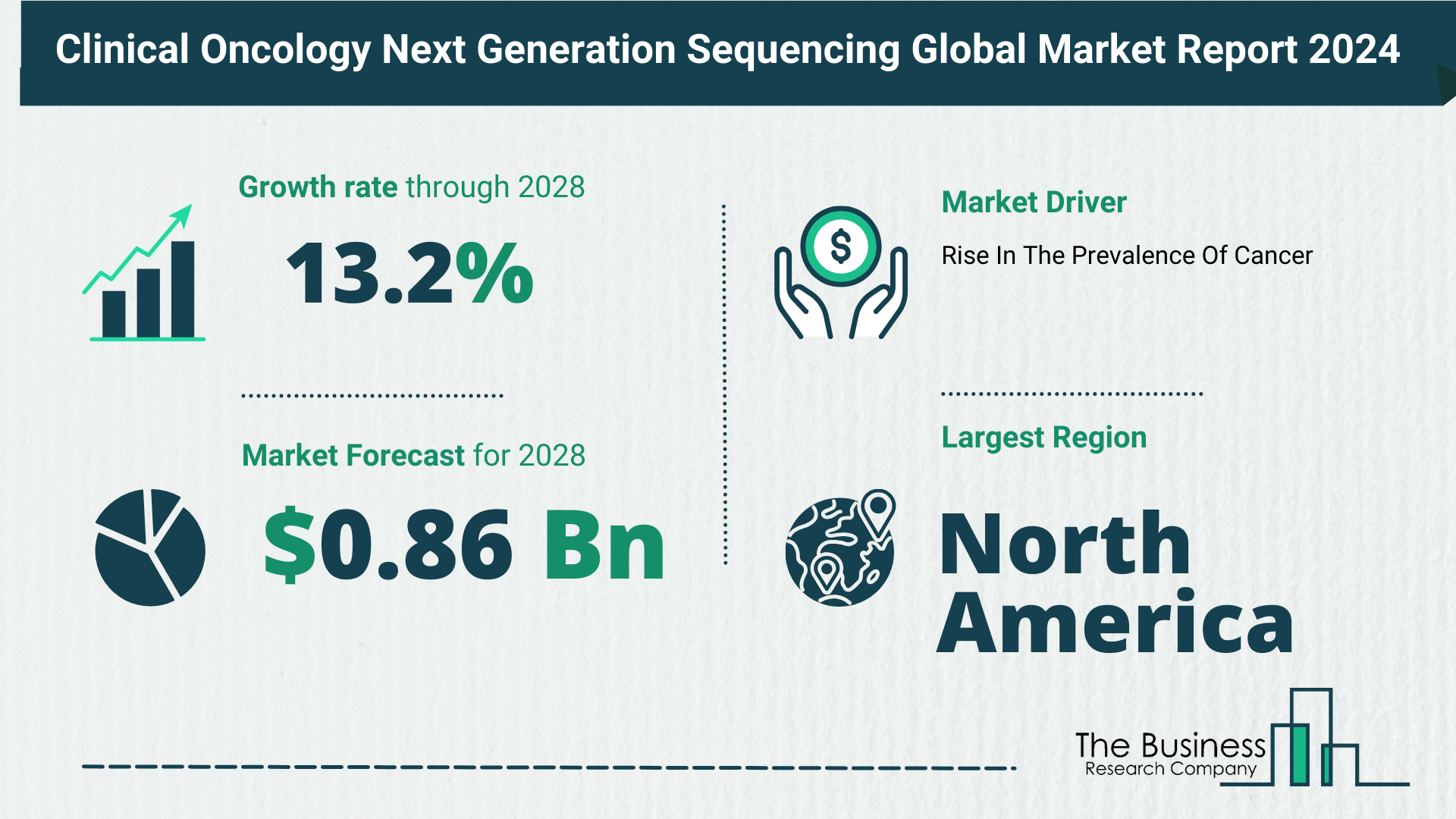
    Anticipated to sustain its momentum, the market is poised for continued growth. Forecasts indicate an expansion to $0.86 billion in 2028, with a CAGR of 13.2%. The projected surge in the clinical oncology next-generation sequencing market in the forecast period can be linked to factors like the growing incidence of cancer, precision medicine, advancements in immuno-oncology, and the rise of liquid biopsies.

    Cancer Prevalence as a Catalyst for Growth

    Rising Cancer Cases

    The escalating prevalence of cancer emerges as a driving force behind the growth of the clinical oncology next-generation sequencing market. Defined by the uncontrolled growth and spread of abnormal cells, cancer necessitates advanced technologies like Next-Generation Sequencing (NGS) to identify new and rare mutations. In 2021, the American Cancer Society estimated 1.9 million new cancer cases and 608,570 deaths in the United States alone, underscoring the urgency for robust diagnostic tools.

    Role of NGS

    NGS plays a pivotal role in understanding the molecular underpinnings of individual tumors, enabling a more targeted and personalized approach to cancer treatment. As the prevalence of cancer continues to rise globally, the demand for clinical oncology next-generation sequencing solutions is expected to surge.

    View More On The Clinical Oncology Next Generation Sequencing Market Report 2024 – https://www.thebusinessresearchcompany.com/report/clinical-oncology-next-generation-sequencing-global-market-report

    Innovative Products Driving Profitability

    Strategic Innovations

    Major players in the market, including Thermo Fisher Scientific, Illumina, and Roche, are actively innovating to introduce cutting-edge products. For example, Roche’s BenchMark ULTRA PLUS system is a testament to the industry’s commitment to innovation. Launched in June 2022, this system enhances the accuracy and efficiency of diagnostic tests, contributing to improved patient care.

    Product Impact on Profitability

    Innovative products not only contribute to scientific advancements but also play a significant role in boosting profitability. The BenchMark ULTRA PLUS System, by streamlining diagnostic tests and delivering rapid and accurate results, exemplifies the synergy between technological innovation and market profitability.

    Strategic Acquisitions for Market Expansion

    Agilent’s Strategic Move

    Agilent Technologies, a key player in life sciences technology, made a strategic move in April 2021 by acquiring Resolution Bioscience. This undisclosed acquisition aimed to bolster Agilent’s capabilities in next-generation sequencing for cancer diagnostics. Resolution Bioscience, known for its precision oncology solutions, positions Agilent at the forefront of NGS-based cancer diagnostics.

    Market Segmentation and Regional Dominance

    Segmentation Overview

    The clinical oncology next-generation sequencing market is segmented based on technology, application, and end-user. Key segments include Ion Semiconductor Sequencing, Pyro-Sequencing, Synthesis Sequencing, Real Time Sequencing, Ligation Sequencing, Reversible Dye Termination Sequencing, Nano-Pore Sequencing, with applications spanning Screening, Companion Diagnostics, and Other Diagnostics. End-users range from Hospital Laboratories and Clinical Research Organizations to Diagnostic Laboratories.

    Regional Dominance

    North America emerged as the largest region in the clinical oncology next-generation sequencing market in 2023. This regional dominance reflects the concentrated efforts and investments in advanced healthcare technologies and research initiatives.

    Conclusion

    In conclusion, the clinical oncology next-generation sequencing market’s dynamic growth trajectory underscores its pivotal role in advancing cancer diagnostics and treatment. With rising cancer incidence, strategic innovations, and regional dominance in North America, the market is poised for further expansion. As technological breakthroughs continue to shape the landscape, the integration of NGS in precision medicine and immuno-oncology holds the promise of transforming cancer care on a global scale.

    Request A Sample Of The Global Clinical Oncology Next Generation Sequencing Market Report 2024:
    https://www.thebusinessresearchcompany.com/sample_request?id=3344&type=smp

  • What Is The Forecast Growth Rate For The Companion Animal Veterinary Vaccines Market?

    What Is The Forecast Growth Rate For The Companion Animal Veterinary Vaccines Market?

    The Business Research Company’s market reports offer an in-depth analysis on the market’s growth potential, major drivers, key trends and more.

    The companion animal veterinary vaccines market has witnessed robust growth, marking a journey from $3.47 billion in 2023 to an anticipated $3.7 billion in 2024 at a commendable CAGR of 6.7%. This surge in the historic period can be attributed to factors like the burgeoning pet ownership, the rise of preventive healthcare, increased awareness about zoonotic diseases, and advancements in vaccine technology.

    Future Outlook: A Promising Trajectory

    Anticipating Growth in the Forecast Period

    • Projected Growth:The market is poised for continued expansion, expected to reach $4.79 billion in 2028 at a consistent CAGR of 6.7%.
    • Driving Factors:The forecasted growth can be attributed to a burgeoning pet population, increased awareness of preventive healthcare, continuous technology and vaccine development, and the implementation of customized vaccination plans.

    Key Trends Shaping the Future

    Forecast Period Trends and Innovations

    • Comprehensive Vaccination Programs:The future is marked by a shift towards holistic vaccination programs.
    • Advanced Vaccine Technologies:Continuous innovations in vaccine technologies to enhance efficacy and safety.
    • Vector-Borne Disease Control:Addressing the challenges of vector-borne diseases through strategic vaccination initiatives.
    • Vaccination Clinics and Mobile Services:Increasing accessibility through mobile vaccination clinics, ensuring widespread coverage.

    Pet Ownership Surge: A Catalyst for Growth

    Dynamics of Pet Ownership

    • Generational Impact:Increased pet ownership by Gen X and Gen Y adults has been a driving force.
    • Millennial Dominance:Millennials, or Gen Y, represent the largest segment of pet owners across various categories.
    • Multipet Ownership:Rising trends in multiple pet ownership contribute to the market’s growth.
    • US Adoption Boom:In the US, a significant surge in pet adoptions was witnessed in 2021, reaching a adoption rate of 61% in the past six years.

    Market Players in Action

    Major Companies Steering the Market

    • Key Players:Dominant companies include C.H. Boehringer Sohn AG & Co. KG, Eli Lilly and Company, Heska Corp., Merck and Co. Inc., Zoetis Inc., and more.
    • Global Presence:These companies operate globally, contributing significantly to the companion animal veterinary vaccines market.

    Read More On The Companion Animal Veterinary Vaccines Market Report 2024 – https://www.thebusinessresearchcompany.com/report/companion-animal-veterinary-vaccines-global-market-report

    Innovations Driving Revenue

    Innovative Vaccine Introductions

    • New Vaccine Launch:Companies introduce novel vaccines to drive market revenues.
    • Feligen RCPCh:Boehringer Ingelheim’s Feligen RCPCh, a veterinary vaccine for cats, protects against various infectious diseases.
    • Attenuated Components:The vaccine contains attenuated feline rhinotracheitis herpesvirus, inactivated calicivirosis antigens, attenuated Chlamydophila Felis, and attenuated feline panleukopenia virus.

    Expanding Horizons with Acquisitions

    NEOGEN Corporation’s Strategic Move

    • Acquisition Details:NEOGEN Corporation acquired CAPInnoVet Inc. in September 2021 to expand its presence in the companion animal health market.
    • Portfolio Diversification:The acquisition granted access to CAPInnoVet’s product portfolio, including pet vaccines and medications for common conditions in companion animals.

    Market Segmentation Insights

    Understanding the Landscape

    1. By Product:
      • Inactivated
      • Live Attenuated
      • Recombinant
      • Other Products
    2. By Route Of Administration:
      • Oral
      • Parenteral
      • Other Routes Of Administration
    3. By Distribution Channel:
      • Veterinary Hospitals
      • Veterinary Clinics
      • Pharmacies And Drug Stores
      • Other Distribution Channels

    Regional Dominance: North America Takes the Lead

    • Largest Market:North America emerged as the largest region in the companion animal veterinary vaccines market in 2023, showcasing the region’s commitment to advancing animal healthcare.

    Conclusion

    As the companion animal veterinary vaccines market continues its upward trajectory, driven by pet ownership dynamics, technological advancements, and strategic innovations, it paints a promising picture for the health and well-being of our beloved animal companions. With a blend of preventive healthcare awareness and cutting-edge vaccine technologies, the future looks bright for the market, creating a healthier world for our cherished pets.

    Request for A Sample Of The Global Companion Animal Veterinary Vaccines Market Report:
    https://www.thebusinessresearchcompany.com/sample_request?id=3370&type=smp

  • Key Trends And Drivers In The Breast Cancer Diagnostics Market 2024

    Key Trends And Drivers In The Breast Cancer Diagnostics Market 2024

    The Business Research Company’s market reports offer an in-depth analysis on the market’s growth potential, major drivers, key trends and more.

    The breast cancer diagnostics market has witnessed robust growth, driven by various factors such as awareness campaigns, technological advancements, and a multidisciplinary approach. As we delve into the details, it’s evident that the market is poised for further expansion, reaching $4.8 billion in 2024 at a CAGR of 8.7% and projecting an even more impressive growth to $6.47 billion in 2028 at a CAGR of 7.7%.

    Factors Fueling Historic Growth

    • Awareness and Screening Campaigns: Public awareness initiatives have played a pivotal role in promoting early detection and screening.
    • Mammography Screening: The prevalence of mammography screening has contributed significantly to the historic growth.
    • Technological Advancements: Continuous advancements in diagnostic technologies have enhanced accuracy and efficiency.
    • Genetic Testing: The integration of genetic testing has provided crucial insights into the genetic basis of breast cancer.
    • Multidisciplinary Approach: A collaborative approach involving multiple disciplines has improved overall diagnostics and treatment strategies.

    The Role of Government Funding
    Government Initiatives and Funding: A Path to Improved Healthcare

    • Financial Support: Governments worldwide allocate substantial funds to support breast cancer research, prevention, and treatment.
    • Program Implementation: Various programs aim to raise awareness, promote early detection, and provide financial assistance to underserved communities.
    • Australian Example: The Australian Government allocated $40.7 million in its 2022-23 budget, focusing on enhancing accessibility and timely referrals, with $9.7 million specifically earmarked for breast cancer screening.

    Market Players Driving Innovation
    Innovations in Breast Cancer Diagnostics Market

    • Key Companies: Major players like Abbott Laboratories, Hologic Inc., and Thermo Fisher Scientific Inc. are driving innovation in breast cancer diagnostics.
    • AI-based Diagnosis: Artificial intelligence is revolutionizing breast cancer diagnosis, offering high accuracy and efficiency.
    • Digistain’s Breakthrough: In December 2022, Digistain, a UK-based biotech company, launched an AI breast cancer diagnostic tool with over 99% accuracy, reducing waiting times and cutting costs significantly.

    Read More On The Breast Cancer Diagnostics Market Report 2024 – https://www.thebusinessresearchcompany.com/report/breast-cancer-diagnostics-global-market-report

    Strategic Moves: Hologic’s Acquisition
    Strategic Acquisition – Hologic Expands Breast Health Solutions With Somatex

    • Acquisition Details: In January 2021, Hologic acquired Somatex Medical for $64 million, reinforcing its commitment to comprehensive breast health solutions.
    • Somatex’s Contribution: Somatex, a German-based provider of breast cancer diagnostic services, adds value to Hologic’s offerings.

    Market Segmentation Overview
    Understanding the Breast Cancer Diagnostics Market

    1. By Type:
      • Imaging
      • Biopsy
      • Genomic Tests
      • Blood Tests
      • Other Types
    2. By Technology:
      • Fluorescent In Situ Hybridization (FISH)
      • Comparative Genomic Hybridization (CGH)
      • Immunohistochemical (IHC)
      • Other Technologies
    3. By Cancer Type:
      • BRCA Breast Cancer
      • ER & PR Breast Cancer
      • HER 2 Breast Cancer
      • EGFR Mutation Test Breast Cancer
      • Other Cancer Types
    4. By Diagnostic Type:
      • Ionizing Breast Imaging Technologies
      • Non-ionizing Imaging Technologies
    5. By End Users:
      • Hospitals and Clinics
      • Cancer Research Centers
      • Diagnostic Laboratories
      • Ambulatory Surgical Centers

    Regional Dominance: North America Leads the Way

    • Largest Market: In 2023, North America emerged as the largest region in the breast cancer diagnostics market, underscoring the region’s commitment to advancements in healthcare.

    Conclusion
    The breast cancer diagnostics market is not just witnessing growth; it’s evolving through innovations, government support, and strategic acquisitions. As we move forward, the focus on personalized medicine, liquid biopsies, AI, and machine learning promises to reshape the landscape, providing hope for improved diagnostics and outcomes in the fight against breast cancer. With a strong foundation laid in the historic period, the forecasted growth reflects a promising trajectory, marking a significant step towards a future with enhanced breast cancer diagnostics and treatment solutions.

    Request for A Sample Of The Global Breast Cancer Diagnostics Market Report:
    https://www.thebusinessresearchcompany.com/sample_request?id=3284&type=smp

  • Overview Of The Blood Cancer Drugs Market 2024-2033: Growth And Major Players Analysis

    Overview Of The Blood Cancer Drugs Market 2024-2033: Growth And Major Players Analysis

    The Business Research Company’s global market reports are now updated with the latest market sizing information for the year 2024 and forecasted to 2033

    The blood cancer drugs market has witnessed substantial growth in recent years. In 2023, the market size reached $69.16 billion, and it is poised to grow to $74.77 billion in 2024, showcasing a commendable Compound Annual Growth Rate (CAGR) of 8.1%. The upward trajectory is expected to continue, with a forecasted market size of $100.9 billion in 2028, at a CAGR of 7.8%. This growth can be attributed to various factors, including advancements in research and development, an aging population, increased awareness, and early diagnosis, as well as regulatory approvals.

    Driving Forces for Market Expansion

    1. Rising Incidence and Mortality Rates

    The increasing prevalence of blood cancer cases globally, coupled with growing death incidences, is a major driver for the blood cancer drugs market. Different types of blood cancers, such as lymphoma, leukemia, and myeloma, contribute to this surge. The Bristol-Myers Squibb Company report predicts over 1.85 million new blood cancer cases globally by 2040, with a significant number of deaths expected, emphasizing the urgent need for effective drugs. Leading companies contributing to this sector include Amgen Inc., Novartis AG, and Johnson & Johnson.

    1. Adoption of AI Technology

    In an era dominated by technological advancements, companies in the blood cancer drugs market are turning to Artificial Intelligence (AI) to revolutionize drug development. AI offers the potential to significantly reduce research and development costs and save time. Major players like Roche, Pfizer, and Johnson & Johnson are investing in AI to analyze vast sets of chemical and biological data. This not only identifies potential drug candidates more efficiently but also expedites patient recruitment for clinical trials, ultimately reducing costs. For instance, Johnson & Johnson’s collaboration with BenevolentAI demonstrates the industry’s commitment to embracing AI for drug discovery.

    1. Strategic Acquisitions

    Strategic acquisitions are reshaping the blood cancer drugs landscape. GSK’s acquisition of Sierra Oncology in July 2022 for an undisclosed amount exemplifies this trend. Sierra Oncology, a US-based company focusing on cancer drugs, enhances GSK’s oncology portfolio, showcasing the industry’s proactive approach to expanding and strengthening its capabilities.

    View More On The Blood Cancer Drugs Market Report 2024 – https://www.thebusinessresearchcompany.com/report/blood-cancer-drugs-global-market-report

    Market Segmentation and Regional Dynamics

    1. Segmentation Overview

    The blood cancer drugs market is segmented based on blood cancer type, drugs, and treatment approaches, providing a comprehensive understanding of the diverse landscape. Key segments include:

    • Blood Cancer Type: Leukemia, Lymphoma
    • Drugs: Rituxan/Mabthera, Gleevec/Glivec, Revlimid, Velcade, Tasigna, Pomalyst, Vidaza, Kyprolis, Adcetris, and Other Drugs
    • Treatment Approaches: Chemotherapeutic, mAbs/Targeted Therapies, Immunotherapeutic
    1. Regional Dynamics
    • North America: Dominated the market in 2023
    • Middle East: Expected to be the fastest-growing region in the blood cancer drugs market during the forecast period, reflecting the global nature of the industry.

    Future Trends Shaping the Industry

    1. Research and Development Investments
    • Continued focus on R&D to bring innovative and effective drugs to the market.
    1. Combination Therapies
    • Growing interest in combining different therapeutic approaches for enhanced treatment outcomes.
    1. Biomarker Identification
    • Advancements in identifying biomarkers for personalized and targeted treatments.
    1. Immunotherapy Advancements
    • Evolving immunotherapies to harness the body’s immune system for better cancer treatment.
    1. Personalized Medicine
    • Tailoring treatments based on individual patient characteristics for improved efficacy.

    In conclusion, the blood cancer drugs market is not only witnessing robust growth but is also evolving to address the complex challenges posed by various blood cancer types. With advancements in technology, strategic acquisitions, and a focus on personalized medicine, the industry is poised for a dynamic future, offering hope to millions affected by blood cancers globally.

    Request A Sample Of The Global Blood Cancer Drugs Market Report 2024:
    https://www.thebusinessresearchcompany.com/sample_request?id=2587&type=smp