Blog

  • Vitamin D Market Forecast Signals New Revenue Opportunities Through 2030

    Vitamin D Market Forecast Signals New Revenue Opportunities Through 2030

    Delivering more actionable and strategically valuable research, The Business Research Company’s 2026 market reports feature market attractiveness analysis, total addressable market evaluation, company benchmarking matrices, interactive Excel dashboards, expanded supply chain intelligence, emerging startup coverage, and detailed product insights.

    Vitamin D Market CAGR Analysis And Future Market Development

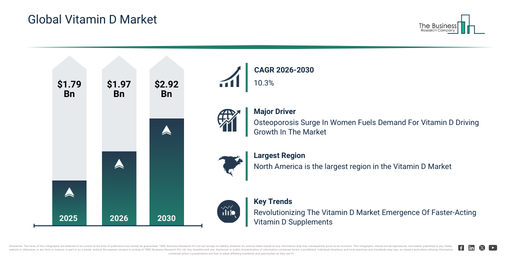
    The market for vitamin D has seen swift expansion over recent years, with its valuation climbing from $1.79 billion in 2025 to $1.97 billion in 2026—a compound annual growth rate (CAGR) of 10.2%. Historically, this upward trajectory has been largely driven by a higher frequency of vitamin D deficiency, stronger public understanding of bone-related ailments, greater intake of dairy products and fortified items, broader pharmaceutical production, and intensified studies into nutritional supplements.

    The market for vitamin D is set to experience substantial expansion over the coming years. By 2030, it is projected to reach a value of $2.92 billion, driven by a compound annual growth rate (CAGR) of 10.3%. Several factors are fueling this projected growth, including the rising adoption of personalized nutrition, the expansion of direct-to-consumer supplement platforms, breakthroughs in vitamin D formulation technologies, a growing focus on health among the population, and increasing market penetration in developing regions. Key trends shaping the forecast period encompass heightened awareness of bone health, the fortification of food products with vitamin D, a shift toward personalized nutrition and supplementation, increased usage of supplements among children and the elderly, and the growth of online sales channels for nutraceuticals.

    Download A Free Sample Report For Comprehensive Market Insights:

    https://www.thebusinessresearchcompany.com/sample.aspx?id=6995&type=smp&utm_source=BlogsPR&utm_medium=Paid&utm_campaign=Jul_PR

    Vitamin D Market Demand Drivers Creating New Revenue Opportunities

    A growing number of osteoporosis cases among women is expected to boost the vitamin D market. Osteoporosis is a bone condition marked by decreased bone mineral density and mass, along with changes in bone structure or quality. It often results from insufficient calcium and vitamin D in the body, heightening fracture risk, while additional causes include family history of the disease, a parental hip fracture, low body mass index (BMI), and being female due to naturally smaller and thinner bones compared to men. The increasing prevalence of osteoporosis in women will drive a greater need for vitamin D, a crucial nutrient that aids in absorbing calcium and phosphorus from food, promoting stronger bones, particularly after menopause. It is also effective in managing conditions that lead to bone weakness. For example, in September 2023, the National Center for Biotechnology Information, a US government agency, reported data from the Canadian Longitudinal Study on Aging, indicating that among community-dwelling older adults, the rate of physician-diagnosed osteoporosis stood at 12.7%, while DXA-confirmed osteoporosis affected 5.9% of females. Furthermore, a cross-sectional study conducted by Buttros and colleagues discovered a 24.6% occurrence of osteoporosis in postmenopausal women aged 40 to 75, identified through bone mineral density (BMD) assessments. Consequently, the uptick in osteoporosis incidences in women will propel expansion of the vitamin D market.

    Vitamin D Market Segmentation: How Is The Market Structured Across Key Categories?

    The vitamin d market covered in this report is segmented –

    1) By Type: Vitamin D3, Vitamin D2

    2) By IU Strength: 500,000 IU, 100,000 IU, 40 MIU

    3) By Form: Oil, Powder

    4) By End User: Adults, Pregnant Women, Children

    Subsegments:

    1) By Vitamin D3: Cholecalciferol (Natural Source), Synthetic Vitamin D3

    2) By Vitamin D2: Ergocalciferol (Natural Source), Synthetic Vitamin D2

    Vitamin D Market Trends Driving Strategic Industry Expansion

    Major players in the vitamin D sector are placing emphasis on creating advanced solutions, including fast-acting vitamin D formulations, to address the growing need for rapid rectification of severe vitamin D insufficiency and enhanced therapeutic results. These fast-acting vitamin D products are engineered to achieve a more rapid increase in serum vitamin D levels than standard oral or oil-based options, providing superior absorption, a quicker therapeutic response, and improved assistance for patients in need of immediate replenishment. For example, in February 2024, Cadila Pharmaceuticals Ltd., a pharmaceutical company headquartered in India, introduced an aqueous injectable form of vitamin D. This innovative water-based cholecalciferol preparation enables swift correction of vitamin D deficiency, demonstrating better pharmacokinetic and pharmacodynamic properties compared to traditional oil-based versions, while also offering pain-free administration. Such progress meets the pressing requirement for faster therapeutic outcomes, thereby enhancing patient adherence to prescribed treatments.

    Vitamin D Market Competitive Landscape And Leading Companies

    Major companies operating in the vitamin d market are BASF SE, Koninklijke DSM NV, Fermenta Biotech Ltd., Xiamen Kingdomway Vitamin Co. Ltd., Zhejiang Medicine Co. Ltd., Abbott Laboratories, Bayer AG, Bluebonnet Nutrition, Carlson Labs, Country Life LLC, Doctor’s Best Inc., Douglas Laboratories, Garden of Life LLC, GlaxoSmithKline plc, Jarrow Formulas, Kirkland Signature, Life Extension, Merck & Co. Inc., Metagenics LLC, Pharmavite LLC, Nature’s Bounty Co. Ltd., Nestlé Health Science SA, Pfizer Inc., Protocol for Life Balance Inc., Pure Encapsulations Inc., Sanofi S. A., Source Naturals Inc., Sundown Naturals Inc., Swanson Health Products Inc., Twinlab Consolidated Corporation, Vital Nutrients Company Inc.

    Access The Complete Vitamin D Market Report:

    https://www.thebusinessresearchcompany.com/report/vitamin-d-global-market-report?utm_source=BlogsPR&utm_medium=Paid&utm_campaign=Jul_PR

    Vitamin D Market Largest Region: Which Geography Holds The Highest Market Share?

    North America was the largest region in the vitmain D market in 2025. The regions covered in the vitamin d market report are Asia-Pacific, South East Asia, Western Europe, Eastern Europe, North America, South America, Middle East, Africa.

    Get in touch with us:

    The Business Research Company: https://www.thebusinessresearchcompany.com/?utm_source=BlogsPR&utm_medium=Paid&utm_campaign=home_page_test

    Americas: +1 310-496-7795

    Asia: +44 7882 955267 & +91 8897263534

    Europe: +44 7882 955267

    Email us at: marketing@tbrc.info

    Follow us on:

    LinkedIn: https://in.linkedin.com/company/the-business-research-company

    YouTube: https://www.youtube.com/channel/UC24_fI0rV8cR5DxlCpgmyFQ

    Global Market Model: https://www.thebusinessresearchcompany.com/global-market-model
  • Vitamin Biomarkers Market Growth Is Accelerating As Industry Transformation Continues

    Vitamin Biomarkers Market Growth Is Accelerating As Industry Transformation Continues

    Enhanced with market attractiveness analysis, total addressable market evaluation, company benchmarking matrices, interactive Excel dashboards, expanded supply chain intelligence, emerging startup coverage, and detailed product insights, The Business Research Company’s 2026 market reports deliver more actionable and strategically valuable research.

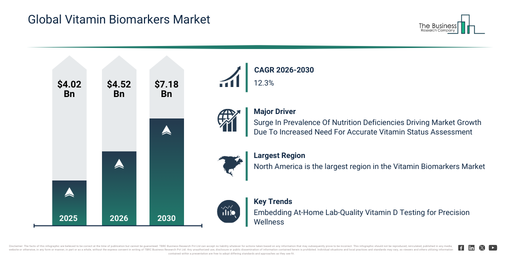
    Vitamin Biomarkers Market Expansion From $4.52 Billion In 2026 To $7.18 Billion In 2030

    The vitamin biomarkers market has experienced rapid expansion in recent times. Projected to rise from $4.02 billion in 2025 to $4.52 billion in 2026, it reflects a compound annual growth rate (CAGR) of 12.4%. Historical growth was driven by heightened awareness of nutritional deficiencies, a surge in diagnostic laboratory capacity, the proliferation of ELISA testing methods, advancements in healthcare screening, and an increasing prevalence of chronic illnesses.

    Projections indicate that the vitamin biomarkers market is poised for swift expansion over the coming years, with its value anticipated to climb to $7.18 billion by 2030, reflecting a compound annual growth rate (CAGR) of 12.3%. This forecast period’s growth is fueled by several key drivers: a surge in preventive healthcare initiatives, the broadening landscape of personalized nutrition, heightened automation within diagnostic processes, a growing preference for home-based testing solutions, and an increasingly large elderly demographic. Among the most prominent trends shaping this period are the escalating need for tests targeting nutritional deficiencies, the broader utilization of sophisticated diagnostic assays, an intensified emphasis on diagnostics within preventive healthcare, the widening scope of laboratory-based vitamin assessments, and a rising adoption of high-precision testing methodologies.

    Download A Free Sample Report For Comprehensive Market Insights:

    https://www.thebusinessresearchcompany.com/sample.aspx?id=21003&type=smp&utm_source=BlogsPR&utm_medium=Paid&utm_campaign=Jul_PR

    Vitamin Biomarkers Market Expansion Supported By Key Demand Factors

    The rising frequency of nutritional deficits is set to accelerate the expansion of the vitamin biomarkers market moving ahead. Nutritional deficiencies happen when the diet lacks essential nutrients, resulting in harmful health consequences. These deficiencies are becoming more common because of a growing reliance on unbalanced diets and highly processed foods, which frequently lack vital vitamins and minerals needed for good health. Vitamin biomarkers help identify nutritional deficits by detecting specific vitamins in the blood, allowing for an evaluation of nutritional status and guiding necessary treatments. To illustrate, in January 2025, The Guardian, a UK-based news outlet, reported that hospital admissions for iron deficiency reached 191,927 in 2023-24, an 11% increase from 2022-23, while admissions due to B vitamin deficiencies (excluding folate) totaled 2,630, a 15% rise from the prior year. Consequently, the growing occurrence of nutritional deficits will fuel the progression of the vitamin biomarkers market.

    Vitamin Biomarkers Market Segmentation Trends And Revenue Drivers

    The vitamin biomarkers market covered in this report is segmented –

    1) By Biomarker Type: Serum Retinol (Vitamin A), Ascorbic Acid (Vitamin C), Serum 25(OH)D (Vitamin D), Serum Alpha-tocopherol (Vitamin E), Serum Prothrombin (Vitamin K), Serum Thiamine Diphosphate (Vitamin B1), Serum Glycolate (Vitamin B2), Serum Niacin (Vitamin B3), Serum Plasma PLP (Vitamin B6), Other Biomarker Types

    2) By Product: Analyzers, Test Kits, Reagents And Consumables

    3) By Testing Method: Enzyme Linked Immunosorbent Assay (ELISA), Liquid Chromatography With Tandem Mass Spectrometry (LC MS MS), High Performance Liquid Chromatography (HPLC), Chemiluminescent Immunoassay (CLIA)

    4) By End User: Hospitals, Diagnostic Laboratories, Ambulatory Diagnostic Centers, Homecare Settings

    Subsegments:

    1) By Serum Retinol (Vitamin A): Retinol Measurement Kits, Retinol Assay Reagents

    2) By Ascorbic Acid (Vitamin C): Vitamin C Detection Kits, Ascorbic Acid Assay Reagents

    3) By Serum 25(OH)D (Vitamin D): Vitamin D Testing Kits, 25-Hydroxyvitamin D Assay Reagents

    4) By Serum Alpha-tocopherol (Vitamin E): Alpha-tocopherol Measurement Kits, Vitamin E Assay Reagents

    5) By Serum Prothrombin (Vitamin K): Prothrombin Time Testing Kits, Vitamin K Assay Reagents

    6) By Serum Thiamine Diphosphate (Vitamin B1): Thiamine Measurement Kits, Vitamin B1 Assay Reagents

    Vitamin Biomarkers Market Growth Trends Influencing Competitive Dynamics

    Key industry participants in the vitamin biomarker sector are progressively creating home-based testing kits that deliver laboratory-grade accuracy, allowing users to conveniently and cost-effectively track essential nutrients such as vitamin D. These advancements bolster preventive healthcare by broadening access to nutrient-level information, empowering both individuals and healthcare providers to implement tailored interventions informed by real-time biomarker data. As an example, in February 2023, Hurdle, a diagnostics platform based in the US and operated by Chronomics Inc., introduced a vitamin D test requiring only a simple finger-prick sample to produce quantitative, lab-quality results from the comfort of home. Within three days, results are provided through a secure personal dashboard, complete with explanations of vitamin D’s functions in the body and potential reasons for abnormal levels. This product launch reflects wider market developments, including heightened global awareness of vitamin D insufficiency, an increased appetite for remote testing options, and the incorporation of wellness diagnostics into telehealth and preventive health strategies.

    Vitamin Biomarkers Market Industry Leaders: Which Organizations Are Driving Competition?

    Major companies operating in the vitamin biomarkers market are Thermo Fisher Scientific Inc., Abbott Laboratories, Merck KGaA, Siemens Healthineers AG, Roche Diagnostics International Ltd., Agilent Technologies Inc, PerkinElmer Inc, bioMérieux SA, Beckman Coulter Inc, Shimadzu Corporation, QuidelOrtho Corporation, Sysmex Corporation, Waters Corporation, Bio-Rad Laboratories Inc, Tecan Group Ltd, Randox Laboratories Ltd, Ortho Clinical Diagnostics Inc, Molecular Devices LLC, Cambridge Isotope Laboratories Inc, Luminex Corporation, DiaSorin SpA, Analytik Jena AG, SeraCare Life Sciences Inc, Biopanda Reagents Ltd, SiPhox Inc

    Access The Complete Vitamin Biomarkers Market Report:

    https://www.thebusinessresearchcompany.com/report/vitamin-biomarkers-global-market-report?utm_source=BlogsPR&utm_medium=Paid&utm_campaign=Jul_PR

    Vitamin Biomarkers Market Regional Analysis: Which Region Leads By Revenue?

    North America was the largest region in the vitamin biomarkers market in 2025. The regions covered in the vitamin biomarkers market report are Asia-Pacific, South East Asia, Western Europe, Eastern Europe, North America, South America, Middle East, Africa.

    Get in touch with us:

    The Business Research Company: https://www.thebusinessresearchcompany.com/?utm_source=BlogsPR&utm_medium=Paid&utm_campaign=home_page_test

    Americas: +1 310-496-7795

    Asia: +44 7882 955267 & +91 8897263534

    Europe: +44 7882 955267

    Email us at: marketing@tbrc.info

    Follow us on:

    LinkedIn: https://in.linkedin.com/company/the-business-research-company

    YouTube: https://www.youtube.com/channel/UC24_fI0rV8cR5DxlCpgmyFQ

    Global Market Model: https://www.thebusinessresearchcompany.com/global-market-model

  • Vitamin and Minerals Market Outlook Highlights The Next Major Growth Opportunities

    Vitamin and Minerals Market Outlook Highlights The Next Major Growth Opportunities

    Through market attractiveness analysis, total addressable market evaluation, company benchmarking matrices, interactive Excel dashboards, expanded supply chain intelligence, emerging startup coverage, and detailed product insights, The Business Research Company’s 2026 market reports provide more actionable and strategically valuable research.

    Vitamin and Minerals Market Forecast Highlighting Growth From $26.26 Billion To $34.2 Billion

    The market for vitamins and minerals has experienced robust expansion in recent years. Projections indicate it will rise from $24.69 billion in 2025 to $26.27 billion in 2026, reflecting a compound annual growth rate (CAGR) of 6.4%. This historical growth has been driven by factors such as prevalent micronutrient deficiencies, a growing focus on health, a strong retail presence of supplements, recommendations from physicians for supplementation, and the demands of an aging population.

    The vitamins and minerals market is projected to experience robust expansion in the coming years, reaching $34.21 billion by 2030 with a compound annual growth rate (CAGR) of 6.8%. This forecasted growth is driven by a shift toward wellness-oriented lifestyles, heightened demand from pediatric and geriatric populations, innovations in supplement delivery methods, the proliferation of e-commerce platforms, and higher disposable incomes. Key trends shaping the market include a surge in demand for immunity-enhancing supplements, the popularity of gummy and chewable formats, greater adoption of preventive healthcare measures, a rise in tailored nutrition solutions, and increasing online supplement purchases.

    Download A Free Sample Report For Comprehensive Market Insights:

    https://www.thebusinessresearchcompany.com/sample.aspx?id=3254&type=smp&utm_source=BlogsPR&utm_medium=Paid&utm_campaign=Jul_PR

    Vitamin and Minerals Market Growth Drivers And Industry Catalysts

    The rising incorporation of dietary supplements into everyday routines is a major driver behind the expansion of the vitamin and mineral supplement market. Nutrition significantly contributes to sustaining immune system equilibrium, and supplementing with micronutrients like vitamin C, vitamin D, zinc, and omega fatty acids—within prescribed safety thresholds—provides a safe, affordable, and effective means of supporting optimal immune function in patients dealing with COVID-19 and other respiratory illnesses. For COVID-19 patients, the Indian Research Institute has created a range of high-protein, fiber-rich foods such as cookies, bread, and rolls. As an example, data from the Australian Bureau of Statistics, a government agency in Australia, revealed in September 2025 that approximately one-third of individuals (33.6%) reported using a dietary supplement in 2023, with usage significantly higher among adult females (43.7%) than adult males (30.8%). Consequently, the integration of dietary supplements into everyday lifestyles is anticipated to propel growth in the vitamin and mineral supplement market.

    Vitamin and Minerals Market Segment Analysis Highlighting Growth Areas

    The vitamin and minerals market covered in this report is segmented –

    1) By Type: Multivitamin, Single Vitamin, Multi Mineral, Single Mineral

    2) By Application: Energy And Weight Management, General Health, Bone And Joint Health, Gastrointestinal Health, Immunity, Cardiac Health, Diabetes, Other Applications

    3) By Distribution Channel: Pharmacies And Drug Stores, Supermarkets And Hypermarkets, Online Channels

    4) By End-User: Adults, Geriatric, Pregnant Women, Children, Infants

    Subsegments:

    1) By Multivitamin: Tablet Or Capsule Multivitamins, Powder Multivitamins, Gummies Multivitamins

    2) By Single Vitamin: Vitamin A, Vitamin B Complex, Vitamin C, Vitamin D, Vitamin E, Vitamin K

    3) By Multi Mineral: Calcium And Magnesium, Iron And Zinc, Combination Mineral Formulas

    4) By Single Mineral: Calcium, Iron, Magnesium, Zinc, Potassium

    Vitamin and Minerals Market Trends Influencing Long-Term Demand

    Major players in the vitamin and mineral supplements market are ramping up efforts to introduce dietary supplements as a way to secure a stronger competitive position within the industry. These dietary supplements are formulated to enhance an individual’s diet by supplying necessary nutrients, which may include vitamins, minerals, herbs, amino acids, or other components. A notable example occurred in August 2023, when Modicare, a wellness company headquartered in India, launched a line of dietary supplements customized for both men and women. The women’s formulation provides 30 key nutrients, consisting of 12 vitamins, 11 minerals, 4 herbal extracts, and 3 amino acids. Additionally, it incorporates plant-derived ingredients like shatawar, ashoka, tulsi, and turmeric, which are thought to aid in hormonal regulation, cognitive performance, and antioxidant defense. Meanwhile, the men’s supplement delivers vital nutrients aimed at supporting general health and vitality.

    Vitamin and Minerals Market Leading Companies: Who Holds Significant Market Presence?

    Major companies operating in the vitamin and minerals market are Pfizer Limited, BASF Aktiengesellschaft., Bayer AG, Abbott Laboratories, Glaxosmithkline PLC, Suntory Holdings Ltd, Otsuka Holdings Co. Ltd, AMWAY India Enterprises Pvt. Ltd, Salus Haus, Nestle Health Science, Lonza Group, Eisai Co. Ltd., Glanbia PLC, DuPont Nutrition & Health, The Bountiful Company, JamiesonWellness Inc, Pharmavite LLC., Nature’s Bounty Co., Sanofi India Limited, General Nutrition Centers Inc., General Nutrition CentersInc., Puritan’s Pride, Webber NaturalsPharmaceuticals Ltd., Webber Naturals, DSM Nutritional Products AG, Hainan Yangshengtang, Hainan Yangshengtang, Archer Daniels Midland, Cargill Incorporated, Glanbia Nutritionals, Herbalife Nutrition Ltd., Naturex (Part of Givaudan), NOW Health Group, Probiotics International Ltd, Vitabiotics Ltd.

    Access The Complete Vitamin and Minerals Market Report:

    https://www.thebusinessresearchcompany.com/report/vitamin-and-mineral-global-market-report?utm_source=BlogsPR&utm_medium=Paid&utm_campaign=Jul_PR

    Vitamin and Minerals Market Geographic Distribution And Regional Opportunities

    North America was the largest region in the vitamins and minerals supplements market in 2025. The Middle East is expected to be the largest growing region in the global vitamin and minerals market during the forecast period. The regions covered in the vitamin and minerals market report are Asia-Pacific, South East Asia, Western Europe, Eastern Europe, North America, South America, Middle East, Africa.

    Get in touch with us:

    The Business Research Company: https://www.thebusinessresearchcompany.com/?utm_source=BlogsPR&utm_medium=Paid&utm_campaign=home_page_test

    Americas: +1 310-496-7795

    Asia: +44 7882 955267 & +91 8897263534

    Europe: +44 7882 955267

    Email us at: marketing@tbrc.info

    Follow us on:

    LinkedIn: https://in.linkedin.com/company/the-business-research-company

    YouTube: https://www.youtube.com/channel/UC24_fI0rV8cR5DxlCpgmyFQ

    Global Market Model: https://www.thebusinessresearchcompany.com/global-market-model
  • Vitamin And Dietary Supplement Market Trends And Growth Drivers Point To Strong Future Potential

    Vitamin And Dietary Supplement Market Trends And Growth Drivers Point To Strong Future Potential

    Delivering more actionable and strategically valuable research, The Business Research Company’s 2026 market reports feature market attractiveness analysis, total addressable market evaluation, company benchmarking matrices, interactive Excel dashboards, expanded supply chain intelligence, emerging startup coverage, and detailed product insights.

    Vitamin And Dietary Supplement Market Revenue Growth Supported By A CAGR Of 299.15% Through 2030

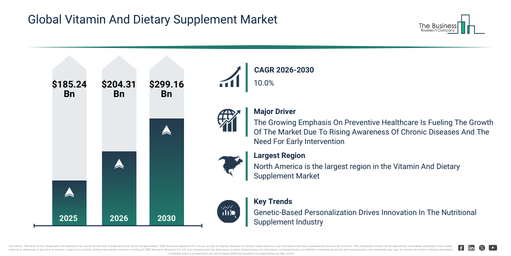
    The market for vitamins and dietary supplements has experienced rapid expansion over recent years. Its valuation is projected to rise from $185.24 billion in 2025 to $204.31 billion in 2026, reflecting a compound annual growth rate (CAGR) of 10.3%. Key drivers behind this historical growth include the restricted access to fortified and specialized supplement products, a continued dependence on conventional pharmacy sales channels, heightened public awareness regarding vitamin deficiencies, the broadening of supplement offerings for both adults and children, and a steadily increasing population of health-focused consumers.

    The vitamin and dietary supplement market is anticipated to experience substantial growth over the coming years, with projections indicating it will reach $299.16 billion by 2030, driven by a compound annual growth rate (CAGR) of 10.0%. This forecasted expansion is fueled by several key factors: progress in nutrigenomics and tailored nutrition, the expansion of e-commerce and direct-to-consumer models, heightened interest in vegan and plant-derived supplements, a growing focus on immune health and overall wellness, and the implementation of smart manufacturing processes alongside quality monitoring technologies. Prominent developments shaping this period encompass increased consumer knowledge regarding nutritional products, the rising prominence of online retail channels and digital marketplaces, a surge in demand for specialized supplements targeting specific age groups or health conditions, a shift toward natural and botanical ingredients, and the broadening of functional foods and fortified offerings.

    Download A Free Sample Report For Comprehensive Market Insights:

    https://www.thebusinessresearchcompany.com/sample.aspx?id=24741&type=smp&utm_source=BlogsPR&utm_medium=Paid&utm_campaign=Jul_PR

    Vitamin And Dietary Supplement Market Opportunity Drivers: What Is Creating New Revenue Potential?

    The increasing focus on preventive healthcare is anticipated to drive the expansion of the vitamin and dietary supplement market in the coming period. Preventive healthcare encompasses medical practices and lifestyle approaches designed to avert illness, identify health conditions at an early stage, and enhance overall well-being. Growing awareness of chronic diseases is fueling this trend, as individuals take proactive measures to avoid complications and reduce medical expenses. Vitamins and dietary supplements are essential to preventive healthcare by addressing nutritional deficiencies, bolstering immune function, and lowering the likelihood of chronic diseases before they emerge. For example, data from GOV.UK, a UK-based platform for comprehensive services and information management, indicated in 2025 that the 12-month coverage rate for the 6-in-1 vaccine in England rose by 0.1 percentage points to 91.2%, while MenB vaccine coverage also increased by 0.1 percentage points to 91%, signaling positive progress in preventive healthcare initiatives. Consequently, the heightened emphasis on preventive healthcare is fueling growth in the vitamin and dietary supplement market.

    Vitamin And Dietary Supplement Market Segment Performance And Strategic Opportunities

    The vitamin and dietary supplement market covered in this report is segmented –

    1) By Mode Of Application: Tablets, Capsules, Liquid, Powder, Soft Gels, Gel Caps

    2) By Distribution Channel: Pharmacy, Supermarket Or Hypermarket, Online

    3) By Target Consumer: Infants, Children, Adults, Pregnant Women, Elderly

    Subsegments:

    1) By Tablets: Chewable Tablets, Effervescent Tablets, Sustained-Release Tablets, Fast Dissolving Tablets

    2) By Capsules: Hard Gelatin Capsules, Soft Gelatin Capsules, Delayed-Release Capsules, Pullulan Capsules

    3) By Liquid: Oral Drops, Syrups, Tinctures, Tonics

    4) By Powder: Drink Mix Powders, Effervescent Powders, Protein Powders, Nutrient Blends

    5) By Soft Gels: Omega-3 Fatty Acid Softgels, Multivitamin Softgels, Herbal Extract Softgels, Probiotic Softgels

    6) By Gel Caps: Oil-Based Gel Caps, Water-Soluble Gel Caps, Extended-Release Gel Caps, Enteric-Coated Gel Caps

    Vitamin And Dietary Supplement Market Innovation Trends Driving Future Development

    Major players in the vitamins and dietary supplements industry are concentrating on crafting cutting-edge products, including scientifically validated nutritional offerings, to provide precise health advantages and secure a competitive advantage through novelty and customized approaches. A scientifically validated nutritional product refers to a supplement or food item developed with evidence from research and clinical trials, guaranteeing its efficacy and health-promoting qualities. It is formulated using safe, proven ingredients that target particular wellness objectives. For example, in April 2023, LifeDNA, a personalized health and wellness firm based in the United States, began offering pioneering vitamin and supplement suggestions grounded in DNA analysis from the New Chapter brand. By leveraging nutrigenomics, LifeDNA delivers individualized reports and daily dietary guidance to users, including bespoke New Chapter vitamin and supplement recommendations aligned with each person’s distinct genetic profile, enabling them to establish a health regimen that meets their particular nutritional requirements.

    Vitamin And Dietary Supplement Market Key Players: Which Companies Shape Industry Competition?

    Major companies operating in the vitamin and dietary supplement market are Archer-Daniels-Midland Company (ADM), Bayer AG, Danone SA, Nestlé Health Science, Glanbia plc, Herbalife Nutrition Ltd., Amway Corporation, Nature’s Bounty, Metagenics Inc., Iovate Health Sciences International Inc., Nutiva Inc., MusclePharm Corporation, Viome Life Sciences Inc., HUM Nutrition Inc., Persona Nutrition, Bioniq Ltd., Nourished, Rootine, Blackmores Ltd., NOW Health Group, Swisse Wellness, Nature Made (Otsuka Pharmaceutical), Garden of Life, Solgar Inc., Pharmavite LLC, GNC Holdings LLC, Rainbow Light Nutritional Systems, MegaFood, New Chapter Inc., Thorne HealthTech, Pure Encapsulations

    Access The Complete Vitamin And Dietary Supplement Market Report:

    https://www.thebusinessresearchcompany.com/report/vitamin-and-dietary-supplement-global-market-report?utm_source=BlogsPR&utm_medium=Paid&utm_campaign=Jul_PR

    Vitamin And Dietary Supplement Market Largest Region By Revenue And Market Share

    North America was the largest region in the vitamin and dietary supplement market in 2025. Asia-Pacific is expected to be the fastest-growing region in the forecast period. The regions covered in the vitamin and dietary supplement market report are Asia-Pacific, South East Asia, Western Europe, Eastern Europe, North America, South America, Middle East, Africa.

    Get in touch with us:

    The Business Research Company: https://www.thebusinessresearchcompany.com/?utm_source=BlogsPR&utm_medium=Paid&utm_campaign=home_page_test

    Americas: +1 310-496-7795

    Asia: +44 7882 955267 & +91 8897263534

    Europe: +44 7882 955267

    Email us at: marketing@tbrc.info

    Follow us on:

    LinkedIn: https://in.linkedin.com/company/the-business-research-company

    YouTube: https://www.youtube.com/channel/UC24_fI0rV8cR5DxlCpgmyFQ

    Global Market Model: https://www.thebusinessresearchcompany.com/global-market-model

  • Vitamin A Supplements Market Expansion Is Reshaping Competitive Dynamics Across The Industry

    Vitamin A Supplements Market Expansion Is Reshaping Competitive Dynamics Across The Industry

    Enhanced with market attractiveness analysis, total addressable market evaluation, company benchmarking matrices, interactive Excel dashboards, expanded supply chain intelligence, emerging startup coverage, and detailed product insights, The Business Research Company’s 2026 market reports deliver more actionable and strategically valuable research.

    Vitamin A Supplements Market Value Expansion And Long-Term Growth Outlook

    In recent years, the market for vitamin A supplements has experienced robust expansion. Its value is projected to rise from $6.58 billion in 2025 to $7.21 billion in 2026, reflecting a compound annual growth rate (CAGR) of 9.5%. This historical growth has been driven by heightened awareness of disorders caused by vitamin deficiencies, the integration of vitamin A into public health initiatives, a steady increase in dietary supplement usage, an uptick in the manufacturing of pharmaceutical-grade vitamins, and enhanced availability of nutritional goods.

    The market for vitamin A supplements is projected to experience robust expansion over the coming years. By 2030, it is anticipated to reach a value of $10.27 billion, driven by a compound annual growth rate (CAGR) of 9.3%. This forecasted growth is fueled by a greater emphasis on preventive healthcare, a heightened preference for clean-label vitamin products, the widening scope of personalized nutrition, the increasing incorporation of fortified foods, and stronger regulatory backing for nutritional supplementation. Key developments shaping the future landscape include the surging demand for supplements that support immune function and vision, a heightened application of vitamin A in preventive nutrition strategies, the proliferation of fortified and blended supplement offerings, a stronger push toward programs addressing nutritional deficiencies, and the rising adoption of these supplements in pediatric and maternal health contexts.

    Download A Free Sample Report For Comprehensive Market Insights:

    https://www.thebusinessresearchcompany.com/sample.aspx?id=30434&type=smp&utm_source=BlogsPR&utm_medium=Paid&utm_campaign=Jul_PR

    Vitamin A Supplements Market Growth Momentum: Which Factors Are Influencing Demand?

    The vitamin A supplements market is anticipated to experience growth driven by an increasing focus on health and wellness. This heightened awareness stems from greater access to health information via digital platforms and social media, which inform consumers about the significance of preventive nutrition and immune support. As health consciousness grows, people are motivated to regularly incorporate key nutrients into their daily lives to boost immune function, maintain eye health, and enhance overall energy levels. In June 2024, for example, data from the International Food Information Council (IFIC), a nonprofit based in the US, revealed that 54% of Americans continued to follow a specific diet or eating pattern over the previous year. Additionally, the percentage of individuals aiming to boost their protein intake rose from 59% in 2022 to 67% in 2023, reaching 71% in 2024. Consequently, the upward trend in health and wellness consciousness is fueling expansion in the vitamin A supplements market.

    Vitamin A Supplements Market Segment Landscape And Growth Potential

    The vitamin a supplements market covered in this report is segmented –

    1) By Product Type: Capsules, Tablets, Softgels, Gummies, Liquids, Other Product Types

    2) By Source Of Vitamin A: Natural Sources, Synthetic Sources

    3) By Distribution Channel: Online Stores, Supermarkets Or Hypermarkets, Pharmacies, Specialty Stores, Other Distribution Channels

    4) By Application: Nutritional Supplements, Pharmaceuticals, Animal Feed, Other Applications

    5) By End-User: Adults, Children, Pregnant Women, Athletes, Elderly

    Subsegments:

    1) By Capsules: Standard Vitamin A Capsules, High-Potency Vitamin A Capsules, Multivitamin A Capsules, Sustained-Release Vitamin A Capsules

    2) By Tablets: Chewable Vitamin A Tablets, Effervescent Vitamin A Tablets, Film-Coated Vitamin A Tablets, Time-Release Vitamin A Tablets

    3) By Softgels: Oil-Based Vitamin A Softgels, Gelatin-Free Vitamin A Softgels, High-Absorption Vitamin A Softgels, Combination Nutrient Softgels

    4) By Gummies: Fruit-Flavored Vitamin A Gummies, Sugar-Free Vitamin A Gummies, Vegan Vitamin A Gummies, Children’s Vitamin A Gummies

    5) By Liquids: Oral Vitamin A Drops, Emulsified Vitamin A Liquids, High-Concentration Vitamin A Liquids, Flavor-Enhanced Vitamin A Liquids

    6) By Other Product Types: Vitamin A Sprays, Vitamin A Powders, Vitamin A Lozenges, Vitamin A Fortified Foods

    Vitamin A Supplements Market Trends Reshaping Industry Growth

    Major players within the vitamin A supplements sector are concentrating on creating novel products, including nature-identical formulations, to address consumer preferences for sustainable, high-quality nutrients. These nature-identical versions are synthetic vitamins that are chemically equivalent to their natural counterparts, offering identical biological advantages while ensuring uniform quality, stability, and eco-friendly production practices. As an example, in October 2024, DSM-Firmenich N.V., a health and nutrition firm headquartered in the Netherlands, introduced Dry Vit A Palmitate designed for Early Life Nutrition—a revolutionary clean-label vitamin A ingredient aimed at boosting the nutritional content of infant formulas. This formulation resolves stability issues associated with conventional vitamin A, delivering an extended shelf life, a fine particle size ideal for infant formula enrichment, and a profile that is vegan, allergen-free, GMO-free, halal, and kosher. It facilitates effective nutrient supply for formula-fed babies while catering to the rising consumer demand for clean-label, dependable ingredients. Considering that vitamin A deficiency continues to impact millions of children globally, this launch underscores DSM-Firmenich N.V.’s dedication to enhancing early life nutrition via innovative approaches that merge science, safety, and sustainability.

    Vitamin A Supplements Market Competitive Landscape: Who Are The Leading Companies?

    Major companies operating in the vitamin a supplements market are BASF SE, DSM-firmenich AG, Lifevision Healthcare, International Vitamin Corporation (IVC), Captek Softgel International Inc., Nordic Naturals Inc., Botanic Healthcare LLC, Gemini Pharmaceuticals Inc., Reliance Vitamin Company Inc., Makers Nutrition LLC, Carlson Laboratories Inc., Parchem Fine & Specialty Chemicals Inc., Ofichem Group B.V., Divis Laboratories Limited, Vital Therapeutics & Formulations Pvt. Ltd., Supplement Manufacturing Partner Inc., Devlife Corporation Pvt. Ltd., Beeline Healthcare, Provitas LLC, Gummi World Inc., RAJVI Enterprise, Across Biotech Pvt. Ltd.

    Access The Complete Vitamin A Supplements Market Report:

    https://www.thebusinessresearchcompany.com/report/global-vitamin-a-supplements-market-report?utm_source=BlogsPR&utm_medium=Paid&utm_campaign=Jul_PR

    Vitamin A Supplements Market Regional Analysis And Leading Geography

    North America was the largest region in the vitamin A supplements market in 2025. Asia-Pacific is expected to be the fastest-growing region in the forecast period. The regions covered in the vitamin a supplements market report are Asia-Pacific, South East Asia, Western Europe, Eastern Europe, North America, South America, Middle East, Africa.

    Get in touch with us:

    The Business Research Company: https://www.thebusinessresearchcompany.com/?utm_source=BlogsPR&utm_medium=Paid&utm_campaign=home_page_test

    Americas: +1 310-496-7795

    Asia: +44 7882 955267 & +91 8897263534

    Europe: +44 7882 955267

    Email us at: marketing@tbrc.info

    Follow us on:

    LinkedIn: https://in.linkedin.com/company/the-business-research-company

    YouTube: https://www.youtube.com/channel/UC24_fI0rV8cR5DxlCpgmyFQ

    Global Market Model: https://www.thebusinessresearchcompany.com/global-market-model
  • Viscosupplementation Market Forecast Reveals Where Future Industry Value Will Be Created

    Viscosupplementation Market Forecast Reveals Where Future Industry Value Will Be Created

    Through market attractiveness analysis, total addressable market evaluation, company benchmarking matrices, interactive Excel dashboards, expanded supply chain intelligence, emerging startup coverage, and detailed product insights, The Business Research Company’s 2026 market reports provide more actionable and strategically valuable research.

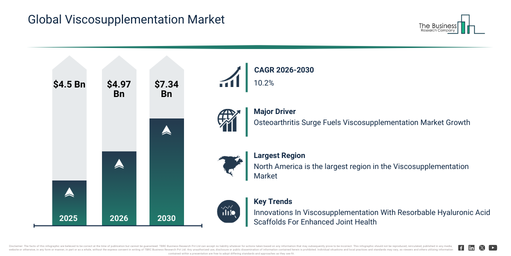
    Viscosupplementation Market Expected To Reach $7.34 Billion By 2030 At 10.2% CAGR

    The viscosupplementation market has experienced rapid expansion in recent years, with projections indicating an increase from $4.5 billion in 2025 to $4.97 billion in 2026, reflecting a compound annual growth rate (CAGR) of 10.4%. This historical growth has been driven by factors such as the increasing prevalence of osteoarthritis, a growing elderly demographic, progress in joint care treatments, heightened public knowledge about viscosupplementation, and an expanded orthopedic healthcare framework.

    The viscosupplementation market is anticipated to experience rapid expansion over the coming years. By 2030, it is projected to reach $7.34 billion, reflecting a compound annual growth rate (CAGR) of 10.2%. This forecast growth can be attributed to several factors, including the adoption of regenerative medicine, the integration of digital health monitoring, the development of novel hyaluronic acid formulations, the expansion of ambulatory surgical centers, and rising investments in outpatient orthopedic procedures. Key developments shaping the market during this period encompass minimally invasive joint therapies, regenerative medicine integration, personalized osteoarthritis treatment, injectable hyaluronic acid innovations, and outpatient orthopedic procedures.

    Download A Free Sample Report For Comprehensive Market Insights:

    https://www.thebusinessresearchcompany.com/sample.aspx?id=9836&type=smp&utm_source=BlogsPR&utm_medium=Paid&utm_campaign=Jul_PR

    Viscosupplementation Market Expansion Drivers: What Is Shaping Future Growth?

    The growing incidence of osteoarthritis is anticipated to drive the expansion of the viscosupplementation market in the coming period. Osteoarthritis is a degenerative joint condition, commonly referred to as a prevalent type of arthritis, where joints, particularly in the hips, knees, and hands, begin to deteriorate. Viscosupplementation therapy alleviates pain and promotes smooth joint movement by delivering hyaluronic acid directly into the joint spaces, thereby reducing discomfort and enhancing joint function. For example, in August 2023, the Institute for Health Metrics and Evaluation (IHME), a US-based nonprofit global health research organization, projected that by 2050, knee osteoarthritis cases will rise by 75%, and hand osteoarthritis cases by 50%. Consequently, the increasing prevalence of osteoarthritis is fueling the growth of the viscosupplementation market moving forward.

    Viscosupplementation Market Categorization By Product Type And Application

    The viscosupplementation market covered in this report is segmented –

    1) By Type: Single Injection Viscosupplementation, Three Injection Viscosupplementation, Five Injection Viscosupplementation

    2) By Source: Avian Origin, Non-Avian Origin

    3) By Hyaluronic Acids: Standard Hyaluronic Acid, Stabilized Hyaluronic Acid

    4) By Application: Knee Osteoarthritis, Hip Osteoarthritis, Hand Osteoarthritis

    5) By End-User: Hospitals, Ambulatory Surgical Centers, Other End-Users

    Subsegments:

    1) By Single Injection Viscosupplementation: Hyaluronic Acid-Based Products, Non-Hyaluronic Acid Products

    2) By Three Injection Viscosupplementation: Hyaluronic Acid-Based Products, Combination Products

    3) By Five Injection Viscosupplementation: Hyaluronic Acid-Based Products, Combination Products

    Viscosupplementation Market Strategic Trends: What Is Defining The Next Phase Of Growth?

    Major companies in the viscosupplementation market are concentrating their efforts on creating advanced products like resorbable hyaluronic acid scaffolds, which are designed to improve joint lubrication, support tissue regeneration, and deliver sustained relief for osteoarthritis symptoms, ultimately enhancing patient outcomes and broadening the range of available therapies. A resorbable hyaluronic acid scaffold is constructed from a biocompatible and biodegradable material primarily composed of hyaluronic acid (HA), a naturally occurring polysaccharide that is present in connective tissues throughout the body. In May 2023, for example, Anika Therapeutics, Inc., a company based in the United States that specializes in orthopedic solutions, launched Hyalofast, a ready-to-use, single-stage, resorbable hyaluronic acid scaffold specifically intended for cartilage repair. This product provides a hyaluronic acid-based approach aimed at preserving joint health, potentially serving as a less invasive option compared to more traditional surgical methods.

    Viscosupplementation Market Company Landscape And Strategic Competition

    Major companies operating in the viscosupplementation market are Seikagaku Corporation, Anika Therapeutics Inc., Bioventus LLC, Zimmer Biomet, Johnson & Johnson Services Inc., Aptissen S.A., Smith & Nephew Plc., Flexion Therapeutics Inc., Regen Lab SA, OrthogenRx Inc., Fidia Farmaceutici S.P.A, Ferring Pharmaceuticals, Laboratoires VIVACY, Allergan, Hyalgan, Synvisc, Euflexxa, Sanofi S.A., Wellchem Pharmaceuticals Pte Ltd, Medtronic Inc.

    Access The Complete Viscosupplementation Market Report:

    https://www.thebusinessresearchcompany.com/report/viscosupplementation-global-market-report?utm_source=BlogsPR&utm_medium=Paid&utm_campaign=Jul_PR

    Viscosupplementation Market Geographic Analysis: Where Is Demand Growing The Fastest?

    North America was the largest region in the viscosupplementation market in 2025. The regions covered in the viscosupplementation market report are Asia-Pacific, South East Asia, Western Europe, Eastern Europe, North America, South America, Middle East, Africa.

    Get in touch with us:

    The Business Research Company: https://www.thebusinessresearchcompany.com/?utm_source=BlogsPR&utm_medium=Paid&utm_campaign=home_page_test

    Americas: +1 310-496-7795

    Asia: +44 7882 955267 & +91 8897263534

    Europe: +44 7882 955267

    Email us at: marketing@tbrc.info

    Follow us on:

    LinkedIn: https://in.linkedin.com/company/the-business-research-company

    YouTube: https://www.youtube.com/channel/UC24_fI0rV8cR5DxlCpgmyFQ

    Global Market Model: https://www.thebusinessresearchcompany.com/global-market-model
  • Viral Vectors And Plasmid DNA Market Growth Through 2030 Creates New Strategic Opportunities

    Viral Vectors And Plasmid DNA Market Growth Through 2030 Creates New Strategic Opportunities

    Delivering more actionable and strategically valuable research, The Business Research Company’s 2026 market reports feature market attractiveness analysis, total addressable market evaluation, company benchmarking matrices, interactive Excel dashboards, expanded supply chain intelligence, emerging startup coverage, and detailed product insights.

    Viral Vectors And Plasmid DNA Market Size And Revenue Forecast Through 2030

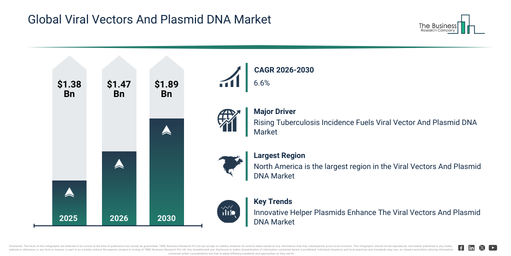
    The viral vectors and plasmid DNA market has experienced notable expansion in recent years. Projections indicate an increase from $1.38 billion in 2025 to $1.47 billion in 2026, reflecting a compound annual growth rate (CAGR) of 6.2%. This historic growth has been driven by factors such as the constrained supply of viral vectors, a dependence on research-grade plasmid DNA, a rising number of gene therapy development programs, heightened research and development efforts within the biopharmaceutical sector, and the widespread use of established viral vector platforms.

    The market for viral vectors and plasmid DNA is forecast to experience significant growth in the coming years, with projections indicating a rise to $1.89 billion by 2030, reflecting a compound annual growth rate (CAGR) of 6.6%. This expansion during the forecast period is driven by factors including the creation of clinical-grade and GMP-compliant plasmid DNA, the broadening of viral vector uses in oncology and infectious diseases, heightened investment in gene therapy, an increasing need for immunotherapeutic approaches, and the uptake of innovative vector systems like adeno-associated and lentiviral vectors. Key developments expected in this period encompass the growing utilization of plasmid DNA and viral vectors within gene therapy, the proliferation of viral vector platforms tailored for cancer and genetic disorder management, a surge in GMP-grade plasmid DNA output for clinical purposes, intensified investigation into novel adeno-associated and lentiviral vector technologies, and the incorporation of these elements into immunotherapy and vaccine development.

    Download A Free Sample Report For Comprehensive Market Insights:

    https://www.thebusinessresearchcompany.com/sample.aspx?id=3245&type=smp&utm_source=BlogsPR&utm_medium=Paid&utm_campaign=Jul_PR

    Viral Vectors And Plasmid DNA Market Development Factors: Which Trends Are Supporting Demand?

    The viral vector and plasmid DNA market is expected to be driven forward by the rising number of tuberculosis cases. Tuberculosis (TB) is a contagious, severe infectious illness brought on by bacteria, mainly attacking the lungs but also capable of affecting other body parts. Plasmid DNA vaccines have been utilized to deliver genes coding for microbial antigens specific to TB. These vaccines can be tailored to express particular antigens from Mycobacterium tuberculosis, the pathogen responsible for the disease, and are typically given via intramuscular injection. For example, data from GOV.UK in February 2024, a UK government entity, revealed that TB cases in England climbed by 10.7% in 2023, increasing from 4,380 in 2022 to 4,850. Consequently, the growing TB incidence is fueling expansion in the viral vector and plasmid DNA market.

    Viral Vectors And Plasmid DNA Market Segment Analysis And Revenue Opportunities

    The viral vectors and plasmid dna market covered in this report is segmented –

    1) By Product: Plasmid DNA, Viral Vectors

    2) By Disease: Infectious Diseases, Genetic Disorders, Cancer, Other Diseases

    3) By Application: Gene And Cancer Therapies, Viral Infections, Immunotherapy, Formulation Development, Other Applications

    4) By End User: Research Institutes, Biopharmaceutical And Pharmaceutical Companies

    Subsegments:

    1) By Plasmid DNA: Research-Grade Plasmid DNA, Clinical-Grade Plasmid DNA, GMP (Good Manufacturing Practice) Plasmid DNA

    2) By Viral Vectors: Adenoviral Vectors, Lentiviral Vectors, AAV (Adeno-Associated Virus) Vectors, Retroviral Vectors, Vesicular Stomatitis Virus (VSV) Vectors

    Viral Vectors And Plasmid DNA Market Transformation Trends: Which Innovations Are Driving Change?

    Key players in the viral vectors and plasmid DNA market are increasingly focusing on developing innovative solutions, such as helper plasmids, to strengthen their competitive position. A helper plasmid represents a type of plasmid DNA used in producing viral vectors like adeno-associated viral vectors (AAV), commonly applied in gene therapy. For example, in March 2023, Charles River Laboratories International Inc., a US-based pharmaceutical firm, introduced its off-the-shelf pHelper helper plasmid, designed to accelerate processes from early discovery through commercial production of AAV-based gene therapy programs while ensuring supply security. As part of an expanding range of contract development and manufacturing organization (CDMO) offerings, these helper plasmids aim to protect viral vector packaging in cell and gene therapy operations and simplify complex supply chains. The production of adeno-associated viral vectors (AAV), frequently used in gene therapy, relies on helper plasmids to facilitate their creation.

    Viral Vectors And Plasmid DNA Market Leading Players Shaping Industry Direction

    Major companies operating in the viral vectors and plasmid dna market are FUJIFILM Diosynth Biotechnologies, FinVector Vision Therapies, Lonza Group AG, Cobra Biologics and Pharmaceutical Services, Brammer Bio, ??n?k? ??r??r?t??n, Cell and Gene Therapy Catapult, VGXI Inc., MassBiologics, Sanofi, Spark Therapeutics, UniQure NV, Thermo Fisher Scientific, VIROVEK, SIRION Biotech GmbH, ALDEVRON, Oxford BioMedica, PlasmidFactory GmbH & Co. KG, Biovian Oy, BioReliance Corporation, 4D Molecular Therapeutics, Renova Therapeutics, Shenzhen SiBiono GeneTech Co., Vigene Biosciences Inc., Novasep, Genzyme Corporation, Oxford Gene Technology, Richter-Helm, MolMed, Merck KGaA Inc., Catalent Inc., WuXi AppTec, GenScript Biotech Corporation, Eurogentec, Creative Biogene

    Access The Complete Viral Vectors And Plasmid DNA Market Report:

    https://www.thebusinessresearchcompany.com/report/viral-vectors-and-plasmid-dna-global-market-report?utm_source=BlogsPR&utm_medium=Paid&utm_campaign=Jul_PR

    Viral Vectors And Plasmid DNA Market Global Footprint: Which Region Holds Market Leadership?

    North America was the largest region in the viral vectors and plasmid DNA market in 2025. The Middle East is expected to be the fastest-growing region in the global viral vectors & plasmid DNA market analysis. The regions covered in the viral vectors and plasmid dna market report are Asia-Pacific, South East Asia, Western Europe, Eastern Europe, North America, South America, Middle East, Africa.

    Get in touch with us:

    The Business Research Company: https://www.thebusinessresearchcompany.com/?utm_source=BlogsPR&utm_medium=Paid&utm_campaign=home_page_test

    Americas: +1 310-496-7795

    Asia: +44 7882 955267 & +91 8897263534

    Europe: +44 7882 955267

    Email us at: marketing@tbrc.info

    Follow us on:

    LinkedIn: https://in.linkedin.com/company/the-business-research-company

    YouTube: https://www.youtube.com/channel/UC24_fI0rV8cR5DxlCpgmyFQ

    Global Market Model: https://www.thebusinessresearchcompany.com/global-market-model

  • Viral Vector Production (Research-Use) Market Size Projected To Increase From $2.04 Billion To $3.56 Billion During The Forecast Period

    Viral Vector Production (Research-Use) Market Size Projected To Increase From $2.04 Billion To $3.56 Billion During The Forecast Period

    Enhanced with market attractiveness analysis, total addressable market evaluation, company benchmarking matrices, interactive Excel dashboards, expanded supply chain intelligence, emerging startup coverage, and detailed product insights, The Business Research Company’s 2026 market reports deliver more actionable and strategically valuable research.

    Viral Vector Production (Research-Use) Market Growth From $2.04 Billion In 2026 To $3.56 Billion By 2030 At A CAGR Of 14.9%

    The market for viral vector production intended for research applications has experienced notable expansion in recent times. Projected to rise from $1.77 billion in 2025 to $2.04 billion in 2026, this reflects a compound annual growth rate (CAGR) of 15.2%. This historical growth has been driven by heightened funding for gene therapy research, the broadening of academic and translational research initiatives, the accessibility of sophisticated cell culture methods, an increased application of viral vectors in oncology investigations, and a surge in contract research operations.

    The market size for viral vector production (research-use) is anticipated to expand rapidly over the coming years. By 2030, it is projected to reach $3.56 billion, driven by a compound annual growth rate (CAGR) of 14.9%. This growth in the forecast period is largely fueled by a rising need for advanced gene delivery tools, greater adoption of automation within research labs, expanded research into CRISPR and gene editing, increased partnerships between academic institutions and biopharmaceutical companies, and a heightened emphasis on reproducibility and standardization. Key trends shaping the forecast period include a growing preference for scalable manufacturing platforms for viral vectors, an increased demand for high-purity research-grade vectors, wider use of suspension cell culture systems, expansion of automated upstream and downstream processes, and a stronger focus on vector characterization and quality assurance.

    Download A Free Sample Report For Comprehensive Market Insights:

    https://www.thebusinessresearchcompany.com/sample.aspx?id=28350&type=smp&utm_source=BlogsPR&utm_medium=Paid&utm_campaign=Jul_PR

    Viral Vector Production (Research-Use) Market Industry Drivers: What Is Driving Revenue Growth?

    The anticipated expansion of the viral vector production market for research purposes is being driven by the increasing prevalence of genetic disorders. These disorders arise from abnormalities in an individual’s deoxyribonucleic acid, which may be inherited from either parent or emerge from new genetic mutations. Their rising frequency is linked to advanced parental age, which heightens the risk of passing genetic mutations to children. This growing incidence fuels demand for sophisticated gene delivery tools essential for studying disease mechanisms and creating potential therapies, thereby supporting market growth. For example, in November 2024, the Centers for Disease Control and Prevention (CDC), a US governmental public health body, reported that Trisomy 21 (Down syndrome) affects roughly 1 in 643 births, leading to about 5,713 new cases each year, while Trisomy 18 occurs in around 1 in 3,336 births, or approximately 1,101 annual cases. Consequently, the rising frequency of genetic disorders is poised to advance the viral vector production (research-use) market.

    Viral Vector Production (Research-Use) Market Segmentation And Category Breakdown

    The viral vector production (research-use) market covered in this report is segmented –

    1) By Type: Adeno-Associated Virus (AAV), Lentivirus, Adenovirus, Retrovirus, Other Types

    2) By Production: Transient Transfection, Stable Cell Line, Viral Packaging System, Other Production Methods

    3) By Workflow: Upstream Processing, Downstream Processing

    4) By Application: Gene Therapy, Vaccines, Oncology, Infectious Diseases, Other Applications

    5) By End-Use: Pharmaceutical And Biopharmaceutical Companies, Research Institutes

    Subsegments:

    1) By Adeno-Associated Virus: Single-Stranded Adeno-Associated Virus, Self-Complementary Adeno-Associated Virus, Hybrid Adeno-Associated Virus

    2) By Lentivirus: Human Immunodeficiency Virus-Based Lentivirus, Feline Immunodeficiency Virus-Based Lentivirus, Equine Infectious Anemia Virus-Based Lentivirus

    3) By Adenovirus: Replication-Competent Adenovirus, Replication-Deficient Adenovirus, Helper-Dependent Adenovirus

    4) By Retrovirus: Gamma Retrovirus, Spumavirus (Foamy Virus), Alpha Retrovirus

    5) By Other Types: Herpes Simplex Virus Vectors, Baculovirus Vectors, Sendai Virus Vectors

    Viral Vector Production (Research-Use) Market Growth Trends: What Is Influencing The Future Outlook?

    Key players in the viral vector production industry are increasingly investing in the creation of innovative tools, particularly customized cell culture media, aimed at enhancing transfection efficiency, maximizing viral vector output, and maintaining reliable quality for research purposes. Cell culture media consist of nutrient-dense formulations that facilitate the cultivation and preservation of cells outside their native environment, incorporating critical components such as amino acids, vitamins, and growth factors tailored to specific cell varieties and uses. A notable example occurred in January 2023, when FUJIFILM Irvine Scientific, a life sciences company headquartered in the United States, unveiled BalanCD HEK293 Viral Feed, the first chemically defined nutrient supplement specifically engineered for HEK293 suspension cultures utilized in AAV viral vector production. With this product, the company intends to achieve substantial increases in adeno-associated virus (AAV) yields, demonstrating up to a 67% improvement in viral packaging efficiency compared to basal media. This feed is designed to support scalable gene therapy and biotechnological operations, delivering consistent performance across different formats and ensuring compatibility with a variety of media systems.

    Viral Vector Production (Research-Use) Market Competitive Analysis Of Major Industry Participants

    Major companies operating in the viral vector production (research-use) market are Sanofi S.A., Thermo Fisher Scientific Inc., Merck KGaA, Becton Dickinson and Company, Lonza Group AG, Sartorius AG, Charles River Laboratories International Inc., FUJIFILM Diosynth Biotechnologies U.S.A. Inc., Curia Inc., AGC Biologics GmbH, SK pharmteco Inc., Oxford Biomedica Plc, Waisman Biomanufacturing, Voyager Therapeutics Inc., FinVector Oy, Batavia Biosciences BV., GENEZEN LABORATORIES, BioNTech IMFS GmbH, VGXI Inc., Tonix Pharmaceuticals, Cell and Gene Therapy Catapult, Mustang Bio Inc.

    Access The Complete Viral Vector Production (Research-Use) Market Report:

    https://www.thebusinessresearchcompany.com/report/viral-vector-production-research-use-global-market-report?utm_source=BlogsPR&utm_medium=Paid&utm_campaign=Jul_PR

    Viral Vector Production (Research-Use) Market Regional Distribution: Which Areas Drive Market Expansion?

    North America was the largest region in the virtual vector production (research-use) market in 2025. Asia-Pacific is expected to be the fastest-growing region in the forecast period. The regions covered in the viral vector production (research-use) market report are Asia-Pacific, South East Asia, Western Europe, Eastern Europe, North America, South America, Middle East, Africa.

    Get in touch with us:

    The Business Research Company: https://www.thebusinessresearchcompany.com/?utm_source=BlogsPR&utm_medium=Paid&utm_campaign=home_page_test

    Americas: +1 310-496-7795

    Asia: +44 7882 955267 & +91 8897263534

    Europe: +44 7882 955267

    Email us at: marketing@tbrc.info

    Follow us on:

    LinkedIn: https://in.linkedin.com/company/the-business-research-company

    YouTube: https://www.youtube.com/channel/UC24_fI0rV8cR5DxlCpgmyFQ

    Global Market Model: https://www.thebusinessresearchcompany.com/global-market-model
  • Viral Vector Manufacturing Market Growth Outlook Reveals A CAGR Of 21.1% And A Market Value Of $21.3 Billion By 2030

    Viral Vector Manufacturing Market Growth Outlook Reveals A CAGR Of 21.1% And A Market Value Of $21.3 Billion By 2030

    Through market attractiveness analysis, total addressable market evaluation, company benchmarking matrices, interactive Excel dashboards, expanded supply chain intelligence, emerging startup coverage, and detailed product insights, The Business Research Company’s 2026 market reports provide more actionable and strategically valuable research.

    Viral Vector Manufacturing Market Expansion Outlook: What Revenue Opportunities Lie Ahead?

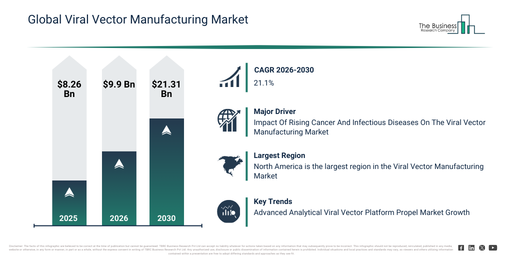
    The viral vector manufacturing market has experienced swift expansion in the past several years. Its value is projected to increase from $8.26 billion in 2025 to $9.9 billion in 2026, achieving a compound annual growth rate (CAGR) of 19.9%. This historical growth has been driven by factors such as constrained manufacturing capabilities, elevated production expenses, dependence on conventional gene delivery techniques, regulatory obstacles, and supply chains that are not well-integrated.

    The market for viral vector manufacturing is projected to experience rapid expansion over the coming years, with an anticipated value of $21.31 billion by 2030, reflecting a compound annual growth rate (CAGR) of 21.1%. This forecasted growth is driven by several key factors, including the increasing demand for gene and cell therapies, technological progress in viral vector development, heightened investment in research and development, the growth of contract manufacturing organizations, and a rising emphasis on personalized medicine. Significant developments shaping the market during this period include innovations in gene therapy, improvements in viral vector safety, the implementation of scalable production methods, enhancements in regulatory compliance, and progress in both upstream and downstream processing techniques.

    Download A Free Sample Report For Comprehensive Market Insights:

    https://www.thebusinessresearchcompany.com/sample.aspx?id=12398&type=smp&utm_source=BlogsPR&utm_medium=Paid&utm_campaign=Jul_PR

    #Viral Vector Manufacturing Market Growth Factors: Which Forces Are Supporting Market Expansion?

    The rising occurrence of cancer and infectious diseases is anticipated to drive expansion in the viral vector manufacturing market in the coming years. An infectious disease is caused by a virus or its toxic byproducts, spreading to a susceptible host through contact with infected individuals, animals, or objects, while cancer encompasses a broad category of conditions where abnormal cells grow uncontrollably, invade neighboring tissues, and metastasize to other organs. Viral vectors are utilized to produce tumor antigens, which are proteins found on tumor cells, and these trigger the body’s anti-cancer immune response. In both preclinical and clinical studies, viral vectors have been employed as vaccines against a variety of infectious diseases. For example, in July 2024, the Australian Institute of Health and Welfare, a government agency based in Australia, reported that the number of diagnosed cancer cases in Australia rose from 160,570 in 2022 to 164,694 in 2023, indicating a significant annual increase, which underscores the growing burden of cancer in the country. Additionally, in August 2024, data from the UK Health Security Agency, an executive agency in the UK, showed 368 measles cases in England in 2023, a nearly sevenfold jump from the 53 cases recorded in 2022, with the West Midlands and London contributing 44% and 33% of cases, respectively. Consequently, the growing prevalence of both cancer and infectious diseases is fueling the growth of the viral vector manufacturing market.

    Viral Vector Manufacturing Market Segment Outlook: Which Categories Are Expanding The Fastest?

    The viral vector manufacturing market covered in this report is segmented –

    1) By Type: Adenoviral Vectors, Adeno-Associated Viral Vectors, Lentiviral Vectors, Retroviral Vectors, Other Types

    2) By Disease: Cancer, Genetic Disorders, Infectious Diseases, Other Diseases

    3) By Workflow: Upstream Processing, Downstream Processing

    4) By Application: Gene And Cell Therapy Development, Vaccine Development, Biopharmaceutical And Pharmaceutical Discovery, Biomedical Research

    5) By End-User: Research Organizations, Biotech And Pharmaceutical Companies, Other End Users

    Subsegments:

    1) By Adenoviral Vectors: Serotype 5, Serotype 2, Serotype 26

    2) By Adeno-Associated Viral Vectors: AAV2, AAV5, AAV8, AAV9, Others

    3) By Lentiviral Vectors: HIV-1-Based Lentiviral Vectors, SIV-Based Lentiviral Vectors, Others

    4) By Retroviral Vectors: Moloney Murine Leukemia Virus (MoMLV), Gammaretroviral Vectors, Others

    5) By Other Types: Sendai Viral Vectors, Vesicular Stomatitis Virus (VSV)-Based Vectors, Measles Virus Vectors, Others

    Viral Vector Manufacturing Market Industry Trends: What Changes Are Reshaping Demand?

    Key players in the viral vector manufacturing market are increasingly prioritizing the creation of cutting-edge solutions, particularly viral vector platforms tailored for production and manufacturing processes. These platforms constitute integrated systems optimized for the effective generation and handling of viral vectors, which are essential for gene therapy and vaccine development. A notable example occurred in May 2023 when AGC Biologics, a US-based global biopharmaceutical contract development and manufacturing organization (CDMO), unveiled the BravoAAV and ProntoLVV platforms. These systems are engineered to provide adaptable and rapid vector development and manufacturing for cell and gene therapy programs, achieving GMP product delivery within nine months, leveraging a worldwide regulatory and supply infrastructure along with in-house plasmid DNA services. By incorporating customized processes, templated material strategies, and prequalified analytical techniques, these platforms play a pivotal role in the projected expansion of the viral vector manufacturing market to $5.5 billion by 2035, as they address the growing need for efficient production and delivery of impactful gene therapies and vaccines.

    Viral Vector Manufacturing Market Key Companies And Competitive Benchmarking

    Major companies operating in the viral vector manufacturing market are Sanofi S.A., Merck Group, FUJIFILM Holdings Corporation, Lonza Group, Catalent Inc., AGC Biologics, Ultragenyx Pharmaceutical Inc., Novasep Holding SAS, Aldevron LLC, Oxford Biomedica plc, LakePharma Inc., Voyager Therapeutics Inc., Mustang Bio Inc., Regenxbio Inc., VGXI Inc., BioNTech IMFS GmbH, FinVector Oy, Vigene Biosciences Inc., Univercells Technologies, Sirion-Biotech GmbH, Cevec Pharmaceuticals GmbH, Batavia Biosciences BV

    Access The Complete Viral Vector Manufacturing Market Report:

    https://www.thebusinessresearchcompany.com/report/viral-vector-manufacturing-global-market-report?utm_source=BlogsPR&utm_medium=Paid&utm_campaign=Jul_PR

    Viral Vector Manufacturing Market Leading Geography: Which Region Generates The Most Revenue?

    North America was the largest region in the viral vector manufacturing market in 2025. Asia-Pacific is expected to be the fastest-growing region in the forecast period. The regions covered in the viral vector manufacturing market report are Asia-Pacific, South East Asia, Western Europe, Eastern Europe, North America, South America, Middle East, Africa.

    Get in touch with us:

    The Business Research Company: https://www.thebusinessresearchcompany.com/?utm_source=BlogsPR&utm_medium=Paid&utm_campaign=home_page_test

    Americas: +1 310-496-7795

    Asia: +44 7882 955267 & +91 8897263534

    Europe: +44 7882 955267

    Email us at: marketing@tbrc.info

    Follow us on:

    LinkedIn: https://in.linkedin.com/company/the-business-research-company

    YouTube: https://www.youtube.com/channel/UC24_fI0rV8cR5DxlCpgmyFQ

    Global Market Model: https://www.thebusinessresearchcompany.com/global-market-model
  • Viral Vector Contract Development And Manufacturing Organization (CDMO) Market Forecast Highlights Expansion From $1.69 Billion To $3 Billion Through 2030

    Viral Vector Contract Development And Manufacturing Organization (CDMO) Market Forecast Highlights Expansion From $1.69 Billion To $3 Billion Through 2030

    Delivering more actionable and strategically valuable research, The Business Research Company’s 2026 market reports feature market attractiveness analysis, total addressable market evaluation, company benchmarking matrices, interactive Excel dashboards, expanded supply chain intelligence, emerging startup coverage, and detailed product insights.

    Viral Vector Contract Development And Manufacturing Organization (CDMO) Market Growth Potential: How Will Market Size Change Through 2030?

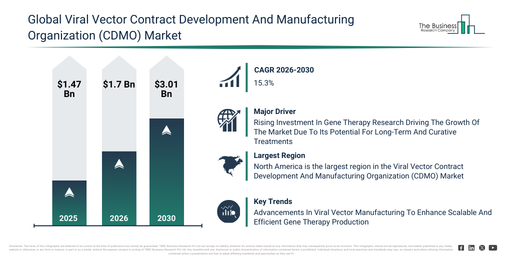
    The market for viral vector contract development and manufacturing organizations (CDMOs) has experienced swift expansion in recent years. Projected to rise from $1.47 billion in 2025 to $1.7 billion in 2026, this growth reflects a compound annual rate (CAGR) of 15.6%. Several factors drove this historical period’s expansion, including a growing clinical pipeline for gene therapies, early-stage outsourcing of viral vector production, the broadening of academic research partnerships, the constrained internal manufacturing capacities of biotechnology companies, and a rising number of regulatory approvals granted for viral vectors.

    The viral vector contract development and manufacturing organization (CDMO) market is anticipated to experience substantial expansion over the coming years. By 2030, its value is projected to reach $3.01 billion, reflecting a compound annual growth rate (CAGR) of 15.3%. This projected growth during the forecast period is driven by several factors, including the increased commercialization of gene and cell therapies, heightened investment in specialized viral vector facilities, a rising need for scalable manufacturing platforms, the broadening of global CDMO collaborations, and progress in high-yield vector production technologies. Key trends anticipated in the forecast period encompass the scaling up of capacity for large-scale viral vector production, a growing preference for single-use manufacturing technologies, an increased need for comprehensive end-to-end CDMO services, a stronger emphasis on cGMP-compliant facilities meeting regulatory standards, and the deeper incorporation of advanced analytics into vector manufacturing processes.

    Download A Free Sample Report For Comprehensive Market Insights:

    https://www.thebusinessresearchcompany.com/sample.aspx?id=29238&type=smp&utm_source=BlogsPR&utm_medium=Paid&utm_campaign=Jul_PR

    Viral Vector Contract Development And Manufacturing Organization (CDMO) Market Demand Drivers: What Is Fueling Industry Growth?

    The anticipated expansion of the viral vector contract development and manufacturing organization (CDMO) market is being driven by increasing financial commitments to gene therapy research. This area of study involves investigating methods for modifying or regulating genes within human cells to correct inherited disorders or fight a variety of diseases. The growing volume of investment in gene therapy research stems from its capacity to deliver durable or permanent cures for genetic conditions that were previously untreatable, which has attracted considerable interest from healthcare innovators and investors alike. Viral vector CDMOs play a crucial role in supporting gene therapy research by providing specialized expertise and state-of-the-art manufacturing infrastructure to produce high-quality viral vectors—essential tools for the secure and effective delivery of therapeutic genes. As an example, in July 2025, the Office for Life Sciences, a UK government agency, announced a government pledge of up to $800 million (£600 million) to create one of the world’s most sophisticated, secure, and AI-compatible health data platforms. This platform will integrate genomic, diagnostic, and clinical data at a population level, transforming NHS and broader healthcare information into a central hub for global research trials and AI investment. Consequently, the rising investment in gene therapy research is fueling the growth of the viral vector contract development and manufacturing organization (CDMO) market.

    Viral Vector Contract Development And Manufacturing Organization (CDMO) Market Segment Landscape: Which Areas Lead Market Development?

    The viral vector contract development and manufacturing organization (cdmo) market covered in this report is segmented –

    1) By Service Type: Process Development, Manufacturing, Analytical Testing, Fill-Finish, Other Service Types

    2) By Vector Type: Adenoviral Vectors, Lentiviral Vectors, Adeno-Associated Viral Vectors, Retroviral Vectors, Other Vector Types

    3) By Workflow: Upstream Manufacturing, Downstream Manufacturing

    4) By Application: Gene Therapy, Vaccines, Cell Therapy, Other Applications

    5) By End-User: Pharmaceutical And Biotechnology Companies, Academic And Research Institutes, Other End-Users

    Subsegments:

    1) By Process Development: Upstream Process Development, Downstream Process Development, Analytical Development, Process Characterization

    2) By Manufacturing: Clinical Manufacturing, Commercial Manufacturing, cGMP Manufacturing, Cell Bank Production, Fill-Finish Services

    3) By Analytical Testing: Release Testing, Stability Testing, Bioassays, Characterization Studies, Regulatory Compliance Testing

    4) By Fill-Finish: Aseptic Filling, Lyophilization, Final Packaging, Cold Chain Management, Labeling And Serialization

    5) By Other Service Types: Regulatory Support, Supply Chain Management, Technology Transfer, Clinical Trial Support, Cold Chain Logistics

    Viral Vector Contract Development And Manufacturing Organization (CDMO) Market Innovation Trends: Which Developments Are Transforming The Industry?

    Key industry players in the viral vector contract development and manufacturing organization (CDMO) market are concentrating on creating sophisticated offerings like AAV manufacturing solutions to enable scalable and reliable production. These AAV manufacturing solutions encompass methods and systems developed to generate safe and effective adeno-associated virus vectors for gene therapy efficiently. For example, in August 2025, ProBio, a U.S.-based CDMO, introduced cGMP Adeno-Associated Virus (AAV) manufacturing services at its state-of-the-art 128,000 sq. ft. facility in Hopewell, New Jersey. This growth is intended to address the rising demand for premium viral vector production, underscoring ProBio’s commitment to advancing innovative gene therapies. The Hopewell site is specifically designed to deliver comprehensive AAV manufacturing solutions that align with global regulatory and quality benchmarks. ProBio’s expanded capabilities now cover fully integrated services, including GMP plasmid DNA production, AAV vector manufacturing, and final drug product formulation with aseptic fill/finish, all consolidated in one U.S. location. Such integration enhances coordination, minimizes process transitions, and accelerates timelines throughout the drug development cycle.

    Viral Vector Contract Development And Manufacturing Organization (CDMO) Market Industry Leaders And Market Competition

    Major companies operating in the viral vector contract development and manufacturing organization (cdmo) market are Thermo Fisher Scientific Inc., Merck KGaA, Lonza Group AG, WuXi AppTec, Samsung Biologics Co. Ltd., FUJIFILM Biotechnologies, Oxford Biomedica Plc, Hillgene, Takara Bio Inc., SkyPharma Production SAS, GeneScript ProBio, Obio Technology Corp. Ltd., VectorBuilder, Charles River Laboratories Pvt. Ltd., Creative Biogene, Esco Aster Pte. Ltd., Genesail Biotech Co. Ltd., CEVEC Pharmaceuticals, Cell and Gene Therapy Catapult, CoJourney, Applied Biological Laboratories Inc.

    Access The Complete Viral Vector Contract Development And Manufacturing Organization (CDMO) Market Report:

    https://www.thebusinessresearchcompany.com/report/viral-vector-contract-development-and-manufacturing-organization-cdmo-global-market-report?utm_source=BlogsPR&utm_medium=Paid&utm_campaign=Jul_PR

    Viral Vector Contract Development And Manufacturing Organization (CDMO) Market Regional Outlook: Where Are The Largest Opportunities Located?

    North America was the largest region in the viral vector contract development and manufacturing organization (CDMO) market in 2025. Asia-Pacific is expected to be the fastest-growing region in the forecast period. The regions covered in the viral vector contract development and manufacturing organization (cdmo) market report are Asia-Pacific, South East Asia, Western Europe, Eastern Europe, North America, South America, Middle East, Africa.

    Get in touch with us:

    The Business Research Company: https://www.thebusinessresearchcompany.com/?utm_source=BlogsPR&utm_medium=Paid&utm_campaign=home_page_test

    Americas: +1 310-496-7795

    Asia: +44 7882 955267 & +91 8897263534

    Europe: +44 7882 955267

    Email us at: marketing@tbrc.info

    Follow us on:

    LinkedIn: https://in.linkedin.com/company/the-business-research-company

    YouTube: https://www.youtube.com/channel/UC24_fI0rV8cR5DxlCpgmyFQ

    Global Market Model: https://www.thebusinessresearchcompany.com/global-market-model