Blog

  • Vaginitis Therapeutics Market Expansion Is Reshaping Competitive Dynamics Across The Industry

    Vaginitis Therapeutics Market Expansion Is Reshaping Competitive Dynamics Across The Industry

    Through market attractiveness analysis, total addressable market evaluation, company benchmarking matrices, interactive Excel dashboards, expanded supply chain intelligence, emerging startup coverage, and detailed product insights, The Business Research Company’s 2026 market reports provide more actionable and strategically valuable research.

    Vaginitis Therapeutics Market Revenue Growth Supported By A CAGR Of 7.39% Through 2030

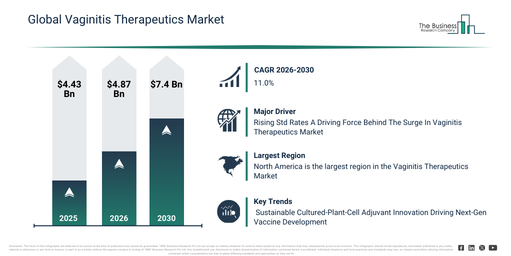
    The market for vaginitis therapeutics has seen substantial expansion in recent times, advancing from $4.43 billion in 2025 to an anticipated $4.87 billion in 2026, representing a compound annual growth rate (CAGR) of 10.0%. This historic rise can be explained by several factors, including a higher occurrence of bacterial vaginosis, insufficient knowledge regarding vaginal health, dependence on conventional antifungal and antibiotic therapies, an expanding number of women in their reproductive years, and an increase in hospital consultations for gynecological problems.

    Over the coming years, the vaginitis therapeutics market is projected to experience rapid expansion. By 2030, its value is anticipated to reach $7.4 billion, with an 11.0% compound annual growth rate (CAGR). This forecast period growth is driven by the advancement of precision medicine and targeted treatments, wider availability of telehealth services, heightened patient awareness and education, a surge in over-the-counter and home-based care options, and the incorporation of digital monitoring tools into gynecological care. Key trends shaping this period involve personalized therapeutic approaches for vaginitis, an increasing preference for non-antibiotic medications, the use of telemedicine for gynecological consultations, a rise in over-the-counter vaginitis solutions, and a strong emphasis on lowering recurrence rates of vaginal infections.

    Download A Free Sample Report For Comprehensive Market Insights:

    https://www.thebusinessresearchcompany.com/sample.aspx?id=10794&type=smp&utm_source=BlogsPR&utm_medium=Paid&utm_campaign=Jul_PR

    #Vaginitis Therapeutics Market Growth Factors: Which Forces Are Supporting Market Expansion?

    The increasing prevalence of sexually transmitted diseases (STDs) is anticipated to drive expansion in the vaginitis therapeutics market moving forward. STDs are infections transmitted through sexual interaction between infected and unaffected individuals. These infections can trigger vaginitis, resulting in vaginal inflammation and associated pain. Vaginitis therapeutics work to alleviate symptoms of STD-induced vaginitis in women, which boosts the demand for such medications. As an example, in July 2024, the UK Health Security Agency, a government agency based in the UK, reported 401,800 new STI diagnoses in 2023, marking a 4.7% rise from 383,789 cases in 2022. Consequently, the rising incidence of STDs is set to accelerate growth in the vaginitis therapeutics market.

    Vaginitis Therapeutics Market Segmentation And Category Breakdown

    The vaginitis therapeutics market covered in this report is segmented –

    1) By Drug Type: Nitroimidazole Compound, Lincosamide Antibiotics, Triazoles, Imidazoles

    2) By Route Of Administration: Oral, Cutaneous, Vaginal

    3) By Indication Type: Bacterial Vaginosis, Trichomoniasis, Vulvovaginal Candidiasis, Other Types

    4) By End Users: Hospitals, Ambulatory Surgical Centers, Specialized Gynecology Centers, Clinics

    Subsegments:

    1) By Nitroimidazole Compound: Metronidazole, Tinidazole

    2) By Lincosamide Antibiotics: Clindamycin

    3) By Triazoles: Fluconazole, Itraconazole

    4) By Imidazoles: Clotrimazole, Miconazole

    Vaginitis Therapeutics Market Industry Trends: What Changes Are Reshaping Demand?

    Key players in the vaginitis therapeutics market are prioritizing technological innovation, particularly through science-based vaginal symptom relief products, to address the growing need for safer, non-systemic solutions that restore vaginal health and tackle issues like dryness, odor, and irritation. These offerings utilize specifically designed formulations aimed at supporting the natural vaginal microbiome and pH balance, presenting a more customized and microbiome-friendly option compared to conventional over-the-counter creams or systemic antibiotics, which may disturb vaginal flora. For example, in November 2024, Evvy, a women’s health company based in the US, introduced its prescription vaginal healthcare product line—a novel set of treatments created to deliver symptom relief without the need for systemic therapy. This lineup includes boric acid suppositories, hyaluronic acid suppositories, an anti-itch vulvar cream, and a soothing vulvar cream, all developed under the advice of OBGYNs and experts in the vaginal microbiome. These items function by reestablishing a healthy vaginal pH, reducing irritation, and fostering a balanced microbiome, delivering both therapeutic and preventive advantages. Such an approach facilitates effective symptom management while lowering the likelihood of antimicrobial resistance or disruption to the natural vaginal ecosystem.

    Vaginitis Therapeutics Market Competitive Analysis Of Major Industry Participants

    Major companies operating in the vaginitis therapeutics market are Pfizer Inc., Merck & Co Inc., Bayer AG, Lupin Pharmaceuticals Inc., Symbiomix Therapeutics Inc., Mission Pharmacal Company, Teva Pharmaceutical Industries Ltd., Janssen Pharmaceuticals Inc., GlaxoSmithKline plc, Sanofi SA, TherapeuticsMD Inc., Scynexis Inc., Sebela Pharmaceuticals Inc., Daré Bioscience Inc., Mylan N.V., Cidara Therapeutics Inc., Imprimis Pharmaceuticals Inc., Innovus Pharmaceuticals Inc., Evofem Biosciences Inc., Mycovia Pharmaceuticals, Perrigo Company plc, Mithra Pharmaceuticals, Ferring Pharmaceuticals Inc.

    Access The Complete Vaginitis Therapeutics Market Report:

    https://www.thebusinessresearchcompany.com/report/vaginitis-therapeutics-global-market-report?utm_source=BlogsPR&utm_medium=Paid&utm_campaign=Jul_PR

    Vaginitis Therapeutics Market Regional Outlook: Where Are The Largest Opportunities Located?

    North America was the largest region in the global vaginitis therapeutics market in 2025. The regions covered in the vaginitis therapeutics market report are Asia-Pacific, South East Asia, Western Europe, Eastern Europe, North America, South America, Middle East, Africa.

    Get in touch with us:

    The Business Research Company: https://www.thebusinessresearchcompany.com/?utm_source=BlogsPR&utm_medium=Paid&utm_campaign=home_page_test

    Americas: +1 310-496-7795

    Asia: +44 7882 955267 & +91 8897263534

    Europe: +44 7882 955267

    Email us at: marketing@tbrc.info

    Follow us on:

    LinkedIn: https://in.linkedin.com/company/the-business-research-company

    YouTube: https://www.youtube.com/channel/UC24_fI0rV8cR5DxlCpgmyFQ

    Global Market Model: https://www.thebusinessresearchcompany.com/global-market-model
  • Vaccine Adjuvants Market Forecast Reveals Where Future Industry Value Will Be Created

    Vaccine Adjuvants Market Forecast Reveals Where Future Industry Value Will Be Created

    Delivering more actionable and strategically valuable research, The Business Research Company’s 2026 market reports feature market attractiveness analysis, total addressable market evaluation, company benchmarking matrices, interactive Excel dashboards, expanded supply chain intelligence, emerging startup coverage, and detailed product insights.

    Vaccine Adjuvants Market Value Expansion And Long-Term Growth Outlook

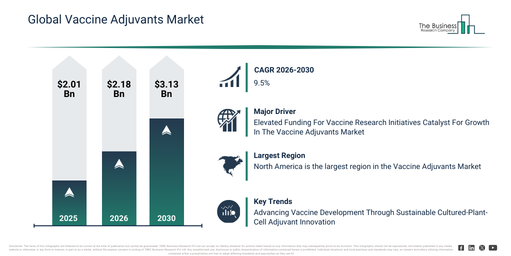
    The vaccine adjuvants market has experienced robust expansion in recent years. Projections indicate it will rise from $2.01 billion in 2025 to $2.18 billion in 2026, reflecting a compound annual growth rate (CAGR) of 8.4%. This historical growth has been driven by several factors, including the increasing incidence of infectious diseases, enhanced government investment in vaccine research, greater uptake of traditional vaccination approaches, the creation of oil-in-water and water-in-oil emulsions, and technical innovations in pathogen-based adjuvants.

    The vaccine adjuvants market is anticipated to experience significant expansion over the coming years, reaching an estimated value of $3.13 billion by 2030 with a compound annual growth rate (CAGR) of 9.5%. The growth observed during the forecast period can be explained by several key factors, including the increased need for both human and veterinary vaccines, a stronger emphasis on immunotherapies targeting cancer and infectious diseases, breakthroughs in adjuvants using nanoparticles and liposomes, regulatory support for the development of novel adjuvants, and the growing expansion of biologics manufacturing infrastructure. Among the prominent trends shaping the forecast period are the creation of personalized vaccine adjuvants, the introduction of new immunostimulatory agents, adjuvants designed to address multiple diseases simultaneously, improved safety and effectiveness characteristics, and the emergence of rapid vaccine formulation platforms.

    Download A Free Sample Report For Comprehensive Market Insights:

    https://www.thebusinessresearchcompany.com/sample.aspx?id=10121&type=smp&utm_source=BlogsPR&utm_medium=Paid&utm_campaign=Jul_PR

    Vaccine Adjuvants Market Demand Drivers: What Is Fueling Industry Growth?

    The vaccine adjuvants market is anticipated to expand due to increasing financial support directed toward vaccine research activities. Such research encompasses comprehensive scientific efforts focused on the creation, evaluation, and enhancement of vaccines aimed at curbing infectious diseases. These endeavors are critical for the development, assessment, and refinement of potential adjuvant candidates sourced from natural origins, synthetic compounds, and even microorganisms like bacteria or viruses. As an example, in October 2023, the United States Department of Health and Human Services—an organization delivering essential human services—launched Project NextGen, committing $500 million to design phase 2b clinical trial strategies and technologies that establish advanced, next-generation vaccination and treatment solutions. Consequently, the surge in funding for vaccine research activities is fueling the expansion of the vaccine adjuvants market.

    Vaccine Adjuvants Market Segment Outlook: Which Categories Are Expanding The Fastest?

    The vaccine adjuvants market covered in this report is segmented –

    1) By Product Type: Adjuvant Emulsions, Pathogen Components, Particulate Adjuvants, Combination Adjuvants, Other Product Types

    2) By Route of Application: Human Vaccine Adjuvants, Veterinary Vaccine Adjuvants

    3) By Route of Administration: Oral, Intramuscular, Intranasal, Subcutaneous, Intradermal

    4) By Disease: Cancer, Infectious Diseases, Other Diseases

    Subsegments:

    1) By Adjuvant Emulsions: Oil-In-Water Emulsions, Water-In-Oil Emulsions

    2) By Pathogen Components: Bacterial Components, Viral Components

    3) By Particulate Adjuvants: Liposomes, Nanoparticles, Microparticles

    4) By Combination Adjuvants: Mixed Emulsions, Multiple Component Systems

    5) By Other Product Types: Synthetic Adjuvants, Natural Adjuvants

    Vaccine Adjuvants Market Innovation Trends: Which Developments Are Transforming The Industry?

    Key players in the vaccine adjuvants sector are increasingly turning to innovations like cultured-plant-cell QS-21 (cpcQS-21) to address the growing need for more sustainable and scalable production of powerful immune-enhancing adjuvants. Unlike conventional aluminum-based options, QS-21—a potent saponin adjuvant originally sourced from Quillaja saponaria tree bark—triggers both strong antibody and cellular immune responses, though its availability has been hindered by limited tree bark supplies and inconsistent quality. In August 2024, SaponiQx, a biomanufacturing company based in the US, introduced STIMULON cultured plant cell QS-21, a cpcQS-21 adjuvant now commercially accessible through InvivoGen. Produced using plant cell culture as opposed to tree bark extraction, this solution ensures a steady, scalable supply while delivering high purity, consistent lot-to-lot performance, and a lower environmental footprint. From a functional standpoint, STIMULON cpcQS-21 preserves the same immune-stimulating strength as its tree-derived counterpart in eliciting both humoral and cellular immune responses, rendering it appropriate for use in vaccines targeting infectious diseases like malaria, shingles, and RSV.

    Vaccine Adjuvants Market Key Companies And Competitive Benchmarking

    Major companies operating in the vaccine adjuvants market are GlaxoSmithKline Plc., Novavax Inc., Agenus Inc., CSL Limited, Adjuvatis, Merck KGaA, Seppic Inc., Virometix AG, Adjuvance Technologies Inc., Novartis AG, Vaxine Pty Ltd., Statens Serum Institute, GSK Vaccines, VaxLiant LLC, VaxForm LLC, Serum Institute of India, Dynavax Technologies Corporation, Vaxcyte Inc., VBI Vaccines Inc., Medicago Inc.

    Access The Complete Vaccine Adjuvants Market Report:

    https://www.thebusinessresearchcompany.com/report/vaccine-adjuvants-global-market-report?utm_source=BlogsPR&utm_medium=Paid&utm_campaign=Jul_PR

    Vaccine Adjuvants Market Geographic Landscape: Which Region Dominates Industry Growth?

    North America was the largest region in the vaccine adjuvants market in 2025.Asia-Pacific is expected to be the fastest-growing region in the global vaccine adjuvants market report during the forecast period. The regions covered in the vaccine adjuvants market report are Asia-Pacific, South East Asia, Western Europe, Eastern Europe, North America, South America, Middle East, Africa.

    Get in touch with us:

    The Business Research Company: https://www.thebusinessresearchcompany.com/?utm_source=BlogsPR&utm_medium=Paid&utm_campaign=home_page_test

    Americas: +1 310-496-7795

    Asia: +44 7882 955267 & +91 8897263534

    Europe: +44 7882 955267

    Email us at: marketing@tbrc.info

    Follow us on:

    LinkedIn: https://in.linkedin.com/company/the-business-research-company

    YouTube: https://www.youtube.com/channel/UC24_fI0rV8cR5DxlCpgmyFQ

    Global Market Model: https://www.thebusinessresearchcompany.com/global-market-model
  • Ursodeoxycholic Acid Market Growth Through 2030 Creates New Strategic Opportunities

    Ursodeoxycholic Acid Market Growth Through 2030 Creates New Strategic Opportunities

    Enhanced with market attractiveness analysis, total addressable market evaluation, company benchmarking matrices, interactive Excel dashboards, expanded supply chain intelligence, emerging startup coverage, and detailed product insights, The Business Research Company’s 2026 market reports deliver more actionable and strategically valuable research.

    Ursodeoxycholic Acid Market Expected To Reach $1.59 Billion By 2030 At 10.7% CAGR

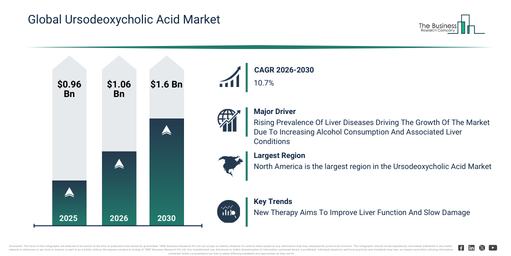
    The ursodeoxycholic acid market has experienced swift expansion over recent years. It is projected to increase from $0.96 billion in 2025 to $1.06 billion in 2026, reflecting a compound annual growth rate (CAGR) of 11.0%. This growth during the historical period can be ascribed to constrained production techniques for ursodeoxycholic acid, dependence on extraction from animal sources, heightened awareness regarding liver disease management, a rise in hospital and specialist clinic treatments, and restricted research into non-alcoholic fatty liver disease.

    The market for ursodeoxycholic acid is set for rapid expansion in the coming years, projected to reach $1.6 billion by 2030 with a compound annual growth rate (CAGR) of 10.7%. This forecast period growth is fueled by progress in chemical and enzymatic synthesis methods, a rising occurrence of liver and biliary conditions, the growth of specialized clinics and research centers, a greater number of regulatory approvals for synthetic UDCA, and the creation of innovative administration forms. Key trends shaping this period encompass an increasing frequency of gallstones and cholestatic liver disorders, greater uptake of synthetic and biosynthetic UDCA, the broadening of oral and intravenous delivery methods, heightened application in liver disease research and clinical trials, and a shift toward individualized therapy and dosing adjustments.

    Download A Free Sample Report For Comprehensive Market Insights:

    https://www.thebusinessresearchcompany.com/sample.aspx?id=24734&type=smp&utm_source=BlogsPR&utm_medium=Paid&utm_campaign=Jul_PR

    Ursodeoxycholic Acid Market Growth Drivers: What Factors Are Accelerating Expansion?

    The growing incidence of liver disorders is anticipated to drive expansion in the ursodeoxycholic acid market moving forward. Liver diseases encompass a range of conditions that hinder the liver’s normal functioning, such as infections, inflammation, fatty liver, cirrhosis, and liver cancer. This increase in liver disease cases is largely attributed to higher alcohol consumption, as chronic excessive drinking can cause liver damage over time. Ursodeoxycholic acid aids in treating liver diseases by enhancing bile flow and lowering toxic bile acids, proving beneficial for conditions like primary biliary cholangitis. It improves patient outcomes by decelerating the progression of liver damage and facilitating the dissolution of cholesterol gallstones, thereby boosting overall treatment effectiveness. For example, in April 2024, data from the Office for Health Improvement and Disparities, a UK government agency, revealed 6,664 premature liver disease deaths in males and 3,929 in females, representing a 22.8% rise for males and a 33.1% increase for females compared to 2023. Consequently, the escalating prevalence of liver diseases is fueling growth in the ursodeoxycholic acid market.

    The expanding elderly demographic is expected to drive the ursodeoxycholic acid market forward in the upcoming years. An aging population describes the growing share and number of older individuals within a society. This demographic shift impacts global economies, healthcare systems, and social support structures. Elderly people face a higher risk of conditions like osteoporosis, requiring early detection and prevention, highlighting the significance of bone health and its effects on medical care. Ursodeoxycholic acid is utilized among older adults to maintain liver health by managing cholestatic liver diseases and promoting bile flow. As an illustration, in January 2024, a report from the Pew Research Center, a US-based think tank, indicated that the number of centenarians was 101,000 in 2024, with projections showing an increase to 420,000 by 2054. Thus, the rising aging population is propelling the ursodeoxycholic acid market.

    Ursodeoxycholic Acid Market Segment Landscape: Which Areas Lead Market Development?

    The ursodeoxycholic acid market covered in this report is segmented –

    1) By Type: Synthetic Ursodeoxycholic Acid, Extraction Ursodeoxycholic Acid

    2) By Route Of Administration: Oral, Intravenous, Subcutaneous

    3) By Application: Gallstones, Primary Biliary Cholangitis, Primary Sclerosing Cholangitis, Non-Alcoholic Fatty Liver Disease, Other Liver And Biliary Diseases

    4) By Distribution Channel: Hospital Pharmacies, Retail Pharmacies, Online Pharmacies, Other Distribution Channels

    5) By End User: Hospitals, Specialty Clinics, Research Institutions, Other End Users

    Subsegments:

    1) By Synthetic Ursodeoxycholic Acid: Chemically Synthesized Ursodeoxycholic Acid, Biosynthetic Ursodeoxycholic Acid, Enzymatically Synthesized Ursodeoxycholic Acid

    2) By Extraction Ursodeoxycholic Acid: Animal-Derived Ursodeoxycholic Acid, Bile Extracted Ursodeoxycholic Acid, Natural Source Extracted Ursodeoxycholic Acid

    Ursodeoxycholic Acid Market Trends: What Is Shaping Future Industry Growth?

    Leading players in the ursodeoxycholic acid (UDCA) market are prioritizing the creation of cutting-edge treatments, including bile acid derivatives, aimed at improving management of liver conditions, especially cholestatic liver disorders. Bile acid derivatives are modified bile acid forms utilized in medical settings to boost liver function and address liver diseases. A case in point is Nora Pharma Inc., a pharmaceutical firm headquartered in Canada, which introduced a generic version of Ursodiol (ursodeoxycholic acid) in November 2024 for treating cholestatic liver diseases like primary biliary cholangitis (PBC). This drug is mainly employed to enhance liver function and decelerate the advancement of liver injury, particularly when administered at an early stage of the illness. Additionally, it works to dissolve and prevent cholesterol gallstones through altering bile composition and reducing the presence of harmful bile acids.

    Ursodeoxycholic Acid Market Industry Leaders And Market Competition

    Major companies operating in the ursodeoxycholic acid market are Mankind Pharma Pvt. Ltd, Abbott Healthcare Pvt. Ltd., Shandong Octagon Chemicals Limited, J.S.C. Grindeks, Arch Pharmalabs, Ind Swift Laboratories Ltd., Symbiotec Pharmalab, Suzhou Tianlu Bio-pharmaceutical Co. Ltd, Zeal MediPharma, Prodotti Chimici e Alimentari S.P.A., Mitsubishi Tanabe Pharma Corporation, ICE Pharma Inc, Xi’an Tian Guangyuan Biotech Co. Ltd, Aamorb Pharmaceuticals Inc., Axplora Inc, Octavius Pharma Pvt. Ltd, Sichuan Elixir Pharmaceutical Co. Ltd, Signova Pharma Pvt. Ltd., Sinoway Industrial Co. Ltd, Valence Labs Pvt. Ltd.

    Access The Complete Ursodeoxycholic Acid Market Report:

    https://www.thebusinessresearchcompany.com/report/ursodeoxycholic-acid-global-market-report?utm_source=BlogsPR&utm_medium=Paid&utm_campaign=Jul_PR

    Ursodeoxycholic Acid Market Largest Region: Which Geography Holds The Highest Market Share?

    North America was the largest region in the ursodeoxycholic acid market in 2025. Asia-Pacific is expected to be the fastest-growing region in the forecast period. The regions covered in the ursodeoxycholic acid market report are Asia-Pacific, South East Asia, Western Europe, Eastern Europe, North America, South America, Middle East, Africa.

    Get in touch with us:

    The Business Research Company: https://www.thebusinessresearchcompany.com/?utm_source=BlogsPR&utm_medium=Paid&utm_campaign=home_page_test

    Americas: +1 310-496-7795

    Asia: +44 7882 955267 & +91 8897263534

    Europe: +44 7882 955267

    Email us at: marketing@tbrc.info

    Follow us on:

    LinkedIn: https://in.linkedin.com/company/the-business-research-company

    YouTube: https://www.youtube.com/channel/UC24_fI0rV8cR5DxlCpgmyFQ

    Global Market Model: https://www.thebusinessresearchcompany.com/global-market-model

  • Urothelial Cancer Drugs Market Size Projected To Increase From $4.03 Billion To $8.21 Billion During The Forecast Period

    Urothelial Cancer Drugs Market Size Projected To Increase From $4.03 Billion To $8.21 Billion During The Forecast Period

    Through market attractiveness analysis, total addressable market evaluation, company benchmarking matrices, interactive Excel dashboards, expanded supply chain intelligence, emerging startup coverage, and detailed product insights, The Business Research Company’s 2026 market reports provide more actionable and strategically valuable research.

    Urothelial Cancer Drugs Market Size And Revenue Forecast Through 2030

    The market for urothelial cancer drugs has seen swift expansion in recent years, with its valuation climbing from $3.37 billion in 2025 to $4.04 billion in 2026, reflecting a compound annual growth rate (CAGR) of 19.8%. This historical growth is largely driven by a higher incidence of urothelial cancer, a scarcity of targeted therapeutic options, heightened public awareness regarding cancer treatments, a reliance on chemotherapy administered in hospital settings, and greater financial commitments to generic drug development.

    The market for urothelial cancer drugs is projected to experience significant expansion in the coming years. By 2030, it is anticipated to reach $8.21 billion, reflecting a compound annual growth rate (CAGR) of 19.4%. This forecasted growth is driven by progress in immunotherapy and targeted treatments, the increasing use of precision medicine, the proliferation of specialized cancer centers, the integration of AI-based diagnostic tools, and rising healthcare spending in developing regions. Key trends shaping this period include the rise of personalized therapies for urothelial cancer, the development of less invasive treatment methods, advances in targeted immunotherapies, the adoption of combination chemotherapy regimens, and a shift toward outpatient cancer care services.

    Download A Free Sample Report For Comprehensive Market Insights:

    https://www.thebusinessresearchcompany.com/sample.aspx?id=8214&type=smp&utm_source=BlogsPR&utm_medium=Paid&utm_campaign=Jul_PR

    Urothelial Cancer Drugs Market Growth Factors Supporting Long-Term Expansion

    The growing incidence of urothelial cancer is anticipated to drive the urothelial cancer drug market forward in the coming years. This type of cancer affects urothelial cells, which line the urethra, bladder, ureters, renal pelvis, and other organs. To reduce fatalities, the increasing number of cases necessitates new drugs and therapies for treatment. As an example, the American Cancer Society Inc., a voluntary health organization based in the US, reported in January 2023 that approximately 82,290 new bladder cancer cases will be diagnosed, with 62,420 in men and 19,870 in women. An estimated 16,710 deaths will result from bladder cancer, comprising 4,550 women and 12,160 men. Consequently, the rising prevalence of urothelial cancer is set to boost growth in the urothelial cancer drug market.

    The rising need for chemotherapy is expected to accelerate the expansion of the urothelial cancer drugs market. As a systemic therapy, chemotherapy travels through the bloodstream, making it effective against cancer cells that have potentially spread to distant locations. It manages urothelial cancer by suppressing growth of cancer cells to treat metastatic disease, targeting quickly dividing cells, and can be employed for palliative care aimed at easing symptoms, enhancing quality of life, and extending survival. For illustration, the National Cancer Institute (NCI), a federal government agency in the US, reported in May 2025 that an estimated 2,041,910 new cancer cases will be diagnosed in the US in 2025, alongside 618,120 deaths from the disease. Thus, the growing demand for chemotherapy fuels the advancement of the urothelial cancer drugs market.

    Urothelial Cancer Drugs Market Segments: Where Are The Largest Growth Opportunities?

    The urothelial cancer drugs market covered in this report is segmented –

    1) By Type: Urothelial Carcinoma, Squamous Cell Carcinoma, Adenocarcinoma

    2) By Treatment: Immunotherapy, Chemotherapy, Preservation Therapy

    3) By Distribution Channel: Hospital Pharmacies, Specialty Clinics, Cancer Institutes, Ambulatory Surgical Centers

    Subsegments:

    1) By Urothelial Carcinoma: Chemotherapy Agents, Immunotherapy Agents, Targeted Therapy Drugs

    2) By Squamous Cell Carcinoma: Chemotherapy Agents, Immunotherapy Agents, Targeted Therapy Drugs

    3) By Adenocarcinoma: Chemotherapy Agents, Immunotherapy Agents, Targeted Therapy Drugs

    Urothelial Cancer Drugs Market Industry Trends Shaping Future Revenue Growth

    Key players in the urothelial cancer drugs market are emphasizing product approvals, particularly the combination of Padcev with Keytruda, to boost their market revenues. This combination therapy is specifically designed for treating urothelial cancer. For example, in April 2023, Astellas Pharma Inc., a pharmaceutical company based in Japan, secured FDA approval for Padcev alongside Keytruda. This therapeutic combination is indicated for metastatic urothelial cancer. For patients with locally advanced or metastatic urothelial carcinoma who cannot receive cisplatin-based chemotherapy, the Padcev and pembrolizumab combination is advised as the first-line treatment. It has been shown that in individuals with advanced bladder cancer, the use of Padcev together with Keytruda leads to marked improvements in both overall survival and progression-free survival.

    Urothelial Cancer Drugs Market Major Participants And Competitive Dynamics

    Major companies operating in the urothelial cancer drugs market are F Hoffmann La Roche AG, The Bristol-Myers Squibb Company, Merck & Co Inc., Pfizer Inc., Genentech Inc., UroGen Pharma Inc., Johnson & Johnson Inc., Astellas Pharma Inc., Sesen Bio Inc., Seagen Inc., Agensys Inc., AstraZeneca, Novartis AG, Sanofi SA, Janssen Pharmaceuticals Inc., Seattle Genetics Inc., AbbVie Inc., Millennium Pharmaceuticals Inc., Takeda Pharmaceutical Company Limited, Spectrum Pharmaceuticals Inc.

    Access The Complete Urothelial Cancer Drugs Market Report:

    https://www.thebusinessresearchcompany.com/report/urothelial-cancer-drugs-global-market-report?utm_source=BlogsPR&utm_medium=Paid&utm_campaign=Jul_PR

    Urothelial Cancer Drugs Market Regional Analysis: Which Region Leads By Revenue?

    North America was the largest region in the urothelial cancer drugs market share in 2025. Asia-Pacific is expected to be the fastest-growing region in the forecast period. The regions covered in the urothelial cancer drugs market report are Asia-Pacific, South East Asia, Western Europe, Eastern Europe, North America, South America, Middle East, Africa.

    Get in touch with us:

    The Business Research Company: https://www.thebusinessresearchcompany.com/?utm_source=BlogsPR&utm_medium=Paid&utm_campaign=home_page_test

    Americas: +1 310-496-7795

    Asia: +44 7882 955267 & +91 8897263534

    Europe: +44 7882 955267

    Email us at: marketing@tbrc.info

    Follow us on:

    LinkedIn: https://in.linkedin.com/company/the-business-research-company

    YouTube: https://www.youtube.com/channel/UC24_fI0rV8cR5DxlCpgmyFQ

    Global Market Model: https://www.thebusinessresearchcompany.com/global-market-model
  • Urology Supplements Market Growth Outlook Reveals A CAGR Of 8% And A Market Value Of $2.88 Billion By 2030

    Urology Supplements Market Growth Outlook Reveals A CAGR Of 8% And A Market Value Of $2.88 Billion By 2030

    Delivering more actionable and strategically valuable research, The Business Research Company’s 2026 market reports feature market attractiveness analysis, total addressable market evaluation, company benchmarking matrices, interactive Excel dashboards, expanded supply chain intelligence, emerging startup coverage, and detailed product insights.

    Urology Supplements Market Growth From $2.12 Billion In 2026 To $2.88 Billion By 2030 At A CAGR Of 8%

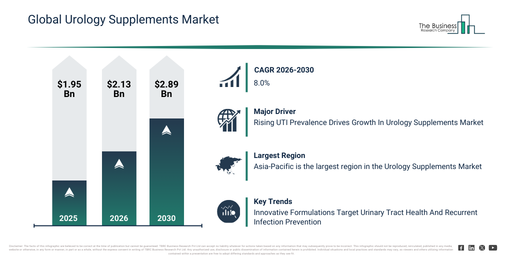
    In recent years, the market for urology supplements has experienced robust expansion. Projected to rise from $1.95 billion in 2025 to $2.13 billion in 2026, this growth corresponds to a compound annual growth rate (CAGR) of 8.8%. Historical progress in this sector has been driven by factors such as a growing number of urinary tract infections, an older male demographic, long-standing reliance on herbal treatments, a higher occurrence of prostate-related conditions, and increased overall intake of dietary supplements.

    The market for urology supplements is projected to experience robust expansion in the coming years, reaching $2.89 billion by 2030 with a compound annual growth rate (CAGR) of 8.0%. This anticipated growth during the forecast period is driven by an increasing emphasis on men’s health, a growing preference among consumers for natural supplements, the proliferation of online health platforms, a rising trend in self-care, and greater expenditure on preventive healthcare. Key developments shaping the forecast period involve heightened awareness of preventive urological health, a surge in demand for prostate health supplements, more frequent use of herbal and plant-derived ingredients, the broadening of e-commerce distribution channels, and a greater uptake of multi-ingredient formulations.

    Download A Free Sample Report For Comprehensive Market Insights:

    https://www.thebusinessresearchcompany.com/sample.aspx?id=15951&type=smp&utm_source=BlogsPR&utm_medium=Paid&utm_campaign=Jul_PR

    Urology Supplements Market Demand Drivers Creating New Revenue Opportunities

    The rising incidence of urinary tract infections is anticipated to boost the urology supplements market in the coming years. Urinary tract infections (UTIs) impact any component of the urinary system, such as the kidneys, ureters, bladder, and urethra. The spread of UTIs is growing due to various influences, including an aging population, heightened antibiotic resistance, the presence of chronic diseases, and the development of kidney stones. Urology supplements help preserve urinary tract health by preventing infections, lowering inflammation, supporting kidney and bladder function, improving prostate health, balancing urine pH, and strengthening immunity. As a case in point, in October 2023, the National Health Services, a UK-based government body, recorded 147,285 hospital admissions with a primary UTI diagnosis during 2022–23. Furthermore, as per the National Center for Biotechnology Information, a US government agency, around 62 million fresh cases of gonococcal urethritis and 89 million new instances of nongonococcal urethritis occur annually. Consequently, the growing prevalence of UTIs fuels advancement in the urology supplements market.

    Urology Supplements Market Segment Analysis: What Are The Major Market Categories?

    The urology supplements market covered in this report is segmented –

    1) By Type: Multi-Ingredient, Single-Ingredient

    2) By Formulation: Capsules, Softgels, Tablets, Liquid, Other Formulations

    3) By Distribution Channel: Brick And Mortar, E-commerce

    4) By Application: Urinary Tract Infections, Kidney Health, Prostate Health, Bladder Health

    Subsegments:

    1) By Multi-Ingredient: Prostate Health Supplements, Urinary Tract Health Supplements, Bladder Health Supplements, Kidney Health Supplements

    2) By Single-Ingredient: Saw Palmetto, Cranberry, Pumpkin Seed, Beta-Sitosterol

    Urology Supplements Market Trends Driving Strategic Industry Expansion

    Key players in the urology supplements sector are actively developing innovative products, including formulations based on D-mannose and cranberry, to support urinary tract health and reduce the frequency of recurring infections. These D-mannose and cranberry-based supplements work by stopping bacteria, particularly E. coli, from attaching to the bladder lining, which helps prevent urinary tract infections. A notable example is Theralogix LLC, a nutritional supplement company based in the US, which introduced Mannose One in January 2024. This product is a D-mannose powder marketed as an advanced solution for urinary tract health. Each serving supplies 2,000 mg of D-mannose, a scientifically supported amount intended to eliminate bacteria from the urinary tract. Available as a convenient, flavorless powder that dissolves easily in any non-carbonated drink, Mannose One is independently verified for content quality. For more thorough protection against UTIs, it can be paired with cranberry supplements.

    Urology Supplements Market Leading Companies Driving Competitive Growth

    Major companies operating in the urology supplements market are Azo Health, Nature’s Bounty, Swanson Health Products, Gaia Herbs Inc., Schiff Nutrition International Inc., Natrol Inc., Pure Encapsulations Inc., Integrative Therapeutics LLC, Theralogix LLC, Zenith Labs, Puritan’s Pride, Solaray Inc., Himalaya Wellness Co., Nutrilite Food Supplements, Amway Corp., PharmaLinea Ltd., DSE Health Care Solutions Inc., La Renon Healthcare Pvt. Ltd., Jabs Biotech Private Ltd., Biotex Inc.

    Access The Complete Urology Supplements Market Report:

    https://www.thebusinessresearchcompany.com/report/urology-supplements-global-market-report?utm_source=BlogsPR&utm_medium=Paid&utm_campaign=Jul_PR

    Urology Supplements Market Geographic Distribution And Regional Opportunities

    Asia-Pacific was the largest region in the urology supplements market in 2025. The regions covered in the urology supplements market report are Asia-Pacific, South East Asia, Western Europe, Eastern Europe, North America, South America, Middle East, Africa.

    Get in touch with us:

    The Business Research Company: https://www.thebusinessresearchcompany.com/?utm_source=BlogsPR&utm_medium=Paid&utm_campaign=home_page_test

    Americas: +1 310-496-7795

    Asia: +44 7882 955267 & +91 8897263534

    Europe: +44 7882 955267

    Email us at: marketing@tbrc.info

    Follow us on:

    LinkedIn: https://in.linkedin.com/company/the-business-research-company

    YouTube: https://www.youtube.com/channel/UC24_fI0rV8cR5DxlCpgmyFQ

    Global Market Model: https://www.thebusinessresearchcompany.com/global-market-model
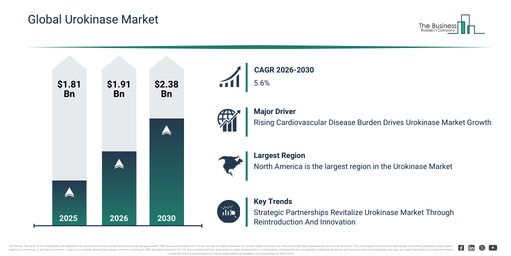
  • Urokinase Market Forecast Highlights Expansion From $1.91 Billion To $2.37 Billion Through 2030

    Urokinase Market Forecast Highlights Expansion From $1.91 Billion To $2.37 Billion Through 2030

    Enhanced with market attractiveness analysis, total addressable market evaluation, company benchmarking matrices, interactive Excel dashboards, expanded supply chain intelligence, emerging startup coverage, and detailed product insights, The Business Research Company’s 2026 market reports deliver more actionable and strategically valuable research.

    Urokinase Market Expansion Outlook: What Revenue Opportunities Lie Ahead?

    In recent years, the urokinase market has undergone robust expansion, with its size climbing from $1.81 billion in 2025 to an anticipated $1.91 billion in 2026, corresponding to a compound annual growth rate (CAGR) of 5.9%. This historical growth can be linked to a higher prevalence of cardiovascular and thrombotic conditions, a persistent reliance on traditional clot dissolution therapies, an uptick in hospital admissions for acute myocardial infarction, the limited range of alternative thrombolytic agents, and the broader application of the drug in catheter management.

    The urokinase industry is projected to grow robustly over the coming years, with its market value rising to $2.38 billion by 2030, representing a compound annual growth rate (CAGR) of 5.6%. This forecasted expansion is largely due to progress in biotechnological production techniques, a greater embrace of recombinant forms of urokinase, a surge in minimally invasive vascular procedures, heightened recognition of the importance of early thrombolytic therapy, and the improvement of healthcare systems in developing economies. Key developments expected to shape the market include a wider application of thrombolytic treatments for acute cardiac issues, increased reliance on recombinant and biotech-derived urokinase, rising demand for catheter clearance through less invasive approaches, the broader integration of thrombolytic protocols in hospital settings, and the creation of enhanced, ready-to-administer urokinase solutions.

    Download A Free Sample Report For Comprehensive Market Insights:

    https://www.thebusinessresearchcompany.com/sample.aspx?id=19745&type=smp&utm_source=BlogsPR&utm_medium=Paid&utm_campaign=Jul_PR

    Urokinase Market Expansion Supported By Key Demand Factors

    The urokinase market is anticipated to be driven forward by the escalating burden of cardiovascular diseases. Cardiovascular diseases (CVDs) encompass various disorders of the heart and blood vessels, including heart attacks, strokes, and hypertension. This rising prevalence is fueled by increasing obesity rates linked to sedentary lifestyles, poor dietary habits, and an aging population. Urokinase aids in reducing the impact of these diseases by dissolving blood clots that obstruct circulation, thereby preventing heart attacks and strokes, restoring normal blood flow, and limiting further cardiovascular harm. For example, data from the Centers for Disease Control and Prevention, a U.S. federal agency, revealed that in October 2024, 919,032 individuals succumbed to cardiovascular disease in 2023, accounting for one out of every three deaths. Consequently, the growing incidence of cardiovascular diseases is propelling the expansion of the urokinase market.

    Urokinase Market Segment Breakdown: Which Categories Generate The Most Revenue?

    The urokinase market covered in this report is segmented –

    1) By Type: Urokinase Powder, Urokinase Solution

    2) By Manufacturing Process: Biotechnological Methods, Traditional Extraction

    3) By Indication: Catheter Clearance, Coronary Artery Thrombosis, Deep Vein Thrombosis, Pulmonary Embolism

    4) By Distribution channel: Hospital Pharmacies, Retail Pharmacies, Online Pharmacies

    5) By Application: Hospital, Clinics, Other Applications

    Subsegments:

    1) By Urokinase Powder: Pharmaceutical-Grade Urokinase Powder, Research-Grade Urokinase Powder, Recombinant Urokinase Powder

    2) By Urokinase Solution: Injectable Urokinase Solution, Infusion Urokinase Solution, Pre-mixed Urokinase Solution

    Urokinase Market Growth Trends Influencing Competitive Dynamics

    Key players in the urokinase market are bringing back and launching pharmaceutical products for new therapeutic uses, aiming to boost treatment effectiveness, strengthen market position, and improve patient access. This process of reintroducing and commercializing a drug for fresh indications involves taking a previously available or discontinued medication and returning it to the market for treating different diseases, while also applying strategies in marketing, distribution, and sales to ensure its success and availability. For example, in May 2023, MBX Biosciences, a biopharmaceutical firm based in the US, joined forces with Sequel Pharma LLC, another US pharmaceutical company, to reintroduce and market kinlytic urokinase. The goal is to strengthen their foothold in the catheter clearance sector and deliver better patient outcomes. This partnership underscores the growing practice of using strategic alliances to effectively revive and promote pharmaceutical products, making sure they align with current market demands and regulatory requirements.

    Urokinase Market Key Players And Strategic Industry Positioning

    Major companies operating in the urokinase market are Thermo Fisher Scientific Inc., Mochida Pharmaceutical Co. Ltd., Bharat Serums and Vaccines Limited, Taj Pharmaceuticals Ltd., TTK Health Care Limited, Agrata Biotech Limited, Cerbios-Pharma SA, Microbix Biosystems Inc., Midas Pharma GmbH, ImaRx Therapeutics, Health Biotech Limited, Salvavidas Pharmaceutical Pvt. Ltd., BBT Biotech GmbH, Syner-Med (Pharmaceutical Products) Ltd., Echelon Biosciences Inc., Kraeber & Co GmbH, Samarth Life Science Pvt. Ltd., WUHAN HANWEISHI PHARMCHEM CO. LTD., Aetos Pharma, MITS CRITICAL CARE

    Access The Complete Urokinase Market Report:

    https://www.thebusinessresearchcompany.com/report/urokinase-global-market-report?utm_source=BlogsPR&utm_medium=Paid&utm_campaign=Jul_PR

    Urokinase Market Largest Region By Revenue And Market Share

    North America was the largest region in the urokinase market in 2025. Asia-Pacific is expected to be the fastest-growing region in the forecast period. The regions covered in the urokinase market report are Asia-Pacific, South East Asia, Western Europe, Eastern Europe, North America, South America, Middle East, Africa.

    Get in touch with us:

    The Business Research Company: https://www.thebusinessresearchcompany.com/?utm_source=BlogsPR&utm_medium=Paid&utm_campaign=home_page_test

    Americas: +1 310-496-7795

    Asia: +44 7882 955267 & +91 8897263534

    Europe: +44 7882 955267

    Email us at: marketing@tbrc.info

    Follow us on:

    LinkedIn: https://in.linkedin.com/company/the-business-research-company

    YouTube: https://www.youtube.com/channel/UC24_fI0rV8cR5DxlCpgmyFQ

    Global Market Model: https://www.thebusinessresearchcompany.com/global-market-model

  • Urinary Retention Drug Market Expected To Reach $5.38 Billion By 2030 As Growth Accelerates At 5.7% CAGR

    Urinary Retention Drug Market Expected To Reach $5.38 Billion By 2030 As Growth Accelerates At 5.7% CAGR

    Through market attractiveness analysis, total addressable market evaluation, company benchmarking matrices, interactive Excel dashboards, expanded supply chain intelligence, emerging startup coverage, and detailed product insights, The Business Research Company’s 2026 market reports provide more actionable and strategically valuable research.

    Urinary Retention Drug Market Growth Potential: How Will Market Size Change Through 2030?

    The market for drugs targeting urinary retention has experienced robust expansion in recent years, with projections indicating a rise from $4.07 billion in 2025 to $4.31 billion in 2026, reflecting a compound annual growth rate (CAGR) of 5.8%. This historical growth has been driven by factors such as the growing demographic of older men, a higher incidence of benign prostatic hyperplasia (BPH), an uptick in hospital surgical procedures, increased diagnoses of neurogenic disorders, and constraints associated with catheterization practices.

    The market for urinary retention drugs is projected to experience robust expansion in the coming years. Its size is anticipated to reach $5.39 billion by 2030, reflecting a compound annual growth rate (CAGR) of 5.7%. This growth during the forecast period is driven by factors such as the increased adoption of homecare drugs, the expansion of minimally invasive therapies, the management of chronic urinary disorders, the growth of outpatient urology services, and improved patient adherence to medication. Key trends shaping this period include the rising application of alpha blockers for benign prostatic hyperplasia (BPH), advancements in neurogenic bladder treatments, the broadening availability of oral retention therapies, a heightened emphasis on postoperative care, and a strategic move toward long-term bladder management approaches.

    Download A Free Sample Report For Comprehensive Market Insights:

    https://www.thebusinessresearchcompany.com/sample.aspx?id=23552&type=smp&utm_source=BlogsPR&utm_medium=Paid&utm_campaign=Jul_PR

    Urinary Retention Drug Market Growth Drivers And Industry Catalysts

    The anticipated expansion of the urinary retention drug market is being driven by the growing occurrence of urinary disorders. These disorders, which impact the urinary system, lead to challenges such as painful urination, incontinence, difficulty emptying the bladder, or retention. Their increasing frequency is largely attributed to the rising number of diabetes cases, as elevated blood sugar levels can harm the kidneys and urinary tract, resulting in conditions like diabetic nephropathy and recurrent urinary tract infections. Urinary retention drugs are designed to manage these issues by enhancing urine flow, relaxing bladder muscles, and easing symptoms such as straining to urinate, thereby improving both comfort and bladder performance. To illustrate, the National Health Service (NHS) England, a government agency based in the UK, reported 147,285 hospital admissions in 2022/23 where urinary tract infection (UTI) was the primary diagnosis, as noted in October 2023. Among these, individuals over 65 represented 56% of cases, totaling 82,392 admissions, with the highest count observed in the 80-84 age bracket at 17,280 cases. Consequently, the rising incidence of urinary disorders is fueling growth in the urinary retention drug market.

    Urinary Retention Drug Market Segmentation: How Is The Market Structured Across Key Categories?

    The urinary retention drug market covered in this report is segmented –

    1) By Drug Class: Alpha Blockers, Beta-3 Agonists, Anticholinergics

    2) By Indication: Chronic Urinary Retention, Postoperative Urinary Retention, Neurogenic Bladder

    3) By Administration: Oral, Injectable, Transdermal

    4) By End Users: Hospitals, Homecare, Specialty Clinics, Other End Users

    Urinary Retention Drug Market Trends Influencing Long-Term Demand

    Key players in the urinary retention drug sector are prioritizing the development of advanced drug delivery systems like extended-release tablets to enhance patient adherence and deliver sustained relief from symptoms. These extended-release formulations function by gradually releasing their active ingredients over a prolonged duration, ensuring a steady concentration of the medication in the bloodstream and thus minimizing the need for frequent dosing when compared to standard immediate-release versions. A notable example occurred in April 2024 when Zydus Lifesciences Limited, a pharmaceutical firm based in India, introduced a generic form of Mirabegron targeting overactive bladder. Mirabegron operates as a selective beta-3 adrenergic agonist, effectively relaxing the bladder muscles to alleviate issues such as urinary urgency, frequency, and incontinence. Although its primary application is for overactive bladder, this drug is also beneficial in addressing urinary retention linked to these conditions, and it is prescribed as a once-daily oral dose.

    Urinary Retention Drug Market Competitive Landscape And Leading Companies

    Major companies operating in the urinary retention drug market are Astellas Pharma Inc., Ferring Pharmaceuticals Inc., Teva Pharmaceutical Industries Ltd., Pfizer Inc., AbbVie Inc., Sanofi S.A., AstraZeneca plc, Novartis International AG, Merck & Co. Inc., Takeda Pharmaceutical Company Limited, Sun Pharmaceutical Industries Limited, Aurobindo Pharma Limited, Lupin Limited, Cadila Healthcare Limited, Torrent Pharmaceuticals Limited, Ajanta Pharma Limited, Cipla Limited, Glenmark Pharmaceuticals Ltd., Zydus Lifesciences Limited, Bayer AG

    Access The Complete Urinary Retention Drug Market Report:

    https://www.thebusinessresearchcompany.com/report/urinary-retention-drug-global-market-report?utm_source=BlogsPR&utm_medium=Paid&utm_campaign=Jul_PR

    Urinary Retention Drug Market Regional Analysis And Leading Geography

    North America was the largest region in the urinary retention drug market in 2025. The regions covered in the urinary retention drug market report are Asia-Pacific, South East Asia, Western Europe, Eastern Europe, North America, South America, Middle East, Africa.

    Get in touch with us:

    The Business Research Company: https://www.thebusinessresearchcompany.com/?utm_source=BlogsPR&utm_medium=Paid&utm_campaign=home_page_test

    Americas: +1 310-496-7795

    Asia: +44 7882 955267 & +91 8897263534

    Europe: +44 7882 955267

    Email us at: marketing@tbrc.info

    Follow us on:

    LinkedIn: https://in.linkedin.com/company/the-business-research-company

    YouTube: https://www.youtube.com/channel/UC24_fI0rV8cR5DxlCpgmyFQ

    Global Market Model: https://www.thebusinessresearchcompany.com/global-market-model
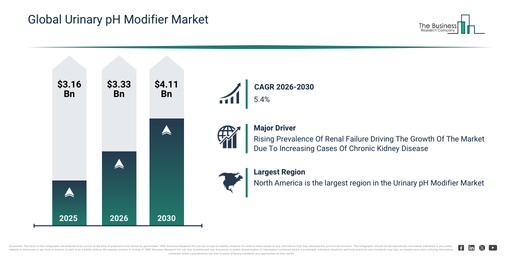
  • Urinary pH Modifier Market Set To Grow From $3.33 Billion In 2026 To $4.11 Billion By 2030 At A CAGR Of 5.4%

    Urinary pH Modifier Market Set To Grow From $3.33 Billion In 2026 To $4.11 Billion By 2030 At A CAGR Of 5.4%

    Delivering more actionable and strategically valuable research, The Business Research Company’s 2026 market reports feature market attractiveness analysis, total addressable market evaluation, company benchmarking matrices, interactive Excel dashboards, expanded supply chain intelligence, emerging startup coverage, and detailed product insights.

    Urinary pH Modifier Market Value Analysis: What Growth Is Expected Over The Forecast Period?

    The market for urinary pH modifiers has experienced robust expansion in the past few years. From $3.16 billion in 2025, it is projected to rise to $3.33 billion in 2026, achieving a compound annual growth rate of 5.5%. This historical growth can be explained by several factors, including a high prevalence of urinary tract disorders, clinical dependence on sodium bicarbonate, electrolyte adjustments performed in hospitals, a rising occurrence of kidney stones, and usage in emergency medical treatment.

    Over the coming years, the market for urinary pH modifiers is anticipated to experience robust expansion, reaching a valuation of $4.11 billion by 2030 with a compound annual growth rate (CAGR) of 5.4%. This projected growth during the forecast timeframe is driven by factors such as an increasing elderly population, a rising prevalence of metabolic disorders, the expansion of outpatient care services, growing consumer preference for oral dosage formulations, and the wider adoption of preventive urology practices. Key developments shaping this period include a heightened use of these products in managing kidney stones, their growing incorporation into metabolic acidosis treatment regimens, stronger demand for oral alkalizing agents, a rise in home-based urinary health management, and an accelerating shift toward the use of combination electrolyte therapies.

    Download A Free Sample Report For Comprehensive Market Insights:

    https://www.thebusinessresearchcompany.com/sample.aspx?id=23551&type=smp&utm_source=BlogsPR&utm_medium=Paid&utm_campaign=Jul_PR

    Urinary pH Modifier Market Opportunity Drivers: What Is Creating New Revenue Potential?

    The growing incidence of renal failure is anticipated to fuel the expansion of the urinary pH modifiers market in the coming period. Renal failure occurs when the kidneys lose their capacity to filter waste, maintain fluid balance, and regulate electrolytes, resulting in the accumulation of toxins in the body. This rise in renal failure cases is largely attributed to the increasing frequency of diabetes, which progressively impairs kidney filtration, leading to chronic kidney disease and eventual renal failure. The prevalence of renal failure boosts the need for urinary pH modifiers, as these products assist in controlling acid-base imbalances, preventing kidney stone formation, and mitigating complications associated with weakened kidney function. For example, in June 2023, Kidney Research UK, a UK-based non-profit charitable organization, reported that 7.19 million individuals in the UK—over 10% of the population—are affected by chronic kidney disease, with projections indicating an increase to 7.61 million by 2033. As a result, the rising prevalence of renal failure is propelling the urinary pH modifiers market forward.

    The growing emphasis on preventive healthcare is expected to drive the expansion of the urinary pH modifiers market in the years ahead. Preventive healthcare encompasses actions aimed at averting diseases rather than treating them once they have developed, and its popularity is increasing as individuals recognize the value of early health management to avoid chronic conditions and reduce future healthcare costs. This heightened focus on prevention fuels demand for urinary pH modifiers by supporting early intervention in urinary tract health, as these products help regulate urine pH, thereby decreasing the likelihood of infections and kidney stone formation. In July 2024, according to the National Health Service (NHS) England, a UK-based government department, 51.8% of older adult care home residents had received the spring vaccination by May 2024, a figure that rose to 63.3% by June 2024—an 11.5 percentage point increase. Consequently, the expanding awareness of preventive healthcare is driving growth in the urinary pH modifiers market.

    Urinary pH Modifier Market Segmentation Trends And Revenue Drivers

    The urinary ph modifier market covered in this report is segmented –

    1) By Drug: Potassium Acid Phosphate, Sodium Bicarbonate, Sodium Citrate, Potassium Citrate

    2) By Dosage: Injection, Tablets, Solution, Powder, Other Dosages

    3) By Indication: Alkalosis, Alkylating Agent Cystitis, Diabeitc Ketoacidosis, Metabolic Acidosis, Other Indications

    4) By Distribution Channel: Online Retail, Pharmacies, Supermarkets, Health Food Stores

    5) By End-User: Hospitals, Clinics, Home Care

    Subsegments:

    1) By Potassium Acid Phosphate: Monobasic Potassium Phosphate, Dibasic Potassium Phosphate, Combination Formulations

    2) By Sodium Bicarbonate: Oral Sodium Bicarbonate Tablets, Intravenous Sodium Bicarbonate Injection, Effervescent Sodium Bicarbonate Powder

    3) By Sodium Citrate: Sodium Citrate Dihydrate, Sodium Citrate Anhydrous, Sodium Citrate Oral Solution

    4) By Potassium Citrate: Potassium Citrate Extended-Release Tablets, Potassium Citrate Oral Solution, Combination Therapy With Other Alkalizing Agents

    Urinary pH Modifier Market Industry Leaders: Which Organizations Are Driving Competition?

    Major companies operating in the urinary ph modifier market are Intas Pharmaceuticals Ltd., Apex Laboratories Pvt. Ltd., Cipla Limited, Sun Pharmaceutical Industries Ltd., Dr. Reddy’s Laboratories Ltd., Lupin Limited, Zydus Lifesciences Limited, Torrent Pharmaceuticals Ltd., Glenmark Pharmaceuticals Ltd., Abbott Laboratories, Pfizer Inc., Bayer AG, Sanofi S.A., Teva Pharmaceutical Industries Ltd., Aurobindo Pharma Limited, Mylan N.V., Virbac, Vetoquinol, Orion Pharma Animal Health, Millpledge Ltd.

    Access The Complete Urinary pH Modifier Market Report:

    https://www.thebusinessresearchcompany.com/report/urinary-ph-modifier-global-market-report?utm_source=BlogsPR&utm_medium=Paid&utm_campaign=Jul_PR

    Urinary pH Modifier Market Geographic Analysis: Where Is Demand Growing The Fastest?

    North America was the largest region in the urinary pH modifier market in 2025. The regions covered in the urinary ph modifier market report are Asia-Pacific, South East Asia, Western Europe, Eastern Europe, North America, South America, Middle East, Africa.

    Get in touch with us:

    The Business Research Company: https://www.thebusinessresearchcompany.com/?utm_source=BlogsPR&utm_medium=Paid&utm_campaign=home_page_test

    Americas: +1 310-496-7795

    Asia: +44 7882 955267 & +91 8897263534

    Europe: +44 7882 955267

    Email us at: marketing@tbrc.info

    Follow us on:

    LinkedIn: https://in.linkedin.com/company/the-business-research-company

    YouTube: https://www.youtube.com/channel/UC24_fI0rV8cR5DxlCpgmyFQ

    Global Market Model: https://www.thebusinessresearchcompany.com/global-market-model

  • Urea Cycle Disorders Treatment Market Opportunities Are Emerging Beyond Traditional Growth Areas

    Urea Cycle Disorders Treatment Market Opportunities Are Emerging Beyond Traditional Growth Areas

    Enhanced with market attractiveness analysis, total addressable market evaluation, company benchmarking matrices, interactive Excel dashboards, expanded supply chain intelligence, emerging startup coverage, and detailed product insights, The Business Research Company’s 2026 market reports deliver more actionable and strategically valuable research.

    Urea Cycle Disorders Treatment Market Size Forecast: How Large Could The Market Become By 2030?

    The market for treatments addressing urea cycle disorders has experienced consistent expansion in recent years. Valued at $1.37 billion in 2025, it is projected to reach $1.43 billion by 2026, reflecting a compound annual growth rate (CAGR) of 3.8%. This past growth was primarily driven by several factors, including insufficient public knowledge about UCD, a scarcity of therapeutic alternatives, low rates of patient identification, substantial expenses associated with care, and a heavy reliance on hospital-based treatment settings.

    The market for treatments addressing urea cycle disorders is projected to experience consistent expansion over the coming years. By 2030, its value is anticipated to reach $1.71 billion, reflecting a compound annual growth rate (CAGR) of 4.6%. This forecasted growth is driven by factors such as progress in gene therapy research, a growing emphasis on precision medicine, improvements in ammonia monitoring technology, a heightened focus on pediatric patients, and the broadening of home healthcare services. Key developments shaping this period include the creation of personalized therapies for UCD, enhanced formulations of ammonia scavengers, advances in enzyme replacement treatments, innovations tailored to children, and the introduction of home-based and remote monitoring systems.

    Download A Free Sample Report For Comprehensive Market Insights:

    https://www.thebusinessresearchcompany.com/sample.aspx?id=12237&type=smp&utm_source=BlogsPR&utm_medium=Paid&utm_campaign=Jul_PR

    Urea Cycle Disorders Treatment Market Growth Momentum: Which Factors Are Influencing Demand?

    A growing prevalence of chronic kidney disease is anticipated to drive expansion in the urea cycle disorders treatment market in the coming period. Chronic kidney disease (CKD) refers to a persistent condition marked by a gradual decline in kidney function over an extended period. This disorder relies on urea cycle disorder treatments to help regulate metabolic waste, especially excessive urea accumulation, since compromised kidney function prevents effective waste removal. As an illustration, data from November 2023 published by Kidney Care UK, a charitable organization providing support to kidney patients in the UK, indicates that around 7.2 million people are thought to have CKD stages 1 through 5, including approximately 3.5 million individuals in the UK who are in the more advanced stages (3-5), where symptoms tend to become increasingly difficult to manage. Consequently, the increasing number of chronic kidney disease cases is fueling progress within the urea cycle disorders treatment market.

    Urea Cycle Disorders Treatment Market Segment Analysis Highlighting Growth Areas

    The urea cycle disorders treatment market covered in this report is segmented –

    1) By Treatment: Amino Acid Supplements, Sodium Phenylbutyrate, Glycerol Phenylbutyrate, Sodium Benzoate, Other Treatments

    2) By Enzyme Deficiency: Ornithine Transcarbamylase (OTC), Argininosuccinate Synthetase (AS), Arginase (AG), Argininosuccinate Lyase (AL), Carbamoyl Phosphate Synthase (CPS1)

    3) By Route of Administration: Oral, Injectables

    4) By Distribution Channel: Hospital Pharmacies, Retail Pharmacies, Online Pharmacies

    Subsegments:

    1) By Amino Acid Supplements: Arginine Supplements, Citrulline Supplements, Other Essential Amino Acids

    2) By Sodium Phenylbutyrate: Powder Form, Tablet Form

    3) By Glycerol Phenylbutyrate: Oral Solutions, Other Forms

    4) By Sodium Benzoate: Intravenous Solutions, Oral Formulations

    5) By Other Treatments: Liver Transplantation, Dietary Modifications, Enzyme Replacement Therapy, Other Supportive Therapies

    Urea Cycle Disorders Treatment Market Trends Reshaping Industry Growth

    Leading firms in the urea cycle disorder treatment market are increasingly relying on strategic alliances to advance novel therapies and enhance disease control. Through such partnerships, companies pool their respective capabilities and assets to achieve shared objectives and gains. As a case in point, in June 2024, Orsini Specialty Pharmacy, a personalized care and medication firm based in the United States, teamed up with Zevra Therapeutics Inc., an American company focused on rare disease treatments. They announced Orsini’s appointment as the pharmacy partner for OLPRUVA (sodium phenylbutyrate) oral suspension. OLPRUVA is a prescription drug intended for long-term management of urea cycle disorders (UCDs), used alongside other treatments like dietary adjustments. It targets both adult and pediatric patients who have deficiencies in carbamylphosphate synthetase (CPS), ornithine transcarbamylase (OTC), or argininosuccinic acid synthetase (AS).

    Urea Cycle Disorders Treatment Market Leading Companies: Who Holds Significant Market Presence?

    Major companies operating in the urea cycle disorders treatment market are Bausch Health Companies Inc., Recordati Rare Diseases, Eurocept Pharmaceuticals Holding, Acer Therapeutics, Ultragenyx Pharmaceutical, Aeglea BioTherapeutics, Arcturus Therapeutics Inc., Orpharma Pty Ltd., Horizon Therapeutics Plc, Synlogic, Amicus Therapeutics, Sobi, PTC Therapeutics, Chiesi Farmaceutici S.p.A., Astellas Pharma Inc., Protalix BioTherapeutics, Erytech Pharma, Relief Therapeutics Holding AG, Selecta Biosciences Inc., Argenx SE, Dynacure SA, Inventiva SA

    Access The Complete Urea Cycle Disorders Treatment Market Report:

    https://www.thebusinessresearchcompany.com/report/urea-cycle-disorders-treatment-global-market-report?utm_source=BlogsPR&utm_medium=Paid&utm_campaign=Jul_PR

    Urea Cycle Disorders Treatment Market Global Footprint: Which Region Holds Market Leadership?

    North America was the largest region in the urea cycle disorders treatment market in 2025. The regions covered in the urea cycle disorders treatment market report are Asia-Pacific, South East Asia, Western Europe, Eastern Europe, North America, South America, Middle East, Africa.

    Get in touch with us:

    The Business Research Company: https://www.thebusinessresearchcompany.com/?utm_source=BlogsPR&utm_medium=Paid&utm_campaign=home_page_test

    Americas: +1 310-496-7795

    Asia: +44 7882 955267 & +91 8897263534

    Europe: +44 7882 955267

    Email us at: marketing@tbrc.info

    Follow us on:

    LinkedIn: https://in.linkedin.com/company/the-business-research-company

    YouTube: https://www.youtube.com/channel/UC24_fI0rV8cR5DxlCpgmyFQ

    Global Market Model: https://www.thebusinessresearchcompany.com/global-market-model

  • Unit Dose Manufacturing Market Expansion Is Opening New Pathways For Strategic Investment

    Unit Dose Manufacturing Market Expansion Is Opening New Pathways For Strategic Investment

    Through market attractiveness analysis, total addressable market evaluation, company benchmarking matrices, interactive Excel dashboards, expanded supply chain intelligence, emerging startup coverage, and detailed product insights, The Business Research Company’s 2026 market reports provide more actionable and strategically valuable research.

    Unit Dose Manufacturing Market Revenue Outlook: What CAGR Is Expected Through 2030?

    The unit dose manufacturing market has experienced remarkable exponential expansion in recent years. Projections indicate it will increase from $39.37 billion in 2025 to $47.78 billion in 2026, achieving a compound annual growth rate (CAGR) of 21.4%. This historic growth has been driven by rising demand from hospitals and pharmacies, a growing prevalence of chronic diseases, the adoption of standardized dosing formats, advancements in packaging technology, and cost efficiencies realized through bulk drug manufacturing.

    The unit dose manufacturing market is projected to experience substantial expansion over the coming years, with its value anticipated to reach $106.79 billion by 2030, reflecting a compound annual growth rate (CAGR) of 22.3%. This upward trajectory in the forecast period is driven by factors such as the rise of personalized medicine, the growing trend of outsourcing unit dose production, the expansion of home healthcare services, an increasing regulatory emphasis on medication safety, and progress in sustainable and biodegradable packaging materials. Key developments shaping the forecast period include the adoption of personalized dosage packaging, advancements in automation for drug filling and packaging processes, sophisticated inventory management systems, adherence to regulatory compliance and serialization requirements, and the implementation of environmentally friendly packaging solutions.

    Download A Free Sample Report For Comprehensive Market Insights:

    https://www.thebusinessresearchcompany.com/sample.aspx?id=12215&type=smp&utm_source=BlogsPR&utm_medium=Paid&utm_campaign=Jul_PR

    Unit Dose Manufacturing Market Expansion Drivers: What Is Shaping Future Growth?

    The growth of the unit dose manufacturing market is expected to be accelerated by increasing healthcare spending in the future. Health spending encompasses all expenses related to delivering health services, family planning initiatives, nutrition programs, and emergency medical assistance. A higher level of healthcare expenditure is likely to foster progress and expansion in various health-related fields, such as unit dose manufacturing, thereby bolstering the market’s development. For example, according to data released by Cross River Therapy, a US-based provider of ABA therapy services, in September 2024, the U.S. pharmaceutical sector achieved $550 billion in revenue, while Americans spent $576.9 billion on medications, with projections indicating that this figure could rise to between $605 and $635 billion by 2025. Consequently, the rising trend in healthcare spending is propelling the unit dose manufacturing market forward.

    Unit Dose Manufacturing Market Segment Performance And Strategic Opportunities

    The unit dose manufacturing market covered in this report is segmented –

    1) By Product: Liquid Unit Dose, Solid Unit Dose, Other Products

    2) By Sourcing: In-House, Outsourcing

    3) By End-User: Independent Pharmacies, Long Term Care Facility, Hospitals, Other End-Users

    Subsegments:

    1) By Liquid Unit Dose: Liquid Vials, Ampoules, Pre-filled Syringes

    2) By Solid Unit Dose: Tablets, Capsules, Powder Packs

    3) By Other Products: Transdermal Patches, Inhalation Doses, Creams And Ointments In Unit Dose Packaging

    Unit Dose Manufacturing Market Strategic Trends: What Is Defining The Next Phase Of Growth?

    Key players in the unit dose manufacturing market are emphasizing strategic collaborations to maintain their competitive edge. A strategic partnership is an arrangement where companies combine their respective strengths and resources for shared advantages and success. For example, in November 2023, iA—a U.S. firm specializing in integrated pharmacy fulfillment platforms—entered into a distribution agreement with Euclid Medical Products, a U.S.-based expert in multi-unit automated packaging and barcoding systems. Through this agreement, iA’s NEXiA Enterprise Software Suite is set to incorporate Euclid’s Axial Adherence Packaging Technology into centralized fulfillment offerings. This alliance broadens the scope of iA’s centralized fulfillment capabilities, introducing a variety of medication dispensing methods, such as multi- and unit-dose automated packaging options.

    Unit Dose Manufacturing Market Key Players: Which Companies Shape Industry Competition?

    Major companies operating in the unit dose manufacturing market are Nipro Corporation, Catalent Inc., Corden Pharma GmbH, LTS Lohmann Therapie-Systeme AG, PCI Pharma Services, Comar LLC, Renaissance Lakewood LLC, Mikart LLC, Tapemark Company Inc., Bilcare Research, Medical Packaging Inc, American Health Packaging, Aphena Pharma Solutions, Vetter Pharma International GmbH, Baxter International Inc., Fresenius Kabi AG, Patheon Inc., Recipharm AB, Lonza Group AG, Aenova Group, Piramal Pharma Solutions, Jubilant HollisterStier Inc., IDT Biologika GmbH, Famar HealthCare, Vion Pharmaceuticals

    Access The Complete Unit Dose Manufacturing Market Report:

    https://www.thebusinessresearchcompany.com/report/unit-dose-manufacturing-global-market-report?utm_source=BlogsPR&utm_medium=Paid&utm_campaign=Jul_PR

    Unit Dose Manufacturing Market Regional Distribution: Which Areas Drive Market Expansion?

    North America was the largest region in the unit dose manufacturing market in 2025. The regions covered in the unit dose manufacturing market report are Asia-Pacific, South East Asia, Western Europe, Eastern Europe, North America, South America, Middle East, Africa.

    Get in touch with us:

    The Business Research Company: https://www.thebusinessresearchcompany.com/?utm_source=BlogsPR&utm_medium=Paid&utm_campaign=home_page_test

    Americas: +1 310-496-7795

    Asia: +44 7882 955267 & +91 8897263534

    Europe: +44 7882 955267

    Email us at: marketing@tbrc.info

    Follow us on:

    LinkedIn: https://in.linkedin.com/company/the-business-research-company

    YouTube: https://www.youtube.com/channel/UC24_fI0rV8cR5DxlCpgmyFQ

    Global Market Model: https://www.thebusinessresearchcompany.com/global-market-model