Blog

  • Viral Clearance Market Expected To Reach $2.05 Billion By 2030 As Growth Accelerates At 16.4% CAGR

    Viral Clearance Market Expected To Reach $2.05 Billion By 2030 As Growth Accelerates At 16.4% CAGR

    Enhanced with market attractiveness analysis, total addressable market evaluation, company benchmarking matrices, interactive Excel dashboards, expanded supply chain intelligence, emerging startup coverage, and detailed product insights, The Business Research Company’s 2026 market reports deliver more actionable and strategically valuable research.

    Viral Clearance Market Value Analysis: What Growth Is Expected Over The Forecast Period?

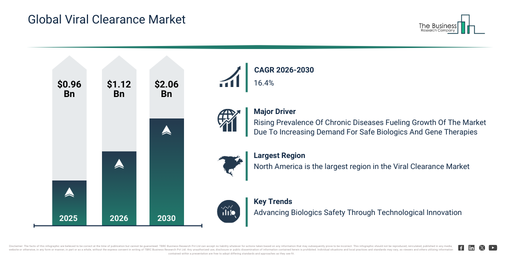
    The viral clearance market has experienced swift expansion over recent years. Between 2025 and 2026, its valuation is projected to rise from $0.96 billion to $1.12 billion, reflecting a compound annual growth rate (CAGR) of 16.7%. This historic growth was driven by factors such as the limited availability of viral clearance technologies, heightened concerns over viral contamination in biologics, reliance on traditional filtration approaches, increased regulatory oversight, and the broadening of pharmaceutical and biotechnology manufacturing pipelines.

    The market for viral clearance is projected to experience strong expansion in the coming years, reaching a value of $2.06 billion by 2030, with a compound annual growth rate (CAGR) of 16.4%. This upward trajectory is fueled by the development of next-generation viral inactivation techniques, a growing reliance on nanofiltration and membrane chromatography, increased production of biologics and gene therapies, the incorporation of automation into viral clearance processes, and heightened investment in the creation of viral detection assays. Key trends shaping the future include a shift toward more sophisticated viral detection and inactivation strategies, a heightened need for safe, virus-free vaccines and therapeutics, the growth of cell and gene therapy products that demand rigorous viral clearance, the adoption of high-efficiency filtration and nanofiltration systems, and a rise in outsourcing to contract research organizations for specialized viral clearance services.

    Download A Free Sample Report For Comprehensive Market Insights:

    https://www.thebusinessresearchcompany.com/sample.aspx?id=27444&type=smp&utm_source=BlogsPR&utm_medium=Paid&utm_campaign=Jul_PR

    Viral Clearance Market Growth Drivers: What Factors Are Accelerating Expansion?

    The anticipated increase in the viral clearance market is set to be fueled by the growing incidence of chronic diseases. These conditions are long-term medical issues that evolve over time and persist for months or years, frequently demanding ongoing treatment or supervision. Worldwide, the frequency of chronic diseases is climbing, and this is mainly attributed to aging populations, as advancements in healthcare and living standards allow people to live longer, thereby elevating the rate of age-linked ailments like cardiovascular diseases, diabetes, arthritis, and cancer. The process of viral clearance plays a vital role in creating biologics and gene therapies that are employed to address chronic diseases, safeguarding their safety and efficacy. As an example, in June 2023, the Institute for Health Metrics and Evaluation—a public health research organization based in the US—disclosed that over 500 million individuals across the globe were suffering from diabetes. This figure is predicted to surge past the 1.3 billion mark by 2050. Hence, the expansion of the viral clearance market is being propelled by the escalating prevalence of chronic diseases.

    Viral Clearance Market Segments: Where Are The Largest Growth Opportunities?

    The viral clearance market covered in this report is segmented –

    1) By Method: Viral Clearance Method, Viral Removal Method, Viral Inactivation Method, Viral Detection Method

    2) By Application: Vaccines And Therapeutics, Blood And Blood Products, Cellular And Gene Therapy Products, Tissue And Tissue Products, Other Applications

    3) By End-User: Pharmaceutical And Biotechnology Companies, Contract Research Organizations, Academic Research Institutes, Other End Users

    Subsegments:

    1) By Viral Clearance Method: Downstream Processing, Filtration, Chromatography, Precipitation, Nanofiltration

    2) By Viral Removal Method: Membrane Chromatography, Depth Filtration, Nanofiltration, Ultrafiltration, Protein A Affinity Chromatography

    3) By Viral Inactivation Method: Solvent Detergent Method, Low pH Treatment, Heat Treatment (Pasteurization), UV-C Irradiation, Caprylate Treatment

    4) By Viral Detection Method: PCR (Polymerase Chain Reaction), ELISA (Enzyme-Linked Immunosorbent Assay), Nucleic Acid Testing (NAT), Cell-Based Assays, Transmission Electron Microscopy (TEM)

    Viral Clearance Market Trends: What Is Shaping Future Industry Growth?

    Leading players in the viral clearance market are concentrating their efforts on creating next-generation virus removal filters, which represent a significant advancement in filtration technology designed to boost viral safety and streamline biopharmaceutical production. These enhanced filters are specialized devices engineered to effectively extract viruses from biopharmaceutical products, thereby guaranteeing product integrity, accelerating filtration processes, and facilitating greater output in drug manufacturing operations. In a notable example from October 2024, Asahi Kasei Medical Co., Ltd., a bioprocess and medical solutions firm headquartered in Japan, unveiled its new Planova FG1 virus-removal filter. This filter achieves approximately seven times higher flux compared to the Planova BioEX model, resulting in shortened filtration durations, diminished virus breakthrough possibilities, and consistent performance in protein and virus elimination without needing a prefilter. Additionally, the FG1 is engineered for compatibility with standard CIP/SIP procedures and was put into mass production initially in smaller sizes, with larger versions in development to accommodate scaling needs, offering biomanufacturers higher throughput and quicker cycle times.

    Viral Clearance Market Major Participants And Competitive Dynamics

    Major companies operating in the viral clearance market are Merck Group, Thermo Fisher Scientific Inc., Asahi Kasei Corporation, SGS SA, Eurofins Scientific Inc., Lonza Group AG, WuXi AppTec, Catalent Biologics, Charles River Laboratories, Nelson Labs, Pall Corporation, Sartorius AG, Creative Biolabs, Texcell SA, Vironova AB.

    Access The Complete Viral Clearance Market Report:

    https://www.thebusinessresearchcompany.com/report/viral-clearance-global-market-report?utm_source=BlogsPR&utm_medium=Paid&utm_campaign=Jul_PR

    Viral Clearance Market Geographic Landscape: Which Region Dominates Industry Growth?

    North America was the largest region in the viral clearance market in 2025. Asia-Pacific is expected to be the fastest-growing region in the forecast period. The regions covered in the viral clearance market report are Asia-Pacific, South East Asia, Western Europe, Eastern Europe, North America, South America, Middle East, Africa.

    Get in touch with us:

    The Business Research Company: https://www.thebusinessresearchcompany.com/?utm_source=BlogsPR&utm_medium=Paid&utm_campaign=home_page_test

    Americas: +1 310-496-7795

    Asia: +44 7882 955267 & +91 8897263534

    Europe: +44 7882 955267

    Email us at: marketing@tbrc.info

    Follow us on:

    LinkedIn: https://in.linkedin.com/company/the-business-research-company

    YouTube: https://www.youtube.com/channel/UC24_fI0rV8cR5DxlCpgmyFQ

    Global Market Model: https://www.thebusinessresearchcompany.com/global-market-model
  • Vinpocetine Market Set To Grow From $14.63 Billion In 2026 To $20.93 Billion By 2030 At A CAGR Of 9.4%

    Vinpocetine Market Set To Grow From $14.63 Billion In 2026 To $20.93 Billion By 2030 At A CAGR Of 9.4%

    Through market attractiveness analysis, total addressable market evaluation, company benchmarking matrices, interactive Excel dashboards, expanded supply chain intelligence, emerging startup coverage, and detailed product insights, The Business Research Company’s 2026 market reports provide more actionable and strategically valuable research.

    Vinpocetine Market Size Forecast: How Large Could The Market Become By 2030?

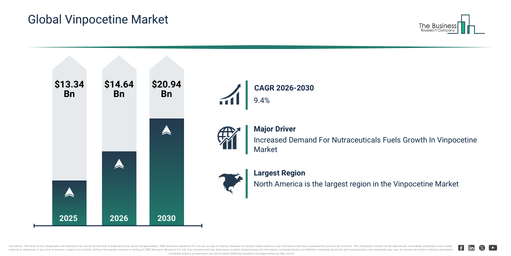
    The vinpocetine market has experienced significant expansion over recent years, with projections indicating an increase from $13.34 billion in 2025 to $14.64 billion in 2026, reflecting a compound annual growth rate (CAGR) of 9.7%. This historic growth has been fueled by a rising consumer focus on cognitive health, the availability of synthetic vincamine derivatives, broader adoption in both supplement and prescription applications, advances in neurological research, and a growing elderly demographic.

    The market for vinpocetine is anticipated to experience considerable expansion over the coming years. By 2030, its value is projected to reach $20.94 billion, achieving a compound annual growth rate (CAGR) of 9.4%. This projected growth during the forecast period is driven by several factors, including a higher demand for products aimed at promoting brain health, a broadening market for neuroprotective supplements, a growing focus on preventive neurological care, increased research into substances that enhance cerebral blood flow, and improved regulatory transparency within the supplement sector. Key trends shaping this period encompass a greater reliance on cognitive-enhancing supplements, a rising appetite for neuroprotective agents, wider use of both tablet and injectable forms of vinpocetine, an expansion of its applications in brain health products, and a heightened emphasis on therapies that support circulatory function.

    Download A Free Sample Report For Comprehensive Market Insights:

    https://www.thebusinessresearchcompany.com/sample.aspx?id=20689&type=smp&utm_source=BlogsPR&utm_medium=Paid&utm_campaign=Jul_PR

    Vinpocetine Market Growth Factors Supporting Long-Term Expansion

    The vinpocetine market is anticipated to expand due to the growing demand for nutraceuticals. A nutraceutical refers to a substance obtained from food sources that offers health advantages, such as disease prevention and treatment. This rising demand is fueled by heightened health consciousness, an aging population, and the increasing occurrence of chronic illnesses. As a cognitive enhancer, vinpocetine supports this trend by meeting the growing consumer interest in brain health and cognitive function products. For example, a survey conducted by the Council for Responsible Nutrition in October 2023, involving 3,192 U.S. adults aged 18 and over, revealed that 74% of American adults consumed dietary supplements, with 55% being regular users. Furthermore, 92% of these users considered supplements essential for health maintenance. Perceptions of safety and quality for sports nutrition supplements increased by 5% to 66%, and for weight management products, they rose by 4% to 56%. Consequently, the rising demand for nutraceuticals is fueling growth in the vinpocetine market.

    Vinpocetine Market Segment Analysis: What Are The Major Market Categories?

    The vinpocetine market covered in this report is segmented –

    1) By Type: Tablet, Injection

    2) By Distribution Channel: Retail Pharmacies, Hospital Pharmacies, Online Pharmacies

    3) By Application: Household, Hospital

    Subsegments:

    1) By Tablet: Standard Tablets, Sustained-Release Tablets, Chewable Tablets, Enteric-Coated Tablets

    2) By Injection: Intravenous (IV) Injection, Intramuscular Injection, Subcutaneous Injection, Pre-filled Syringes

    Vinpocetine Market Leading Companies Driving Competitive Growth

    Major companies operating in the vinpocetine market are Merck KGaA, Northeast Pharma, Sun Pharma, Gedeon Richter, Micro Labs, India Glycols, PUDE, Alchem International Private Ltd, Linnea SA, Olympian Labs Inc, Osmopharm, Hangzhou Longshine Bio-Tech Co. Ltd., SALVAVIDAS PHARMACEUTICAL PVT. LTD, Vital Laboratories Private Limited, Sarv Biolabs Pvt Ltd, Aspire Lifesciences Pvt Ltd, Taj Pharmaceuticals Limited, ZhiTong, Healthquest Vitamins

    Access The Complete Vinpocetine Market Report:

    https://www.thebusinessresearchcompany.com/report/vinpocetine-global-market-report?utm_source=BlogsPR&utm_medium=Paid&utm_campaign=Jul_PR

    Vinpocetine Market Largest Region: Which Geography Holds The Highest Market Share?

    North America was the largest region in the vinpocetine market in 2025. Asia-Pacific is expected to be the fastest-growing region in the forecast period. The regions covered in the vinpocetine market report are Asia-Pacific, South East Asia, Western Europe, Eastern Europe, North America, South America, Middle East, Africa.

    Get in touch with us:

    The Business Research Company: https://www.thebusinessresearchcompany.com/?utm_source=BlogsPR&utm_medium=Paid&utm_campaign=home_page_test

    Americas: +1 310-496-7795

    Asia: +44 7882 955267 & +91 8897263534

    Europe: +44 7882 955267

    Email us at: marketing@tbrc.info

    Follow us on:

    LinkedIn: https://in.linkedin.com/company/the-business-research-company

    YouTube: https://www.youtube.com/channel/UC24_fI0rV8cR5DxlCpgmyFQ

    Global Market Model: https://www.thebusinessresearchcompany.com/global-market-model
  • Vinca Alkaloid Active Pharmaceutical Ingredient (API) Market Opportunities Are Emerging Beyond Traditional Growth Areas

    Vinca Alkaloid Active Pharmaceutical Ingredient (API) Market Opportunities Are Emerging Beyond Traditional Growth Areas

    Delivering more actionable and strategically valuable research, The Business Research Company’s 2026 market reports feature market attractiveness analysis, total addressable market evaluation, company benchmarking matrices, interactive Excel dashboards, expanded supply chain intelligence, emerging startup coverage, and detailed product insights.

    Vinca Alkaloid Active Pharmaceutical Ingredient (API) Market Revenue Outlook: What CAGR Is Expected Through 2030?

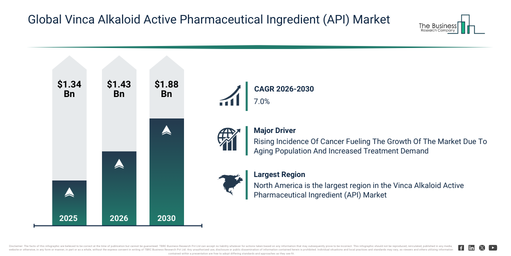
    The market for vinca alkaloid active pharmaceutical ingredients (APIs) has seen robust expansion in recent times. Projections indicate an increase from $1.34 billion in 2025 to $1.43 billion in 2026, reflecting a compound annual growth rate (CAGR) of 7.0%. This historical growth is driven by factors such as the rising global cancer burden, the prevalence of plant-derived oncology drugs, standard chemotherapy protocols, growth in API manufacturing, and increasing demand from hospital oncology departments.

    The market for vinca alkaloid active pharmaceutical ingredients (APIs) is anticipated to experience robust expansion over the coming years. By 2030, it is projected to reach $1.88 billion, reflecting a compound annual growth rate (CAGR) of 7.0%. Several factors are driving this forecasted growth, including the advancement of oncology drug pipelines, the proliferation of biosimilars, increased reliance on contract development and manufacturing organizations (CDMOs), rising demand for cost-effective cancer treatments, and greater regulatory harmonization. Key developments expected to shape this period encompass the sustained application of these APIs in chemotherapy protocols, a surge in outsourcing for oncology API production, a heightened need for high-purity injectable formulations, the broadening availability of generic cancer medications, and an intensified emphasis on manufacturing that meets regulatory standards.

    Download A Free Sample Report For Comprehensive Market Insights:

    https://www.thebusinessresearchcompany.com/sample.aspx?id=24423&type=smp&utm_source=BlogsPR&utm_medium=Paid&utm_campaign=Jul_PR

    Vinca Alkaloid Active Pharmaceutical Ingredient (API) Market Demand Drivers Creating New Revenue Opportunities

    The growing occurrence of cancer is anticipated to drive the expansion of the vinca alkaloid active pharmaceutical ingredient (API) market in the coming period. Cancer encompasses a range of diseases defined by the unregulated growth and dissemination of abnormal cells within the body. This increase in cancer cases stems from an aging population, since older individuals face a greater likelihood of developing cancer as a result of accumulated genetic alterations and declining immune function over time. By disrupting cell division, vinca alkaloid active pharmaceutical ingredients (APIs) assist in treating cancer, proving particularly effective against fast-growing tumors. These compounds improve chemotherapy protocols by targeting microtubules, thereby enhancing treatment results for cancer patients. For example, the World Health Organization (WHO), a Switzerland-based international public health body, reported in February 2024 that over 35 million new cancer cases are expected by 2050, marking a 77% rise compared to the estimated 20 million cases recorded globally in 2022. Consequently, the rising incidence of cancer is fueling growth in the vinca alkaloid active pharmaceutical ingredient (API) market.

    Growing healthcare expenditure is set to accelerate the expansion of the vinca alkaloid active pharmaceutical ingredient (API) market moving forward. Healthcare expenditure denotes the total funds allocated to medical services, treatments, facilities, research, and public health efforts aimed at preserving or enhancing health outcomes. This increasing expenditure is driven by the mounting burden of chronic illnesses like cancer, which necessitate prolonged and costly treatments and care. Investment in healthcare underpins the production of vinca alkaloid active pharmaceutical ingredients (APIs) by financing research and development, thereby securing access to essential cancer therapies. It fosters innovation in drug formulation, leading to better therapeutic results and supporting progress in personalized medicine. As an illustration, the Centers for Medicare & Medicaid Services (CMS), a US-based federal agency, reported in December 2024 that national health expenditures (NHE) rose by 7.5% to $4.9 trillion in 2023, representing 17.6% of gross domestic product (GDP). Furthermore, from 2023 to 2032, average national health expenditures (NHE) are forecasted to increase at an average yearly rate of 5.6%, boosting the health spending share of GDP from 17.3% in 2022 to 19.7% in 2032. Thus, rising healthcare expenditure is propelling growth in the vinca alkaloid active pharmaceutical ingredient (API) market.

    An expanding aging population is expected to stimulate growth in the vinca alkaloid active pharmaceutical ingredient (API) market going forward. The aging population describes the growing number and share of individuals aged 65 years and older within a country’s demographic profile. This demographic shift is occurring due to extended life expectancy and decreased birth rates, collectively raising the proportion of older adults relative to younger age groups. A rising aging population fuels higher demand for cancer therapies, which in turn boosts the necessity for vinca alkaloid active pharmaceutical ingredients (APIs), as these compounds remain crucial chemotherapeutic agents extensively employed in managing age-related cancers. For instance, in July 2024, the UK Parliament’s House of Commons Library, a UK-based government body, noted that in 2022, there were 12.7 million people aged 65 or older in the UK, equating to 19% of the total population. This figure is predicted to climb to 22.1 million by 2072, accounting for 27% of the population. Therefore, the rising aging population is driving growth in the vinca alkaloid active pharmaceutical ingredient (API) market.

    Vinca Alkaloid Active Pharmaceutical Ingredient (API) Market Segment Breakdown: Which Categories Generate The Most Revenue?

    The vinca alkaloid active pharmaceutical ingredient (api) market covered in this report is segmented –

    1) By Type Of Vinca Alkaloid: Vincristine, Vinblastine, Vindesine, Vinorelbine, Other Types Of Vinca Alkaloid

    2) By Formulation Type: Sterile Formulations, Non-Sterile Formulations

    3) By Application: Lung Cancer, Breast Cancer, Lymphoma, Other Applications

    4) By End User: Pharmaceutical Companies, Research Institutions, Contract Development And Manufacturing Organizations (CDMOs), Oncology Clinics

    Vinca Alkaloid Active Pharmaceutical Ingredient (API) Market Key Players And Strategic Industry Positioning

    Major companies operating in the vinca alkaloid active pharmaceutical ingredient (api) market are Zhejiang Hisun Pharmaceutical Co. Ltd., Qilu Pharmaceutical Co. Ltd., Guangzhou Hanfang Pharmaceutical Co. Ltd., Hubei Honch Pharmaceutical Co. Ltd., Hainan Periwinkle Pharmaceutical Co. Ltd., Hetero Drugs Limited, Aurobindo Pharma Limited, Laurus Labs Limited, Cipla Limited, Dr. Reddy’s Laboratories Limited, MSN Laboratories Private Limited, Sun Pharmaceutical Industries Limited, Cadila Pharmaceuticals Limited, Lupin Limited, Alkem Laboratories Limited, Emcure Pharmaceuticals Limited, Intas Pharmaceuticals Limited, Glenmark Pharmaceuticals Limited, Zydus Lifesciences Limited, Alembic Pharmaceuticals Limited, Apotex Inc., Hikma Pharmaceuticals PLC, Fresenius Kabi AG, Pfizer CentreOne, Teva Active Pharmaceutical Ingredients Ltd.

    Access The Complete Vinca Alkaloid Active Pharmaceutical Ingredient (API) Market Report:

    https://www.thebusinessresearchcompany.com/report/vinca-alkaloid-active-pharmaceutical-ingredient-api-global-market-report?utm_source=BlogsPR&utm_medium=Paid&utm_campaign=Jul_PR

    Vinca Alkaloid Active Pharmaceutical Ingredient (API) Market Regional Analysis: Which Region Leads By Revenue?

    North America was the largest region in the vinca alkaloid active pharmaceutical ingredient (API) market in 2025. Asia-Pacific is expected to be the fastest-growing region in the forecast period. The regions covered in the vinca alkaloid active pharmaceutical ingredient (api) market report are Asia-Pacific, South East Asia, Western Europe, Eastern Europe, North America, South America, Middle East, Africa.

    Get in touch with us:

    The Business Research Company: https://www.thebusinessresearchcompany.com/?utm_source=BlogsPR&utm_medium=Paid&utm_campaign=home_page_test

    Americas: +1 310-496-7795

    Asia: +44 7882 955267 & +91 8897263534

    Europe: +44 7882 955267

    Email us at: marketing@tbrc.info

    Follow us on:

    LinkedIn: https://in.linkedin.com/company/the-business-research-company

    YouTube: https://www.youtube.com/channel/UC24_fI0rV8cR5DxlCpgmyFQ

    Global Market Model: https://www.thebusinessresearchcompany.com/global-market-model

  • Vesicular Monoamine Transporter 2 (VMAT2) Inhibitor Market Expansion Is Opening New Pathways For Strategic Investment

    Vesicular Monoamine Transporter 2 (VMAT2) Inhibitor Market Expansion Is Opening New Pathways For Strategic Investment

    Enhanced with market attractiveness analysis, total addressable market evaluation, company benchmarking matrices, interactive Excel dashboards, expanded supply chain intelligence, emerging startup coverage, and detailed product insights, The Business Research Company’s 2026 market reports deliver more actionable and strategically valuable research.

    Vesicular Monoamine Transporter 2 (VMAT2) Inhibitor Market Growth Analysis: How Will Revenue Expand During The Forecast Period?

    Over the past few years, the vesicular monoamine transporter 2 (vmat2) inhibitor market has expanded at a brisk pace. Projections indicate an increase from $1.25 billion in 2025 to $1.37 billion in 2026, which equates to a compound annual growth rate (CAGR) of 10.2%. The reasons behind the earlier growth include the greenlighting of tetrabenazine, a rise in antipsychotic medication use, an uptick in movement disorder diagnoses, neurology care delivered via hospitals, and a lack of numerous alternative therapies.

    The vesicular monoamine transporter 2 (VMAT2) inhibitor market is anticipated to experience significant growth over the coming years, reaching a valuation of $2.01 billion by 2030, with a compound annual growth rate (CAGR) of 9.9%. This expansion during the forecast period is driven by factors such as the rising incidence of tardive dyskinesia, the broadening application of deutetrabenazine, increased awareness of neurological disorders, the expansion of specialized neurology clinics, and a greater preference for oral medications. Key trends shaping this period include the growing utilization of targeted neurotransmitter modulation, an increasing emphasis on treating tardive dyskinesia, the development of oral neurological therapies, heightened focus on managing movement disorders, and the broader adoption of long-term neurological drug therapies.

    Download A Free Sample Report For Comprehensive Market Insights:

    https://www.thebusinessresearchcompany.com/sample.aspx?id=21317&type=smp&utm_source=BlogsPR&utm_medium=Paid&utm_campaign=Jul_PR

    Vesicular Monoamine Transporter 2 (VMAT2) Inhibitor Market Expansion Supported By Key Demand Factors

    The rising incidence of Parkinson’s disease is anticipated to drive forward the vesicular monoamine transporter 2 (VMAT2) inhibitor market. Parkinson’s disease is defined as a progressive neurological condition characterized by movement impairments resulting from the depletion of dopamine-generating neurons in the brain. This increase in Parkinson’s cases is largely attributed to an aging population, enhanced diagnostic capabilities, exposure to environmental toxins, hereditary factors, and heightened public awareness of the disorder. VMAT2 inhibitors are utilized to alleviate Parkinson’s symptoms by regulating dopamine release, thereby reducing tremors and dyskinesia. As an example, in October 2025, Parkinson’s UK, a research and support charity based in the United Kingdom, projected that by 2030, the number of Parkinson’s cases in the UK would reach 173,000, with approximately 28,000 individuals expected to be diagnosed in 2025, equating to a new diagnosis every 20 minutes as the population grows and ages. Consequently, the growing prevalence of Parkinson’s disease is fueling expansion in the VMAT2 inhibitor market.

    Vesicular Monoamine Transporter 2 (VMAT2) Inhibitor Market Segmentation: How Is The Market Structured Across Key Categories?

    The vesicular monoamine transporter 2 (vmat2) inhibitor market covered in this report is segmented –

    1) By Drugs: Tetrabenazine, Deutetrabenazine, Valbenazine, Other Drugs

    2) By Route Of Administration: Oral, Other Administrations

    3) By Distribution Channel: Hospital Pharmacy, Online Pharmacy, Retail Pharmacy

    4) By Application: Huntington’s Disease, Tardive Dyskinesia, Other Applications

    5) By End User: Hospitals, Homecare, Specialty Clinics, Other End Users

    Subsegments:

    1) By Tetrabenazine: Huntington’s Disease Treatment, Tardive Dyskinesia Management, Tourette Syndrome Treatment

    2) By Deutetrabenazine: Huntington’s Disease Chorea, Tardive Dyskinesia Treatment, Off-Label Movement Disorders

    3) By Valbenazine: Tardive Dyskinesia Treatment, Tourette Syndrome Research, Other Hyperkinetic Movement Disorders

    4) By Other Drugs: Investigational VMAT2 Inhibitors, Emerging Therapies For Movement Disorders, Off-Label Use In Neurological Conditions

    Vesicular Monoamine Transporter 2 (VMAT2) Inhibitor Market Growth Trends Influencing Competitive Dynamics

    Key players in the vesicular monoamine transporter 2 (VMAT2) inhibitors market are concentrating on creating novel formulations, specifically capsules, to boost patient adherence, enhance drug stability, and maximize therapeutic effectiveness. Capsules, which are solid dosage forms encased in either gelatin or an HPMC shell, assist VMAT2 inhibitors by improving product stability, enabling accurate dosage, and increasing patient compliance. As an example, in July 2024, Neurocrine Biosciences Inc., a US-based biopharmaceutical firm, introduced Ingrezza Sprinkle (valbenazine) capsules, a fresh formulation of the VMAT2 inhibitor Ingrezza, intended to simplify administration for adults with tardive dyskinesia and chorea linked to Huntington’s disease who have trouble swallowing or experience dysphagia. This product, Ingrezza Sprinkle, maintains the same effective dosing options as the original Ingrezza and can be taken either by sprinkling the capsule contents onto soft food or by swallowing the capsule whole.

    Vesicular Monoamine Transporter 2 (VMAT2) Inhibitor Market Competitive Landscape And Leading Companies

    Major companies operating in the vesicular monoamine transporter 2 (vmat2) inhibitor market are Neurocrine Biosciences Inc., H. Lundbeck A/S, Teva Pharmaceutical Industries Ltd., Sun Pharmaceutical Industries Limited, Bausch Health Companies Inc., Luye Pharma Group Ltd., Mitsubishi Tanabe Pharma Corporation, Sumitomo Dainippon Pharma, Dr. Reddy’s Laboratories Ltd., Hikma Pharmaceuticals plc, Lupin Limited, Otsuka Pharmaceutical Co. Ltd., Astellas Pharma Inc., Eli Lilly and Company, Merck KGaA, Johnson & Johnson, Pfizer Inc., AbbVie Inc., Takeda Pharmaceutical Company Limited, Biogen Inc

    Access The Complete Vesicular Monoamine Transporter 2 (VMAT2) Inhibitor Market Report:

    https://www.thebusinessresearchcompany.com/report/vesicular-monoamine-transporter-2-vmat2-inhibitor-global-market-report?utm_source=BlogsPR&utm_medium=Paid&utm_campaign=Jul_PR

    Vesicular Monoamine Transporter 2 (VMAT2) Inhibitor Market Geographic Distribution And Regional Opportunities

    North America was the largest region in the vesicular monoamine transporter 2 (VMAT2) inhibitor market in 2025. The regions covered in the vesicular monoamine transporter 2 (vmat2) inhibitor market report are Asia-Pacific, South East Asia, Western Europe, Eastern Europe, North America, South America, Middle East, Africa.

    Get in touch with us:

    The Business Research Company: https://www.thebusinessresearchcompany.com/?utm_source=BlogsPR&utm_medium=Paid&utm_campaign=home_page_test

    Americas: +1 310-496-7795

    Asia: +44 7882 955267 & +91 8897263534

    Europe: +44 7882 955267

    Email us at: marketing@tbrc.info

    Follow us on:

    LinkedIn: https://in.linkedin.com/company/the-business-research-company

    YouTube: https://www.youtube.com/channel/UC24_fI0rV8cR5DxlCpgmyFQ

    Global Market Model: https://www.thebusinessresearchcompany.com/global-market-model
  • Venlafaxine Market Trends Are Creating New Opportunities For Industry Leaders

    Venlafaxine Market Trends Are Creating New Opportunities For Industry Leaders

    Through market attractiveness analysis, total addressable market evaluation, company benchmarking matrices, interactive Excel dashboards, expanded supply chain intelligence, emerging startup coverage, and detailed product insights, The Business Research Company’s 2026 market reports provide more actionable and strategically valuable research.

    Venlafaxine Market Forecast: What Market Value Is Expected By 2030?

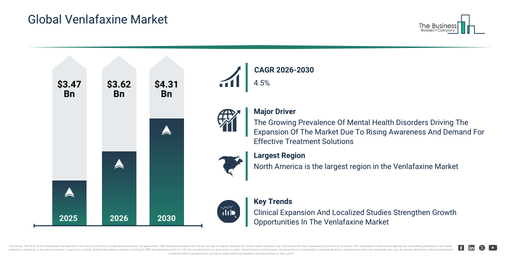
    The size of the market for venlafaxine has experienced consistent expansion during recent years. It is projected to increase from $3.47 billion in 2025 to $3.62 billion in 2026, reflecting a compound annual growth rate (CAGR) of 4.5%. This historical growth was driven by widespread depression rates, the inherent constraints of SSRI therapies, a rising number of prescriptions from psychiatrists, the approval of generic versions, and heightened public awareness surrounding mental health.

    Over the coming years, the venlafaxine market is anticipated to experience consistent expansion. By 2030, its value is projected to reach $4.31 billion, reflecting a compound annual growth rate (CAGR) of 4.5%. This forecasted growth is driven by factors such as the rising prevalence of anxiety disorders, the broadening reach of telepsychiatry, a heightened emphasis on mental health among the elderly, the ongoing need for chronic therapy, and improved healthcare accessibility. Key developments expected in this period include a greater reliance on extended-release formulations, a surging demand for treatments targeting anxiety, the increasing presence of generic antidepressants, a stronger focus on sustained mental health management, and a gradual transition toward tailored psychiatric approaches.

    Download A Free Sample Report For Comprehensive Market Insights:

    https://www.thebusinessresearchcompany.com/sample.aspx?id=23565&type=smp&utm_source=BlogsPR&utm_medium=Paid&utm_campaign=Jul_PR

    Venlafaxine Market Growth Drivers And Industry Catalysts

    The rising incidence of mental health disorders is anticipated to drive expansion in the venlafaxine market in the coming period. These disorders, which impact an individual’s thoughts, emotions, behaviors, or mood, frequently result in distress or hinder everyday functioning. Their growing prevalence is fueled by excessive social media engagement, which promotes unrealistic comparisons, facilitates cyberbullying, and diminishes in-person interactions, thereby elevating levels of anxiety and depression. Venlafaxine works by raising serotonin and norepinephrine levels in the brain, a dual-action approach that stabilizes mood and eases symptoms related to depression, anxiety disorders, and panic disorder. For example, in October 2025, the Centre for Mental Health, a US nonprofit, reported that in England, one in five adults (20.2%) face common mental health problems, with higher prevalence among women (24.2%) compared to men (15.4%). Additionally, children from the poorest 20% of households are four times more likely than those from the wealthiest families to develop serious mental health issues by age 11. Consequently, the growing frequency of mental health conditions is fueling the venlafaxine market’s growth.

    Venlafaxine Market Segmentation Trends And Revenue Drivers

    The venlafaxine market covered in this report is segmented –

    1) By Formulation: Extended-Release Capsules, Immediate-Release Tablets, Oral Solution

    2) By Drug Class: Antidepressant, Selective Serotonin And Norepinephrine Reuptake Inhibitors (SNRIs)

    3) By Demographic: Adult, Pediatric, Geriatric

    4) By Application: Panic Disorder, Depression, Anxiety, Social Anxiety Disorder, Other Application

    5) By End-User: Clinic, Hospital, Other End-Users

    Subsegments:

    1) By Extended-Release Capsules: 37.5 Mg Capsules, 75 Mg Capsules, 150 Mg Capsules, 225 Mg Capsules

    2) By Immediate-Release Tablets: 25 Mg Tablets, 37.5 Mg Tablets, 50 Mg Tablets, 75 Mg Tablets, 100 Mg Tablets

    3) By Oral Solution: 25 Mg/Ml Oral Solution, 37.5 Mg/Ml Oral Solution, 50 Mg/Ml Oral Solution

    Venlafaxine Market Trends Influencing Long-Term Demand

    Key players in the venlafaxine market are prioritizing clinical development and region-specific effectiveness research—for example, evaluating the anxiolytic benefits and safety of extended-release venlafaxine in treatment-naive individuals—to address mental healthcare gaps in areas where no therapies are yet authorized. Testing venlafaxine within distinct populations facilitates data-supported adoption for generalized anxiety disorder (GAD), verifying both therapeutic effect and patient tolerance while aiding regulatory clearance and wider market entry. In October 2024, Viatris Inc., a U.S.-based healthcare firm, announced encouraging top-line findings from its Phase 3 study of EFFEXOR (venlafaxine) among Japanese adults with GAD. The trial achieved its main endpoint, demonstrating a statistically significant reduction on the Hamilton Anxiety Rating Scale versus placebo at eight weeks, and all seven secondary goals were met. EFFEXOR showed a favorable tolerability profile, with few dropouts and no severe side effects, underscoring its promise as a valuable therapeutic choice in Japan, a country where no GAD therapies have been sanctioned to date.

    Venlafaxine Market Industry Leaders: Which Organizations Are Driving Competition?

    Major companies operating in the venlafaxine market are Viatris Inc., Teva Pharmaceutical Industries Ltd., Sun Pharmaceutical Industries Ltd., Aurobindo Pharma Limited, Dr. Reddy’s Laboratories Ltd., Zydus Cadila, Lupin Pharmaceuticals Ltd., Torrent Pharmaceuticals Ltd., Stada Arzneimittel AG, Cipla Limited, Glenmark Pharmaceuticals Ltd., Intas Pharmaceuticals Ltd., Alkem Laboratories Ltd., Apotex Inc., Mylan N.V., Hikma Pharmaceuticals plc, Alembic Pharmaceuticals Ltd., Hetero Drugs Ltd., Macleods Pharmaceuticals Ltd., Suzhou Pharmaceutical Co. Ltd.

    Access The Complete Venlafaxine Market Report:

    https://www.thebusinessresearchcompany.com/report/venlafaxine-global-market-report?utm_source=BlogsPR&utm_medium=Paid&utm_campaign=Jul_PR

    Venlafaxine Market Largest Region By Revenue And Market Share

    North America was the largest region in the venlafaxine market in 2025. The regions covered in the venlafaxine market report are Asia-Pacific, South East Asia, Western Europe, Eastern Europe, North America, South America, Middle East, Africa.

    Get in touch with us:

    The Business Research Company: https://www.thebusinessresearchcompany.com/?utm_source=BlogsPR&utm_medium=Paid&utm_campaign=home_page_test

    Americas: +1 310-496-7795

    Asia: +44 7882 955267 & +91 8897263534

    Europe: +44 7882 955267

    Email us at: marketing@tbrc.info

    Follow us on:

    LinkedIn: https://in.linkedin.com/company/the-business-research-company

    YouTube: https://www.youtube.com/channel/UC24_fI0rV8cR5DxlCpgmyFQ

    Global Market Model: https://www.thebusinessresearchcompany.com/global-market-model
  • VELETRI Market Growth Is Reshaping Competitive Advantage Across The Industry

    VELETRI Market Growth Is Reshaping Competitive Advantage Across The Industry

    Delivering more actionable and strategically valuable research, The Business Research Company’s 2026 market reports feature market attractiveness analysis, total addressable market evaluation, company benchmarking matrices, interactive Excel dashboards, expanded supply chain intelligence, emerging startup coverage, and detailed product insights.

    VELETRI Market Size Outlook: How Fast Will Revenue Grow Through 2030?

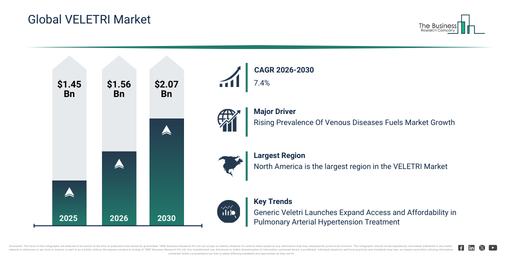
    A notable expansion has characterized the veletri market in recent times. Projections indicate an increase from $1.45 billion in 2025 to $1.56 billion in 2026, representing a compound annual growth rate of 7.7%. The growth witnessed historically can be linked to the clinical efficacy of epoprostenol, a higher incidence of PAH diagnosis, the reliance of hospitals on IV prostacyclins, the limited array of oral medications, and improved survival prospects for individuals with PAH.

    The veletri market is projected to experience robust growth over the coming years, reaching a valuation of $2.07 billion by 2030 with a compound annual growth rate (CAGR) of 7.4%. This anticipated expansion is driven by several factors during the forecast period, including the rising incidence of pulmonary arterial hypertension (PAH), the emergence of specialized PAH treatment centers, a growing need for stable drug formulations, broader adoption of infusion therapies, and enhanced public awareness about PAH. Key developments shaping the market include an increasing preference for prostacyclin therapies that do not require refrigeration, a higher uptake of continuous infusion PAH treatments, a growing demand for advanced vasodilators tailored to PAH, the expansion of hospital-based programs for PAH management, and a stronger emphasis on improving mobility and quality of life for PAH patients.

    Download A Free Sample Report For Comprehensive Market Insights:

    https://www.thebusinessresearchcompany.com/sample.aspx?id=21314&type=smp&utm_source=BlogsPR&utm_medium=Paid&utm_campaign=Jul_PR

    VELETRI Market Opportunity Drivers: What Is Creating New Revenue Potential?

    The anticipated growth of the VELETRI market is being driven by the rising occurrence of venous conditions. These disorders involve impaired blood flow within the veins, leading to symptoms such as swelling, pain, and potential complications like varicose veins and deep vein thrombosis. Several factors contribute to this upward trend, including an aging demographic, sedentary habits, increasing obesity rates, and enhanced diagnostic techniques. Veletri is prescribed to boost exercise tolerance and alleviate symptoms for patients suffering from venous diseases affecting the pulmonary vessels. For example, data from the Centers for Disease Control and Prevention, a US government entity, revealed in January 2025 that venous thromboembolism (VTE) impacts as many as 900,000 people annually in the United States, with an estimated 60,000 to 100,000 deaths occurring each year due to this clotting disorder. Consequently, the growing prevalence of venous diseases is fueling the expansion of the VELETRI market.

    The VELETRI market is poised for expansion due to increasing healthcare spending. This expenditure encompasses all financial resources dedicated to medical goods and services aimed at maintaining and enhancing public health. The rise in healthcare spending is largely because an older population requires more frequent medical attention and long-term care services. Greater financial investment in healthcare facilitates broader utilization of VELETRI by enhancing access to specialized pulmonary arterial hypertension (PAH) care, expanding coverage for expensive treatments, and strengthening the clinical framework necessary for continuous intravenous therapy. As an illustration, the Office for National Statistics, a UK-based governmental body, reported in April 2025 that total healthcare spending grew by 6.5% in nominal terms and by 2.4% in real terms, after adjusting for inflation, between 2023 and 2024. Hence, the rise in healthcare expenditure is propelling the VELETRI market forward.

    VELETRI Market Segment Analysis Highlighting Growth Areas

    The veletri market covered in this report is segmented –

    1) By Formulation Stability Type: Room-Temperature Stable Formulation, Refrigeration-Required Formulation

    2) By Treatment Setting: Hospitals, Specialized Pulmonary Hypertension Centers

    3) By Distribution Channel: Hospital Pharmacies, Specialty Pharmacies

    Subsegments:

    1) By Room-Temperature Stable Formulation: Ready-to-Use Formulation, Extended Stability Infusion Solution

    2) By Refrigeration-Required Formulation: Reconstituted Cold-Chain Formulation, Limited-Stability Infusion Solution

    VELETRI Market Innovation Trends Driving Future Development

    Leading players in the Veletri market are prioritizing greater accessibility through the introduction of generic alternatives, like the FDA-cleared epoprostenol sodium injection, aimed at offering more affordable treatment solutions for individuals with pulmonary arterial hypertension. Generic Veletri consists of bioequivalent versions of the original epoprostenol product, conforming to FDA requirements for quality, safety, and effectiveness, thus delivering identical clinical advantages at a reduced cost. A case in point is Mylan Pharmaceuticals, a U.S.-based drug manufacturer, which obtained FDA authorization in October 2025 for its generic Veletri (epoprostenol sodium) injection. This product is available in various vial sizes, such as 20 mg/20 mL, 50 mg/20 mL, 100 mg/20 mL, and 200 mg/20 mL, and offers the same prostacyclin mimetic effect as the brand-name drug, aiding in enhanced exercise capacity and symptom control for PAH patients.

    VELETRI Market Leading Companies: Who Holds Significant Market Presence?

    Major companies operating in the veletri market are Johnson & Johnson, Bayer Pharma AG, Novartis AG, GlaxoSmithKline plc, Gilead Sciences Inc., Teva Pharmaceutical Industries Ltd., Boehringer Ingelheim International GmbH, Sandoz International GmbH, Sun United Therapeutics Corporation, Actelion Pharmaceuticals Ltd., Bayer Pharma AG, GlaxoSmithKline plc, Novartis AG, Pfizer Inc., Johnson & Johnson, Sandoz International GmbH, Teva Pharmaceutical Industries Ltd., Sun Pharmaceutical Industries Ltd., Euroapi S.A., Pfizer CentreOne, Sai Life Sciences Limited, Zhejiang Ausun Pharmaceutical Co. Ltd., Yonsung Fine Chemicals Co. Ltd., Cayman Pharma S.r.o., Nichi-Iko Pharmaceutical Co. Ltd., Dr. Reddy’s Laboratories Ltd., Aurobindo Pharma Ltd., Hikma Pharmaceuticals plc

    Access The Complete VELETRI Market Report:

    https://www.thebusinessresearchcompany.com/report/veletri-global-market-report?utm_source=BlogsPR&utm_medium=Paid&utm_campaign=Jul_PR

    VELETRI Market Regional Analysis And Leading Geography

    North America was the largest region in the VELETRI market in 2025. Asia-Pacific is expected to be the fastest-growing region in the forecast period. The regions covered in the veletri market report are Asia-Pacific, South East Asia, Western Europe, Eastern Europe, North America, South America, Middle East, Africa.

    Get in touch with us:

    The Business Research Company: https://www.thebusinessresearchcompany.com/?utm_source=BlogsPR&utm_medium=Paid&utm_campaign=home_page_test

    Americas: +1 310-496-7795

    Asia: +44 7882 955267 & +91 8897263534

    Europe: +44 7882 955267

    Email us at: marketing@tbrc.info

    Follow us on:

    LinkedIn: https://in.linkedin.com/company/the-business-research-company

    YouTube: https://www.youtube.com/channel/UC24_fI0rV8cR5DxlCpgmyFQ

    Global Market Model: https://www.thebusinessresearchcompany.com/global-market-model
  • Vegetarian Capsules Market Forecast Signals New Revenue Opportunities Through 2030

    Vegetarian Capsules Market Forecast Signals New Revenue Opportunities Through 2030

    Enhanced with market attractiveness analysis, total addressable market evaluation, company benchmarking matrices, interactive Excel dashboards, expanded supply chain intelligence, emerging startup coverage, and detailed product insights, The Business Research Company’s 2026 market reports deliver more actionable and strategically valuable research.

    Vegetarian Capsules Market Size, Value And Growth Trends Through 2030

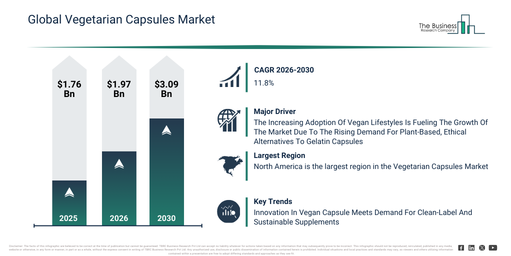
    The market for vegetarian capsules has seen significant expansion in recent years. Valued at $1.76 billion in 2025, it is projected to reach $1.97 billion by 2026, reflecting a compound annual growth rate (CAGR) of 12.1%. Historical growth has been driven by factors such as dependence on gelatin capsules, low familiarity with plant-based options, a rise in dietary supplement usage, an increase in pharmaceutical product development, and the uptake of herbal and botanical ingredients.

    The vegetarian capsules market is projected to experience significant expansion over the coming years, reaching an estimated value of $3.09 billion by 2030, driven by a compound annual growth rate (CAGR) of 11.8%. This anticipated growth during the forecast period is fueled by several key factors, including the increasing number of individuals adopting vegan and vegetarian lifestyles, ongoing advancements in HPMC and pullulan technologies, the broadening scope of the nutraceutical and functional food sectors, regulatory backing for plant-derived ingredients, and the creation of specialized capsules for delayed-release and probiotic applications. Among the prominent trends shaping this period are the growing preference for plant-based capsule options, the rising utilization of HPMC and pullulan varieties, the surge in dietary supplement and nutraceutical consumption, the widening use of these capsules in functional foods and beverages, and a heightened emphasis on clean-label products alongside acid-resistant formulations.

    Download A Free Sample Report For Comprehensive Market Insights:

    https://www.thebusinessresearchcompany.com/sample.aspx?id=24736&type=smp&utm_source=BlogsPR&utm_medium=Paid&utm_campaign=Jul_PR

    Vegetarian Capsules Market Growth Momentum: Which Factors Are Influencing Demand?

    The rising popularity of vegan lifestyles is expected to boost the vegetarian capsules market in the coming period. This way of living excludes all animal-derived products, instead focusing on plant-based foods and ethical, cruelty-free choices that benefit both health and the environment. The shift toward veganism is largely driven by increasing awareness of animal rights, as more people decide to avoid animal products to prevent harm. Vegetarian capsules serve as a plant-based alternative to gelatin capsules, perfectly matching vegan dietary and ethical principles. They allow vegans to consume supplements without relying on ingredients obtained from animals. For example, in January 2024, Finder, a US-based personal finance comparison website, reported that around 2.5 million people in the UK follow a vegan diet, representing 4.7% of the population—up from 1.4 million vegans (2.5%) in 2023. Consequently, the growing adoption of vegan lifestyles is fueling expansion in the vegetarian capsules market.

    Vegetarian Capsules Market Segment Performance And Strategic Opportunities

    The vegetarian capsules market covered in this report is segmented –

    1) By Product: Hydroxypropyl Methyl Cellulose, Pullulan

    2) By Ingredient Type: Plant-Based Extracts, Herbal Ingredients, Vitamins And Minerals, Amino Acids, Probiotics

    3) By Capsule Type: Hard Shell Capsules, Soft Gel Capsules, Liquid-Filled Capsules, Delayed-Release Capsules

    4) By Distribution Channel: Online Retail, Pharmacies And Drugstores, Health Food Stores, Supermarkets And Hypermarkets

    5) By Application: Dietary Supplements, Pharmaceuticals, Nutraceuticals, Functional Foods And Beverages

    Subsegments:

    1) By Hydroxypropyl Methyl Cellulose (HPMC): Hydroxypropyl Methyl Cellulose (HPMC) With Gelling Agent, Hydroxypropyl Methyl Cellulose (HPMC) Without Gelling Agent, Delayed-Release Hydroxypropyl Methyl Cellulose (HPMC) Capsules, Acid-Resistant Hydroxypropyl Methyl Cellulose (HPMC) Capsules, Hydroxypropyl Methyl Cellulose (HPMC) Capsules For Nutraceutical Applications, Hydroxypropyl Methyl Cellulose (HPMC) Capsules For Pharmaceutical Applications

    2) By Pullulan: Pullulan Capsules With Plant-Based Plasticizers, Starch-Free Pullulan Capsules, Acid-Resistant Pullulan Capsules, Pullulan Capsules For Clean Label Products, Pullulan Capsules For Moisture-Sensitive Formulations, Pullulan Capsules For Probiotic Delivery

    Vegetarian Capsules Market Trends Reshaping Industry Growth

    Major players within the vegetarian capsules sector are concentrating on the creation of cutting-edge offerings, including plant-derived polymer capsules, to address the rising consumer preference for clean-label and vegan-compatible supplements. These polymer-based capsules are sourced from natural, animal-free substances like cellulose or starch, presenting a biodegradable and vegan-friendly substitute for conventional gelatin ones. In a notable development from February 2025, ACG Capsules, a pharmaceutical firm based in India, launched the first globally available fully vegan printed capsules. These are manufactured using hydroxypropyl methylcellulose (HPMC) and hold certifications from both Vegan Action and The Vegetarian Society, guaranteeing that the capsule casing and its printing process contain no components from animal sources. This advancement caters to the increasing demand within pharmaceuticals and nutraceuticals for sustainable, cruelty-free, and transparent options, enabling brands to personalize their messaging using vegan-compliant inks in shades of green, black, or brown. It represents a substantial step forward in the development of ethical and eco-friendly healthcare solutions.

    Vegetarian Capsules Market Key Players: Which Companies Shape Industry Competition?

    Major companies operating in the vegetarian capsules market are Lonza Group, ACG Worldwide, SIRIO Pharma Co. Ltd., Robinson Pharma Inc., Hunan Er-Kang Pharmaceutical Co. Ltd., Procaps Laboratories, Qualicaps Inc., HealthCaps India Ltd., Zhejiang Yuexi Capsule Co. Ltd., Farmacapsulas S.A., CapsCanada Corporation, Natural Capsules Limited, Bahrain Pharma, Sunil Healthcare Limited, Bright Pharma Caps, PATCO EXPORTS PVT. LTD, Horbaach, Shaoxing Kangke Capsule Co. Ltd., Dah Feng Capsule Co. Ltd., Anhui Huangshan Capsule Co. Ltd.

    Access The Complete Vegetarian Capsules Market Report:

    https://www.thebusinessresearchcompany.com/report/vegetarian-capsules-global-market-report?utm_source=BlogsPR&utm_medium=Paid&utm_campaign=Jul_PR

    Vegetarian Capsules Market Geographic Analysis: Where Is Demand Growing The Fastest?

    North America was the largest region in the vegetarian capsules market in 2025. Asia-Pacific is expected to be the fastest-growing region in the forecast period. The regions covered in the vegetarian capsules market report are Asia-Pacific, South East Asia, Western Europe, Eastern Europe, North America, South America, Middle East, Africa.

    Get in touch with us:

    The Business Research Company: https://www.thebusinessresearchcompany.com/?utm_source=BlogsPR&utm_medium=Paid&utm_campaign=home_page_test

    Americas: +1 310-496-7795

    Asia: +44 7882 955267 & +91 8897263534

    Europe: +44 7882 955267

    Email us at: marketing@tbrc.info

    Follow us on:

    LinkedIn: https://in.linkedin.com/company/the-business-research-company

    YouTube: https://www.youtube.com/channel/UC24_fI0rV8cR5DxlCpgmyFQ

    Global Market Model: https://www.thebusinessresearchcompany.com/global-market-model
  • Vasopressin Market Growth Is Accelerating As Industry Transformation Continues

    Vasopressin Market Growth Is Accelerating As Industry Transformation Continues

    Through market attractiveness analysis, total addressable market evaluation, company benchmarking matrices, interactive Excel dashboards, expanded supply chain intelligence, emerging startup coverage, and detailed product insights, The Business Research Company’s 2026 market reports provide more actionable and strategically valuable research.

    Vasopressin Market CAGR Analysis And Future Market Development

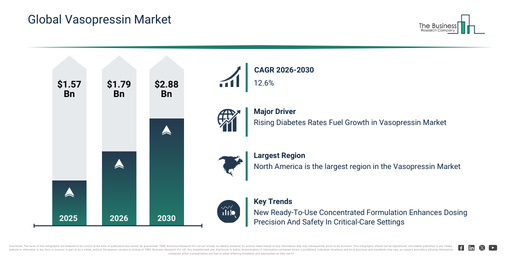
    The vasopressin market has seen rapid expansion in recent years, with its value projected to increase from $1.57 billion in 2025 to $1.79 billion in 2026, reflecting a strong compound annual growth rate (CAGR) of 14.0%. This historical growth has been driven by its established function in addressing antidiuretic hormone deficiency, broad application in managing gastrointestinal bleeding, the rise in intensive care units, demonstrated effectiveness in treating shock, and the broader development of hospital emergency services.

    The vasopressin market is projected to experience robust expansion over the coming years, reaching a valuation of $2.88 billion by 2030, driven by a compound annual growth rate (CAGR) of 12.6%. This anticipated growth during the forecast period is fueled by factors such as a higher prevalence of septic shock, a growing number of ICU admissions, improvements in critical care protocols, enhanced awareness of hormonal disorders, and the development of emergency medicine infrastructure. Key trends shaping the market include the increasing application of vasopressin in critical care and shock management, a rising need for it in sepsis treatment and intensive care units, broader adoption for managing hormonal deficiencies, the expansion of injectable hormone therapies, and a stronger emphasis on emergency care uses.

    Download A Free Sample Report For Comprehensive Market Insights:

    https://www.thebusinessresearchcompany.com/sample.aspx?id=16207&type=smp&utm_source=BlogsPR&utm_medium=Paid&utm_campaign=Jul_PR

    Vasopressin Market Expansion Drivers: What Is Shaping Future Growth?

    The increasing occurrence of diabetes is anticipated to drive expansion in the vasopressin market in the coming period. Diabetes is a long-term health condition defined by high glucose levels in the bloodstream, stemming from the body’s inability to generate or efficiently utilize insulin. Factors such as rising obesity rates, stress, mental health issues, and genetic predispositions contribute to the growing prevalence of this condition. Vasopressin plays an essential role in treating central diabetes insipidus by restoring normal fluid balance and alleviating symptoms like excessive thirst and frequent urination. As an example, data from June 2024 released by the National Health Service (NHS), a UK government department, showed that among individuals under 40, cases surged from 173,166 in 2022 to 216,440 in 2023. This notable increase highlights a worrying pattern within this demographic. The figures indicate a rapid rise in diabetes prevalence among younger populations. Consequently, the escalating prevalence of diabetes is fueling growth in the vasopressin market.

    An expanding elderly population is expected to fuel growth in the vasopressin market moving forward. The geriatric demographic consists of older adults, generally those aged 65 and above, who frequently need specialized medical care and assistance because of age-related physiological shifts. This population growth is mainly driven by longer life expectancies, enabling people to live into advanced age, along with decreasing birth rates that reduce the share of younger individuals within the overall population. Vasopressin aids older adults by promoting stable blood pressure and enhancing kidney function, thus countering age-associated cardiovascular and kidney weaknesses. For instance, in July 2024, the UK Parliament’s House of Commons Library, a British government body, reported that in 2022, 12.7 million people in the UK were aged 65 or older, comprising 19% of the total population. This figure is expected to increase to 22.1 million by 2072, making up 27% of the population. Thus, the growing geriatric population is propelling the vasopressin market’s expansion.

    Vasopressin Market Segment Landscape And Growth Potential

    The vasopressin market covered in this report is segmented –

    1) By Product Type: Intravenous Injection, Intramuscular Injection, Subcutaneous Injection

    2) By Application: Anti-Diuretic Hormone Deficiency, Vasodilatory Shock, Gastrointestinal Bleeding, Ventricular Tachycardia And Fibrillation

    3) By End-User: Hospitals, Clinics, Other End Users

    Subsegments:

    1) By Intravenous Injection: Standard Iv Vasopressin Injection, High-Dose Iv Vasopressin Injection, Iv Vasopressin For Sepsis And Shock Treatment, Iv Vasopressin For Post-Operative Care

    2) By Intramuscular Injection: Standard Im Vasopressin Injection, Intramuscular Vasopressin For Hormonal Imbalance, Vasopressin Injection For Acute Hemorrhage Control

    3) By Subcutaneous Injection: Subcutaneous Vasopressin For Diabetes Insipidus

    Vasopressin Market Strategic Trends: What Is Defining The Next Phase Of Growth?

    Key players in the vasopressin market are concentrating on creating advanced solutions, including higher-concentration ready-to-use vasopressin formulations aimed at enhancing dosing accuracy, cutting down preparation time, and boosting safety in critical-care environments. This type of formulation is a pre-mixed intravenous solution with a greater unit-per-mL concentration, which removes the requirement for bedside dilution, enables quicker treatment initiation, and lowers the risk of dosing mistakes when managing vasodilatory shock. As an example, in March 2024, Baxter Healthcare Corporation, a pharmaceutical and medical device firm based in the United States, secured FDA approval for Vasopressin in 0.9% Sodium Chloride Injection, 50 units/50 mL (1 unit/mL). This concentrated, ready-to-use vasopressin product offers a fixed 1-unit/mL strength that minimizes the need for frequent bag replacements, a pre-mixed single-dose design that eliminates compounding processes, and compatibility with standard infusion systems, facilitating easier administration in emergency and intensive-care settings.

    Vasopressin Market Competitive Landscape: Who Are The Leading Companies?

    Major companies operating in the vasopressin market are Pfizer Inc., Baxter International Inc., Otsuka Pharmaceutical Co. Ltd., Ferring Pharmaceuticals, Amphastar Pharmaceuticals Inc., Mallinckrodt Pharmaceuticals Inc., Eagle Pharmaceuticals Inc., Par Pharmaceutical Holdings Inc., Fresenius Kabi, Nordic Pharma Inc., Aurobindo Pharma Limited, Dr. Reddy’s Laboratories Ltd., Apotex Inc., Amneal Pharmaceuticals Inc., Bachem Holding AG, BCN Peptides SA, Laboratorio ELEA S.A.C.I.F. y A., Hainan Zhonghe Pharmaceutical Co. Ltd., Cumberland Pharmaceuticals Inc., AMOMED Pharma GmbH

    Access The Complete Vasopressin Market Report:

    https://www.thebusinessresearchcompany.com/report/vasopressin-global-market-report?utm_source=BlogsPR&utm_medium=Paid&utm_campaign=Jul_PR

    Vasopressin Market Global Footprint: Which Region Holds Market Leadership?

    North America was the largest region in the vasopressin market in 2025. The regions covered in the vasopressin market report are Asia-Pacific, South East Asia, Western Europe, Eastern Europe, North America, South America, Middle East, Africa.

    Get in touch with us:

    The Business Research Company: https://www.thebusinessresearchcompany.com/?utm_source=BlogsPR&utm_medium=Paid&utm_campaign=home_page_test

    Americas: +1 310-496-7795

    Asia: +44 7882 955267 & +91 8897263534

    Europe: +44 7882 955267

    Email us at: marketing@tbrc.info

    Follow us on:

    LinkedIn: https://in.linkedin.com/company/the-business-research-company

    YouTube: https://www.youtube.com/channel/UC24_fI0rV8cR5DxlCpgmyFQ

    Global Market Model: https://www.thebusinessresearchcompany.com/global-market-model
  • Vasodilators Market Outlook Highlights The Next Major Growth Opportunities

    Vasodilators Market Outlook Highlights The Next Major Growth Opportunities

    Delivering more actionable and strategically valuable research, The Business Research Company’s 2026 market reports feature market attractiveness analysis, total addressable market evaluation, company benchmarking matrices, interactive Excel dashboards, expanded supply chain intelligence, emerging startup coverage, and detailed product insights.

    Vasodilators Market Expansion From $7.16 Billion In 2026 To $8.86 Billion In 2030

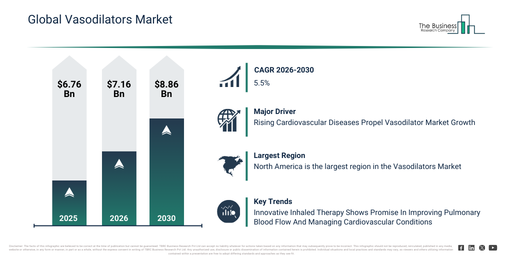
    In recent years, the market for vasodilators has seen significant expansion. Its value is projected to rise from $6.76 billion in 2025 to $7.16 billion in 2026, reflecting a compound annual growth rate (CAGR) of 6.0%. This historical growth has been driven by a higher prevalence of hypertension, the well-established clinical application of nitrates, improvements in hospital infrastructure, an increase in heart failure cases, and the broad accessibility of oral vasodilators.

    The vasodilators market is projected to experience robust expansion over the coming years. By 2030, it is anticipated to reach $8.86 billion, with a compound annual growth rate (CAGR) of 5.5%. This forecasted growth is driven by an aging global population, the increasing prevalence of lifestyle-related diseases, the growth of specialized cardiac centers, a stronger emphasis on early diagnosis, and improved access to cardiovascular medications. Key developments shaping the market during this period include the rising frequency of cardiovascular conditions, the growing application of combination drug therapies, an increasing shift toward generic vasodilators, the expansion of hospital-based cardiovascular services, and a heightened demand for long-term hypertension management.

    Download A Free Sample Report For Comprehensive Market Insights:

    https://www.thebusinessresearchcompany.com/sample.aspx?id=16565&type=smp&utm_source=BlogsPR&utm_medium=Paid&utm_campaign=Jul_PR

    Vasodilators Market Development Factors: Which Trends Are Supporting Demand?

    The growing incidence of cardiovascular diseases is anticipated to drive expansion in the vasodilators market in the coming period. Cardiovascular diseases encompass a range of conditions impacting the heart and blood vessels, including coronary artery disease, heart failure, and stroke. This rise in cardiovascular disease prevalence is fueled by increasing obesity rates, which continue to climb as a result of poor dietary habits and inactive lifestyles. The vasodilators market aids in managing these conditions by relaxing blood vessels, reducing blood pressure, and enhancing blood flow throughout the body. For example, in January 2024, the American Heart Association, a US-based nonprofit, reported that the age-adjusted death rate from cardiovascular disease rose to 233.3 per 100,000 in 2024, marking a 4.0% increase from 224.4 per 100,000 in 2023. Consequently, the escalating prevalence of cardiovascular diseases is fueling growth in the vasodilators market.

    Vasodilators Market Driver: Sedentary Lifestyles Fuel Growth In The Vasodilator Market

    The growing prevalence of sedentary lifestyles is expected to drive forward the expansion of the vasodilators market. A sedentary lifestyle is characterized by minimal physical activity and extended periods of sitting or reclining, often linked to little exercise or movement. This trend is on the rise due to modern conveniences like technology, transportation, and desk-based occupations, which encourage prolonged inactivity. Vasodilators are employed in such lifestyles to enhance blood circulation and lower hypertension, thereby reducing cardiovascular risks. As an illustration, in July 2023, the Office for National Statistics, a UK government department, noted that over 86.5% of adults in Great Britain reported making lifestyle adjustments to tackle environmental concerns, based on survey data collected from May to June 2023. Hence, the increasing adoption of sedentary lifestyles is propelling growth in the vasodilators market.

    Vasodilators Market Categorization By Product Type And Application

    The vasodilators market covered in this report is segmented –

    1) By Type: Arterial Dilators, Venous Dilators, Mixed Dilators

    2) By Drugs: Nitroglycerin, Alprostadil, Minoxidil, Sorbitrate, Other Drugs

    3) By Indication: Hypertension, Angina, Heart Failure, Other Indications

    4) By Route Of Administration: Oral, Parenteral, Other Routes Of Administration

    5) By End User: Hospitals, Homecare, Specialty Centers, Other End Users

    Subsegments:

    1) By Arterial Dilators: Calcium Channel Blockers, Nitric Oxide Donors, Potassium Channel Activators

    2) By Venous Dilators: Nitrates, Nitrites, Phosphodiesterase Inhibitors (PDE5 Inhibitors)

    3) By Mixed Dilators: Alpha-Adrenergic Antagonists, Angiotensin II Receptor Blockers (ARBs), ACE Inhibitors (Angiotensin-Converting Enzyme Inhibitors)

    Vasodilators Market Transformation Trends: Which Innovations Are Driving Change?

    Major players in the vasodilators market are placing greater emphasis on creating advanced treatments, notably inhaled soluble guanylate cyclase (sGC) activators, designed to enhance pulmonary blood flow and more effectively address cardiovascular disorders. These inhaled compounds work by activating the sGC enzyme upon inhalation, which relaxes blood vessels and improves circulation, particularly within the lungs. A concrete example occurred in September 2024, when Roivant Sciences Ltd., a US-based biopharmaceutical and healthcare technology firm, introduced mosliciguat—a once-daily, inhaled sGC activator delivered via a dry powder inhaler (DPI), developed by its subsidiary Pulmovant. This medication is engineered for targeted lung delivery and activates sGC independently of heme and NO, potentially preserving its effectiveness even under oxidative stress. Findings from a Phase 1b “ATMOS” study revealed that mosliciguat achieved mean maximum reductions in pulmonary vascular resistance (PVR) of up to approximately 38% in patients with pulmonary hypertension. The treatment was generally well tolerated, with a low incidence of adverse events, and its pharmacokinetic profile allows for once-daily inhalation due to a long half-life and minimal systemic exposure. Pulmovant has now launched a global Phase 2 “PHocus” trial involving around 120 patients with PH-ILD to further evaluate its safety and efficacy.

    Vasodilators Market Company Landscape And Strategic Competition

    Major companies operating in the vasodilators market are Pfizer Inc., Novartis AG, Sanofi S.A., Bristol-Myers Squibb Company, AbbVie Inc., Abbott Laboratories, AstraZeneca, Bayer AG, Boehringer Ingelheim International GmbH, Merck & Co. Inc., GlaxoSmithKline plc, Eli Lilly and Company, Viatris Inc., Teva Pharmaceutical Industries Ltd., Novo Nordisk A/S, Astellas Pharma Inc., Amgen Inc., Gilead Sciences Inc., Biogen, Sun Pharmaceutical Industries Limited

    Access The Complete Vasodilators Market Report:

    https://www.thebusinessresearchcompany.com/report/vasodilators-global-market-report?utm_source=BlogsPR&utm_medium=Paid&utm_campaign=Jul_PR

    Vasodilators Market Regional Distribution: Which Areas Drive Market Expansion?

    North America was the largest region in the vasodilators market in 2025. Asia-Pacific is expected to be the fastest-growing region in the forecast period. The regions covered in the vasodilators market report are Asia-Pacific, South East Asia, Western Europe, Eastern Europe, North America, South America, Middle East, Africa.

    Get in touch with us:

    The Business Research Company: https://www.thebusinessresearchcompany.com/?utm_source=BlogsPR&utm_medium=Paid&utm_campaign=home_page_test

    Americas: +1 310-496-7795

    Asia: +44 7882 955267 & +91 8897263534

    Europe: +44 7882 955267

    Email us at: marketing@tbrc.info

    Follow us on:

    LinkedIn: https://in.linkedin.com/company/the-business-research-company

    YouTube: https://www.youtube.com/channel/UC24_fI0rV8cR5DxlCpgmyFQ

    Global Market Model: https://www.thebusinessresearchcompany.com/global-market-model

  • Vascular Endothelial Growth Factor (VEGF) Inhibitor Market Trends And Growth Drivers Point To Strong Future Potential

    Vascular Endothelial Growth Factor (VEGF) Inhibitor Market Trends And Growth Drivers Point To Strong Future Potential

    Enhanced with market attractiveness analysis, total addressable market evaluation, company benchmarking matrices, interactive Excel dashboards, expanded supply chain intelligence, emerging startup coverage, and detailed product insights, The Business Research Company’s 2026 market reports deliver more actionable and strategically valuable research.

    Vascular Endothelial Growth Factor (VEGF) Inhibitor Market Forecast Highlighting Growth From $12.1 Billion To $16.22 Billion

    The market for vascular endothelial growth factor (VEGF) inhibitors has experienced robust expansion in recent years. Projected to rise from $11.3 billion in 2025 to $12.11 billion in 2026, it reflects a compound annual growth rate (CAGR) of 7.2%. This historical growth has been driven by factors such as the increasing prevalence of cancer and retinal diseases, the scarcity of treatment alternatives prior to the advent of monoclonal antibodies, heightened recognition of the advantages offered by anti-angiogenic therapy, greater acceptance of targeted treatments among physicians, and the regulatory clearance granted to first-generation VEGF inhibitors.

    The vascular endothelial growth factor inhibitor market is anticipated to experience robust expansion over the coming years, with projections indicating it will reach $16.23 billion by 2030, reflecting a compound annual growth rate of 7.6%. This forecasted growth is driven by several key factors, including the advancement of next-generation VEGF inhibitors, the increasing integration of immuno-oncology combination therapies, a growing emphasis on personalized medicine, heightened investment in ophthalmic drug development, and the incorporation of digital monitoring and AI-driven treatment evaluation. Among the notable trends shaping this period are the expanding use of VEGF inhibitors in oncology and ophthalmology, a surge in the creation of monoclonal antibodies and anti-angiogenic treatments, a growing preference for intravitreal and intravenous delivery methods, the broadening of targeted therapy and personalized medicine approaches, and an uptick in clinical trials and research focused on innovative VEGF inhibitors.

    Download A Free Sample Report For Comprehensive Market Insights:

    https://www.thebusinessresearchcompany.com/sample.aspx?id=3437&type=smp&utm_source=BlogsPR&utm_medium=Paid&utm_campaign=Jul_PR

    Vascular Endothelial Growth Factor (VEGF) Inhibitor Market Industry Drivers: What Is Driving Revenue Growth?

    The anticipated expansion of the VEGF inhibitor market is being driven by the increasing incidence of cancer and macular degeneration. Cancer involves the uncontrolled growth of abnormal cells that can spread throughout the body, whereas macular degeneration causes deterioration of the retina’s central area, impairing vision. These conditions are becoming more common due to an aging population and lifestyle-related factors, which in turn boosts the need for effective therapies and healthcare services. Vascular endothelial growth factor (VEGF) inhibitors work against cancer by preventing the formation of new blood vessels required for tumor growth and spread, thus limiting tumor progression and metastasis. As an example, in February 2024, the World Health Organization, a Switzerland-based entity focused on global health policy and public health, projected over 35 million new cancer cases by 2050—a 77% rise from the estimated 20 million cases in 2022. Consequently, the rising prevalence of cancer and macular degeneration is fueling growth in the VEGF inhibitor market.

    Vascular Endothelial Growth Factor (VEGF) Inhibitor Market Segment Analysis And Revenue Opportunities

    The vascular endothelial growth factor (vegf) inhibitor market covered in this report is segmented –

    1) By Drugs Type: Avastin, Tecentriq, Lucentis, Cometriq, Eylea, Other Drug Types

    2) By Route Of Administration: Oral, Intravenous, Intravitreal

    3) By Application: Oncology, Ophthalmology, Other Applications

    Subsegments:

    1) By Avastin: Oncology Applications, Ophthalmology Applications

    2) By Tecentriq: Non-Small Cell Lung Cancer, Small Cell Lung Cancer, Bladder Cancer, Triple-Negative Breast Cancer

    3) By Lucentis: Wet Age-Related Macular Degeneration (AMD), Diabetic Retinopathy, Retinal Vein Occlusion

    4) By Cometriq: Medullary Thyroid Cancer, Renal Cell Carcinoma

    5) By Eylea: Wet Age-Related Macular Degeneration (AMD), Diabetic Macular Edema (DME), Retinal Vein Occlusion (RVO)

    6) By Other Drug Types: Immuno-Oncology Drugs, Anti-Angiogenic Agents, Other Monoclonal Antibodies

    Vascular Endothelial Growth Factor (VEGF) Inhibitor Market Growth Trends: What Is Influencing The Future Outlook?

    Major pharmaceutical players within the VEGF inhibitor landscape are directing their efforts toward the creation of cutting-edge ophthalmic therapies, including high-concentration intravitreal injection formulations designed to prolong dosing intervals and alleviate the treatment load on individuals. These enhanced solutions, which contain a greater concentration of active medication per dose, are intended to cut down on injection frequency without sacrificing therapeutic outcomes, thereby lessening patient discomfort. As an example, in April 2024, Santen Pharmaceutical Co. Ltd., a Japan-headquartered pharmaceutical firm, collaborated with Bayer Yakuhin, another Japan-based company operating in the pharmaceutical and life sciences sector, to introduce the Ophthalmic VEGF Inhibitor Eylea 8mg Solution for Intravitreal Injection 114.3 mg/mL. This product serves as a standard therapy for conditions such as neovascular age-related macular degeneration (nAMD) and diabetic macular edema (DME), both of which have the potential to cause blindness. By featuring a higher concentration compared to its earlier version, Eylea 8mg enables an extended dosing schedule of up to 16 weeks, thus lowering the need for frequent injections while still preserving its efficacy and safety profile. Such an innovation is aimed at easing the therapeutic burden placed on patients and establishing a fresh benchmark for care. This effort stems from a strategic alliance intended to broaden the accessibility and distribution of this advanced ophthalmic treatment.

    Vascular Endothelial Growth Factor (VEGF) Inhibitor Market Leading Players Shaping Industry Direction

    Major companies operating in the vascular endothelial growth factor (vegf) inhibitor market are F. Hoffmann-La Roche AG, Bayer AG, Regeneron Pharmaceuticals Inc., AstraZeneca Plc., Novartis AG, Pfizer Inc., Eli Lilly and Company, Exelixis Inc., Amgen Inc., Sanofi S.A., Cipla Limited, Biocon, Dr. Reddy’s Laboratories, Innovent Biologics, Daiichi Sankyo, Chugai Pharmaceutical Co. Ltd, Boehringer Ingelheim International GmbH, GlaxoSmithKline plc, Ipsen, Oxurion, Pharmstandard Group, Zentiva, Coherus BioSciences Inc., AVEO pharmaceuticals, Eisai Co. Ltd.

    Access The Complete Vascular Endothelial Growth Factor (VEGF) Inhibitor Market Report:

    https://www.thebusinessresearchcompany.com/report/vascular-endothelial-growth-factor-inhibitors-global-market-report?utm_source=BlogsPR&utm_medium=Paid&utm_campaign=Jul_PR

    Vascular Endothelial Growth Factor (VEGF) Inhibitor Market Leading Geography: Which Region Generates The Most Revenue?

    North America was the largest region in the vascular endothelial growth factor (VEGF) inhibitor market in 2025. Middle East is expected to be the fastest-growing region in the vascular endothelial growth factor (VEGF) inhibitor market share during the forecast period. The regions covered in the vascular endothelial growth factor (vegf) inhibitor market report are Asia-Pacific, South East Asia, Western Europe, Eastern Europe, North America, South America, Middle East, Africa.

    Get in touch with us:

    The Business Research Company: https://www.thebusinessresearchcompany.com/?utm_source=BlogsPR&utm_medium=Paid&utm_campaign=home_page_test

    Americas: +1 310-496-7795

    Asia: +44 7882 955267 & +91 8897263534

    Europe: +44 7882 955267

    Email us at: marketing@tbrc.info

    Follow us on:

    LinkedIn: https://in.linkedin.com/company/the-business-research-company

    YouTube: https://www.youtube.com/channel/UC24_fI0rV8cR5DxlCpgmyFQ

    Global Market Model: https://www.thebusinessresearchcompany.com/global-market-model