Blog

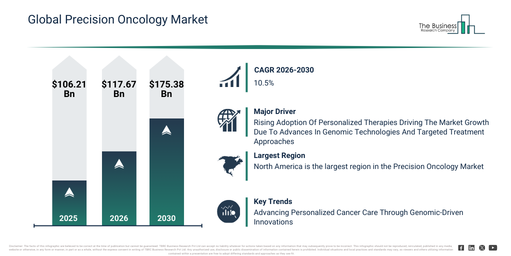
  • Precision Oncology Market Expected To Reach $175.38 Billion By 2030 As Growth Accelerates At 10.5% CAGR

    Precision Oncology Market Expected To Reach $175.38 Billion By 2030 As Growth Accelerates At 10.5% CAGR

    Enhanced with market attractiveness analysis, total addressable market evaluation, company benchmarking matrices, interactive Excel dashboards, expanded supply chain intelligence, emerging startup coverage, and detailed product insights, The Business Research Company’s 2026 market reports deliver more actionable and strategically valuable research.

    Precision Oncology Market Revenue Outlook: What CAGR Is Expected Through 2030?

    The precision oncology market has experienced significant expansion in recent years. Projected to rise from $106.21 billion in 2025 to $117.67 billion in 2026, this growth reflects a compound annual growth rate (CAGR) of 10.8%. Historically, this upward trend has been driven by factors such as the restricted access to genomic sequencing tools, a continued dependence on traditional chemotherapy, a worldwide increase in cancer incidence, the early integration of immunotherapy, and advancing investigations into molecular oncology.

    Over the coming years, the precision oncology sector is anticipated to expand swiftly, reaching a projected valuation of $175.38 billion by 2030, driven by a compound annual growth rate of 10.5%. This upward trajectory in the forecast period is fueled by the advancement of next-generation sequencing platforms, the growing incorporation of bioinformatics and artificial intelligence into oncology practices, the rising use of liquid biopsy and molecular imaging techniques, the broadening spectrum of personalized therapeutic choices, and an uptick in research partnerships between hospitals and pharmaceutical firms. Key developments shaping the landscape include the broadening of cancer therapies tailored through molecular profiling, a greater reliance on liquid biopsy and minimally invasive diagnostic tools, an upswing in biomarker-driven testing for customized treatment strategies, the increasing fusion of immunotherapy with genomic sequencing, and a heightened emphasis on tackling rare and challenging cancer types.

    Download A Free Sample Report For Comprehensive Market Insights:

    https://www.thebusinessresearchcompany.com/sample.aspx?id=27395&type=smp&utm_source=BlogsPR&utm_medium=Paid&utm_campaign=Jul_PR

    Precision Oncology Market Growth Drivers: What Factors Are Accelerating Expansion?

    The growing recognition and movement toward individualized treatment approaches are anticipated to fuel expansion within the precision oncology sector in the coming period. Customized therapies are designed based on a patient’s genetic profile, biomarkers, and specific disease features in order to maximize therapeutic outcomes while minimizing adverse effects. Their adoption is accelerating largely because of progress in genomic technologies, which now allow for precise identification of mutations responsible for disease progression, enabling more accurate and targeted interventions. By leveraging genomic and molecular profiling, precision oncology plays a key role in advancing these personalized treatments, tailoring cancer care according to the unique genetic characteristics of each patient’s tumor. As an example, in February 2023, the UK government’s Health and Social Care Secretary, as reported by GOV.UK, entered into a memorandum of understanding with BioNTech SE aimed at advancing cancer vaccine research in England, with the goal of making 10,000 personalized therapy doses available to British patients by 2030. Consequently, the increasing focus on and transition toward custom-tailored therapies is driving forward the growth of the precision oncology market.

    Precision Oncology Market Segment Performance And Strategic Opportunities

    The precision oncology market covered in this report is segmented –

    1) By Type: Genomic Sequencing, Immunotherapy

    2) By Test Type: Genetic Tests, Biomarker-Based Tests, Therapeutics

    3) By Cancer Type: Breast Cancer, Lung Cancer, Colorectal Cancer, Prostate Cancer, Skin Cancer, Stomach Cancer, Other Cancers

    4) By Technology: Next-Generation Sequencing, Bioinformatics, Molecular Imaging, Liquid Biopsy

    5) By End-users: Hospitals, Research Laboratories, Pharmaceutical Companies, Diagnostic Centers

    Subsegments:

    1) By Genomic Sequencing: Whole Genome Sequencing, Whole Exome Sequencing, Targeted Gene Sequencing

    2) By Immunotherapy: Immune Checkpoint Inhibitors, Cancer Vaccines, Adoptive Cell Therapy

    Precision Oncology Market Trends: What Is Shaping Future Industry Growth?

    Leading players within the precision oncology sector are actively pursuing novel strategies, including the implementation of molecular tumor boards, to facilitate individualized treatment choices that merge genomic data with clinical considerations. A molecular tumor board is defined as a specialized panel of professionals tasked with reviewing and deciphering intricate genomic and molecular testing results, thereby guiding targeted cancer treatments that address the distinct tumor traits of each patient. For example, in December 2024, Aster DM Healthcare Ltd., a healthcare organization headquartered in the UAE, launched a precision oncology clinic as part of three personalized cancer care programs aimed at revolutionizing therapy through data- and genomics-based methods. This facility provides tailored cancer treatments derived from the genetic profile of an individual’s tumor, allowing for more accurate and effective interventions while lowering adverse effects. The strategy boosts therapeutic results, lessens toxicity, and elevates quality of life by matching therapies with the distinct molecular characteristics of a patient’s cancer.

    Precision Oncology Market Key Players: Which Companies Shape Industry Competition?

    Major companies operating in the precision oncology market are Pfizer Inc., F. Hoffmann-La Roche Ltd., Thermo Fisher Scientific Inc., AstraZeneca plc., Novartis AG, Amgen Inc., Agilent Technologies Inc., Illumina Inc., Qiagen N.V., Exact Sciences Corporation, NeoGenomics Laboratories Inc., Myriad Genetics Inc., Invitae Corporation, Caris Life Sciences, Foundation Medicine Inc., NanoString Technologies Inc., Personalis Inc., Strata Oncology Inc.

    Access The Complete Precision Oncology Market Report:

    https://www.thebusinessresearchcompany.com/report/precision-oncology-global-market-report?utm_source=BlogsPR&utm_medium=Paid&utm_campaign=Jul_PR

    Precision Oncology Market Leading Geography: Which Region Generates The Most Revenue?

    North America was the largest region in the precision oncology market in 2025. Asia-Pacific is expected to be the fastest-growing region in the forecast period. The regions covered in the precision oncology market report are Asia-Pacific, South East Asia, Western Europe, Eastern Europe, North America, South America, Middle East, Africa.

    Get in touch with us:

    The Business Research Company: https://www.thebusinessresearchcompany.com/?utm_source=BlogsPR&utm_medium=Paid&utm_campaign=home_page_test

    Americas: +1 310-496-7795

    Asia: +44 7882 955267 & +91 8897263534

    Europe: +44 7882 955267

    Email us at: marketing@tbrc.info

    Follow us on:

    LinkedIn: https://in.linkedin.com/company/the-business-research-company

    YouTube: https://www.youtube.com/channel/UC24_fI0rV8cR5DxlCpgmyFQ

    Global Market Model: https://www.thebusinessresearchcompany.com/global-market-model
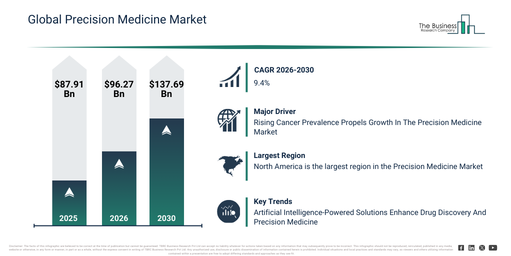
  • Precision Medicine Market Set To Grow From $96.26 Billion In 2026 To $137.69 Billion By 2030 At A CAGR Of 9.4%

    Precision Medicine Market Set To Grow From $96.26 Billion In 2026 To $137.69 Billion By 2030 At A CAGR Of 9.4%

    Through market attractiveness analysis, total addressable market evaluation, company benchmarking matrices, interactive Excel dashboards, expanded supply chain intelligence, emerging startup coverage, and detailed product insights, The Business Research Company’s 2026 market reports provide more actionable and strategically valuable research.

    Precision Medicine Market Growth Analysis: How Will Revenue Expand During The Forecast Period?

    The precision medicine sector has experienced strong expansion over recent years, with projections showing an increase from $87.91 billion in 2025 to $96.27 billion in 2026, reflecting a compound annual growth rate (CAGR) of 9.5%. Factors driving historical growth include progress in genomic research, reduced costs of gene sequencing, a rise in the occurrence of cancer and genetic disorders, higher spending on biopharmaceutical R&D, and the granting of regulatory approvals for targeted therapies.

    Over the coming years, the precision medicine market is projected to experience significant expansion. By 2030, its value is forecasted to reach $137.69 billion, reflecting a compound annual growth rate (CAGR) of 9.4%. This anticipated growth during the forecast period is driven by several key factors, including the wider implementation of next-generation sequencing, an increasing need for individualized treatment approaches, the rising application of artificial intelligence in drug discovery, heightened funding for precision diagnostic methods, and the incorporation of digital health platforms. Furthermore, notable developments shaping this period involve the growing utilization of companion diagnostics, a movement toward customized cancer therapies, the application of multi-omics data to guide clinical decisions, the broadening of precision medicine for rare and hereditary conditions, and a surge in collaborative efforts between diagnostic and pharmaceutical companies.

    Download A Free Sample Report For Comprehensive Market Insights:

    https://www.thebusinessresearchcompany.com/sample.aspx?id=5301&type=smp&utm_source=BlogsPR&utm_medium=Paid&utm_campaign=Jul_PR

    Precision Medicine Market Growth Factors Supporting Long-Term Expansion

    The anticipated rise in cancer cases is expected to drive expansion within the precision medicine market. Cancer stands as one of the leading global causes of death, with one in five individuals likely to develop the disease during their lifetime. In the context of precision medicine, cancer treatment involves analyzing tumor DNA to detect mutations or other genetic anomalies responsible for the disease. This approach enables physicians to select therapies specifically tailored to target the genetic alterations present in a patient’s tumor. For example, in February 2024, the World Health Organization—a specialized agency for international public health based in Switzerland—projected over 35 million new cancer cases by 2050, marking a 77% increase from the estimated 20 million cases recorded in 2022. Consequently, the growing incidence of cancer is a key factor propelling the precision medicine market forward.

    Precision Medicine Market Segment Landscape And Growth Potential

    The precision medicine market covered in this report is segmented –

    1) By Technology: Big Data Analytics, Bioinformatics, Gene Sequencing, Drug Discovery, Companion Diagnostics, Other Technology

    2) By Application: Oncology, Respiratory Diseases, Central Nervous System Disorders, Immunology, Genetic Diseases, Other Applications.

    3) By End-Use: Pharmaceutical Companies, Diagnostic Companies, Healthcare And IT Firms, Others

    Subsegments:

    1) By Big Data Analytics: Predictive Analytics, Prescriptive Analytics, Data Mining

    2) By Bioinformatics: Genomic Data Analysis, Proteomics Data Analysis, Metabolomics Data Analysis

    3) By Gene Sequencing: Next-Generation Sequencing (NGS), Sanger Sequencing, Whole Genome Sequencing

    4) By Drug Discovery: Target Identification And Validation, Lead Compound Discovery, Preclinical And Clinical Trials

    5) By Companion Diagnostics: Biomarker Testing, Genomic Profiling, Companion Diagnostic Tests

    6) By Other Technology: Personalized Treatment Plans, Telemedicine And Digital Health Solutions, Wearable Health Technology

    Precision Medicine Market Industry Trends Shaping Future Revenue Growth

    Key players in the precision medicine sector are prioritizing advancements such as data ingestion, which enables easier entry to public datasets via Google Cloud’s Analytics Hub. Data ingestion involves gathering and importing information from multiple origins into a storage system or processing platform. For example, in May 2023, Google Cloud—a software development firm based in the United States—unveiled two innovative AI-driven tools created to boost drug discovery and precision medicine. These new AI capabilities are accelerating both drug development and precision medicine efforts within the biotech and pharmaceutical industries. With these tools, researchers can more efficiently analyze protein structures and genomic data, leading to enhanced drug development workflows. The solutions shorten the time required to bring life-saving therapies to market and foster improved cooperation among research groups. Additionally, they accommodate multi-cloud setups to ensure smooth data integration.

    Precision Medicine Market Competitive Landscape: Who Are The Leading Companies?

    Major companies operating in the precision medicine market are Quest Diagnostics, Thermo Fisher Scientific Inc., Roche Holding AG, Medtronic plc, Novartis AG, Pfizer Inc., Qiagen, AstraZeneca plc., Abbott Laboratories, Nordic Bioscience A/S, Takeda Pharmaceutical Company Ltd., Otsuka Pharmaceutical Co. Ltd., Daiichi Sankyo, China National Pharmaceutical Group Co. Ltd., GE Healthcare, Randox Laboratories, Almac Group, Sun Pharma, Nichi-Iko Pharmaceutical Co. Ltd., Daewoong Pharmaceutical Co.Ltd, GlaxoSmithKline, Teva UK Limited, Vectura Group, Merck & Co., Boehringer Ingelheim, Mylan, Zentiva, Sanofi, Apotex, Gilead Sciences, Bayer, AbbVie Inc., Amgen, Janssen Pharmaceutica, Accord Healthcare Inc., Acerus Precision Medicine Corporation, AA Pharma Inc, Sanfer, LABORATORIOS SENOSIAIN SA DE CV, Siegfried Rhein, Biocrates LifeSciences, Nanostring Technologies, Tepnel Pharma Services, Intomics, Silicon Biosystems, EMS Pharma, Eurofarma, Biolab Farmaceutica, Cristalia, União Quimica

    Access The Complete Precision Medicine Market Report:

    https://www.thebusinessresearchcompany.com/report/precision-medicine-global-market-report?utm_source=BlogsPR&utm_medium=Paid&utm_campaign=Jul_PR

    Precision Medicine Market Regional Outlook: Where Are The Largest Opportunities Located?

    North America was the largest region in the precision medicine market in 2025. Asia-Pacific is expected to be the fastest-growing region in the forecast period. The regions covered in the precision medicine market report are Asia-Pacific, South East Asia, Western Europe, Eastern Europe, North America, South America, Middle East, Africa.

    Get in touch with us:

    The Business Research Company: https://www.thebusinessresearchcompany.com/?utm_source=BlogsPR&utm_medium=Paid&utm_campaign=home_page_test

    Americas: +1 310-496-7795

    Asia: +44 7882 955267 & +91 8897263534

    Europe: +44 7882 955267

    Email us at: marketing@tbrc.info

    Follow us on:

    LinkedIn: https://in.linkedin.com/company/the-business-research-company

    YouTube: https://www.youtube.com/channel/UC24_fI0rV8cR5DxlCpgmyFQ

    Global Market Model: https://www.thebusinessresearchcompany.com/global-market-model

  • Prebiotics For Infant Formula Market Opportunities Are Emerging Beyond Traditional Growth Areas

    Prebiotics For Infant Formula Market Opportunities Are Emerging Beyond Traditional Growth Areas

    Delivering more actionable and strategically valuable research, The Business Research Company’s 2026 market reports feature market attractiveness analysis, total addressable market evaluation, company benchmarking matrices, interactive Excel dashboards, expanded supply chain intelligence, emerging startup coverage, and detailed product insights.

    Prebiotics For Infant Formula Market Forecast: What Market Value Is Expected By 2030?

    The market for prebiotics used in infant formula has experienced robust expansion in recent years. Valued at $1.7 billion in 2025, it is projected to reach $1.83 billion by 2026, reflecting a compound annual growth rate (CAGR) of 7.7%. This historical growth has been driven by several key factors, including a high incidence of digestive issues among infants, a growing awareness of the importance of infant nutrition, increased investment in pediatric healthcare, a rise in the overall consumption of infant formula, and the clinical substantiation of the benefits of prebiotics.

    The prebiotics market for infant formula is projected to experience robust expansion over the coming years. By 2030, it is anticipated to reach a value of $2.47 billion, reflecting a compound annual growth rate (CAGR) of 7.8%. Several factors are driving this growth during the forecast period, including a rising demand for specialized infant formulas, deeper insights from microbiome research, higher urban birth rates, stronger regulatory backing for fortified nutrition, and breakthroughs in functional ingredient innovation. Key trends shaping this market include the growing incorporation of GOS and FOS into infant formula products, a heightened emphasis on supporting early-life gut microbiota development, an increasing need for nutrition that bolsters immune health, broader applications of prebiotics in specialized formulas, and a consumer shift toward clean-label and minimally processed ingredients.

    Download A Free Sample Report For Comprehensive Market Insights:

    https://www.thebusinessresearchcompany.com/sample.aspx?id=24384&type=smp&utm_source=BlogsPR&utm_medium=Paid&utm_campaign=Jul_PR

    Prebiotics For Infant Formula Market Demand Drivers Creating New Revenue Opportunities

    The increasing use of organic goods is anticipated to boost expansion in the prebiotics for infant formula market in the coming period. Organic products are defined as items cultivated or manufactured without synthetic chemicals, fertilizers, or genetically modified organisms (GMOs). This growing preference for organic alternatives is largely fueled by heightened public awareness regarding the possible dangers to health from synthetic substances. Prebiotics included in infant formula enhance organic offerings by fostering natural digestive well-being and immune system development in babies. These compounds replicate the positive impacts of breast milk, encouraging a well-balanced gut microbiome, and adhere to the clean-label movement, which makes them well-suited for families prioritizing health and environmental sustainability. As an example, in February 2025, the Organic Research Centre—a UK-based nonprofit dedicated to organic and agroecological farming research—reported that European retail sales of organic goods hit 54.7 billion euros in 2023, marking a 3.0% rise, or an increase of 1.6 billion euros, compared to 2022. Consequently, the rising embrace of organic products is propelling forward the market for prebiotics in infant formula.

    Prebiotics For Infant Formula Market Categorization By Product Type And Application

    The prebiotics for infant formula market covered in this report is segmented –

    1) By Type Of Prebiotics: Fructooligosaccharides (FOS), Galactooligosaccharides (GOS), Inulin, Short-chain Fructooligosaccharides (scFOS)

    2) By Functionality: Digestive Health Improvement, Enhanced Immune Response, Mineral Absorption Enhancement, Growth Promotion Of Beneficial Gut Bacteria, Reduction Of Gastrointestinal Disorders

    3) By Application: Standard Infant Formula, Follow-On Formula, Specialty Formula, Other Applications

    4) By End-User: Infant Formula Manufacturers, Retailers And Distributors, Parents And Caregivers

    Subsegments:

    1) By Fructooligosaccharides: Linear Fructooligosaccharides, Branched Fructooligosaccharides, High-Purity Fructooligosaccharides, Enzyme-Synthesized Fructooligosaccharides

    2) By Galactooligosaccharides: High Galactooligosaccharide Content, Low Galactooligosaccharide Content, Beta-Galactooligosaccharides, Alpha-Galactooligosaccharides

    3) By Inulin: Short-Chain Inulin, Long-Chain Inulin, Native Inulin, Oligofructose-Enriched Inulin

    4) By Short-Chain Fructooligosaccharides: Glucose-Based Short-Chain Fructooligosaccharides, Sucrose-Based Short-Chain Fructooligosaccharides, Vegetable-Derived Short-Chain Fructooligosaccharides, Commercial-Grade Short-Chain Fructooligosaccharides

    Prebiotics For Infant Formula Market Trends Driving Strategic Industry Expansion

    Key players in the prebiotics for infant formula industry are concentrating on the creation of advanced products like biotics formulations, intended to improve gut health and immune response in babies. Biotics formulations encompass dietary items such as probiotics, prebiotics, postbiotics, or synbiotics, which are crafted to bolster digestive wellness, immune function, and general health. In September 2024, Happy Family Organics, a food and beverage services firm based in the US, introduced its infant formula with biotics—a range of USDA-certified organic products that merge probiotics with prebiotics to aid digestion and immunity in infants. These formulas are engineered to support nourishment during the first 1,000 days of life, a vital phase for gut microbiome development. By incorporating prebiotics, these products aim to foster beneficial gut bacteria growth, thereby strengthening the infant’s immune system and overall wellbeing.

    Prebiotics For Infant Formula Market Company Landscape And Strategic Competition

    Major companies operating in the prebiotics for infant formula market are Nestle S.A., Abbott Laboratories, Danone S.A., FrieslandCampina, Ingredion Incorporated, Morinaga Milk Industry Co. Ltd., Yakult Honsha Co. Ltd., Tate & Lyle PLC, HiPP GmbH & Co. Vertrieb KG, Glanbia Nutritionals, ByHeart Inc., Synutra International Inc., BUBS Australia Ltd., Dana Dairy Group, Bobbie Baby Inc, New Francisco (Yunfu City) Biotechnology Corporation, Glycosyn Inc., Clasado Biosciences Limited, zuChem Inc., Dupont Nutrition & Health

    Access The Complete Prebiotics For Infant Formula Market Report:

    https://www.thebusinessresearchcompany.com/report/prebiotics-for-infant-formula-global-market-report?utm_source=BlogsPR&utm_medium=Paid&utm_campaign=Jul_PR

    Prebiotics For Infant Formula Market Geographic Landscape: Which Region Dominates Industry Growth?

    North America was the largest region in the prebiotics for infant formula market in 2025. Asia-Pacific is expected to be the fastest-growing region in the forecast period. The regions covered in the prebiotics for infant formula market report are Asia-Pacific, South East Asia, Western Europe, Eastern Europe, North America, South America, Middle East, Africa.

    Get in touch with us:

    The Business Research Company: https://www.thebusinessresearchcompany.com/?utm_source=BlogsPR&utm_medium=Paid&utm_campaign=home_page_test

    Americas: +1 310-496-7795

    Asia: +44 7882 955267 & +91 8897263534

    Europe: +44 7882 955267

    Email us at: marketing@tbrc.info

    Follow us on:

    LinkedIn: https://in.linkedin.com/company/the-business-research-company

    YouTube: https://www.youtube.com/channel/UC24_fI0rV8cR5DxlCpgmyFQ

    Global Market Model: https://www.thebusinessresearchcompany.com/global-market-model

  • Post-Traumatic Stress Disorder Therapeutics Market Expansion Is Opening New Pathways For Strategic Investment

    Post-Traumatic Stress Disorder Therapeutics Market Expansion Is Opening New Pathways For Strategic Investment

    Enhanced with market attractiveness analysis, total addressable market evaluation, company benchmarking matrices, interactive Excel dashboards, expanded supply chain intelligence, emerging startup coverage, and detailed product insights, The Business Research Company’s 2026 market reports deliver more actionable and strategically valuable research.

    Post-Traumatic Stress Disorder Therapeutics Market Size Outlook: How Fast Will Revenue Grow Through 2030?

    The market for post-traumatic stress disorder therapeutics has experienced consistent expansion in recent years. From $1.2 billion in 2025, it is projected to reach $1.23 billion in 2026, reflecting a compound annual growth rate (CAGR) of 3.1%. This historic growth has been driven by several factors, including a higher prevalence of PTSD, increased recognition of mental health issues, a shortage of specialized therapists, continued dependence on conventional drug therapies, and a growing number of trauma cases linked to conflicts and natural disasters.

    The market for post-traumatic stress disorder therapeutics is projected to experience consistent expansion over the coming years. By 2030, its value is anticipated to reach $1.41 billion, with a compound annual growth rate (CAGR) of 3.4%. Forecasted growth is driven by factors such as progress in AI-powered diagnostics, the broadening of telemedicine services, the rise of customized treatment approaches, the increasing use of wearable health trackers, and heightened funding for comprehensive mental wellness initiatives. Key developments shaping this period encompass individualized care plans for PTSD, the provision of remote psychological support via teletherapy, the incorporation of dietary strategies into PTSD management, a shift toward non-drug therapeutic methods, and the utilization of wearable devices to monitor and reduce stress.

    Download A Free Sample Report For Comprehensive Market Insights:

    https://www.thebusinessresearchcompany.com/sample.aspx?id=9214&type=smp&utm_source=BlogsPR&utm_medium=Paid&utm_campaign=Jul_PR

    Post-Traumatic Stress Disorder Therapeutics Market Expansion Supported By Key Demand Factors

    The global increase in post-traumatic stress disorder (PTSD) cases is anticipated to drive expansion in the PTSD therapeutics market moving forward. PTSD is characterized as a condition emerging in individuals who have encountered frightening, shocking, or hazardous events. Treatments like psychotherapy and medication can assist patients in restoring a sense of control over their lives. For example, in March 2024, data from the Ministry of Defence’s Department of Community Mental Health (DCMH), a UK service providing mental health support to active personnel and reservists, revealed that the number of armed forces members undergoing initial PTSD assessments by specialist clinicians rose from 266 cases in 2022 to 320 cases in 2023, marking a notable escalation in reported incidents. Consequently, the growing prevalence of PTSD cases is fueling the post-traumatic stress disorder therapeutics market’s growth.

    Post-Traumatic Stress Disorder Therapeutics Market Segment Analysis And Revenue Opportunities

    The post-traumatic stress disorder therapeutics market covered in this report is segmented –

    1) By Drug Class: Antidepressants, Anti-Anxiety, Antihypertensive, Antipsychotics Or Second Generation Antipsychotics (SGOs), Beta-Blockers, Other Classes

    2) By Age Group: Pediatric, Geriatric, Adult

    3) By End User: Mental Health Center, Hospitals, Outpatient Clinics, Other End Users

    Subsegments:

    1) By Antidepressants: Selective Serotonin Reuptake Inhibitors (SSRIs), Serotonin-Norepinephrine Reuptake Inhibitors (SNRIs)

    2) By Anti-Anxiety: Benzodiazepines, Buspirone

    3) By Antihypertensive: Prazosin, Clonidine

    4) By Antipsychotics (Second Generation Antipsychotics – SGOs): Risperidone, Quetiapine

    5) By Beta-Blockers: Propranolol, Atenolol

    6) By Other Classes: Mood Stabilizers, Adjunctive Therapies

    Post-Traumatic Stress Disorder Therapeutics Market Growth Trends Influencing Competitive Dynamics

    Key market players in the post-traumatic stress disorder therapeutics field are concentrating on creating cutting-edge technological tools, like self-neuromodulation devices, to improve patient results and offer alternatives to standard treatments. A self-neuromodulation device is designed to boost PTSD therapy by integrating computer simulations with EEG technology, enabling patients to take charge of amygdala activity, thus targeting the overactivity typical of PTSD and serving as a supplementary approach to conventional methods. For example, in January 2024, GrayMatters Health, a health technology company based in the United States, introduced Prism for PTSD, the first self-neuromodulation device cleared by the FDA for treating post-traumatic stress disorder in the country. This device merges computer simulations with an EEG headset to create an engaging environment, assisting users in regulating amygdala-based biomarker activity linked to PTSD. The core innovation of Prism for PTSD is the digital EEG-fMRI-Pattern (EFP) biomarker, a global first that pinpoints brain-region-specific activity. Crafted through sophisticated statistical models, this technology aligns fMRI amygdala data with EEG signals. The treatment focuses on an amygdala-based biomarker, addressing research indicating that PTSD is associated with excessive amygdala activity.

    Post-Traumatic Stress Disorder Therapeutics Market Leading Players Shaping Industry Direction

    Major companies operating in the post-traumatic stress disorder therapeutics market are Pfizer Inc., GlaxoSmithKline plc, Otsuka Pharmaceutical Co Ltd., Eli Lilly and Company, AstraZeneca plc, Tonix Pharmaceuticals Holding Corp., Freespira Inc., MicroTransponder Inc., Halucenex Life Sciences Inc., MAPS Europe BV, Hoffmann-La Roche Ltd., Praxis Precision Medicines Inc., H Lundbeck A/S, Johnson & Johnson, Sanofi SA, Compass Pathways plc, Alkermes plc, MindMed Inc., Atai Life Sciences, Karuna Therapeutics, Mindbloom Inc.

    Access The Complete Post-Traumatic Stress Disorder Therapeutics Market Report:

    https://www.thebusinessresearchcompany.com/report/post-traumatic-stress-disorder-therapeutics-global-market-report?utm_source=BlogsPR&utm_medium=Paid&utm_campaign=Jul_PR

    Post-Traumatic Stress Disorder Therapeutics Market Largest Region: Which Geography Holds The Highest Market Share?

    North America was the largest region in the post-traumatic stress disorder therapeutics market in 2025. Asia-Pacific is expected to be the fastest-growing region in the forecast period. The regions covered in the post-traumatic stress disorder therapeutics market report are Asia-Pacific, South East Asia, Western Europe, Eastern Europe, North America, South America, Middle East, Africa.

    Get in touch with us:

    The Business Research Company: https://www.thebusinessresearchcompany.com/?utm_source=BlogsPR&utm_medium=Paid&utm_campaign=home_page_test

    Americas: +1 310-496-7795

    Asia: +44 7882 955267 & +91 8897263534

    Europe: +44 7882 955267

    Email us at: marketing@tbrc.info

    Follow us on:

    LinkedIn: https://in.linkedin.com/company/the-business-research-company

    YouTube: https://www.youtube.com/channel/UC24_fI0rV8cR5DxlCpgmyFQ

    Global Market Model: https://www.thebusinessresearchcompany.com/global-market-model

  • Postpartum Health Supplements Market Trends Are Creating New Opportunities For Industry Leaders

    Postpartum Health Supplements Market Trends Are Creating New Opportunities For Industry Leaders

    Through market attractiveness analysis, total addressable market evaluation, company benchmarking matrices, interactive Excel dashboards, expanded supply chain intelligence, emerging startup coverage, and detailed product insights, The Business Research Company’s 2026 market reports provide more actionable and strategically valuable research.

    Postpartum Health Supplements Market Size, Value And Growth Trends Through 2030

    The market for postpartum health supplements has experienced robust expansion in recent years. Projections indicate that it will increase from a value of $1.5 billion in 2025 to $1.64 billion in 2026, reflecting a compound annual growth rate (CAGR) of 9.3%. Factors that have contributed to the historical growth include a significant incidence of postpartum anemia, the customary reliance on supplements following delivery, insufficient dietary consumption during the recovery period after childbirth, guidance and recommendations provided by healthcare practitioners, and a growing number of deliveries occurring within healthcare facilities around the world.

    The postpartum health supplements market is projected to experience substantial expansion in the years ahead, reaching a valuation of $2.26 billion by 2030, with a compound annual growth rate (CAGR) of 8.4%. This forecasted growth is driven by heightened awareness surrounding maternal health, a greater embrace of preventive nutrition practices, the spread of digital health education targeting new mothers, the growth of online e-commerce nutrition platforms, and ongoing product innovations tailored specifically to the postpartum period. Key trends shaping this market include a growing demand for targeted nutritional support during postpartum recovery, a shift in preference toward natural and herbal supplement options, an intensified focus on maternal recuperation and energy replenishment, the rise of direct-to-consumer supplement sales through digital channels, and enhanced recognition of micronutrient deficiencies that commonly occur after childbirth.

    Download A Free Sample Report For Comprehensive Market Insights:

    https://www.thebusinessresearchcompany.com/sample.aspx?id=15900&type=smp&utm_source=BlogsPR&utm_medium=Paid&utm_campaign=Jul_PR

    Postpartum Health Supplements Market Growth Drivers And Industry Catalysts

    The anticipated increase in birth rates is set to fuel the expansion of the postpartum health supplement market in the coming period. Birth rates, defined as the count of live births within a given population over a specified timeframe, act as a crucial measure of demographic expansion, fertility patterns, and population well-being. This upward trend in birth rates stems from enhanced maternal healthcare, improved availability of reproductive services, supportive family-oriented policies, and cultural norms that favor larger families in various areas. Postpartum health supplements aid in maternal recovery by fulfilling nutritional requirements, boosting energy, and promoting overall health after childbirth. For example, in October 2025, the Australian Bureau of Statistics, a national statistical agency based in Australia, reported 292,318 registered births in 2024, representing a 1.9% rise (or 5,320 additional births) from 2023. Consequently, the growing birth rates are propelling the advancement of the postpartum health supplement market.

    Postpartum Health Supplements Market Segmentation And Category Breakdown

    The postpartum health supplements market covered in this report is segmented –

    1) By Product Type: Iron Supplements, Calcium Supplements, Herbal Supplements, Other Product Types

    2) By Formulation: Capsules Or Tablets, Softgels, Powder, Liquid, Other Formulations

    3) By Application: Online Sales, Offline Sales

    Subsegments:

    1) By Iron Supplements: Ferrous Sulfate, Ferrous Gluconate, Iron Polysaccharide Complex

    2) By Calcium Supplements: Calcium Carbonate, Calcium Citrate, Calcium Hydroxyapatite

    3) By Herbal Supplements: Fenugreek Supplements, Ginger Supplements, Alfalfa Supplements

    4) By Other Product Types: Omega-3 Fatty Acids, Multivitamins, Protein Supplements

    Postpartum Health Supplements Market Trends Influencing Long-Term Demand

    Major players in the postpartum health supplements market are concentrating on creating cutting-edge products, like dietary supplements for postpartum mood support, to cater to the distinct emotional and psychological requirements of new mothers following childbirth. A dietary supplement designed for postpartum mood support is a nutritional product specifically crafted to assist new mothers in enhancing their emotional and mental health after delivery. For example, in April 2024, Exeltis USA Inc., a pharmaceutical firm based in the US, introduced Blues Away, an innovative postpartum mood support dietary supplement. This unique liquid formula was developed to address hormonal changes during the postpartum period, incorporating a mixture of mood-enhancing ingredients that have been clinically proven to help relieve postpartum mood symptoms.

    Postpartum Health Supplements Market Competitive Analysis Of Major Industry Participants

    Major companies operating in the postpartum health supplements market are Abbott Laboratories, DSM-firmenich, Church & Dwight Co. Inc., Pharmavite LLC, The Honest Company Inc., Garden of Life, Nutraceutical Wellness Inc., MegaFood, New Chapter Inc., Actif USA, Oriflame India, New Chapter Inc., Ritual, HUM Nutrition, Pure Encapsulations Inc., Pink Stork, Bonafide Health LLC, Mommy’s Bliss Inc., Mama’s Select, Fairhaven Health LLC, Vimerson Health, Happy Healthy Hippie, Nutraceutical Wellness Inc.

    Access The Complete Postpartum Health Supplements Market Report:

    https://www.thebusinessresearchcompany.com/report/postpartum-health-supplements-global-market-report?utm_source=BlogsPR&utm_medium=Paid&utm_campaign=Jul_PR

    Postpartum Health Supplements Market Regional Analysis: Which Region Leads By Revenue?

    North America was the largest region in the postpartum health supplements market in 2025. Asia-Pacific is expected to be the fastest-growing region in the forecast period. The regions covered in the postpartum health supplements market report are Asia-Pacific, South East Asia, Western Europe, Eastern Europe, North America, South America, Middle East, Africa.

    Get in touch with us:

    The Business Research Company: https://www.thebusinessresearchcompany.com/?utm_source=BlogsPR&utm_medium=Paid&utm_campaign=home_page_test

    Americas: +1 310-496-7795

    Asia: +44 7882 955267 & +91 8897263534

    Europe: +44 7882 955267

    Email us at: marketing@tbrc.info

    Follow us on:

    LinkedIn: https://in.linkedin.com/company/the-business-research-company

    YouTube: https://www.youtube.com/channel/UC24_fI0rV8cR5DxlCpgmyFQ

    Global Market Model: https://www.thebusinessresearchcompany.com/global-market-model

  • Postmenopausal Vaginal Atrophy Treatment Market Growth Is Reshaping Competitive Advantage Across The Industry

    Postmenopausal Vaginal Atrophy Treatment Market Growth Is Reshaping Competitive Advantage Across The Industry

    Delivering more actionable and strategically valuable research, The Business Research Company’s 2026 market reports feature market attractiveness analysis, total addressable market evaluation, company benchmarking matrices, interactive Excel dashboards, expanded supply chain intelligence, emerging startup coverage, and detailed product insights.

    Postmenopausal Vaginal Atrophy Treatment Market CAGR Analysis And Future Market Development

    The market for treating postmenopausal vaginal atrophy has seen robust expansion in recent times. Projected to rise from $2.28 billion in 2025 to $2.47 billion in 2026, it is set to grow at a compound annual growth rate (CAGR) of 8.5%. This past growth has been driven by factors such as insufficient awareness of vaginal atrophy symptoms, a heavy reliance on estrogen-based treatments, frequent underdiagnosis among postmenopausal women, limited availability of therapies within hospital environments, and the social stigma that surrounds menopausal health.

    The market for treatments addressing postmenopausal vaginal atrophy is projected to experience robust expansion over the coming years. By 2030, its value is forecast to reach $3.38 billion, reflecting a compound annual growth rate (CAGR) of 8.2%. This anticipated growth during the forecast period is driven by several factors, including a rising number of older women, progress in developing non-estrogen therapeutic options, greater societal acceptance of sexual wellness interventions, the proliferation of specialized clinics and telemedicine platforms, and more streamlined regulatory approvals for innovative therapies. Key developments shaping this period ahead encompass an increased preference for vaginal estrogen treatments, a surging demand for hormone-free and non-estrogen alternatives, heightened public awareness regarding sexual health after menopause, a notable transition towards home-based and self-administered treatment methods, and the growing availability of products through online channels and retail pharmacy networks.

    Download A Free Sample Report For Comprehensive Market Insights:

    https://www.thebusinessresearchcompany.com/sample.aspx?id=24665&type=smp&utm_source=BlogsPR&utm_medium=Paid&utm_campaign=Jul_PR

    Postmenopausal Vaginal Atrophy Treatment Market Opportunity Drivers: What Is Creating New Revenue Potential?

    An increase in the number of women in the postmenopausal phase is anticipated to boost the expansion of the postmenopausal vaginal atrophy treatment market. This segment of the population comprises those who have passed through menopause, a period associated with a natural drop in estrogen, often resulting in symptoms like vaginal dryness, irritation, and unease. The growth in this demographic is driven by longer life expectancy and a global population that is aging, meaning more women are experiencing extended postmenopausal years. Such treatments address these issues by alleviating dryness, irritation, and discomfort, while enhancing sexual health, improving life quality, and supporting overall urogenital wellness through both hormonal and non-hormonal options. As an example, in March 2024, the Department for Work and Pensions, a UK government body, reported findings from a 2023 survey involving over 2,000 employed UK women aged 40 to 60 who were potentially going through the menopause transition. Hence, the growing postmenopausal population is fueling the rise of the postmenopausal vaginal atrophy treatment market.

    Postmenopausal Vaginal Atrophy Treatment Market Segment Outlook: Which Categories Are Expanding The Fastest?

    The postmenopausal vaginal atrophy treatment market covered in this report is segmented –

    1) By Therapy Type: Estrogen Based Drugs, Non-Estrogen Based Drugs, Other Therapy Types

    2) By Route Of Administration: Oral, Intravaginal, Other Routes Of Administration

    3) By Distribution Channel: Hospital Pharmacy, Online Pharmacy, Retail Pharmacy

    4) By Application: Gynecology, Sexual Health, Pharmaceuticals

    5) By End-User: Hospitals, Homecare, Specialty Clinics, Other End-Users

    Subsegments:

    1) By Estrogen Based Drugs: Oral Estrogen Therapy, Transdermal Estrogen Therapy, Estrogen Implants, Vaginal Estrogen Therapy, Branded Products

    2) By Non-Estrogen Based Drugs: Selective Estrogen Receptor Modulators, Prasterone, Other Non-Estrogen Hormonal Agents

    3) By Other Therapy Types: Non-Drug Therapies, Over-The-Counter Products

    Postmenopausal Vaginal Atrophy Treatment Market Innovation Trends Driving Future Development

    Leading pharmaceutical players in the postmenopausal vaginal atrophy treatment space are concentrating on creating innovative solutions, including estradiol vaginal inserts, designed to offer symptom-specific relief while boosting adherence to hormone therapy. These inserts, which are compact devices inserted into the vagina, deliver estrogen locally to repair thinning vaginal tissue resulting from menopause. They effectively alleviate symptoms such as dryness, irritation, and pain, while ensuring minimal systemic absorption. A case in point is January 2024, when Knight Therapeutics, a pharmaceutical firm based in Canada, introduced IMVEXXY in Canada. This product aims to address moderate to severe dyspareunia, a manifestation of vulvar and vaginal atrophy linked to menopause. By supplying 4 mcg or 10 mcg of estradiol directly to the vaginal tissue, it helps maintain mucosal integrity and eases discomfort during sexual activity. Its distinctive softgel formula facilitates rapid dissolution and limited systemic uptake, making it an ideal choice for women seeking localized treatment with a strong safety profile. Unlike standard estrogen creams or tablets, IMVEXXY offers a no-mess, straightforward, and applicator-free experience, thereby improving patient convenience and compliance. This market entry underscores the industry’s dedication to advancing patient-focused therapies that meet the specific demands of postmenopausal women.

    Postmenopausal Vaginal Atrophy Treatment Market Key Companies And Competitive Benchmarking

    Major companies operating in the postmenopausal vaginal atrophy treatment market are Pfizer Inc., Bayer AG, Novartis AG, Viatris Inc., Teva Pharmaceutical Industries Ltd., Perrigo Company plc, Mayne Pharma Group Limited, TherapeuticsMD Inc., Dare Bioscience Inc., Amneal Pharmaceuticals LLC, Lupin Limited, Hikma Pharmaceuticals PLC, Alvogen, Upsher-Smith Laboratories LLC, Shionogi & Co. Ltd., Millicent Pharma Limited, Mylan N.V., AbbVie Women’s Health (Allergan Aesthetics), Ferring Pharmaceuticals, Besins Healthcare, Organon & Co., Exeltis Healthcare, Gedeon Richter Plc, Aspen Pharmacare Holdings Limited, Zydus Lifesciences Limited, Sun Pharmaceutical Industries Ltd., Glenmark Pharmaceuticals Ltd., Cipla Limited, Endoceutics Inc., Meda AB, Knight Therapeutics Inc., Torrent Pharmaceuticals Ltd., Intas Pharmaceuticals Ltd., Cadila Pharmaceuticals Ltd., Alembic Pharmaceuticals Ltd., Strides Pharma Science Ltd.

    Access The Complete Postmenopausal Vaginal Atrophy Treatment Market Report:

    https://www.thebusinessresearchcompany.com/report/postmenopausal-vaginal-atrophy-treatment-global-market-report?utm_source=BlogsPR&utm_medium=Paid&utm_campaign=Jul_PR

    Postmenopausal Vaginal Atrophy Treatment Market Geographic Distribution And Regional Opportunities

    North America was the largest region in the postmenopausal vaginal atrophy treatment market in 2025. Asia-Pacific is expected to be the fastest-growing region in the forecast period. The regions covered in the postmenopausal vaginal atrophy treatment market report are Asia-Pacific, South East Asia, Western Europe, Eastern Europe, North America, South America, Middle East, Africa.

    Get in touch with us:

    The Business Research Company: https://www.thebusinessresearchcompany.com/?utm_source=BlogsPR&utm_medium=Paid&utm_campaign=home_page_test

    Americas: +1 310-496-7795

    Asia: +44 7882 955267 & +91 8897263534

    Europe: +44 7882 955267

    Email us at: marketing@tbrc.info

    Follow us on:

    LinkedIn: https://in.linkedin.com/company/the-business-research-company

    YouTube: https://www.youtube.com/channel/UC24_fI0rV8cR5DxlCpgmyFQ

    Global Market Model: https://www.thebusinessresearchcompany.com/global-market-model

  • Post-Marketing Pharmacovigilance And Medical Information Market Forecast Signals New Revenue Opportunities Through 2030

    Post-Marketing Pharmacovigilance And Medical Information Market Forecast Signals New Revenue Opportunities Through 2030

    Enhanced with market attractiveness analysis, total addressable market evaluation, company benchmarking matrices, interactive Excel dashboards, expanded supply chain intelligence, emerging startup coverage, and detailed product insights, The Business Research Company’s 2026 market reports deliver more actionable and strategically valuable research.

    Post-Marketing Pharmacovigilance And Medical Information Market Expansion From $7.71 Billion In 2026 To $11.89 Billion In 2030

    The market for post-marketing pharmacovigilance and medical information has experienced swift expansion in recent times. Valued at $6.9 billion in 2025, it is projected to reach $7.71 billion by 2026, reflecting a compound annual growth rate (CAGR) of 11.7%. Factors driving growth during the historical period include insufficient post-marketing surveillance infrastructure, dependence on manual adverse drug reaction (ADR) reporting, escalating regulatory demands for drug safety, a rising volume of new drug approvals, and the absence of integrated hospital data systems.

    The market for post-marketing pharmacovigilance and medical information is projected to undergo rapid expansion over the coming years, reaching an estimated value of $11.89 billion by 2030, which corresponds to a compound annual growth rate (CAGR) of 11.4%. This anticipated growth during the forecast period is driven by several key factors, including the integration of artificial intelligence and machine learning algorithms into signal detection, the adoption of longitudinal patient data analysis, the expansion of monitoring linked to disease registries, an increase in digital app-based reporting, and heightened investments in real-time pharmacovigilance technologies. Prominent trends shaping this period encompass the growing adoption of electronic health record (EHR) mining, a rise in the use of real-time adverse drug reaction (ADR) monitoring systems, an expansion of reporting based on risk populations and therapeutic classes, the broadening of cohort event monitoring for users of new drugs, as well as the integration of digital and mobile platforms for pharmacovigilance reporting.

    Download A Free Sample Report For Comprehensive Market Insights:

    https://www.thebusinessresearchcompany.com/sample.aspx?id=27393&type=smp&utm_source=BlogsPR&utm_medium=Paid&utm_campaign=Jul_PR

    Post-Marketing Pharmacovigilance And Medical Information Market Growth Momentum: Which Factors Are Influencing Demand?

    The increasing frequency of adverse drug reactions is anticipated to boost the expansion of the post-marketing pharmacovigilance and medical information market moving forward. Adverse drug reactions involve detrimental or unintended effects arising from medication use at prescribed doses for prevention, diagnosis, or treatment. This rise is driven by the growing elderly population requiring management of multiple chronic conditions, which often involves concurrent use of various drugs, thereby elevating the risk of harmful interactions and unforeseen side effects. Post-marketing pharmacovigilance and medical information aid in addressing these reactions by identifying, monitoring, and disseminating data on potential side effects after a drug’s release, ensuring its ongoing safety and efficacy. As an example, in January 2023, Navikenz, a US-based AI-focused IT services firm, reported that adverse drug reactions cause an estimated 200,000 to 400,000 fatalities annually in the United States, surpassing the combined death toll from stroke and diabetes, with about 2.7 million cases each year leading to over 100,000 hospitalizations and more than 15,000 deaths. Consequently, the rising prevalence of adverse drug reactions is fueling the growth of the post-marketing pharmacovigilance and medical information market.

    Post-Marketing Pharmacovigilance And Medical Information Market Segment Landscape: Which Areas Lead Market Development?

    The post-marketing pharmacovigilance and medical information market covered in this report is segmented –

    1) By Type: Spontaneous Reporting, Intensified Adverse Drug Reaction (ADR) Reporting, Targeted Spontaneous Reporting, Cohort Event Monitoring, Electronic Health Record (EHR) Mining

    2) By Publication Type: Books, Online Media, Journals

    3) By End User: Hospitals, Research Organizations, Other End-Users

    Subsegments:

    1) By Spontaneous Reporting: Consumer Reporting, Healthcare Professional Reporting, Regulatory Authority Reporting, Pharmaceutical Company Reporting, Digital App-Based Reporting

    2) By Intensified Adverse Drug Reaction (ADR) Reporting: Hospital-Based Surveillance, Program-Specific Monitoring, Disease-Specific Monitoring, Product-Specific Monitoring, Real-Time Monitoring Systems

    3) By Targeted Spontaneous Reporting: Risk Population-Based Reporting, Therapeutic Class-Based Reporting, Adverse Drug Reaction Focused Reporting, Region-Specific Reporting, Healthcare Setting-Specific Reporting

    4) By Cohort Event Monitoring: Prospective Cohort Monitoring, Retrospective Cohort Monitoring, Active Follow-Up Monitoring, New Drug User Monitoring, Disease Registry-Linked Monitoring

    5) By Electronic Health Record (EHR) Mining: Natural Language Processing-Based Mining, Artificial Intelligence (AI) And Machine Learning Algorithms, Rule-Based Signal Detection, Longitudinal Patient Data Analysis, Integrated Hospital Data Systems

    Post-Marketing Pharmacovigilance And Medical Information Market Trends Reshaping Industry Growth

    Major players in the post-marketing pharmacovigilance and medical information market are concentrating on creating sophisticated tools, including AI-enhanced pharmacovigilance workflows, to improve the precision of adverse event detection and facilitate real-time safety surveillance for superior patient results. These AI-powered workflows leverage artificial intelligence to automate drug safety surveillance, allowing for quicker identification of adverse events and strengthened regulatory adherence. As an example, in January 2024, PubHive Ltd., a UK-based provider of cloud-based software-as-a-service (SaaS) solutions, unveiled a centralized Summary of Product Characteristics (SmPC) management system designed for life science firms and research entities. This system gathers vital drug safety data into a single, easily navigable repository, automates literature tracking and regulatory submissions, boosts team collaboration, and simplifies compliance tasks using advanced AI features. Consequently, pharmacovigilance teams can function with greater efficiency and foresight, upholding patient safety while meeting regulatory requirements.

    Post-Marketing Pharmacovigilance And Medical Information Market Industry Leaders And Market Competition

    Major companies operating in the post-marketing pharmacovigilance and medical information market are Accenture plc, Sanofi S.A., Capgemini SE, Merck & Co. Inc., Cognizant Technology Solutions Corporation, IQVIA Holdings Inc., HCL Technologies Limited, ICON plc, Syneos Health Inc., Genpact Limited, Parexel International Corporation, Avalere Health LLC, Quanticate Limited, Inizio Consulting LLC

    Access The Complete Post-Marketing Pharmacovigilance And Medical Information Market Report:

    https://www.thebusinessresearchcompany.com/report/post-marketing-pharmacovigilance-and-medical-information-global-market-report?utm_source=BlogsPR&utm_medium=Paid&utm_campaign=Jul_PR

    Post-Marketing Pharmacovigilance And Medical Information Market Largest Region By Revenue And Market Share

    North America was the largest region in the post-marketing pharmacovigilance and medical information market in 2025. Asia-Pacific is expected to be the fastest-growing region in the forecast period. The regions covered in the post-marketing pharmacovigilance and medical information market report are Asia-Pacific, South East Asia, Western Europe, Eastern Europe, North America, South America, Middle East, Africa.

    Get in touch with us:

    The Business Research Company: https://www.thebusinessresearchcompany.com/?utm_source=BlogsPR&utm_medium=Paid&utm_campaign=home_page_test

    Americas: +1 310-496-7795

    Asia: +44 7882 955267 & +91 8897263534

    Europe: +44 7882 955267

    Email us at: marketing@tbrc.info

    Follow us on:

    LinkedIn: https://in.linkedin.com/company/the-business-research-company

    YouTube: https://www.youtube.com/channel/UC24_fI0rV8cR5DxlCpgmyFQ

    Global Market Model: https://www.thebusinessresearchcompany.com/global-market-model

  • Post-Inflammatory Hyperpigmentation Treatment Market Growth Is Accelerating As Industry Transformation Continues

    Post-Inflammatory Hyperpigmentation Treatment Market Growth Is Accelerating As Industry Transformation Continues

    Through market attractiveness analysis, total addressable market evaluation, company benchmarking matrices, interactive Excel dashboards, expanded supply chain intelligence, emerging startup coverage, and detailed product insights, The Business Research Company’s 2026 market reports provide more actionable and strategically valuable research.

    Post-Inflammatory Hyperpigmentation Treatment Market Forecast Highlighting Growth From $1.64 Billion To $2.56 Billion

    The market for treatments addressing post-inflammatory hyperpigmentation has experienced notable expansion in recent years. Valued at $1.47 billion in 2025, it is projected to reach $1.65 billion by 2026, reflecting a compound annual growth rate (CAGR) of 11.9%. Historical growth has been driven by factors such as a higher incidence of acne and other inflammatory skin disorders, enhanced public awareness regarding aesthetic dermatology procedures, an increase in the number of dermatology clinics and medical spas, heightened consumer emphasis on skin aesthetics, and the widespread availability of a variety of topical products.

    The market for post-inflammatory hyperpigmentation treatments is set to experience rapid expansion over the coming years, projected to reach $2.56 billion by 2030, with a compound annual growth rate (CAGR) of 11.7%. This forecasted growth is driven by several factors, including an increasing need for personalized dermatology options, greater usage of sophisticated laser and light therapies, a heightened focus on minimally invasive techniques, the wider availability of tele-dermatology services, and rising consumer expenditure on aesthetic treatments. Key trends shaping this period encompass the growing prevalence of combination dermatological therapies, a surge in demand for non-invasive aesthetic procedures, expanded application of advanced laser-based treatments, development of customized skin treatment plans, and a stronger emphasis on managing long-term skin health.

    Download A Free Sample Report For Comprehensive Market Insights:

    https://www.thebusinessresearchcompany.com/sample.aspx?id=28306&type=smp&utm_source=BlogsPR&utm_medium=Paid&utm_campaign=Jul_PR

    Post-Inflammatory Hyperpigmentation Treatment Market Expansion Drivers: What Is Shaping Future Growth?

    The market for post-inflammatory hyperpigmentation treatment is anticipated to expand, driven by a rising preference for non-invasive dermatology procedures. These treatments, which address skin conditions through topical applications, energy-based tools, or techniques that avoid surgery and tissue removal, are gaining traction as patients prioritize options offering clear outcomes with shorter healing periods. This shift reflects a growing desire among individuals to find effective remedies that suit busy schedules while minimizing surgical risks and discomfort. The post-inflammatory hyperpigmentation market benefits from this trend by providing focused, non-surgical approaches to correcting uneven skin tone and discoloration, which boosts the popularity of non-invasive solutions. In June 2024, data from the American Society of Plastic Surgeons, a professional organization in the U.S., showed a 7 percent increase in minimally invasive procedures in 2023, outpacing surgical methods by 2 percent. Notable examples include neuromodulator injections exceeding 9 million treatments and hyaluronic acid fillers surpassing 5 million. Consequently, the growing demand for non-invasive options is fueling growth in the post-inflammatory hyperpigmentation treatment sector.

    Post-Inflammatory Hyperpigmentation Treatment Market Segments: Where Are The Largest Growth Opportunities?

    The post-inflammatory hyperpigmentation treatment market covered in this report is segmented –

    1) By Product Type: Topical Creams, Oral Medications, Laser Therapy, Chemical Peels, Microdermabrasion, Other Product Type

    2) By Distribution Channel: Hospital Pharmacies, Retail Pharmacies, Online Pharmacies, Other Distribution Channels

    3) By End User: Hospitals, Dermatology Clinics, Homecare Settings, Other End Users

    Subsegments:

    1) By Topical Creams: Hydroquinone, Kojic Acid, Azelaic Acid, Vitamin C, Retinoids

    2) By Oral Medications: Tranexamic Acid, Polypodium Leucotomos Extract, Glutathione

    3) By Laser Therapy: Fractional Laser, Q Switched Laser, Intense Pulsed Light

    4) By Chemical Peels: Glycolic Acid, Salicylic Acid, TCA Peel, Lactic Acid

    5) By Microdermabrasion: Crystal Microdermabrasion, Diamond Tip Microdermabrasion

    6) By Product Type: Home Remedies, Natural Extracts, Cosmetic Masks

    Post-Inflammatory Hyperpigmentation Treatment Market Strategic Trends: What Is Defining The Next Phase Of Growth?

    Key industry players in the post-inflammatory hyperpigmentation treatment market are concentrating on developing advanced solutions, such as picosecond dermatology lasers, to expand clinically validated options for managing intricate pigmentary conditions. A picosecond dermatology laser functions as a medical device that delivers exceptionally brief laser energy pulses across various wavelengths, breaking up and dispersing unwanted skin pigments or tattoos while causing limited thermal damage to adjacent tissue. For example, in March 2023, Candela Corporation, a US-based global medical aesthetics company, introduced the PicoWay laser system. This system secured approvals from the United States Food and Drug Administration and Health Canada for its application to challenging pigmentary issues like melasma, lentigines, café-au-lait macules, and Nevus of Ota. This expanded authorization enhances the device’s capacity to provide ultra-short picosecond pulses targeting pigment beneath the skin’s surface, minimizing risks associated with heat, thus presenting a more adaptable and safer choice for addressing various skin types and pigmentary disorders.

    Post-Inflammatory Hyperpigmentation Treatment Market Major Participants And Competitive Dynamics

    Major companies operating in the post-inflammatory hyperpigmentation treatment market are Johnson & Johnson, Procter & Gamble Co., Unilever plc, AbbVie Inc., Bayer AG, L’Oréal Group, Estée Lauder Companies Inc., Beiersdorf AG, Shiseido Company Limited, Coty Inc., Galderma S.A., Pierre Fabre Group, Amorepacific Corporation, Obagi Cosmeceuticals LLC (Waldencast Acquisition Corp), Mesoestetic, Murad LLC, Soma Medical Spa, The Naderi Center, Orange Coast Aesthetics, Cutis Medical Laser Clinics

    Access The Complete Post-Inflammatory Hyperpigmentation Treatment Market Report:

    https://www.thebusinessresearchcompany.com/report/post-inflammatory-hyperpigmentation-treatment-global-market-report?utm_source=BlogsPR&utm_medium=Paid&utm_campaign=Jul_PR

    Post-Inflammatory Hyperpigmentation Treatment Market Regional Analysis And Leading Geography

    North America was the largest region in the post-inflammatory hyperpigmentation treatment market in 2025. Asia-Pacific is expected to be the fastest-growing region in the forecast period. The regions covered in the post-inflammatory hyperpigmentation treatment market report are Asia-Pacific, South East Asia, Western Europe, Eastern Europe, North America, South America, Middle East, Africa.

    Get in touch with us:

    The Business Research Company: https://www.thebusinessresearchcompany.com/?utm_source=BlogsPR&utm_medium=Paid&utm_campaign=home_page_test

    Americas: +1 310-496-7795

    Asia: +44 7882 955267 & +91 8897263534

    Europe: +44 7882 955267

    Email us at: marketing@tbrc.info

    Follow us on:

    LinkedIn: https://in.linkedin.com/company/the-business-research-company

    YouTube: https://www.youtube.com/channel/UC24_fI0rV8cR5DxlCpgmyFQ

    Global Market Model: https://www.thebusinessresearchcompany.com/global-market-model

  • Postherpetic Neuralgia (PHN) Market Outlook Highlights The Next Major Growth Opportunities

    Delivering more actionable and strategically valuable research, The Business Research Company’s 2026 market reports feature market attractiveness analysis, total addressable market evaluation, company benchmarking matrices, interactive Excel dashboards, expanded supply chain intelligence, emerging startup coverage, and detailed product insights.

    Postherpetic Neuralgia (PHN) Market Revenue Growth Supported By A CAGR Of 1.05% Through 2030

    The market for postherpetic neuralgia (PHN) has experienced robust expansion in recent years, rising from $0.77 billion in 2025 to an estimated $0.82 billion in 2026, reflecting a compound annual growth rate (CAGR) of 6.8%. This historic growth has been fueled by factors such as a higher occurrence of herpes zoster infections, a scarcity of neuropathic pain therapies, dependence on opioid-based pain relief methods, an expanding demographic of older adults, and a steady increase in the availability of hospital-based pain management programs.

    The postherpetic neuralgia (PHN) market is projected to experience robust expansion over the coming years, reaching an estimated $1.06 billion by 2030 with a compound annual growth rate (CAGR) of 6.5%. This anticipated growth during the forecast period is driven by the development of targeted neuropathic pain therapies, a rising uptake of biologic and branded drugs, the expansion of online pharmacy distribution channels, an increasing emphasis on patient-centric pain management, and the growth of outpatient and ambulatory care facilities. Key trends shaping this period include a higher prevalence of shingles among the aging population, a growing shift toward non-opioid pain management approaches, increased utilization of transdermal and topical pain relief products, greater demand for long-term chronic pain solutions, and enhanced awareness coupled with earlier diagnosis of PHN.

    Download A Free Sample Report For Comprehensive Market Insights:

    https://www.thebusinessresearchcompany.com/sample.aspx?id=24664&type=smp&utm_source=BlogsPR&utm_medium=Paid&utm_campaign=Jul_PR

    Postherpetic Neuralgia (PHN) Market Development Factors: Which Trends Are Supporting Demand?

    The growing occurrence of chronic pain conditions is anticipated to fuel the expansion of the postherpetic neuralgia (PHN) market in the near future. Chronic pain is defined as persistent or recurrent pain that lasts for more than three months, often extending beyond the expected healing period of an illness or injury, and it significantly impacts daily activities and overall quality of life. This rise in chronic pain cases is largely linked to an aging population, since older individuals are more susceptible to degenerative conditions such as arthritis and neuropathy, which frequently result in ongoing discomfort. Postherpetic neuralgia serves as a valuable tool in chronic pain research by offering a clear framework for investigating nerve-related pain mechanisms and assessing long-term therapeutic approaches. As an example, a report from the Office for Health Improvement and Disparities, a UK government agency published in January 2024, indicated that around 18.4% of people aged 16 and older reported having a long-term musculoskeletal (MSK) condition in 2023, reflecting an increase from 17.6% in 2022. Consequently, the rising prevalence of chronic pain conditions is accelerating the growth of the postherpetic neuralgia (PHN) market.

    Postherpetic Neuralgia (PHN) Market Segment Analysis: What Are The Major Market Categories?

    The postherpetic neuralgia (phn) market covered in this report is segmented –

    1) By Type: Patches, Drugs, Opioids

    2) By Distribution Channel: Hospital Pharmacies, Retail Pharmacies, Online Pharmacies

    3) By End Users: Hospitals, Clinics, Other End Users

    Subsegments:

    1) By Patches: Transdermal Drug Delivery Patches, Analgesic Patches

    2) By Drugs: Prescription Drugs, Over-The-Counter (OTC) Drugs, Generic Drugs, Branded Drugs, Biologic Drugs

    3) By Opioids: Natural Opioids, Semi-Synthetic Opioids, Synthetic Opioids, Opioid Analgesics, Opioid Antagonists

    Postherpetic Neuralgia (PHN) Market Transformation Trends: Which Innovations Are Driving Change?

    Leading players in the postherpetic neuralgia (PHN) space are prioritizing efforts to secure regulatory clearances, aiming to broaden their product offerings, strengthen their market positions, and address the substantial unmet demand for treatments that are both more effective and better tolerated. Such regulatory approvals are essentially formal authorizations from government health bodies that permit the legal marketing and use of a drug or therapy for a designated condition. As an example, in February 2023, Zydus Lifesciences Ltd., a pharmaceutical firm based in India, obtained final approval from the United States Food and Drug Administration to produce and sell once-daily generic Gabapentin Tablets in 300 mg and 600 mg dosages, prescribed for managing postherpetic neuralgia. These gabapentin tablets are aimed at alleviating PHN, a neuropathic pain condition triggered by nerve injury resulting from the reactivation of the varicella-zoster virus. The recommended dosage regimen for PHN begins with 300 mg on day one, escalates to 600 mg (divided as 300 mg twice daily) on day two, and reaches 900 mg (administered as 300 mg three times daily) on day three, with the possibility of titration up to a maximum of 1800 mg per day (given as 600 mg three times daily) based on pain response.

    Postherpetic Neuralgia (PHN) Market Leading Companies Driving Competitive Growth

    Major companies operating in the postherpetic neuralgia (phn) market are Pfizer Inc., Merck & Co. Inc., Novartis AG, GlaxoSmithKline plc, Teva Pharmaceutical Industries Limited, Astellas Pharma Inc., Daiichi Sankyo Company Limited, Sun Pharmaceutical Industries Limited, Mylan N.V., Mallinckrodt plc, Merz Therapeutics GmbH, Acorda Therapeutics Inc., Scilex Holding Company, Elorac Inc., Oxford Cannabinoid Technologies Holdings plc, Teikoku Pharma USA Inc., Haisco Pharmaceutical Group Co. Ltd., Eli Lilly and Company, Johnson & Johnson, AbbVie Inc., AstraZeneca plc, Sanofi S.A., Grünenthal GmbH, Endo International plc, Purdue Pharma L.P., Hikma Pharmaceuticals plc, Cipla Limited, Lupin Limited, Dr. Reddy’s Laboratories Ltd., Torrent Pharmaceuticals Ltd., Zydus Lifesciences Ltd.

    Access The Complete Postherpetic Neuralgia (PHN) Market Report:

    https://www.thebusinessresearchcompany.com/report/postherpetic-neuralgia-phn-global-market-report?utm_source=BlogsPR&utm_medium=Paid&utm_campaign=Jul_PR

    Postherpetic Neuralgia (PHN) Market Geographic Analysis: Where Is Demand Growing The Fastest?

    North America was the largest region in the postherpetic neuralgia (PHN) market in 2025. The regions covered in the postherpetic neuralgia (phn) market report are Asia-Pacific, South East Asia, Western Europe, Eastern Europe, North America, South America, Middle East, Africa.

    Get in touch with us:

    The Business Research Company: https://www.thebusinessresearchcompany.com/?utm_source=BlogsPR&utm_medium=Paid&utm_campaign=home_page_test

    Americas: +1 310-496-7795

    Asia: +44 7882 955267 & +91 8897263534

    Europe: +44 7882 955267

    Email us at: marketing@tbrc.info

    Follow us on:

    LinkedIn: https://in.linkedin.com/company/the-business-research-company

    YouTube: https://www.youtube.com/channel/UC24_fI0rV8cR5DxlCpgmyFQ

    Global Market Model: https://www.thebusinessresearchcompany.com/global-market-model

  • Portable Bioprocessing Bioreactors Market Trends And Growth Drivers Point To Strong Future Potential

    Portable Bioprocessing Bioreactors Market Trends And Growth Drivers Point To Strong Future Potential

    Enhanced with market attractiveness analysis, total addressable market evaluation, company benchmarking matrices, interactive Excel dashboards, expanded supply chain intelligence, emerging startup coverage, and detailed product insights, The Business Research Company’s 2026 market reports deliver more actionable and strategically valuable research.

    Portable Bioprocessing Bioreactors Market Value Expansion And Long-Term Growth Outlook

    The portable bioprocessing bioreactors market has seen substantial expansion in recent years. Valued at $2.8 billion in 2025, it is projected to reach $3.16 billion by 2026, reflecting a compound annual growth rate (CAGR) of 12.9%. This historical growth has been driven by factors such as the scarce availability of portable bioreactor options, a predominance of conventional stainless steel and glass setups, heightened academic activity in cell culture and tissue engineering, rising demand for biopharmaceuticals, and efforts to advance vaccine production infrastructure.

    The portable bioprocessing bioreactors market is anticipated to experience significant expansion in the coming years. Projections indicate that by 2030, its value will reach $5.03 billion, driven by a compound annual growth rate (CAGR) of 12.3%. This forecasted growth is propelled by several key developments, including innovations in single-use and intelligent bioreactor technologies, increased funding directed toward cell therapy and regenerative medicine, the broadening scope of activities undertaken by contract research organizations (CROs), the incorporation of artificial intelligence for process monitoring and automation, and a growing need for bioprocessing solutions that can be deployed at the point of care or on-site. Among the prominent trends shaping this future market are the widespread uptake of single-use and smart bioreactor systems, the widening use of these technologies in cell therapy and regenerative medicine applications, a surge in vaccine and biologics development initiatives, a heightened emphasis on boosting biopharmaceutical manufacturing efficiency, and the increased integration of remote oversight capabilities and data analysis tools into bioreactor operational frameworks.

    Download A Free Sample Report For Comprehensive Market Insights:

    https://www.thebusinessresearchcompany.com/sample.aspx?id=27392&type=smp&utm_source=BlogsPR&utm_medium=Paid&utm_campaign=Jul_PR

    Portable Bioprocessing Bioreactors Market Industry Drivers: What Is Driving Revenue Growth?

    The portable bioprocessing bioreactors market is anticipated to be driven forward by the rising demand for gene therapies. Gene therapy is a medical approach that involves altering or substituting faulty genes to manage or avert diseases. This increased demand stems from progress in genetic sequencing and diagnostics, which allow for accurate pinpointing of disease-causing genes to enable focused therapy. Portable bioprocessing bioreactors accelerate the development of gene therapies by facilitating decentralized, adaptable production within scalable and regulated settings. They cut down on processing duration and intricacy, thereby boosting the pace and effectiveness of manufacturing customized therapies. As an example, in December 2024, the American Society of Gene & Cell Therapy (ASGCT)—a nonprofit medical and scientific entity based in the United States—reported that the Food and Drug Administration (FDA) gave the green light to six gene therapy products in 2023, compared to five clearances in 2022. Consequently, the growing demand for gene therapies is fueling expansion in the portable bioprocessing bioreactors market.

    Portable Bioprocessing Bioreactors Market Segment Breakdown: Which Categories Generate The Most Revenue?

    The portable bioprocessing bioreactors market covered in this report is segmented –

    1) By Product Type: Single-Use Bioreactors, Stainless Steel Bioreactors, Glass Bioreactors, Multi-Use Bioreactors, Smart Bioreactors

    2) By Mode Of Operation: Batch Bioreactors, Fed-Batch Bioreactors, Continuous Bioreactors, Perfusion Bioreactors

    3) By Capacity: 100L–500L, 50L–100L, 10L–50L, 1L–10L

    4) By Application: Cell Therapy And Regenerative Medicine, Vaccine And Biologic Development, Biopharmaceutical Production, Biologics And Biosimilars Manufacturing, Tissue Engineering

    5) By End-User: Academic And Research Institutions, Biopharmaceutical Companies, Contract Research Organizations (CROs), Food And Beverage Manufacturers, Chemical And Petrochemical Industries

    Subsegments:

    1) By Single-Use Bioreactors: Disposable Bags, Stirred Tank, Rocking Motion, Fixed Bed, Wave Bioreactors

    2) By Stainless Steel Bioreactors: Jacketed, Half Pipe, Coil, External, Internal

    3) By Glass Bioreactors: Jacketed, Non-Jacketed, Double Jacketed

    4) By Multi-Use Bioreactors: Airlift, Bubble Column

    5) By Smart Bioreactors: Automated Control, Sensor Integrated, Remote Monitoring, Data Analytics Enabled

    Portable Bioprocessing Bioreactors Market Growth Trends: What Is Influencing The Future Outlook?

    Key players in the portable bioprocessing bioreactors market are concentrating on the development of advanced technological solutions, including single-use bioreactors, to improve operational flexibility and simplify cell therapy production. These single-use systems rely on pre-sterilized plastic bags rather than traditional reusable vessels, enabling quicker setup, minimizing contamination risks, and lowering cleaning expenses in biomanufacturing. As an example, in April 2025, Thermo Fisher Scientific, a biotechnology firm headquartered in the United States, introduced the 5L DynaDrive single-use bioreactor—an innovative portable bioprocessing system aimed at enhancing scalability and process control for cell culture applications. This device facilitates seamless scaling from 1 to 5,000 liters while preserving consistent reactor design and film quality, delivering a 27% increase in productivity over conventional glass bioreactors. It features a compact, user-friendly benchtop design and integrates biobased films along with BioTitan retention devices to minimize product loss and support sustainability efforts.

    Portable Bioprocessing Bioreactors Market Key Players And Strategic Industry Positioning

    Major companies operating in the portable bioprocessing bioreactors market are Thermo Fisher Scientific Inc., Merck KGaA, Cytiva Bioscience Holding Ltd., Sartorius AG, PBS Biotech Inc., Culture Biosciences Inc., FermEx Inc.

    Access The Complete Portable Bioprocessing Bioreactors Market Report:

    https://www.thebusinessresearchcompany.com/report/portable-bioprocessing-bioreactors-global-market-report?utm_source=BlogsPR&utm_medium=Paid&utm_campaign=Jul_PR

    Portable Bioprocessing Bioreactors Market Global Footprint: Which Region Holds Market Leadership?

    North America was the largest region in the portable bioprocessing bioreactors market in 2025. Asia-Pacific is expected to be the fastest-growing region in the forecast period. The regions covered in the portable bioprocessing bioreactors market report are Asia-Pacific, South East Asia, Western Europe, Eastern Europe, North America, South America, Middle East, Africa.

    Get in touch with us:

    The Business Research Company: https://www.thebusinessresearchcompany.com/?utm_source=BlogsPR&utm_medium=Paid&utm_campaign=home_page_test

    Americas: +1 310-496-7795

    Asia: +44 7882 955267 & +91 8897263534

    Europe: +44 7882 955267

    Email us at: marketing@tbrc.info

    Follow us on:

    LinkedIn: https://in.linkedin.com/company/the-business-research-company

    YouTube: https://www.youtube.com/channel/UC24_fI0rV8cR5DxlCpgmyFQ

    Global Market Model: https://www.thebusinessresearchcompany.com/global-market-model