Blog

  • Protein Degradation Therapy Market Growth Through 2030 Creates New Strategic Opportunities

    Protein Degradation Therapy Market Growth Through 2030 Creates New Strategic Opportunities

    Through market attractiveness analysis, total addressable market evaluation, company benchmarking matrices, interactive Excel dashboards, expanded supply chain intelligence, emerging startup coverage, and detailed product insights, The Business Research Company’s 2026 market reports provide more actionable and strategically valuable research.

    Protein Degradation Therapy Market Growth Potential: How Will Market Size Change Through 2030?

    The protein degradation therapy market has experienced robust expansion in recent times, with its size projected to increase from $1.25 billion in 2025 to $1.35 billion in 2026, reflecting a compound annual growth rate (CAGR) of 8.1%. This historical growth has been propelled by progress in molecular biology research, the broadening scope of targeted cancer treatments, a deeper comprehension of protein dysfunction across various diseases, promising results in early-phase clinical trials, and a surge in venture capital investment within the biotechnology sector.

    The protein degradation therapy market is projected to experience robust expansion over the coming years, reaching a valuation of $1.83 billion by 2030, driven by a compound annual growth rate (CAGR) of 7.8%. This anticipated growth during the forecast period is fueled by a heightened demand for innovative cancer treatments, increased funding directed toward precision oncology, the broadening of protein degradation technology platforms, a surge in clinical trial initiatives, and enhanced regulatory backing for novel therapeutic approaches. Key developments shaping this period include the accelerated creation of targeted protein degraders, a pronounced emphasis on oncology-related uses, greater investment in PROTAC-based therapies, an expanding roster of clinical pipeline candidates, and strengthened partnerships between pharmaceutical companies and biotechnology firms.

    Download A Free Sample Report For Comprehensive Market Insights:

    https://www.thebusinessresearchcompany.com/sample.aspx?id=20603&type=smp&utm_source=BlogsPR&utm_medium=Paid&utm_campaign=Jul_PR

    Protein Degradation Therapy Market Growth Drivers And Industry Catalysts

    The rising prevalence of cancer is anticipated to drive expansion in the protein degradation therapy market moving forward. Cancer encompasses a spectrum of disorders characterized by abnormal cell growth and spread throughout the body. Its incidence is climbing largely due to a mix of influences, with an aging populace as a key factor. Lifestyle choices, including tobacco use, unhealthy eating, insufficient exercise, and growing obesity rates, have also elevated the likelihood of developing various cancers. Protein degradation therapy is essential in cancer treatment because it identifies and removes specific proteins responsible for fueling cancer progression and survival, potentially bypassing resistance to conventional therapies. As an example, in February 2024, a report from the World Health Organization, an intergovernmental body based in Switzerland, projected over 35 million new cancer cases globally by 2050, marking a 77% rise from the estimated 20 million cases in 2022. Furthermore, nations with a high human development index (HDI) are expected to experience the most significant absolute increase, with an extra 4.8 million new cases predicted by 2050 relative to 2022 figures. Consequently, the increasing cancer burden is fueling growth in the protein degradation therapy market.

    Protein Degradation Therapy Market Segment Landscape: Which Areas Lead Market Development?

    The protein degradation therapy market covered in this report is segmented –

    1) By Type: Bavdegalutamide (ARV – 110), Vepdegestrant (ARV – 471)

    2) By Application: Oncology, Neurodegenerative Diseases, Infectious Diseases, Other Applications

    3) By End-User: Pharmaceutical Companies, Biotechnology Companies, Academic And Research Institutes

    Subsegments:

    1) By Bavdegalutamide (ARV-110): Androgen Receptor Degraders, Prostate Cancer Therapy

    2) By Vepdegestrant (ARV-471): Estrogen Receptor Degraders, Breast Cancer Therapy

    Protein Degradation Therapy Market Trends Influencing Long-Term Demand

    Leading companies in the protein degradation therapy sector are increasingly turning to strategic partnerships as a means to create groundbreaking treatments, pool complementary skills, share available resources, and speed up the process of identifying and advancing new drug candidates that target proteins responsible for disease. Such collaborations allow firms to tap into each other’s unique capabilities and assets, fostering mutual advantages and collective accomplishment. A notable example occurred in February 2024, when Arvinas, a biotechnology firm based in the United States, unveiled its first orally administered PROTAC degrader, designated ARV-102. This compound is engineered to penetrate the blood-brain barrier and specifically act on LRRK2, with applications aimed at neurodegenerative conditions. ARV-102 exhibits oral bioavailability, a profile capable of crossing into the brain, and a strong affinity for LRRK2. By tackling targets previously considered undruggable, this advancement bolsters the pipelines of companies in this space, although obstacles persist regarding sustained safety, intricacies in manufacturing, and the fine-tuning of pharmacokinetic properties due to the compound’s larger molecular dimensions.

    Protein Degradation Therapy Market Industry Leaders And Market Competition

    Major companies operating in the protein degradation therapy market are Relay Therapeutics, Arvinas Holding Company LLC, Kymera Therapeutics, Nurix Therapeutics, Vividion Therapeutics, Mission Therapeutics Ltd., C4 Therapeutics Inc., Cullgen Inc., Frontier Medicines, Foghorn Therapeutics, Aileron Therapeutics, Ribometrix Inc., Nimbus Therapeutics, Jnana Therapeutics, KSQ Therapeutics, Stoke Therapeutics, Flare Therapeutics, Accent Therapeutics, Monte Rosa Therapeutics, Lycia Therapeutics, Dialectic Therapeutics, Amphista Therapeutics, Biotheryx Inc., Cedilla Therapeutics, Dewpoint Therapeutics Inc

    Access The Complete Protein Degradation Therapy Market Report:

    https://www.thebusinessresearchcompany.com/report/protein-degradation-therapy-global-market-report?utm_source=BlogsPR&utm_medium=Paid&utm_campaign=Jul_PR

    Protein Degradation Therapy Market Geographic Landscape: Which Region Dominates Industry Growth?

    North America was the largest region in the protein degradation therapy market in 2025. Asia-Pacific is expected to be the fastest-growing region in the forecast period. The regions covered in the protein degradation therapy market report are Asia-Pacific, South East Asia, Western Europe, Eastern Europe, North America, South America, Middle East, Africa.

    Get in touch with us:

    The Business Research Company: https://www.thebusinessresearchcompany.com/?utm_source=BlogsPR&utm_medium=Paid&utm_campaign=home_page_test

    Americas: +1 310-496-7795

    Asia: +44 7882 955267 & +91 8897263534

    Europe: +44 7882 955267

    Email us at: marketing@tbrc.info

    Follow us on:

    LinkedIn: https://in.linkedin.com/company/the-business-research-company

    YouTube: https://www.youtube.com/channel/UC24_fI0rV8cR5DxlCpgmyFQ

    Global Market Model: https://www.thebusinessresearchcompany.com/global-market-model
  • Proteasome Inhibitors Market Size Projected To Increase From $2.36 Billion To $3.48 Billion During The Forecast Period

    Proteasome Inhibitors Market Size Projected To Increase From $2.36 Billion To $3.48 Billion During The Forecast Period

    Delivering more actionable and strategically valuable research, The Business Research Company’s 2026 market reports feature market attractiveness analysis, total addressable market evaluation, company benchmarking matrices, interactive Excel dashboards, expanded supply chain intelligence, emerging startup coverage, and detailed product insights.

    Proteasome Inhibitors Market Value Analysis: What Growth Is Expected Over The Forecast Period?

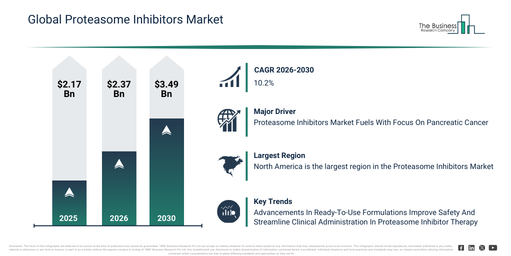
    The proteasome inhibitors market has experienced notable expansion over the past few years. In 2025, it was valued at $2.17 billion, and projections indicate it will reach $2.37 billion by 2026, reflecting a compound annual growth rate (CAGR) of 9.2%. This historic growth has been driven by factors such as the initial approval of proteasome inhibitors, a growing incidence of multiple myeloma, heightened funding for oncology research, progress in cancer diagnostic methods, and the development of hospital-based oncology units.

    The proteasome inhibitors market is projected to experience swift expansion over the coming years. By 2030, its value is anticipated to reach $3.49 billion, reflecting a compound annual growth rate (CAGR) of 10.2%. This forecasted growth is driven by factors such as the broadening pipeline of proteasome inhibitors, the incorporation of artificial intelligence into drug discovery, an increasing need for combination treatment approaches, the creation of oral dosage forms, and the rising prominence of oncology markets in emerging regions. Key developments shaping this period involve the advancement of personalized cancer treatments, more precise proteasome targeting, ongoing work on combination therapies, enhanced methods for drug delivery, and a broader scope of clinical trial initiatives.

    Download A Free Sample Report For Comprehensive Market Insights:

    https://www.thebusinessresearchcompany.com/sample.aspx?id=12251&type=smp&utm_source=BlogsPR&utm_medium=Paid&utm_campaign=Jul_PR

    Proteasome Inhibitors Market Opportunity Drivers: What Is Creating New Revenue Potential?

    The rising incidence of pancreatic cancer is anticipated to drive the expansion of the proteasome inhibitors market in the near future. This disease develops within the cells of the pancreas—an organ situated behind the stomach in the abdominal cavity. These inhibitors are primarily utilized in treating pancreatic cancer because the proteasome plays a vital part in fostering cell survival and growth by breaking down proteins that regulate cell cycle progression and programmed cell death. It impedes the survival of cancer cells, curbs tumor development, and halts metastasis. For example, data from the American Cancer Society, a health organization based in the United States, indicated in January 2024 that roughly 64,050 adults in the U.S. were identified with pancreatic cancer by 2023, while 50,550 individuals died from it. Moreover, these figures rose to 66,440 new cases and 51,750 deaths. Consequently, the growing prevalence of pancreatic cancer is fueling growth within the proteasome inhibitors market.

    Growing government allocations for research and development are expected to accelerate the proteasome inhibitors market forward. Government funding describes financial resources provided by a state for designated purposes. It is crucial in furthering proteasome inhibitor research by funding scientific studies, clinical trials, and drug creation. As an illustration, in September 2023, the National Cancer Institute—a U.S. government entity—was allocated a budget of $7.3 billion by the United States Congress during fiscal year 2023, reflecting a $408 million increase compared to 2022. Hence, heightened government investment in research and development is propelling the proteasome inhibitors market’s growth.

    Proteasome Inhibitors Market Segments: Where Are The Largest Growth Opportunities?

    The proteasome inhibitors market covered in this report is segmented –

    1) By Product: Velcade, Kyprolis, Ninlaro, Other Products

    2) By Drugs: Bortezomib, Carfilzomib, Ixazomib

    3) By Indication: Lymphoma, Mantle Cell Lymphoma, Multiple Myeloma

    4) By Distribution Channel: Hospital Pharmacy, Online Pharmacy, Retail Pharmacy

    5) By End-User: Hospital, Specialty Clinics, Other End-Users

    Subsegments:

    1) By Velcade: Injectable Velcade (Bortezomib), Oral Formulations

    2) By Kyprolis: Injectable Kyprolis (Carfilzomib), Combination Therapies With Kyprolis

    3) By Ninlaro: Oral Ninlaro (Ixazomib), Combination Therapies With Ninlaro

    4) By Other Products: Investigational Proteasome Inhibitors, Combination Products

    Proteasome Inhibitors Market Innovation Trends Driving Future Development

    Leading players in the proteasome inhibitors sector are prioritizing the development of advanced, pre-prepared formulations aimed at boosting treatment effectiveness, streamlining clinical procedures, and strengthening patient safety. These ready-to-administer injectables remove the requirement for on-site mixing, thereby cutting down preparation time, decreasing the likelihood of dosage mistakes, and facilitating a more efficient approach to oncology care. As an example, in April 2025, Amneal Pharmaceuticals Inc., a specialty pharmaceutical firm based in the United States, introduced BORUZU, the first injection of bortezomib that is ready to use, directed at multiple myeloma and mantle cell lymphoma. By allowing direct administration without the need for reconstitution, this product enhances clinical processes, enabling healthcare professionals to deliver faster and more dependable proteasome inhibitor therapy within outpatient and hospital environments.

    Proteasome Inhibitors Market Major Participants And Competitive Dynamics

    Major companies operating in the proteasome inhibitors market are Pfizer Inc., Johnson And Johnson, Onyx Pharmaceuticals Inc., Progenra Inc., Nurix Inc., Cephalon Inc., Cleave Therapeutics, Apotex Inc., Amgen Inc., Takeda Pharmaceutical Company Limited, Millennium Pharmaceuticals, Bristol-Myers Squibb Company, Janssen Pharmaceuticals, AbbVie, Karyopharm Therapeutics, OncoArendi Therapeutics, Novartis AG, GlaxoSmithKline plc, Sanofi S.A., Eli Lilly and Company

    Access The Complete Proteasome Inhibitors Market Report:

    https://www.thebusinessresearchcompany.com/report/proteasome-inhibitors-global-market-report?utm_source=BlogsPR&utm_medium=Paid&utm_campaign=Jul_PR

    Proteasome Inhibitors Market Largest Region: Which Geography Holds The Highest Market Share?

    North America was the largest region in the proteasome inhibitors market in 2025. The regions covered in the proteasome inhibitors market report are Asia-Pacific, South East Asia, Western Europe, Eastern Europe, North America, South America, Middle East, Africa.

    Get in touch with us:

    The Business Research Company: https://www.thebusinessresearchcompany.com/?utm_source=BlogsPR&utm_medium=Paid&utm_campaign=home_page_test

    Americas: +1 310-496-7795

    Asia: +44 7882 955267 & +91 8897263534

    Europe: +44 7882 955267

    Email us at: marketing@tbrc.info

    Follow us on:

    LinkedIn: https://in.linkedin.com/company/the-business-research-company

    YouTube: https://www.youtube.com/channel/UC24_fI0rV8cR5DxlCpgmyFQ

    Global Market Model: https://www.thebusinessresearchcompany.com/global-market-model

  • Prostate Cancer Therapeutics Market Growth Outlook Reveals A CAGR Of 8.4% And A Market Value Of $19.25 Billion By 2030

    Prostate Cancer Therapeutics Market Growth Outlook Reveals A CAGR Of 8.4% And A Market Value Of $19.25 Billion By 2030

    Enhanced with market attractiveness analysis, total addressable market evaluation, company benchmarking matrices, interactive Excel dashboards, expanded supply chain intelligence, emerging startup coverage, and detailed product insights, The Business Research Company’s 2026 market reports deliver more actionable and strategically valuable research.

    Prostate Cancer Therapeutics Market Size Forecast: How Large Could The Market Become By 2030?

    The prostate cancer therapeutics market has experienced robust expansion in recent years, with projections indicating an increase from $12.88 billion in 2025 to $13.96 billion in 2026, reflecting a compound annual growth rate (CAGR) of 8.4%. This historical growth has been driven by factors such as a higher prevalence of prostate cancer, an aging male demographic, progress in oncology drug development, the provision of cancer care within hospital settings, and a greater emphasis on cancer screening initiatives.

    The size of the prostate cancer therapeutics market is anticipated to experience robust expansion over the coming years. By 2030, it is projected to reach $19.25 billion, reflecting a compound annual growth rate (CAGR) of 8.4%. Several factors are driving this forecasted growth, including the adoption of precision oncology, the rise of biomarker-driven therapies, an increase in oral oncology drugs, an expanding immunotherapy pipeline, and higher healthcare spending. Key trends shaping this period encompass a growing preference for targeted therapies, increased utilization of PARP inhibitors, the broader application of immunotherapy in oncology, a transition toward oral cancer medications, and treatment selections guided by precision medicine.

    Download A Free Sample Report For Comprehensive Market Insights:

    https://www.thebusinessresearchcompany.com/sample.aspx?id=24389&type=smp&utm_source=BlogsPR&utm_medium=Paid&utm_campaign=Jul_PR

    Prostate Cancer Therapeutics Market Growth Momentum: Which Factors Are Influencing Demand?

    The rising prevalence of prostate cancer is anticipated to drive expansion in the prostate cancer therapeutics market moving forward. This disease involves the formation of malignant cells within the prostate gland tissues, predominantly affecting older men. Its growing incidence is linked to an aging population, as the likelihood of developing the condition significantly increases with age, and extended life expectancy allows more men to reach ages where it commonly occurs. Prostate cancer therapeutics are designed to manage the illness by focusing on cancerous cells, decelerating disease progression, and enhancing quality of life through interventions like surgery, radiation, hormone therapy, and emerging options such as immunotherapy. As an example, in January 2025, data from Prostate Cancer UK, a nonprofit cancer research and advocacy organization based in the UK, revealed that diagnosed prostate cancer cases rose from 50,751 in 2022 to 55,033 in 2023. Consequently, the escalating incidence of prostate cancer is fueling growth in the prostate cancer therapeutics market.

    Prostate Cancer Therapeutics Market Segment Analysis: What Are The Major Market Categories?

    The prostate cancer therapeutics market covered in this report is segmented –

    1) By Therapy: Hormonal Therapy, Chemotherapy, Immunotherapy, Targeted Therapy, Other Therapies

    2) By Drug Class: Androgen Receptor Inhibitors, GnRH Receptor Antagonists, PARP Inhibitors, Immune Checkpoint Inhibitors, Other Drug Classes

    3) By Route Of Administration: Oral, Injectable

    4) By Distribution Channel: Hospital Pharmacies, Retail Pharmacies

    5) By End User: Clinics, Hospitals, Other End Users

    Subsegments:

    1) By Hormonal Therapy: Luteinizing Hormone-Releasing Hormone (LHRH) Agonists, LHRH Antagonists, Anti-Androgens, Androgen Synthesis Inhibitors

    2) By Chemotherapy: Docetaxel, Cabazitaxel, Mitoxantrone, Combination Chemotherapy Regimens

    3) By Immunotherapy: Sipuleucel-T, Immune Checkpoint Inhibitors, Cancer Vaccines

    4) By Targeted Therapy: PARP Inhibitors, Radioligand Therapy

    5) By Other Therapies: Radiotherapy, Bone-Targeted Therapies, Cryotherapy, High-Intensity Focused Ultrasound

    Prostate Cancer Therapeutics Market Trends Reshaping Industry Growth

    Key players in the prostate cancer therapeutics sector are intensifying efforts to develop innovative treatments like a once-daily oral pill designed for advanced stages of the disease, aiming to boost patient adherence and enhance therapeutic results. This type of medication is taken each day to address metastatic castration-resistant prostate cancer by blocking the effects of testosterone on malignant cells. A notable example occurred in January 2024, when Zydus Lifesciences, a pharmaceutical firm based in India, introduced Rexigo, the country’s first daily oral tablet containing relugolix for those with advanced prostate cancer. This option serves as an accessible and cost-effective substitute for injectable hormone therapies, rapidly reducing testosterone levels to curb tumor progression, while also providing a more favorable cardiovascular risk profile. Since it is taken orally, patients no longer need to visit healthcare professionals for injections, significantly improving convenience. The introduction of this treatment marks a major step forward in managing prostate cancer within India, equipping both patients and physicians with a novel, practical, safer, and economical solution.

    Prostate Cancer Therapeutics Market Leading Companies Driving Competitive Growth

    Major companies operating in the prostate cancer therapeutics market are Johnson & Johnson, Merck & Co. Inc., AbbVie Inc., Novartis AG, AstraZeneca plc, Sanofi S.A., Astellas Pharma Inc., Jiangsu Hengrui Medicine Co. Ltd., Telix Pharmaceuticals, Bayer AG, Curium Pharma SAS, Dendreon Pharmaceuticals, Myovant Sciences GmbH, Clovis Oncology Inc., Ipsen S.A., Veru Inc., Bristol-Myers Squibb Company, F. Hoffmann-La Roche Ltd, Dendreon Pharmaceuticals LLC, Pfizer Inc., Ferring B.V.

    Access The Complete Prostate Cancer Therapeutics Market Report:

    https://www.thebusinessresearchcompany.com/report/prostate-cancer-therapeutics-global-market-report?utm_source=BlogsPR&utm_medium=Paid&utm_campaign=Jul_PR

    Prostate Cancer Therapeutics Market Regional Analysis: Which Region Leads By Revenue?

    North America was the largest region in the prostate cancer therapeutics market in 2025. Asia-Pacific is expected to be the fastest-growing region in the forecast period. The regions covered in the prostate cancer therapeutics market report are Asia-Pacific, South East Asia, Western Europe, Eastern Europe, North America, South America, Middle East, Africa.

    Get in touch with us:

    The Business Research Company: https://www.thebusinessresearchcompany.com/?utm_source=BlogsPR&utm_medium=Paid&utm_campaign=home_page_test

    Americas: +1 310-496-7795

    Asia: +44 7882 955267 & +91 8897263534

    Europe: +44 7882 955267

    Email us at: marketing@tbrc.info

    Follow us on:

    LinkedIn: https://in.linkedin.com/company/the-business-research-company

    YouTube: https://www.youtube.com/channel/UC24_fI0rV8cR5DxlCpgmyFQ

    Global Market Model: https://www.thebusinessresearchcompany.com/global-market-model

  • Prostate Cancer Drugs Market Forecast Highlights Expansion From $20.54 Billion To $26.14 Billion Through 2030

    Prostate Cancer Drugs Market Forecast Highlights Expansion From $20.54 Billion To $26.14 Billion Through 2030

    Through market attractiveness analysis, total addressable market evaluation, company benchmarking matrices, interactive Excel dashboards, expanded supply chain intelligence, emerging startup coverage, and detailed product insights, The Business Research Company’s 2026 market reports provide more actionable and strategically valuable research.

    Prostate Cancer Drugs Market Revenue Outlook: What CAGR Is Expected Through 2030?

    The market for prostate cancer medications has experienced notable expansion in recent years. Its value is projected to increase from $19.51 billion in 2025 to $20.54 billion in 2026, reflecting a compound annual growth rate (CAGR) of 5.3%. This historical growth has been driven by factors such as an aging male demographic, greater utilization of prostate cancer screening, broad acceptance of hormone-based treatments, a growing number of oncology facilities, and heightened public awareness of cancer.

    The market for prostate cancer drugs is anticipated to experience substantial expansion over the coming years, with projections indicating it will reach $26.15 billion by 2030, reflecting a compound annual growth rate (CAGR) of 6.2%. This forecasted growth is driven by several factors, including advancements in targeted and immunotherapy drugs, a higher prevalence of advanced prostate cancer, a shift toward more personalized treatment approaches, improved healthcare accessibility, and rising expenditures in oncology. Notable trends shaping the market during this period encompass the growing application of hormonal therapy at earlier stages of treatment, a greater reliance on targeted prostate cancer medications, an intensified focus on castration-resistant prostate cancer, the increasing use of combination therapy strategies, and a rise in prostate cancer care delivered within hospital settings.

    Download A Free Sample Report For Comprehensive Market Insights:

    https://www.thebusinessresearchcompany.com/sample.aspx?id=2592&type=smp&utm_source=BlogsPR&utm_medium=Paid&utm_campaign=Jul_PR

    Prostate Cancer Drugs Market Expansion Drivers: What Is Shaping Future Growth?

    The forecasted growth of the prostate cancer drugs market is being significantly driven by an expanding elderly male population. This demographic, defined as men aged 65 and older, faces a higher likelihood of age-associated health issues and requires specialized medical care. This increase in the aging male population is attributed to enhanced healthcare accessibility, reduced death rates, and extended lifespans worldwide. A larger geriatric male demographic boosts the prostate cancer drugs market by raising the number of patients who need hormonal therapies, immunotherapies, chemotherapy, and targeted medications for managing the disease and enhancing survival rates. According to data from February 2025 by the World Health Organization, a global public health agency based in Switzerland, worldwide life expectancy at birth hit 73.3 years in 2024. Furthermore, the number of individuals aged 60 and older globally is expected to grow from 1.1 billion in 2023 to 1.4 billion by 2030. Consequently, the increase in the elderly male population is fueling the expansion of the prostate cancer market.

    Prostate Cancer Drugs Market Driver: Surge In Incidences Of Prostate Cancer Driving Market Growth Due To Aging Population And Advancements In Targeted Therapies

    A key factor anticipated to boost the expansion of the prostate cancer drugs market is the growing occurrence of prostate cancer. Prostate cancer is a harmful condition that originates in the prostate gland, necessitating prompt and effective treatment to lower complications and improve patient results. The higher prevalence of prostate cancer is mainly caused by an aging population and greater utilization of screening techniques, such as prostate-specific antigen (PSA) testing, which results in increased detection rates. Drugs designed for prostate cancer can be advantageous in treating the condition by focusing on specific genetic alterations within cancer cells that promote their growth, operating differently from chemotherapy or hormone therapy drugs. The American Cancer Society, a US-based nonprofit health organization focused on fighting cancer, estimated in January 2023 that there would be around 288,300 new prostate cancer cases and roughly 34,700 deaths from the disease, with approximately 1 in 8 men being diagnosed with prostate cancer at some point in their lives. For this reason, the escalating prevalence of this cancer is propelling the growth of the prostate cancer drugs market.

    Prostate Cancer Drugs Market Segment Breakdown: Which Categories Generate The Most Revenue?

    The prostate cancer drugs market covered in this report is segmented –

    1) By Type: Hormone Sensitive Prostate Cancer, Hormone Refractory Prostate Cancer

    2) By Therapy: Hormonal Therapy, Chemotherapy, Immunotherapy, Targeted Therapy

    3) By End User: Hospitals, Clinics, Other End-Users

    Subsegments:

    1) By Hormone Sensitive Prostate Cancer: Early-Stage Prostate Cancer, Locally Advanced Prostate Cancer, Metastatic Prostate Cancer

    2) By Hormone Refractory Prostate Cancer: Castration-Resistant Prostate Cancer (CRPC), Metastatic Castration-Resistant Prostate Cancer (mCRPC)

    Prostate Cancer Drugs Market Strategic Trends: What Is Defining The Next Phase Of Growth?

    Key players within the prostate cancer therapeutics field are actively combining their resources to introduce novel treatments and secure regulatory approvals from federal bodies, thereby enhancing their market revenue potential. The pathway for drug development and its subsequent authorization is inherently protracted and intricate, making it imperative for drug developers to fully comprehend the regulatory frameworks and commercialization routes that provide a justified guarantee of safety and efficacy. As a case in point, in June 2023, two major pharmaceutical entities—AstraZeneca PLC, based in the United Kingdom, and Merck & Co. Inc., headquartered in the United States—announced that the U.S. Food and Drug Administration (USFDA), a federal agency operating under the Department of Health and Human Services, had granted approval for LYNPARZA (olaparib) when combined with Abiraterone and either Prednisone or Prednisolone. This regimen is intended for the treatment of adult patients diagnosed with BRCA-mutated metastatic castration-resistant prostate cancer (mCRPC). The combination of LYNPARZA with abi/pred showed clinically significant benefits in terms of both radiographic progression-free survival (rPFS) and overall survival (OS) when measured against treatment with abi/pred alone, as evidenced by an exploratory subgroup analysis from the Phase 3 PROpel trial, which provided the evidentiary basis for this endorsement.

    Prostate Cancer Drugs Market Key Players And Strategic Industry Positioning

    Major companies operating in the prostate cancer drugs market are Astellas Pharma Inc., AstraZeneca PLC, Johnson & Johnson, Sanofi S.A., Bayer AG, Abbott Laboratories, Pfizer Inc., Novartis International AG, F. Hoffmann-La Roche Ltd., Tolmar Inc., AbbVie Inc., Siemens Healthineers AG, Genomic Health Inc., OPKO Health Inc., Siemens Healthcare GmbH, MDxHealth SA, Myriad Genetics Inc., Janssen Biotech Inc., Clovis Oncology Inc., Merck Sharp & Dohme Corp., Dendreon Corporation, Ferring Pharmaceuticals Inc., Ipsen Biopharmaceuticals Inc., Merck & Co. Inc., Eli Lilly and Company Inc., Bristol-Myers Squibb Company, Takeda Pharmaceutical Company Limited, Novartis AG, Amgen Inc., Regeneron Pharmaceuticals Inc., Exelixis Inc.

    Access The Complete Prostate Cancer Drugs Market Report:

    https://www.thebusinessresearchcompany.com/report/prostate-cancer-drugs-global-market-report?utm_source=BlogsPR&utm_medium=Paid&utm_campaign=Jul_PR

    Prostate Cancer Drugs Market Geographic Distribution And Regional Opportunities

    North America was the largest region in the prostate cancer drugs market in 2025. Middle East is expected to be the fastest-growing region in the prostate cancer drugs market during the forecast period. The regions covered in the prostate cancer drugs market report are Asia-Pacific, South East Asia, Western Europe, Eastern Europe, North America, South America, Middle East, Africa.

    Get in touch with us:

    The Business Research Company: https://www.thebusinessresearchcompany.com/?utm_source=BlogsPR&utm_medium=Paid&utm_campaign=home_page_test

    Americas: +1 310-496-7795

    Asia: +44 7882 955267 & +91 8897263534

    Europe: +44 7882 955267

    Email us at: marketing@tbrc.info

    Follow us on:

    LinkedIn: https://in.linkedin.com/company/the-business-research-company

    YouTube: https://www.youtube.com/channel/UC24_fI0rV8cR5DxlCpgmyFQ

    Global Market Model: https://www.thebusinessresearchcompany.com/global-market-model
  • Propranolol Drug Market Expected To Reach $1.41 Billion By 2030 As Growth Accelerates At 5.2% CAGR

    Propranolol Drug Market Expected To Reach $1.41 Billion By 2030 As Growth Accelerates At 5.2% CAGR

    Delivering more actionable and strategically valuable research, The Business Research Company’s 2026 market reports feature market attractiveness analysis, total addressable market evaluation, company benchmarking matrices, interactive Excel dashboards, expanded supply chain intelligence, emerging startup coverage, and detailed product insights.

    Propranolol Drug Market Growth Analysis: How Will Revenue Expand During The Forecast Period?

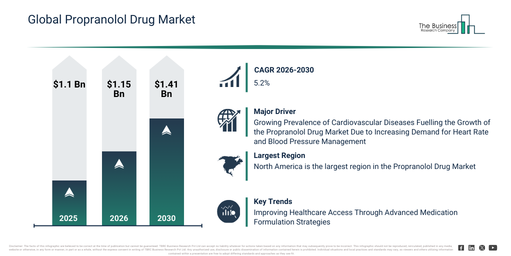
    The market for propranolol has experienced substantial growth over recent years, with its value expected to rise from $1.1 billion in 2025 to $1.15 billion in 2026, reflecting a compound annual growth rate of 5.2%. This expansion during the historical period has been driven by several key factors, including the high prevalence of hypertension, the broad use of the drug in epilepsy treatment, its cost-effective availability, the prevalence of hospital-based prescribing practices, and its inclusion in various national formularies.

    The propranolol pharmaceutical market is forecast to experience notable expansion in the coming years. By 2030, its value is projected to reach $1.41 billion, advancing at a compound annual growth rate (CAGR) of 5.2%. Several key factors are driving this growth during the forecast period, including an increasingly elderly demographic, rising prevalence of mental health issues, a growing need for affordable treatment options, the widening availability of generic medications, and a shift toward more outpatient services. Among the significant market developments shaping this period are the sustained requirement for treatments targeting cardiovascular diseases, heightened application in managing anxiety and migraines, broader distribution of generic propranolol, the introduction and proliferation of extended-release drug forms, and the drug’s ongoing incorporation into lists of essential medicines.

    Download A Free Sample Report For Comprehensive Market Insights:

    https://www.thebusinessresearchcompany.com/sample.aspx?id=24388&type=smp&utm_source=BlogsPR&utm_medium=Paid&utm_campaign=Jul_PR

    Propranolol Drug Market Development Factors: Which Trends Are Supporting Demand?

    The anticipated expansion of the propranolol drug market is largely driven by the increasing incidence of cardiovascular diseases. These diseases, which include coronary artery disease, heart failure, and stroke, are disorders that impair the heart and blood vessels. Their rise is linked to poor dietary habits, such as the overconsumption of processed foods and fats, which elevate cholesterol levels and heighten heart-related risks. By regulating heart rate and lowering blood pressure, propranolol proves effective in managing these conditions, particularly for patients with hypertension and arrhythmias. The drug enhances cardiac function and reduces the likelihood of heart attacks and strokes, thereby promoting better cardiovascular health. For example, data from the Centers for Disease Control and Prevention (CDC), a U.S. government public health agency, revealed that in October 2024, 919,032 individuals in the United States died from cardiovascular disease in 2023, accounting for roughly one out of every three deaths nationwide. Consequently, the mounting prevalence of cardiovascular diseases is fueling growth in the propranolol drug market.

    Propranolol Drug Market Segmentation: How Is The Market Structured Across Key Categories?

    The propranolol drug market covered in this report is segmented –

    1) By Dosage: Tablets, Injectable Solutions, Extended-Release Capsules, Oral Solution

    2) By Indication-Based: Hypertension, Angina Pectoris, Migraine Prevention, Post-Traumatic Stress Disorder (PTSD), Essential Tremors, Therapeutic Options In Anxiety Disorders

    3) By End-User: Hospitals, Clinics, Home Healthcare Settings, Nursing Homes

    Subsegments:

    1) By Tablets: Standard Tablets, Chewable Tablets, Film-Coated Tablets

    2) By Injectable Solutions: Intravenous Solutions, Intramuscular Solutions, Pre-Filled Syringes

    3) By Extended-Release Capsules: 60 Milligrams (mg), 80 Milligrams (mg), 120 Milligrams (mg), 160 Milligrams (mg)

    4) By Oral Solution: Liquid Suspension, Concentrated Oral Solution, Ready-To-Use Oral Solution

    Propranolol Drug Market Transformation Trends: Which Innovations Are Driving Change?

    Key players within the propranolol market are concentrating on creating innovative products, particularly extended-release formulations, with the goal of boosting patient compliance and elevating overall treatment results. These extended-release versions deliver the medication gradually over an extended period, maintaining consistent therapeutic effects and decreasing the frequency of doses required, which in turn fosters better adherence and improves patient outcomes. As an example, in August 2023, Lupin Pharma Canada Ltd., a pharmaceutical firm based in Canada, introduced Propranolol long-acting capsules in response to the discontinuation of Inderal long-acting (LA). Offered in strengths of 60 mg, 80 mg, 120 mg, and 160 mg, this new extended-release formulation provides Canadian patients with steady symptom management, enhances treatment adherence, and ultimately leads to better therapeutic results along with improved healthcare accessibility.

    Propranolol Drug Market Competitive Landscape And Leading Companies

    Major companies operating in the propranolol drug market are Pfizer Inc., Teva Pharmaceutical Industries Ltd., Boehringer Ingelheim International GmbH, Sandoz Group AG, Fresenius Kabi AG, Cipla Limited, Hikma Pharmaceuticals PLC, Amneal Pharmaceuticals Inc., Lupin Limited, Alkem Laboratories Ltd., Torrent Pharmaceuticals Ltd., Ipca Laboratories Limited, Mankind Pharma Ltd., Lannett Company Inc., Jubilant Pharma Holdings Inc., Actiza Pharmaceutical Private Limited, Mylan Laboratories Inc., Neurocon Inc., Neuracle Lifesciences Pvt. Ltd., Yabang Pharmaceutical Group Co. Ltd.

    Access The Complete Propranolol Drug Market Report:

    https://www.thebusinessresearchcompany.com/report/propranolol-drug-global-market-report?utm_source=BlogsPR&utm_medium=Paid&utm_campaign=Jul_PR

    Propranolol Drug Market Largest Region By Revenue And Market Share

    North America was the largest region in the propranolol drug market in 2025. The regions covered in the propranolol drug market report are Asia-Pacific, South East Asia, Western Europe, Eastern Europe, North America, South America, Middle East, Africa.

    Get in touch with us:

    The Business Research Company: https://www.thebusinessresearchcompany.com/?utm_source=BlogsPR&utm_medium=Paid&utm_campaign=home_page_test

    Americas: +1 310-496-7795

    Asia: +44 7882 955267 & +91 8897263534

    Europe: +44 7882 955267

    Email us at: marketing@tbrc.info

    Follow us on:

    LinkedIn: https://in.linkedin.com/company/the-business-research-company

    YouTube: https://www.youtube.com/channel/UC24_fI0rV8cR5DxlCpgmyFQ

    Global Market Model: https://www.thebusinessresearchcompany.com/global-market-model

  • Programmed Death (PD)-1 Non-Small Cell Lung Cancer Market Set To Grow From $29.92 Billion In 2026 To $41.45 Billion By 2030 At A CAGR Of 8.5%

    Programmed Death (PD)-1 Non-Small Cell Lung Cancer Market Set To Grow From $29.92 Billion In 2026 To $41.45 Billion By 2030 At A CAGR Of 8.5%

    Enhanced with market attractiveness analysis, total addressable market evaluation, company benchmarking matrices, interactive Excel dashboards, expanded supply chain intelligence, emerging startup coverage, and detailed product insights, The Business Research Company’s 2026 market reports deliver more actionable and strategically valuable research.

    Programmed Death (PD)-1 Non-Small Cell Lung Cancer Market Forecast: What Market Value Is Expected By 2030?

    The programmed death (PD)-1 non-small cell lung cancer market has experienced robust expansion in recent years. Projected to rise from $27.5 billion in 2025 to $29.92 billion in 2026, this growth reflects a compound annual growth rate (CAGR) of 8.8%. Several factors drove the historical period’s development, including the restricted number of PD-1 inhibitors approved for NSCLC, a rising prevalence of lung cancer, heightened physician awareness of immune checkpoint therapies, the continued reliance on chemotherapy as a standard treatment, and the early clinical trial achievements of pembrolizumab and nivolumab.

    The market for programmed death (PD)-1 treatments in non-small cell lung cancer is projected to experience substantial growth over the coming years. By 2030, it is anticipated to reach a value of $41.45 billion, reflecting an 8.5% compound annual growth rate (CAGR). Growth during the forecast period is being driven by the emergence of novel combination therapies, the expansion of biomarker-guided personalized medicine, the increasing use of mRNA vaccine-based approaches, heightened investment in immuno-oncology research, and rising levels of public and private funding aimed at cancer immunotherapy. Key trends expected over this period include a greater reliance on PD-1 monotherapy for NSCLC, an uptick in combination regimens incorporating chemotherapy, CTLA-4 inhibitors, and VEGF inhibitors, increased funding for targeted therapy and mRNA vaccine development, a broadening of both first-line and second-line treatment choices, and the integration of personalized medicine along with biomarker testing into therapeutic planning.

    Download A Free Sample Report For Comprehensive Market Insights:

    https://www.thebusinessresearchcompany.com/sample.aspx?id=25888&type=smp&utm_source=BlogsPR&utm_medium=Paid&utm_campaign=Jul_PR

    Programmed Death (PD)-1 Non-Small Cell Lung Cancer Market Industry Drivers: What Is Driving Revenue Growth?

    The market for programmed death (PD)-1 non-small cell lung cancer is being propelled forward by the growing uptake of personalized treatment approaches. These therapies involve medical strategies specifically designed around an individual’s genetic makeup, lifestyle factors, and unique disease traits to deliver more precise and successful results. The heightened demand for such personalized care is driven by the expanding use of genomic profiling and biomarker testing, which enable clinicians to pinpoint specific genetic mutations and biological indicators, thereby choosing treatments that are better suited to each patient. In the context of PD-1 non-small cell lung cancer (NSCLC), personalized treatments optimize therapy selection by considering a patient’s genetic profile, tumor attributes, and immune function. A notable example occurred in February 2024, when the Personalized Medicine Coalition, a US-based nonprofit, reported that the FDA had approved 16 new personalized treatments for rare diseases in 2023, compared to only six in 2022. Consequently, the rising adoption of these individualized therapies is fueling expansion in the PD-1 NSCLC market.

    Programmed Death (PD)-1 Non-Small Cell Lung Cancer Market Segmentation Trends And Revenue Drivers

    The programmed death (pd)-1 non-small cell lung cancer market covered in this report is segmented –

    1) By Drug Type: Monotherapy, Combination Therapy

    2) By Line of Therapy: First-line Treatment, Second-line And Beyond

    3) By End User: Hospitals, Specialty Cancer Centers, Academic And Research Institutes, Other End Users

    Subsegments:

    1) By Monotherapy: Pembrolizumab (Keytruda), Nivolumab (Opdivo), Cemiplimab (Libtayo), Toripalimab, Tislelizumab, Camrelizumab, Dostarlimab, Other Monotherapy Drug Types

    2) By Combination Therapy: Programmed Death (PD)-1 Inhibitor And Chemotherapy, Programmed Death (PD)-1 Inhibitor And Cytotoxic T-Lymphocyte Associated Protein (CTLA)-4 Inhibitor, Programmed Death (PD)-1 Inhibitor And Vascular Endothelial Growth Factor (VEGF) Inhibitor, Programmed Death (PD)-1 Inhibitor And Targeted Therapy, Programmed Death (PD)-1 Inhibitor And Radiation Therapy, Triple Combination Therapy, Programmed Death (PD)-1 Inhibitor And Messenger Ribonucleic Acid (mRNA) Vaccine, Other Combination Drug Types

    Programmed Death (PD)-1 Non-Small Cell Lung Cancer Market Growth Trends: What Is Influencing The Future Outlook?

    Key players in the programmed death (PD)-1 non-small cell lung cancer market are concentrating on conducting clinical trials for cutting-edge therapies, including monotherapy, to enhance patient outcomes. Monotherapy refers to a treatment method where only one drug or therapeutic approach is used to manage a particular disease or condition. For example, in March 2025, Akeso, Inc., a biopharmaceutical firm based in China, reported favorable findings from its Phase III HARMONi-2 trial, which tested Ivonescimab (AK112) combined with chemotherapy as a first-line therapy for advanced non-small cell lung cancer (NSCLC). The study successfully achieved its primary goal by notably prolonging progression-free survival relative to pembrolizumab, underscoring the effectiveness of this dual-targeted bispecific antibody.

    Programmed Death (PD)-1 Non-Small Cell Lung Cancer Market Industry Leaders: Which Organizations Are Driving Competition?

    Major companies operating in the programmed death (pd)-1 non-small cell lung cancer market are F. Hoffmann-La Roche Ltd, Merck & Co. Inc., Sanofi S.A., Novartis AG, GlaxoSmithKline plc, Regeneron Pharmaceuticals Inc., Incyte Corporation, Ono Pharmaceutical Co. Ltd., BeiGene Ltd., BioNTech SE, Shanghai Junshi Biosciences Co. Ltd., Akeso Inc., Arcus Biosciences Inc., Shandong Boan Biotechnology Co. Ltd., CStone Pharmaceuticals, iTeos Therapeutics Inc., Summit Therapeutics Inc., Shanghai Henlius Biotech Inc.

    Access The Complete Programmed Death (PD)-1 Non-Small Cell Lung Cancer Market Report:

    https://www.thebusinessresearchcompany.com/report/programmed-death-pd-1-non-small-cell-lung-cancer-global-market-report?utm_source=BlogsPR&utm_medium=Paid&utm_campaign=Jul_PR

    Programmed Death (PD)-1 Non-Small Cell Lung Cancer Market Regional Analysis And Leading Geography

    North America was the largest region in the programmed death (PD)-1 non-small cell lung cancer market in 2025. Asia-Pacific is expected to be the fastest-growing region in the forecast period. The regions covered in the programmed death (pd)-1 non-small cell lung cancer market report are Asia-Pacific, South East Asia, Western Europe, Eastern Europe, North America, South America, Middle East, Africa.

    Get in touch with us:

    The Business Research Company: https://www.thebusinessresearchcompany.com/?utm_source=BlogsPR&utm_medium=Paid&utm_campaign=home_page_test

    Americas: +1 310-496-7795

    Asia: +44 7882 955267 & +91 8897263534

    Europe: +44 7882 955267

    Email us at: marketing@tbrc.info

    Follow us on:

    LinkedIn: https://in.linkedin.com/company/the-business-research-company

    YouTube: https://www.youtube.com/channel/UC24_fI0rV8cR5DxlCpgmyFQ

    Global Market Model: https://www.thebusinessresearchcompany.com/global-market-model
  • Progesterone Market Opportunities Are Emerging Beyond Traditional Growth Areas

    Progesterone Market Opportunities Are Emerging Beyond Traditional Growth Areas

    Through market attractiveness analysis, total addressable market evaluation, company benchmarking matrices, interactive Excel dashboards, expanded supply chain intelligence, emerging startup coverage, and detailed product insights, The Business Research Company’s 2026 market reports provide more actionable and strategically valuable research.

    Progesterone Market Size Outlook: How Fast Will Revenue Grow Through 2030?

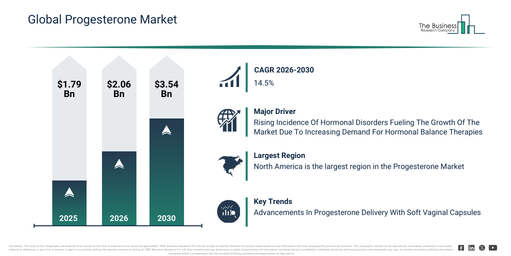
    The progesterone market has experienced significant expansion in recent years, with its value projected to rise from $1.79 billion in 2025 to $2.06 billion in 2026, reflecting a compound annual growth rate (CAGR) of 14.8%. This historical growth has been driven by factors such as the restricted supply of natural progesterone, a strong dependence on branded products, heightened awareness surrounding menopausal treatments, a growing prevalence of dysfunctional uterine bleeding, and the widespread use of traditional oral contraceptives.

    The market for progesterone is projected to experience substantial expansion in the coming years, reaching a value of $3.54 billion by 2030, representing a compound annual growth rate of 14.5%. This anticipated growth throughout the forecast period is driven by progress in synthetic progestins and advanced delivery mechanisms, a growing need for individualized hormone therapy, the expansion of fertility and contraceptive services, heightened research efforts into endometrial cancer therapies, and the embrace of less invasive administration methods. Key developments shaping the forecast horizon involve an increased preference for natural progesterone products, a greater utilization of hormone replacement therapy, wider adoption of injectable and transdermal delivery routes, enhanced offerings in contraception and fertility care, and an emphasis on tailored medical approaches along with endometrial health.

    Download A Free Sample Report For Comprehensive Market Insights:

    https://www.thebusinessresearchcompany.com/sample.aspx?id=24671&type=smp&utm_source=BlogsPR&utm_medium=Paid&utm_campaign=Jul_PR

    #Progesterone Market Growth Factors: Which Forces Are Supporting Market Expansion?

    The growing occurrence of hormonal disorders is anticipated to drive expansion in the progesterone market moving forward. These disorders are medical conditions resulting from imbalances or malfunctions in the endocrine system, which is responsible for producing and regulating hormones that control essential functions like metabolism, growth, reproduction, and mood. Their rising prevalence stems from modern lifestyle elements, including poor dietary habits, chronic stress, physical inactivity, and exposure to environmental pollutants. Progesterone aids in treating hormonal disorders by reestablishing hormonal equilibrium, regulating menstrual cycles, and easing symptoms associated with estrogen dominance. It also facilitates the function of other hormones, including estrogen and cortisol, thereby stabilizing overall endocrine system activity and mitigating conditions like polycystic ovary syndrome (PCOS) and premenstrual syndrome (PMS). For example, according to the World Health Organization, an intergovernmental body based in Switzerland, PCOS was identified in January 2025 as a major public health challenge and one of the most frequent hormonal disorders among women of reproductive age, impacting an estimated 6–13% annually. Consequently, the increasing prevalence of hormonal disorders is fueling growth in the progesterone market.

    Progesterone Market Segment Analysis Highlighting Growth Areas

    The progesterone market covered in this report is segmented –

    1) By Product Type: Natural Progesterone, Synthetic Progesterone

    2) By Drug Type: Branded, Generic

    3) By Route Of Administration: Injectable, Oral, Transdermal, Other Routes Of Administration

    4) By Application: Menopause, Contraception, Dysfunctional Uterine Bleeding, Hyperplastic Precursor Lesions, Endometrial Cancer, Other Applications

    5) By End-User: Hospitals, Clinics, Research Institutes, Other End-Users

    Subsegments:

    1) By Natural Progesterone: Oral Capsules, Vaginal Gels, Creams, Injections, Suppositories

    2) By Synthetic Progesterone: Progestins, Oral Contraceptives, Hormone Replacement Therapy (HRT) Formulations, Injectable Contraceptives, Intrauterine Devices

    Progesterone Market Industry Trends: What Changes Are Reshaping Demand?

    Major players in the progesterone market are concentrating their efforts on creating advanced drug delivery systems, including soft vaginal capsules, to boost patient adherence and optimize medication uptake. These capsules are smooth, gel-based inserts intended for vaginal use, enabling direct administration of drugs to the vaginal area for combating infections, restoring hormonal equilibrium, or promoting overall vaginal well-being. A notable example occurred in April 2024 when Besins Healthcare (UK) Limited, a pharmaceutical manufacturer based in the United Kingdom, released Prometrium 400mg soft vaginal capsules. This product is indicated for preventing miscarriage in women who have early pregnancy bleeding and a prior history of recurrent miscarriage. As the first licensed formulation of its kind in the UK, it is engineered to elevate patient compliance and therapeutic efficacy by providing a precise, non-invasive route of administration that improves progesterone absorption at the targeted site of action.

    Progesterone Market Leading Companies: Who Holds Significant Market Presence?

    Major companies operating in the progesterone market are Pfizer Inc., Johnson & Johnson, Merck & Co Inc., Allergan plc, AbbVie Inc., Bayer AG, Teva Pharmaceutical Industries Ltd., Sun Pharmaceutical Industries Ltd, Gedeon Richter Plc., Dr. Reddy’s Laboratories Ltd., Cipla Limited, Cadila Pharmaceuticals Ltd., Aspen Pharmacare, BIOCON Ltd., Zhejiang Xianju Pharmaceutical Co. Ltd., Beximco Pharmaceuticals Ltd., Besins healthcare (UK) limited., Sichuan Deebio Pharmaceutical Co. Ltd., Changzhou Siyao Pharmaceuticals Co. Ltd., Shanghai Shyndec Pharmaceutical Co. Ltd.

    Access The Complete Progesterone Market Report:

    https://www.thebusinessresearchcompany.com/report/progesterone-global-market-report?utm_source=BlogsPR&utm_medium=Paid&utm_campaign=Jul_PR

    Progesterone Market Geographic Analysis: Where Is Demand Growing The Fastest?

    North America was the largest region in the progesterone market in 2025. Asia-Pacific is expected to be the fastest-growing region in the forecast period. The regions covered in the progesterone market report are Asia-Pacific, South East Asia, Western Europe, Eastern Europe, North America, South America, Middle East, Africa.

    Get in touch with us:

    The Business Research Company: https://www.thebusinessresearchcompany.com/?utm_source=BlogsPR&utm_medium=Paid&utm_campaign=home_page_test

    Americas: +1 310-496-7795

    Asia: +44 7882 955267 & +91 8897263534

    Europe: +44 7882 955267

    Email us at: marketing@tbrc.info

    Follow us on:

    LinkedIn: https://in.linkedin.com/company/the-business-research-company

    YouTube: https://www.youtube.com/channel/UC24_fI0rV8cR5DxlCpgmyFQ

    Global Market Model: https://www.thebusinessresearchcompany.com/global-market-model

  • Process Analytical Technology Market Expansion Is Opening New Pathways For Strategic Investment

    Process Analytical Technology Market Expansion Is Opening New Pathways For Strategic Investment

    Delivering more actionable and strategically valuable research, The Business Research Company’s 2026 market reports feature market attractiveness analysis, total addressable market evaluation, company benchmarking matrices, interactive Excel dashboards, expanded supply chain intelligence, emerging startup coverage, and detailed product insights.

    Process Analytical Technology Market Size, Value And Growth Trends Through 2030

    The process analytical technology market has experienced significant expansion over recent years, with its valuation increasing from $3.33 billion in 2025 to an anticipated $3.71 billion by 2026, reflecting a compound annual growth rate (CAGR) of 11.6%. This historical growth has been driven by several key factors, including the implementation of quality-by-design approaches, the growing complexity of pharmaceutical production processes, heightened requirements for uniform product quality, the incorporation of analytical tools into batch manufacturing operations, and the expanding development of large-molecule therapeutic drugs.

    The process analytical technology market is anticipated to experience robust expansion over the coming years. By 2030, its value is projected to reach $5.4 billion, driven by a compound annual growth rate (CAGR) of 9.8%. This forecasted growth is fueled by the rise of continuous manufacturing, the adoption of real-time release testing, improvements in sensor and probe technologies, a growing reliance on AI-driven process control, and regulatory support for implementing process analytical technology. Key developments shaping this period include real-time process monitoring, predictive quality control, advanced process optimization, the integration of analytical tools with manufacturing execution systems, and a focus on regulatory compliance and process standardization.

    Download A Free Sample Report For Comprehensive Market Insights:

    https://www.thebusinessresearchcompany.com/sample.aspx?id=14777&type=smp&utm_source=BlogsPR&utm_medium=Paid&utm_campaign=Jul_PR

    Process Analytical Technology Market Demand Drivers: What Is Fueling Industry Growth?

    The increasing need for individualized treatment approaches is set to accelerate the expansion of the process analytical technology (PAT) market. Personalized medicine customizes healthcare and treatment strategies based on a person’s genetic makeup, environmental influences, and behavioral patterns, leading to more precise and effective medical results. Improvements in genomics and biomarker-based technologies are speeding up the uptake of personalized medicine by facilitating the creation of highly tailored therapies. PAT supports this shift through real-time monitoring, analysis, and management of essential production parameters for precision treatments like gene therapies and custom biologics, guaranteeing product quality, precision, and batch uniformity. For example, in February 2024, the Personalized Medicine Coalition, a US non-profit, stated that the FDA approved 16 new personalized treatments for rare diseases in 2023, a notable increase from 6 approvals in 2022. Consequently, the escalating demand for personalized medicine is fueling the growth of the process analytical technology market.

    Process Analytical Technology Market Segment Performance And Strategic Opportunities

    The process analytical technology market covered in this report is segmented –

    1) By Product: Analyzers, Sensors And Probes, Samplers, Software And Services

    2) By Technique: Spectroscopy, Chromatography, Particle Size Analysis, Electrophoresis, Other Techniques

    3) By Application: Small Molecules, Large Molecules, Manufacturing Applications, Other Applications

    4) By End-User: Pharmaceutical Companies, Biotechnology Companies, Other End-Users

    Subsegments:

    1) By Analyzers: Gas Analyzers, Liquid Analyzers, Particle Size Analyzers, Spectrometers, Chromatographs, Others (Moisture Analyzers, PH Meters)

    2) By Sensors And Probes: Temperature Sensors, Pressure Sensors, pH Sensors, Conductivity Sensors, Optical Sensors, Others (Flow Sensors, Humidity Sensors)

    3) By Samplers: Manual Samplers, Automated Samplers, Online Samplers, Batch Samplers

    4) By Software And Services: Software (Data Analytics, Process Control Software), Cloud-based Solutions, Support And Maintenance Services, Consulting Services, Installation And Integration Services

    Process Analytical Technology Market Innovation Trends: Which Developments Are Transforming The Industry?

    Key industry players in the process analytical technology market are focusing on creating advanced products, including compact radiance instruments, to strengthen their market position. These instruments enable the analysis of individual cells within a population, providing detailed insights into cellular heterogeneity, responses, and behavior in real time during production. In October 2023, LumaCyte Inc., a biotechnology firm based in the United States, unveiled a new compact radiance instrument tailored for advanced therapy biomanufacturing and quality control applications. This device functions as a high-content, label-free microfluidic cell analyzer and sorter, capable of performing single-cell analysis and sorting. Its compact design, occupying just 16 inches of bench space, does not compromise its advanced features. The technology plays a crucial role in biomanufacturing and quality control settings, delivering efficient and precise analytical capabilities.

    Process Analytical Technology Market Key Players: Which Companies Shape Industry Competition?

    Major companies operating in the process analytical technology market are Siemens AG, Thermo Fisher Scientific Inc, Danaher Corporation, ABB Ltd, GE Healthcare, Emerson Electric Co, Agilent Technologies Inc, Teledyne Technologies Incorporated, Sartorius AG, Mettler-Toledo, PerkinElmer Inc, Shimadzu Corporation, Waters Corporation, Bruker Corporation, HORIBA Ltd, Carl Zeiss AG, Nova Biomedical, TECAN Group Ltd, Repligen Corporation, Hamilton Company, Oxford Instruments plc, Malvern Panalytical, Hitachi High-Tech Analytical Science, JEOL Ltd, Yokogawa Electric Corporation

    Access The Complete Process Analytical Technology Market Report:

    https://www.thebusinessresearchcompany.com/report/process-analytical-technology-global-market-report?utm_source=BlogsPR&utm_medium=Paid&utm_campaign=Jul_PR

    Process Analytical Technology Market Global Footprint: Which Region Holds Market Leadership?

    North America was the largest region in the process analytical technology market in 2025. Asia-Pacific is expected to be the fastest-growing region in the forecast period. The regions covered in the process analytical technology market report are Asia-Pacific, South East Asia, Western Europe, Eastern Europe, North America, South America, Middle East, Africa.

    Get in touch with us:

    The Business Research Company: https://www.thebusinessresearchcompany.com/?utm_source=BlogsPR&utm_medium=Paid&utm_campaign=home_page_test

    Americas: +1 310-496-7795

    Asia: +44 7882 955267 & +91 8897263534

    Europe: +44 7882 955267

    Email us at: marketing@tbrc.info

    Follow us on:

    LinkedIn: https://in.linkedin.com/company/the-business-research-company

    YouTube: https://www.youtube.com/channel/UC24_fI0rV8cR5DxlCpgmyFQ

    Global Market Model: https://www.thebusinessresearchcompany.com/global-market-model
  • Primary Progressive Multiple Sclerosis (PPMS) Treatment Market Trends Are Creating New Opportunities For Industry Leaders

    Primary Progressive Multiple Sclerosis (PPMS) Treatment Market Trends Are Creating New Opportunities For Industry Leaders

    Enhanced with market attractiveness analysis, total addressable market evaluation, company benchmarking matrices, interactive Excel dashboards, expanded supply chain intelligence, emerging startup coverage, and detailed product insights, The Business Research Company’s 2026 market reports deliver more actionable and strategically valuable research.

    Primary Progressive Multiple Sclerosis (PPMS) Treatment Market CAGR Analysis And Future Market Development

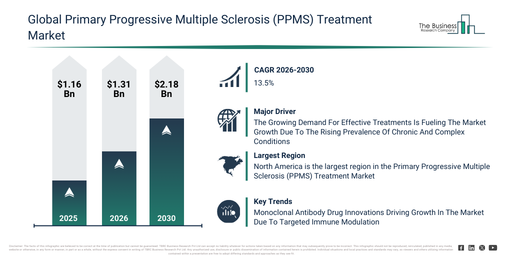
    The market for primary progressive multiple sclerosis (PPMS) therapies has expanded quickly in recent years. It is projected to increase from $1.16 billion in 2025 to $1.31 billion in 2026, reflecting a compound annual growth rate (CAGR) of 13.7%. Historical expansion has been driven by factors such as the scarcity of treatment alternatives for PPMS, the dependence on corticosteroids to manage symptoms, limited patient awareness of the condition, underdeveloped hospital pharmacy systems, and the gradual uptake of immunosuppressants.

    The primary progressive multiple sclerosis (PPMS) treatment market is poised for substantial expansion in the coming years. By 2030, its value is projected to reach $2.18 billion, reflecting a compound annual growth rate (CAGR) of 13.5%. This anticipated growth during the forecast period is driven by factors such as the launch of targeted monoclonal antibodies, heightened research and development efforts in neurodegenerative conditions, the broadening of hospital and online pharmacy networks, an increase in regulatory approvals for innovative treatments, and enhanced patient awareness coupled with early diagnosis initiatives. Key trends shaping this period include a growing preference for monoclonal antibodies in PPMS management, a stronger emphasis on alleviating symptoms and improving quality of life, a shift toward intravenous drug administration, the expansion of hospital and specialty pharmacy channels, and the continuous development of novel therapeutics and combination approaches.

    Download A Free Sample Report For Comprehensive Market Insights:

    https://www.thebusinessresearchcompany.com/sample.aspx?id=24670&type=smp&utm_source=BlogsPR&utm_medium=Paid&utm_campaign=Jul_PR

    Primary Progressive Multiple Sclerosis (PPMS) Treatment Market Growth Drivers: What Factors Are Accelerating Expansion?

    The rising necessity for impactful therapies is anticipated to fuel expansion in the primary progressive multiple sclerosis (PPMS) treatment market moving ahead. Impactful therapies refer to medical approaches that alleviate symptoms, enhance patient outcomes, or eliminate a disease or condition. This growing necessity is largely propelled by the increasing occurrence of chronic and intricate health issues that call for sustained management and advanced medical solutions to boost patient results and life quality. By addressing inflammation and safeguarding neurological function, such therapies decelerate PPMS progression, thus elevating long-term life quality, curbing disability accumulation, and empowering individuals to handle daily tasks with greater autonomy and steadiness. For example, data from January 2024 released by the American Society of Gene & Cell Therapy—a US-focused organization dedicated to gene and cell therapy—showed that the number of gene therapies in Phase III clinical trials hit 33 in 2023, marking a 10% rise from 2022 and the first quarterly uptick since Q3 2022. Consequently, the escalating demand for impactful therapies is steering the growth of the primary progressive multiple sclerosis (PPMS) treatment market.

    Primary Progressive Multiple Sclerosis (PPMS) Treatment Market Segment Landscape And Growth Potential

    The primary progressive multiple sclerosis (ppms) treatment market covered in this report is segmented –

    1) By Drug Type: Monoclonal Antibodies, Immunosuppressants, Corticosteroids, Other Drug Types

    2) By Route Of Administration: Oral, Intravenous, Other Route Of Administrations

    3) By Distribution Channel: Hospital Pharmacies, Retail Pharmacies, Online Pharmacies, Other Distribution Channels

    Subsegments:

    1) By Monoclonal Antibodies: Ocrelizumab, Rituximab, Ofatumumab, Ublituximab

    2) By Immunosuppressants: Methotrexate, Azathioprine, Mycophenolate Mofetil, Cyclophosphamide

    3) By Corticosteroids: Methylprednisolone, Prednisone, Dexamethasone, Hydrocortisone

    4) By Other Drug Types: Biotin, Ibudilast, Laquinimod, Idebenone

    Primary Progressive Multiple Sclerosis (PPMS) Treatment Market Trends: What Is Shaping Future Industry Growth?

    Within the primary progressive multiple sclerosis (PPMS) treatment market, key players are placing significant emphasis on creating novel formulations, particularly monoclonal antibody drugs, aimed at improving multiple sclerosis care. These monoclonal antibody therapies function by specifically binding to immune cells or proteins responsible for triggering inflammation and neural damage, thereby minimizing disease activity and decelerating symptom progression. A concrete example is provided by Roche Pharma India, headquartered in India, which introduced Ocrevus (ocrelizumab) in February 2024 for treating multiple sclerosis (MS) within the country. Ocrevus distinguishes itself as the first and only approved disease-modifying therapy (DMT) that addresses both relapsing-remitting multiple sclerosis (RRMS) and primary progressive multiple sclerosis (PPMS) in the Indian market. Its mechanism of action involves targeting CD20-positive B cells—immune cells implicated in the aberrant immune responses characteristic of MS. Administration occurs through a twice-yearly intravenous infusion lasting just two hours, delivering a more convenient yet highly effective treatment alternative for patients.

    Primary Progressive Multiple Sclerosis (PPMS) Treatment Market Competitive Landscape: Who Are The Leading Companies?

    Major companies operating in the primary progressive multiple sclerosis (ppms) treatment market are F. Hoffmann-La Roche Ltd., Biogen Inc., Novartis AG, Teva Pharmaceutical Industries Ltd., Acorda Therapeutics Inc., Apitope International N.V., Atara Biotherapeutics Inc., Kyverna Therapeutics Inc., Clene Inc., Mapi Pharma Ltd., Abata Therapeutics Inc., MediciNova Inc., MedDay Pharmaceuticals SAS, AB Science S.A., Immunic AG, BrainStorm Cell Therapeutics Inc., TG Therapeutics Inc., EMD Serono Inc. (Merck KGaA), Mitsubishi Tanabe Pharma Corporation, Sanofi Genzyme, Alexion Pharmaceuticals (AstraZeneca Rare Disease), Viela Bio (Horizon Therapeutics), Receptos (Celgene/Bristol-Myers Squibb), Forward Pharma A/S, InnoCare Pharma, NervGen Pharma Corp., Priovant Therapeutics, Tiziana Life Sciences, Reata Pharmaceuticals, Biohaven Pharmaceutical Holding Company, Anokion SA

    Access The Complete Primary Progressive Multiple Sclerosis (PPMS) Treatment Market Report:

    https://www.thebusinessresearchcompany.com/report/primary-progressive-multiple-sclerosis-ppms-treatment-global-market-report?utm_source=BlogsPR&utm_medium=Paid&utm_campaign=Jul_PR

    Primary Progressive Multiple Sclerosis (PPMS) Treatment Market Regional Distribution: Which Areas Drive Market Expansion?

    North America was the largest region in the primary progressive multiple sclerosis (PPMS) treatment market in 2025. Asia-Pacific is expected to be the fastest-growing region in the forecast period. The regions covered in the primary progressive multiple sclerosis (ppms) treatment market report are Asia-Pacific, South East Asia, Western Europe, Eastern Europe, North America, South America, Middle East, Africa.

    Get in touch with us:

    The Business Research Company: https://www.thebusinessresearchcompany.com/?utm_source=BlogsPR&utm_medium=Paid&utm_campaign=home_page_test

    Americas: +1 310-496-7795

    Asia: +44 7882 955267 & +91 8897263534

    Europe: +44 7882 955267

    Email us at: marketing@tbrc.info

    Follow us on:

    LinkedIn: https://in.linkedin.com/company/the-business-research-company

    YouTube: https://www.youtube.com/channel/UC24_fI0rV8cR5DxlCpgmyFQ

    Global Market Model: https://www.thebusinessresearchcompany.com/global-market-model
  • Primary Myelofibrosis Market Growth Is Reshaping Competitive Advantage Across The Industry

    Primary Myelofibrosis Market Growth Is Reshaping Competitive Advantage Across The Industry

    Through market attractiveness analysis, total addressable market evaluation, company benchmarking matrices, interactive Excel dashboards, expanded supply chain intelligence, emerging startup coverage, and detailed product insights, The Business Research Company’s 2026 market reports provide more actionable and strategically valuable research.

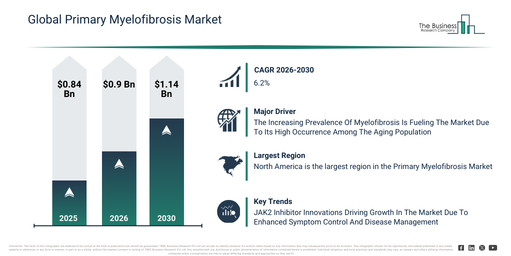
    Primary Myelofibrosis Market Expansion From $0.89 Billion In 2026 To $1.14 Billion In 2030

    The market for primary myelofibrosis has experienced robust expansion over recent years. Its value is projected to rise from $0.84 billion in 2025 to $0.9 billion in 2026, reflecting a compound annual growth rate of 6.4%. This historical growth was driven by factors such as scarce treatment alternatives, frequent delays in diagnosis and instances of misdiagnosis, insufficient public awareness of the condition, a dependence on traditional therapies, and a relatively limited patient population.

    The market for primary myelofibrosis is anticipated to experience robust expansion over the coming years. By 2030, its value is projected to reach $1.14 billion, reflecting a compound annual growth rate (CAGR) of 6.2%. This forecasted growth is driven by factors such as the creation of innovative targeted therapies, a rise in clinical trial initiatives, progress in genetic and molecular diagnostics, increased funding for hematology research, and a greater emphasis on personalized medicine. Key developments expected in this period include heightened awareness and earlier detection of the condition, an expansion of targeted and individualized treatment strategies, broader implementation of sophisticated diagnostic technologies, a surge in clinical trial and research efforts, and a stronger focus on patient support programs and comprehensive disease management.

    Download A Free Sample Report For Comprehensive Market Insights:

    https://www.thebusinessresearchcompany.com/sample.aspx?id=24669&type=smp&utm_source=BlogsPR&utm_medium=Paid&utm_campaign=Jul_PR

    Primary Myelofibrosis Market Growth Factors Supporting Long-Term Expansion

    A rise in the prevalence of myelofibrosis is anticipated to stimulate expansion in the primary myelofibrosis market moving forward. This condition, a rare bone marrow cancer, interferes with the body’s regular production of blood cells, causing significant scar tissue formation in the marrow that leads to serious anemia, weakness, fatigue, and a swollen spleen. The growing frequency of myelofibrosis is largely attributed to an aging demographic, as it commonly affects individuals beyond the age of 60, and extended lifespans are increasing the number of confirmed cases. Higher prevalence rates are enhancing the management of primary myelofibrosis by fueling research efforts, improving early detection, broadening available therapies, and fostering better clinical standards and specialized care approaches. For example, in November 2024, a report from the National Institute for Health and Care Excellence, a UK-based independent public body, indicated that myelofibrosis occurs in 3.2 per 100,000 people in the UK, with an incidence rate of 0.6 per 100,000. Consequently, the increasing occurrence of myelofibrosis is propelling growth in the primary myelofibrosis market.

    Primary Myelofibrosis Market Categorization By Product Type And Application

    The primary myelofibrosis market covered in this report is segmented –

    1) By Type: Spinocerebellar Primary Myelofibrosiss, Primary Myelofibrosis-Telangiectasia, Episodic Primary Myelofibrosis, Other Types

    2) By Services: Treatment, Diagnosis

    3) By Dosage Forms: Solid, Liquids, Other Dosage Forms

    4) By Age: Adult, Child, Geriatric

    5) By End User: Hospitals, Clinics, Other End Users

    Subsegments:

    1) By Spinocerebellar Primary Myelofibrosis: Spinocerebellar Ataxia With Myelofibrosis, Hereditary Spinocerebellar Degeneration With Bone Marrow Fibrosis, Neurodegenerative Spinocerebellar Syndromes With Fibrotic Manifestations

    2) By Primary Myelofibrosis-Telangiectasia: Cutaneous Telangiectasia With Myelofibrosis, Hereditary Hemorrhagic Telangiectasia With Marrow Fibrosis, Ocular Telangiectasia-Associated Myelofibrosis

    3) By Episodic Primary Myelofibrosis: Intermittent Marrow Fibrosis Episodes, Periodic Cytopenia With Fibrosis Flare, Cyclical Myelofibrosis In Autoimmune Disorders

    4) By Other Types: Familial Primary Myelofibrosis, Idiopathic Myelofibrosis, Therapy-Related Primary Myelofibrosis, Juvenile Primary Myelofibrosis

    Primary Myelofibrosis Market Industry Trends Shaping Future Revenue Growth

    Key players in the primary myelofibrosis market are concentrating their efforts on developing advanced treatments, such as Janus kinase 2 inhibiting tablets, with the goal of enhancing symptom management and decelerating disease advancement. These oral medications work by suppressing the activity of the JAK2 enzyme, which plays a central role in the irregular signaling pathways that drive excessive blood cell production in primary myelofibrosis. The tablets contribute to reducing spleen size, easing symptoms like fatigue and bone pain, and slowing the overall progression of the disease. As an example, in March 2025, GlaxoSmithKline Korea (GSK Korea) Ltd., a pharmaceutical and biotechnology firm based in Korea, introduced Omjjara (momelotinib), a novel therapeutic option for myelofibrosis. This drug has received approval from South Korea’s Ministry of Food and Drug Safety and is designed for adult patients with intermediate- or high-risk primary or secondary myelofibrosis who are also dealing with moderate to severe anemia. Omjjara functions as an oral inhibitor of Janus kinases (JAK1 and JAK2) as well as activin A receptor type 1 (ACVR1), targeting symptoms like anemia, an enlarged spleen, and fatigue. Its authorization is backed by clinical trial results that show considerable enhancements in anemia, spleen size, and overall symptom relief when compared to existing therapies.

    Primary Myelofibrosis Market Company Landscape And Strategic Competition

    Major companies operating in the primary myelofibrosis market are Merck & Co. Inc., AbbVie Inc., Bristol-Myers Squibb Company, Sumitomo Pharma Oncology Inc., Incyte Corporation, Nippon Shinyaku Co. Ltd., MorphoSys AG, Keros Therapeutics Inc., Geron Corporation, Lynk Pharmaceuticals Co. Ltd., Pharmaxis Ltd, Kartos Therapeutics Inc., Disc Medicine Inc., Galecto Inc., Cellenkos Inc., Chia Tai Tianqing Pharmaceutical Group Co. Ltd., Taiga Biotechnologies Inc., Suzhou Zelgen Biopharmaceuticals Co. Ltd., Telios Pharma Inc., Samus Therapeutics Inc., Jacobio Pharmaceuticals Co. Ltd.

    Access The Complete Primary Myelofibrosis Market Report:

    https://www.thebusinessresearchcompany.com/report/primary-myelofibrosis-global-market-report?utm_source=BlogsPR&utm_medium=Paid&utm_campaign=Jul_PR

    Primary Myelofibrosis Market Leading Geography: Which Region Generates The Most Revenue?

    North America was the largest region in the primary myelofibrosis market in 2025. Asia-Pacific is expected to be the fastest-growing region in the forecast period. The regions covered in the primary myelofibrosis market report are Asia-Pacific, South East Asia, Western Europe, Eastern Europe, North America, South America, Middle East, Africa.

    Get in touch with us:

    The Business Research Company: https://www.thebusinessresearchcompany.com/?utm_source=BlogsPR&utm_medium=Paid&utm_campaign=home_page_test

    Americas: +1 310-496-7795

    Asia: +44 7882 955267 & +91 8897263534

    Europe: +44 7882 955267

    Email us at: marketing@tbrc.info

    Follow us on:

    LinkedIn: https://in.linkedin.com/company/the-business-research-company

    YouTube: https://www.youtube.com/channel/UC24_fI0rV8cR5DxlCpgmyFQ

    Global Market Model: https://www.thebusinessresearchcompany.com/global-market-model