Blog

  • Lab Automation In Drug Discovery Market Expansion Is Reshaping Competitive Dynamics Across The Industry

    Lab Automation In Drug Discovery Market Expansion Is Reshaping Competitive Dynamics Across The Industry

    Enhanced with market attractiveness analysis, total addressable market evaluation, company benchmarking matrices, interactive Excel dashboards, expanded supply chain intelligence, emerging startup coverage, and detailed product insights, The Business Research Company’s 2026 market reports deliver more actionable and strategically valuable research.

    Lab Automation In Drug Discovery Market Forecast Highlighting Growth From $7.11 Billion To $8.71 Billion

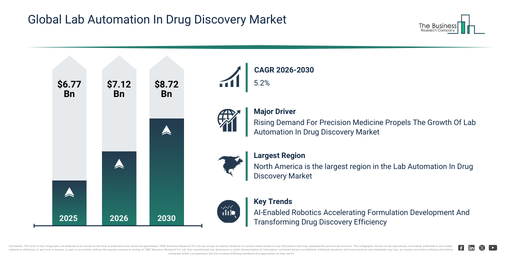
    The market for lab automation in drug discovery has experienced robust expansion over the past few years. Projected to rise from $6.77 billion in 2025 to $7.12 billion in 2026, it reflects a compound annual growth rate (CAGR) of 5.1%. This historical growth has been driven by several factors, including the deployment of robotic arms in laboratory settings, heightened expenditure on pharmaceutical research and development, a growing need for error-reducing automation, the incorporation of lab information management systems, and advances in high-throughput screening methods.

    The laboratory automation sector within drug discovery is anticipated to experience significant expansion over the coming years. By 2030, the market value is projected to reach $8.72 billion, reflecting a compound annual growth rate (CAGR) of 5.2%. This projected growth during the forecast period is driven by several key factors, including the rise of AI-enhanced drug discovery platforms, a heightened need for personalized therapeutics, the growing implementation of cloud-based laboratory management systems, the adoption of sophisticated robotics for sample processing, and an increase in strategic alliances between pharmaceutical and biotechnology firms. Among the pivotal trends shaping this period are the automation of high-throughput screening, the creation of integrated laboratory workflows, the application of predictive analytics in the discovery process, the downsizing of laboratory procedures, and the management of labs via cloud-based solutions.

    Download A Free Sample Report For Comprehensive Market Insights:

    https://www.thebusinessresearchcompany.com/sample.aspx?id=14410&type=smp&utm_source=BlogsPR&utm_medium=Paid&utm_campaign=Jul_PR

    Lab Automation In Drug Discovery Market Growth Momentum: Which Factors Are Influencing Demand?

    The growing demand for personalized medicine is anticipated to drive advancements in laboratory automation within the drug discovery sector. This approach, often referred to as tailored therapy, customizes medical prevention and treatment by factoring in each person’s unique genetic, environmental, and lifestyle differences. By speeding up research, enhancing experimental reproducibility, and boosting the overall efficiency of precision medicine and drug development processes, lab automation facilitates the creation of more effective drugs and diagnostics designed for individual patients. As an example, in February 2024, the Personalized Medicine Coalition, a US-based nonprofit, noted that the FDA approved 16 new personalized treatments for rare diseases in 2023—a substantial jump from the six approvals seen in 2022. Thus, the escalating need for precision medicine is fueling the expansion of lab automation in the drug discovery market.

    Lab Automation In Drug Discovery Market Segment Outlook: Which Categories Are Expanding The Fastest?

    The lab automation in drug discovery market covered in this report is segmented –

    1) By Type: Automated Liquid Handlers, Automated Plate Handlers, Robotic Arms, Automated Storage And Retrieval Systems, Other Types

    2) By Component: Instruments, Software, Services

    3) By Application: High-Throughput Screening, Compound Management, Sample Preparation, Other Applications

    4) By End-User: Biotechnology And Pharmaceutical Industries, Research Institutes, Other End-Users

    Subsegments:

    1) By Automated Liquid Handlers: Automated Liquid Handlers, Multi-Channel Pipettes, Reagent Dispensing Systems, Automated Titrators, Liquid Handling Workstations

    2) By Automated Plate Handlers: Automated Plate Handlers, Microplate Stacker Systems, Plate Transportation Systems, Plate Sorting Systems

    3) By Robotic Arms: Robotic Arms, Cartesian Robots, SCARA Robots, Articulated Robots, Delta Robots

    4) By Automated Storage And Retrieval Systems (ASRS): Automated Storage and Retrieval Systems (ASRS), Vertical Lift Modules (VLM), Automated Guided Vehicles (AGVs), Carousel-Based Systems, High-Density Storage Systems

    5) By Other Types: Automated Sample Preparation Systems, Laboratory Information Management Systems (LIMS), Microarray Processors, Automated Screening Systems

    Lab Automation In Drug Discovery Market Trends Reshaping Industry Growth

    Major pharmaceutical firms in the lab automation segment of the drug discovery market are increasingly prioritising the incorporation of AI-driven and robotics-based systems to accelerate formulation development while boosting overall research and development productivity. Such AI-enhanced and robot-assisted platforms leverage sophisticated algorithms and automated machinery to improve task execution, elevate accuracy, and expedite operational workflows. As a notable illustration in May 2025, Intrepid Labs, a research laboratory based in Canada, officially introduced its Valiant platform—a system driven by artificial intelligence and robotics that is engineered to significantly fast-track drug formulation processes. Backed by over $11 million in total funding, which includes a recent $7 million seed round spearheaded by AVANT Bio, this initiative is designed to replace conventional slow and trial-driven formulation methods with rapid and data-informed optimisation approaches. The Valiant platform autonomously explores complete formulation design spaces, compressing timelines from months to just days while simultaneously enhancing both therapeutic efficacy and safety profiles. Since its establishment in 2023, Intrepid Labs has managed to forge collaborations with major pharmaceutical companies and contract research organisations, while also advancing proprietary oral and long-acting injectable technologies available for licensing.

    Lab Automation In Drug Discovery Market Key Companies And Competitive Benchmarking

    Major companies operating in the lab automation in drug discovery market are Thermo Fisher Scientific Inc., Abbott Diagnostics, Roche Holdings Inc., Beckman Coulter, Siemens Healthineers, Becton Dickinson and Company, Agilent Technologies Inc., PerkinElmer Inc., Endress+Hauser, Shimadzu Corporation, Waters Corporation, Bio-Rad Laboratories Inc., QIAGEN, Beckhoff Automation GmbH & Co. KG, Eppendorf AG, Tecan Group Ltd., Brooks Automation Inc., Hamilton Company, Hudson Robotics Inc., OpenTrons Labworks Inc., Quanterix Corporation, The Technology Partnership, HighRes Biosolutions Inc., Biosero Inc., Peak Analysis and Automation Ltd., Aurora Biomed Inc., Synchron Lab Automation

    Access The Complete Lab Automation In Drug Discovery Market Report:

    https://www.thebusinessresearchcompany.com/report/lab-automation-in-drug-discovery-global-market-report?utm_source=BlogsPR&utm_medium=Paid&utm_campaign=Jul_PR

    Lab Automation In Drug Discovery Market Leading Geography: Which Region Generates The Most Revenue?

    North America was the largest region in the lab automation in drug discovery market in 2025. Asia-Pacific is expected to be the fastest-growing region in the forecast period. The regions covered in the lab automation in drug discovery market report are Asia-Pacific, South East Asia, Western Europe, Eastern Europe, North America, South America, Middle East, Africa.

    Get in touch with us:

    The Business Research Company: https://www.thebusinessresearchcompany.com/?utm_source=BlogsPR&utm_medium=Paid&utm_campaign=home_page_test

    Americas: +1 310-496-7795

    Asia: +44 7882 955267 & +91 8897263534

    Europe: +44 7882 955267

    Email us at: marketing@tbrc.info

    Follow us on:

    LinkedIn: https://in.linkedin.com/company/the-business-research-company

    YouTube: https://www.youtube.com/channel/UC24_fI0rV8cR5DxlCpgmyFQ

    Global Market Model: https://www.thebusinessresearchcompany.com/global-market-model
  • Kinase Inhibitors Market Forecast Reveals Where Future Industry Value Will Be Created

    Kinase Inhibitors Market Forecast Reveals Where Future Industry Value Will Be Created

    Through market attractiveness analysis, total addressable market evaluation, company benchmarking matrices, interactive Excel dashboards, expanded supply chain intelligence, emerging startup coverage, and detailed product insights, The Business Research Company’s 2026 market reports provide more actionable and strategically valuable research.

    Kinase Inhibitors Market Revenue Growth Supported By A CAGR Of 94% Through 2030

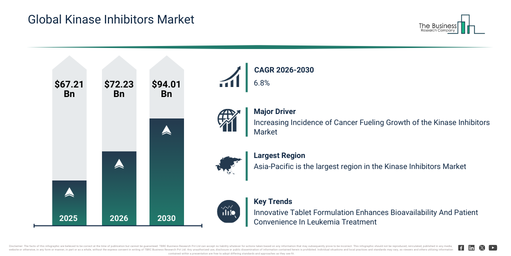
    The market for kinase inhibitors has exhibited robust expansion over recent years, reaching a valuation of $67.21 billion in 2025 and projected to climb to $72.23 billion by 2026, reflecting a compound annual growth rate of 7.5%. This historical growth has been driven by the groundbreaking clinical achievements of early tyrosine kinase inhibitors, a deeper comprehension of kinase-related disease mechanisms, a global increase in cancer cases, the presence of well-established molecular targets, and the broadening of specialized oncology care facilities.

    The kinase inhibitors market is projected to experience robust expansion over the coming years, with an anticipated increase to $94.01 billion by 2030, reflecting a compound annual growth rate (CAGR) of 6.8%. This forecast period’s growth is driven by factors such as the ongoing advancement of precision oncology approaches, a broadening pipeline of drugs targeting kinases, expanded utilization of kinase inhibitors for inflammatory conditions, growing demand for tailored treatment strategies, and consistent progress in the development of selective kinase inhibition. Key trends shaping this sector include the widespread adoption of targeted kinase inhibitors in cancer care, a greater emphasis on combination therapies that incorporate these agents, an increasing preference for oral kinase inhibitor formulations, an extension of kinase inhibitor use into areas beyond oncology, and a notable transition toward next-generation inhibitors designed for enhanced selectivity.

    Download A Free Sample Report For Comprehensive Market Insights:

    https://www.thebusinessresearchcompany.com/sample.aspx?id=15841&type=smp&utm_source=BlogsPR&utm_medium=Paid&utm_campaign=Jul_PR

    Kinase Inhibitors Market Expansion Drivers: What Is Shaping Future Growth?

    A projected surge in the kinase inhibitors market is anticipated, primarily fueled by the growing occurrence of cancer. Cancer encompasses a range of diseases defined by the abnormal and uncontrolled division and spread of cells throughout the body. This rising incidence is influenced by aging demographics, lifestyle factors like tobacco consumption and dietary habits, along with advancements in diagnostic methods that lead to more frequent detection. By providing medications that inhibit essential signaling enzymes known as kinases, kinase inhibitors aid cancer treatment by halting tumor cell growth, survival, and replication. To illustrate, data from the National Health Service (NHS), a UK governmental health body, released in October 2025, revealed that 354,820 new cancer cases were diagnosed in 2023—an average of 972 each day—representing an increase of 8,605 from 2022. Consequently, this escalating prevalence of cancer is propelling the expansion of the kinase inhibitors market.

    Kinase Inhibitors Market Segment Landscape: Which Areas Lead Market Development?

    The kinase inhibitors market covered in this report is segmented –

    1) By Type: Tyrosine Kinase Inhibitors, Multikinase Inhibitors, mTOR Kinase Inhibitors, Other Types

    2) By Route of Administration: Oral, Parenteral, Other Routes

    3) By Application: Oncology, Inflammatory Diseases

    4) By Distribution Channel: Hospital Pharmacy, Online Pharmacy, Retail Pharmacy

    5) By End User: Hospitals, Homecare, Specialty Clinics, Other End-Users

    Subsegments:

    1) By Tyrosine Kinase Inhibitors: EGFR Inhibitors, HER2 Inhibitors, BCR-ABL Inhibitors, Other Tyrosine Kinase Inhibitors

    2) By Multikinase Inhibitors: VEGFR Inhibitors, PDGFR Inhibitors, FGFR Inhibitors, Other Multikinase Inhibitors

    3) By MTOR Kinase Inhibitors: Everolimus, Temsirolimus, Other MTOR Kinase Inhibitors

    4) By Other Types: JAK Inhibitors, ROCK Inhibitors, CDK Inhibitors, Other Kinase Inhibitors

    Kinase Inhibitors Market Strategic Trends: What Is Defining The Next Phase Of Growth?

    Major firms competing in the kinase inhibitors market are placing heightened emphasis on creating advanced formulations, including new dasatinib tablet variants, aimed at enhancing drug absorption and boosting patient compliance. These novel dasatinib tablet formulations represent updated iterations of the cancer medication dasatinib, engineered to improve uptake, minimize adverse effects, or facilitate easier dosing schedules relative to conventional tablets. As an example, during October 2025, Cycle Pharmaceuticals Ltd., a biopharmaceutical entity headquartered in the UK, joined forces with Handa Therapeutics, LLC, a US-based pharmaceutical company, to debut their first oncology offering in the United States, known as PHYRAGO™ (dasatinib) tablets. This FDA-sanctioned tyrosine kinase inhibitor is prescribed for managing Philadelphia chromosome-positive chronic myeloid leukemia (Ph+ CML) and Philadelphia chromosome-positive acute lymphoblastic leukemia (Ph+ ALL) in adults, encompassing both newly diagnosed patients and those exhibiting resistance or intolerance to earlier treatments such as imatinib. The product stands out due to its compatibility with proton pump inhibitors (PPIs) and H2 receptor antagonists, aiding in the control of gastric acid-related issues that frequently arise in affected individuals.

    Kinase Inhibitors Market Industry Leaders And Market Competition

    Major companies operating in the kinase inhibitors market are Pfizer Inc., Johnson & Johnson, F. Hoffmann-La Roche Ltd, Merck & Co. Inc., Bristol-Myers Squibb Company, AstraZeneca Plc, Novartis AG, GlaxoSmithKline PLC, Takeda Pharmaceutical Company Limited, Eli Lilly and Company, Teva Pharmaceutical Industries Ltd, Astellas Pharma Inc, Cipla Inc, Dr. Reddy’s Laboratories Ltd, Amneal Pharmaceuticals LLC, Lupin Limited, Exelixis Inc, Glenmark Pharmaceuticals Ltd, Torrent Pharmaceuticals Ltd, Hutchison China MediTech Limited, Sierra Oncology Inc.

    Access The Complete Kinase Inhibitors Market Report:

    https://www.thebusinessresearchcompany.com/report/kinase-inhibitors-global-market-report?utm_source=BlogsPR&utm_medium=Paid&utm_campaign=Jul_PR

    Kinase Inhibitors Market Regional Outlook: Where Are The Largest Opportunities Located?

    Asia-Pacific was the largest region in the kinase inhibitors market in 2025. Asia-Pacific is expected to be the fastest-growing region in the forecast period. The regions covered in the kinase inhibitors market report are Asia-Pacific, South East Asia, Western Europe, Eastern Europe, North America, South America, Middle East, Africa.

    Get in touch with us:

    The Business Research Company: https://www.thebusinessresearchcompany.com/?utm_source=BlogsPR&utm_medium=Paid&utm_campaign=home_page_test

    Americas: +1 310-496-7795

    Asia: +44 7882 955267 & +91 8897263534

    Europe: +44 7882 955267

    Email us at: marketing@tbrc.info

    Follow us on:

    LinkedIn: https://in.linkedin.com/company/the-business-research-company

    YouTube: https://www.youtube.com/channel/UC24_fI0rV8cR5DxlCpgmyFQ

    Global Market Model: https://www.thebusinessresearchcompany.com/global-market-model
  • Kidney Fibrosis Treatment Market Growth Through 2030 Creates New Strategic Opportunities

    Kidney Fibrosis Treatment Market Growth Through 2030 Creates New Strategic Opportunities

    Delivering more actionable and strategically valuable research, The Business Research Company’s 2026 market reports feature market attractiveness analysis, total addressable market evaluation, company benchmarking matrices, interactive Excel dashboards, expanded supply chain intelligence, emerging startup coverage, and detailed product insights.

    Kidney Fibrosis Treatment Market Value Expansion And Long-Term Growth Outlook

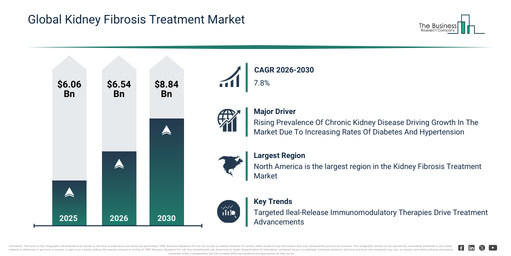
    The kidney fibrosis treatment market has experienced robust expansion in recent years, projected to rise from $6.06 billion in 2025 to $6.54 billion in 2026, achieving a compound annual growth rate (CAGR) of 8.0%. This historic growth is driven by factors such as the increasing incidence of chronic kidney disease, the insufficient efficacy of standard treatments, a greater reliance on ACE inhibitors and ARBs, the escalating healthcare strain associated with renal failure, and the broader availability of nephrology care services.

    The kidney fibrosis treatment market is projected to experience robust expansion over the coming years, reaching an estimated value of $8.84 billion by 2030, driven by a compound annual growth rate (CAGR) of 7.8%. This anticipated growth during the forecast period is fueled by progress in developing targeted antifibrotic agents, a rising elderly population affected by chronic kidney disease (CKD), the increasing application of precision medicine within nephrology, heightened investment in renal research, and enhanced capabilities for early-stage kidney disease detection. Key trends shaping the forecast period include a heightened emphasis on creating antifibrotic drugs, a growing adoption of combination therapies for CKD, expanding investigations into stem cell and regenerative treatments, the broadening availability of early diagnostic and monitoring technologies, and a surge in clinical trials focused on renal fibrosis pathways.

    Download A Free Sample Report For Comprehensive Market Insights:

    https://www.thebusinessresearchcompany.com/sample.aspx?id=24271&type=smp&utm_source=BlogsPR&utm_medium=Paid&utm_campaign=Jul_PR

    Kidney Fibrosis Treatment Market Development Factors: Which Trends Are Supporting Demand?

    The growth of the kidney fibrosis treatment market is anticipated to be driven forward by the rising incidence of chronic kidney diseases. Chronic kidney disease (CKD) entails a gradual decline in kidney functionality over an extended period, frequently stemming from ailments such as diabetes or hypertension, which lead to the buildup of bodily waste. This escalating prevalence of CKD is predominantly fueled by increasing diabetes rates, a condition that harms kidney blood vessels and compromises their filtration capabilities. Kidney fibrosis treatment benefits CKD sufferers by addressing the scarring of renal tissue, diminishing inflammation, and decelerating kidney damage progression, thereby helping to maintain renal function. As reported in July 2025 by Hamadan University of Medical Sciences, an Iranian academic institution, the worldwide number of new chronic kidney disease diagnoses is expected to reach 25.06 million by 2030. Consequently, the increasing occurrence of chronic kidney diseases is propelling expansion within the kidney fibrosis treatment market.

    Kidney Fibrosis Treatment Market Segments: Where Are The Largest Growth Opportunities?

    The kidney fibrosis treatment market covered in this report is segmented –

    1) By Treatment Type: Angiotensin-Converting Enzyme (Ace) Inhibitors, Angiotensin Ii Receptor Blockers (Arbs), Pirfenidone, Renin Inhibitors, Vasopeptidase Inhibitors, Other Treatment Types

    2) By Diagnosis: Blood Tests, Urine Tests, Imaging Tests

    3) By Application: Chronic Kidney Diseases, Kidney Cancer Treatment, Other Applications

    4) By End-User: Clinics, Research Center, Hospitals

    Subsegments:

    1) By Angiotensin-Converting Enzyme (Ace) Inhibitors: Enalapril, Captopri, Lisinopril, Ramipril

    2) By Angiotensin Ii Receptor Blockers (Arbs): Losartan, Telmisartan, Valsartan, Irbesartan

    3) By Pirfenidone: Branded Pirfenidone, Generic Pirfenidone

    4) By Renin Inhibitors: Aliskiren, Experimental Renin Inhibitors

    5) By Vasopeptidase Inhibitors: Omapatrilat, Sampatrilat

    6) By Other Treatment Types: Anti-Inflammatory Agents, Stem Cell Therapy, Antifibrotic Agents Under Clinical Trials, Gene Therapy

    Kidney Fibrosis Treatment Market Transformation Trends: Which Innovations Are Driving Change?

    Leading players in the kidney fibrosis treatment space are placing emphasis on targeted ileal-release immunomodulatory approaches, including NEFECON, which is an oral delayed-release budesonide capsule designed to deliver the medication precisely to the distal ileum. This mechanism modulates gut-associated B-cells, curbing pathogenic IgA production, and thereby decelerating kidney fibrosis progression in individuals with IgA nephropathy. As an example, Everest Medicines, a biopharmaceutical company based in China, introduced NEFECON in June 2024. This therapy employs an enteric-coated, delayed-release formulation to limit systemic steroid exposure, acts on mucosal B-cells in the gut to tackle the underlying cause of IgA nephropathy, and has been shown to substantially reduce the decline in kidney function.

    Kidney Fibrosis Treatment Market Major Participants And Competitive Dynamics

    Major companies operating in the kidney fibrosis treatment market are F. Hoffmann-La Roche Ltd., Merck & Co. Inc., Bayer AG, AstraZeneca PLC, Gilead Sciences Inc., Novo Nordisk A/S, Boehringer Ingelheim International GmbH, Chinook Therapeutics Inc., Akebia Therapeutics Inc., Travere Therapeutics Inc., Reata Pharmaceuticals Inc., ProKidney LLC, Tvardi Therapeutics Inc., Alentis Therapeutics AG, Galecto Biotech AB, Vertex Pharmaceuticals Incorporated, Insilico Medicine Inc., Purespring Therapeutics Inc., La Jolla Pharmaceutical Company, Cara Therapeutics Inc

    Access The Complete Kidney Fibrosis Treatment Market Report:

    https://www.thebusinessresearchcompany.com/report/kidney-fibrosis-treatment-global-market-report?utm_source=BlogsPR&utm_medium=Paid&utm_campaign=Jul_PR

    Kidney Fibrosis Treatment Market Geographic Landscape: Which Region Dominates Industry Growth?

    North America was the largest region in the kidney fibrosis treatment market in 2025. Asia-Pacific is expected to be the fastest-growing region in the forecast period. The regions covered in the kidney fibrosis treatment market report are Asia-Pacific, South East Asia, Western Europe, Eastern Europe, North America, South America, Middle East, Africa.

    Get in touch with us:

    The Business Research Company: https://www.thebusinessresearchcompany.com/?utm_source=BlogsPR&utm_medium=Paid&utm_campaign=home_page_test

    Americas: +1 310-496-7795

    Asia: +44 7882 955267 & +91 8897263534

    Europe: +44 7882 955267

    Email us at: marketing@tbrc.info

    Follow us on:

    LinkedIn: https://in.linkedin.com/company/the-business-research-company

    YouTube: https://www.youtube.com/channel/UC24_fI0rV8cR5DxlCpgmyFQ

    Global Market Model: https://www.thebusinessresearchcompany.com/global-market-model
  • Kidney Fibrosis Treatment Market Growth Through 2030 Creates New Strategic Opportunities

    Delivering more actionable and strategically valuable research, The Business Research Company’s 2026 market reports feature market attractiveness analysis, total addressable market evaluation, company benchmarking matrices, interactive Excel dashboards, expanded supply chain intelligence, emerging startup coverage, and detailed product insights.

    Kidney Fibrosis Treatment Market Value Expansion And Long-Term Growth Outlook

    The kidney fibrosis treatment market has experienced robust expansion in recent years, projected to rise from $6.06 billion in 2025 to $6.54 billion in 2026, achieving a compound annual growth rate (CAGR) of 8.0%. This historic growth is driven by factors such as the increasing incidence of chronic kidney disease, the insufficient efficacy of standard treatments, a greater reliance on ACE inhibitors and ARBs, the escalating healthcare strain associated with renal failure, and the broader availability of nephrology care services.

    The kidney fibrosis treatment market is projected to experience robust expansion over the coming years, reaching an estimated value of $8.84 billion by 2030, driven by a compound annual growth rate (CAGR) of 7.8%. This anticipated growth during the forecast period is fueled by progress in developing targeted antifibrotic agents, a rising elderly population affected by chronic kidney disease (CKD), the increasing application of precision medicine within nephrology, heightened investment in renal research, and enhanced capabilities for early-stage kidney disease detection. Key trends shaping the forecast period include a heightened emphasis on creating antifibrotic drugs, a growing adoption of combination therapies for CKD, expanding investigations into stem cell and regenerative treatments, the broadening availability of early diagnostic and monitoring technologies, and a surge in clinical trials focused on renal fibrosis pathways.

    Download A Free Sample Report For Comprehensive Market Insights:

    https://www.thebusinessresearchcompany.com/sample.aspx?id=24271&type=smp&utm_source=BlogsPR&utm_medium=Paid&utm_campaign=Jul_PR

    Kidney Fibrosis Treatment Market Development Factors: Which Trends Are Supporting Demand?

    The growth of the kidney fibrosis treatment market is anticipated to be driven forward by the rising incidence of chronic kidney diseases. Chronic kidney disease (CKD) entails a gradual decline in kidney functionality over an extended period, frequently stemming from ailments such as diabetes or hypertension, which lead to the buildup of bodily waste. This escalating prevalence of CKD is predominantly fueled by increasing diabetes rates, a condition that harms kidney blood vessels and compromises their filtration capabilities. Kidney fibrosis treatment benefits CKD sufferers by addressing the scarring of renal tissue, diminishing inflammation, and decelerating kidney damage progression, thereby helping to maintain renal function. As reported in July 2025 by Hamadan University of Medical Sciences, an Iranian academic institution, the worldwide number of new chronic kidney disease diagnoses is expected to reach 25.06 million by 2030. Consequently, the increasing occurrence of chronic kidney diseases is propelling expansion within the kidney fibrosis treatment market.

    Kidney Fibrosis Treatment Market Segments: Where Are The Largest Growth Opportunities?

    The kidney fibrosis treatment market covered in this report is segmented –

    1) By Treatment Type: Angiotensin-Converting Enzyme (Ace) Inhibitors, Angiotensin Ii Receptor Blockers (Arbs), Pirfenidone, Renin Inhibitors, Vasopeptidase Inhibitors, Other Treatment Types

    2) By Diagnosis: Blood Tests, Urine Tests, Imaging Tests

    3) By Application: Chronic Kidney Diseases, Kidney Cancer Treatment, Other Applications

    4) By End-User: Clinics, Research Center, Hospitals

    Subsegments:

    1) By Angiotensin-Converting Enzyme (Ace) Inhibitors: Enalapril, Captopri, Lisinopril, Ramipril

    2) By Angiotensin Ii Receptor Blockers (Arbs): Losartan, Telmisartan, Valsartan, Irbesartan

    3) By Pirfenidone: Branded Pirfenidone, Generic Pirfenidone

    4) By Renin Inhibitors: Aliskiren, Experimental Renin Inhibitors

    5) By Vasopeptidase Inhibitors: Omapatrilat, Sampatrilat

    6) By Other Treatment Types: Anti-Inflammatory Agents, Stem Cell Therapy, Antifibrotic Agents Under Clinical Trials, Gene Therapy

    Kidney Fibrosis Treatment Market Transformation Trends: Which Innovations Are Driving Change?

    Leading players in the kidney fibrosis treatment space are placing emphasis on targeted ileal-release immunomodulatory approaches, including NEFECON, which is an oral delayed-release budesonide capsule designed to deliver the medication precisely to the distal ileum. This mechanism modulates gut-associated B-cells, curbing pathogenic IgA production, and thereby decelerating kidney fibrosis progression in individuals with IgA nephropathy. As an example, Everest Medicines, a biopharmaceutical company based in China, introduced NEFECON in June 2024. This therapy employs an enteric-coated, delayed-release formulation to limit systemic steroid exposure, acts on mucosal B-cells in the gut to tackle the underlying cause of IgA nephropathy, and has been shown to substantially reduce the decline in kidney function.

    Kidney Fibrosis Treatment Market Major Participants And Competitive Dynamics

    Major companies operating in the kidney fibrosis treatment market are F. Hoffmann-La Roche Ltd., Merck & Co. Inc., Bayer AG, AstraZeneca PLC, Gilead Sciences Inc., Novo Nordisk A/S, Boehringer Ingelheim International GmbH, Chinook Therapeutics Inc., Akebia Therapeutics Inc., Travere Therapeutics Inc., Reata Pharmaceuticals Inc., ProKidney LLC, Tvardi Therapeutics Inc., Alentis Therapeutics AG, Galecto Biotech AB, Vertex Pharmaceuticals Incorporated, Insilico Medicine Inc., Purespring Therapeutics Inc., La Jolla Pharmaceutical Company, Cara Therapeutics Inc

    Access The Complete Kidney Fibrosis Treatment Market Report:

    https://www.thebusinessresearchcompany.com/report/kidney-fibrosis-treatment-global-market-report?utm_source=BlogsPR&utm_medium=Paid&utm_campaign=Jul_PR

    Kidney Fibrosis Treatment Market Geographic Landscape: Which Region Dominates Industry Growth?

    North America was the largest region in the kidney fibrosis treatment market in 2025. Asia-Pacific is expected to be the fastest-growing region in the forecast period. The regions covered in the kidney fibrosis treatment market report are Asia-Pacific, South East Asia, Western Europe, Eastern Europe, North America, South America, Middle East, Africa.

    Get in touch with us:

    The Business Research Company: https://www.thebusinessresearchcompany.com/?utm_source=BlogsPR&utm_medium=Paid&utm_campaign=home_page_test

    Americas: +1 310-496-7795

    Asia: +44 7882 955267 & +91 8897263534

    Europe: +44 7882 955267

    Email us at: marketing@tbrc.info

    Follow us on:

    LinkedIn: https://in.linkedin.com/company/the-business-research-company

    YouTube: https://www.youtube.com/channel/UC24_fI0rV8cR5DxlCpgmyFQ

    Global Market Model: https://www.thebusinessresearchcompany.com/global-market-model
  • Over-The-Counter (OTC) Artificial Tears Market Forecast Reveals Where Future Industry Value Will Be Created

    Over-The-Counter (OTC) Artificial Tears Market Forecast Reveals Where Future Industry Value Will Be Created

    Enhanced with market attractiveness analysis, total addressable market evaluation, company benchmarking matrices, interactive Excel dashboards, expanded supply chain intelligence, emerging startup coverage, and detailed product insights, The Business Research Company’s 2026 market reports deliver more actionable and strategically valuable research.

    Over-The-Counter (OTC) Artificial Tears Market Size, Value And Growth Trends Through 2030

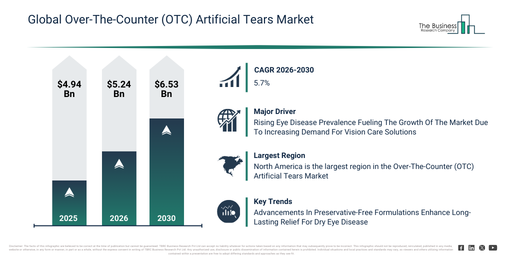
    The over-the-counter (OTC) artificial tears market has experienced robust expansion over recent years. From $4.94 billion in 2025, it is projected to reach $5.24 billion in 2026, achieving a compound annual growth rate (CAGR) of 6.1%. This historical growth has been driven by factors such as restricted access to non-prescription eye drops, heightened public awareness regarding eye health, rising screen time among both adults and children, a continued dependence on traditional cellulose-based tears, and the growing reach of hospital and retail pharmacy networks.

    The market size for over-the-counter (OTC) artificial tears is anticipated to experience robust expansion over the coming years. By 2030, it is projected to reach $6.53 billion, reflecting a compound annual growth rate (CAGR) of 5.7%. This forecasted growth is driven by several factors, including the advancement of glycerin and oil-based emulsion tears, an increased uptake of polyethylene glycol formulations, a growing need for products that maintain contact lens moisture, the expansion of online pharmacy platforms, and breakthroughs in preservative-free and multi-dose packaging. Key trends shaping the forecast period encompass a higher prevalence of dry eye syndrome linked to prolonged digital screen time, a rising consumer preference for preservative-free options, a shift toward both multi-dose and single-dose containers, the growth of e-commerce and online pharmacy channels, and heightened awareness regarding eye protection against UV and blue light.

    Download A Free Sample Report For Comprehensive Market Insights:

    https://www.thebusinessresearchcompany.com/sample.aspx?id=25863&type=smp&utm_source=BlogsPR&utm_medium=Paid&utm_campaign=Jul_PR

    Over-The-Counter (OTC) Artificial Tears Market Expansion Supported By Key Demand Factors

    The growing incidence of eye disease is anticipated to drive the expansion of the over-the-counter (OTC) artificial tears market in the coming period. An eye disease is defined as any condition that disrupts the normal function or structure of the eye, potentially resulting in vision impairment or blindness if left unaddressed. This rise in eye disease prevalence is largely attributed to aging populations, who are more susceptible to vision issues, thereby fueling a heightened need for sophisticated eye care products. OTC artificial tears serve to manage eye disease by delivering soothing moisture that alleviates dryness, minimizes irritation, and aids in safeguarding the ocular surface, thereby enhancing overall eye comfort. As an example, in August 2023, the World Health Organization, an international public health body based in Switzerland, reported that over 2.2 billion individuals worldwide were experiencing near or distance vision impairment, with the majority of cases found in adults aged 50 and older. Consequently, the escalating frequency of eye disease is propelling the growth of the OTC artificial tears market.

    Over-The-Counter (OTC) Artificial Tears Market Segment Landscape: Which Areas Lead Market Development?

    The over-the-counter (otc) artificial tears market covered in this report is segmented –

    1) By Type: Cellulose Derived Tears, Glycerin Derived Tears, Oil-Based Emulsion Tears, Polyethylene Glycol

    2) By Container Type: Plastic Single Dose Container, Plastic Multi-Dose Container, Other Container Types

    3) By Formulation: Preservative Based, Non-Preservative Based

    4) By Application: Dry Eye Syndrome, Allergies, Ultraviolet (UV) And Blue Light Protection, Contact Lens Moisture Retention, Other Applications

    5) By Distribution Channel: Hospital Pharmacies, Drug Store And Retail Pharmacies, Online Pharmacies

    Subsegments:

    1) By Cellulose Derived Tears: Hydroxypropyl Methylcellulose (HPMC), Carboxymethylcellulose (CMC), Hypromellose

    2) By Glycerin Derived Tears: Pure Glycerin Formulations, Glycerin with Additional Lubricants, Glycerin Combined with Electrolytes

    3) By Oil-Based Emulsion Tears: Mineral Oil Based, Castor Oil Based, Safflower Oil Based, Flaxseed Oil Based

    4) By Polyethylene Glycol: Polyethylene Glycol 400, Polyethylene Glycol 800, Polyethylene Glycol with Propylene Glycol

    Over-The-Counter (OTC) Artificial Tears Market Growth Trends Influencing Competitive Dynamics

    Major players in the over-the-counter artificial tears sector are placing emphasis on creating sophisticated preservative-free formulations, which include those designed for lipid layer stabilization, aimed at delivering effective, sustained relief. Lipid layer stabilization involves reinforcing the outermost oily layer of the tear film to curb rapid tear evaporation and sustain ocular hydration. As an example, Alcon Inc., a Switzerland-headquartered eye care firm, unveiled in February 2025 the SYSTANE PRO Preservative-Free (PF) product, an over-the-counter artificial tear featuring a triple-action mechanism that hydrates, restores, and shields dry eyes. This multi-dose, preservative-free innovation integrates hyaluronate, nano-sized lipids, and HP-Guar, which collectively provide deep hydration, reestablish tear film integrity, and protect the eye’s surface, ensuring prolonged relief for diverse dry eye conditions while reducing discomfort even during frequent application.

    Over-The-Counter (OTC) Artificial Tears Market Industry Leaders And Market Competition

    Major companies operating in the over-the-counter (otc) artificial tears market are AbbVie Inc., Abbott Laboratories Inc., Novartis AG, Alcon Inc., Bausch Health Companies Inc., Sun Pharmaceutical Industries Ltd., Cipla Limited, Santen Pharmaceutical Co. Ltd., Rohto Pharmaceutical Co. Ltd., Prestige Consumer Healthcare Inc., AFT Pharmaceuticals Limited, URSAPHARM Arzneimittel GmbH, OCuSOFT Inc., Laboratoires Théa S.A.S., I-MED Pharma Inc.

    Access The Complete Over-The-Counter (OTC) Artificial Tears Market Report:

    https://www.thebusinessresearchcompany.com/report/over-the-counter-otc-artificial-tears-global-market-report?utm_source=BlogsPR&utm_medium=Paid&utm_campaign=Jul_PR

    Over-The-Counter (OTC) Artificial Tears Market Geographic Landscape: Which Region Dominates Industry Growth?

    North America was the largest region in the over-the-counter (OTC) artificial tears market in 2025. Europe is expected to be the fastest-growing region in the forecast period. The regions covered in the over-the-counter (otc) artificial tears market report are Asia-Pacific, South East Asia, Western Europe, Eastern Europe, North America, South America, Middle East, Africa.

    Get in touch with us:

    The Business Research Company: https://www.thebusinessresearchcompany.com/?utm_source=BlogsPR&utm_medium=Paid&utm_campaign=home_page_test

    Americas: +1 310-496-7795

    Asia: +44 7882 955267 & +91 8897263534

    Europe: +44 7882 955267

    Email us at: marketing@tbrc.info

    Follow us on:

    LinkedIn: https://in.linkedin.com/company/the-business-research-company

    YouTube: https://www.youtube.com/channel/UC24_fI0rV8cR5DxlCpgmyFQ

    Global Market Model: https://www.thebusinessresearchcompany.com/global-market-model
  • Over The Counter Analgesics Market Growth Through 2030 Creates New Strategic Opportunities

    Over The Counter Analgesics Market Growth Through 2030 Creates New Strategic Opportunities

    Through market attractiveness analysis, total addressable market evaluation, company benchmarking matrices, interactive Excel dashboards, expanded supply chain intelligence, emerging startup coverage, and detailed product insights, The Business Research Company’s 2026 market reports provide more actionable and strategically valuable research.

    Over The Counter Analgesics Market CAGR Analysis And Future Market Development

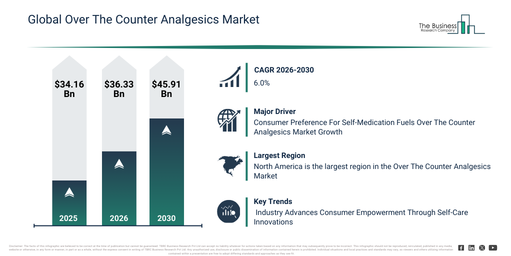
    In recent years, the over-the-counter analgesics market has experienced robust expansion. Its value is projected to climb from $34.16 billion in 2025 to $36.33 billion in 2026, reflecting a compound annual growth rate (CAGR) of 6.4%. This historical growth has been driven by several factors, including the rising frequency of mild to moderate pain conditions, a growing worldwide population, constraints in obtaining prescription pain relief, heightened public awareness of OTC analgesic options, and the broadening reach of retail pharmacy channels.

    The over-the-counter analgesics market is projected to experience robust expansion in the coming years, reaching an estimated value of $45.91 billion by 2030, reflecting a compound annual growth rate (CAGR) of 6.0%. This anticipated growth during the forecast period is driven by factors such as the development of combination therapies and targeted pain relief solutions, the increasing prevalence of e-commerce and online pharmacy usage, a growing emphasis on self-medication among consumers, the expansion of formulations tailored for pediatric and geriatric populations, and the global rise in health and wellness initiatives. Key trends shaping this period include a heightened consumer preference for non-prescription pain relief medications, greater awareness of self-care and home healthcare options, the increasing popularity of herbal, homeopathic, and combination analgesic products, the widening reach of online pharmacies and digital sales channels, and a rising demand for formulations specifically designed to meet the needs of children and the elderly.

    Download A Free Sample Report For Comprehensive Market Insights:

    https://www.thebusinessresearchcompany.com/sample.aspx?id=19635&type=smp&utm_source=BlogsPR&utm_medium=Paid&utm_campaign=Jul_PR

    Over The Counter Analgesics Market Growth Drivers And Industry Catalysts

    The growing inclination among consumers toward self-medication is anticipated to drive the expansion of the over-the-counter (OTC) analgesics market in the foreseeable future. Self-medication involves the use of drugs, such as OTC medications, herbal remedies, or other substances, to address or manage symptoms or health conditions without the supervision of a healthcare provider. This practice is favored by consumers because of its convenience, reduced expenses, and the easy accessibility of non-prescription drugs. OTC analgesics support self-medication by offering straightforward pain relief for common issues, enabling individuals to handle mild to moderate pain without requiring a prescription. For example, data from the Consumer Healthcare Products Association (CHPA)—a U.S.-based national trade association—released in July 2024 revealed that retail sales of OTC medicines reached $43.4 billion in 2023, a rise from $42.1 billion in 2022. Thus, the consumer preference for self-medication is fueling the growth of the OTC analgesics market.

    Over The Counter Analgesics Market Segments: Where Are The Largest Growth Opportunities?

    The over the counter analgesics market covered in this report is segmented –

    1) By Type Of Drug: Acetaminophen, Nonsteroidal Anti Inflammatory Drugs (NSAIDs), Salicylates, Other Drugs

    2) By Form: Tablets, Capsules, Liquid, Other Forms

    3) By Distribution Channel: Retail Pharmacies, Hospital Pharmacies, Online Pharmacies, Other Distribution Channels

    Subsegments:

    1) By Acetaminophen: Tablets, Liquid Formulations, Combination Products

    2) By Nonsteroidal Anti Inflammatory Drugs (NSAIDs): Ibuprofen, Naproxen, Aspirin

    3) By Salicylates: Methyl Salicylate, Wintergreen Oil, Topical Salicylate Products

    4) By Other Drugs: Herbal Analgesics, Homeopathic Remedies, Combination Analgesics

    Over The Counter Analgesics Market Trends Influencing Long-Term Demand

    Major players in the over-the-counter (OTC) analgesics sector are working to broaden consumer access to effective pain-relief solutions by pursuing regulatory switches and introducing product innovations. These strategies are designed to improve convenience, promote self-care, and provide substitutes for prescription-only medications. As an example, in September 2025, Maxwellia, a UK-based company specializing in women’s health and consumer medicines, rolled out a new OTC pain-relief option following the reclassification of naproxen. This regulatory change allows consumers in the UK to obtain naproxen without a prescription for the first time, thereby expanding treatment choices for menstrual pain and other frequent conditions. This launch highlights an expanding industry movement toward enabling consumers to safely access proven analgesics under pharmacist guidance.

    Over The Counter Analgesics Market Major Participants And Competitive Dynamics

    Major companies operating in the over the counter analgesics market are Pfizer Inc., Johnson & Johnson Services Inc., Merck & Co Inc., Bayer AG, Sanofi S.A., Novartis AG, GSK plc, Takeda Pharmaceutical Company Limited, Boehringer Ingelheim International GmbH, Reckitt Benckiser Group plc, Viatris Inc., Teva Pharmaceutical Industries Limited, Haleon plc, Sun Pharmaceutical Industries Limited, Perrigo Company plc, Aurobindo Pharma Limited, Dr Reddy’s Laboratories Limited, Cipla Limited, Hikma Pharmaceuticals PLC, Lupin Pharmaceuticals Inc., Glenmark Pharmaceuticals Limited, Piramal Enterprises Limited, Cumberland Pharmaceuticals Inc.

    Access The Complete Over The Counter Analgesics Market Report:

    https://www.thebusinessresearchcompany.com/report/over-the-counter-analgesics-global-market-report?utm_source=BlogsPR&utm_medium=Paid&utm_campaign=Jul_PR

    Over The Counter Analgesics Market Largest Region: Which Geography Holds The Highest Market Share?

    North America was the largest region in the over the counter analgesics market in 2025. Asia-Pacific is expected to be the fastest-growing region in the forecast period. The regions covered in the over the counter analgesics market report are Asia-Pacific, South East Asia, Western Europe, Eastern Europe, North America, South America, Middle East, Africa.

    Get in touch with us:

    The Business Research Company: https://www.thebusinessresearchcompany.com/?utm_source=BlogsPR&utm_medium=Paid&utm_campaign=home_page_test

    Americas: +1 310-496-7795

    Asia: +44 7882 955267 & +91 8897263534

    Europe: +44 7882 955267

    Email us at: marketing@tbrc.info

    Follow us on:

    LinkedIn: https://in.linkedin.com/company/the-business-research-company

    YouTube: https://www.youtube.com/channel/UC24_fI0rV8cR5DxlCpgmyFQ

    Global Market Model: https://www.thebusinessresearchcompany.com/global-market-model
  • Over The Counter (OTC) Topical Drugs Market Size Projected To Increase From $69.77 Billion To $101.09 Billion During The Forecast Period

    Over The Counter (OTC) Topical Drugs Market Size Projected To Increase From $69.77 Billion To $101.09 Billion During The Forecast Period

    Delivering more actionable and strategically valuable research, The Business Research Company’s 2026 market reports feature market attractiveness analysis, total addressable market evaluation, company benchmarking matrices, interactive Excel dashboards, expanded supply chain intelligence, emerging startup coverage, and detailed product insights.

    Over The Counter (OTC) Topical Drugs Market Expansion From $69.77 Billion In 2026 To $101.09 Billion In 2030

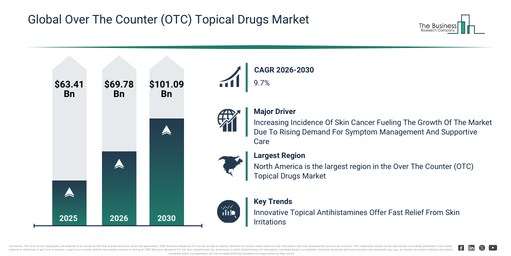
    The over-the-counter (OTC) topical drugs market has experienced rapid expansion in recent years. Valued at $63.41 billion in 2025, it is projected to reach $69.78 billion by 2026, reflecting a compound annual growth rate (CAGR) of 10.0%. This historical growth has been driven by factors such as the restricted availability of OTC topical formulations, a dependence on prescription alternatives, limited consumer awareness regarding OTC options, the expansion of retail pharmacy networks, and an increasing prevalence of minor skin conditions.

    The over-the-counter topical drugs market is anticipated to experience robust expansion in the coming years, reaching a projected value of $101.09 billion by 2030, with a compound annual growth rate (CAGR) of 9.7%. This forecasted growth is driven by factors such as the introduction of innovative topical formulations, the growth of e-commerce and digital pharmacy platforms, a rising consumer inclination toward self-medication, an expanding geriatric and pediatric demographic, and intensified marketing and educational initiatives focused on skin health. Key trends shaping the forecast period include a growing consumer preference for OTC topical products, heightened demand for natural and herbal formulations, the broadening of online and retail pharmacy channels, increased awareness regarding skin health and minor ailment management, and the development of multi-functional topical products.

    Download A Free Sample Report For Comprehensive Market Insights:

    https://www.thebusinessresearchcompany.com/sample.aspx?id=24641&type=smp&utm_source=BlogsPR&utm_medium=Paid&utm_campaign=Jul_PR

    Over The Counter (OTC) Topical Drugs Market Opportunity Drivers: What Is Creating New Revenue Potential?

    The rising prevalence of skin cancer is anticipated to boost the expansion of the over-the-counter topical drugs market in the coming period. Skin cancer is characterized by the abnormal proliferation of skin cells, often triggered by harm from ultraviolet radiation emitted by the sun or tanning equipment. This increase in skin cancer cases largely stems from extended sun exposure, which induces detrimental ultraviolet radiation that harms the DNA within skin cells. Over-the-counter topical medications aid in managing skin cancer by delivering accessible solutions for addressing symptoms and skin discomfort. These products support prescribed treatments by calming irritated areas and fostering skin restoration, thereby improving patient comfort throughout therapy. For example, in 2023, Cancer Australia, a government agency based in Australia, reported that around 8,257 fresh cases of skin melanoma were identified, representing 2.6% of all cancer-related fatalities. As a result, the growing number of skin cancer instances is stimulating the growth of the over-the-counter topical drugs market.

    Over The Counter (OTC) Topical Drugs Market Segment Analysis: What Are The Major Market Categories?

    The over the counter (otc) topical drugs market covered in this report is segmented –

    1) By Drug Class: Analgesics, Antibiotics, Antifungal, Antipruritic (Anti-Itch), Astringents, Other Drug Classes

    2) By Application: Pain Relief, Skin Care, Wound Care, Other Applications

    3) By Distribution Channel: Hospital Pharmacies, Retail Pharmacies, Online Pharmacies, Drug Stores

    4) By End-User: Adults, Pediatrics, Geriatrics

    Subsegments:

    1) By Analgesics: Counterirritants, Capsaicin-Based Creams, Lidocaine-Based Products, Trolamine Salicylate Formulations, Combination Analgesics

    2) By Antibiotics: Bacitracin-Based Ointments, Neomycin-Based Creams, Polymyxin B Combinations, Mupirocin OTC, Antiseptic-Antibiotic Combinations

    3) By Antifungal: Clotrimazole Creams, Miconazole Creams, Terbinafine Formulations, Tolnaftate-Based Products, Undecylenic Acid Topical Solutions

    4) By Antipruritic: Hydrocortisone Creams, Calamine Lotion, Diphenhydramine Topical Gels, Pramoxine-Based Formulations, Menthol OR Camphor Anti-Itch Lotions

    5) By Astringents: Witch Hazel Solutions, Aluminum Acetate, Zinc Oxide Ointments, Tannic Acid Or Plant-Based Astringents

    6) By Other Drug Classes: Acne Treatment Topicals, Antiviral Creams, Wound Healing Ointments, Moisturizing And Barrier Creams

    Over The Counter (OTC) Topical Drugs Market Innovation Trends Driving Future Development

    Major players in the over-the-counter topical drug market are prioritizing the development of innovative solutions such as topical antihistamines, designed to deliver rapid and effective relief from itching and skin irritation. These topical antihistamines are applied directly to the skin and work by blocking histamine, thereby alleviating itching, redness, and allergic skin reactions. A notable example occurred in April 2025, when Kingsway Pharma Limited, a healthcare company based in the UK, introduced Pyribenzamine over the counter (PBZ OTC), an antihistamine cream. This steroid-free formulation, featuring tripelennamine HCl, provides fast and targeted relief from itching and minor skin irritations, suitable for both children aged two and older and adults. With its non-greasy composition and quick-absorbing properties, it serves as a convenient and effective component for any household first-aid kit.

    Over The Counter (OTC) Topical Drugs Market Leading Companies Driving Competitive Growth

    Major companies operating in the over the counter (otc) topical drugs market are Pfizer Inc., The Procter And Gamble Company, Johnson And Johnson, Bayer AG, Sanofi S.A., Abbott Laboratories, Novartis AG, GSK plc, 3M Company, Sun Pharmaceutical Industries Ltd, Perrigo Company plc, Cipla Limited, Zydus Cadila Healthcare Limited, Glenmark Pharmaceuticals Limited, Mankind Pharma Limited, PL Developments Inc., Emami Limited, LNK International Inc., Reckitt Benckiser Group plc, Trillium Health Care Products Inc., Allegiant Health Corporation, Vivunt Pharma Pvt. Ltd.

    Access The Complete Over The Counter (OTC) Topical Drugs Market Report:

    https://www.thebusinessresearchcompany.com/report/over-the-counter-otc-topical-drugs-global-market-report?utm_source=BlogsPR&utm_medium=Paid&utm_campaign=Jul_PR

    Over The Counter (OTC) Topical Drugs Market Regional Analysis: Which Region Leads By Revenue?

    North America was the largest region in the over the counter (OTC) topical drugs market in 2025. Asia-Pacific is expected to be the fastest-growing region in the forecast period. The regions covered in the over the counter (otc) topical drugs market report are Asia-Pacific, South East Asia, Western Europe, Eastern Europe, North America, South America, Middle East, Africa.

    Get in touch with us:

    The Business Research Company: https://www.thebusinessresearchcompany.com/?utm_source=BlogsPR&utm_medium=Paid&utm_campaign=home_page_test

    Americas: +1 310-496-7795

    Asia: +44 7882 955267 & +91 8897263534

    Europe: +44 7882 955267

    Email us at: marketing@tbrc.info

    Follow us on:

    LinkedIn: https://in.linkedin.com/company/the-business-research-company

    YouTube: https://www.youtube.com/channel/UC24_fI0rV8cR5DxlCpgmyFQ

    Global Market Model: https://www.thebusinessresearchcompany.com/global-market-model
  • Over The Counter (OTC) Drugs Market Growth Outlook Reveals A CAGR Of 5.3% And A Market Value Of $216.97 Billion By 2030

    Over The Counter (OTC) Drugs Market Growth Outlook Reveals A CAGR Of 5.3% And A Market Value Of $216.97 Billion By 2030

    Enhanced with market attractiveness analysis, total addressable market evaluation, company benchmarking matrices, interactive Excel dashboards, expanded supply chain intelligence, emerging startup coverage, and detailed product insights, The Business Research Company’s 2026 market reports deliver more actionable and strategically valuable research.

    Over The Counter (OTC) Drugs Market Forecast Highlighting Growth From $176.47 Billion To $216.97 Billion

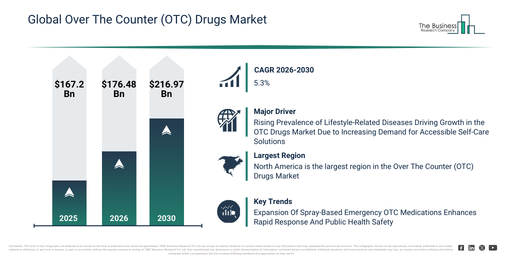
    The over-the-counter (OTC) drugs market has experienced robust expansion in recent years. Its size is projected to increase from $167.2 billion in 2025 to $176.48 billion in 2026, reflecting a compound annual growth rate (CAGR) of 5.6%. This historical growth has been driven by factors such as the broad accessibility of non-prescription medications, significant retail pharmacy penetration, a higher prevalence of minor ailments, growing health consciousness among consumers, and the cost advantages these drugs offer relative to prescription alternatives.

    The market for over-the-counter (OTC) drugs is projected to experience robust expansion over the coming years. By 2030, its value is anticipated to reach $216.97 billion, representing a compound annual growth rate (CAGR) of 5.3%. This forecasted growth is driven by several factors, including the expansion of online pharmacy channels, an increasing elderly population dealing with chronic minor health issues, rising healthcare expenses that encourage self-care, a greater demand for convenient and fast-acting treatments, and ongoing innovations in OTC formulas and delivery methods. Key developments shaping this period include a growing inclination toward self-medication and preventive health practices, heightened interest in natural and herbal OTC options, the proliferation of private label and store-brand OTC medications, a stronger emphasis on consumer-oriented packaging and labeling, and the emergence of multi-symptom and combination OTC products.

    Download A Free Sample Report For Comprehensive Market Insights:

    https://www.thebusinessresearchcompany.com/sample.aspx?id=15630&type=smp&utm_source=BlogsPR&utm_medium=Paid&utm_campaign=Jul_PR

    Over The Counter (OTC) Drugs Market Growth Momentum: Which Factors Are Influencing Demand?

    The growing occurrence of health conditions tied to lifestyle choices is anticipated to boost the expansion of the over-the-counter (OTC) drugs market in the future. Lifestyle-related health issues are medical conditions shaped by behaviors including insufficient physical activity, poor dietary habits, smoking, high alcohol intake, and ongoing stress, all of which play a role in the emergence of metabolic disorders and chronic illnesses. The rise in these conditions is fueled by fast-paced urbanization, sedentary lifestyles, and easy availability of high-calorie foods, leading consumers to increasingly depend on convenient and accessible treatments for managing symptoms. OTC drugs aid public health by delivering affordable, immediate solutions for addressing conditions like obesity, diabetes, and metabolic risks, which in turn lessens the strain on established healthcare systems. As an example, in June 2024, the National Health Service, a UK governmental body, reported that in 2023 it identified over half a million (549,000) extra people in England who are at risk of developing type 2 diabetes, raising the overall count of those with non-diabetic hyperglycemia, or pre-diabetes, registered with a GP to 3,615,330—a notable jump of nearly 20% from 3,065,825 in 2022. Consequently, the increasing frequency of lifestyle-related diseases is propelling the growth of the OTC drugs market.

    Over The Counter (OTC) Drugs Market Segment Breakdown: Which Categories Generate The Most Revenue?

    The over the counter (otc) drugs market covered in this report is segmented –

    1) By Product Type: Cough, Cold And Flu Products, Analgesics, Dermatology Products, Gastrointestinal Products, Vitamins, Mineral And Supplements (VMS), Weight Loss Or Dietary Products, Ophthalmic Products, Sleeping Aids, Other Product Types

    2) By Formulation Type: Tablets, Liquids, Ointments, Sprays

    3) By Distribution Channel: Hospital Pharmacy, Retail Pharmacy, Online Pharmacy, Other Channels

    4) By End-Users: Specialty Clinics, Homecare, Hospitals, Other End Users

    Subsegments:

    1) By Cough, Cold, And Flu Products: Cough Syrups, Decongestants, Cold And Flu Tablets, Lozenges And Throat Sprays, Nasal Sprays

    2) By Analgesics: Pain Relief Tablets (Buprofen, Acetaminophen), Topical Pain Relief (Creams, Gels), Combination Pain Relievers ( Aspirin + Caffeine)

    3) By Dermatology Products: Acne Treatments, Skin Moisturizers And Creams, Anti-Aging Products, Sunscreens, Topical Antifungals And Antiseptics

    4) By Gastrointestinal Products: Antacids, Laxatives, Digestive Enzymes, Probiotics, Anti-diarrheal Medications

    5) By Vitamins, Mineral, And Supplements (VMS): Vitamin Supplements ( Vitamin C, Vitamin D), Mineral Supplements (Iron, Magnesium), Herbal Supplements, Probiotics And Prebiotics, Omega-3 And Fish Oil

    6) By Weight Loss Or Dietary Products: Weight Loss Pills, Meal Replacements, Appetite Suppressants, Fat Burners

    7) By Ophthalmic Products: Eye Drops (Lubricating, Antihistamine), Artificial Tears, Contact Lens Solutions, Eye Ointments

    8) By Sleeping Aids: Melatonin Supplements, Herbal Sleep Aids ( Valerian Root, Chamomile), Over-The-Counter Sleep Tablets

    9) By Other Product Types: Smoking Cessation Products (Nicotine Patches, Gum), Anti-Allergy Medications (Antihistamines), First Aid Supplies (Bandages, Antiseptic Creams), Feminine Hygiene Products (Vaginal Health Supplements)

    Over The Counter (OTC) Drugs Market Trends Reshaping Industry Growth

    Key players within the over-the-counter (OTC) drug industry are prioritizing the creation of user-friendly, spray-based emergency solutions like OTC naloxone nasal sprays to enhance accessibility, enable rapid intervention, and improve public health results. These OTC naloxone sprays are crafted to provide quick opioid overdose reversal without the need for a prescription, allowing for expanded community usage and timely emergency assistance. As an example, in April 2024, the U.S.-based generic pharmaceutical company Amneal Pharmaceuticals, Inc. secured U.S. FDA approval for its OTC Naloxone Hydrochloride (4 mg) Nasal Spray, marking the first generic version comparable to the OTC Narcan nasal spray. With its straightforward intranasal application, this product serves as an essential resource for decreasing opioid-related deaths and broadening nationwide access to life-saving overdose-reversal medications.

    Over The Counter (OTC) Drugs Market Key Players And Strategic Industry Positioning

    Major companies operating in the over the counter (otc) drugs market are Pfizer Inc., Johnson & Johnson Private Limited, The Procter & Gamble Company, F. Hoffmann-La Roche Ltd., Merck & Co. Inc., AbbVie Inc., Bayer AG, Sanofi S.A., Bristol Myers Squibb Company, AstraZeneca PLC, Novartis AG, GlaxoSmithKline PLC, Takeda Pharmaceutical Company Ltd., Reckitt Benckiser Group PLC, Viatris Inc., Teva Pharmaceutical Industries Ltd., DAIICHI SANKYO COMPANY LIMITED, Sun Pharmaceutical Industries Ltd., Boehringer Ingelheim International GmbH, Perrigo Company plc, Cipla Inc., Dr. Reddy’s Laboratories Ltd., Alkem Laboratories Limited, Piramal Enterprises Ltd

    Access The Complete Over The Counter (OTC) Drugs Market Report:

    https://www.thebusinessresearchcompany.com/report/over-the-counter-otc-drugs-global-market-report?utm_source=BlogsPR&utm_medium=Paid&utm_campaign=Jul_PR

    Over The Counter (OTC) Drugs Market Geographic Distribution And Regional Opportunities

    North America was the largest region in the over the counter (OTC) drugs market in 2025. Asia-Pacific is expected to be the fastest-growing region in the forecast period. The regions covered in the over the counter (otc) drugs market report are Asia-Pacific, South East Asia, Western Europe, Eastern Europe, North America, South America, Middle East, Africa.

    Get in touch with us:

    The Business Research Company: https://www.thebusinessresearchcompany.com/?utm_source=BlogsPR&utm_medium=Paid&utm_campaign=home_page_test

    Americas: +1 310-496-7795

    Asia: +44 7882 955267 & +91 8897263534

    Europe: +44 7882 955267

    Email us at: marketing@tbrc.info

    Follow us on:

    LinkedIn: https://in.linkedin.com/company/the-business-research-company

    YouTube: https://www.youtube.com/channel/UC24_fI0rV8cR5DxlCpgmyFQ

    Global Market Model: https://www.thebusinessresearchcompany.com/global-market-model
  • Ovarian Cancer Drugs Market Forecast Highlights Expansion From $6.64 Billion To $11.53 Billion Through 2030

    Ovarian Cancer Drugs Market Forecast Highlights Expansion From $6.64 Billion To $11.53 Billion Through 2030

    Through market attractiveness analysis, total addressable market evaluation, company benchmarking matrices, interactive Excel dashboards, expanded supply chain intelligence, emerging startup coverage, and detailed product insights, The Business Research Company’s 2026 market reports provide more actionable and strategically valuable research.

    Ovarian Cancer Drugs Market Revenue Growth Supported By A CAGR Of 11.53% Through 2030

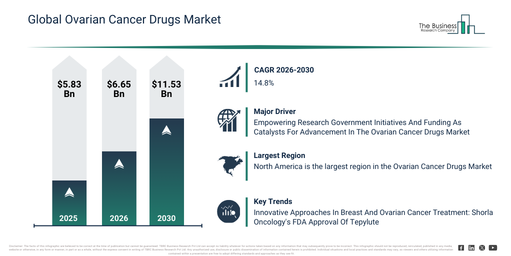
    The market for ovarian cancer therapeutics has experienced strong expansion over the last few years. Projections indicate it will rise from $5.83 billion in 2025 to $6.65 billion in 2026, reflecting a compound annual growth rate (CAGR) of 14.0%. This historical growth is largely driven by heightened research and development efforts focused on chemotherapeutic agents, the regulatory approval of frontline ovarian cancer treatments, an increasing occurrence of ovarian cancer, better approaches to diagnosis, and a broader reach of hospital pharmacy systems.

    The ovarian cancer drugs market is projected to experience swift expansion in the coming years, reaching an estimated $11.53 billion by 2030, with a compound annual growth rate (CAGR) of 14.8%. This anticipated growth during the forecast period can be linked to the rising uptake of personalized medicine, progress in targeted and combination therapies, greater funding for genomics research, the enlargement of oncology-focused healthcare facilities, and enhanced awareness alongside early detection campaigns. Key developments shaping this period involve the advancement of targeted therapies, personalized medicine strategies, combined chemotherapy regimens, innovative drug delivery methods, and a growing emphasis on rare forms of ovarian cancer.

    Download A Free Sample Report For Comprehensive Market Insights:

    https://www.thebusinessresearchcompany.com/sample.aspx?id=2593&type=smp&utm_source=BlogsPR&utm_medium=Paid&utm_campaign=Jul_PR

    Ovarian Cancer Drugs Market Expansion Drivers: What Is Shaping Future Growth?

    Government programs and financial backing for ovarian cancer are anticipated to accelerate the expansion of the ovarian cancer drugs market moving forward. Government initiatives and funding refer to monetary support provided by the state to chosen entities that present ideas or projects aimed at enhancing public services and boosting the economy. This financial assistance for ovarian cancer research helps improve the quality of life and survival rates for patients affected by this disease. For example, in April 2025, the American Medical Association, a U.S.-based professional organization, reported that in 2023, U.S. health spending rose by 7.5% to reach $4.9 trillion, or $14,570 per person, exceeding the 4.6% increase observed in 2022. As a result, government initiatives and funding for ovarian cancer are fueling the growth of the ovarian cancer drugs market.

    Ovarian Cancer Drugs Market Segmentation: How Is The Market Structured Across Key Categories?

    The ovarian cancer drugs market covered in this report is segmented –

    1) By Tumor Type: Epithelial Ovarian Cancer, Germ Cell Ovarian Cancer, Stromal Cell Ovarian Cancer

    2) By Drug Type: Alkylating Agents, Mitotic Inhibitors, VEGF/VEGFR inhibitors, PARP inhibitors, Other Drug Types

    3) By Distribution Channel: Hospital Pharmacies, Drug Stores, Other Distribution Channels

    Subsegments:

    1) By Epithelial Ovarian Cancer: Serous Carcinoma, Endometrioid Carcinoma, Clear Cell Carcinoma, Mucinous Carcinoma

    2) By Germ Cell Ovarian Cancer: Dysgerminoma, Yolk Sac Tumor, Teratoma, Embryonal Carcinoma

    3) By Stromal Cell Ovarian Cancer: Granulosa Cell Tumor, Sertoli-Leydig Cell Tumor, Thecoma, Fibroma

    Ovarian Cancer Drugs Market Strategic Trends: What Is Defining The Next Phase Of Growth?

    Key players within the ovarian cancer drug market are concentrating on developing cutting-edge solutions, specifically those targeting both breast and ovarian cancer therapies, to boost treatment effectiveness and improve overall patient outcomes. The term breast and ovarian cancer treatment encompasses a variety of medical strategies aimed at managing and combating these two distinct forms of malignancies that primarily affect women. A notable example occurred in June 2024, when Shorla Oncology, a pharmaceutical firm based in Ireland, secured FDA approval for Tepylute, an innovative ready-to-dilute thiotepa formulation designed to treat both breast and ovarian cancers. This liquid preparation streamlines administration by removing the requirement for complex reconstitution, thereby ensuring precise dosing consistency. The recommended dosage is set between 0.3 mg/kg and 0.4 mg/kg, delivered intravenously every one to four weeks, starting with higher initial doses and then adjusted for maintenance according to blood cell counts.

    Ovarian Cancer Drugs Market Competitive Landscape And Leading Companies

    Major companies operating in the ovarian cancer drugs market are AstraZeneca plc, F. Hoffmann-La Roche AG, Bristol-Myers Squibb Company, Clovis Oncology, Pfizer Inc., Novartis AG, Pharma Mar SA, Eisai Co Ltd, Jiangsu Hengrui Medicine, BeiGene, Innovent Biologics, Zai Lab, EUSA Pharma, MSD Sanofi, Johnson & Johnson, Merck & Co, Teva Pharmaceutical Industries Ltd, AbbVie Inc, Amgen Inc, GlaxoSmithKline plc

    Access The Complete Ovarian Cancer Drugs Market Report:

    https://www.thebusinessresearchcompany.com/report/ovarian-cancer-drugs-global-market-report?utm_source=BlogsPR&utm_medium=Paid&utm_campaign=Jul_PR

    Ovarian Cancer Drugs Market Largest Region By Revenue And Market Share

    North America was the largest region in the ovarian cancer drugs market in 2025. Middle East is expected to be the fastest-growing region in the global ovarian cancer drugs market share during the forecast period. The regions covered in the ovarian cancer drugs market report are Asia-Pacific, South East Asia, Western Europe, Eastern Europe, North America, South America, Middle East, Africa.

    Get in touch with us:

    The Business Research Company: https://www.thebusinessresearchcompany.com/?utm_source=BlogsPR&utm_medium=Paid&utm_campaign=home_page_test

    Americas: +1 310-496-7795

    Asia: +44 7882 955267 & +91 8897263534

    Europe: +44 7882 955267

    Email us at: marketing@tbrc.info

    Follow us on:

    LinkedIn: https://in.linkedin.com/company/the-business-research-company

    YouTube: https://www.youtube.com/channel/UC24_fI0rV8cR5DxlCpgmyFQ

    Global Market Model: https://www.thebusinessresearchcompany.com/global-market-model

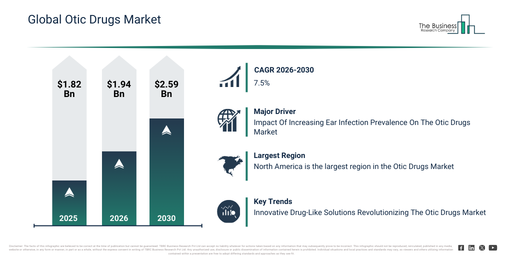
  • Otic Drugs Market Expected To Reach $2.59 Billion By 2030 As Growth Accelerates At 7.5% CAGR

    Otic Drugs Market Expected To Reach $2.59 Billion By 2030 As Growth Accelerates At 7.5% CAGR

    Delivering more actionable and strategically valuable research, The Business Research Company’s 2026 market reports feature market attractiveness analysis, total addressable market evaluation, company benchmarking matrices, interactive Excel dashboards, expanded supply chain intelligence, emerging startup coverage, and detailed product insights.

    Otic Drugs Market Value Expansion And Long-Term Growth Outlook

    The market for otic drugs has recorded robust expansion over the past few years. Valued at $1.82 billion in 2025, it is projected to reach $1.94 billion by 2026, reflecting a compound annual growth rate (CAGR) of 6.4%. Several factors have fueled this historical growth, including a high incidence of otitis media, extensive antibiotic application in ear, nose, and throat (ENT) care, a rise in hospital-based treatment approaches, an increasing number of pediatric ear infections, and the accessibility of topical ear preparations.

    The otic drugs market is anticipated to experience robust expansion over the coming years, reaching a value of $2.59 billion by 2030 with a compound annual growth rate (CAGR) of 7.5%. This projected growth during the forecast period is driven by factors such as a growing elderly population, heightened awareness about ear health, the rise of home-based treatment options, innovations in combination otic drug formulations, and improved access to specialized ear, nose, and throat (ENT) clinics. Key trends shaping this period include a greater reliance on combined otic therapies, a shift toward topical drug administration methods, rising demand for pediatric-specific otic medications, an increasing availability of over-the-counter ear care solutions, and a more widespread adoption of steroid-based otic treatments.

    Download A Free Sample Report For Comprehensive Market Insights:

    https://www.thebusinessresearchcompany.com/sample.aspx?id=12998&type=smp&utm_source=BlogsPR&utm_medium=Paid&utm_campaign=Jul_PR

    Otic Drugs Market Development Factors: Which Trends Are Supporting Demand?

    The increasing frequency of ear infections is anticipated to drive forward the expansion of the otic drugs market in the coming period. An ear infection, referred to clinically as otitis, is an inflammatory condition impacting the ear, typically stemming from bacterial or viral sources. Otic medications offer focused therapy, minimize systemic absorption, and help avert complications for individuals dealing with diverse ear infections. As an example, in April 2023, figures released by the World Health Organization (WHO), a nonprofit entity based in Switzerland, indicated that by 2050 approximately 2.5 billion individuals would experience hearing loss, with at least 700 million needing hearing care. Consequently, the growing occurrence of ear infections fuels the advancement of the otic drugs market.

    Otic Drugs Market Segmentation Trends And Revenue Drivers

    The otic drugs market covered in this report is segmented –

    1) By Drug Class: Cerumenolytics, Otic Anesthetics, Otic Anti-Infectives, Otic Steroids, Other Drug Class

    2) By Indication: Otitis, Middle Ear Infections, Other Indication

    3) By Route of Administration: Topical, Other Route of Administration

    4) By End-Users: Hospitals, Specialty Clinics, Homecare, Other End-Users

    Subsegments:

    1) By Cerumenolytics: Carbamide Peroxide, Docusate Sodium, Hydrogen Peroxide

    2) By Otic Anesthetics: Benzocaine, Lidocaine, Pramoxine

    3) By Otic Anti-Infectives: Antibiotic Solutions, Antifungal Solutions, Combination Antibiotic Or Antifungal Solutions

    4) By Otic Steroids: Hydrocortisone, Dexamethasone, Betamethasone

    5) By Other Drug Class: Antihistamines, Decongestants, Topical Analgesics

    Otic Drugs Market Transformation Trends: Which Innovations Are Driving Change?

    Major players in the otic drugs market are rolling out innovative drug-like solutions to maintain their competitive edge. A drug-like cocktail generally refers to a blend of substances or compounds that exhibit characteristics similar to pharmaceutical drugs. These cocktails are typically created for research or experimental applications, including drug discovery, disease modeling, or investigating how various compounds affect biological systems. For example, in April 2023, Massachusetts Eye and Ear, a US-based international center for treatment and research, formulated a drug-like cocktail of molecules that successfully regenerated hair cells in a mouse model by reprogramming genetic pathways within the inner ear. This effective treatment for hearing loss has previously been unattainable through medicine due to the permanent loss of hair cells caused by aging, noise exposure, and other factors. This strategy aims to stimulate sensory cell regeneration to restore hearing, bringing us closer to a gene therapy solution for hearing loss.

    Otic Drugs Market Industry Leaders: Which Organizations Are Driving Competition?

    Major companies operating in the otic drugs market are Pfizer Inc., Johnson and Johnson Limited, Merck and Co. Inc., AbbVie Inc., Bayer AG, Novartis AG, Sanofi SA, Abbott Laboratories, GlaxoSmithKline Plc, Teva Pharmaceutical Industries Ltd., Mylan N.V., Alcon Inc., Bausch Health Companies Inc., Sun Pharmaceutical Industries Ltd., Perrigo Company PLC, Dr. Reddy’s Laboratories Ltd., Aurobindo Pharma Limited, Cipla Limited, Hikma Pharmaceuticals plc, Amneal Pharmaceuticals LLC, Zydus Lifesciences Ltd, Lupin Limited.

    Access The Complete Otic Drugs Market Report:

    https://www.thebusinessresearchcompany.com/report/otic-drugs-global-market-report?utm_source=BlogsPR&utm_medium=Paid&utm_campaign=Jul_PR

    Otic Drugs Market Regional Analysis And Leading Geography

    North America was the largest region in the otic drugs market in 2025. Asia-Pacific is expected to be the fastest-growing region in the forecast period. The regions covered in the otic drugs market report are Asia-Pacific, South East Asia, Western Europe, Eastern Europe, North America, South America, Middle East, Africa.

    Get in touch with us:

    The Business Research Company: https://www.thebusinessresearchcompany.com/?utm_source=BlogsPR&utm_medium=Paid&utm_campaign=home_page_test

    Americas: +1 310-496-7795

    Asia: +44 7882 955267 & +91 8897263534

    Europe: +44 7882 955267

    Email us at: marketing@tbrc.info

    Follow us on:

    LinkedIn: https://in.linkedin.com/company/the-business-research-company

    YouTube: https://www.youtube.com/channel/UC24_fI0rV8cR5DxlCpgmyFQ

    Global Market Model: https://www.thebusinessresearchcompany.com/global-market-model